1/4
Designing with nature: Why Biophilic Design?
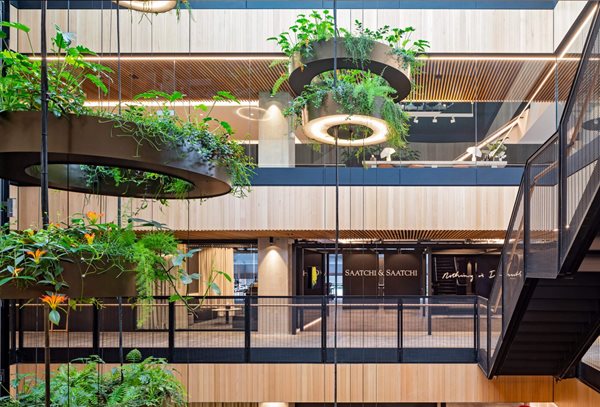
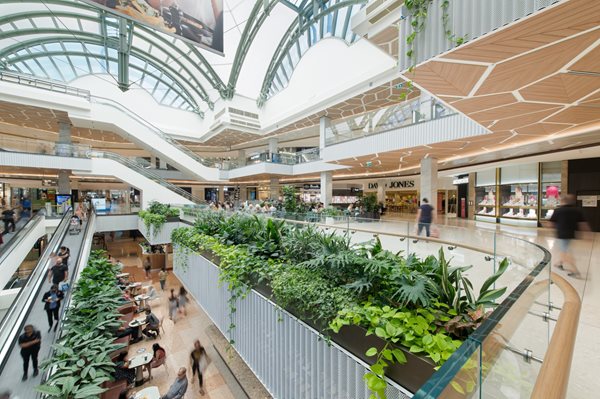
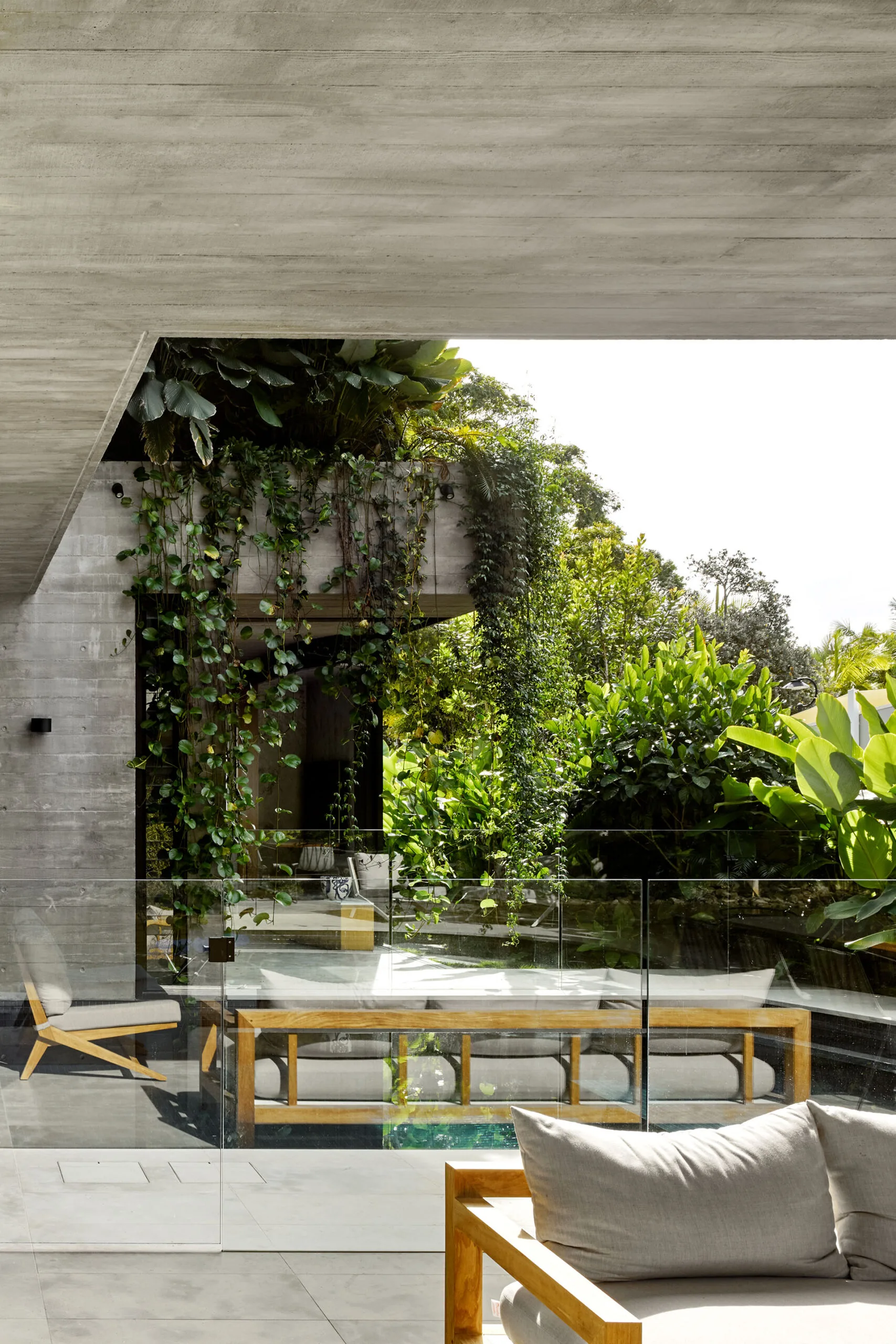
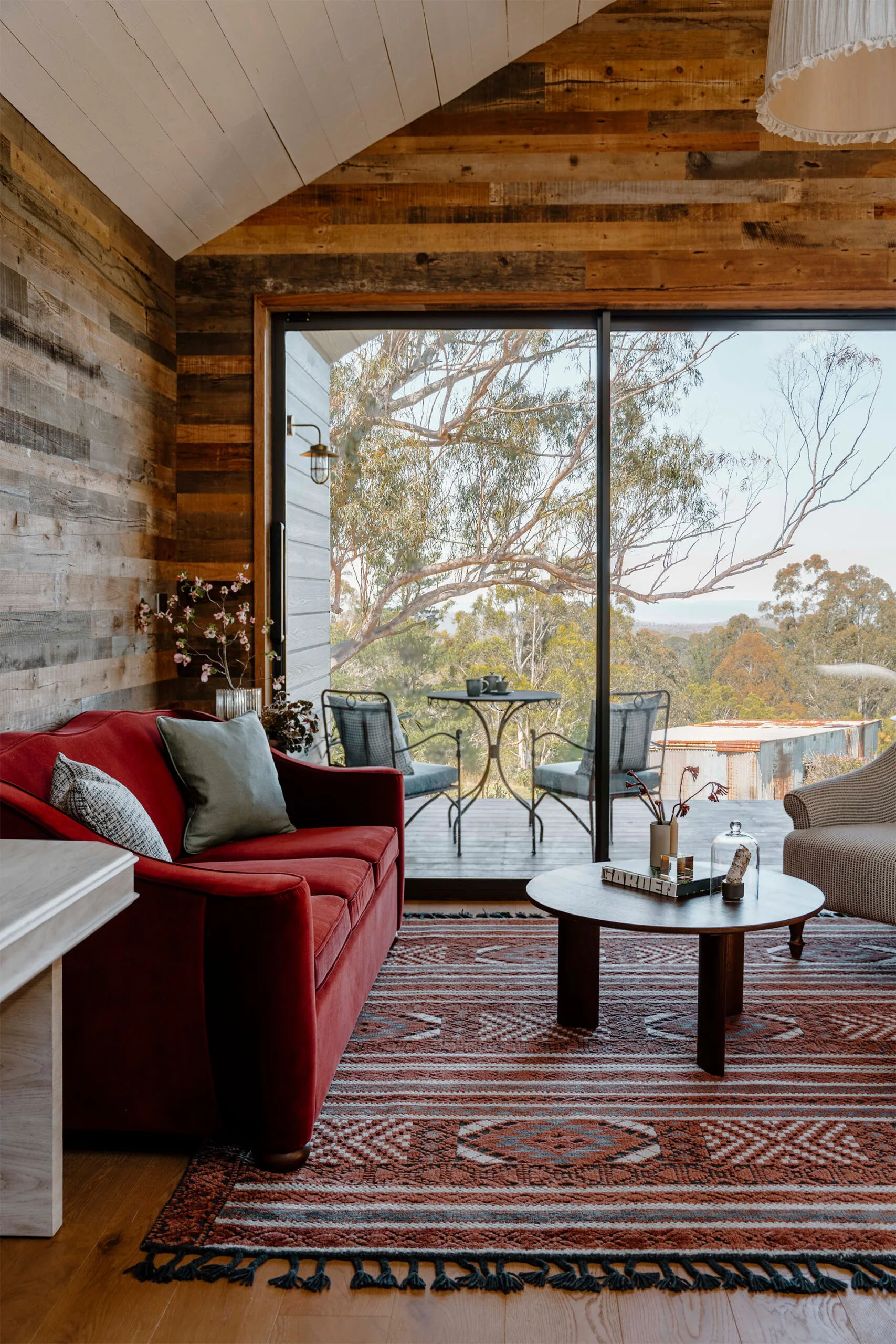
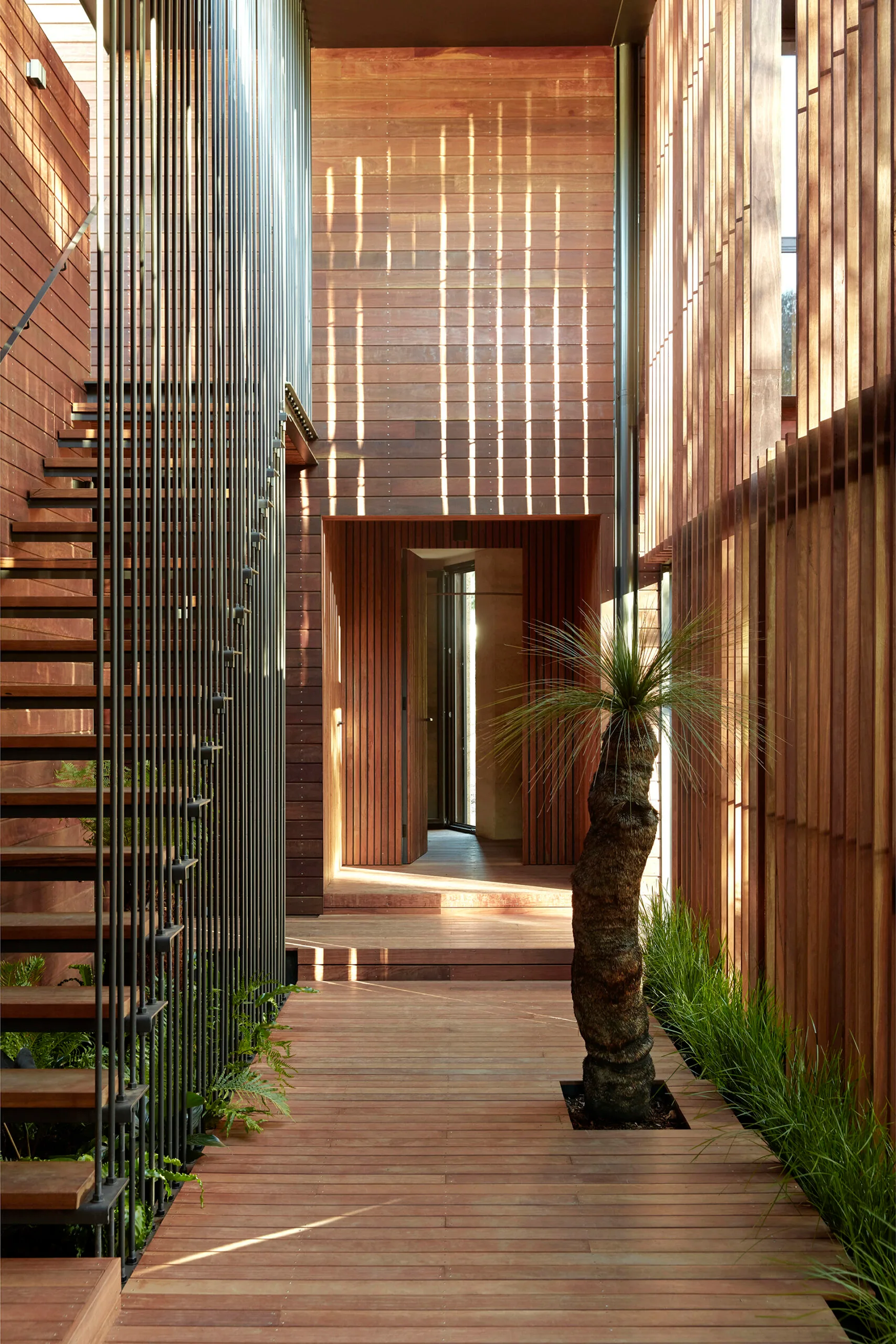
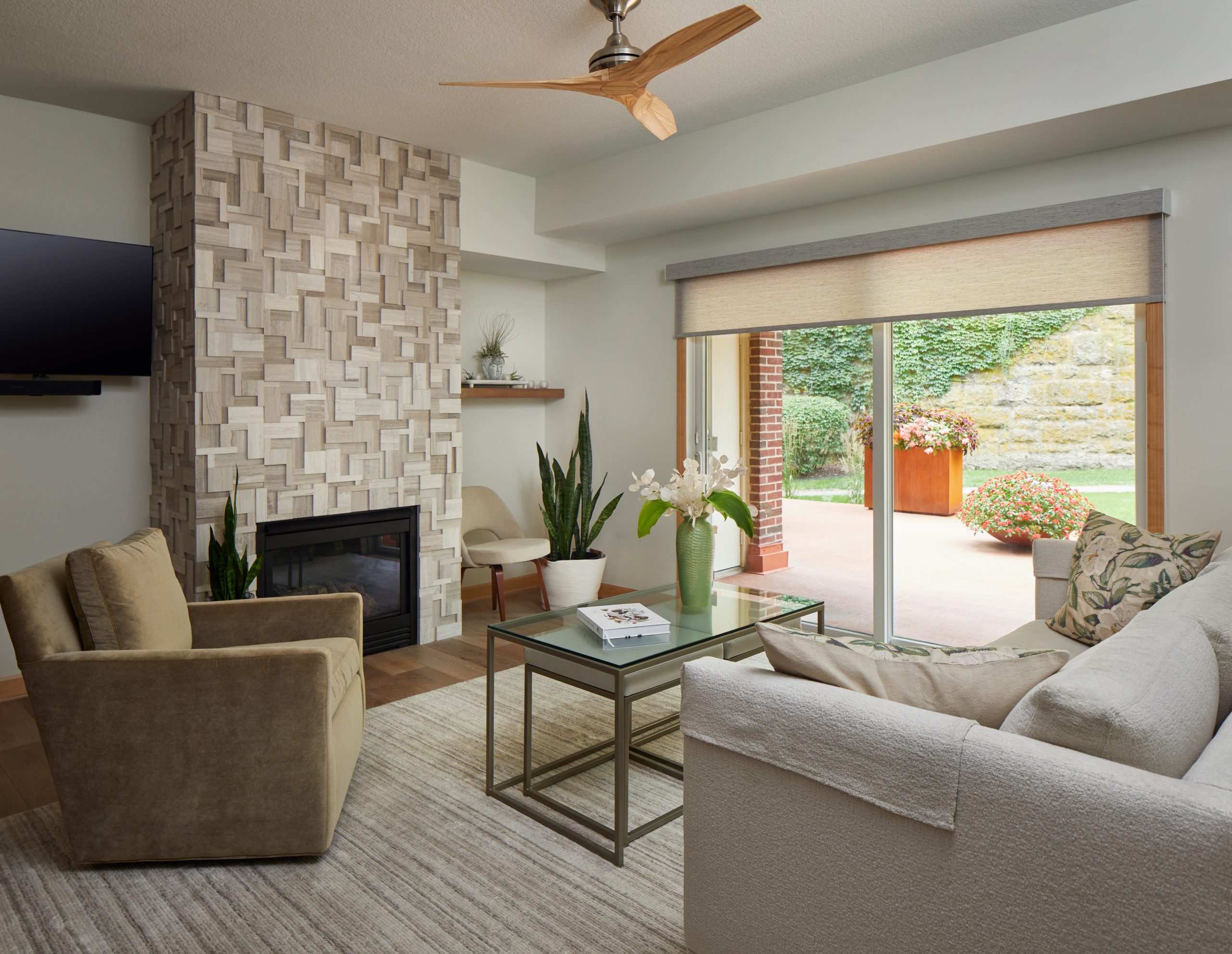
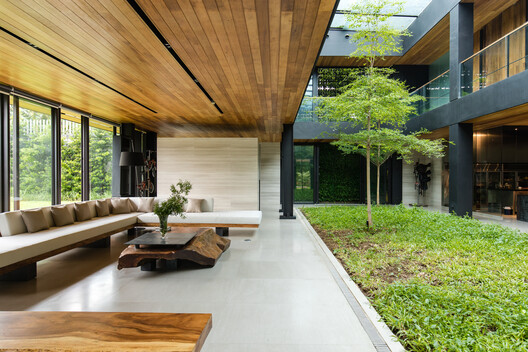
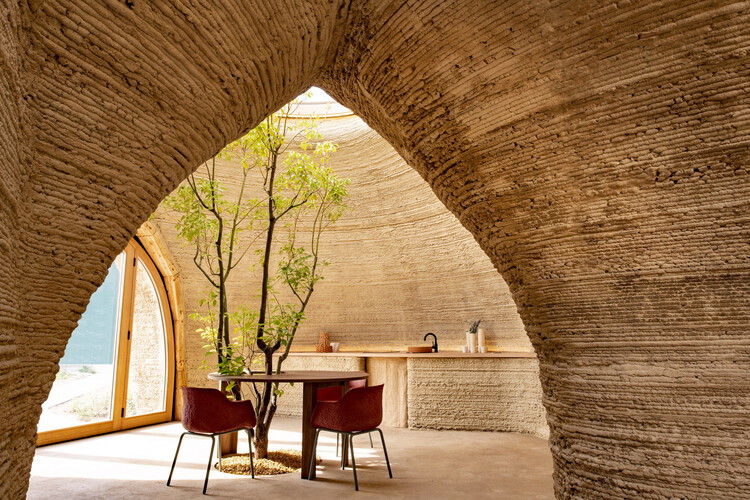
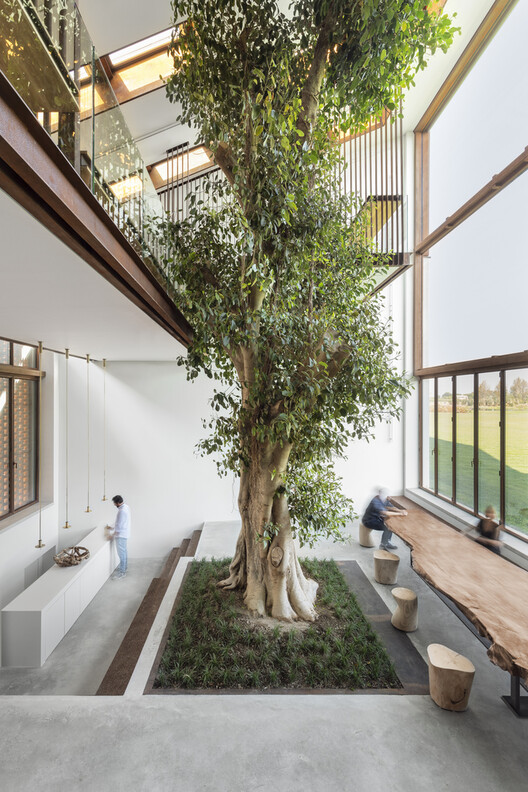
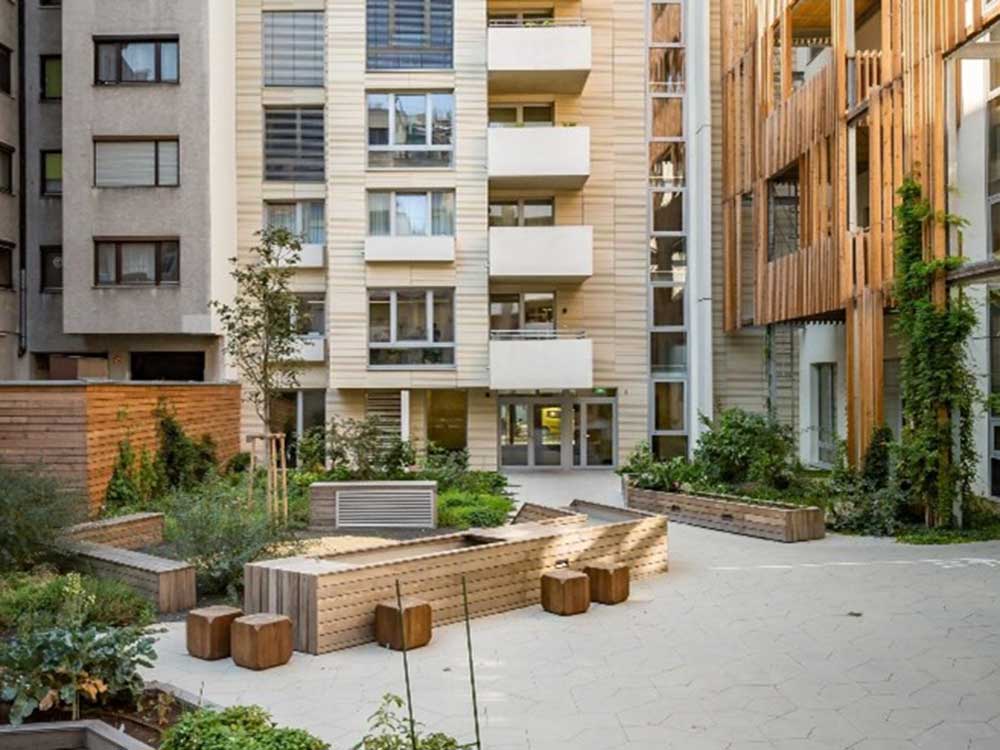
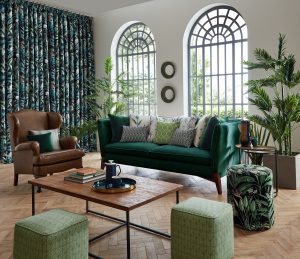
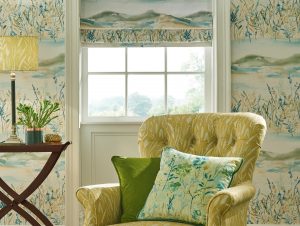
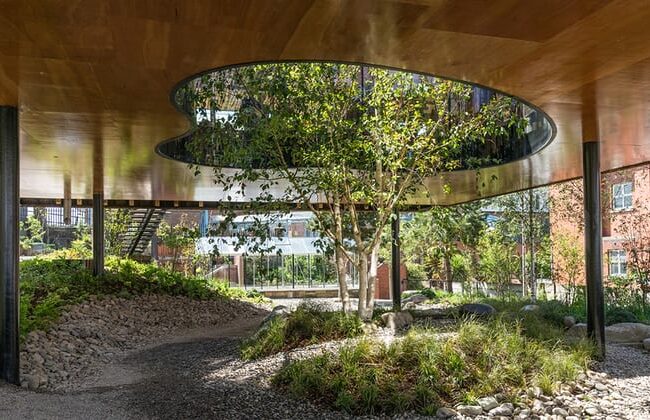
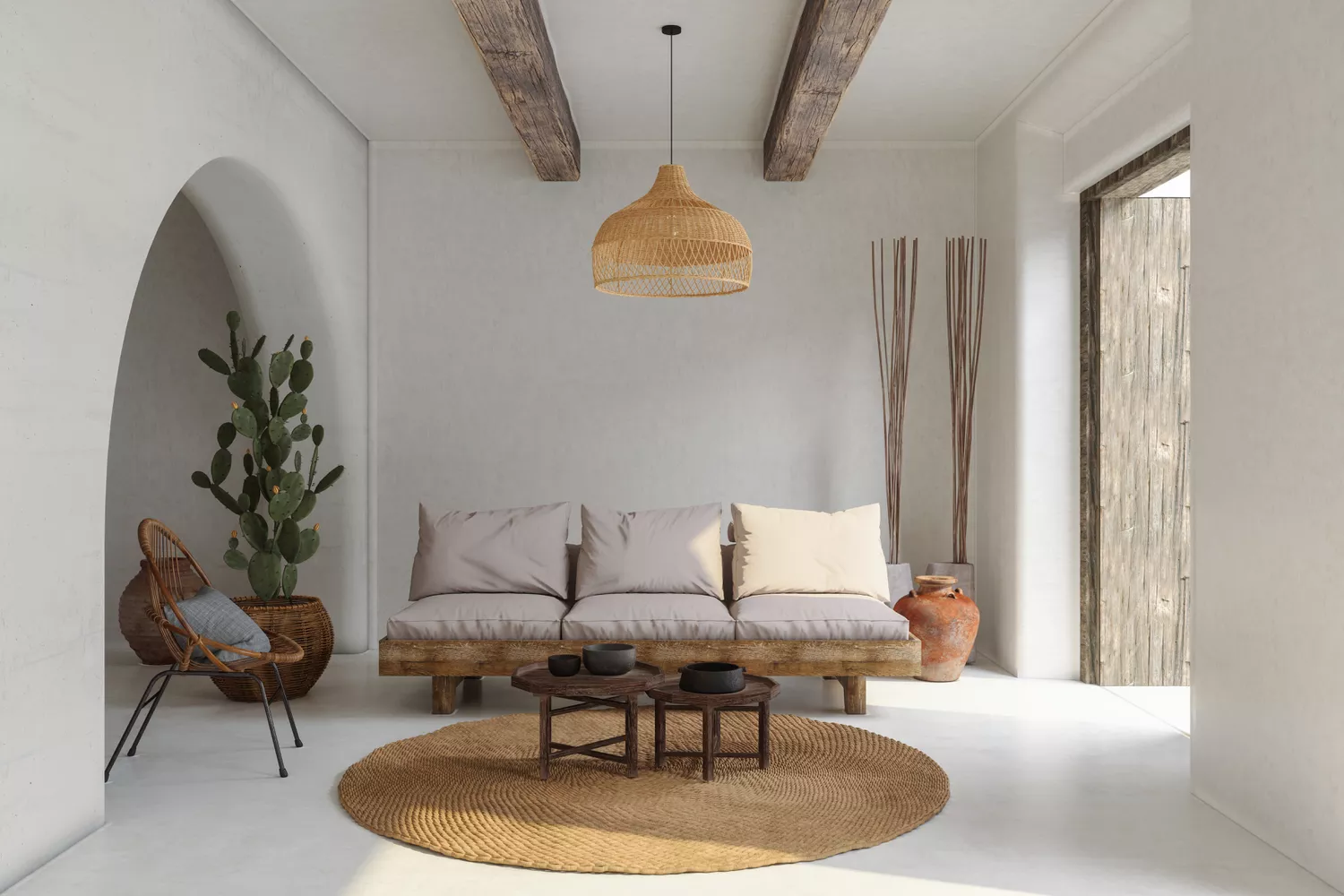
The increasing presence of succulents in everyday spaces reflects a growing recognition of nature's importance in our lives. As the global population expands, with a projected 9.7 billion people by 2050 and 70% residing in urban areas, the challenge lies in designing cities that support human health and well-being. Biophilic design, which integrates natural elements into the built environment, offers a sustainable solution to this challenge. The term 'biophilia' was coined by Harvard conservationist Edward O. Wilson, highlighting humanity's innate emotional connection to living organisms. This concept is not new; historical figures like Leonardo da Vinci and Hogarth recognized and incorporated the benefits of the natural world into their designs.
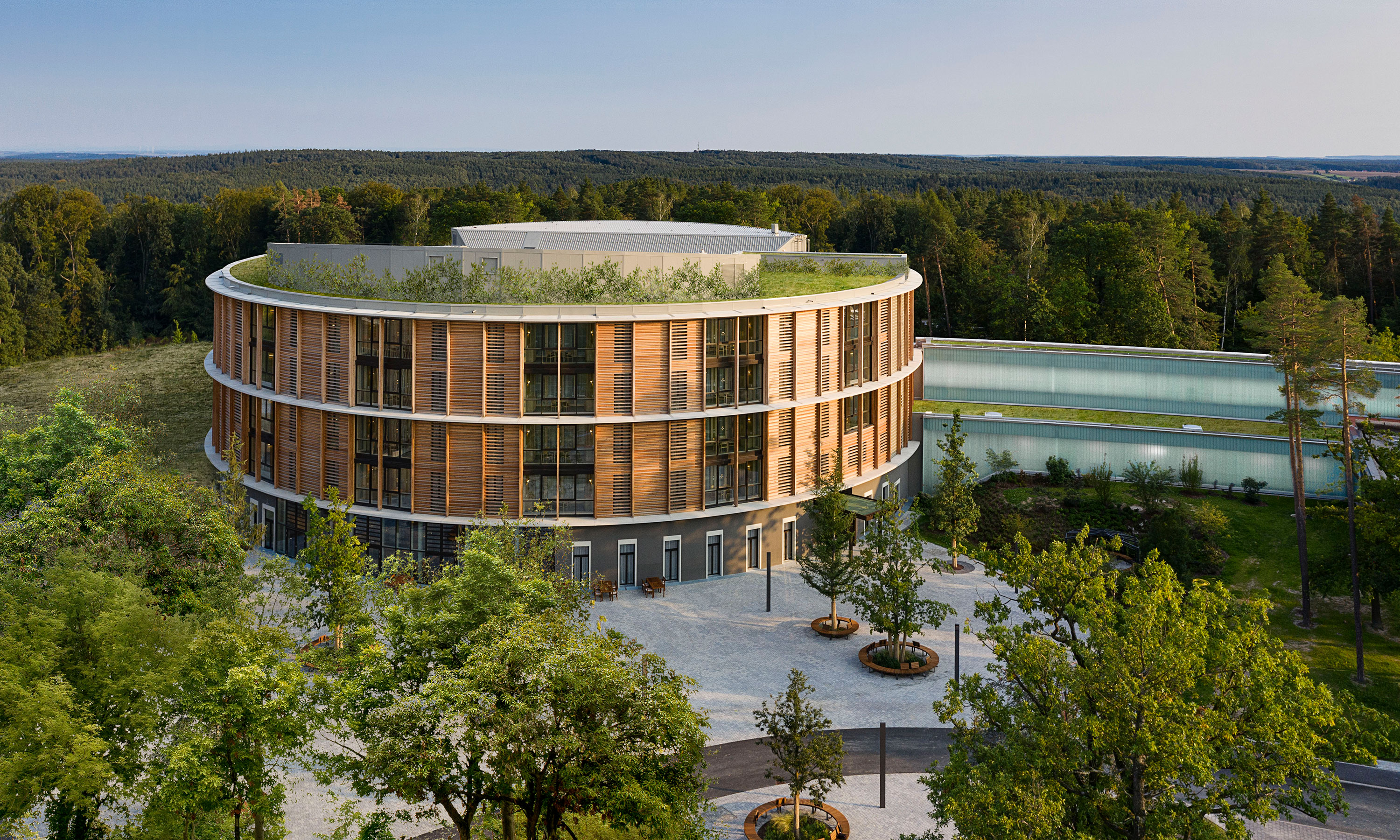
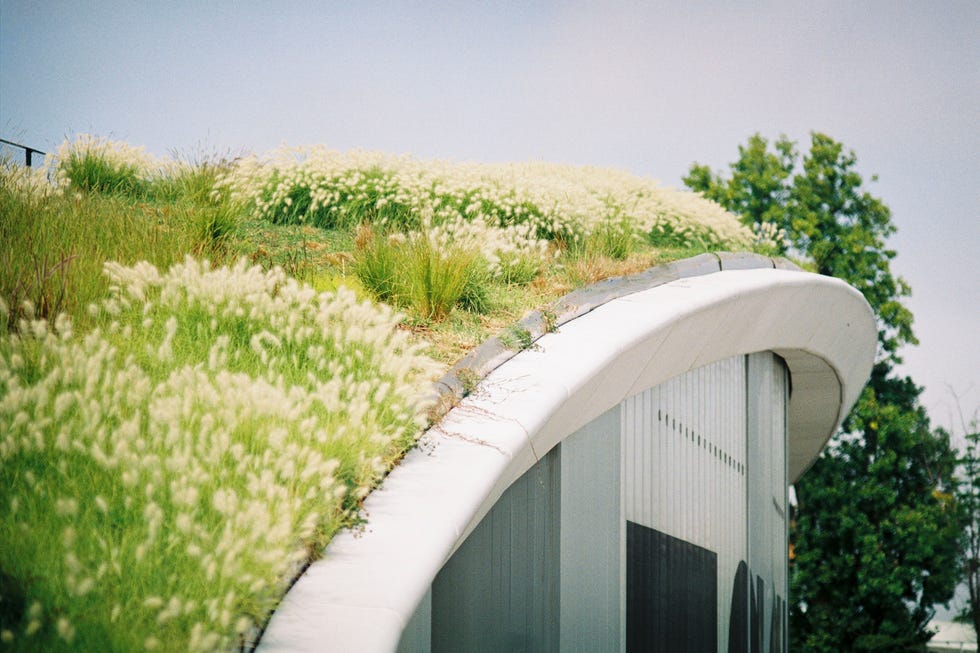
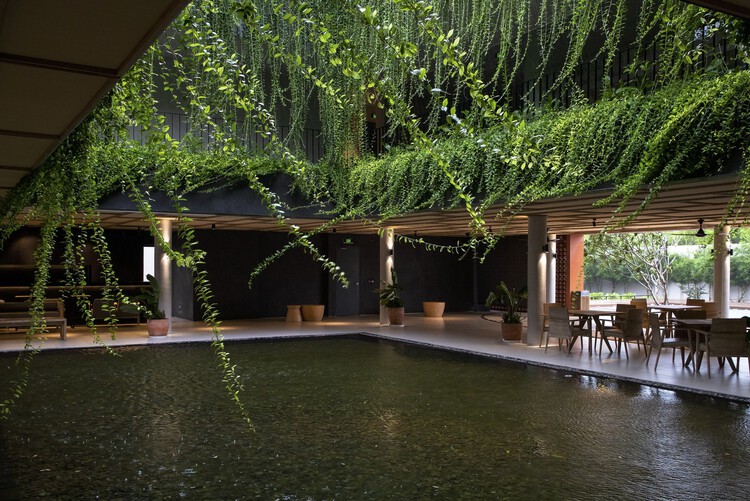
Scientific research consistently demonstrates the positive impact of biophilic design. Studies show improved concentration in schoolchildren, increased productivity and health among employees, and accelerated recovery rates for patients in environments that thoughtfully integrate nature. Examples such as the Eco-classroom at Benenden School in Kent, which utilizes solar panels and a sedum roof for energy and water collection, showcase how natural principles can be embedded into educational settings. Similarly, the Khoo Teck Puat Hospital in Singapore was designed to reduce patient stress levels upon entry through strategic placement of buildings that allow natural breezes and plant cascades while mitigating harsh sun, rain, and shadow.
Beyond aesthetics, biophilic design addresses critical environmental and health concerns. Interior air pollution, often overlooked in comparison to outdoor smog, significantly contributes to health issues. Designers must be mindful of pollutants both inside and outside buildings and adapt their specifications to create healthier living and working spaces. Traditionally, many interior designers prioritize aesthetics over the health of end-users and may lack awareness of a building's orientation or local environmental conditions. This can inadvertently undermine sustainable and biophilic goals, such as maximizing natural light or providing exterior views.
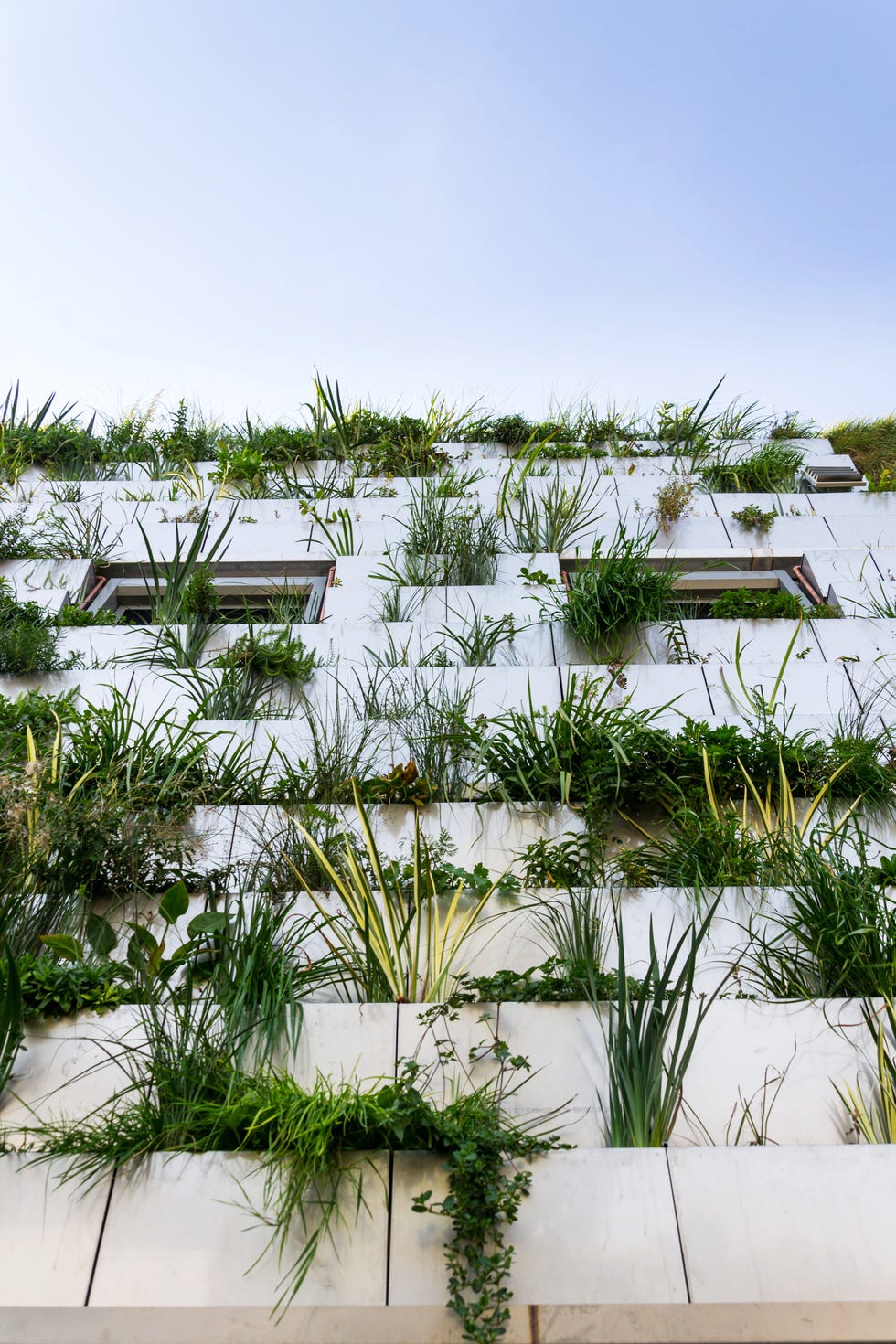
For biophilic design to be truly effective, interior designers must undertake a close examination of a building's relationship with its surrounding environment during space planning. This proactive approach helps mitigate potential discomfort and health problems for occupants. The benefits of biophilic design extend beyond simply reducing a building's carbon footprint. For instance, the living wall installation at the Guelph Humber University in Toronto, described by Birgit Siber of Diamond Schmitt Architects, exemplifies a multifaceted biophilic solution. This design reduces energy consumption by minimizing the need for outdoor air treatment, provides fresh oxygen, offers acoustic absorption and white noise from water flow, and creates a compelling visual aesthetic, all while serving as a powerful symbol of green design.
Ultimately, biophilic design represents a crucial strategy for the 21st century, moving beyond merely incorporating plants into interior spaces to fundamentally rethinking how the built environment can foster human health, well-being, and a sustainable relationship with nature.
#BiophilicDesign #SustainableArchitecture #UrbanPlanning #EnvironmentalPsychology #WorkplaceWellbeing #InteriorDesign #GreenBuildings #HealthBenefits #DesignInnovation #BiophilicDesign #SustainableArchitecture #UrbanPlanning #EnvironmentalPsychology #WorkplaceWellbeing #InteriorDesign #GreenBuildings #HealthBenefits #DesignInnovation
0 comment in total
 No comments yet
You may also like
Focus on Biophilia: Nature-Inspired Design Strengthens People!

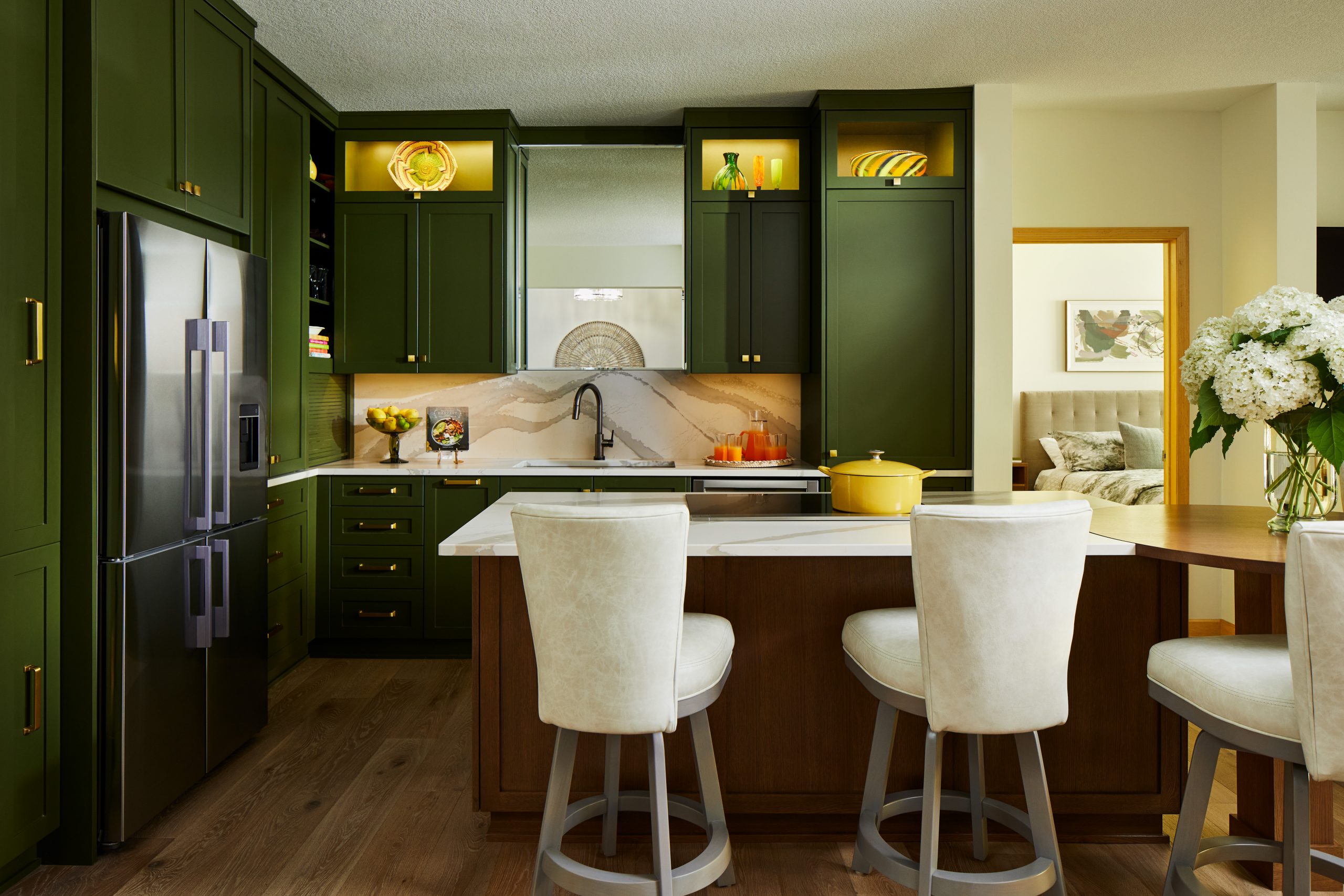
The Best of Biophilic Design: Bringing Nature Indoors

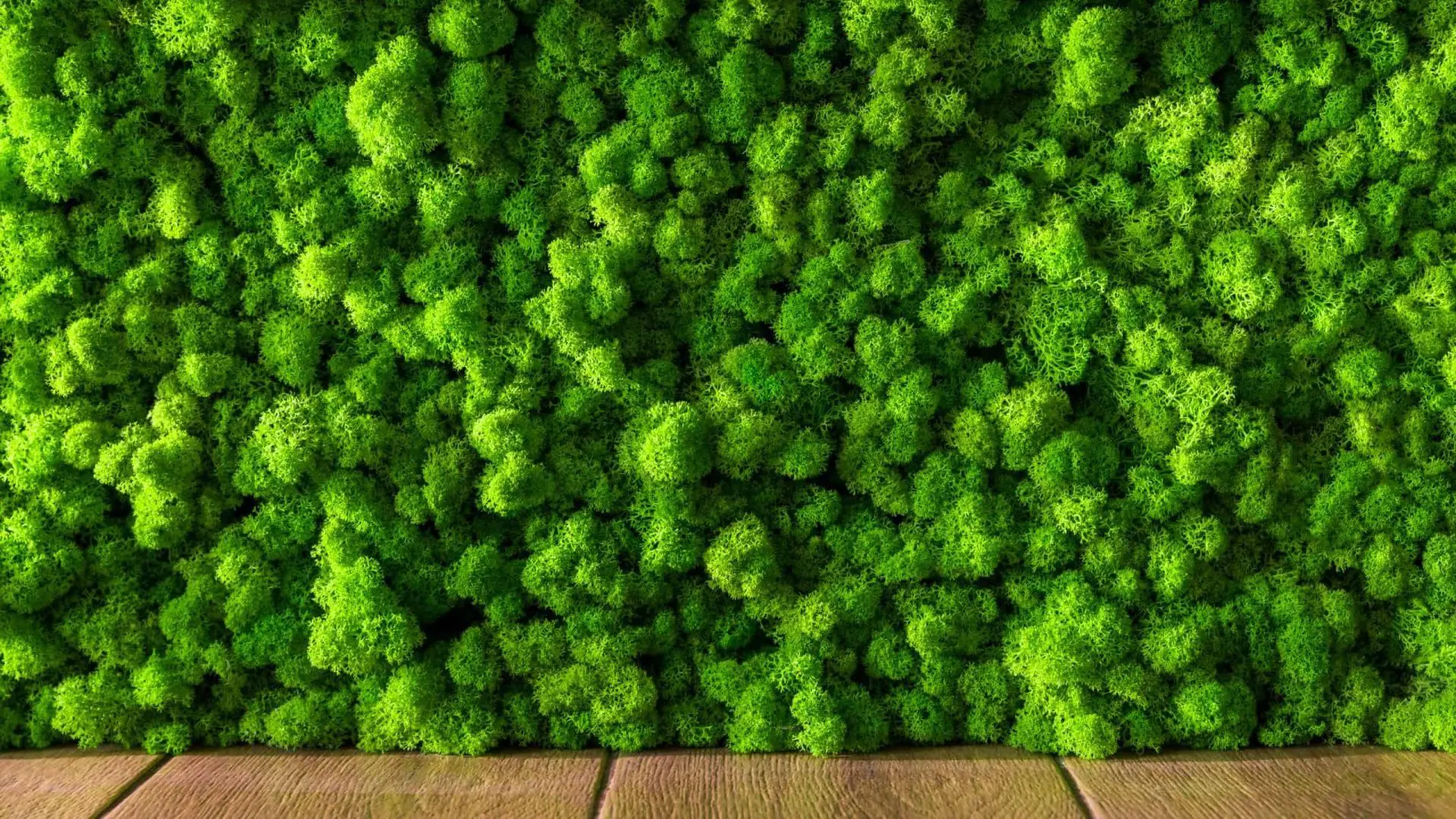
8 applications of different biophilic design concepts


Biophilic facades in sustainable building design
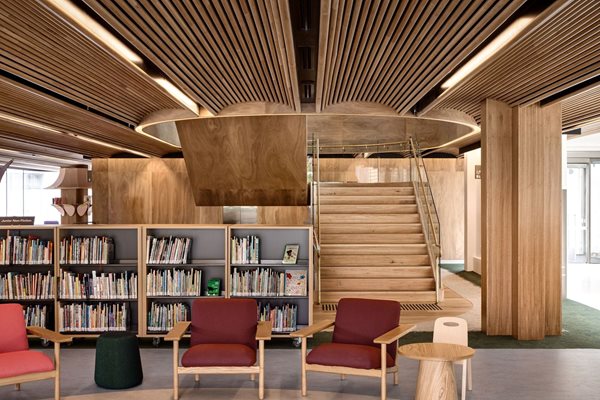
Why biophilic design is more than just a trend
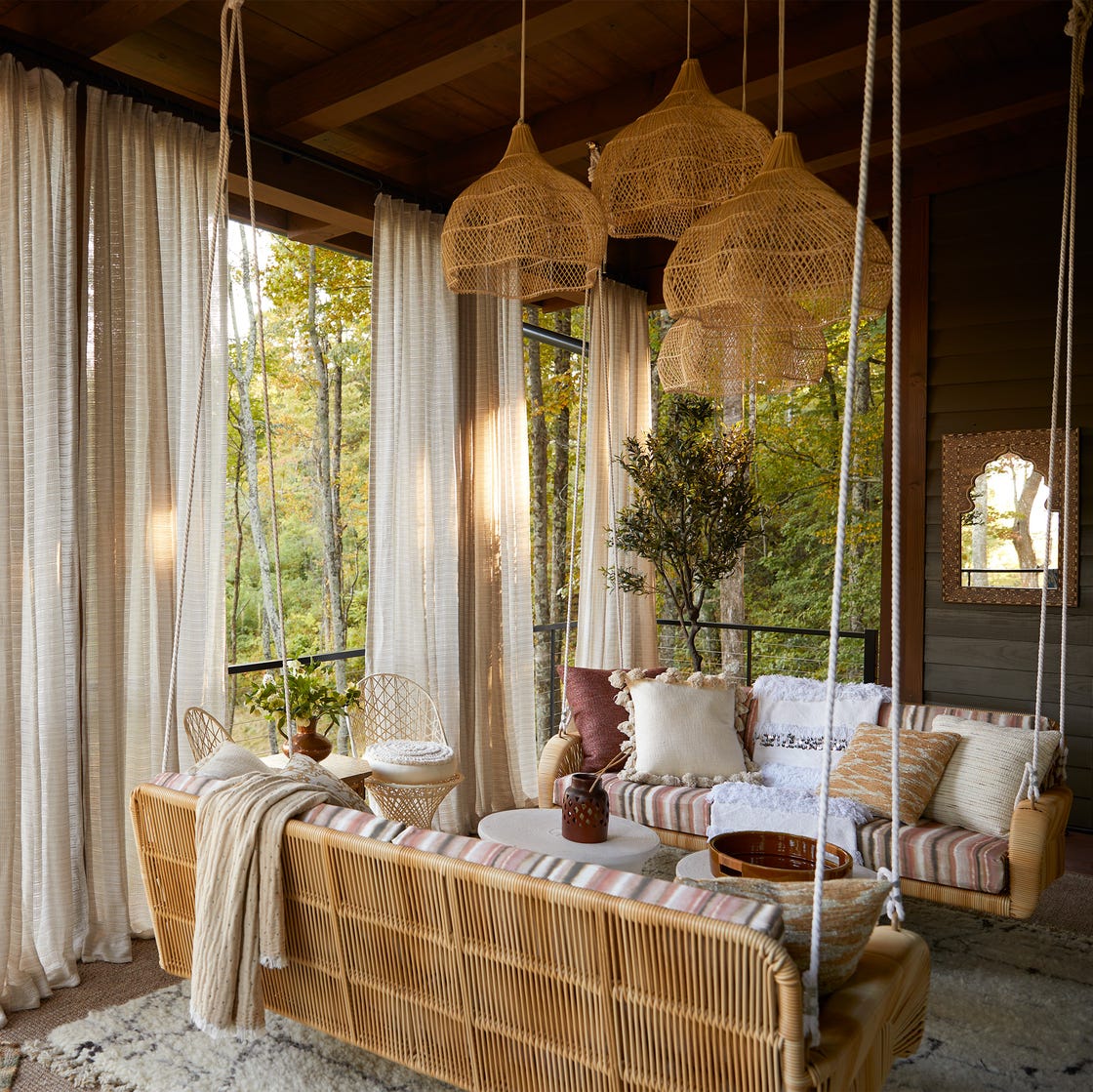
Biophilic Design Is the Signature Style of Plant Lovers Everywhere

These 10 Biophilic Design Ideas Will Transform Your Home Into a Natural Oasis

20 Nature-Loving Homes Where Biophilia Thrives

What is Biophilic Design? This Nature-Based Interiors Trend Promises Wellness
Thinking the Biophilic Way: Five Ways to Interact with Nature in Design
Want Your Home to Feel Happier and Calmer? It's Time to Consider Biophilic Design

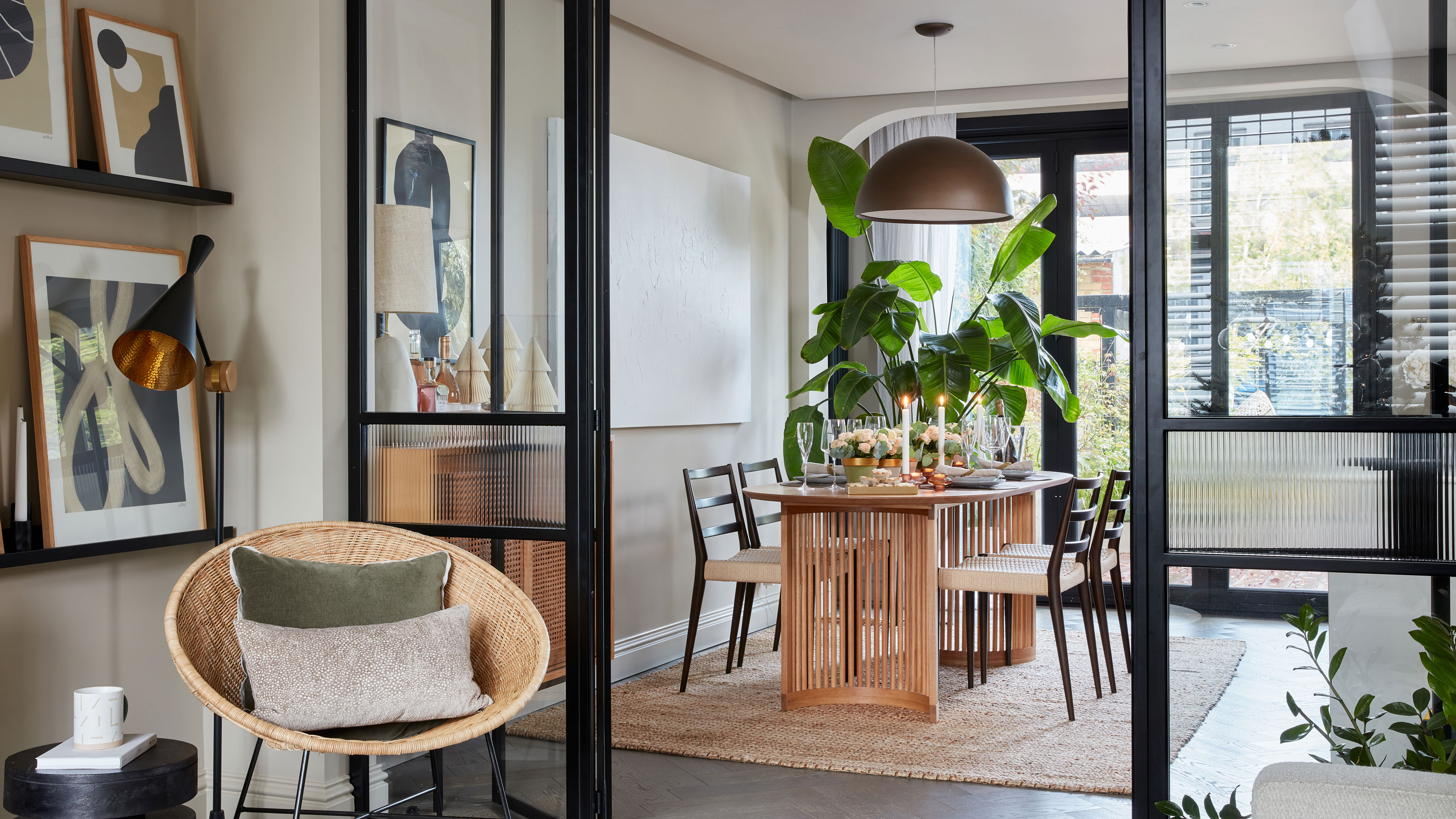
Biophilic design ideas - clever ways to bring nature into your home for a calming space
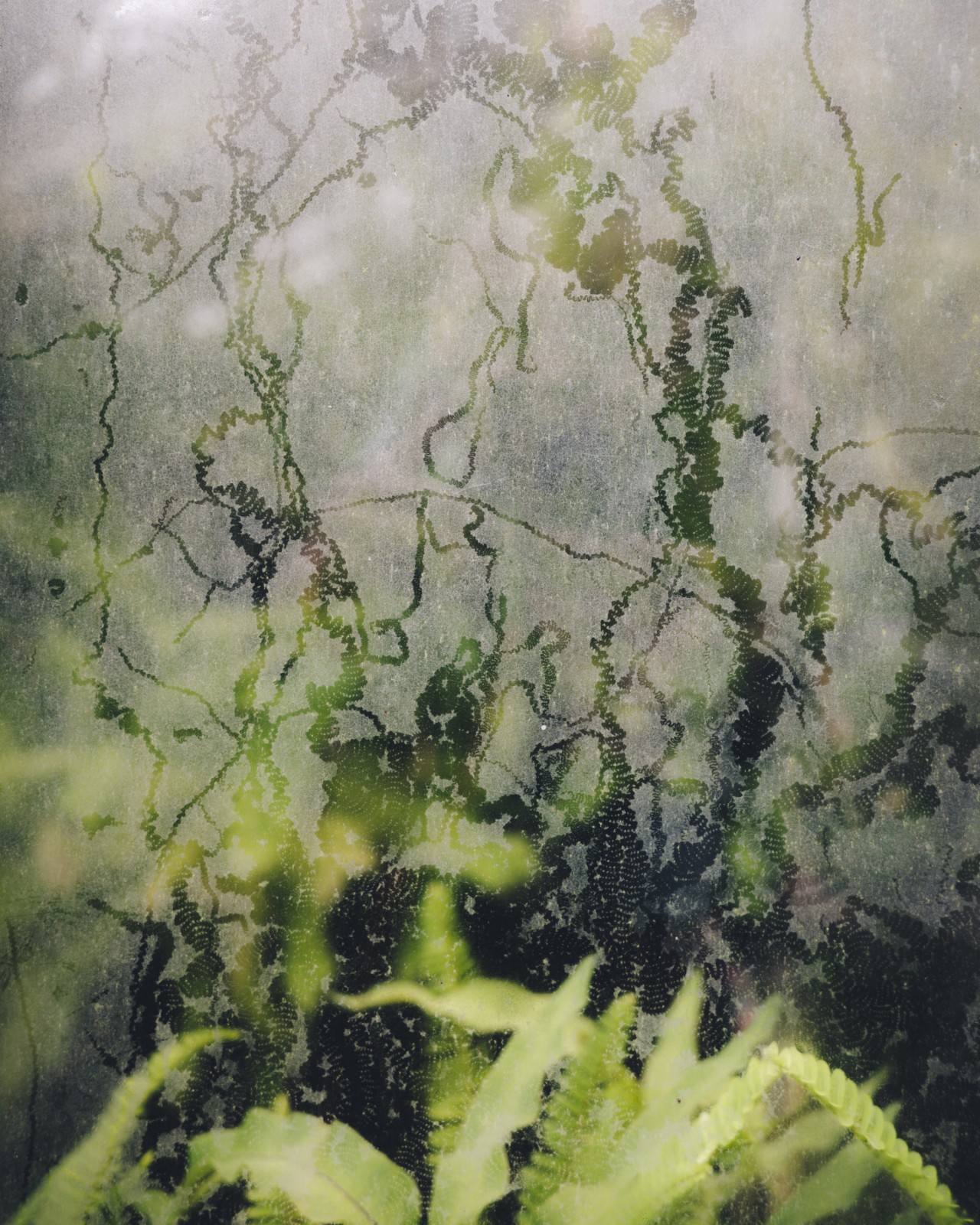
Reimagining Care Through Nature: The Case for Biophilic Design

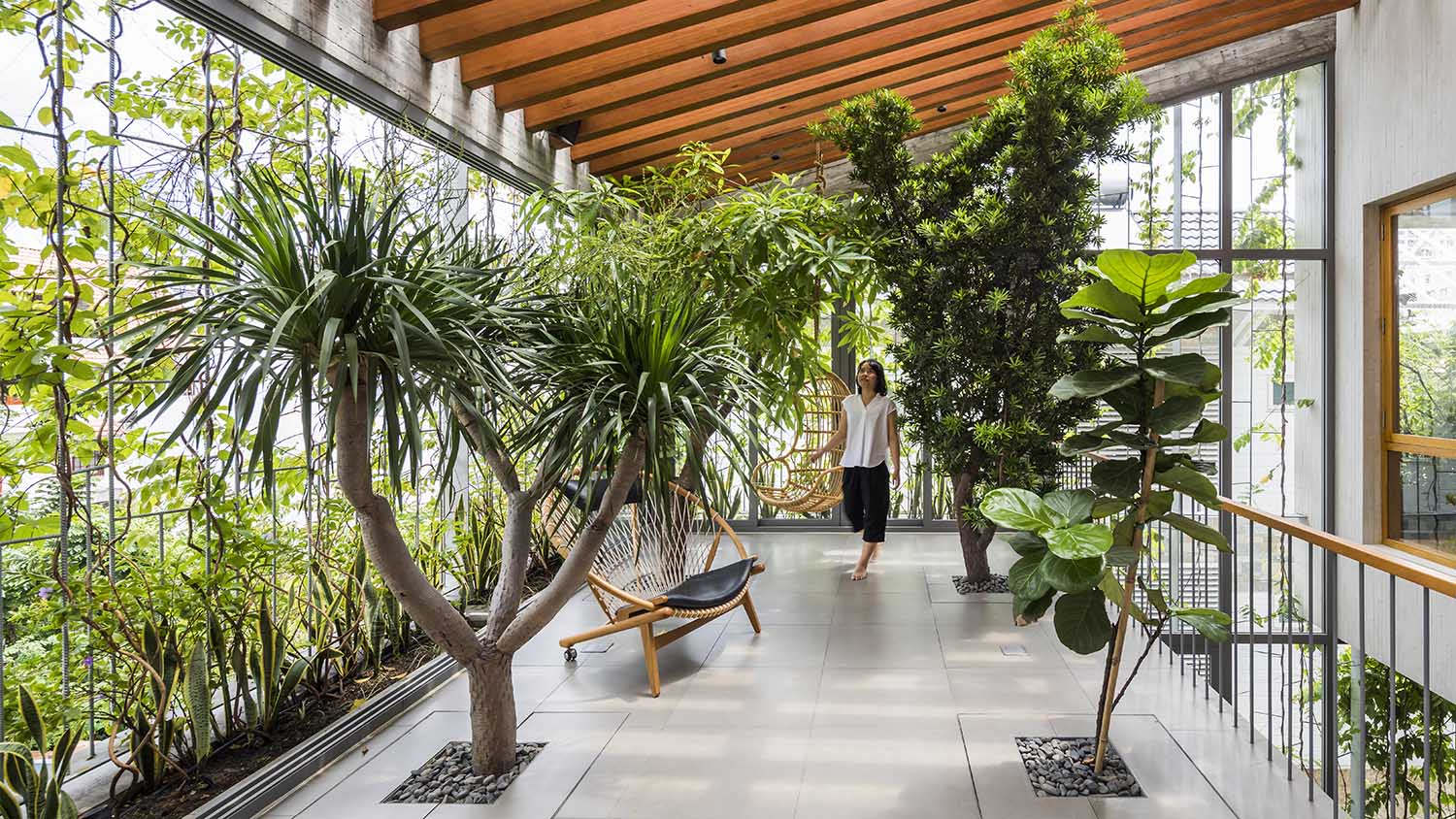
Biophilic Design Guide – Kellert’s principles and the benefits of nature
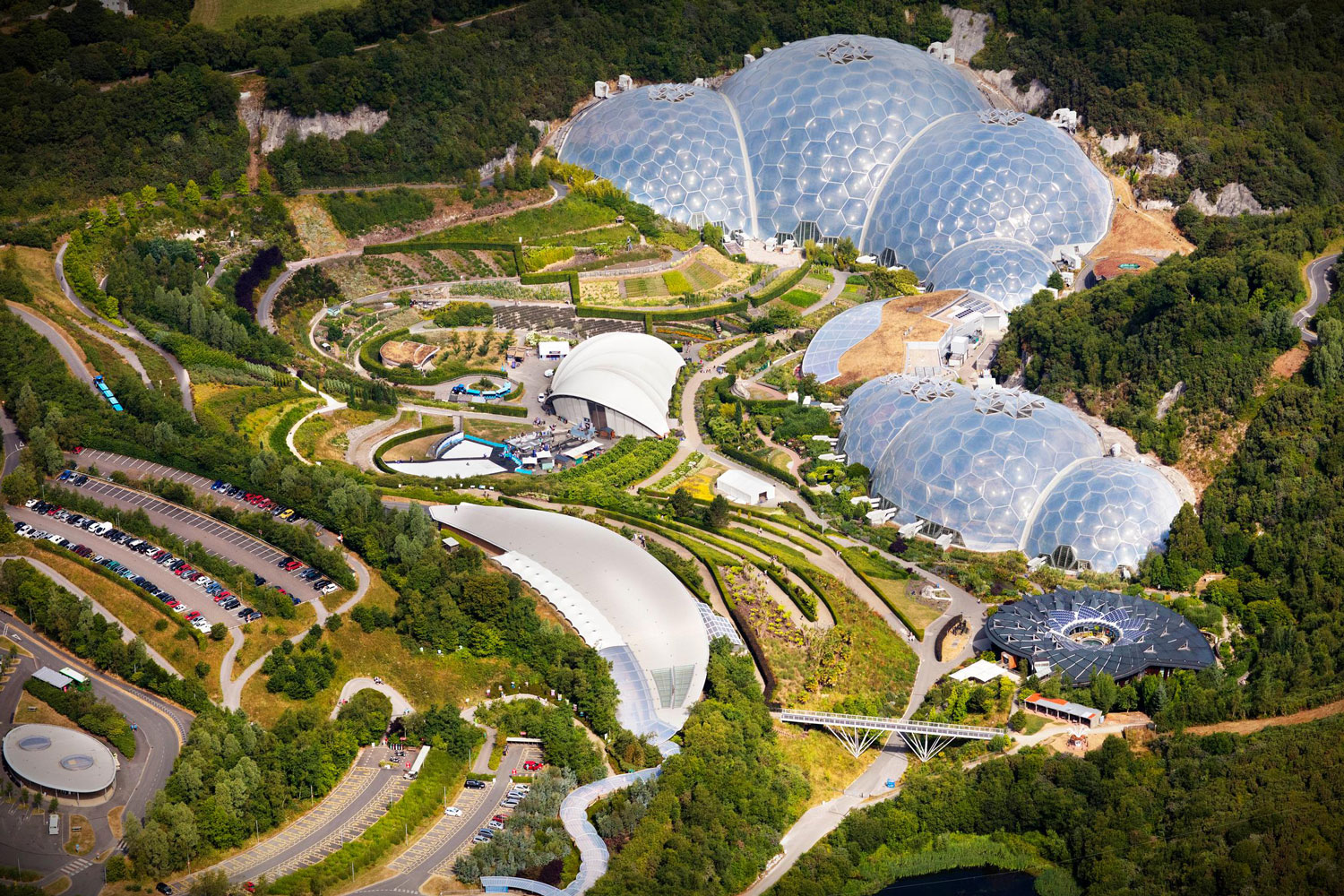
Nature-Inspired Design: Biomimicry in Architecture

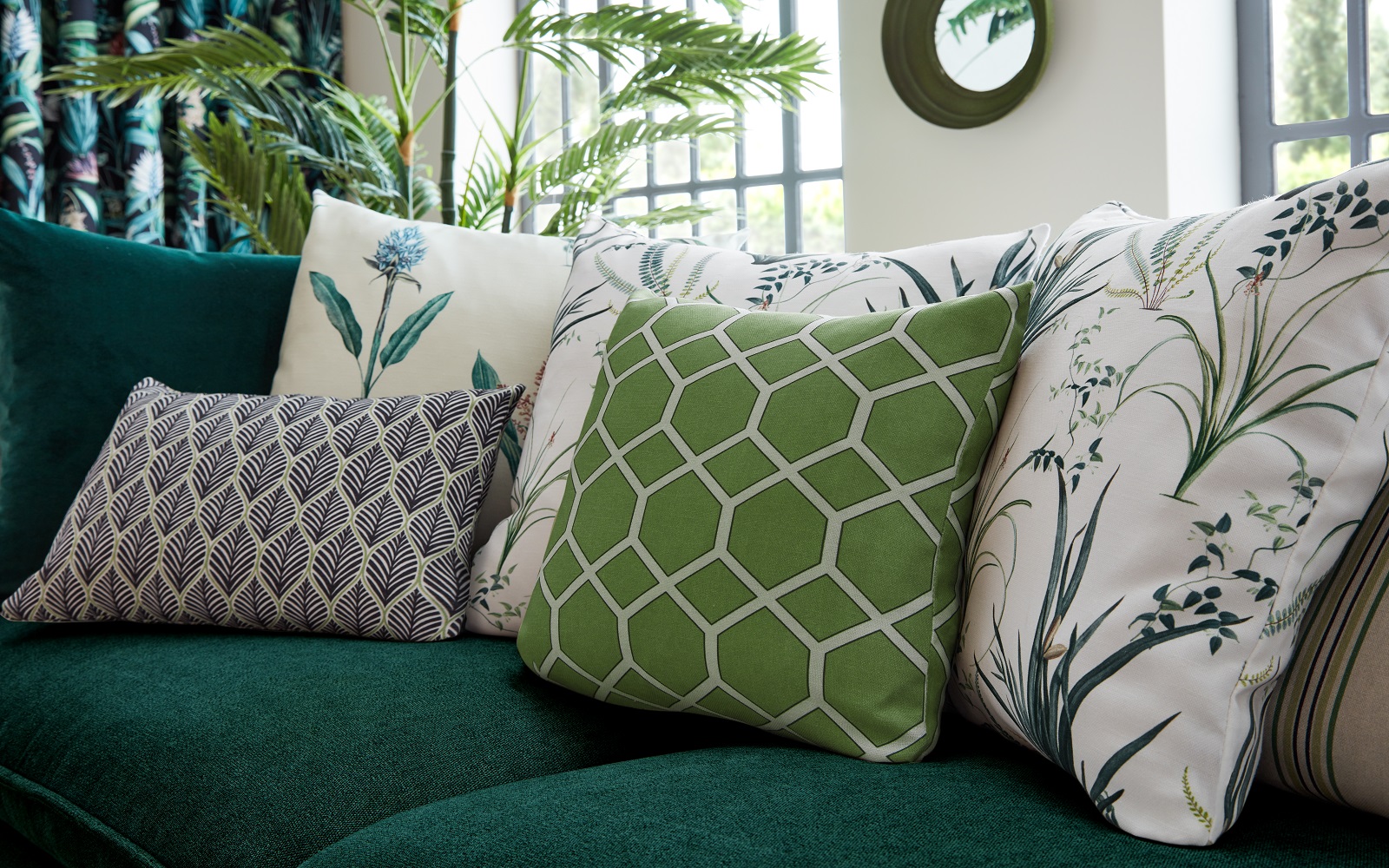
Biophilic design beyond the buzzword
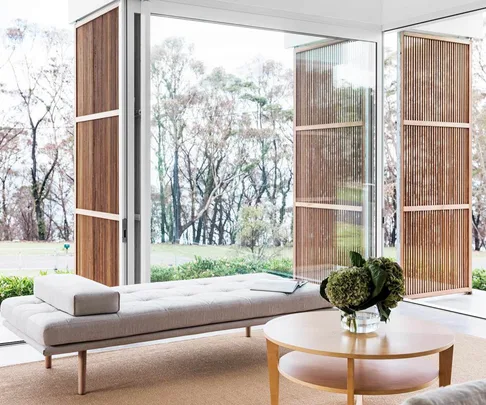
What the heck is biophilic design?

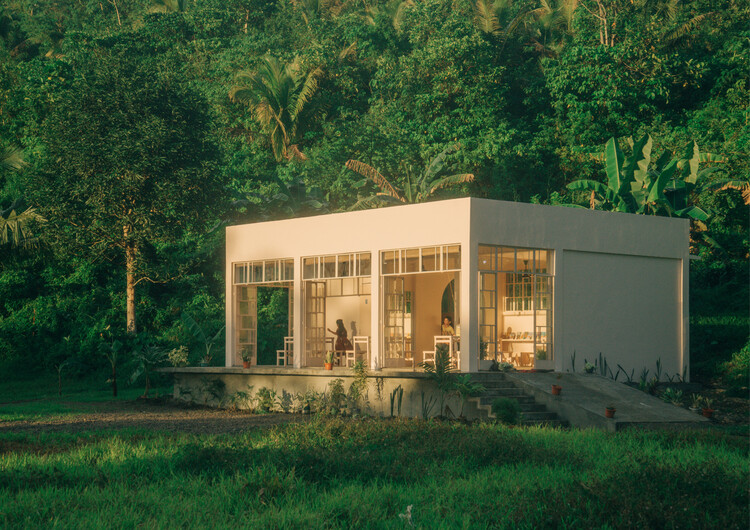
How To Apply Biophilic Design In Contemporary Architecture? A Selection Of Works In The Philippines

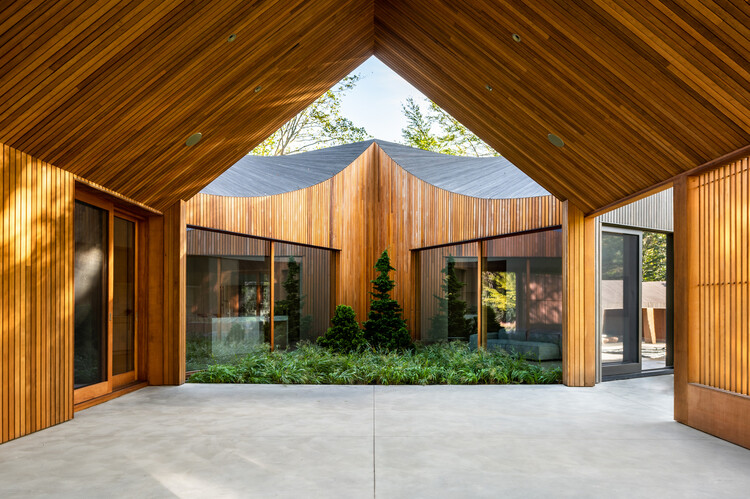
Biophilic Interiors: 21 Projects that Blend Architecture with Nature
Biophilic Design Is About Connecting With Nature—Here's How to Utilize the Décor Trend In Your Home