1/10
Biophilic Design Guide – Kellert’s principles and the benefits of nature
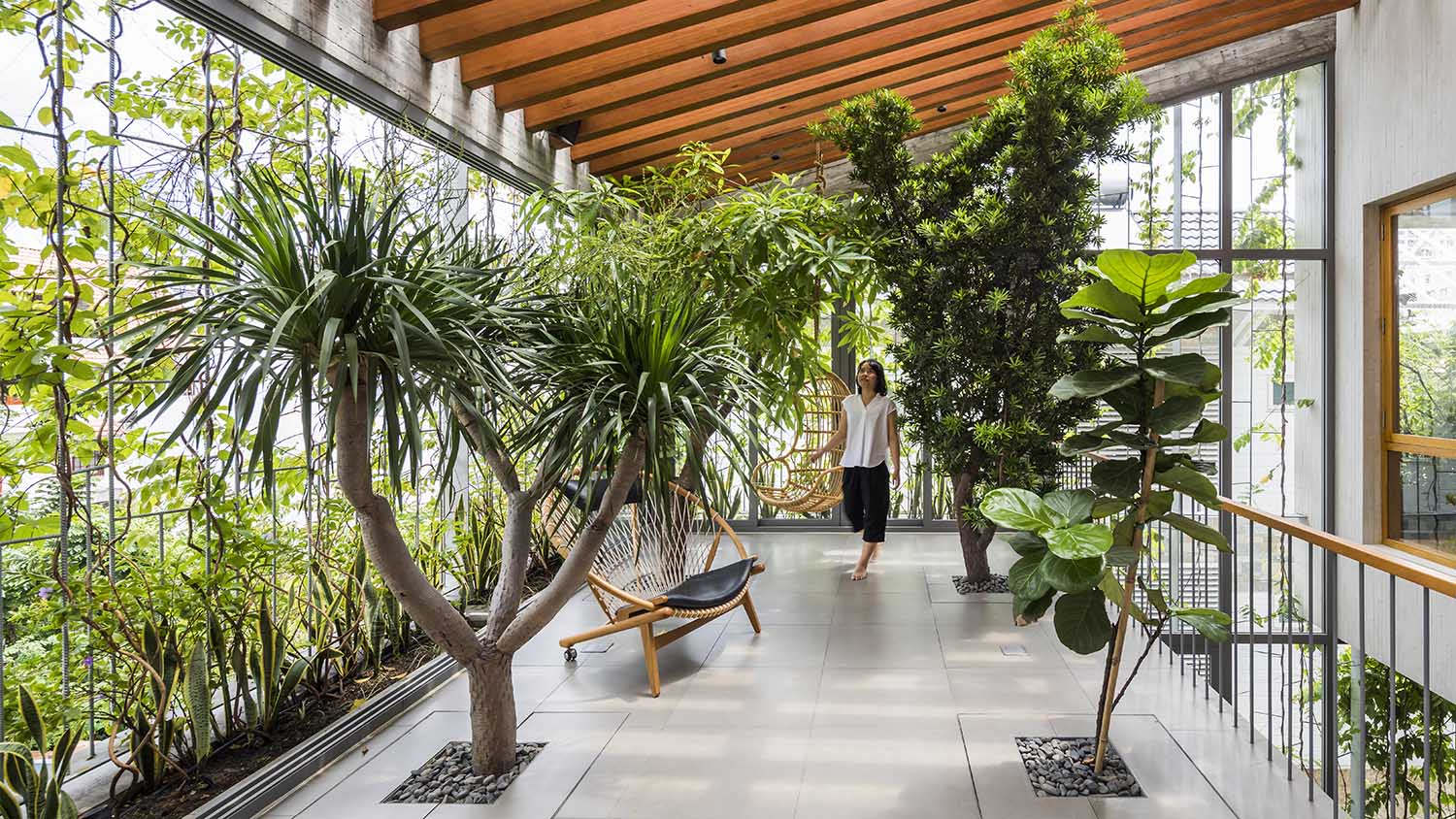
Biophilic design is a concept rooted in the human's innate attraction to nature and natural processes, positing that this connection is a fundamental part of our genetic makeup. The primary goal of this design approach is to improve the built environment by promoting physical and mental health, fitness, and overall well-being. This philosophy builds upon the work of American biologist Edward O. Wilson, who popularized the term "Biophilia" in the 1980s. Wilson's "Biophilia hypothesis" suggested a human tendency to seek connections with nature, a concept that gained considerable traction and inspired further research into its applications, particularly within the design world.
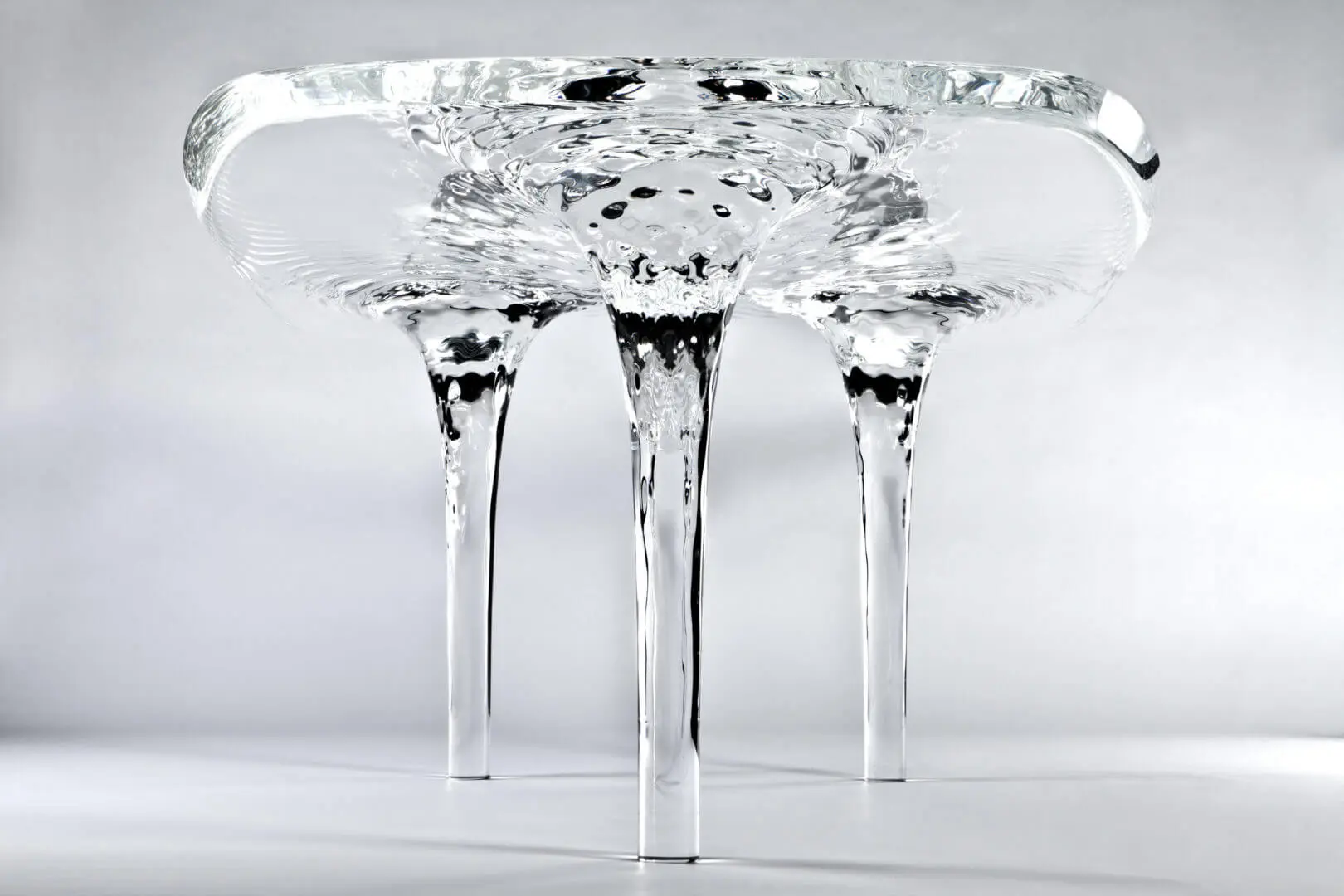
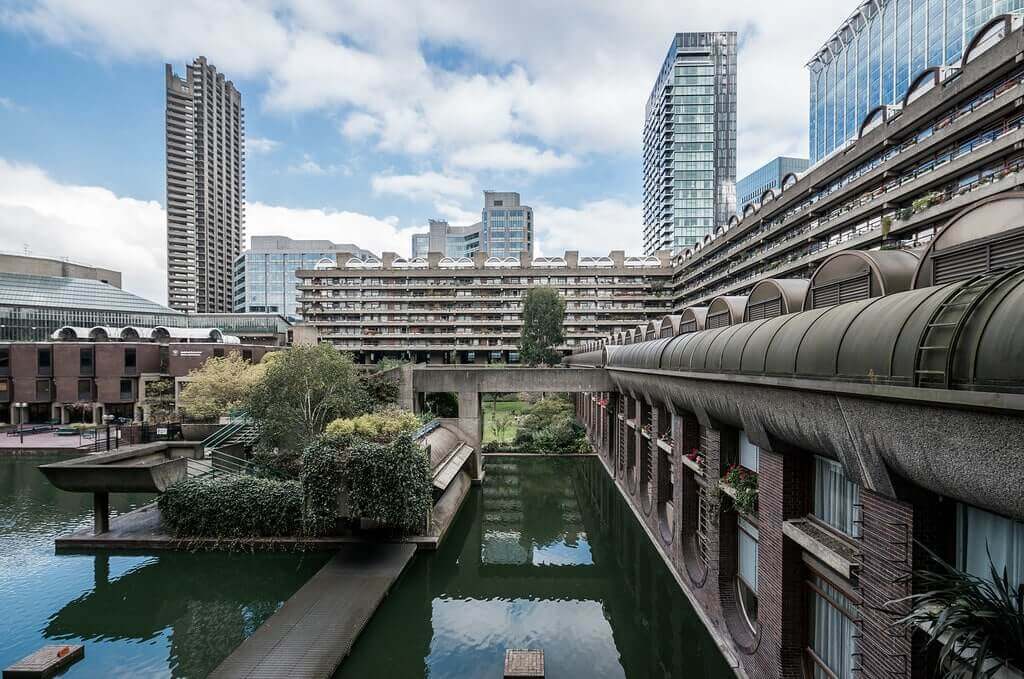
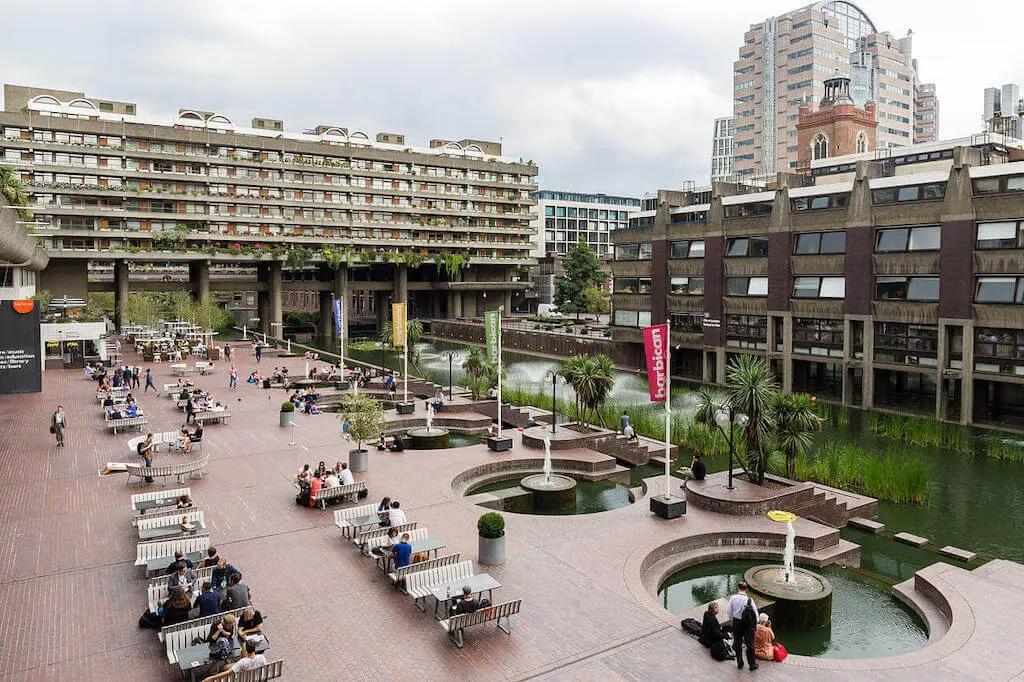
Stephen Kellert extensively explored how nature could be integrated into design to enrich urban environments and create multi-sensorial experiences in human-built spaces. His research identified various natural elements—such as water, light, vegetation, organic shapes, and even the natural patina of time—that could transform spaces into harmonious and health-promoting environments. Kellert's biophilic design guide emphasizes that nature not only supports mental and physical health but also enhances emotional attachment to specific settings. He believed that biophilia and biophilic design are intrinsically linked to our values and ethical responsibility towards the care and sustainability of the natural world.
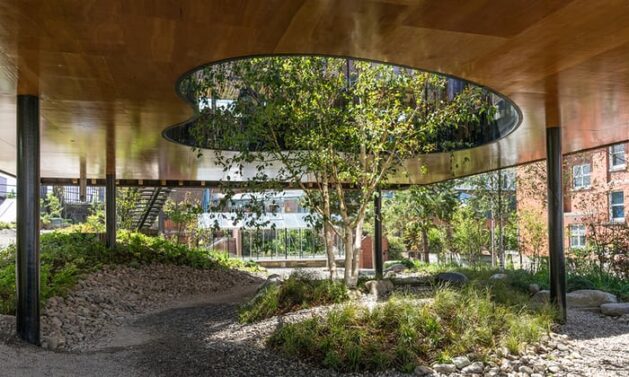
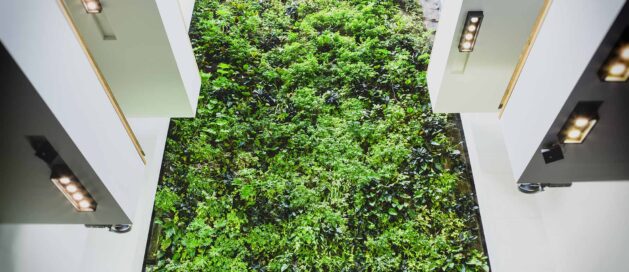
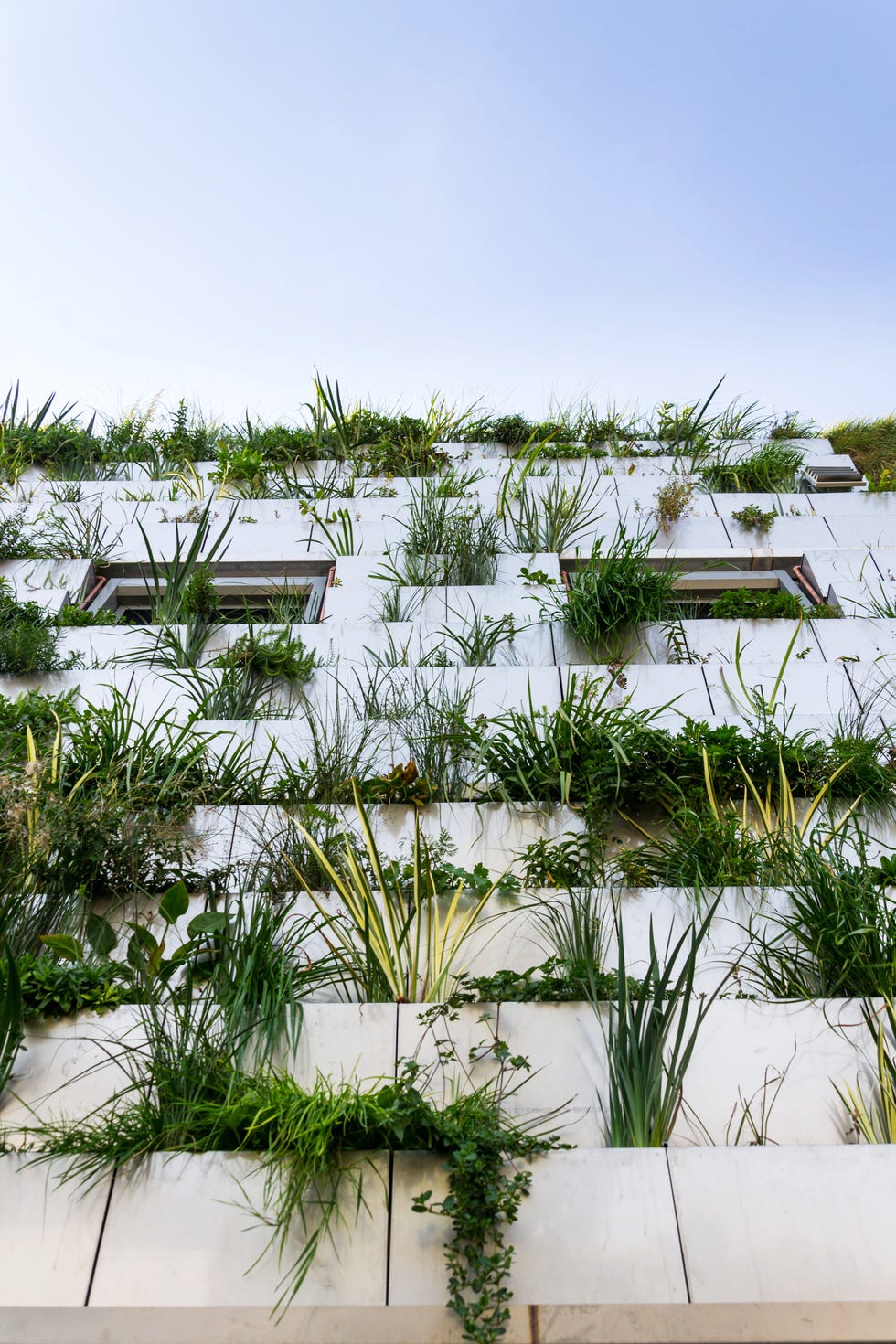
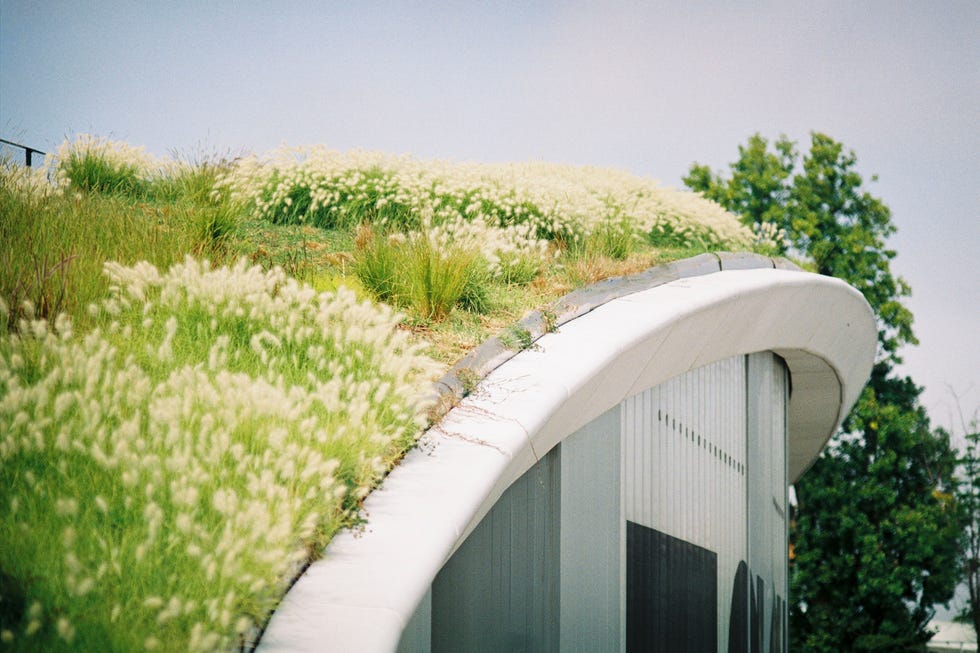
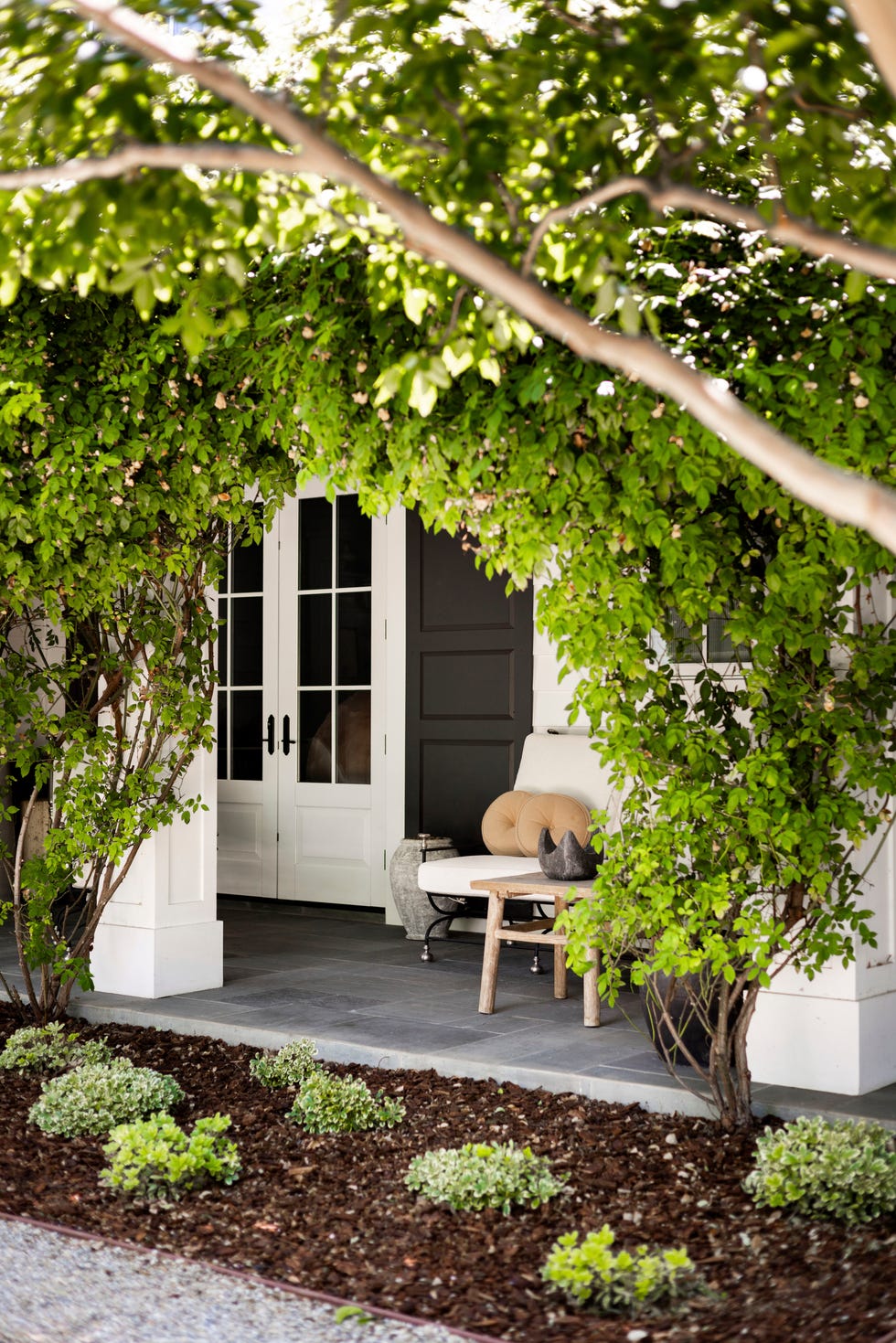
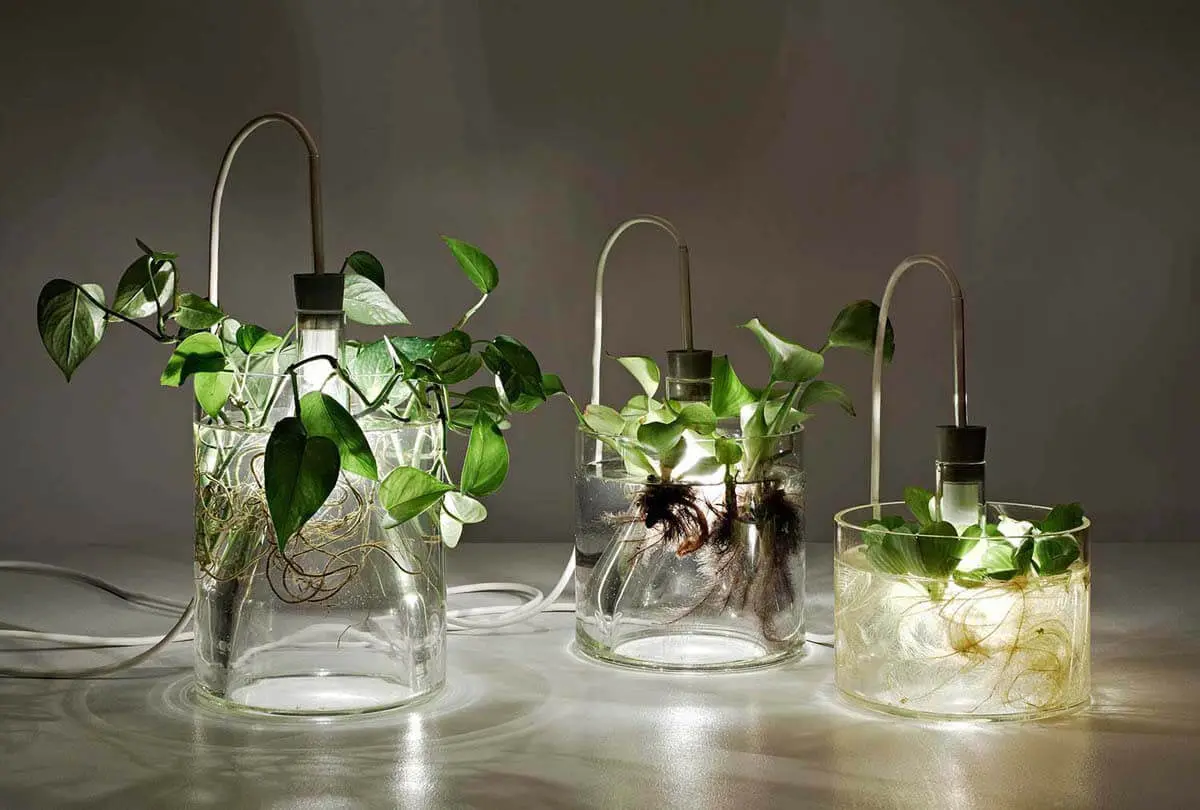
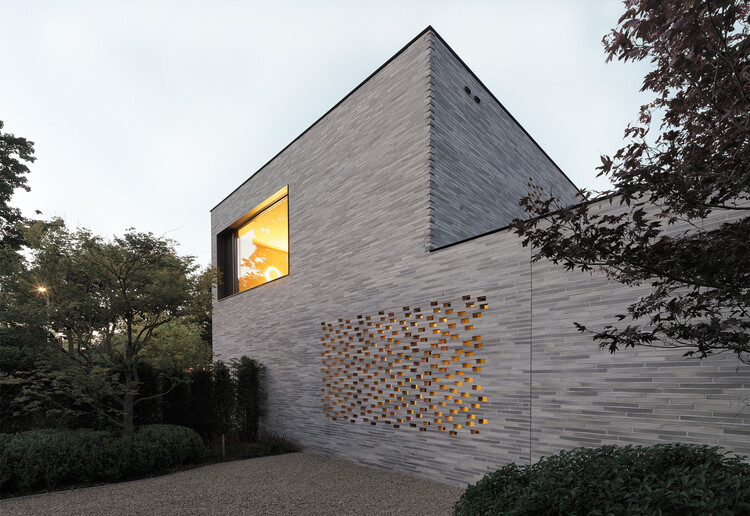
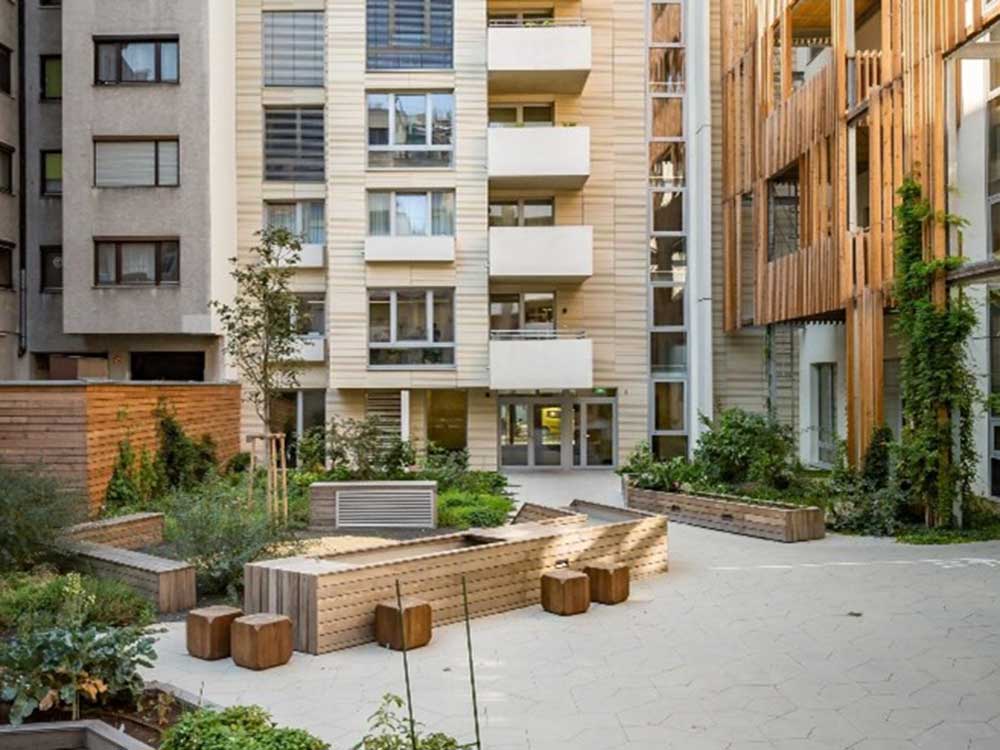
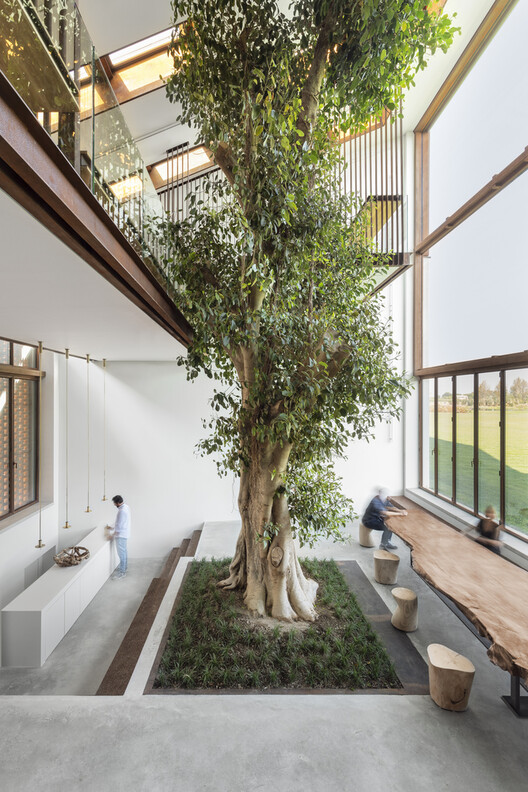
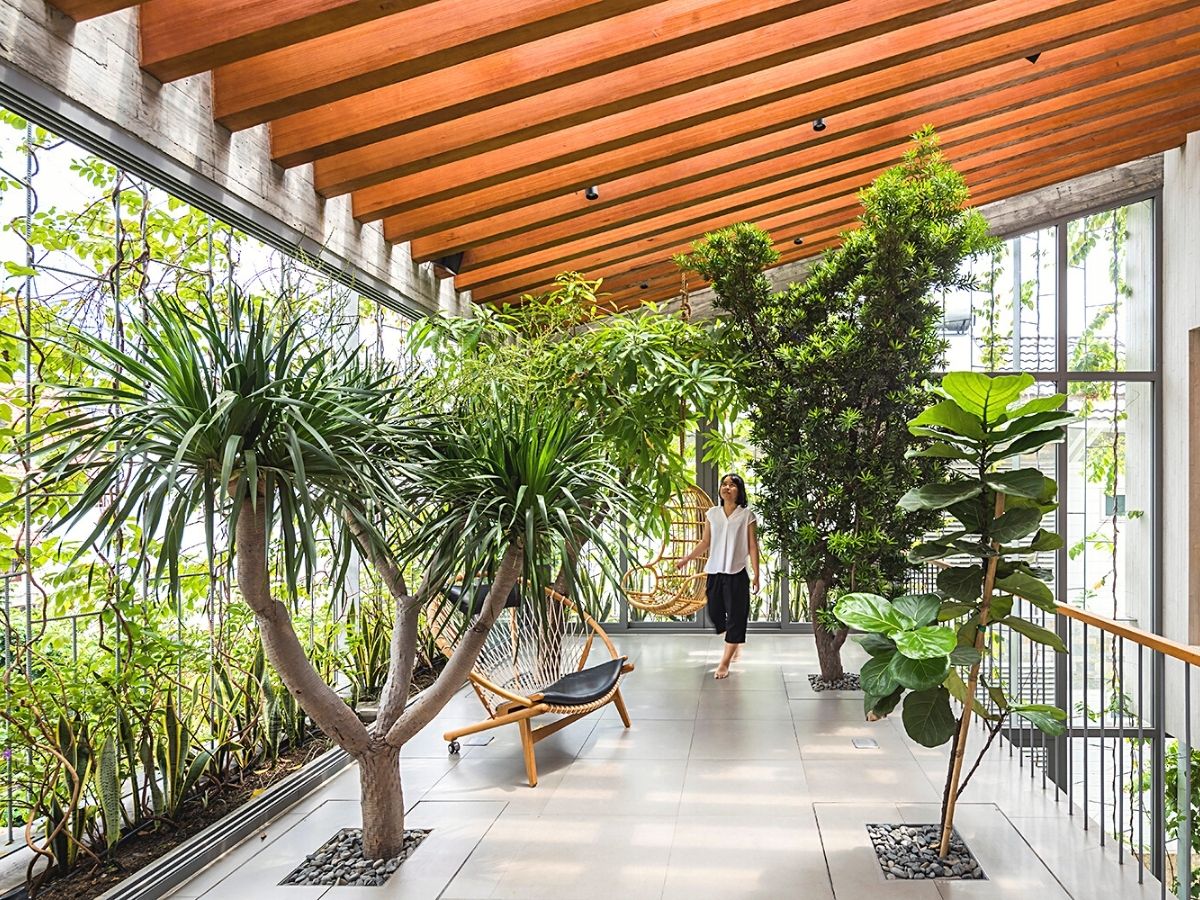
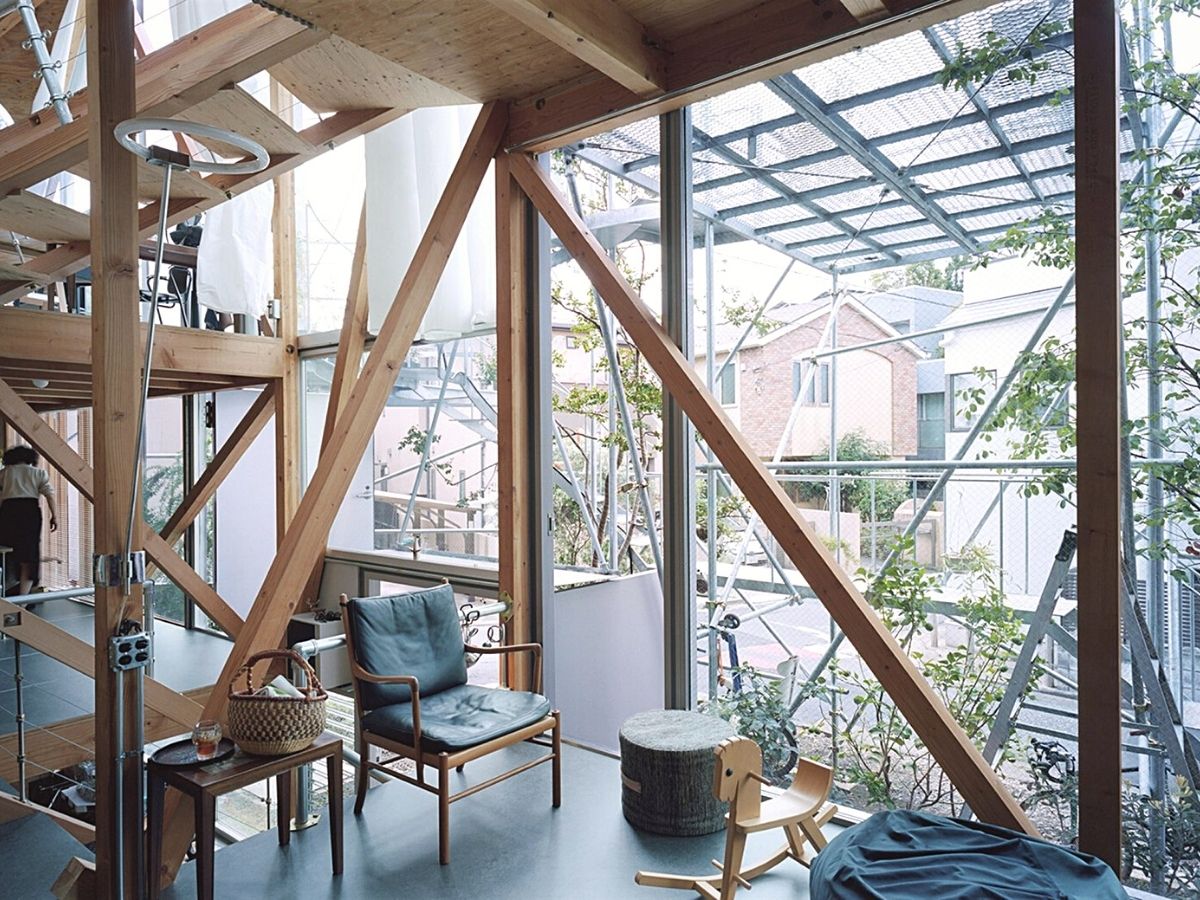
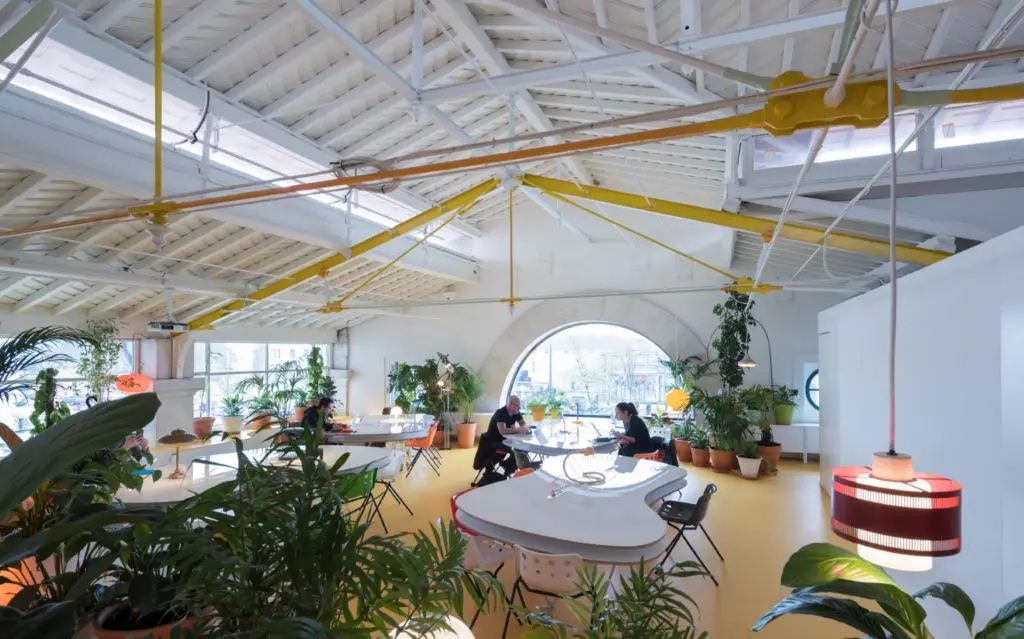
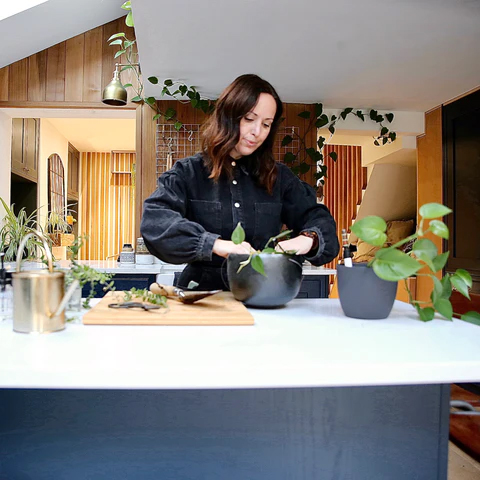
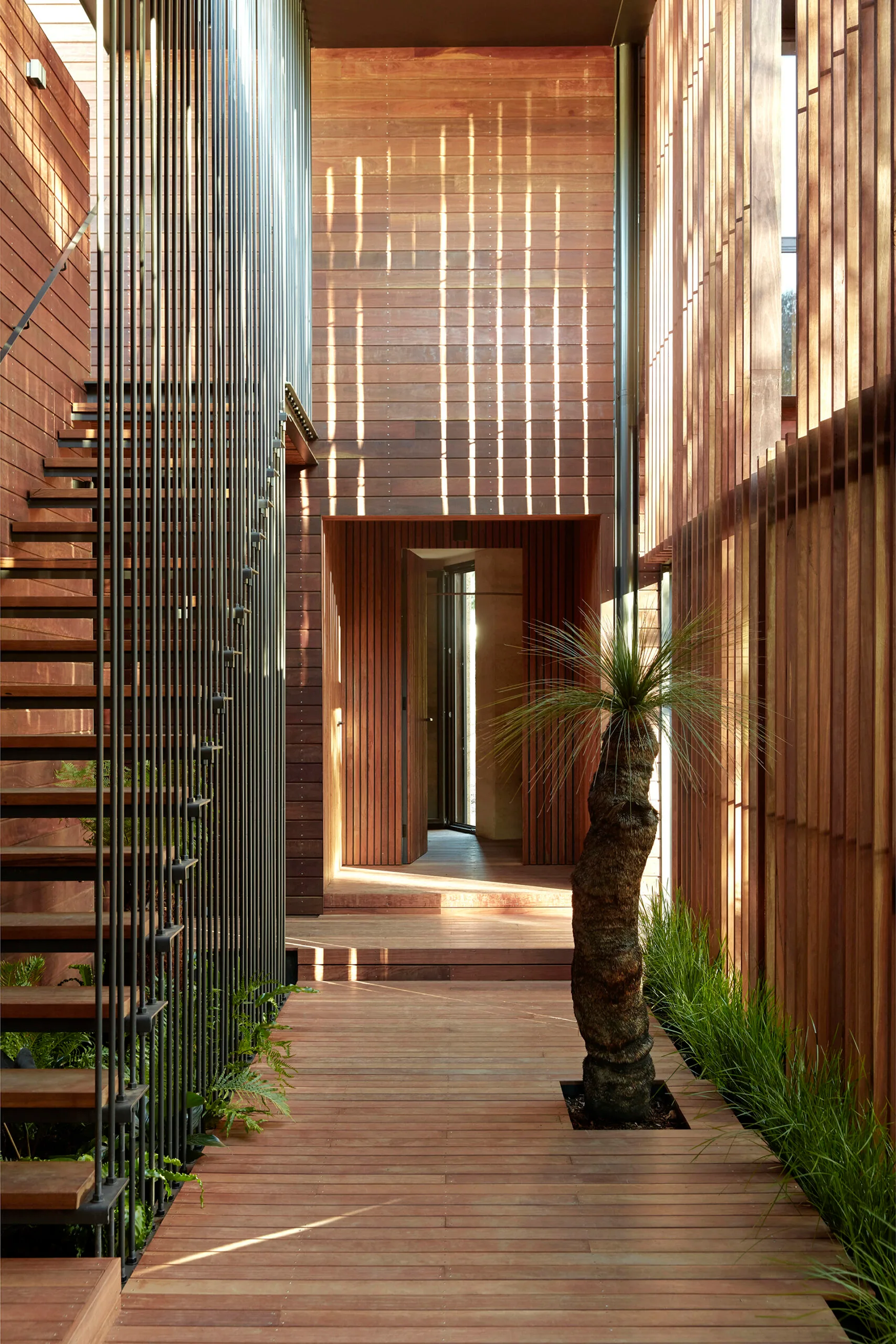
Kellert identified three key ways to experience nature within the built environment: direct experience (e.g., contact with plants or landscapes), indirect experience (e.g., natural materials or motifs), and the experience of space and place (e.g., a feeling of refuge or a space imbued with cultural or ecological meaning). These principles translate into practical design strategies that can be implemented in various fields, including interior design, architecture, sustainability, and product design.
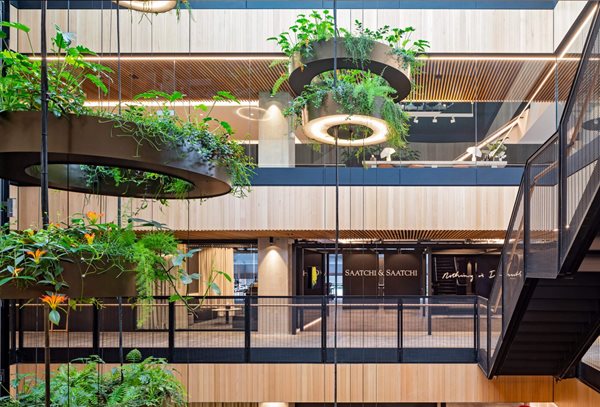
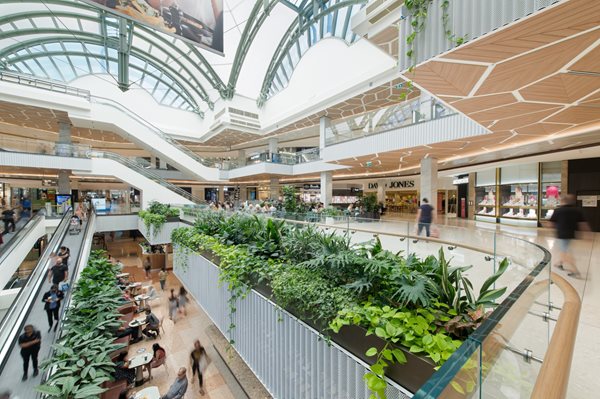
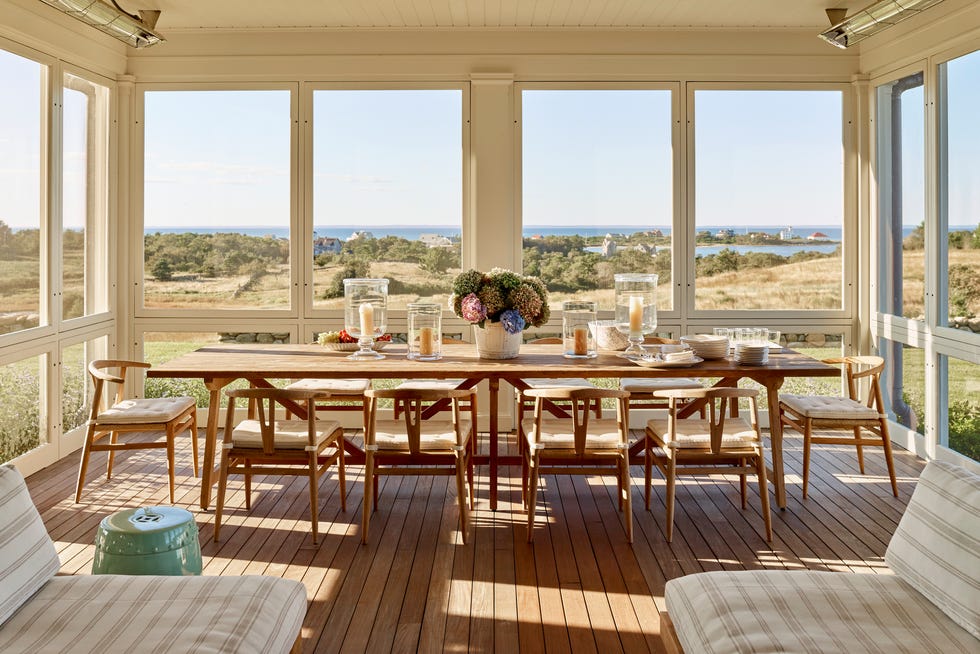
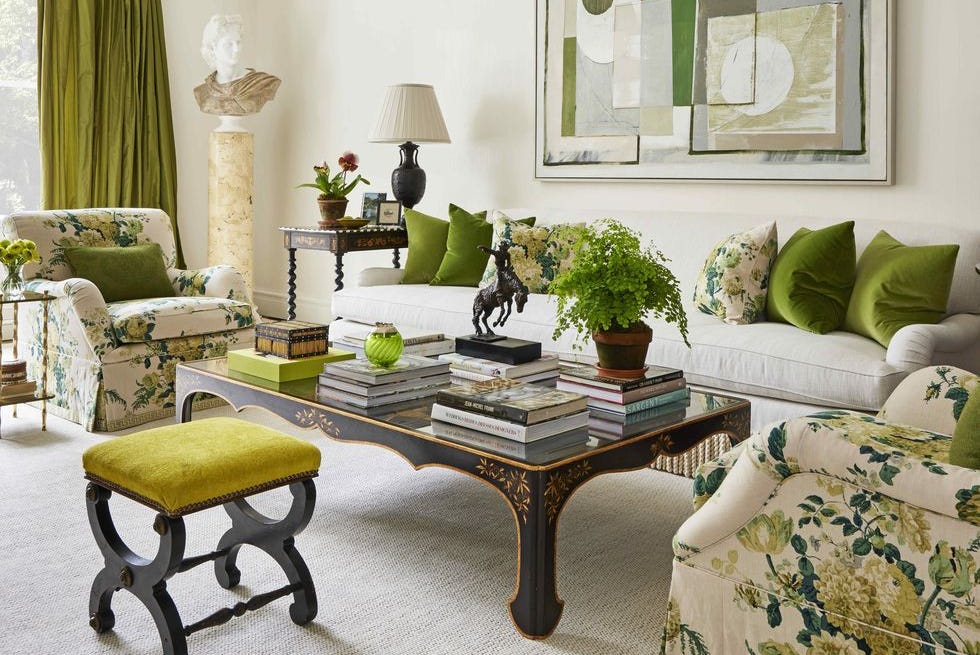
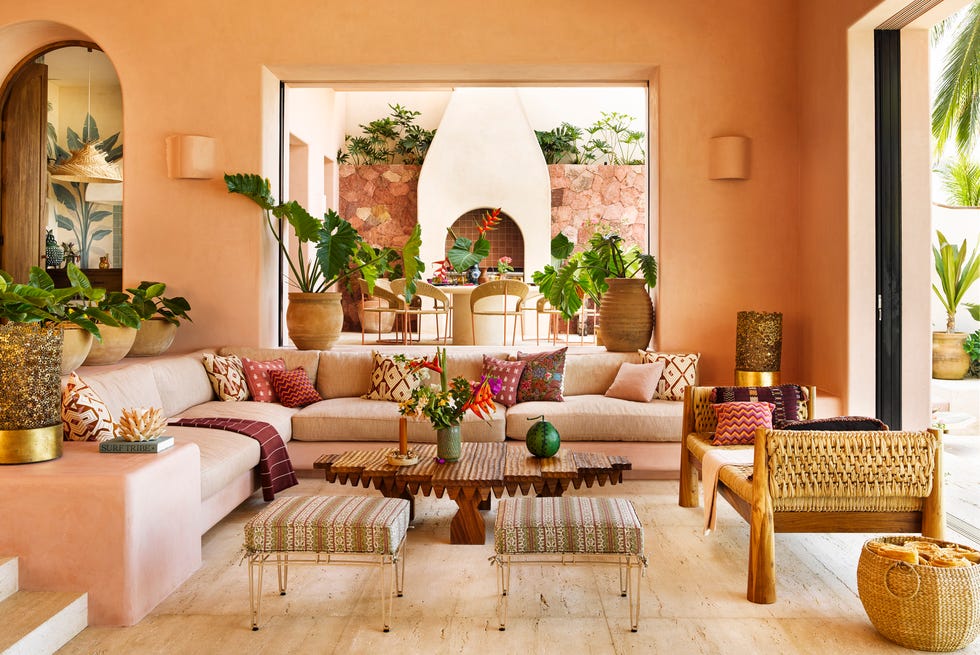
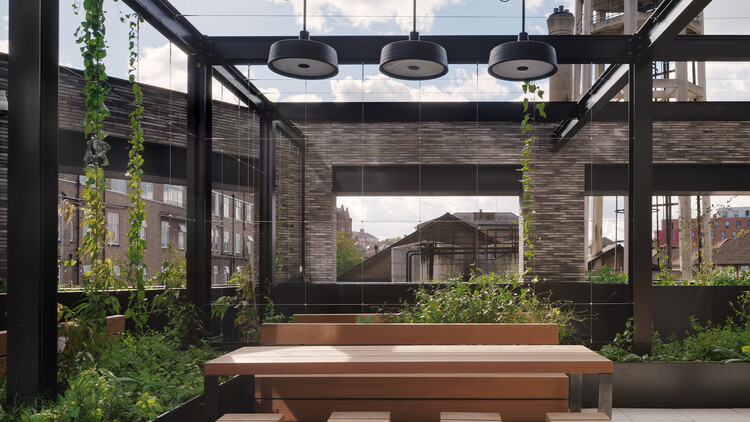
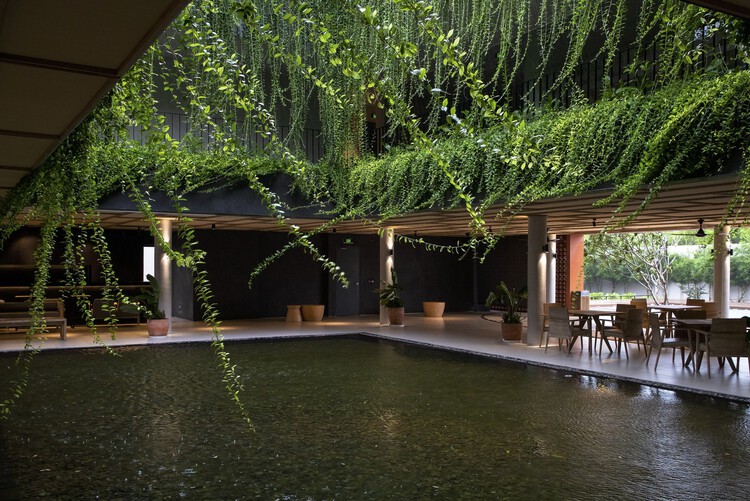
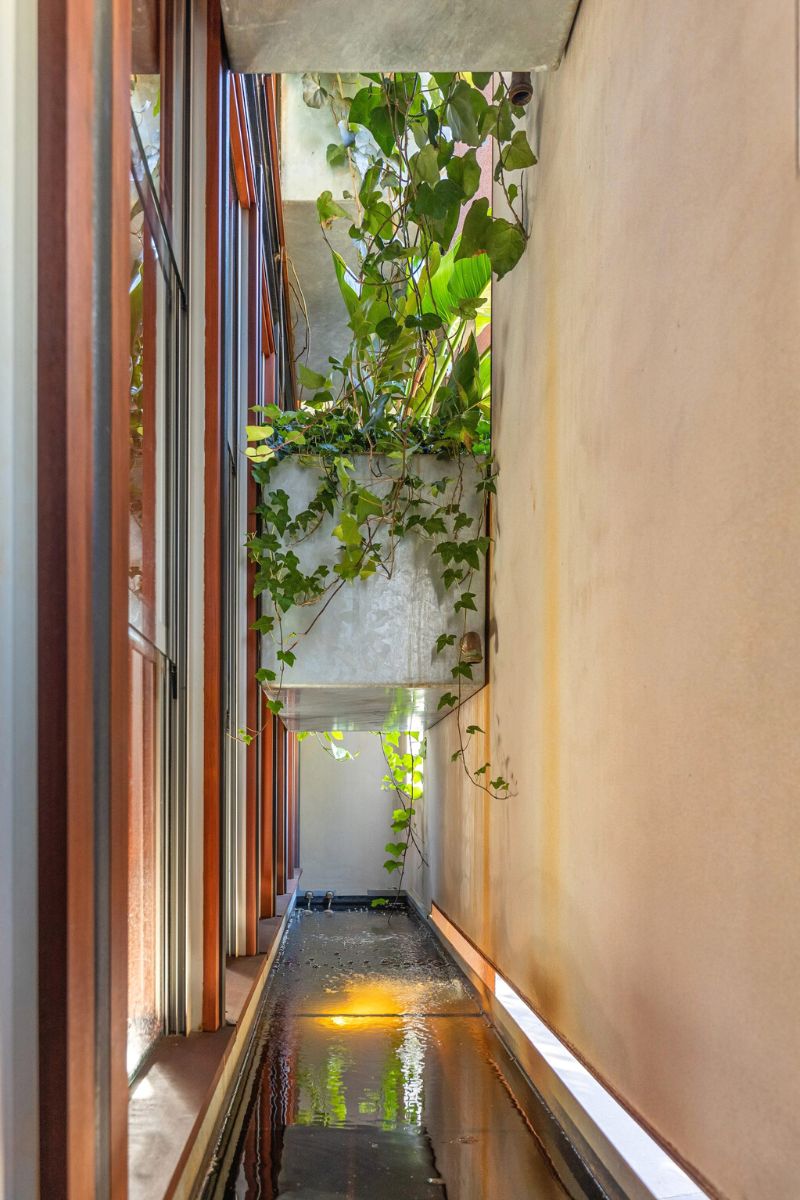
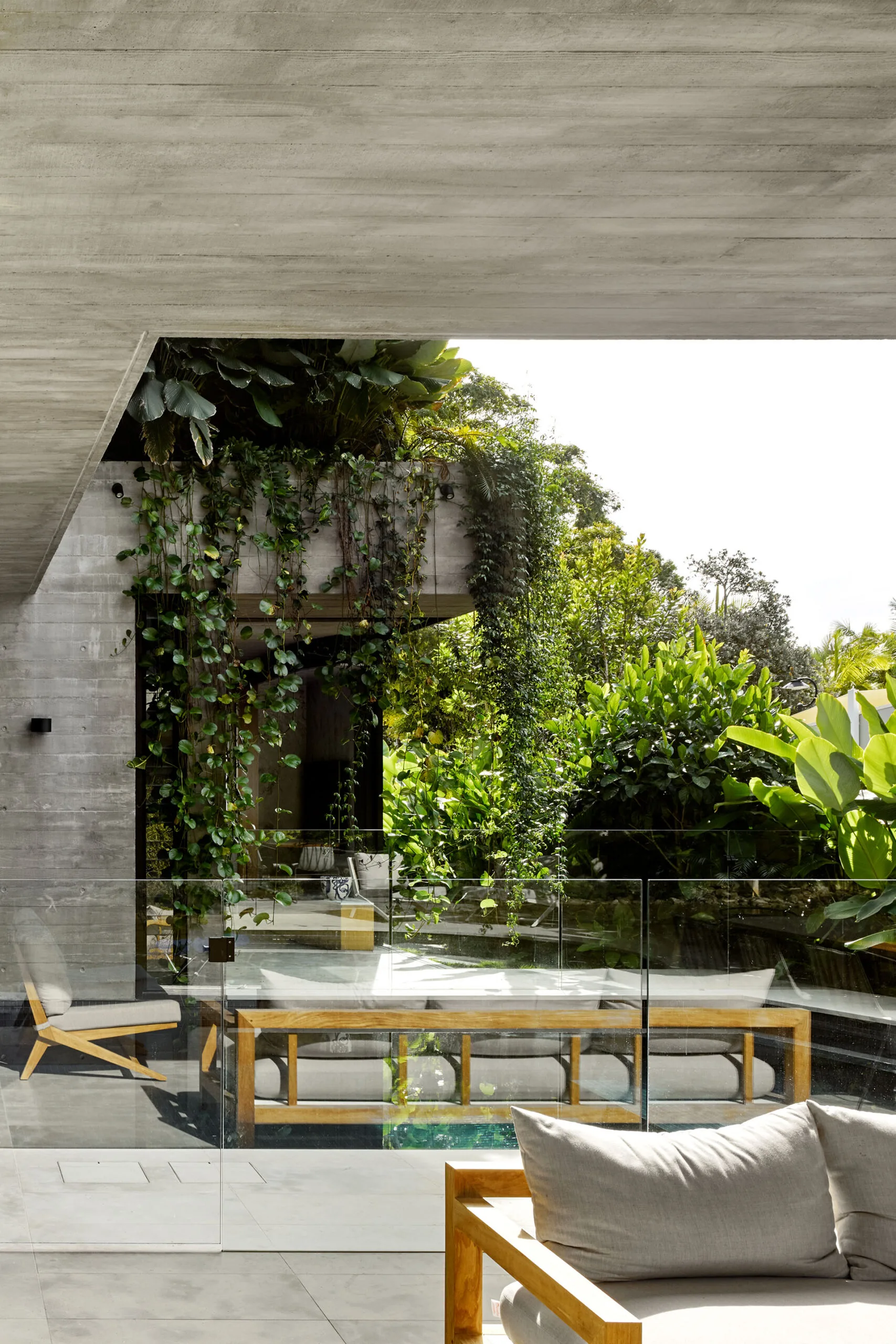
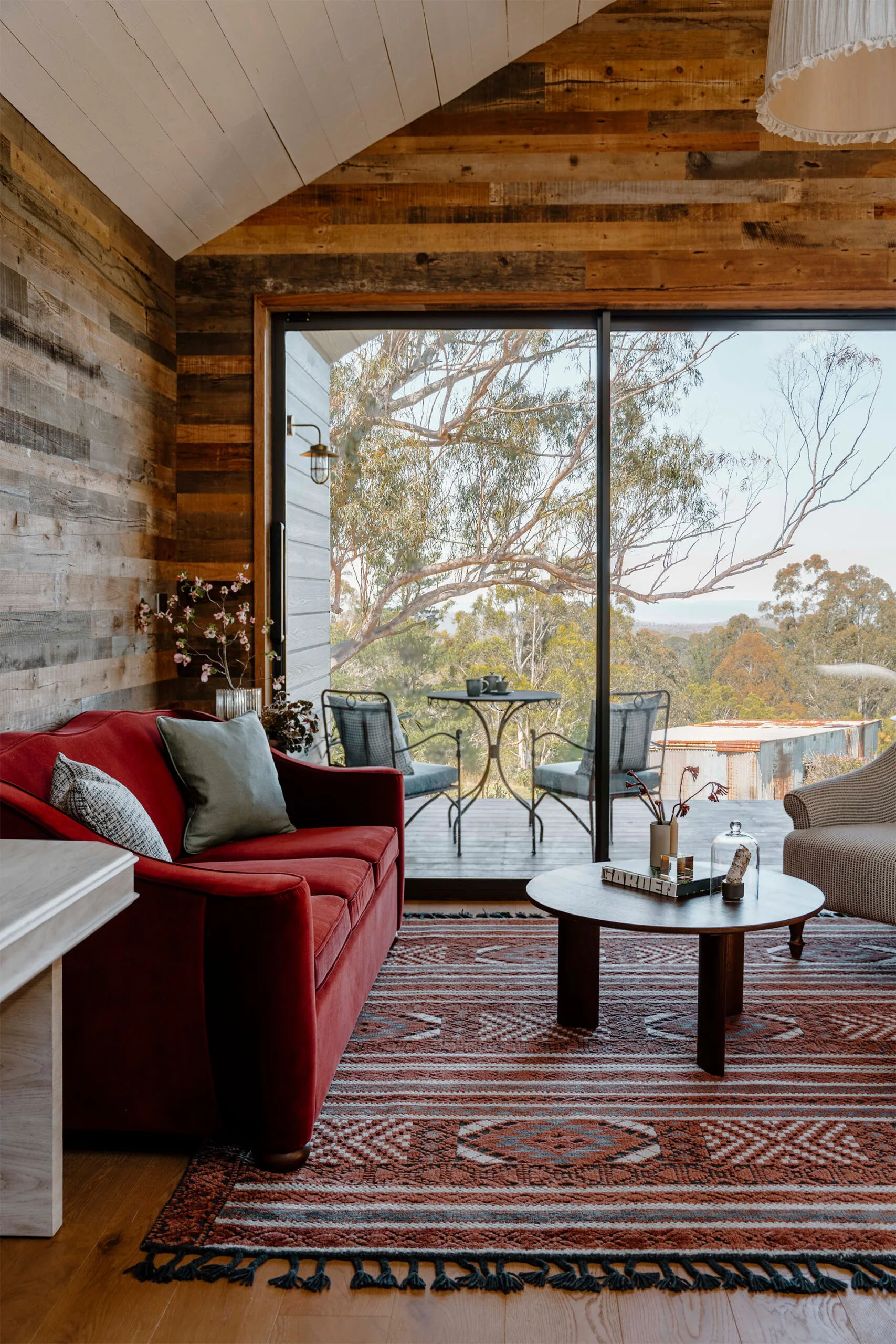
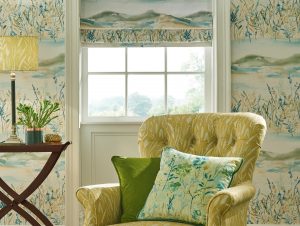
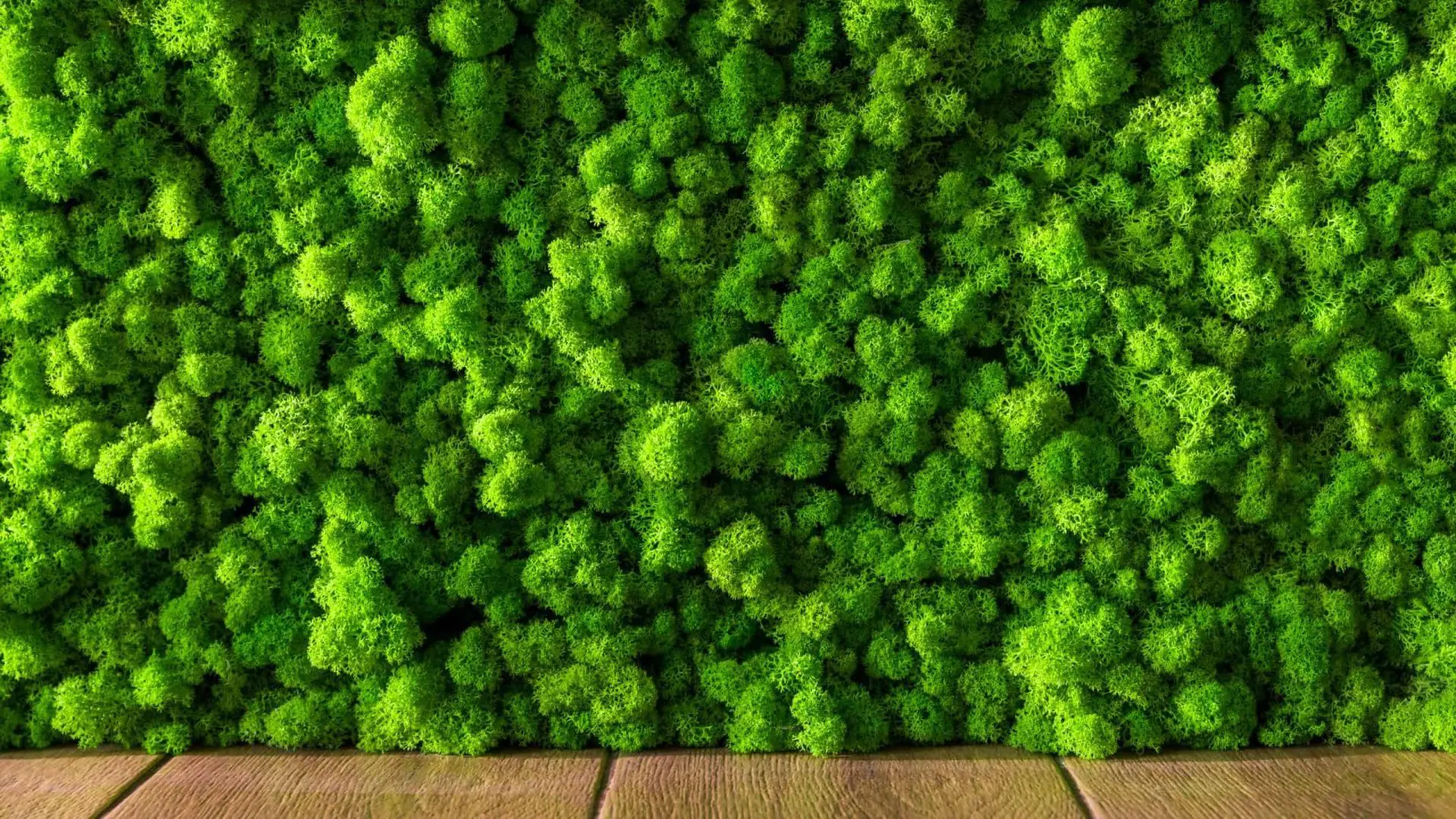
Key guidelines derived from Kellert's work include fostering both visual and non-visual connections with nature. Visual connections can involve naturally occurring elements like views or bodies of water, or simulated nature through plants, natural imagery in wallpaper, or green-painted walls, all proven to enhance concentration and reduce stress. Non-visual connections engage other senses, such as hearing water, smelling flowers, or feeling the movement of air, to evoke a perception of the natural world.
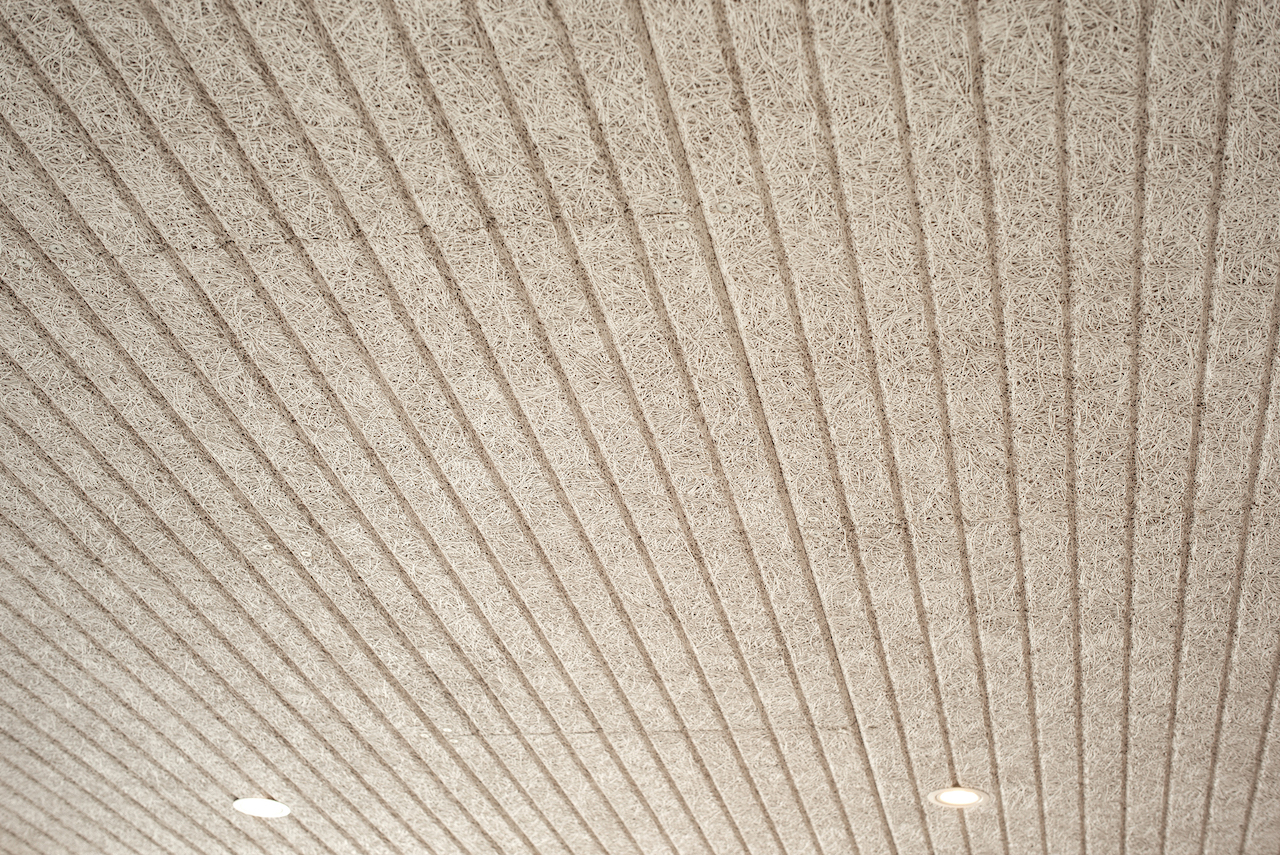
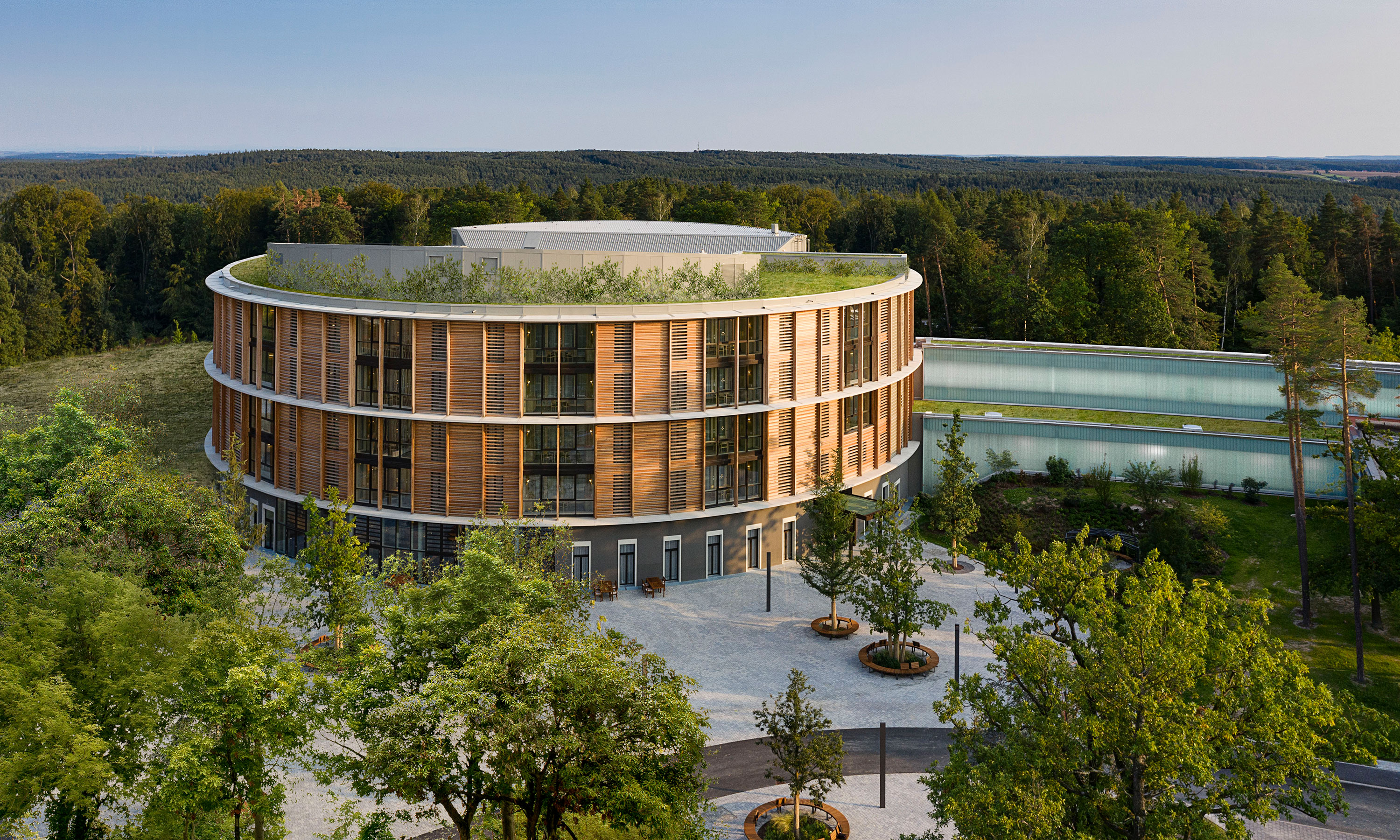
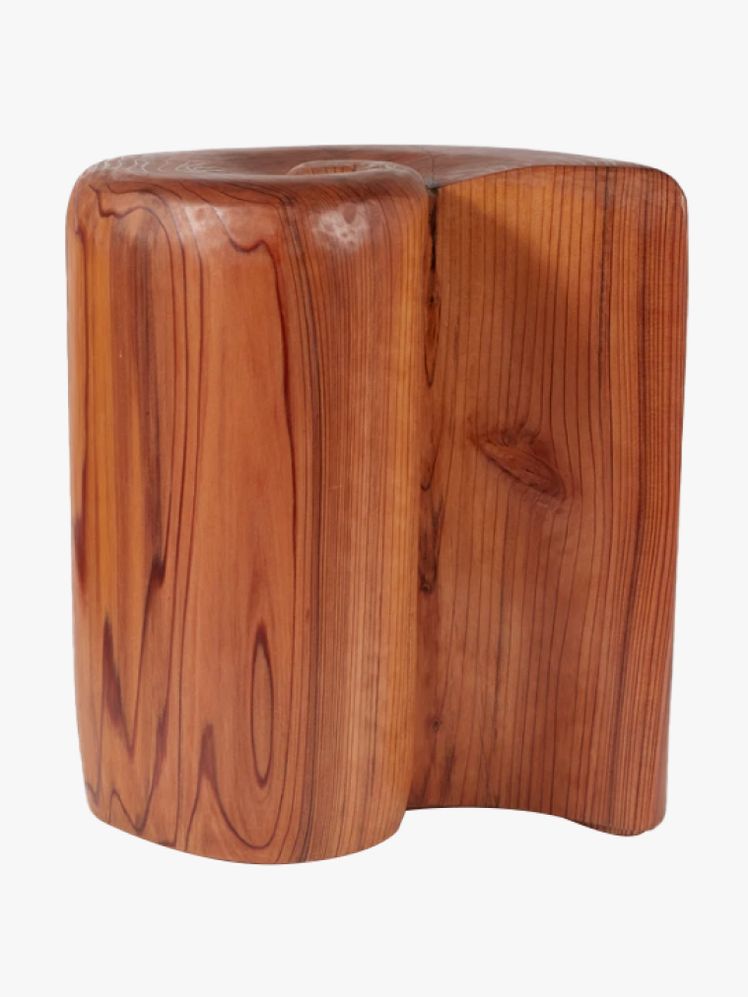
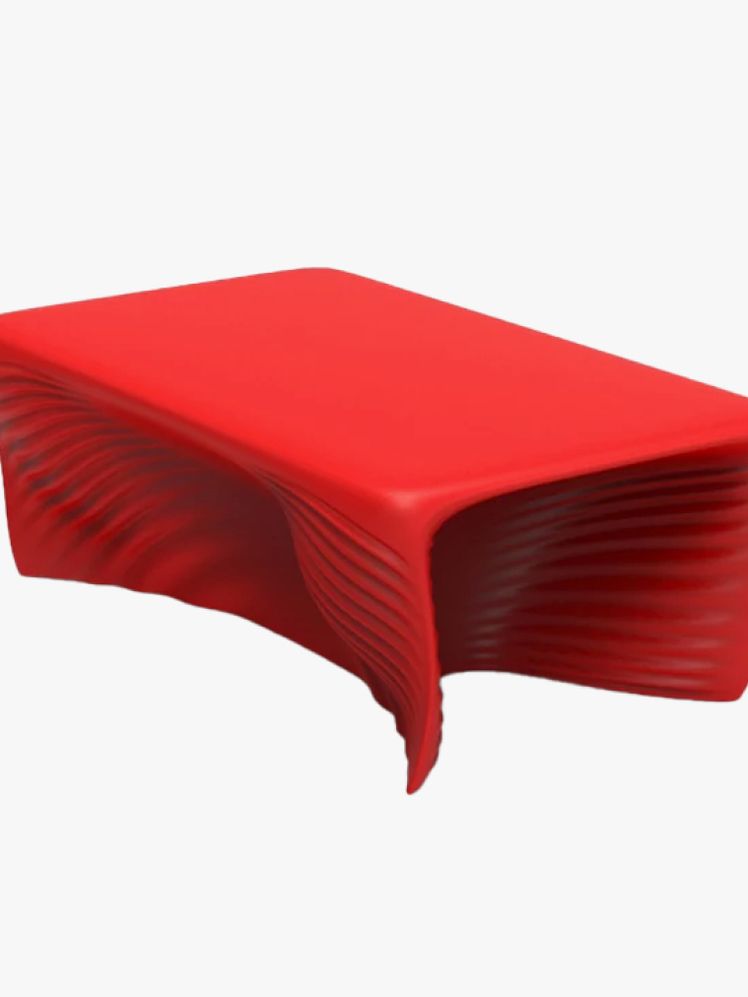
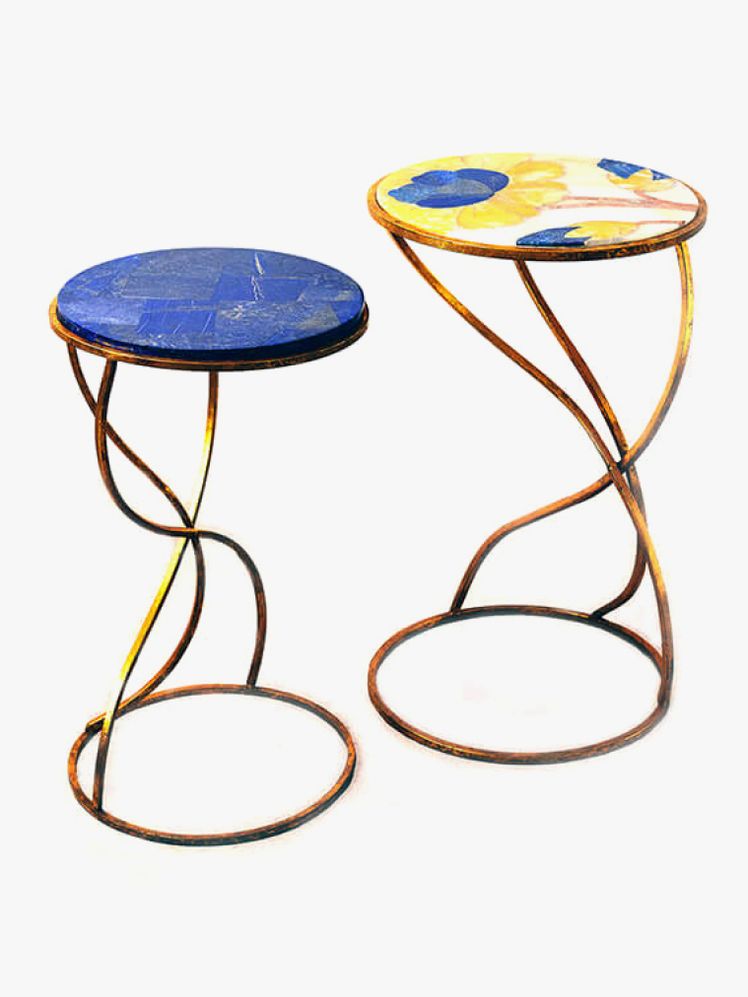
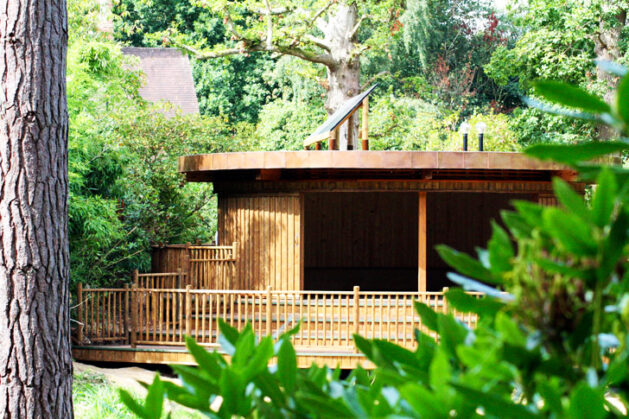
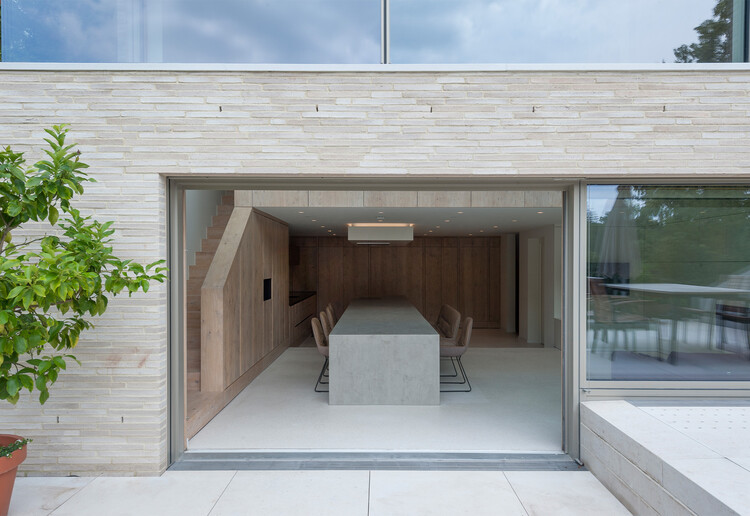
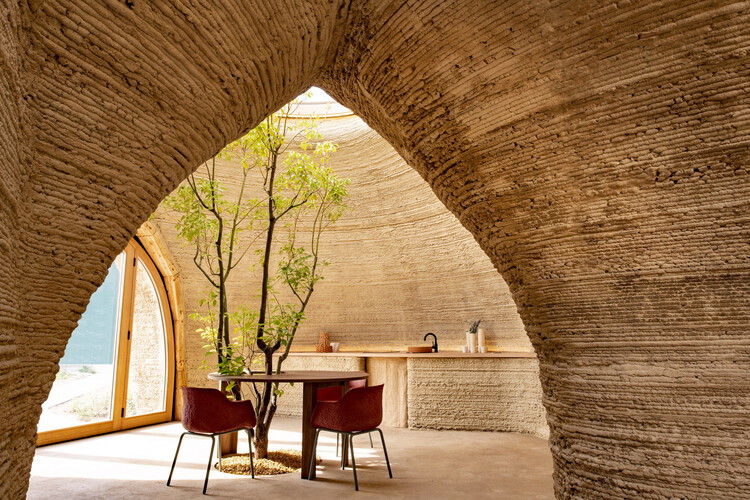
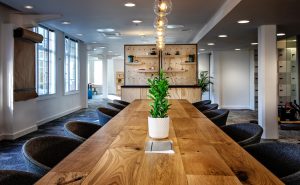
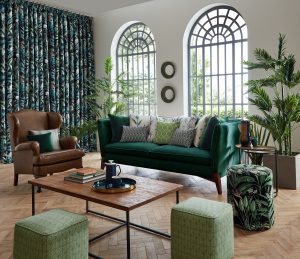
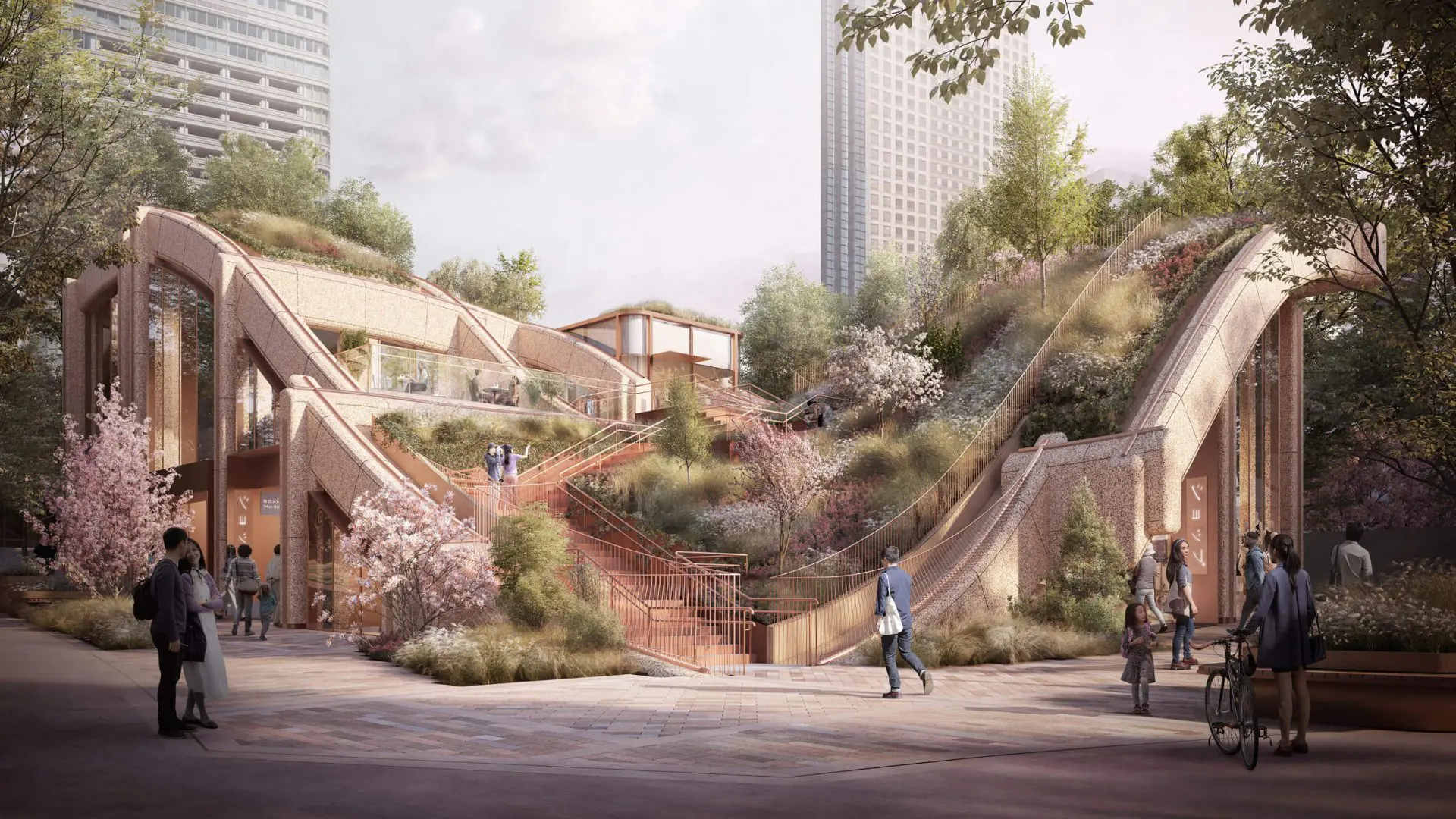
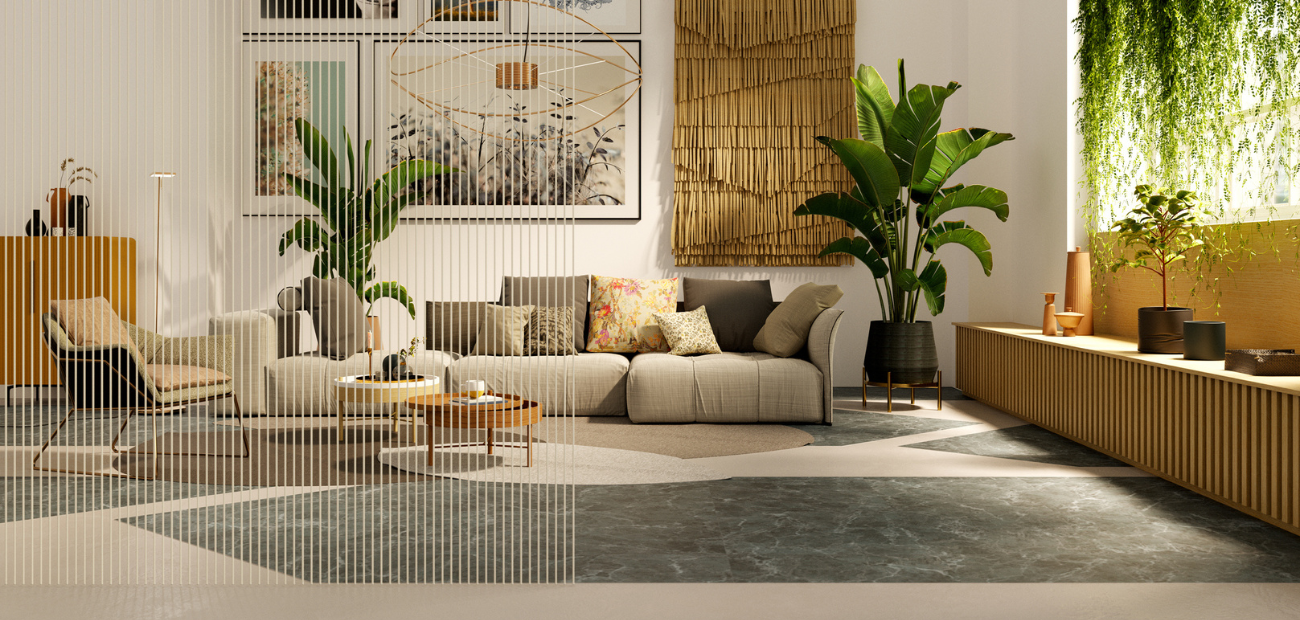
Furthermore, biophilic design considers elements like air, water, and fire as crucial for human comfort and productivity. Integrating natural light through windows and glass walls is vital for physical health and spatial awareness, with even simulated light having positive effects. Incorporating plants and animals, especially local species, creates direct experiences of nature and adds ecological value. The article suggests that nature's representation through organic shapes in furniture, leaf-like patterns in architecture, and natural materials like wood and stone, along with earthy colors, can be as powerful as direct interaction. The inherent qualities of nature, such as age, change, and the patina of time, can be reflected in complex spatial designs using naturally aging materials. Finally, creating spaces for refuge, like reading nooks or secure seating areas, addresses the human need for shelter, while well-designed transitional spaces and pathways contribute to user comfort and intuitive navigation within environments.
By integrating these principles, biophilic design aims to create spaces that promote human well-being by strengthening our inherent connection to the natural world.
#BiophilicDesign #SustainableDesign #EnvironmentalPsychology #InteriorDesign #Architecture #KellertPrinciples #HealthAndWellbeing #BiophilicDesign #SustainableDesign #EnvironmentalPsychology #InteriorDesign #Architecture #KellertPrinciples #HealthAndWellbeing
0 comment in total
 No comments yet
You may also like
Focus on Biophilia: Nature-Inspired Design Strengthens People!

Designing with nature: Why Biophilic Design?

Biophilic-Inspired Design Takes Center Stage: How Bricks Bring Nature In

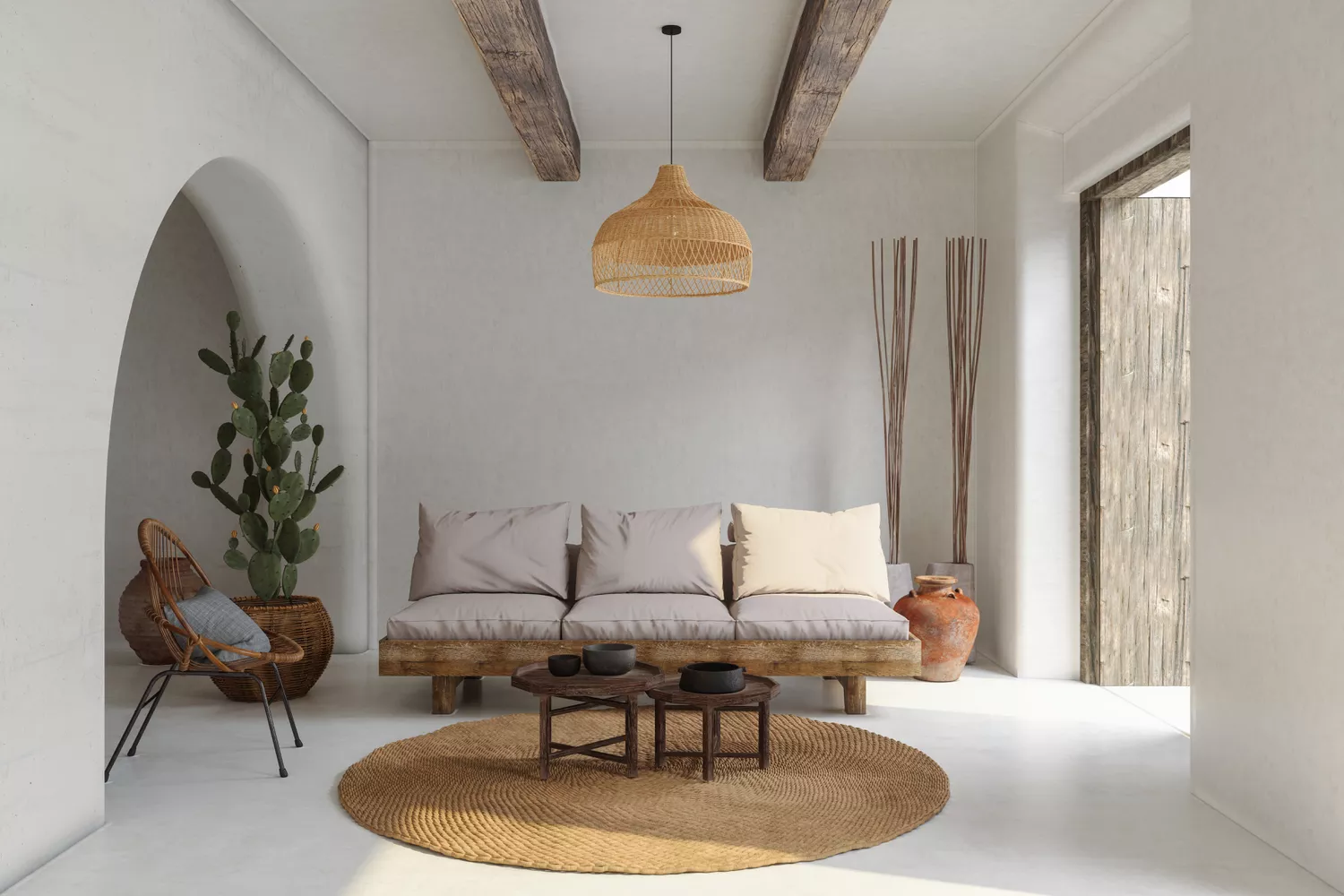
Biophilic Design Is About Connecting With Nature—Here's How to Utilize the Décor Trend In Your Home


20 Nature-Loving Homes Where Biophilia Thrives

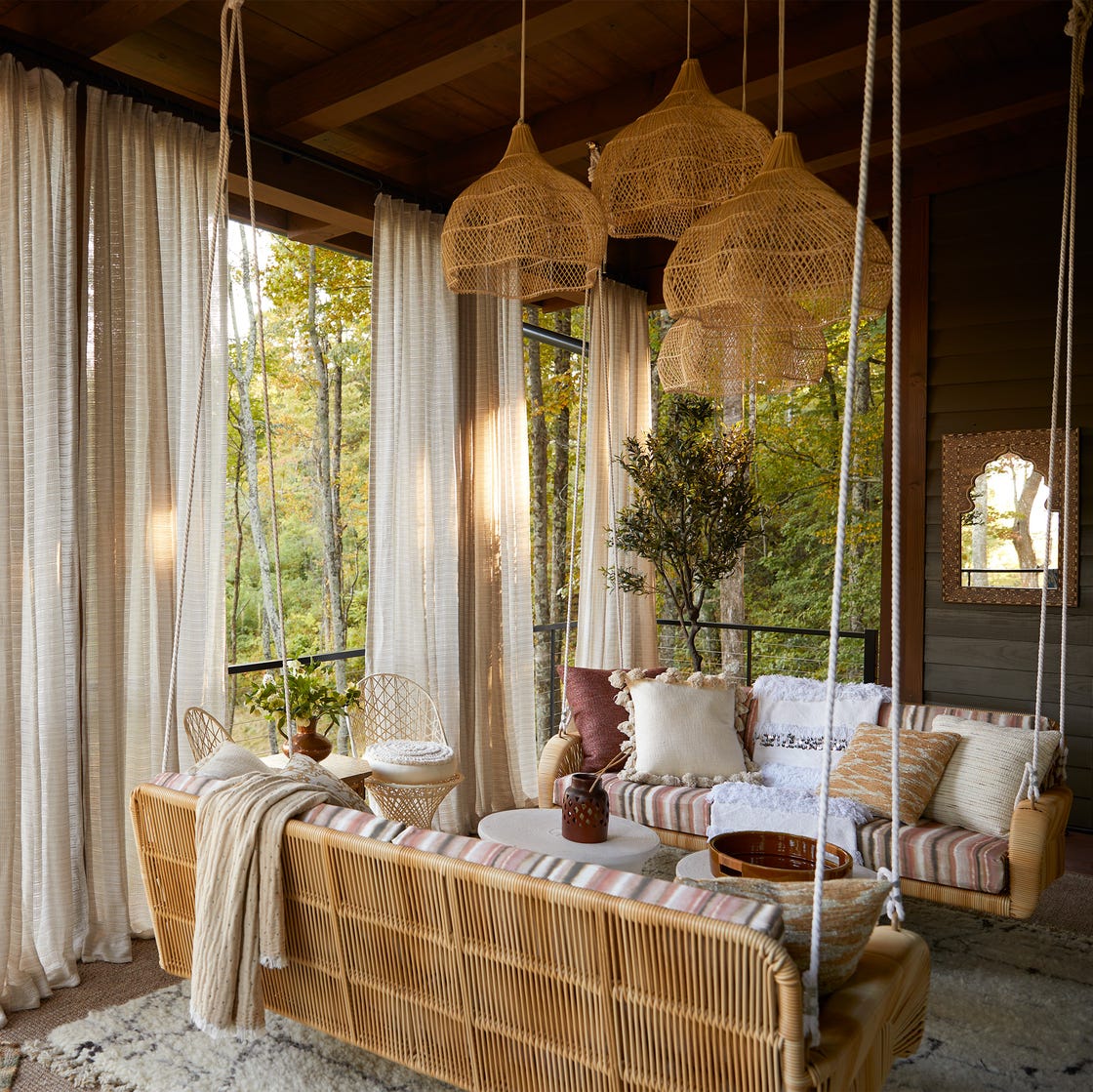
Biophilic Design Is the Signature Style of Plant Lovers Everywhere


Biophilic facades in sustainable building design
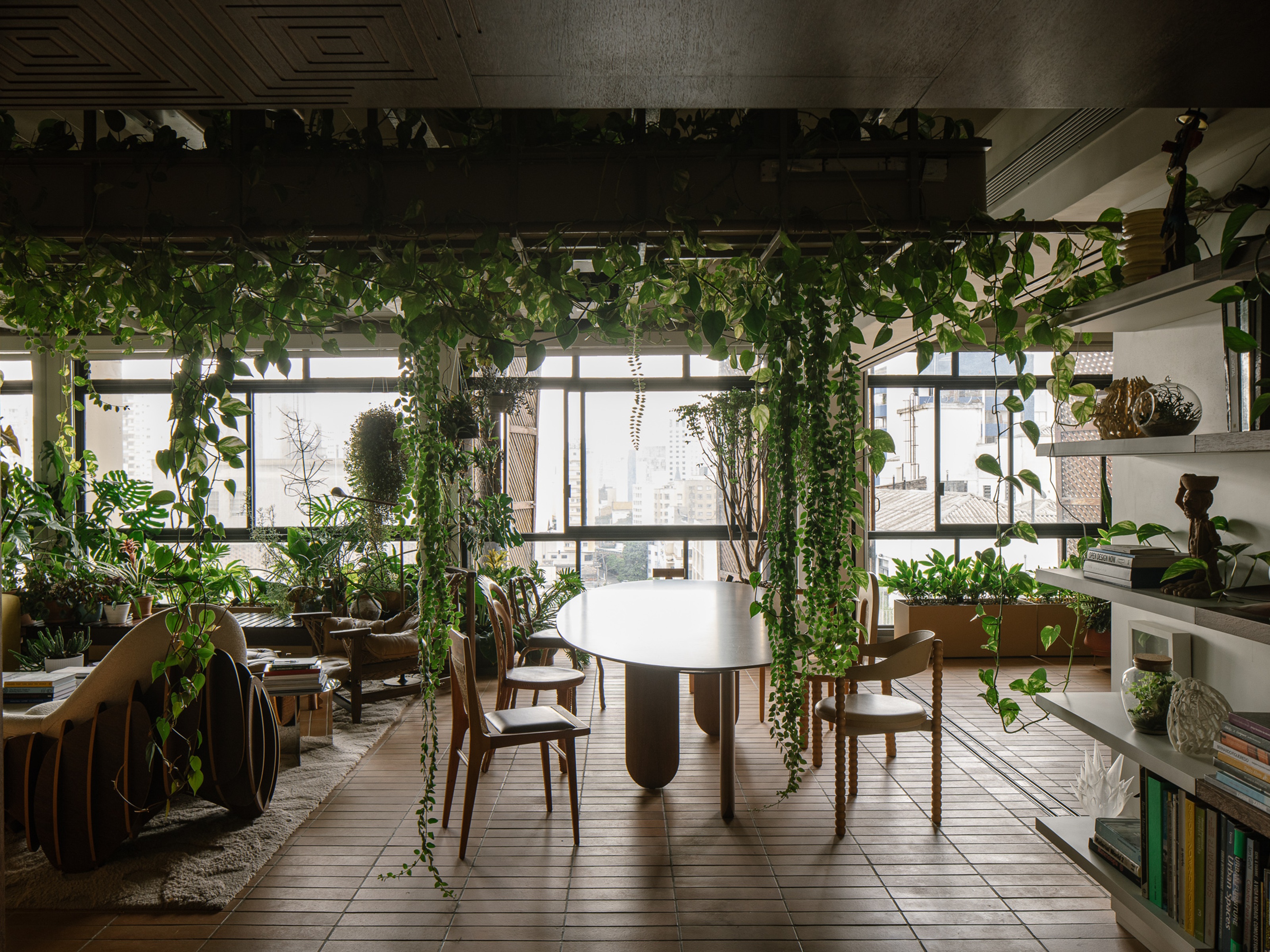
What Is Biophilic Interior Design? I'm an Actual Biophilic Designer, and This Is How to Apply It to Your Home

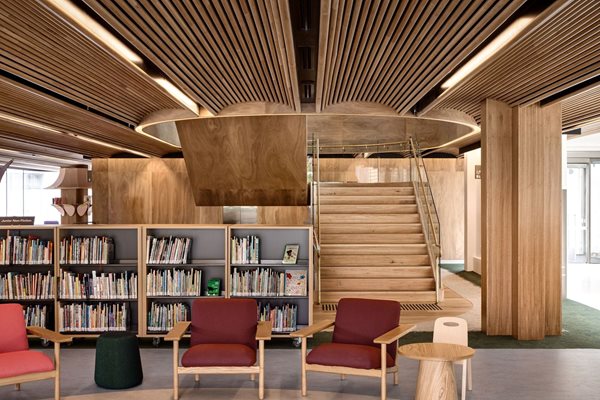
Why biophilic design is more than just a trend
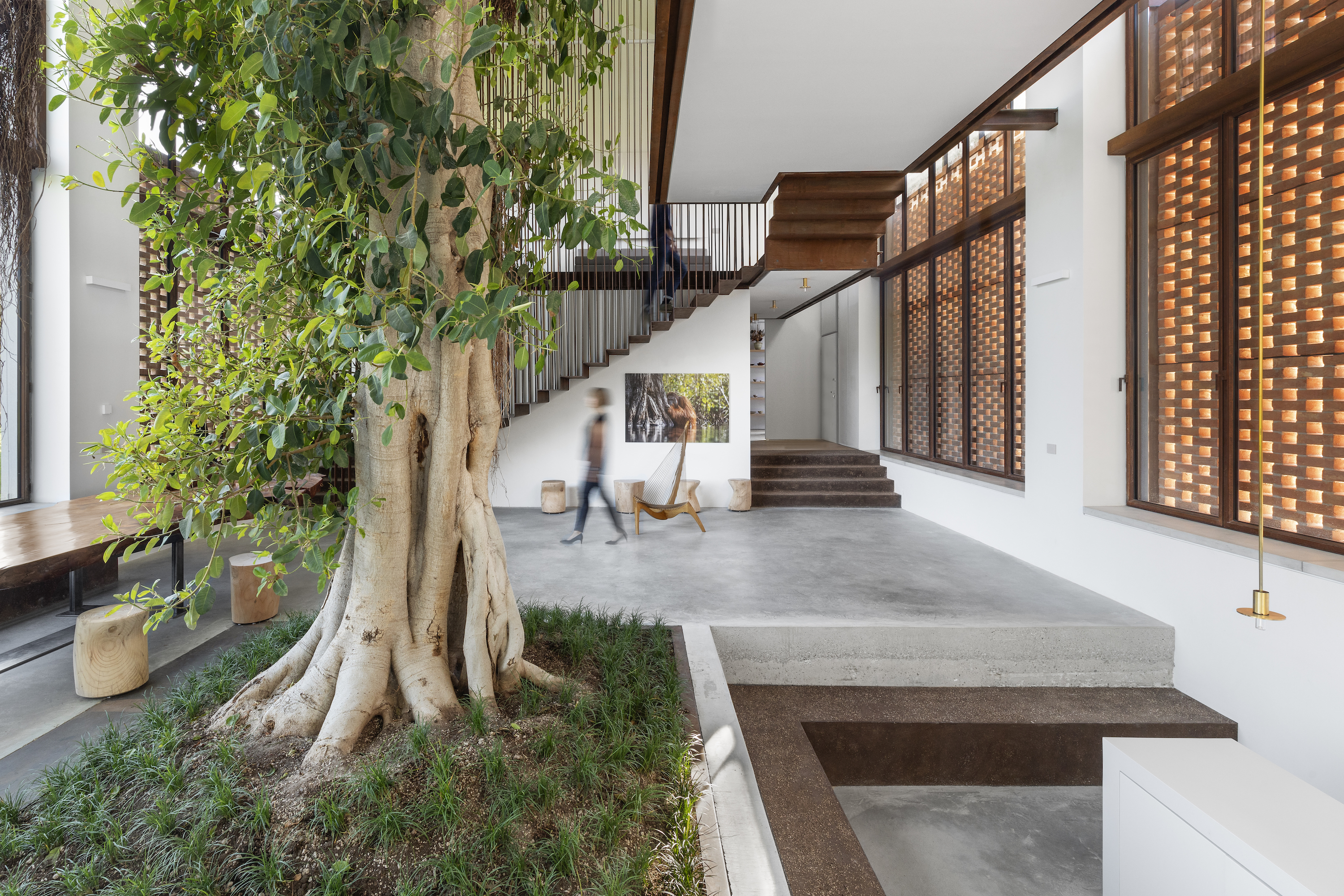
Media Review: The House of Green Brings Biophilic Design Front and Centre
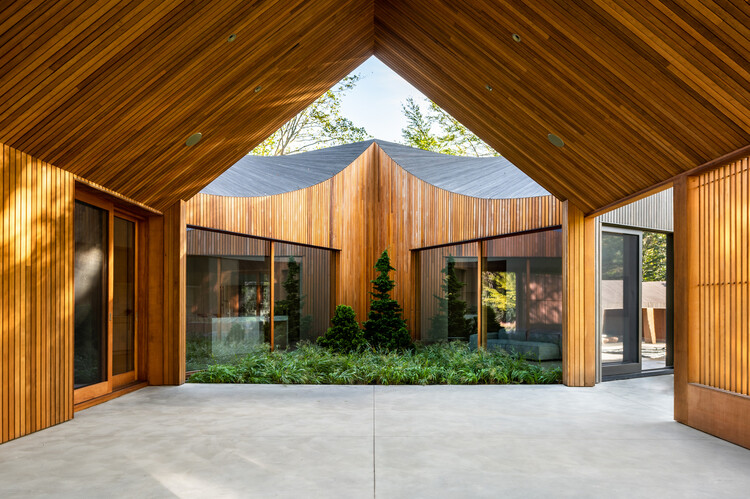
Biophilic Interiors: 21 Projects that Blend Architecture with Nature

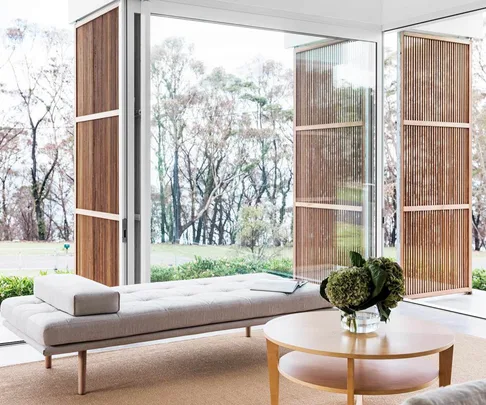
What the heck is biophilic design?

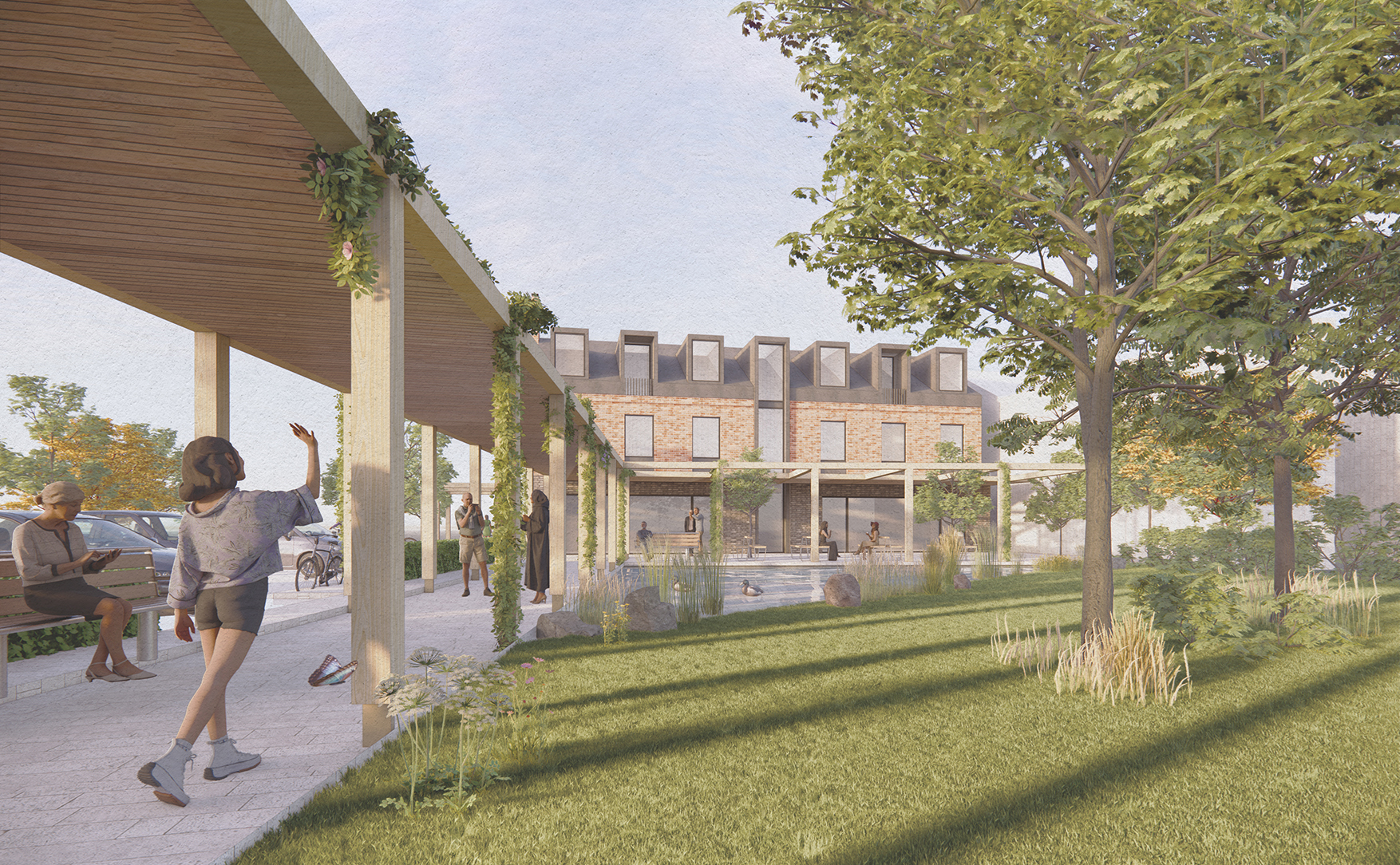
Thinking the Biophilic Way: Five Ways to Interact with Nature in Design
Want Your Home to Feel Happier and Calmer? It's Time to Consider Biophilic Design

Biophilic Interiors Invade These 10 Contemporary Residences

Biophilic design beyond the buzzword
What is Biophilic Design? This Nature-Based Interiors Trend Promises Wellness
8 applications of different biophilic design concepts
Biophilic architecture: 11 projects where nature meets concrete
Biophilic Design Helps Homeowners Connect to Nature