1/25
Biophilic Interiors: 21 Projects that Blend Architecture with Nature
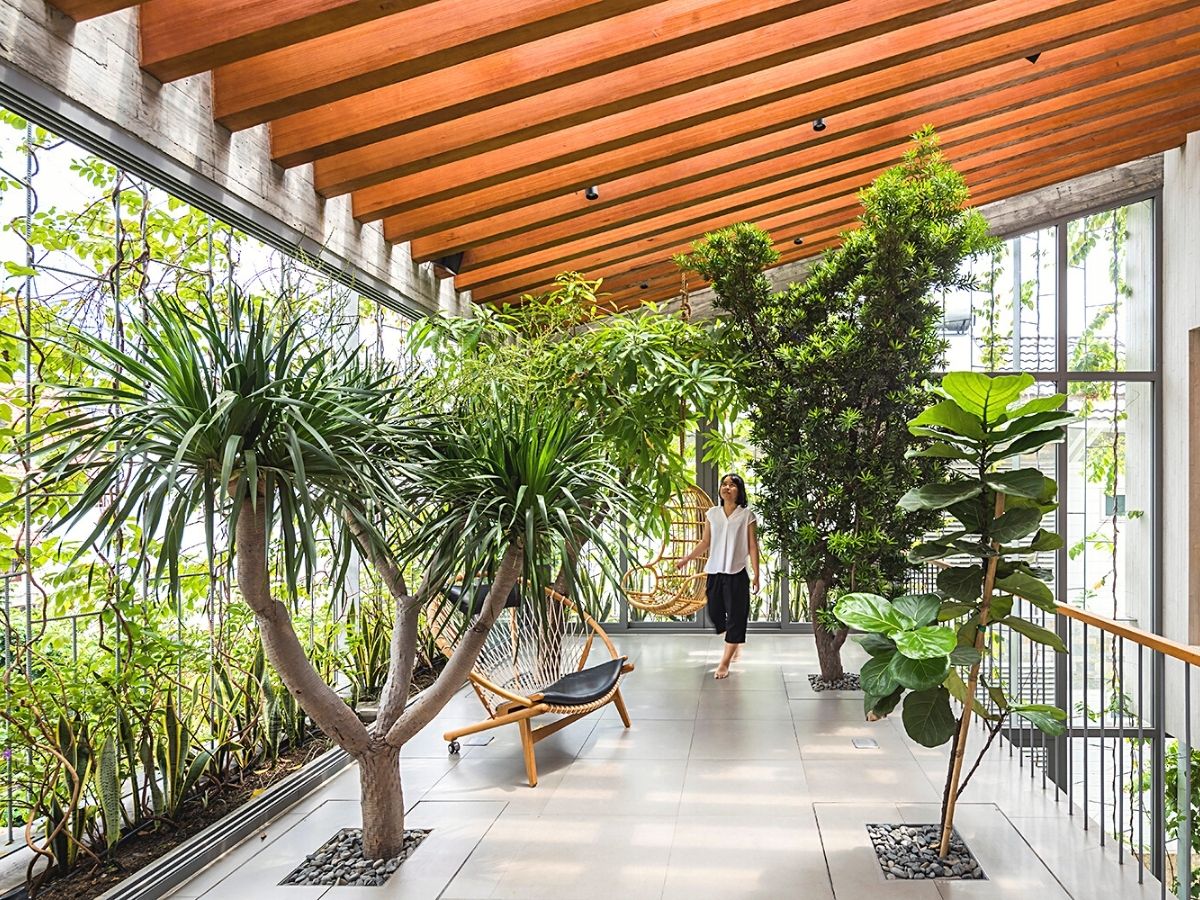
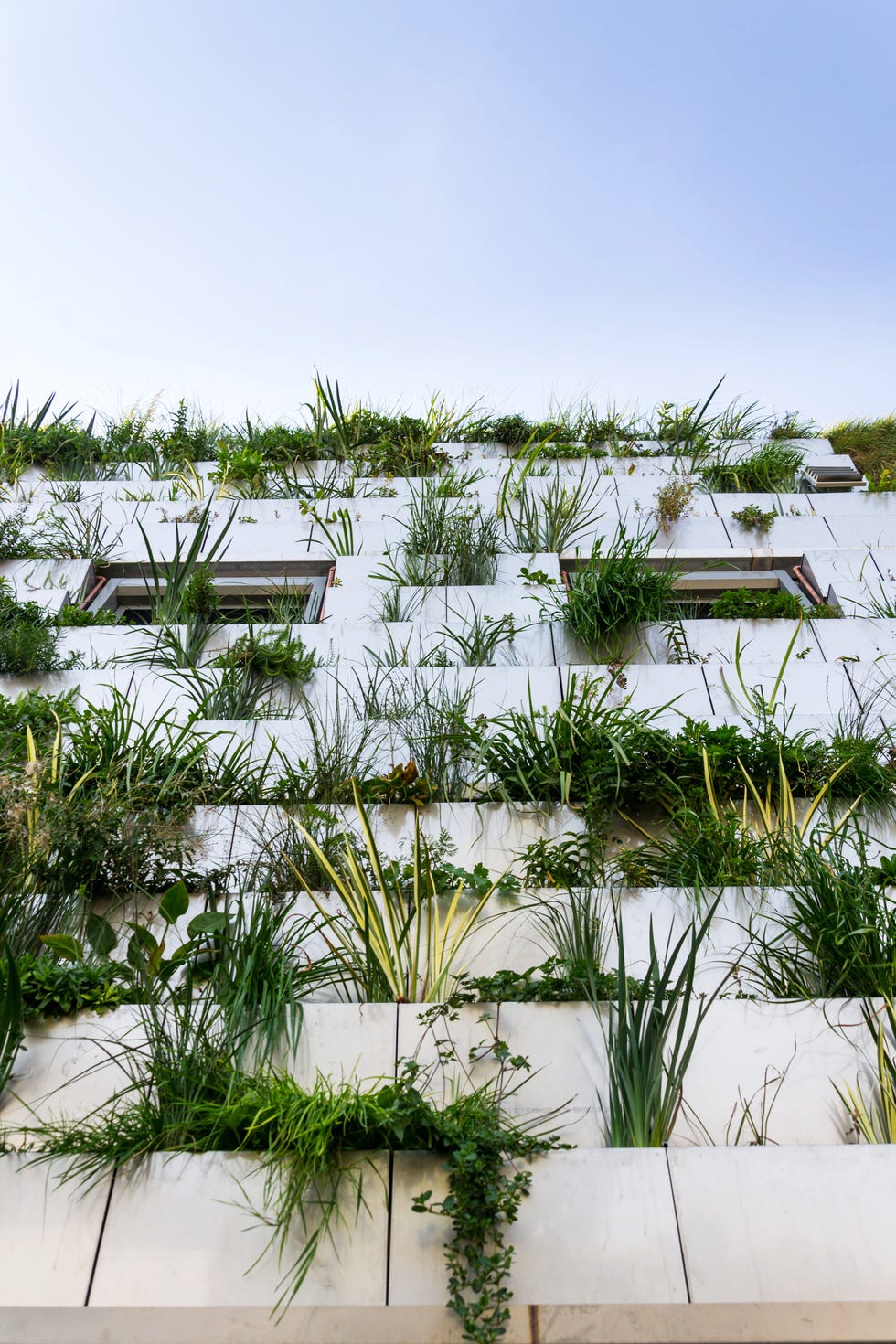
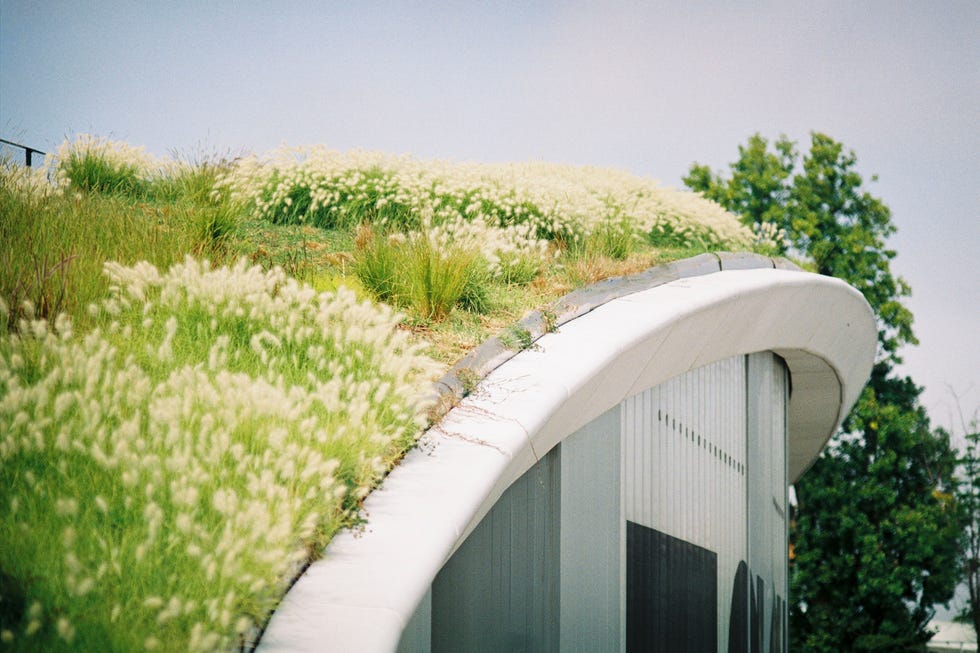
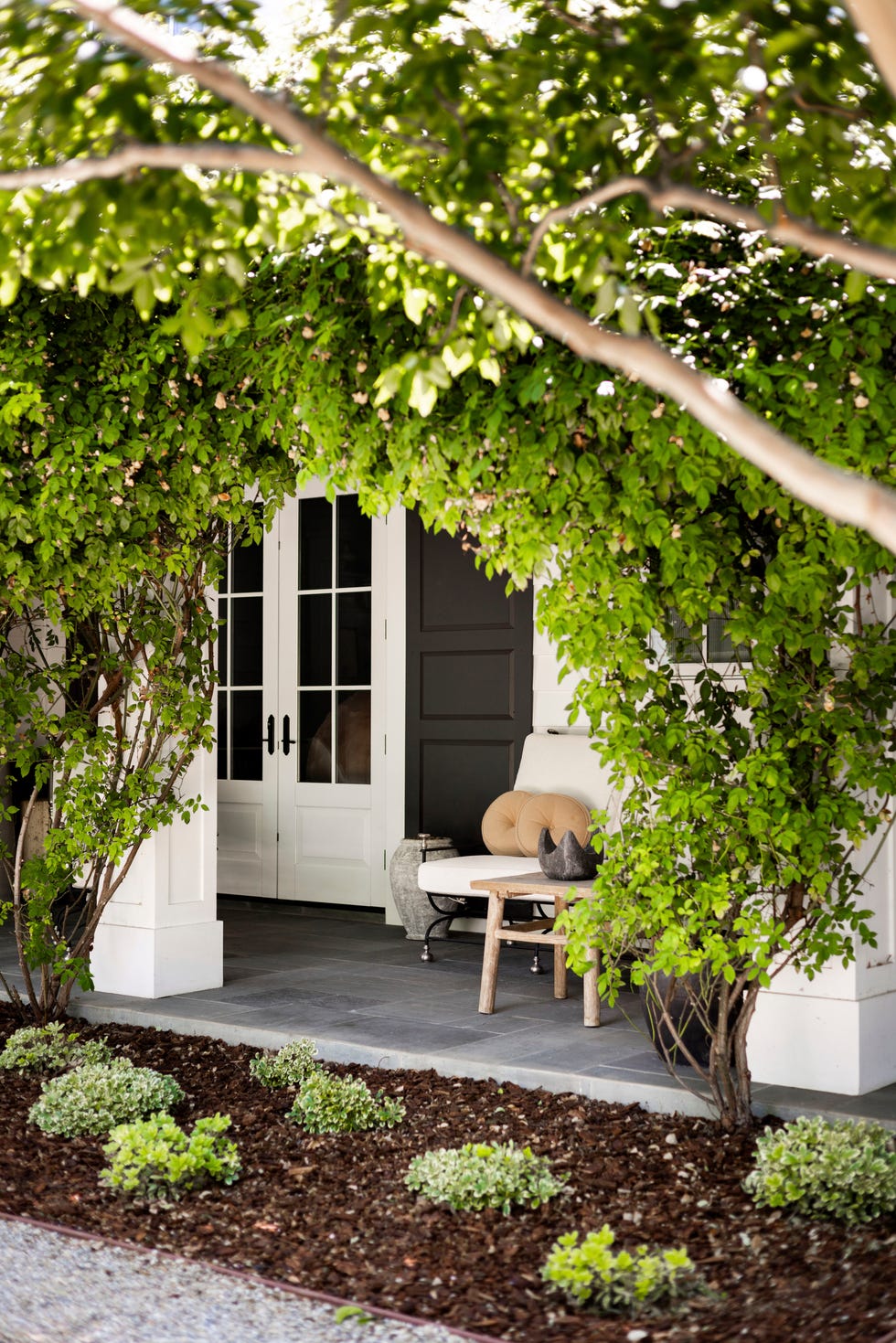
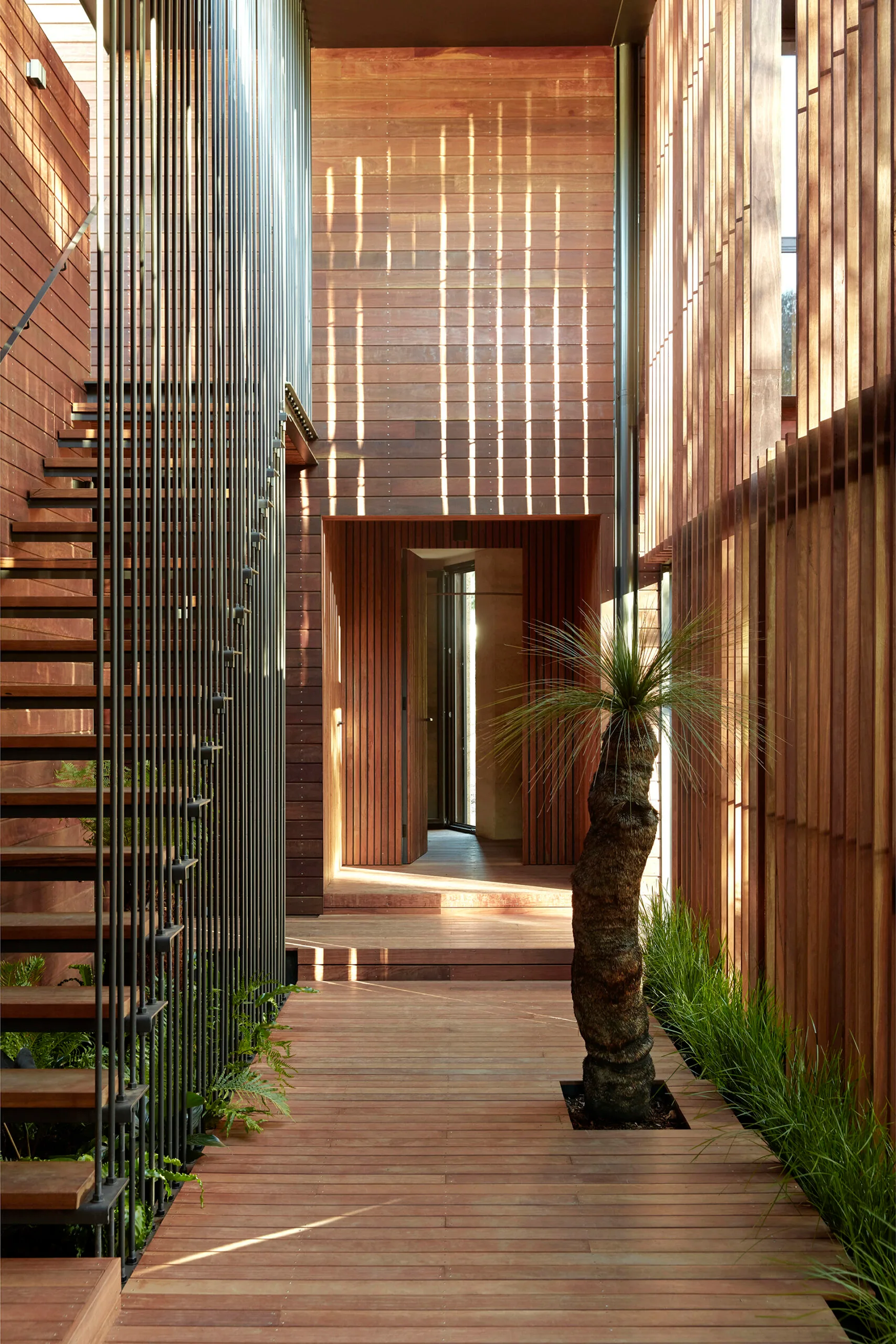
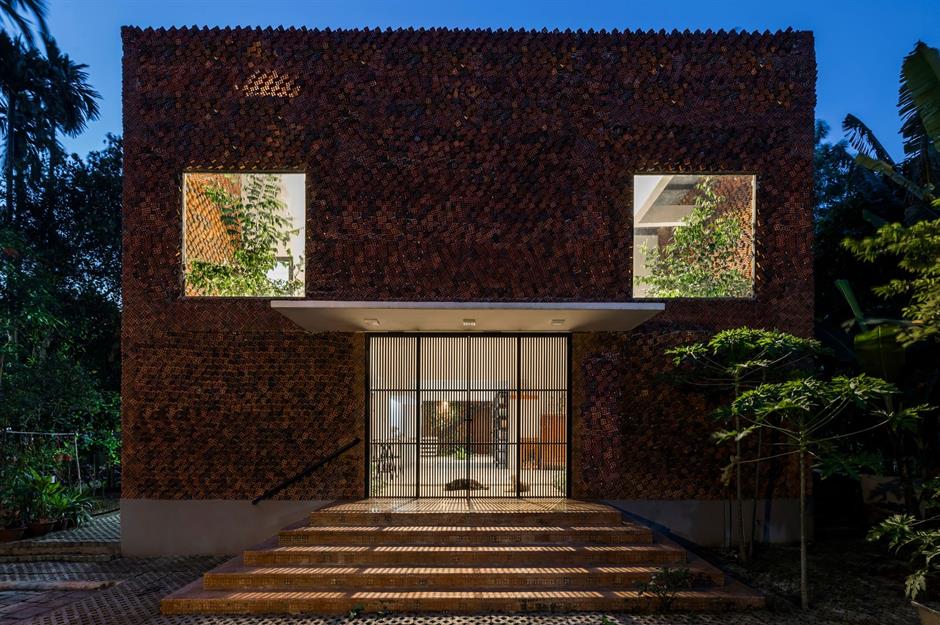
The article explores how biophilic design, which integrates natural elements into architectural spaces, addresses the innate human connection to nature amidst rapid urbanization and environmental challenges. This approach moves beyond general eco-consciousness to foster a deeper, more biological relationship with the natural world, aiming to improve human well-being. Biophilic design principles are categorized into three areas: nature in the space, nature of the space, and natural analogues. These categories aim to create physical, visual, and emotional connections to nature through design elements. The successful implementation of these principles results in various physical benefits, including improved fitness, lower blood pressure, and fewer illness symptoms. Mentally, it enhances motivation, productivity, and creativity while reducing stress and anxiety. Behavioral and cognitive improvements encompass better coping skills, increased attention span, and heightened social interaction. The article highlights how effective biophilic design considers local context, blending with the specific natural surroundings rather than adopting a generic green approach.
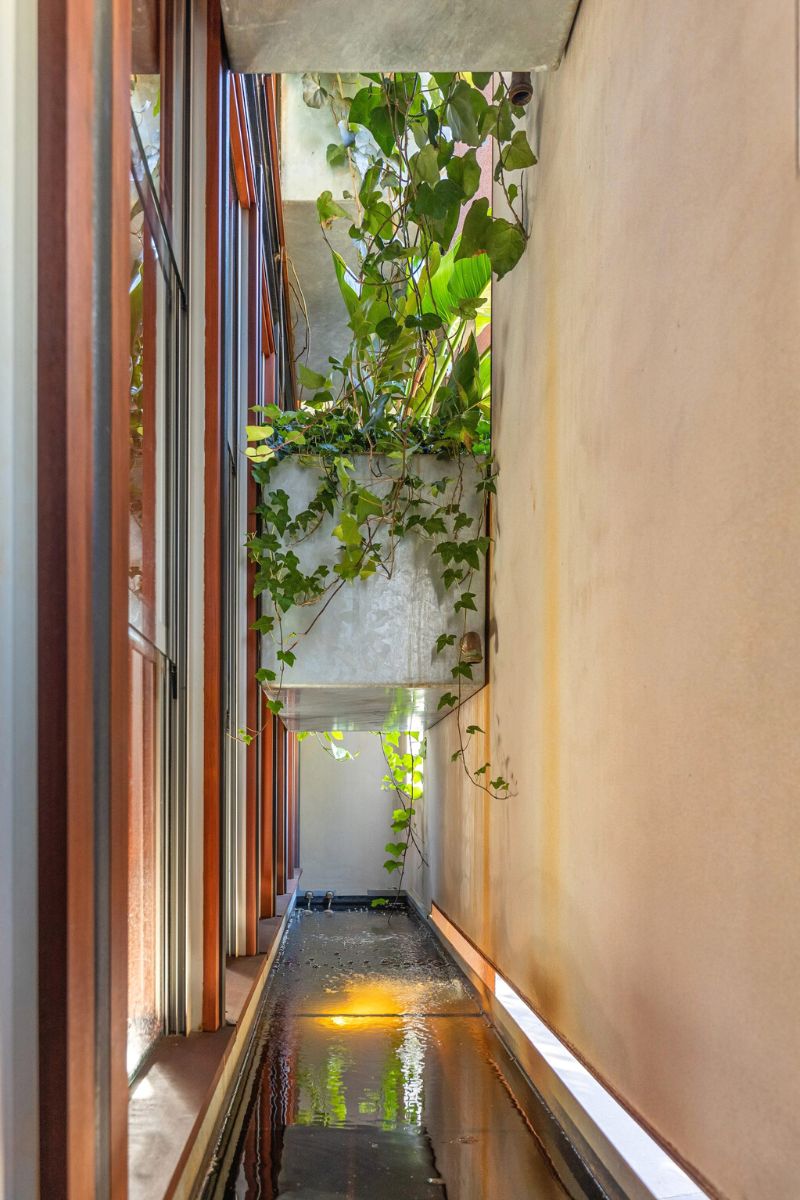
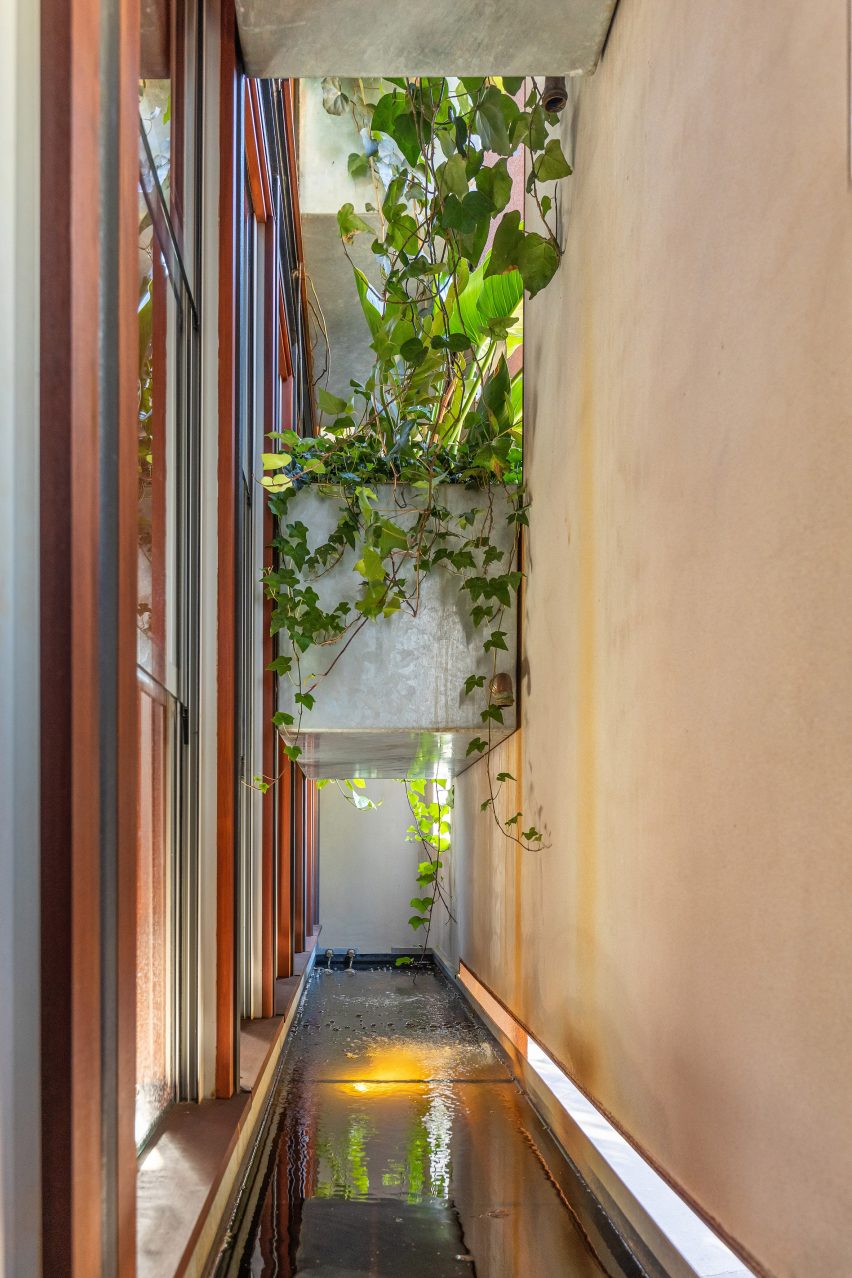
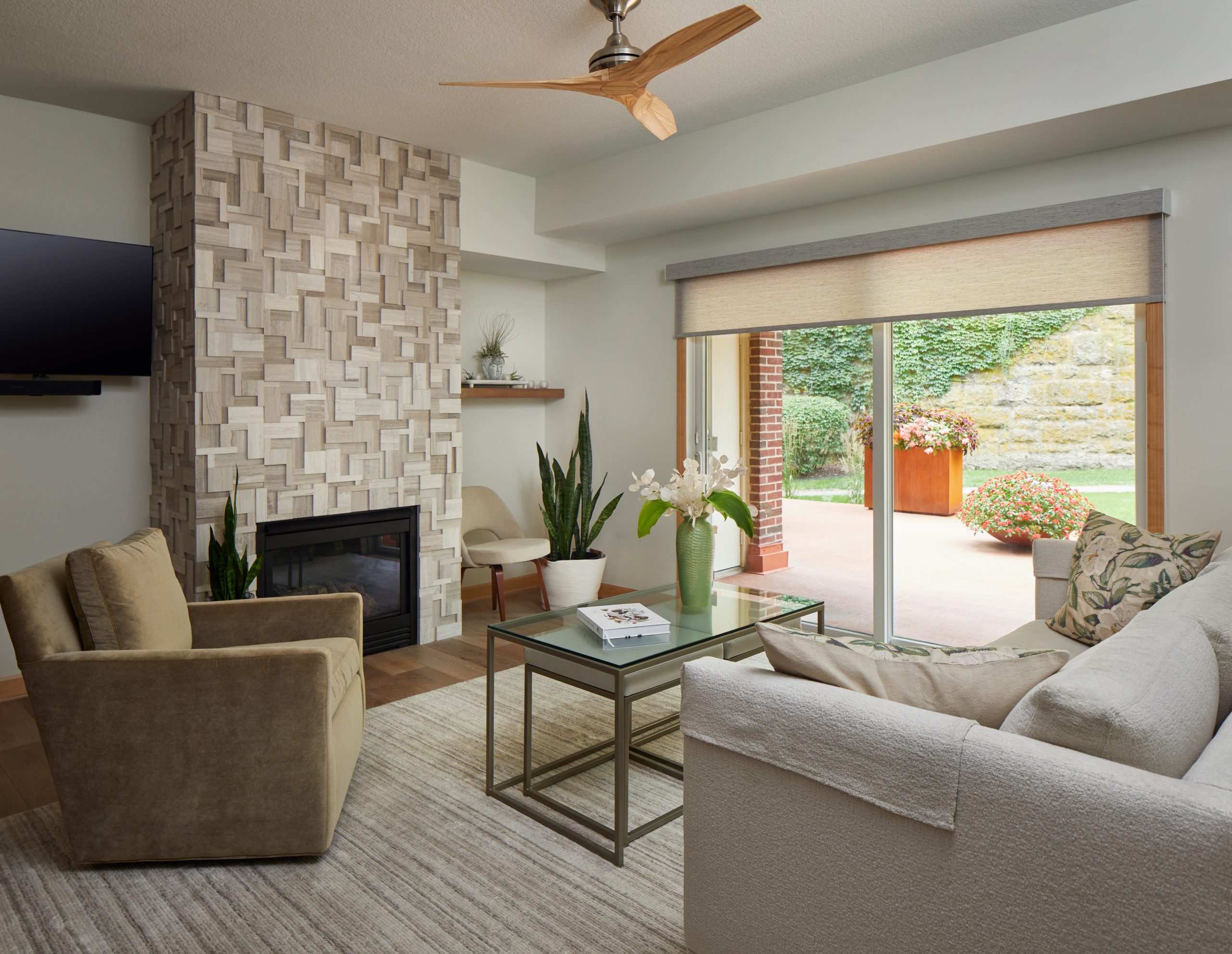
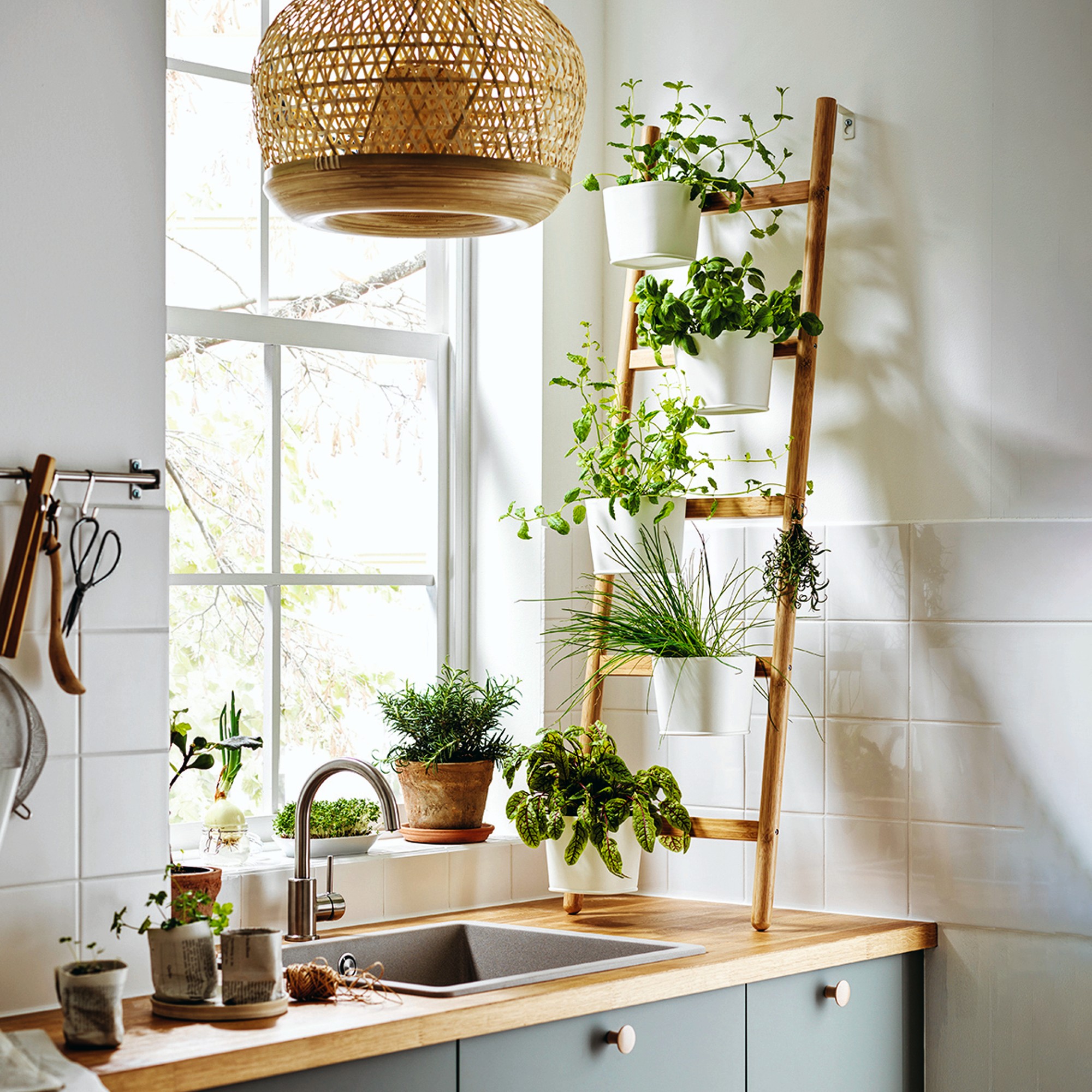
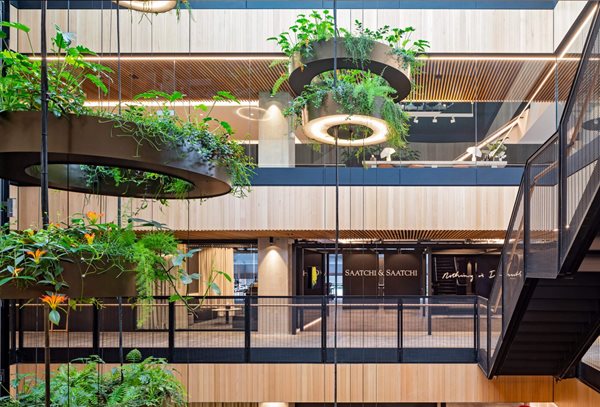
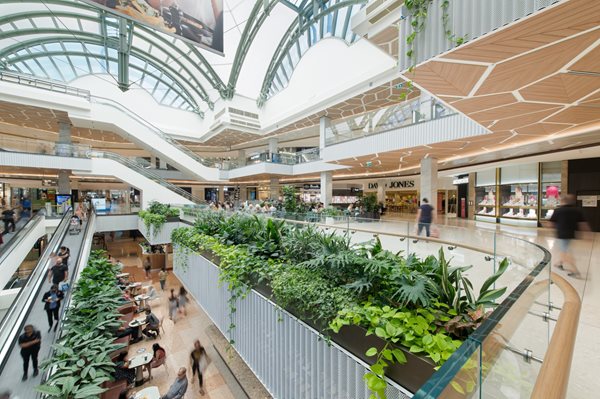
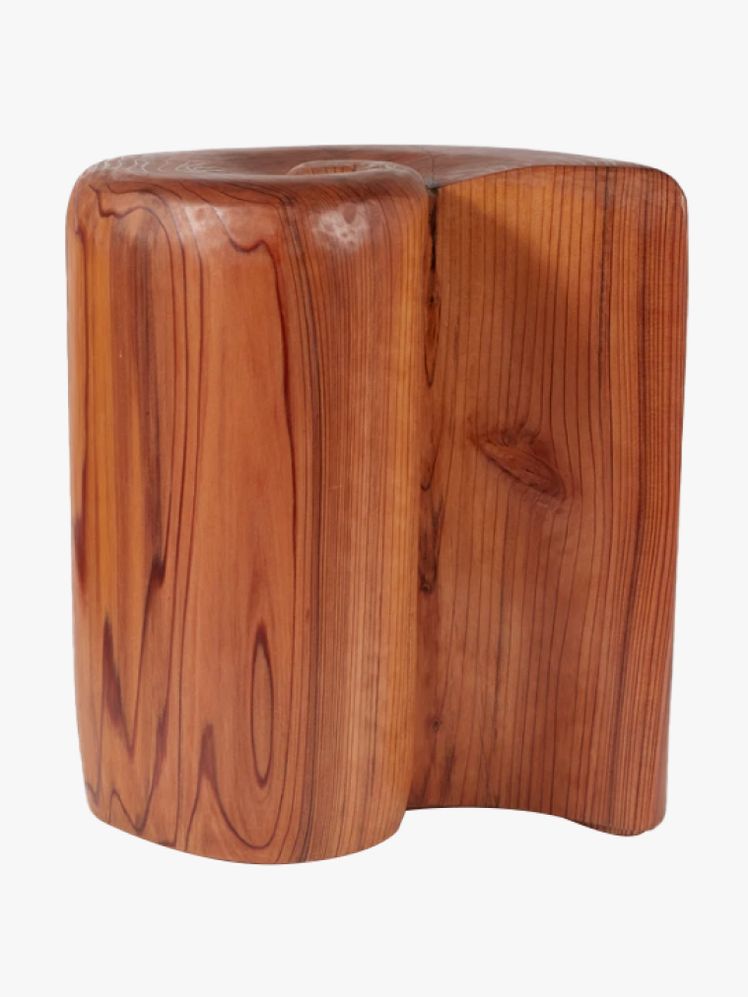
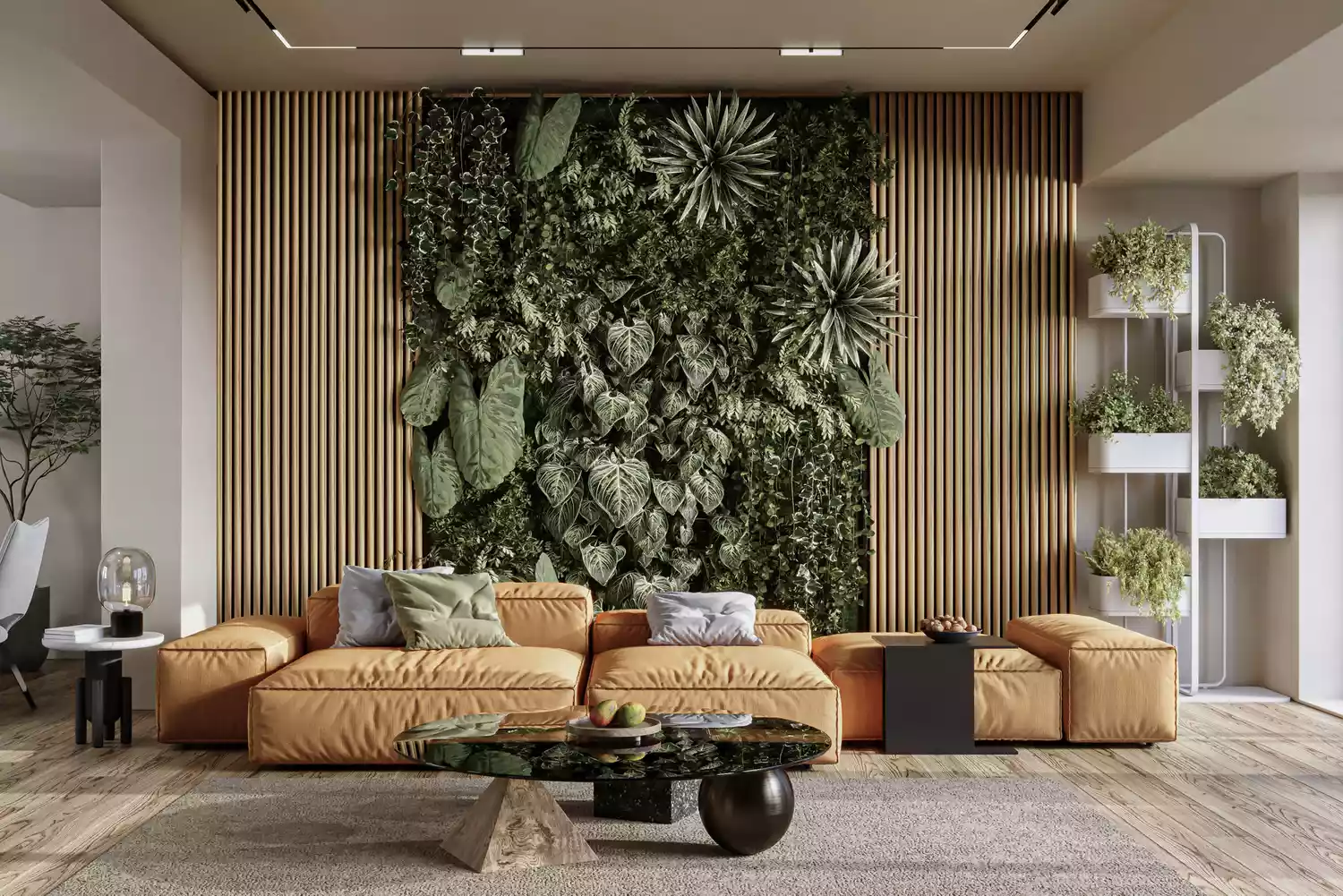
The discussion delves into several key aspects of biophilic interior design. Material selection is emphasized, with architects increasingly turning to environmentally conscious choices that utilize local, minimally processed resources like earth. This not only promotes sustainability but also elicits positive cognitive and physiological responses in occupants. Examples of projects like 'The Wendy House' and 'TECLA Technology and Clay 3D Printed House' demonstrate this focus. Integrating natural elements like greenery, water, and fire within spaces is another crucial aspect. Plantscaping, the strategic incorporation of plants, offers numerous benefits, and their selection is often guided by local climate and geographic conditions to ensure authenticity. The presence of water features, supported by studies showing their stress-reducing and concentration-enhancing effects, is also a common biophilic intervention.
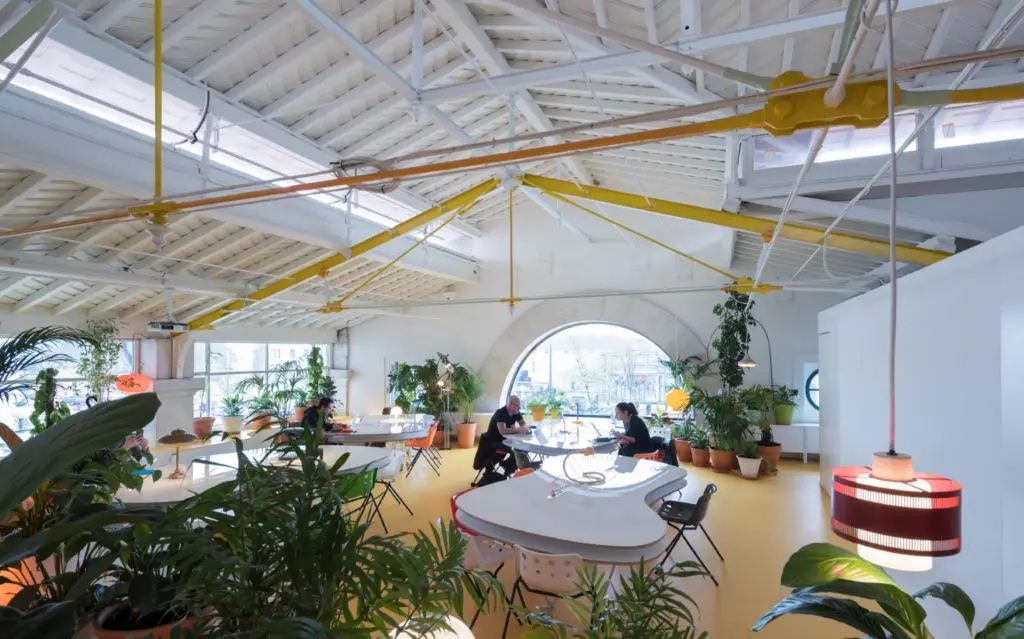
Natural lighting is presented as vital for maintaining human circadian rhythms and overall well-being. The article explains that reliance on artificial light disrupts the body’s biological clock, impacting productivity and energy levels. Consequently, architects prioritize maximizing natural light and replicating its qualities with artificial sources, considering the interplay of light and shadow for visual comfort. Airflow and thermal comfort are also critical, with biophilic design aiming to create spaces where air quality provides vitality and allows for personalized temperature control. Projects like 'The Vibes Office' and 'Urban Farming Office' exemplify these principles.
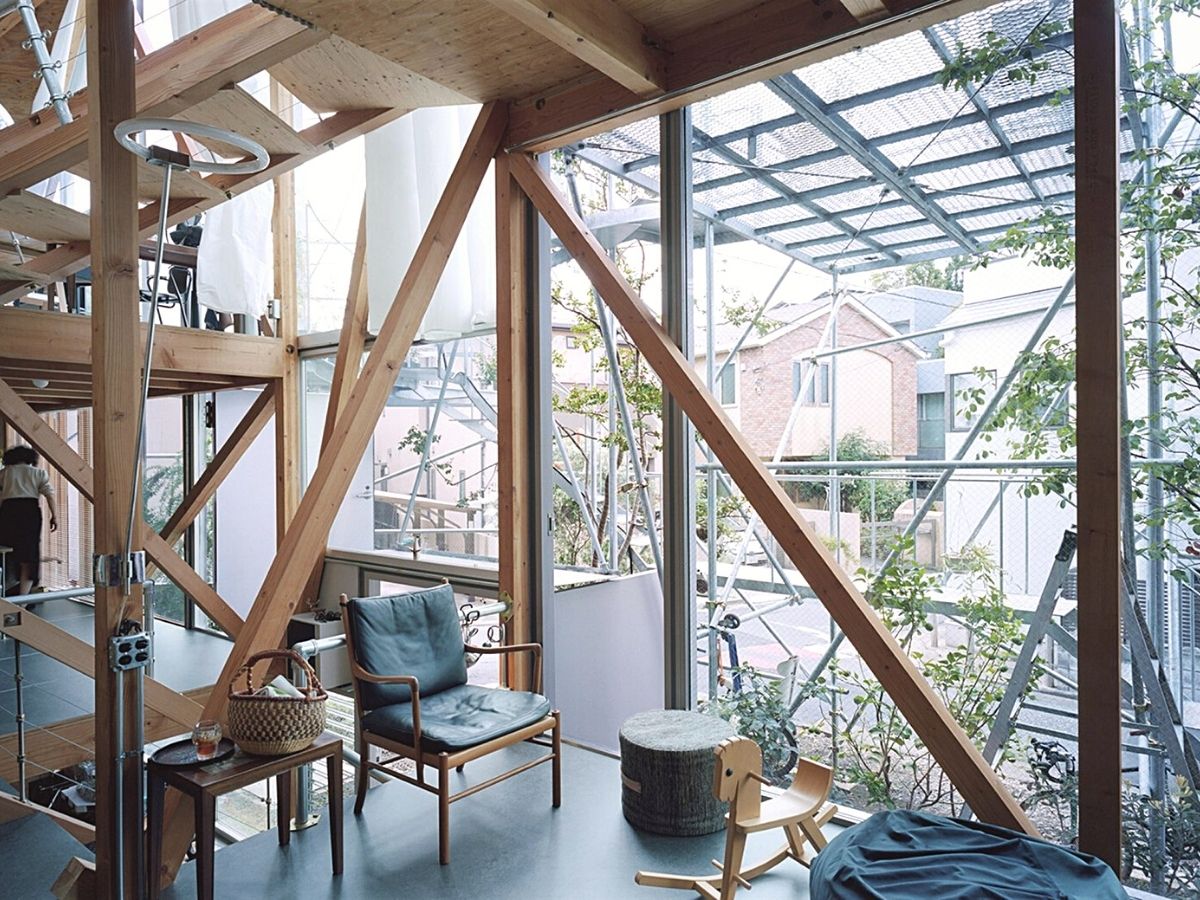
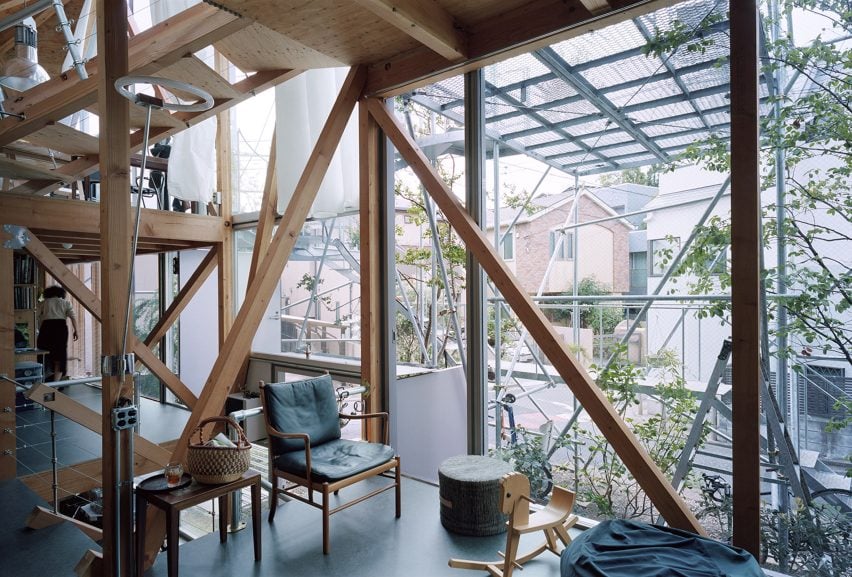
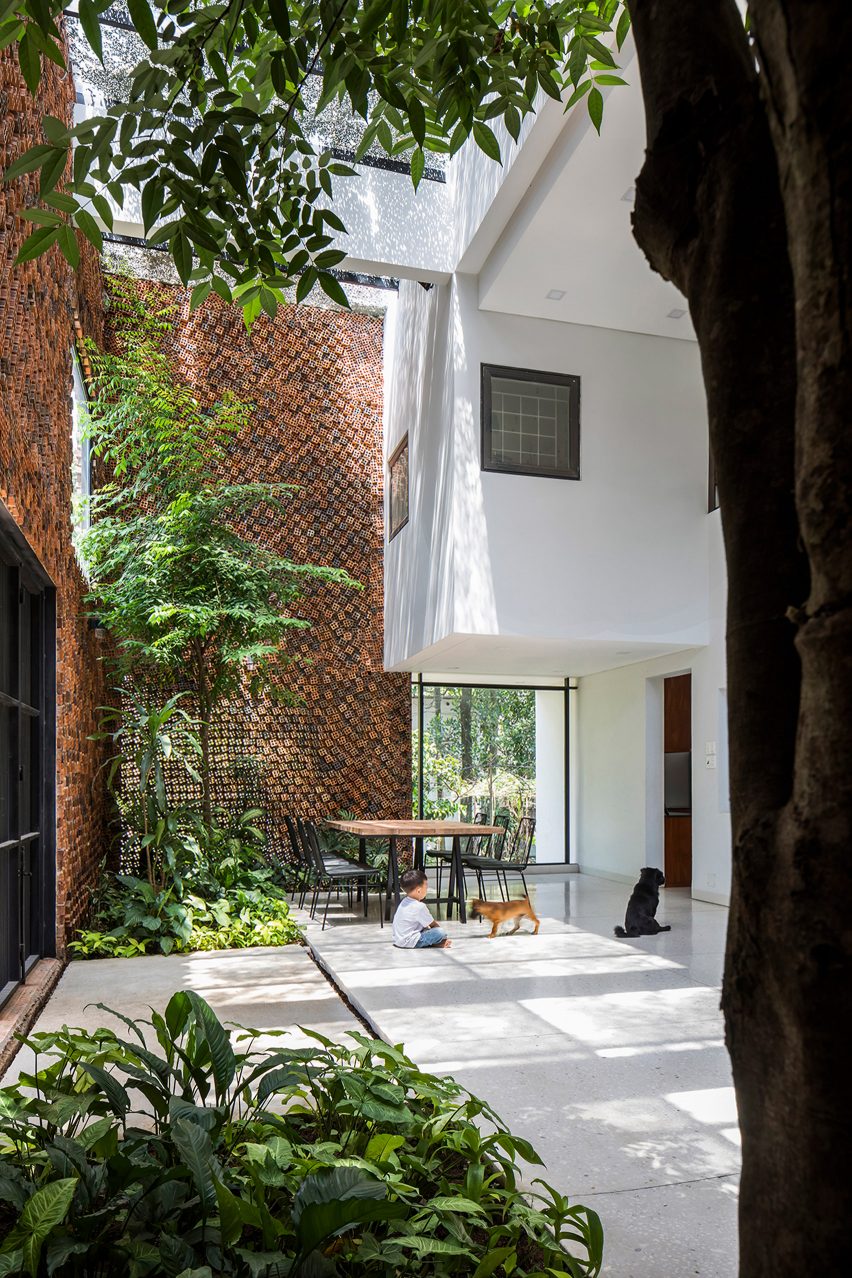
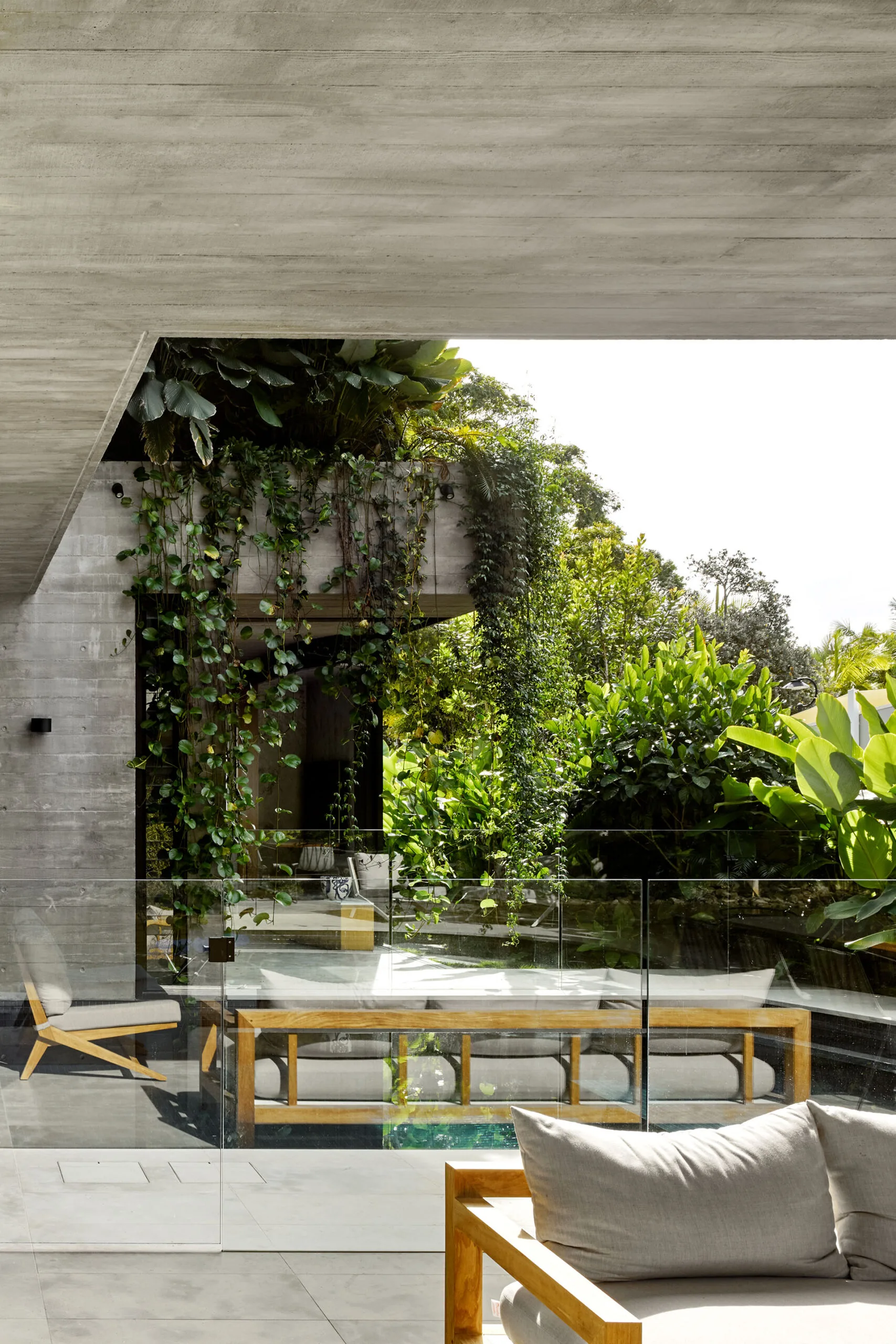
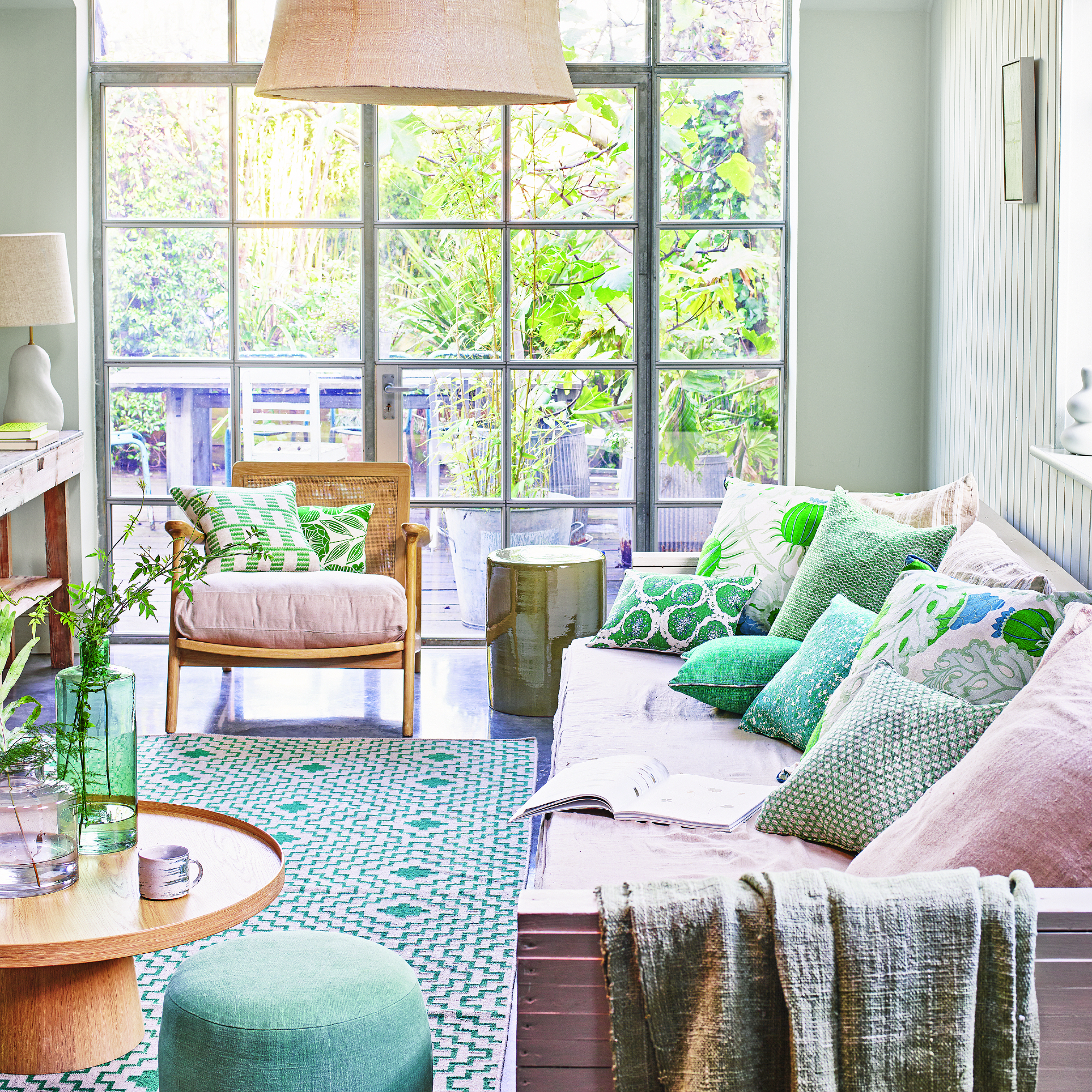
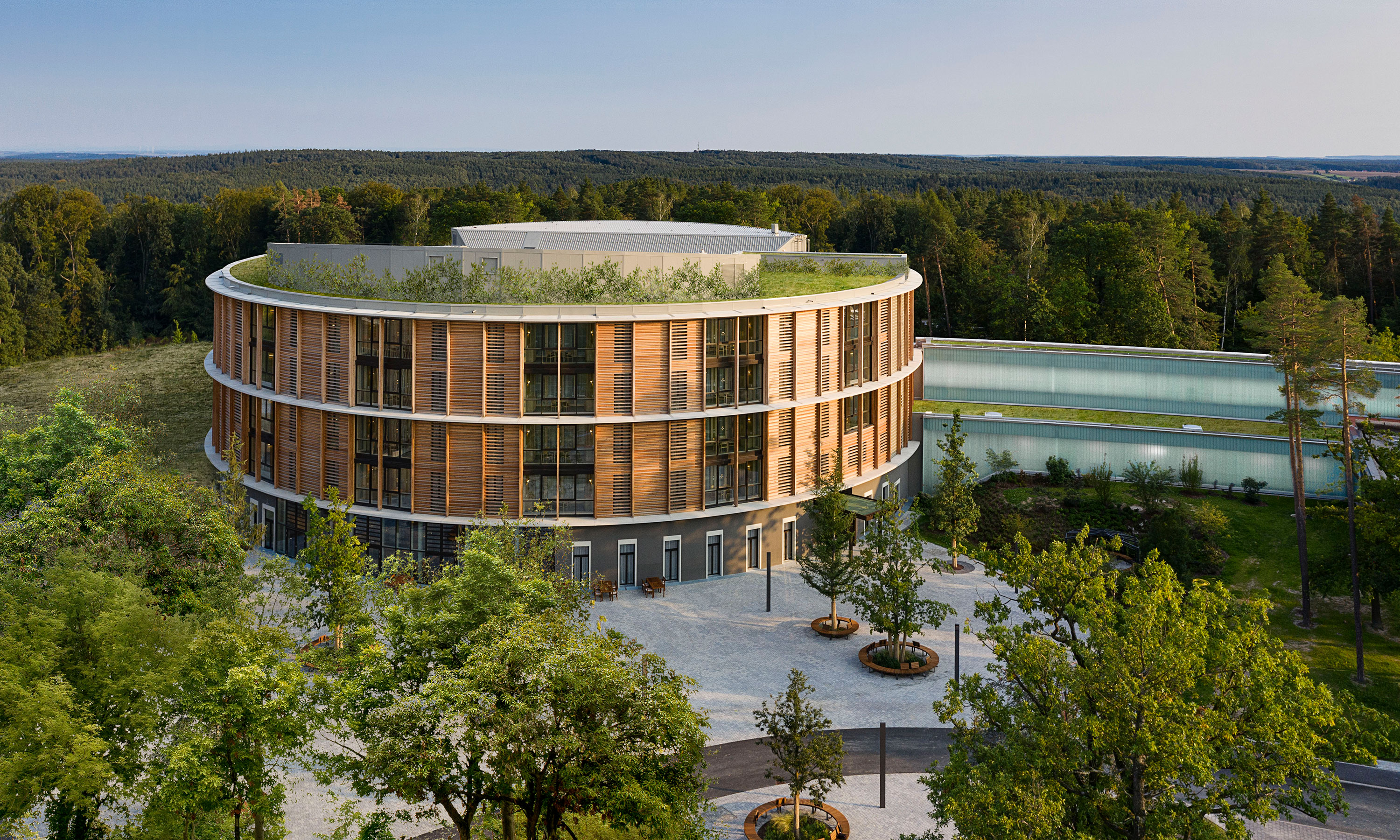
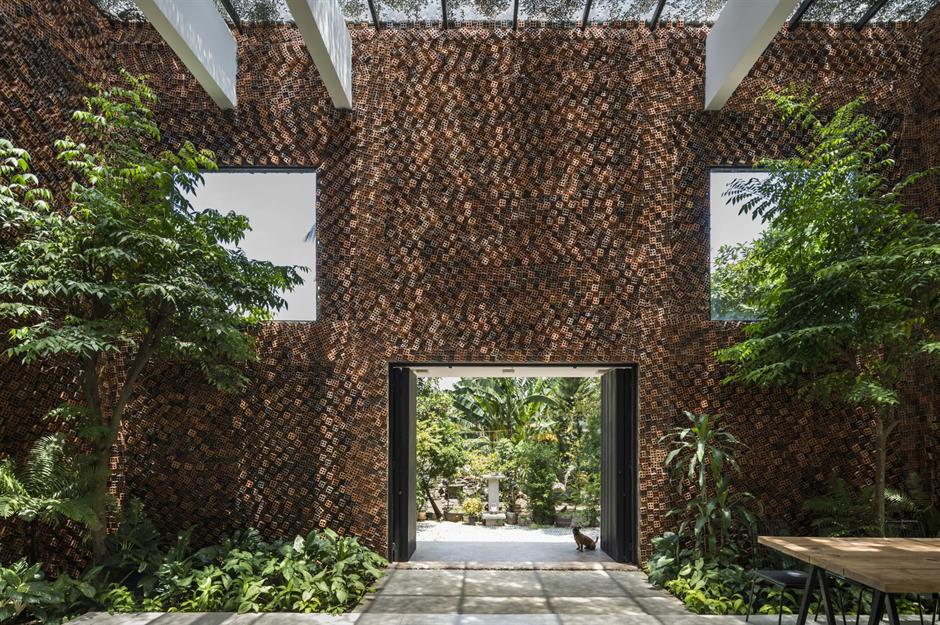
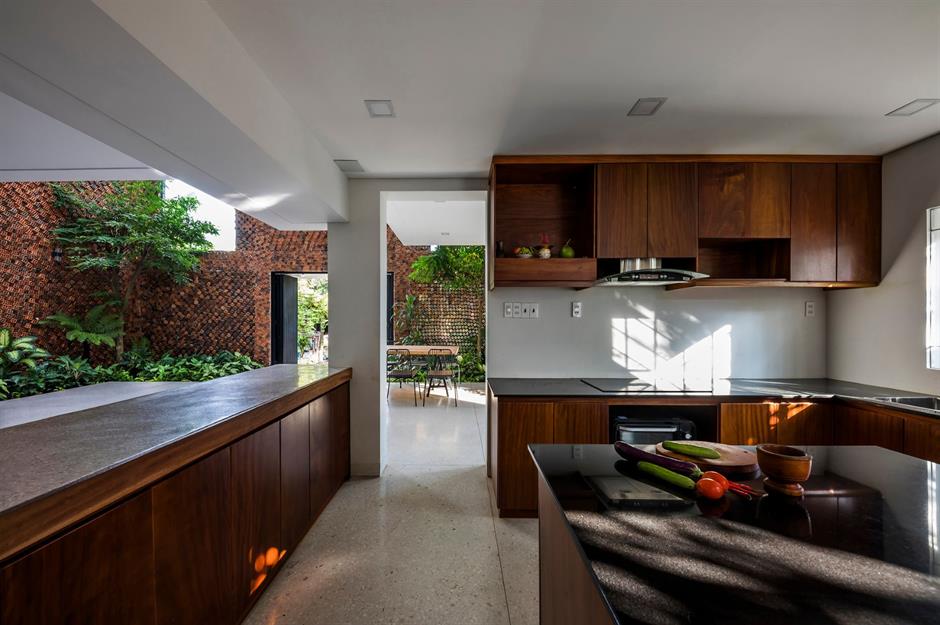
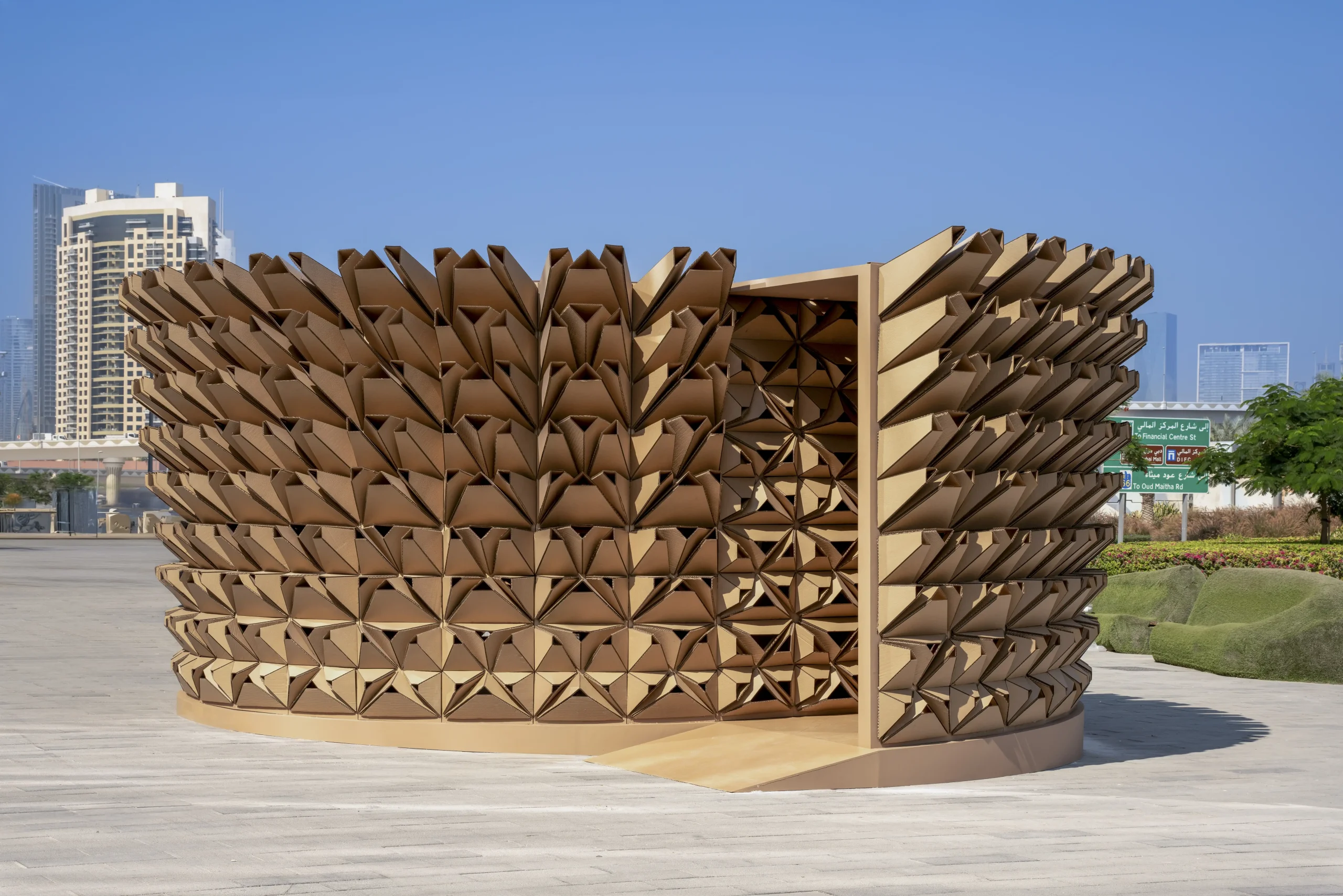
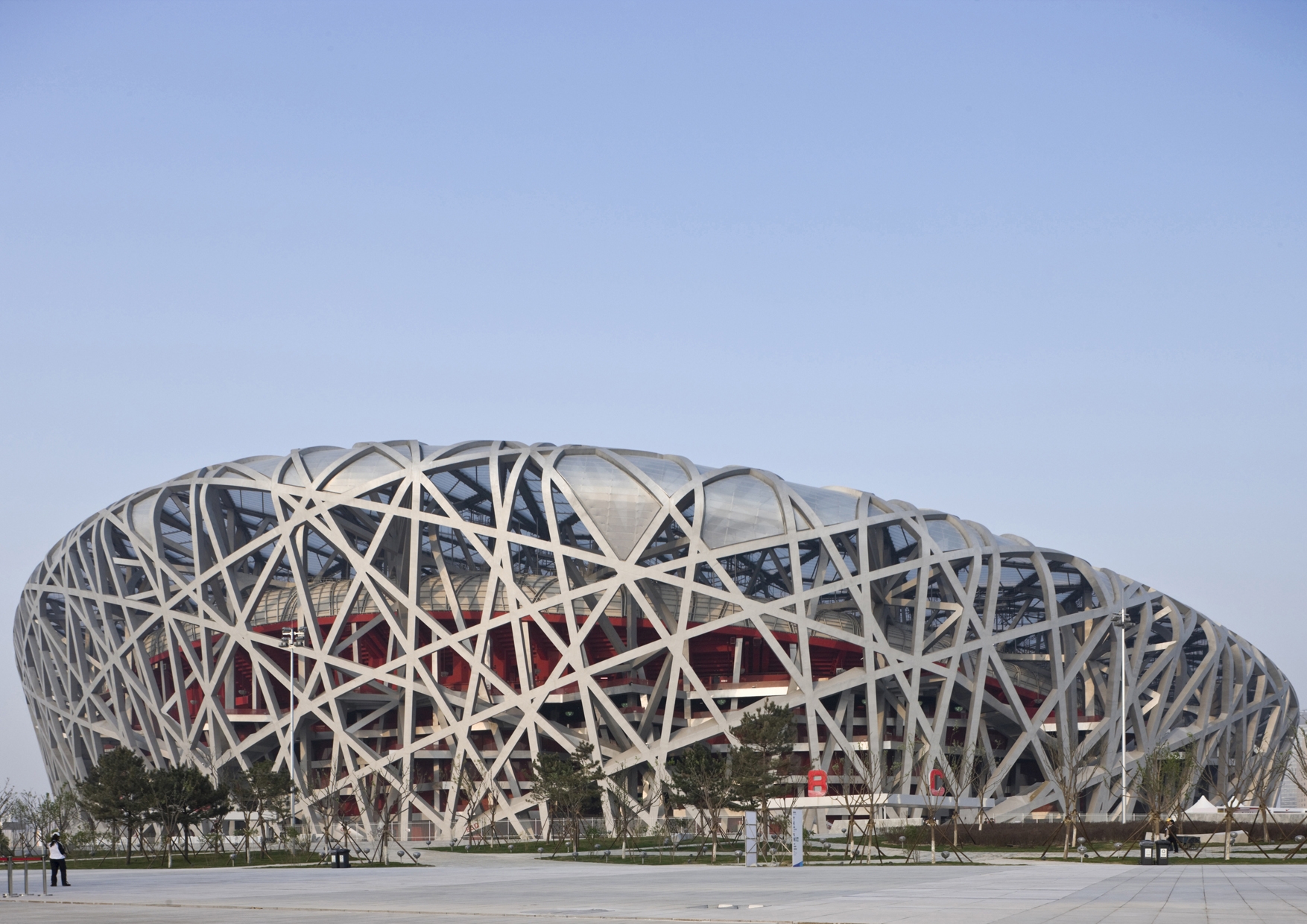
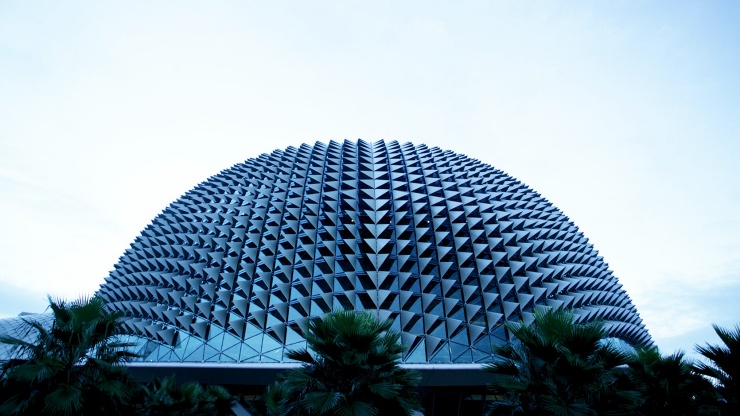
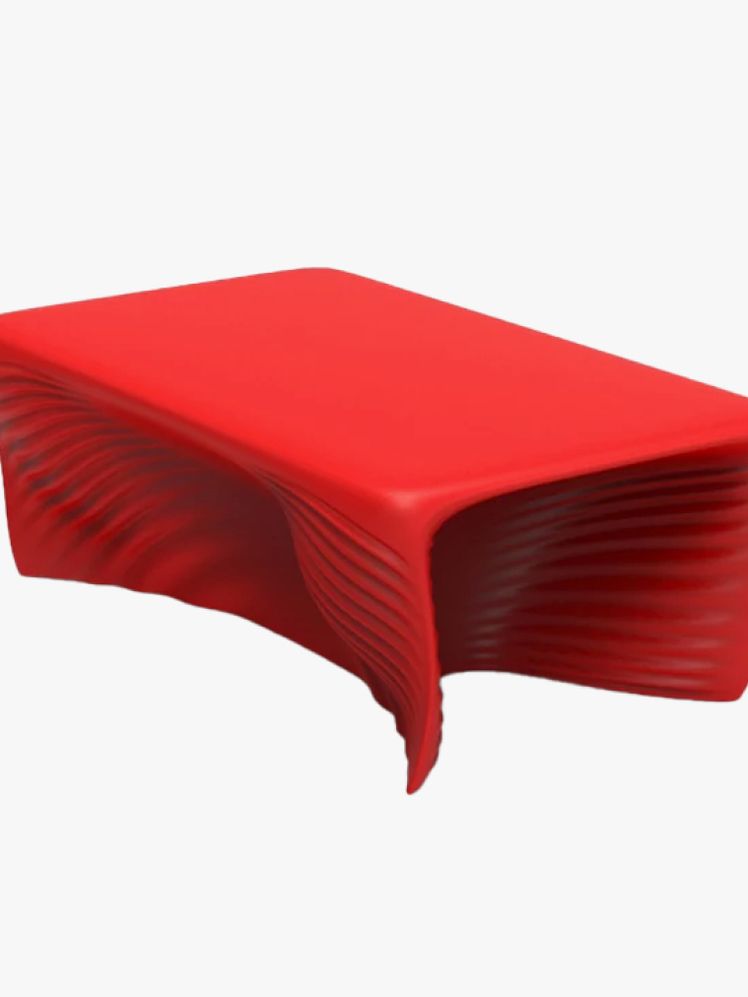
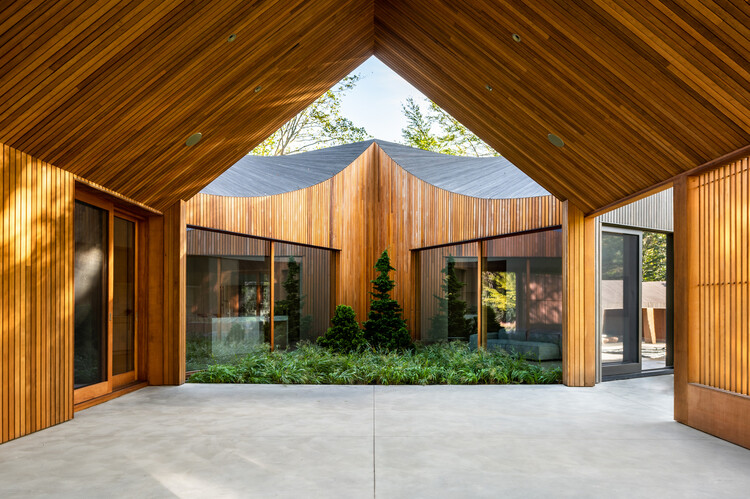
Physical and visual access to nature is another fundamental element, achieved by blurring the boundaries between indoor spaces and the outdoor landscape. This integration fosters a sense of openness, freedom, and reduces the perception of man-made environments, thereby enhancing the human-nature connection. 'Six Square House' and 'TreeVilla at Forest Hills' serve as illustrative examples. Finally, the article discusses biomimicry and organic forms, where designs draw inspiration from natural patterns and shapes. Curved forms, for instance, are highlighted for their psychological appeal, signaling a lack of threat and promoting a sense of comfort. These organic expressions are integrated into furniture, lighting, textiles, and architectural elements, showcasing how design can mimic nature’s soothing qualities. The article concludes by inviting readers to explore 21 projects from the ArchDaily database that embody these biophilic principles, illustrating diverse applications of this human-centered design philosophy.
#BiophilicInteriors #BiophilicDesign #SustainableArchitecture #NaturalMaterials #GreenArchitecture #IndoorGreenscaping #NaturalLighting #EnvironmentalWellbeing #UrbanNatureIntegration #BiophilicInteriors #BiophilicDesign #SustainableArchitecture #NaturalMaterials #GreenArchitecture #IndoorGreenscaping #NaturalLighting #EnvironmentalWellbeing #UrbanNatureIntegration
0 comment in total
 No comments yet
You may also like
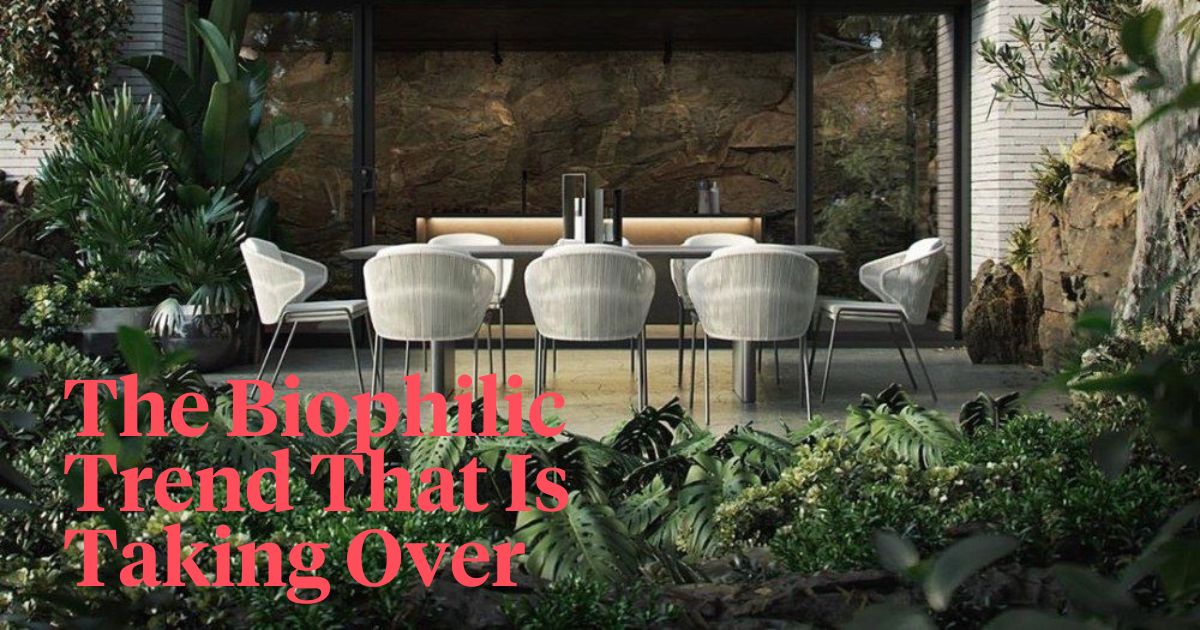
Biophilic Interiors Invade These 10 Contemporary Residences

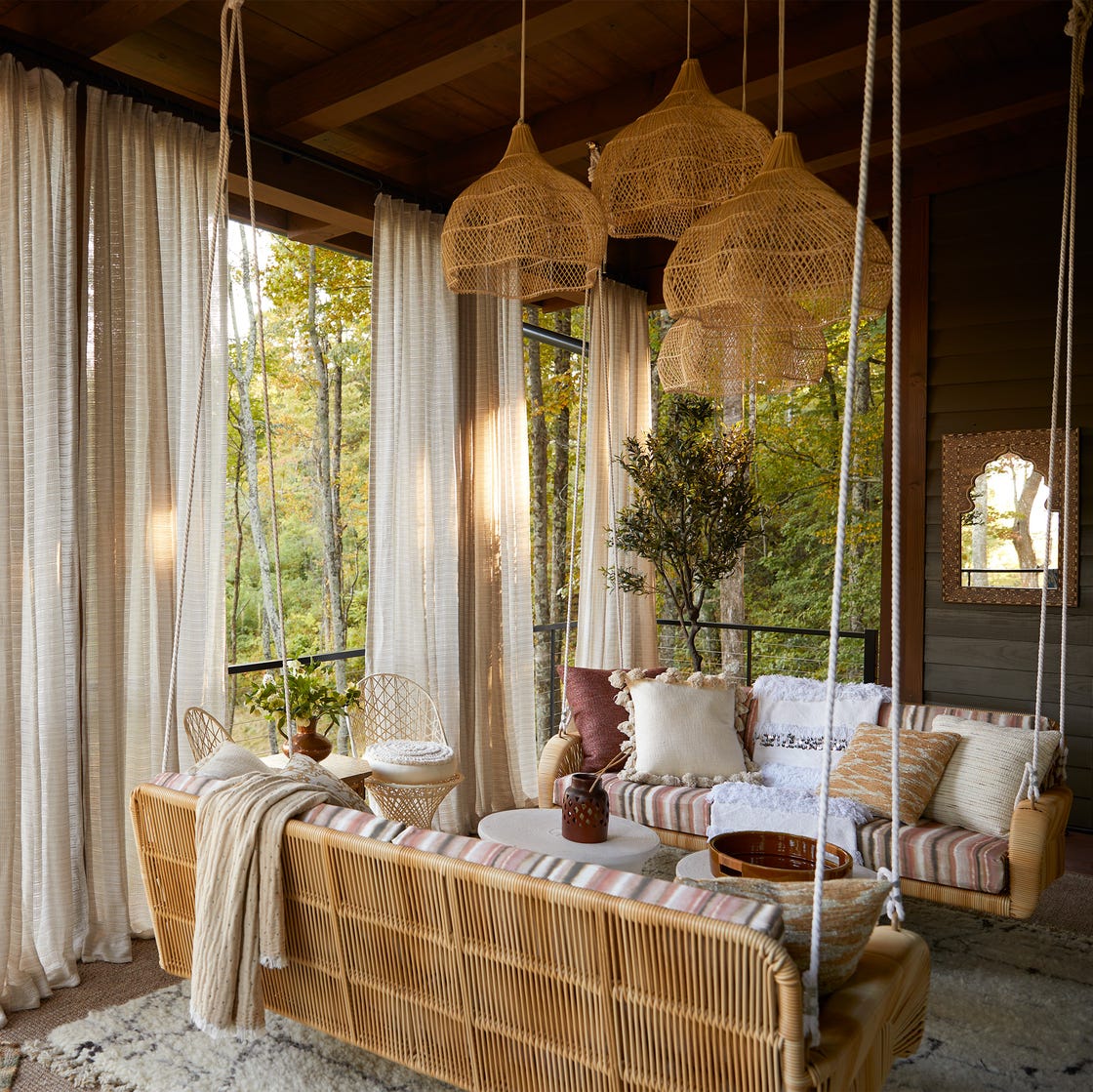
Biophilic Design Is the Signature Style of Plant Lovers Everywhere

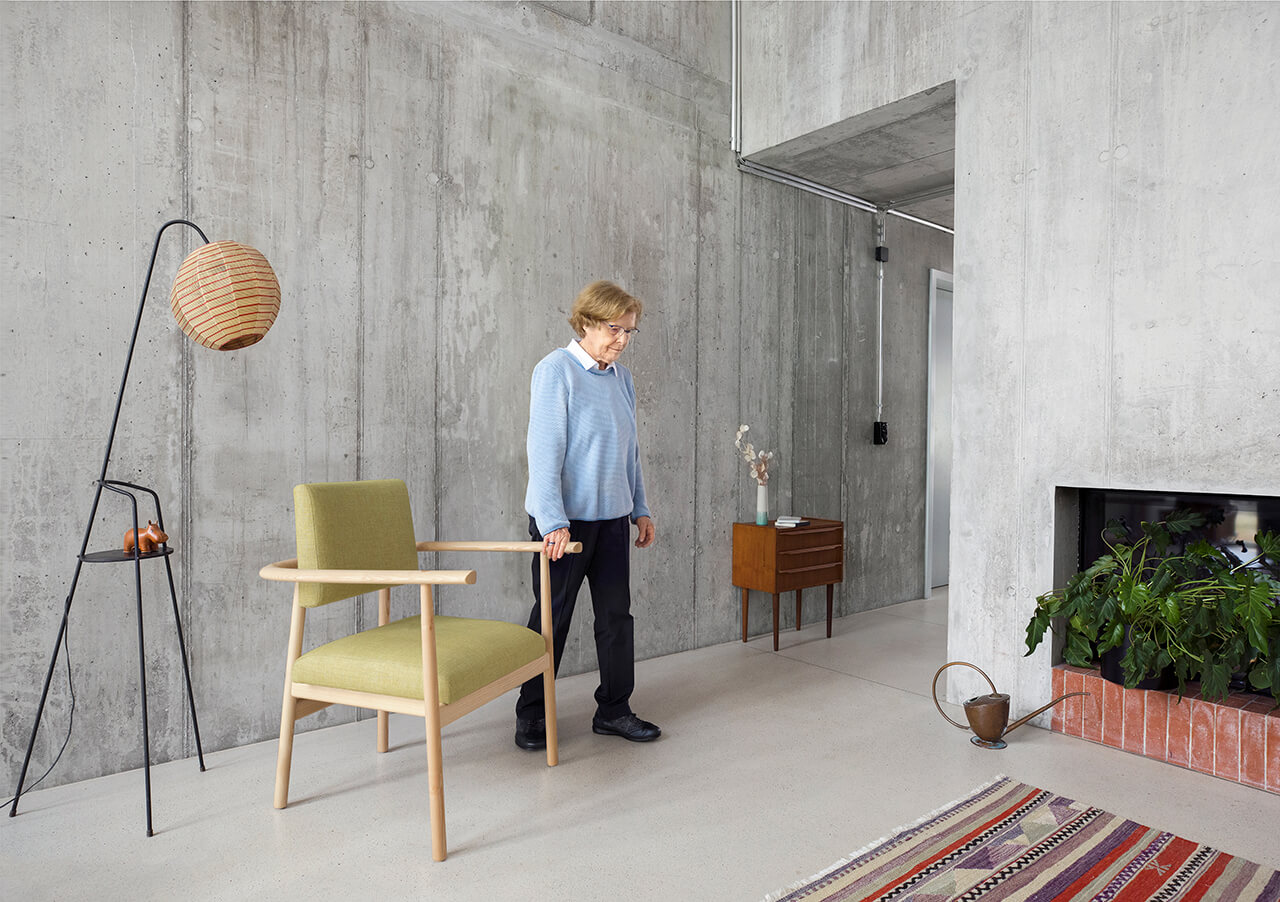
Focus on Biophilia: Nature-Inspired Design Strengthens People!


Biophilic facades in sustainable building design
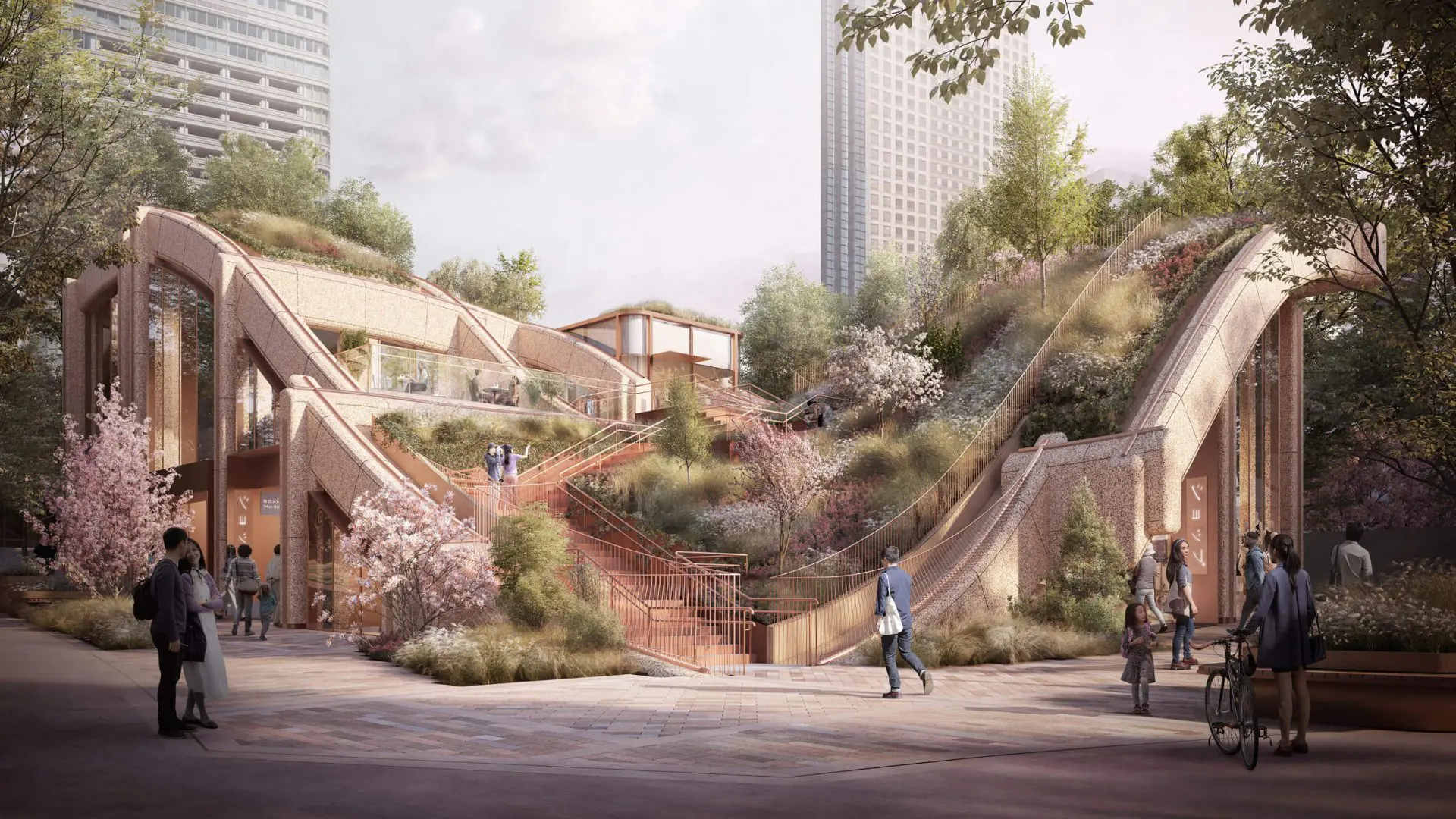
Biophilic architecture: 11 projects where nature meets concrete

20 Nature-Loving Homes Where Biophilia Thrives

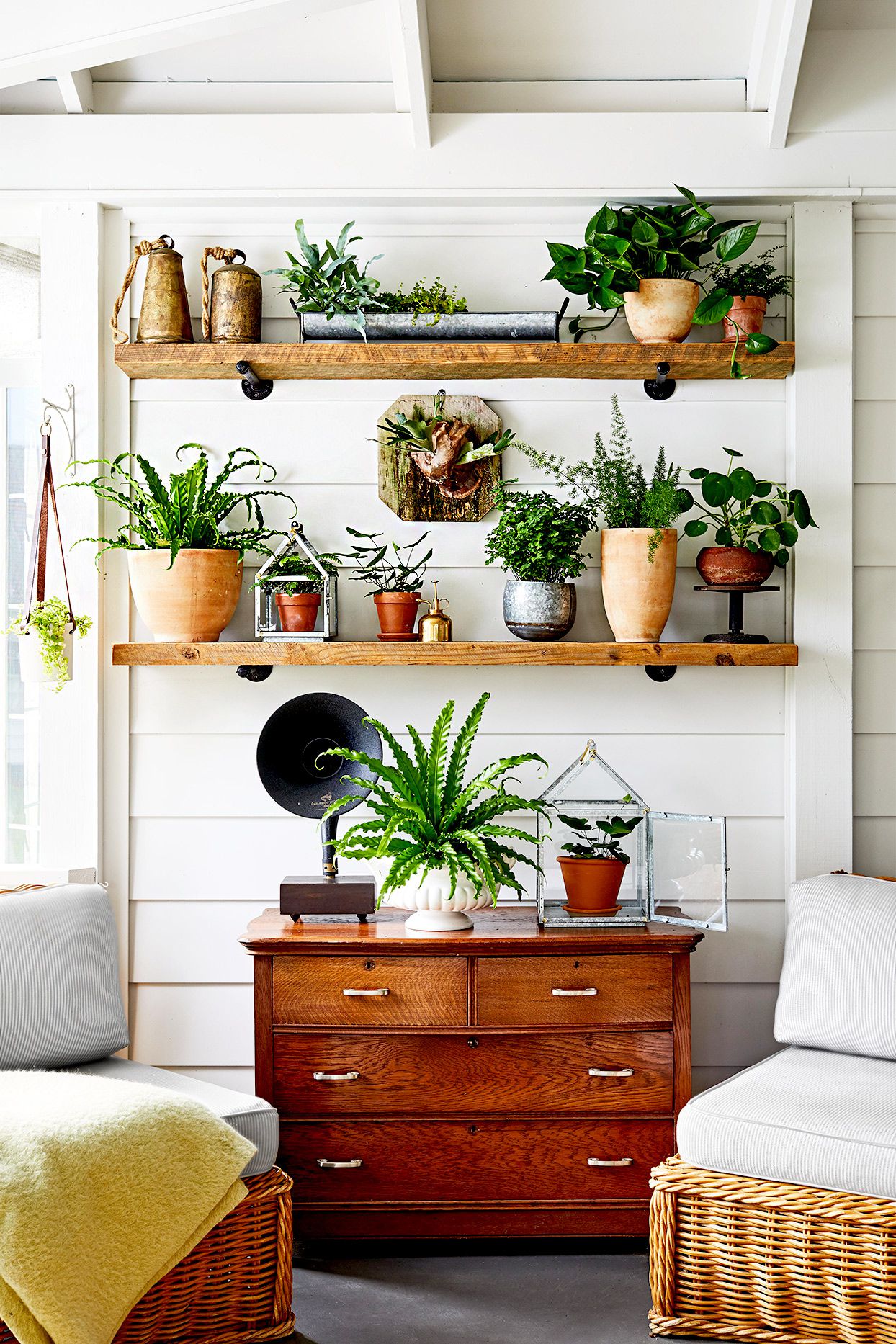
What Is Biophilic Design? 5 Ways to Incorporate This Style

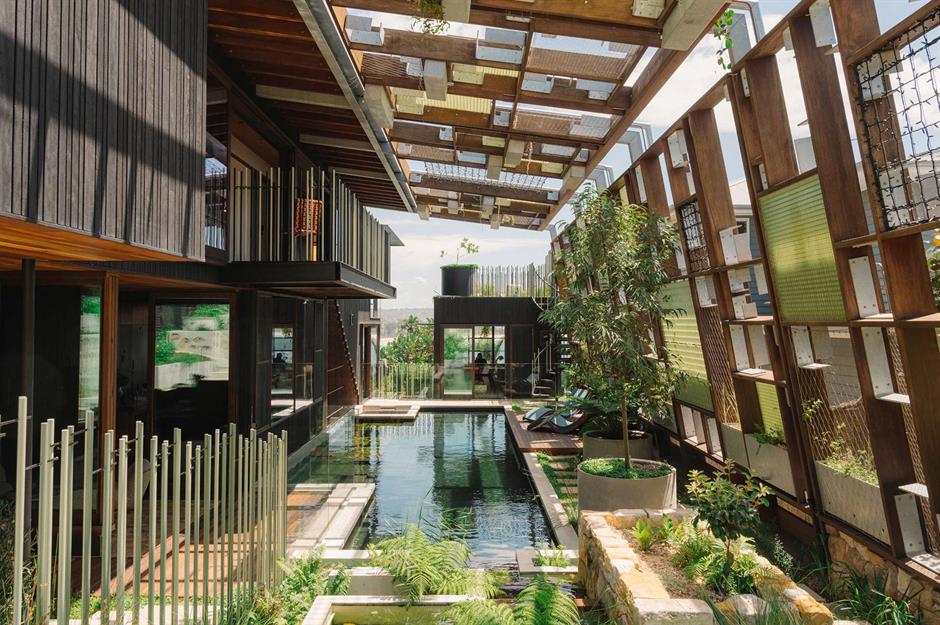
Gorgeous homes with secret gardens hidden inside | loveproperty.com

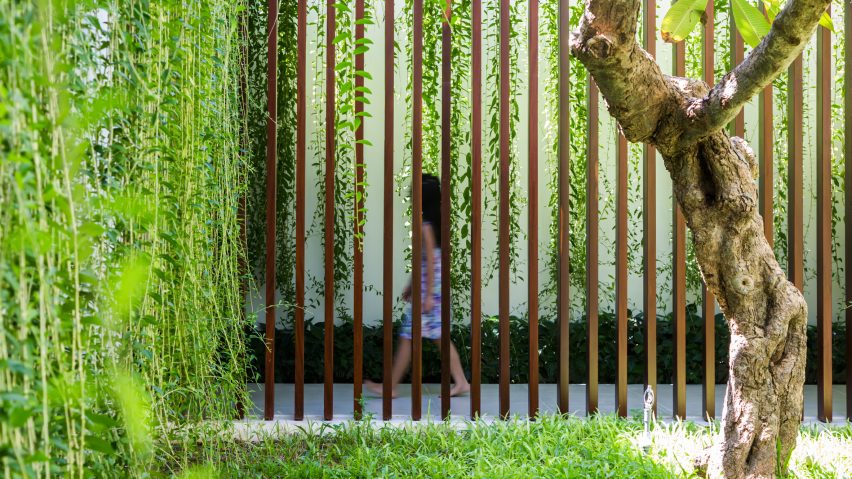
Ten modern homes with interiors informed by biophilic design

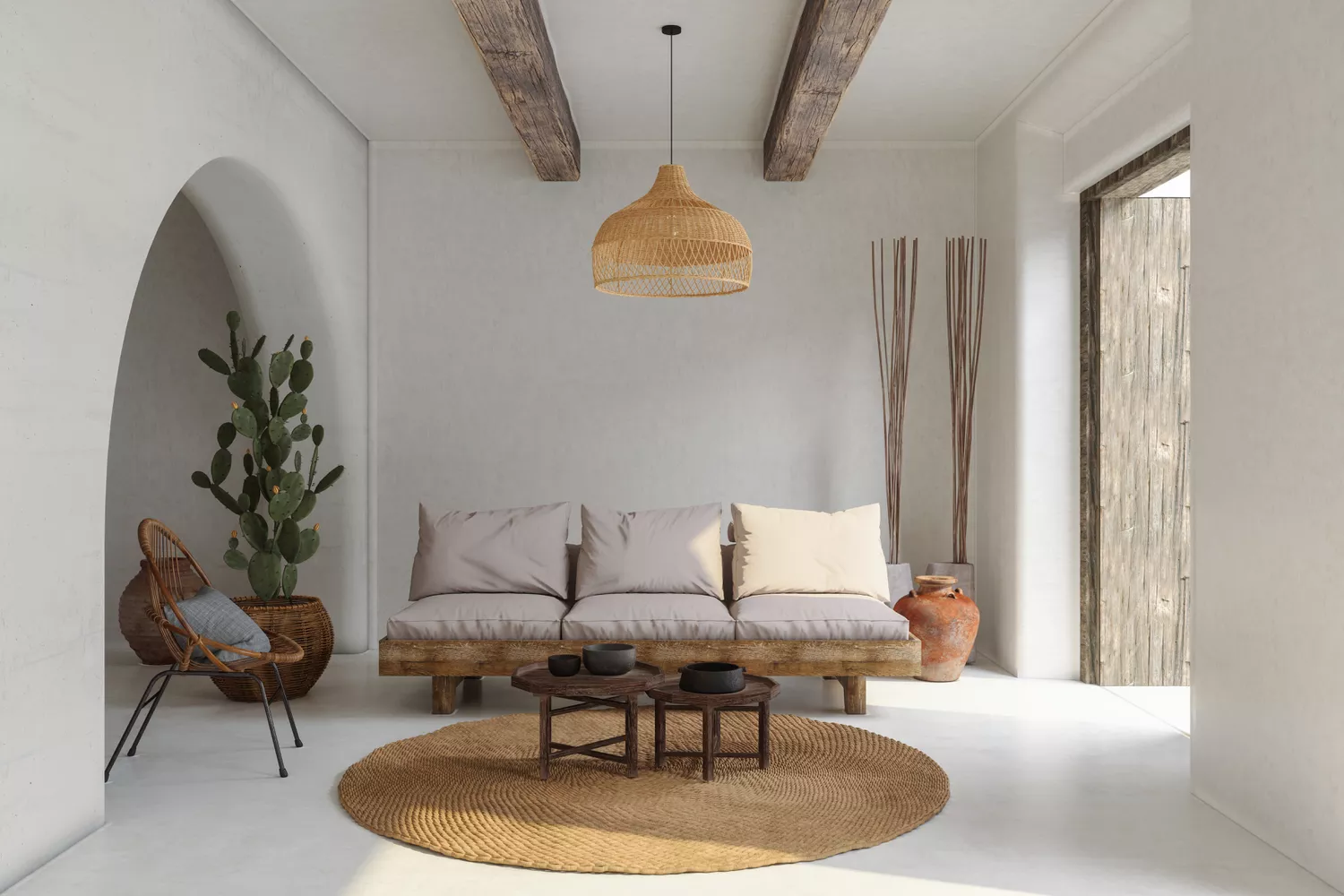
Biophilic Design Is About Connecting With Nature—Here's How to Utilize the Décor Trend In Your Home

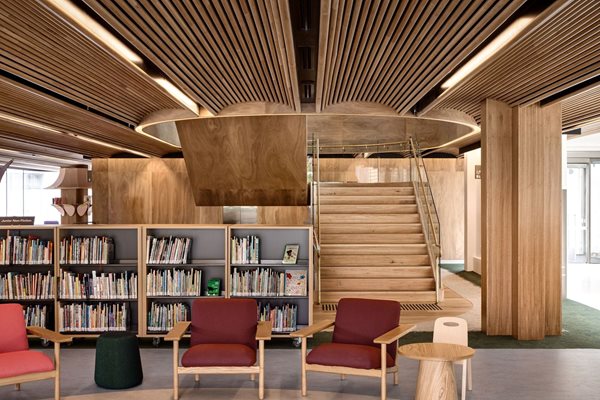
Why biophilic design is more than just a trend
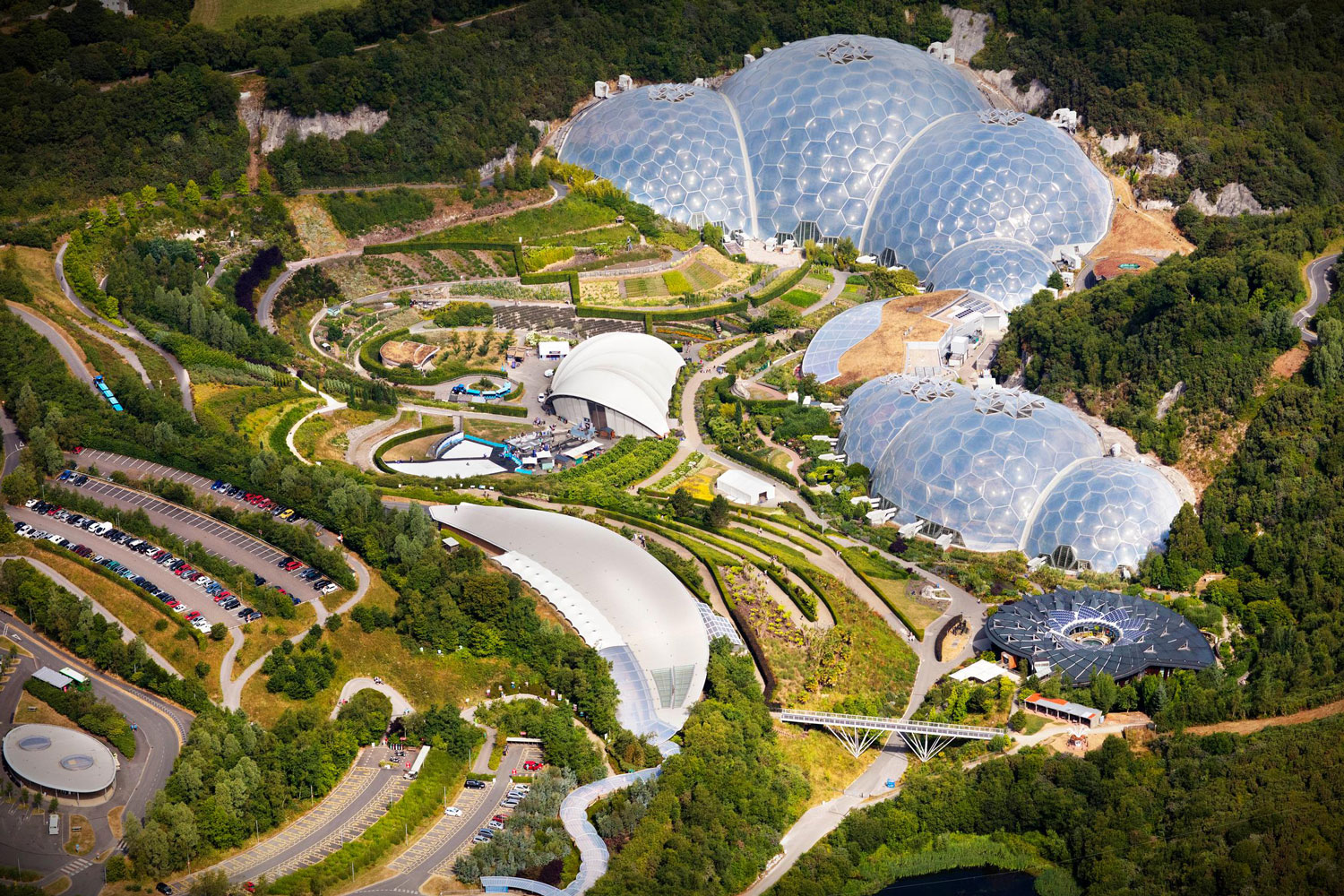
Nature-Inspired Design: Biomimicry in Architecture

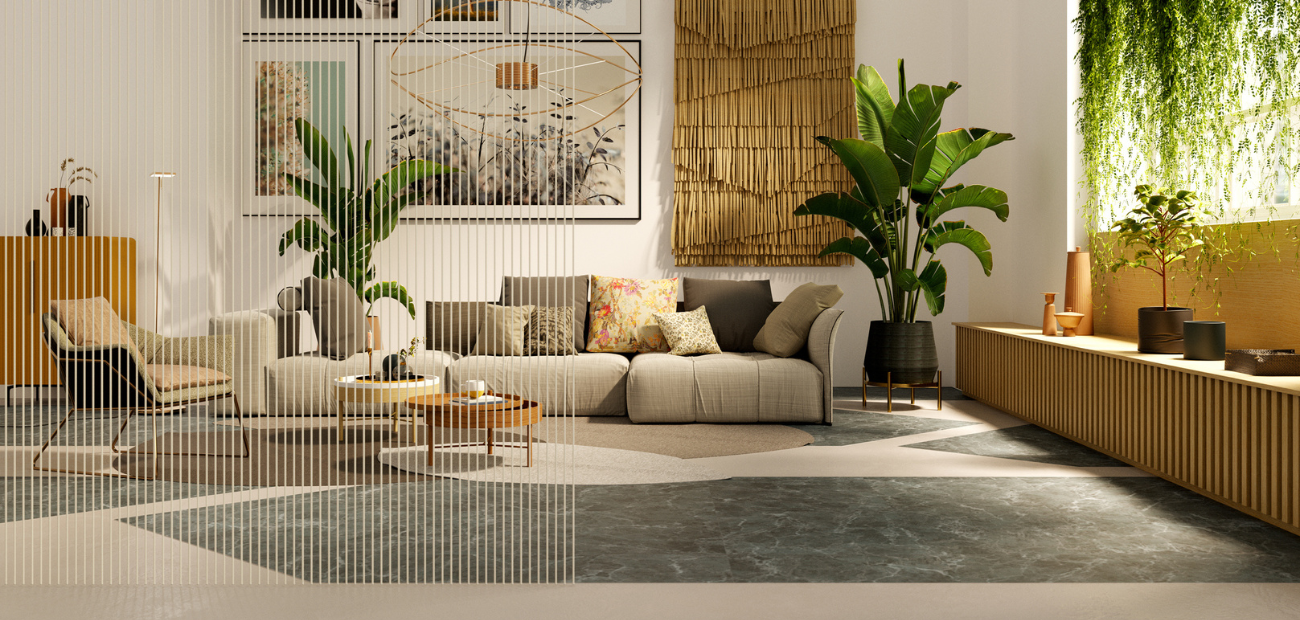
Biophilic Design Helps Homeowners Connect to Nature
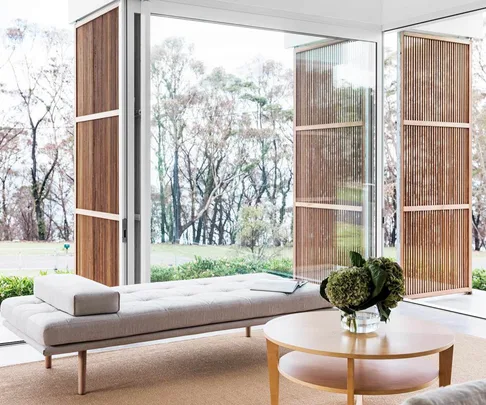
What the heck is biophilic design?

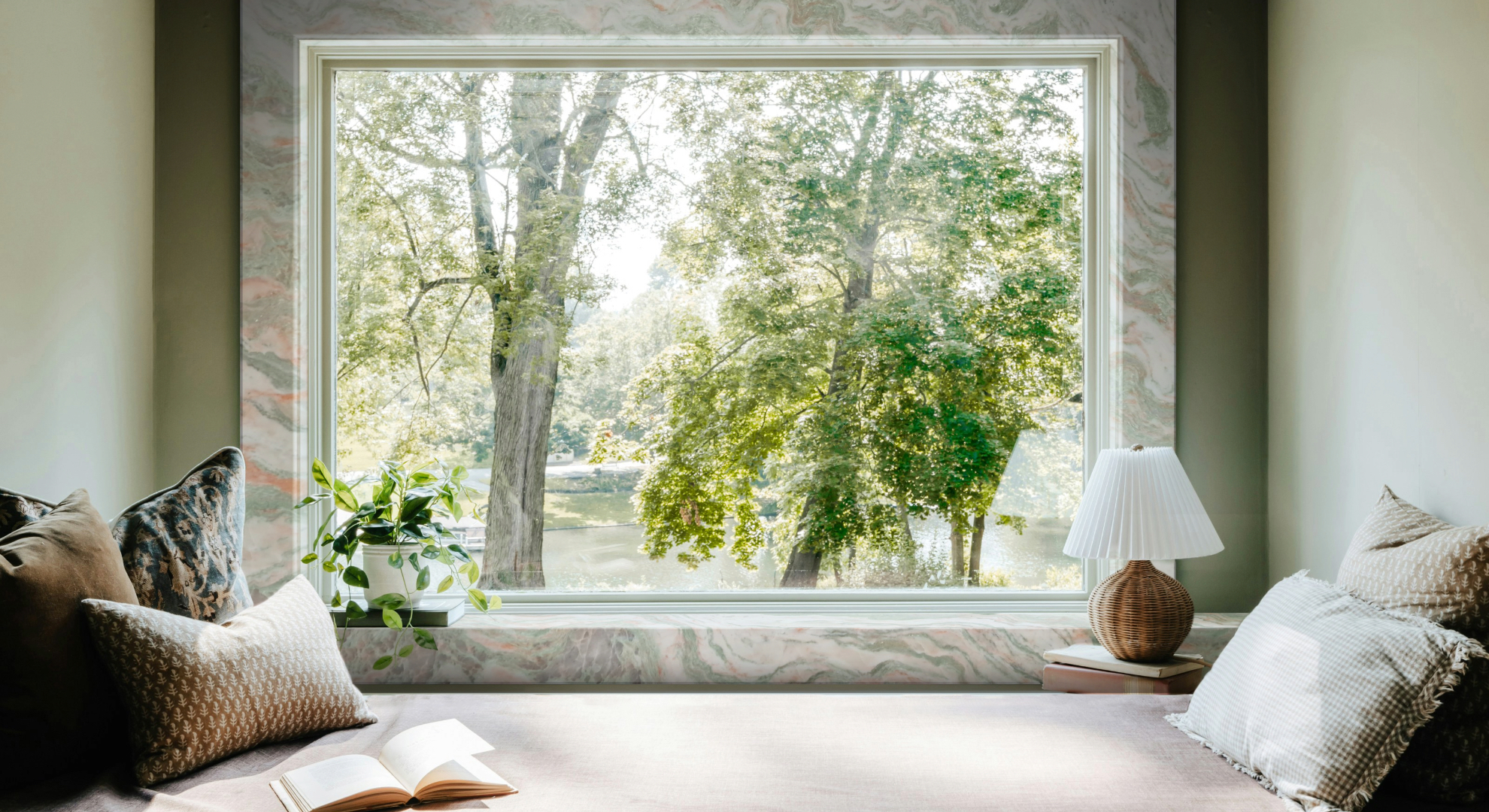
Stunning biophilic design ideas to help you bring the great outdoors into your home

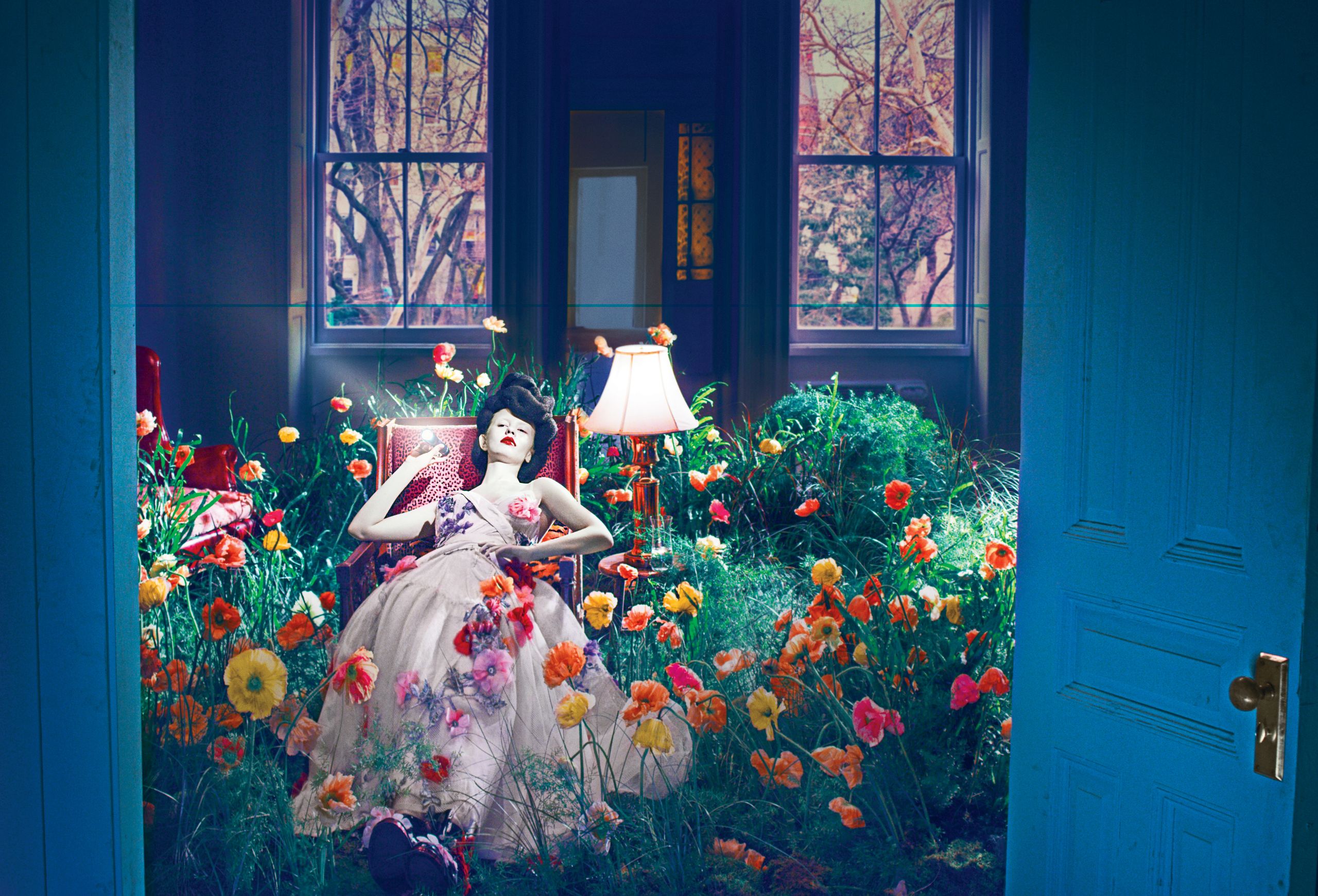
What is Biophilic Design? This Nature-Based Interiors Trend Promises Wellness
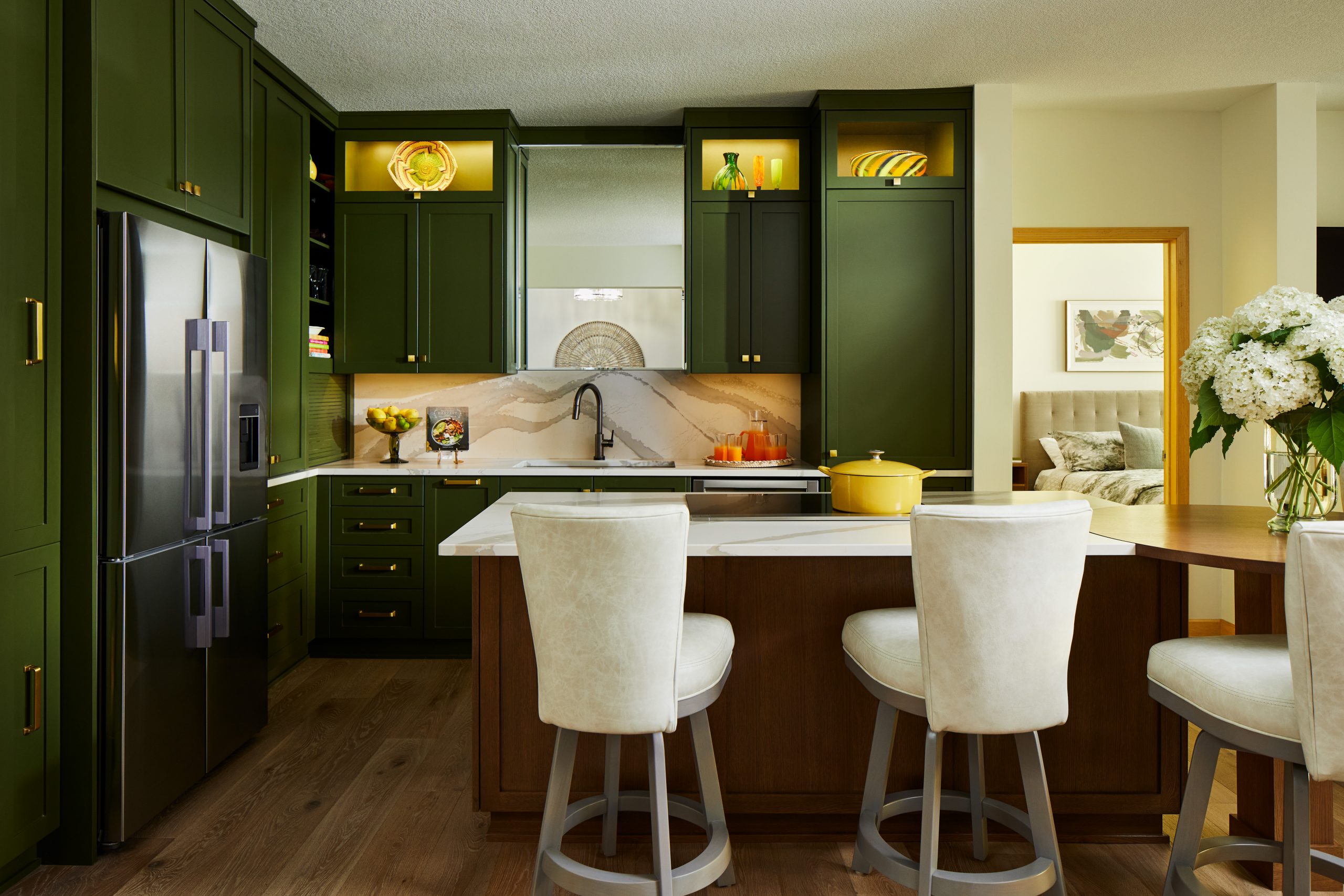
The Best of Biophilic Design: Bringing Nature Indoors

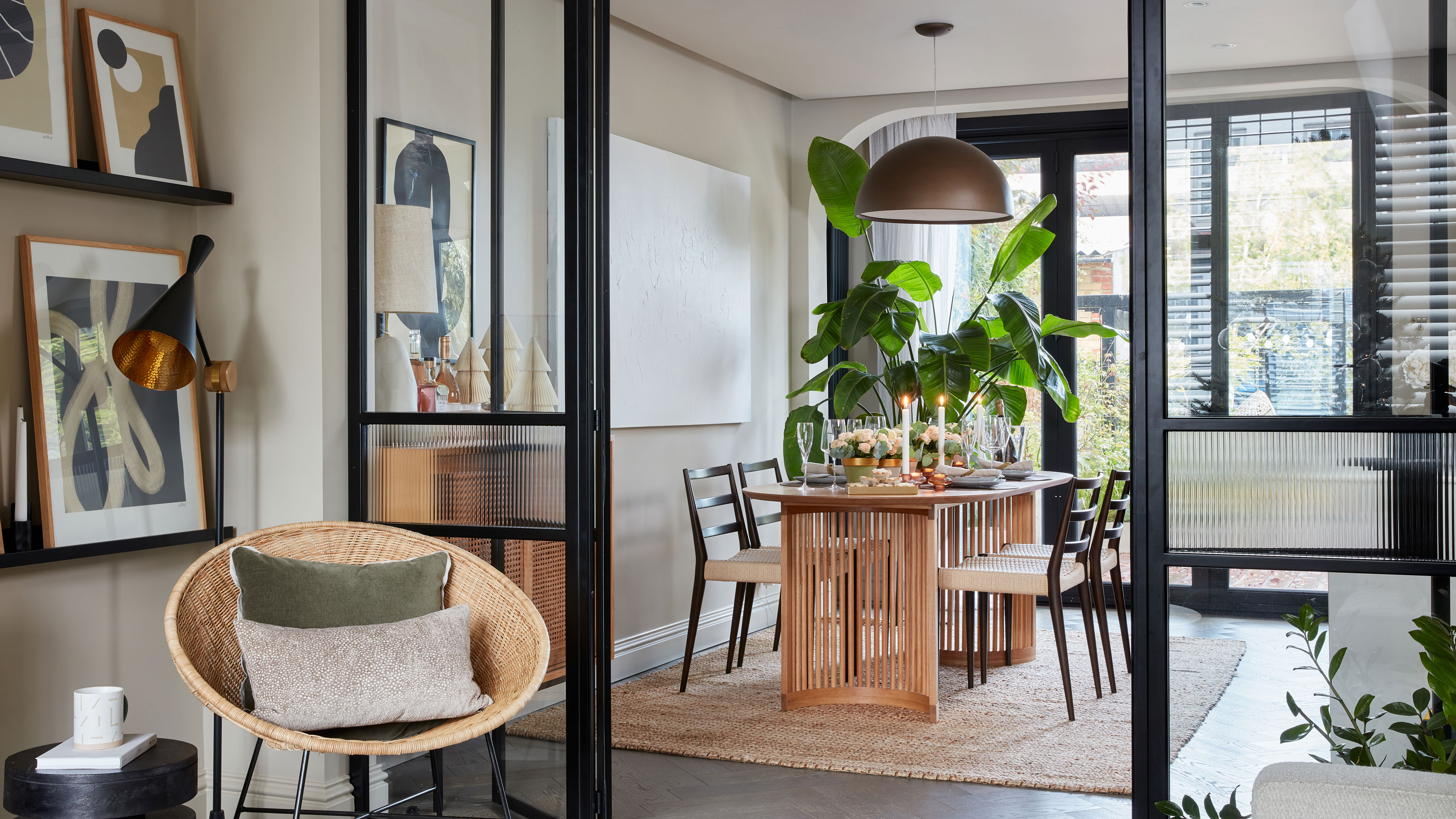
Biophilic design ideas - clever ways to bring nature into your home for a calming space
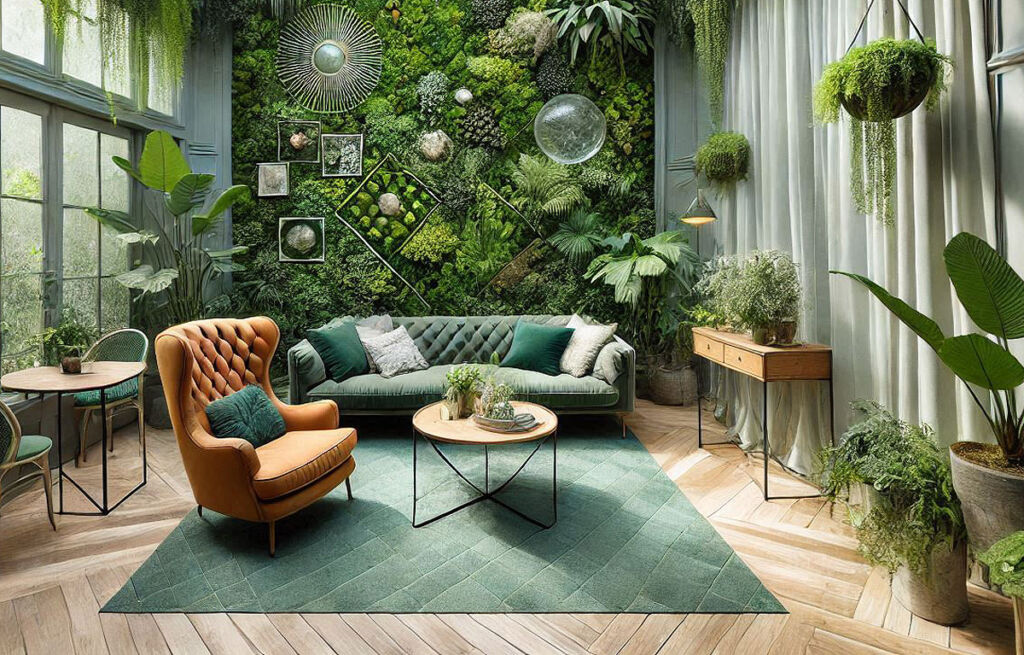
Why Houseplants And Biophilic Design Will Front 2025's Interior Design Trends
Biophilic Design Is the Decorating Trend You Need To Try if You Love Plants