1/21
Biophilic architecture: 11 projects where nature meets concrete
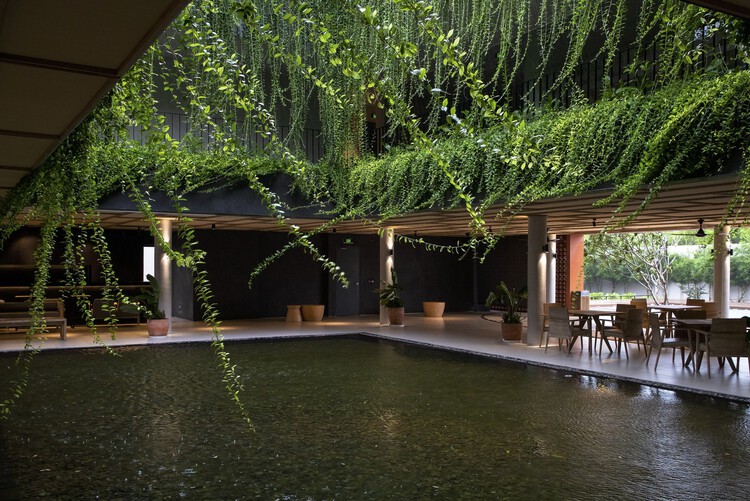
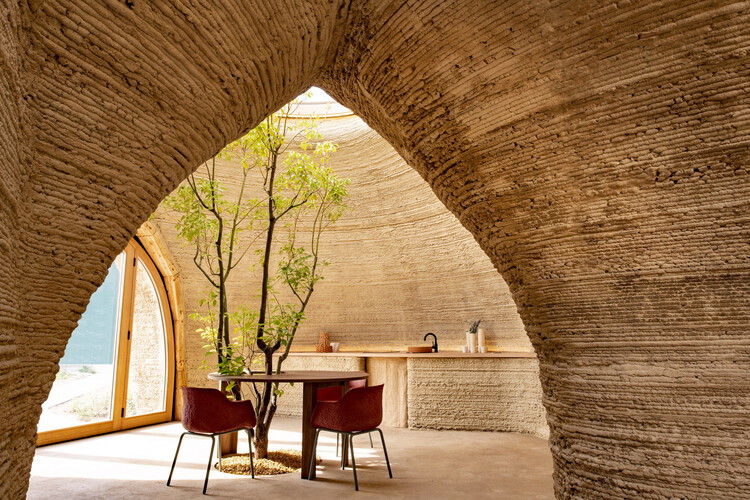
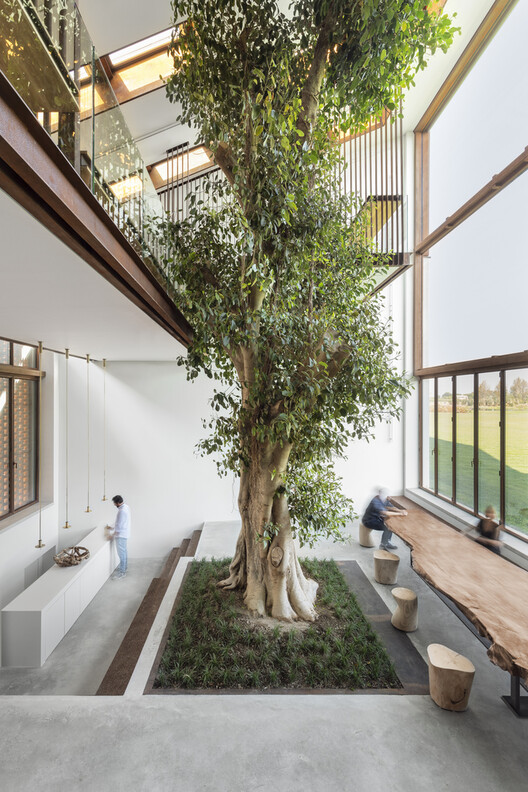
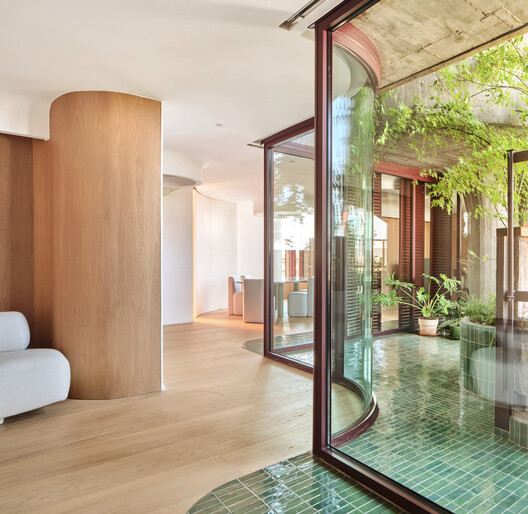
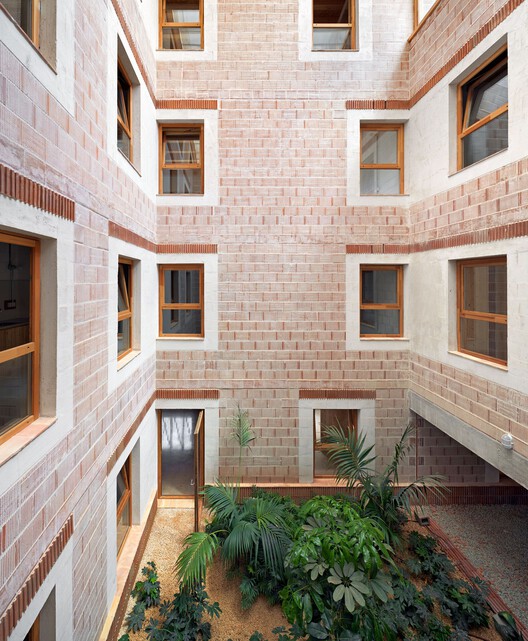
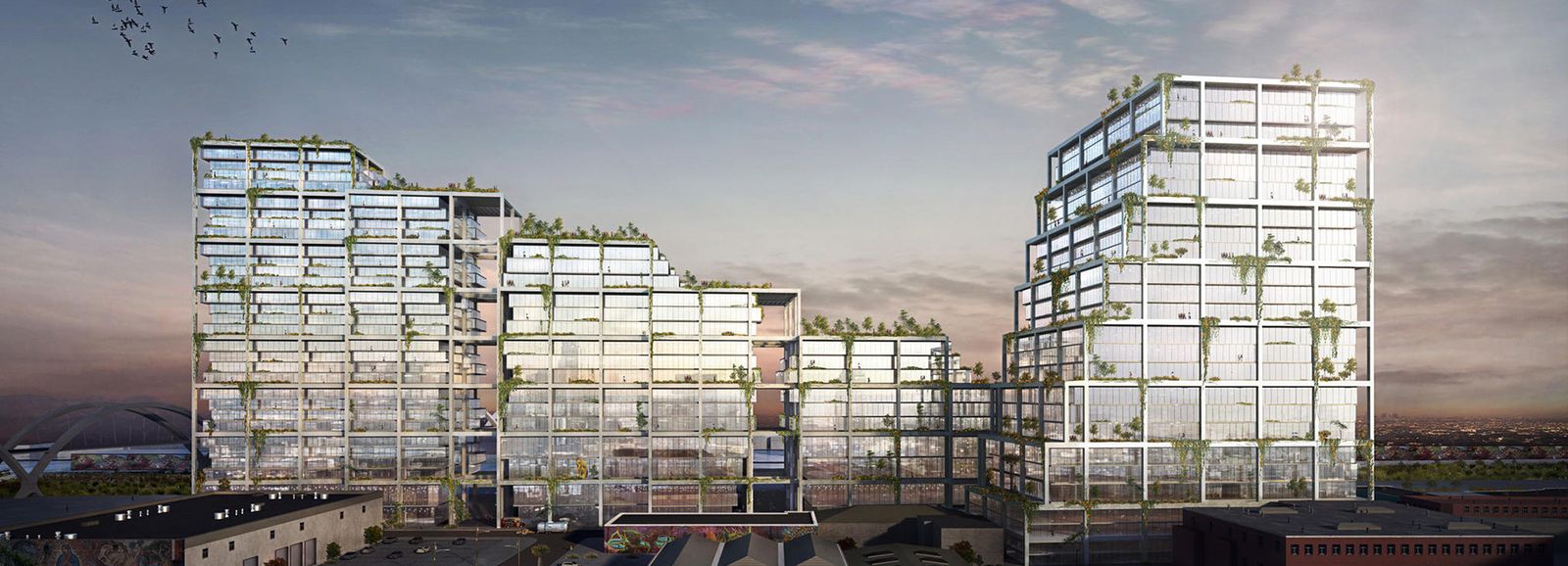
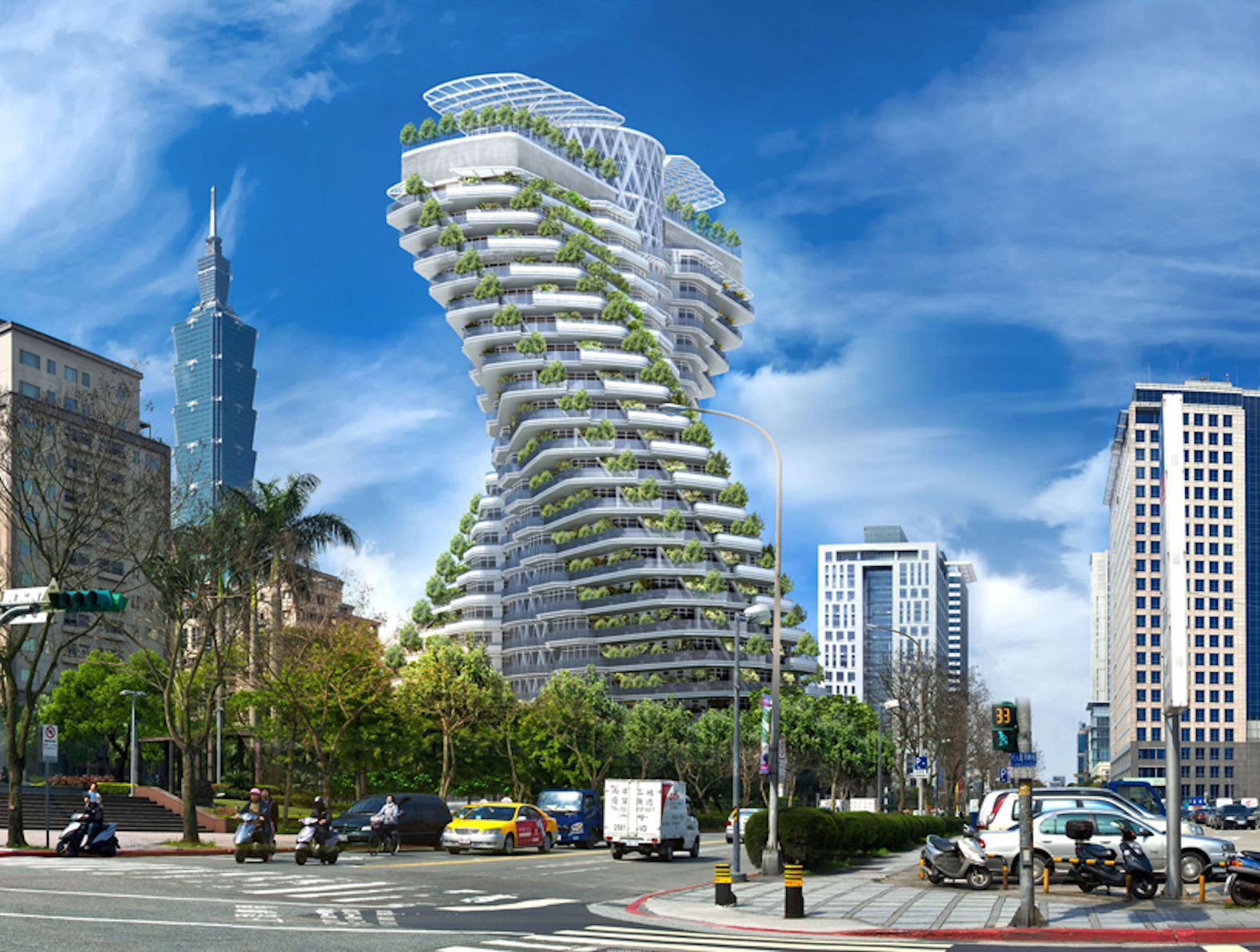
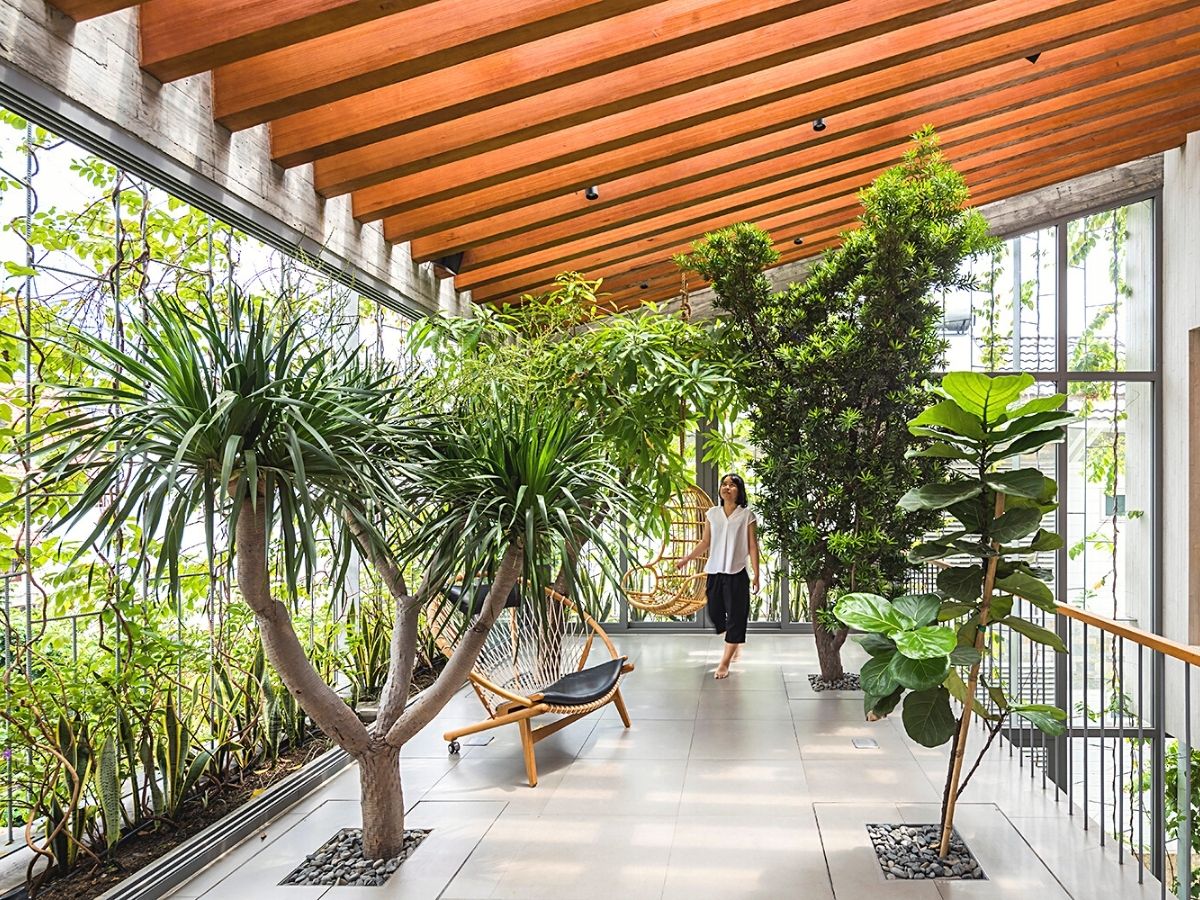
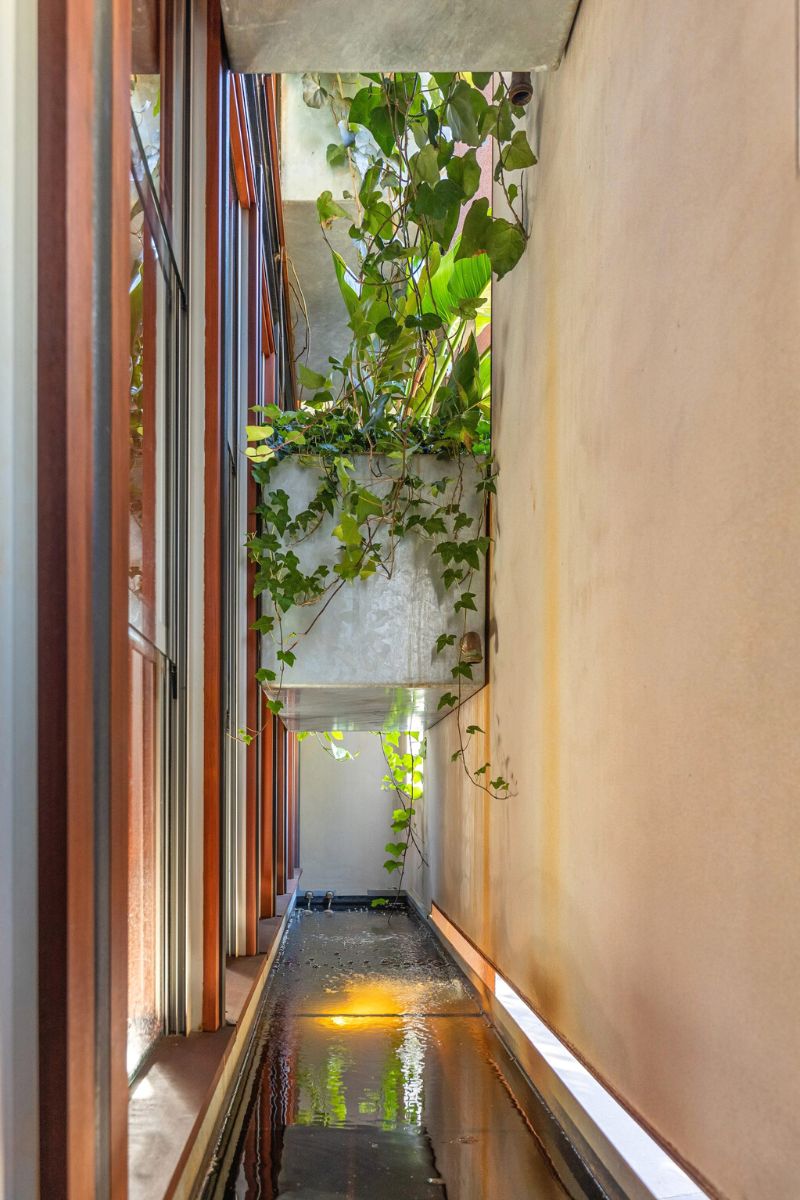
The biophilia hypothesis posits that humans possess an inherent connection to nature, and this connection is profoundly beneficial for well-being. Biophilic architecture leverages this principle by integrating natural elements like greenery, light, and water into built environments, thereby enhancing human perception and experience within spaces. This design approach aims to improve quality of life by re-establishing a bond between humans and nature, extending its influence to architectural structures and urban landscapes. The transformation from concrete-dominated environments to greener spaces, where human-made structures blend seamlessly with natural elements, offers substantial benefits for mental, physical, and spiritual health.
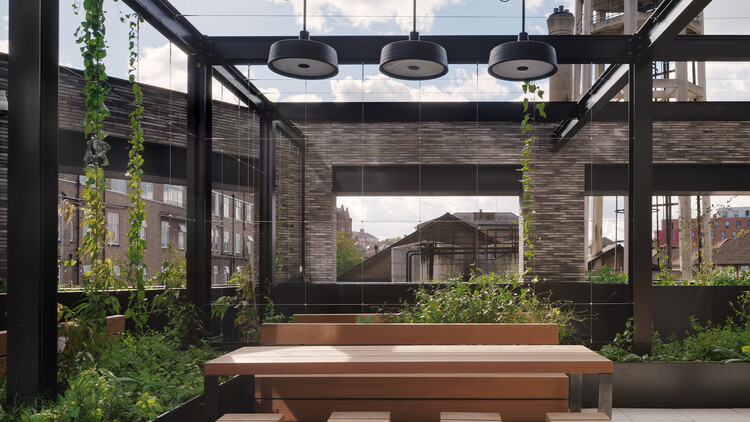
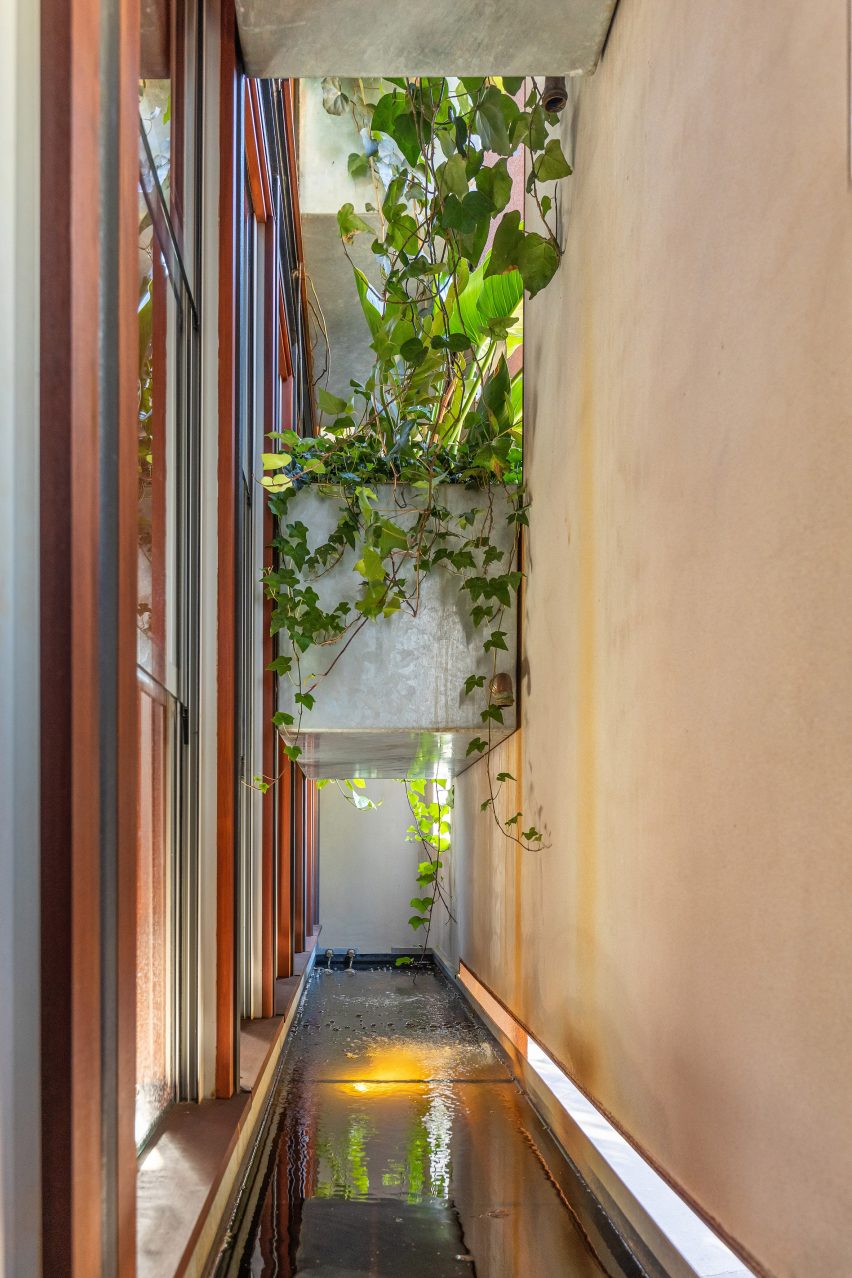
Eleven notable projects from around the world exemplify biophilic architecture's application. The Barbican Centre in London, built in 1982, showcases a utopian vision of transforming post-war damaged areas. It integrates plants and water features within its brutalist design, creating a soothing contrast with the massive concrete structures. One Central Park in Sydney, Australia, designed by Ateliers Jean Nouvel and Patrick Blanc, is a mixed-use building renowned for its sustainable design. Patrick Blanc's innovative hydroponic system creates vertical gardens over 50 meters high, demonstrating the extensive possibilities of biophilic design.
Second Home in Lisbon, Portugal, designed by Selgas Cano and Estudio Cano Lasso, exemplifies nature-infused co-working spaces. Located above the Mercado da Ribeira, it features thousands of plants and abundant natural light, highlighting how green spaces can enhance happiness and creativity. Bosco Verticale in Milan, Italy, by Stefano Boeri Architetti, consists of two residential towers covered with approximately 900 trees. These structures increase urban biodiversity and are sustained by renewable energy and wastewater collection, symbolizing Milan's forward-thinking approach. The Jewel at Singapore's Changi Airport is an iconic public space featuring the world's tallest indoor waterfall, the Rain Vortex, surrounded by forest decks. It integrates layered gardens, entertainment, and retail facilities, embodying a comprehensive biophilic design.
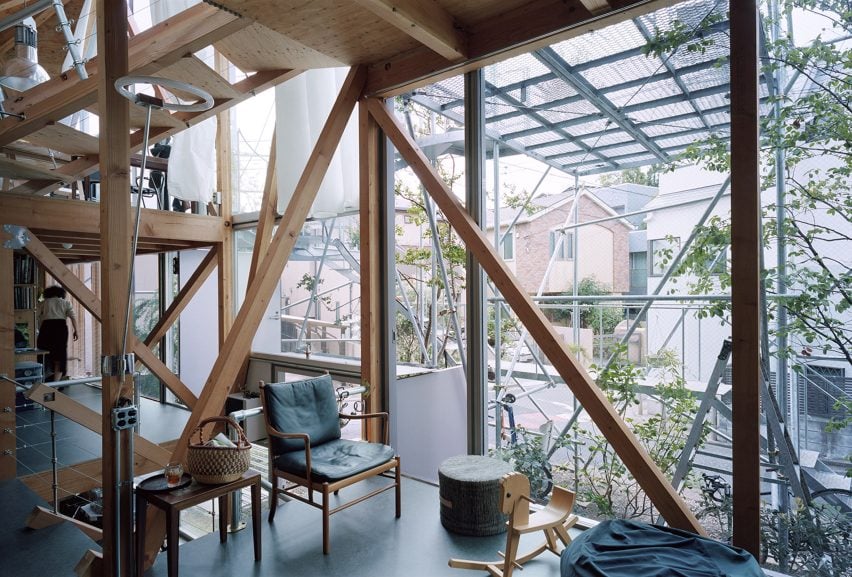
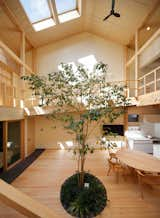
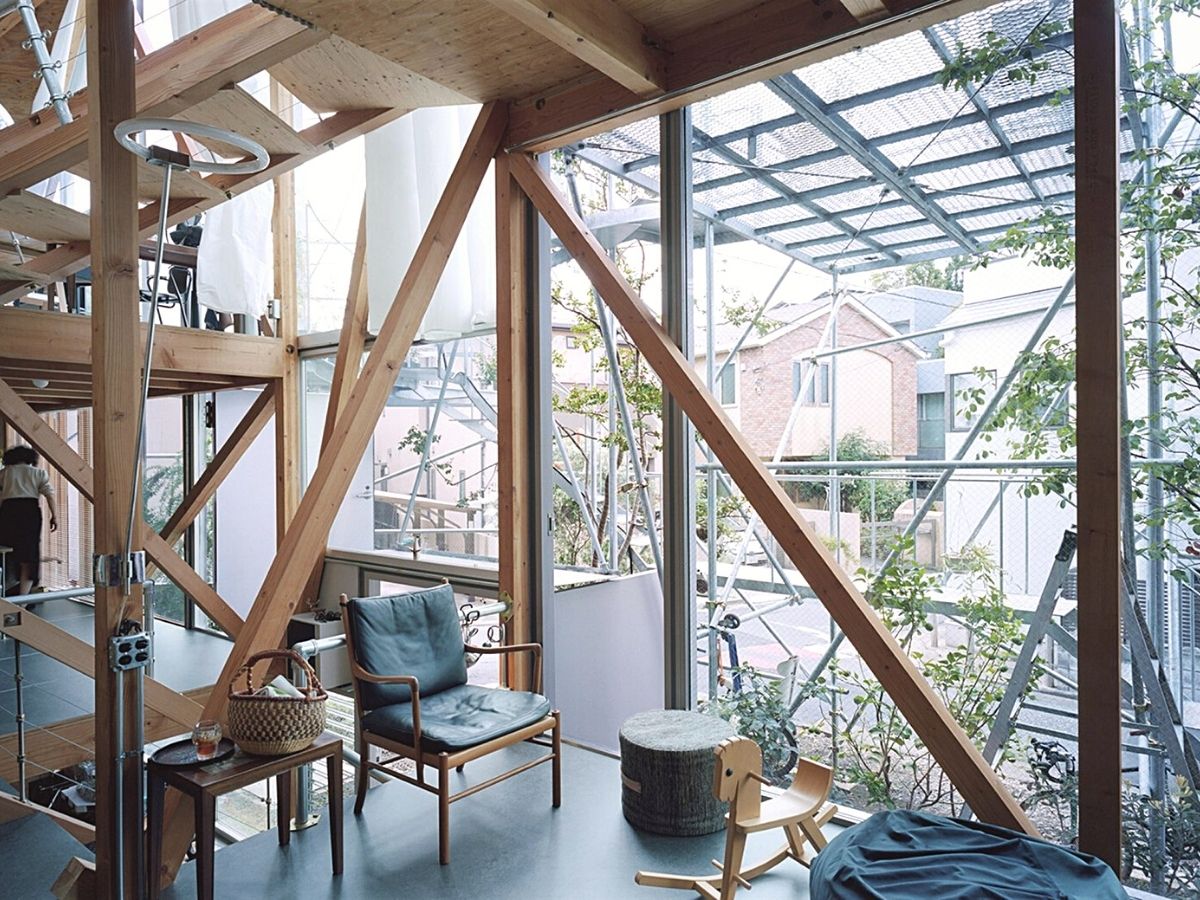
Gardenhouse in Beverly Hills, USA, MAD Architects' first US project, is a mixed-use building with 18 residential units and a commercial space. Its design evokes a "hillside village" with one of the largest living green walls in the USA, providing a calm, nature-connected oasis. Garden & House in Tokyo, Japan, by Ryue Nishizawa, is a four-story home with floating concrete platforms and floor-to-ceiling glass fronts, each floor featuring its own peripheral garden. This design allows residents to live amidst greenery even in a dense urban setting.
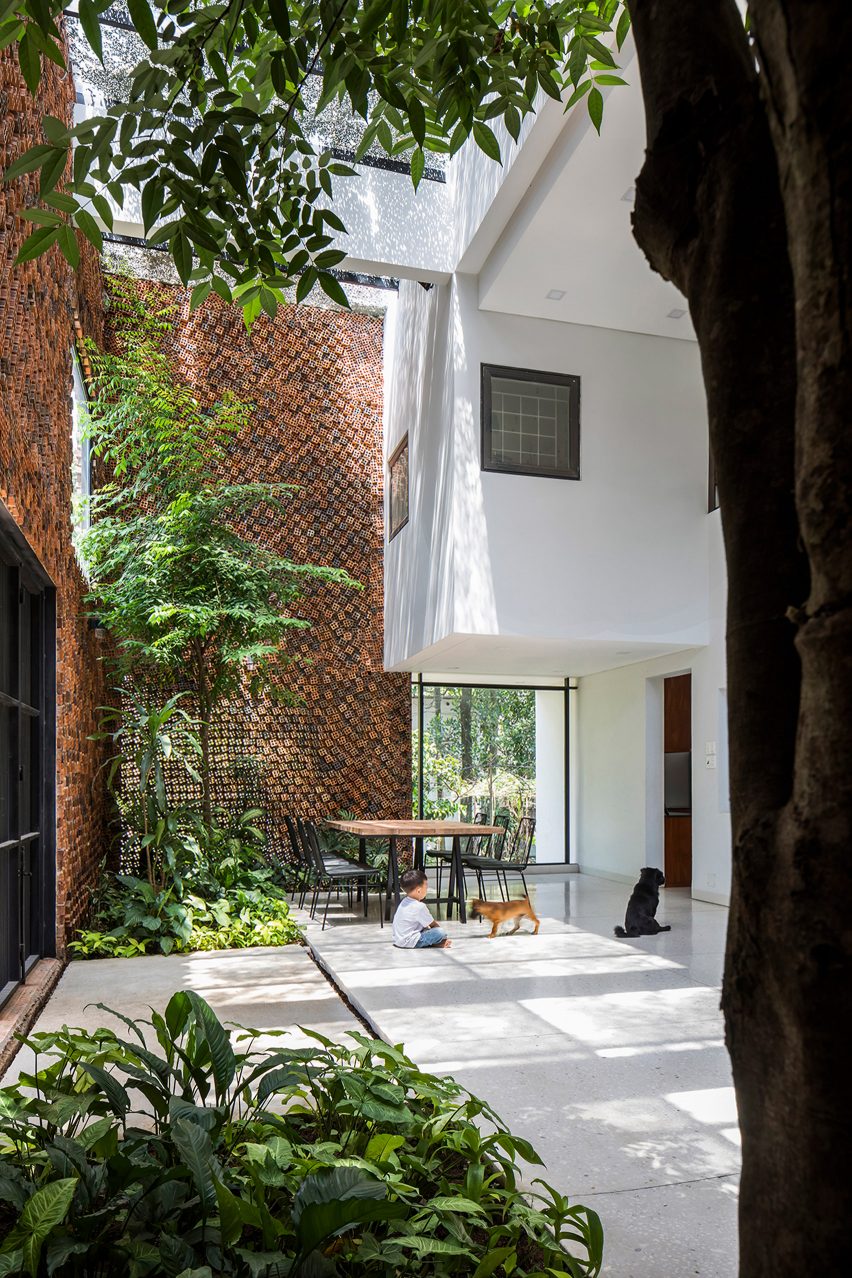
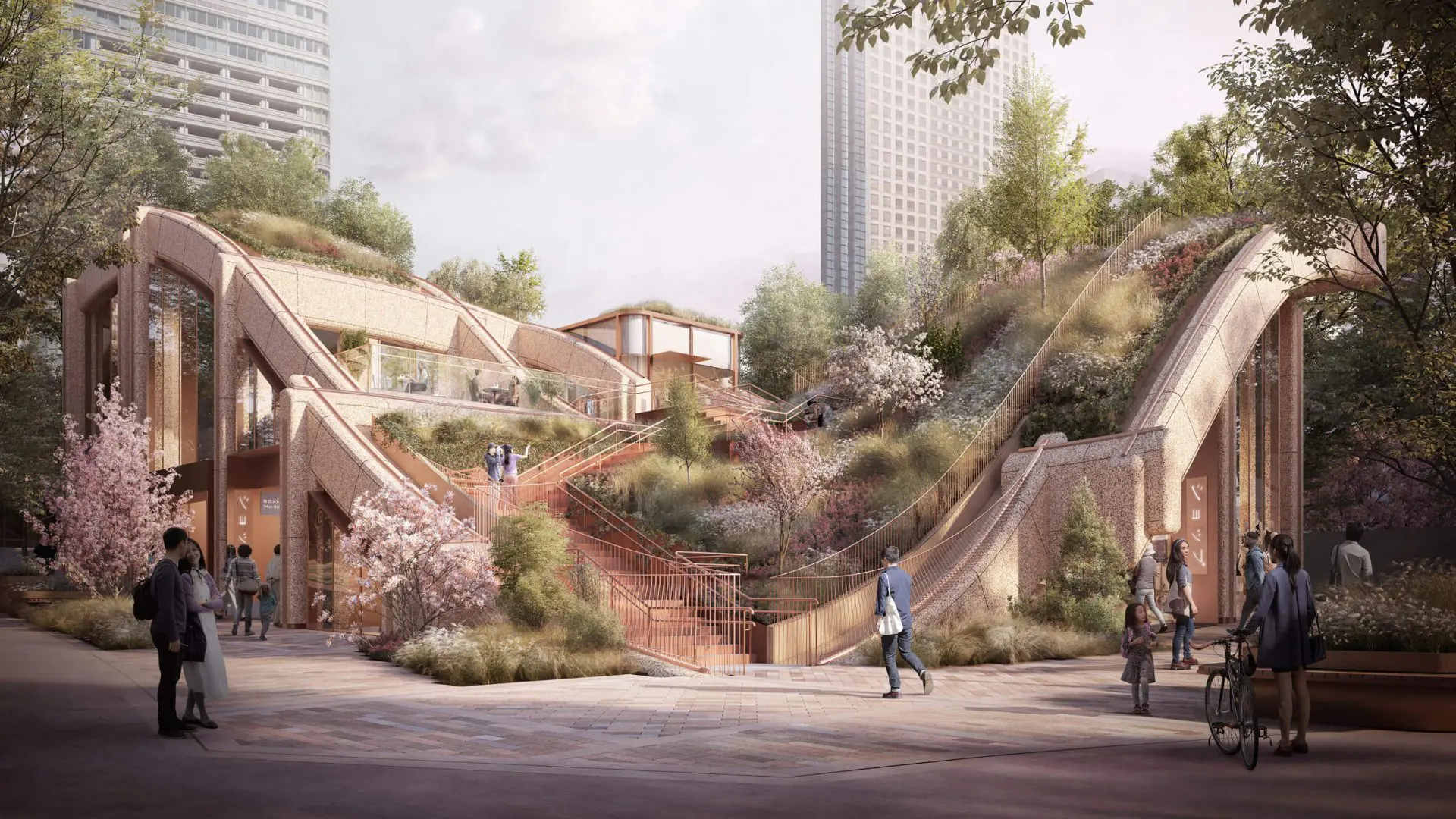
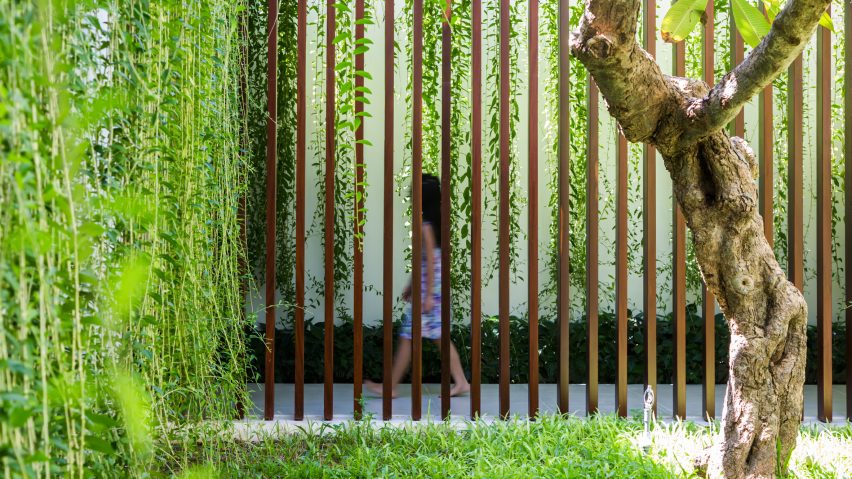
Amazon Sphere Headquarters in Seattle, USA, designed by NBBJ, comprises three domed conservatories filled with around 40,000 plants, offering co-working spaces and lounges for employees. This project underscores how biophilic design in office environments can boost productivity. Ha Long Villa in Vietnam, by VTN Architects, multiplies the green area it occupies, integrating local and natural materials. It explores the use of light, wind, and water to connect contemporary architecture with nature. Naman Pure Spa in Danang, Vietnam, designed by MIA Design Studio, offers a wellness experience through fifteen rooms surrounded by vertical gardens and lotus ponds. Its intricate latticework facade and dense plant backdrops create a tranquil environment using local flora. Finally, Planted Pergola in Tokyo, Japan, by Heatherwick Studio, is a mixed-use building characterized by a huge pergola form that integrates biophilic design with a fluid architectural style. It is designed to become a distinctive landmark in Tokyo's redevelopment, blending modernity with creative manipulation of natural elements.
#BiophilicArchitecture #SustainableDesign #GreenBuildings #UrbanPlanning #NatureIntegration #ModernArchitecture #EcoFriendlyDesign #ResidentialArchitecture #CommercialArchitecture #BiophilicArchitecture #SustainableDesign #GreenBuildings #UrbanPlanning #NatureIntegration #ModernArchitecture #EcoFriendlyDesign #ResidentialArchitecture #CommercialArchitecture
0 comment in total
 No comments yet
You may also like
Biophilic Interiors: 21 Projects that Blend Architecture with Nature

Ten modern homes with interiors informed by biophilic design

8 Remarkable Buildings That Use Trees as a Design Element

Biophilic Design Helps Homeowners Connect to Nature
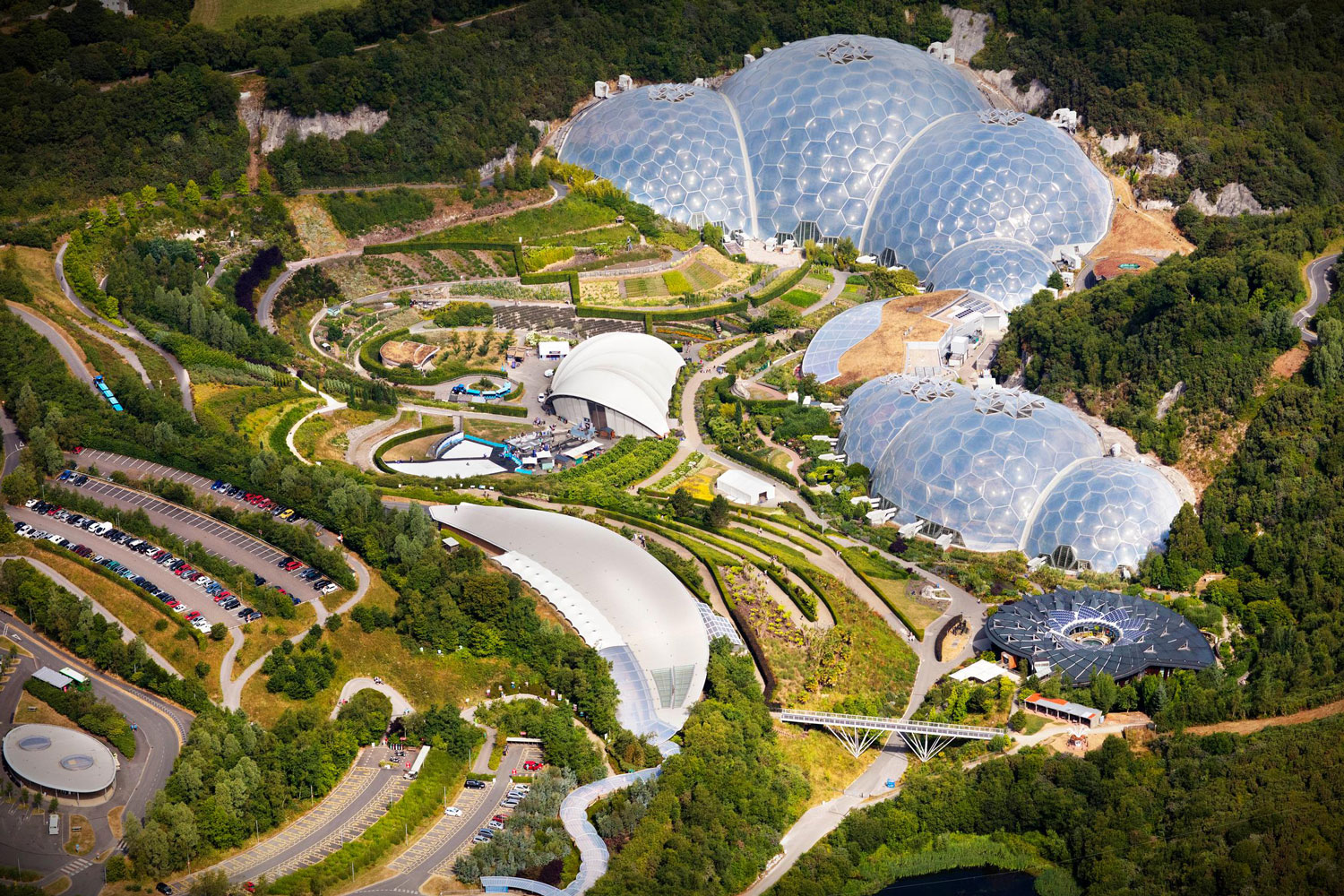
Nature-Inspired Design: Biomimicry in Architecture

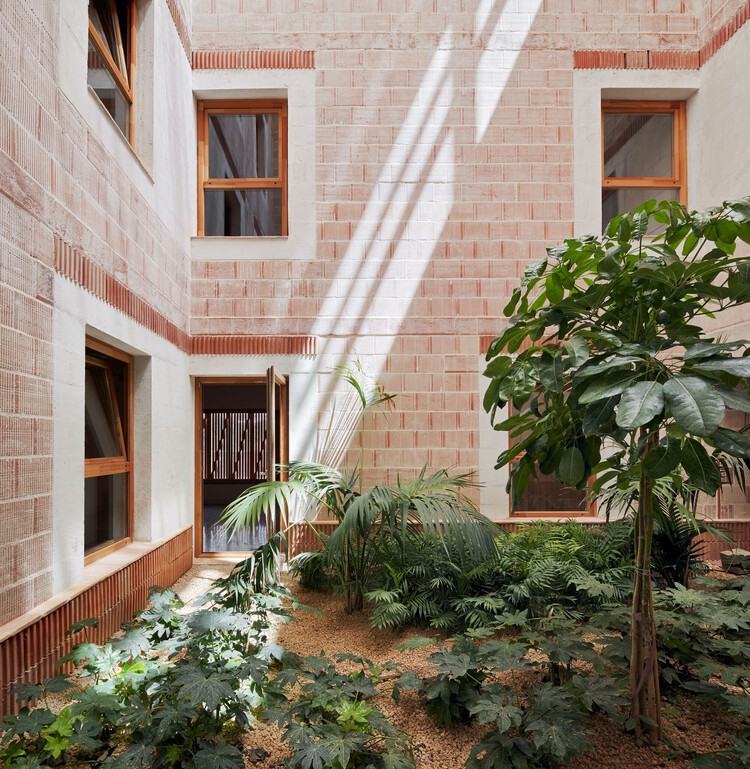
Bringing the Outside In: Life-Size Terrariums and Other Ways to Exhibit Nature in European Apartment Buildings

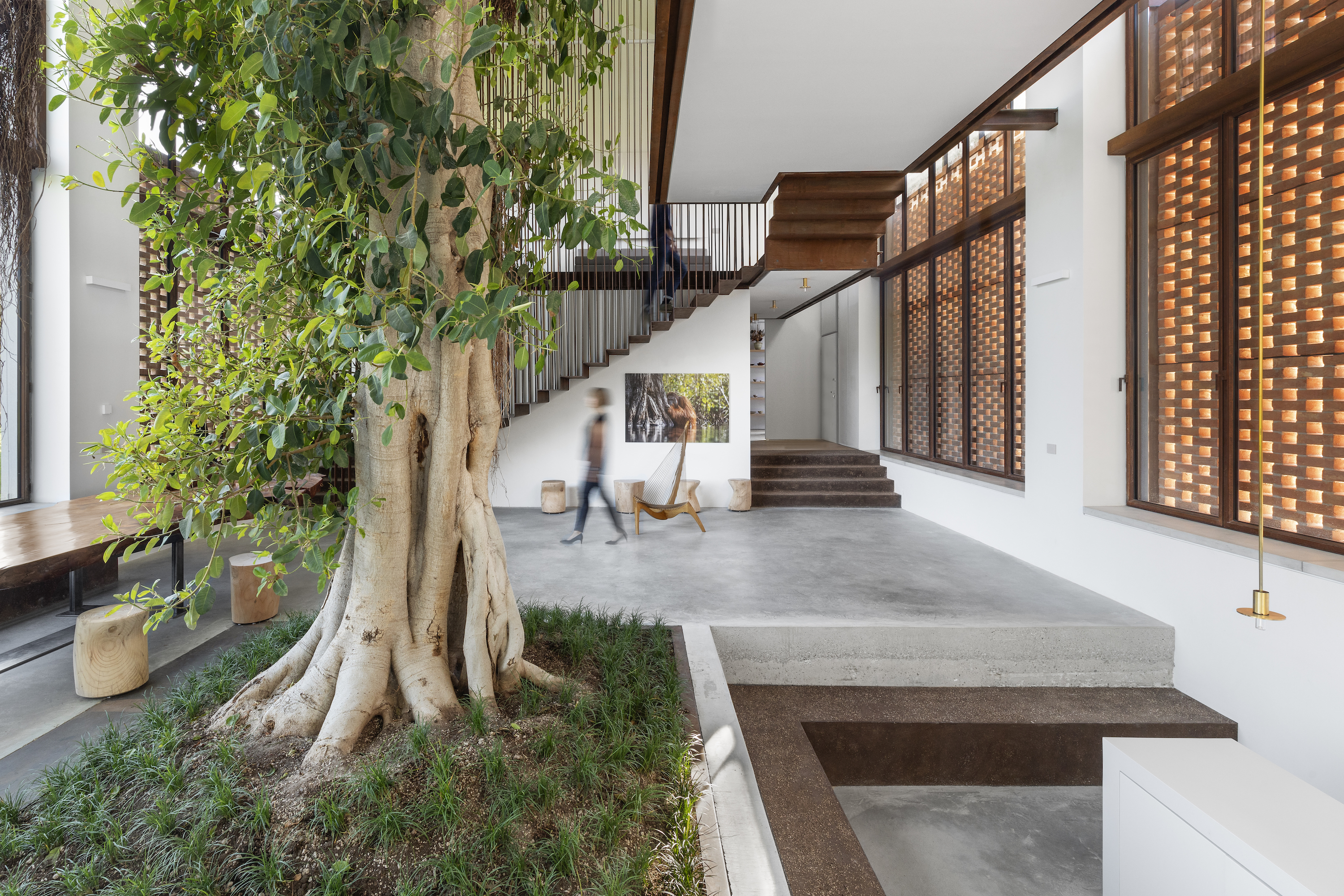
Media Review: The House of Green Brings Biophilic Design Front and Centre
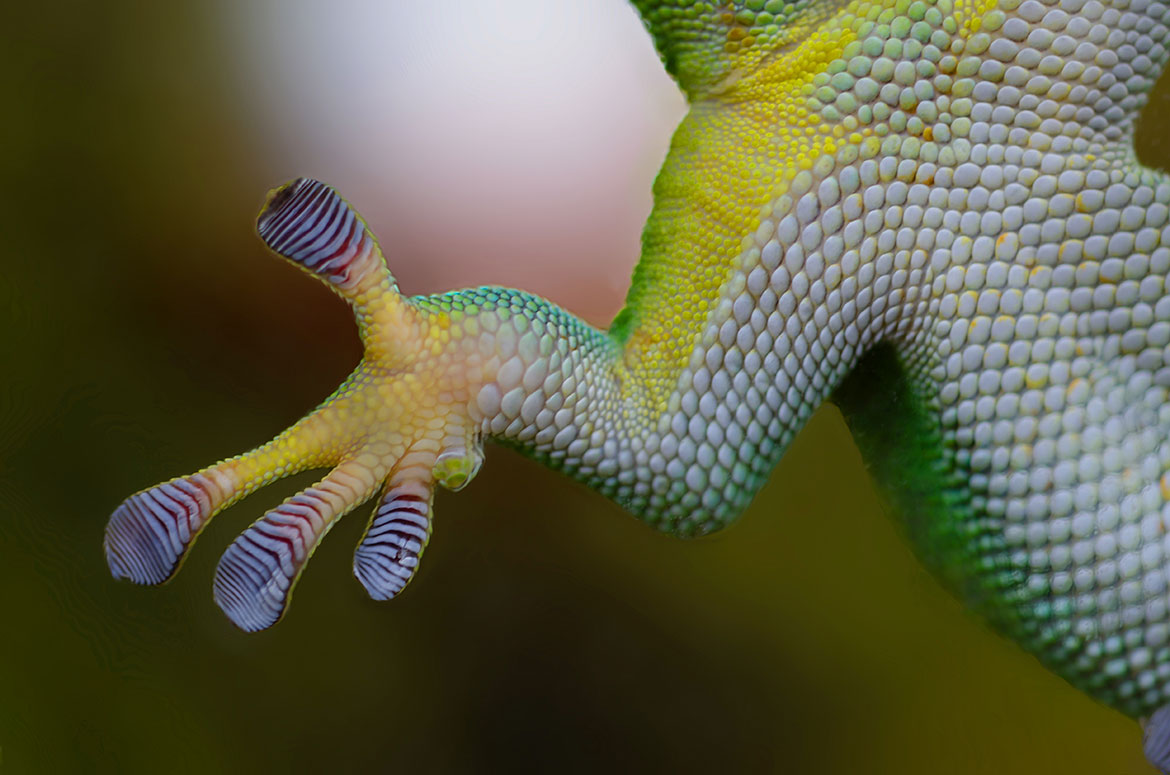
From Fringe Idea to Mainstream Imperative: The Future of Design Depends on Biomimicry

Biophilic-Inspired Design Takes Center Stage: How Bricks Bring Nature In
Thinking the Biophilic Way: Five Ways to Interact with Nature in Design
The Best of Biophilic Design: Bringing Nature Indoors

How bio-inspired solutions have influenced the built environment design in hot and humid climates

Biophilic facades in sustainable building design
20 Nature-Loving Homes Where Biophilia Thrives

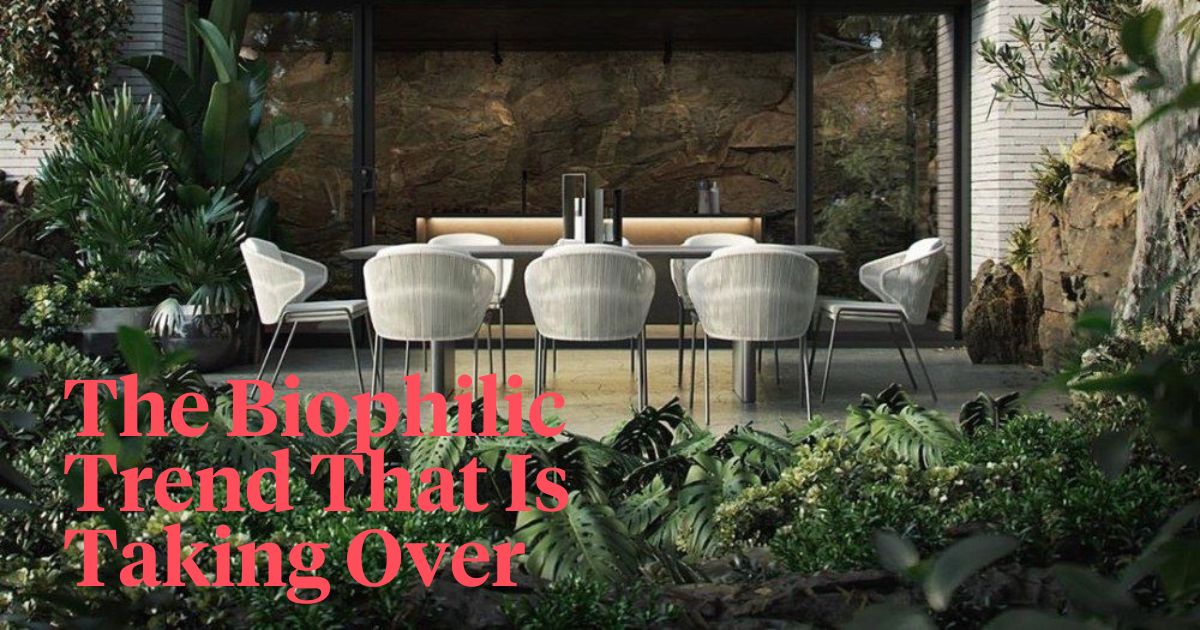
Biophilic Interiors Invade These 10 Contemporary Residences

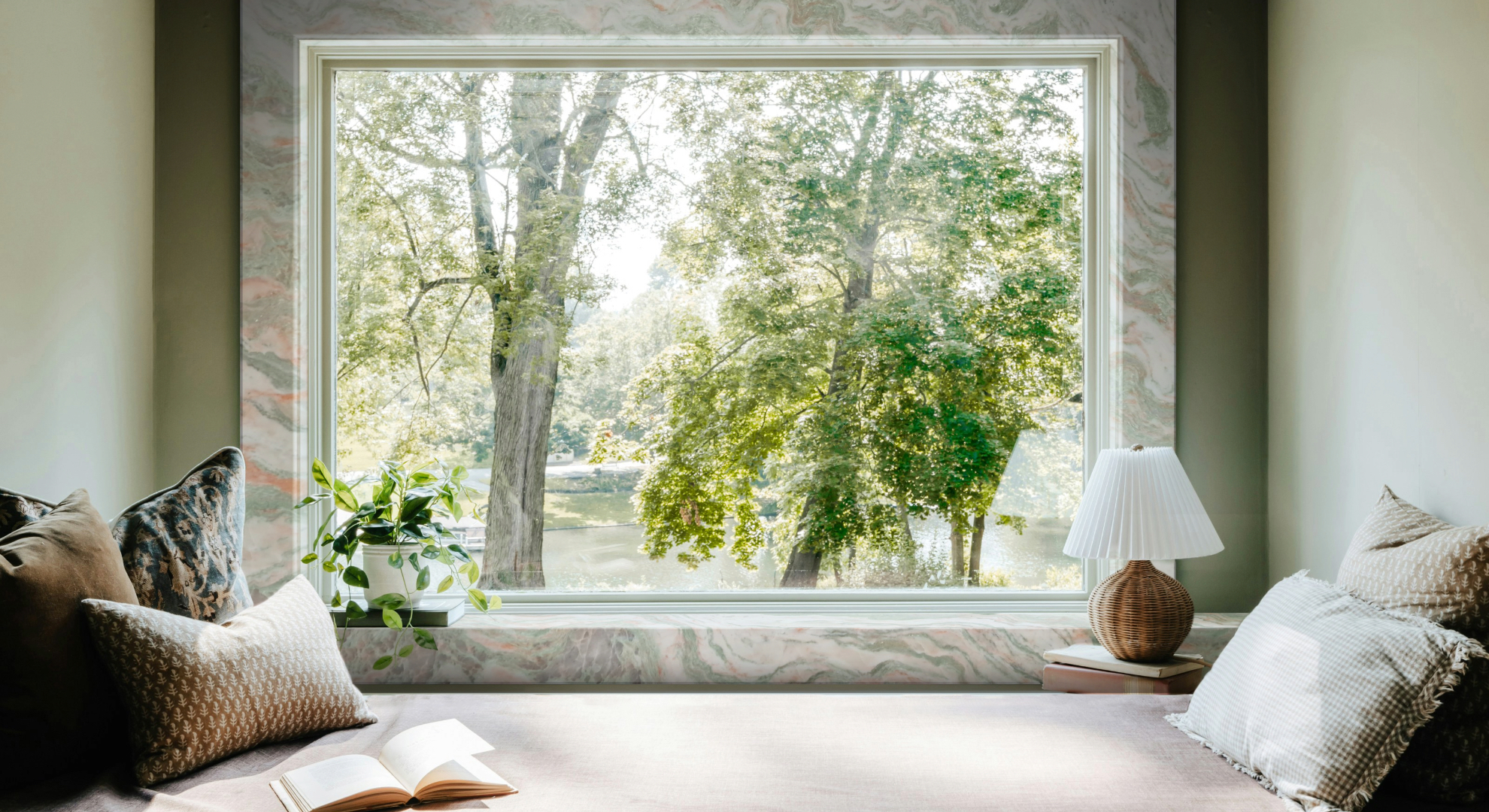
Stunning biophilic design ideas to help you bring the great outdoors into your home


What mirrored ants, vivid blue butterflies and Monstera house plants can teach us about designing buildings

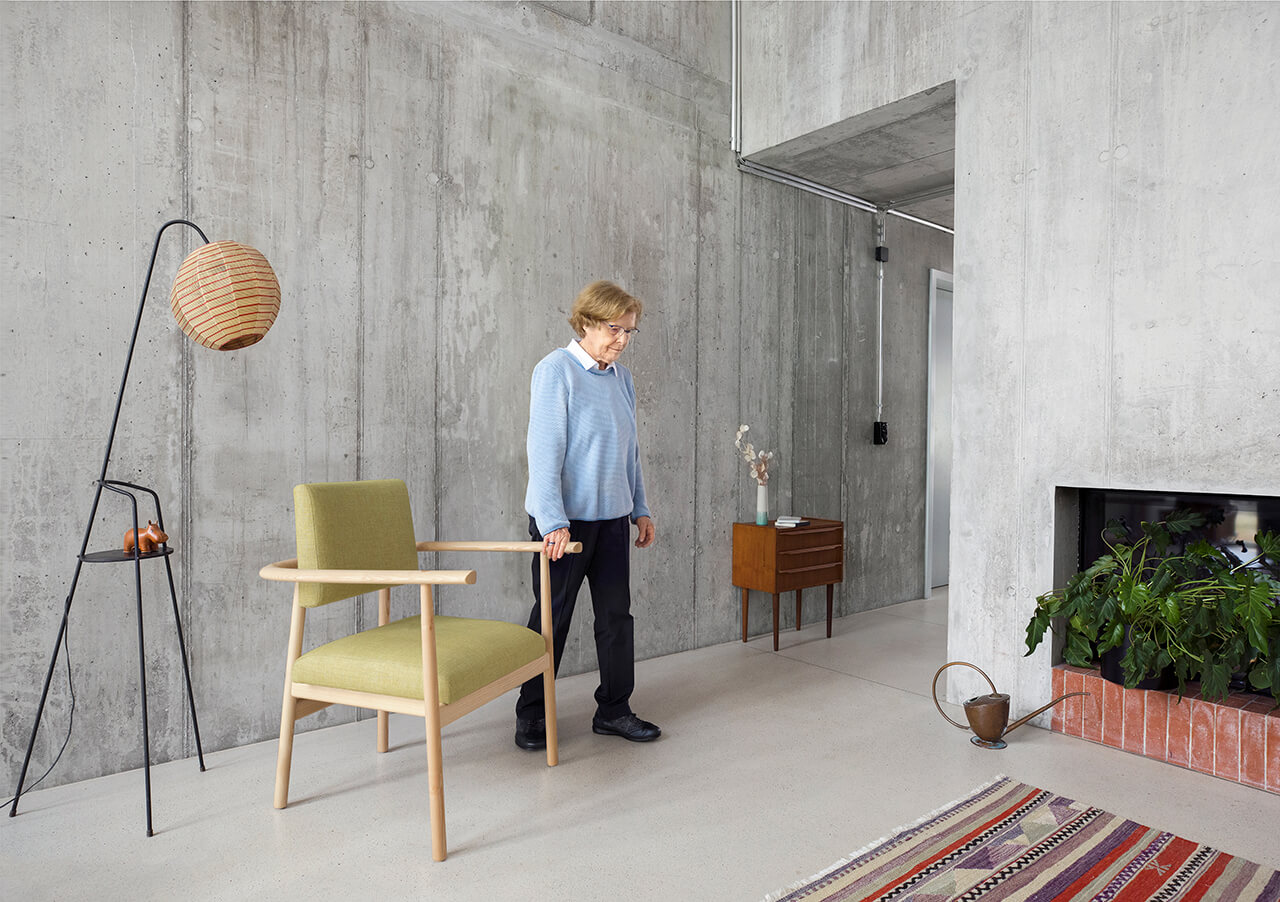
Focus on Biophilia: Nature-Inspired Design Strengthens People!

Why biophilic design is more than just a trend
These 10 Biophilic Design Ideas Will Transform Your Home Into a Natural Oasis