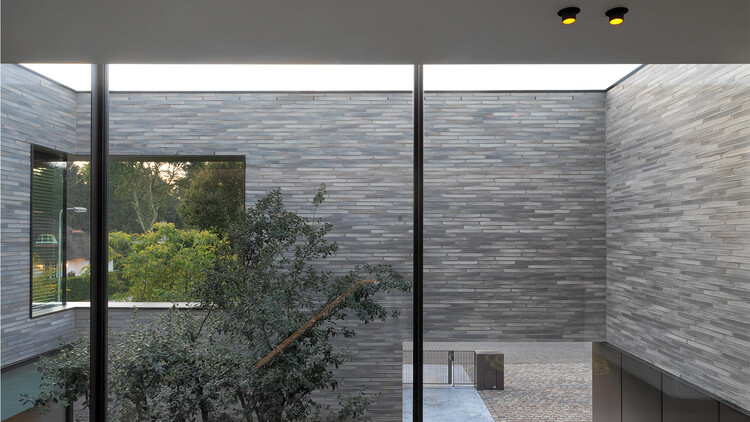
1/9
Biophilic-Inspired Design Takes Center Stage: How Bricks Bring Nature In
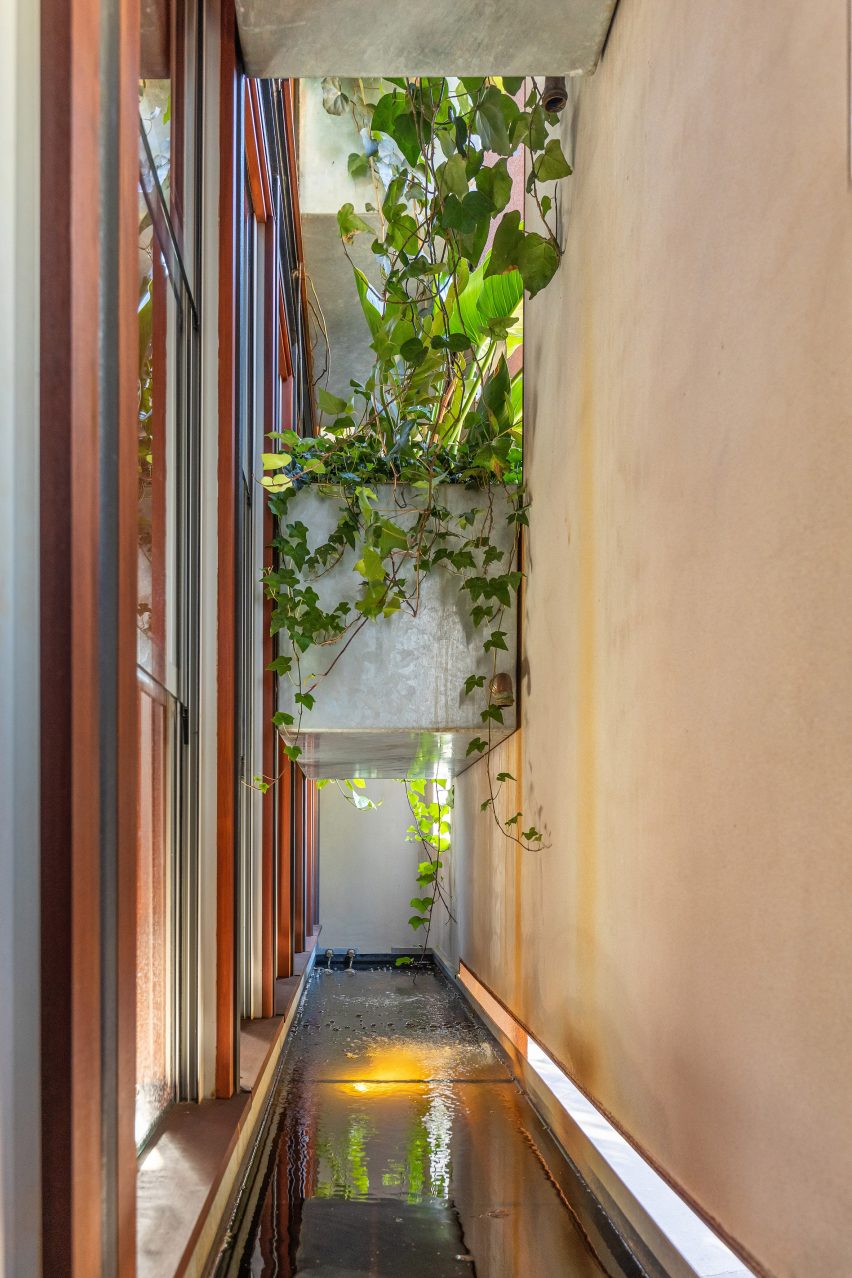
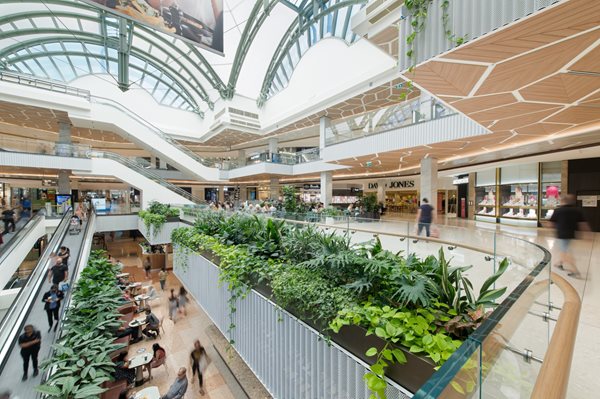
The growing global trend of urbanization, projected to have 68% of the world's population living in urban areas by 2050, leads to a significant detachment from nature. This isolation from natural environments negatively impacts physical and mental health, as individuals spend approximately 93% of their time indoors. Exposure to nature has been shown to reduce stress, improve mood, and boost productivity, highlighting the critical need to integrate natural elements into built environments. Biophilic design emerges as a key solution to this challenge, focusing on connecting people with nature to enhance their quality of life and promote sustainability.
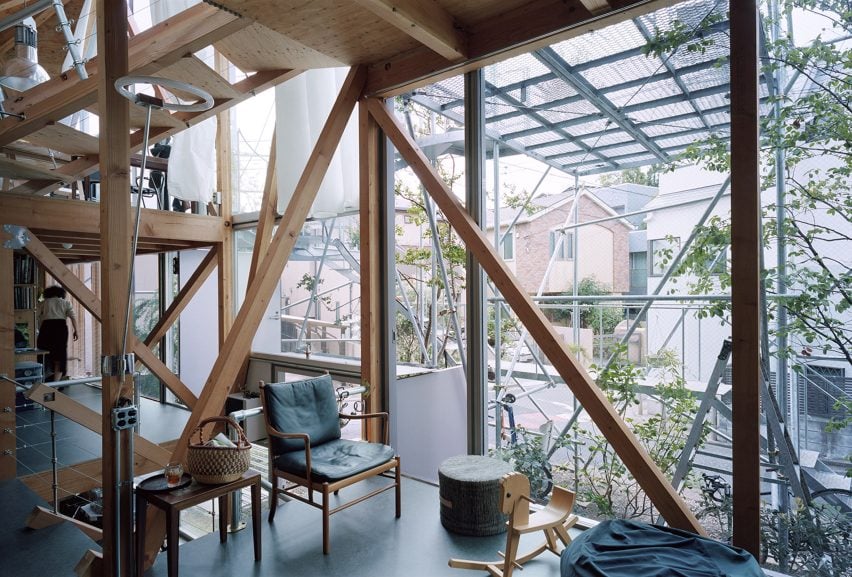
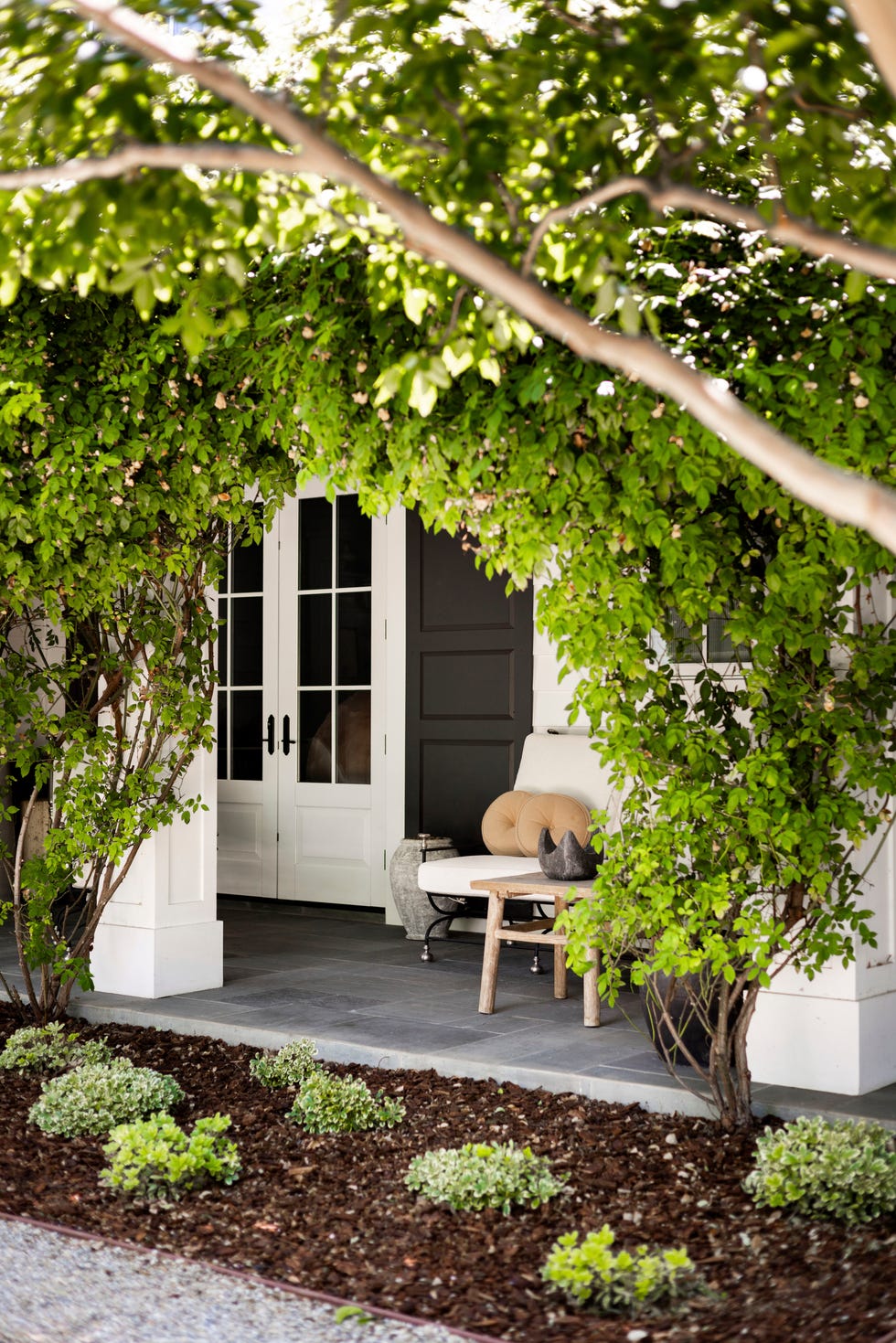
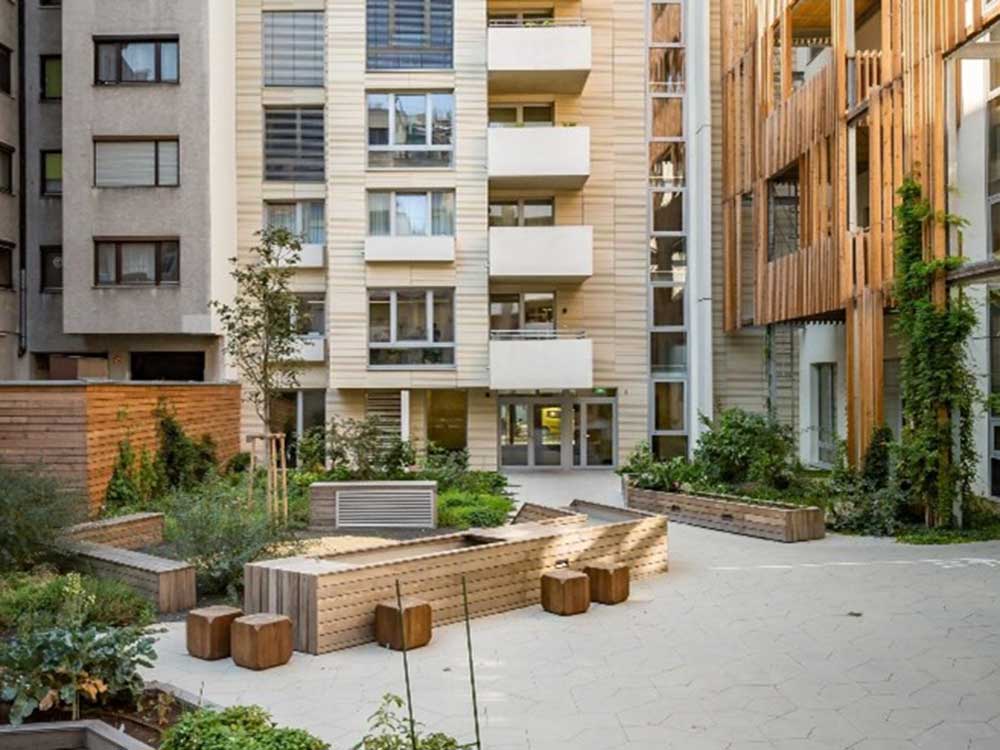
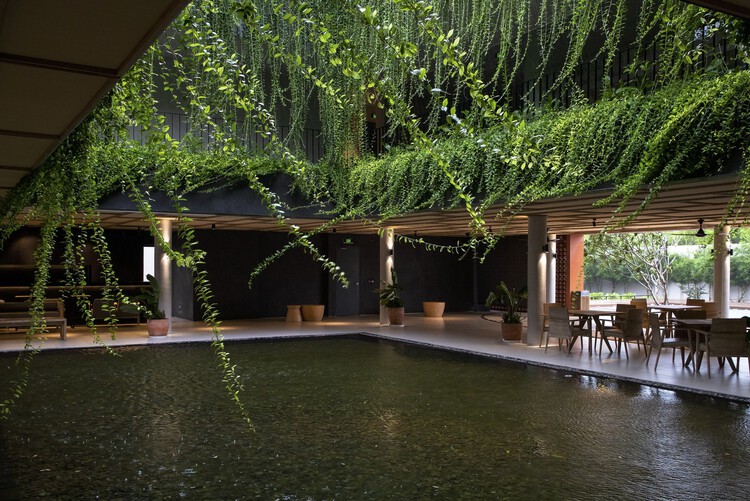
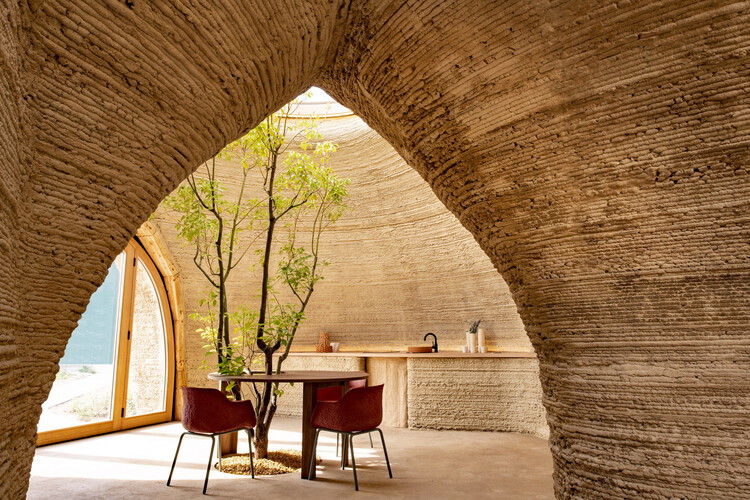
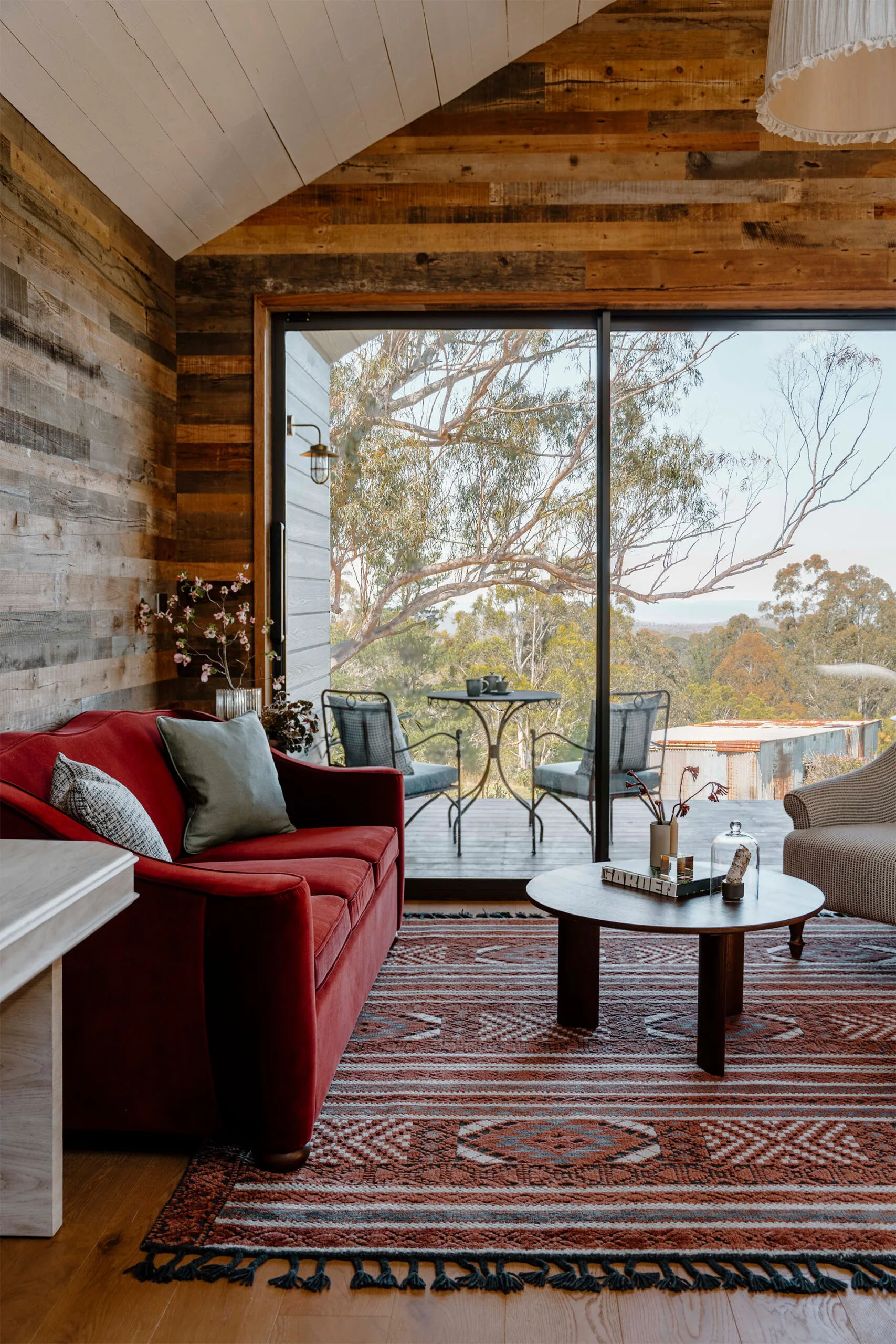
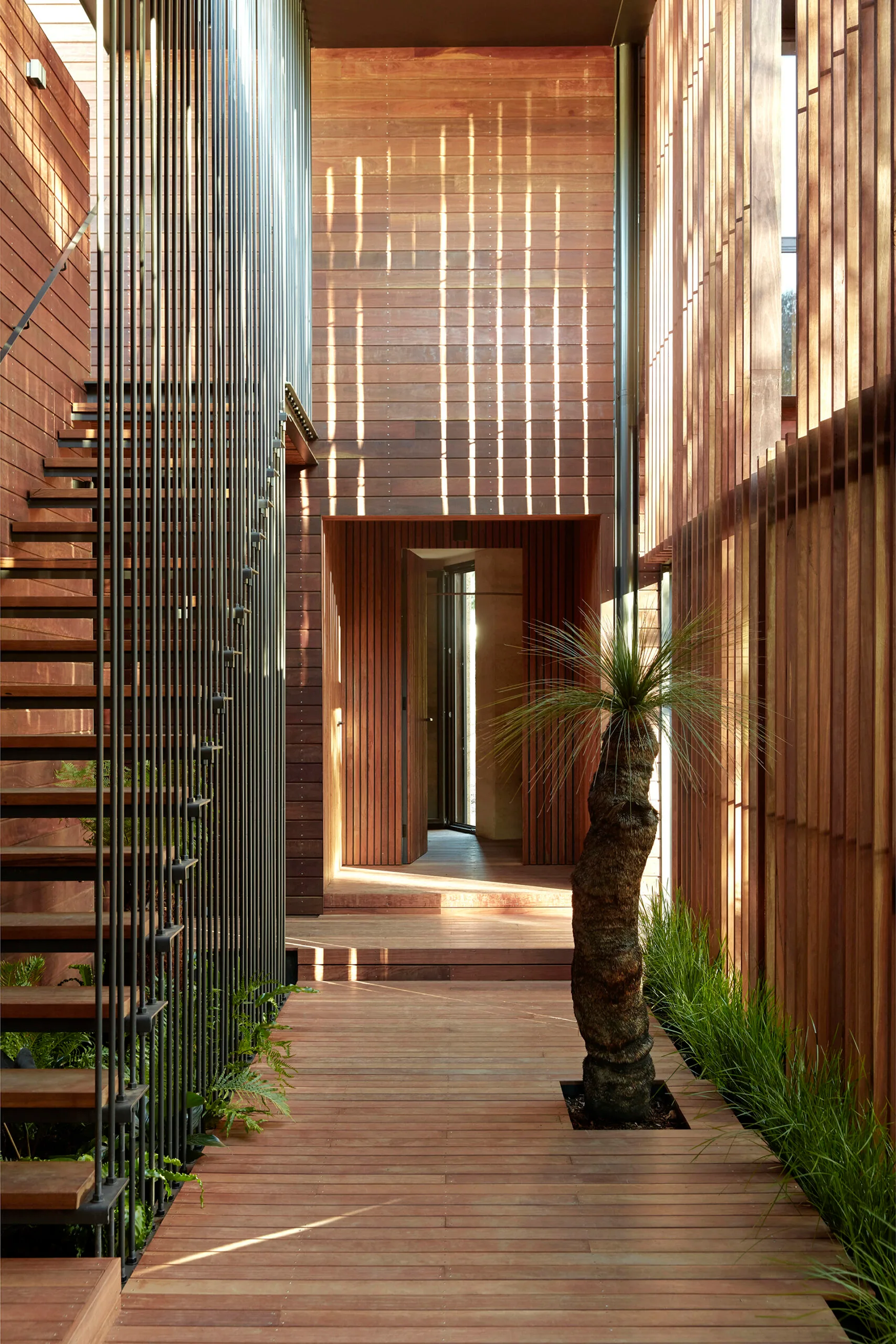
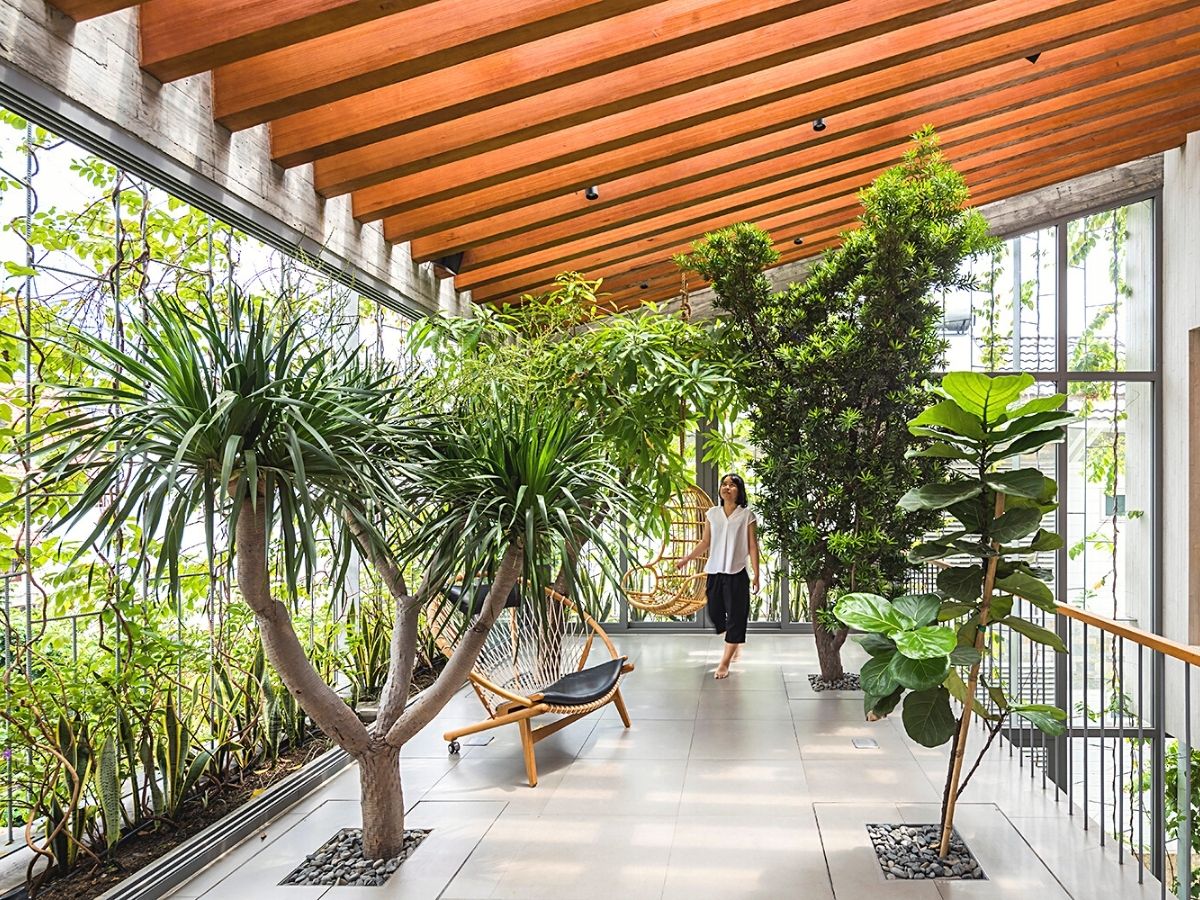
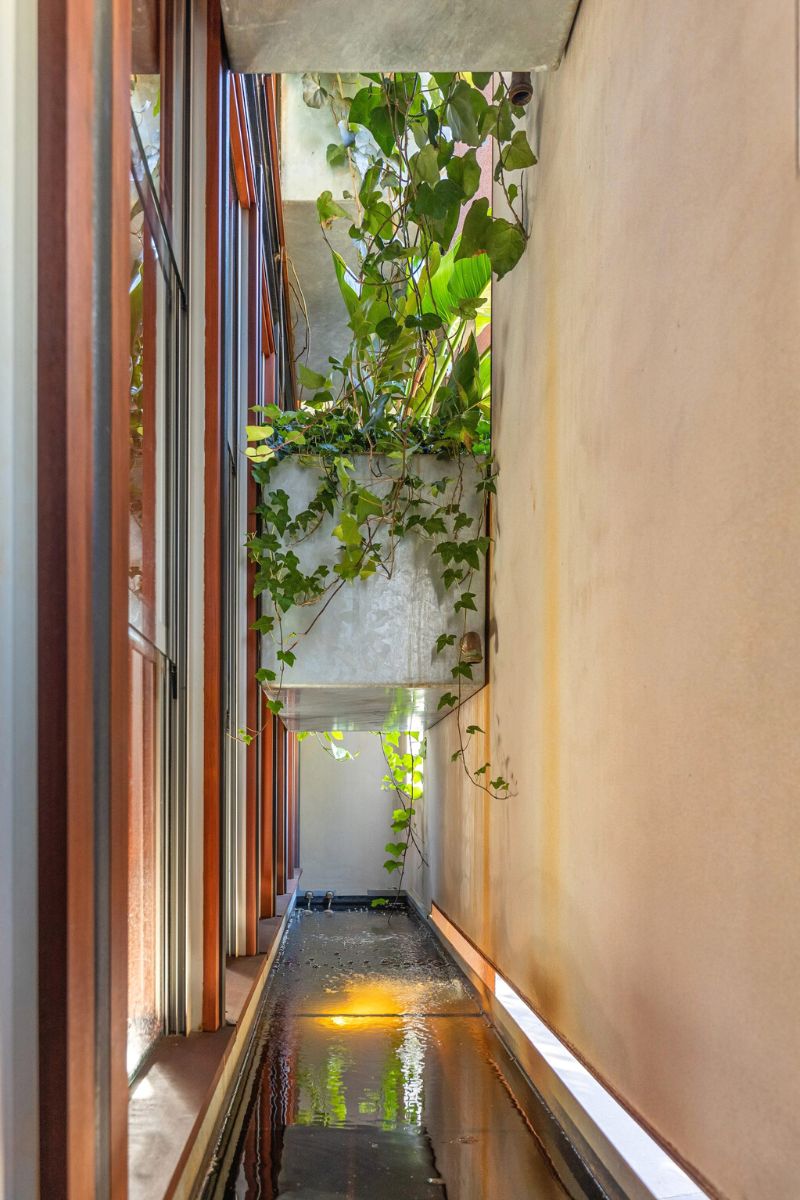
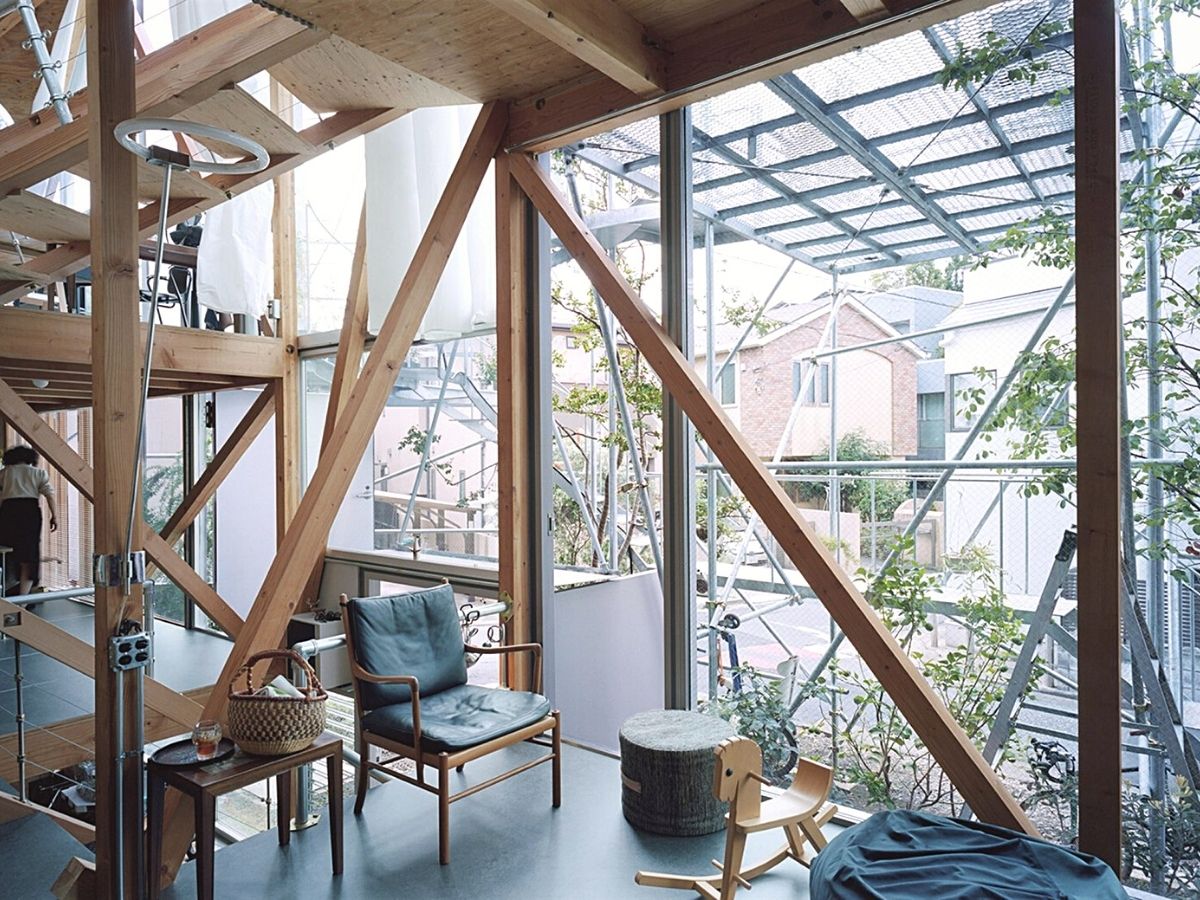
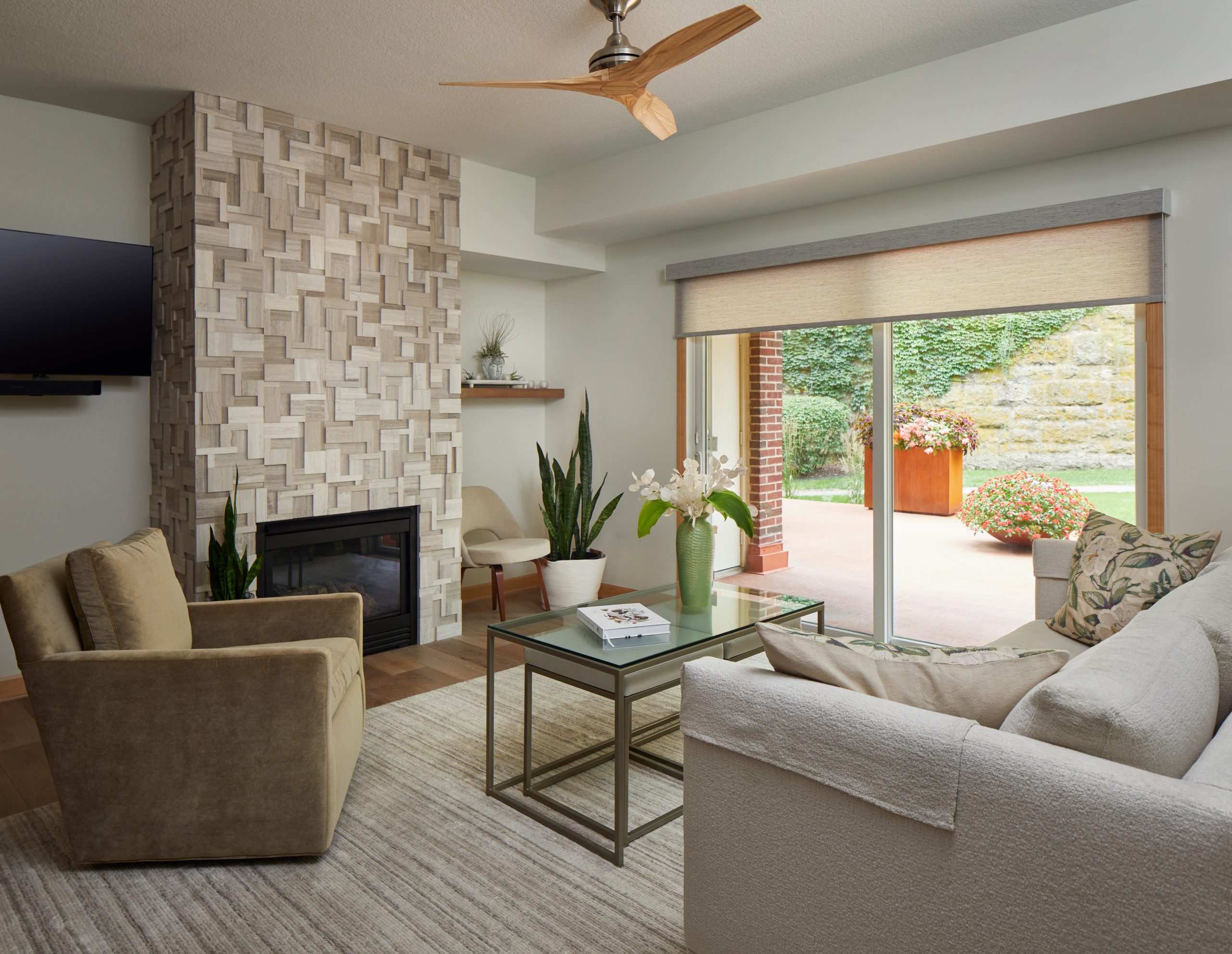
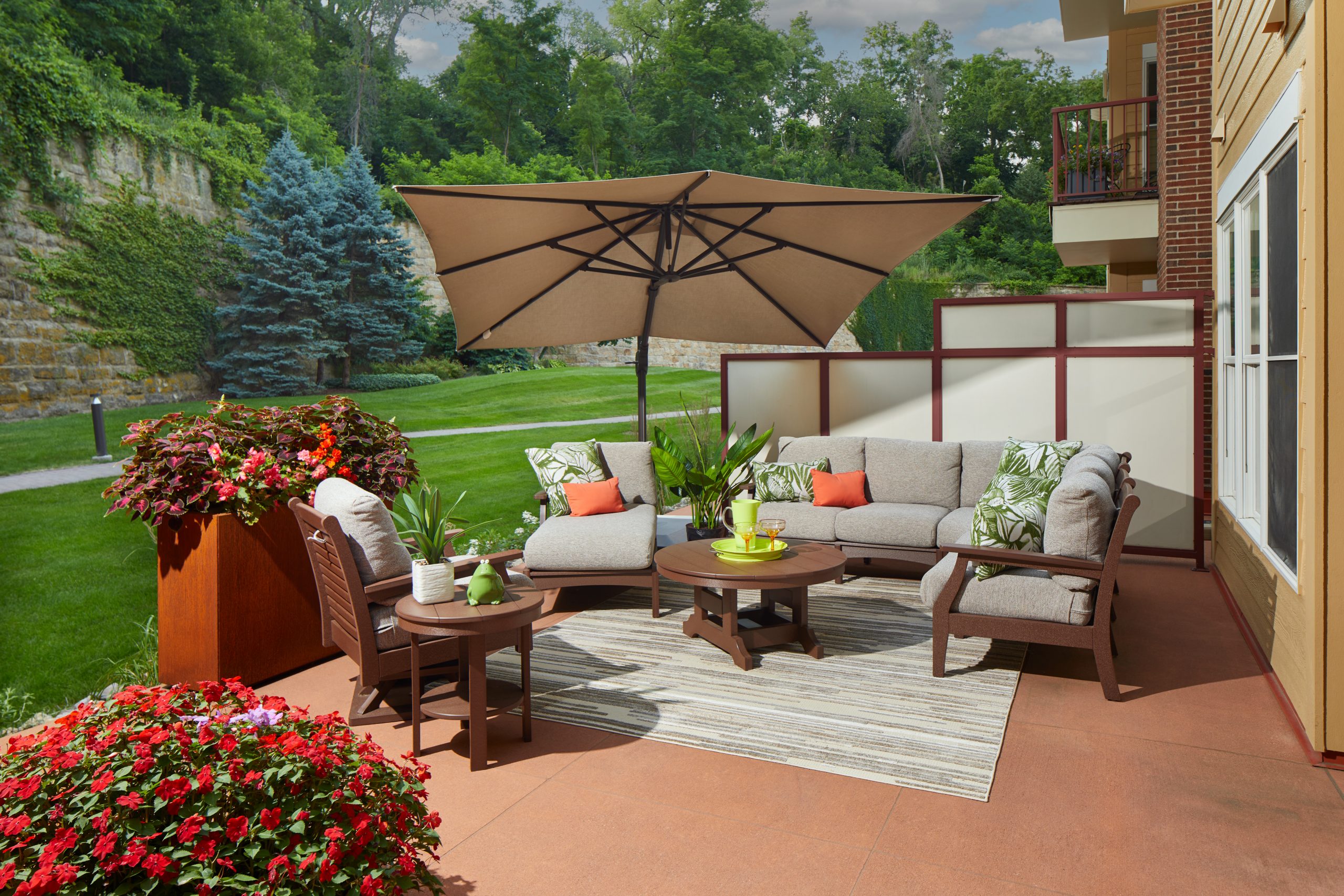
Biophilic design principles involve incorporating natural elements such as daylight, airflow, greenery, water, and natural materials like wood, stone, and brick into building design. This approach aims to bridge the gap between human environments and the natural world, countering the alienation often caused by modern urban living. The concept has gained substantial traction, evolving from a trend to a recognized long-term future for architecture and design. While wood is a commonly associated biophilic material, bricks, with their ancient history and natural composition, offer a robust and sustainable alternative.
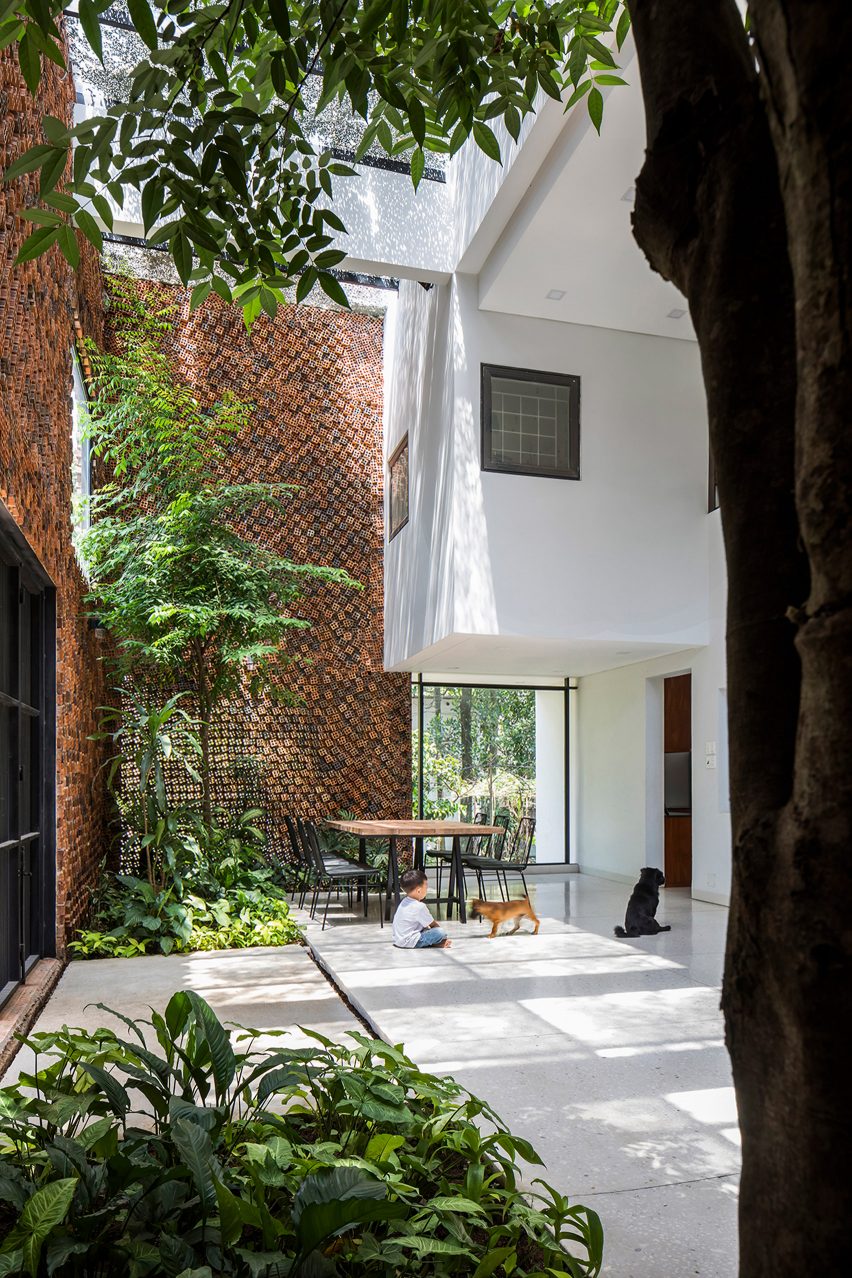
Bricks are produced from shaped and fired clay, an abundant natural resource. Each brick possesses unique variations in color, texture, and shape, offering versatility for diverse architectural styles, from rustic to contemporary. This natural aesthetic facilitates an immediate connection to the outdoors, contributing to the well-being of building occupants. Despite wood's lower CO2 emissions during manufacturing, bricks exhibit superior sustainability through their exceptional durability, often lasting over a century, and resistance to pests, fire, and temperature fluctuations. Their natural pigmentation also minimizes visible wear, and they are readily reusable and recyclable when properly disassembled, aligning with circular economy principles and reducing a project's carbon footprint.
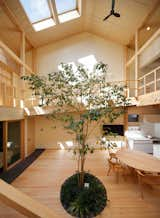
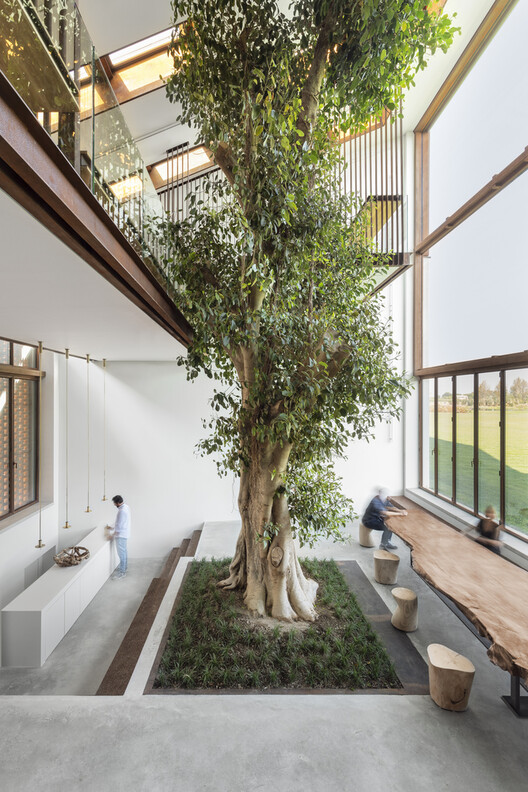
Randers Tegl, a leading European brick producer, champions the use of bricks in environmentally friendly and biophilic-inspired architecture. Their Ultima series of waterstruck bricks, characterized by a distinctive linear format (length of two ordinary bricks, 38 mm height), exemplifies this commitment. Several residential projects showcase the application of these bricks in biophilic design. Villa Oss in the Netherlands features Ultima RT 153 bricks in grey nuances, with perforated brickwork and oversized windows integrating natural light, ventilation, and views of a sculptured tree, harmonizing the indoor and outdoor spaces.
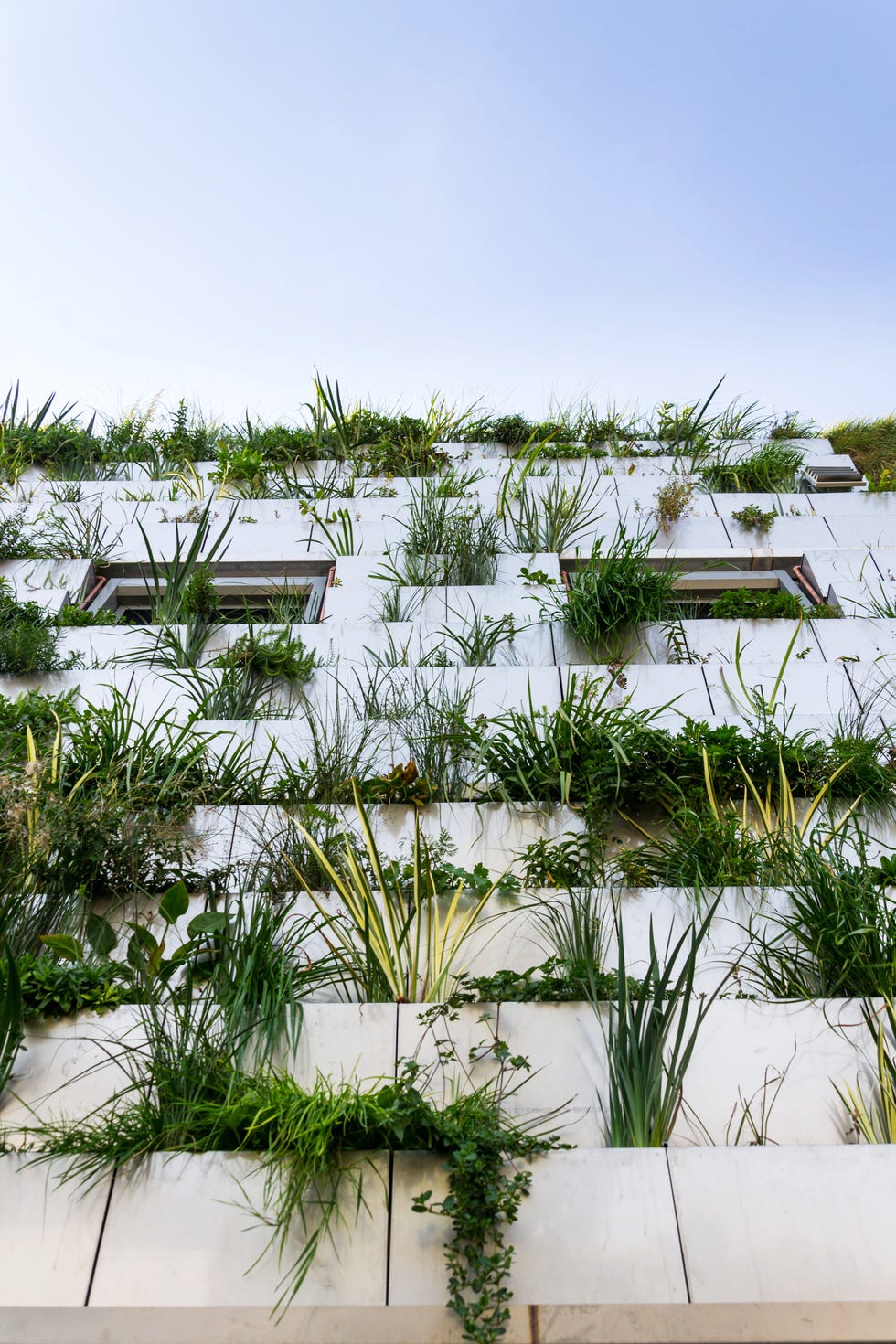
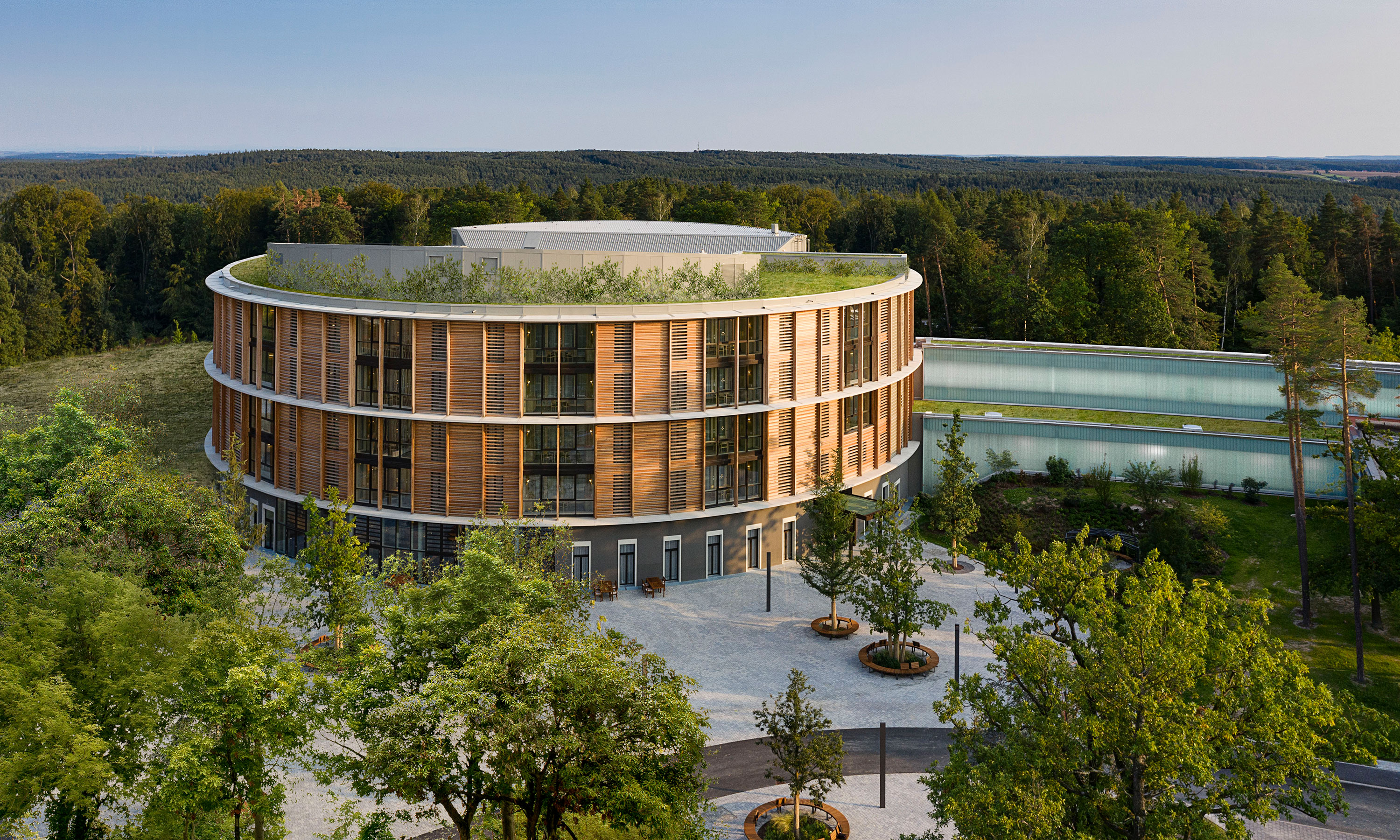
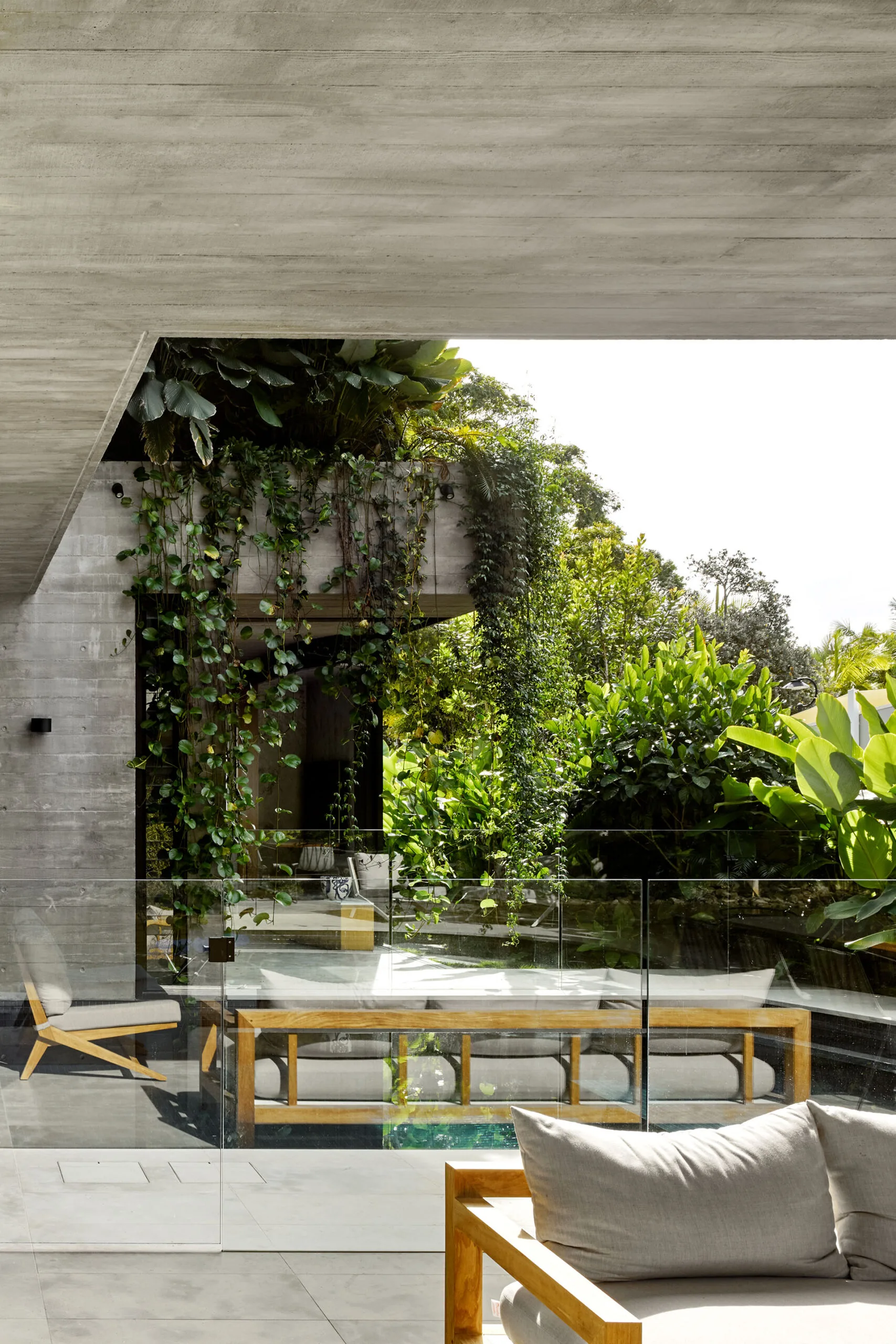
Camley Street, an apartment building in Northwest London, uses Ultima RT 160 bricks in varying grey shades, arranged in both vertical and horizontal layouts. Its stepped form incorporates terraces and balconies, providing residents with ample daylight, airflow, and scenic views, fostering a connection with the adjacent Camley Street Natural Park. This project demonstrates how urban developments can coexist with nature. Villa Stuttgart, located on a German hillside, utilizes Ultima RT 154 bricks to create a warm, sandy aesthetic around an outdoor pool area. Surrounded by olive trees and bougainvilleas, the design emphasizes outdoor living and a tranquil ambiance, blending the structure seamlessly with its natural environment. These examples underscore the capacity of bricks to facilitate biophilic integration, promoting healthier and more sustainable living environments in response to contemporary ecological and social challenges.
#BiophilicDesign #SustainableArchitecture #Brick #NaturalMaterials #Urbanization #Wellbeing #ArchitecturalInnovation #EnvironmentalDesign #ResidentialArchitecture #BiophilicDesign #SustainableArchitecture #Brick #NaturalMaterials #Urbanization #Wellbeing #ArchitecturalInnovation #EnvironmentalDesign #ResidentialArchitecture
0 comment in total
 No comments yet
You may also like
Ten modern homes with interiors informed by biophilic design

Focus on Biophilia: Nature-Inspired Design Strengthens People!

Why biophilic design is more than just a trend
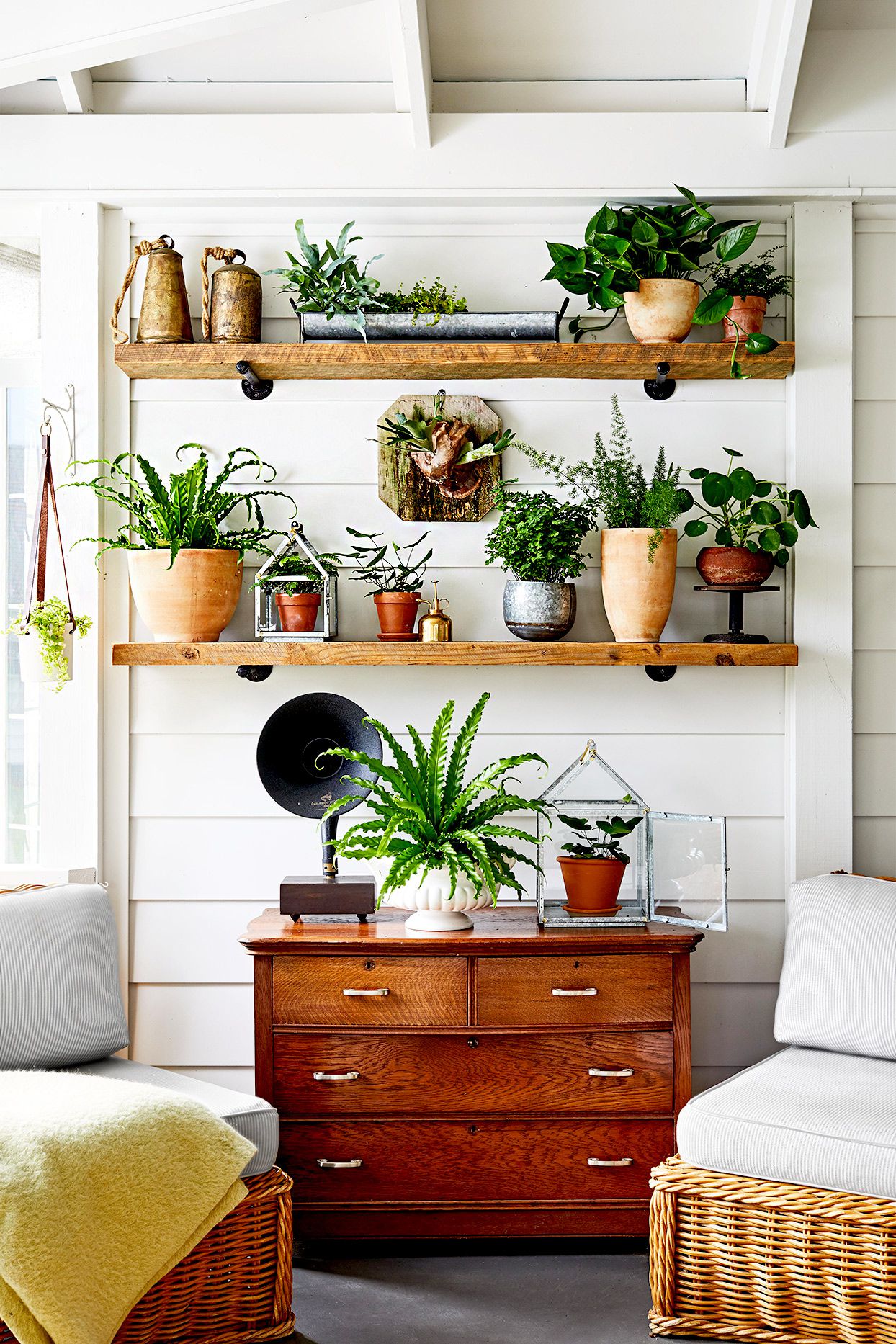
What Is Biophilic Design? 5 Ways to Incorporate This Style

20 Nature-Loving Homes Where Biophilia Thrives

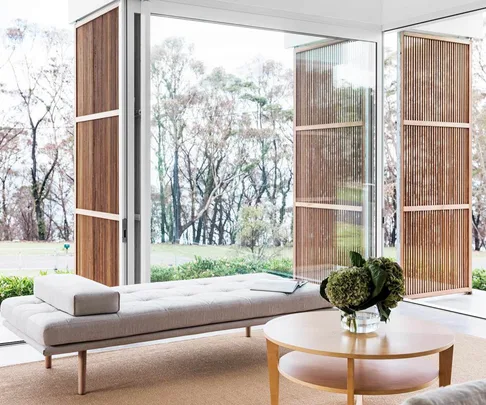
What the heck is biophilic design?

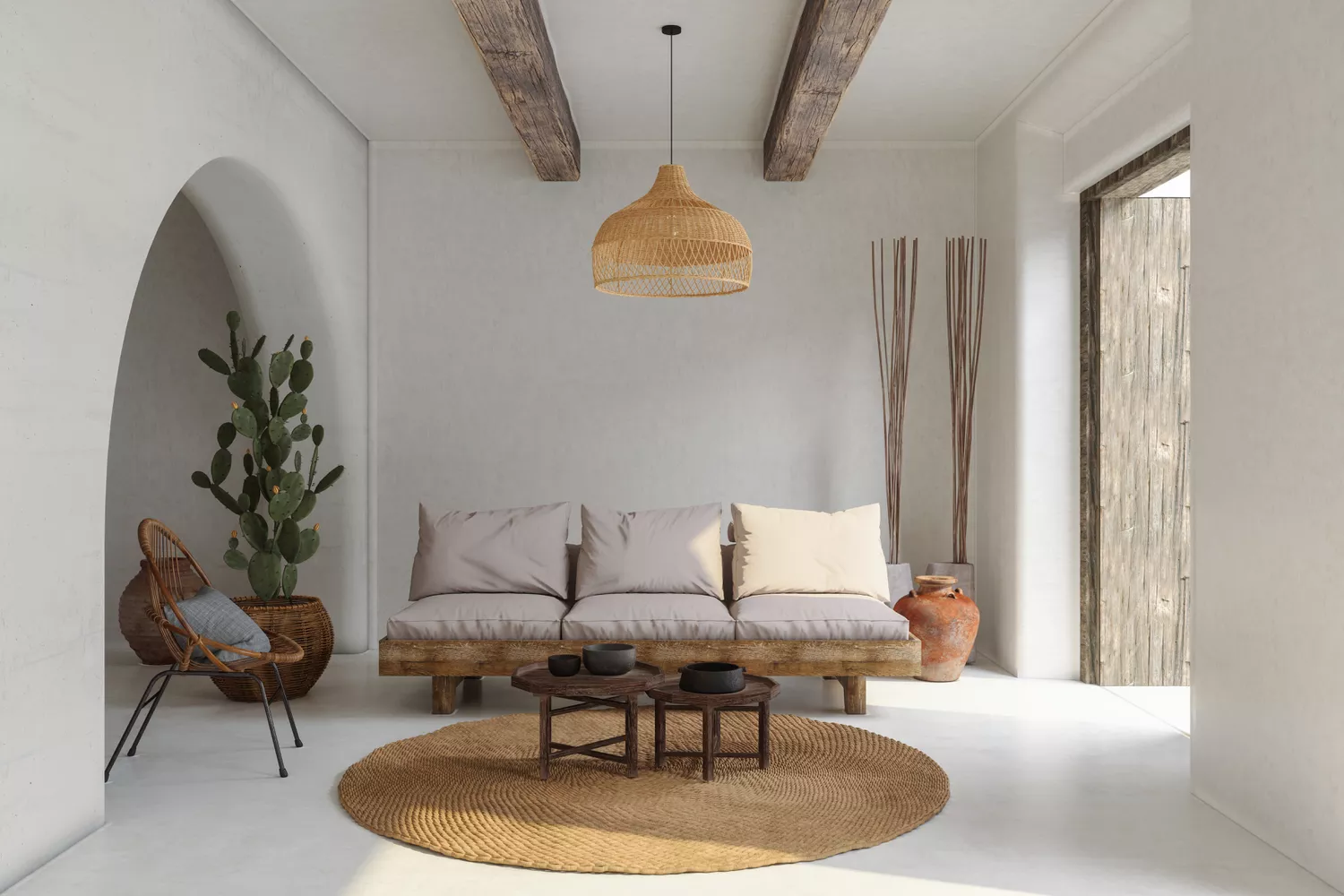
Biophilic Design Is About Connecting With Nature—Here's How to Utilize the Décor Trend In Your Home

What is Biophilic Design? This Nature-Based Interiors Trend Promises Wellness
Biophilic Design Is the Signature Style of Plant Lovers Everywhere

Biophilic Design Helps Homeowners Connect to Nature
Biophilic Interiors Invade These 10 Contemporary Residences


What mirrored ants, vivid blue butterflies and Monstera house plants can teach us about designing buildings


Biophilic facades in sustainable building design
Nature-Inspired Design: Biomimicry in Architecture

The Best of Biophilic Design: Bringing Nature Indoors

Why Houseplants And Biophilic Design Will Front 2025's Interior Design Trends
Biophilic Interiors: 21 Projects that Blend Architecture with Nature

From Fringe Idea to Mainstream Imperative: The Future of Design Depends on Biomimicry

Biophilic architecture: 11 projects where nature meets concrete

Biophilic Design Is the Decorating Trend You Need To Try if You Love Plants