1/4
What mirrored ants, vivid blue butterflies and Monstera house plants can teach us about designing buildings
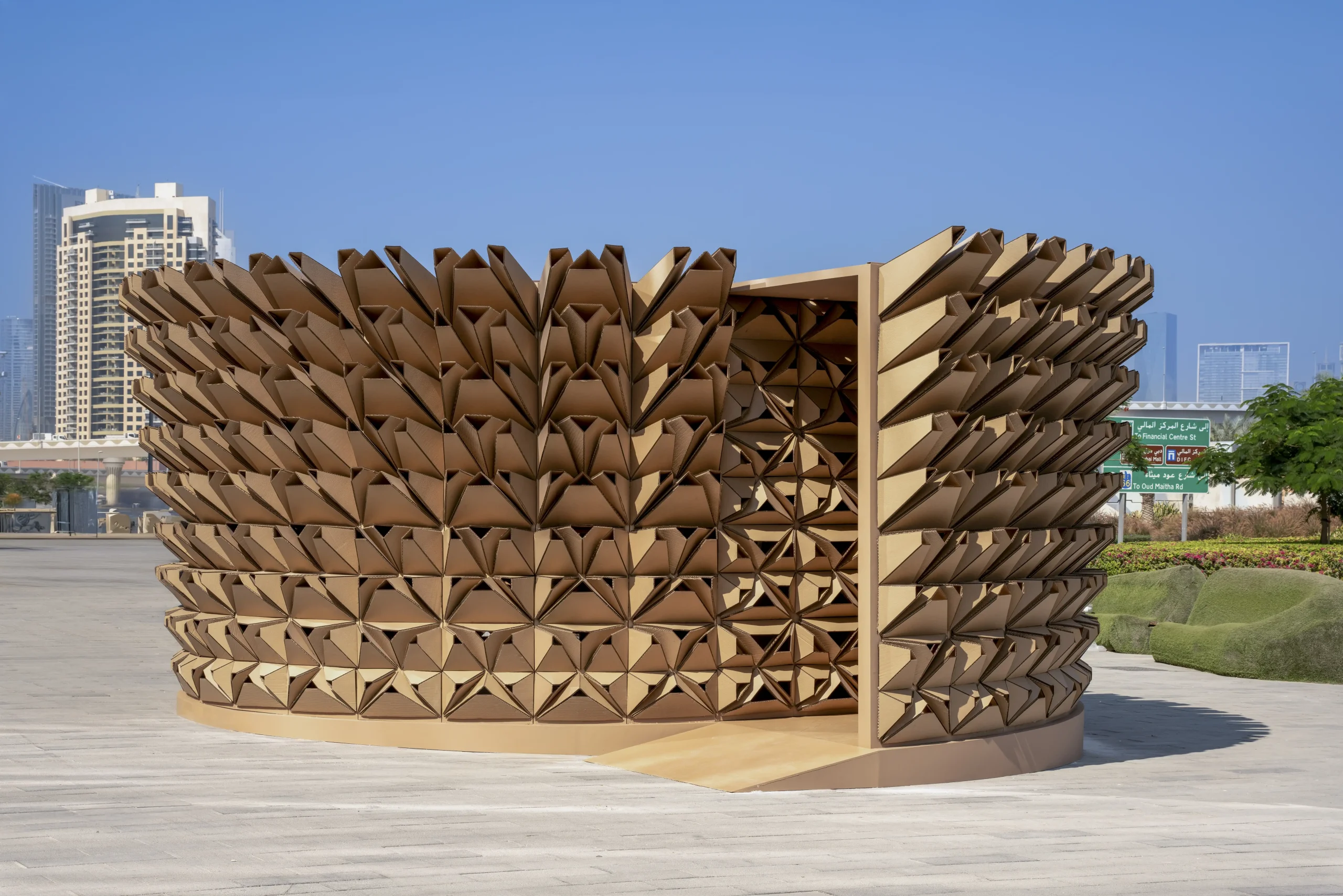
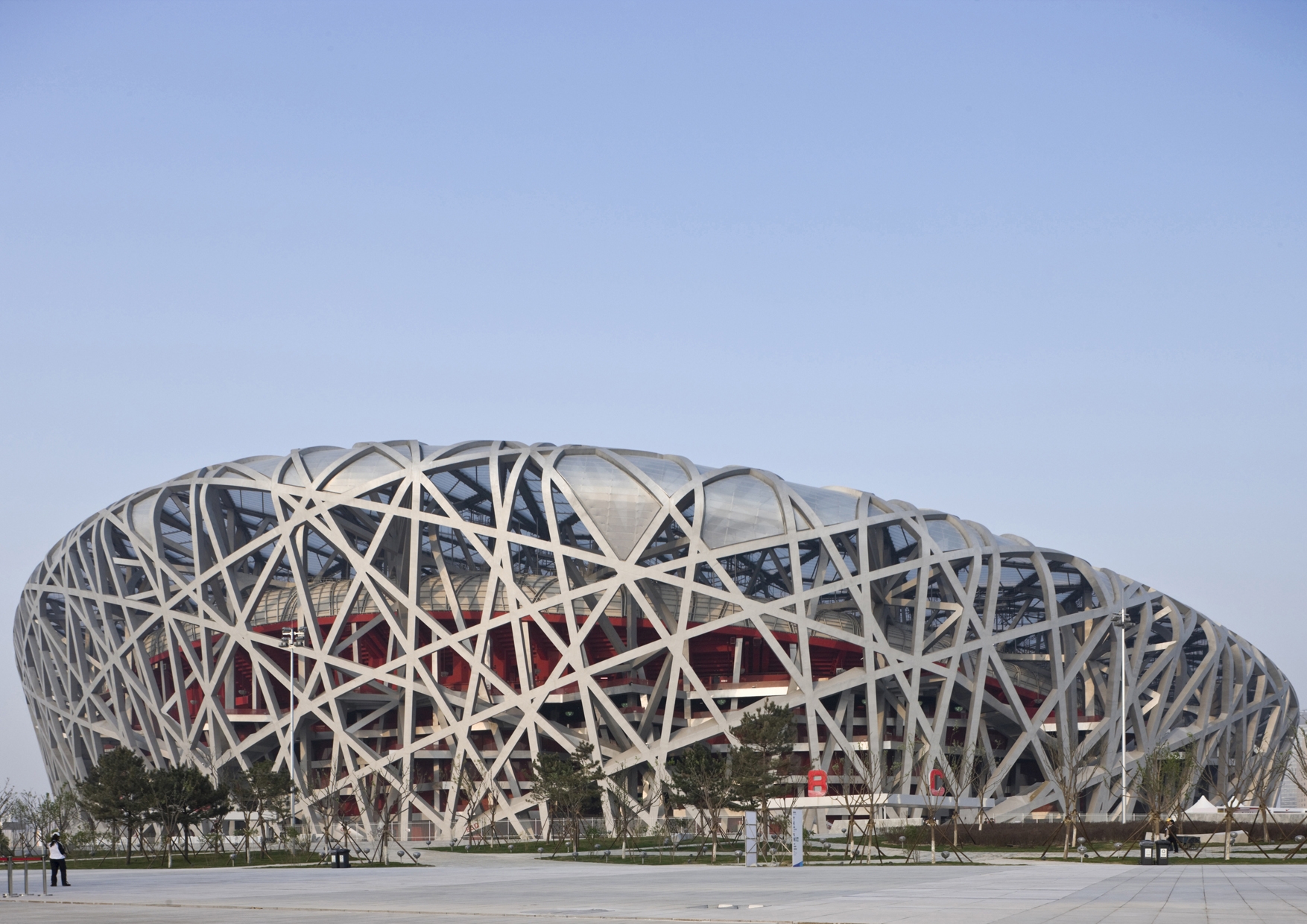
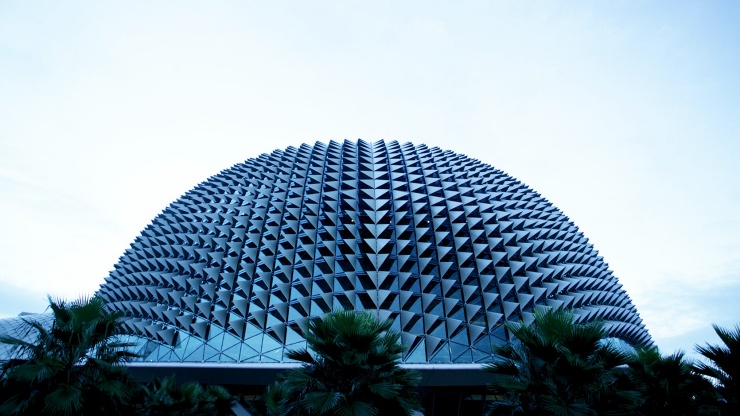
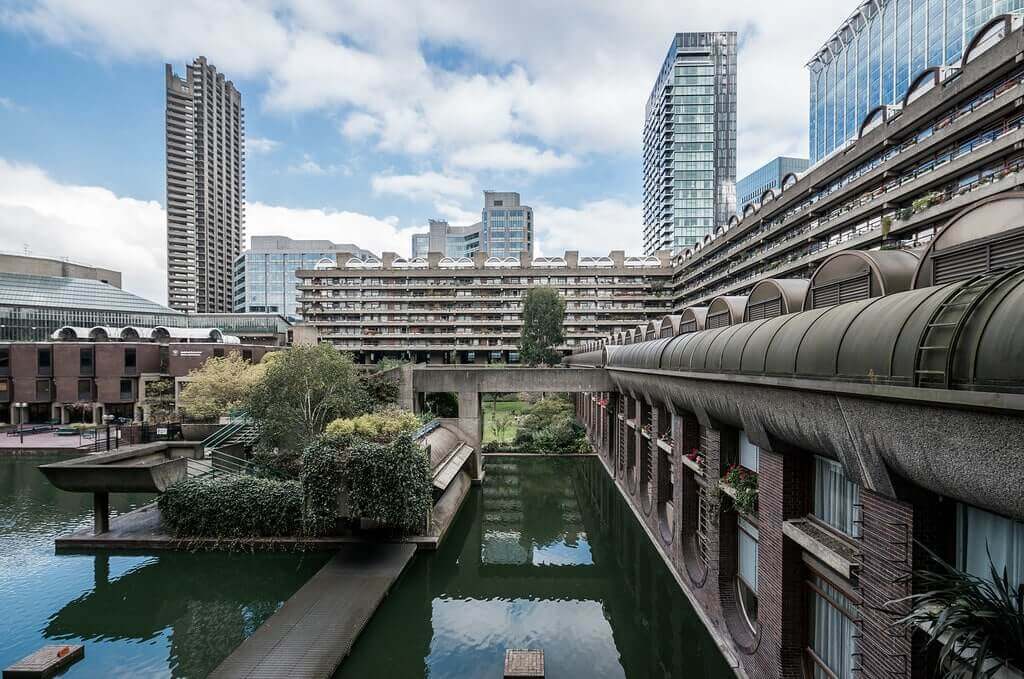
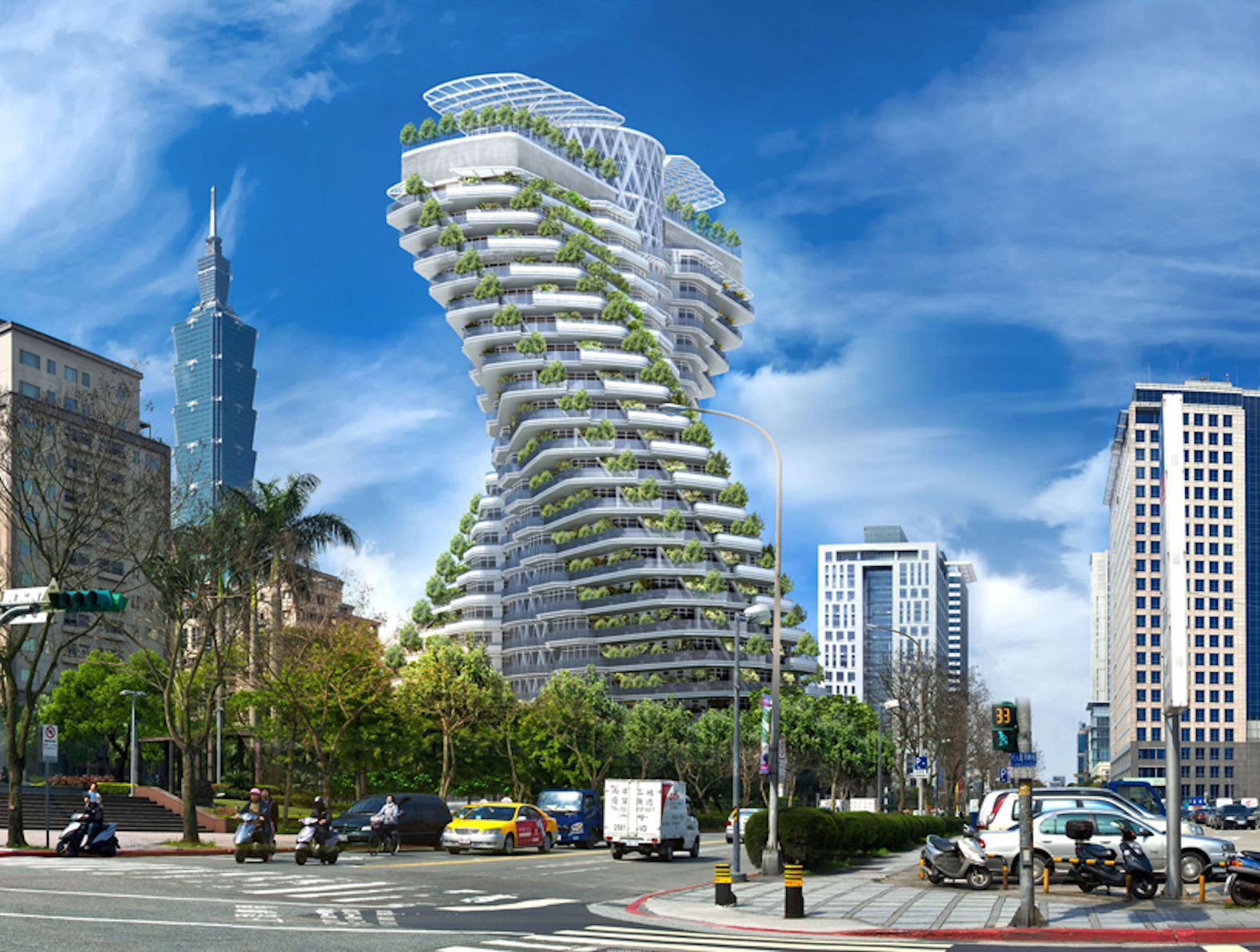
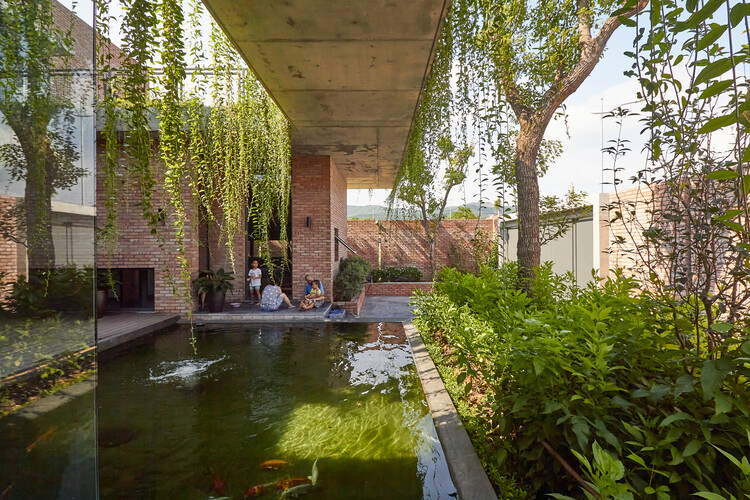
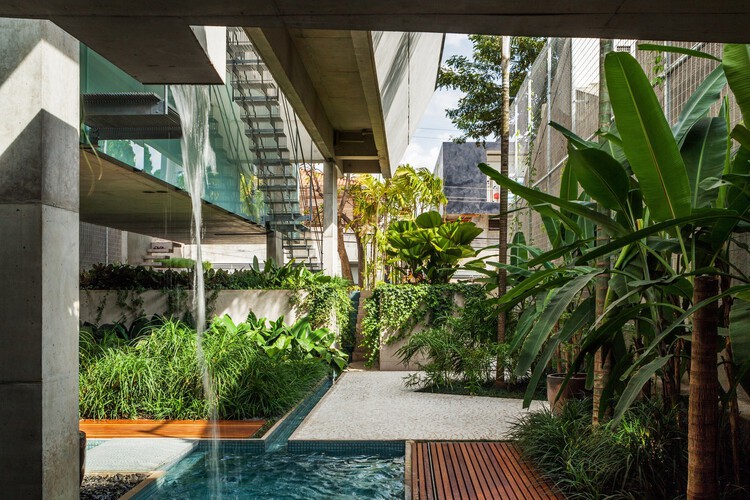
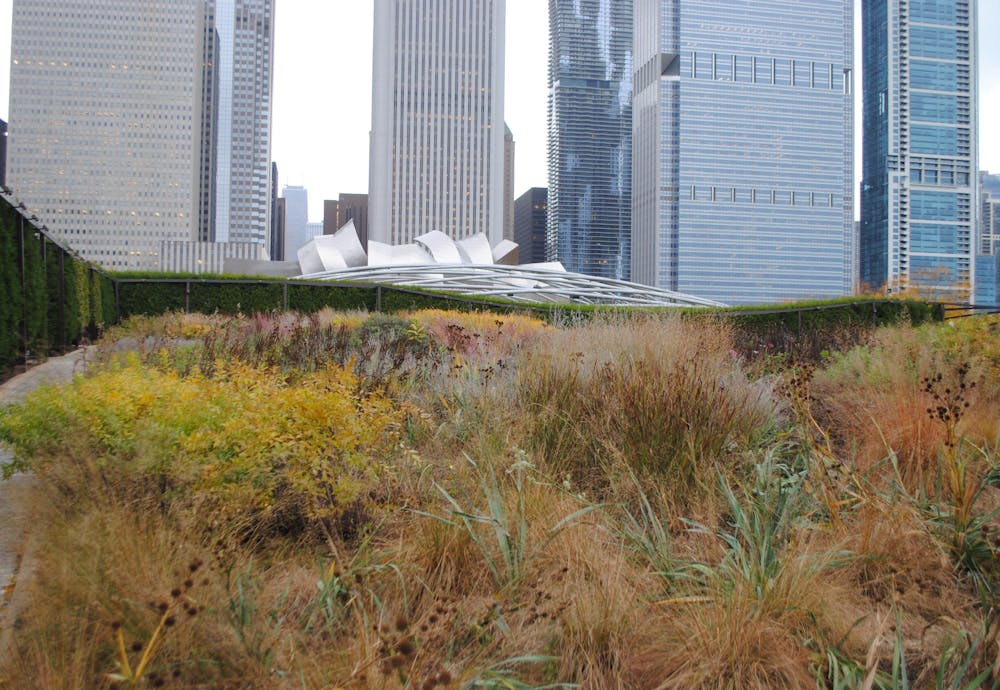
The current approach to building construction, heavily reliant on conventional technologies and manufacturing processes, is unsustainable due to its high energy consumption and significant carbon emissions. A more sustainable solution lies in bioarchitecture, a field that integrates principles from nature to address technological challenges and global environmental issues. This approach contrasts with the prevailing belief that technology alone can solve climate change, instead fostering a positive relationship between buildings and the natural world.
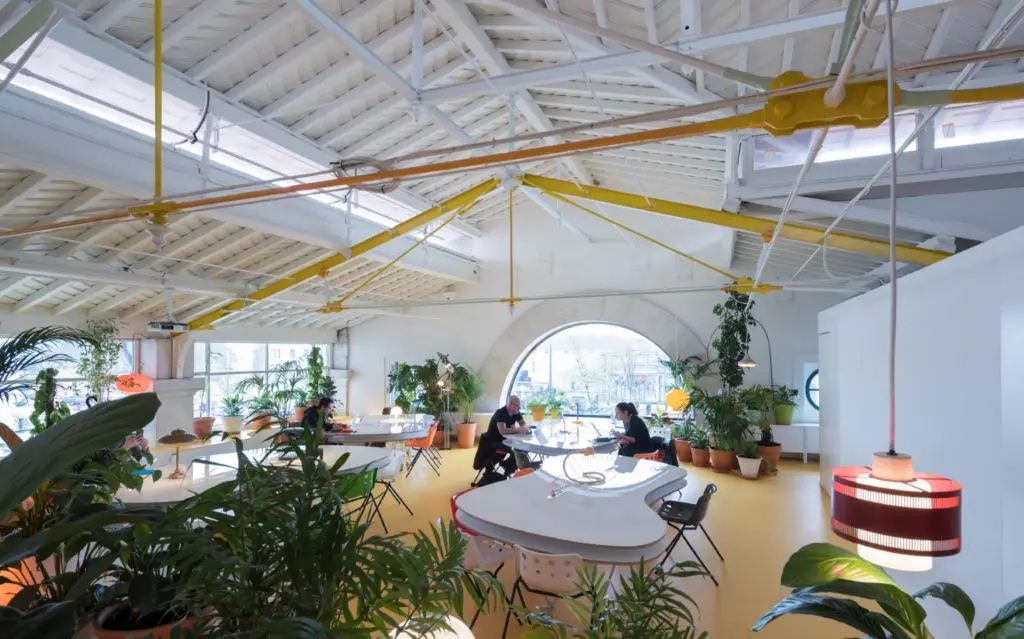
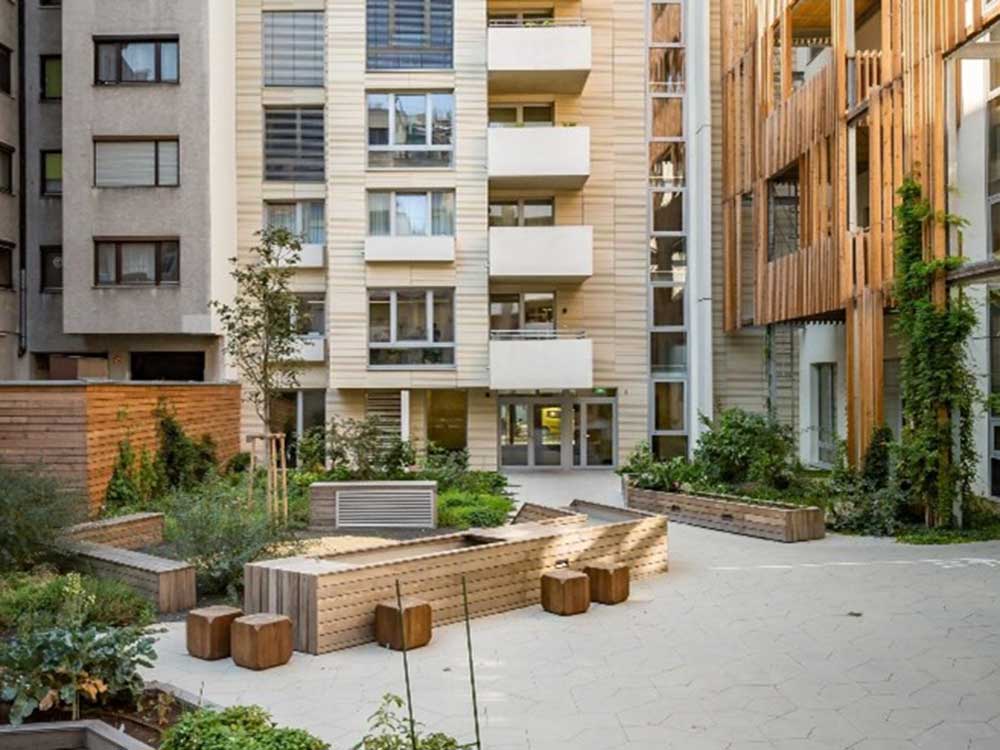
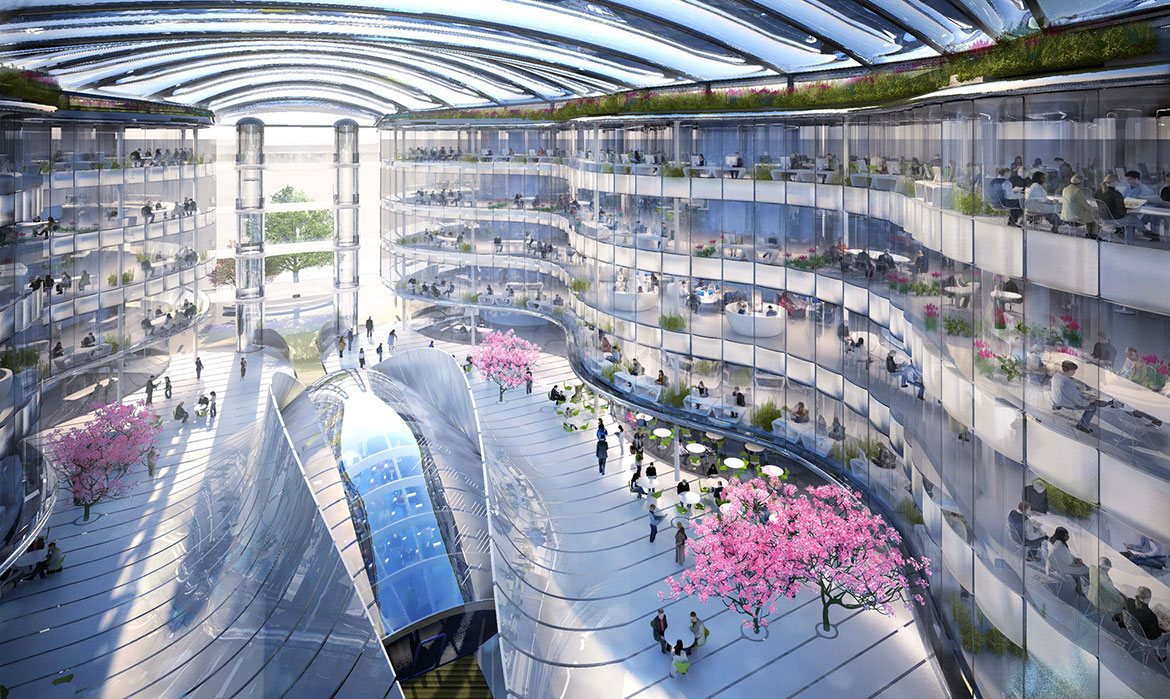
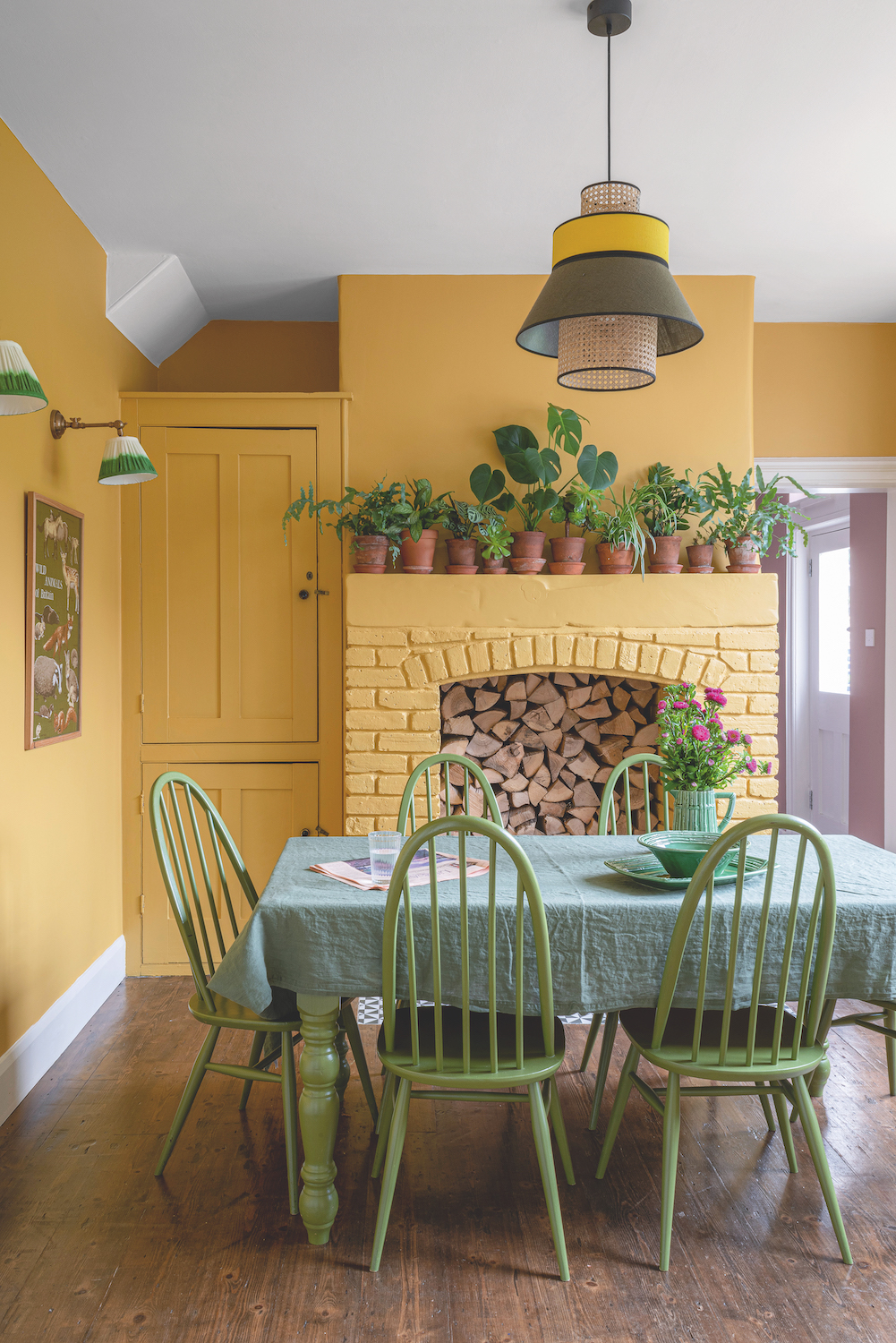
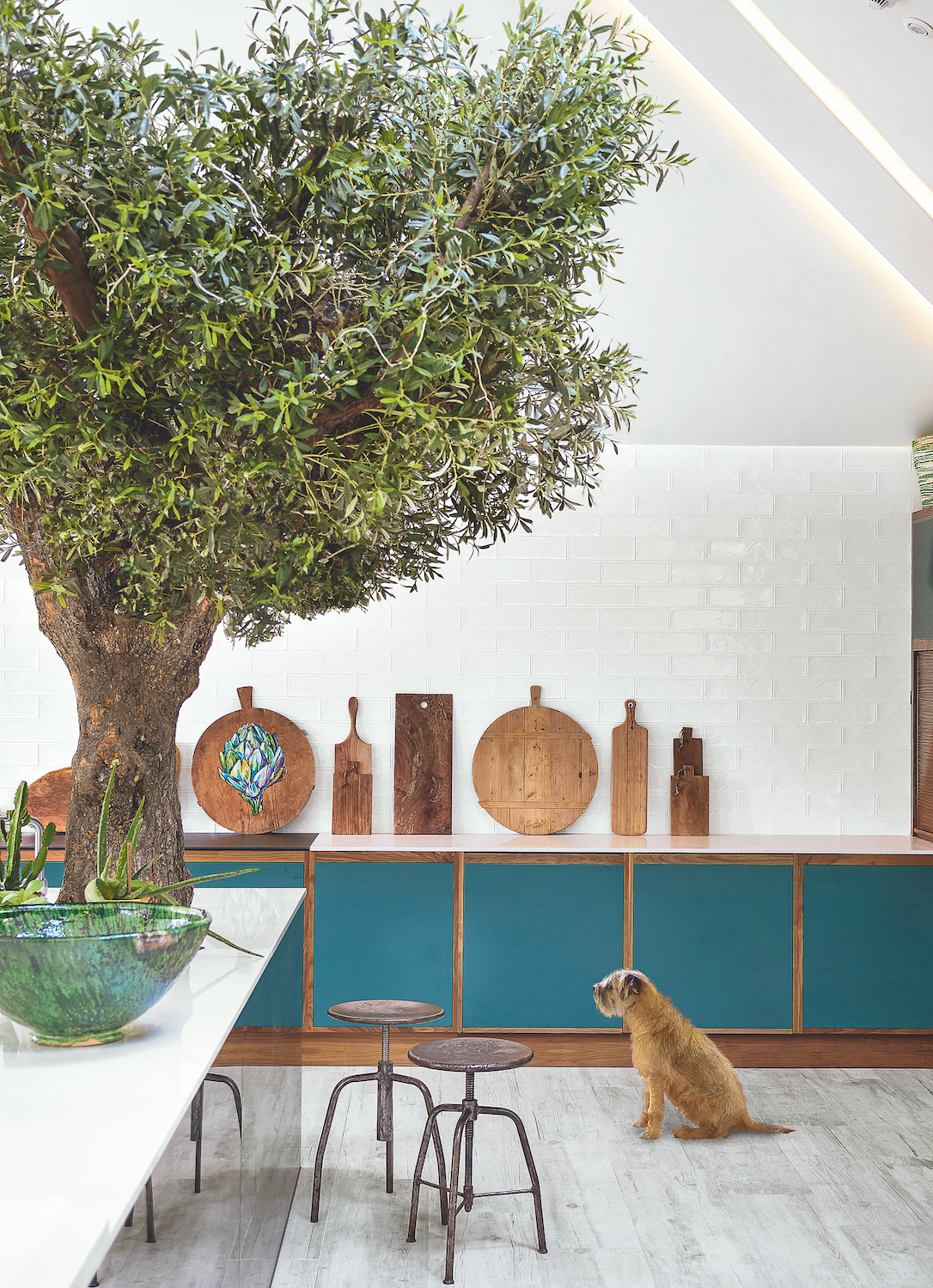
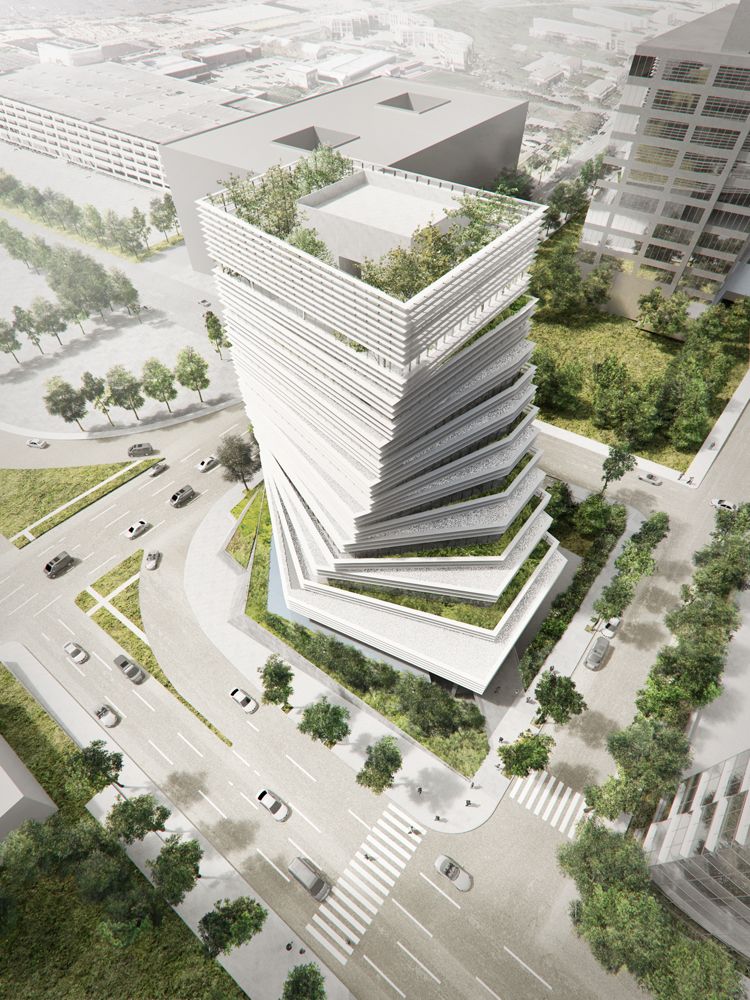
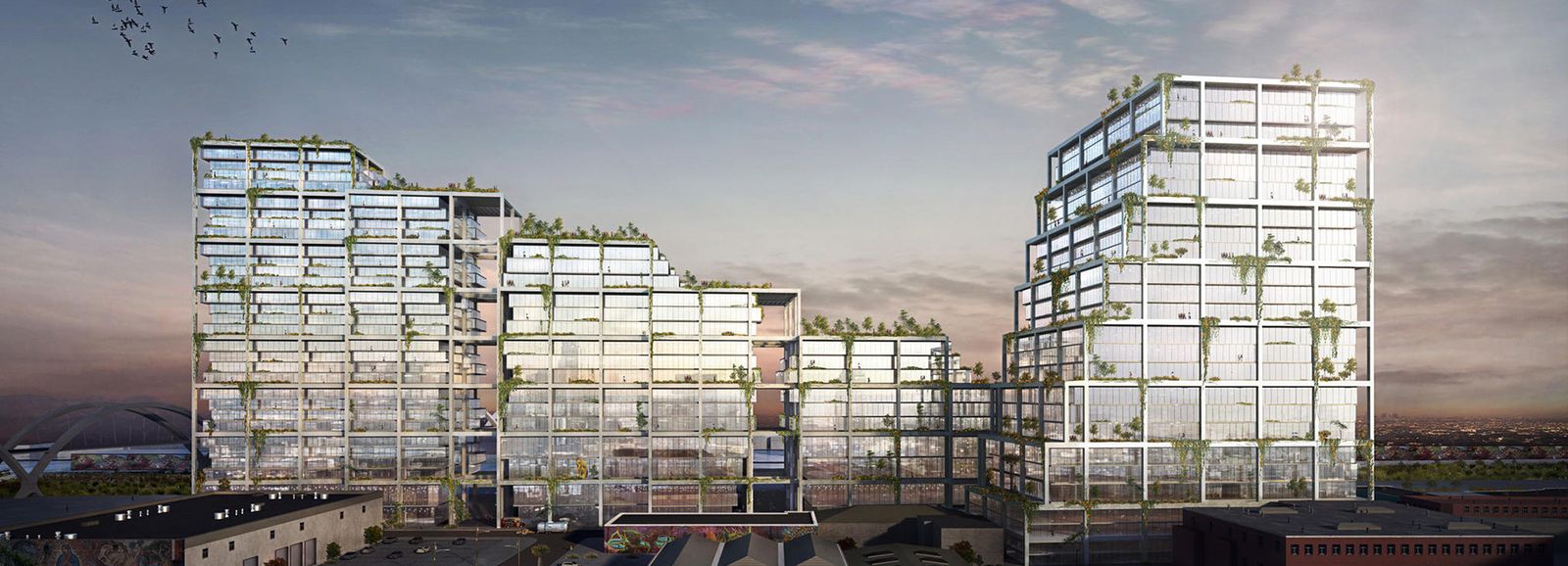
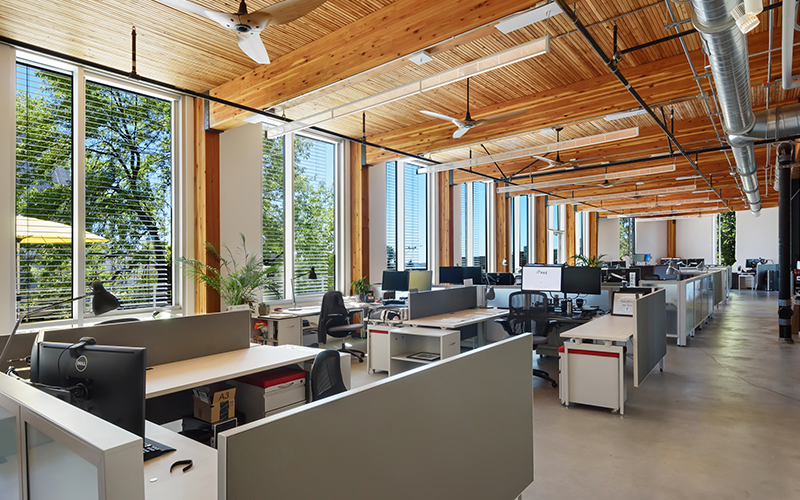
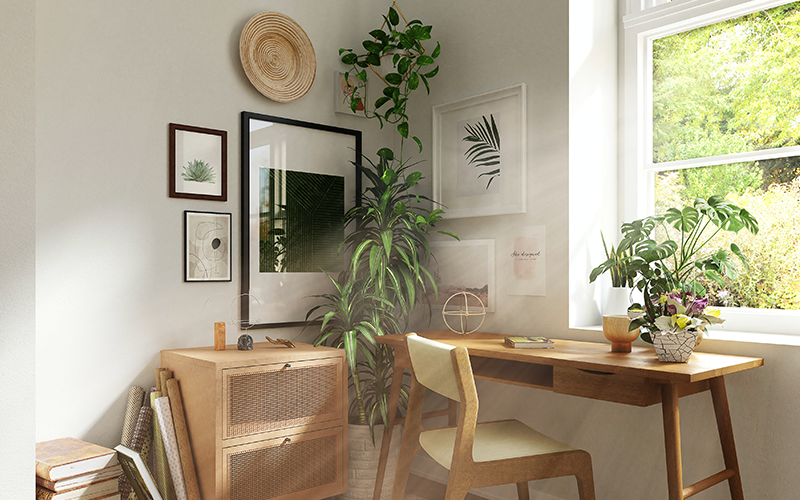
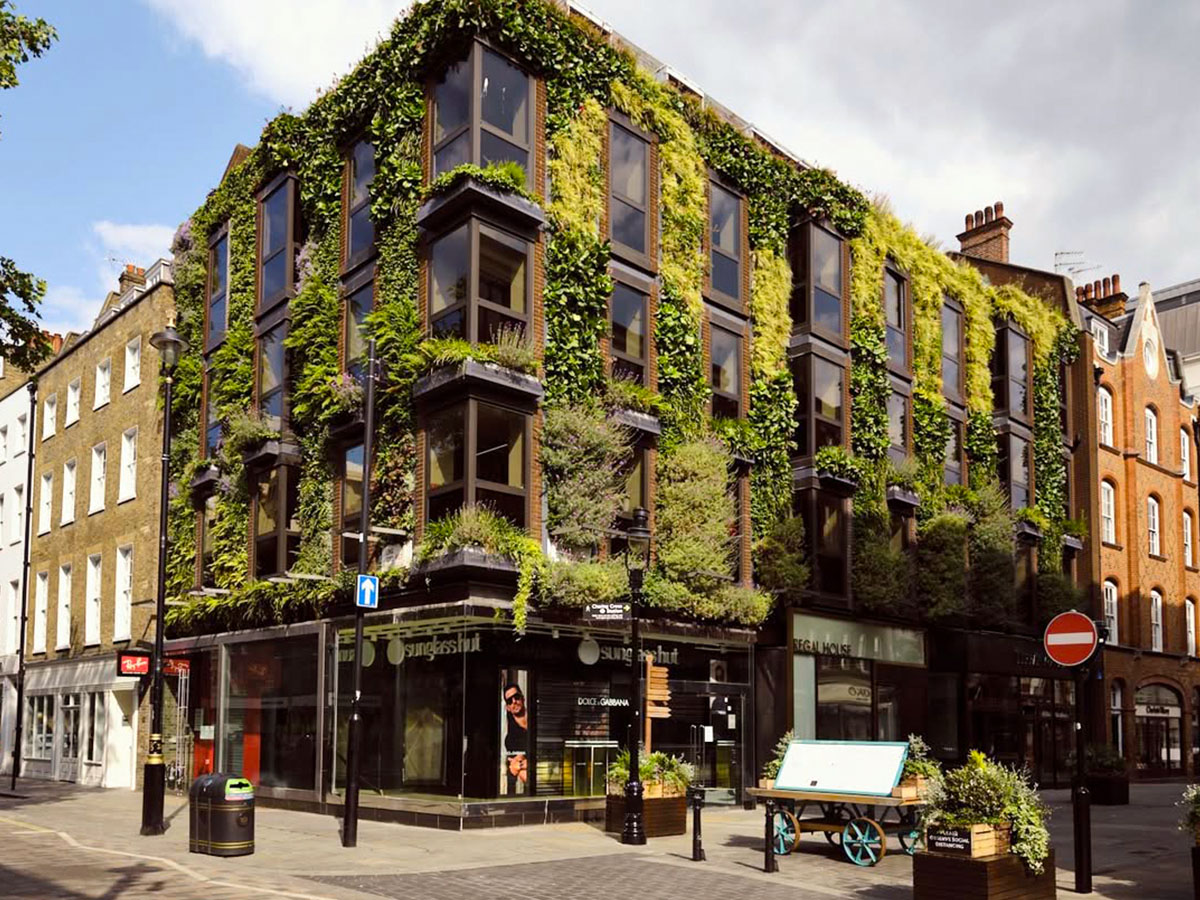
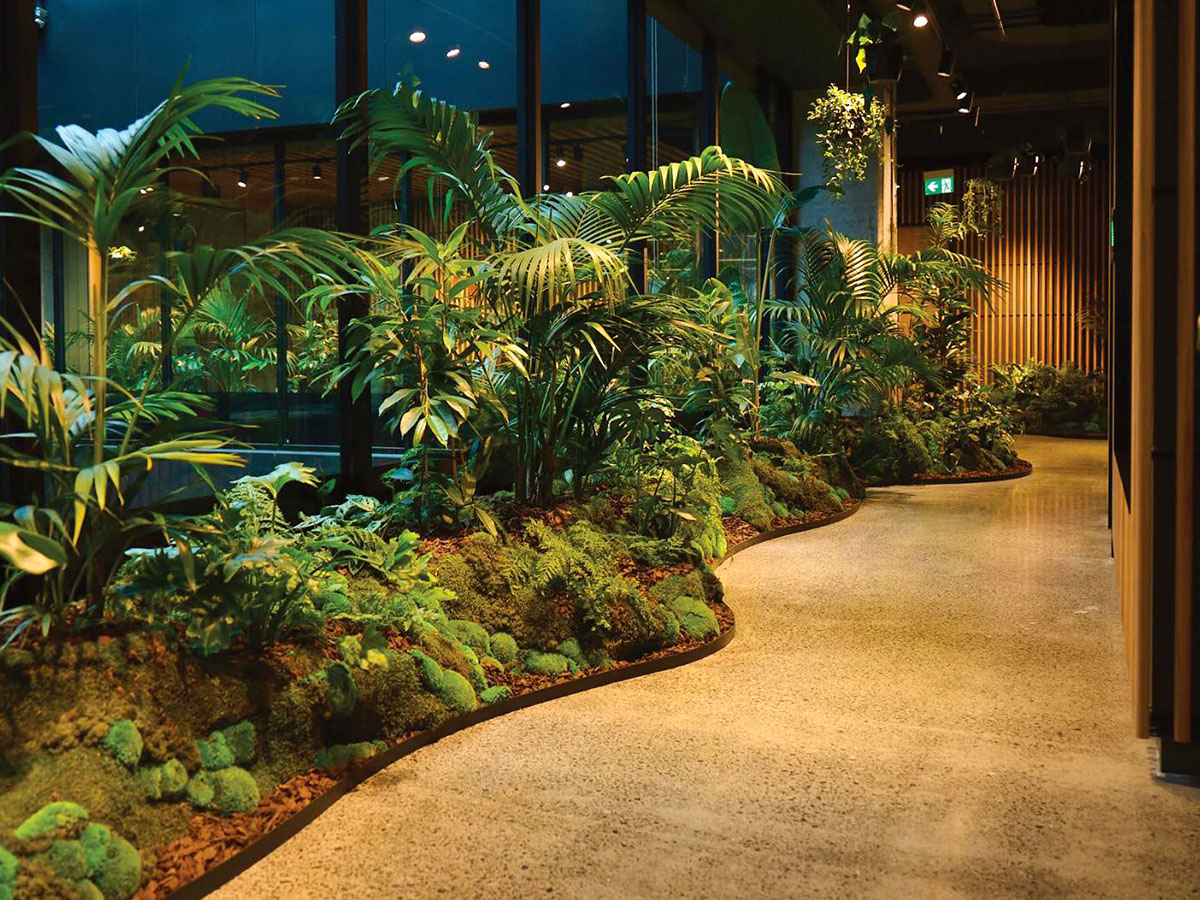
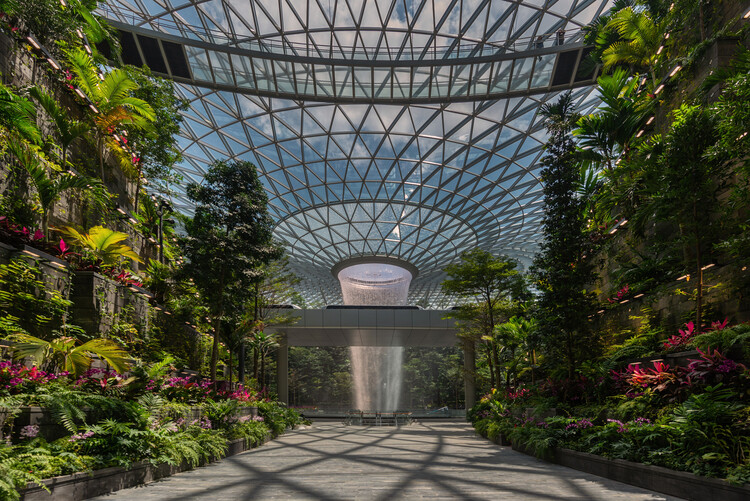
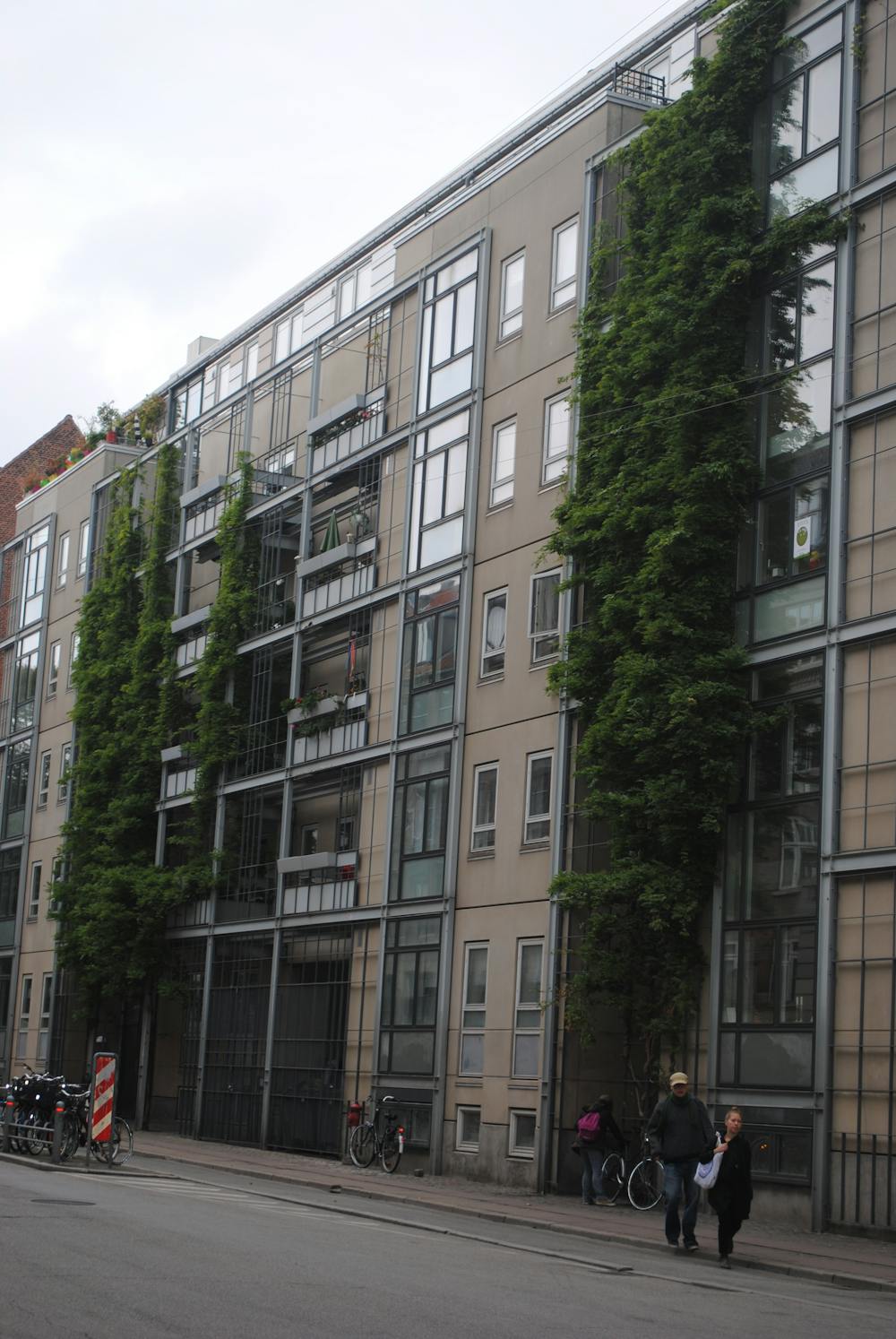
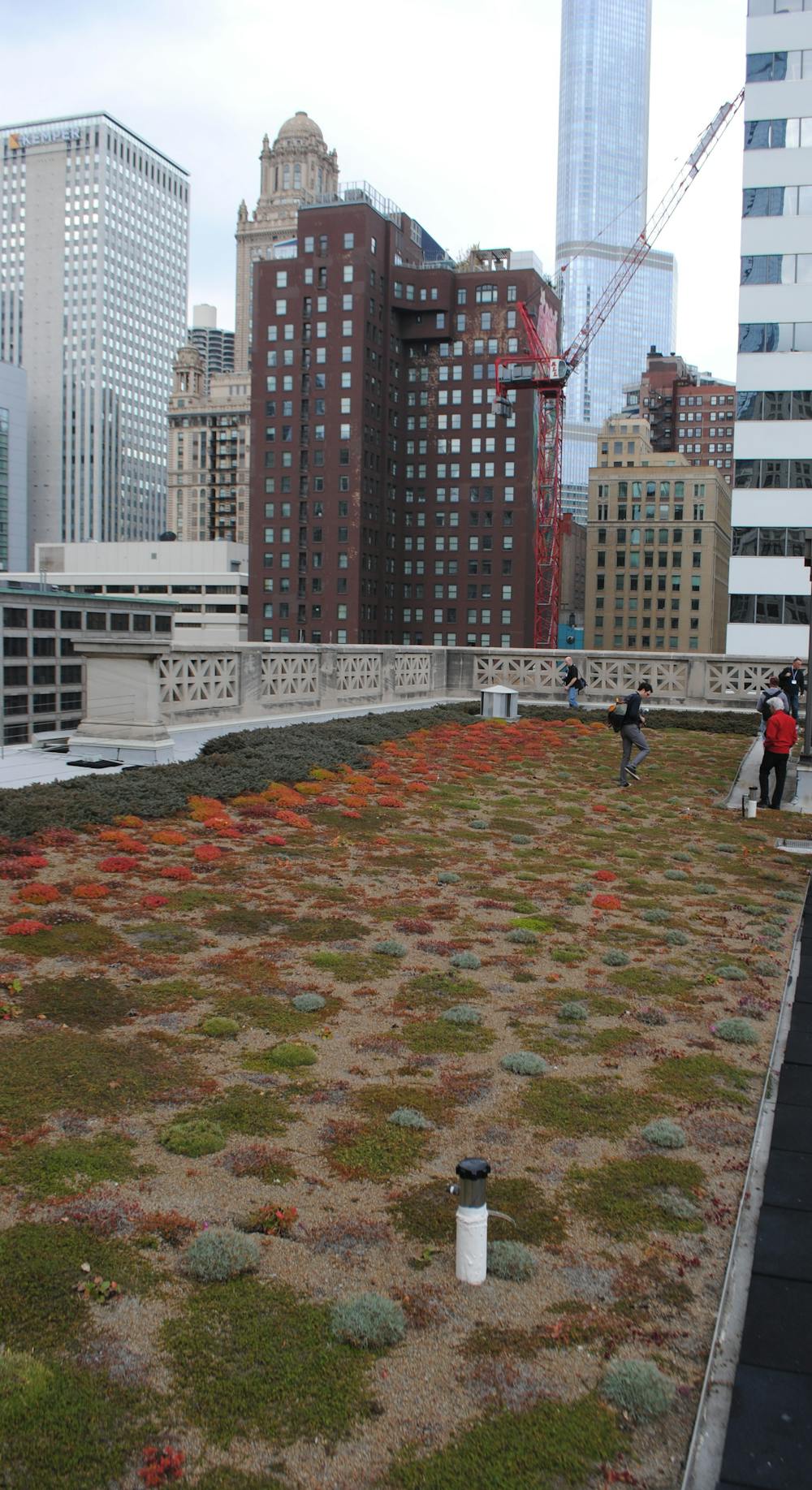
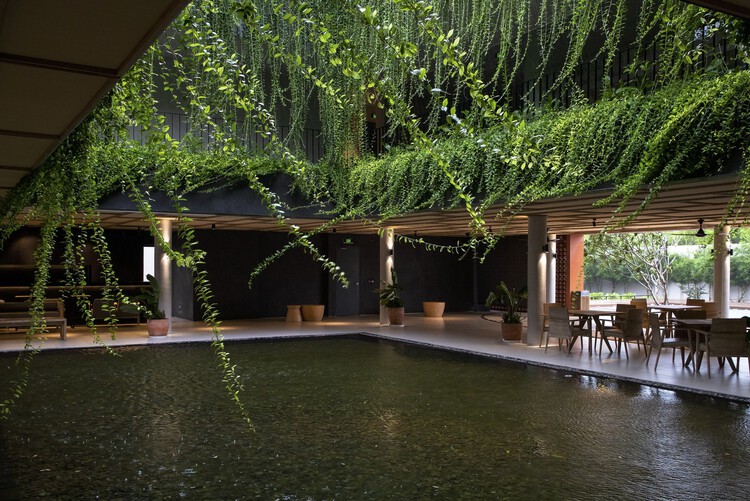
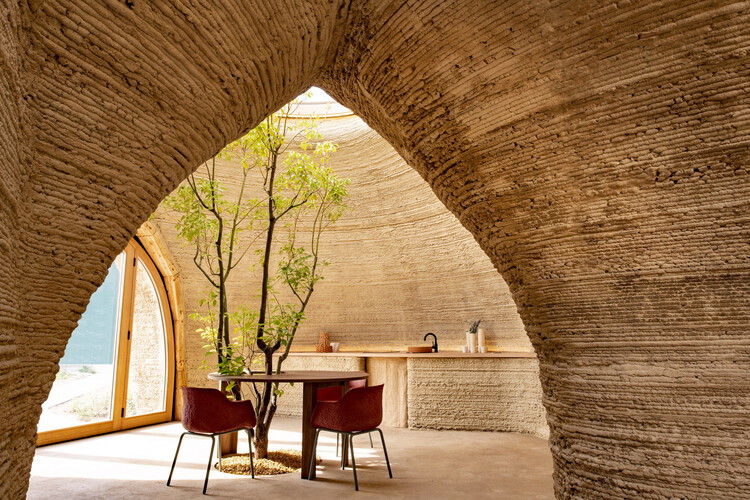
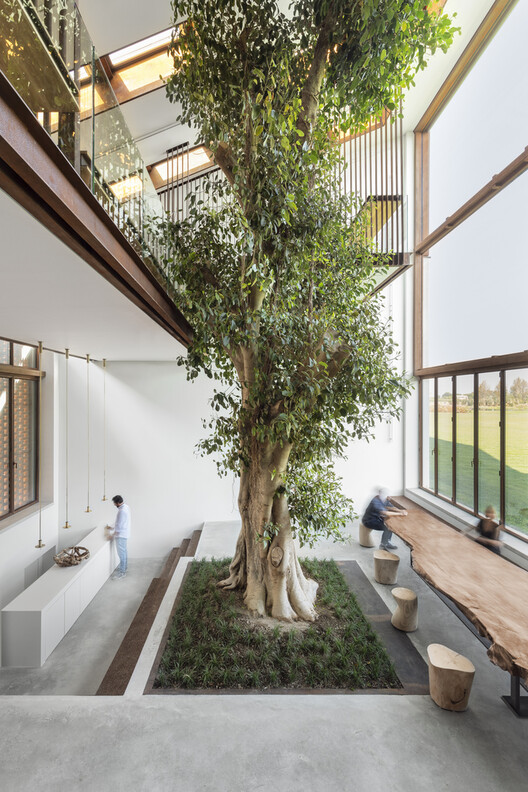
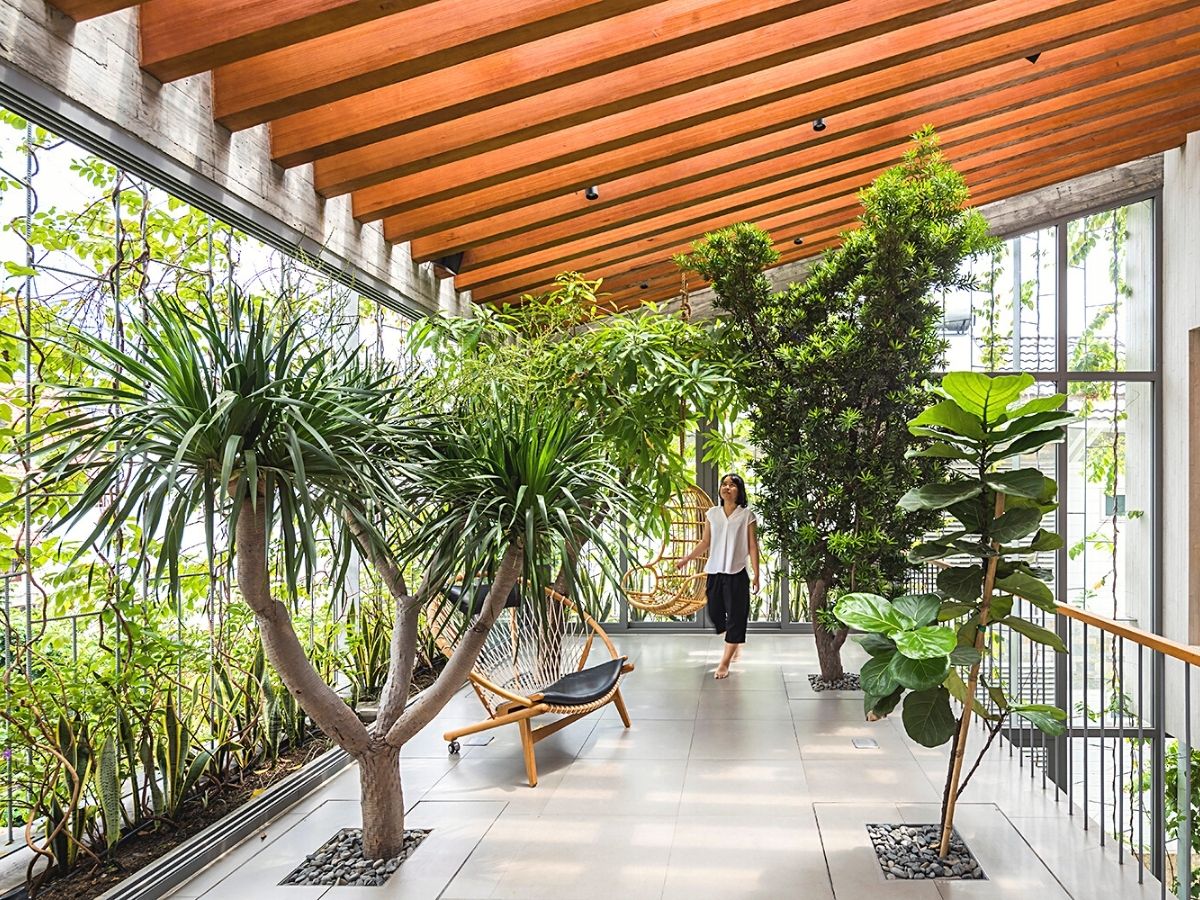
Early examples of bioarchitecture can be observed in traditional and early modern structures, where architects emulated natural forms to create more habitable, locally-sourced, and environmentally friendly buildings. Antoni Gaudi's Sagrada Familia, with its organic forms inspired by nature, stands as a prominent historical illustration. Contemporary bioarchitecture combines lessons from nature with technological innovation, utilizing bio-based materials like wood, hemp, and bamboo, incorporating biophilia through interior plants and green walls, and restoring ecological balance by making buildings integral to their environment. Strengthening the coherence between buildings and nature is crucial in light of the climate emergency, and bioarchitecture offers a viable path to achieve this.
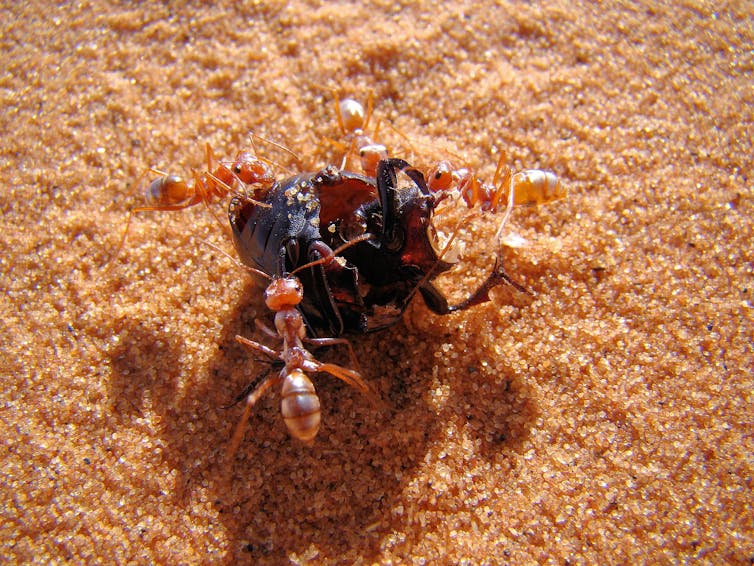
Nature provides numerous specific examples that can inform architectural design. The Saharan silver ant, for instance, has a reflective body that dissipates heat, a principle that can be applied to buildings through reflective walls or heat-dissipating pavements. The Menelaus blue butterfly, despite its vibrant color, lacks pigment; its blue hue results from light scattering due to micro-grooves on its wings. This natural phenomenon demonstrates achieving high performance with simple forms rather than costly materials. This concept can inspire climate-adaptive windows that change color and scatter light according to the sun's position, reducing cooling needs and glare without obstructing views or requiring shading devices. Such bio-inspired materials, already in development, could lead to biobuildings that reflect excessive radiation.
Another botanical inspiration comes from the Monstera plant, known for its large, holed leaves that efficiently capture sunlight with minimal cellular support. This structural efficiency suggests a design principle for buildings: creating hollow structural elements like columns and beams. Such designs could significantly reduce material requirements and lower embodied energy, thereby decreasing carbon emissions associated with construction. Nature, in essence, functions as a vast catalog of design solutions. By reimagining these natural designs through bioarchitecture, such as shiny silver pavements, metallic-colored yet transparent windows, and material-efficient building structures, a symbiotic relationship between the built and natural environments can be fostered. This integration holds the potential to construct truly sustainable biobuildings that reverse the environmental damage caused by conventional construction practices.
#Bioarchitecture #SustainableDesign #Biomimicry #GreenBuildings #ArchitecturalInnovation #ClimateChange #UrbanDesign #MaterialEfficiency #Biophilia #Bioarchitecture #SustainableDesign #Biomimicry #GreenBuildings #ArchitecturalInnovation #ClimateChange #UrbanDesign #MaterialEfficiency #Biophilia
0 comment in total
 No comments yet
You may also like
Nature-Inspired Design: Biomimicry in Architecture

Ten modern homes with interiors informed by biophilic design

Biophilia - Beyond the Bouquet

Biophilic Design Is the Decorating Trend You Need To Try if You Love Plants

Biophilic architecture: 11 projects where nature meets concrete

Decorating with plants – inspiring ways to use plants in interior design

We Can Stop Glass Windows From Killing Birds

Sustainable Buildings: Pioneering a Green Revolution in Urban Design

Students Integrate Nature Into Plant-Based Design Objects

Thinking the Biophilic Way: Five Ways to Interact with Nature in Design
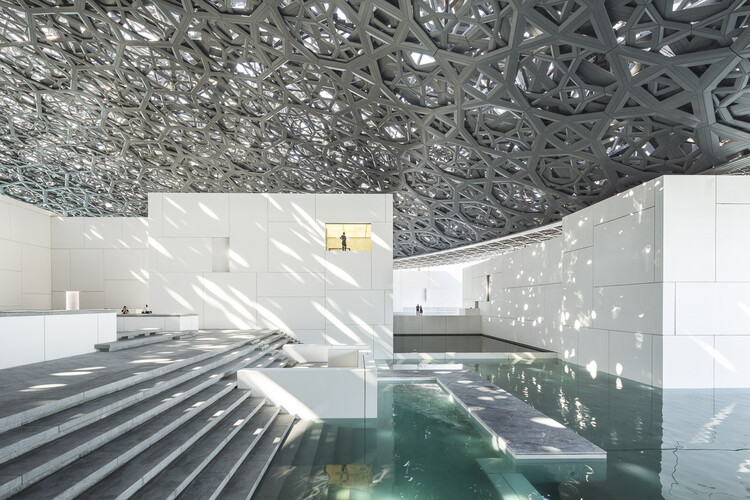
Water in Interior Design: 18 Projects that Include Water Fixtures in their Spaces

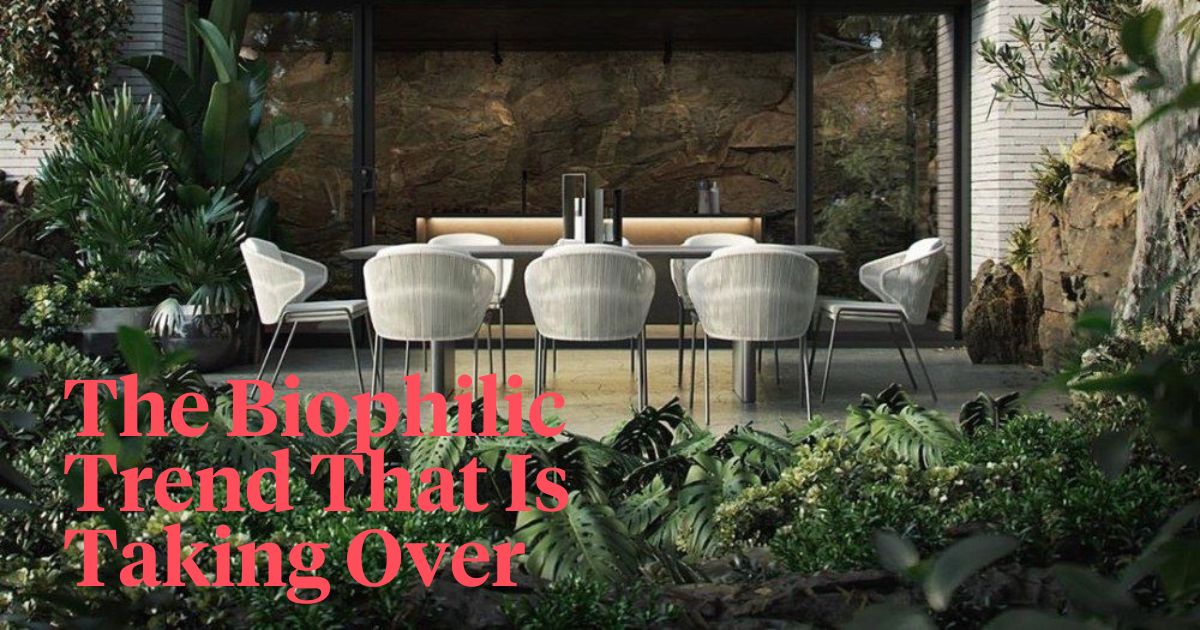
Biophilic Interiors Invade These 10 Contemporary Residences

Biophilic facades in sustainable building design
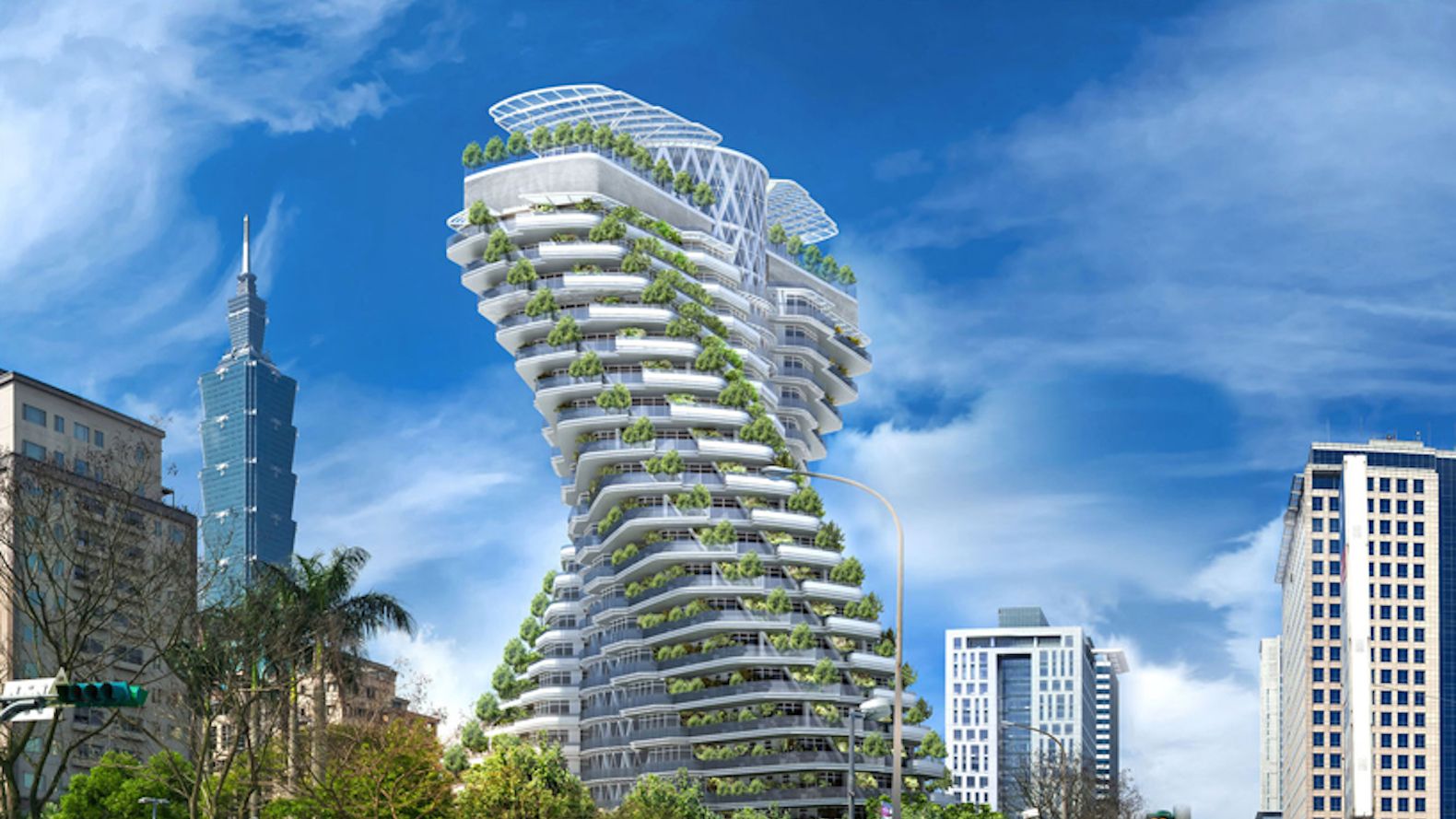
8 Remarkable Buildings That Use Trees as a Design Element


Green roofs and walls – a growth area in urban design
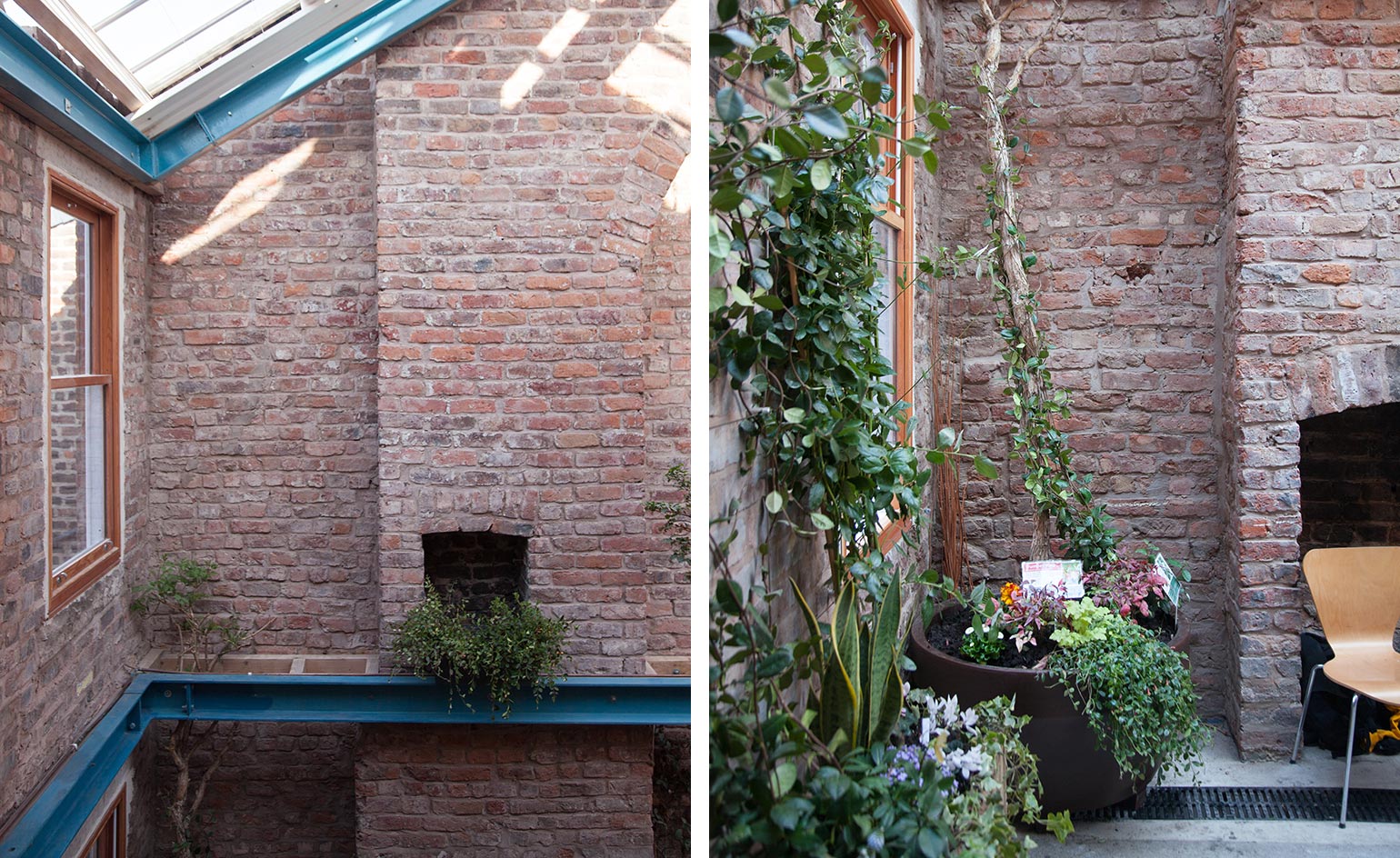
Innovative landscape architecture and garden design around the world

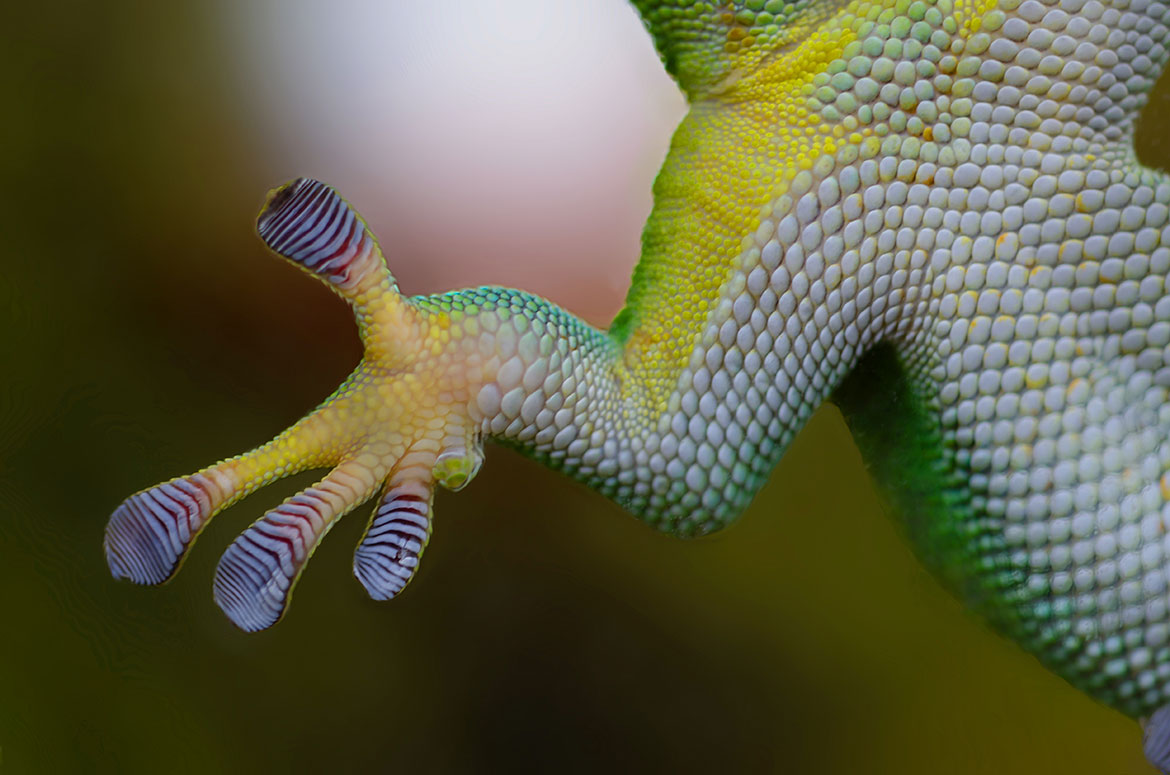
From Fringe Idea to Mainstream Imperative: The Future of Design Depends on Biomimicry

Welcome to the Great Indoors

Biophilic Interiors: 21 Projects that Blend Architecture with Nature

Media Review: The House of Green Brings Biophilic Design Front and Centre