We Can Stop Glass Windows From Killing Birds
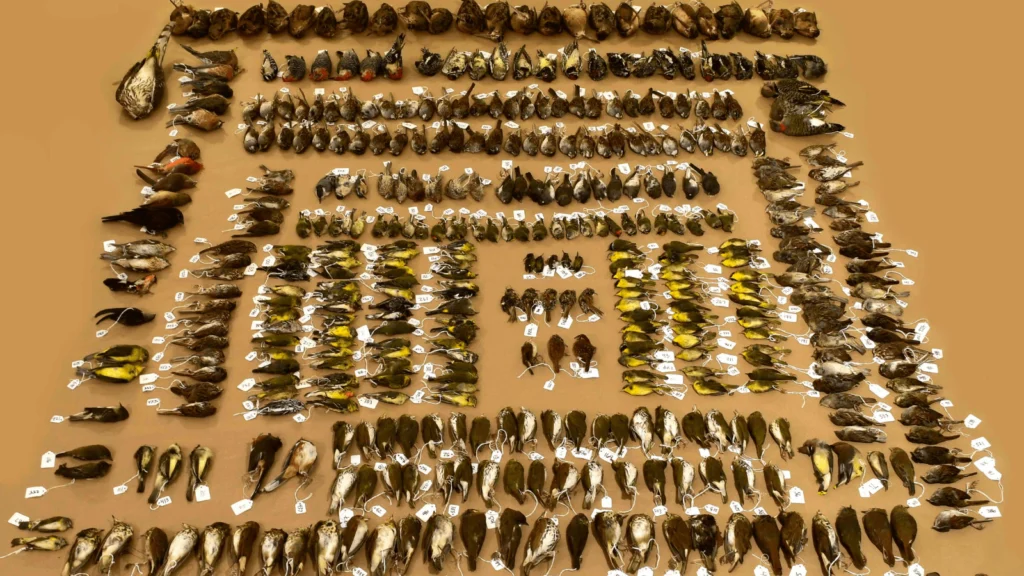
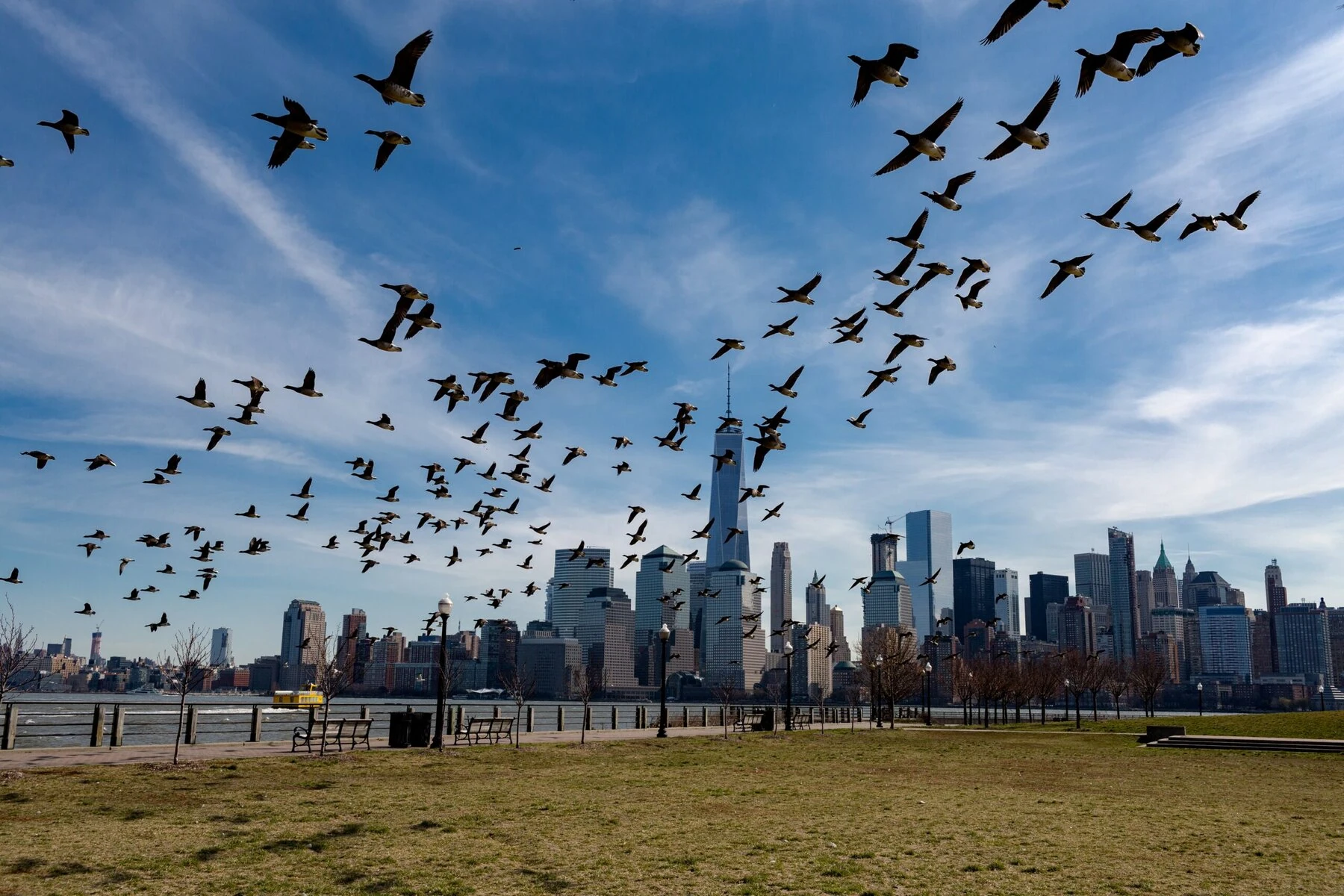
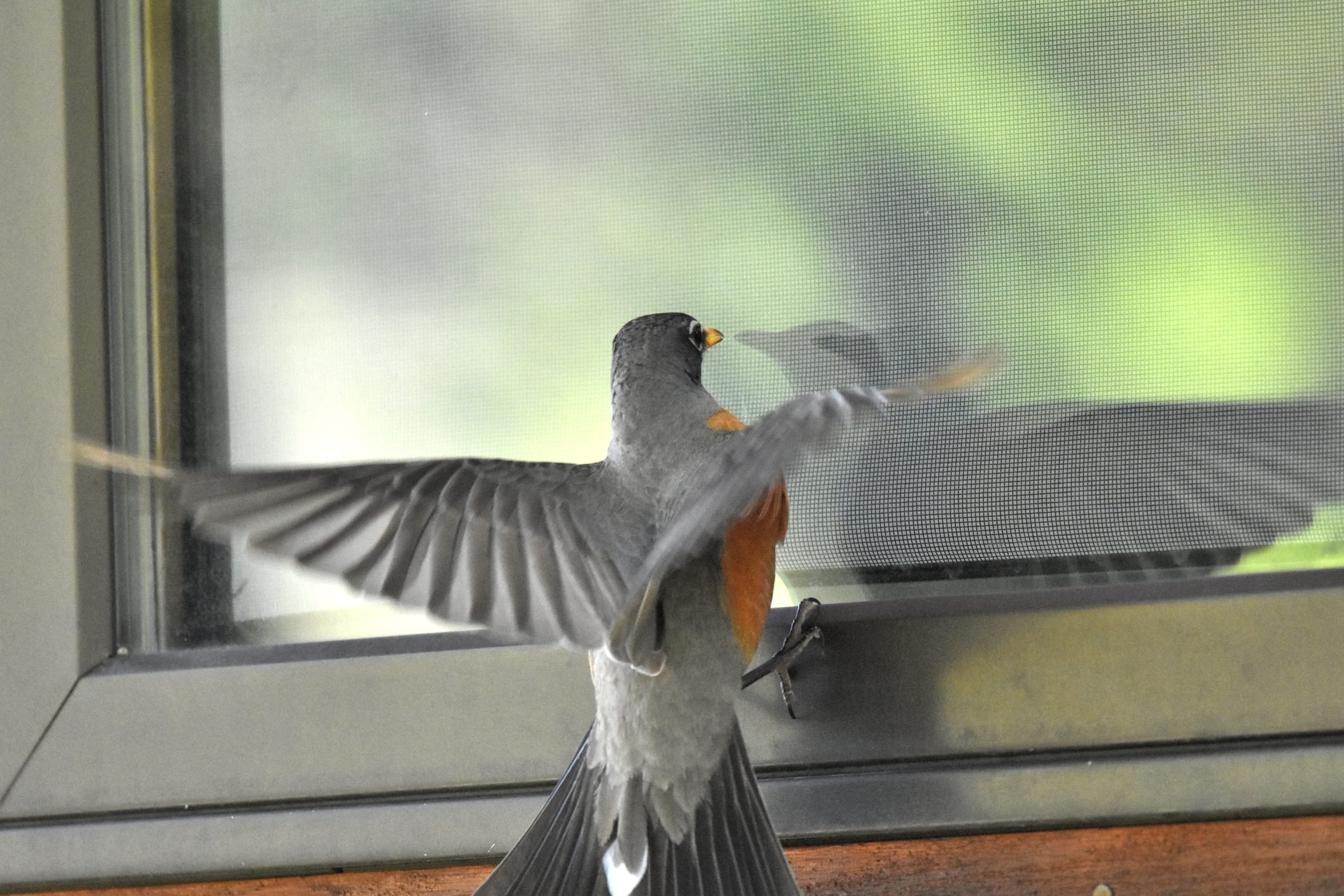
Bird collisions with glass windows are a significant and often underestimated cause of avian mortality, with estimates suggesting billions of birds die annually worldwide. Daniel Klem, a professor of ornithology, has extensively researched this issue, highlighting that birds perceive glass not as a barrier but as an open space or reflection of habitat, leading to fatal impacts. His work emphasizes that these collisions are indiscriminate, affecting strong and weak birds alike, and occur year-round, not solely during migratory periods. This constitutes a major conservation challenge, especially given the alarming decline in bird populations, with a 2019 Cornell University study reporting a loss of over three billion birds in North America.
While high-rise buildings contribute to bird deaths, a substantial portion of collisions, specifically 54 percent, occur with low-rises (four stories or fewer), and 44 percent with residential structures. This distribution underscores that the problem is not confined to urban centers with skyscrapers but is prevalent in everyday environments, including homes. The primary drivers of bird mortality, beyond collisions, include domestic cats, habitat loss, and power lines.
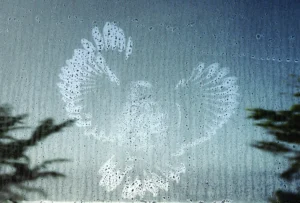
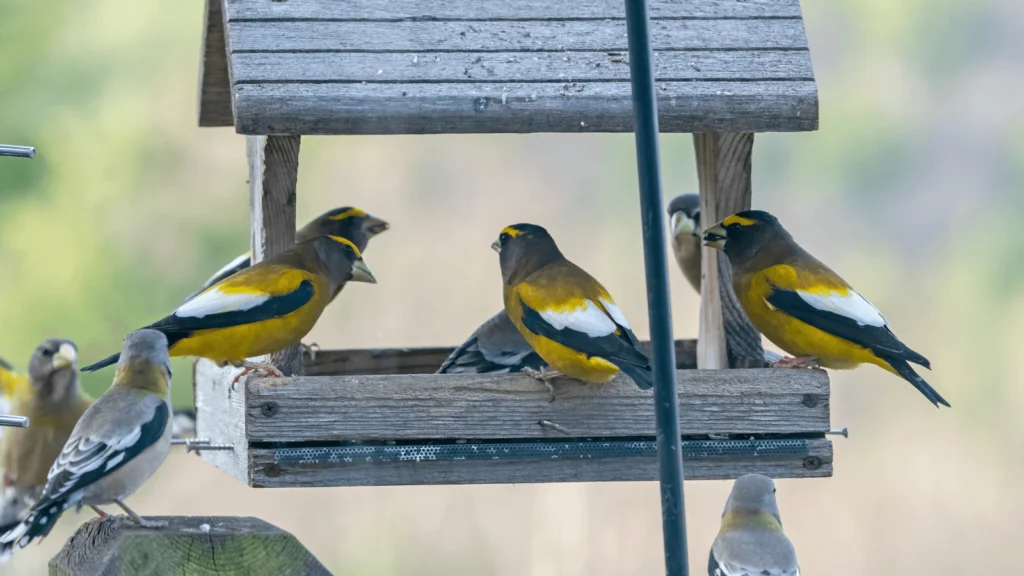
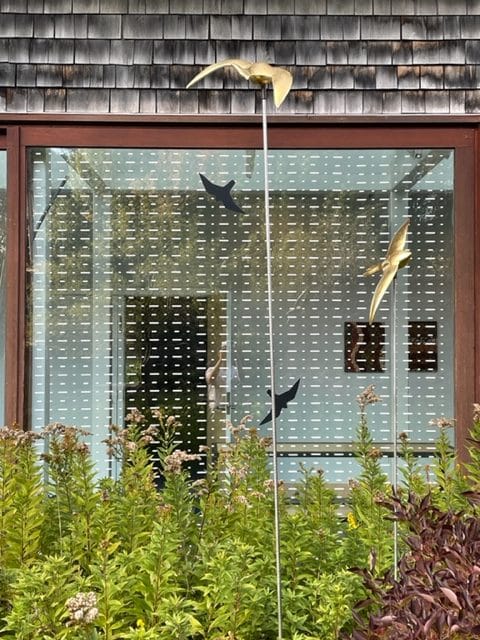
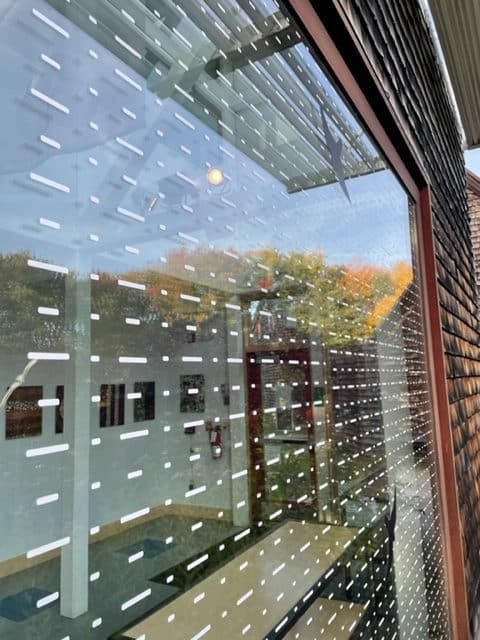
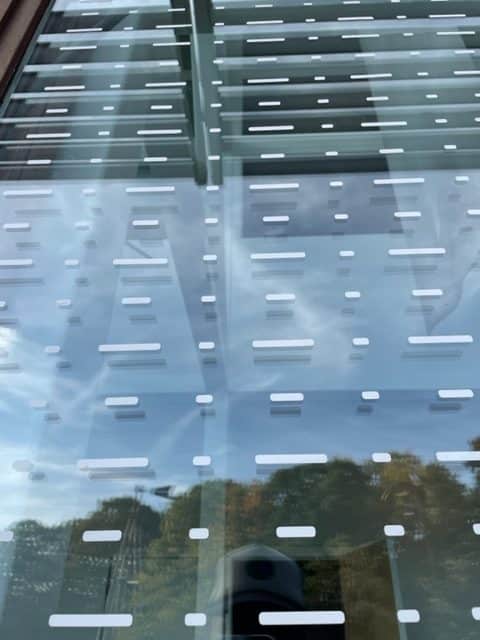
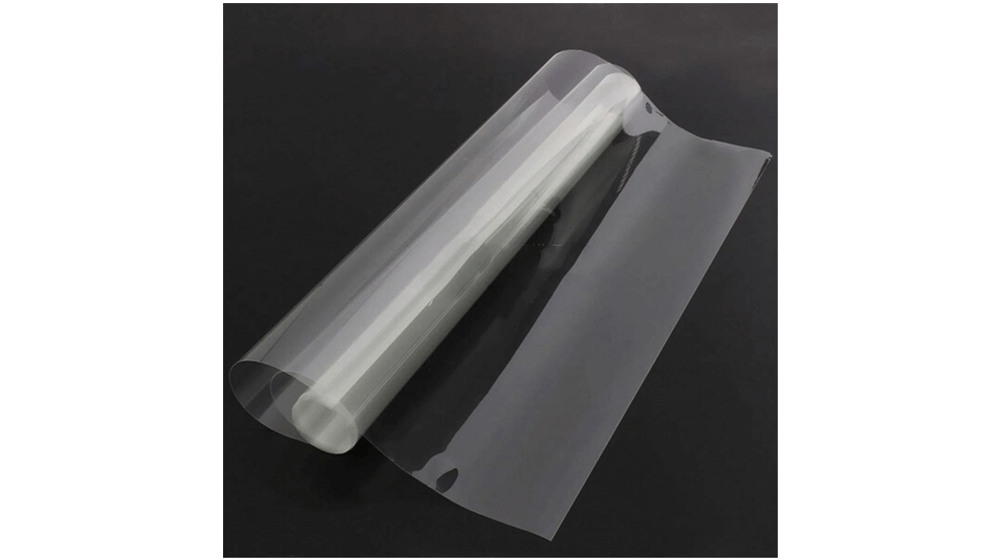
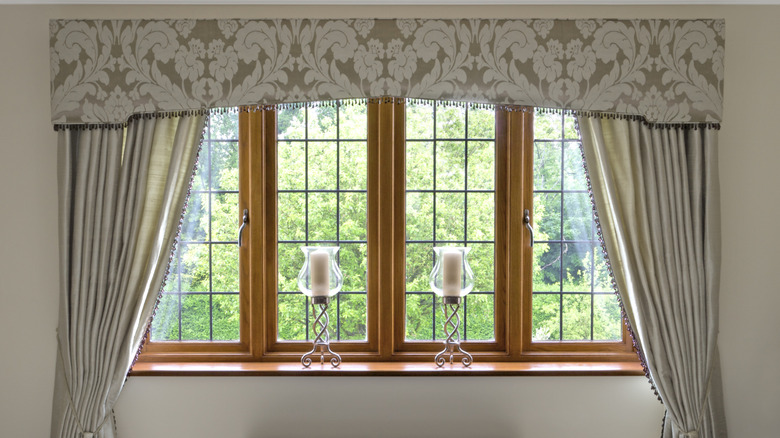
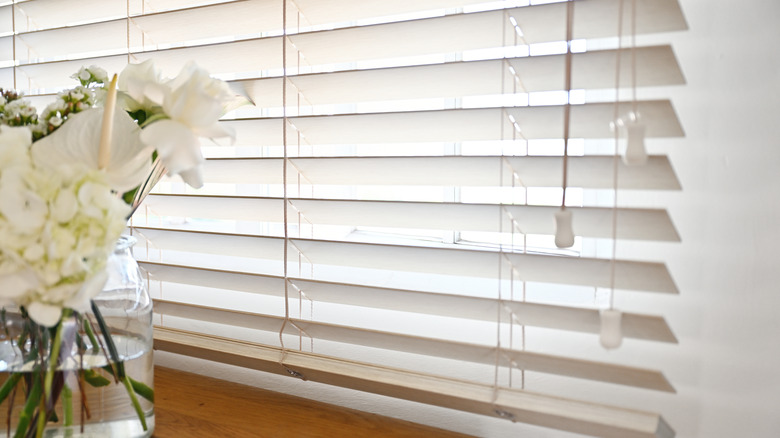
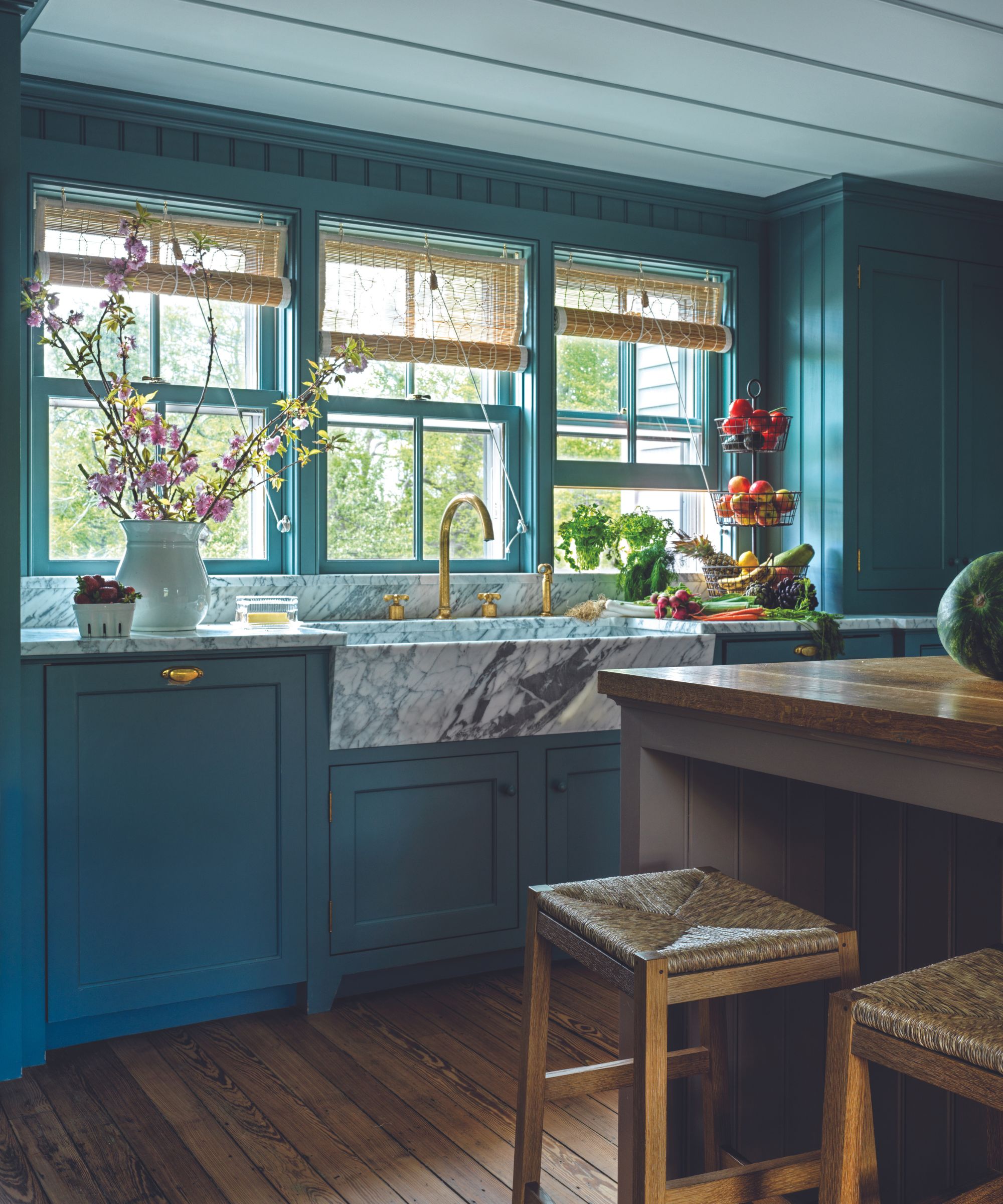
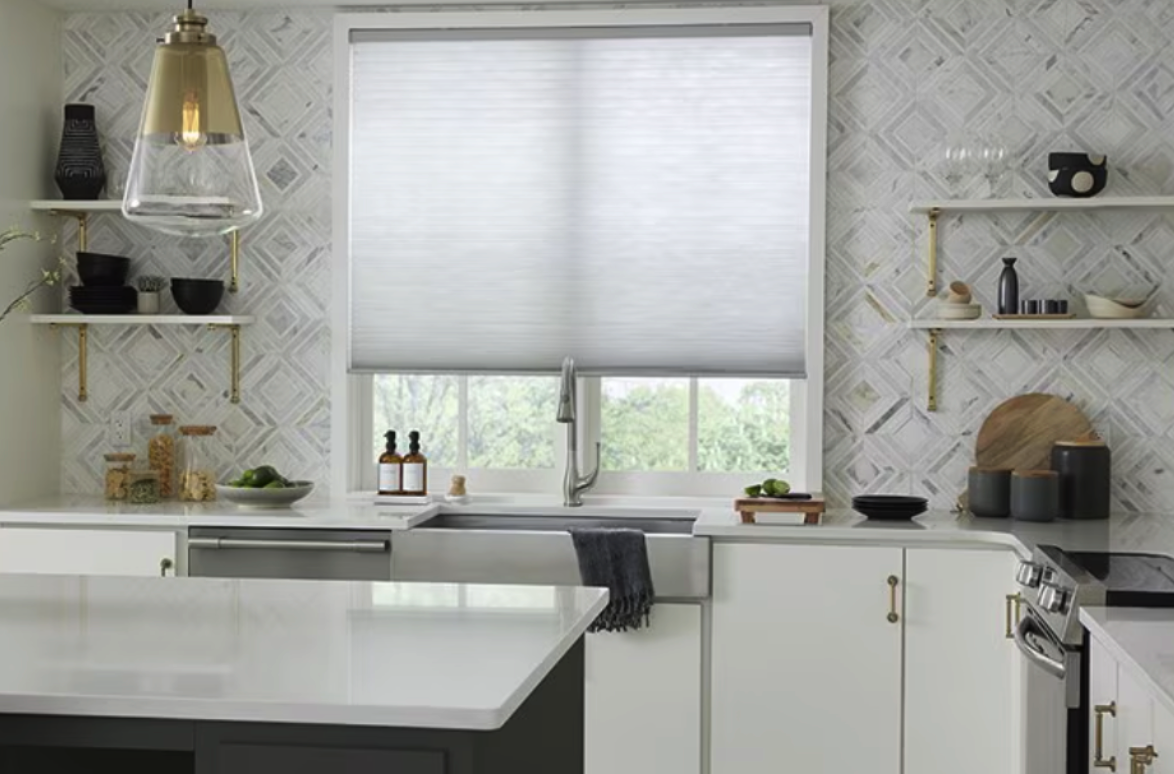
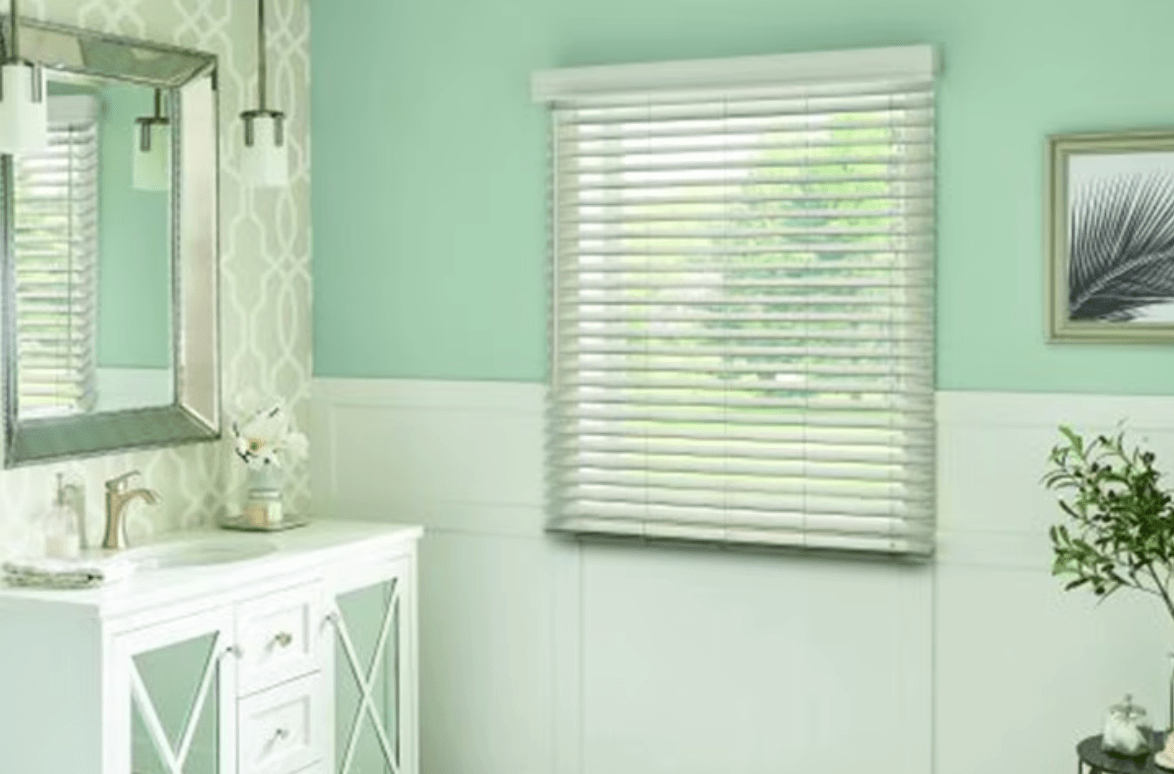
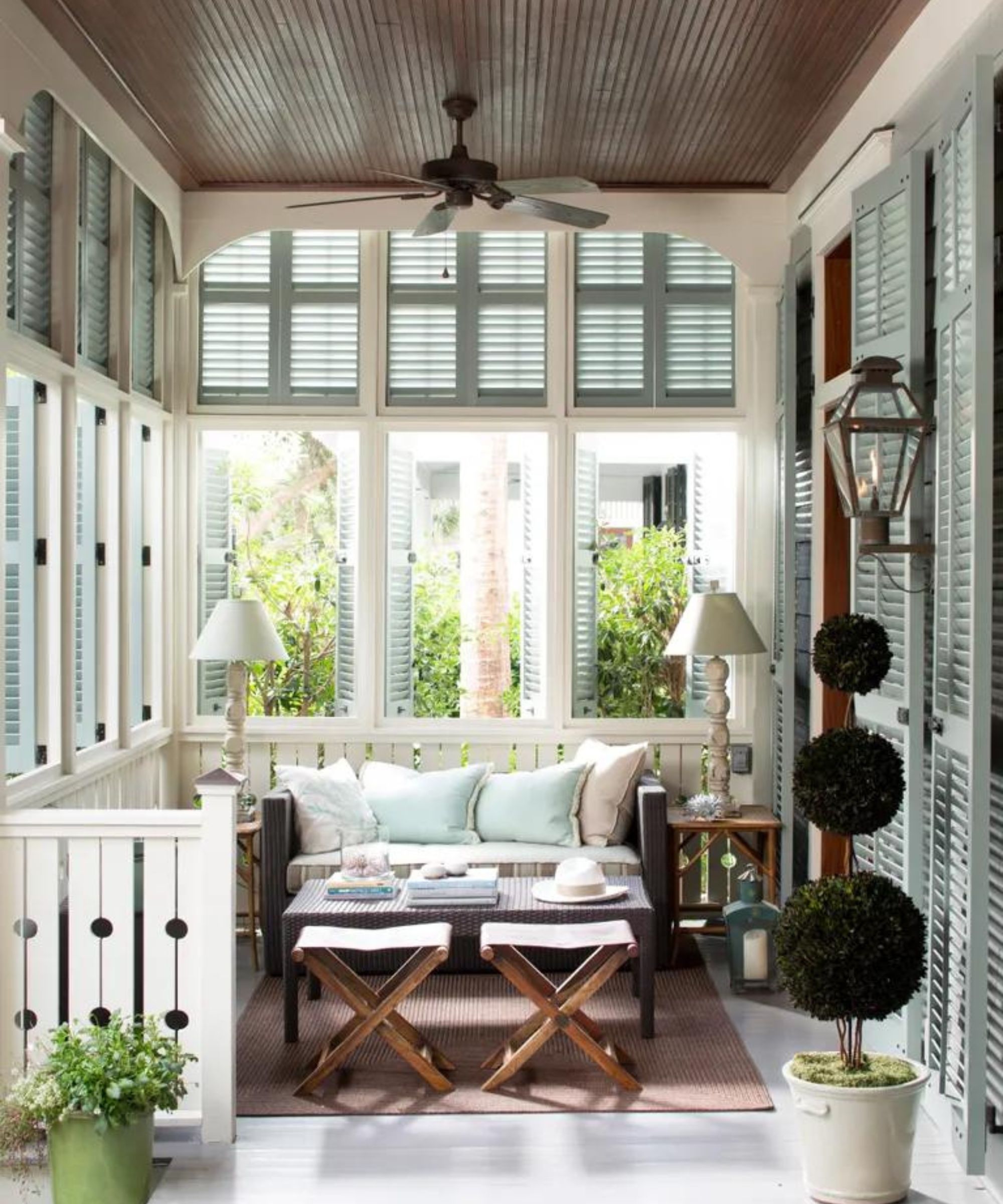
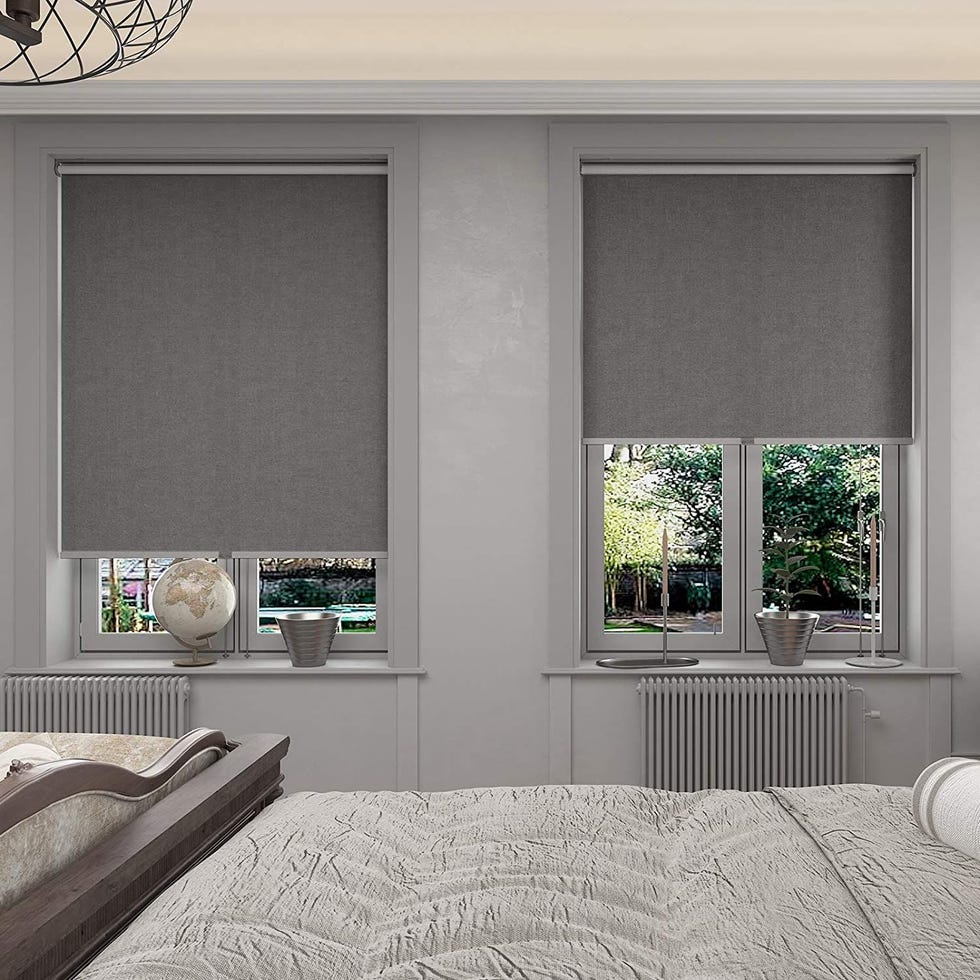
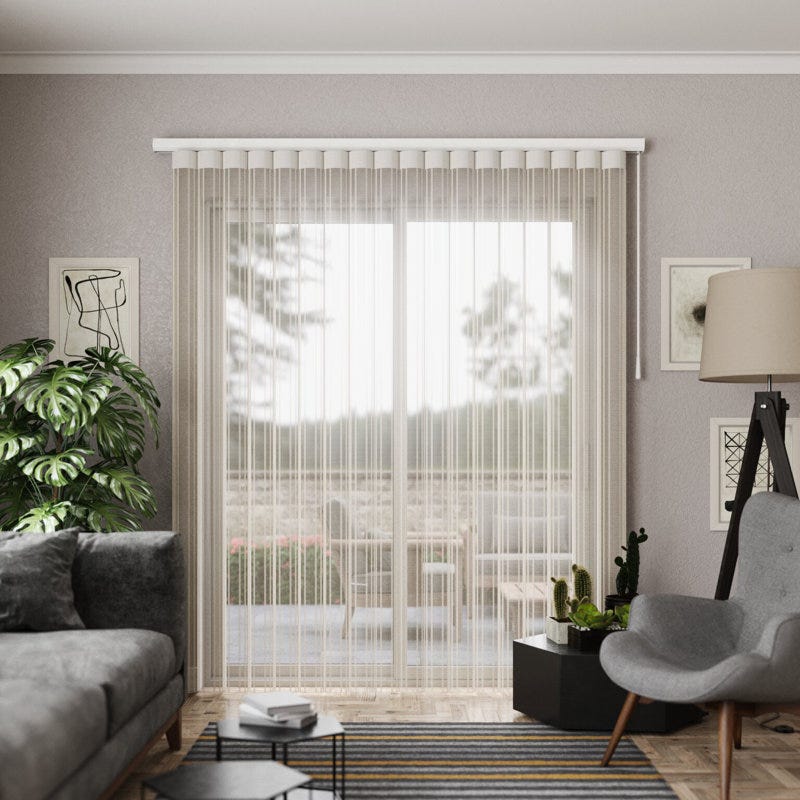
Several practical and accessible solutions exist to mitigate bird-window collisions. One effective method involves applying visual deterrents to glass. For homeowners and renters, simple solutions include keeping blinds or curtains closed, or installing screens. More advanced options involve films with small vinyl dots or patterns, which birds can see but humans barely notice. Acid-etched glass with permanent markings, as showcased at Audubon's Philadelphia Discovery Center, offers a durable solution. Strategic placement of vegetation or bird feeders near windows can also encourage birds to land safely rather than fly into the glass. Cities like New York and Chicago have implemented large-scale solutions; for instance, the Jacob K. Javits Convention Center in New York reduced glass, replaced some with fritted glass, and added a green roof. The Aqua Tower in Chicago features an undulating facade designed to be bird-friendly. Some cities have even enacted legislation mandating bird-friendly glazing for new constructions, though voluntary initiatives remain common.
Another solution involves addressing light pollution. Birds can become disoriented by excessive artificial lighting, especially during migration. Initiatives like "Lights Out" encourage turning off unnecessary lights between 11 PM and 6 AM, which not only saves birds but also conserves energy and reduces costs for building owners. Additionally, planting native plants is crucial for providing essential habitat and food sources for native birds, which are often displaced in urban areas. While birdhouses and feeders can be beneficial, particularly in harsh winter months, their utility is debated, with concerns about attracting non-native species.
Finally, the article highlights the detrimental effects of pesticides and the significant impact of domestic cats on bird populations. Reducing pesticide use helps protect the insect populations that birds rely on for food. Keeping cats indoors, or at least neutering/spaying them and fitting them with bells, can significantly reduce their predatory impact on birds. These measures, ranging from architectural design choices to individual household practices, emphasize that preventing bird fatalities due to human structures and activities is a shared responsibility.
#BirdConservation #WindowCollisions #BirdFriendlyDesign #SustainableArchitecture #UrbanEcology #LightPollution #NativePlants #WildlifeProtection #EnvironmentalSolutions #BirdConservation #WindowCollisions #BirdFriendlyDesign #SustainableArchitecture #UrbanEcology #LightPollution #NativePlants #WildlifeProtection #EnvironmentalSolutions
0 comment in total
 No comments yet
You may also like
Preventing Glass Collisions
Cleaning experts are urging people to wipe down their windowsills every day this summer
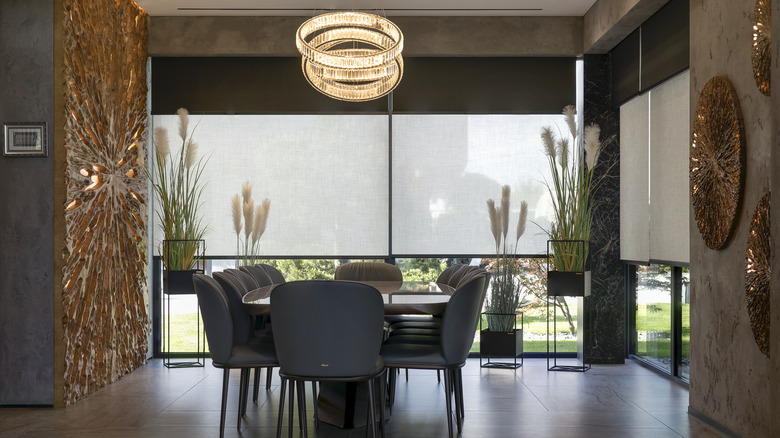
Forget Basic Curtains: These Will Be The Biggest Window Treatment Trends Of 2026
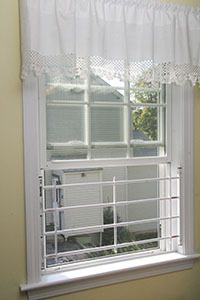
Warm-weather safety: 7 tips to prevent kids from falling out windows

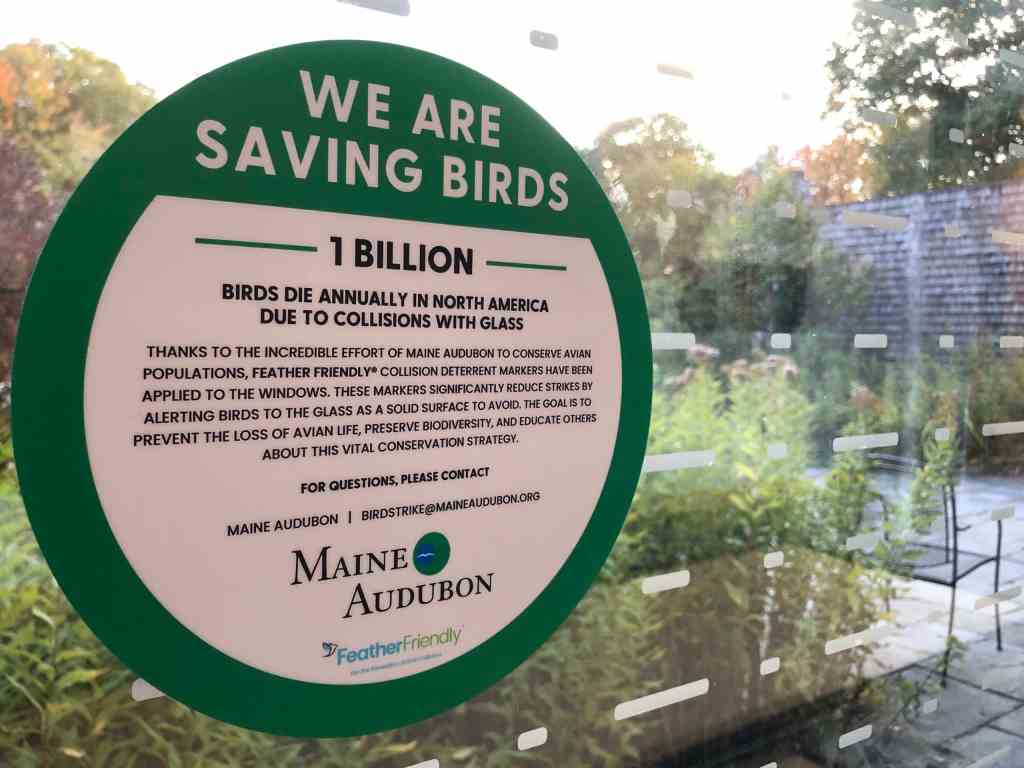
Installing Bird Safe Windows at Gilsland Farm

Once-Popular Window Treatments That Are Now Dating Your Home
Shedding Light on the Future of Window Treatments


Say Goodbye To Vertical Blinds - Nate Berkus Has A Better Idea To Cover Sliding Glass Doors

Best Security Window Film for Glass
Skip the Window Treatments, This Designer Says — Here's Why

Are window shutters out of style? Interior designers weigh in

“How do I humanely remove a bird nest from the overhang of my back door?”
Can Birds See Glass Windows and Doors?

Chik Blind Trend: Why Are Interiors Obsessed With Bamboo Blinds?

Why You Should Upgrade Your Window Blinds Right Now

8 Home Design Fixes That Keep Pests Out and Look Great
Awkwardly Placed Windows Are No Match for These Designer Tricks

Buy One, Get One Free: Increase Your Home’s Energy Efficiency With This Simple Upgrade

Cleaning fans explain 'brilliant' way to banish mould from window frames
Curtain Call: Choosing Window Treatments