1/8
Biophilia - Beyond the Bouquet
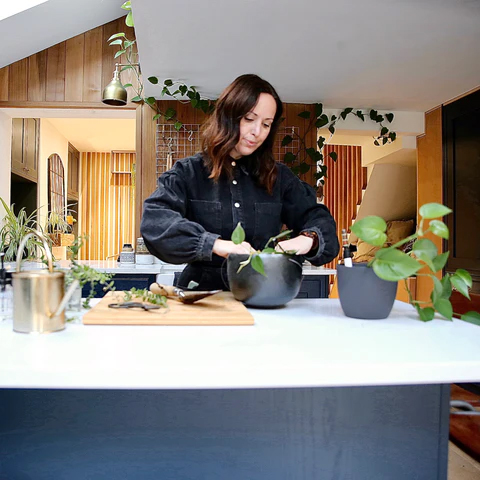
The article introduces Biophilic Design as an essential concept for creating healthier, happier, and more sustainable environments. Dr. Vanessa Champion, editor and founder of the Journal of Biophilic Design, shares her personal journey into biophilia, triggered by her mother's hospital experience in a sterile ward. Witnessing her mother's positive response to nature photographs, despite the hospital's restrictions on real plants, underscored the profound impact of natural elements on well-being and recovery. This experience compelled Dr. Champion to establish the Journal and podcast to explore the scientific basis of the 'biophilia effect' and advocate for its global implementation.
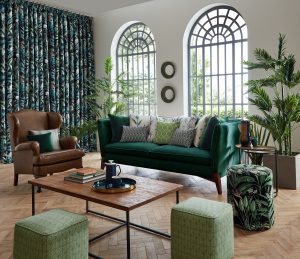
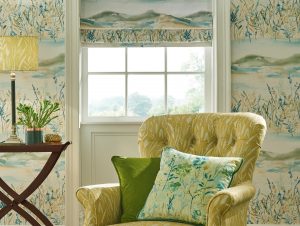
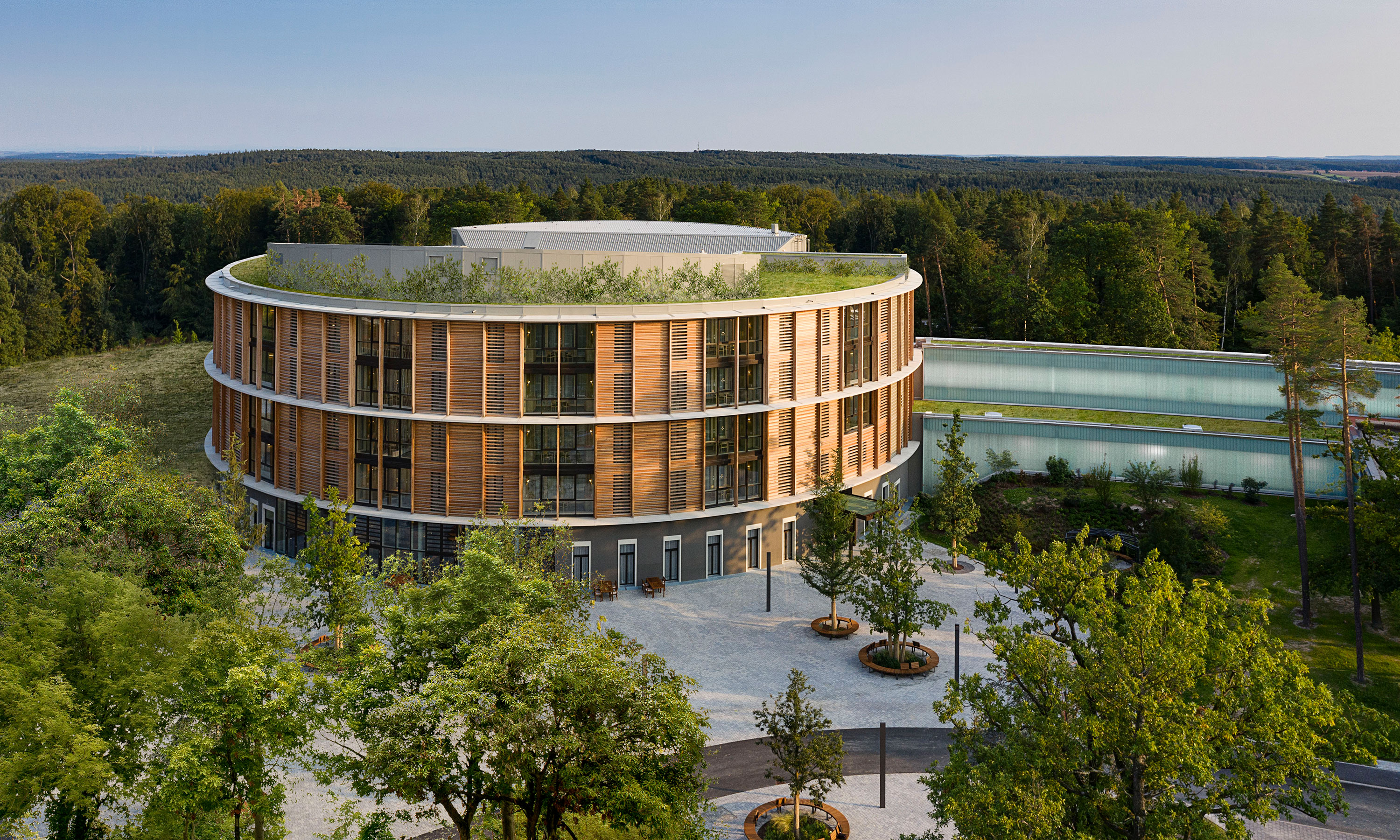
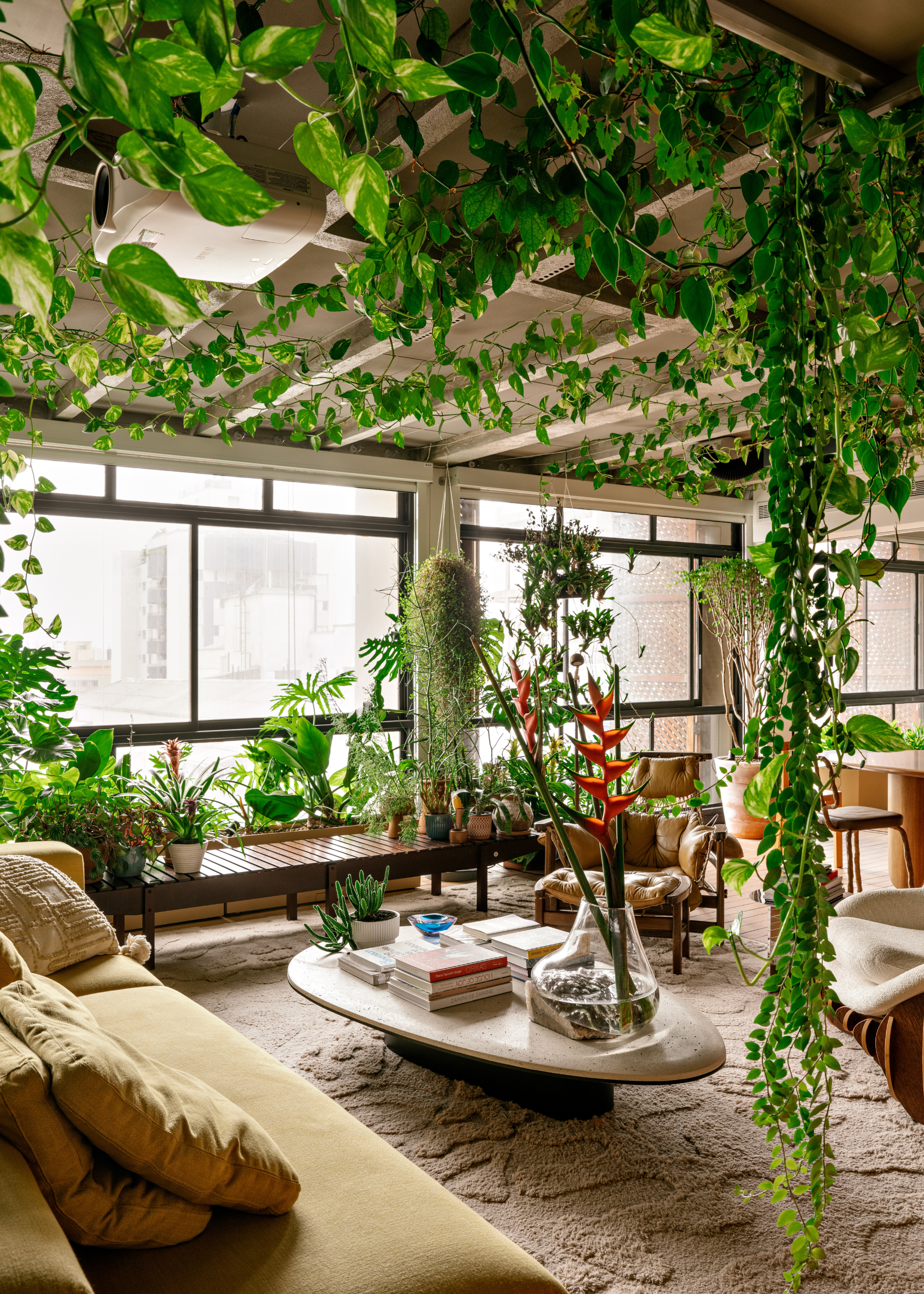
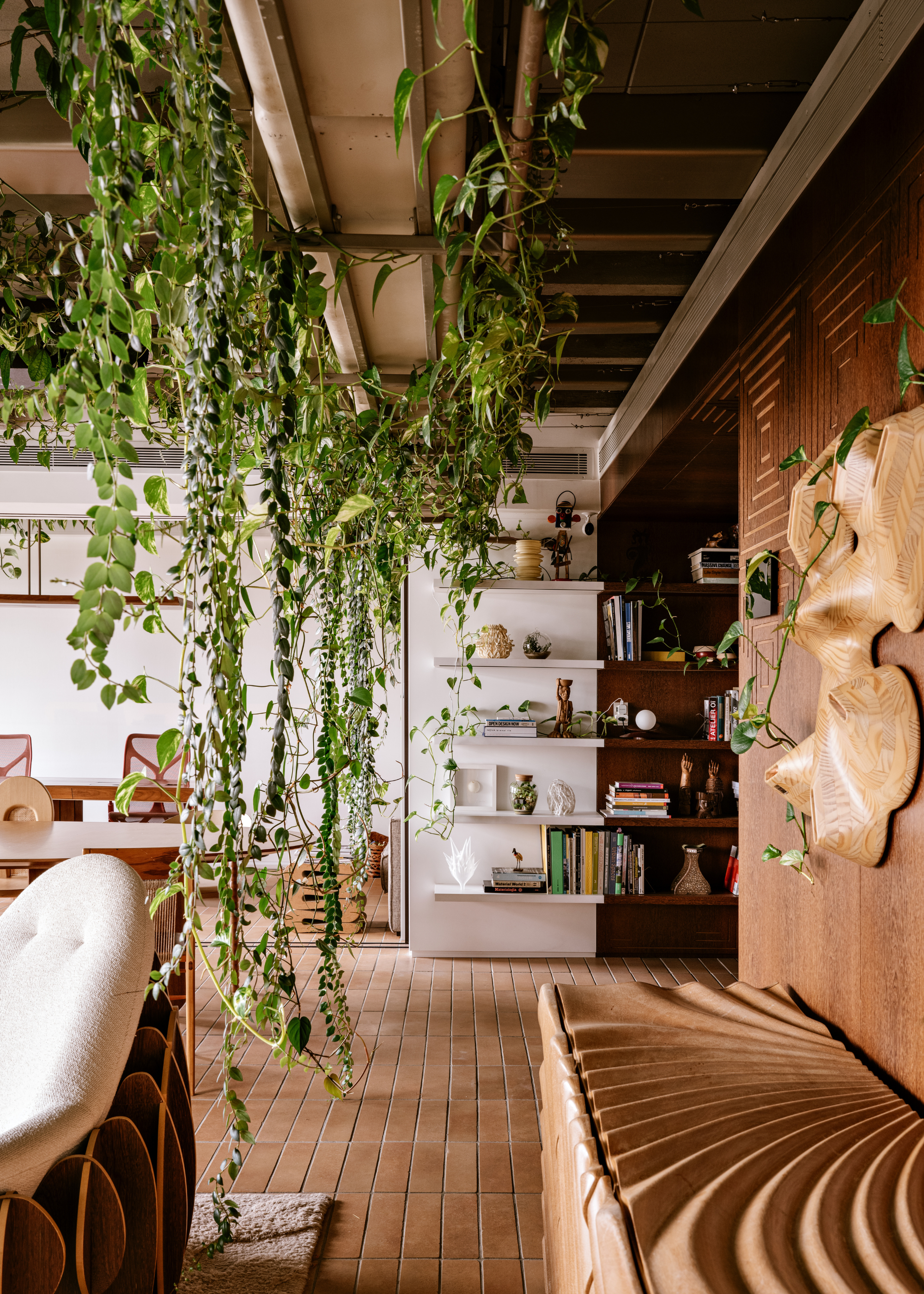
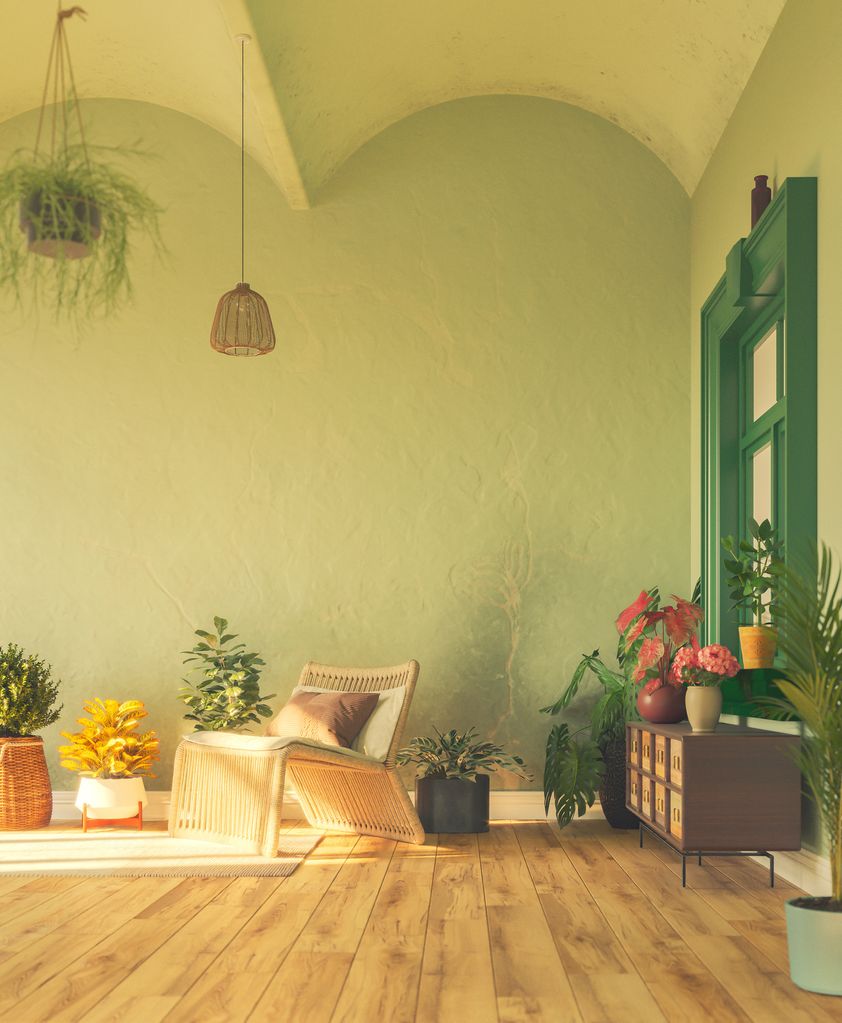
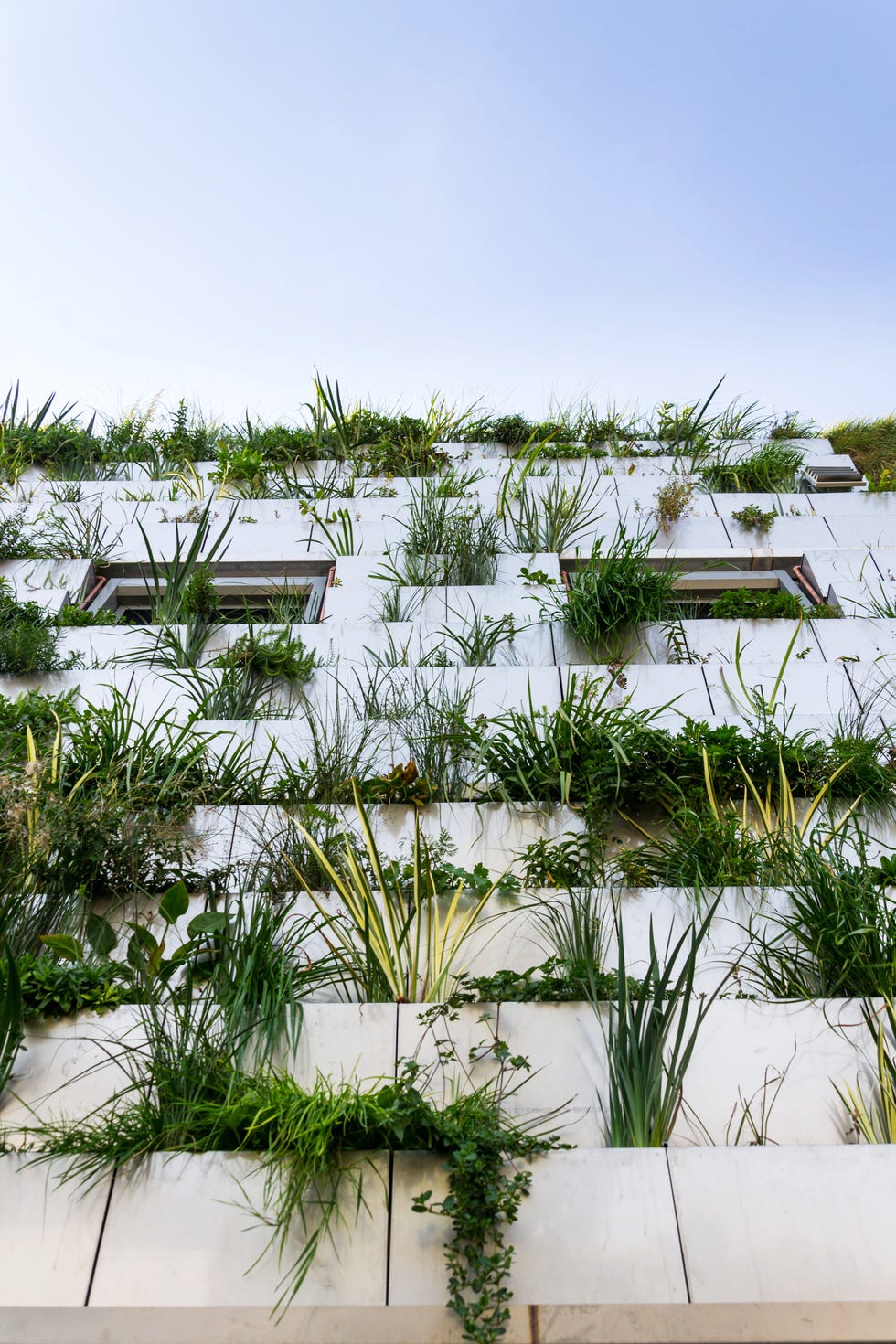
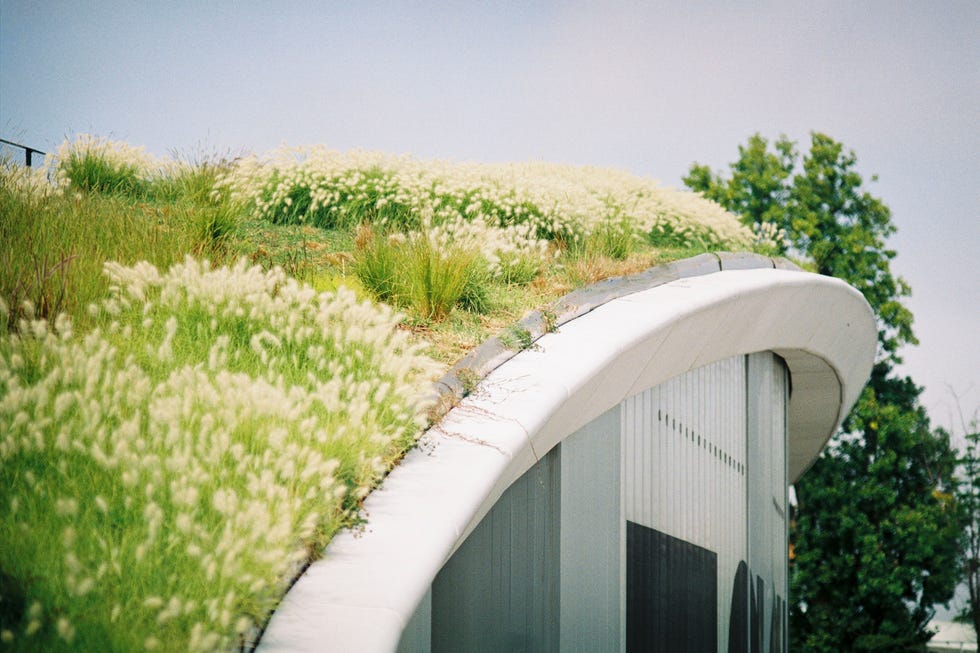
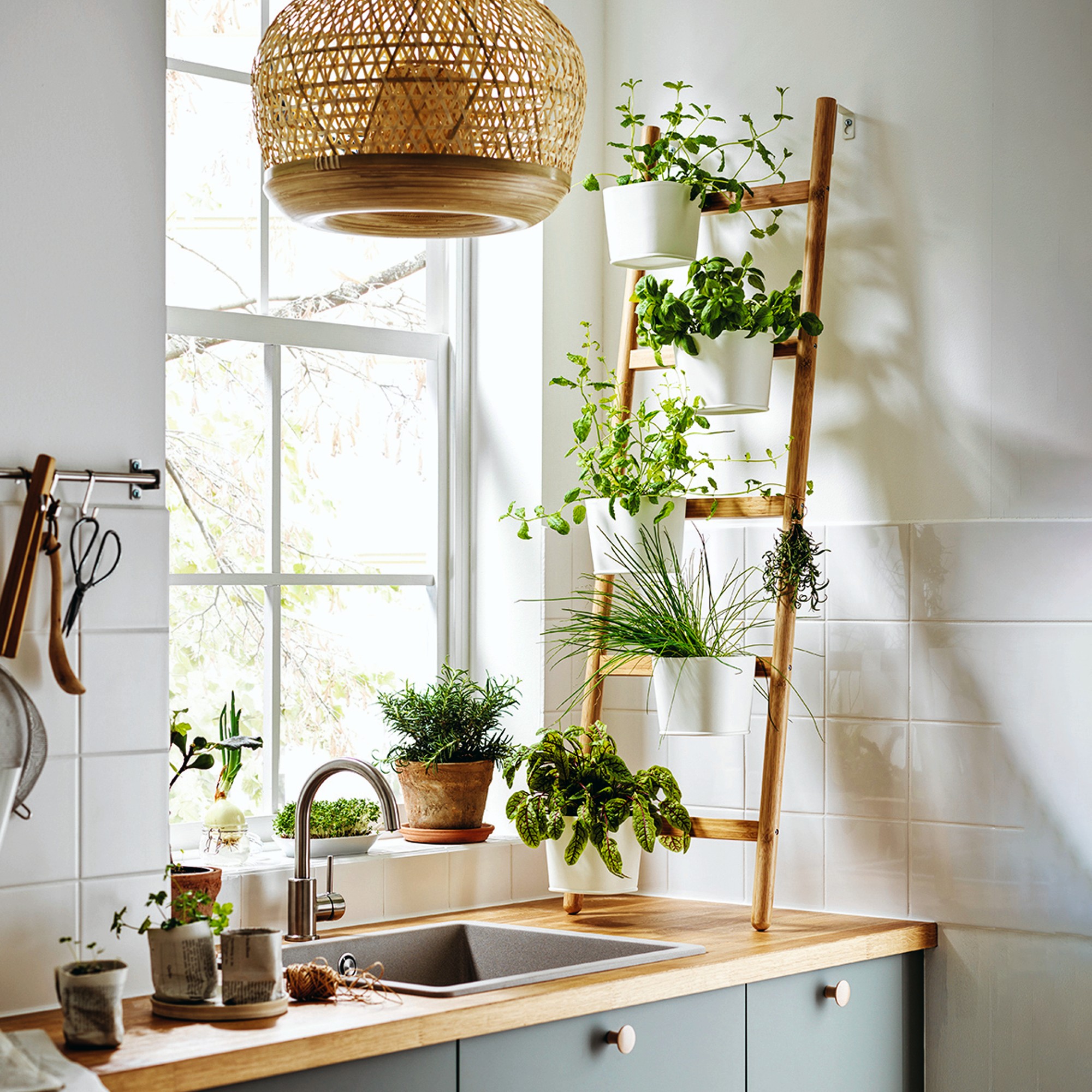
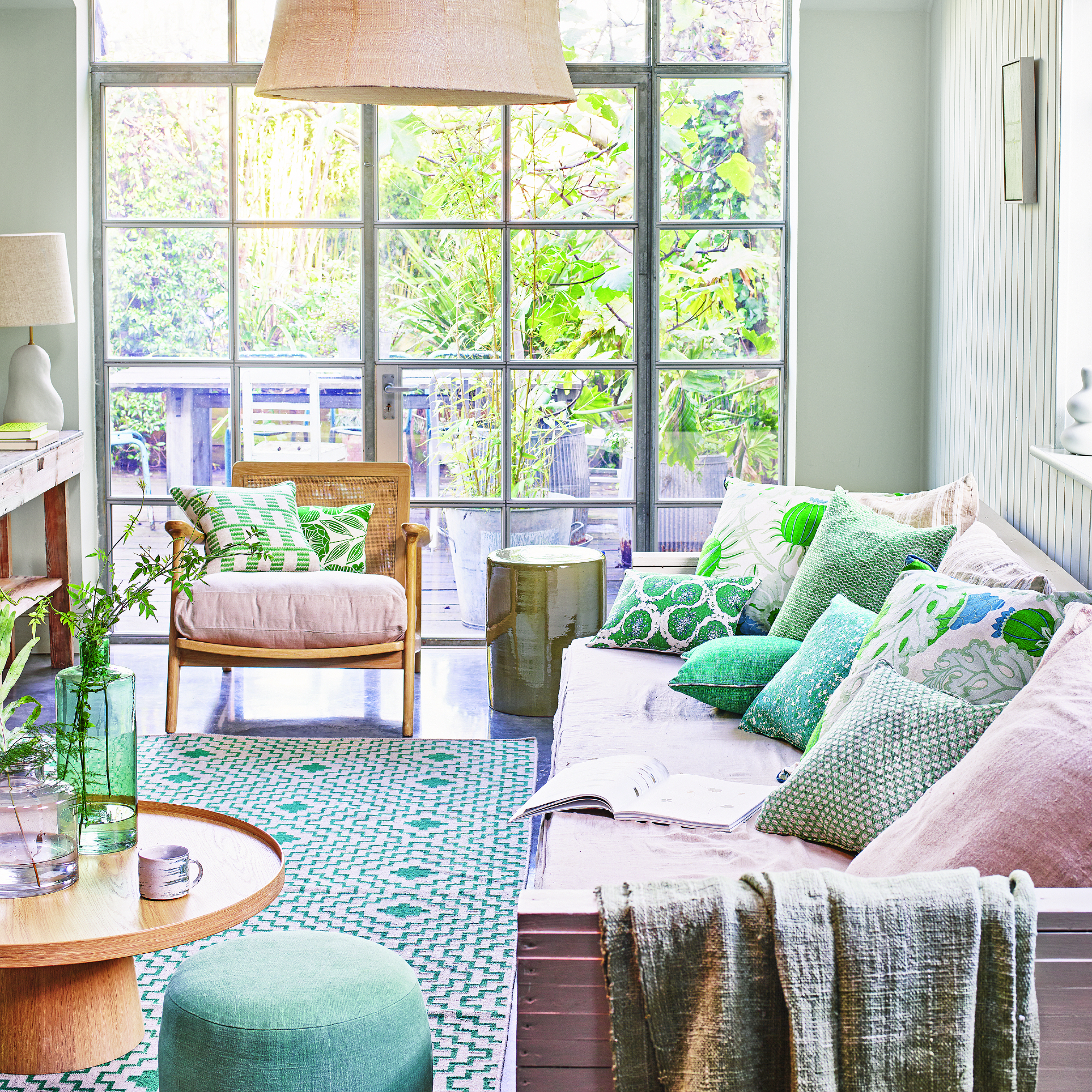
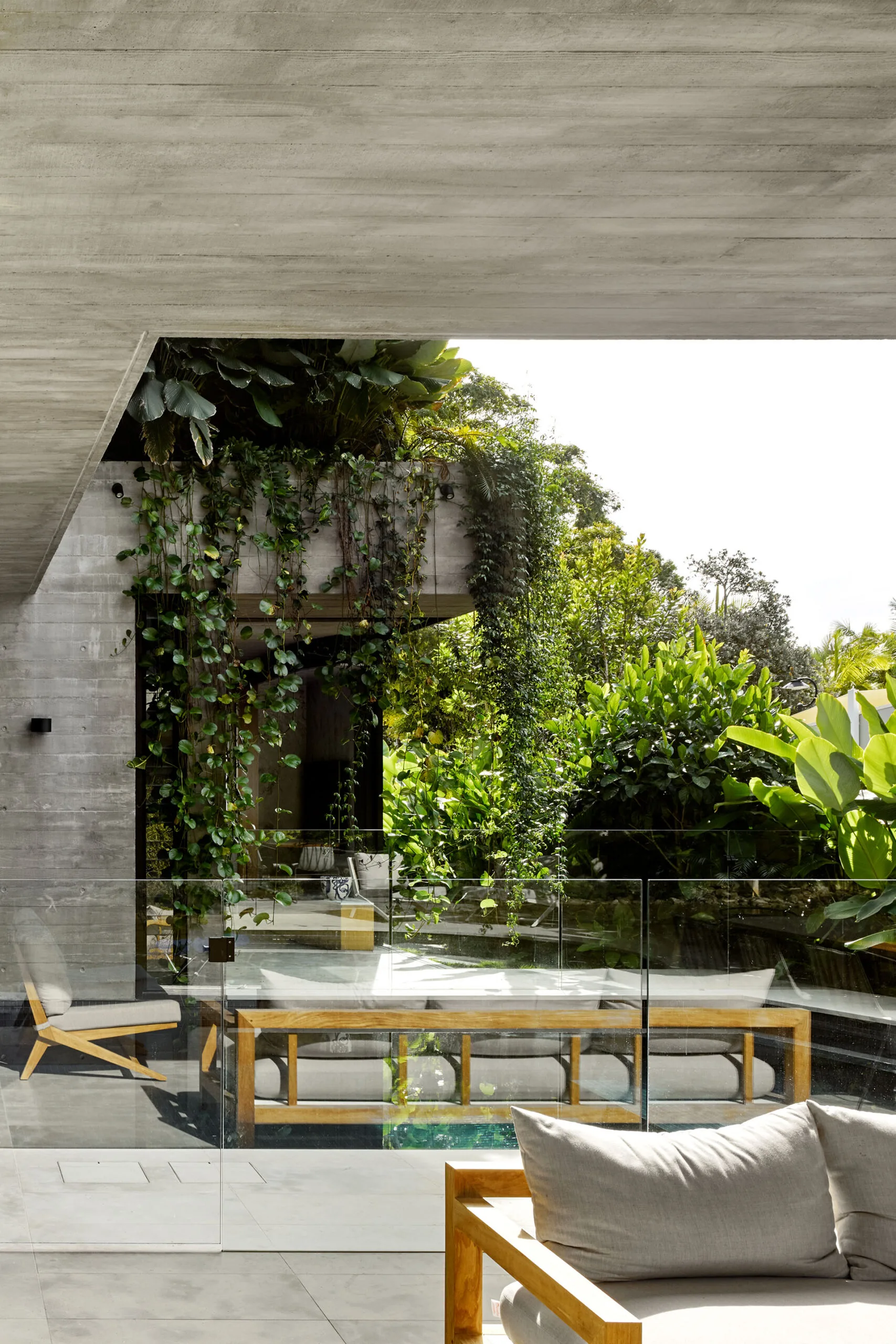
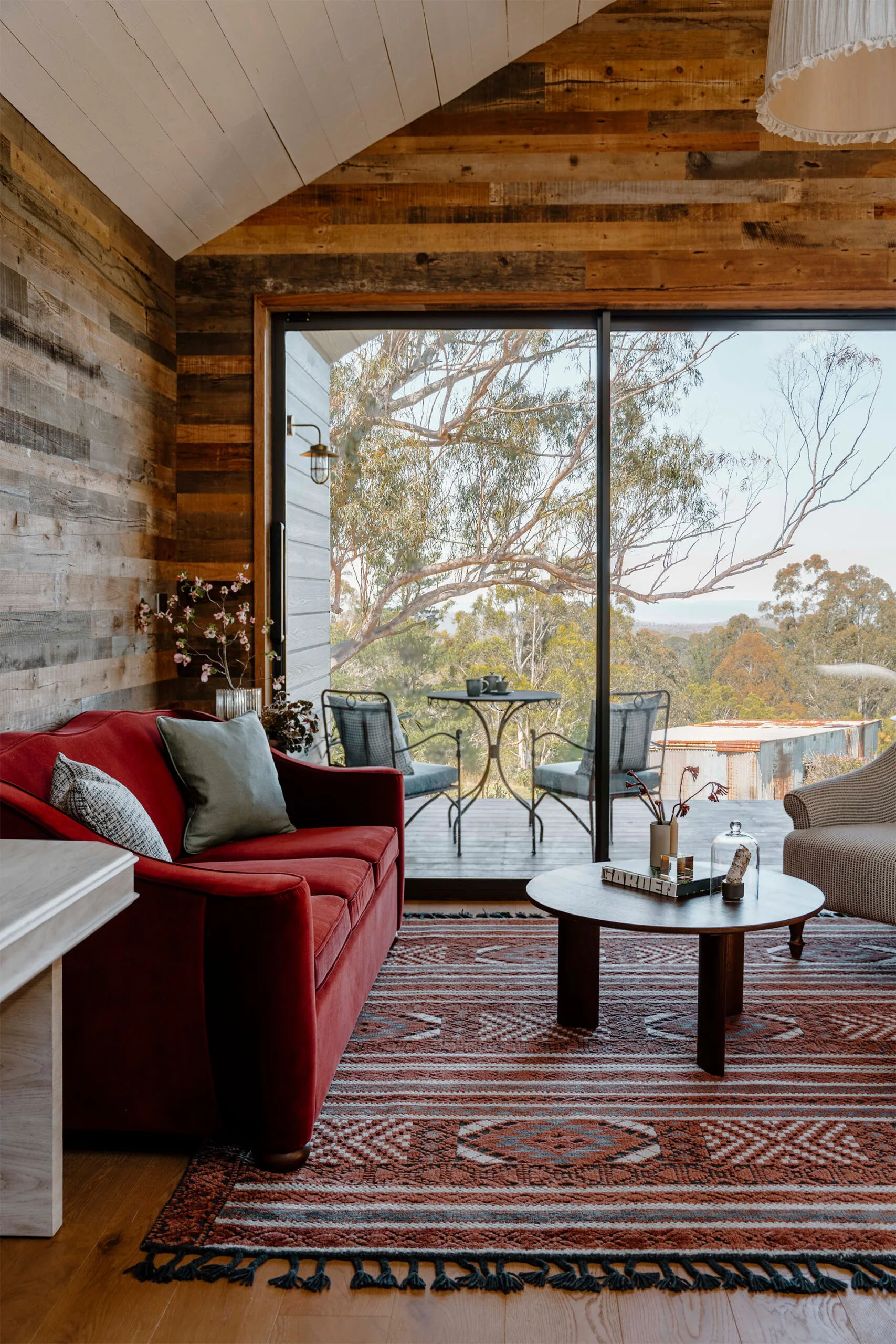
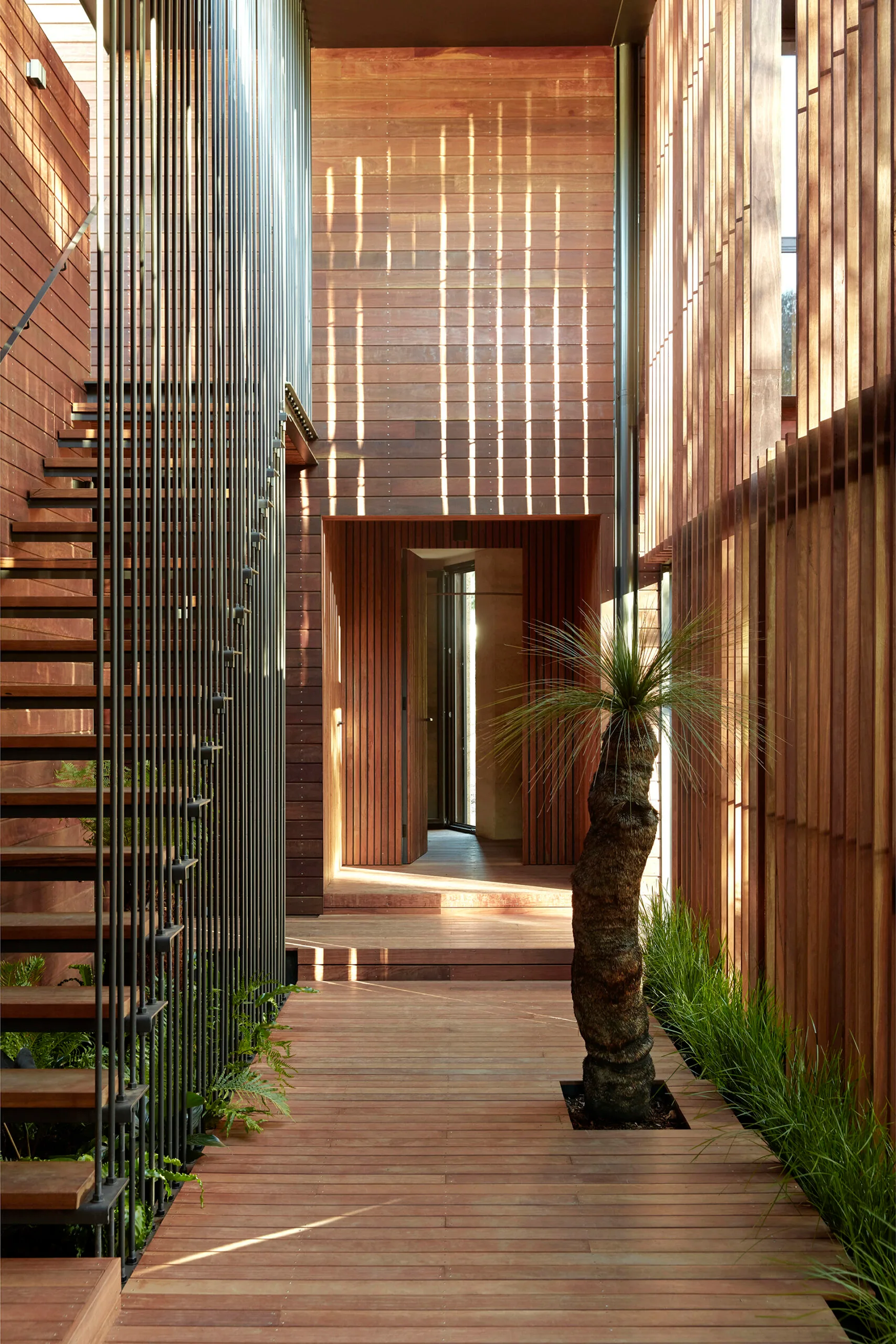
Biophilic Design is presented as a global movement rooted in science, aiming to integrate nature into homes, workplaces, schools, healthcare units, and urban spaces. Beyond climate change mitigation through green infrastructure like canopy cover and vertical gardens, its primary focus is on psychological and physical healing. The growing popularity of Biophilic Design among designers, legislators, and businesses is attributed to its proven benefits: enhanced productivity, faster patient recovery, reduced absenteeism, decreased anti-social behavior in cities, and improved learning outcomes for children, all contributing to significant economic advantages.
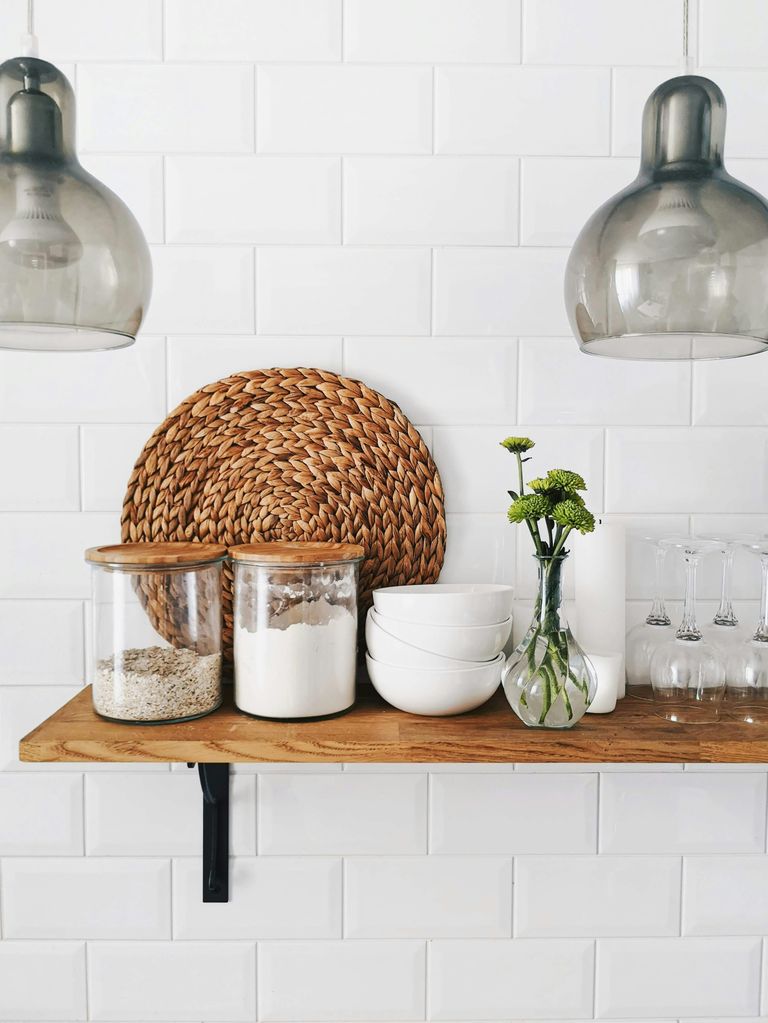
The article highlights a substantial opportunity for florists and the broader flower industry within this movement. It suggests that understanding Biophilic Design allows florists to deepen their craft, expand their impact, and articulate the deeper value of flowers and plants beyond mere aesthetics. Businesses are increasingly seeking experiences that connect people to nature, driven by concerns about climate change and mental health. Florists, already possessing the tools to deliver natural elements, can distinguish themselves by understanding the 'why' behind nature's importance and how to design with it effectively. The Journal of Biophilic Design acts as a crucial link between scientific research, design innovation, case studies, and practical application, helping professionals, including those in the floral industry, leverage natural connections for improved human and planetary health, and financial gain.
Each issue of the Journal explores diverse themes such as Workplace, Healthcare, Education, Light, Neurodiversity, Environment, Third Age, and Childhood, featuring plant designers, new research, case studies on well-being, neuroscience, urban planning, ESG support, Biodiversity Net Gains, and climate change mitigation. A dedicated section in each issue celebrates the role of plants, emphasizing that direct connection to living plants offers the most effective solutions for both people and the planet. Florists and growers are encouraged to initiate discussions with clients, architects, and interior designers about creating healing and inspiring spaces. The Journal provides resources, including downloadable issues, to help explain the necessity of incorporating more plants and flowers into various locations.
Embracing Biophilic Design opens creative and commercial avenues for florists, allowing them to become advisors who use flowers strategically to enhance well-being in corporate, hospitality, and healthcare settings. This approach encourages florists to develop seasonal programs that reflect nature's cycles, offering clients an evolving narrative grounded in informed content from the Journal. The Journal of Biophilic Design offers a gateway into a movement that positions living nature at the core of design, bridging science with design, architecture with floral art, and business with visionary thinking. Flowers, with their sensory richness, symbolism, and life cycle, are presented as powerful tools for creating immersive experiences, large-scale installations, and bringing nature's rhythms indoors, thereby enriching human well-being, connection, and joy. The article concludes by inviting readers to the Biophilic Design Conference and to engage with the Journal's podcast and social media channels for further insights.
#BiophilicDesign #FloralIndustry #SustainableDesign #Wellbeing #NatureConnection #InteriorDesign #UrbanPlanning #EnvironmentalHealth #FloralArt #BiophilicDesign #FloralIndustry #SustainableDesign #Wellbeing #NatureConnection #InteriorDesign #UrbanPlanning #EnvironmentalHealth #FloralArt
0 comment in total
 No comments yet
You may also like
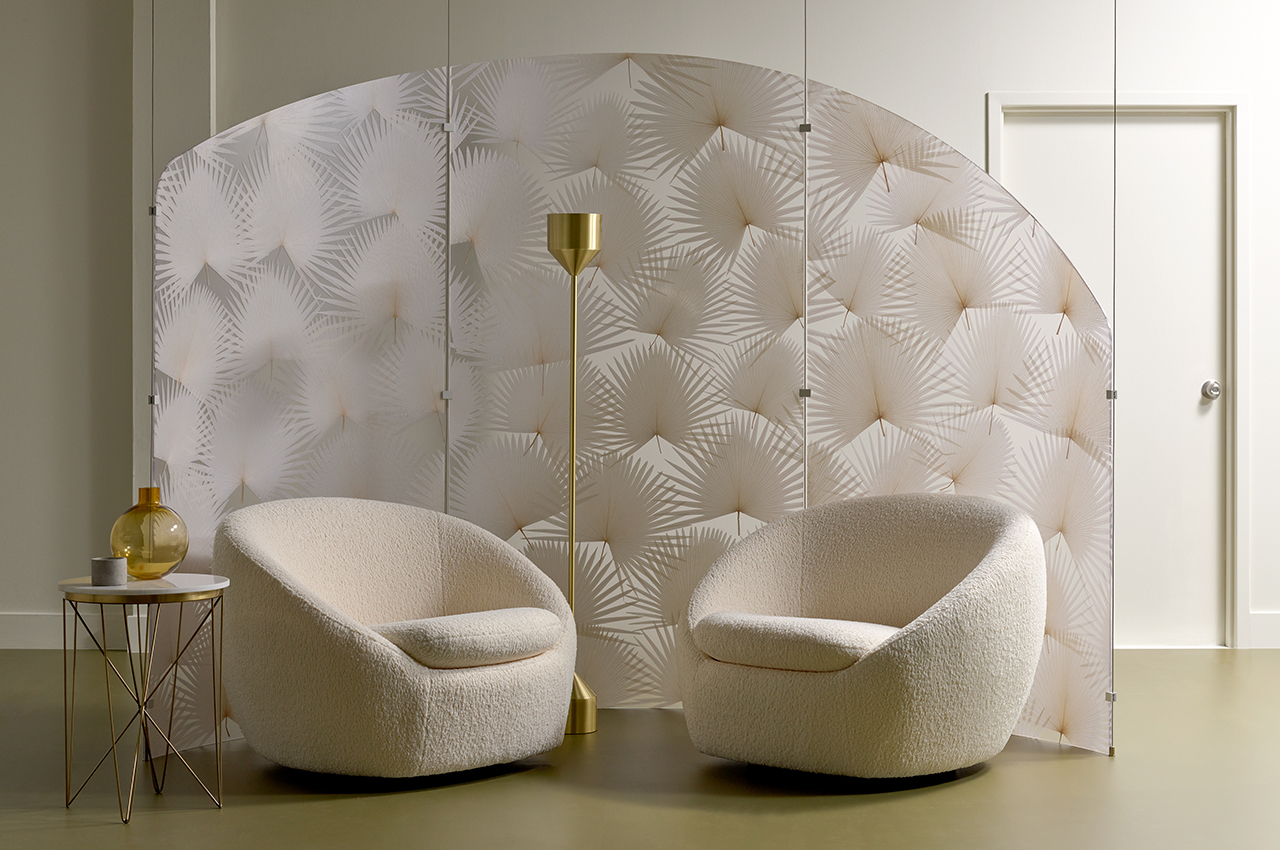
3form’s Ivory Flora Collection Launches a Fresh Take on Biophilia
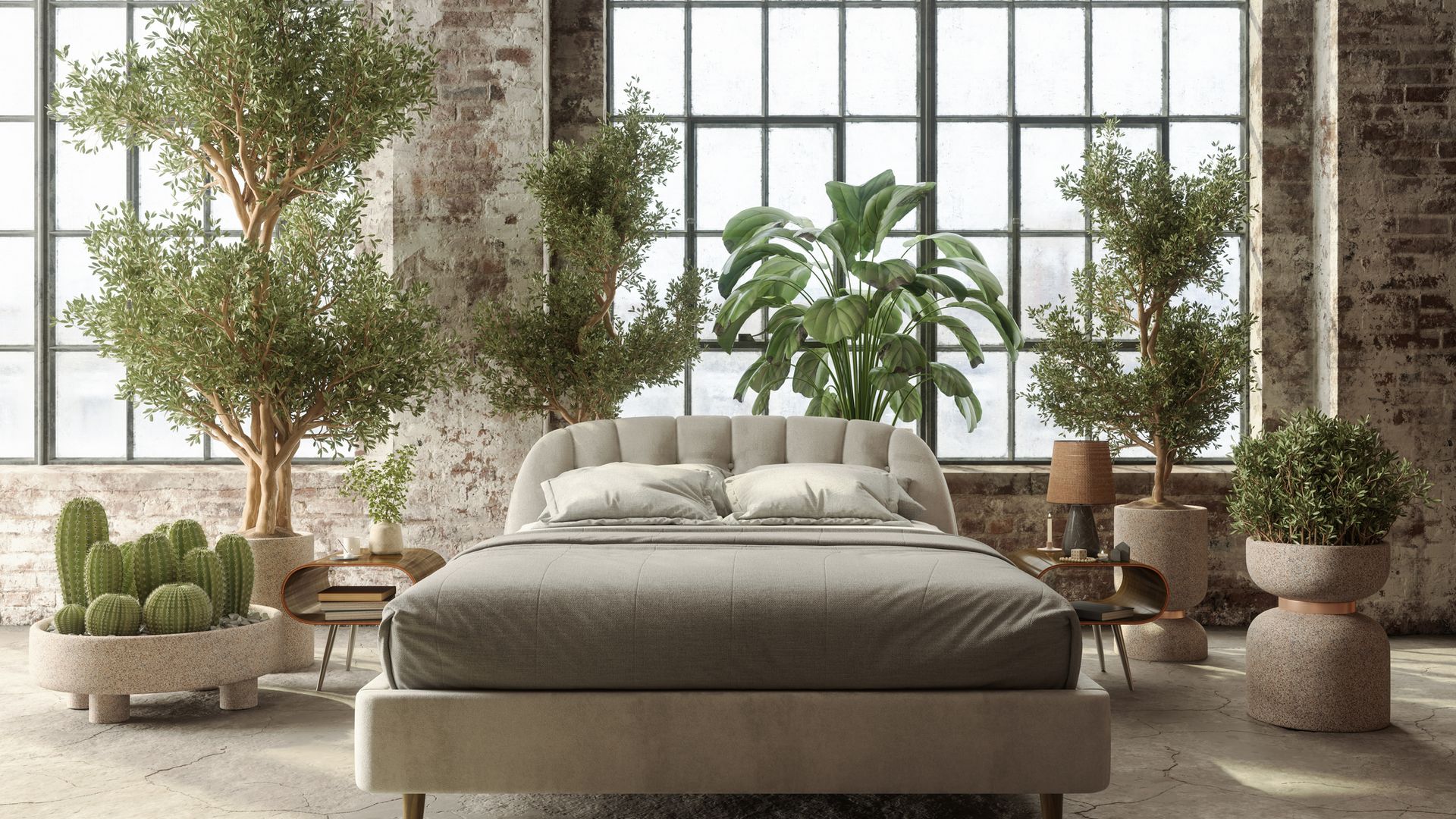
What are Biophilic interiors? How bringing the outdoors in is proven to make you happier

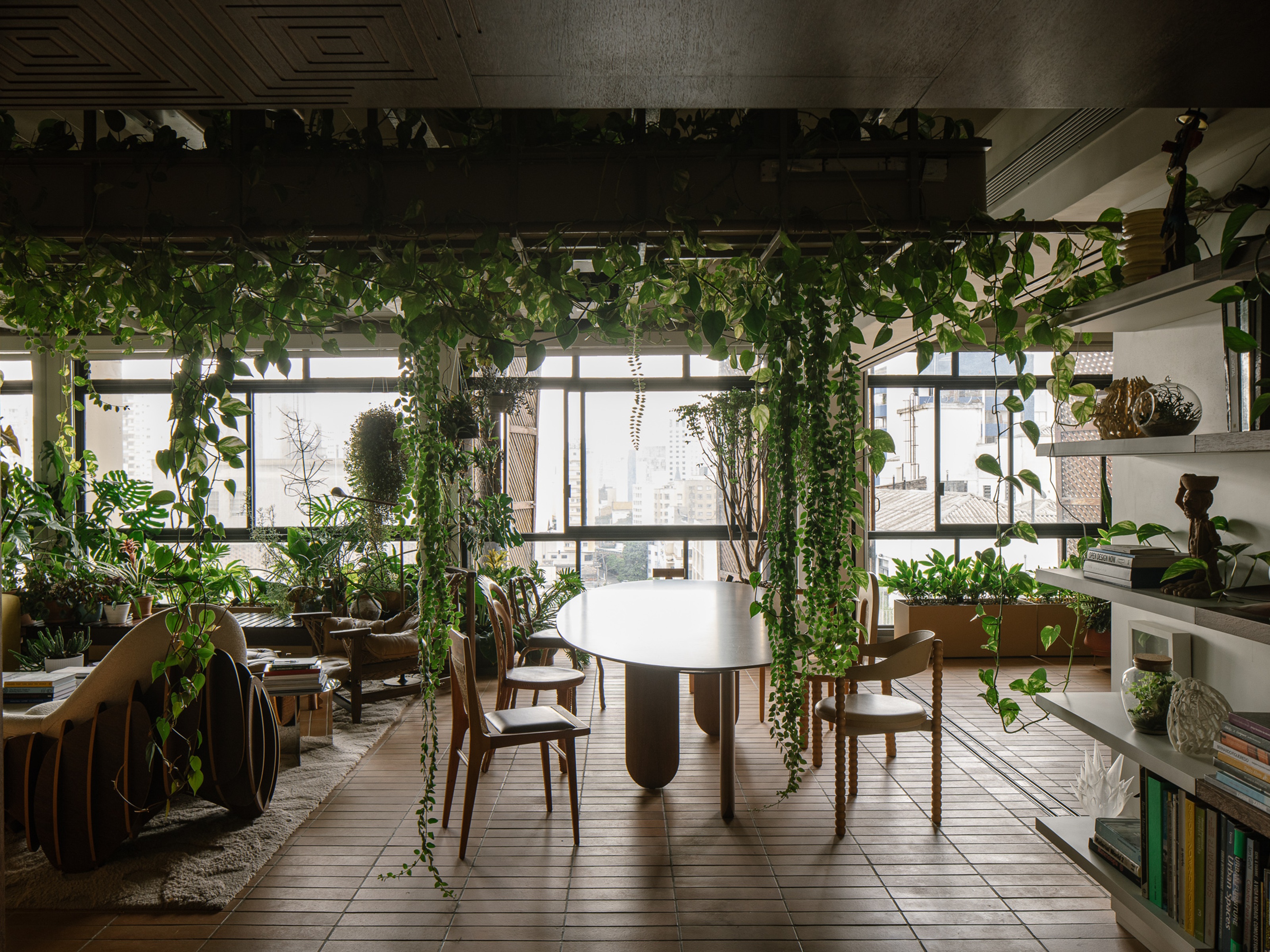
What Is Biophilic Interior Design? I'm an Actual Biophilic Designer, and This Is How to Apply It to Your Home

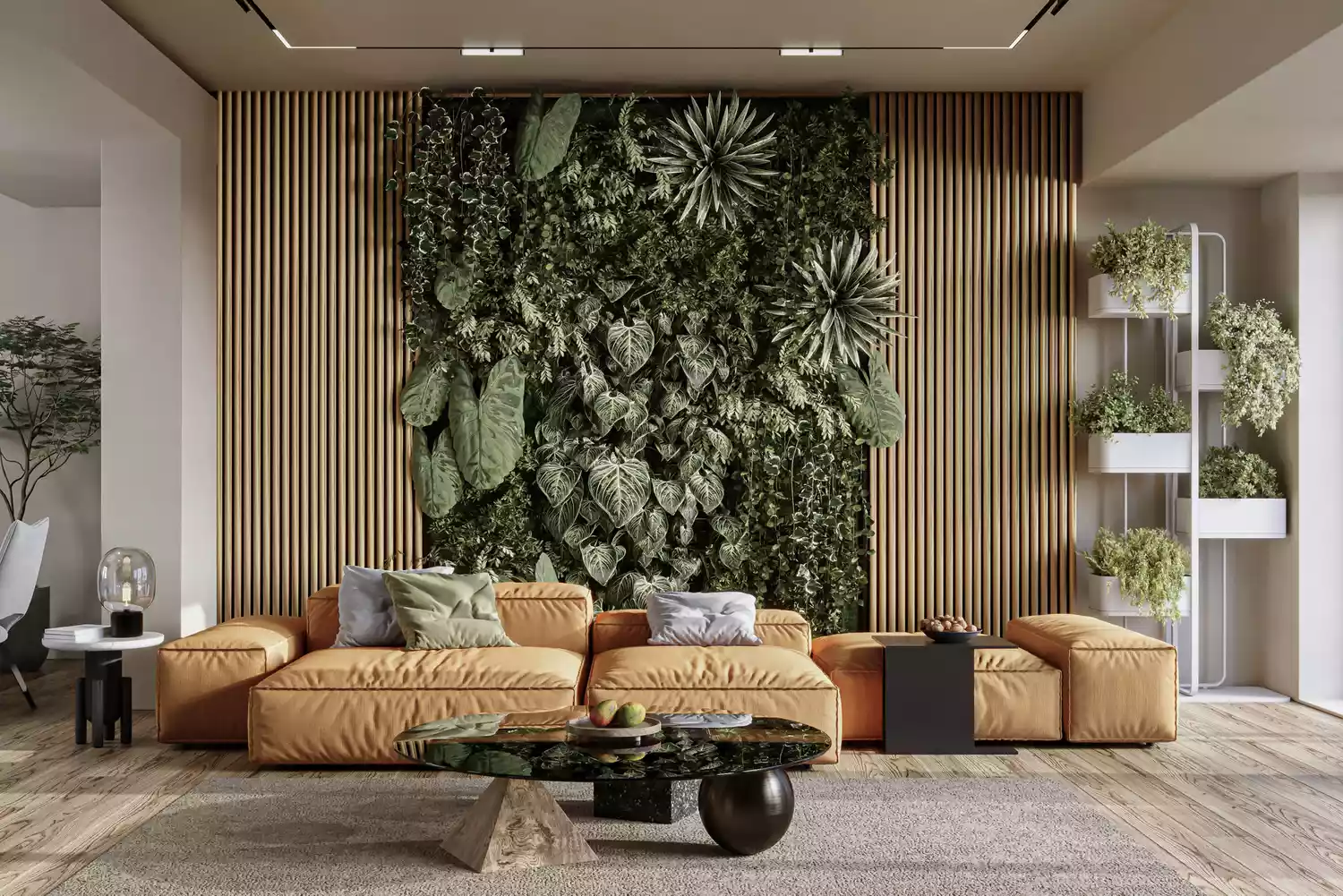
Biophilic Design Is the Decorating Trend You Need To Try if You Love Plants

Biophilic design beyond the buzzword
Biophilic Design Is the Signature Style of Plant Lovers Everywhere

Top 5 Biophilic Design Trends for Indoors: Illuminated Greenery and Functional Plant Solutions

What the heck is biophilic design?

Focus on Biophilia: Nature-Inspired Design Strengthens People!

What Is Biophilic Design? 5 Ways to Incorporate This Style

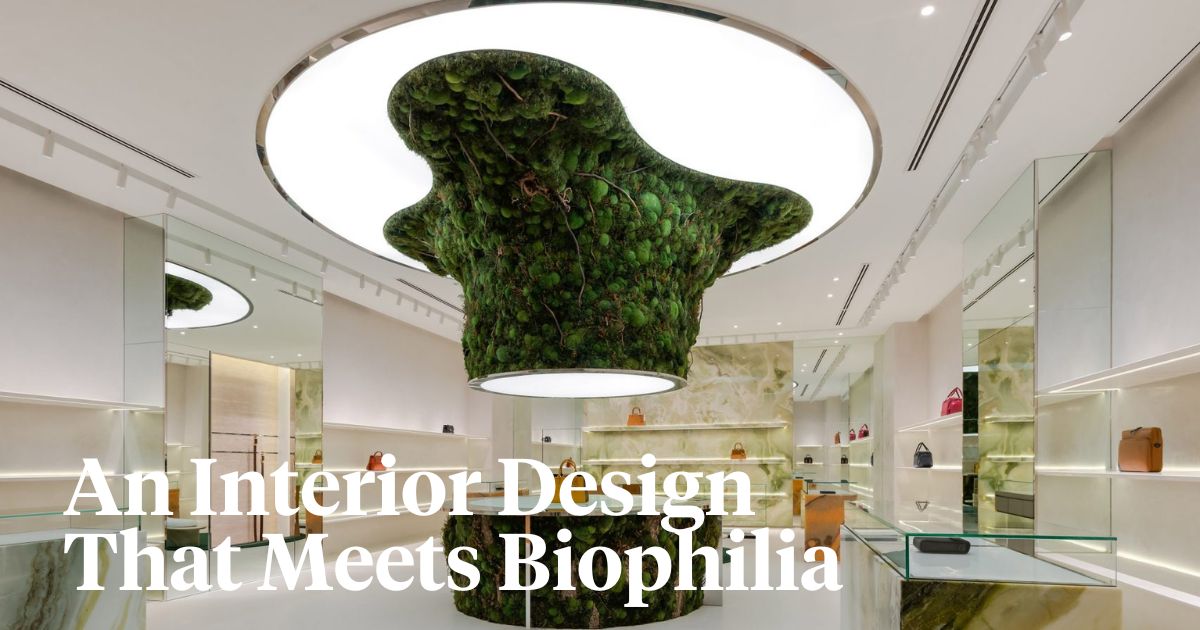
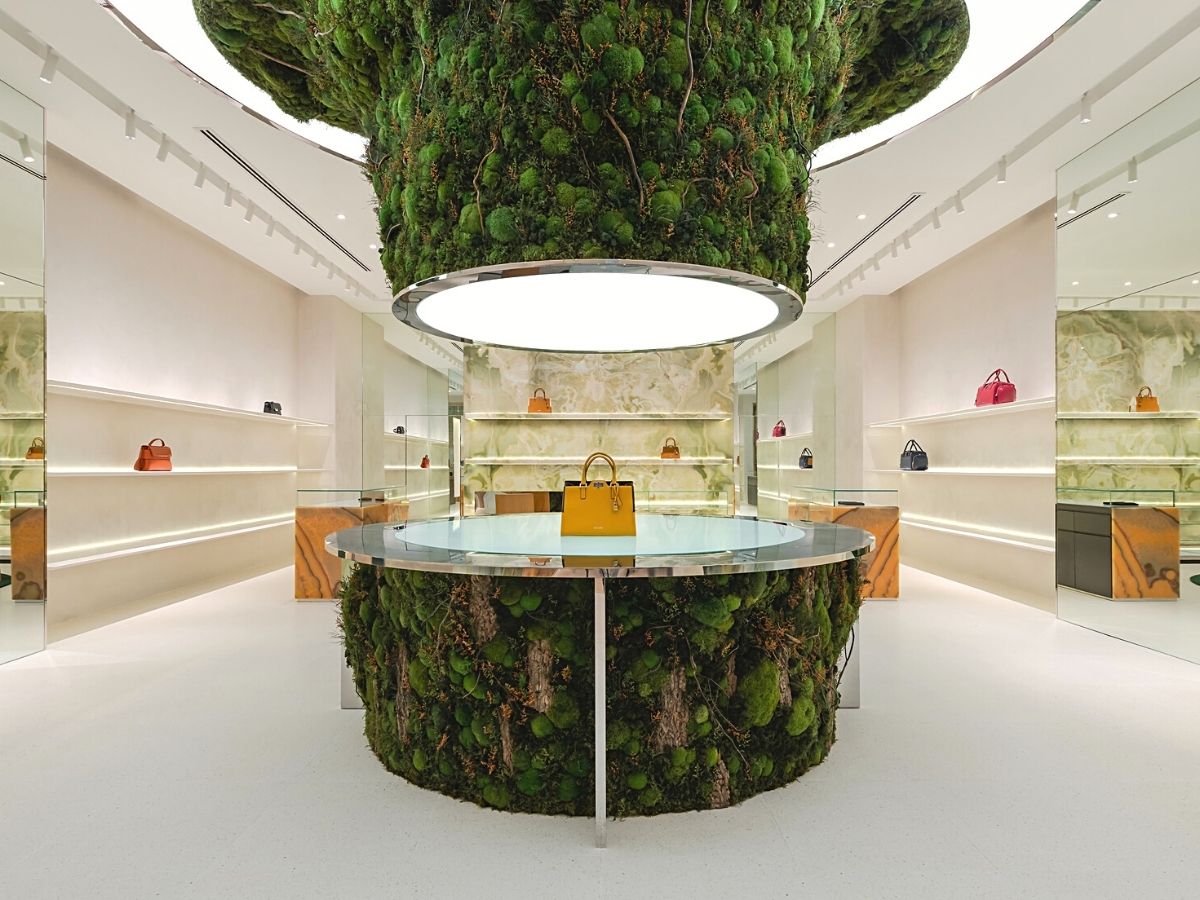
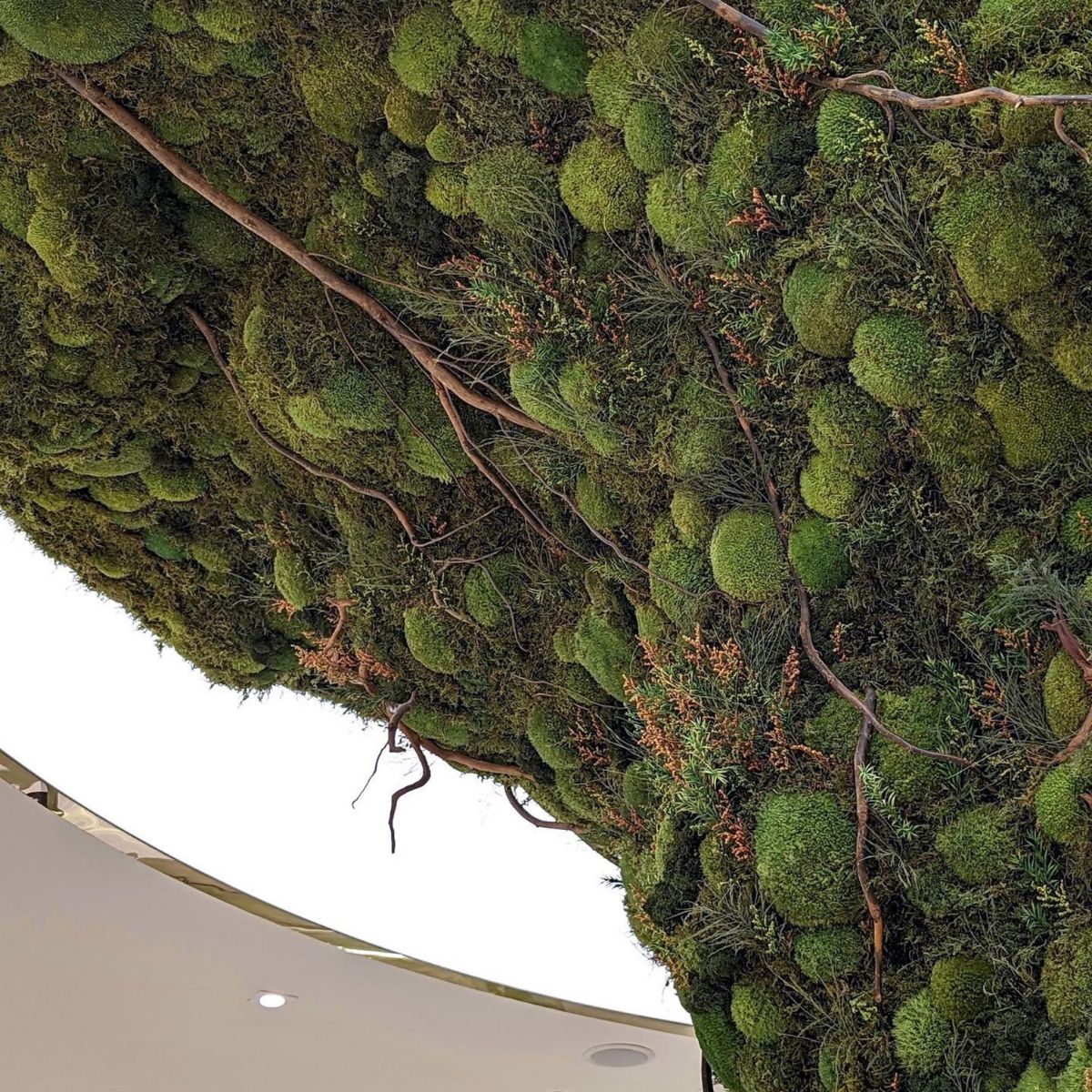
Biophilia and Fashion Meet at a Luxury Bag Store
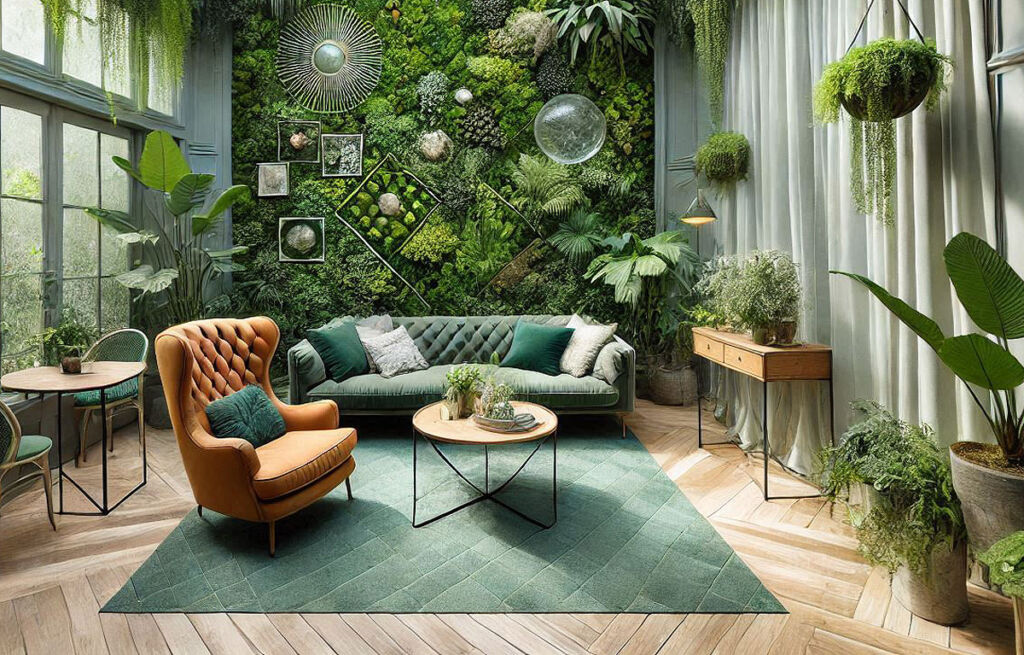
Why Houseplants And Biophilic Design Will Front 2025's Interior Design Trends
Reimagining Care Through Nature: The Case for Biophilic Design

What is Biophilic Design? This Nature-Based Interiors Trend Promises Wellness
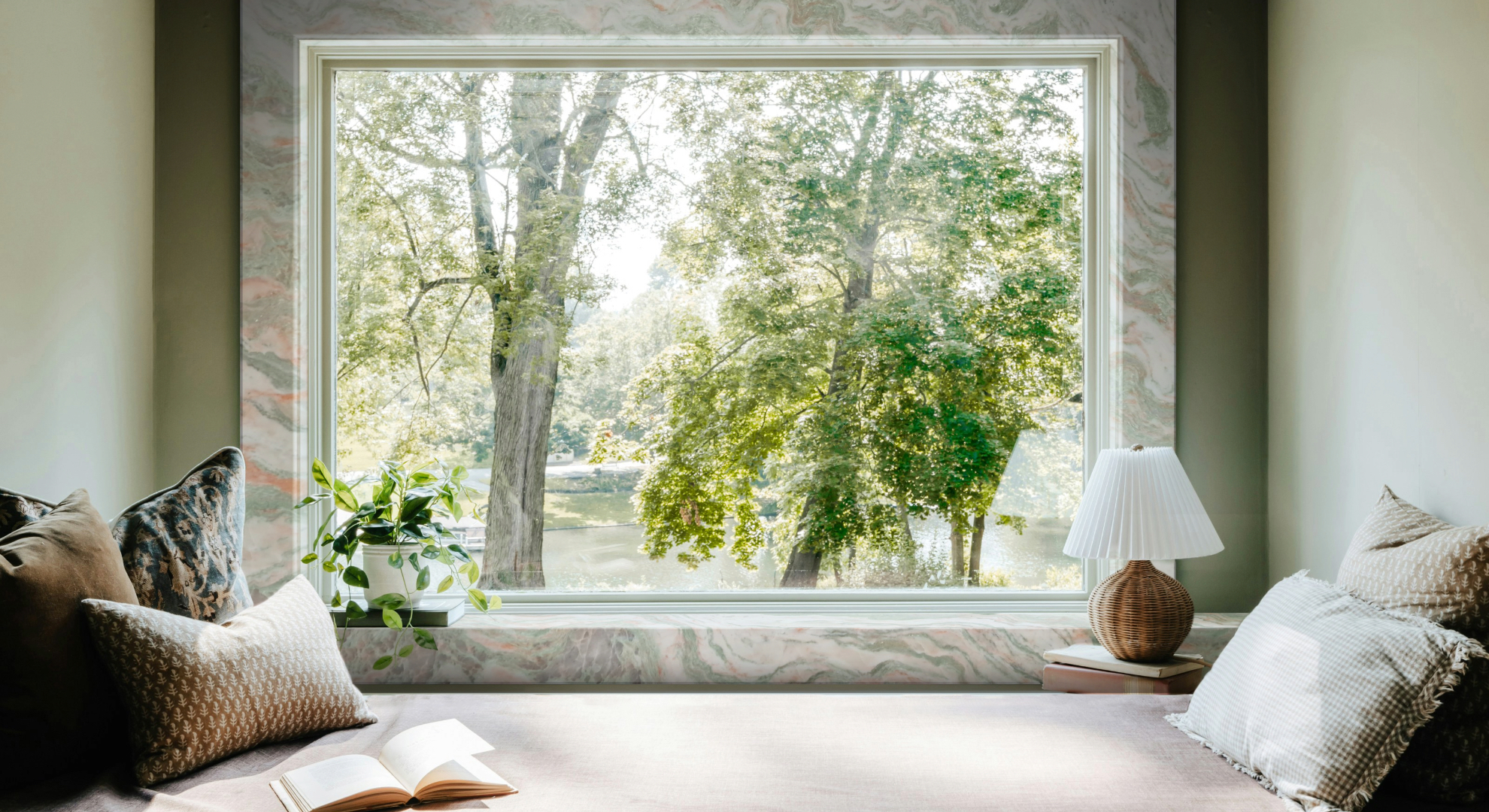
Stunning biophilic design ideas to help you bring the great outdoors into your home

The best online flower delivery services out of 22 tested with 144 bouquets sent

I'm an Architect Who Has Grown Hundreds of Plants Across My Biophilic Home
Biophilic design ideas - clever ways to bring nature into your home for a calming space
Testing Reliability of Biophilic Design Matrix Within Urban Residential Playrooms
These 10 Biophilic Design Ideas Will Transform Your Home Into a Natural Oasis