1/17
What Is Biophilic Interior Design? I'm an Actual Biophilic Designer, and This Is How to Apply It to Your Home
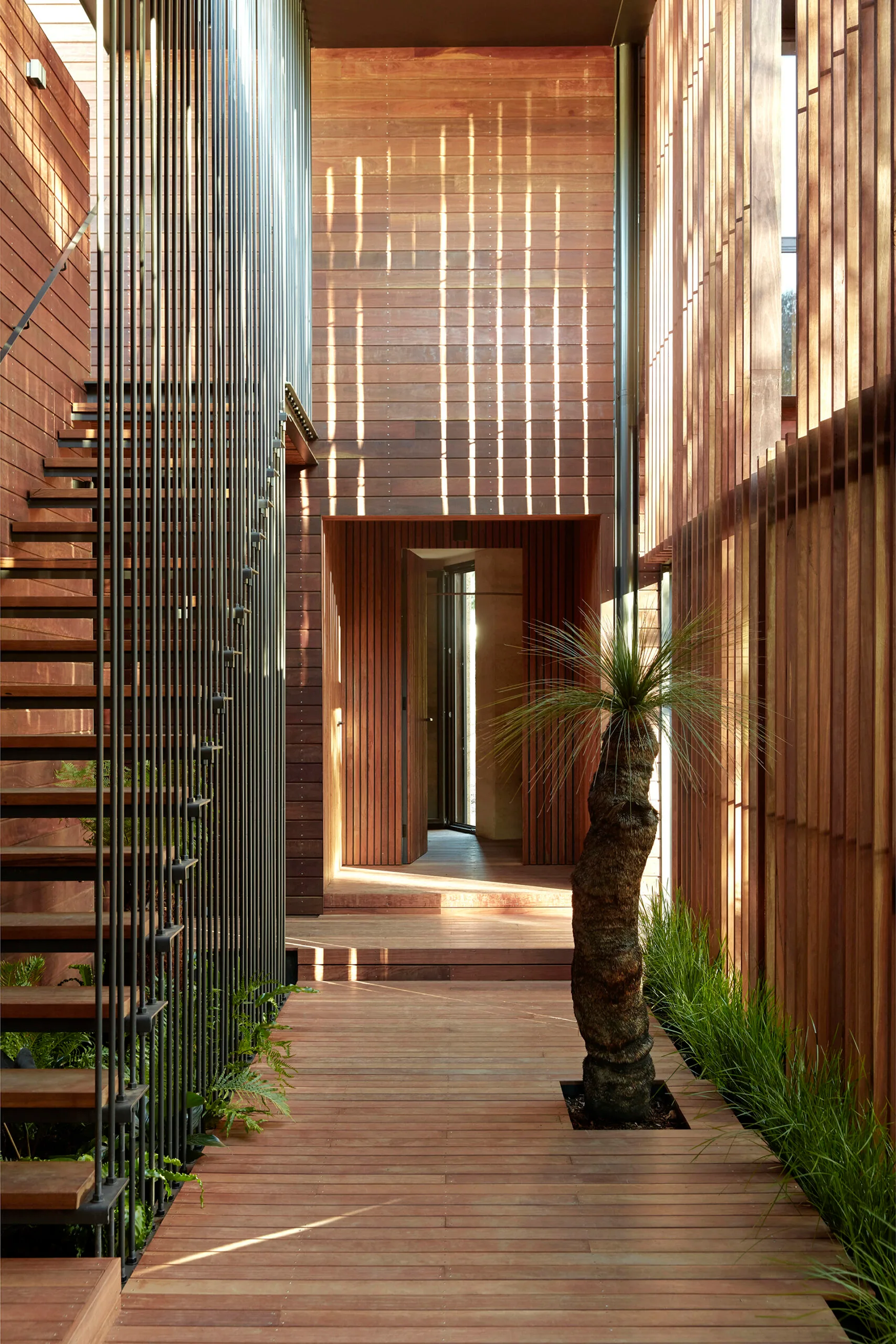
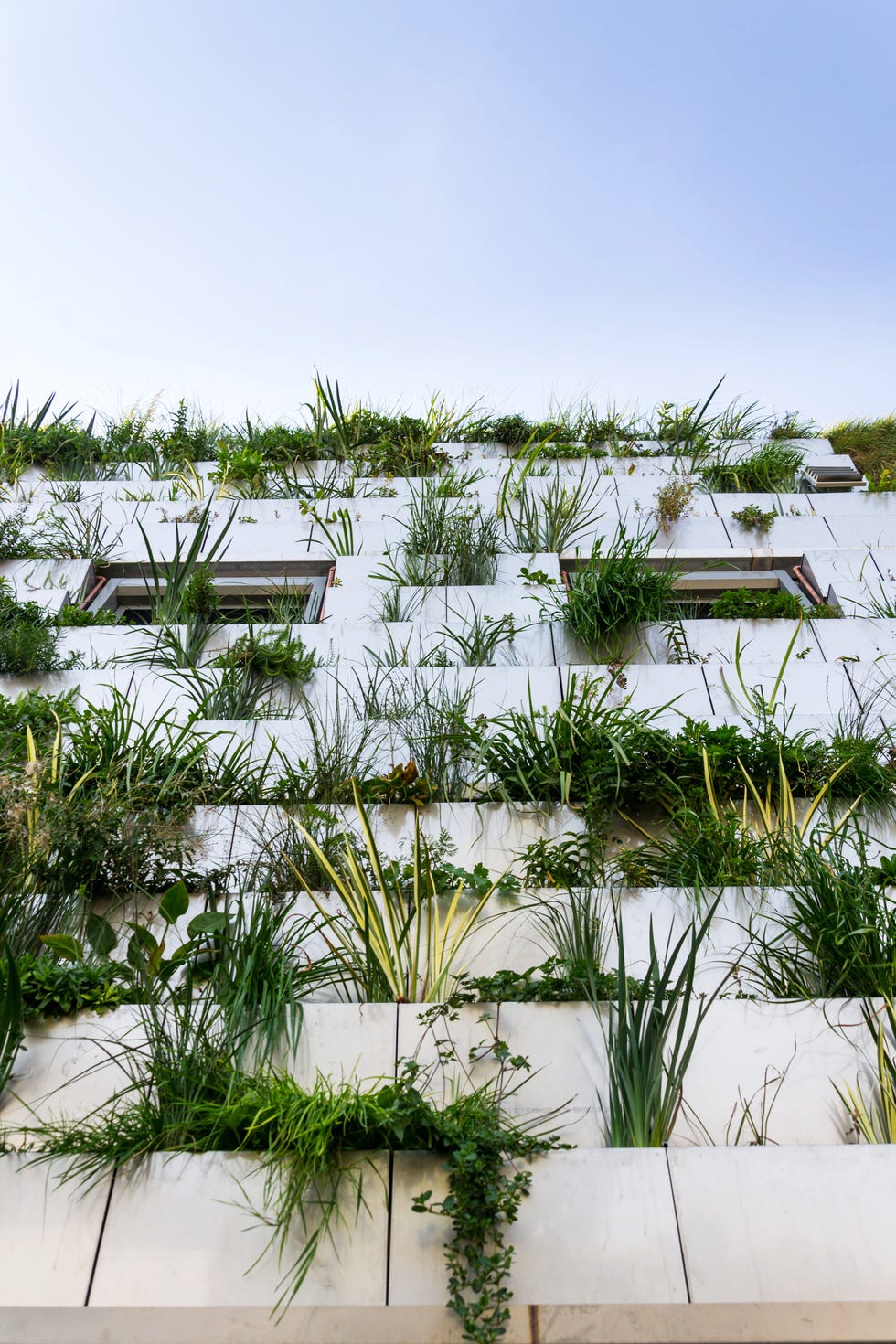
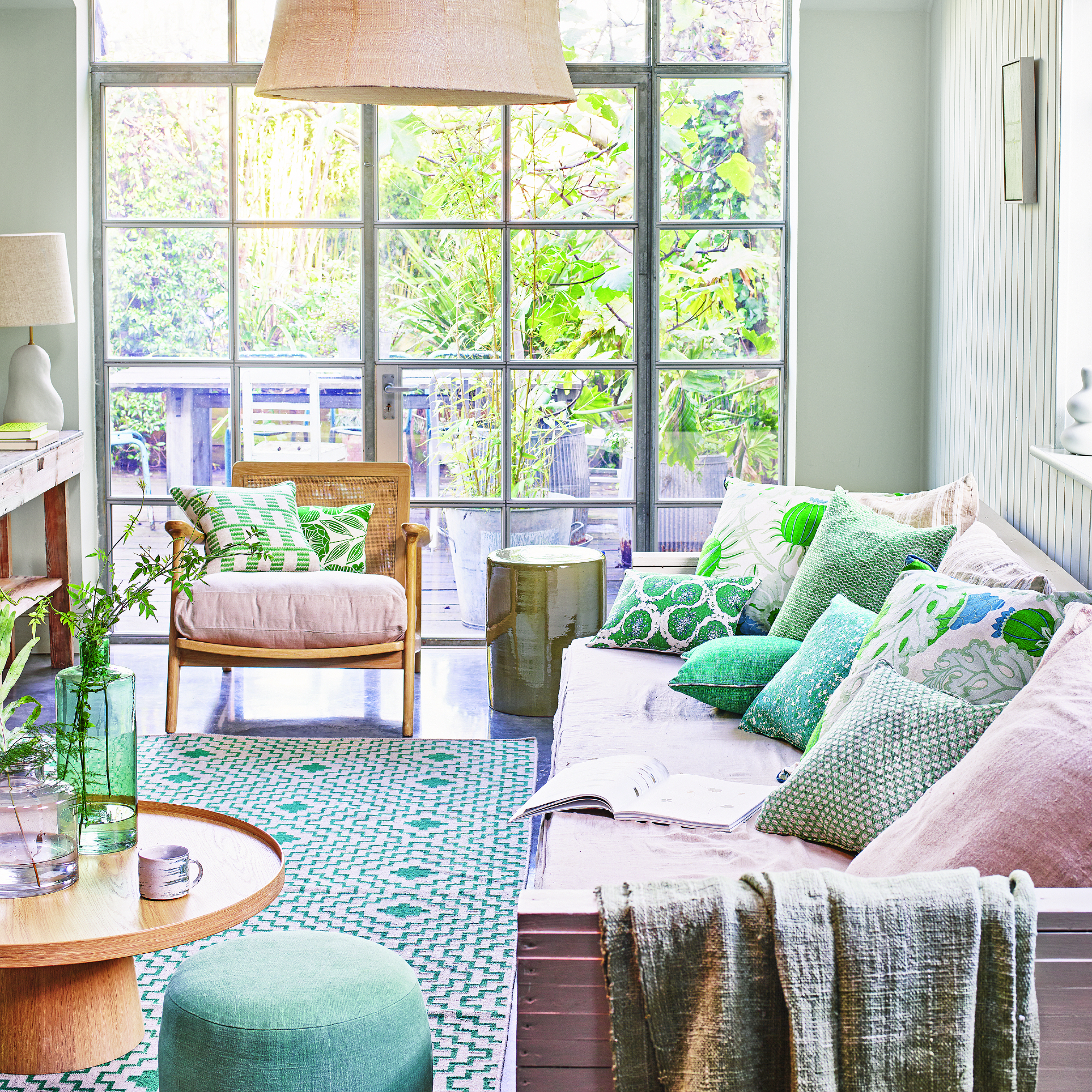
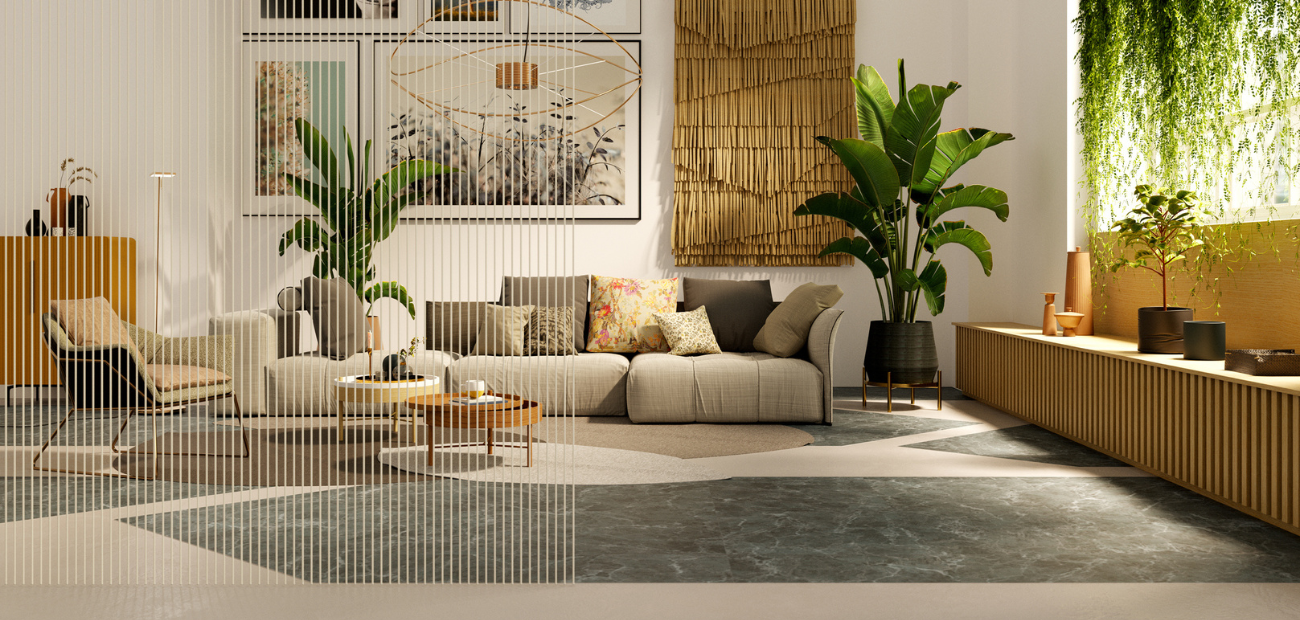
This article, authored by biophilic interior designer Marianna Popejoy, demystifies biophilic design, translating its core principles into practical applications for enhancing residential spaces. Biophilia, derived from Greek words meaning 'love of life,' emphasizes connecting human environments with nature to promote well-being and improved cognitive function.
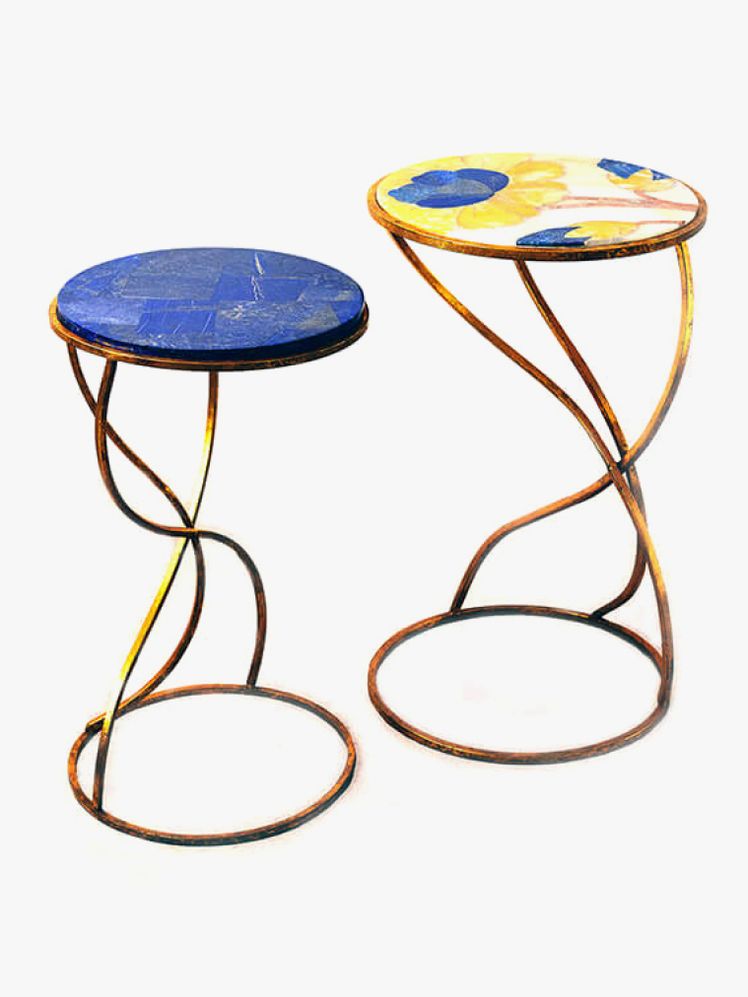
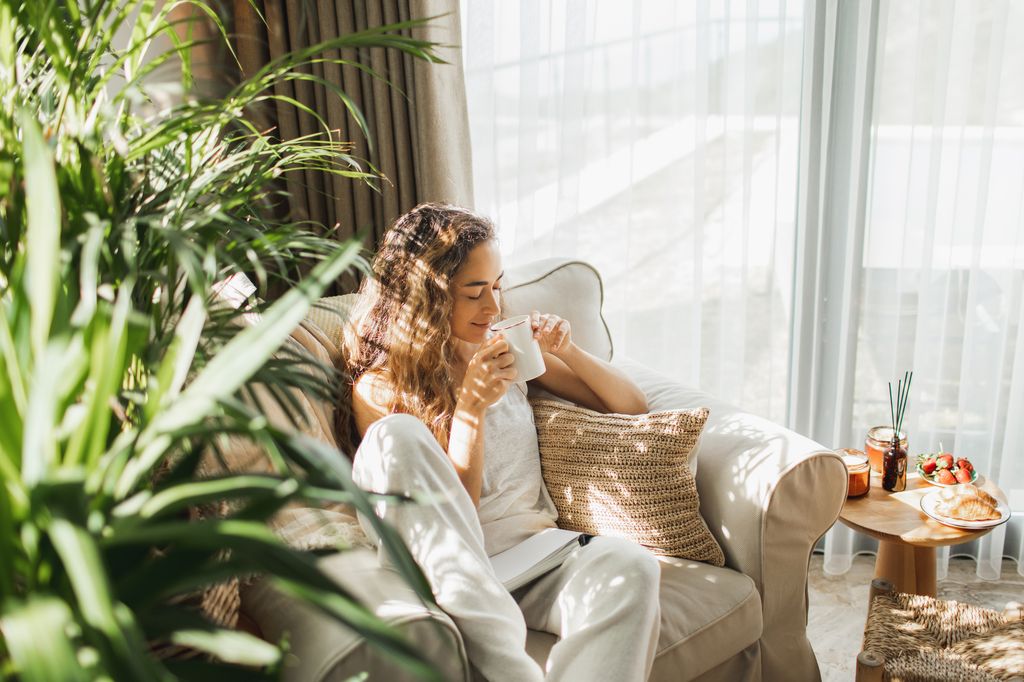
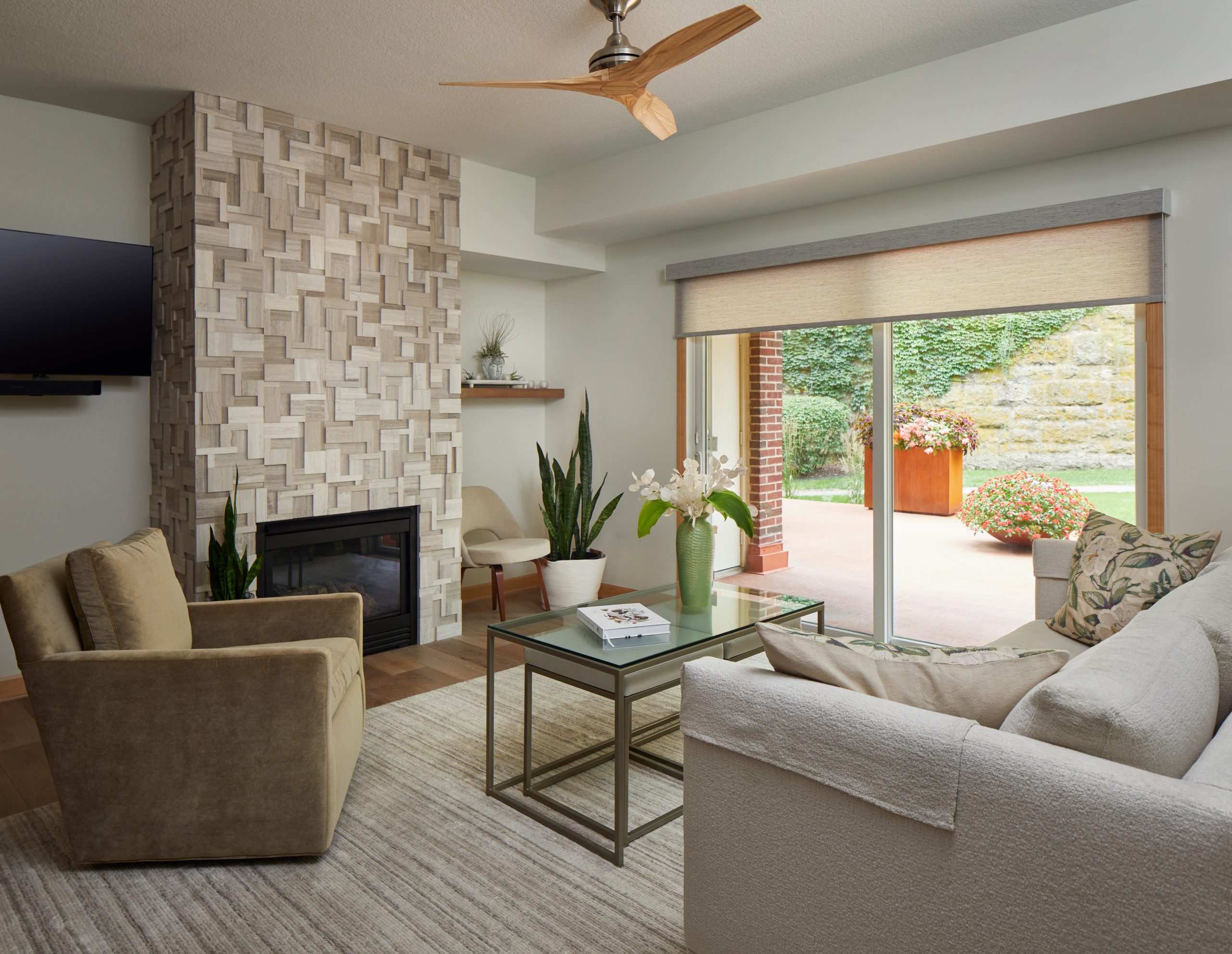
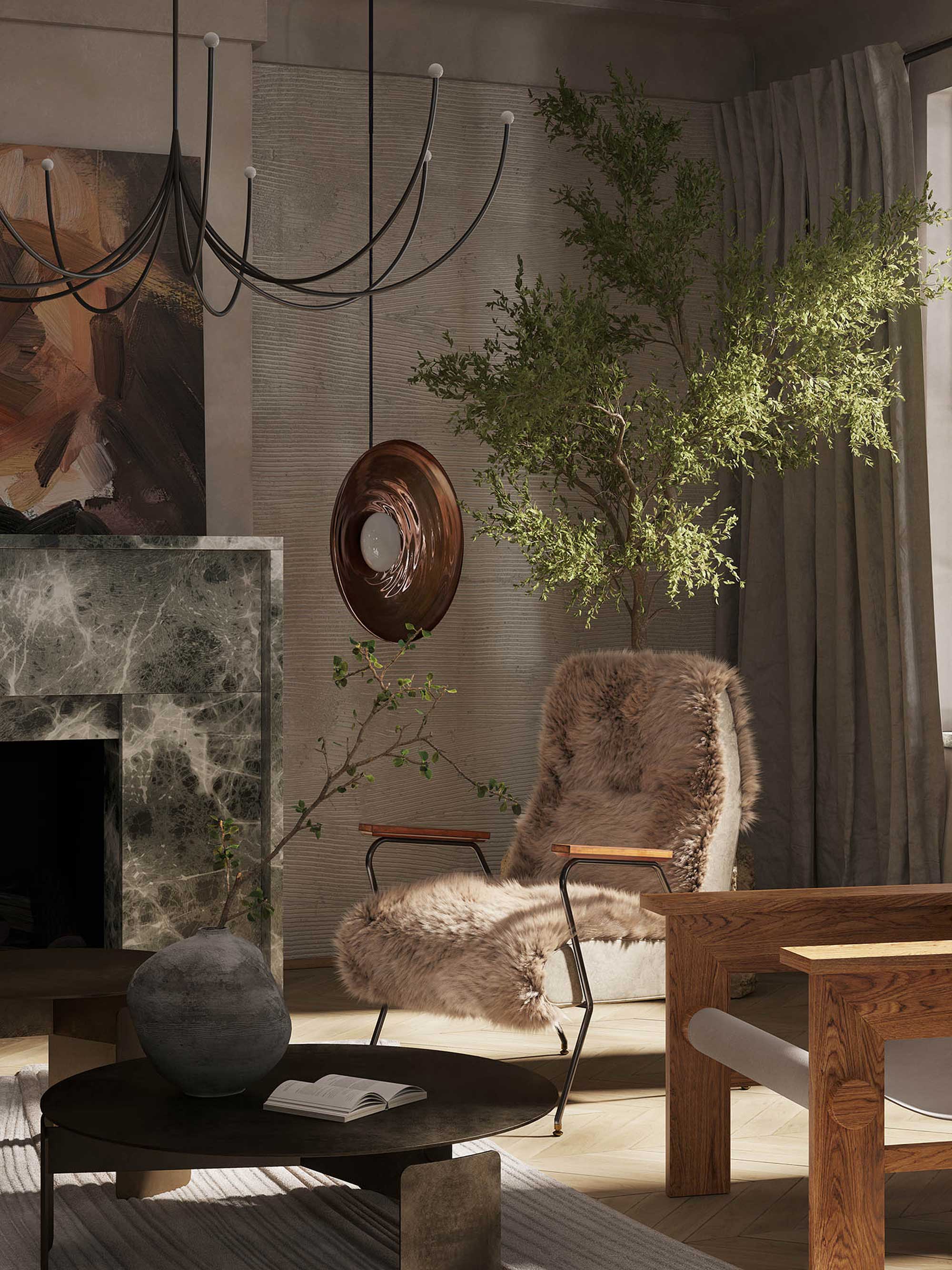
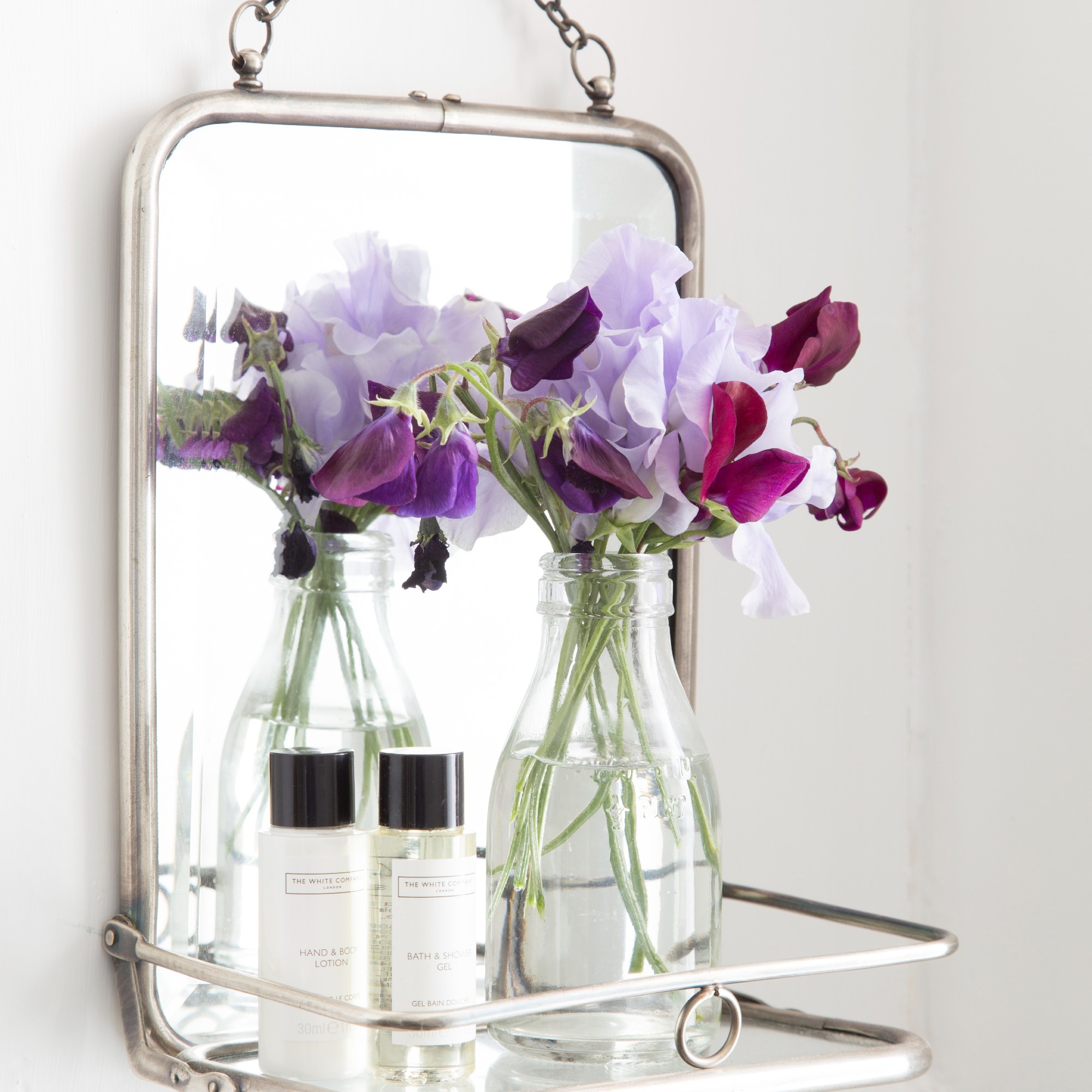
The philosophy of biophilic design is rooted in six core principles, encompassing over 70 'belief systems' formulated by Stephen Kellert. The article focuses on key fundamentals that can be readily integrated into home design. One crucial aspect is optimizing natural light, which significantly impacts circadian rhythms, mood, and sleep quality. Natural light balances serotonin levels, boosting mood, and inhibits melatonin production, regulating sleep. Practical advice includes removing heavy curtains, using sheer alternatives, or opting for roller blinds above window recesses to maximize light entry. Utilizing mirrors and reflective surfaces like glass pendants or marble side tables can help distribute light throughout a room, while polished tiles can enhance feelings of invigoration. Maintaining a clutter-free environment is also highlighted, as clutter can absorb light and create mental disarray.
For spaces with limited natural light, the article introduces biophilic dynamic lighting, also known as human-centric lighting. This approach seeks to replicate natural light's dynamic qualities, including changes in intensity, color, and distribution. Layered lighting is recommended, with distinct functions for overhead, task, and mood lighting. Cool blue-toned lightbulbs are suggested for daytime use in workspaces to promote alertness, while warm, soft lighting is ideal for relaxation in the evenings. Creative techniques like positioning programmable LED strip lights behind houseplants are proposed to mimic natural shadow play and enhance the immersive natural experience.
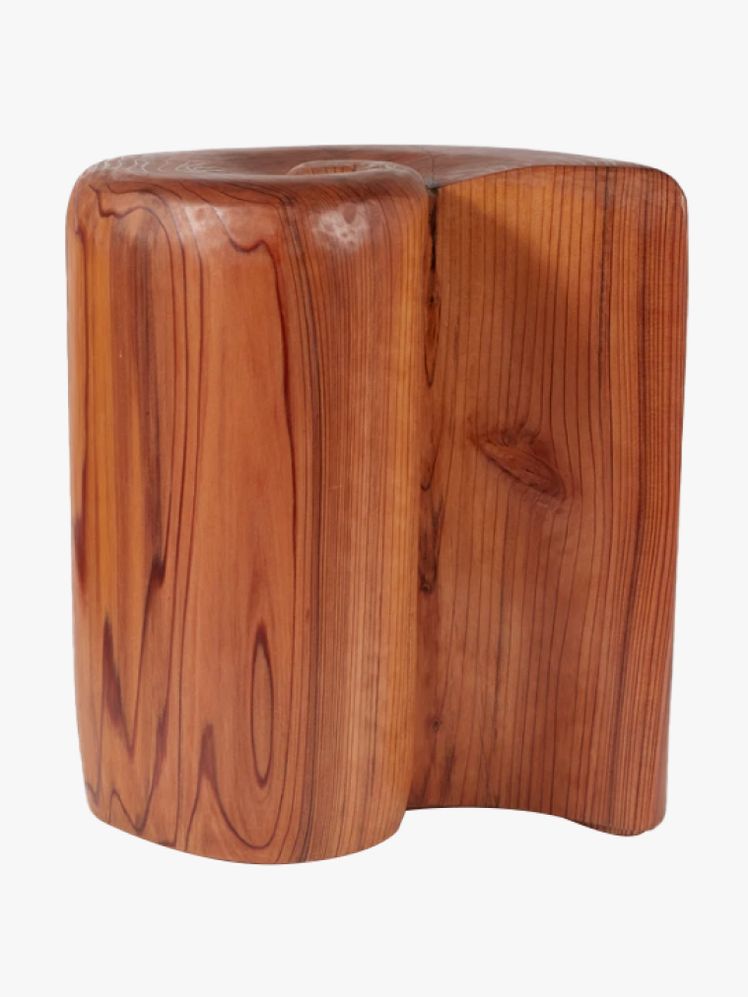
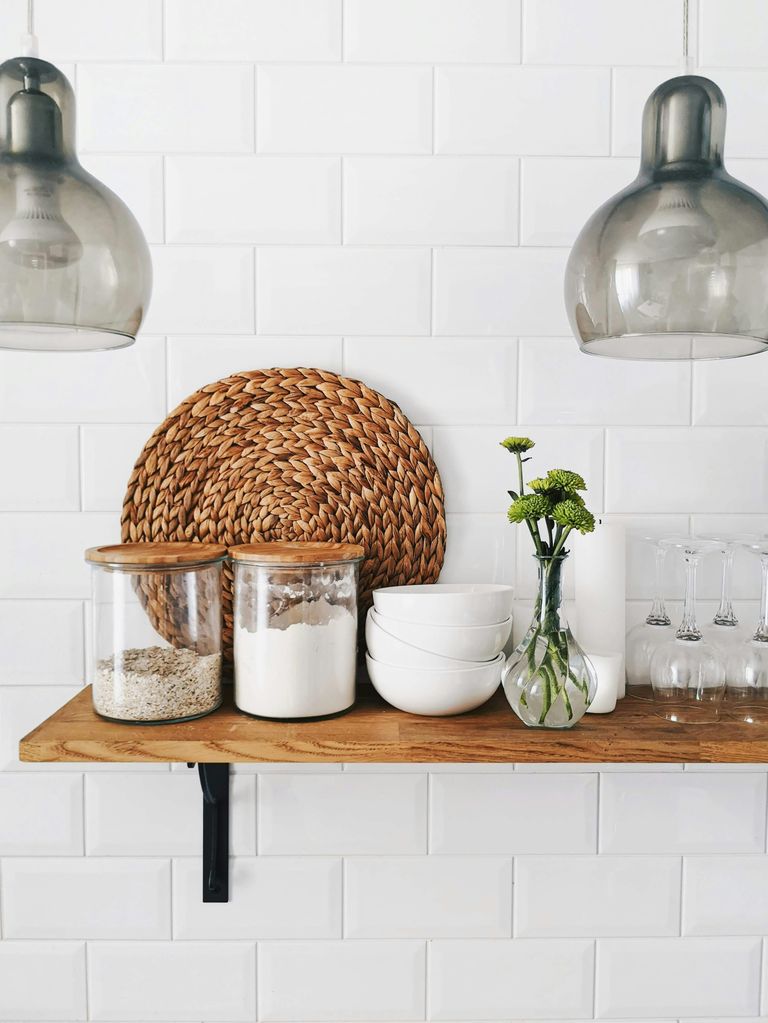
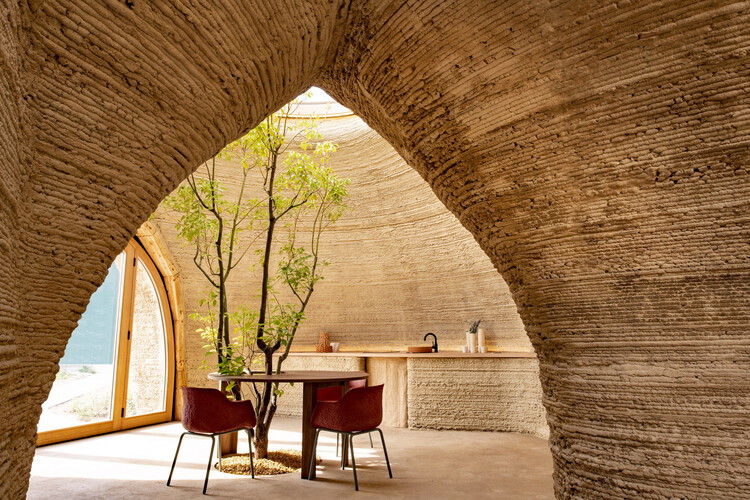
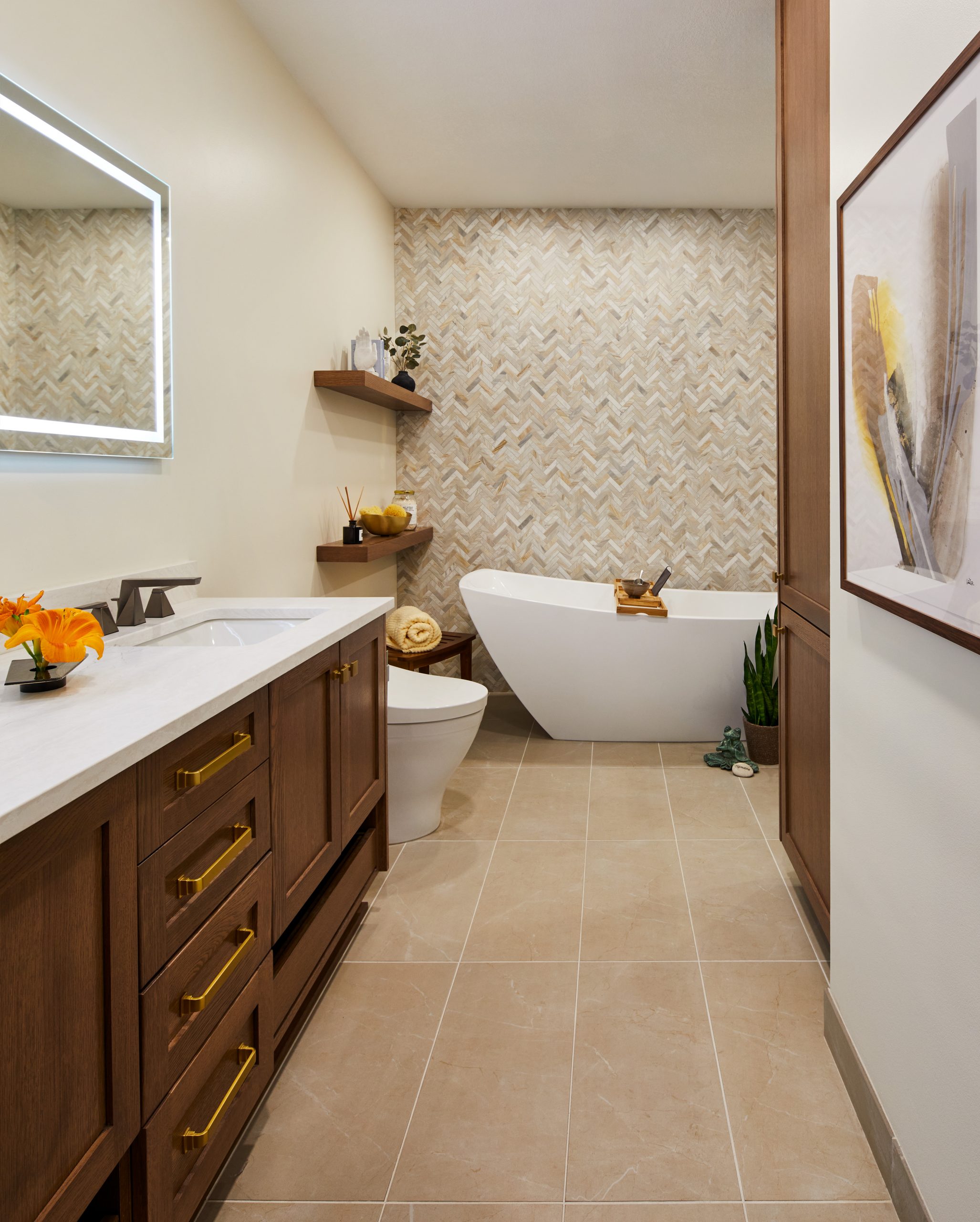
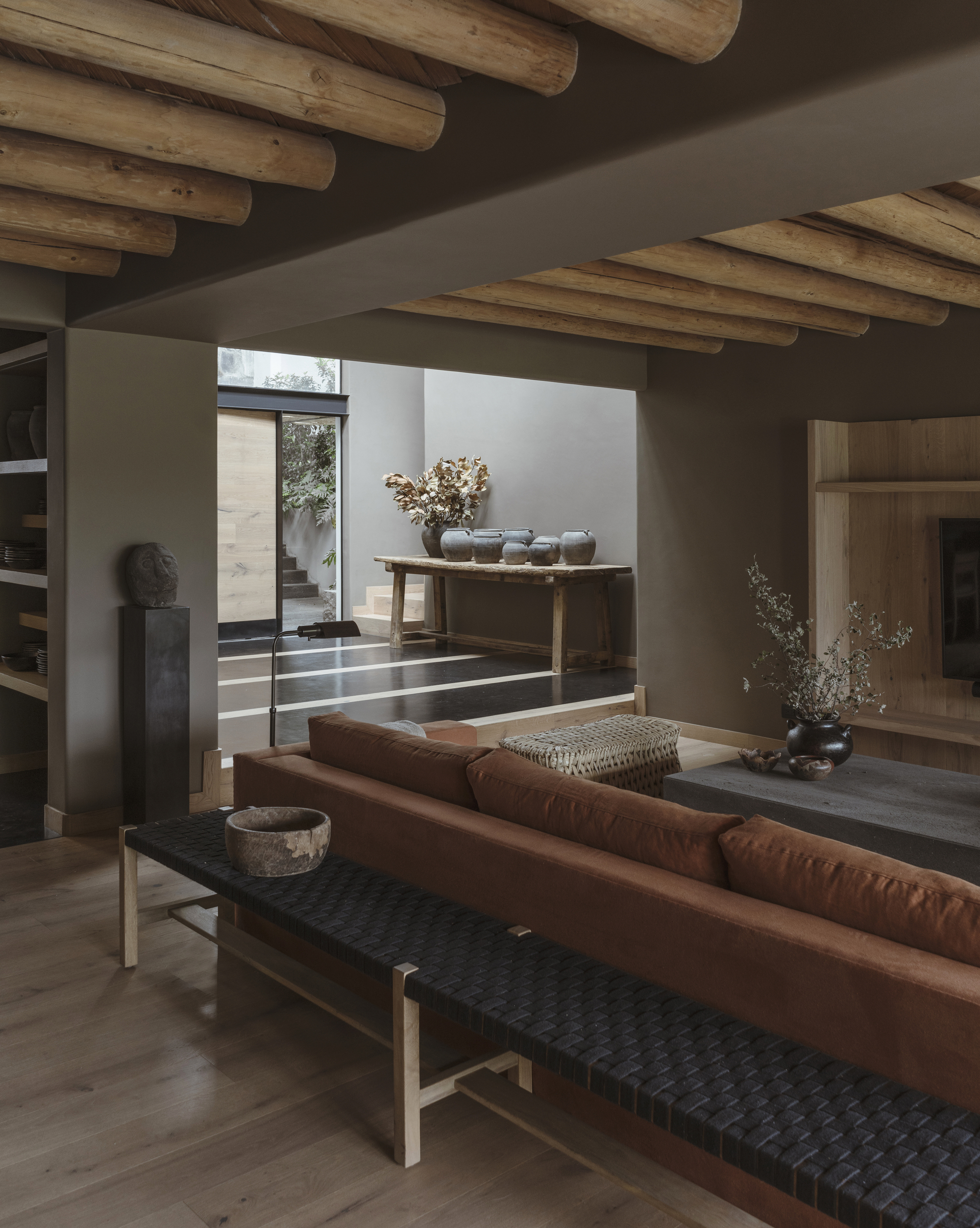
The incorporation of natural minerals and materials is another cornerstone of biophilic design. Studies indicate that natural materials can positively affect physiological health, such as lowering heart rates and blood pressure. The article advocates for solid timber furniture, particularly in bedrooms, citing its ability to reduce anxiety and improve emotional states. For those unable to invest in extensive natural flooring, introducing timber touchpoints through dining tables or wooden tableware offers similar tactile benefits. Sustainable alternatives to synthetic floor coverings, such as sisal, seagrass, and cork flooring, are also mentioned for their practical, durable, and low-maintenance qualities.
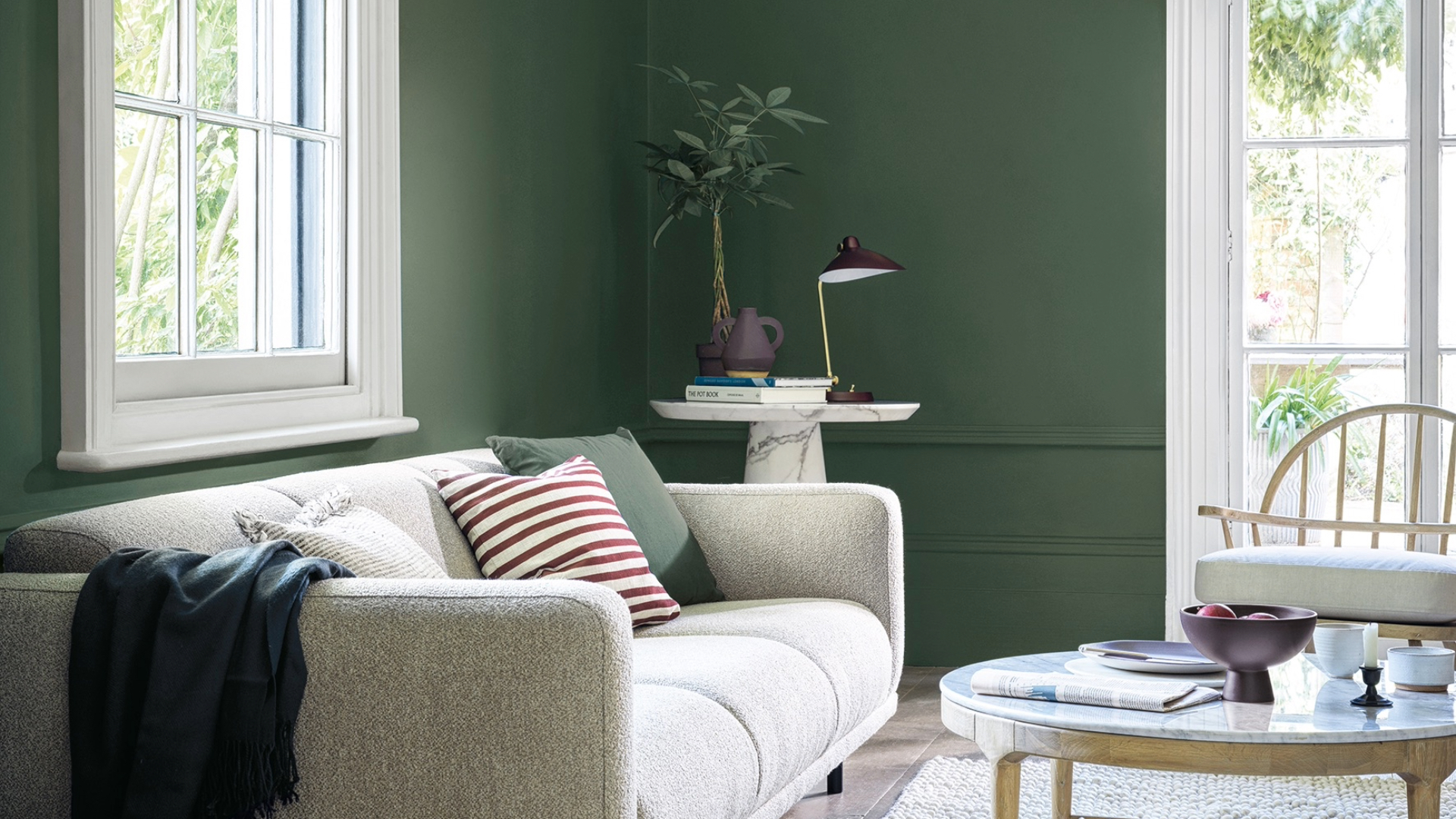
Air quality is addressed as a critical element. Indoor pollutants from building materials and household products can be mitigated by using natural, untreated materials. Paint, being the largest surface application, is a prime area for improvement, with eco-friendly, lime, clay, and chalk paints recommended for their breathability, mold resistance, and lack of harmful chemical emissions. Simple, free methods for improving air circulation include opening windows daily. For windowless spaces, dehumidifiers and desk fans are suggested to improve air quality, reduce allergens, and create a sense of natural breeze.
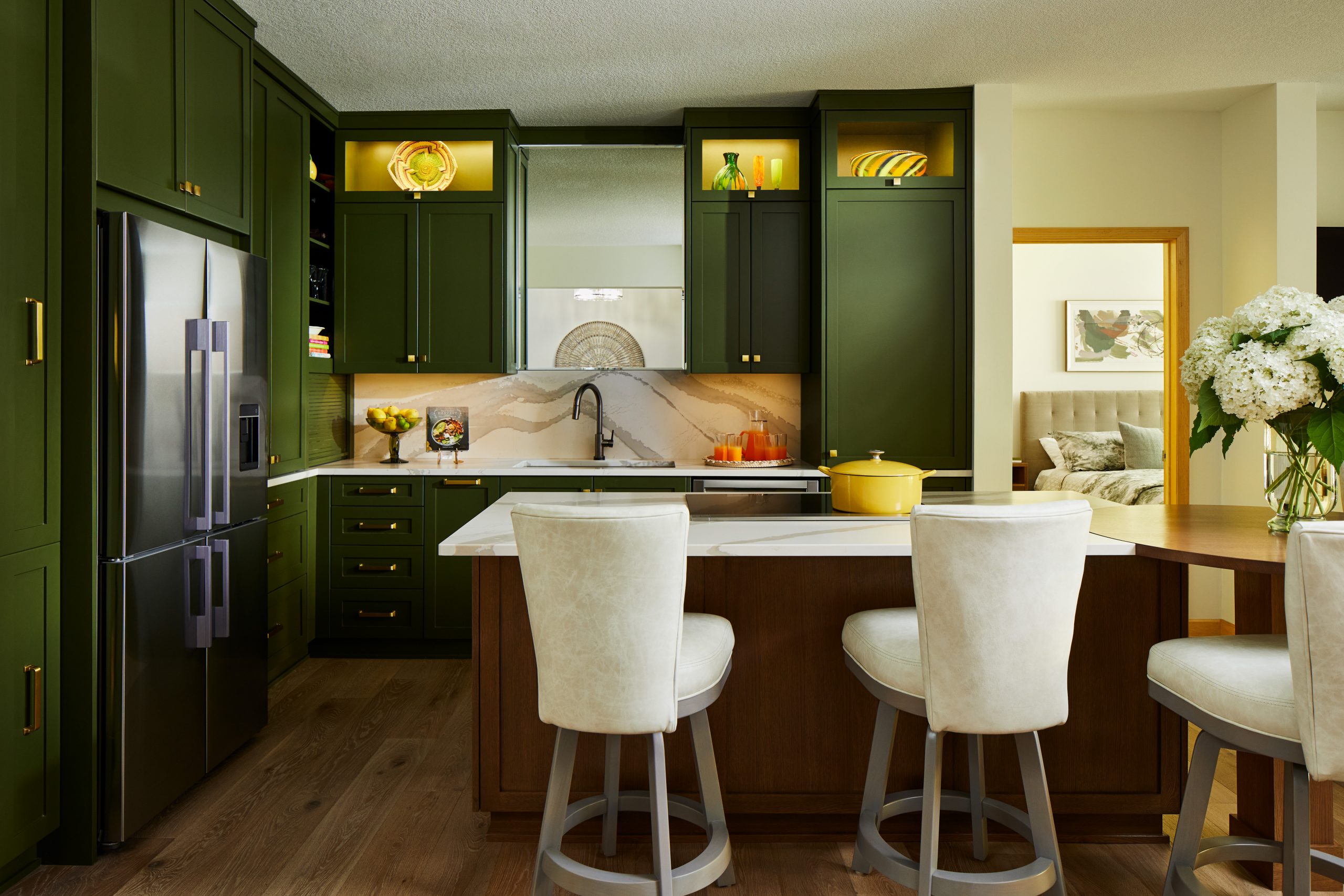
Color psychology is explored, moving beyond transient trends to a more intuitive approach. The article encourages individuals to select colors based on the intended purpose and desired emotional state of a room. Drawing inspiration from calming natural scenes, such as beaches or forests, can guide color choices for bedrooms or relaxation areas, while different palettes might be chosen for workspaces. The vibrancy of a color’s tone is also highlighted as an important consideration.
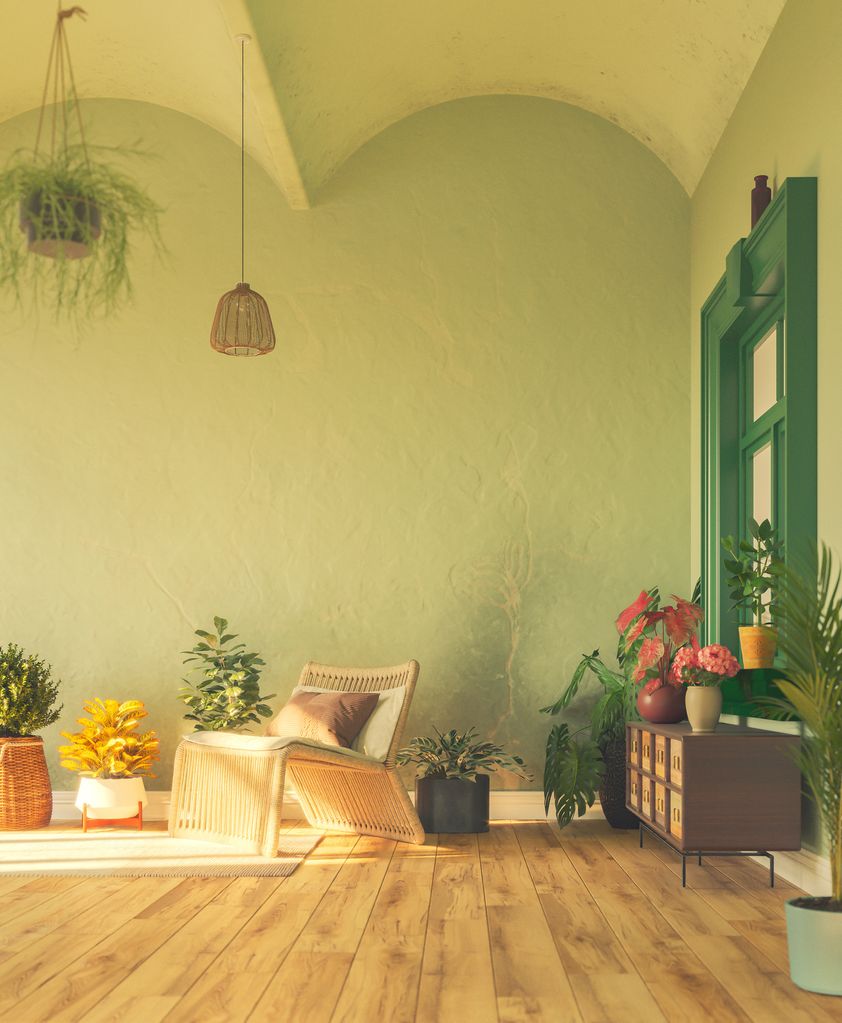
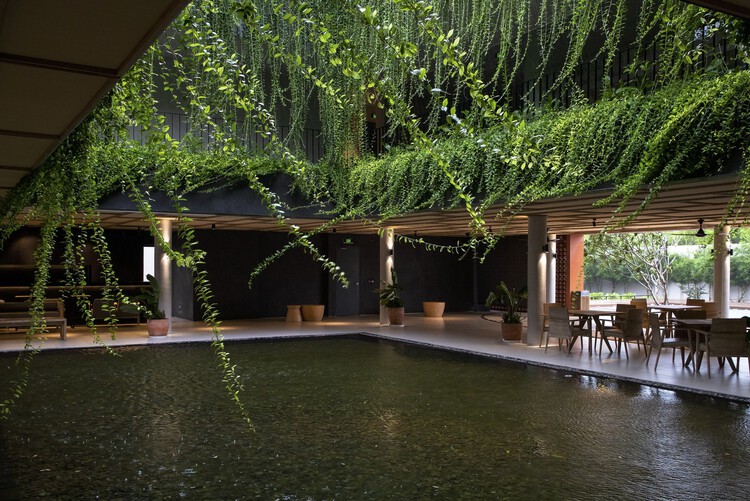
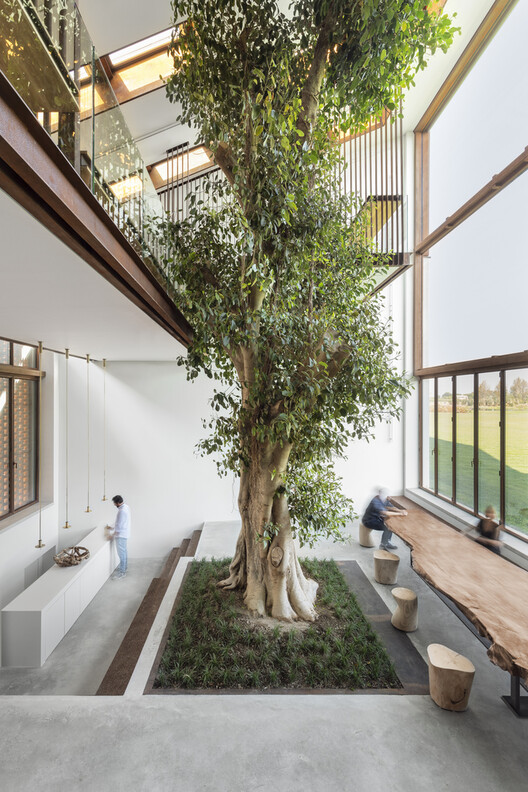
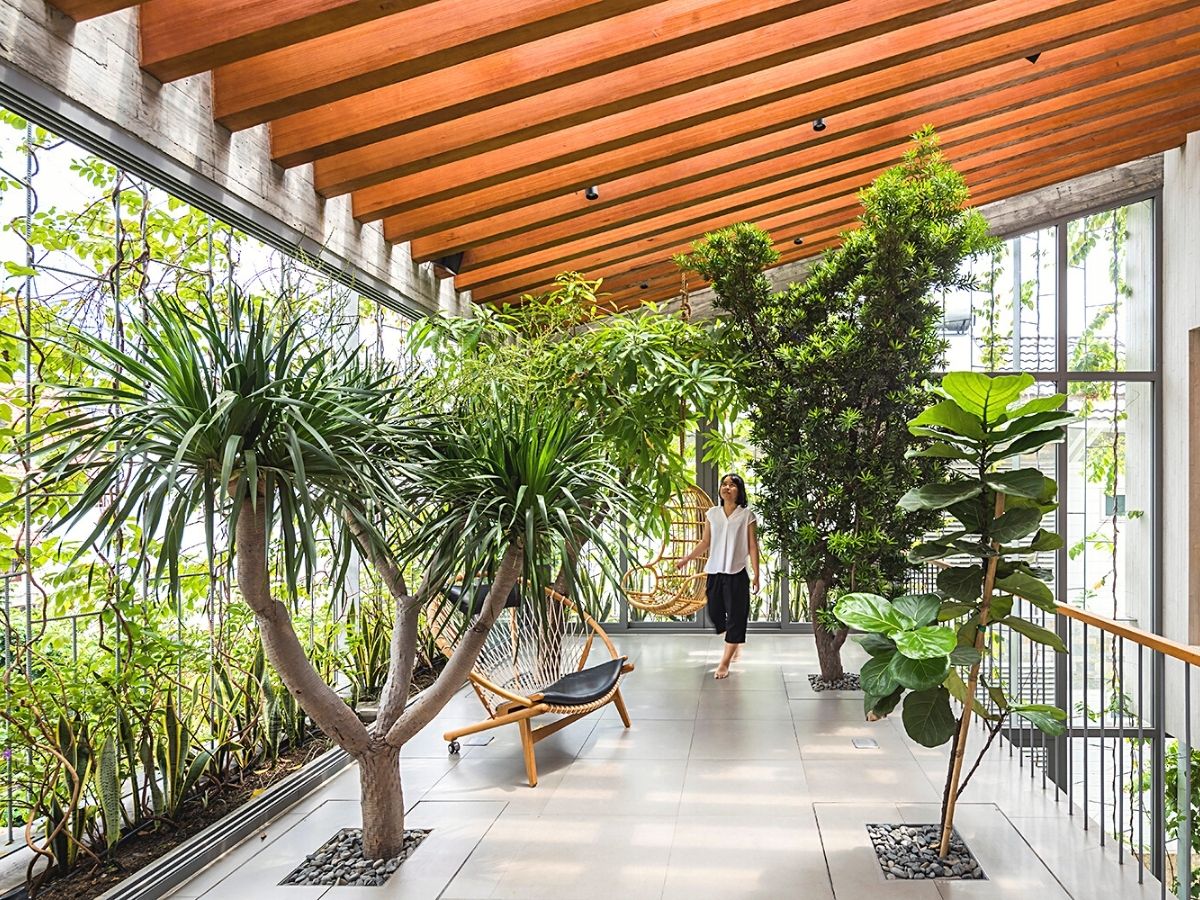
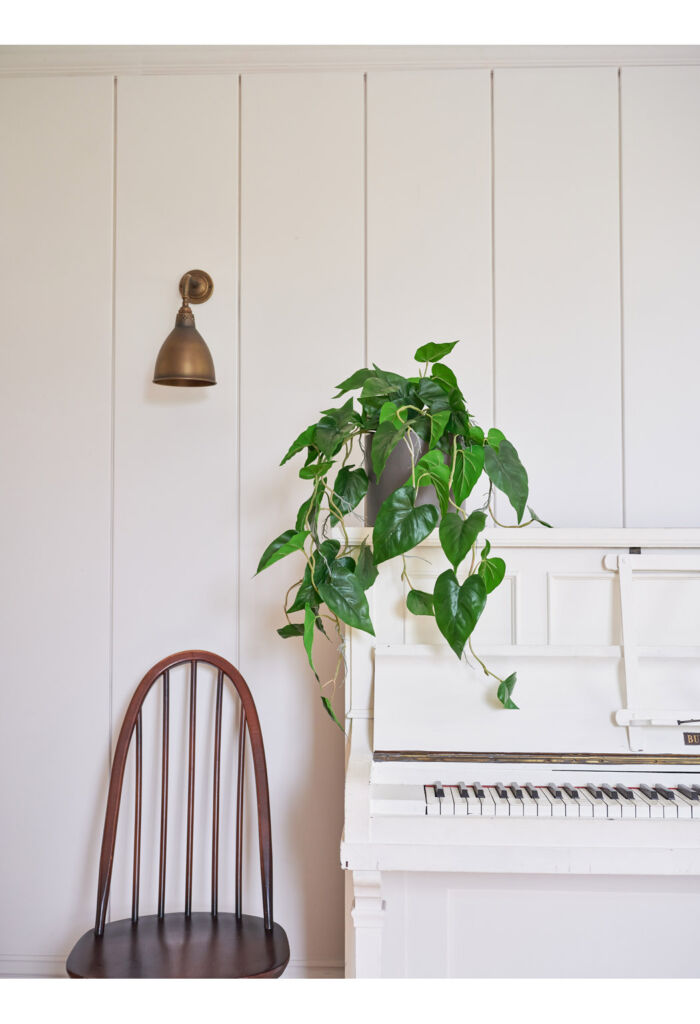
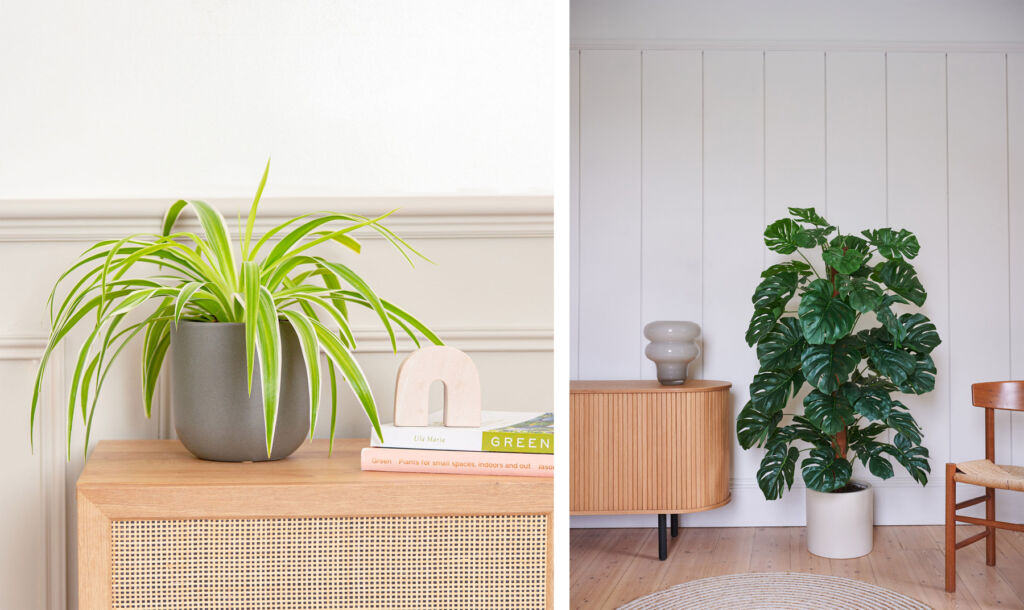
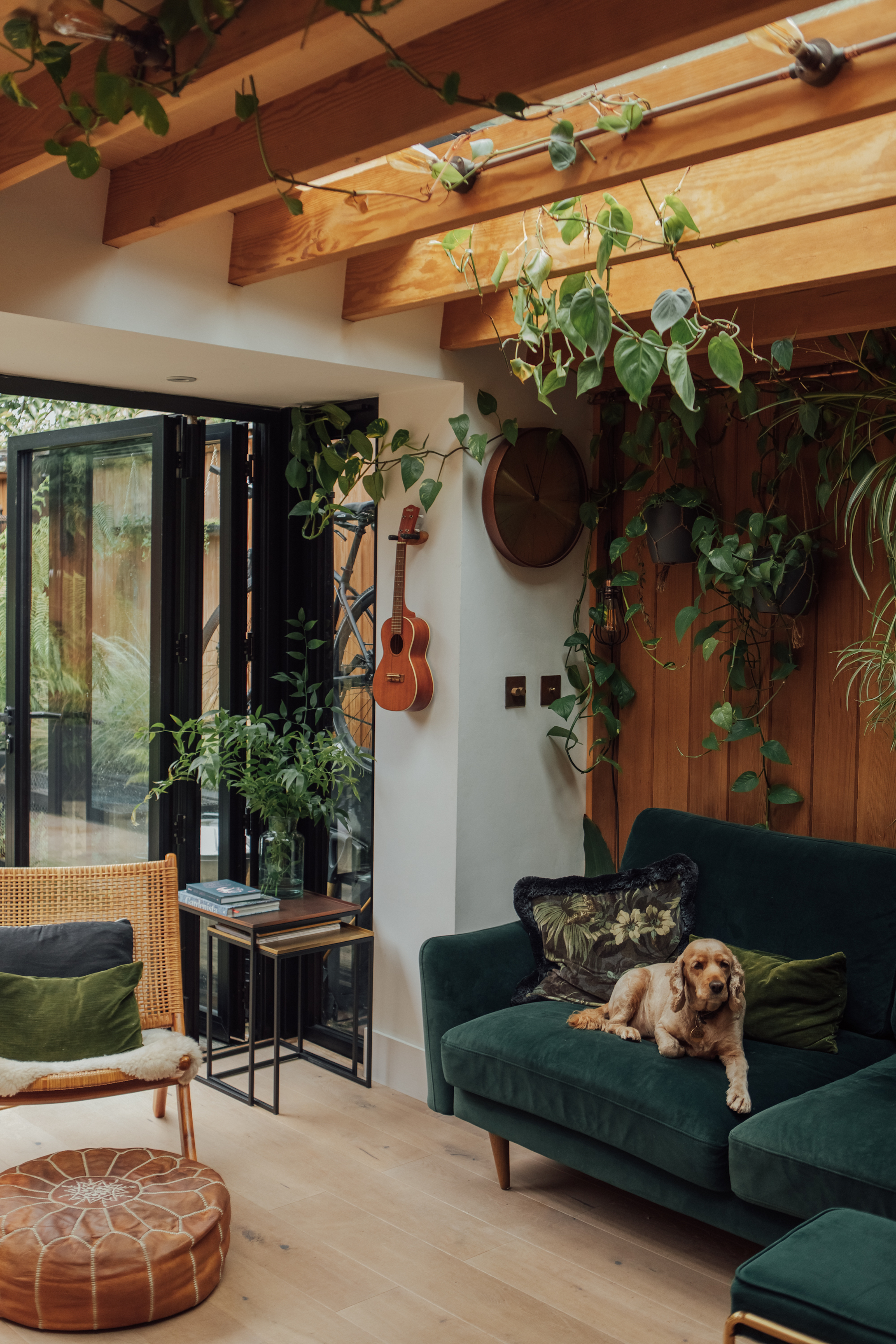
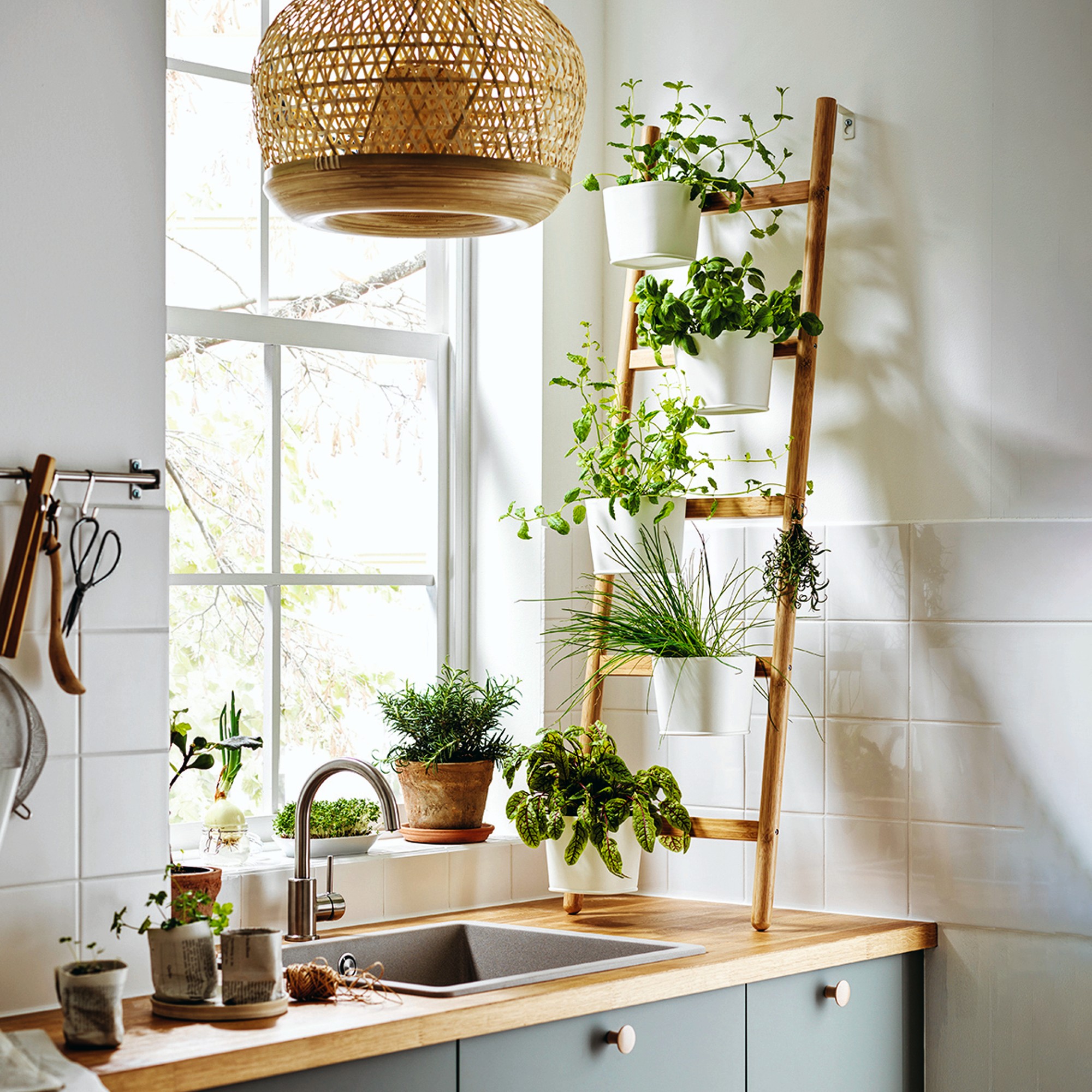
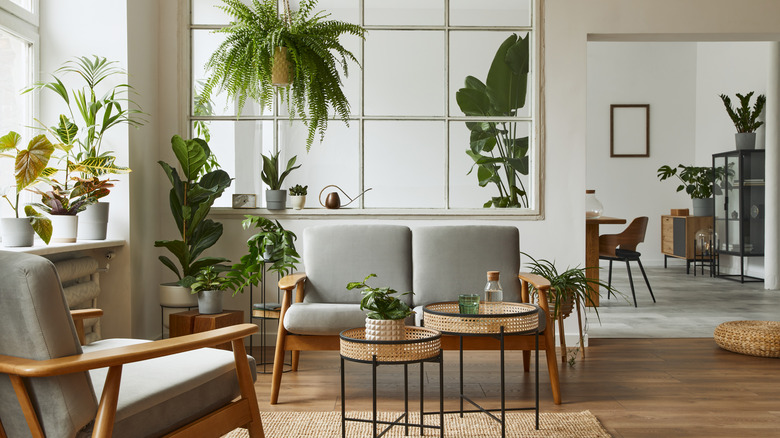
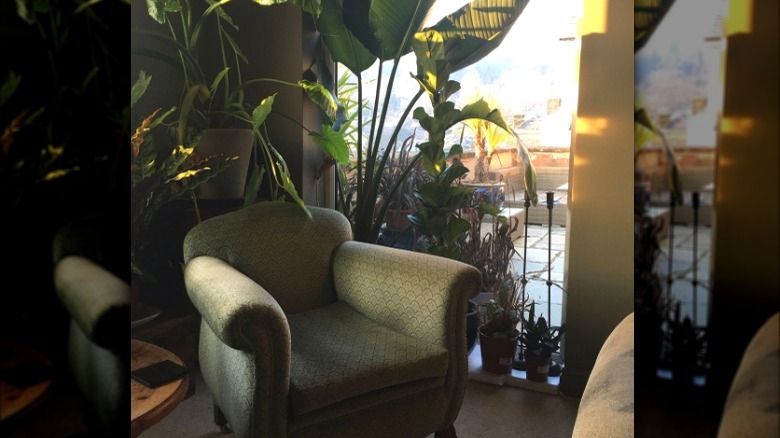
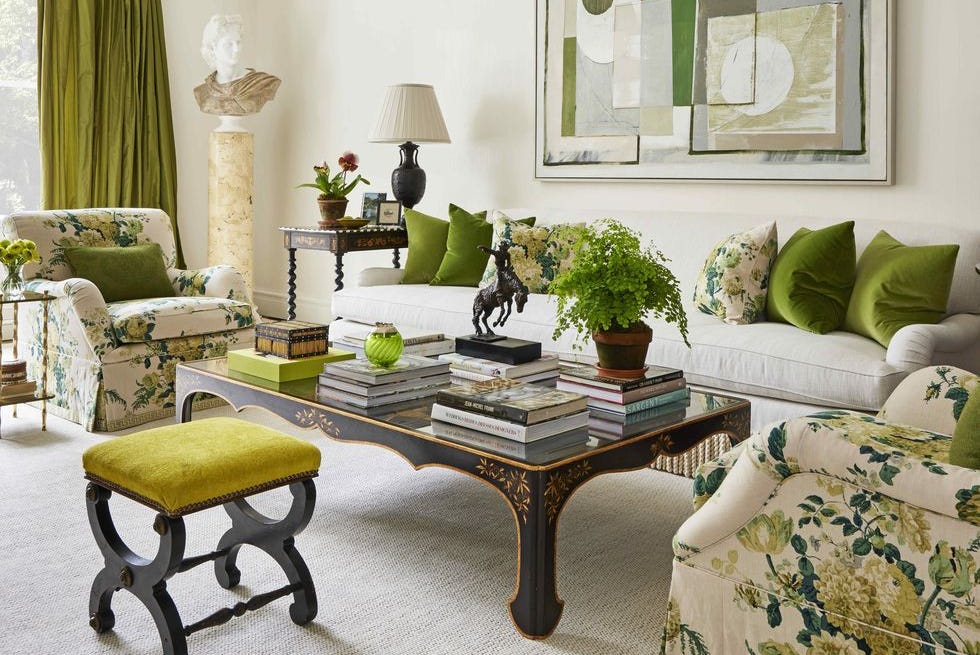
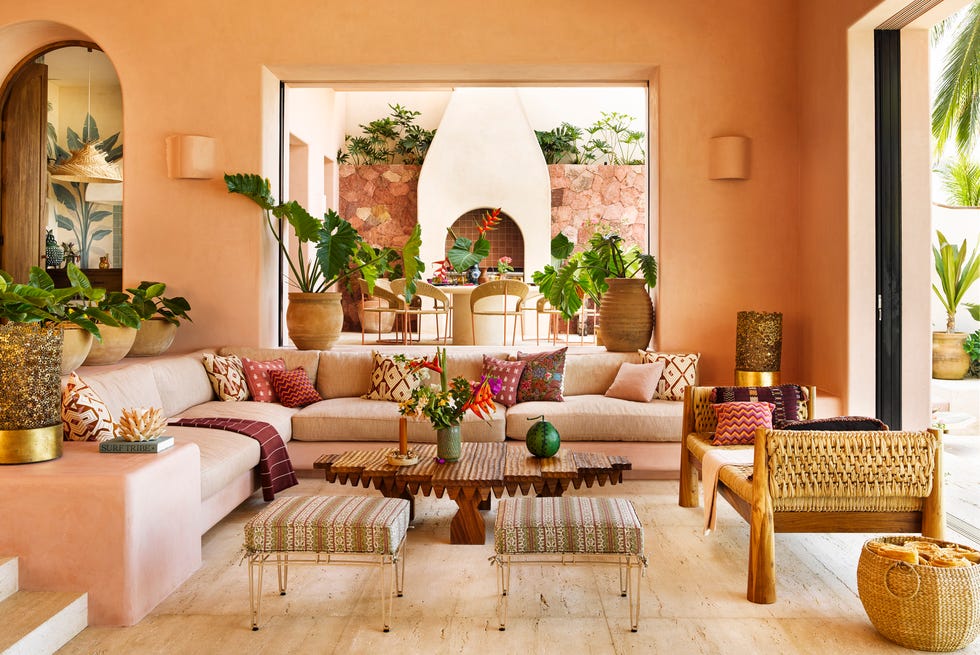
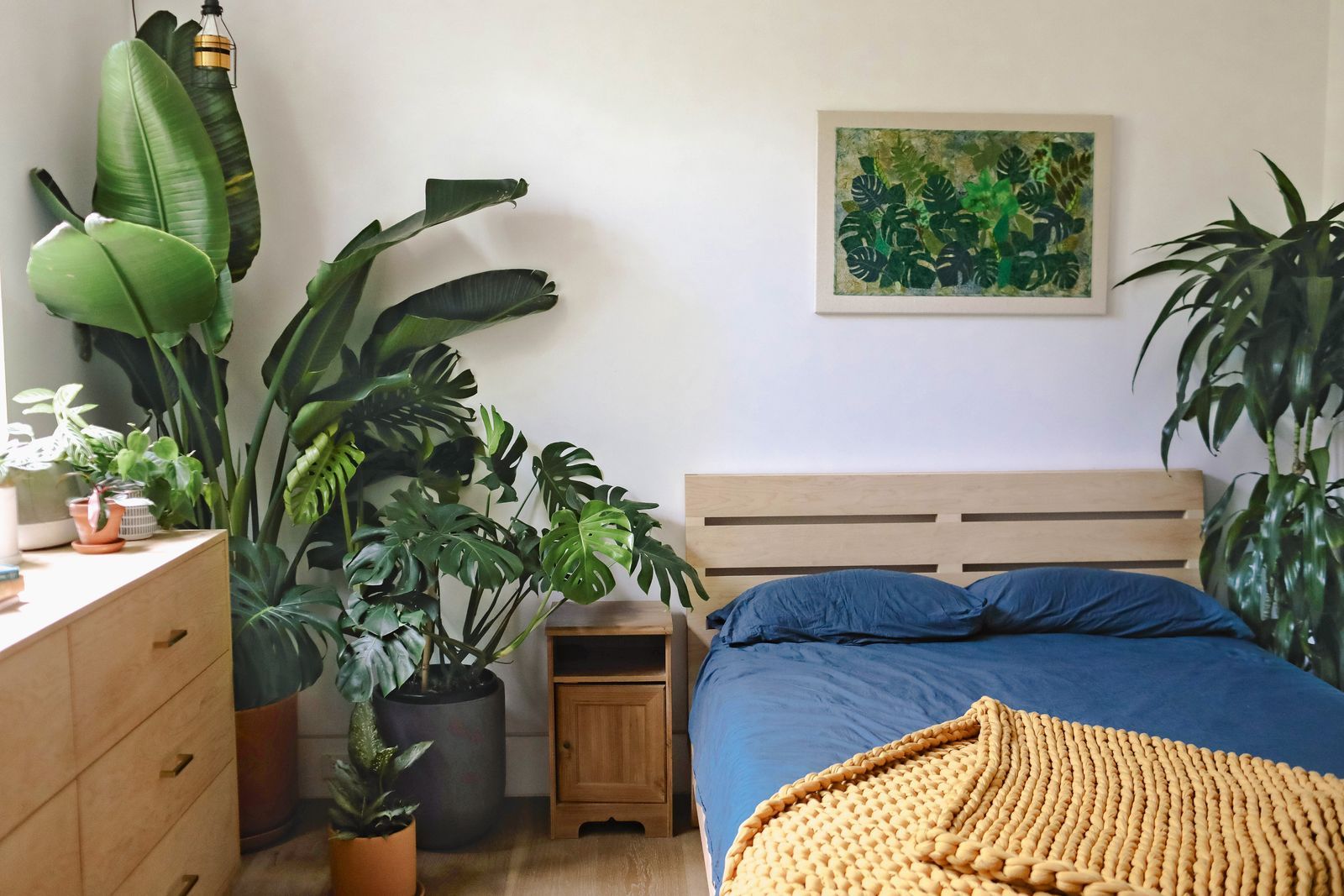
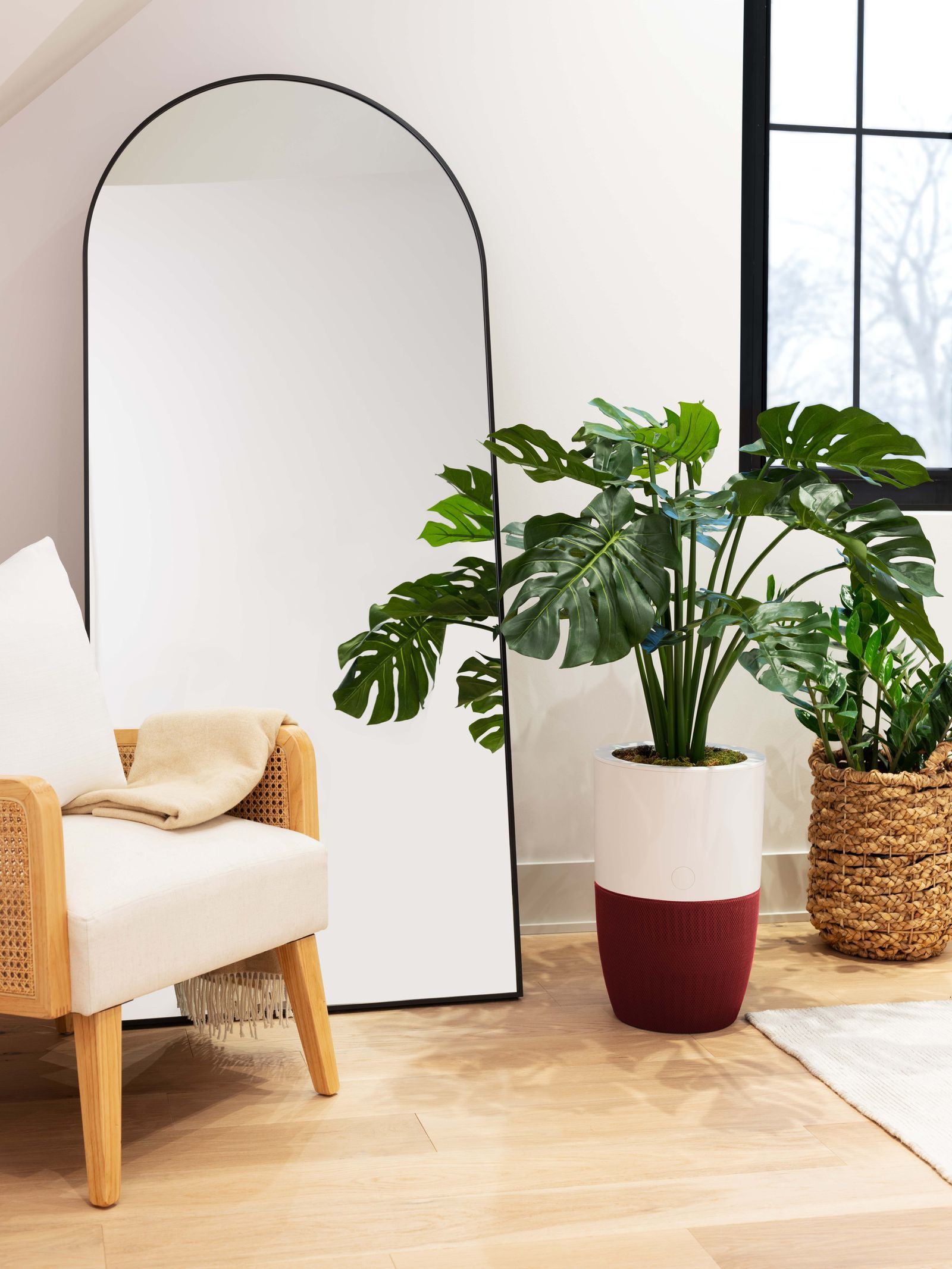
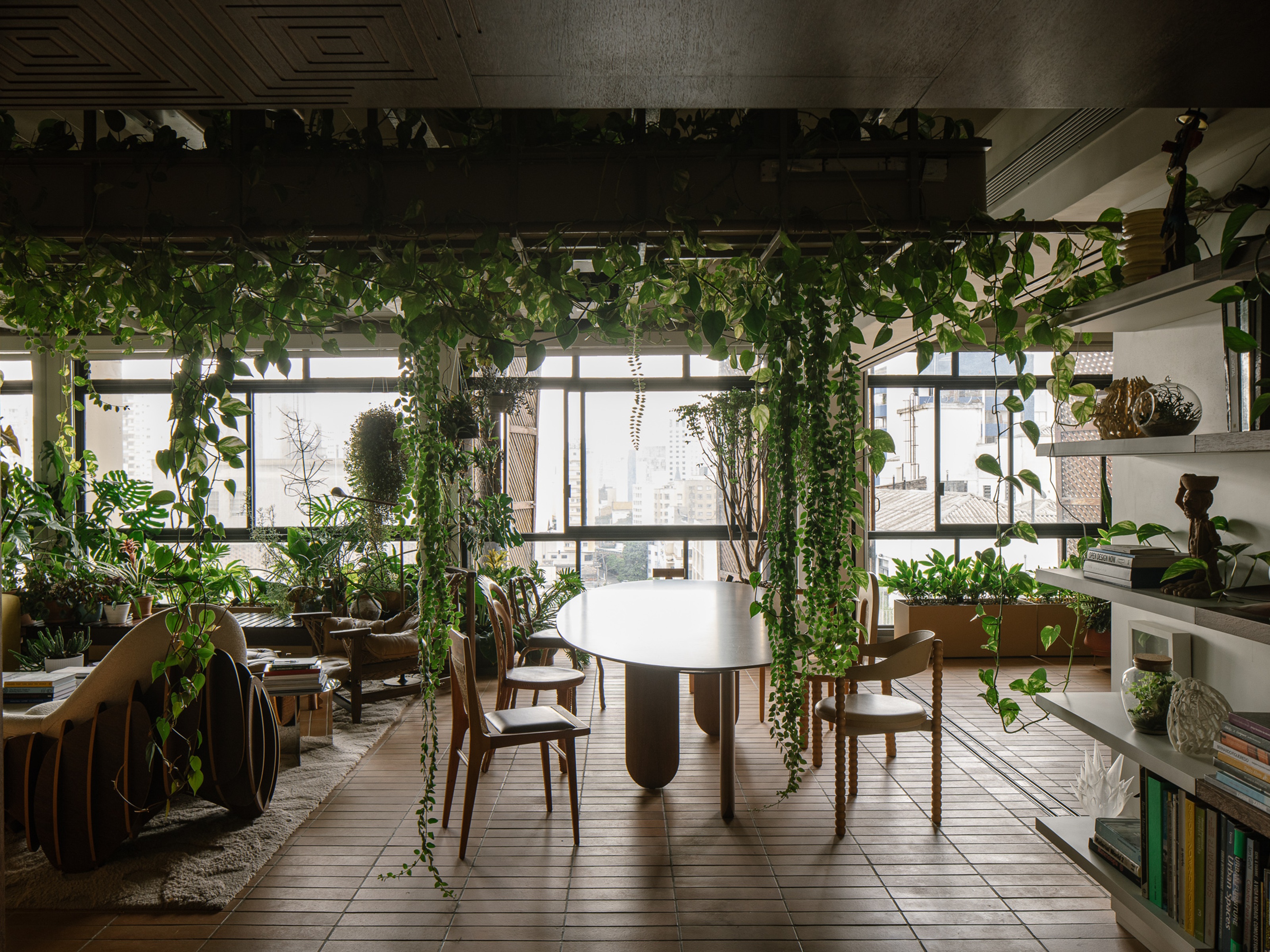
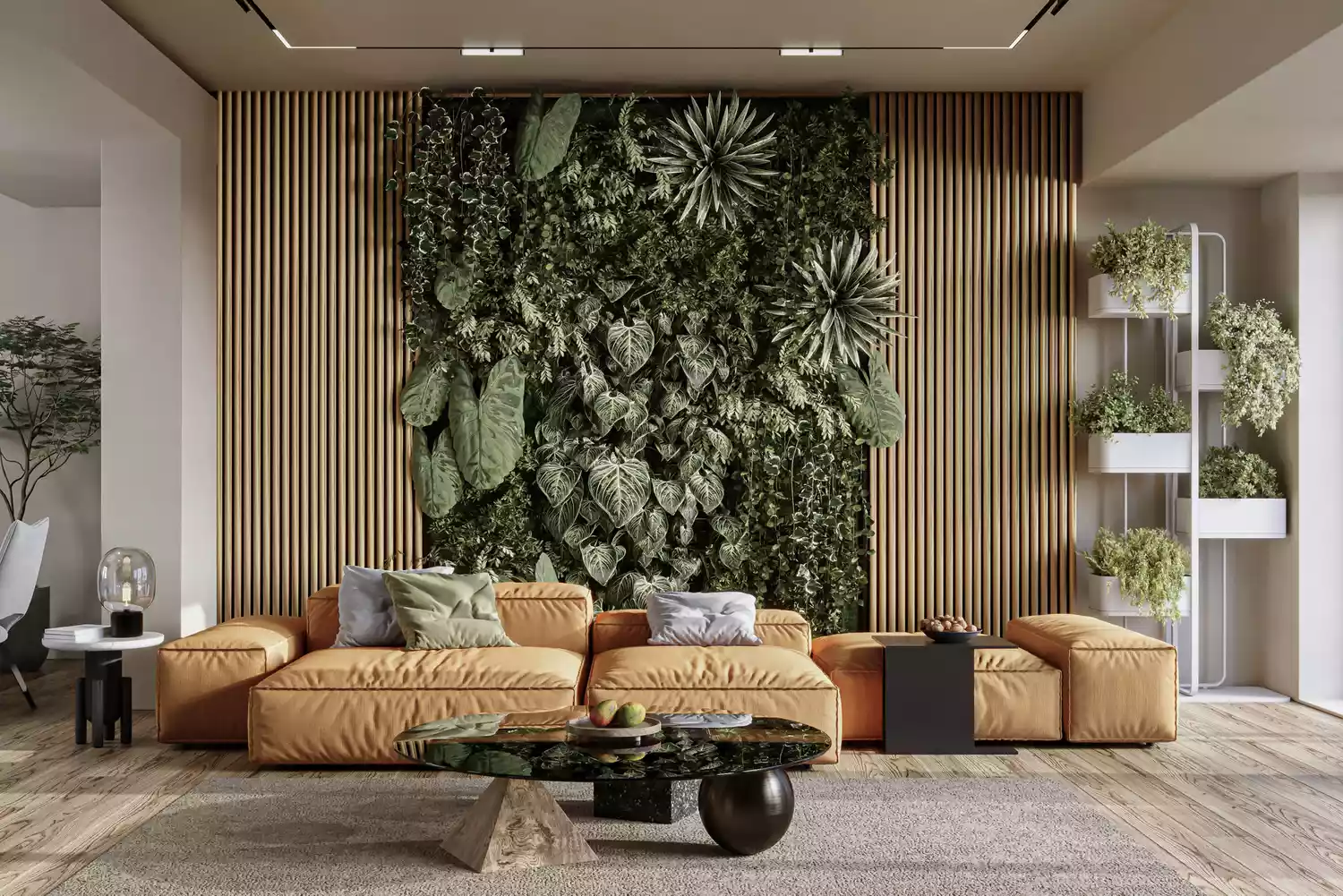
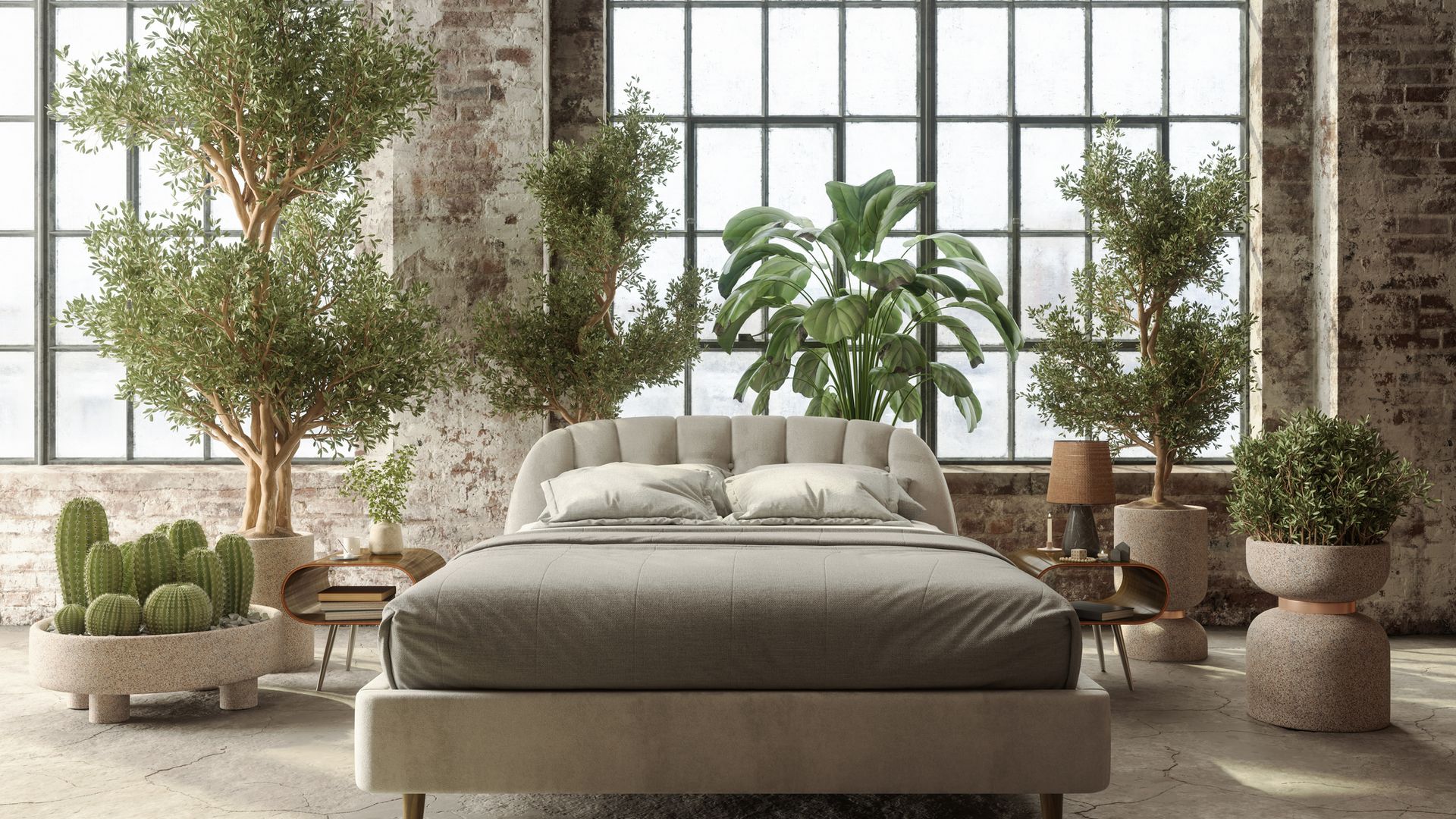
Indoor vegetation is presented as a powerful tool for transforming spaces. Plants promote a healthy indoor climate by increasing humidity, reducing allergens, and improving overall well-being. The presence of plants in office environments has been linked to decreased illness and increased productivity. To create an immersive natural feel, the article suggests arranging plants at various levels, from floor to ceiling, to draw the eye and simulate a natural canopy.
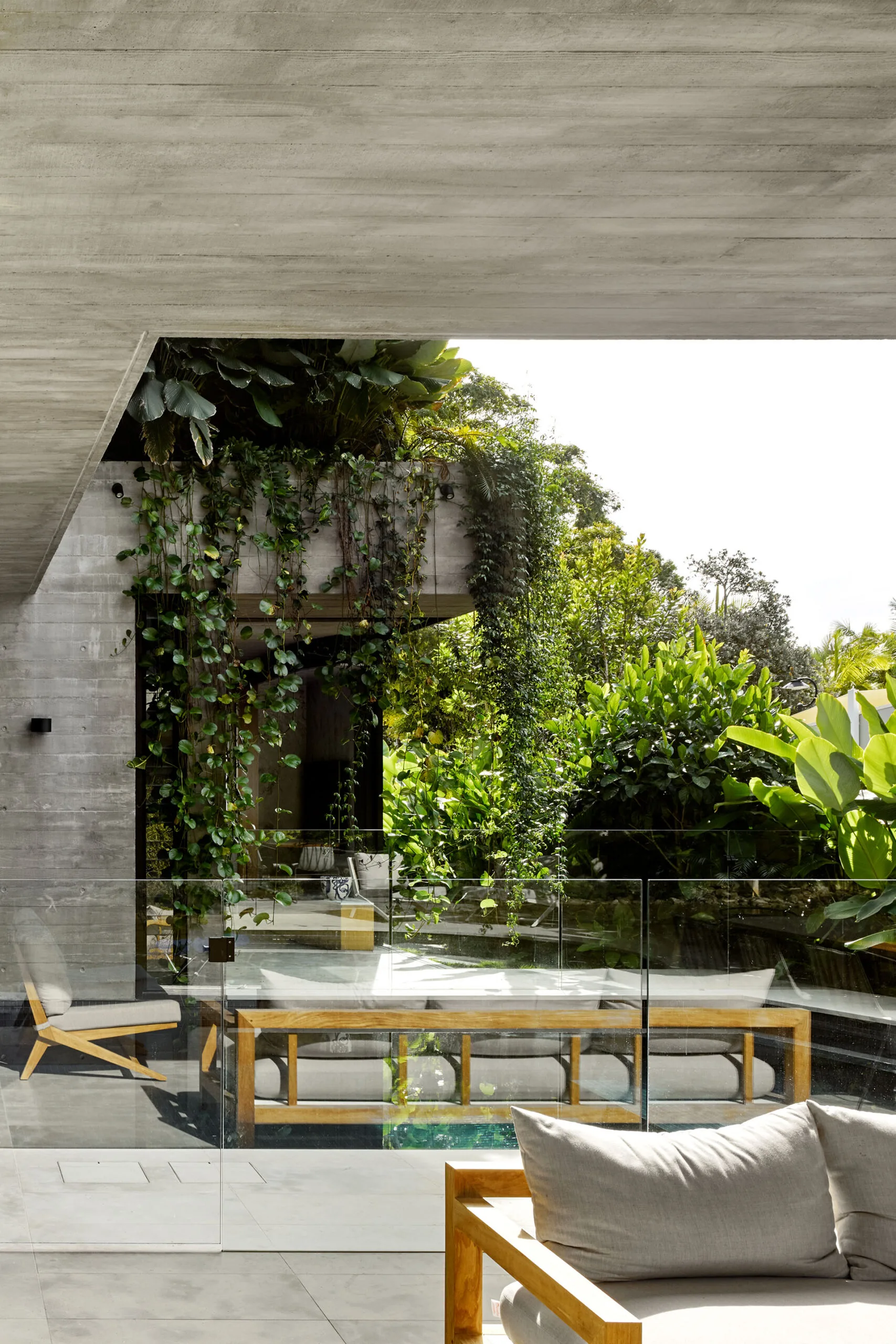
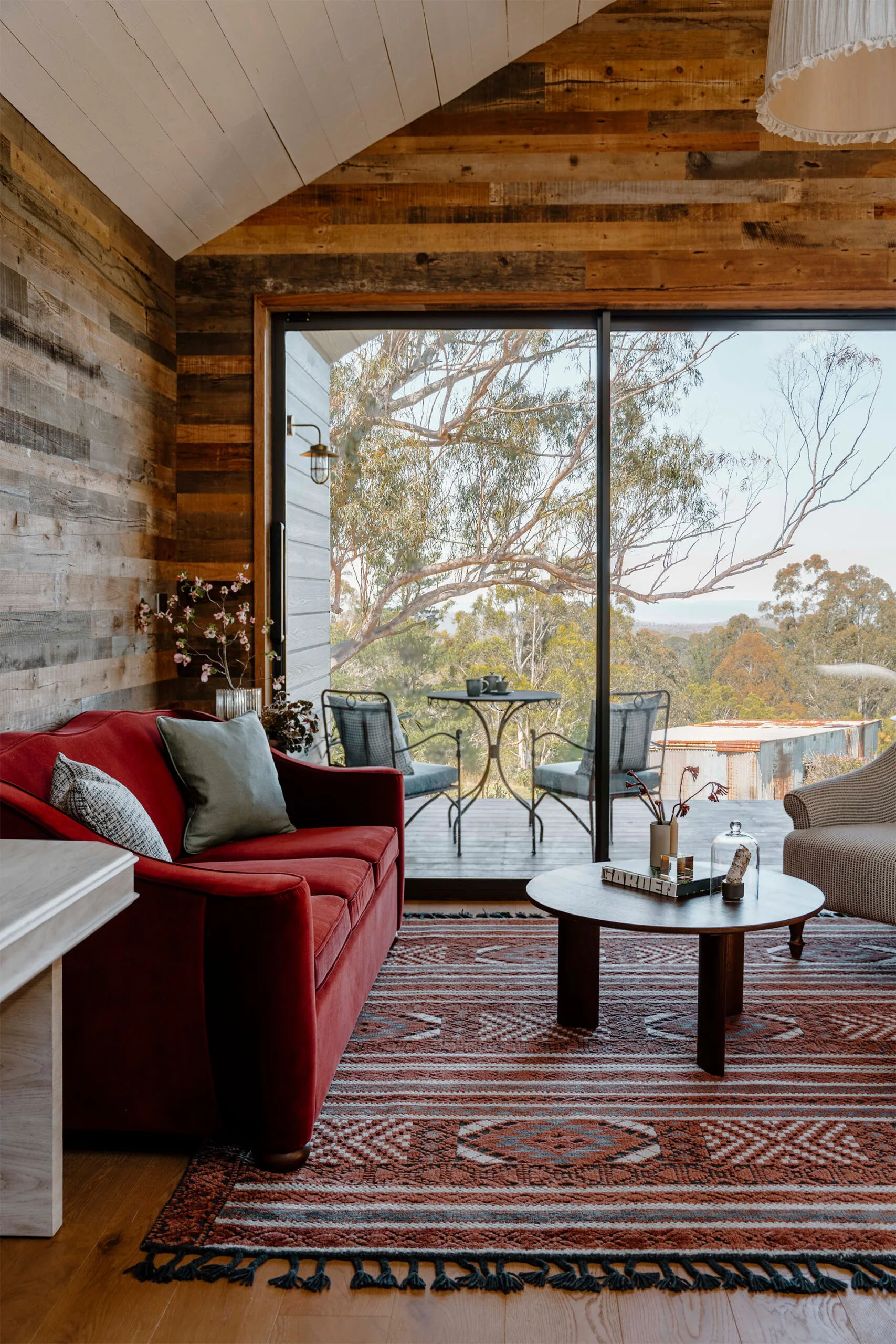
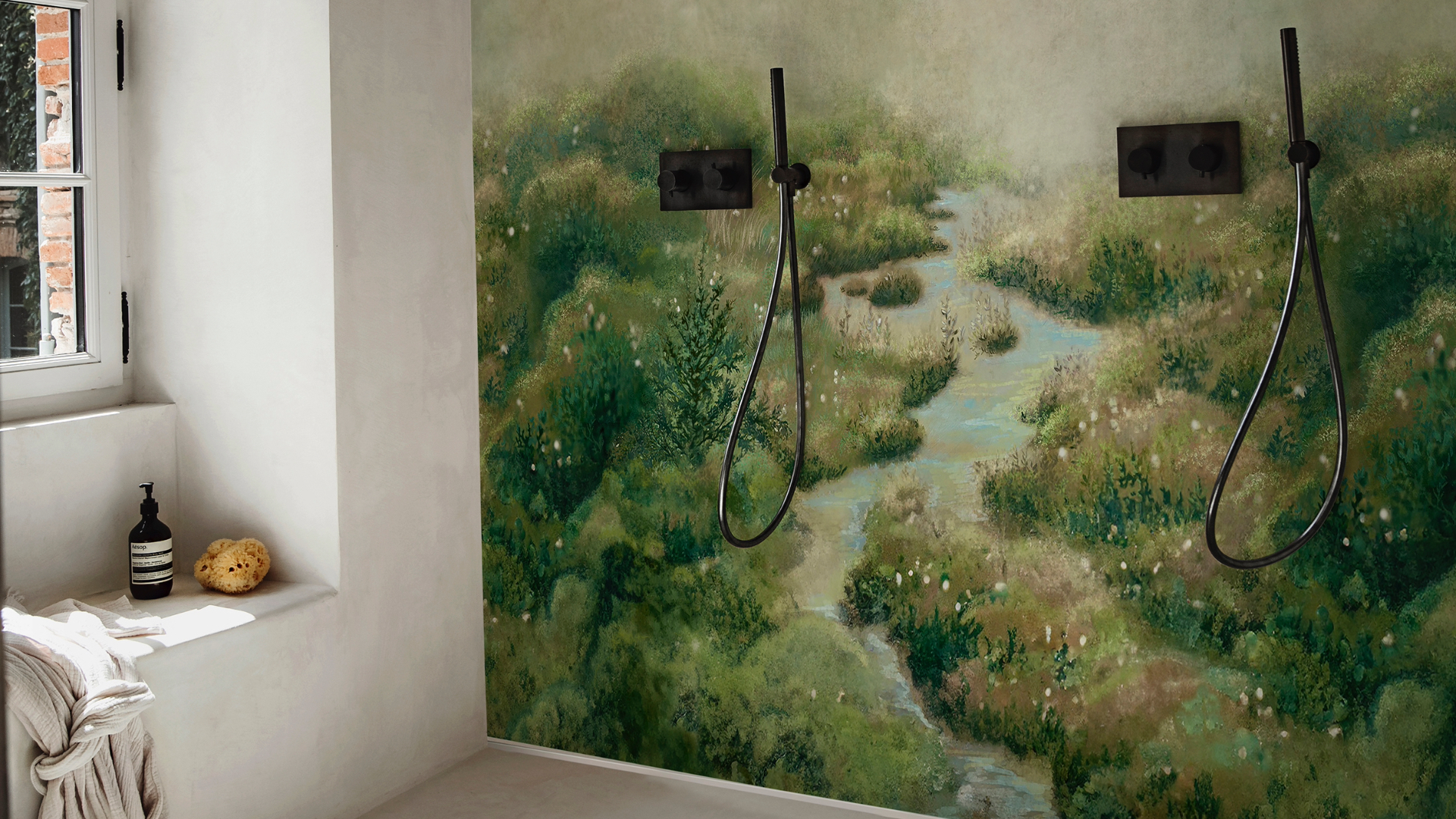
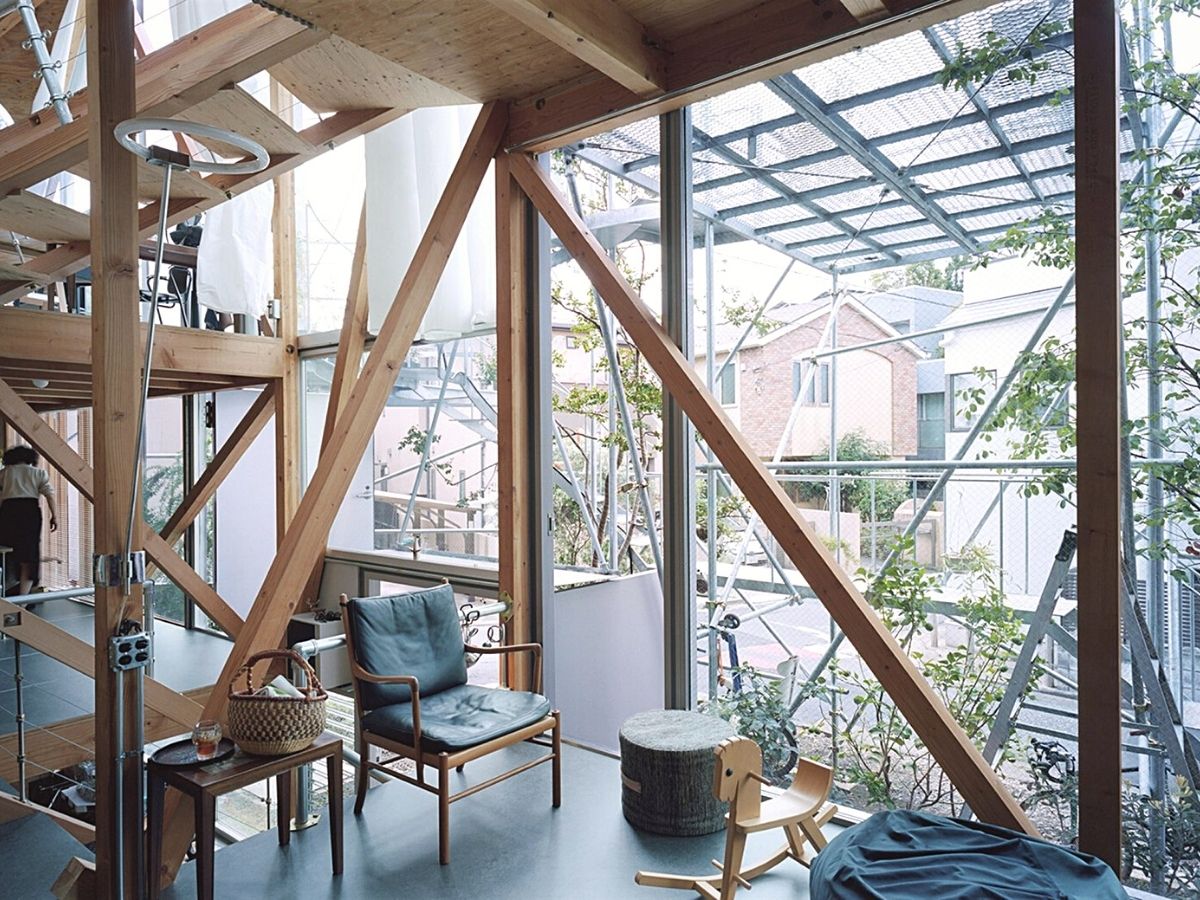
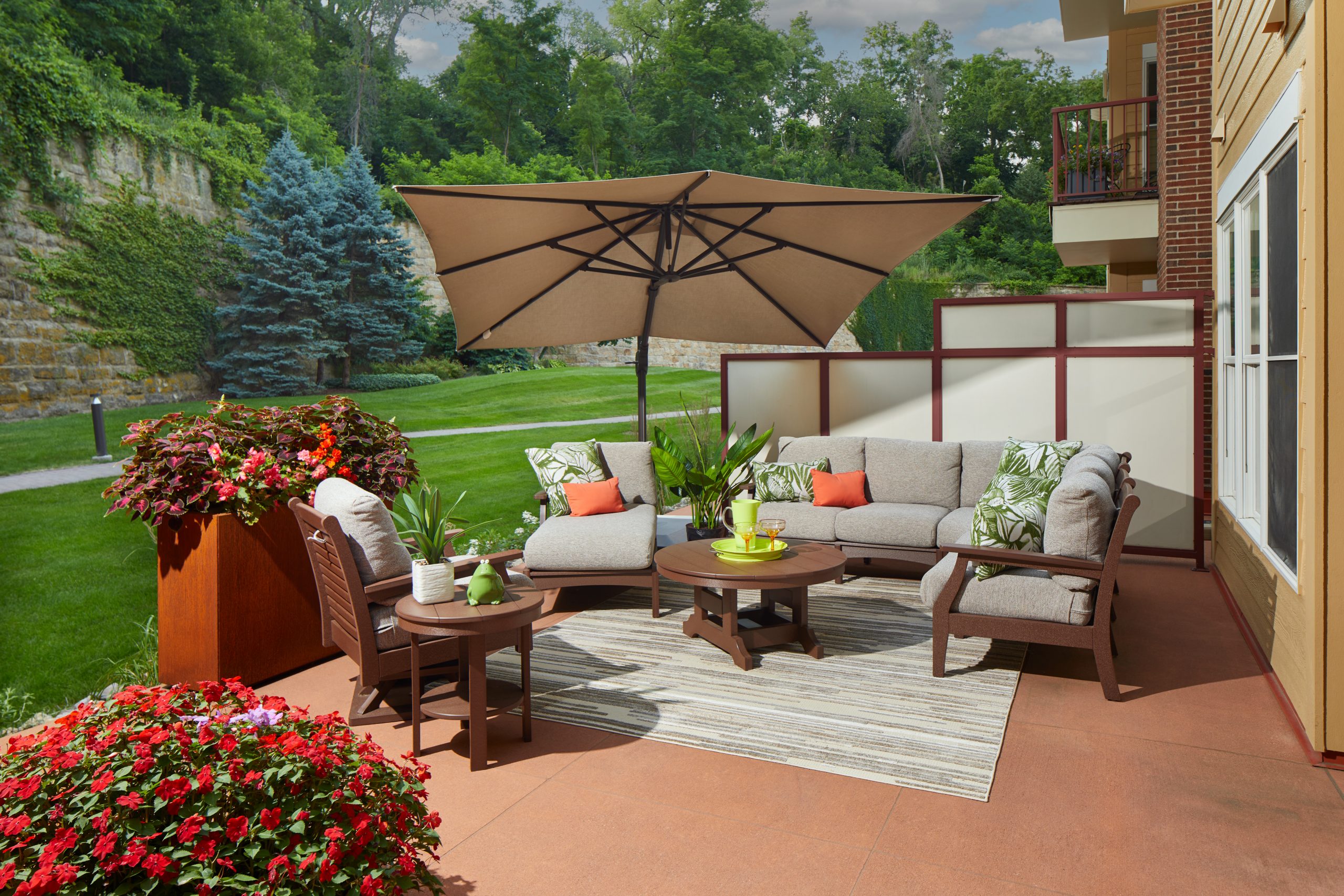
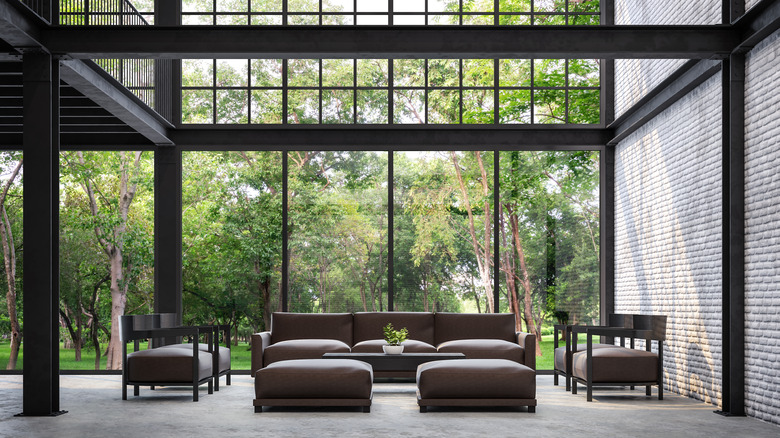
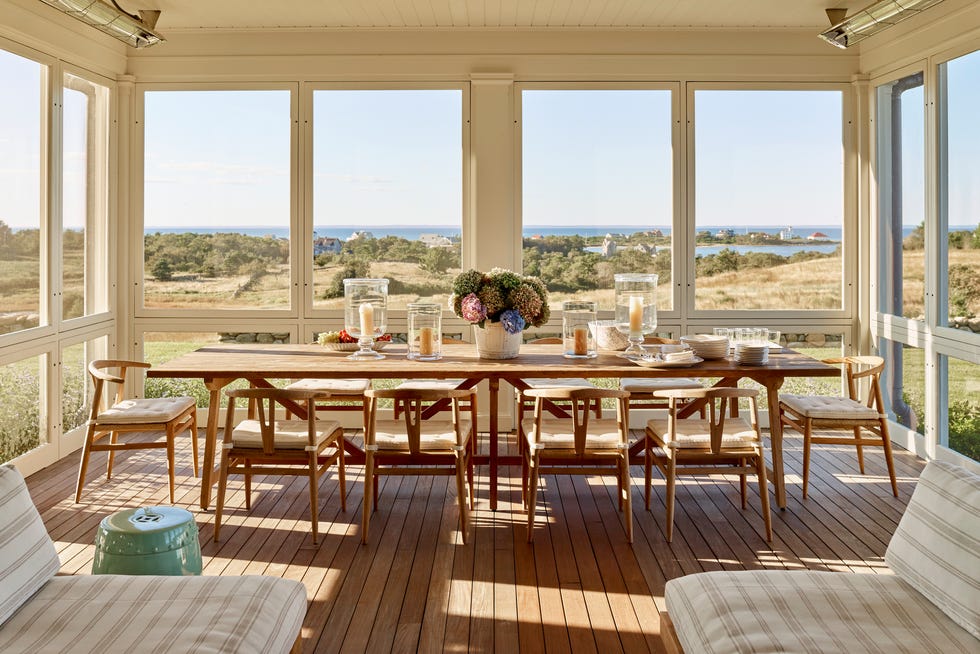
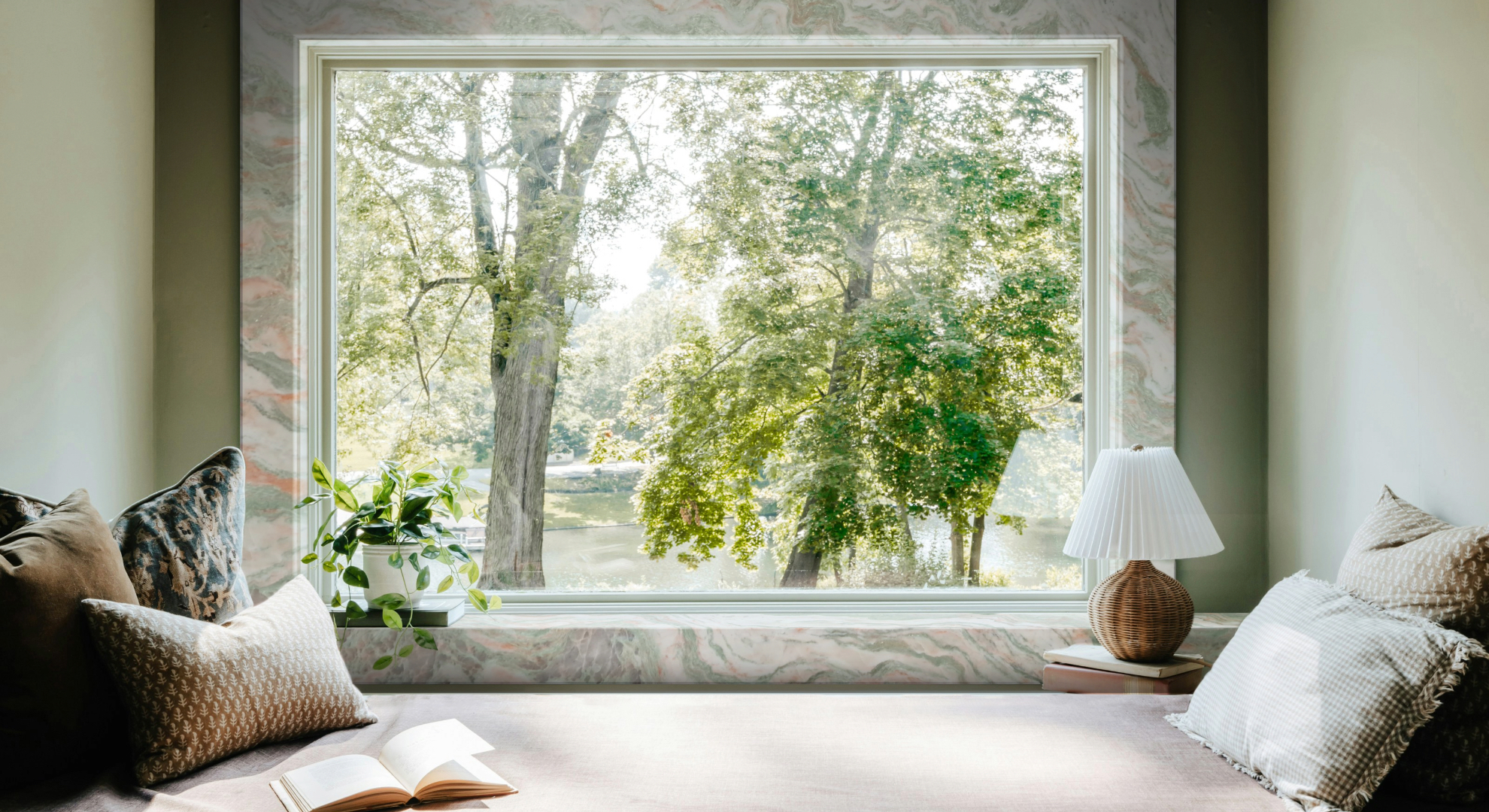
Views and vistas are critical for a sense of wholeness and rejuvenation. For homes with desirable outdoor views, furniture placement should prioritize enjoying these natural scenes. If the external view is unappealing, concealing it with reeded glass or sheer curtains while introducing foreground plants can create an illusion of nature. For wall-mounted TVs, using art functions that display natural scenery when not in use can maintain a biophilic aesthetic.
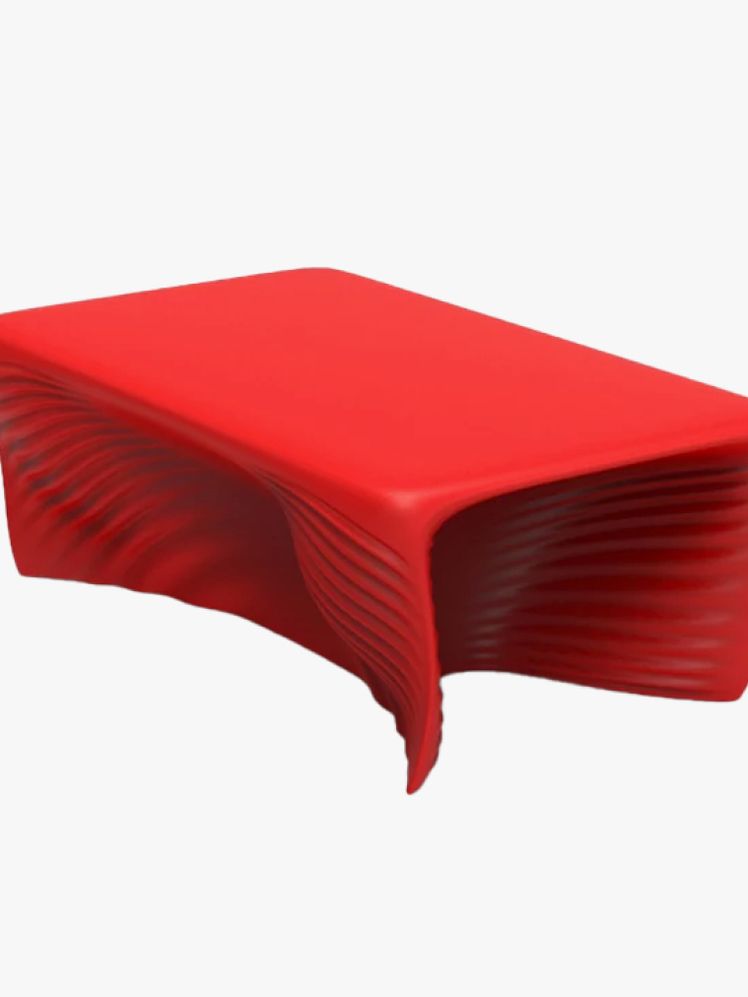
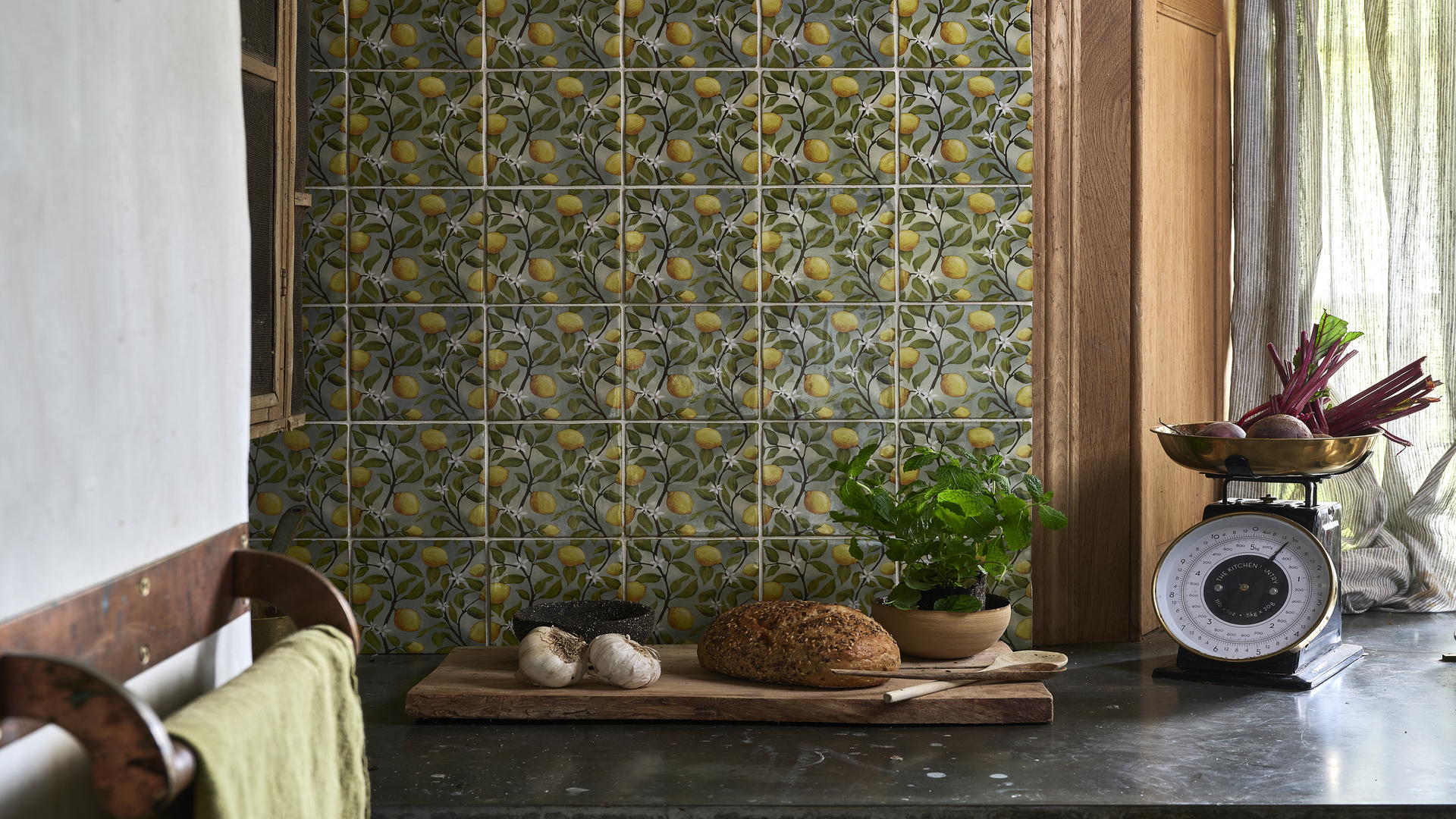
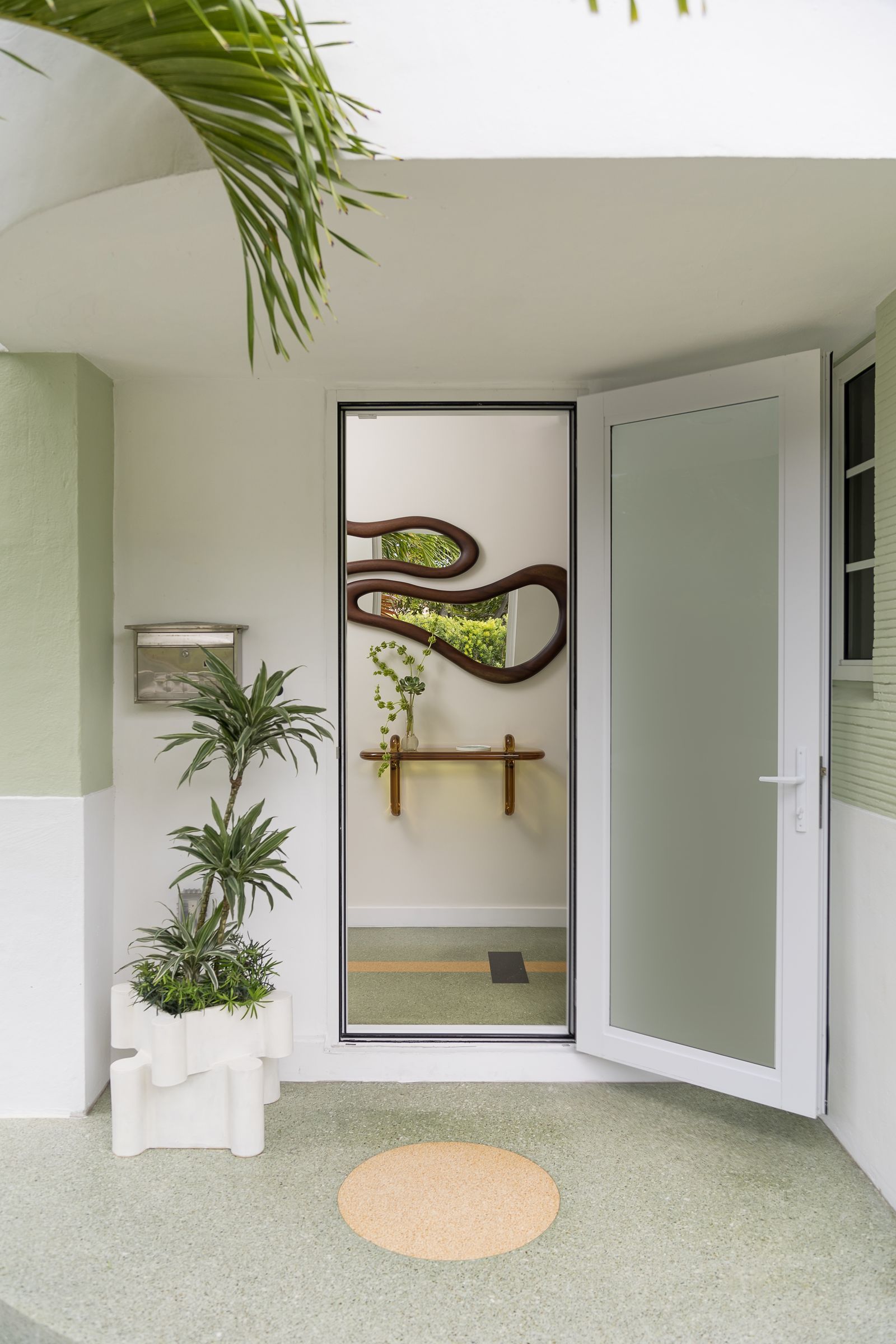
Natural shapes and forms contribute to a positive visual complexity, moving away from harsh lines. Botanical patterns in wallpapers, furnishings, or tapestries are encouraged. Subtle integration can be achieved through organic-shaped mirrors or pebble-shaped coffee tables. The article notes that free-flowing shapes, like spirals found in shells, are soothing and provide cognitive respite, making them suitable for desk spaces. Regular 'micro-breaks' from screens, observing such natural forms, can improve concentration and reduce stress.
Finally, the article emphasizes 'connection' as the overarching theme. This extends beyond nature to include a deeper connection to the environment, geographical location, and cultural heritage. Incorporating local materials, seasonal elements, artisan crafts, family heirlooms, or travel mementos can create a unique, personalized home that avoids generic design schemes, ensuring every individual feels nurtured and supported by their surroundings.
#BiophilicDesign #InteriorDesign #NaturalLight #DynamicLighting #NaturalMaterials #AirQuality #ColorPsychology #IndoorPlants #ViewsAndVistas #NaturalForms #HomeWellness #BiophilicDesign #InteriorDesign #NaturalLight #DynamicLighting #NaturalMaterials #AirQuality #ColorPsychology #IndoorPlants #ViewsAndVistas #NaturalForms #HomeWellness
0 comment in total
 No comments yet
You may also like
What is Biophilic Design? This Nature-Based Interiors Trend Promises Wellness
Biophilic Interiors: 21 Projects that Blend Architecture with Nature

The Best of Biophilic Design: Bringing Nature Indoors

Biophilic Design Is the Decorating Trend You Need To Try if You Love Plants

What are Biophilic interiors? How bringing the outdoors in is proven to make you happier

Stunning biophilic design ideas to help you bring the great outdoors into your home

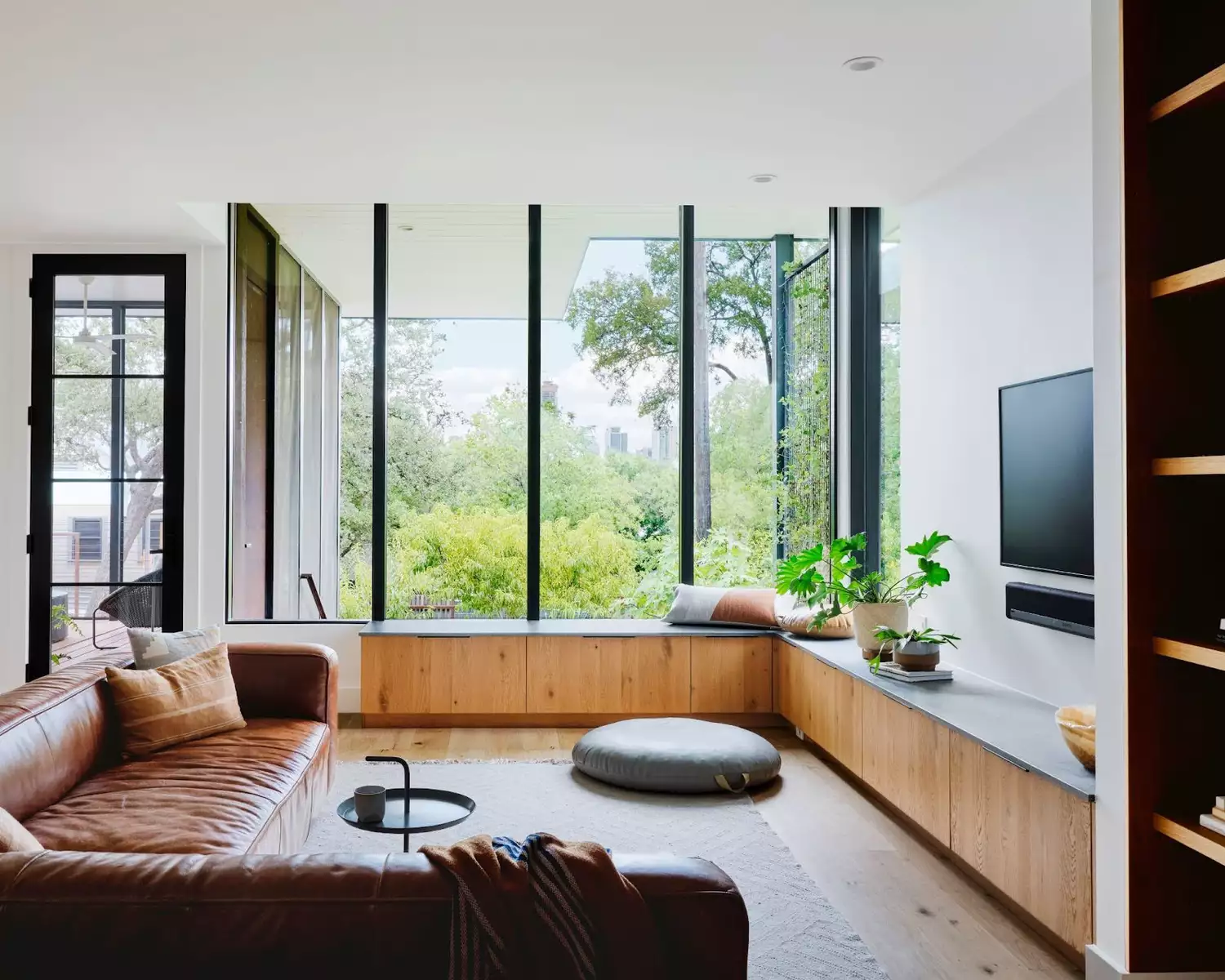
These 10 Biophilic Design Ideas Will Transform Your Home Into a Natural Oasis
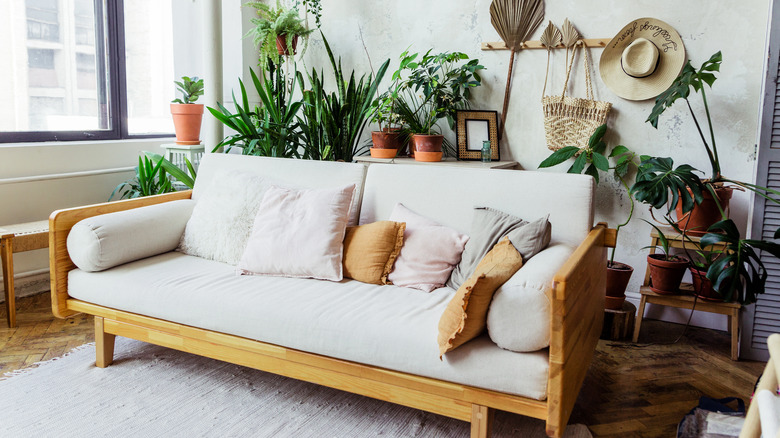
26 Biophilic Living Rooms That Flawlessly Bring Nature Indoors
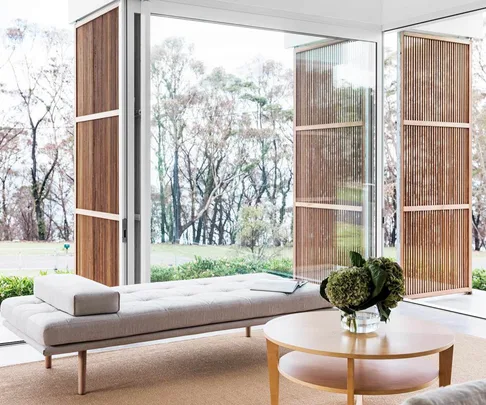
What the heck is biophilic design?

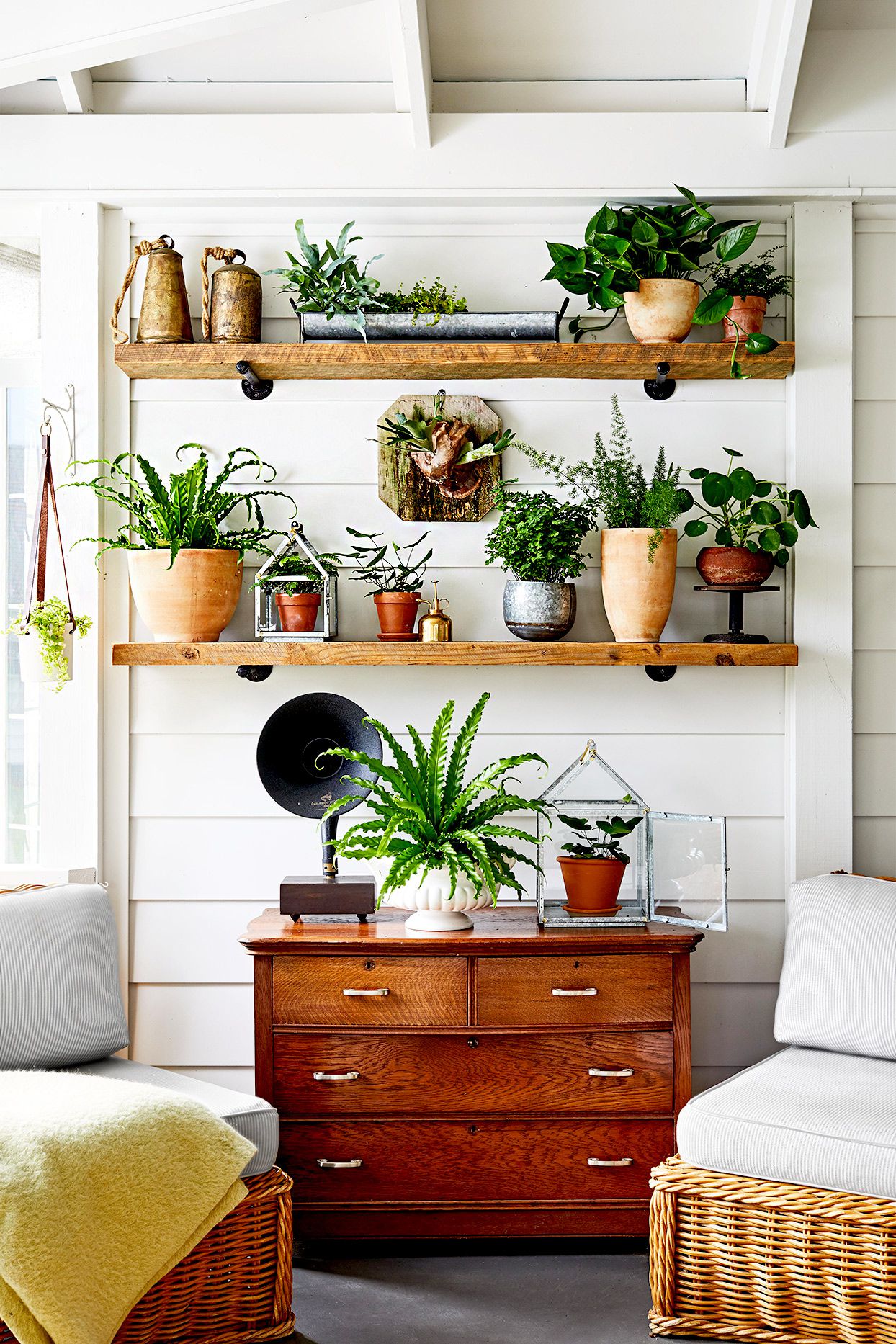
What Is Biophilic Design? 5 Ways to Incorporate This Style

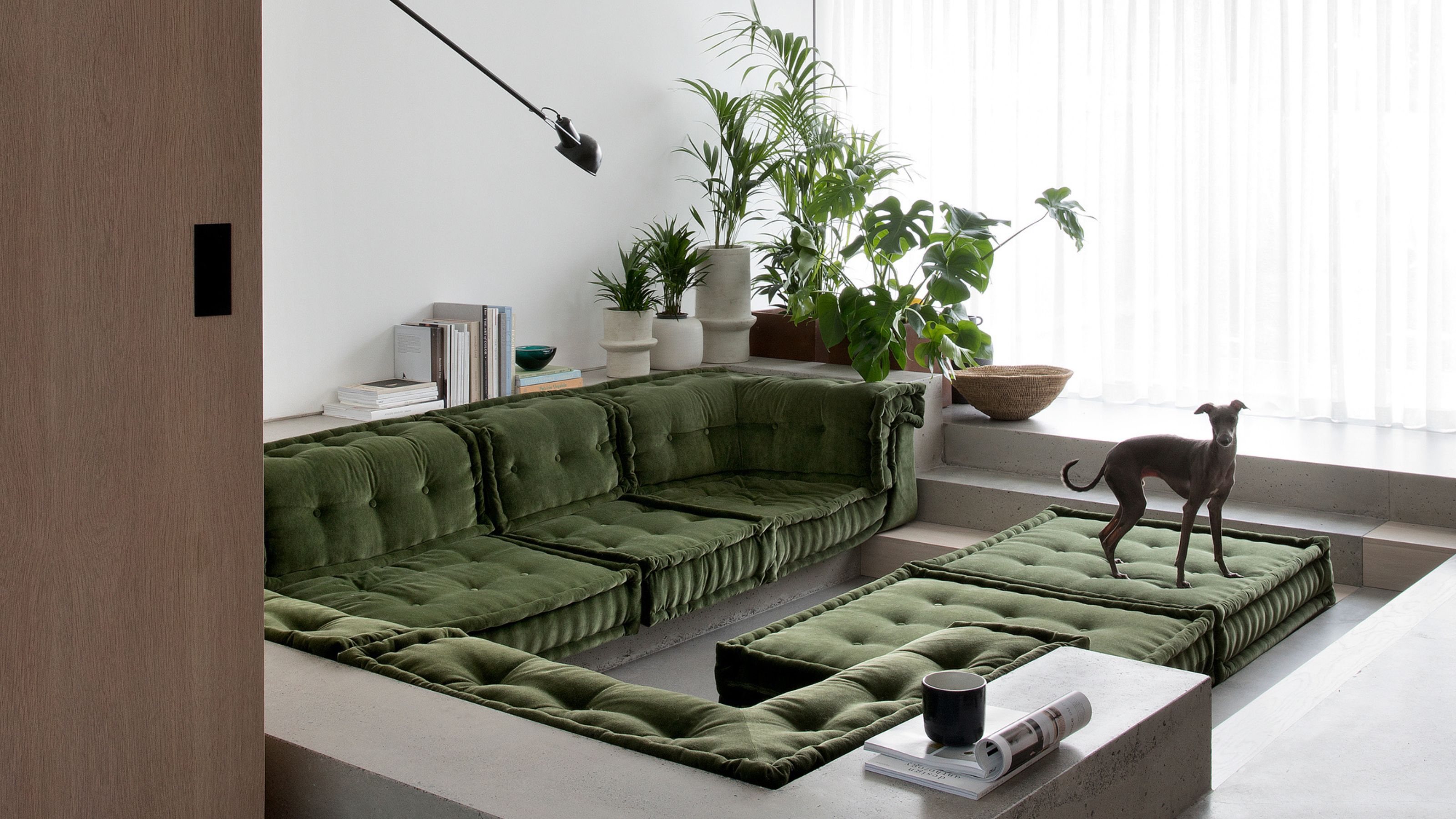
10 Biophilic Living Room Ideas That Look and Feel Good — "They Inherently Make Us Feel Grounded"
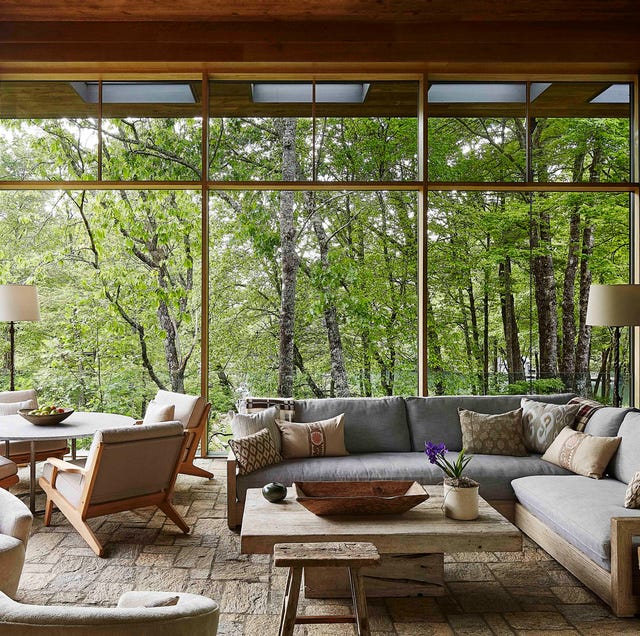
Want Your Home to Feel Happier and Calmer? It's Time to Consider Biophilic Design

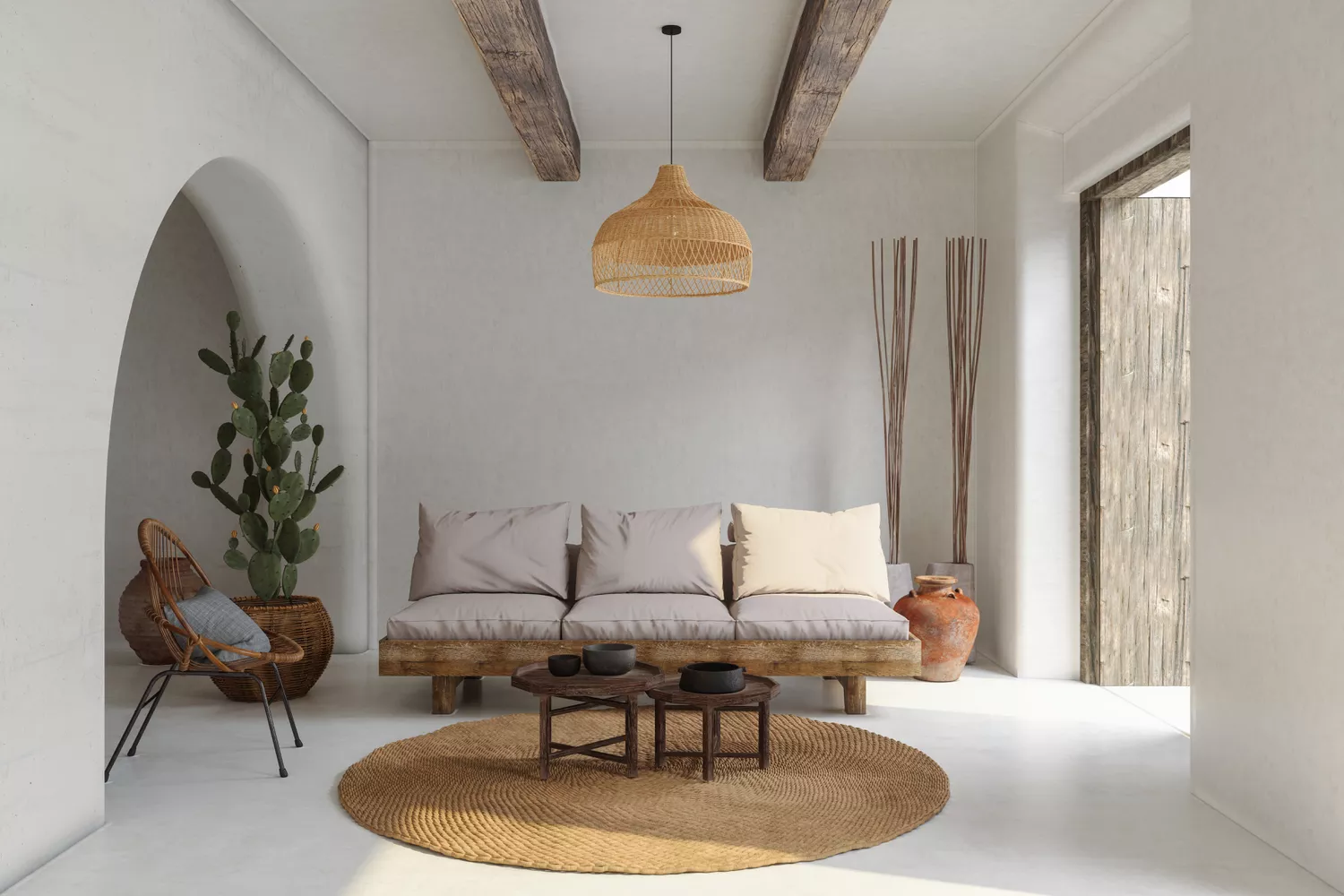
Biophilic Design Is About Connecting With Nature—Here's How to Utilize the Décor Trend In Your Home

Biophilic Interiors Invade These 10 Contemporary Residences

Biophilic design ideas - clever ways to bring nature into your home for a calming space
7 biophilic design ideas you can recreate on a budget

Biophilic Design Is the Signature Style of Plant Lovers Everywhere

Why Houseplants And Biophilic Design Will Front 2025's Interior Design Trends

20 Nature-Loving Homes Where Biophilia Thrives

Biophilic Design Helps Homeowners Connect to Nature