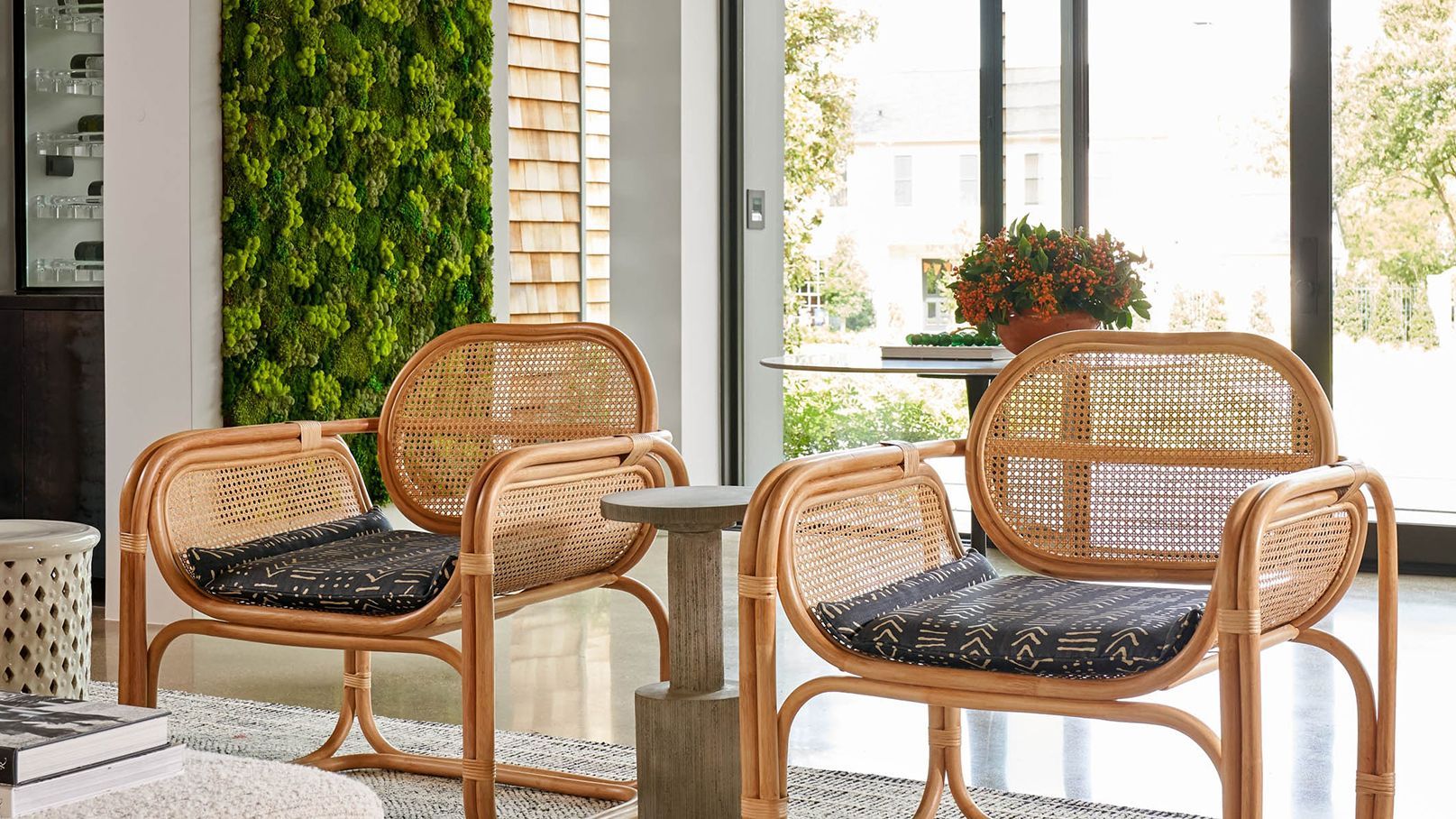
1/6
7 biophilic design ideas you can recreate on a budget
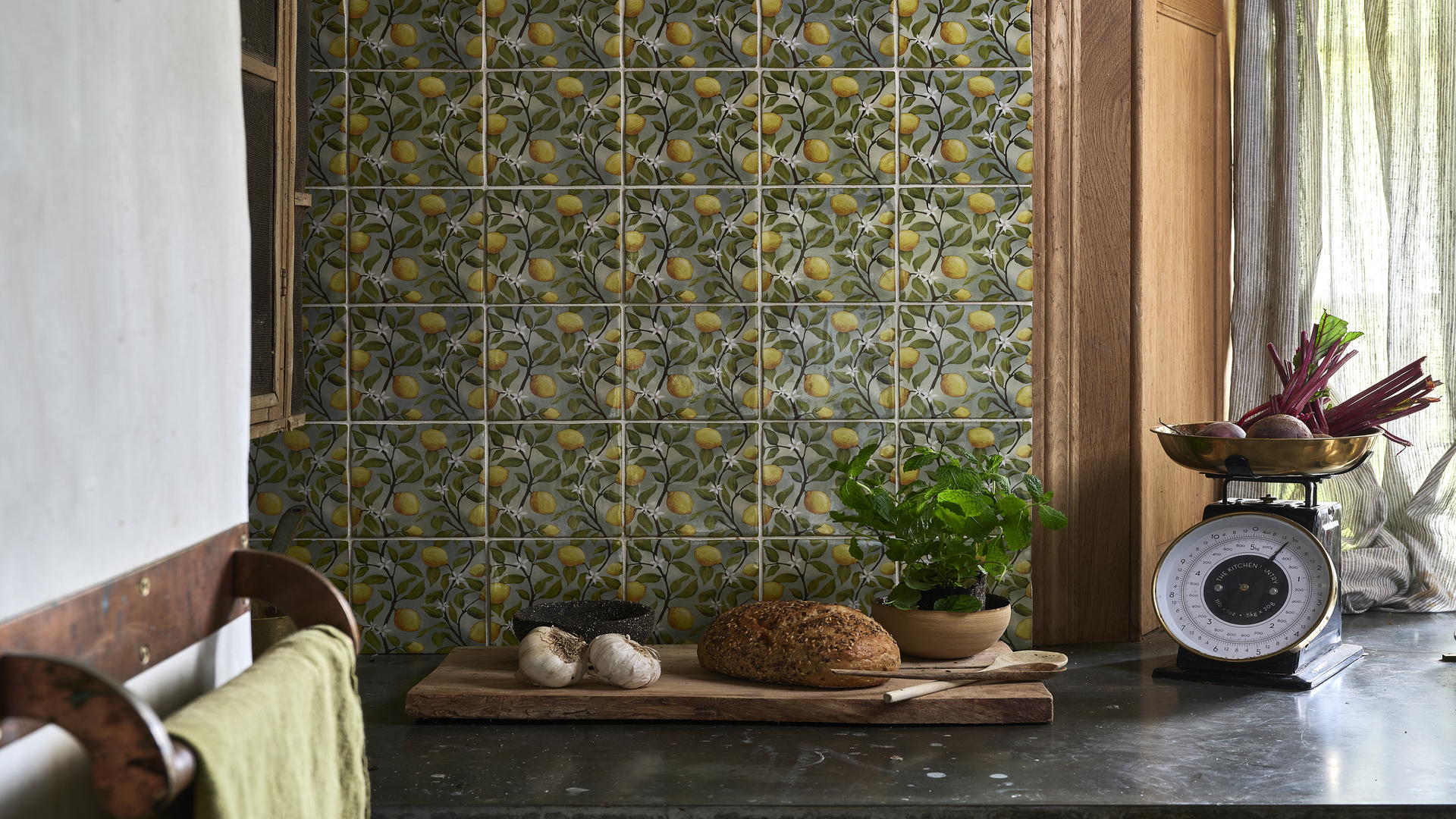
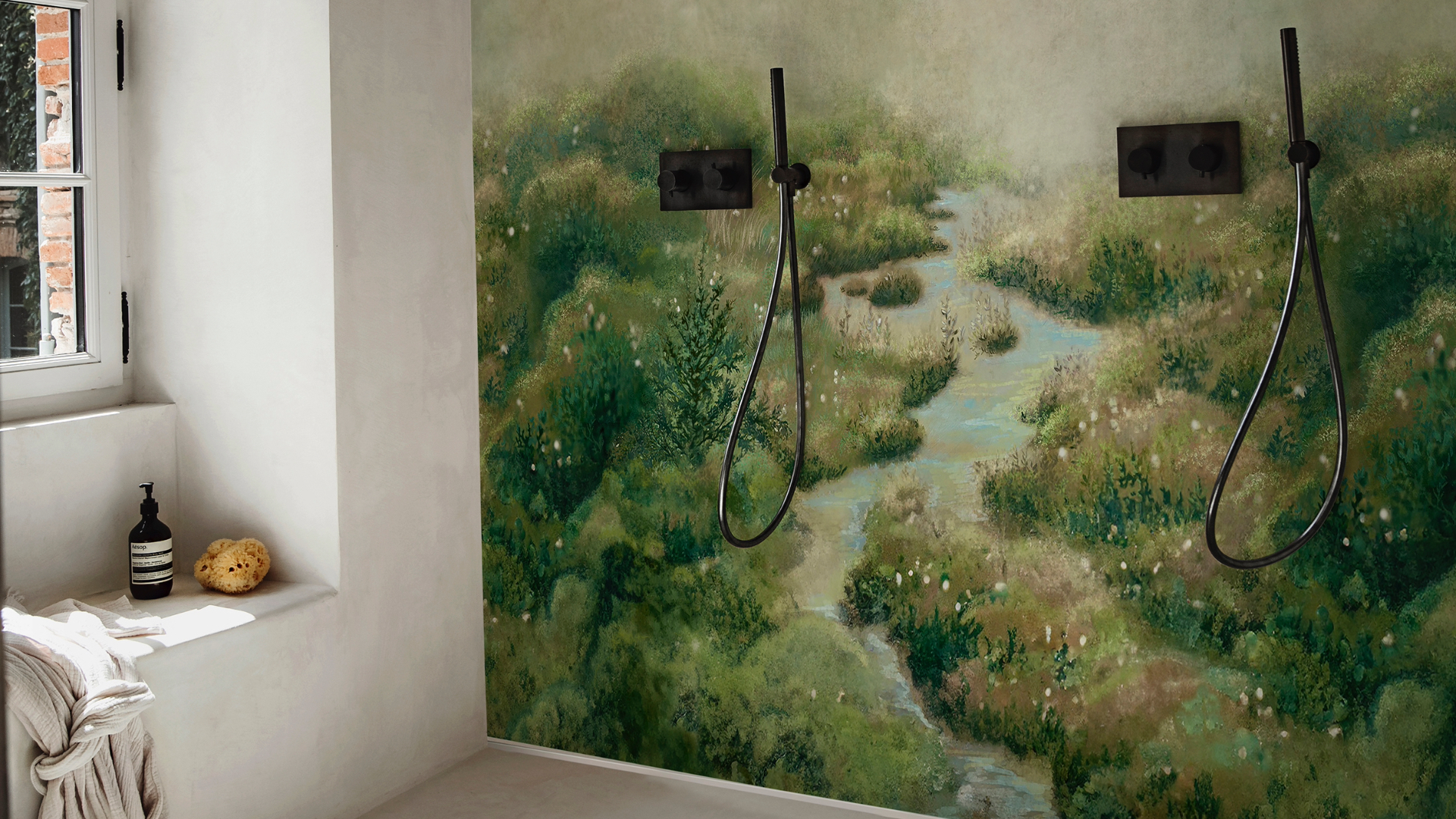
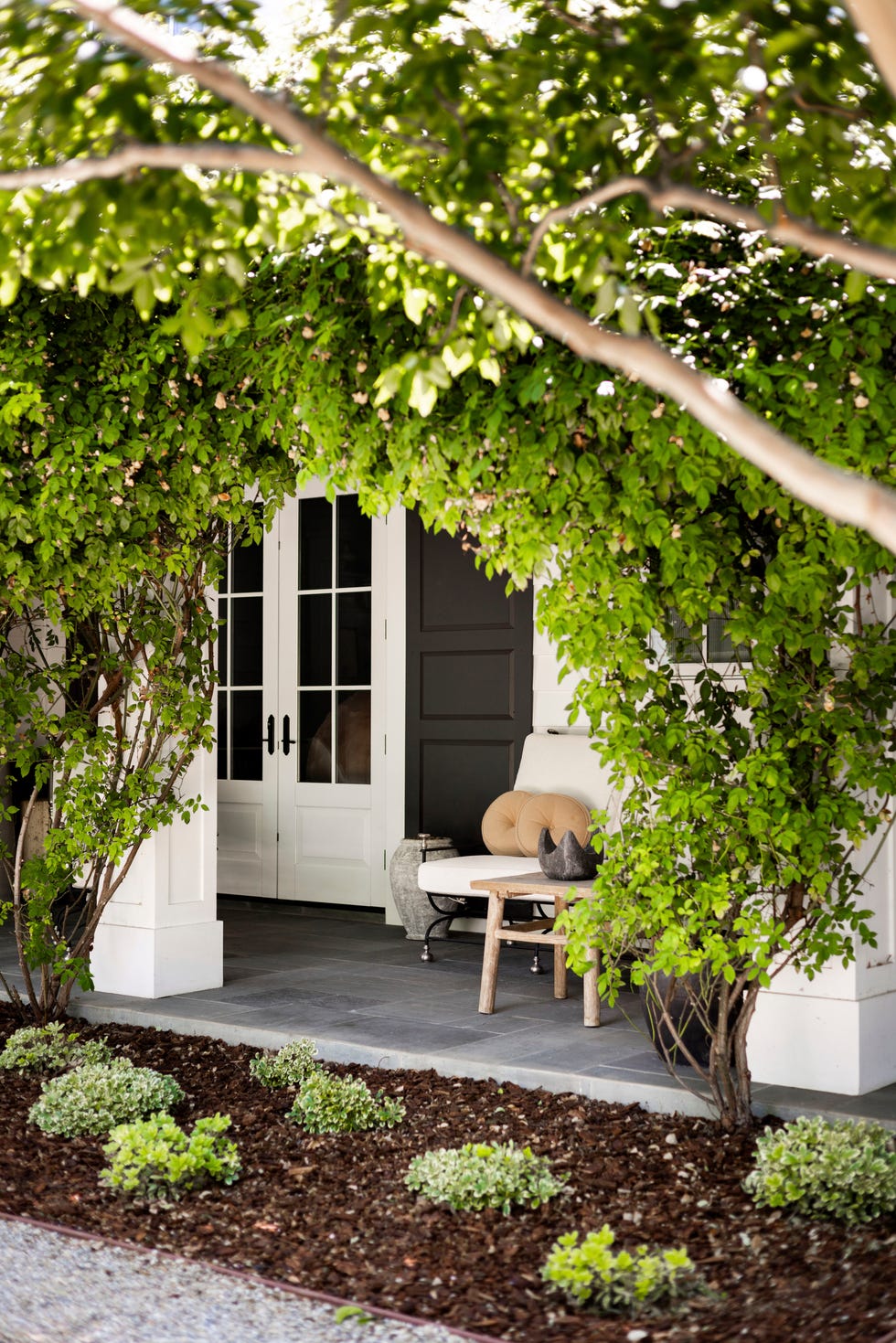
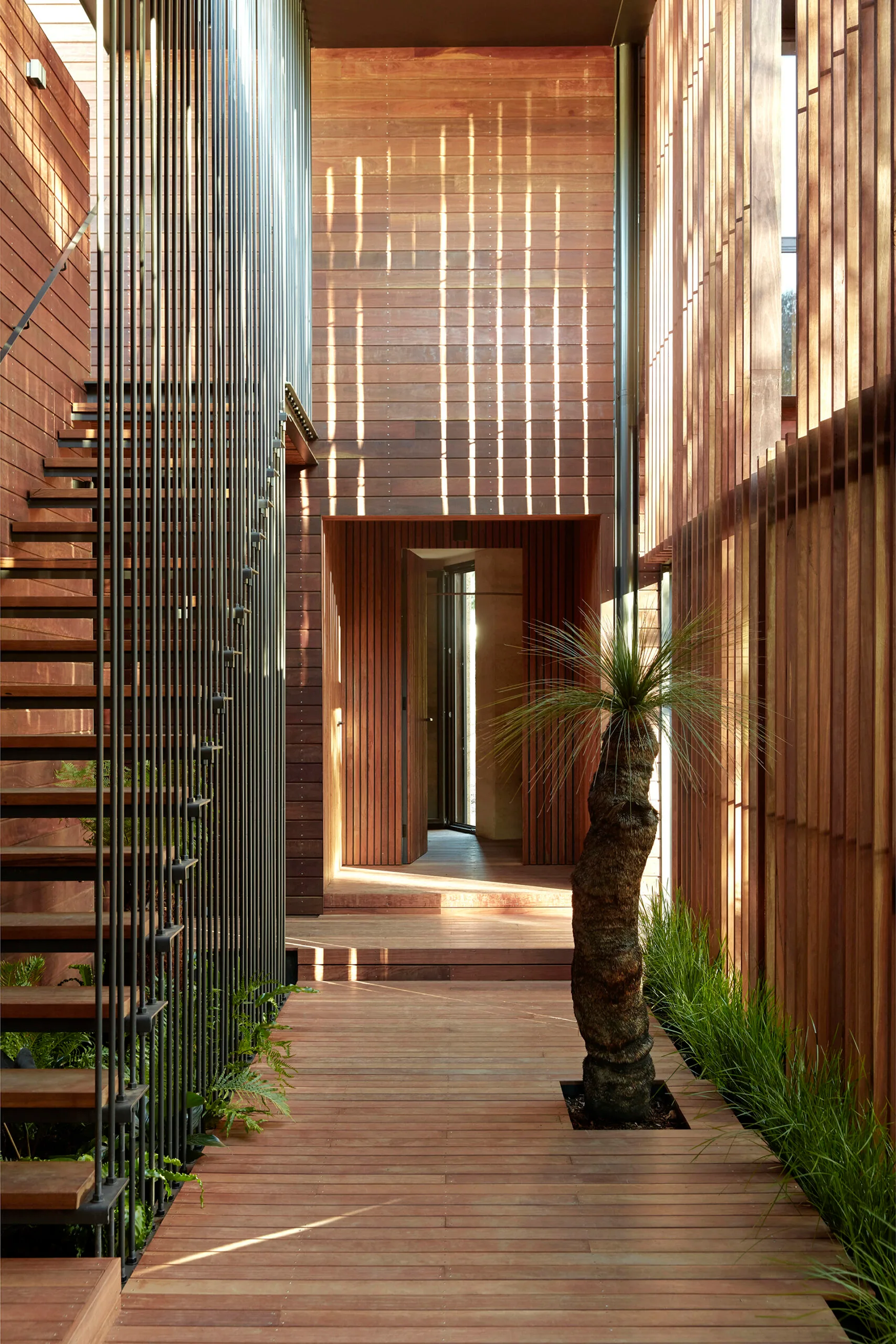
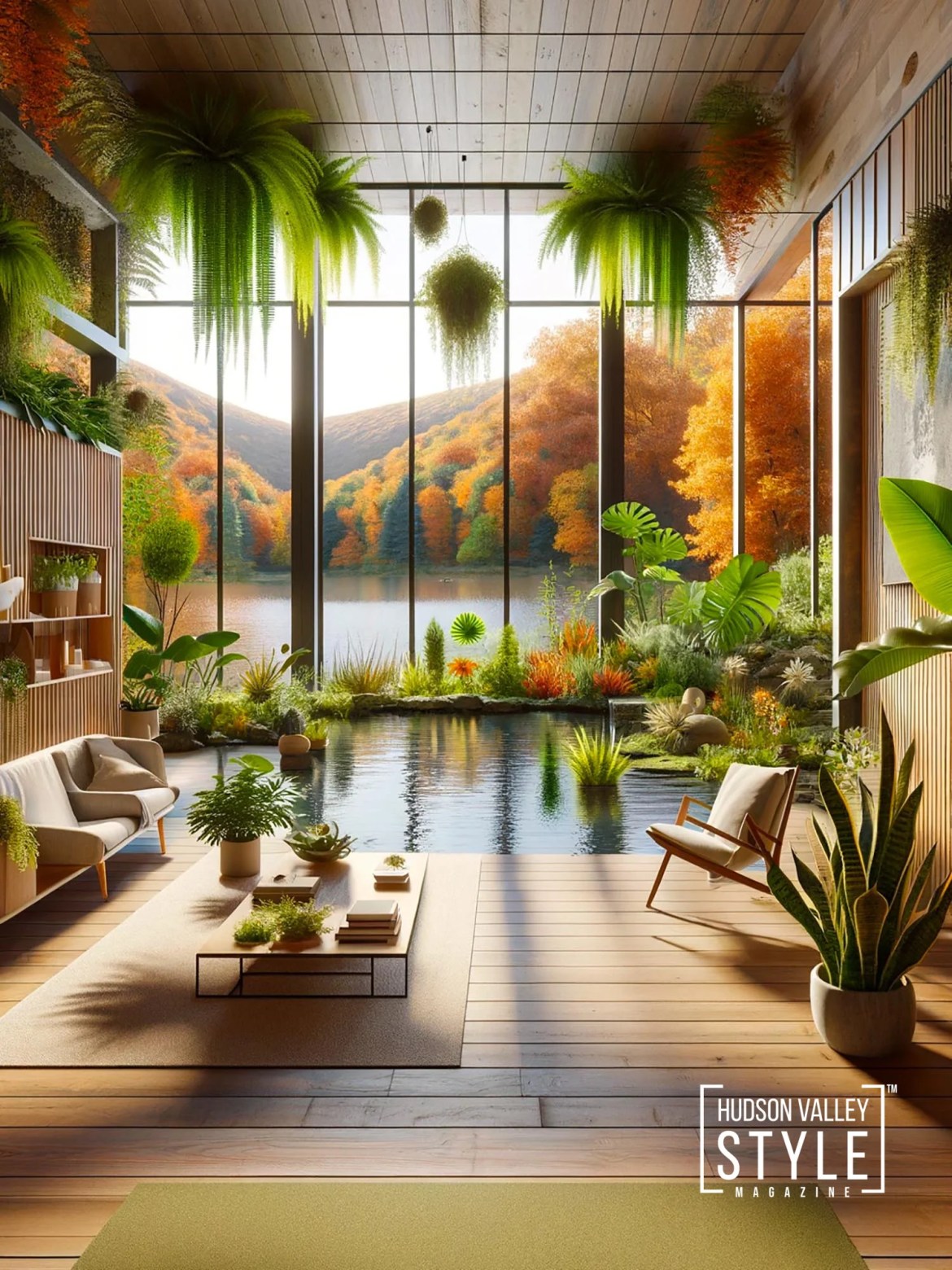
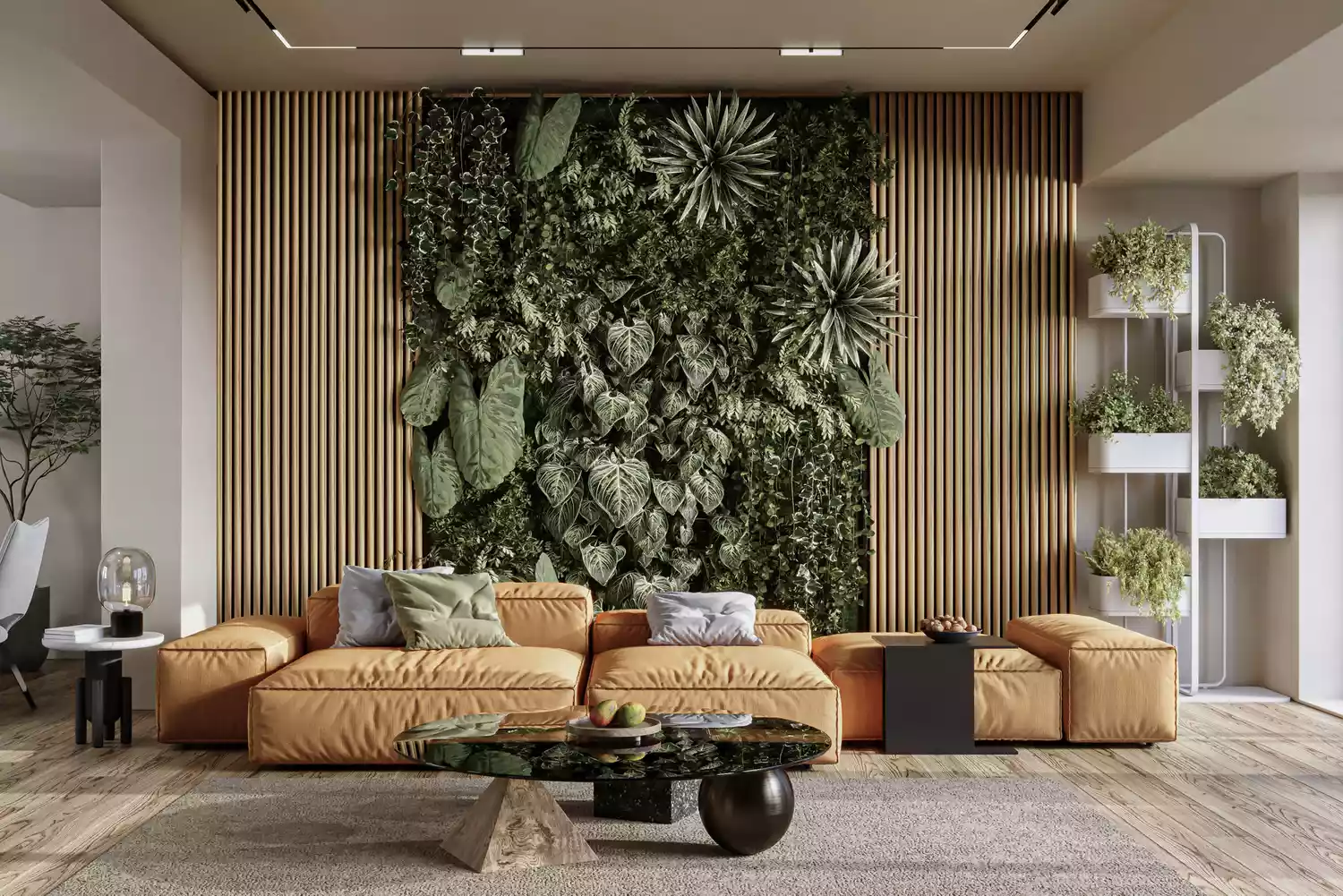
Biophilic design, an interior design trend focused on integrating nature into living spaces, has seen a significant surge in popularity. This trend, rooted in biologist E.O. Wilson's 1984 concept of "biophilia" – humans' innate connection to the natural world – offers more than just aesthetic appeal; research indicates it can positively impact productivity and well-being. A study by Interface revealed an 11% increase in time spent in biophilic hotel lobbies, while Paladino & Company reported a 5% increase in student test scores and a 15% reduction in absenteeism in biophilically designed schools in Washington State.
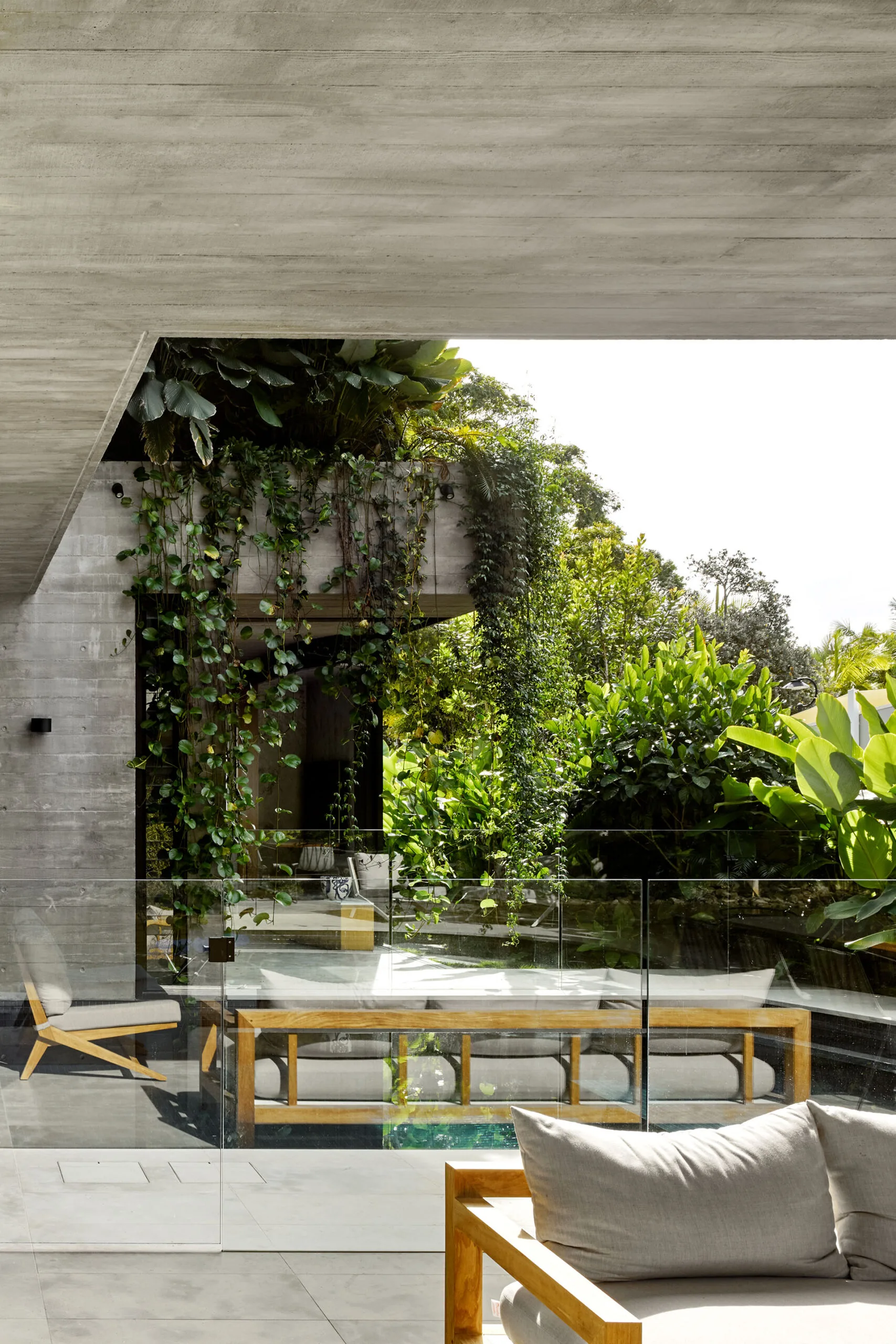
The COVID-19 pandemic further amplified the desire for natural elements indoors, with experts like Plant Kween and plant stylist Hilton Carter advocating for the incorporation of flora. Nick Cutsumpas, author of "Plant Coach," suggests clients develop a "greenprint" to optimize plant growth by identifying natural light sources and minimizing drafts. Jessica Preteroti, a designer and DIY enthusiast, emphasizes that homes should feel as alive as their surrounding environments through biophilic design, fostering a comforting, cozy, magical, and whimsical atmosphere. Beyond just greenery, biophilia encompasses natural shapes, soft tones, and green building materials, offering benefits without excessive cost.
Several budget-friendly biophilic design ideas are presented. One approach involves using mirrors to visually amplify plant life. Tatiana Seikaly of Studio Seikaly implemented wavy, wooden-framed mirrors and natural materials in an Art Deco home to complement existing terrazzo flooring and perfectly placed plants. Another tip suggests choosing low-fuss, fast-growing plants like Ficus Audrey, which are less expensive and easier to maintain than popular alternatives like fiddle-leaf figs. Durrell Eastland, also known as @theblackplantman, advises researching plants to match individual lifestyles and understanding their specific needs, such as Ficus Audrey's leaf-curling indicating a need for water.
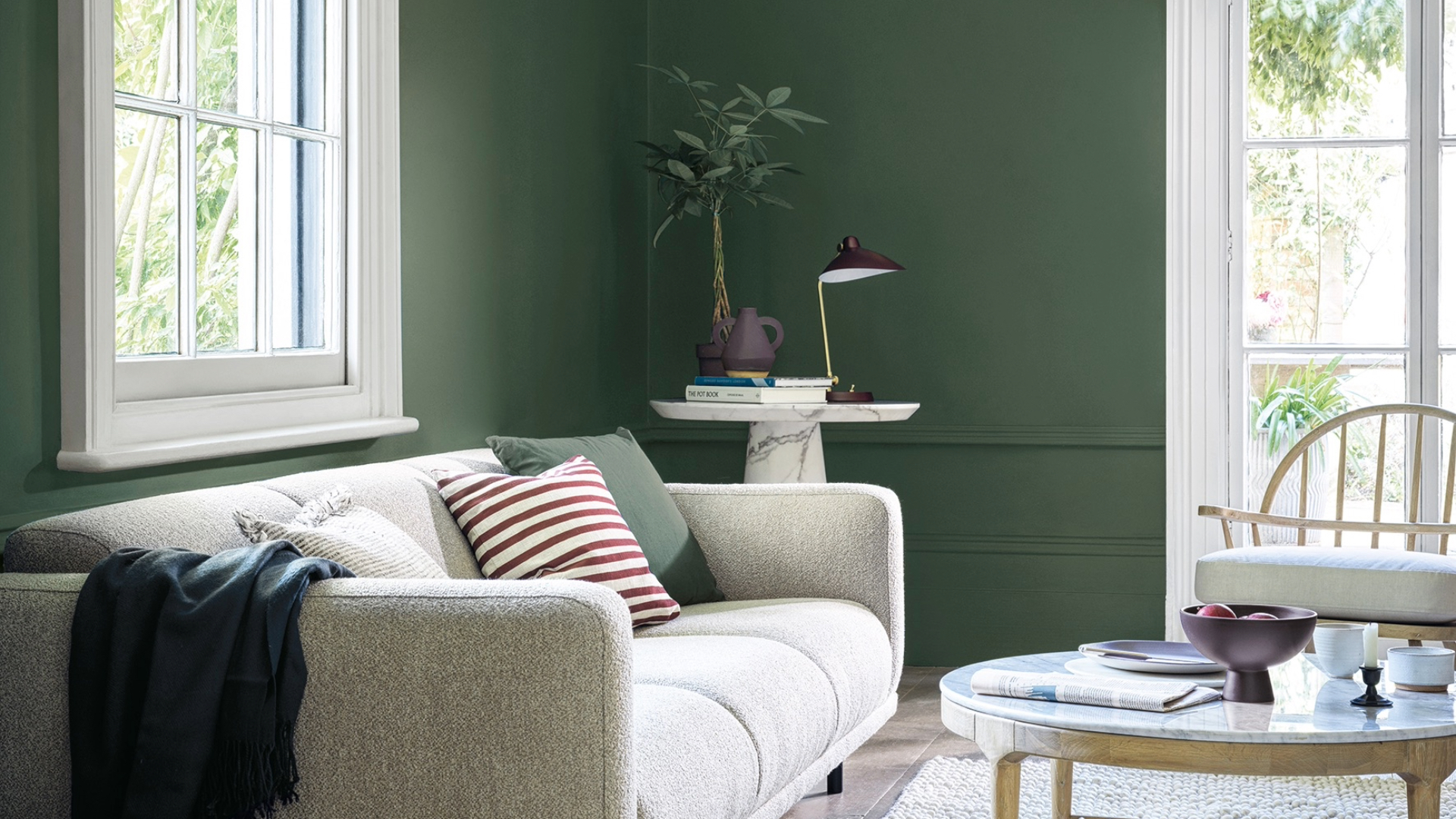
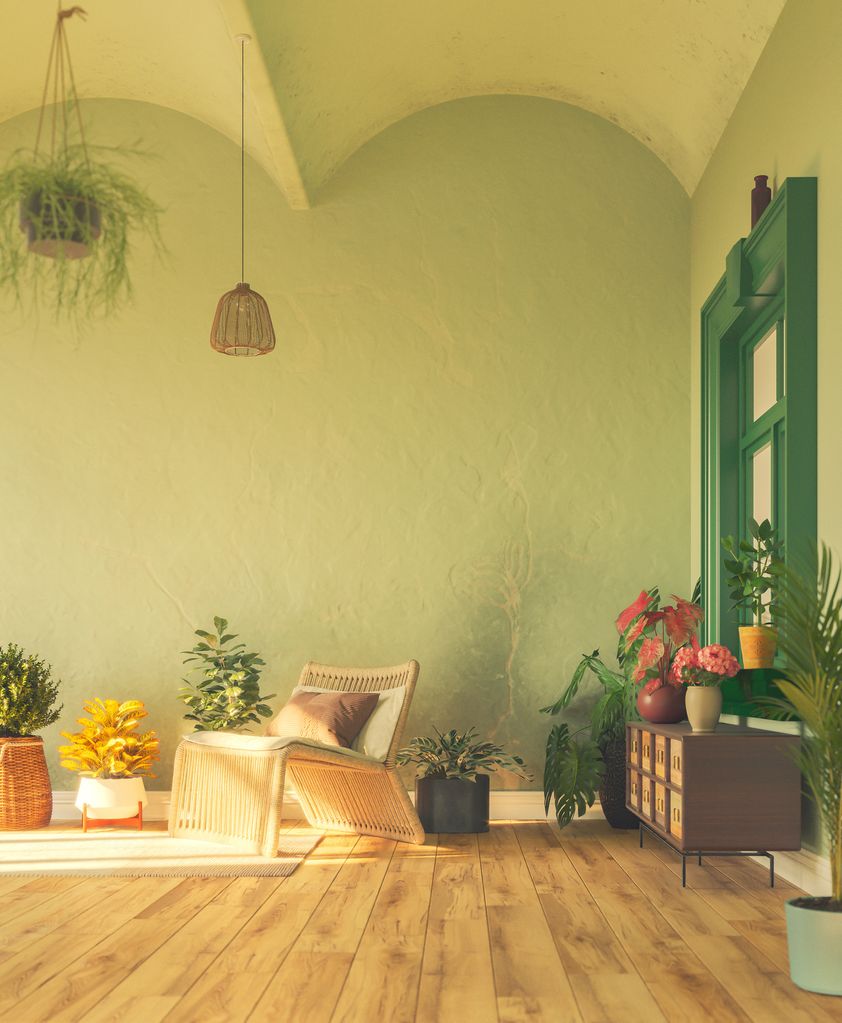
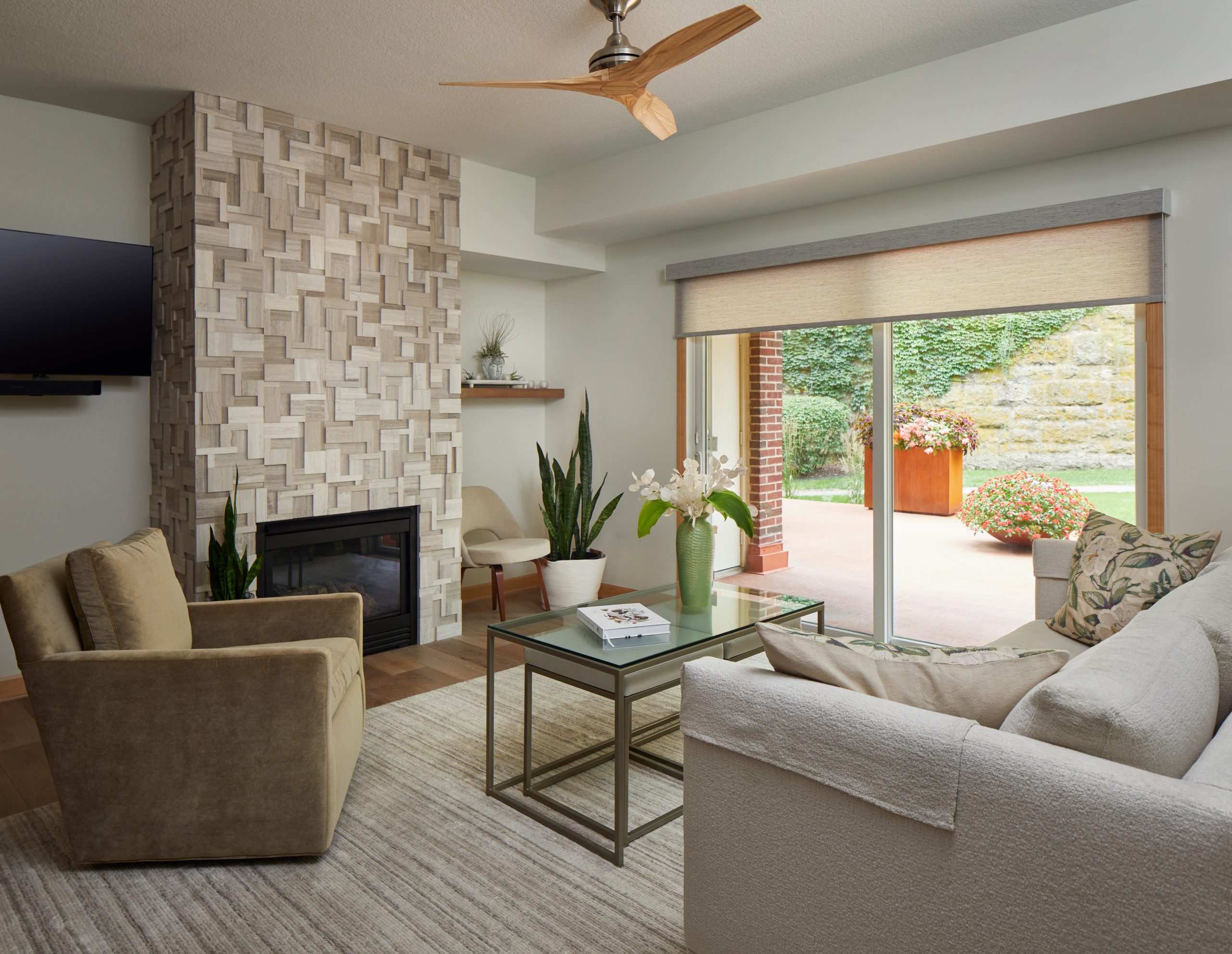
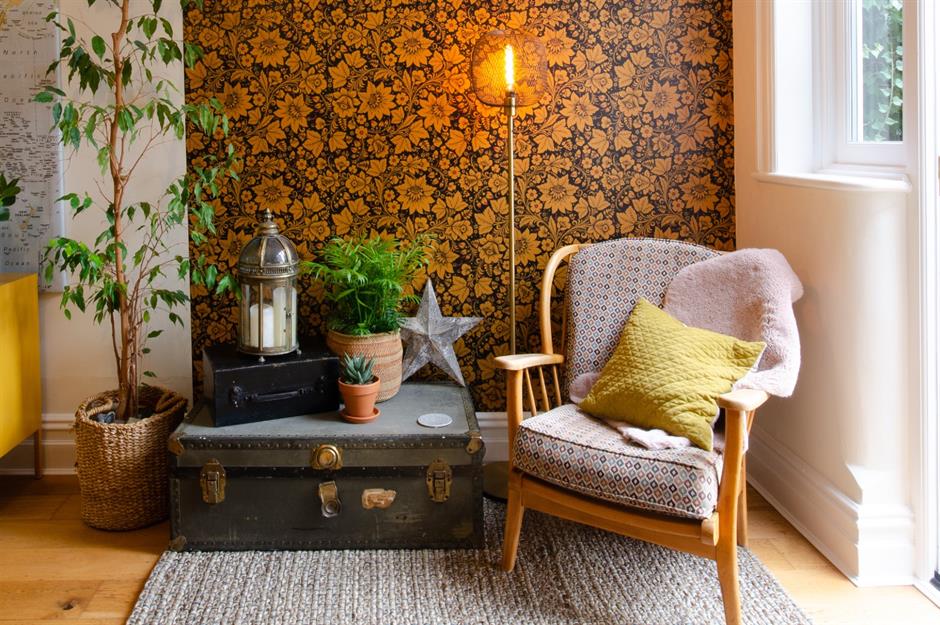
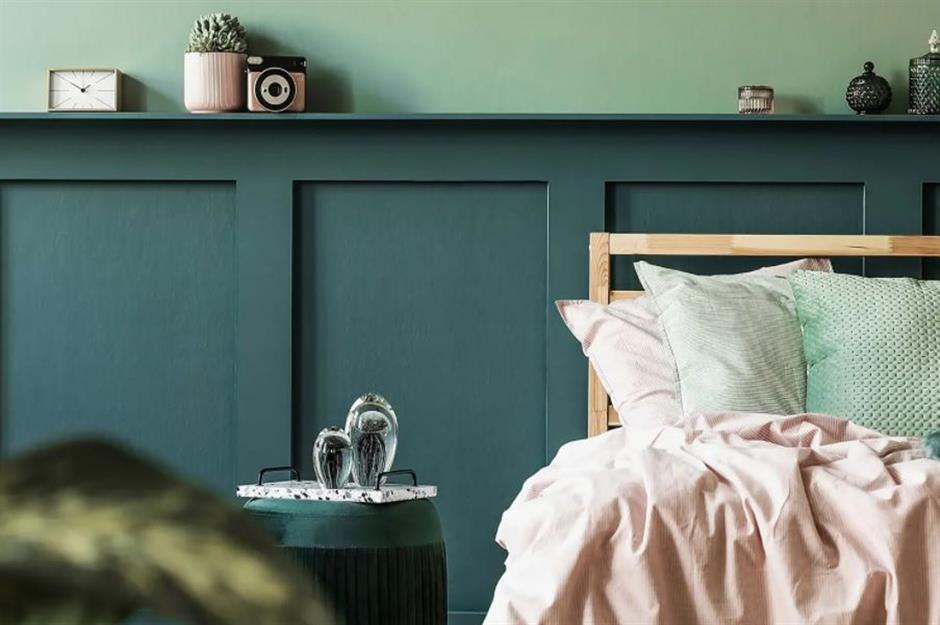
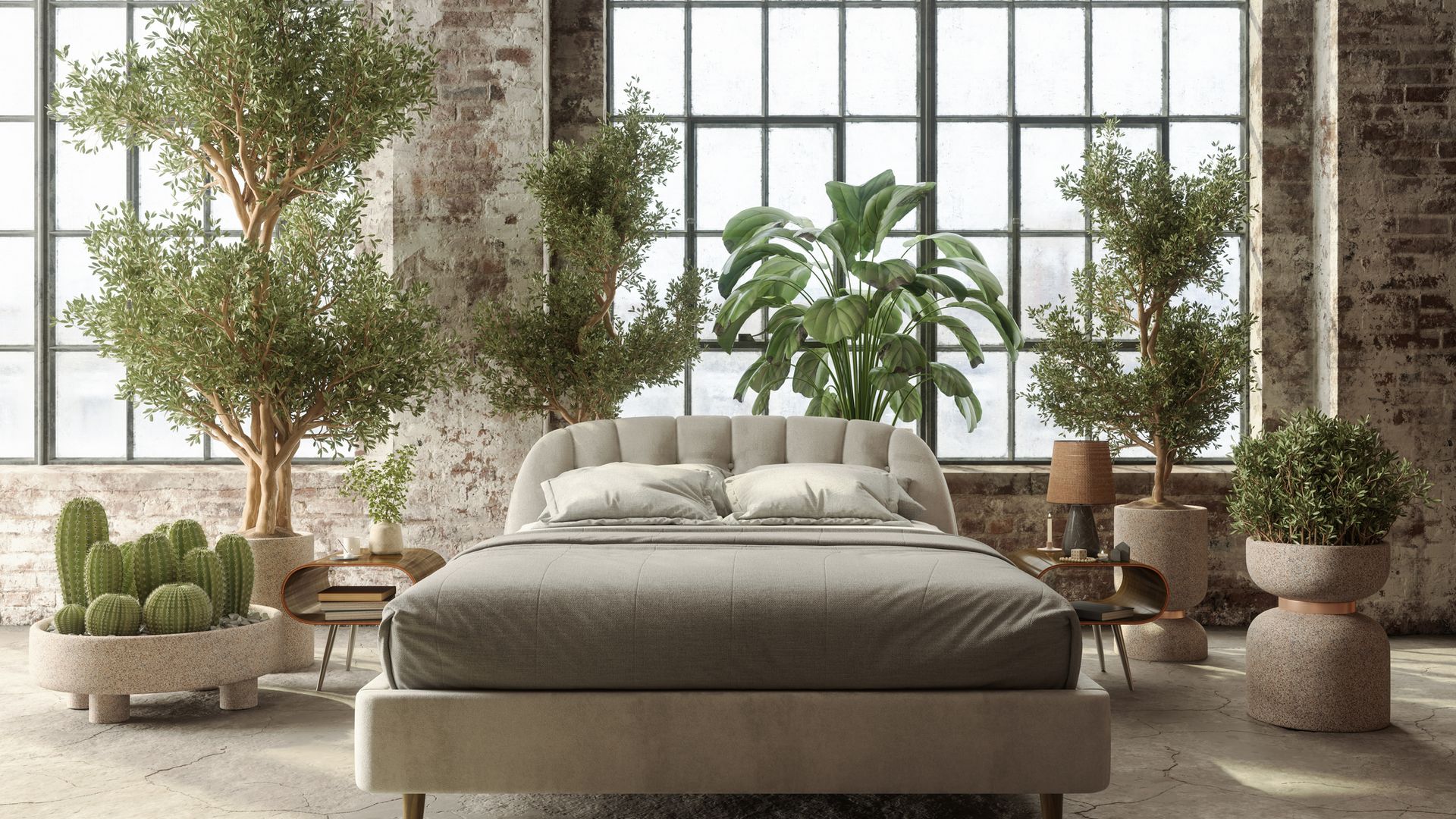
For sparse rooms, strategically placing a curated collection of plants in corners can create a jungle-like ambiance, reducing the need for expensive furniture. Cutsumpas recommends arranging plants to appear as if they naturally grew in the space. Smaller plants can be used in home offices on desks or windowsills to connect indoor and outdoor spaces and provide sunlight. Innovative planters, like the Dupray Bloom Air Purifier, can combine functionality with decor. UK-based DIYer Melanie Boyden built a biophilic wall unit from IKEA Billy bookcases, incorporating curved lines and a deep green paint color to soften the space and reflect nature's irregularity. She emphasizes using natural materials like wood, brick, and stone to ground the home and soften straight lines in interior design.
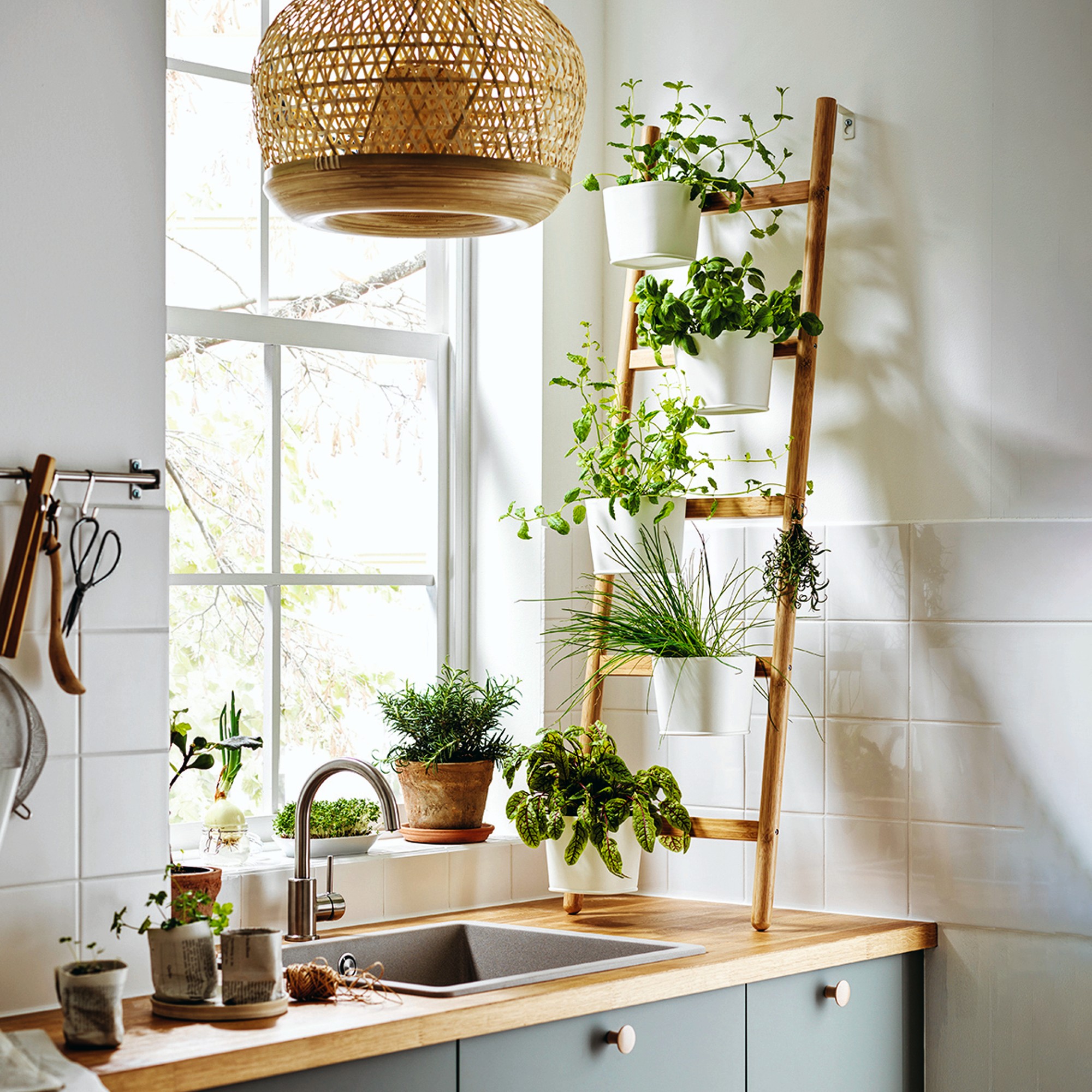
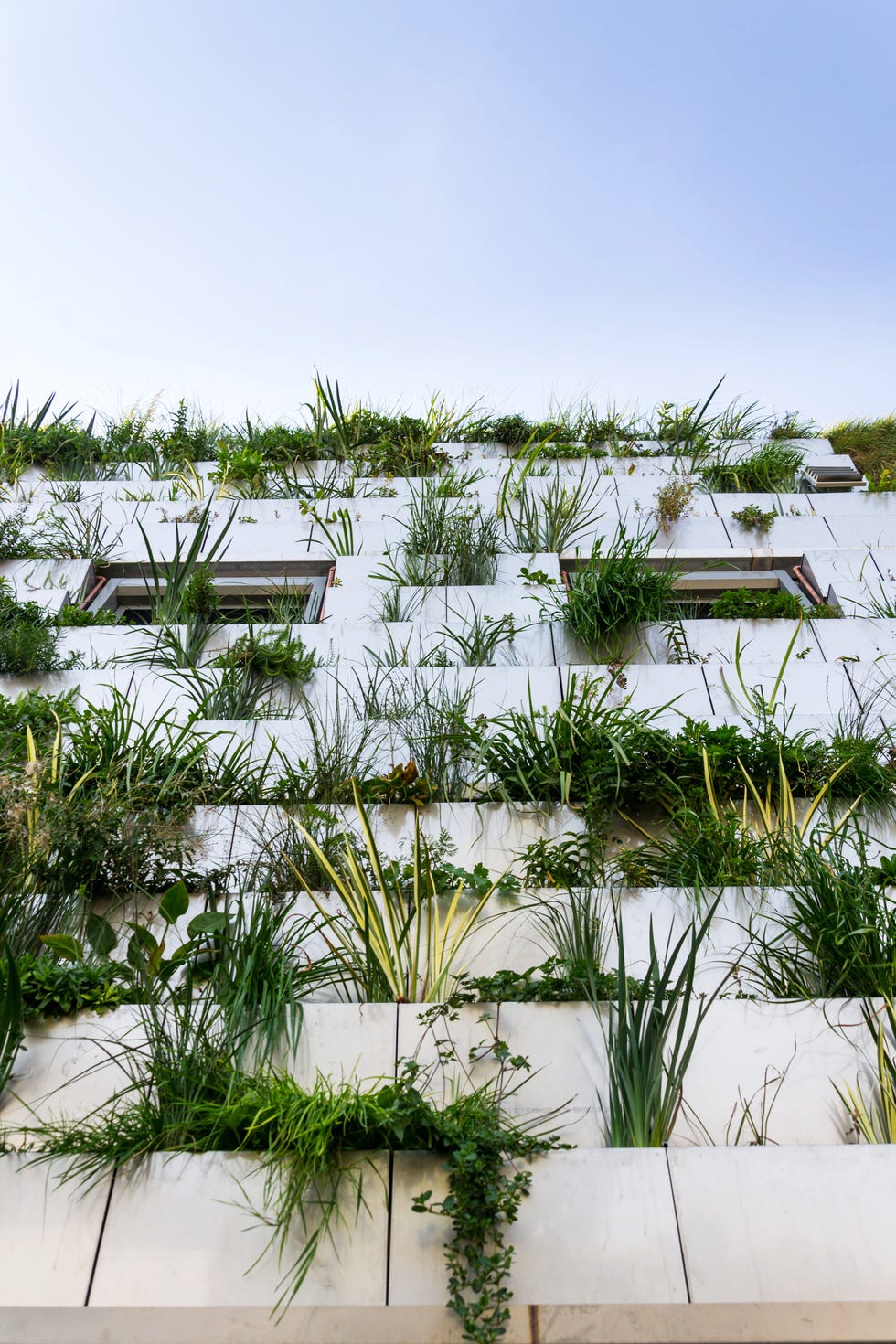
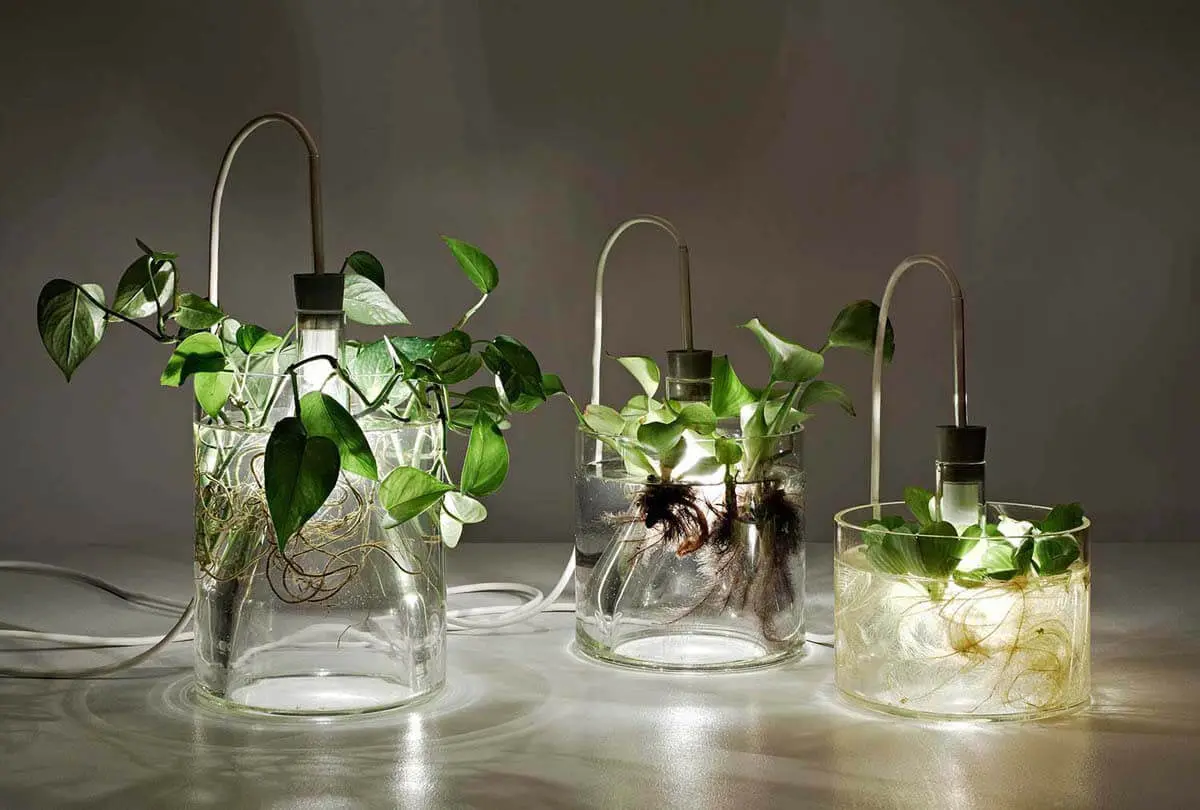
Creating a living wall is another idea, especially for those with limited floor and shelf space. Kamili Bell Hill, founder of Plant Blerd, designed a living wall using self-watering pots for high plants, floating shelves, and plant rings, recommending cascading, easy-to-propagate plants like golden pothos for budget efficiency. Propagation itself can be a design element. Cutsumpas highlights that propagating plants from cuttings is a free way to expand a botanical collection, with African violets, pothos, and philodendrons being easy options. Hilton Carter designed "cove cradles" using test-tube-like vases and repurposed glass bottles to create budget-friendly living walls from cuttings.
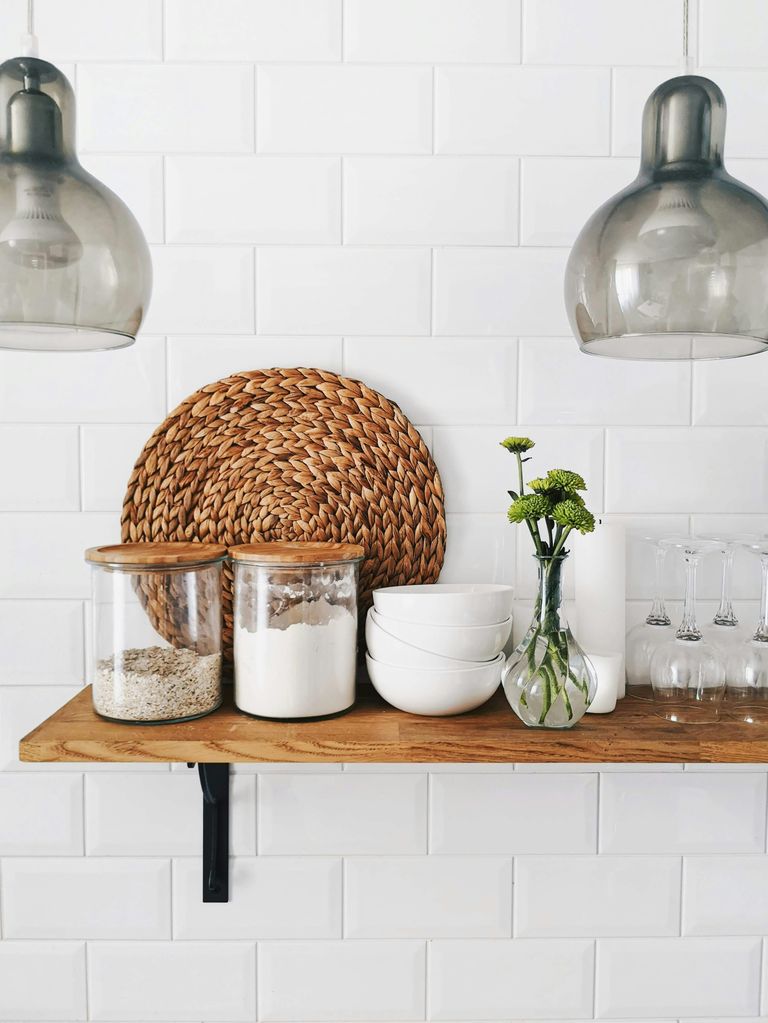
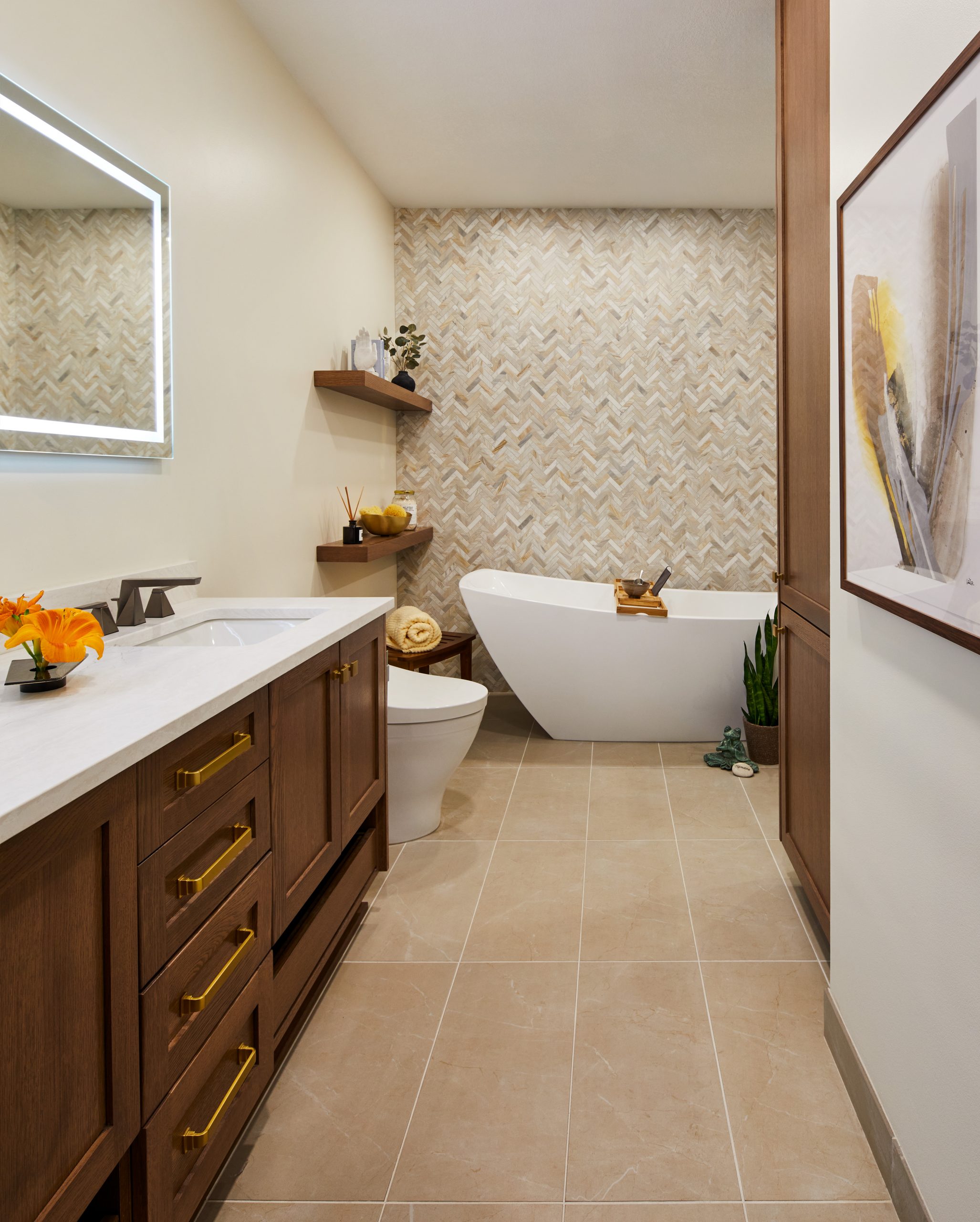
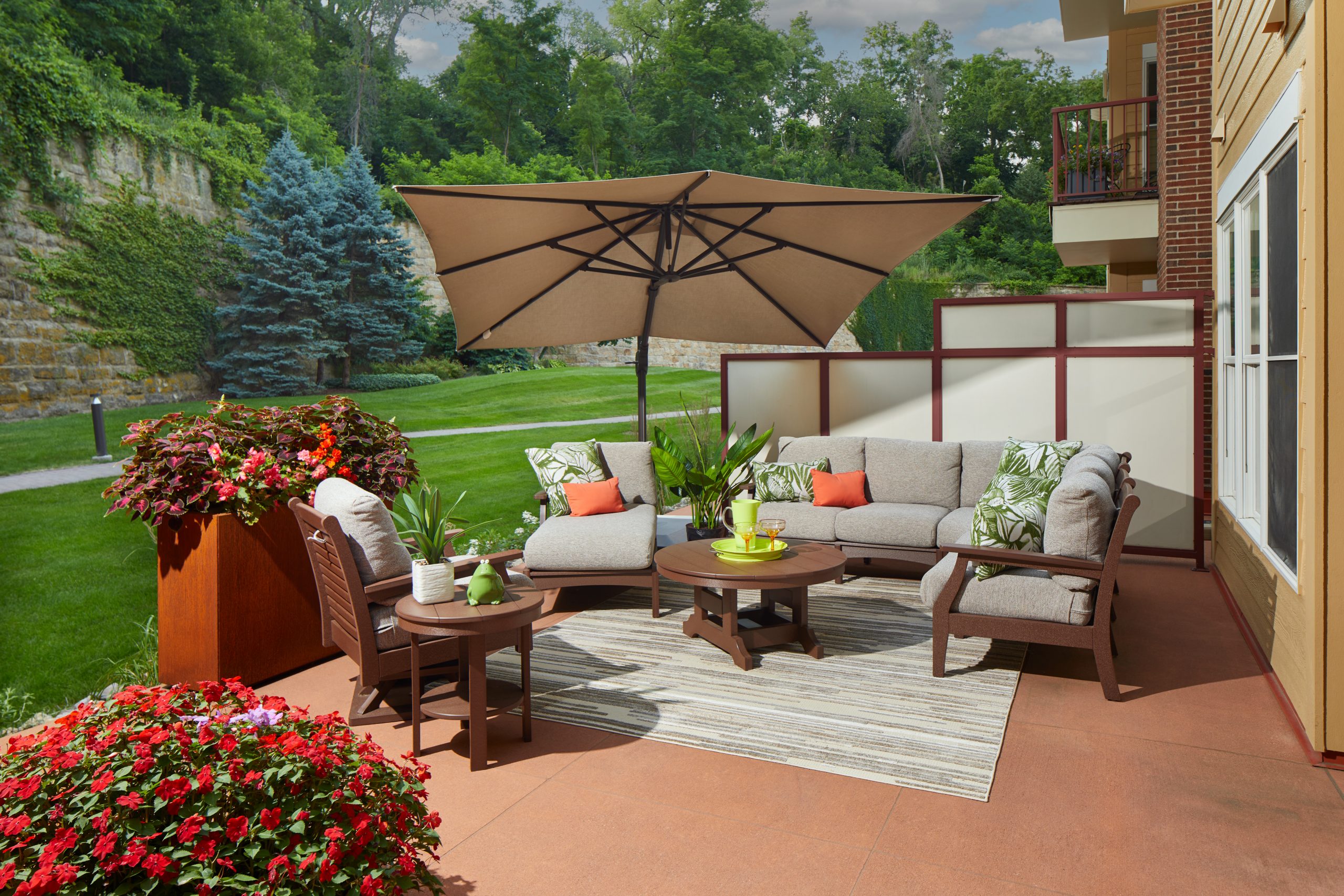
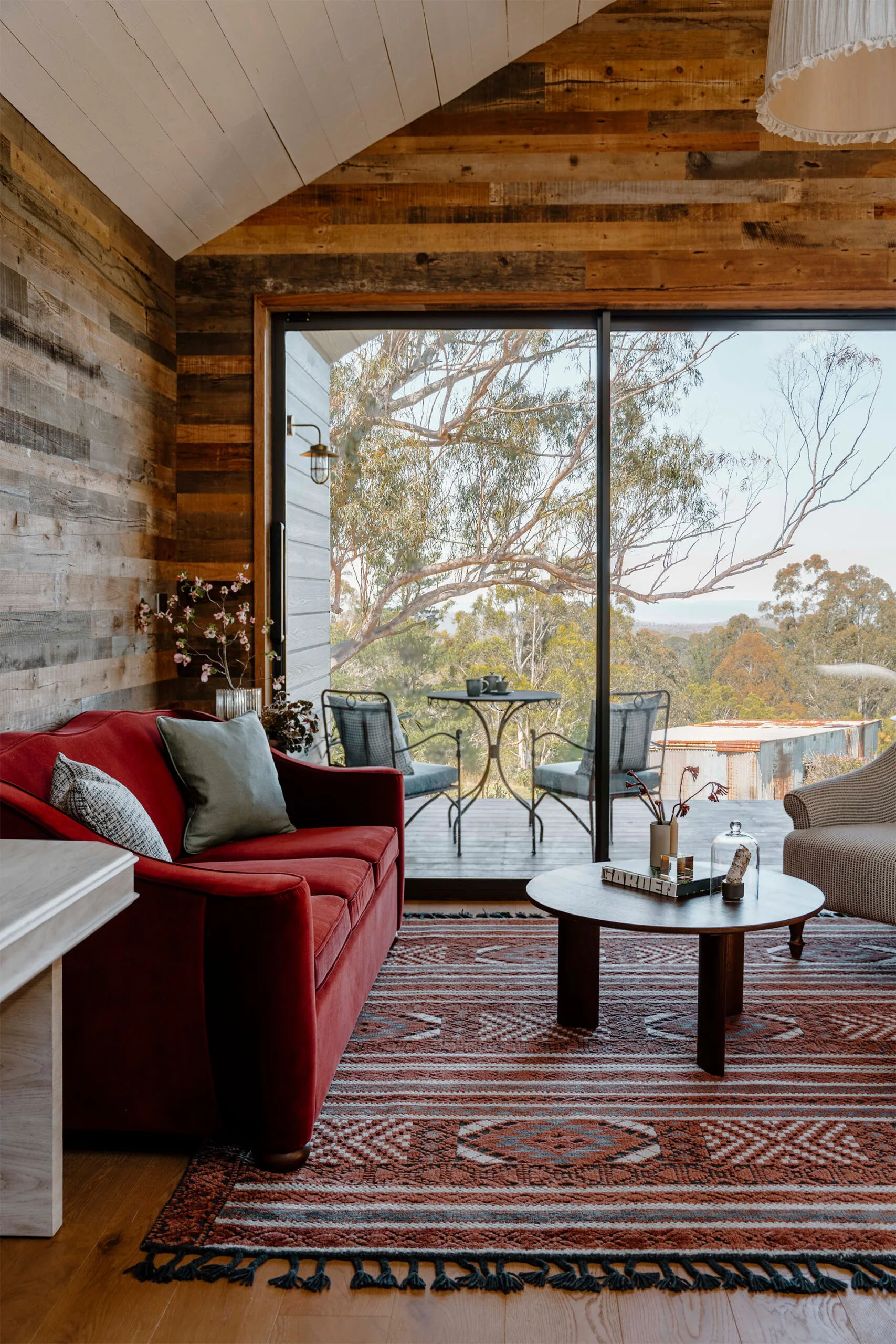
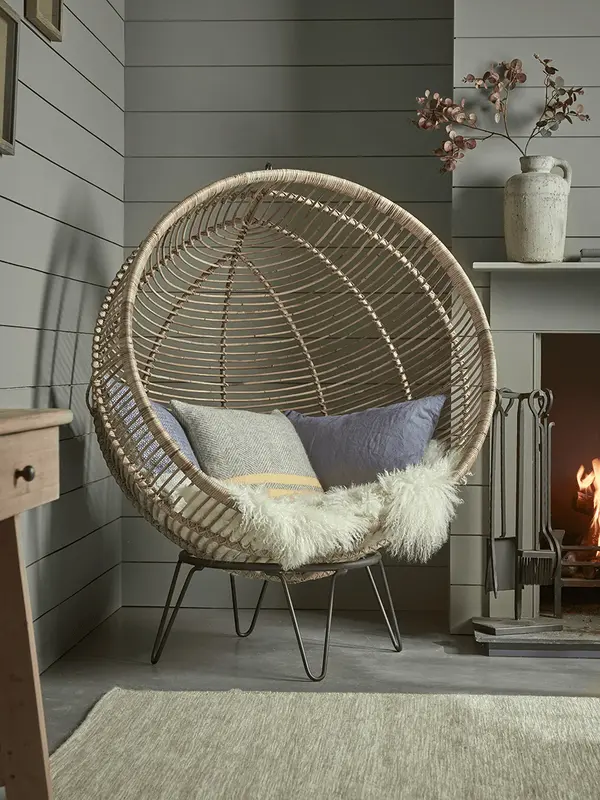
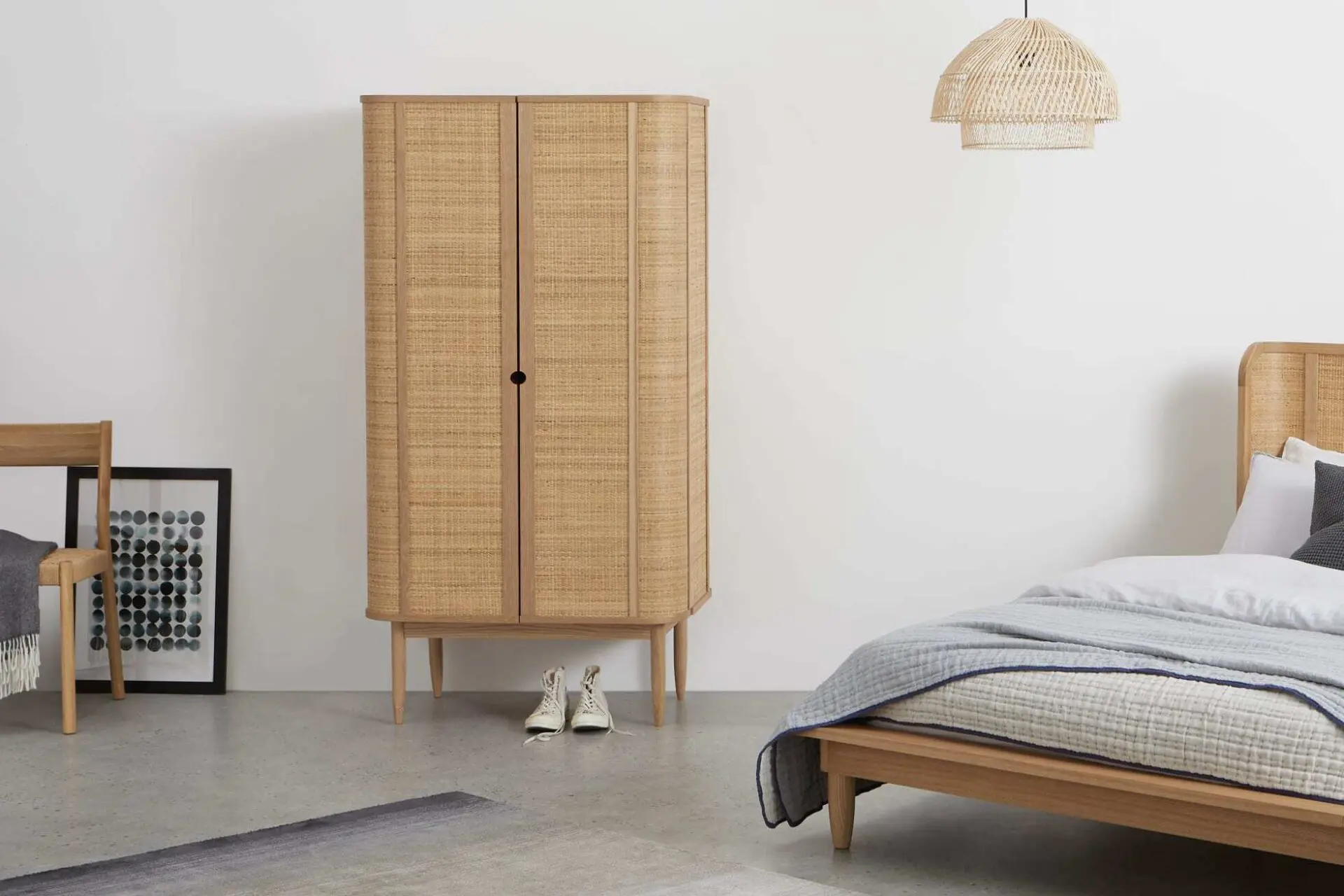
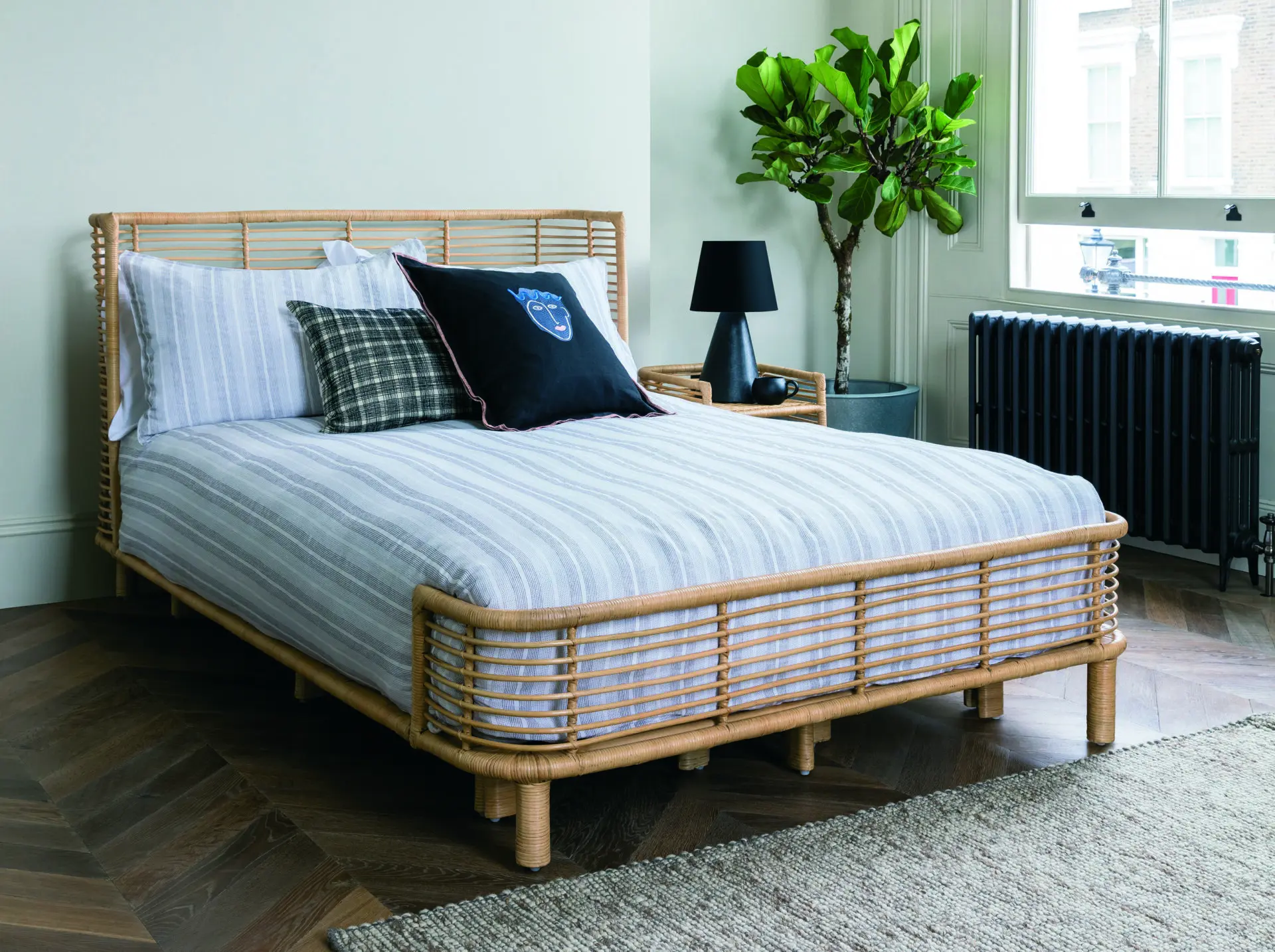
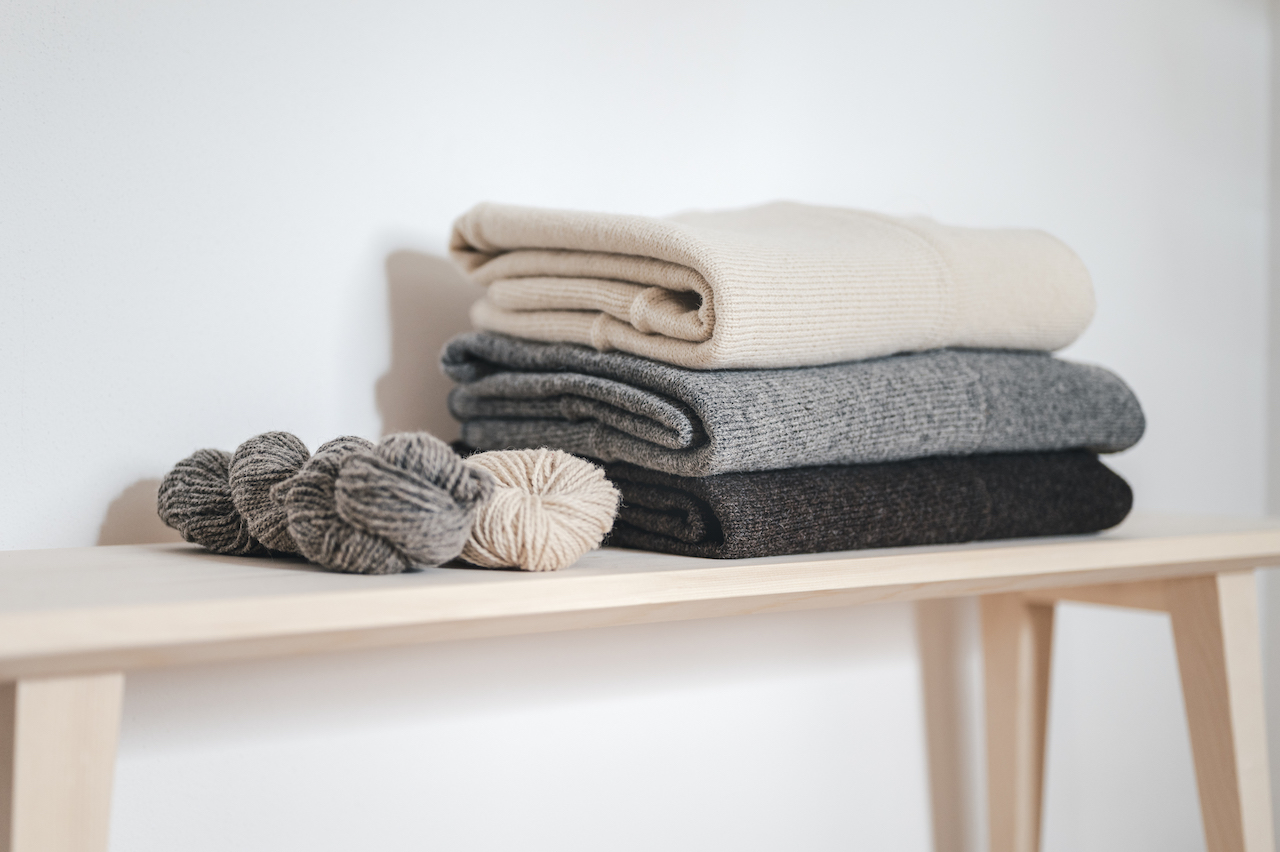
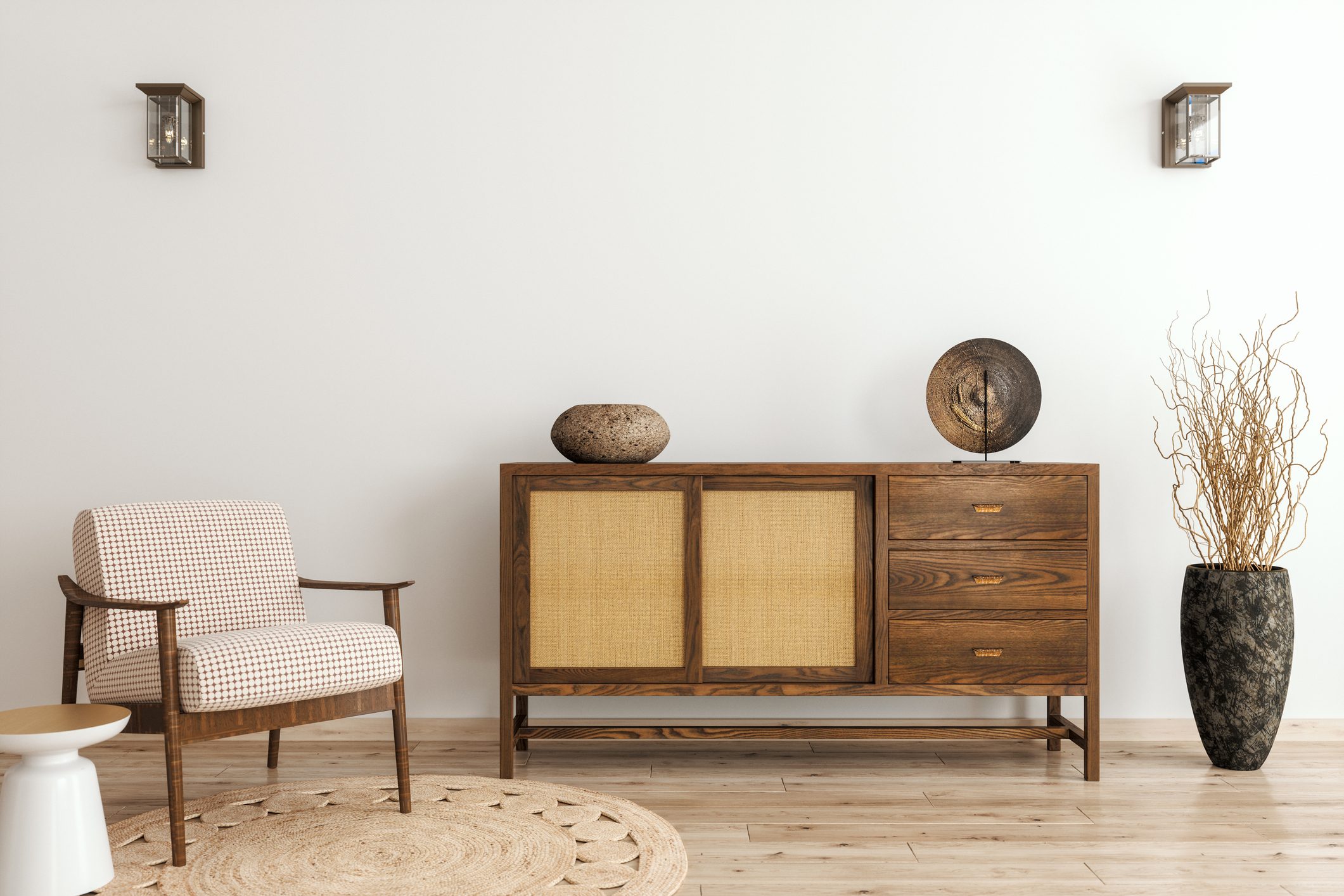
Finally, leaning into natural materials is a key aspect of biophilic design. Jessica Preteroti repurposed a vintage Barcelona chair by weaving manilla rope to create a twill-woven base for cushions. Sarah and Jonathan Prins, known as The Renovation Couple, crafted a DIY rattan light fixture using a rattan candle holder and a pendant light kit. Textile designer Caris Fawcett notes the growing popularity of natural materials like rattan and jute, suggesting that a jute rug can ground a space by mimicking natural textures and tones, and combining well with warm, neutral colors.
#BiophilicDesign #IndoorPlants #DIYHomeDecor #BudgetDecor #PlantCare #NaturalMaterials #LivingWalls #SustainableDesign #BiophilicDesign #IndoorPlants #DIYHomeDecor #BudgetDecor #PlantCare #NaturalMaterials #LivingWalls #SustainableDesign
0 comment in total
 No comments yet
You may also like
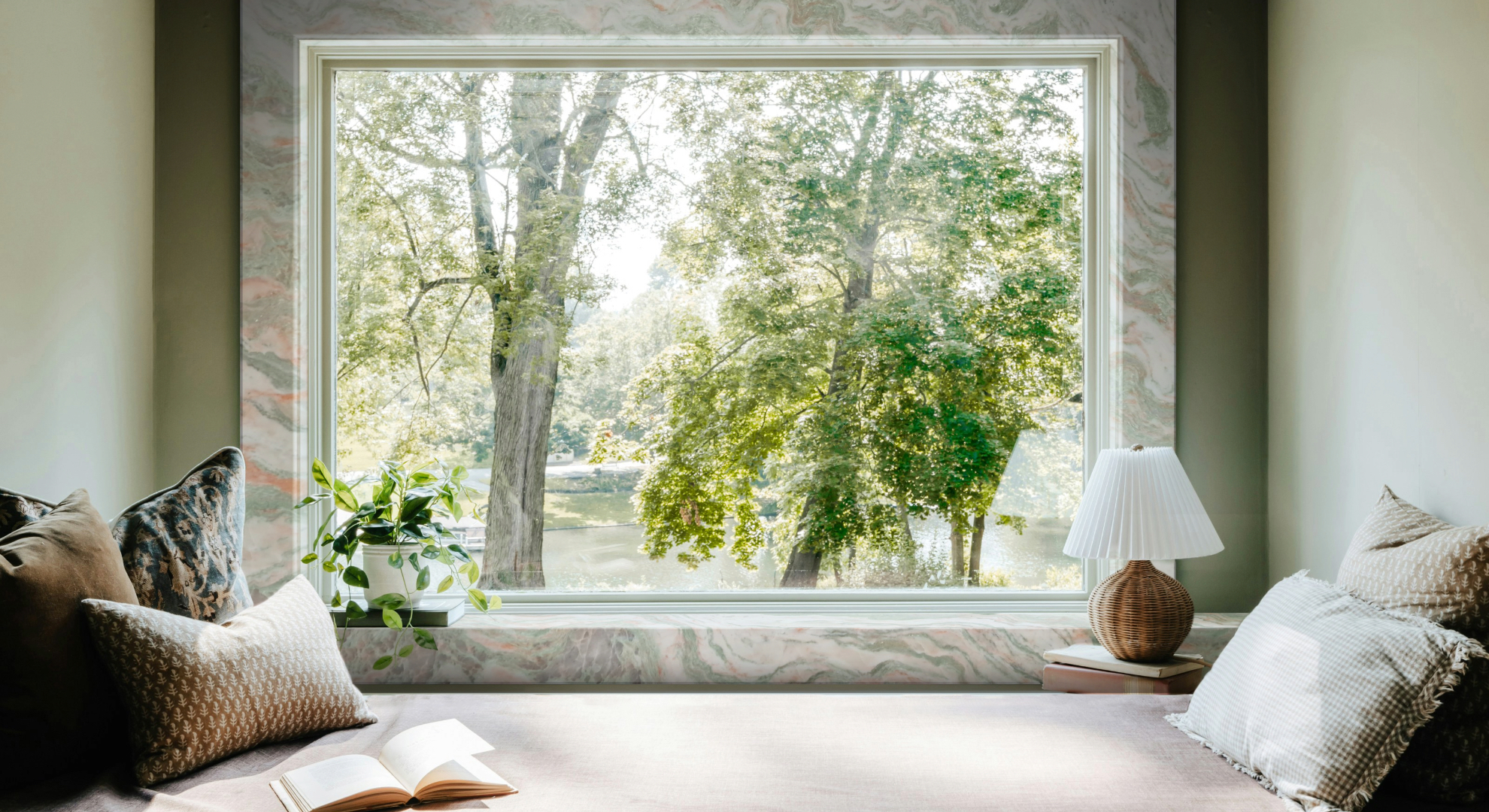
Stunning biophilic design ideas to help you bring the great outdoors into your home

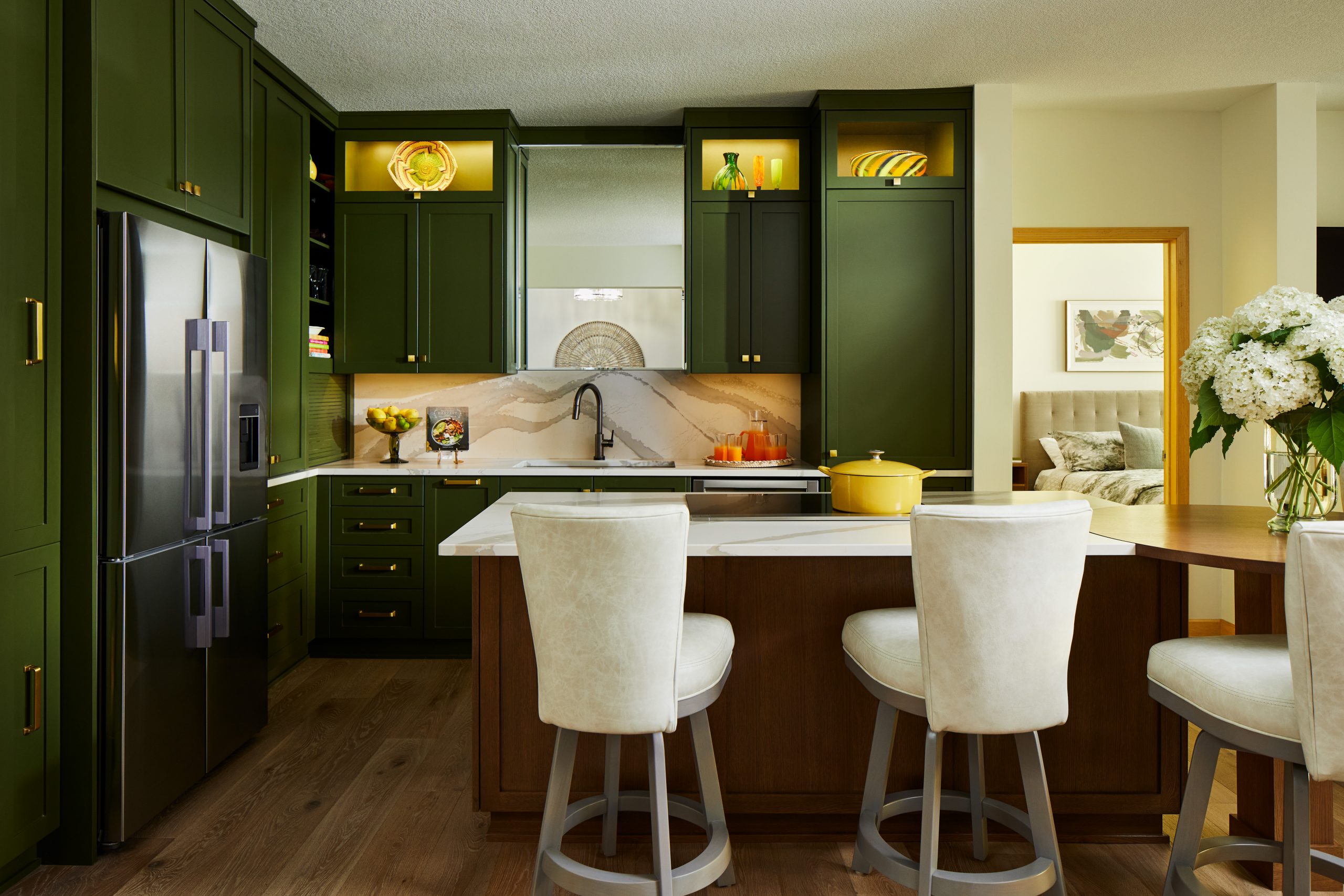
The Best of Biophilic Design: Bringing Nature Indoors

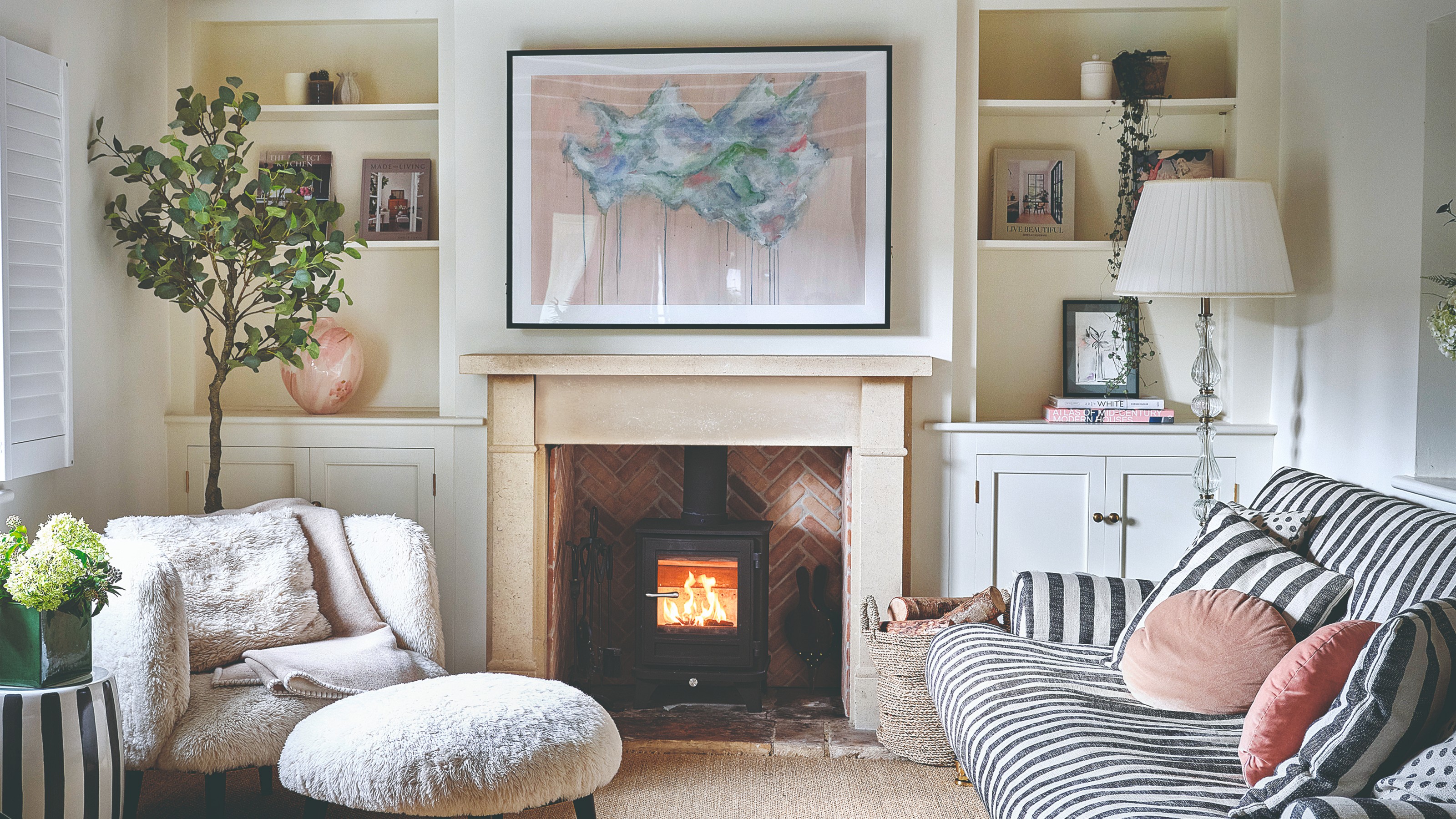
Budget decorating ideas – 32 ways to give your home a fresh new look without breaking the bank
This Twist On Minimalist Decor Will Be Everywhere In 2026
Biophilic design ideas - clever ways to bring nature into your home for a calming space
Add some character to your bathroom with these budget-friendly design ideas
What Is Biophilic Design? 5 Ways to Incorporate This Style

30 budget décor ideas for less than £100 | loveproperty.com

10 easy decor hacks to rethink your interiors on a budget
8 ways to freshen up your home through natural biophilic design
What the heck is biophilic design?

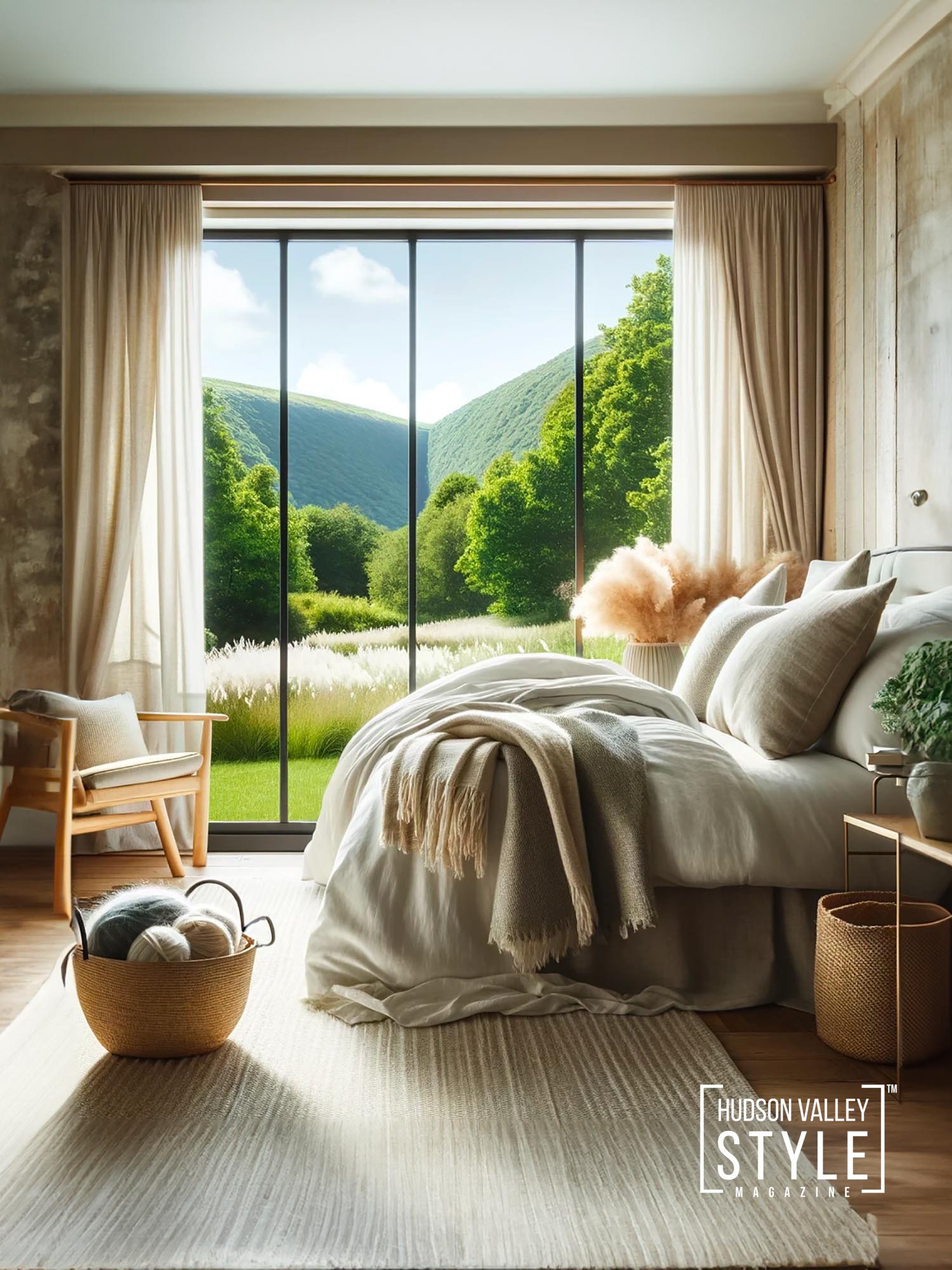
Sustainable Interior Design Trends for 2024: Embracing Eco-Friendly Living

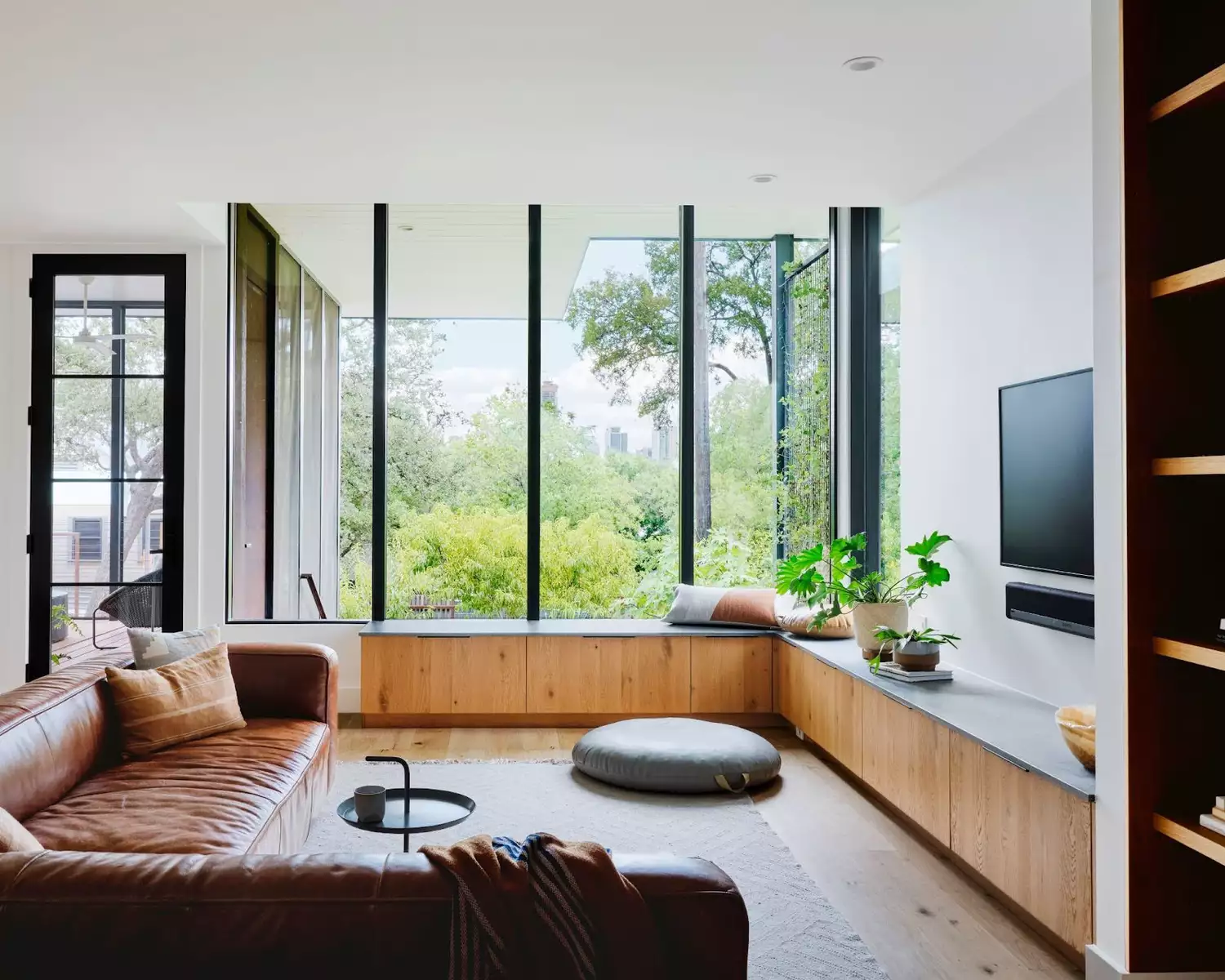
These 10 Biophilic Design Ideas Will Transform Your Home Into a Natural Oasis
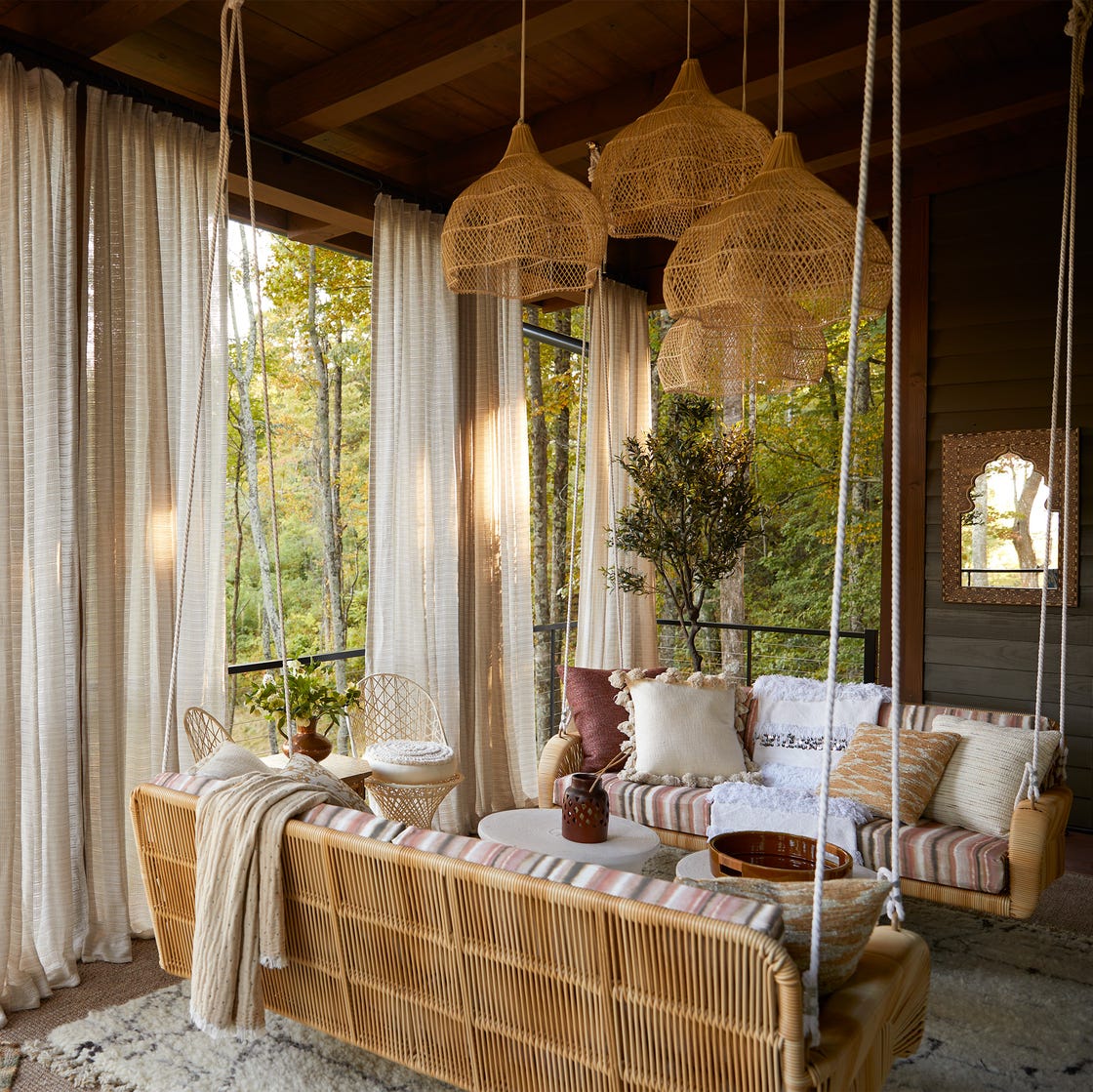
Biophilic Design Is the Signature Style of Plant Lovers Everywhere

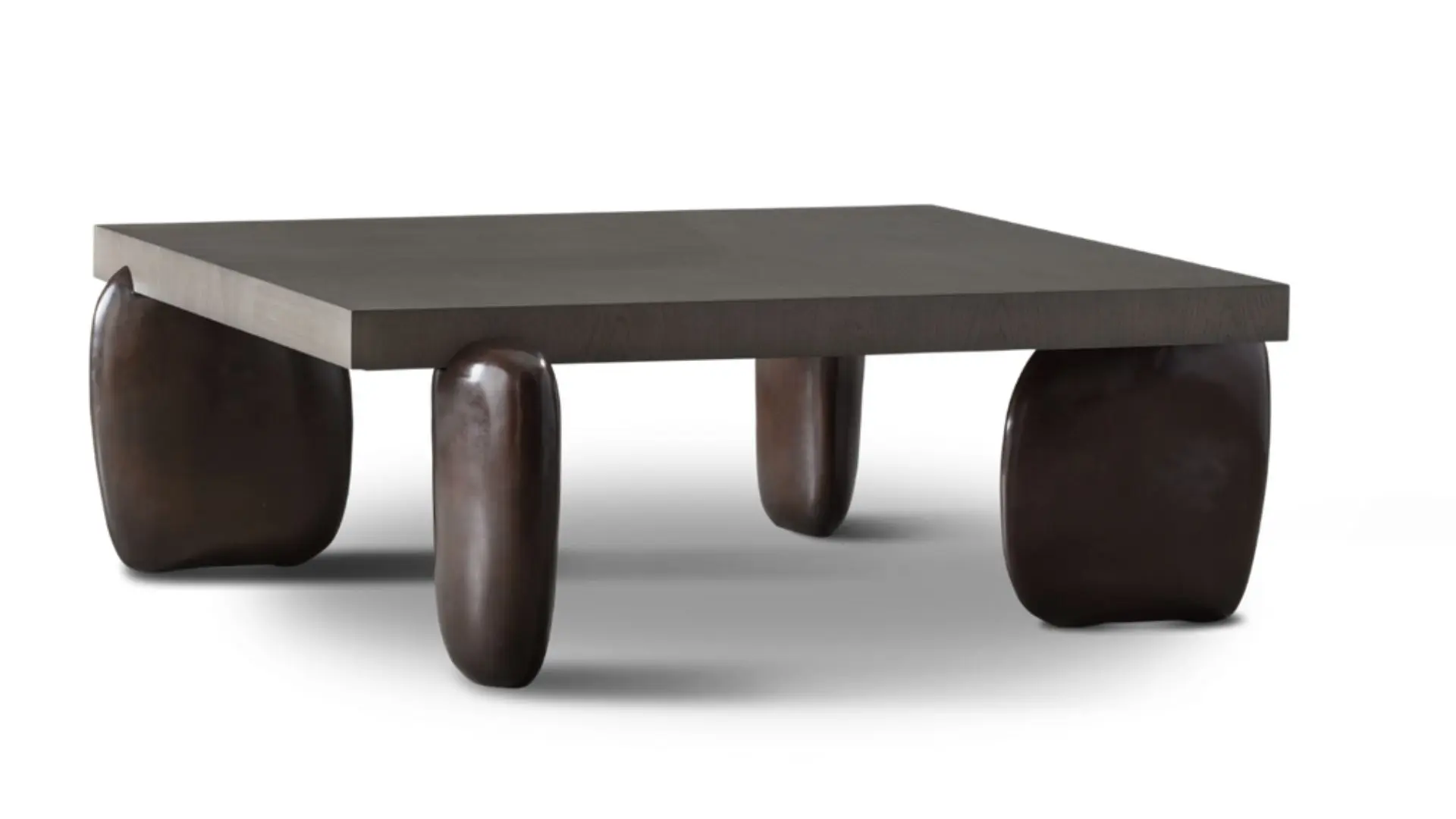
A growing trend: enjoy these 10 biophilic furniture designs

Focus on Biophilia: Nature-Inspired Design Strengthens People!

What are Biophilic interiors? How bringing the outdoors in is proven to make you happier

8 applications of different biophilic design concepts
18 Cheap Decor Ideas That Look Expensive

Biophilic Design Is the Decorating Trend You Need To Try if You Love Plants