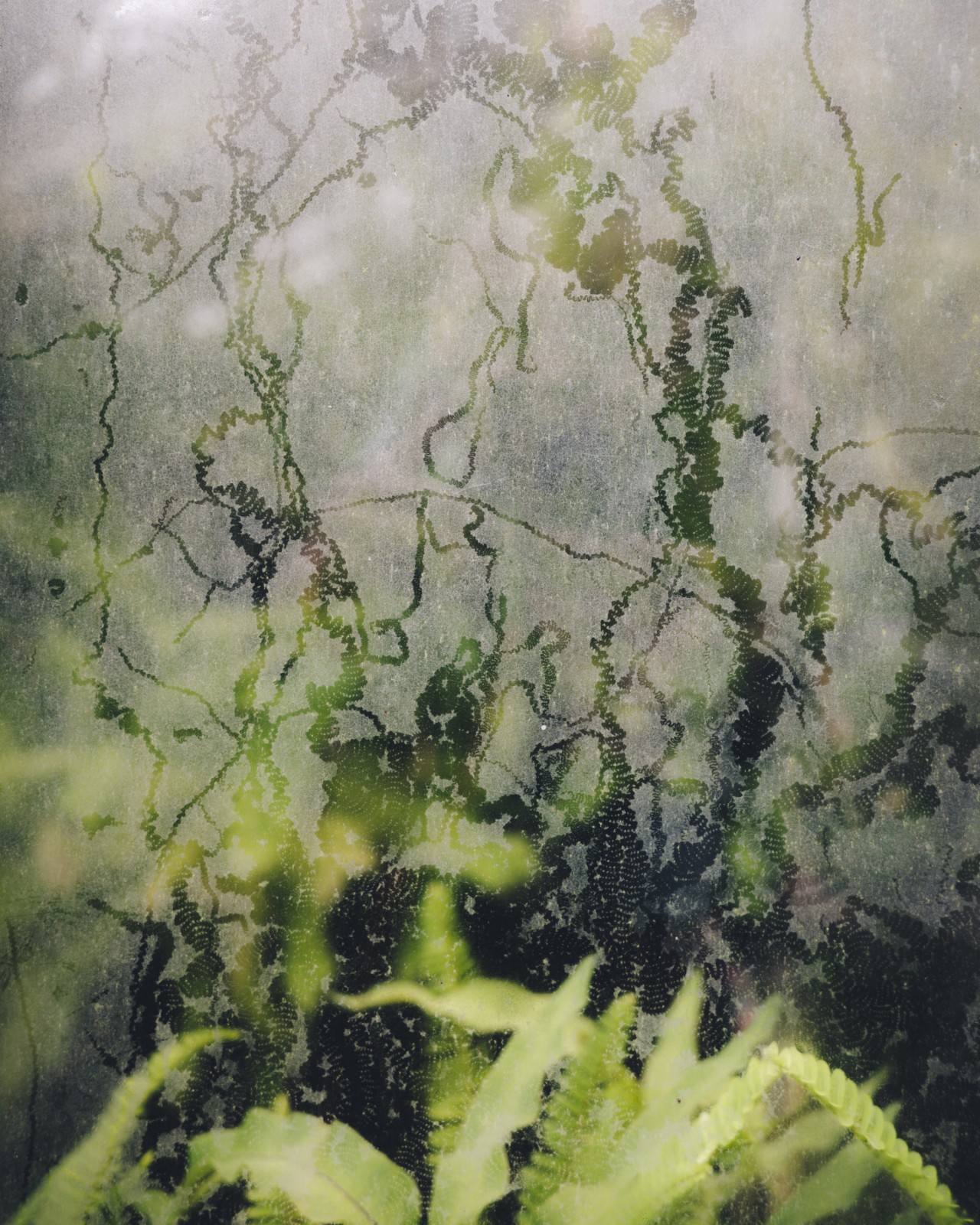
Reimagining Care Through Nature: The Case for Biophilic Design
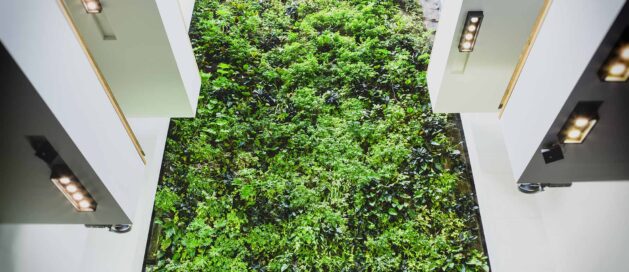
The article discusses biophilic design, a concept that incorporates elements of nature into architectural and interior design to tap into humans' intrinsic desire to be in nature. The average American spends approximately 90% of their life indoors, leading to a disconnect from the natural environment and contributing to an epidemic of mental health issues. Chronic stress, prevalent in modern society, can lead to various physical ailments. Mental health problems, such as depression and sleeplessness, significantly increased during the COVID-19 pandemic lockdowns, highlighting the impact of confined indoor spaces on well-being. This has prompted a growing focus within design circles on how indoor environments can improve public mental health by engaging the senses with natural elements.
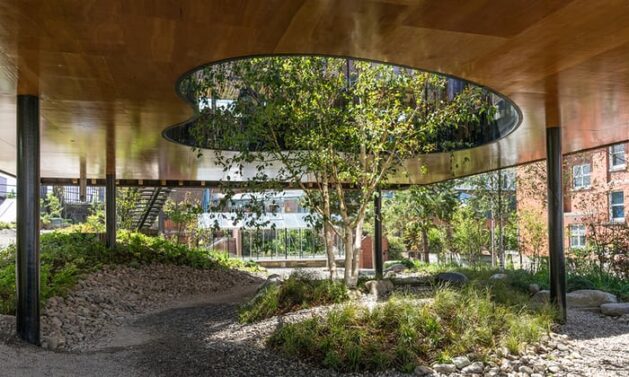
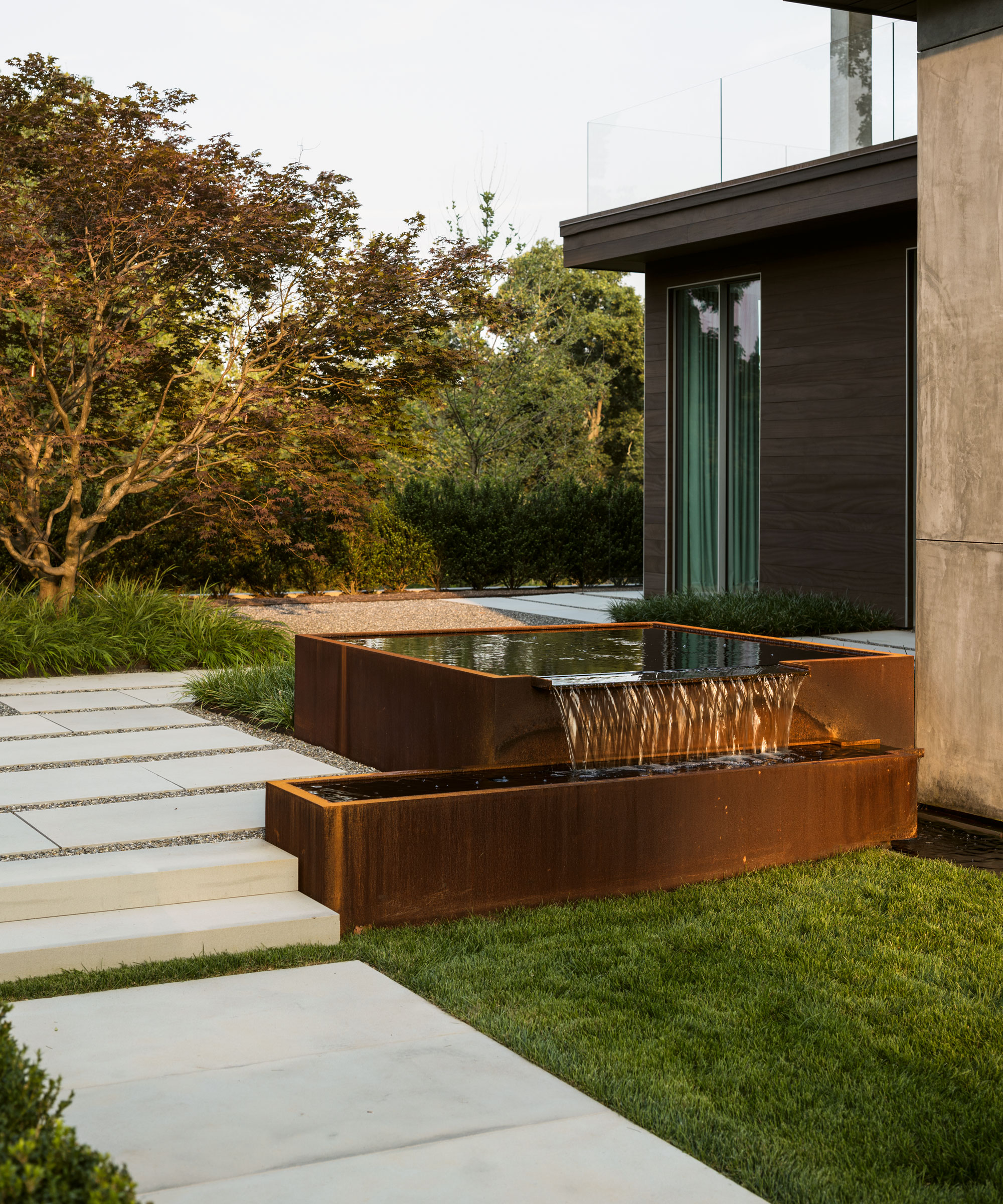
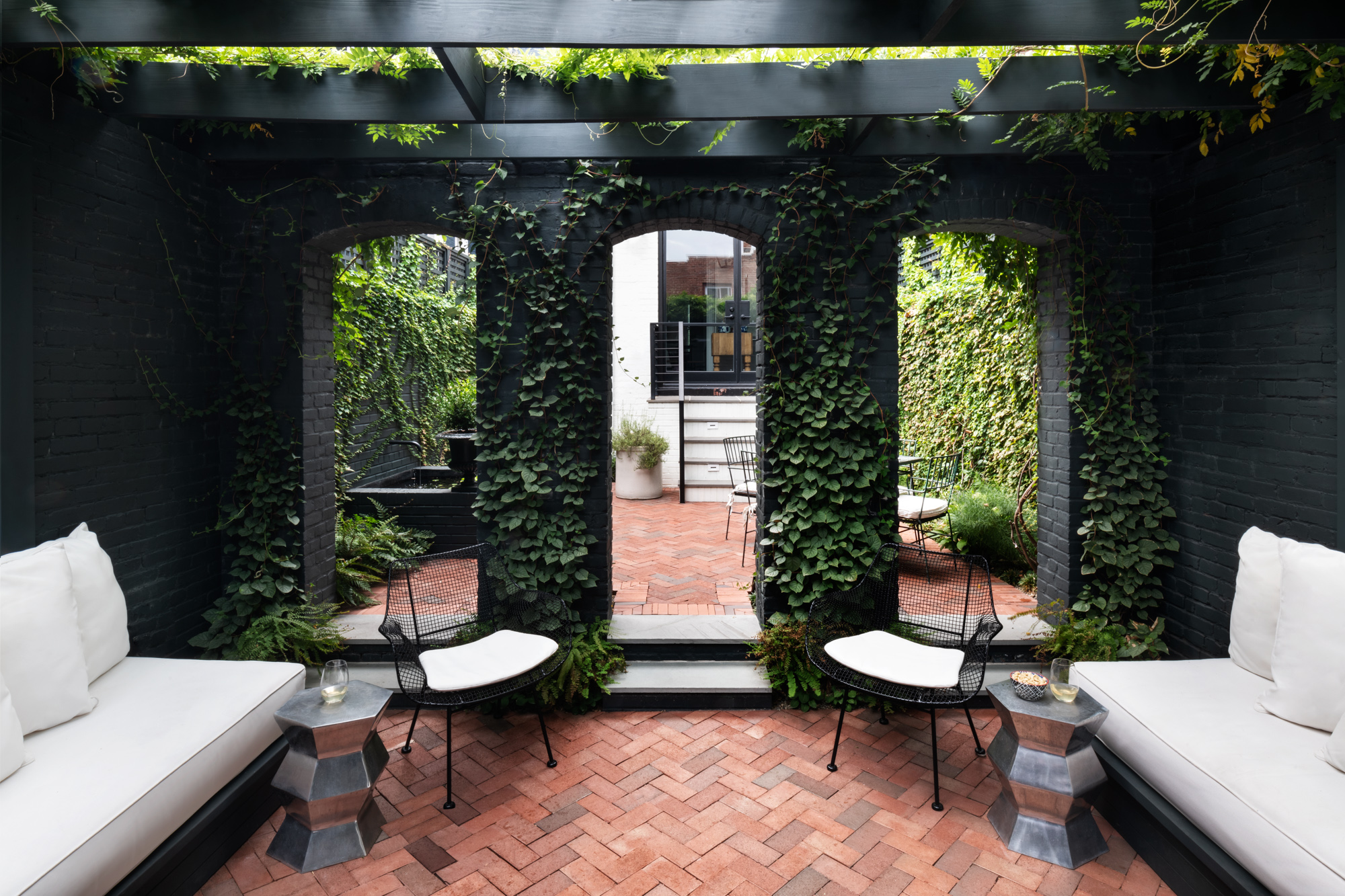
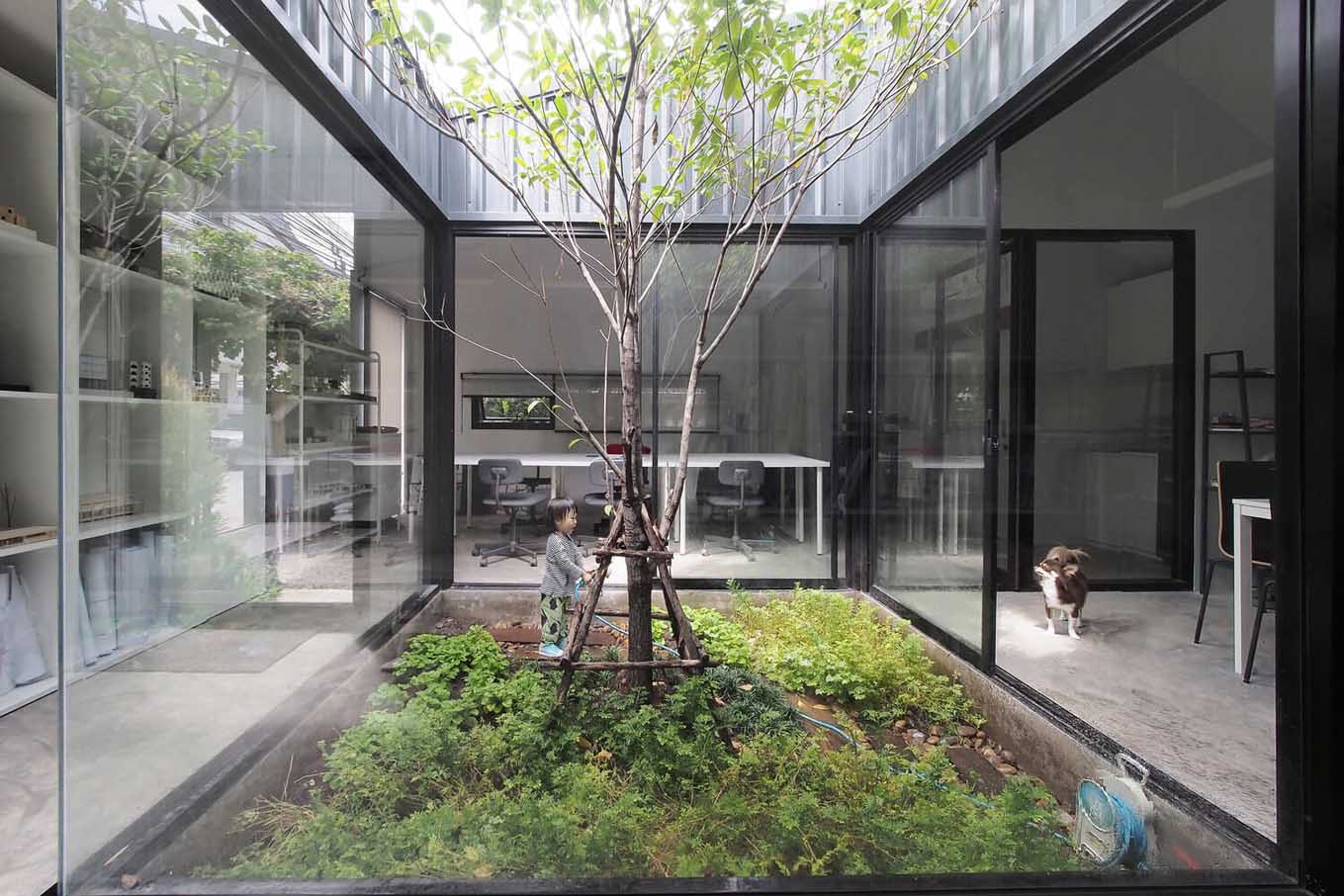
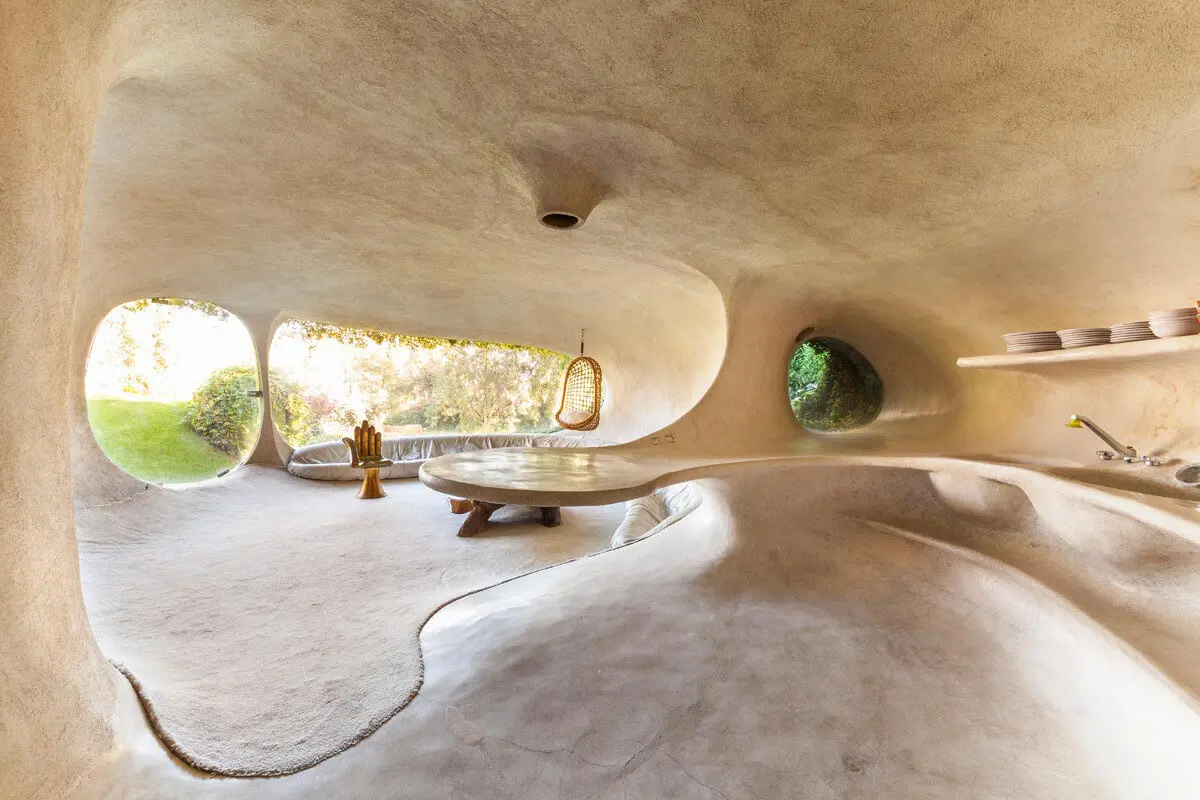
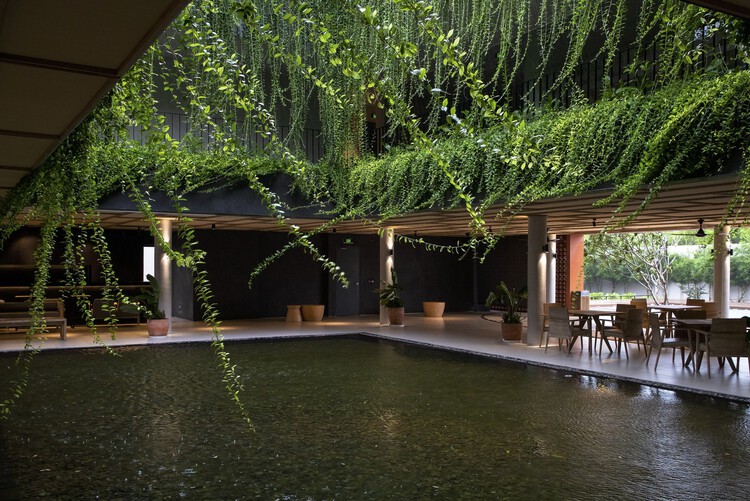
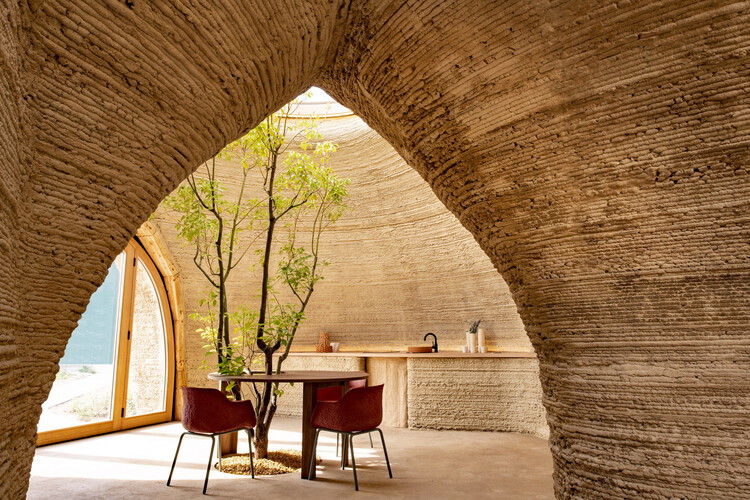
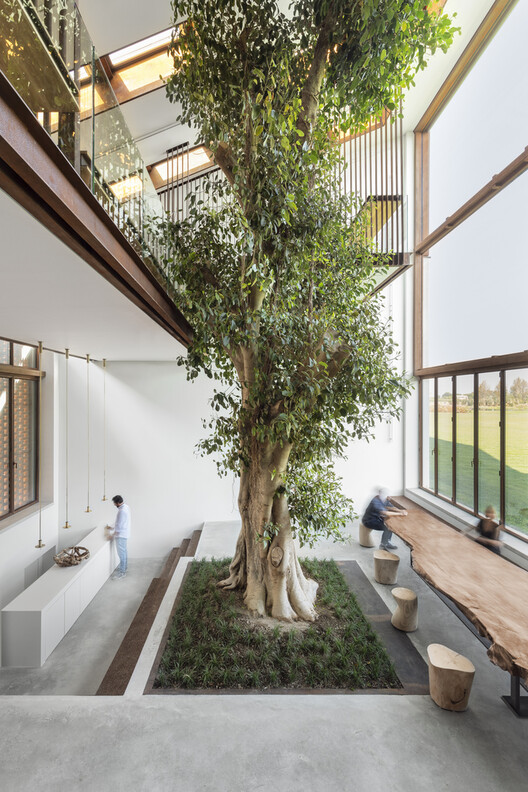
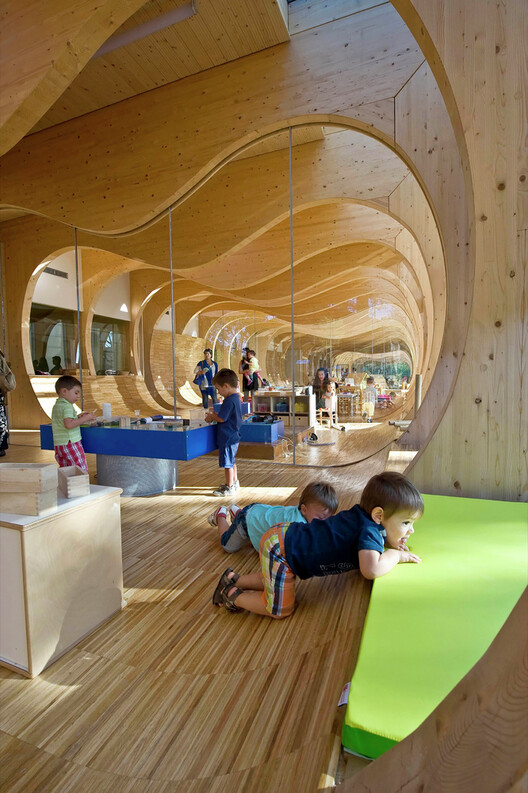
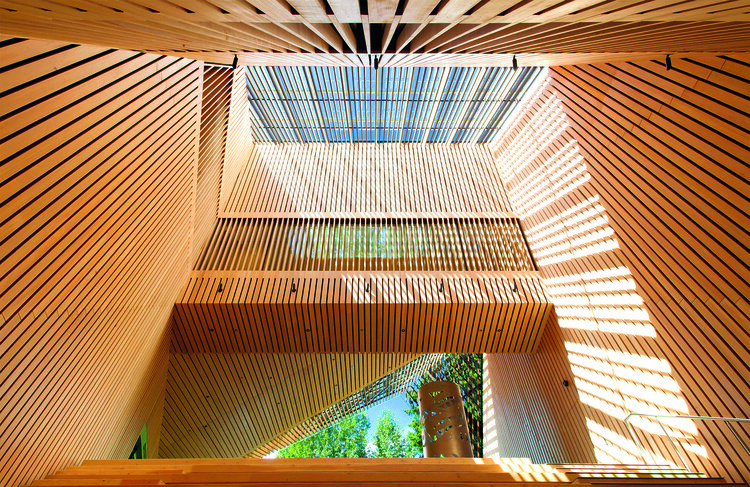
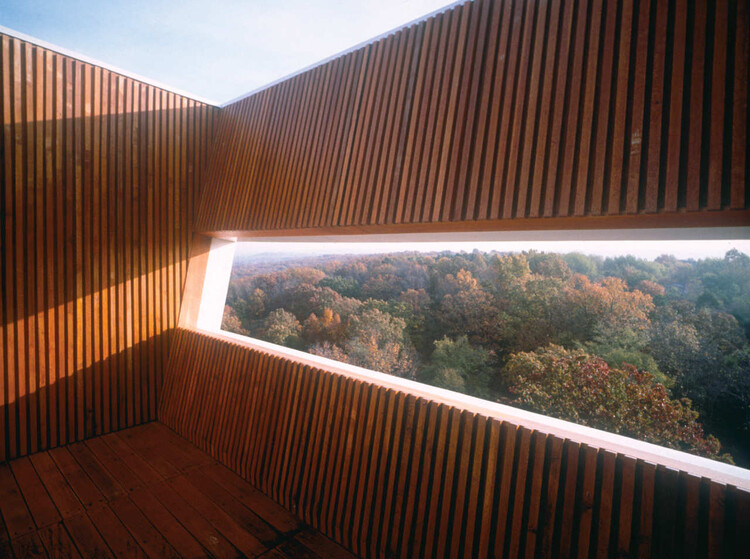
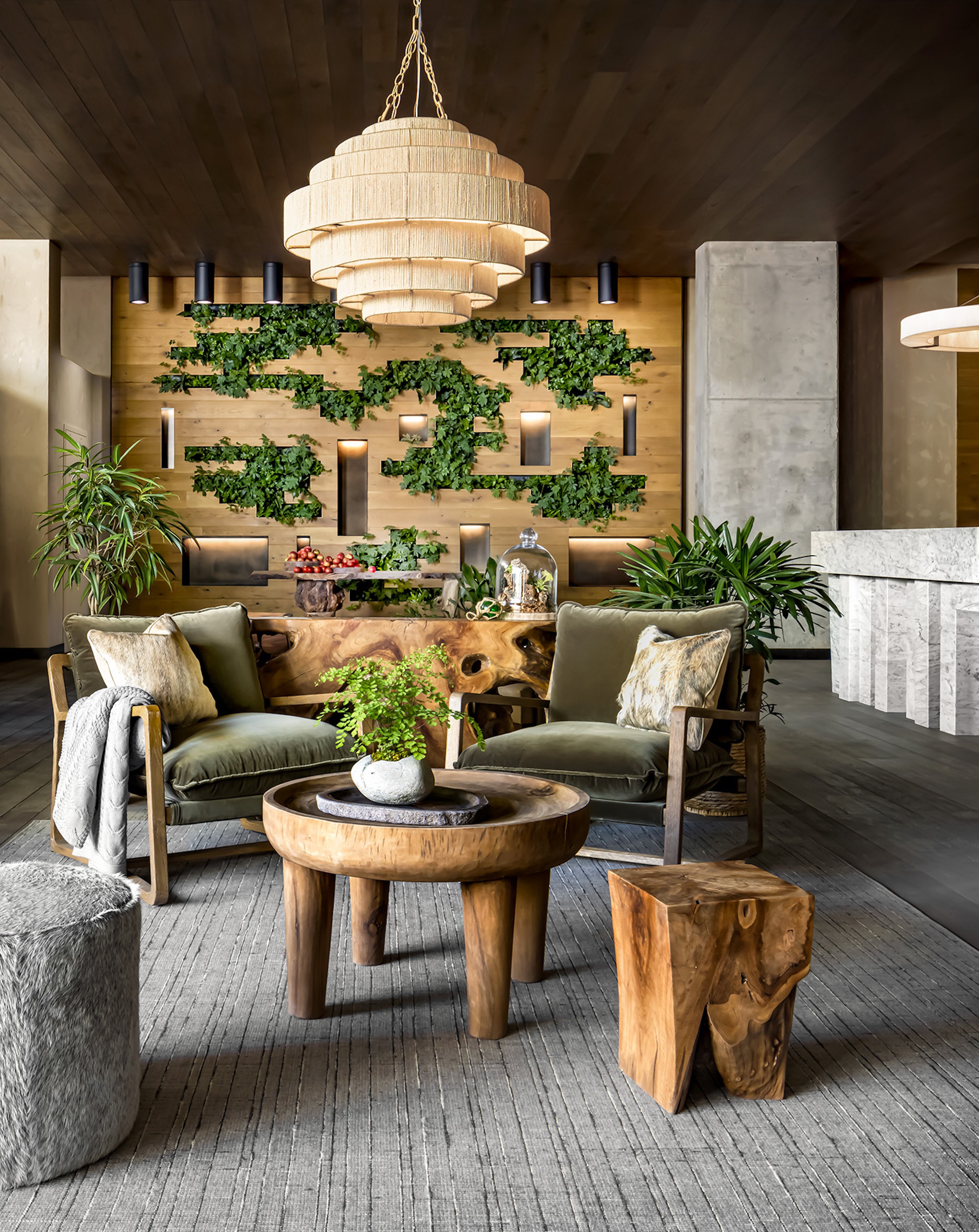
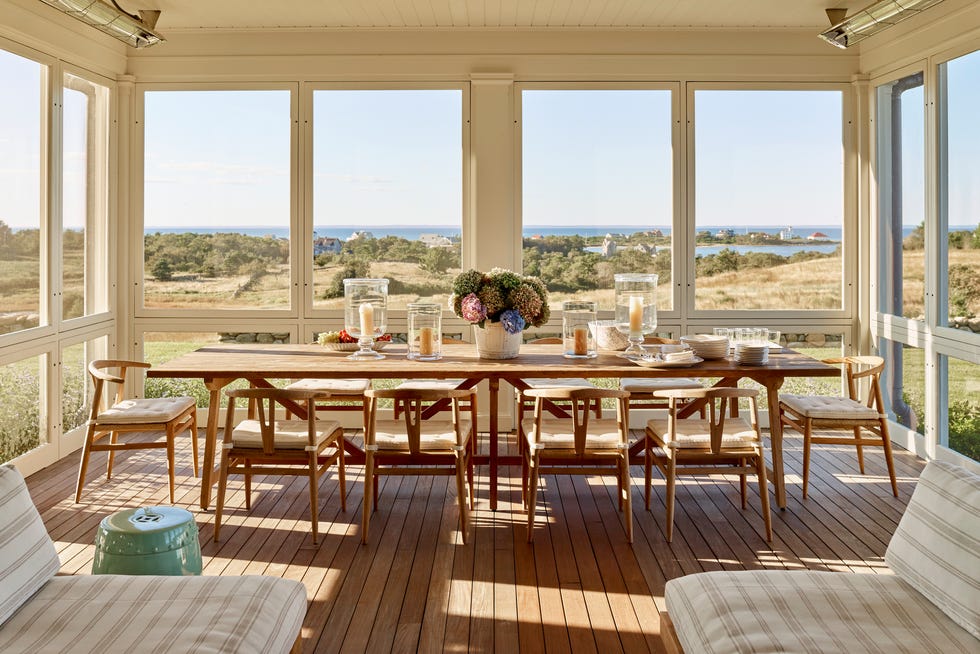
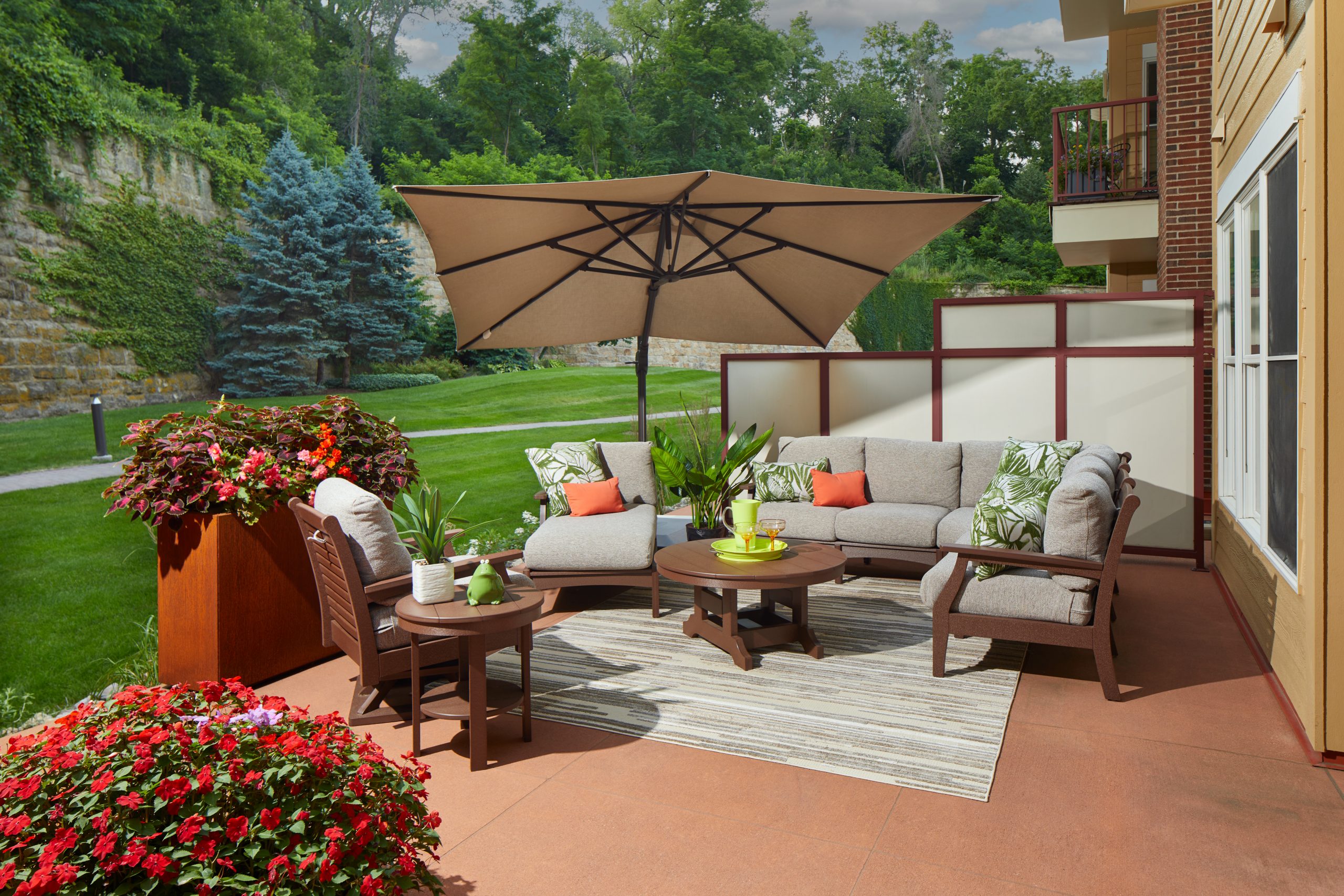
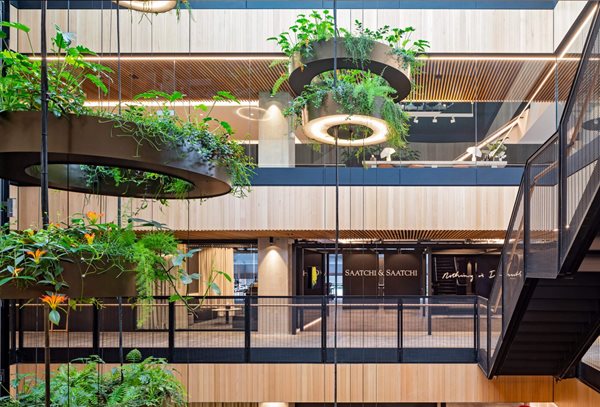
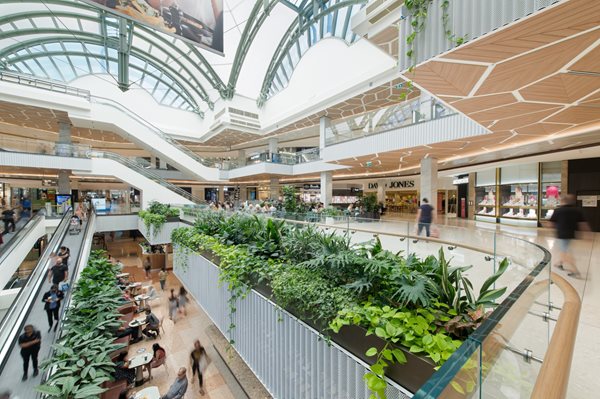
Biophilic design follows 14 principles categorized into three groups: natural analogues, nature *in* the space, and nature *of* the space. These categories aim to stimulate different parts of the brain. The principles involve integrating literal natural elements like running water features, lush landscaping, and natural materials, as well as enhancing the instinctual sense of nature within a space through elements such as expansive, unobstructed views or areas that offer a sense of shelter. Even the concept of 'risk-peril,' where a safe vantage point allows observation of a potentially risky drop, can contribute to biophilic experience, as exemplified by a deck with an opaque railing near an overhang or Frank Lloyd Wright's Taliesin property.
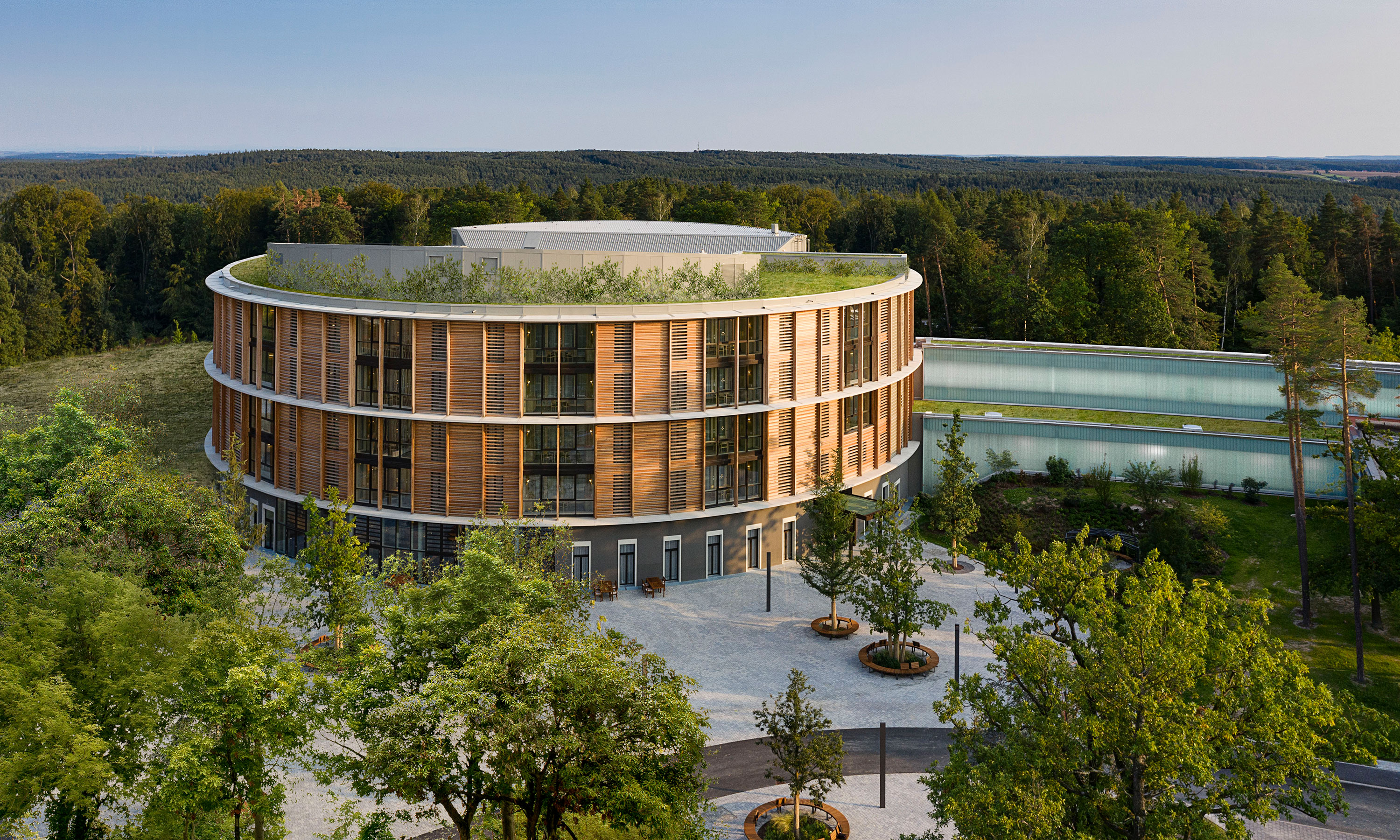
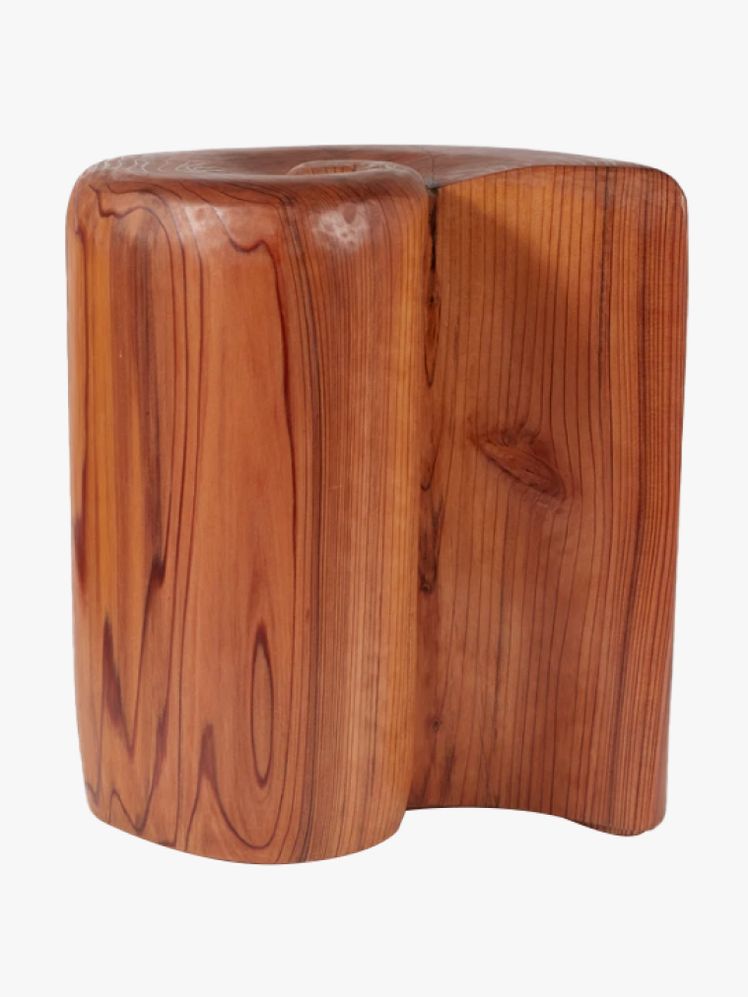
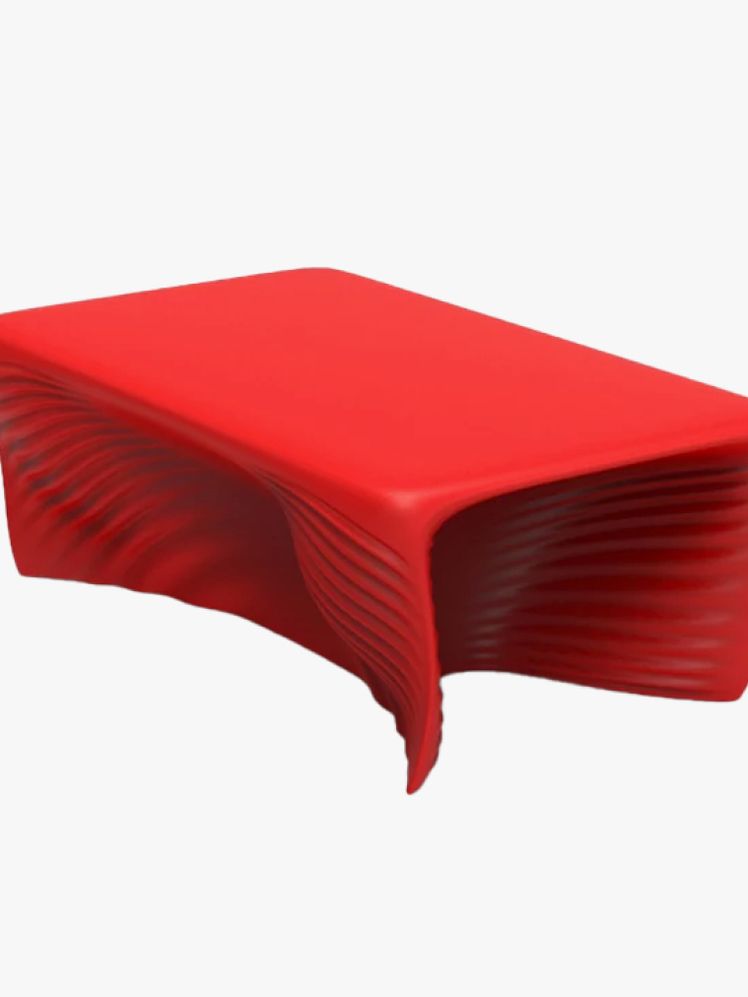
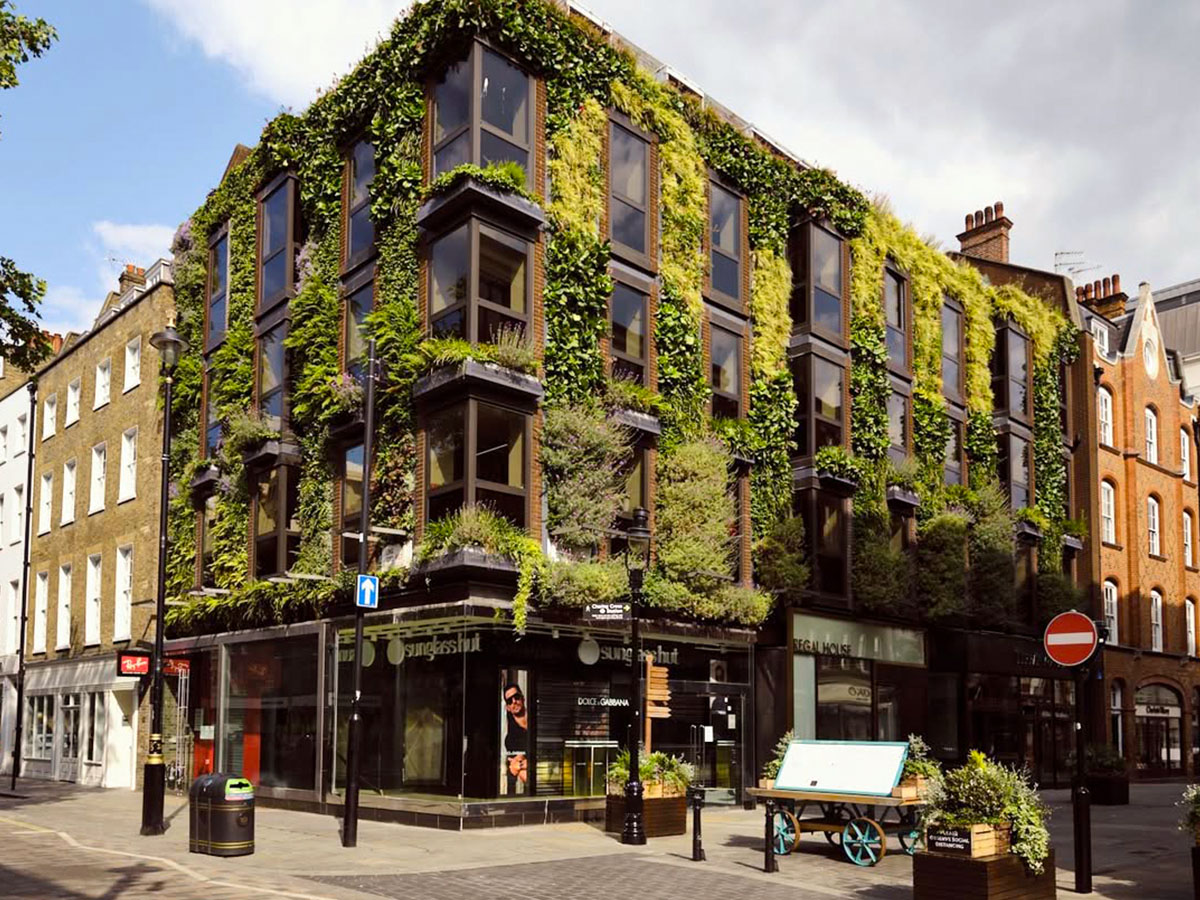
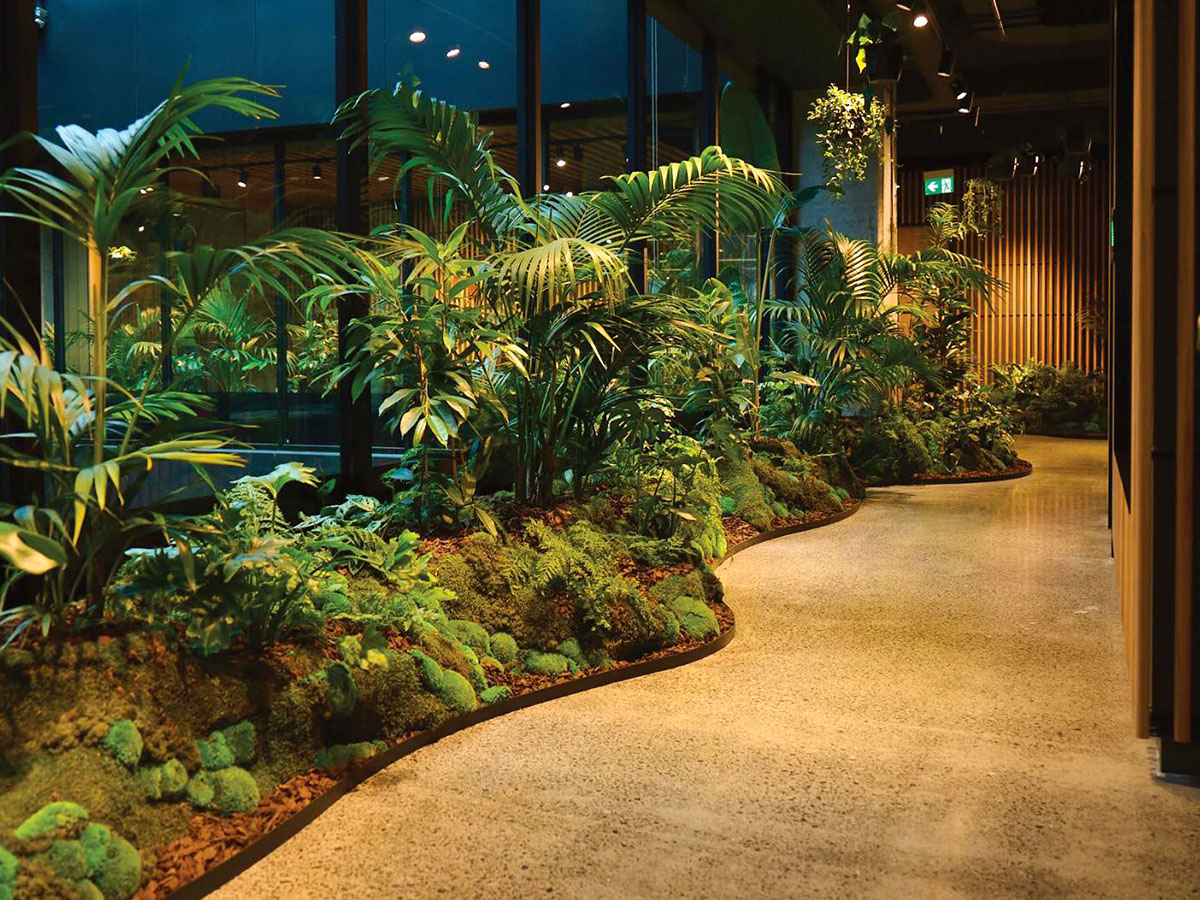
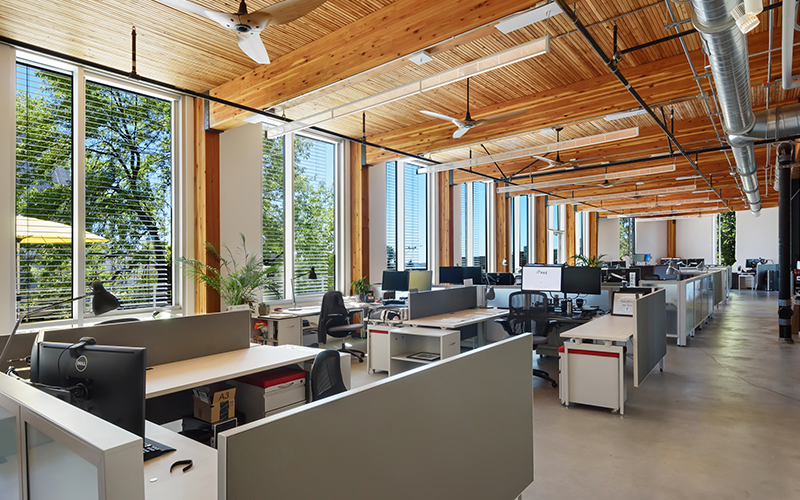
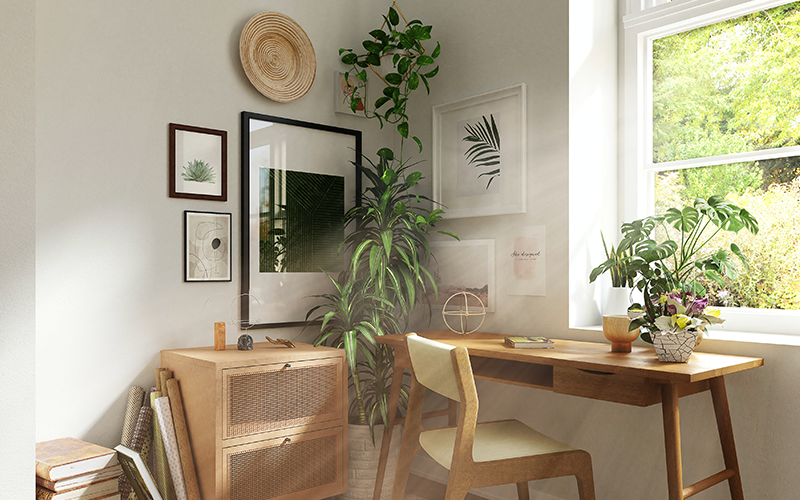
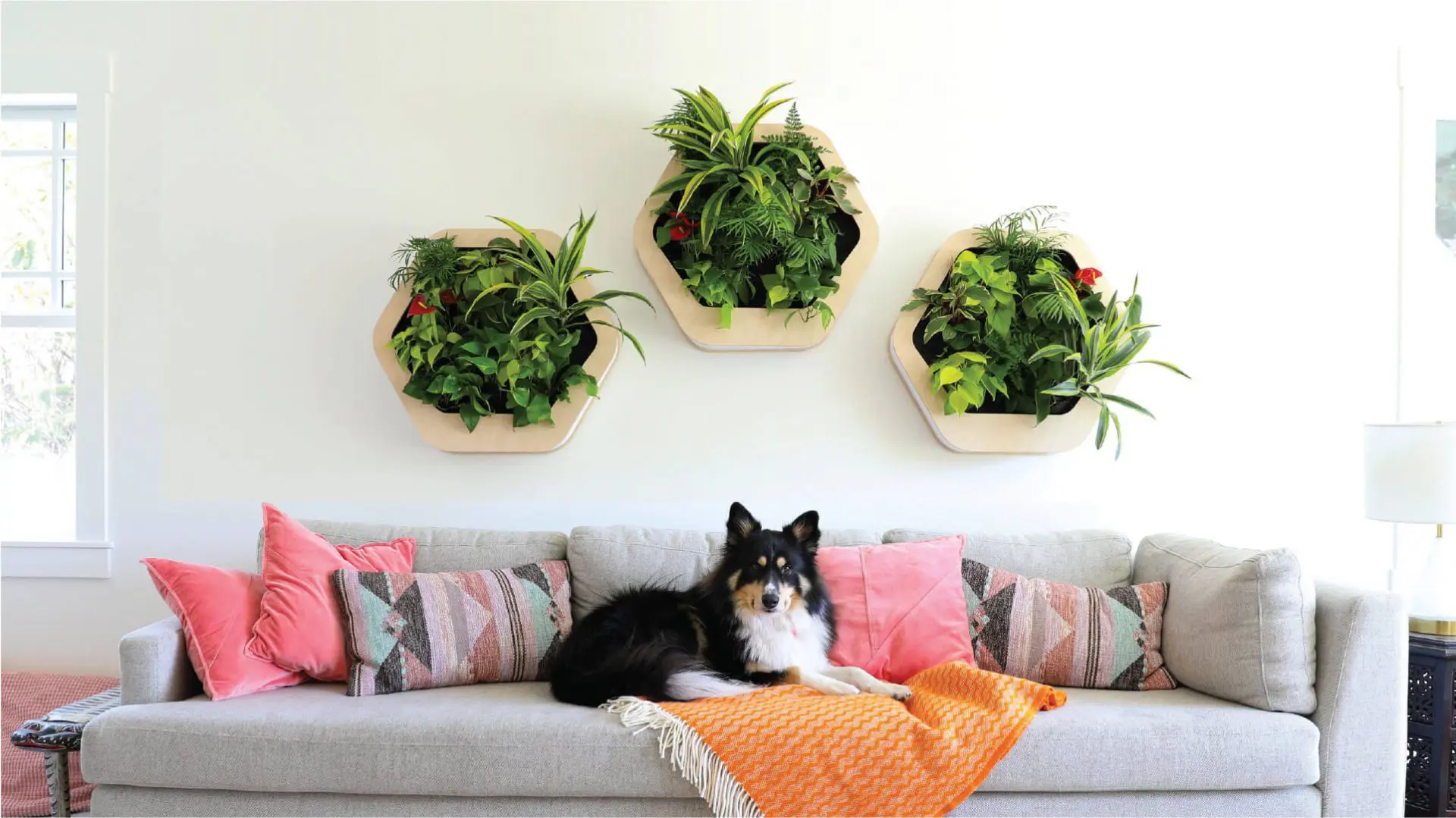
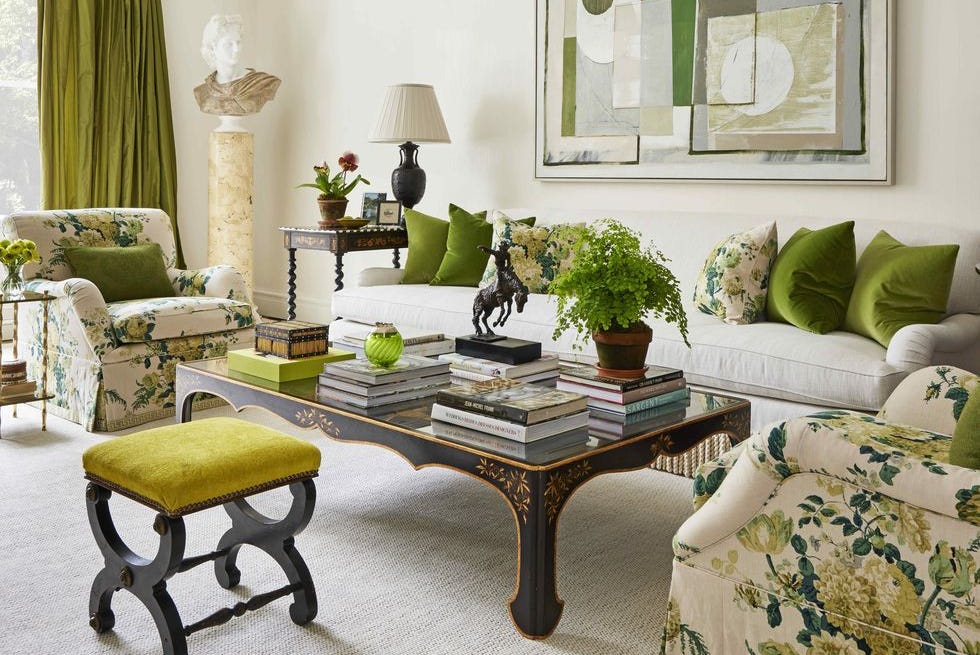
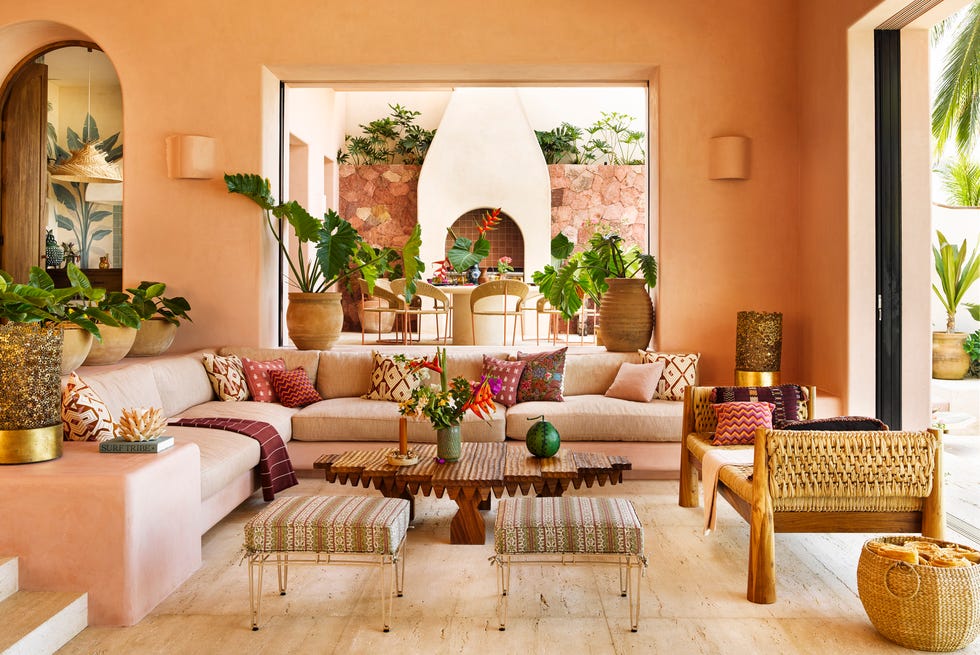
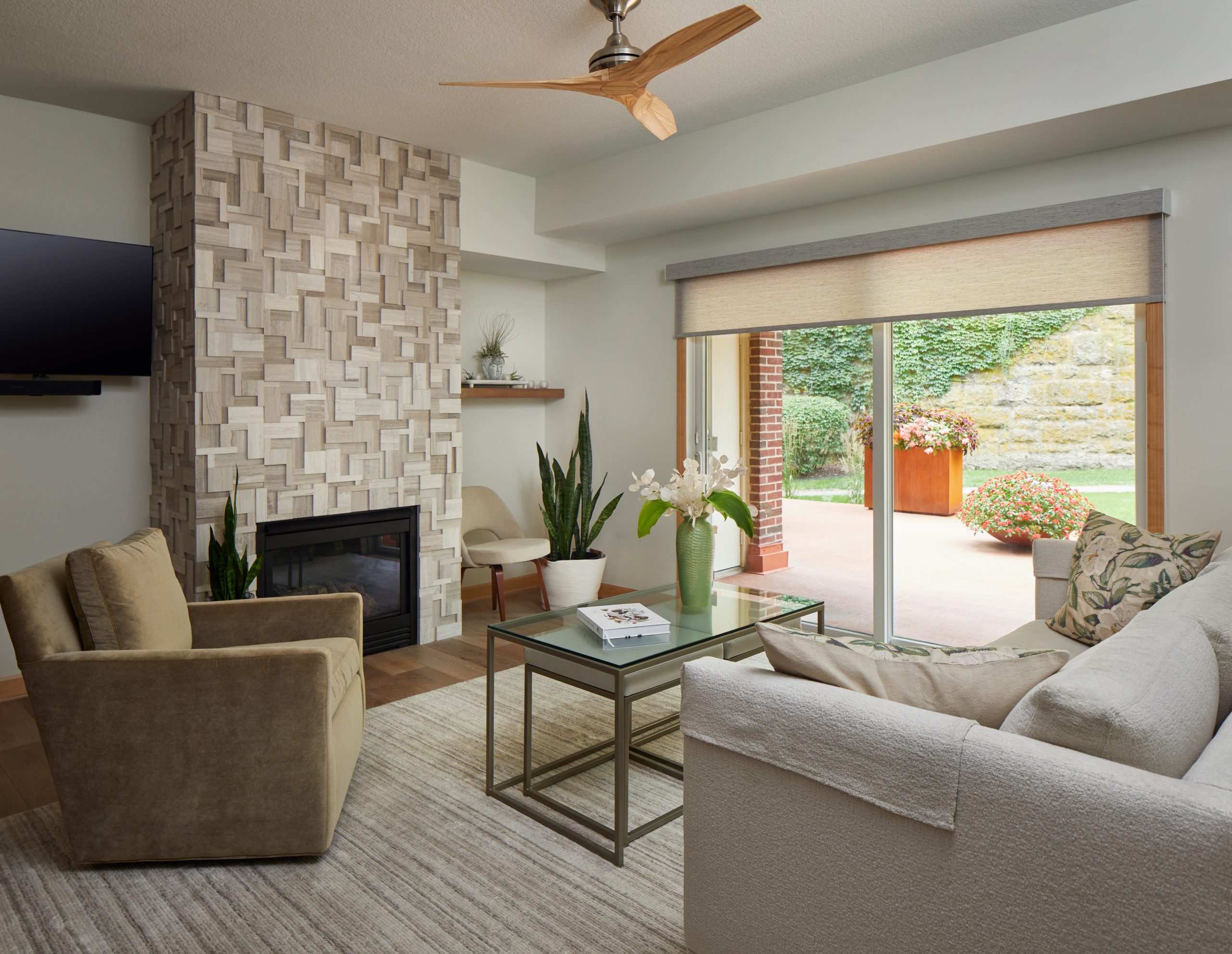
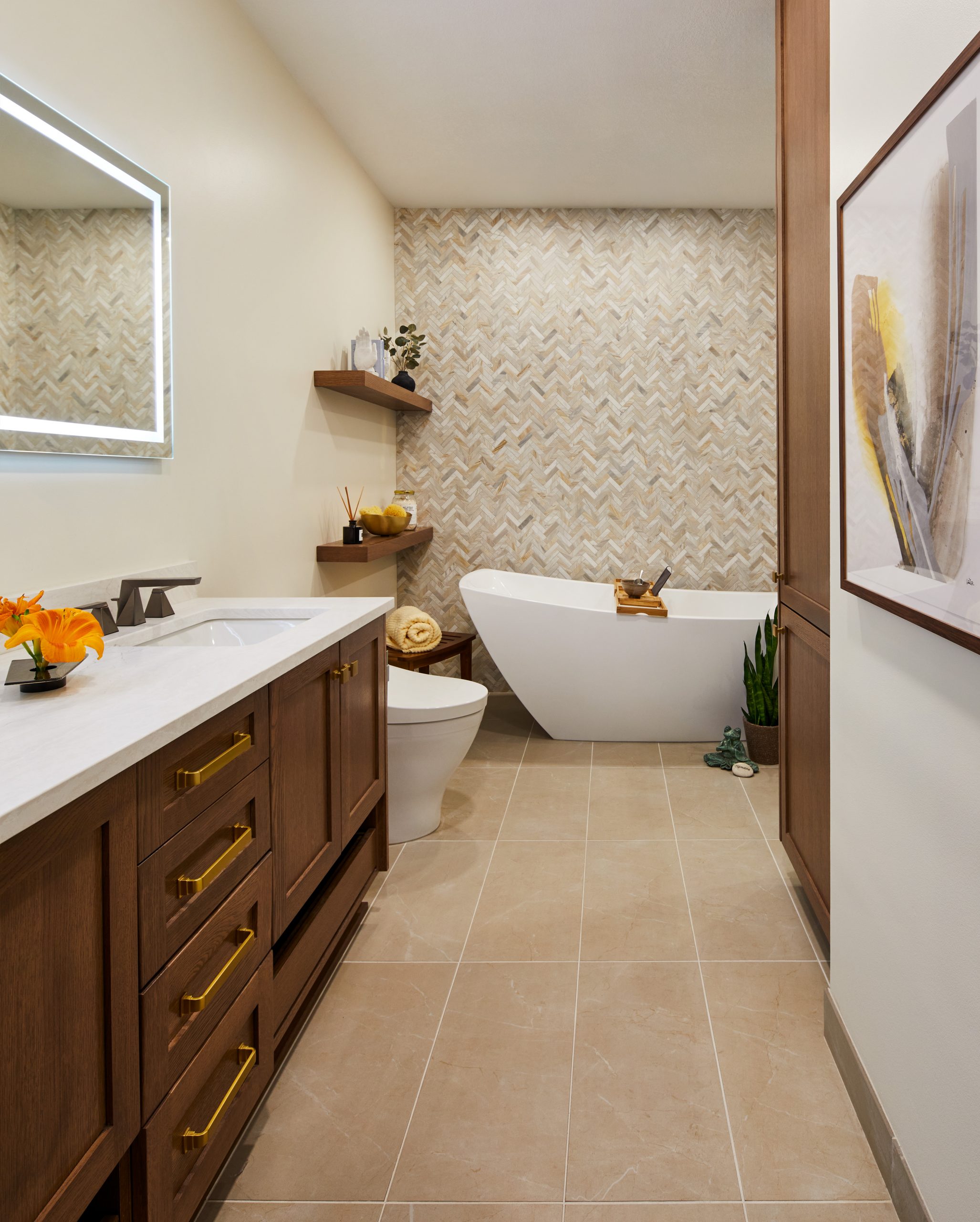
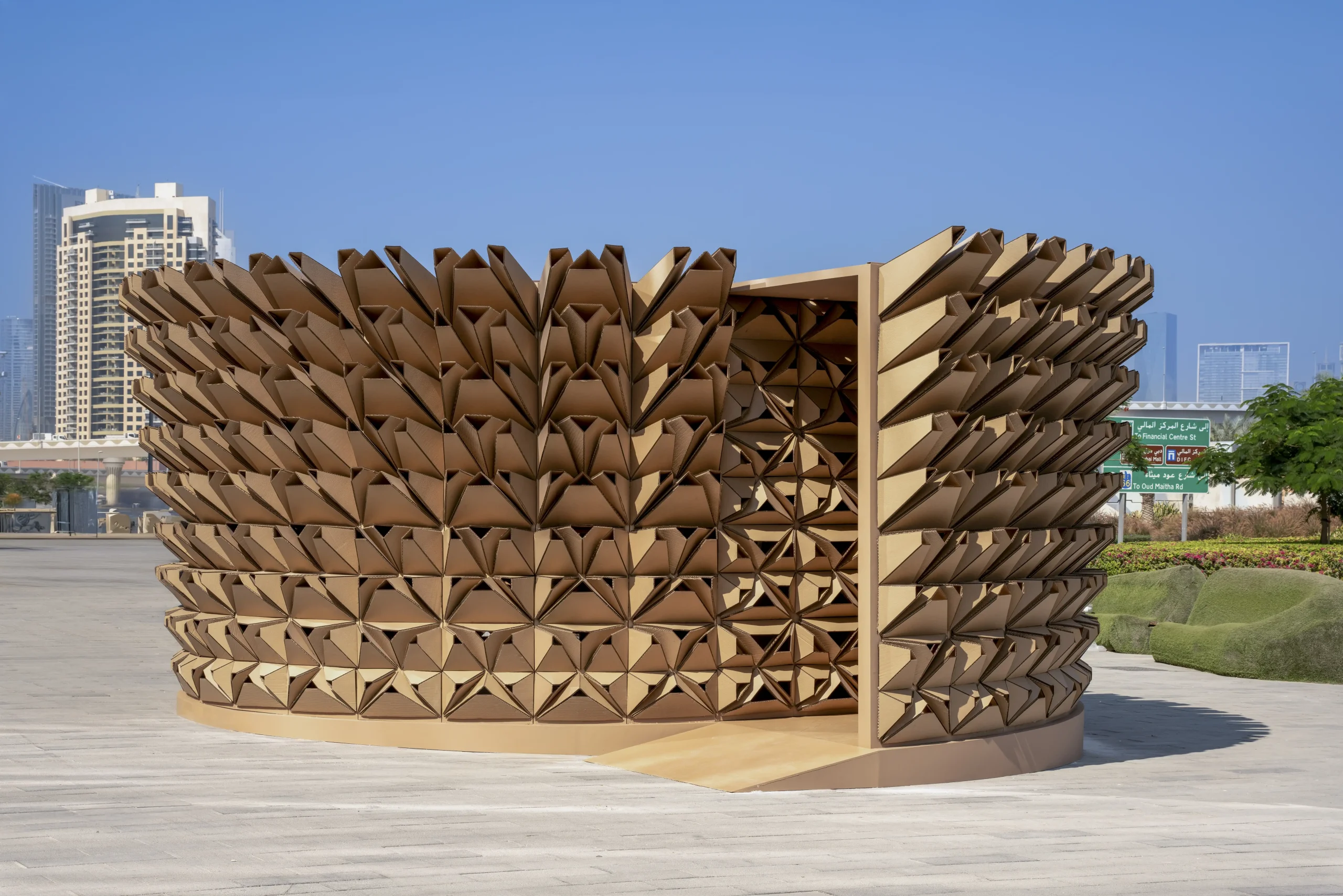
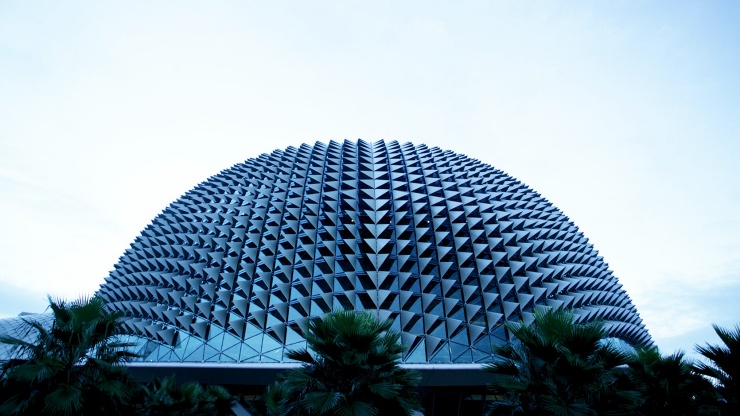
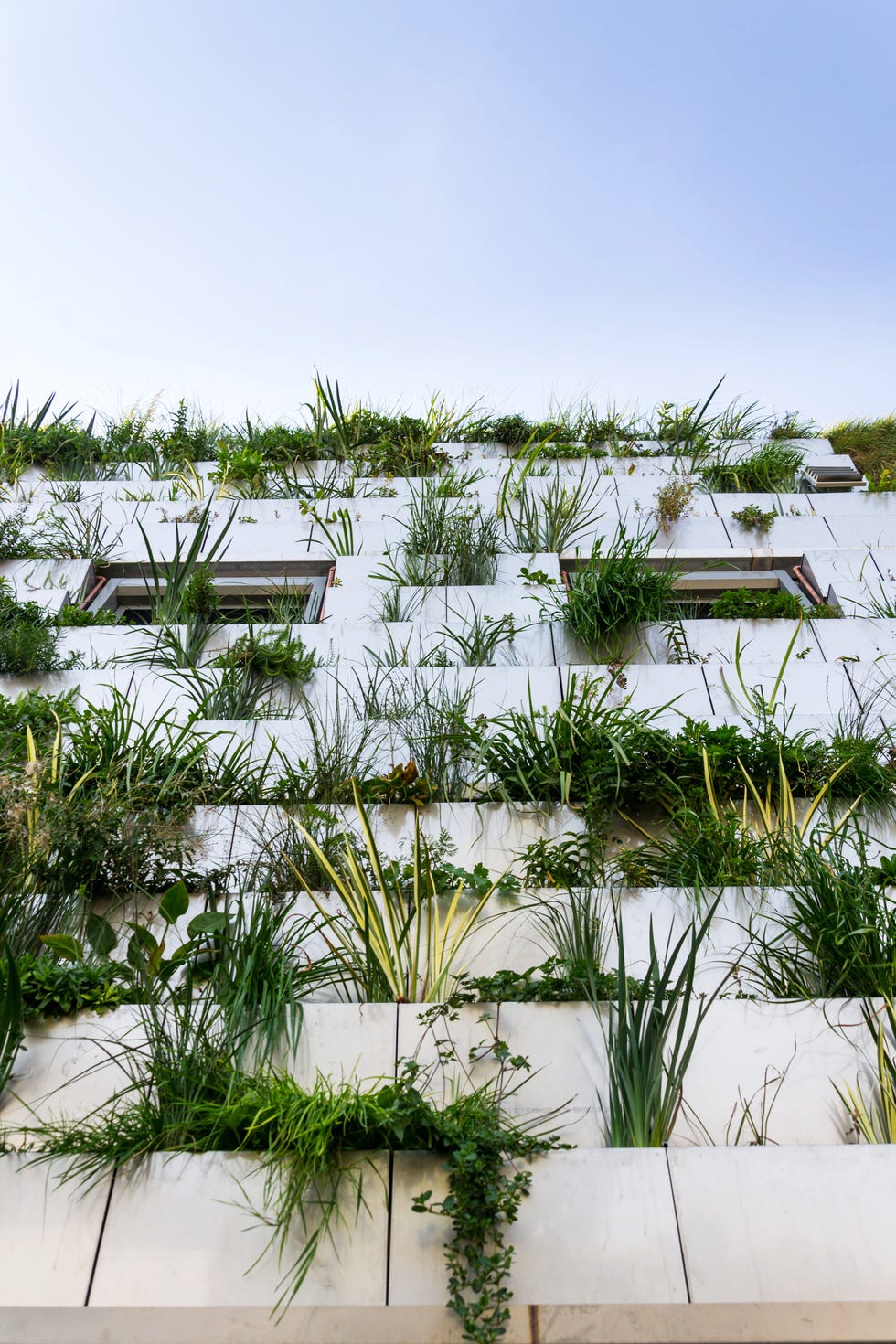
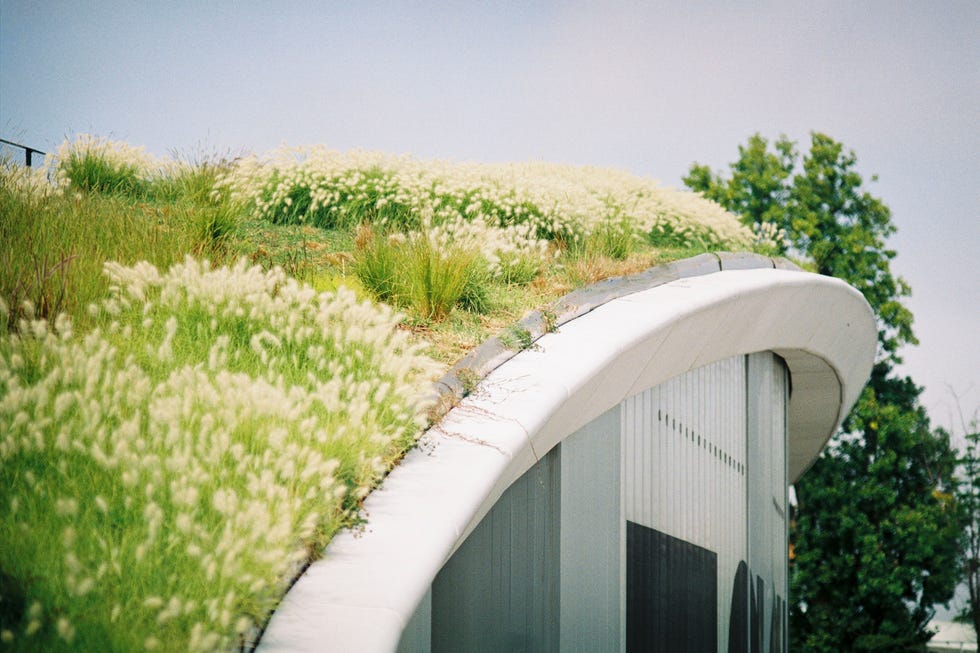
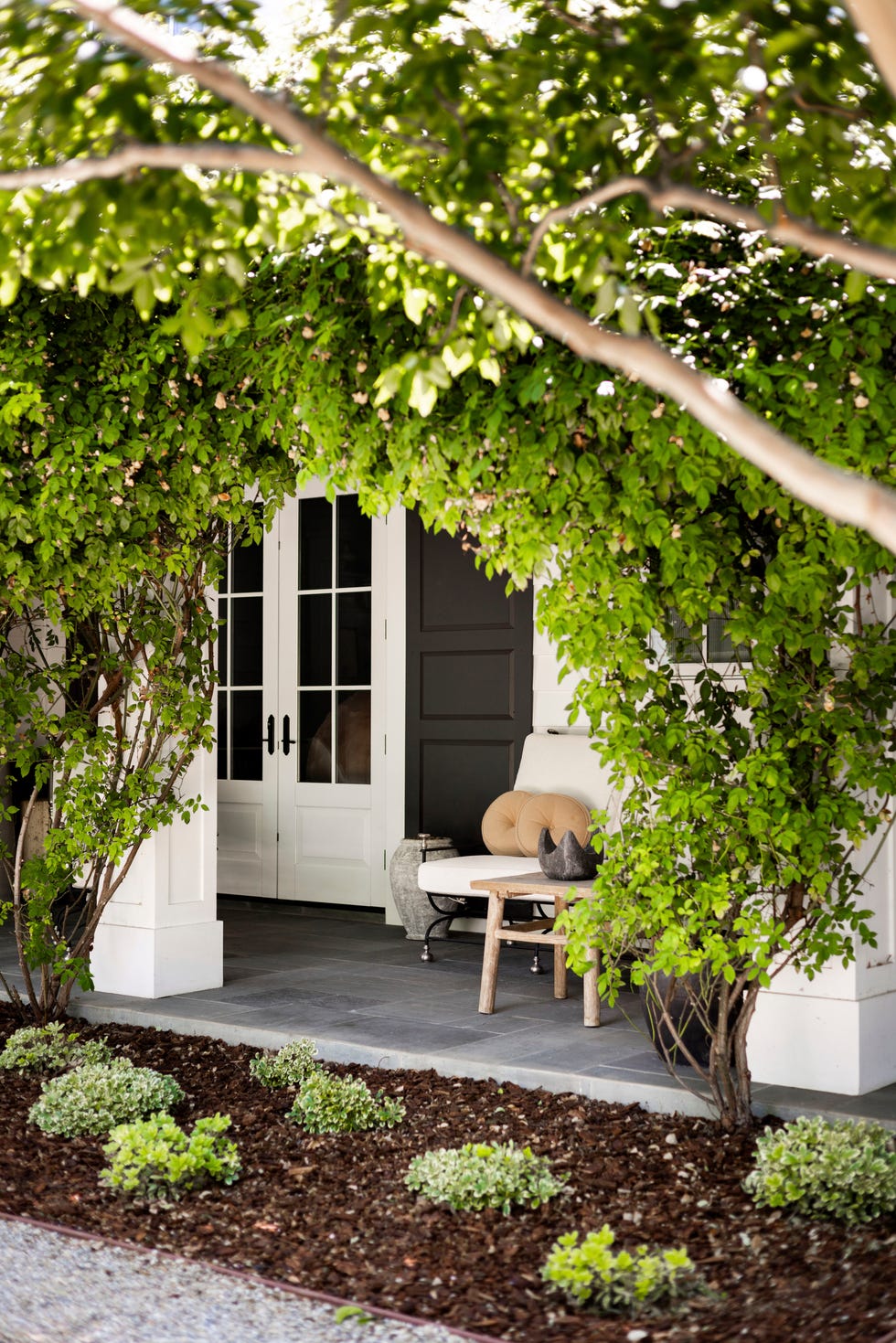
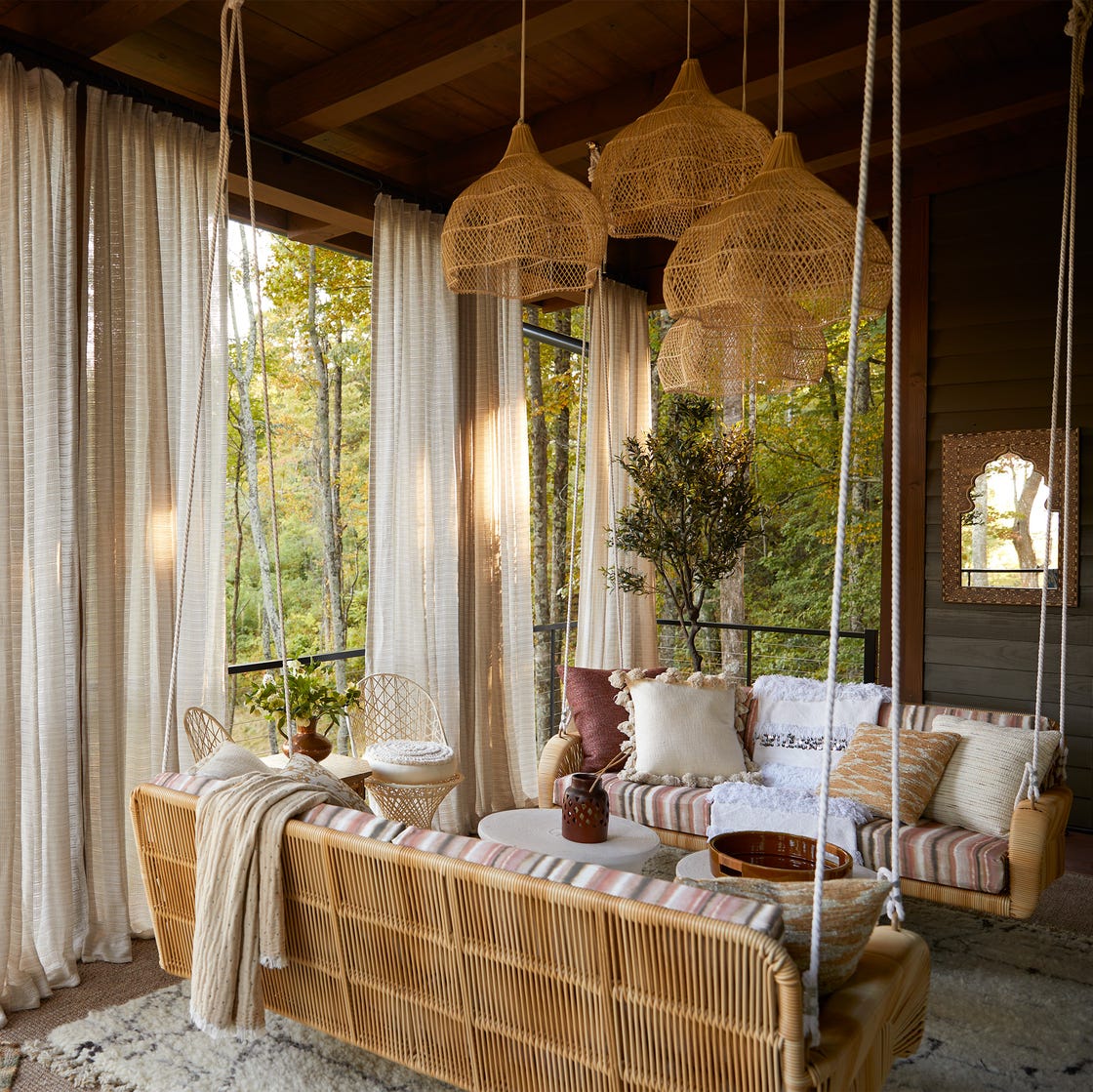
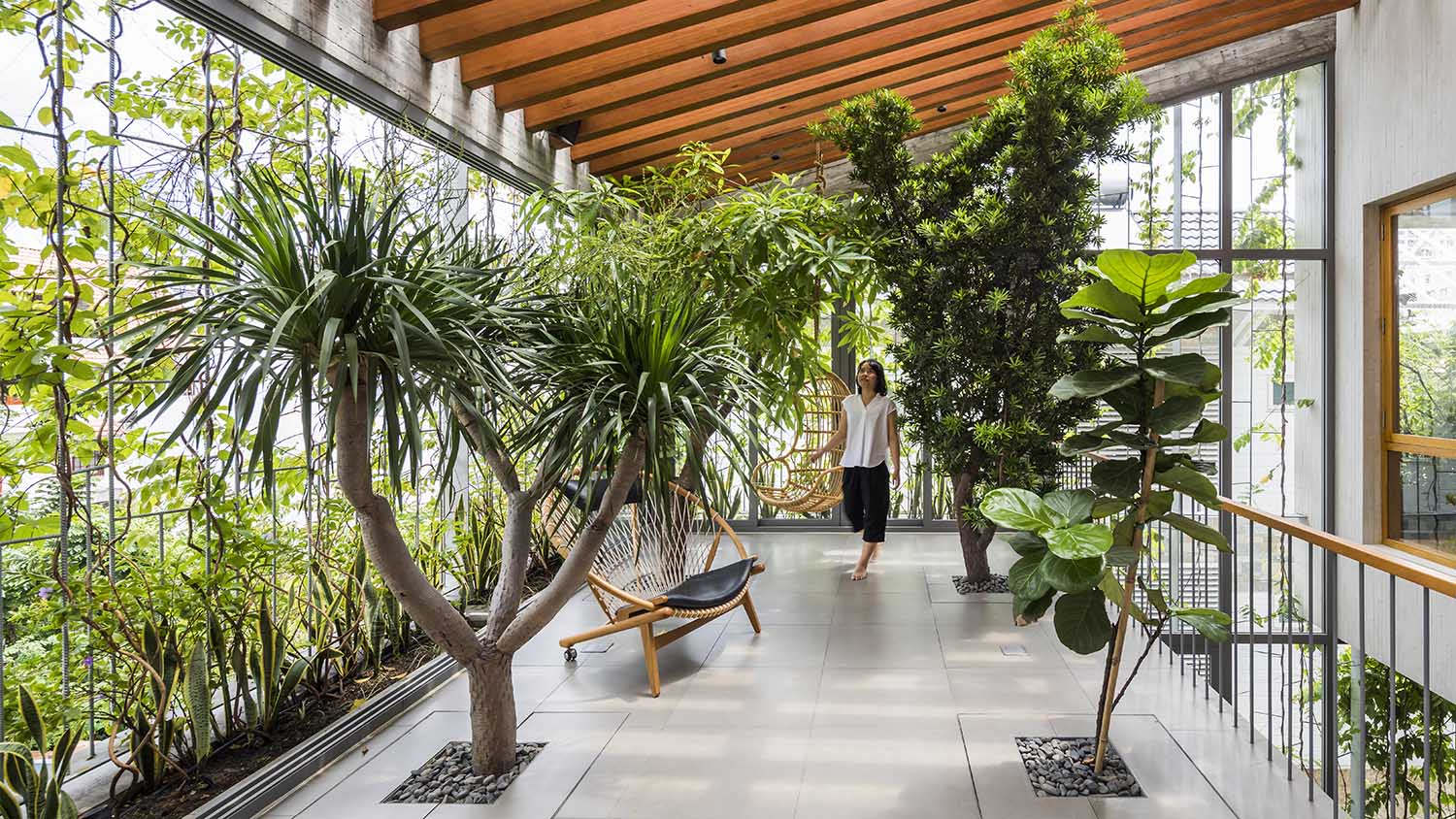
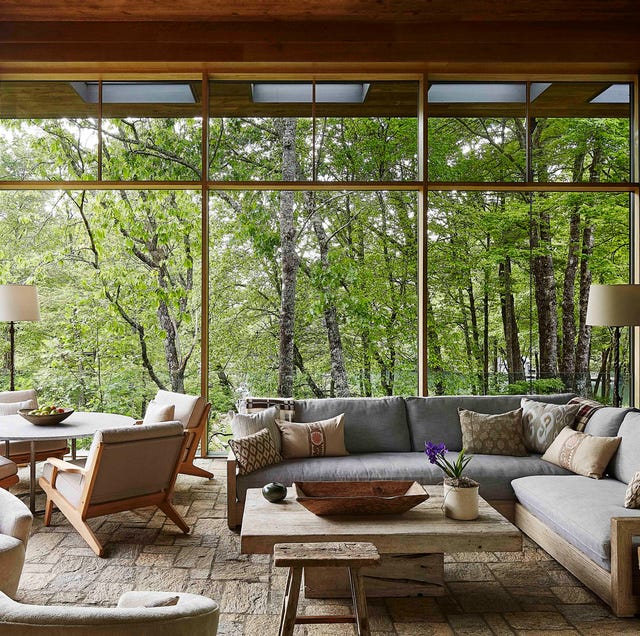
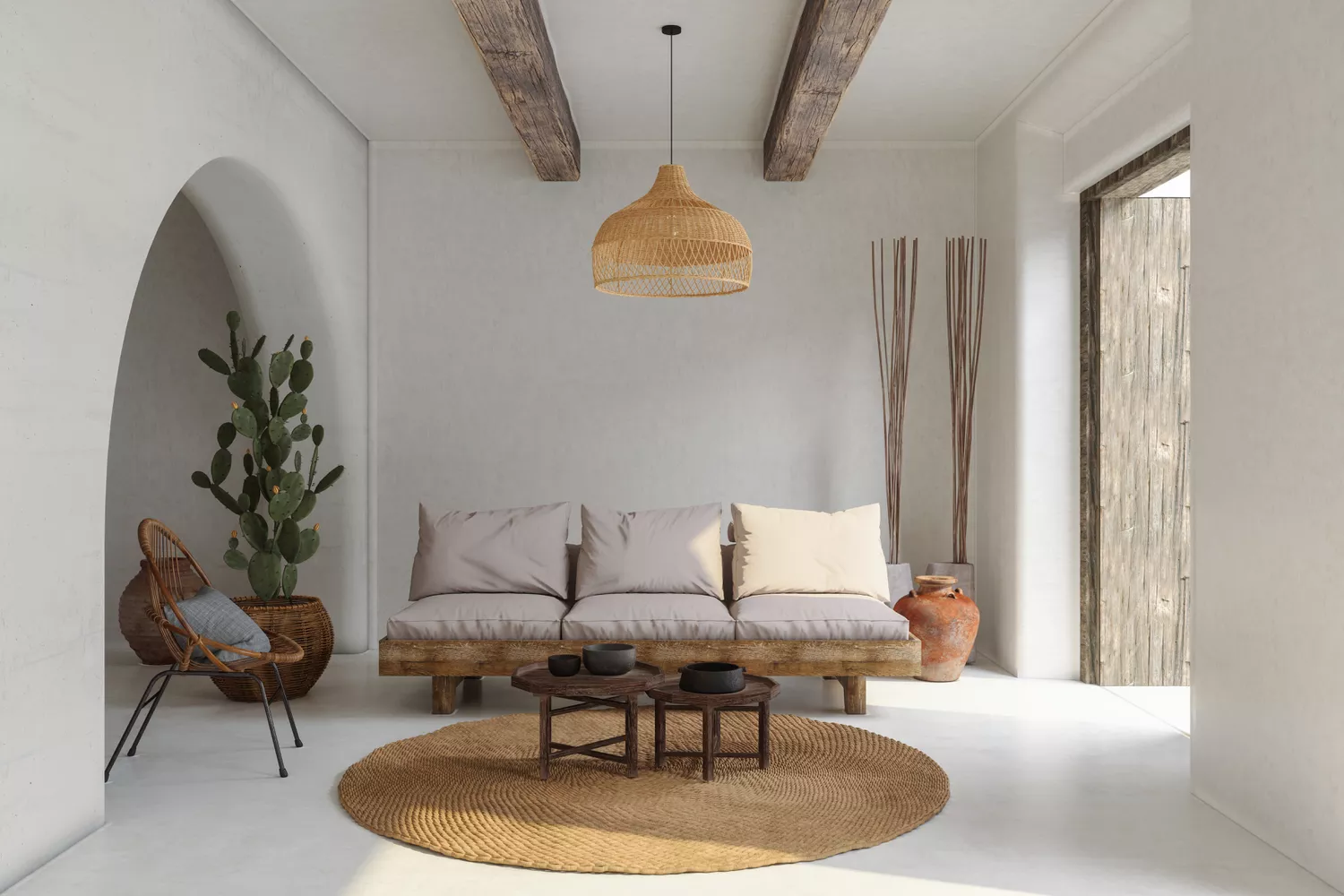
Singapore is a prominent example of extensive biophilic design application, featuring skyline walking paths, green roofs, and fractal patterns on buildings. Other urban centers also incorporate biophilic elements, such as the tropical garden in Madrid's Atocha train station, which uses dynamic lighting and fosters a sense of mystery. Simple and affordable biophilic elements, such as bringing plants indoors, selecting natural materials like bamboo or solid wood over plastics, and choosing furniture with curved shapes, can also provide significant mental health benefits.
The resurgence of biophilic design dates back to a 1984 paper by Roger Ulrich, which demonstrated a startling health correlation between natural views and patient recovery times in hospitals. This research helped launch the 'healing gardens' movement in hospitals worldwide. Although some critics argue that the health benefits are difficult to attribute solely to biophilic design due to confounding factors like increased social contact and physical activity in outdoor settings, a growing body of research supports the positive correlation. A 2021 literature review of 149 studies concluded that proximity to nature is associated with quantifiable mental health benefits.
Despite the increasing acceptance of biophilic design, challenges remain. Most research has been conducted in developed countries, leading to a lack of understanding of its benefits in low-to-middle-income countries. Additionally, access to green spaces is often limited in disadvantaged communities, suggesting that extensive, high-quality urban green spaces could help improve equity through greater public engagement in city planning. While biophilic design cannot fully replicate the experience of being in nature, integrating natural ecosystems and convincingly natural spaces into built environments represents the next best option for promoting well-being.
#BiophilicDesign #MentalHealth #NatureConnection #ArchitecturalPsychology #SustainableDesign #UrbanPlanning #Wellness #IndoorEnvironment #HealingEnvironments #BiophilicDesign #MentalHealth #NatureConnection #ArchitecturalPsychology #SustainableDesign #UrbanPlanning #Wellness #IndoorEnvironment #HealingEnvironments
0 comment in total
 No comments yet
You may also like
Focus on Biophilia: Nature-Inspired Design Strengthens People!

This biophilic designer's secret to a more relaxing backyard will change how you think about your landscaping for good

Biophilic Architecture without Plants: Invisible Design for Wellbeing

These 10 Biophilic Design Ideas Will Transform Your Home Into a Natural Oasis
Designing with nature: Why Biophilic Design?

Welcome to the Great Indoors

Is Biophilic Design the New Paradigm?
Nature-Inspired Design: Biomimicry in Architecture

What is Biophilic Design? This Nature-Based Interiors Trend Promises Wellness
Why Biophilic Design in the Home is Booming in an Age of Climate Crisis
Biophilic design beyond the buzzword
Biophilic Design Is the Signature Style of Plant Lovers Everywhere

Thinking the Biophilic Way: Five Ways to Interact with Nature in Design
Biophilic Design Guide – Kellert’s principles and the benefits of nature

Want Your Home to Feel Happier and Calmer? It's Time to Consider Biophilic Design

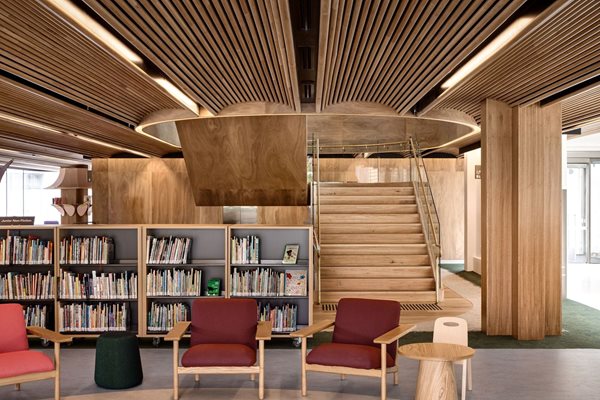
Why biophilic design is more than just a trend
Biophilia - Beyond the Bouquet

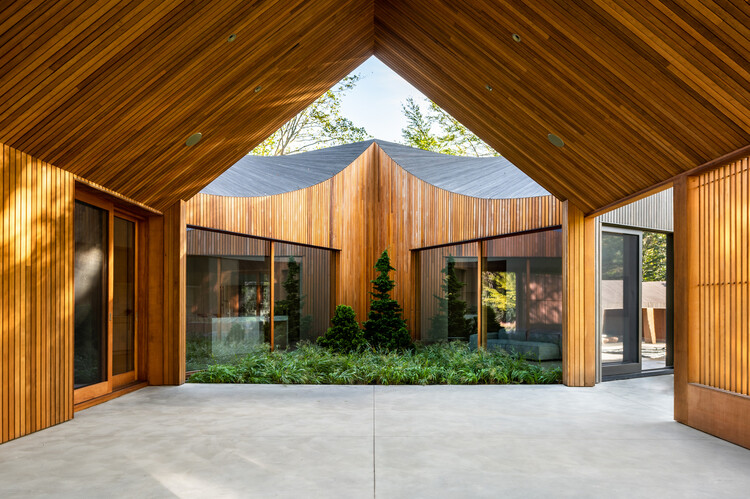
Biophilic Interiors: 21 Projects that Blend Architecture with Nature
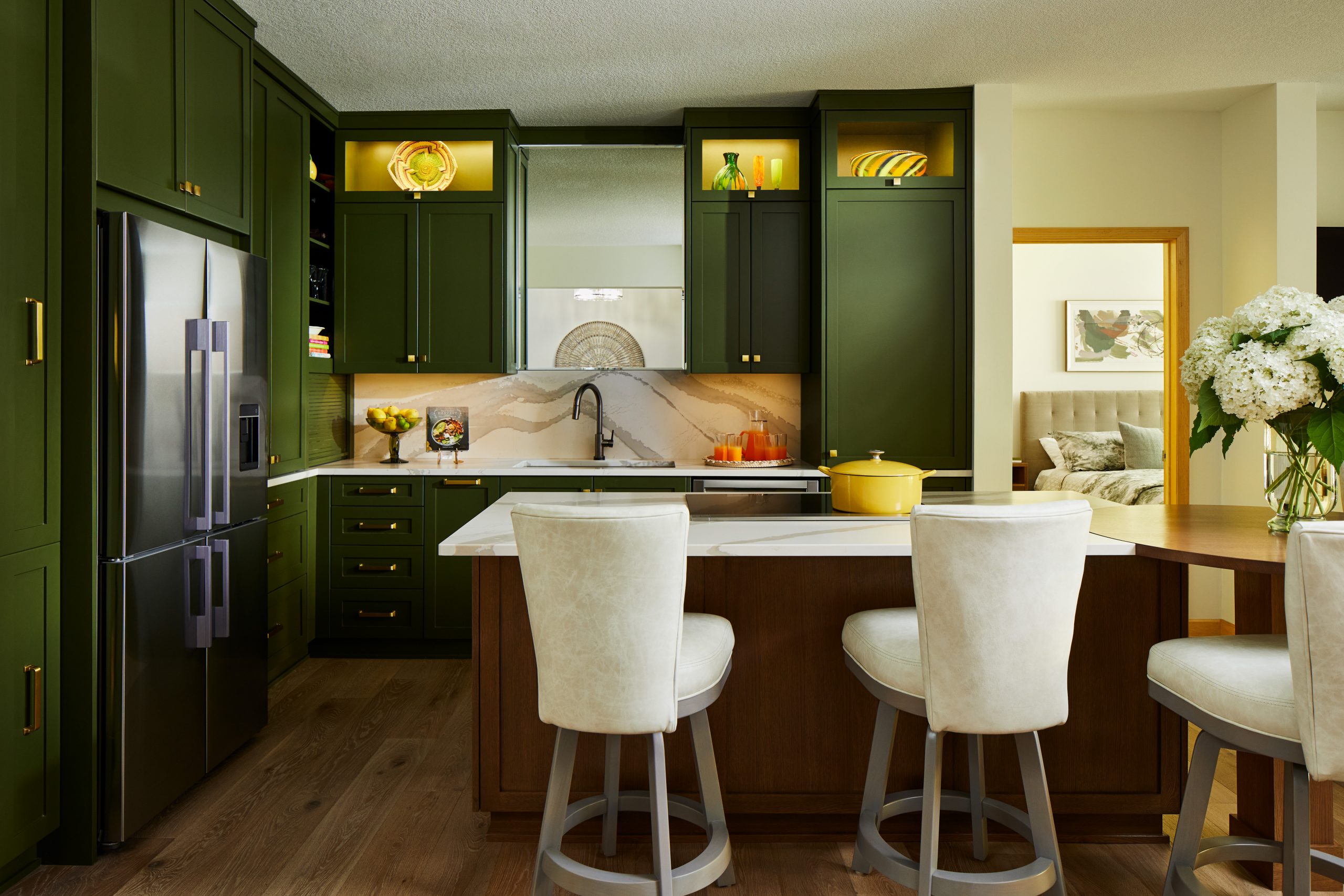
The Best of Biophilic Design: Bringing Nature Indoors

Biophilic Design Is About Connecting With Nature—Here's How to Utilize the Décor Trend In Your Home