1/5
From Fringe Idea to Mainstream Imperative: The Future of Design Depends on Biomimicry
Before biologist Janine Benyus's 1997 book "Biomimicry: Innovation Inspired by Nature," biomimetic design lacked a clear methodology. Her work introduced the concept of learning from nature's 3.8 billion years of problem-solving, providing a framework for scientists, capitalists, and designers. Benyus highlighted that biomimicry involves borrowing nature’s blueprints, recipes, processes, and ecosystem strategies to develop design principles for human challenges. This approach leverages nature's energy-efficient solutions, which have evolved over millions of years, allowing designers to adapt them to the built environment in a significantly shorter timeframe.
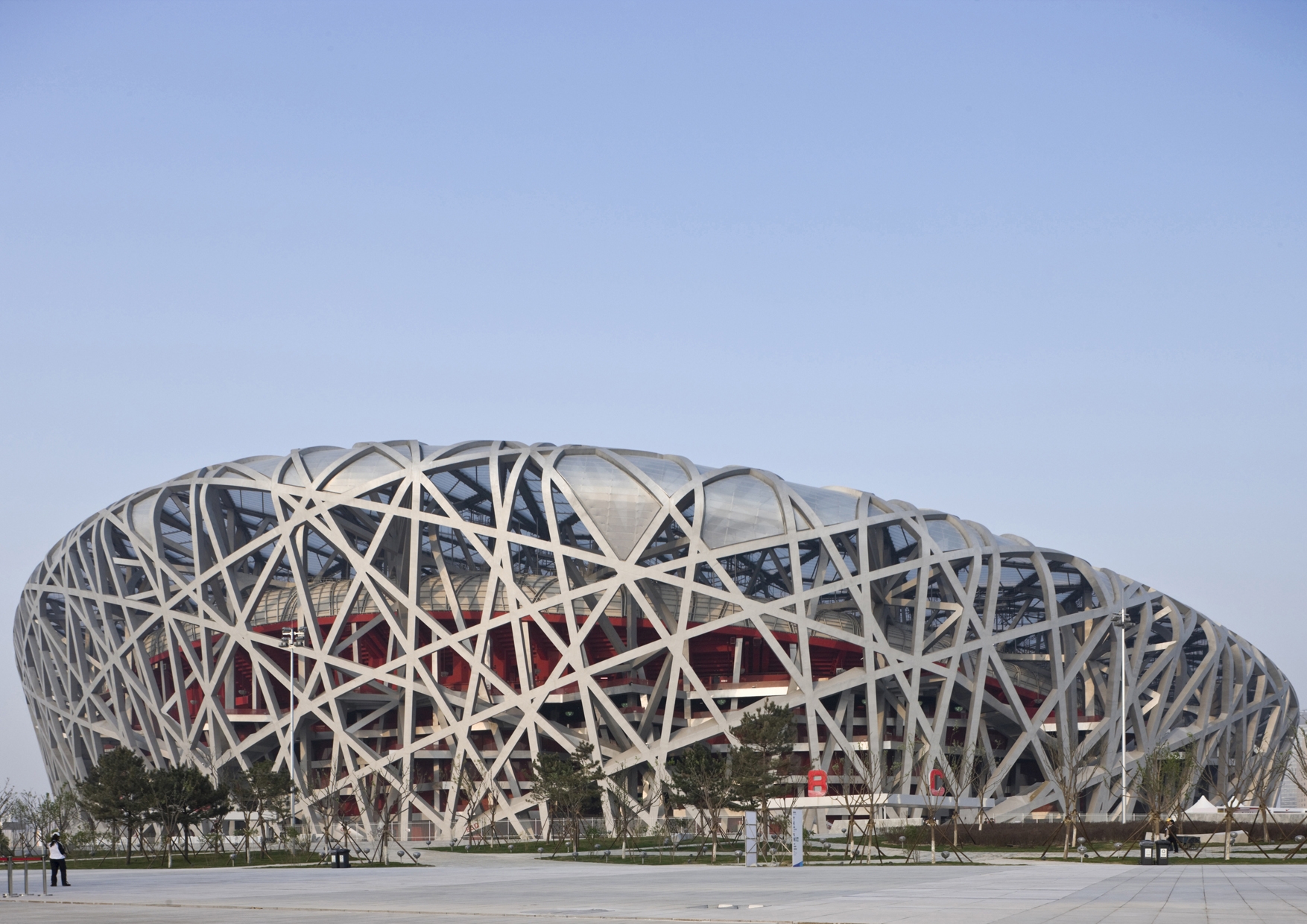
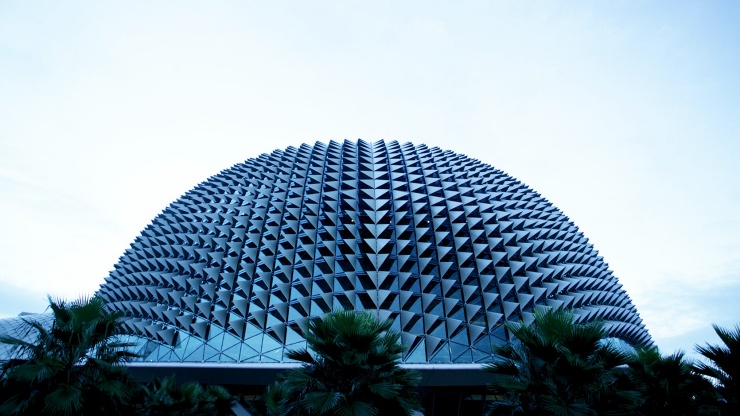
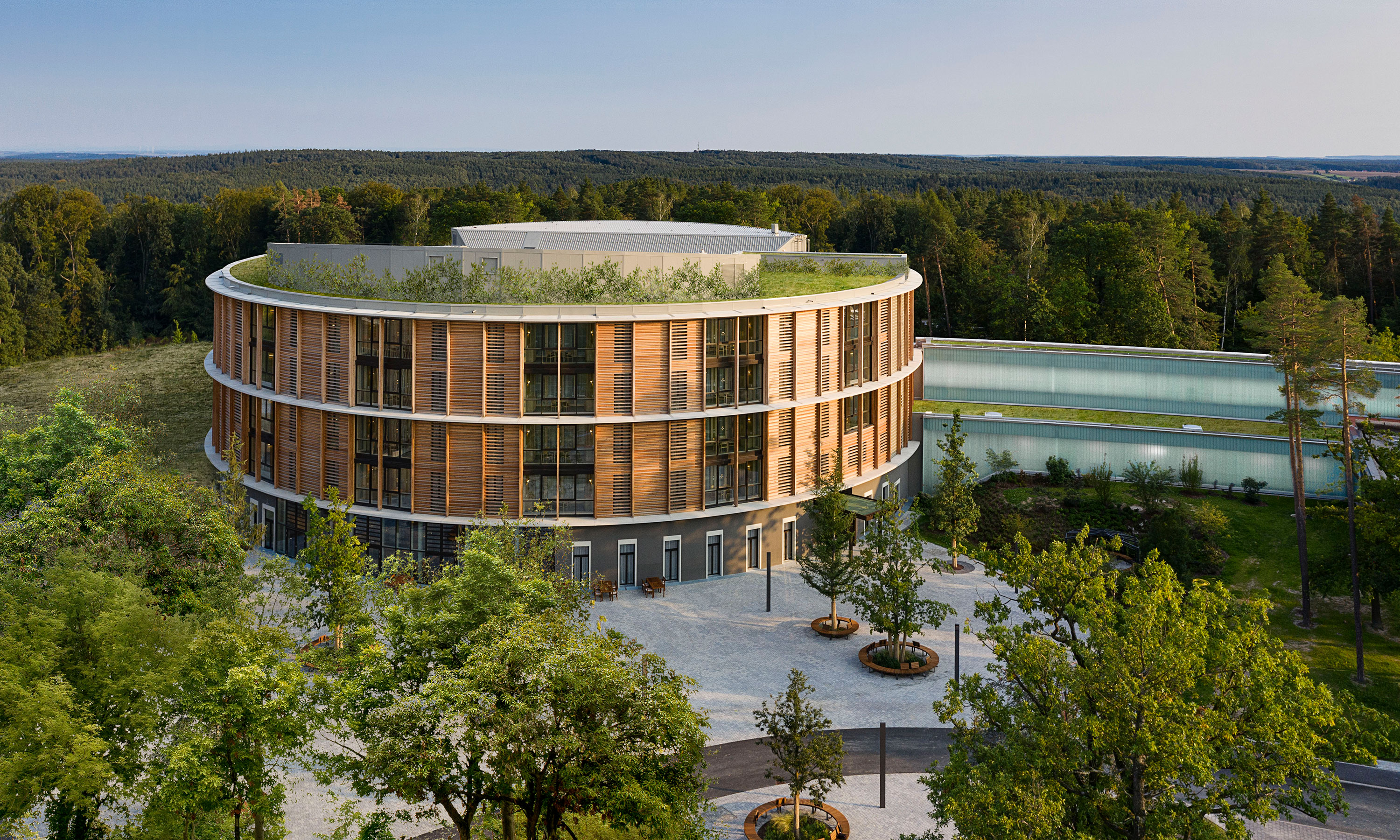
The idea of drawing inspiration from plants and animals to enhance the functionality and sustainability of human creations is gaining traction within the architecture, design, and engineering sectors. Large-scale projects like Grimshaw Architects’ Eden Project, Michael Pawlyn’s Sahara Forest Project, and Mick Pearce’s Eastgate Centre exemplify how biomimetic solutions can improve the efficiency, quality, and sustainability of buildings. These innovations are crucial given the urgent need for environmentally responsible construction practices. David Oakey, a prominent figure in sustainable design and product designer for Interface, emphasizes the common-sense nature of biomimicry. He points out that nature inherently recycles everything, fosters cooperation, thrives on diversity, and adheres to the principle of "form follows function." Oakey advocates for organic design to create more resilient built environments.
Lisa King, vice president of product and innovation at Interface, echoes this sentiment, recognizing nature as the planet's original source of innovation. She notes that nature has consistently provided elegant solutions to diverse design problems, with the resilience of natural systems serving as a powerful inspiration for new design and manufacturing approaches, particularly in the context of innovation constraints. Beyond entire buildings, biomimetic architectural materials are also emerging. BioMason, a startup comprising designers and biologists, has developed commercially viable bricks grown by bacteria at ambient temperatures, offering an energy-efficient and less polluting alternative to traditional fired bricks. Architect Doris Kim Sung, inspired by human skin, created a hyper-efficient thermal bimetal material for exterior cladding that enables buildings to self-shade, self-ventilate, and self-operate without electricity. Oakey suggests that designers do not necessarily need a biology background; observing nature directly can provide ample inspiration.
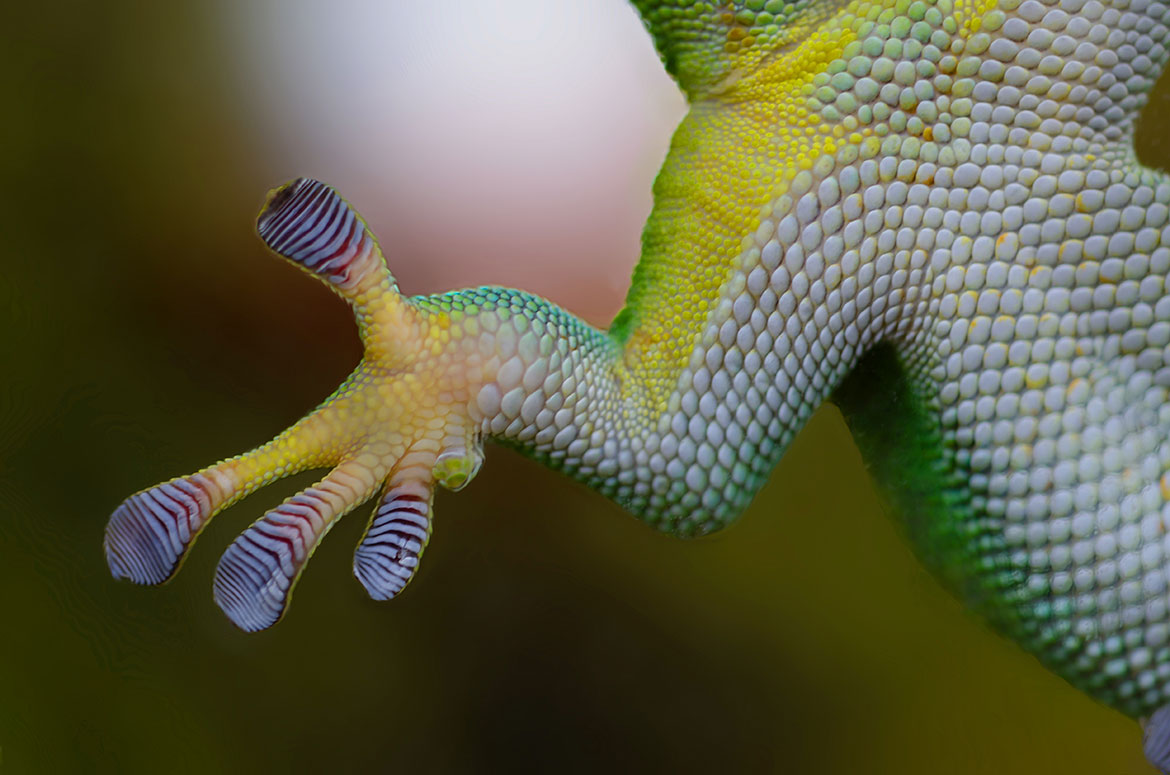
Biomimetic architectural programming and materials offer a promising path towards environmentally friendly building practices. The application of biomimicry extends to interior design and product development. Oakey created Entropy™ for Interface, the world's first biomimetic carpet tile. His design drew inspiration from the random yet beautiful arrangement of pebbles in a riverbed and leaves on a forest floor. Entropy revolutionized the flooring industry with its random, non-directional patterns and color gradations, eliminating the need for large quantities of matching "attic stock" for replacements and significantly reducing installation waste by nearly 50% compared to traditional broadloom products. Interface further integrated biomimicry by developing TacTiles®, a glue-free carpet adhesive system inspired by the gecko's ability to stick to surfaces. This innovation reduces mess, increases flexibility, and lowers Interface's environmental footprint by 90% compared to traditional adhesives.
The growing adoption of biomimicry is timely, given the pressing issues of climate change and environmental degradation. This design method offers architects and designers a significant opportunity to effect lasting positive change. Future innovations within biomimicry, such as 3-D printing for carpet tiles directly at the site, could further align manufacturing with nature's principles of local existence and reduced waste. Oakey envisions a future where carpet manufacturers can print tiles in organic shapes, moving beyond inorganic squares and rectangles that generate waste and require shipping. King summarizes the future of biomimetic product development at Interface by stating that, like natural systems, biomimetic designs are self-reinforcing and self-solving, with their beauty stemming from the efficiency and robustness of their function, indicating a promising outlook for the industry.
#Biomimicry #SustainableDesign #ArchitecturalInnovation #EcoFriendlyMaterials #InteriorDesign #ProductDesign #EnvironmentalSustainability #NatureInspiredDesign #GreenBuilding #Biomimicry #SustainableDesign #ArchitecturalInnovation #EcoFriendlyMaterials #InteriorDesign #ProductDesign #EnvironmentalSustainability #NatureInspiredDesign #GreenBuilding
0 comment in total
 No comments yet
You may also like
Why biophilic design is more than just a trend
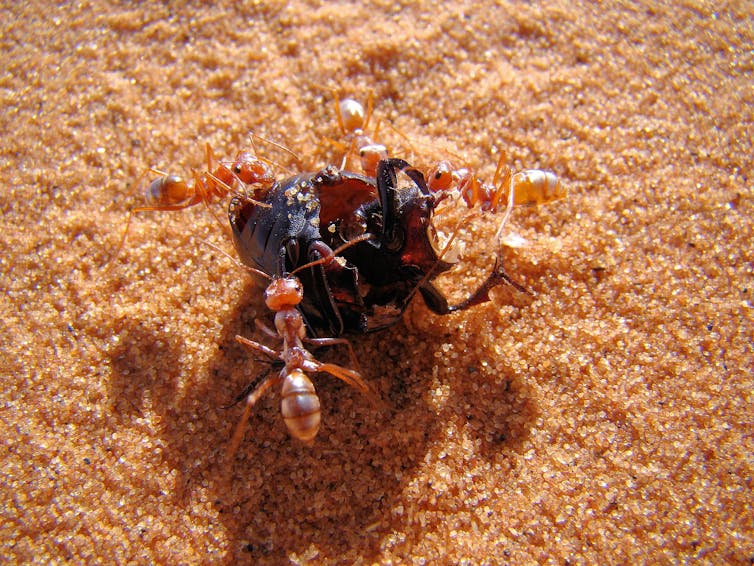
What mirrored ants, vivid blue butterflies and Monstera house plants can teach us about designing buildings

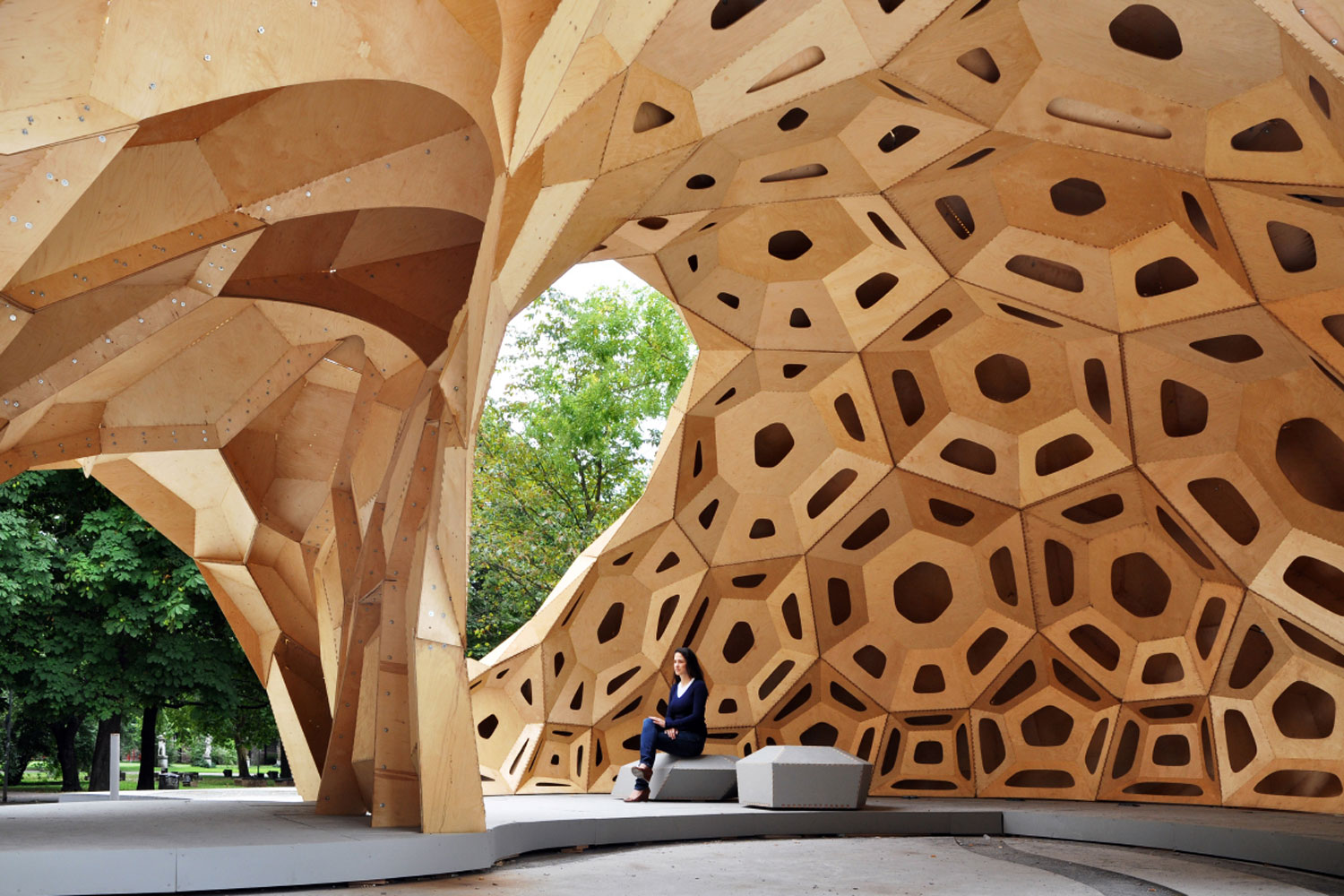
How generative design is shaping the future of architecture?

A Design Expert Reconsiders Maximalism
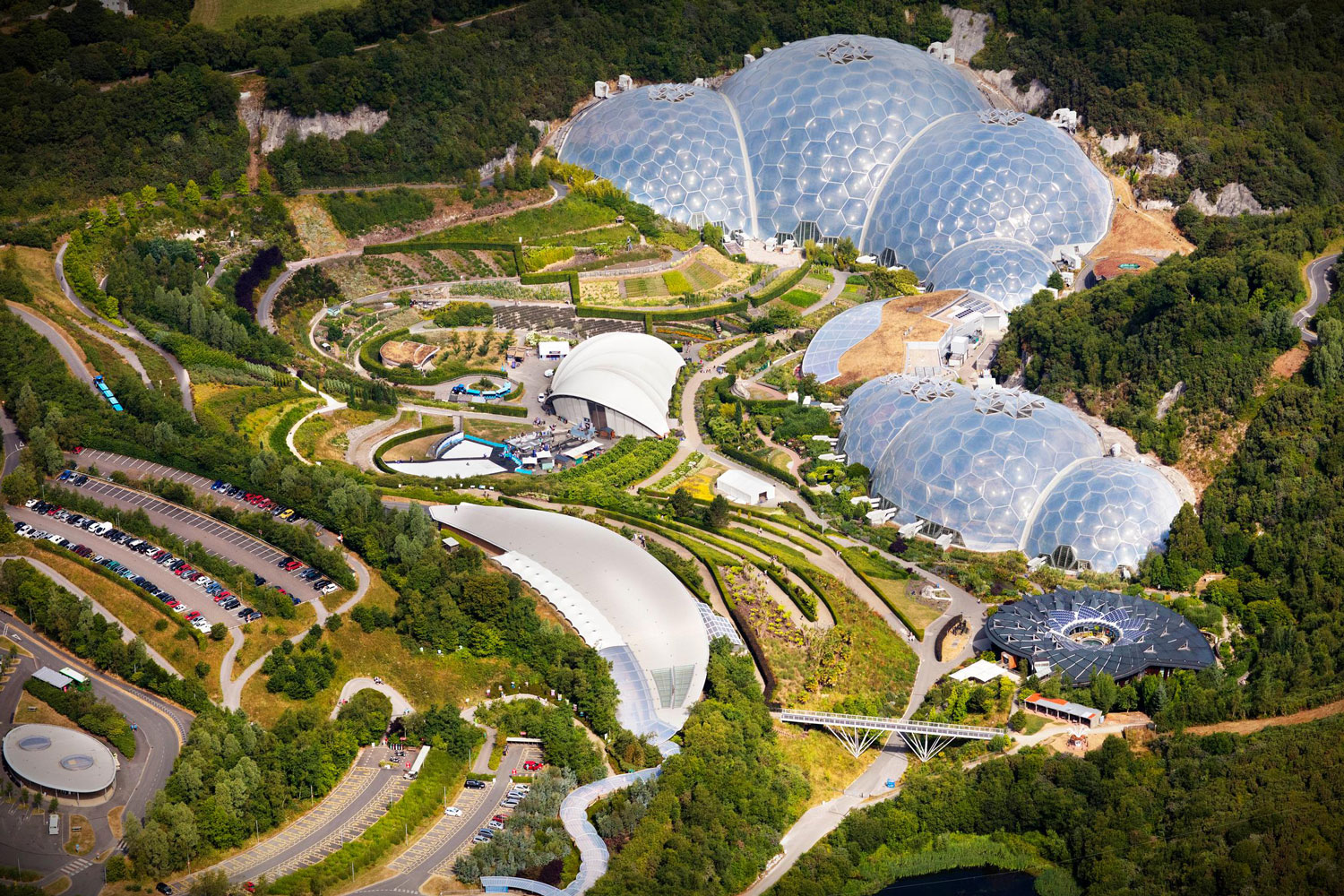
Nature-Inspired Design: Biomimicry in Architecture

Nature's Geometry: The Impact of Fractals on Human Well-being
Reimagining Care Through Nature: The Case for Biophilic Design


The Plan and the Prompt: How AI Is Rewiring Design and Practice

Biophilic design beyond the buzzword
The Soul in the New Machines (Published 2008)
Roundtable: the language of biophilia in surface design
8 applications of different biophilic design concepts

Is Biophilic Design the New Paradigm?
Focus on Biophilia: Nature-Inspired Design Strengthens People!

Extra&ordinary Design Transforms the Ordinary into Extraordinary Objects

How Antony Gibbon is pushing the boundaries of architectural design
Returning to the essential is the real innovation in design
MushLume Lighting Is an Illuminating Example of BioDesign
inside pininfarina of america, from biophilic towers and lounge to design principles and more

Design Evolution