1/15
The Plan and the Prompt: How AI Is Rewiring Design and Practice
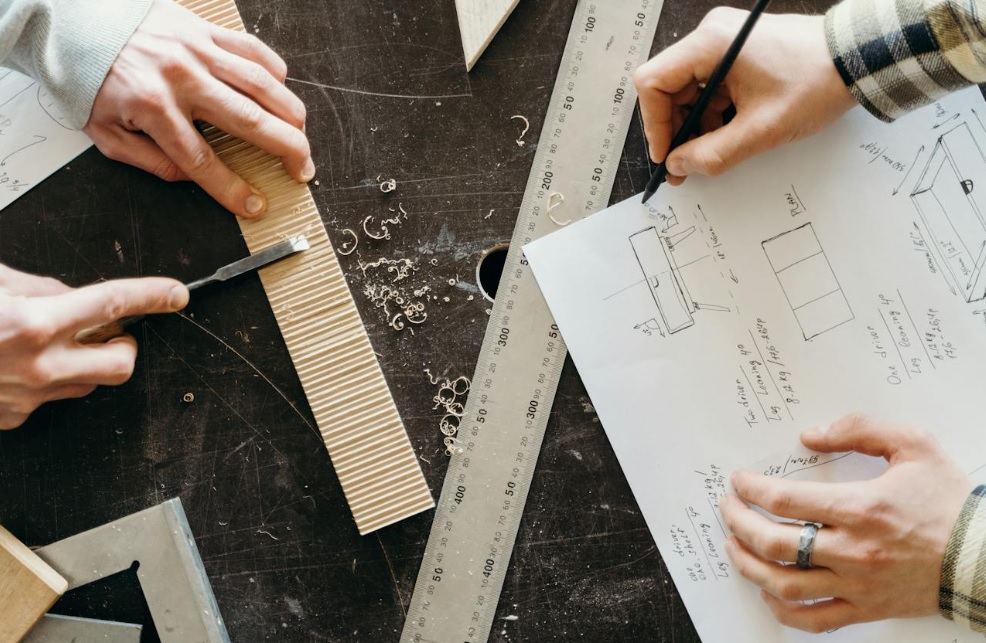
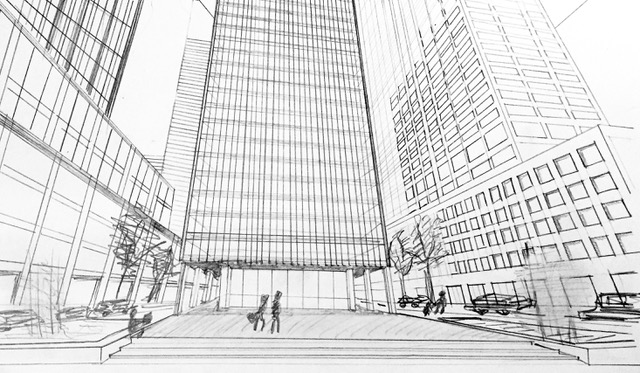
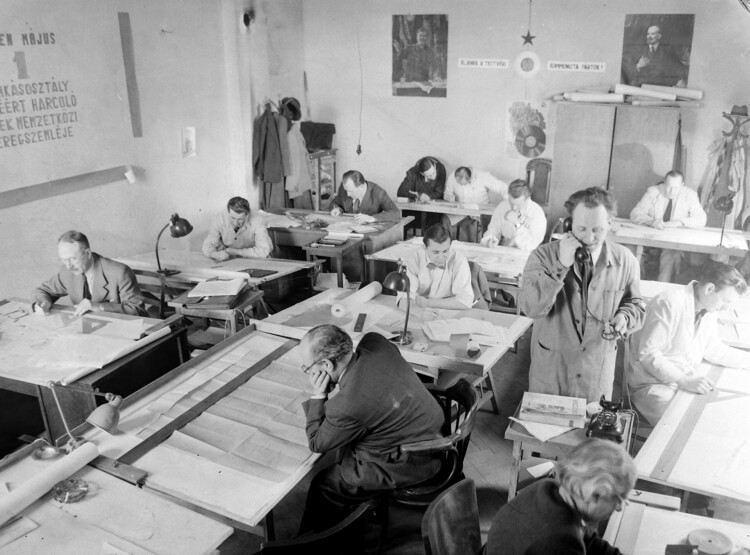
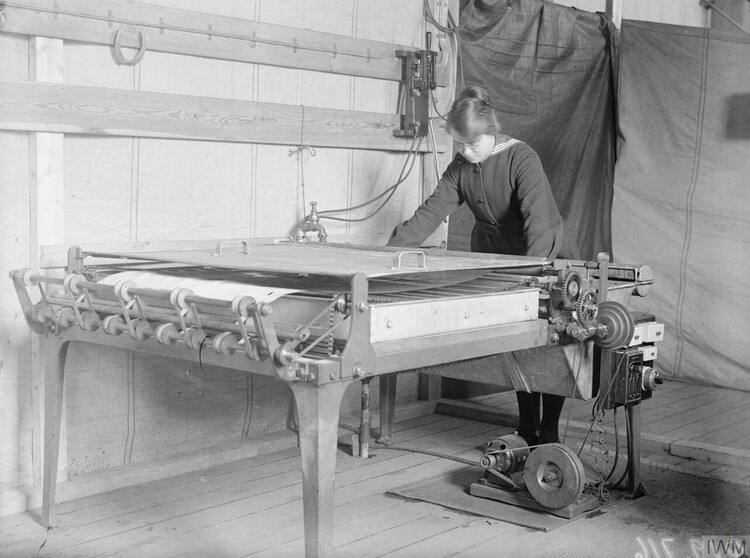
The field of architecture has consistently adapted its design processes in response to technological advancements. Historically, drafting involved meticulous pen and ink drawings on delicate paper, reproduced via blueprinting and requiring careful handling to prevent damage. The introduction of Mylar in the 1950s marked a significant evolution, simplifying revisions and preservation, and fostering a more concise approach to drawing. This material's durability and reusability facilitated the shift from blueprints to whiteprints, aligning with a post-war emphasis on efficiency, simplicity, and industrial minimalism in design. The tools at the time, primarily hand-drawn methods, demanded precision and economy in every line due to the labor-intensive nature of creation and correction.
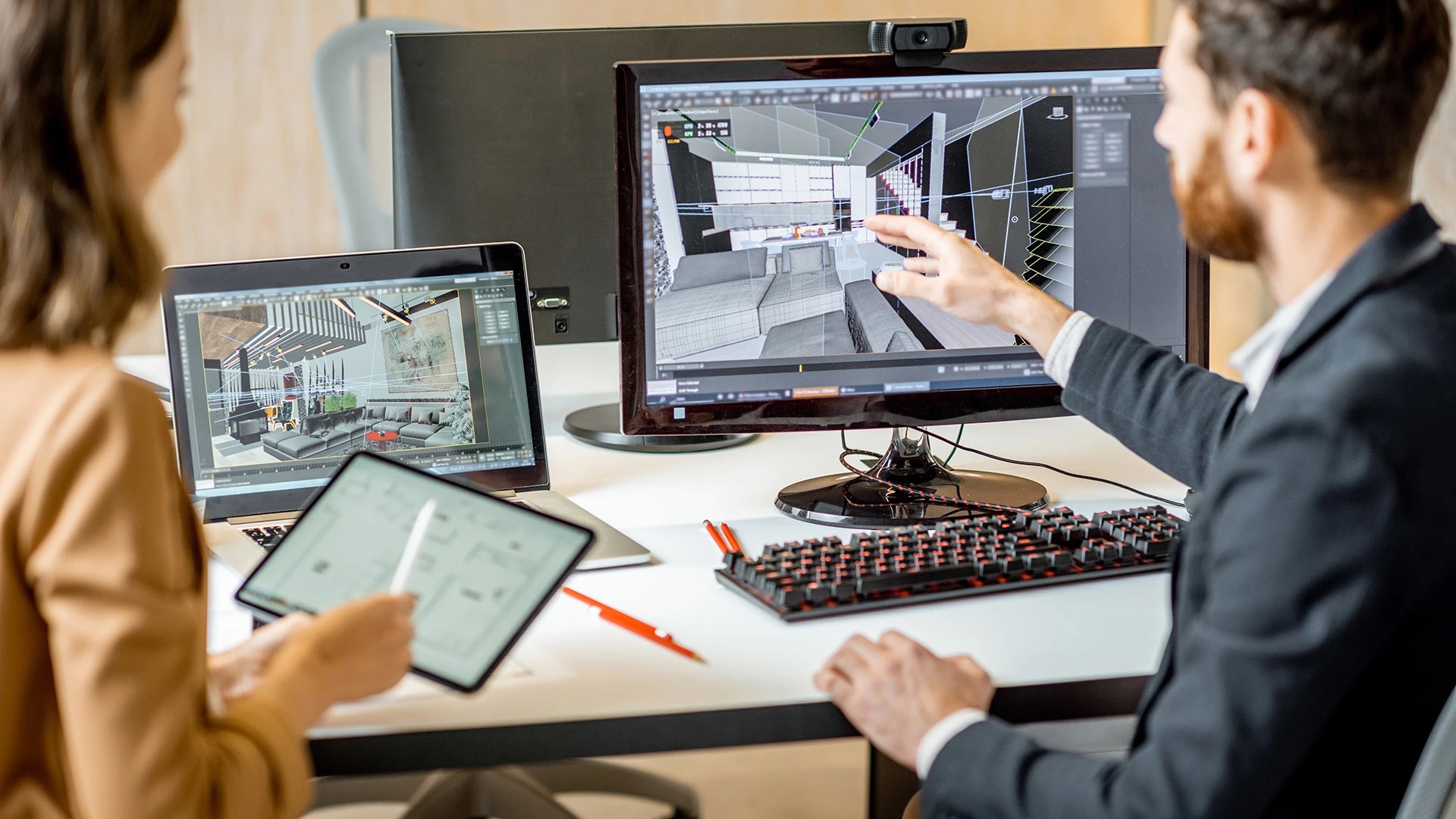
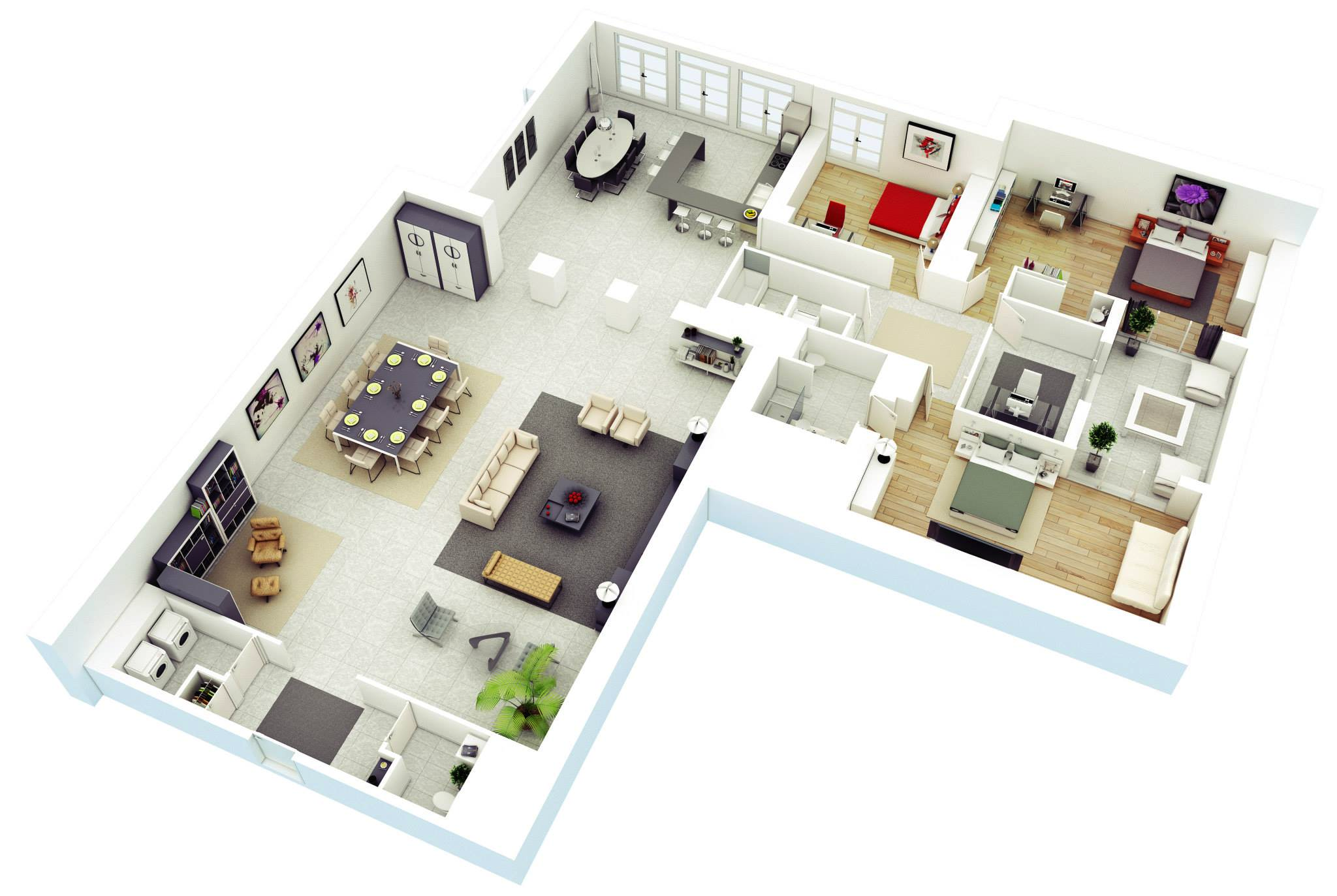
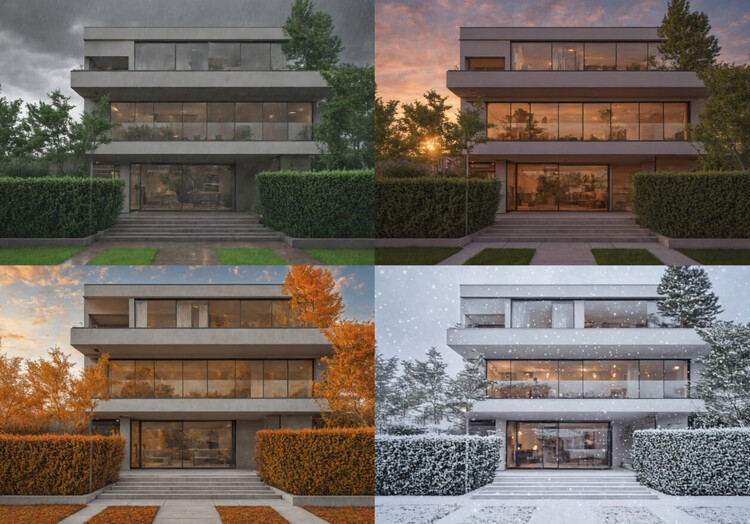
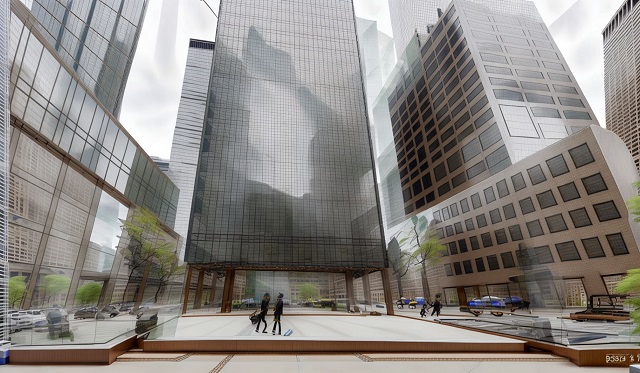
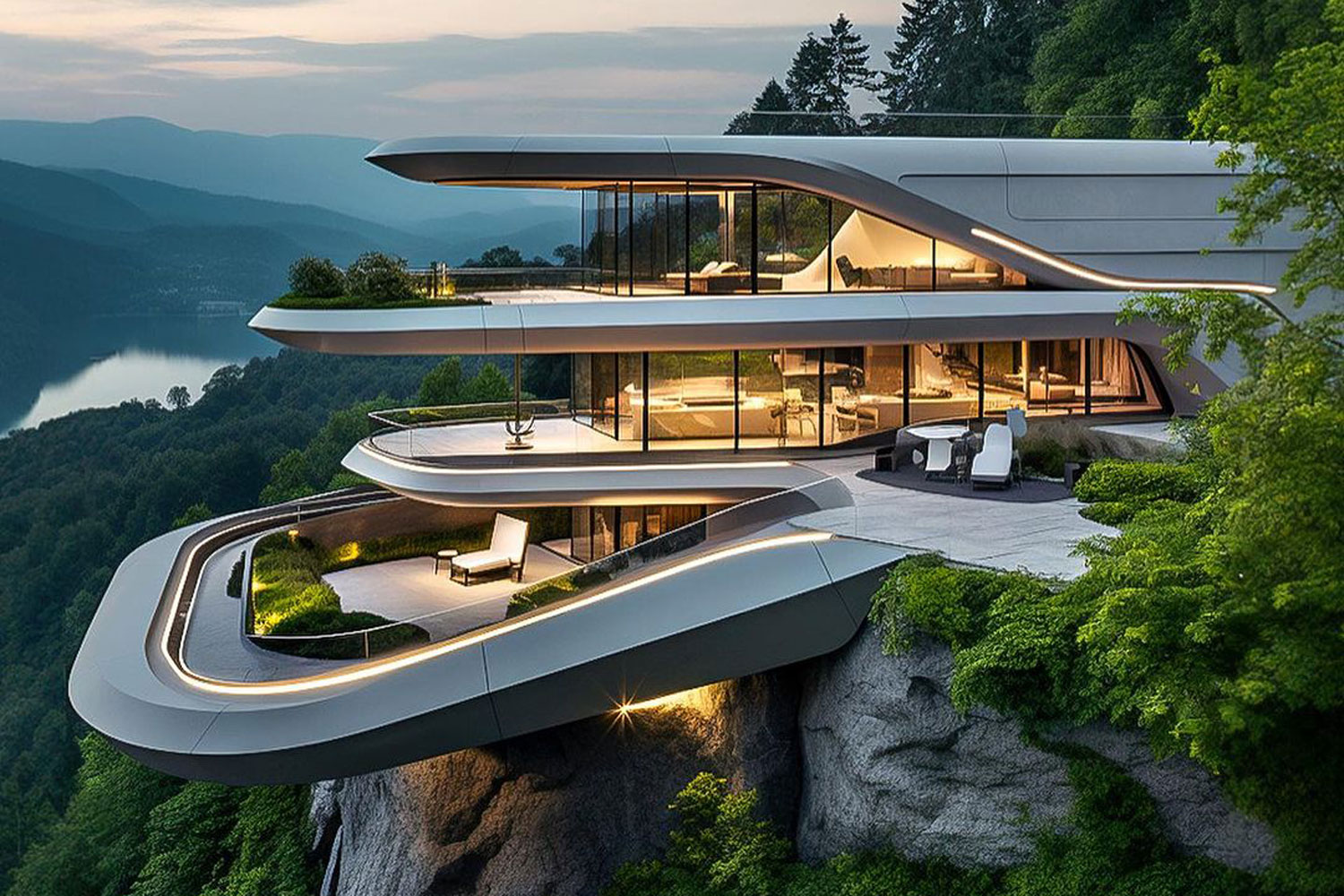
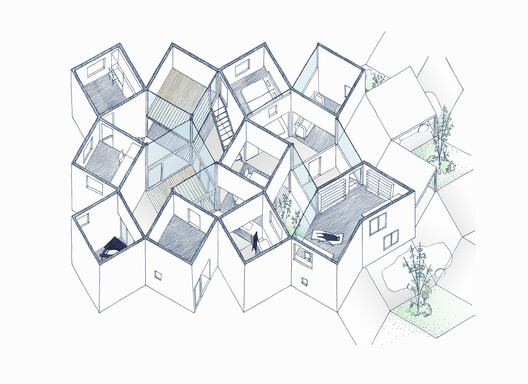
Computer-Aided Drafting (CAD) further revolutionized the profession, accelerating coordination and redefining notions of scale and precision. This digital transformation laid the groundwork for contemporary design methodologies. Currently, Artificial Intelligence (AI) represents the next frontier, offering unparalleled efficiencies through rapid information gathering and instant image generation. This presents both opportunities and challenges, particularly concerning traditional concepts of authorship and craftsmanship within architectural practice.
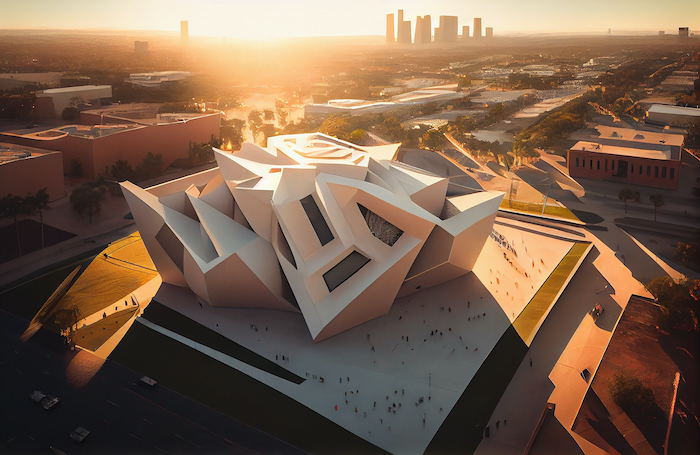
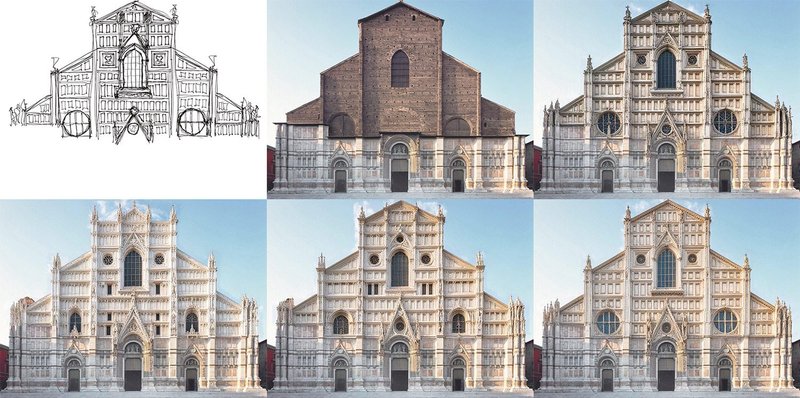
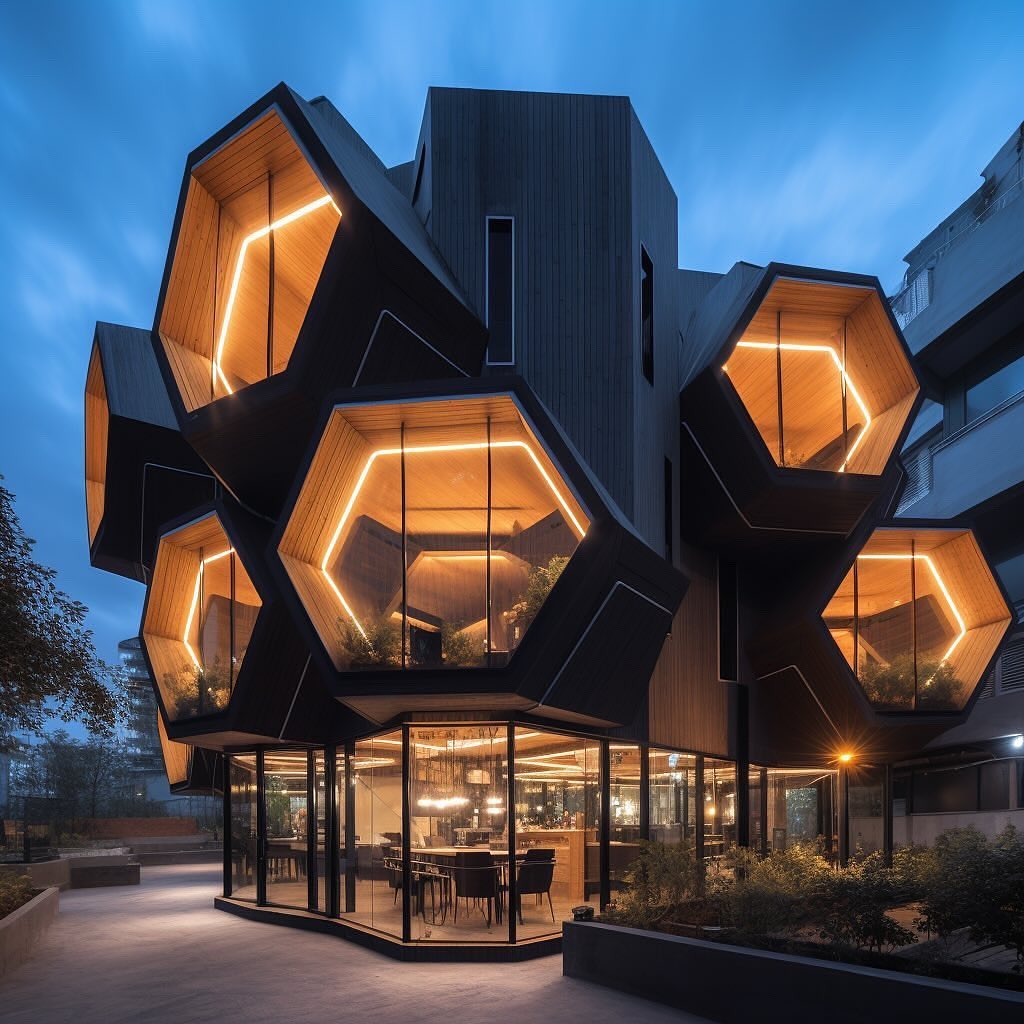
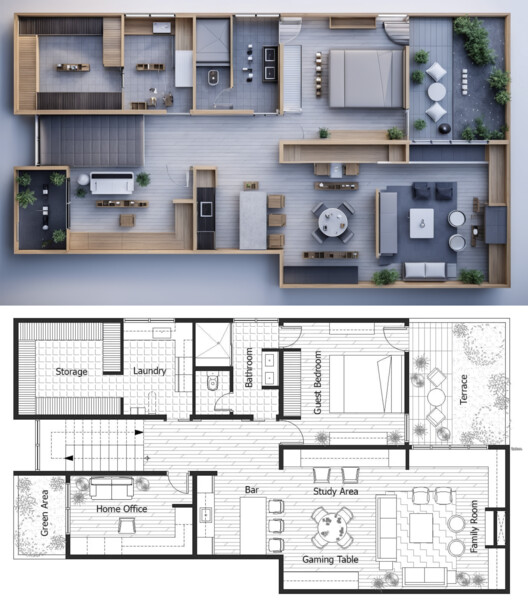
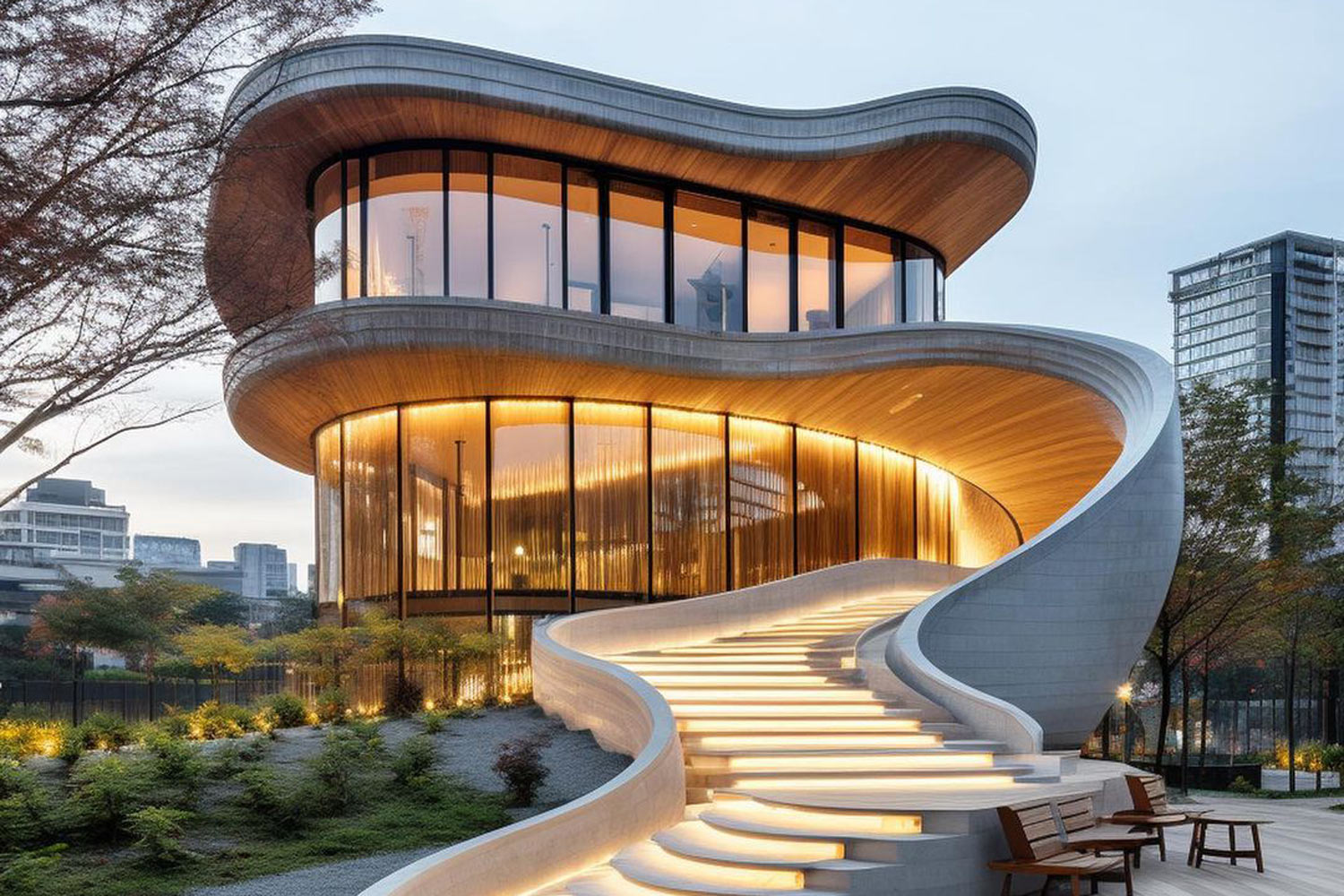
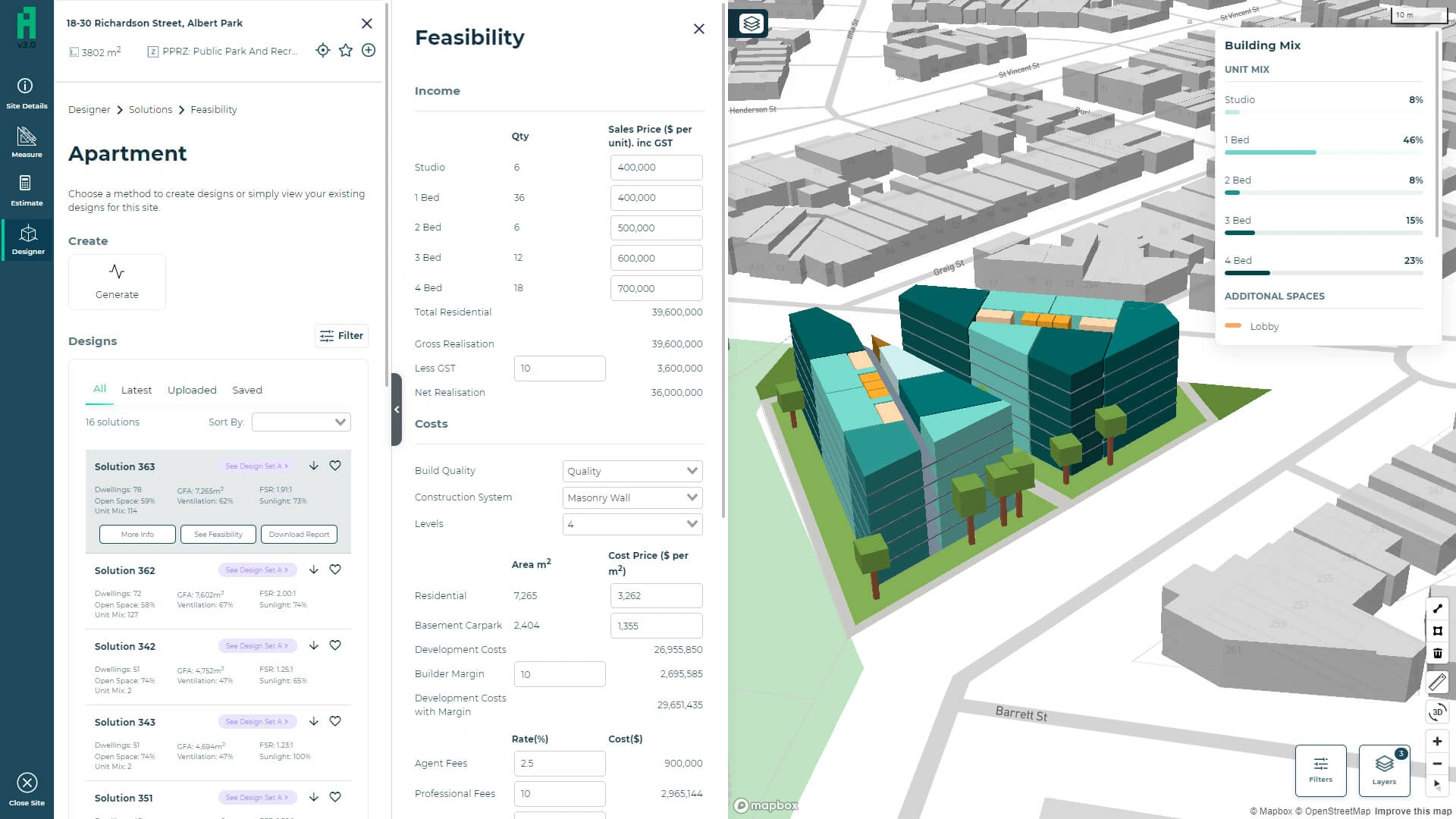
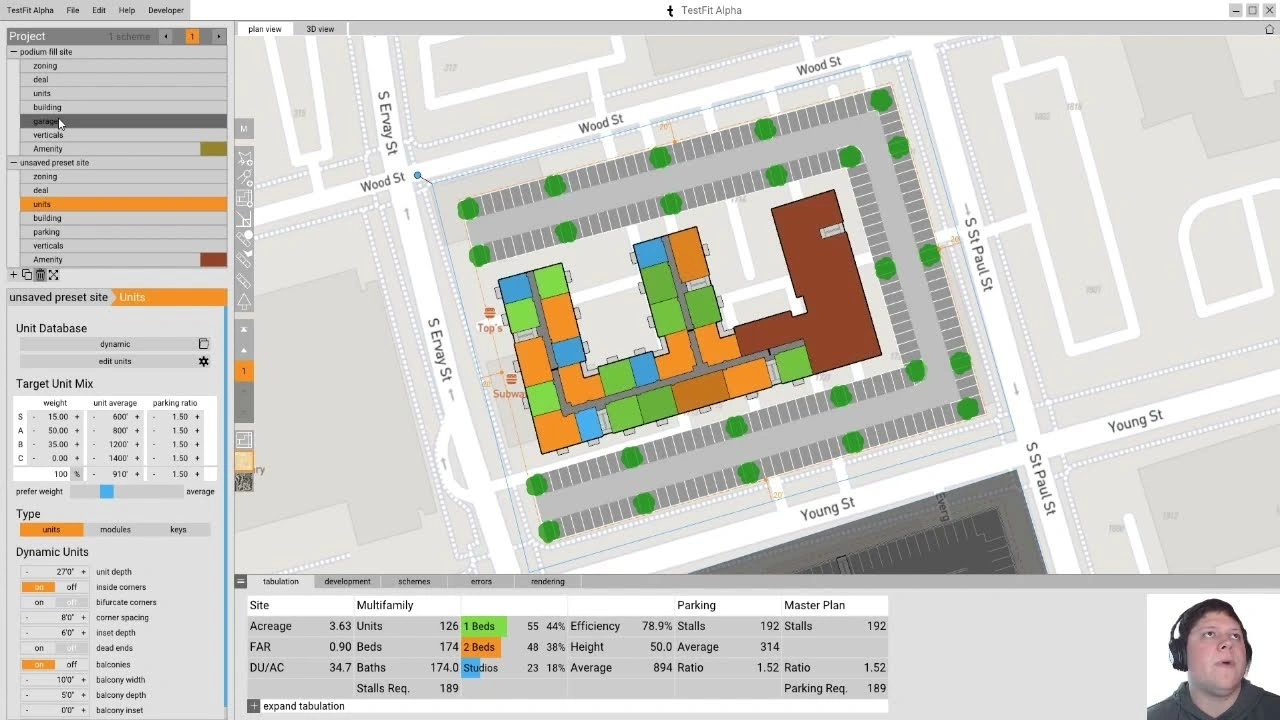
AI's role in design goes beyond mere efficiency; it introduces novel ways of conceptualizing and visualizing architectural ideas. Tools such as generative AI can quickly produce a multitude of design options based on specified parameters, allowing architects to explore a broader range of possibilities in a shorter timeframe. This capability impacts the initial stages of design, where conceptualization and form-finding are critical. AI-powered platforms can also assist in optimizing building performance, material selection, and structural analysis, integrating complex data into the design process.
However, the integration of AI raises important questions about the architect's creative role and the integrity of the design process. The ability of AI to generate images "on command" prompts a re-evaluation of human authorship and the value of individual creative input. Concerns about maintaining a balance between human intuition and algorithmic efficiency are prevalent. The debate extends to the development of unique architectural styles and the potential homogenization of design if AI models are trained on limited or biased datasets.
Furthermore, the evolution of design tools has historically influenced not only what is created but also how it is perceived and valued. Just as Mylar changed the practical aspects of drawing preservation and revision, and CAD transformed precision and scale, AI is poised to alter the fundamental understanding of architectural design. It necessitates a critical examination of the craft, the skills required by architects, and the educational curricula for future generations of designers. The profession must adapt to leverage AI's strengths while preserving the unique human elements of creativity, critical thinking, and ethical consideration that are indispensable to architecture.
The future of architectural practice, therefore, involves navigating a complex interplay between human expertise and machine intelligence. The prompt, as a directive for AI, becomes a new form of communication in design, akin to the plan as a guiding document. Architects are increasingly challenged to master prompt engineering and develop sophisticated interpretive skills to effectively guide AI tools. This ongoing evolution underscores the dynamic relationship between technology and architectural innovation, continuously shaping the built environment and the methods used to create it.
#ArchitecturalVisualization #ComputerAidedDesign #ArtificialIntelligence #DesignTool #DesignProcess #DigitalDrawing #3DRendering #3DModelling #ArchitectureModels #Blueprint #ArchitecturalScale #Architecture #BuiltEnvironment #AIAndTheArchitectsCraft #ArchitecturalVisualization #ComputerAidedDesign #ArtificialIntelligence #DesignTool #DesignProcess #DigitalDrawing #3DRendering #3DModelling #ArchitectureModels #Blueprint #ArchitecturalScale #Architecture #BuiltEnvironment #AIAndTheArchitectsCraft
0 comment in total
 No comments yet
You may also like
The Transformative Power of AI in Architecture Design
How AI-Powered Rendering Crushes Bottlenecks in Architecture and Interior Design
Bitable: AI in the design and build world


Avoid Rigidity And Drive Innovation By Rewiring Marketing And Comms


Will Artificial Intelligence Replace Designers?
10 Revolutionary AI Tools Reshaping Architectural Design


Can AI revolutionize office space design?


Top 16 AI Tools for Interior Design

The Influence of AI in the Interior Design Industry

The future of category management: Revolutionize planning with AI-enabled solutions


Beyond Aesthetics: How Tech is Redefining Interior Design

Meet Philip Oloo | Architectural Designer, Virtual Reality for Architecture and Licensed General Contractor
The Soul in the New Machines (Published 2008)
The impact of machine learning on architectural design
8 AI-powered architectural rendering programs you should try
Enhancing interior design and space planning via human–machine intelligent interaction for artistic cognition
10 AI tools to generate interior and architectural images
Beyond the Drawing Board: How Augmented Reality is Reshaping Architectural Design Review
Generative Space Design: Exploring 8 Transformative Tools in Architecture

Designing Beyond Buildings: An Architect’s Strategic Shift