
1/2
The future of category management: Revolutionize planning with AI-enabled solutions
The retail industry is undergoing rapid changes due to evolving consumer preferences, market trends, supply chain disruptions, and the rise of omnichannel retail. Traditional category management practices and solutions, often relying on strategies and technologies from past decades, are proving insufficient to navigate this dynamic landscape. Category managers face critical challenges, including faster shifts in consumer demand, rising operational costs, complexities in managing international and domestic suppliers, data overload, the demands of omnichannel retail, and issues with cross-functional collaboration. These challenges necessitate a revolutionary approach to category management.
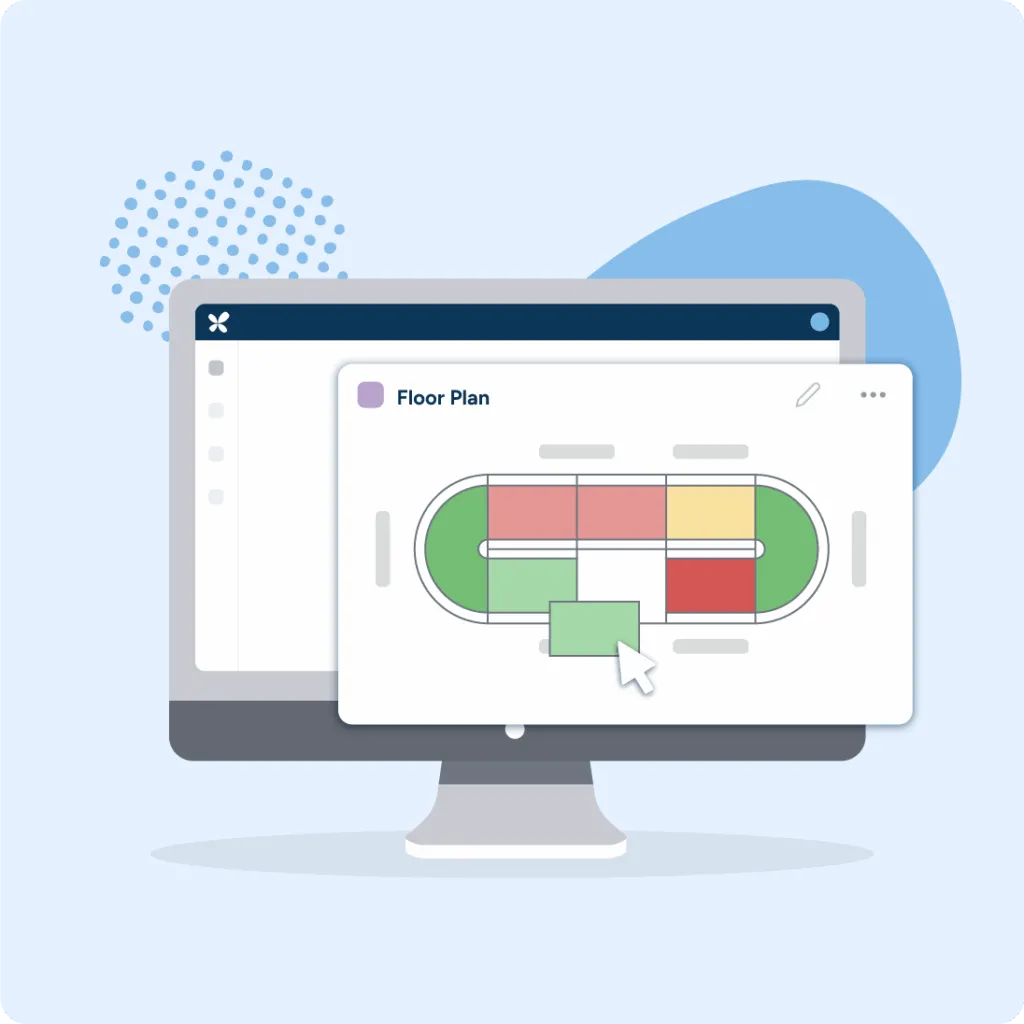
Modern category management is built upon three key pillars: AI-powered localization and speed to market, space efficiency for cost control, and meeting omnichannel customer needs. AI and machine learning automation enable rapid processing of store-specific data, leading to capabilities such as localized assortment optimization, space planning, and planogram generation, drastically reducing the time required for strategy implementation from months to weeks. This speed allows retailers to respond promptly to market changes, improving sales and customer satisfaction. AI also facilitates hyper-localization by creating optimized planograms tailored to specific store requirements, moving beyond time-consuming manual updates that often fail to reflect current trends.
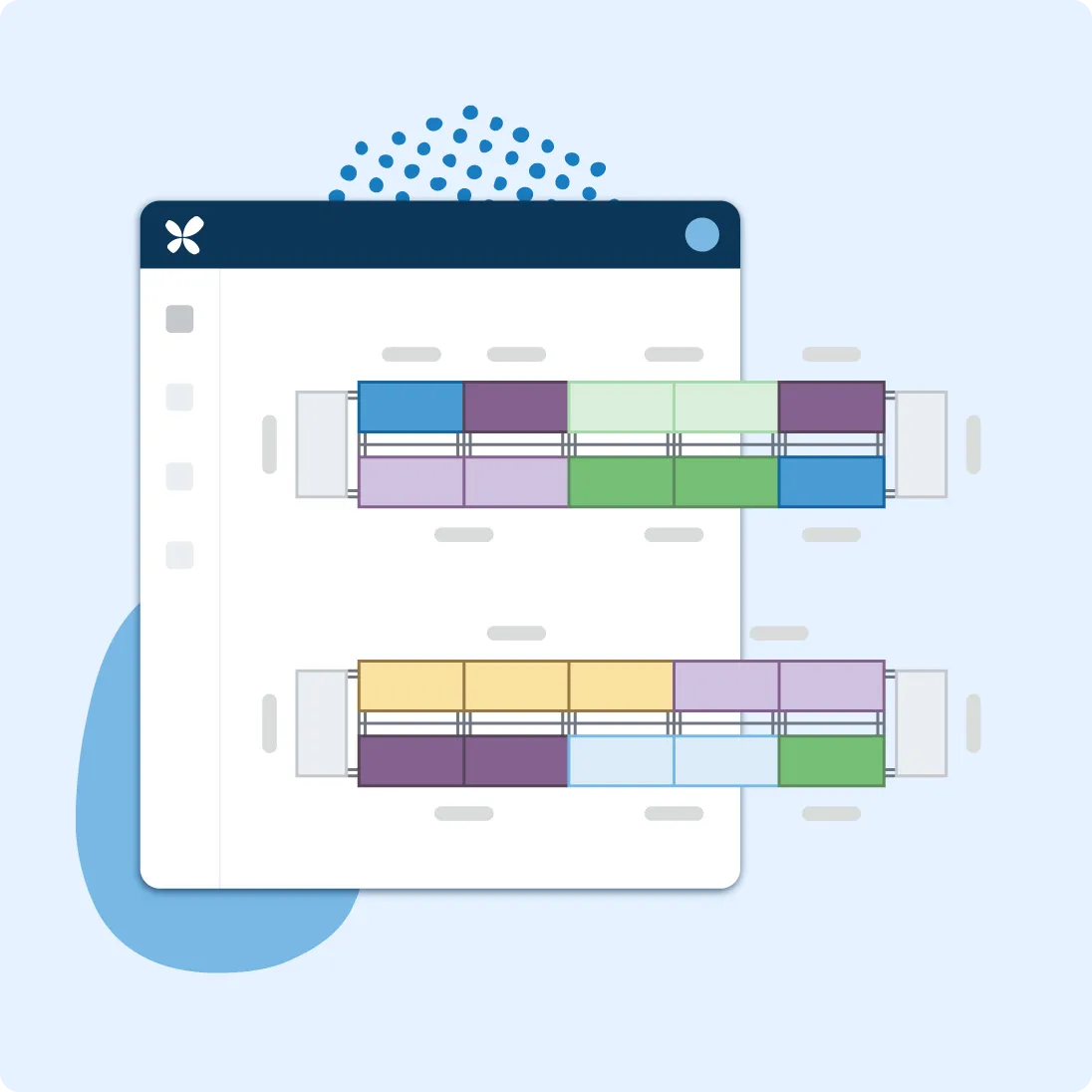
Space efficiency is crucial for cost control in an environment of rising operational costs. Unified planning, which integrates space, inventory, supply chain, and workforce planning, provides enhanced visibility into space constraints. This integration allows supply chain and ordering teams to optimize order quantities and delivery frequencies, while space planning teams can develop more accurate planograms based on store-level sales forecasts, including seasonal variations and promotional activities. The outcome is reduced handling costs in distribution centers and stores, ultimately lowering the overall cost to serve products.
Meeting omnichannel customer needs requires integrated planning to ensure seamless shopping experiences across all channels. Advanced category management solutions facilitate store-specific assortment optimization while maintaining consistency across physical and digital touchpoints. This unified approach improves product availability, enhances customer experience, and maintains operational efficiency by dynamically allocating space based on local demand patterns. The core technological capabilities supporting this modern approach include unified planning, cloud-native architecture, automated workflows, and data-driven decision-making.
Unified planning integrates various aspects of category management, such as space planning, assortment optimization, and store execution, into a single platform, ensuring seamless coordination and supporting the four pillars of Product, Placement, Price, and Promotion. Cloud-native architecture offers faster deployment, updates, improved security, reliability, and reduced total cost of ownership. Automated workflows streamline routine tasks like planogram creation, category reviews, and performance monitoring, freeing category managers to focus on strategic initiatives. Data-driven decision-making, powered by advanced analytics and market basket analysis, allows retailers to leverage vast amounts of data to eliminate guesswork, test planograms in virtual environments, and understand the impact of decisions on category performance, sales, and in-store execution, thereby accounting for halo, substitutability, and cannibalization effects. Success stories from Selco in the DIY sector and Circle K in convenience retail demonstrate how RELEX's advanced category management solution has improved product availability, reduced excess inventory, enhanced operational efficiency, and exceeded performance goals by unifying forecasting, replenishment, space planning optimization, and planogram execution.
#CategoryManagement #ArtificialIntelligence #RetailTechnology #SupplyChainOptimization #OmnichannelRetail #SpacePlanning #AssortmentOptimization #PlanogramOptimization #DataDrivenDecisionMaking #CategoryManagement #ArtificialIntelligence #RetailTechnology #SupplyChainOptimization #OmnichannelRetail #SpacePlanning #AssortmentOptimization #PlanogramOptimization #DataDrivenDecisionMaking
0 comment in total
 No comments yet
You may also like

The Plan and the Prompt: How AI Is Rewiring Design and Practice

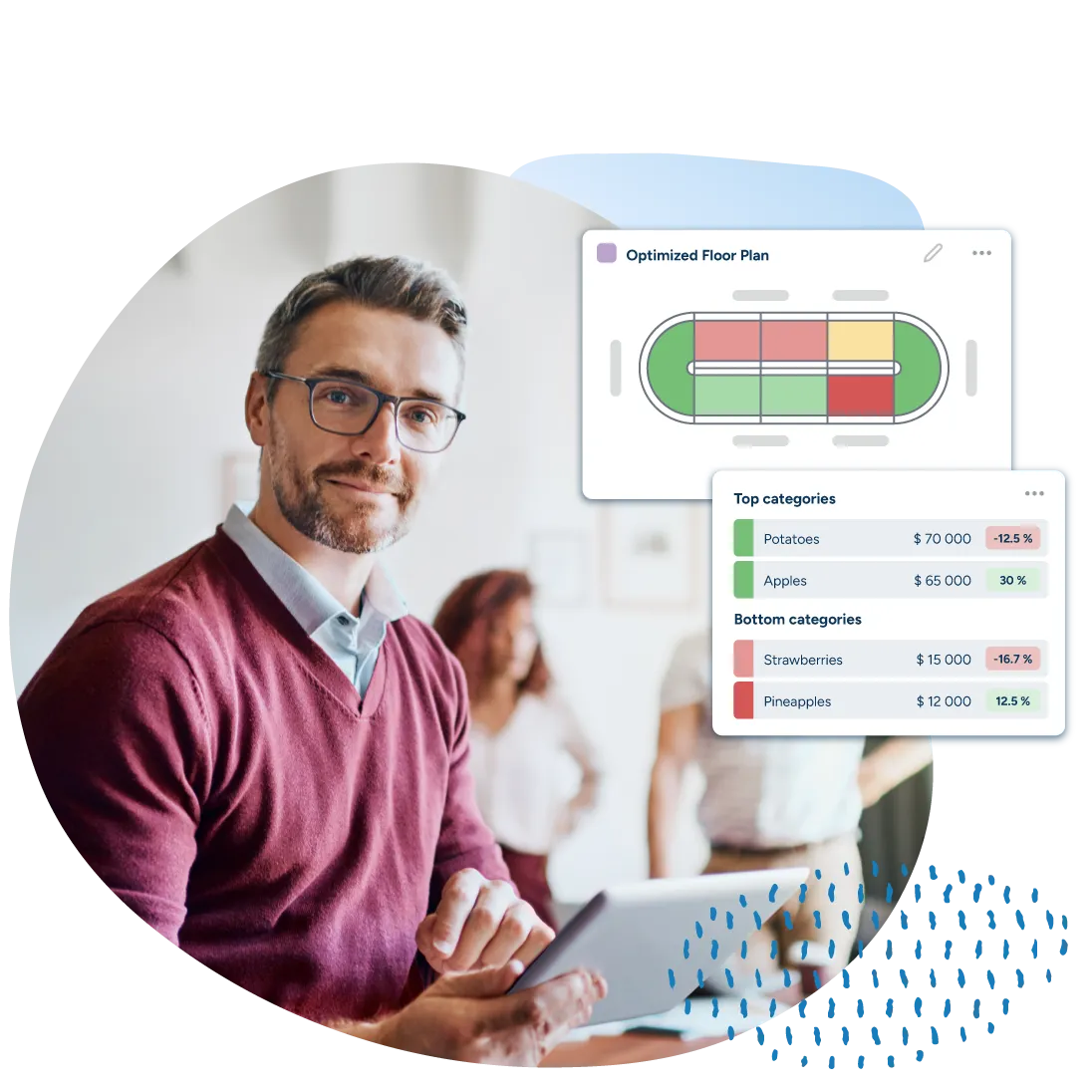
Retail Floor Planning Software

Integrated facilities management

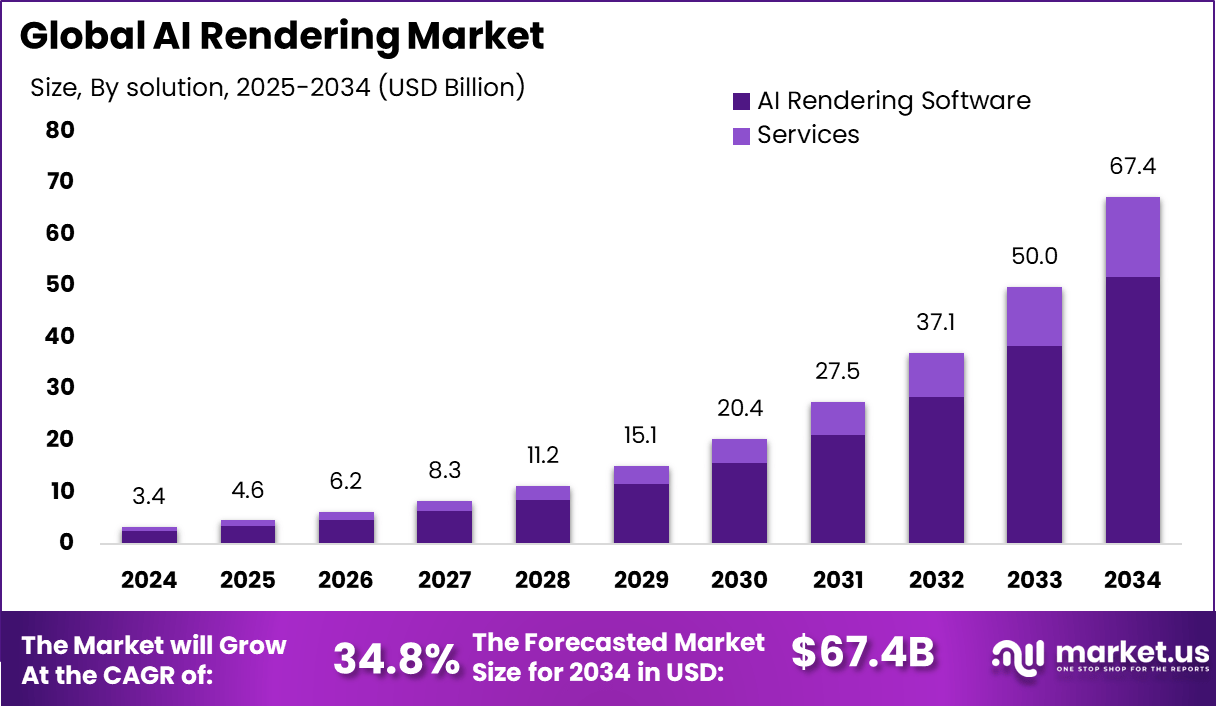
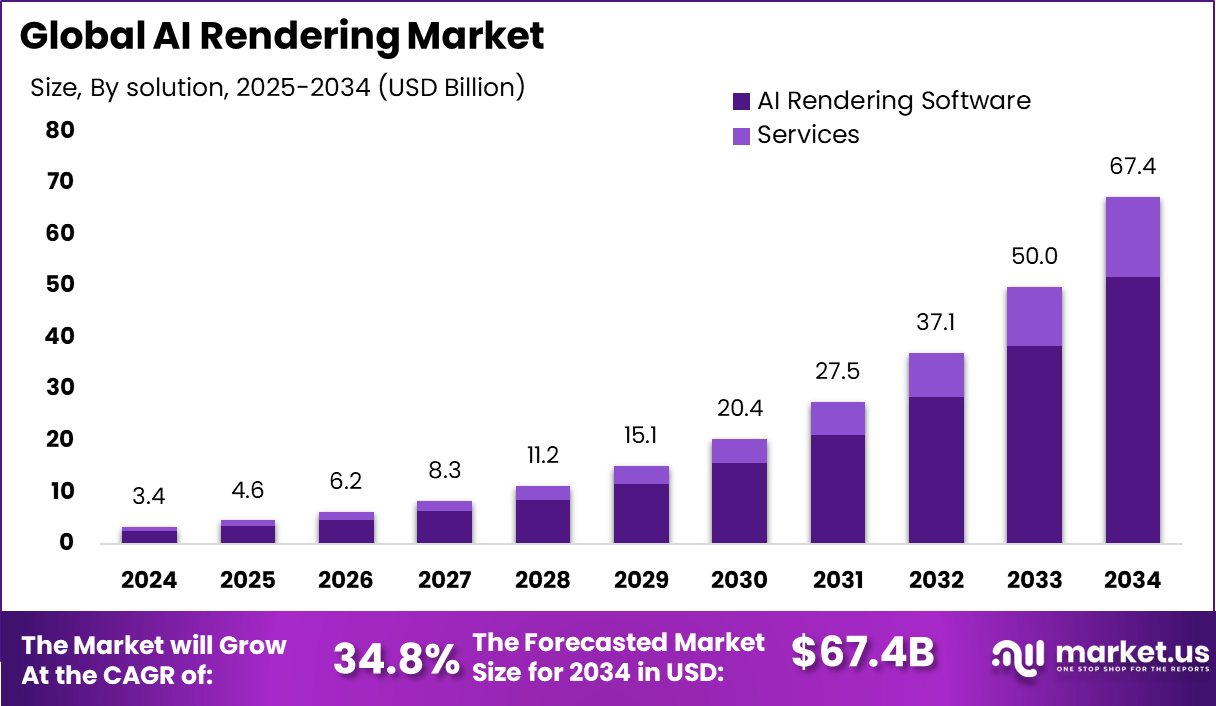
AI Rendering Market Size, Share | CAGR of 34.8%

The Influence of AI in the Interior Design Industry

Bitable: AI in the design and build world


The Future Of Finance Is Already Here, And It’s Rewiring The Enterprise

How AI and Automation Are Transforming the Home Textile Industry: A New Era of Efficiency and Innovation

Strategy and design

Avoid Rigidity And Drive Innovation By Rewiring Marketing And Comms

How today’s enterprise architect juggles strategy, tech and innovation

Is AI Rewiring The Modern Family Office?

The Transformative Power of AI in Architecture Design
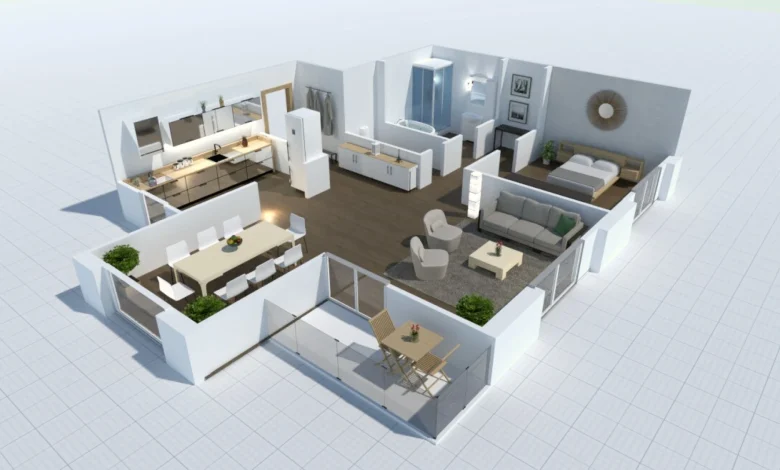
AI Floor Plan Generators: Driving the Future of Smart Architecture and Layout Design


Will Artificial Intelligence Replace Designers?

The 5 Biggest Organising Trends For 2026


AI and Digital Twins: The Key to Scaling Digital Transformation in Plumbing