1/10
How AI-Powered Rendering Crushes Bottlenecks in Architecture and Interior Design
The field of architecture is characterized by its progressive stages, where each phase is built upon the preceding one. This process, from schematic design to detailed 3D models and subsequent adjustments, necessitates a careful balance between speed, quality, and efficiency. The emergence of generative artificial intelligence (AI) is significantly transforming architectural dynamics, particularly in the realm of rendering. AI-powered rendering is no longer a constraint but an enabler, allowing architects and interior designers to focus more on creative problem-solving and exploration. This technological advancement introduces new possibilities, enhancing both conceptualization and design processes.
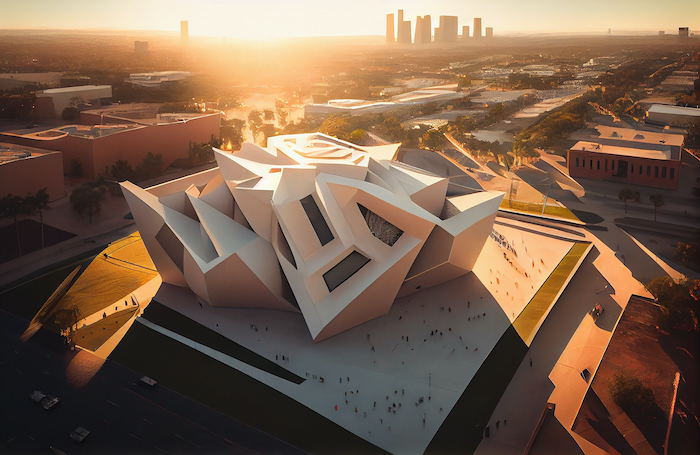
One of the primary advantages of AI in architectural visualization is the dramatic reduction in time required for tasks that traditionally took hours or days, now completed in minutes. This efficiency allows for the generation of photorealistic visuals from the earliest stages of design, including the concept phase. Beyond accelerating visual production, AI frees up valuable time and resources. This liberation enables design teams to dedicate more effort to innovation, tackle complex technical challenges, foster interdisciplinary collaboration, and refine the design narrative. Optimized visualization, facilitated by AI, improves rendering quality and streamlines the entire workflow. This allows for in-depth examination of crucial aspects such as spatial relationships, material properties, and lighting from the project's inception, leading to more thoughtful design decisions before the construction documentation phase.
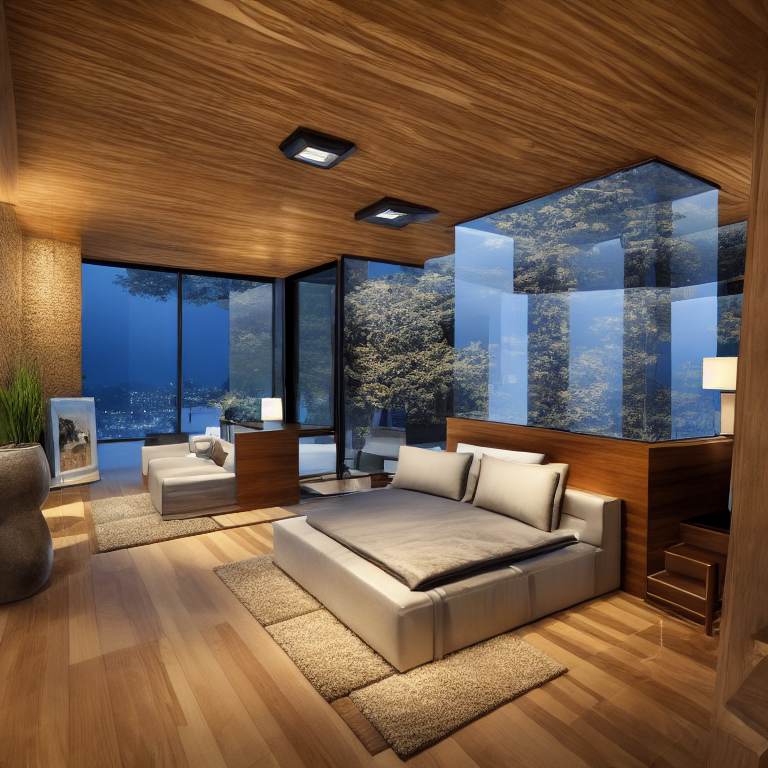
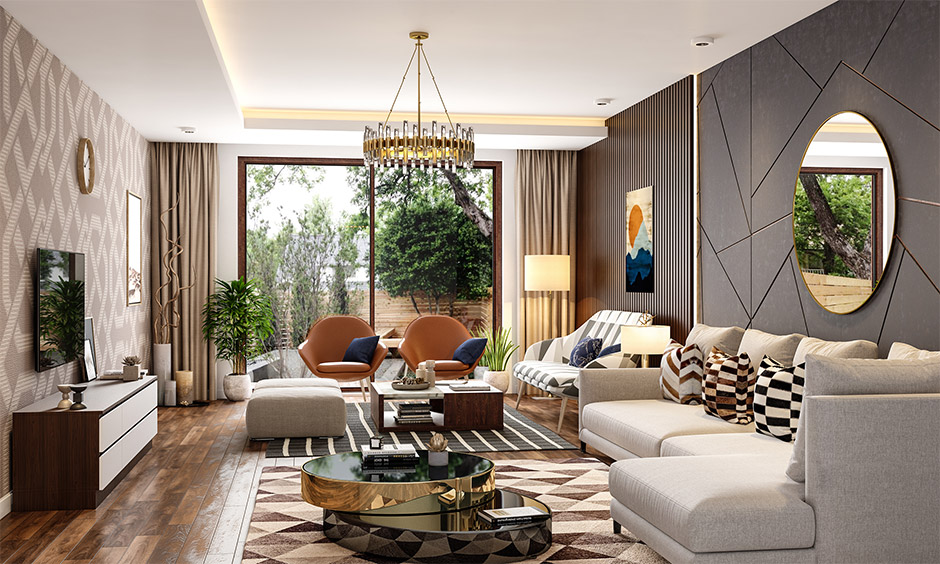
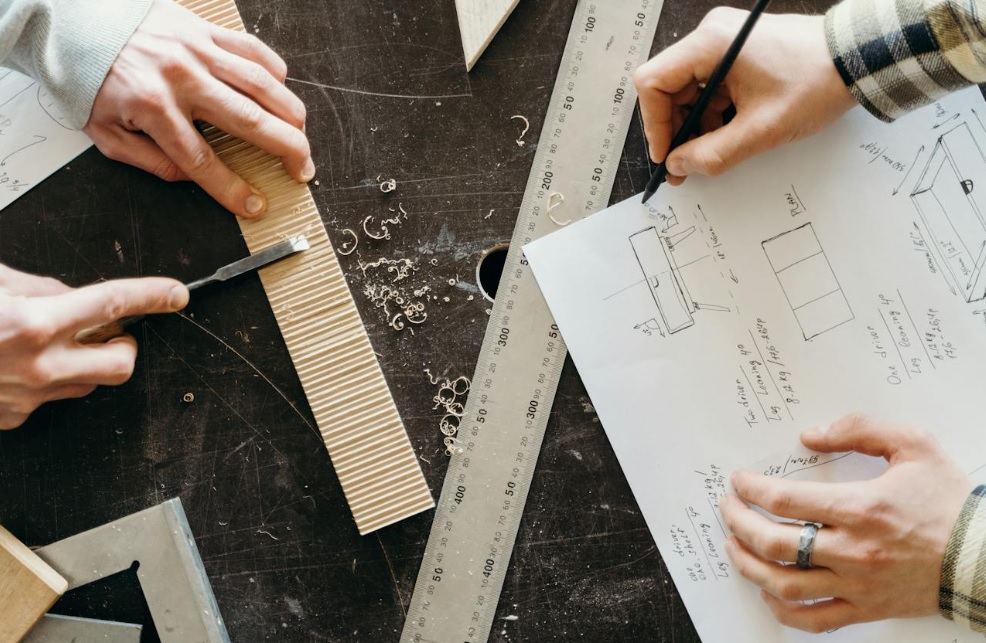
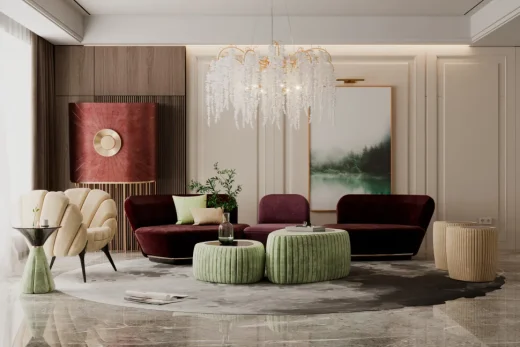
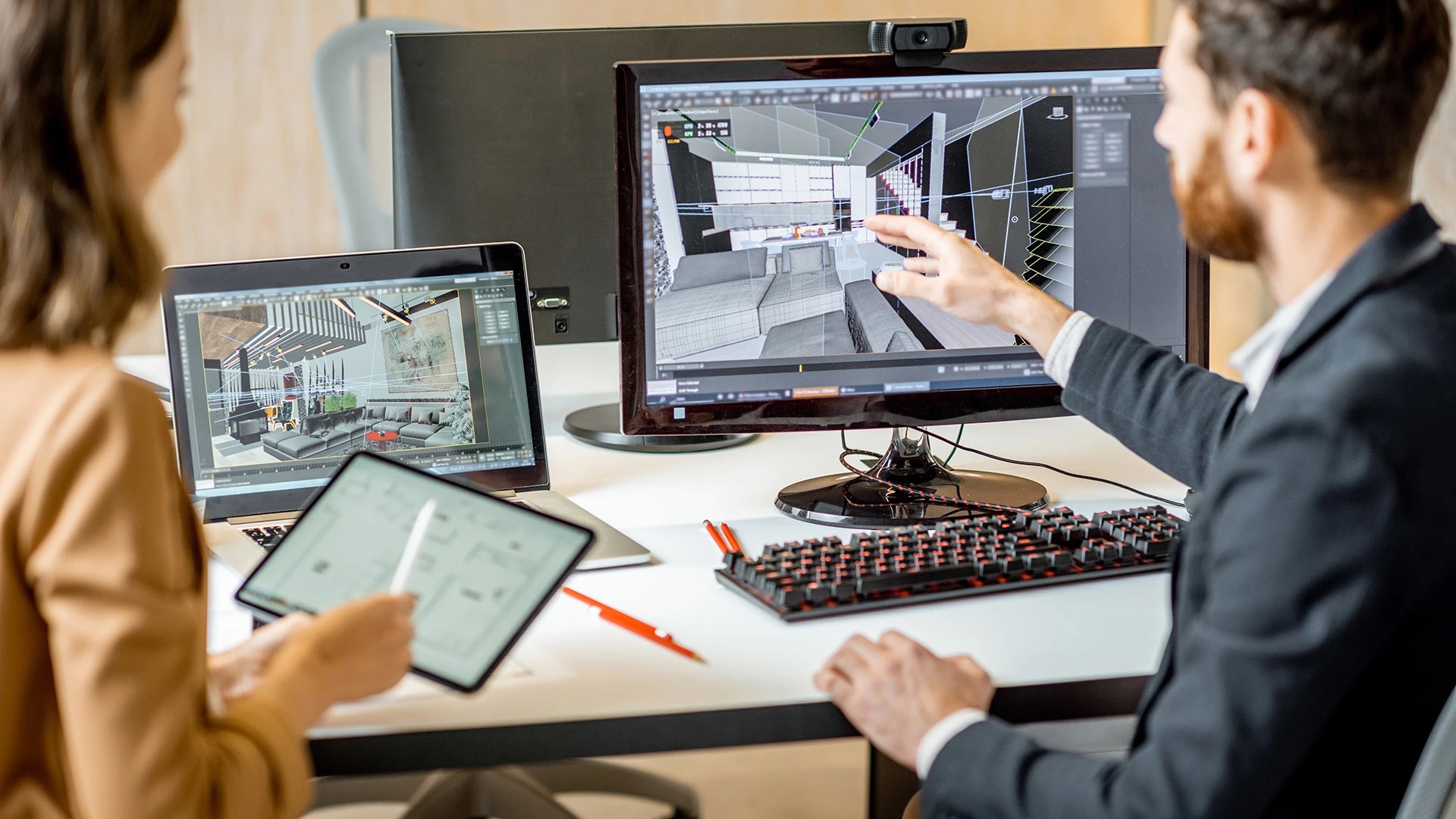
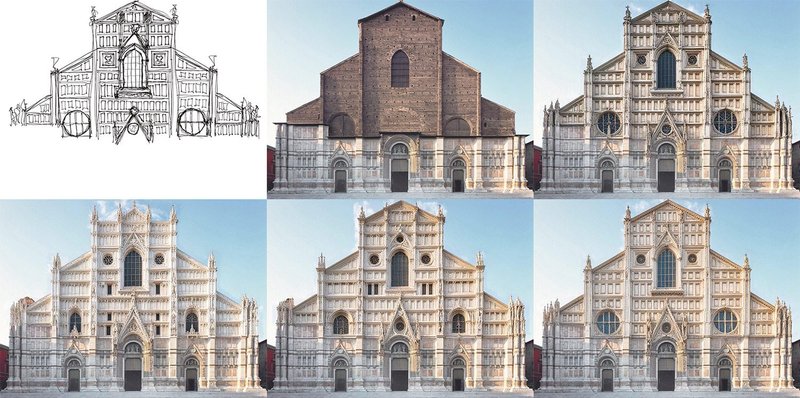
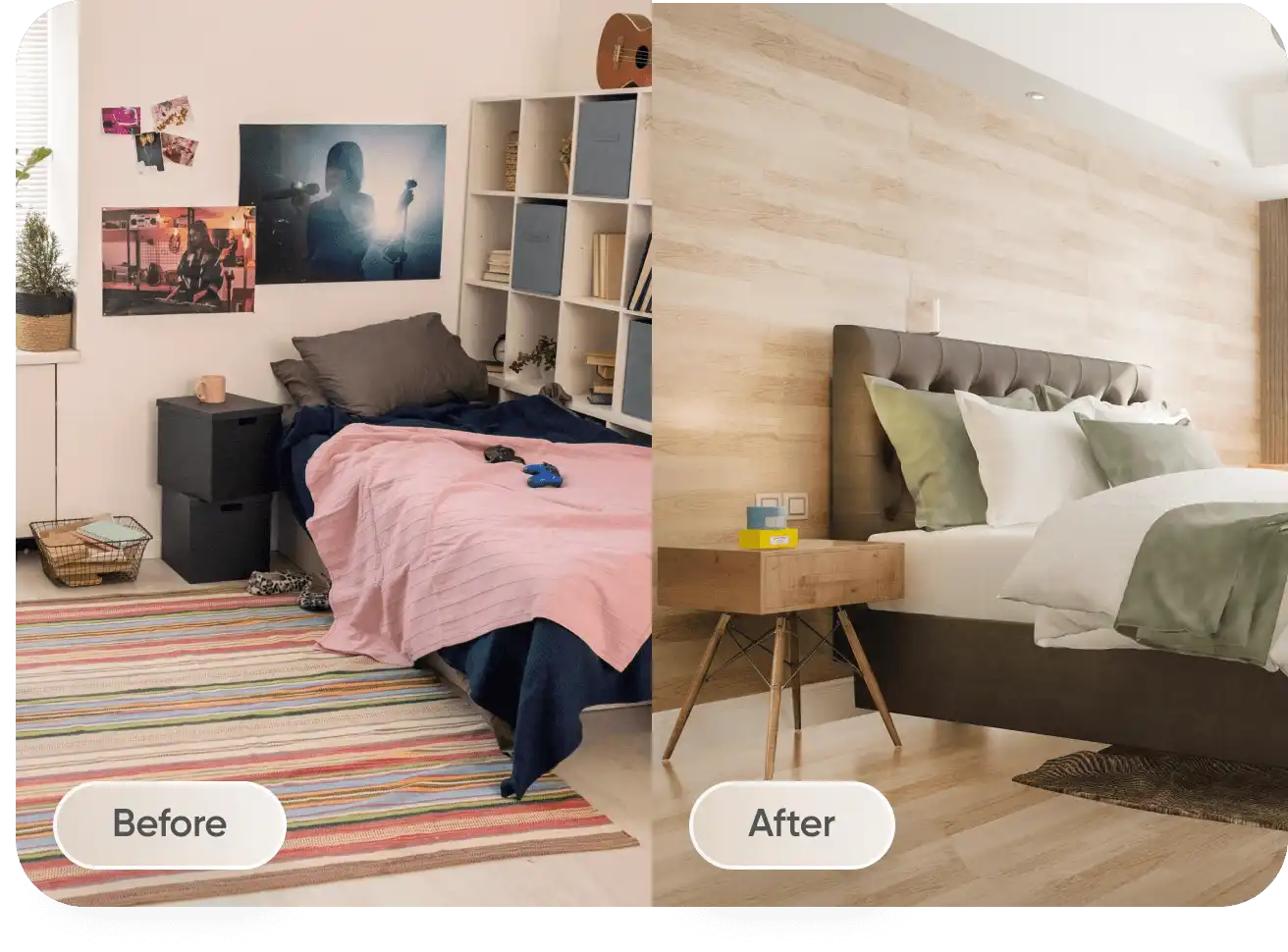
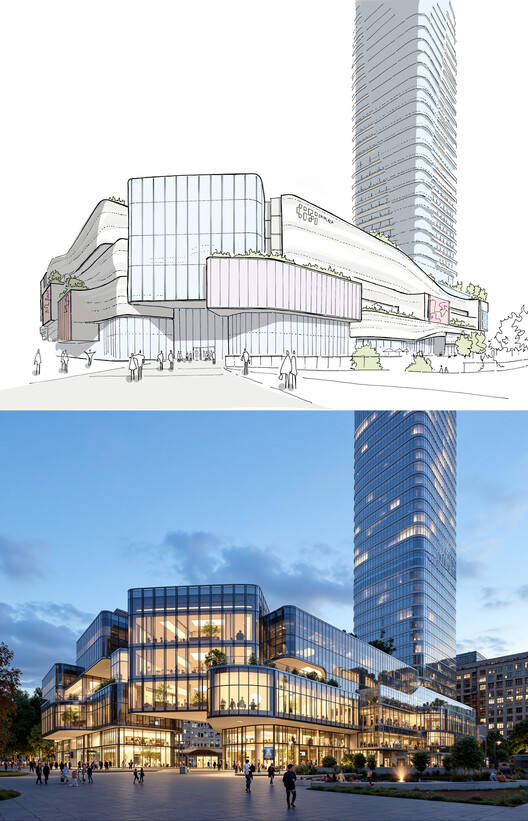
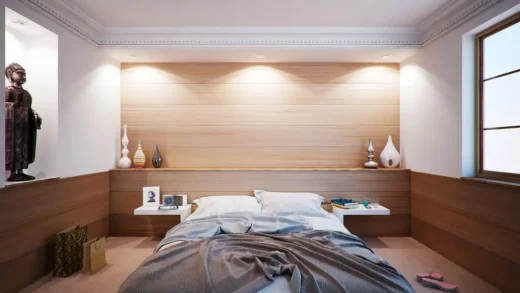
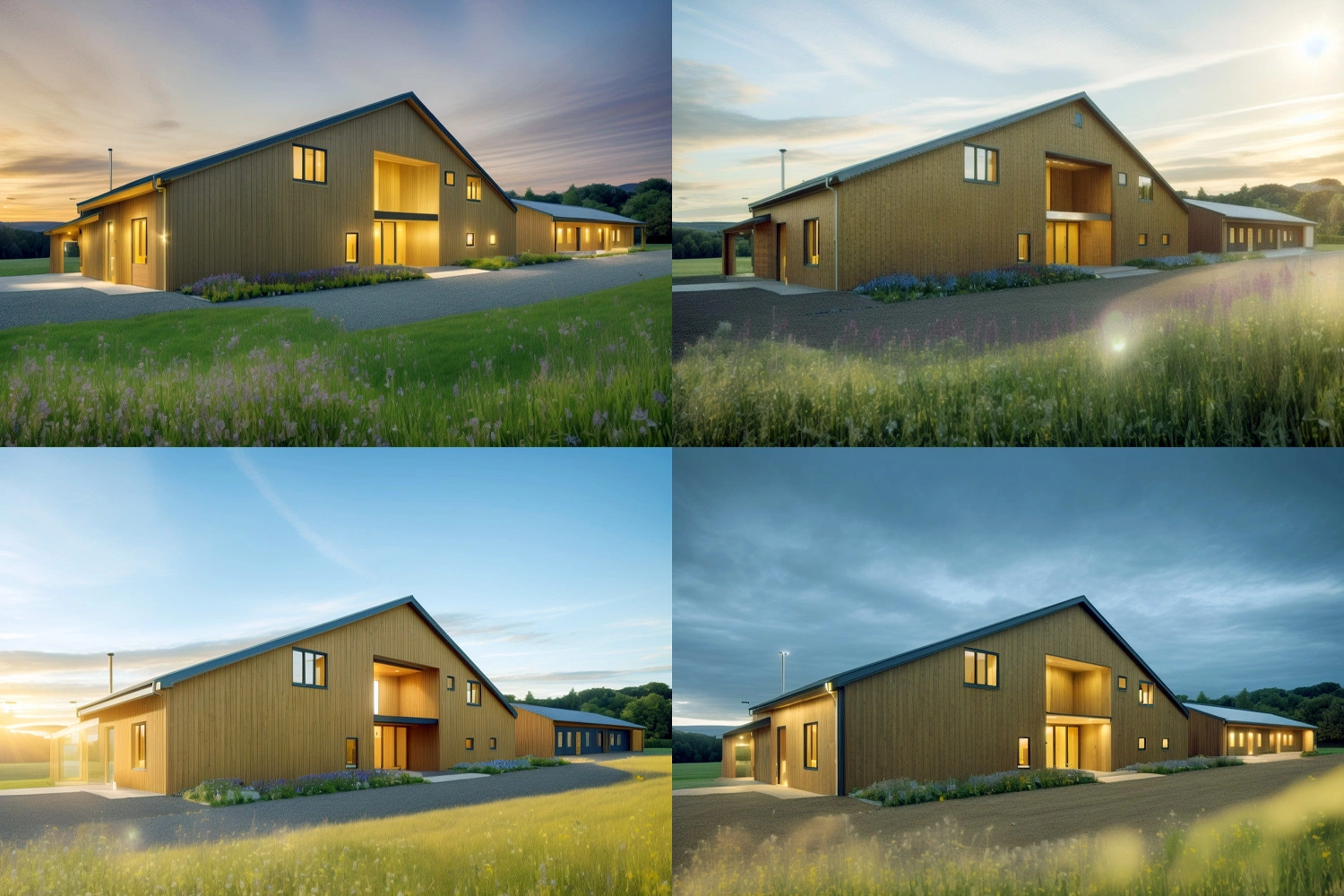
AI rendering tools are particularly beneficial in the initial project stages. They can transform preliminary sketches or wireframe views into high-quality images, giving concrete form to abstract ideas. As a project develops and details like materials are being explored, AI can generate numerous variations based on textual prompts describing desired materials, lighting conditions, intentions, and overall atmosphere. This capability significantly accelerates iterations on textures, colors, and styles, aiding in the refinement and consolidation of the material palette. During client review phases, AI-powered visualization revolutionizes communication by rapidly converting abstract concepts into clear visuals. This ensures that clients and end-users can grasp the spatial design with precision from the very beginning, beyond mere technical drawings.
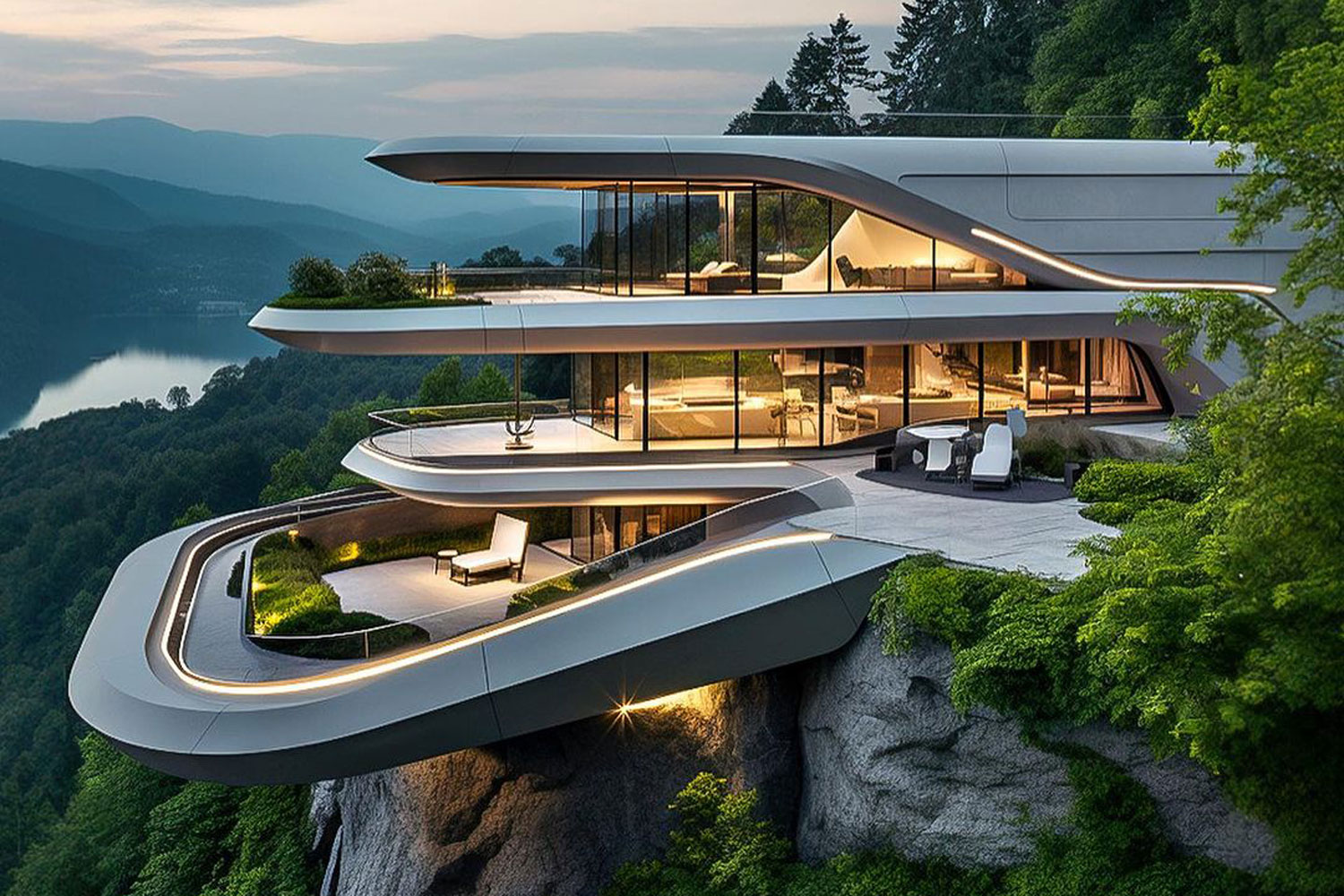
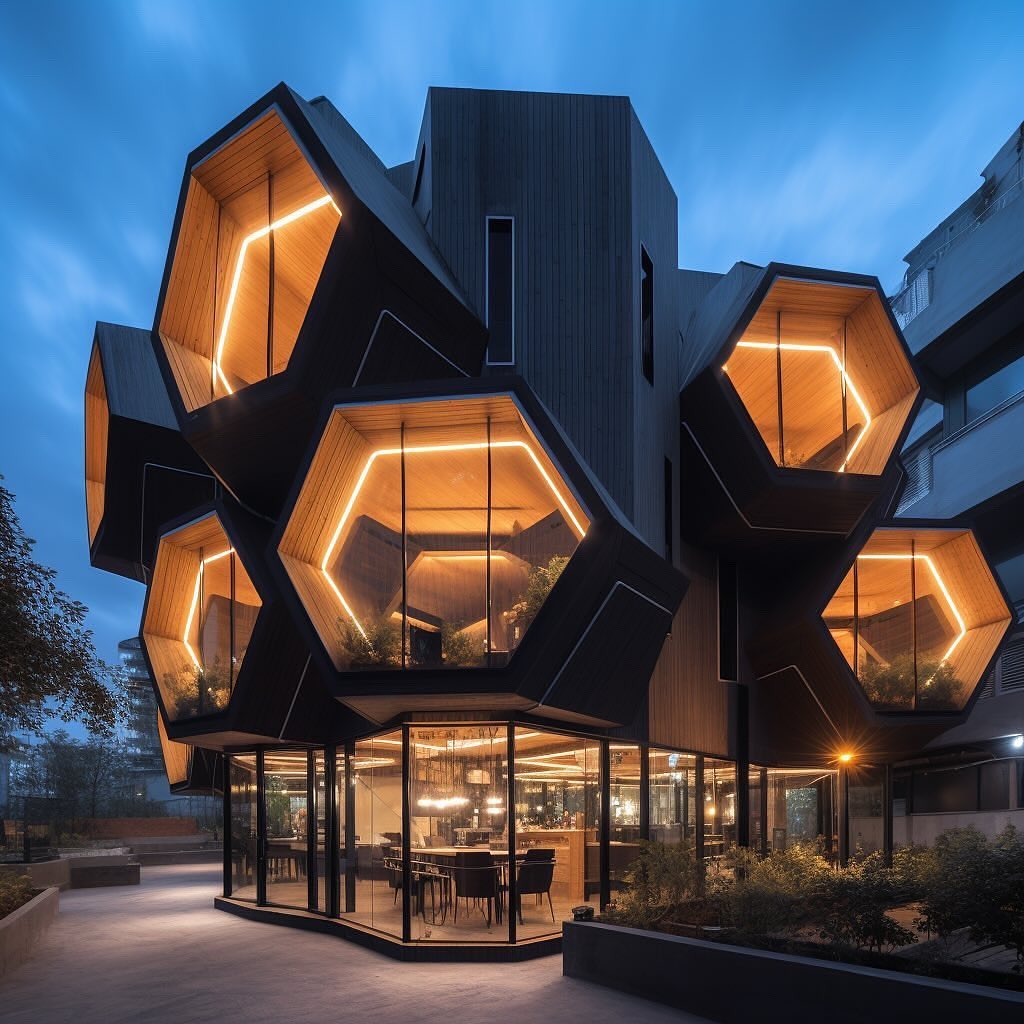
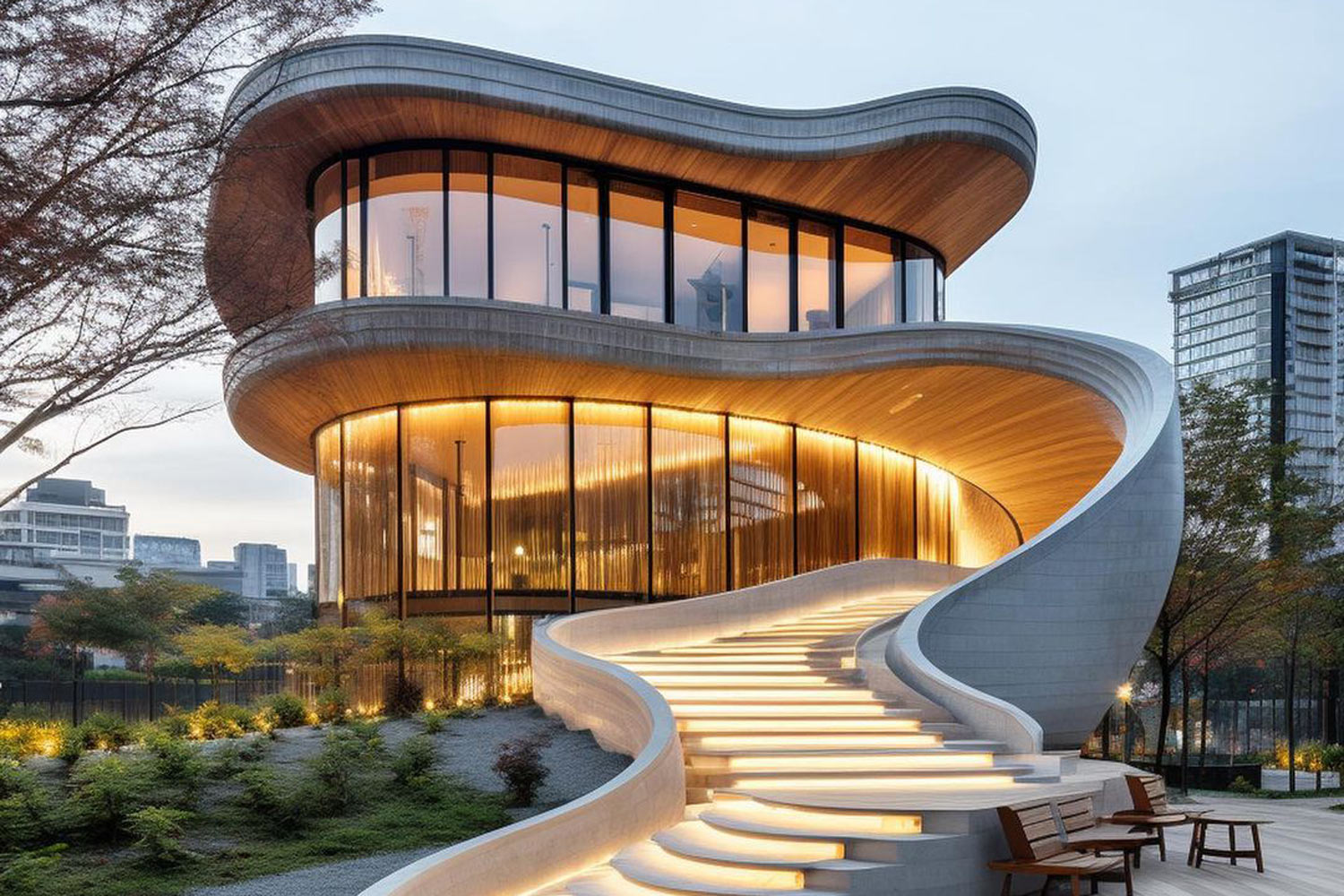
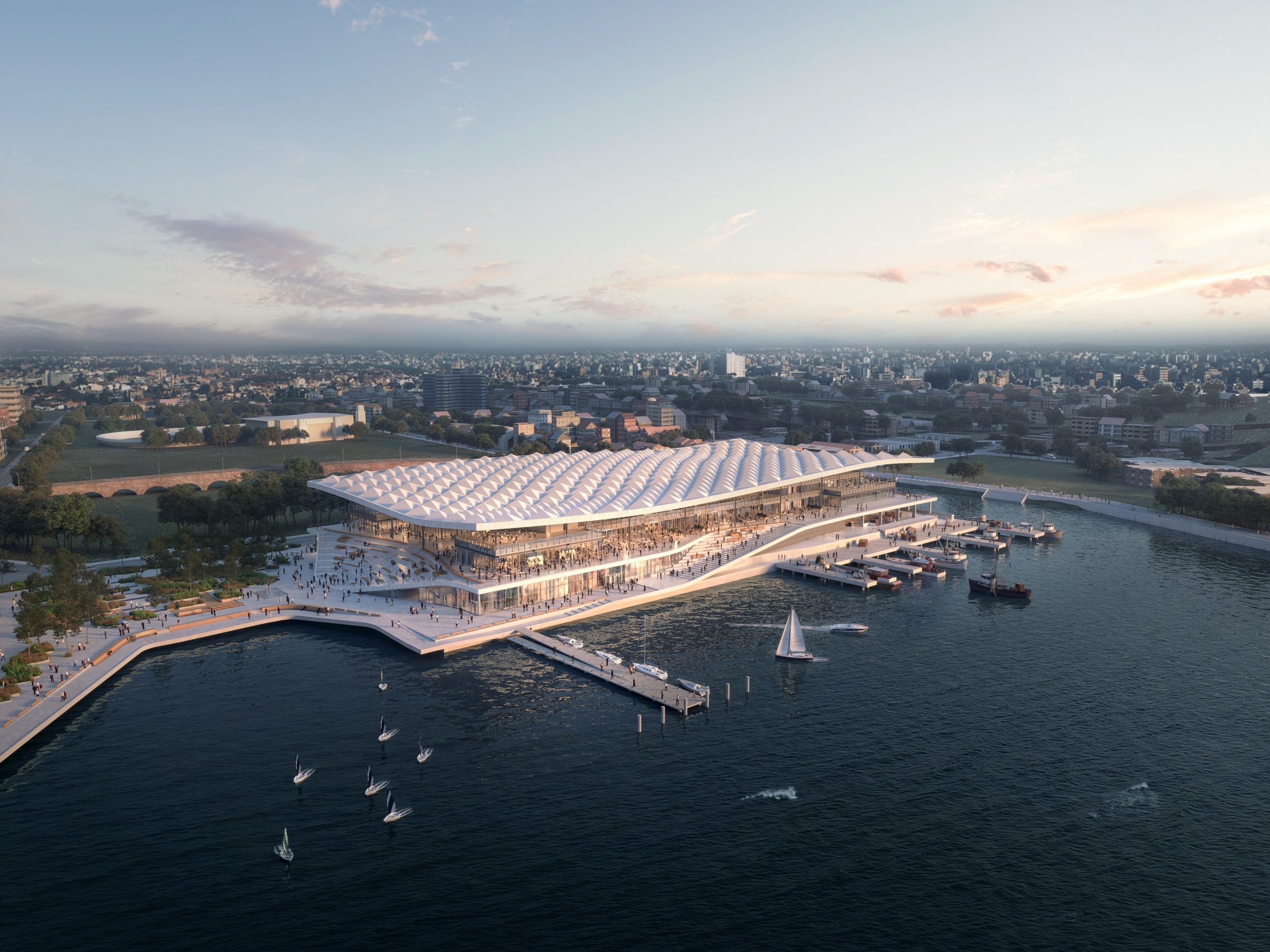
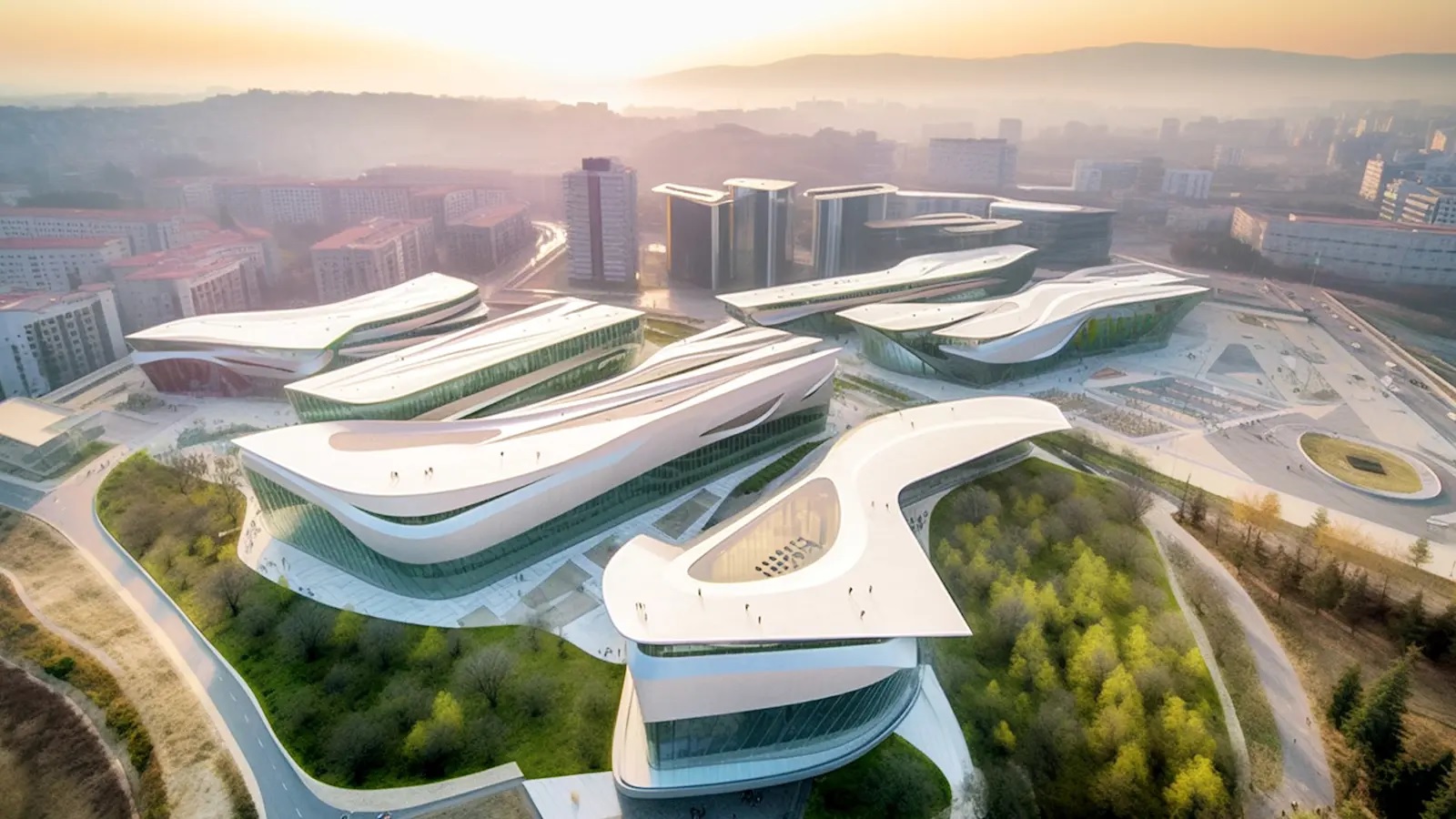
The dynamic feedback loops enabled by AI streamline client interactions, allowing for immediate integration of client input. Changes to lighting or materials can be implemented on the fly, making it possible to generate updated renderings even during meetings or shortly after receiving feedback. Platforms like PromeAI can be trained to ensure consistency across various design schemes generated from a single reference image and prompt. This optimization of time by AI is a critical factor in project success, as it aids in timely delivery and helps mitigate unexpected issues that could impact project schedules and client relationships. AI also offers benefits in exterior rendering, producing photorealistic visualizations that showcase a project's external appearance.
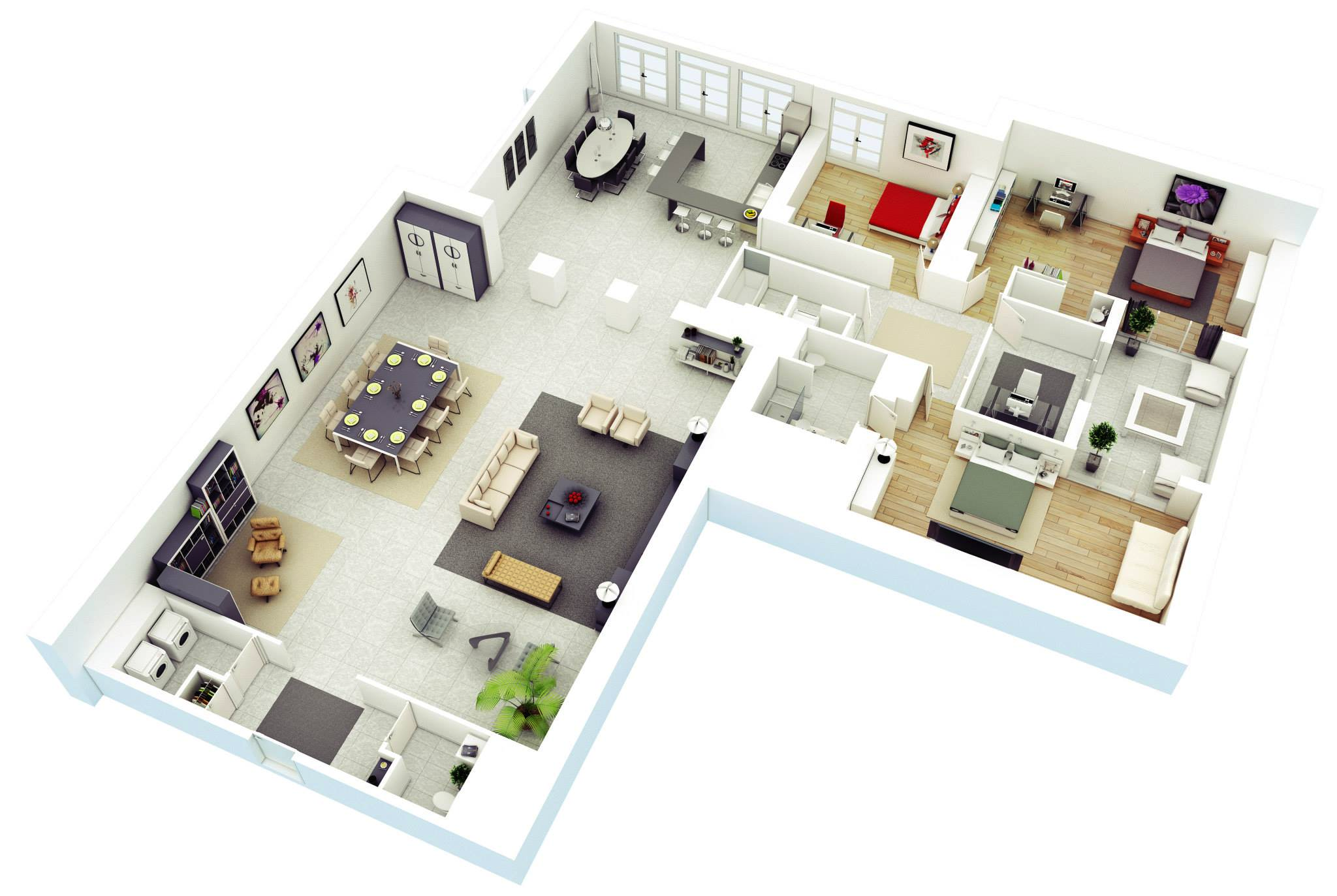
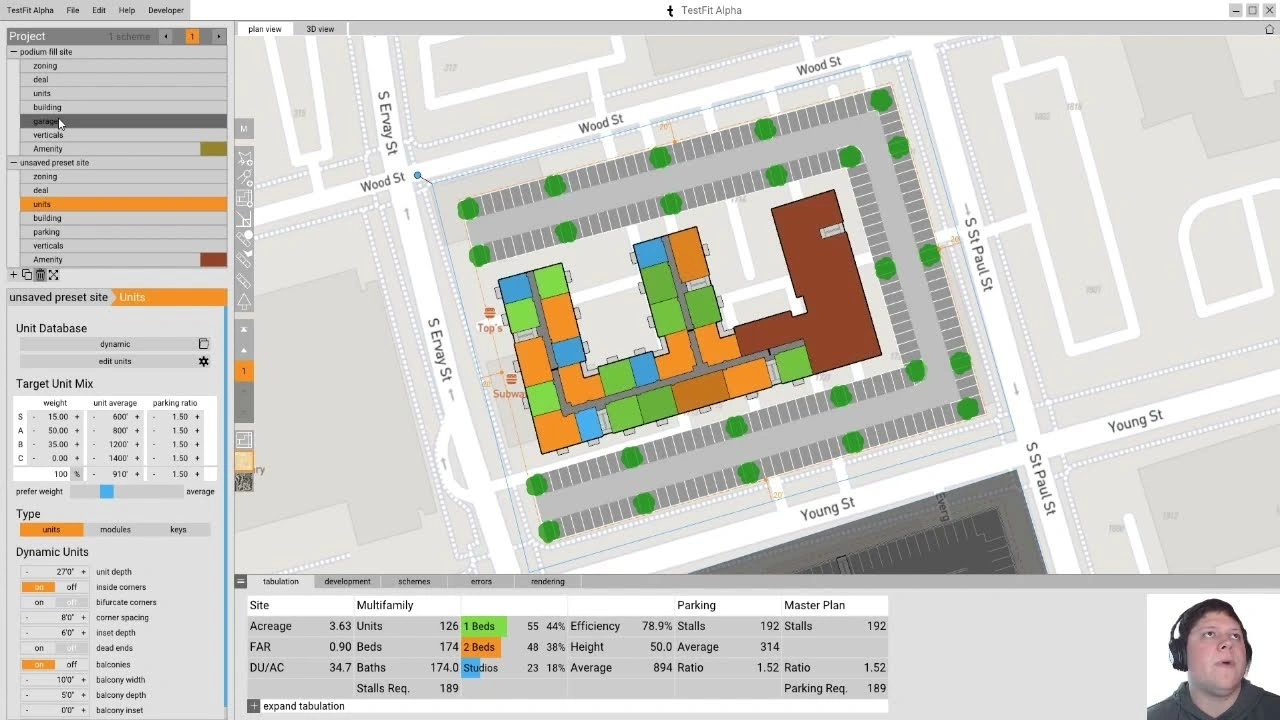
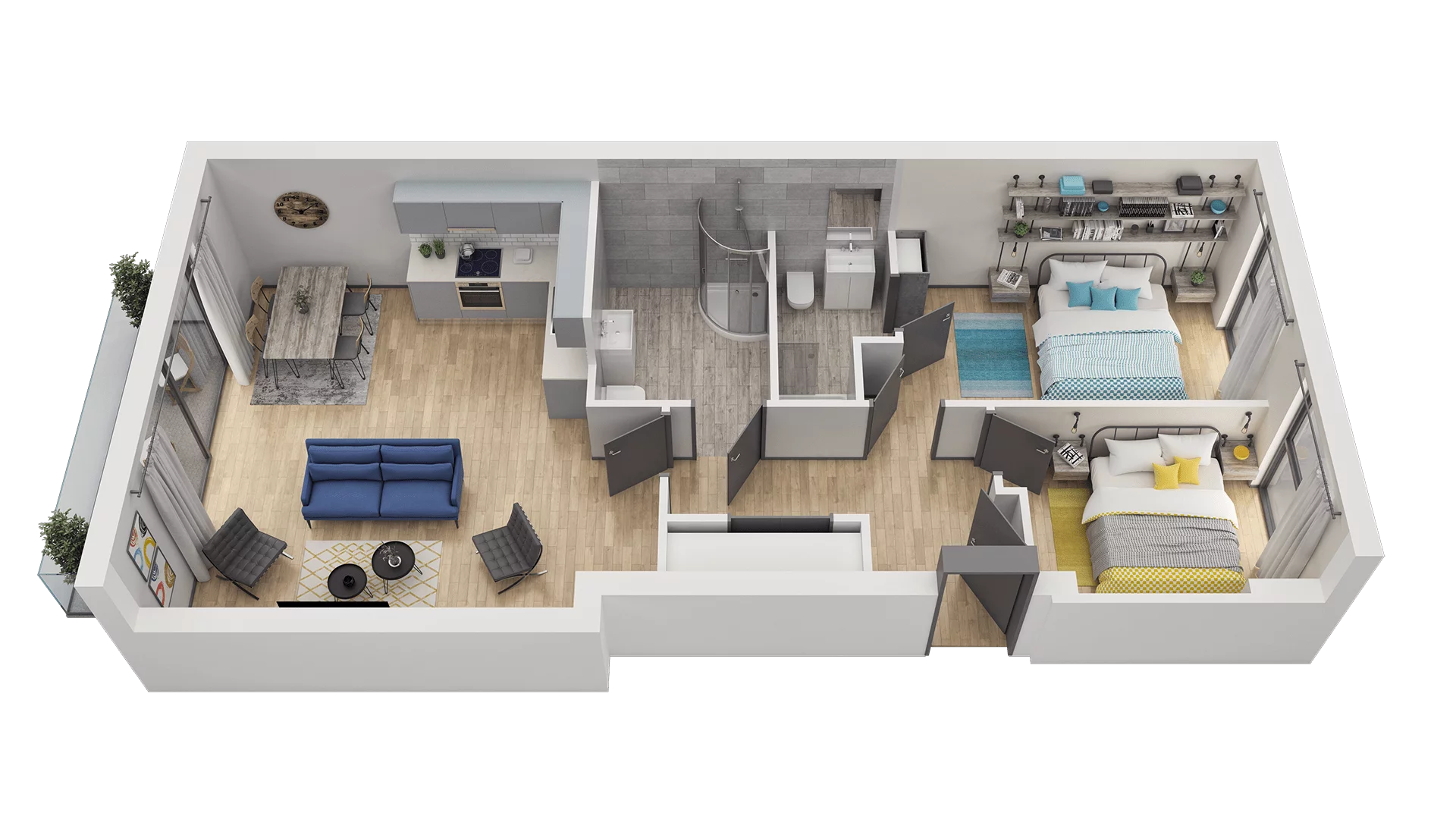
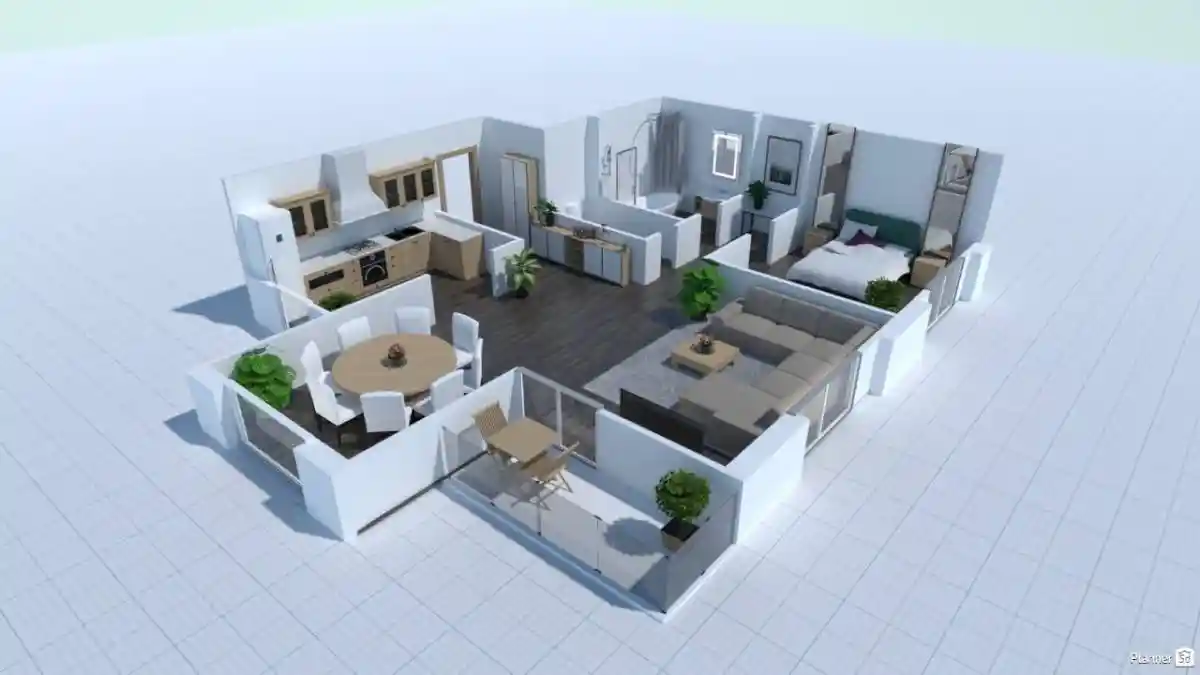
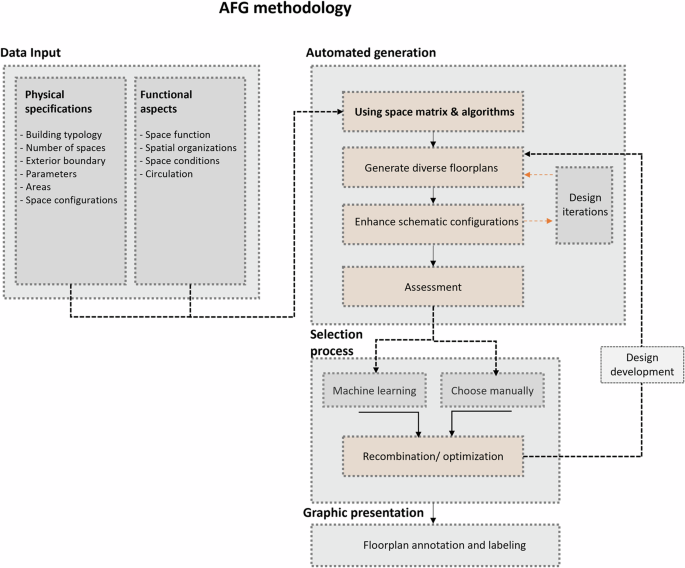
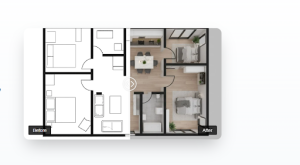
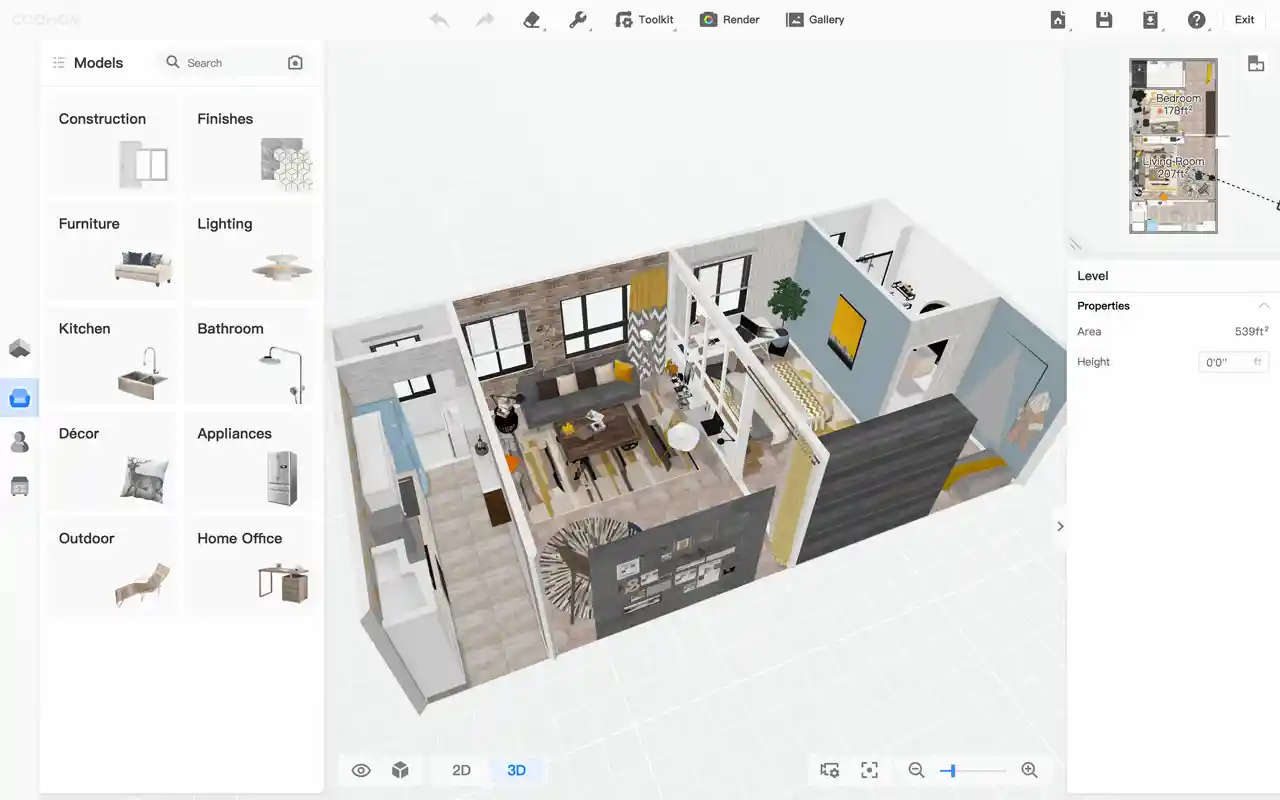
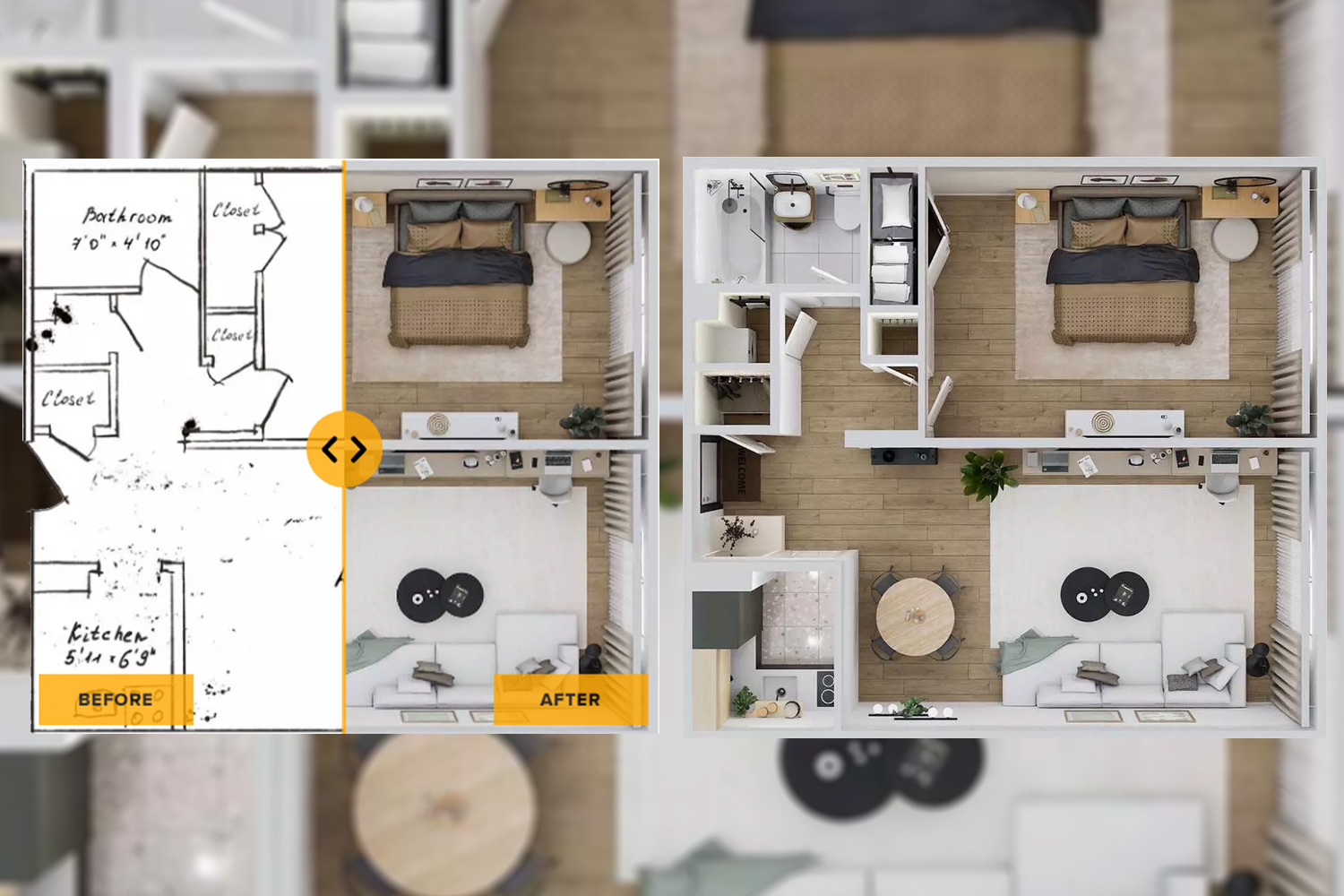
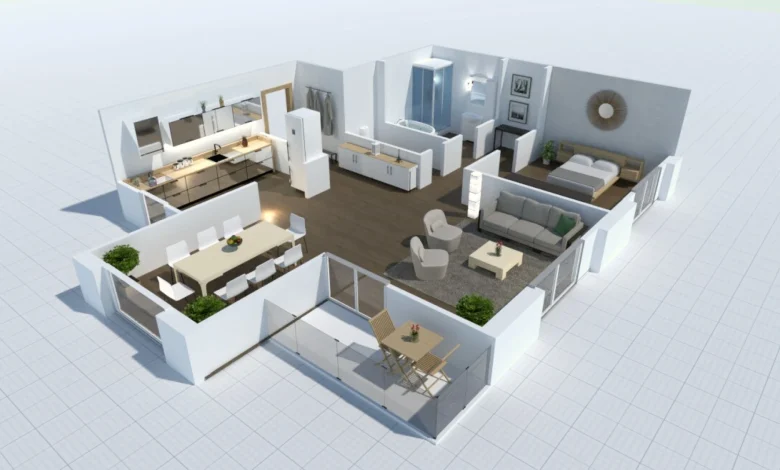
Looking forward, AI innovations are poised to bring greater dynamism and efficiency to architectural design, enabling more extensive exploration within shorter timeframes. In interior design, especially for housing planning, AI tools for floor plan generation will allow for comprehensive space analysis. By inputting parameters like total area and architectural program, multiple optimal alternatives balancing functionality and aesthetics can be rapidly generated. The future interaction between human designers and AI will mark a significant evolution in the profession. While AI handles repetitive and optimizable tasks with agility, creative, sensitive, and human-centric design processes will remain the domain of designers. AI is thus consolidating its role as a collaborative partner, driving innovation and providing predictive information on aspects like material performance and energy efficiency, leading to smarter and more sustainable design choices.
#AI #ArchitecturalVisualization #InteriorDesign #Rendering #GenerativeDesign #DesignProcess #Technology #Software #ProjectManagement #AI #ArchitecturalVisualization #InteriorDesign #Rendering #GenerativeDesign #DesignProcess #Technology #Software #ProjectManagement
0 comment in total
 No comments yet
You may also like
8 AI-powered architectural rendering programs you should try


I Used AI Interior Designers to Reimagine My Boring Basement

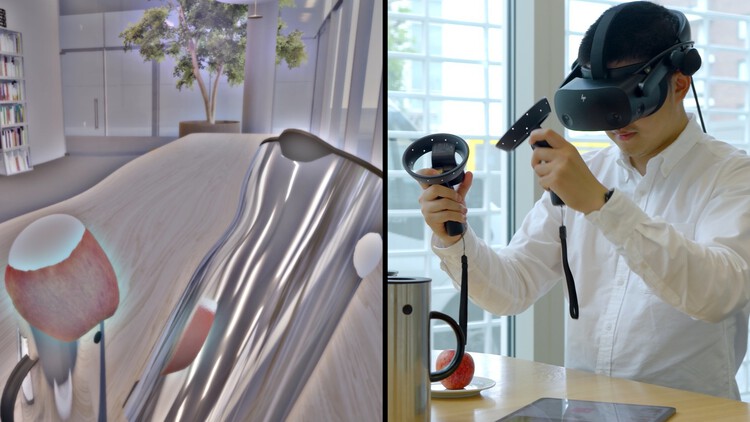
Beyond the Drawing Board: How Augmented Reality is Reshaping Architectural Design Review
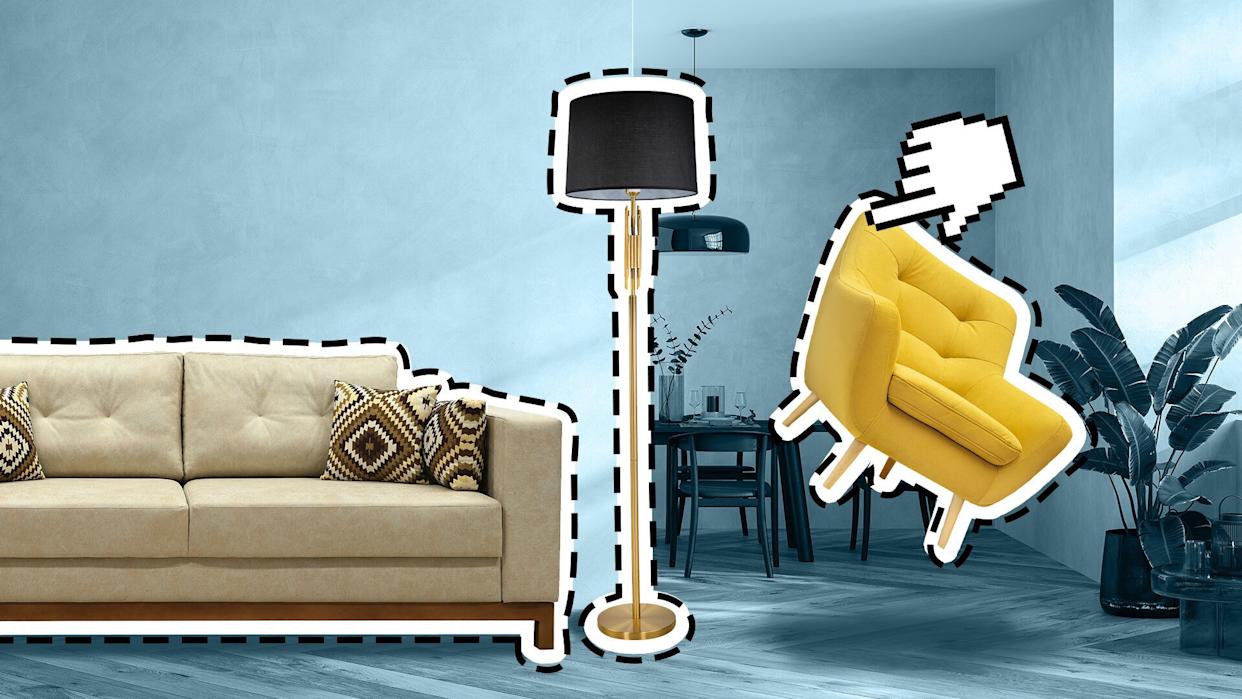
5 best AI interior design apps in 2024


The Influence of AI in the Interior Design Industry
Beyond Aesthetics: How Tech is Redefining Interior Design
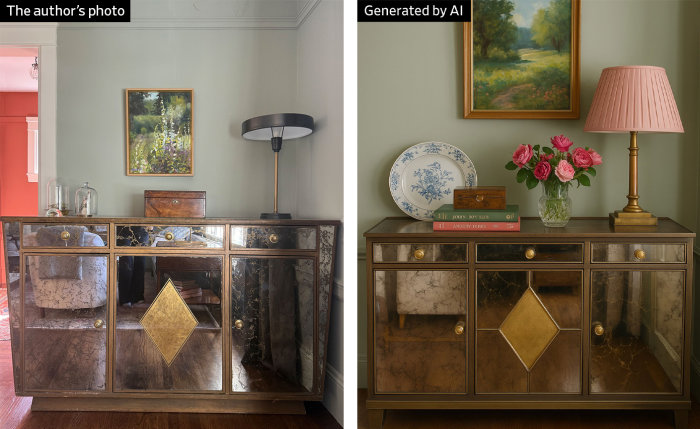
Can AI Save Me the Cost of an Interior Designer?

The impact of machine learning on architectural design

Top 16 AI Tools for Interior Design

5 best AI interior design apps in 2024


10 free AI interior design generators
Best AI Floor Plan Generators For Various Uses #2025
Freepik AI Interior Design Tools review: visualizations
The Transformative Power of AI in Architecture Design
Enhancing interior design and space planning via human–machine intelligent interaction for artistic cognition
A review of artificial intelligence methodologies in computational automated generation of high performance floorplans
10 AI tools to generate interior and architectural images

Will Artificial Intelligence Replace Designers?
10 Revolutionary AI Tools Reshaping Architectural Design
AI Floor Plan Generators: Driving the Future of Smart Architecture and Layout Design