1/27
20 Nature-Loving Homes Where Biophilia Thrives
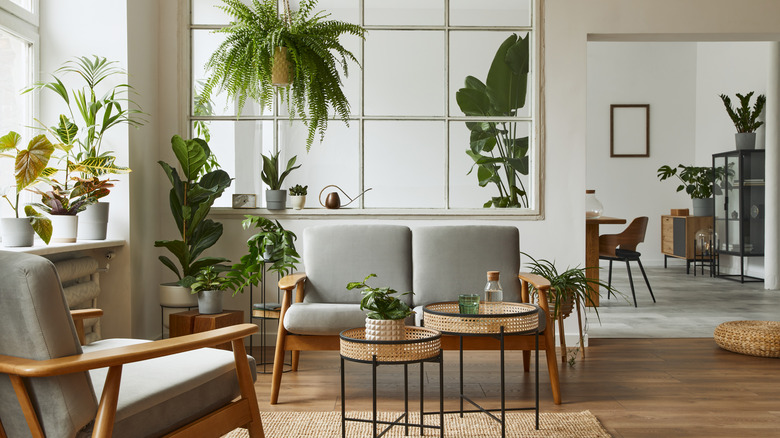
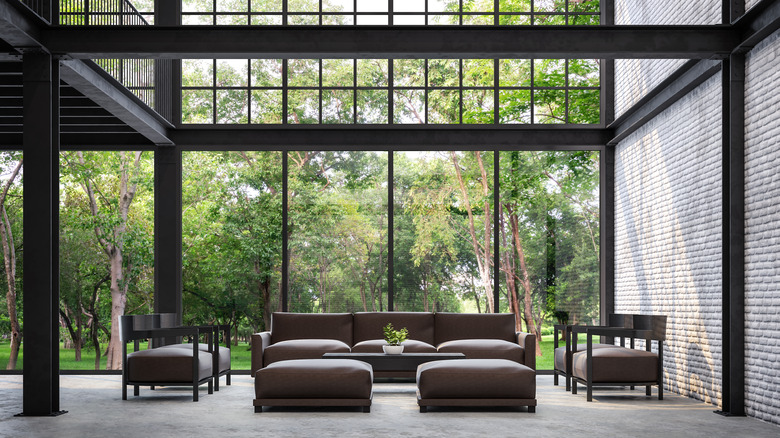
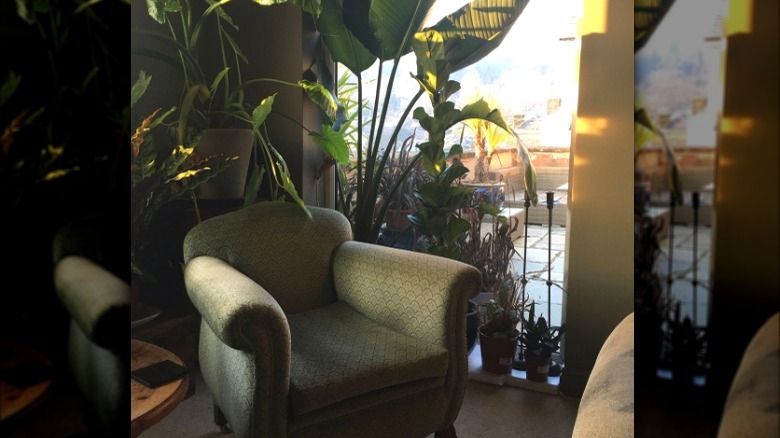
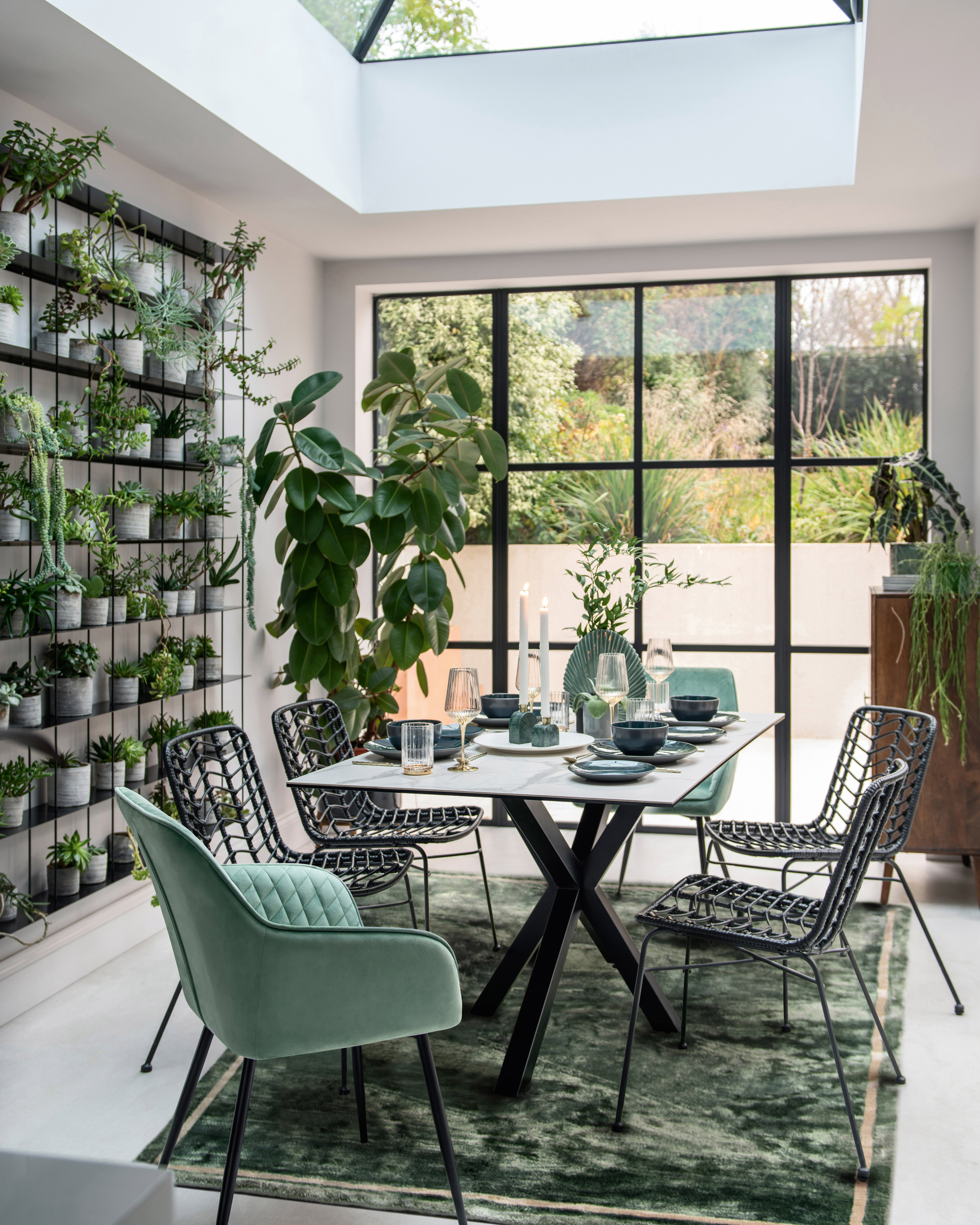
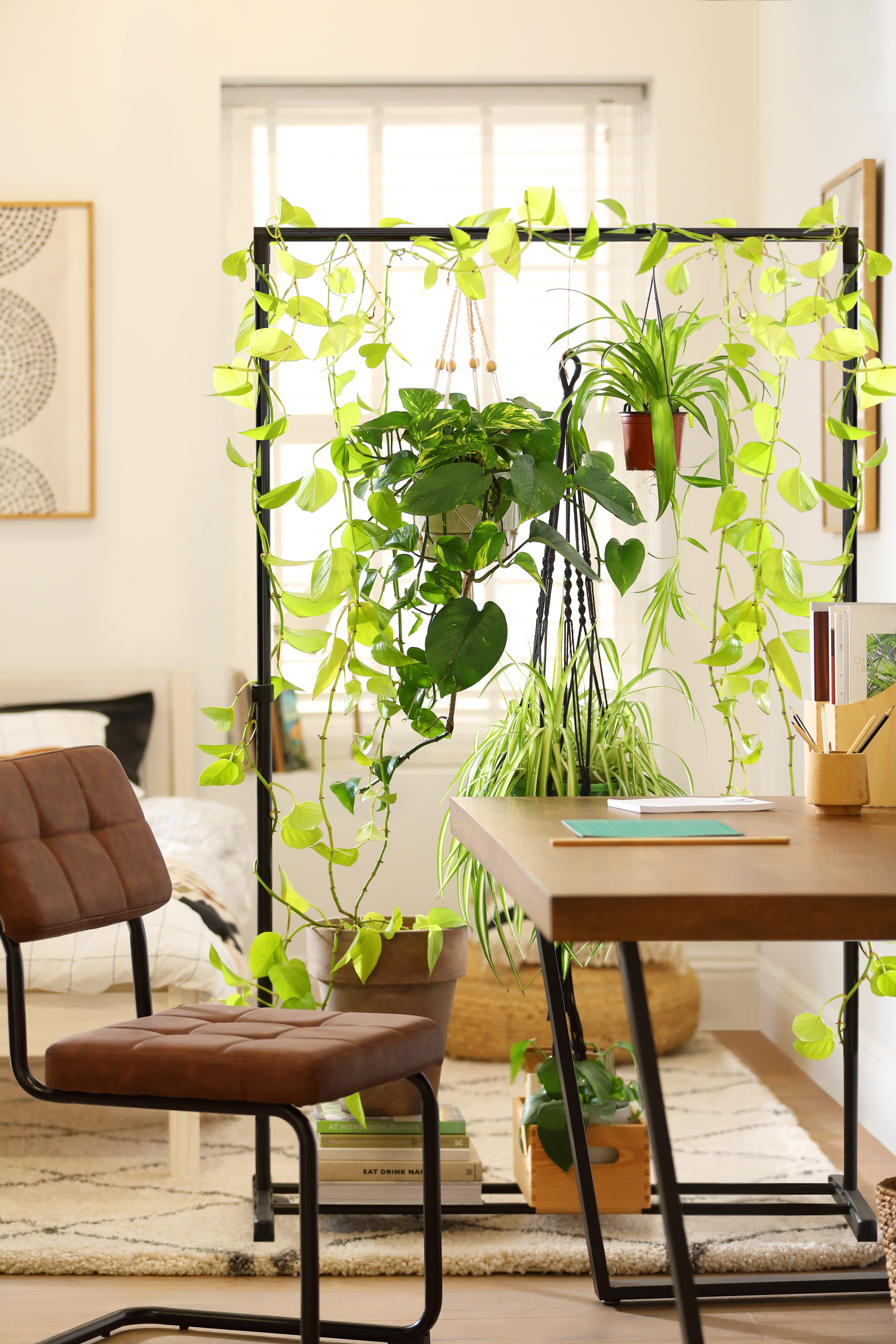
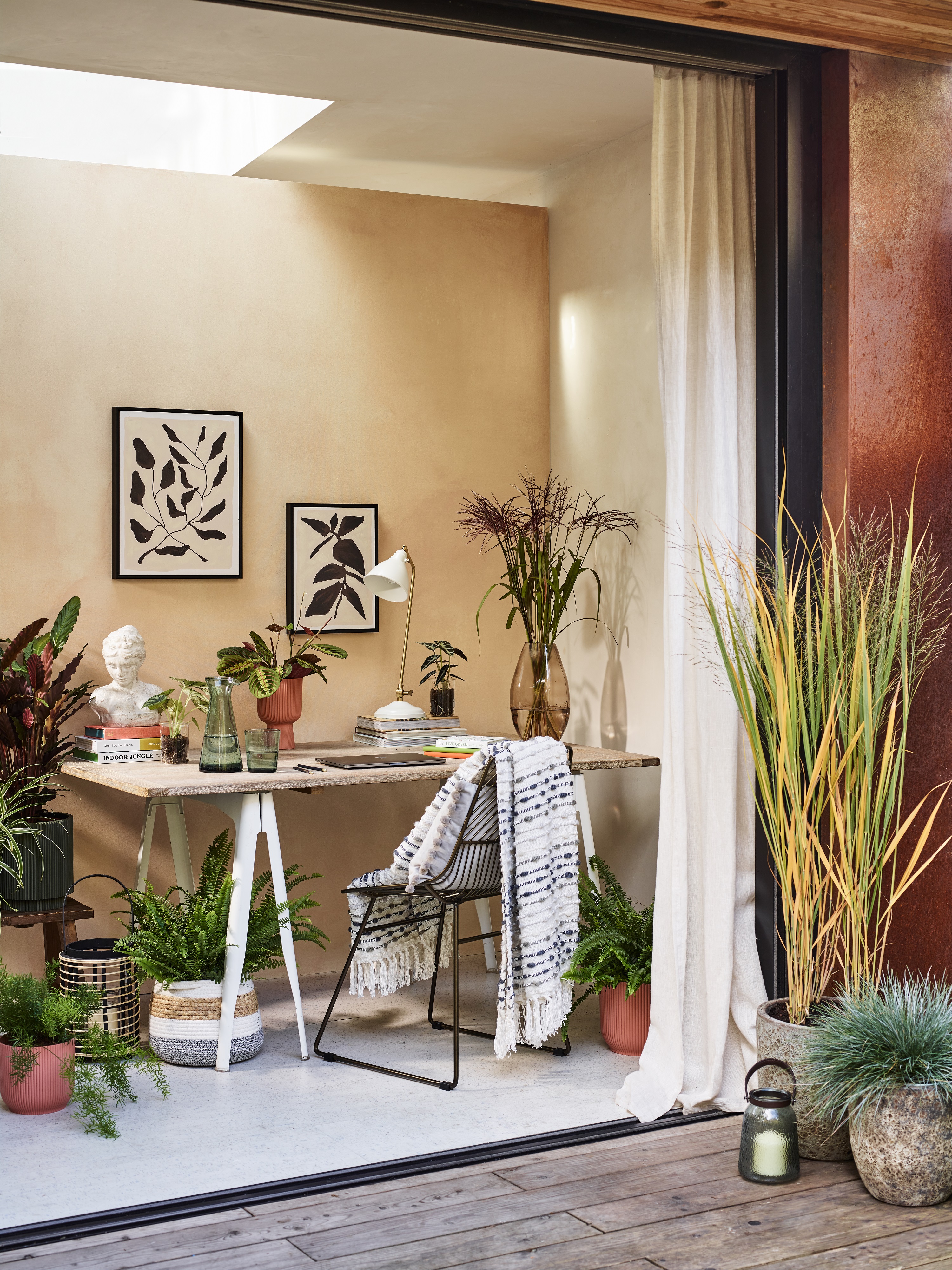
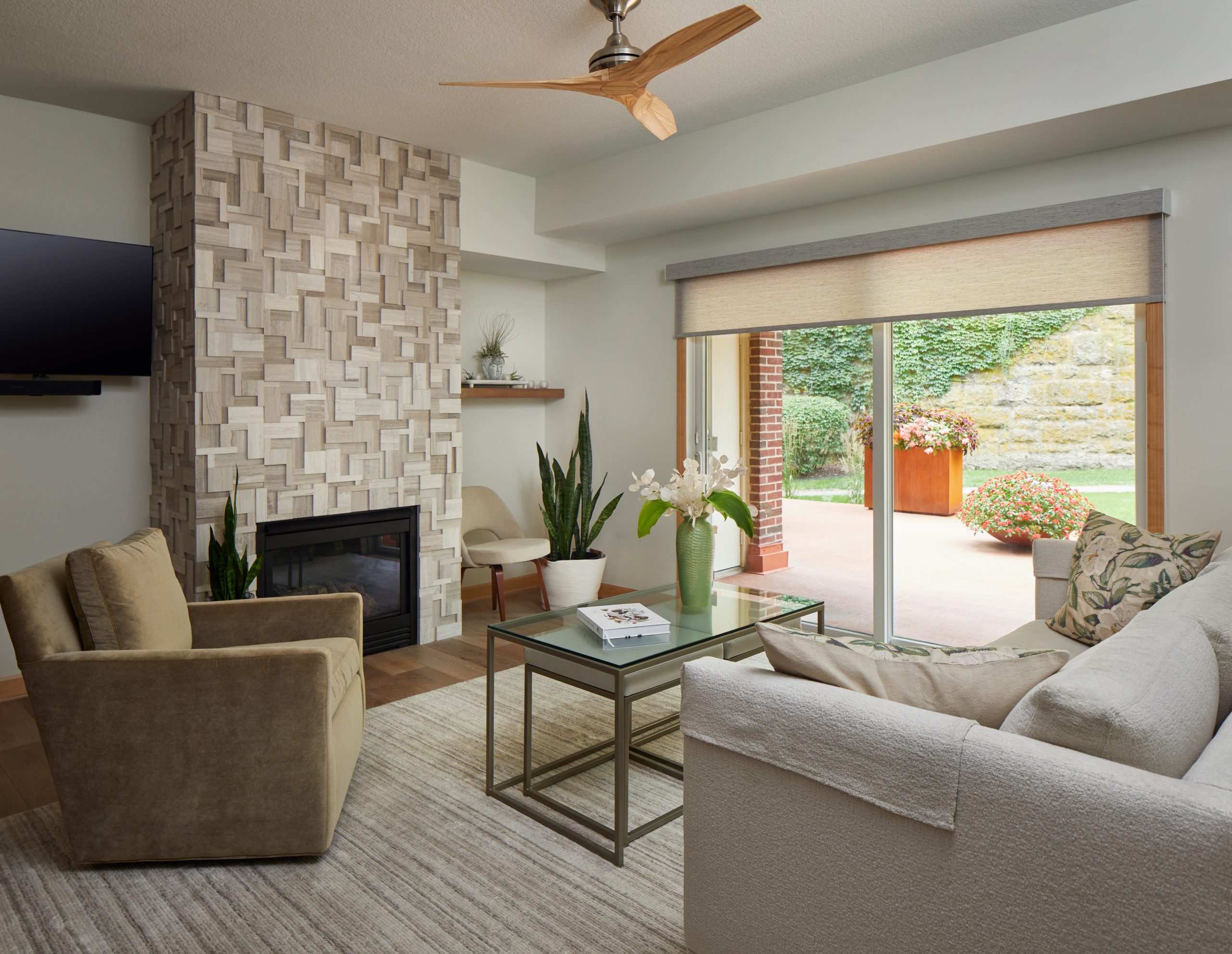
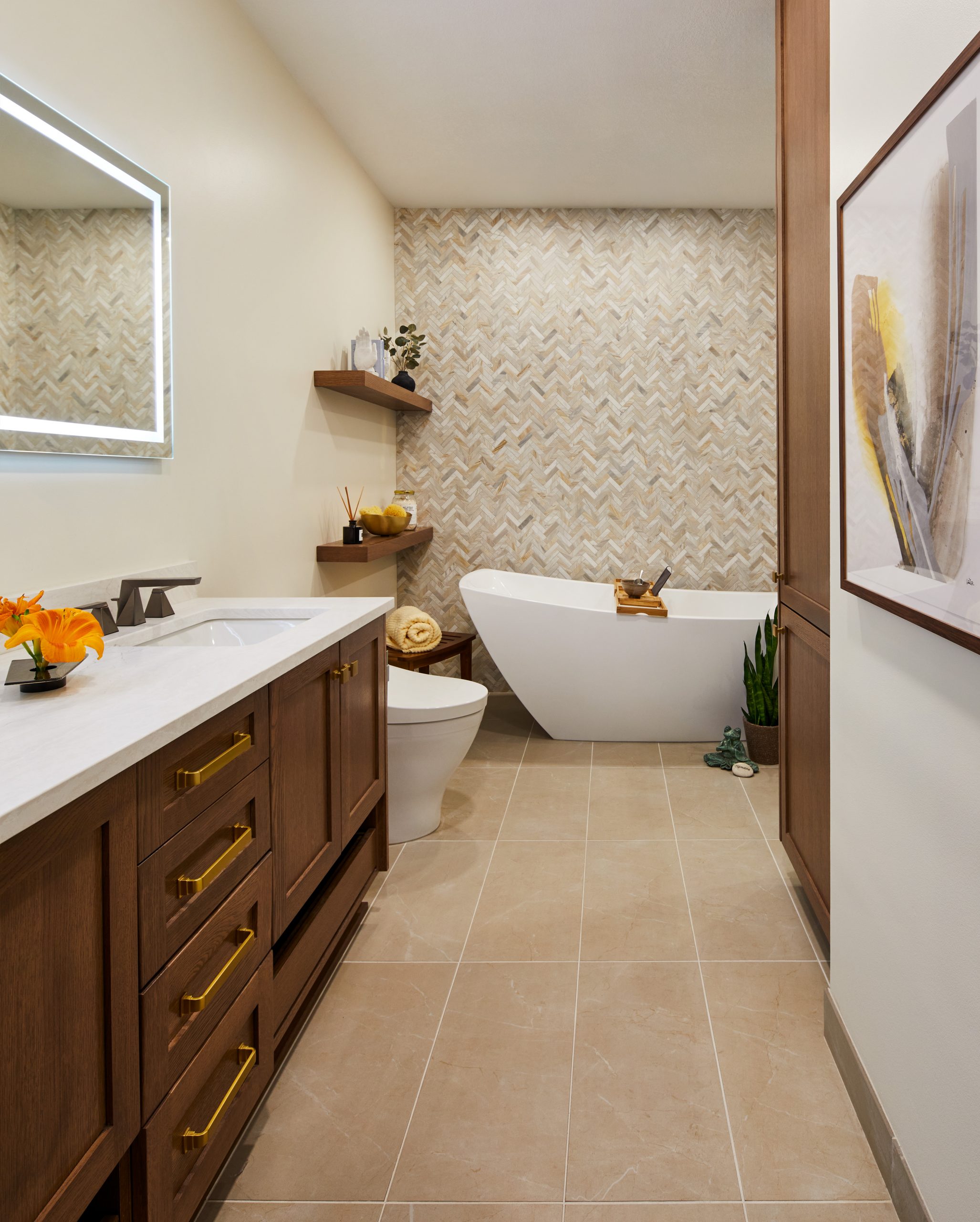
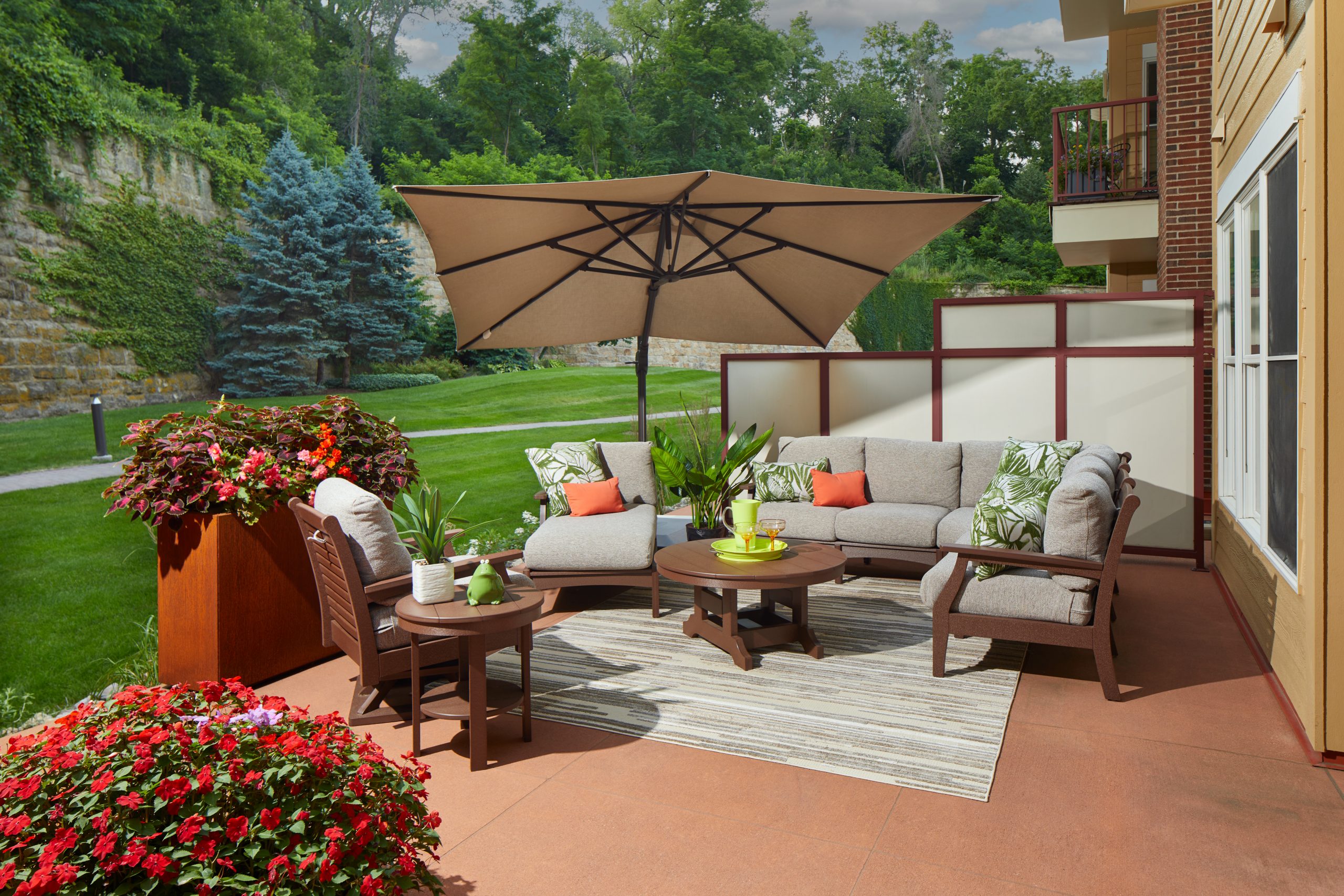
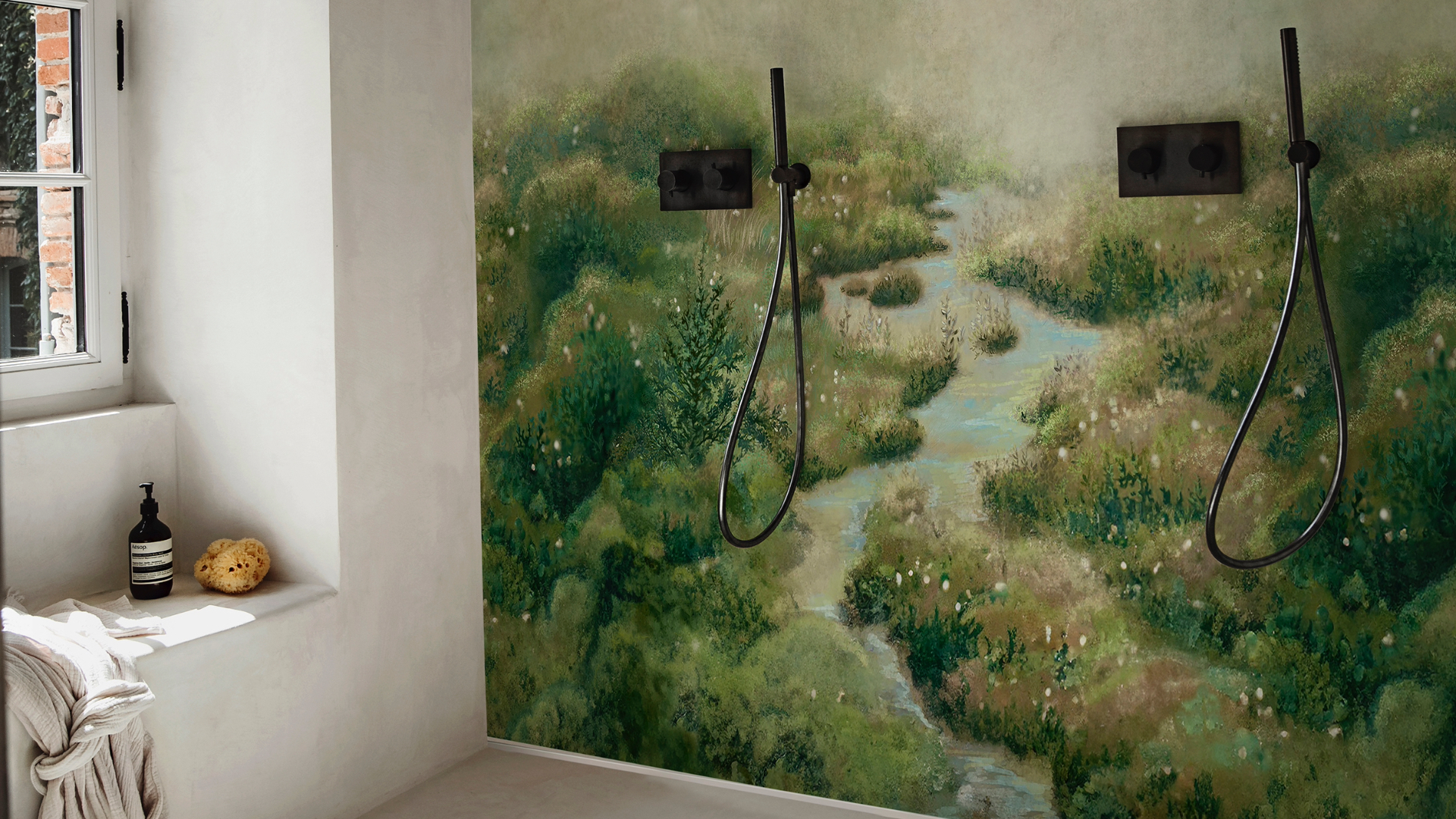
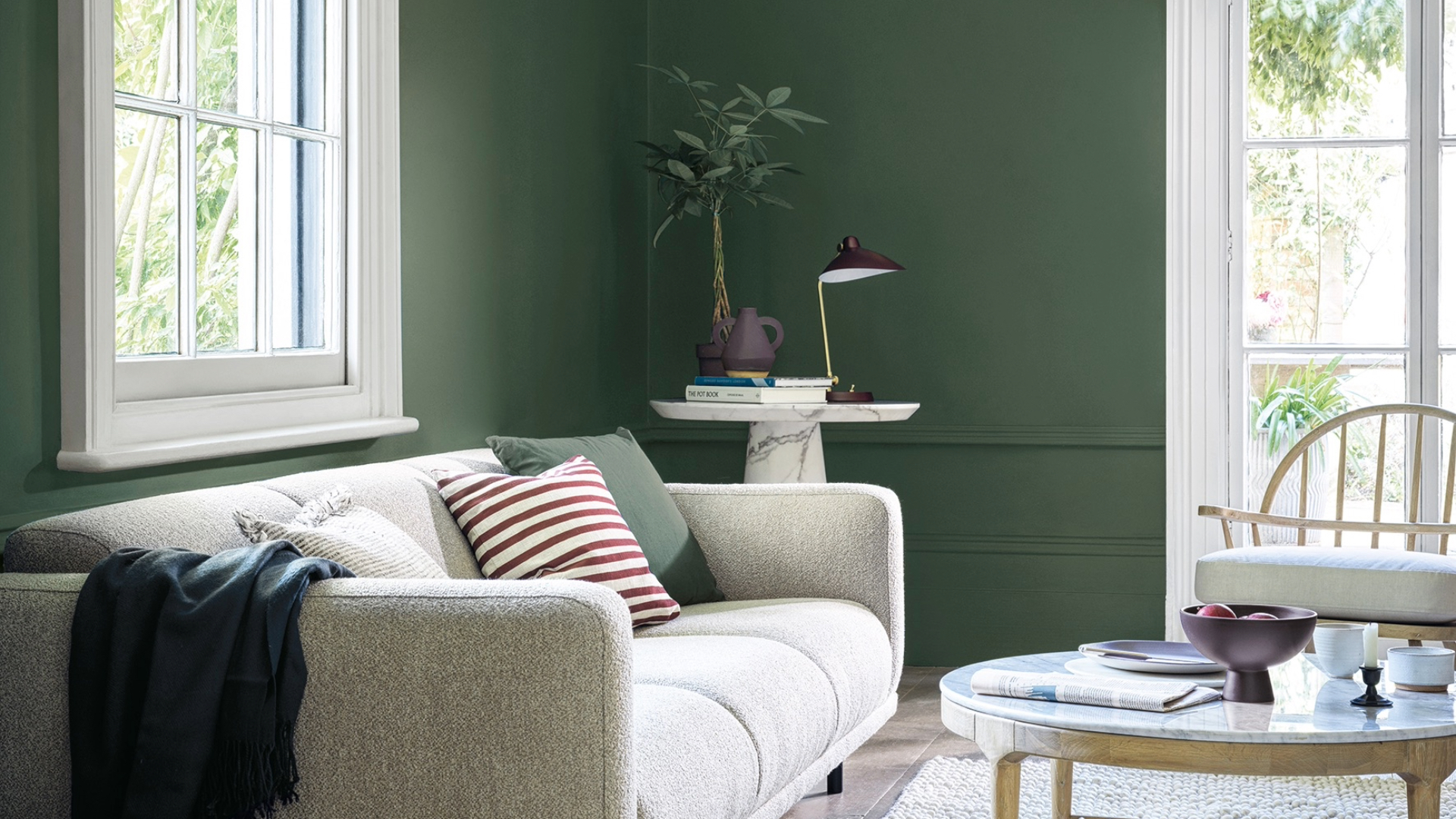
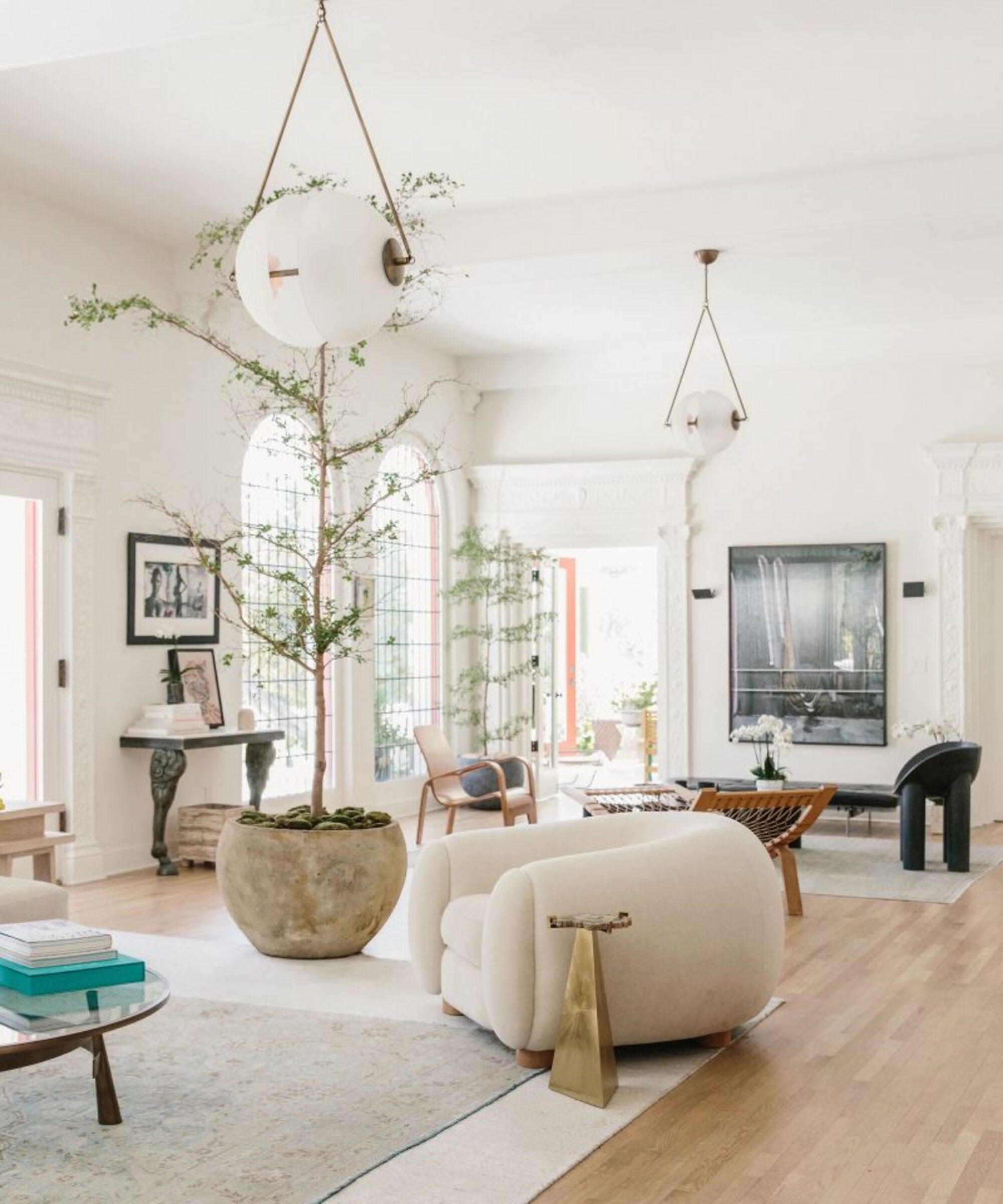
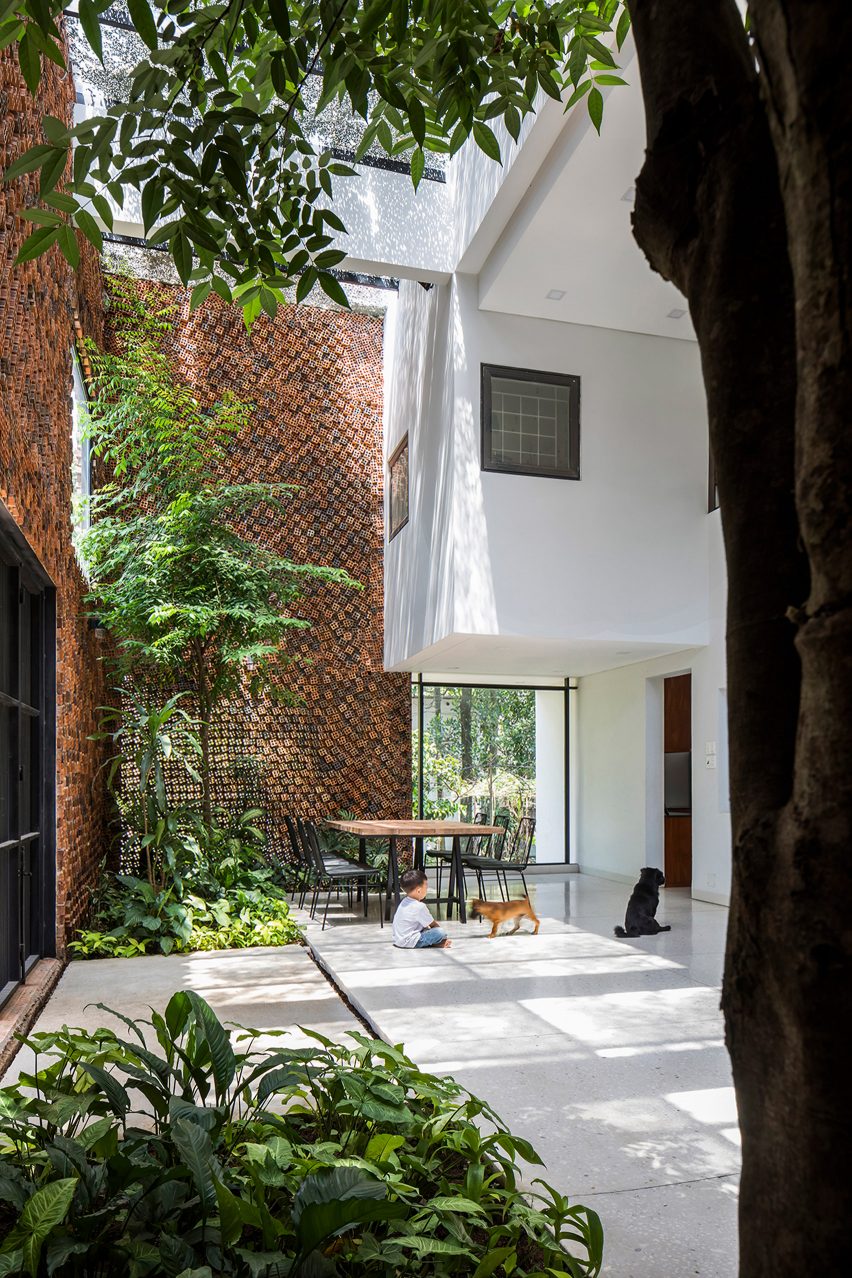
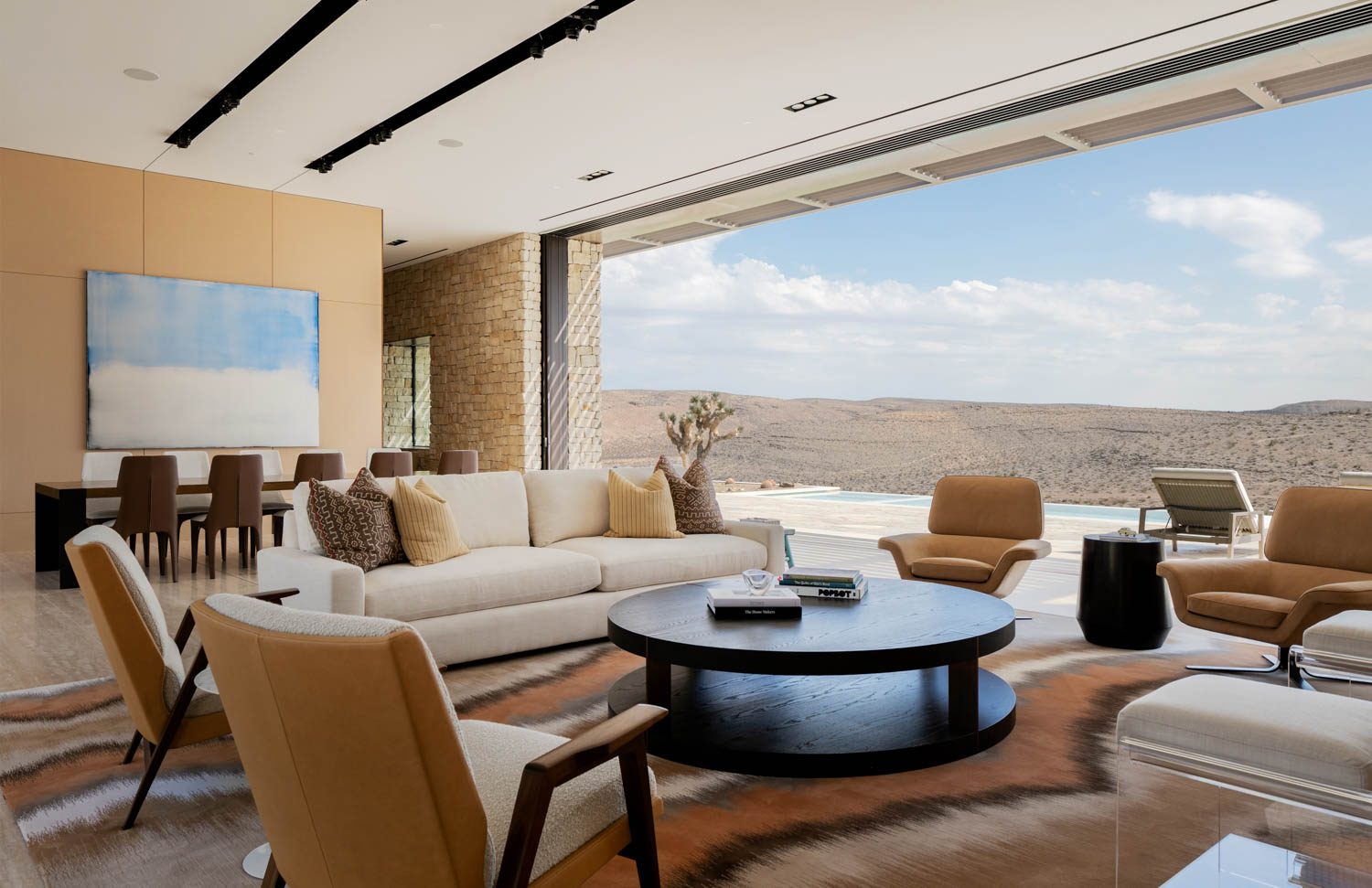
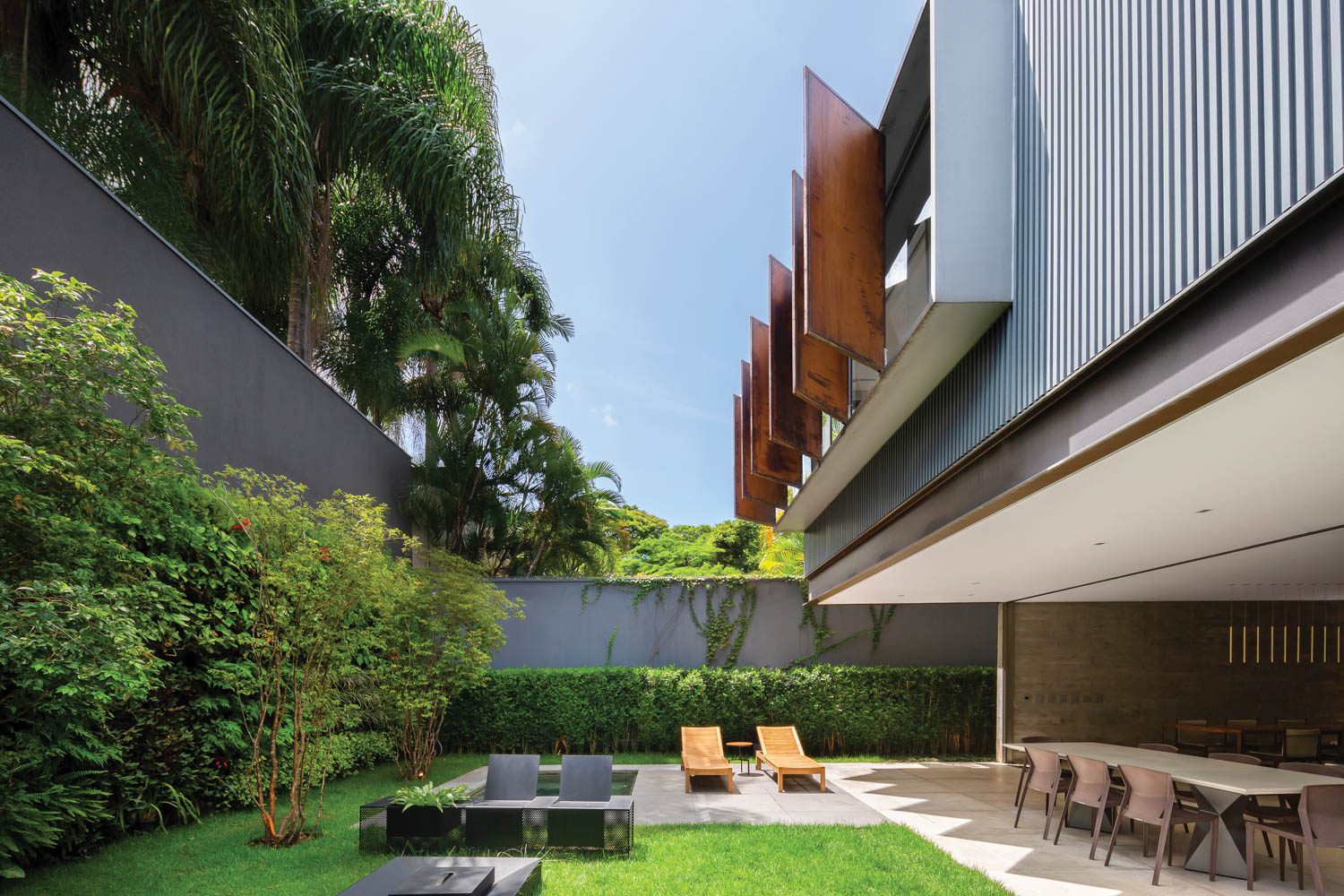
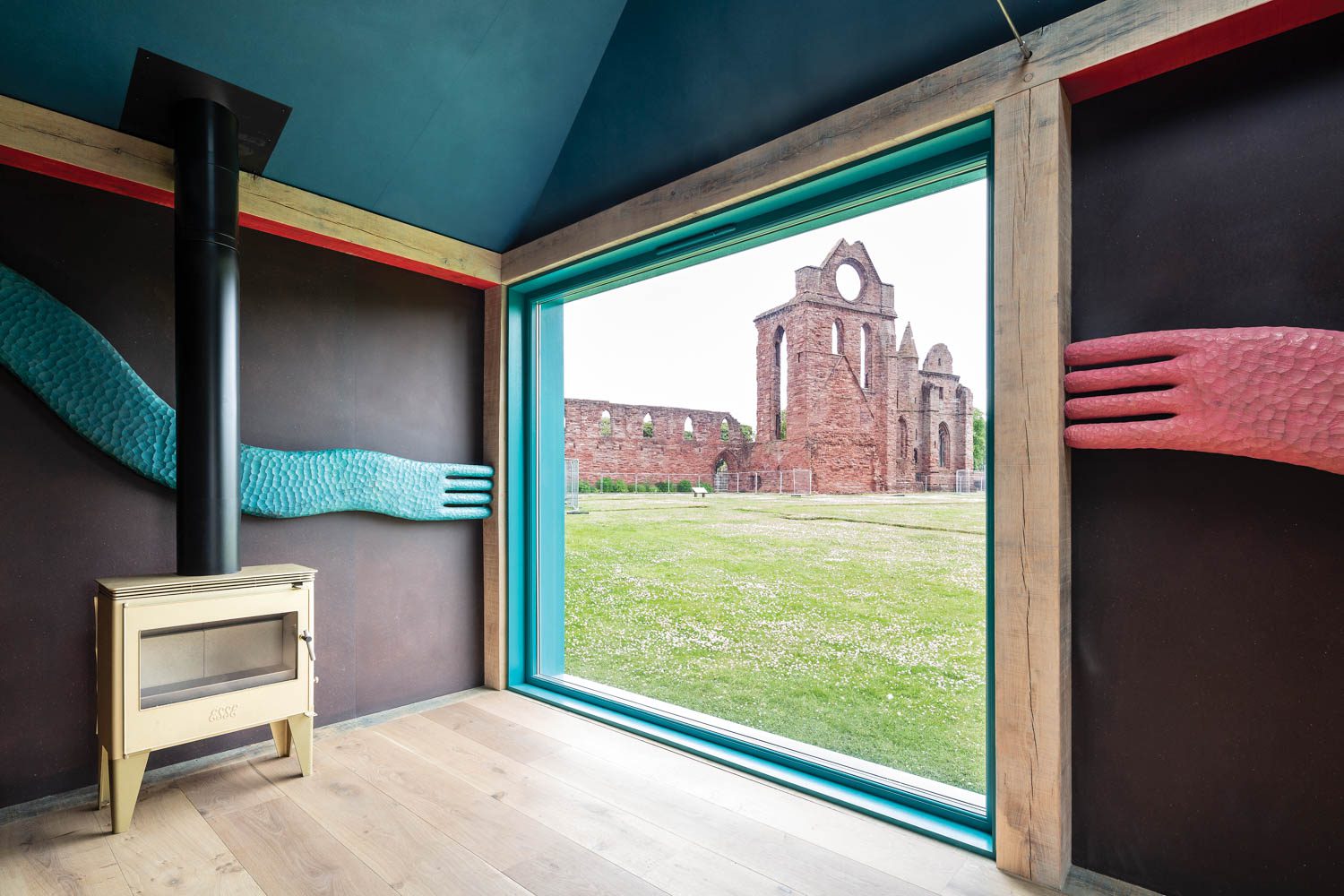
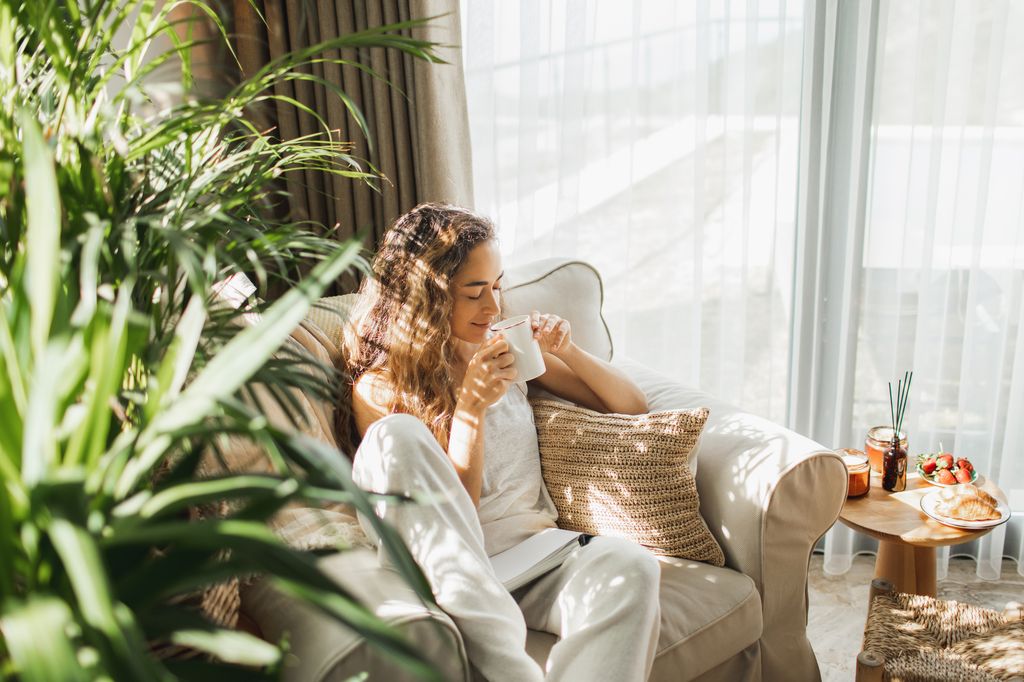
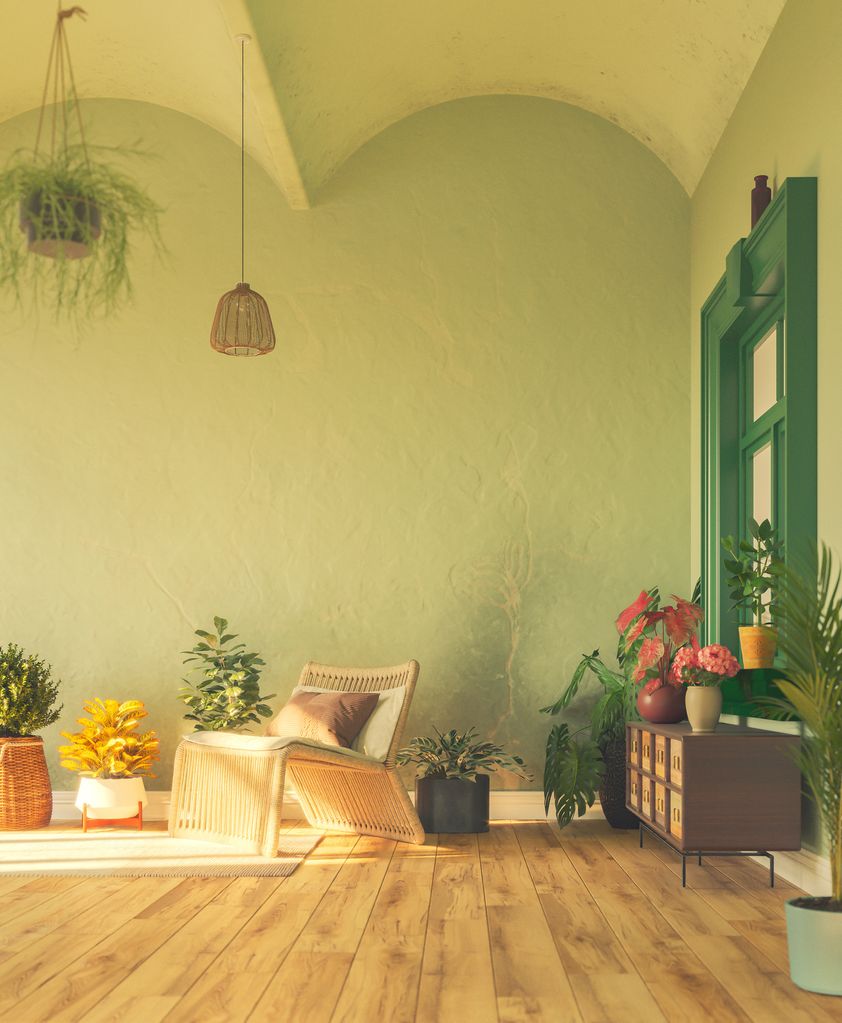
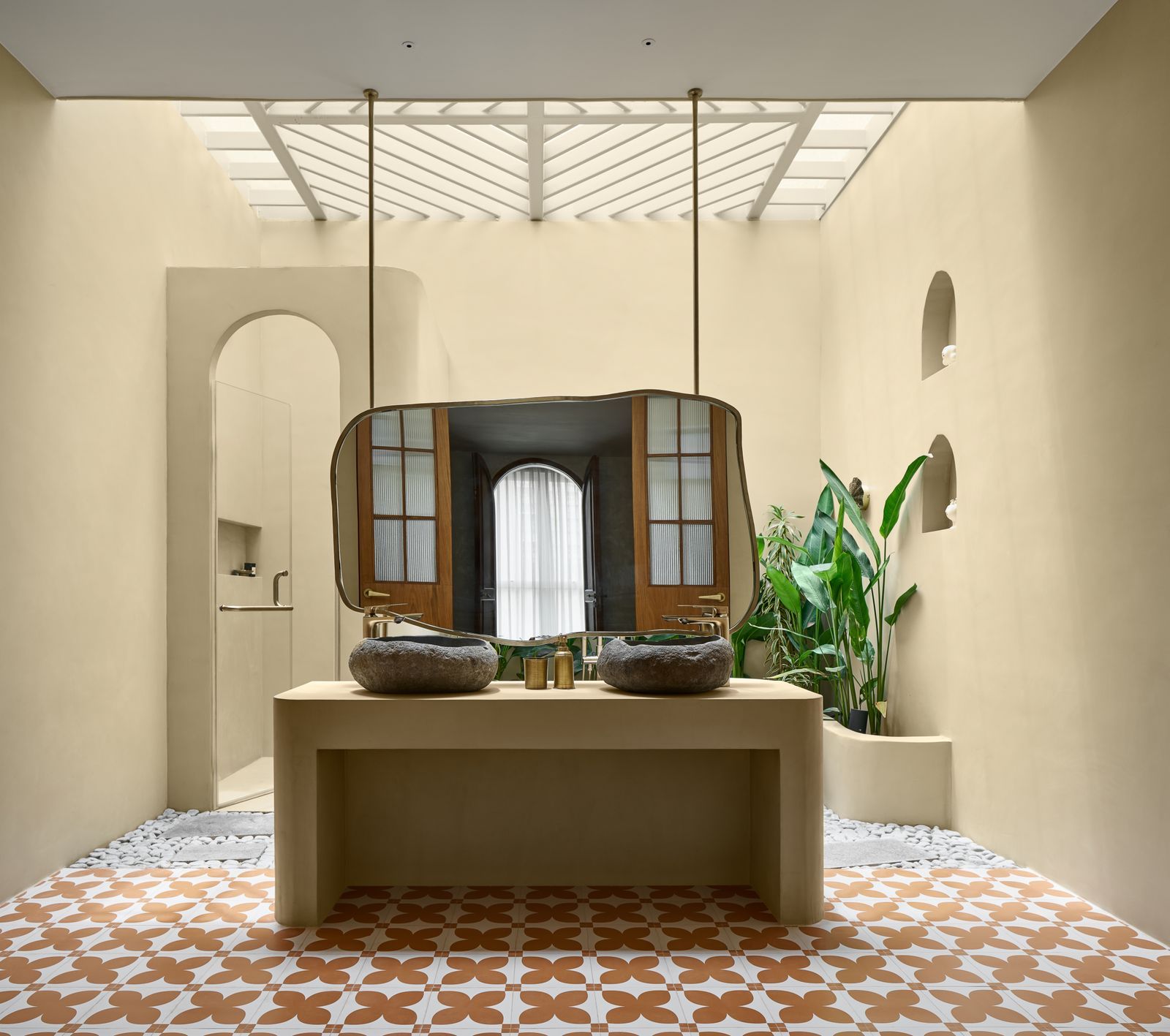
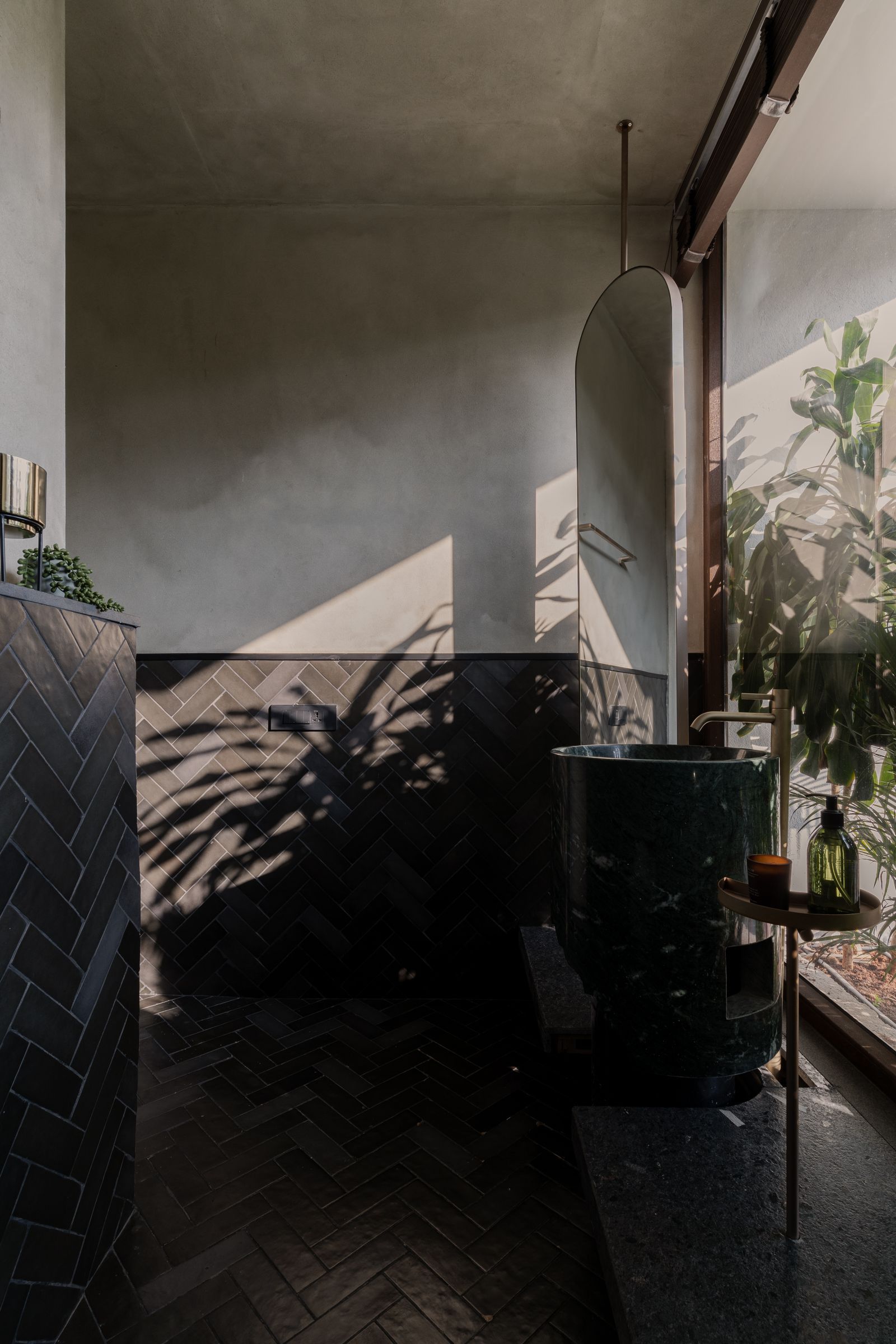
The article explores the concept of biophilic design in modern homes, showcasing twenty examples where greenery, natural materials, organic textures, and sunlight are integrated to promote wellness. Biophilic design, a term coined by Harvard naturalist Edward Wilson in 1984, emphasizes the inherent human connection to nature and aims to mitigate the negative effects of urban, hermetic environments. This design philosophy extends beyond just plants to include elements like natural light, ventilation, water features, and sustainable materials, all contributing to improved immunity, regulated circadian rhythms, temperature control, and a sense of tranquility.
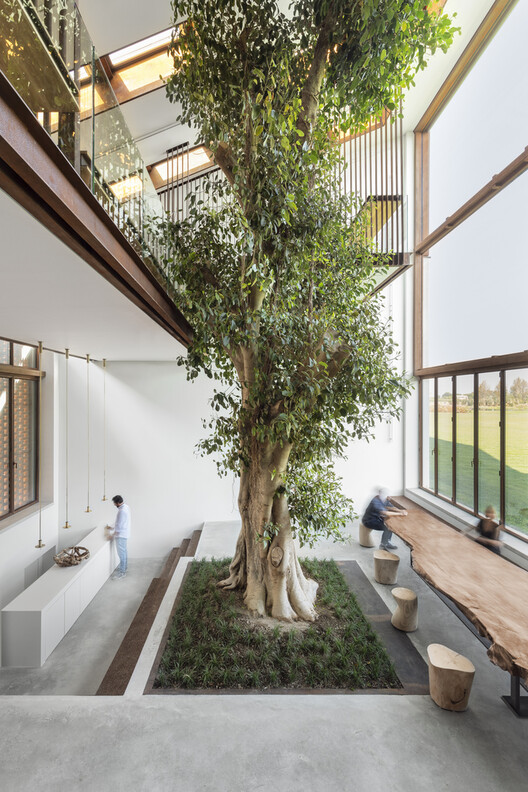
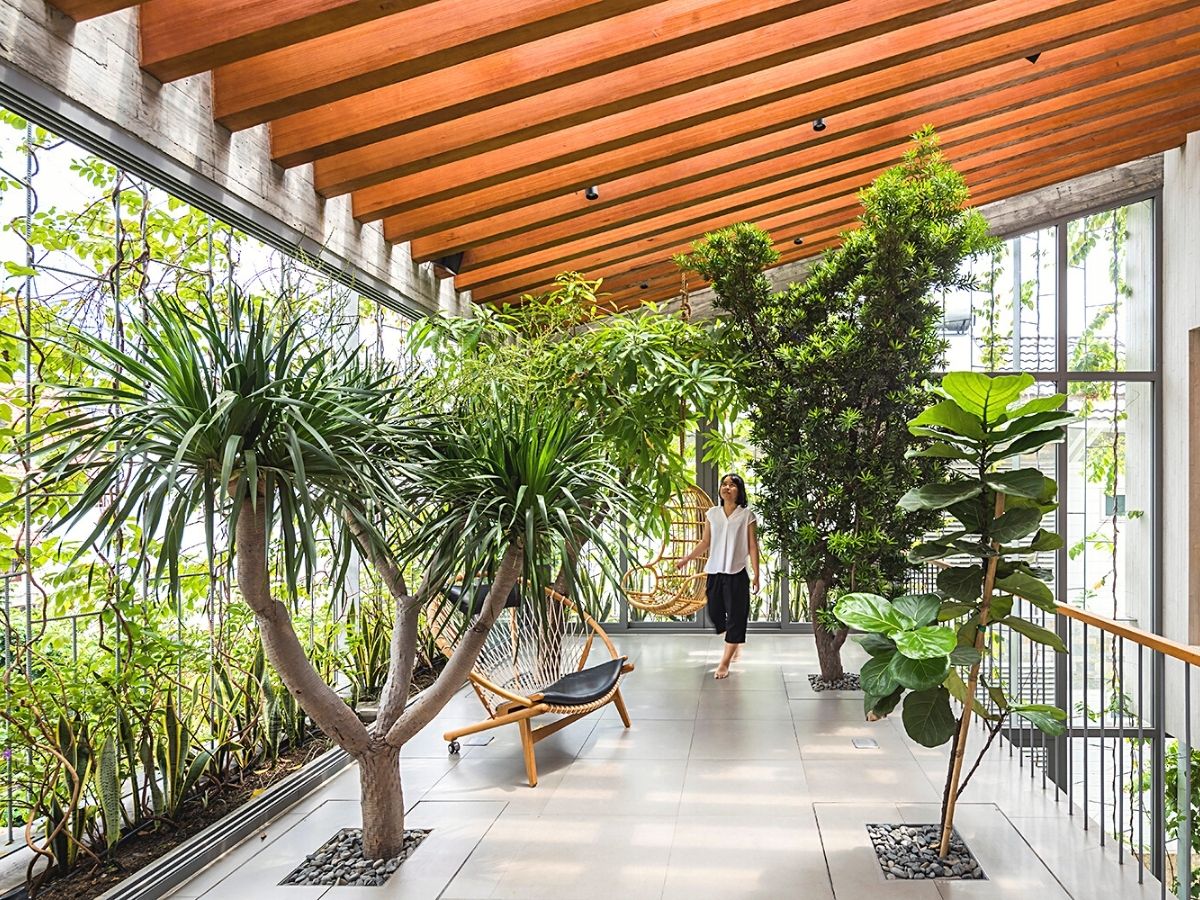
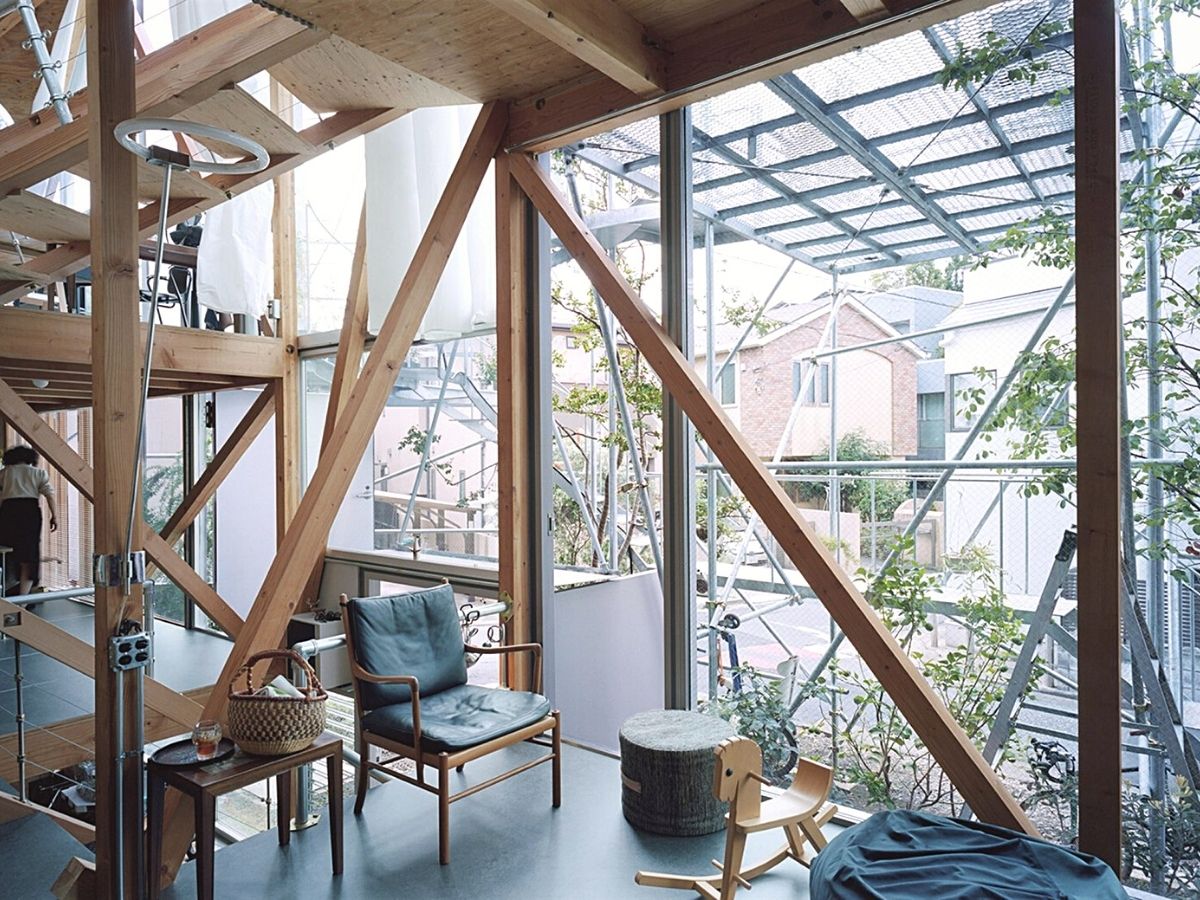
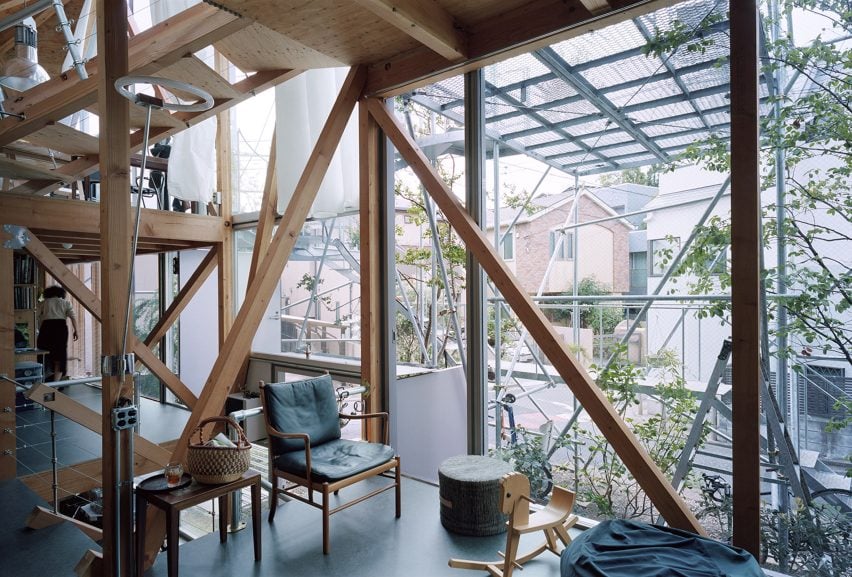
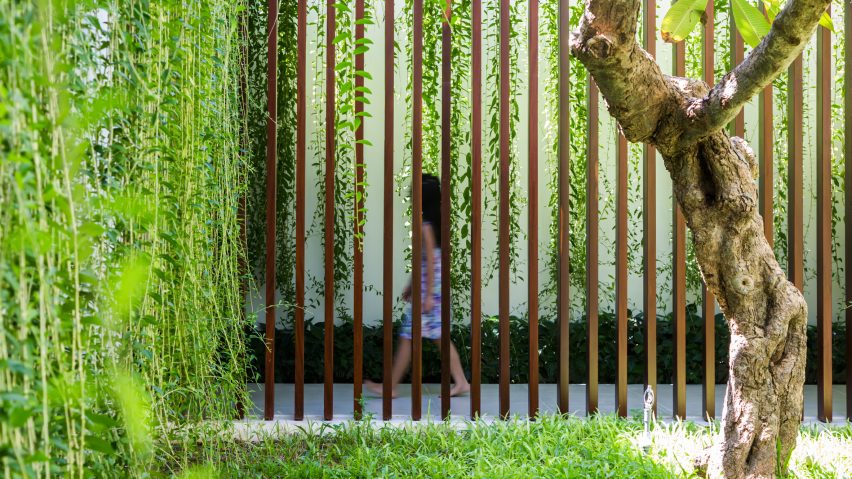
Several featured homes illustrate these principles effectively. The Living Grid House by L Architects in Singapore, for instance, incorporates a dynamic screen with planters that provide shade, privacy, and continuous natural connection, complemented by an integrated irrigation system for easy maintenance. Another example is the House in Kyoto by 07Beach, where a compact site led to an interior courtyard with an indoor ficus tree and extensive use of Hinoki wood, providing softness and insulation. Lina Bo Bardi's Casa de Vidro in São Paulo demonstrates seamless integration with its jungle surroundings through its glass volume and thin support columns, allowing nature to intermingle with the structure.
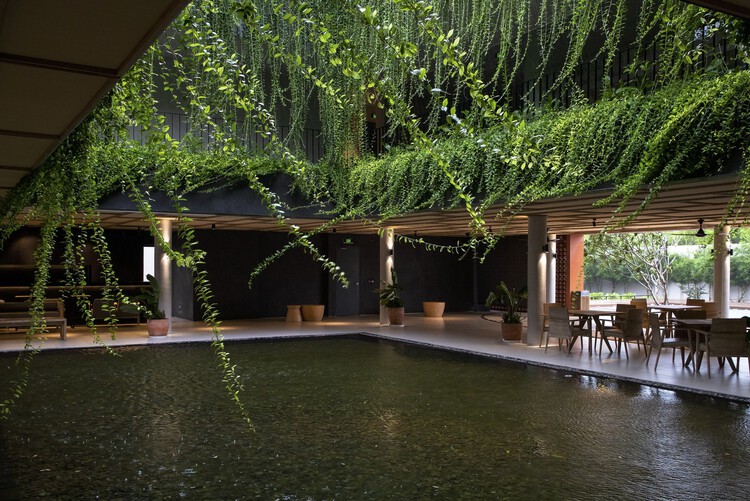
Further examples include the Am House in Ho Chi Minh City, designed by AmDesign Architects, Time Architects, and CTA | Creative Architect, which features neutral tones, natural materials, a koi pond for cooling, and a thatched roof for solar heat reduction. El Camarin by IR Aquitectura in Buenos Aires utilizes perforated balconies to provide shade, regulate temperature, and allow natural light into a compact space. The Manhattan Town House by Lubrano Ciaverra Architects shows how even a small urban patio can create a significant biophilic impact with a green wall and natural materials like honed slate and teak.
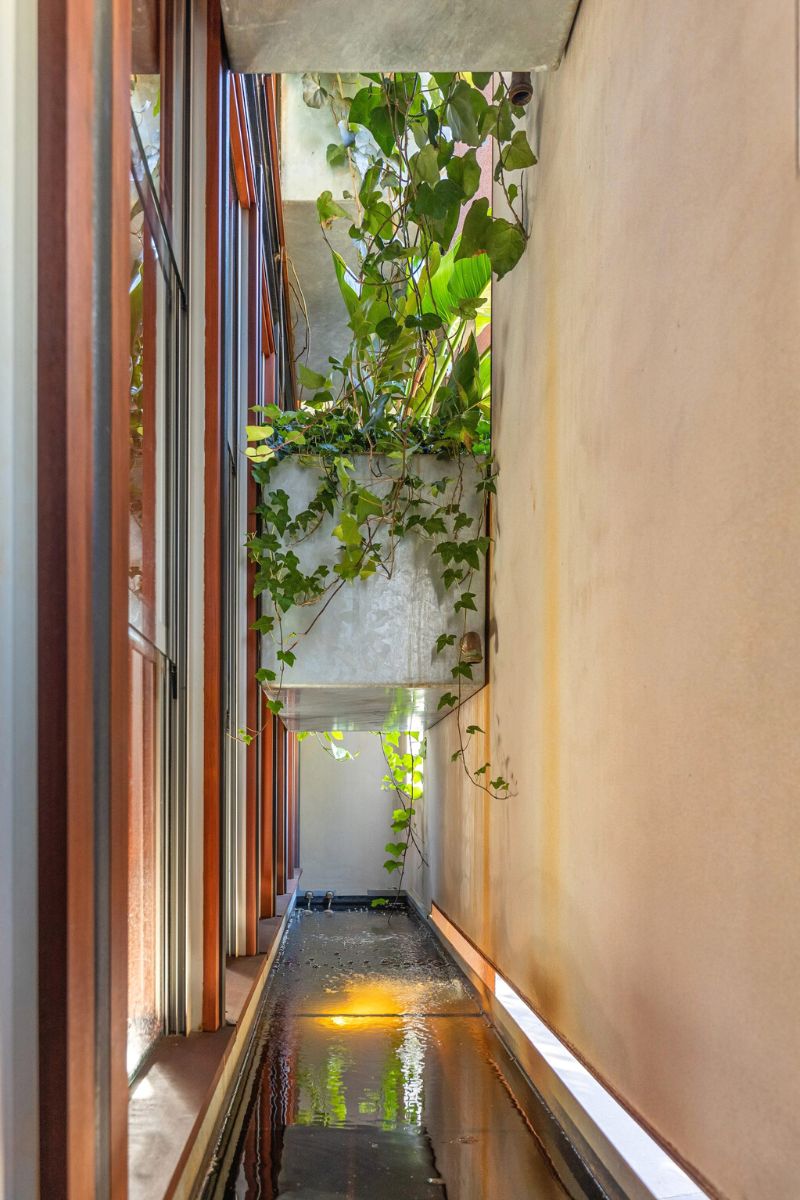
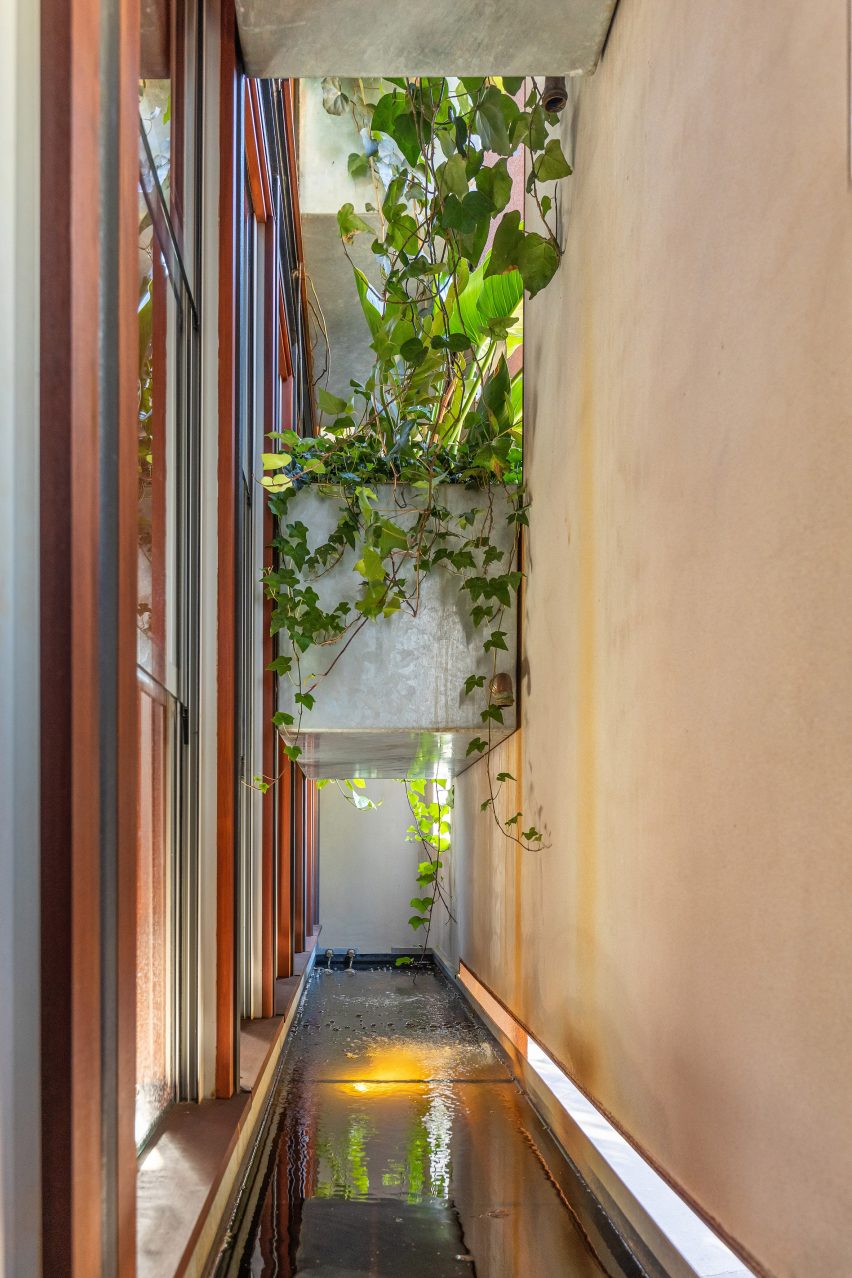
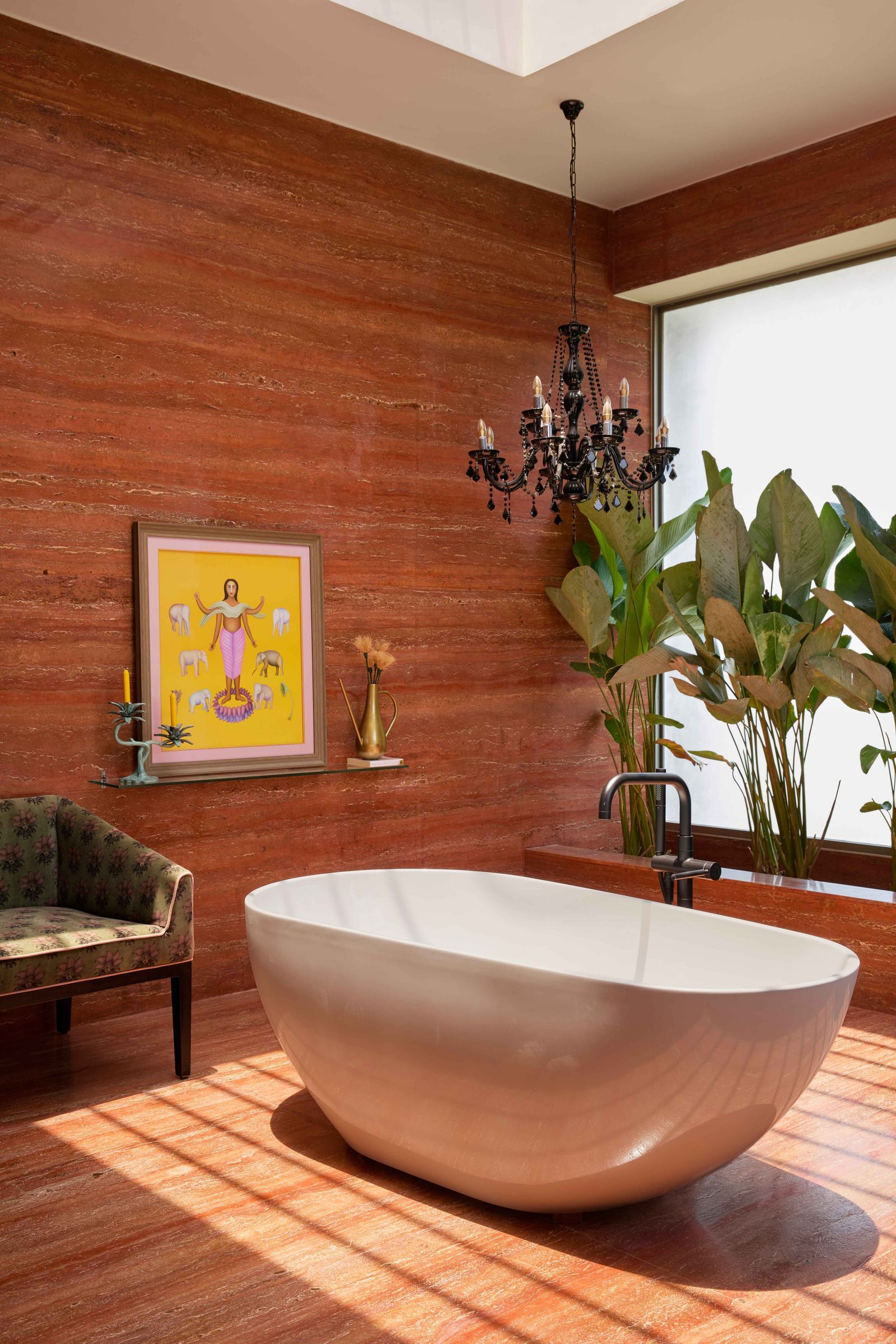
Natural light is highlighted as a crucial element in biophilic design, as seen in the Duplex in Venice by Don Dimster, where a bathroom receives light from a skylight, a small window, and a translucent glass wall. The Island Bay House by Andrew Simpson in New Zealand emphasizes natural materials such as oiled white ash, Italian poplar, and Lawson cypress joinery throughout its interiors. A 250-Year-Old Stone House by Henkin Shavit Architecture in Israel reuses local limestone walls, underscoring the preference for natural and reclaimed materials. The Melbourne Home by Jost Architects features an internal courtyard for light and air, with solar control strategies adapting to varying temperatures.
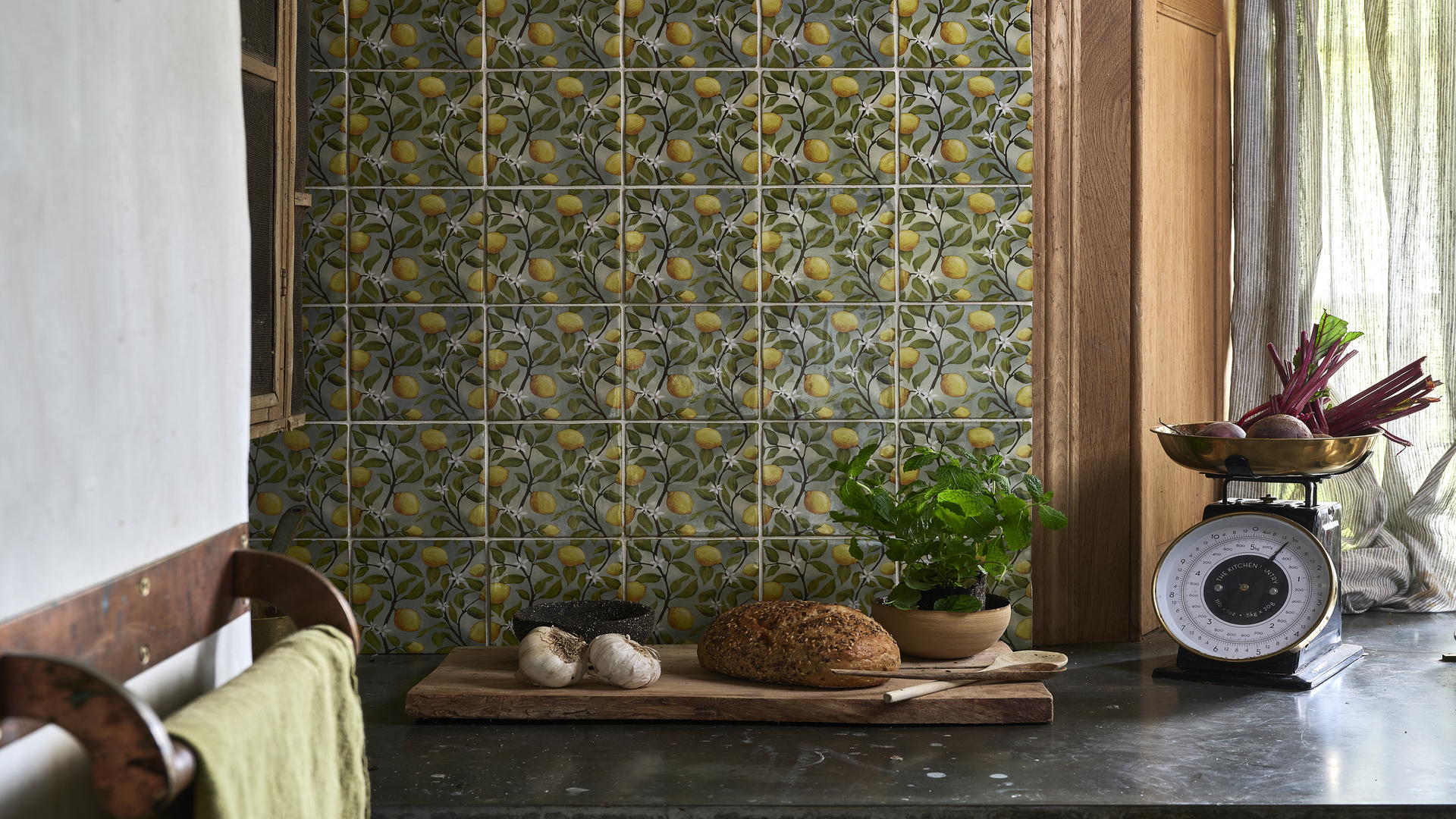
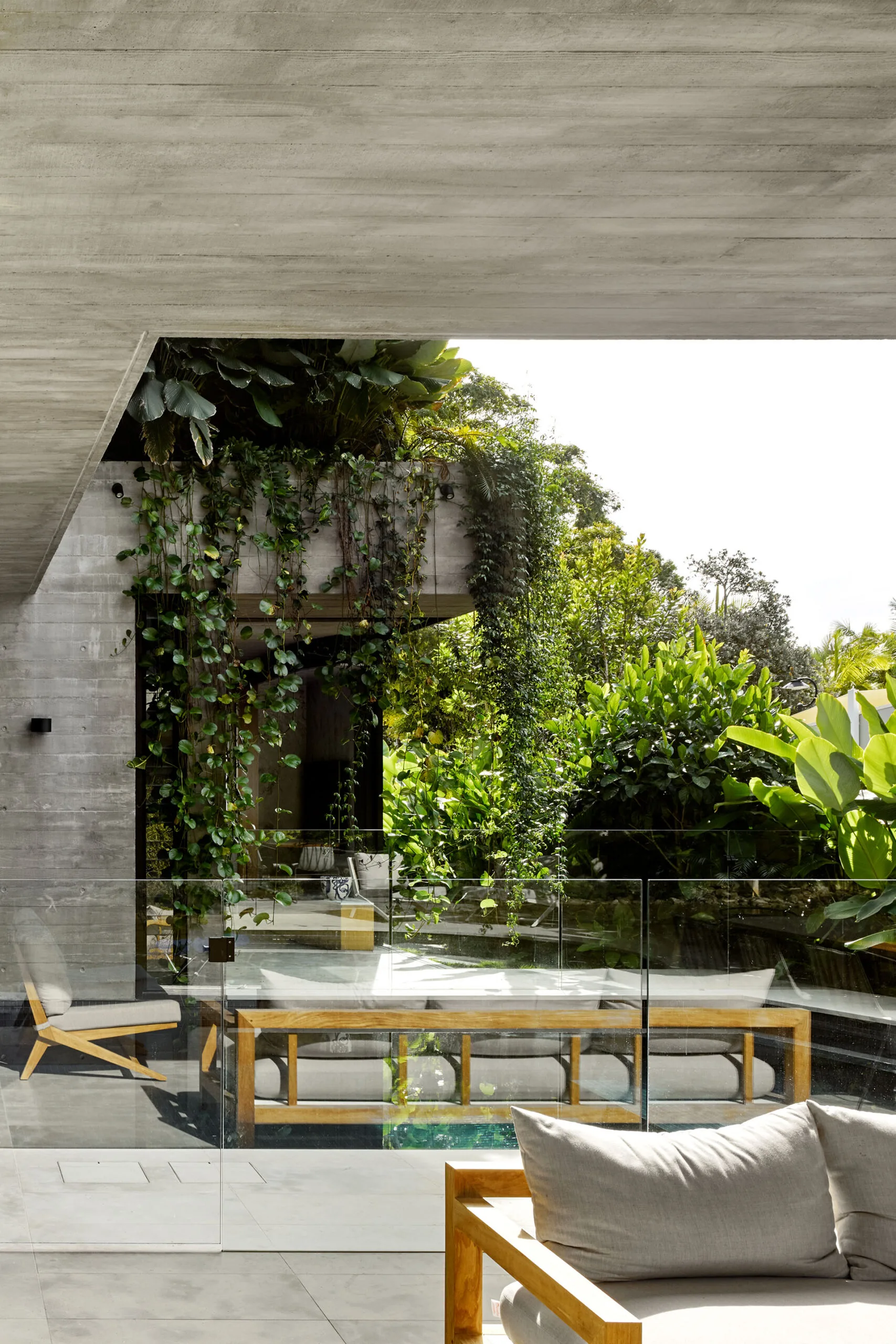
Water elements are showcased in the Sky Pool House by Guz Architects in Singapore, where a glass-bottomed pool creates a calming overhead effect and other water bodies are used for their therapeutic benefits. The Presidio Residence by Geremia Design in San Francisco incorporates botanical tiles made from pressed weeds, demonstrating artistic and naturalistic detailing. Jacek Perkowski’s House by KWK Promes in Poland features outdoor staircases with greenery and a green roof for thermal regulation. The Heine Residence by Fabian and Dorothee Heine in Germany uses New Zealand wool carpets to introduce natural textures.
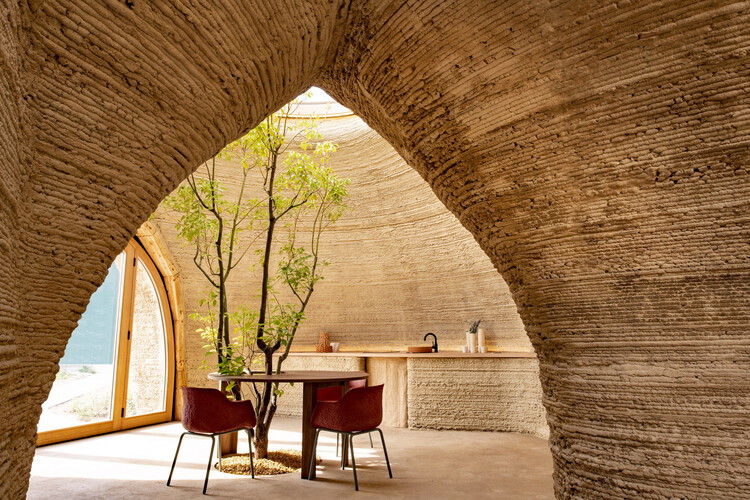
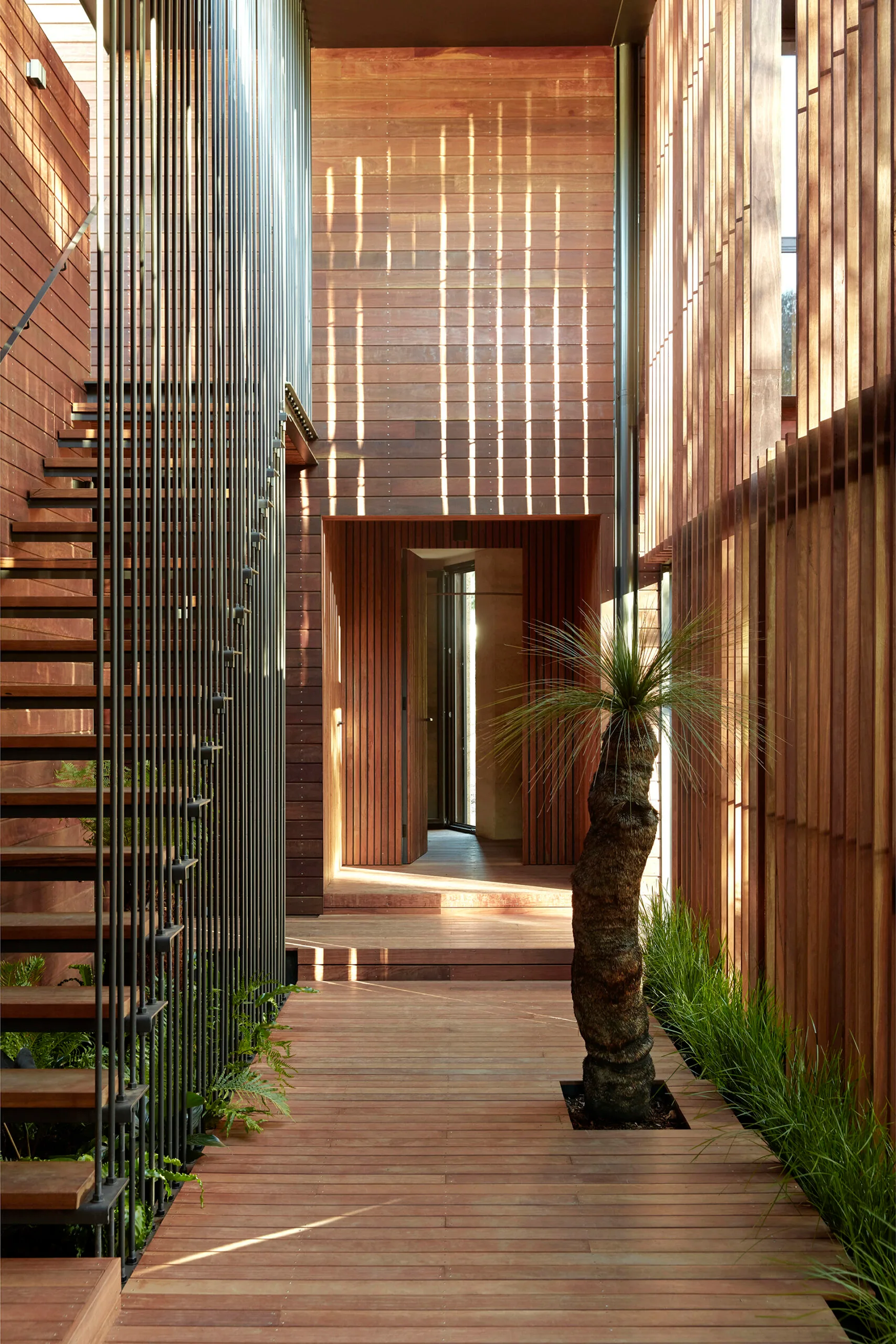
Other notable designs include the Lantern House in Melbourne, which uses double-volume windows for abundant daylight, and the Shell House by Tono Mirai in Japan, characterized by organic lines and a rammed-earth fireplace that evokes a sense of calm. Brillhart House by Brillhart Architecture in Miami utilizes shuttered cedar doors for natural ventilation and a semi-outdoor living space. The Compound House by Linghao Architects in Singapore fully integrates greenery as its facade, fostering an open relationship with nature. Finally, the Dwell Home Venice by Sebastian Mariscal features outdoor rooms and expansive sliding doors that connect interior spaces with a central courtyard, promoting indoor/outdoor living, and Tom Lloyd-Butler’s Beach House by Adlin Darling Design in San Francisco offers a bathroom with sliding glass panels that open to a tree canopy, enhancing relaxation. These examples collectively demonstrate diverse applications of biophilic principles to create healthy and peaceful living environments.
#BiophilicDesign #SustainableArchitecture #GreenHomes #NaturalMaterials #IndoorOutdoorLiving #WellnessDesign #ArchitecturalInnovation #EcoFriendlyHomes #ResidentialDesign #BiophilicDesign #SustainableArchitecture #GreenHomes #NaturalMaterials #IndoorOutdoorLiving #WellnessDesign #ArchitecturalInnovation #EcoFriendlyHomes #ResidentialDesign
0 comment in total
 No comments yet
You may also like
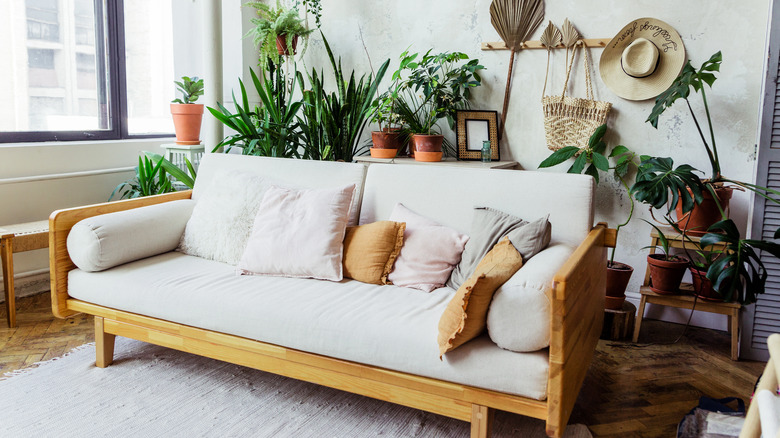
26 Biophilic Living Rooms That Flawlessly Bring Nature Indoors
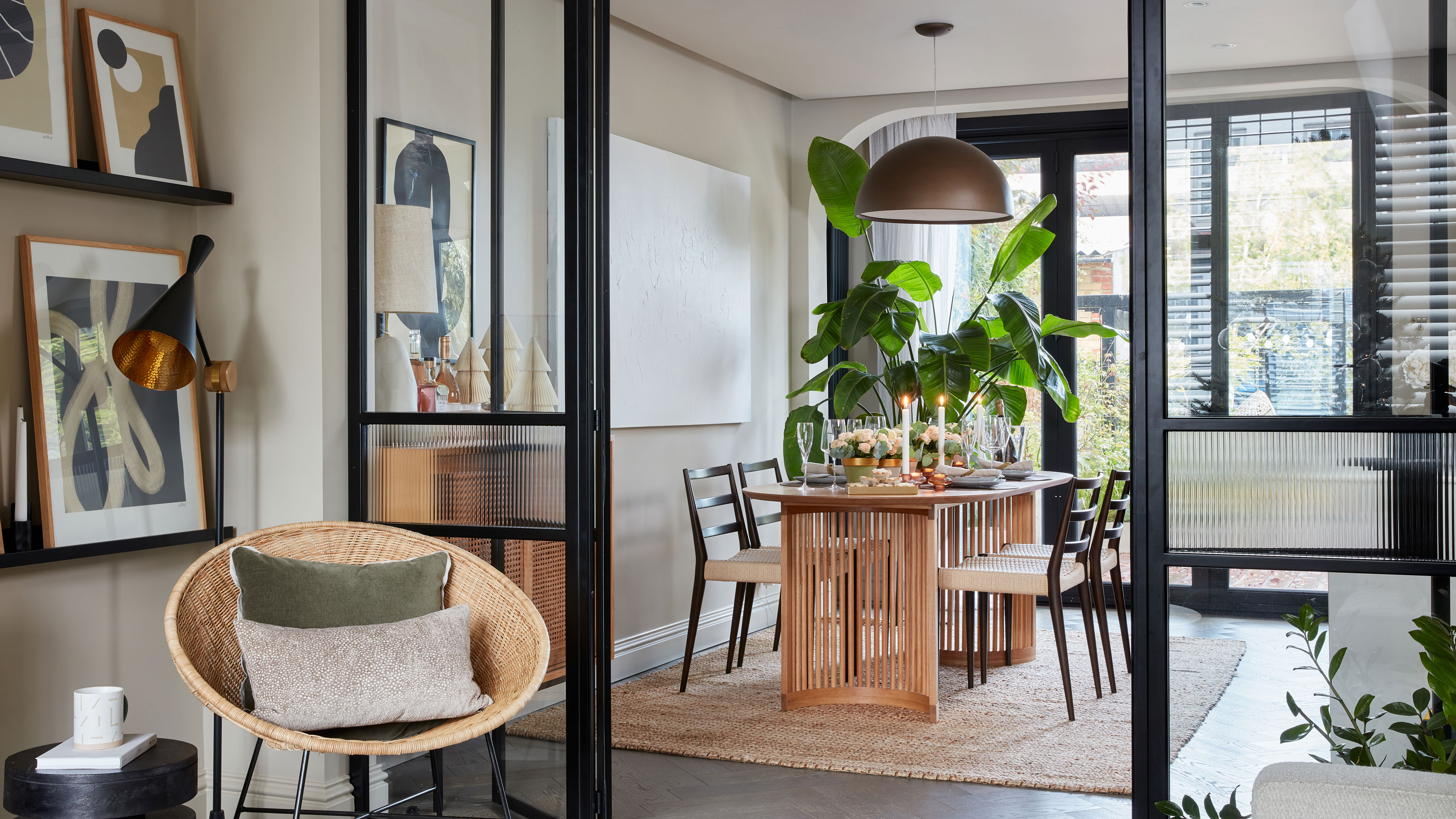
Biophilic design ideas - clever ways to bring nature into your home for a calming space
Biophilic Interiors Invade These 10 Contemporary Residences

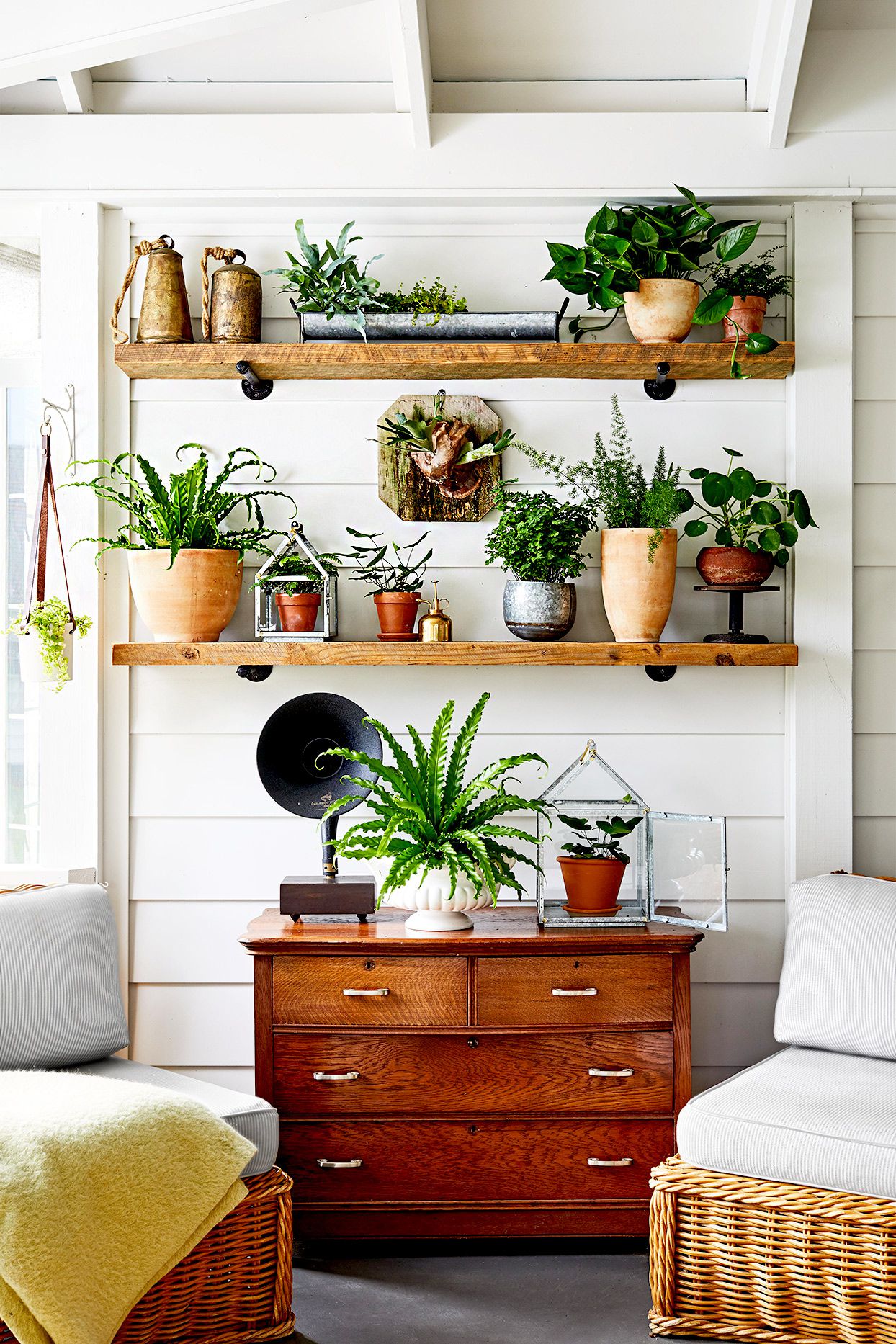
What Is Biophilic Design? 5 Ways to Incorporate This Style

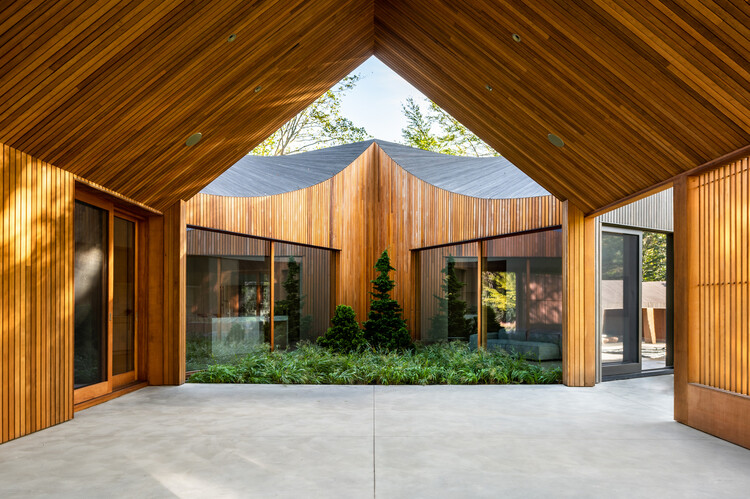
Biophilic Interiors: 21 Projects that Blend Architecture with Nature

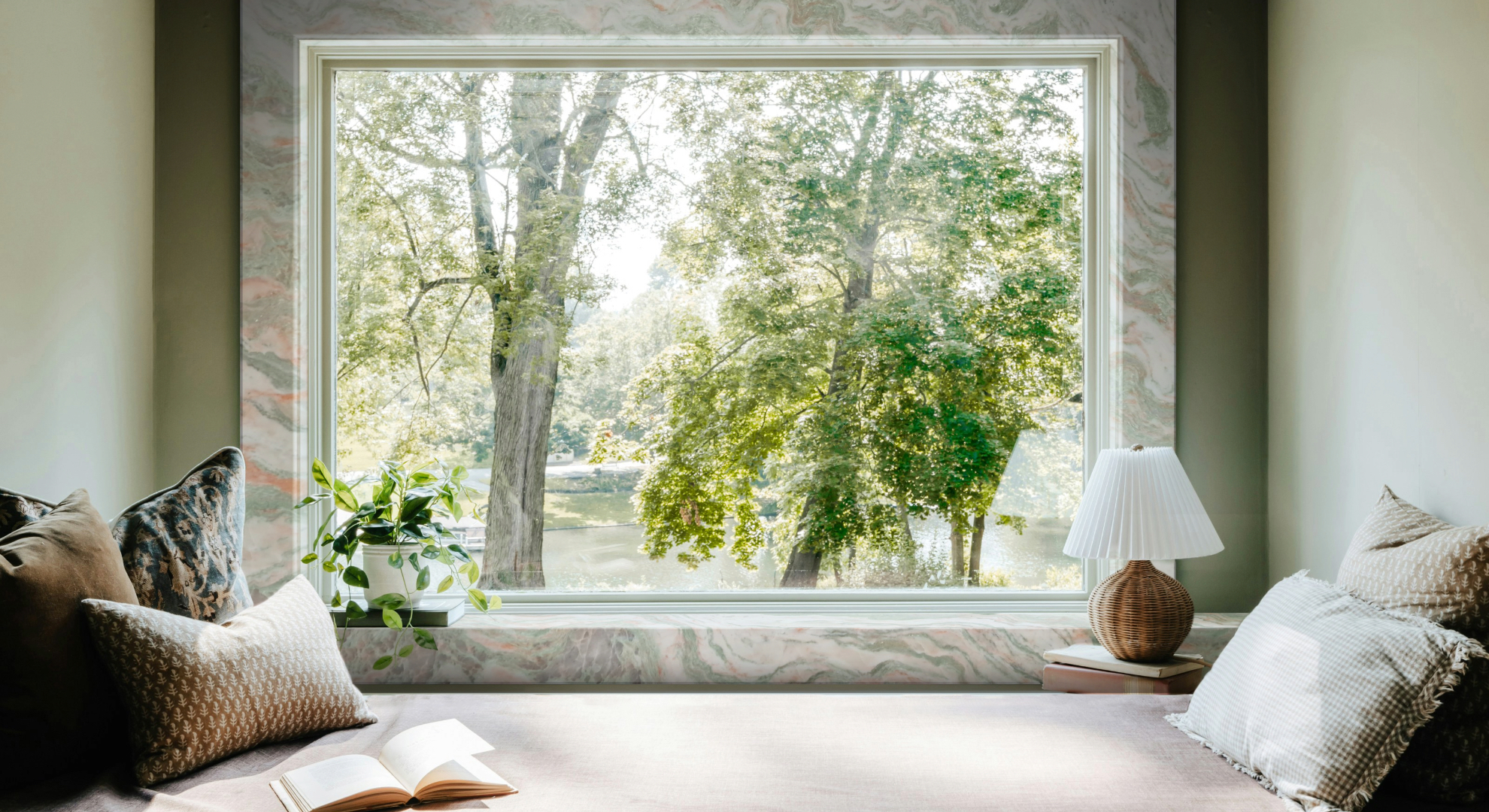
Stunning biophilic design ideas to help you bring the great outdoors into your home

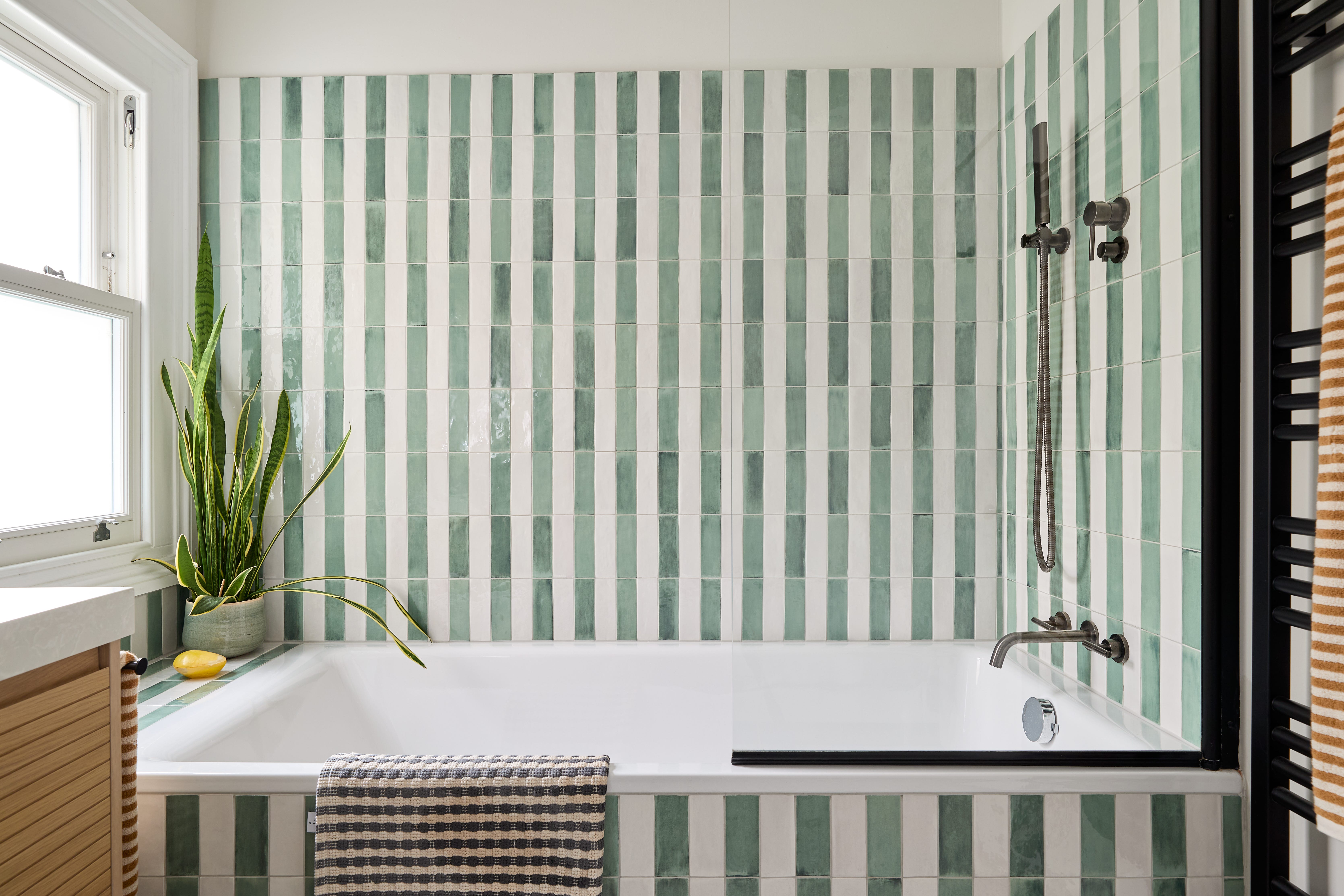
8 ways to freshen up your home through natural biophilic design
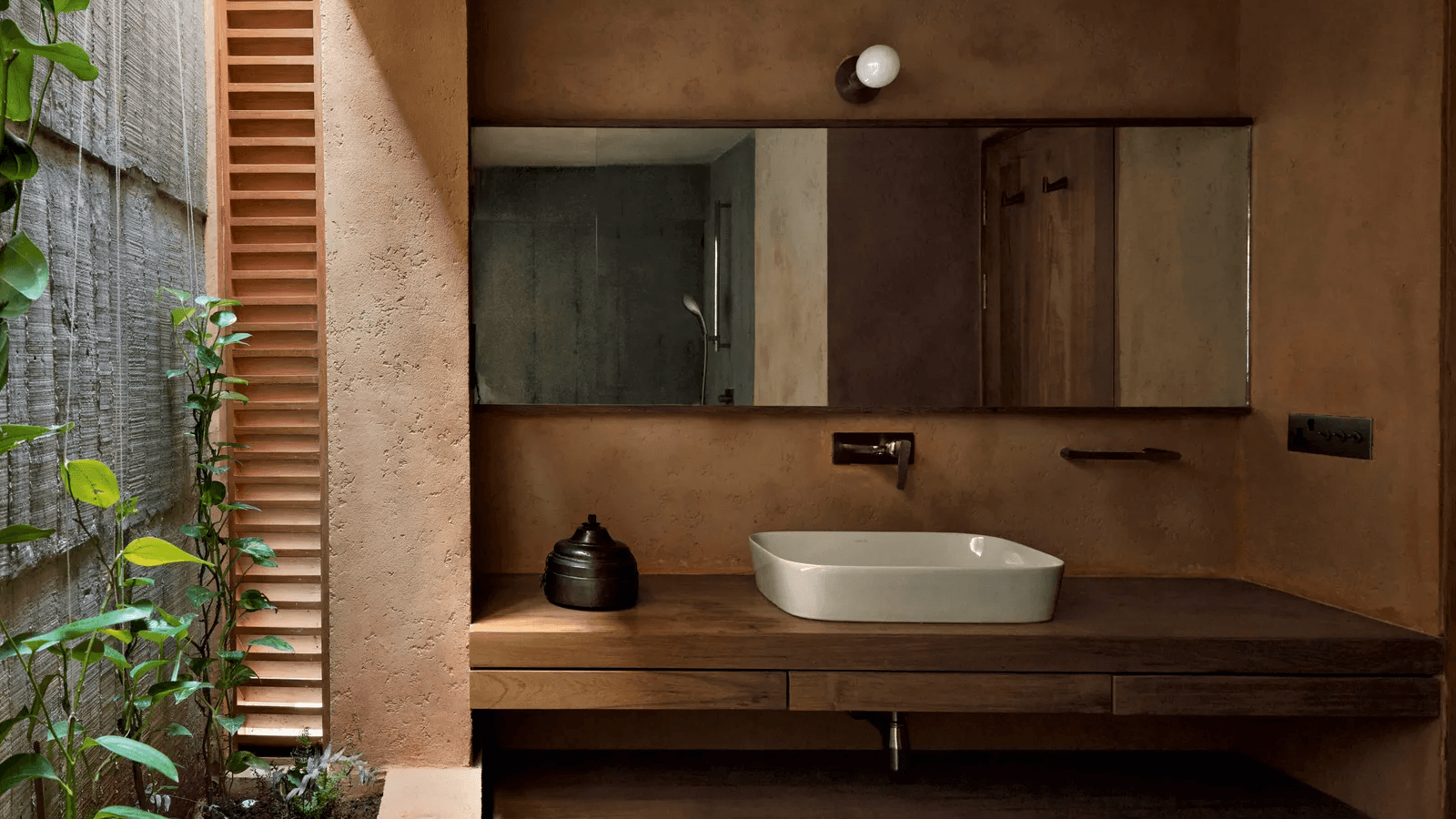
5 biophilic bathrooms that invite the beauty of nature indoors

9 creative ways to bring nature into your urban home

Biophilic Design Helps Homeowners Connect to Nature
Ten modern homes with interiors informed by biophilic design

Why Houseplants And Biophilic Design Will Front 2025's Interior Design Trends
These 10 Biophilic Design Ideas Will Transform Your Home Into a Natural Oasis
Biophilic Cabins: How to Create Your Own Nature-Infused Getaway

20 Homes With Striking Indoor-Outdoor Living Spaces

What the heck is biophilic design?

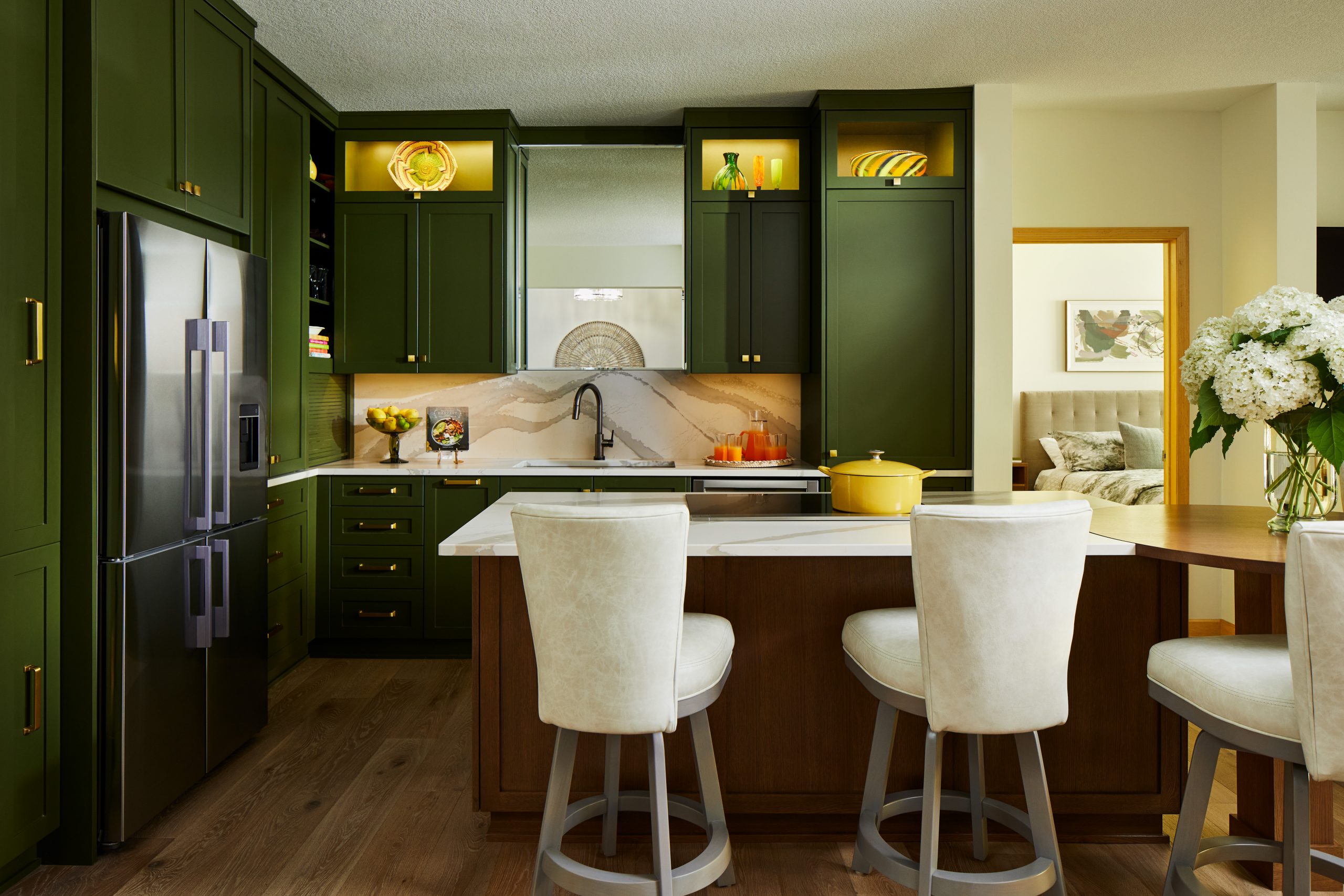
The Best of Biophilic Design: Bringing Nature Indoors
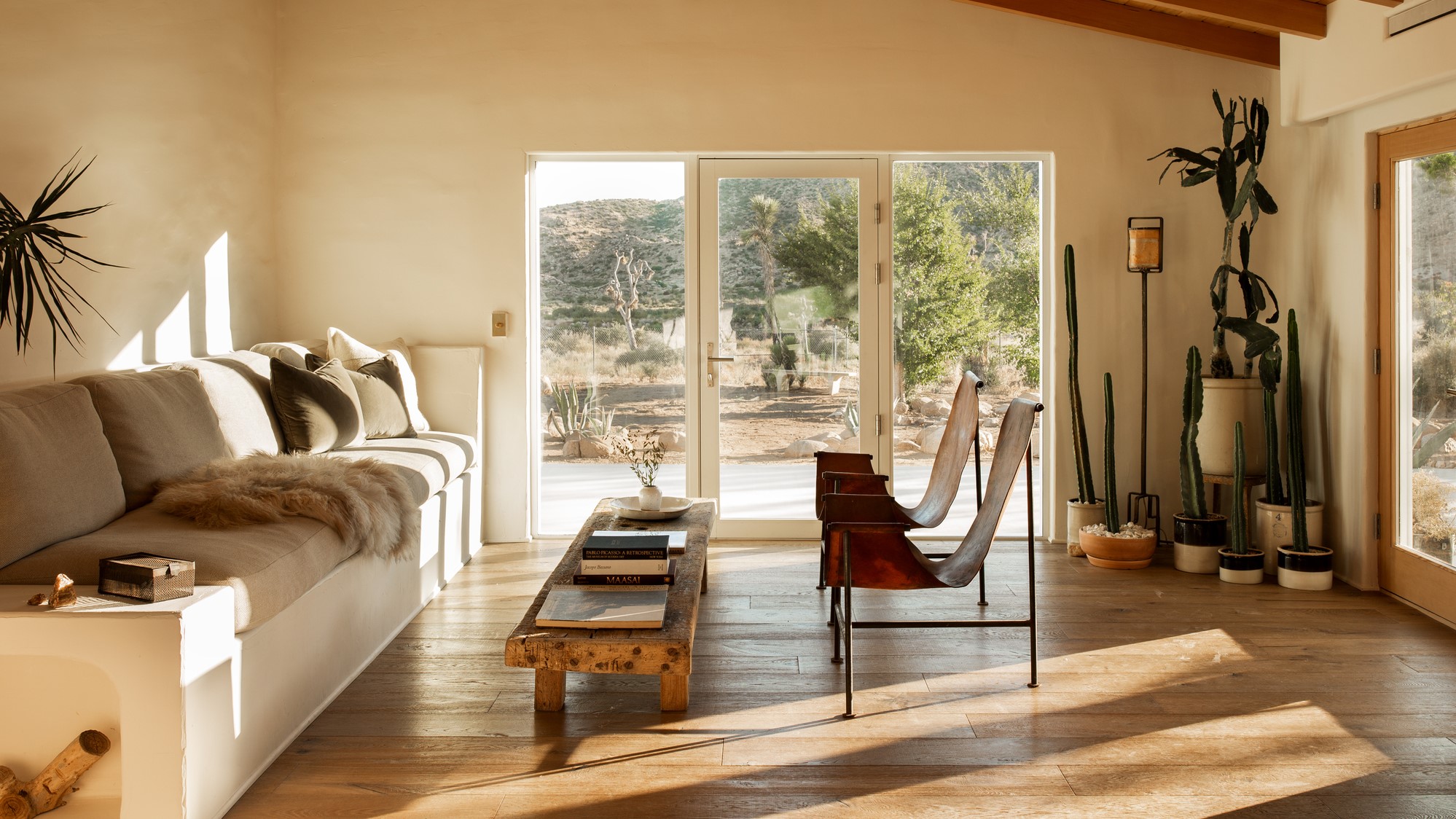
These 10 natural living room ideas will bring the warmth of nature into your home

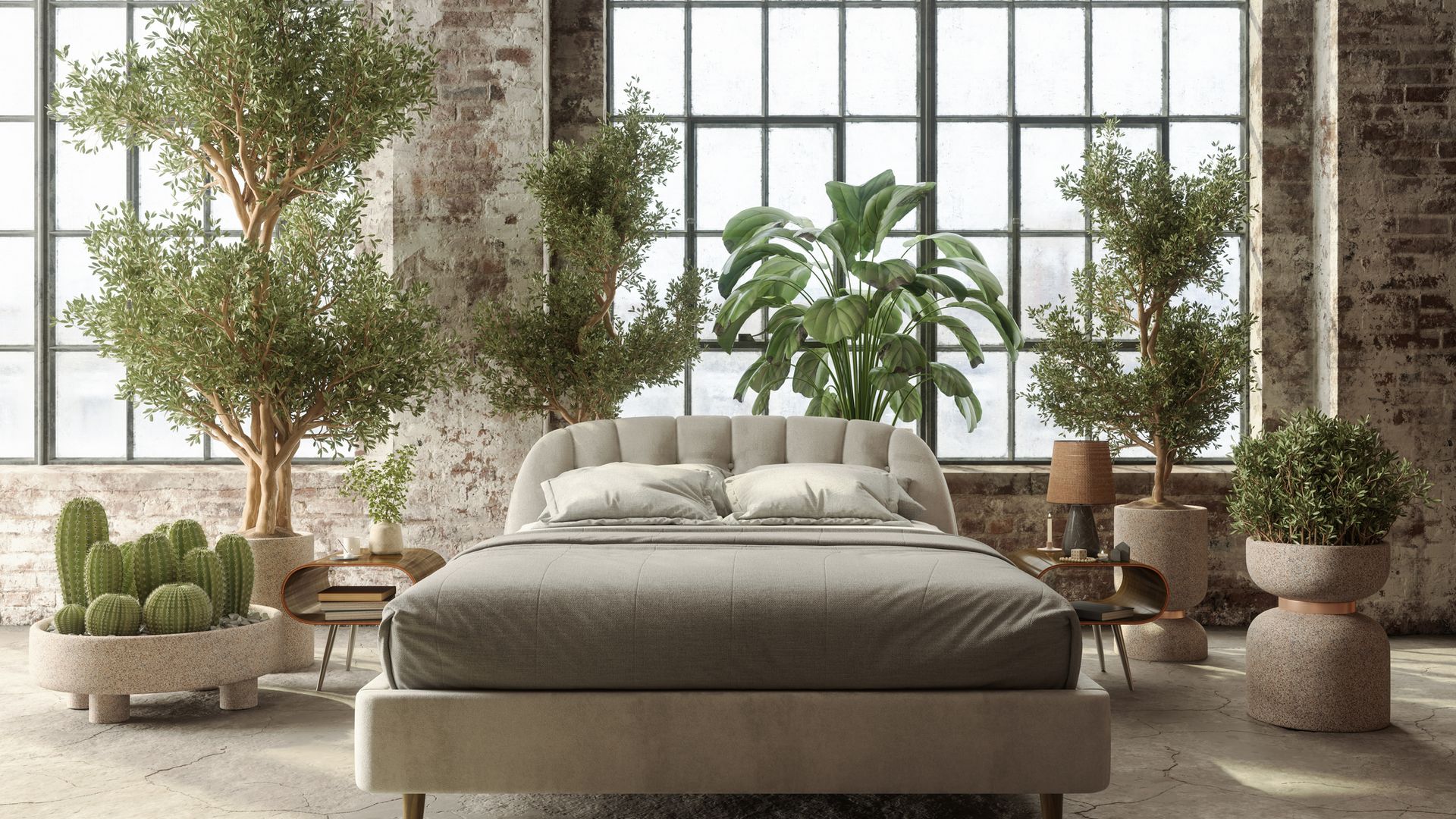
What are Biophilic interiors? How bringing the outdoors in is proven to make you happier

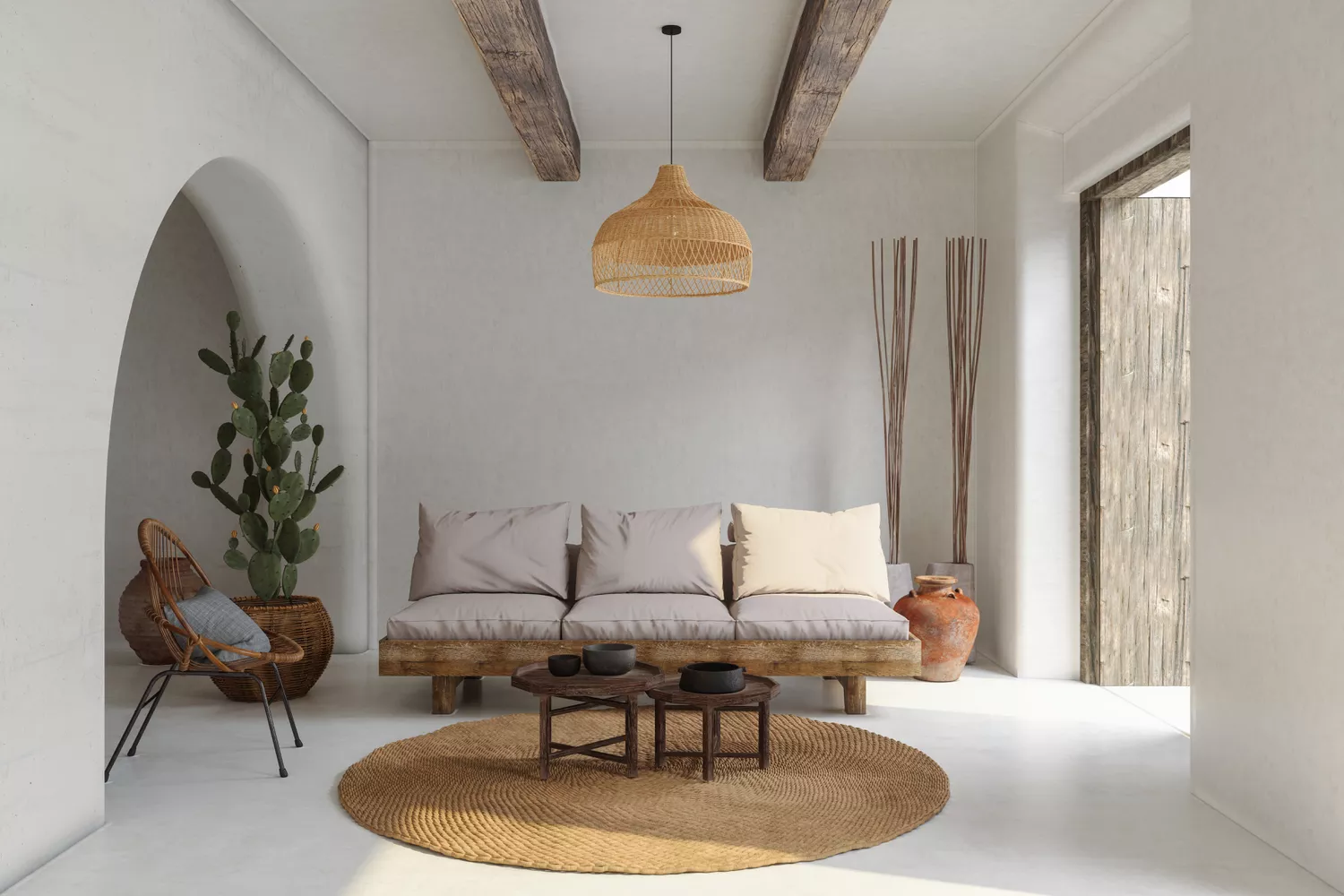
Biophilic Design Is About Connecting With Nature—Here's How to Utilize the Décor Trend In Your Home