1/10
9 creative ways to bring nature into your urban home
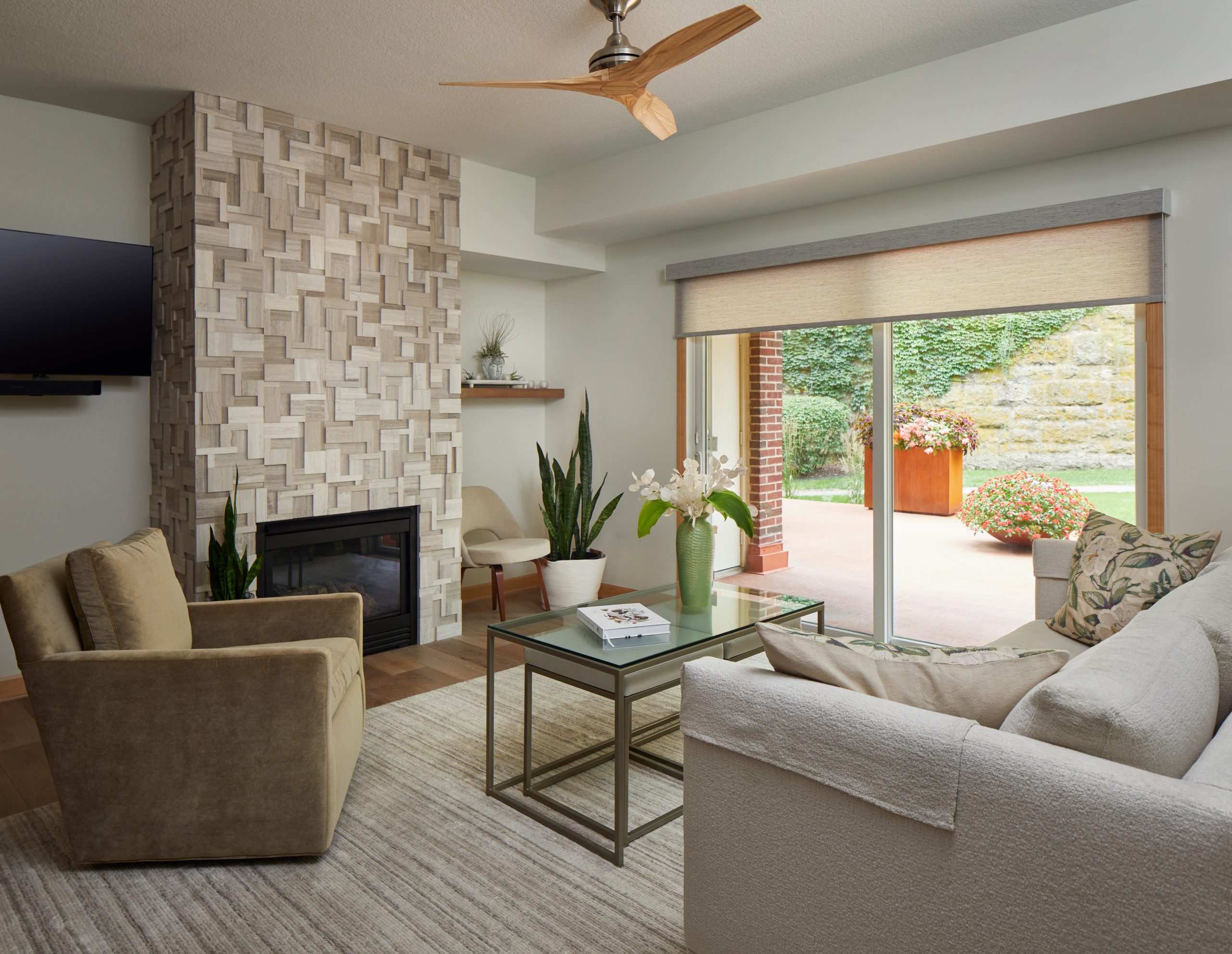
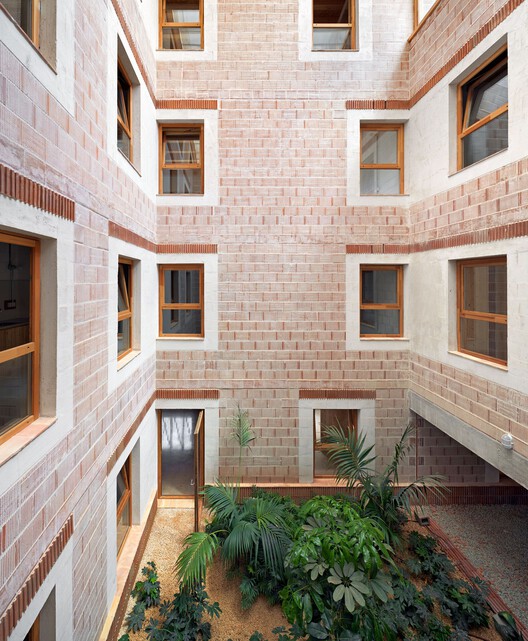
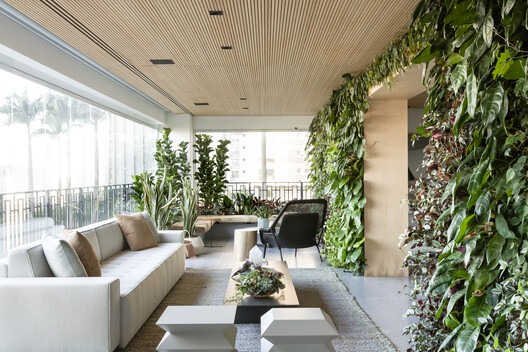
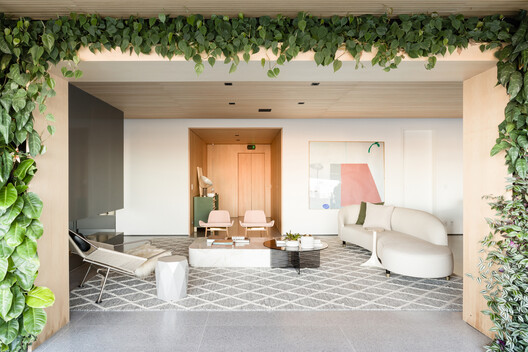
The increasing appreciation for nature, particularly since the pandemic, has led to a growing desire to integrate natural elements into home environments. This blog post explores various creative strategies to infuse urban homes with the tranquility and benefits of the natural world. The author highlights that incorporating nature extends beyond merely placing houseplants; it involves a holistic approach to interior design that leverages natural materials, colors, and spatial arrangements.
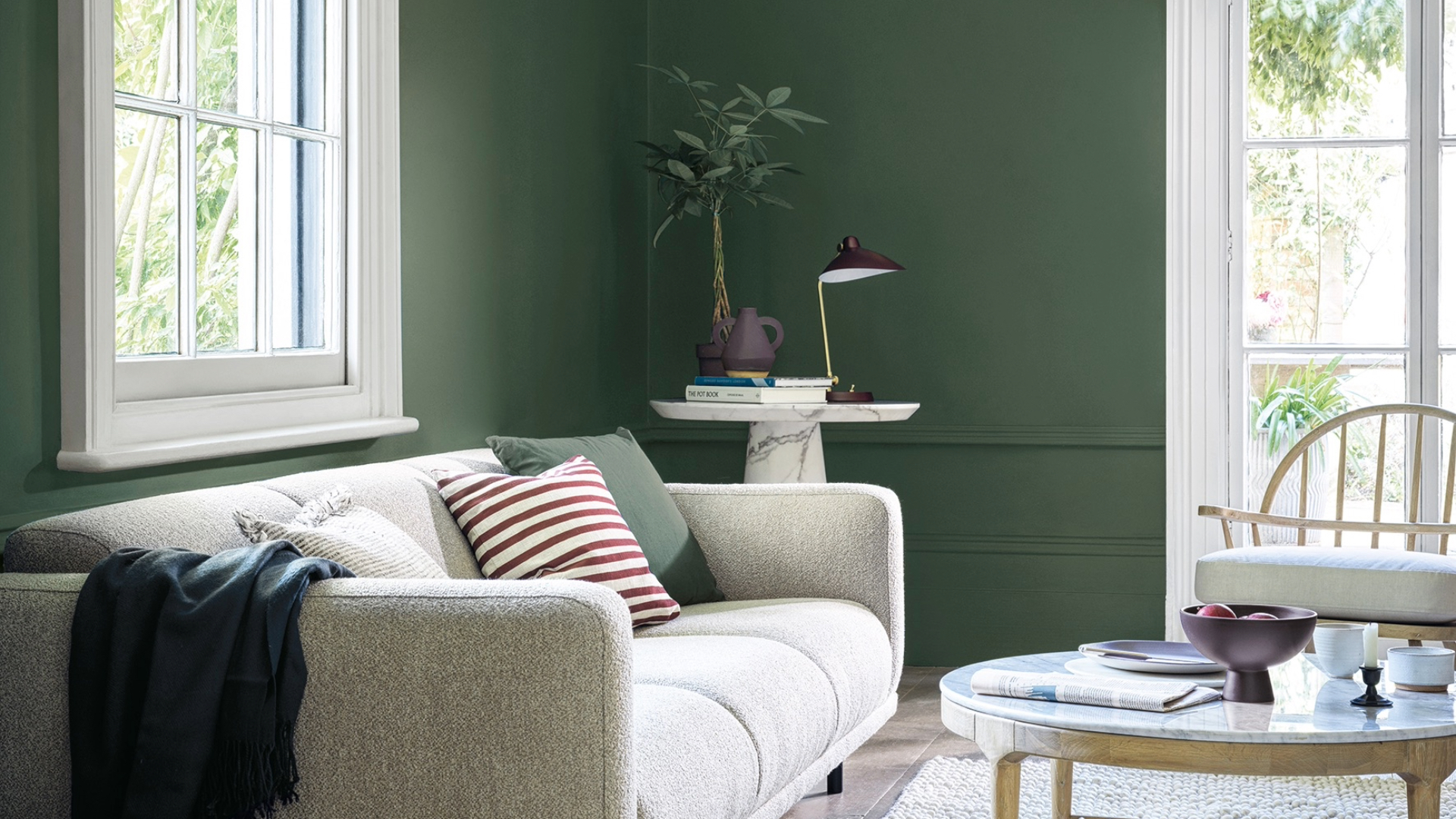
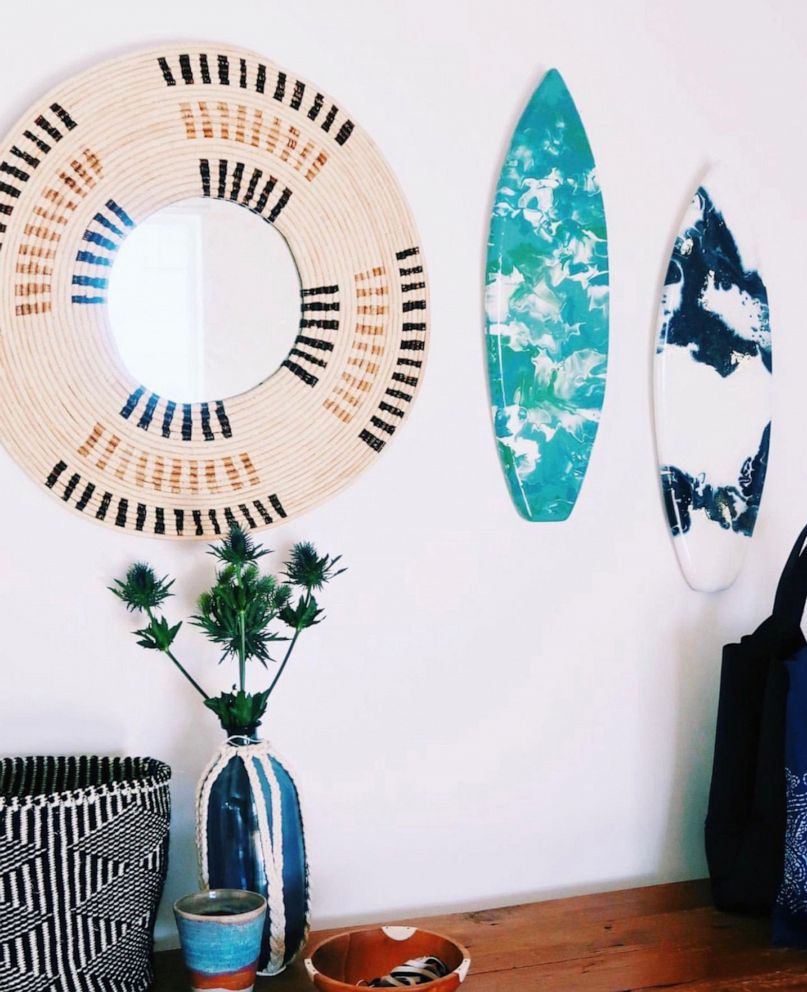
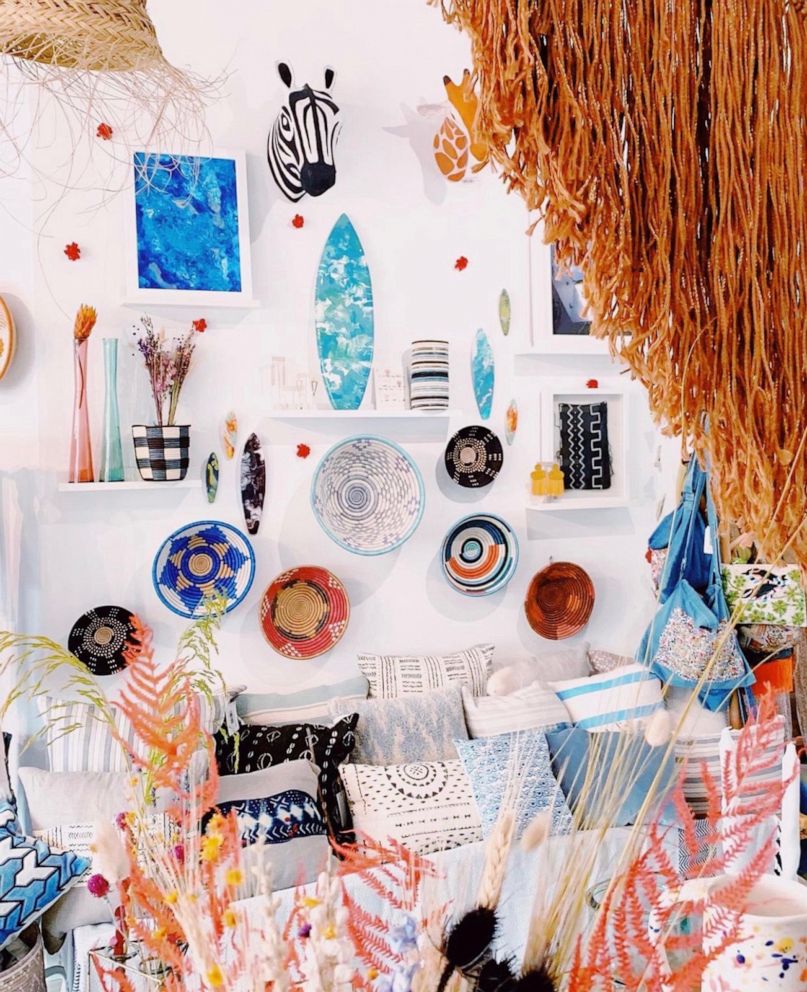
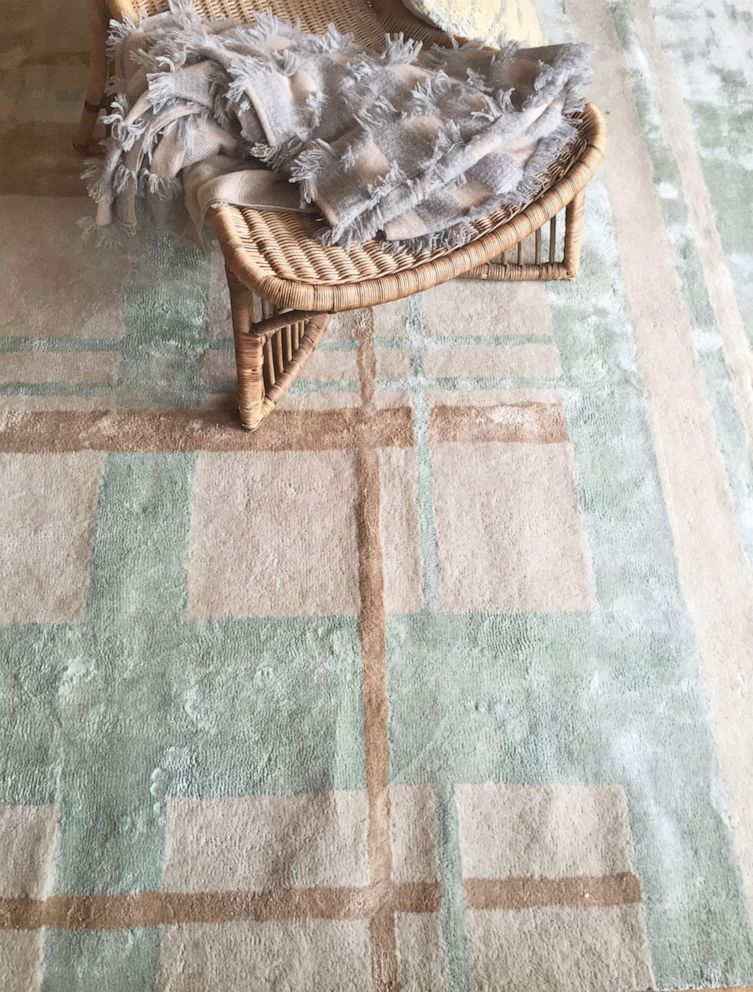
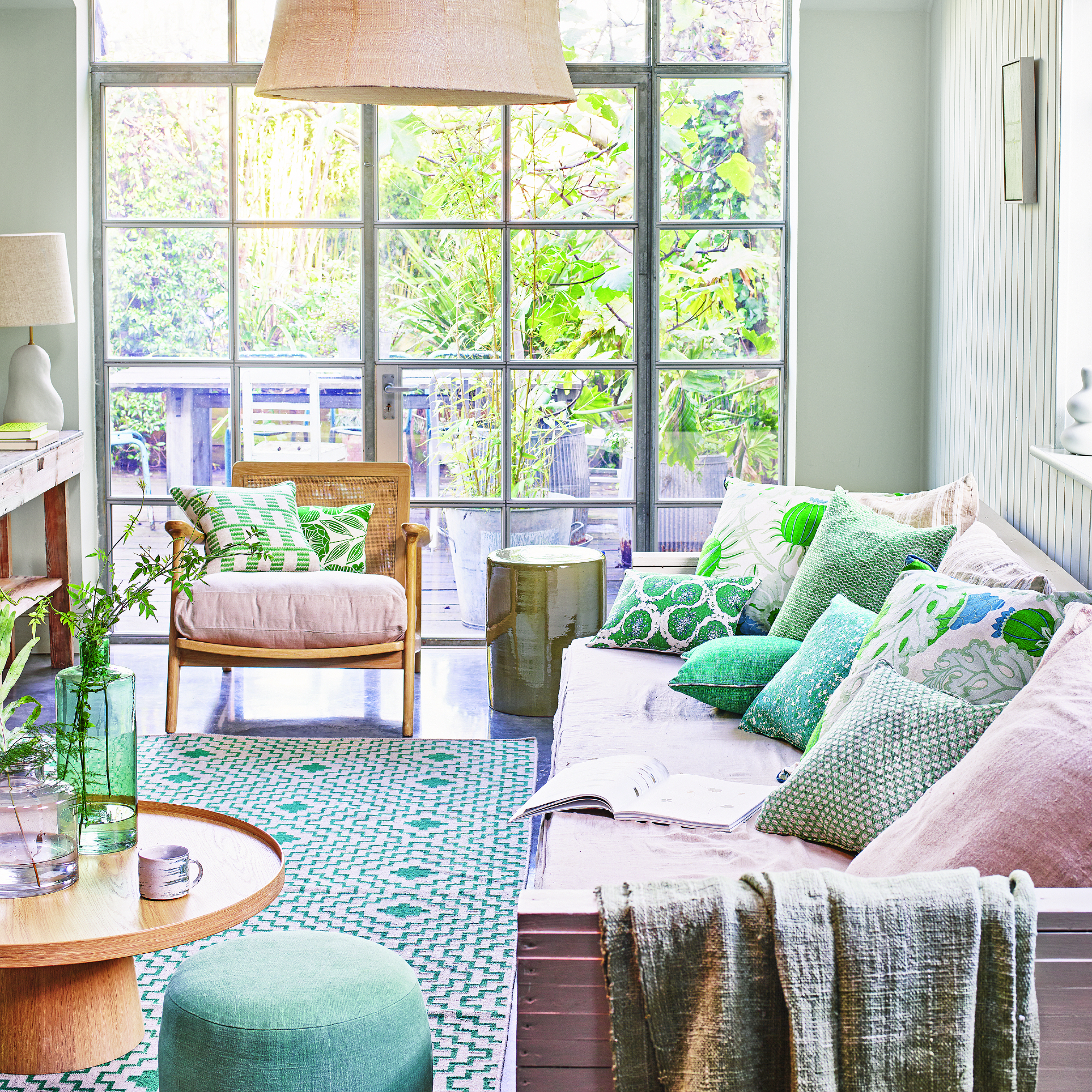
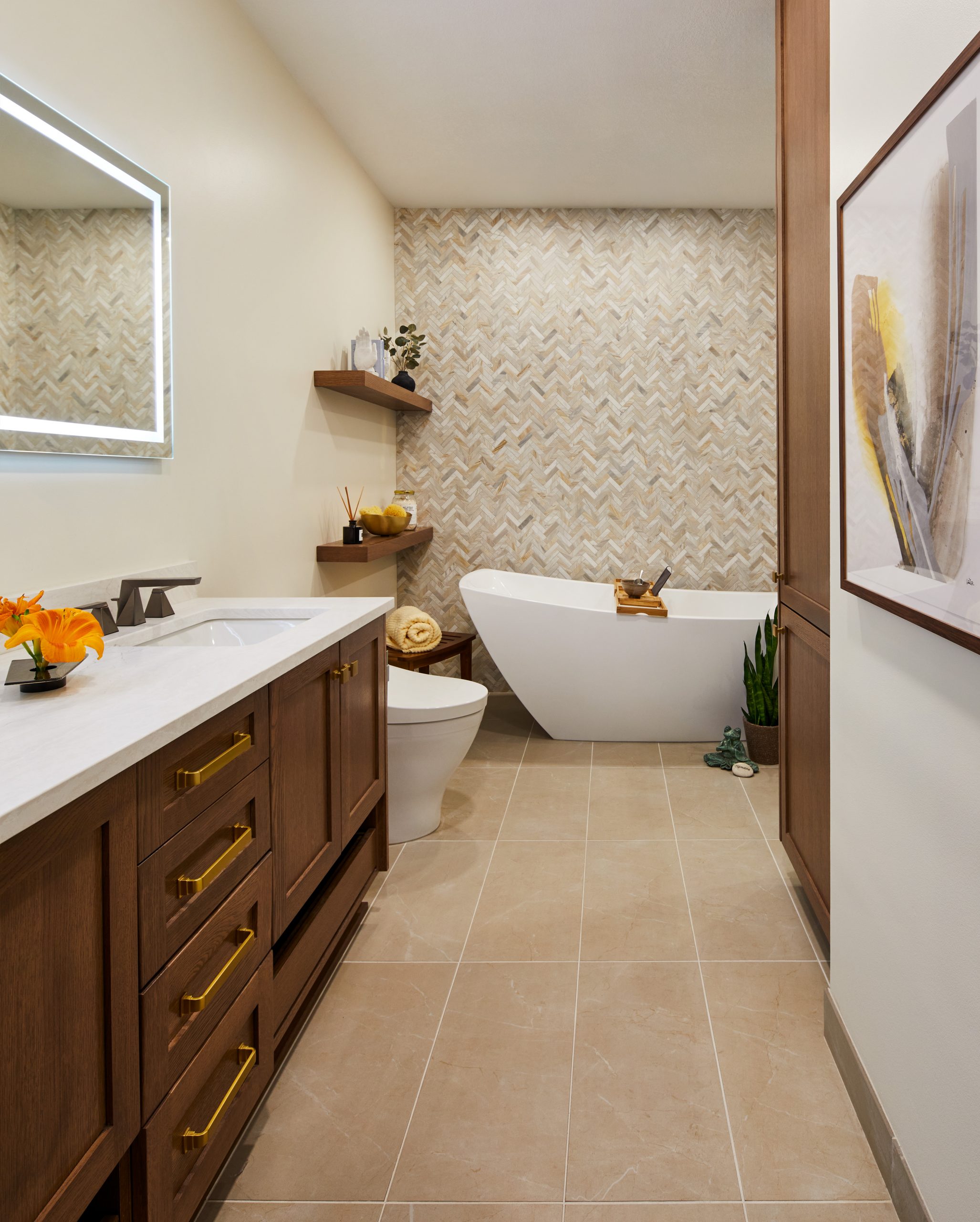
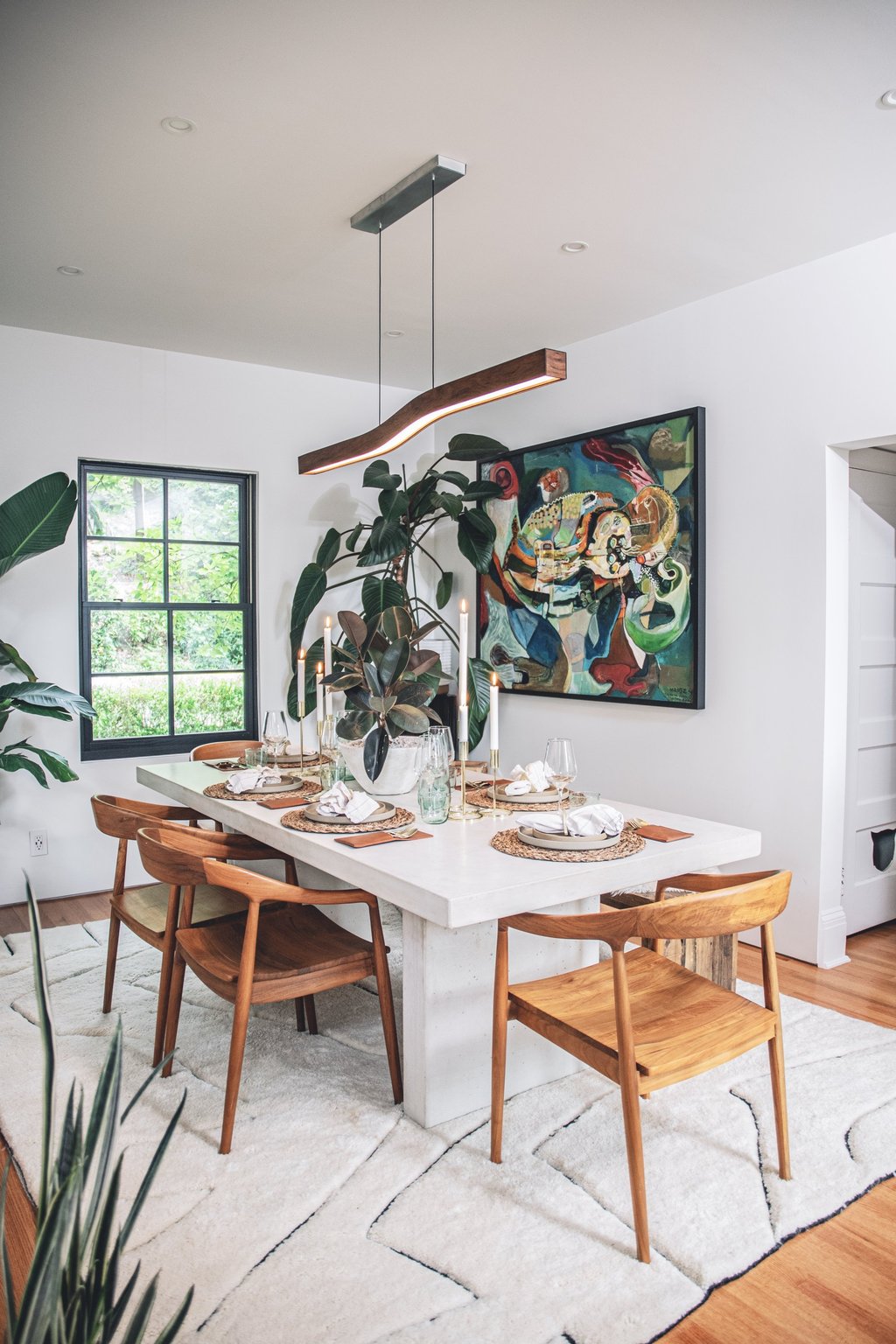
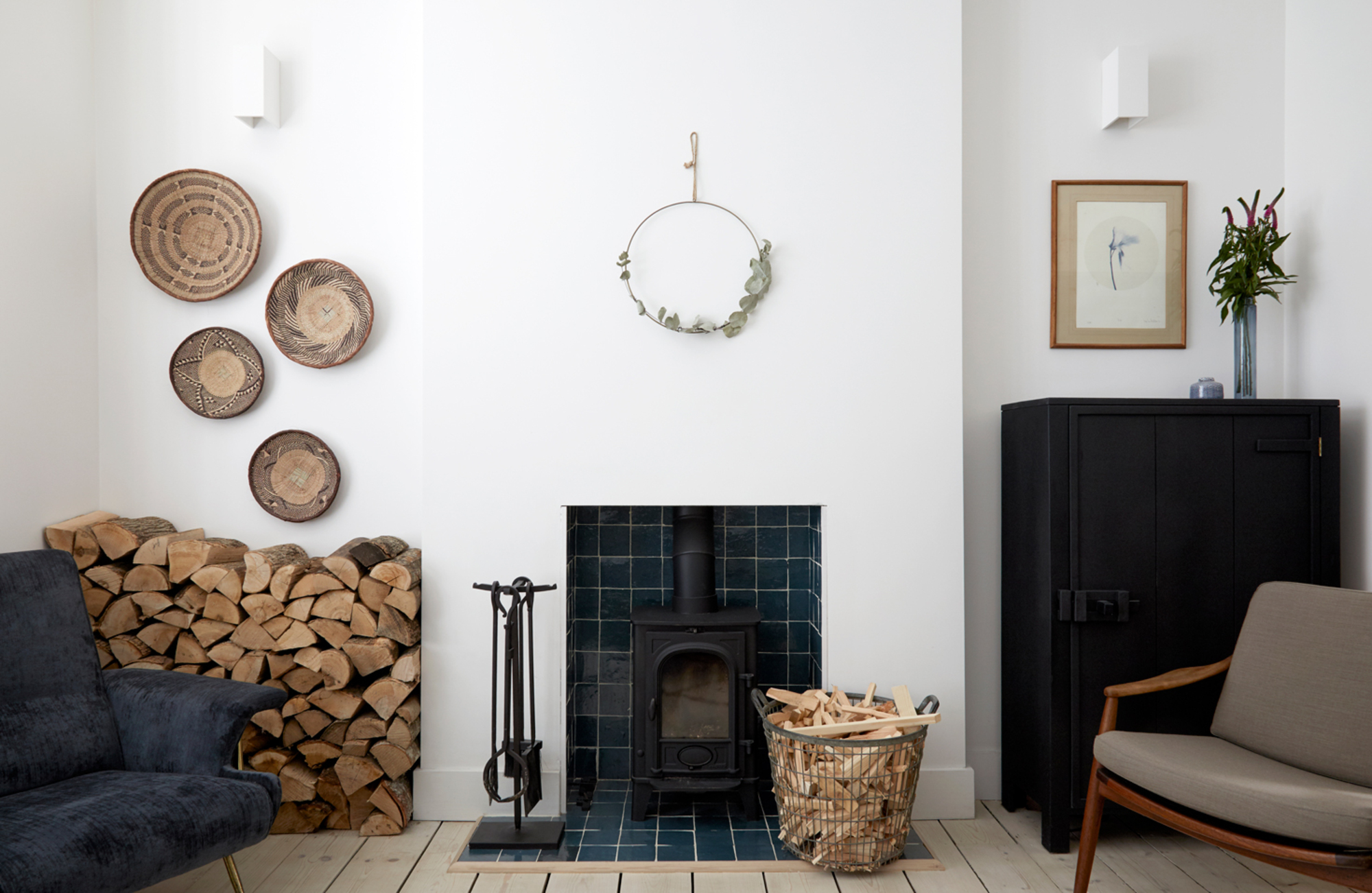
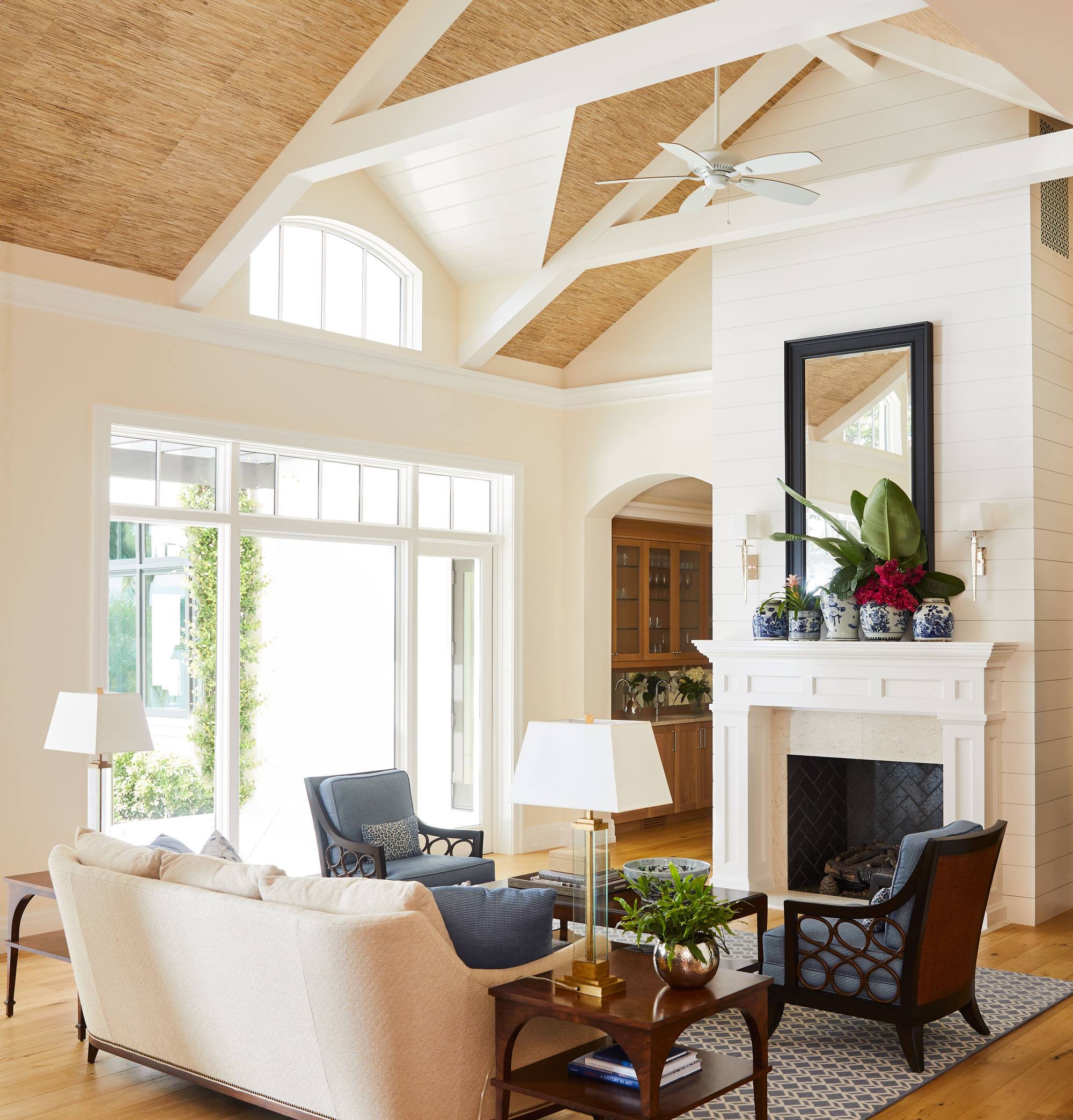
One key aspect is the use of natural, tactile textures. Materials such as raw wood, fresh linens, rattan, bamboo, cotton, and jute are presented as breathable, eco-friendly options that contribute to a calming atmosphere. These materials offer a soft touch and a connection to the outdoors. Furthermore, the article emphasizes the impact of nature-inspired color palettes, including various shades of green, terracotta, and sky blues. These earthy tones are said to mimic the relaxing sensation of being outdoors, helping to create an earthy retreat even within a bustling city setting.
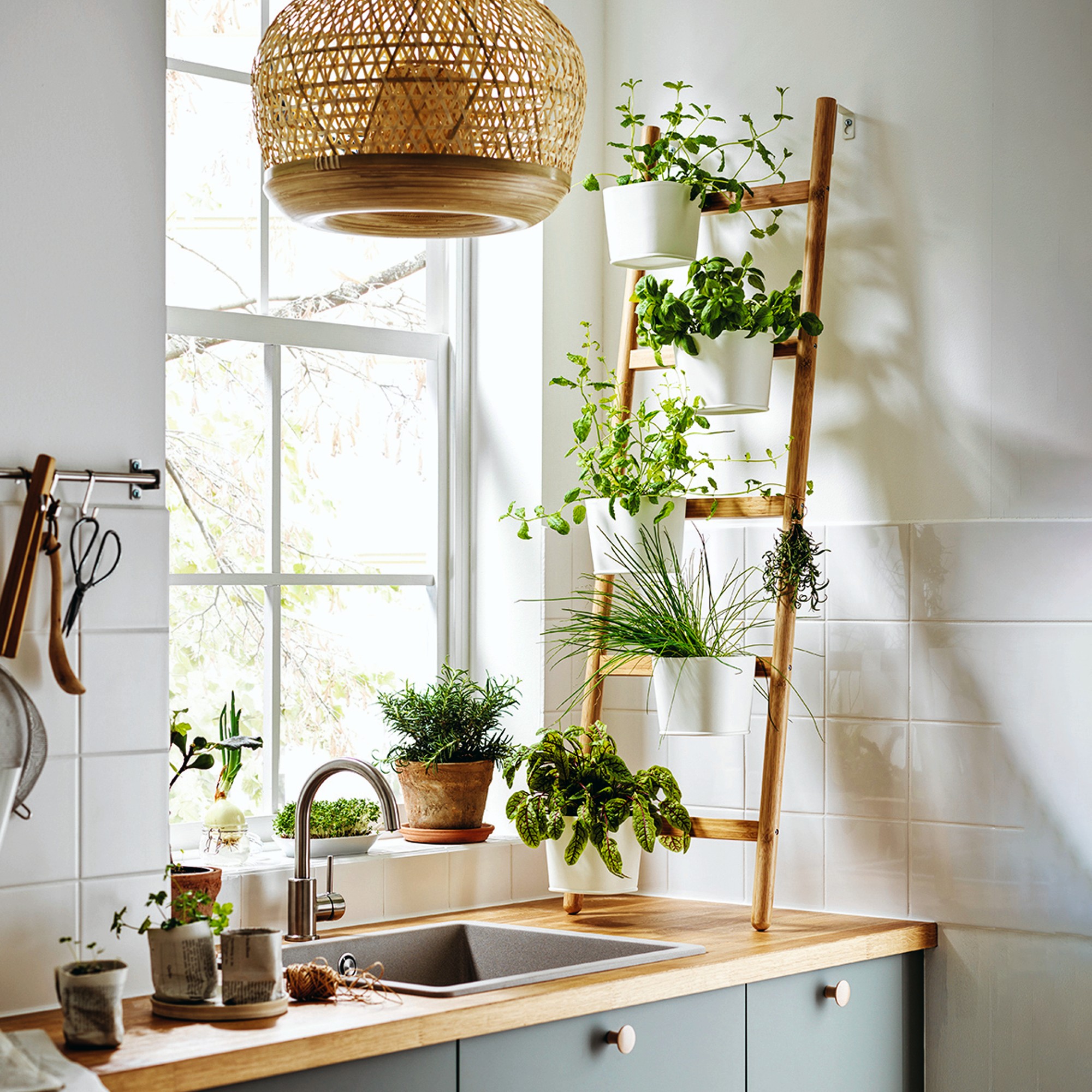
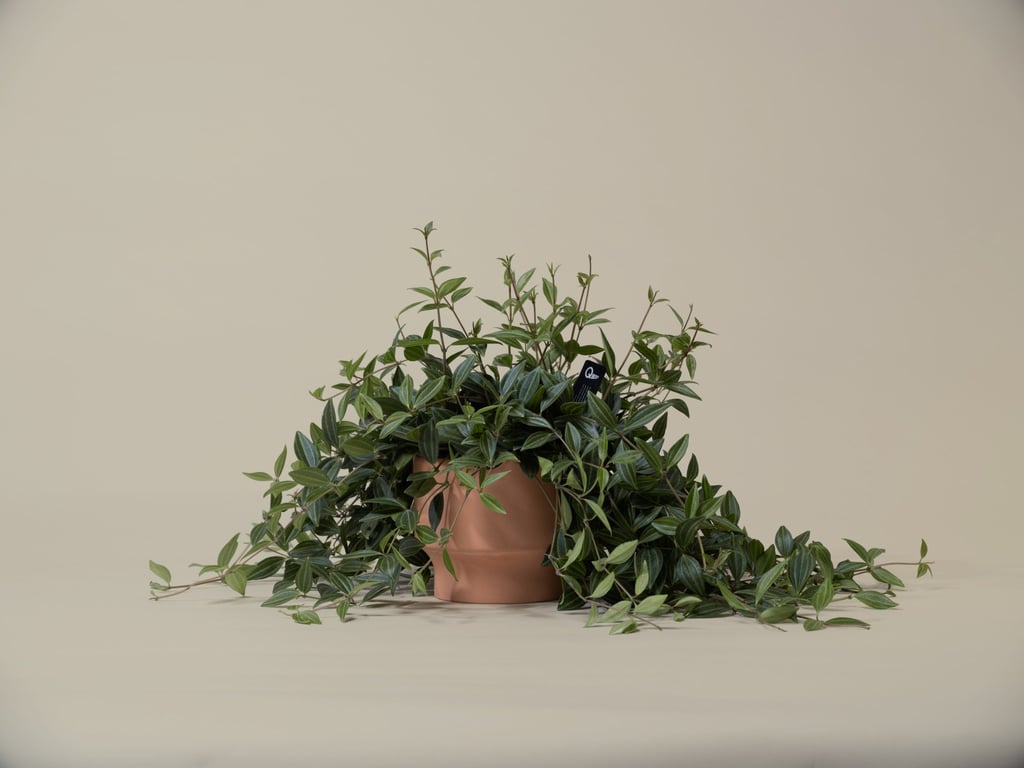
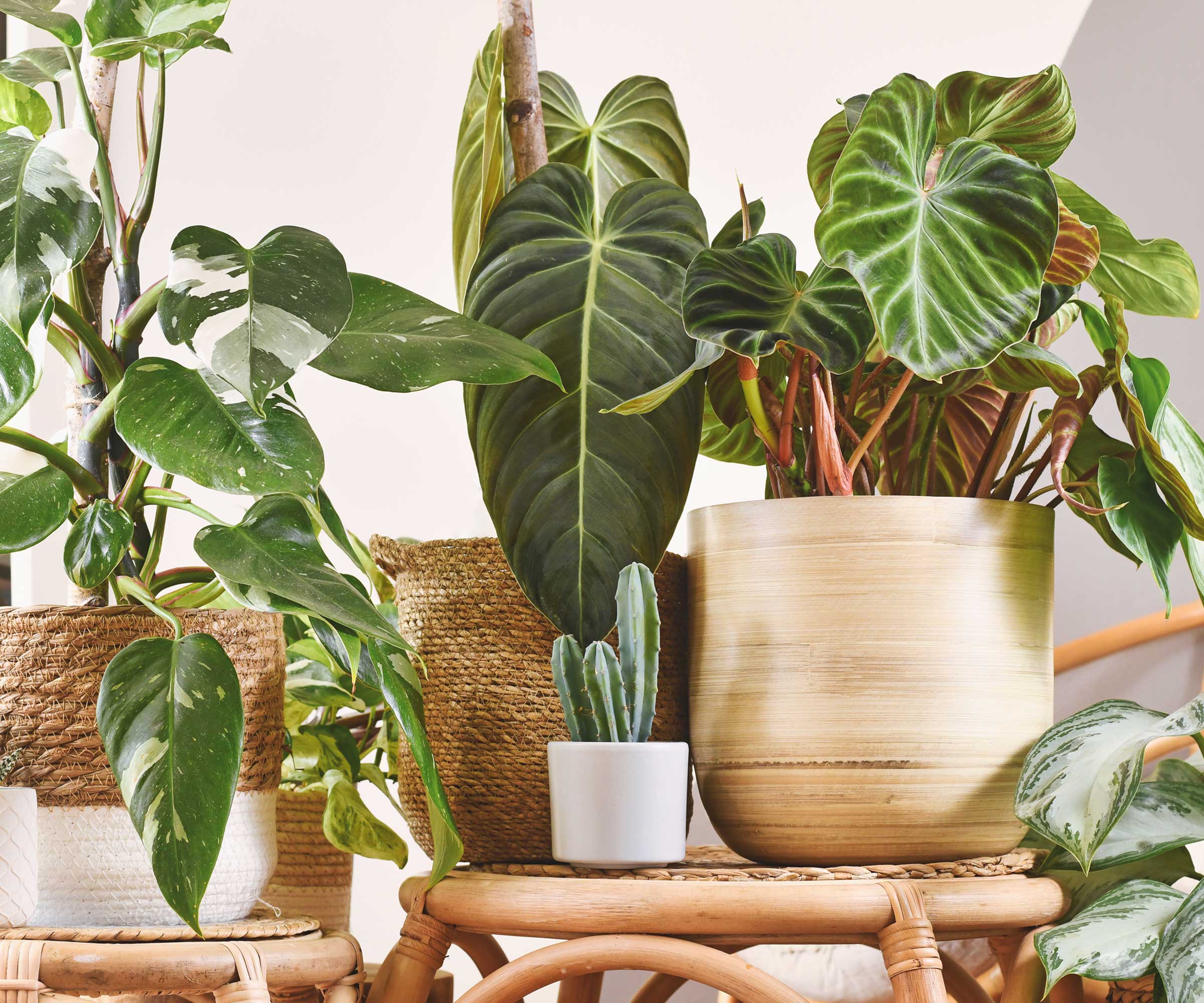
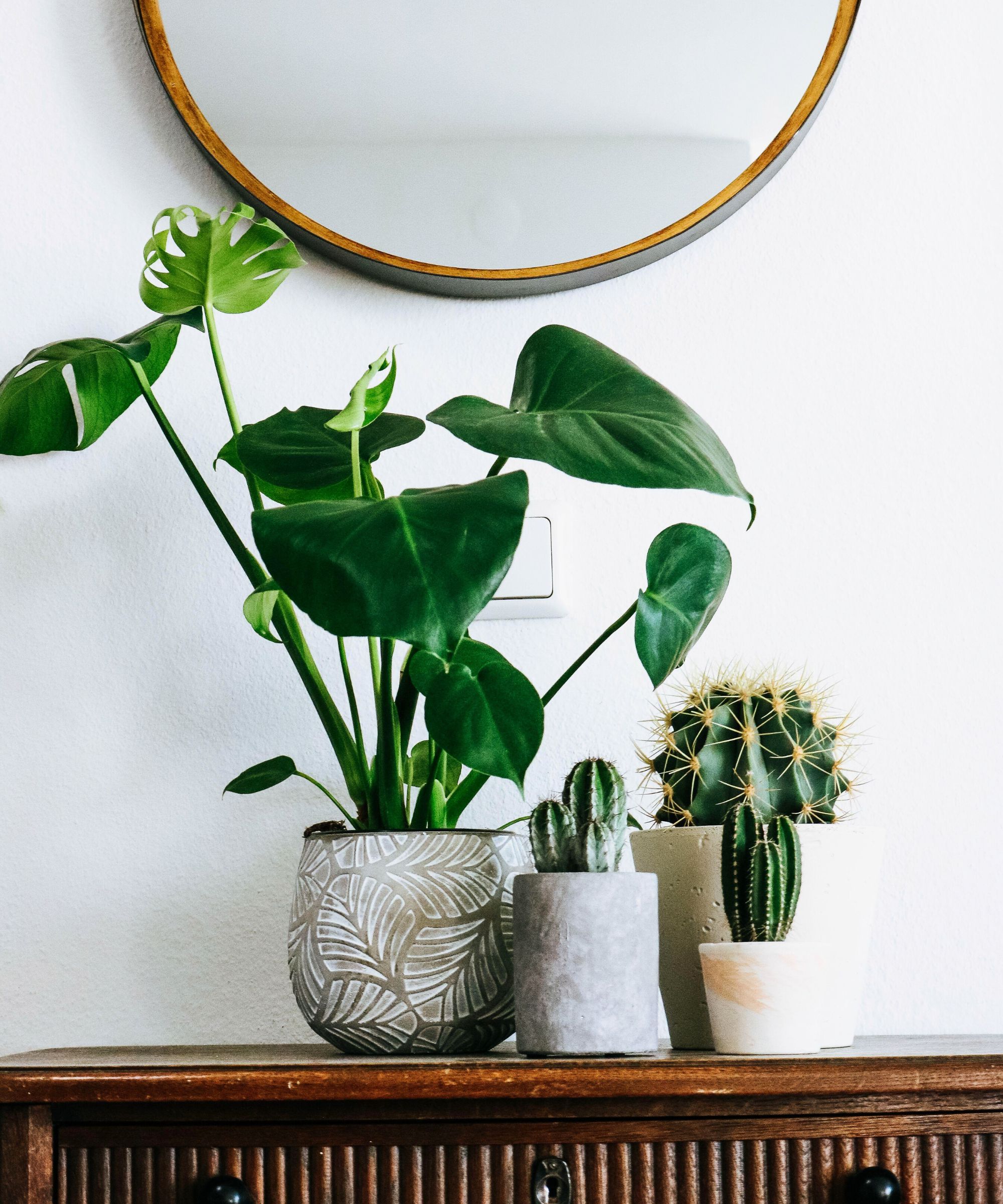
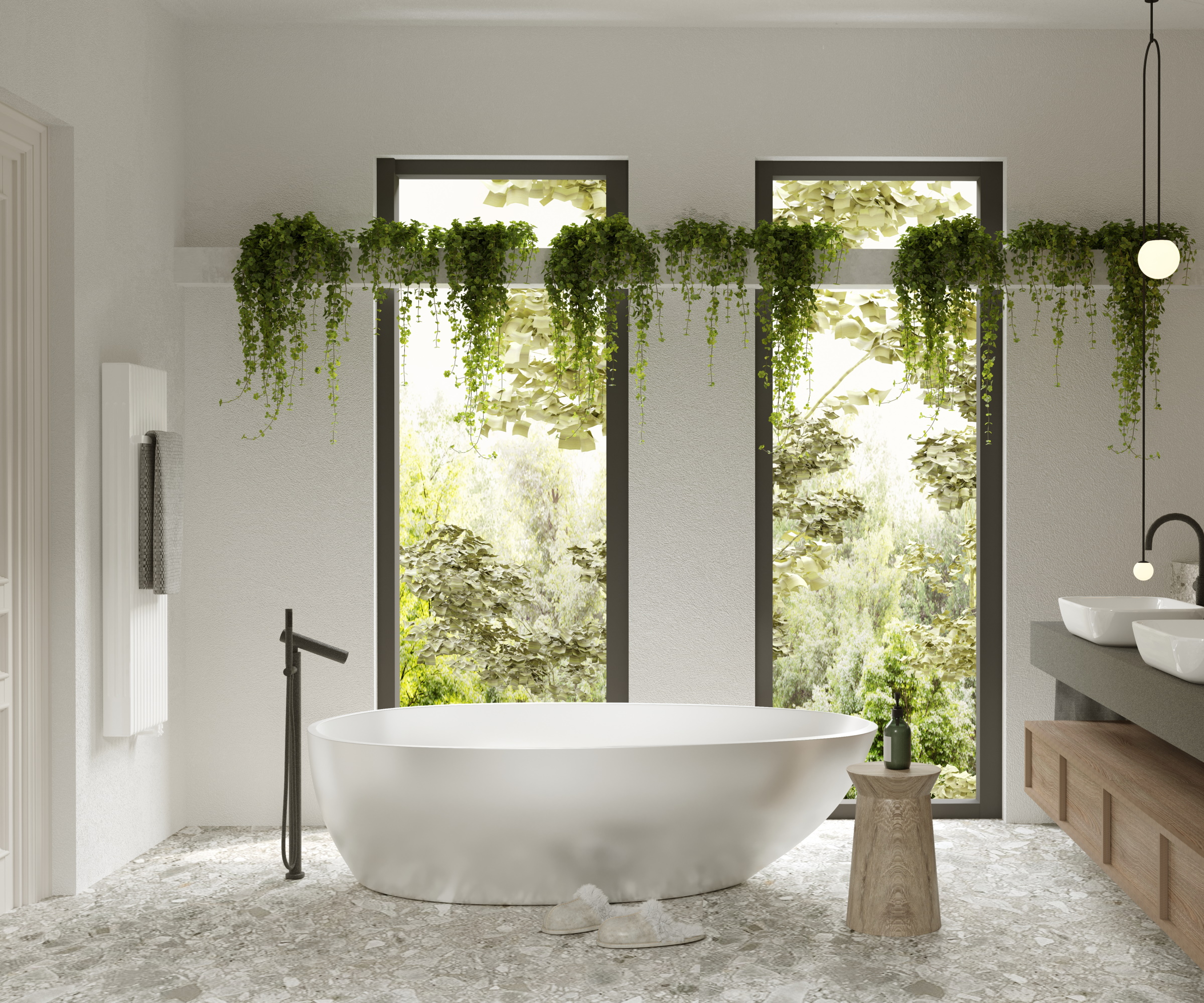
The post offers nine specific design ideas to achieve this natural integration. The first suggestion is to curate a living wall using statement shelves, particularly for cacti and other small potted plants, transforming them into a visual art display. Interior designer Sanel Konyar notes that connecting with nature brings peacefulness, and this design approach seamlessly integrates the natural world into homes. The second idea involves using a trailing plant rail as a room divider, offering a creative and natural way to zone spaces, such as separating a sleeping area from a workspace. Konyar also points out that living plants release oxygen, absorb carbon dioxide, reduce stress levels, and boost mood, making them ideal for home offices and bedrooms. James Folger, founder of The Stem, recommends air-purifying plants for maximum connection to nature, as they help remove indoor toxins.
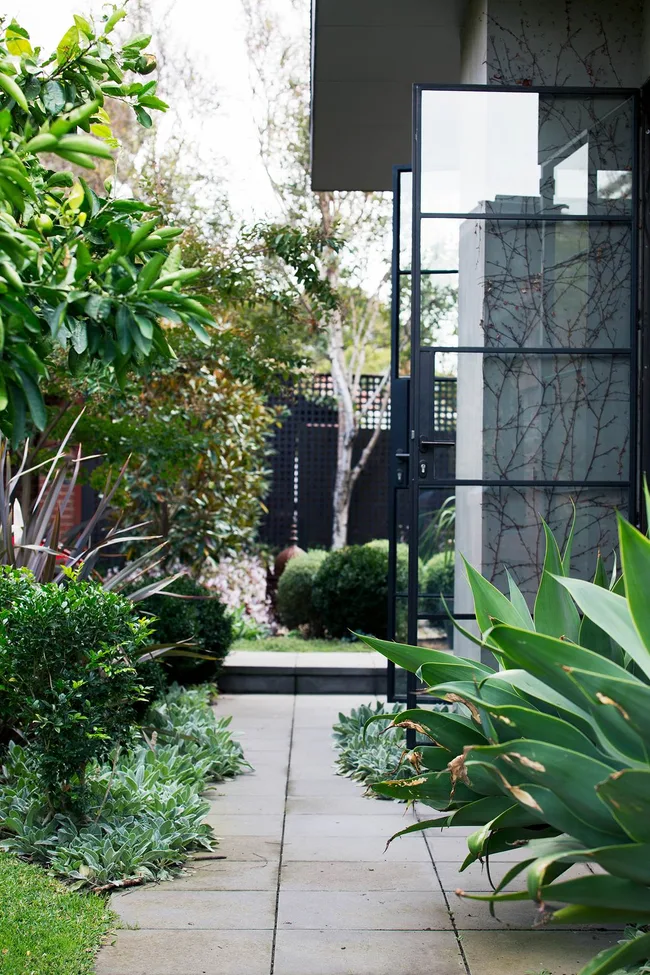
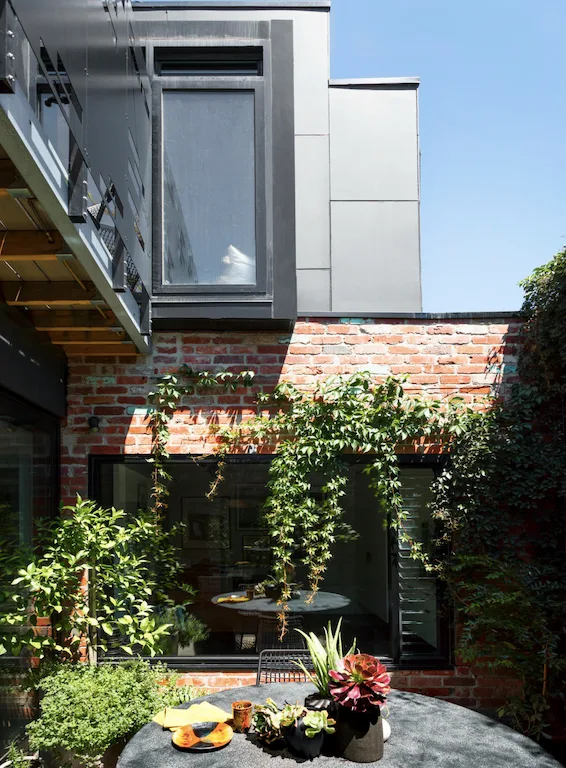
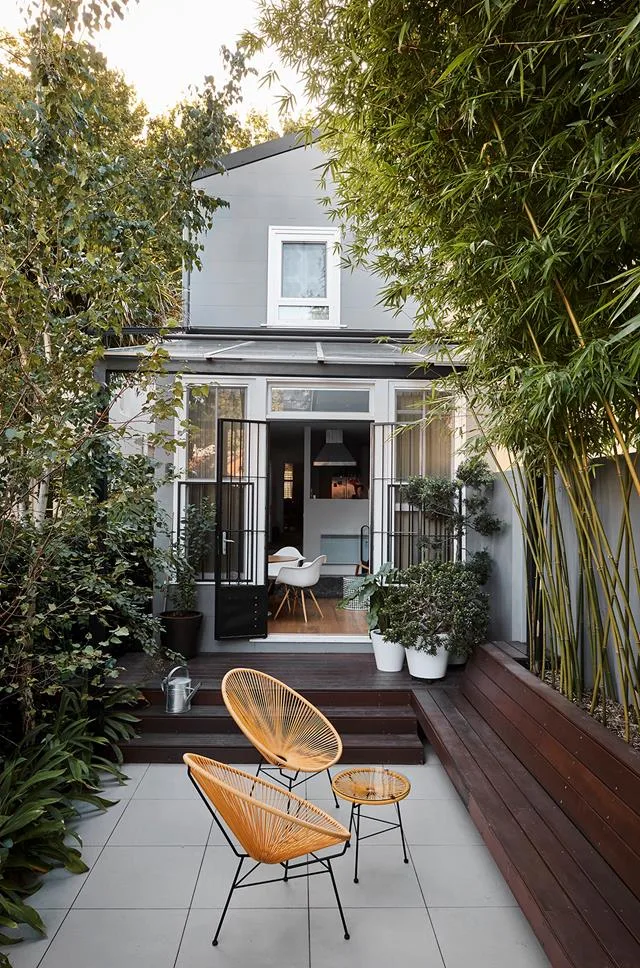
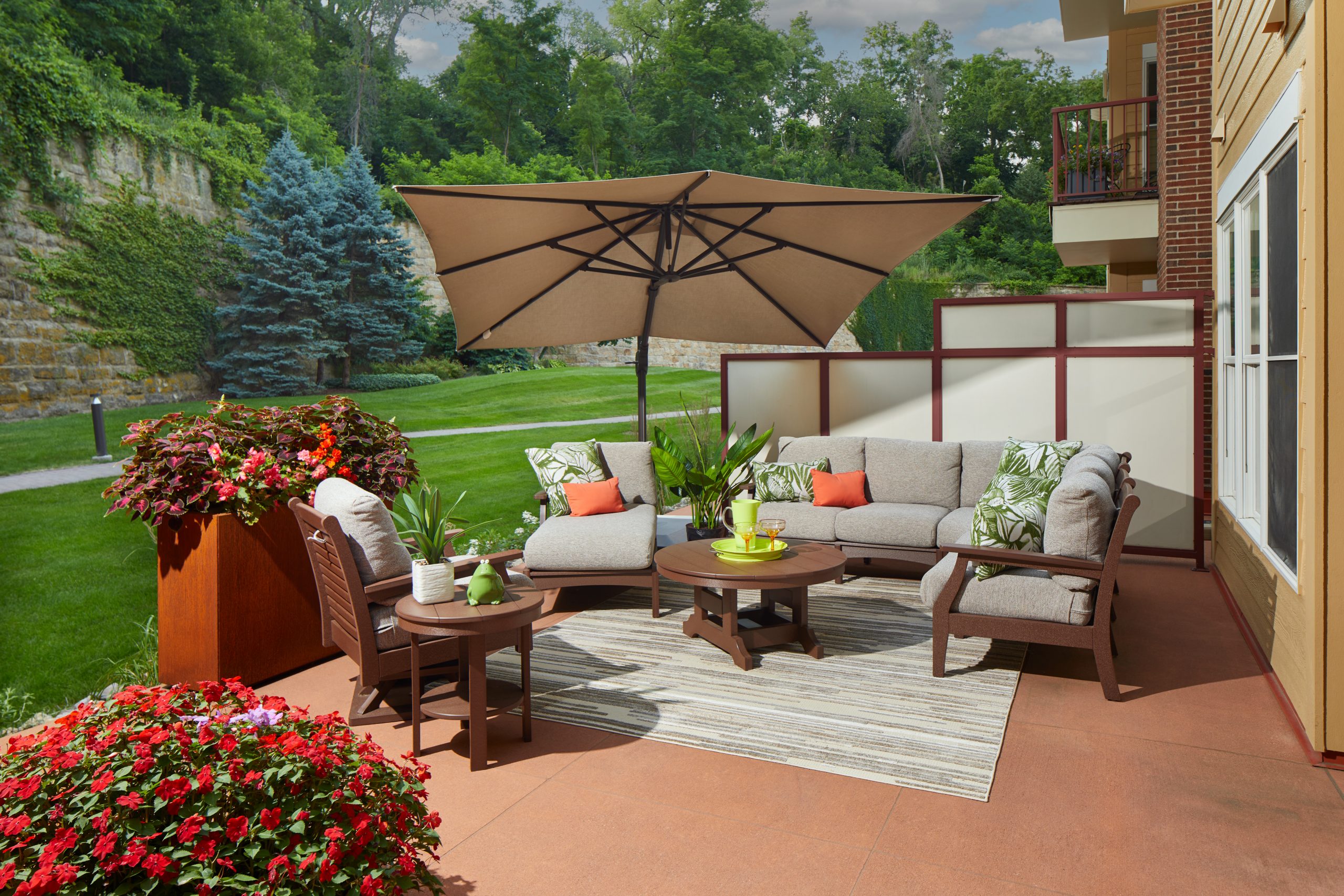
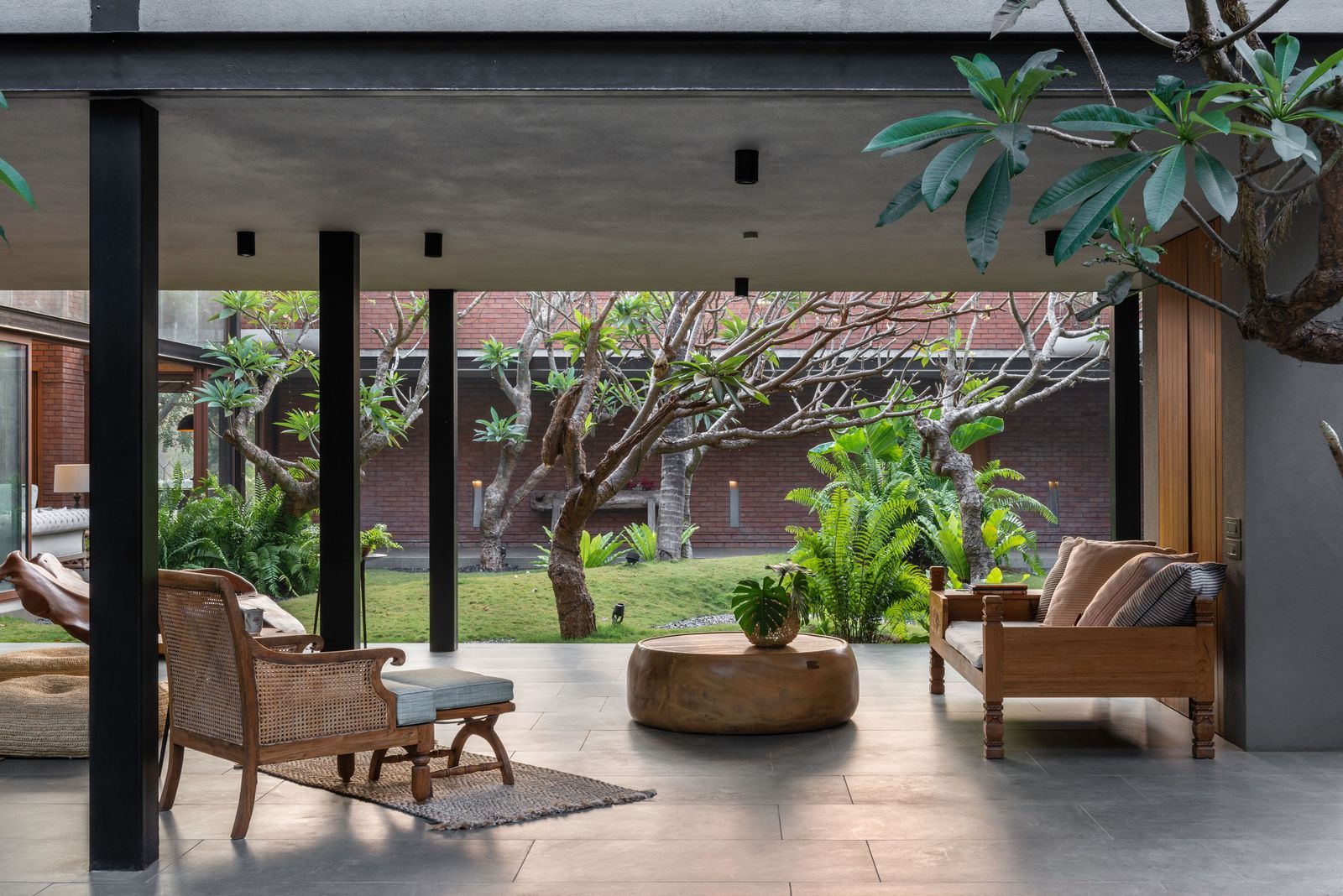
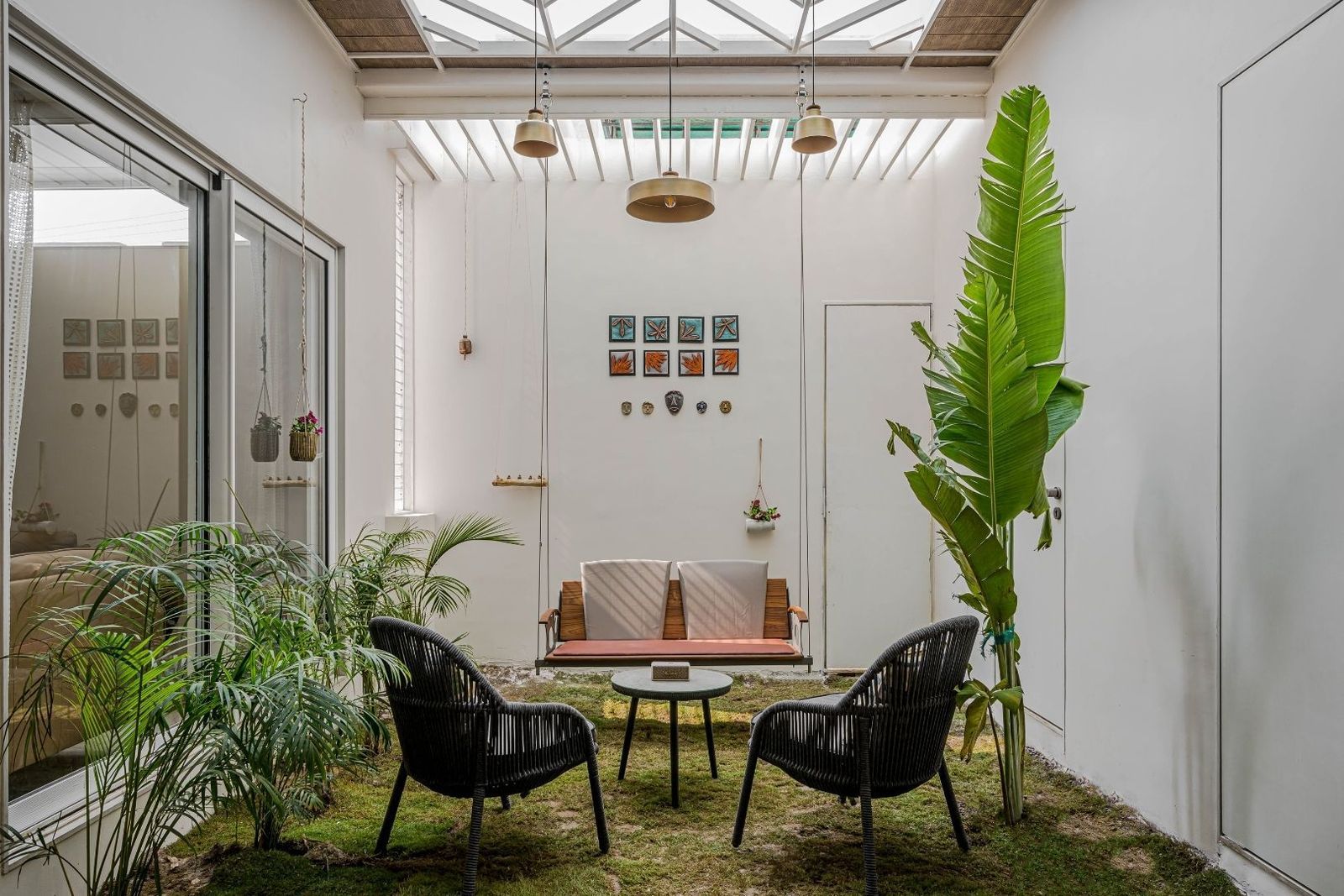
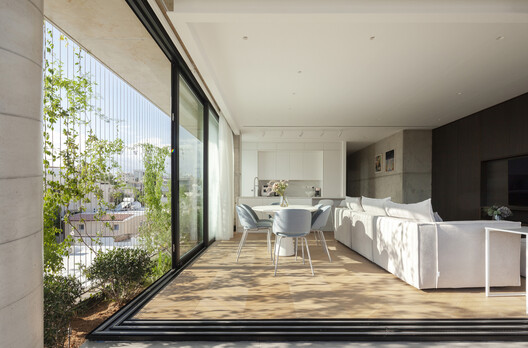
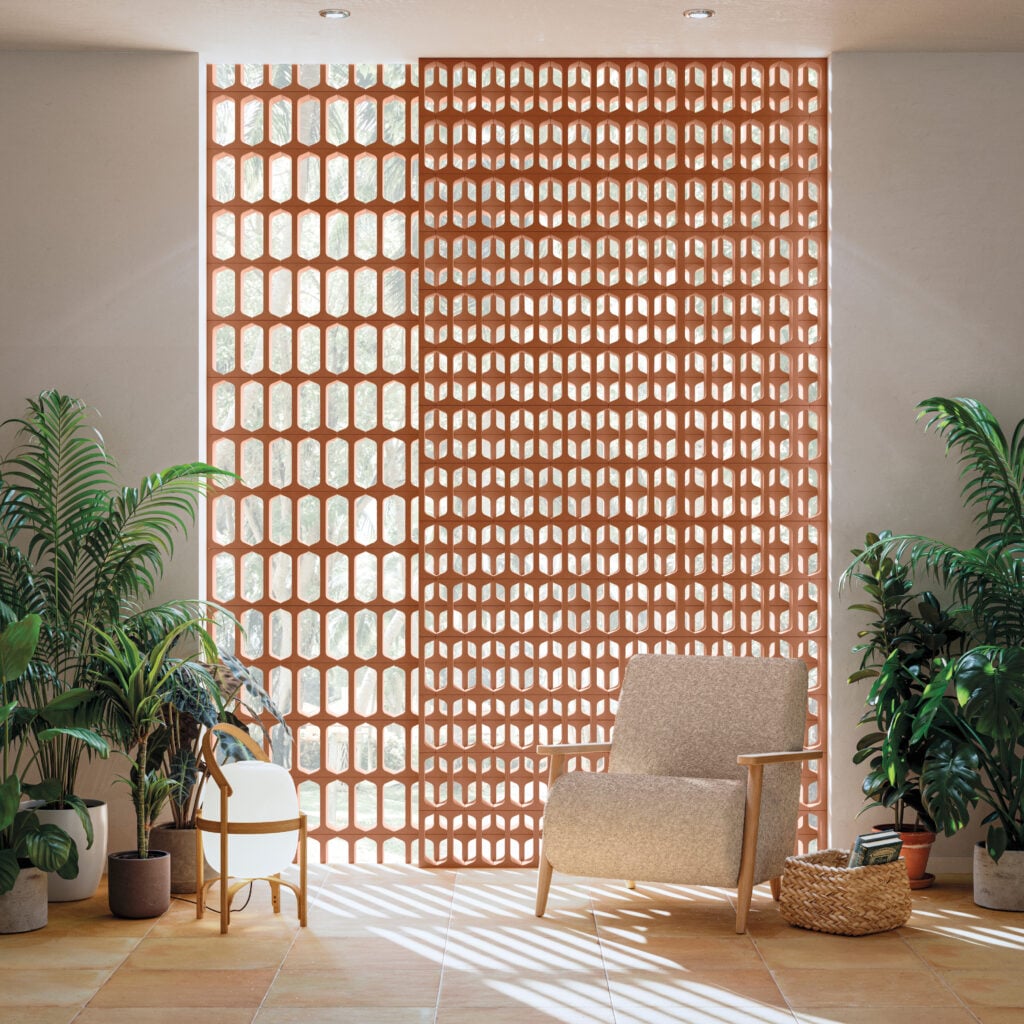
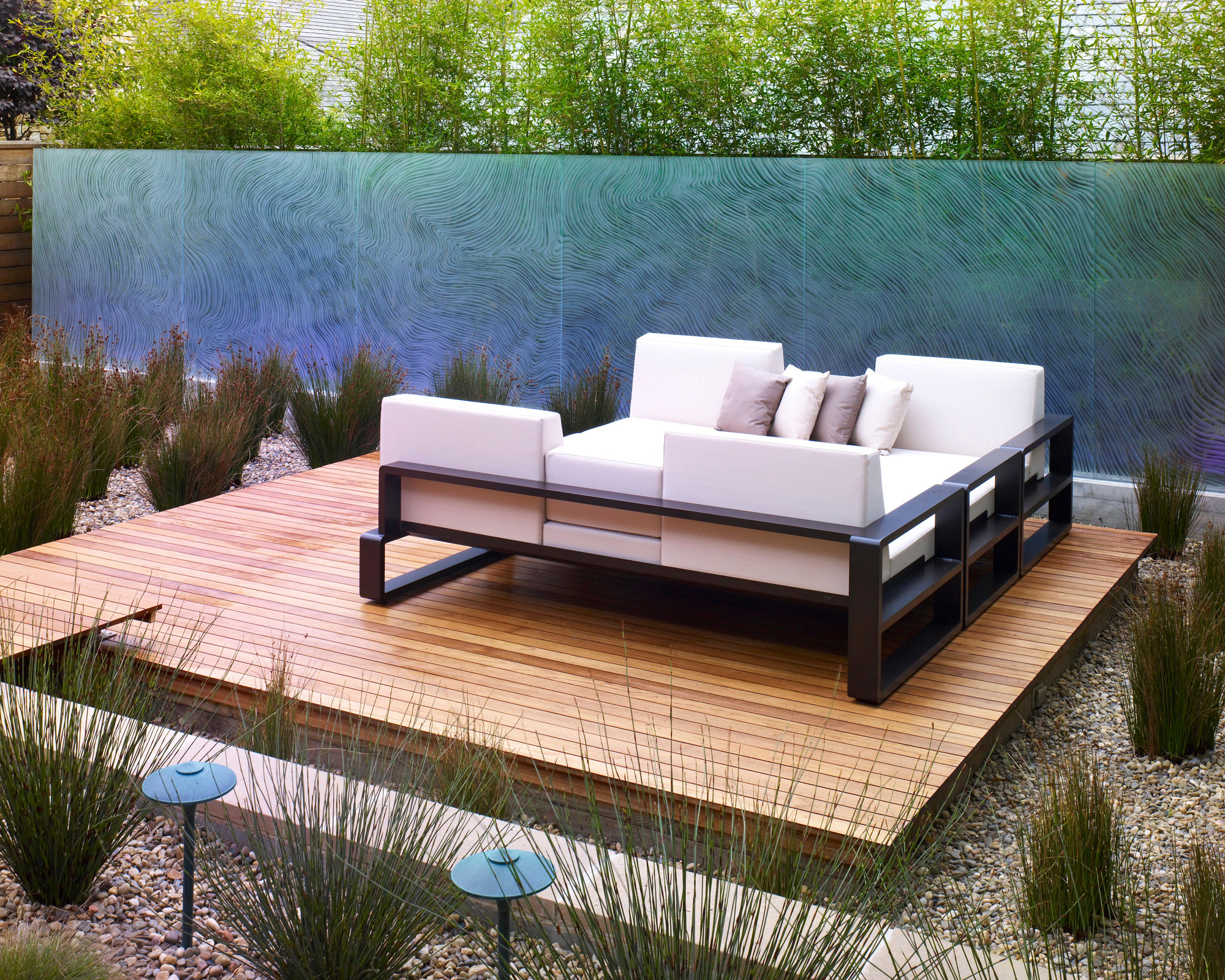
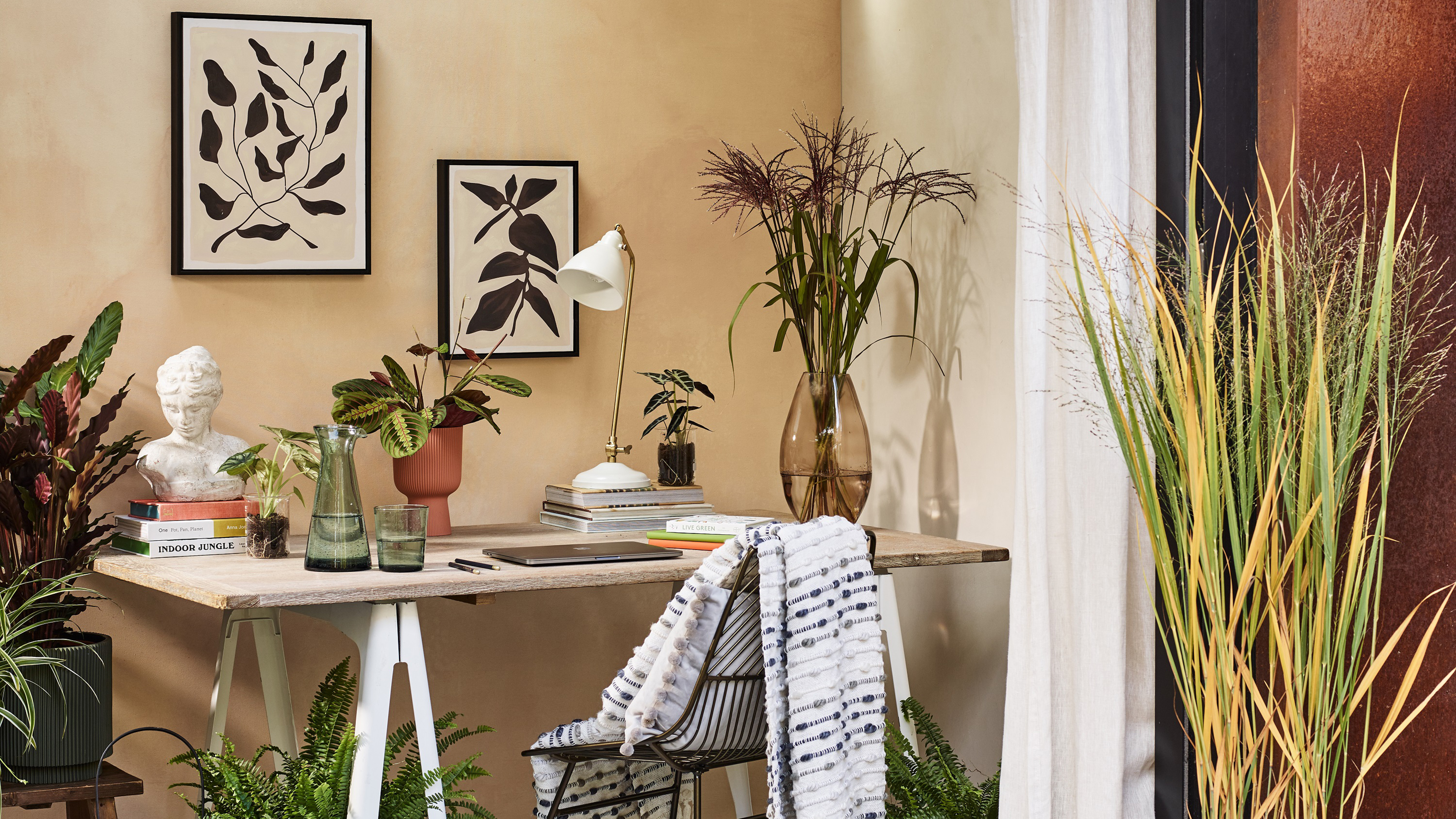
The third tip is to blur the boundaries between indoor and outdoor spaces, especially for home offices that adjoin a garden or balcony. This can be achieved by leveling floors and scattering numerous pot plants to create a jungle-like ambiance. Justyna Korczynska from Crown paints observes that natural colors like earthy beige, warm clay, and greens have become popular as people seek to channel the feeling of outdoor escape into their homes. Fourthly, for those with urban views, photographic art prints depicting natural landscapes can create a serene focal point. Botanical prints on walls or soft furnishings are also recommended for freshening decor, with experts noting the health benefits, including stress reduction and increased productivity, associated with nature-inspired interiors. Fifth, botanical bed linen, especially in vibrant, patterned designs, can instantly elevate a bedroom, with the added benefit of air-purifying plants enhancing the sleeping environment.
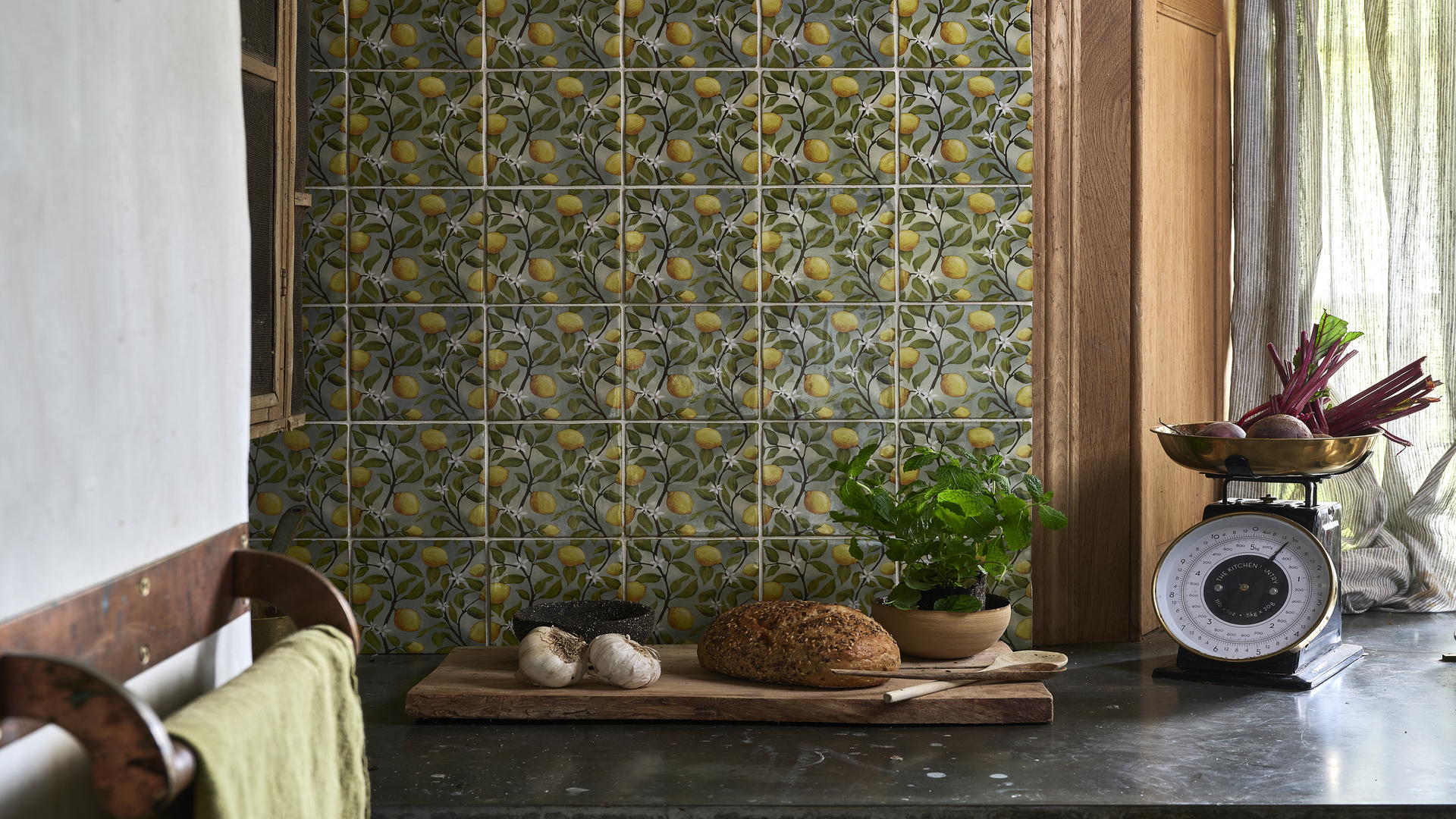
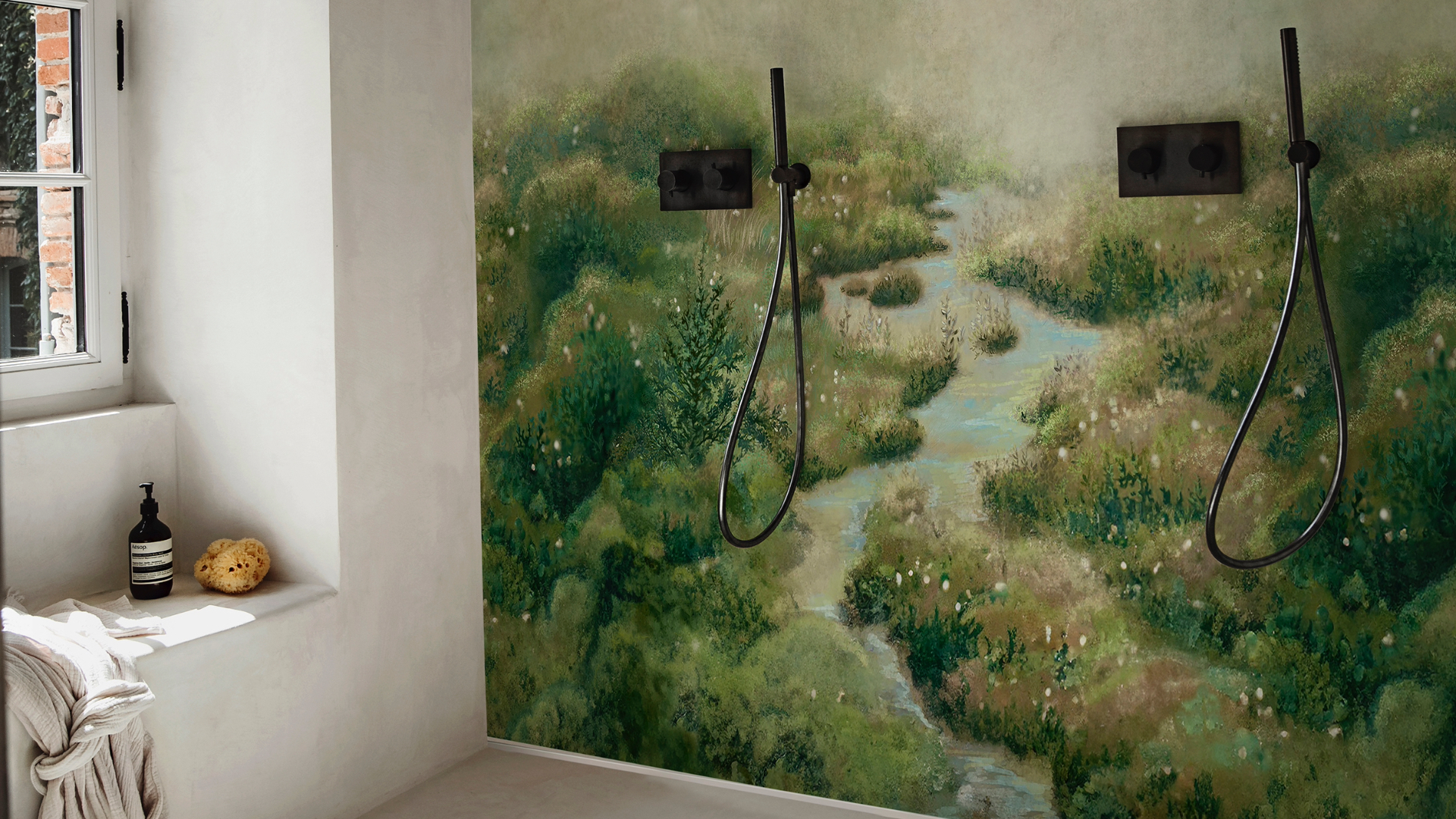
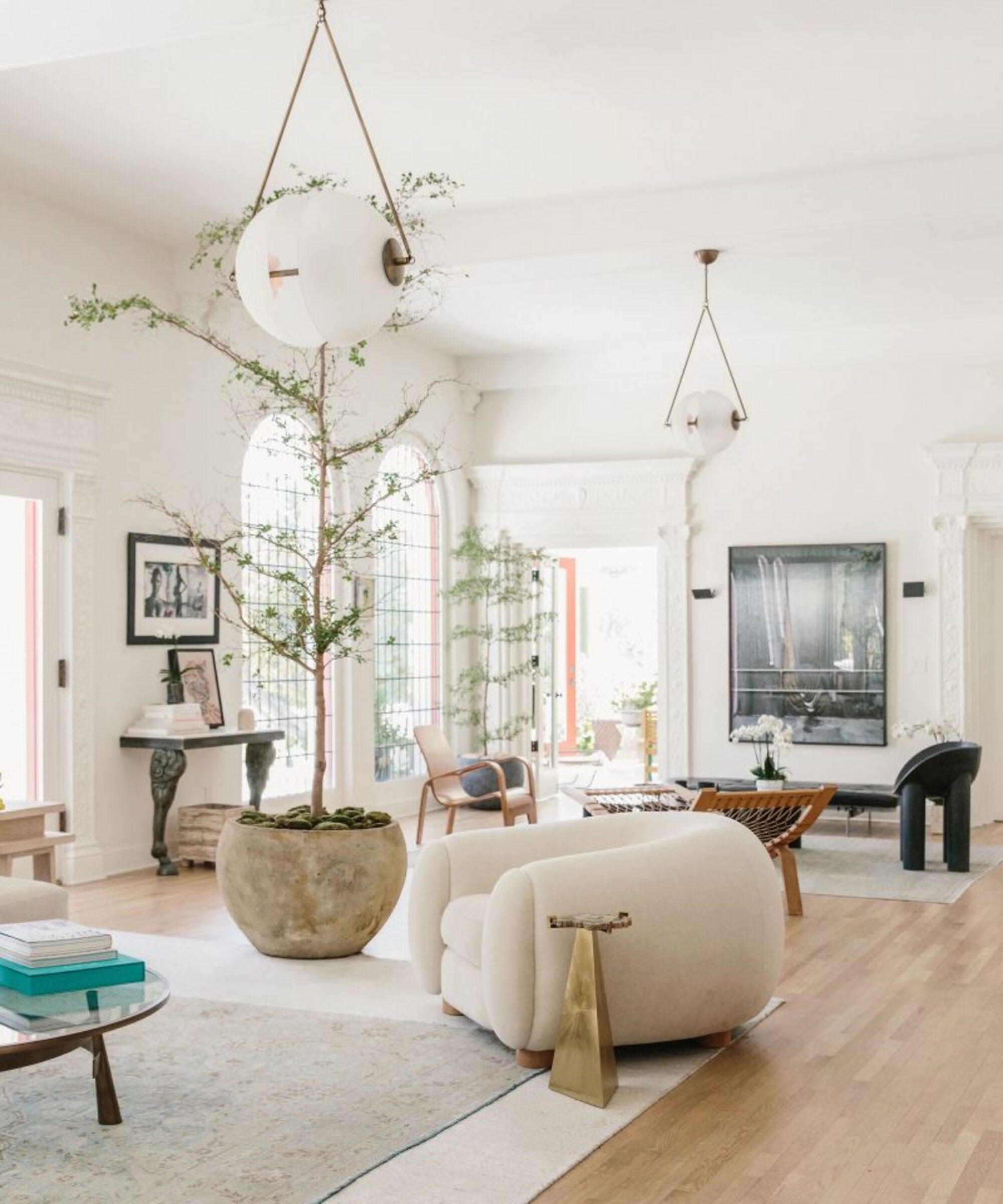
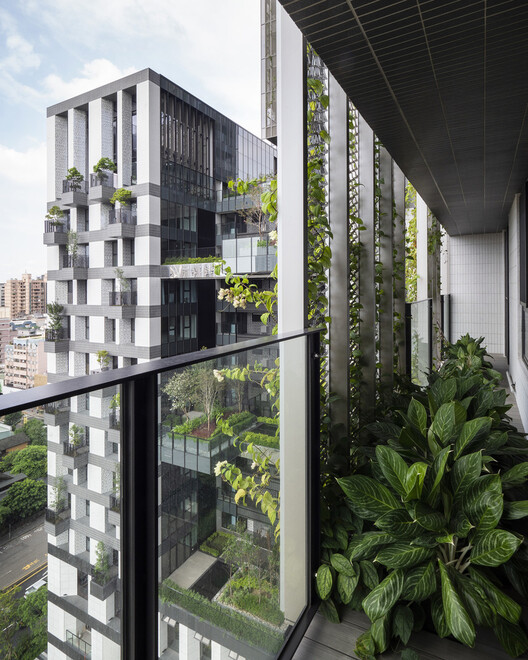
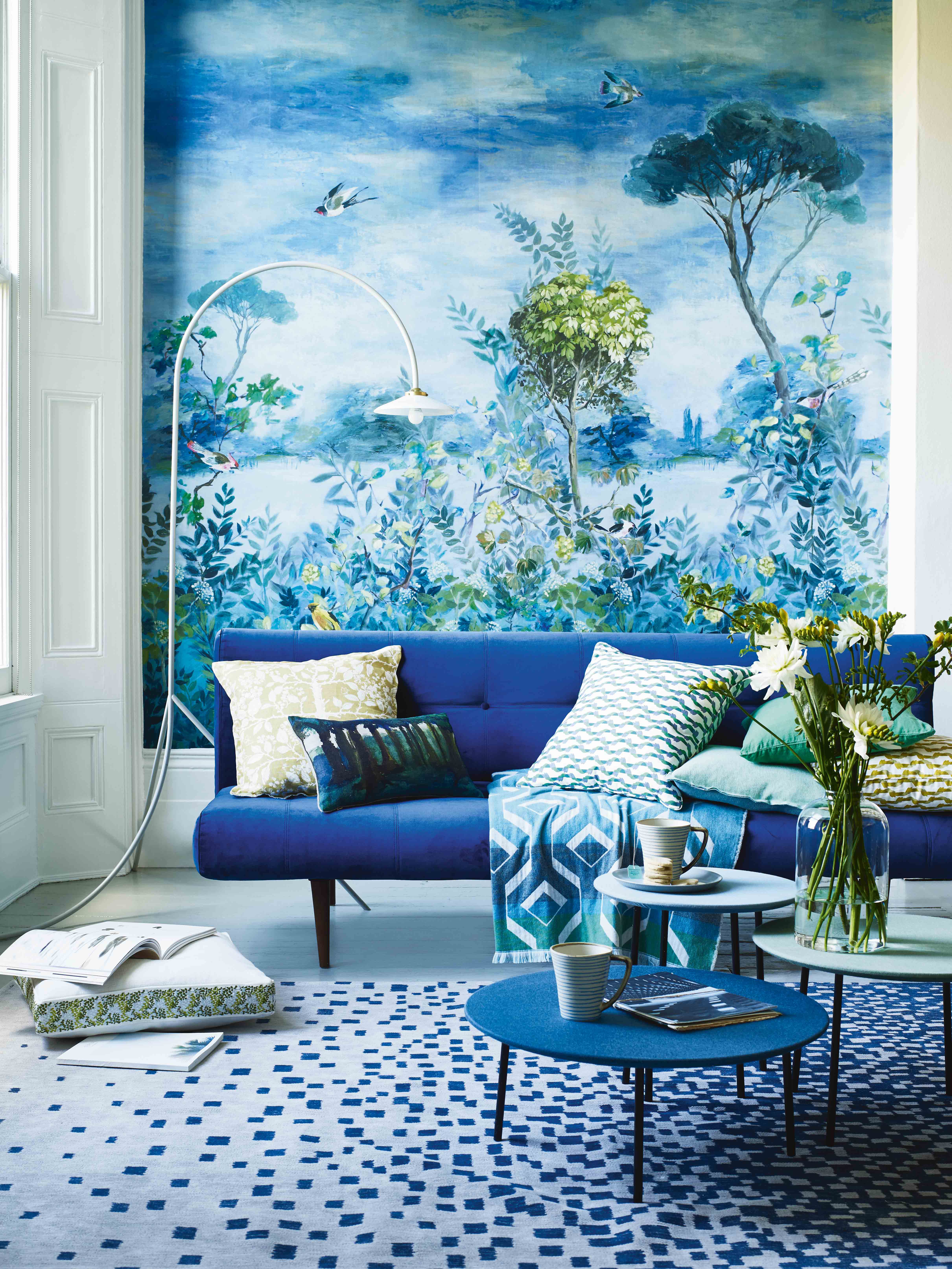
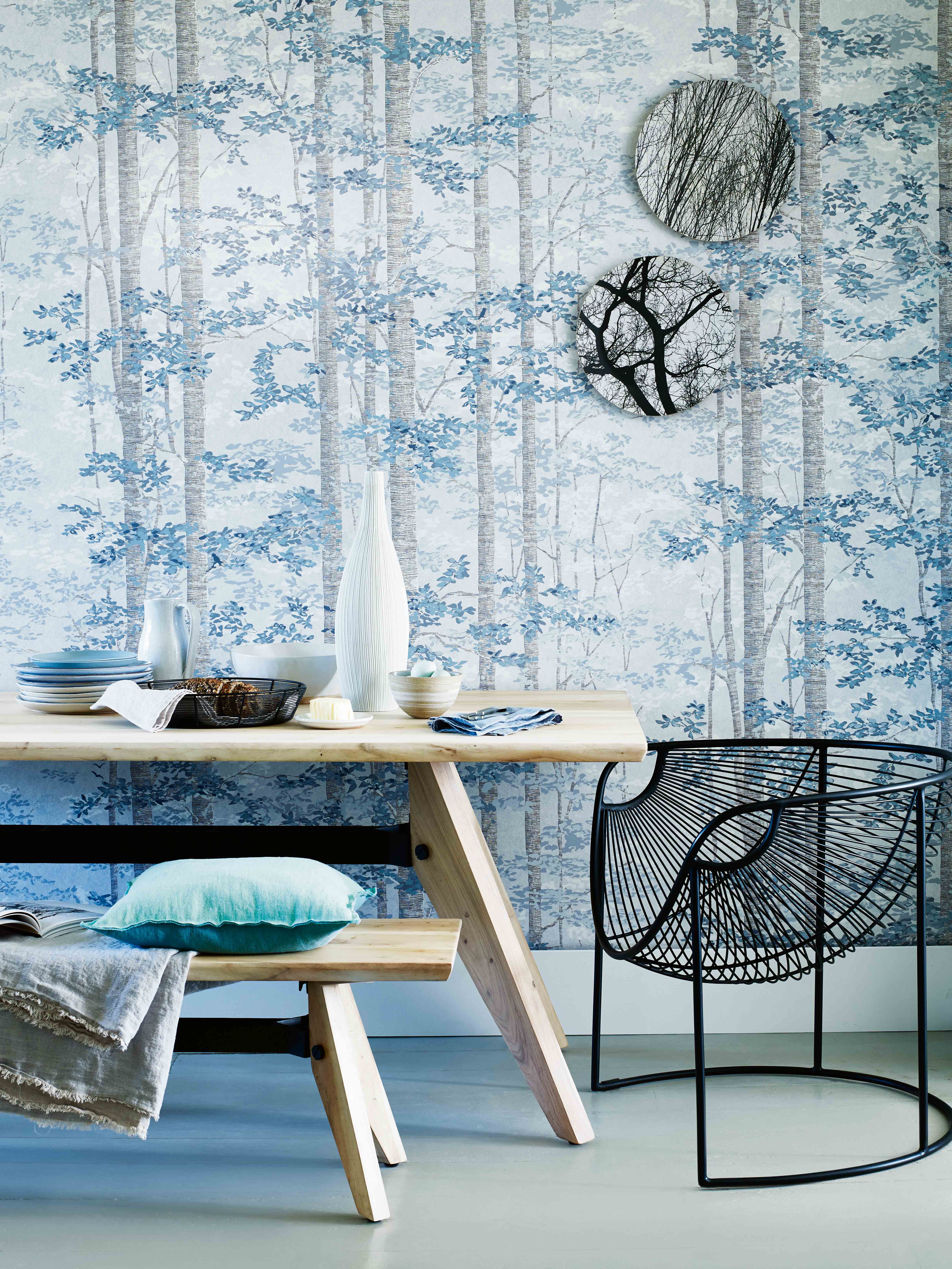
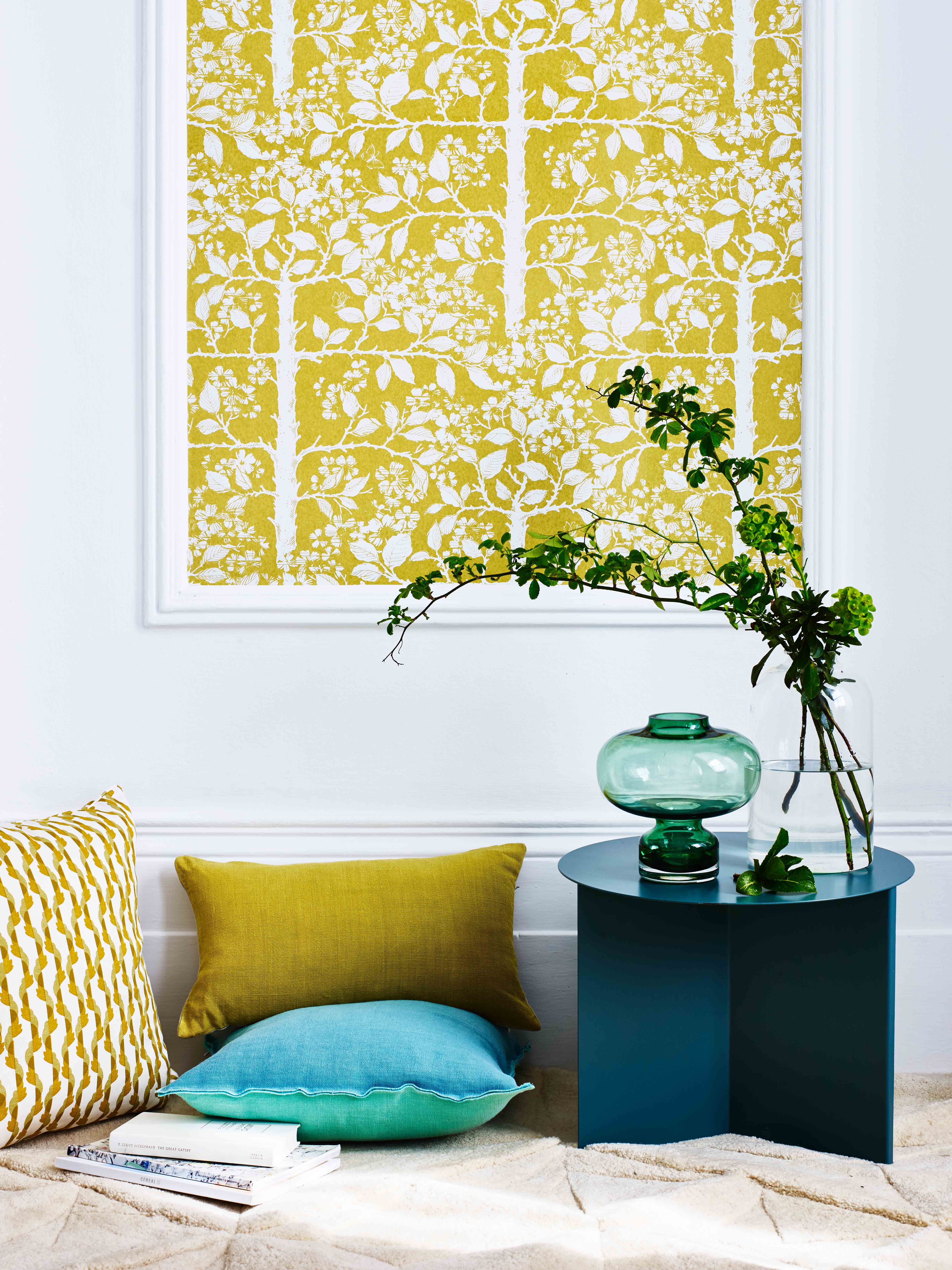
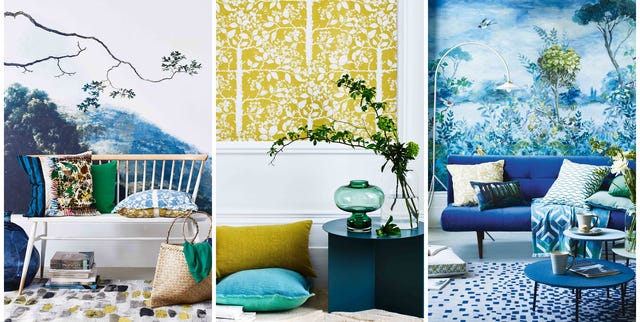
The sixth idea focuses on selecting tactile textures for kitchens, advocating for sustainably sourced natural materials. Examples include combining wooden units with wooden herringbone flooring and marble worktops to create a space rich in texture and pattern yet calm. The seventh suggestion is to build dedicated plant shelves into design plans, particularly during home extensions, to provide a well-lit home for plants and a statement feature. Katie Thomas of KTM Design emphasizes that biophilic design is about creating an overall natural environment rather than isolated plant placements. She also highlights the importance of decluttering for a calm space. Eighth, the article encourages incorporating soft, rounded, and non-symmetrical shapes found in nature, such as rattan chairs and round jute rugs, to create a relaxed, boho aesthetic. Finally, embracing vibrant botanical wallpaper is presented as a foolproof way to bring the feel-good vibes of nature into a room, offering lush greenery without the maintenance of live plants. For apartment dwellers, creative solutions include maximizing balcony space with flower boxes and hanging baskets, aligning interior and exterior flooring, and utilizing living wall boxes with built-in watering systems to save space, along with introducing natural textures and colors. The term “biophilia,” meaning “love of living things,” is defined as our innate need for connection with nature for well-being, explaining its growing trend in interior design to counteract increasing urbanization.
#NatureInspiredHome #UrbanLiving #BiophilicDesign #HomeDecor #InteriorDesign #NaturalMaterials #IndoorPlants #GreenLiving #StressReduction #NatureInspiredHome #UrbanLiving #BiophilicDesign #HomeDecor #InteriorDesign #NaturalMaterials #IndoorPlants #GreenLiving #StressReduction
0 comment in total
 No comments yet
You may also like
Stunning biophilic design ideas to help you bring the great outdoors into your home

The Best of Biophilic Design: Bringing Nature Indoors

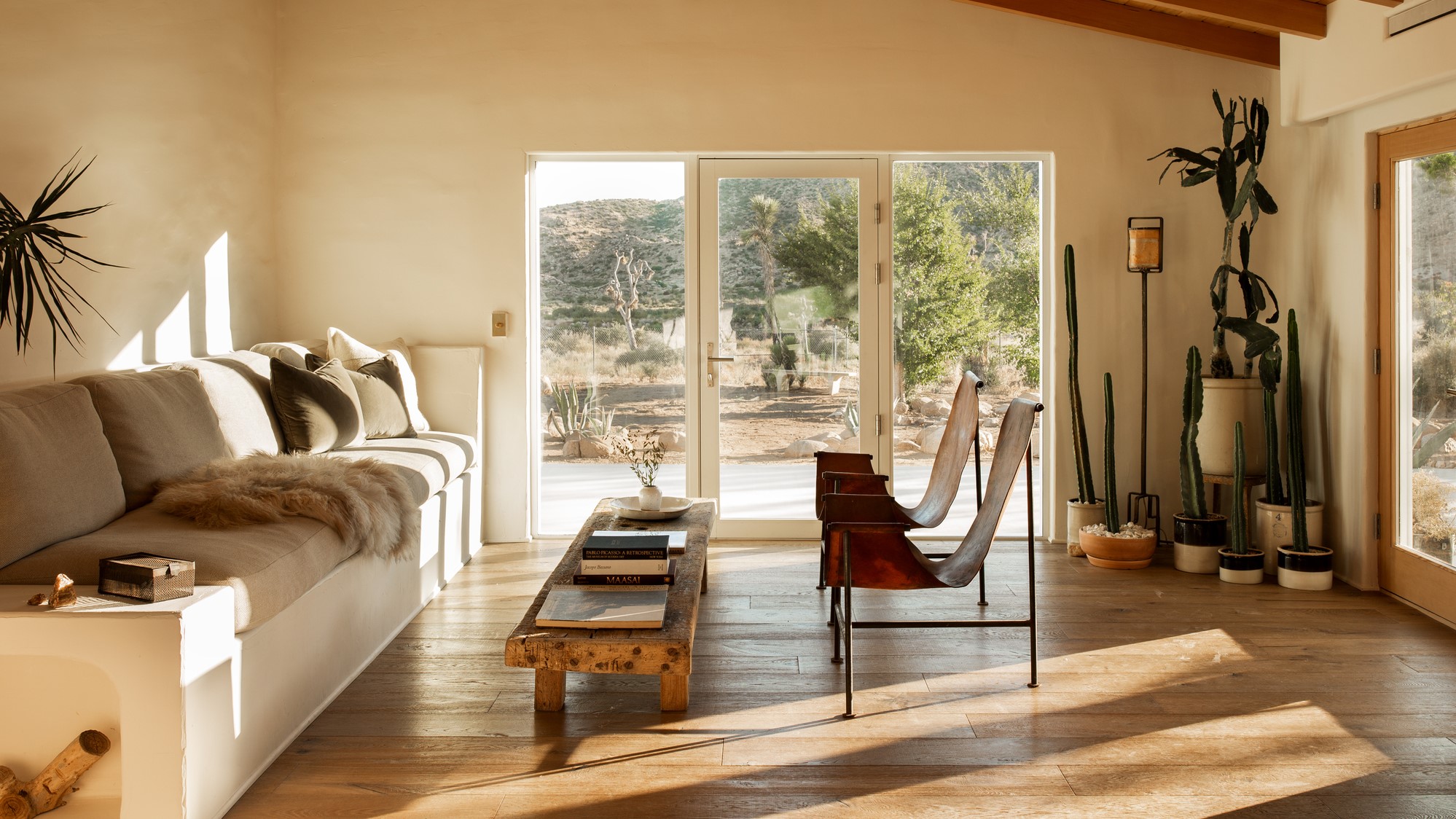
These 10 natural living room ideas will bring the warmth of nature into your home

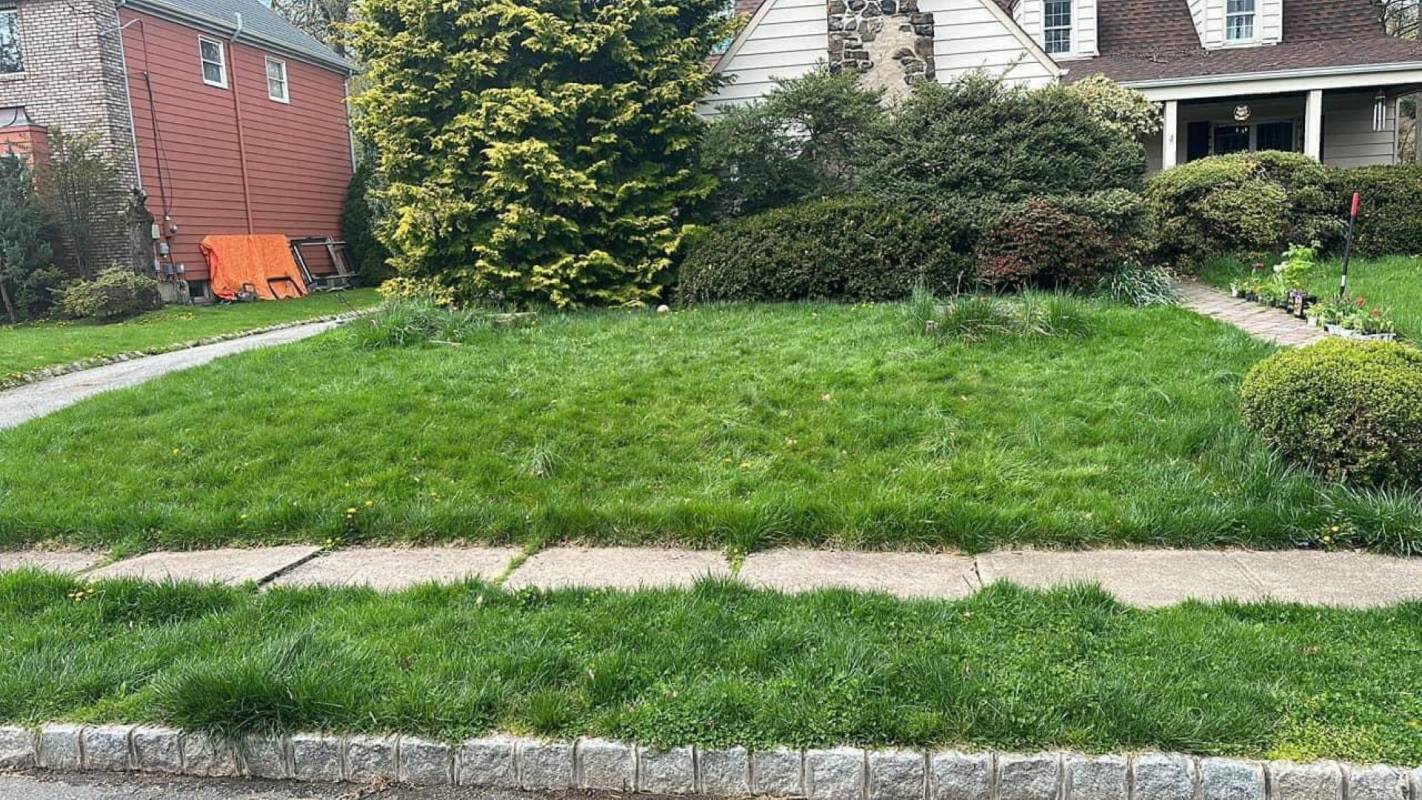
Proud homeowner shares before-and-after transformation photos of impressive backyard design: 'That looks incredible'

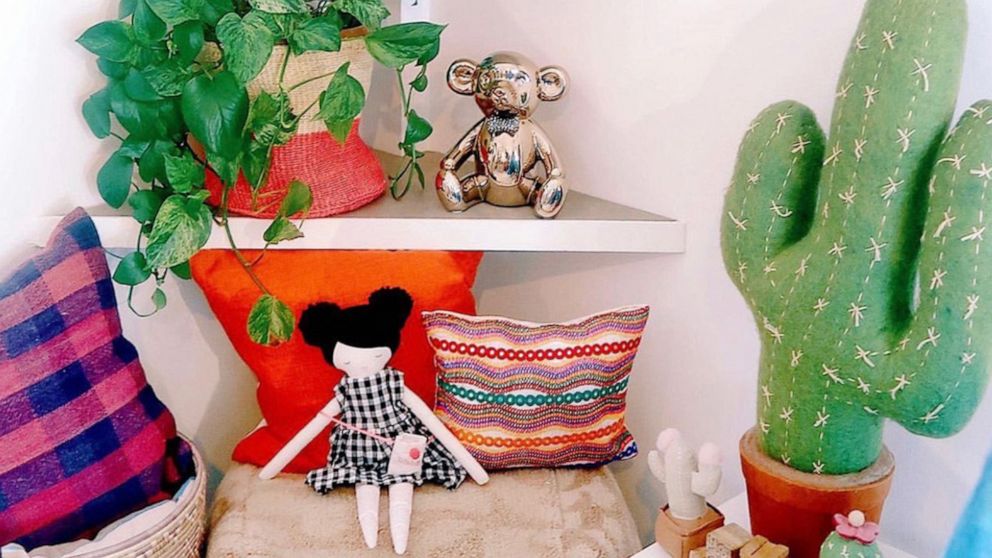
Bring in the outdoors with these nature-inspired home decor finds
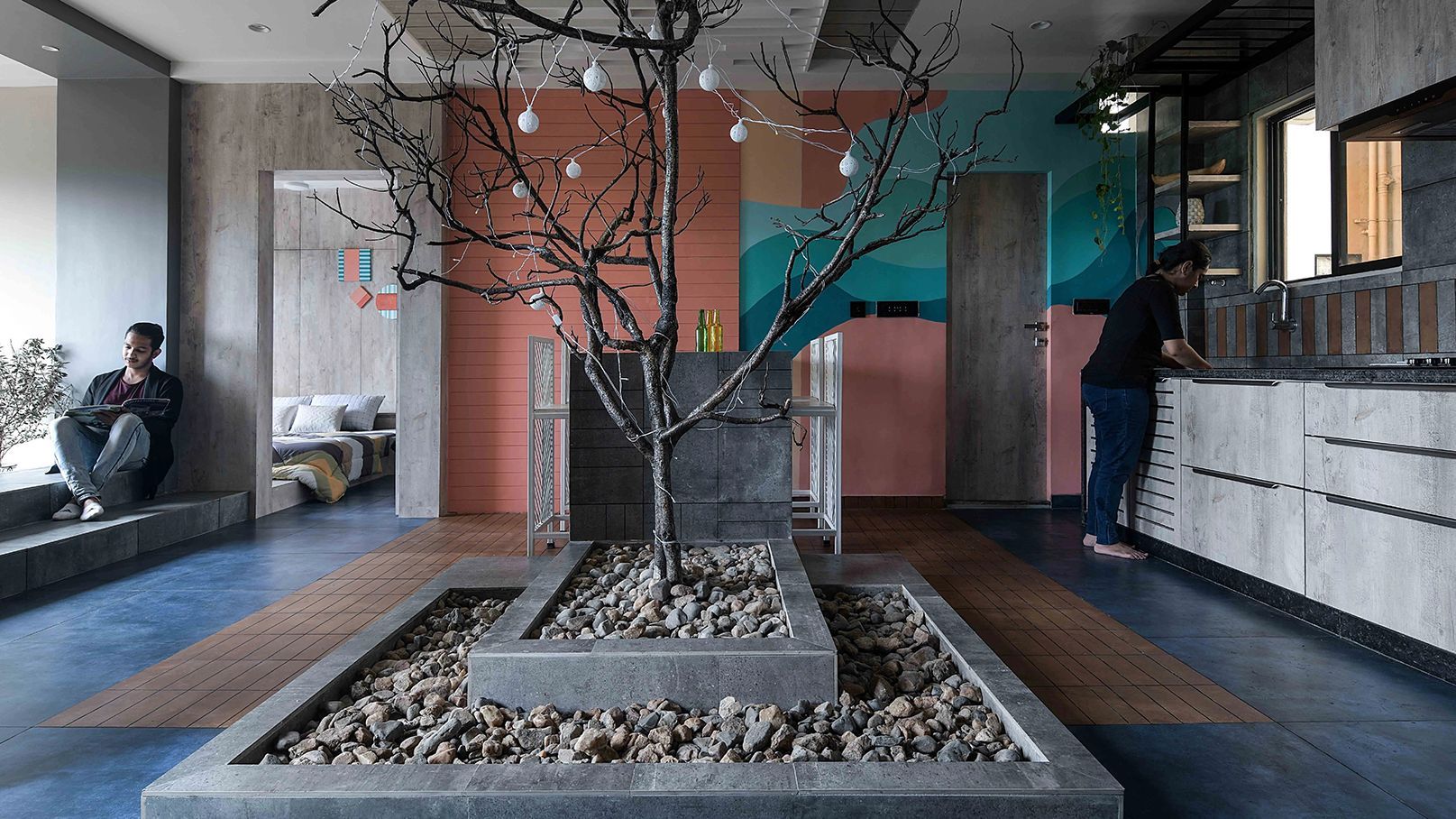
7 indoor courtyard design ideas to bring you closer to nature

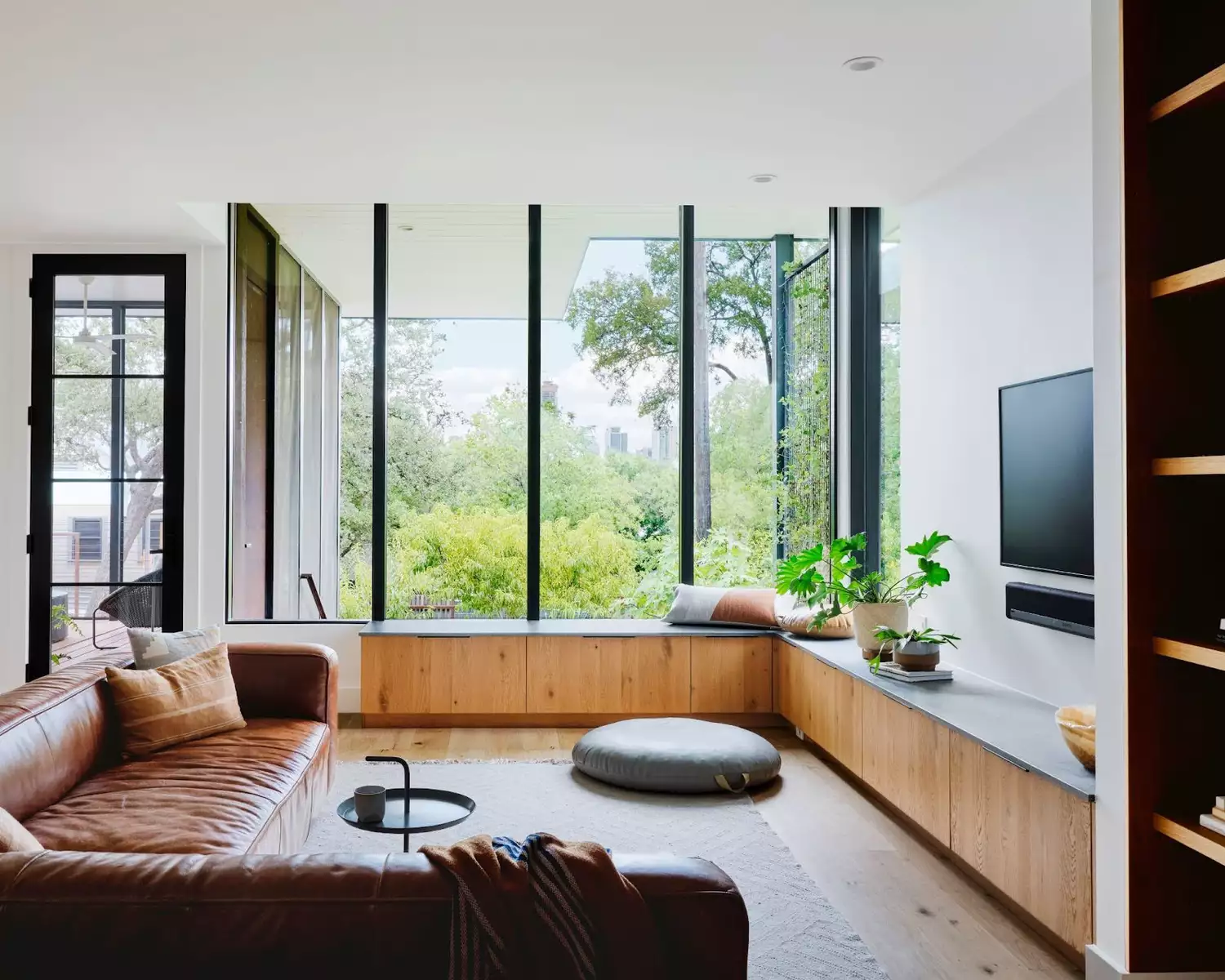
These 10 Biophilic Design Ideas Will Transform Your Home Into a Natural Oasis
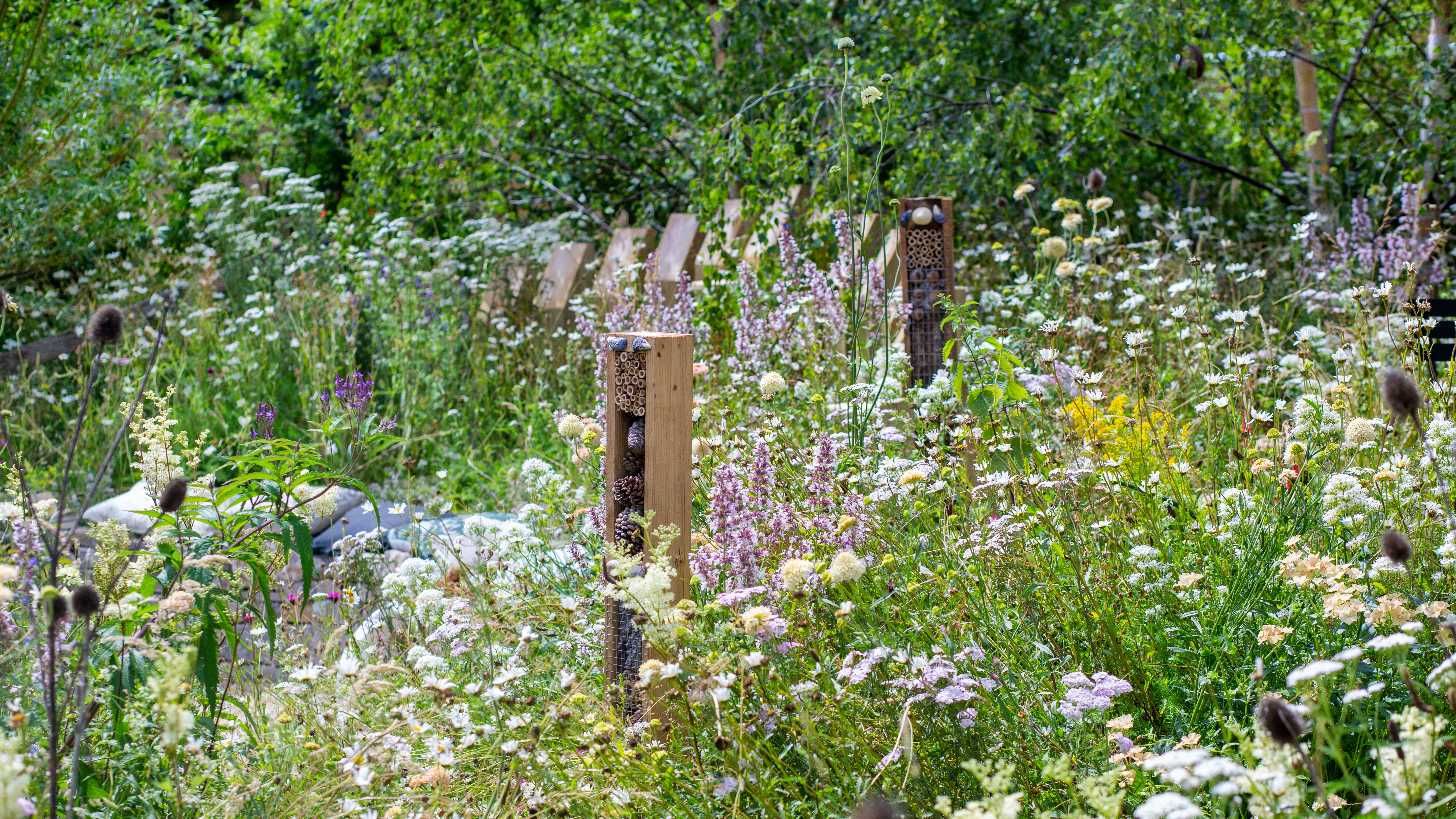
Wildlife garden ideas – 16 ways to transform your backyard into a nature-friendly plot

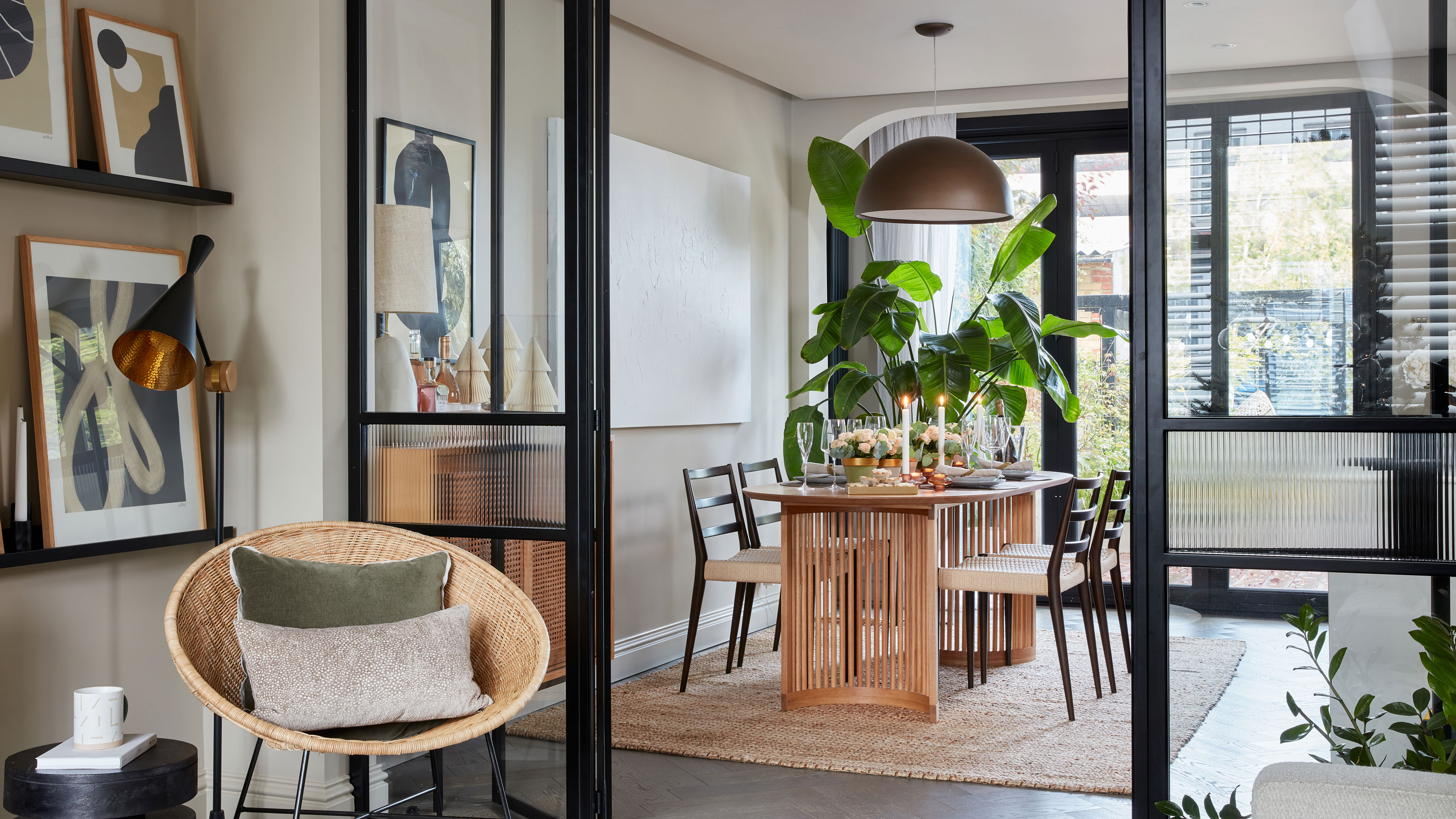
Biophilic design ideas - clever ways to bring nature into your home for a calming space
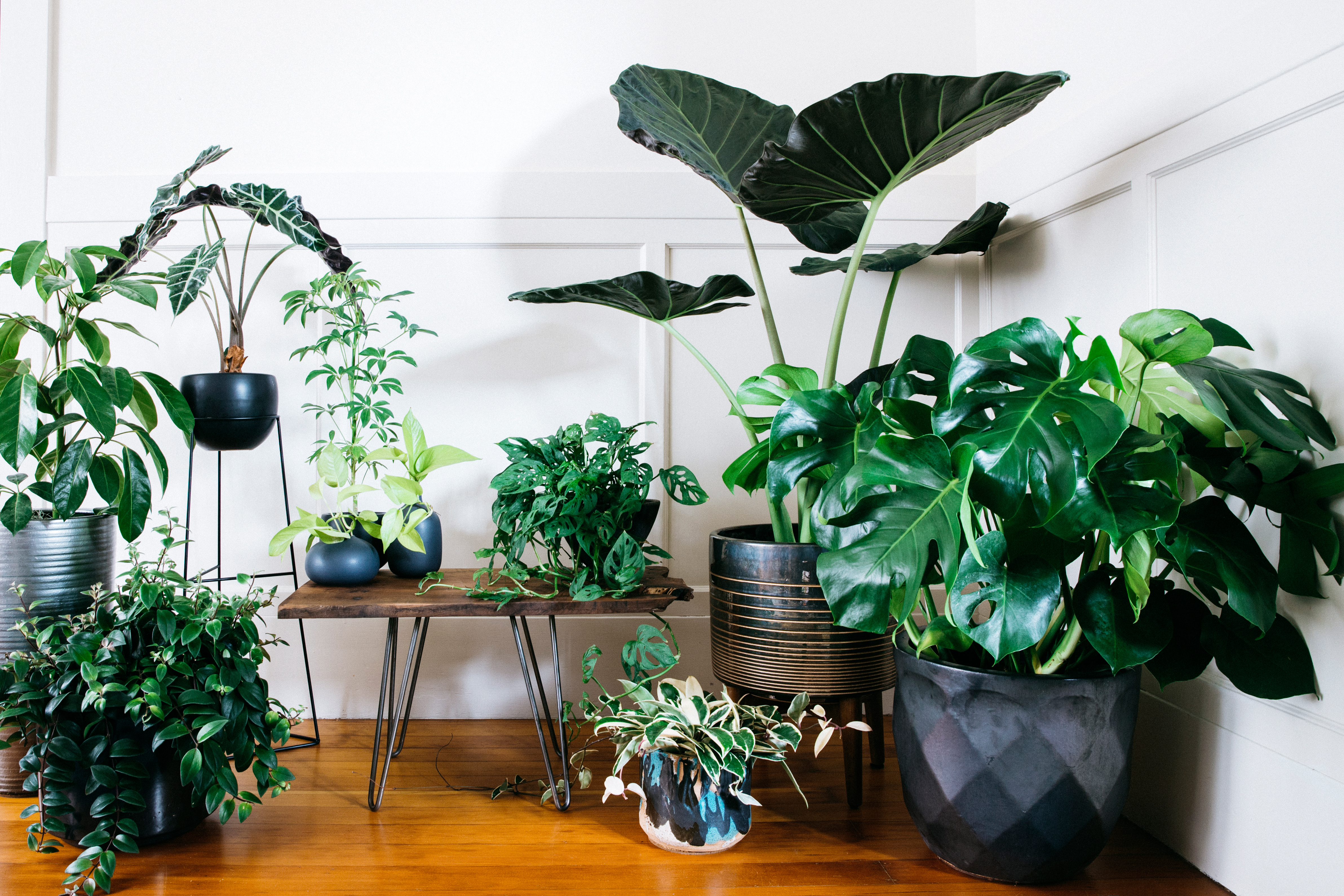
19 Ways to Design with Houseplants


7 Earth-based Solutions For Building Closer to Nature
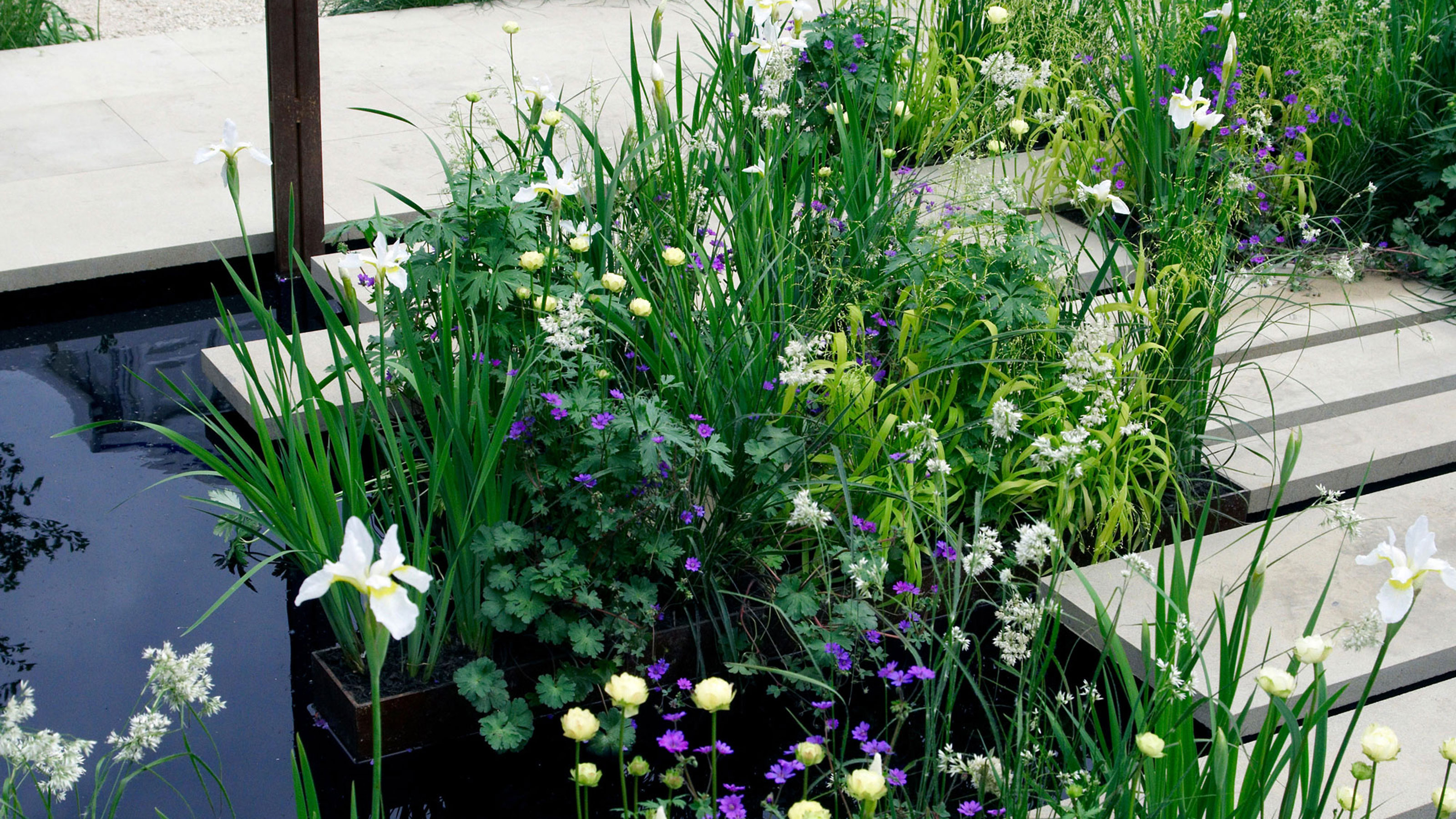
Landscaping ideas - 12 transformative ways the experts would enhance your urban outdoor space
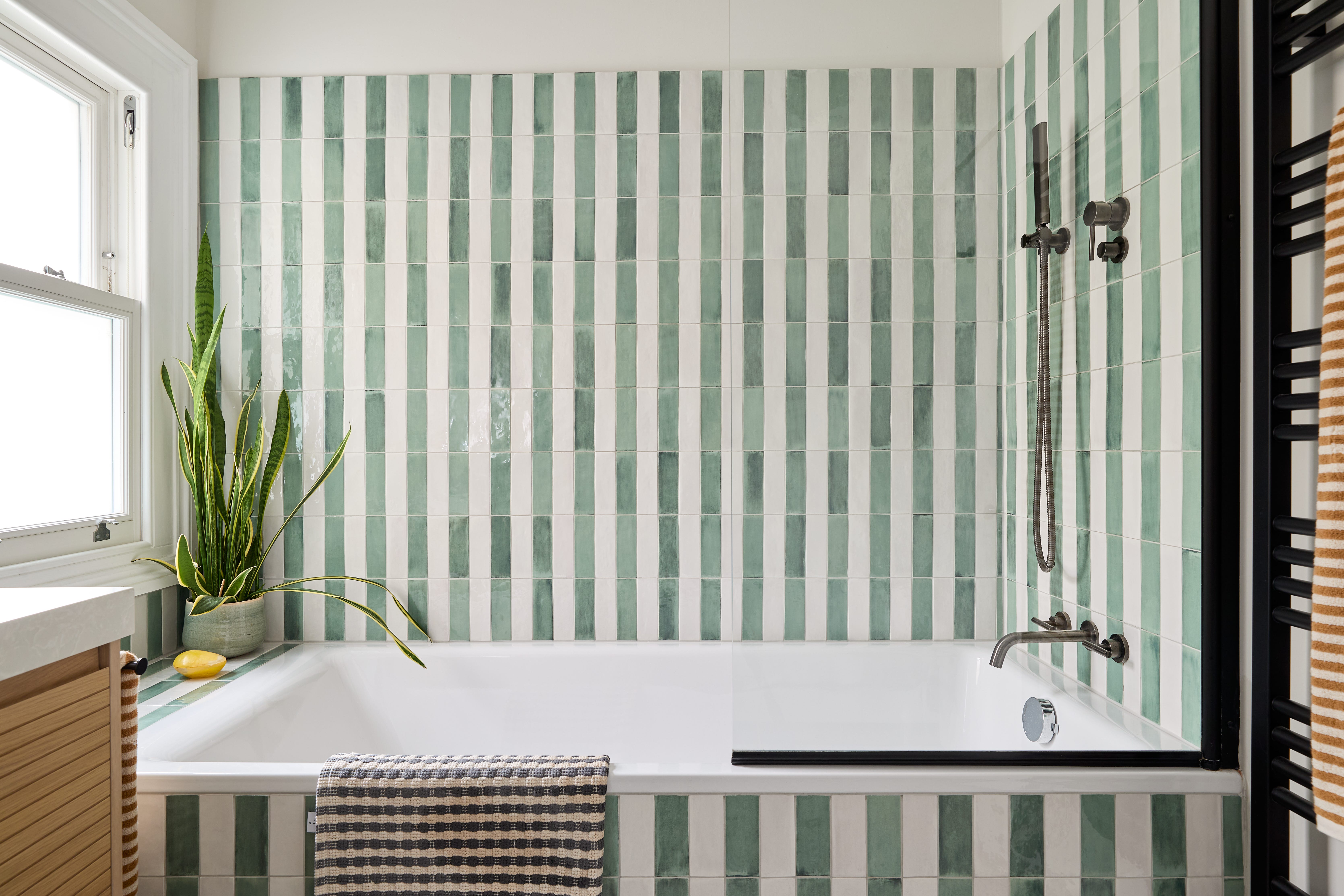
8 ways to freshen up your home through natural biophilic design
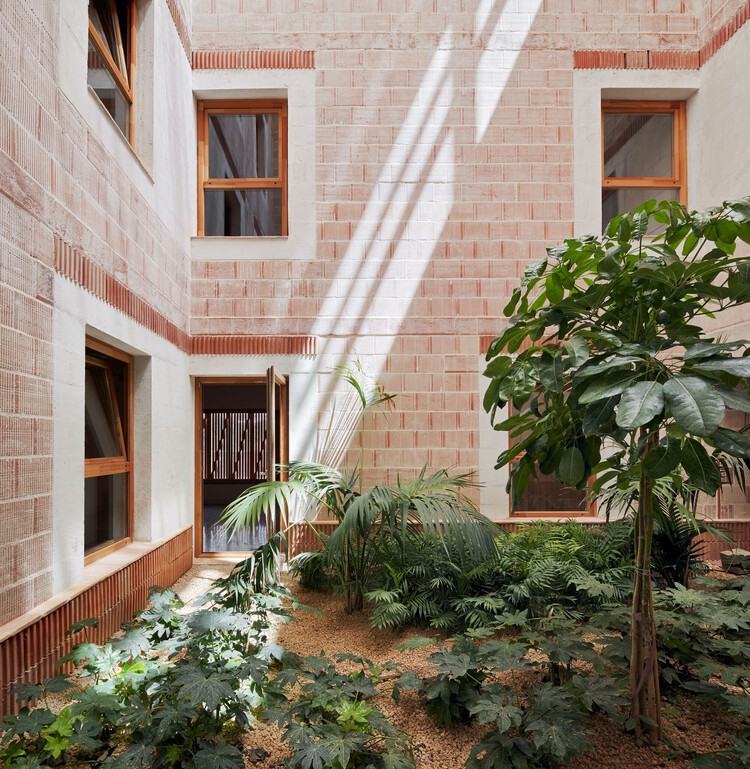
Bringing the Outside In: Life-Size Terrariums and Other Ways to Exhibit Nature in European Apartment Buildings

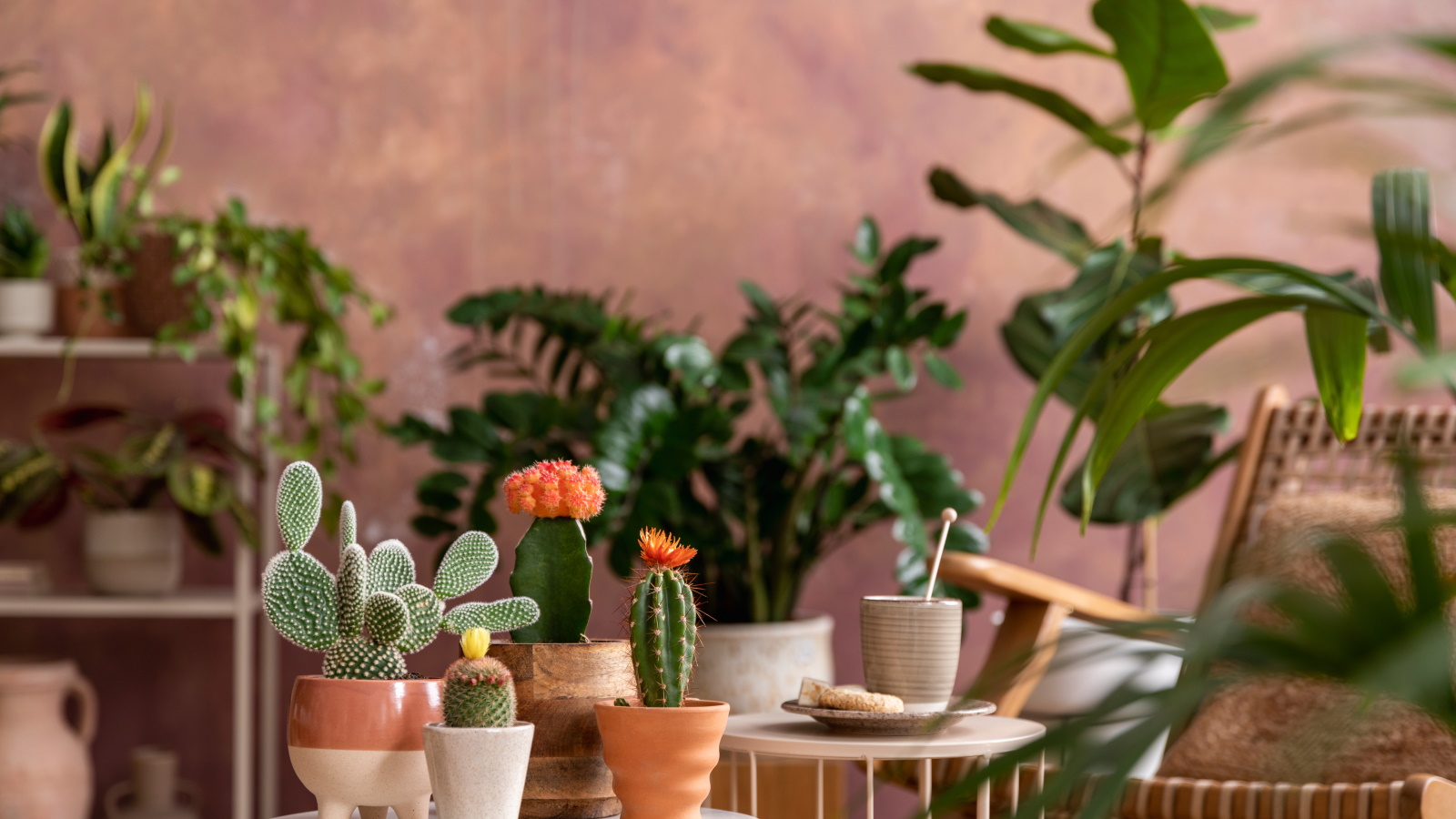
Indoor garden ideas: 9 ways to create a plant-filled haven
How to bring the outside in with nature-inspired wallpaper murals

9 inner-city garden ideas to inspire

Nature to nurture: how to get more plants in your life and home

Cultivating Green Apartments: A Guide to Integrating Nature in Small Urban Spaces
10 things to get rid of in your outdoor space, according to designers and gardeners