1/17
Wildlife garden ideas – 16 ways to transform your backyard into a nature-friendly plot
This article explores various wildlife garden ideas to transform any backyard, regardless of its size, into a vibrant and welcoming haven for birds, insects, and animals. It emphasizes the significant role gardeners play in providing shelter, habitats, food, and water for wildlife, highlighting numerous easy methods to achieve this. The piece suggests integrating these ideas into existing garden designs to foster biodiversity and enhance the enjoyment of outdoor spaces.
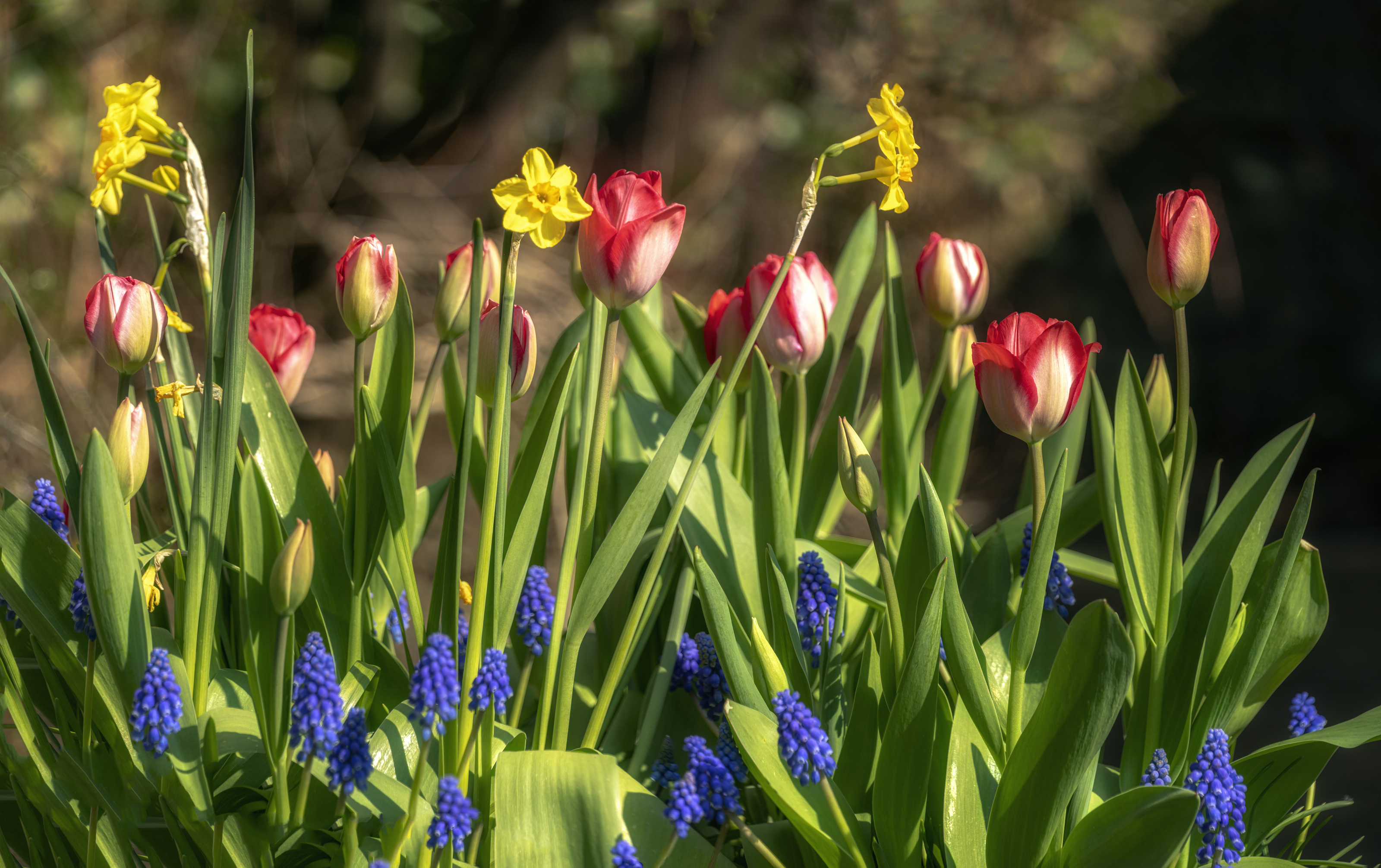
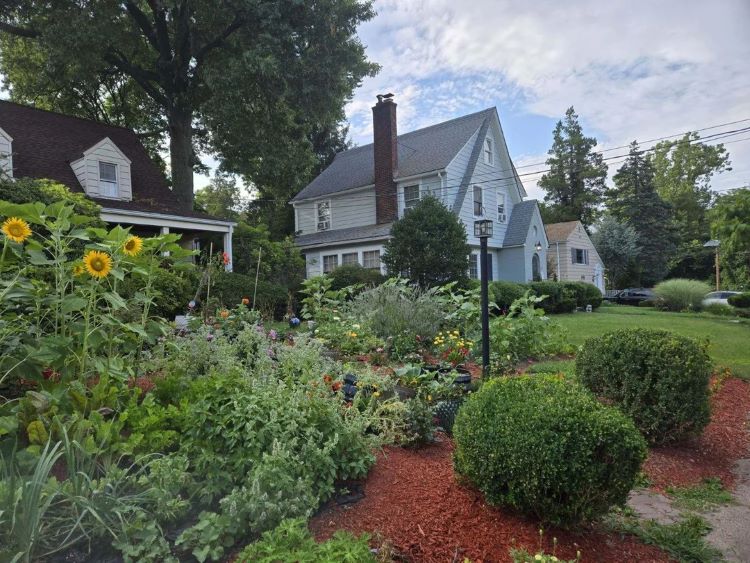
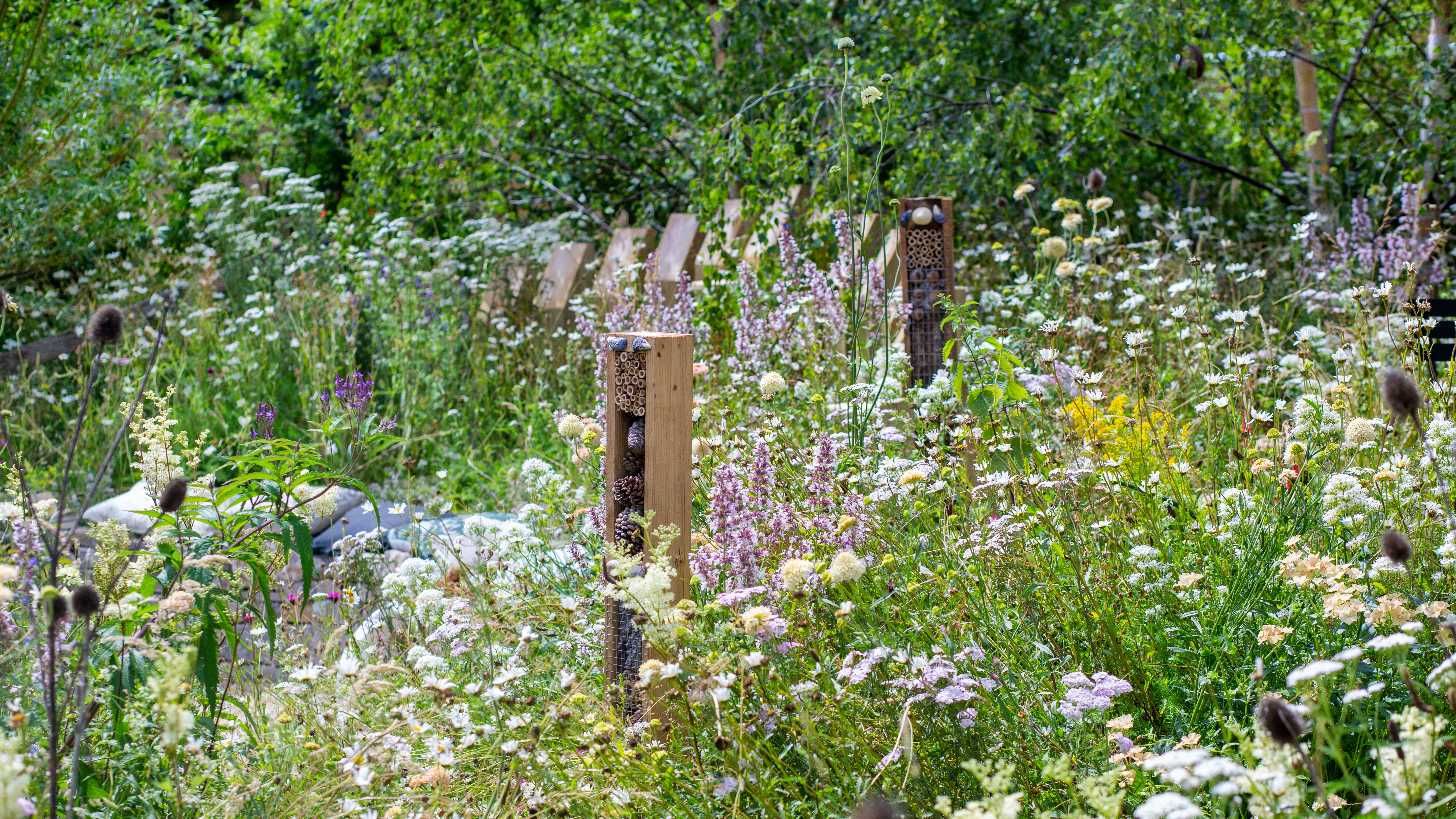
Key strategies for creating a wildlife-friendly garden include growing plants specifically for pollinators, as these are crucial for the ecosystem. Naturalistic planting design, which uses a diverse range of low-maintenance, high-performing flowers, is recommended to provide nectar and pollen year-round. Single-flowering, open varieties are preferred over highly bred cultivars. The article also advises growing a variety of pollinator-friendly plants to ensure continuous bloom throughout the year, thereby attracting a greater diversity of insects, which in turn attracts birds. Specific plant suggestions include tube-shaped flowers like foxgloves for long-tongued bees and butterflies, and scented flowers to attract bats.
Providing shelter is another vital aspect, and ideas range from simple log piles to custom-built bee houses. The importance of solitary bees, which do not produce honey but are vital pollinators, is highlighted, with instructions for installing bee hotels. The addition of water features, such as ponds or bird baths, is presented as essential for attracting various aquatic species, birds, and insects. Recommendations for pond placement include sunny locations away from overhanging trees, with at least two-thirds of the perimeter planted to enhance wildlife value. For smaller spaces, regularly refreshed water trays with pebbles for insects are suggested.
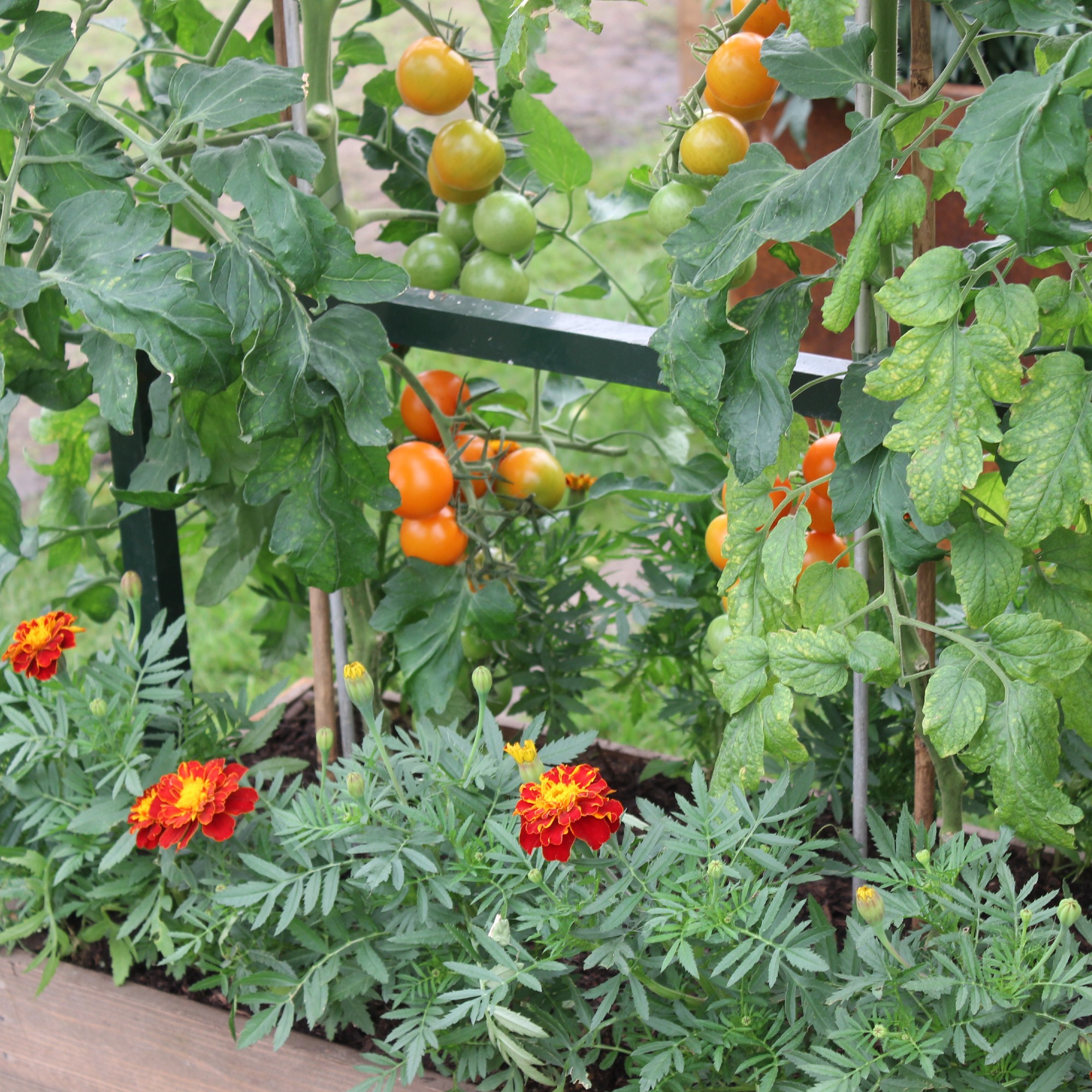
A crucial recommendation is to avoid chemical pesticides, which are toxic to beneficial insects and disrupt the natural ecosystem. The article advocates for natural pest control methods, such as hand-picking larger pests, companion planting (e.g., French marigolds to deter whitefly and garlic to deter aphids), and encouraging natural predators like birds, frogs, toads, slow worms, and hedgehogs. Creating habitats for these predators, such as hedgehog houses made from log piles and leafy branches, is also detailed.
Feeding birds, especially during winter when food is scarce, is another important practice. The article advises using high-energy foods like fat balls (without mesh bags) and providing a constant supply of fresh water. Specific plant recommendations for attracting wildlife include sunflowers, viper's bugloss, and pyracantha, which offer food and shelter. Lavender is also highlighted for its attractiveness to honey bees and bumble bees. For those with limited space, balcony bird feeders are suggested to attract wild birds.
Garden maintenance practices are also addressed, with a recommendation to delay deadheading and leaving seed heads on plants until spring to provide food for birds and insects. Allowing nettles to grow in unseen areas provides food for caterpillars, and reducing lawn mowing frequency encourages wild flowers to bloom, benefiting bees and butterflies. The article also suggests planting purple flowers, which bees are particularly attracted to, and installing bird boxes to provide nesting sites. Creating bug hotels from natural materials is presented as an effective way to support beneficial insects. Finally, incorporating native trees and shrubs offers important habitats and food sources, while planting a wildflower meadow contributes significantly to biodiversity. The article concludes by emphasizing diversity in planting, avoiding pesticides, and practicing permaculture to create a self-sustaining wildlife garden.
#WildlifeGardens #PollinatorPlants #NaturalPestControl #BirdFriendlyGardens #HedgehogHomes #WildflowerMeadows #EcoFriendlyGardening #GardenHabitats #SustainableLandscaping #WildlifeGardens #PollinatorPlants #NaturalPestControl #BirdFriendlyGardens #HedgehogHomes #WildflowerMeadows #EcoFriendlyGardening #GardenHabitats #SustainableLandscaping
0 comment in total
 No comments yet
You may also like
Garden decorating ideas – 24 ways to update your backyard
'It mimics nature's randomness' - this simple gardening trick is how landscape designers make a backyard look more put together

Front garden ideas – 32 ways to transform your space for the ultimate kerb appeal

Create an Indoor Jungle with These 16 Indoor Vining Houseplants

7 indoor courtyard design ideas to bring you closer to nature

Backyard Ideas — 15 Brilliant Ways to Make the Outdoors Fun and Functional
28 Outdoor Décor Ideas That Will Transform Your Backyard

16 Courtyard Gardens Ideas to Maximize Your Small Space and Inspire Your Dreamy Al Fresco Moments
9 creative ways to bring nature into your urban home

Proud homeowner shares before-and-after transformation photos of impressive backyard design: 'That looks incredible'

Modern Garden Ideas — 38 Transformative Ways to Rejuvenate Your Outdoor Space

8 Designer-Approved Tips for Turning a Small Backyard Into an Outdoor Oasis

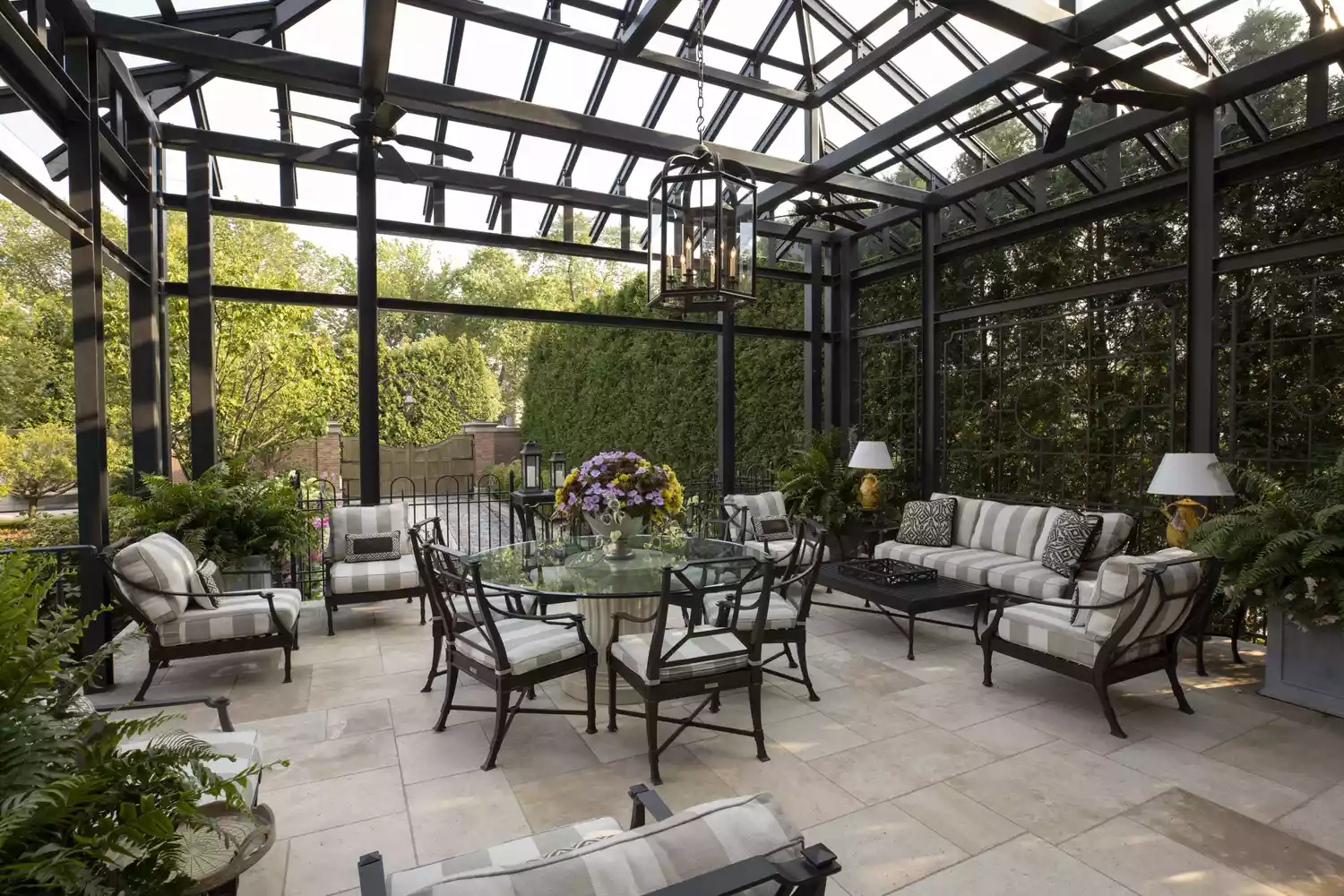
What the Heck Is a Garden Room? (And Why Is Everyone Talking About Them?)
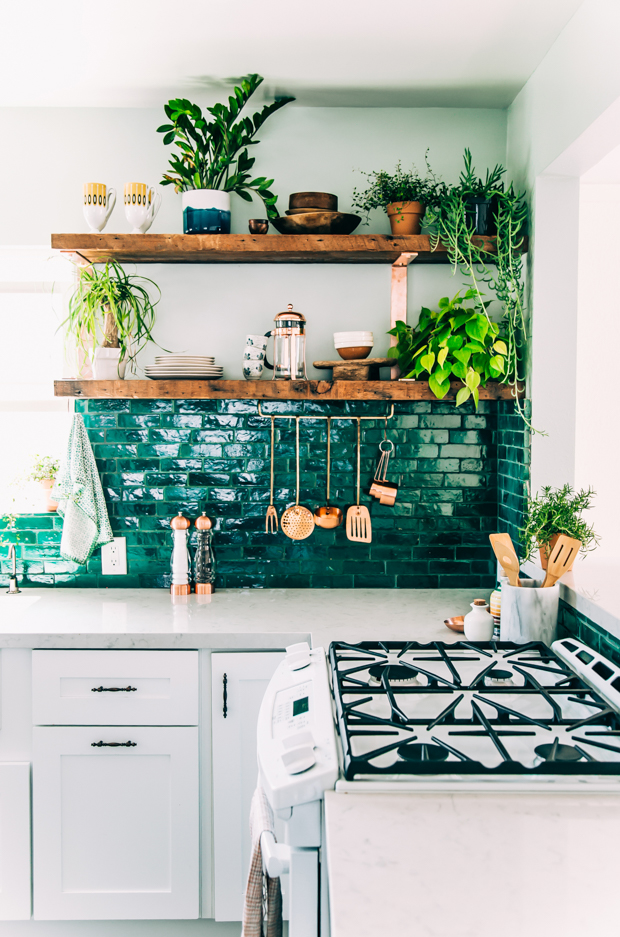
6 Indoor Garden Ideas That Will Convince You to Become a Plant Person

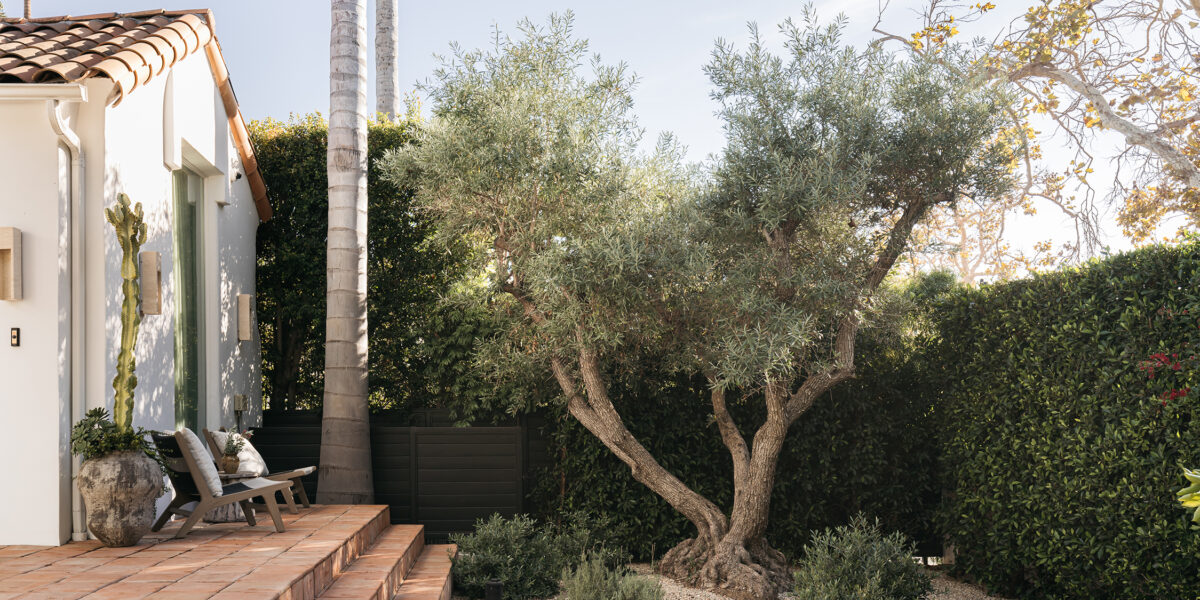
This Is Your Sign to Rip out Your Concrete Backyard and Turn It into a Lush Retreat
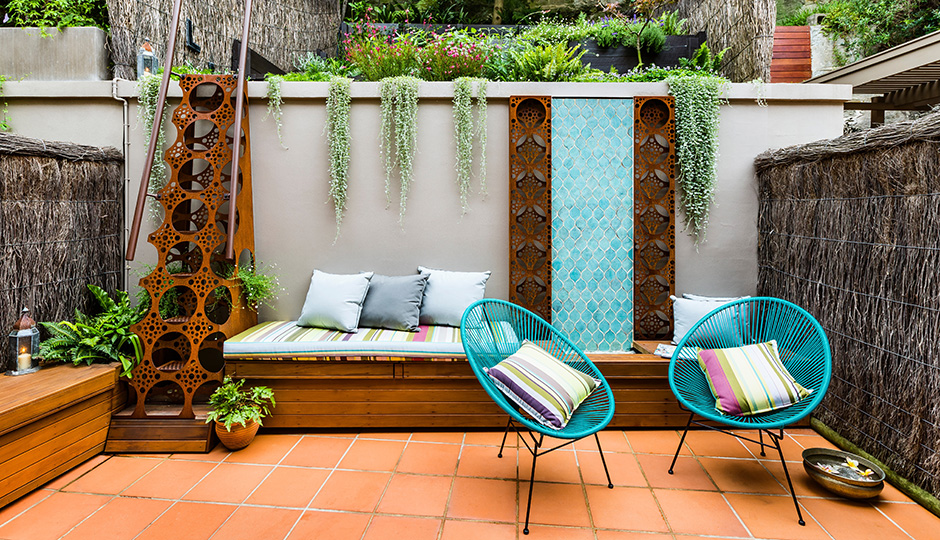
8 Ways to Turn Your Tiny Back Patio Into a Gorgeous Oasis

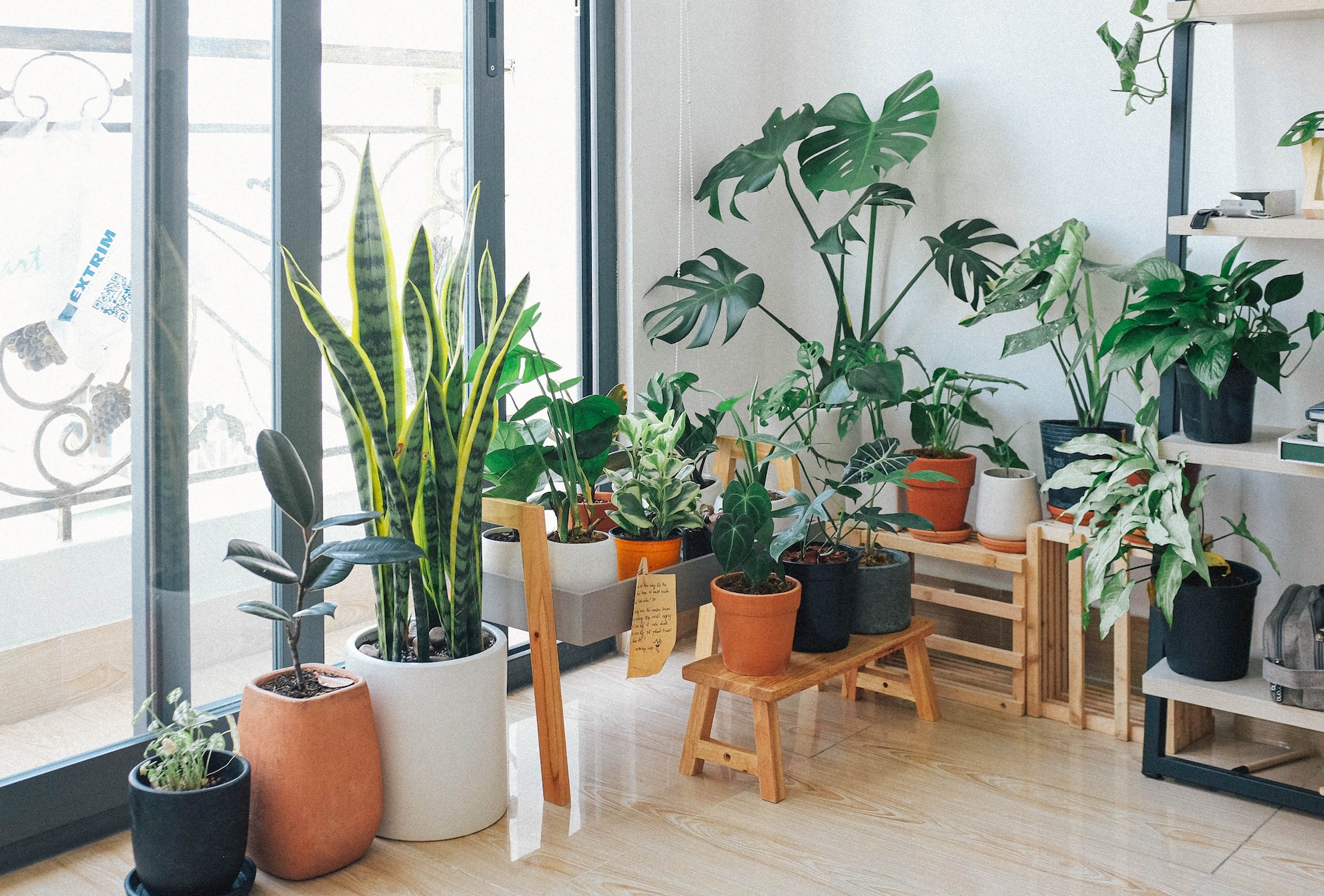
8 Incredible Indoor Garden Ideas

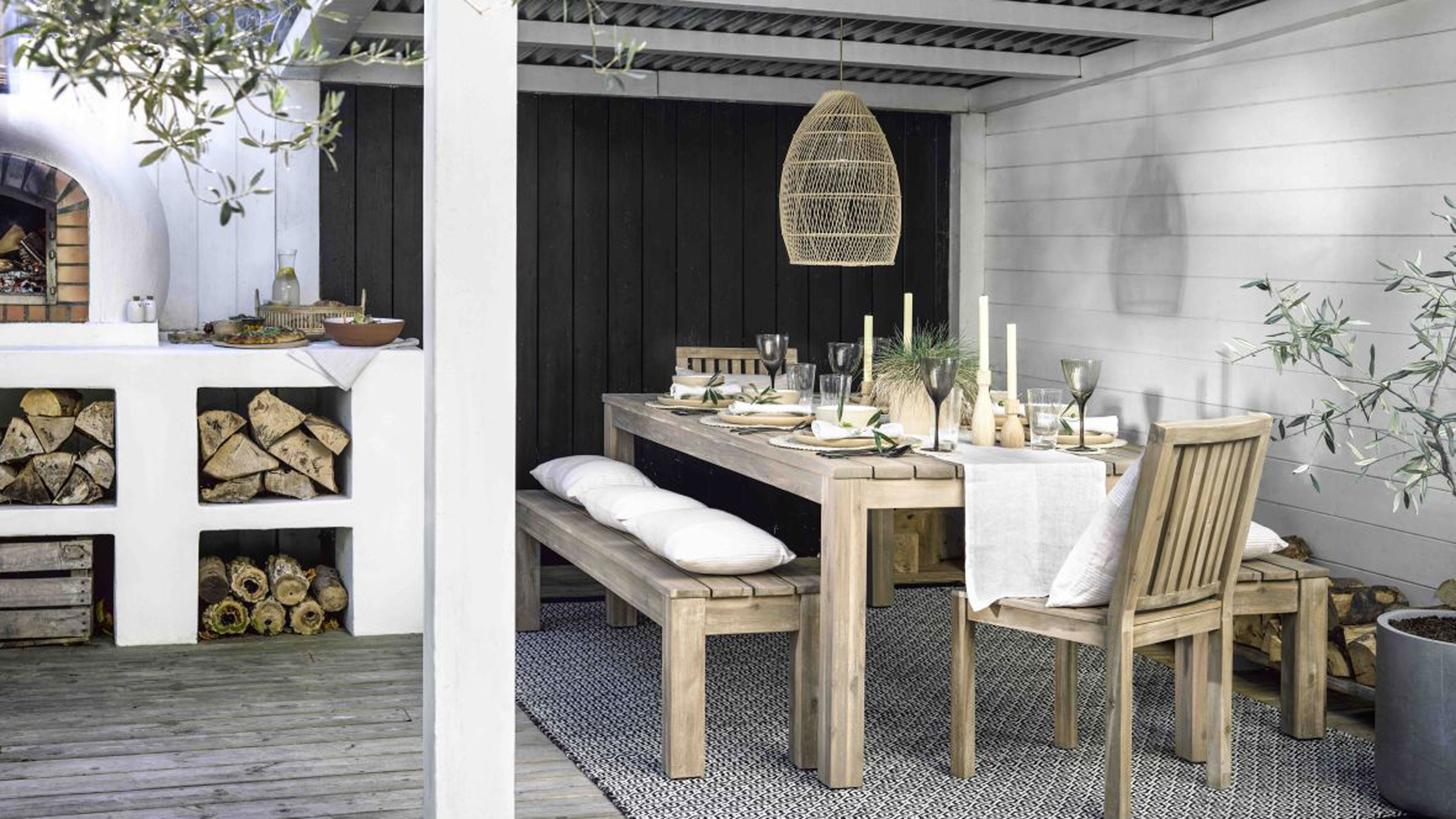
How to design an entertaining garden – expert ways to switch up your space
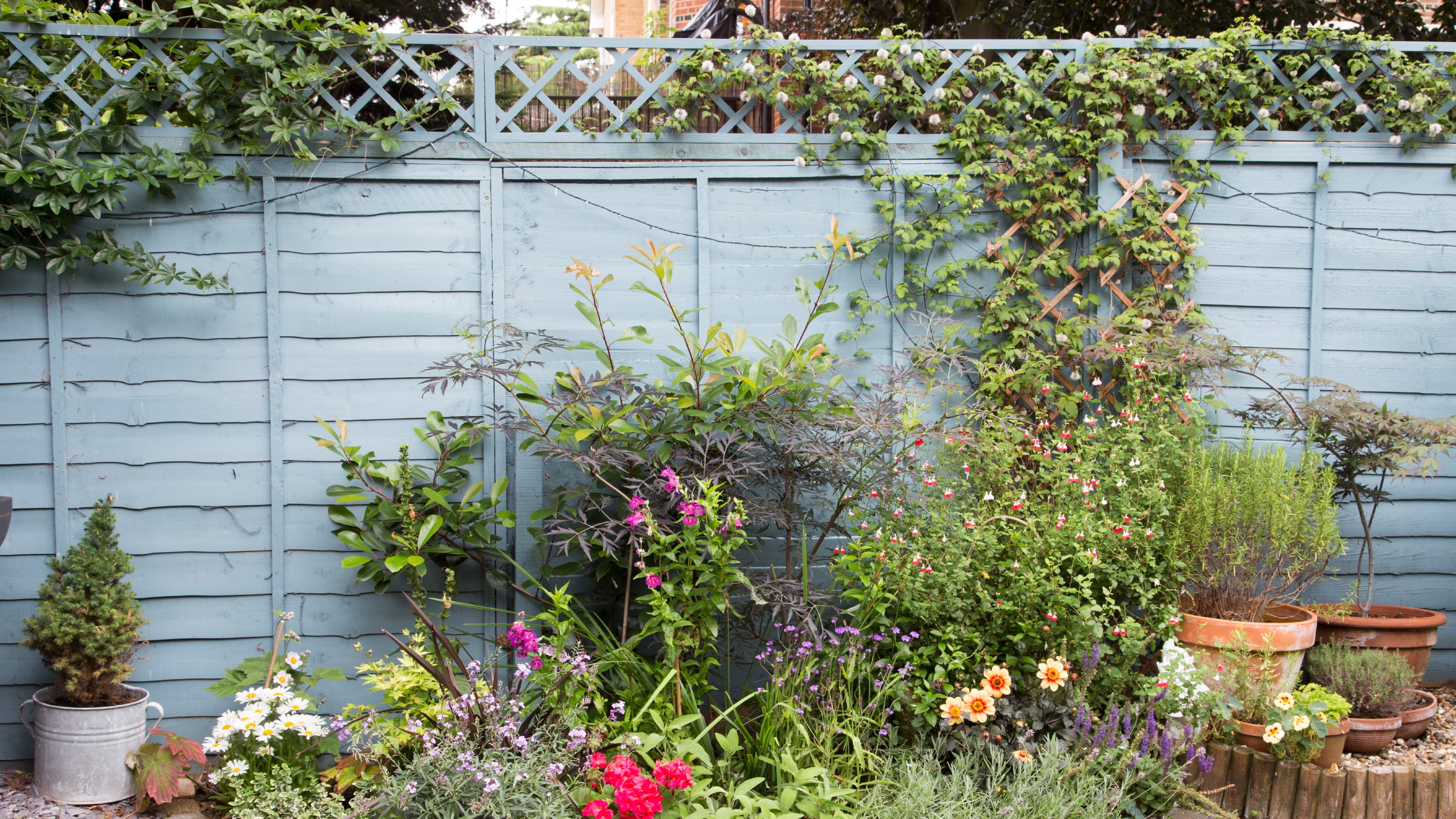
Easy garden ideas – 34 low-maintenance ways to enhance your outdoor space
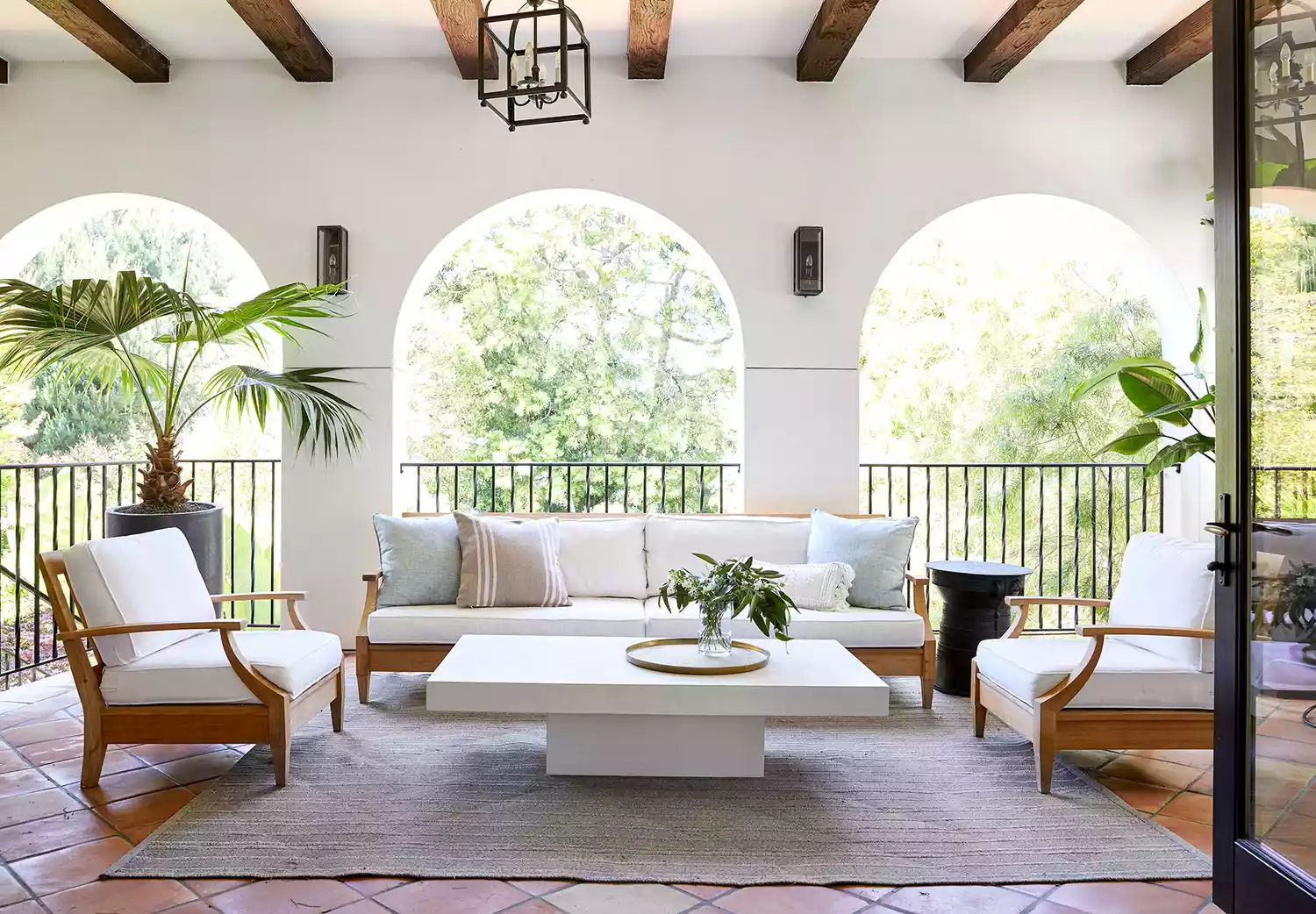
12 Backyard Design Ideas That Will Make You Rethink Your Outdoor Space