1/4
'It mimics nature's randomness' - this simple gardening trick is how landscape designers make a backyard look more put together
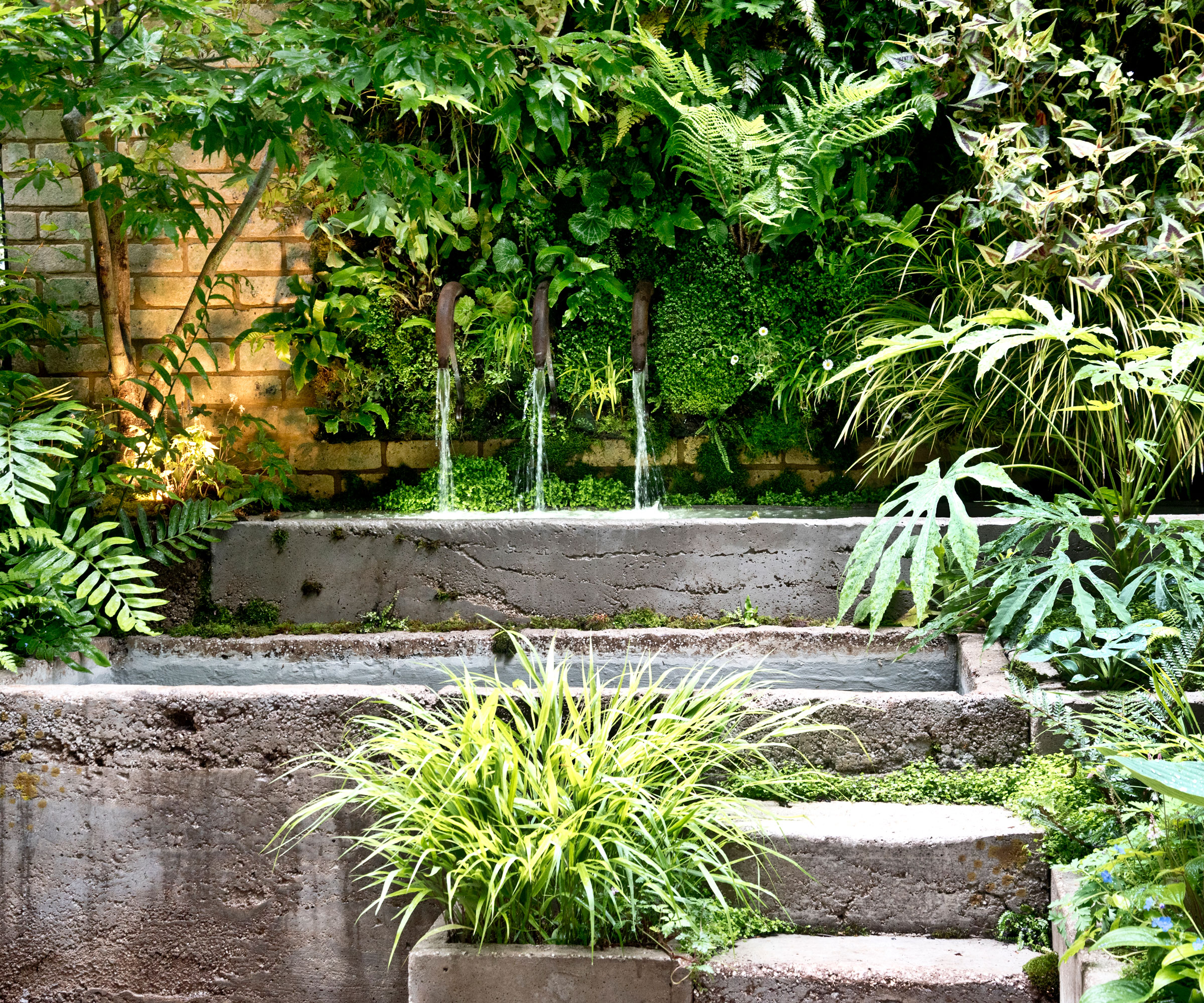
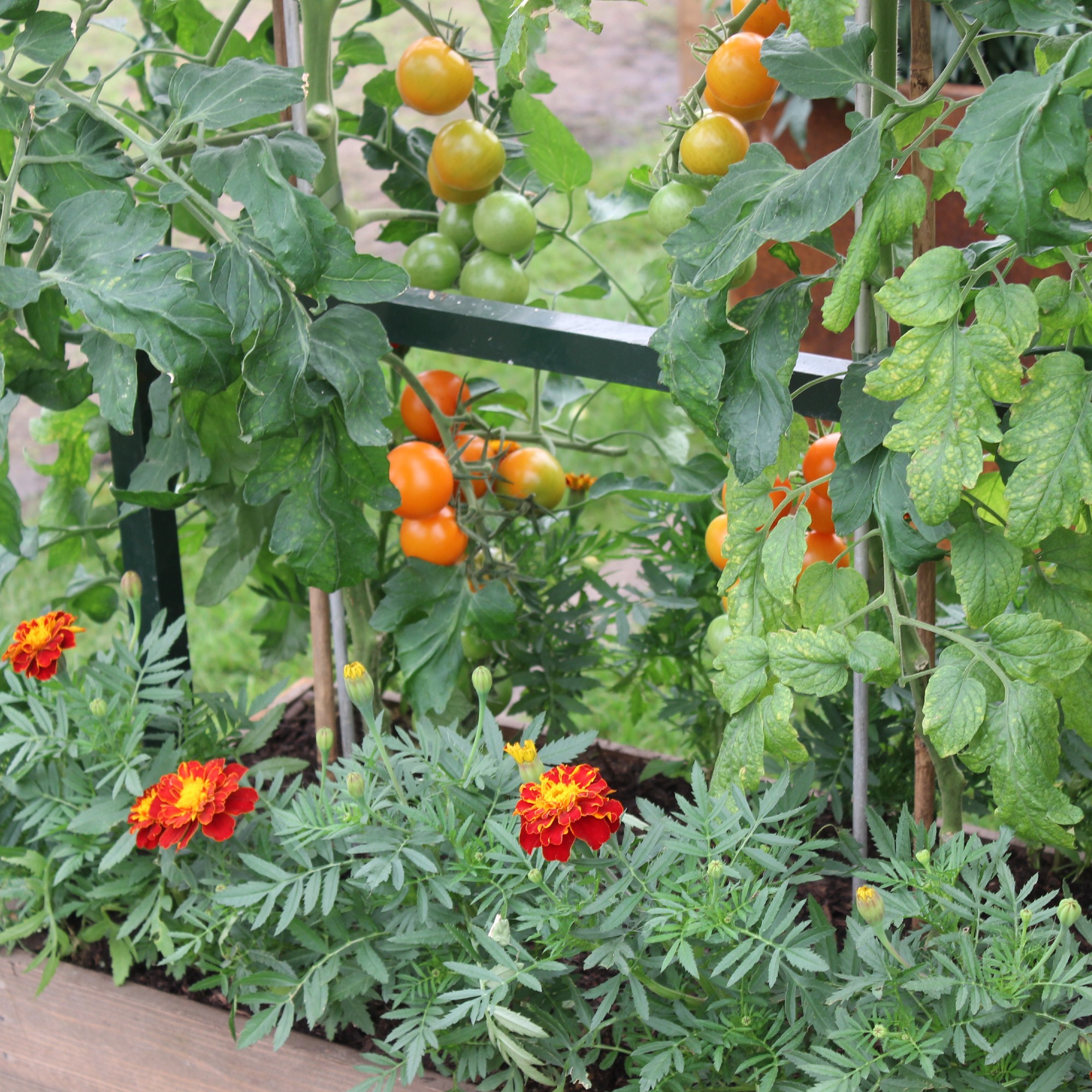
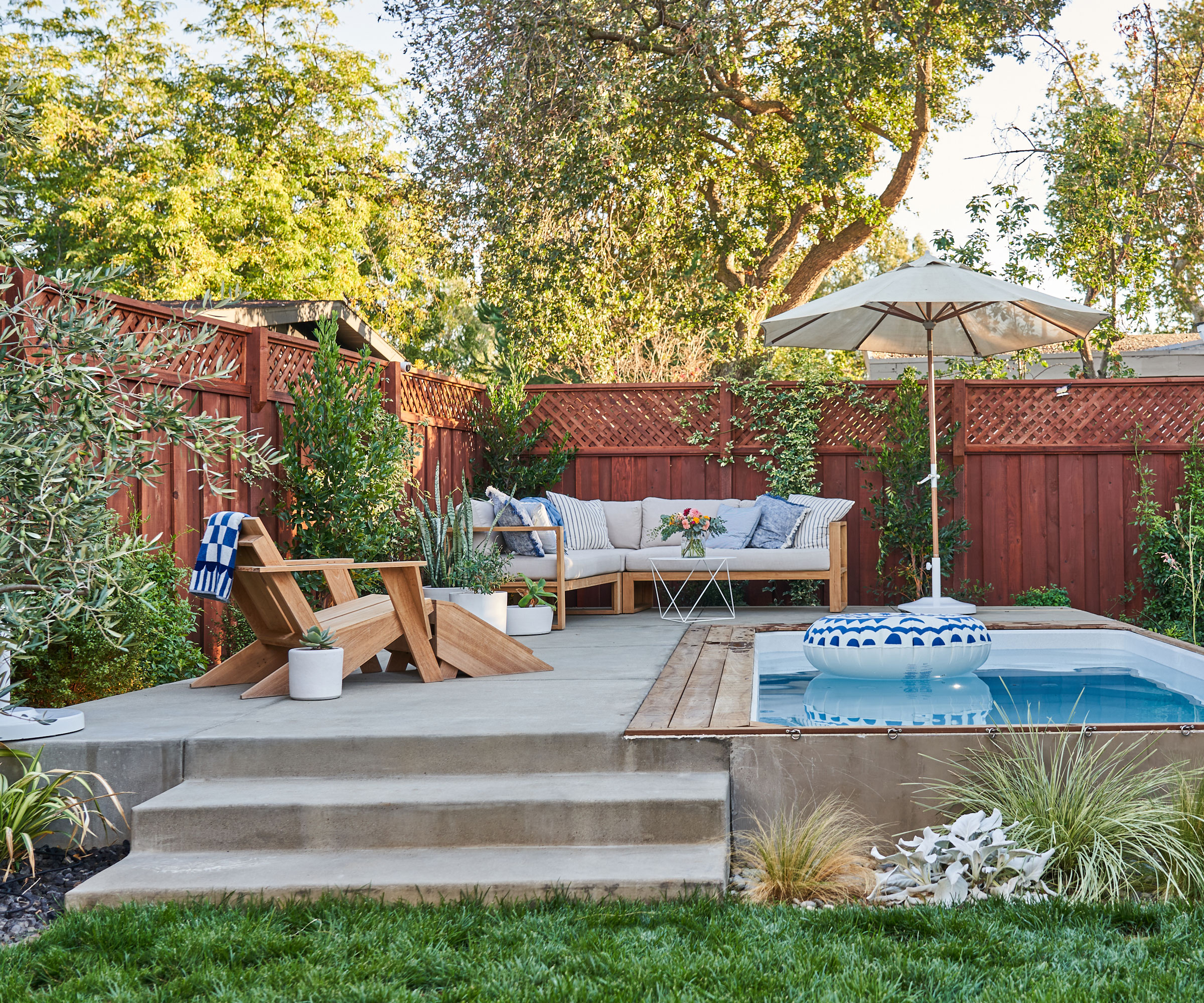
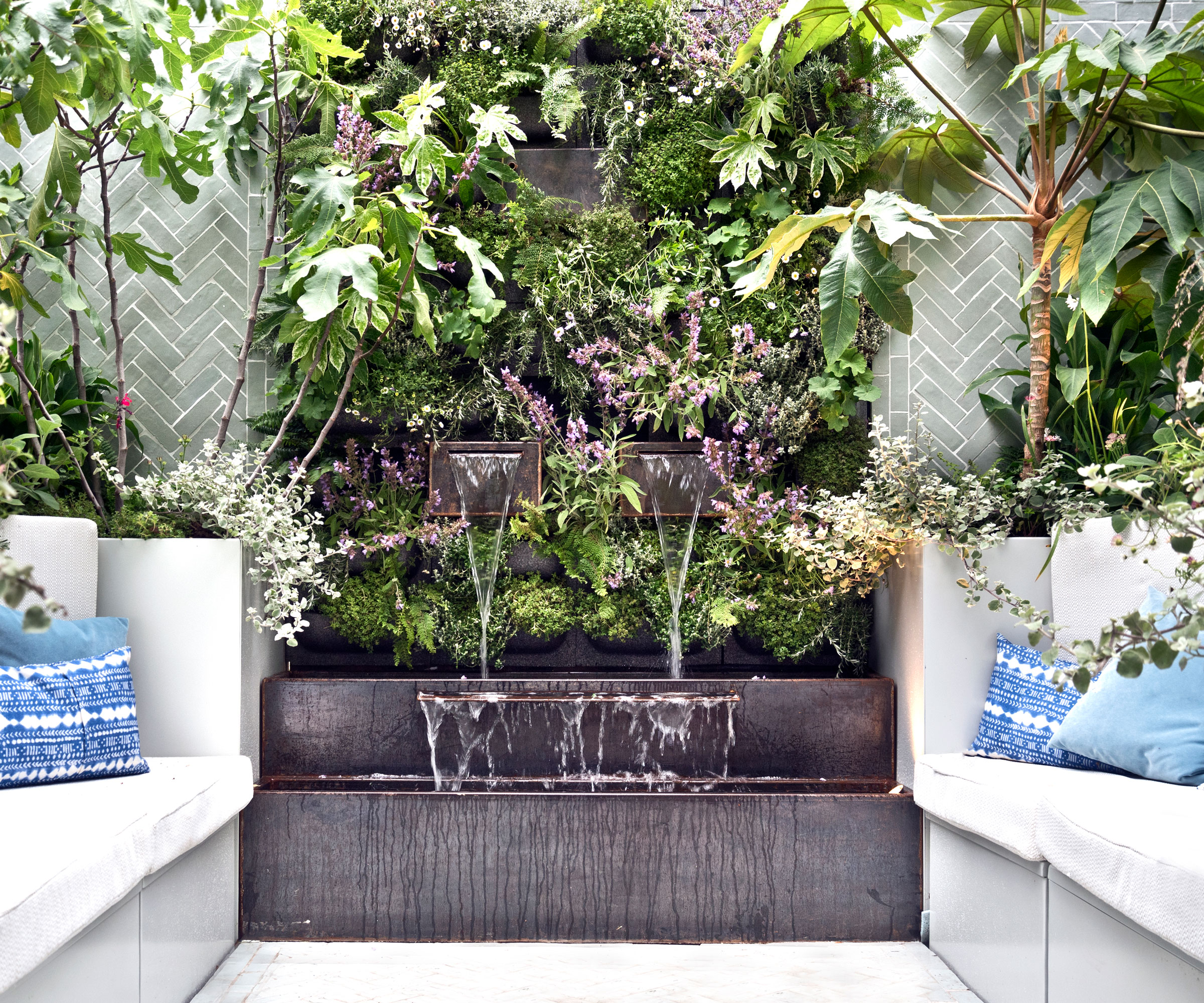
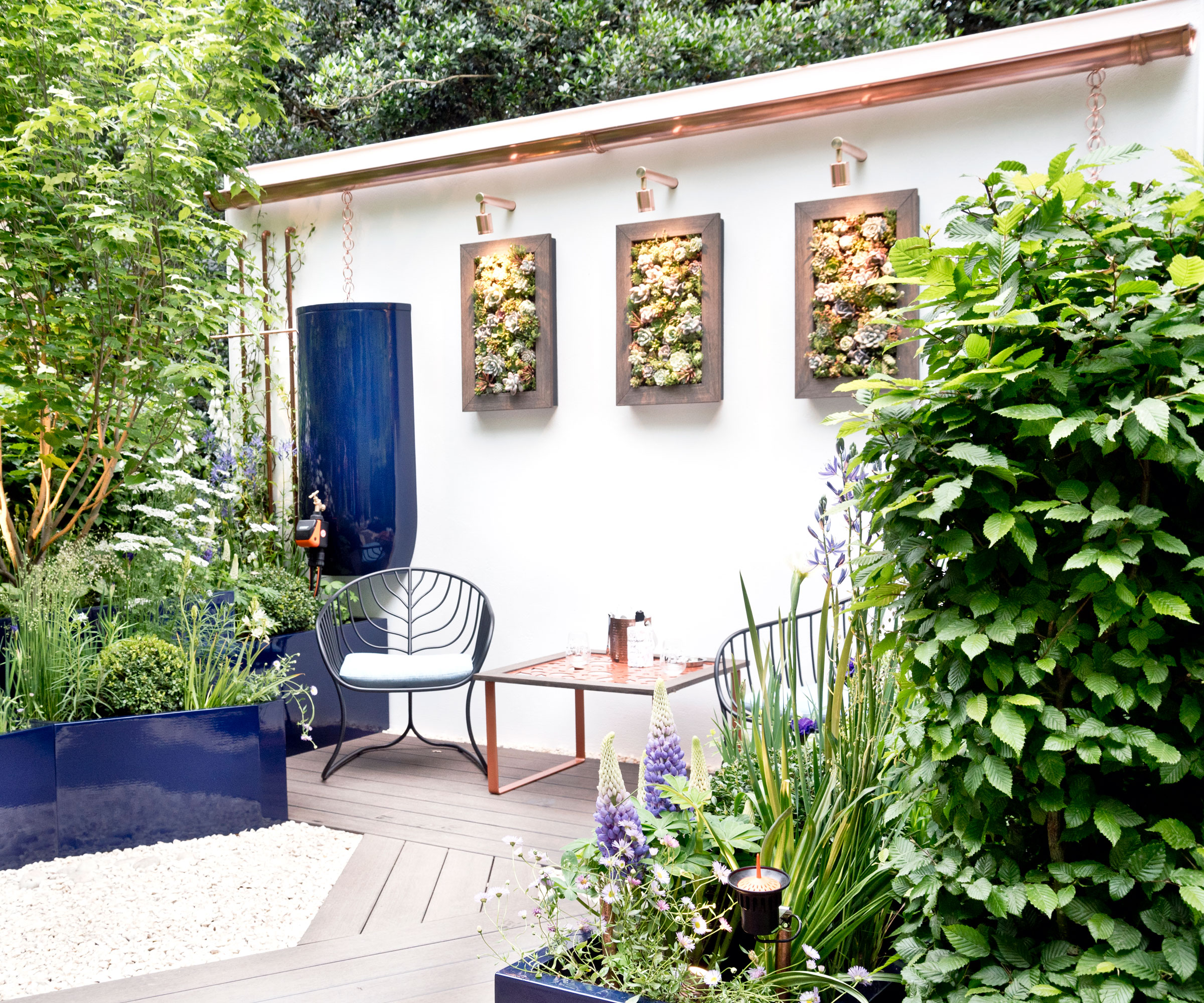
Many gardeners find their diligently planted outdoor spaces lack a certain aesthetic appeal, failing to achieve the desired dimensional display. This often stems from a common mistake: planting in even numbers, which can result in a rigid, unnatural, and one-dimensional look. Landscape designers and gardening experts advocate for a simple yet highly effective trick rooted in both gardening and interior design principles: planting in odd numbers, specifically in groups of three. This method is considered key to elevating a backyard into a beautiful, natural-looking oasis.
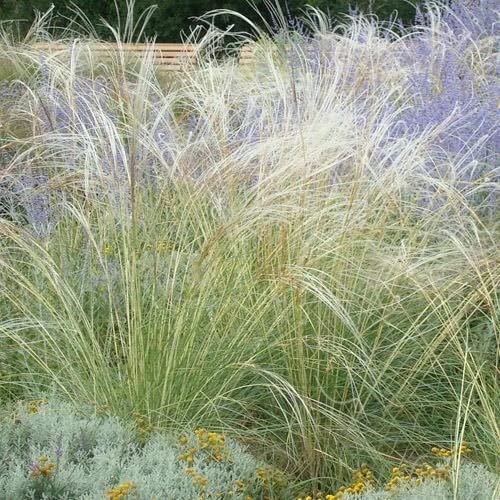
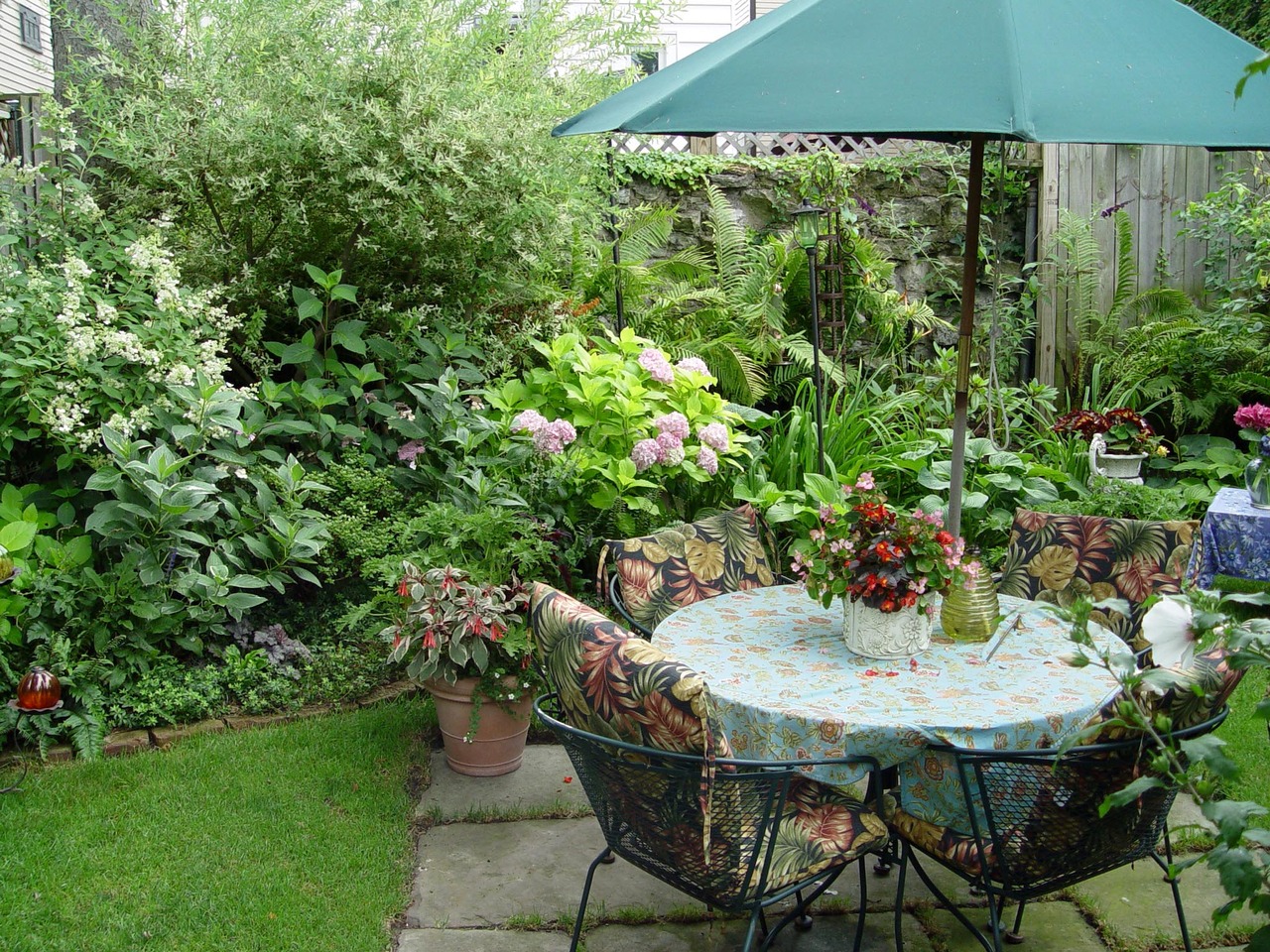
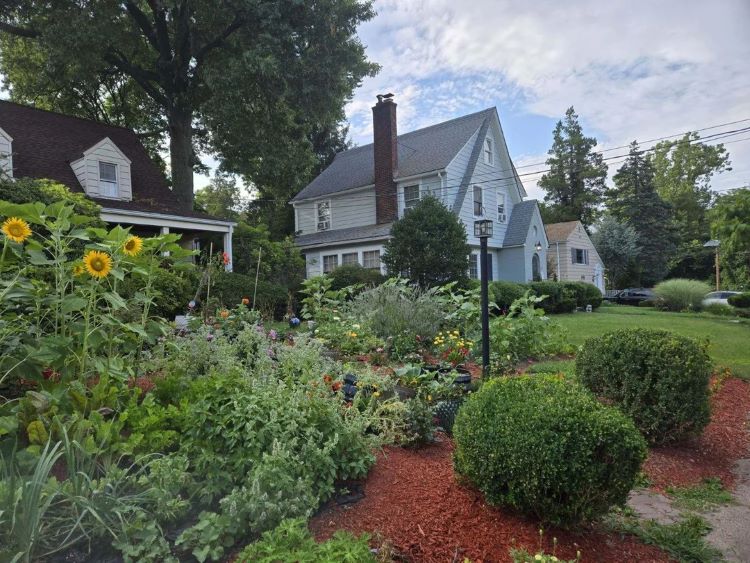
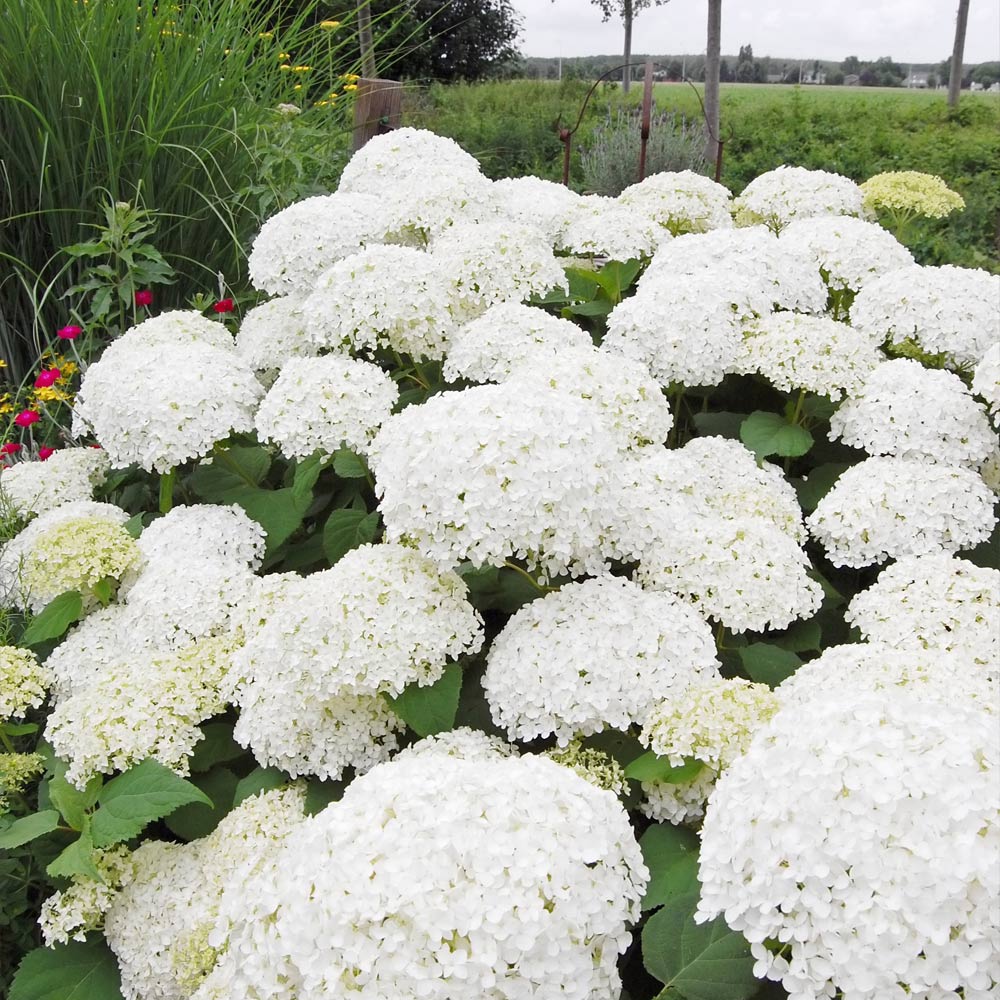
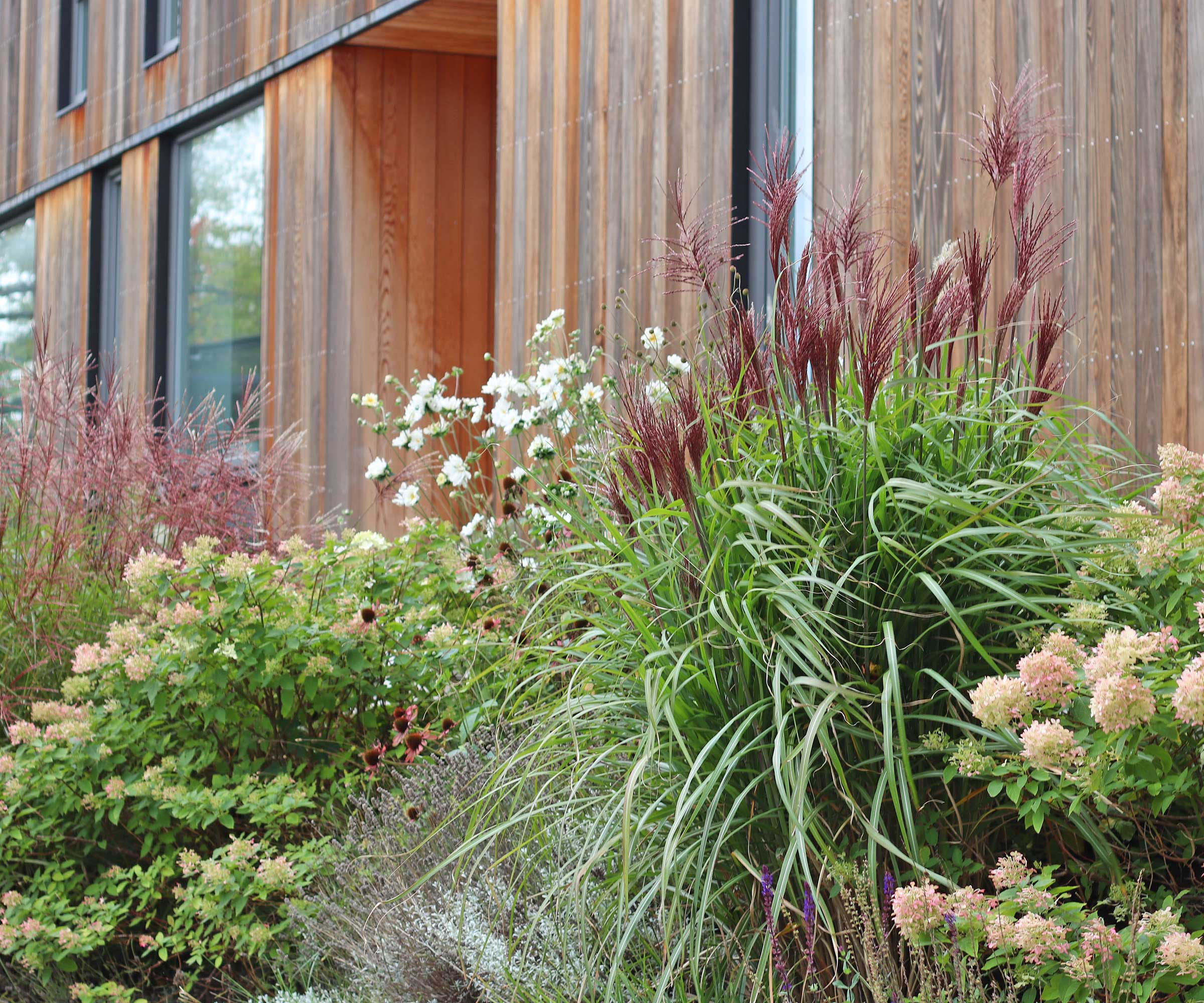
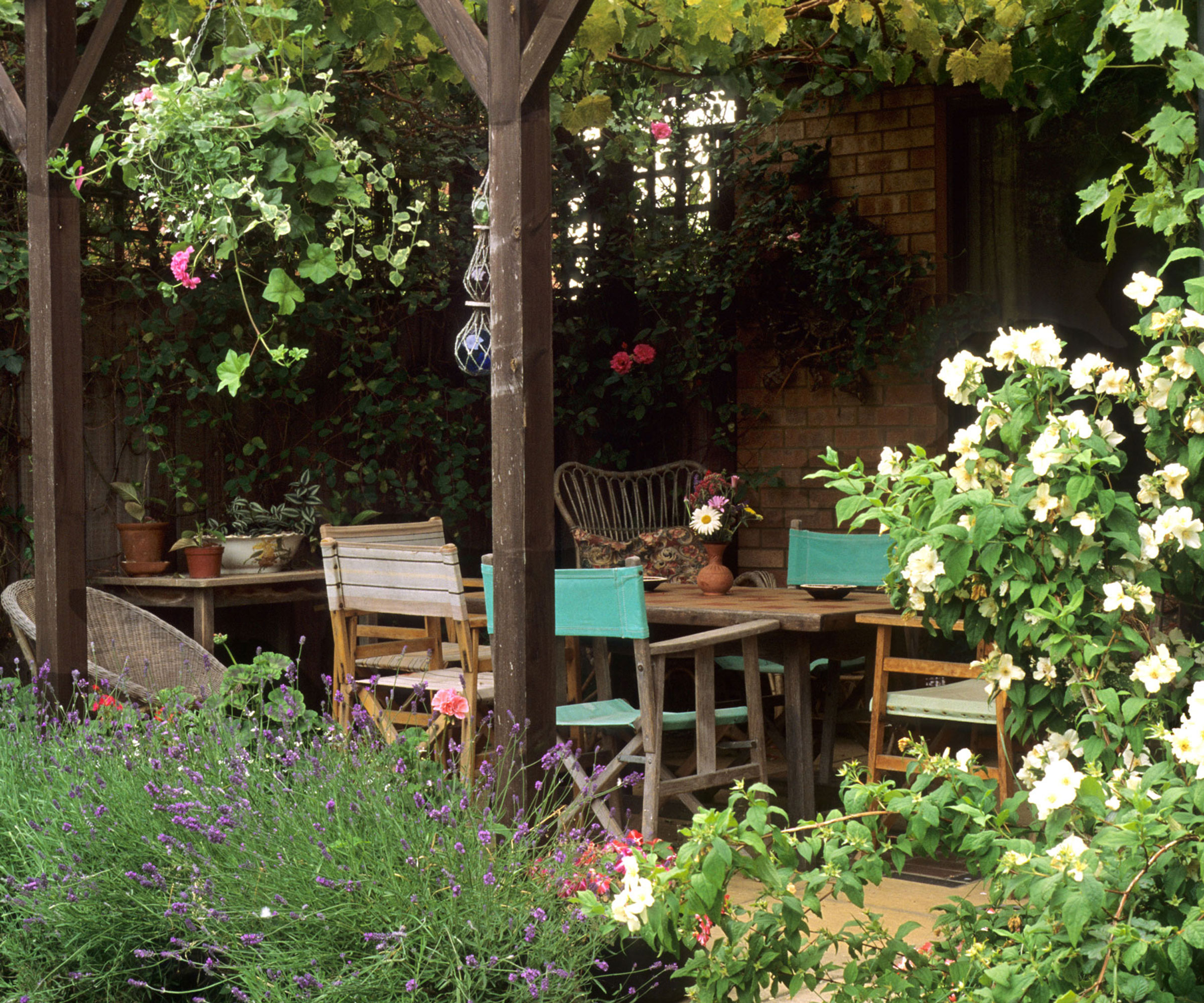
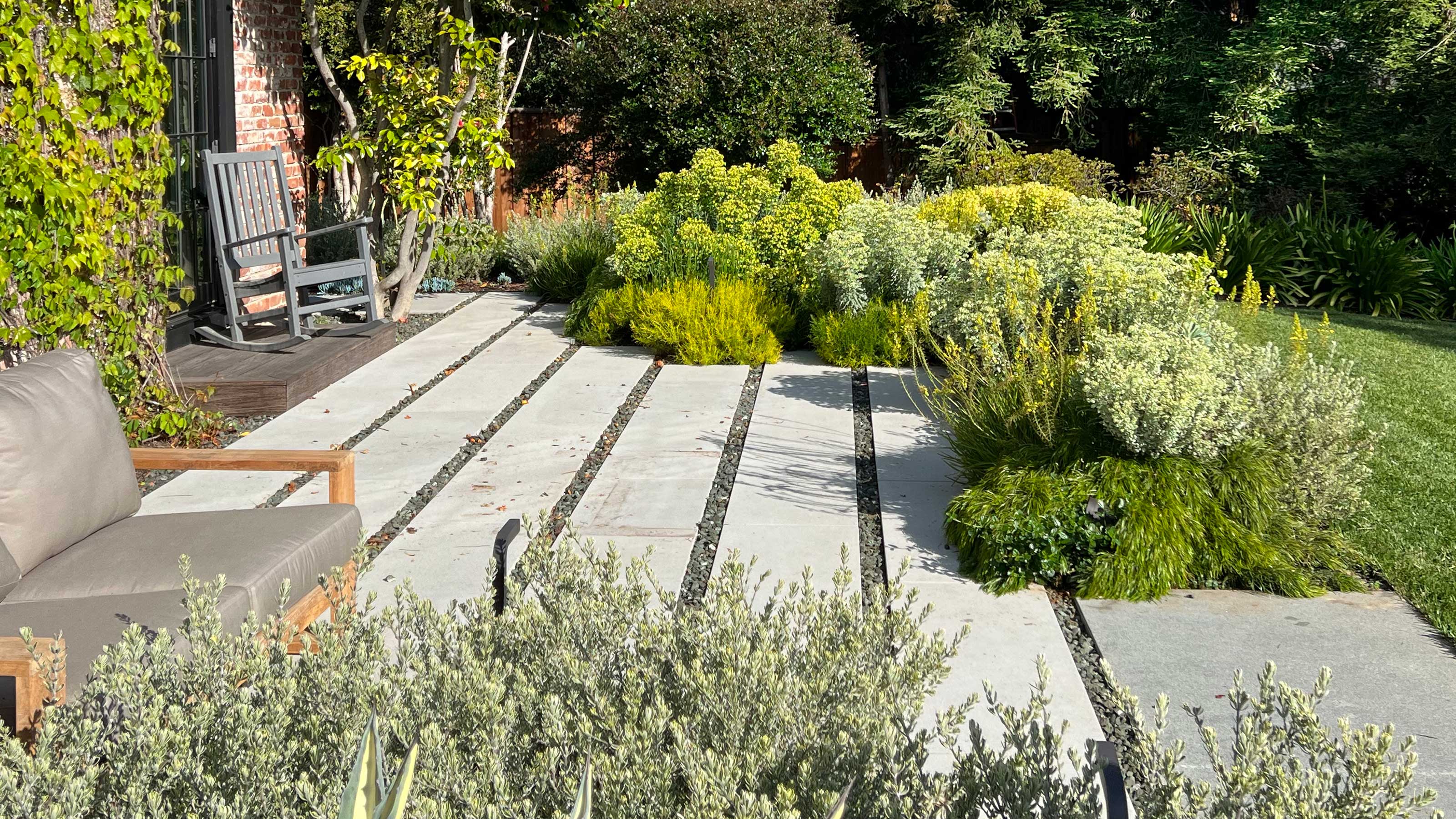
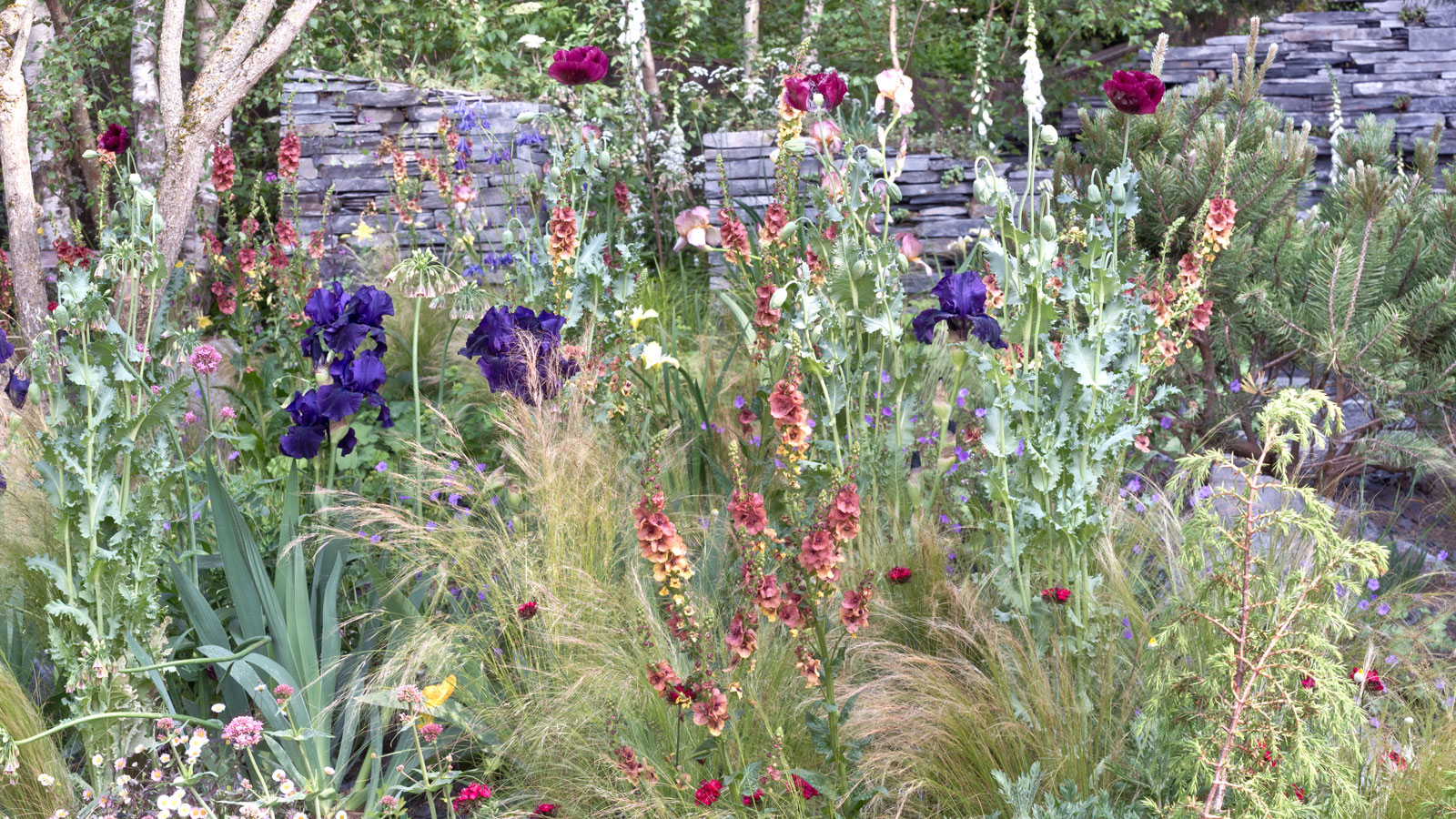
The core benefit of planting in threes, or any odd number, is that it closely mimics nature's inherent randomness. Unlike human-designed layouts that often default to straight lines or symmetrical pairs, natural plant growth tends to occur in clumps and irregular clusters. By arranging plants in odd-numbered groupings, visual interest and dimension are significantly enhanced, preventing beds from appearing static or boring. Experts emphasize that this approach creates a more authentic and impactful visual experience. For larger borders, the principle can be extended to groups of five, seven, or more, depending on the scale of the space.
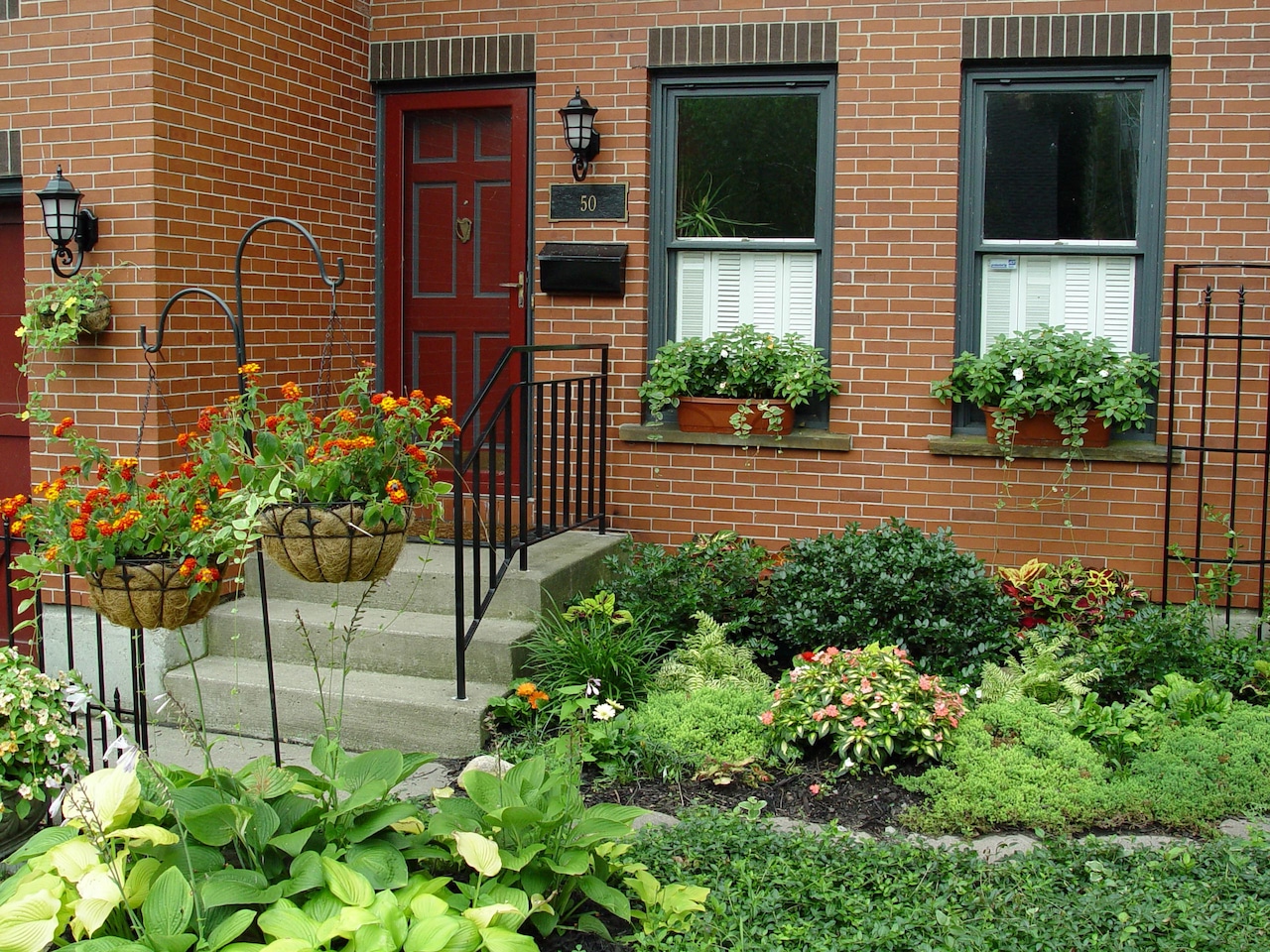
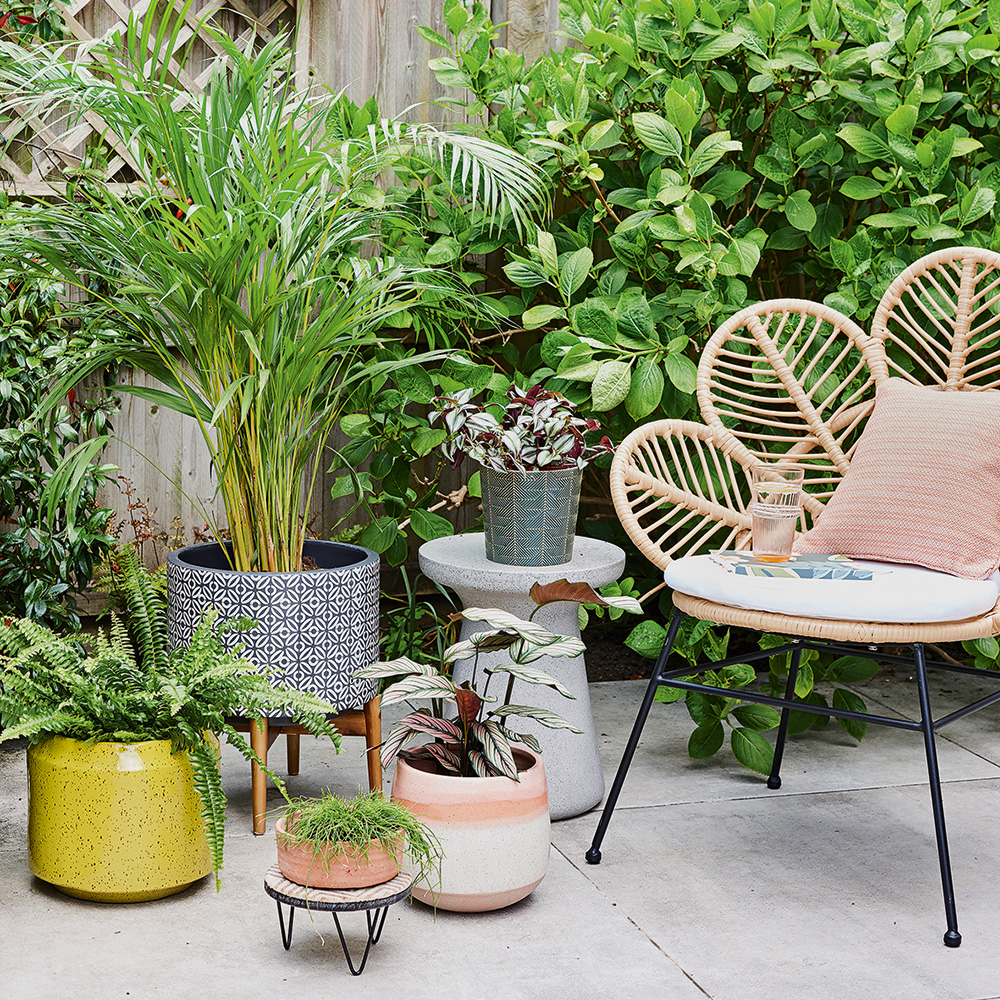
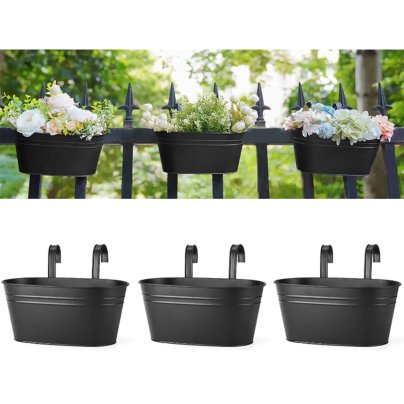
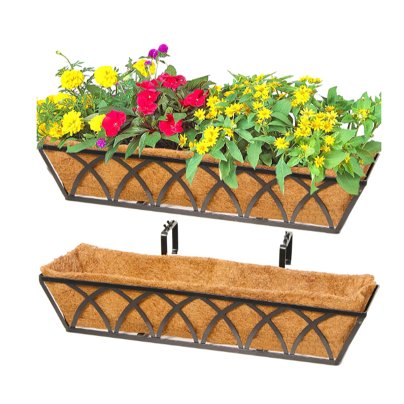
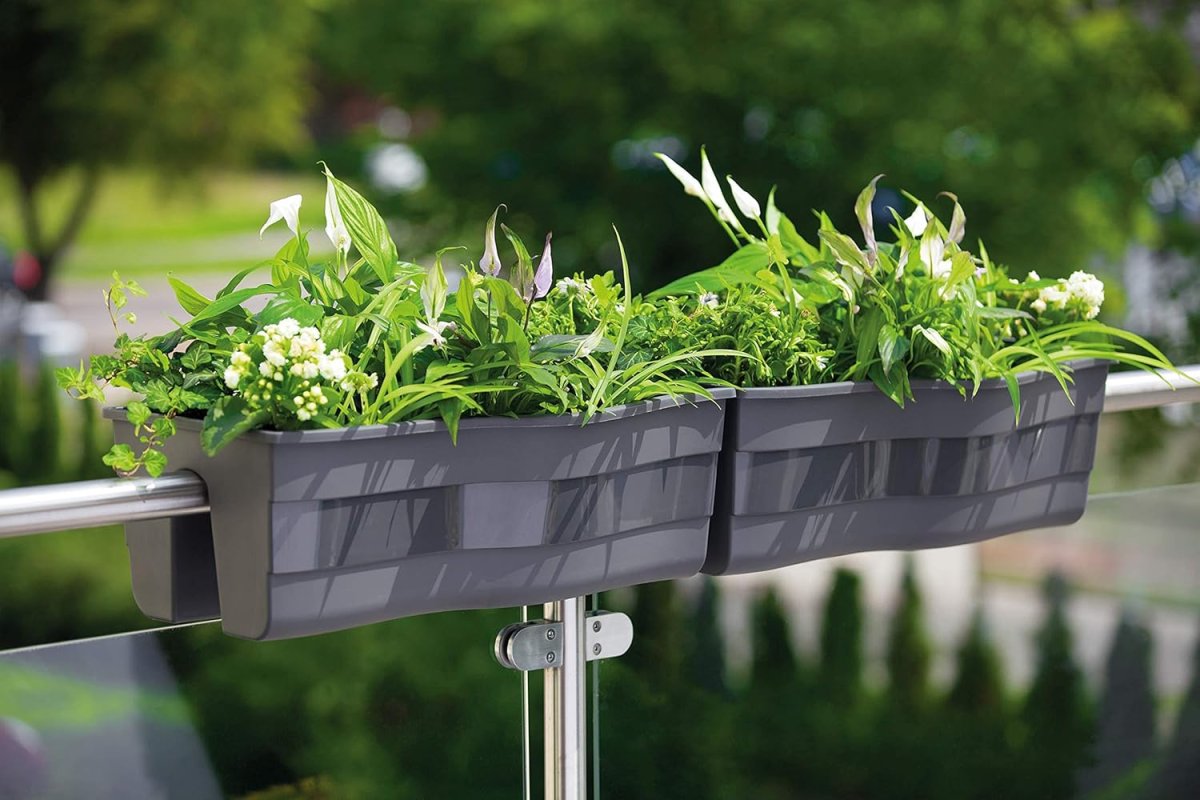
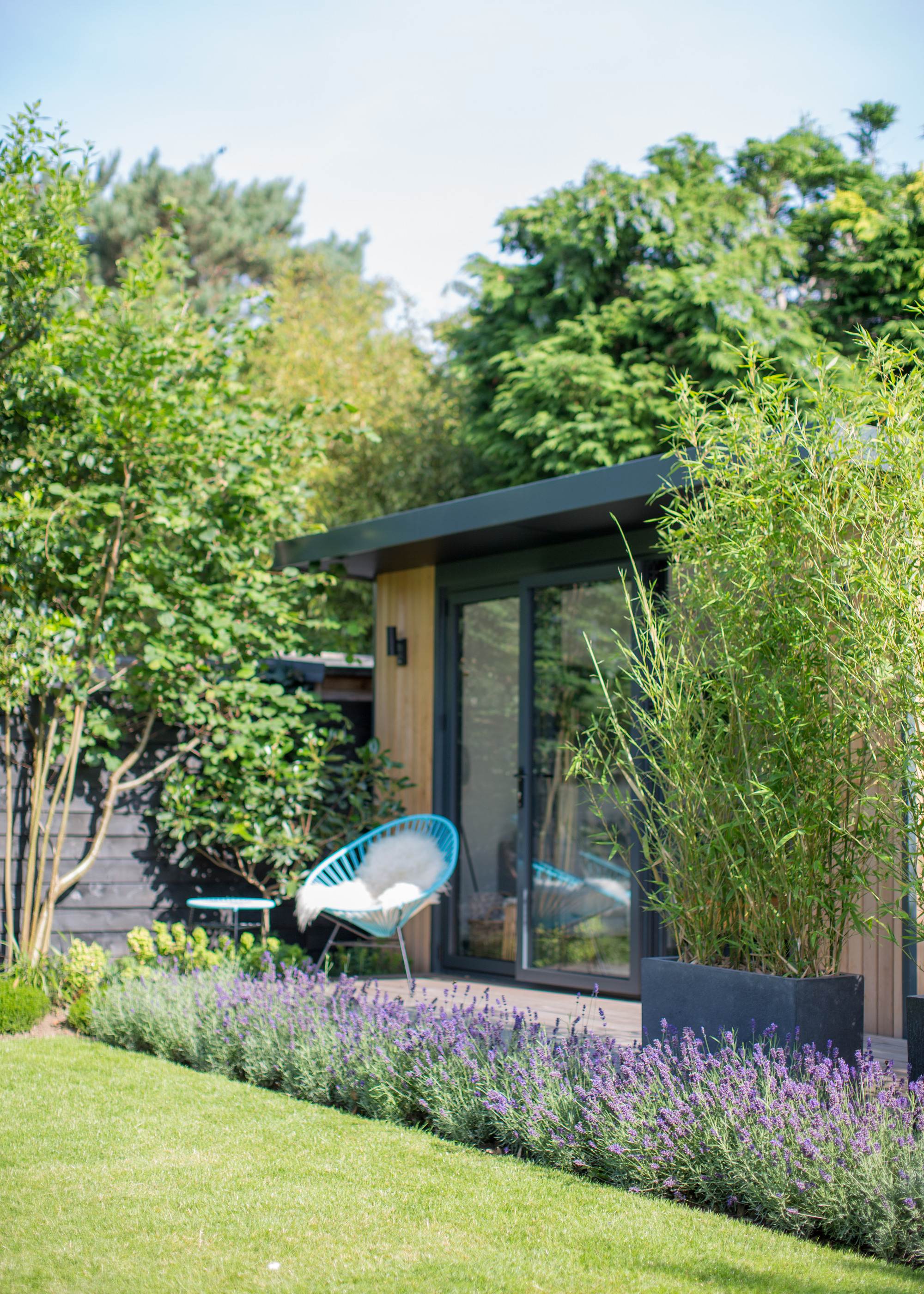
This technique is particularly useful for diversifying flowerbeds, herbaceous borders, and container gardening arrangements. Planting in threes is especially effective for showcasing a focal point plant, with the flanking plants drawing the eye towards the central element. This strategic arrangement ensures that plants do not get lost in a larger bed, but rather contribute to a cohesive and visually engaging display.
To successfully implement the rule of threes, several key tips should be followed. Firstly, it is crucial to vary colors and textures within these groupings. Combining different plant species or distinct varieties of the same plant ensures a vibrant and dynamic composition. Incorporating a mix of heights—such as three tall spikes, three mid-height mounds, and three low-growing spreads—further enhances the three-dimensional effect and adds vertical interest to the garden. Secondly, avoiding straight lines is paramount. Even when planting in threes, arranging them in a neat row negates the naturalistic effect. Instead, plants should be staggered or clustered to mimic organic growth patterns. Finally, the concept of "threes within threes" can be applied for maximum impact. This involves creating larger compositions by grouping trios of different plant types or sizes within a broader border or container, allowing for complex and layered designs.
#GardeningTips #LandscapeDesign #BackyardIdeas #PlantingTechniques #OutdoorSpace #GardenDesign #VisualInterest #NaturalisticPlanting #GardeningTips #LandscapeDesign #BackyardIdeas #PlantingTechniques #OutdoorSpace #GardenDesign #VisualInterest #NaturalisticPlanting
0 comment in total
 No comments yet
You may also like
This biophilic designer's secret to a more relaxing backyard will change how you think about your landscaping for good
This Is Your Sign to Rip out Your Concrete Backyard and Turn It into a Lush Retreat
Landscaping with ornamental grasses – 6 inspirational ideas to add height and movement to your yard

For the Garden | Zen and Now

This Visual Design Trick Is the Coolest Way to Style Your Houseplants

Brooklyn Garden: From Weeds to Wonderful With Groundworks
Sustainable Landscaping Tips From a Professional (Exclusive)
5 Mistakes in Your Garden's Design You'll Only Notice When Temperatures Soar in the Summer
Garden Pros Say This Japanese Design Idea Is the Secret to an Easy Yard
Proud homeowner shares before-and-after transformation photos of impressive backyard design: 'That looks incredible'

Easy garden ideas – 34 low-maintenance ways to enhance your outdoor space
How to make a courtyard garden look bigger – 8 tips and tricks from the experts to utilize every inch of your city yard
10 things to get rid of in your outdoor space, according to designers and gardeners
5 ways to make your planting feel more minimalist – the tricks landscape designers use for less fussy backyards
How to make a backyard look bigger – 8 space-enhancing tricks that work every time
The Ultimate Guide to Using Pantone's Very Peri in Your Home

Great landscaping ideas for ‘regular people’ from a design expert
Smart Design Solutions to Give Even the Tiniest Yard Big Style
This Simple Upgrade Will Turn Your Deck or Balcony into a Garden Oasis

What the Heck Is a Garden Room? (And Why Is Everyone Talking About Them?)