1/13
This Simple Upgrade Will Turn Your Deck or Balcony into a Garden Oasis
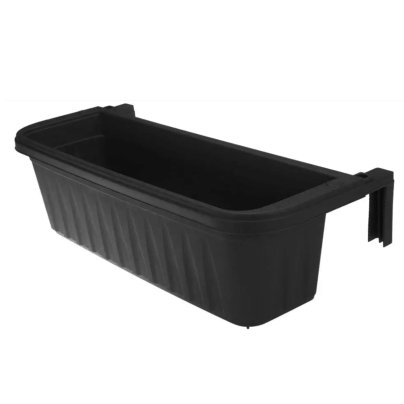
Railing planters offer a straightforward solution for enhancing the aesthetic appeal of outdoor areas such as decks, balconies, and patios by introducing greenery. These planters are designed for easy installation and can accommodate various plants, including vibrant flowers, culinary herbs, and compact vegetables, facilitating convenient backyard gardening. The market provides a diverse array of railing planters, varying in style, material, and size.
Key considerations when selecting a railing planter include its size, the method of mounting, and the material from which it is constructed. Railing planters come in a range of sizes, from small hanging pots that hold individual plants, typically 3 to 6 inches, to larger rectangular units that can extend up to 4 feet in length. The mounting method is crucial for ensuring stability and compatibility with different railing types. Common mounting options include brackets, which are often adjustable; integrated adjustable arms with movable pins; simple hooks that fit over the railing; and bottom cutouts designed to sit directly on the rail, often secured with zip ties for added stability.
Materials used for railing planters encompass plastic, metal, and wood. Plastic planters are favored for their weather resistance and often include UV-resistant additives to prevent fading, making them lightweight and durable. Metal planters, particularly those made from powder-coated steel, are noted for their durability, modern aesthetic, and relatively light weight. Some metal designs feature coco liners, which help retain moisture while allowing for proper drainage. Wooden planters are available in various finishes and can be used with plastic liners to protect against moisture damage.
Additional features can enhance the functionality of railing planters. Self-watering systems, which include a reservoir tank, allow plants to absorb water as needed and are particularly beneficial for reducing maintenance. For outdoor self-watering planters, an overflow drainage hole is essential to prevent overwatering, especially after rainfall. Planters without self-watering capabilities must have adequate drainage holes to prevent root rot; if not present, these can be drilled. Coco-fiber liners, used in some planters, naturally aid in moisture retention and drainage.
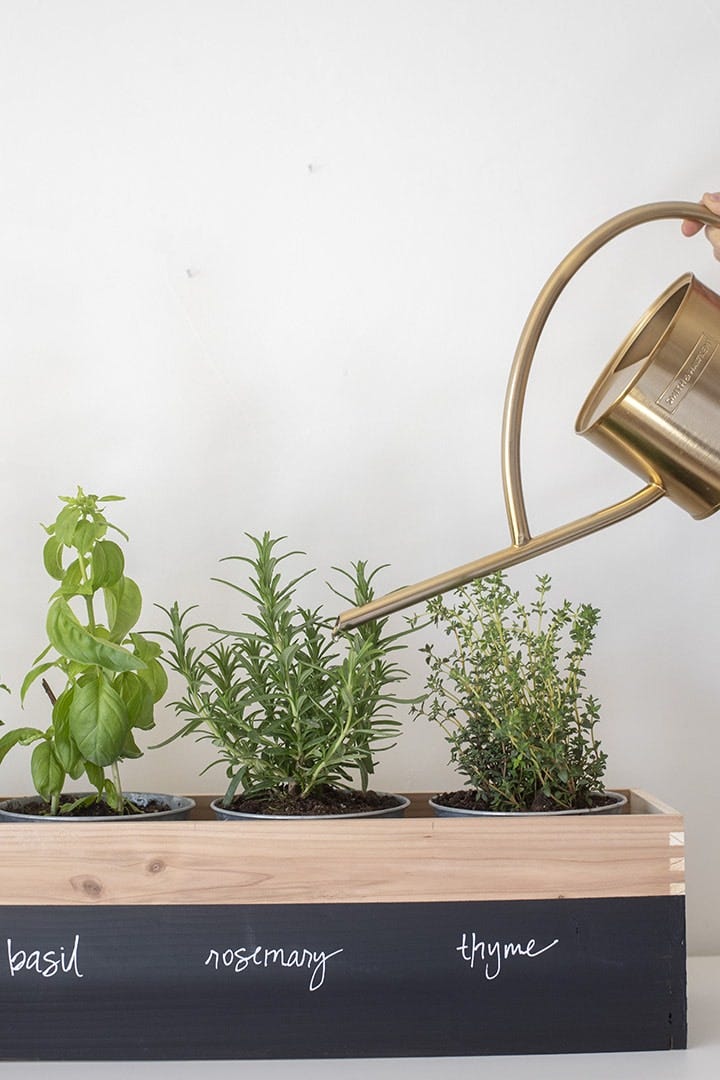
Securing railing planters properly is paramount for safety and longevity. It is important to match the planter's brackets or mounting system to the width of the railing. The maximum weight capacity of the planter and its mounting hardware should also be considered to ensure they can support the combined weight of soil and plants. Overloading planters with heavy materials like rocks is not recommended. For increased stability, especially with wobbly planters, zip ties can be used to fasten them discreetly to the railing. When installing, it is advised to follow the manufacturer's specific instructions. Protecting deck railings from direct contact with planters, for instance by using lighter hanging pots or periodically repositioning planters, can help prevent damage. Railing planters are versatile and can host various plants, including window box flower arrangements, herbs, lettuce, or strawberries, which thrive in shallow root systems, making them ideal for small spaces.
#RailingPlanters #OutdoorDecor #GardenOasis #DeckGardening #BalconyGardening #ContainerGardening #HomeImprovement #DIYPlanters #PlantCare #RailingPlanters #OutdoorDecor #GardenOasis #DeckGardening #BalconyGardening #ContainerGardening #HomeImprovement #DIYPlanters #PlantCare
0 comment in total
 No comments yet
You may also like

This Easy Upgrade Can Transform Your Outdoor Space
Giving Your Deck a New Life Doesn’t Have to be a Chore Thanks to This Product
How I Turned My Tiny Backyard Into an Outdoor Oasis
The One-And-Done Home Update That Will Totally Transform Your Exterior
8 Ways to Turn Your Tiny Back Patio Into a Gorgeous Oasis


8 Designer-Approved Tips for Turning a Small Backyard Into an Outdoor Oasis

Prep Your Backyard Deck for Summer With These 9 Low-Lift Tips From Reno Experts

How to make your deck look expensive - 7 ways to turn a deck into your favourite area of the garden
42 Backyard Upgrades That’ll Turn Even The Smallest Space Into An Outdoor Oasis

Transform Your Backyard with Outdoor Makeovers
Deck and Patio Designs, Ideas and Projects

Turn Your Backyard (or Balcony) Into a Zen Oasis, Starting With This $15 Planter

14 Dreamy Before-and-After Deck Makeovers

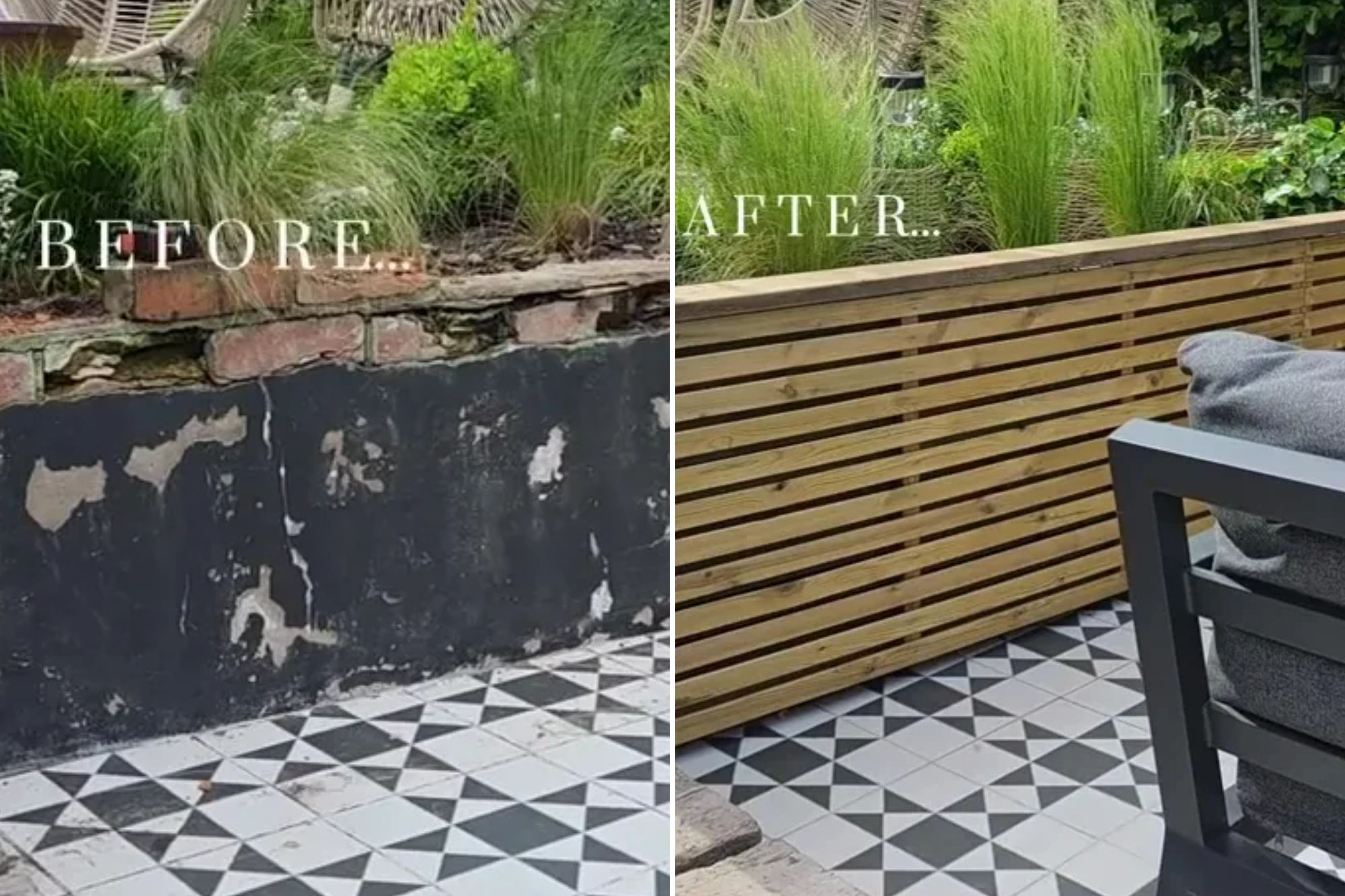
I swear by my hack to hide ugly garden walls - it's thanks to Wickes bargains

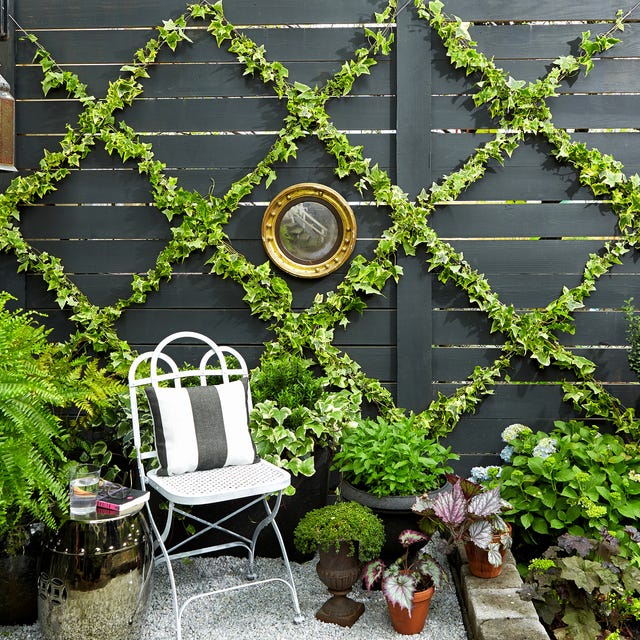
Budget-Friendly Ways to Transform Your Small Garden Into a Dreamy Oasis

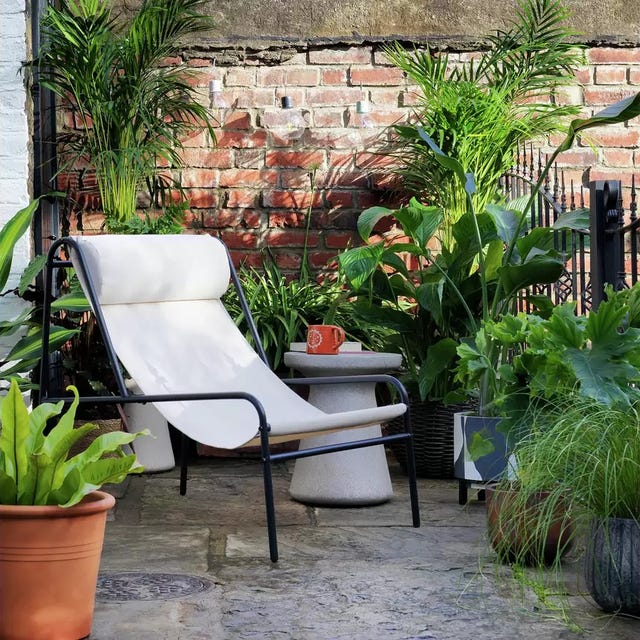
19 ways to give your patio a makeover


My 1,000-Square-Foot Patio Was Completely Transformed Thanks to These 10 Products

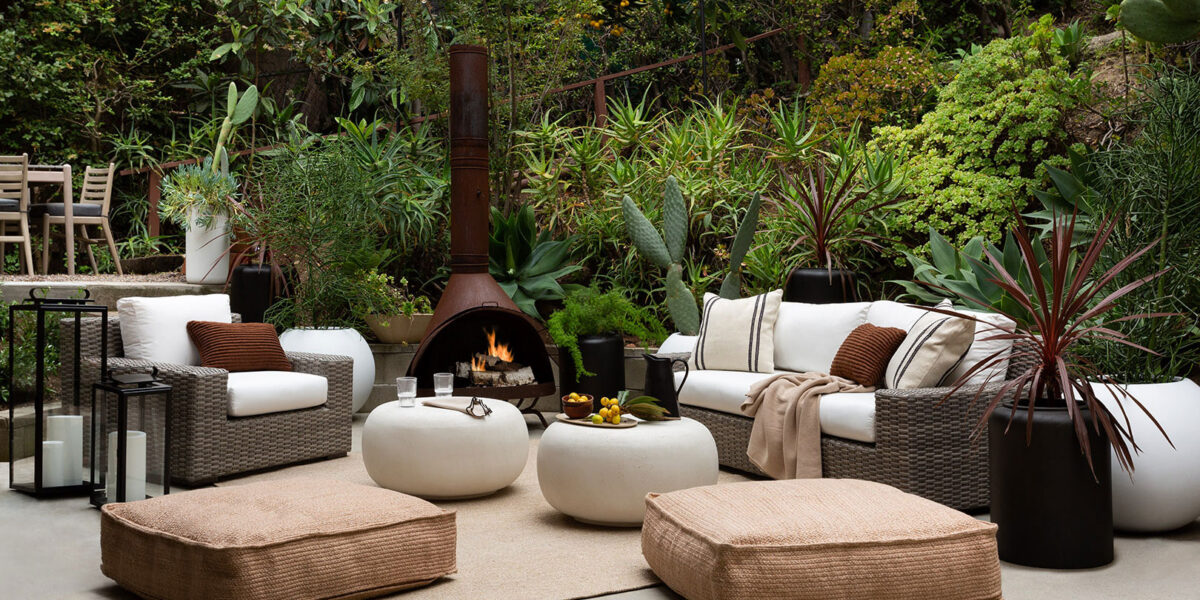
4 Minor Exterior Renovations That Can Transform Your Outdoor Space
9 patio decorating ideas to transform your space into an outdoor oasis
Home improvement: Decks and outdoor living; Smart homes