1/5
Garden Pros Say This Japanese Design Idea Is the Secret to an Easy Yard
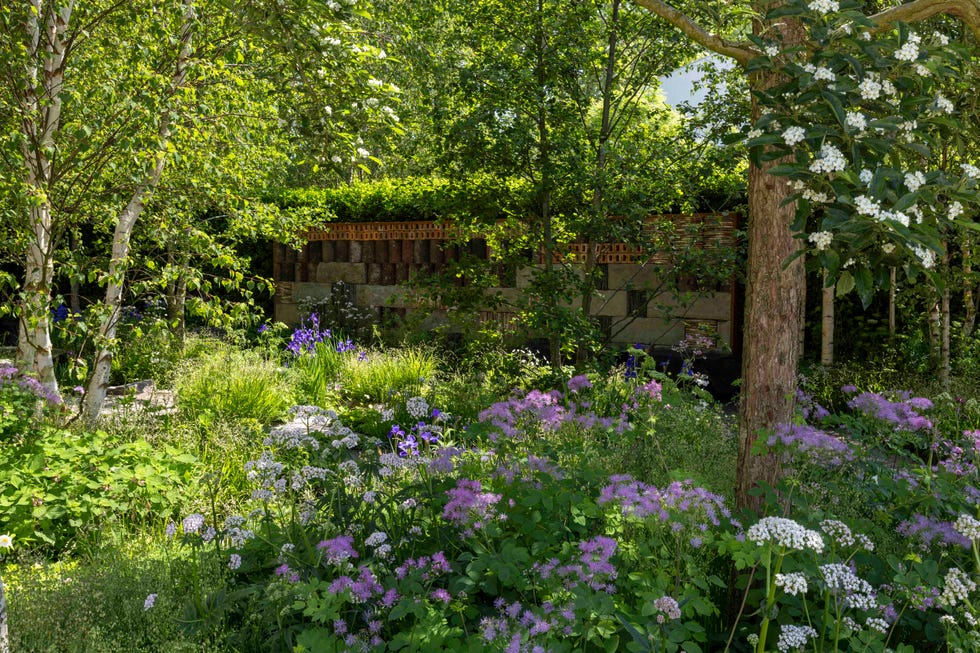
The Japanese aesthetic principle of Wabi-Sabi, which finds beauty in imperfection and impermanence, can be effectively applied to garden design to create serene and low-maintenance outdoor spaces. This philosophy encourages embracing natural processes like decay, patination, and the subtle shaping of elements by nature, rather than striving for immaculate perfection. By allowing moss and lichen to grow on surfaces, metal to patina, and plants to self-seed, gardens can evolve harmoniously with their environment, showcasing individual character and fleeting natural treasures. Horticultural experts highlight several ways to integrate Wabi-Sabi into garden design, including thoughtful plant selection and sensitive placement of natural elements.
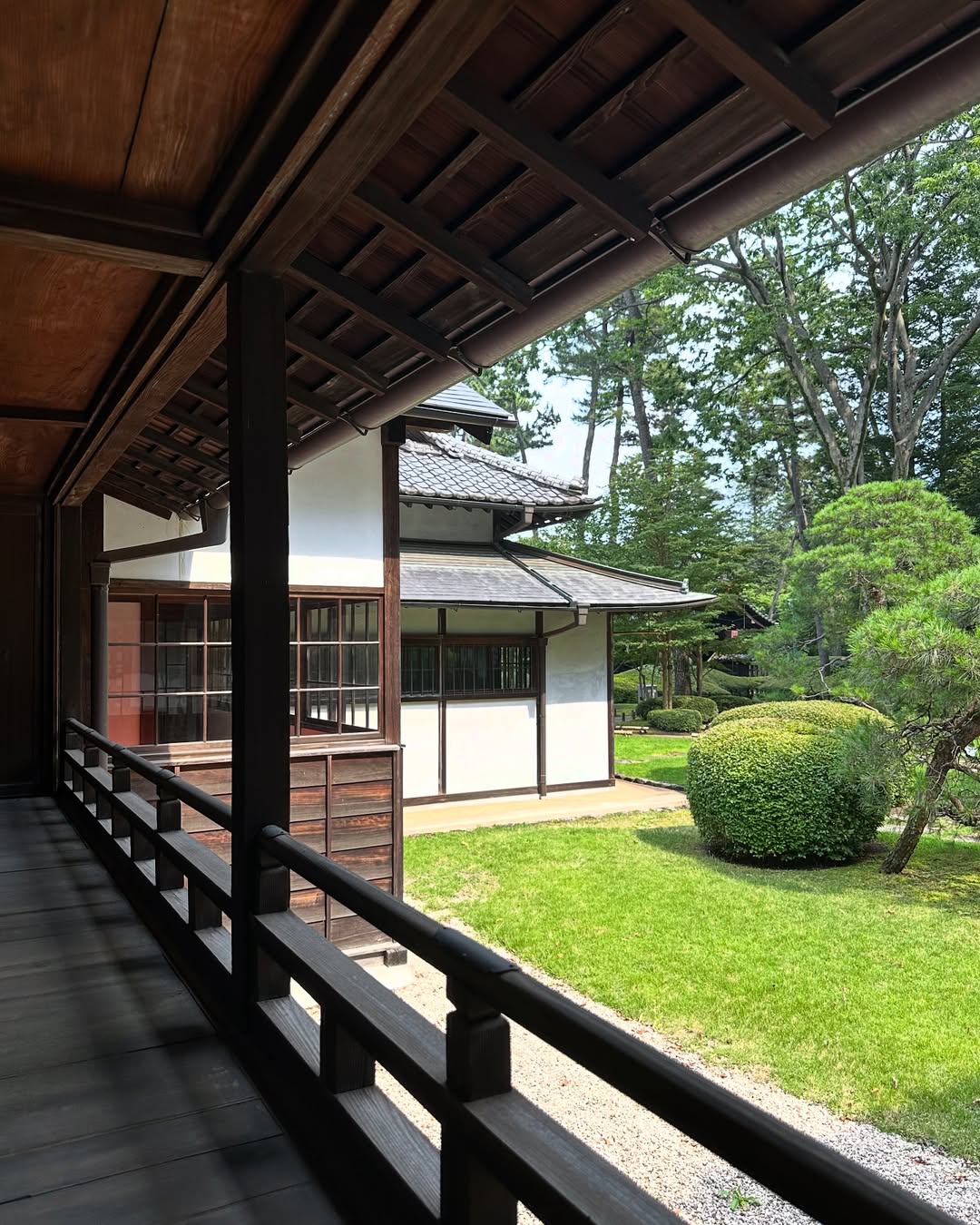
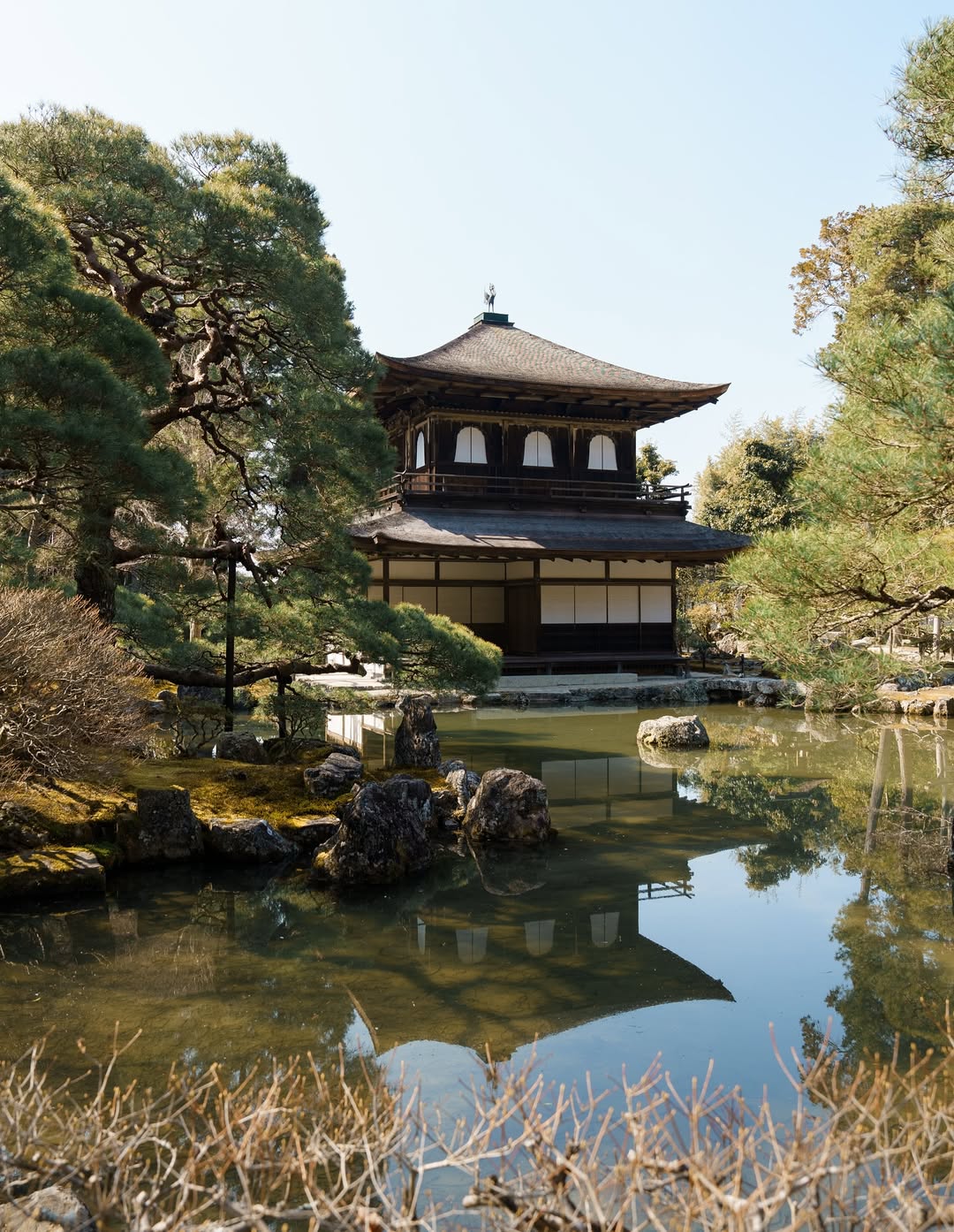
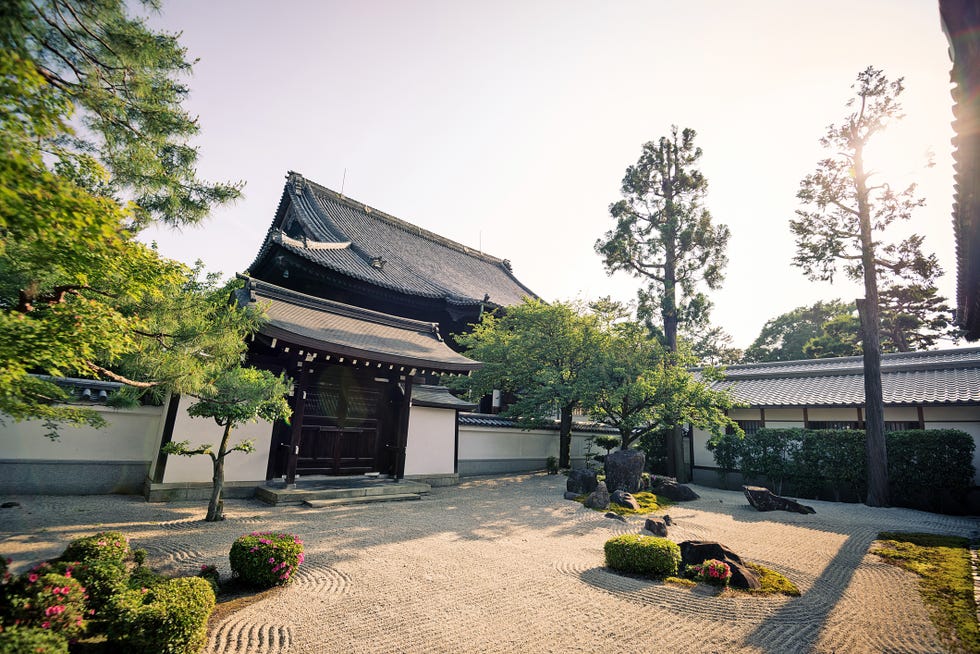
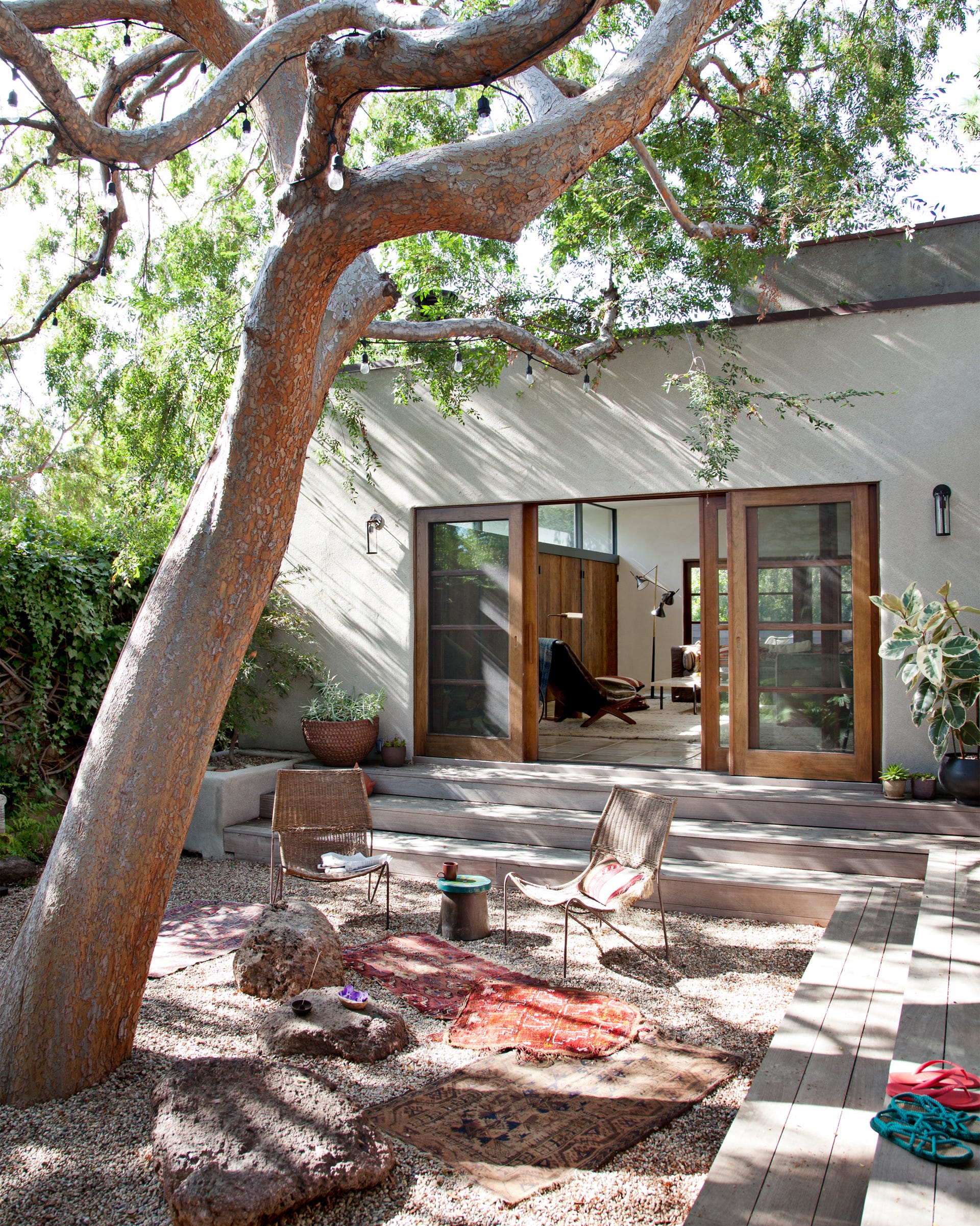
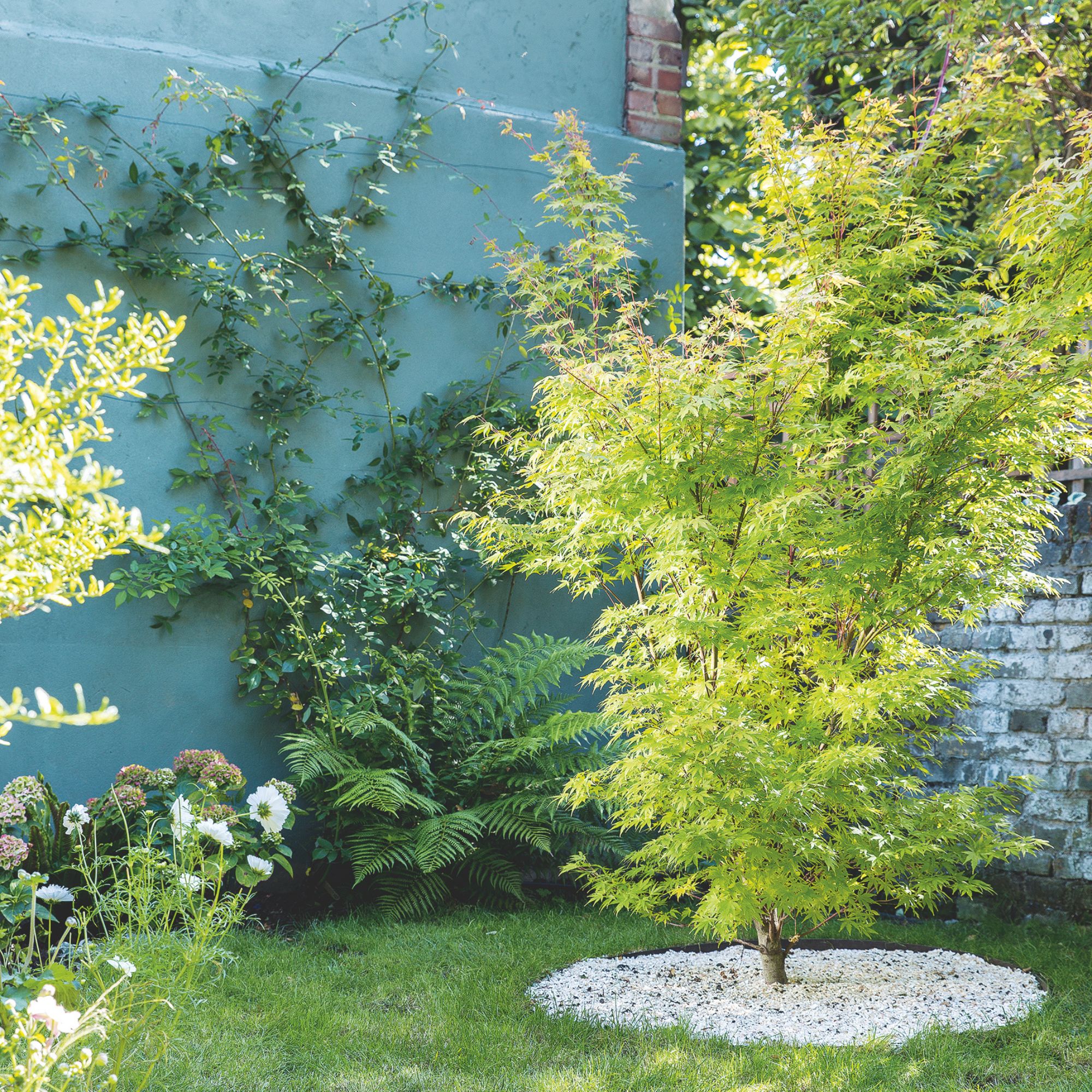
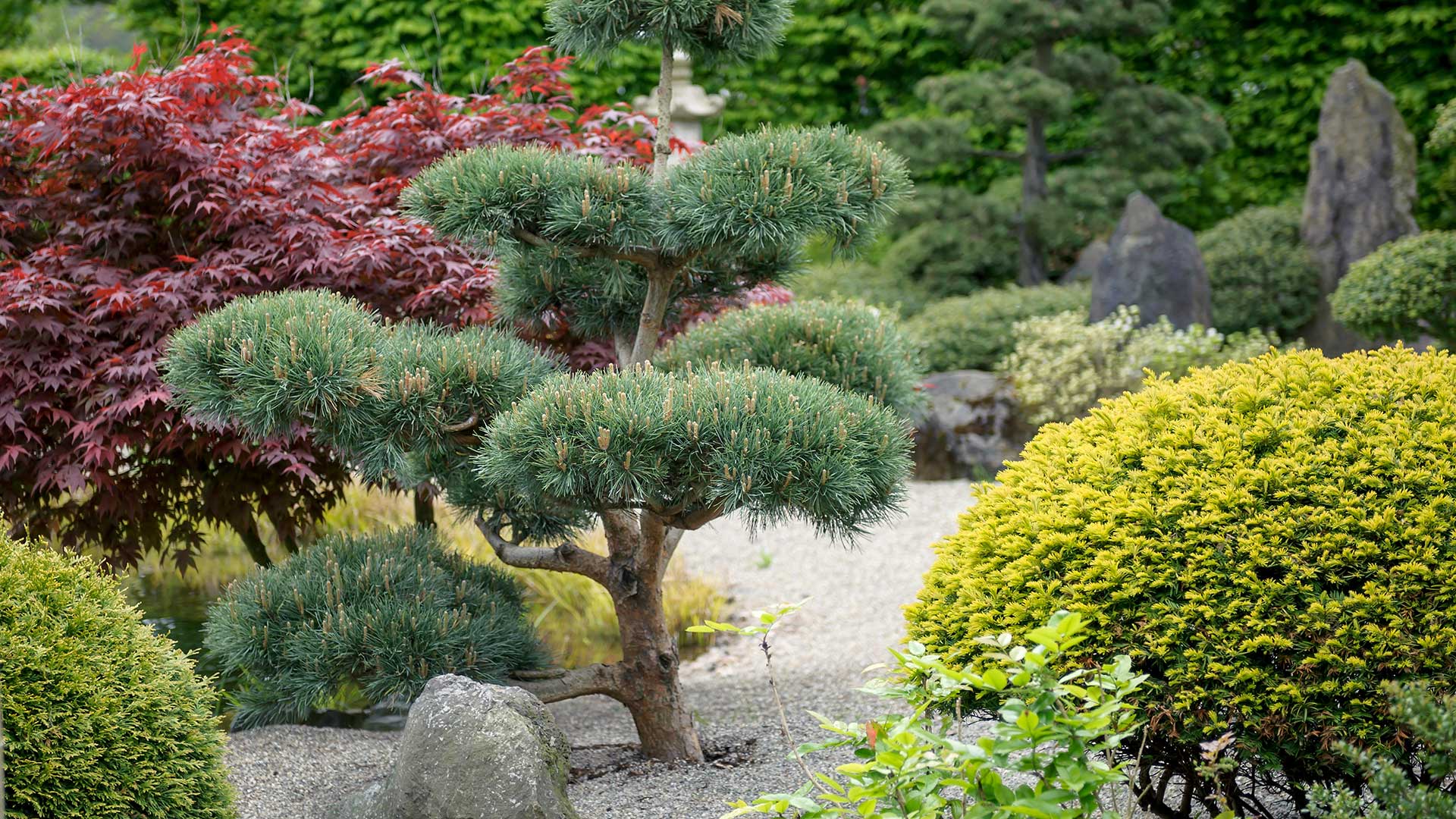
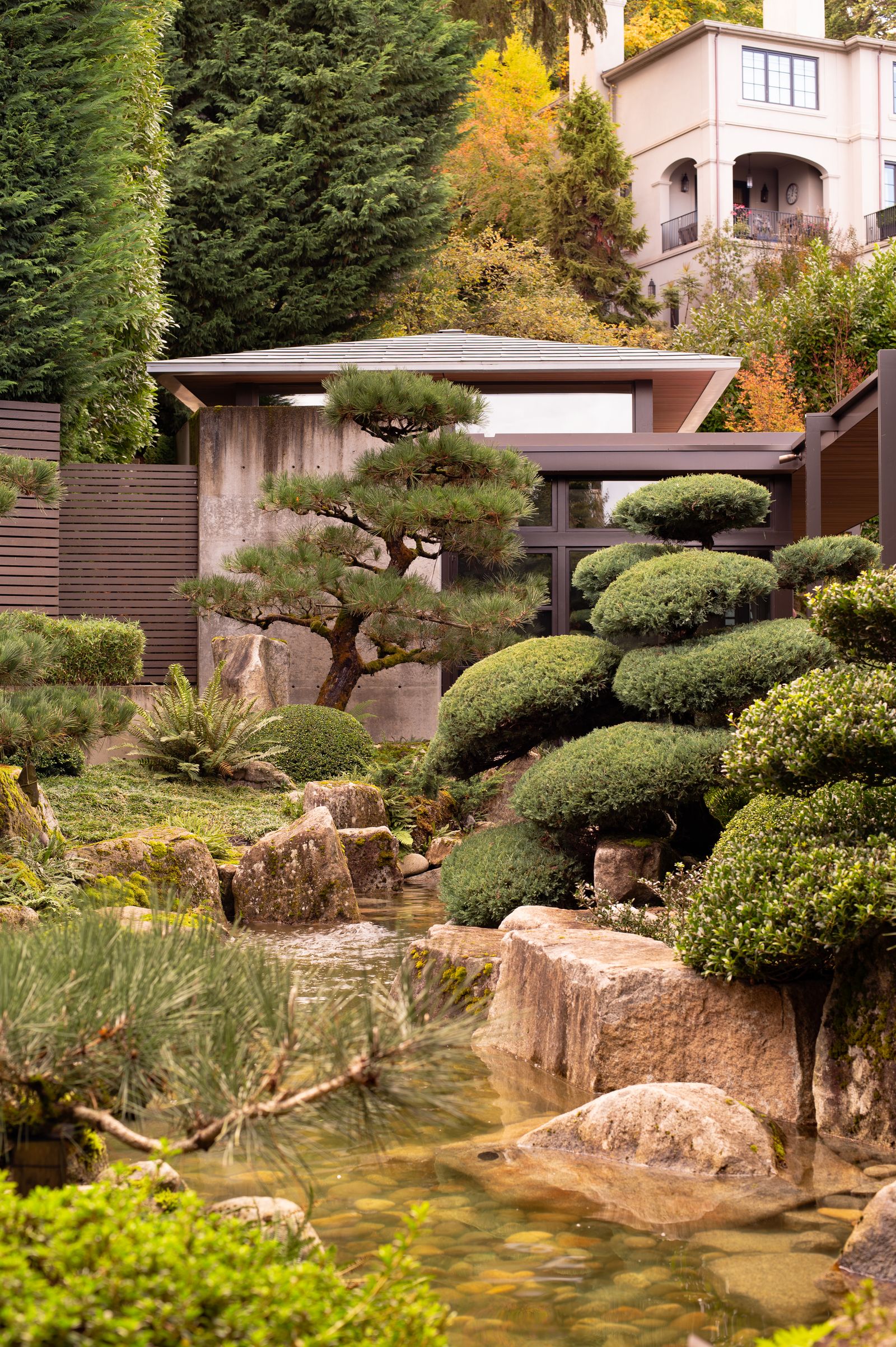
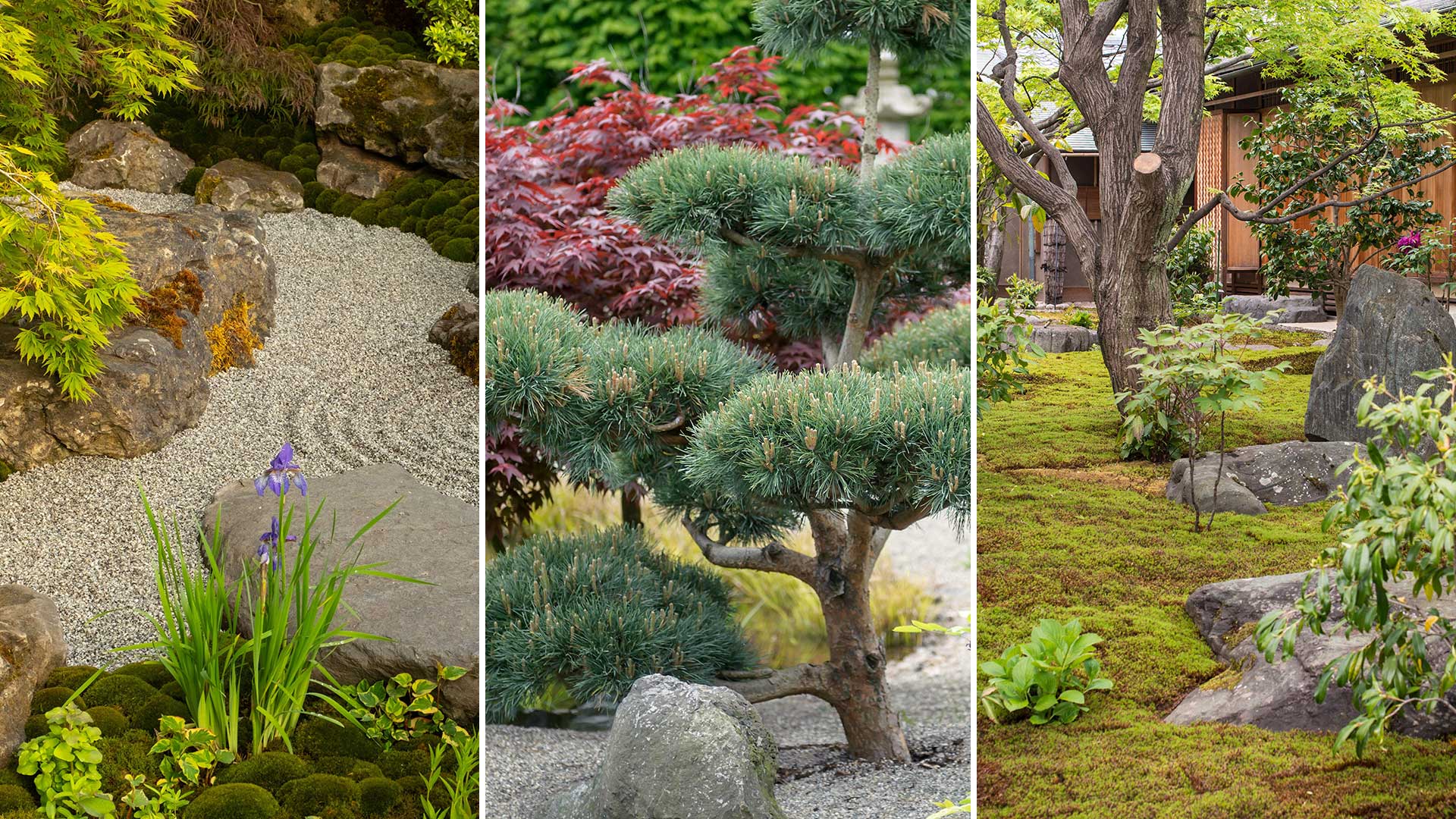
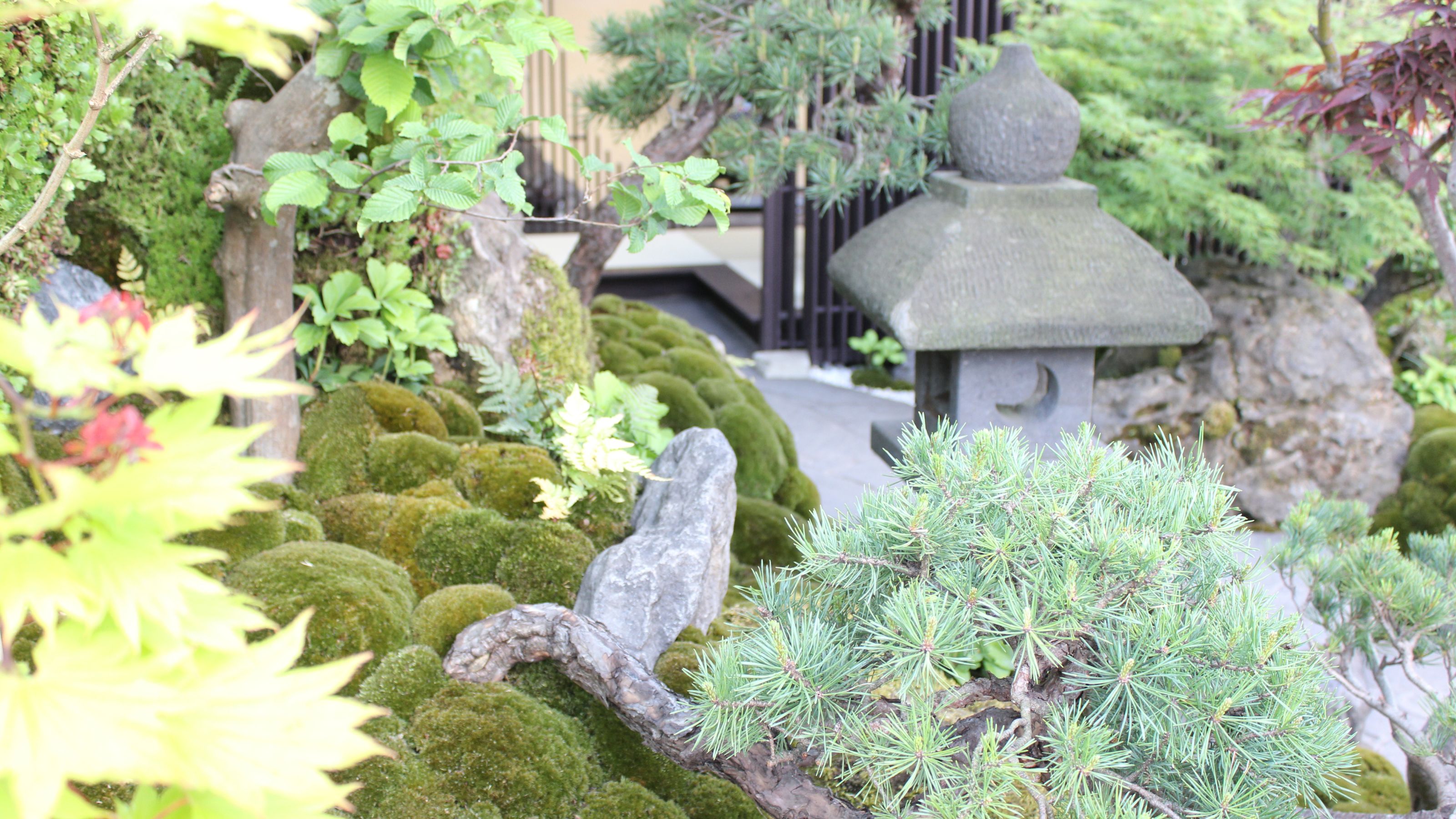
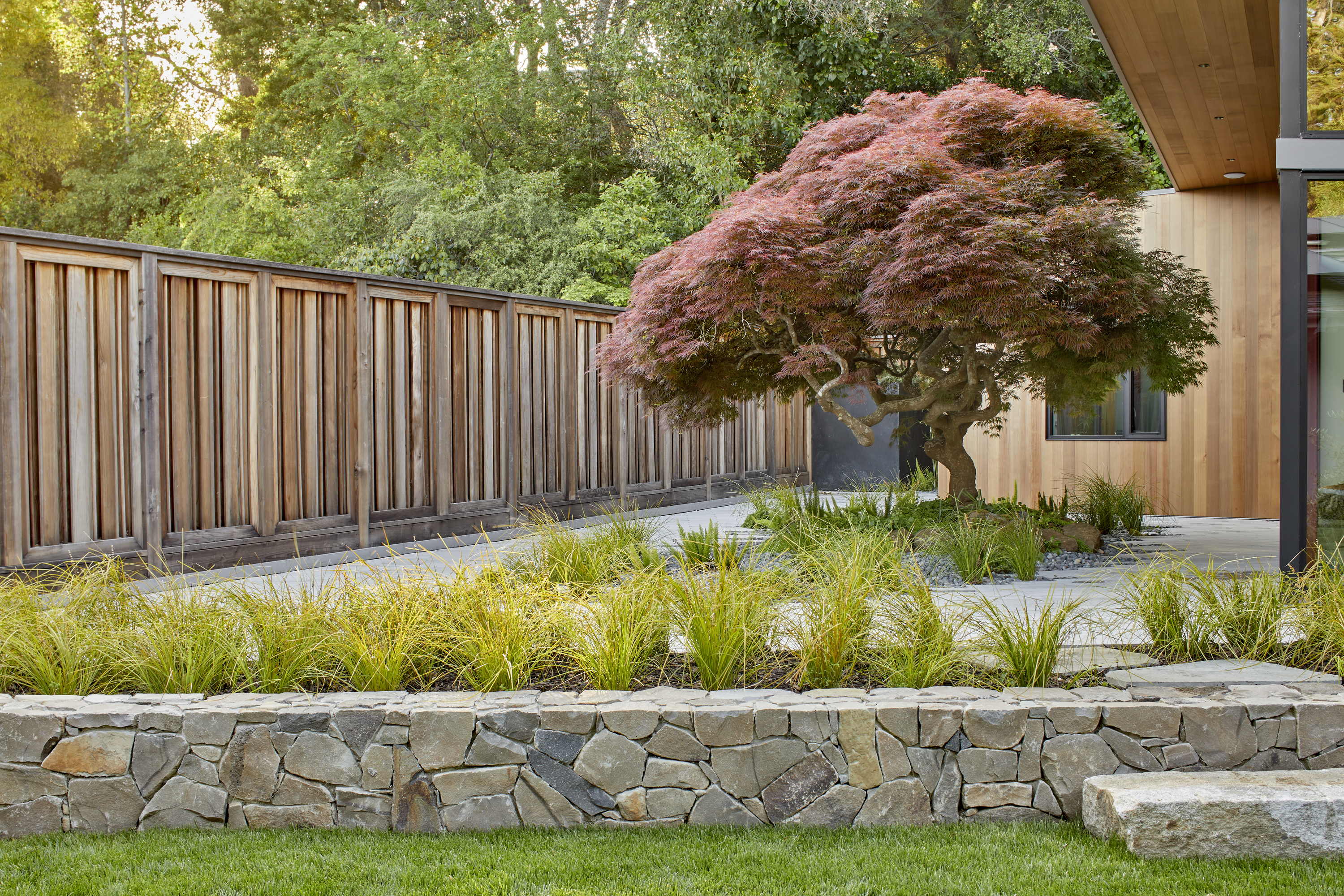
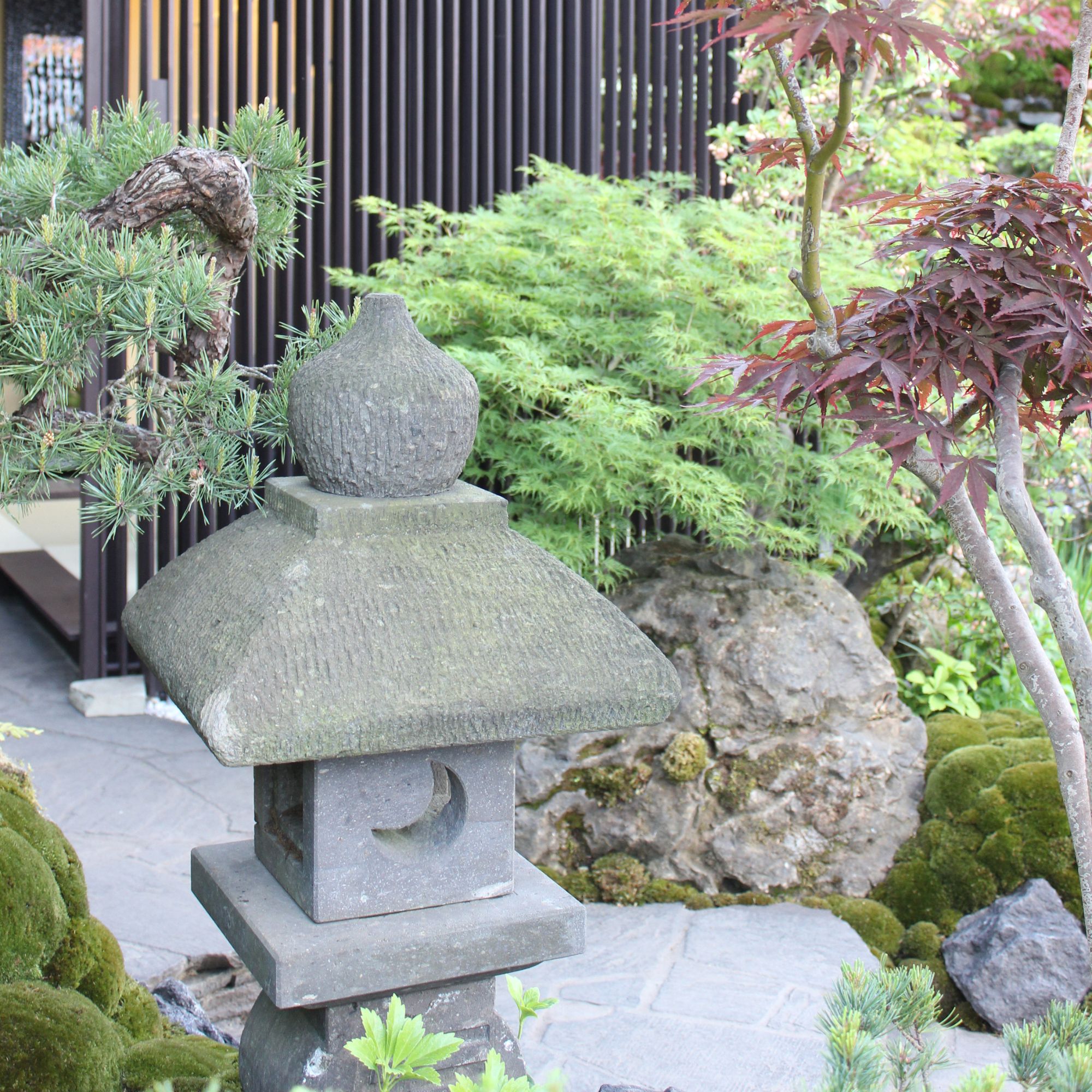
One key aspect involves the strategic planting of specimen trees, particularly pines. These trees contribute enduring form and grace to Japanese gardens, serving as dramatic centerpieces or framing specific views. The Wabi-Sabi philosophy particularly values trees that appear contorted and shaped by natural forces, embodying a sense of enduring beauty. Landscape designer Scott Solomonson suggests planting a pine tree at a slight angle; as it matures, its top will grow straight while the base retains a curved trunk. This intentional imperfection mimics the effects of decades of weathering, lending the tree and the garden an aged, naturalistic charm. Such specimen pines, whether naturally shaped or cultivated for distinctive personality, become powerful expressions of natural beauty.
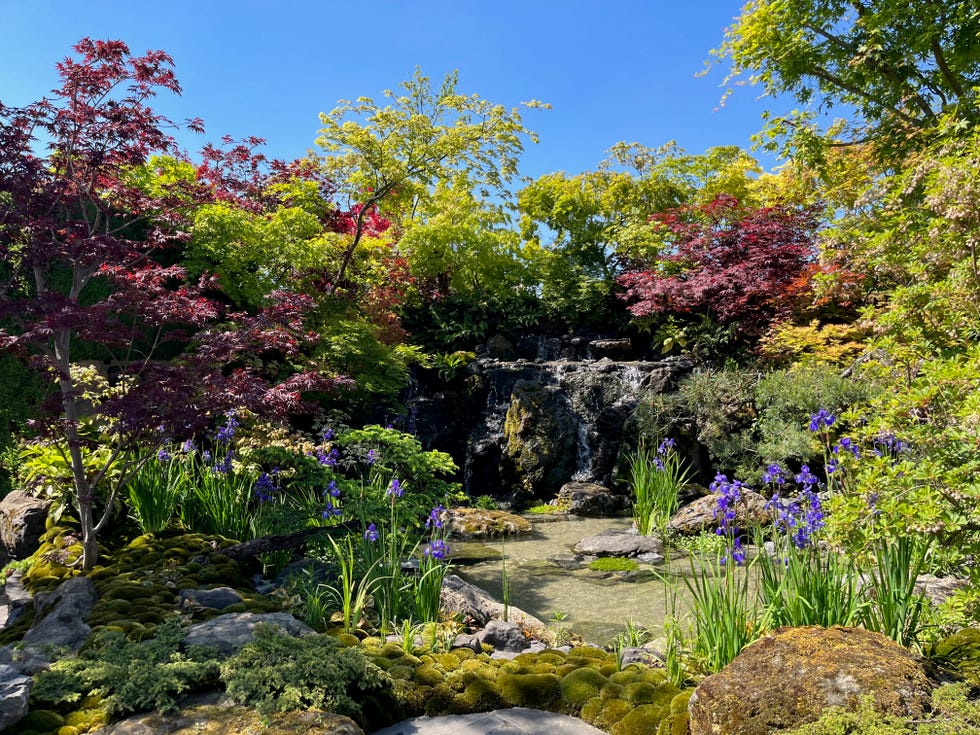
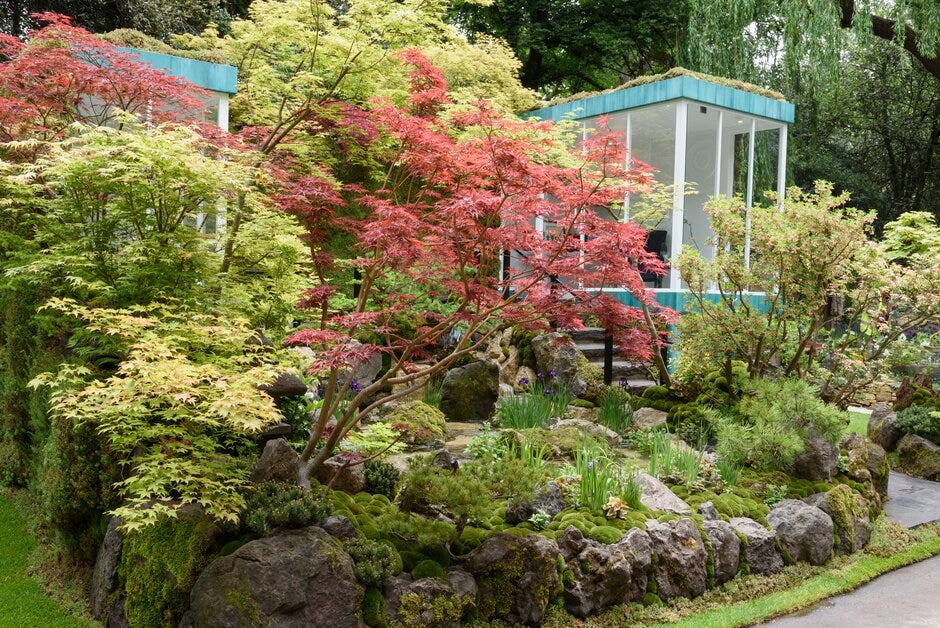
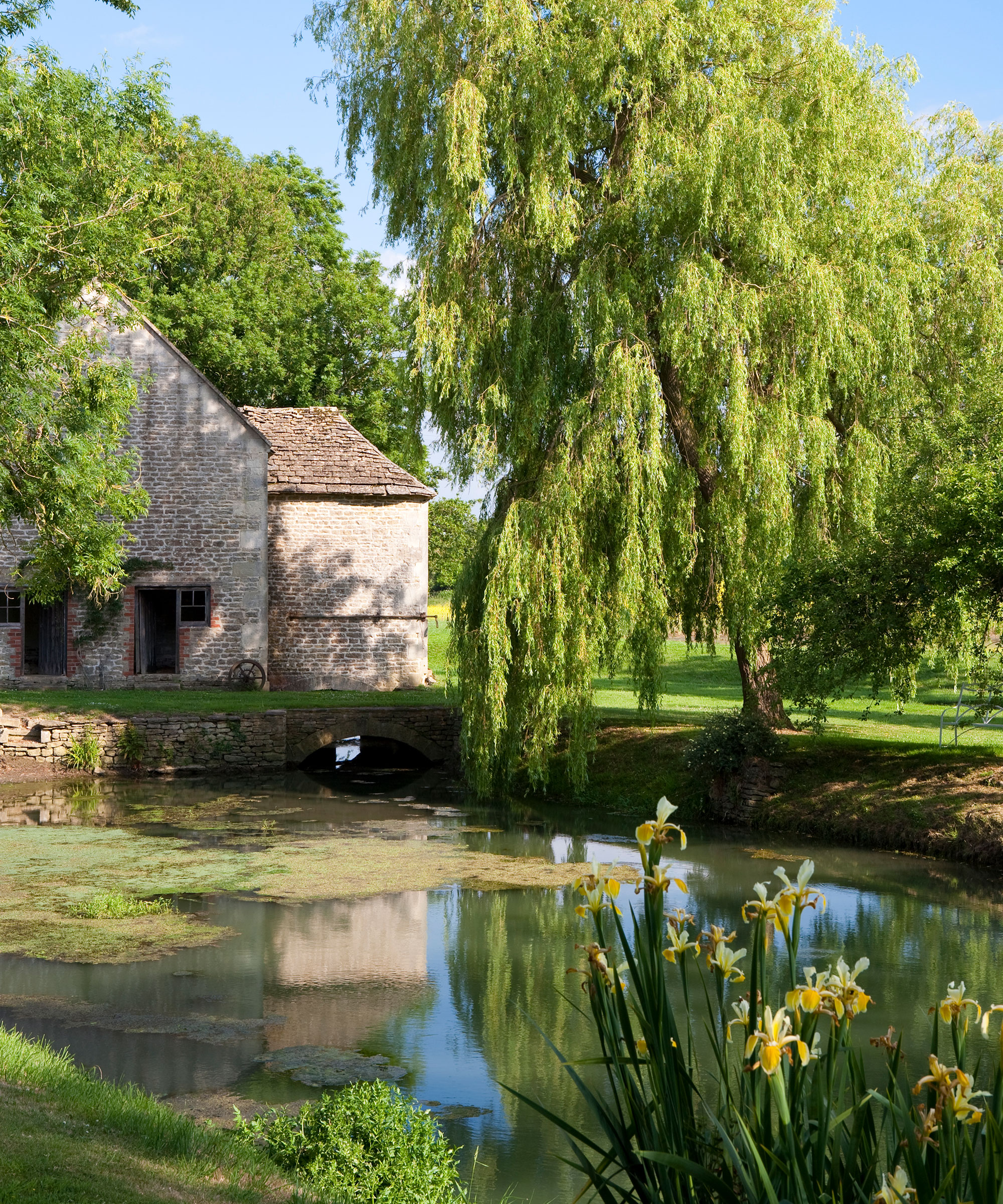
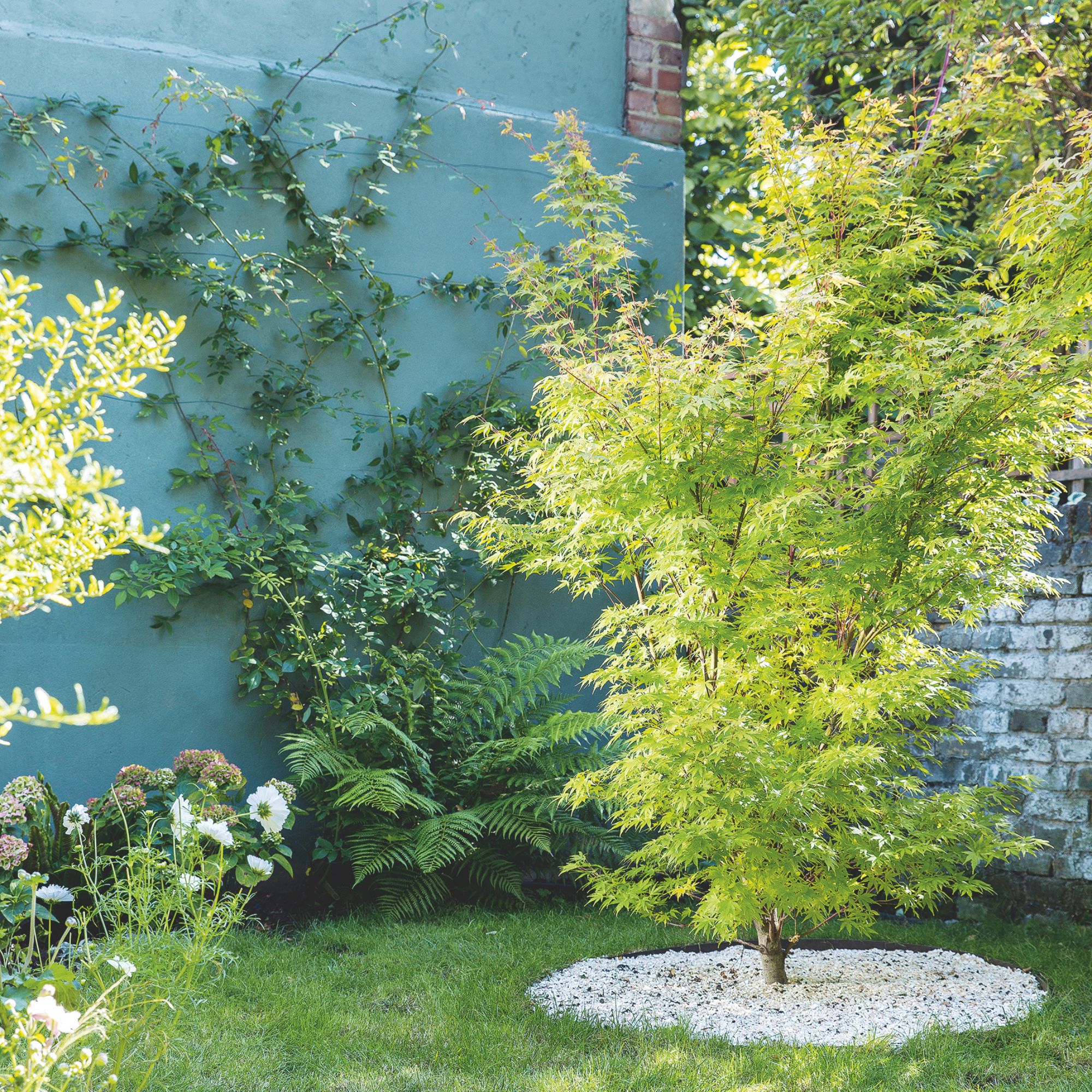
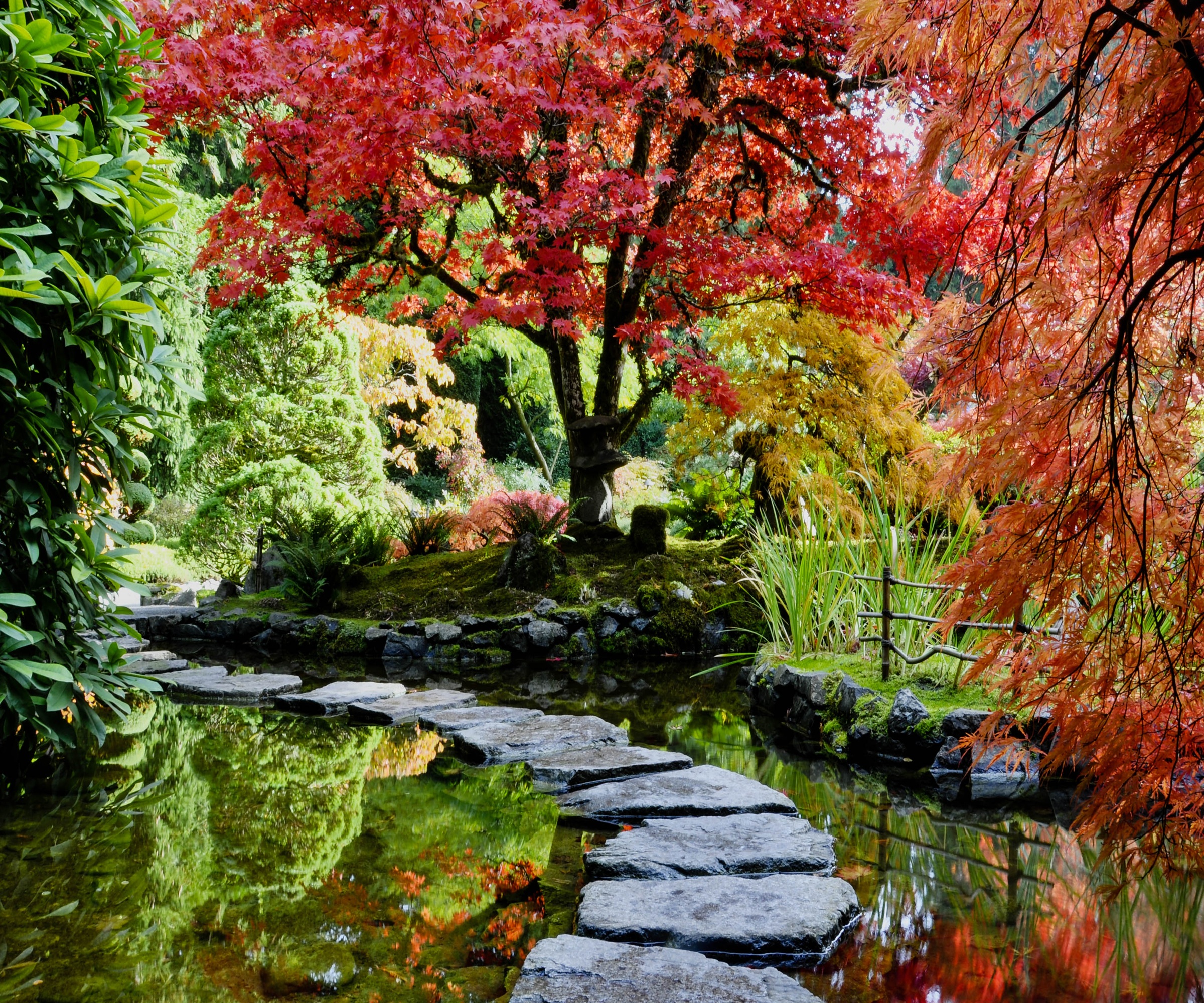
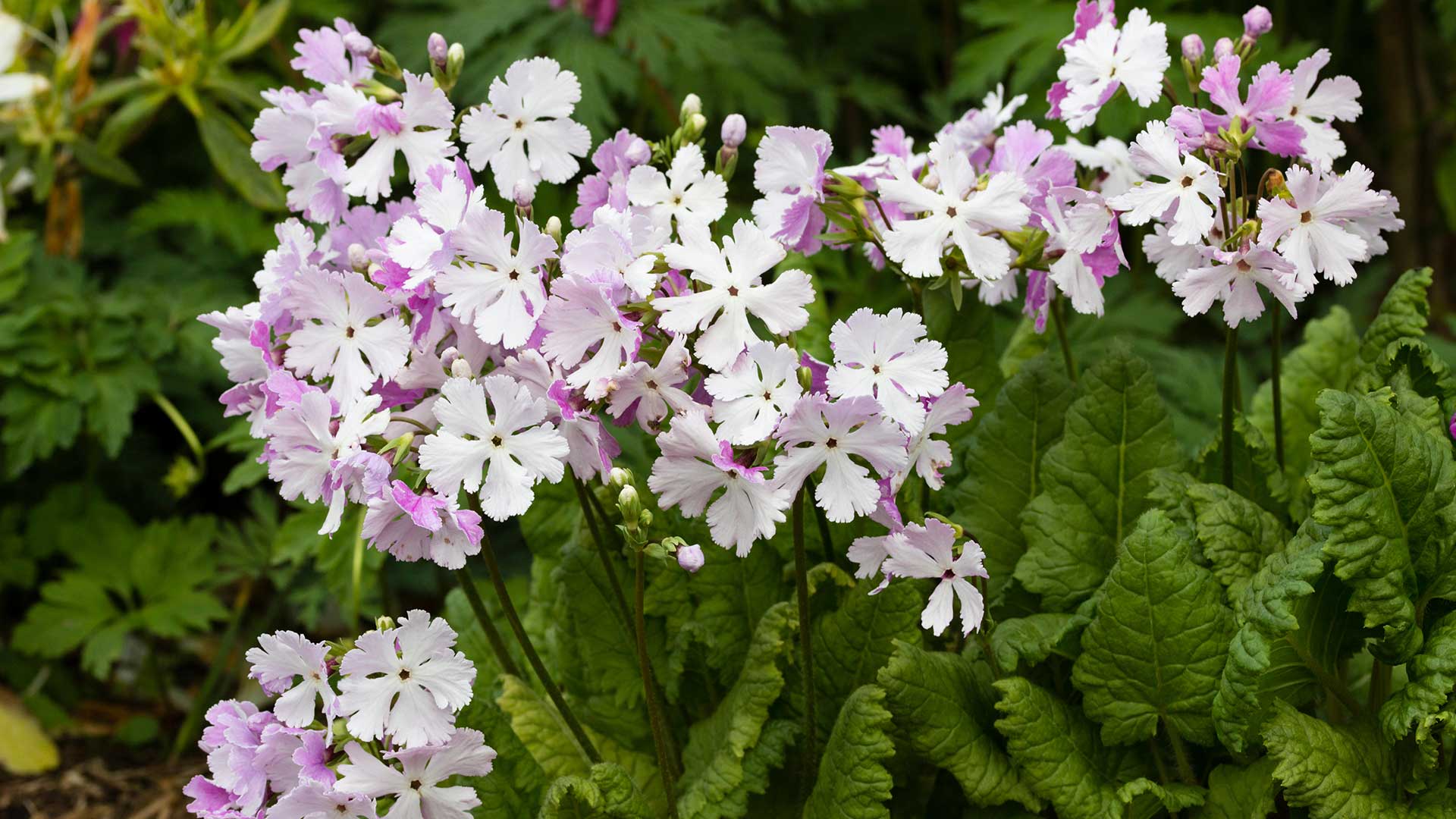
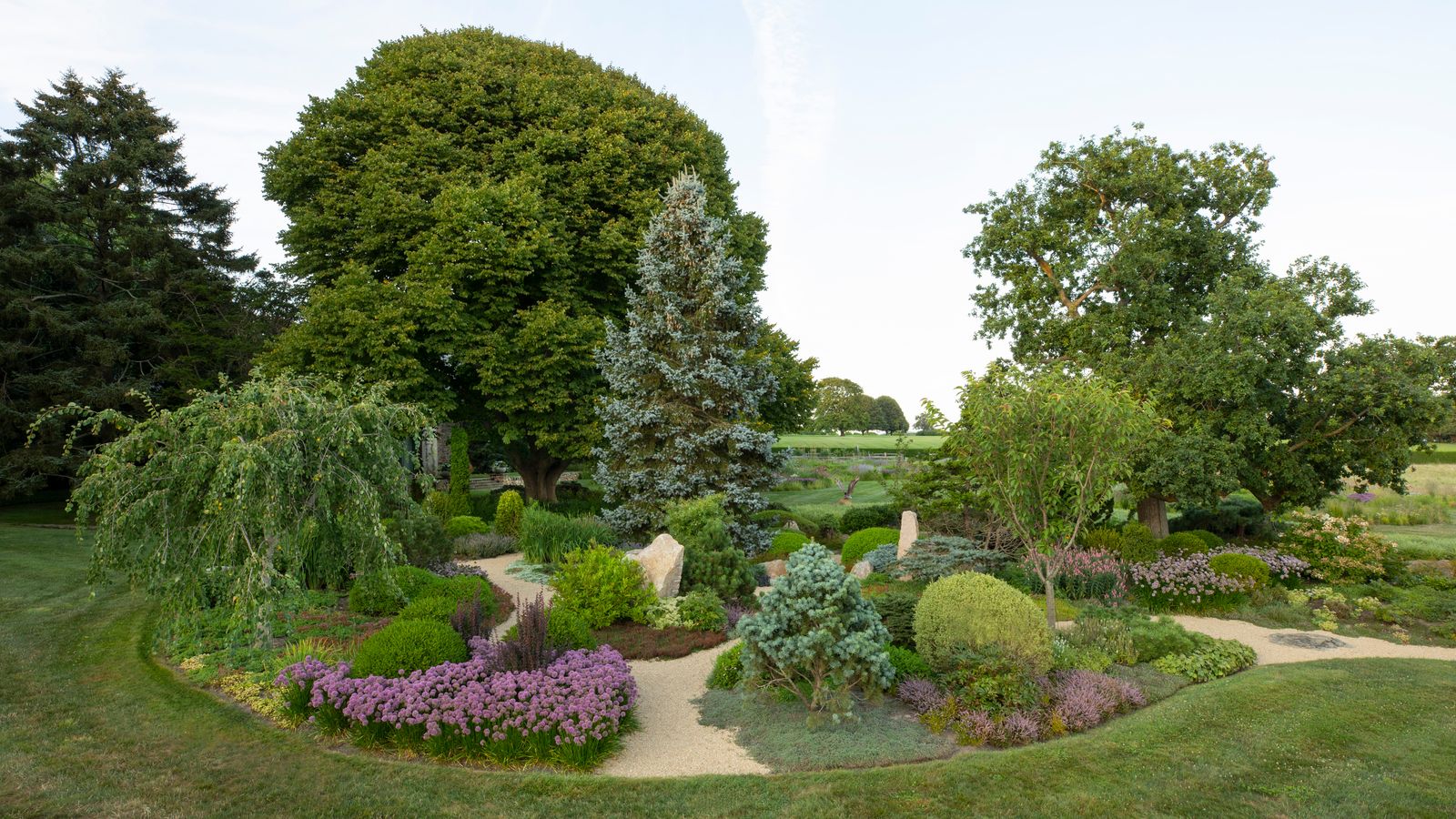
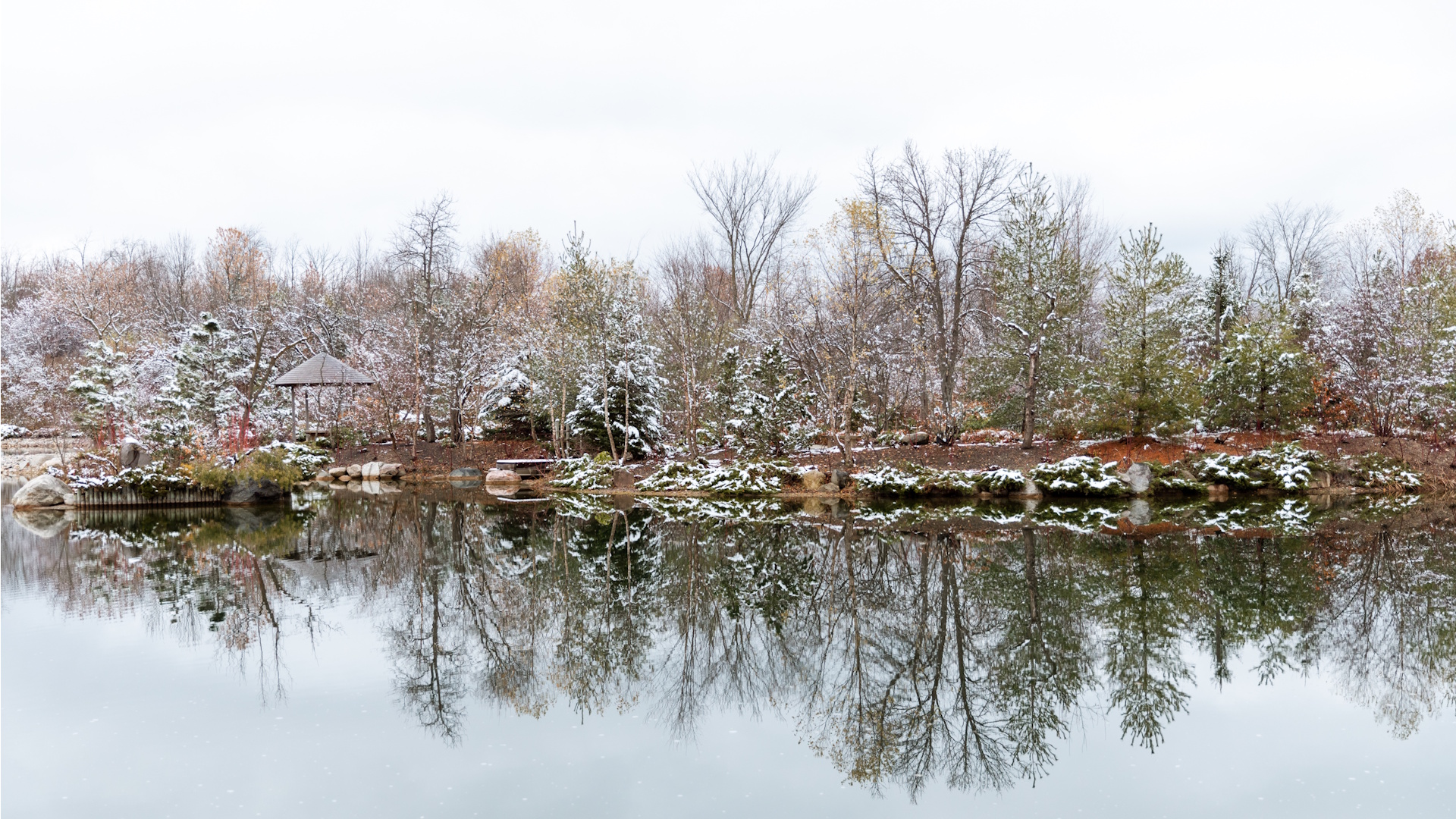
Embracing seasonality through plant choices is another vital component of Wabi-Sabi gardening. Deciduous trees, seasonal blooms, and crops offer fleeting moments of beauty that encourage presence and appreciation for the natural rhythm of life. Landscape designer Shireen Zia advocates for selecting plants that age gracefully and using materials that weather naturally, leaving room for small imperfections like peeling bark, moss-covered stones, or fading seedheads. Plant selections should consider the garden's hardiness zone and growing conditions, but examples like the Panicle hydrangea, known for its elegant white blooms that fade to papery petals, and the spectacular Japanese iris, exemplify this approach. These plants offer beauty that changes with the seasons, reflecting the transient nature of life.
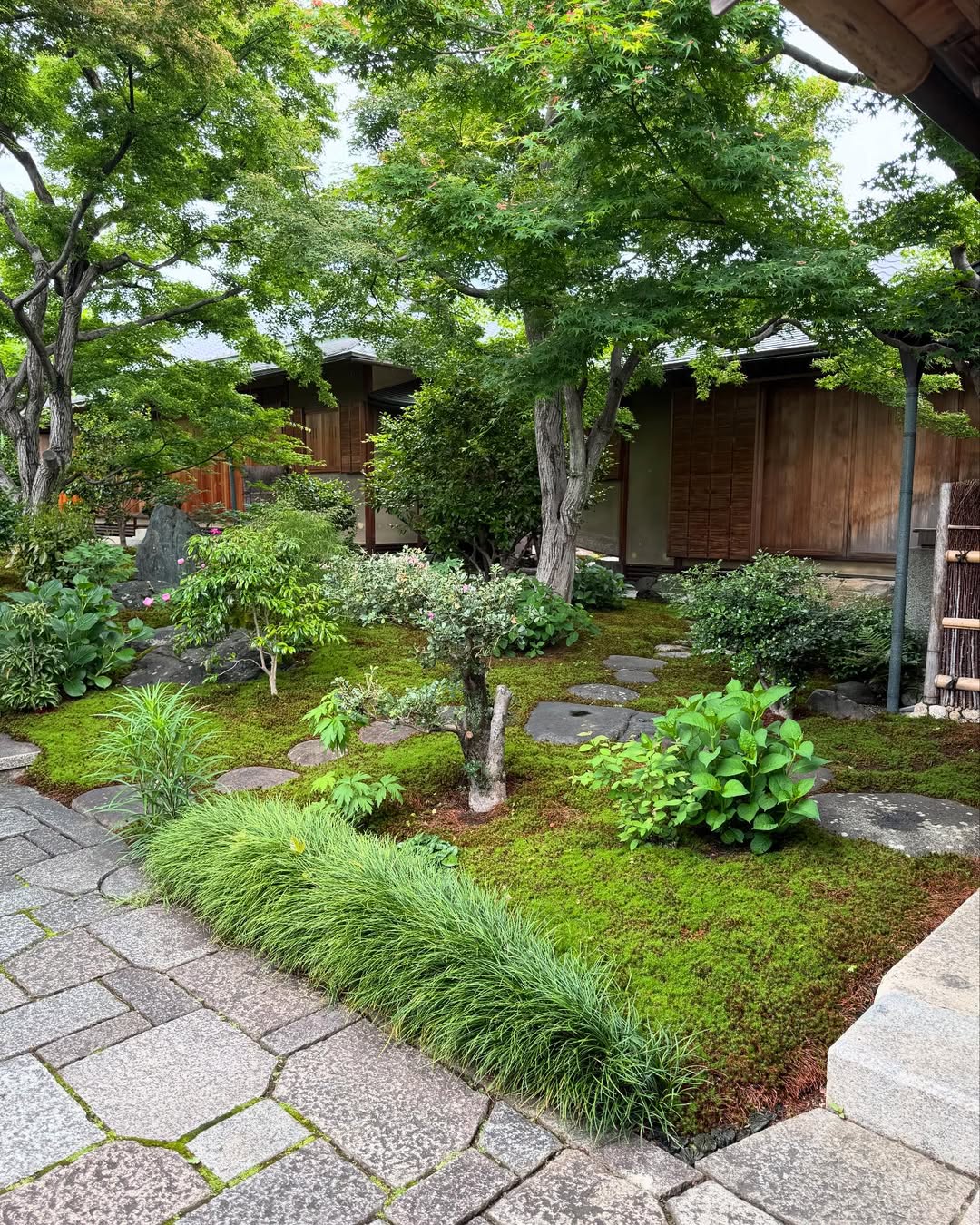
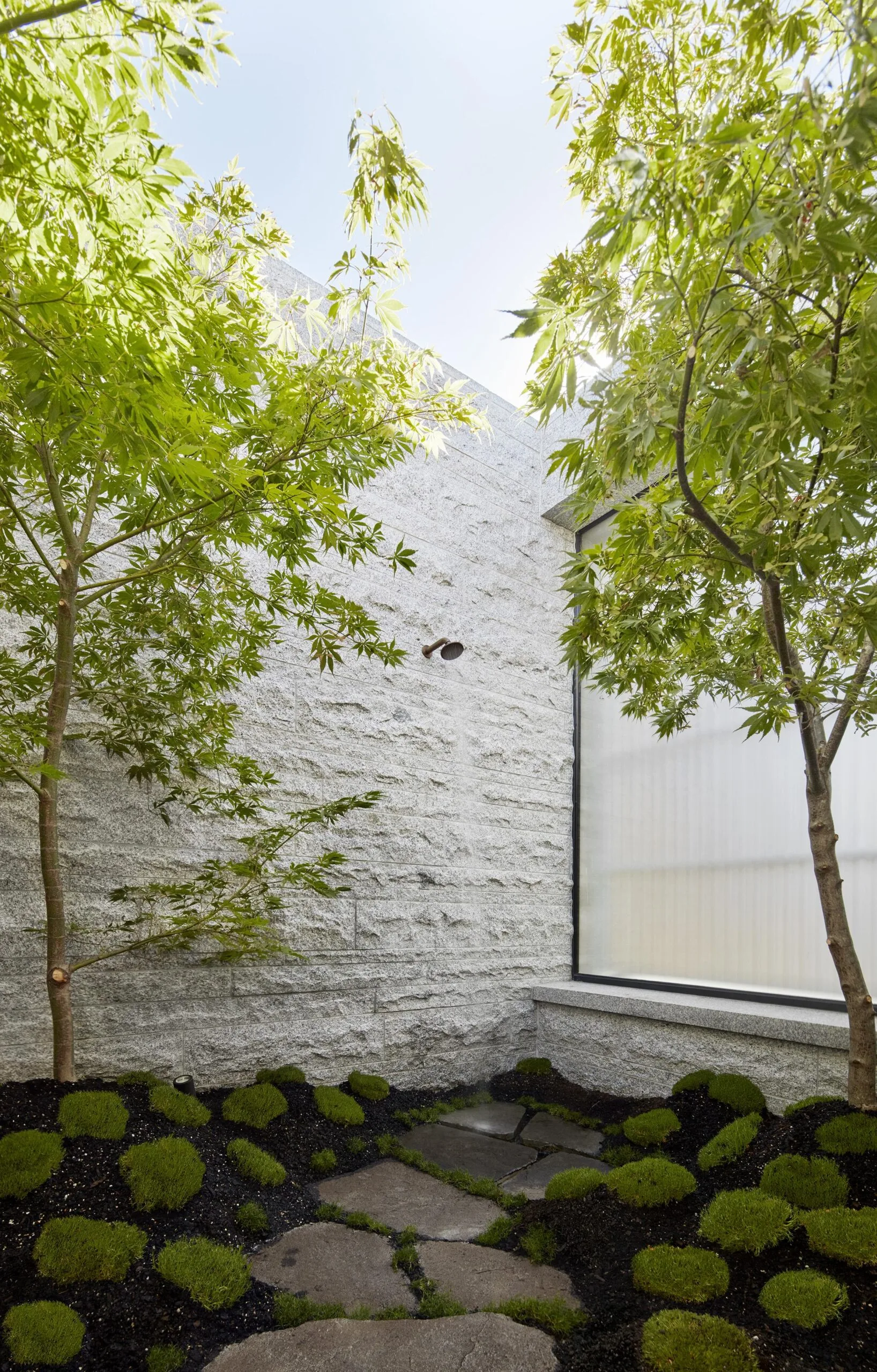
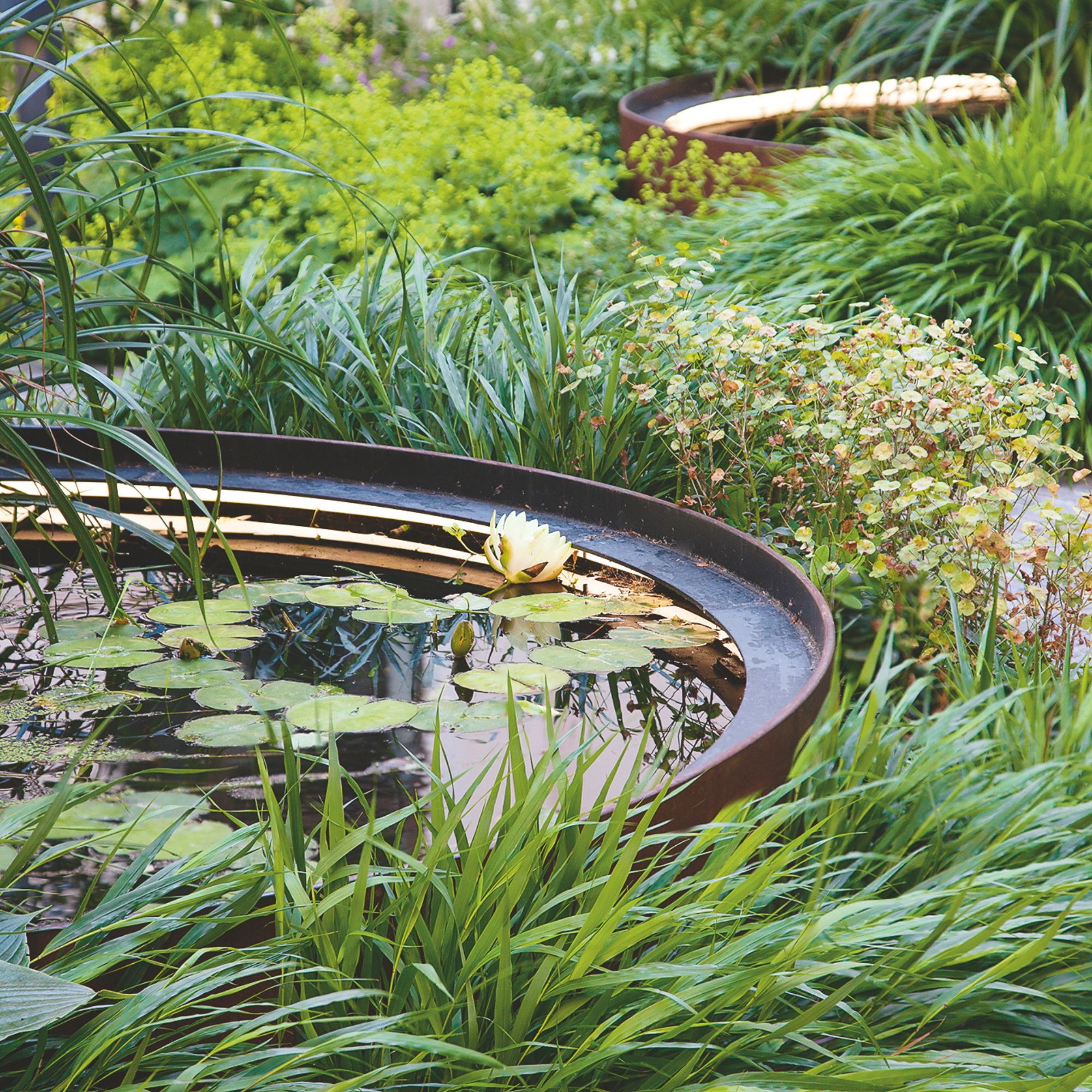
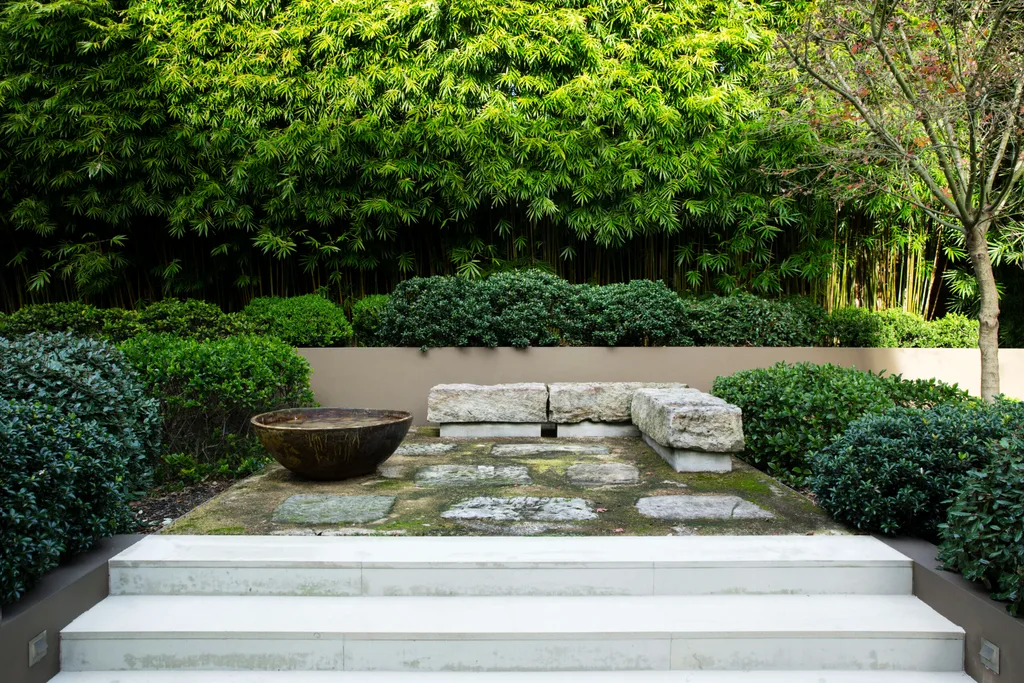
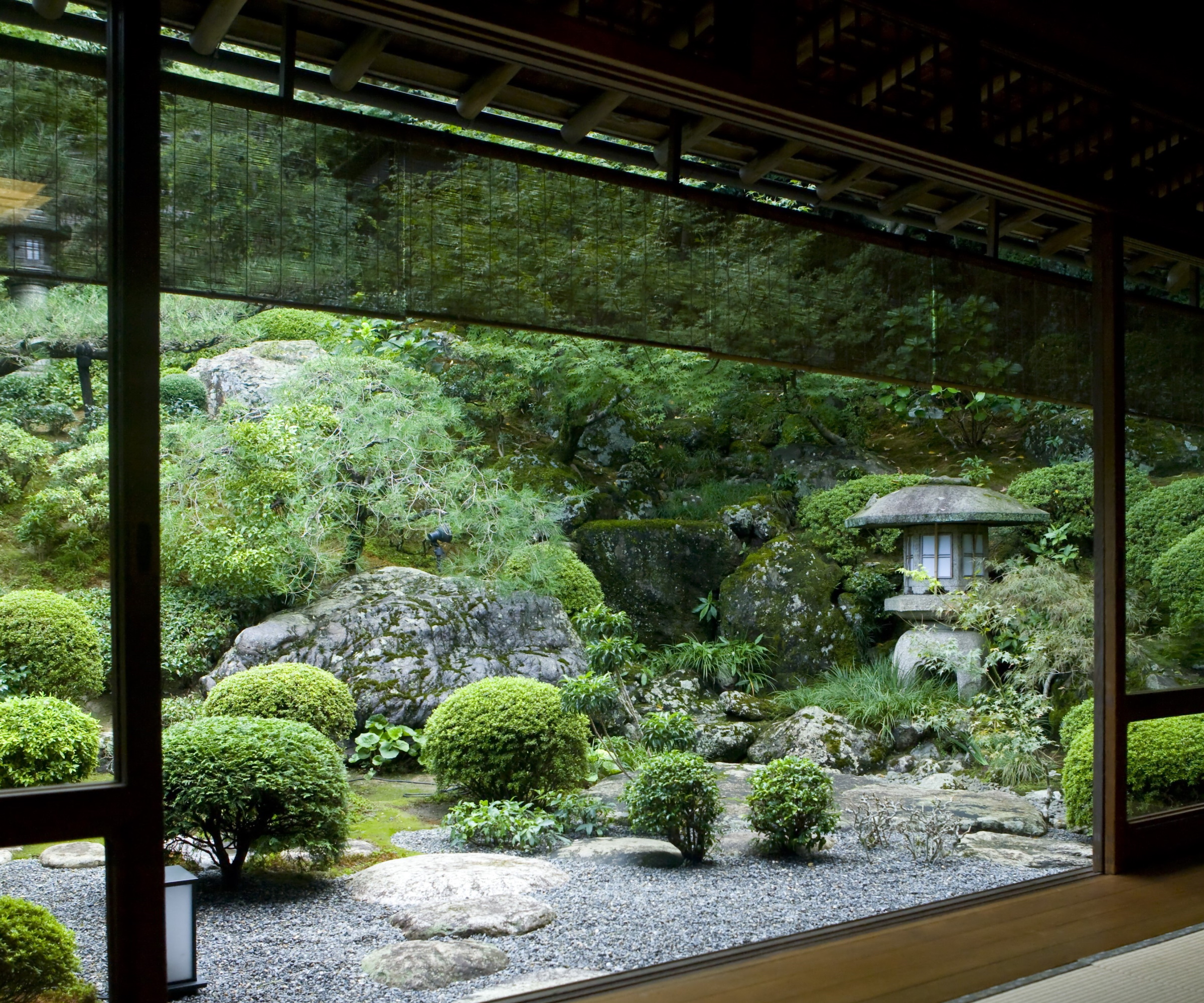
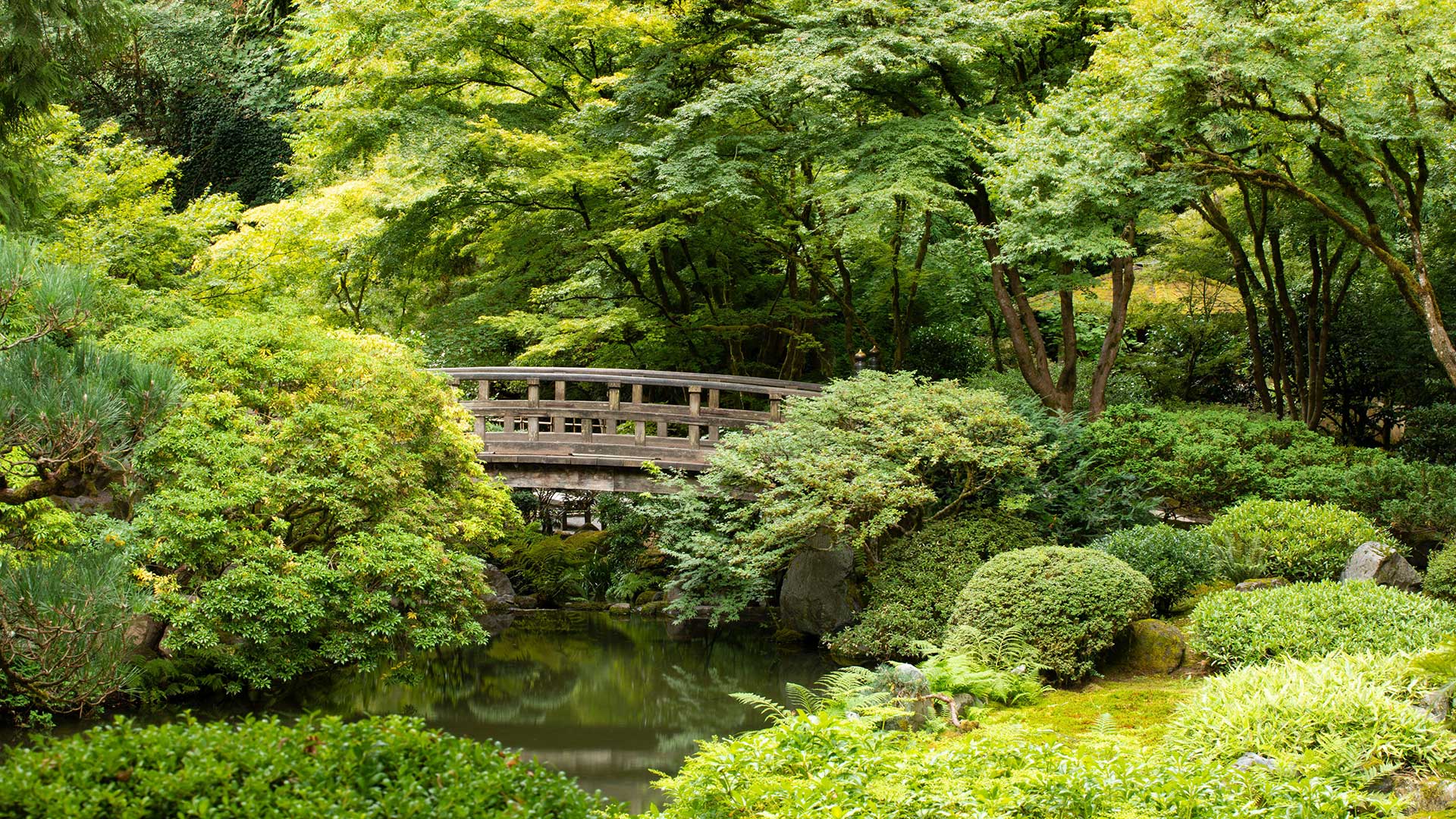
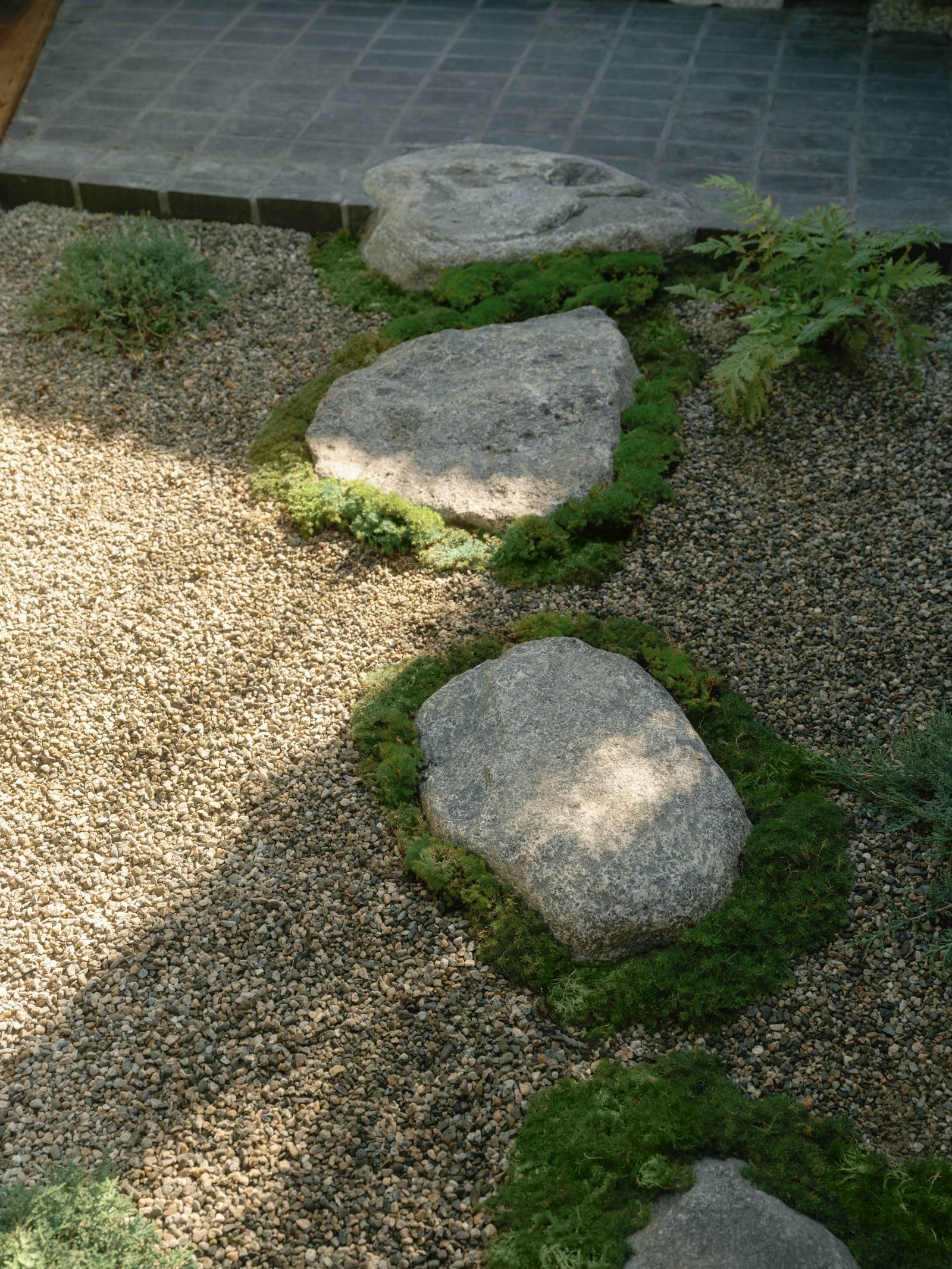
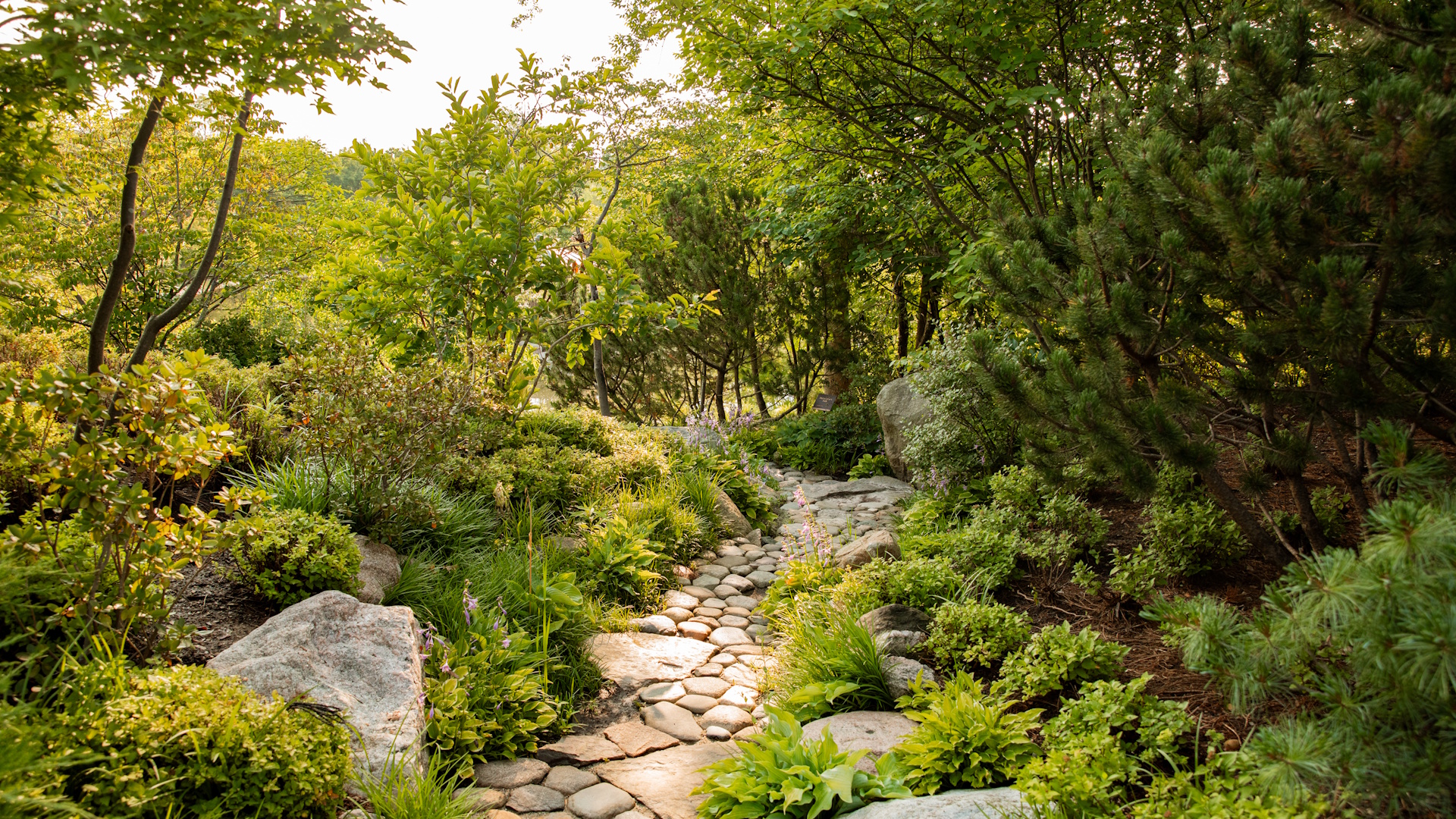
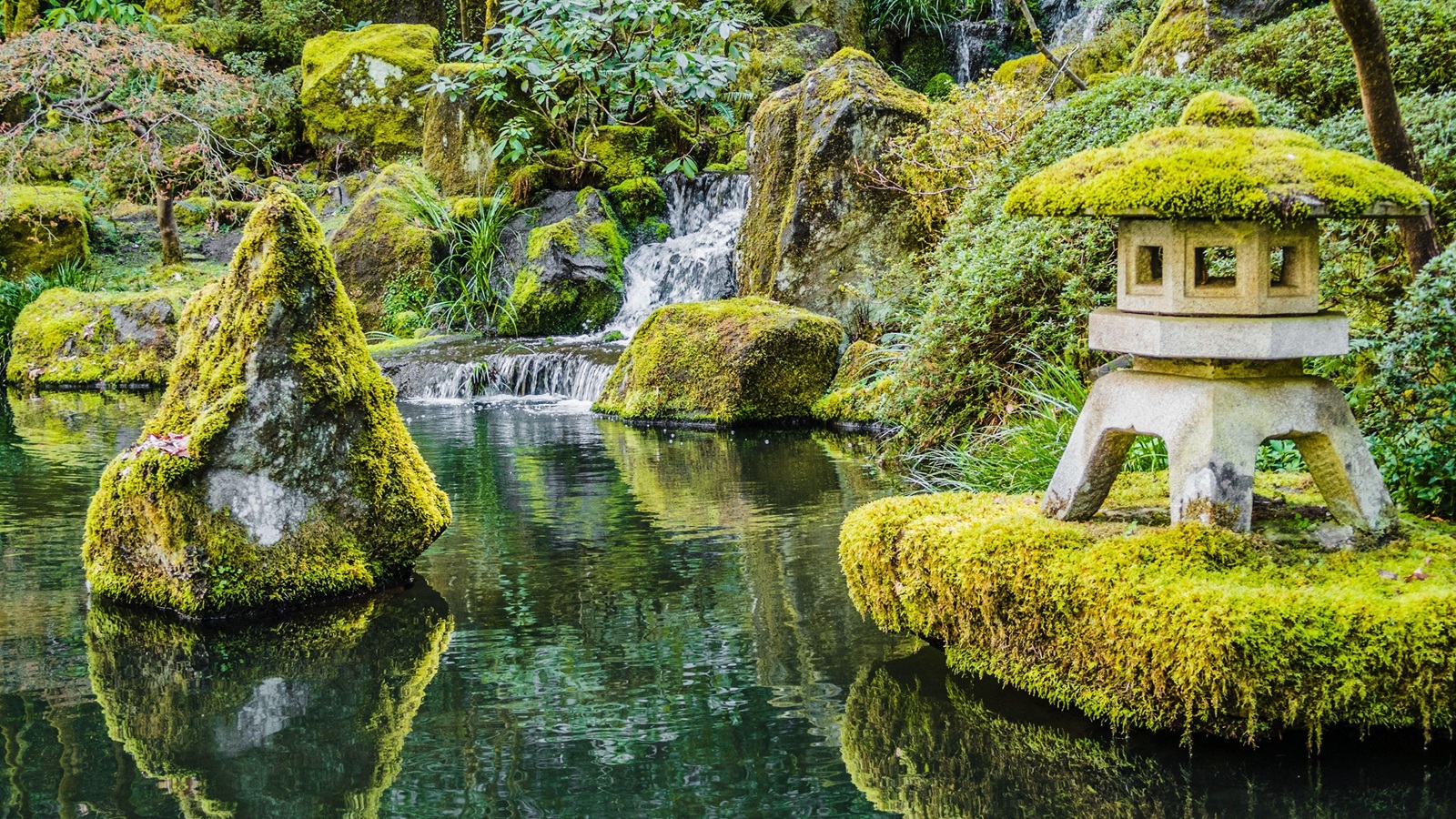
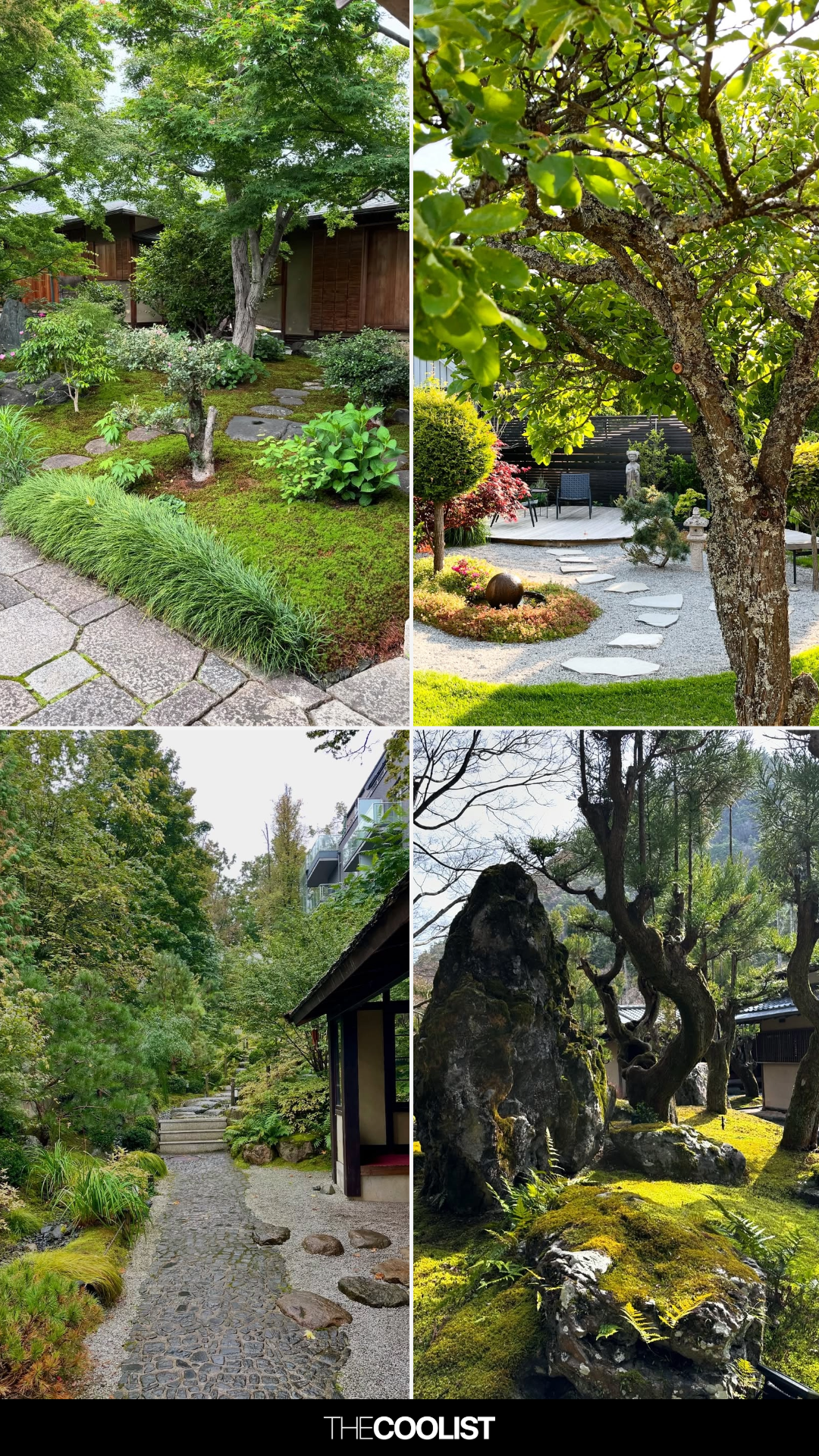
Allowing nature to take the lead in certain aspects of the garden is central to Wabi-Sabi. Jim Fucetola, owner of Moss Acres, emphasizes that Wabi-Sabi promotes honest simplicity. Instead of constantly combating natural developments like cracks or crevices, he advises allowing moss or low-growing plants to settle in organically, softening the landscape. A weathered stone surrounded by moss, for instance, can convey more meaning and tranquility than an overly complicated arrangement. This concept extends to material choices; while traditional Japanese gardens favor natural materials like stone and timber, contemporary materials like Corten steel, which develops a rusted appearance, and copper, which patinates to a blue-green, also align with the Wabi-Sabi principle of embracing the beauty of materials as they age and weather.
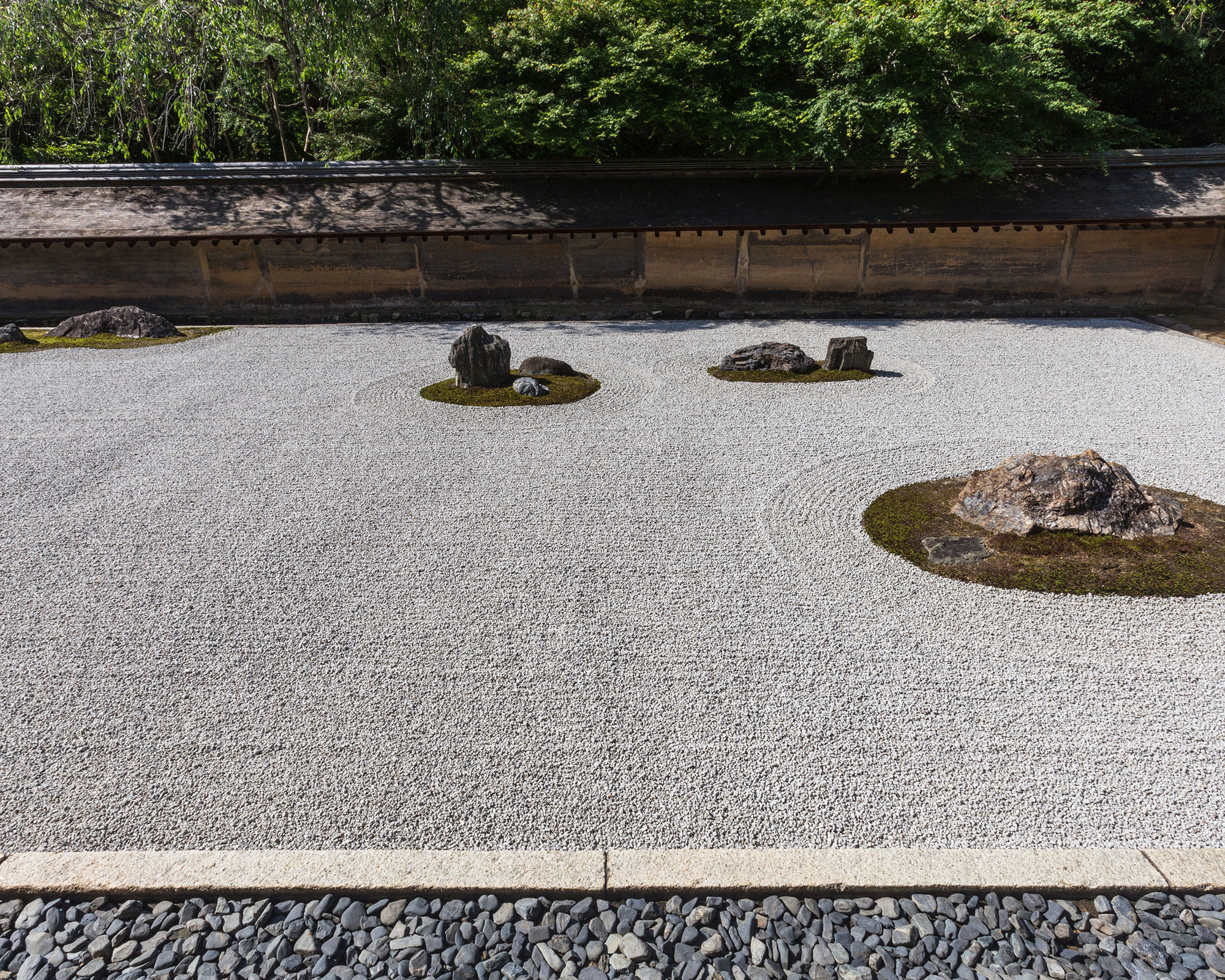
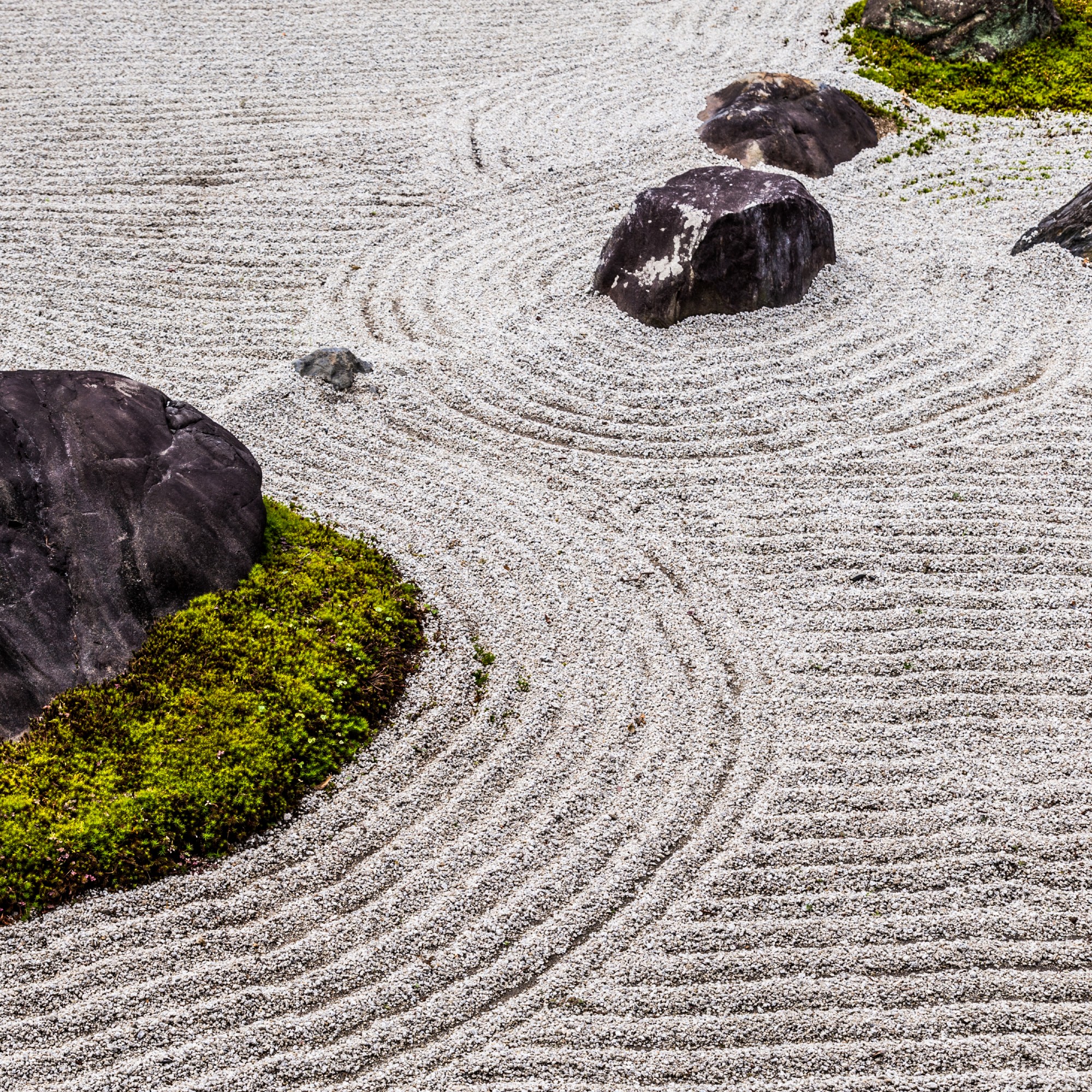
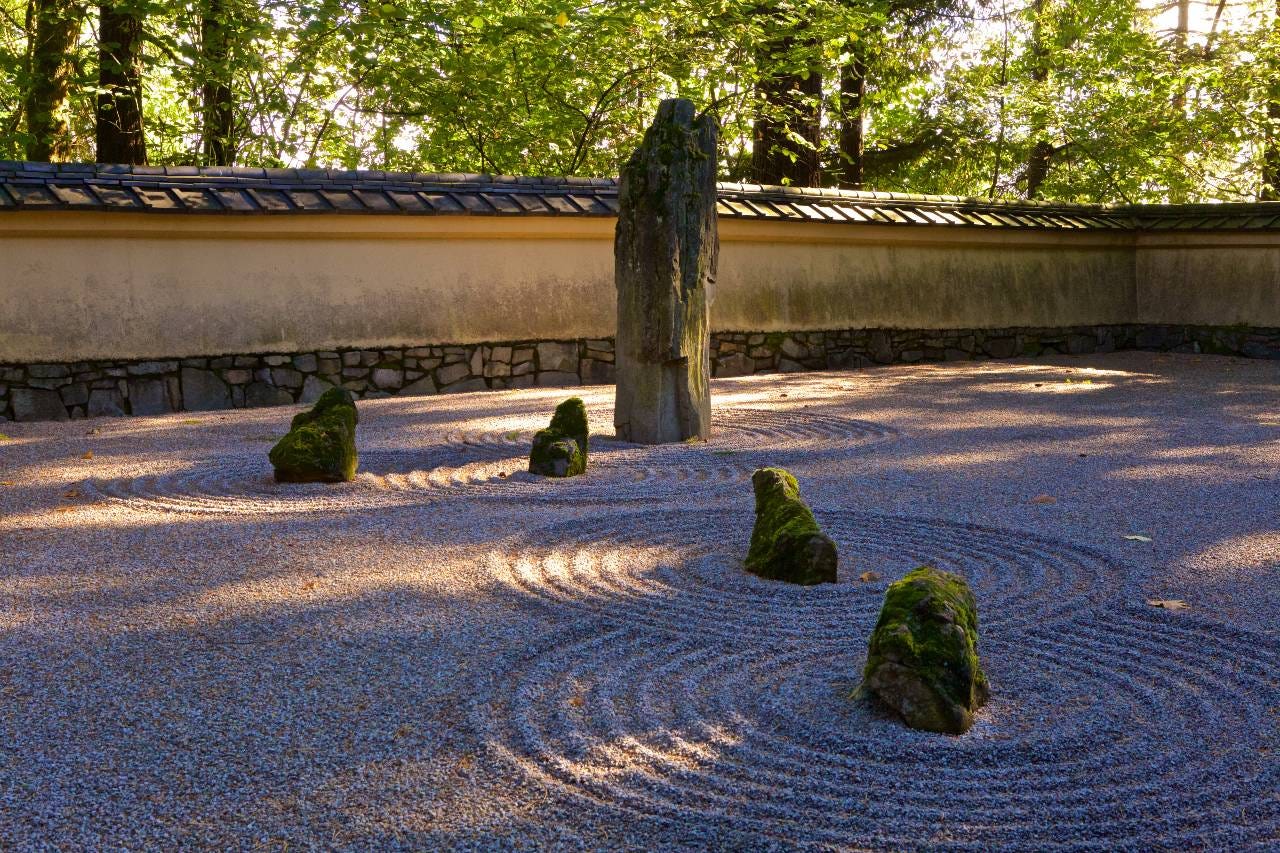
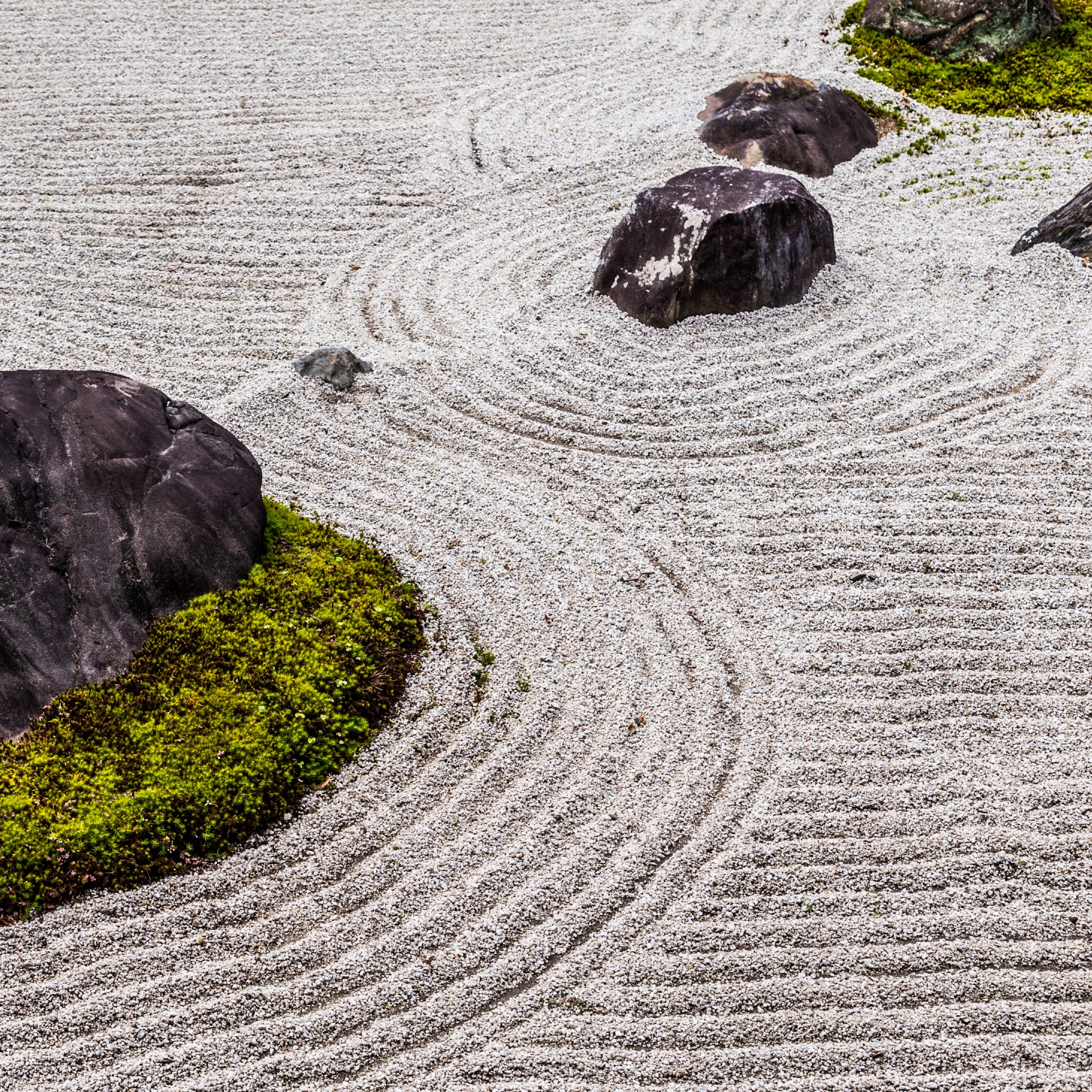
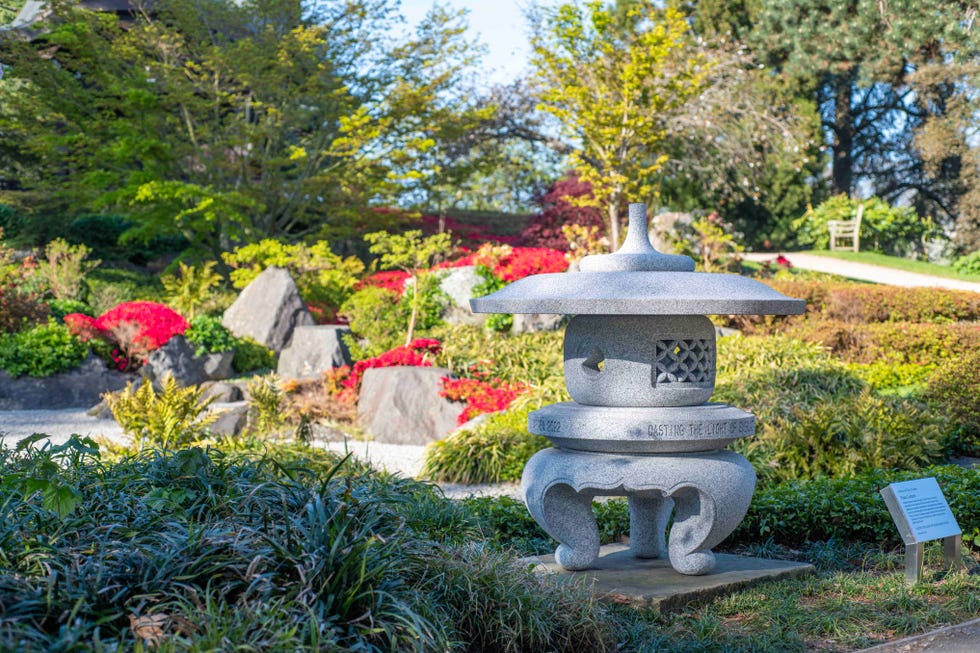
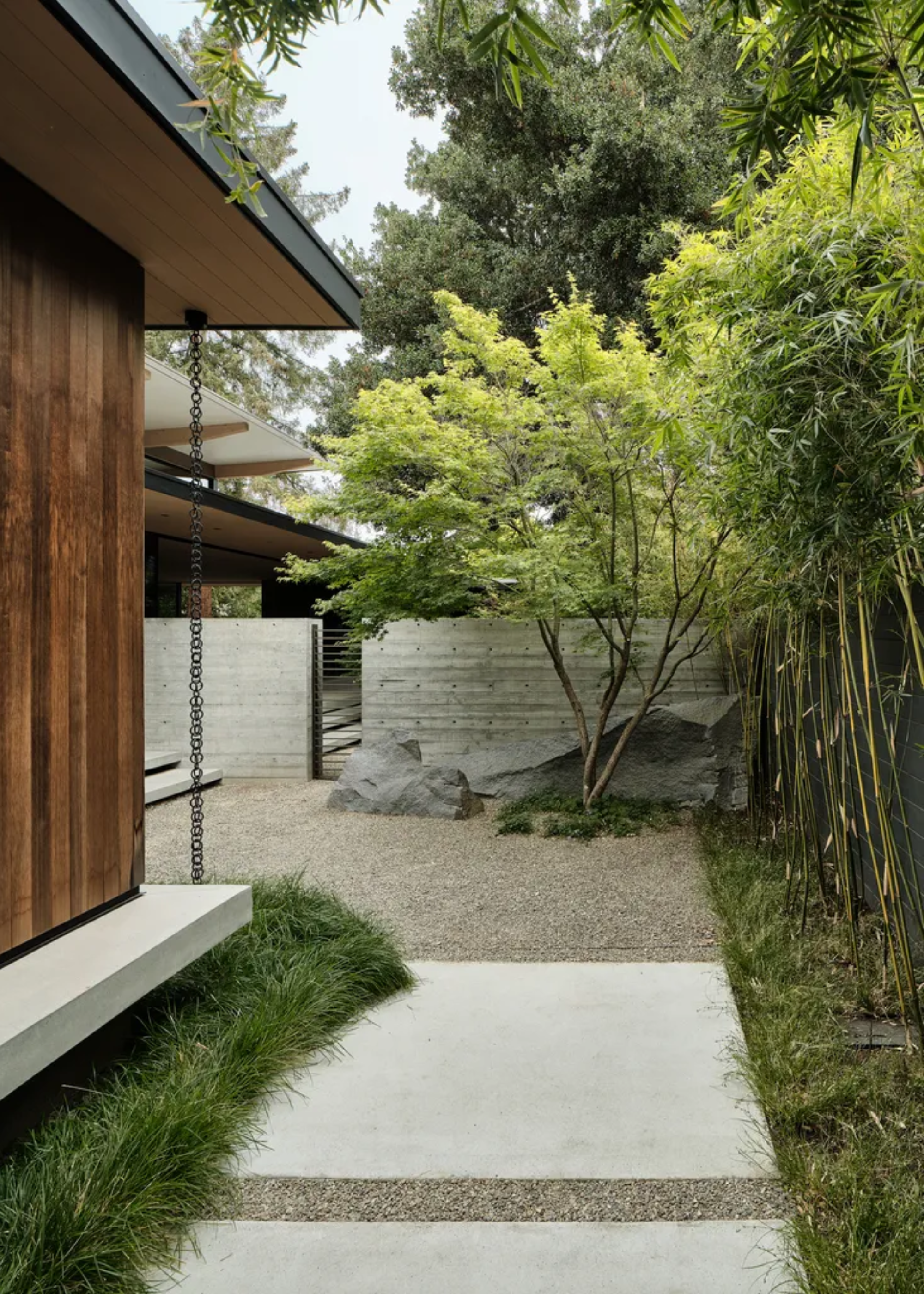
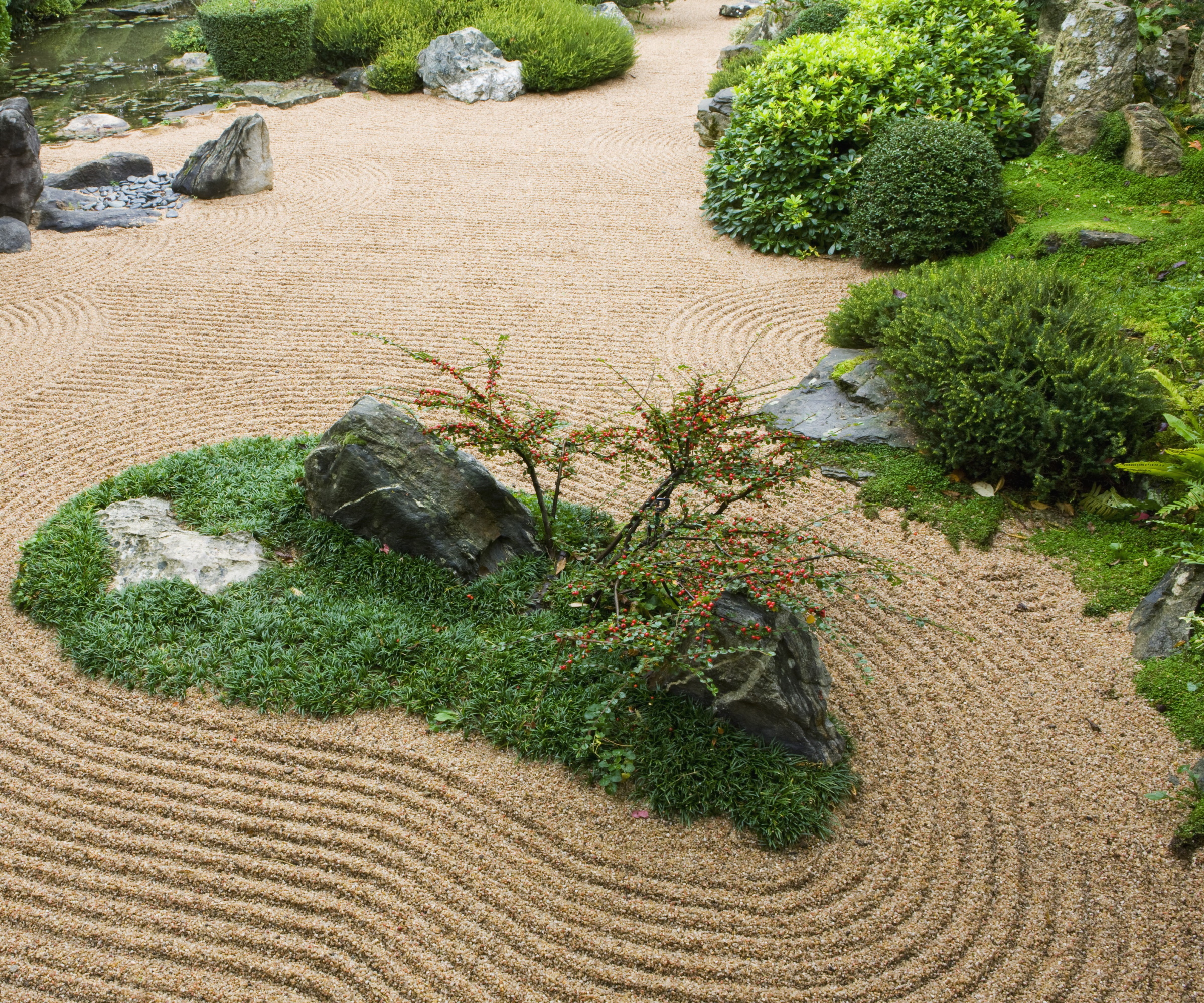
Finally, the sensitive placement of rocks is crucial for embodying Wabi-Sabi in a garden. Rocks symbolize permanence and stability in Japanese garden design. In rock gardens (sekitei), large boulders signify majestic mountains, while in strolling gardens, they provide settings for water features or ornamental plants. Scott Solomonson explains that thoughtful boulder placement can create unique hints of natural beauty. Boulders positioned with a slight lean can evoke the image of a mountain stream depositing them, suggesting a natural and ancient history. When boulders are slightly buried and surrounded by plants, the garden gains a timeless quality, appearing as if it has existed in its natural state for centuries. This deliberate yet naturalistic placement contributes to the calm and low-effort aesthetic of a Wabi-Sabi garden.
#WabiSabi #JapaneseGarden #GardenDesign #LowEffortGardening #NaturalBeauty #SeasonalPlants #MossGardens #RockPlacement #LandscapeDesign #WabiSabi #JapaneseGarden #GardenDesign #LowEffortGardening #NaturalBeauty #SeasonalPlants #MossGardens #RockPlacement #LandscapeDesign
0 comment in total
 No comments yet
You may also like
Experts reveal how to plant a Japanese-inspired garden

An Expert Guide to Japanese Zen Gardens
4 Japanese garden ideas for a calm and tranquil outdoor space
Peter Dowdall: So many reasons to love Japanese gardens
Japanese garden ideas – 11 design tips for a zen backyard
Horticultural Experts Reveal 5 Defining Features of a Japanese Garden
20 Zen Garden Ideas to Transform Your Backyard Into a Peaceful Oasis

Japanese garden ideas – 10 ways to create a soothing space, with advice from the experts

24 Japanese Garden Ideas That Encourage Slow Walks and a More Relaxed Outdoor Rhythm

Japanese garden requires specialized shrubs, touch

The 8 best plants for an indoor zen garden – what to grow to add calm and tranquility to your home

How to Design a Japanese Garden in Any Climate, According to Landscape Experts

7 Japanese-style gardens to inspire and delight

Small Japanese garden ideas – 7 ways to infuse a tiny outdoor space with Japanese-inspired planting and landscaping
7 Japanese Garden Ideas That Channel the Elements of Nature to Make Your Outdoor Space Feel Serene
Michigan’s Slice of Japan: Where Design Connects Humanity with Nature
Small Japanese garden ideas – 7 ways to infuse a tiny outdoor space with Japanese-inspired planting and landscaping

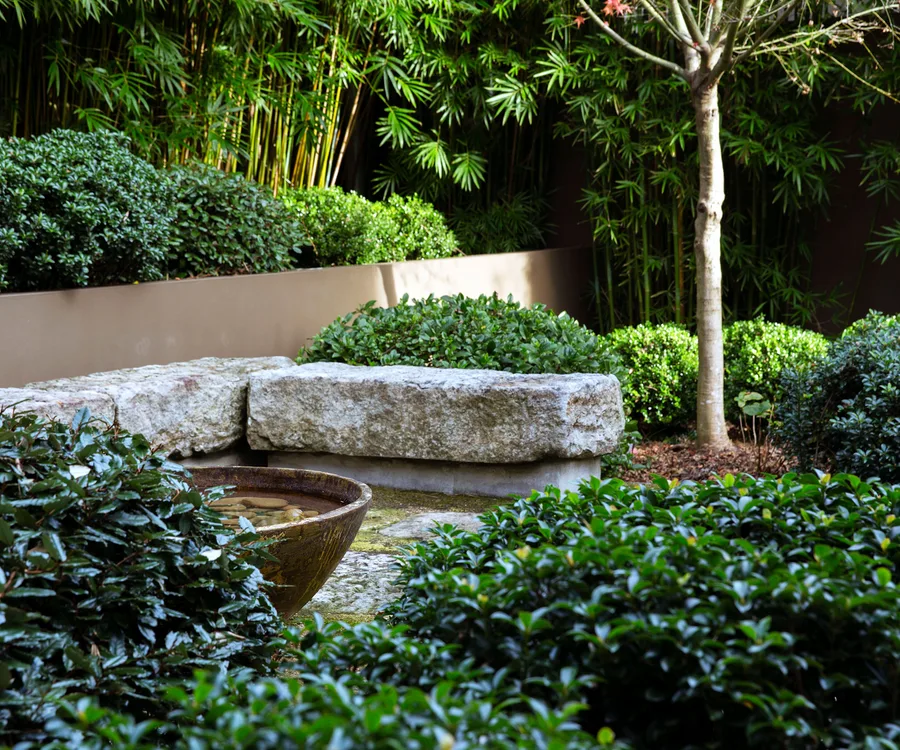
A Japanese-inspired garden on Sydney’s north shore
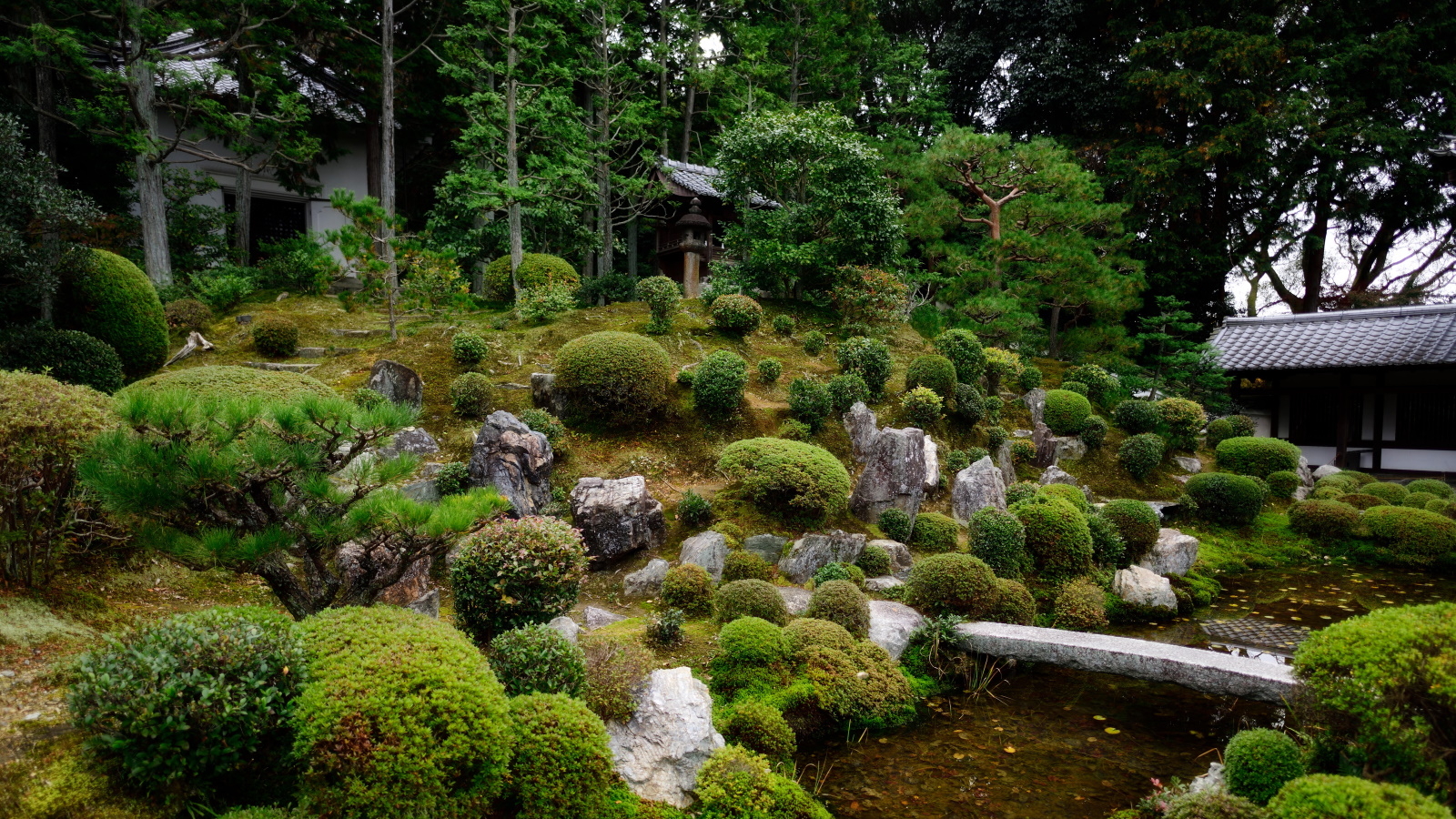
What is a zen garden? This Japanese approach to design can turn backyards into calming sanctuaries

For the Garden | Zen and Now