1/10
Horticultural Experts Reveal 5 Defining Features of a Japanese Garden
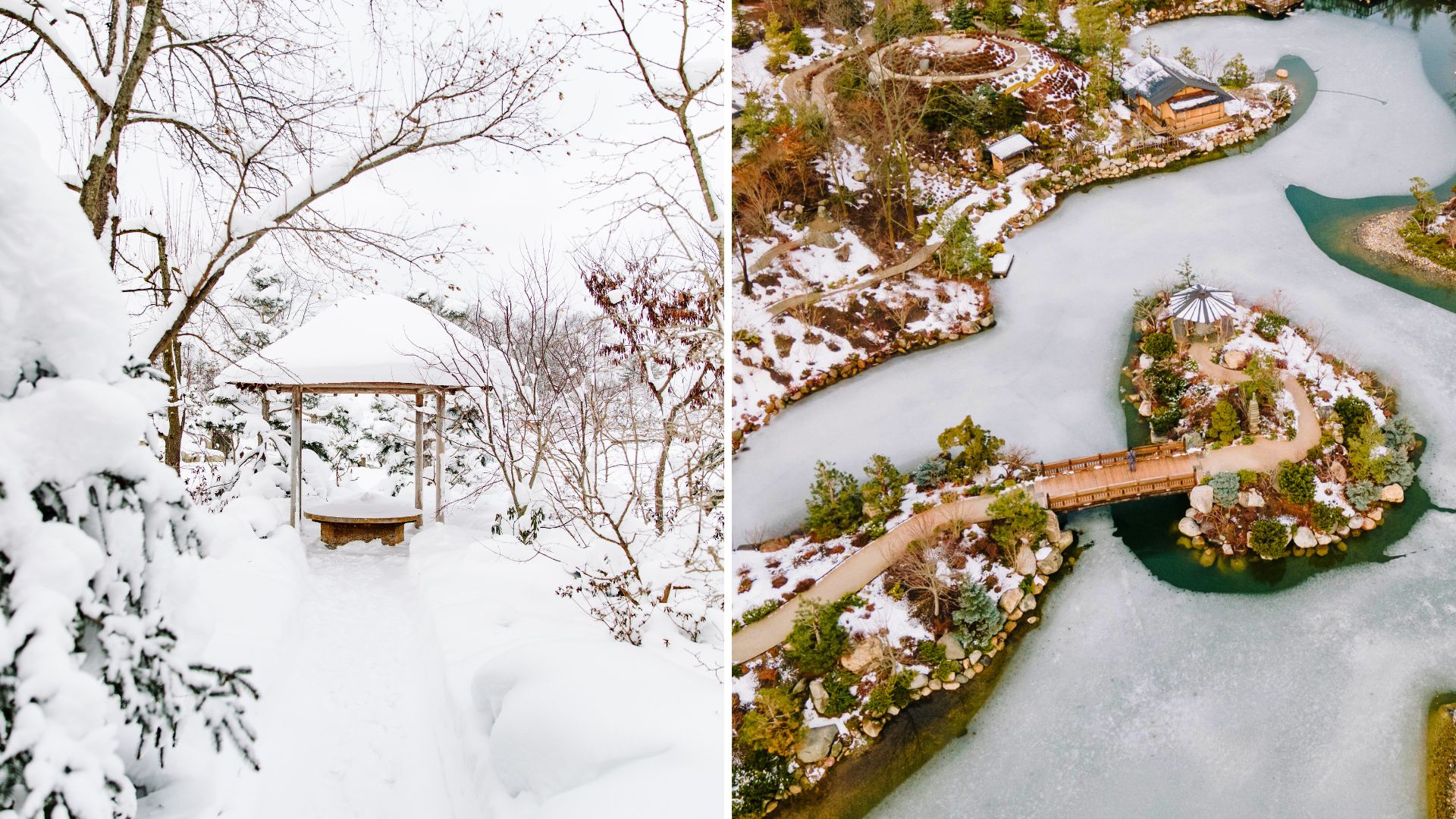
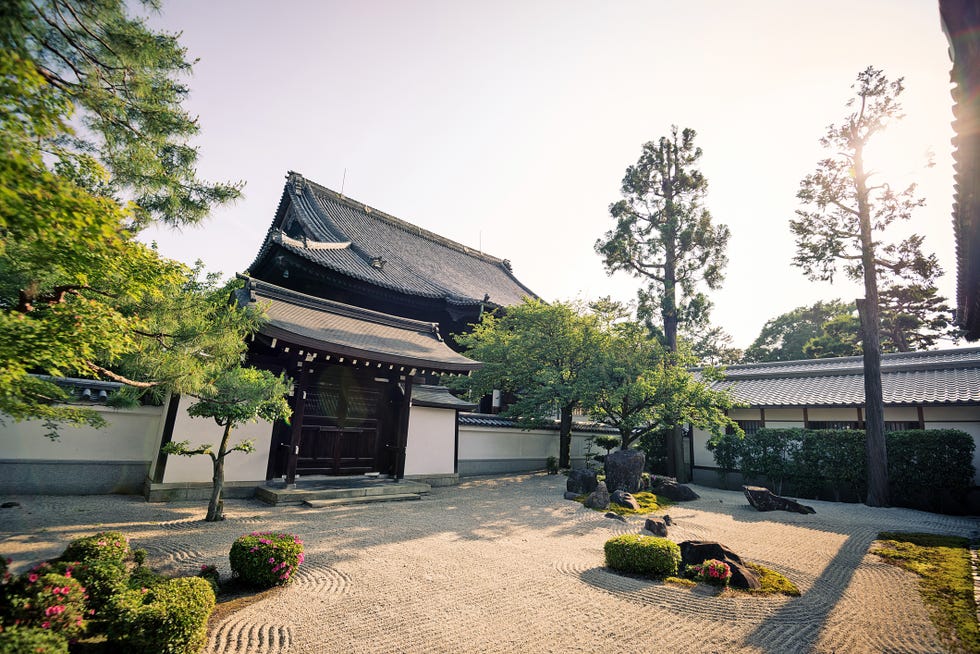
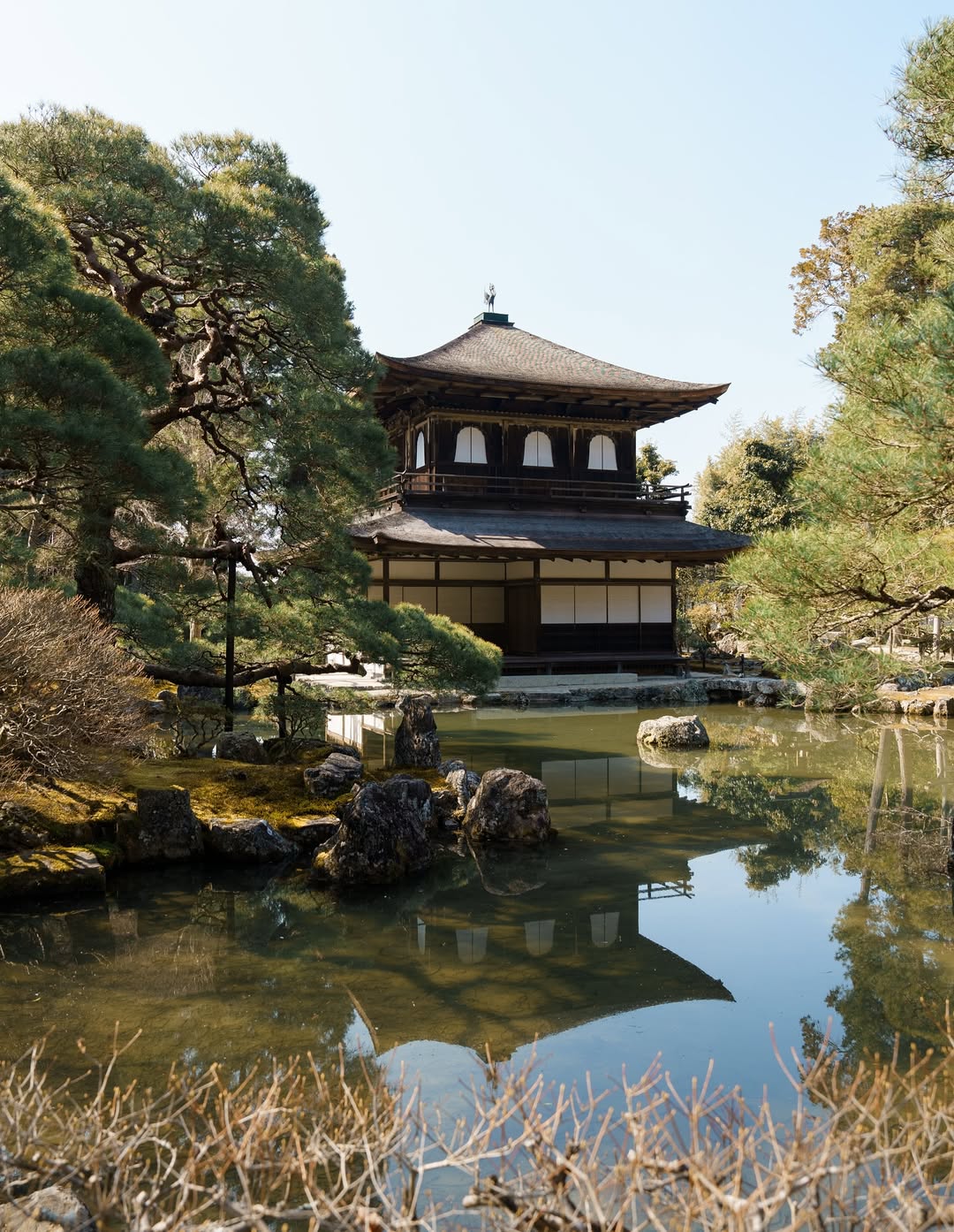
Japanese gardens, known for their elegance and refinement, encompass a diverse range of styles, from stroll gardens with winding paths and hidden views to Zen gardens with raked gravel and strategically placed boulders, and elegant tea gardens designed for spiritual cleansing. Despite their varied aesthetics, these tranquil spaces share a common thread: a harmonious blend of human curation and nature. Leading garden experts have identified five key features that define the essence of a Japanese garden, offering insights into how these elements can be incorporated into personal garden designs.
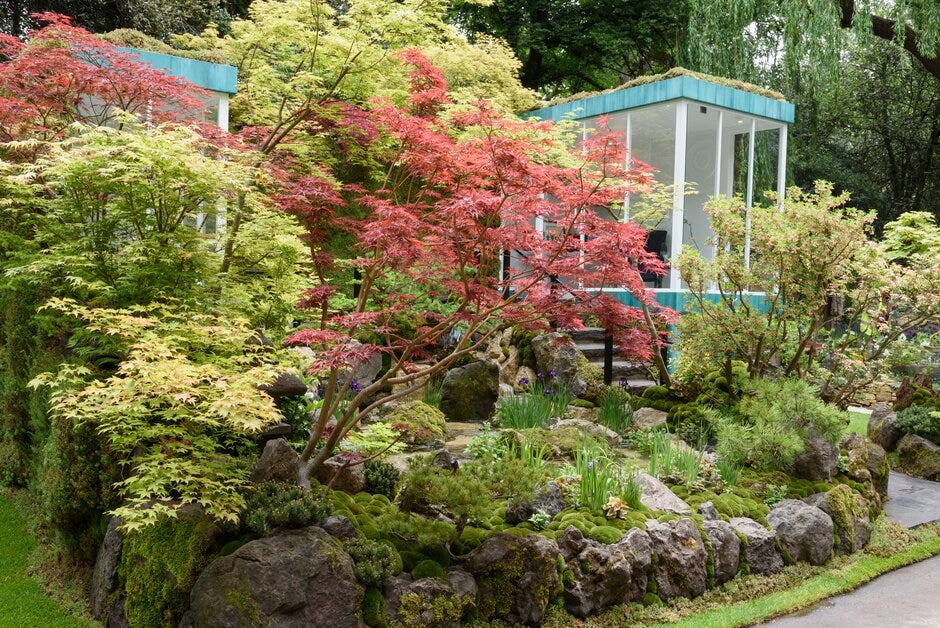
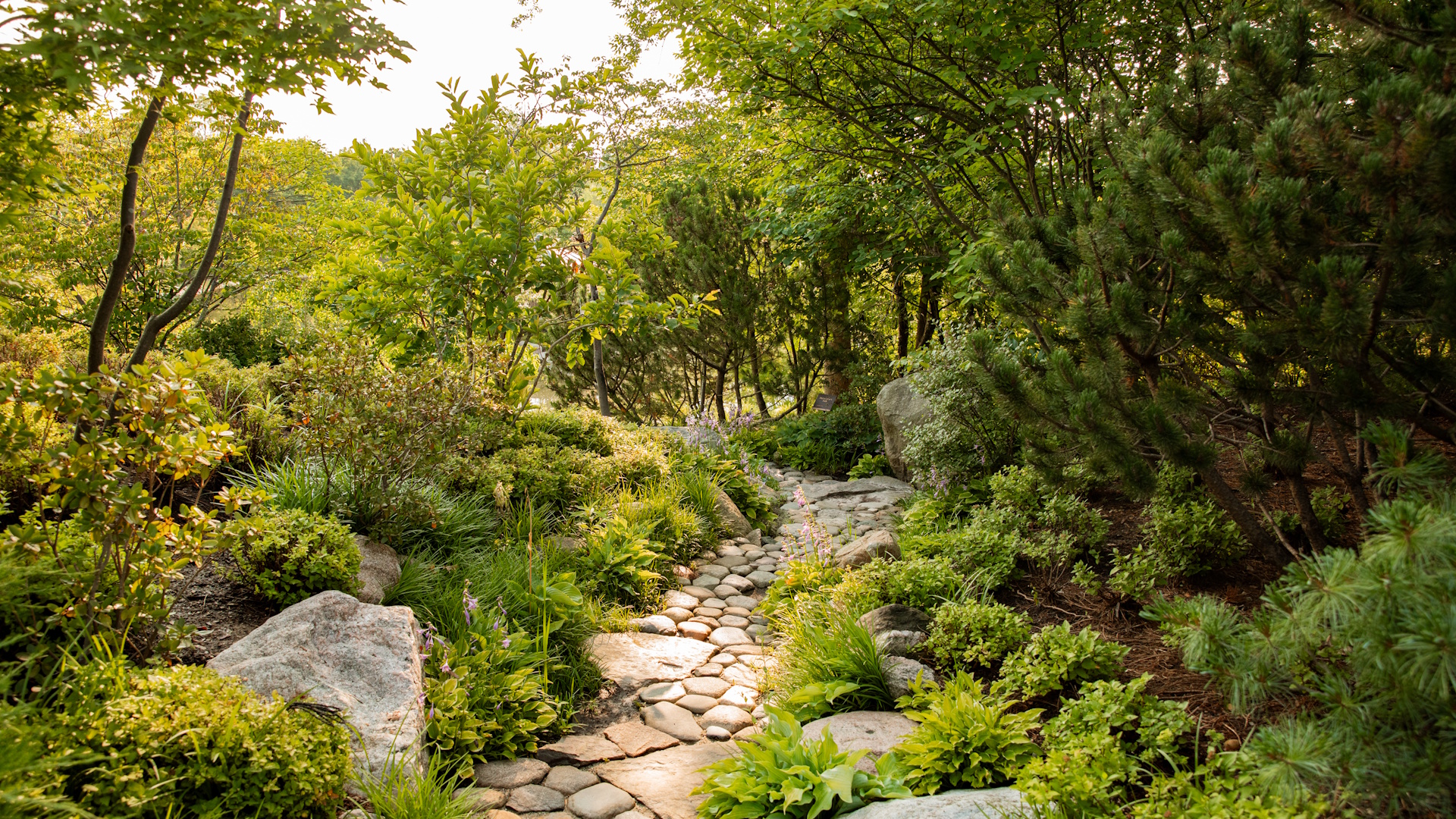
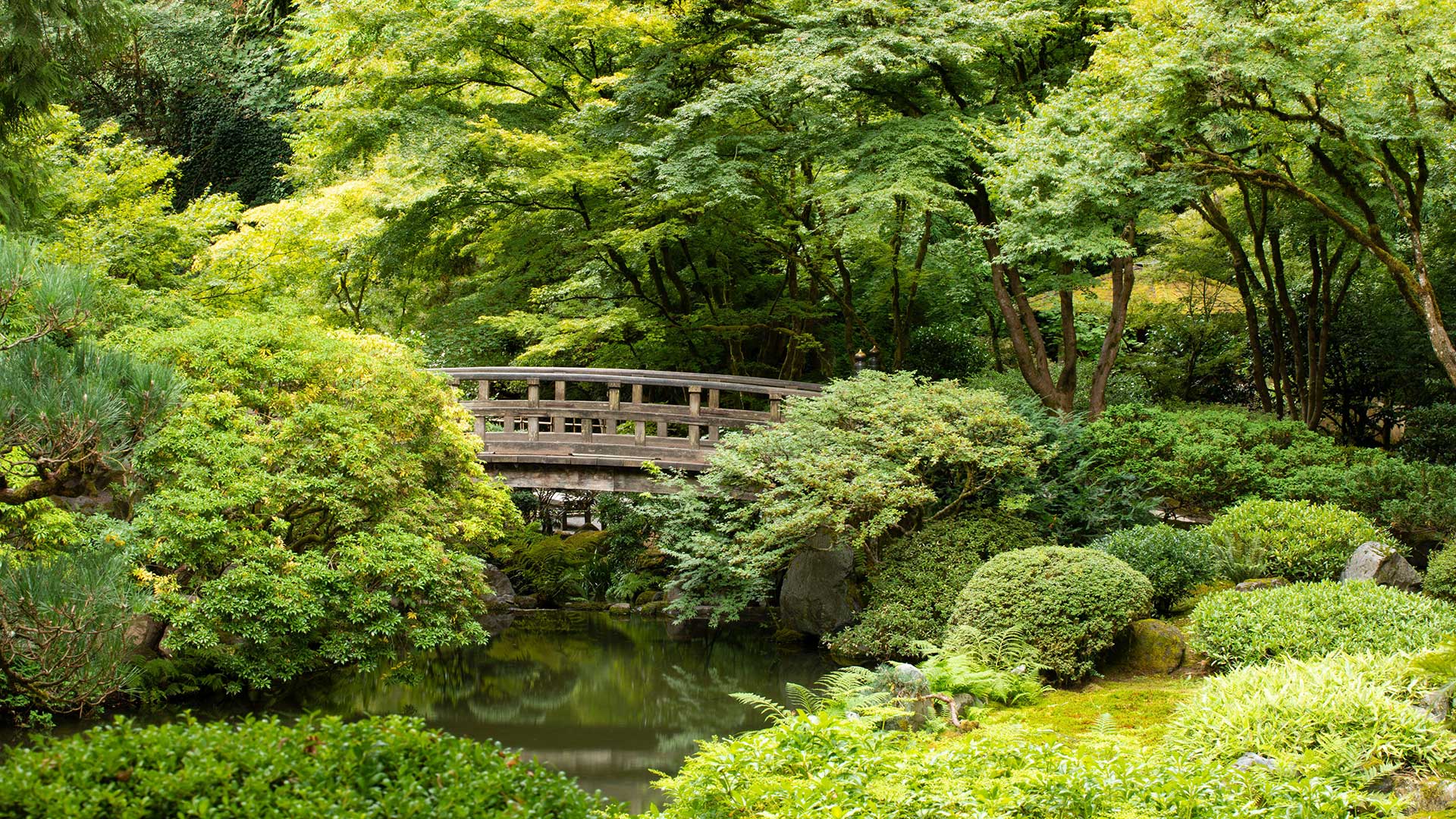
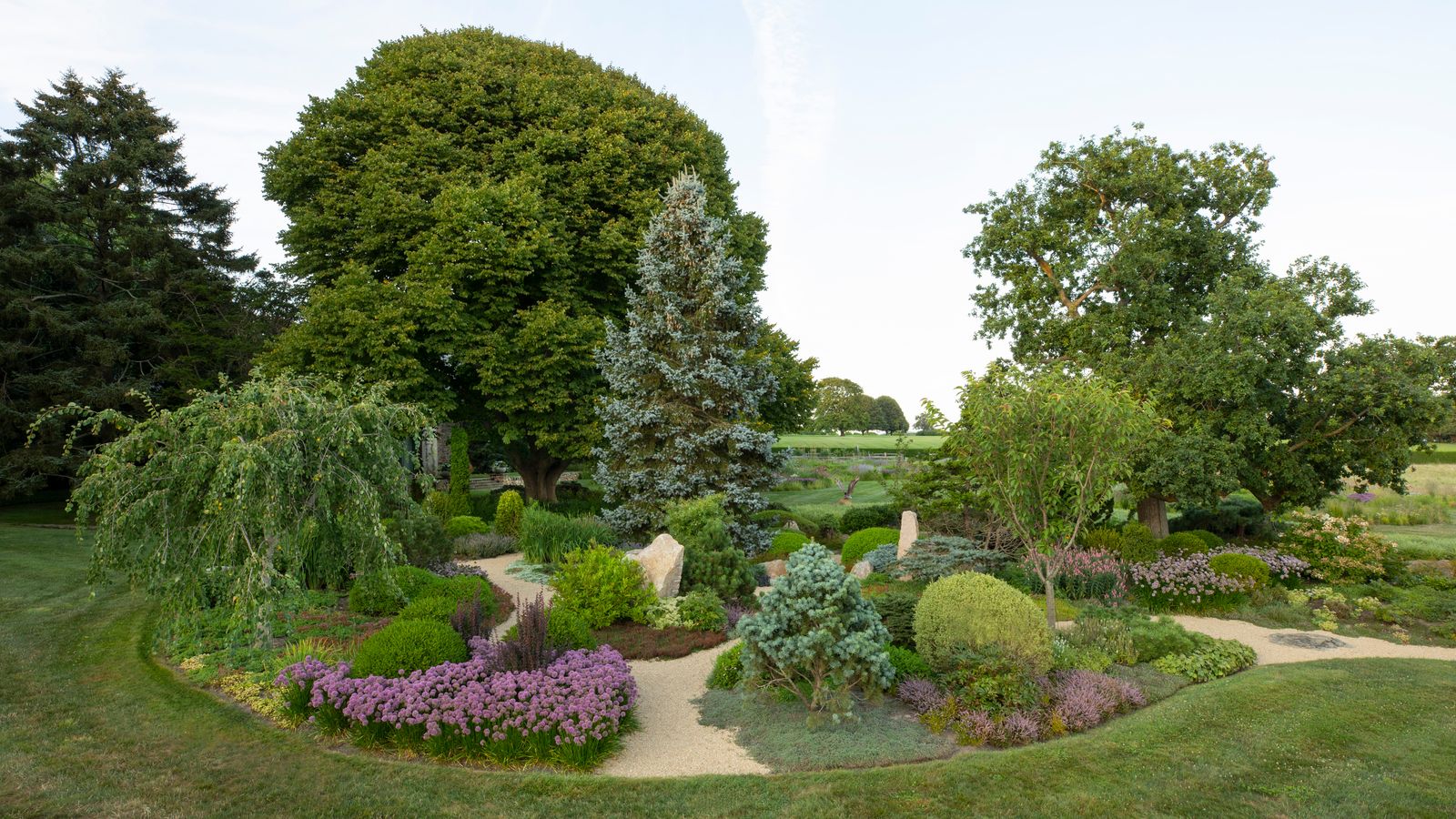
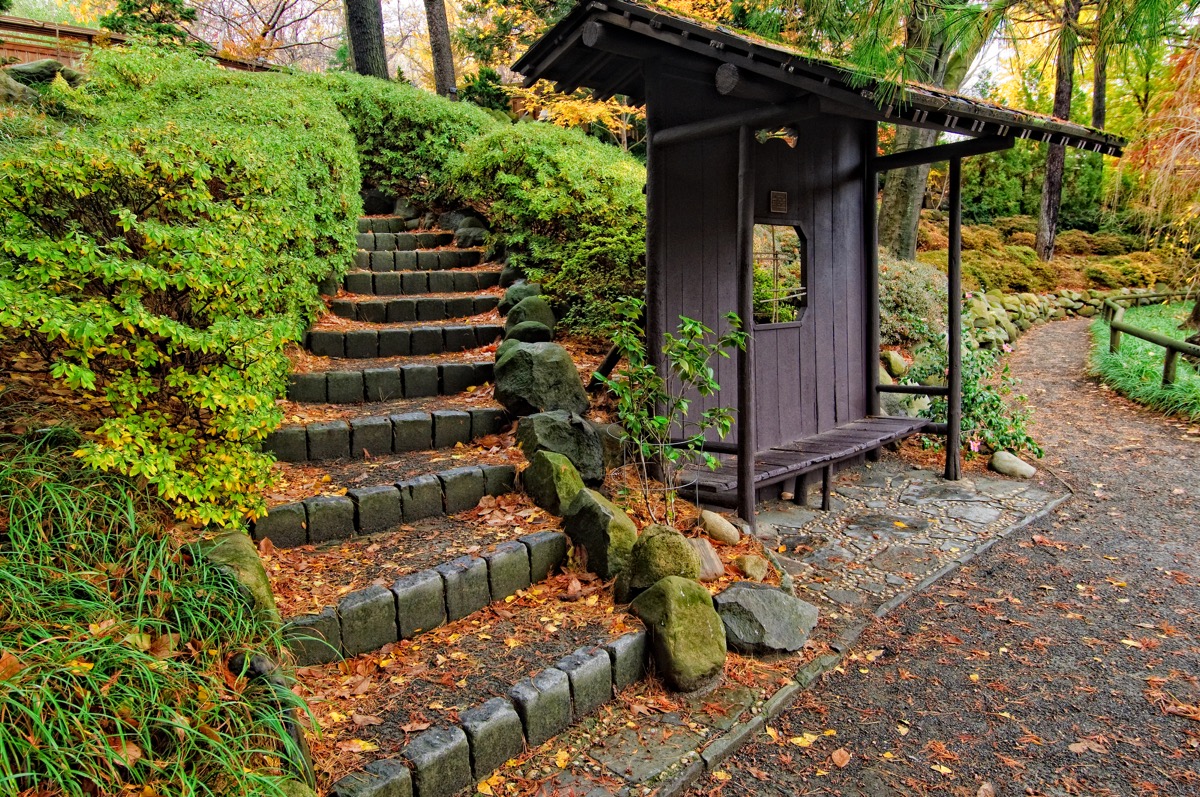
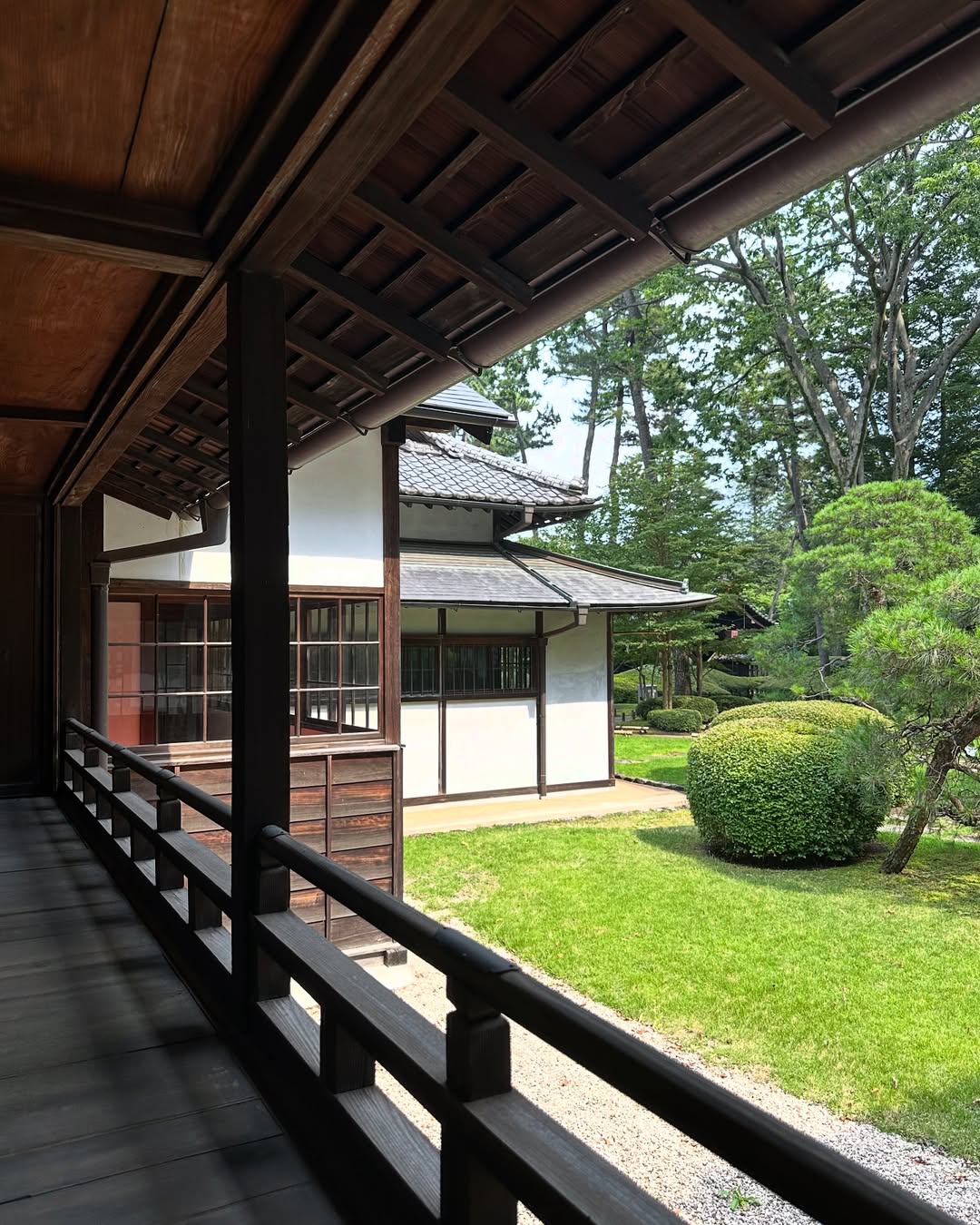
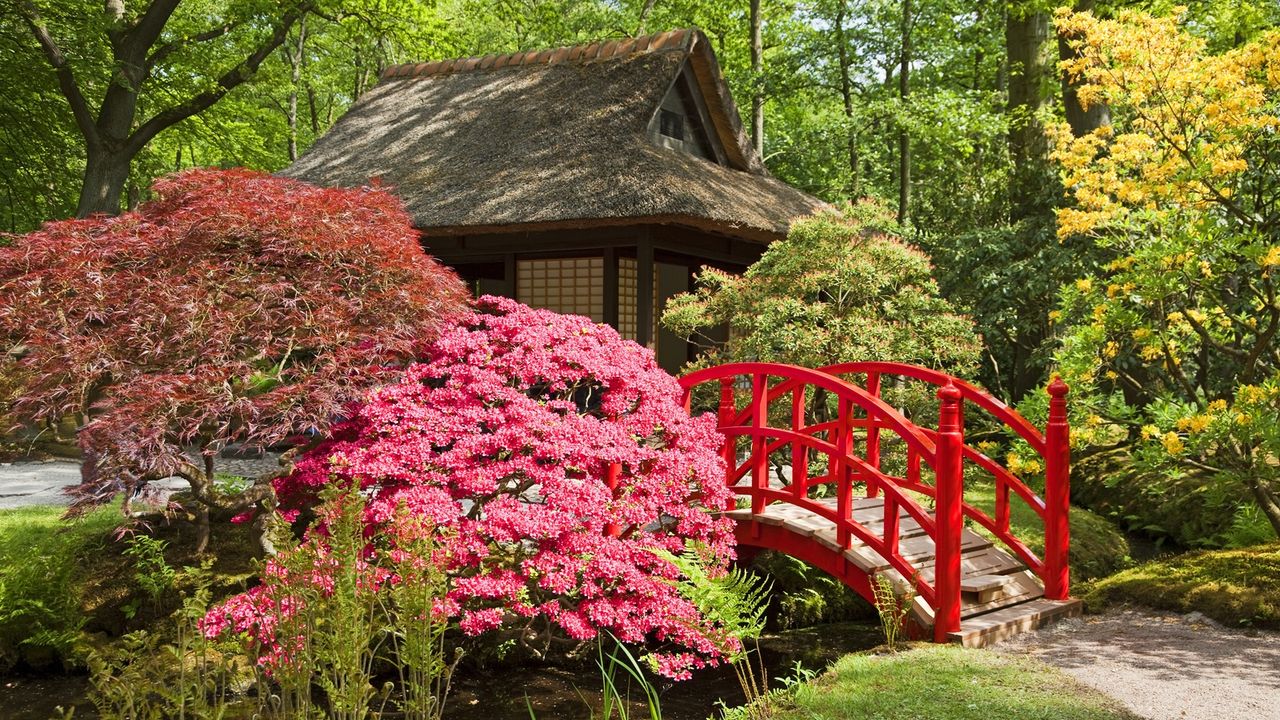
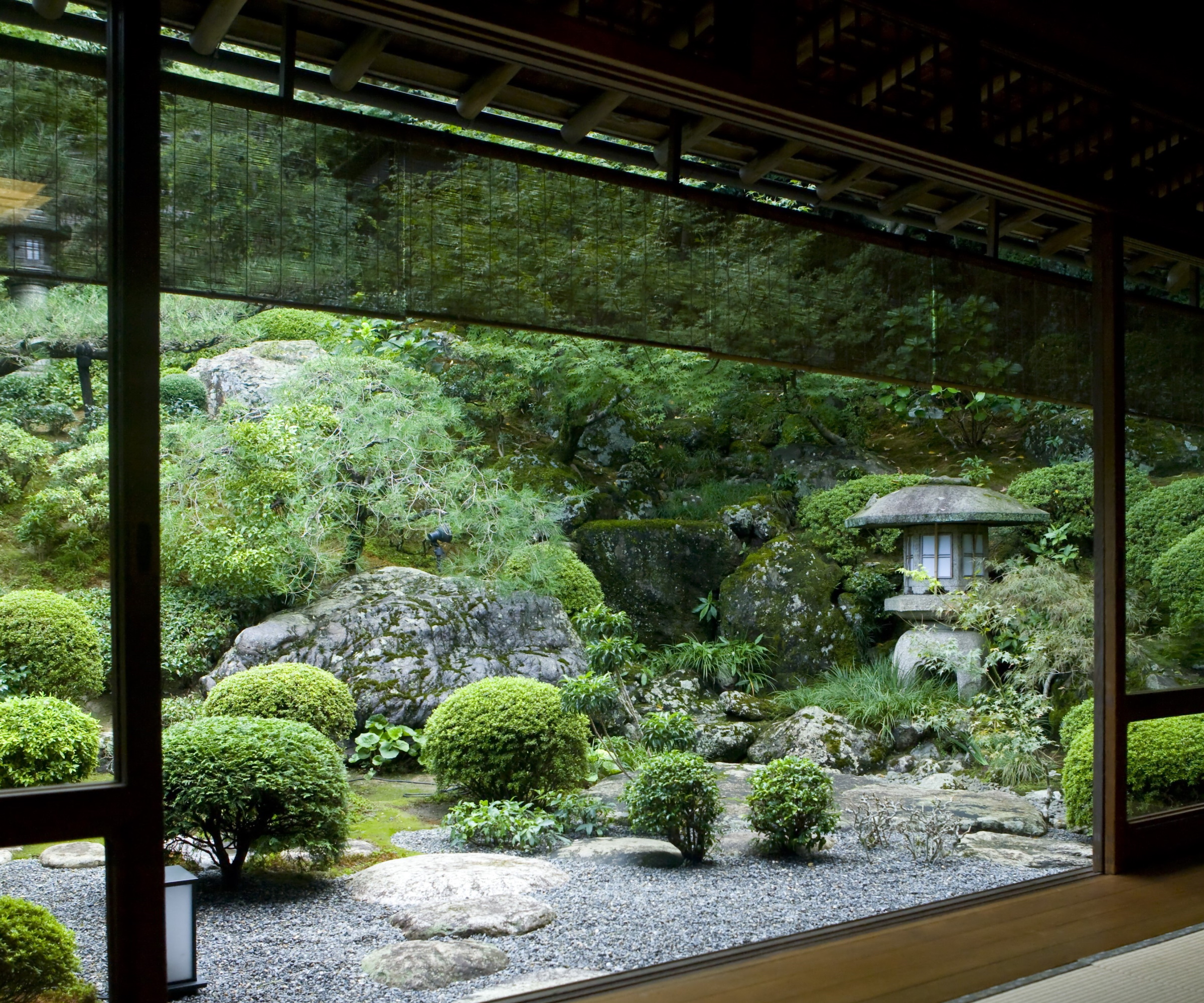
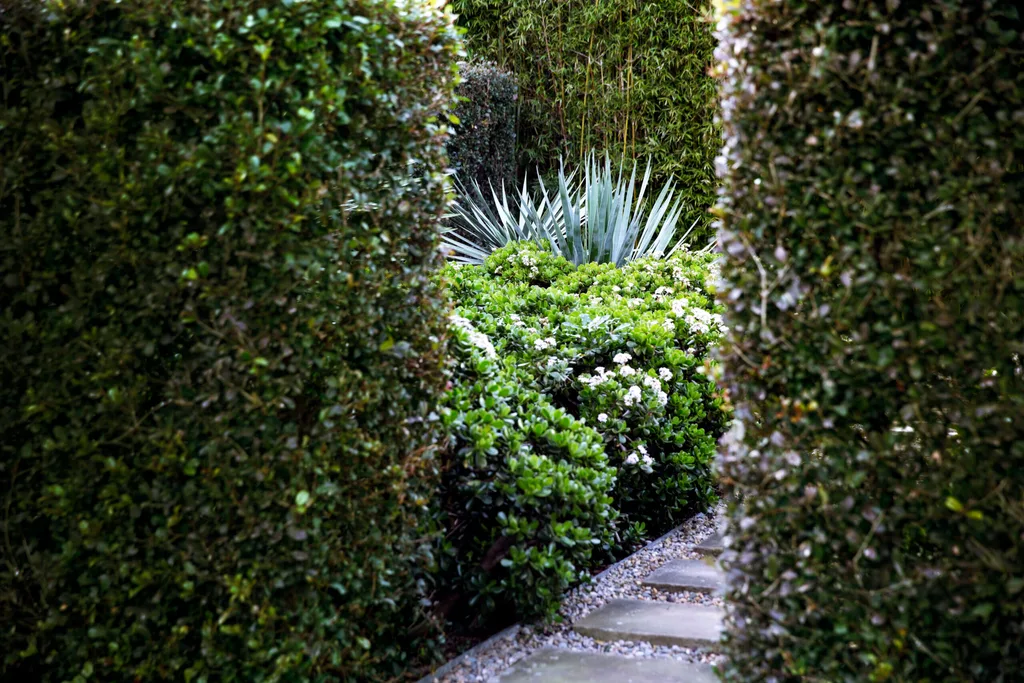
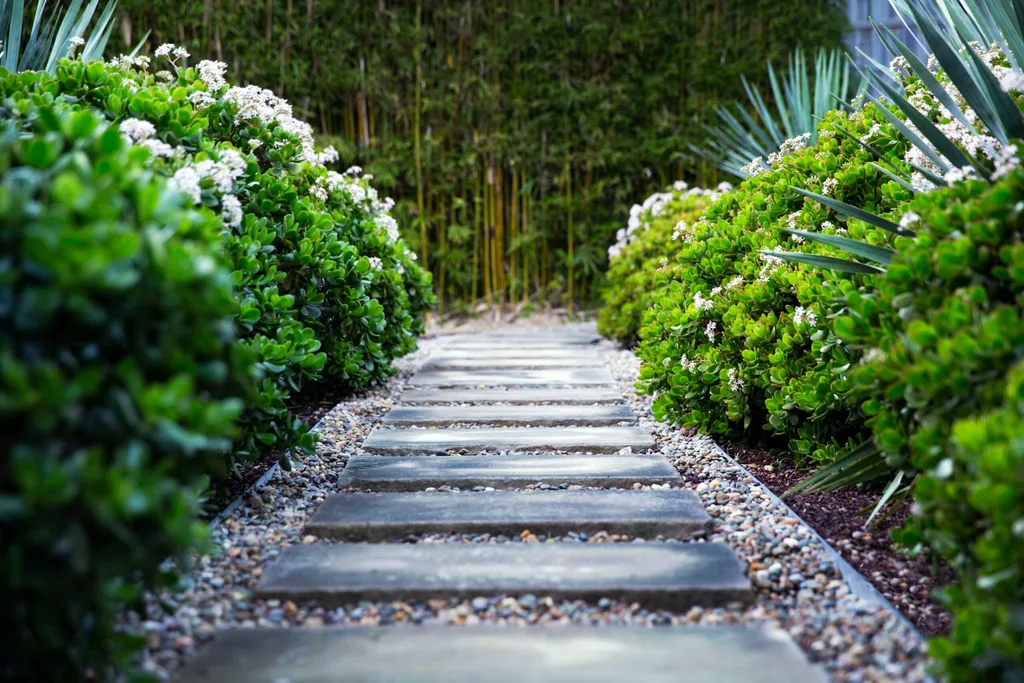
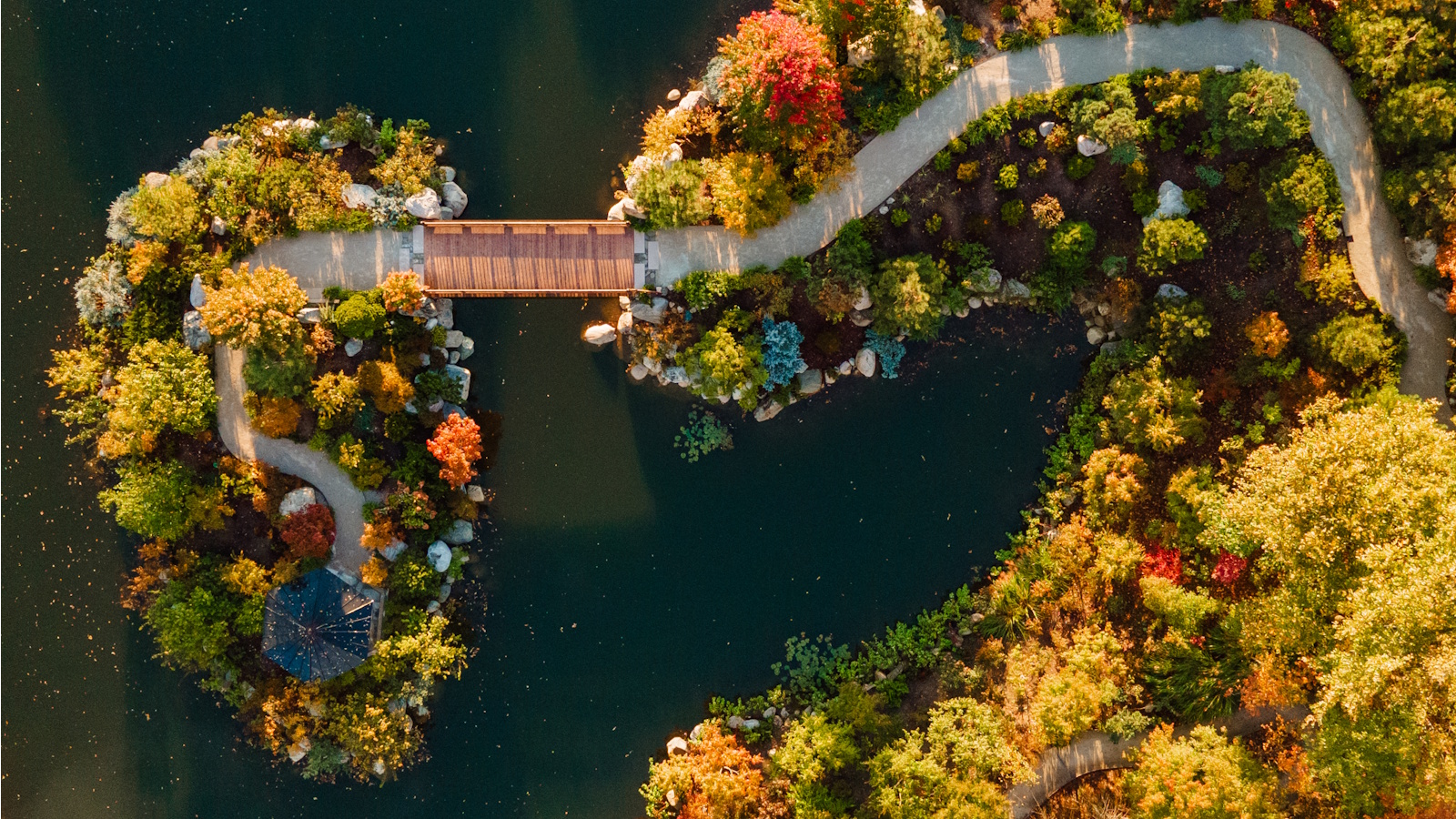
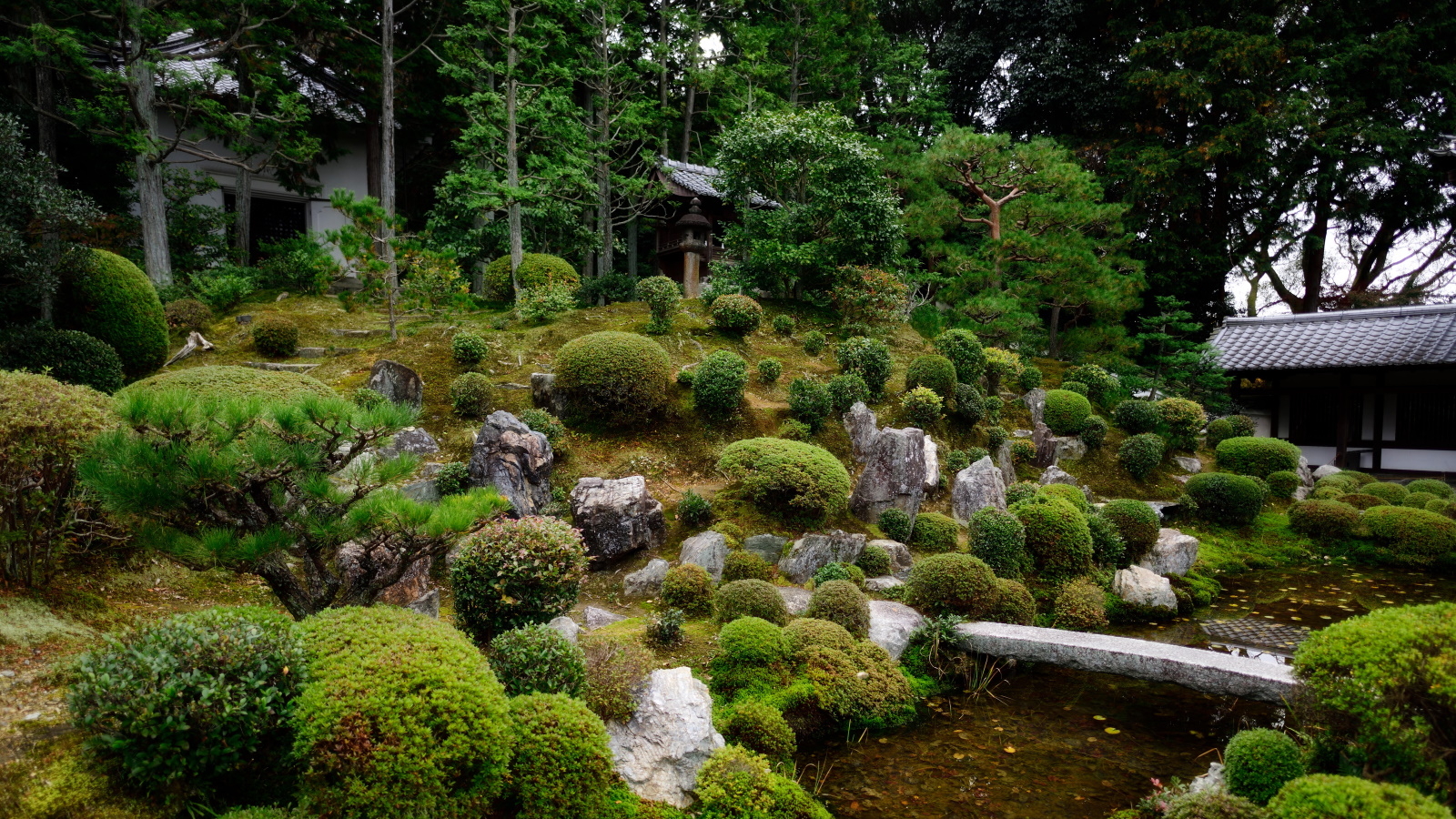
One fundamental principle is 'hide and reveal,' a classic garden design technique that strategically places features to obscure the full view, encouraging exploration and creating a sense of mystery. This method not only adds intrigue but also makes smaller spaces feel more expansive by presenting multiple viewpoints. Taller plants are used to screen parts of the garden, revealing focal points as one navigates winding paths, inviting visitors to slow down and reflect. This intentional composition, utilizing sculptural plants, rocks, or multi-trunk trees, frames each view, transforming even modest areas into reflective moments.
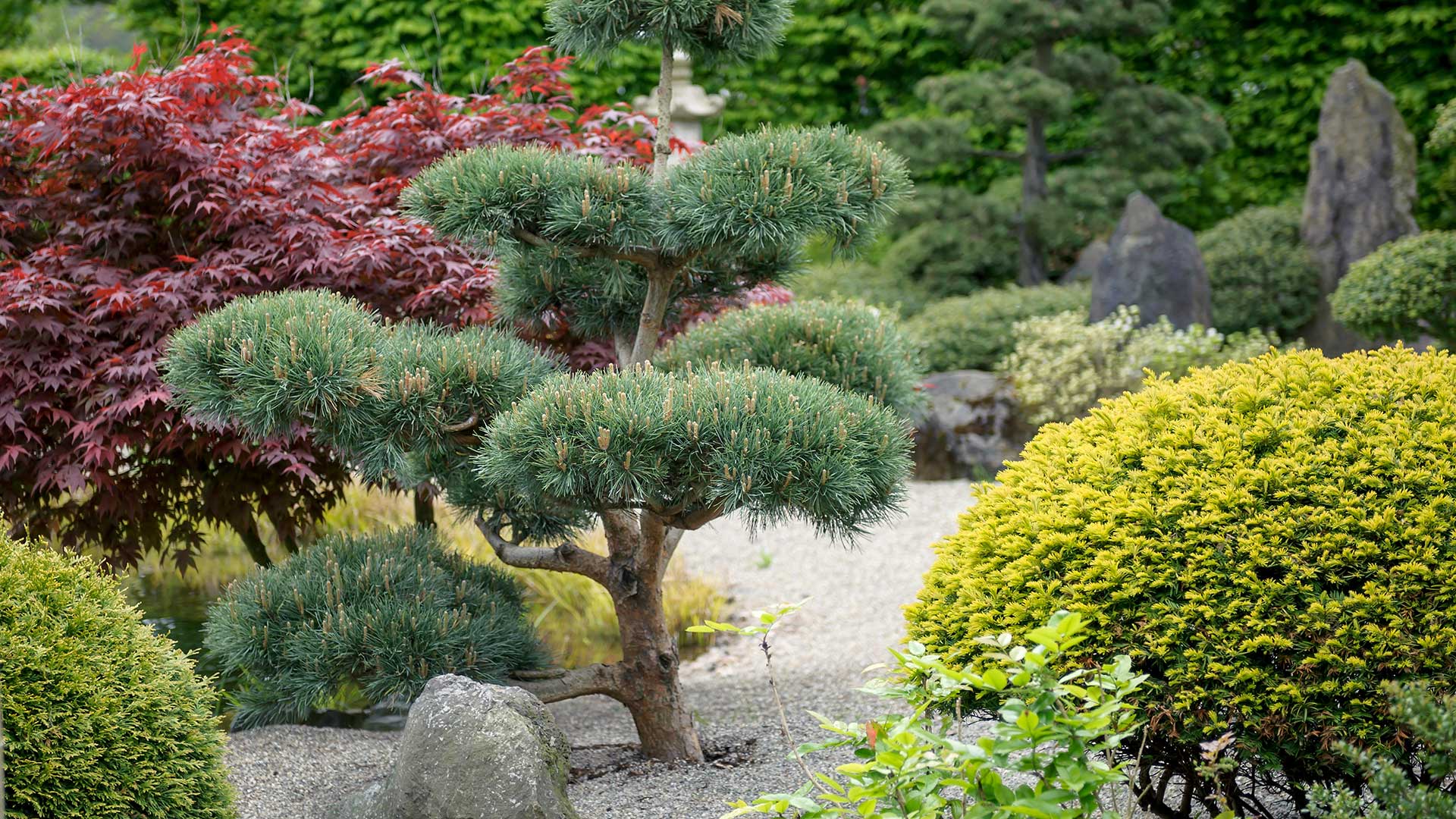
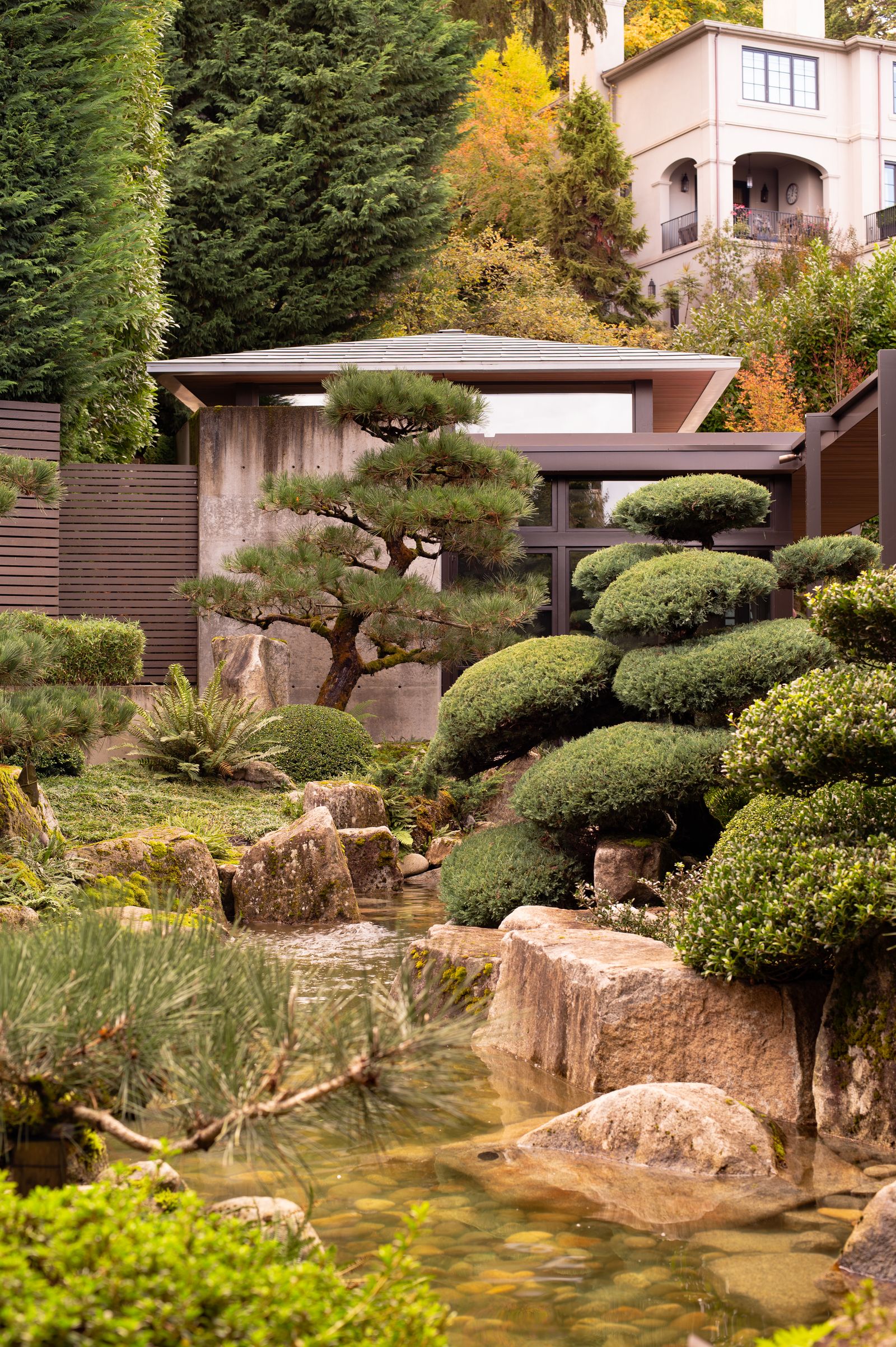
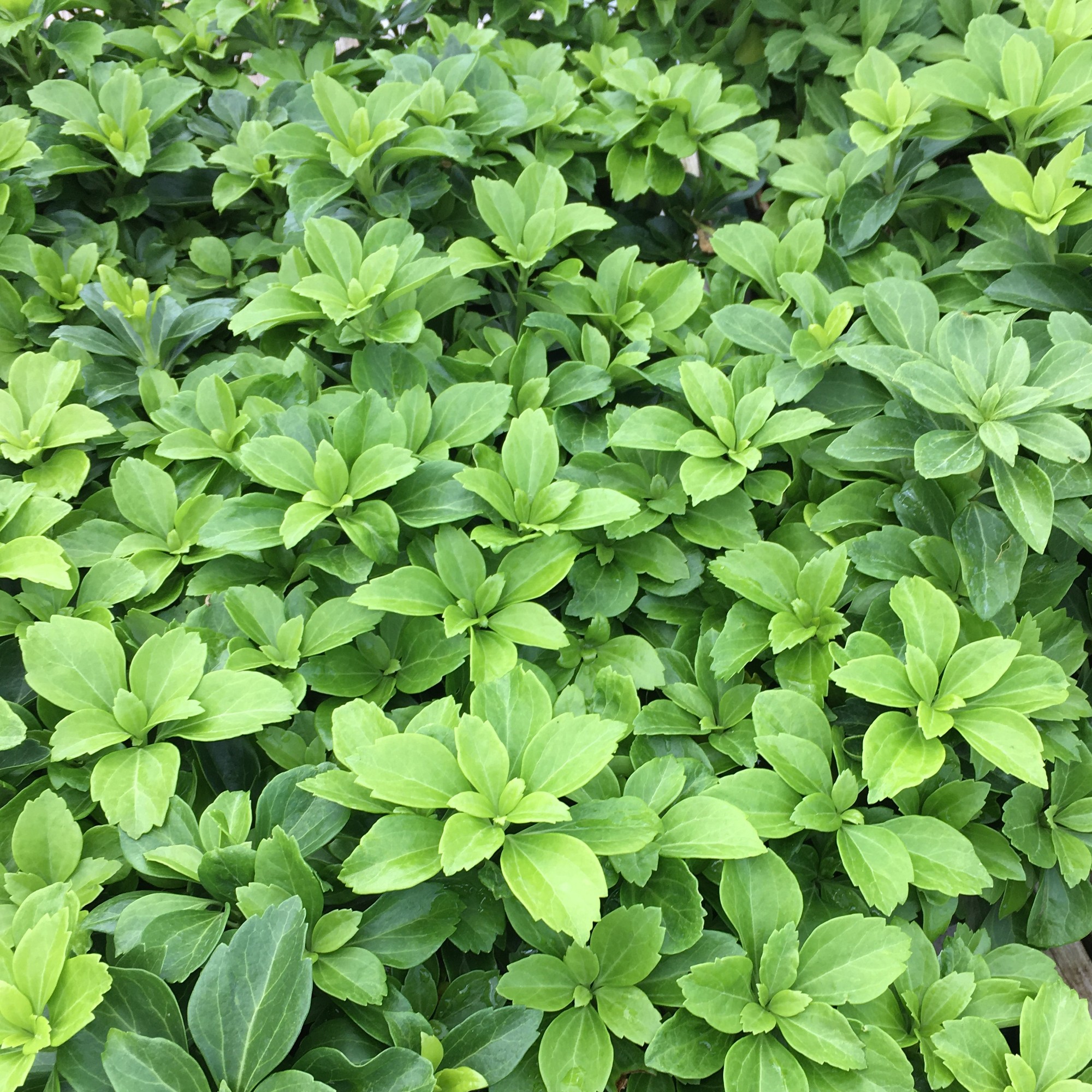
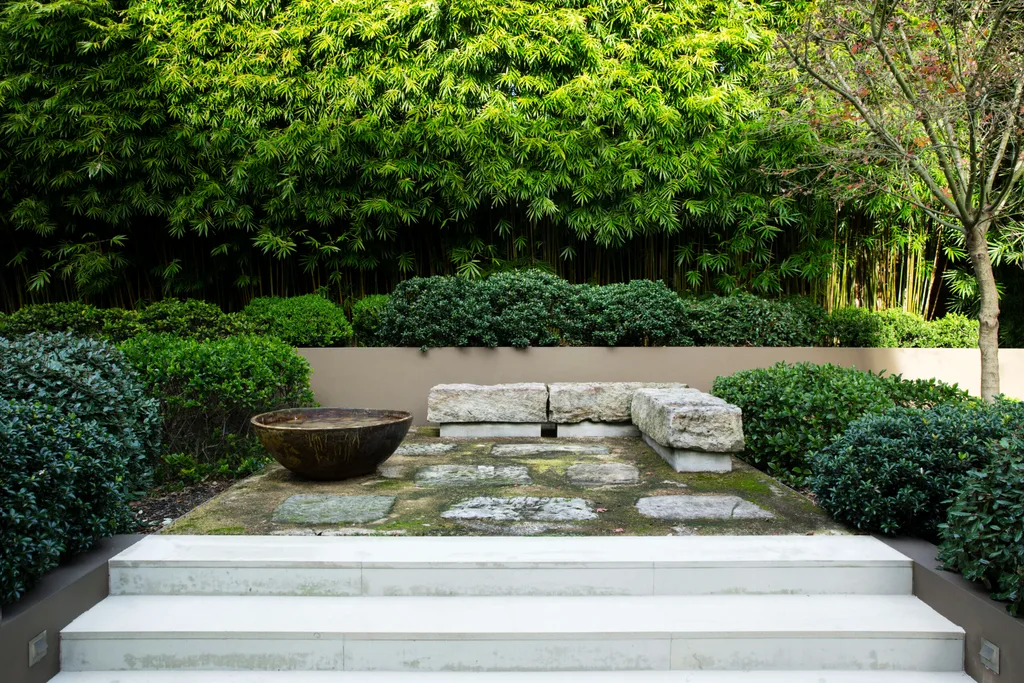
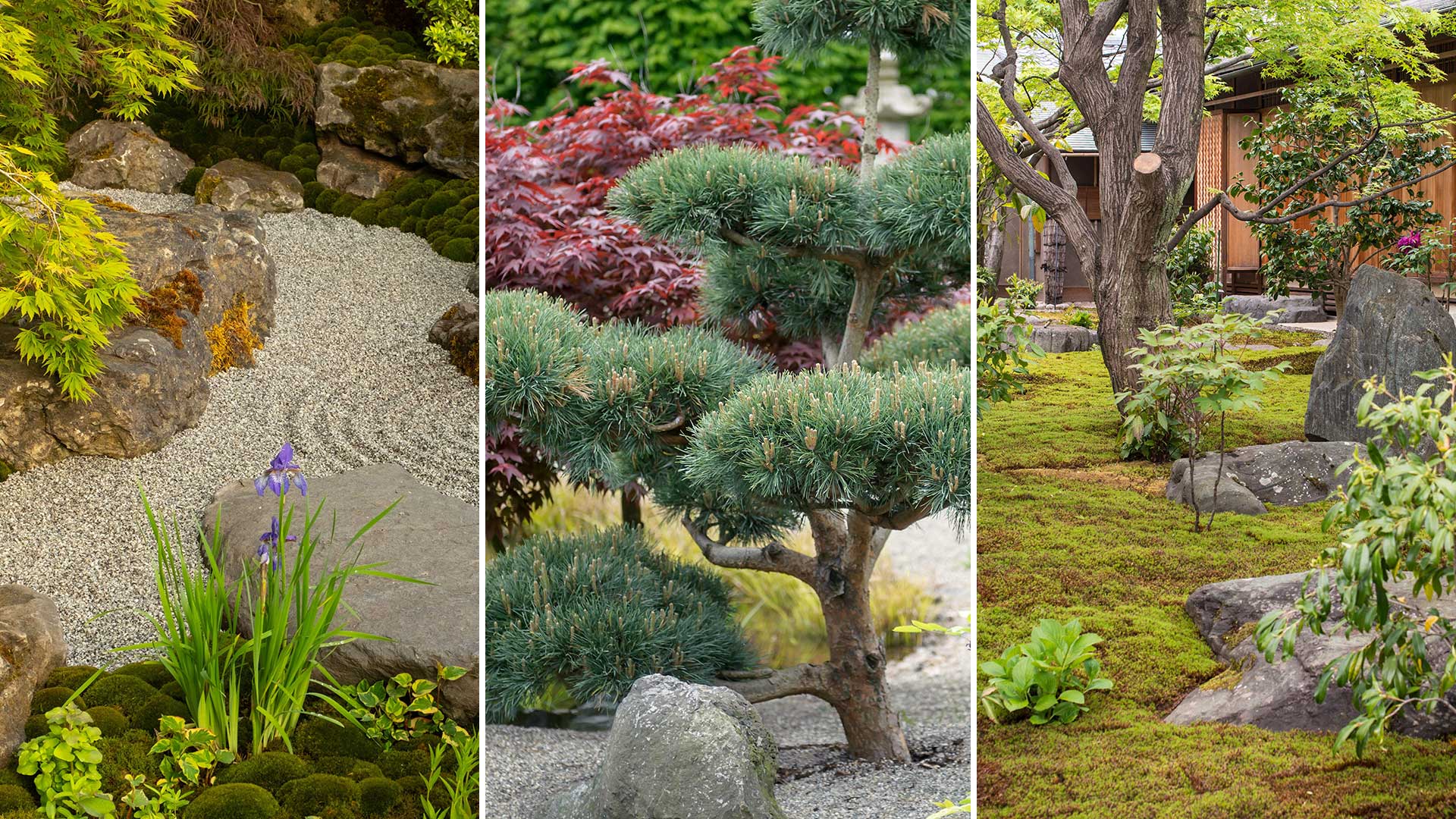
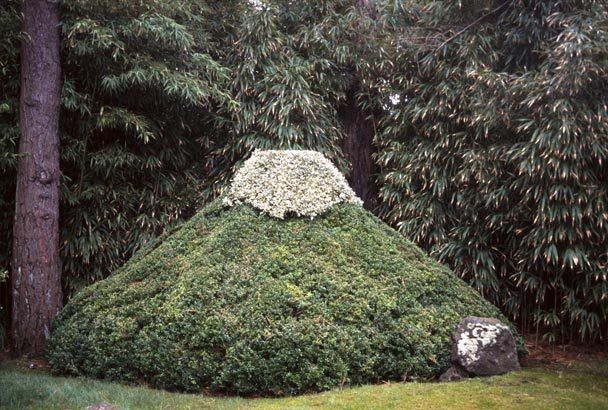
Another distinctive feature is the art of niwaki, which involves meticulously sculpting trees into cloud-like shapes. This living art form requires vision and patience, particularly with evergreen varieties that maintain their form year-round. Niwaki creates striking garden features with individual character, providing a sense of permanence and tranquility that beautifully contrasts with looser, more dynamic elements. Suitable shrubs for niwaki, such as narrow-leaved Mock Privet, Japanese Holly, and Chilean Myrtle, respond well to frequent trimming and have malleable young wood and dense leaves, allowing for the slow and careful creation of distinct 'pads' or cloud shapes over many years.
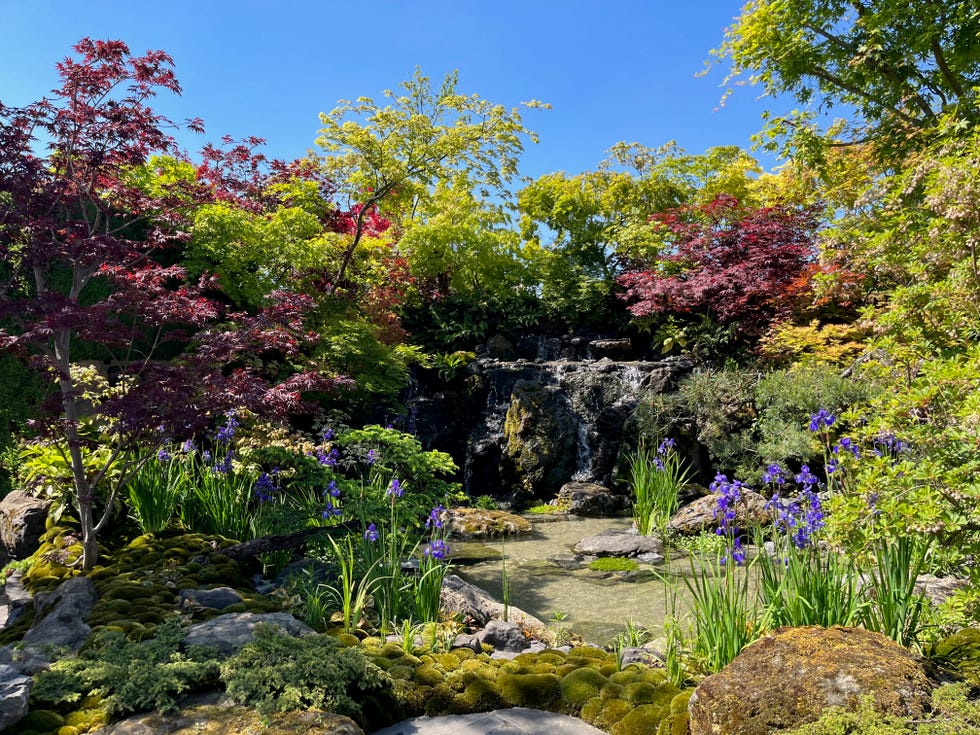
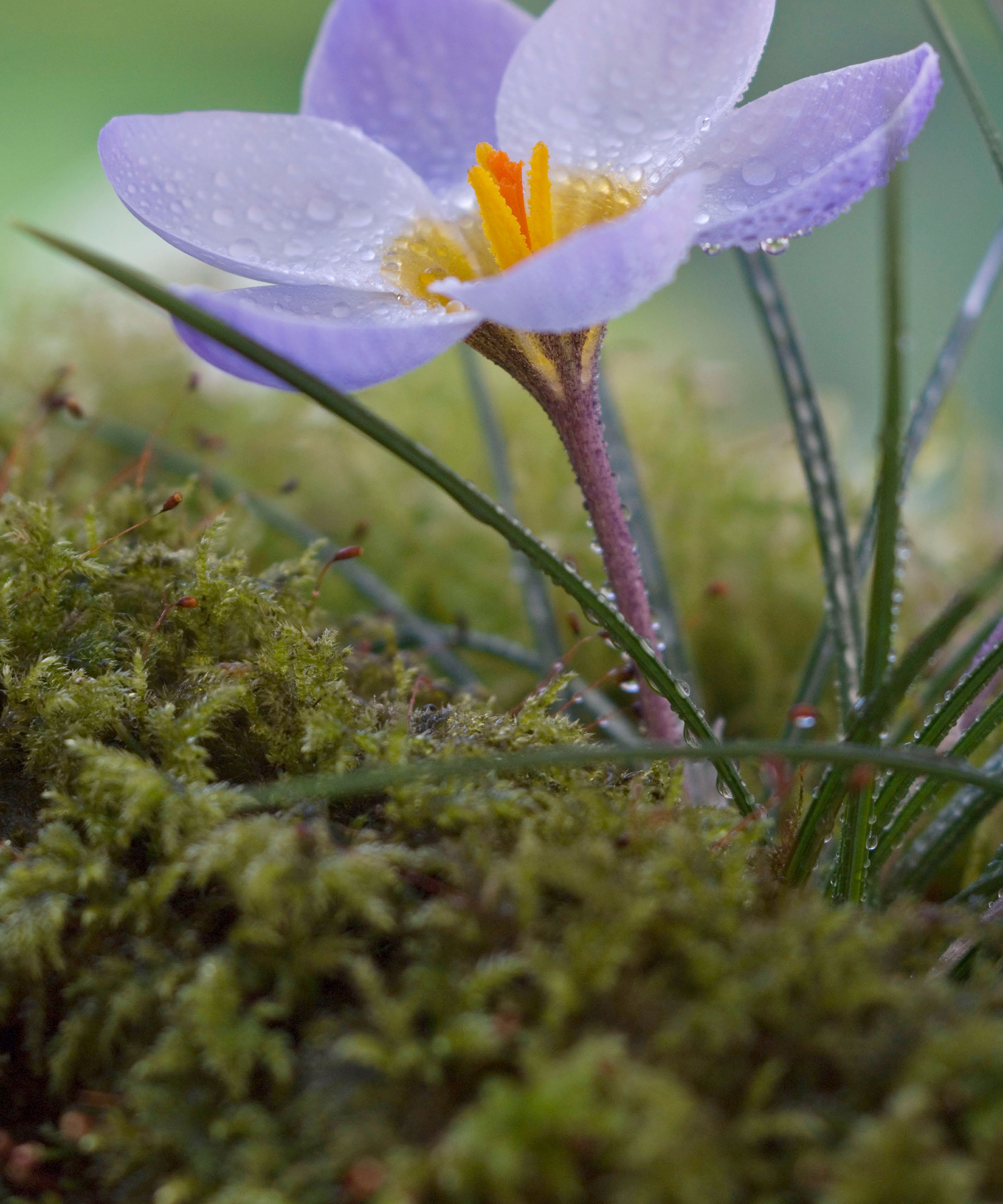
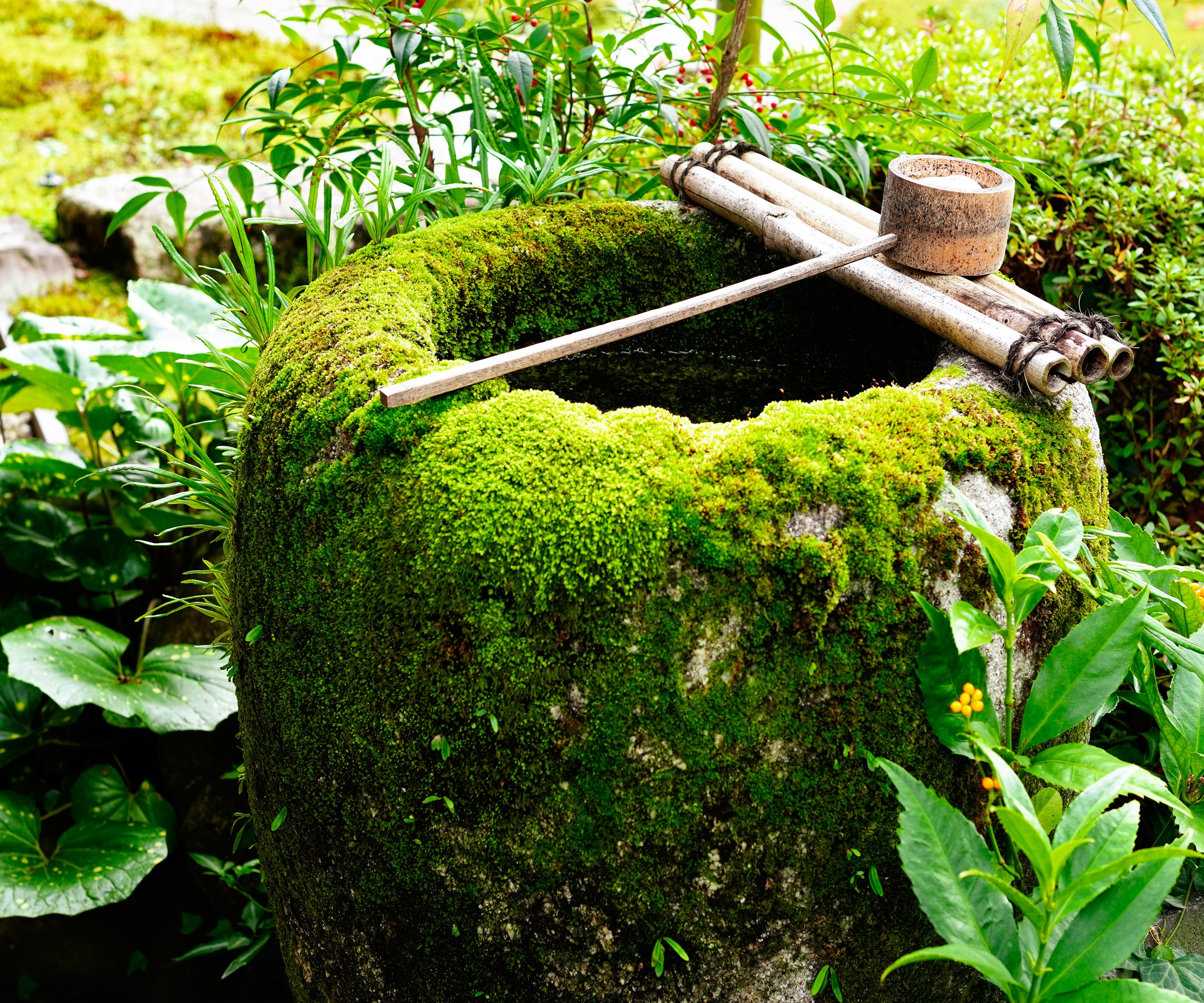
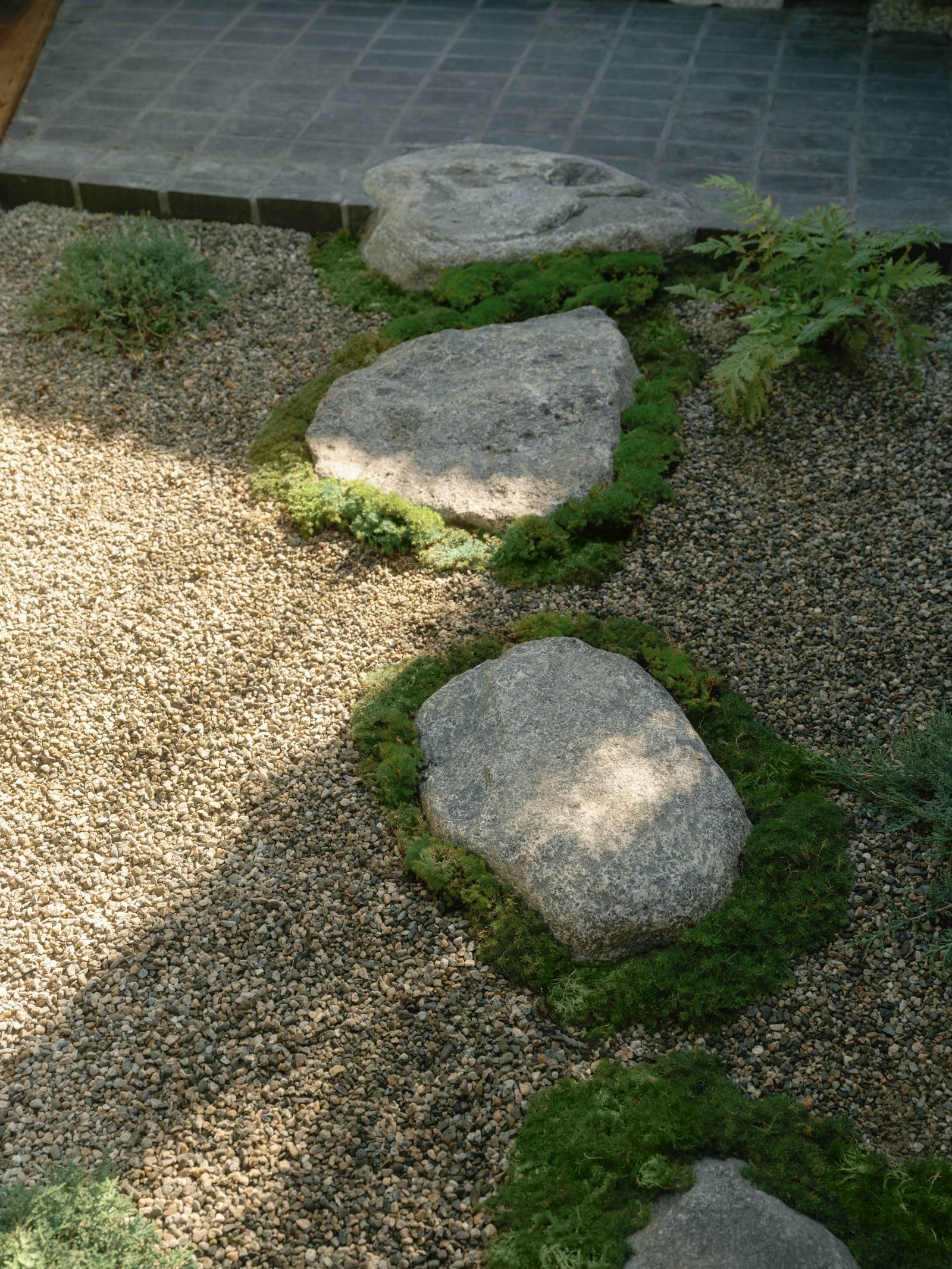
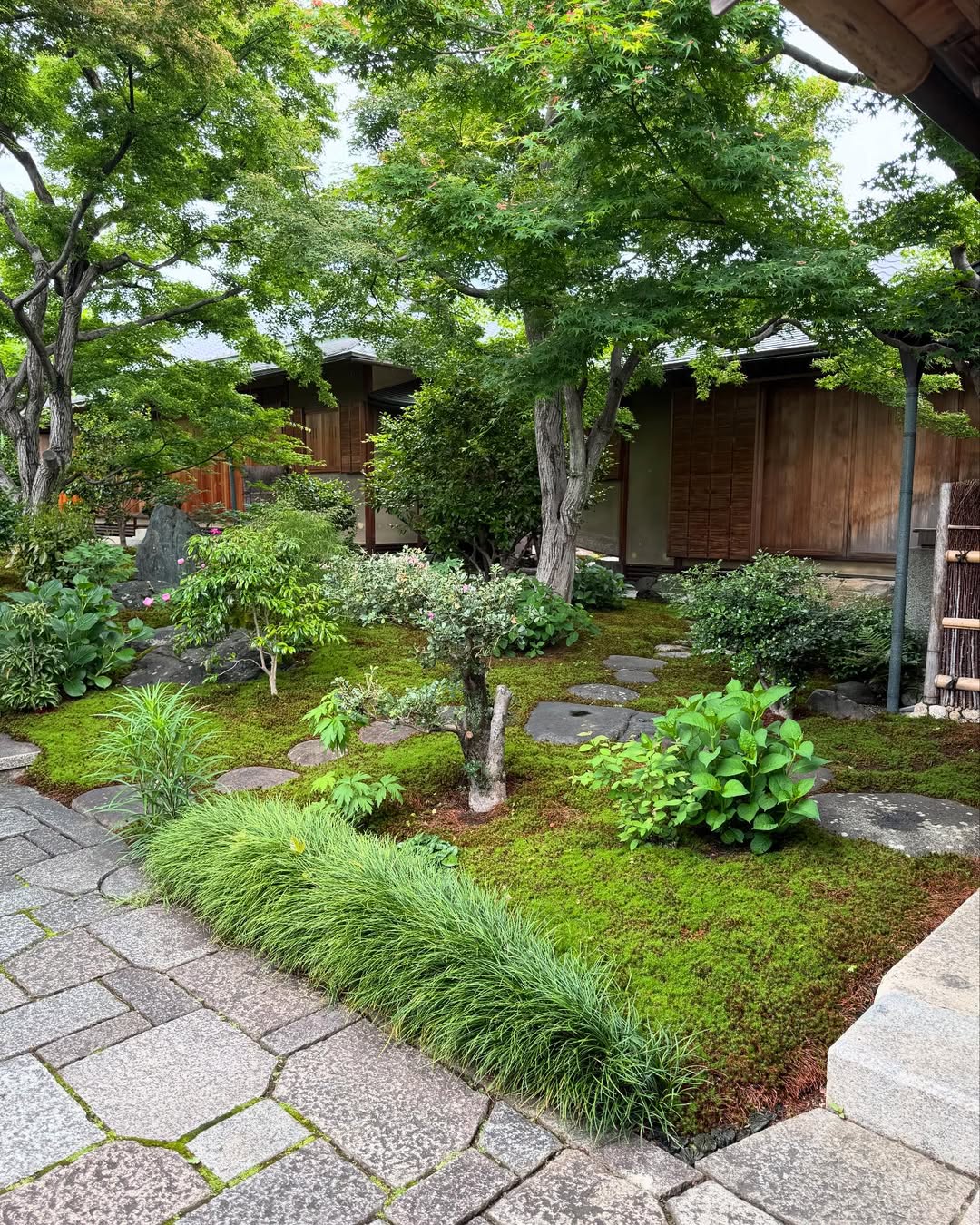
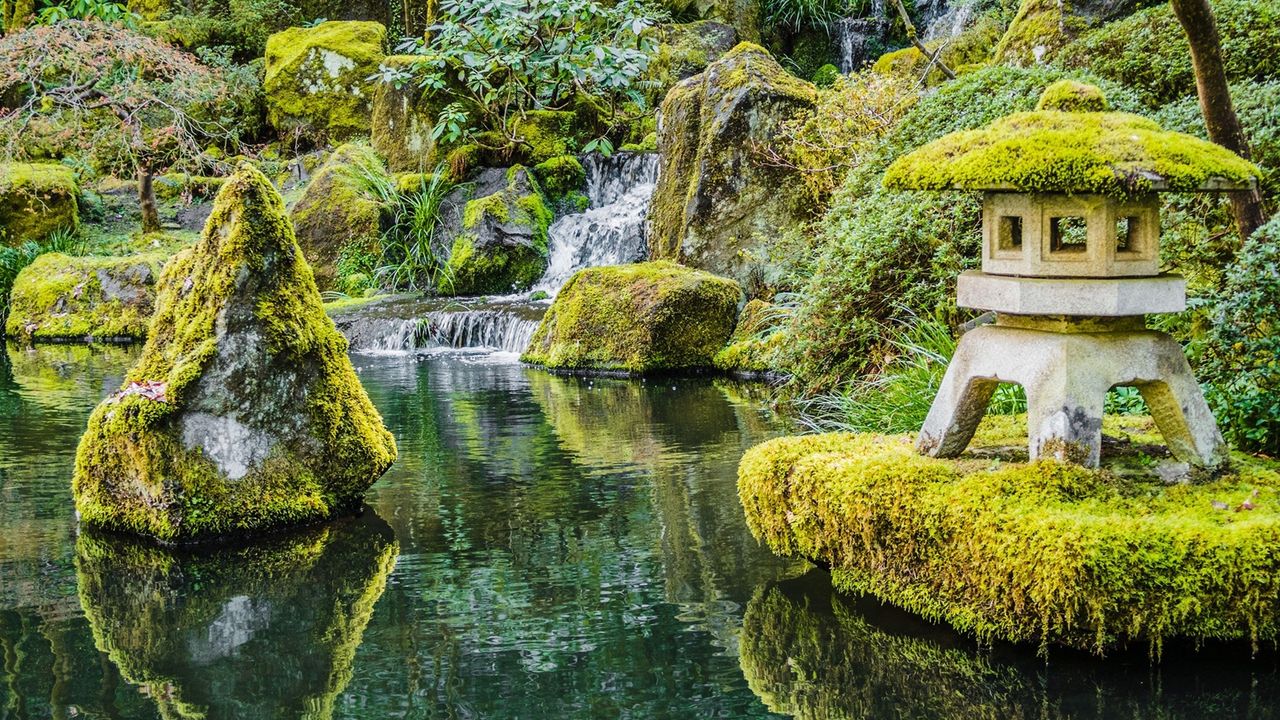
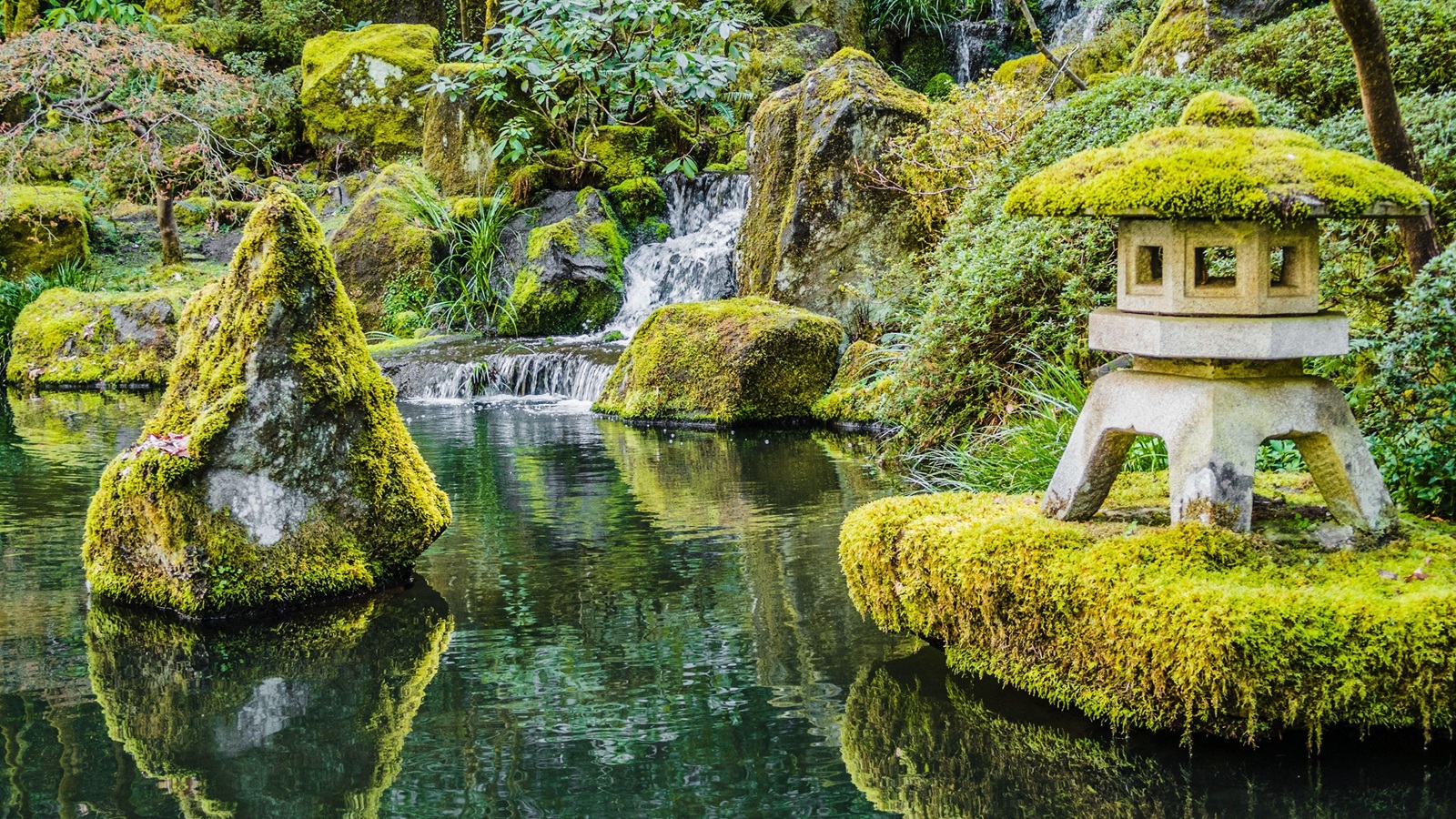
The creation of an air of stillness and serenity is also paramount in Japanese garden design. This atmosphere is achieved not through a single object, but through the thoughtful arrangement of multiple elements. The goal is to reduce visual noise and foster intentional quiet. Moss, for instance, plays a crucial role by softening hard edges, absorbing sound, and imparting a sense of age and permanence. A moss-covered stone lantern, for example, conveys a timeless quality, contributing to the powerful and soothing ambiance characteristic of these gardens.
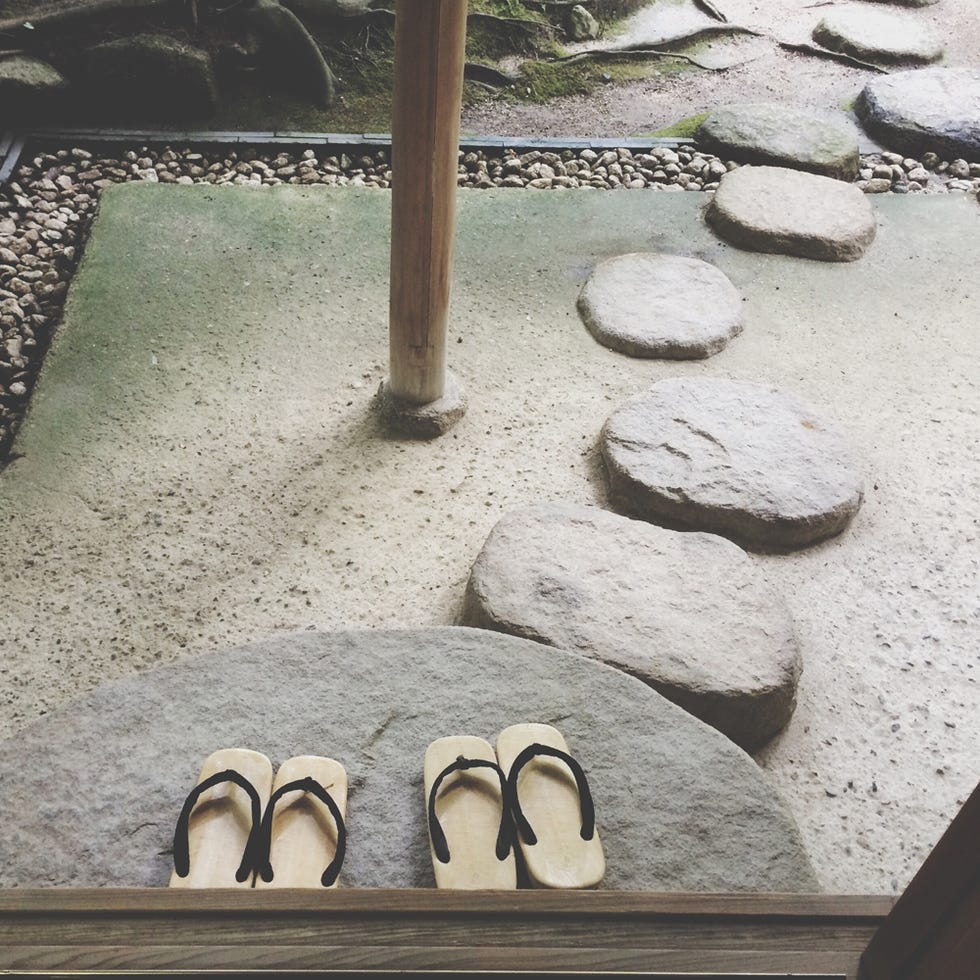
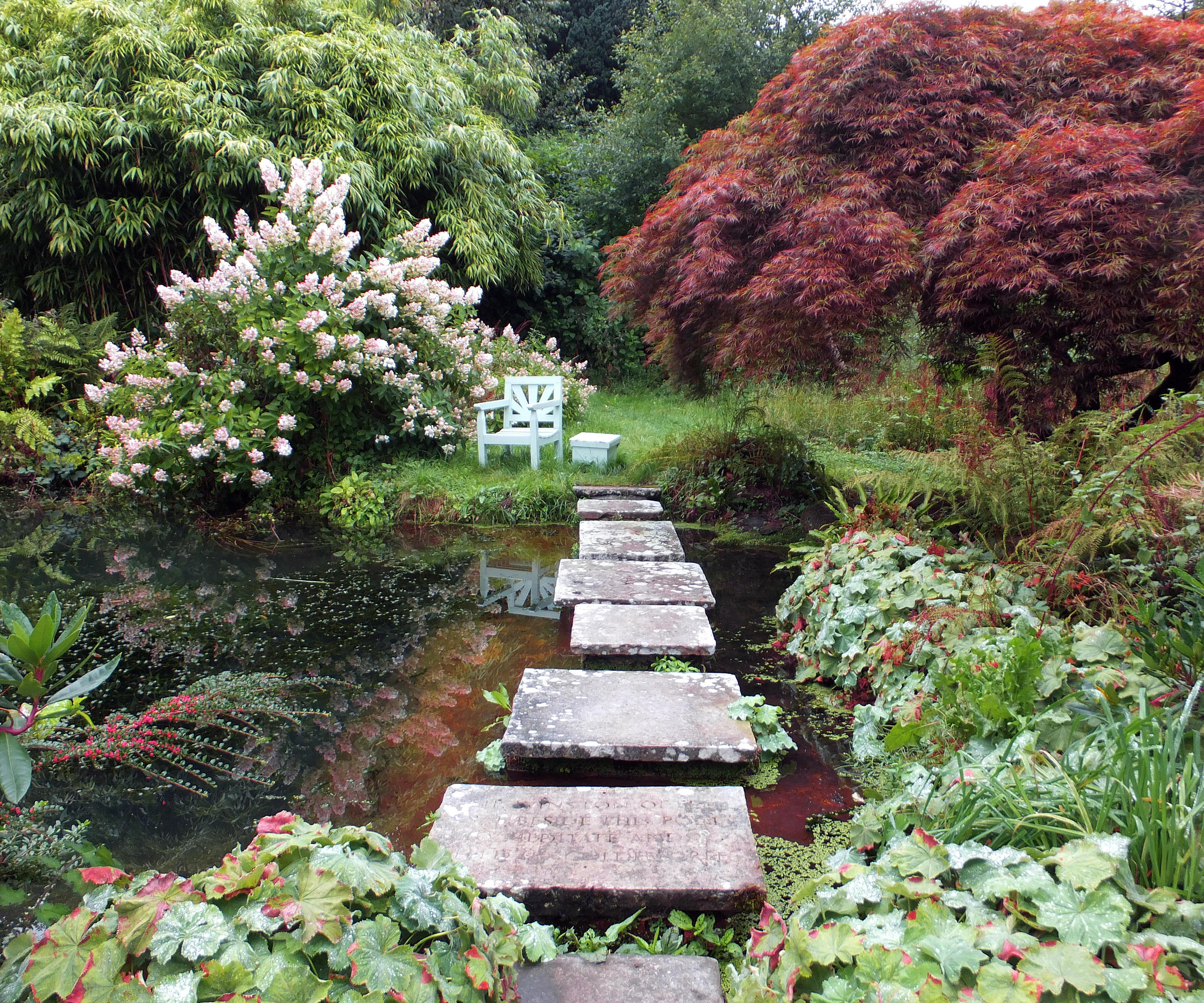
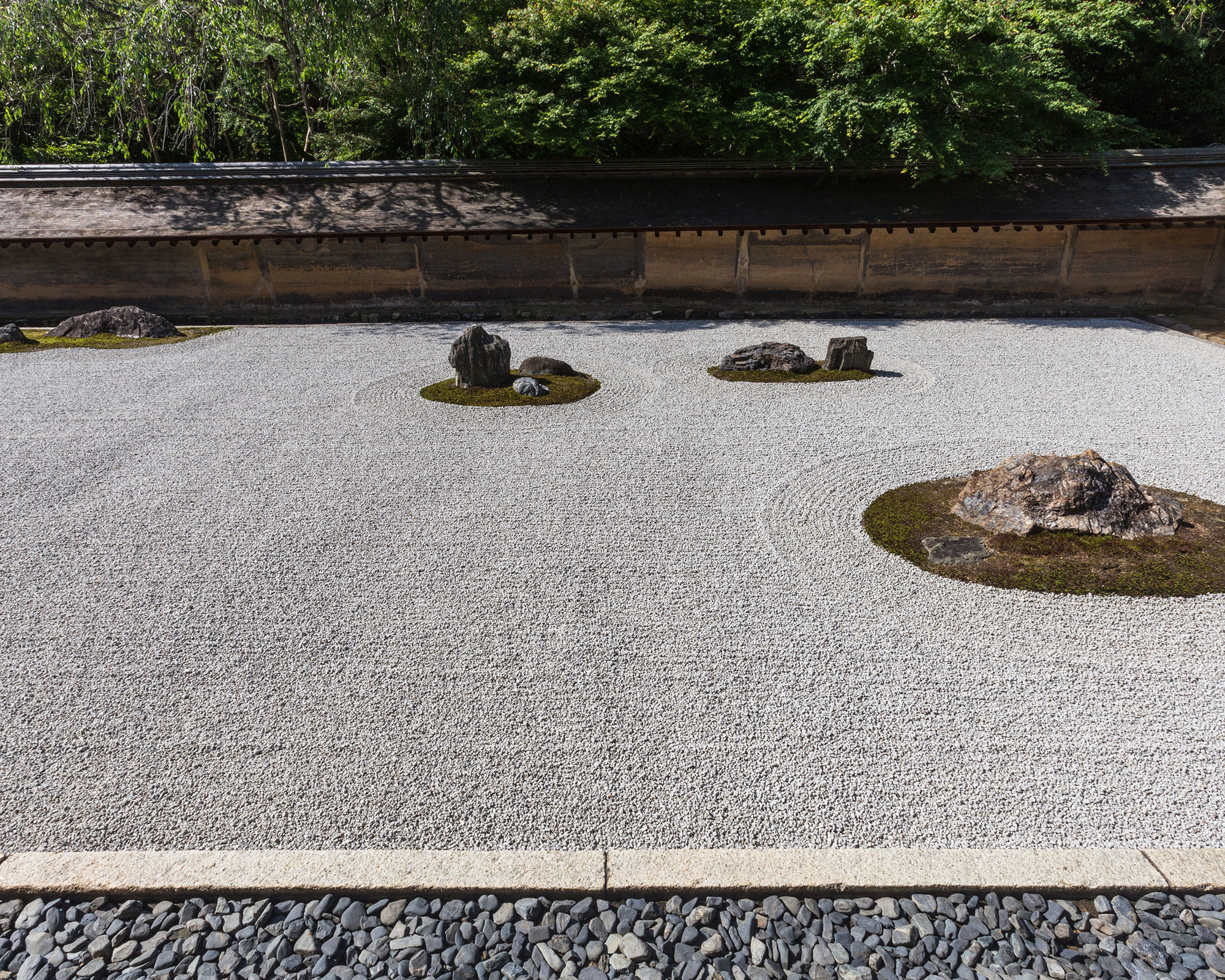
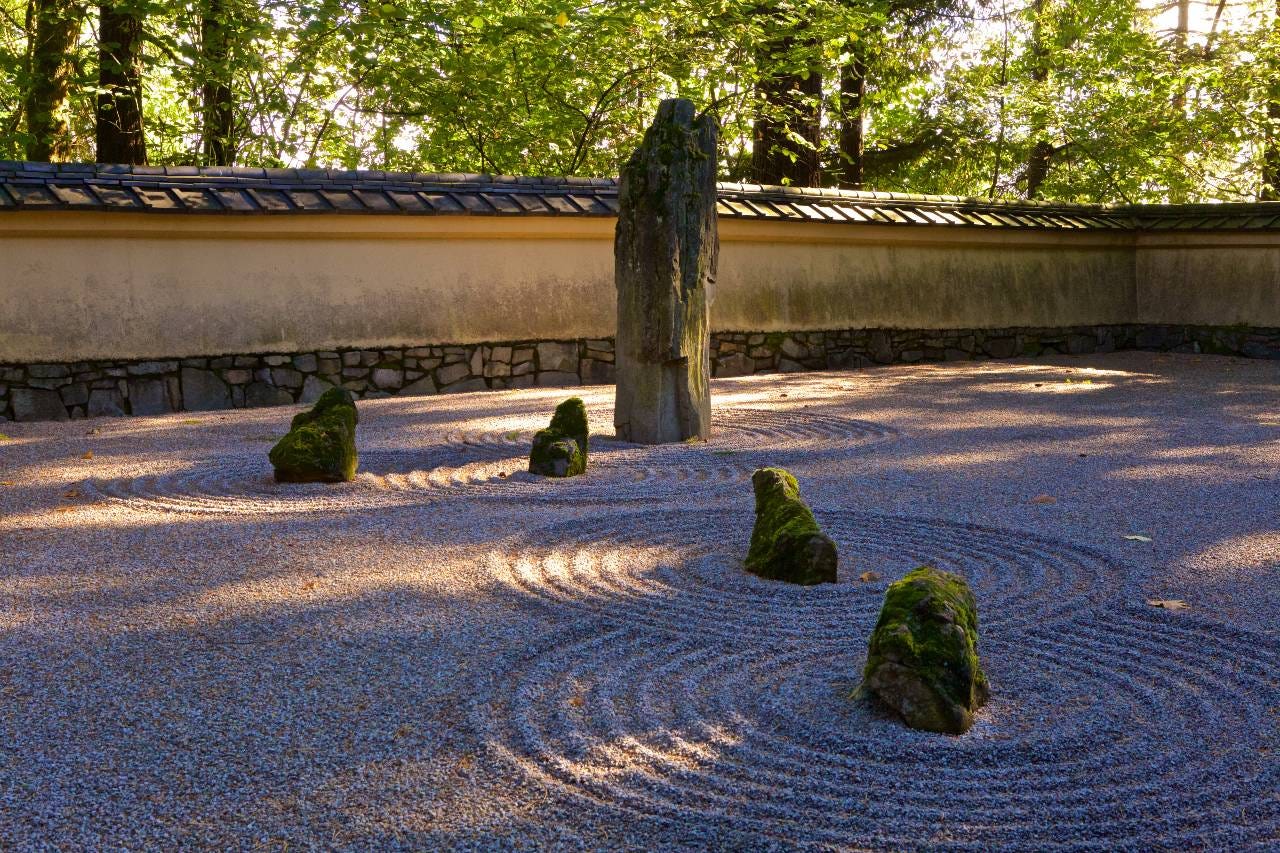
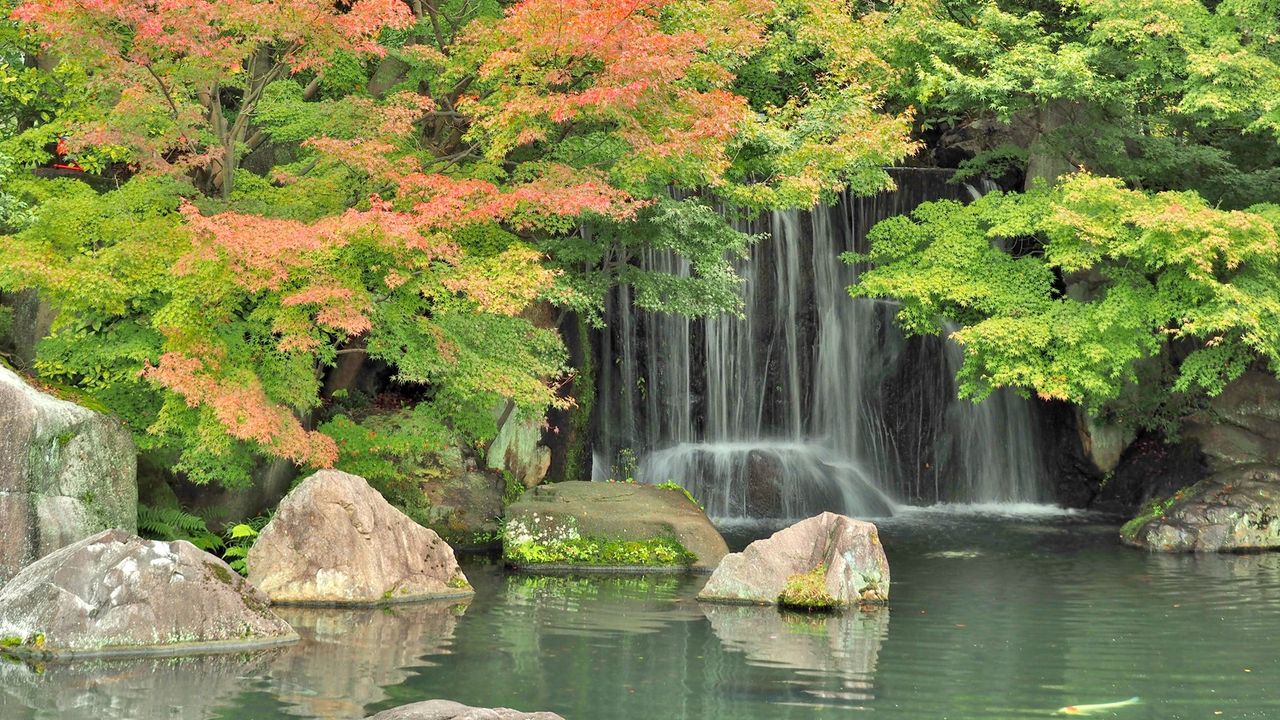
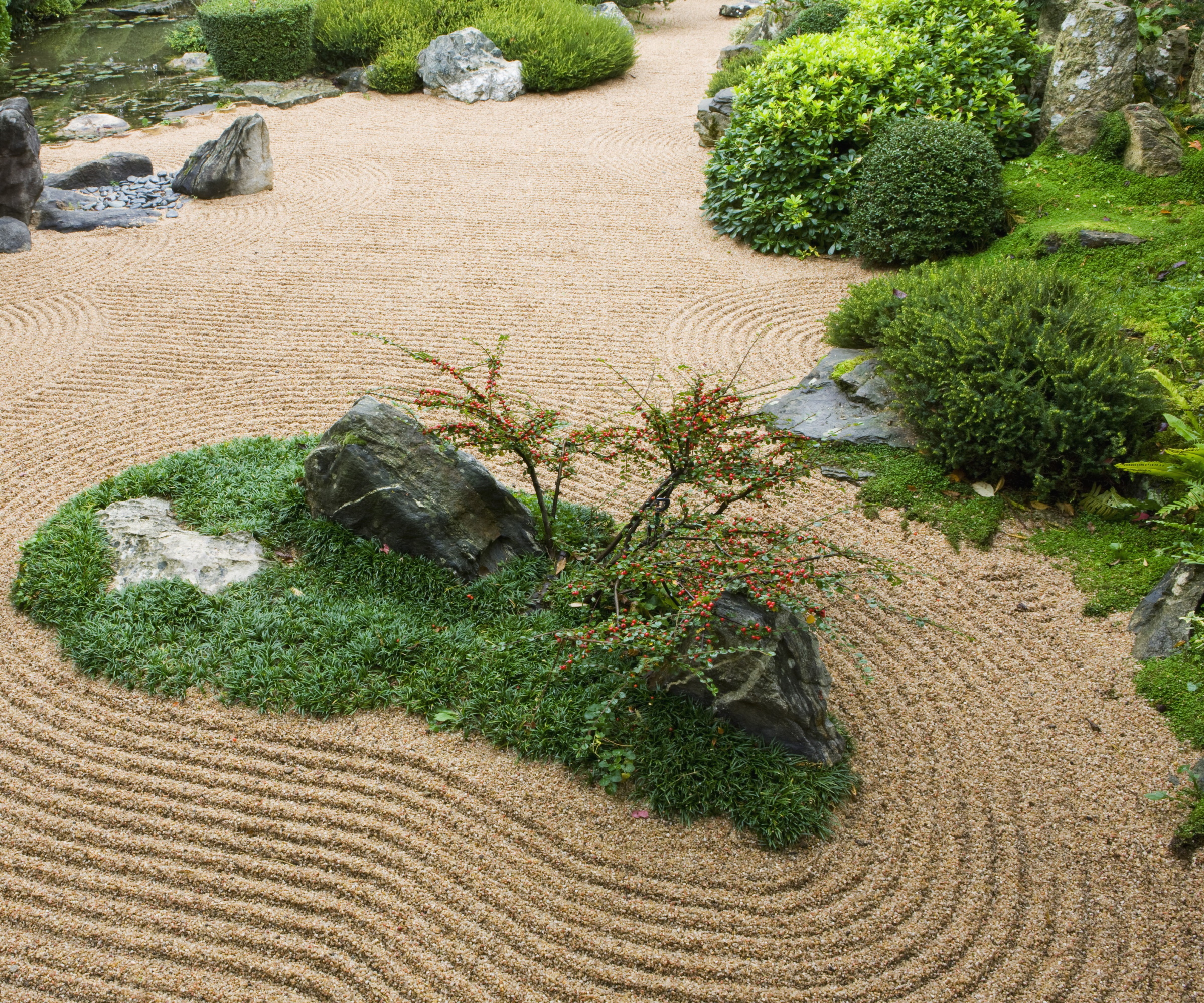
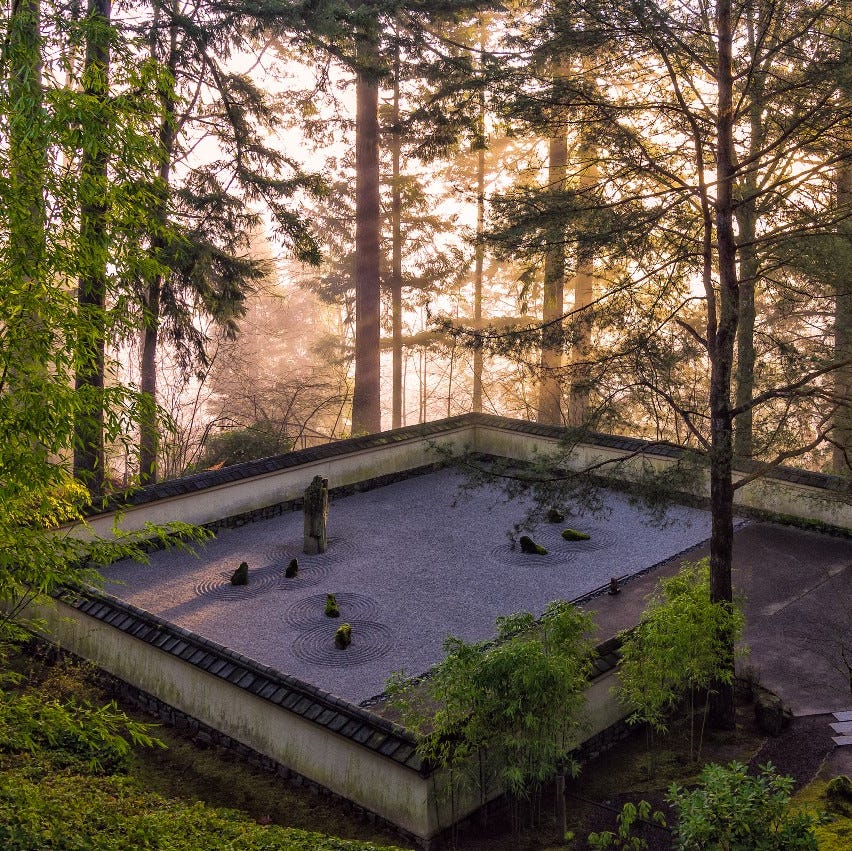
Meaningful rocks and boulders are integral, symbolizing mountains, permanence, and stability, while smaller pebbles and gravel represent water, movement, and fluidity. The deliberate selection and placement of these stones can convey specific messages and influence the garden experience. Smooth flat stones, often used as stepping stones, encourage pauses for contemplation. Upright, rugged boulders set within raked gravel denote mountain ranges and their enduring nature. Traditional Shirakawa-suna gravel is ideal for creating patterns, though pea gravel can serve as an alternative, complemented by a Japanese wooden garden rake for pattern making.
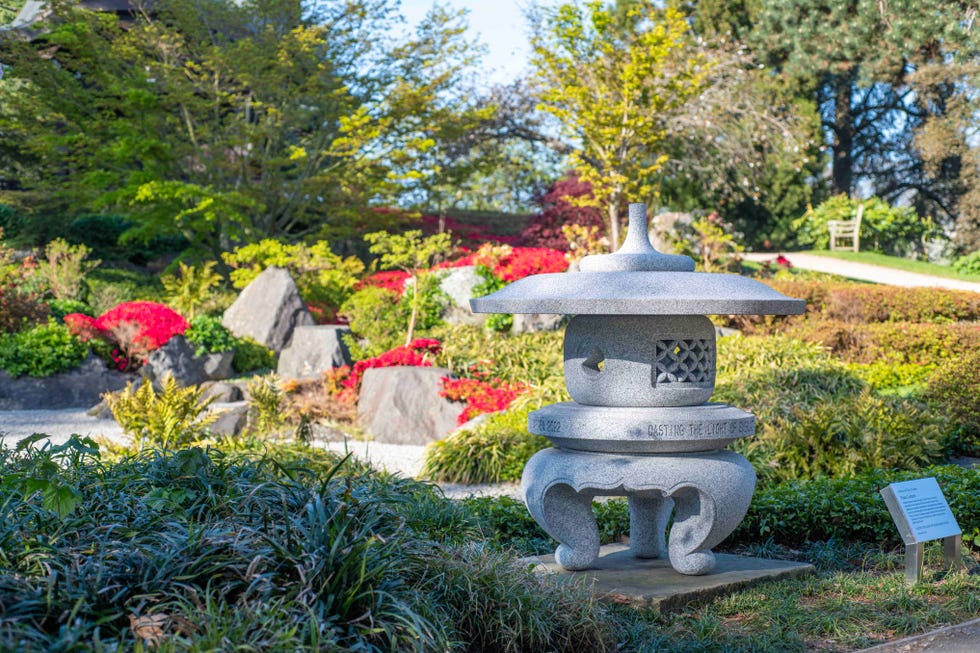
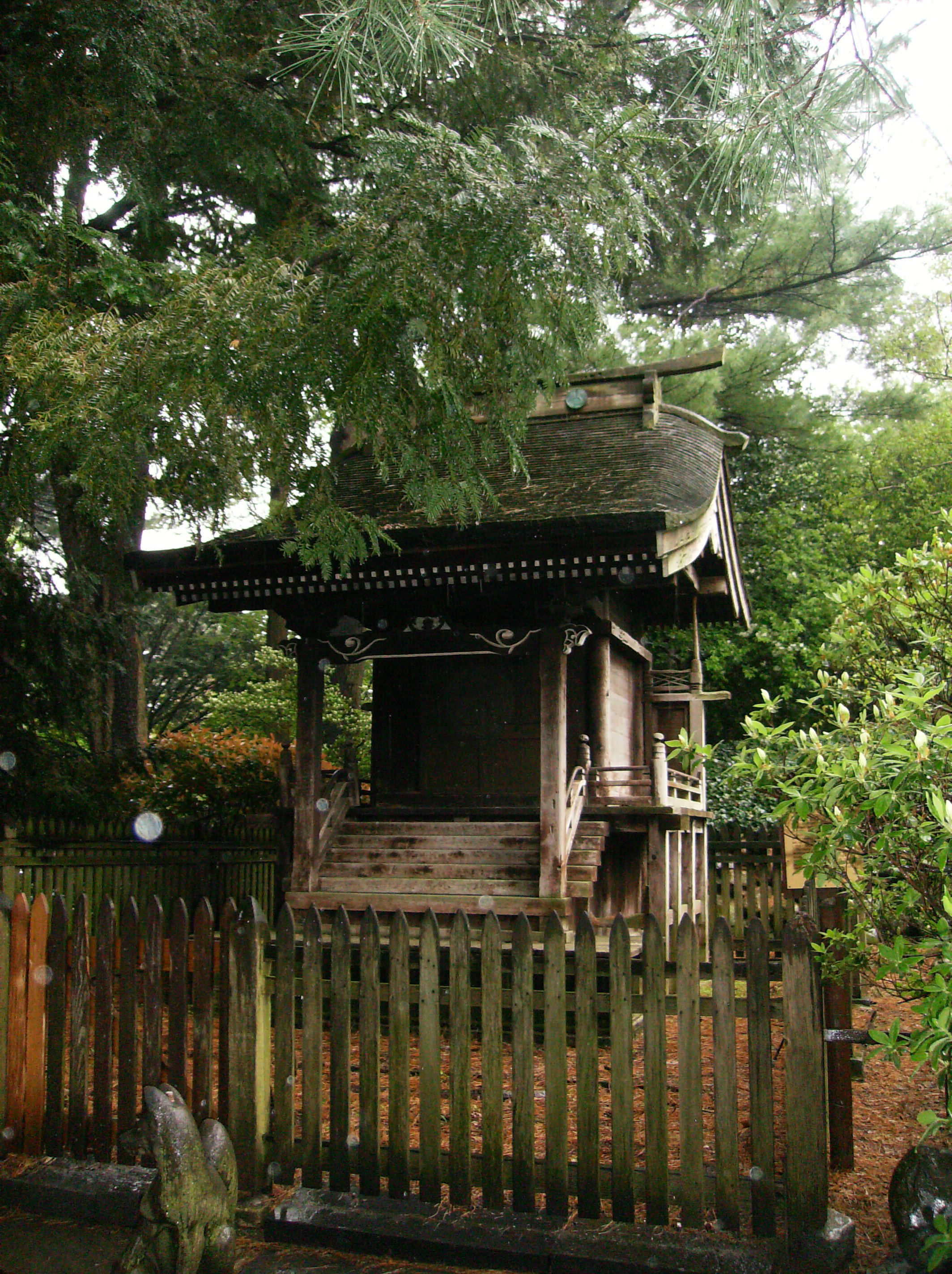
Finally, traditional Japanese lanterns, or 'toro,' originating from China and initially used for temple lighting, have evolved into iconic features. Made from stone, they come in various forms, each with its own name, purpose, and cultural significance. These distinctive lanterns, such as the wide-roofed Yukimi toro or the elevated Oribe-doro lantern, are frequently incorporated into contemporary Japanese gardens of all sizes, offering a glimpse into the rich history of Japanese garden design. When integrating these features, it is crucial to surround them with appropriate plants and trees to maintain the authentic aesthetic of a Japanese garden.
#JapaneseGarden #GardenDesign #Horticulture #LandscapeArchitecture #Niwaki #GardenFeatures #ZenGardens #OutdoorSpace #StoneLanterns #JapaneseGarden #GardenDesign #Horticulture #LandscapeArchitecture #Niwaki #GardenFeatures #ZenGardens #OutdoorSpace #StoneLanterns
0 comment in total
 No comments yet
You may also like
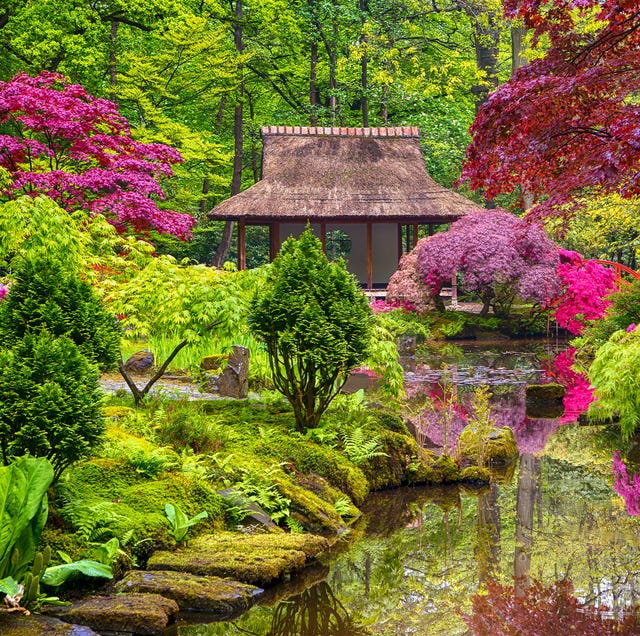
Experts reveal how to plant a Japanese-inspired garden

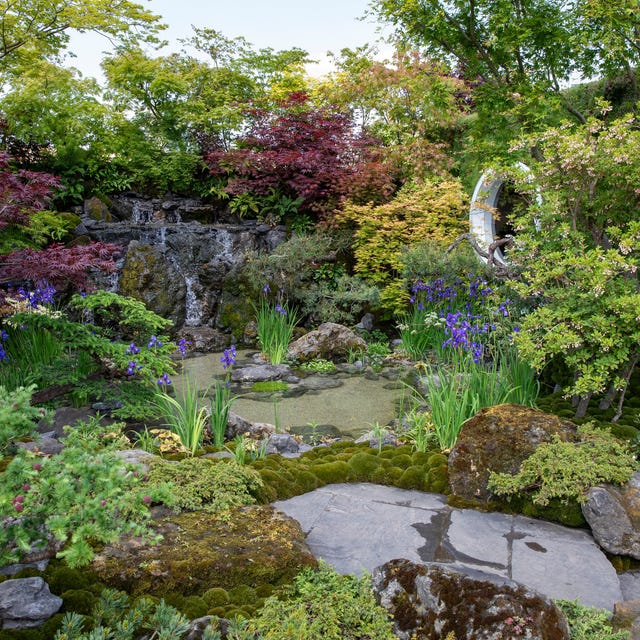
4 Japanese garden ideas for a calm and tranquil outdoor space
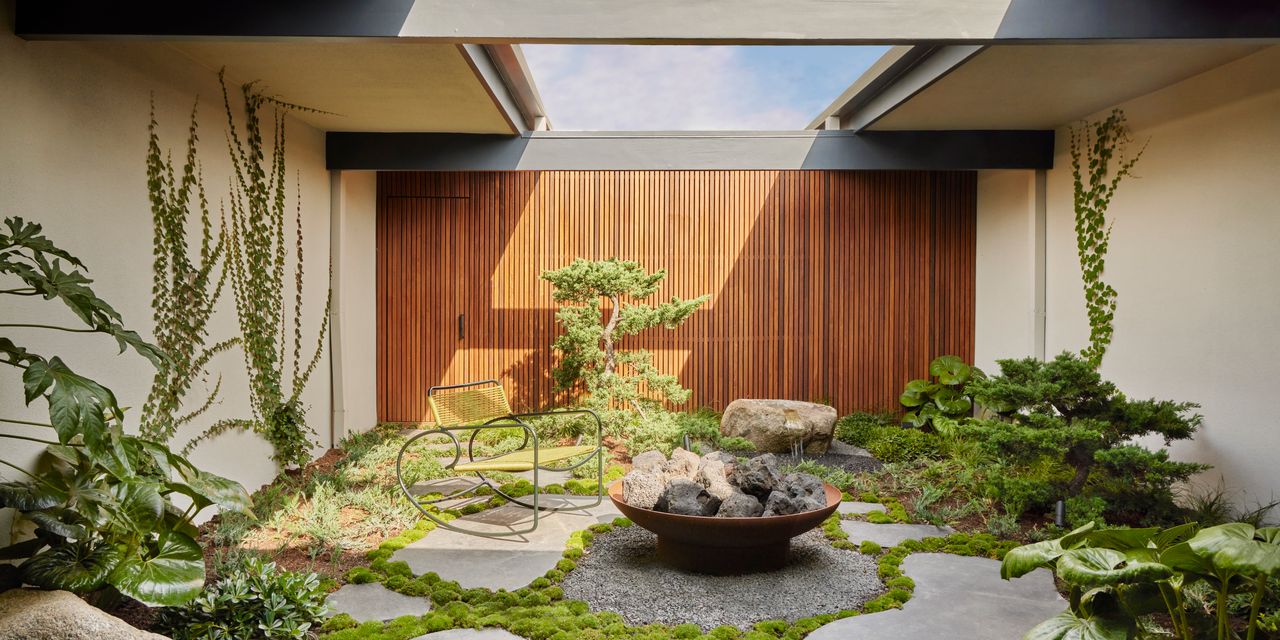
How to Design a Japanese Garden in Any Climate, According to Landscape Experts

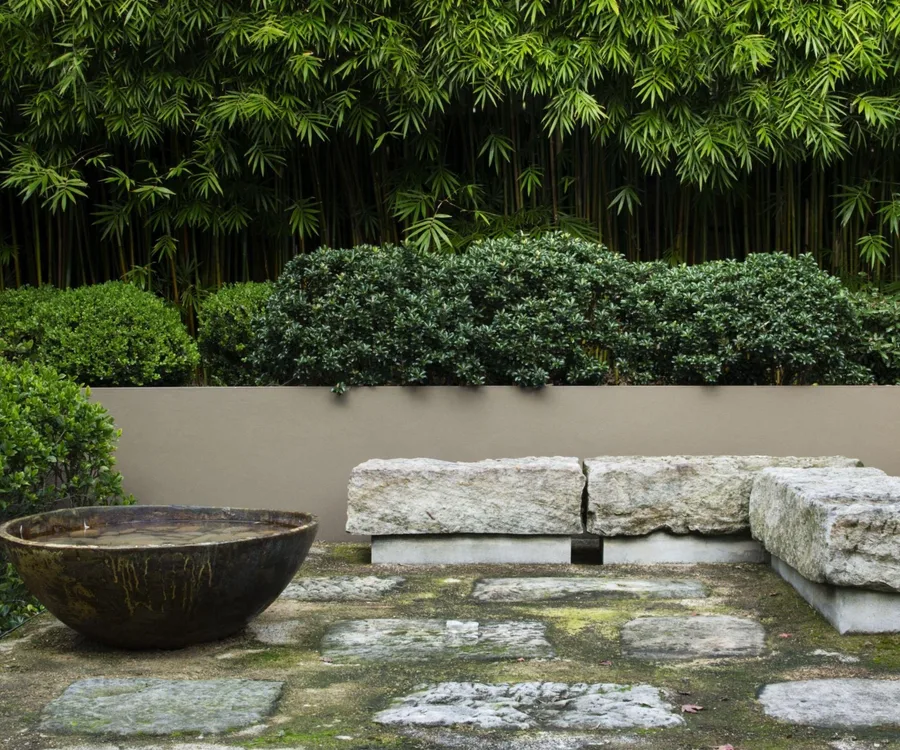
7 Japanese-style gardens to inspire and delight

Michigan’s Slice of Japan: Where Design Connects Humanity with Nature
Japanese garden ideas – 10 ways to create a soothing space, with advice from the experts

In a Japanese garden, you’re never under the weather
What is a zen garden? This Japanese approach to design can turn backyards into calming sanctuaries
The best plants for a Japanese garden: 7 serene species
Peter Dowdall: So many reasons to love Japanese gardens
Brooklyn’s 100-Year-Old Japanese Garden Is Like a Living Painting

Zen garden ideas – 24 ways to transform your outdoor space into a Japanese-inspired sanctuary for relaxation
Japanese garden requires specialized shrubs, touch

Garden Pros Say This Japanese Design Idea Is the Secret to an Easy Yard
24 Japanese Garden Ideas That Encourage Slow Walks and a More Relaxed Outdoor Rhythm

A Japanese-inspired garden on Sydney’s north shore
Japanese garden ideas – 11 design tips for a zen backyard
An Expert Guide to Japanese Zen Gardens

Jennifer Aniston's Japanese-inspired garden is a work of art – experts say it will dominate trends in 2025

For the Garden | Zen and Now