1/6
Brooklyn’s 100-Year-Old Japanese Garden Is Like a Living Painting
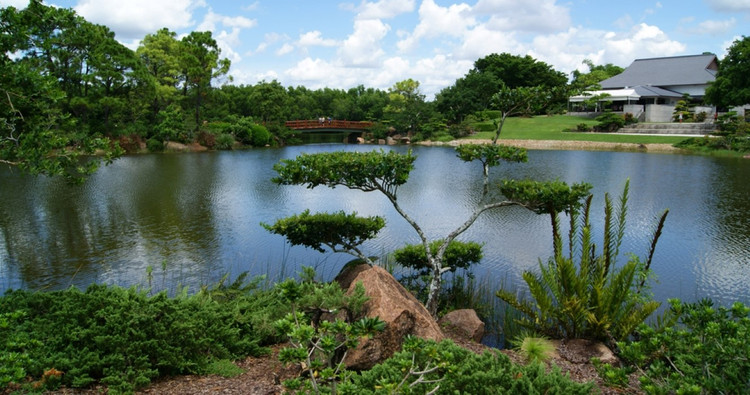
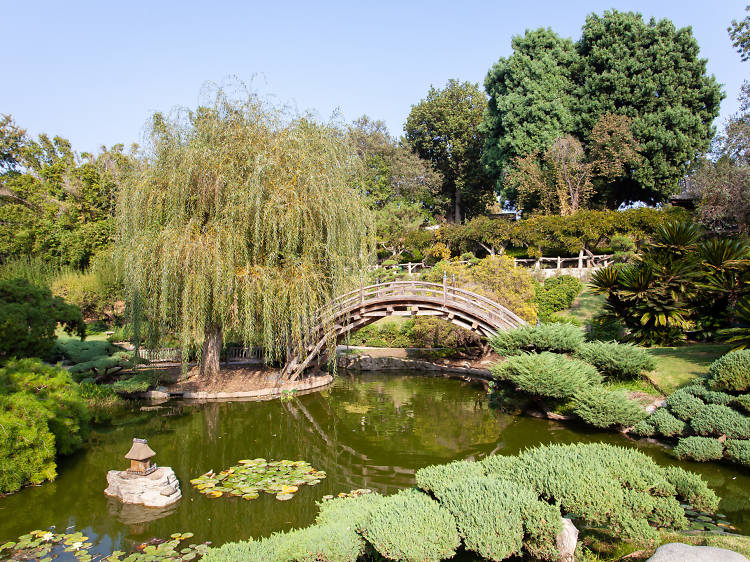
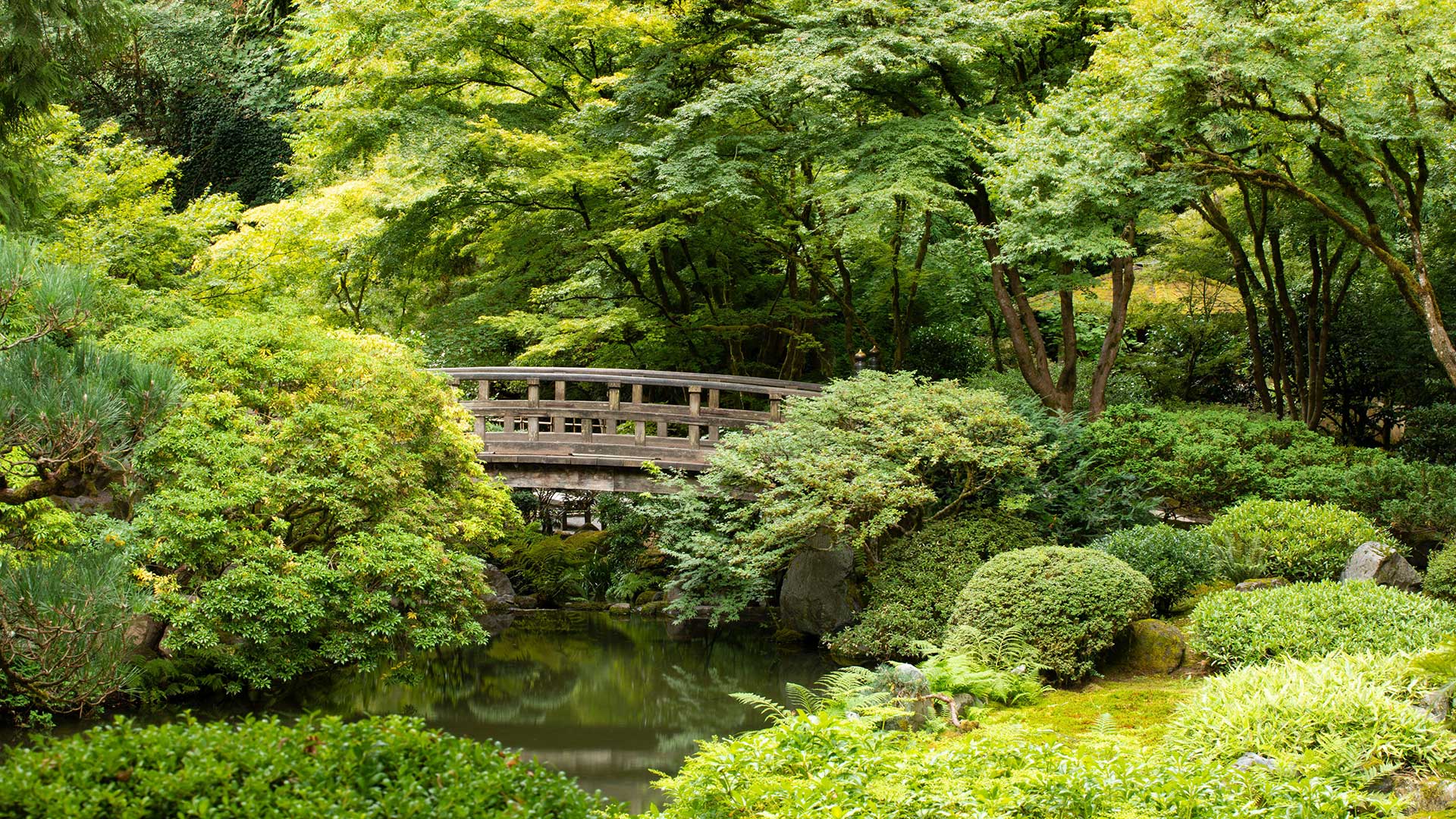
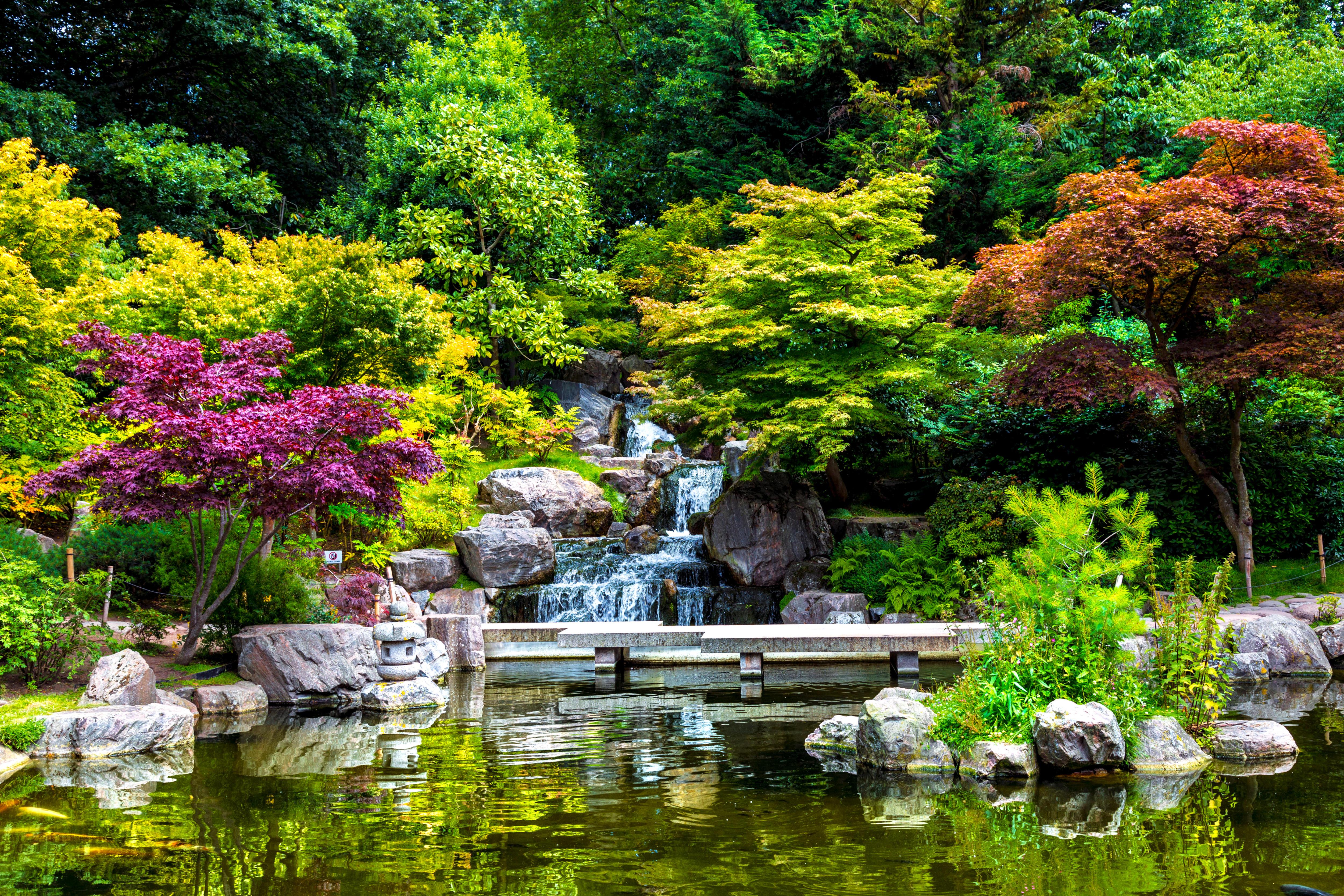
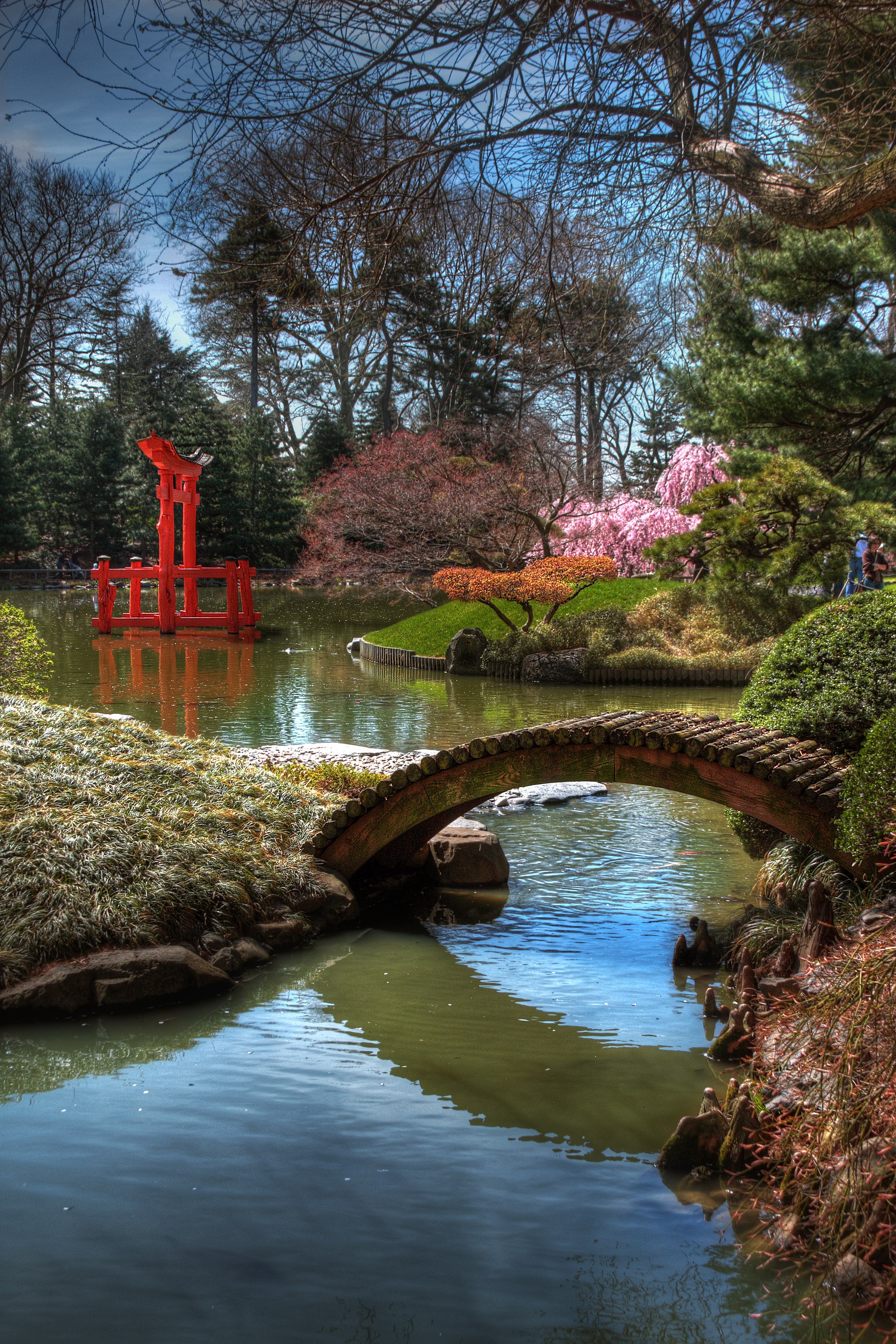
The Japanese Hill-and-Pond Garden at the Brooklyn Botanic Garden, a century-old marvel, is described by plant curator Brian Funk as a "complete work of art that involves art, architecture, and horticulture." This tranquil space offers an otherworldly experience, making it one of the oldest and most frequently visited Japanese public gardens outside of Japan, nestled in the heart of Brooklyn, New York. The garden, situated near Prospect Park, the Brooklyn Museum, and the Brooklyn Public Library, provides a serene escape from the city's hustle and bustle.
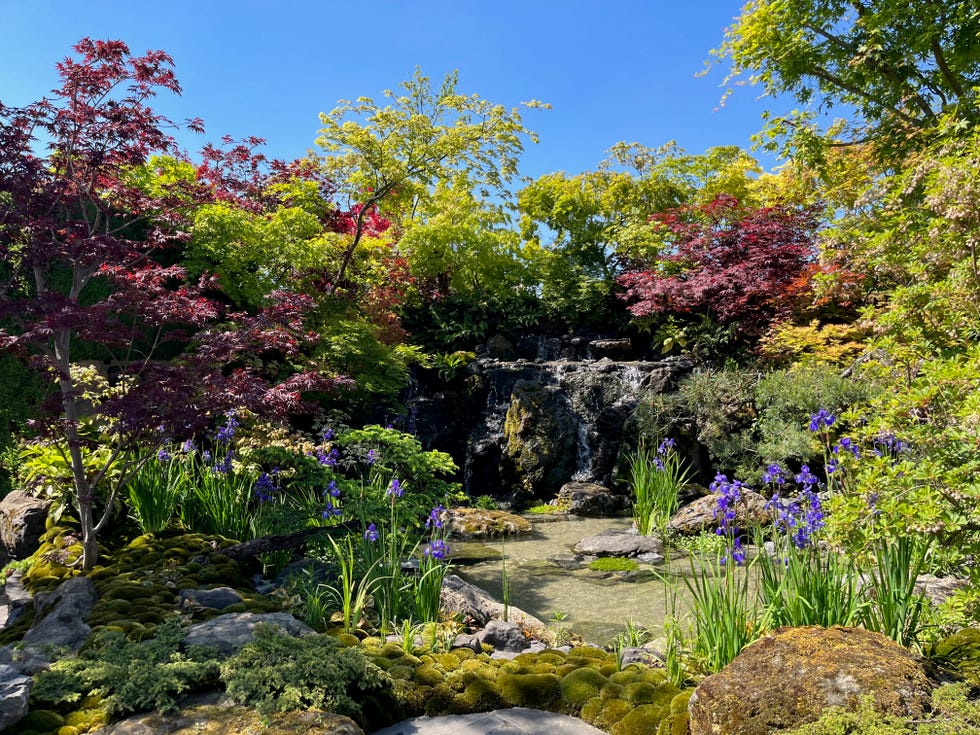
The garden's origins trace back to Japanese landscape architect Takeo Shiota, who arrived in the U.S. in 1907. Shiota's design, a Japanese-American hybrid constructed between 1914 and 1915, was pioneering as the first Japanese garden within a public garden in the United States. Unlike traditional European gardens with their linear and symmetrical layouts, Japanese gardens like this one are designed to mimic nature, creating a dynamic landscape that constantly shifts the viewer's gaze, avoiding a single focal point. Shiota specifically aimed to replicate Japan's mountainous terrain and rugged coastlines.
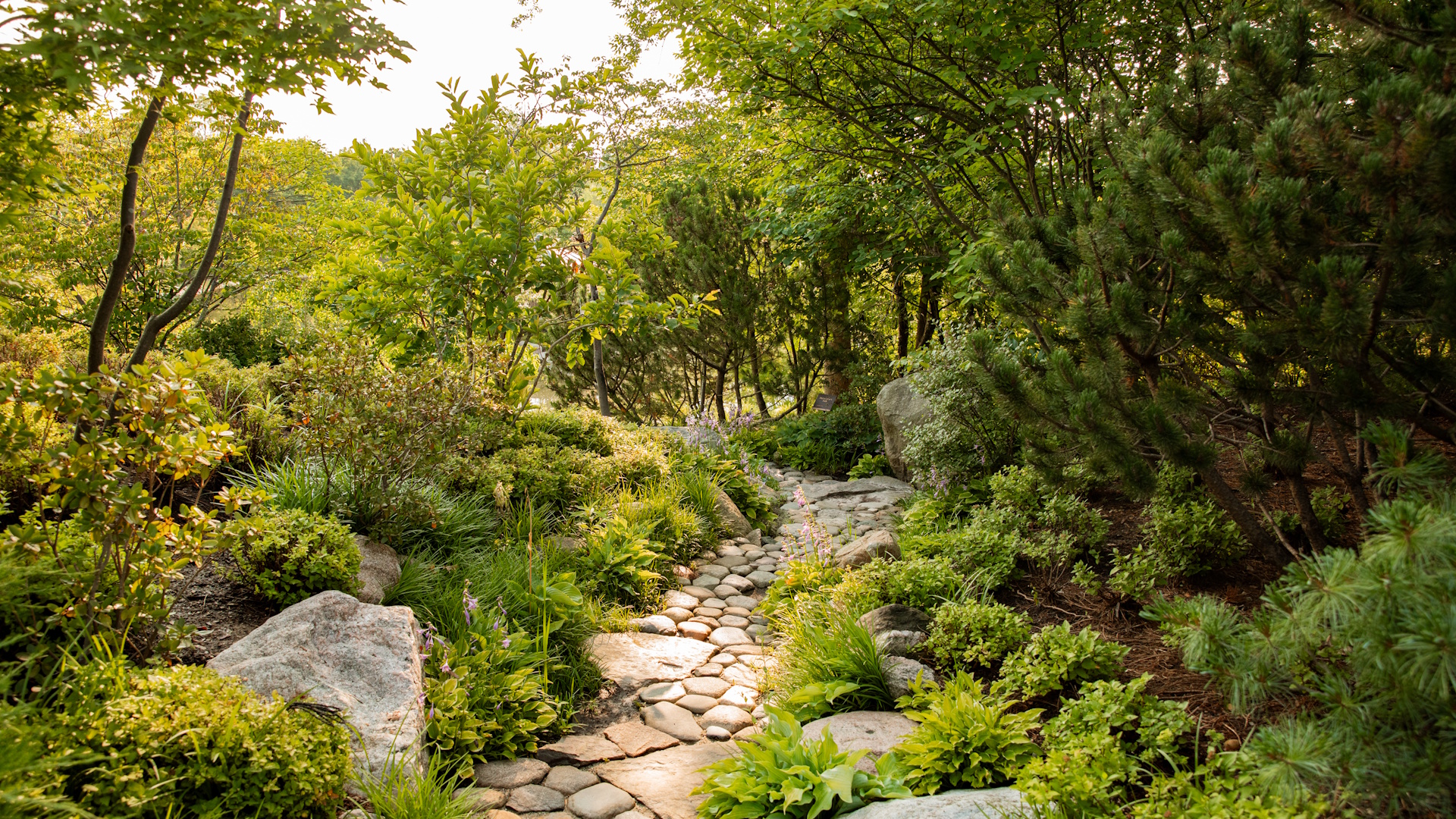
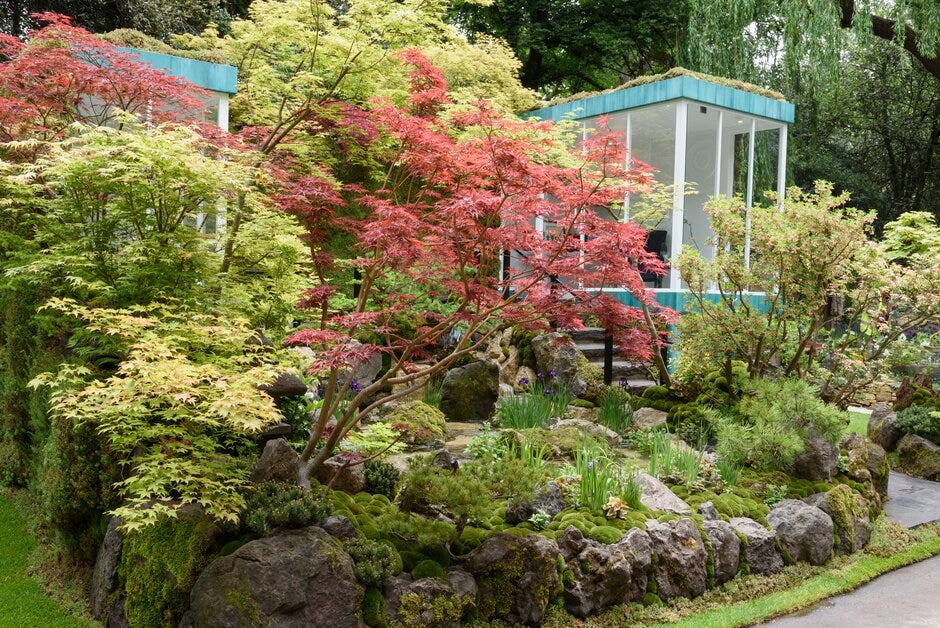
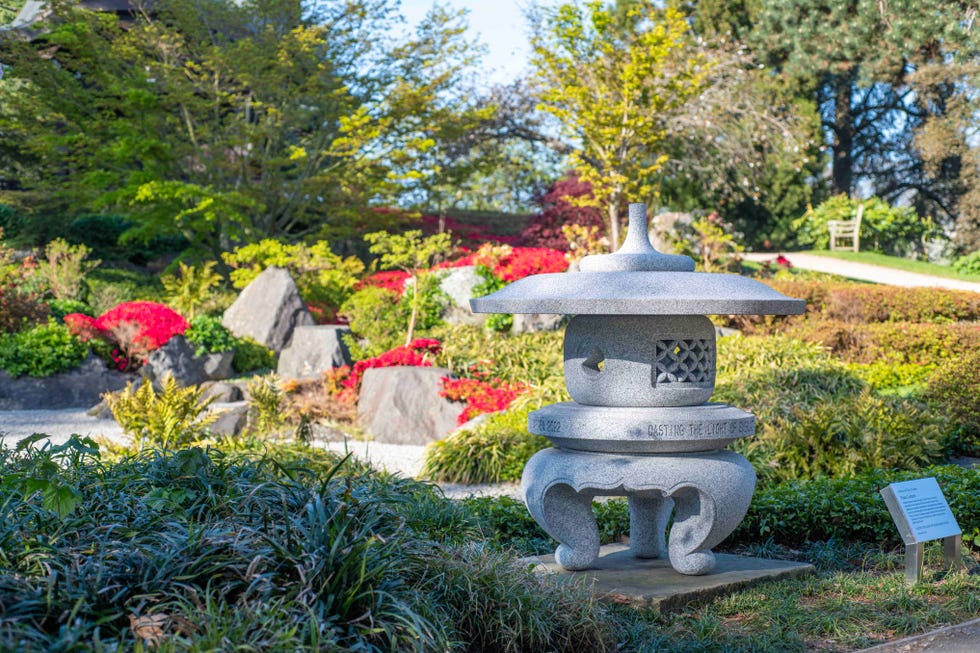
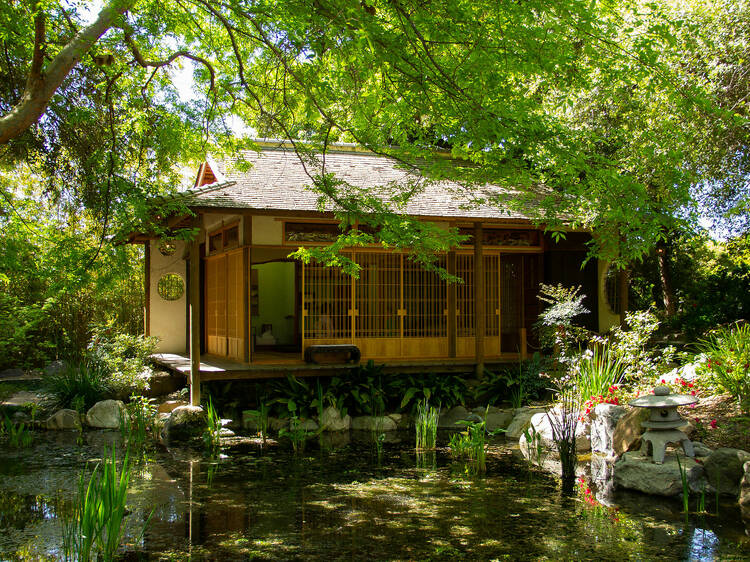
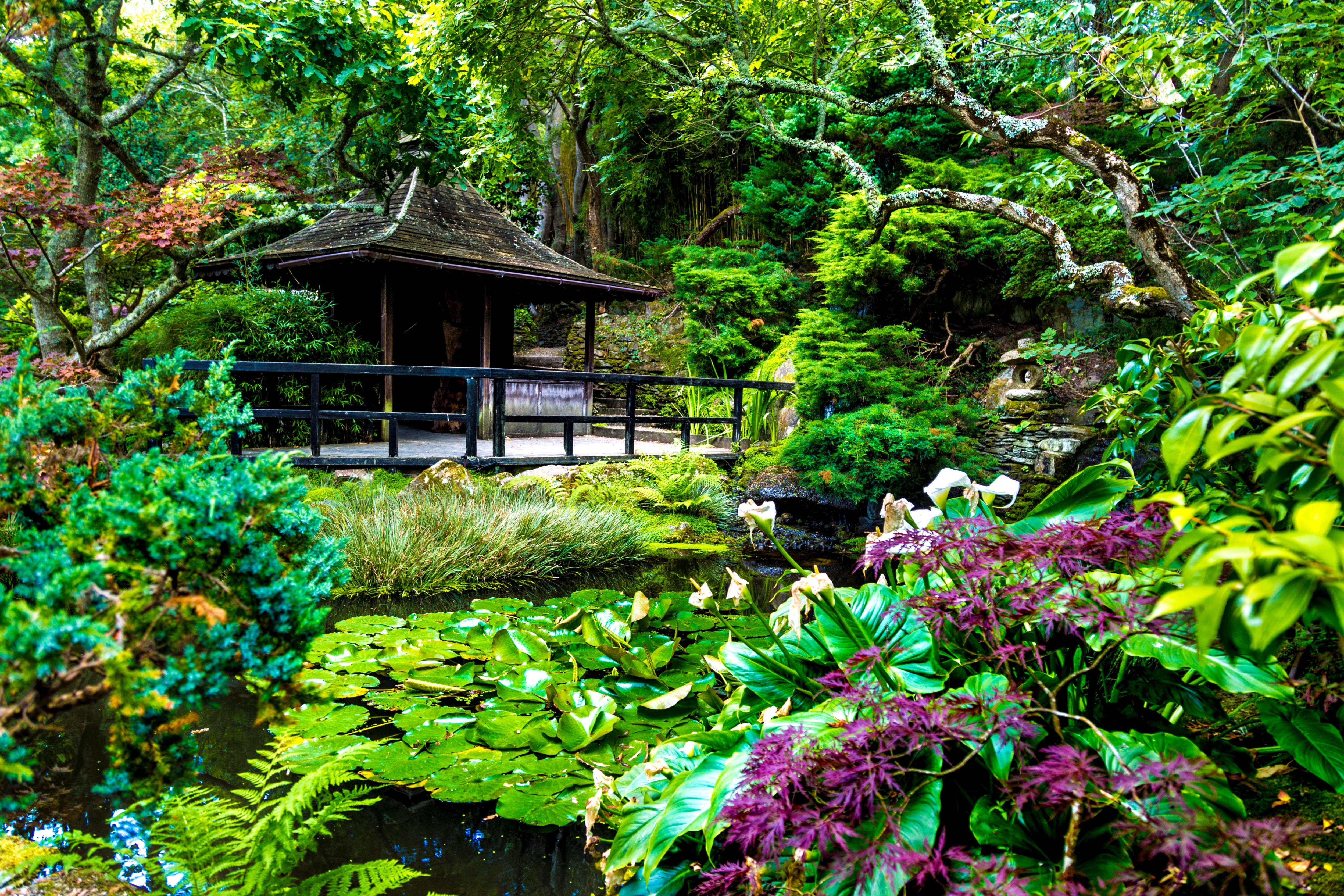
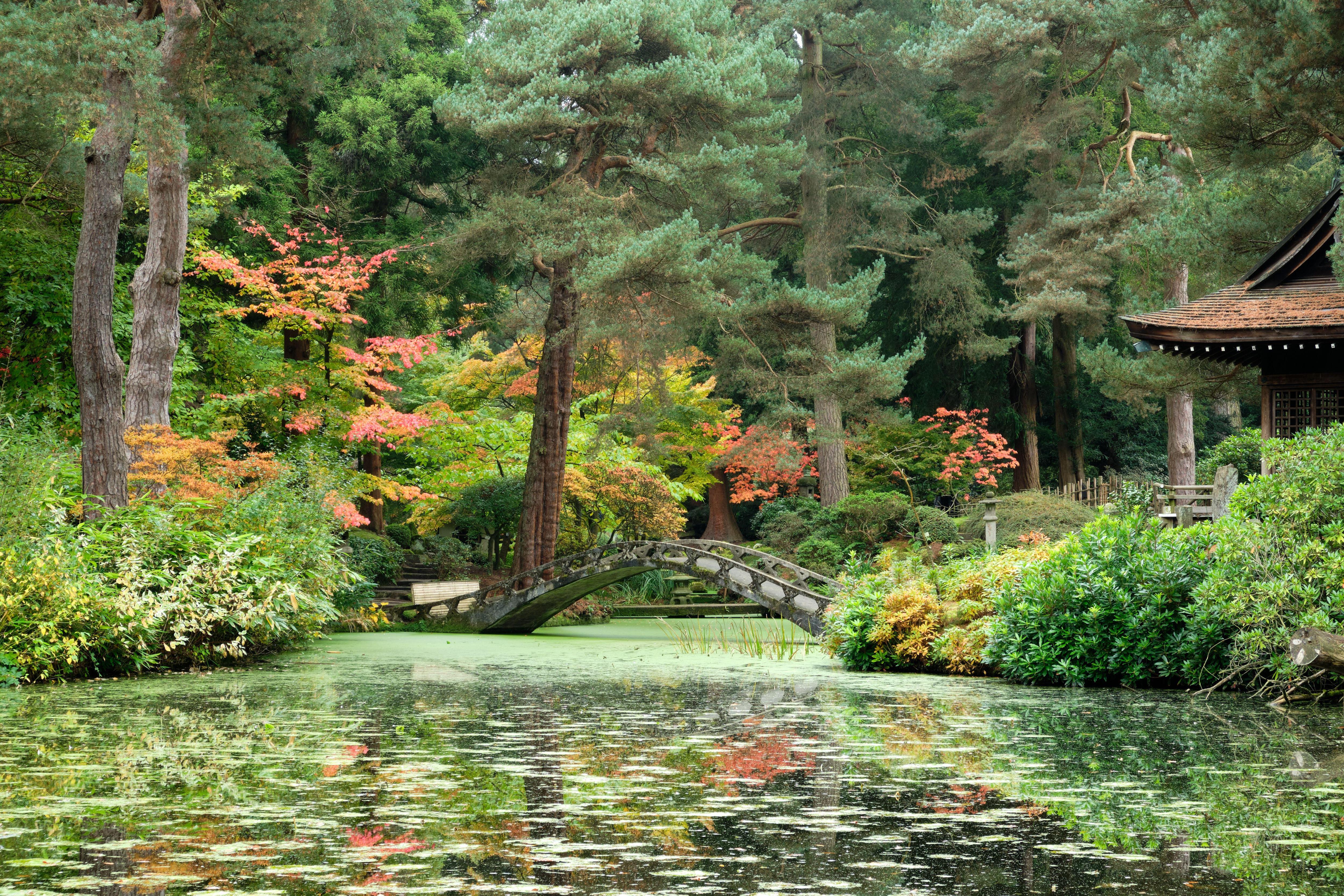
The garden incorporates traditional Japanese elements, such as a viewing pavilion reminiscent of a tea house, a waiting bench used in tea ceremonies, an authentic Shinto shrine, and various stone lanterns. Shiota employed a design philosophy known as "hide and reveal," strategically obscuring parts of the garden to encourage exploration and discovery as visitors navigate its paths, hills, and trees. This technique ensures that the garden unfolds gradually, offering new perspectives at every turn.
The popularity of Japanese culture and design, known as Japonisme, in the 19th century following Japan's opening to the West in 1853, played a role in the garden's creation. However, the garden faced significant challenges during World War II, when anti-Japanese sentiment led to widespread discrimination and the closure of Japanese gardens across the U.S., including the Brooklyn Hill-and-Pond Garden. In 1938, the Shinto shrine was set ablaze, an act Funk suggests might have been vandalism rather than war-related given its timing. The gardens remained closed until the late 1940s.
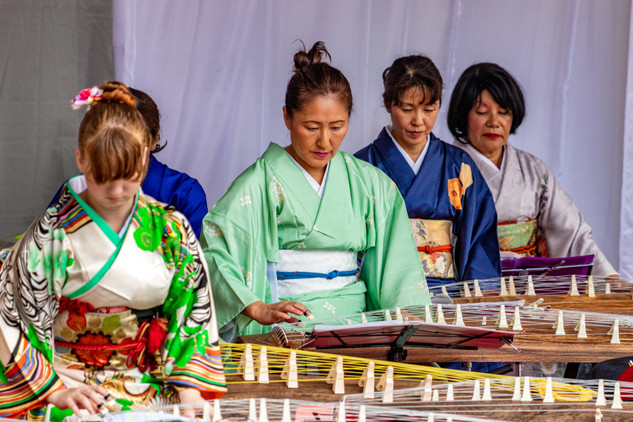
The restoration of the gardens began after the war, spearheaded by Japanese-American gardener Frank Masao Okamura, who was released from an internment camp in California. Okamura also played a crucial role in developing the Botanic Garden’s renowned Bonsai collection. A comprehensive revamp in the early 21st century aimed to restore the garden to Shiota’s original vision, including the Shinto shrine. The garden continues to inspire, having hosted works by artists like Isamu Noguchi and serving as a venue for traditional tea ceremonies.
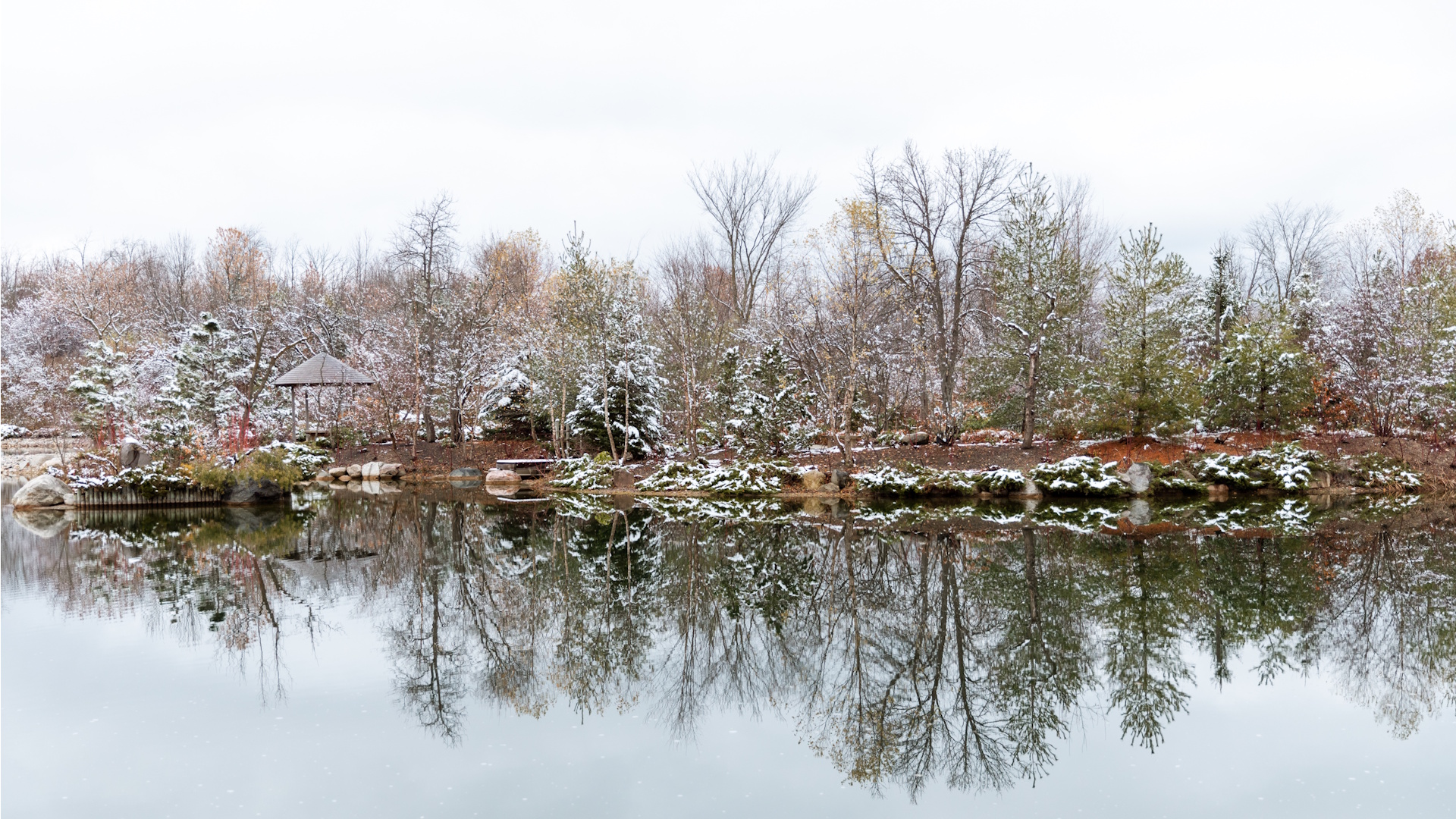
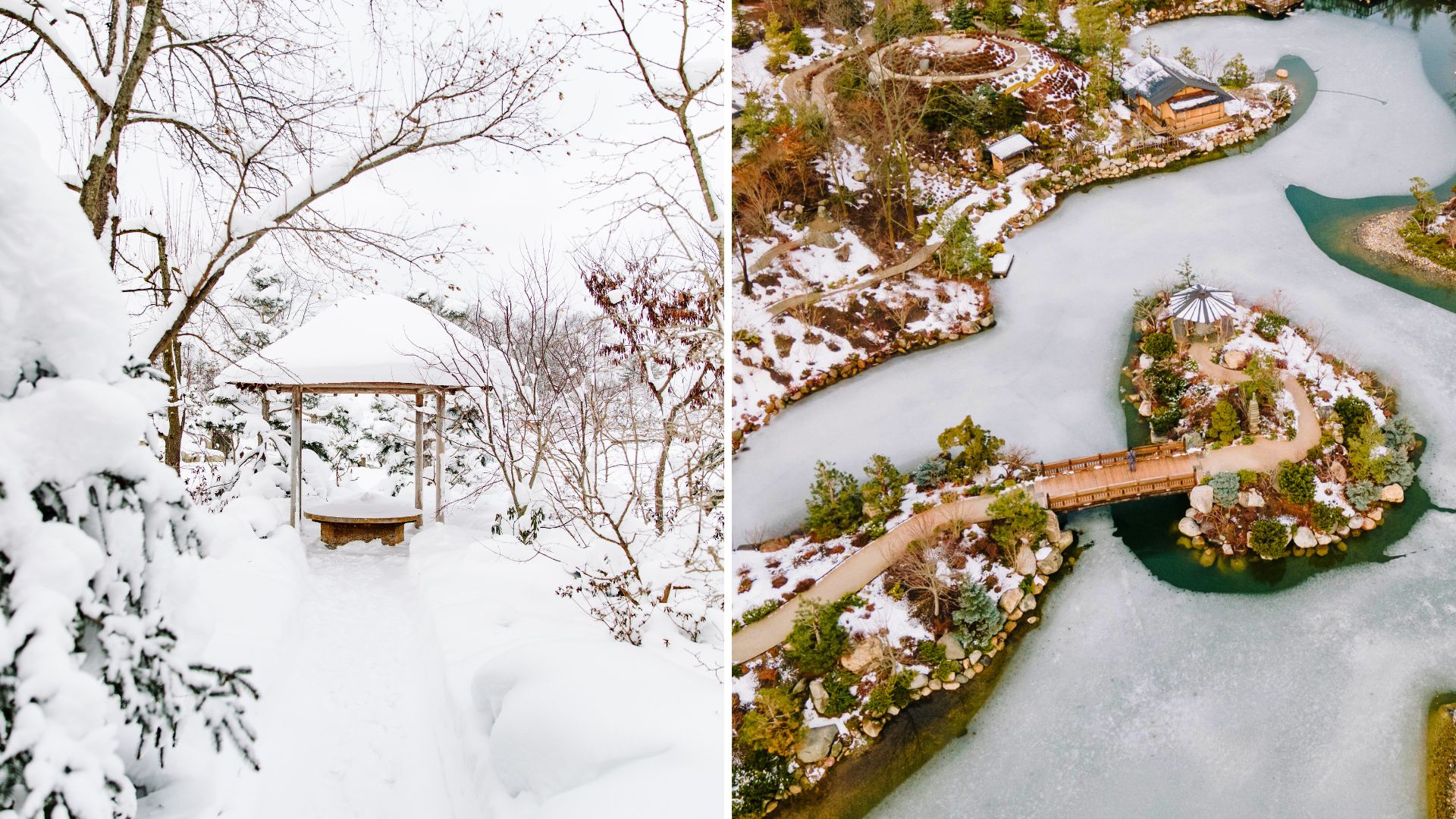
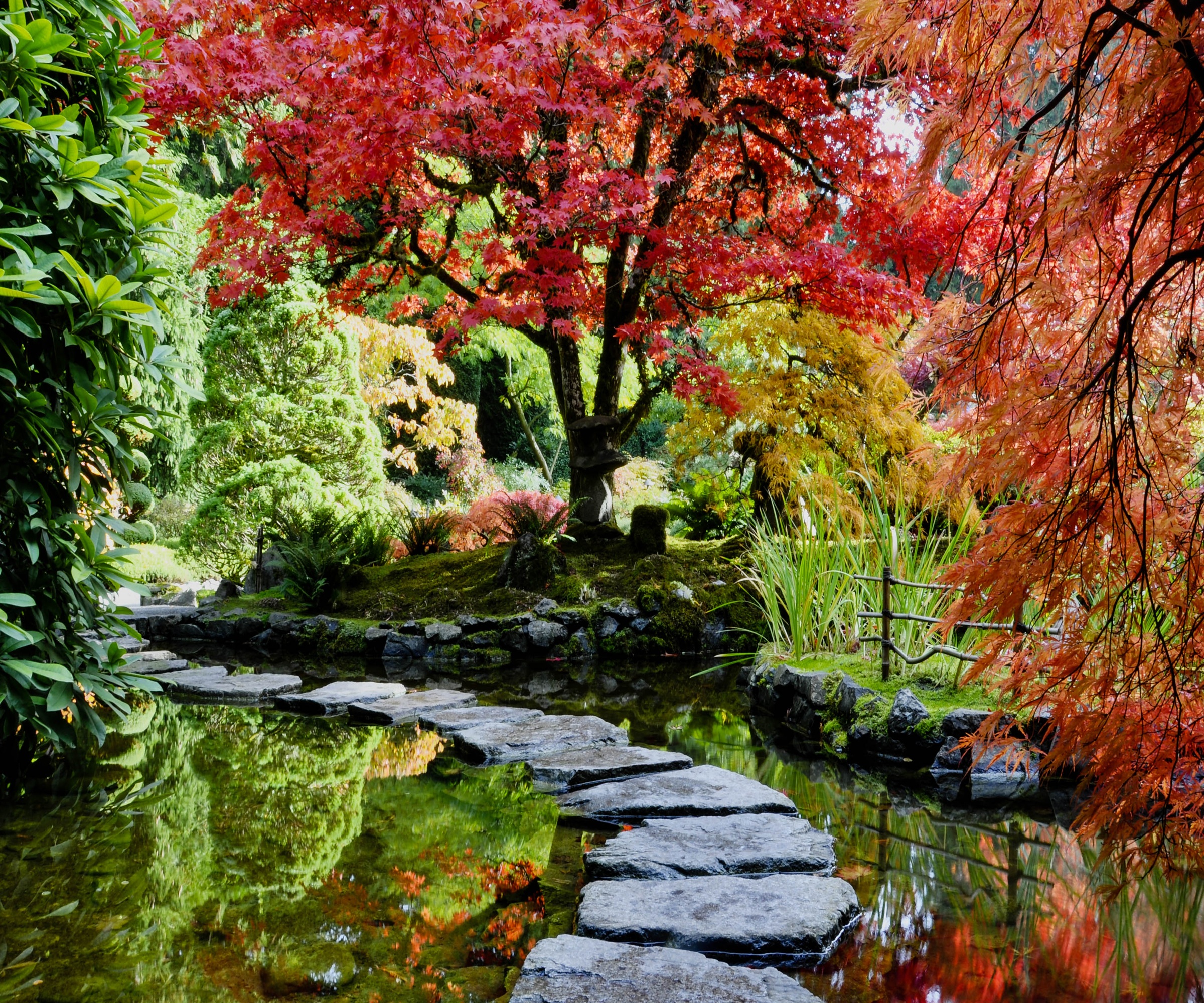
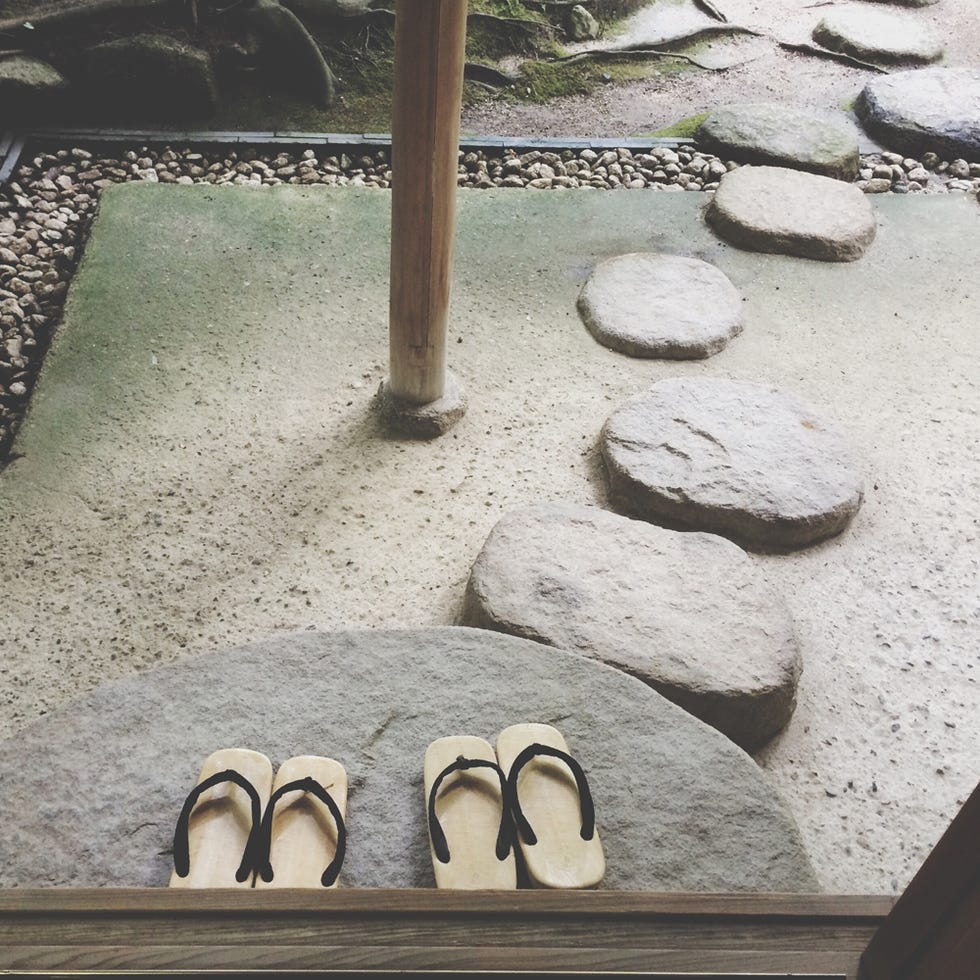
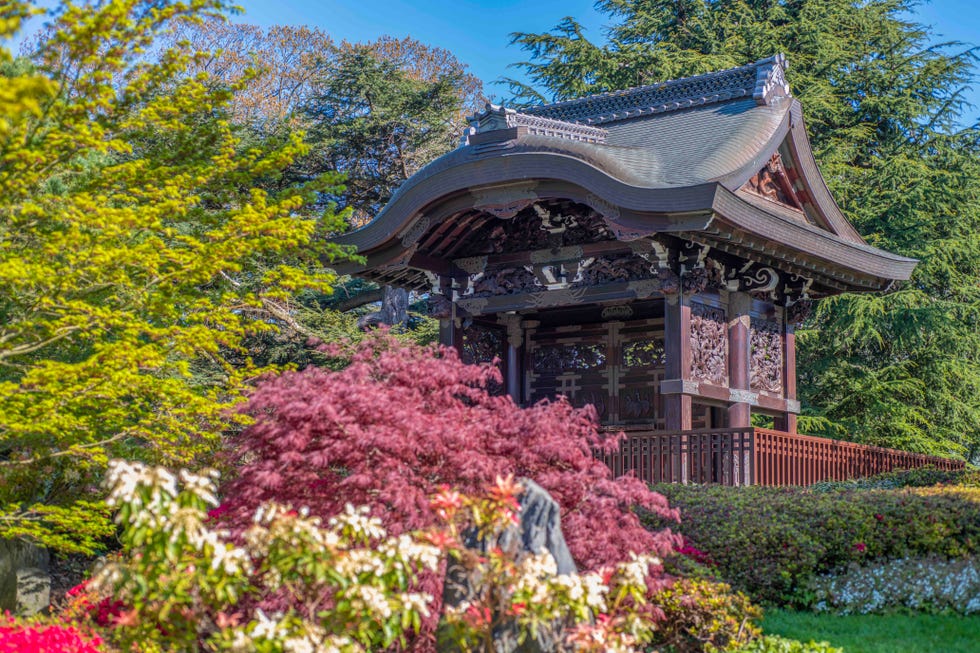
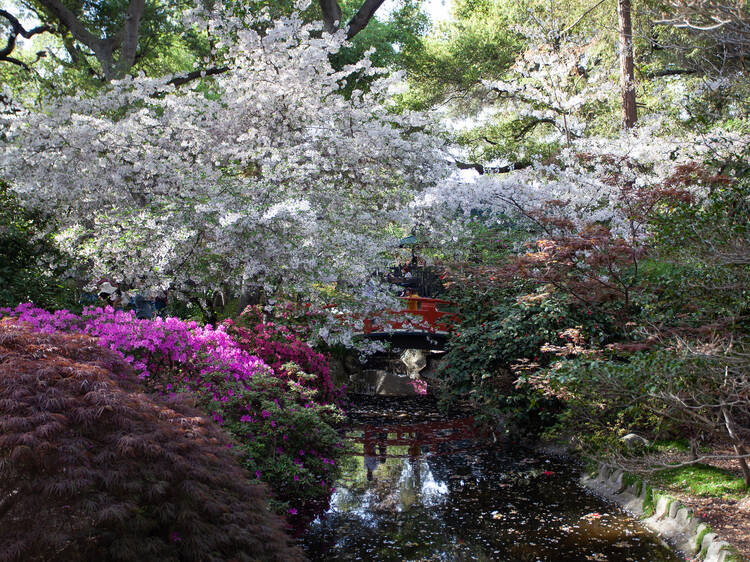
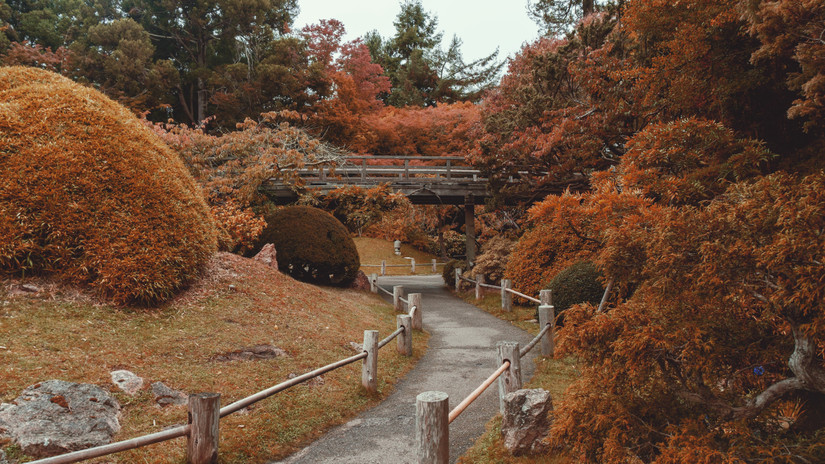
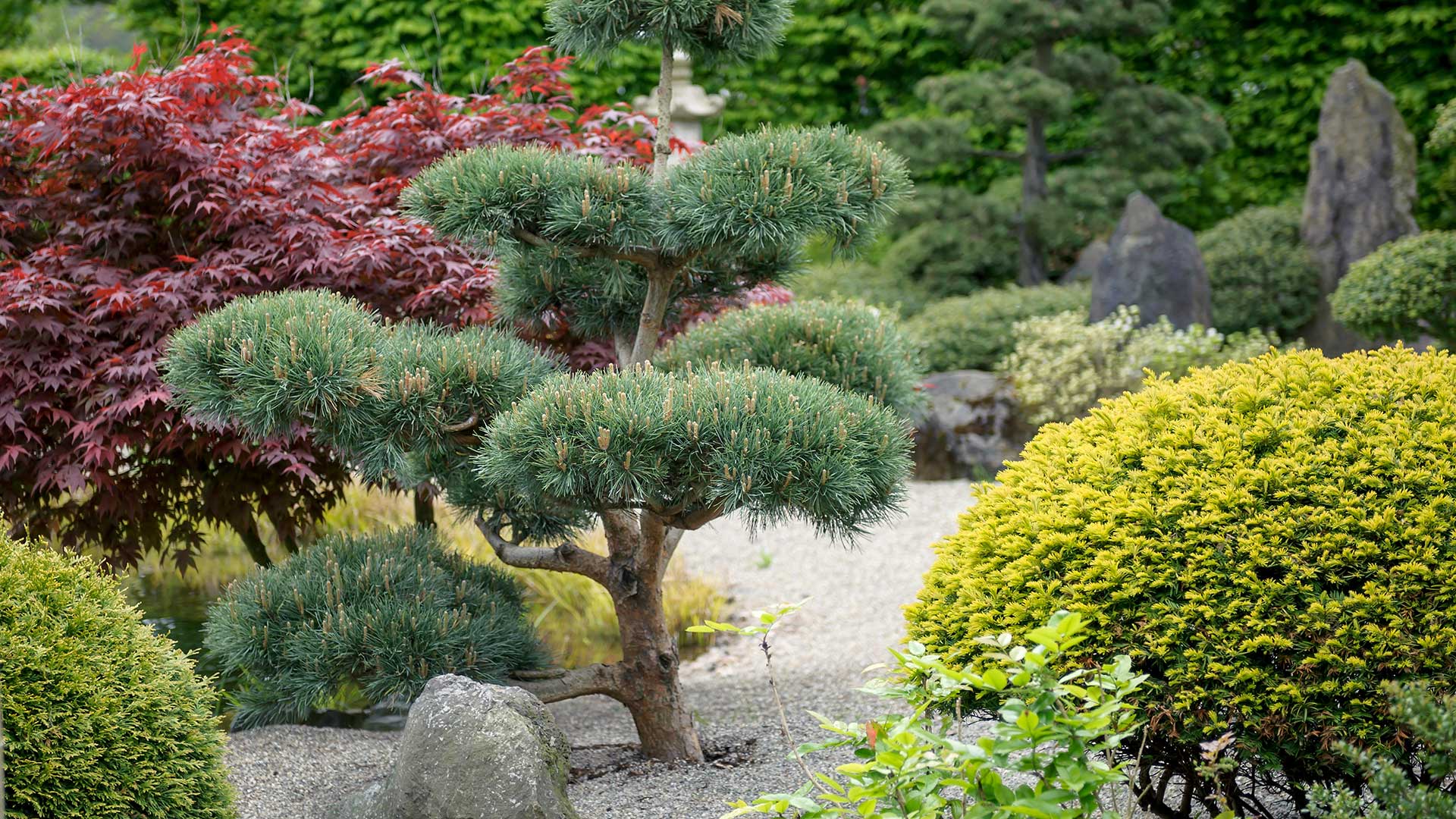
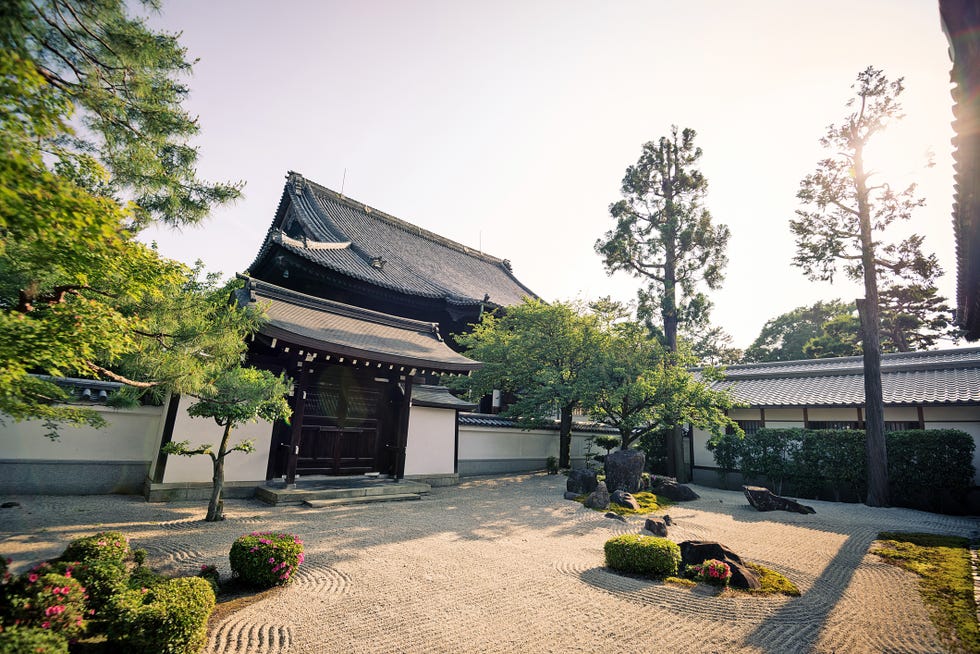
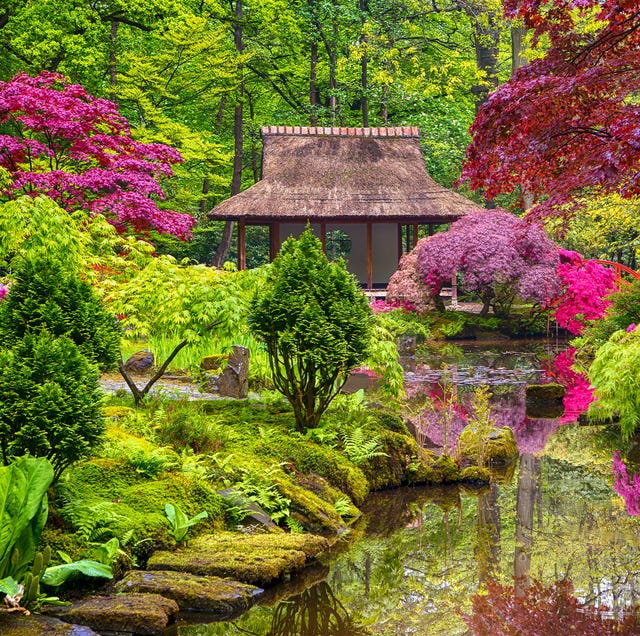
Brian Funk highlights the pavilion entrance as offering the garden's best view, describing it as "a three-dimensional painting, framed by the rectangular architecture," or simply, "a living painting." While spring, with its cherry blossoms, is a popular time, the garden's beauty extends through all seasons. Autumn brings a vibrant display of yellow, orange, crimson, and violet foliage from Camellia sasanqua and Japanese maples, a phenomenon celebrated in Japanese poetry. Even winter offers a unique charm, as the trees, intentionally planted on a 45-degree slant and pruned for "cloud pruning," are designed to hold snow, creating a distinct aesthetic. The garden, thus, offers a year-round visual and cultural experience, blending art, nature, and history.
#JapaneseGarden #BrooklynBotanicGarden #TakeoShiota #LandscapeArchitecture #Japonisme #CulturalHeritage #GardenDesign #NewYorkCity #JapaneseGarden #BrooklynBotanicGarden #TakeoShiota #LandscapeArchitecture #Japonisme #CulturalHeritage #GardenDesign #NewYorkCity
0 comment in total
 No comments yet
You may also like
Michigan’s Slice of Japan: Where Design Connects Humanity with Nature

Experts reveal how to plant a Japanese-inspired garden


Living Green Walls of Plants Refresh Brooklyn Homes
These 7 Japanese Zen Gardens In The US Are The Perfect Spots To Ease Your Worried Mind

Horticultural Experts Reveal 5 Defining Features of a Japanese Garden

An indoor garden blooms inside a new architect-designed Brooklyn coffee shop

For the Garden | Zen and Now

Seven of the loveliest Japanese gardens in the UK

This Tranquil Garden Is A Slice Of Japan In An Unexpected Place

Peter Dowdall: So many reasons to love Japanese gardens
These Are The Most Breathtaking Japanese Gardens In The U.S.
An Expert Guide to Japanese Zen Gardens

Picture of the Day: The Oldest Japanese Garden in the United States
4 Japanese garden ideas for a calm and tranquil outdoor space
6 most beautiful Zen rock gardens in Kyoto

Muji explores the art of minimalism in Japanese rock garden installation in New York

Brooklyn Garden: From Weeds to Wonderful With Groundworks
The 8 most beautiful Japanese gardens in L.A.

Japanese garden ideas – 10 ways to create a soothing space, with advice from the experts

Looking to add some Zen to your landscape? Visit these Japanese gardens for inspiration