1/4
An Expert Guide to Japanese Zen Gardens
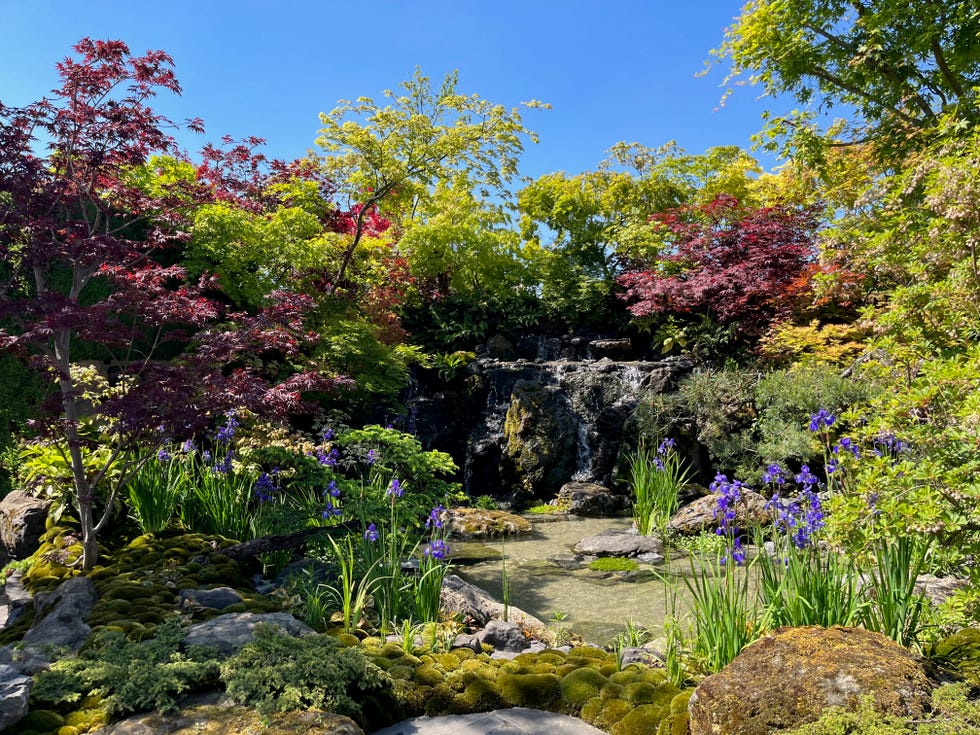
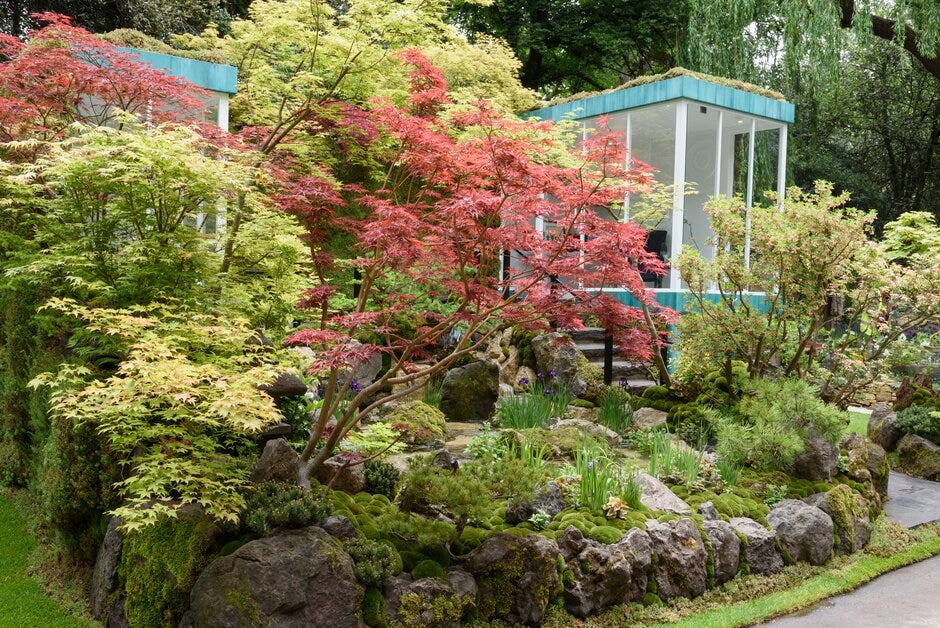
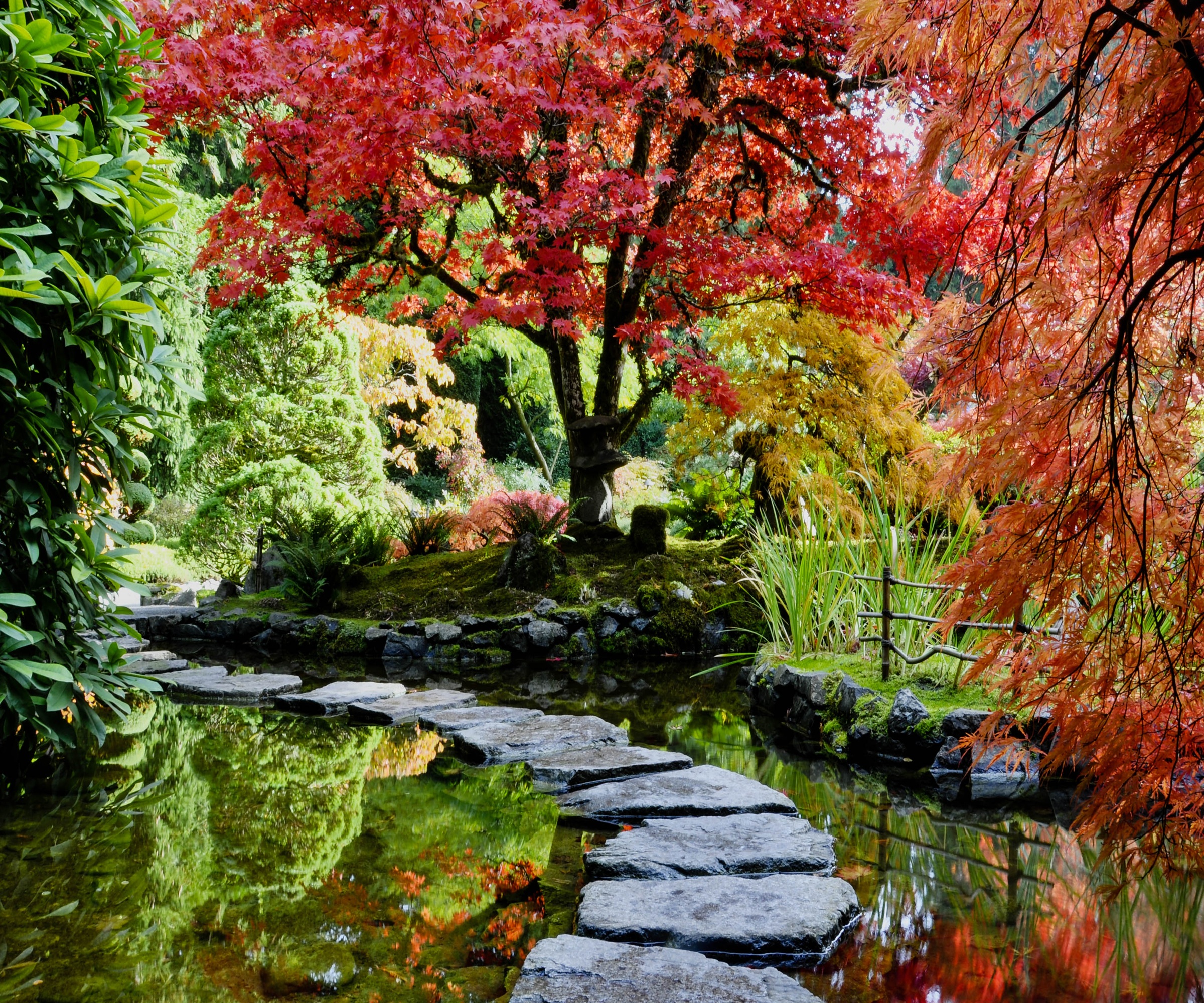
Japanese Zen gardens, also known as Japanese rock gardens or sand and stone gardens, offer tranquil escapes from daily life, deeply rooted in Zen Buddhist principles of simplicity and nature. These gardens emphasize minimalistic landscaping, featuring raked gravel and stones instead of abundant plant life. Hugo Torii, garden curator of the Portland Japanese Garden—considered the most authentic Japanese garden outside Japan—notes that people are drawn to these gardens for various reasons, including their symbolic, religious, artistic, or simple expressive qualities. This guide explores the essence of Zen gardens, their cultural importance, and how to incorporate their classic elements into personal landscapes.
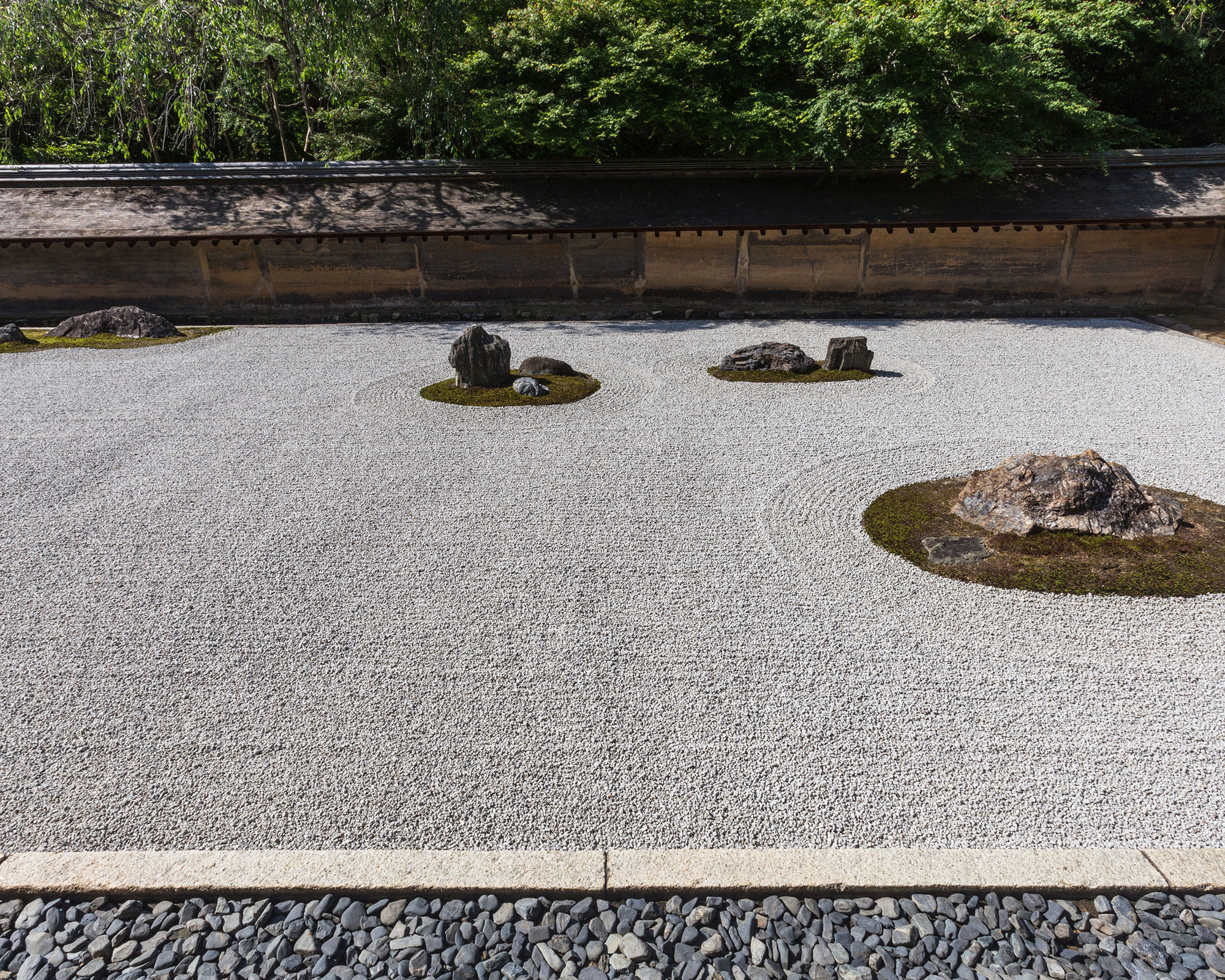
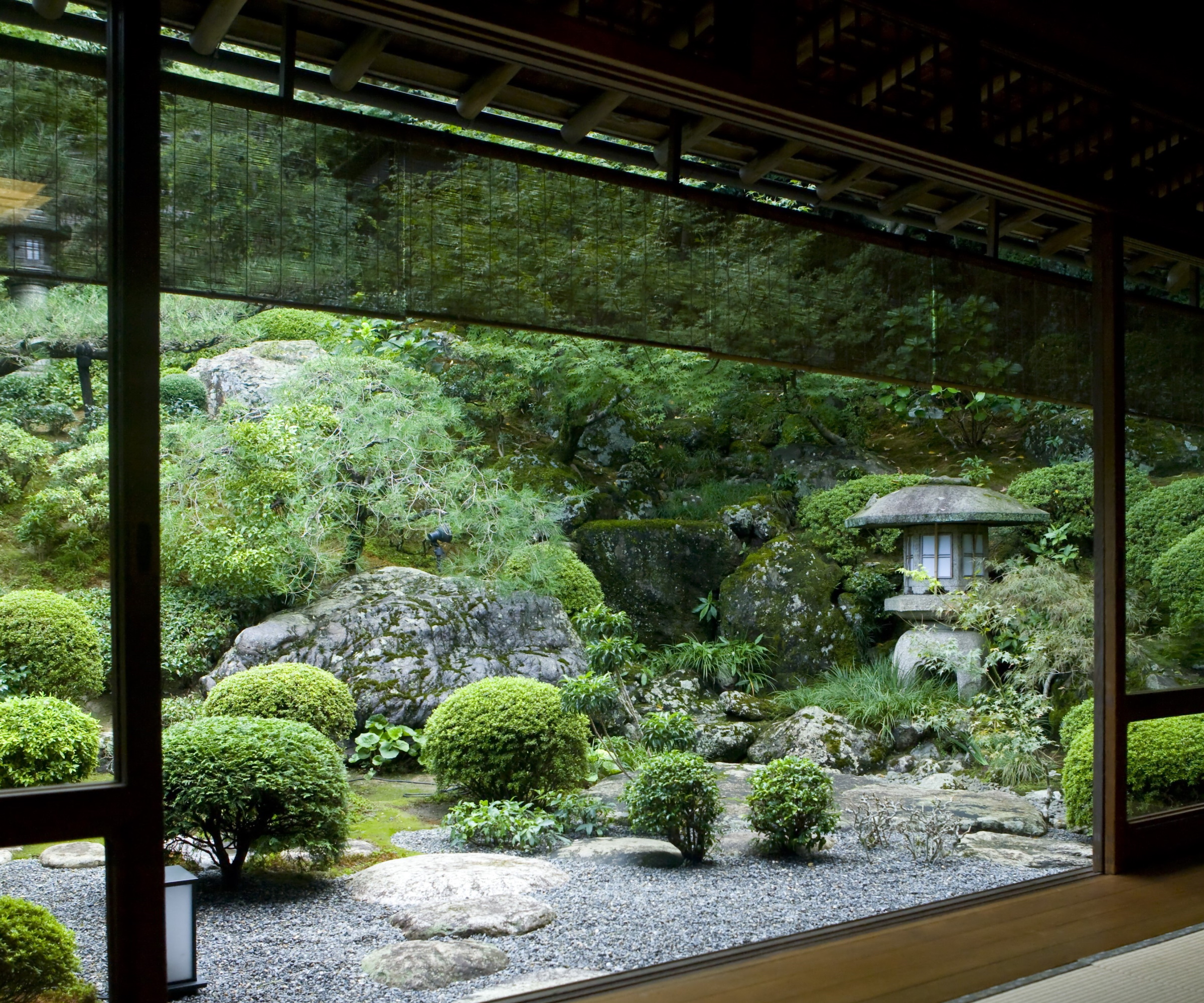
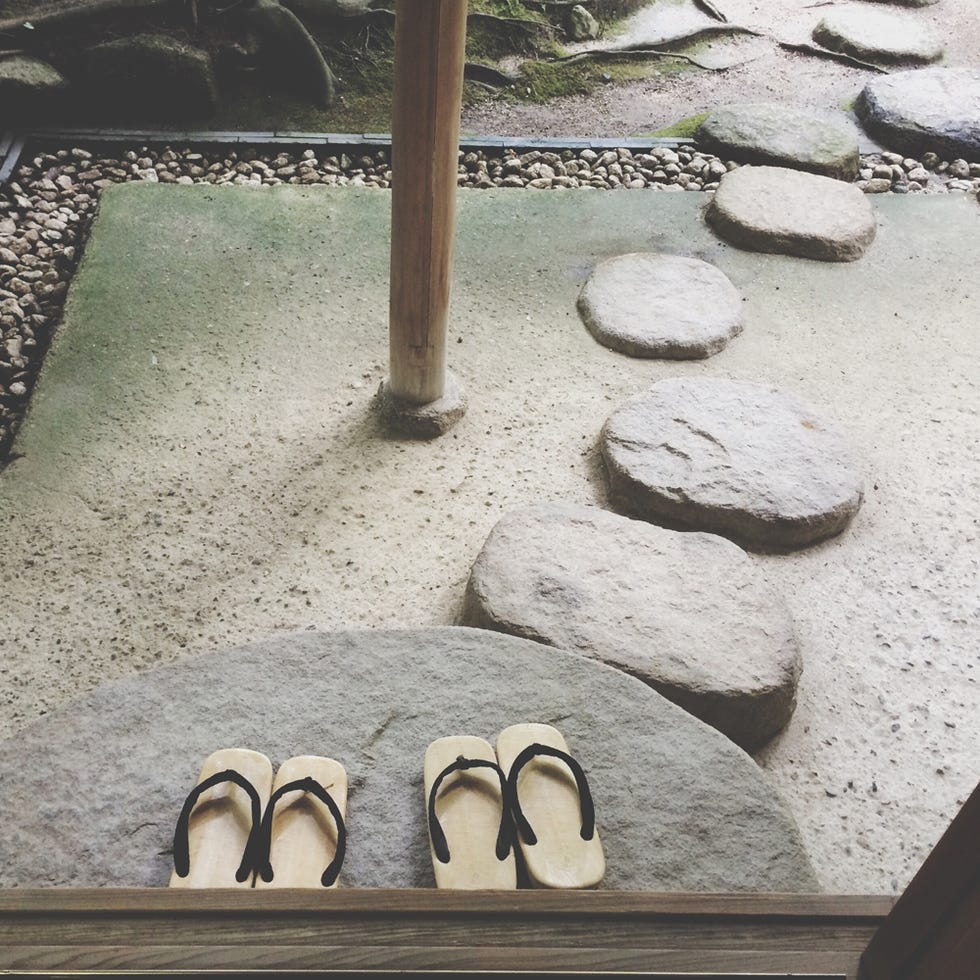
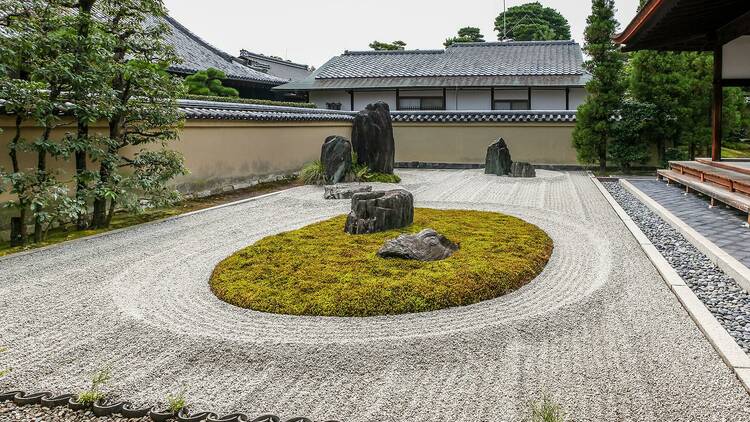
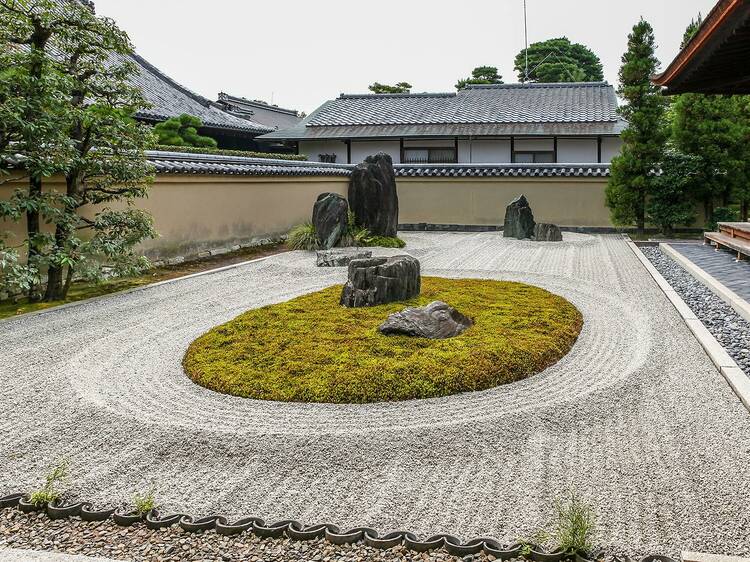
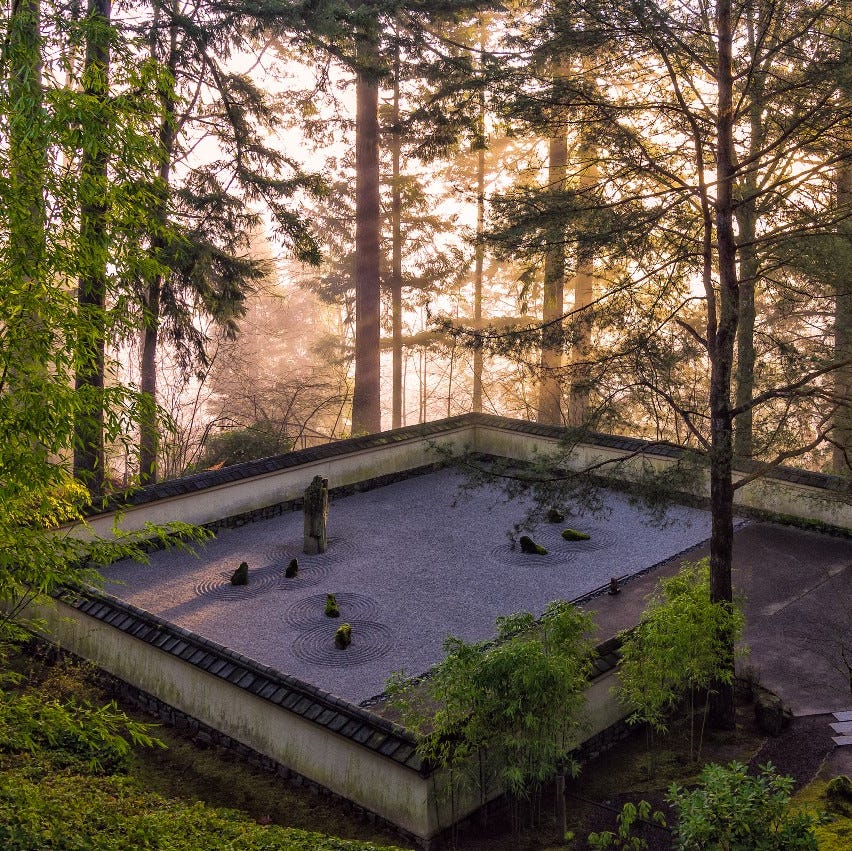
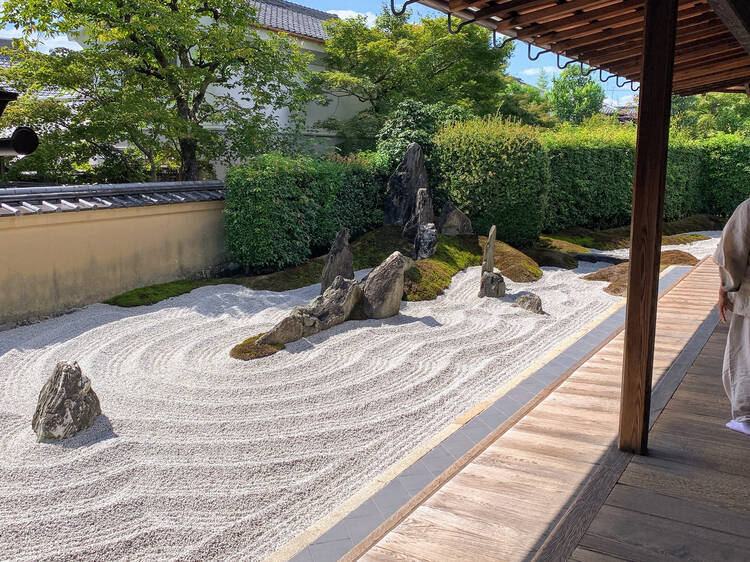
Zen gardens diverge from other Japanese garden styles like strolling pond gardens and tea gardens by focusing primarily on rocks, gravel, and sand, rather than extensive plantings. They are often enclosed or demarcated to foster a quiet, contemplative atmosphere and traditionally omit water features, being dry gardens. The history of this Japanese garden style traces back thousands of years to the mid-14th century's Muromachi period, originating from Zen temples. Initially, temple grounds featured flat white gravel areas on the south side of main pavilions, where visitors, including emperors, would sit. After emperors ceased visiting, monks transformed these spaces into areas for meditation. Over centuries, these gardens evolved, incorporating rocks and raked patterns in the gravel, though not all Zen gardens include every element.
The cultural significance of Japanese rock gardens is encapsulated in the concept of _karesansui_, meaning "dry mountain water." Torii explains that "water" broadly refers to the Earth's water-covered areas, while "mountains" represent dry land. For those seeking contemplation, these spaces may symbolize the universe within sand and stone. Torii advises against seeking a specific meaning, encouraging individuals to simply feel and make the experience their own. He quotes Takuma Tono, the original designer of the Portland Japanese Garden, who said, "Appreciation depends primarily on enjoyment, which is stimulated by vacancy. True beauty can be discovered only by one who mentally completes the incomplete," highlighting the role of personal interpretation.
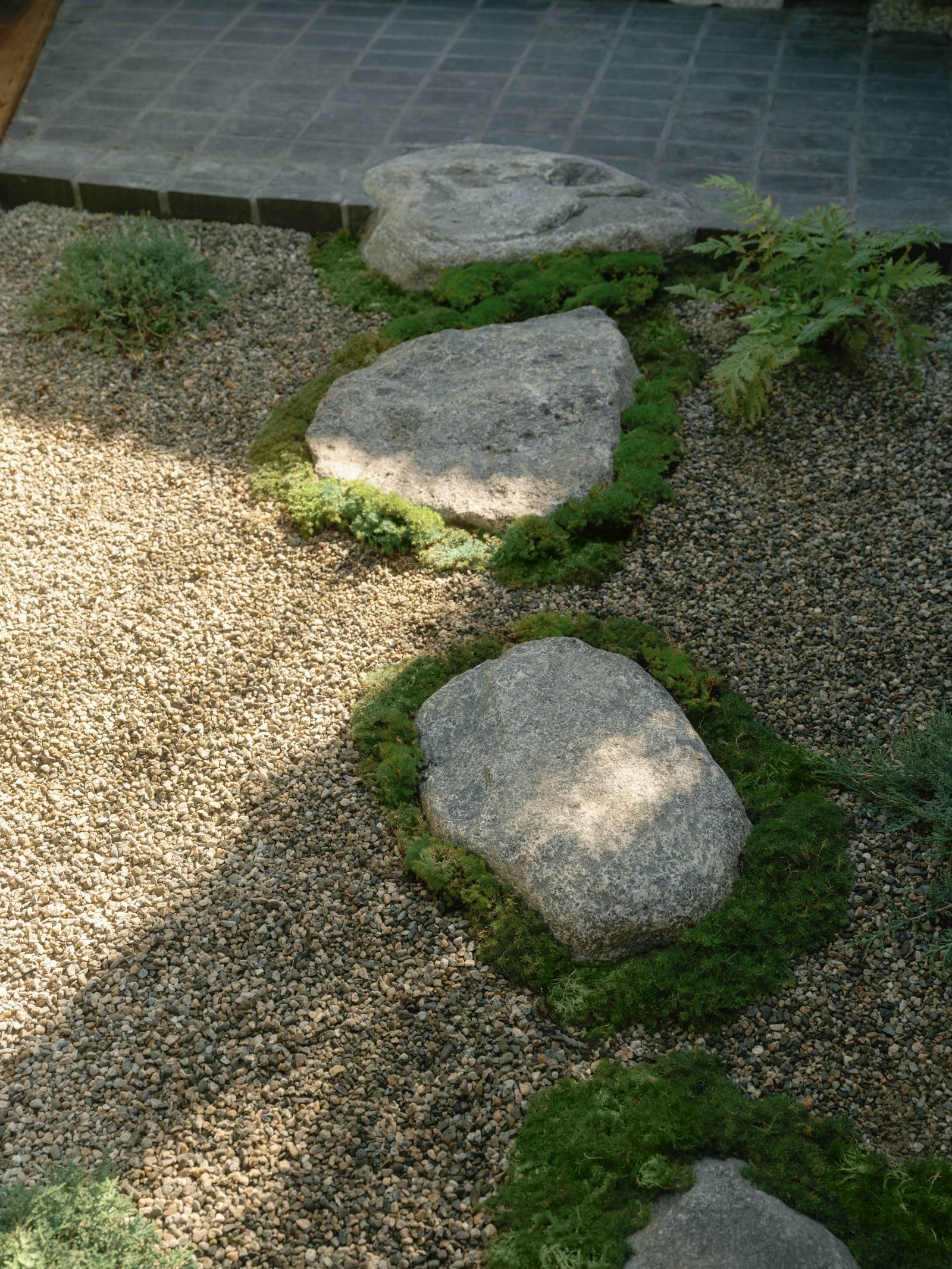
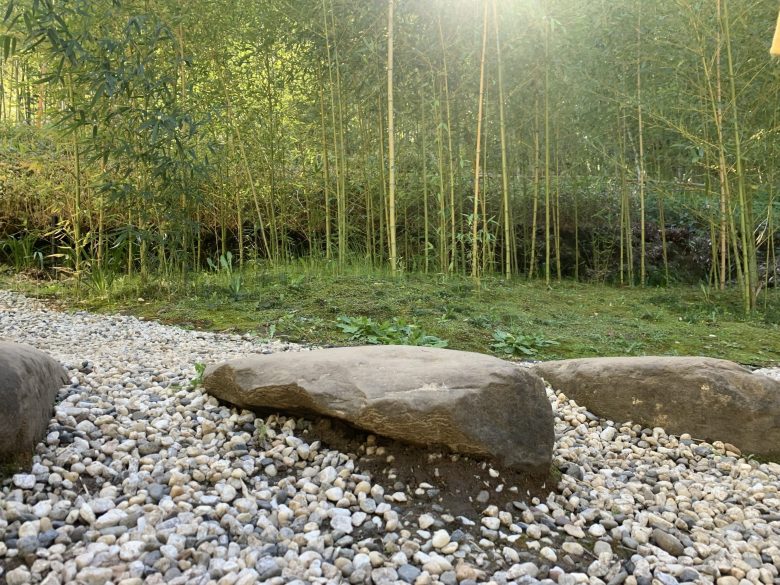
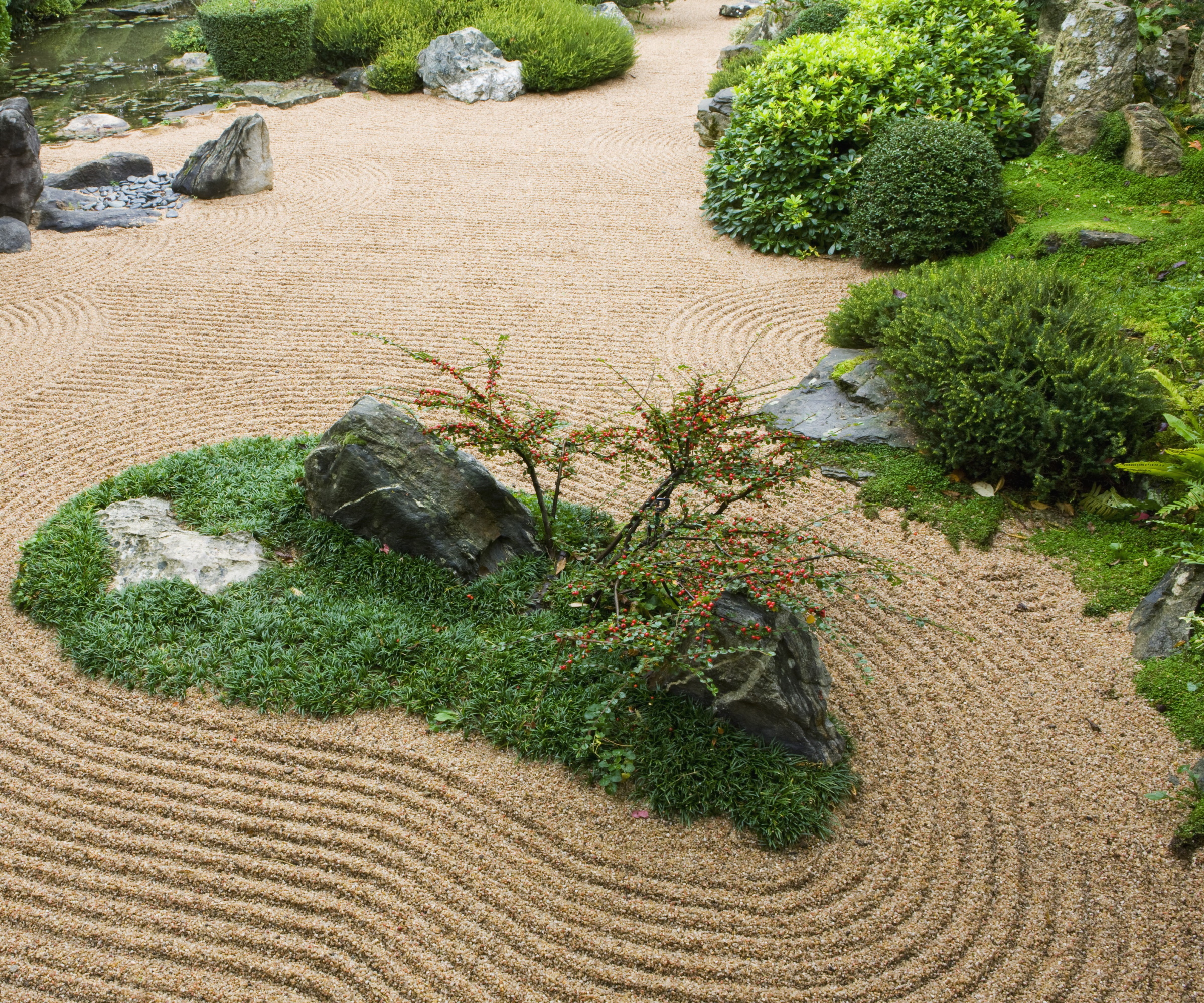
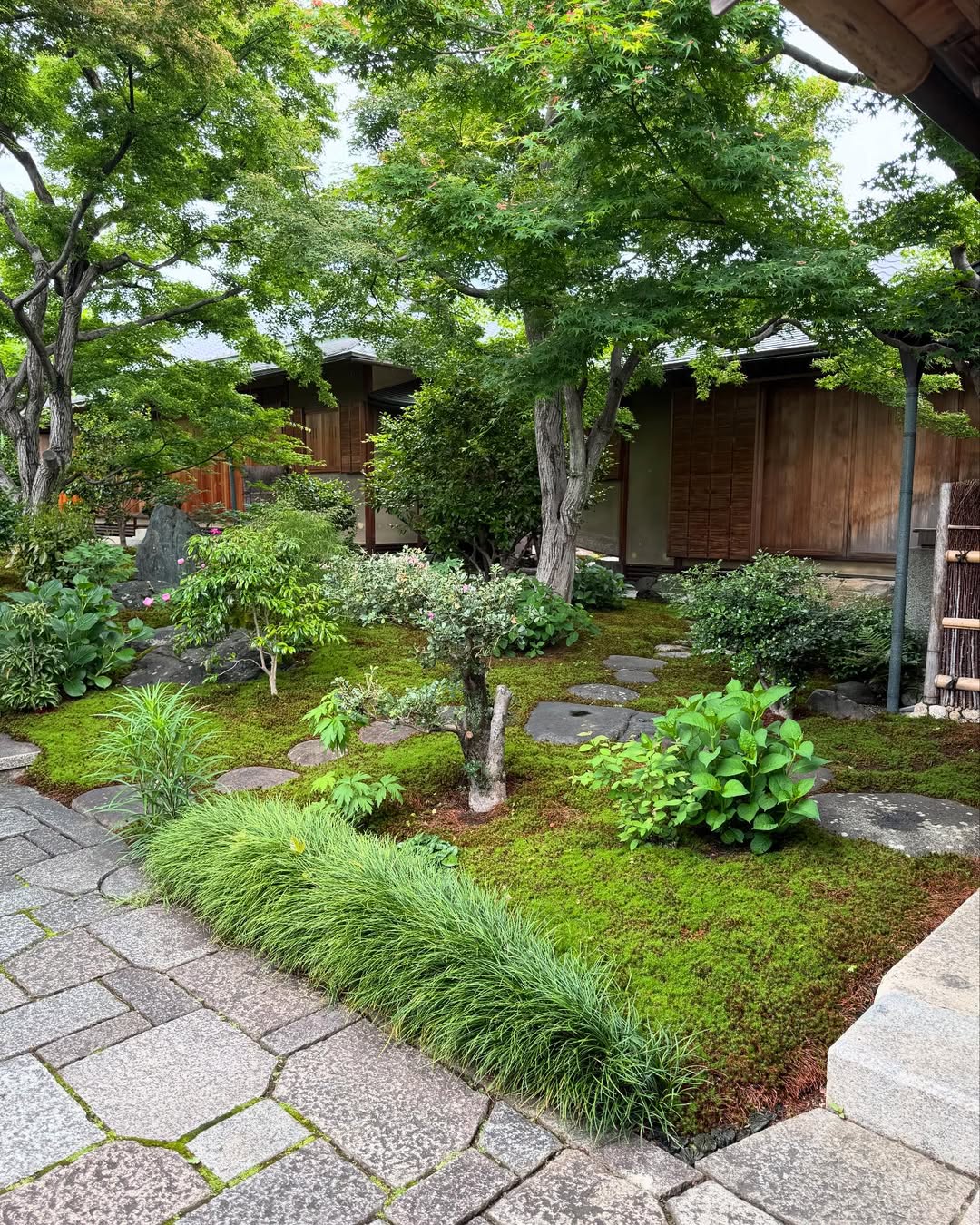
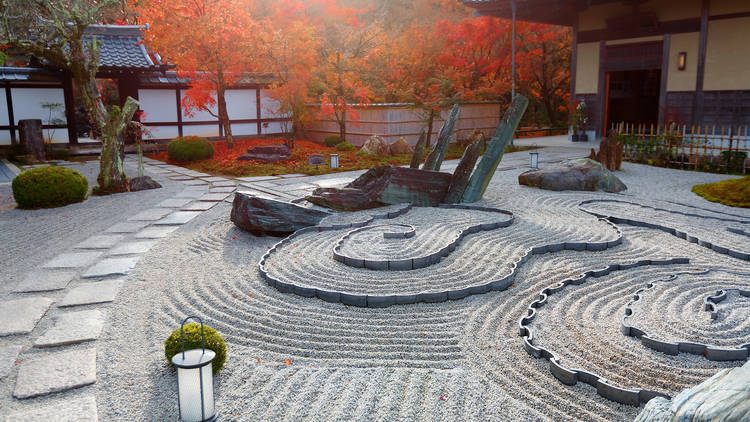
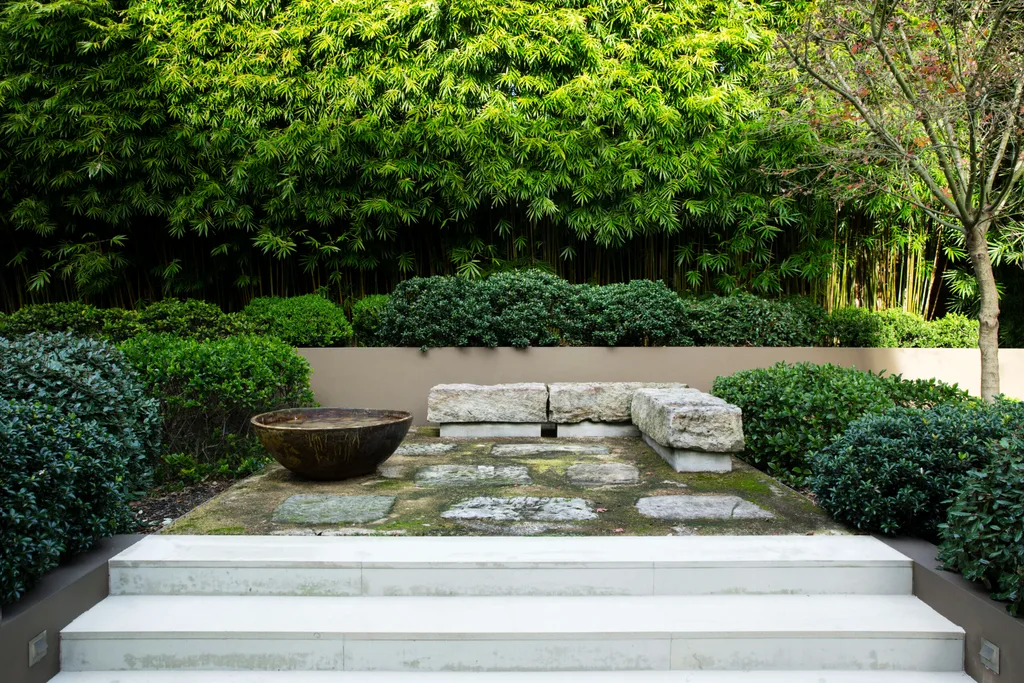
Key elements of Zen gardens often include a white gravel area, sometimes with large rocks. Torii notes that the "void can be more important than the stone itself." Intricate patterns raked into the gravel symbolize water ripples and are meant for observation, not walking. Some gardens feature moss or creeping plants, while others do not. To create a personal Zen garden, one can draw inspiration from visiting existing Japanese rock gardens or by reading classic texts such as _Sakuteiki_, an ancient publication on garden building. A personal Zen garden doesn't require vast space but benefits from artistic proportion, balance, and flow. Essential elements include an enclosure like a fence for focus, blank spaces for contemplation, white gravel (raked or unraked), optional rocks, and low-growing plants. Ultimately, the most crucial aspect is the desired experience, allowing the garden to evoke personal joy, regardless of whether it's used for meditation.
#ZenGardens #JapaneseCulture #GardenDesign #MinimalisticLandscaping #PortlandJapaneseGarden #Karesansui #HomeDecor #TranquilSpaces #MeditationGarden #ZenGardens #JapaneseCulture #GardenDesign #MinimalisticLandscaping #PortlandJapaneseGarden #Karesansui #HomeDecor #TranquilSpaces #MeditationGarden
0 comment in total
 No comments yet
You may also like
Japanese garden ideas – 11 design tips for a zen backyard

Experts reveal how to plant a Japanese-inspired garden

6 most beautiful Zen rock gardens in Kyoto

These 7 Japanese Zen Gardens In The US Are The Perfect Spots To Ease Your Worried Mind

Michigan’s Slice of Japan: Where Design Connects Humanity with Nature
Zen garden ideas – 24 ways to transform your outdoor space into a Japanese-inspired sanctuary for relaxation
9 Japanese Plants for a Zen Garden

An Architect’s Hidden Tropical Sanctuary Inspired by Japanese Zen Gardens

How to Design a Japanese Garden in Any Climate, According to Landscape Experts

20 Zen Garden Ideas to Transform Your Backyard Into a Peaceful Oasis

The best plants for a Japanese garden: 7 serene species
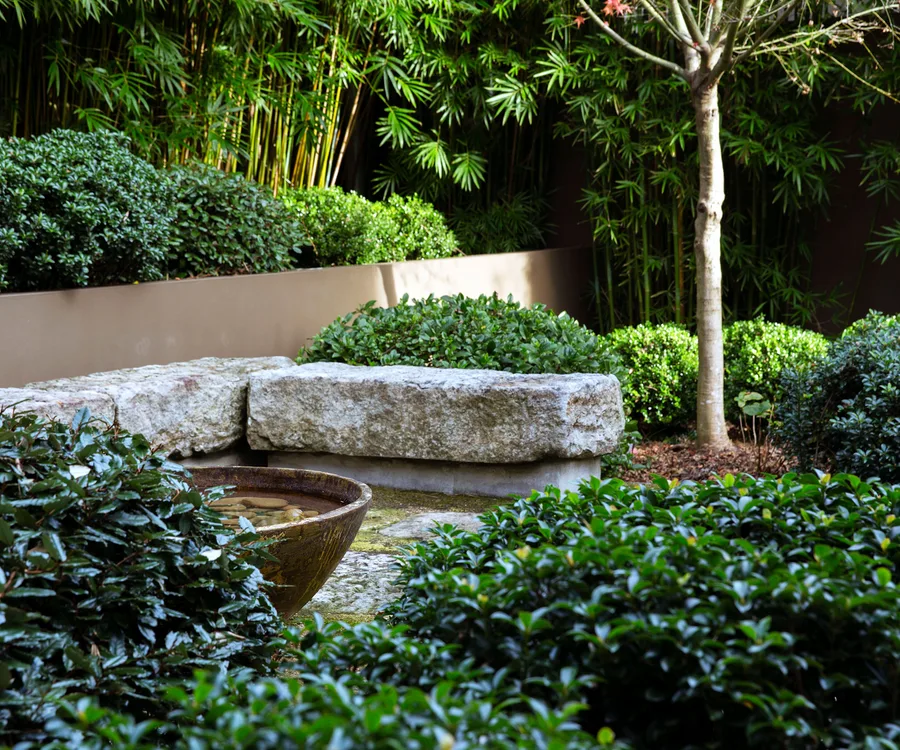
A Japanese-inspired garden on Sydney’s north shore

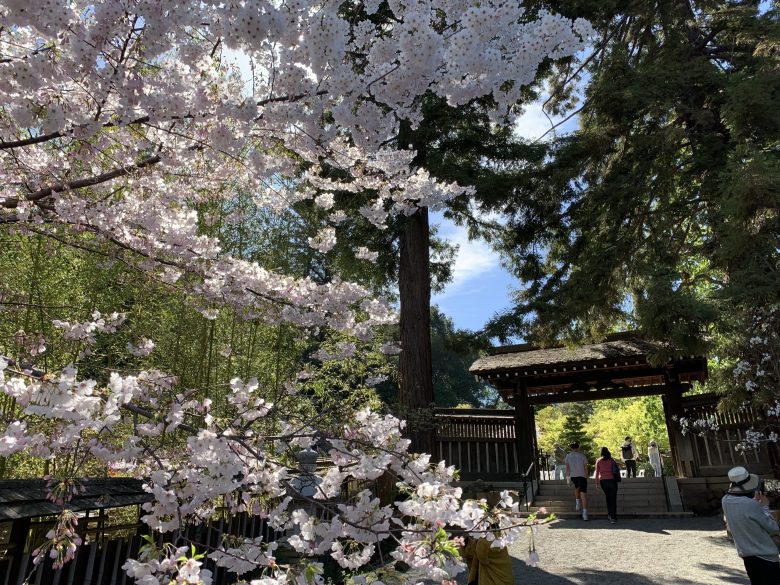
Looking to add some Zen to your landscape? Visit these Japanese gardens for inspiration
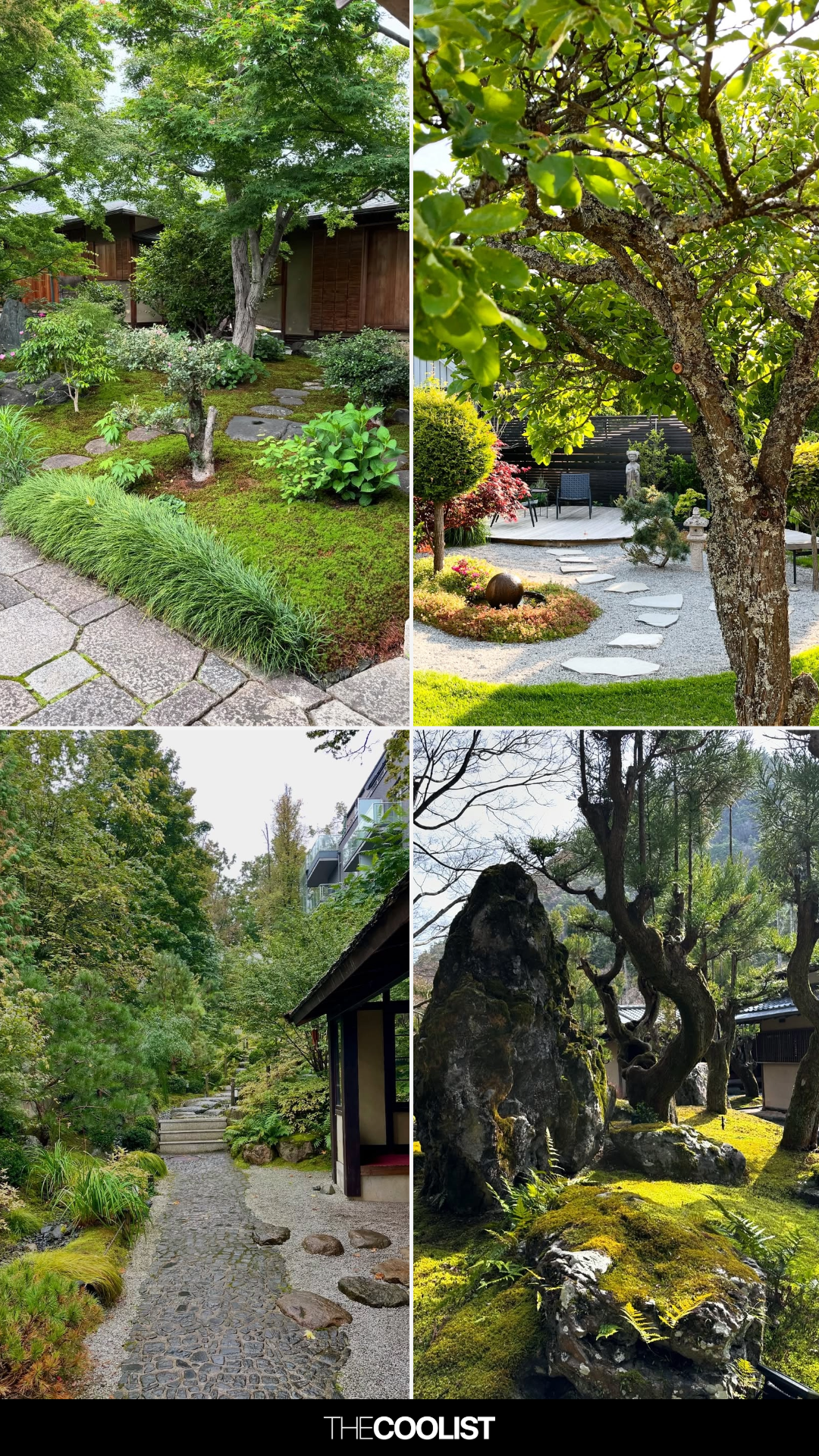
24 Japanese Garden Ideas That Encourage Slow Walks and a More Relaxed Outdoor Rhythm

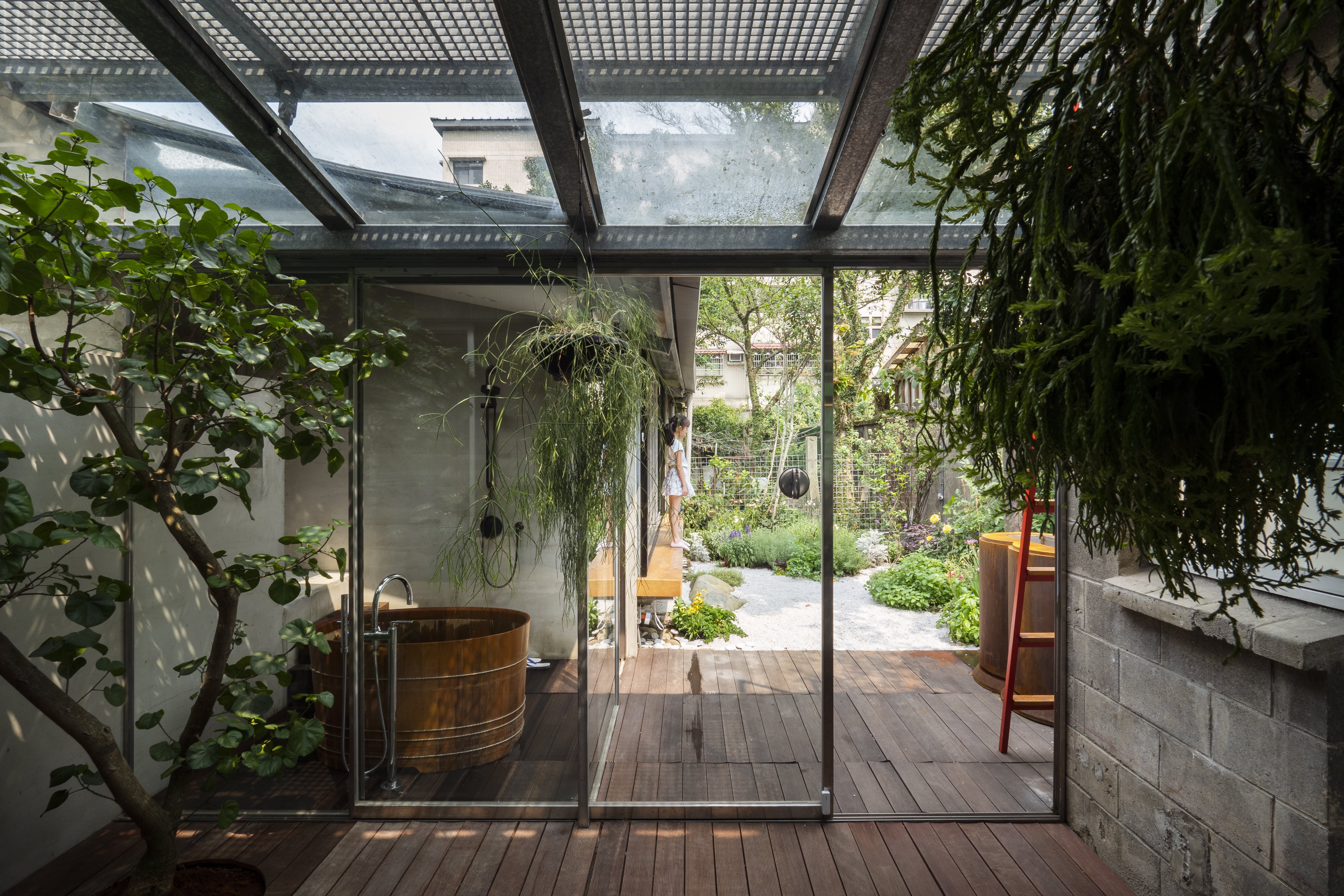
The 8 best plants for an indoor zen garden – what to grow to add calm and tranquility to your home

Zen out with a miniature Zen garden
What is a zen garden? This Japanese approach to design can turn backyards into calming sanctuaries
4 Japanese garden ideas for a calm and tranquil outdoor space
Horticultural Experts Reveal 5 Defining Features of a Japanese Garden

More than just rocks: Symbolic meanings behind common Zen garden elements | Hindustan Times