1/9
The 8 best plants for an indoor zen garden – what to grow to add calm and tranquility to your home
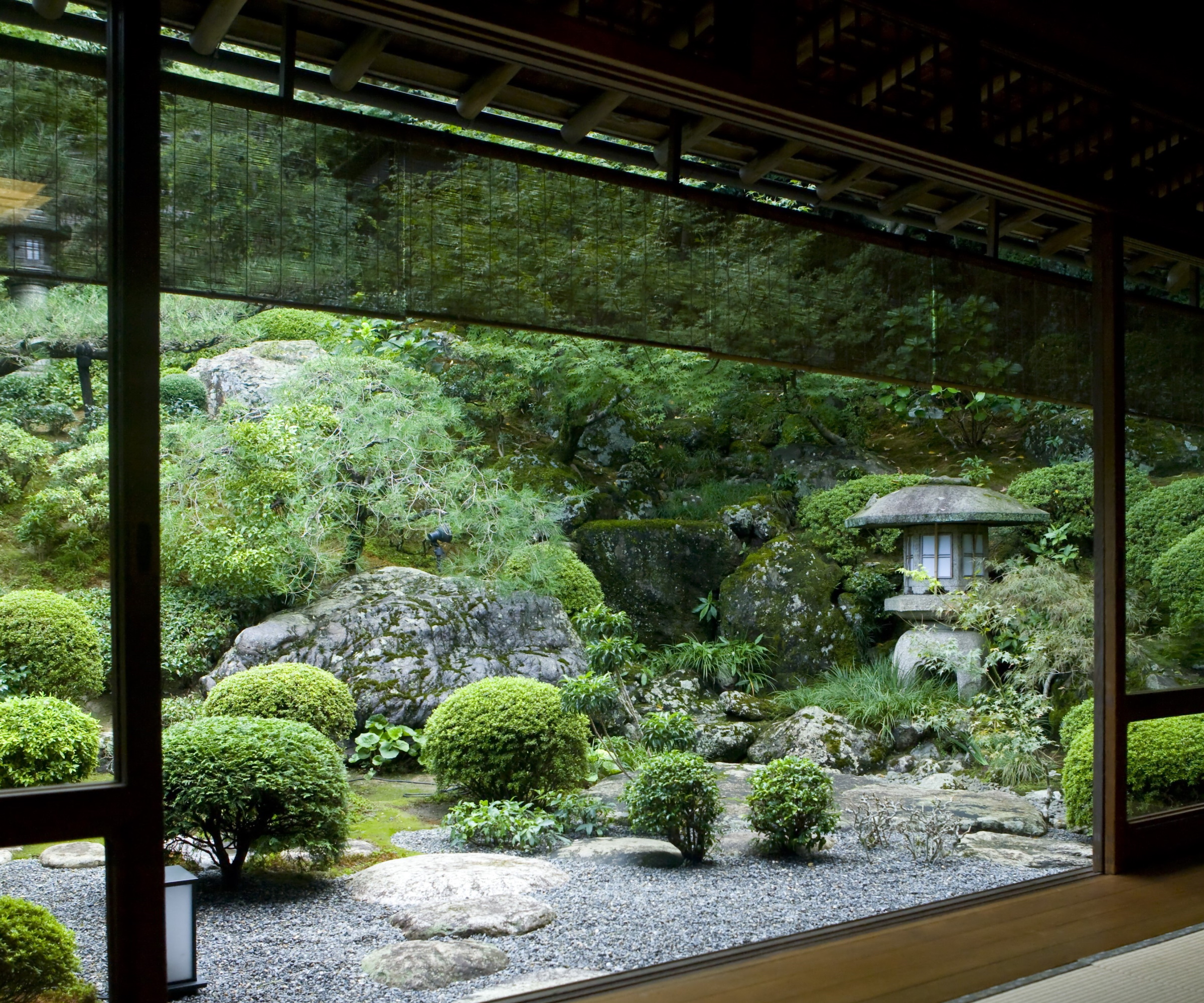
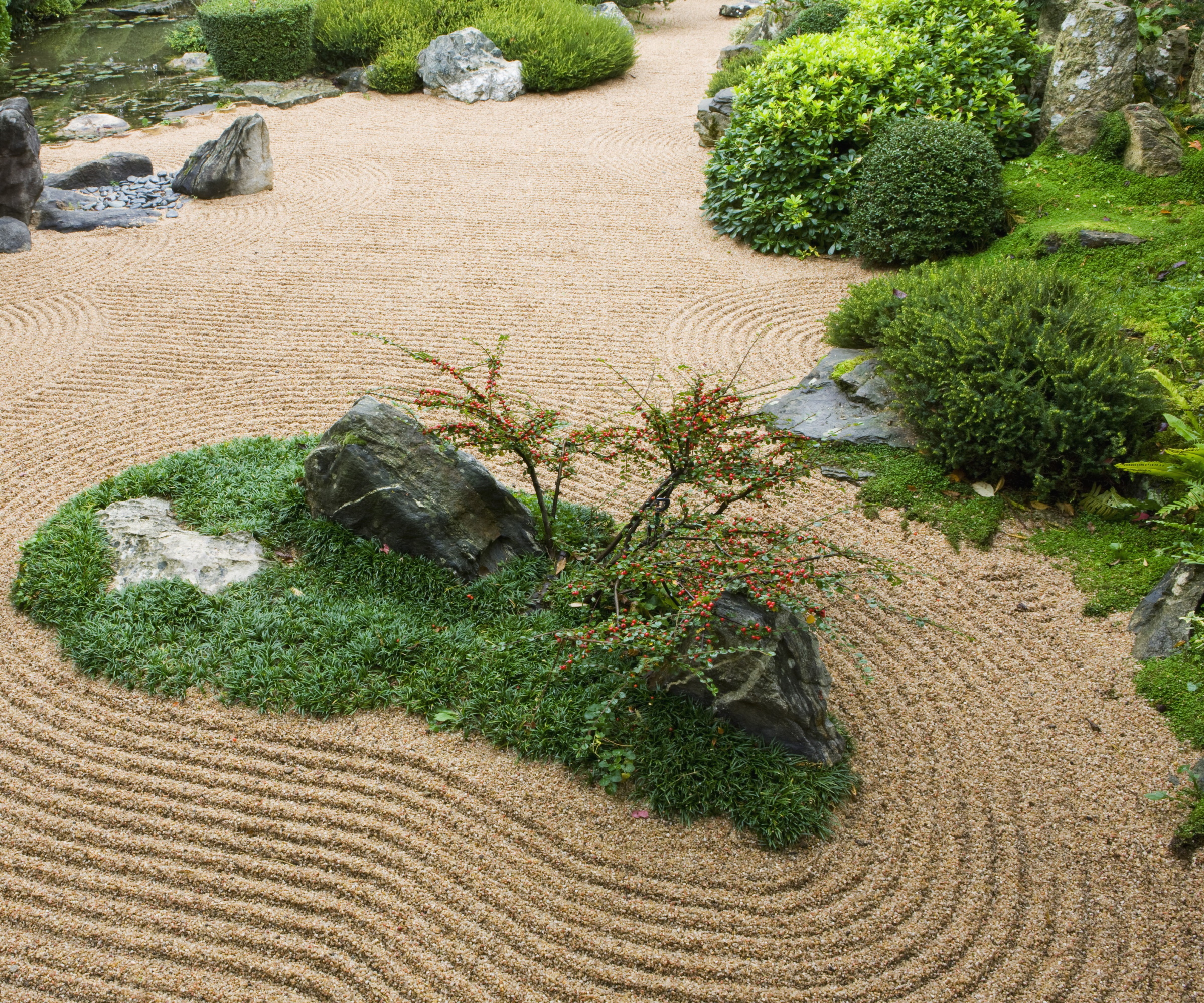
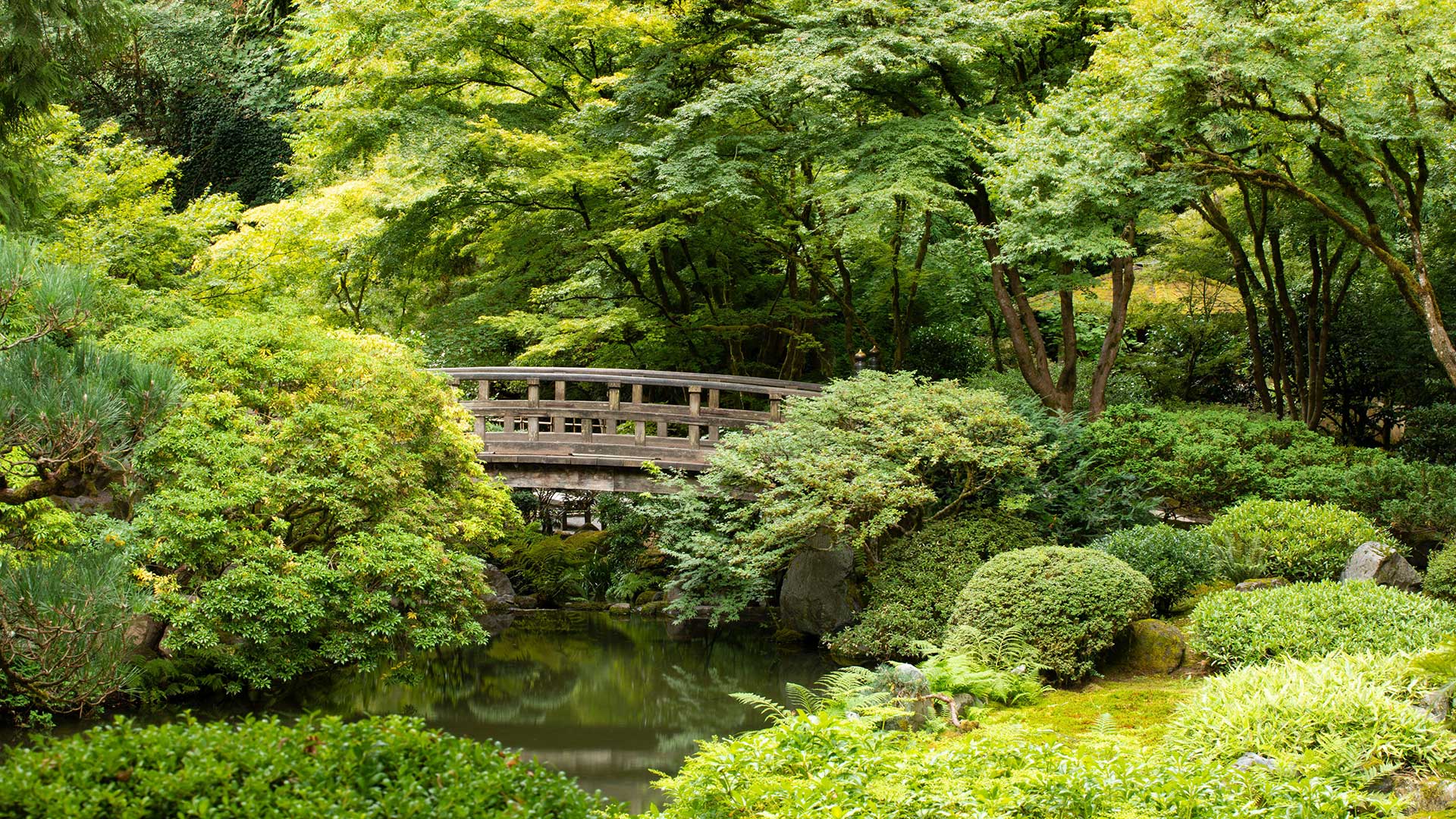
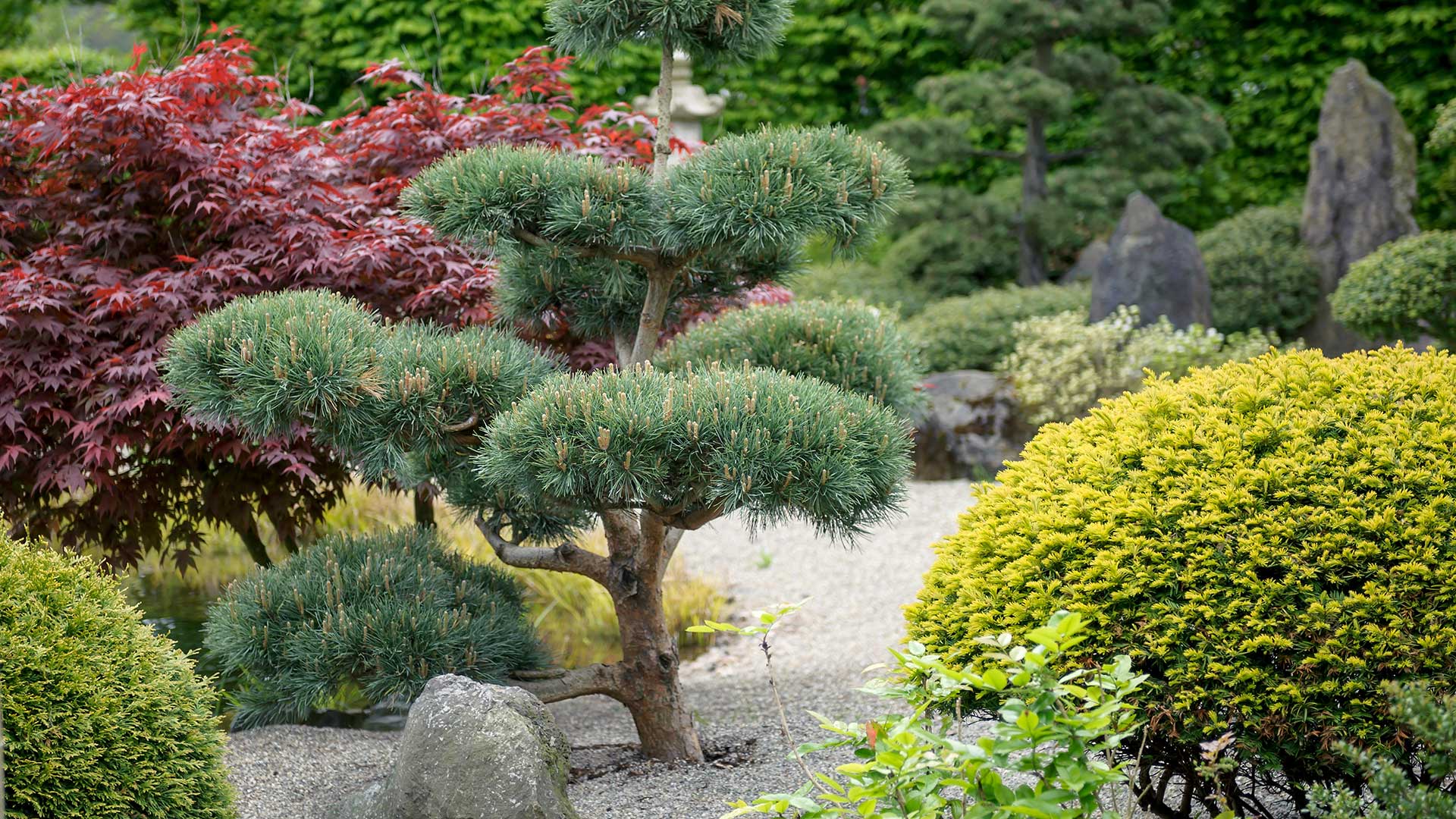
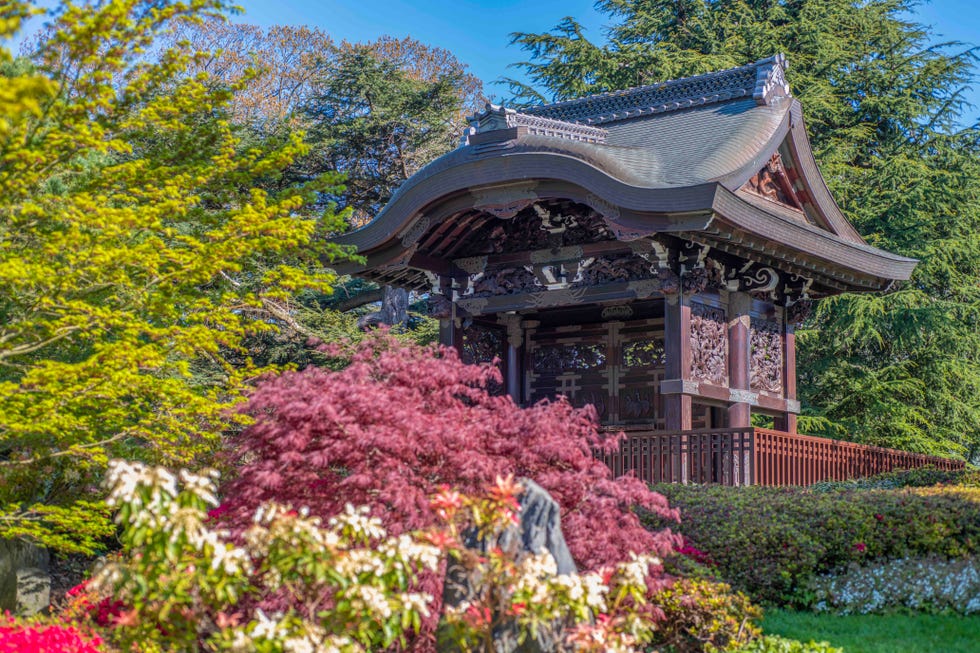
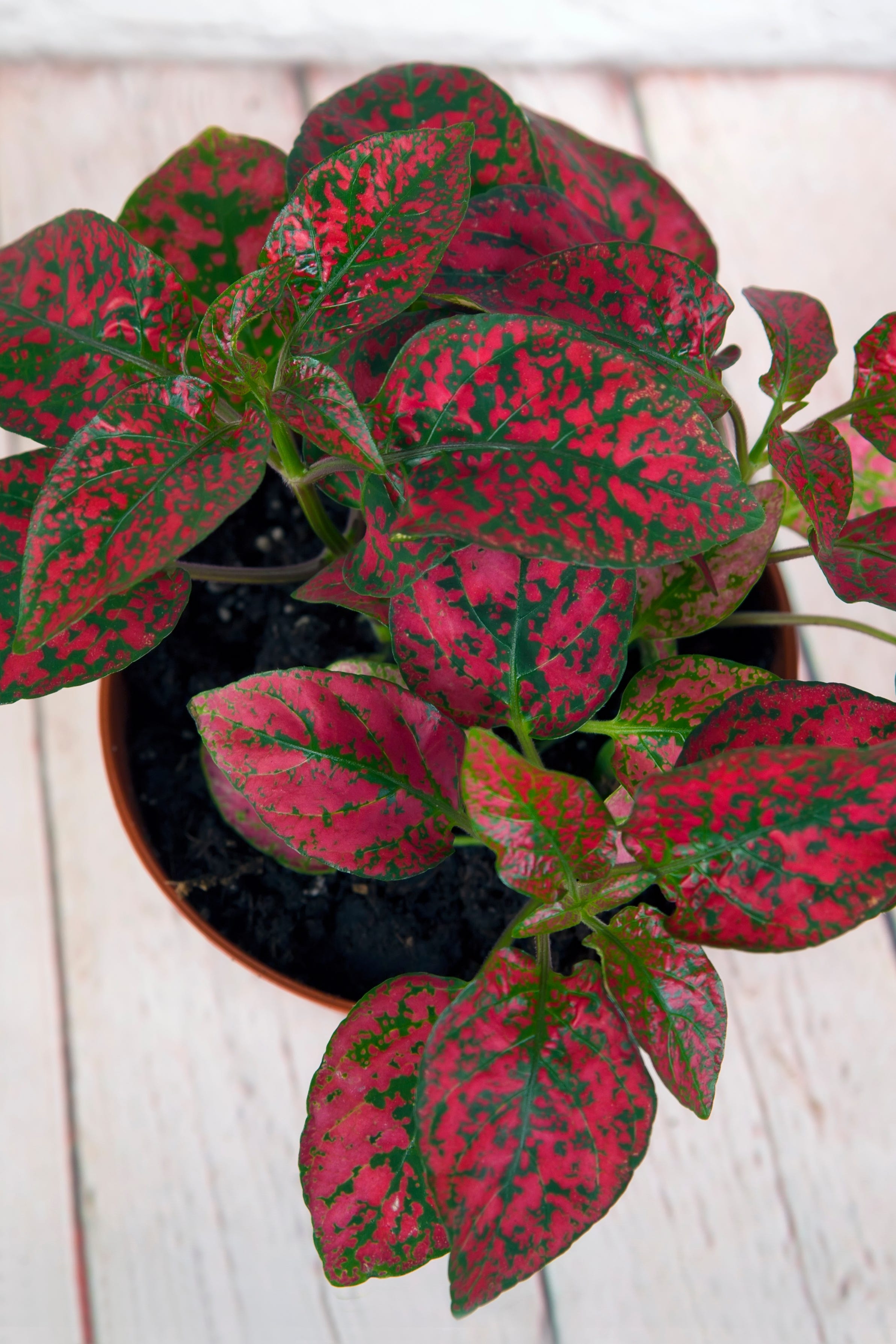
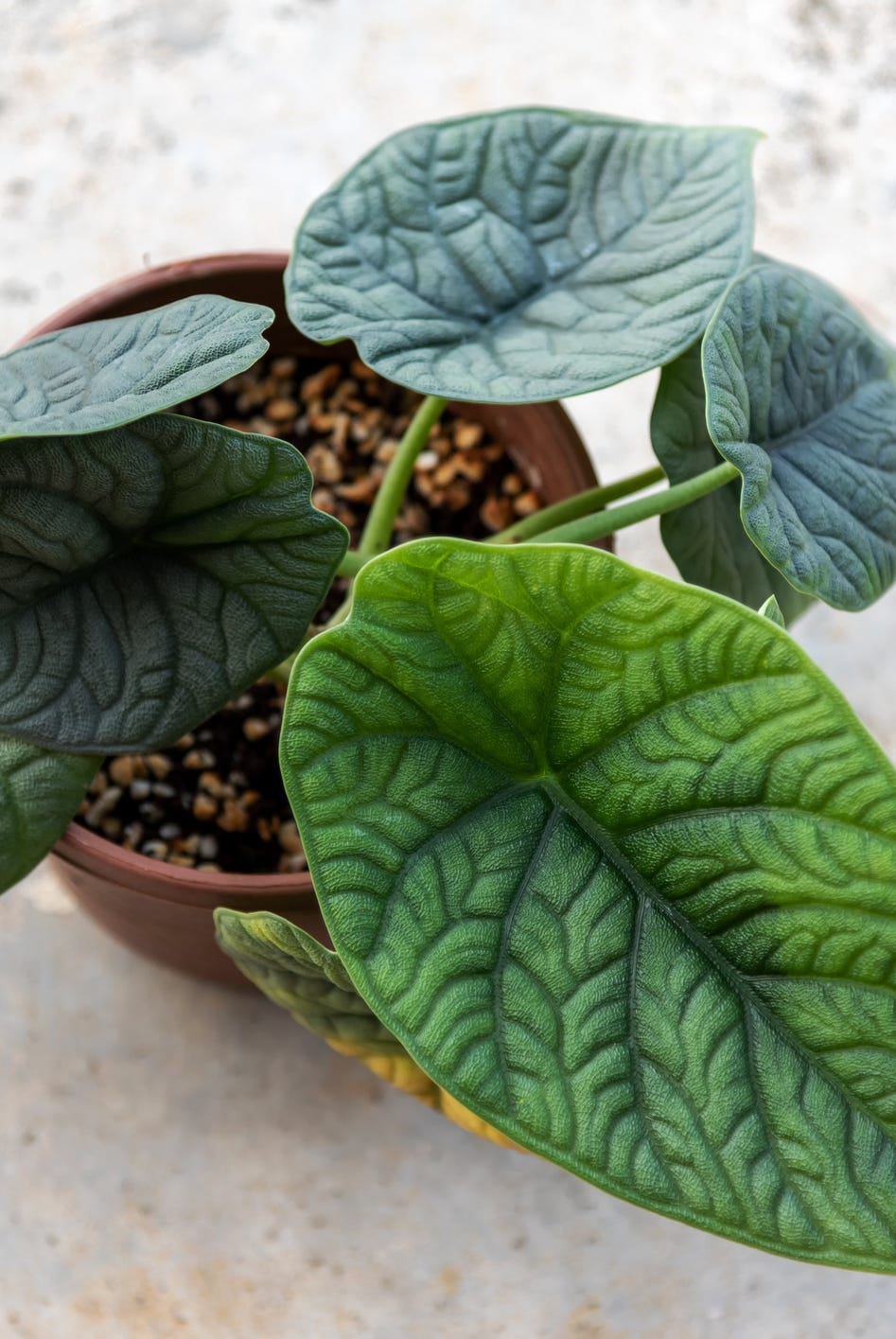
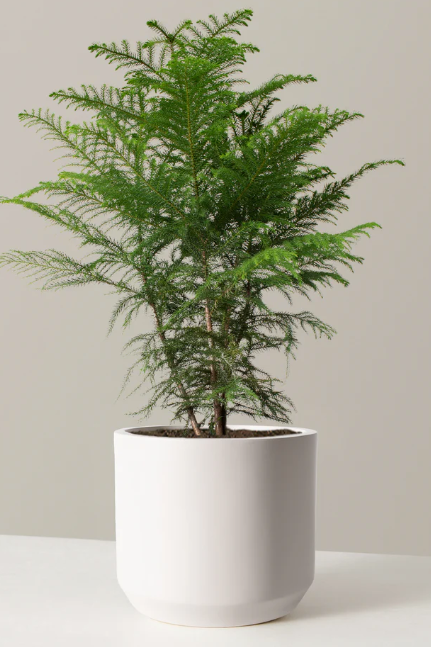
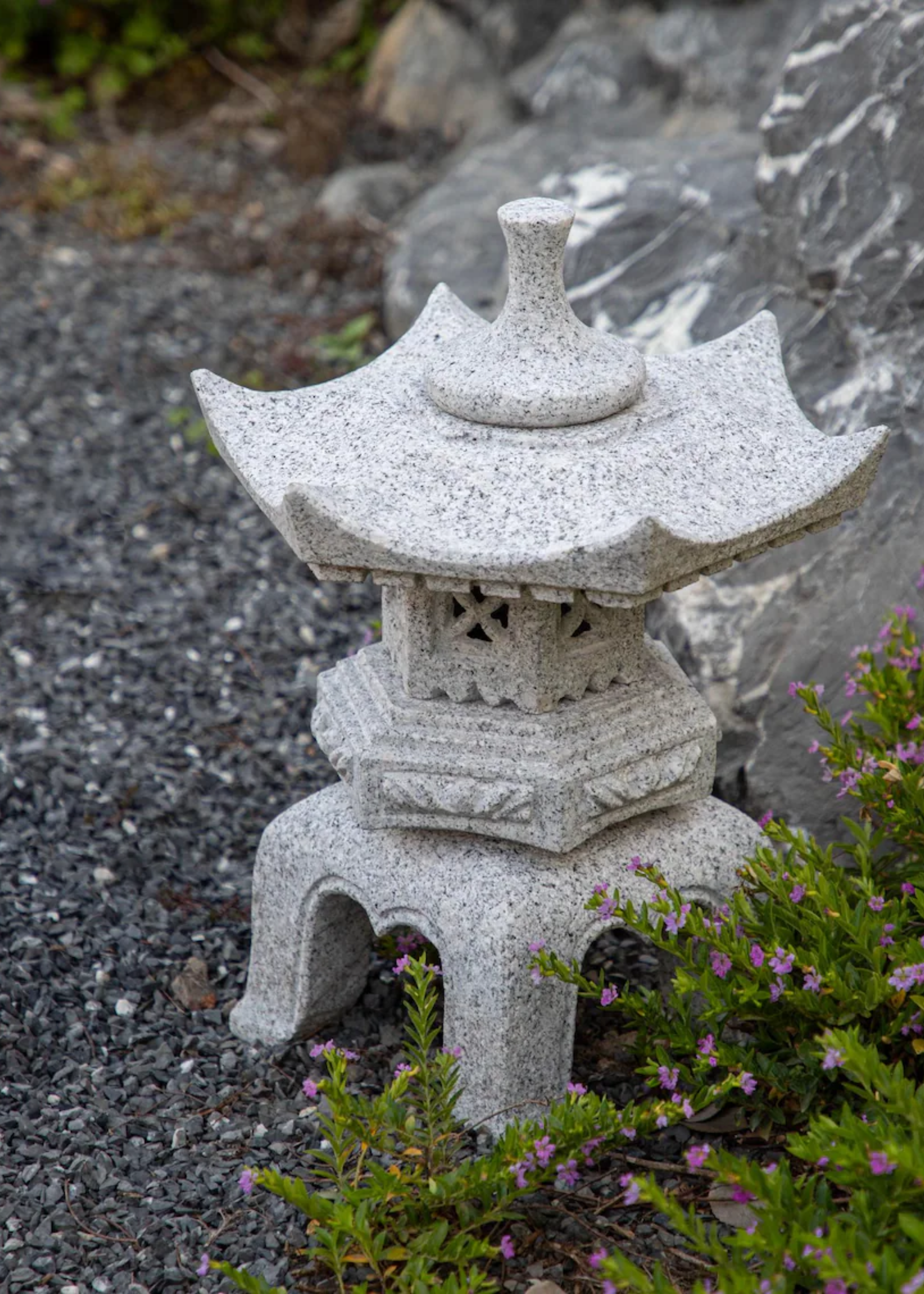
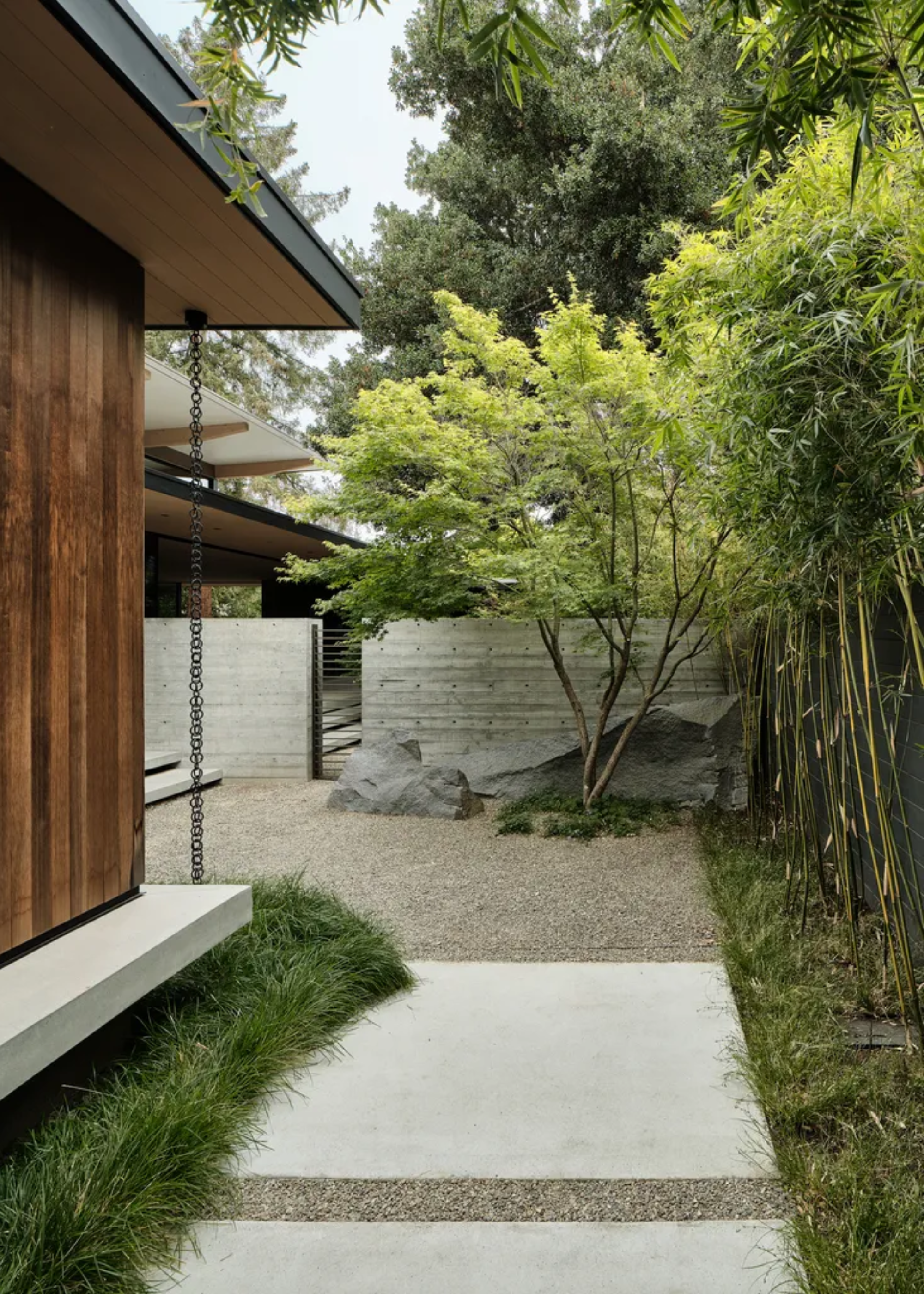
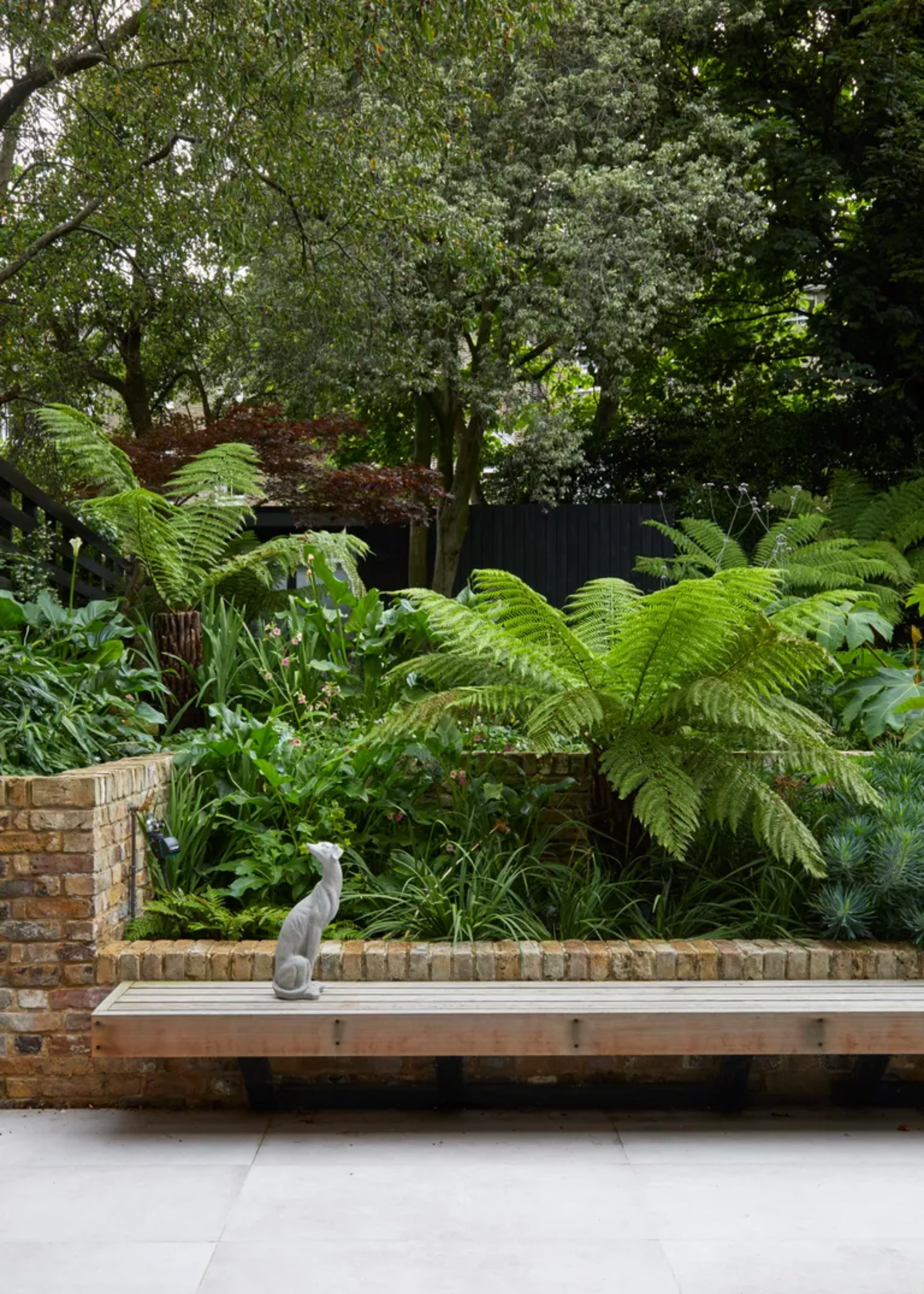
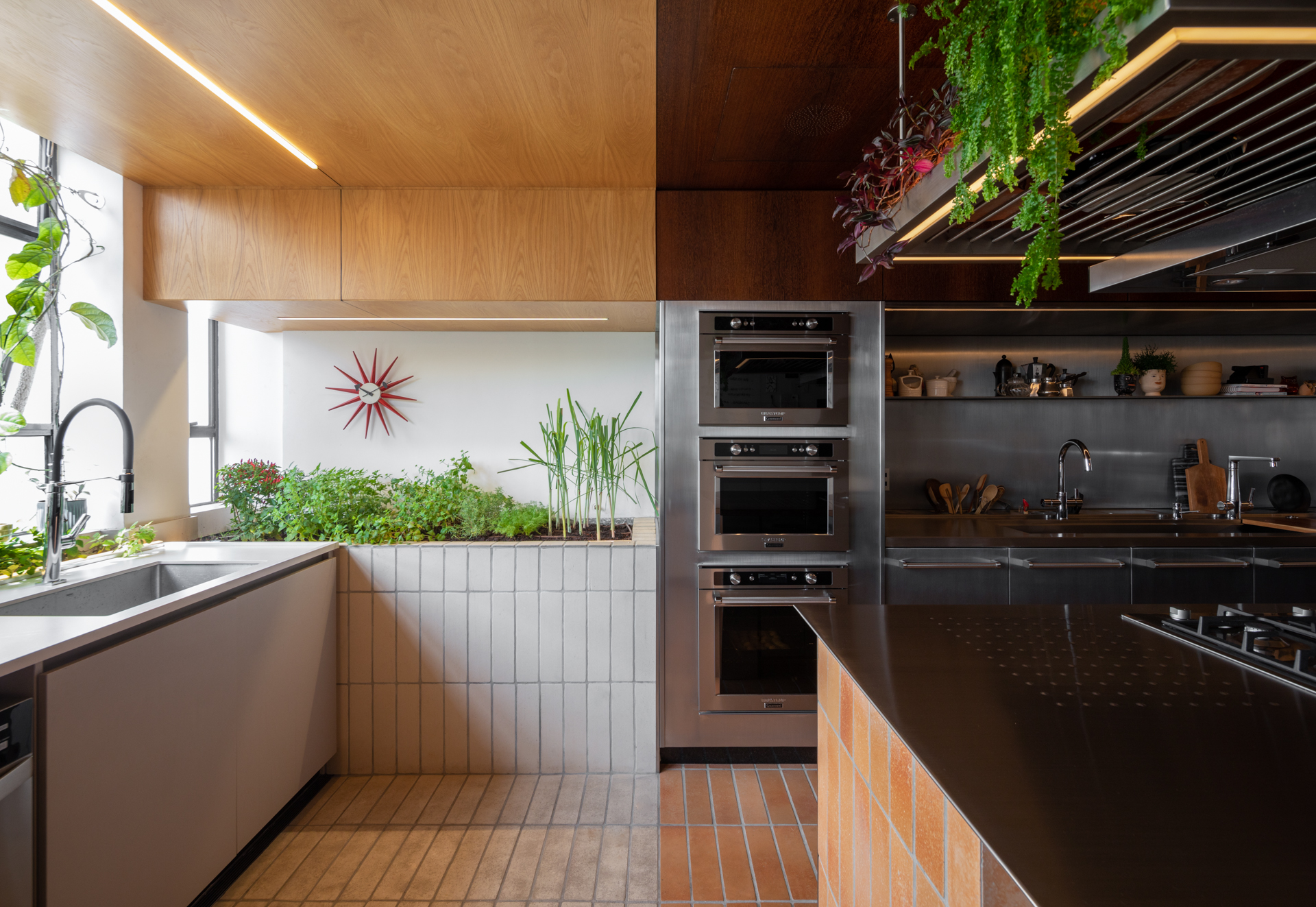
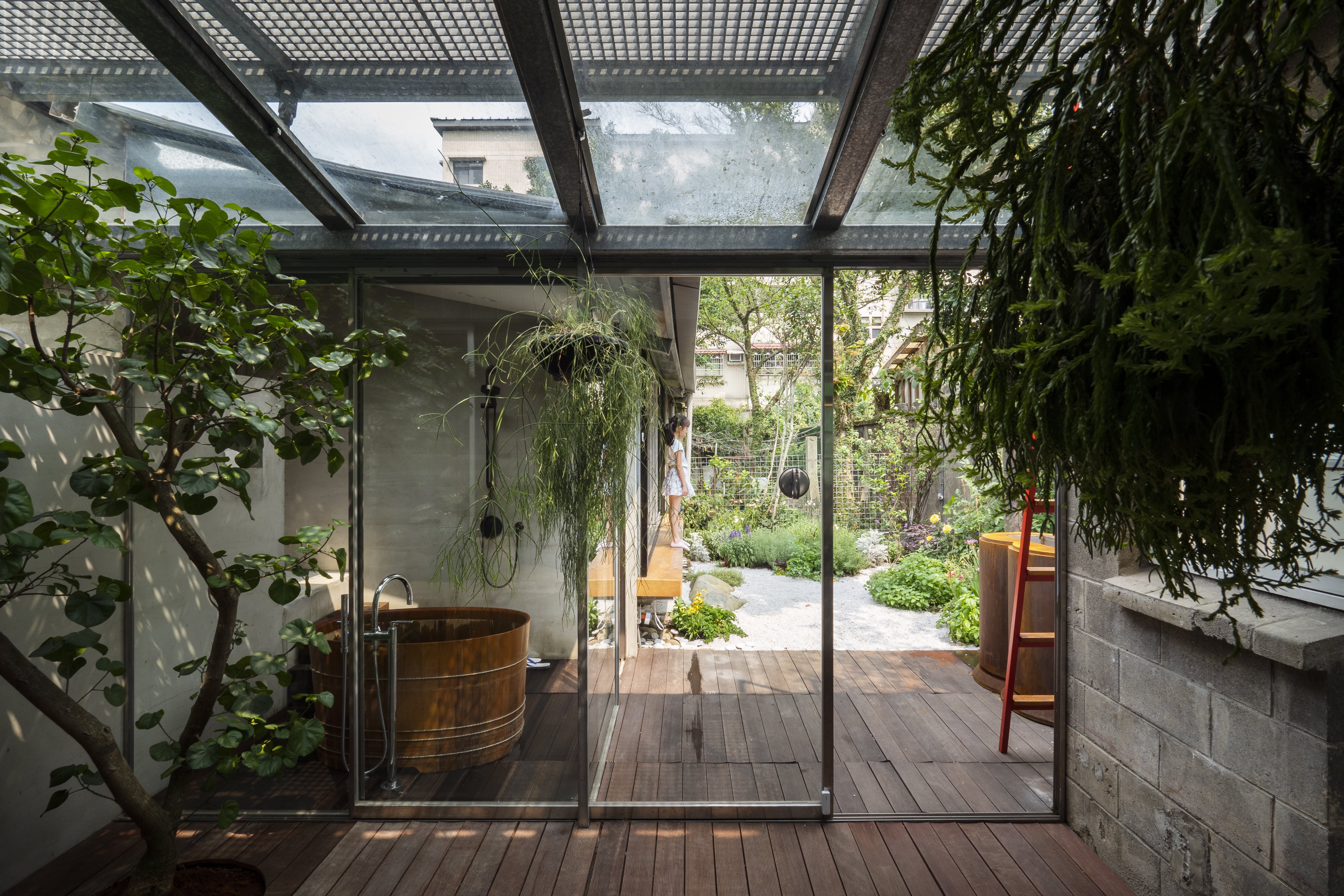
Japanese Zen gardens are known for their serene and calming aesthetics, offering a peaceful retreat from the hustle of urban life. While traditional Zen gardens require outdoor space and significant maintenance, their tranquil essence can be recreated indoors using specific plant selections. This guide outlines eight plants ideal for establishing an indoor Zen garden, emphasizing their aesthetic contributions and ease of care. These plants are chosen for their ability to mimic the lush greenery, soft textures, and minimalist beauty characteristic of Japanese gardens, allowing individuals to cultivate a meditative space within their homes.
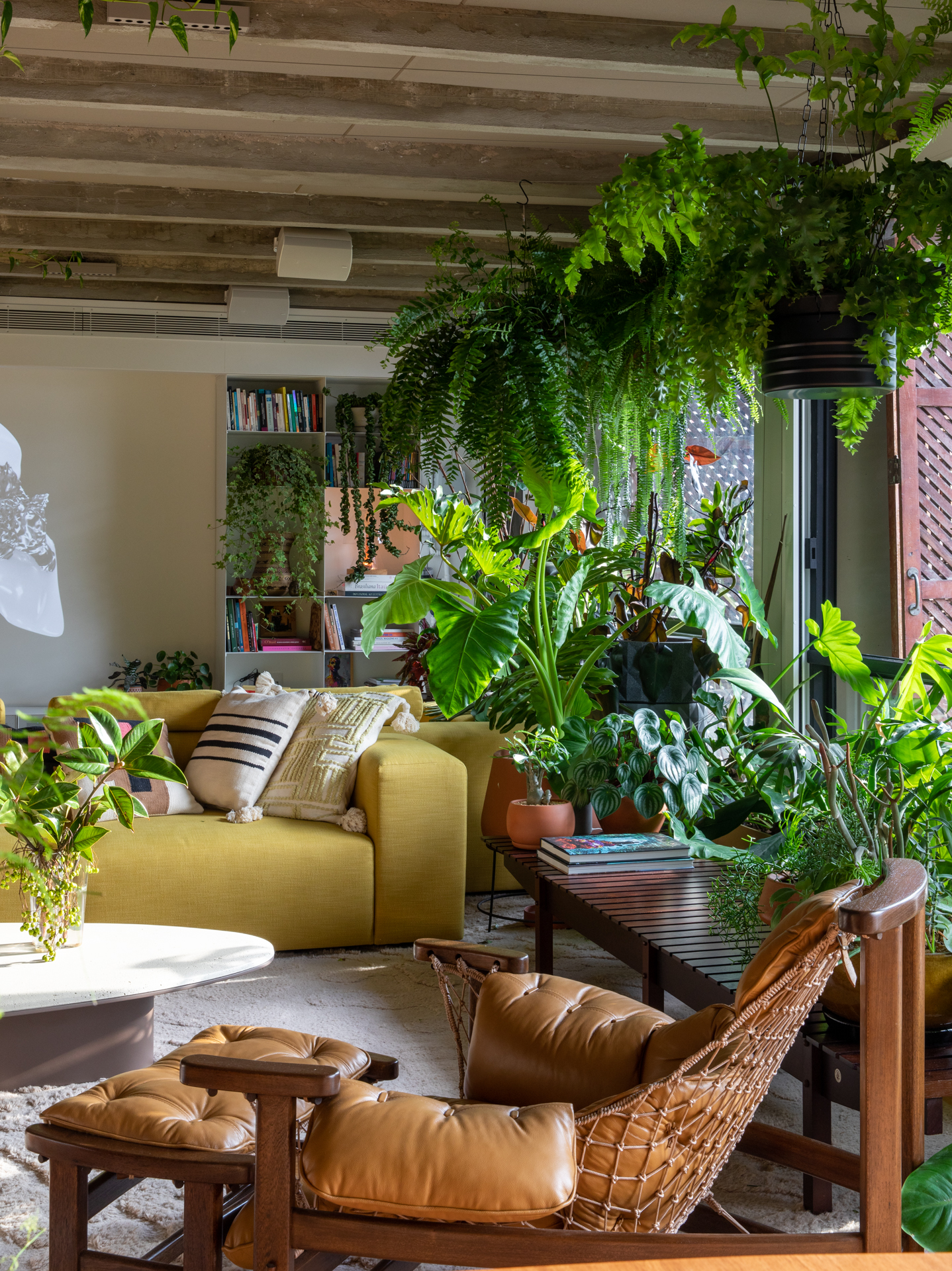
Mark McCance, Director at Hortology, an online retailer specializing in indoor plants, highlights the Ficus Ginseng as an excellent choice for beginners. Its twisted trunk and glossy leaves evoke the appearance of ancient bonsai trees, symbolizing resilience and tranquility. The Ficus Ginseng thrives in consistent temperatures and ample light, requiring watering every few days, making it suitable for a sunny windowsill display. The Boston Fern (Nephrolepis exaltata) is another recommended plant, known for its lush, feathery fronds that add softness and a sense of flowing water. This fern thrives in humid environments, making it perfect for bathrooms or as part of a larger green grouping to create a 'forest bathing' ambiance.
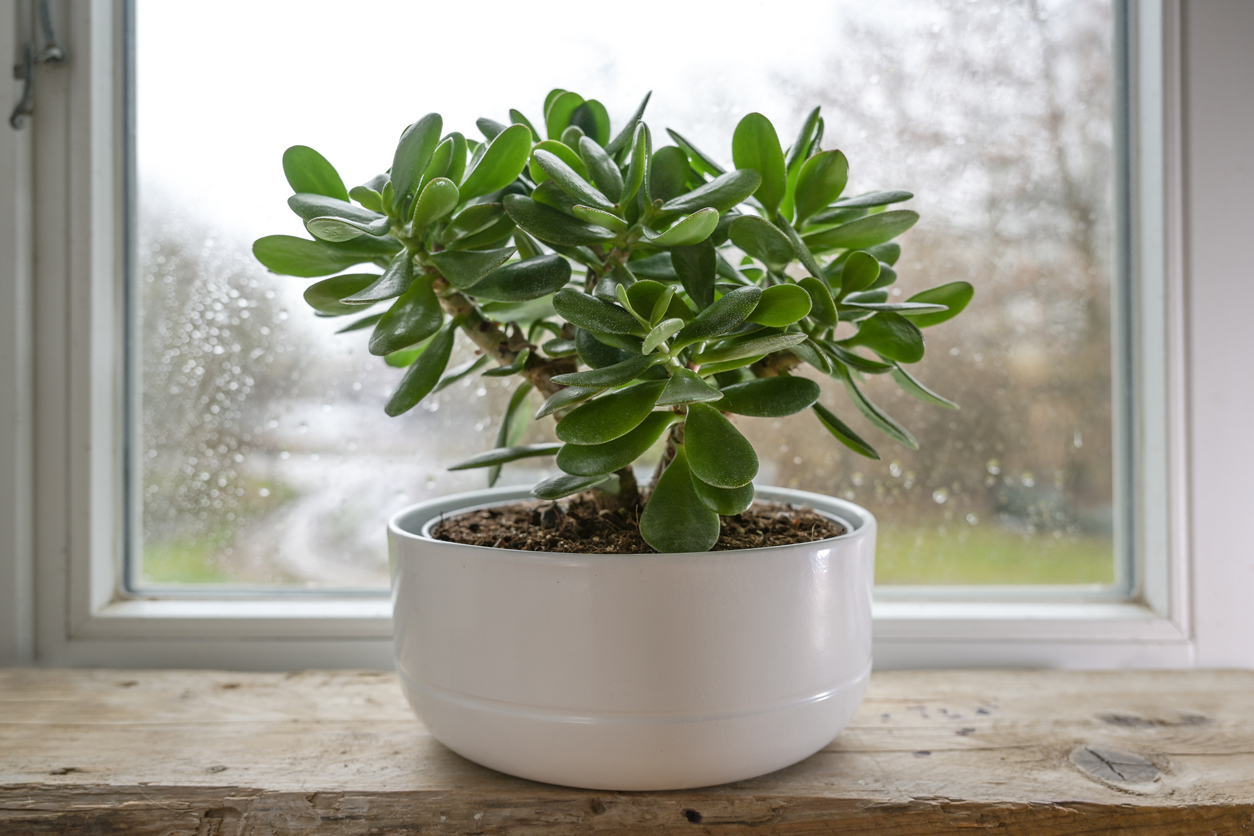
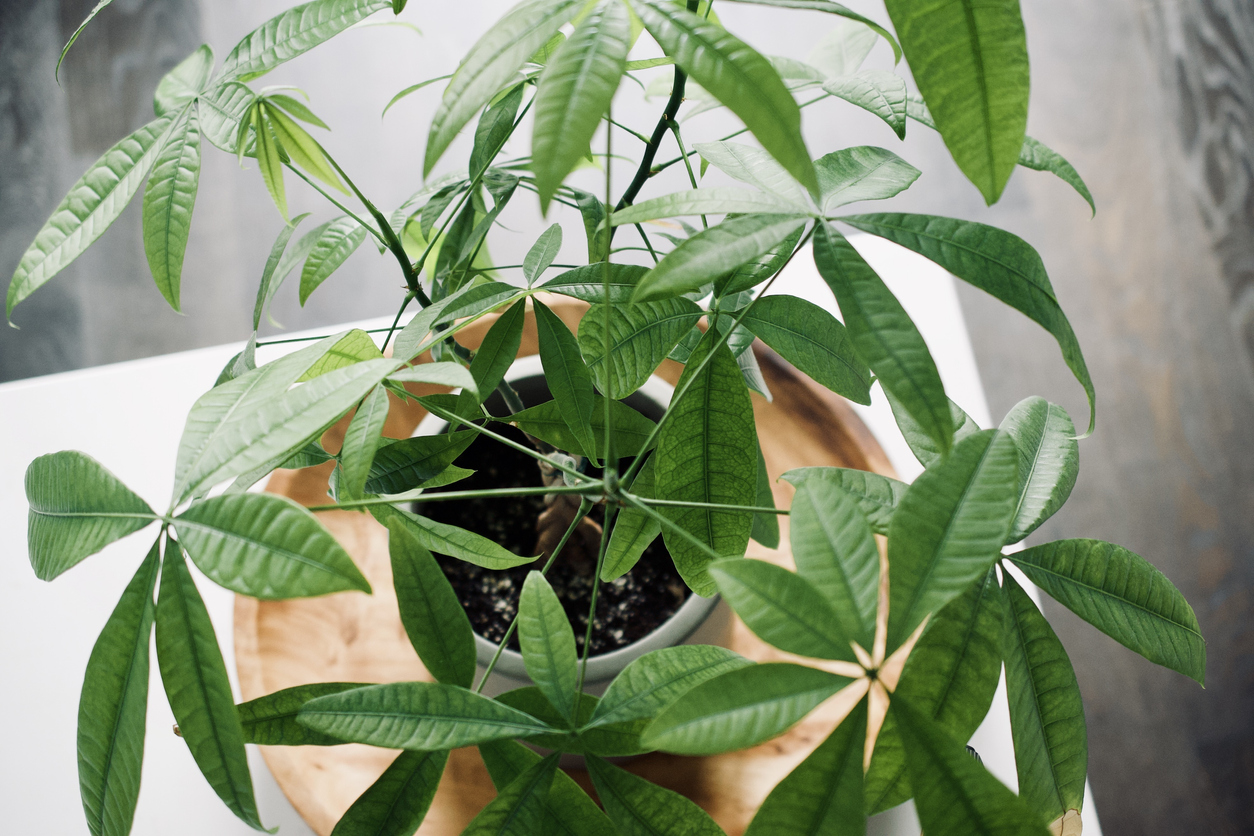
For those seeking low-maintenance options, the Crassula ovata, or Jade Plant, is featured. Its waxy, fleshy leaves offer a decorative contrast to other textures and are associated with good luck and prosperity in many Asian cultures. Jade plants are resilient, storing water in their leaves, and require less frequent watering during cooler months. Similarly, the Pachira aquatica, or Money Tree, is popular for its braided trunk and star-like leaves, believed to bring good fortune. This fast-growing indoor tree thrives in bright, indirect light and benefits from occasional misting to maintain humidity.
The Aspidistra, or Cast Iron Plant, is highlighted as an exceptionally low-maintenance option. Its dark green, glossy leaves signify durability and strength, making it ideal for beginners or those seeking plants for low-light conditions. The Cast Iron Plant prefers moderate watering, allowing the soil to dry between sessions, and can provide a grounding effect in darker indoor spaces. The Asplenium Osaka, a Japanese Bird's Nest Fern, offers compact growth and gracefully arching fronds that contribute to a natural and organic atmosphere, aligning with Zen principles of balance and mindfulness. It requires bright, indirect light and consistently moist soil.
The Fatsia japonica, or Japanese Aralia, is recommended for its large, glossy leaves and tropical appearance, which add structure and depth to an indoor garden, representing the abundant beauty of nature. This plant prefers bright, indirect light and regular watering. Finally, the Dracaena marginata, or Dragon Tree, with its long, slender leaves and red or burgundy edges, offers an architectural element. It symbolizes wisdom and strength and is adaptable to various light conditions, making it a robust choice for a Zen-inspired setting, provided it is not overwatered and is kept warm.
Creating an indoor Zen garden involves a balanced and harmonious arrangement of plants, considering their size, shape, and color coordination. The emphasis is on greenery, with a 'less is more' approach, typically featuring two or three distinct plant types that possess an architectural yet ornamental quality, reflecting simplicity and natural beauty.
#IndoorZenGarden #Houseplants #HomeDecor #TranquilSpace #JapaneseAesthetics #PlantCare #MinimalistDesign #InteriorDesign #Wellness #IndoorZenGarden #Houseplants #HomeDecor #TranquilSpace #JapaneseAesthetics #PlantCare #MinimalistDesign #InteriorDesign #Wellness
0 comment in total
 No comments yet
You may also like
The best Japanese houseplants to create a zen, serene space in any room

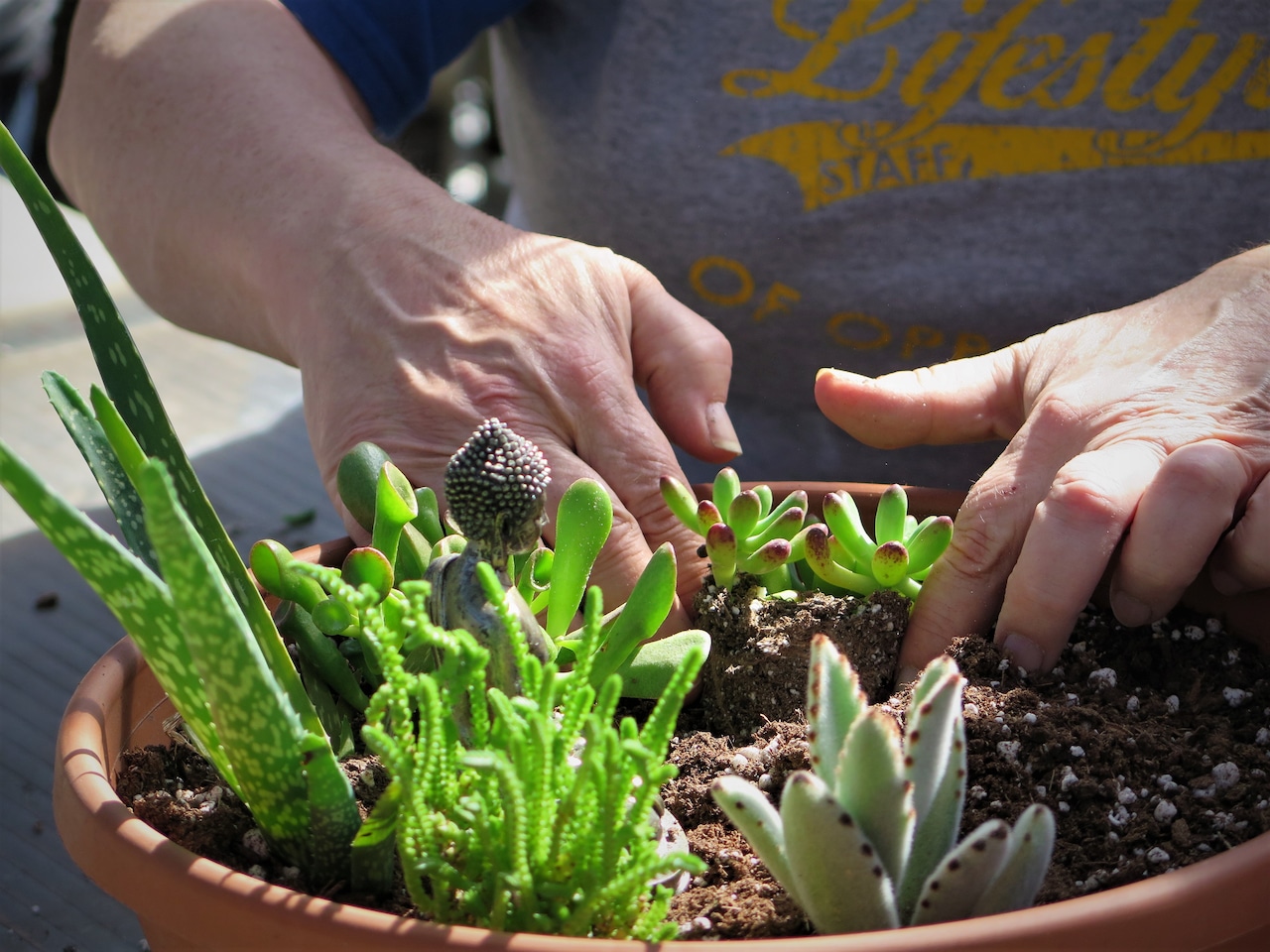
Zen out with a miniature Zen garden
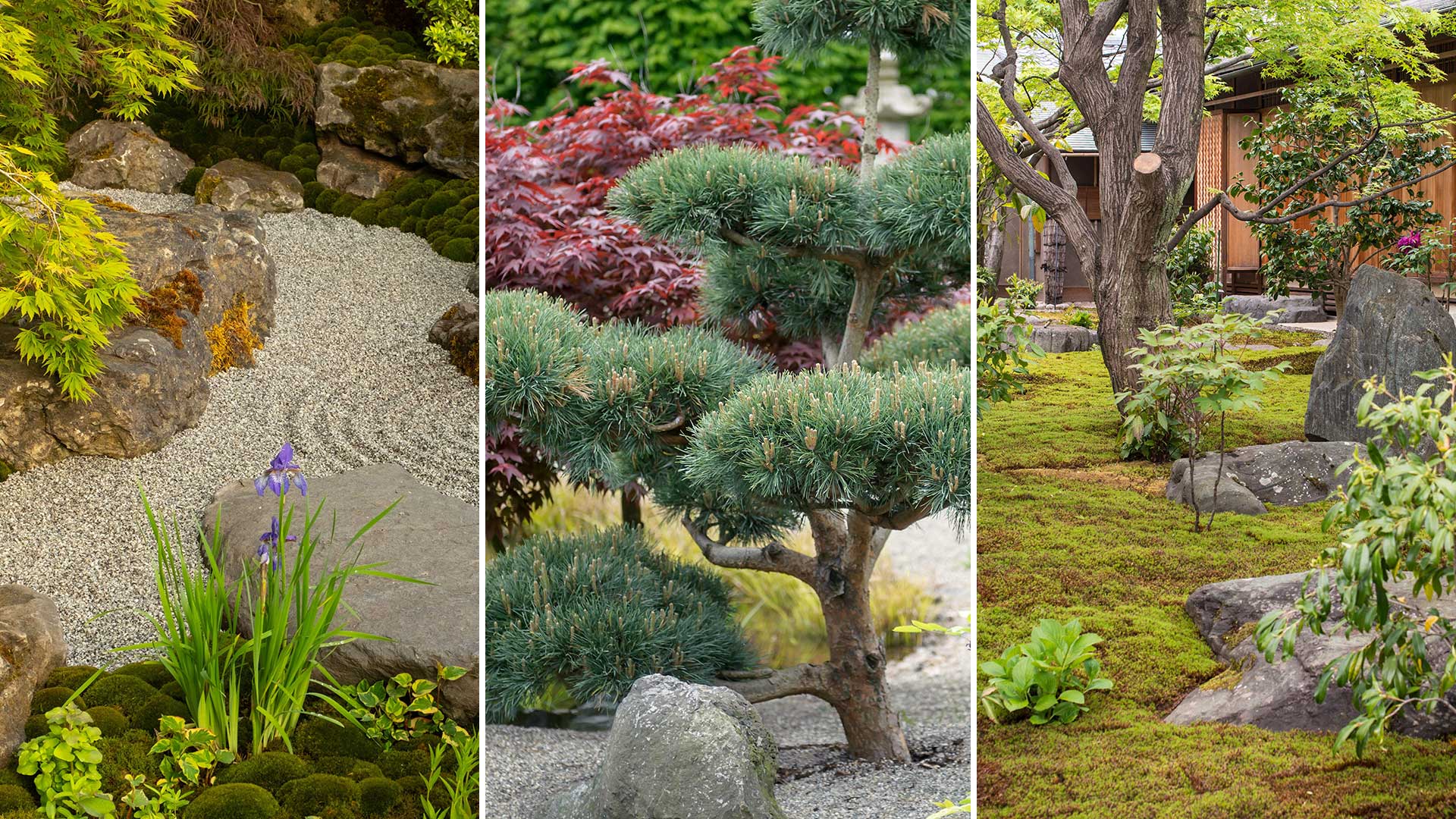
Japanese garden ideas – 10 ways to create a soothing space, with advice from the experts

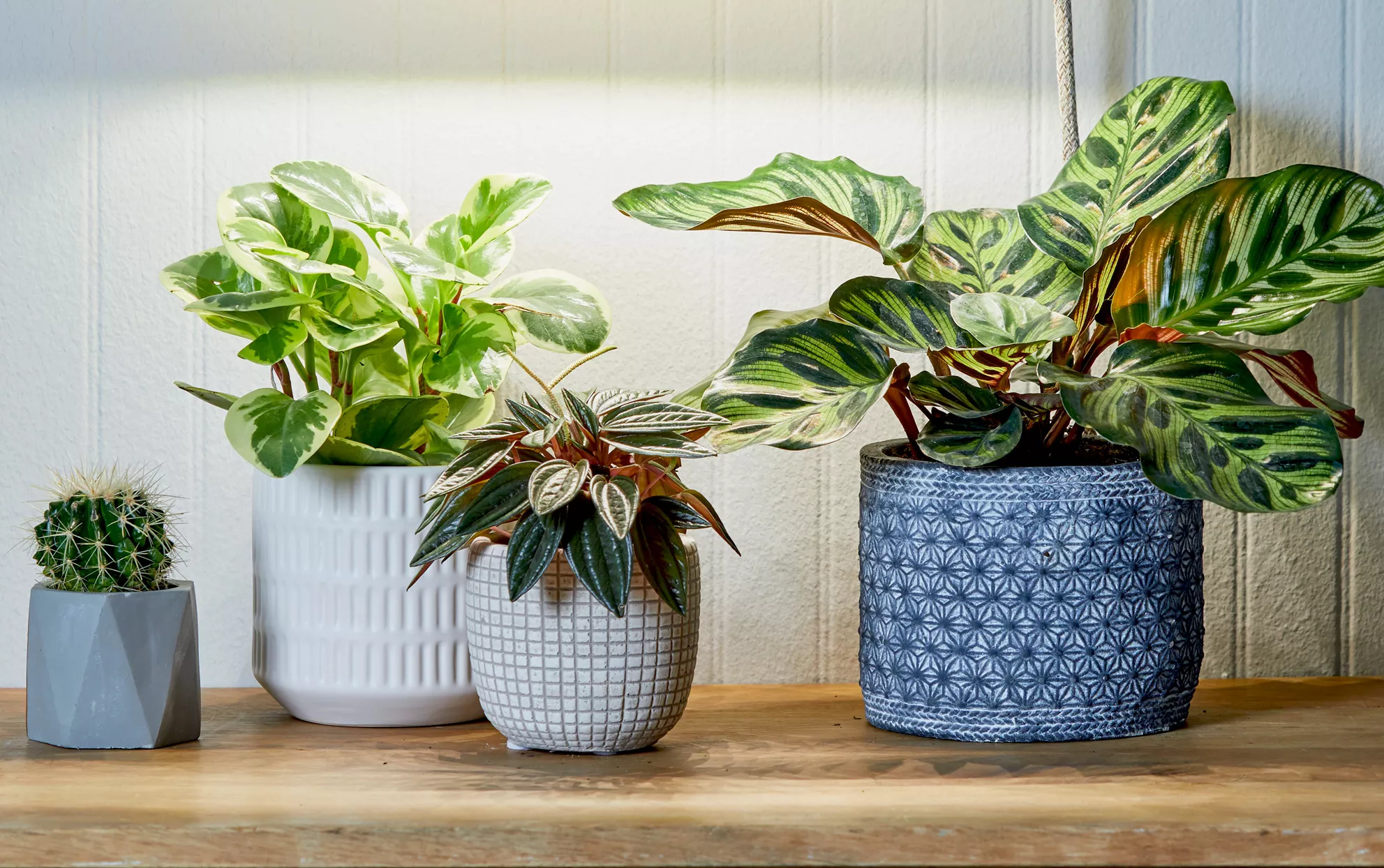
14 Easy-Care Indoor Plants for Bedrooms to Add Natural Greenery


The Best Zen Gardens of 2026

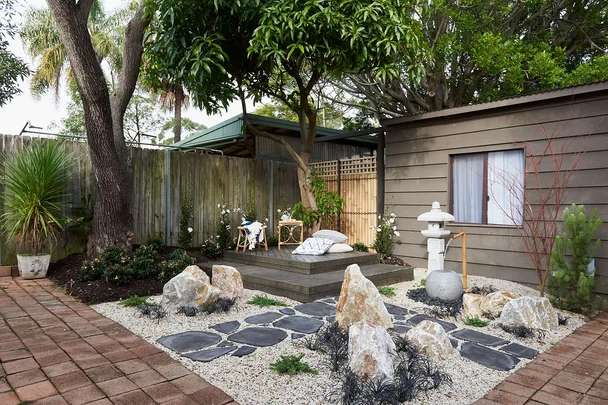
Charlie and Graham’s zen garden makeover

Over the Garden Gate: Zen gardens are therapeutic
36 best indoor plants that will liven up any room
What is a zen garden? This Japanese approach to design can turn backyards into calming sanctuaries

Take your worries away: How Zen garden can become your daily dose of mindfulness | Hindustan Times

Best indoor plants: the best house plants for stylish greenery

7 Japanese Garden Ideas That Channel the Elements of Nature to Make Your Outdoor Space Feel Serene

20 Zen Garden Ideas to Transform Your Backyard Into a Peaceful Oasis


Create a Calming Space with These Bedroom Plants
4 Japanese garden ideas for a calm and tranquil outdoor space
Indoor Garden Ideas —14 Ways To Live Amongst Greenery That Will Make Your Life Better

Zen garden ideas – 24 ways to transform your outdoor space into a Japanese-inspired sanctuary for relaxation
15 Feng Shui Plants to Bring Good Energy Into Your Home

11 best low-maintenance indoor plants

9 Japanese Plants for a Zen Garden