1/21
Create a Calming Space with These Bedroom Plants
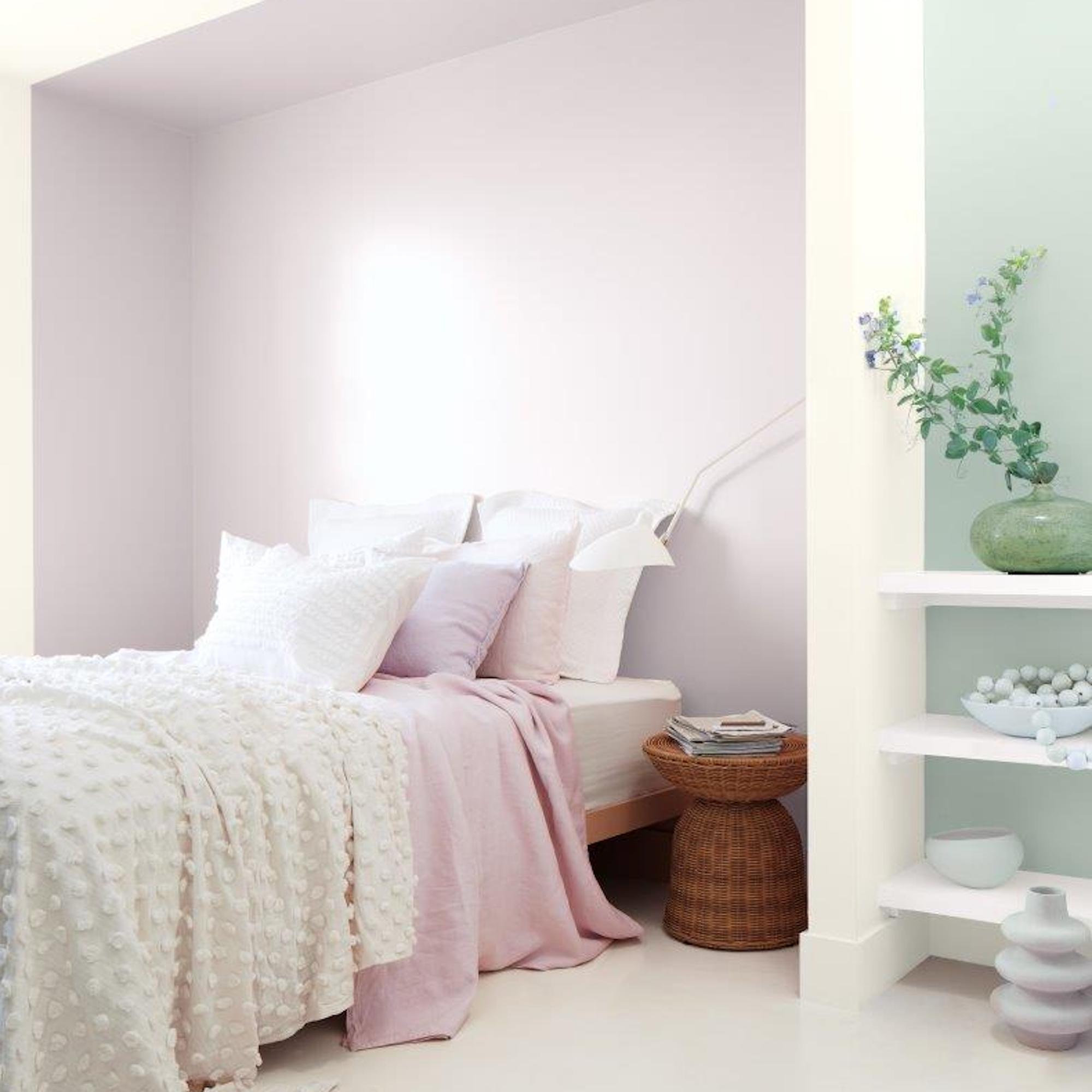
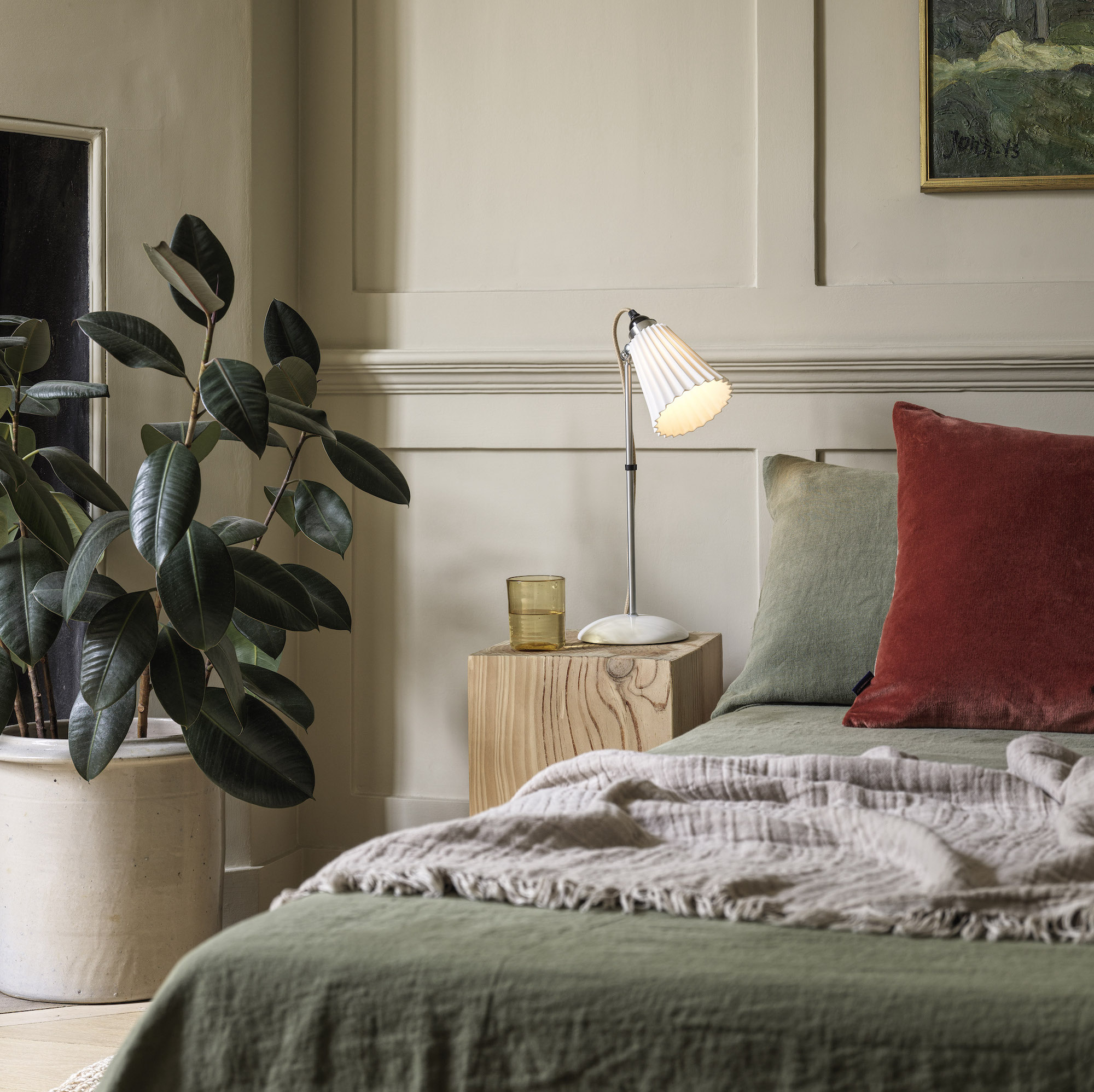
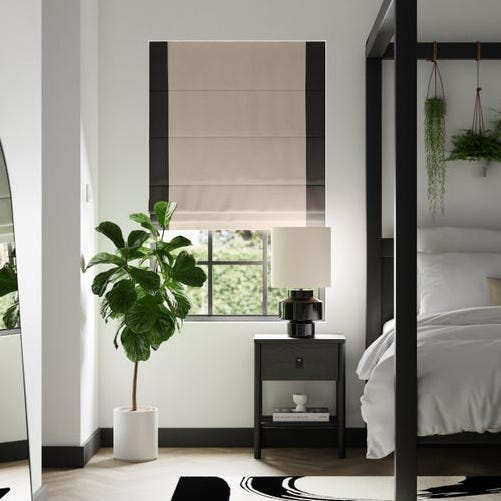
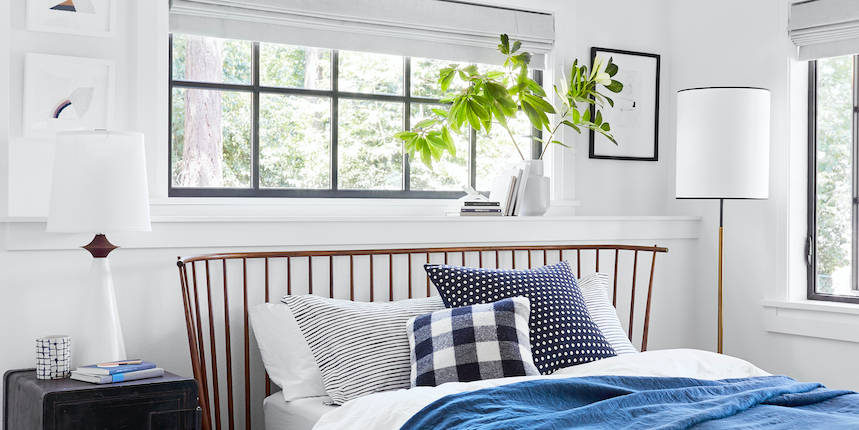
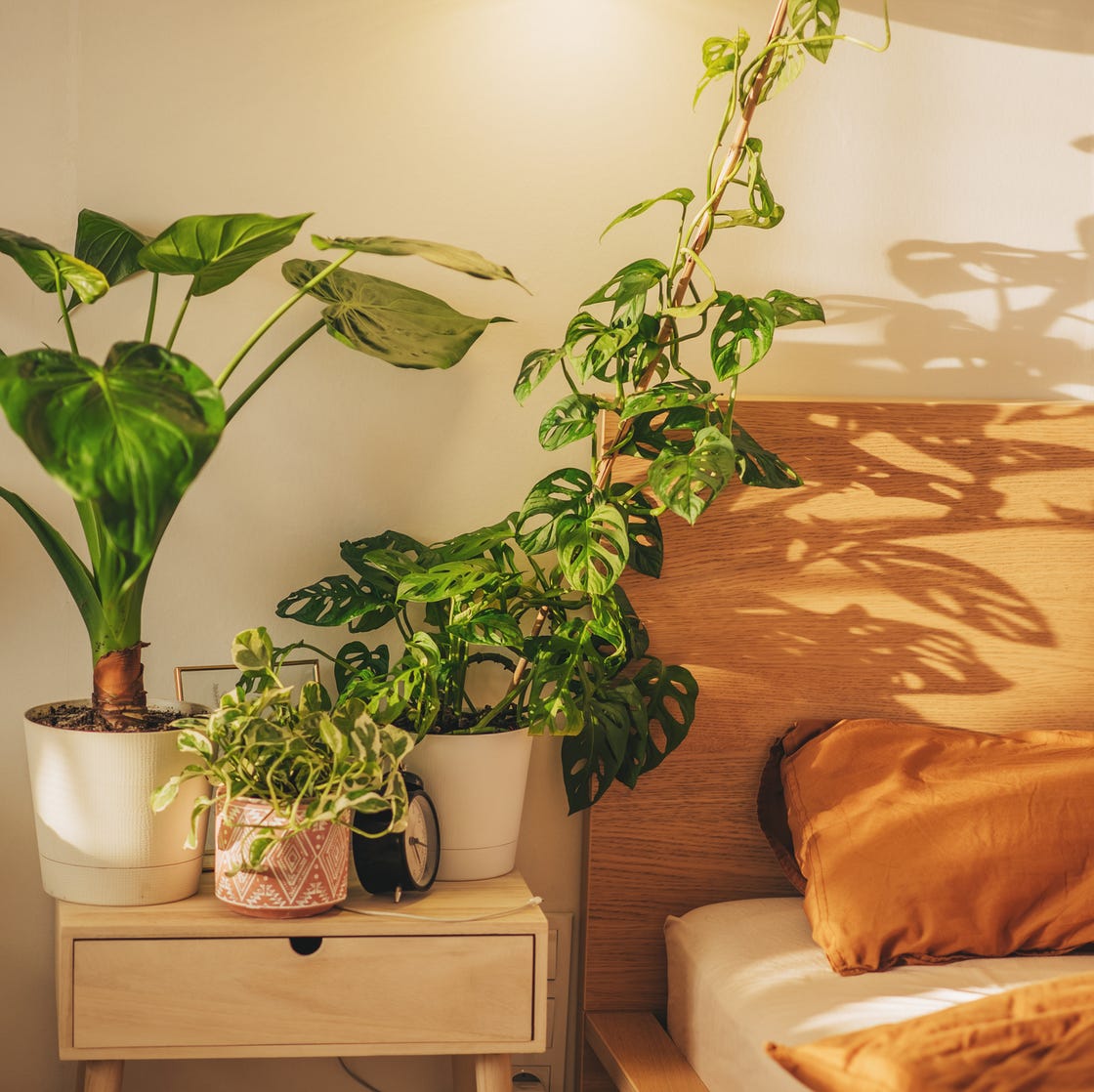
Houseplants can offer more than just aesthetic appeal, potentially contributing to a healthier and less stressful environment. Research published in the International Journal of Environmental Research and Public Health suggests that indoor plants may improve cognition and promote physiological relaxation. When selecting plants for a bedroom, several factors should be considered, with light being the most crucial. Horticulturalist Justin Hancock emphasizes that light is the primary driver of plant growth, and insufficient light can lead to a plant's decline. Most plants require a minimum of six hours of sunlight daily, necessitating an understanding of a room's window orientation. Supplemental grow lights can be used if natural light is inadequate. The average size of a mature plant is also important, as some species, like Monstera, can grow quite large, while others, such as African violets, remain compact.
A common mistake made by new plant owners is overwatering, which can lead to saturated soil and root rot. It is advisable to check if the soil is moist by touch before watering again, as most plants prefer their soil to dry out completely between waterings. The amount of water a plant needs is also directly related to the light it receives; plants in brighter spots tend to require more water. Additionally, trailing plants should be regularly trimmed to prevent them from becoming too long and susceptible to accidental damage.
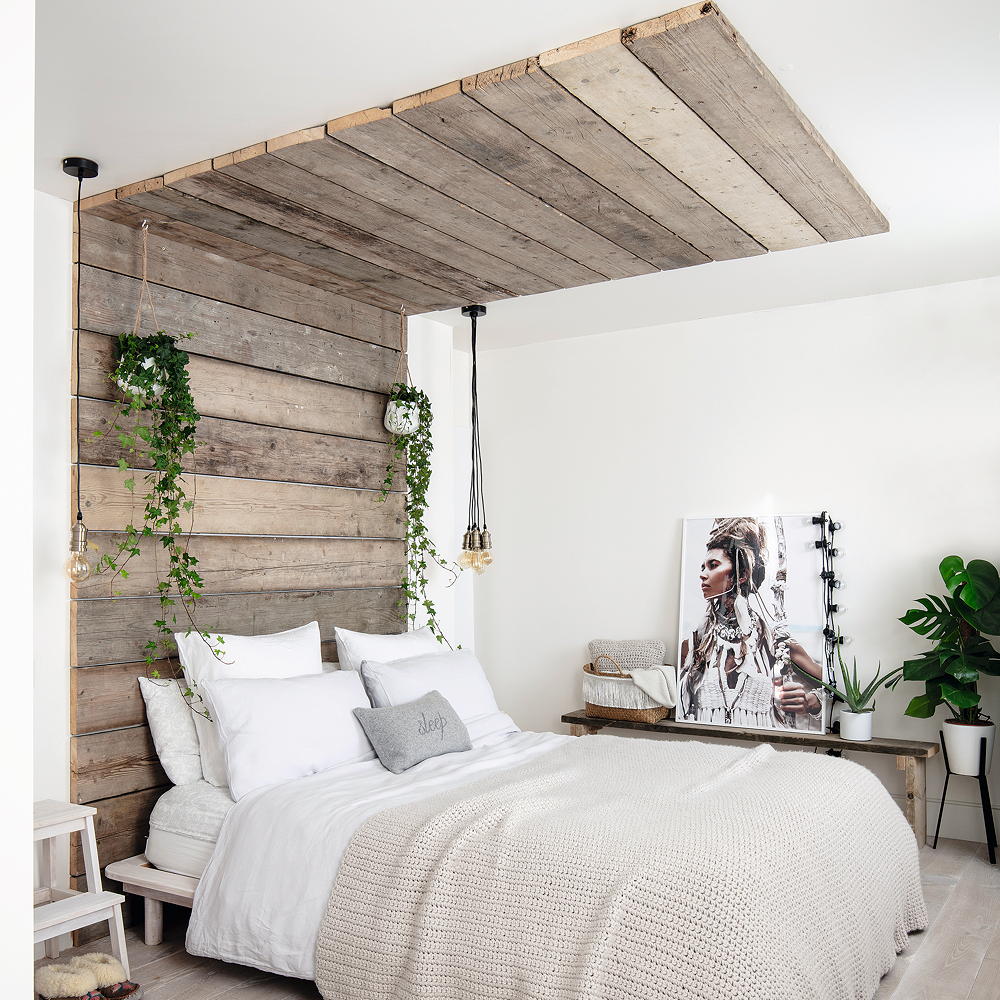
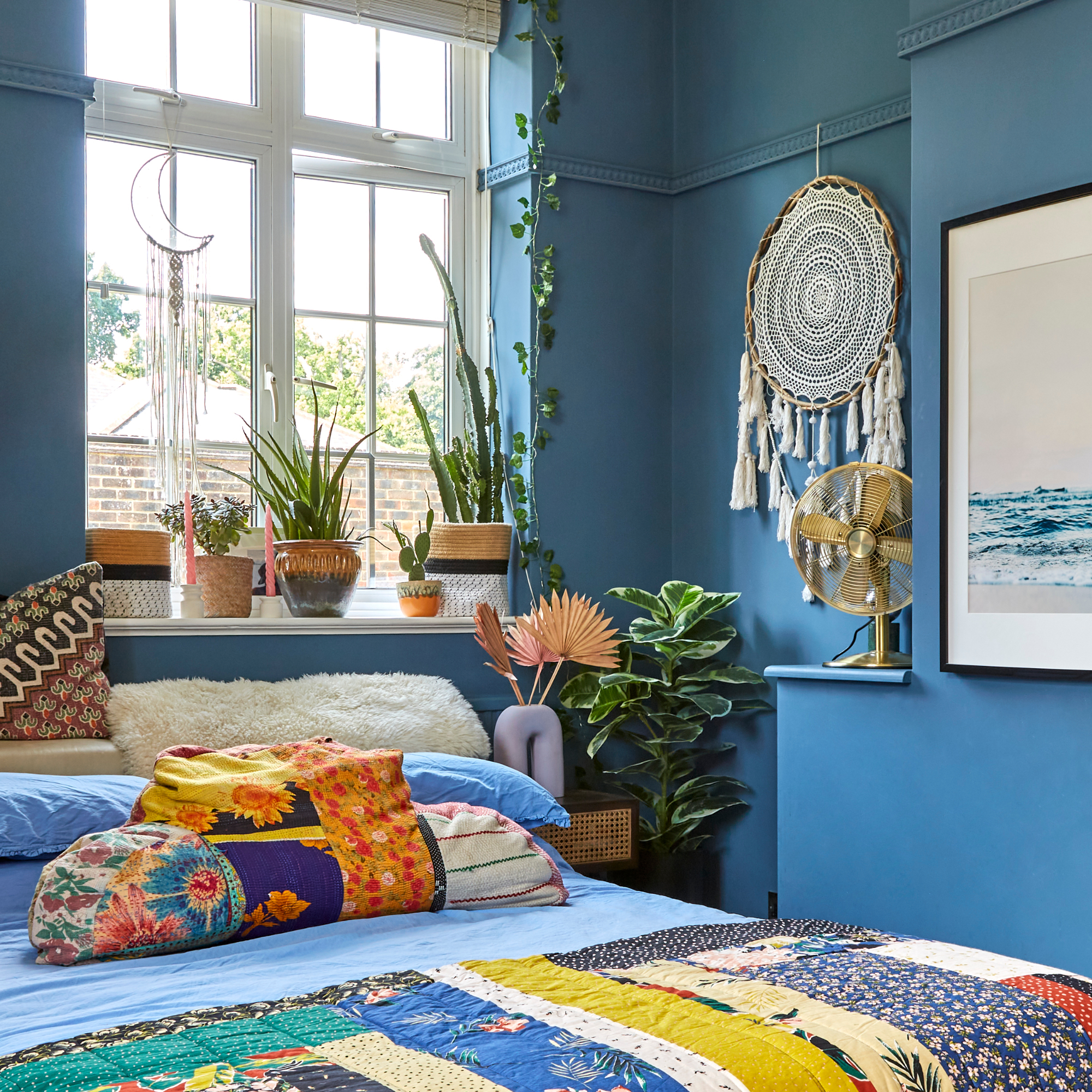
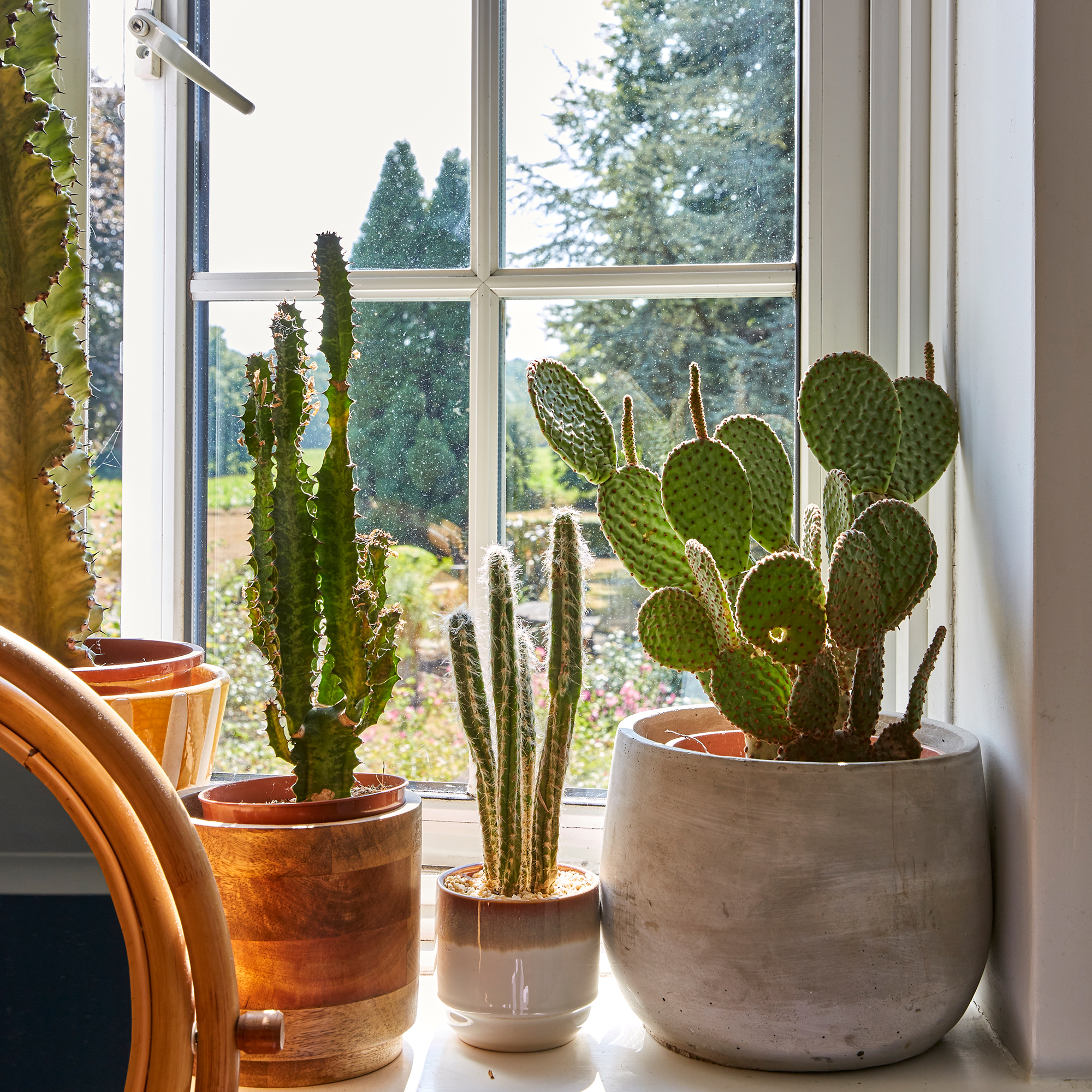
Sleeping with plants in the bedroom is generally encouraged, as they can foster a sense of calm and a connection to nature. However, certain considerations for bedroom placement include avoiding sharp or spiny plants like Aloe Vera, especially given the potential for accidental contact in the dark, and ensuring adequate lighting for the plant's needs, particularly for late sleepers who may not open shades until later in the day. The article also highlights that many common houseplants can be toxic to pets, advising careful selection for homes with animals prone to nibbling foliage.
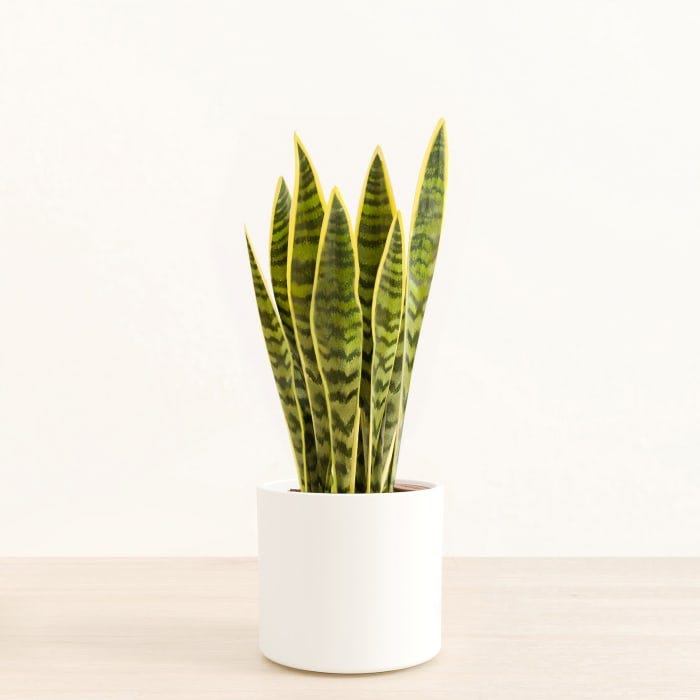
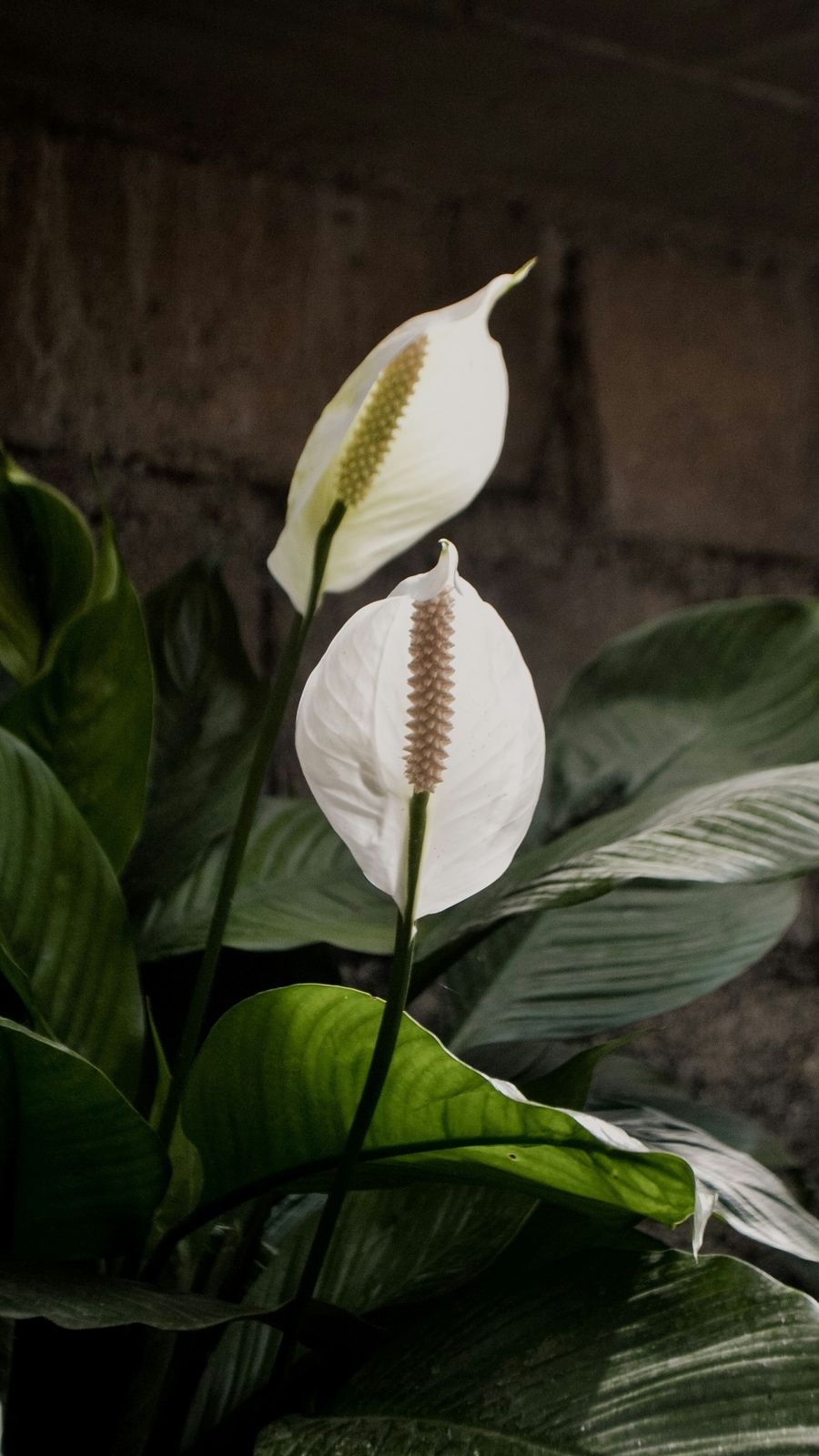
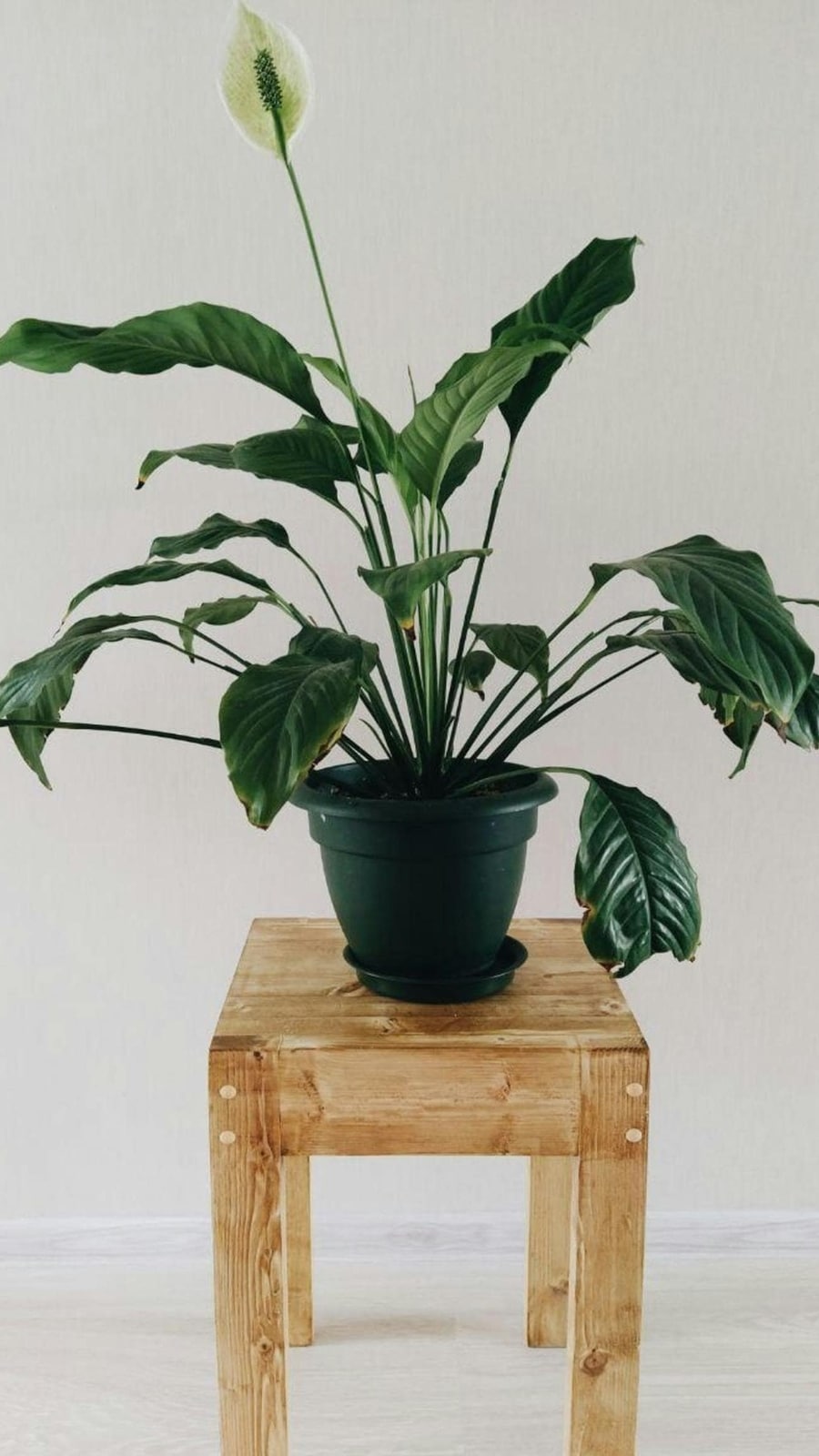
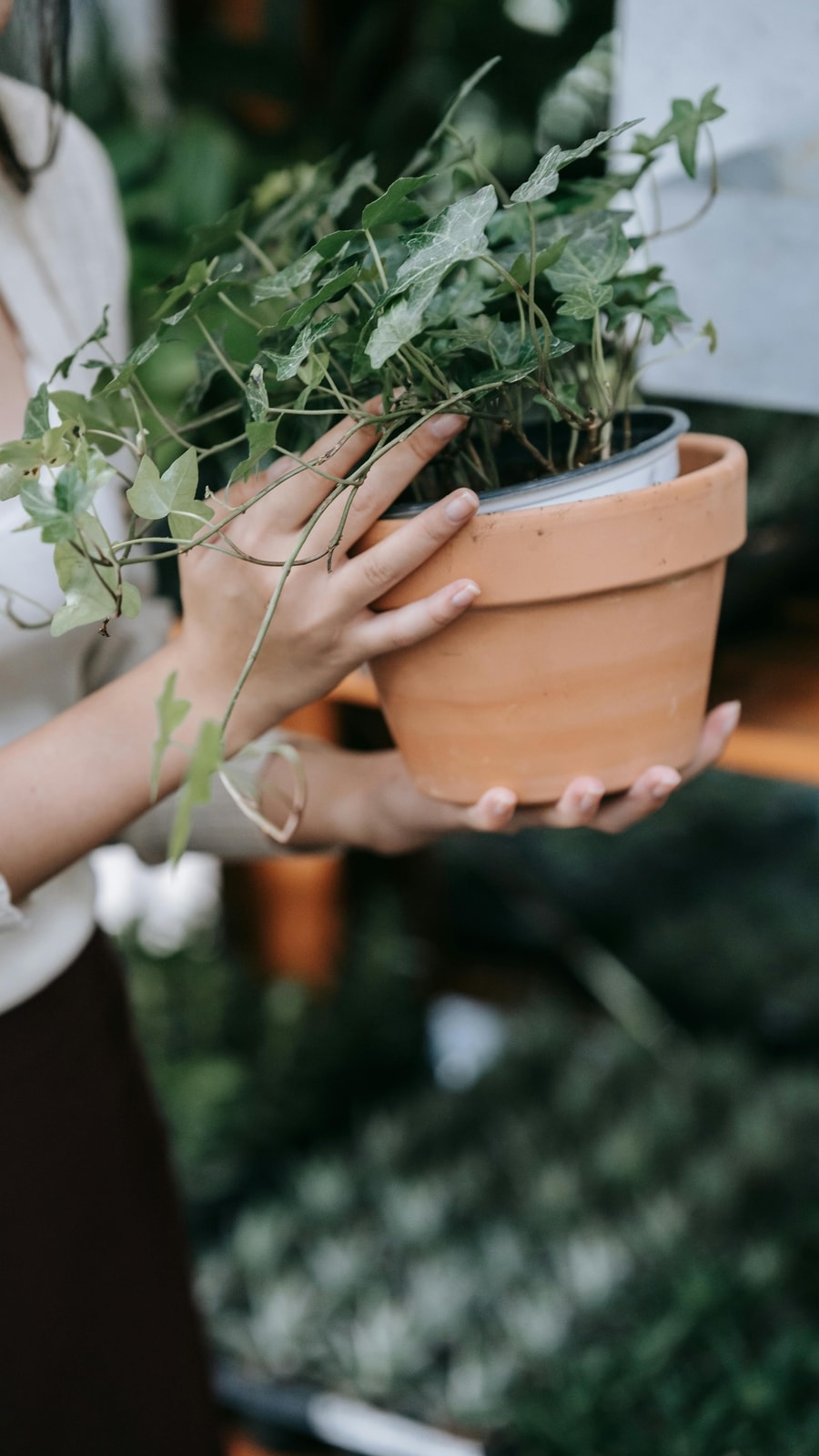
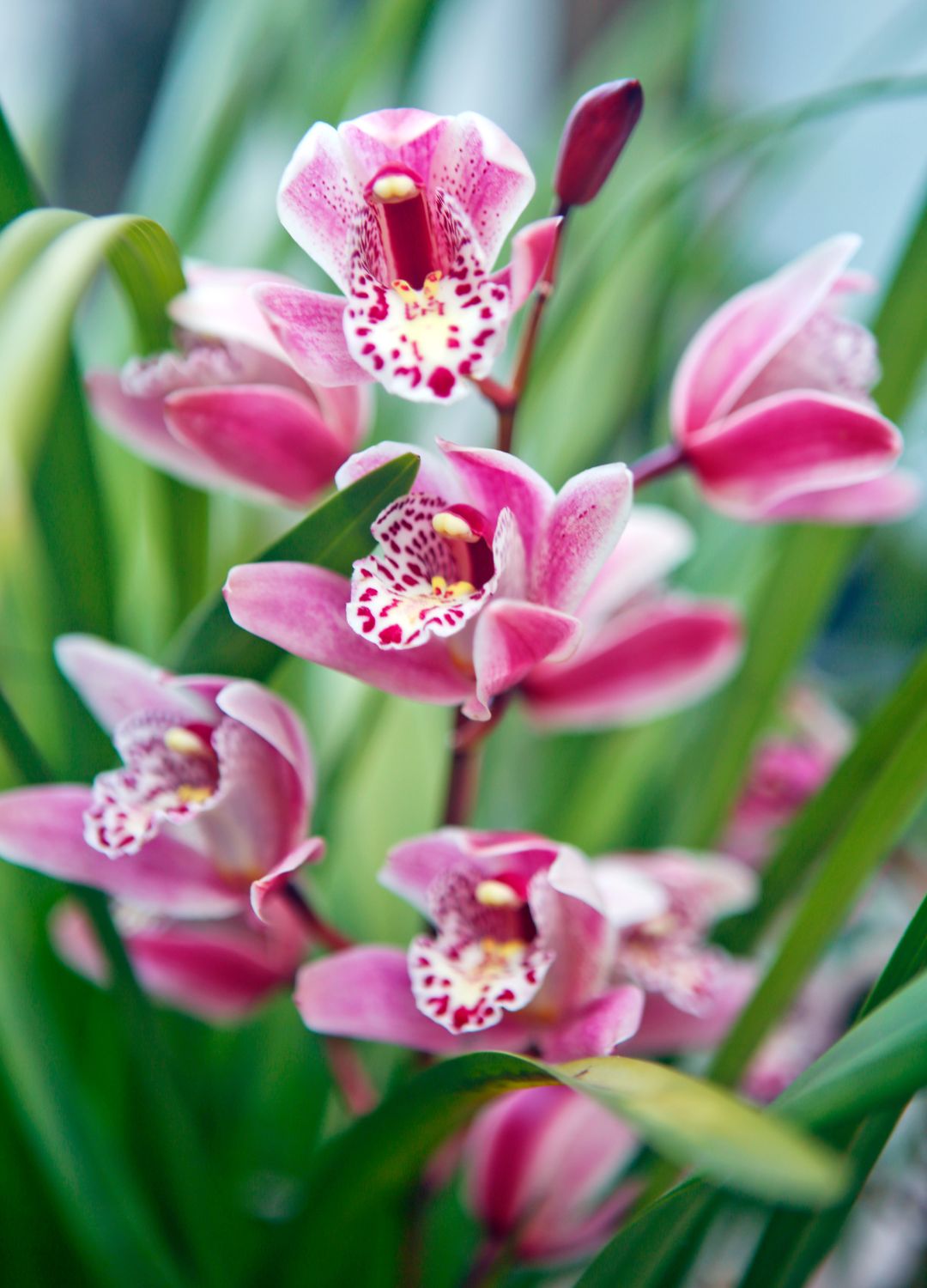
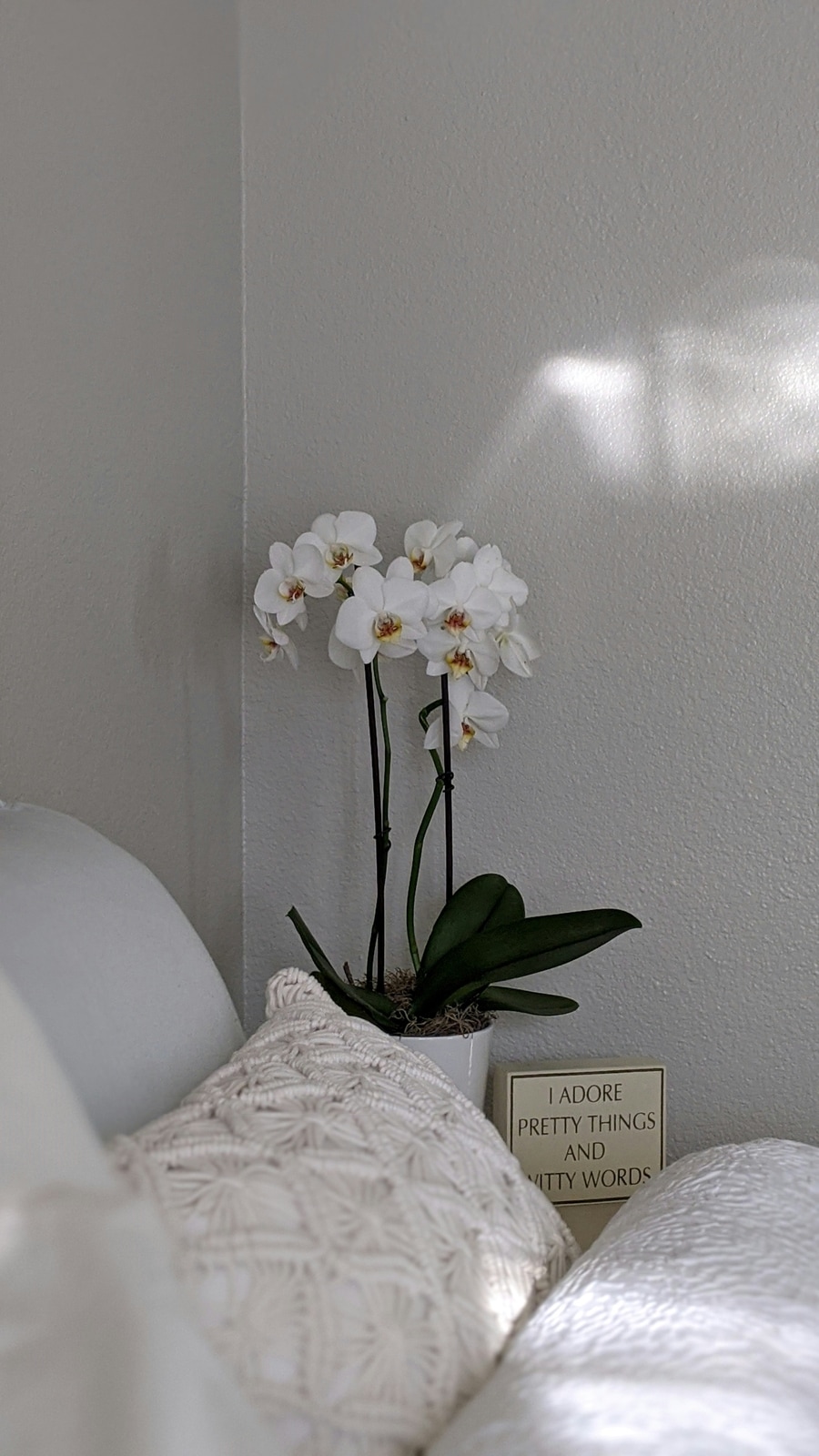
The article provides a detailed list of 20 suitable bedroom plants, each with care tips and pet safety information. Examples include the Phalaenopsis Orchid, known for its beautiful flowers and non-toxicity to pets; Anthurium, which adds vibrant color but is toxic to pets; and African Violet, a pet-safe option that can bloom year-round with proper care. Other plants like Monstera, ZZ Plant, English Ivy, Chinese Evergreen, Snake Plant, Dracaena, Split-Leaf Philodendron, and Peace Lily are noted for their varying light requirements and, importantly, their toxicity levels to common household pets. Conversely, Lady Palm, Boston Fern, Rosemary, and Spider Plant are presented as pet-safe choices, offering different aesthetic and aromatic benefits. This comprehensive guide helps individuals choose plants that not only enhance their bedroom's appearance but also contribute to their well-being, while keeping pet safety in mind. #BedroomPlants #HouseplantCare #IndoorGardening #PetSafePlants #PlantBenefits #GardeningTips #HomeDecor #StressReduction
0 comment in total
 No comments yet
You may also like
These 15 Bedroom Plants Deliver Some Stylish Shut-Eye

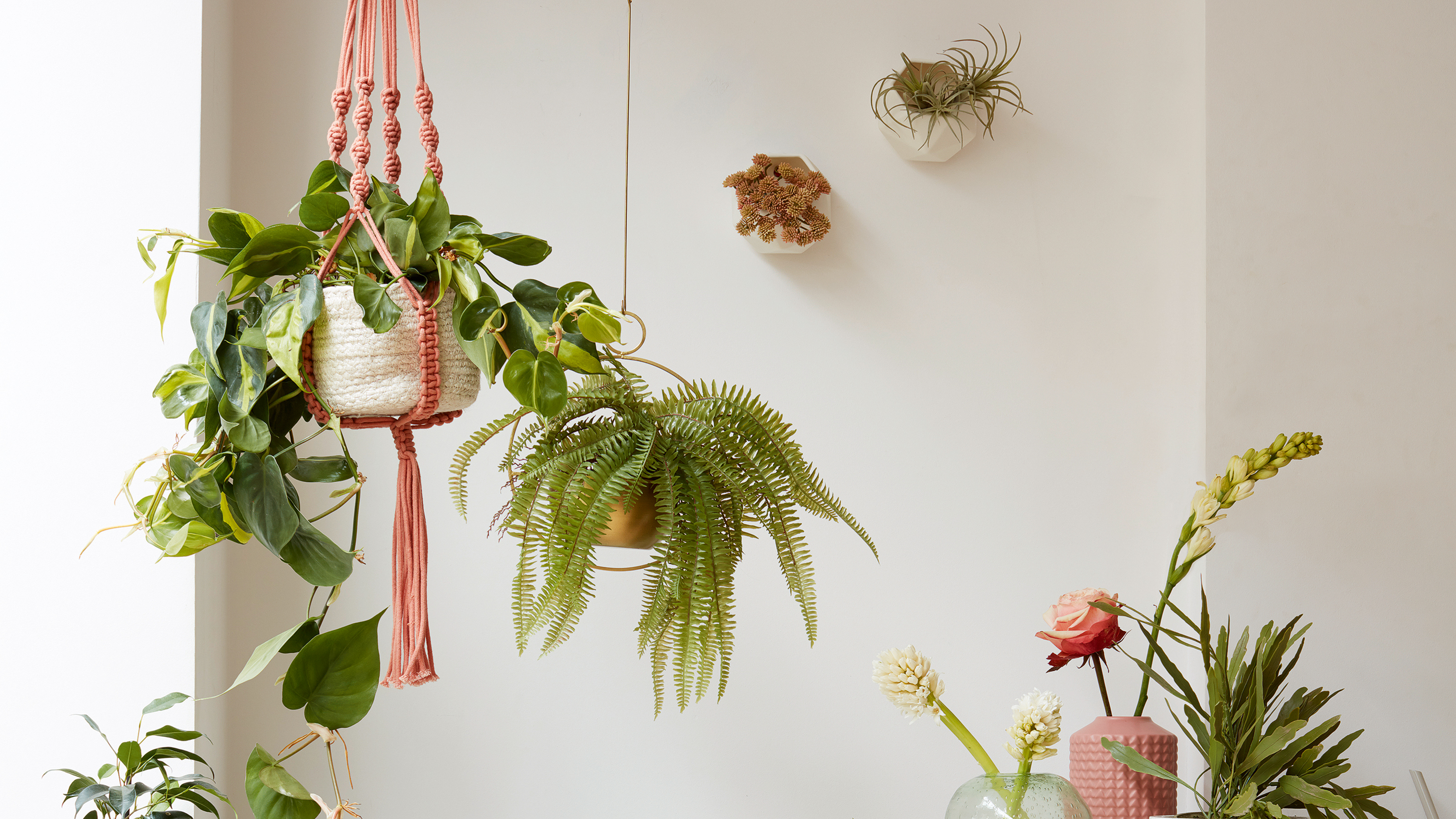
Bedroom plant ideas – 10 ways to use plants to give your boudoir an instant lift
How to transform your bedroom into a wellbeing sanctuary, according to experts
26 Calm Bedroom Ideas for a Restful Night's Sleep

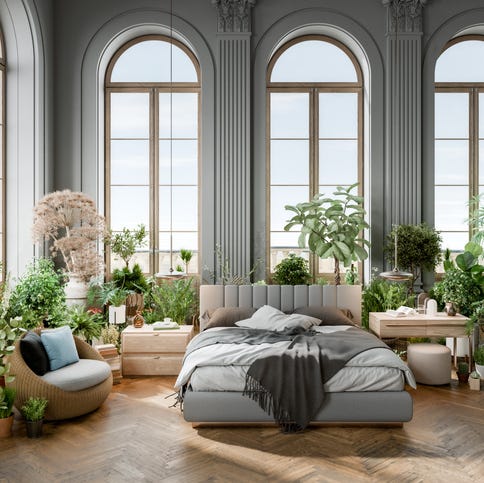
An Expert Guide on the Top Bedroom Plants

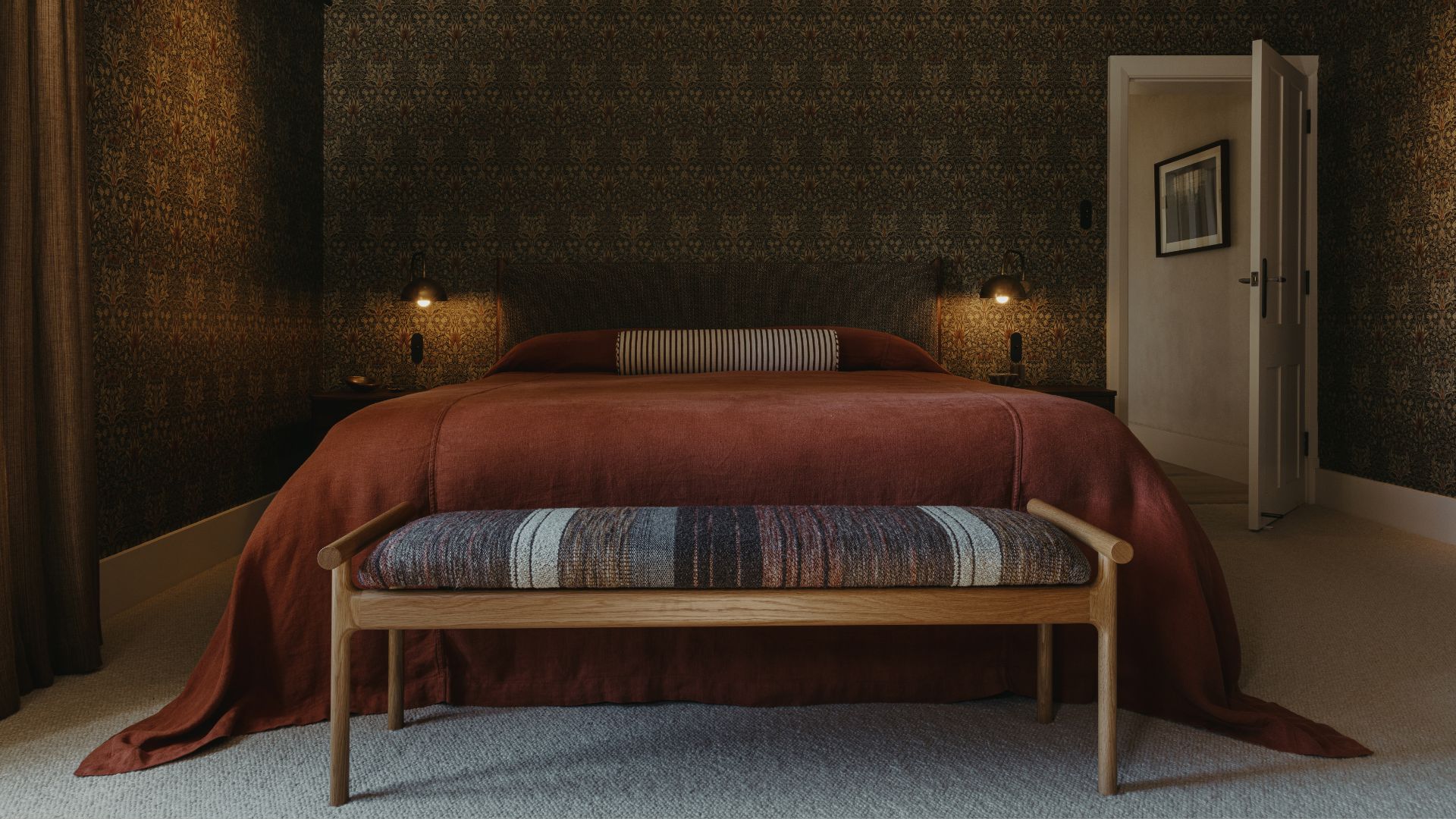
6 Things People With Relaxing Bedrooms Always Have in Them

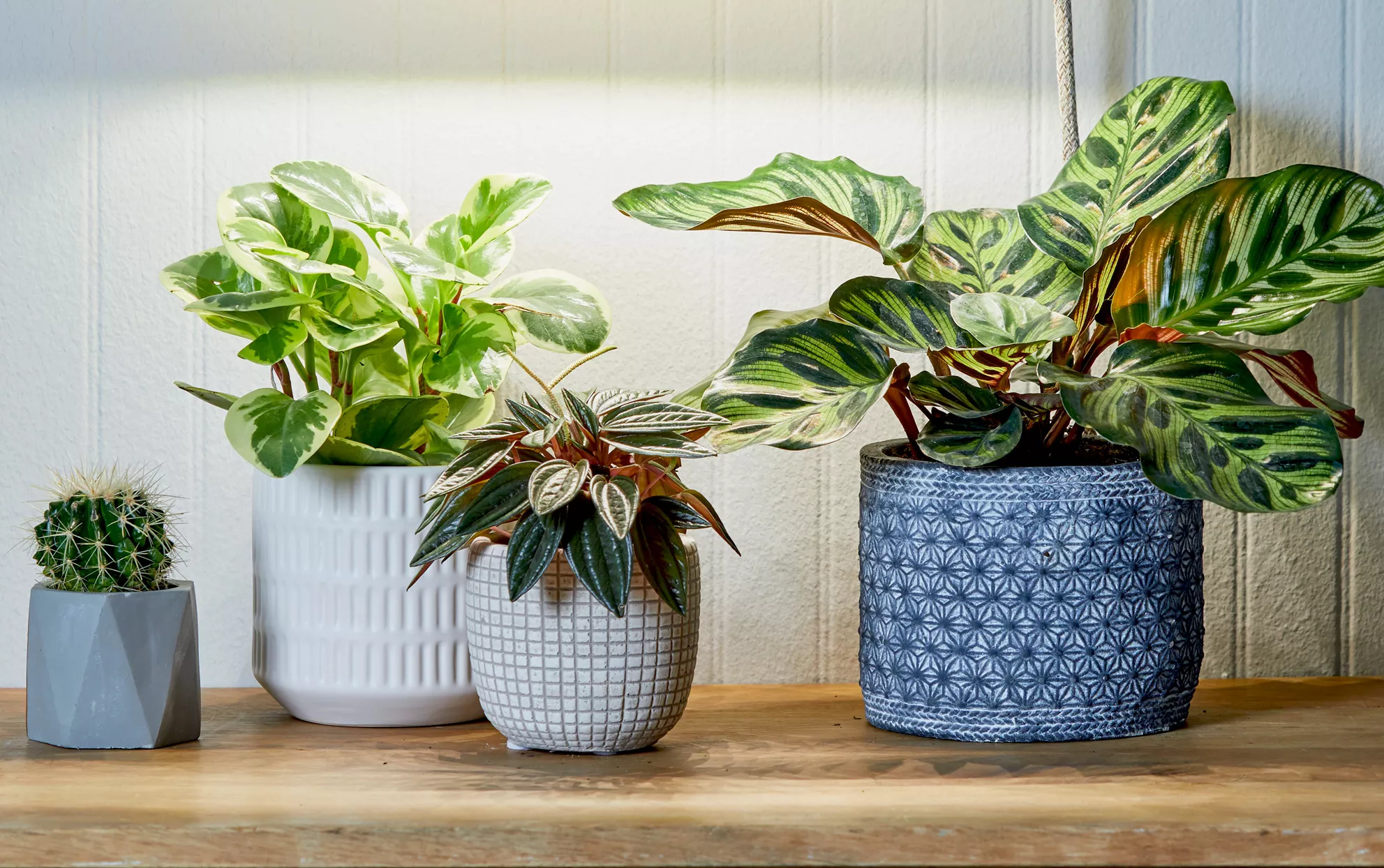
14 Easy-Care Indoor Plants for Bedrooms to Add Natural Greenery

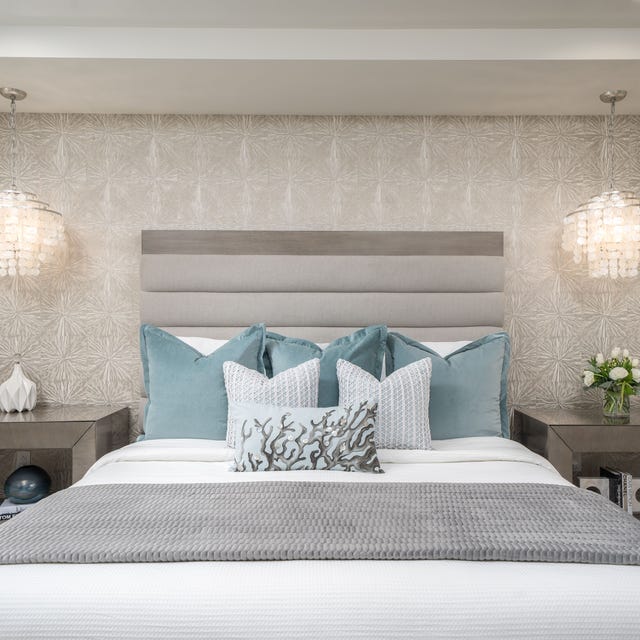
7 Ways to Make Your Bedroom a No-Stress Zone Right This Minute
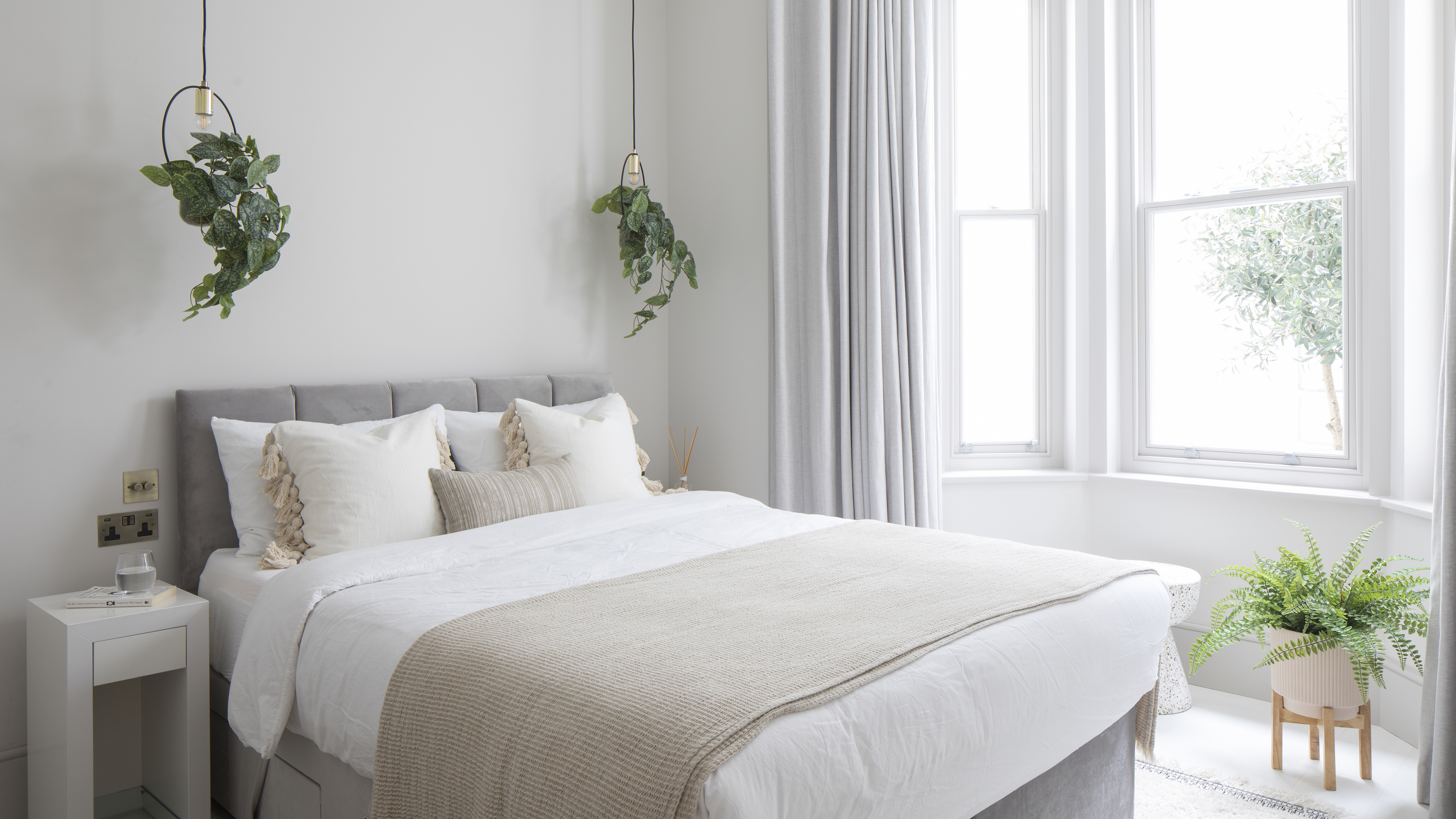
Calm bedroom ideas – 11 style tricks to create a soothing sanctuary

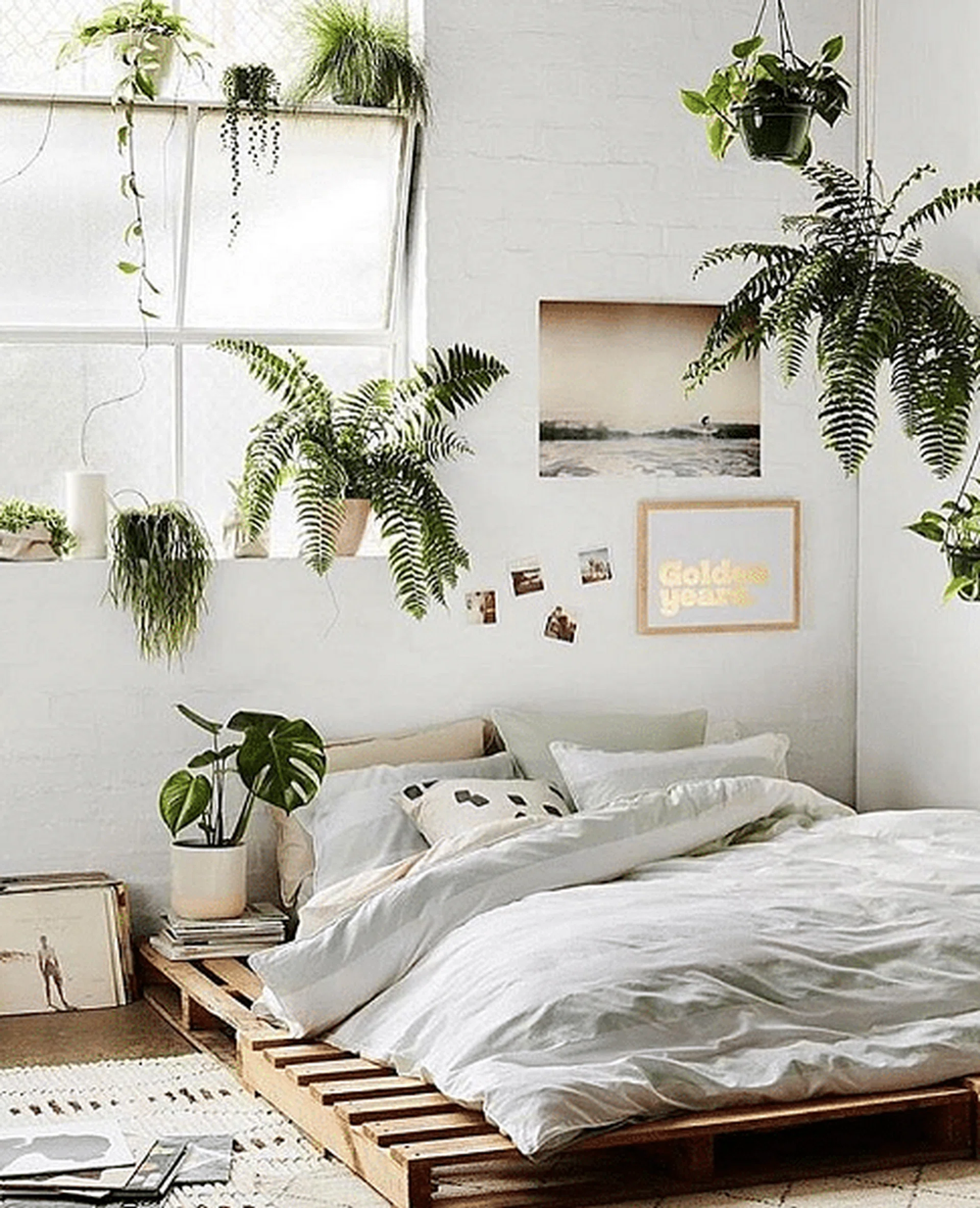
Bedroom decor ideas: Styling with plants
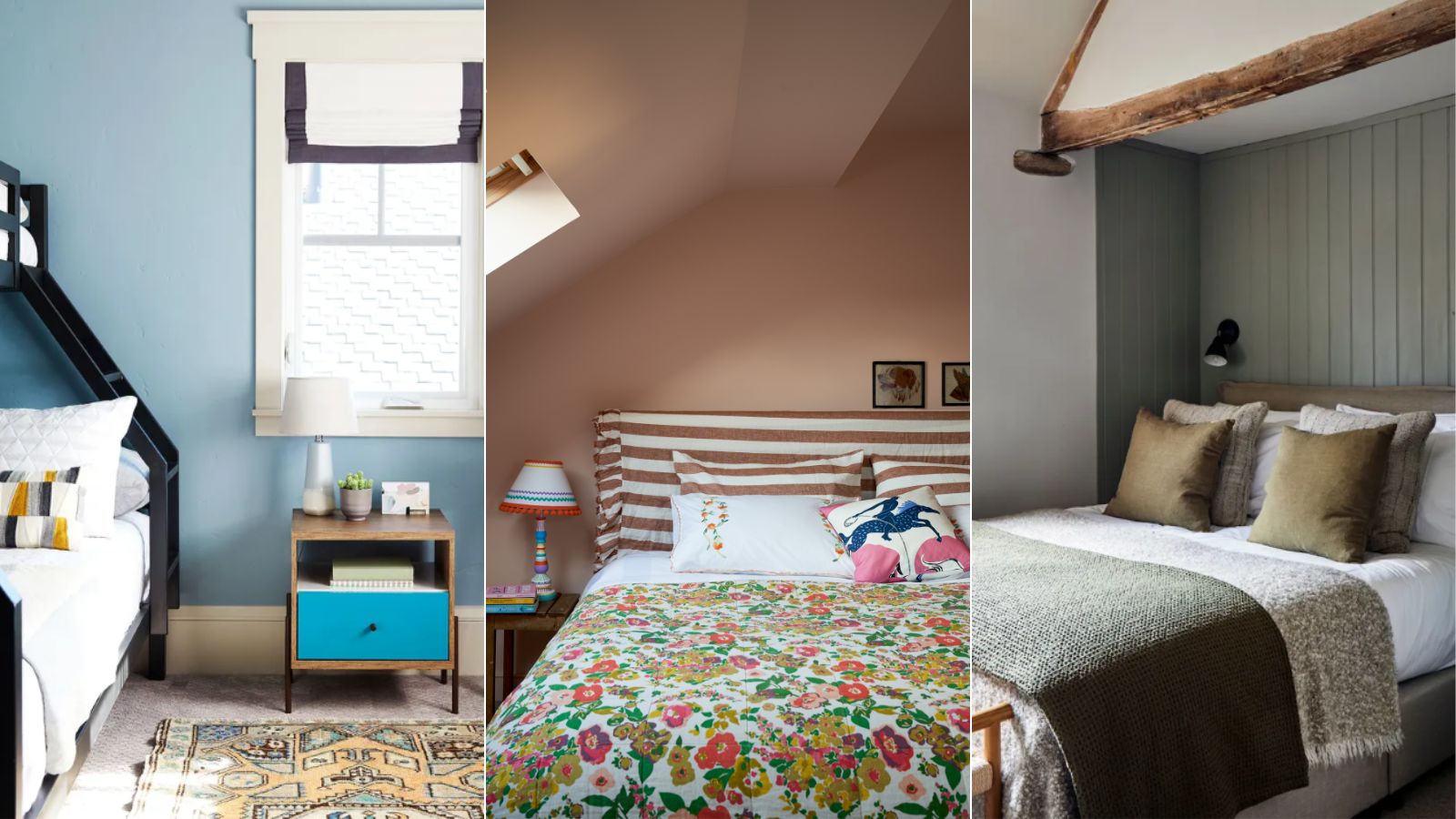
5 colors that will make your bedroom feel calmer, according to designers
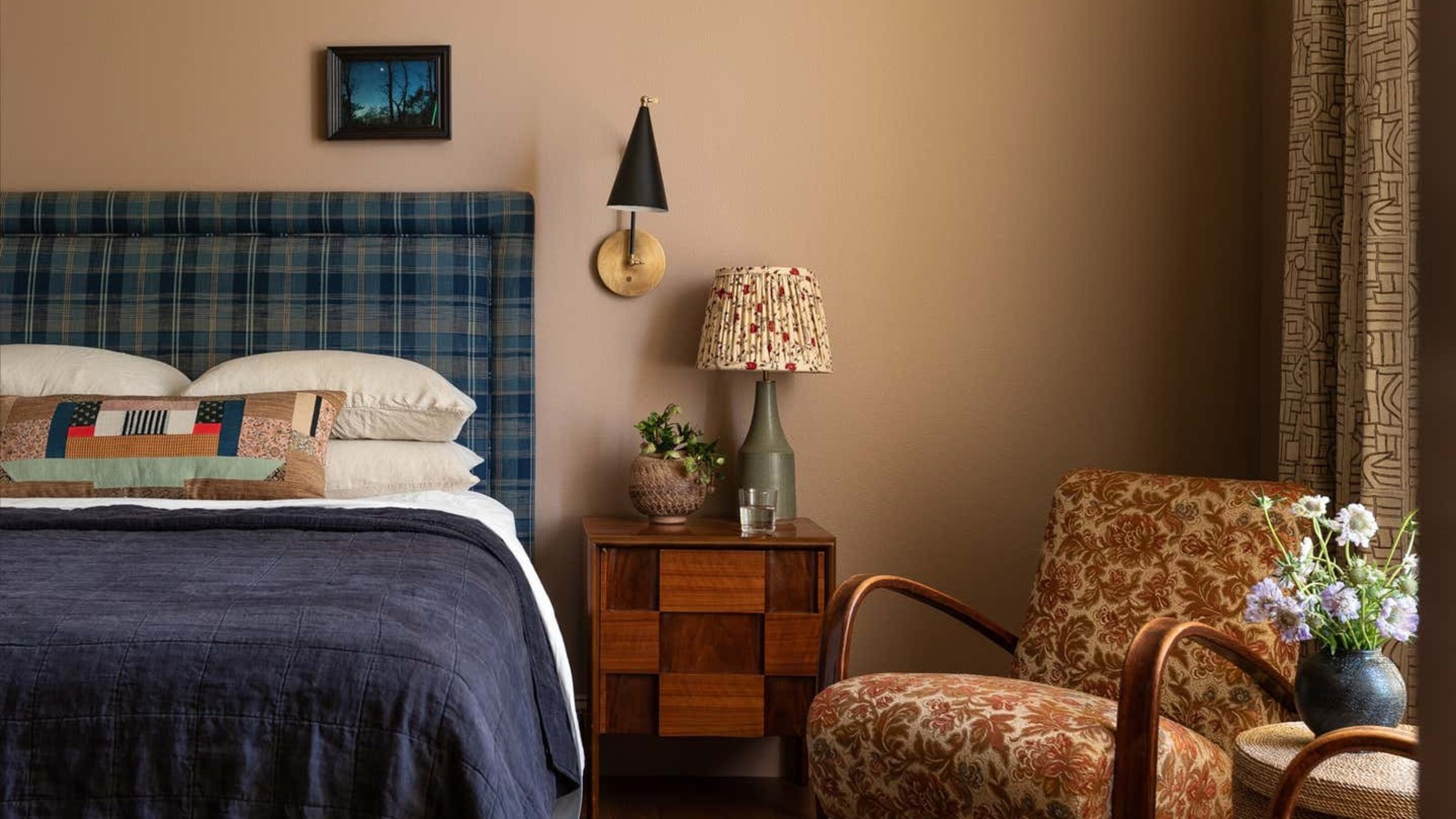
17 bedroom lighting ideas that make for a soothing nighttime sanctuary
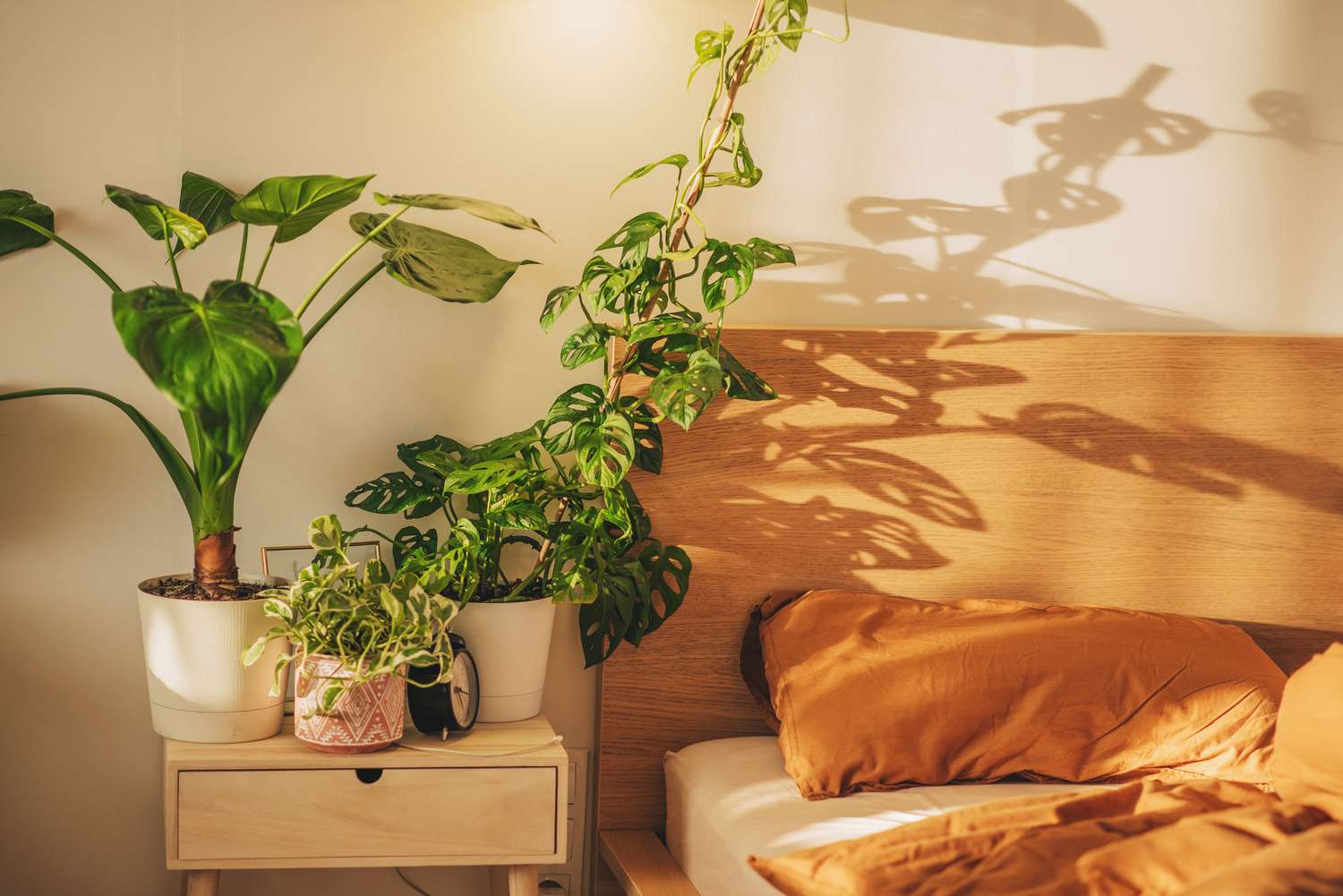
These Are the Best Plants to Keep in Your Bedroom

14 botanical wallpaper ideas for instant calm
Relaxing bedroom ideas – how to create a more serene space, according to designers
15 bedroom design tips for better sleep – wake fresh for the day
5 Feng Shui plants to keep in your bedroom

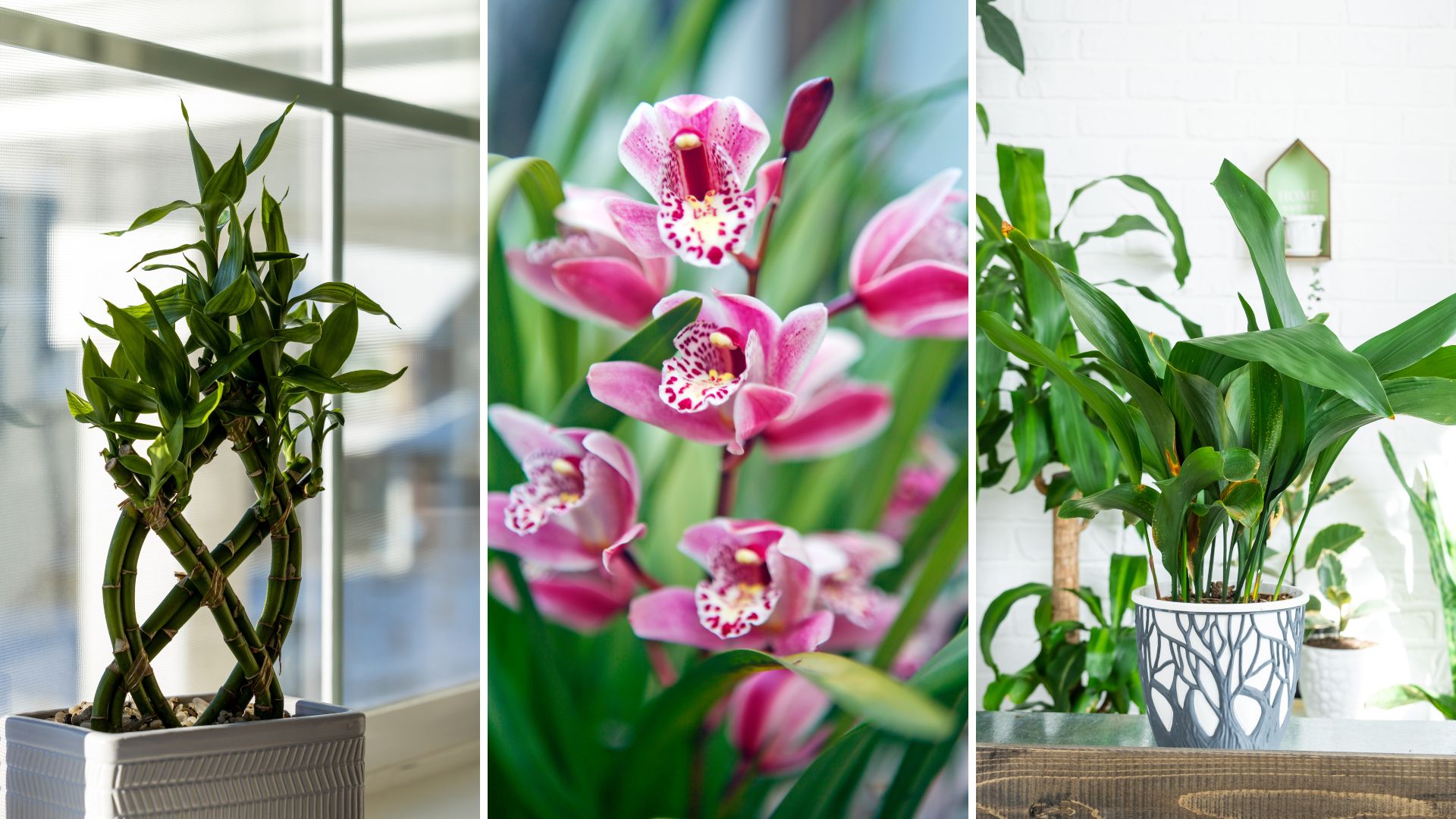
The best Japanese houseplants to create a zen, serene space in any room

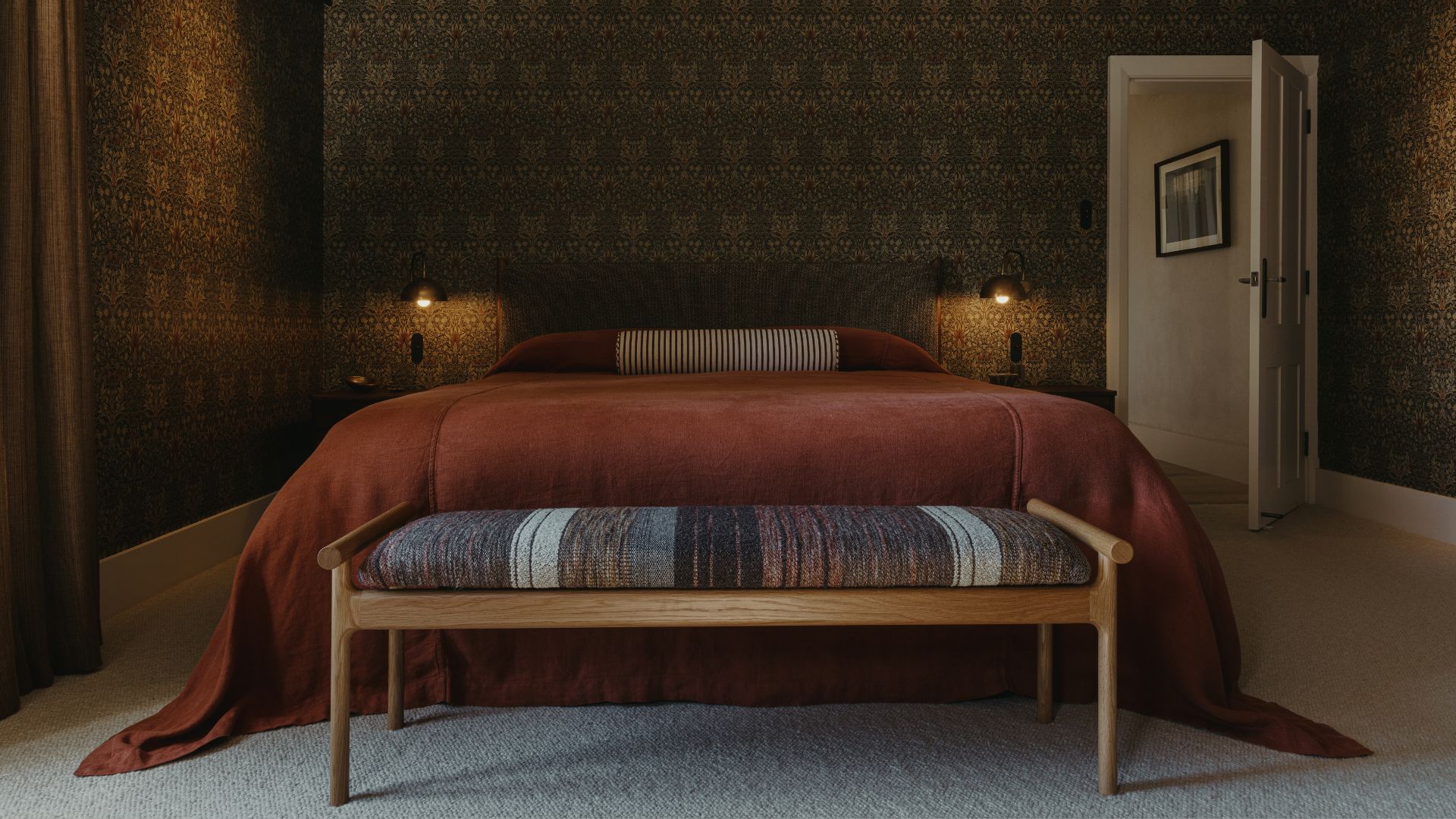
5 Things Wellness Experts Always Have in Their Bedrooms to Keep a Calm Space and Mind
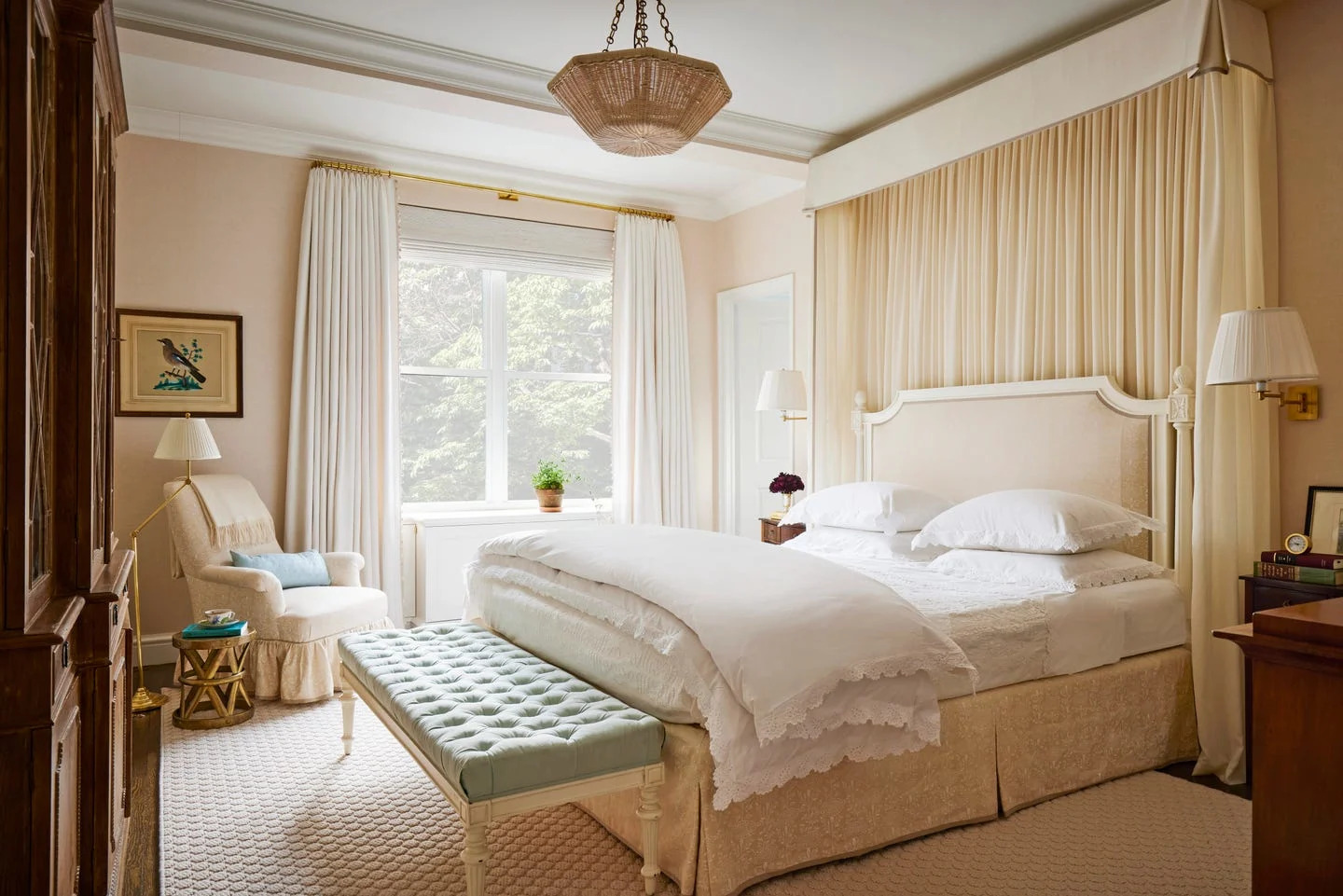
16 Relaxing Bedroom Decor Ideas to Make Your Sleep Space as Serene as Possible