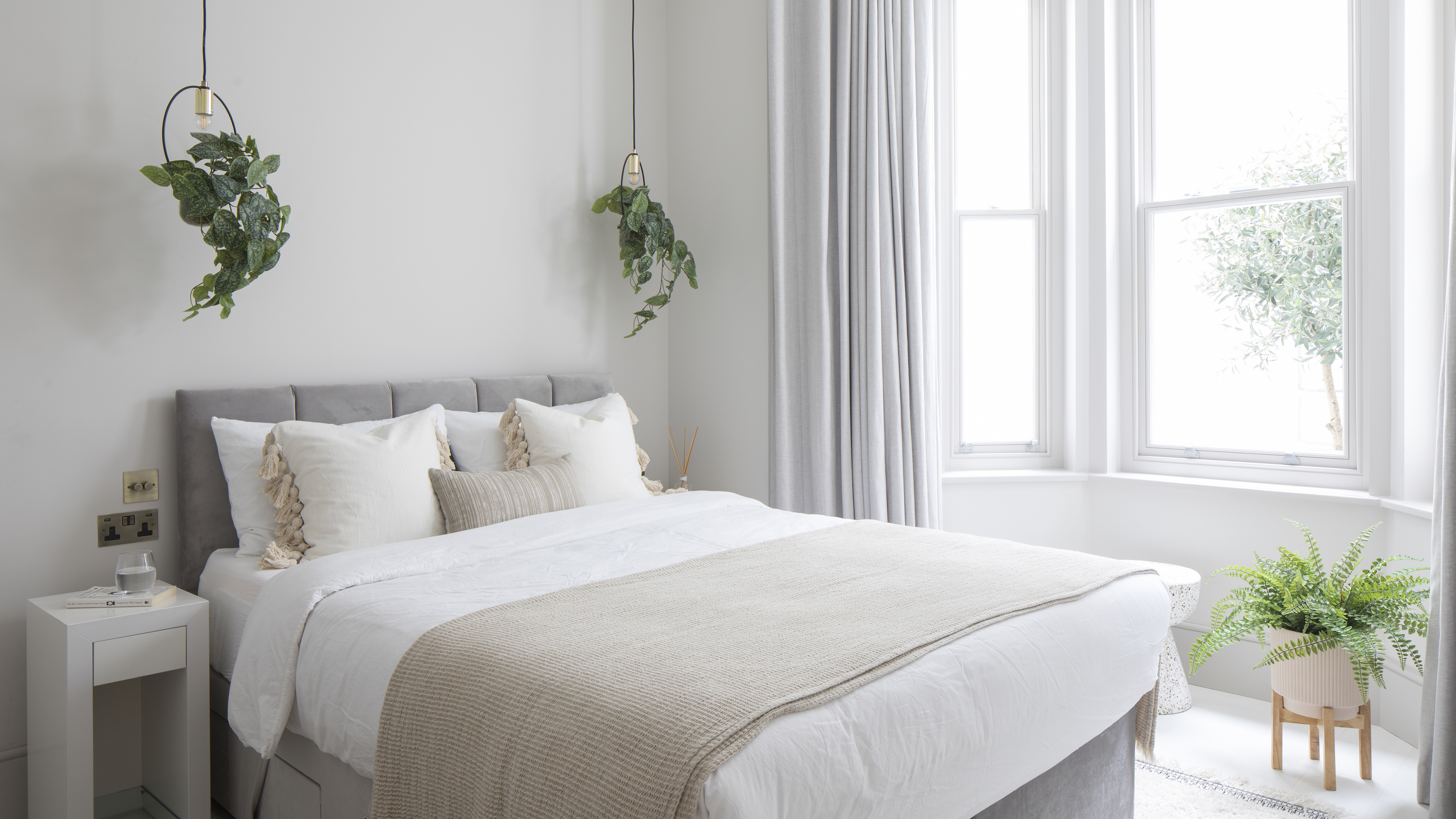
1/11
Calm bedroom ideas – 11 style tricks to create a soothing sanctuary
In a world where daily life can be overwhelming, the bedroom serves as a crucial sanctuary for relaxation, reading, and sleep. This is particularly true for multifunctional bedrooms that also serve as workspaces, dressing rooms, or play areas. The goal is to transform these spaces into a haven of peace and tranquility, enabling occupants to unwind and recharge. Lou Petersen, Head of Design Innovation at DFS, emphasizes the importance of investing in the bedroom to ensure it aligns with personal tastes and promotes overall well-being, given the intrinsic link between rest and health.
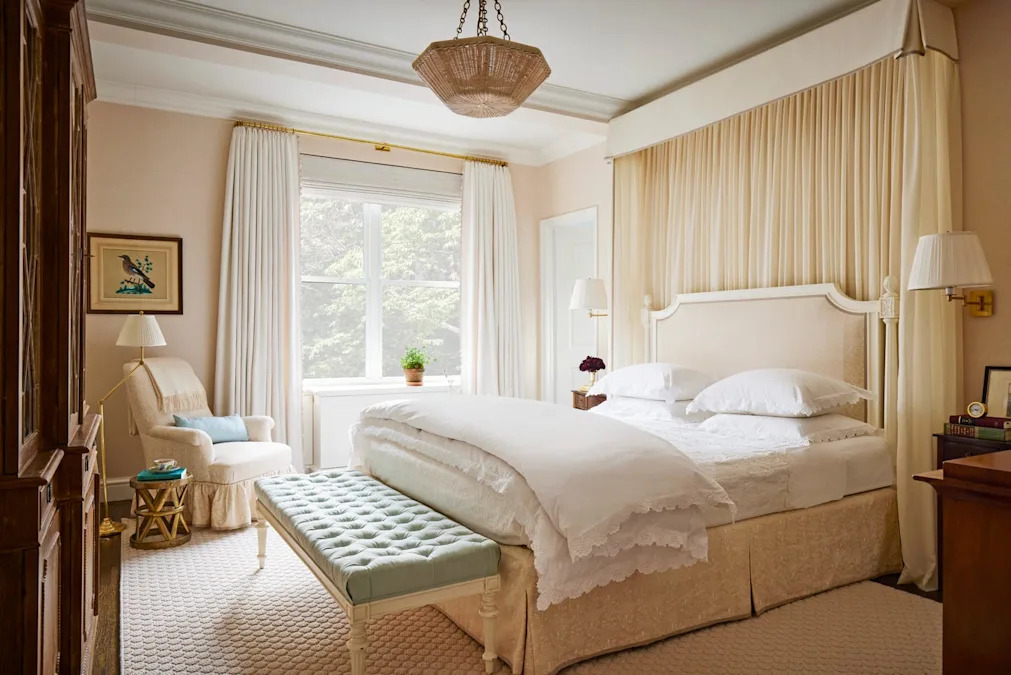
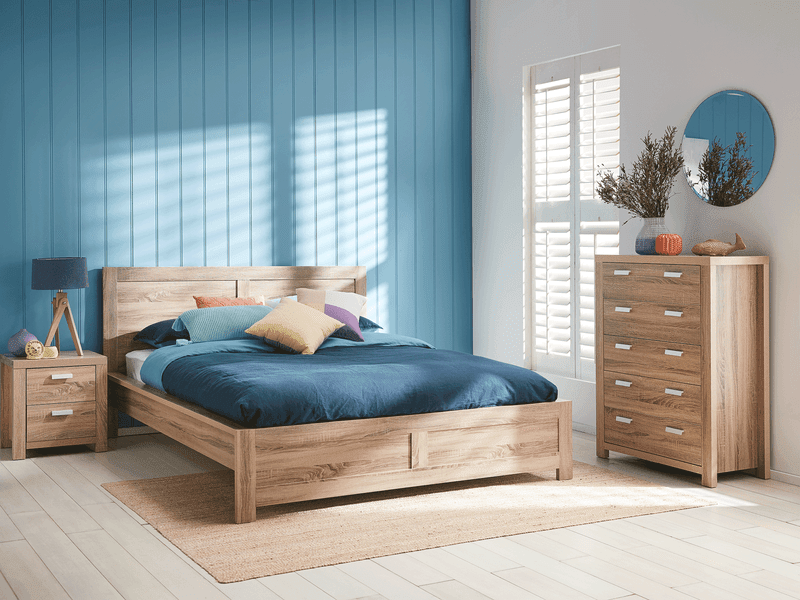
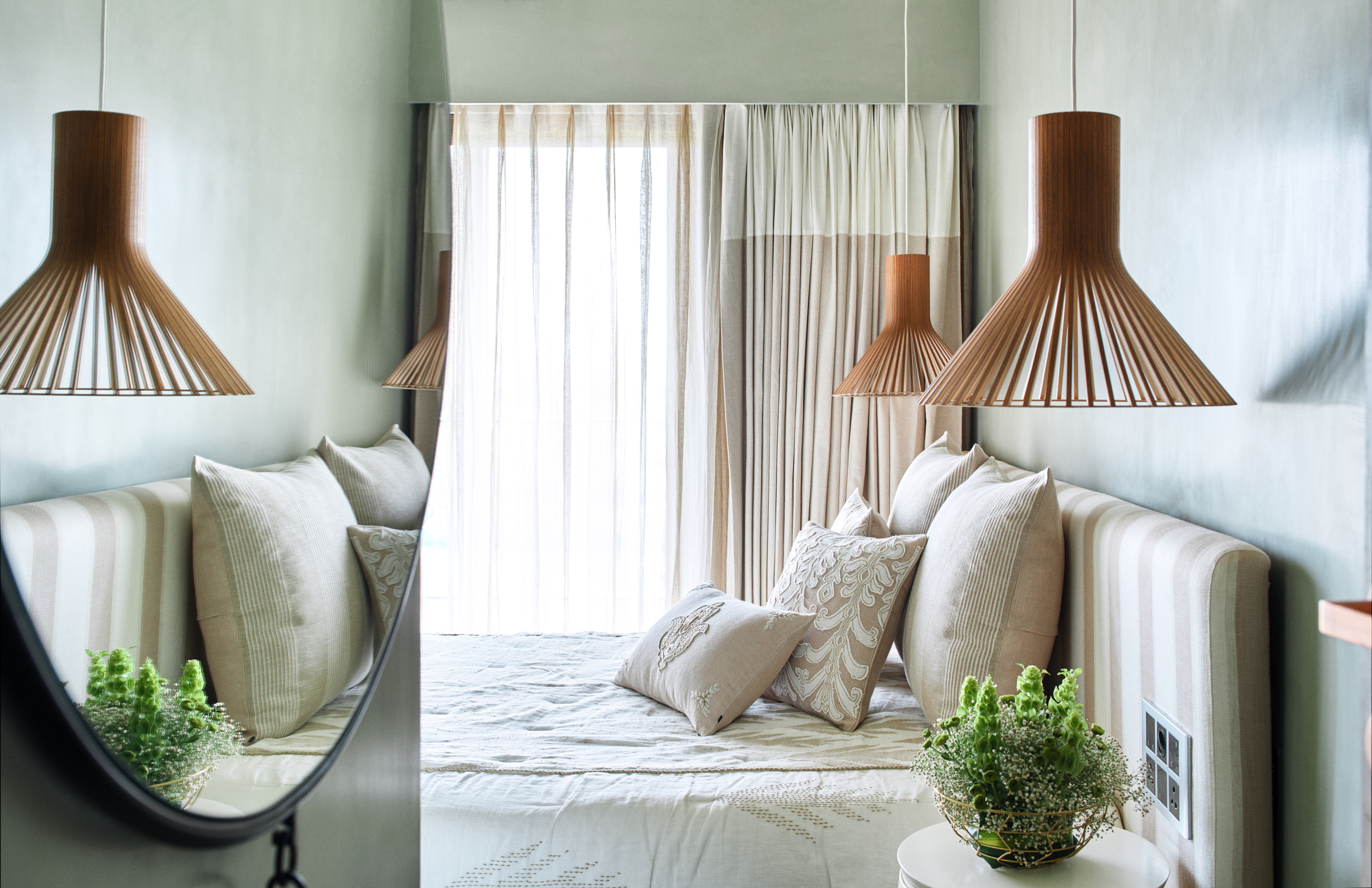
Several key strategies contribute to creating a calm bedroom. These include selecting cocooning upholstered furniture, choosing a high-quality mattress for optimal sleep, decluttering surfaces, minimizing intrusive sounds, and incorporating warm, soft textures. However, color is arguably the most impactful element in establishing a peaceful atmosphere. Lou Petersen highlights that color significantly influences a space's mood and occupants' feelings. Shades of green and blue are recommended for their natural connotations, fostering feelings of restfulness and relaxation.
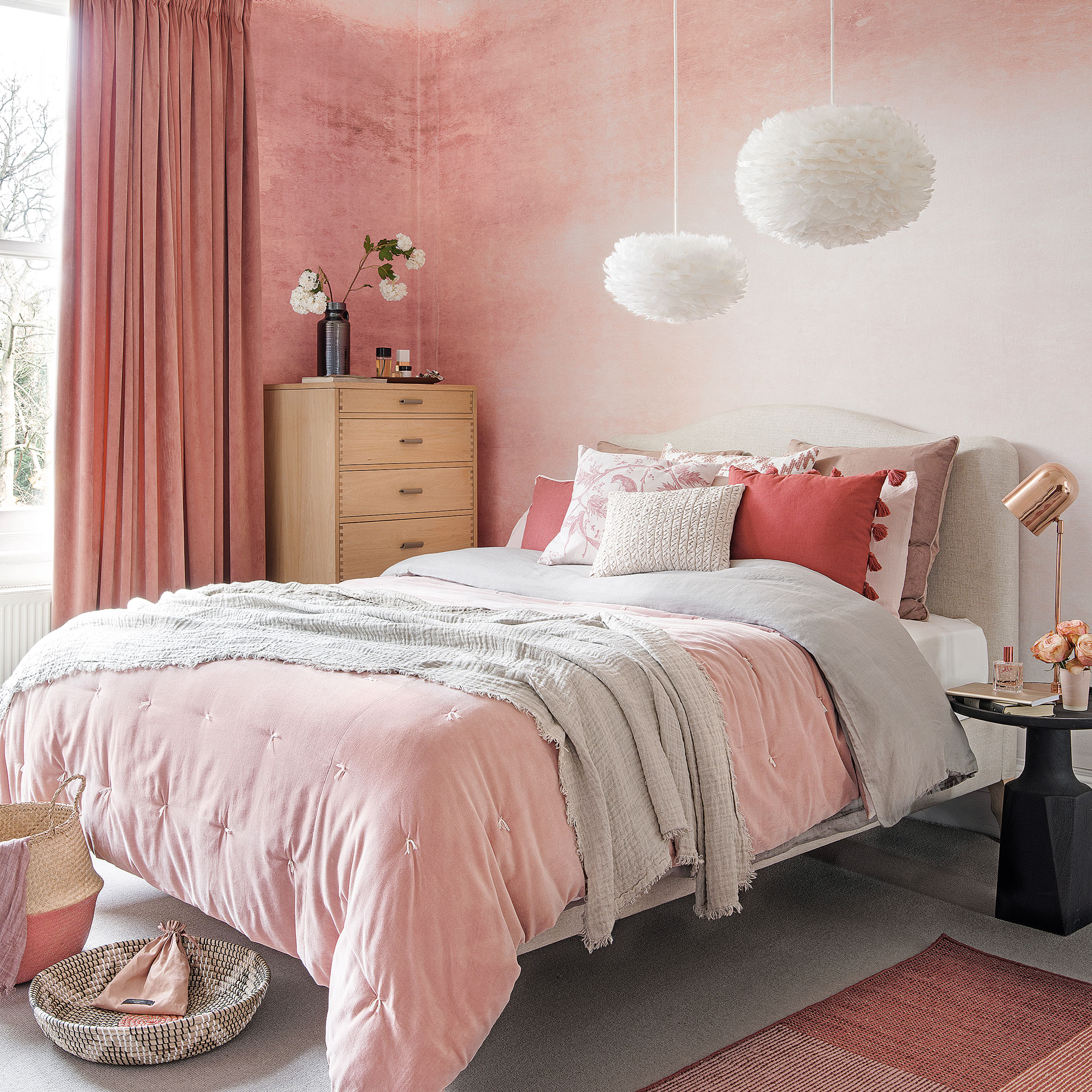
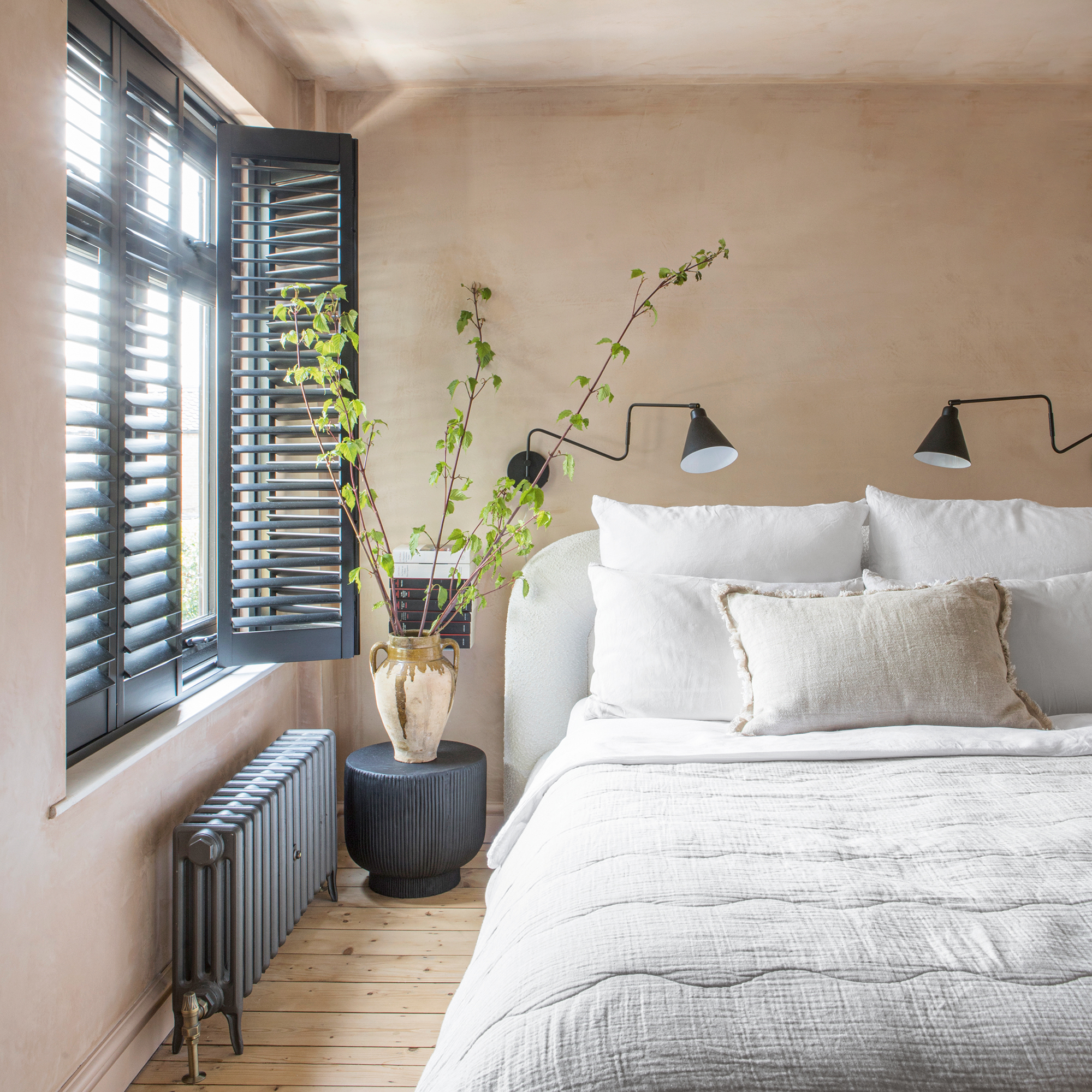
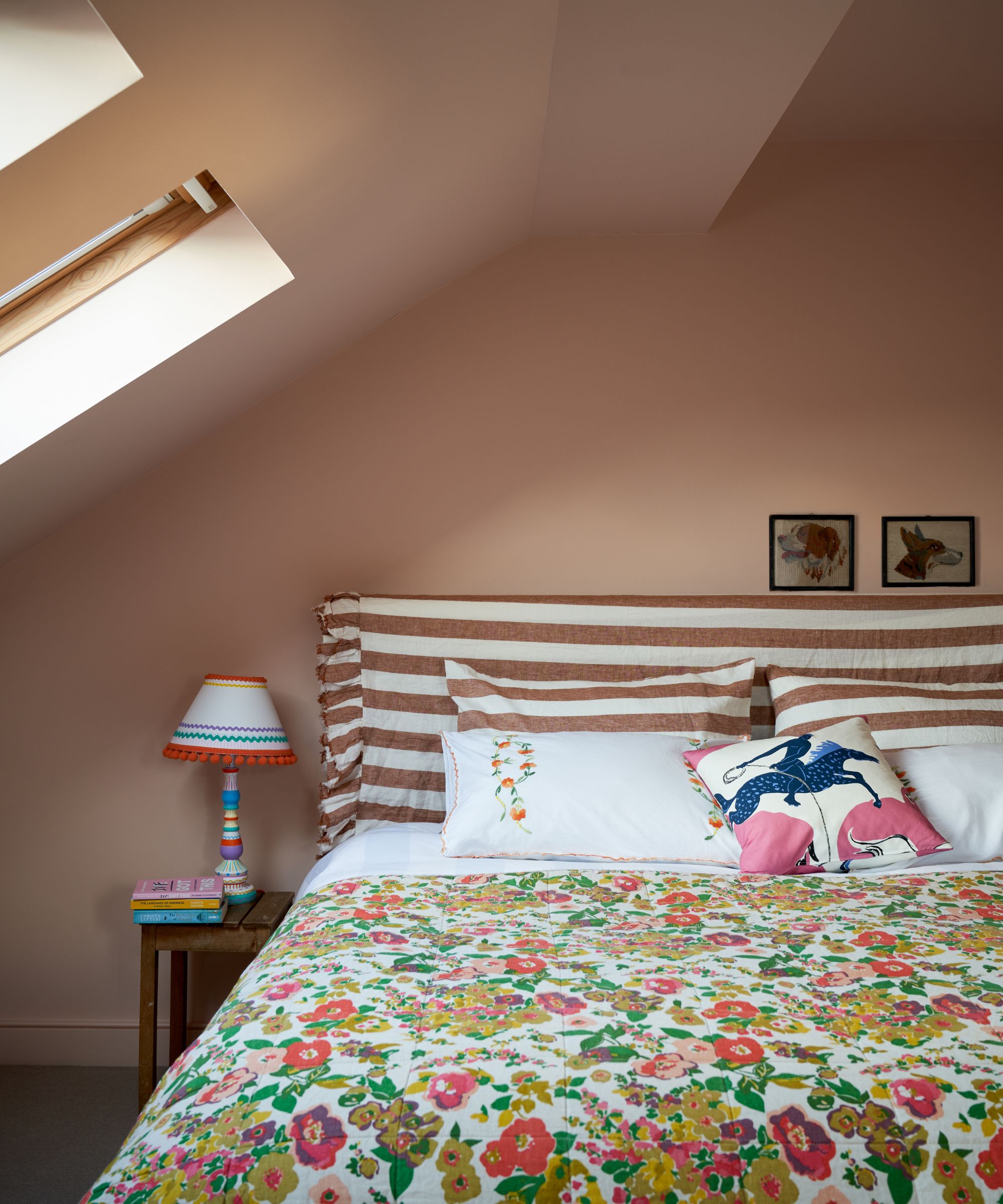
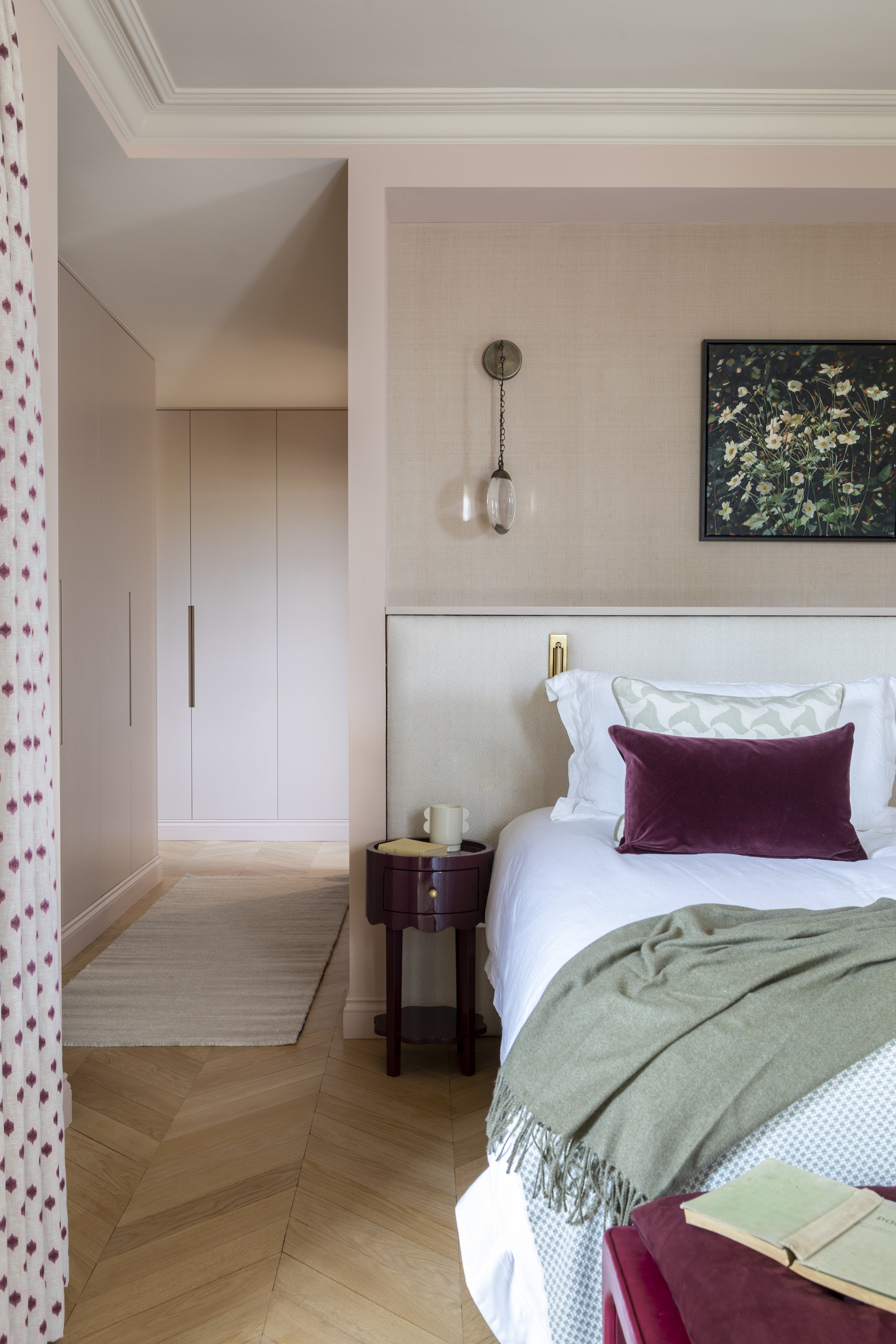
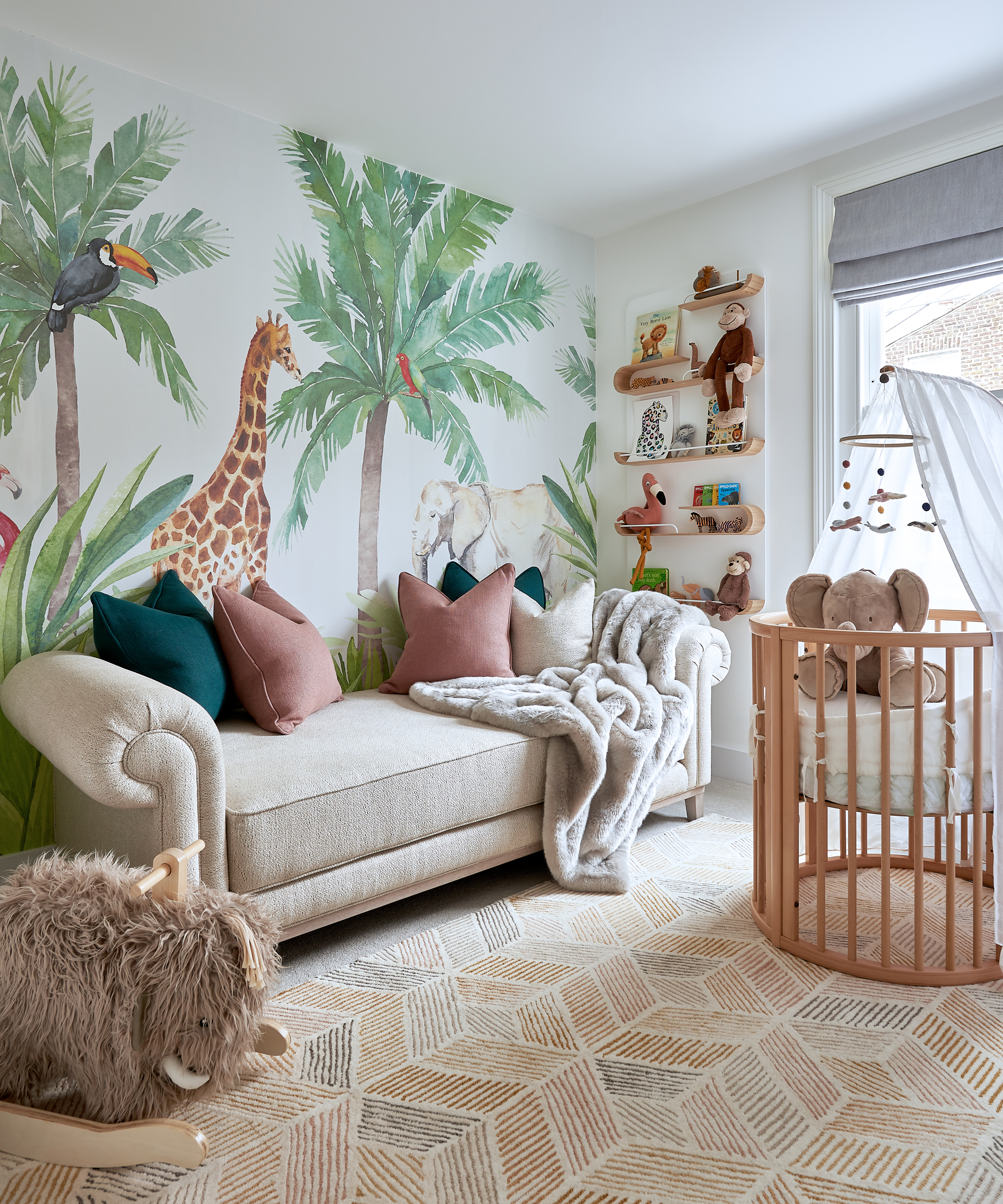
Interior designers and brand experts offer various calming bedroom ideas. Pastel color schemes, such as soft pinks, sky blues, or sage green, are encouraged due to their association with serene natural environments. Helen Shaw, Marketing Director at Benjamin Moore, notes that these gentle tones can be applied from ceiling to floor or combined with crisp whites and pale greys to achieve a Scandinavian-inspired aesthetic. Color-blocking techniques can also be employed to define different zones within a multifunctional bedroom, using varying shades of the same hue to create subtle divisions while maintaining harmony.
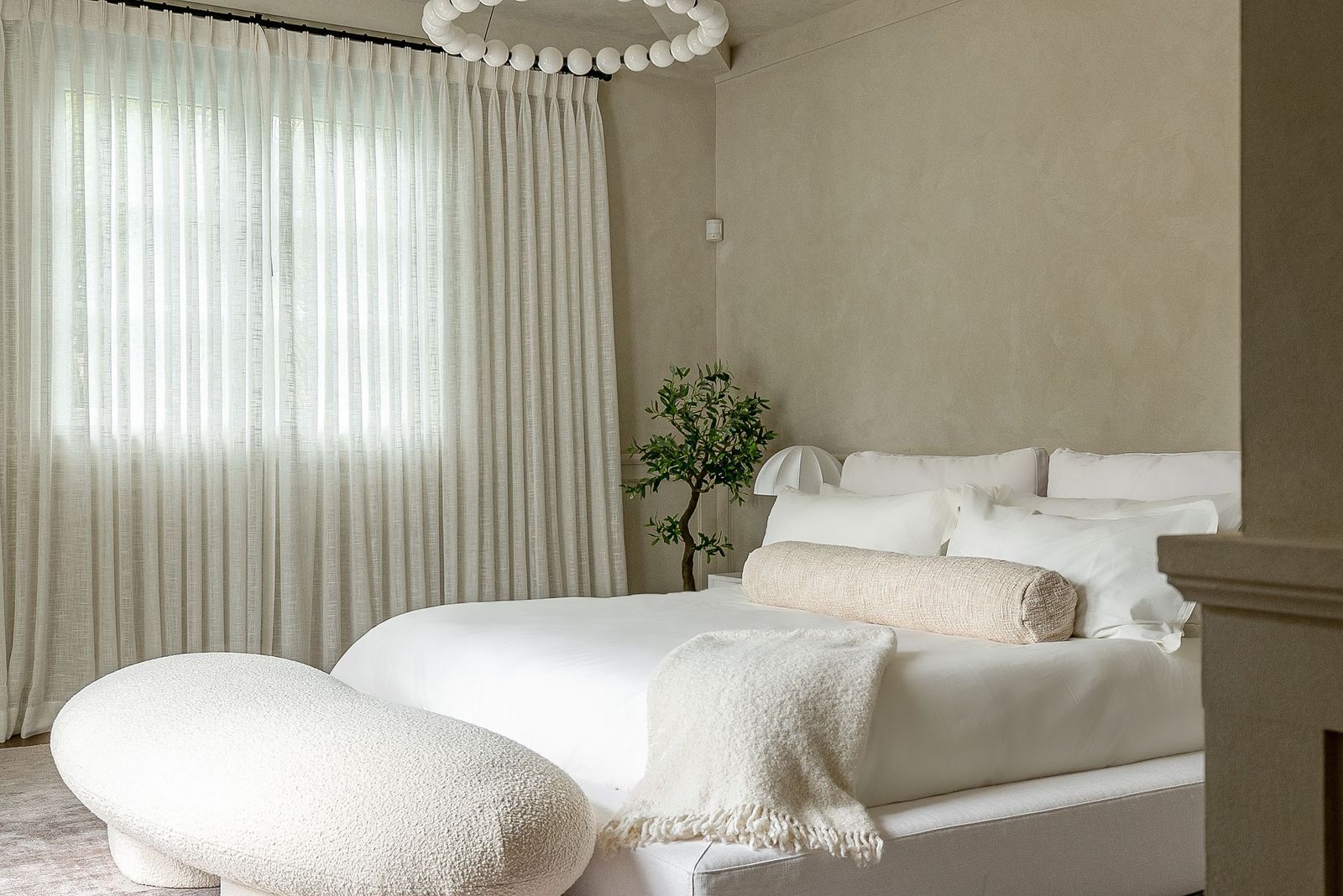
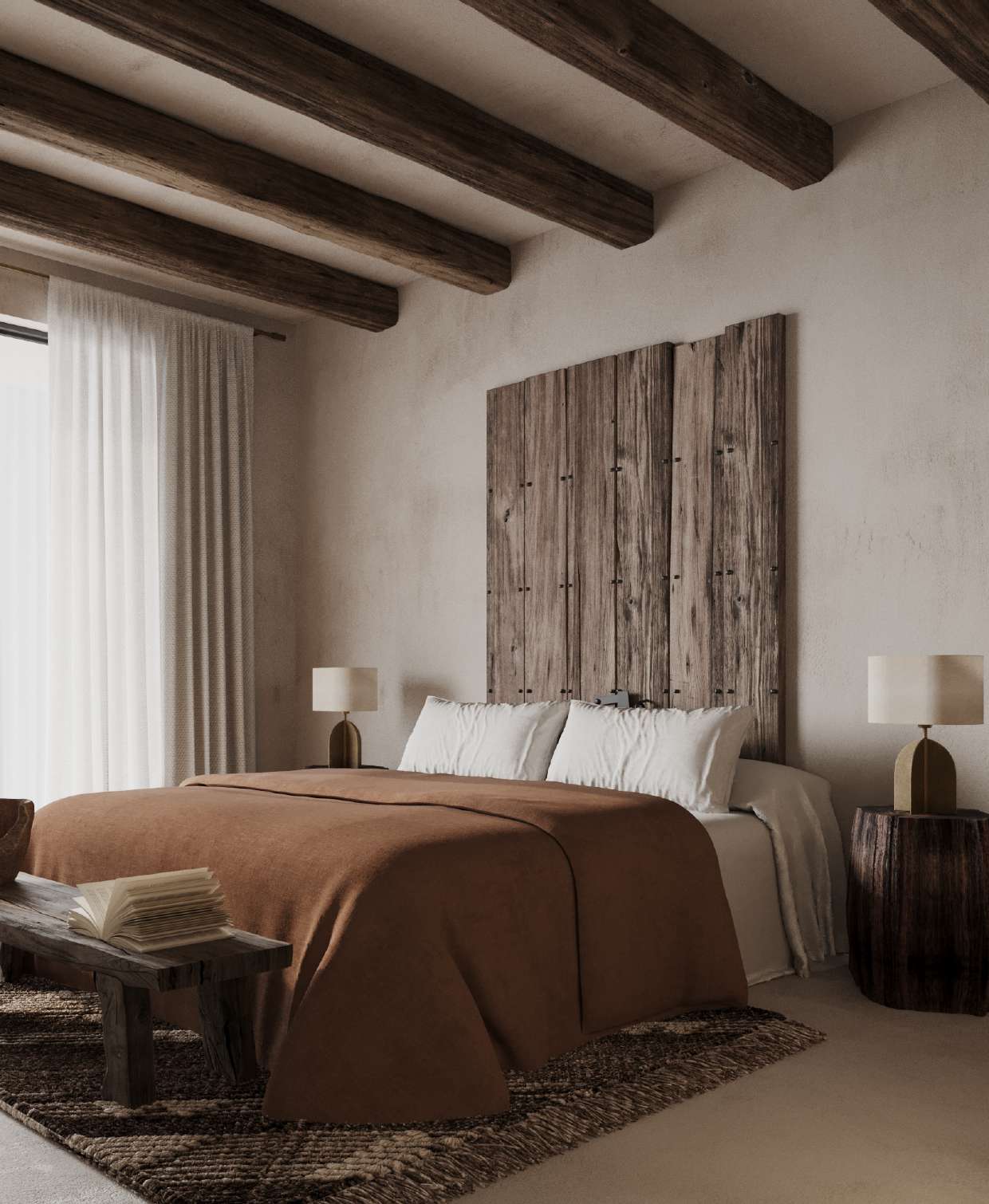
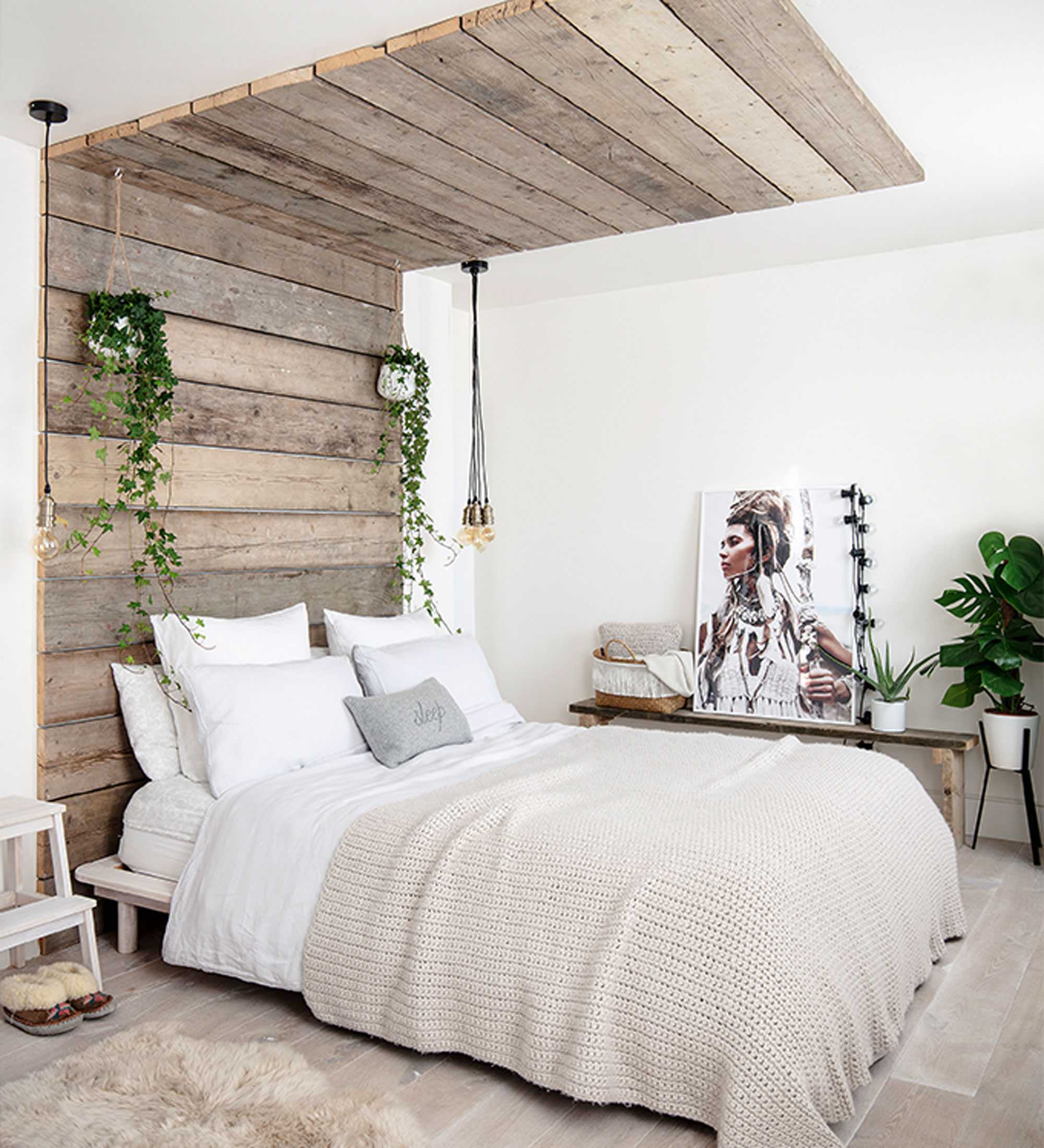
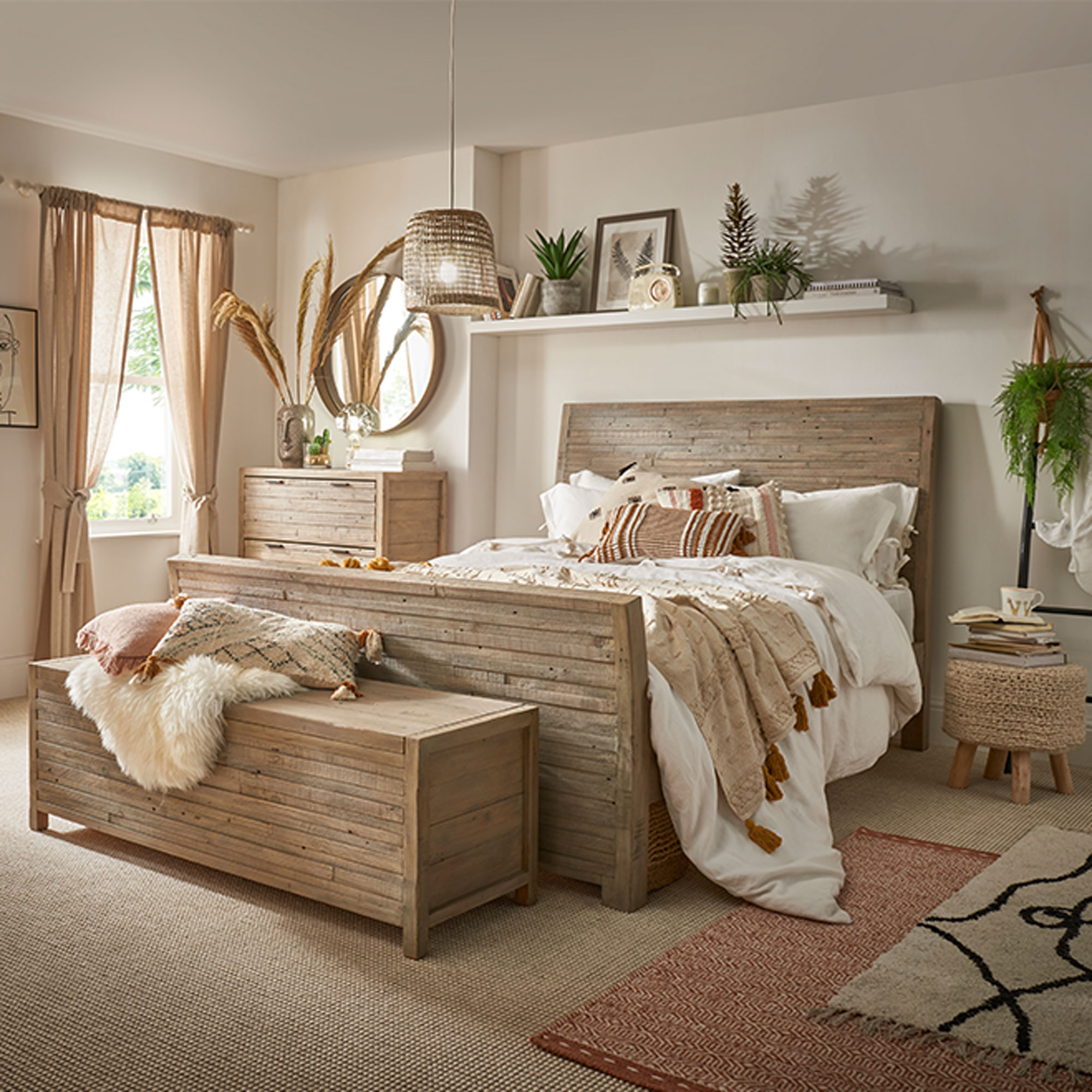
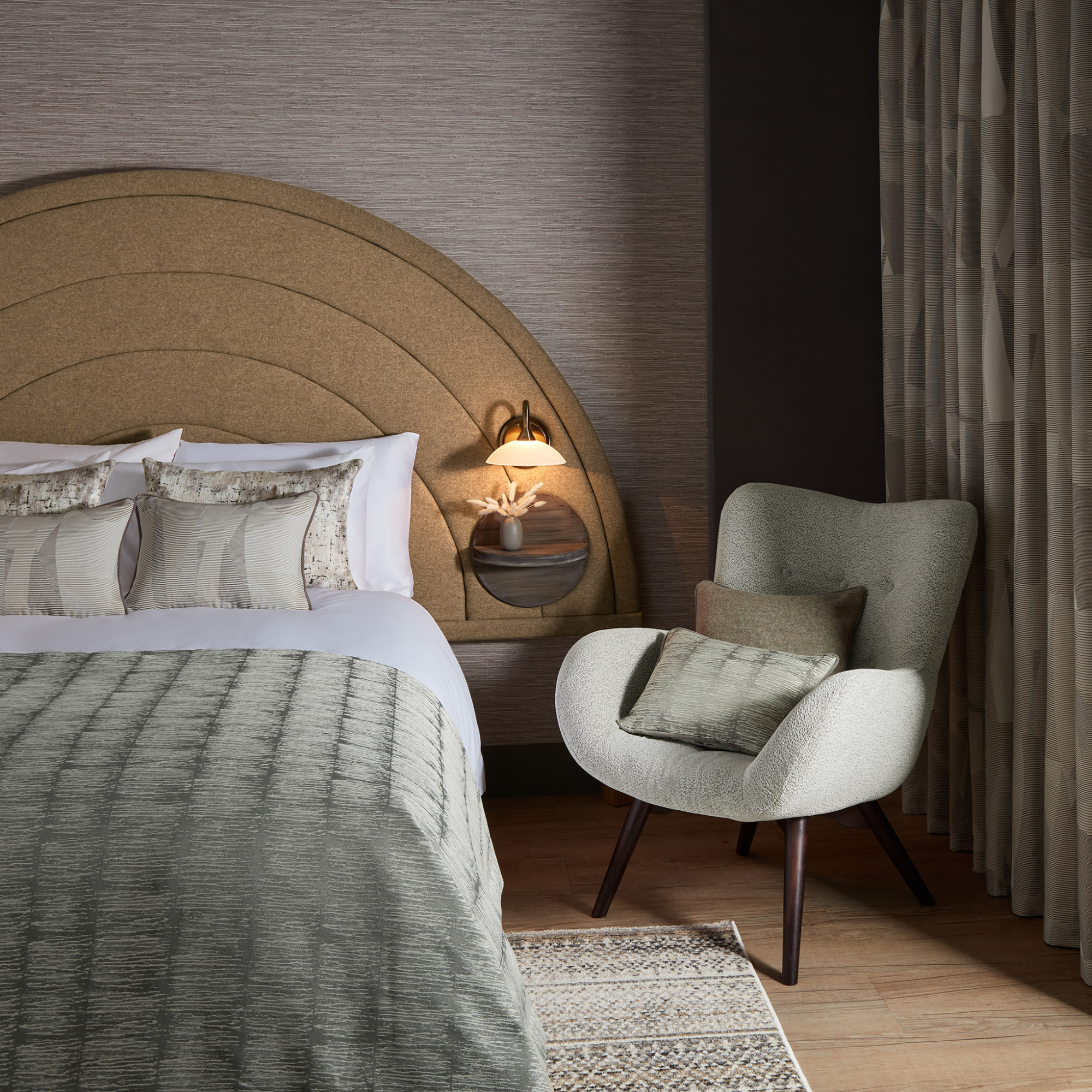
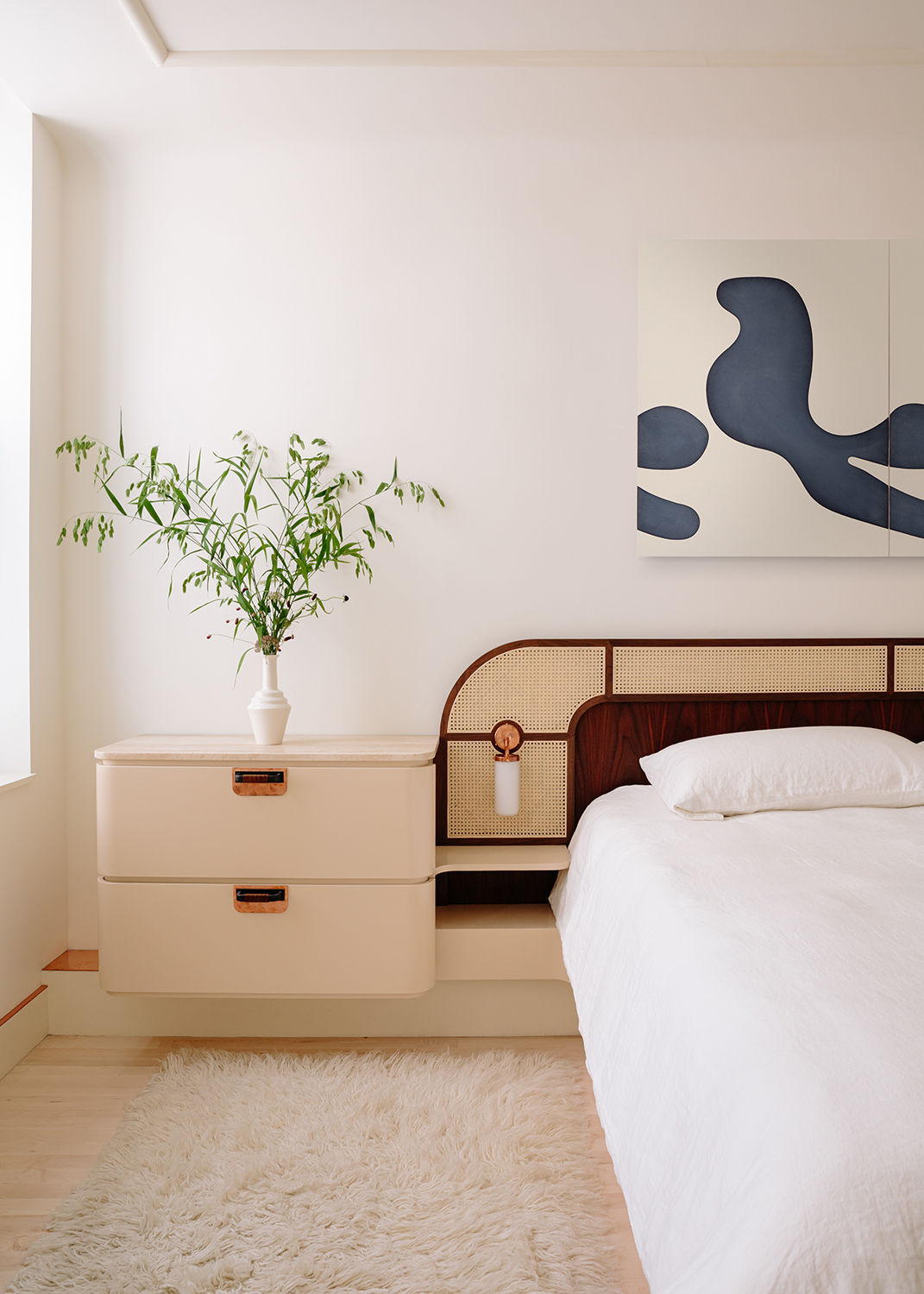
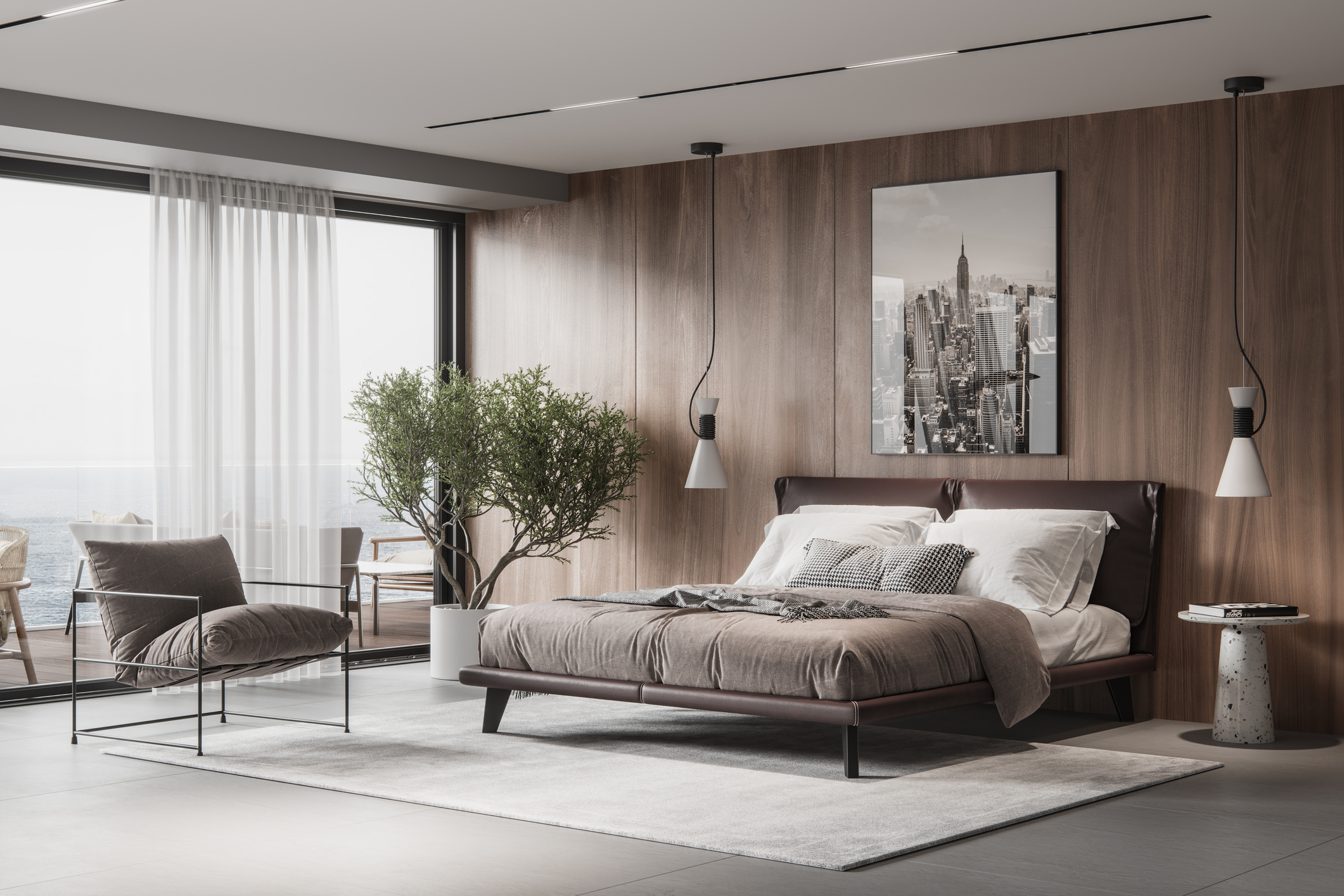
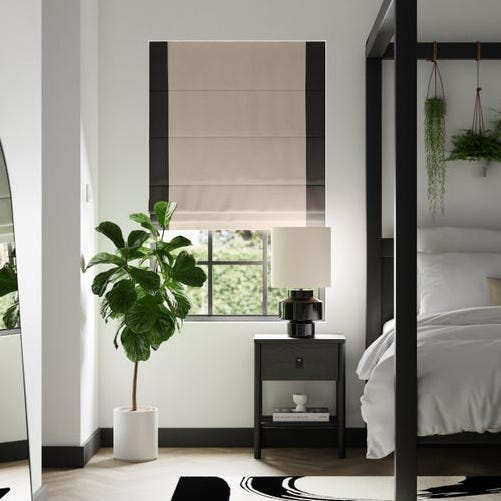
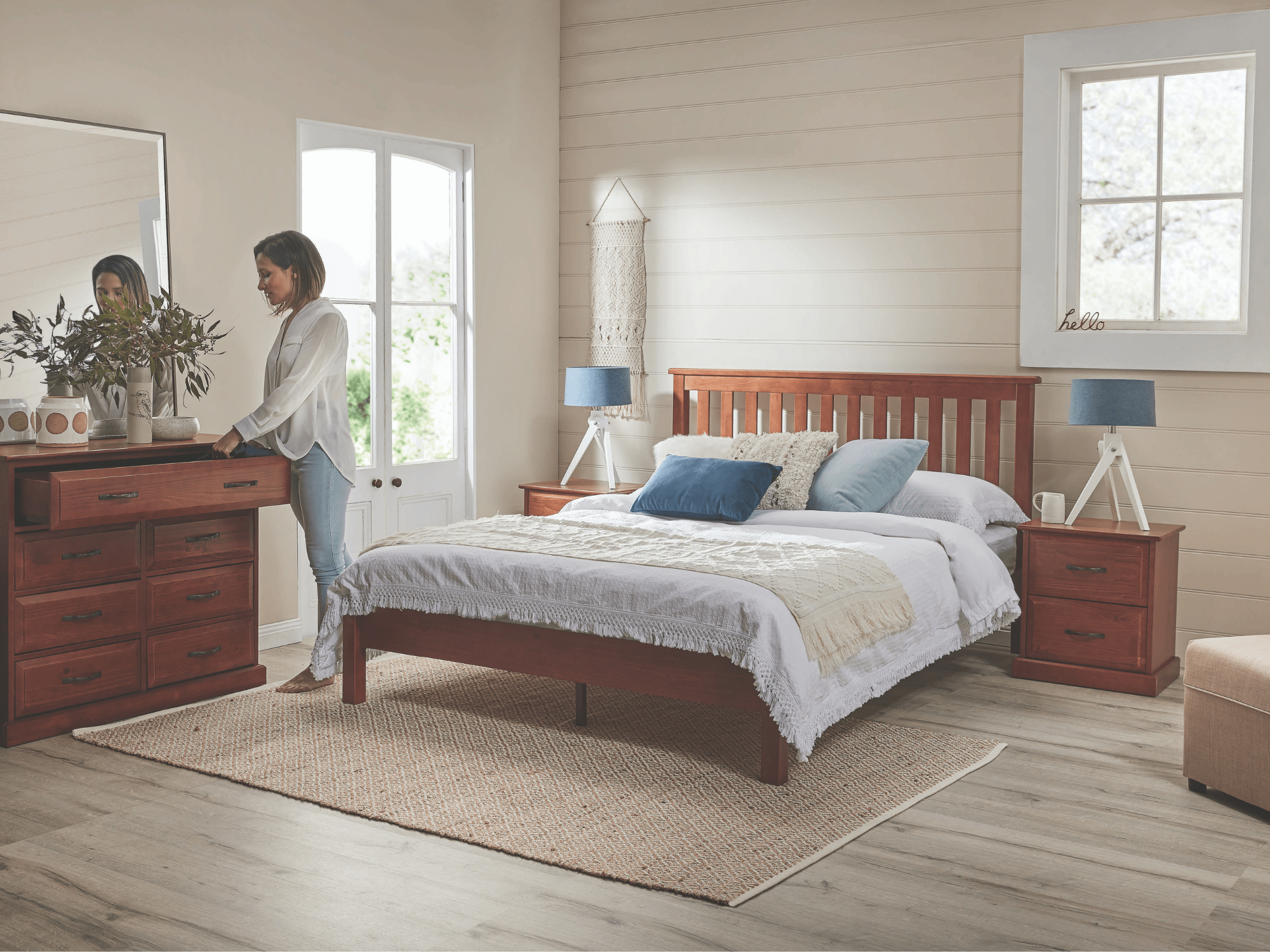
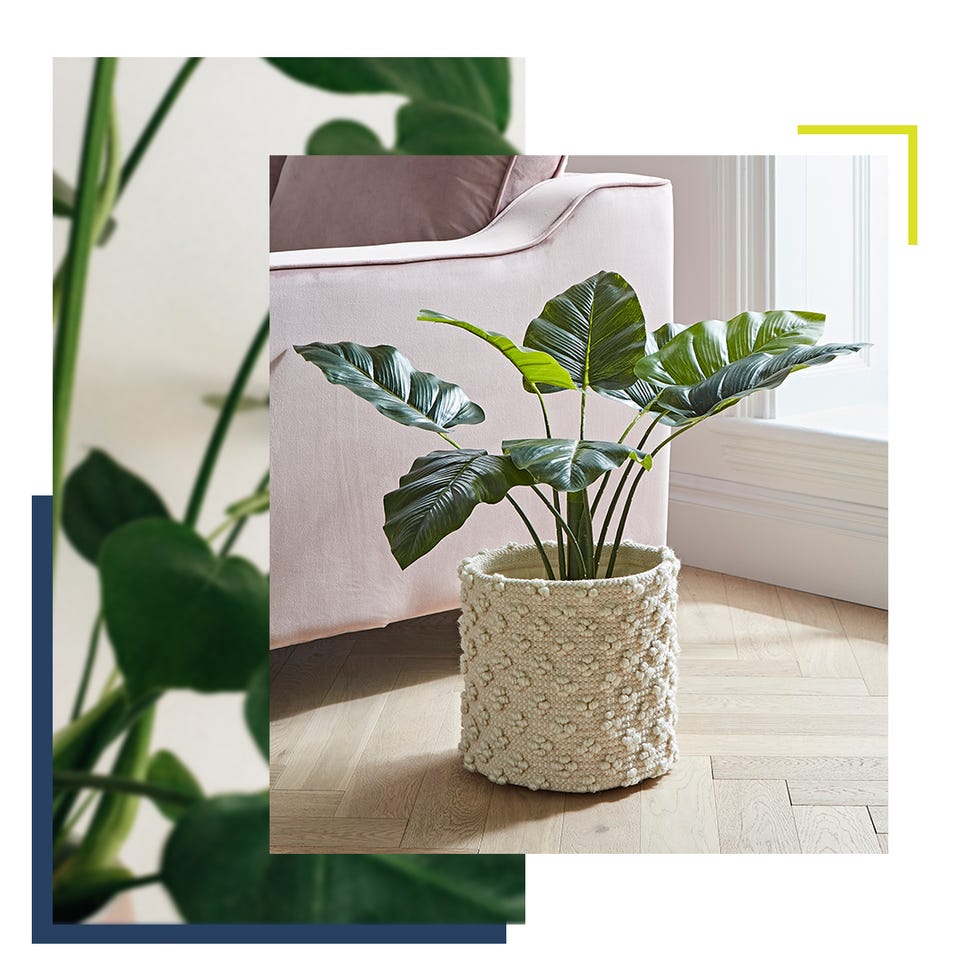
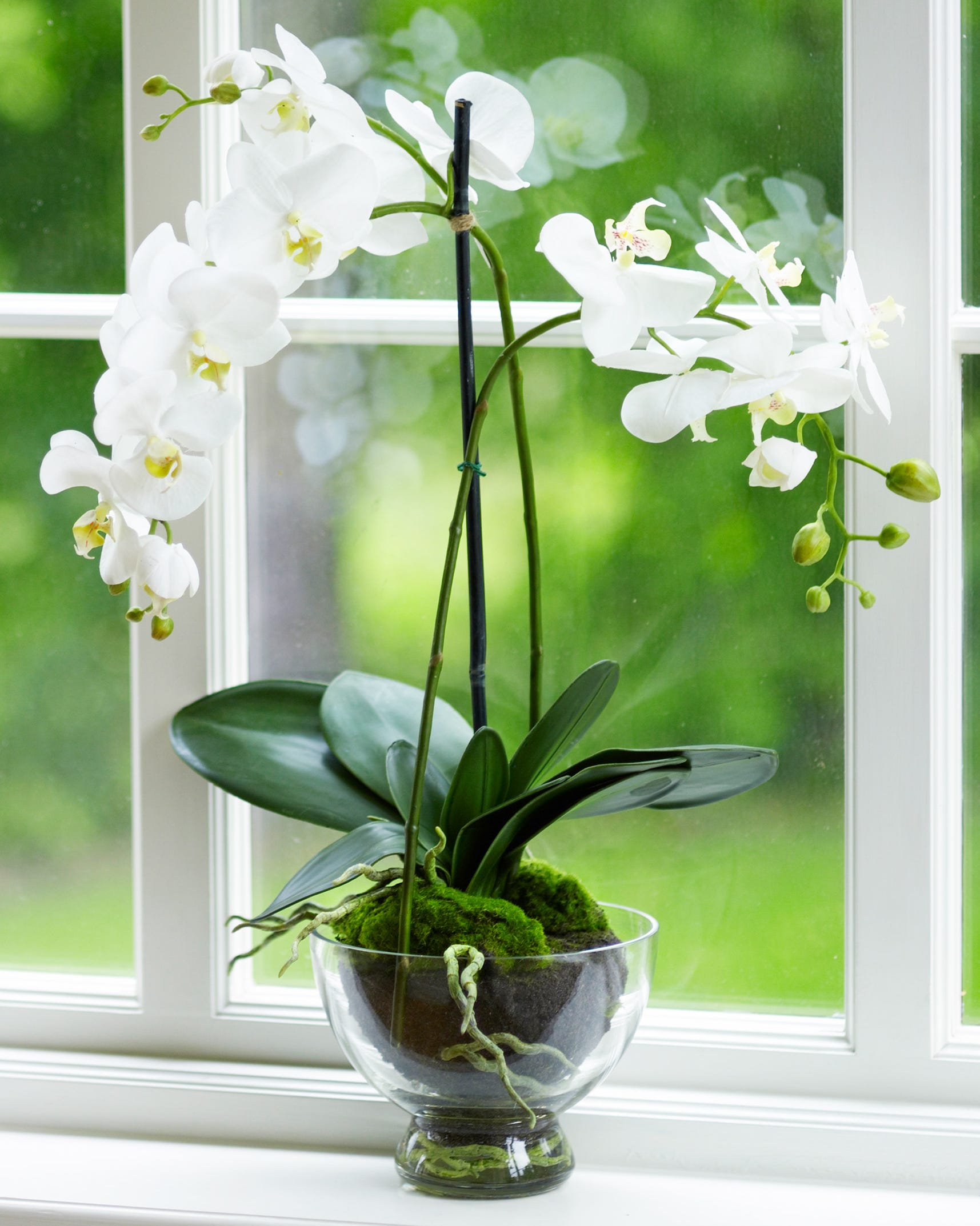
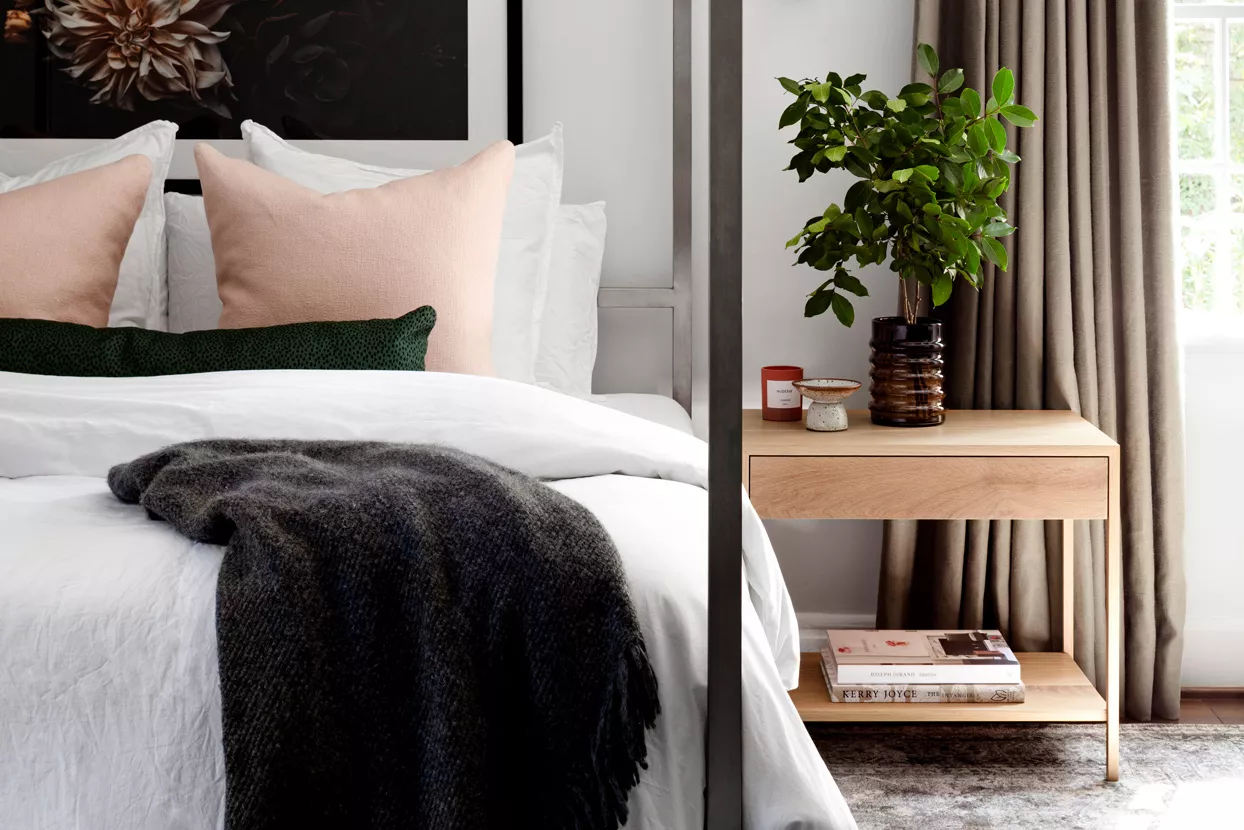
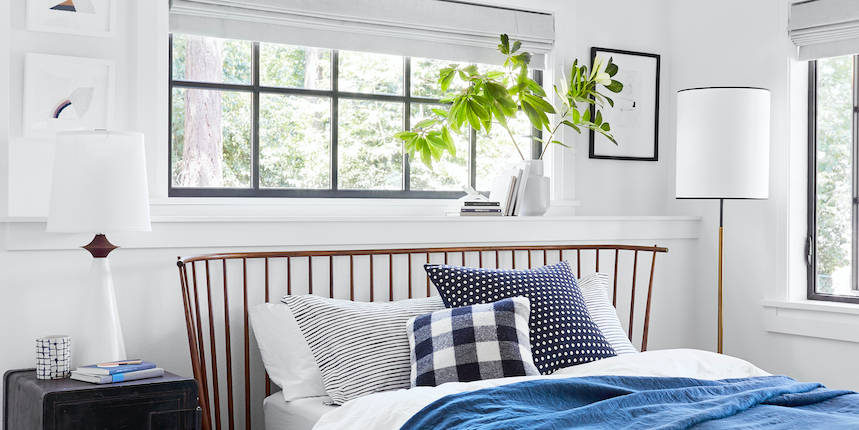
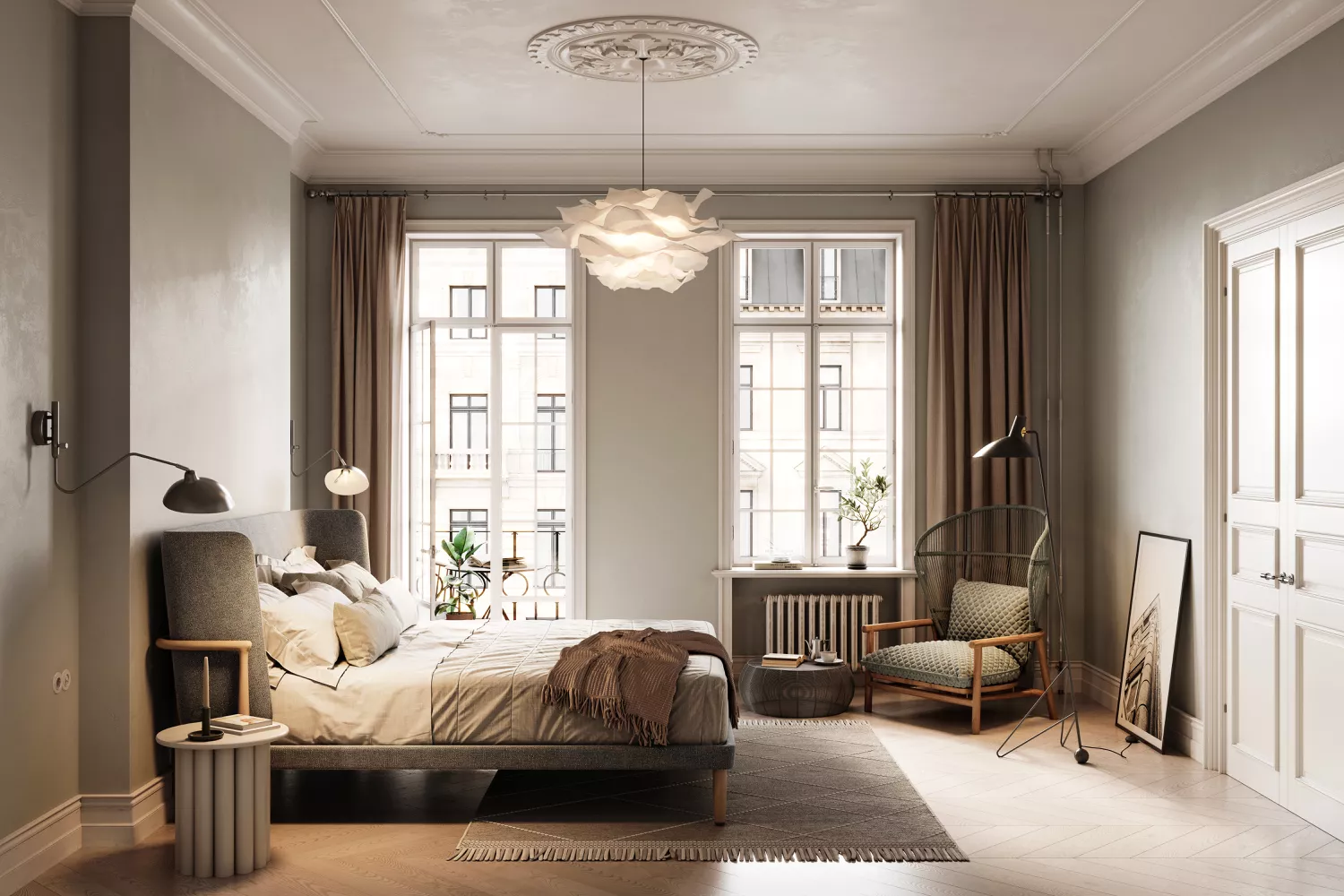
Integrating natural materials and houseplants is another effective approach. Houseplants enhance air quality and oxygen levels, while their presence lowers stress and boosts well-being. Patricia Gibbons from sofa.com suggests accessorizing with natural woods and greenery, complemented by upholstered beds or furniture like armchairs and pouffes for a cocooning effect. Ambient lighting further enhances this natural, comforting vibe.
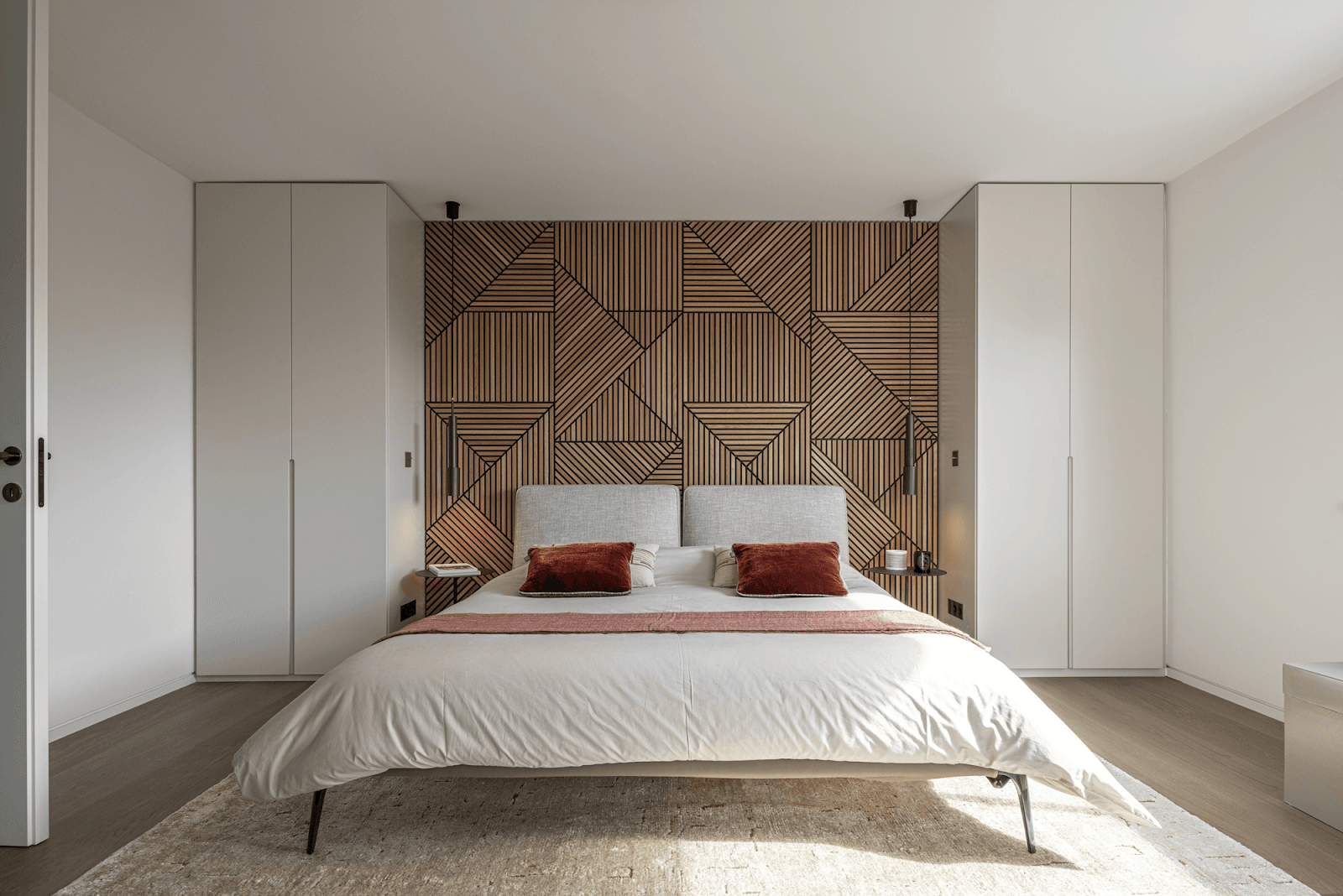
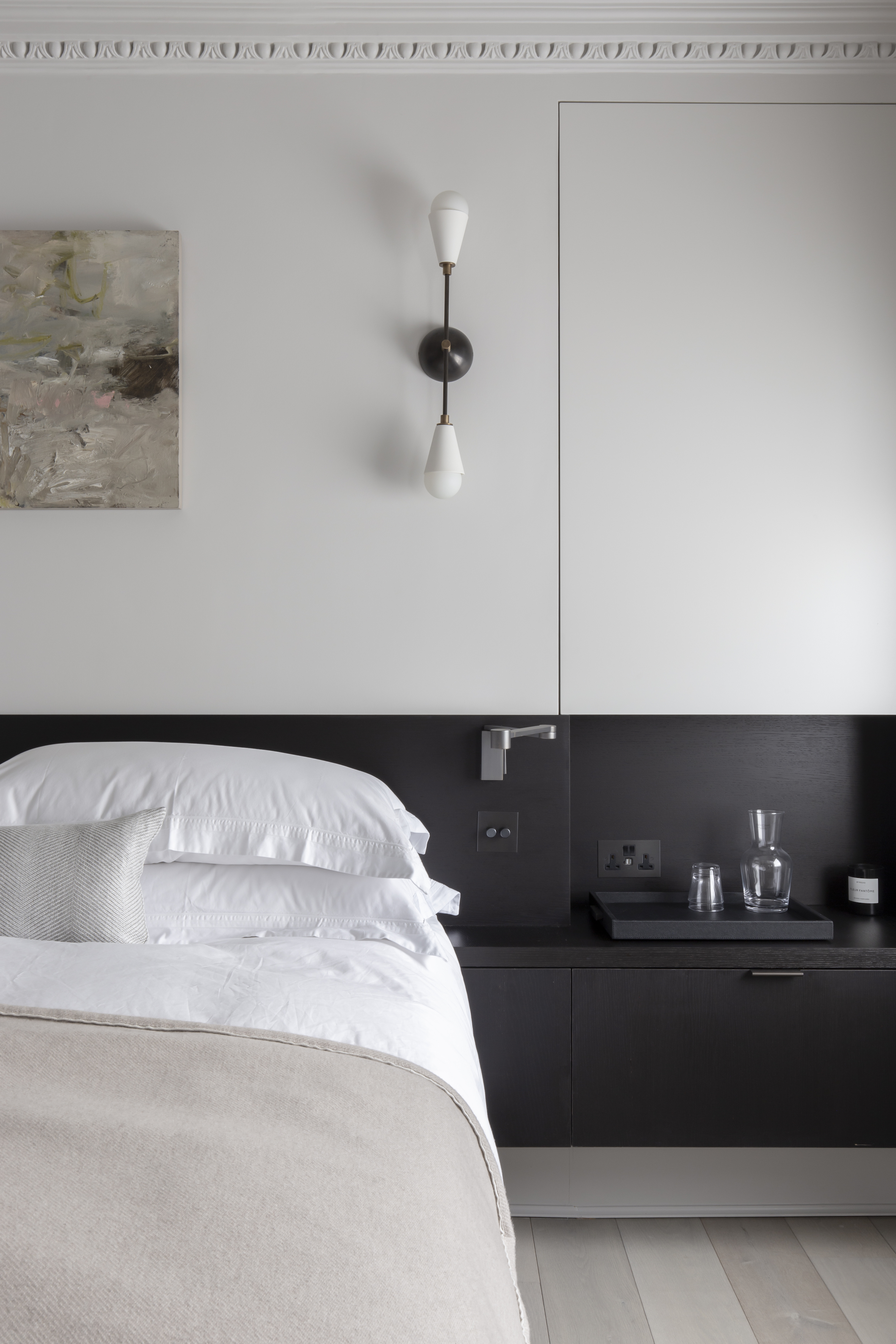
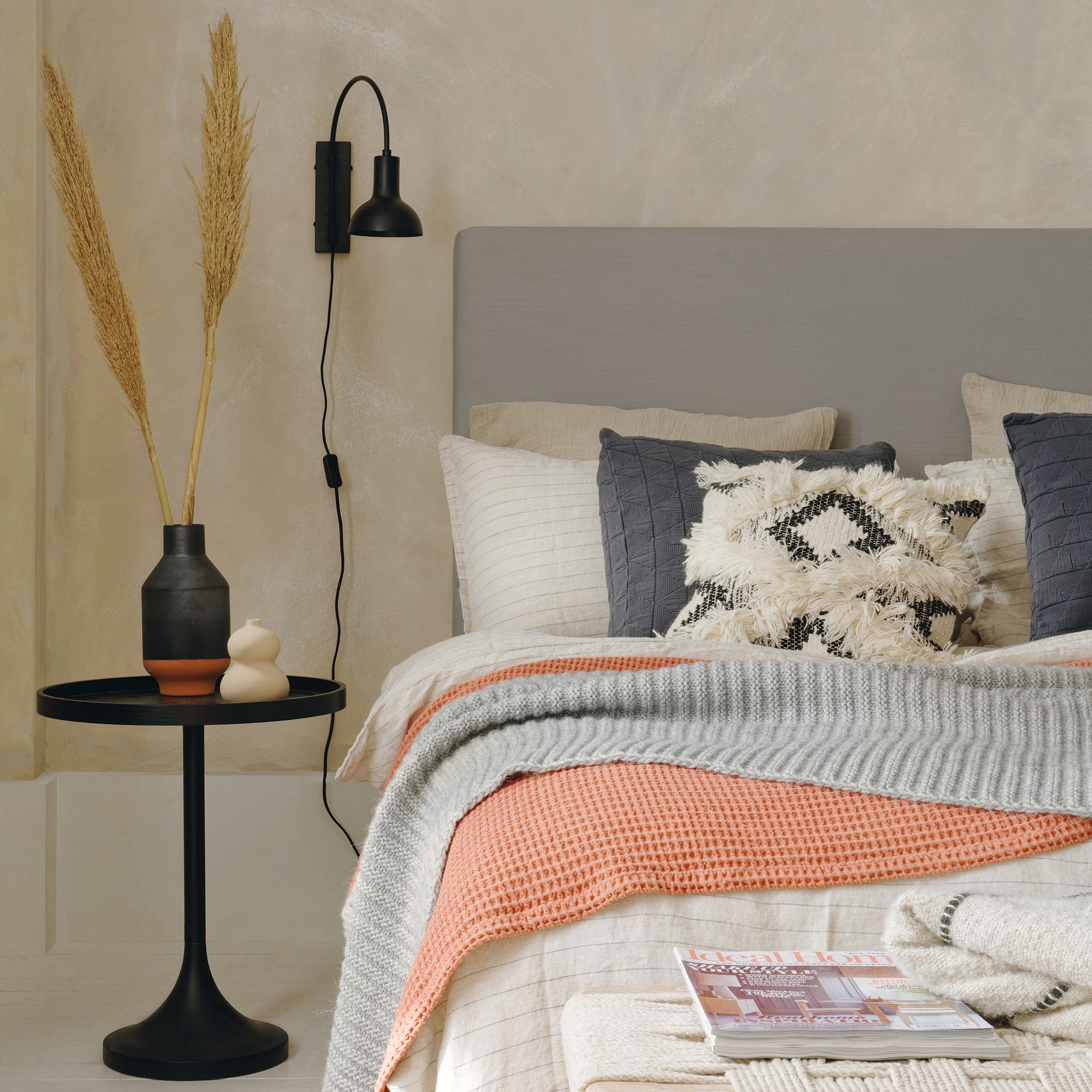
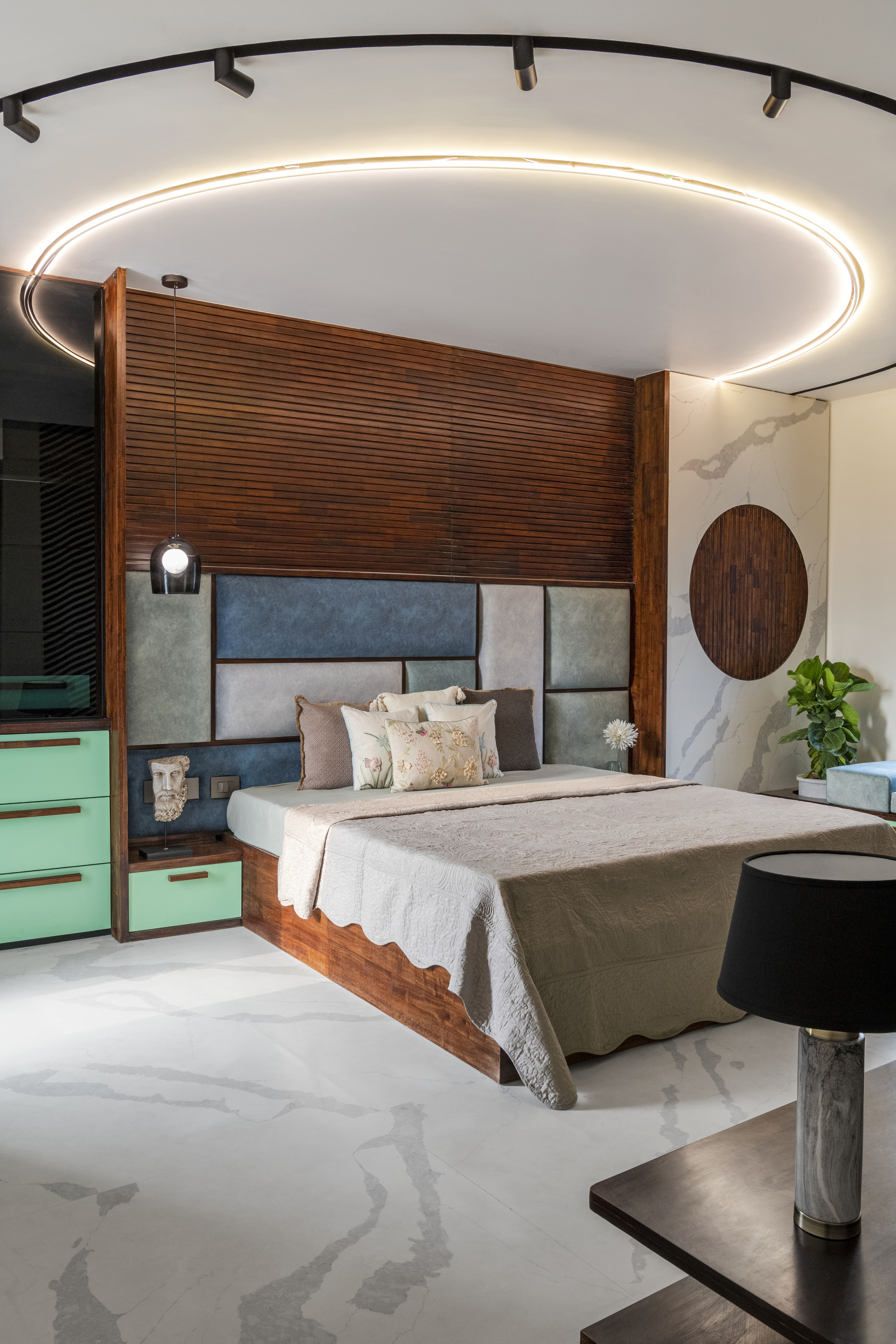
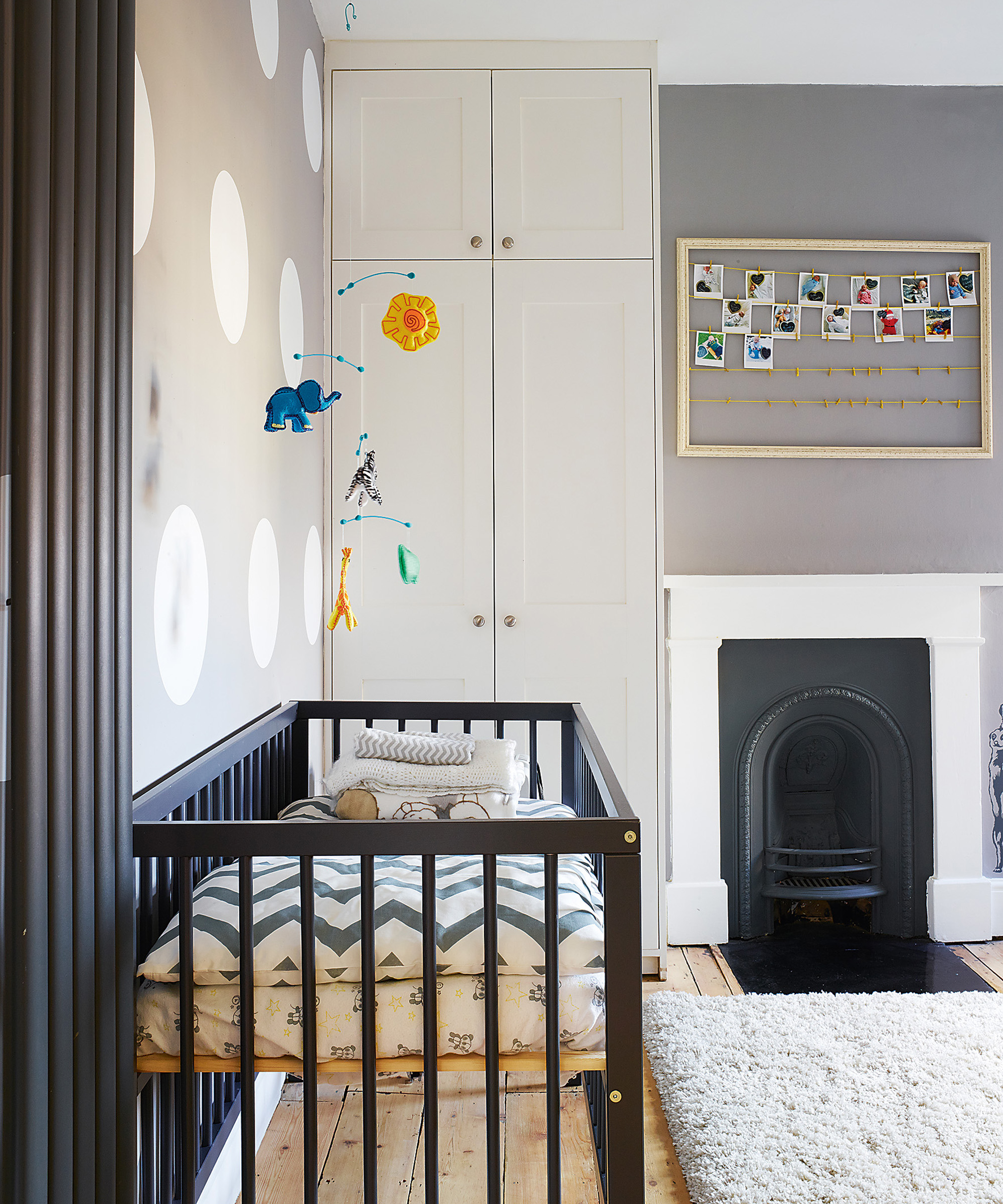
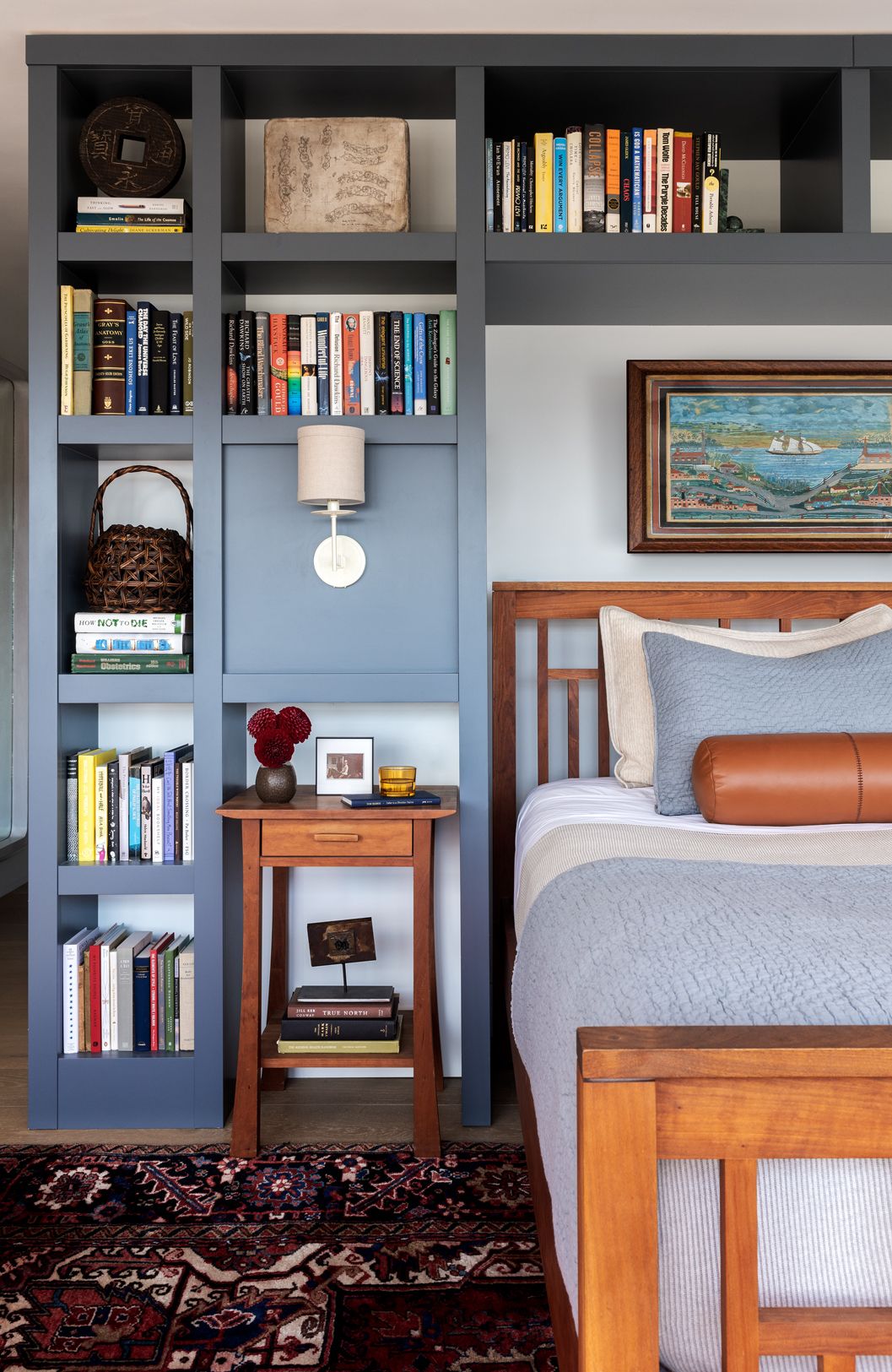
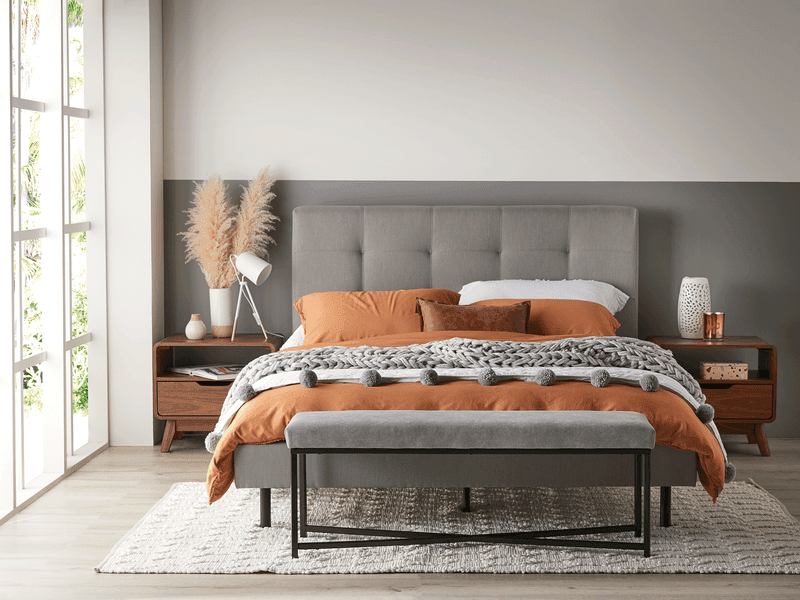
Effective storage is paramount to combating clutter, a major enemy of calm. Streamlined bedroom storage solutions, such as fitted wardrobes, integrated bed bridges, and ottoman beds, help maintain an organized environment. Rachal Hutcheson from Sharps advises starting with bed placement and incorporating storage around it to create seamless, integrated designs. Bedside tables that coordinate with other furniture contribute to a cohesive and calm style.
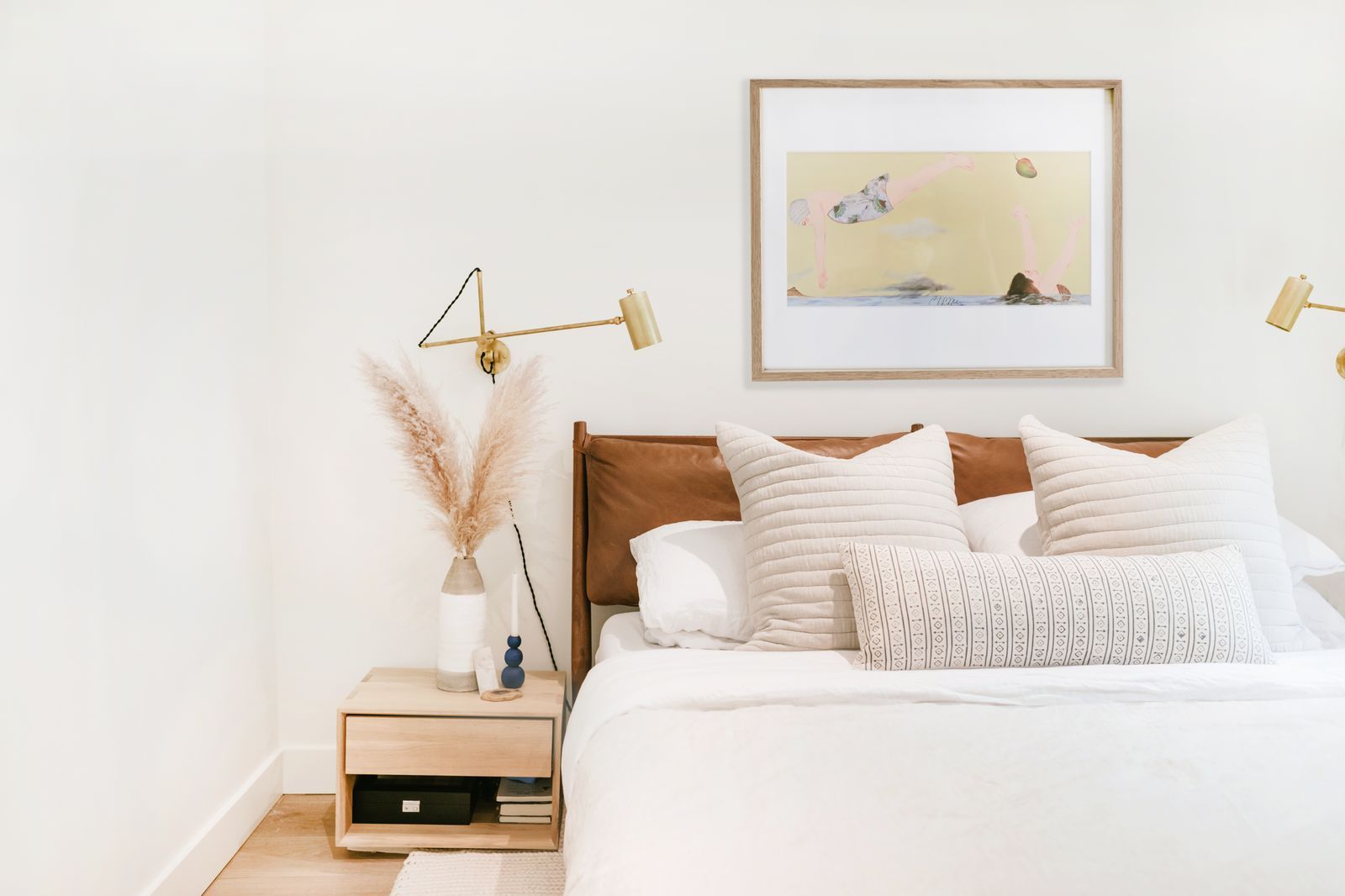
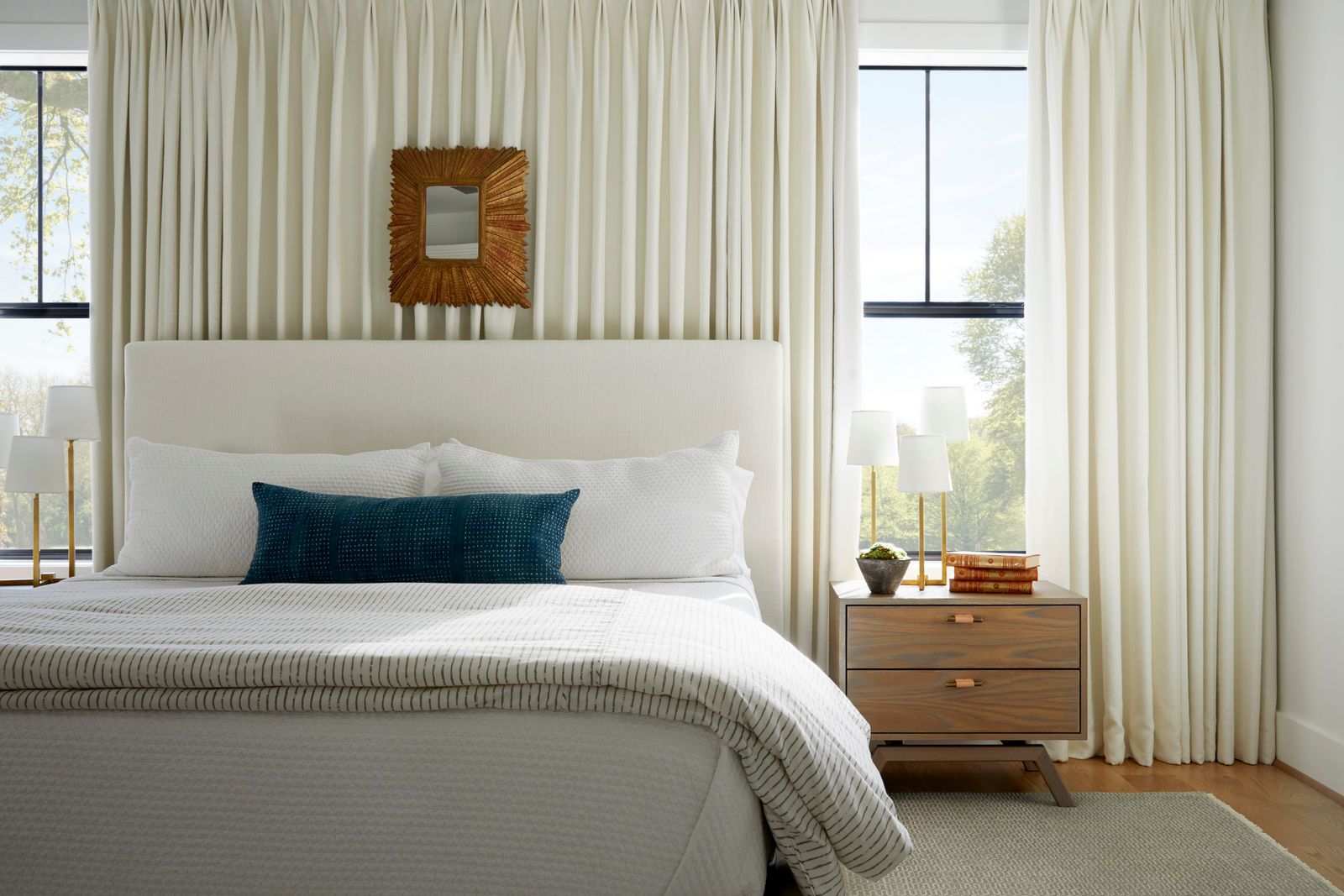
Adding rugs or carpets introduces warmth and coziness, providing a soft landing underfoot and soundproofing the room for a more serene atmosphere. Punam Chada from Carpetright emphasizes the luxurious feel of soft, deep-pile carpets, which also offer practical benefits like warmth retention and a versatile canvas for color. Additionally, embracing a pre-bed tidy-up routine can significantly improve the bedroom's ambiance. Adam Black, co-founder of Button & Sprung, explains that a clutter-free environment helps clear the mind for better sleep. Storage solutions like baskets, dressing table drawers, and ottoman beds are useful for discreetly stowing away daily items.
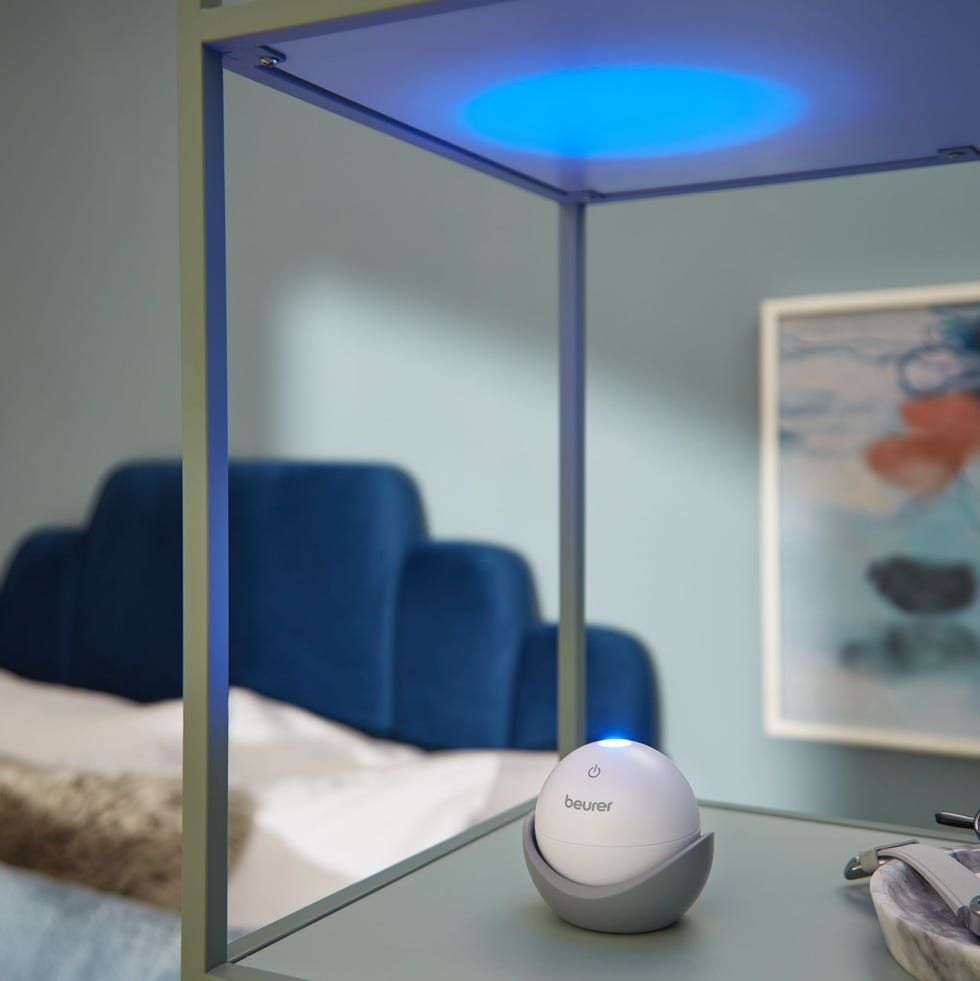
Going tech-free in the bedroom is crucial for promoting better sleep. Electronic devices emit blue light that disrupts melatonin production, making it harder to fall asleep. Creating a tech-free zone and establishing a bedtime curfew for devices at least two hours before sleep allows the brain to wind down. Anne Marie Boyhan, founder of The Sleep Care Company, advocates for old-school alternatives like battery-powered alarm clocks and DAB radios, encouraging reading over scrolling.
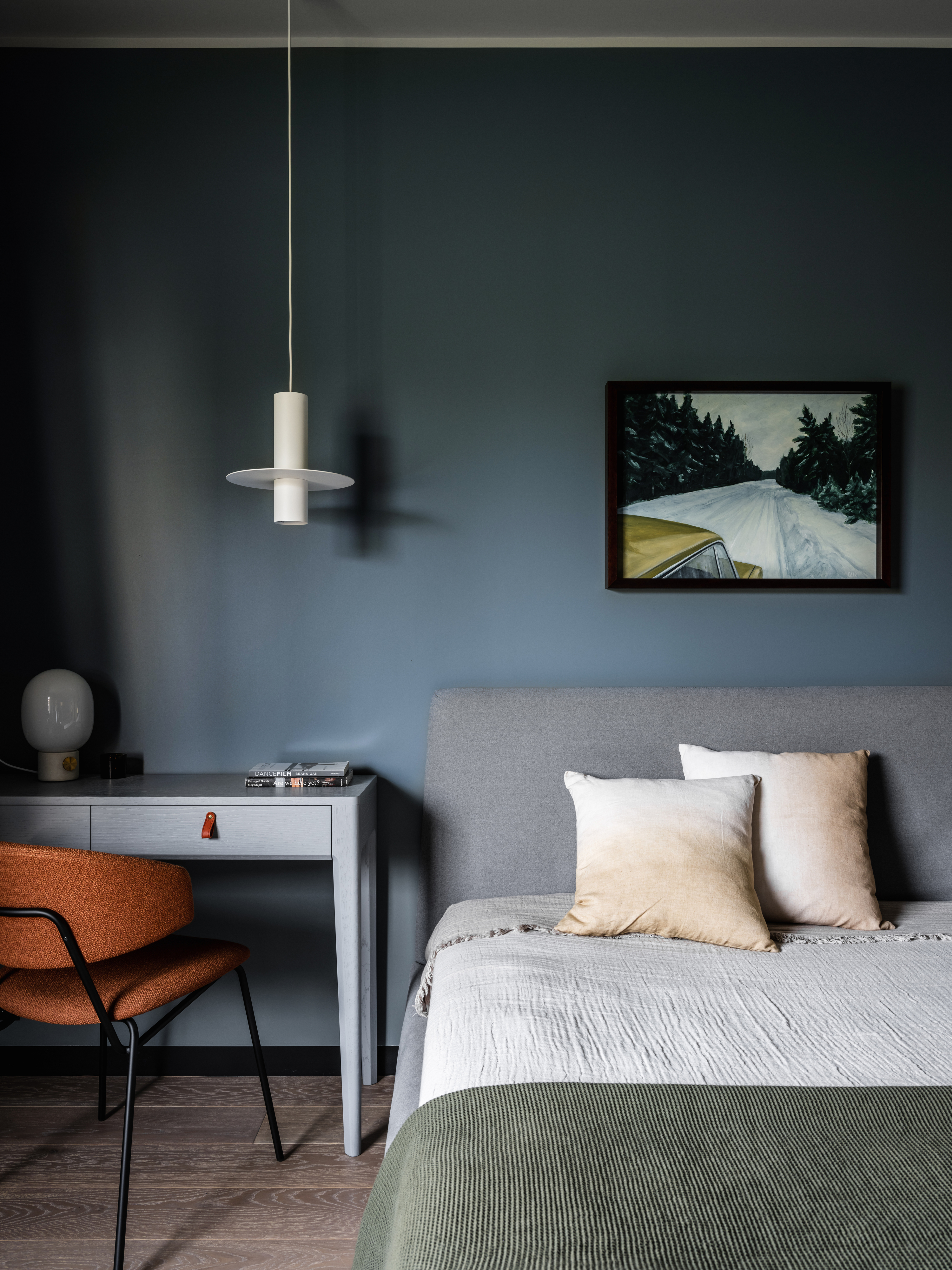
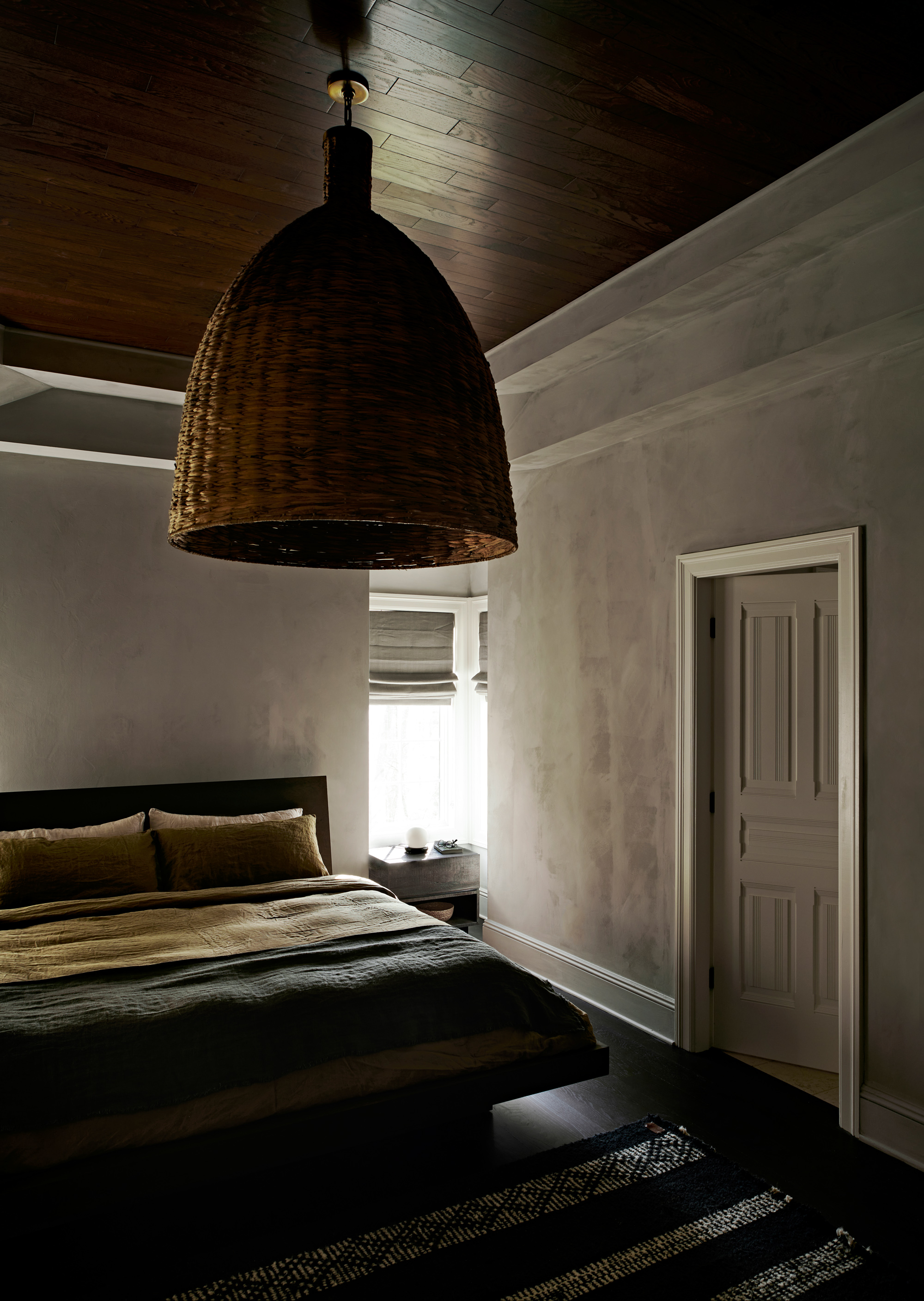
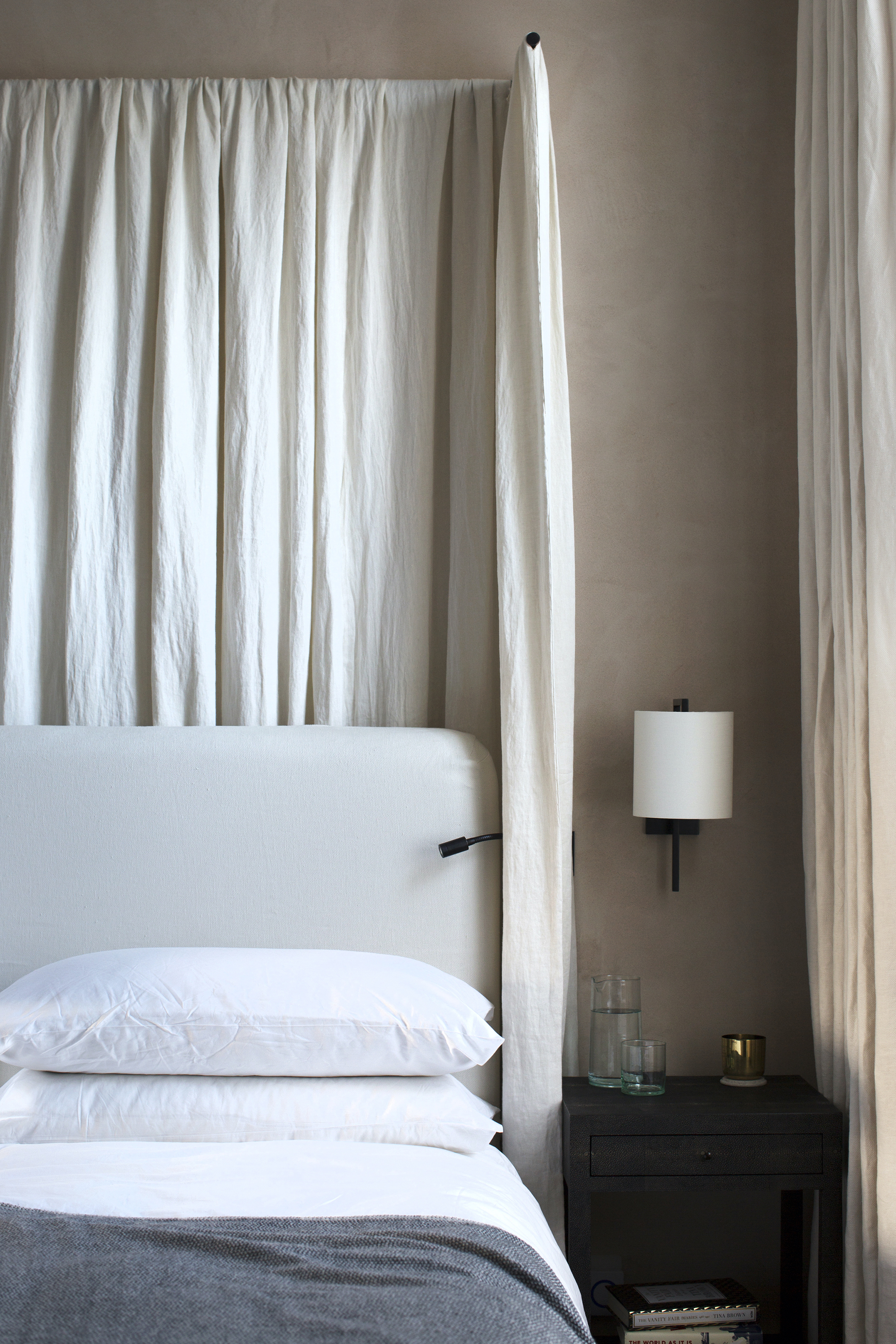
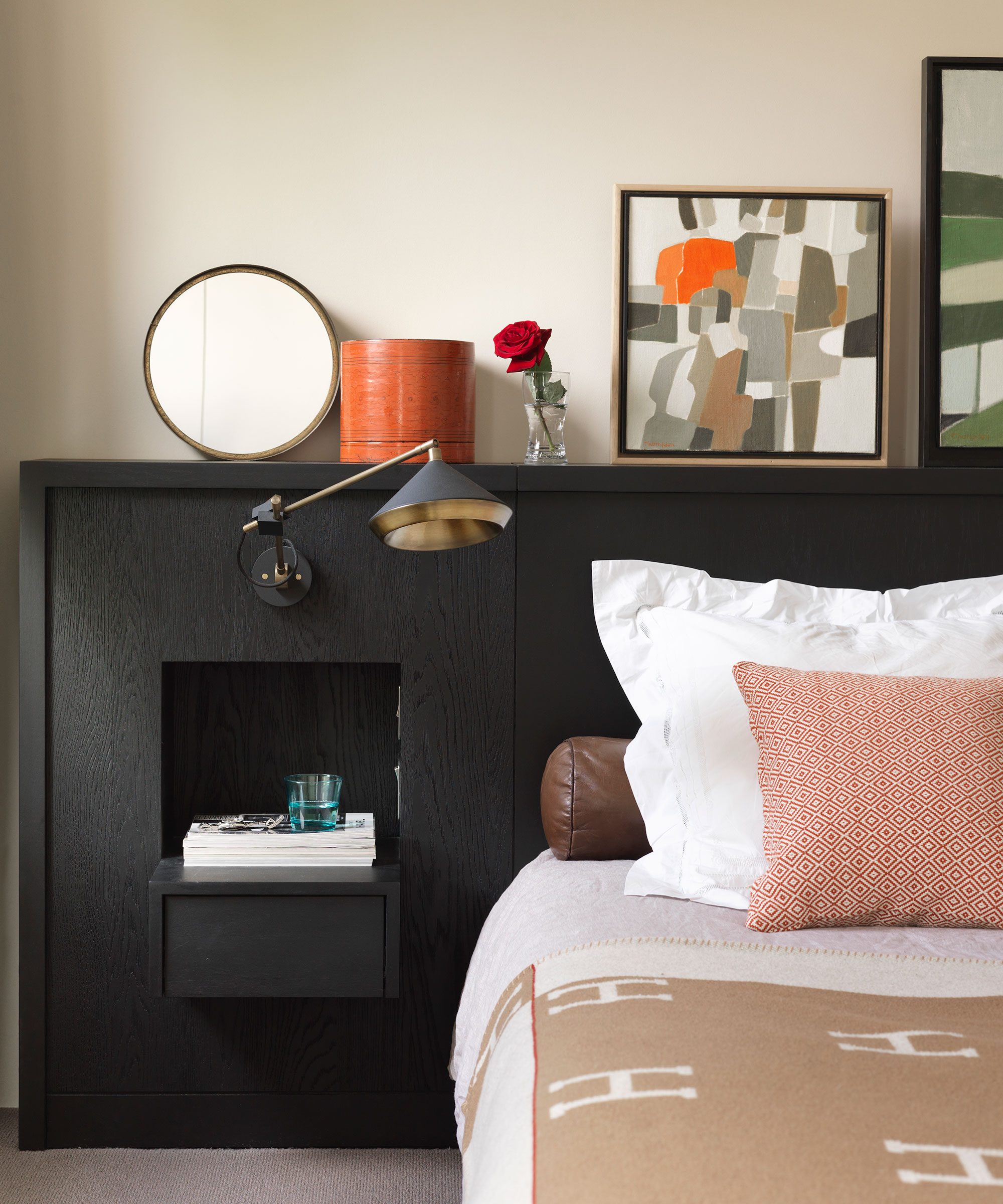
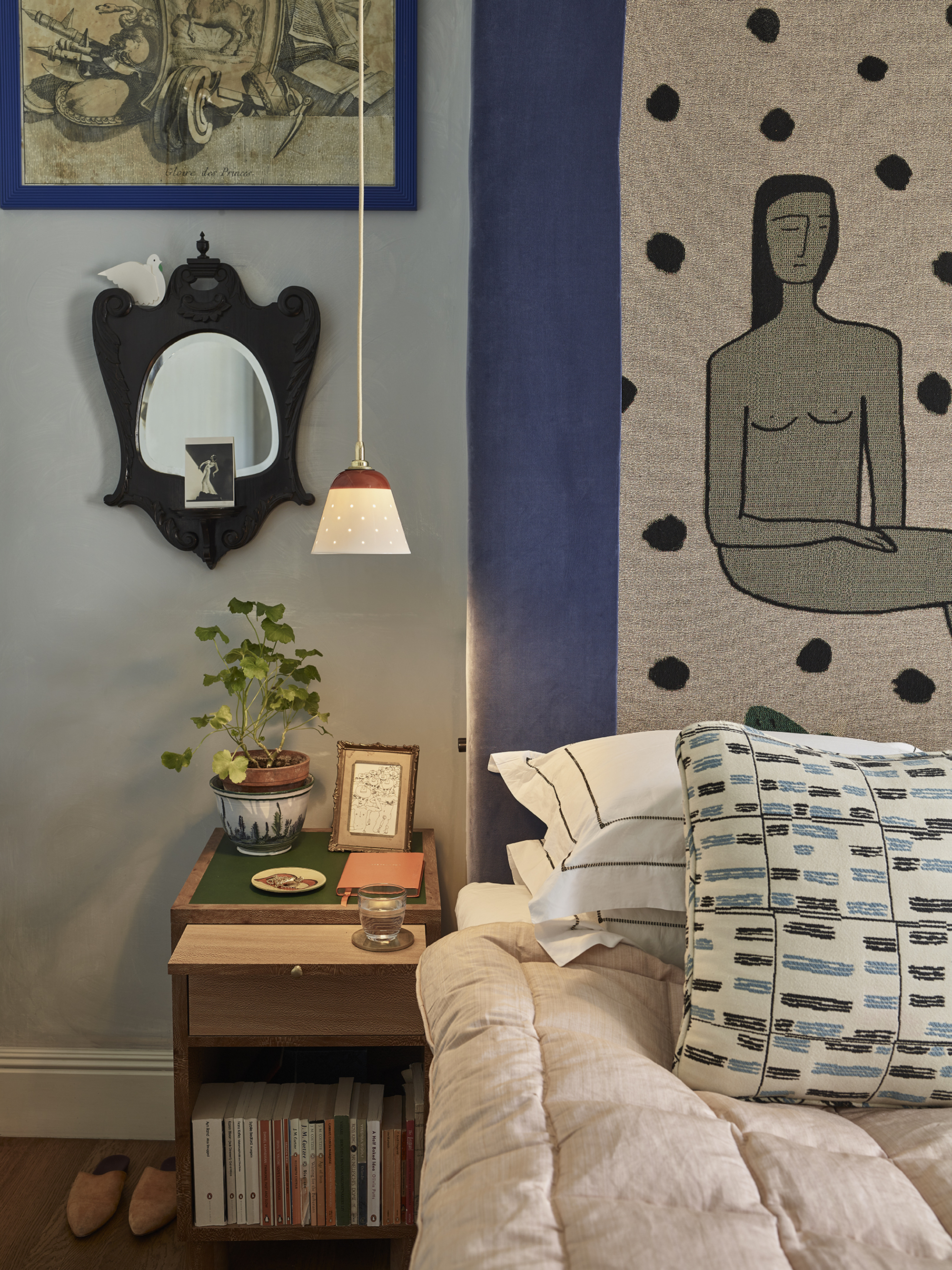
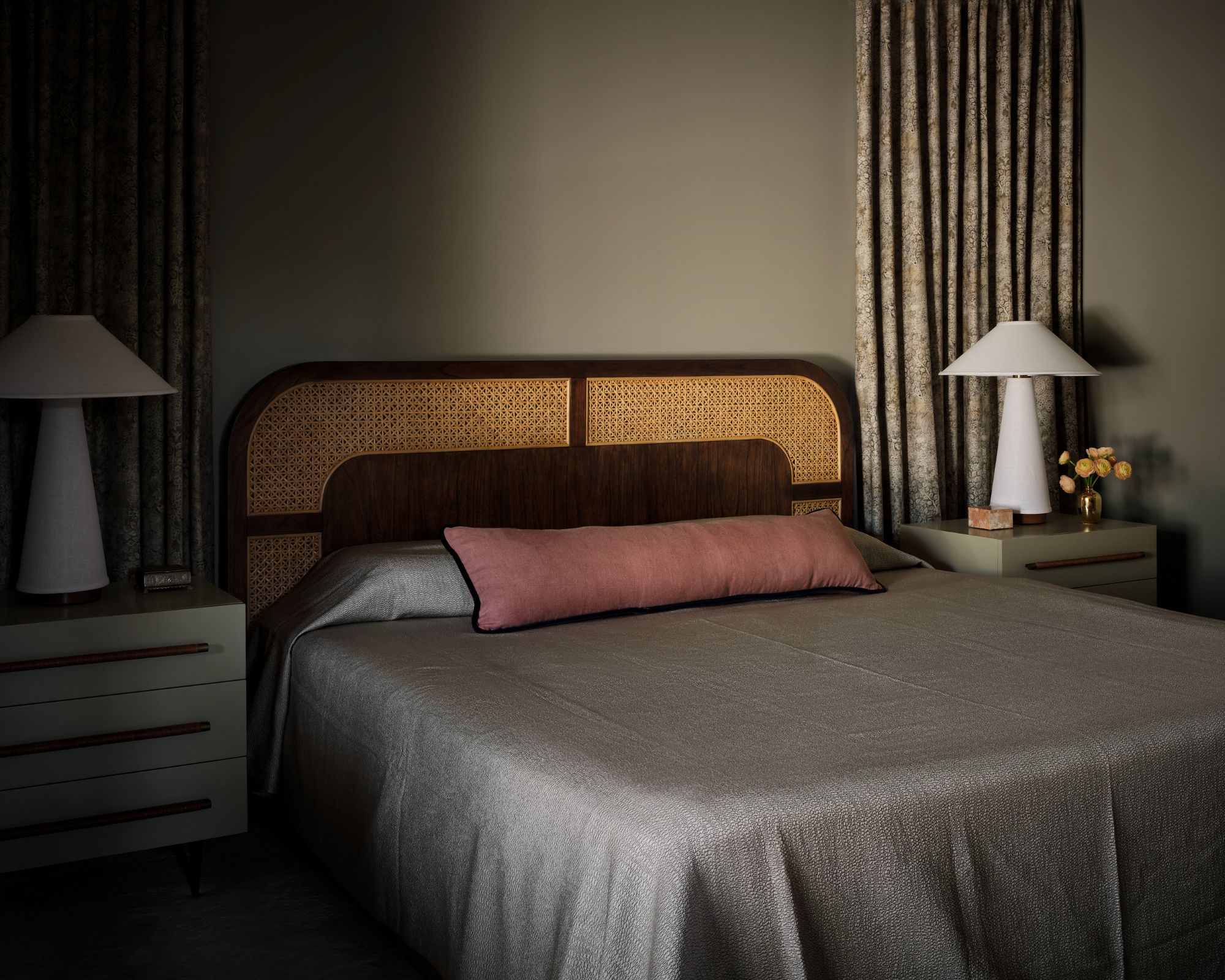
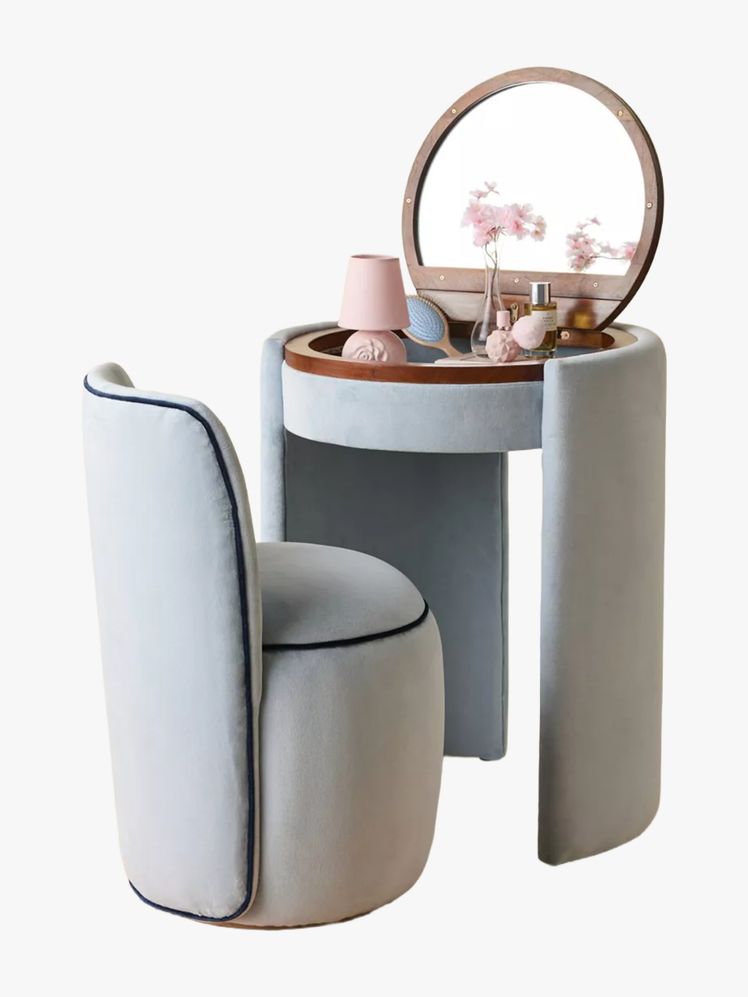
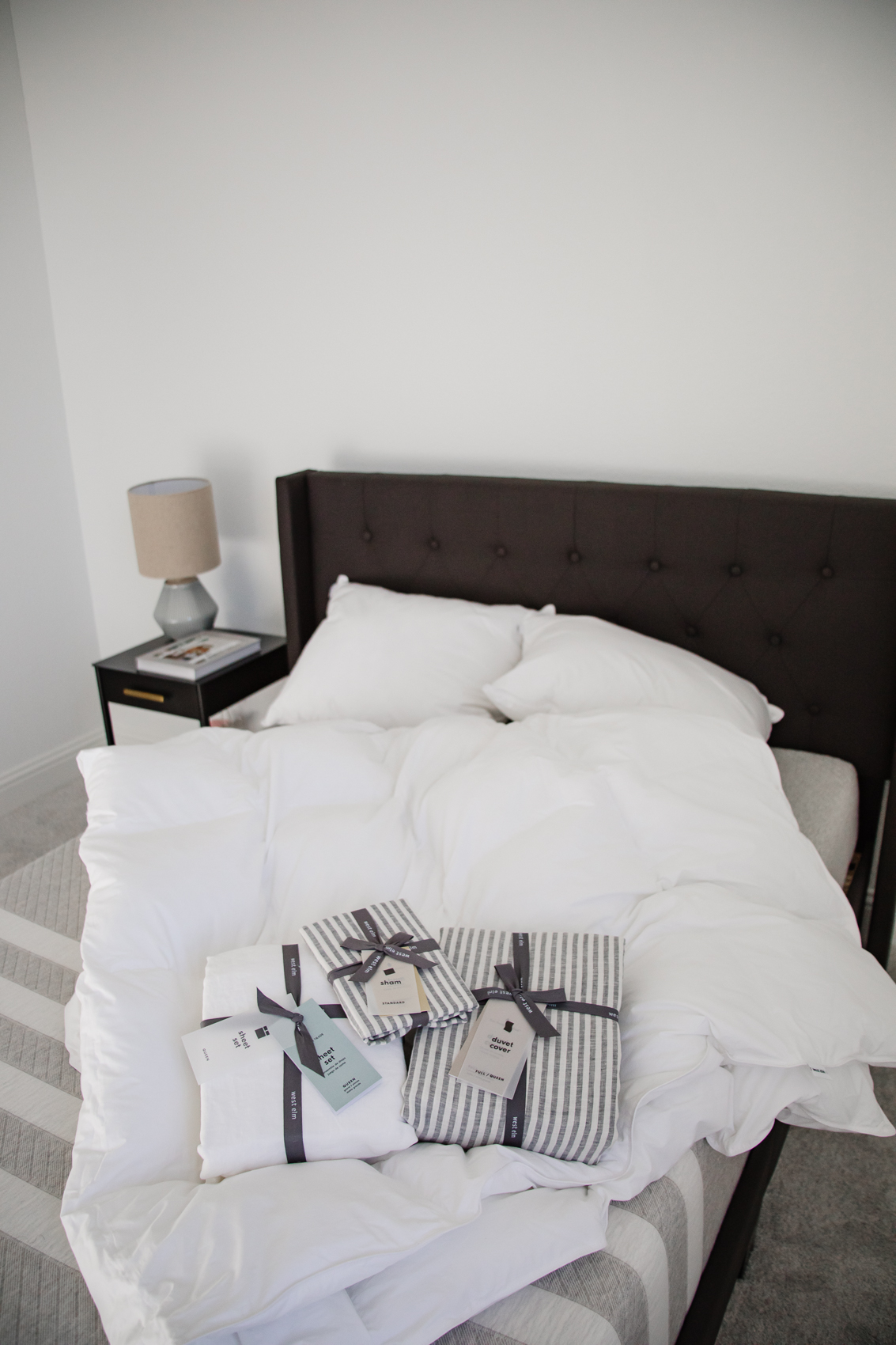
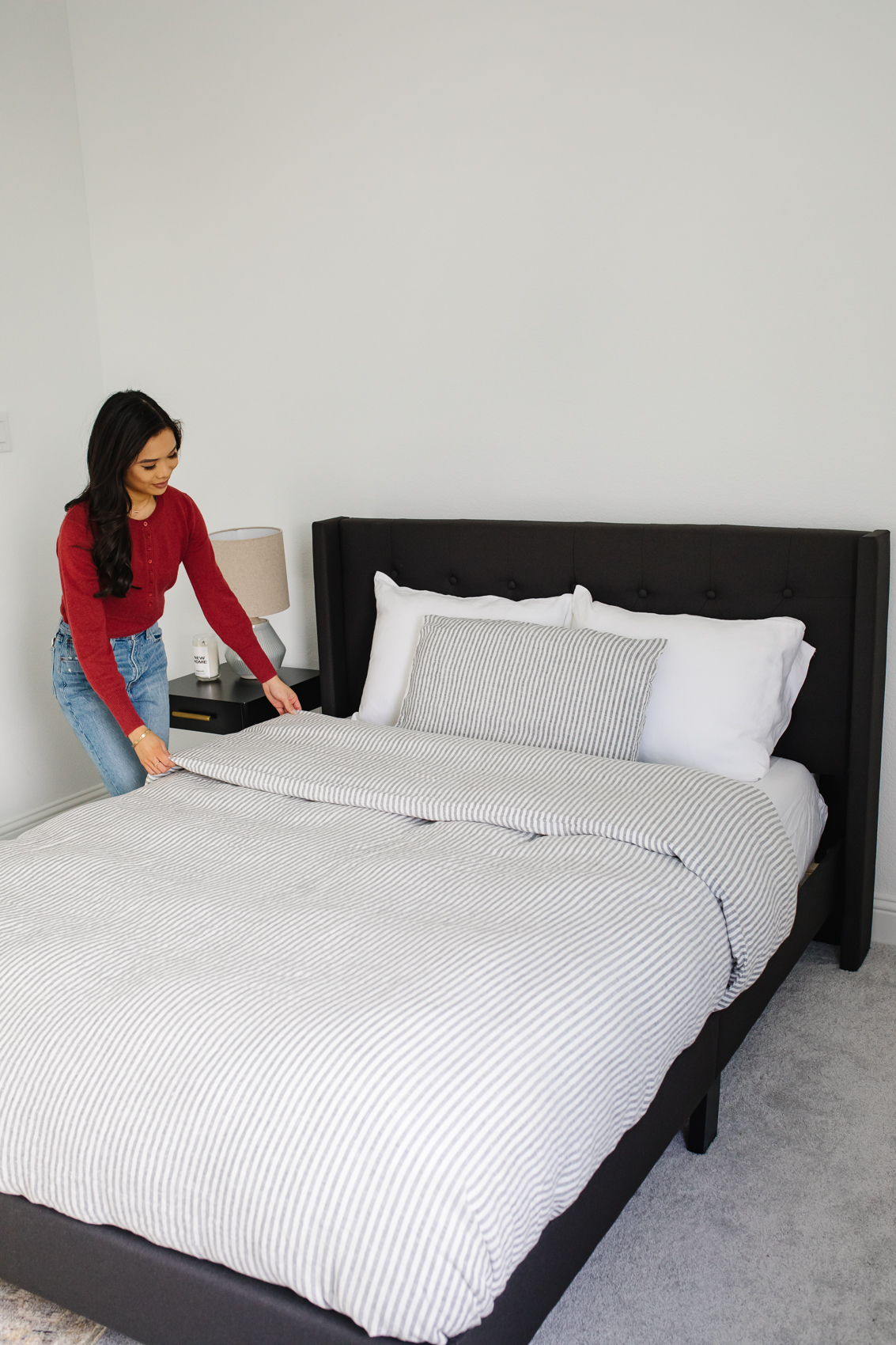
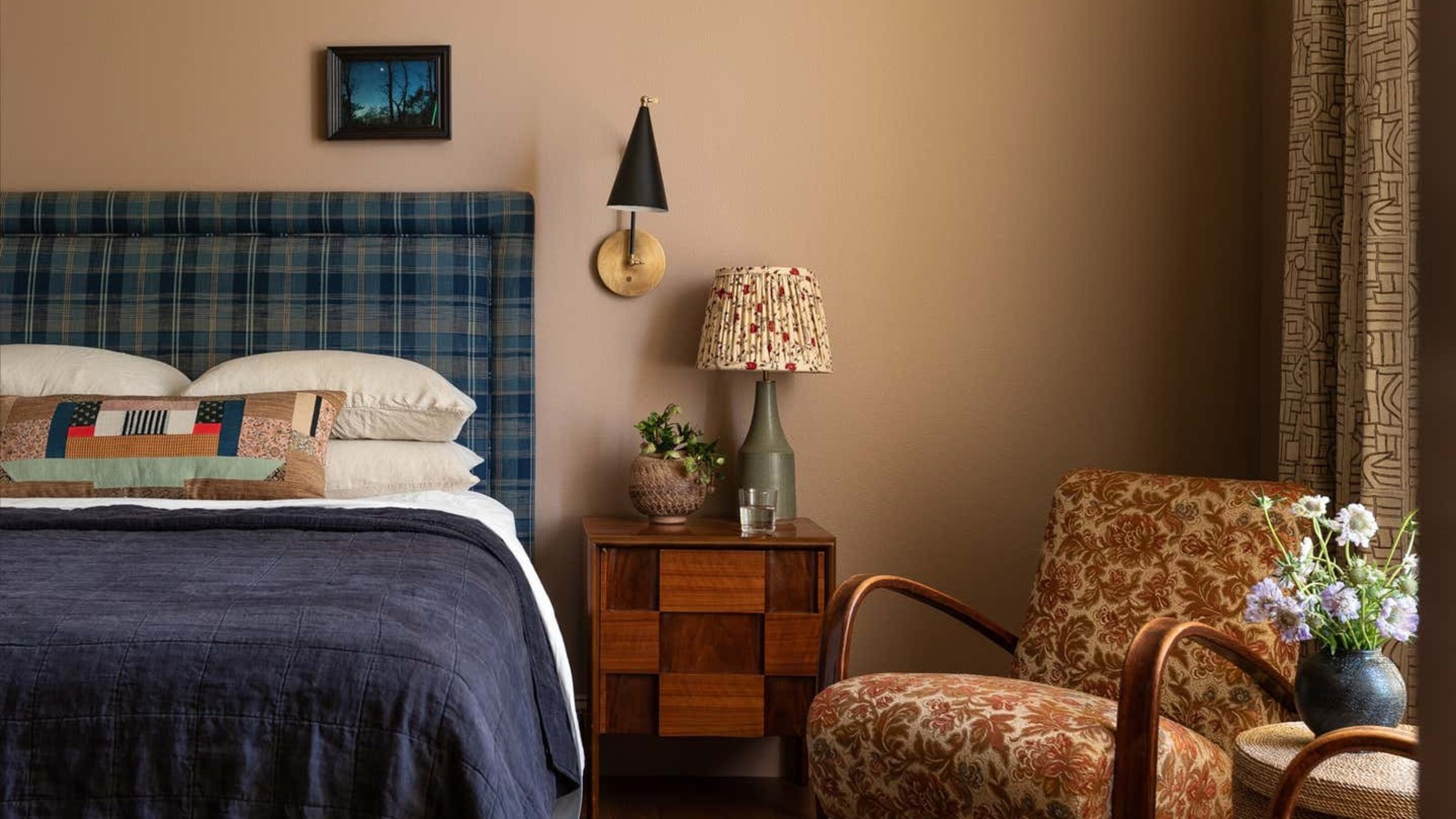
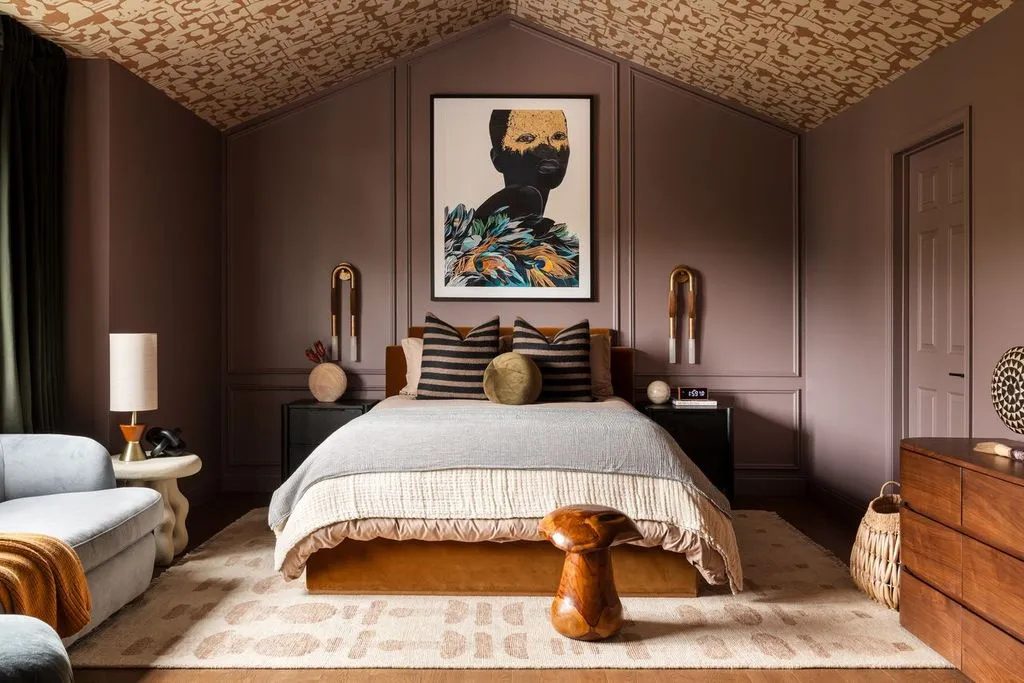
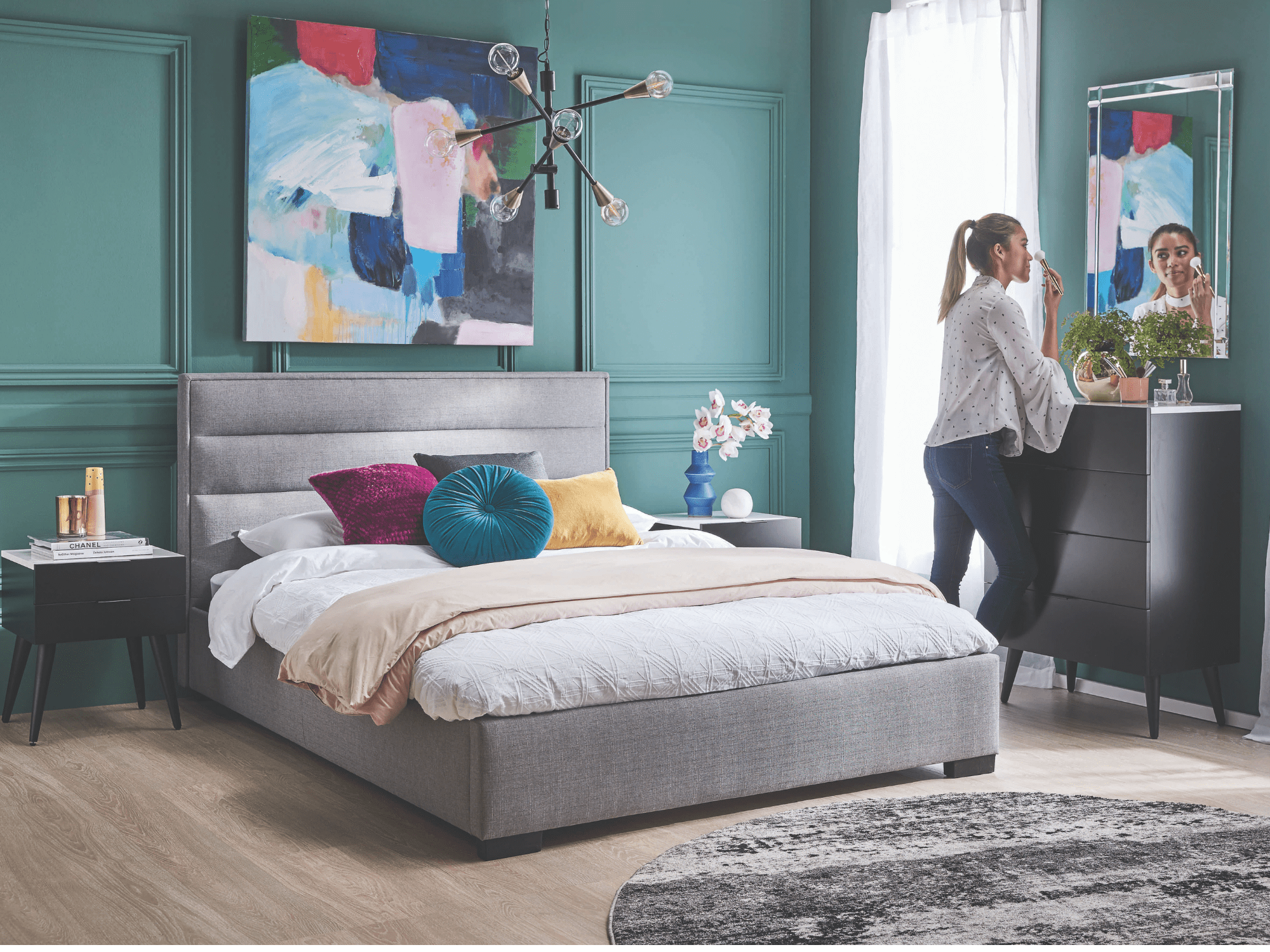
Deep, calming colors like rich greens, blues, and greys can also create a sense of comfort and relaxation, especially when employed in a color-drenching technique across walls, woodwork, and even artworks. Visual distractions should be minimized by strategically placing decorative objects and personal items, such as gallery walls, behind the bed to maintain visual quiet when lying down. Finally, making the bed a sleep sanctuary involves personalized bedding choices. Daniela Boleto, design director at Camomile London, suggests experimenting with layers, patterns, and natural materials like cotton and linen for breathability and comfort, building up a cohesive design with contrasting textures and tones. Transforming a desk into a dressing table at the end of the workday, using scented candles with essential oils like lavender or rose geranium, further aids the transition from work to relaxation, promoting emotional balance and stress reduction.
In summary, achieving a calm bedroom environment involves a holistic approach encompassing thoughtful color choices, natural elements, efficient storage, comfortable textures, and mindful routines, all designed to foster a peaceful retreat from daily stressors.
#CalmBedroomIdeas #BedroomDesign #HomeDecor #InteriorStyling #ColorPsychology #NaturalMaterials #StorageSolutions #SleepSanctuary #Decluttering #CalmBedroomIdeas #BedroomDesign #HomeDecor #InteriorStyling #ColorPsychology #NaturalMaterials #StorageSolutions #SleepSanctuary #Decluttering
0 comment in total
 No comments yet
You may also like
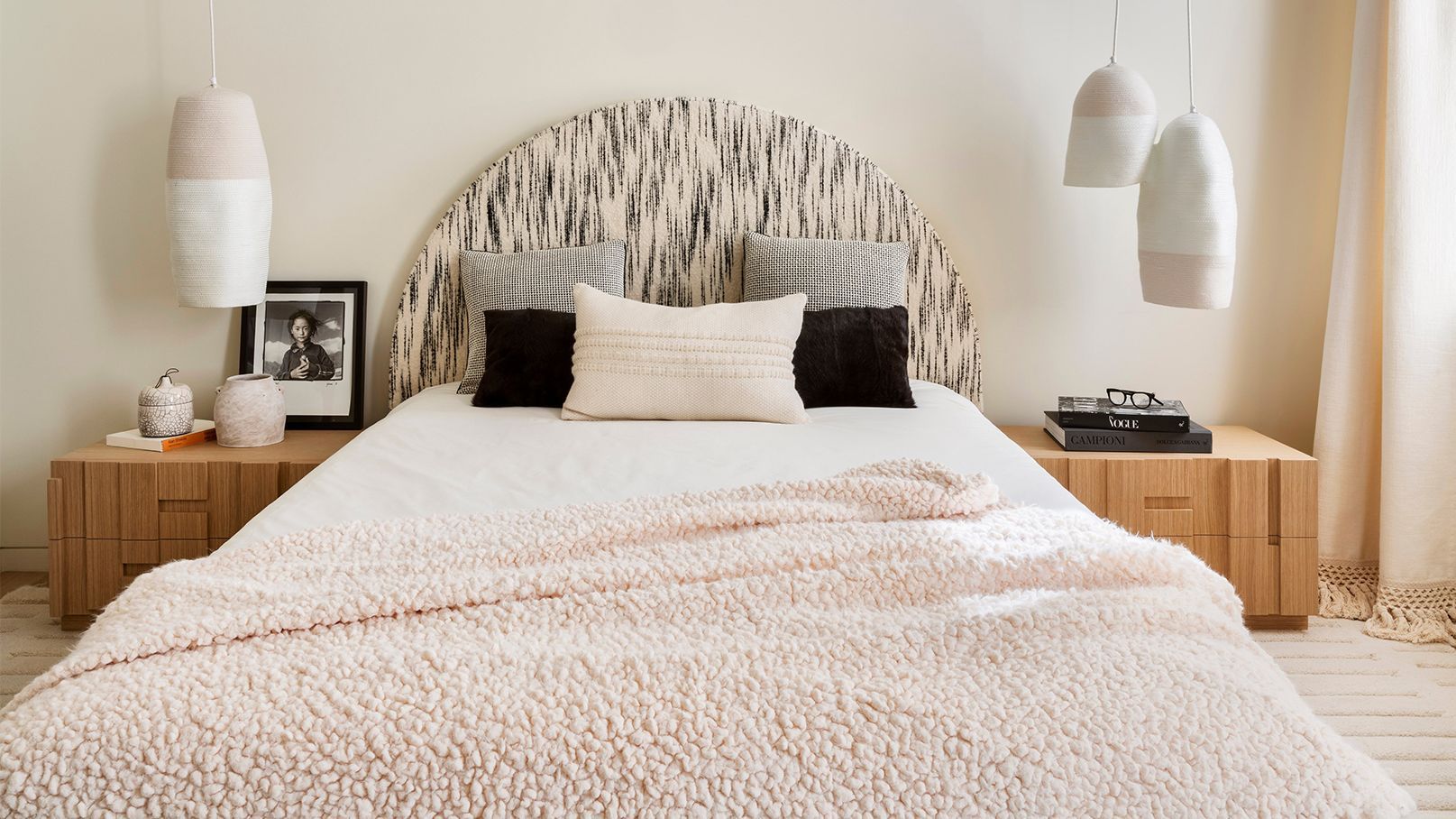
11 minimalist bedroom design tricks to create a calming space

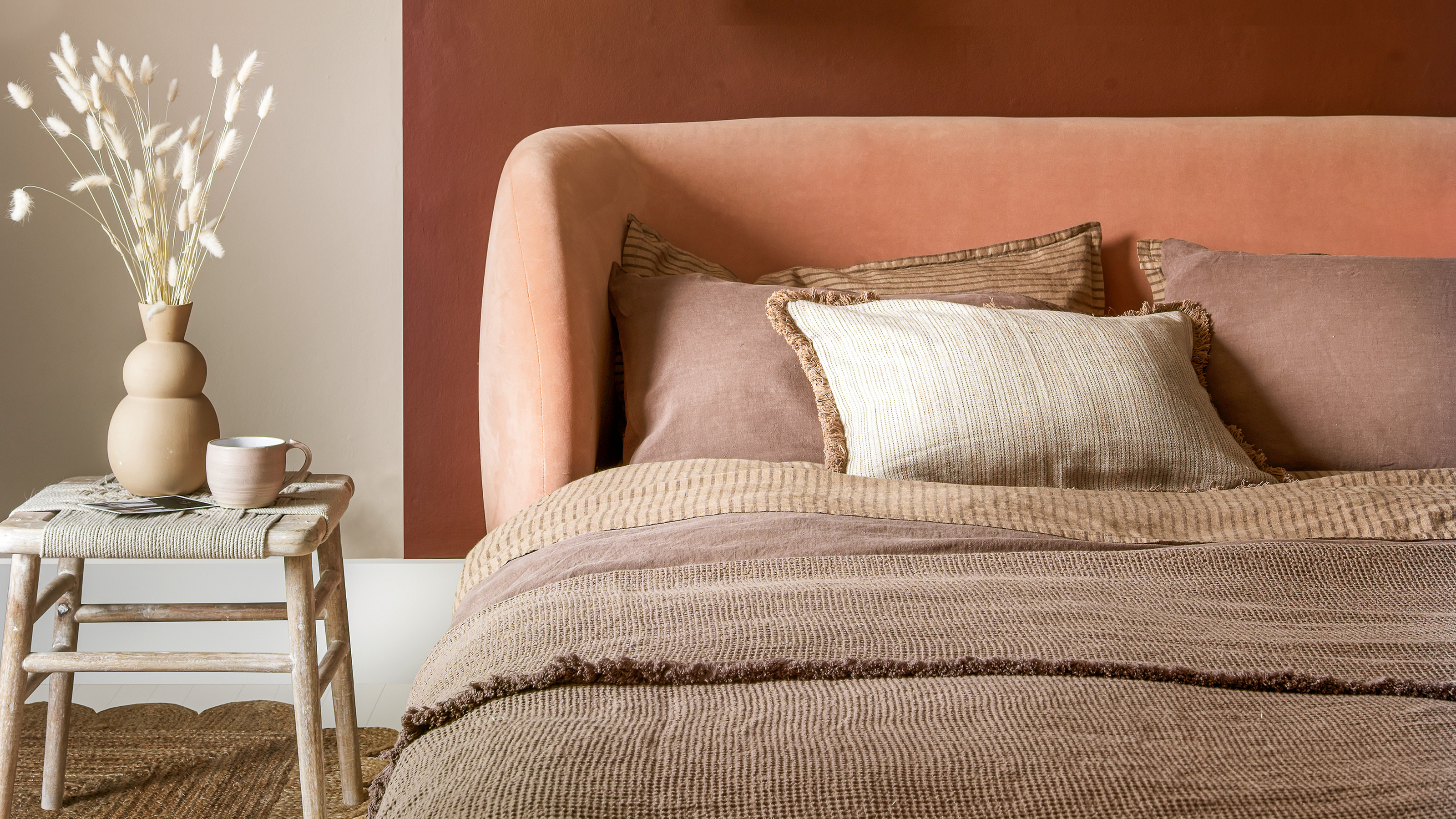
10 quiet luxury bedroom ideas – how to add the sophisticated trend to your boudoir
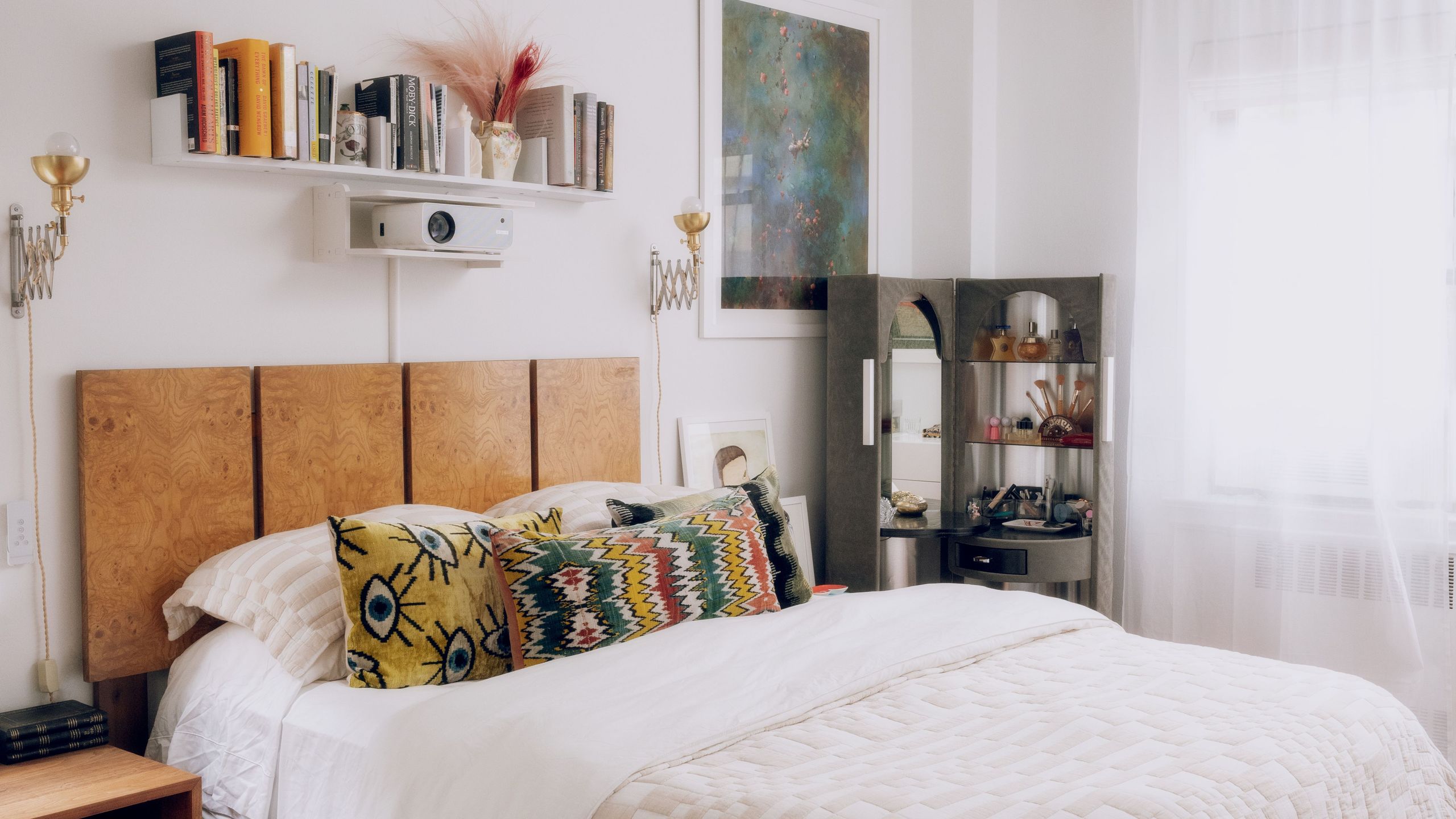
Bedroom Organization Ideas That’ll Help You Sleep Easy

11 Easy Ways to Make Your Bedroom Extra Cozy

Relaxing bedroom ideas – how to create a more serene space, according to designers

17 bedroom lighting ideas that make for a soothing nighttime sanctuary
11 Bedroom Layout Ideas That Make Any Space Feel Serene and Stylish
Relaxing Bedroom Ideas with Simple Bedding Essentials
Boho bedroom ideas - 10 easy ways to create a relaxed, chilled-out vibe
16 Relaxing Bedroom Decor Ideas to Make Your Sleep Space as Serene as Possible

6 Minimalist Bedroom Ideas for Creating—and Maintaining—a Serene Space

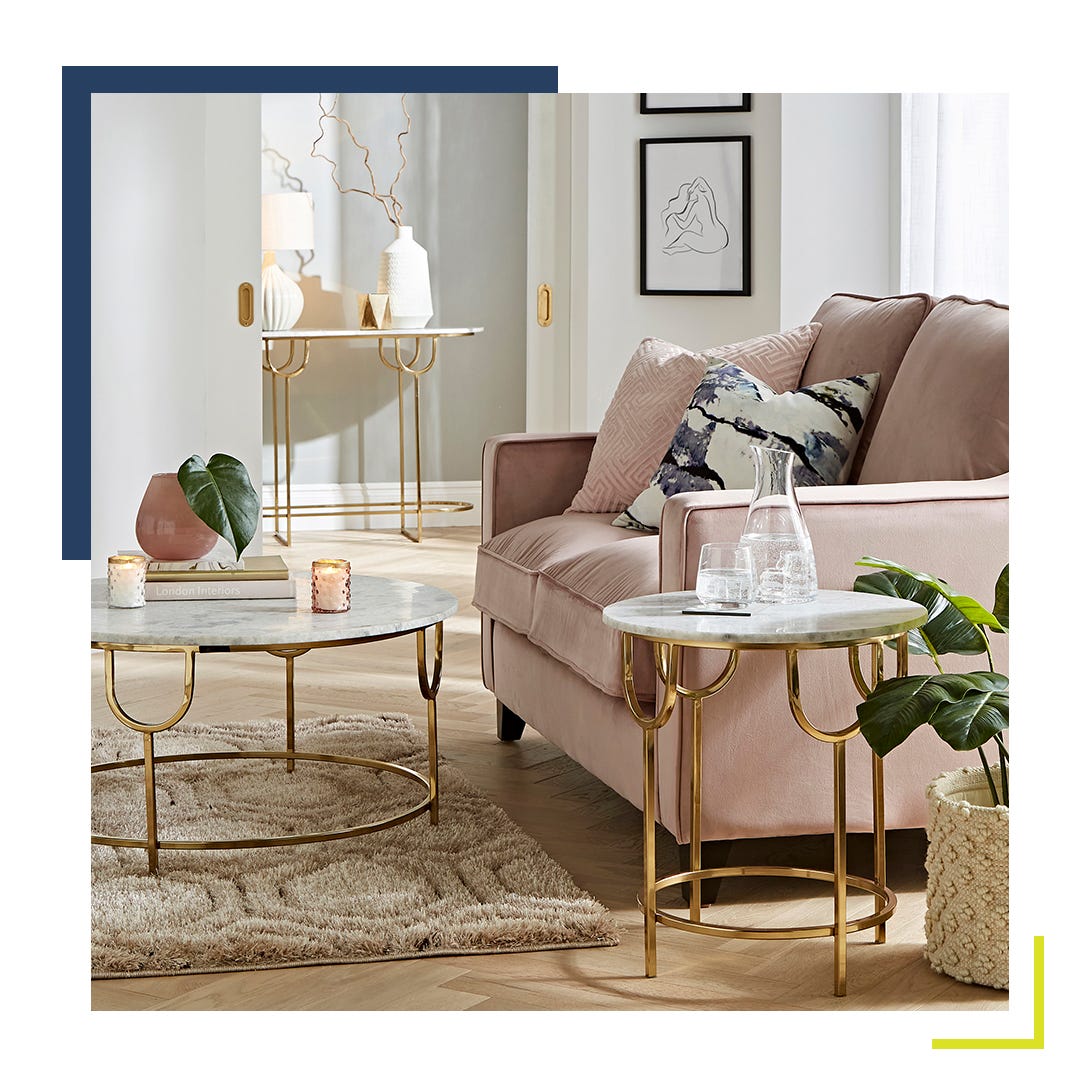
6 ways to create a calm living space, according to the experts

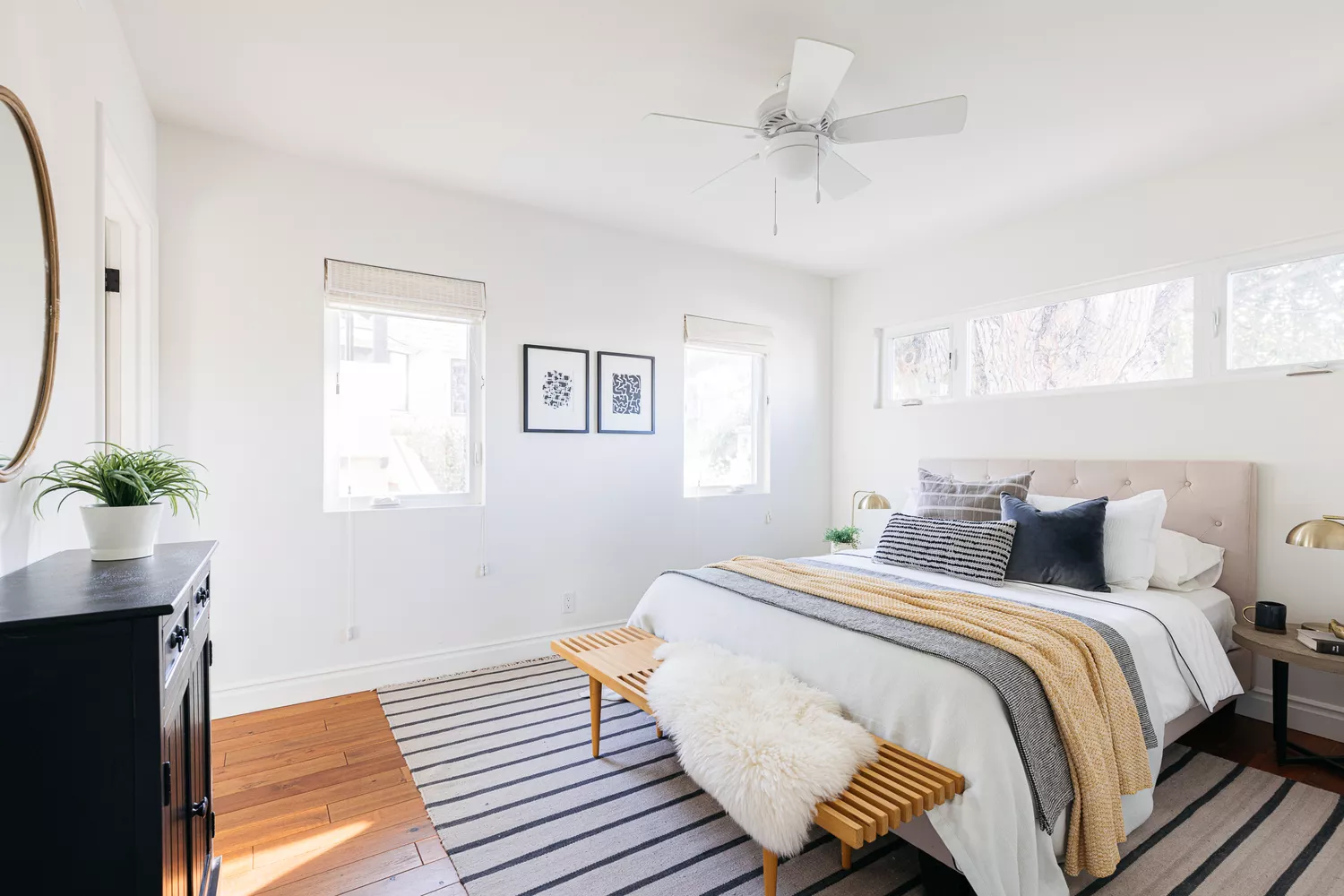
26 Calm Bedroom Ideas for a Restful Night's Sleep

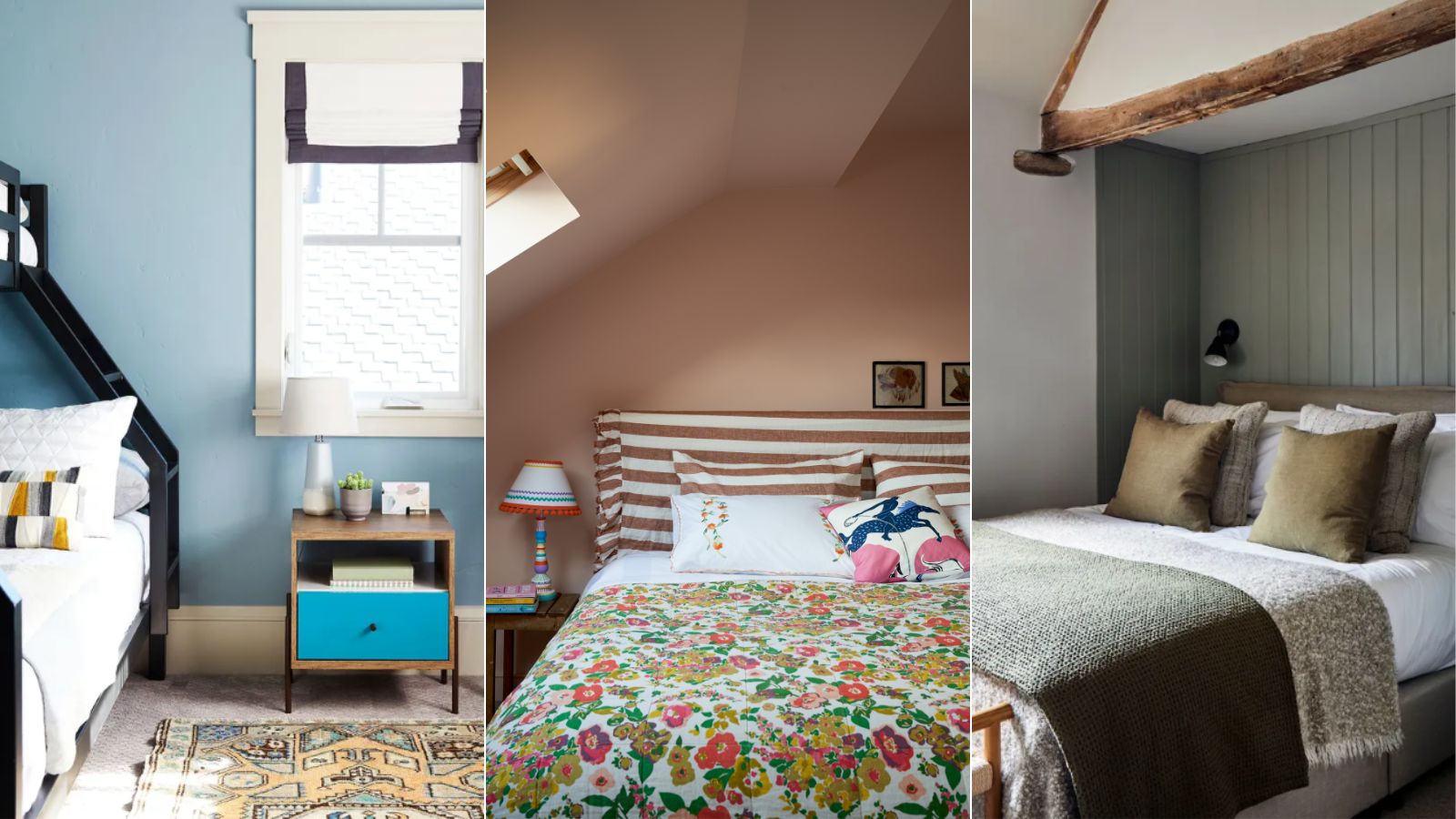
5 colors that will make your bedroom feel calmer, according to designers
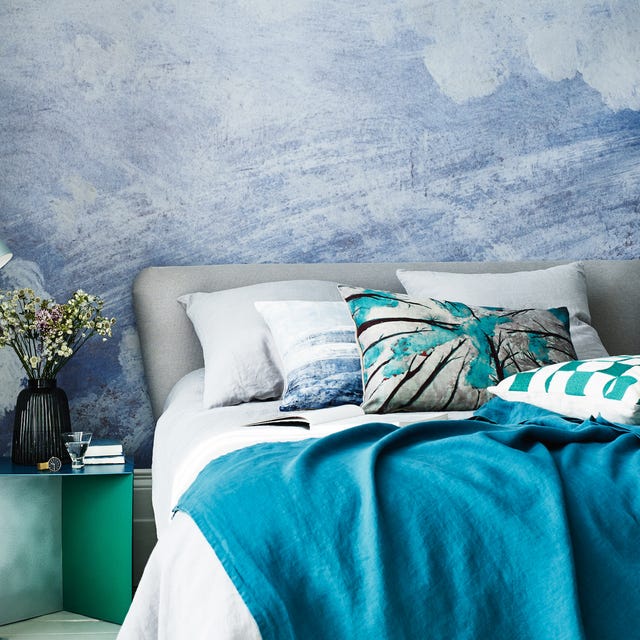
How to transform your bedroom into a wellbeing sanctuary, according to experts
Create a Calming Space with These Bedroom Plants
Cool bedroom ideas – 11 schemes that blend style with comfort

Baby boy nursery ideas – 17 tips for creating a soothing sleep space
How to Turn Your Bedroom Into a Cosy Retreat
11 Soothing Bedroom Paint Colors Designers Say Can Help You Sleep