1/5
5 Mistakes in Your Garden's Design You'll Only Notice When Temperatures Soar in the Summer
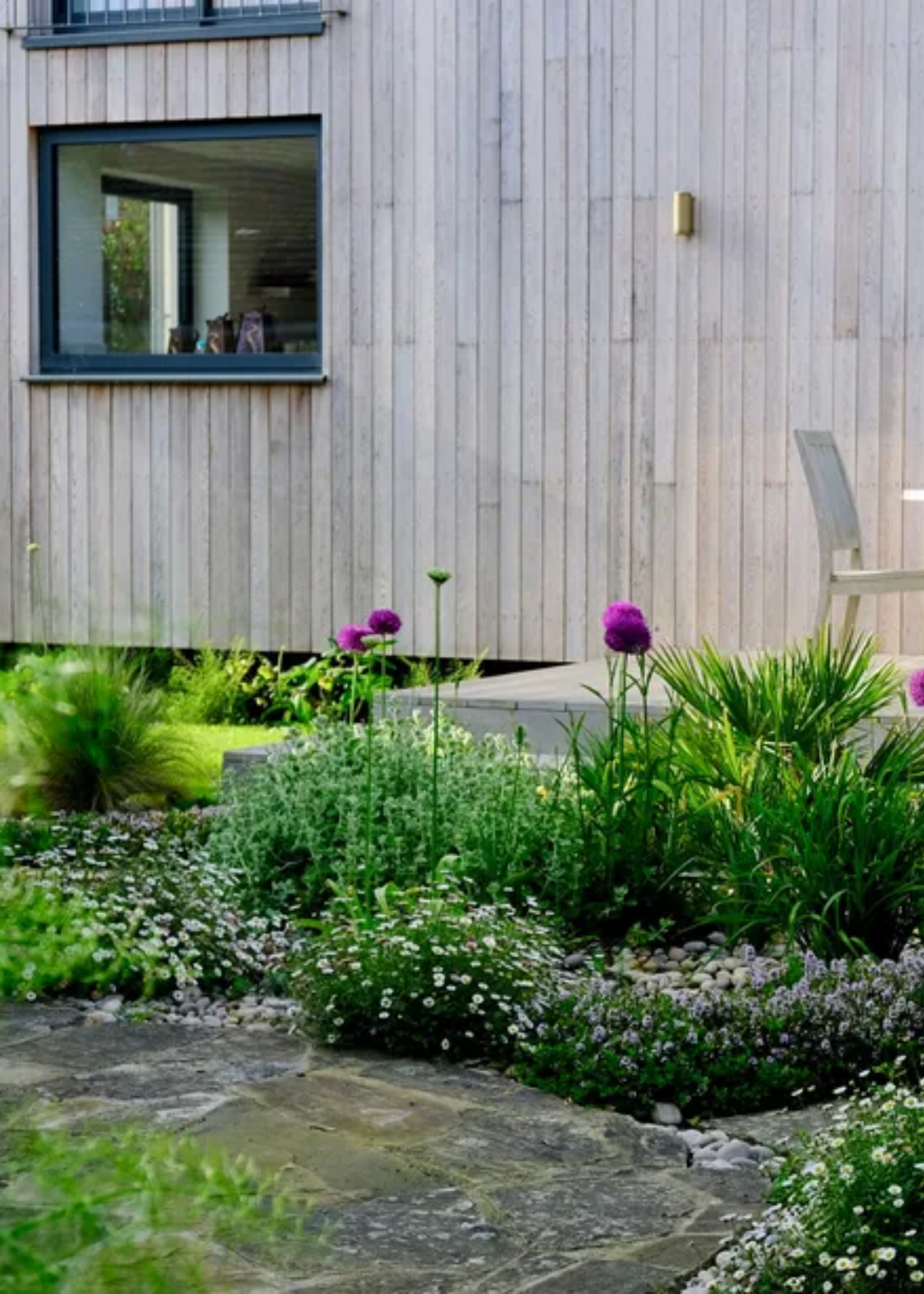
Gardens are often most appreciated during the summer months, transitioning from a visual element to an active living space. However, this period can also reveal design flaws that were less apparent during colder, wetter seasons. Addressing these issues proactively ensures a garden remains functional and aesthetically pleasing throughout the year, especially during heatwaves. This guide identifies five common garden design mistakes that become problematic in summer and offers expert advice on how to avoid or rectify them.
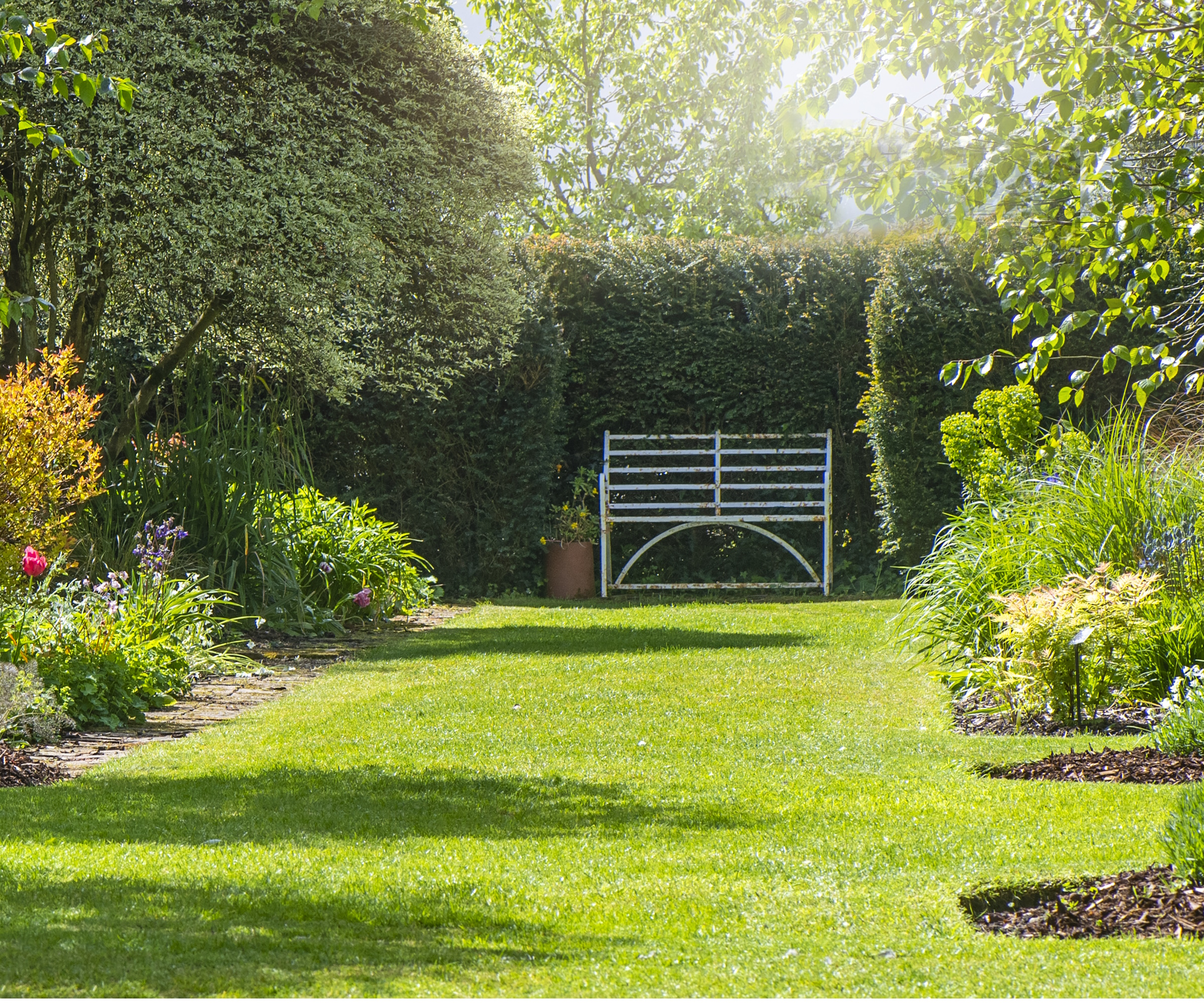
The first common mistake is maintaining high-maintenance lawns, particularly in hot and dry climates. Traditional, sprawling green lawns demand significant water resources, leading to high utility bills and environmental unsustainability. Ben Ashton from Rocky Mountain Turf highlights that in arid regions, a traditional lawn can be more trouble than it's worth. Alternatives such as hardscaping, native plant species, or artificial turf are recommended for a more sustainable and less demanding garden. Embracing 'messy gardening' with native plants is also suggested as an eco-friendly and beautiful solution.
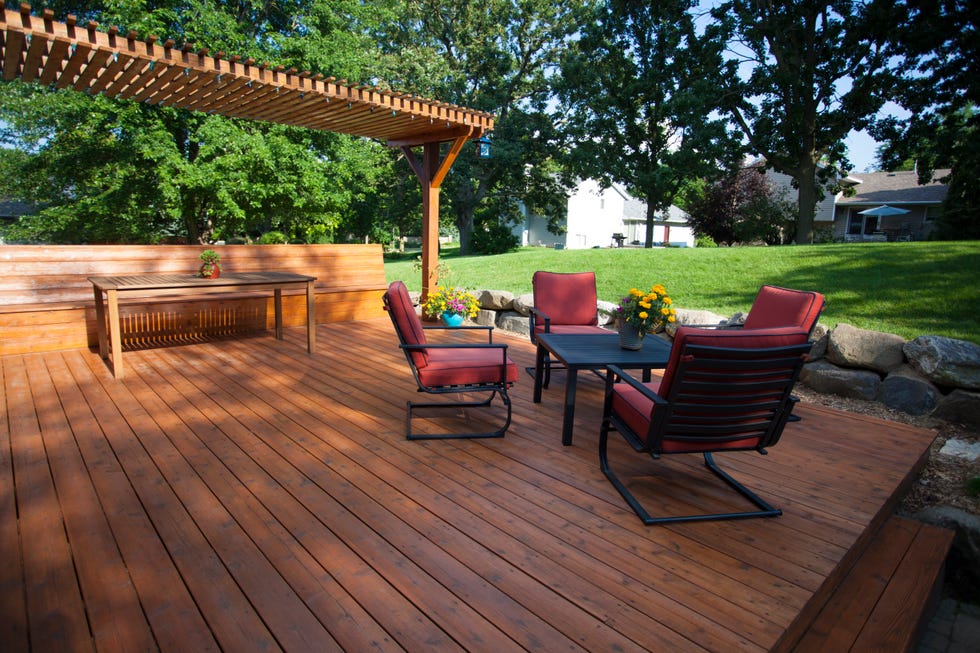
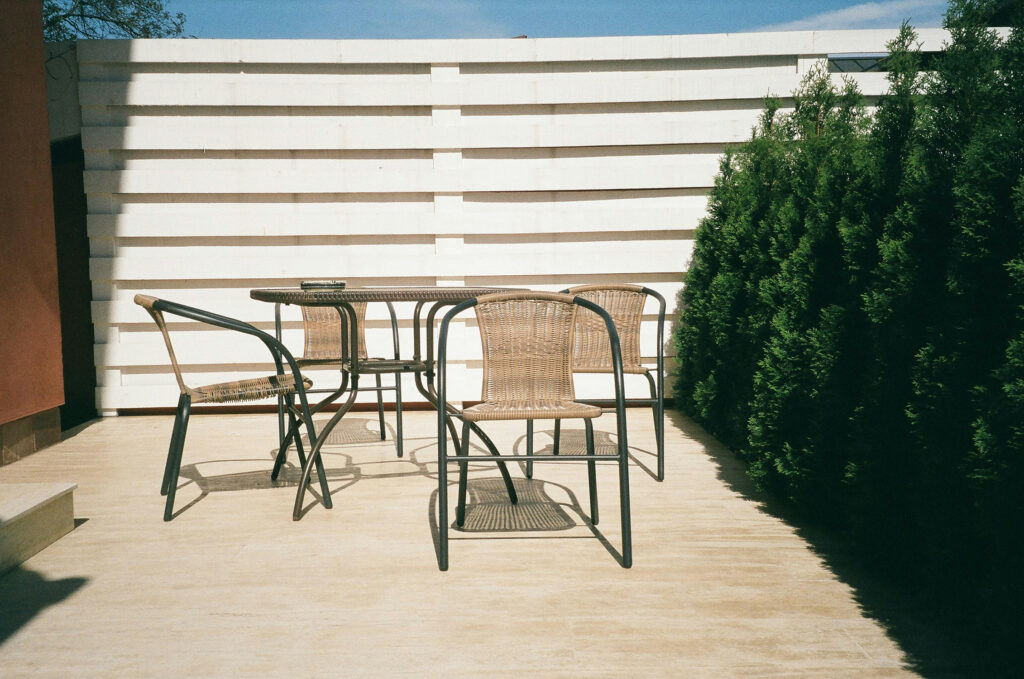
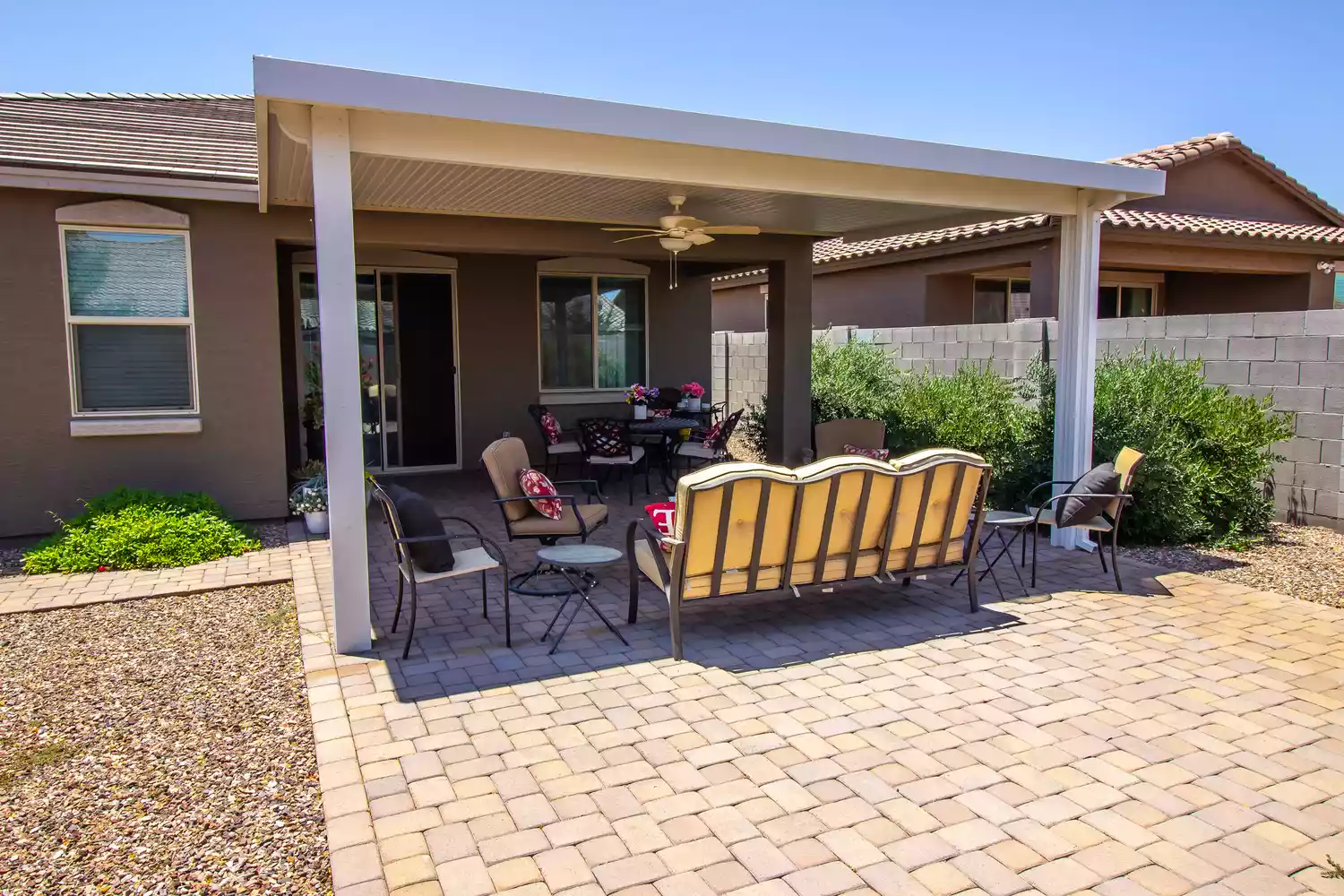
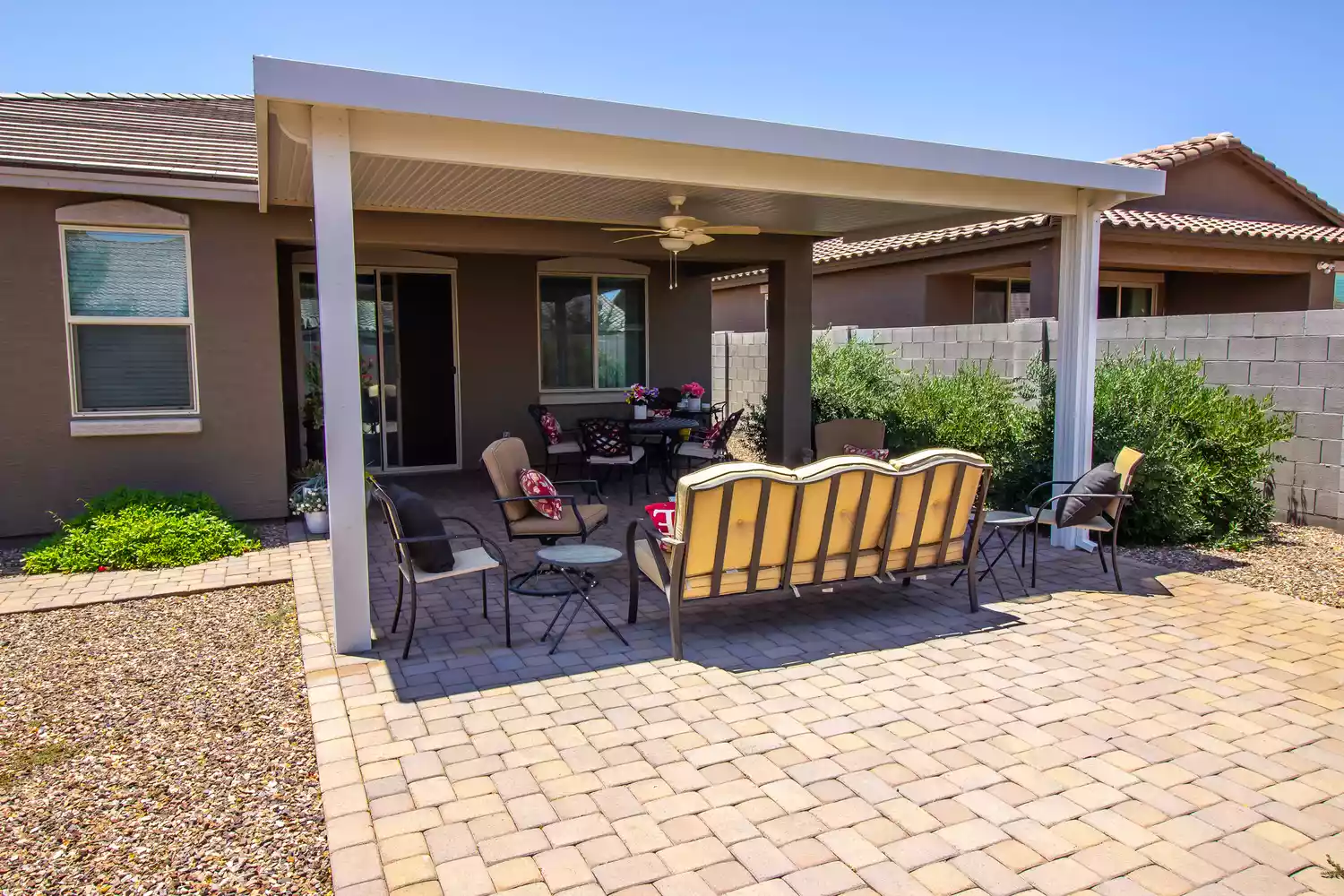
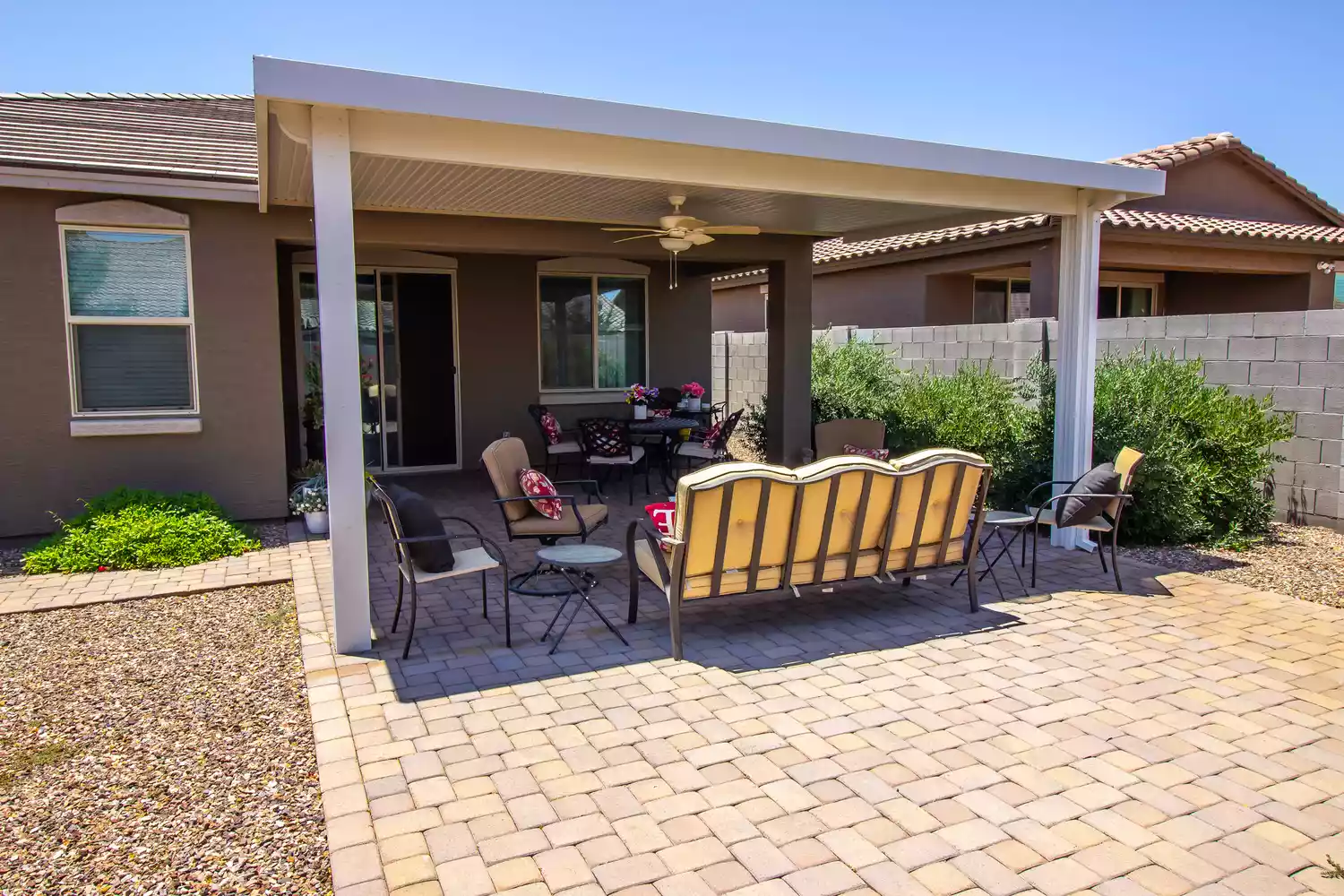
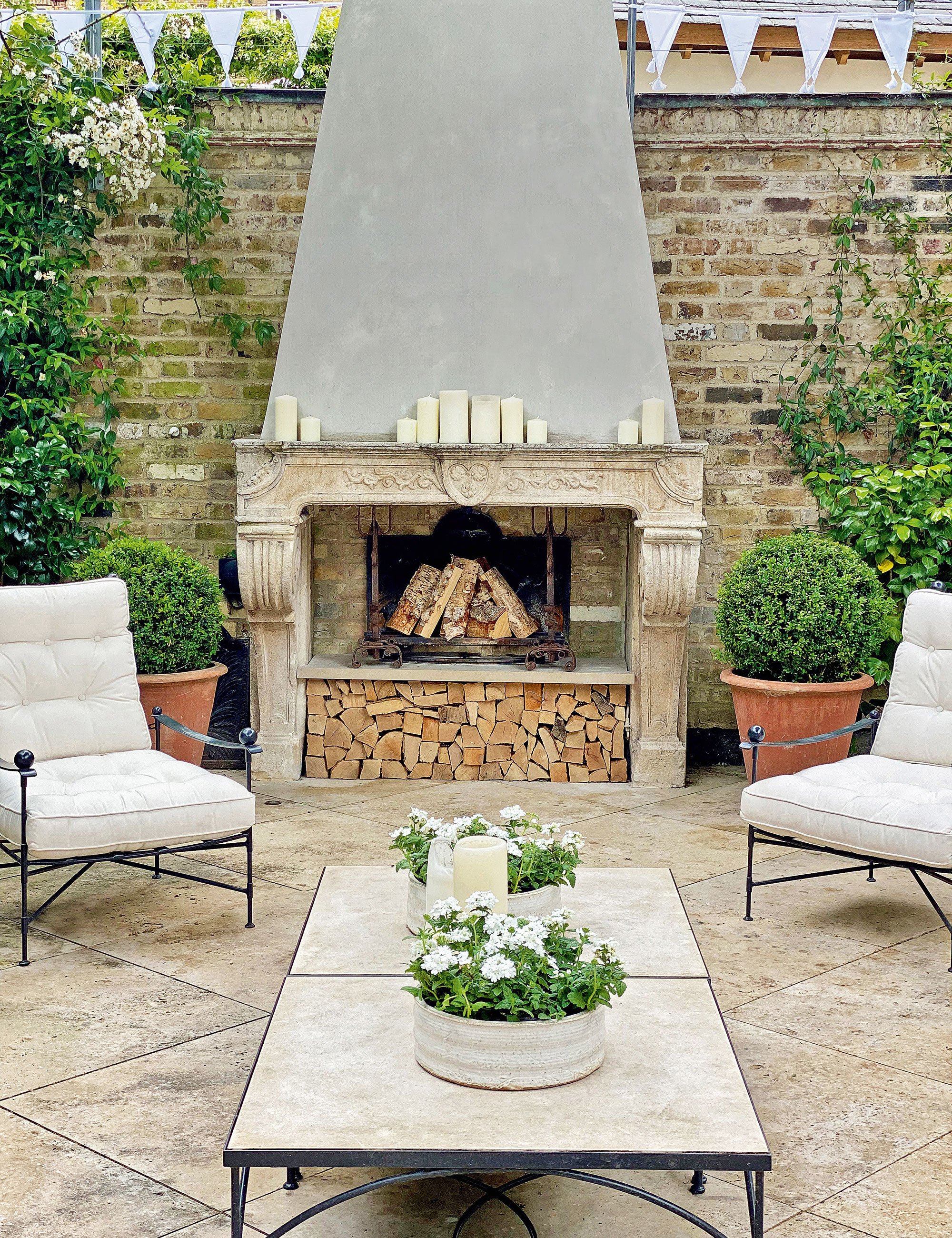
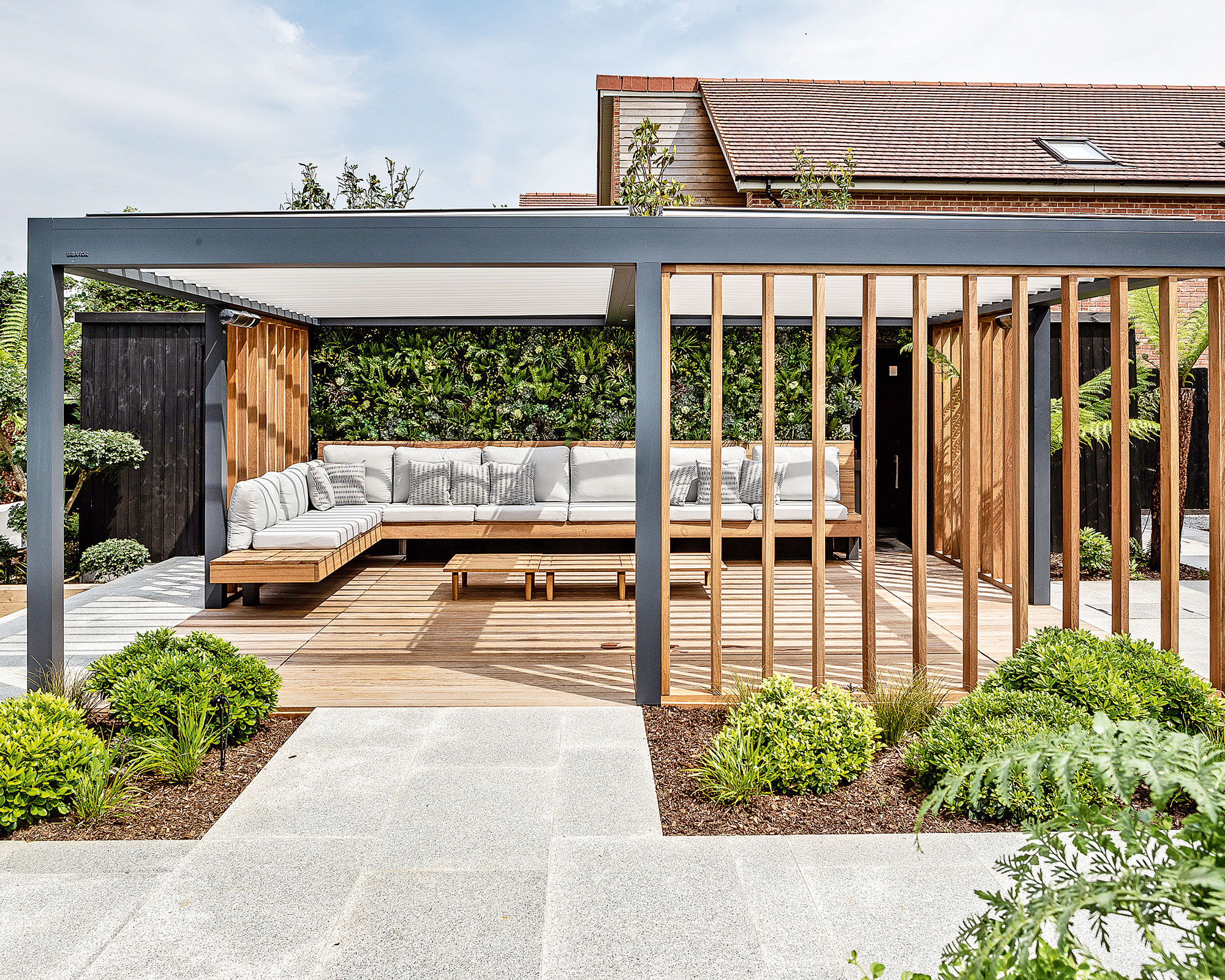
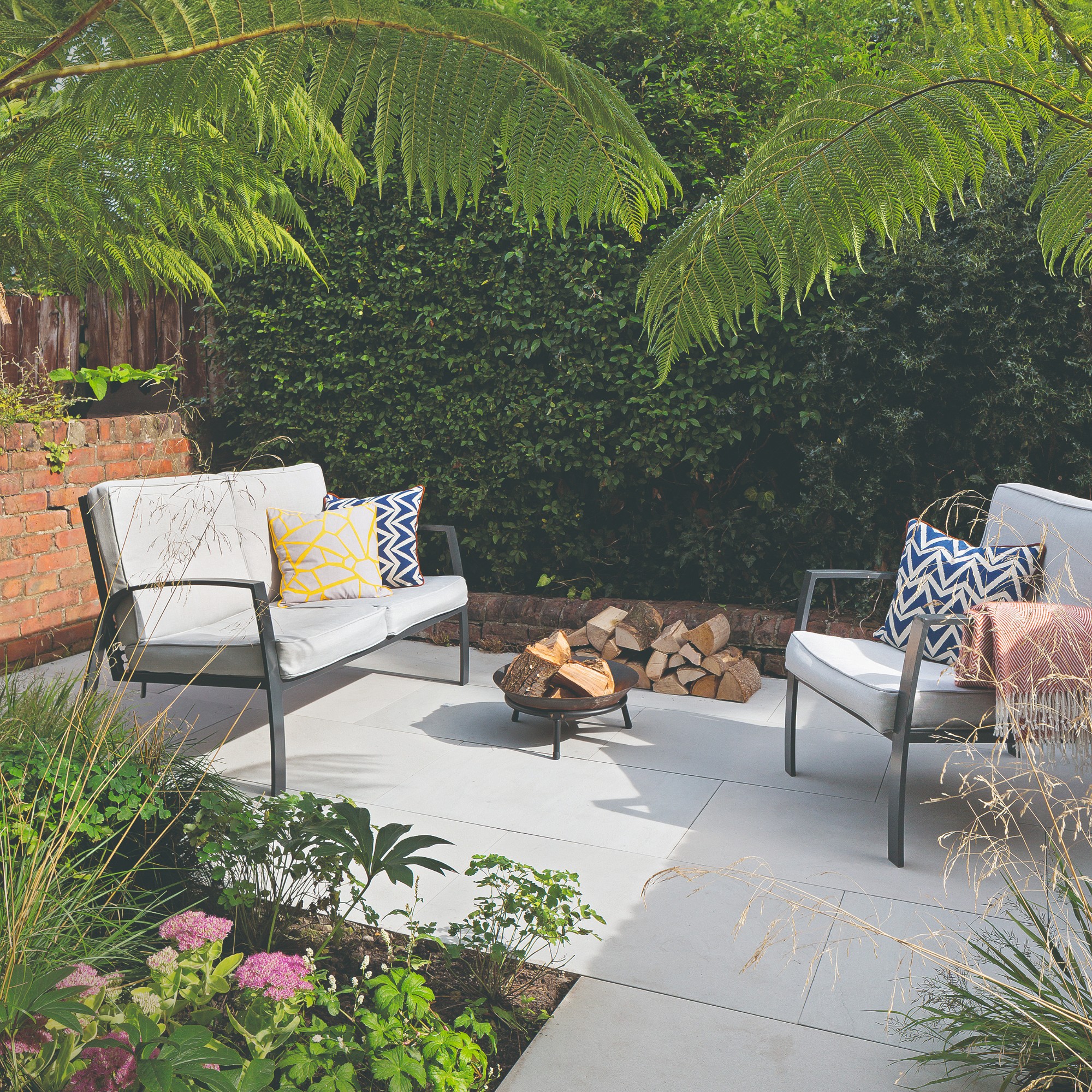
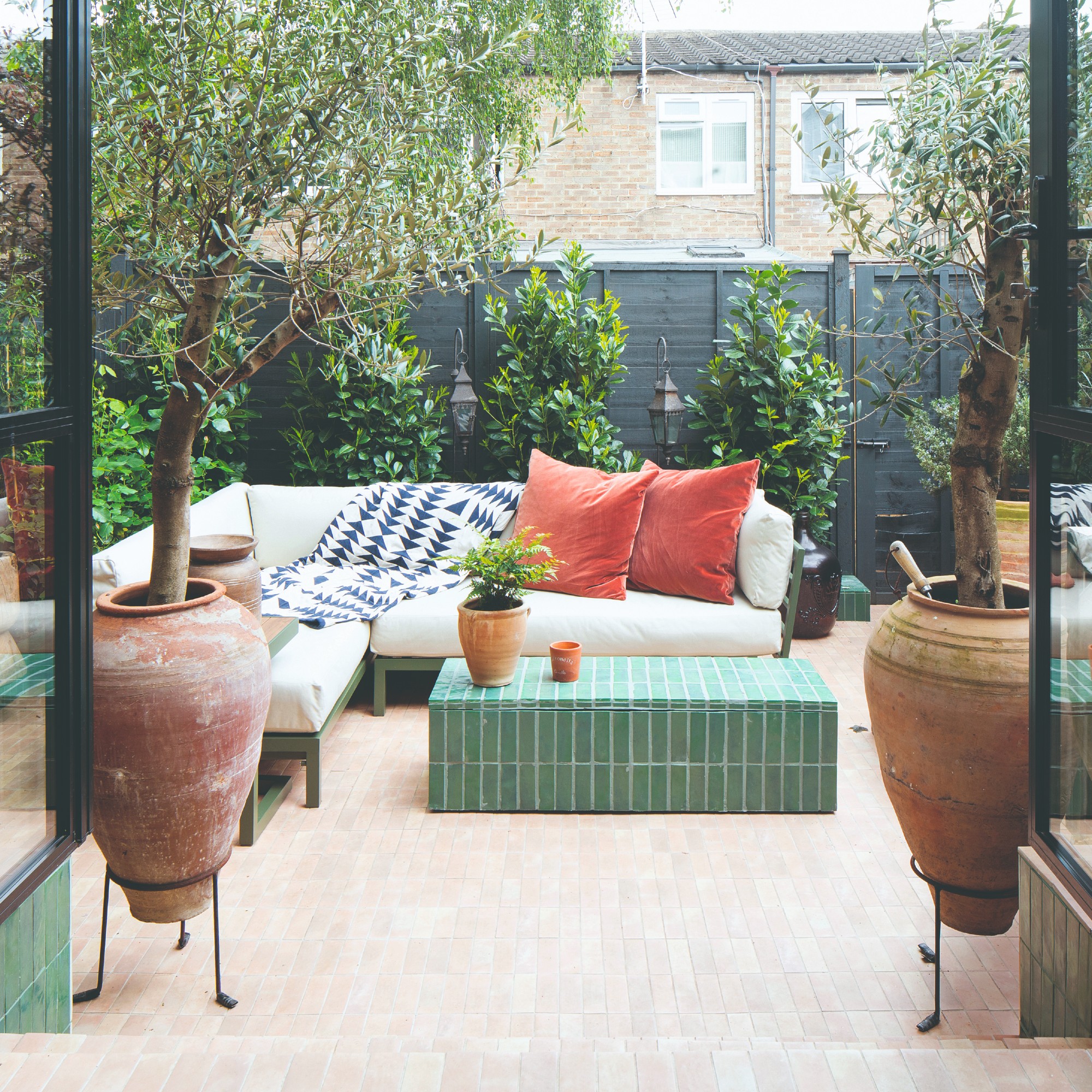
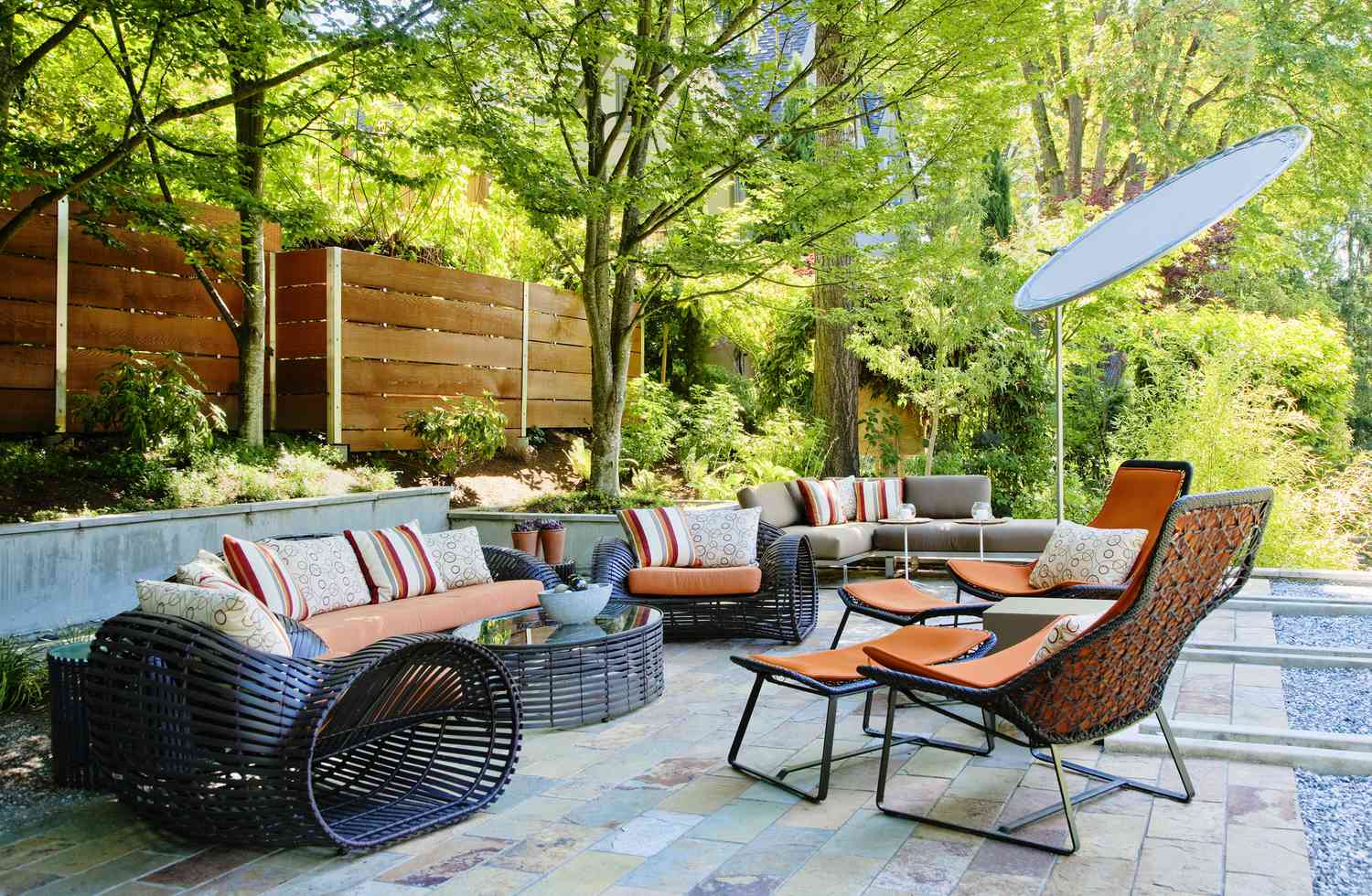
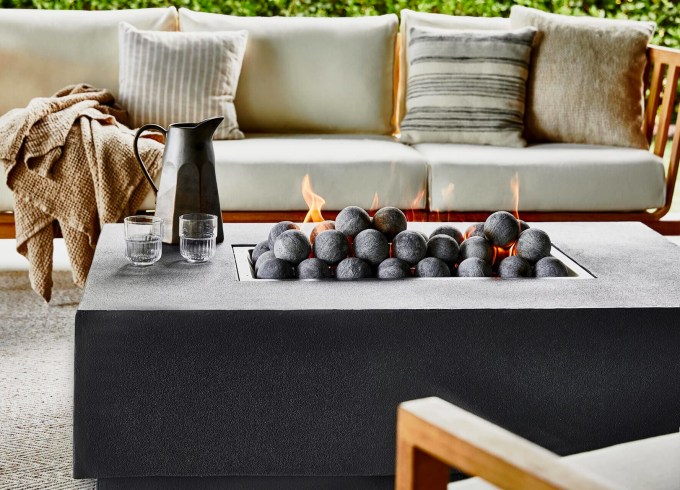
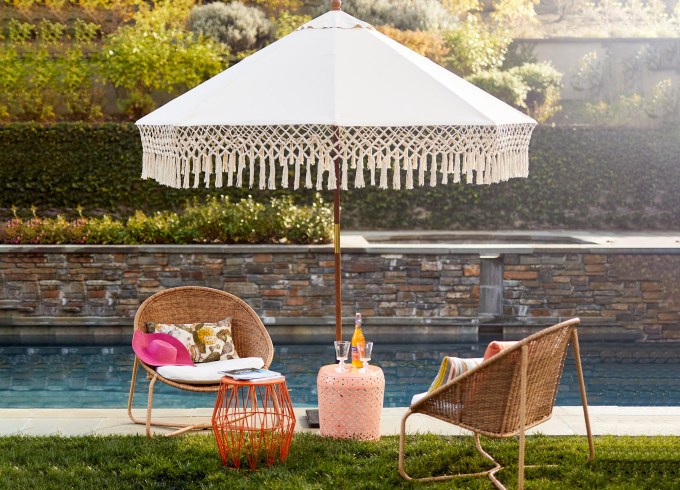
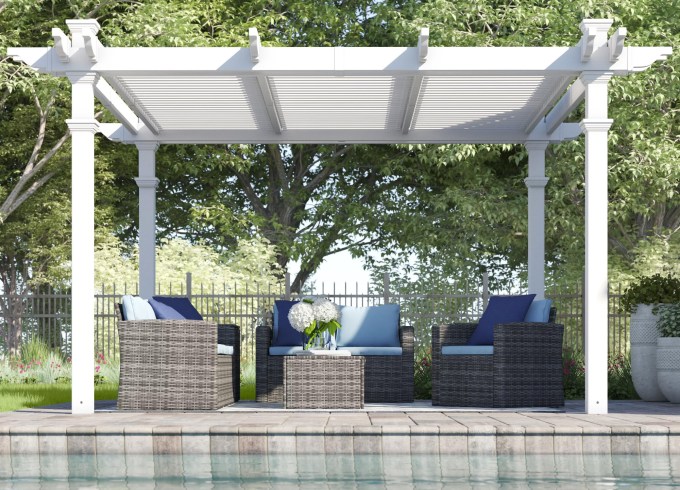
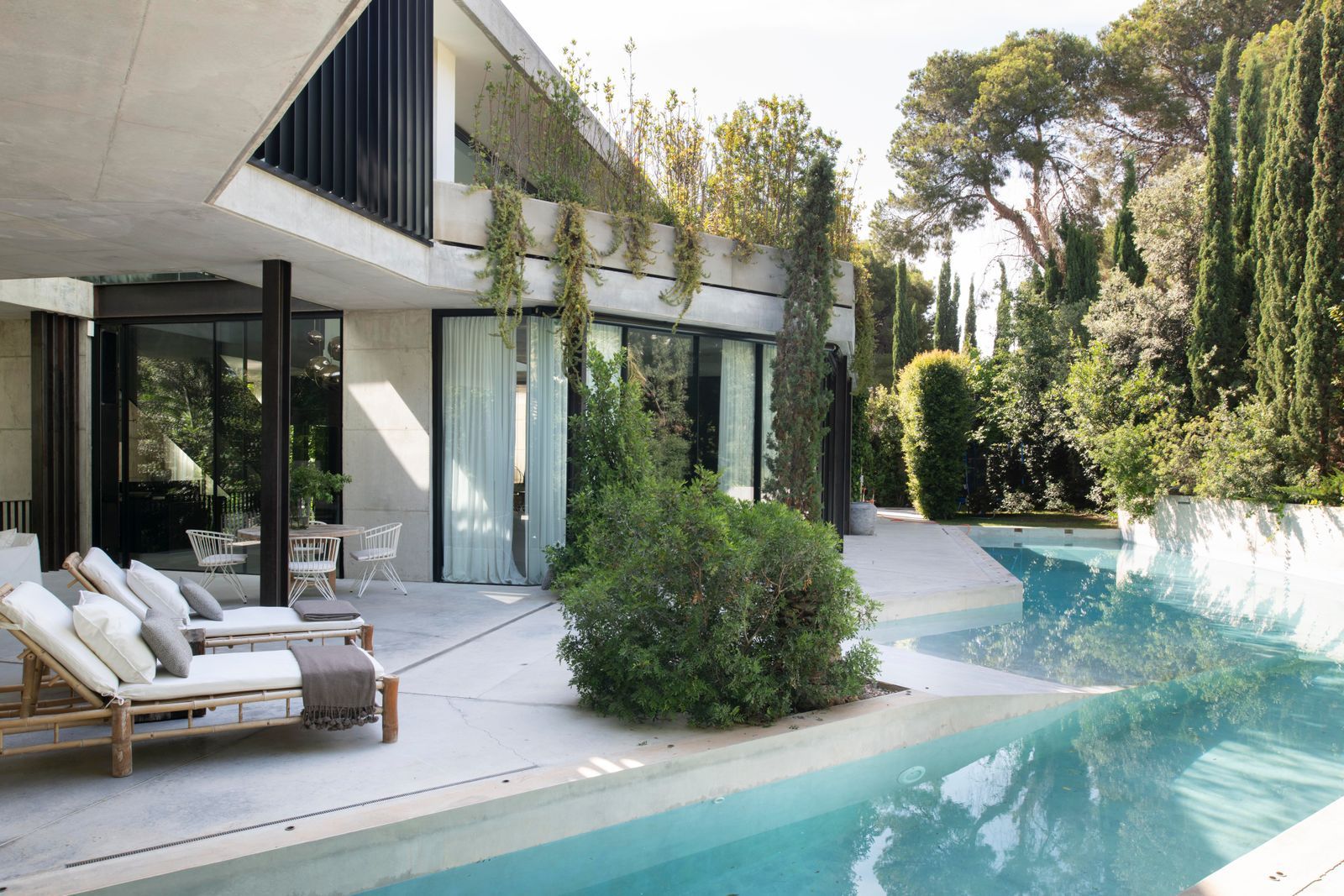
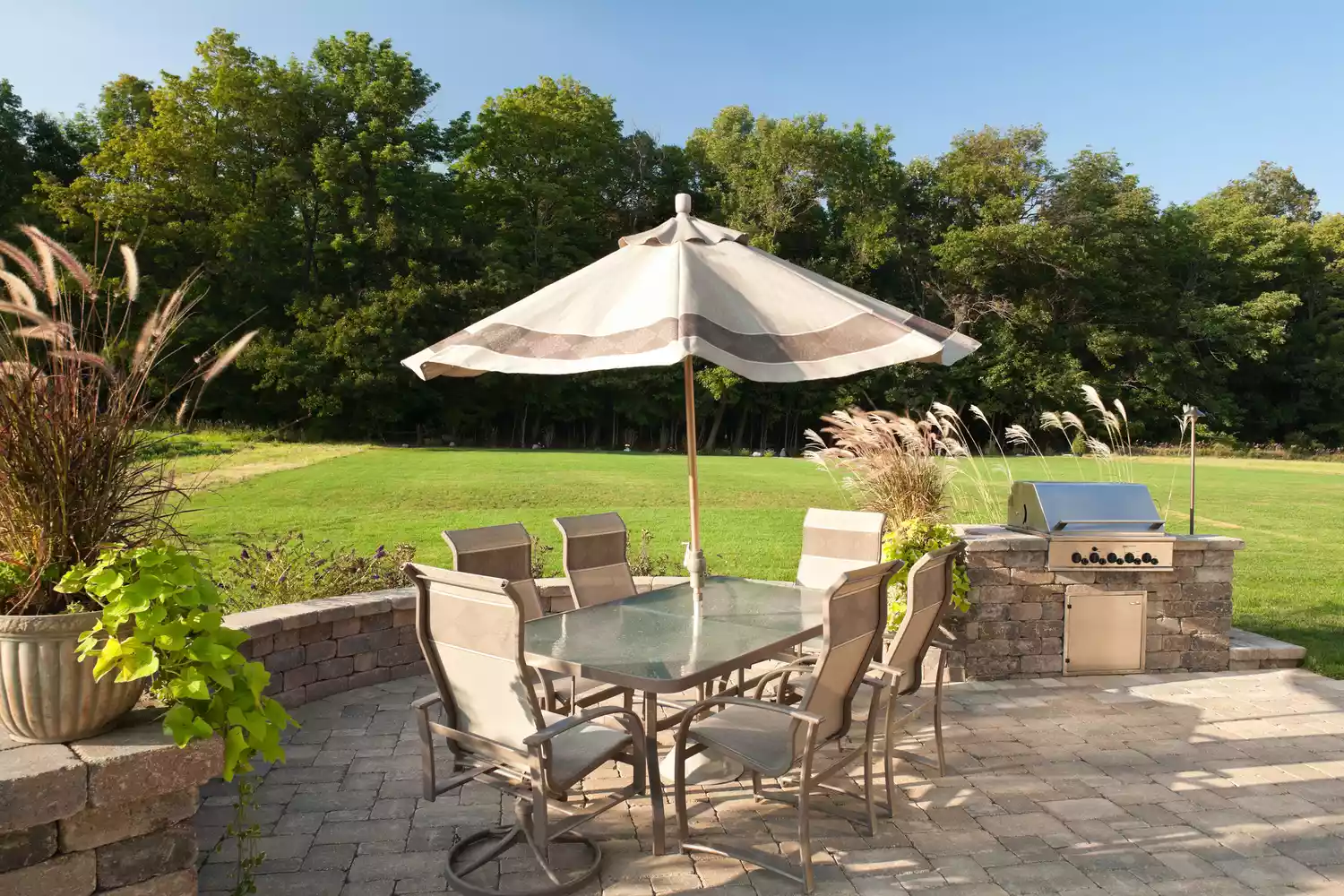
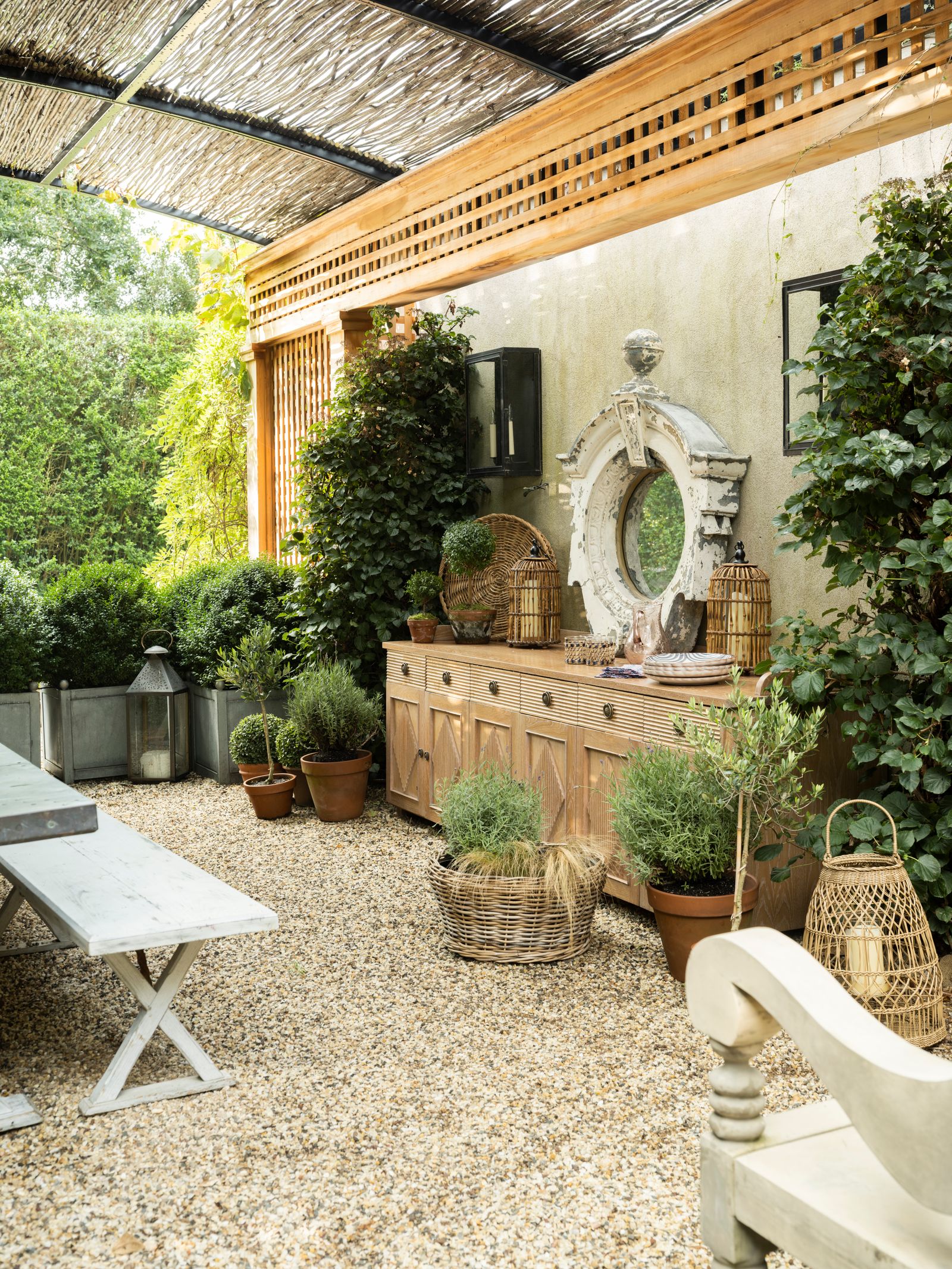
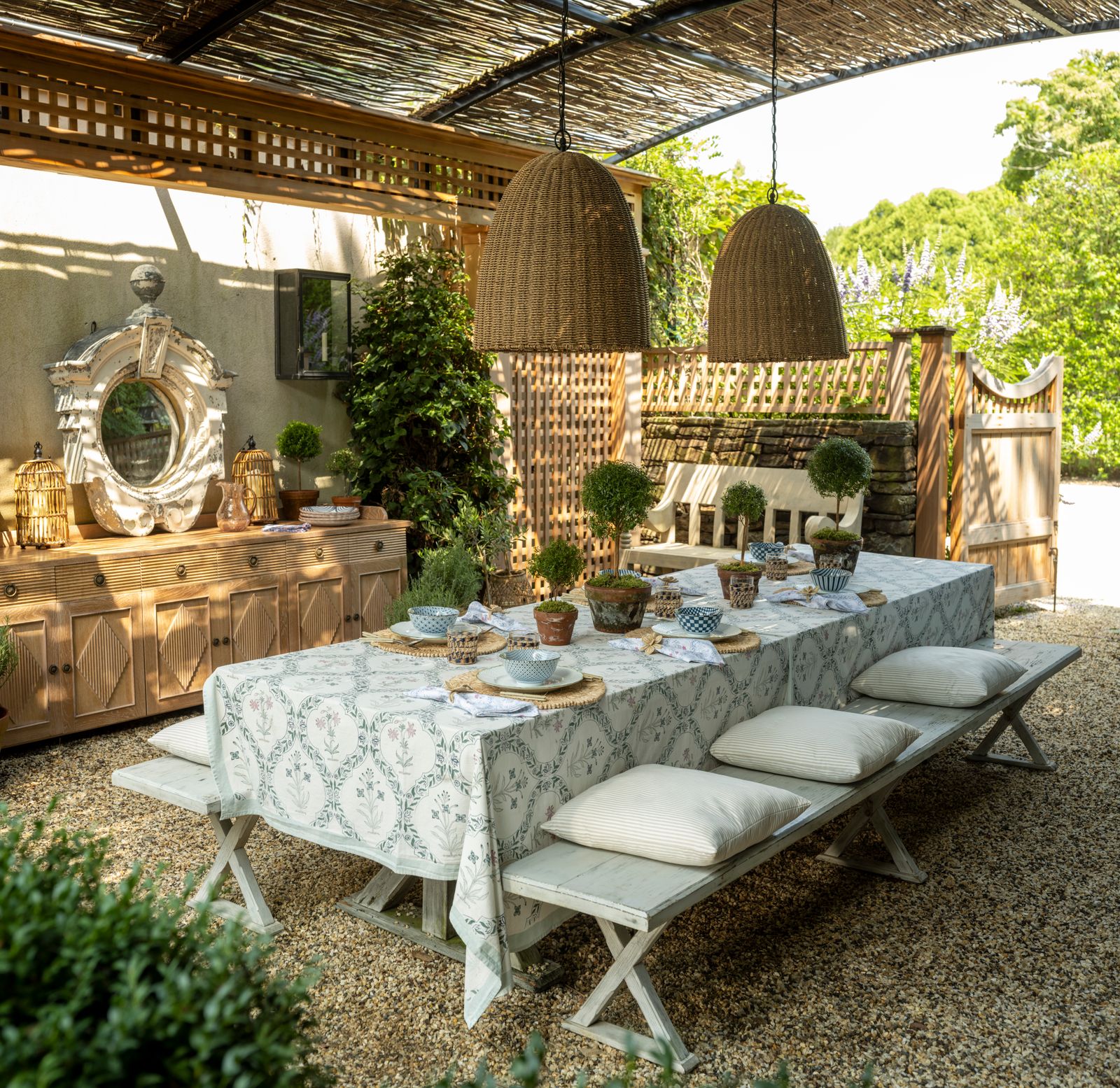
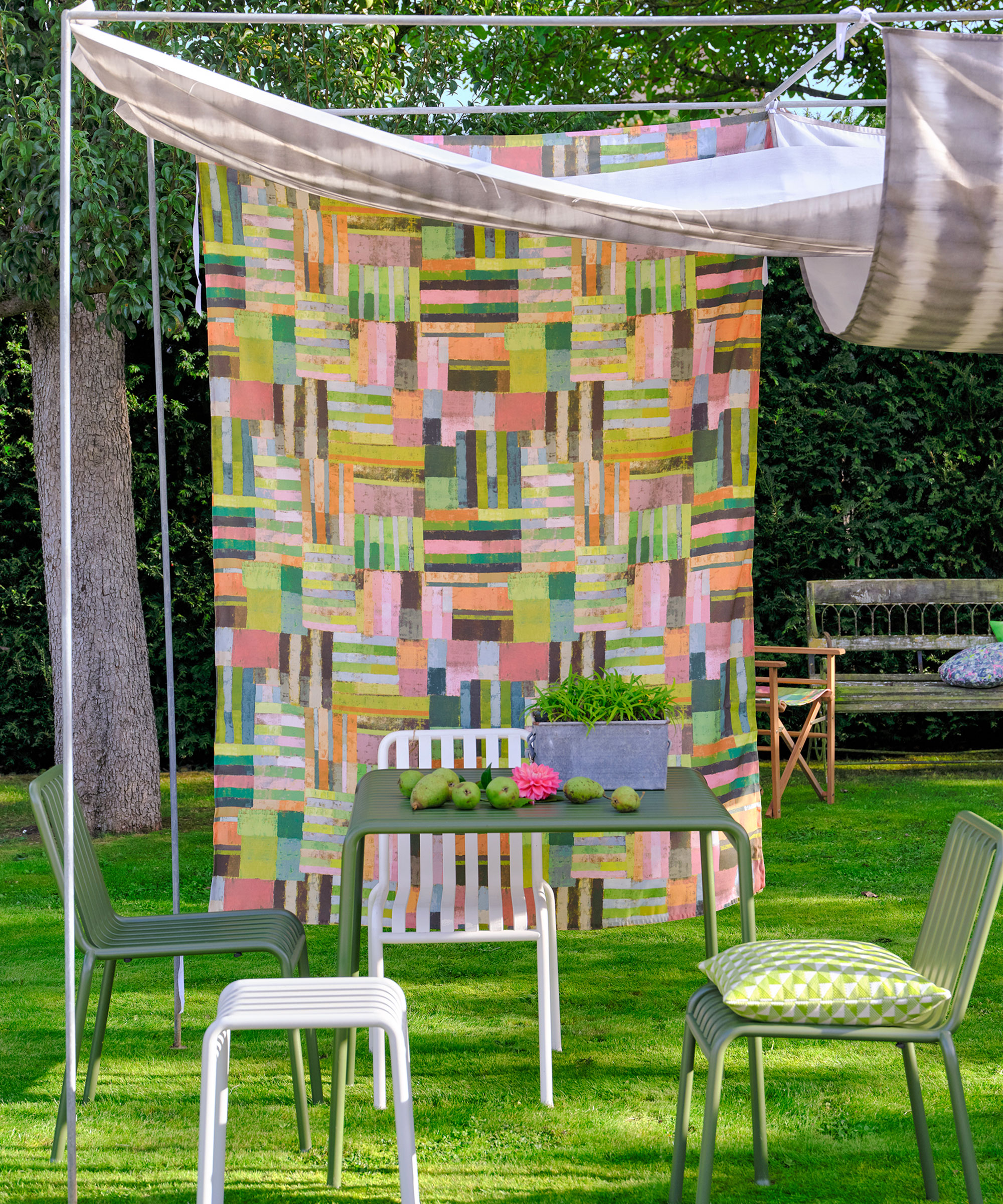
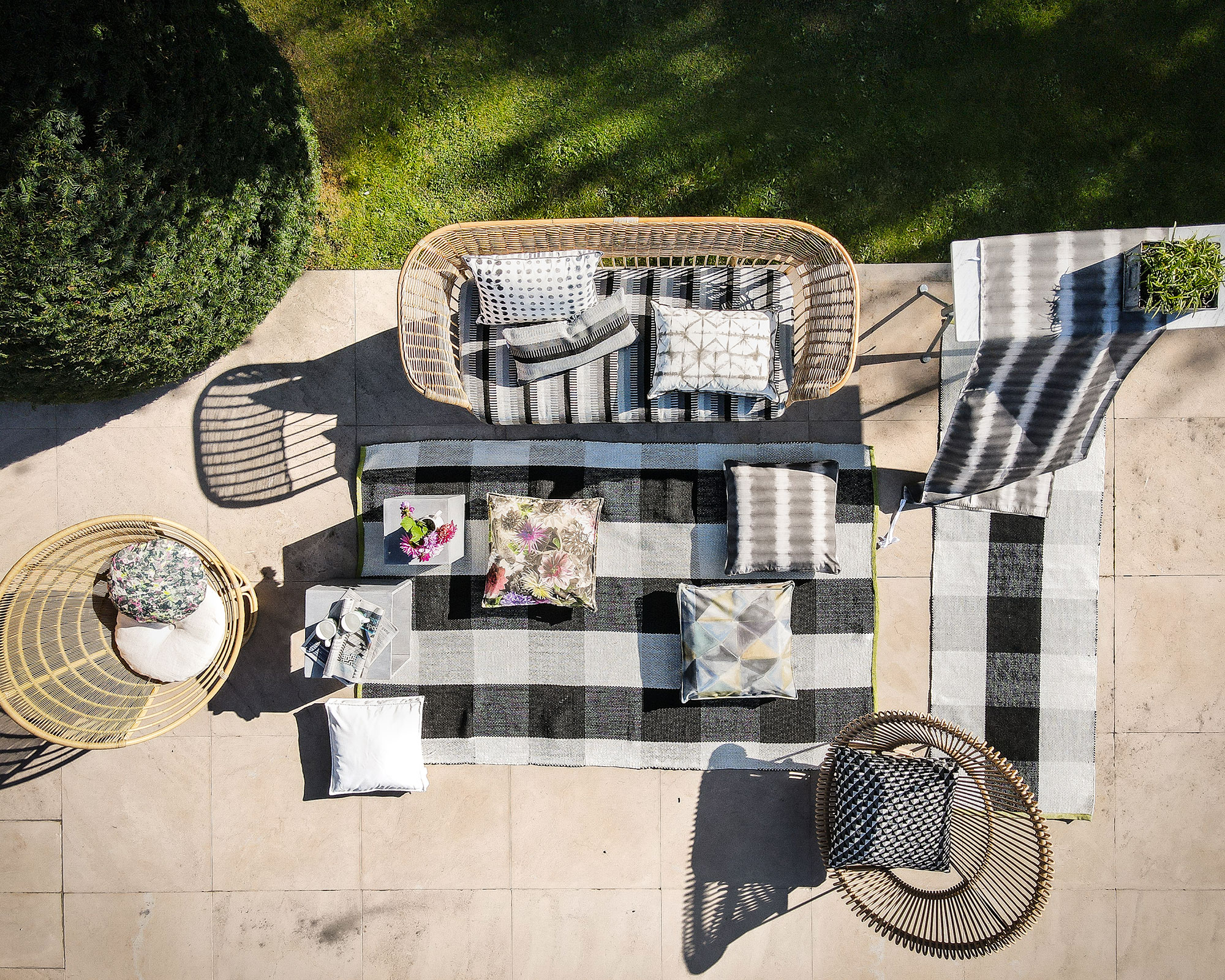
Secondly, gardens can suffer from accidental heat traps, where patios, seemingly ideal in winter for sun exposure, become uncomfortably hot in summer. Ben points out that large, open patios can be too sunny for comfort during warmer months. Additionally, the choice of materials significantly impacts temperature; dark stone patios or decks can absorb excessive heat, rendering them unusable or even dangerous. To mitigate this, incorporating shade solutions like canopies or umbrellas is crucial. Joe Rabione from Oldcastle APG suggests using lighter-colored hardscapes or installing pergolas. For decking, composite materials with CoolDeck technology, which reduces heat absorption by up to 35%, are a practical choice.
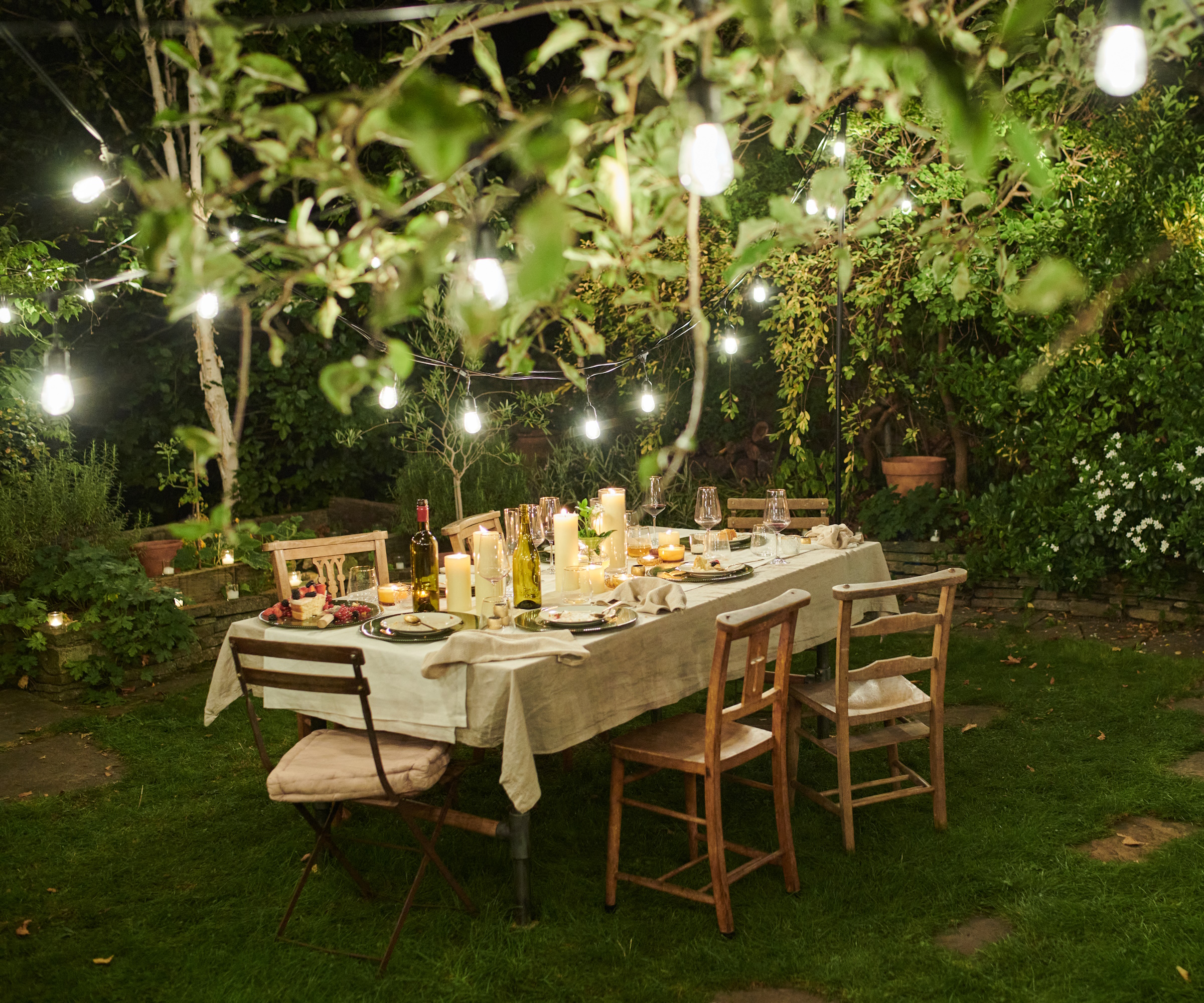
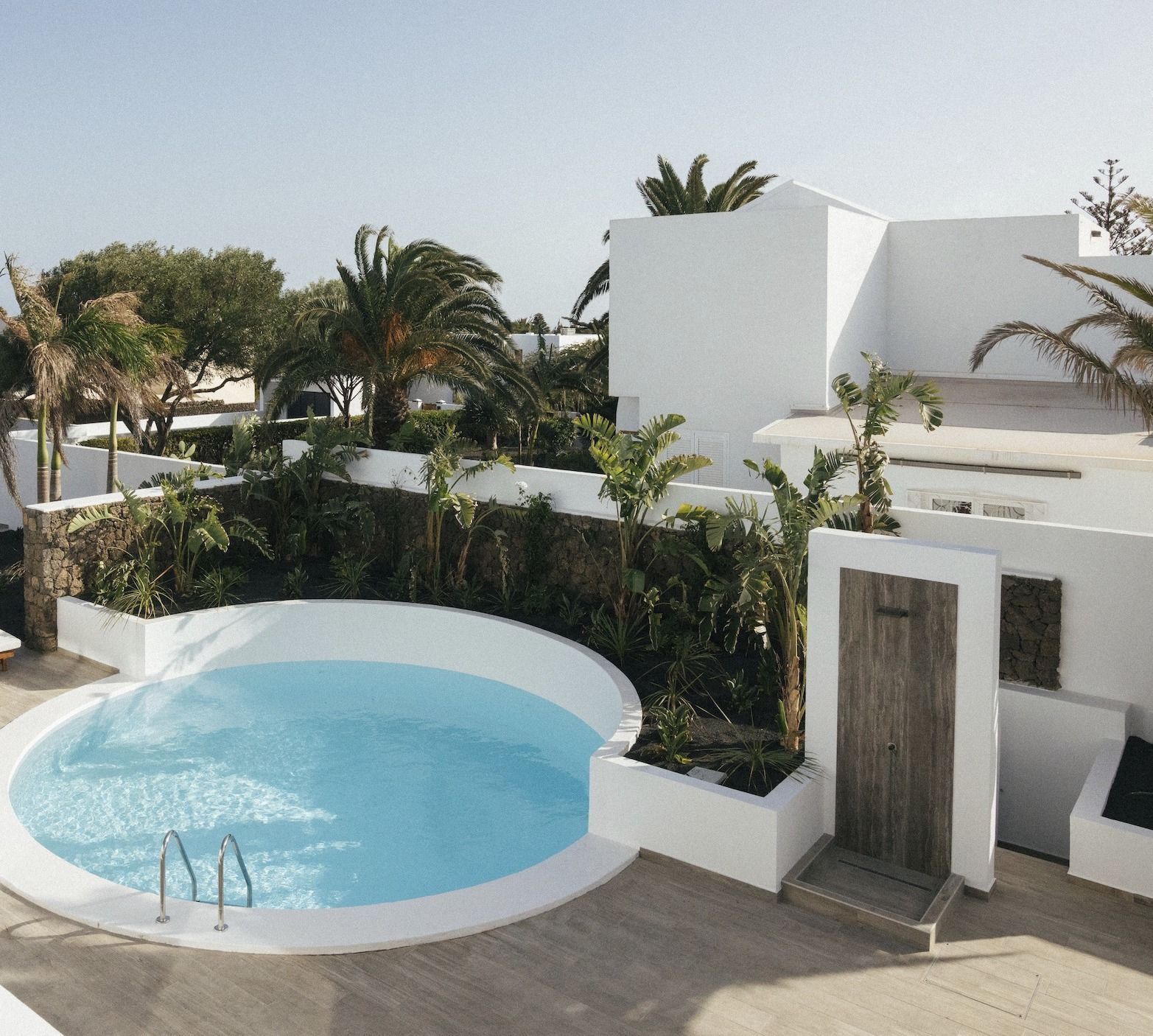
Water features, while visually appealing and capable of enhancing privacy, pose a third challenge in summer. Ben notes that they require extensive maintenance, particularly during hot weather, due to increased evaporation and the proliferation of algae blooms. The resulting murky, green water detracts from their intended elegance. If a water feature is desired, positioning it in a shaded area and using an effective filtration system can help minimize these problems.
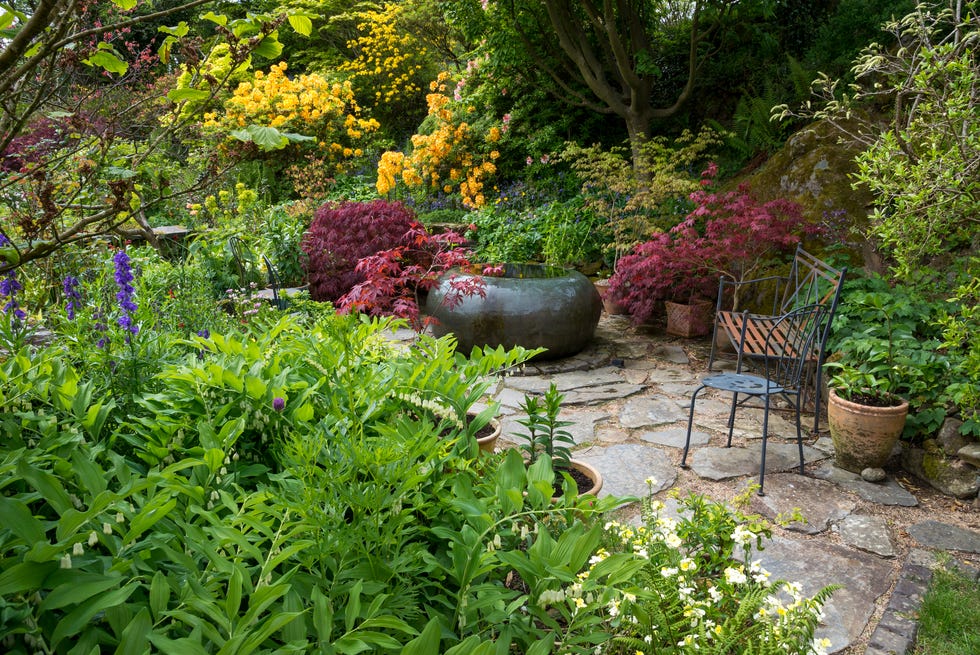
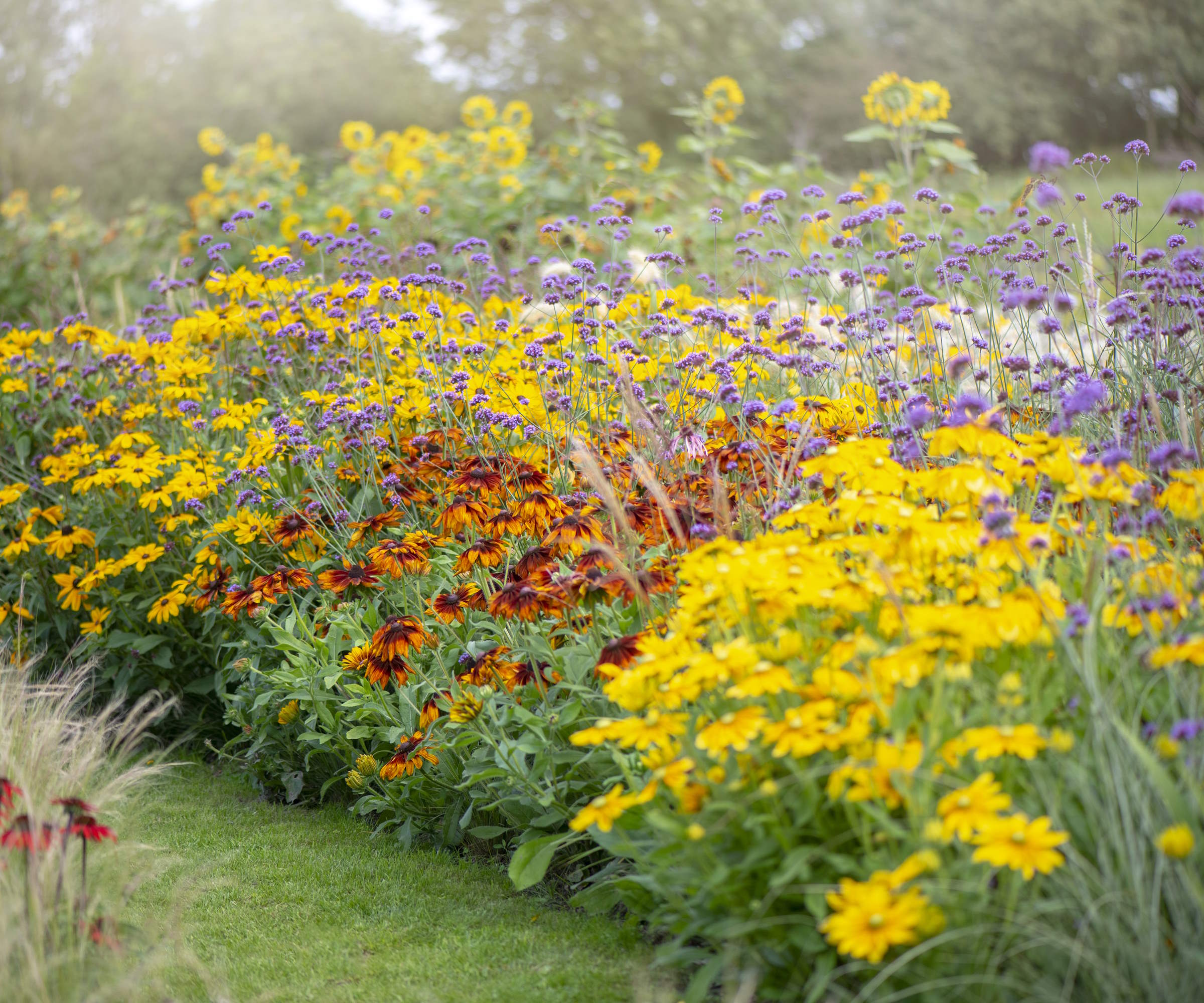
The fourth mistake involves improper plant placement. Not all plants are suited for direct, intense sunlight. Joe explains that heat-intolerant plants placed in full sun will quickly wilt or scorch. Instead, utilizing drought-tolerant plants in sun-exposed areas ensures they thrive in summer conditions. Gardeners are advised to check plant specifications at the nursery to ensure they are planted in an appropriate environment and location.
Finally, incorrect watering times constitute a significant error. Don Chouinard, Contractor Sales Manager at Irrigreen, emphasizes that watering at the right time is critical during summer. Watering at midday, when temperatures are highest, leads to rapid evaporation, reducing water absorption by plants and potentially causing leaf burn due to water droplets acting as magnifying glasses. The optimal time for watering is early morning when temperatures are cooler, allowing plants to effectively absorb moisture through their open stomata before the day's heat intensifies. If morning watering is missed, late afternoon, when temperatures have begun to drop, is the next best alternative.
Adopting these expert tips can transform a garden into a resilient and enjoyable space, capable of thriving through the summer months and providing year-round satisfaction. Protecting the garden from common summer-related design flaws ensures both its longevity and aesthetic appeal.
#GardenDesign #SummerGardening #LandscapingMistakes #SustainableGardening #PatioShade #WaterFeatures #PlantPlacement #WateringTechniques #OutdoorLiving #GardenDesign #SummerGardening #LandscapingMistakes #SustainableGardening #PatioShade #WaterFeatures #PlantPlacement #WateringTechniques #OutdoorLiving
0 comment in total
 No comments yet
You may also like
9 Patio Design Mistakes You're Probably Making—And How to Avoid Them

Outdoor living room mistakes – 5 errors to avoid, and the tips garden designers use to get it right

25 Chic Backyard Ideas to Prep Your Space for Summer
5 Things That Immediately Make Your Backyard Look Bad, According to Designers

5 Mistakes Designers Want You to Stop Making with Your Outdoor Furniture
7 outdated rules to ignore when designing a small patio – experts say ditching them will transform your space
6 Patio Decor Trends Designers Are Begging You to Skip This Season

How to Get Your Outdoor Space Styled for Summer, No Matter the Size
5 Things That Always Make Your Patio Look Empty, According to Designers
6 Things That Immediately Make Your Patio Look Bad, According to Designers
Don't Make These 5 Mistakes When Trying Modern Farmhouse Style, Designers Warn

Our Patio Picks This Summer
6 Small Backyard Layout Mistakes You Should Avoid This Summer, According to Designers
6 Feng Shui Houseplant Decorating Mistakes Practitioners Want to Warn You Against
Easy tips to give your outdoor patio a fresh look for summer, according to an expert
5 simple ways to decorate your outdoor space for summer entertaining
How to spruce up your backyard for summer hosting – Experts share 5 inspiring ideas to get rid of 'yard shame'

6 mistakes design experts instantly notice in your home – and how to fix them

Vertical Gardens: 10 mistakes to avoid, according to the experts

5 Common Patio Features That Actually Give Designers the "Ick"