1/10
9 inner-city garden ideas to inspire
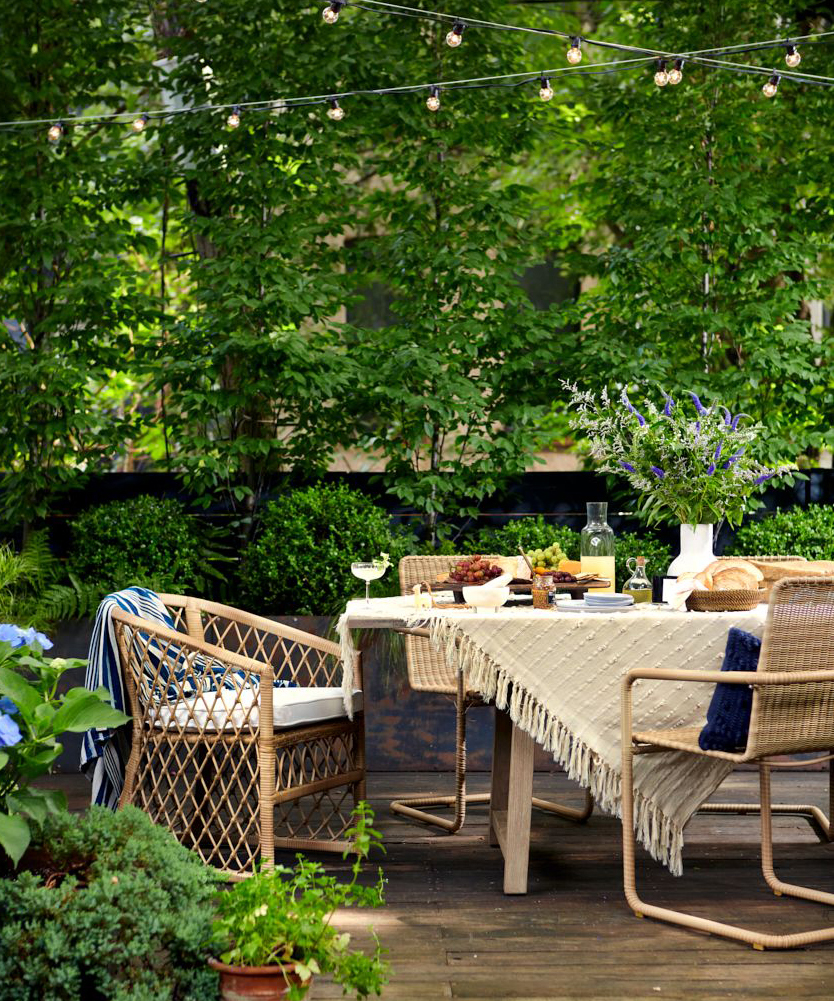
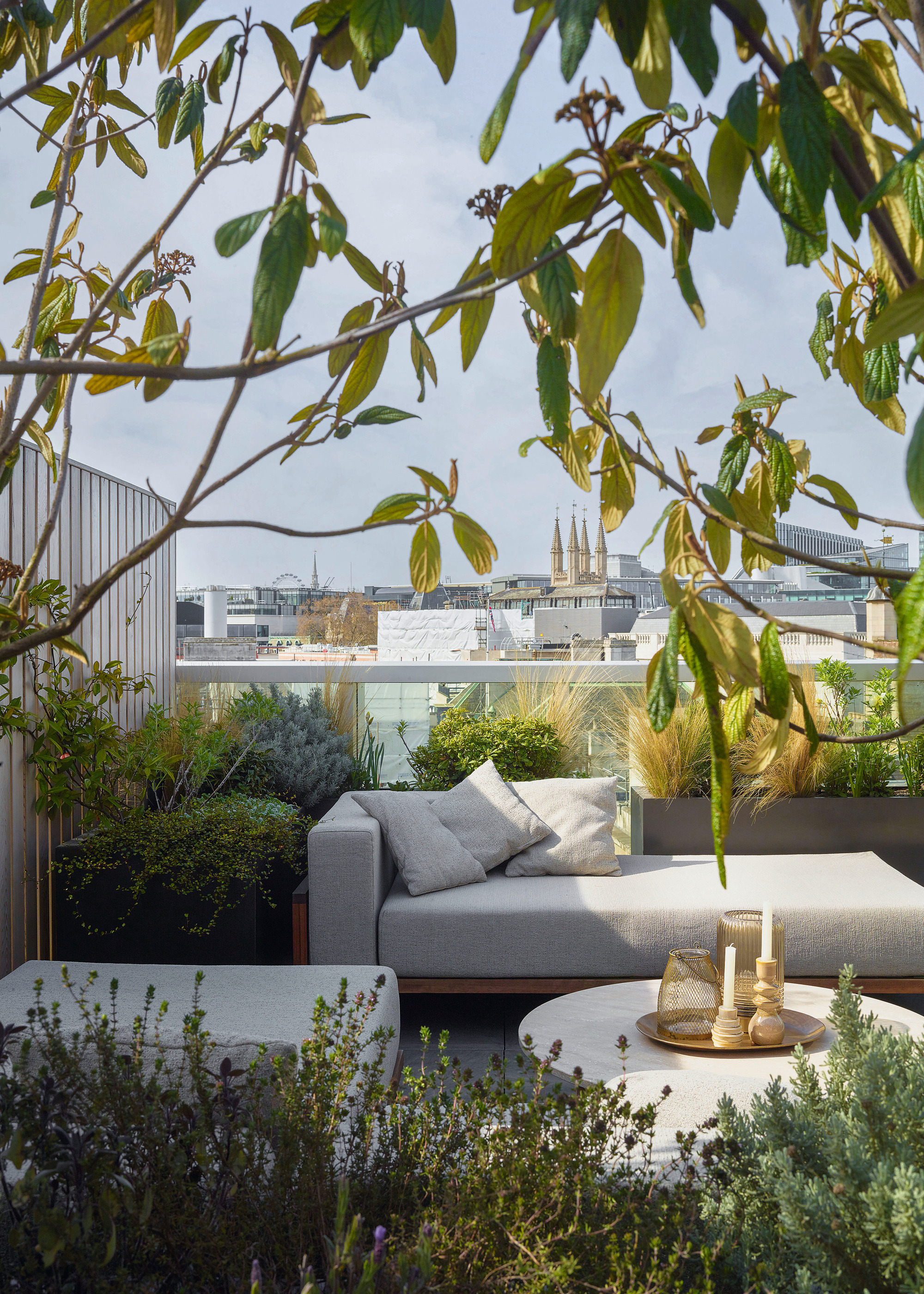
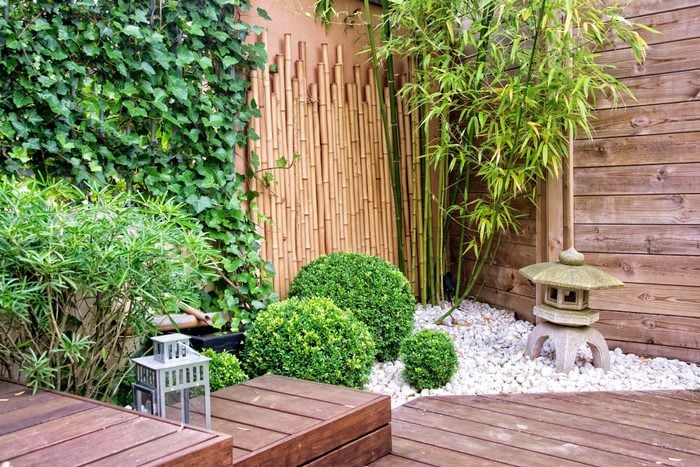
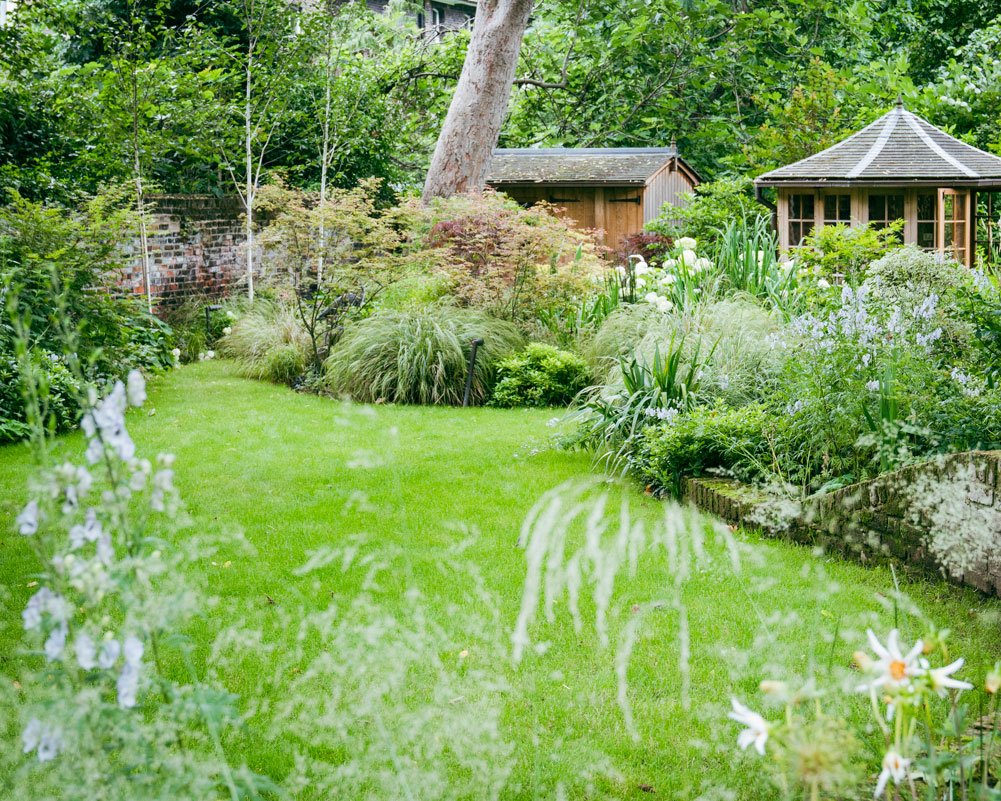
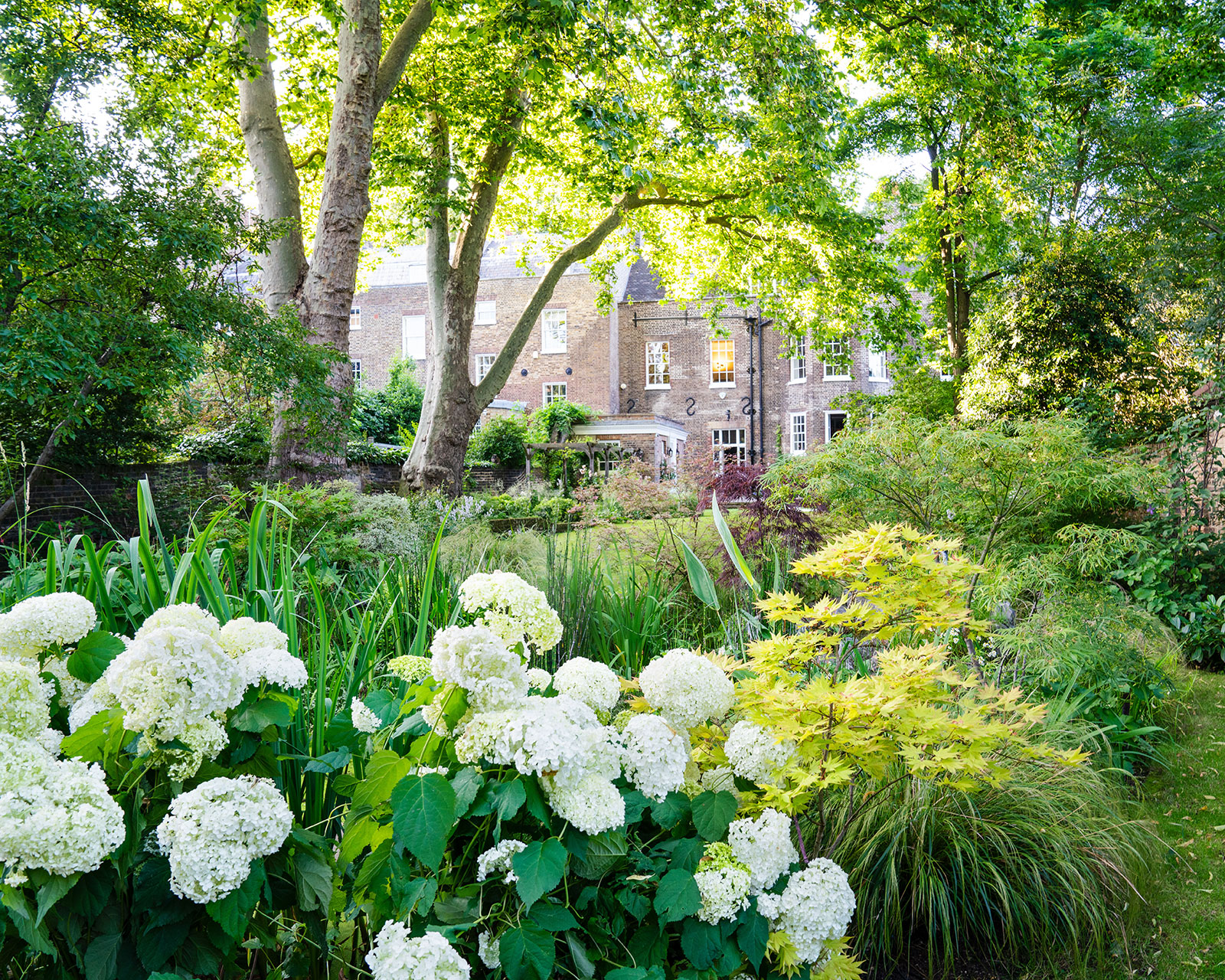
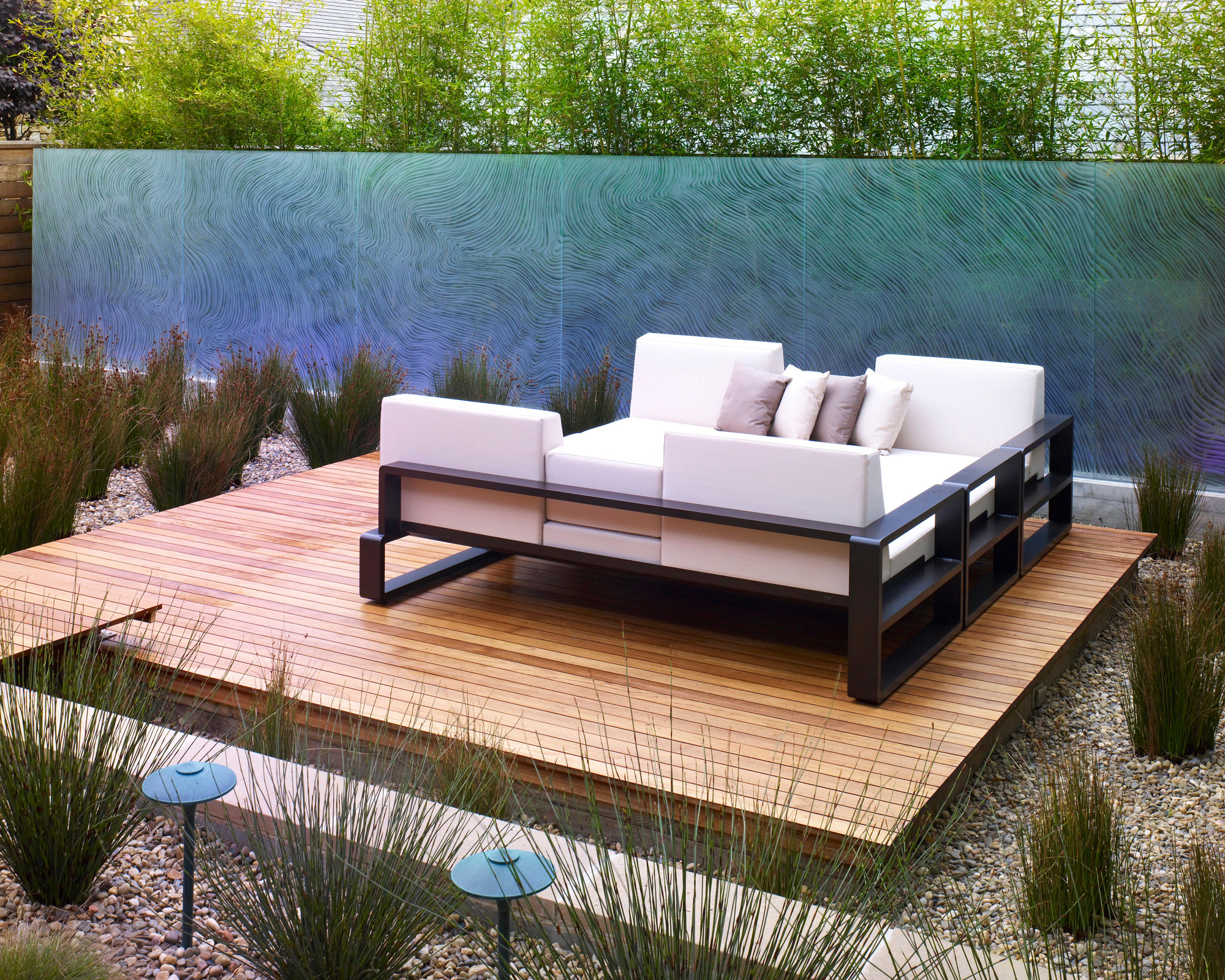
Inner-city living often necessitates smaller outdoor areas, a reality that prompts homeowners and designers to adopt creative and space-efficient gardening strategies. Despite the limited footprint, it is entirely possible to cultivate a visually appealing and functional outdoor oasis. The key lies in strategic planning, innovative design, and a thoughtful selection of plants and features that maximize the perceived and actual space.
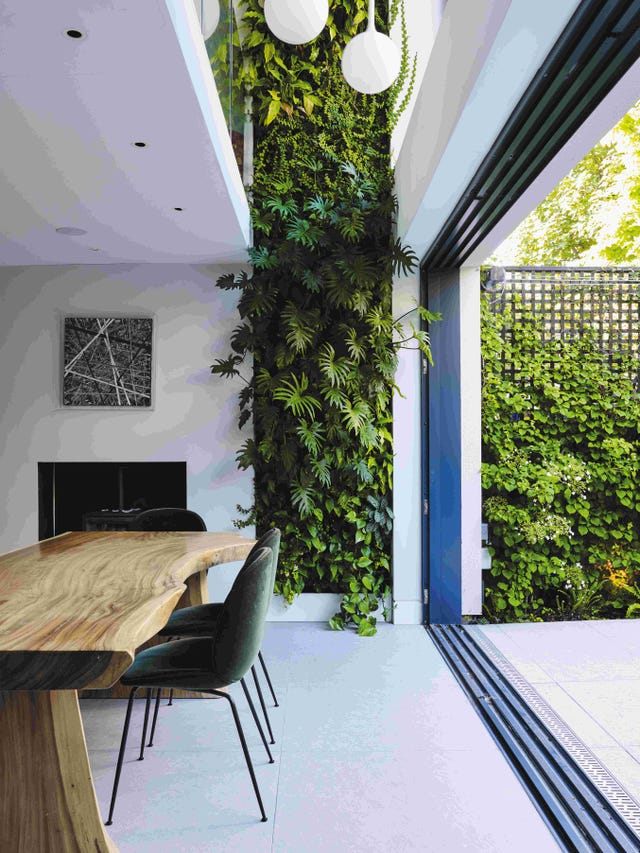
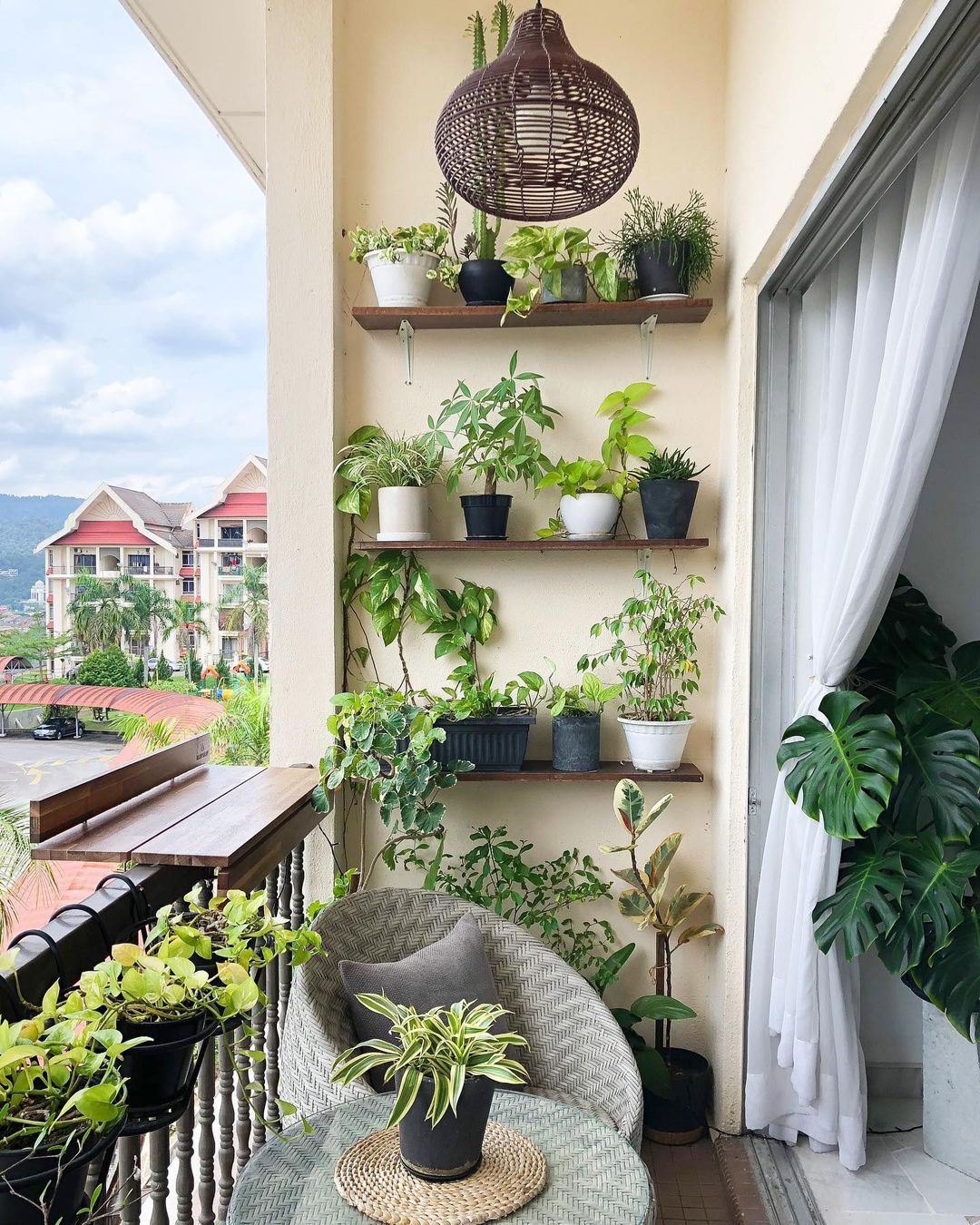
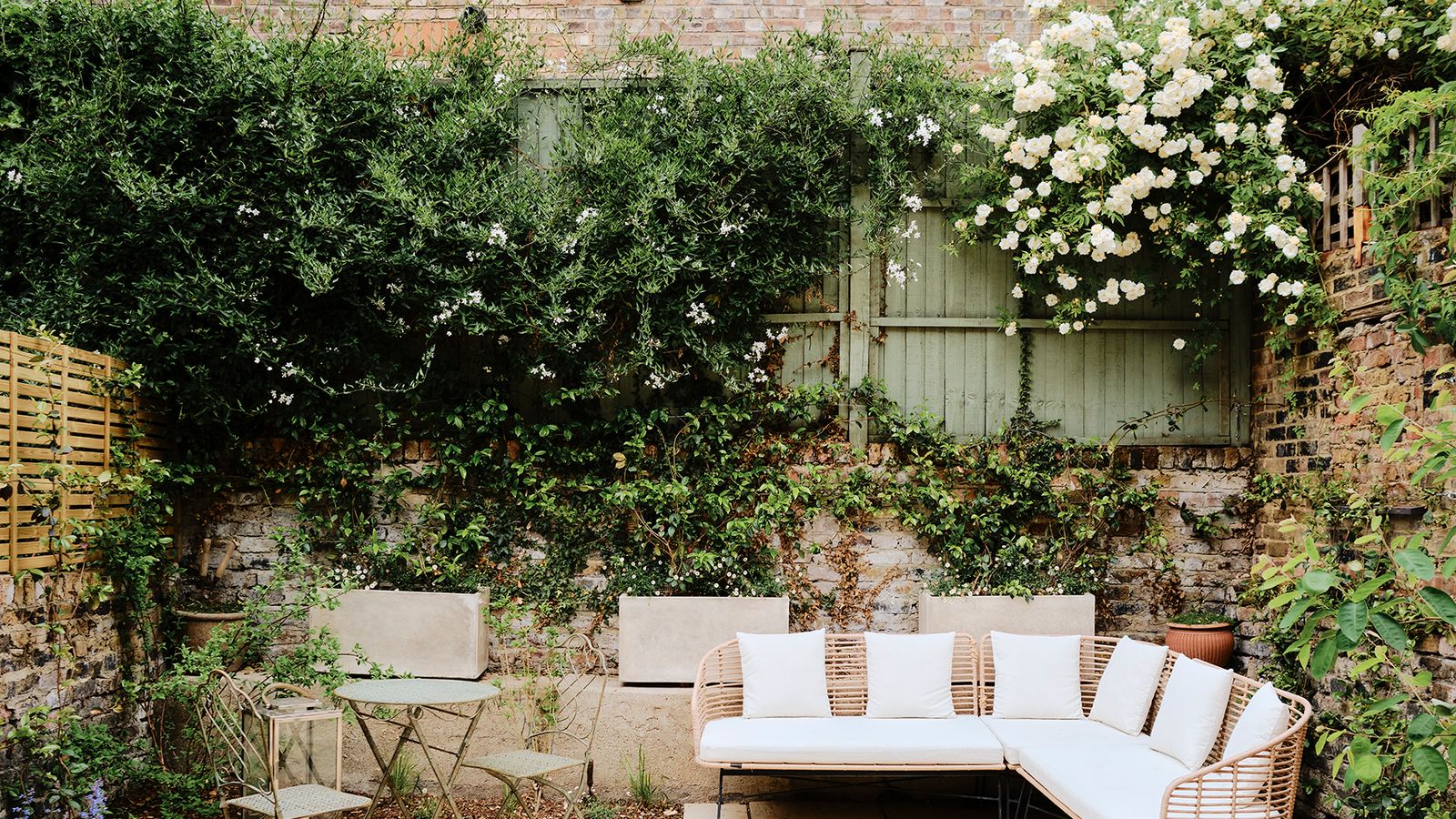
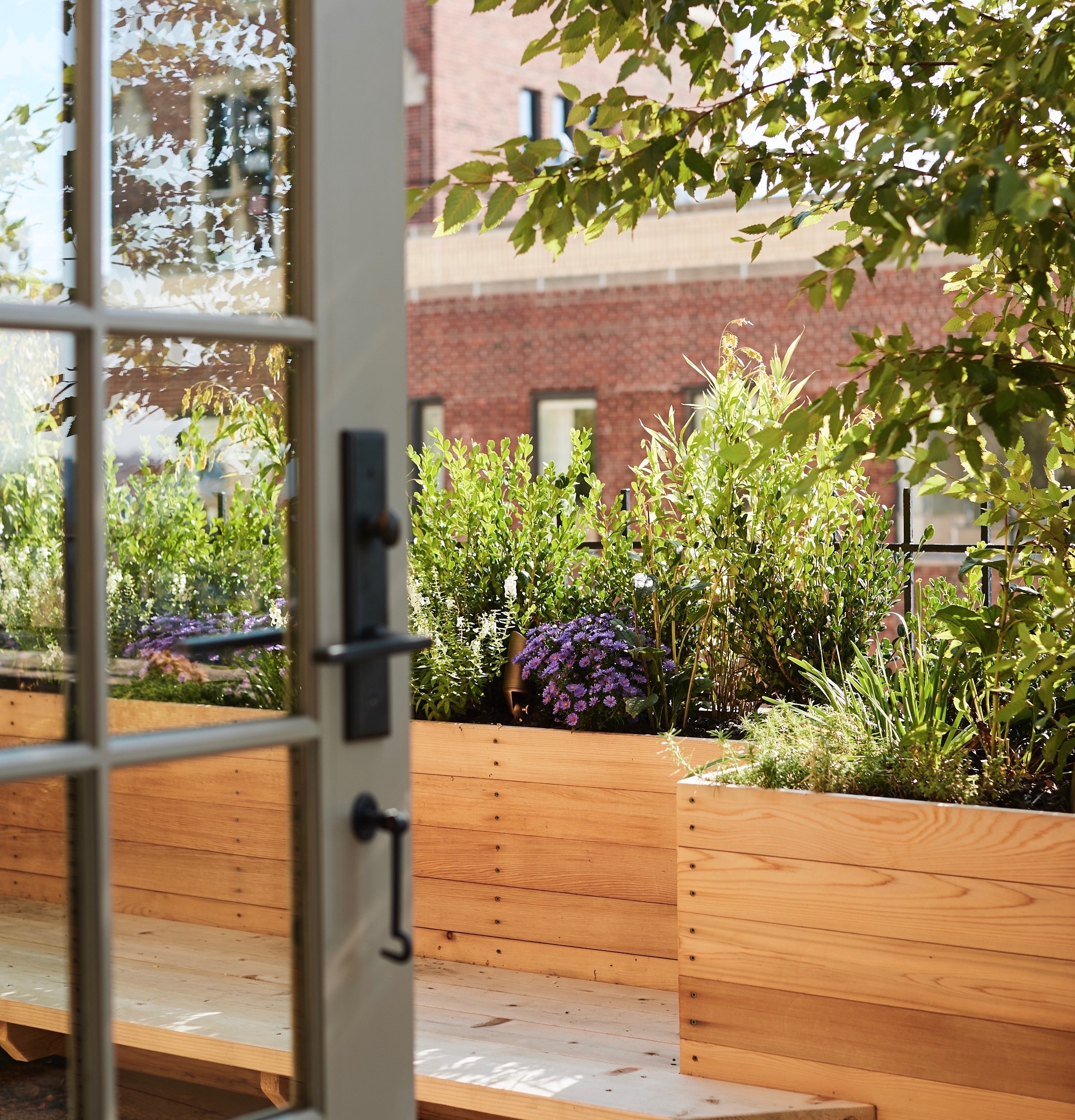
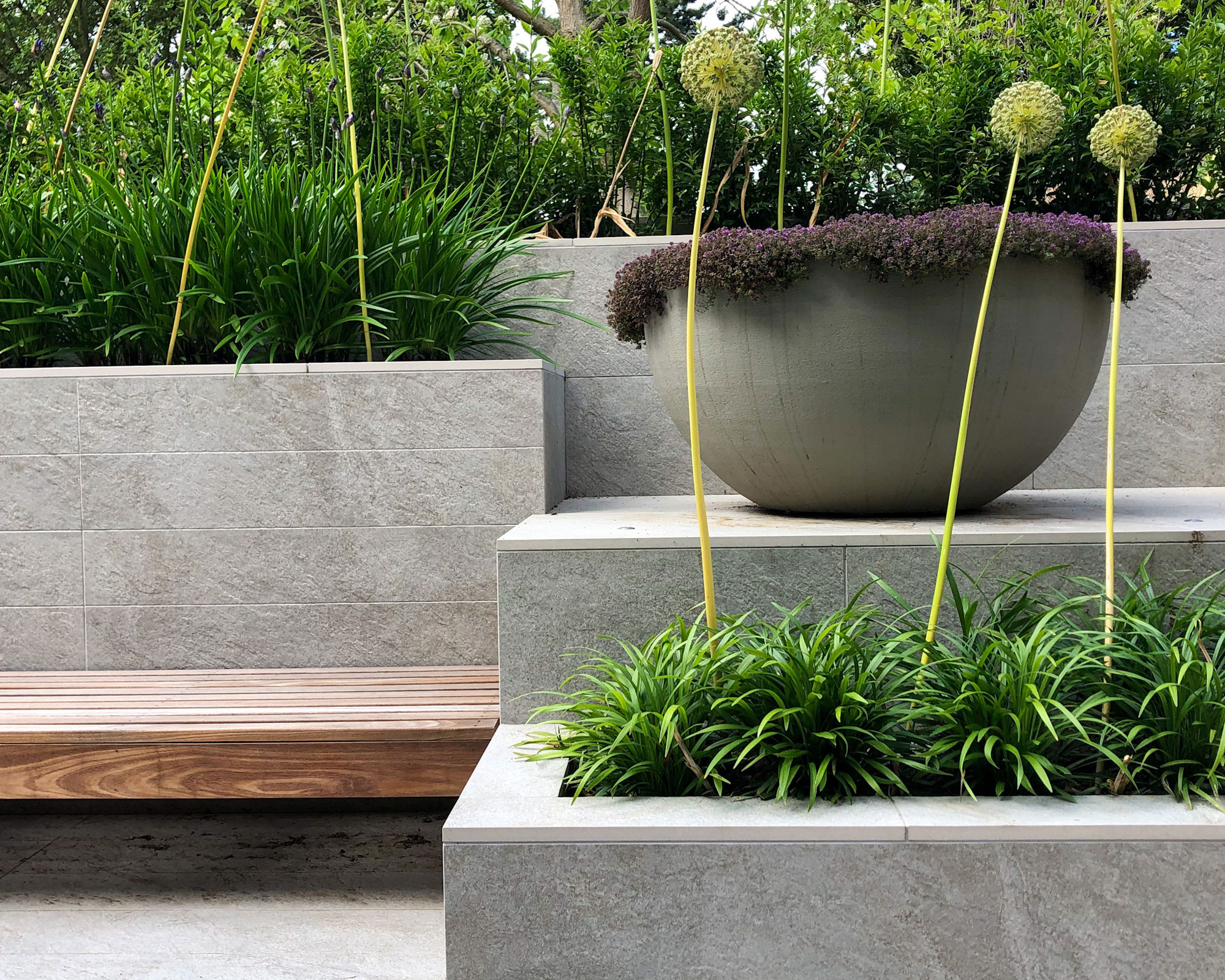
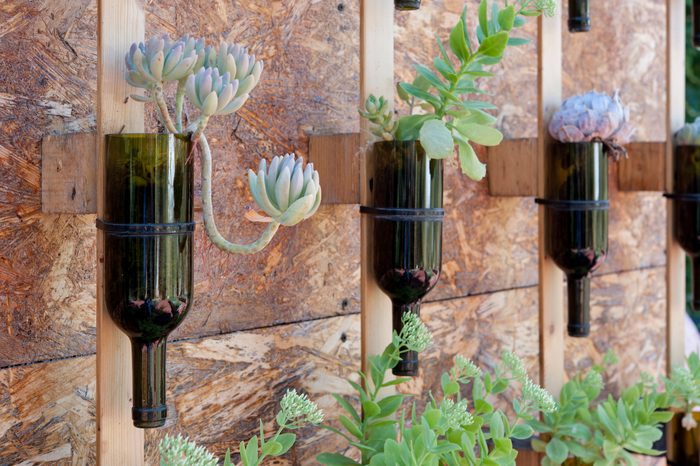
One fundamental principle for designing smaller gardens is to leverage vertical dimensions. Utilizing walls and other vertical surfaces for planting can significantly enhance the lushness of a garden, making it appear larger and more vibrant. This approach not only adds greenery but also helps to define the space without consuming precious ground area. Furthermore, incorporating multi-functional elements is crucial. For instance, retaining walls designed at seat height can serve both as structural support and comfortable seating, thus optimizing utility within a compact area.
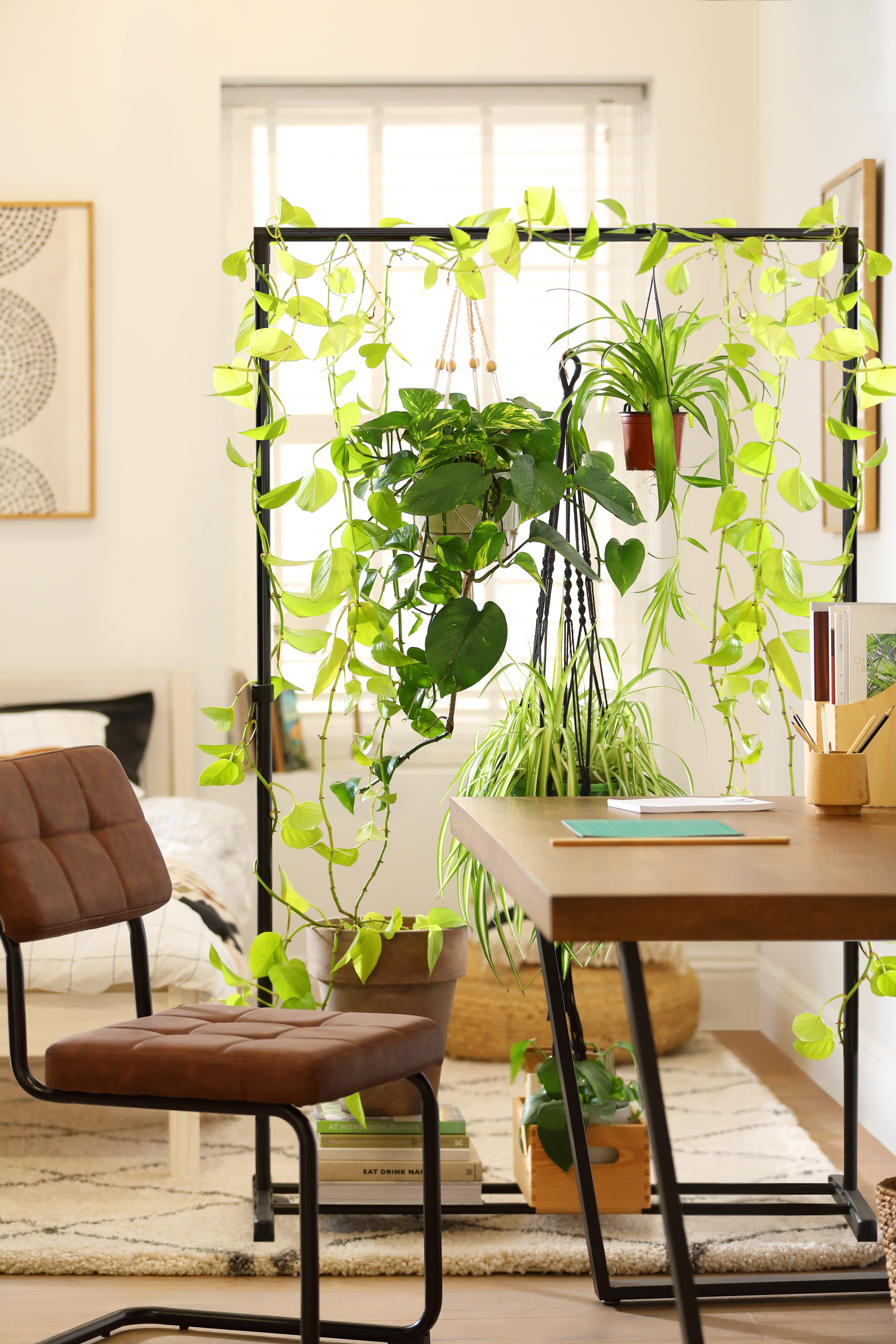
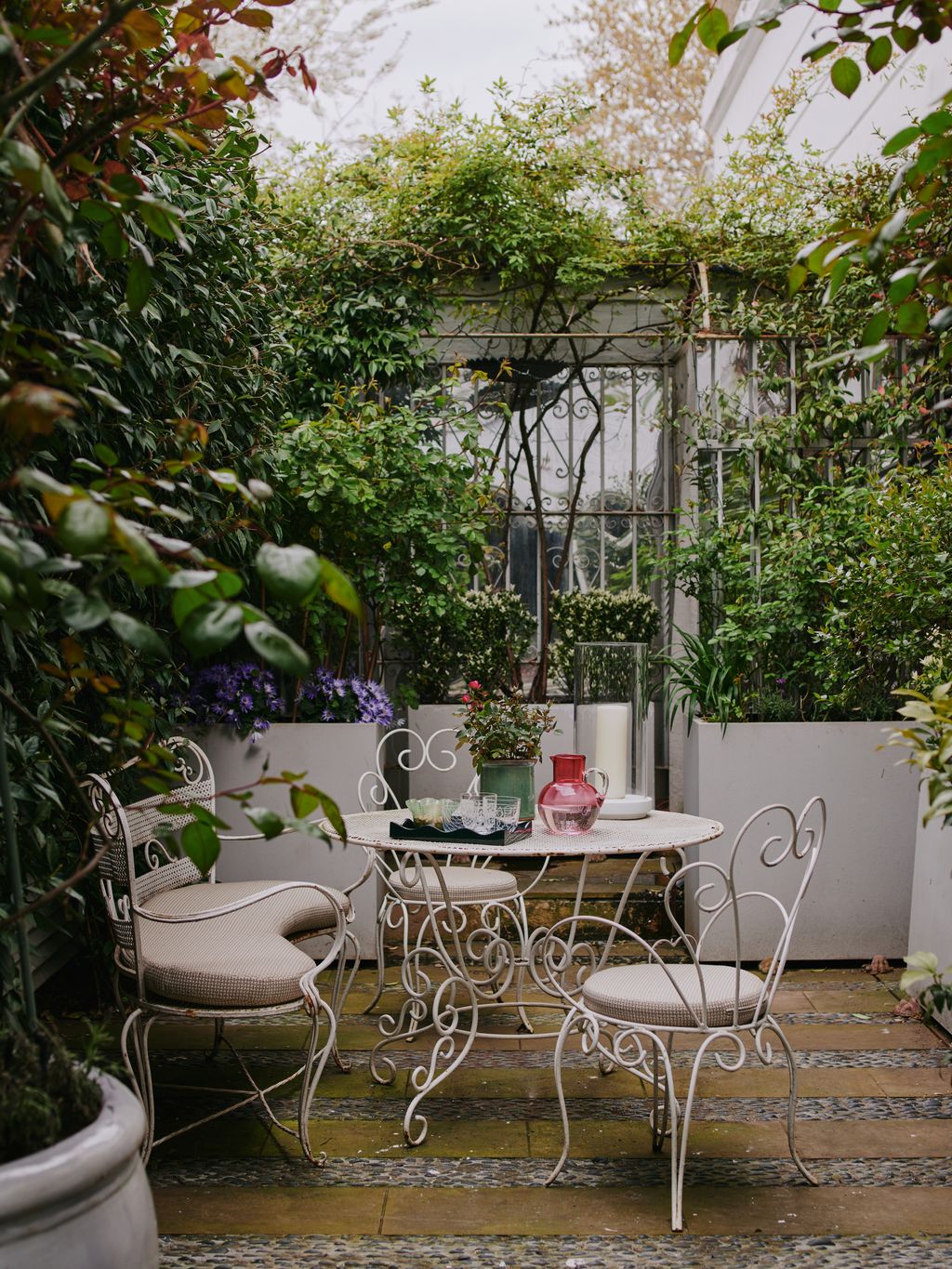
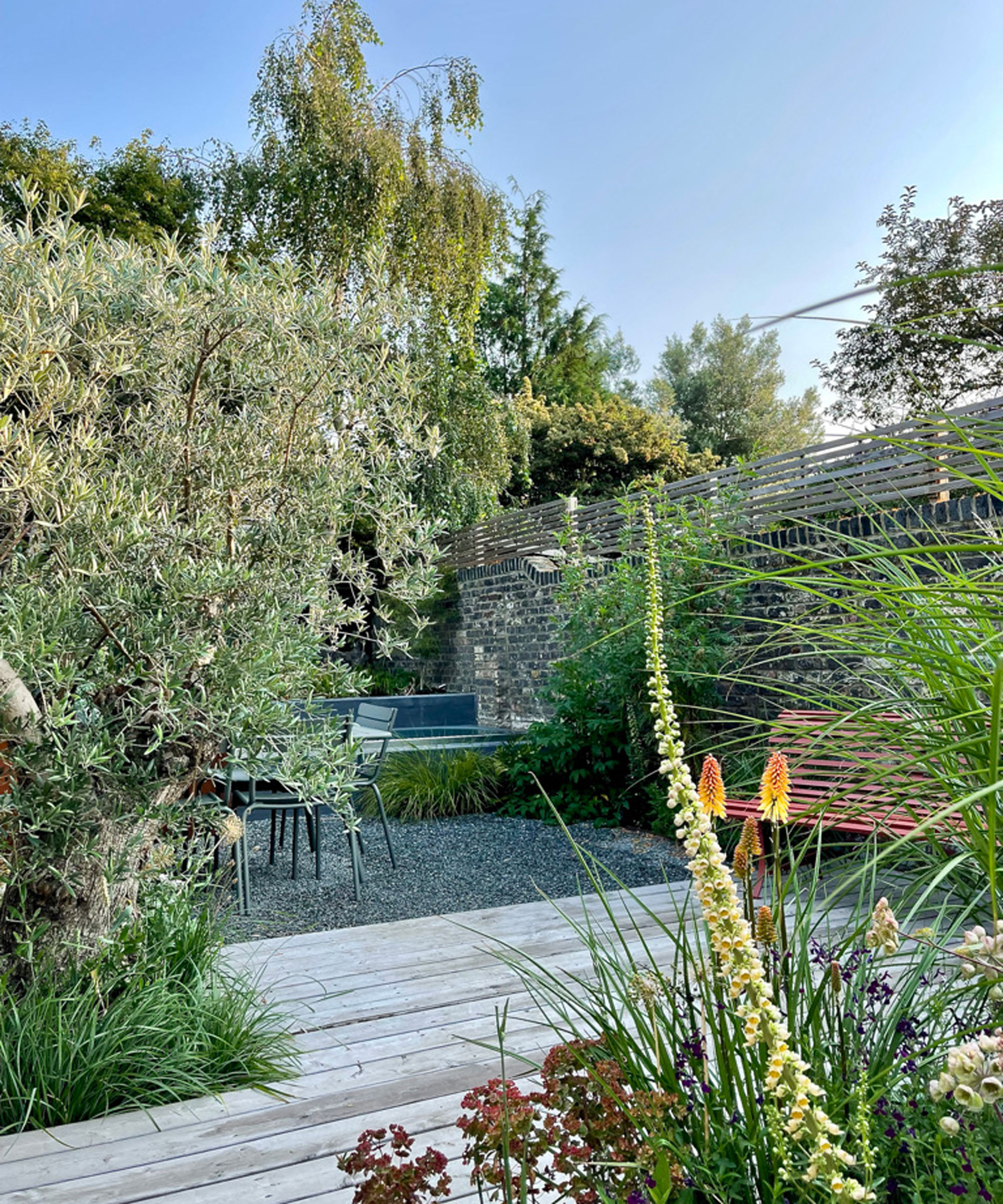
Several inspiring examples illustrate these principles. In an inner-city Melbourne garden, designer Amanda Oliver strategically used a grove of birch trees to ensure privacy and mass plantings of Echium to create a dense boundary, effectively transforming a small space into a secluded haven. Similarly, for a derelict shop converted into a home, interior designer Amanda Lynn created an internal courtyard using creeping vines, demonstrating how vertical greenery can be integrated to add character and expand the garden's feel. This approach is particularly effective in areas where horizontal space is at a premium, allowing for a sense of abundance without overcrowding.
Another example from Paddington, an inner-city suburb known for its narrow terrace gardens, showcases how landscape architect Sophie Greive crafted a clean-lined entertaining area within an 8.5m x 4.5m space. Her design seamlessly integrates with the modern interiors, proving that even very constrained areas can become stylish and functional outdoor extensions of the home. The focus here was on creating a cohesive aesthetic that complements the existing architecture while providing a practical space for relaxation and social gatherings.
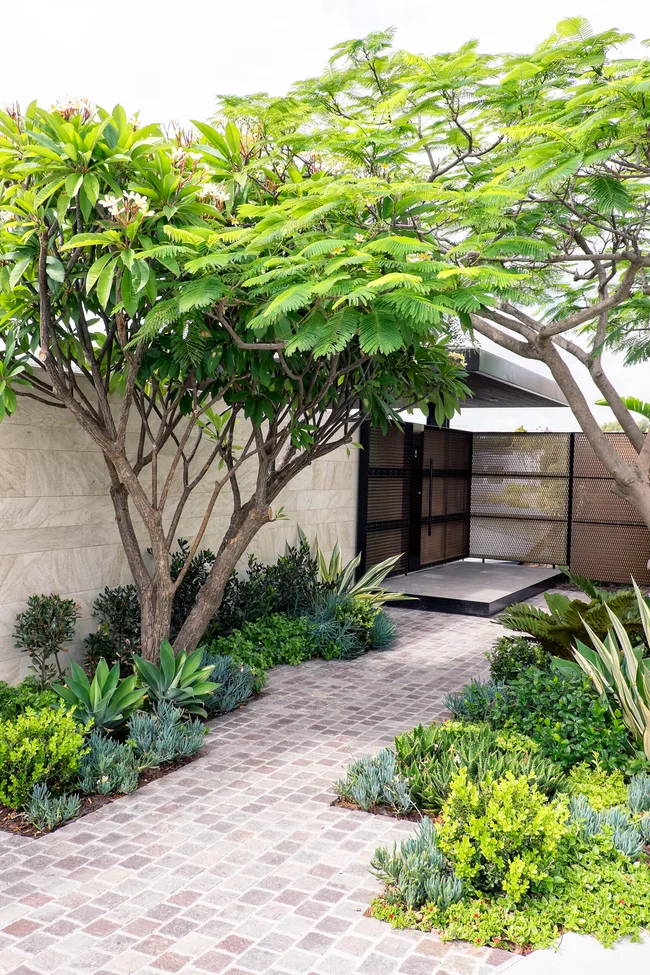
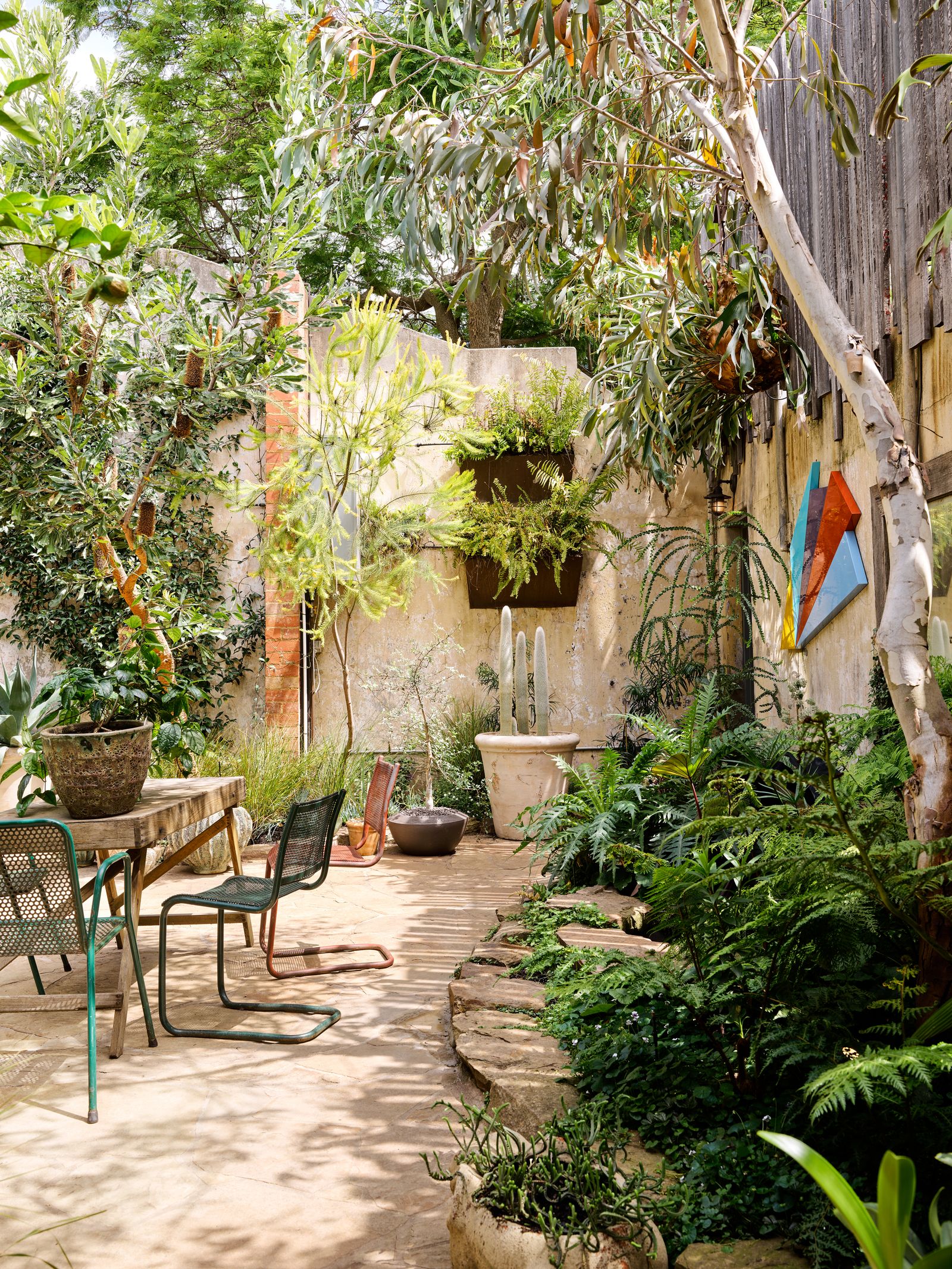
The creation of a private courtyard garden by Kate Seddon highlights the importance of plant selection. By choosing a mix of succulents and Mediterranean species with contrasting foliage shapes and textures, Seddon achieved a richly planted wonderland that offers an instant sense of sanctuary. The deliberate choice of plant varieties contributes to a layered look, adding depth and visual interest to the limited space. This particular project emphasizes how a diverse plant palette, carefully curated, can elevate a small garden into an immersive natural environment.
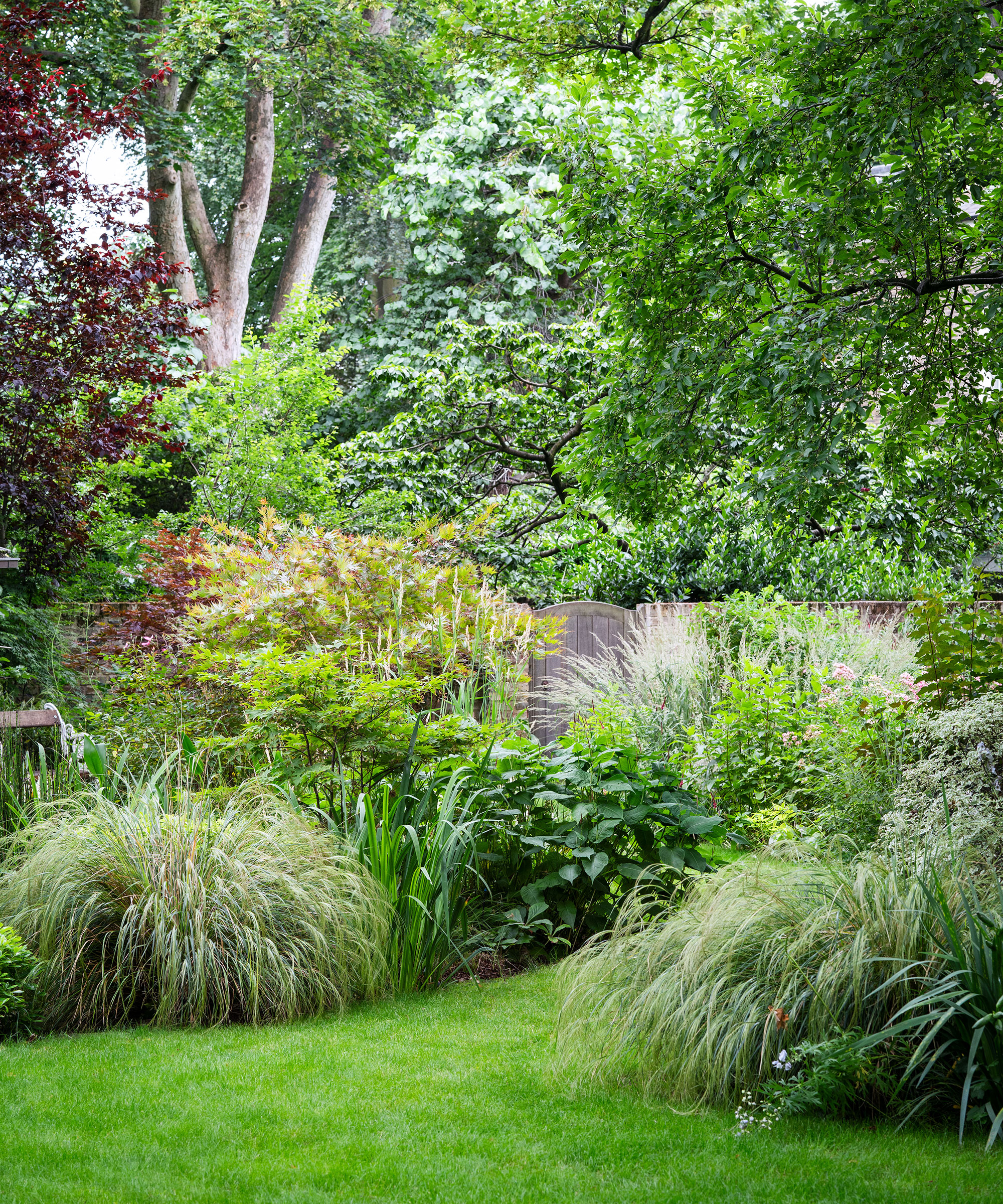
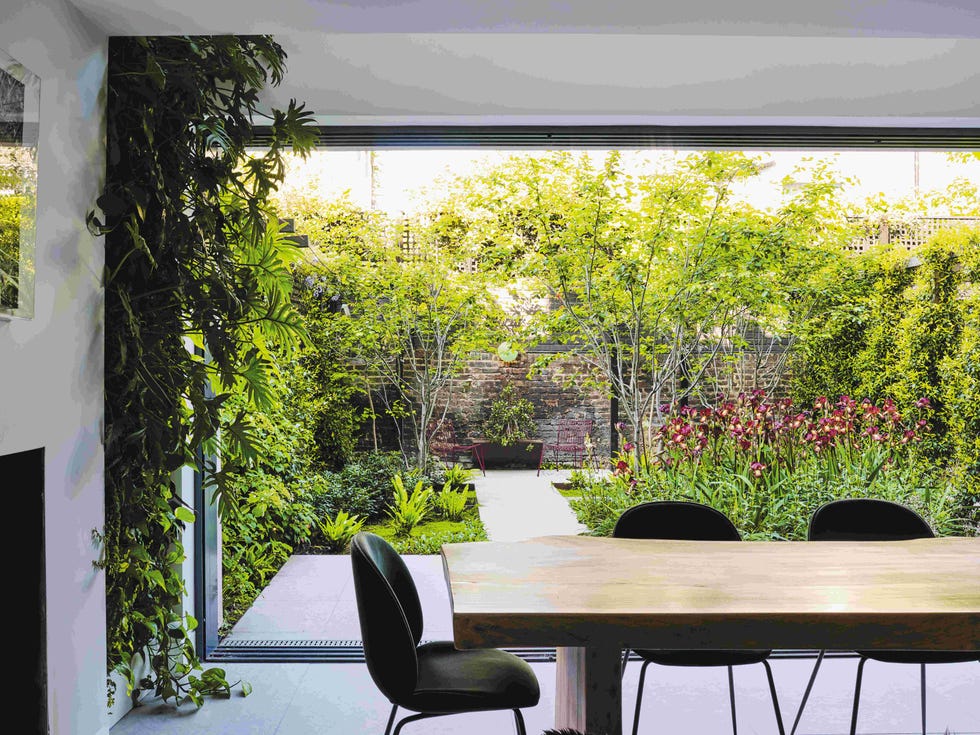
An inner-city terrace transformed by landscape designer Lisa Ellis demonstrates the power of a green-on-green palette and clever space utilization. Her use of mostly evergreen plants ensures a lush appearance throughout the year, maintaining the garden’s vibrancy regardless of the season. This consistent greenery contributes to the illusion of a larger, more established garden, providing a constant source of natural beauty. The integration of the garden with the home is also a recurring theme, as seen in a house renovated by Antony Martin of MRTN Architects, where the leafy garden is visually connected to multiple rooms, allowing homeowners to enjoy sunlight in privacy.
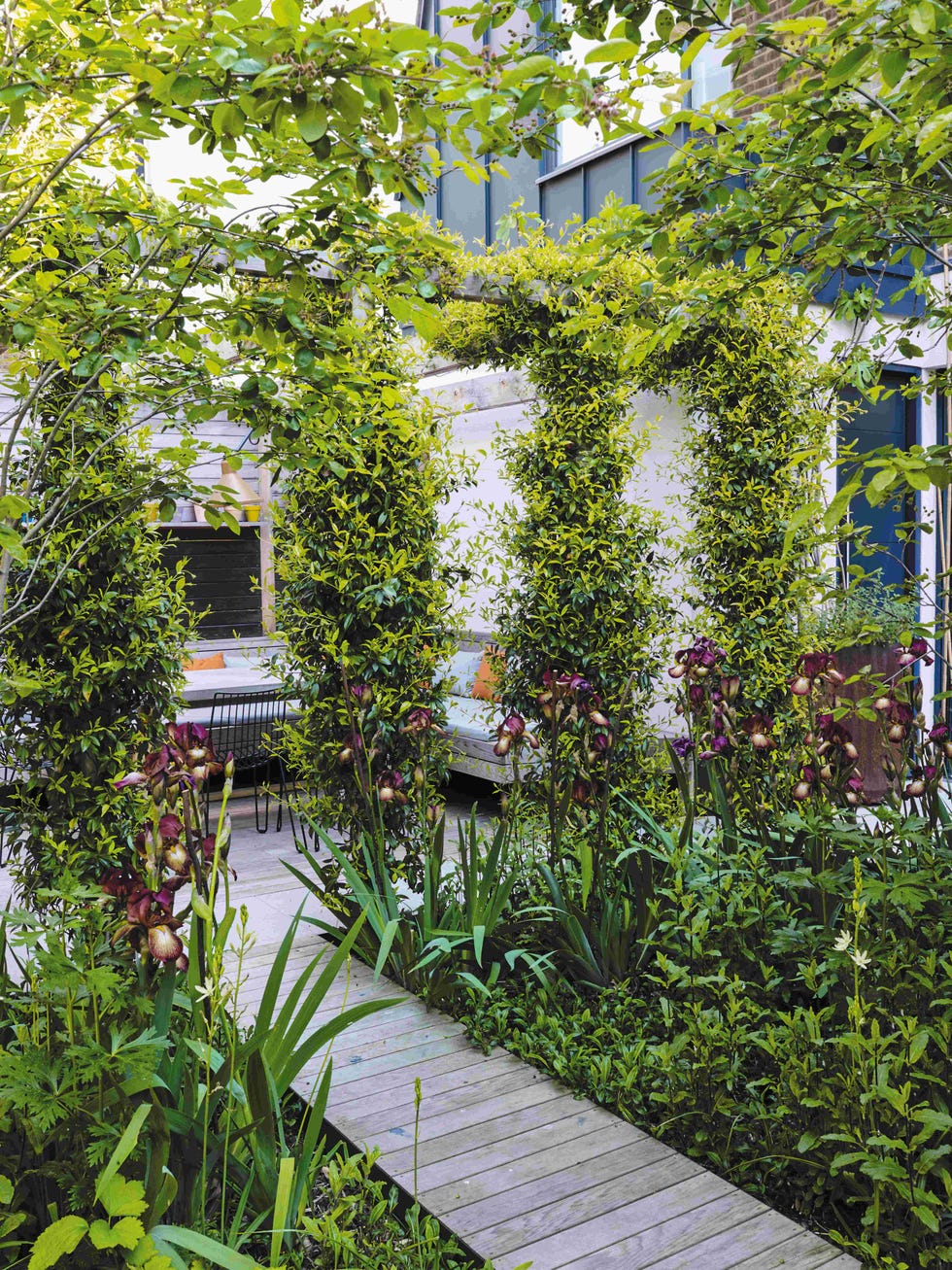
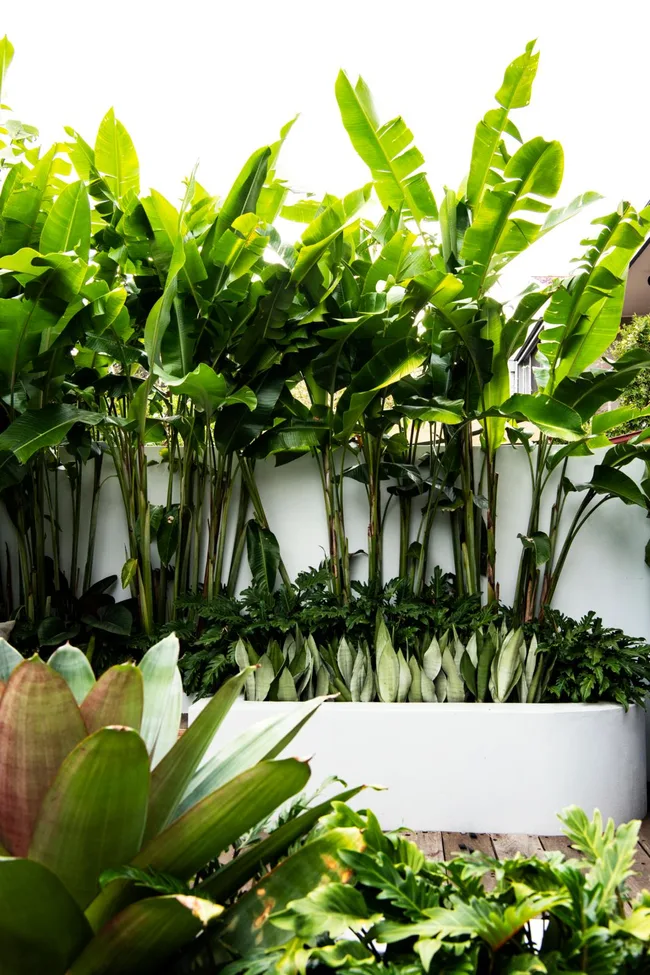
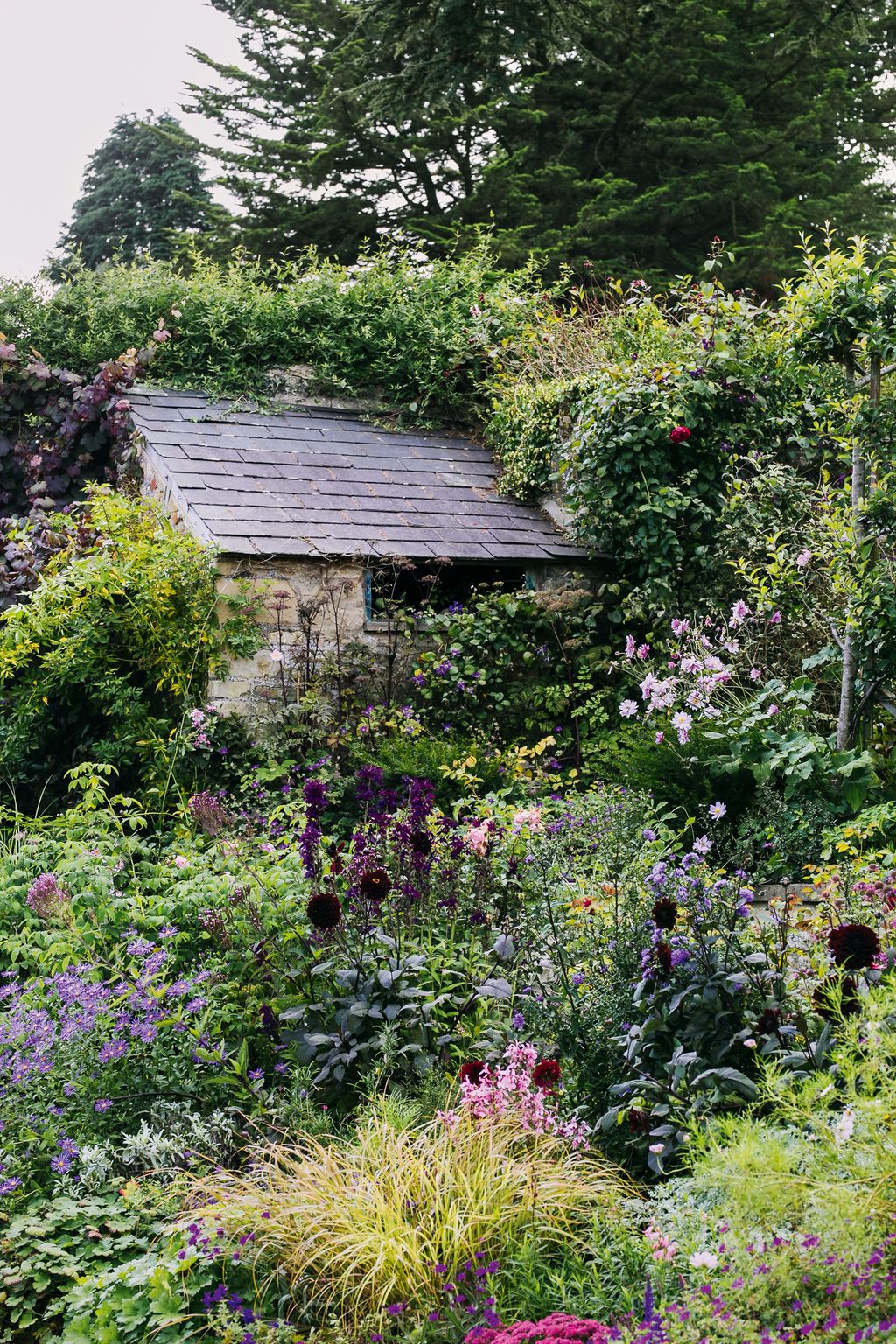
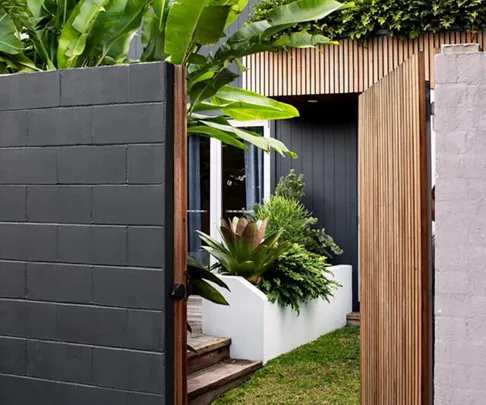
Award-winning designs further exemplify creative solutions for small urban gardens. One such design transformed a petite patch into an inviting, tropical-themed outdoor room using low-maintenance plants. The designer noted that the garden, while appearing simple at first glance, revealed layers of complexity as one moved through it, maximizing spatial perception. This multi-layered approach adds depth and discovery to the garden experience.
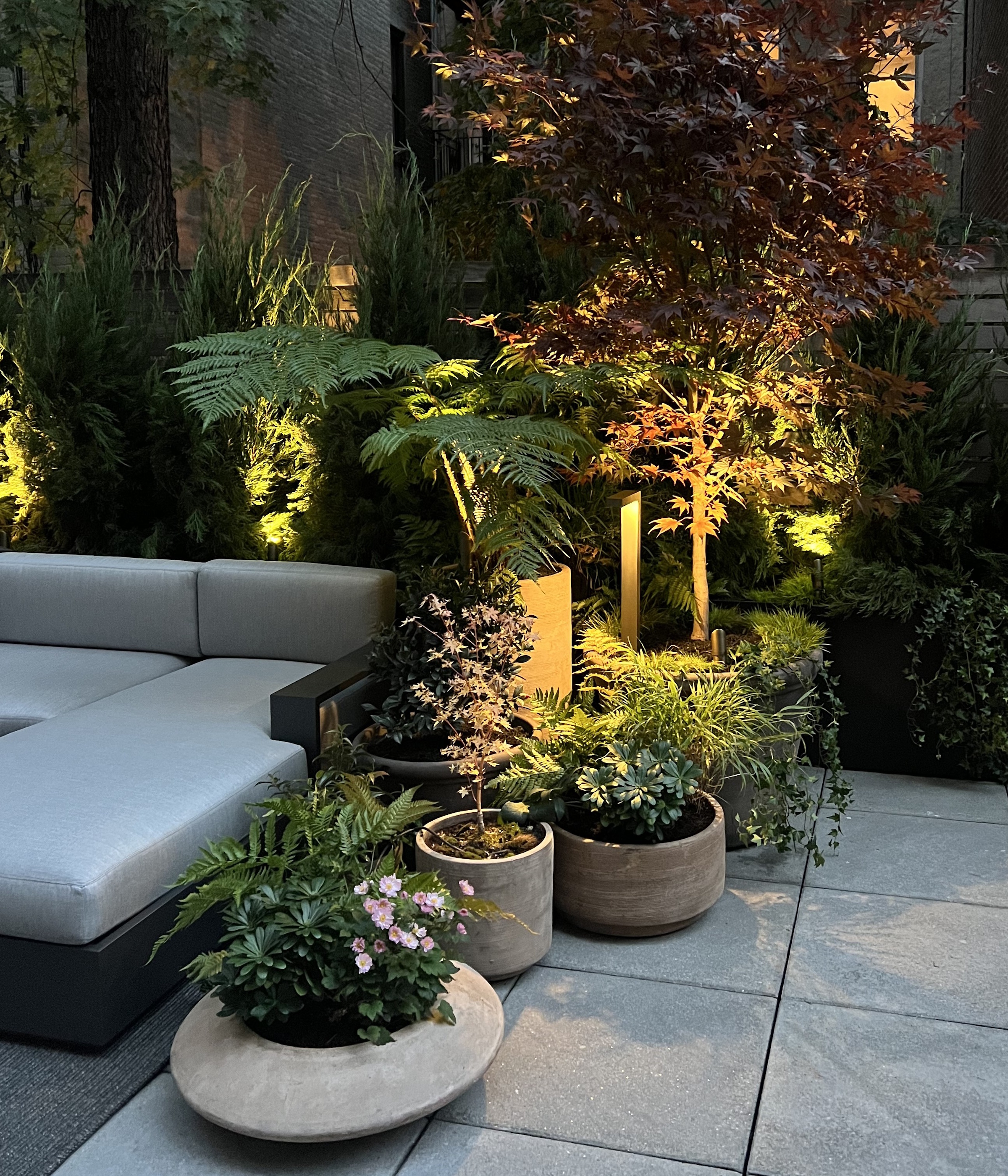
Finally, landscape designer Richard Unsworth converted a warehouse courtyard into a lush, serene space with a lightweight concrete and fiberglass planter as a centerpiece, featuring towering Japanese maples. This urban garden, part of a warehouse conversion, illustrates how industrial settings can be softened and revitalized with strategic planting. In another instance, an inner-city Melbourne terrace expanded its outdoor area by acquiring the adjacent block, which was then transformed into a wild and varied garden oasis by Myles Broad of Eckersley Garden Architecture. This project, characterized by its mixed and random planting, underscores that a garden's joy often comes from its natural, unmanicured appearance, even within an urban context.
#InnerCityGardens #SmallGardenDesign #UrbanGardening #LandscapeArchitecture #VerticalGardens #CompactOutdoorSpaces #GardenInspiration #HomeGardening #OutdoorDesign #InnerCityGardens #SmallGardenDesign #UrbanGardening #LandscapeArchitecture #VerticalGardens #CompactOutdoorSpaces #GardenInspiration #HomeGardening #OutdoorDesign
0 comment in total
 No comments yet
You may also like
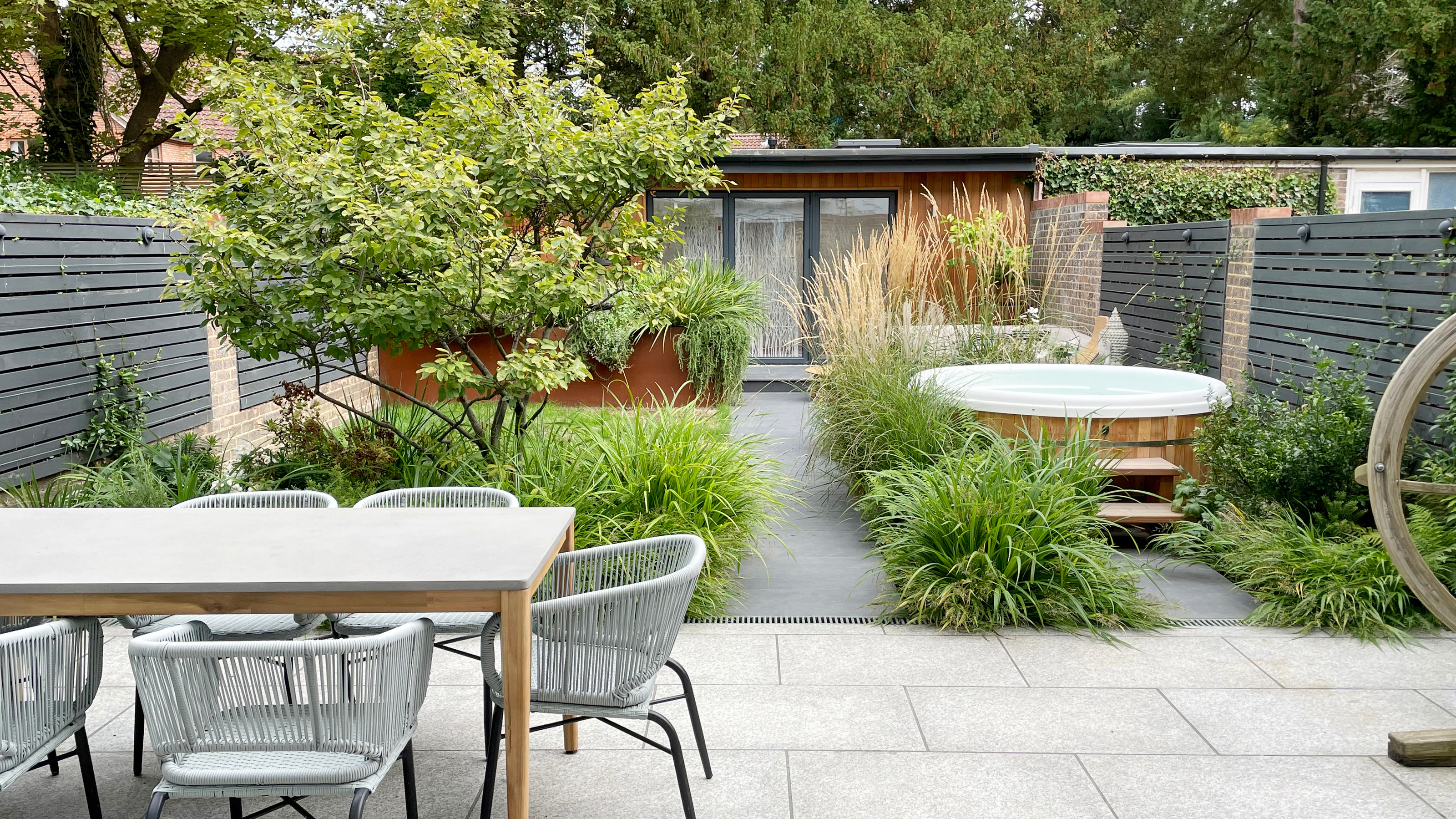
15 Urban Garden Ideas That Will Make Even Busy City Spaces Feel Like a Retreat

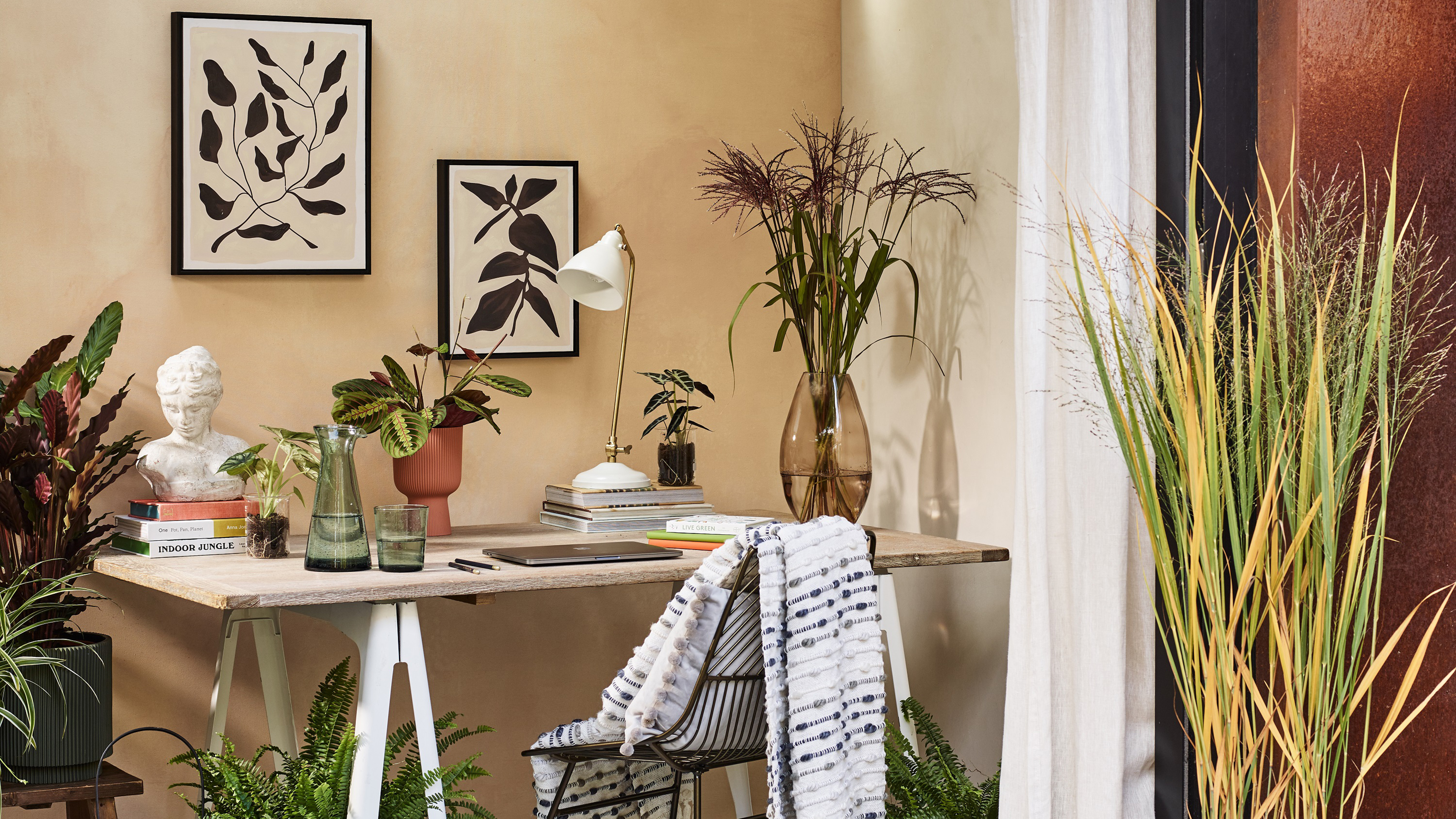
9 creative ways to bring nature into your urban home

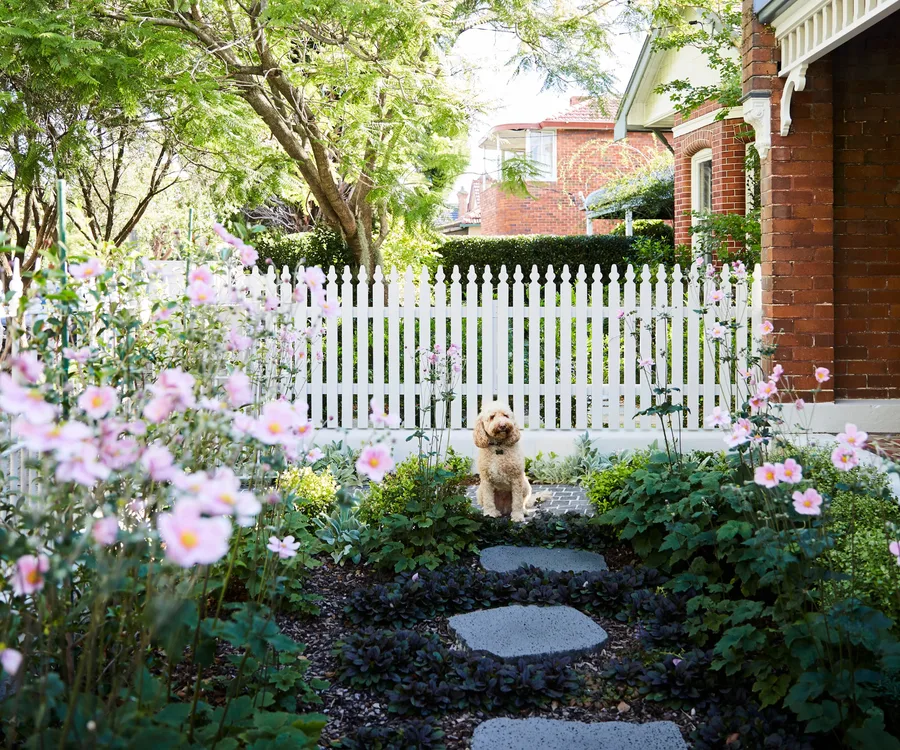
13 small garden design ideas that maximise space and greenery

12 Fall Garden Ideas That Will Fill Your Landscape With Autumnal Charm

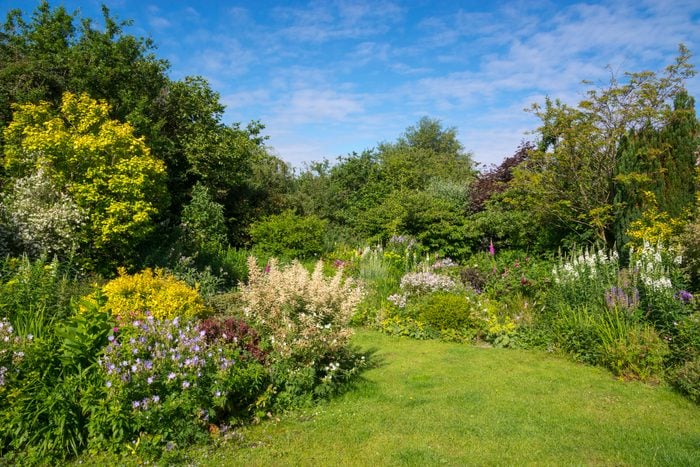
9 Garden Styles From Around the World To Inspire You

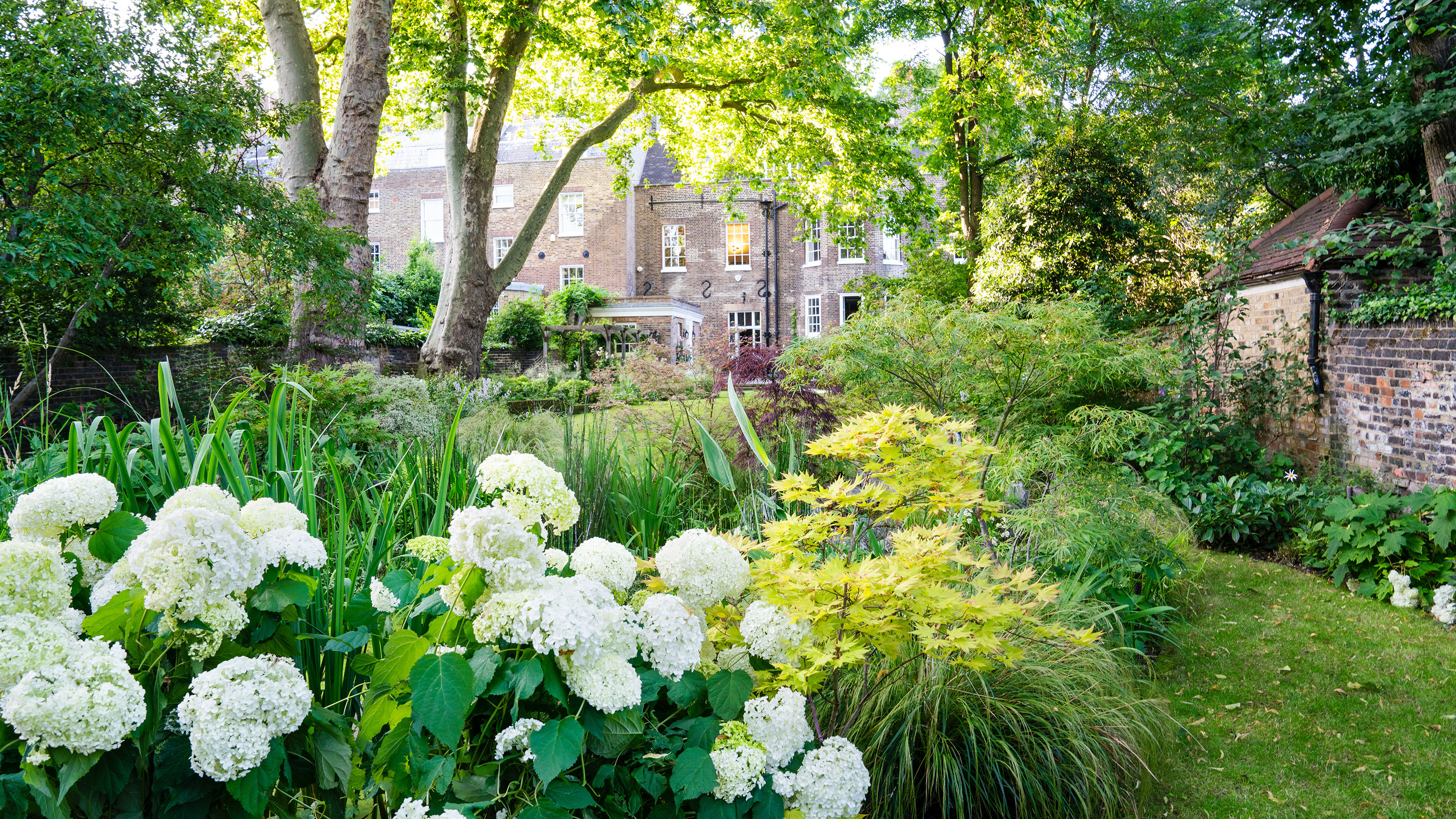
5 city garden design lessons we've learnt from this elegant urban plot

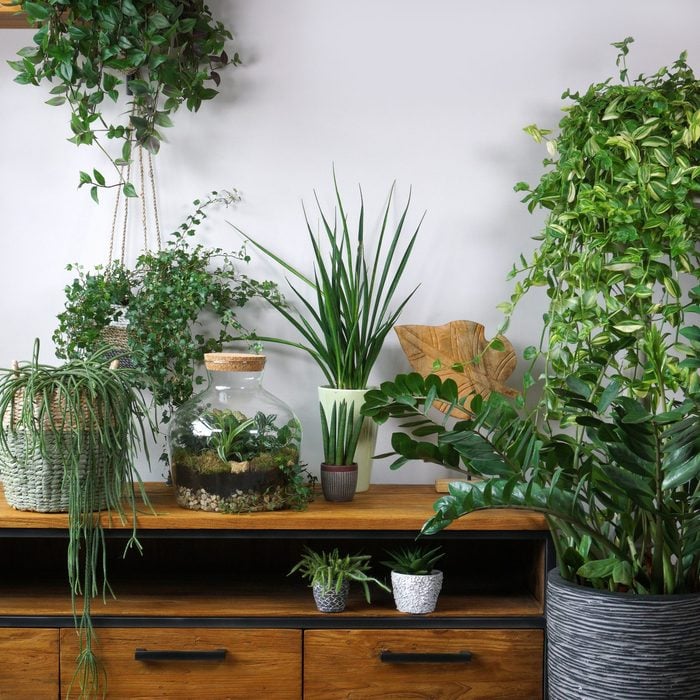
7 Indoor Garden Ideas To Elevate Your Home
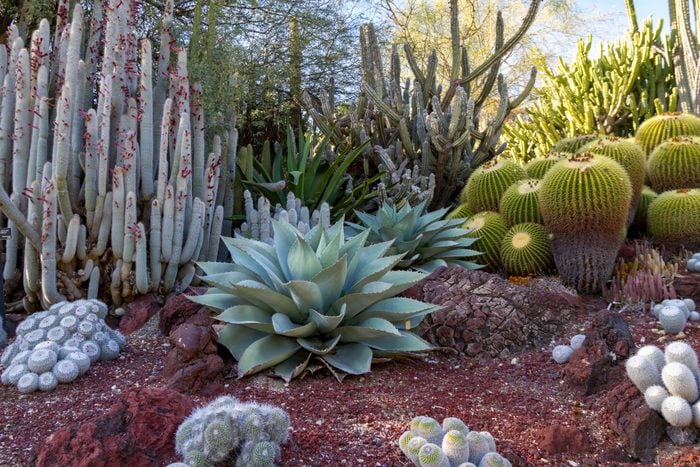
18 Unique and Unusual Gardens To Consider
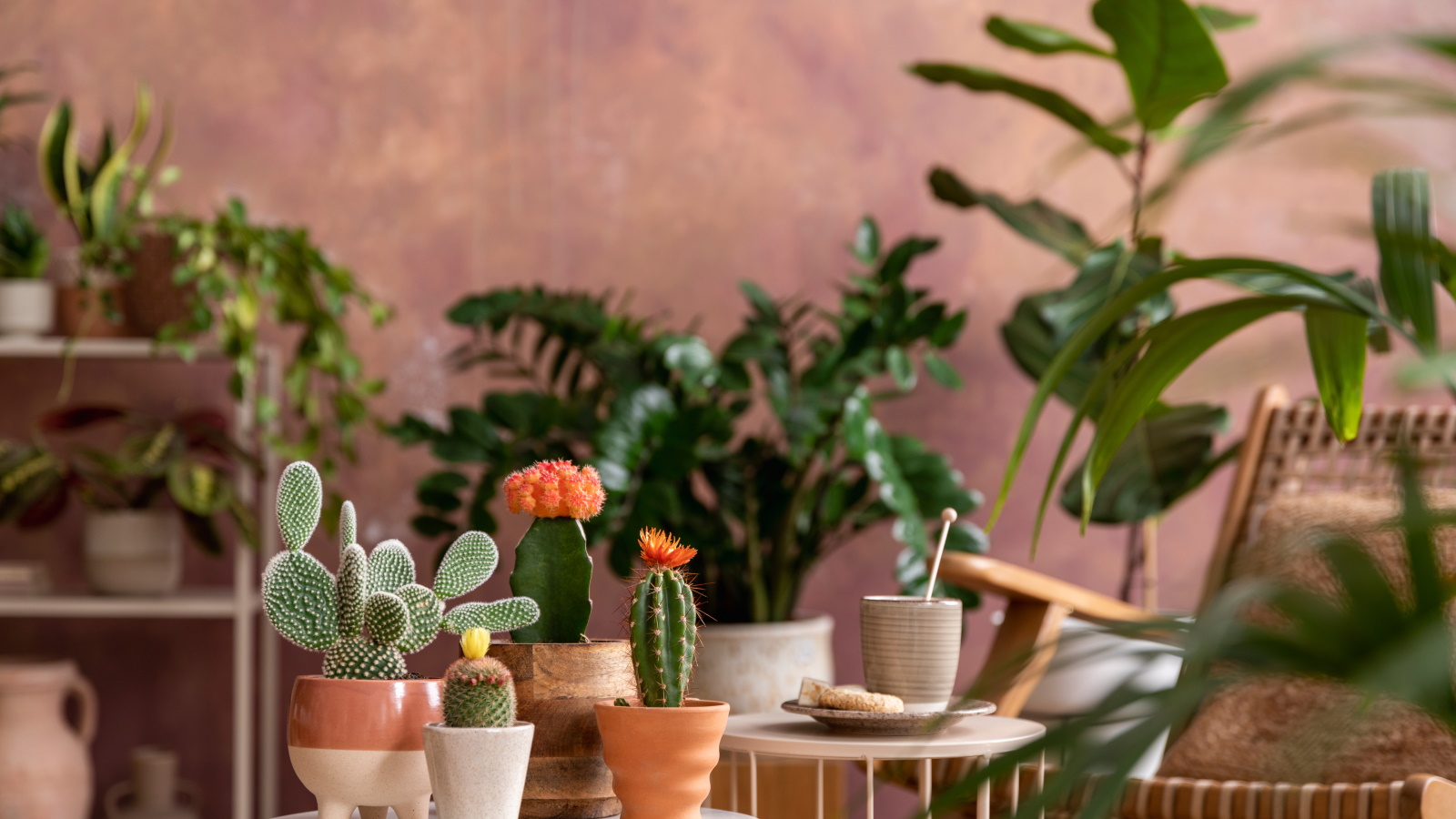
Indoor garden ideas: 9 ways to create a plant-filled haven
Garden Design Ideas, 2024
19 simple garden ideas for every style, size and budget
Start Planning Your Ideal Garden with These Garden Plans and Ideas
15 inspiring suburban gardens
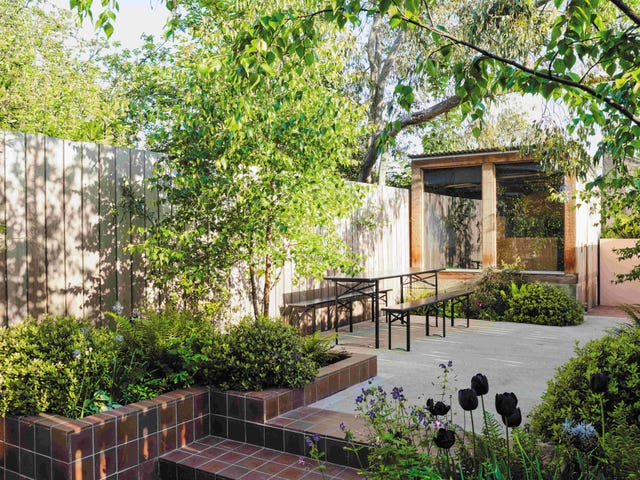
Step inside these urban oases to discover three different ideas for small gardens

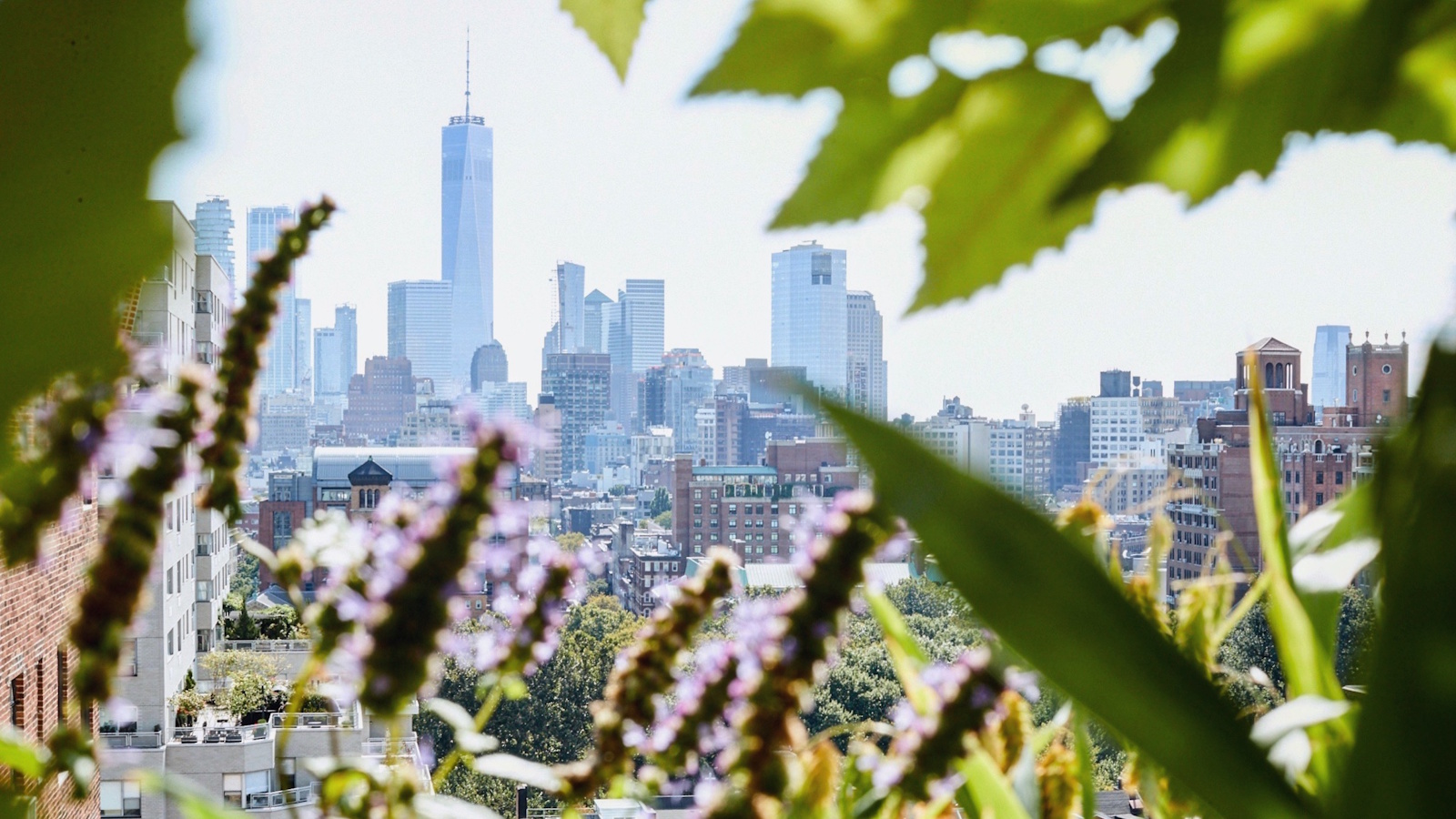
Sanctuaries in the city – NYC garden designer reveals how to transform urban rooftop gardens into green oases
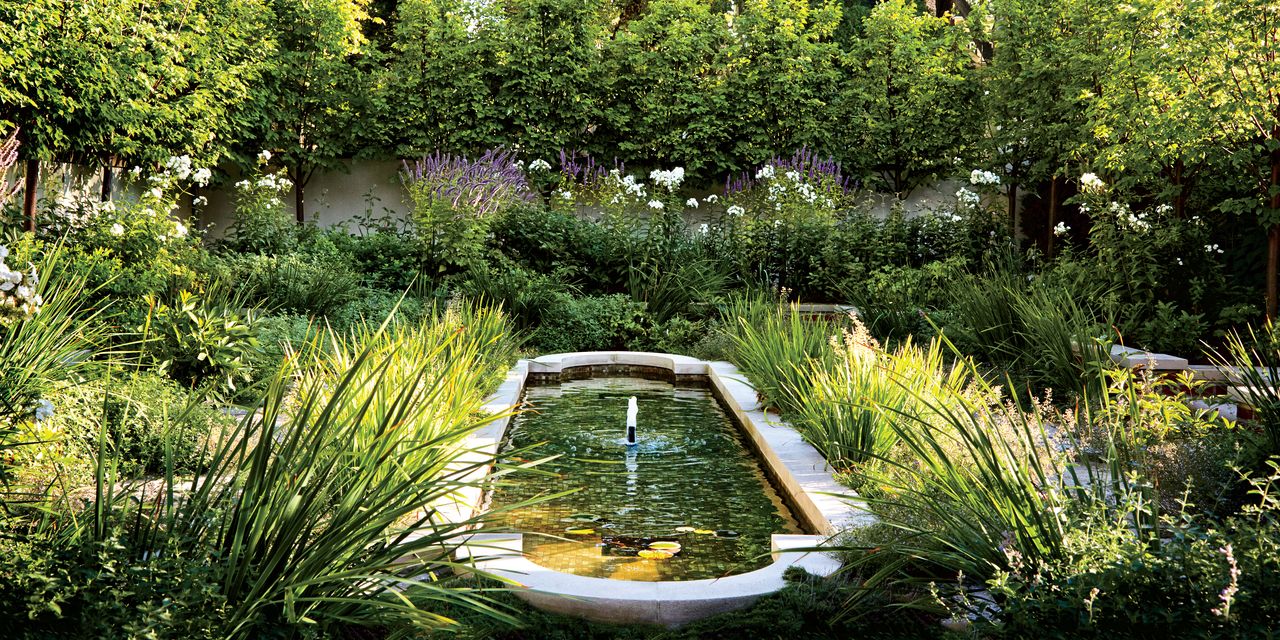
18 Genius Garden Landscaping Ideas From the AD Archive

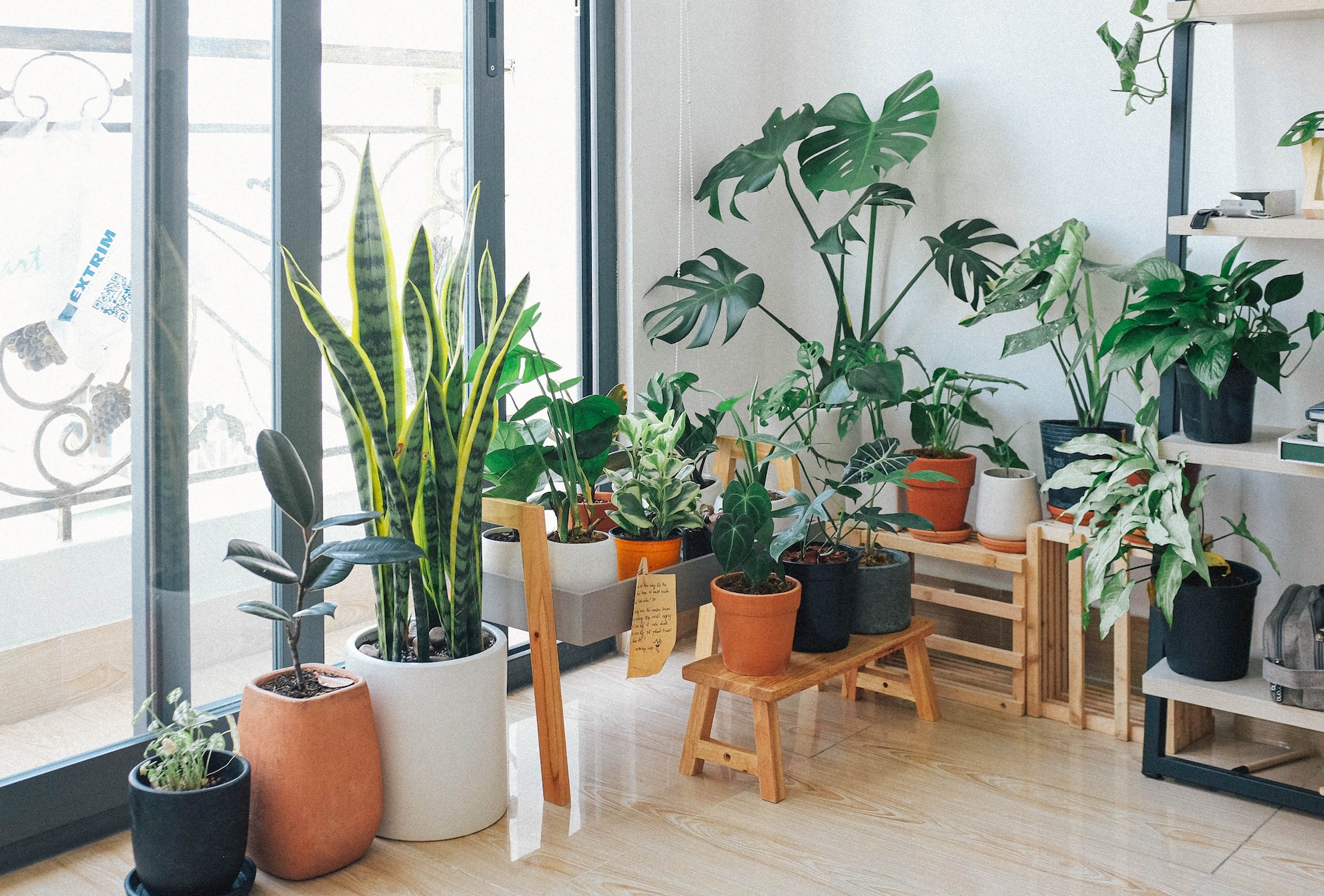
8 Incredible Indoor Garden Ideas
10 creative apartment garden ideas for your balcony or tiny patio

Landscaping ideas - 12 transformative ways the experts would enhance your urban outdoor space

Courtyard garden ideas –11 ways transform an enclosed space