1/9
9 Garden Styles From Around the World To Inspire You
This article explores nine distinct garden styles from various parts of the world, offering inspiration for homeowners looking to create a specific aesthetic in their outdoor spaces. Each style possesses unique features and a particular personality, demonstrating that beautiful gardens can be achieved regardless of yard size or gardening experience.
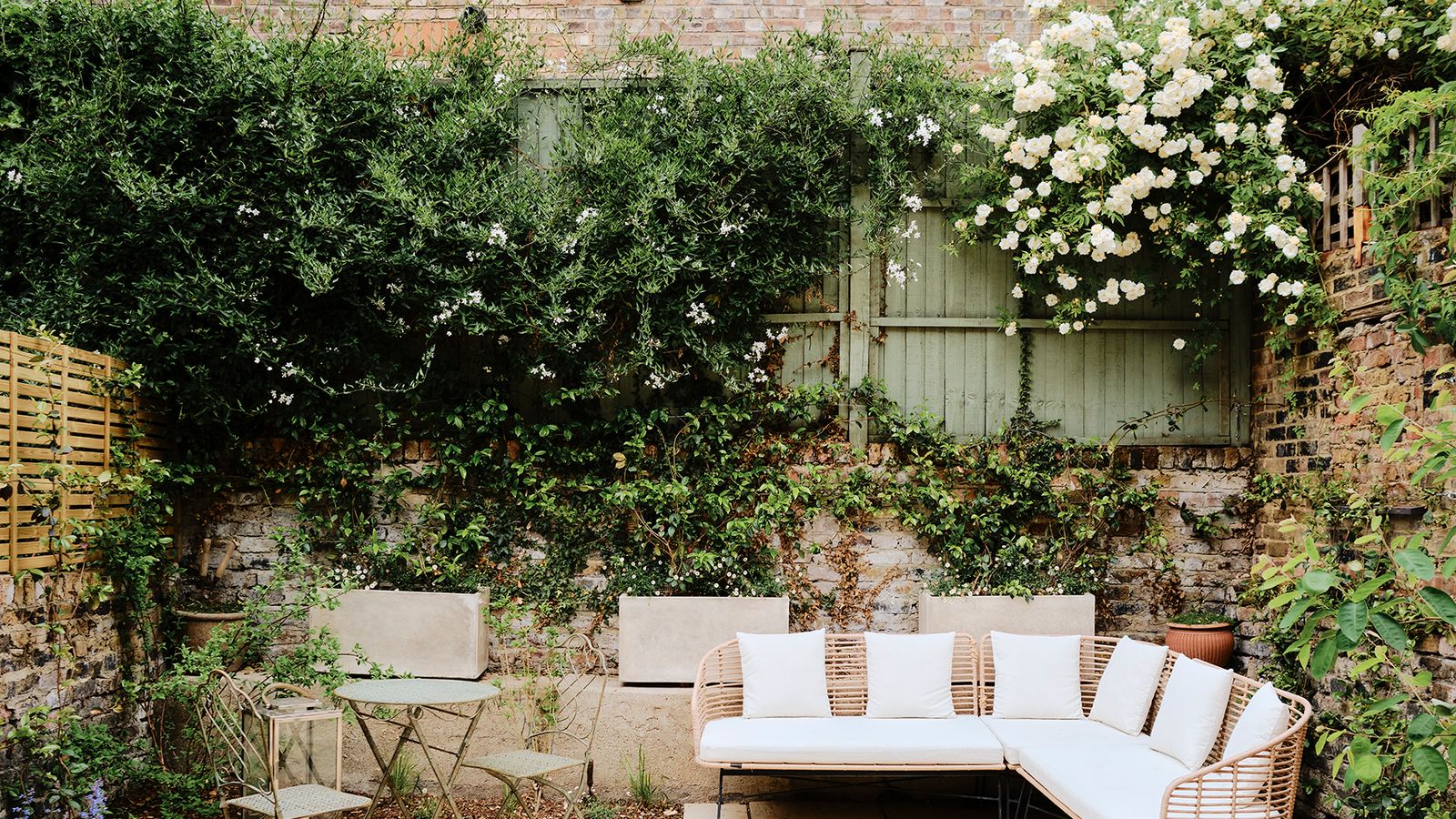
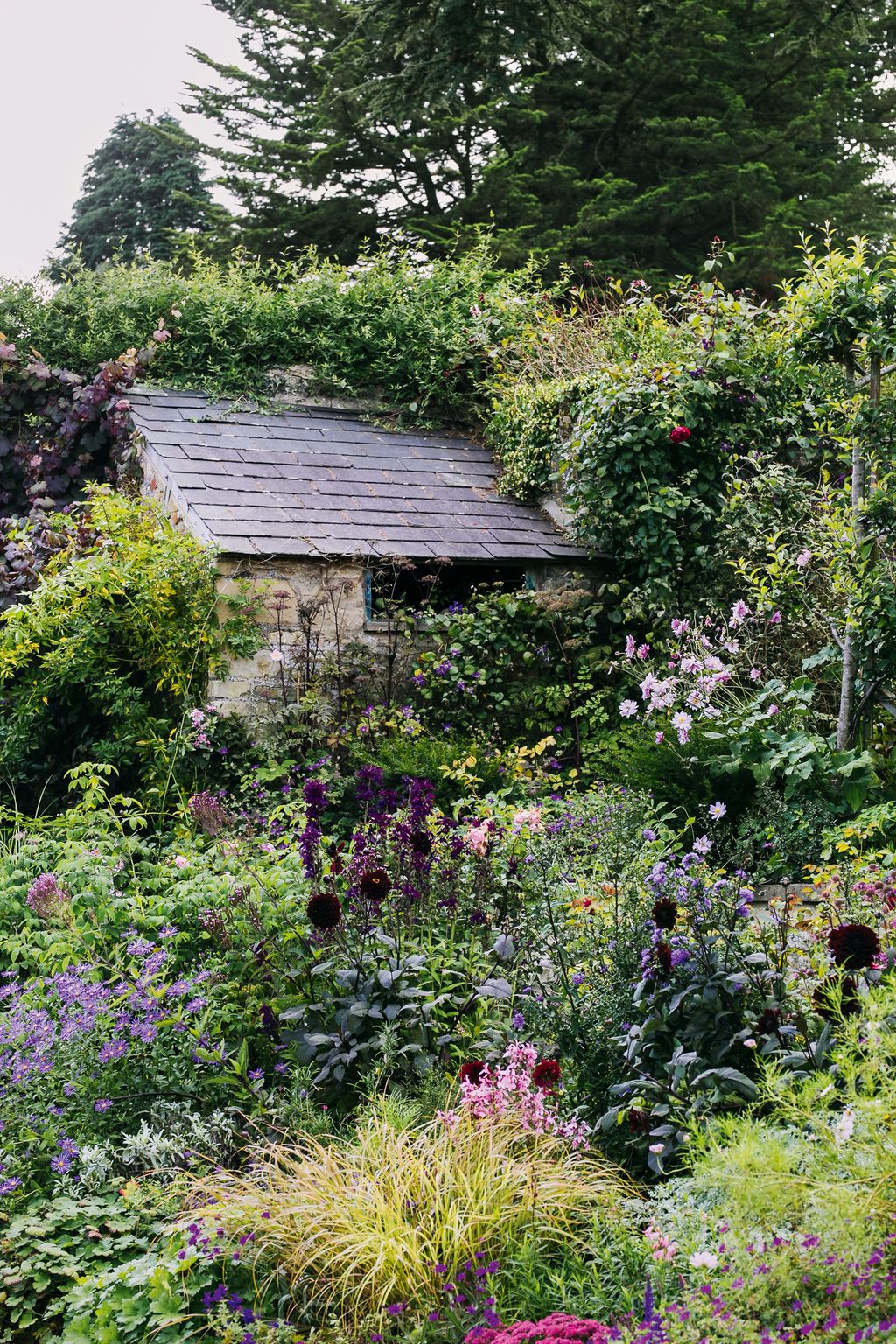
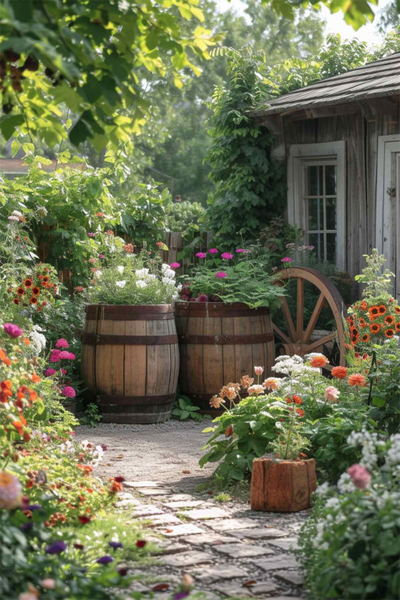
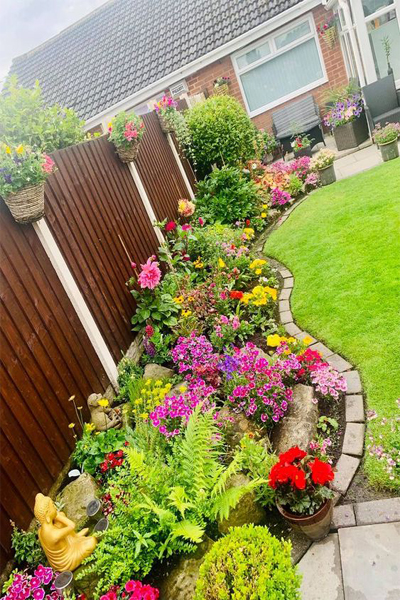
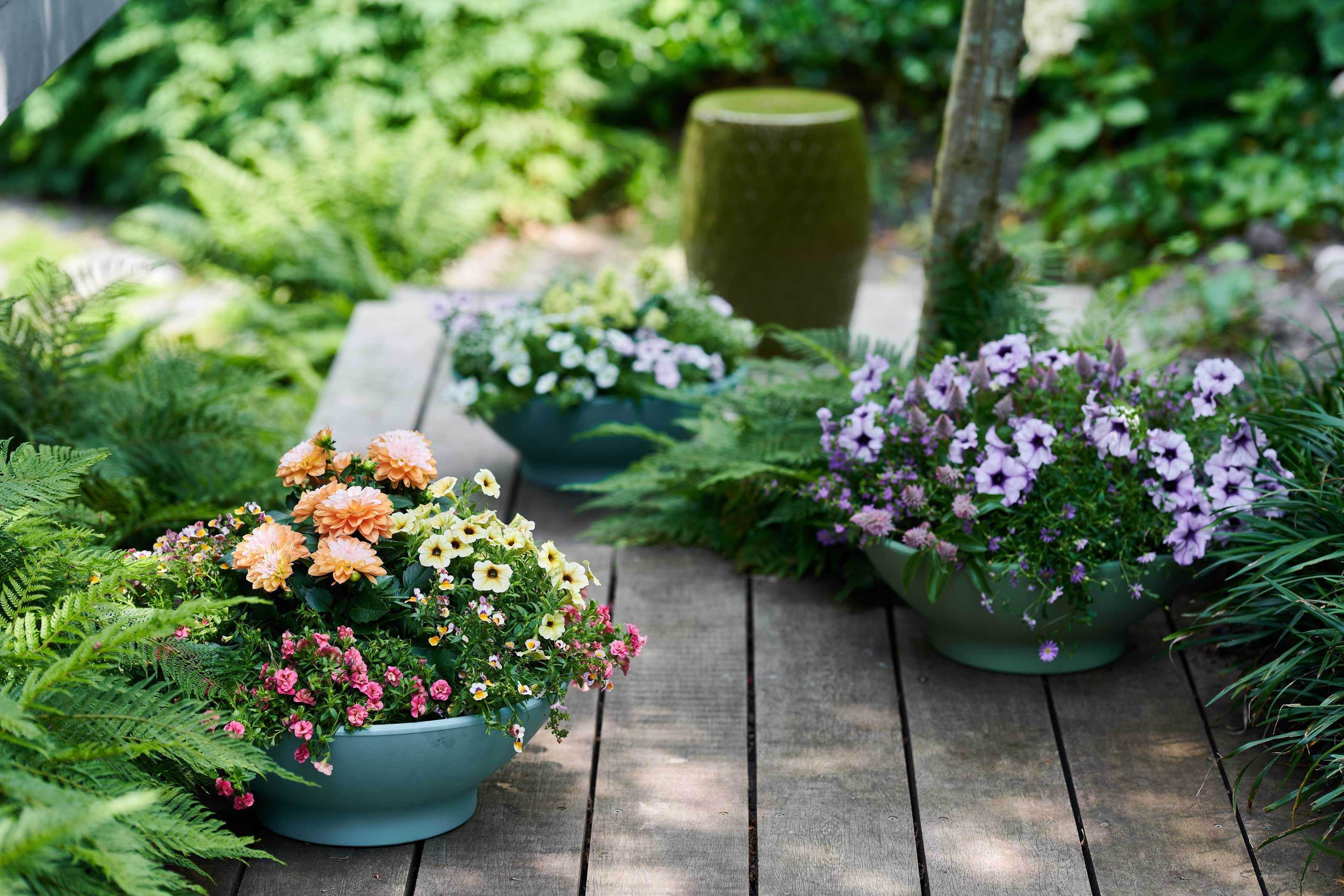
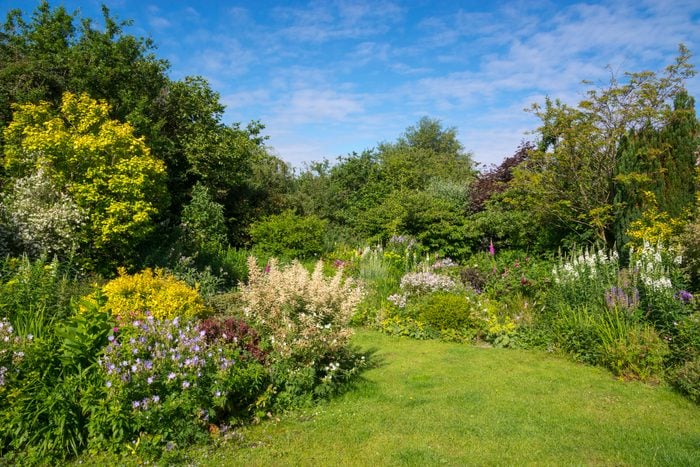
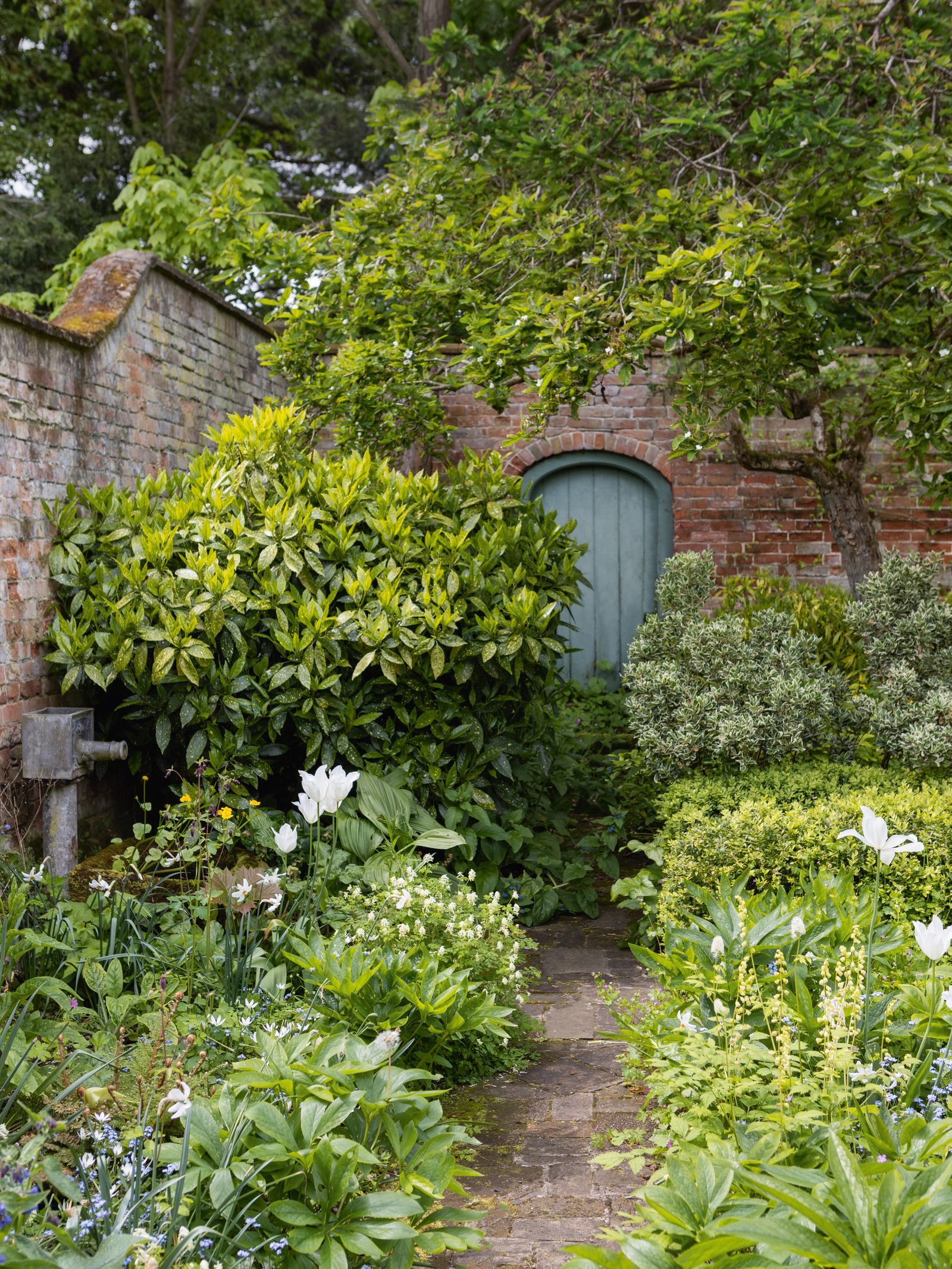
The first style, the English or Cottage Garden, gained prominence during the Elizabethan era. Characterized by an informal, free-flowing arrangement of ornamental and edible plants, these gardens often feature rambling roses, overgrown grasses, and mixed shrubs spilling over stone paths. Structures like arbors, arches, fences, and trellises are common, complementing both the garden and the house. Key elements include planting informally to achieve a natural look, choosing traditional plants like Alchemilla mollis, lavender, roses, and geraniums, and incorporating edibles such as apples, pears, and berries. Selecting pest and disease-resistant plants helps minimize maintenance. This style thrives in USDA Plant Hardiness Zones 6 to 9.
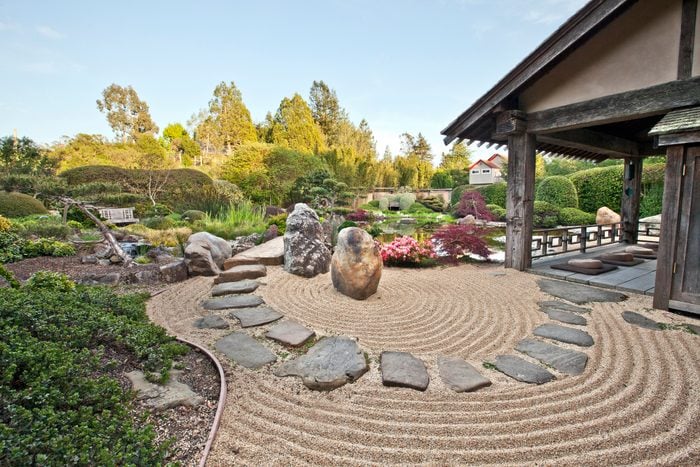
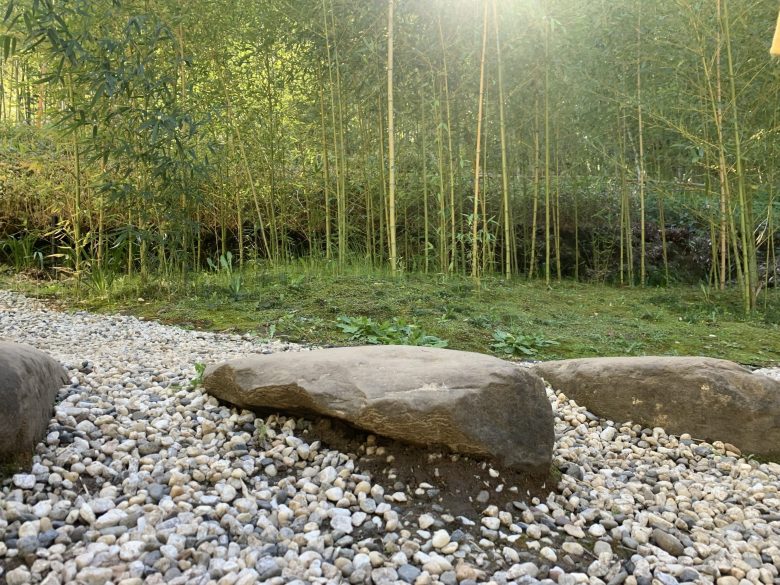
Next, the Japanese Garden style, an ancient art form, emphasizes exotic, Zen-like minimalism. These gardens are typically graceful, well-balanced, and subtle, often incorporating water features like fountains, ponds, or waterfalls, along with rocks and boulders to create a serene atmosphere. Recommended plants include bamboo, azalea, lilyturf, burning bush, Japanese maples, and magnolia trees, suitable for USDA Plant Hardiness Zones 3a to 13a.
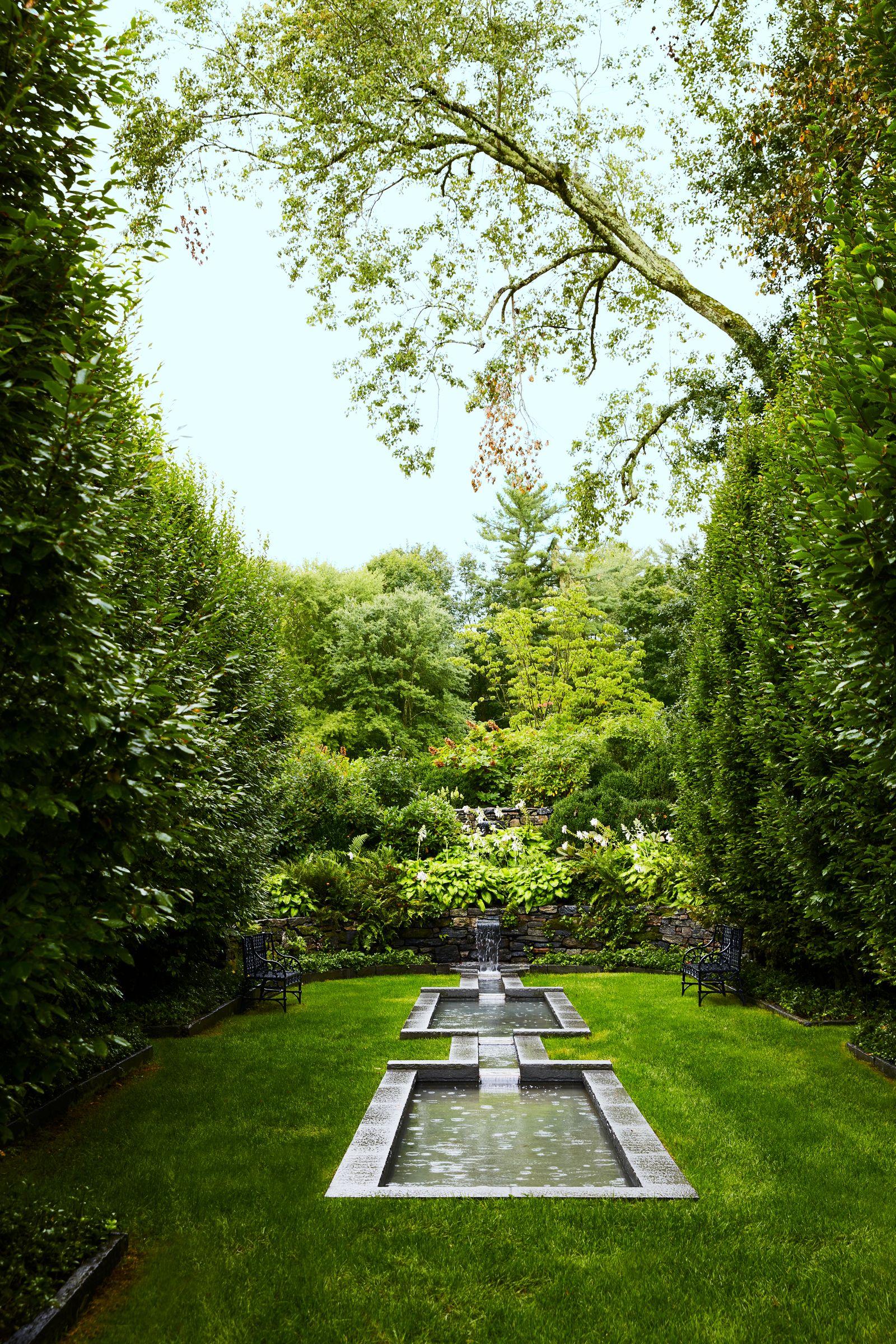
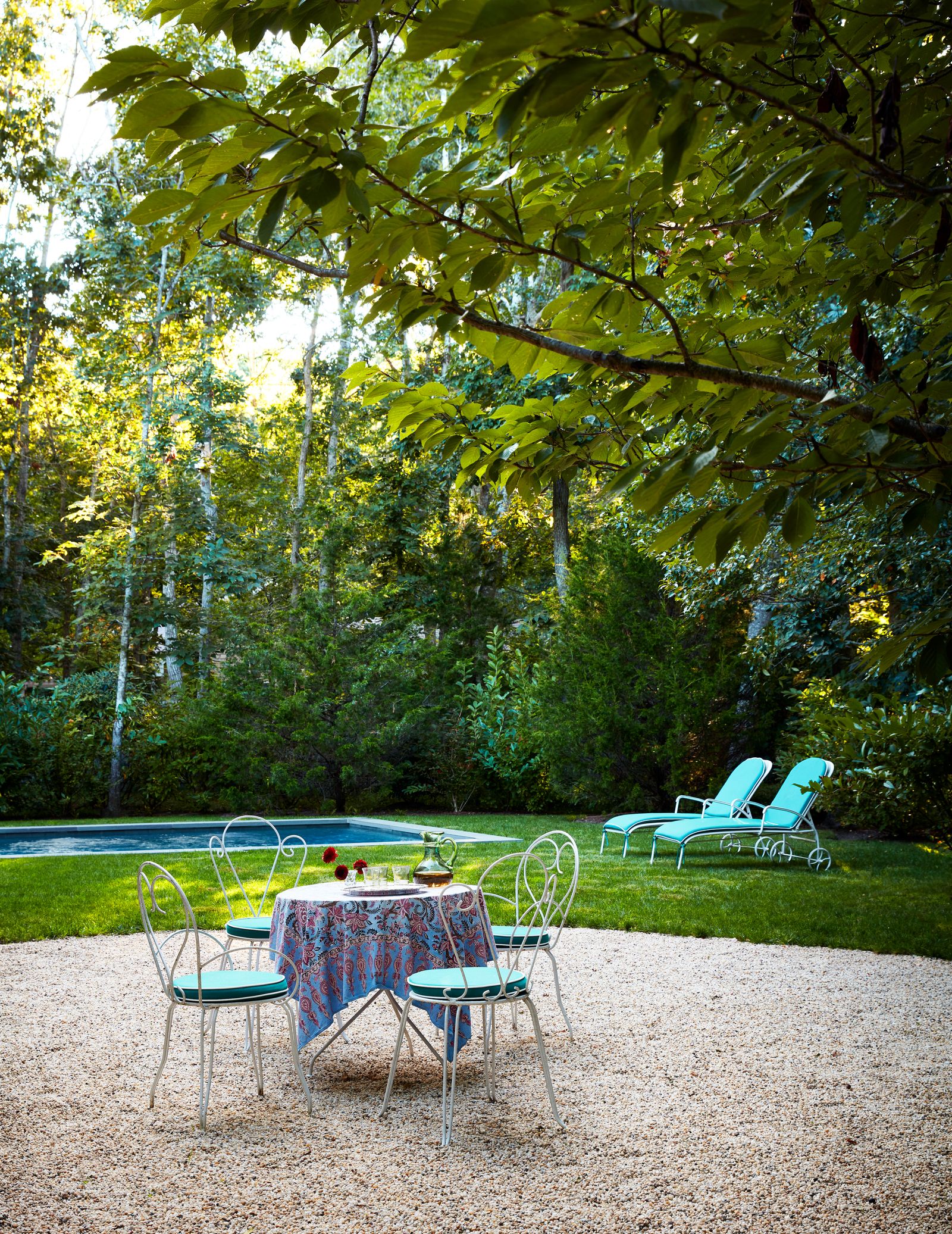
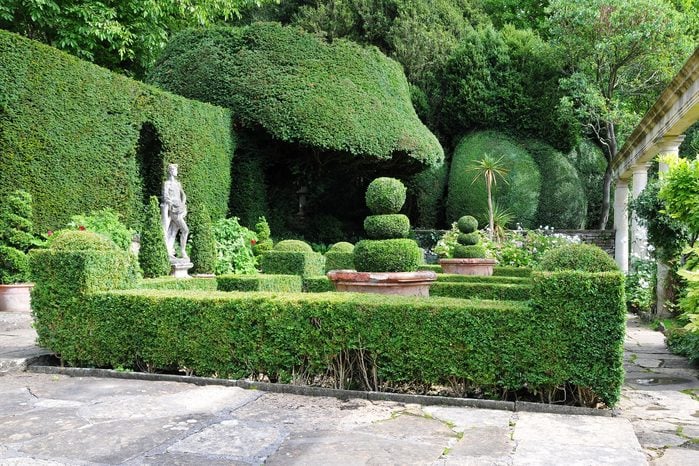
The Italian Renaissance Garden, inspired by ancient Roman and Greek grounds, evokes images of medieval villas with manicured landscapes, grand fountains, and marble sculptures. Beauty, symmetry, and order are central to this style. To achieve this look, pea gravel can be spread on the ground, cafe-style furniture added, and low box hedges used to create boundaries. Small trees or topiaries in terra-cotta pots can line stairways, terraces, or paths. Water features are essential. This style is best suited for USDA Plant Hardiness Zones 8 to 10.
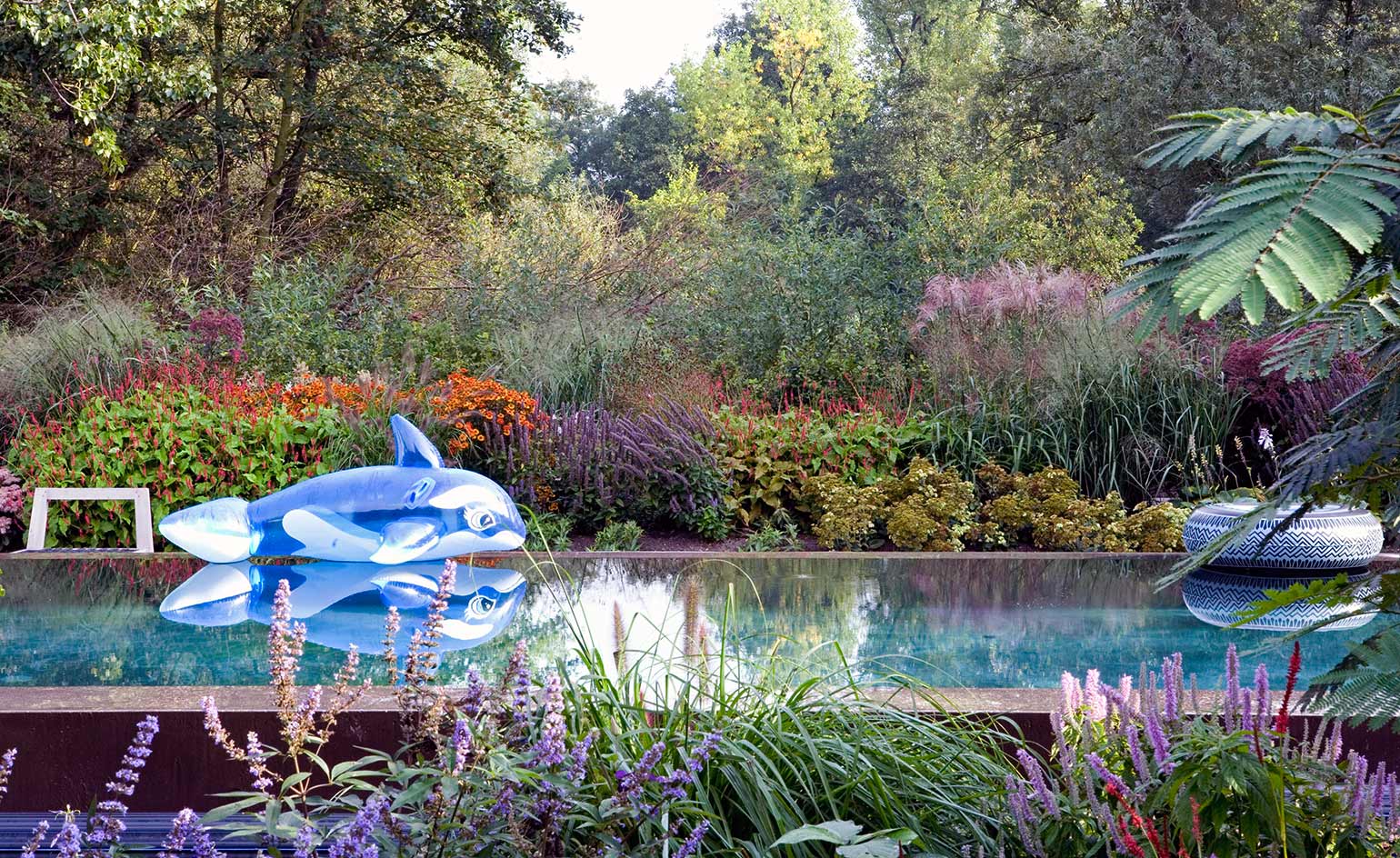
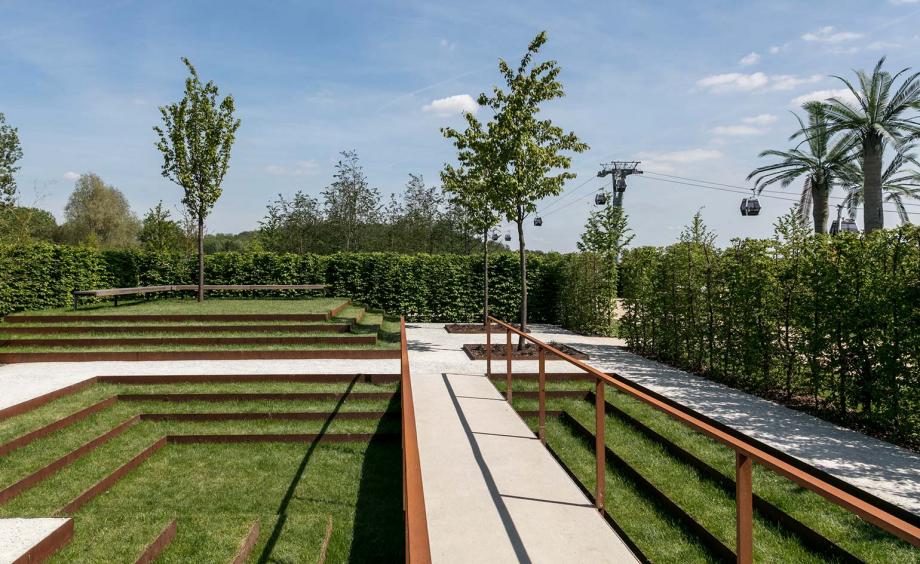
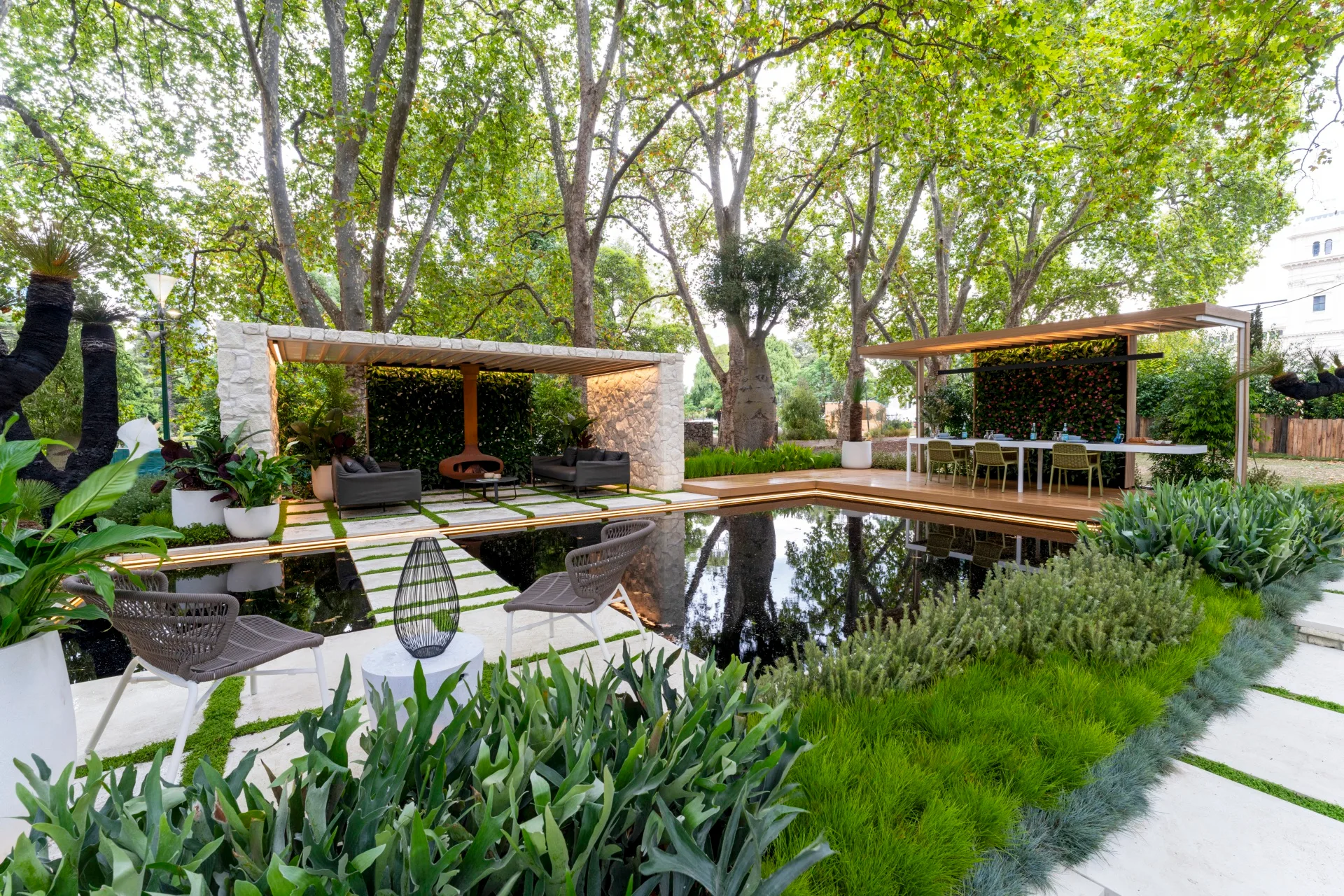
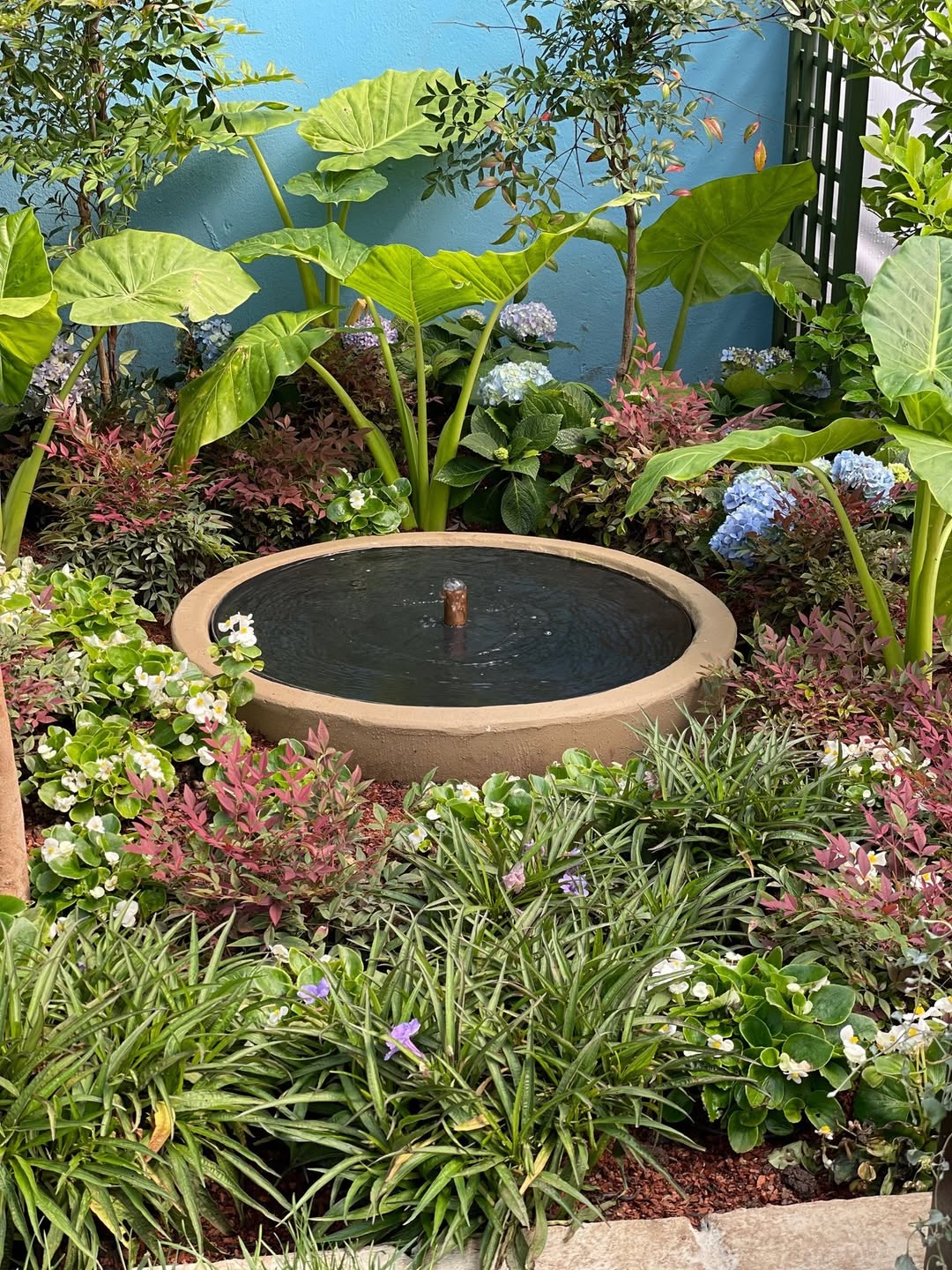
The Dutch Garden style, influenced by the flat landscape of the Netherlands, prioritizes efficient use of limited space. It incorporates geometric shapes with hedges and straight lines, often seen in concrete walkways bordered by topiaries or miniature trees, lending a formal feel. Modern furniture and water features like reflecting pools and trickling fountains are also common. An emphasis is placed on wildflowers and existing biodiversity. This style is ideal for USDA Plant Hardiness Zones 7b to 10a.
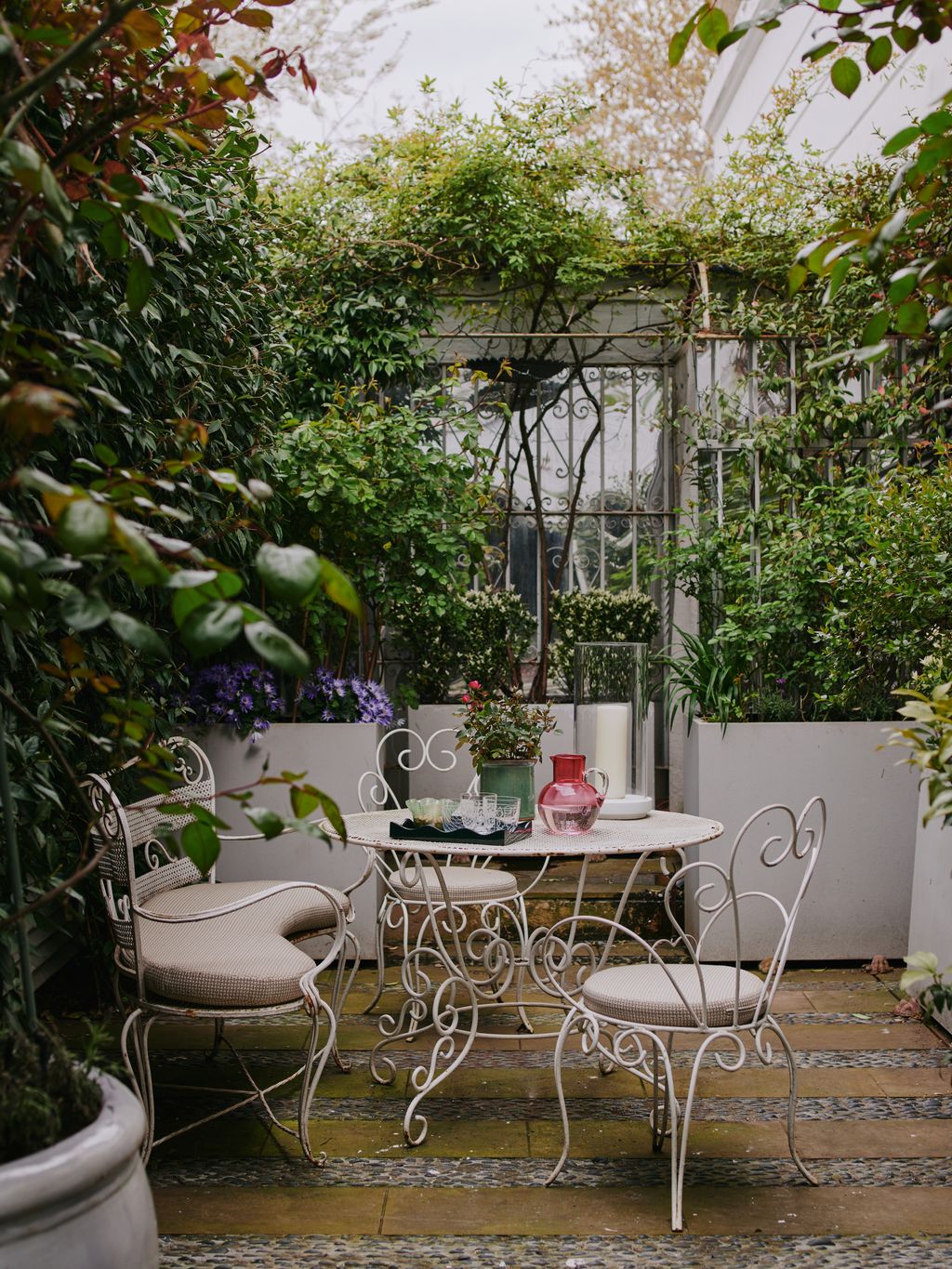
The French Provencal Garden style, reminiscent of the enchanting French countryside, is characterized by bucolic elegance. These gardens are typically clean, elegant, and sophisticated, primarily featuring green and white elements. Knapp suggests using evergreen shrubs, trees, and flowering plants like hydrangeas and viburnums. This style is suitable for USDA Plant Hardiness Zones 6 to 10.
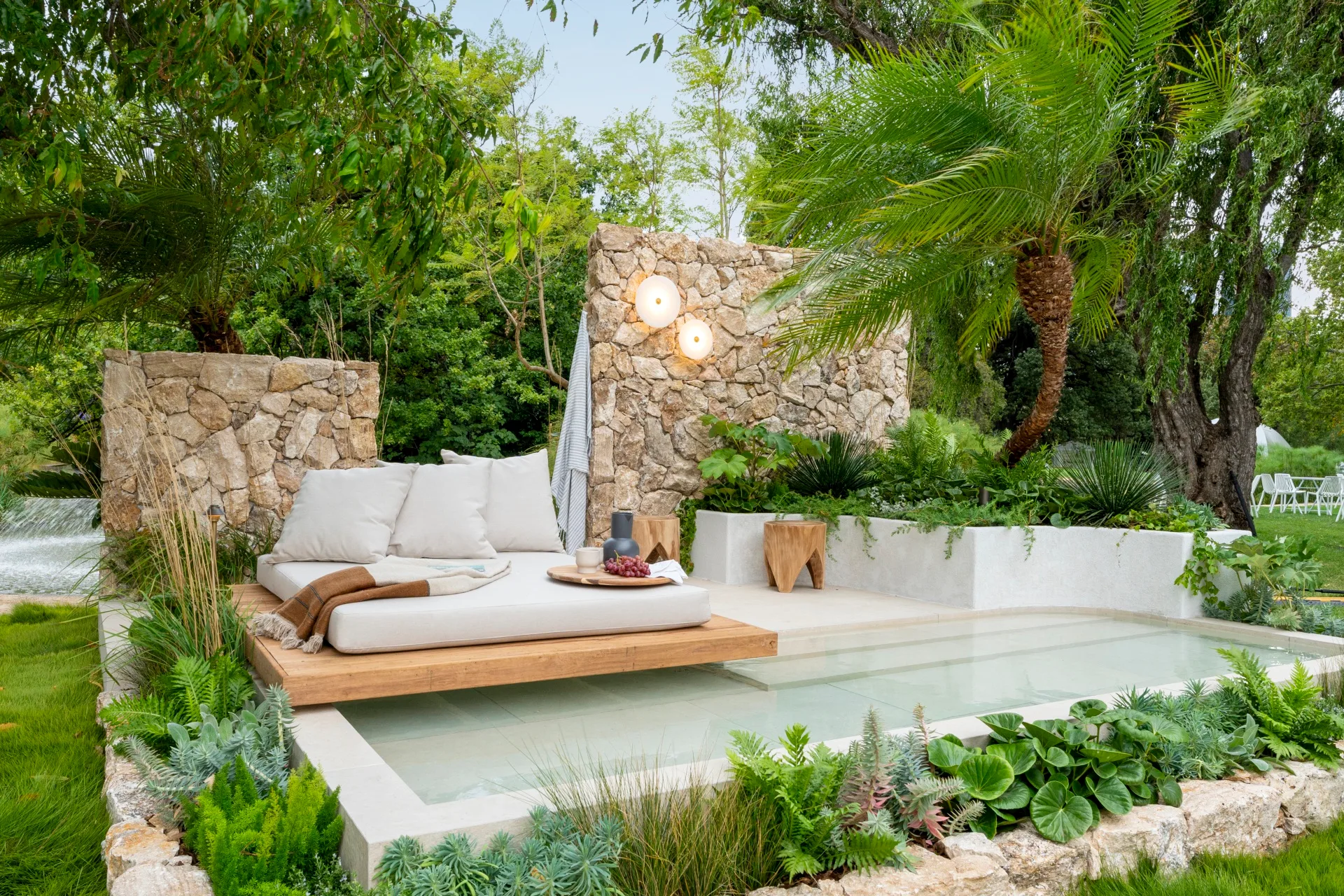
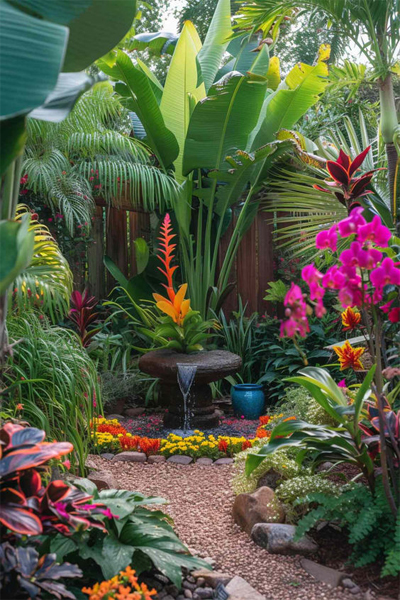
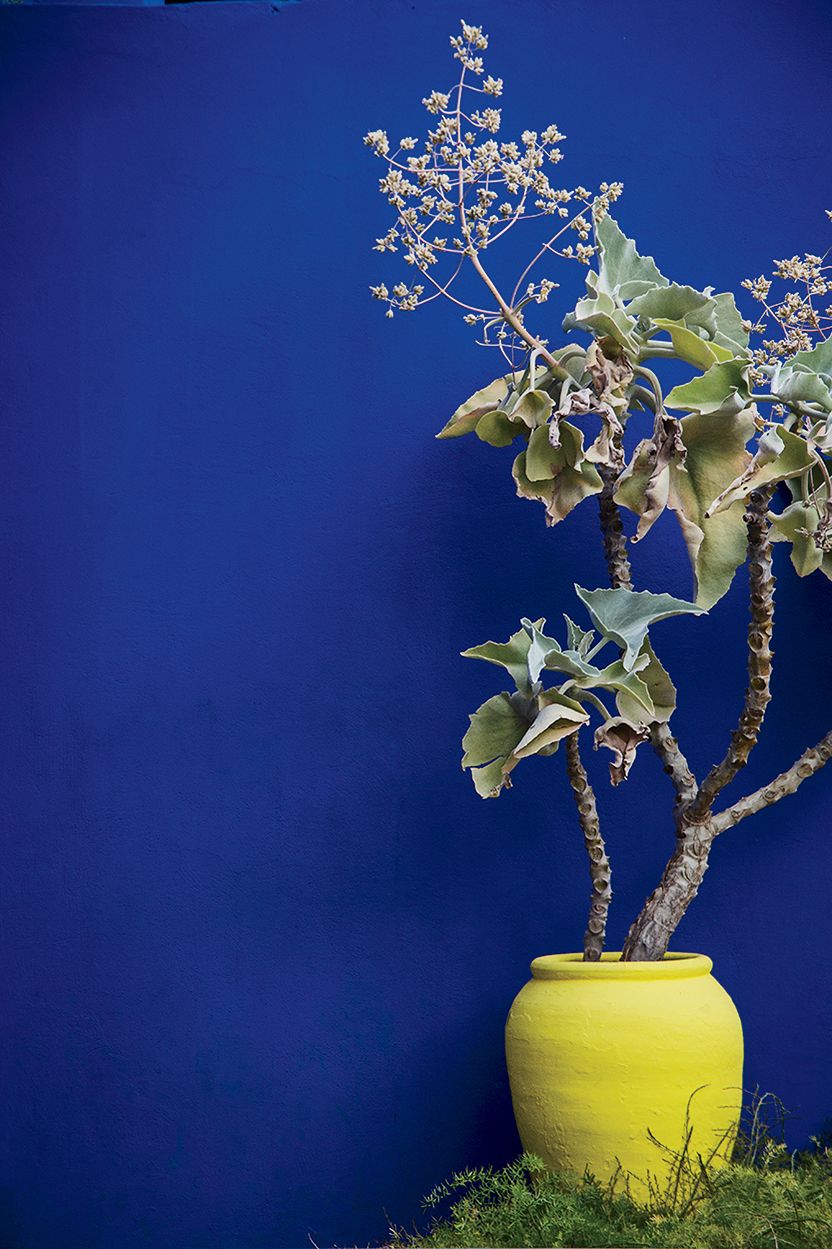
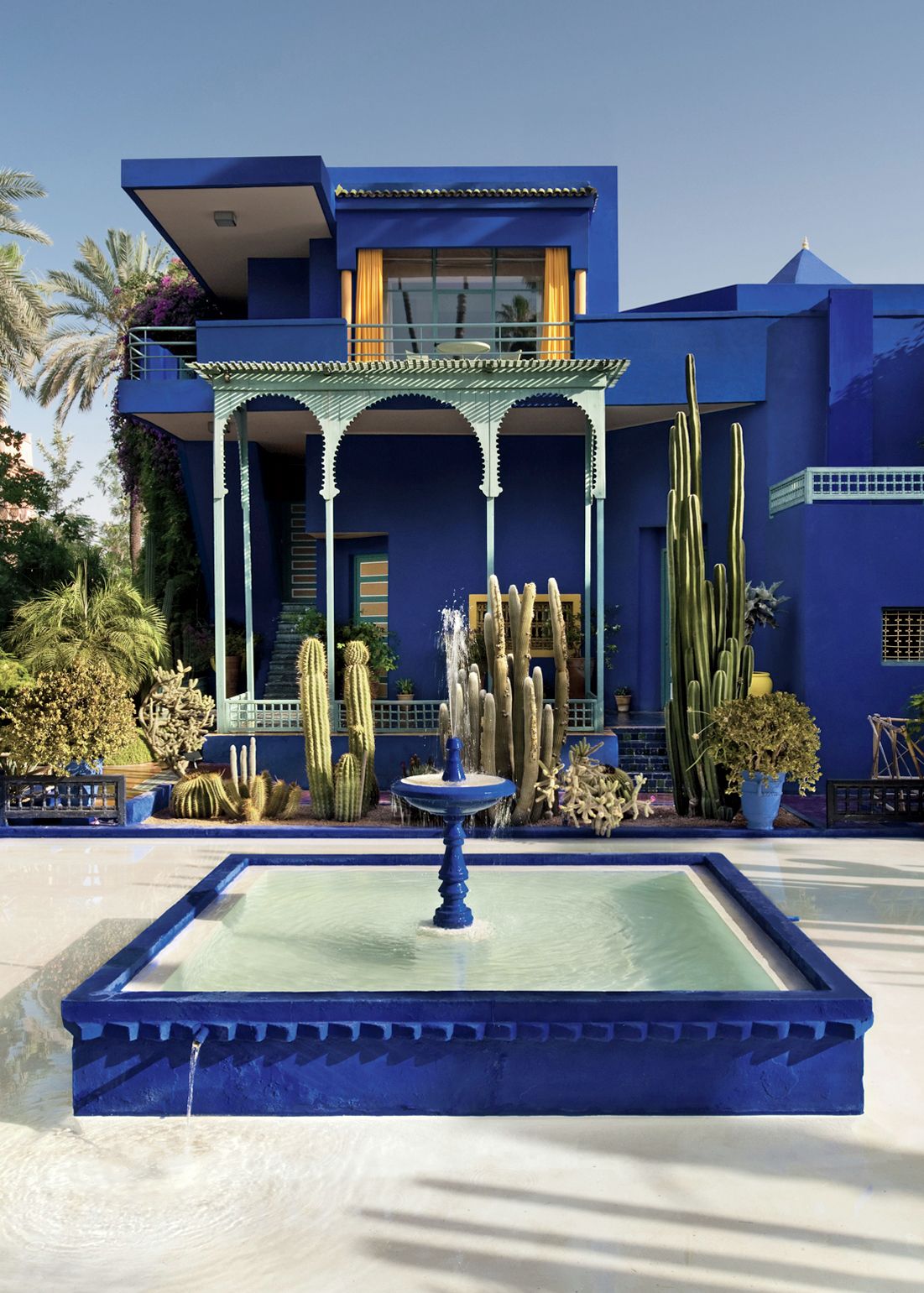
Moroccan Garden style blends Moorish, Islamic, and French design influences to create lush, serene spaces. Bold colors, glazed patterned tiles, textured baskets, and plush poufs are common. Often built within interior courtyards, this style focuses on outdoor living. Hardscape features like seating walls, fire pits, archways, and raised planters are combined with colors such as beige, white, and coral pink. Incorporating a plunge pool or hot tub surrounded by palm trees is also suggested. This style is best for USDA Plant Hardiness Zones 8 to 10.
The Chinese Garden style, with a history spanning 3,000 years, reconstructs scaled-down versions of larger landscapes. These gardens typically include ornate pavilions and other small structures, linked by winding paths that lead to intimate, peaceful settings for contemplation. While sharing some plantings and hardscaping with Japanese gardens, Chinese gardens aim to instill a sense of peace and tranquility, encouraging bold flower color choices. This style is adaptable across a wide range, from USDA Plant Hardiness Zones 1a to 13b.
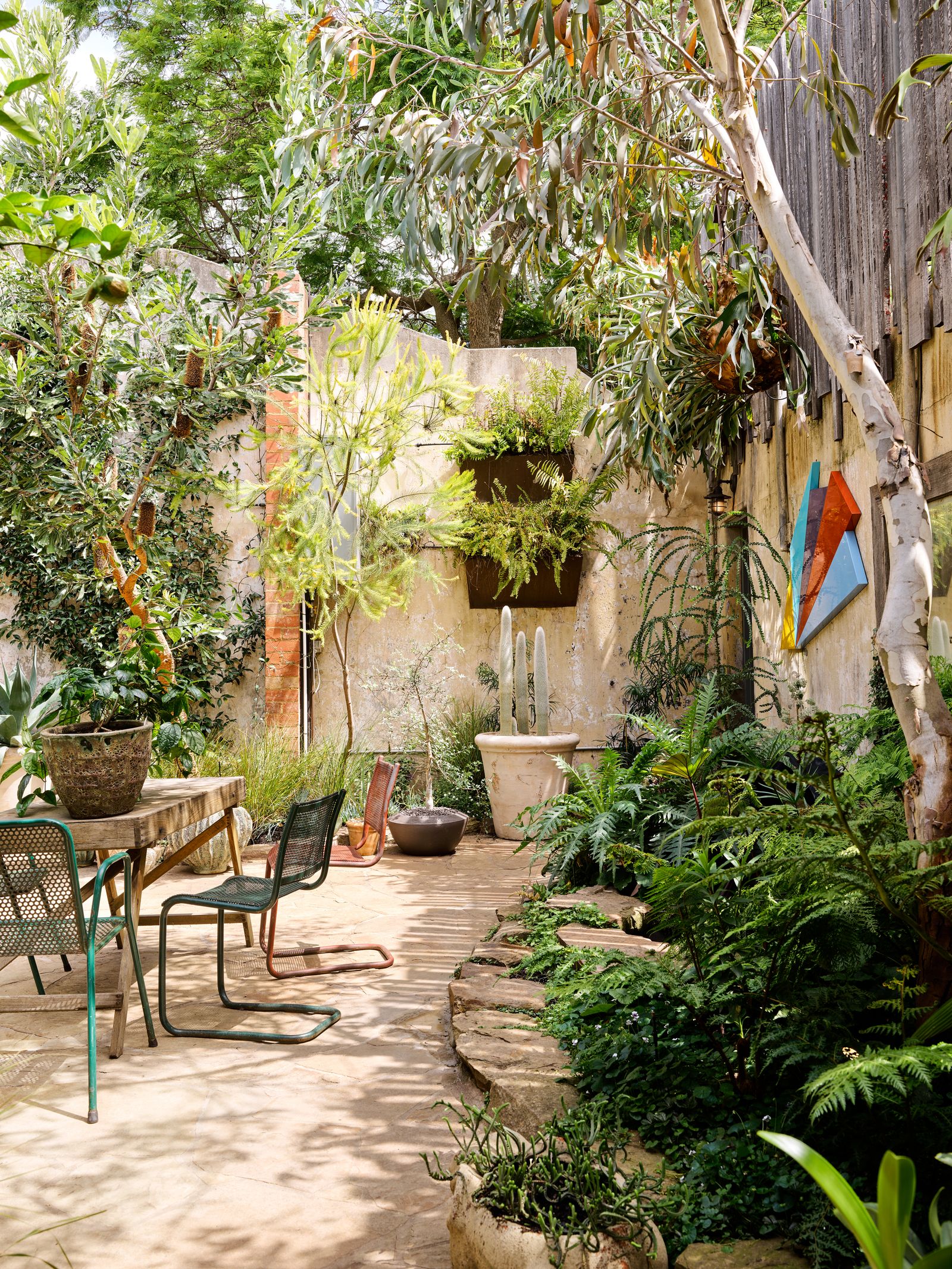
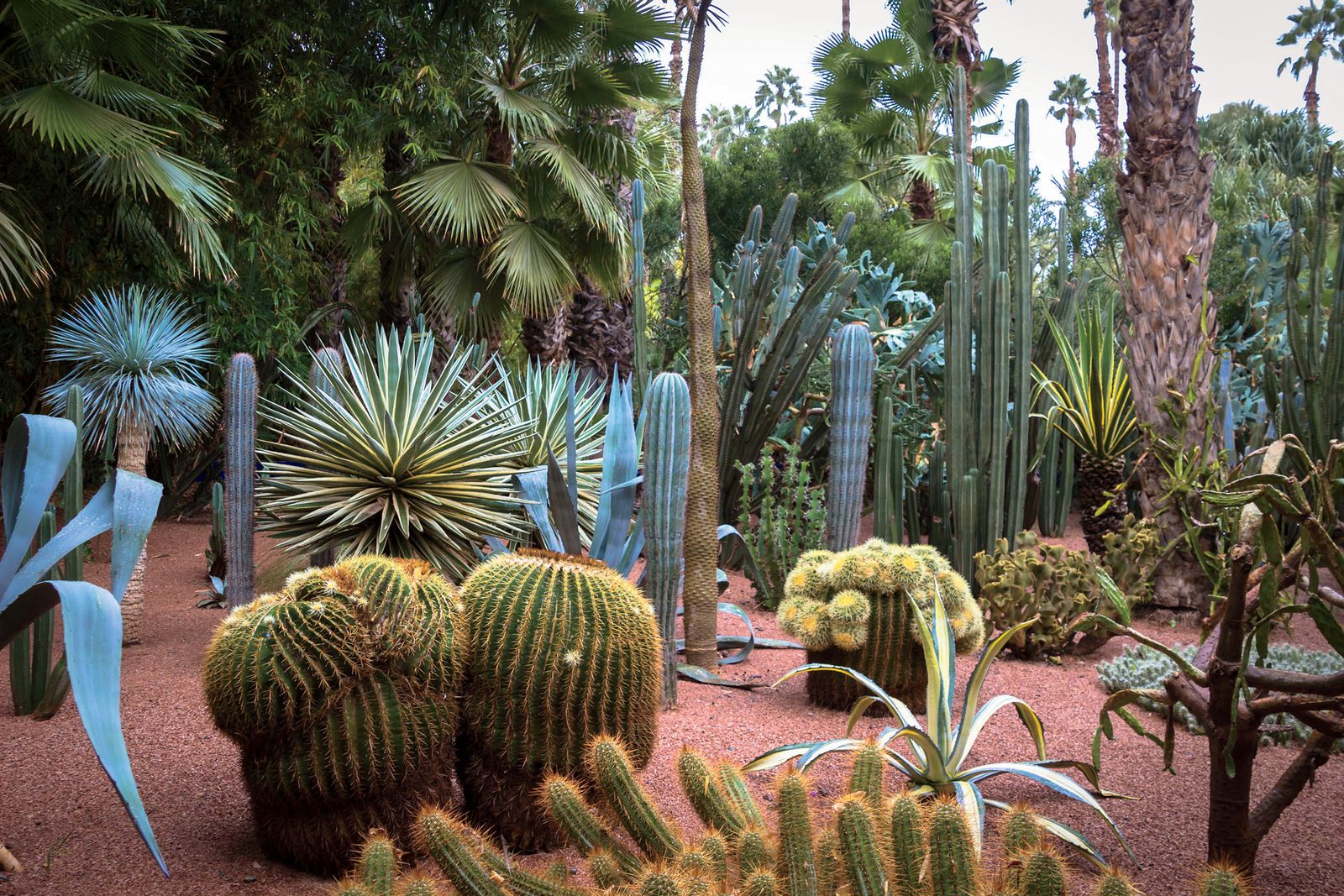
Spanish Garden style draws on Roman, Persian, and Moorish design concepts, featuring bougainvillea, begonias, cacti, and fruit trees like figs and citrus. These gardens are usually enclosed within walls or courtyards and infused with pastel colors. Essential elements include clay pavers, terra-cotta pots, decorative water features, built-in grill islands, brick fireplaces, and low-voltage lighting. Plantings of various textures and shades of green, along with climbing vines in pinks/reds or blues/purples, are recommended. This style is suited for USDA Plant Hardiness Zones 8 to 10.
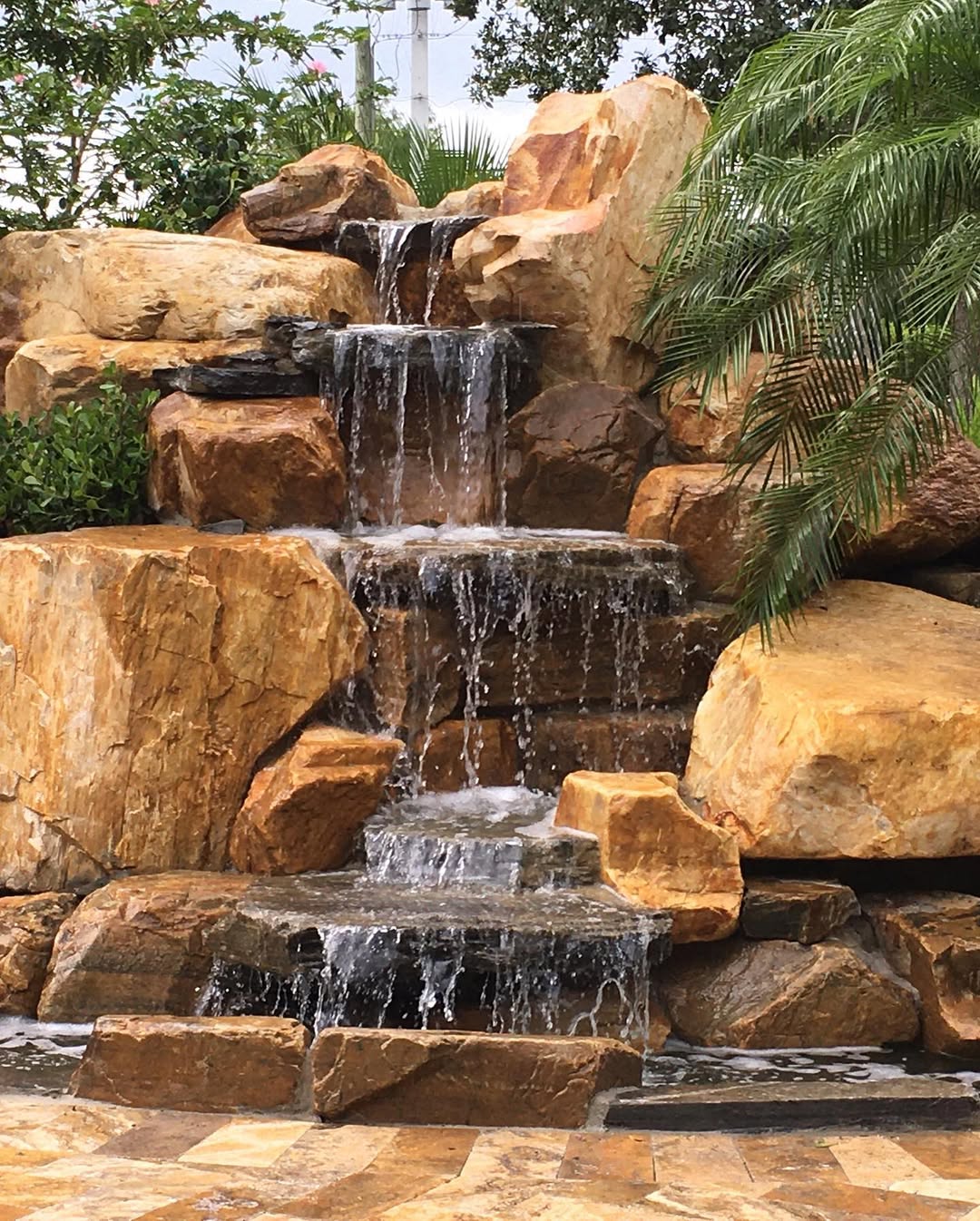
Finally, the Alpine Garden style is heavily influenced by nature, showcasing high-altitude horticulture. It features large boulders, cobbled paths, gravel beds, waterfalls, and natural rock retaining walls. Randomly placed vegetation and wildflowers, such as blackcurrants, gooseberries, raspberries, primula, or creeping thyme, are scattered to create a natural look. This style is best for USDA Plant Hardiness Zones 5a to 9a.
The article concludes by addressing the flexibility of mixing different garden elements, emphasizing that a garden is a unique space and personal enjoyment should be prioritized over strict adherence to a single style. It also advises determining a plant's hardiness zone to ensure its suitability for a specific region.
#GardenDesign #LandscapeArchitecture #OutdoorSpaces #EnglishCottageGarden #JapaneseGarden #ItalianRenaissanceGarden #DutchGarden #FrenchProvencalGarden #MoroccanGarden #ChineseGarden #SpanishGarden #AlpineGarden #Horticulture #PlantHardinessZones #HomeGardening #GardenDesign #LandscapeArchitecture #OutdoorSpaces #EnglishCottageGarden #JapaneseGarden #ItalianRenaissanceGarden #DutchGarden #FrenchProvencalGarden #MoroccanGarden #ChineseGarden #SpanishGarden #AlpineGarden #Horticulture #PlantHardinessZones #HomeGardening
0 comment in total
 No comments yet
You may also like
9 inner-city garden ideas to inspire

15 garden design styles that will stand the test of time

8 Incredible Indoor Garden Ideas


The colours inspired by world famous gardens
Innovative landscape architecture and garden design around the world

18 Genius Garden Landscaping Ideas From the AD Archive
Garden Design Ideas, 2024
Start Planning Your Ideal Garden with These Garden Plans and Ideas
19 simple garden ideas for every style, size and budget
The Most Well-Designed Gardens in the World
18 Unique and Unusual Gardens To Consider
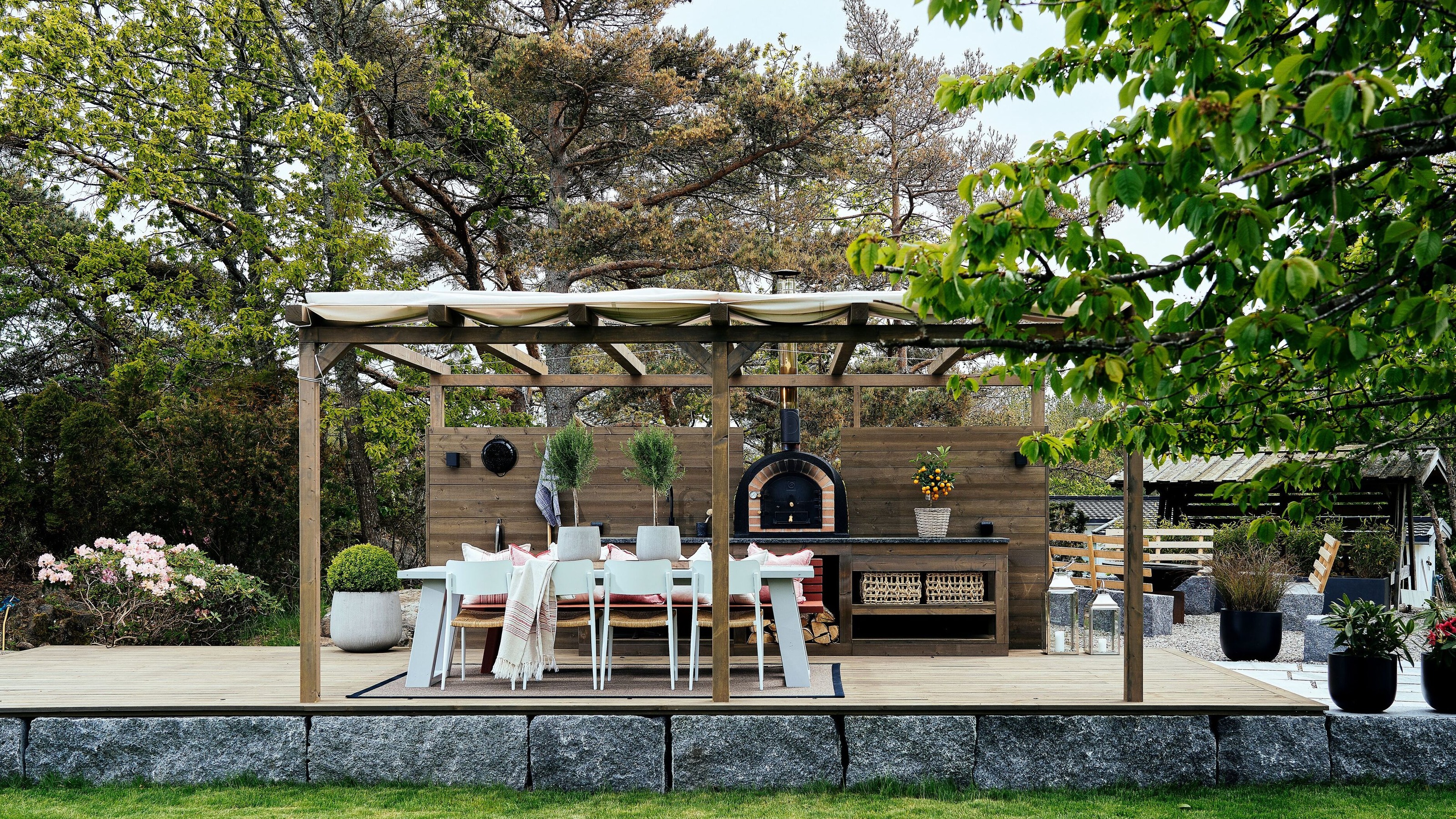
Modern Garden Ideas — 38 Transformative Ways to Rejuvenate Your Outdoor Space

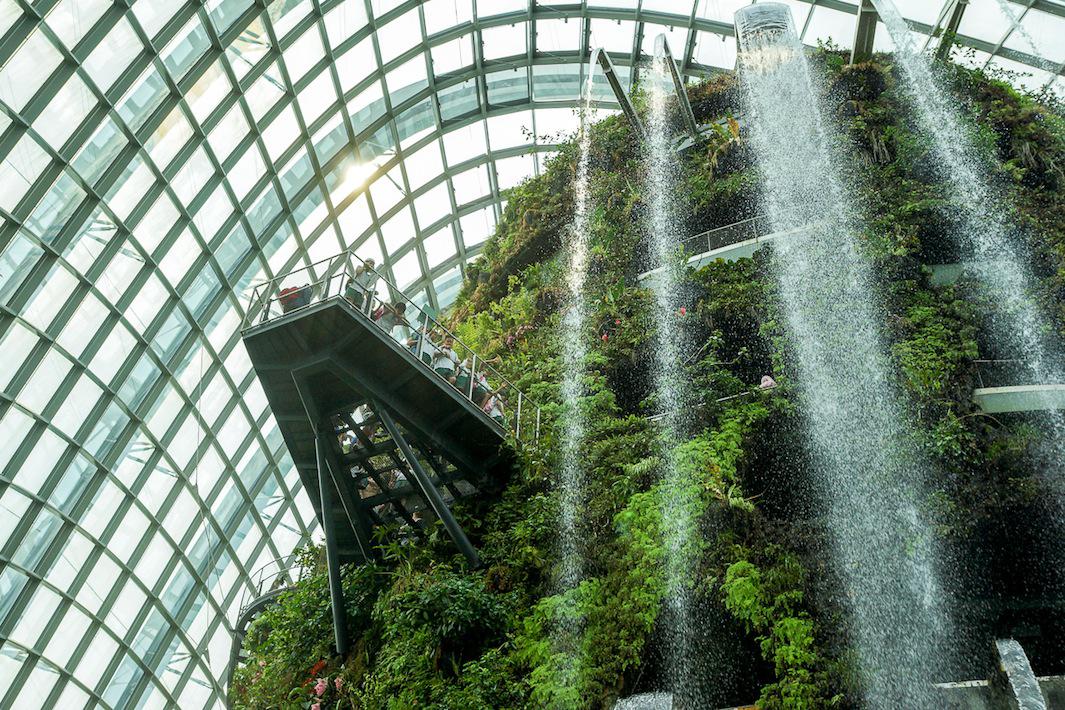
The Most Well-Designed Gardens in the World
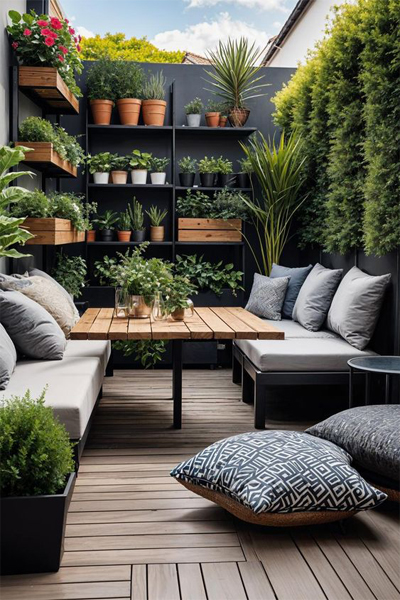
20 Beautiful Garden Design Ideas for Home In 2024
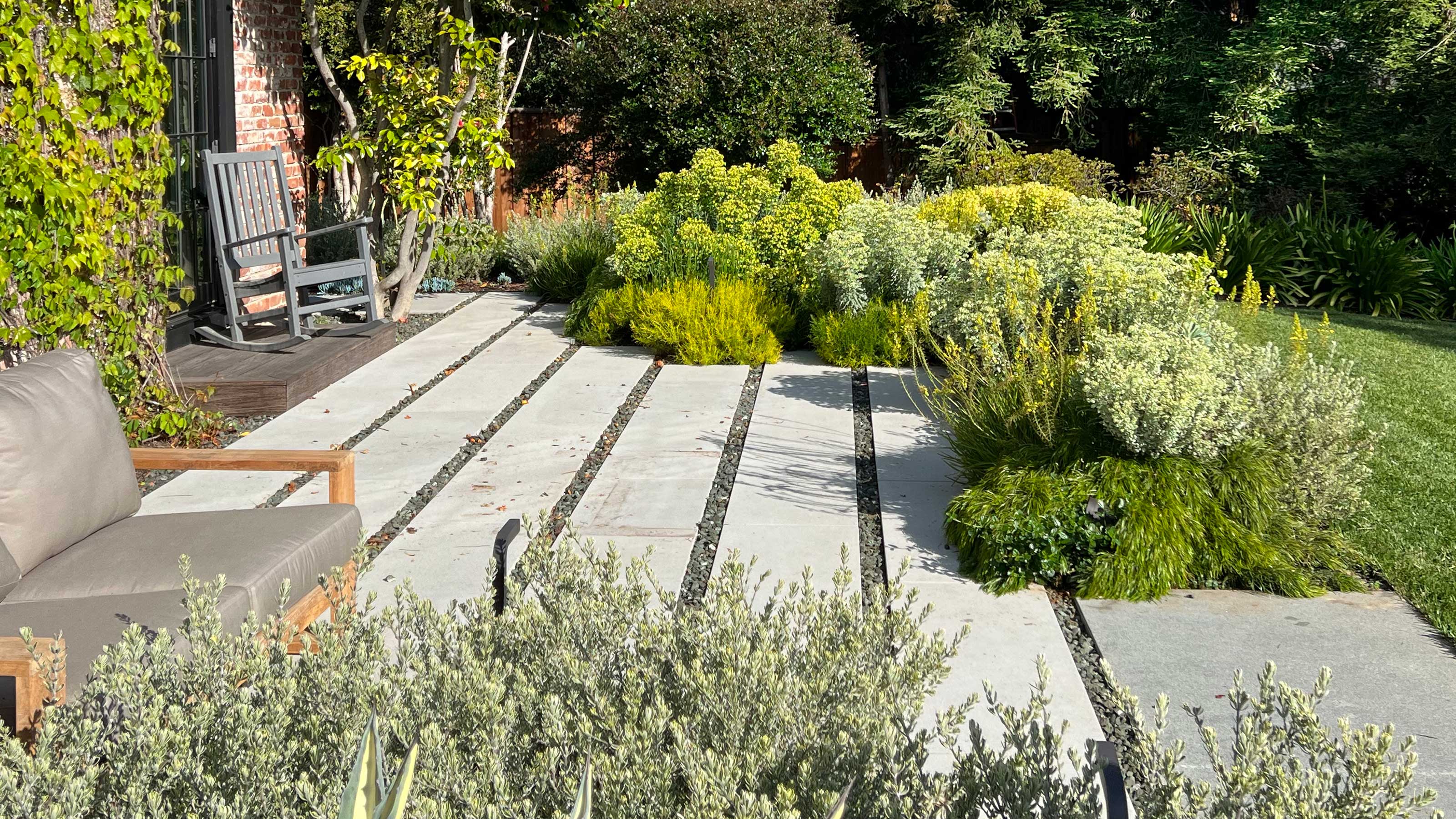
'It mimics nature's randomness' - this simple gardening trick is how landscape designers make a backyard look more put together

26 Stupidly Gorgeous Water Feature in the Garden Ideas That’ll Haunt Your Mood Boards

Ten "playful and beautiful" garden studios from around the world
Indoor garden ideas: 9 ways to create a plant-filled haven

5 Great Landscape Designers and Photos of Their Most Spectacular Gardens
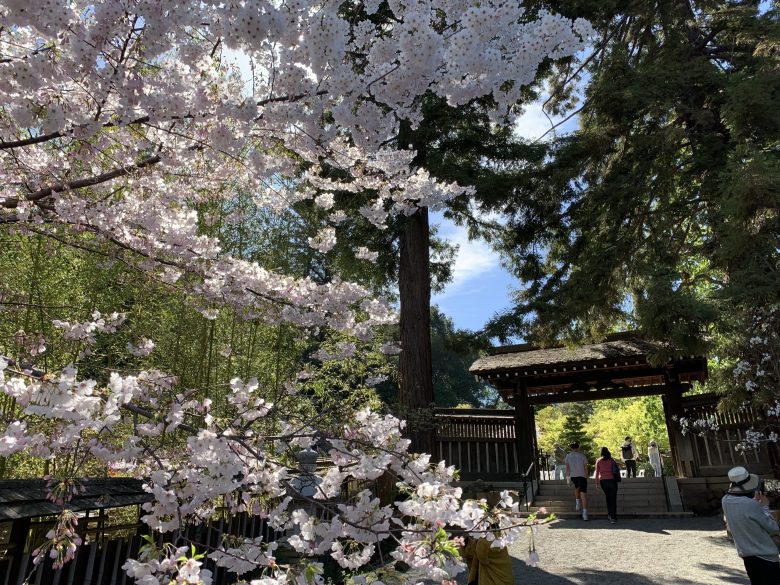
Looking to add some Zen to your landscape? Visit these Japanese gardens for inspiration