The Most Well-Designed Gardens in the World
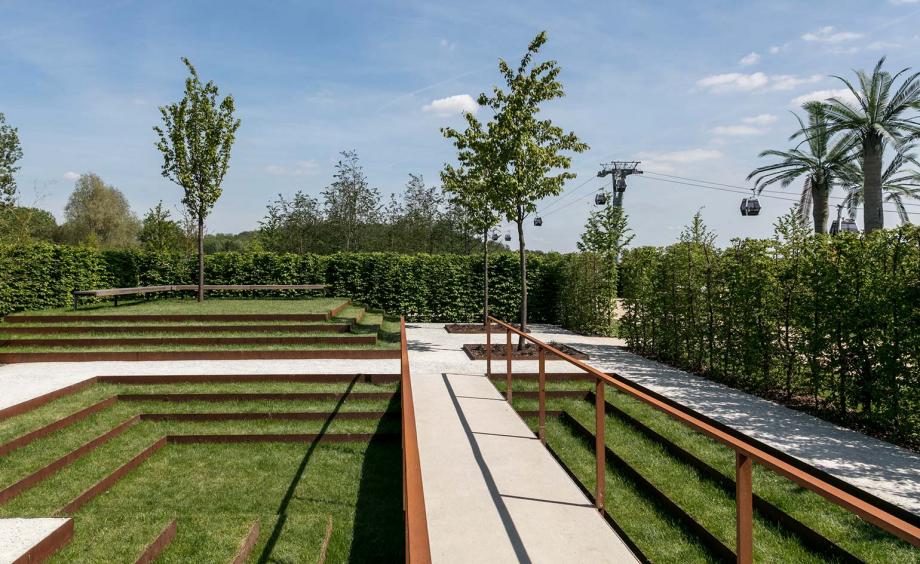
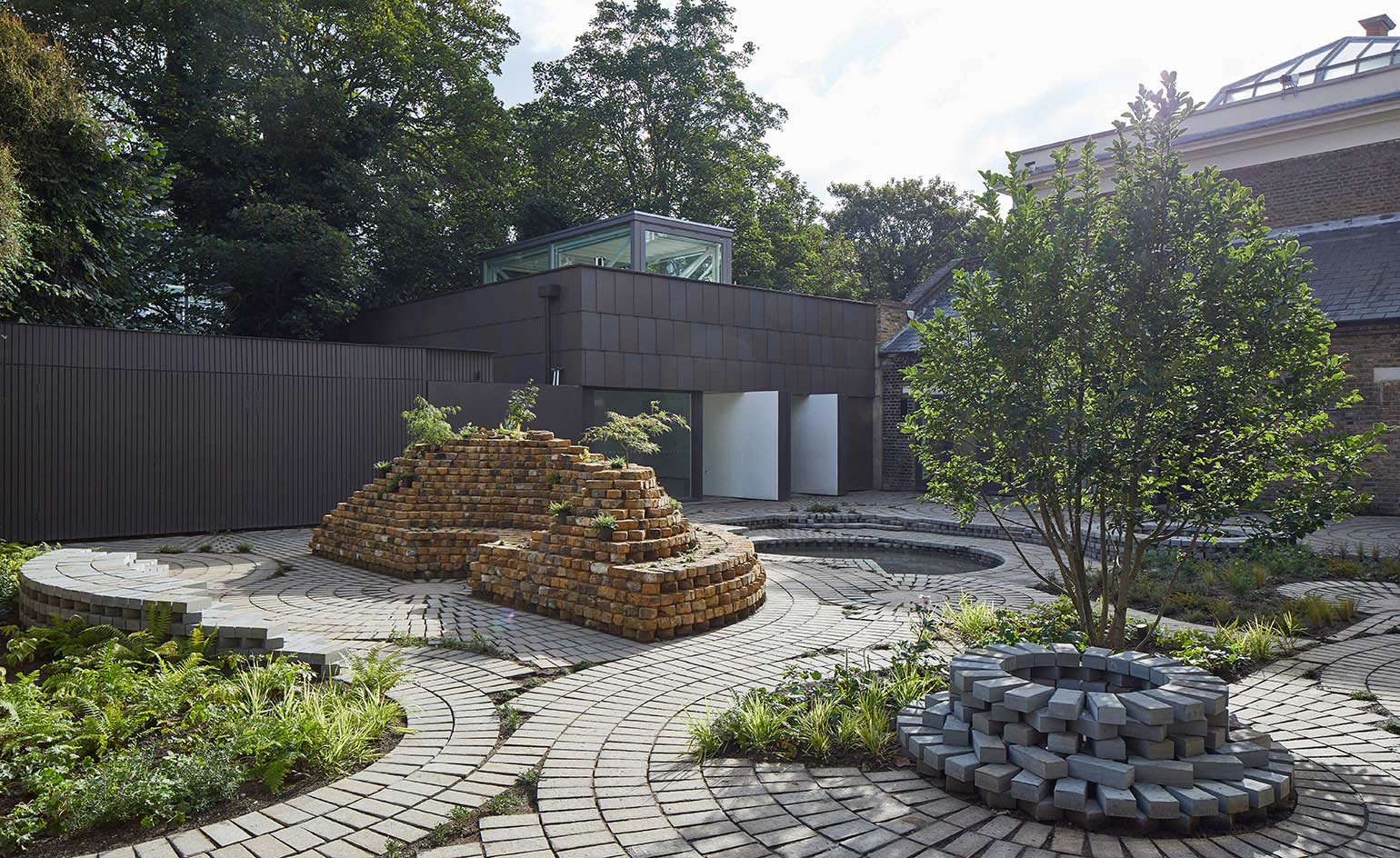
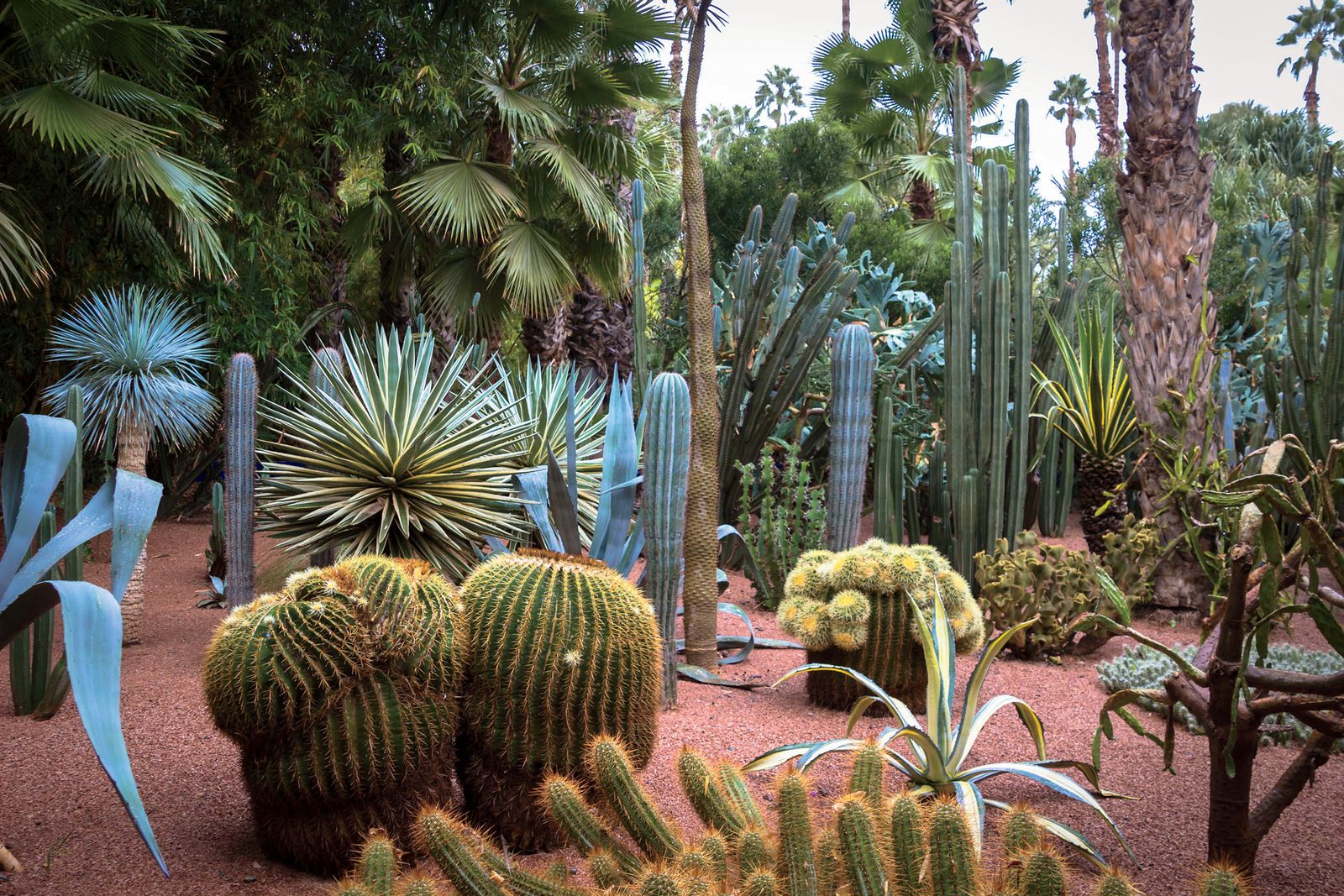
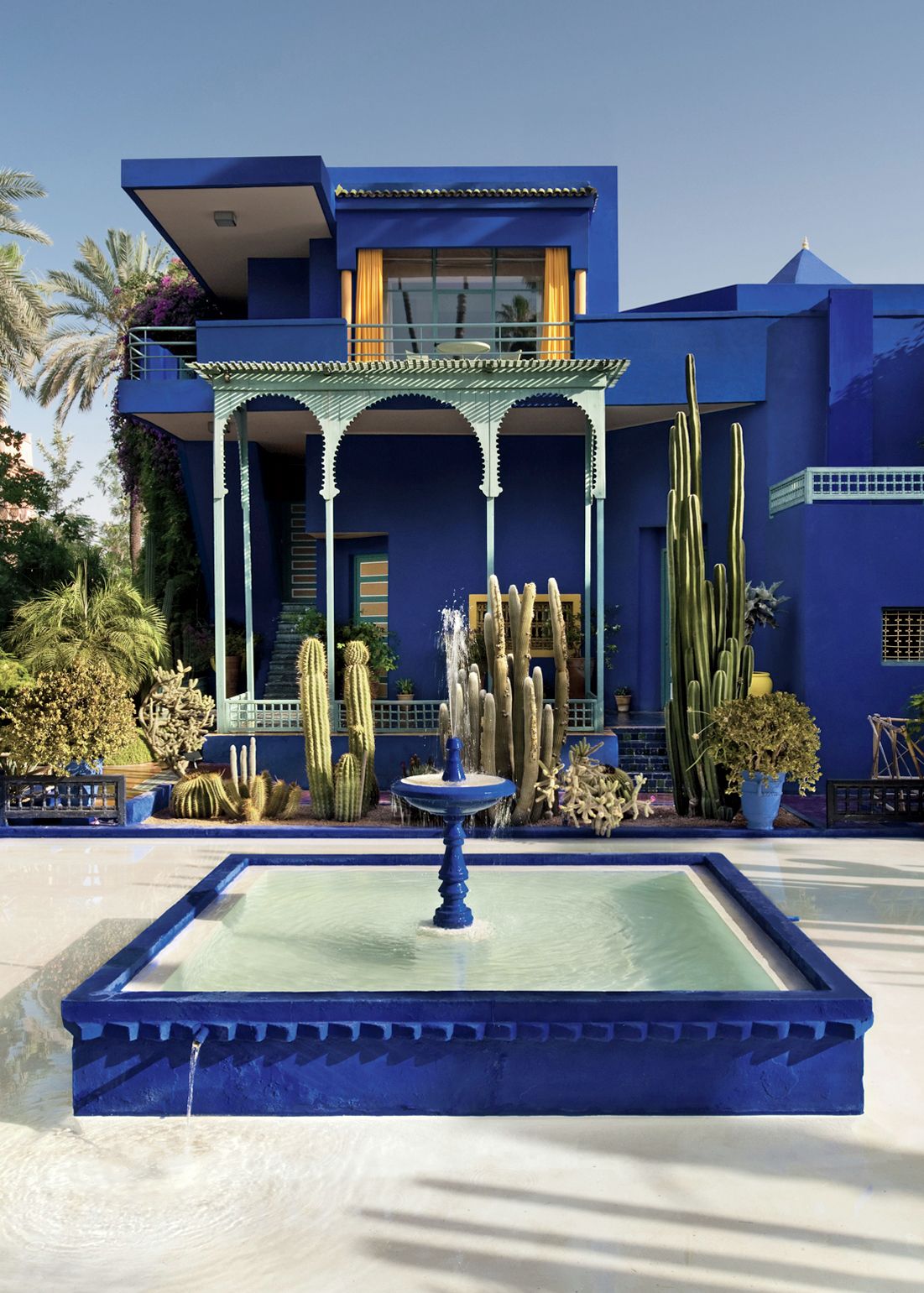
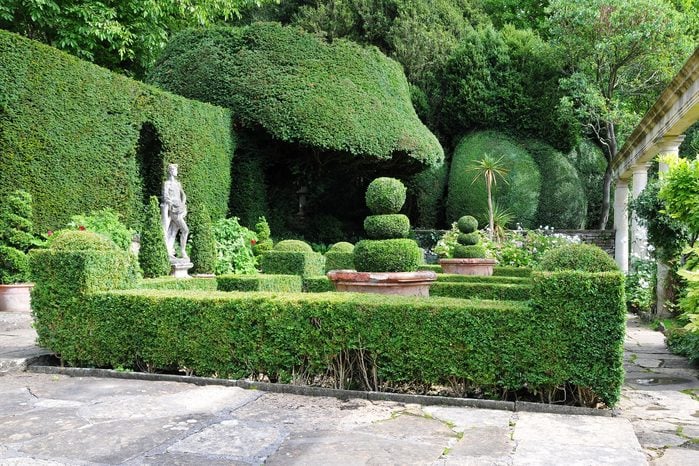
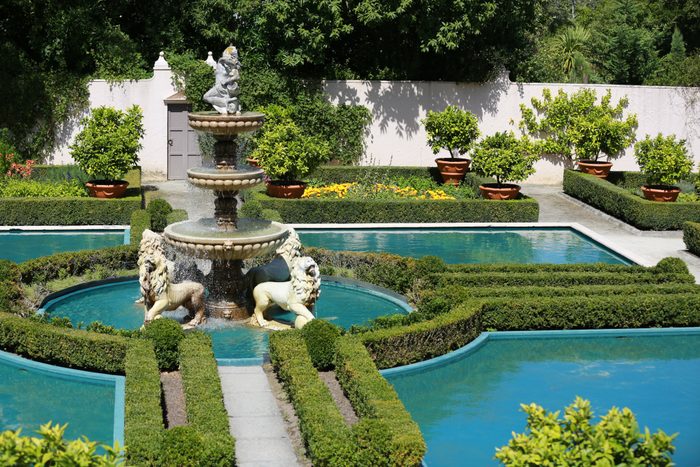
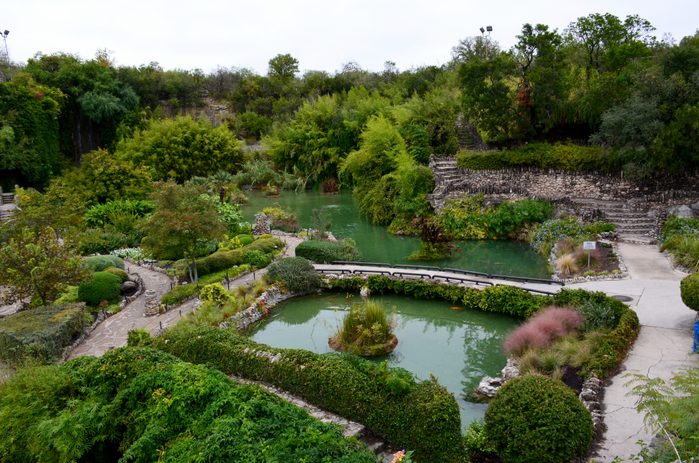
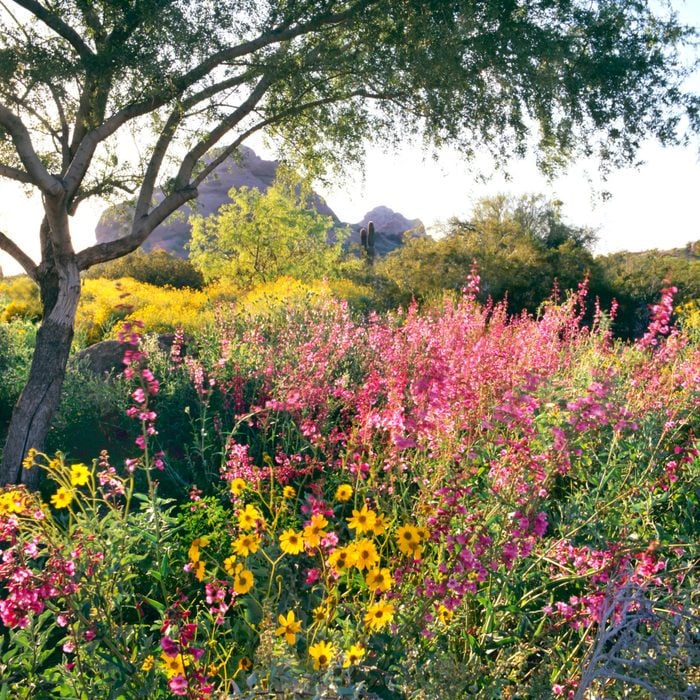
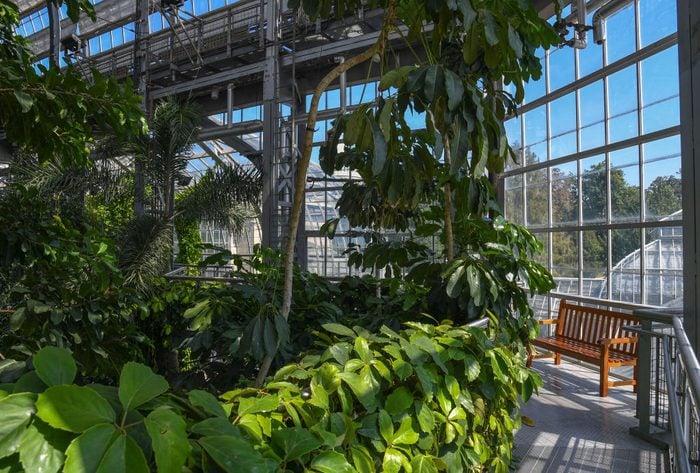
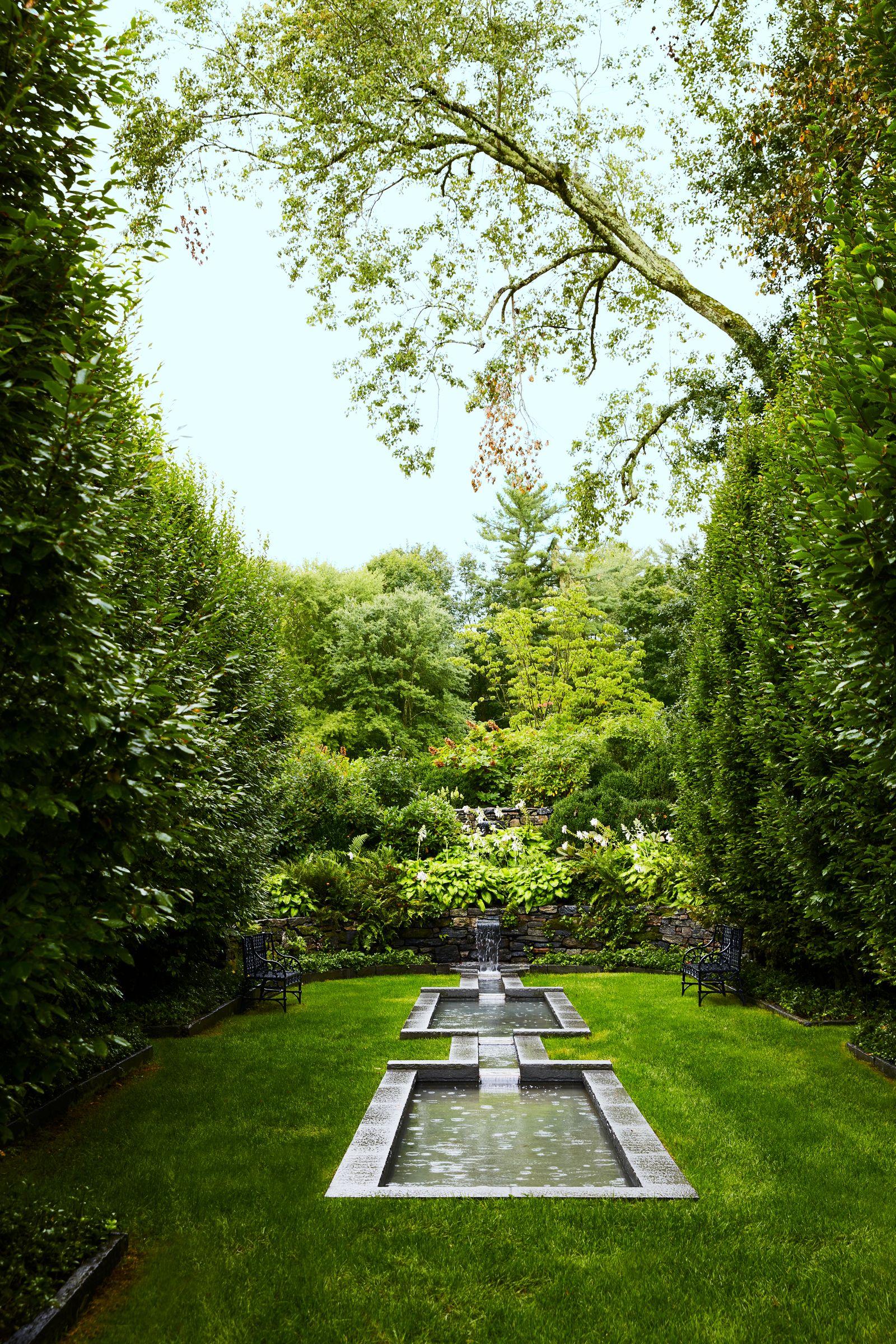
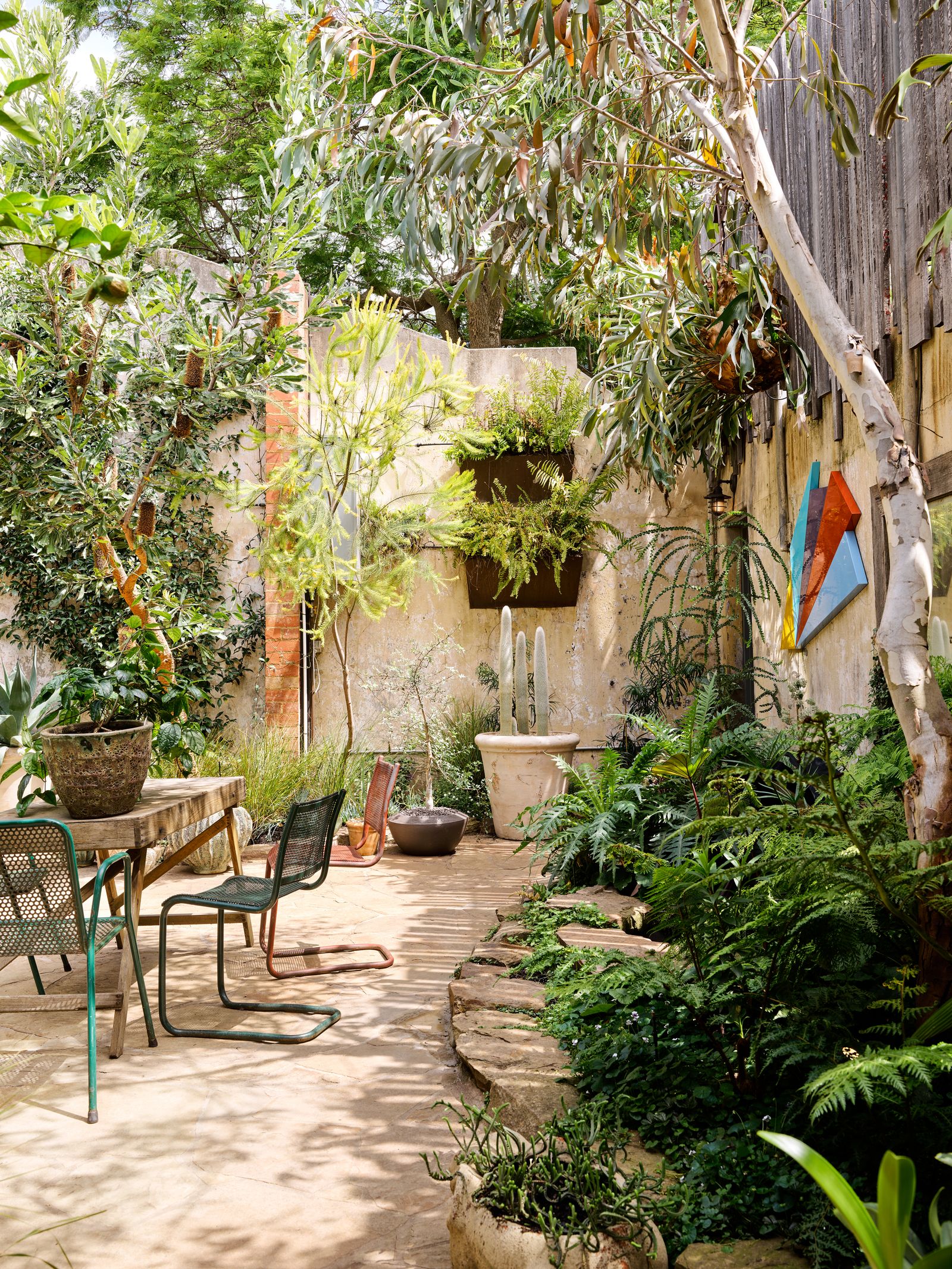
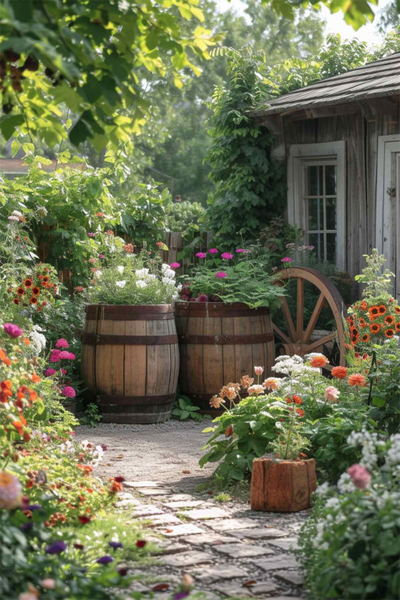
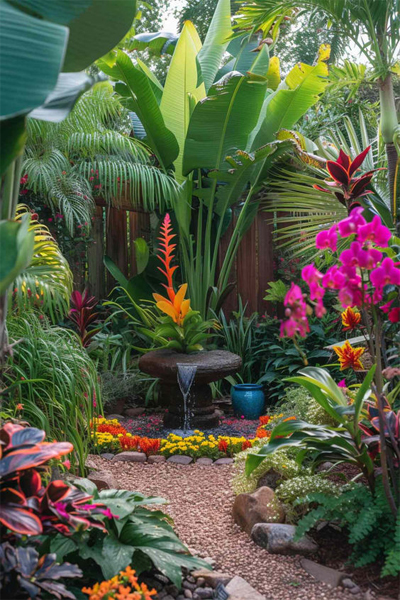
The article explores the diverse world of garden design, highlighting how these spaces reflect both natural environments and human perspectives on nature. Drawing insights from the book _Reflections: Gardens_, it showcases a collection of gardens, ranging from classical to modern, across various global locations. The book emphasizes the significant role of climate and culture in shaping garden aesthetics, using examples like the Desert Botanical Garden in Arizona, where the arid climate dictates a specific visual appeal. In contrast, gardens like Het Loo in the Netherlands demonstrate a preference for strict control and order over vegetation, creating precise curves and angles. Conversely, the Schau- und Sichtungsgarten Hermannshof in Germany exemplifies a design philosophy that encourages plants to grow freely and break boundaries.
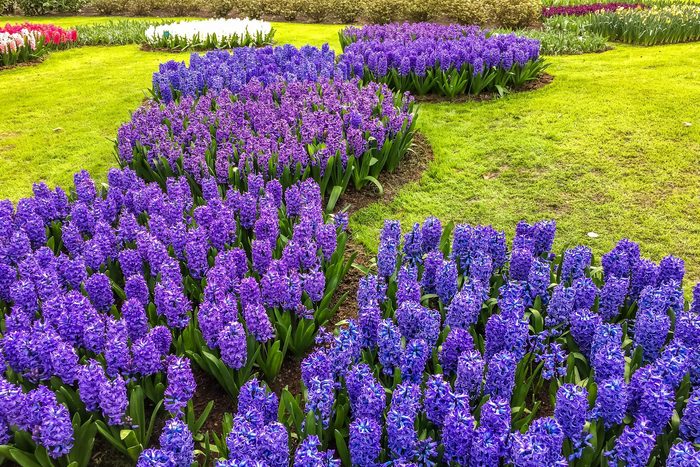
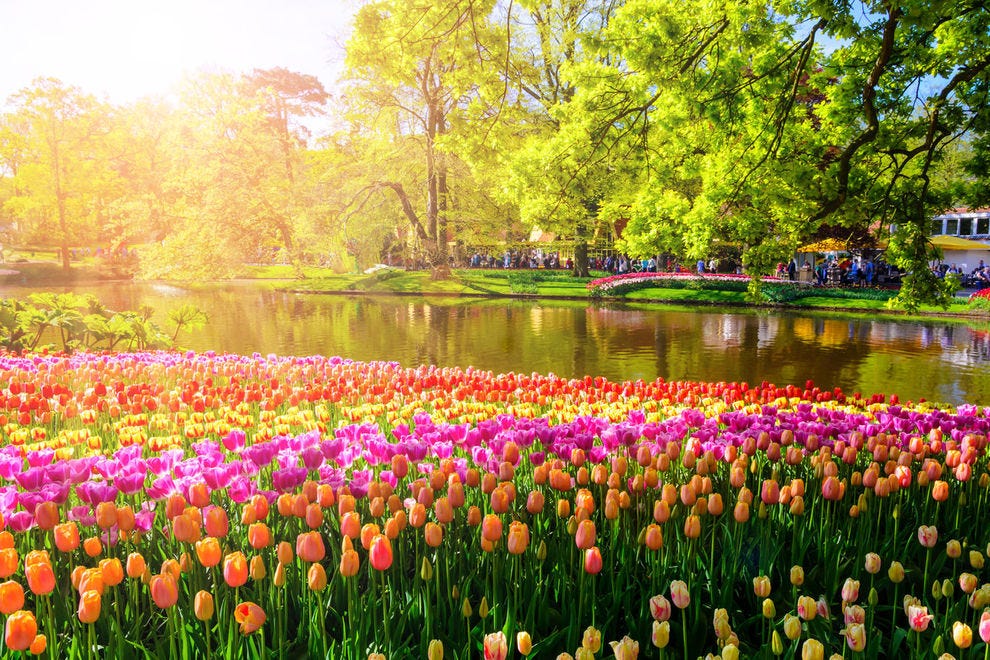
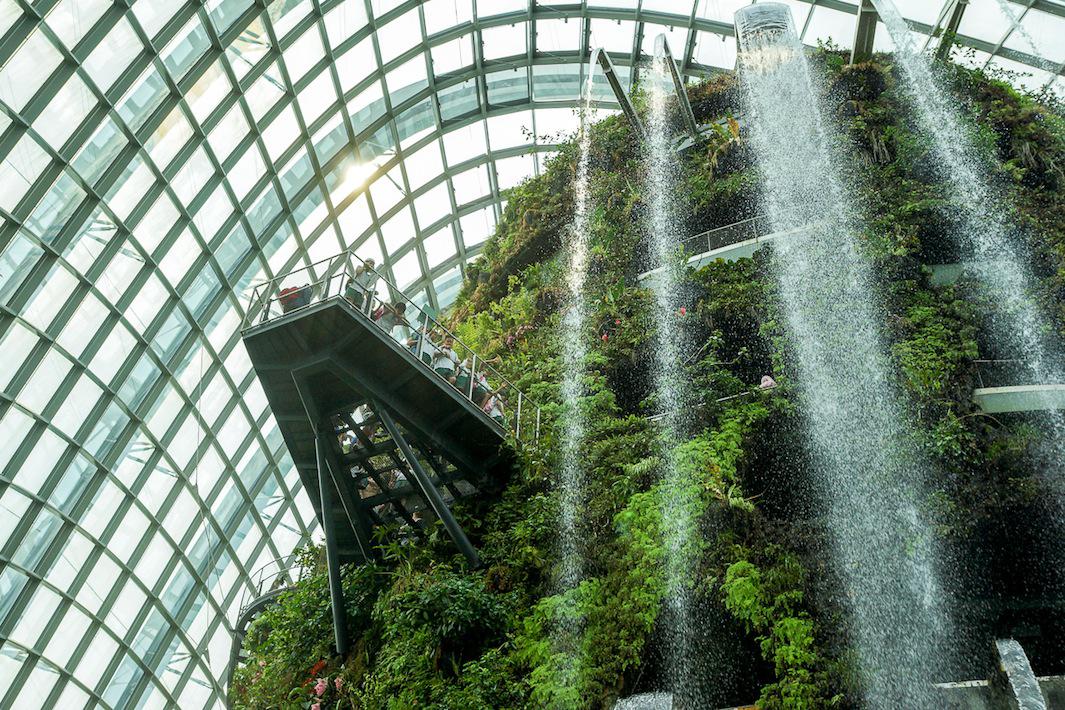
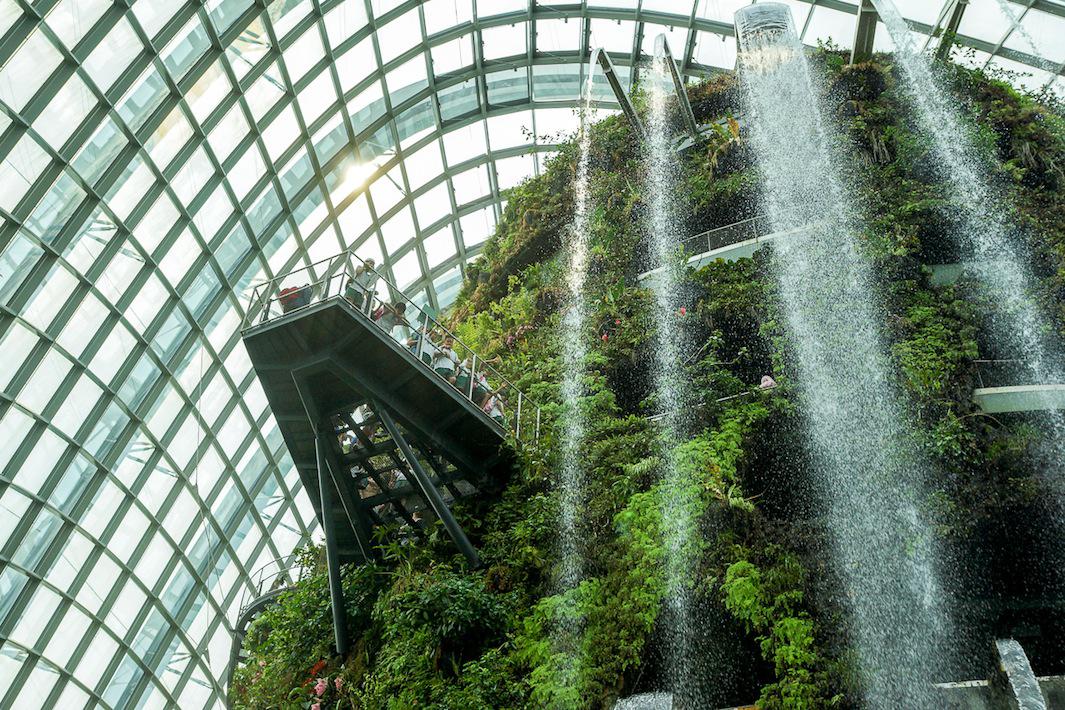
The article notes that _Reflections: Gardens_ includes iconic and historic landscapes such as Powerscourt in Ireland, Keukenhof in the Netherlands, and the Gardens of Versailles in France. However, a primary focus of the book is on contemporary gardens, exemplified by the Gardens by the Bay in Singapore. This futuristic garden features distinctive glass biomes and 18 "supertrees," representing a blend of innovative architecture and horticulture. Andrew Grant, whose firm Grant Associates designed Gardens by the Bay, discusses how advancements in genetic breeding, cloning, and cultivation techniques have expanded the range of plant materials available to 21st-century designers. Simultaneously, innovations in concrete, steel, glass, plastics, and digital technologies have broadened construction possibilities.
Despite these technological advancements, Grant asserts that some fundamental aspects of garden design remain constant. The essential elements—soil, water, plants, and minerals—have been consistent throughout history. Yet, each era manages to reinterpret these basic ingredients to create something novel and relevant to contemporary life. This adaptability underscores the enduring appeal and evolving nature of garden design, which continues to integrate new technologies while honoring timeless principles. The article implicitly suggests that garden design is a dynamic field, constantly evolving in response to environmental conditions, cultural values, and technological progress, offering a rich tapestry of approaches to creating beautiful and functional outdoor spaces.
#GardenDesign #LandscapeArchitecture #Horticulture #BotanicalGardens #CulturalInfluences #ModernGardens #HistoricGardens #EnvironmentalDesign #GardenDesign #LandscapeArchitecture #Horticulture #BotanicalGardens #CulturalInfluences #ModernGardens #HistoricGardens #EnvironmentalDesign
0 comment in total
 No comments yet
You may also like
These Designers Make the Most Beautiful, Radical Gardens We’ve Seen
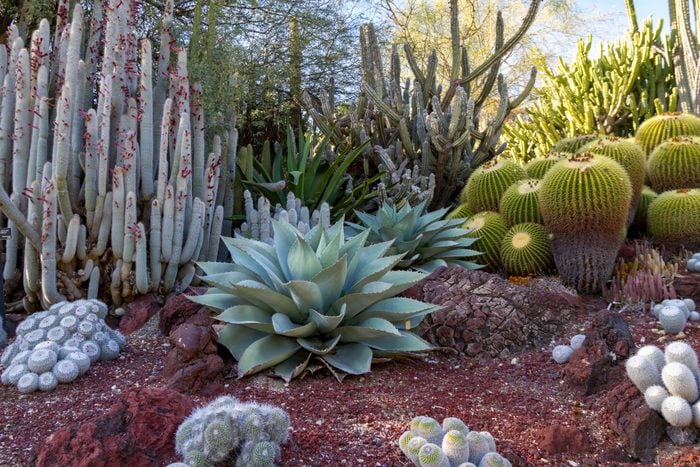
18 Unique and Unusual Gardens To Consider

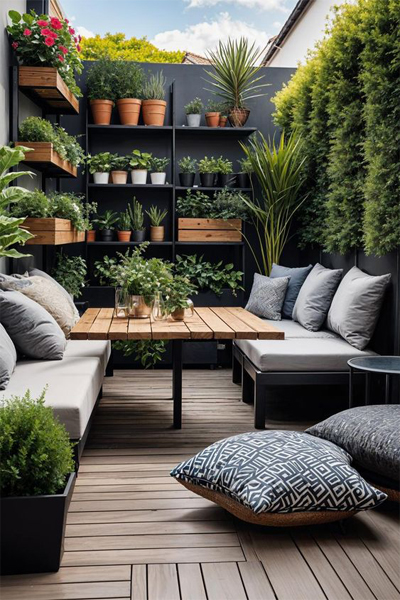
20 Beautiful Garden Design Ideas for Home In 2024
5 best garden designs you should checkout in Minecraft

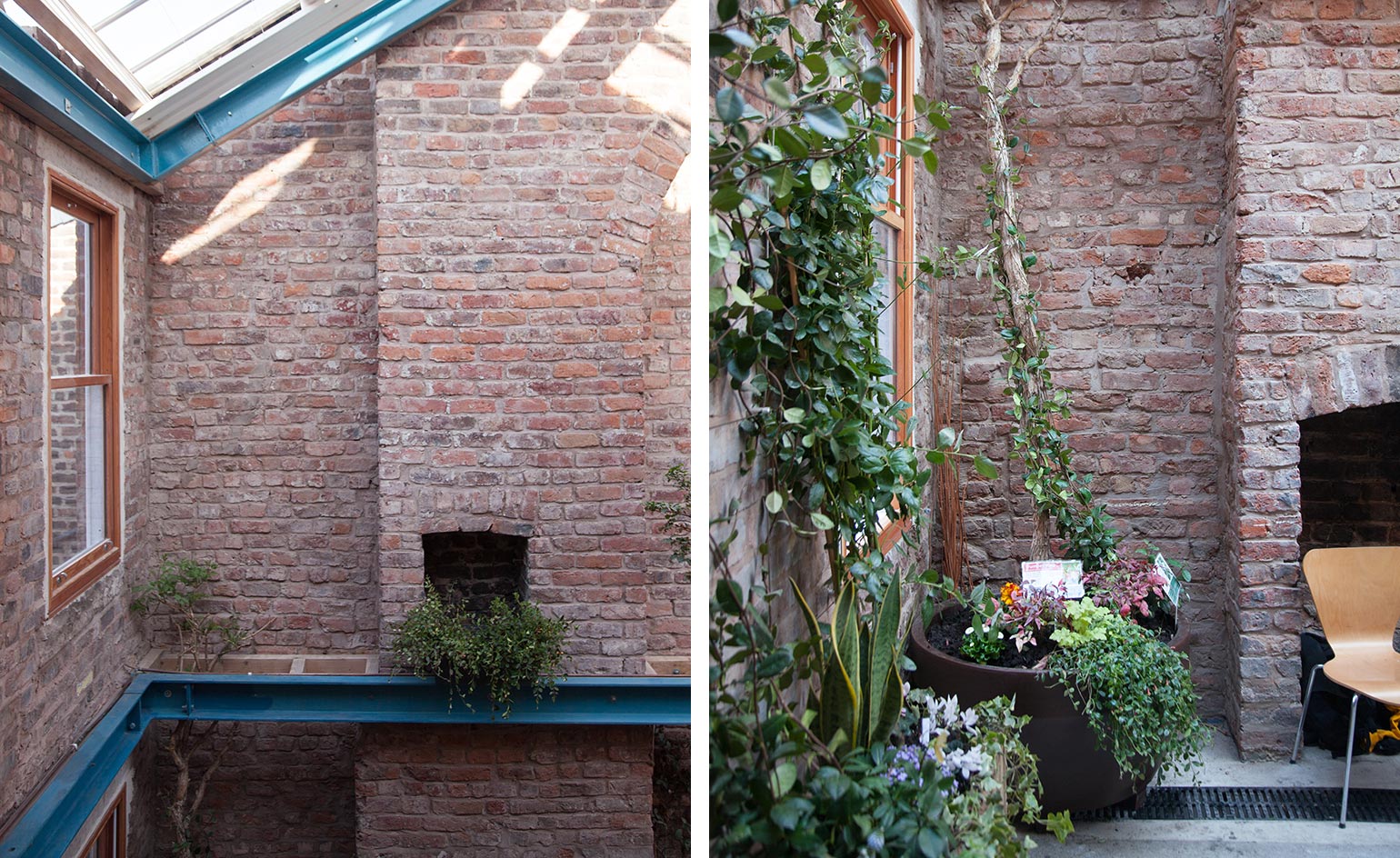
Innovative landscape architecture and garden design around the world

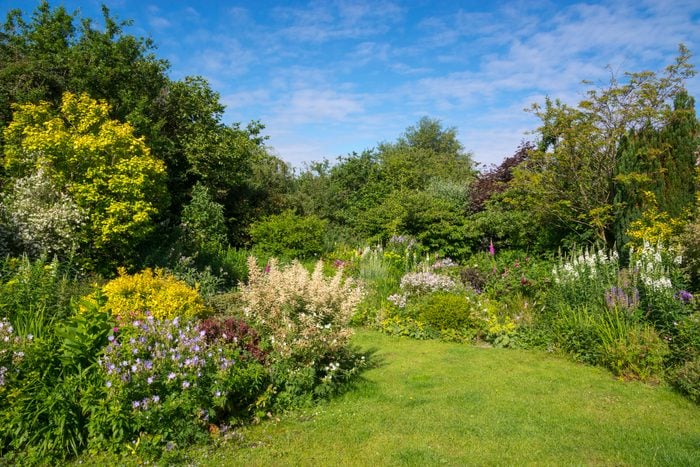
9 Garden Styles From Around the World To Inspire You
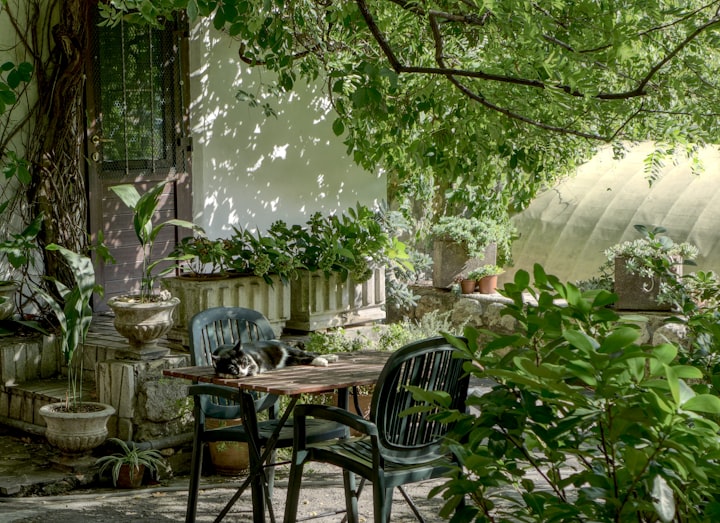
Garden Design Ideas, 2024
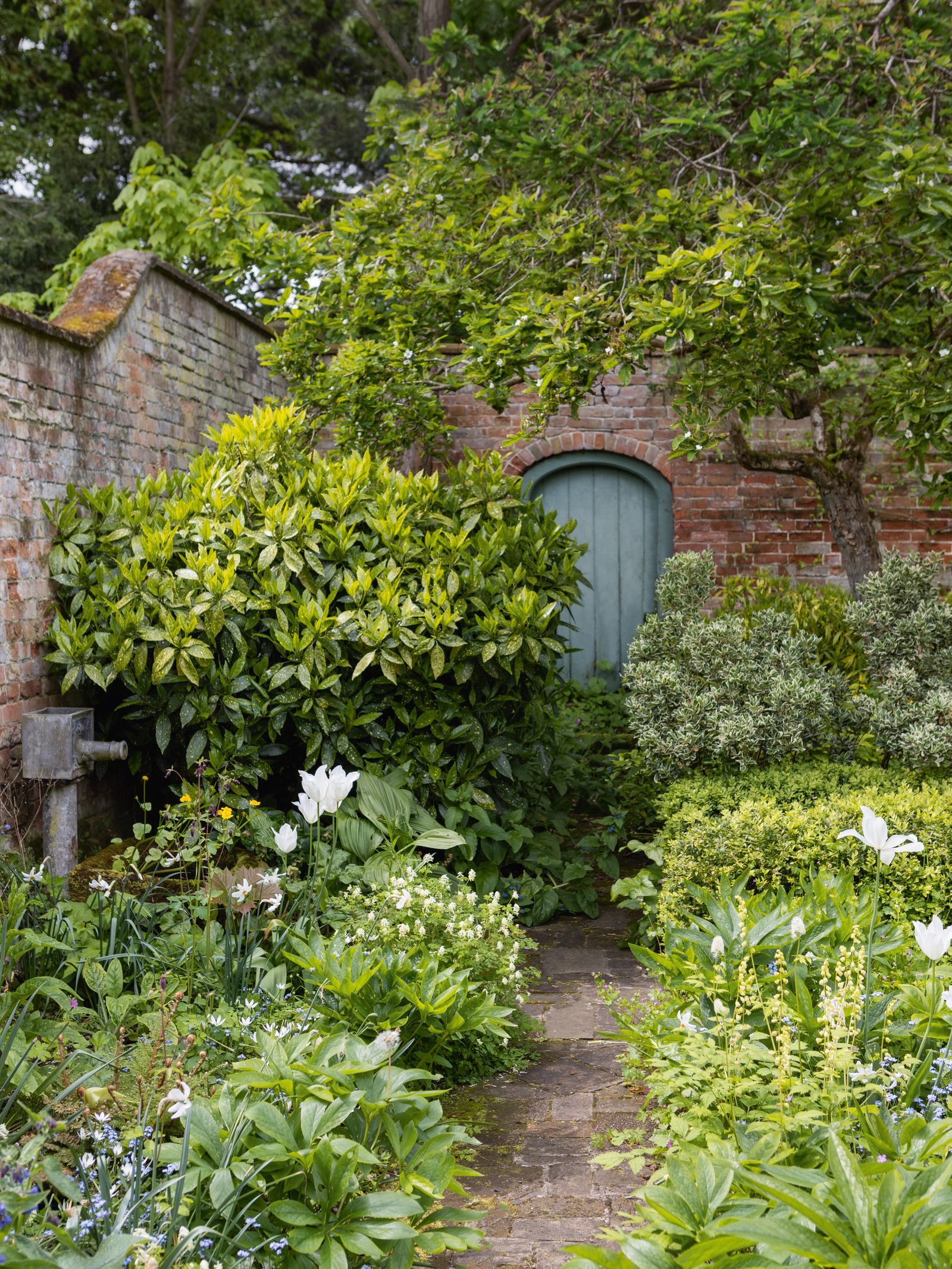
19 simple garden ideas for every style, size and budget
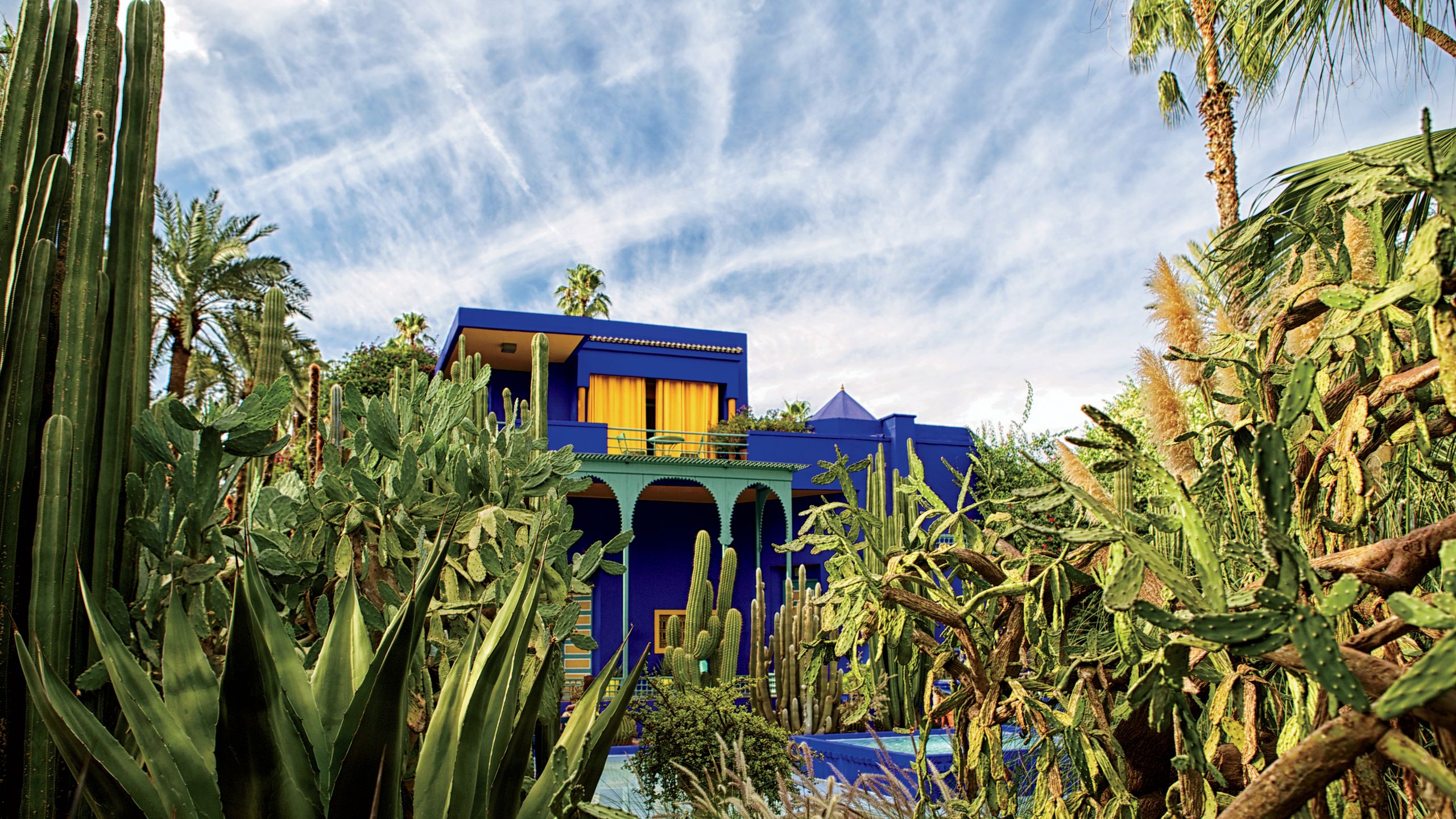
5 Great Landscape Designers and Photos of Their Most Spectacular Gardens

The colours inspired by world famous gardens

10 of the prettiest flower fields in the world

8 Incredible Indoor Garden Ideas

The Most Well-Designed Gardens in the World
23 of the Most Beautiful Gardens in America

12 Modern Gardens With Water Features

6 homes with lush gardens

Ten "playful and beautiful" garden studios from around the world
18 Genius Garden Landscaping Ideas From the AD Archive
Start Planning Your Ideal Garden with These Garden Plans and Ideas
7 Japanese-style gardens to inspire and delight