1/26
15 Urban Garden Ideas That Will Make Even Busy City Spaces Feel Like a Retreat
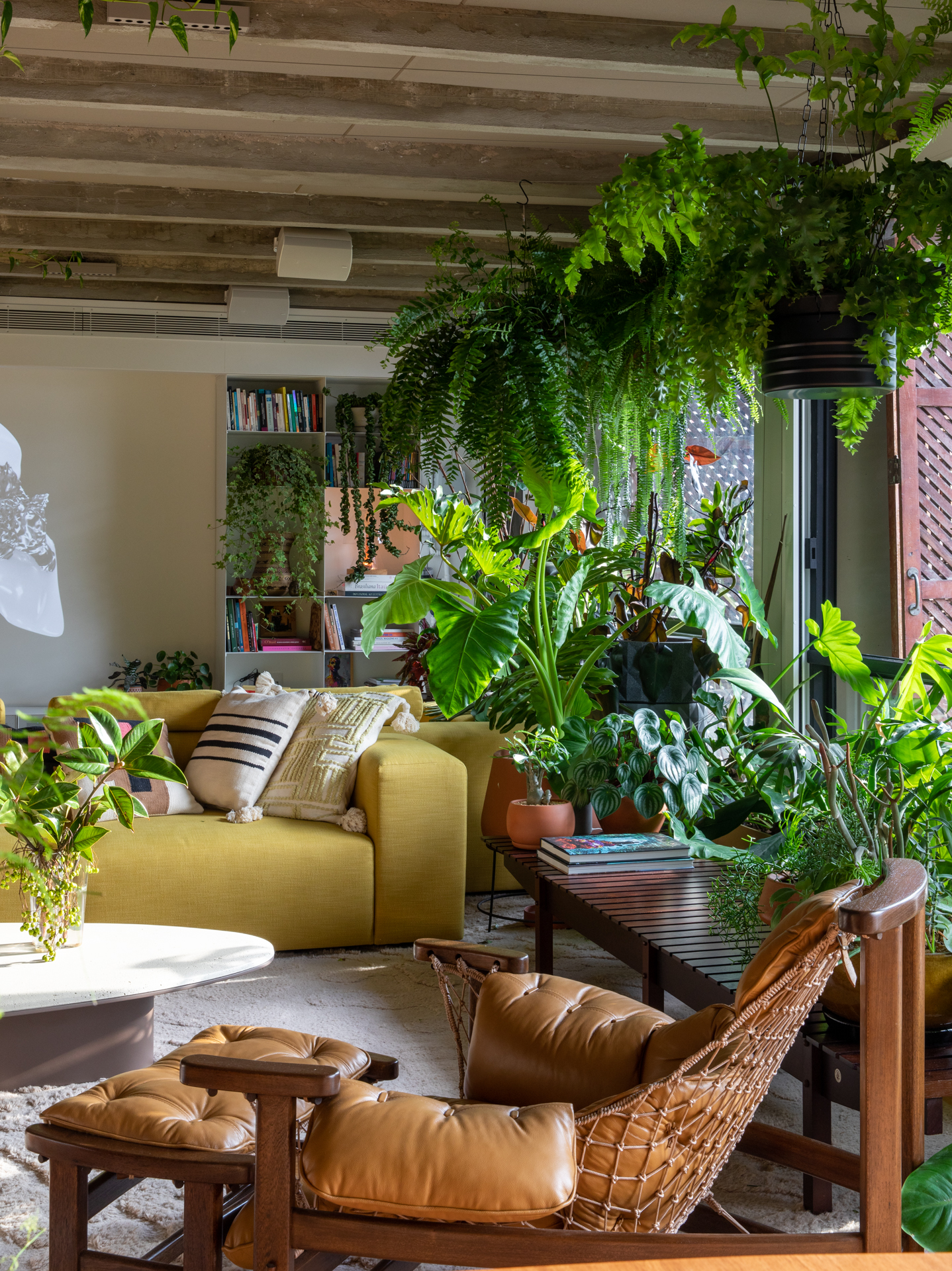
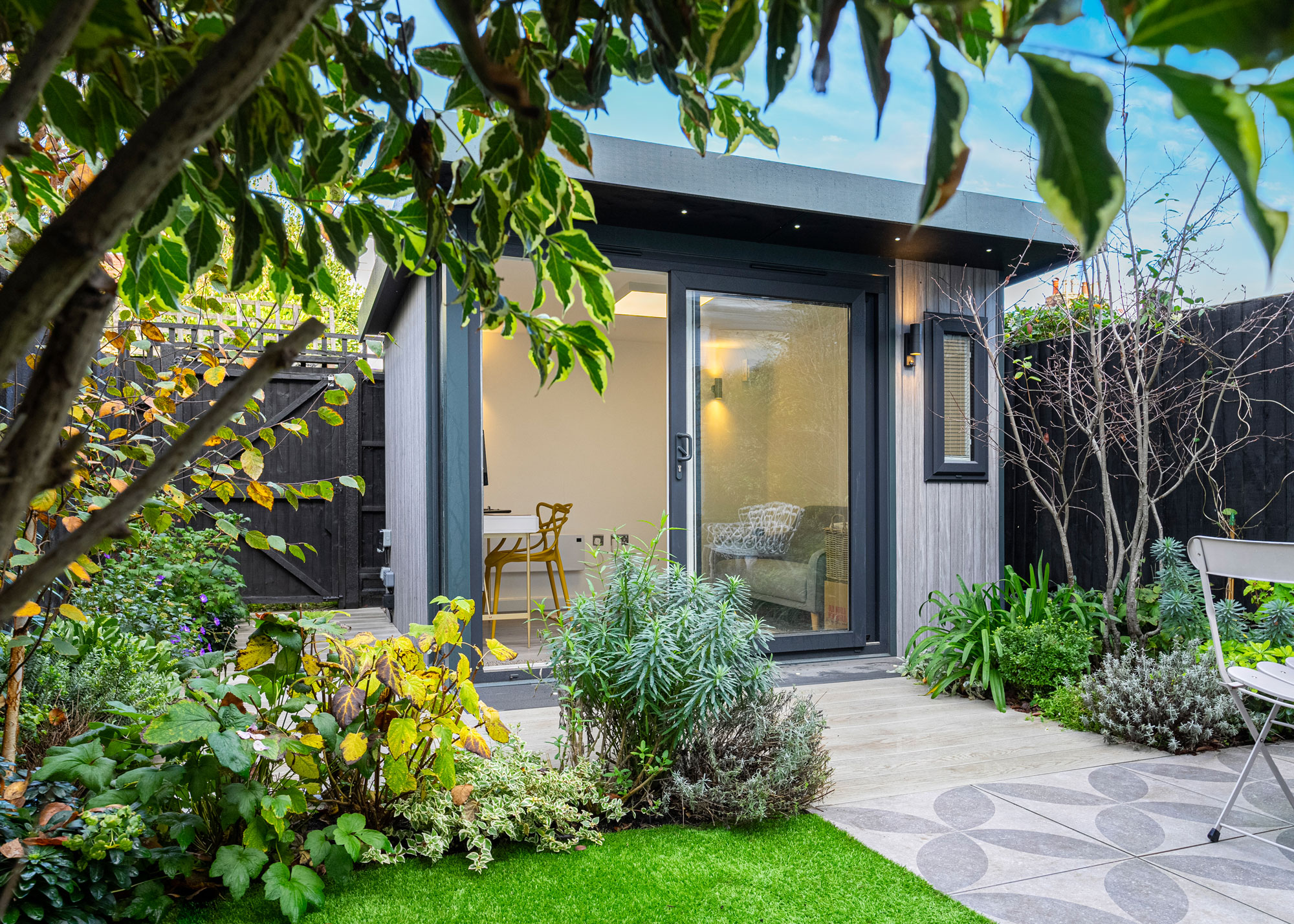
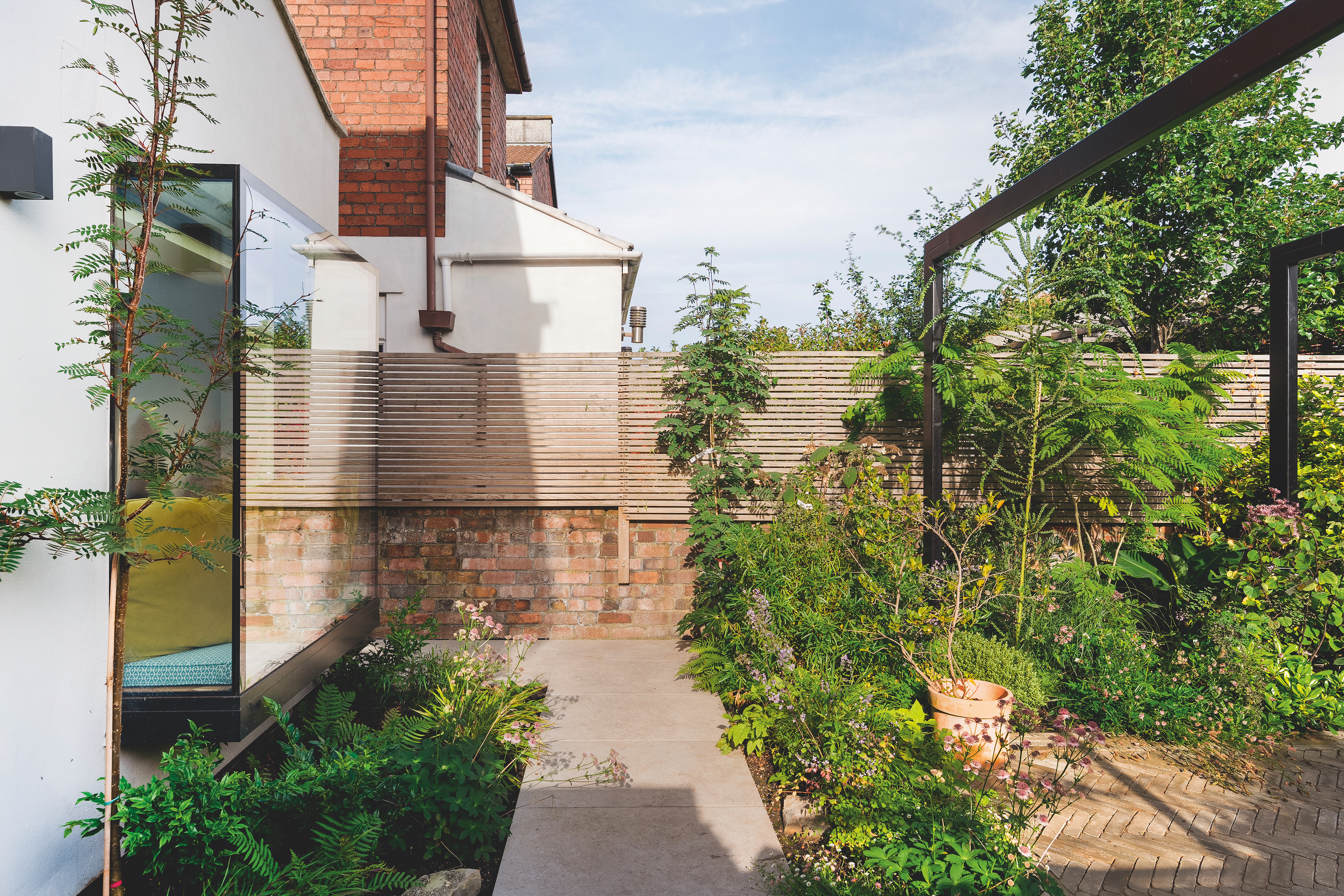
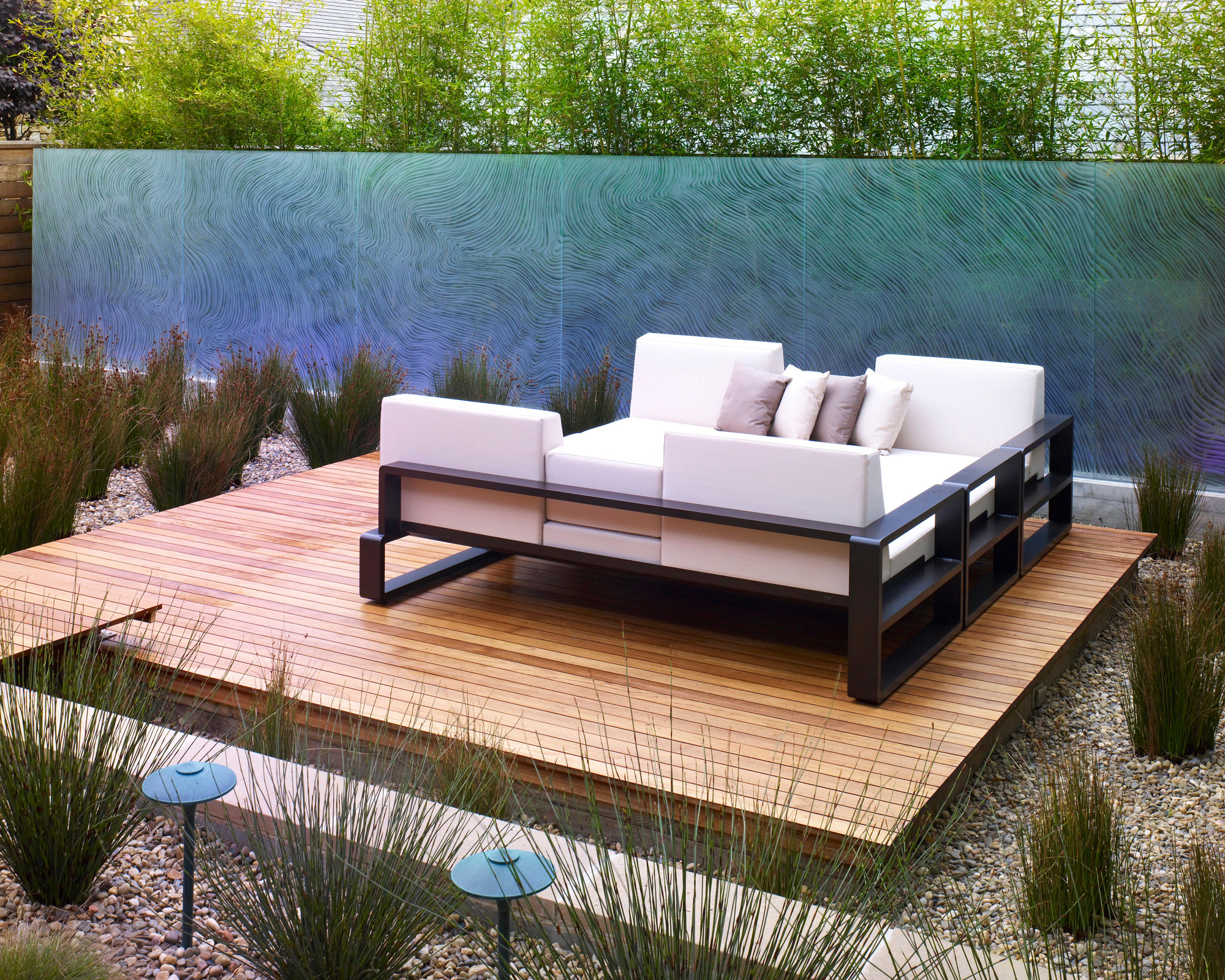
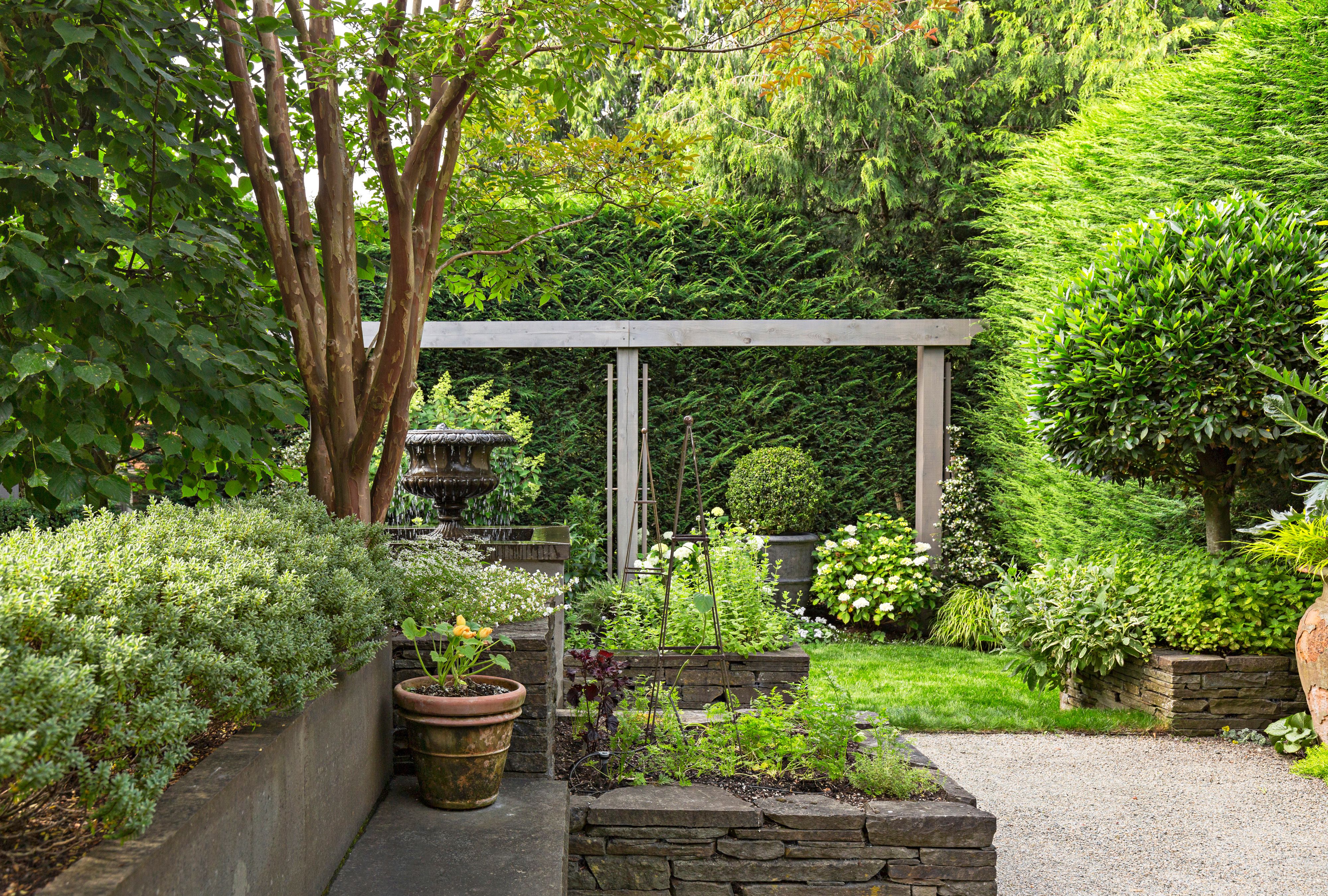
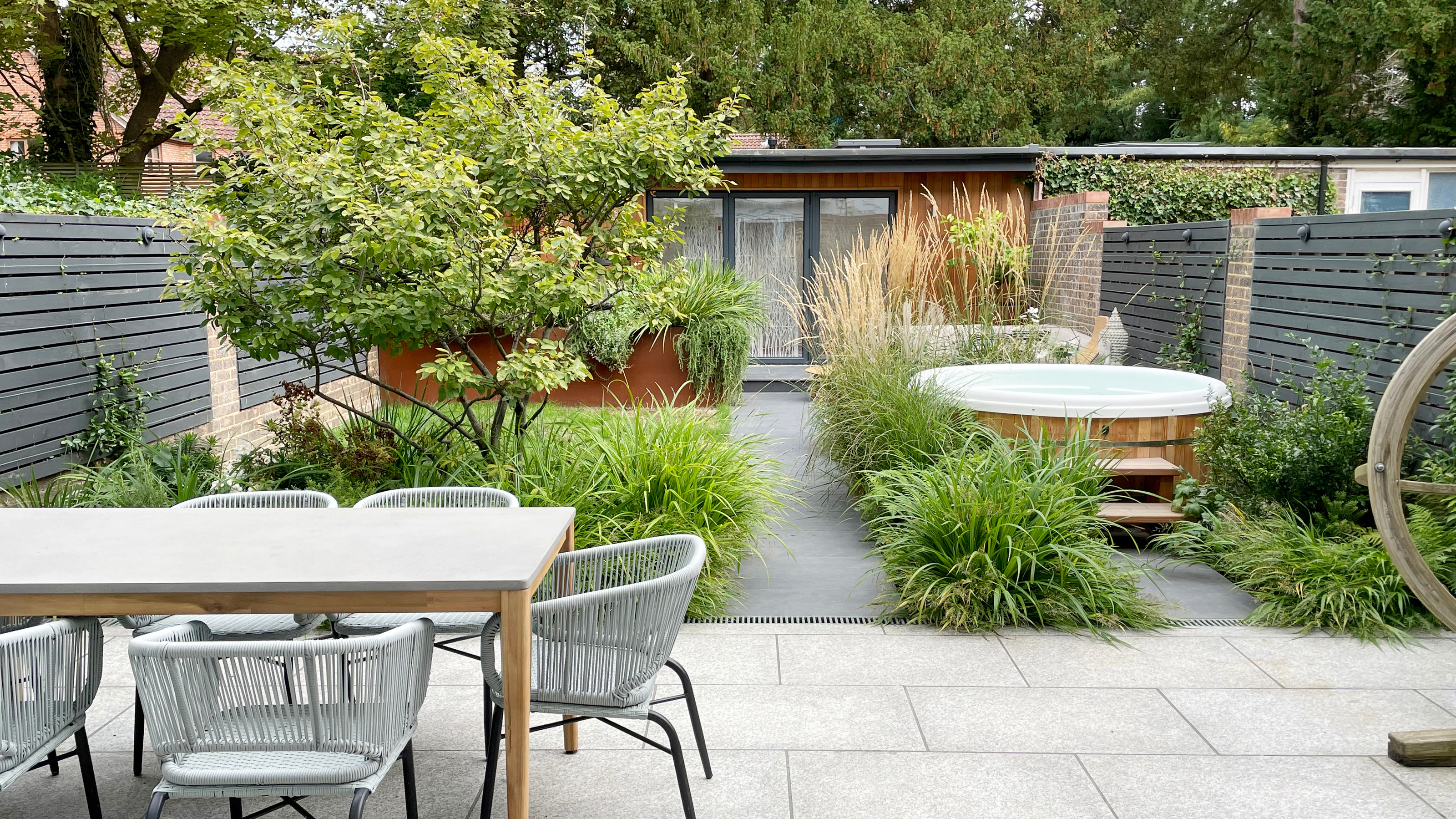
Urban gardens present unique challenges due to limited space, varying sunlight, drainage issues, and restricted airflow. These constraints, however, foster creative design solutions that transform compact outdoor areas into functional and aesthetically pleasing retreats. Landscape designers emphasize the importance of thoughtful plant selection and strategic planning to maximize the potential of small gardens, roof terraces, and balconies. This includes focusing on a green palette, selecting water-savvy plants, optimizing container usage, incorporating mirrors for illusion, greening walls, integrating built-in features, and utilizing edimentals.
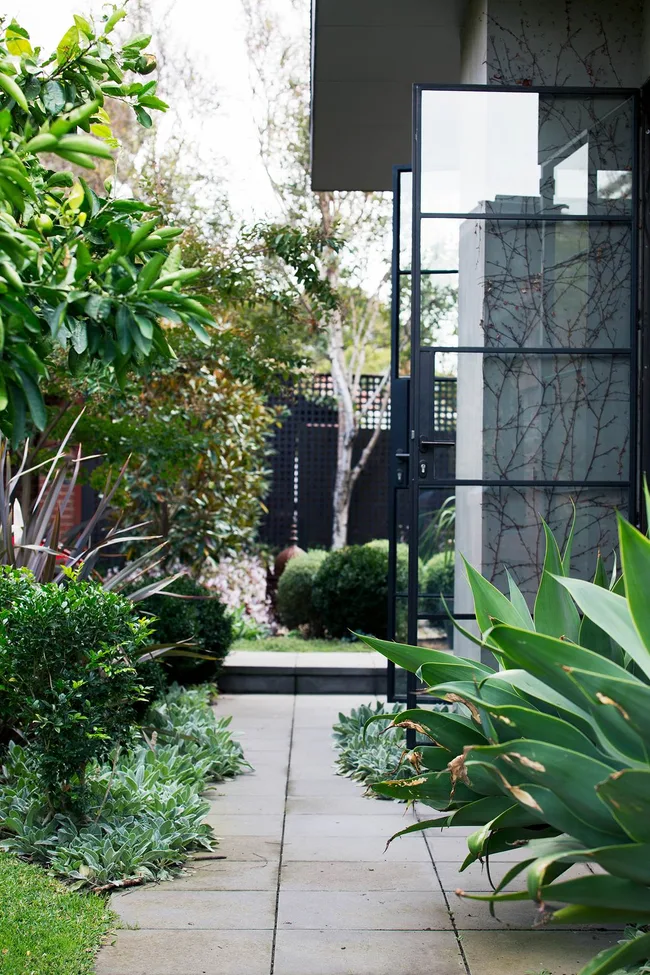
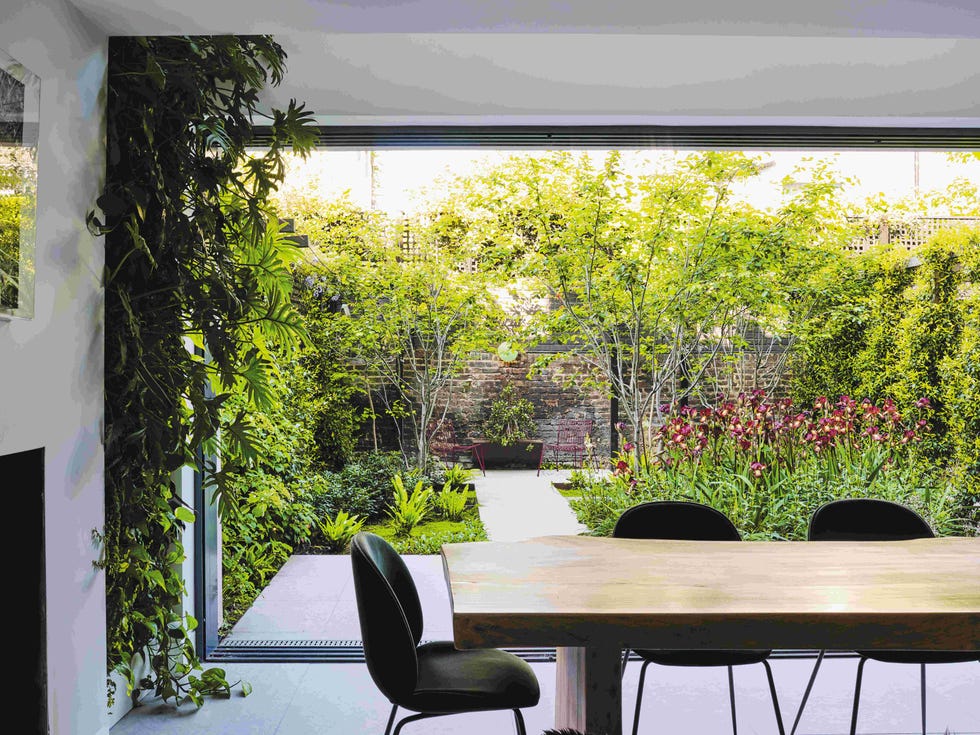
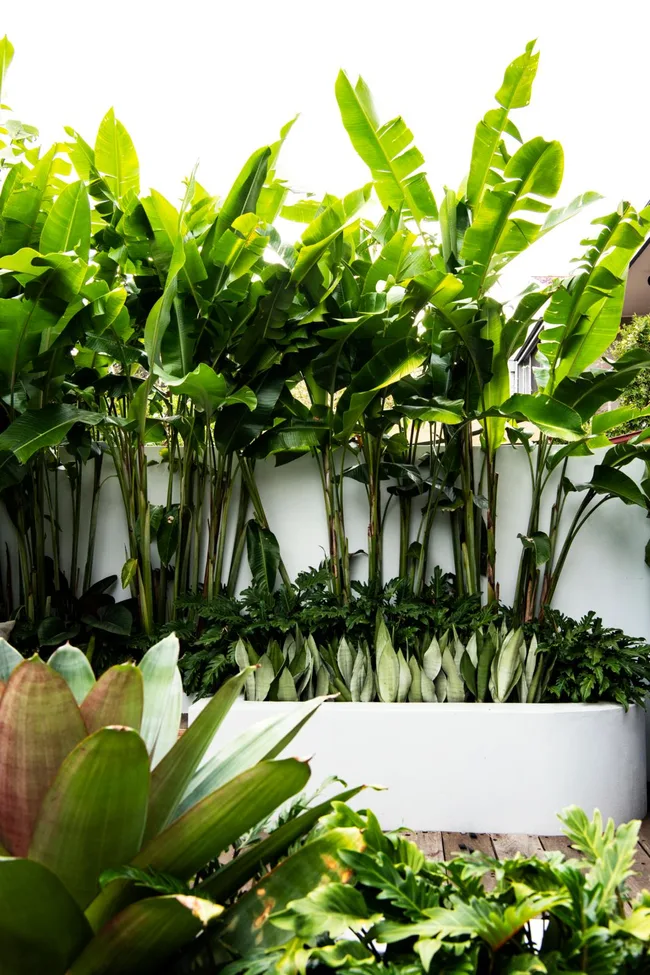
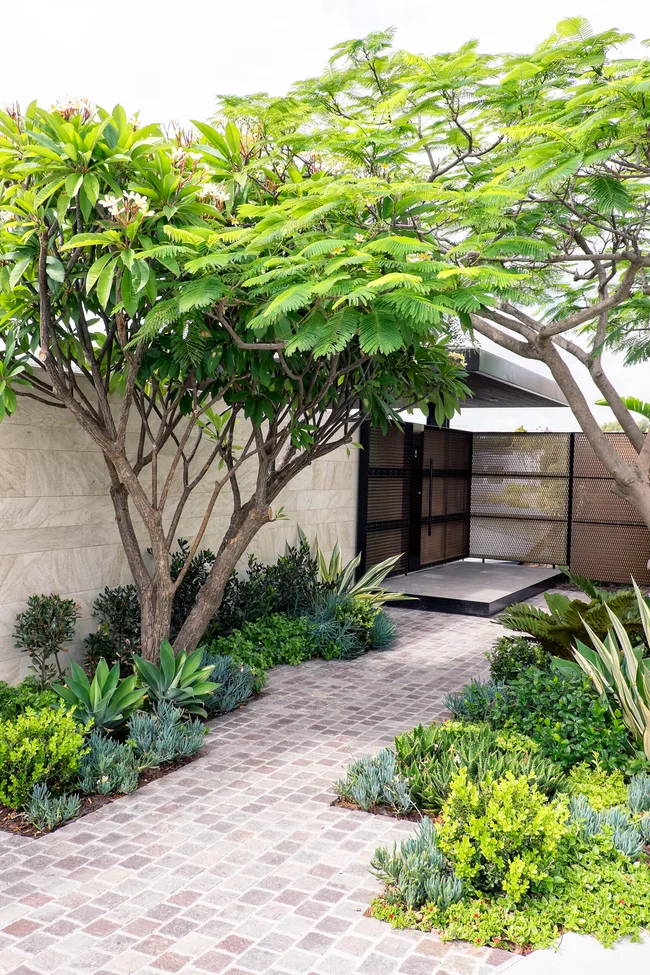
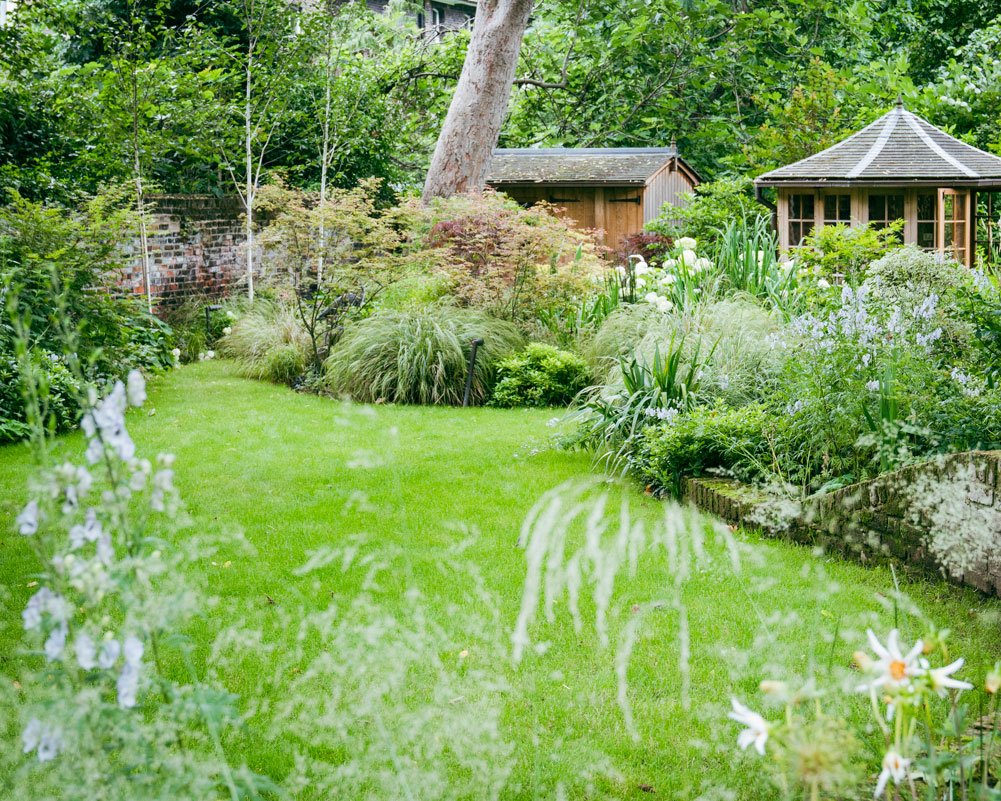
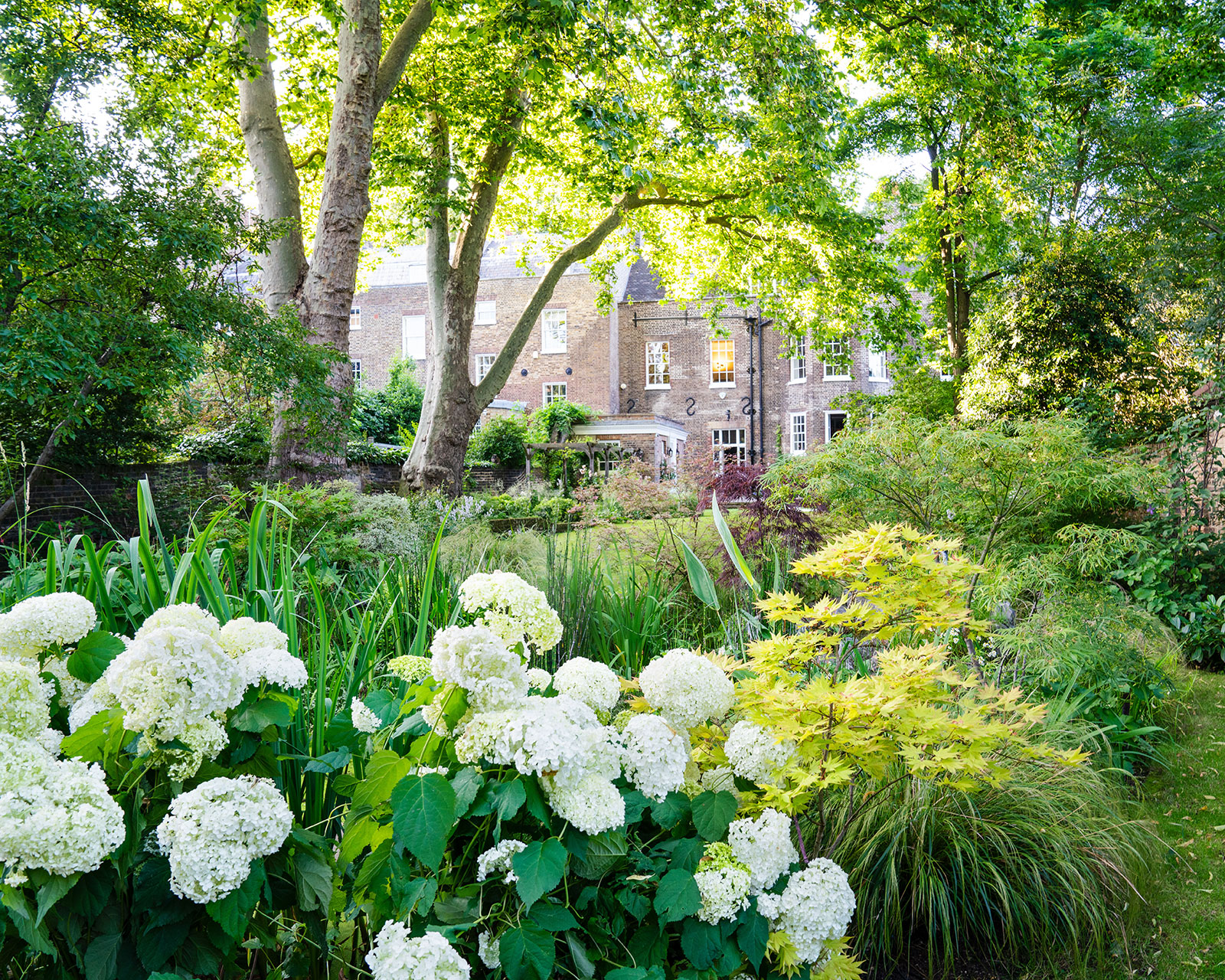
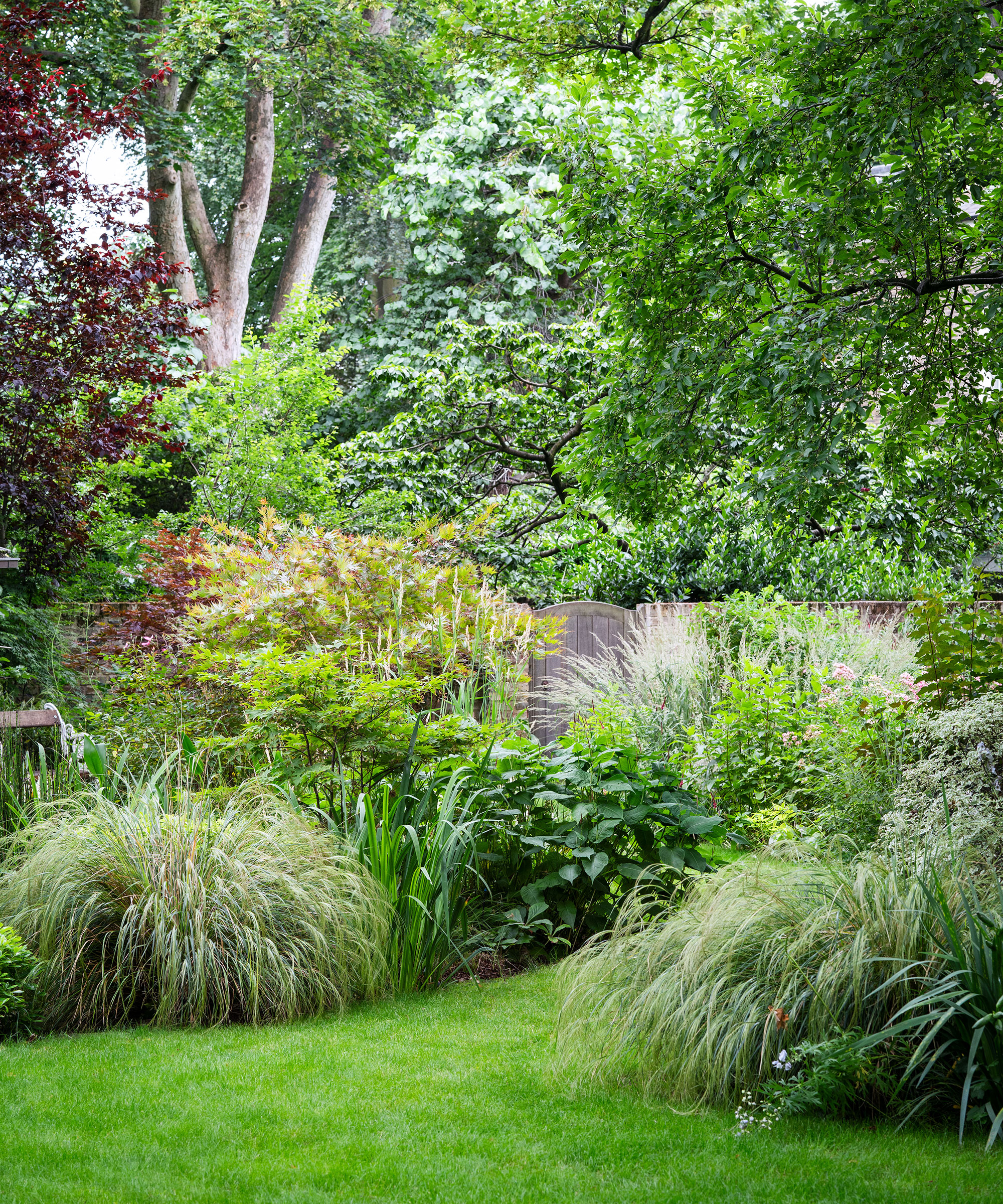
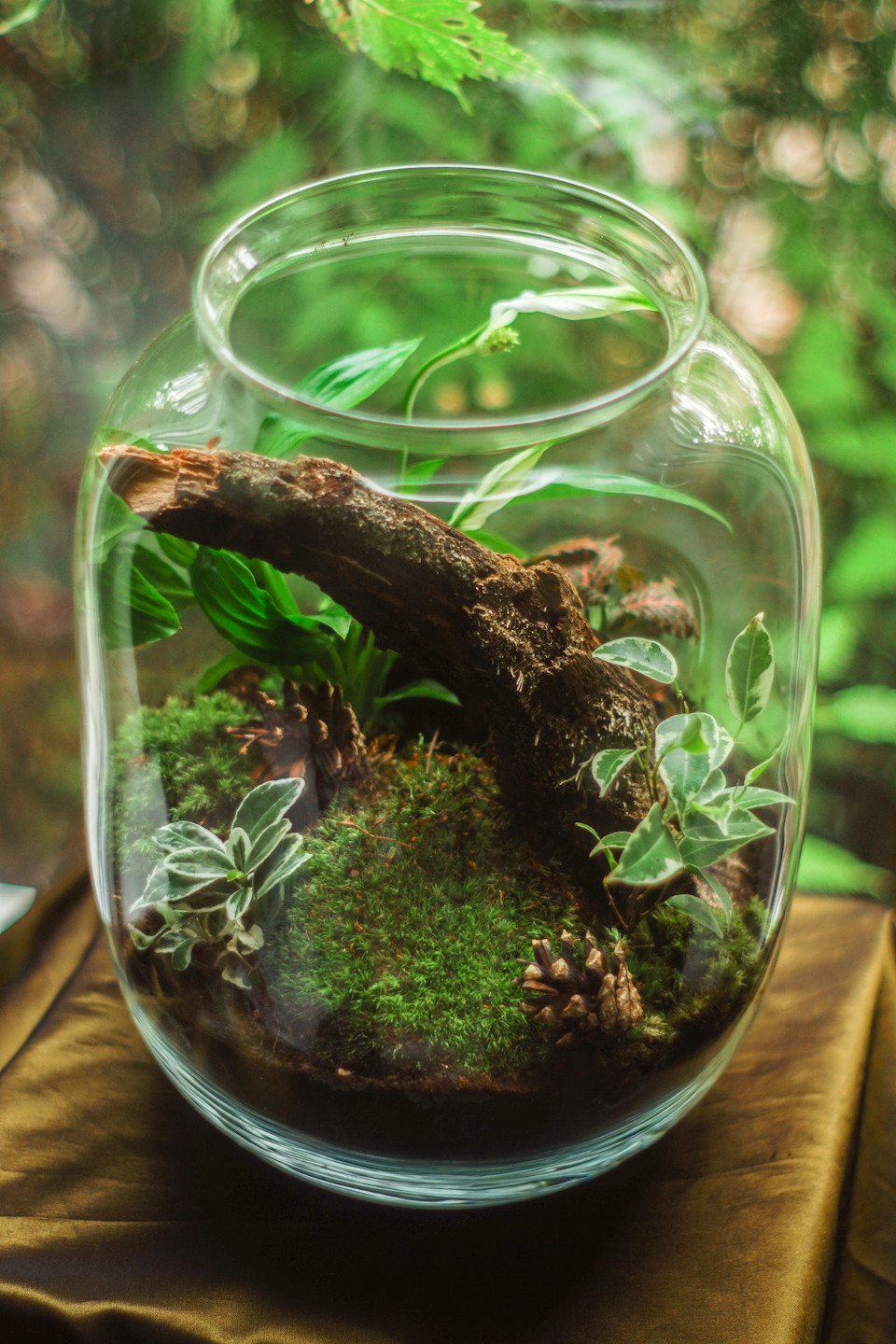
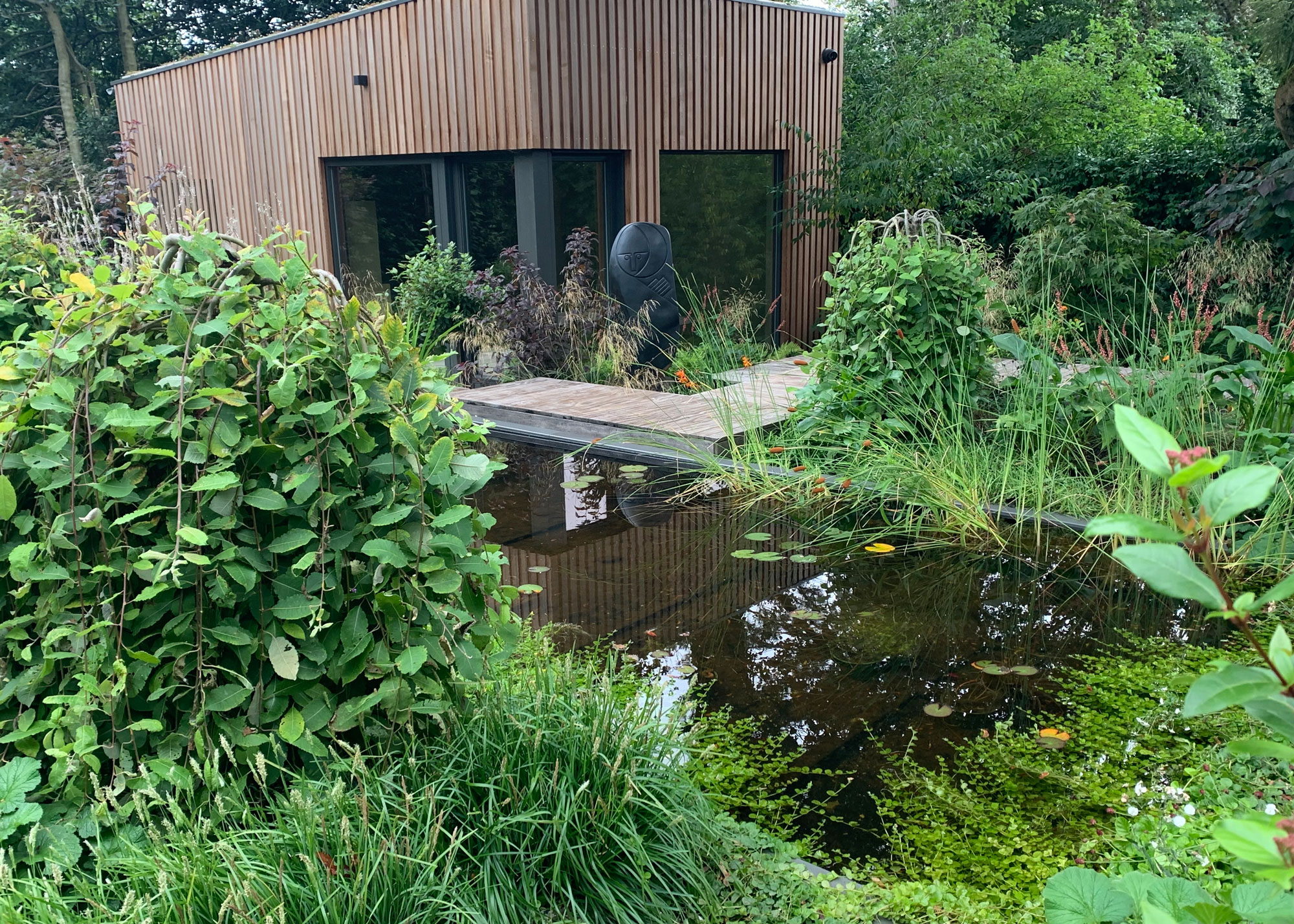
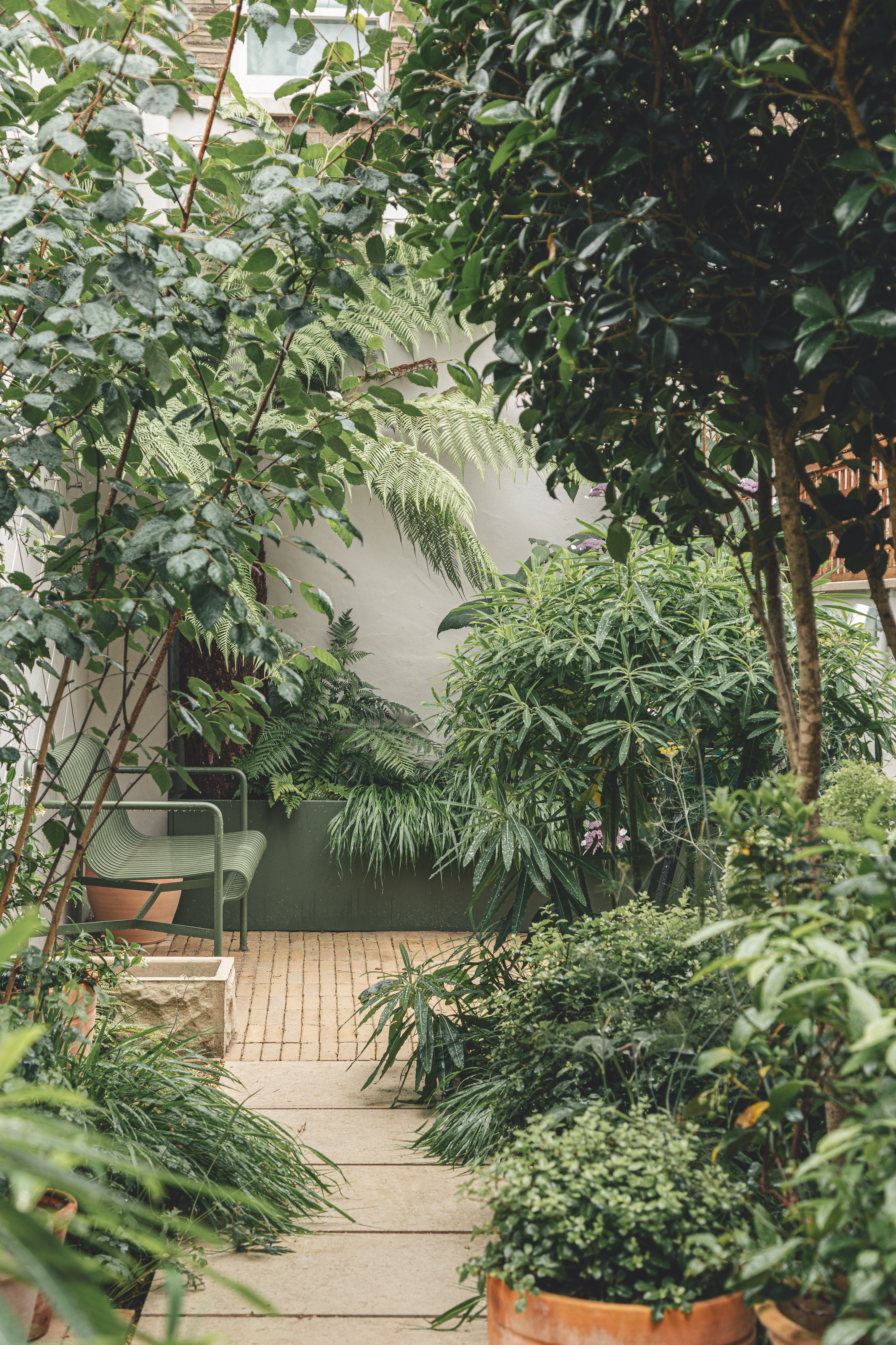
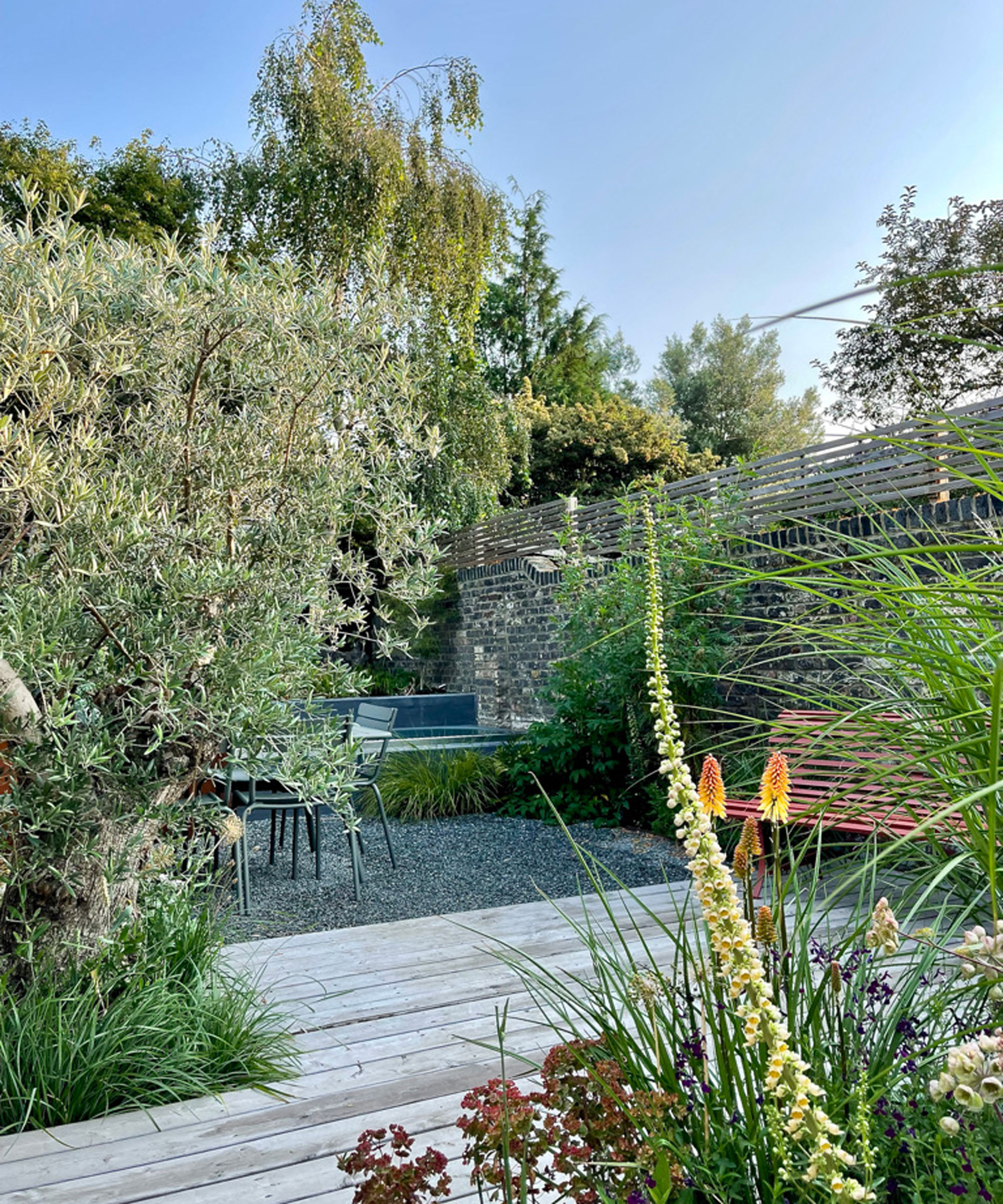
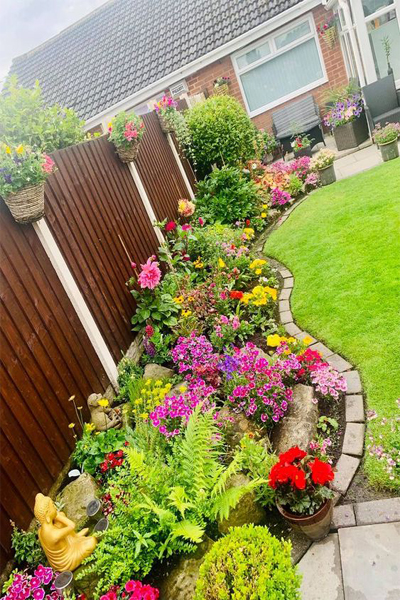
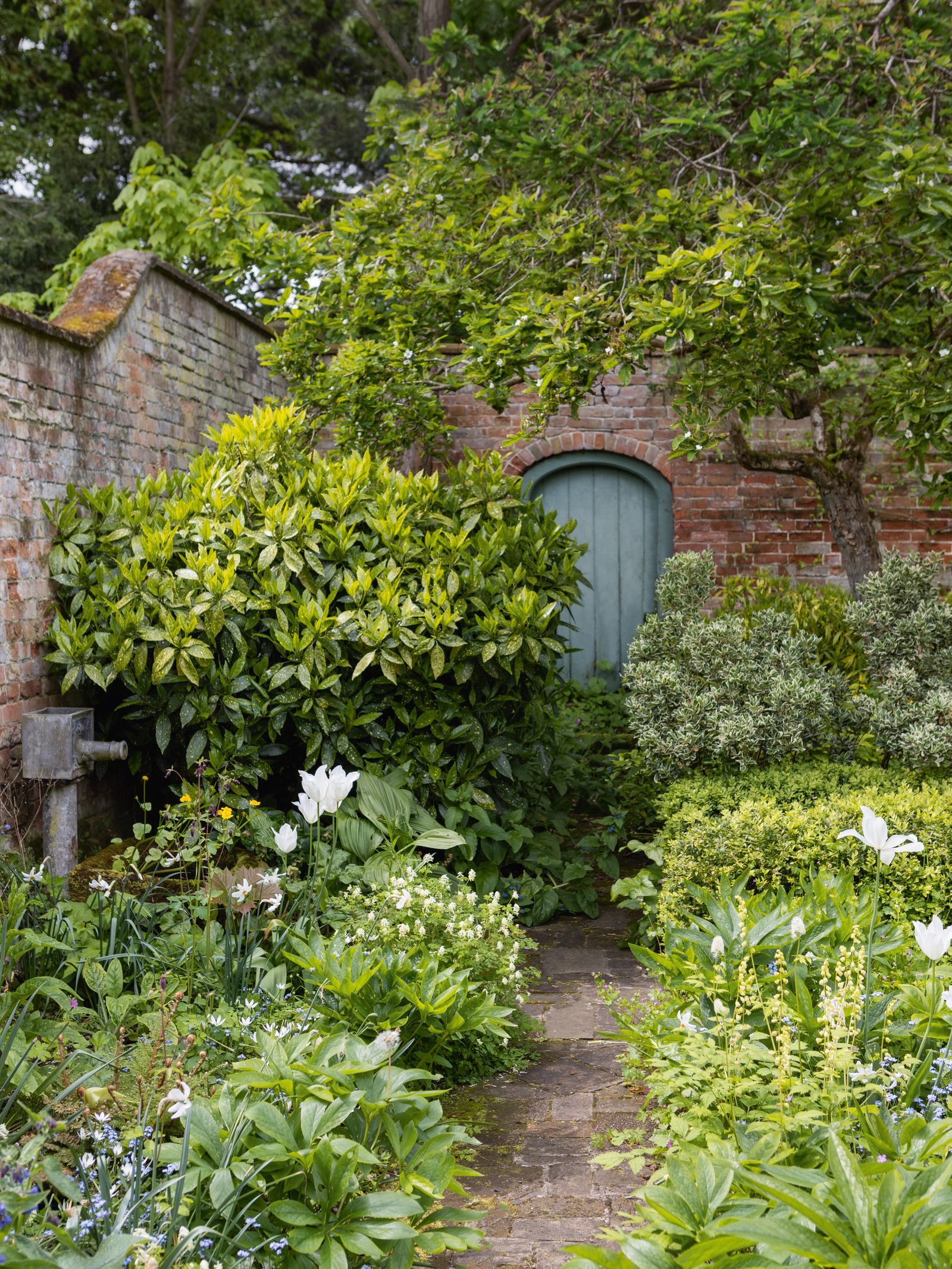
Embracing a diverse palette of green plants is crucial for urban gardens with limited sunlight. Instead of relying on vibrant colors, designers suggest prioritizing variations in texture, mass, and shades of green. Mixing fine-textured grasses with broad-leafed shrubs and perennials, and incorporating ferns and variegated foliage, creates visual interest and depth. Understanding the specific light conditions of a space is vital, as it dictates plant choices that will thrive, rather than merely survive. For sunny spaces, especially balconies and roof terraces, water-wise and drought-tolerant plants are recommended due to potential watering challenges. Selecting plants that can endure longer periods between watering, such as sedums, succulents, dwarf pines, junipers, lavender, rosemary, and thyme, helps manage maintenance. Plants with silvery or blue foliage often indicate sun tolerance and water efficiency. Utilizing containers with built-in reservoirs can further extend watering intervals.
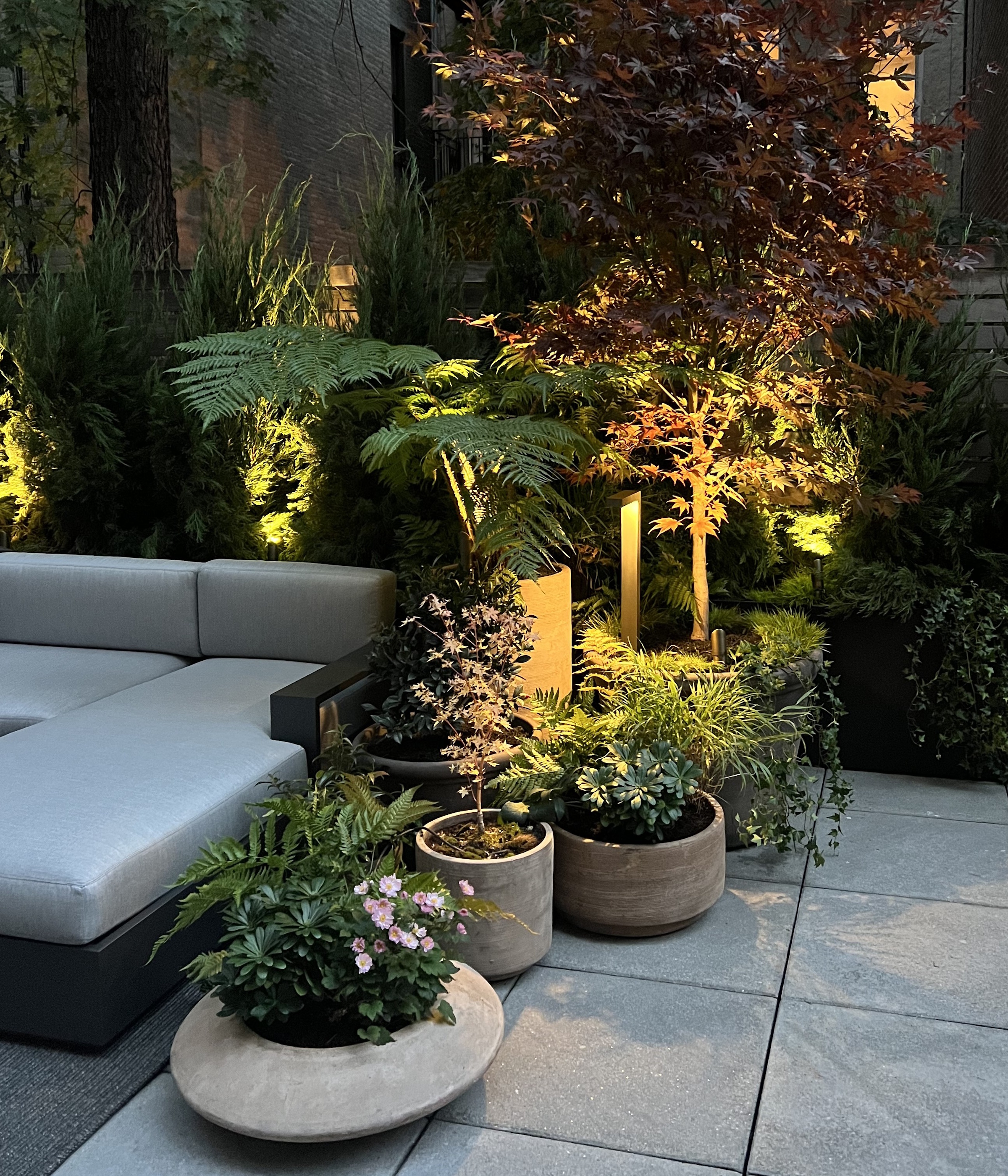
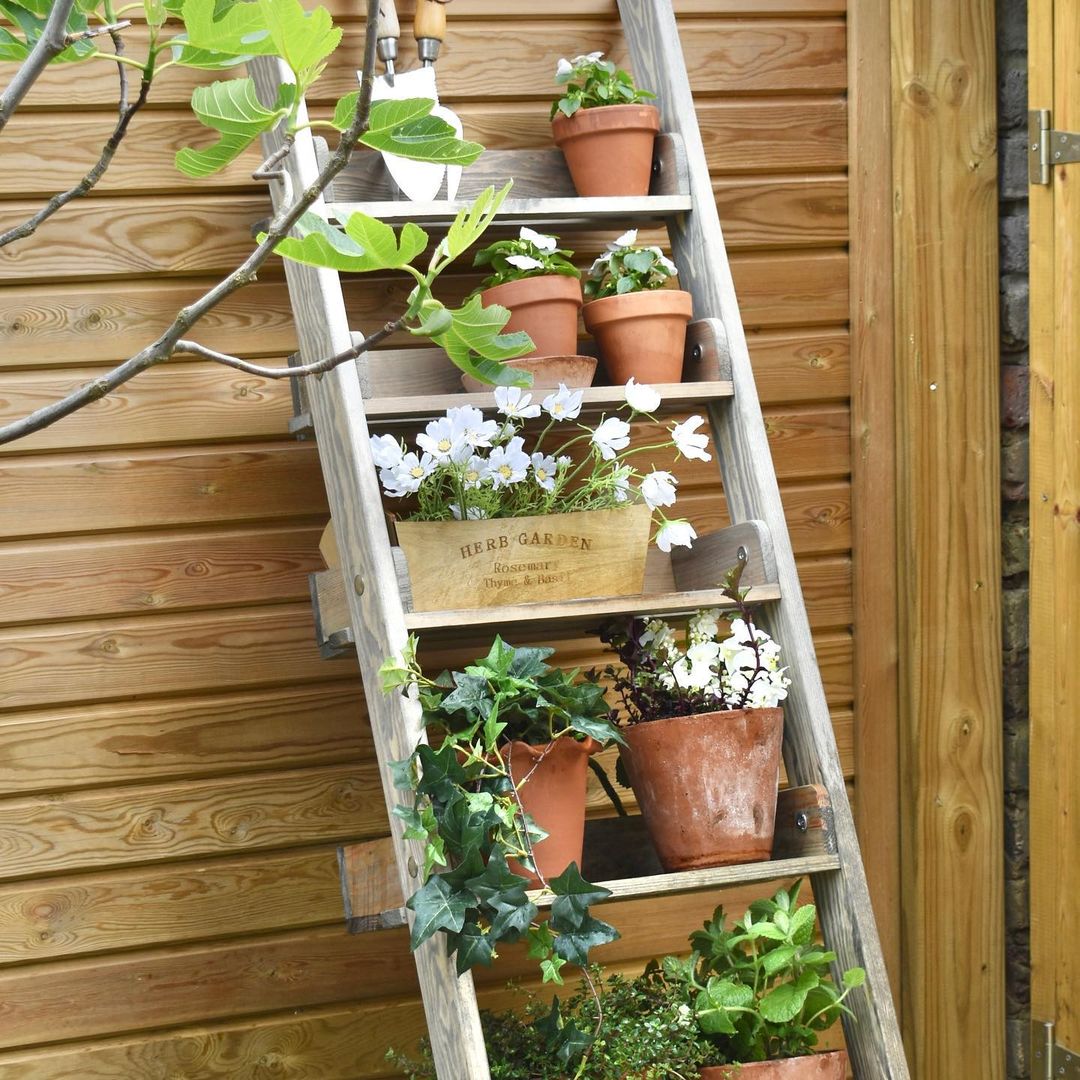
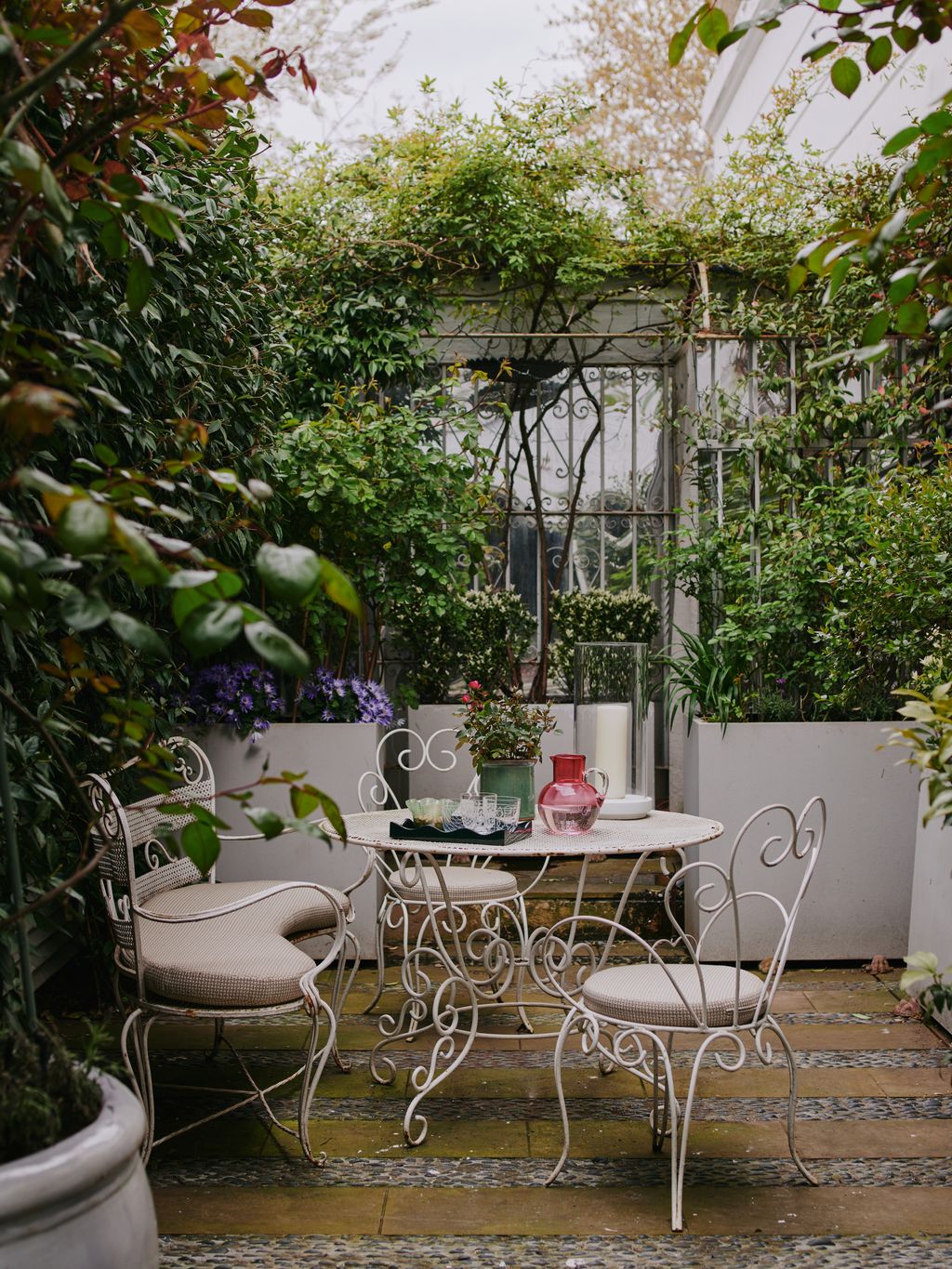
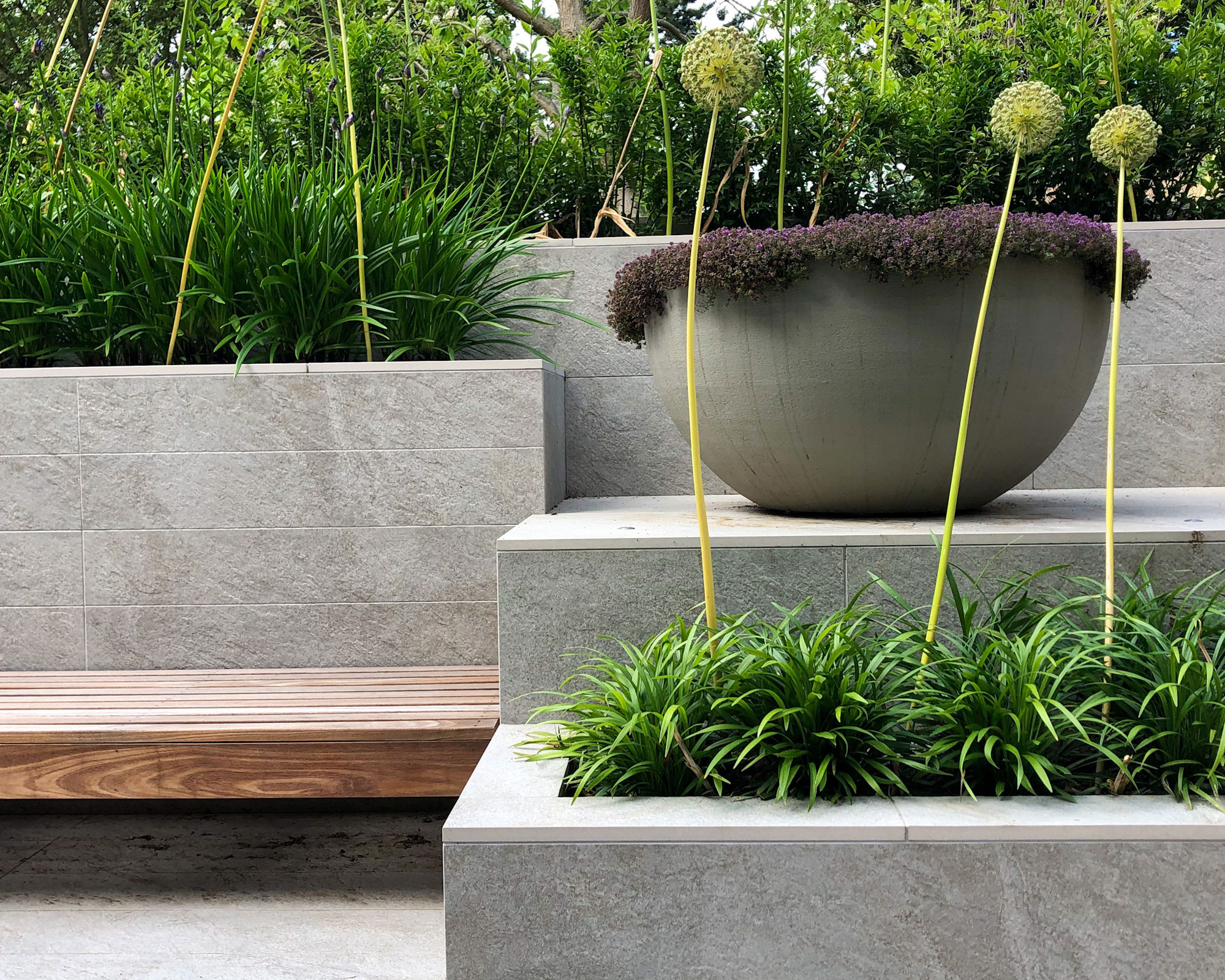
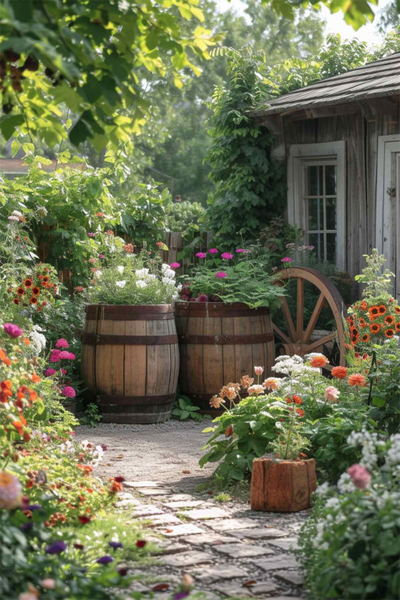
When it comes to containers, opting for a few large ones instead of many small ones is advised. Large containers create a more cohesive design and require less frequent watering, as they hold more soil. Mediterranean-themed plants and evergreens are generally more resilient in harsh urban conditions, including reduced water availability and poor air quality. Feature planters, such as a large pot with an olive tree or a tree fern, can also create significant impact in small spaces without clutter. Strategically placed hidden mirrors can subtly enhance the perception of space and light in shady gardens. Rather than overt placement, mirrors concealed behind planting or trellises can reflect light and greenery, expanding the visual boundaries of the garden while avoiding a cliché look. Caution is advised to prevent sunlight reflection onto combustible materials, especially in drought-prone areas.
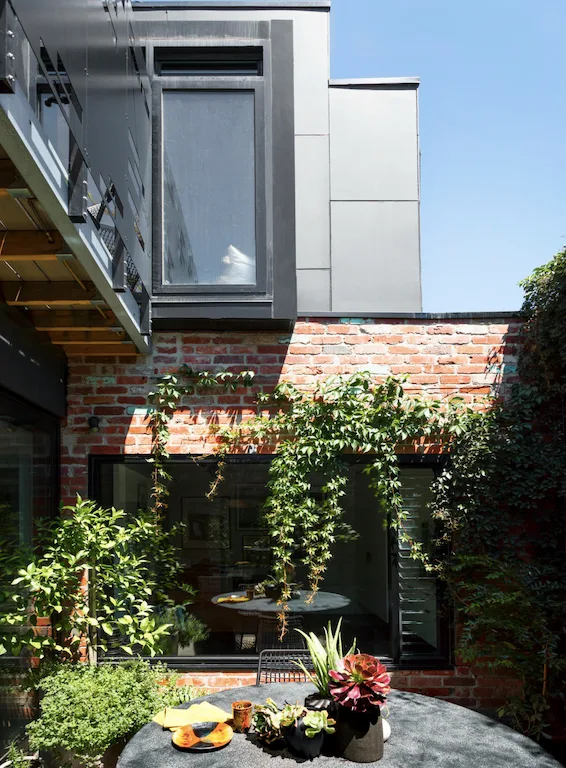
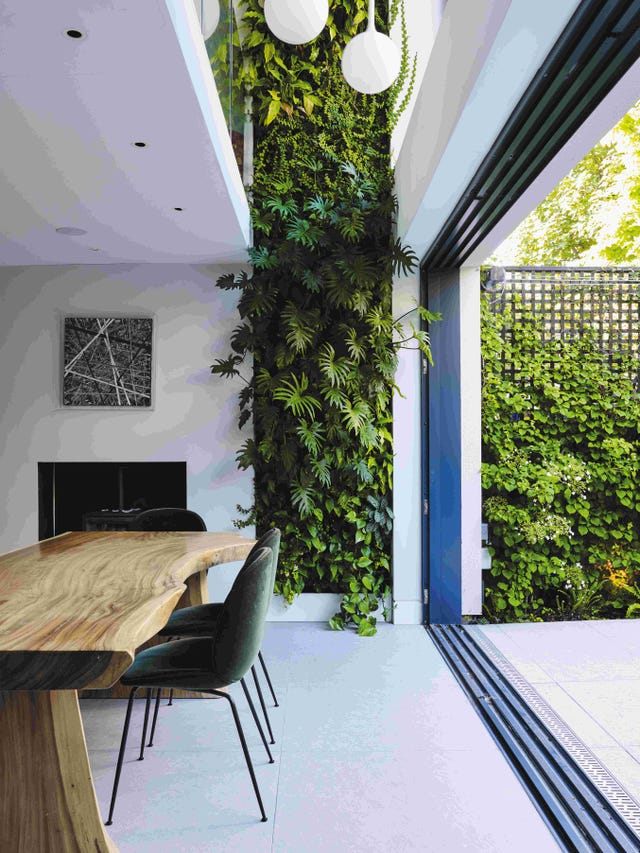
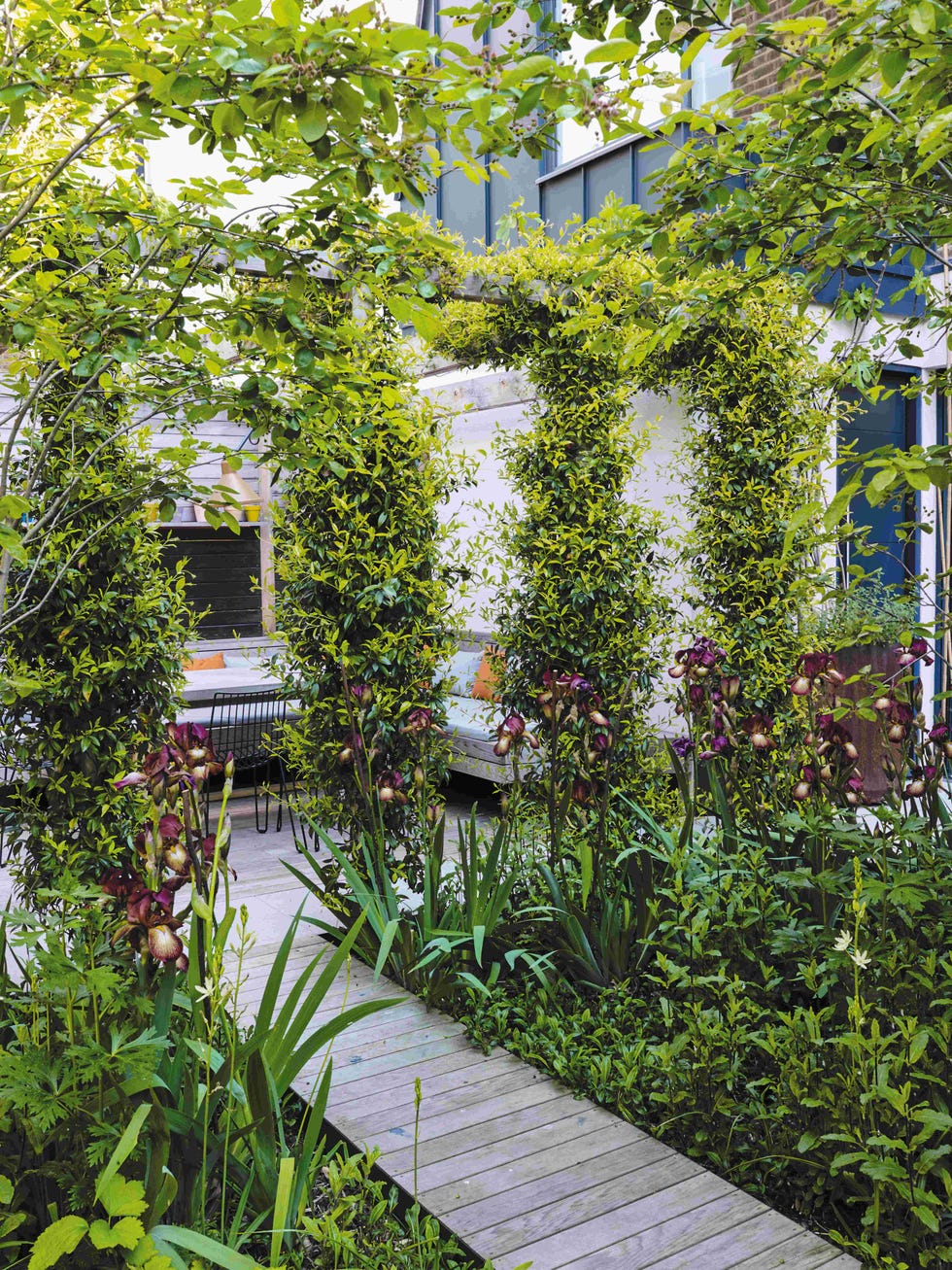
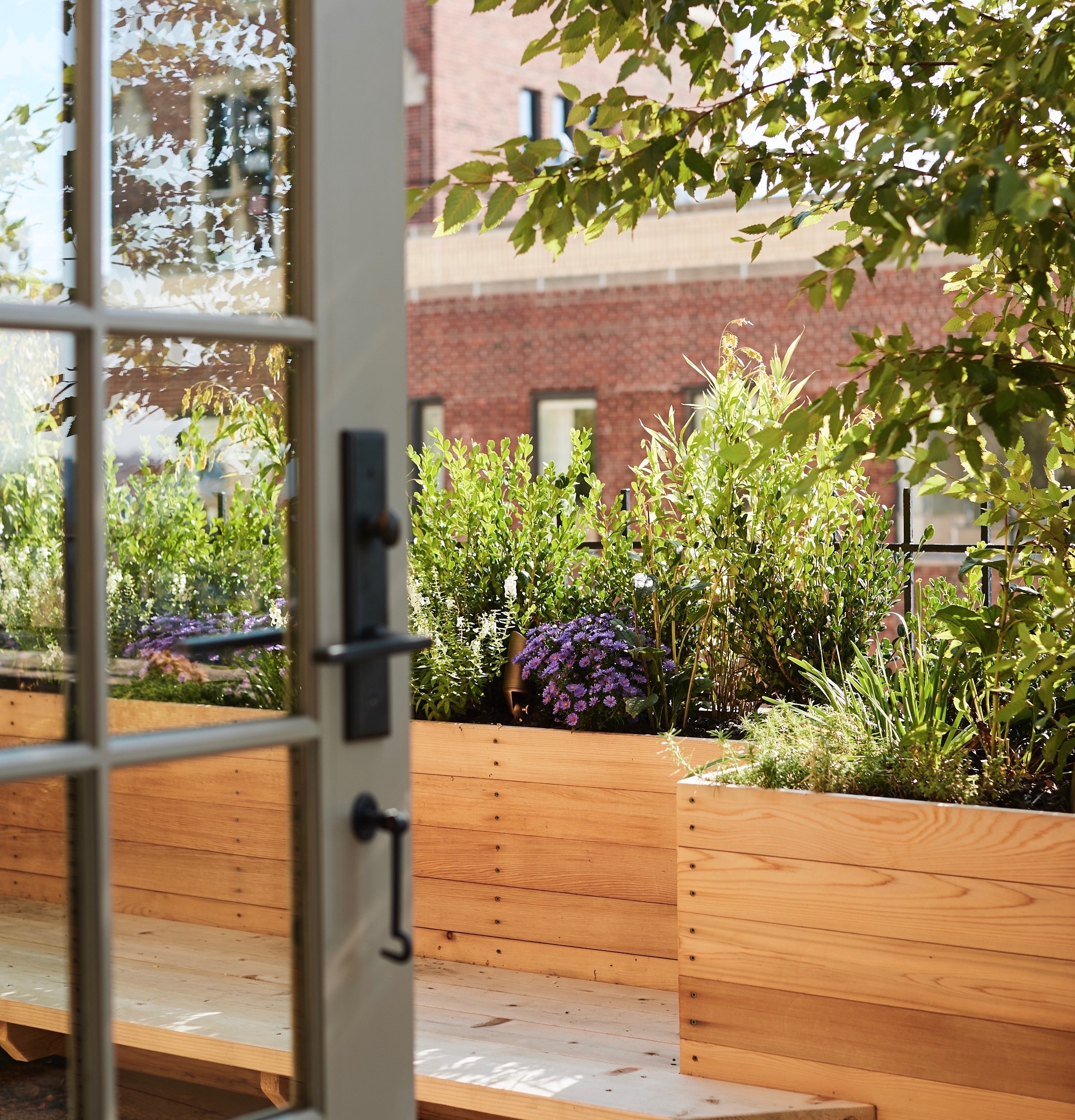
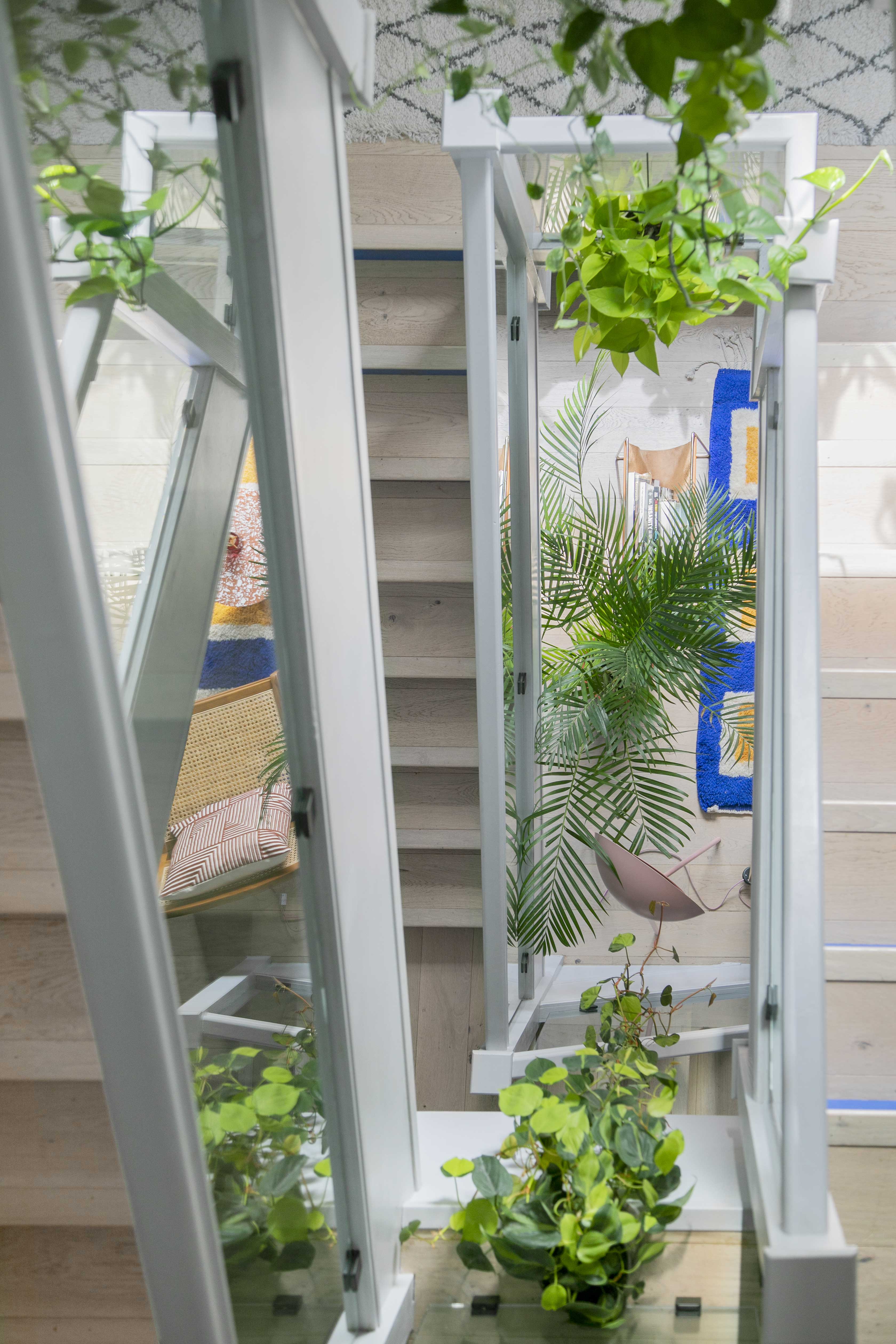
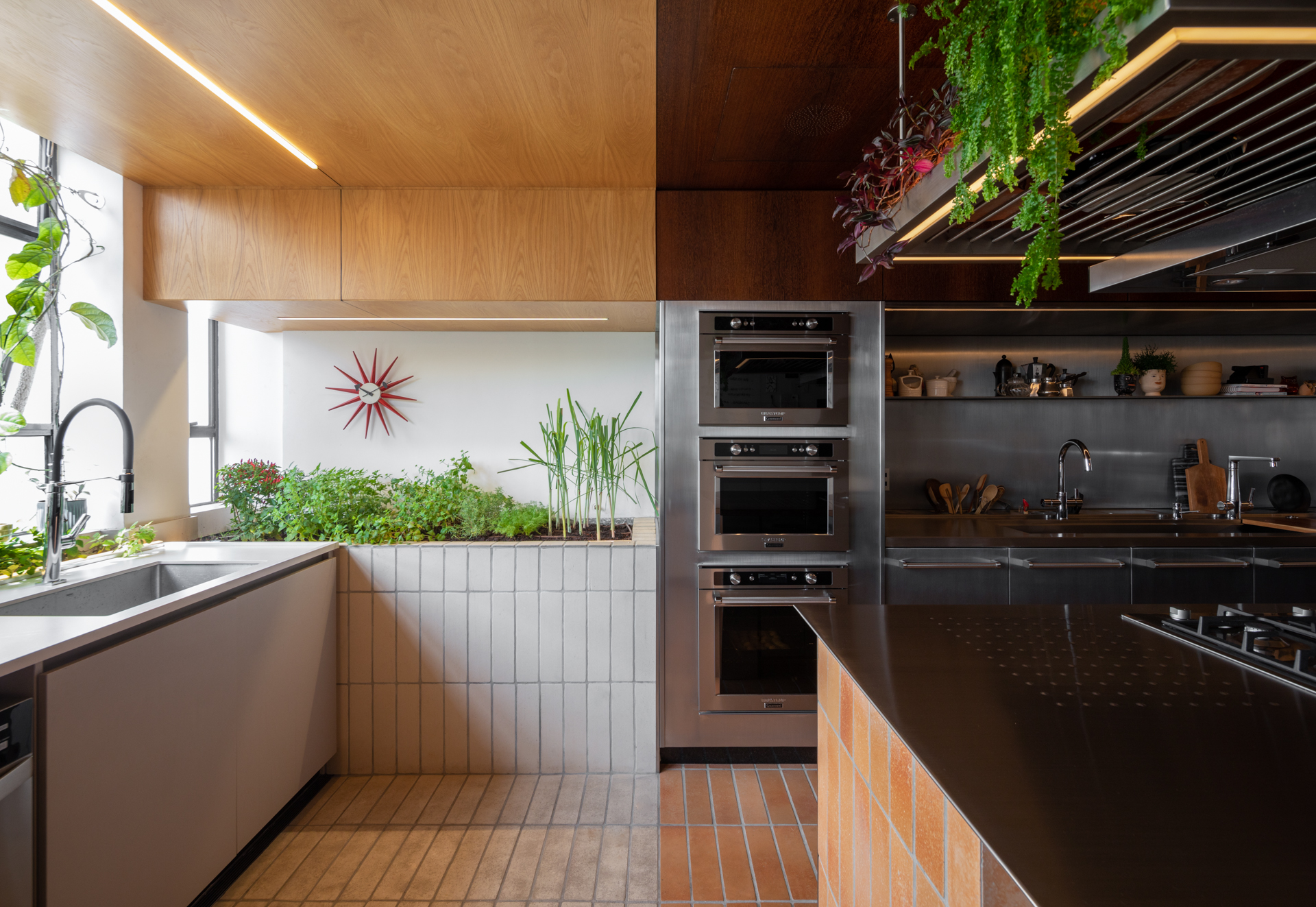
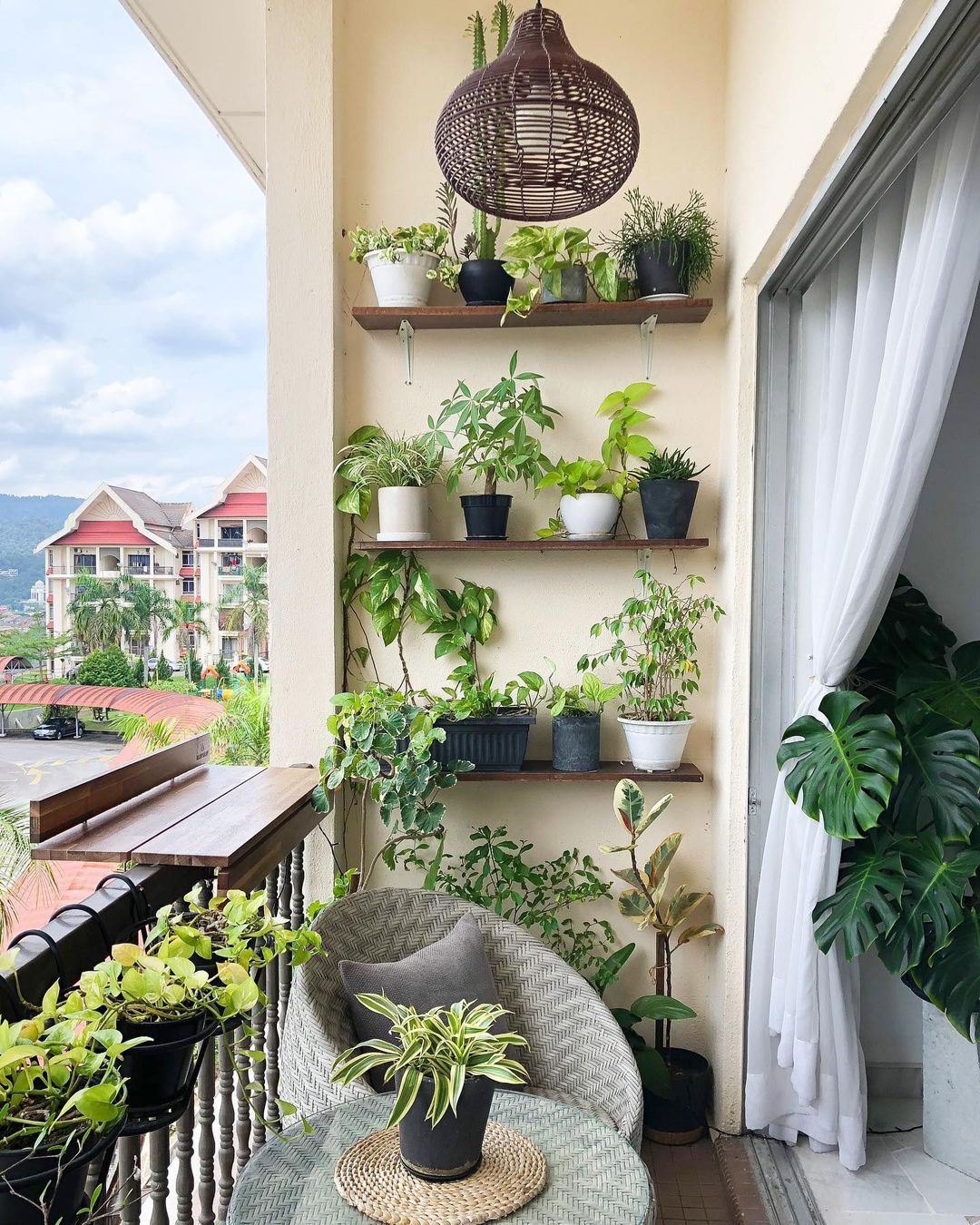
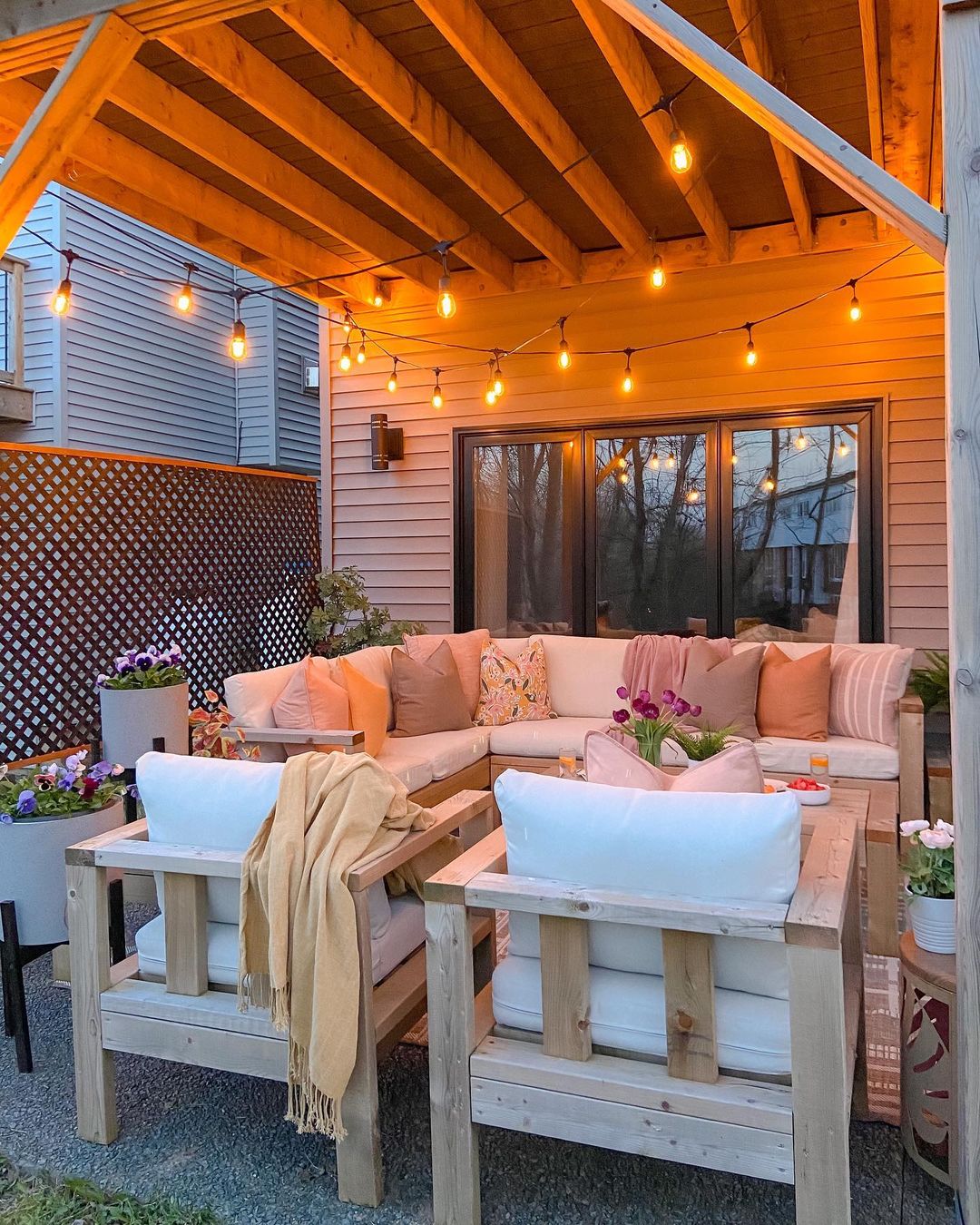
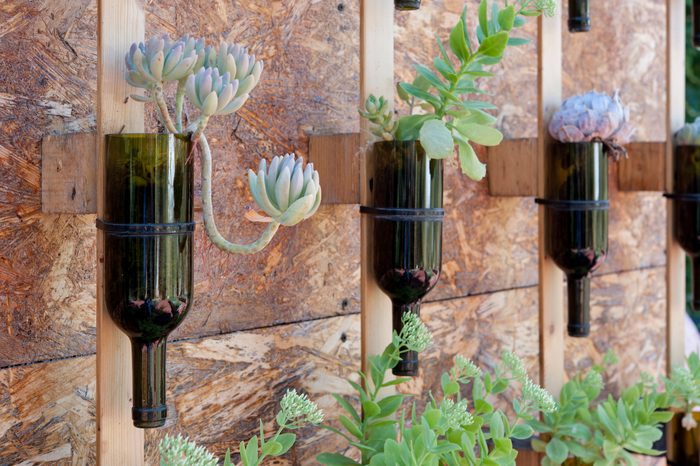
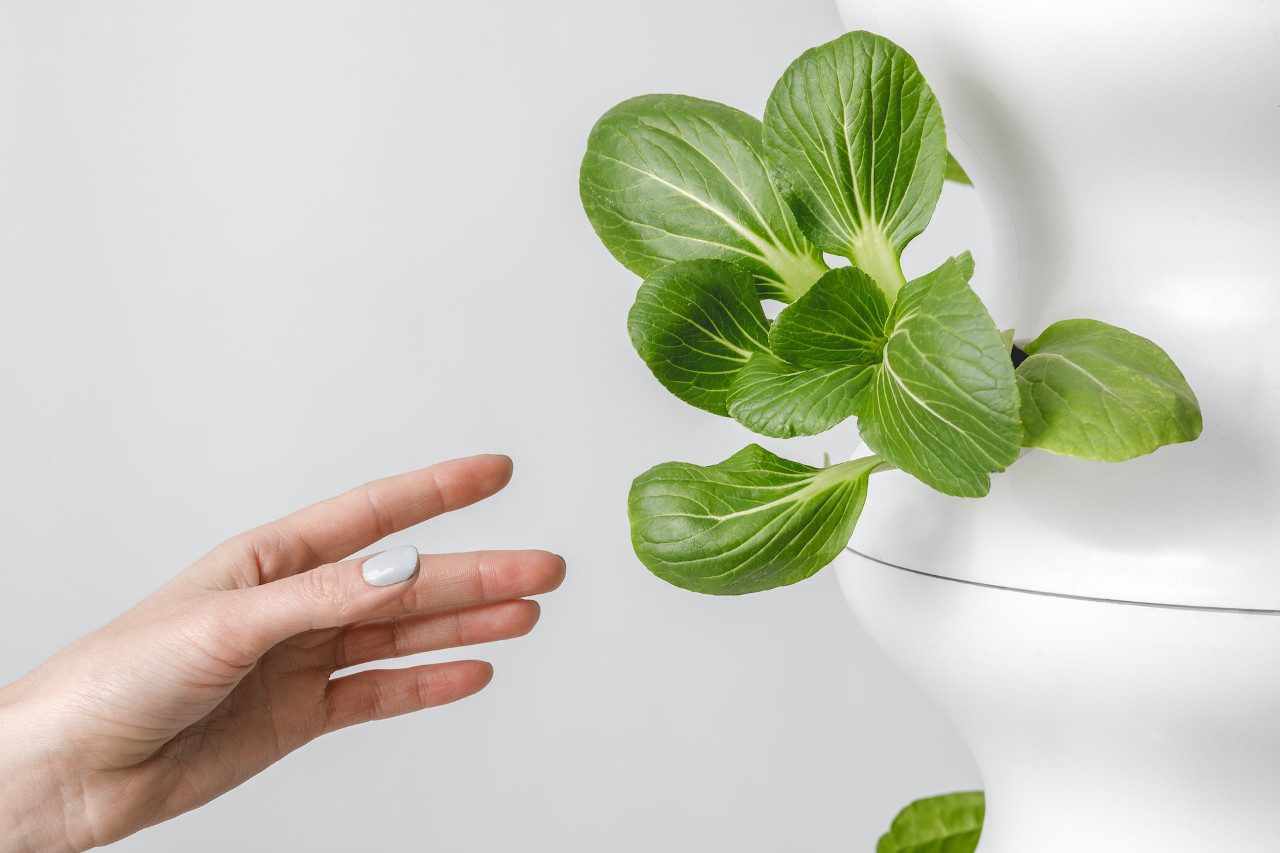
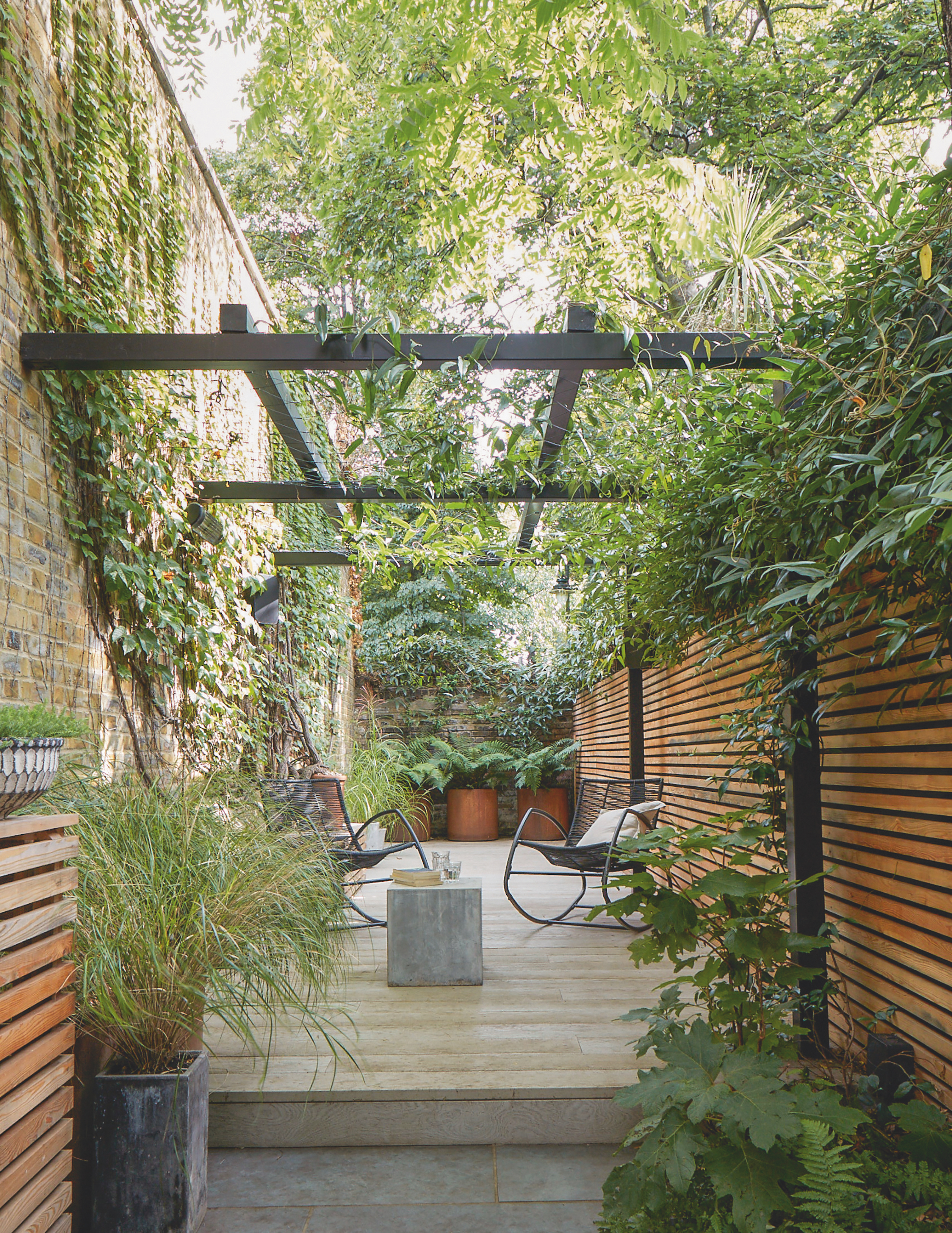
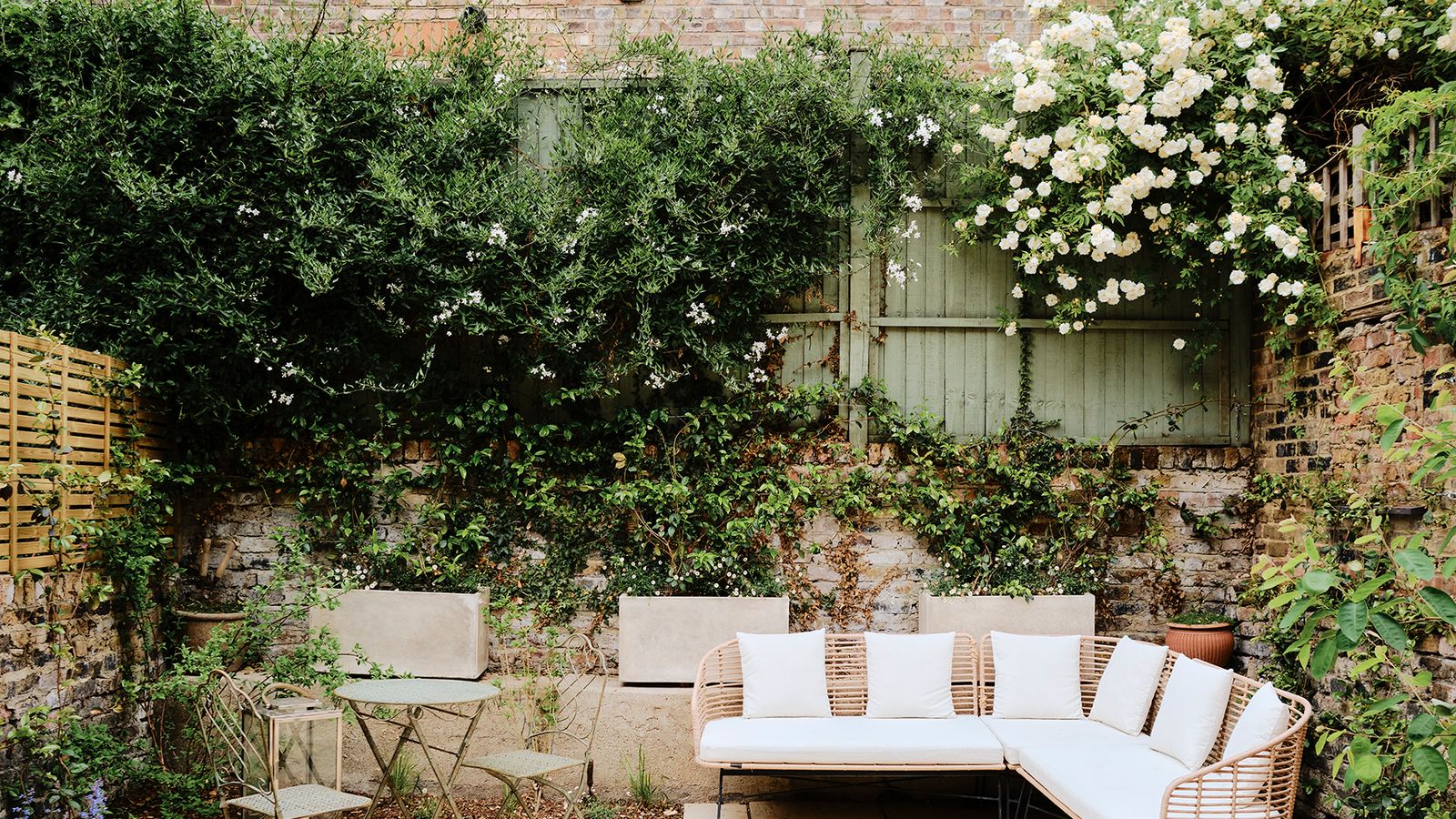
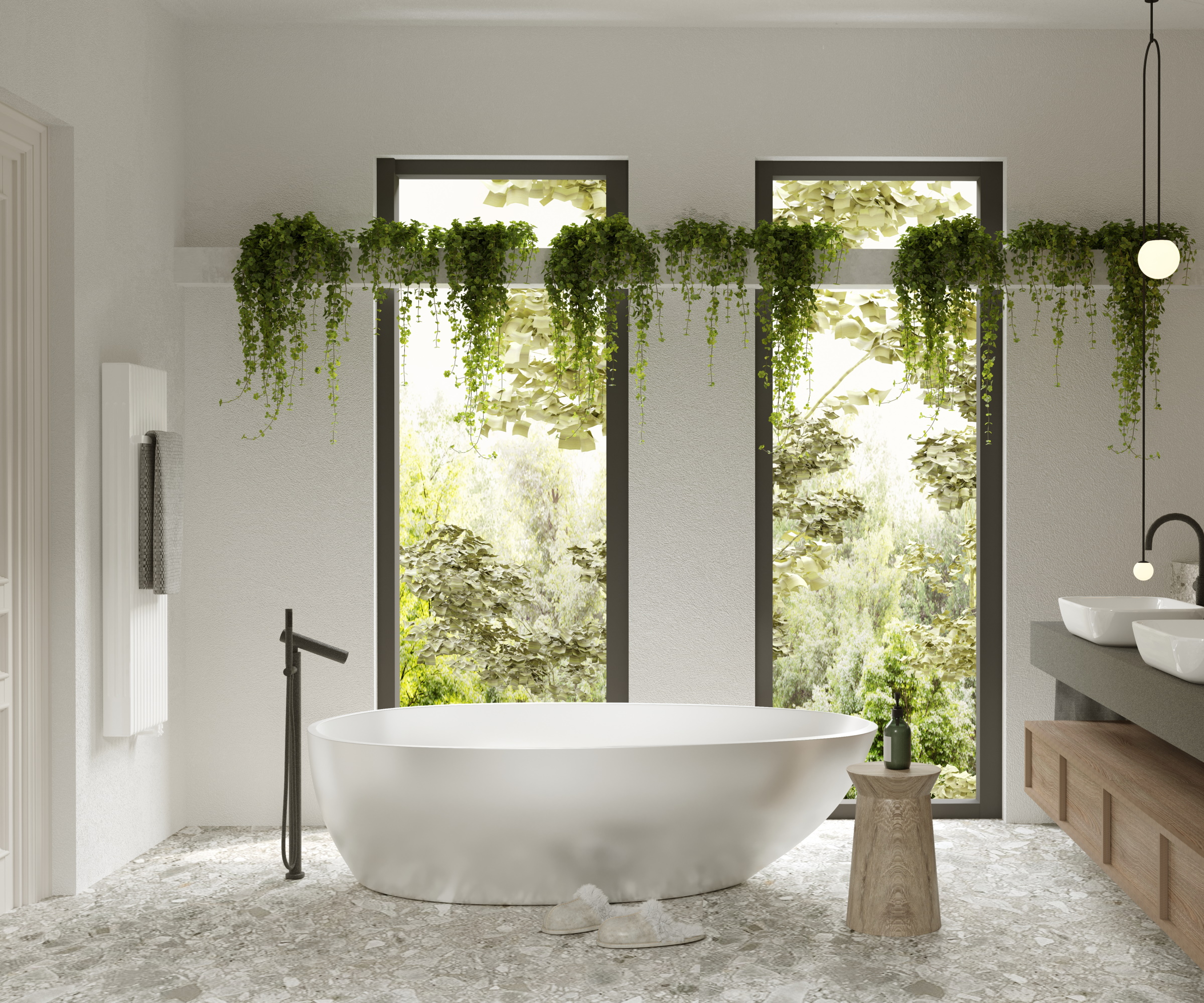
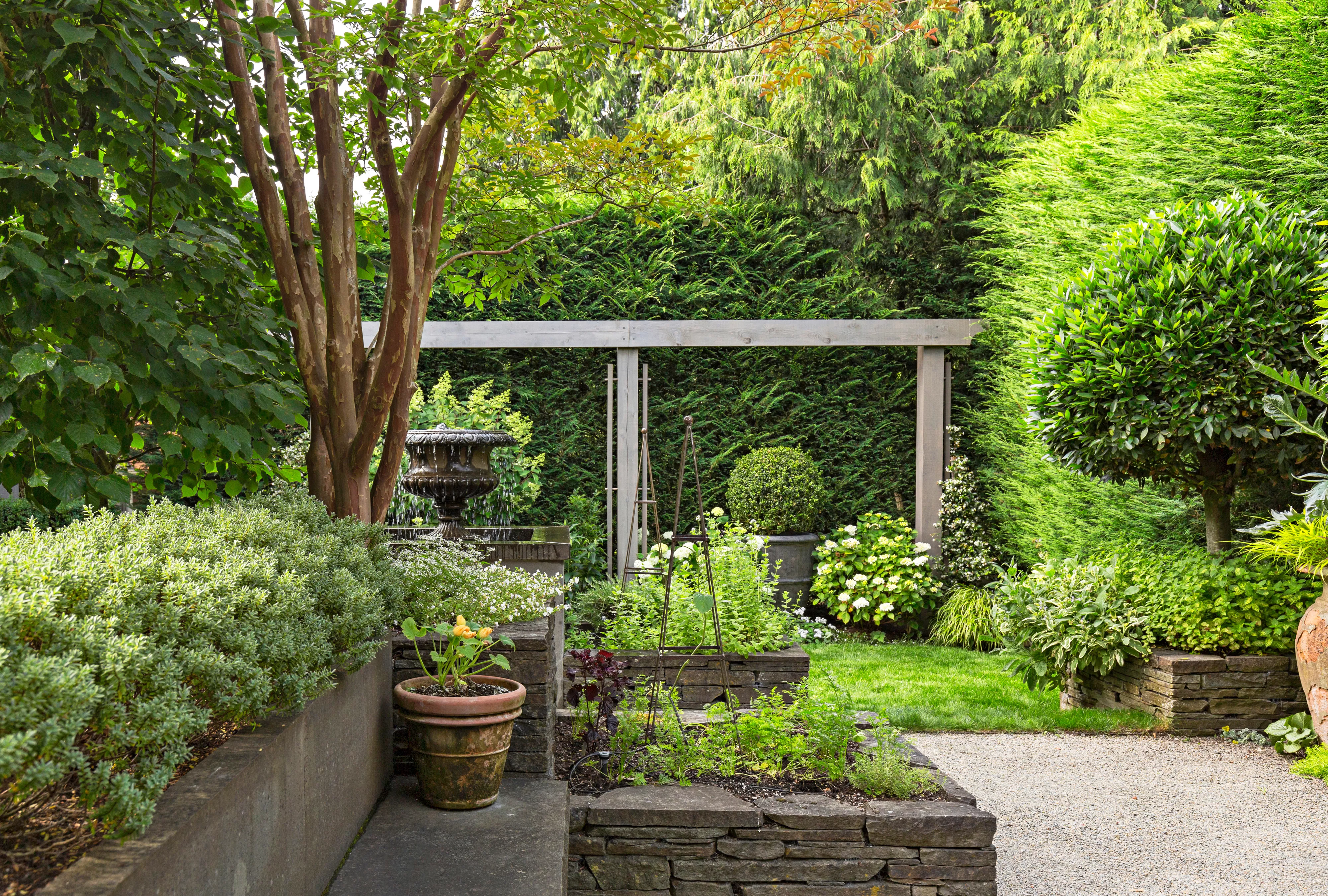
Vertical planting is essential for making urban gardens feel lush and for blurring boundaries. Training vines like climbing hydrangea or Boston ivy on fences or walls, or using wall-mounted planters with cascading plants, adds greenery without consuming floor space. This vertical greenery not only softens hard surfaces but also contributes to pollution absorption and sound dampening. Built-in seating and planters with integrated storage are multi-functional solutions for optimizing space. These custom features provide seating, conceal storage for garden essentials, and introduce planting areas that add height and dimension, making maintenance easier and keeping plants safe from pets or children. Incorporating 'edimentals'—edible plants that are also ornamental—allows for productive gardening in compact spaces. Chilli plants, aubergines, fennel, nasturtiums, and globe artichokes can coexist with ornamental plants, maximizing the utility and beauty of a small garden.
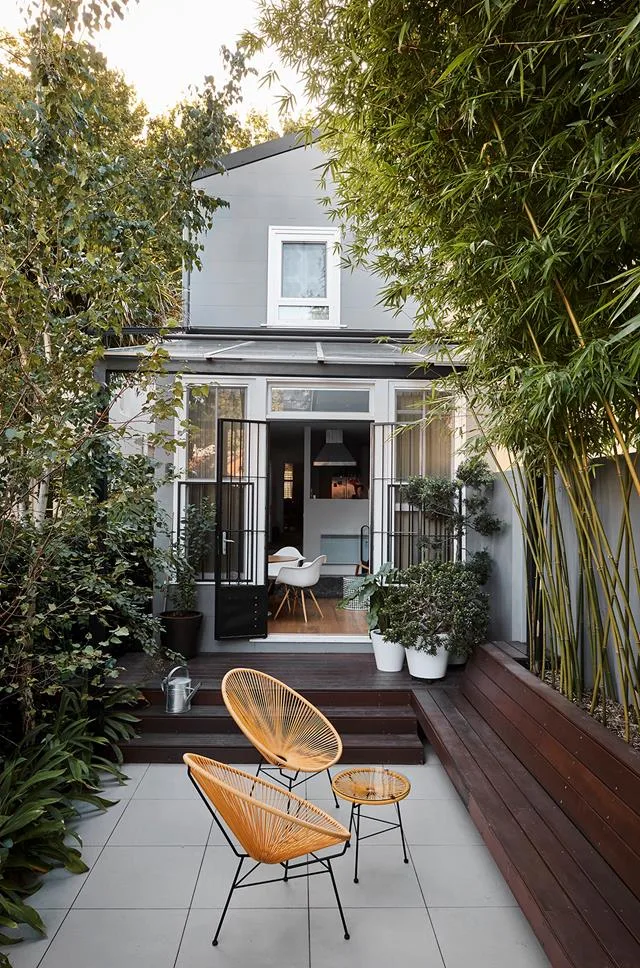
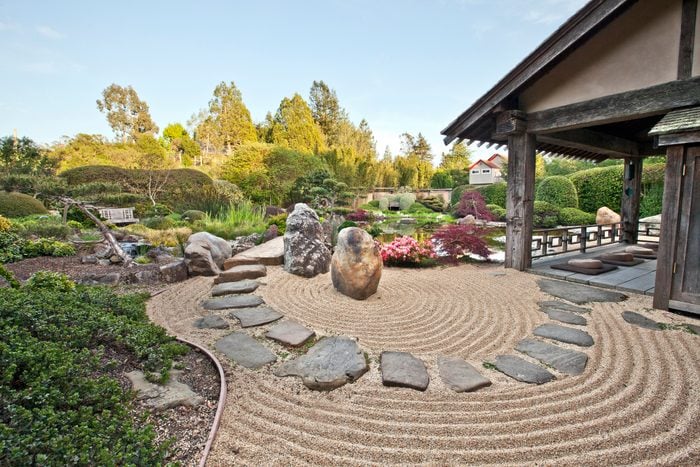
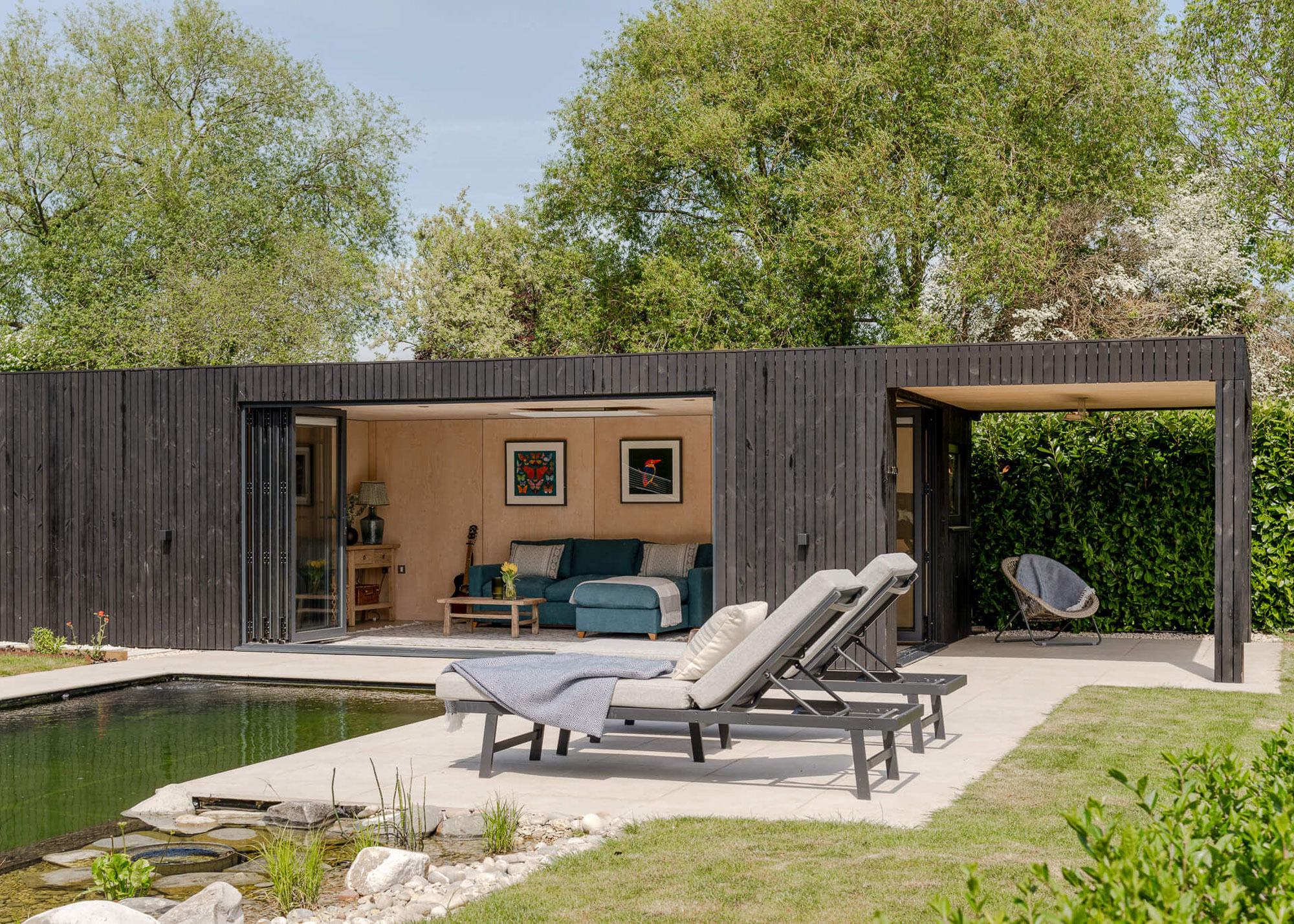
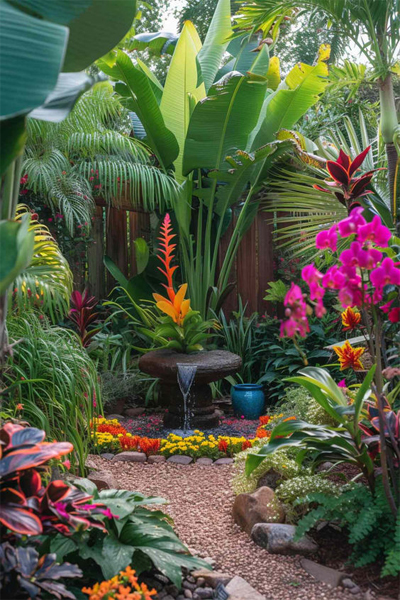
Giving an urban garden a theme simplifies design choices and reflects personal style. Whether it's a xeriscape, forest garden, or Japanese garden, a theme guides the selection of colors, materials, and furnishings. It ensures coherence and allows the garden to become a personalized extension of the home. Creating a hideaway within the garden provides privacy and a sense of enclosure. Using pleached trees to frame seating areas or underplanting them with tall grasses, or even forming natural pergolas with umbrella trees, can establish intimate, screened-off zones from overlooking neighbors. Repetition and restraint in design contribute to a calming outdoor space. Limiting the plant palette, repeating forms, colors, or textures, and painting boundaries in a single color reduces visual clutter, creating a more relaxing environment. Focusing on a clear focal point, such as a specimen tree in a large container, can also enhance visual appeal.
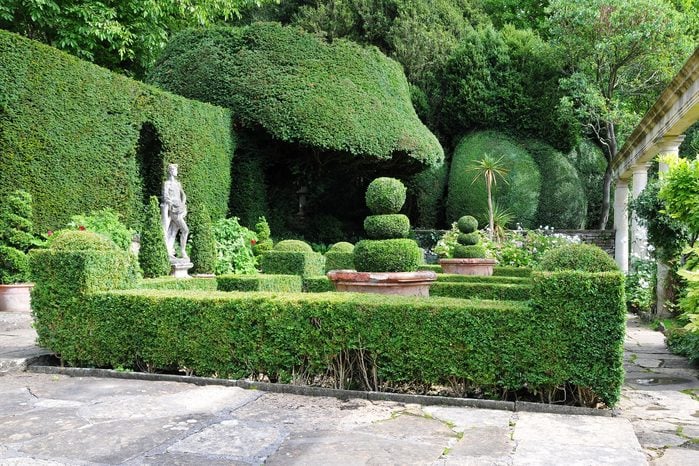
Designing with the urban heat island effect in mind is crucial. Hard surfaces in cities absorb and release heat, raising ambient temperatures. To counteract this, designers recommend minimizing hard landscaping and maximizing plant coverage to create shade and humidity. Green roofs, wall climbers, and taller shrubs help cool buildings and patios through reduced solar absorption and transpiration. Climbing plants and vertical garden ideas are particularly beneficial in limited spaces, as they add greenery, soften architecture, improve air quality, and provide cooling. Finally, choosing plants and materials for longevity and ease of maintenance is paramount. Evergreens provide year-round structure, while robust, drought-tolerant, and pollution-tolerant varieties reduce upkeep. Natural materials are preferred over alternatives like artificial grass or white render, which may degrade quickly or require extensive maintenance, ultimately bringing more character and durability to the urban garden. Multi-functional features, such as raised beds doubling as benches or garden arches supporting climbers and hammocks, maximize utility without overcrowding, ensuring the urban garden remains a welcoming and open retreat.
#UrbanGardening #SmallSpaceDesign #GardenDesign #OutdoorLiving #PlantSelection #VerticalGardens #ContainerGardening #PrivacySolutions #SustainableGardening #UrbanGardening #SmallSpaceDesign #GardenDesign #OutdoorLiving #PlantSelection #VerticalGardens #ContainerGardening #PrivacySolutions #SustainableGardening
0 comment in total
 No comments yet
You may also like
9 inner-city garden ideas to inspire

10 creative apartment garden ideas for your balcony or tiny patio

8 Incredible Indoor Garden Ideas

20 Zen Garden Ideas to Transform Your Backyard Into a Peaceful Oasis

Step inside these urban oases to discover three different ideas for small gardens

18 Unique and Unusual Gardens To Consider

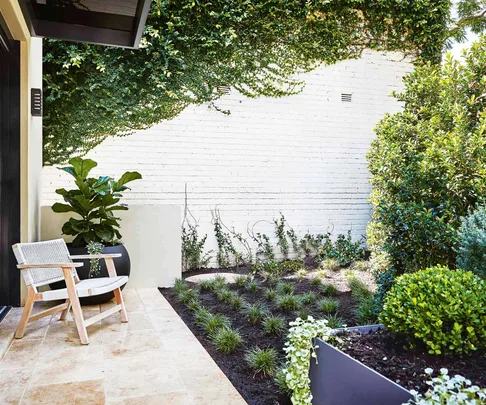
An inner-city courtyard garden that’s perfect for entertaining
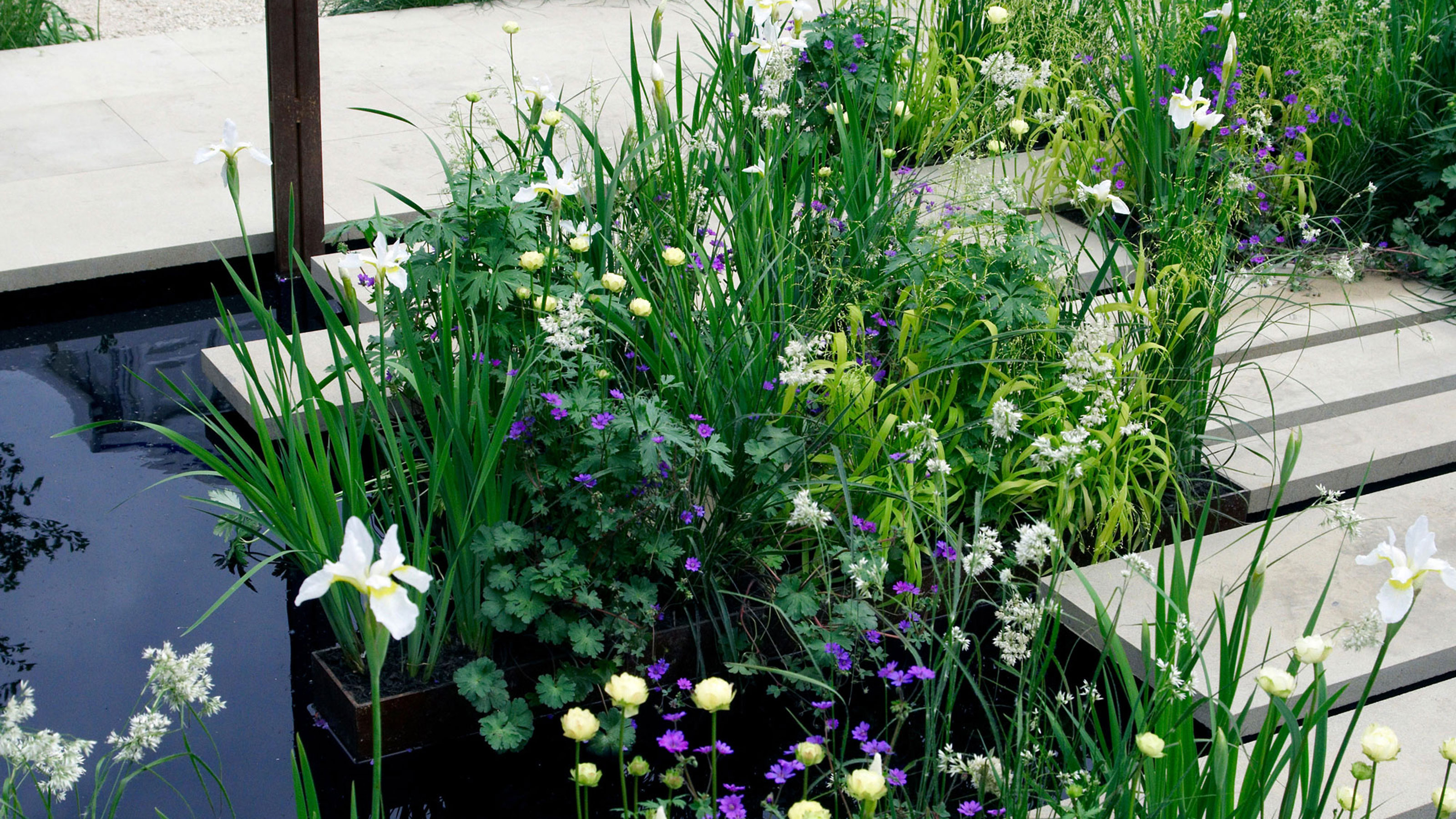
Landscaping ideas - 12 transformative ways the experts would enhance your urban outdoor space

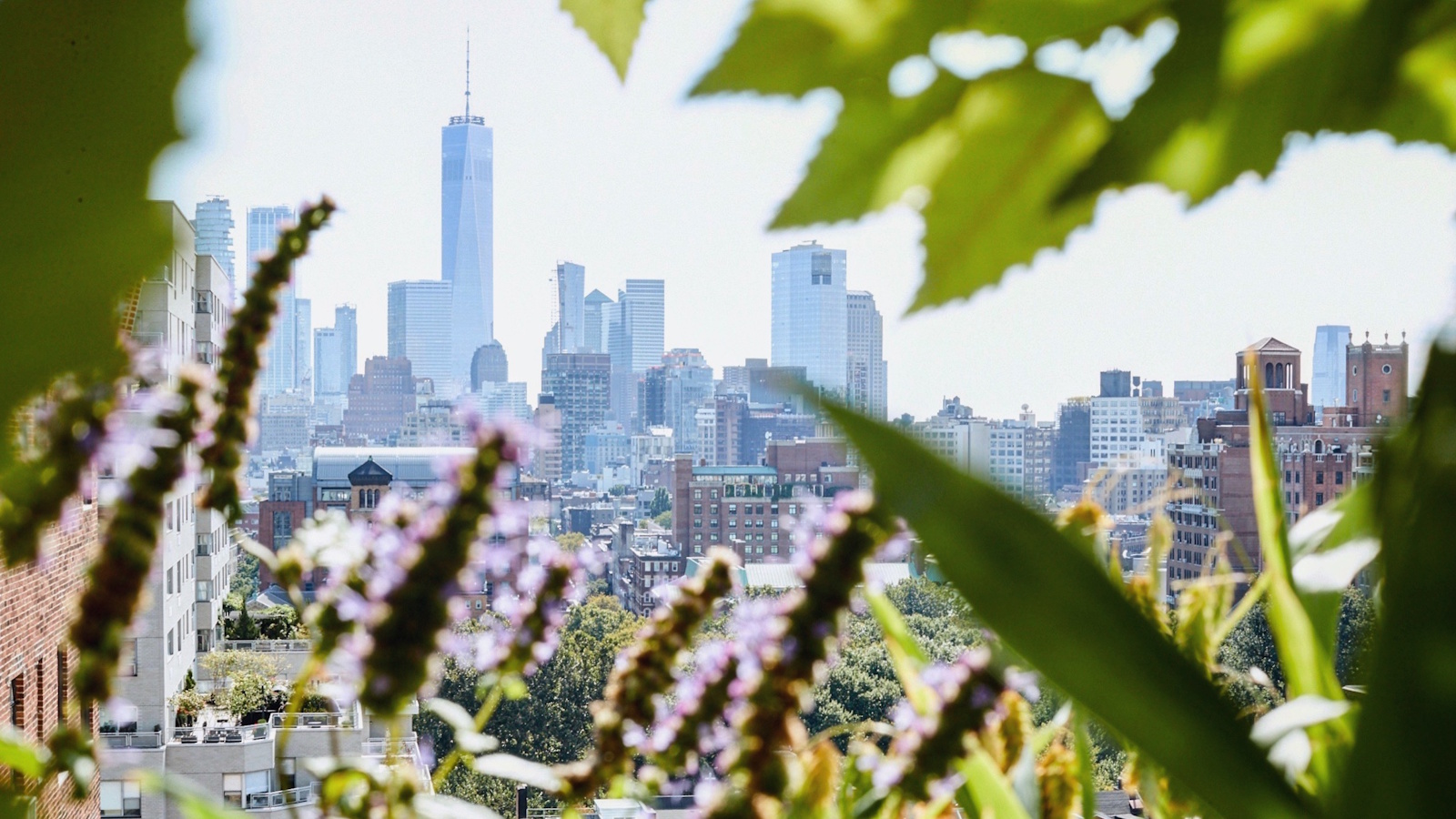
Sanctuaries in the city – NYC garden designer reveals how to transform urban rooftop gardens into green oases

22 Backyard Patio Ideas That Turn Your Outdoor Space Into a Relaxing Retreat
12 Garden Room Ideas That Will Elevate Your Outdoor Space and Bring You Extra Room to Unwind
Indoor garden ideas: 9 ways to create a plant-filled haven
15 inspiring suburban gardens
13 small garden design ideas that maximise space and greenery
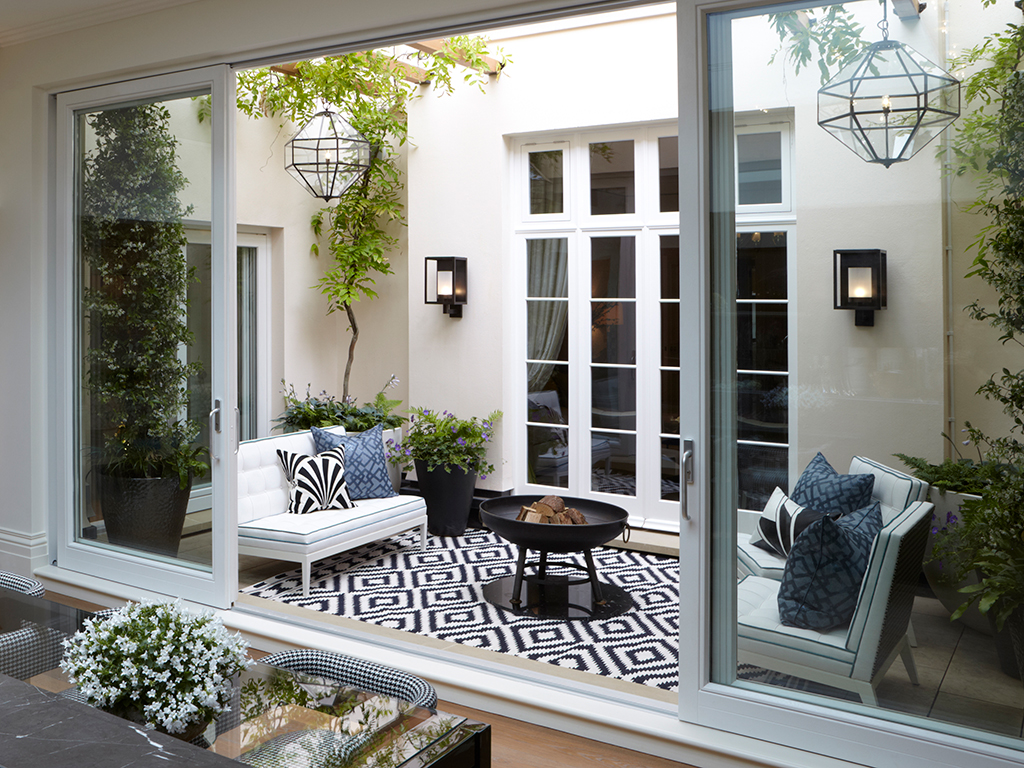
16 Courtyard Gardens Ideas to Maximize Your Small Space and Inspire Your Dreamy Al Fresco Moments
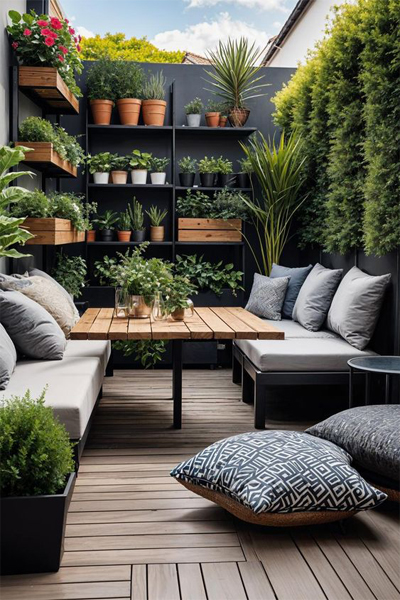
20 Beautiful Garden Design Ideas for Home In 2024
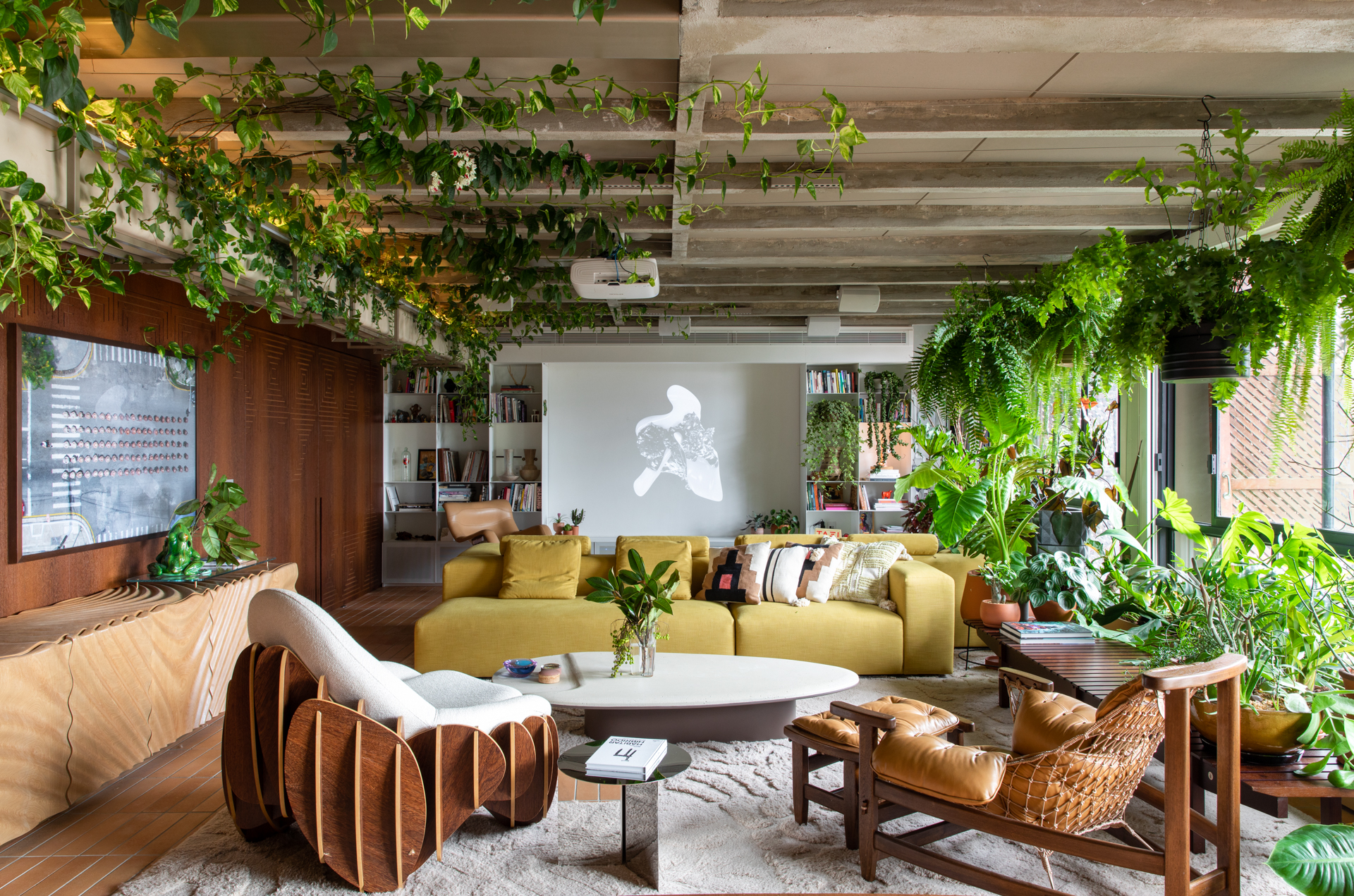
Indoor Garden Ideas —14 Ways To Live Amongst Greenery That Will Make Your Life Better
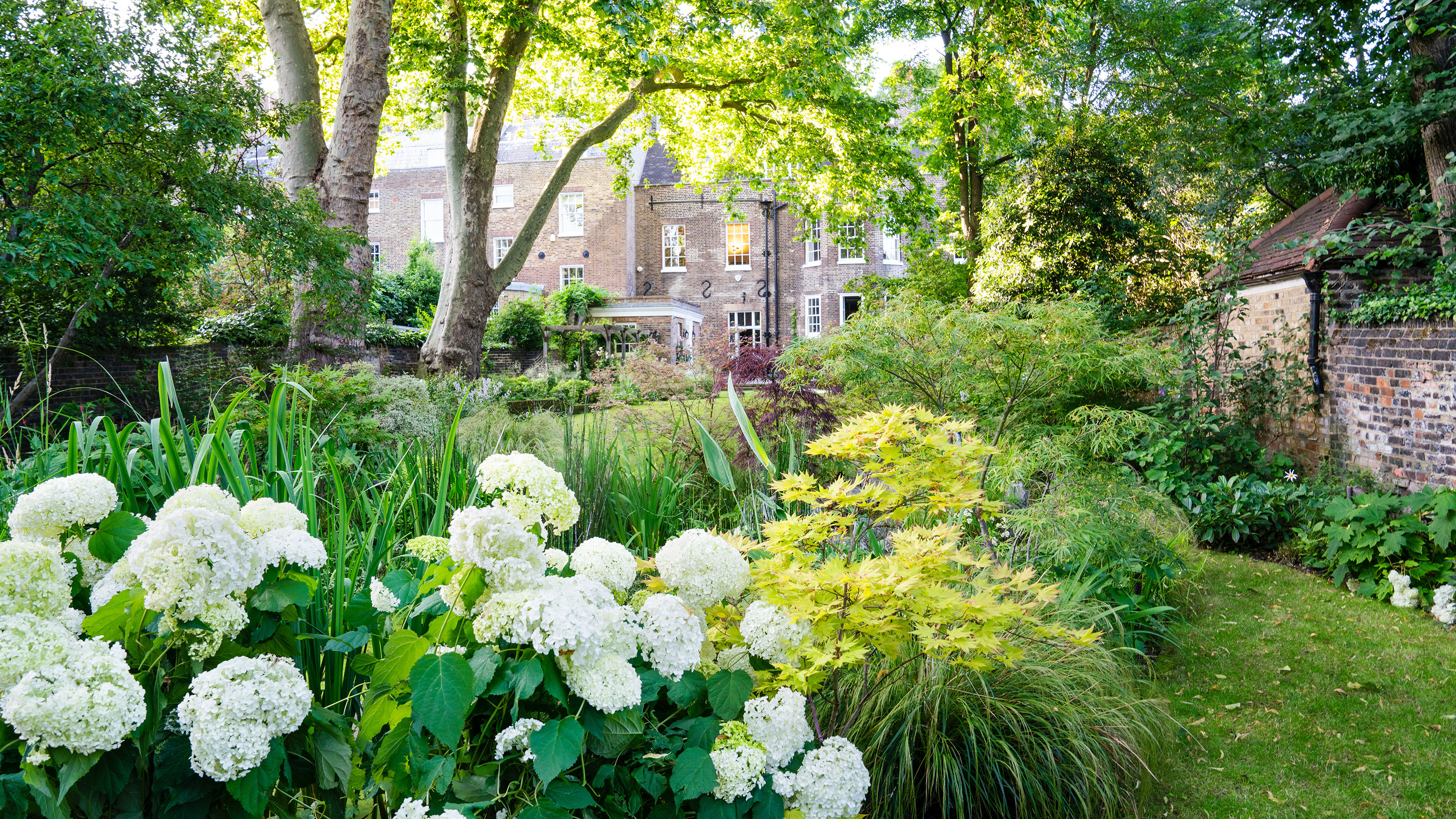
5 city garden design lessons we've learnt from this elegant urban plot
19 simple garden ideas for every style, size and budget
Create a Dreamy Backyard Oasis in the City with Expert Help