1/8
8 applications of different biophilic design concepts
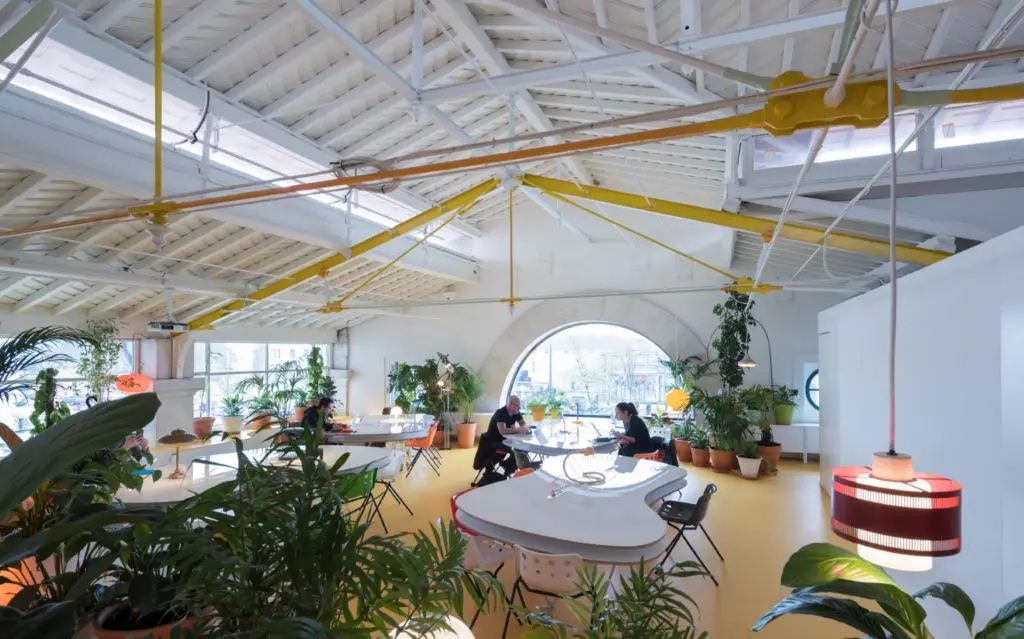
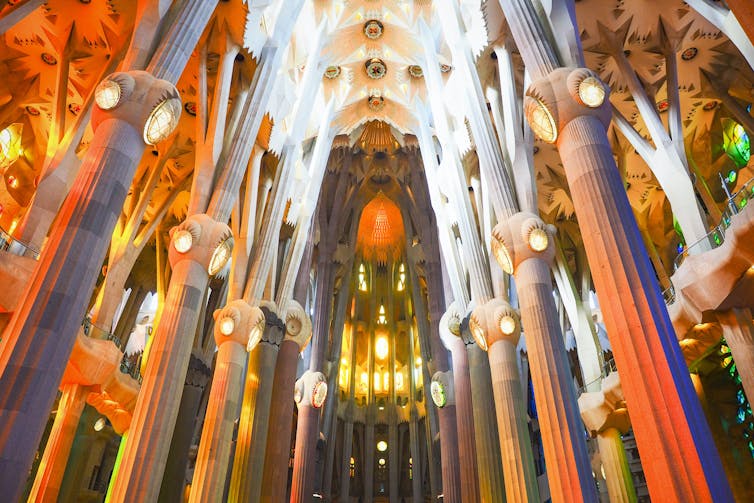
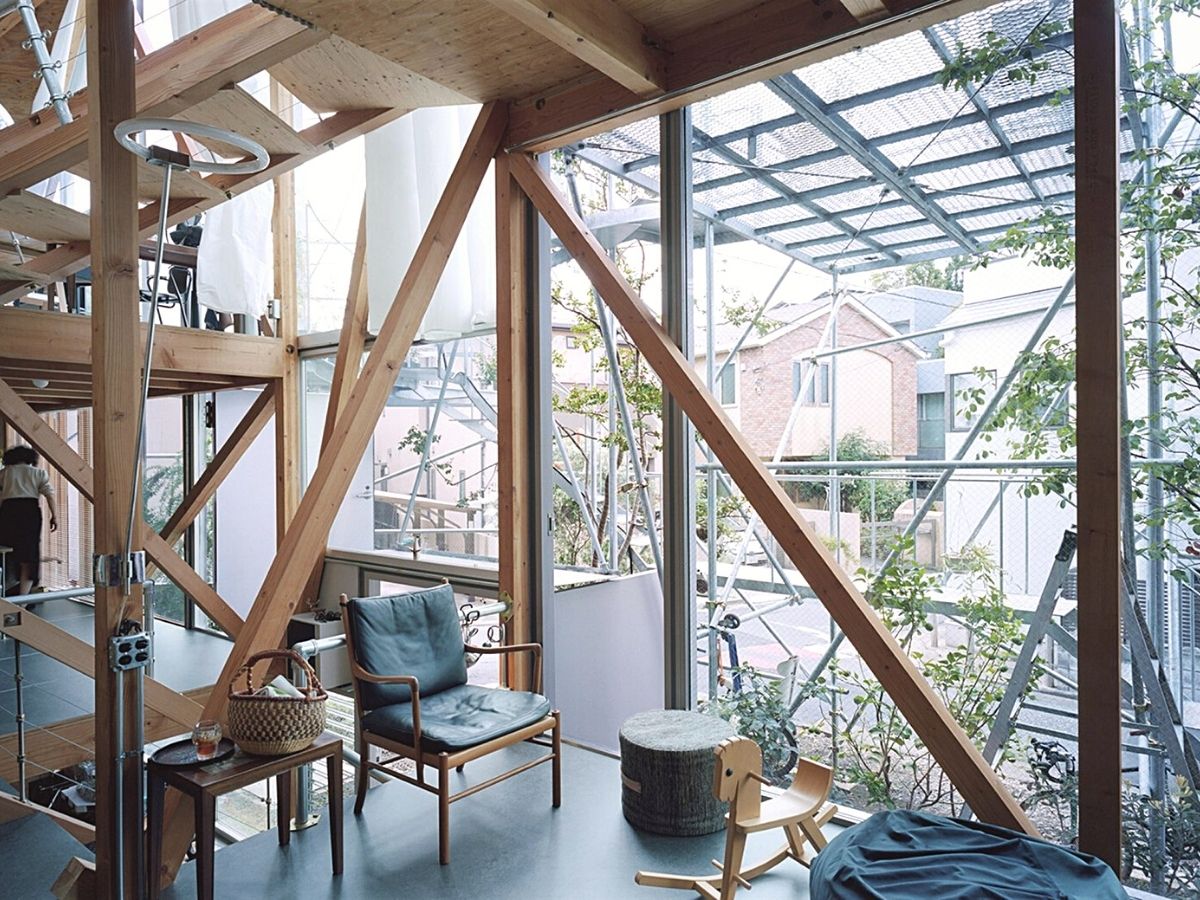
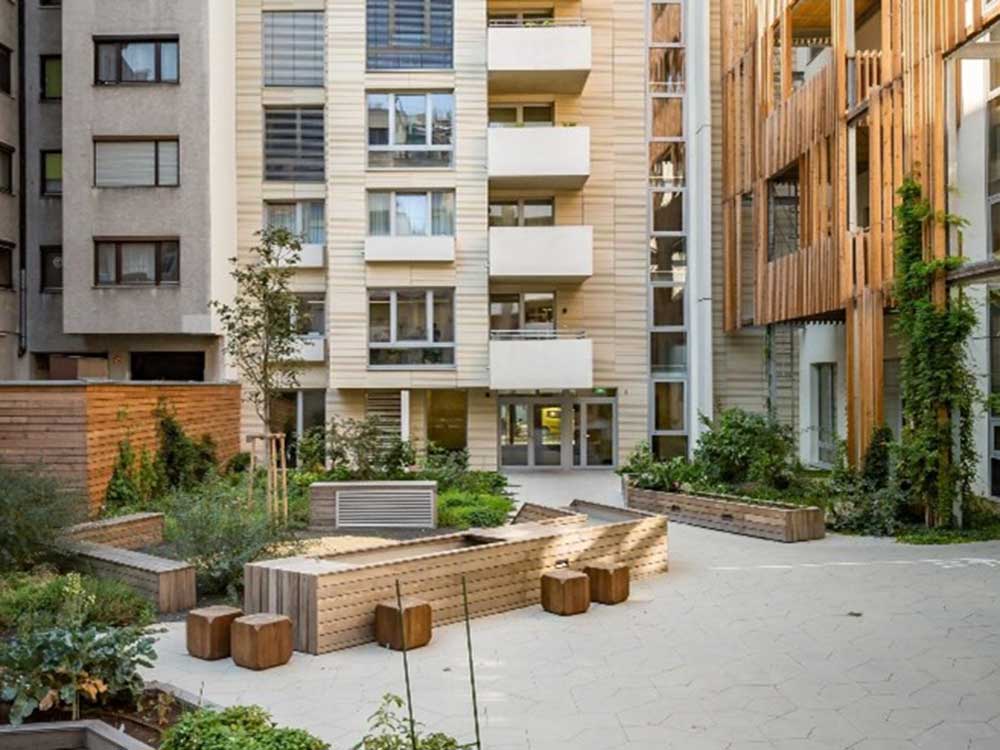
Biophilic design, derived from the Greek 'biophilia' meaning 'love for life,' is an innovative approach to architecture and interior design that seeks to reconnect humans with nature within built environments. This concept acknowledges humans' inherent biological need to interact with natural systems and processes, aiming to enhance well-being, productivity, and health. The rising popularity of biophilic design in various spaces, from homes to workplaces, stems from its ability to integrate natural elements and forms into modern living, thereby addressing the detachment from nature often experienced in urbanized settings. As research in this field progresses, designers are continually discovering new ways to apply biophilic principles, fostering a beneficial relationship between humans and their surroundings.
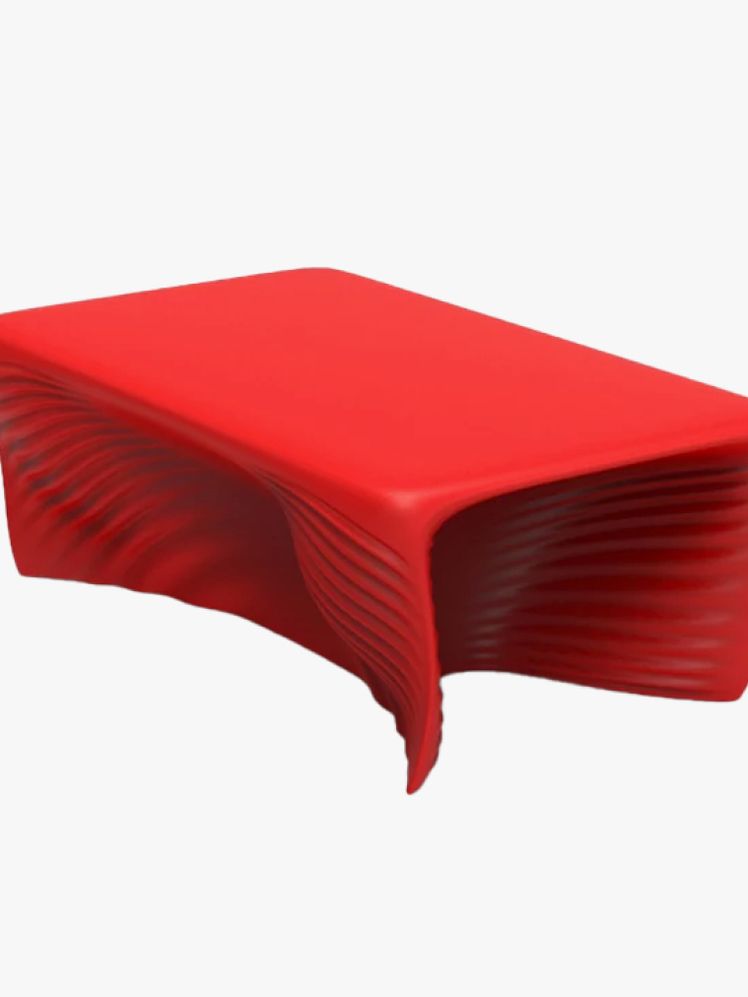
The article highlights eight diverse applications of biophilic design, showcasing how natural elements can be incorporated into product and interior design. One notable example is the TERRA! Armchair by Studio Nucleo, which features a biodegradable cardboard frame filled with soil, allowing grass to grow and form the seating surface. This design literally integrates a living ecosystem into furniture, evolving over time and emphasizing the connection to the earth. Zaha Hadid Architects' Liquid Glacial Table further demonstrates biophilia through its artistic representation of water's fluidity, with its surface mimicking swirling ripples, bringing the dynamic essence of natural water formations indoors.
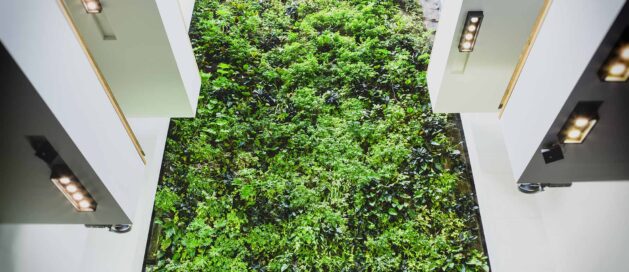
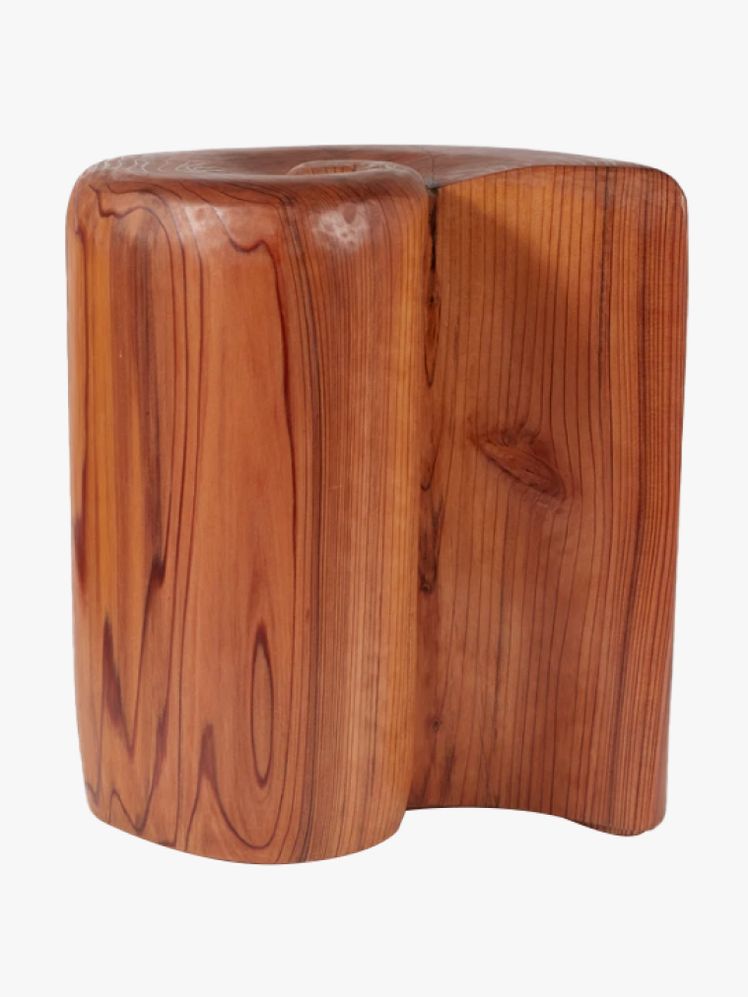
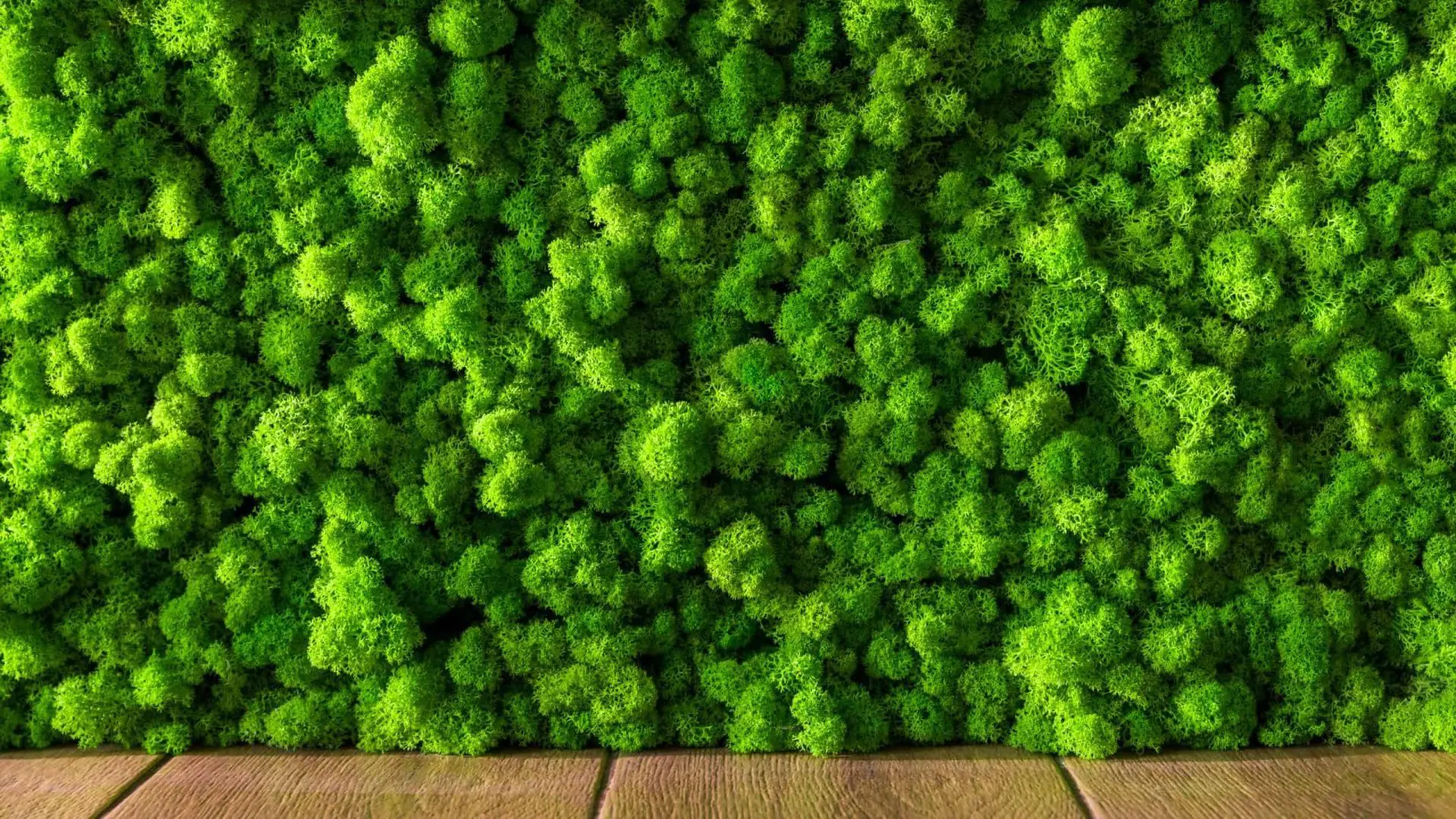
Miriam Aust's Vase & Leuchte is an innovative home object that combines light, water, and plants. This design makes the plant's roots visible, turning a conventional vase into a multi-functional lighting fixture and a living decor piece. Byung Hoon Choi's Basalt benches exemplify the use of natural materials, featuring single pieces of basalt with raw and smooth textures. These benches create a meditative environment, encouraging appreciation for the natural beauty of rock formations and their inherent tranquility. Planted Design's moss wall art offers a practical and aesthetic solution for both indoor and outdoor spaces. These walls, made from preserved moss, require minimal care and provide numerous benefits, including air purification by reducing harmful compounds and releasing oxygen, as well as cooling effects, effectively bringing a vibrant, living element to man-made structures.
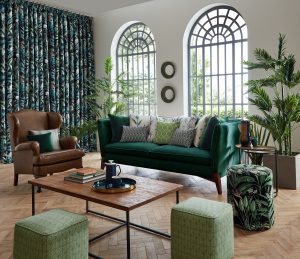
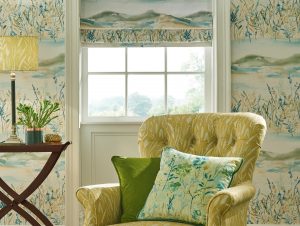
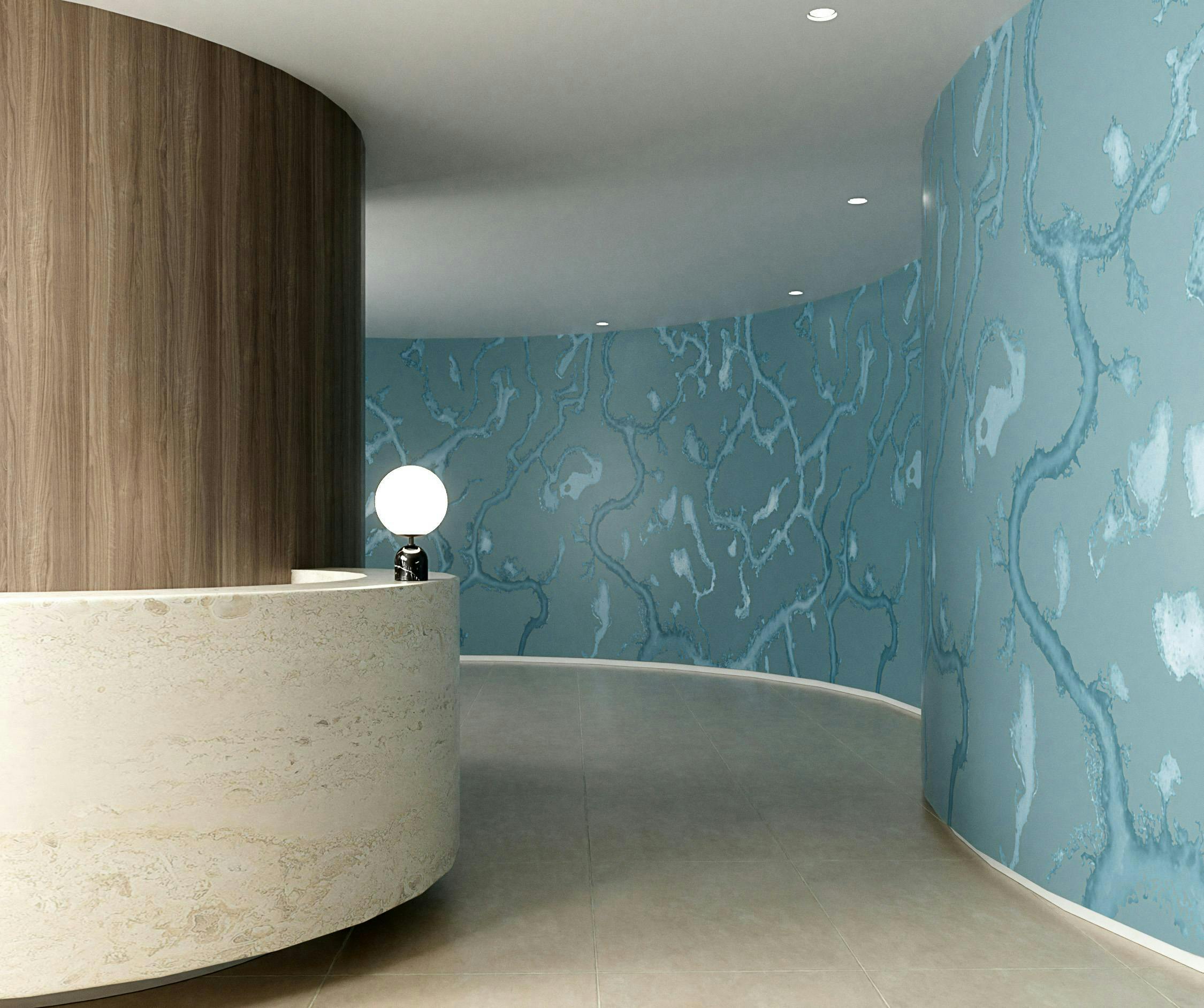
Julia Pilipchatina's Tableware Collection, particularly the 'Terra' series, draws inspiration from organic shapes and textures found in nature. Although made of clay, these plates are meticulously painted and glazed to emulate wood and natural textures, connecting mealtime to the natural world. Moooi's biophilic wallpapers offer an immersive visual experience, transforming monotonous walls into tranquil natural scenarios. Beyond their aesthetic appeal, these wallpapers can also function as sound-absorbing elements, contributing to a calmer environment by reducing noise pollution. Lastly, Jan Klinger's Bacteria Lamp represents a unique exploration of biophilia, using live bacteria grown and preserved in resin to create bespoke lighting fixtures. These lamps are custom-made with microorganisms from significant locations, offering a personalized connection to nature through a living, evolving art piece. Together, these applications illustrate the vast potential of biophilic design to enrich human environments and promote well-being by fostering a deeper connection with the natural world.
#BiophilicDesign #SustainableDesign #InteriorDesign #ProductDesign #NaturalMaterials #GreenLiving #EnvironmentalDesign #Innovation #ArtDesign #BiophilicDesign #SustainableDesign #InteriorDesign #ProductDesign #NaturalMaterials #GreenLiving #EnvironmentalDesign #Innovation #ArtDesign
0 comment in total
 No comments yet
You may also like
Focus on Biophilia: Nature-Inspired Design Strengthens People!

20 Nature-Loving Homes Where Biophilia Thrives

MushLume Lighting Is an Illuminating Example of BioDesign
Biophilic Design Helps Homeowners Connect to Nature
Designing with nature: Why Biophilic Design?

Biophilic-Inspired Design Takes Center Stage: How Bricks Bring Nature In

Thinking the Biophilic Way: Five Ways to Interact with Nature in Design

Nature's Geometry: The Impact of Fractals on Human Well-being
Biophilic design beyond the buzzword
Is Biophilic Design the New Paradigm?
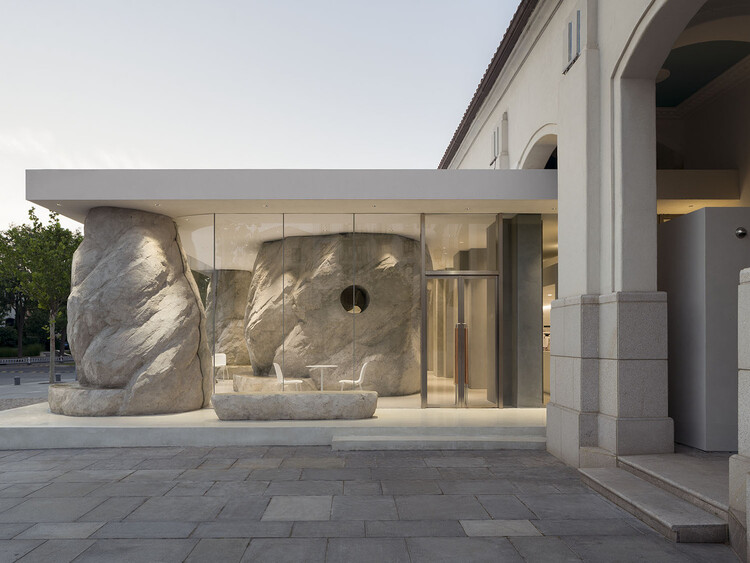
Biophilic Architecture without Plants: Invisible Design for Wellbeing

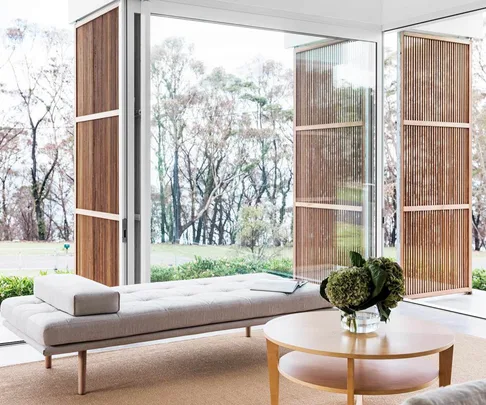
What the heck is biophilic design?

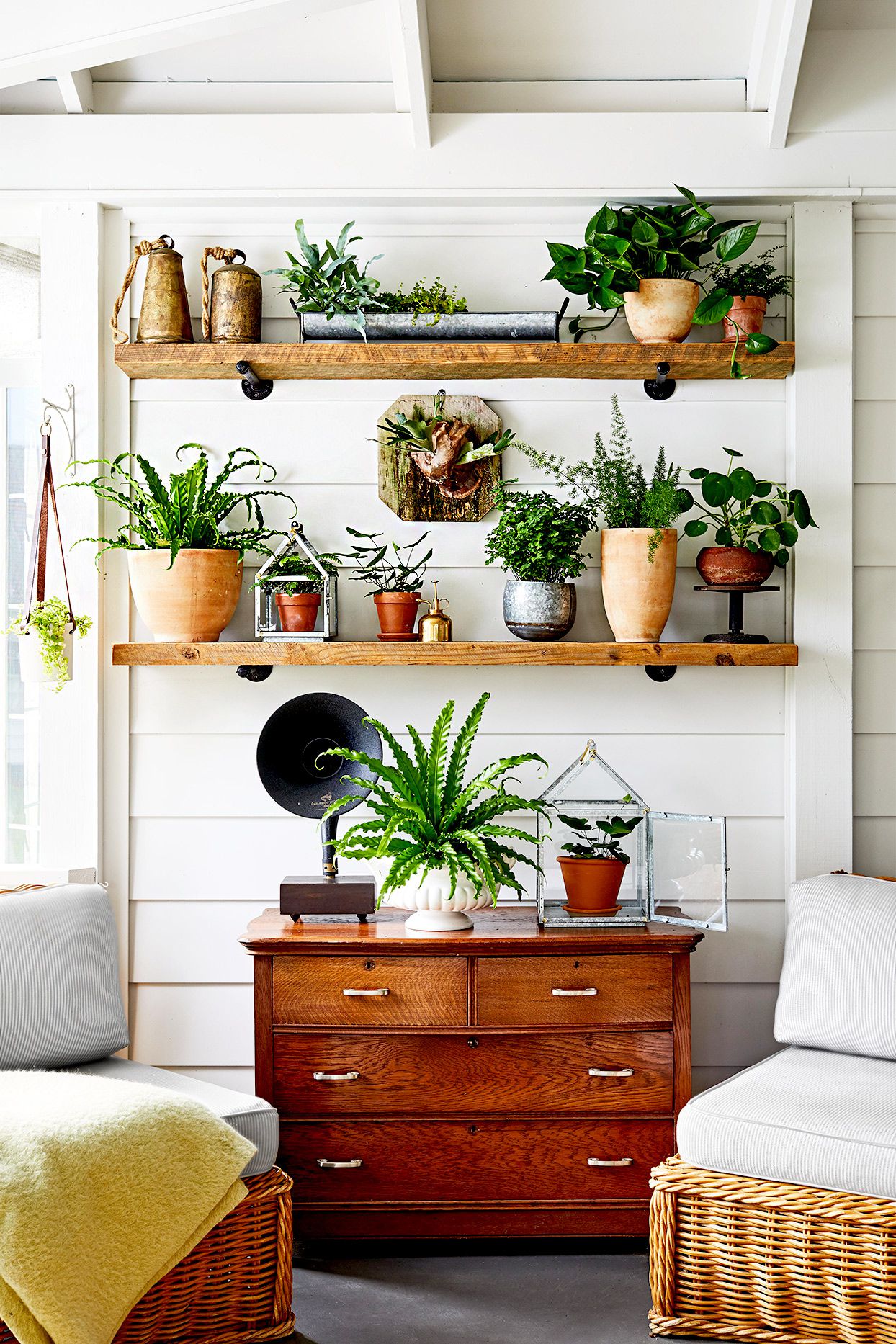
What Is Biophilic Design? 5 Ways to Incorporate This Style

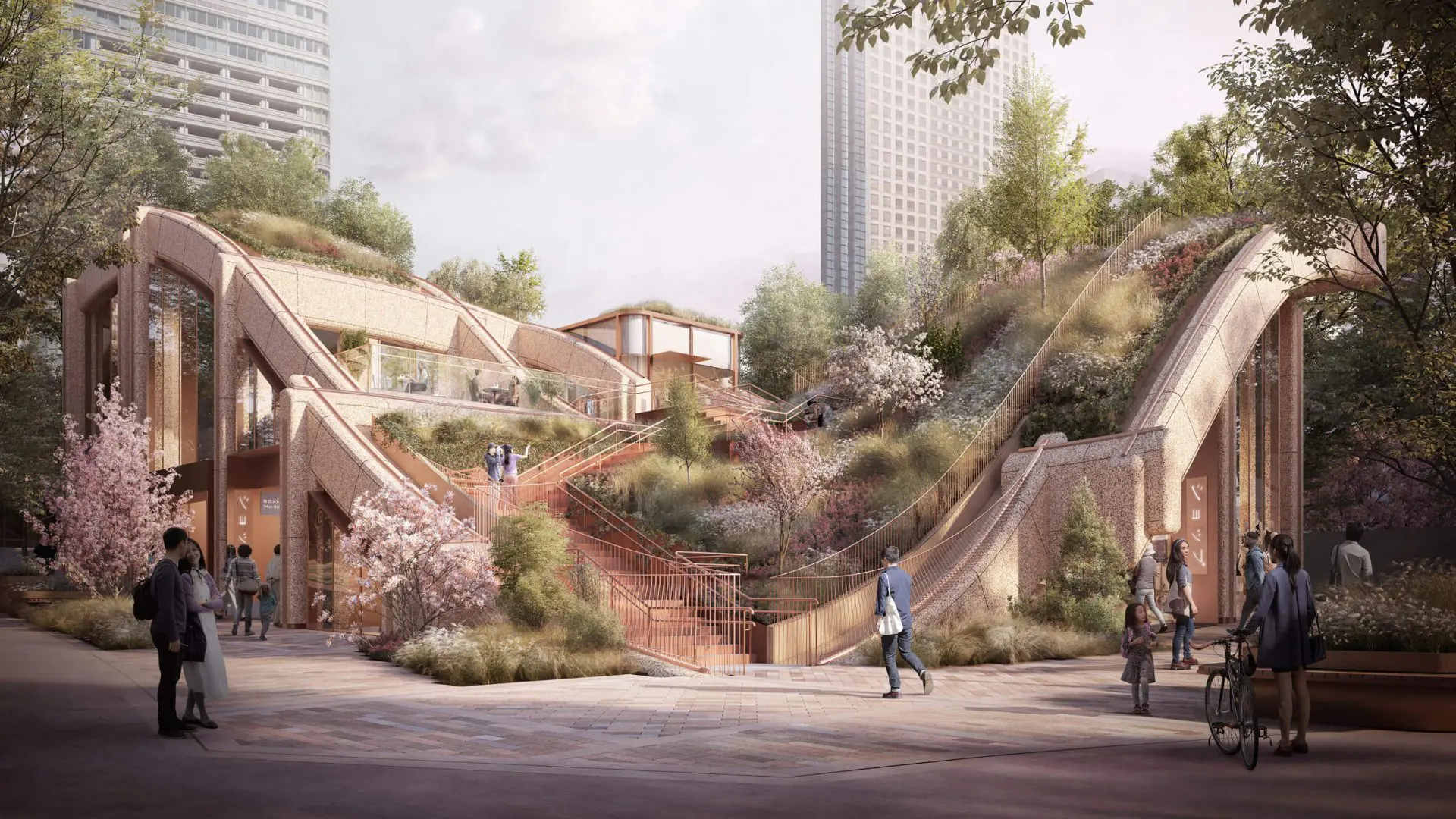
Biophilic architecture: 11 projects where nature meets concrete
What is Biophilic Design? This Nature-Based Interiors Trend Promises Wellness
Biophilic Interiors Invade These 10 Contemporary Residences

Why biophilic design is more than just a trend
What mirrored ants, vivid blue butterflies and Monstera house plants can teach us about designing buildings

Ten modern homes with interiors informed by biophilic design

Biophilic facades in sustainable building design