1/9
Biophilic Architecture without Plants: Invisible Design for Wellbeing
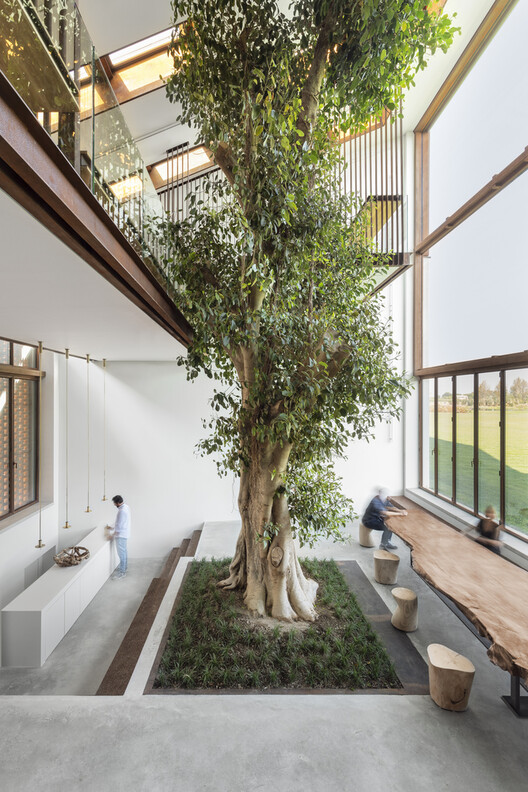
The article explores the concept of 'invisible' biophilic design, moving beyond the common association of biophilia solely with the inclusion of plants in architectural spaces. It traces the origin of biophilia from social psychologist Erich Fromm's 'love of life' to biologist Edward Wilson's emphasis on humans' inherent emotional connection to nature, asserting that our evolutionary reliance on natural settings forms the bedrock of biophilic design. The core argument is that while visible natural elements are beneficial, biophilia's true scope encompasses spatial configurations and environmental patterning that subtly yet profoundly influence human psychology and physiology.
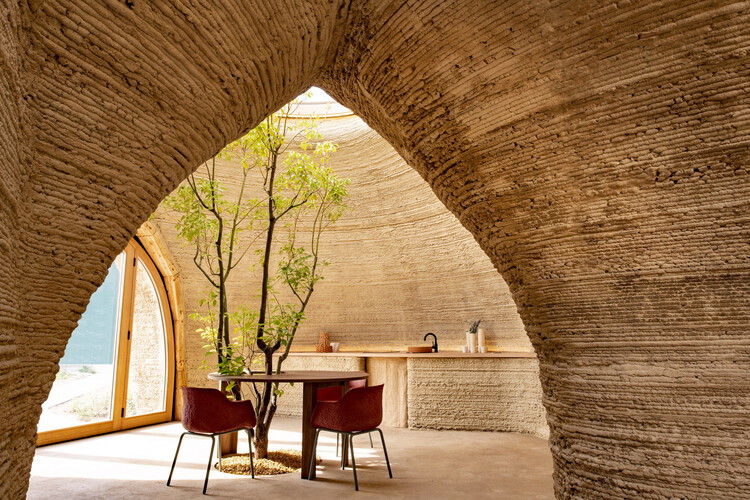
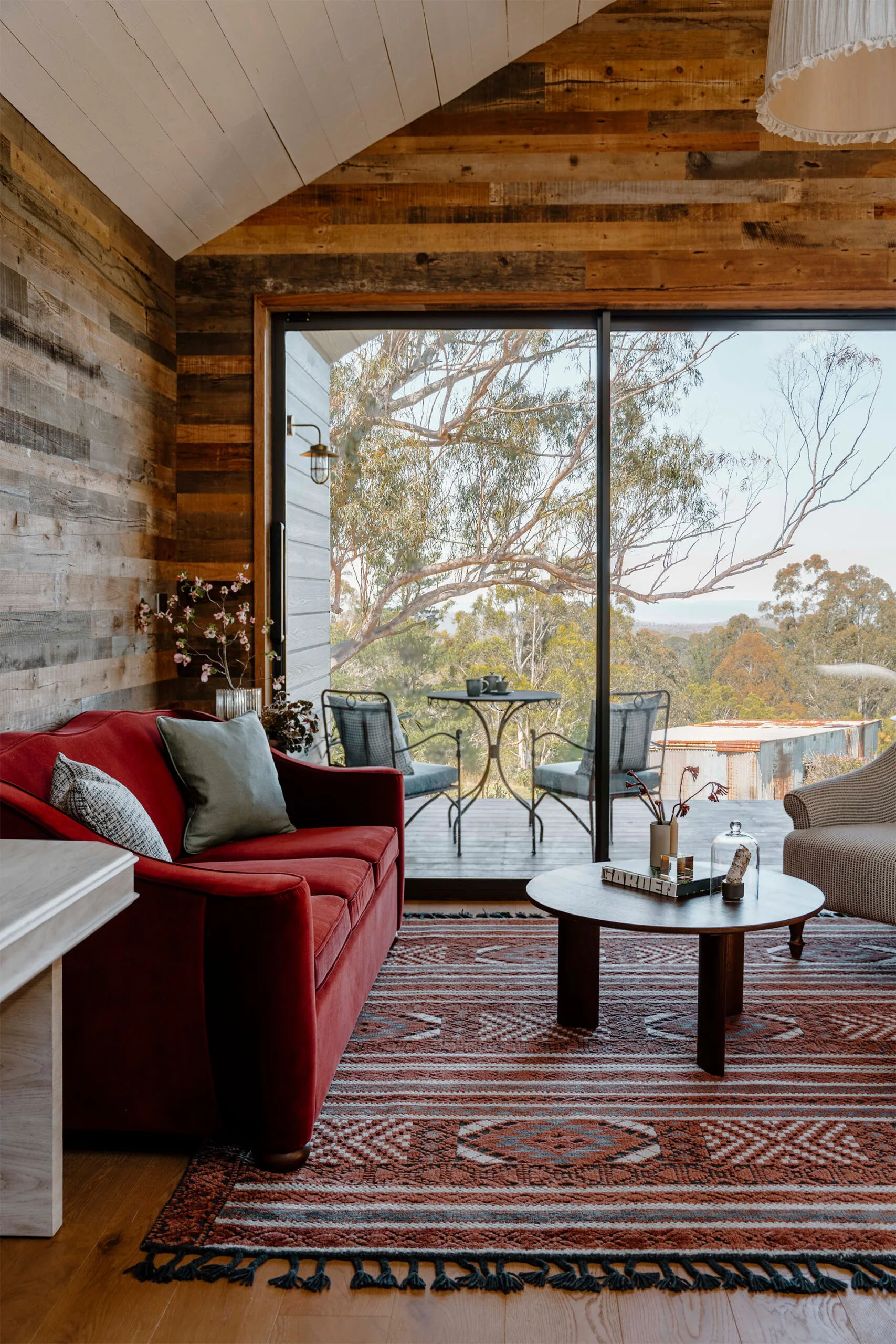
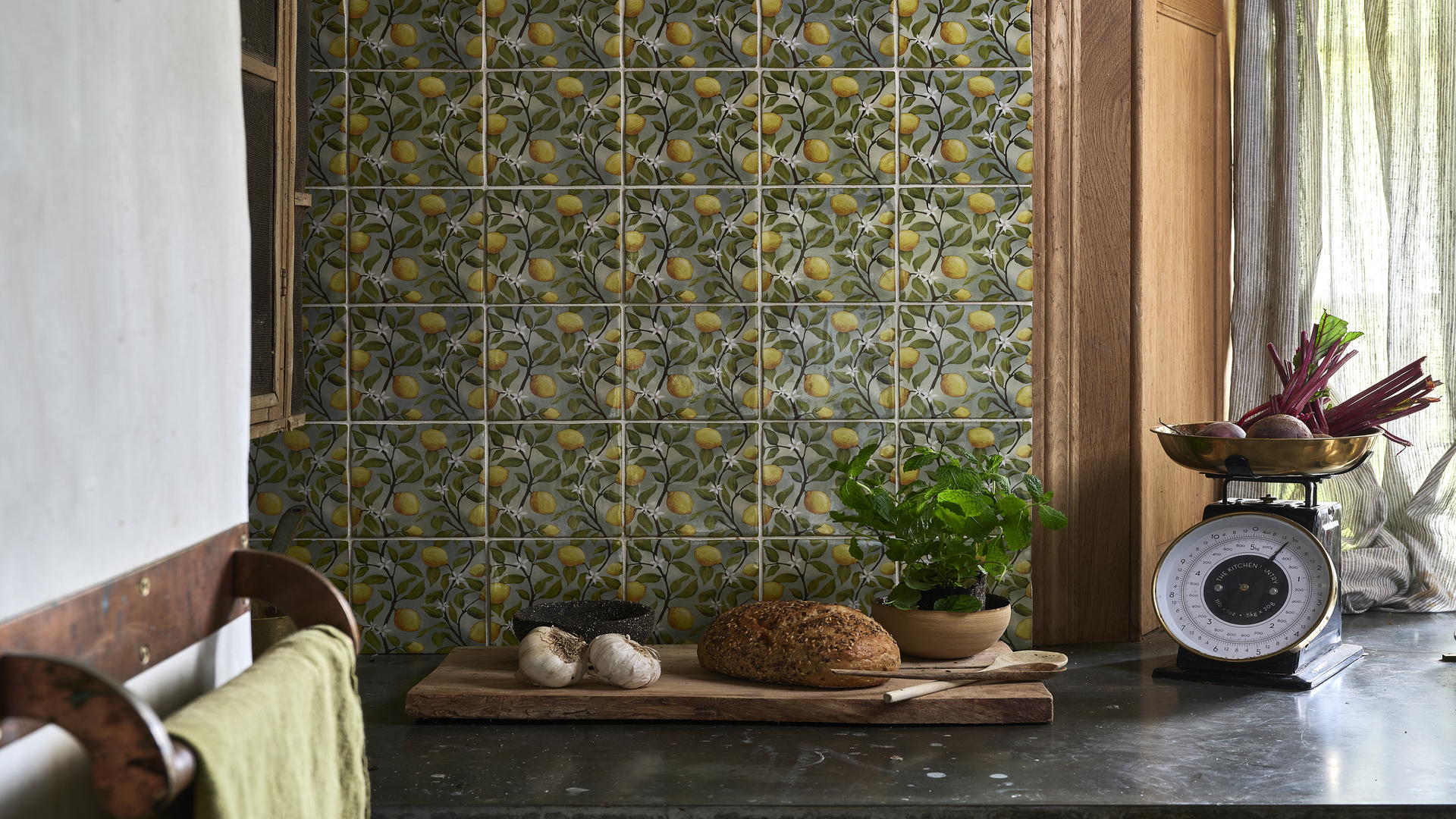
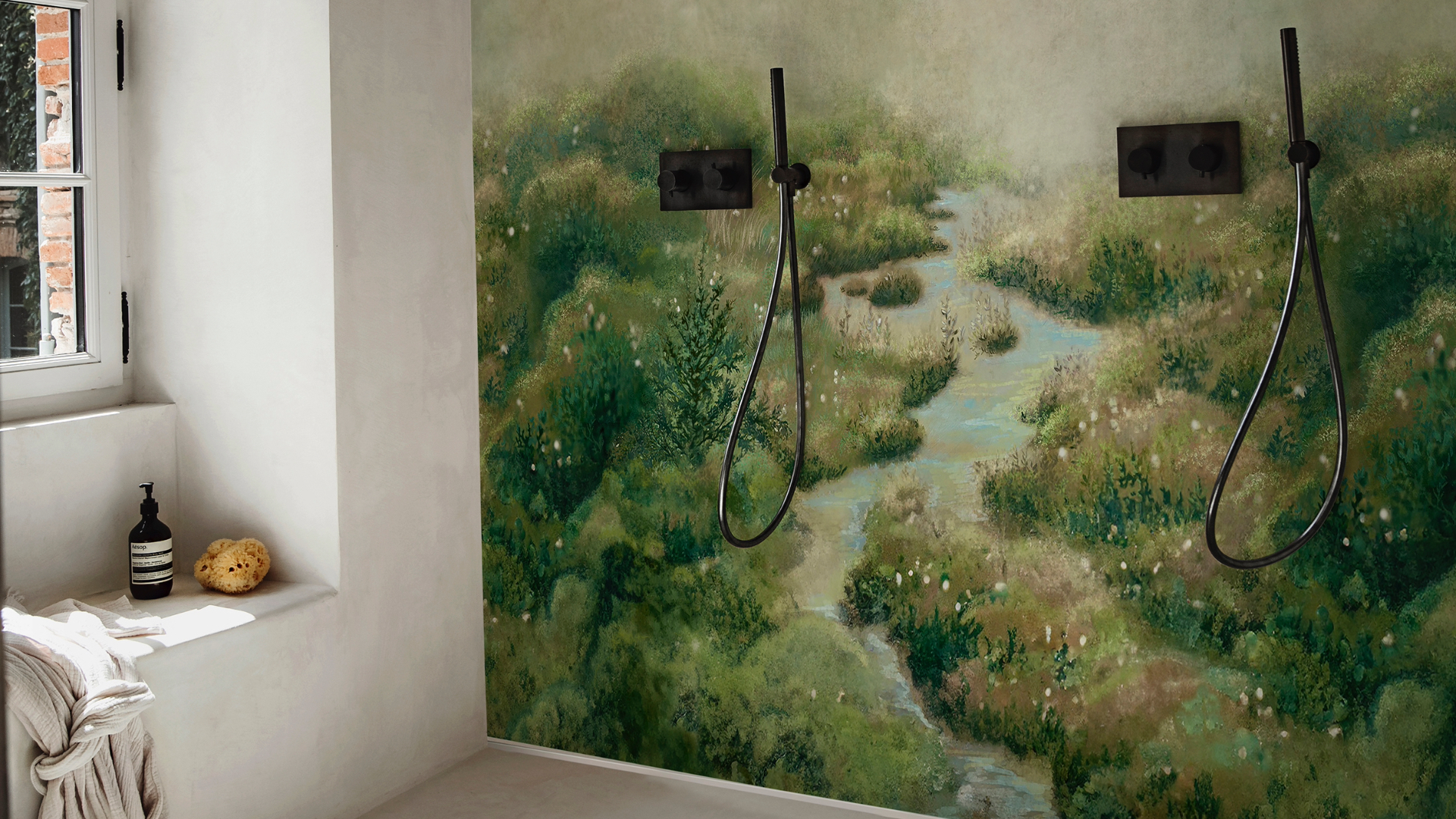
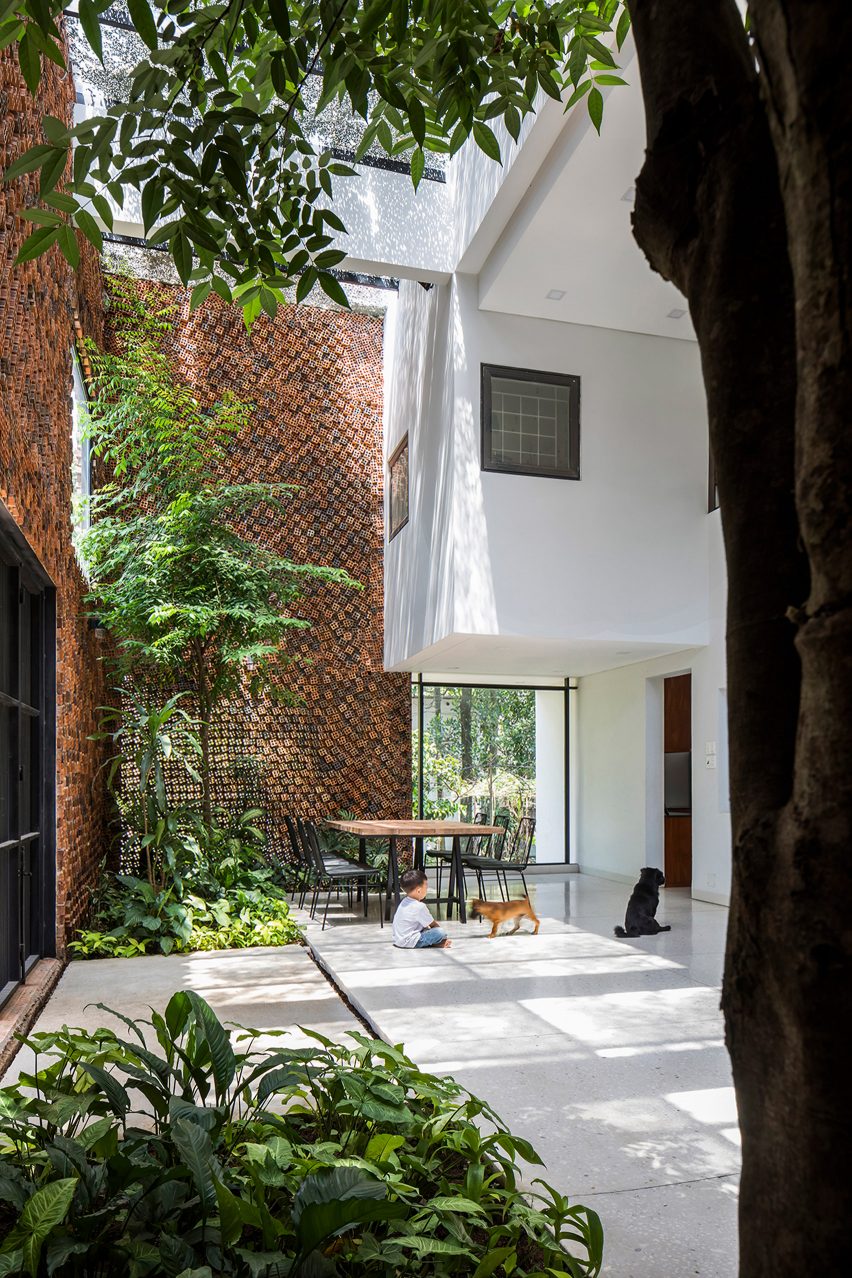
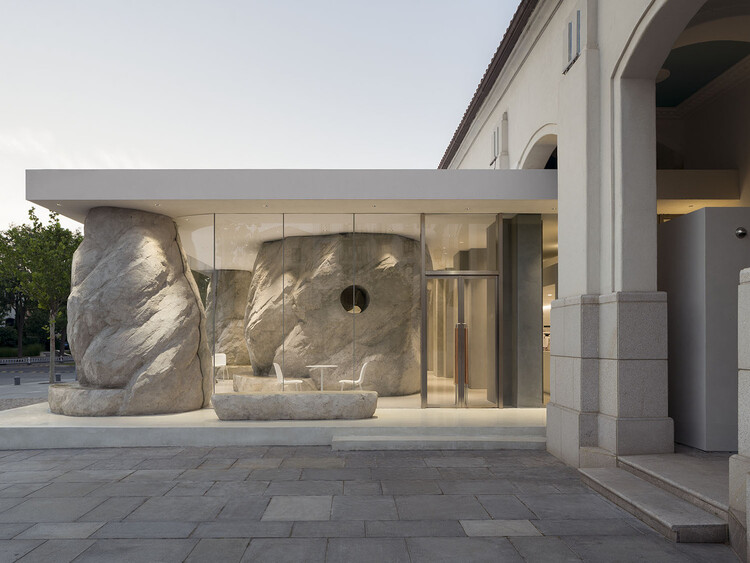
The piece delves into Stephen Kellert's framework for biophilic design, which categorizes experiences into direct, indirect, and spatial/place-based. The indirect experience includes representations of nature, such as natural materials and patterns inspired by natural forms, offering therapeutic benefits without the maintenance requirements of live plants. The article emphasizes a shift in perspective from designing nature *in* space to designing the *nature of the space*, focusing on spatial arrangements that align with human evolutionary preferences. These 'invisible' principles are shown to reduce stress and improve cognitive performance even in environments lacking overt natural elements.
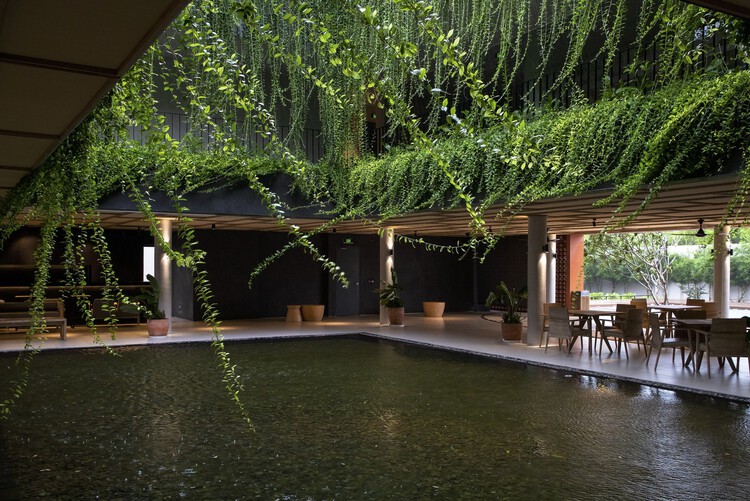
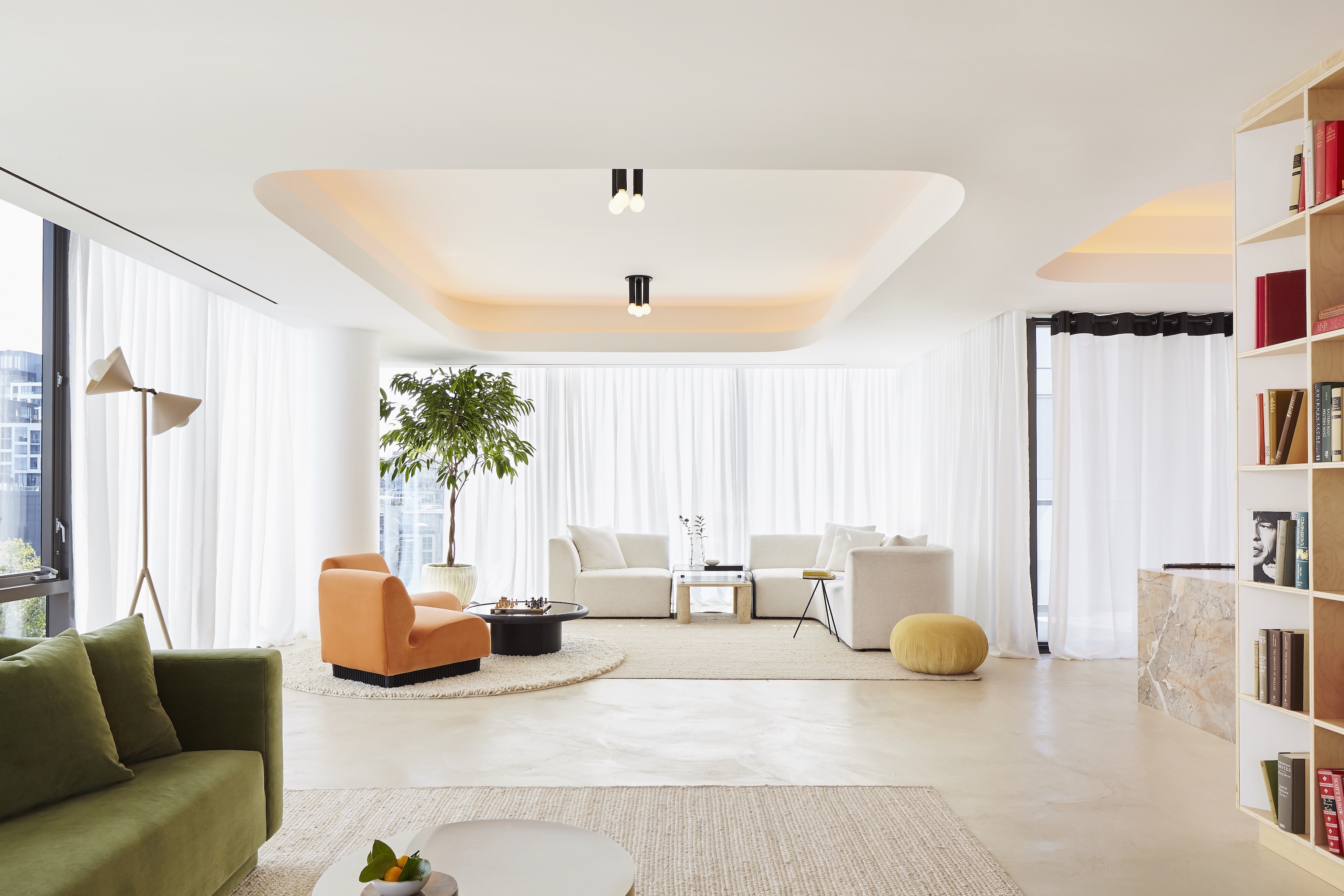
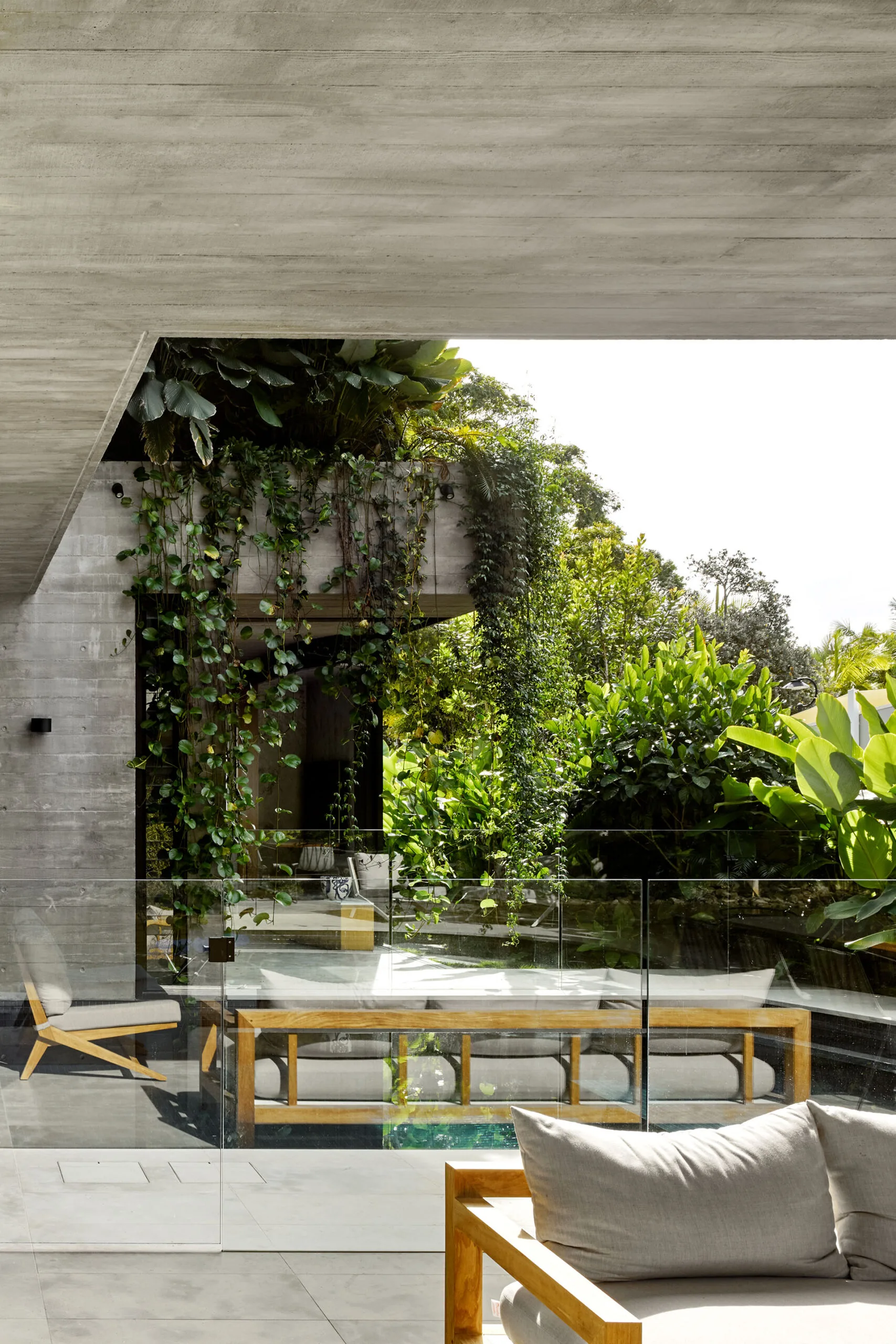
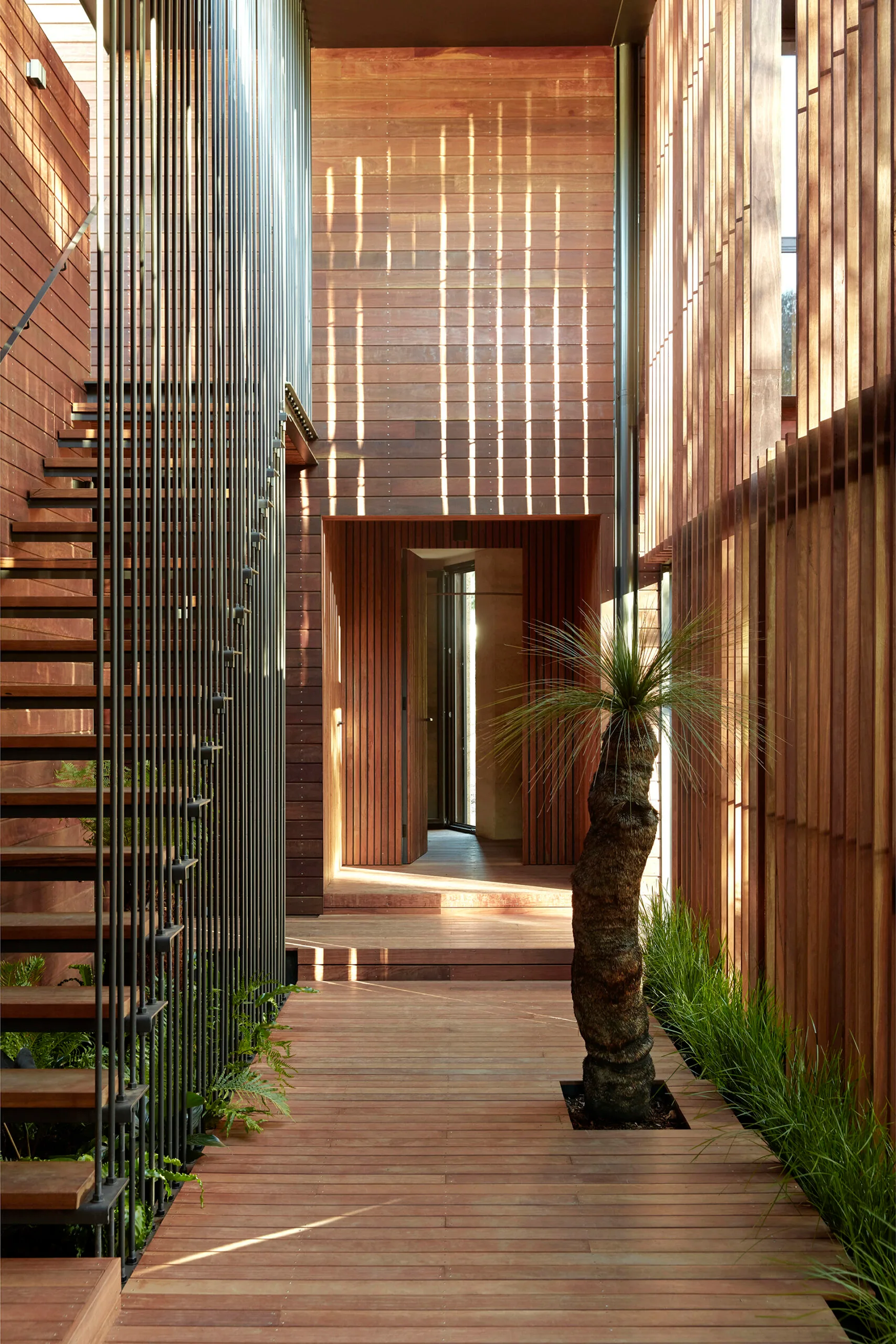
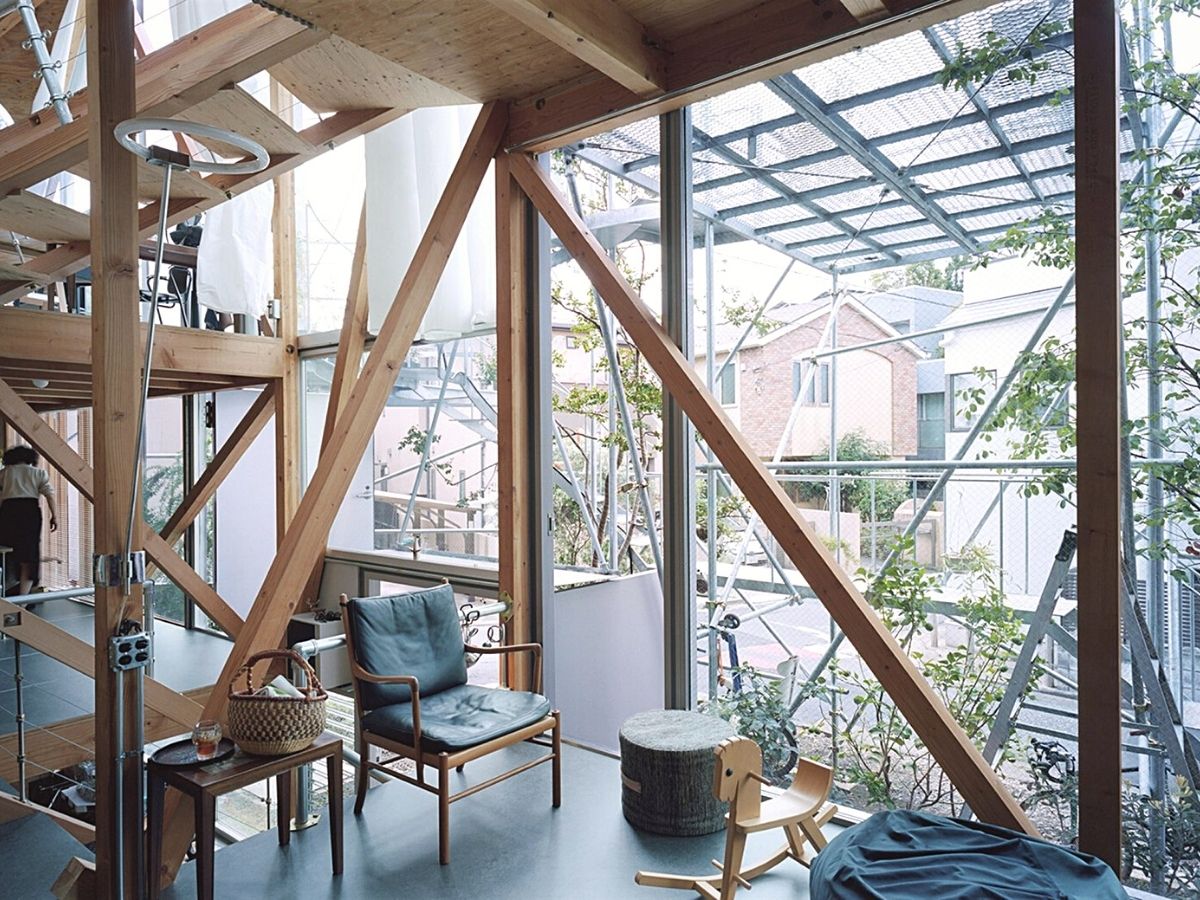
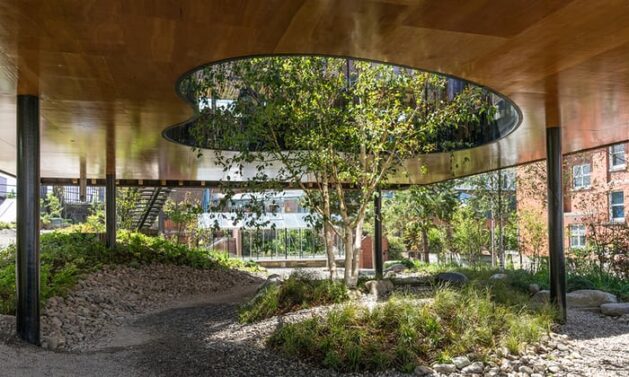
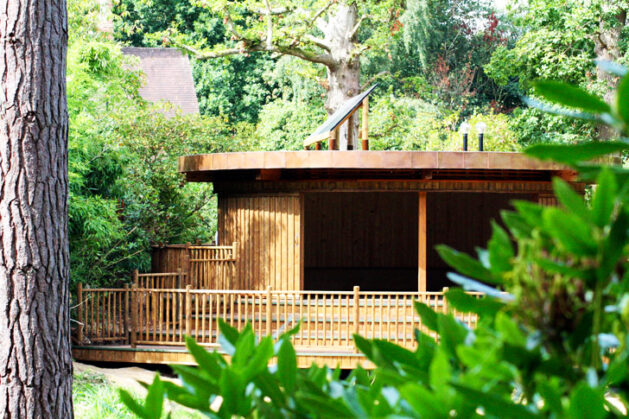
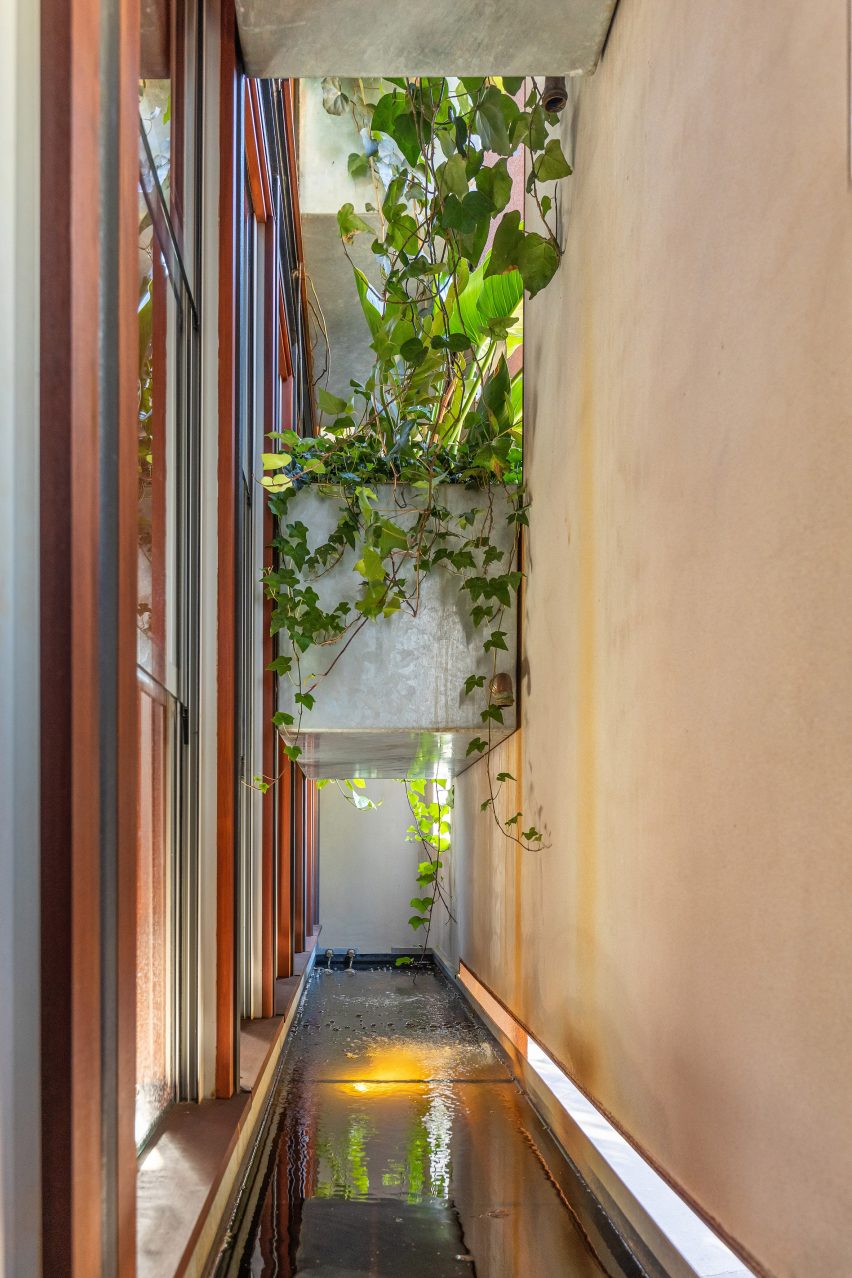
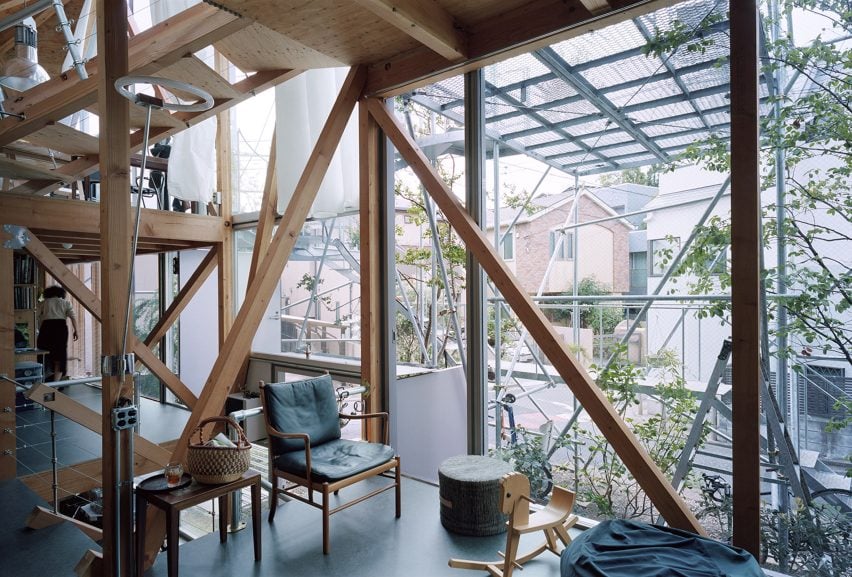
Four key design patterns are identified that fulfill psychological needs through the arrangement of architectural elements, movement choreography, and spatial perception. First, 'Prospect' addresses the innate desire for broad perspectives, achieved through open floor plans, elevated viewpoints, and strategic window placement, which fosters a sense of control and reduces stress. Second, 'Refuge' complements prospect by providing protected spaces offering security while maintaining visual connection to larger areas. These spaces, like alcoves or lowered ceilings, offer psychological comfort and facilitate introverted reflection, particularly beneficial for neurodiverse populations. Third, 'Mystery' engages natural curiosity through partially obscured views, winding paths, or sequenced spaces, leading to dopamine release, enhanced spatial memory, and deeper engagement. Fourth, 'Risk/Peril' introduces identifiable risks with reliable safeguards, like glass floors or cantilevered structures, to induce exhilaration and heighten awareness without compromising safety.
The article highlights that spaces embodying these invisible principles implicitly convey a biophilic intent. This approach is presented as a cost-efficient method for promoting occupant well-being, as it primarily relies on spatial arrangement rather than resource-intensive plant maintenance. It encourages architects to consider the occupant's journey and interaction within the space, balancing these four elements to create a dynamic tension that maximizes human well-being, even in constrained environments.
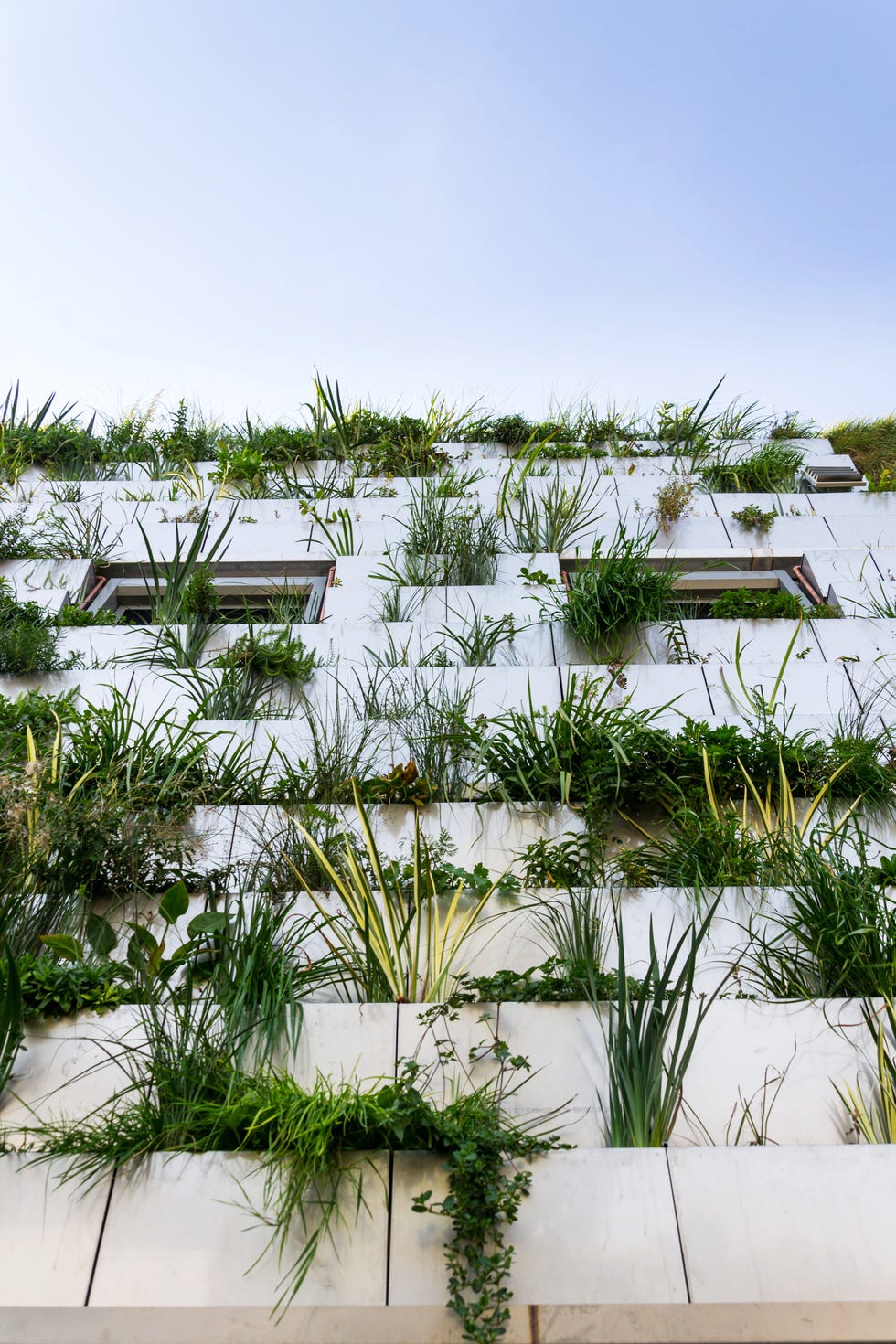
Finally, the discussion addresses the issue of 'greenwashing,' arguing that merely adding vegetation without considering evolutionary connections to space diminishes the true potential of biophilic design. It advocates for a comprehensive, interdisciplinary understanding of human-nature connections, moving beyond prescriptive formulas to adapt principles to specific contexts and user needs. The focus on outcome metrics such as stress reduction, cognitive performance, and creativity underscores that invisible spatial qualities can have an equal or greater impact on human experience than visible natural elements, promoting a more holistic and evidence-based approach to biophilic architecture.
#BiophilicArchitecture #InvisibleDesign #Wellbeing #HumanNatureConnection #SpatialDesign #ArchitecturalPsychology #EnvironmentalDesign #SustainableArchitecture #DesignPrinciples #HealingSpaces #BiophilicArchitecture #InvisibleDesign #Wellbeing #HumanNatureConnection #SpatialDesign #ArchitecturalPsychology #EnvironmentalDesign #SustainableArchitecture #DesignPrinciples #HealingSpaces
0 comment in total
 No comments yet
You may also like
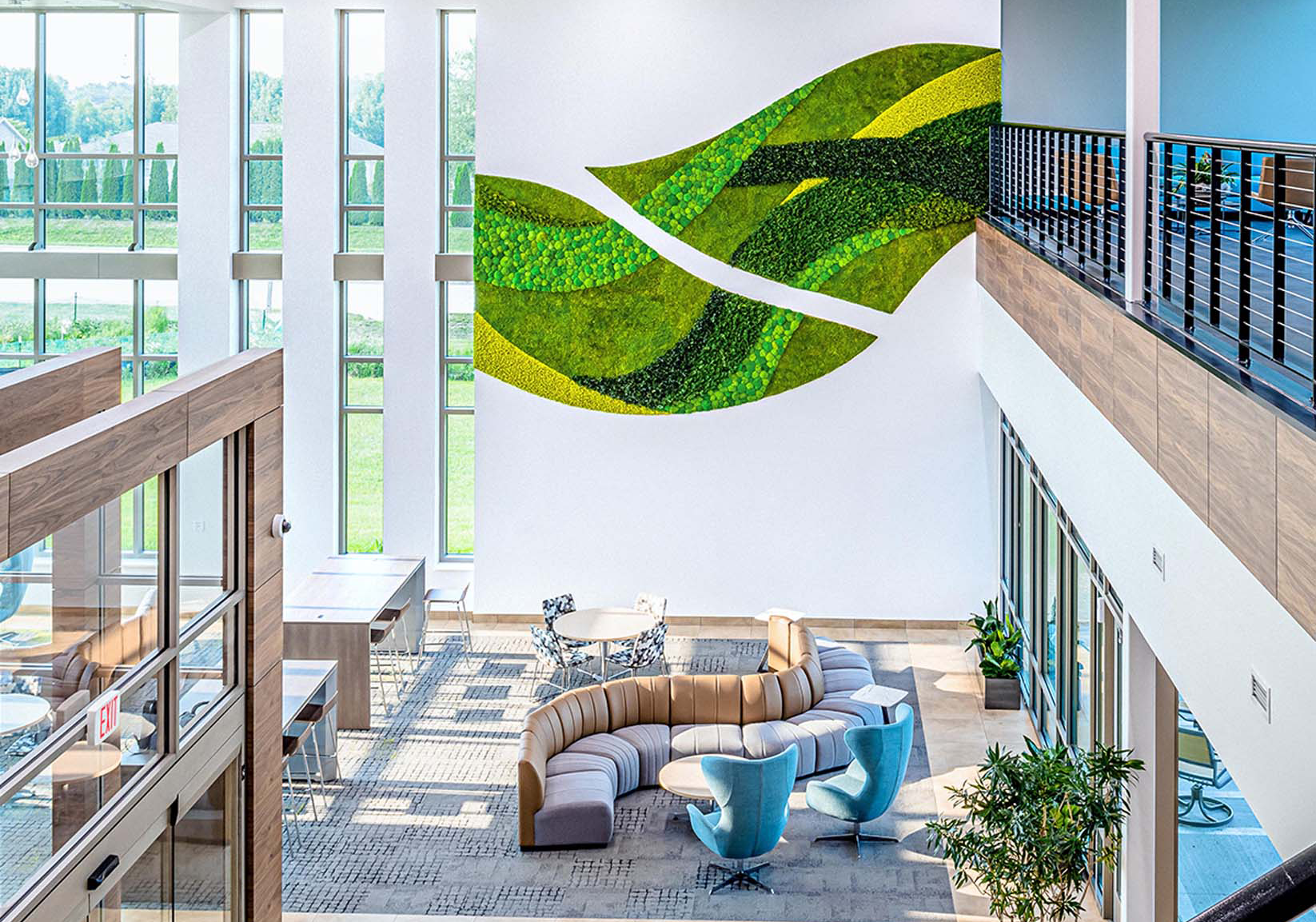
How Preserved Nature Is Transforming Interiors

20 Nature-Loving Homes Where Biophilia Thrives

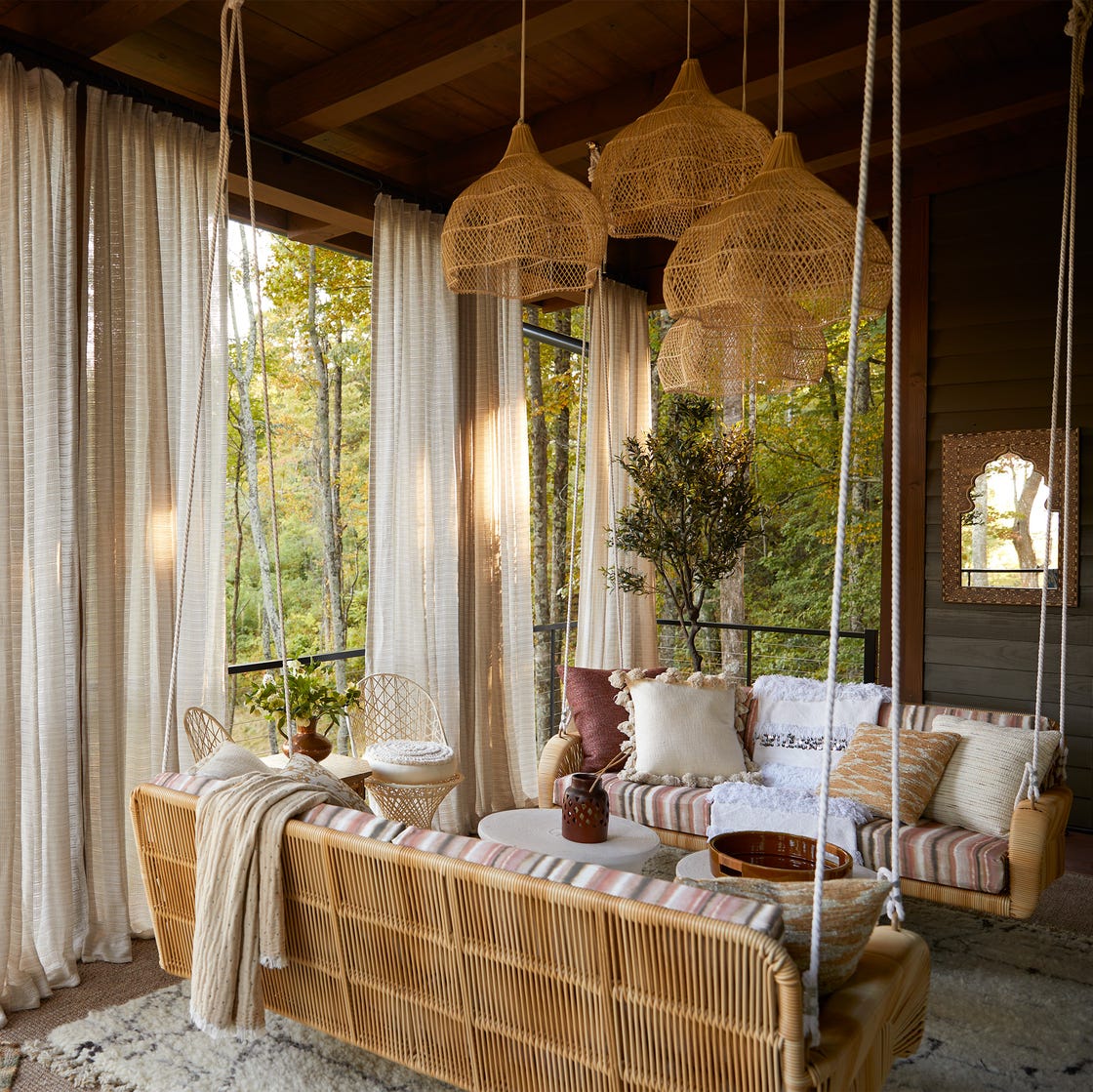
Biophilic Design Is the Signature Style of Plant Lovers Everywhere

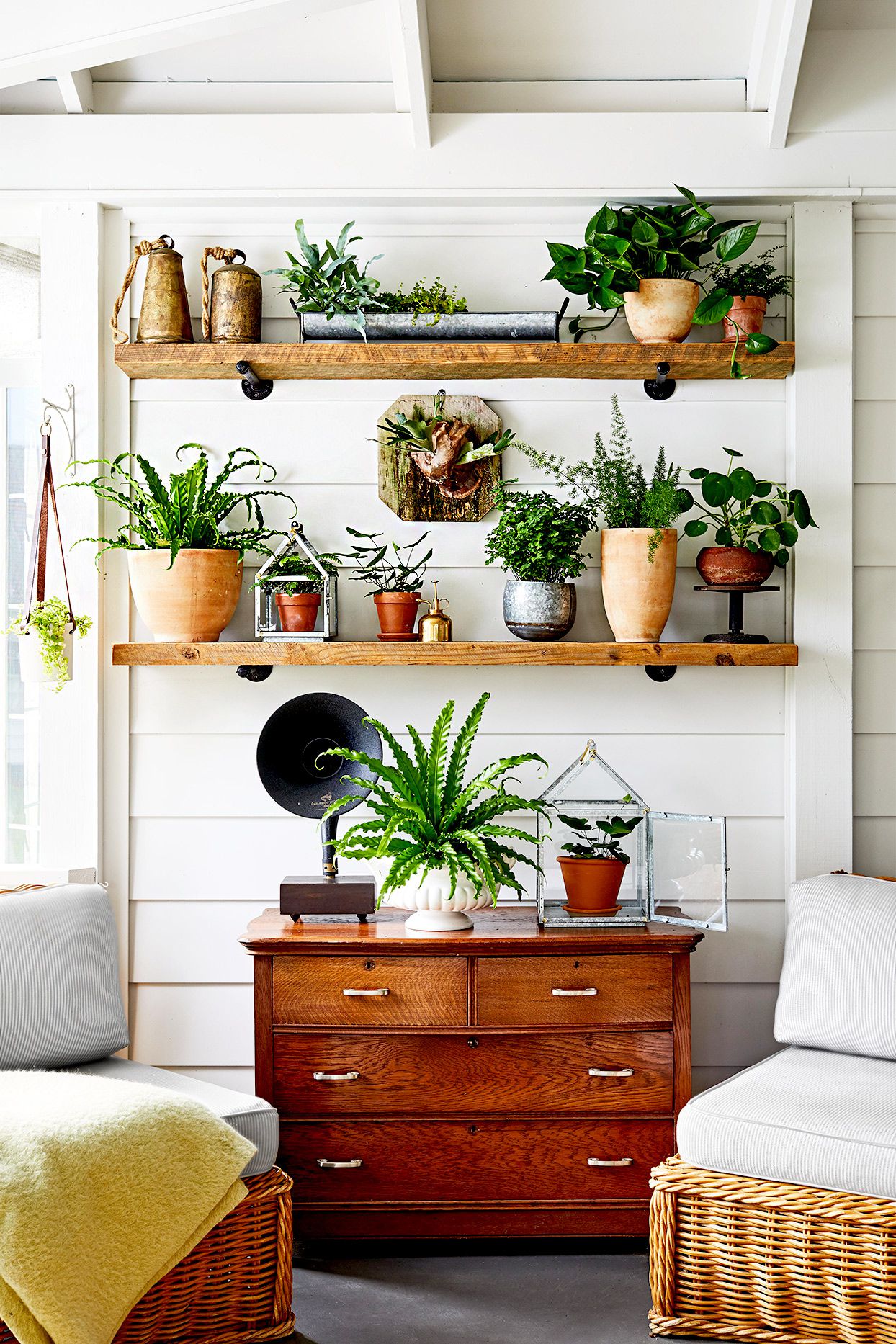
What Is Biophilic Design? 5 Ways to Incorporate This Style

What is Biophilic Design? This Nature-Based Interiors Trend Promises Wellness
Focus on Biophilia: Nature-Inspired Design Strengthens People!

Reimagining Care Through Nature: The Case for Biophilic Design

Why Houseplants And Biophilic Design Will Front 2025's Interior Design Trends
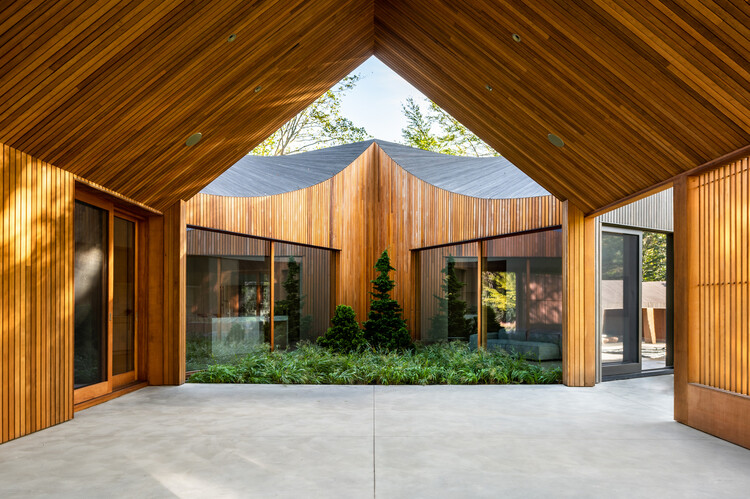
Biophilic Interiors: 21 Projects that Blend Architecture with Nature

Biophilic facades in sustainable building design
Biophilic Interiors Invade These 10 Contemporary Residences

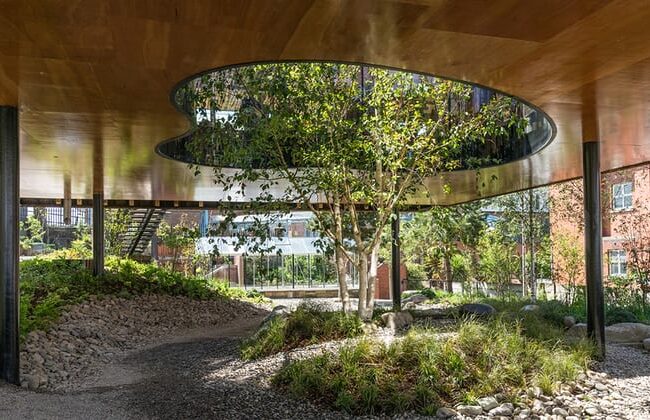
Designing with nature: Why Biophilic Design?

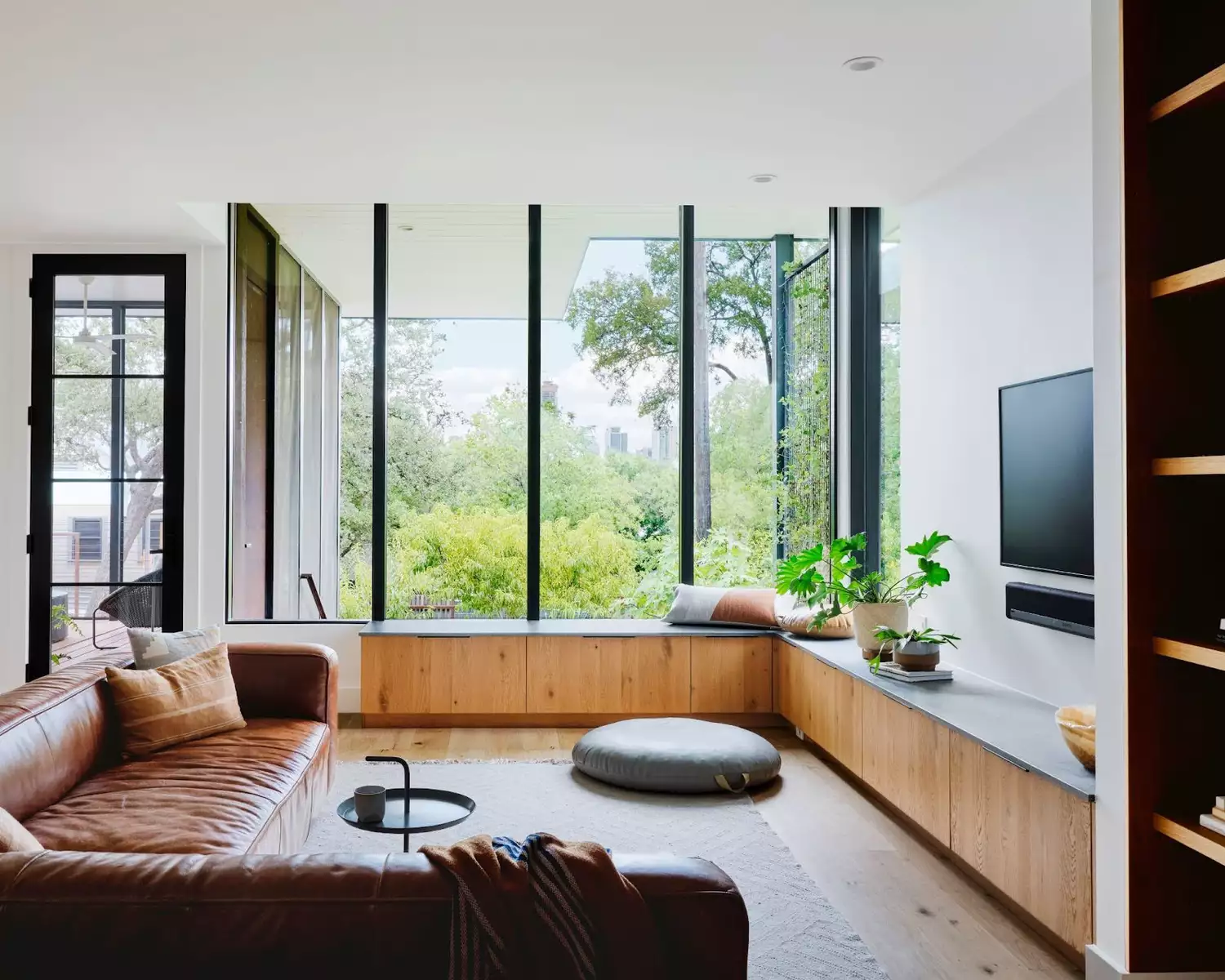
These 10 Biophilic Design Ideas Will Transform Your Home Into a Natural Oasis
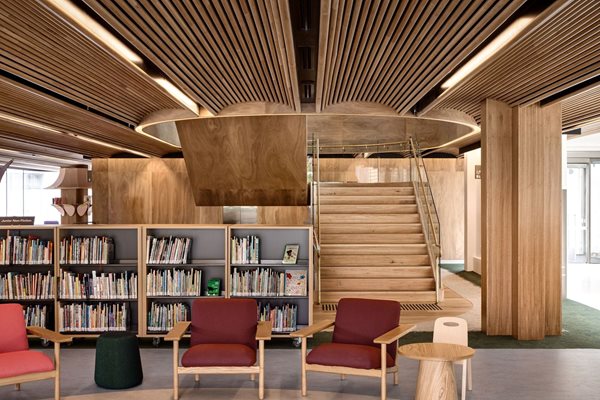
Why biophilic design is more than just a trend
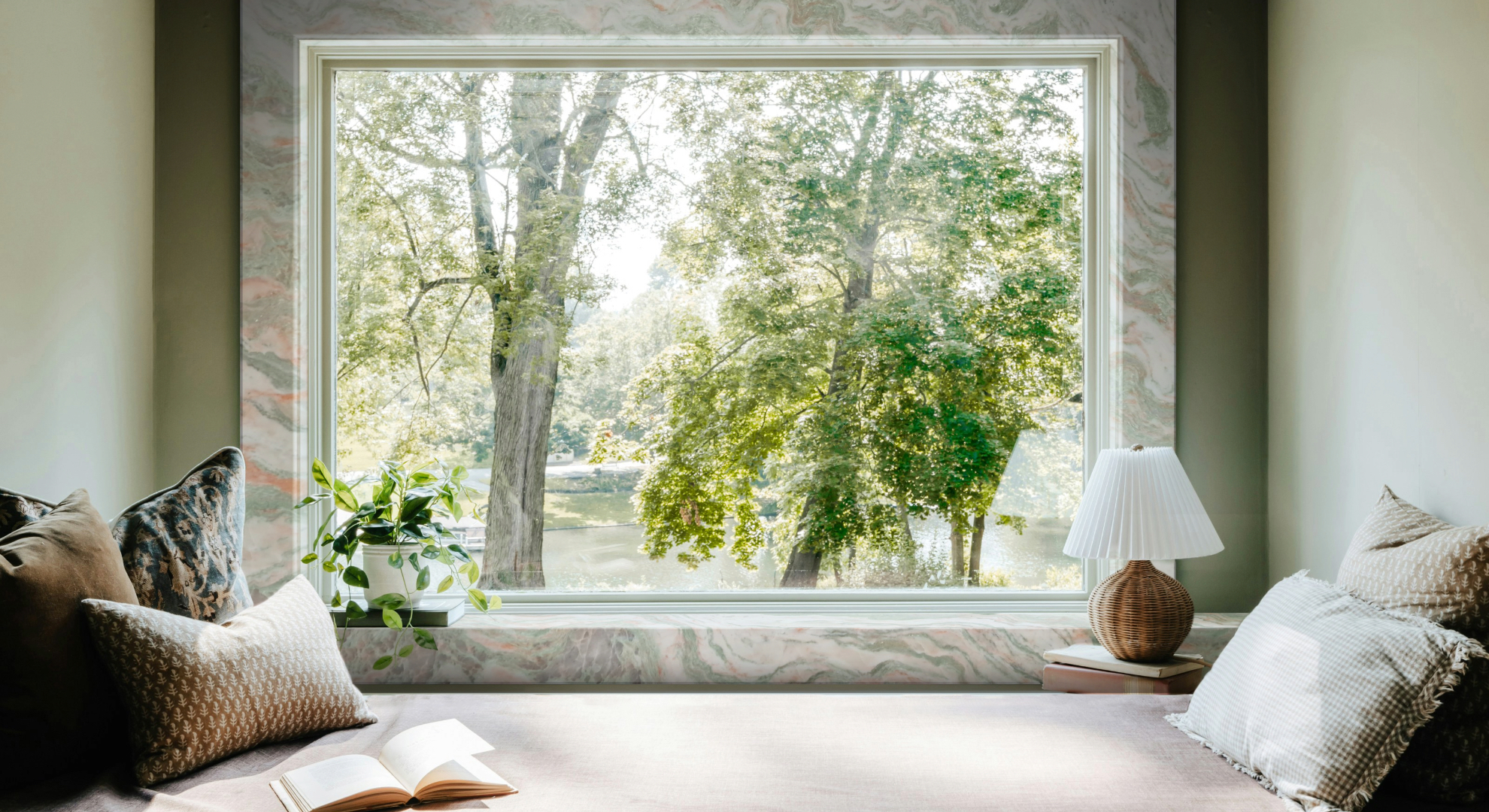
Stunning biophilic design ideas to help you bring the great outdoors into your home

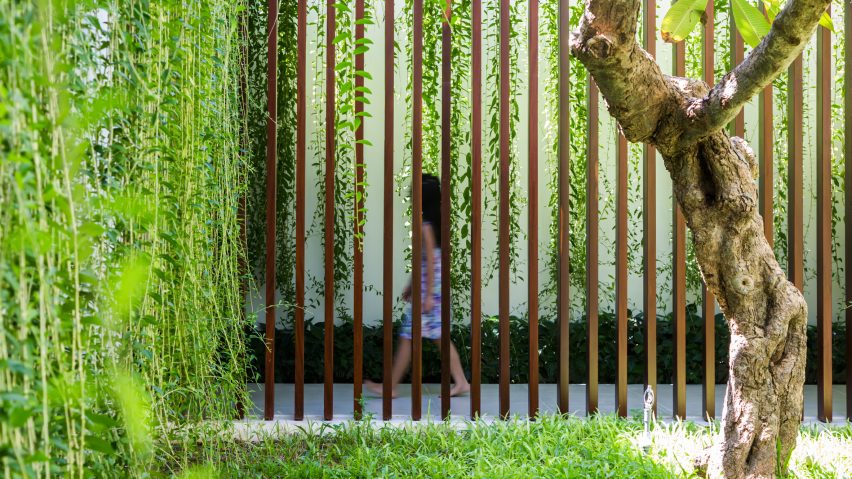
Ten modern homes with interiors informed by biophilic design

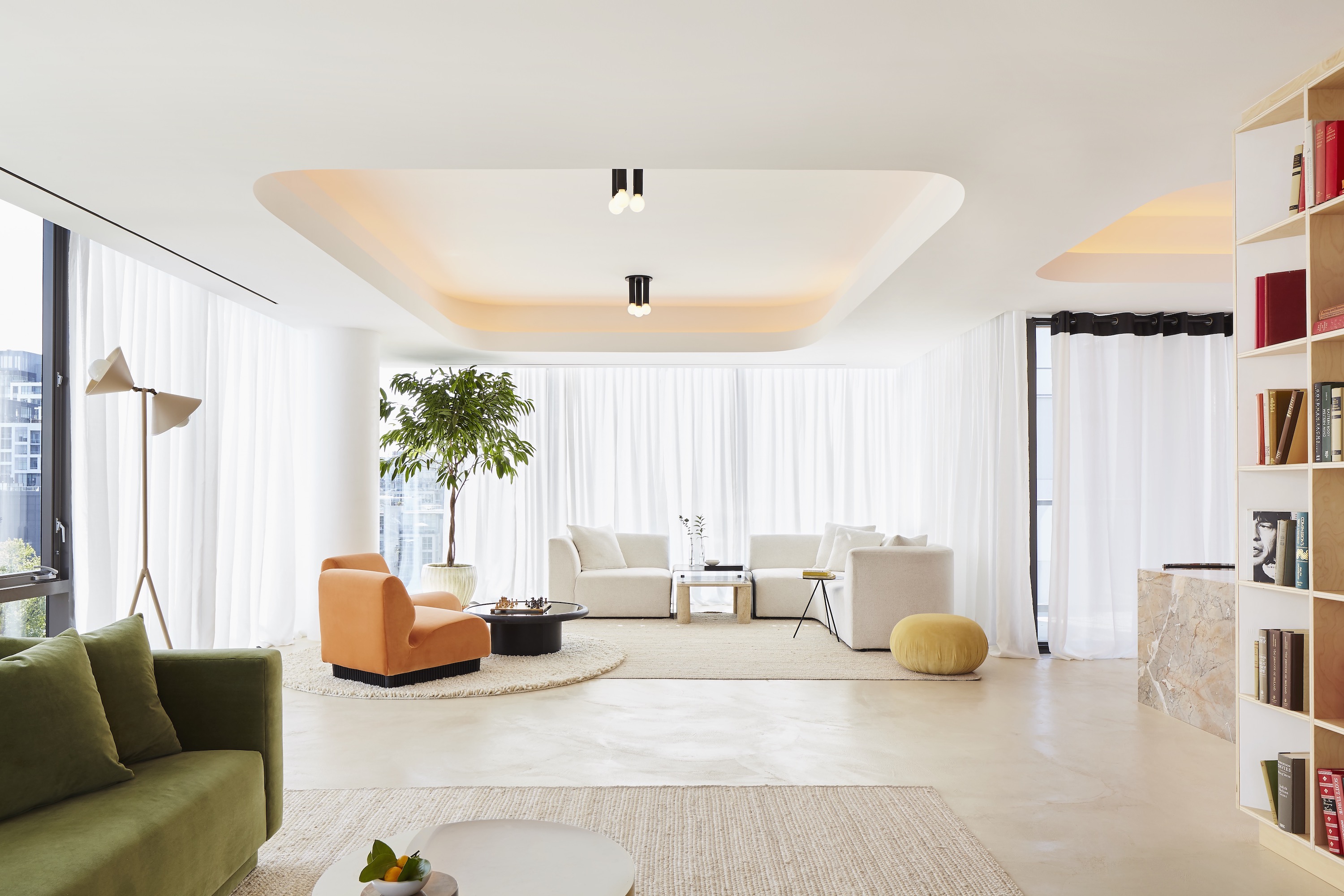
This Biophilic Condo Wants to Improve Your Health — By Design
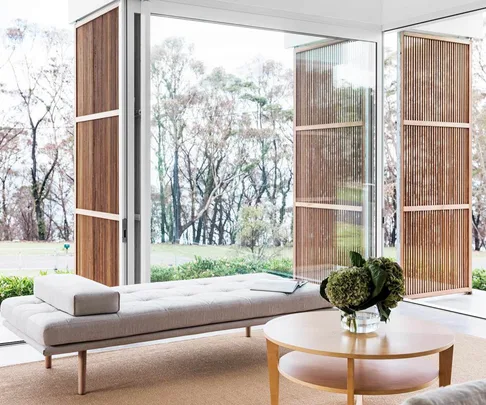
What the heck is biophilic design?

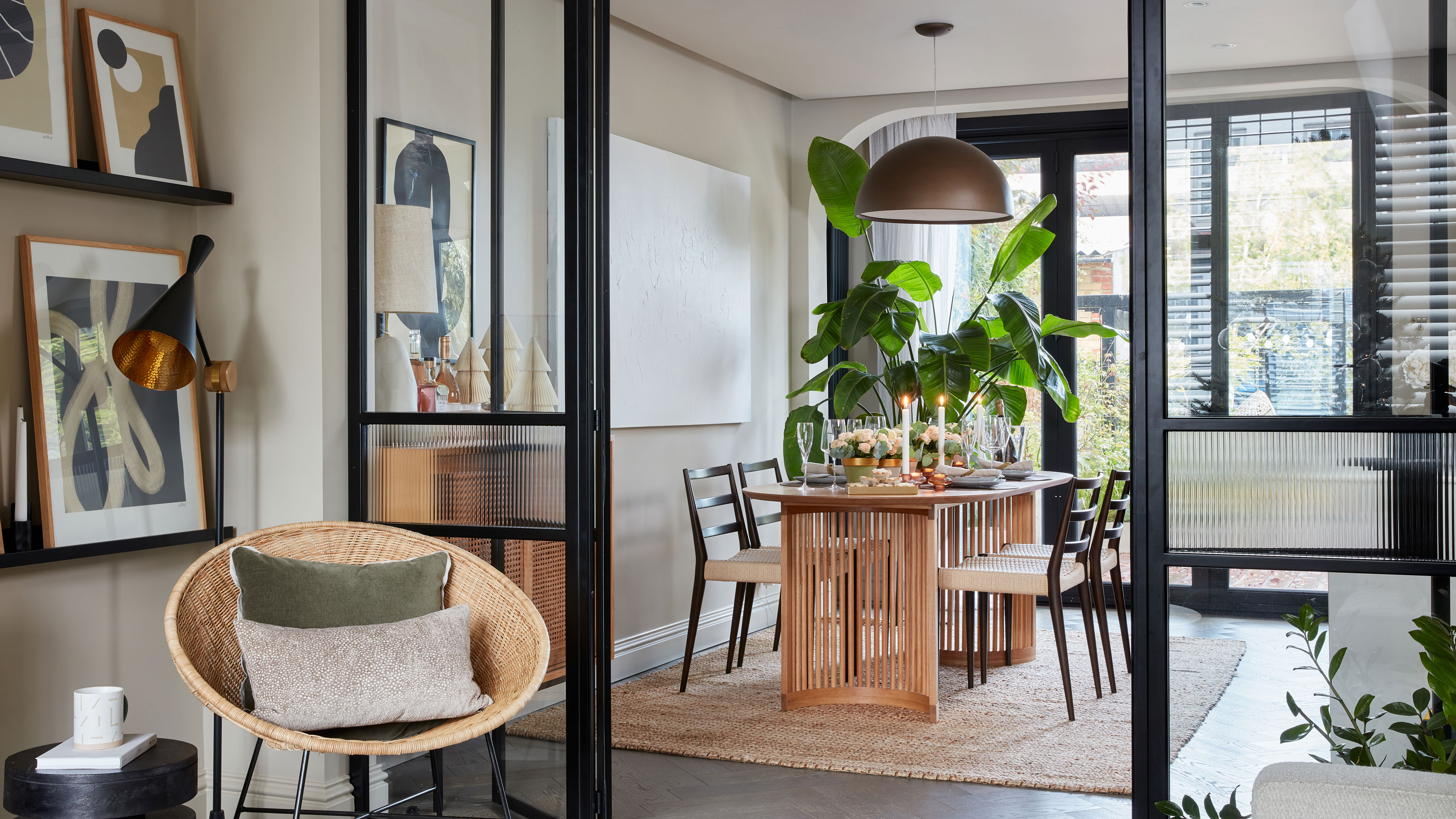
Biophilic design ideas - clever ways to bring nature into your home for a calming space
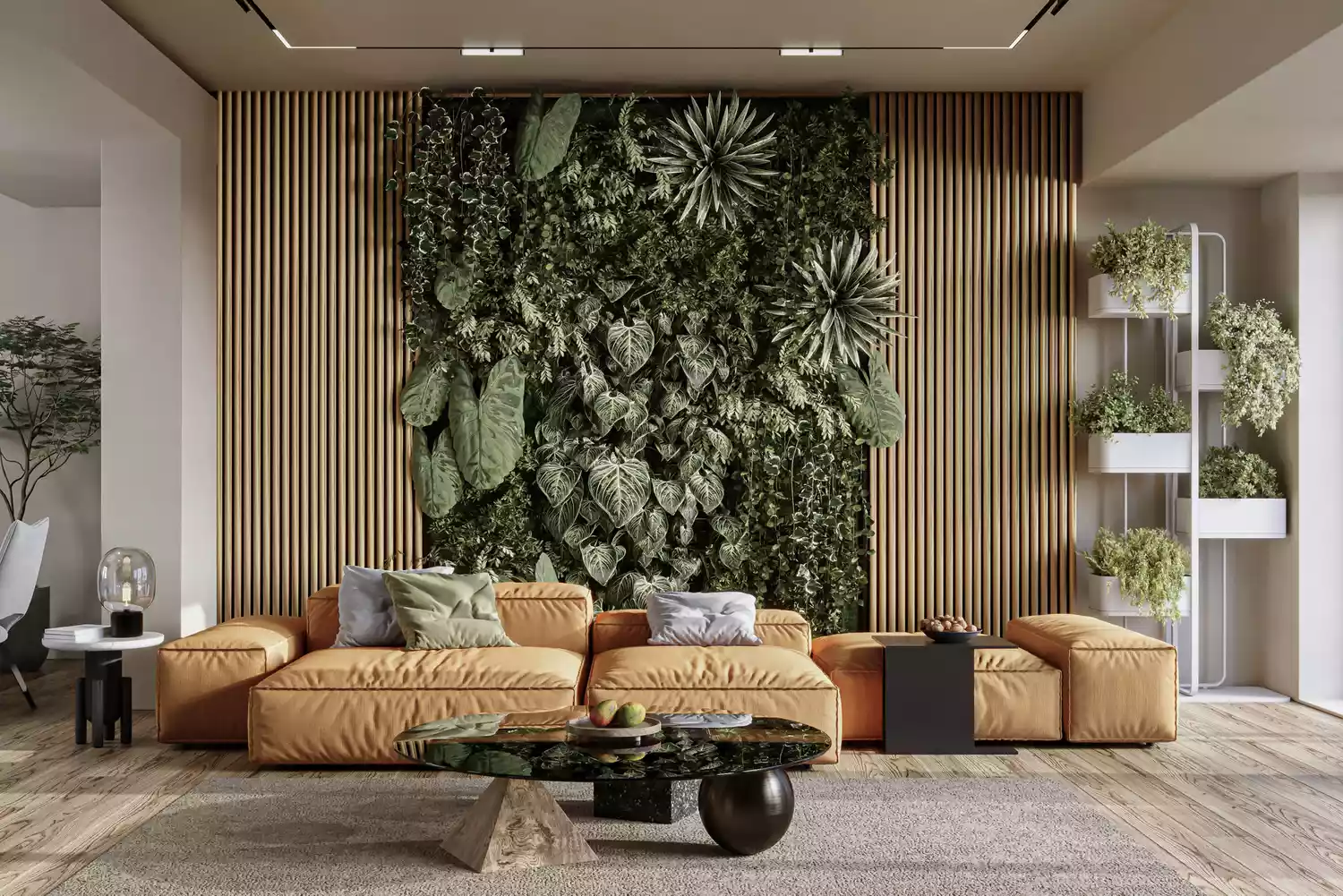
Biophilic Design Is the Decorating Trend You Need To Try if You Love Plants