1/15
This Biophilic Condo Wants to Improve Your Health — By Design
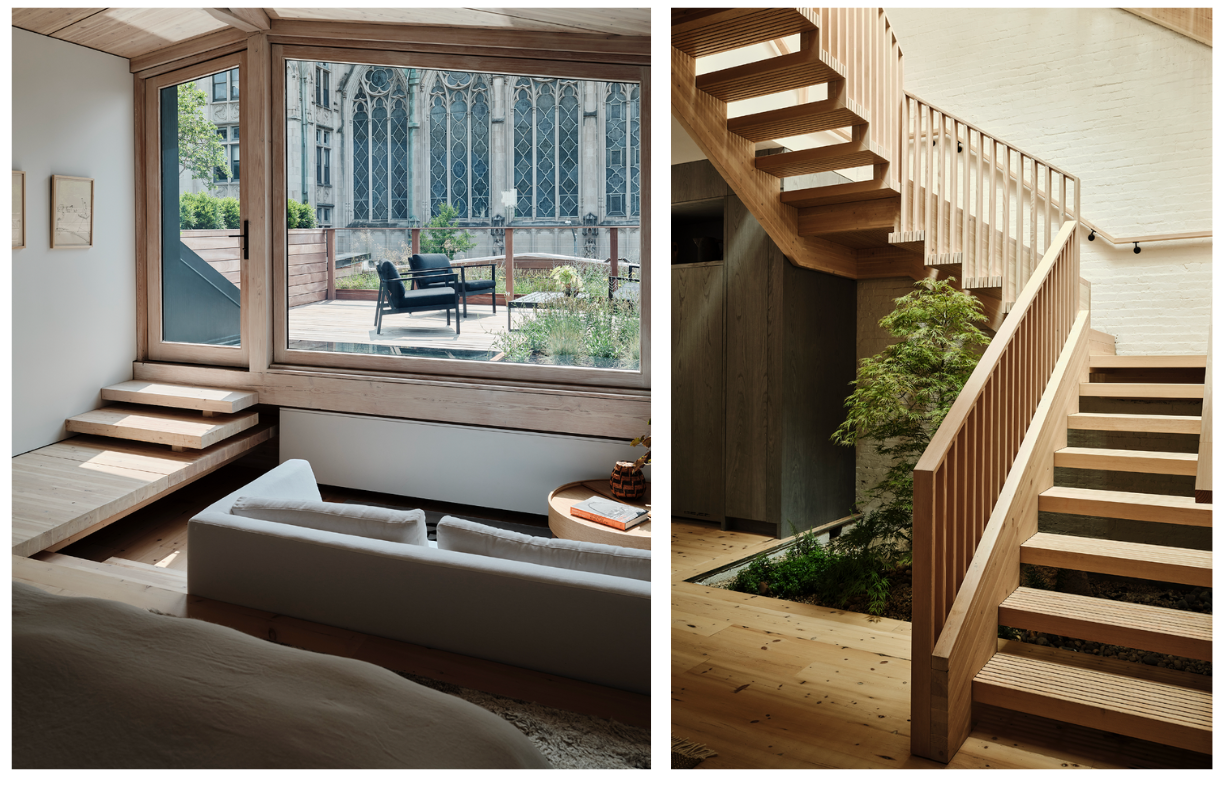
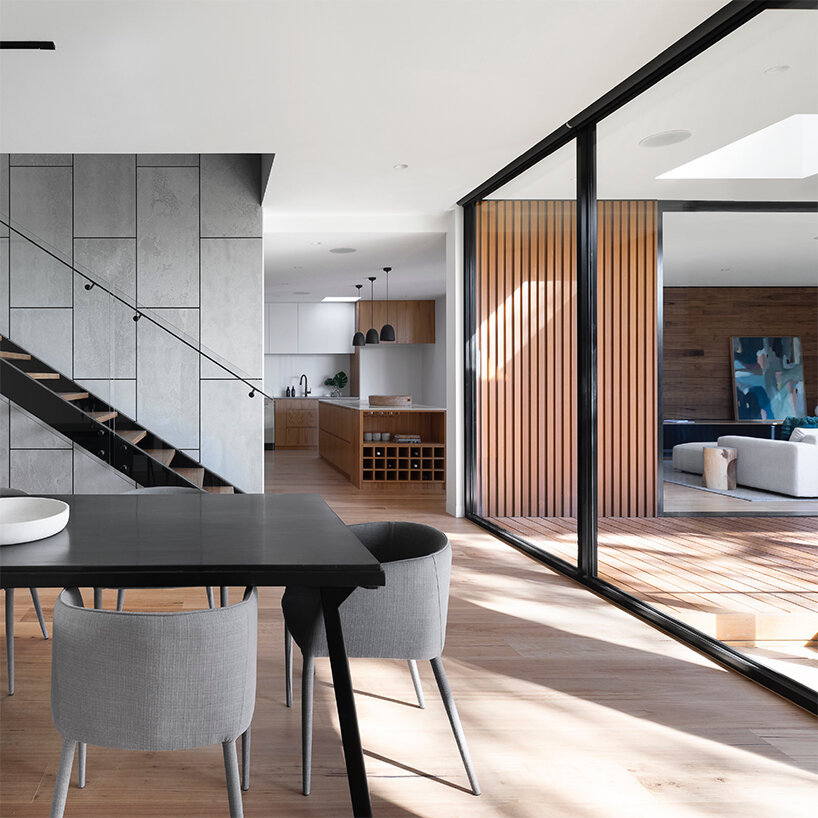
The article highlights Evolved Living's prototype condo, named The Wellington, which emphasizes biophilic interior design principles to enhance the well-being of its occupants. Andrea Kantelberg, founder of Evolved Living, developed this concept after recognizing a gap in sustainable and health-focused design within her previous work on residential interiors for major Canadian developers. Having grown up in the Netherlands where sustainability was integrated into daily life, Kantelberg felt compelled to create spaces that prioritized health, a connection to nature, and environmental consciousness. This led her to decline conventional projects and establish her own firm, Evolved Living, with The Wellington serving as its inaugural project.
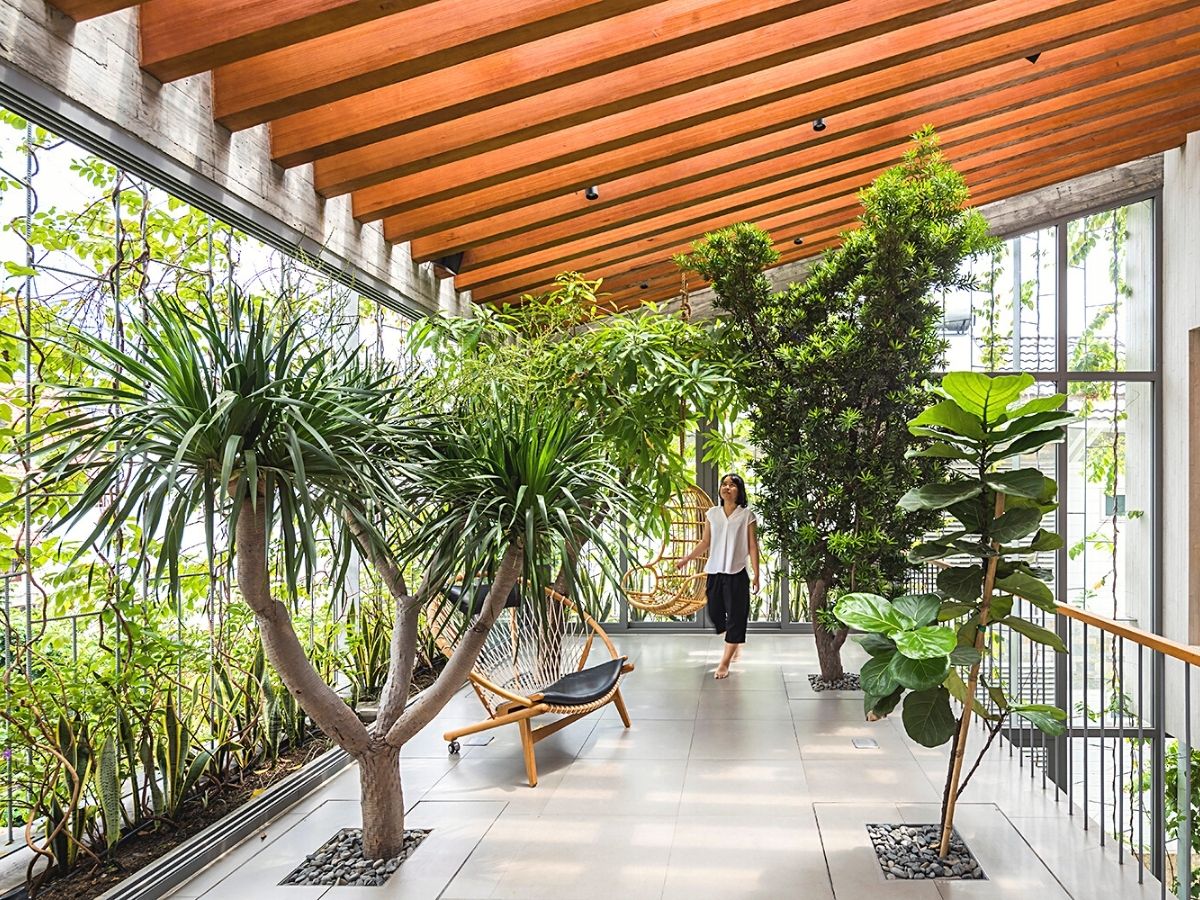
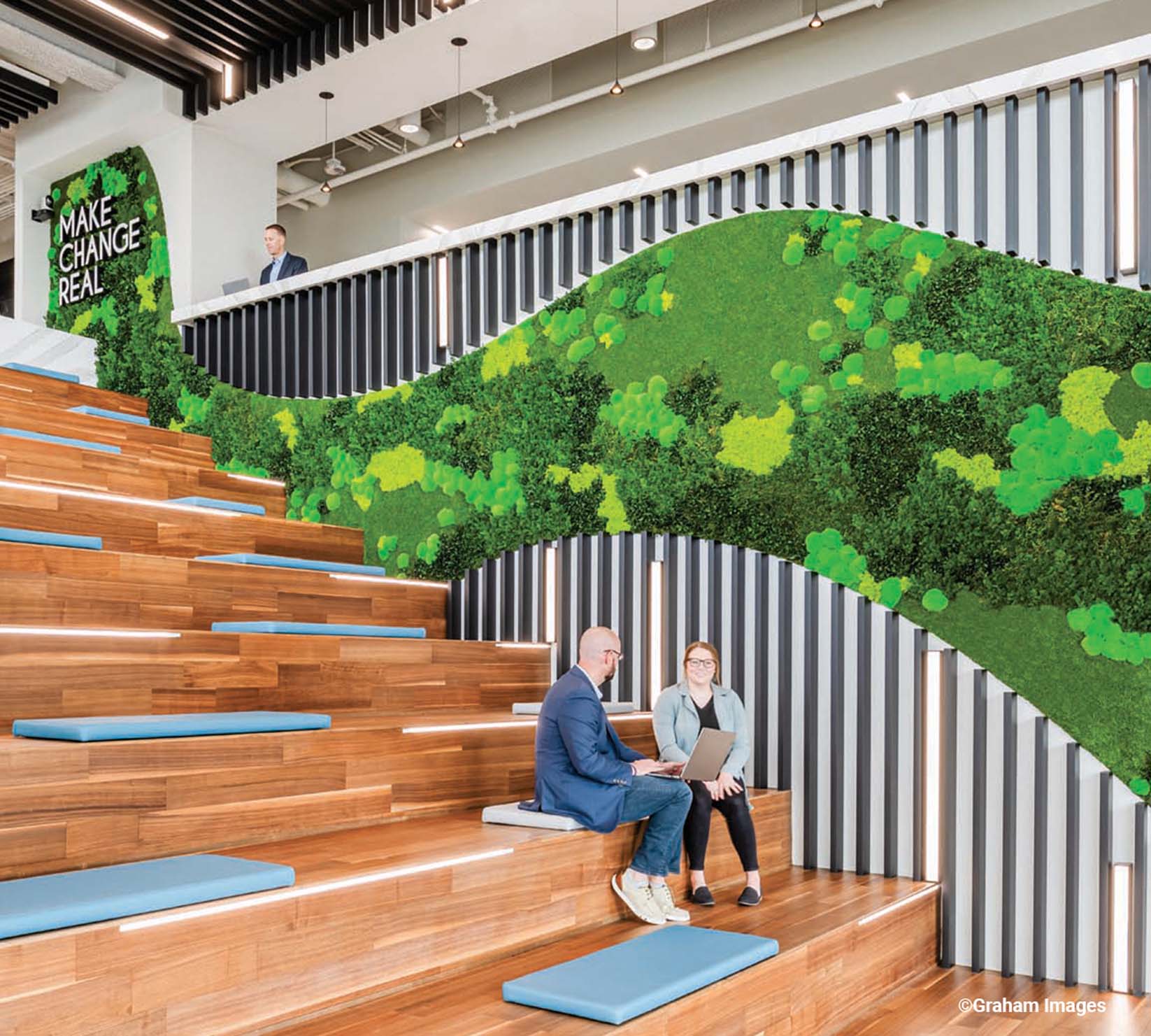
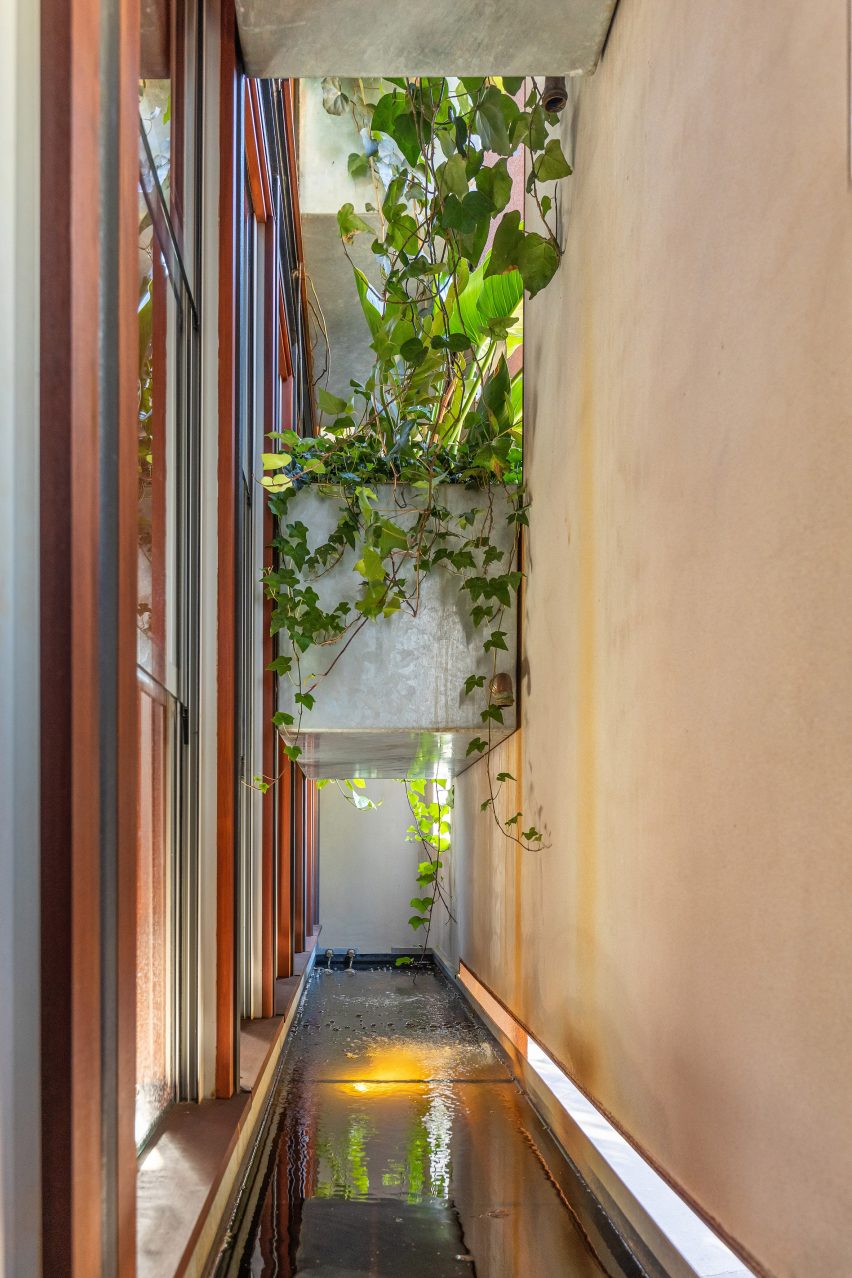
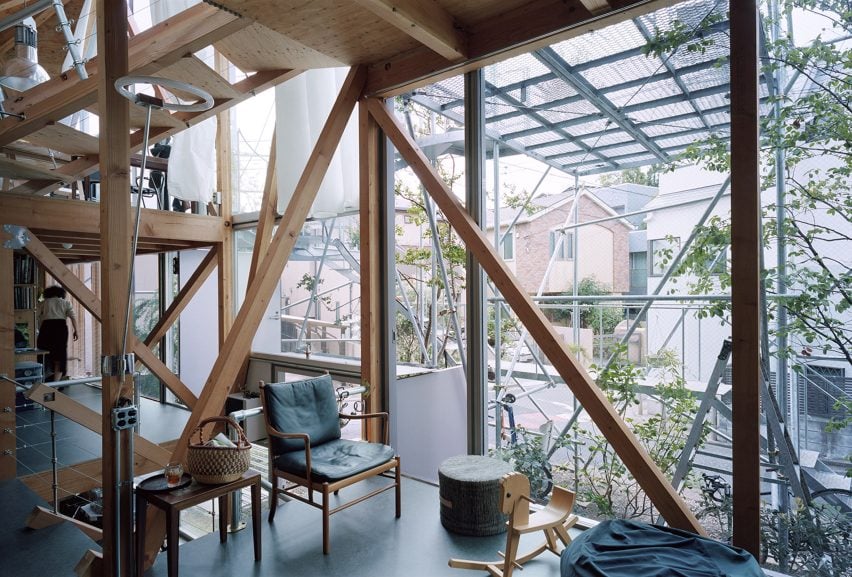
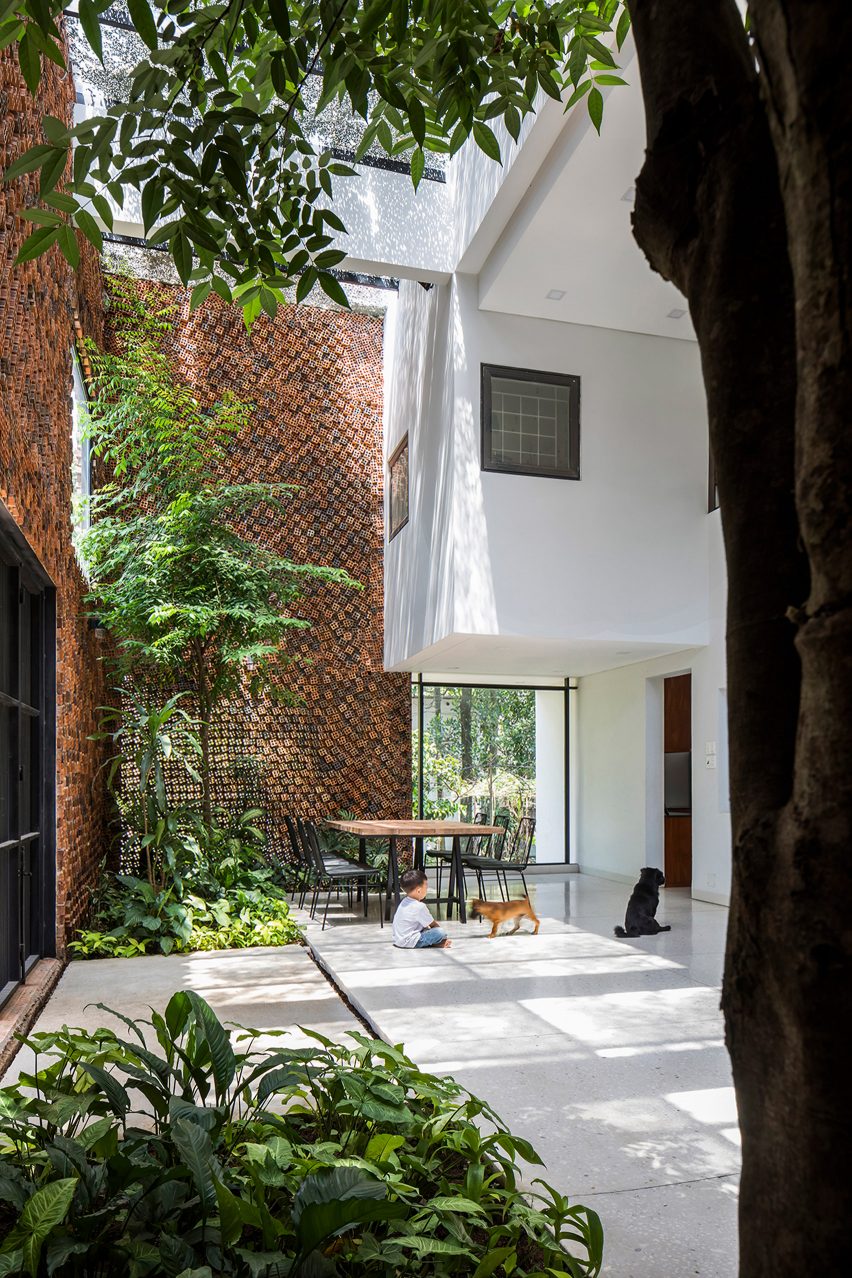
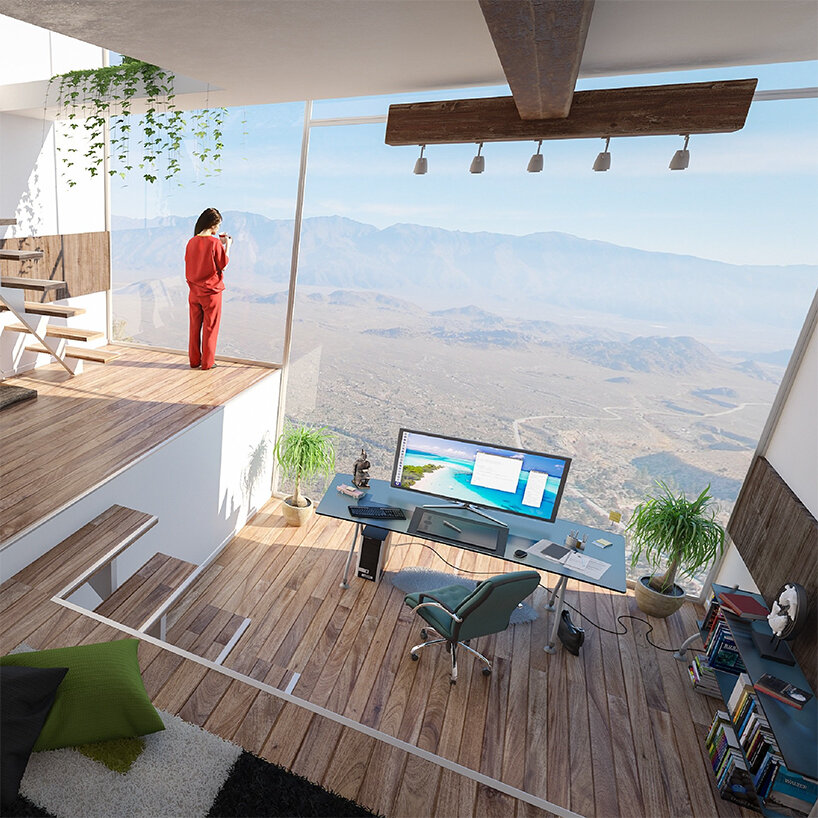
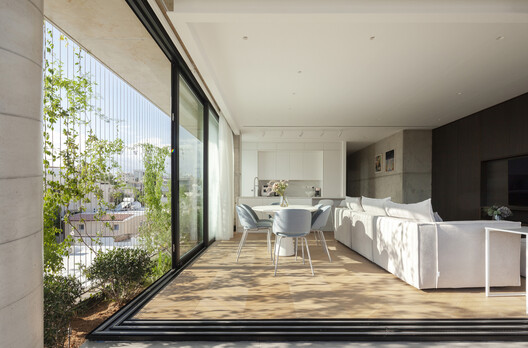
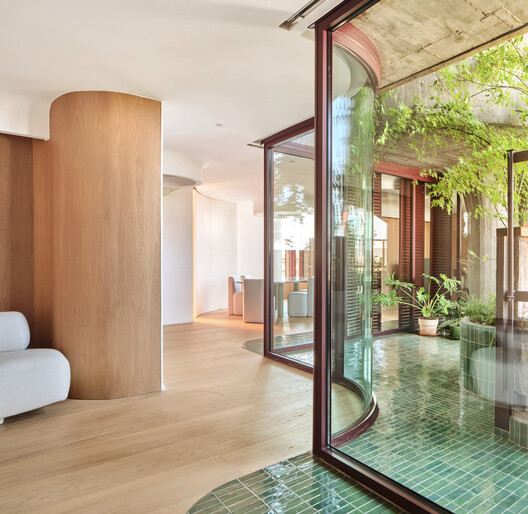
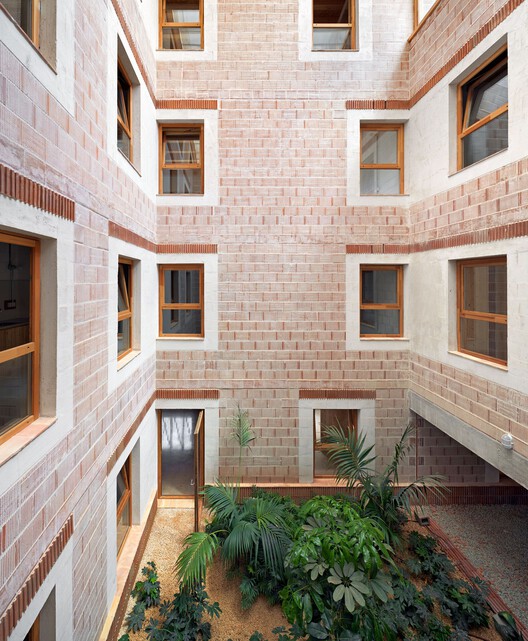
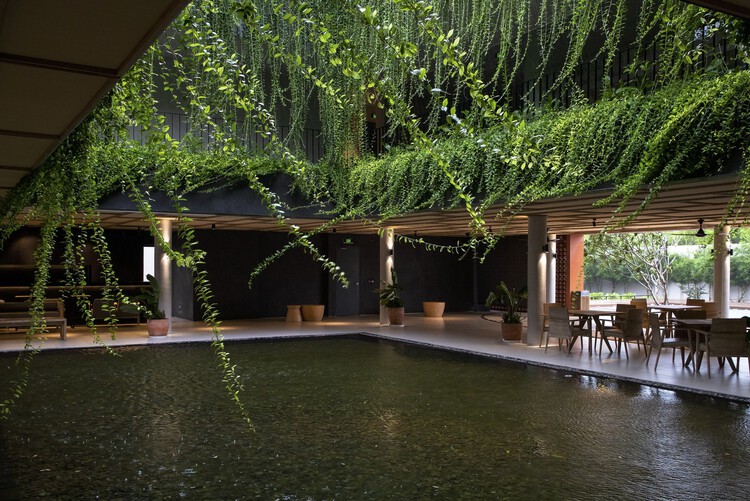
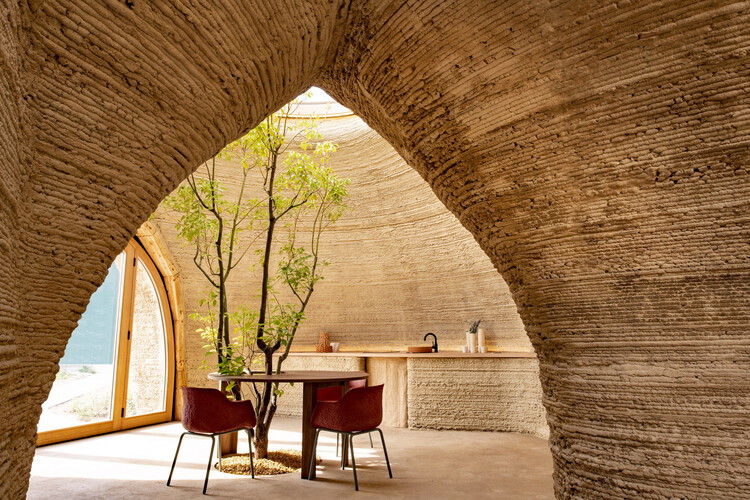
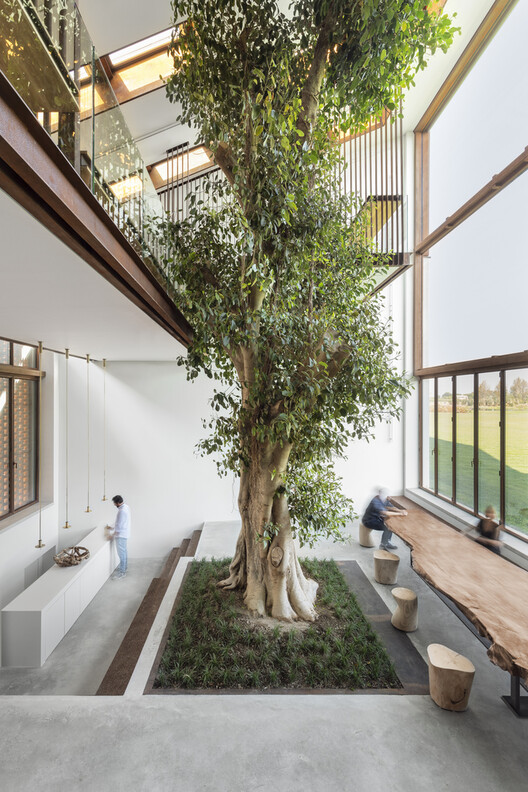
The Wellington condo is a demonstration of biophilic design, an approach that integrates natural elements and processes into built environments to foster human connection with nature. Kantelberg's firm is a pioneer in applying this concept to condo living, focusing on wellness, a symbiotic relationship with nature, and sustainability. Key features implemented throughout the condo include the creation of "sleep sanctuaries" in bedrooms. This involved minimizing electromagnetic fields (EMFs) and radio frequencies (RFs) by avoiding Wi-Fi in sleeping areas, integrating thermal windows to block these waves, and painting walls with conductive carbon paint before the final color coat.
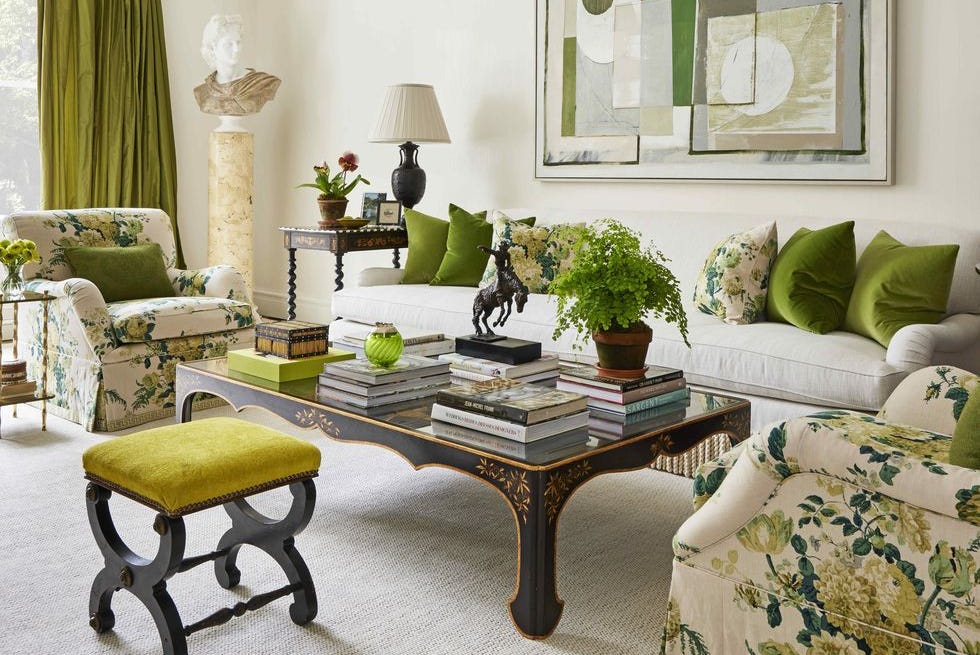
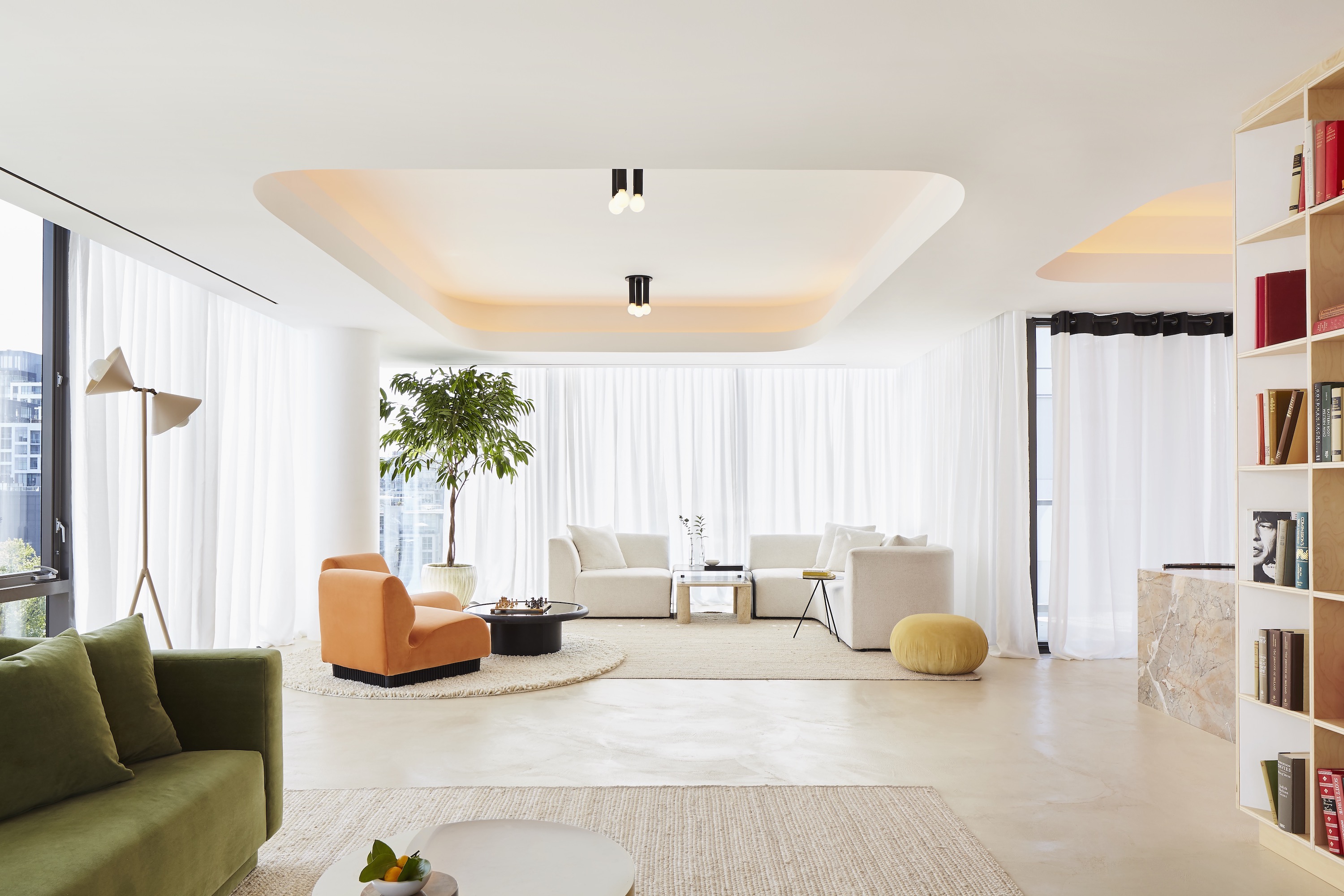
Lighting in the unit is designed to align with the human circadian rhythm, with lights dimming to a warm yellow in the evening and mimicking natural daylight during the day. The main bedroom is strategically oriented to face East, allowing residents to wake with the natural sunrise. Additionally, a sauna in the bathroom provides a space for relaxation and detoxification, contributing to the overall wellness focus. The furniture selection for The Wellington adheres to the principle of dematerialization, emphasizing the reuse and repurposing of existing items rather than the constant production of new ones. An example given is an 80s green sofa in the living room that was kept in its original condition due to its good state, thus avoiding the unnecessary use of new materials.
Although a prototype, The Wellington quickly found tenants who were receptive to its unique biophilic design elements and its dual function as both a living space and a showroom. For individuals looking to incorporate biophilic design into their own homes without significant investment, Kantelberg suggests simple yet effective changes. These recommendations include replacing standard lightbulbs to avoid blue light, particularly in the evenings, and unplugging bedside lamps before sleep to reduce electromagnetic exposure. Evolved Living's vision extends beyond this prototype condo. The firm is currently engaged in other residential projects, including a development of ten townhomes, and a larger-scale office space project. This office space, dubbed "the Wellington’s big sister," aims to illustrate how biophilic principles can be applied to commercial environments to enhance employee well-being and productivity. This innovative approach to design is anticipated to gain further traction and influence future architectural and interior design trends.
#BiophilicDesign #SustainableDesign #CondoLiving #WellnessHome #EvolvedLiving #ResidentialInteriors #CircadianLighting #EMFReduction #Dematerialization #GreenLiving #BiophilicDesign #SustainableDesign #CondoLiving #WellnessHome #EvolvedLiving #ResidentialInteriors #CircadianLighting #EMFReduction #Dematerialization #GreenLiving
0 comment in total
 No comments yet
You may also like

Newsletter #50: 🏡 Place as medicine: How our homes can create health or disease
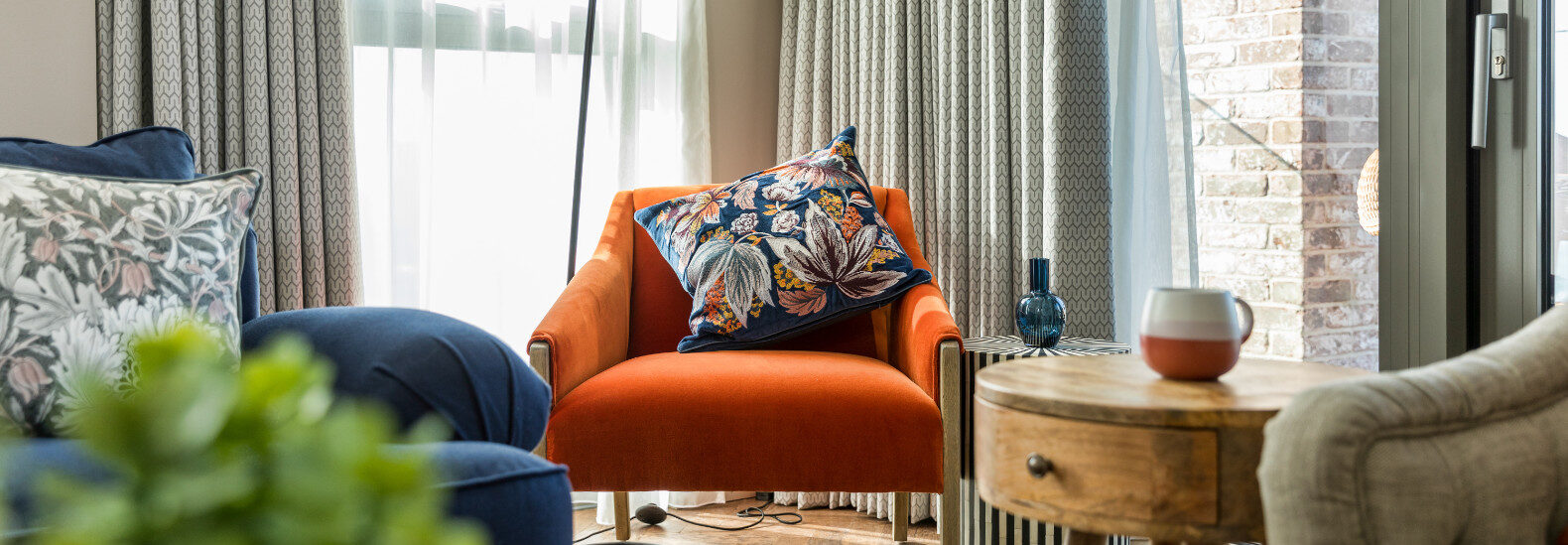
London has a beautiful biophilic apartment complex

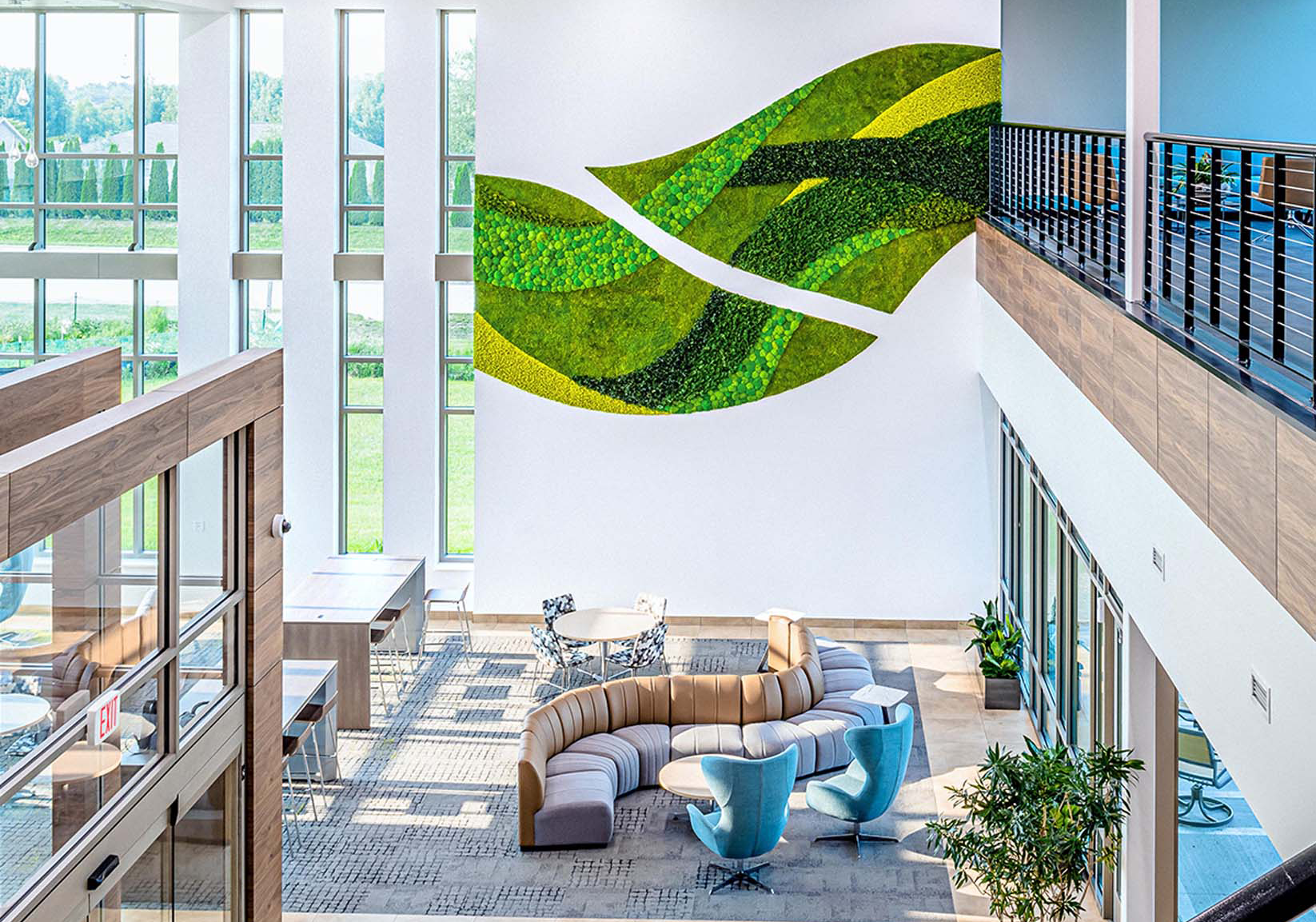
How Preserved Nature Is Transforming Interiors

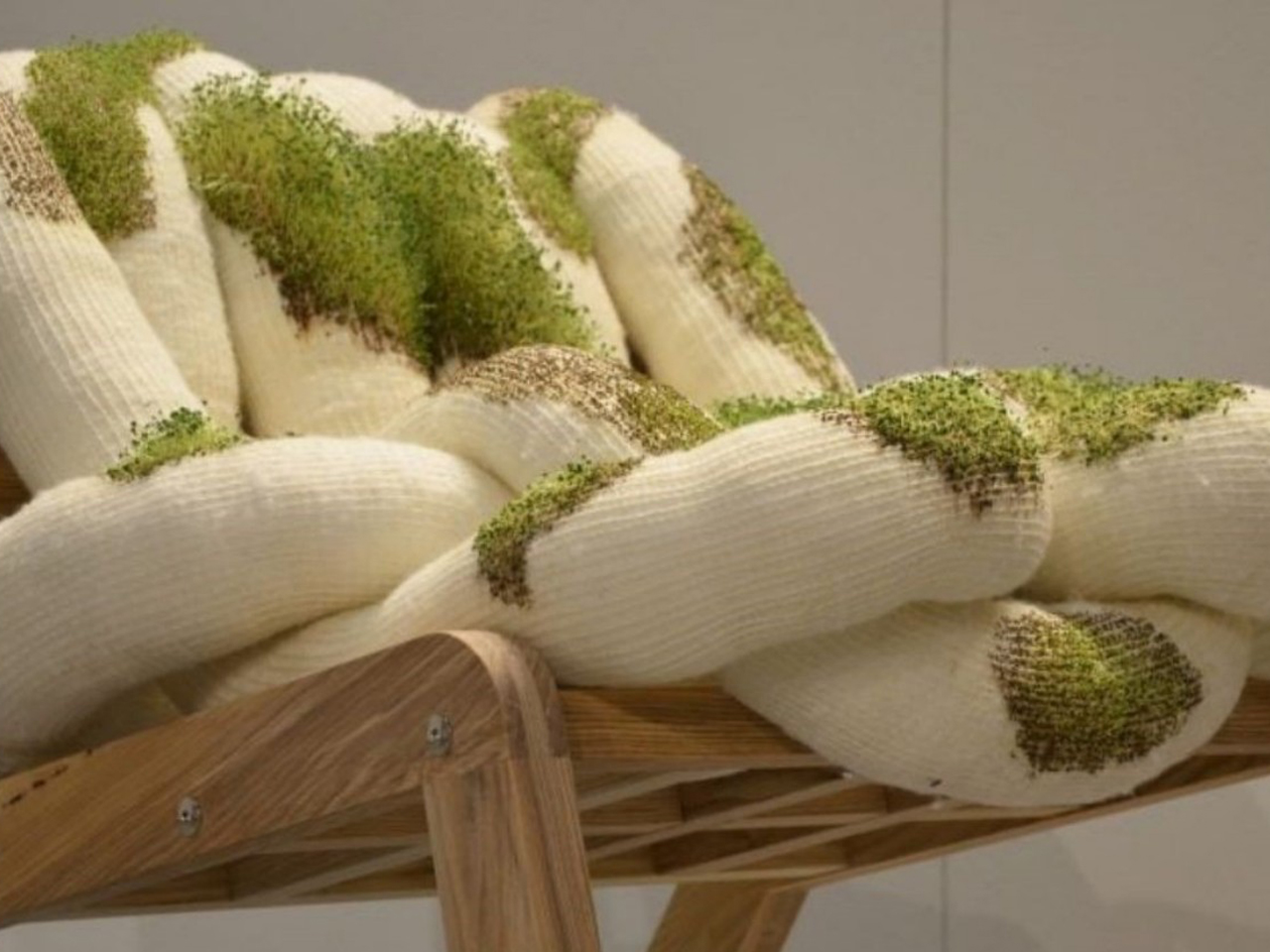
Top 5 Biophilic Design Trends for Indoors: Illuminated Greenery and Functional Plant Solutions

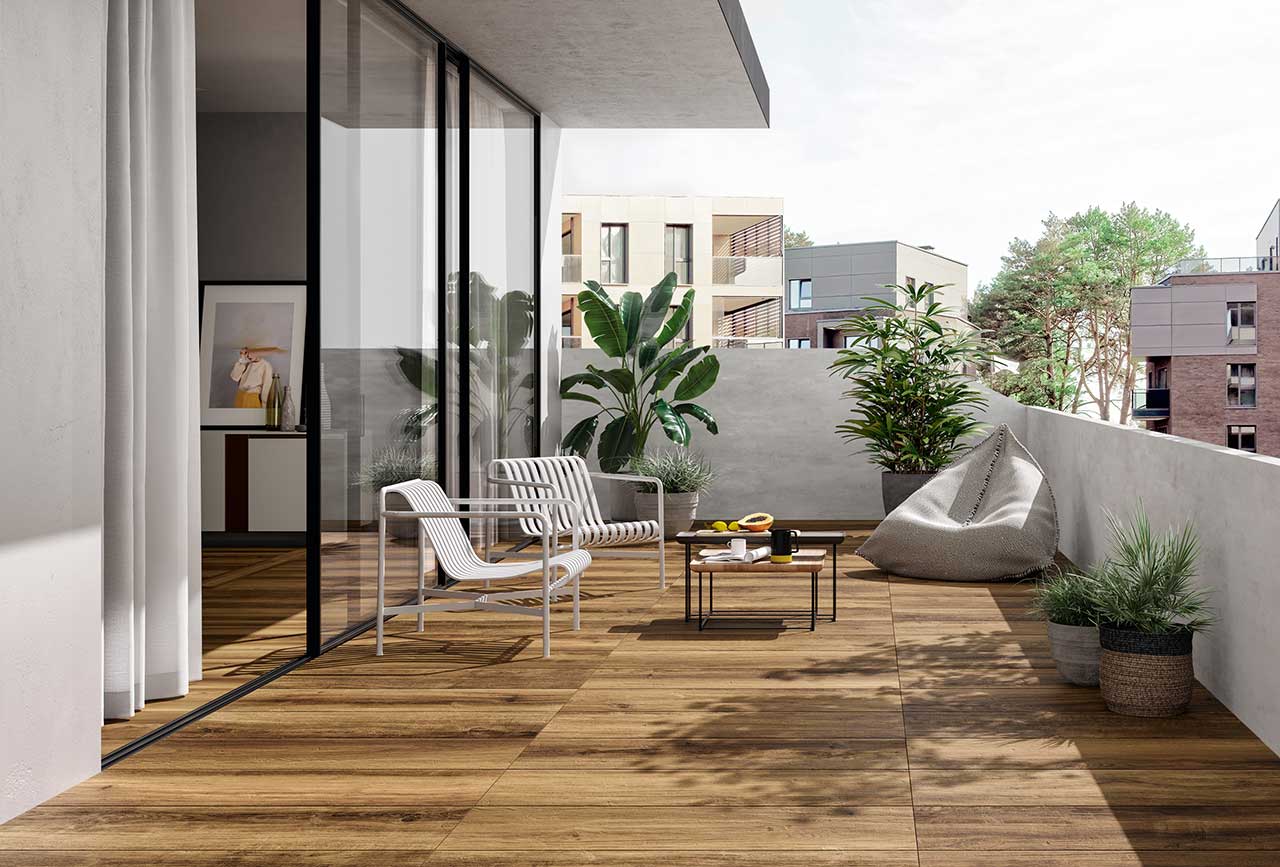
Wellness Benefits of Outdoor Living Spaces
What the heck is biophilic design?

What Is Biophilic Design? 5 Ways to Incorporate This Style

Biophilic Interiors: 21 Projects that Blend Architecture with Nature

'It's pure escapism': this extraordinary house design was inspired by a stagnant pond

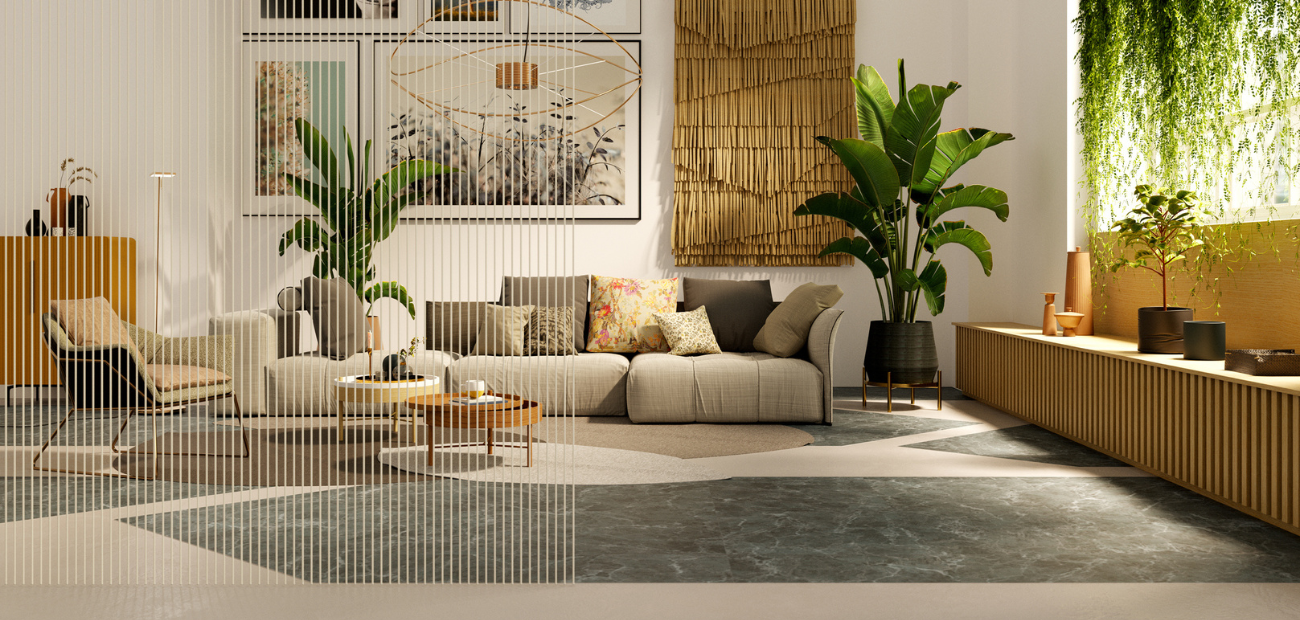
Biophilic Design Helps Homeowners Connect to Nature
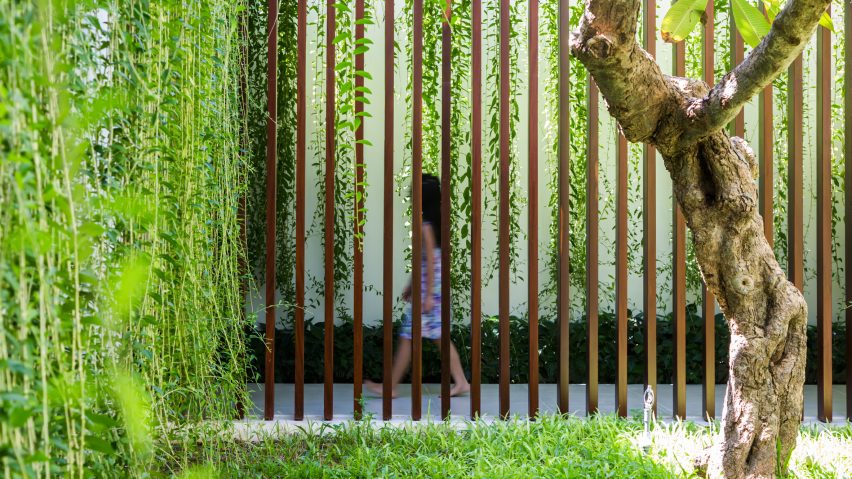
Ten modern homes with interiors informed by biophilic design

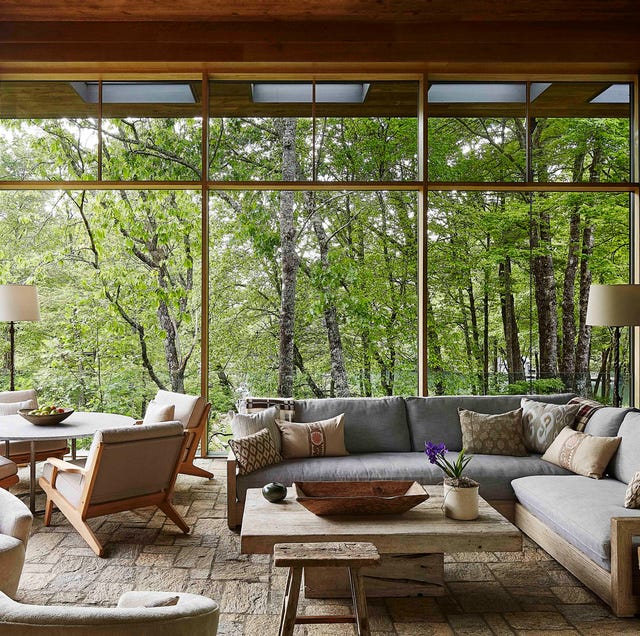
Want Your Home to Feel Happier and Calmer? It's Time to Consider Biophilic Design


Well-Being Through Biophilic Interiors

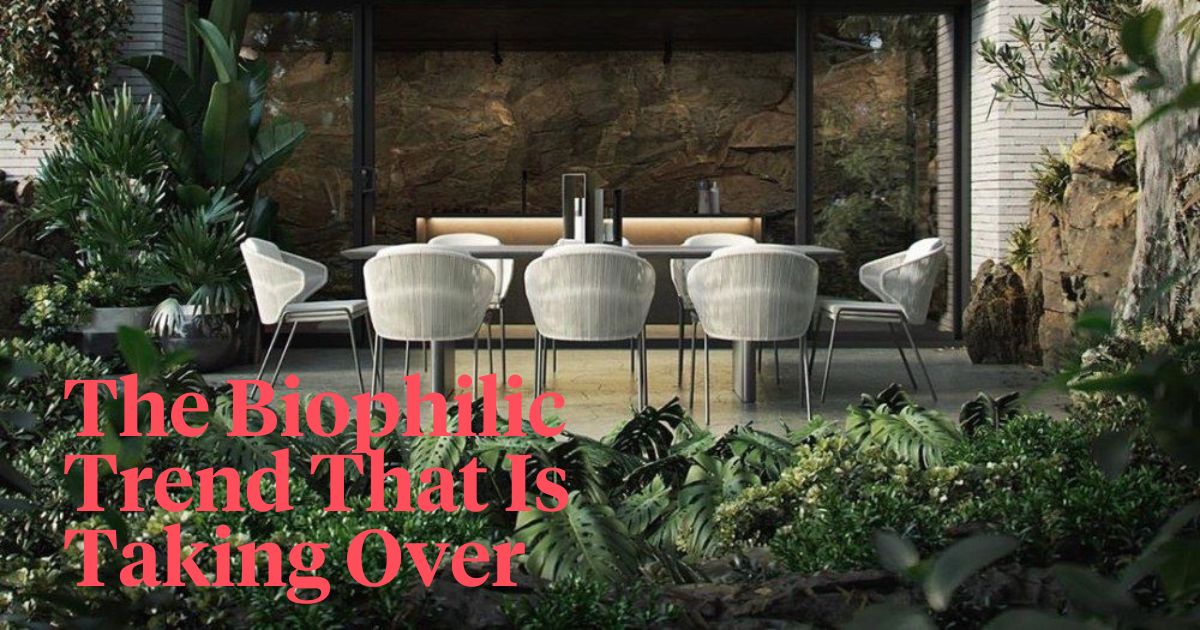
Biophilic Interiors Invade These 10 Contemporary Residences

schneider electric and oliver heath design sustainable homes of the future
Spaces for Wellness: Integrating Fitness into Everyday Environments
20 Nature-Loving Homes Where Biophilia Thrives

Biophilic Design Is the Signature Style of Plant Lovers Everywhere

Bringing the Outside In: Life-Size Terrariums and Other Ways to Exhibit Nature in European Apartment Buildings

‘Why are so many buildings designed to keep nature out?’