1/2
‘Why are so many buildings designed to keep nature out?’
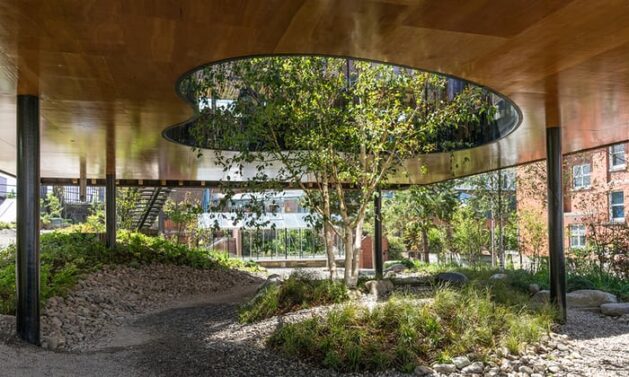
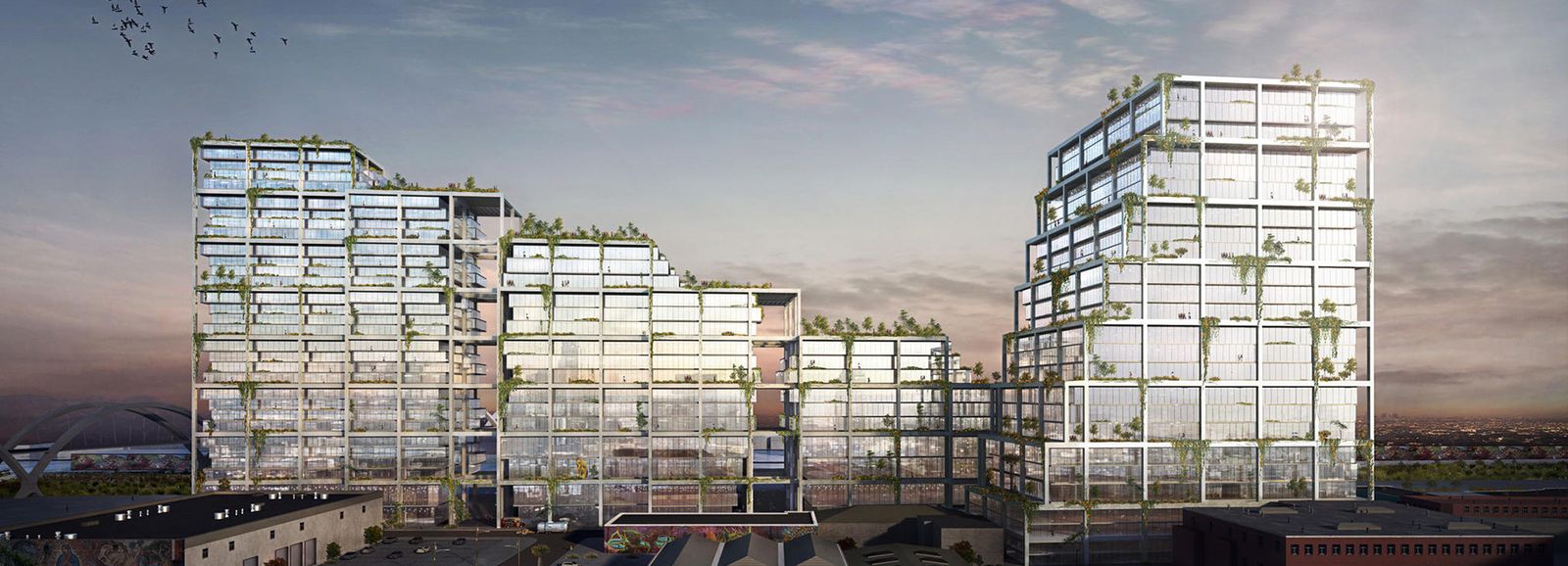
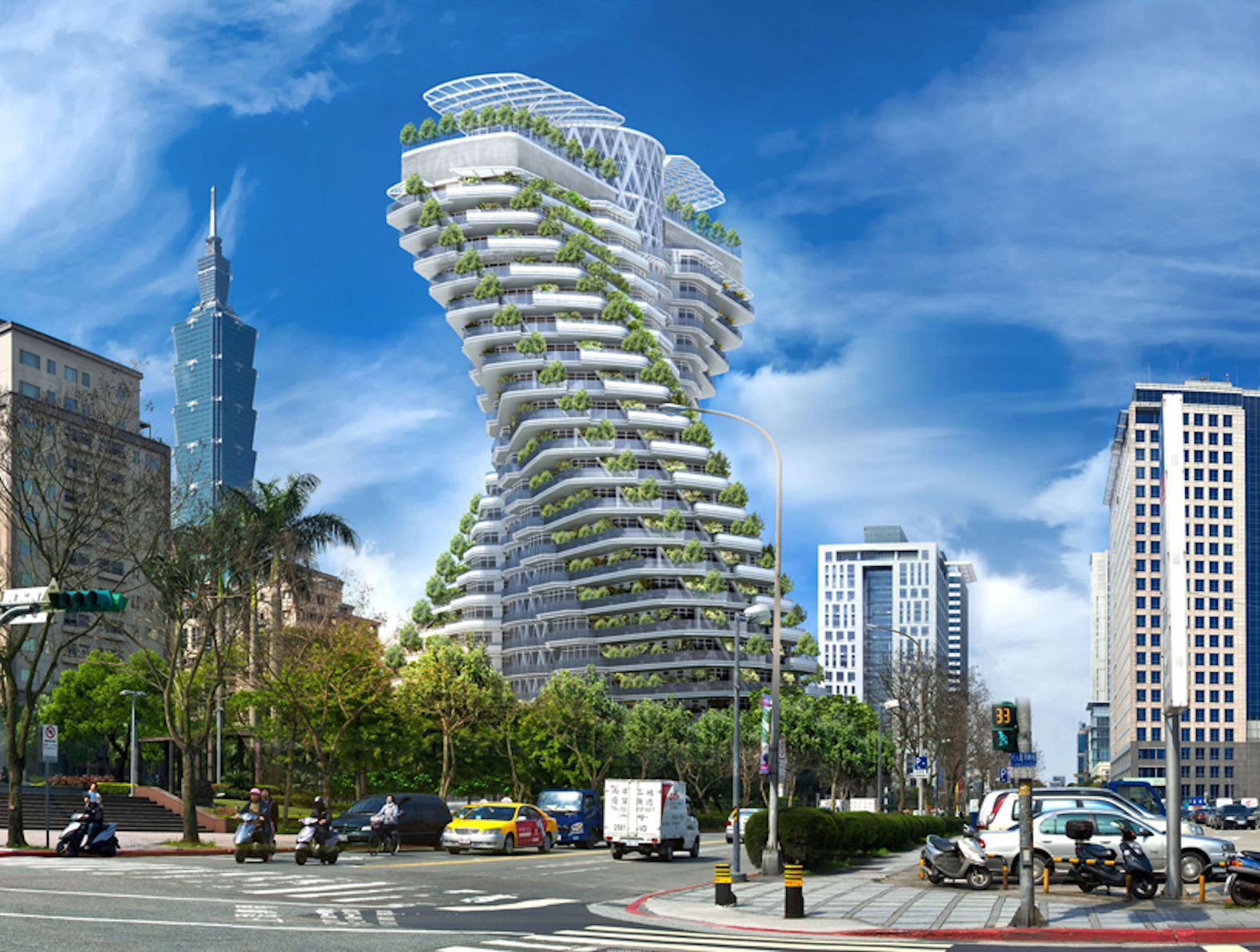
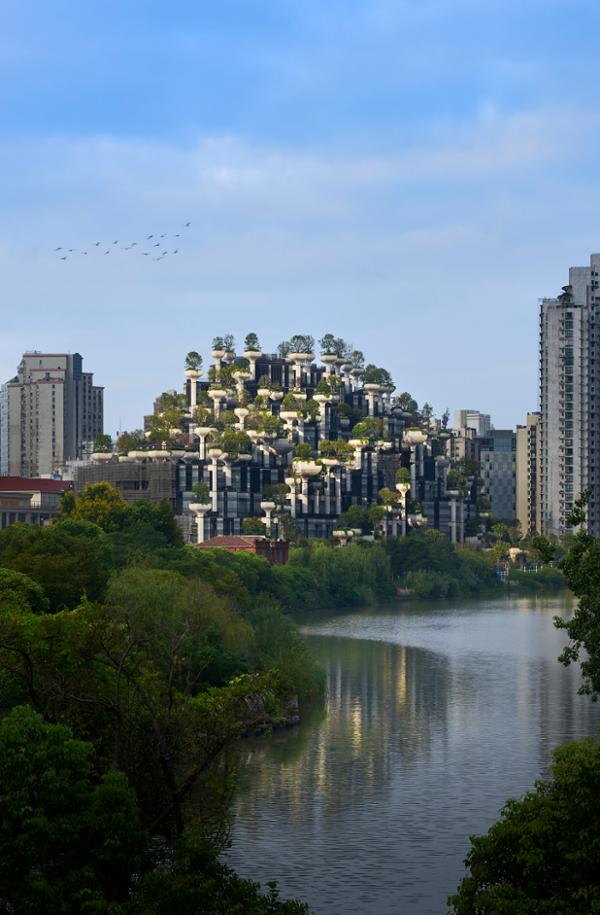
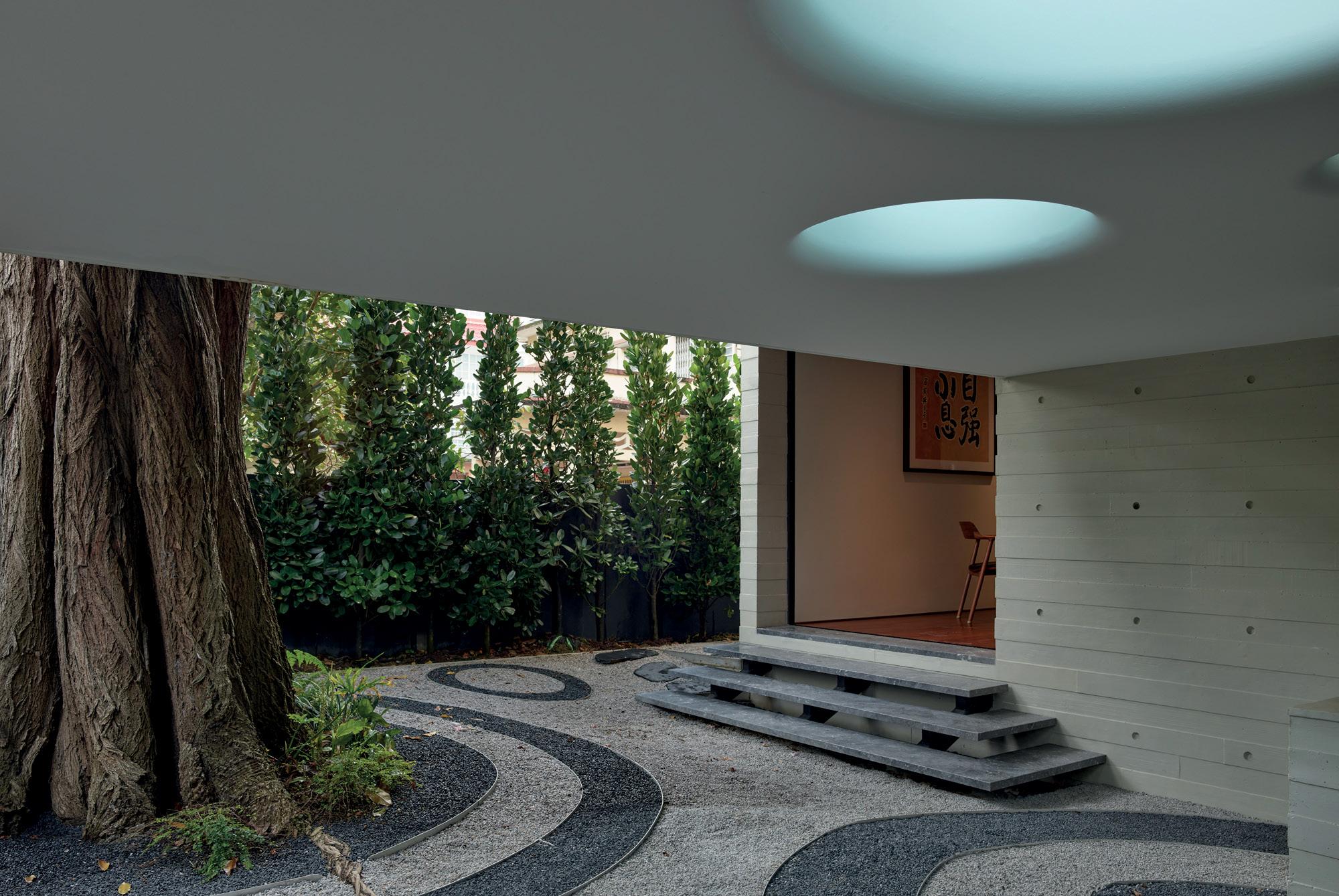
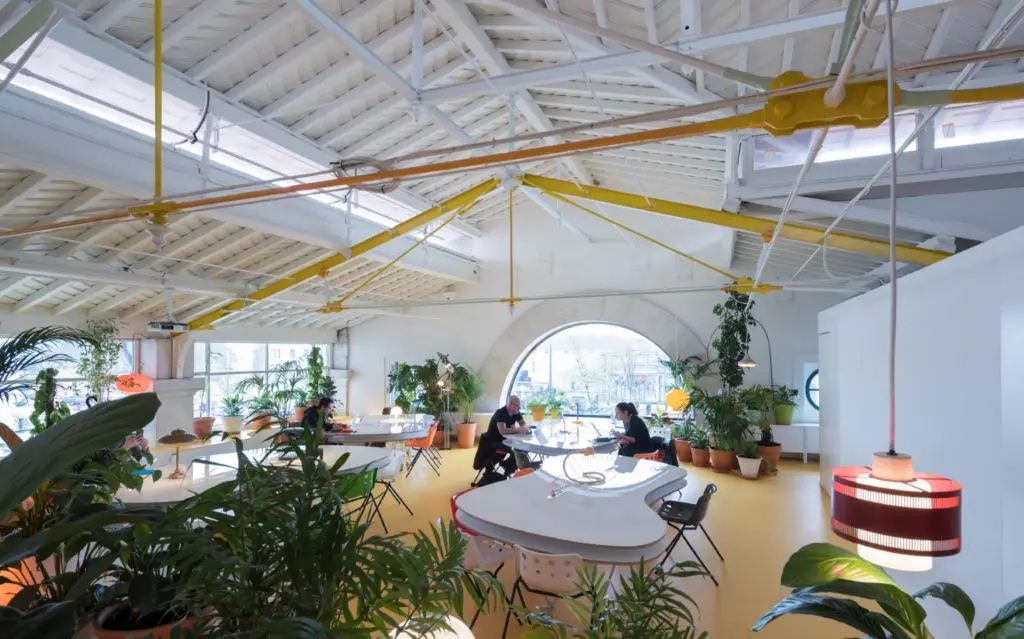
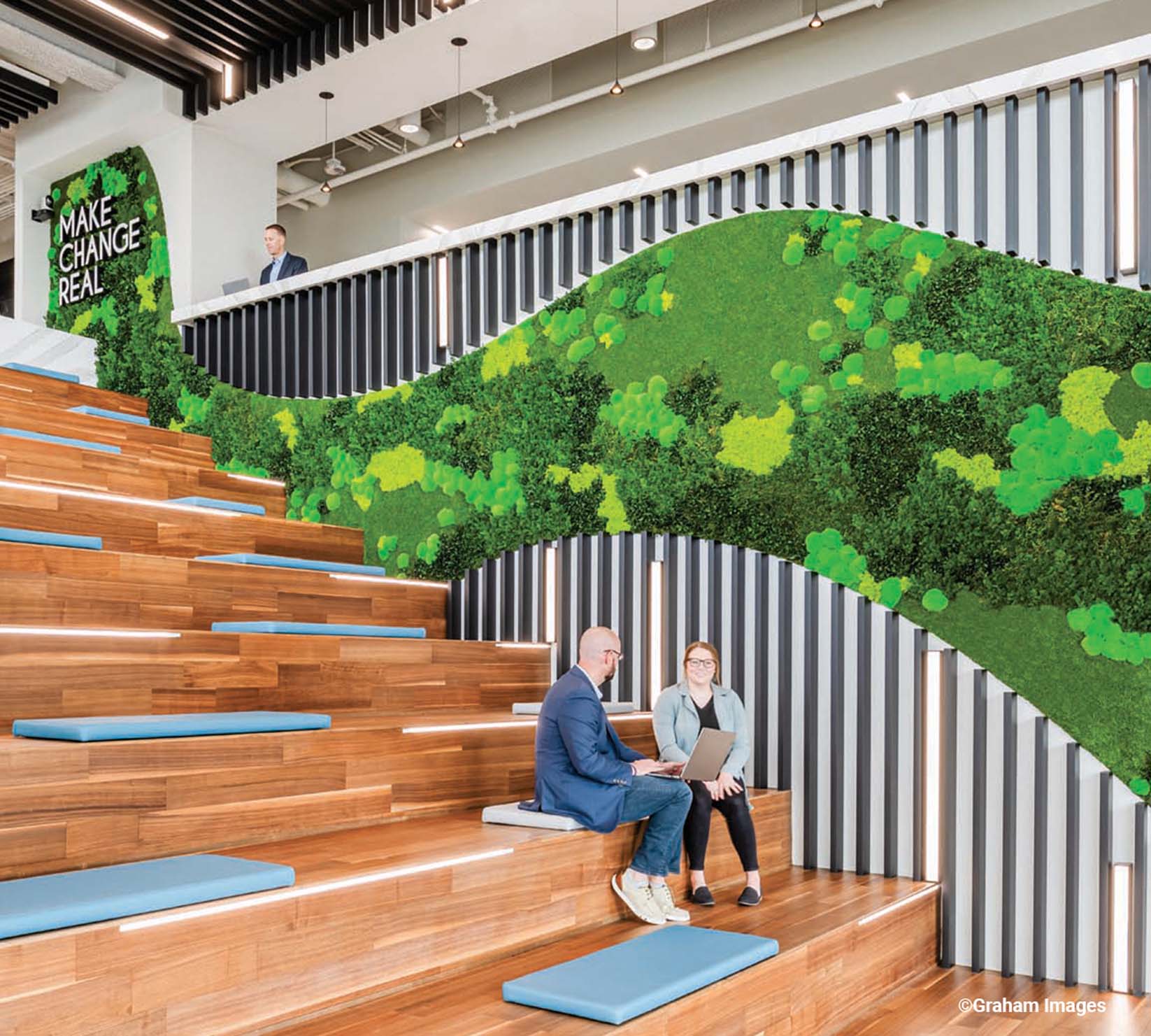
Architectural and interior designer Oliver Heath advocates for biophilic design, an approach that integrates nature into built environments to enhance well-being and reduce carbon emissions. Heath, residing in an eco-refurbished 1960s home in Hove, East Sussex, exemplifies this philosophy by incorporating oxygenating plants and timber-clad walls, while also embracing smart technology. He emphasizes that smart gadgets are not antithetical to biophilic design but rather crucial for managing various aspects of his home, including air quality and room temperature. Central to his home's energy management is a smart meter, which Heath consults multiple times daily to make informed decisions about energy consumption. He highlights the meter's ability to visualize energy use, comparing it to seeing water pouring from a tap, making invisible energy usage tangible and easy to control. The smart meter also informs him about the electricity generated by his home's solar panels, enabling him to utilize this energy efficiently, such as for charging his electric car.
Heath contends that understanding and controlling energy consumption through smart meters fosters a sense of empowerment, which positively impacts mental well-being by reducing anxiety associated with unpredictable energy bills. Beyond individual homes, smart meters contribute to a national understanding of energy demand, facilitating the efficient integration of intermittent renewable energy sources into the grid. Furthermore, property data suggests that improving a home's Energy Performance Certificate (EPC) rating from F to C, often achievable through energy-efficient upgrades, can increase its market value by up to 15 percent. His home also features a smart heating system, allowing remote temperature control, and dynamic lighting that adjusts to promote healthy sleep patterns. An indoor air purifier once revealed the impact of external pollutants brought into the home, reinforcing Heath's belief in smart tech's role in creating a healthy living environment. He plans to further enhance his home's sustainability with an air source heat pump, viewing smart technology as a significant force for good.
Heath provides five key tips for a smart, green home: becoming a "plant parent" by using smart plant monitoring systems, embracing precision heating with smart thermostatic radiator valves, understanding energy flow with a smart meter to optimize usage and save money, enhancing community safety through smart electric doorbells, and soothing the senses by creating recuperation spaces that mimic natural environments. These strategies collectively promote health, happiness, and environmental responsibility within residential settings, demonstrating the symbiotic relationship between nature-inspired design and technological innovation.
#BiophilicDesign #SmartHome #EnergyEfficiency #SustainableLiving #OliverHeath #SmartMeters #HomeImprovement #Wellbeing #EcoRefurbishment #BiophilicDesign #SmartHome #EnergyEfficiency #SustainableLiving #OliverHeath #SmartMeters #HomeImprovement #Wellbeing #EcoRefurbishment
0 comment in total
 No comments yet
You may also like
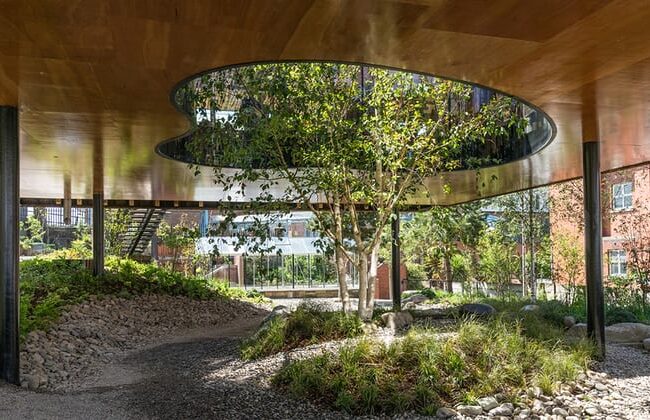
Designing with nature: Why Biophilic Design?

How Architectural Theory Distances People from Design

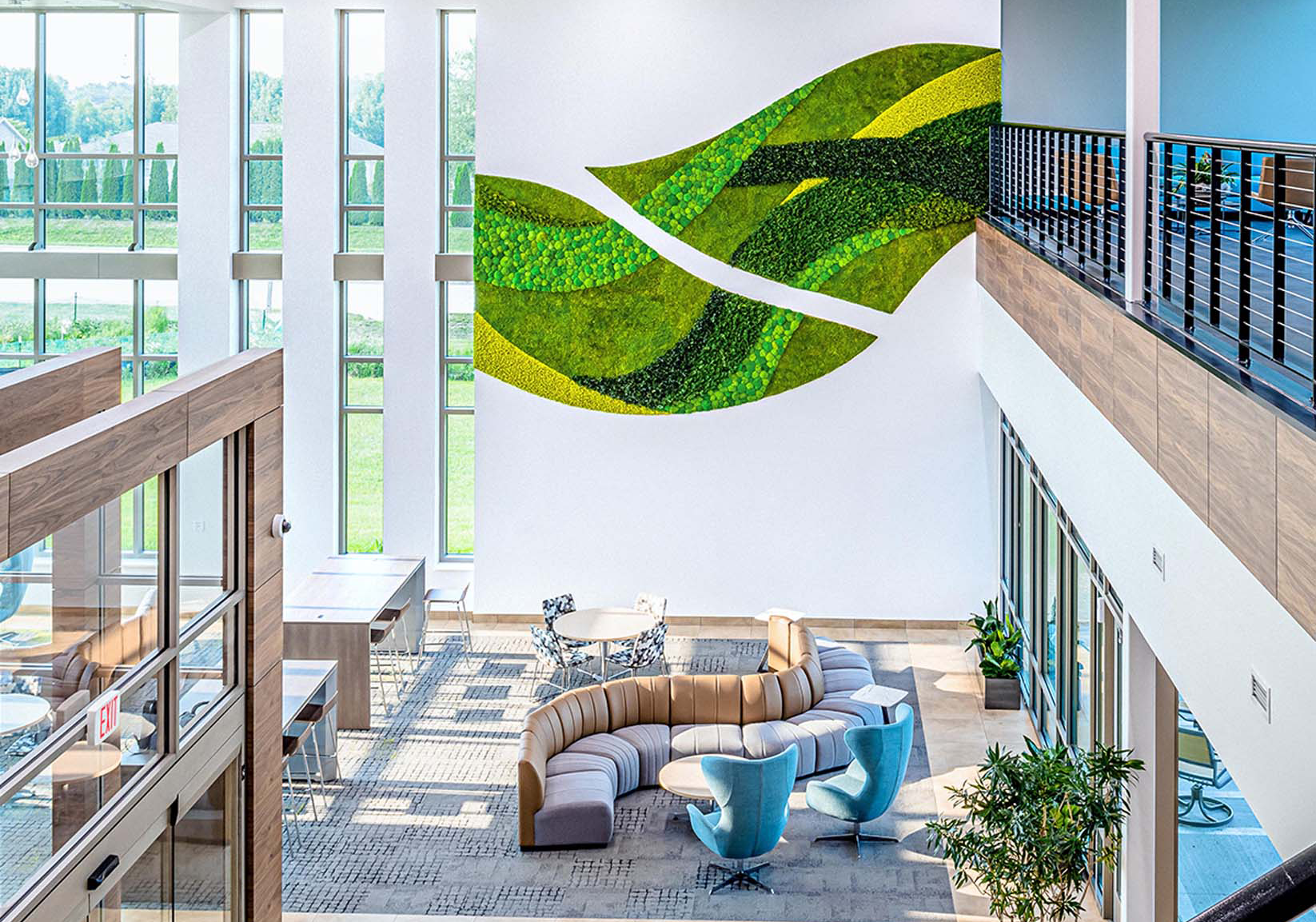
How Preserved Nature Is Transforming Interiors

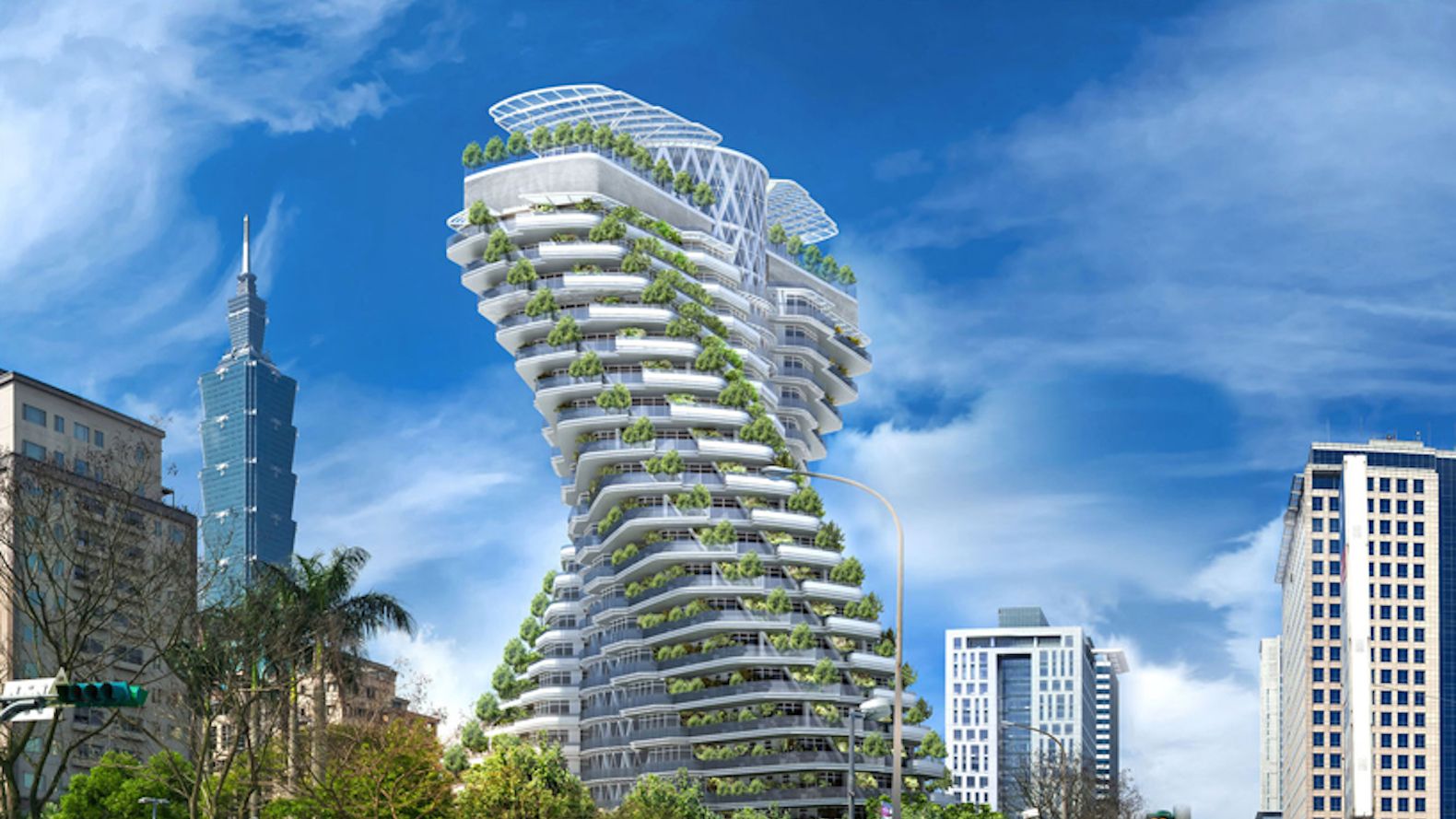
8 Remarkable Buildings That Use Trees as a Design Element

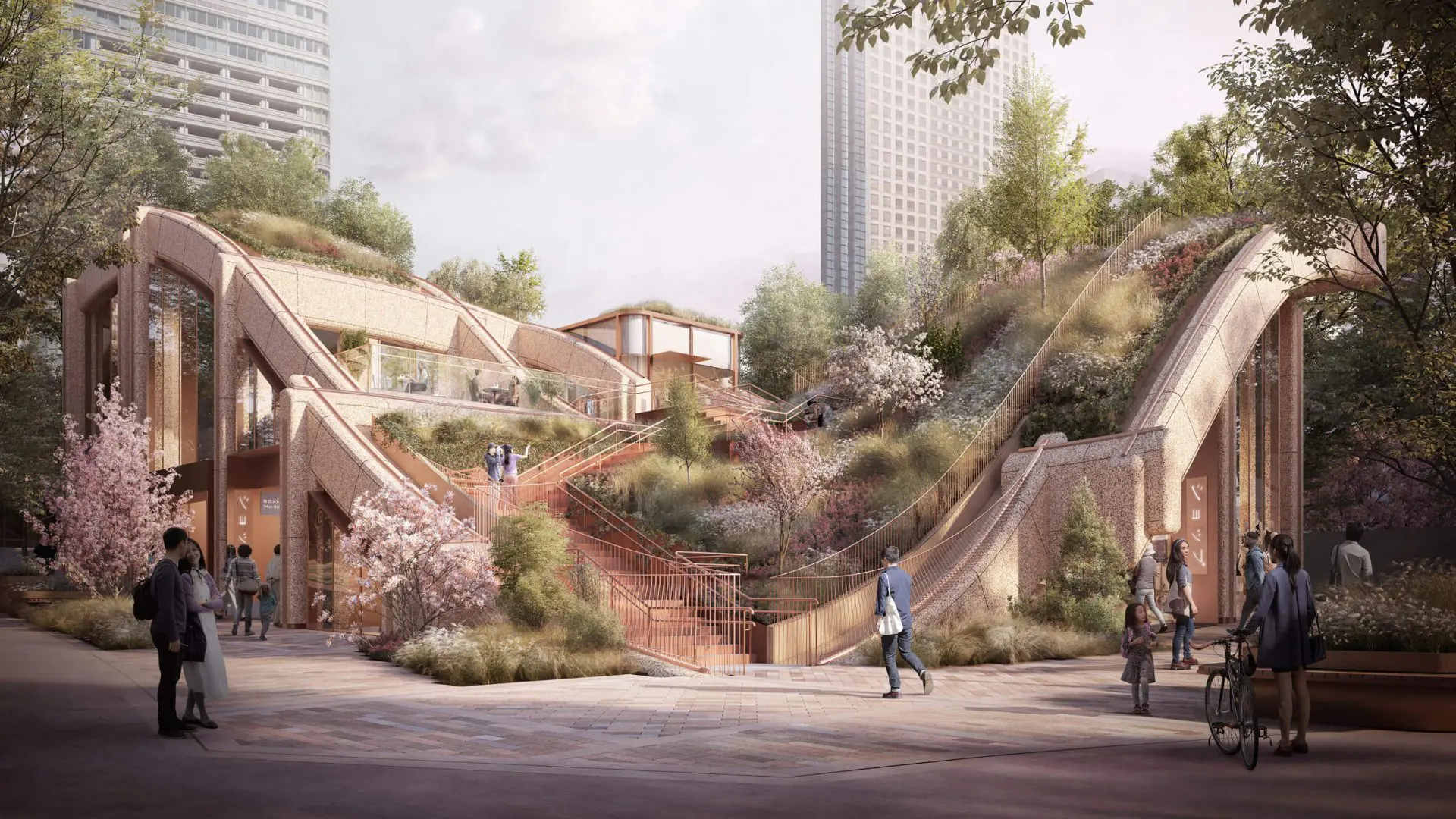
Biophilic architecture: 11 projects where nature meets concrete

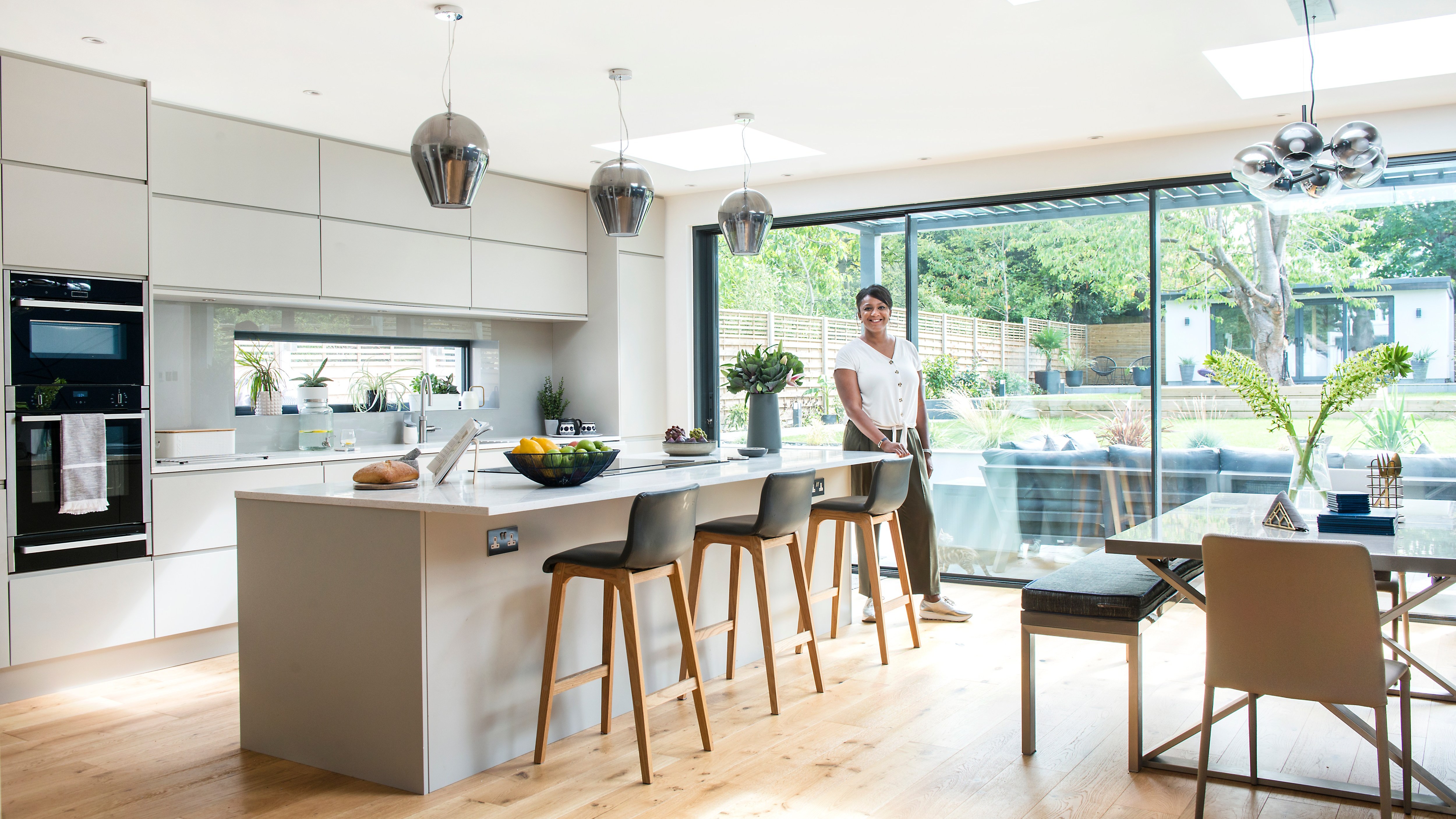
Open plan living is over. Here’s why we all want walls again
Architecture and design features and interviews | CLADglobal.com - Embracing nature

Biophilic facades in sustainable building design
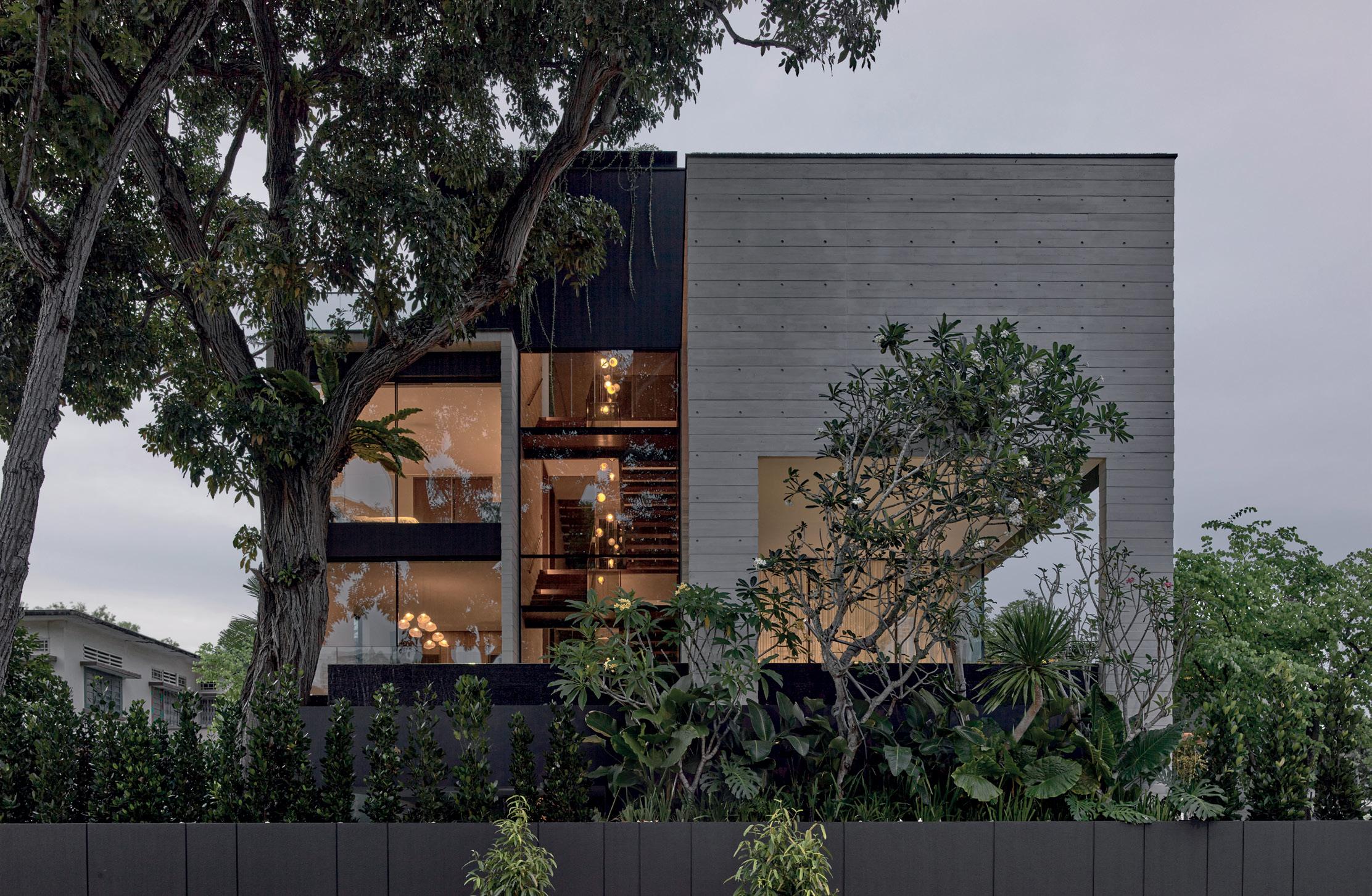
tale of a tree | d+a - architecture
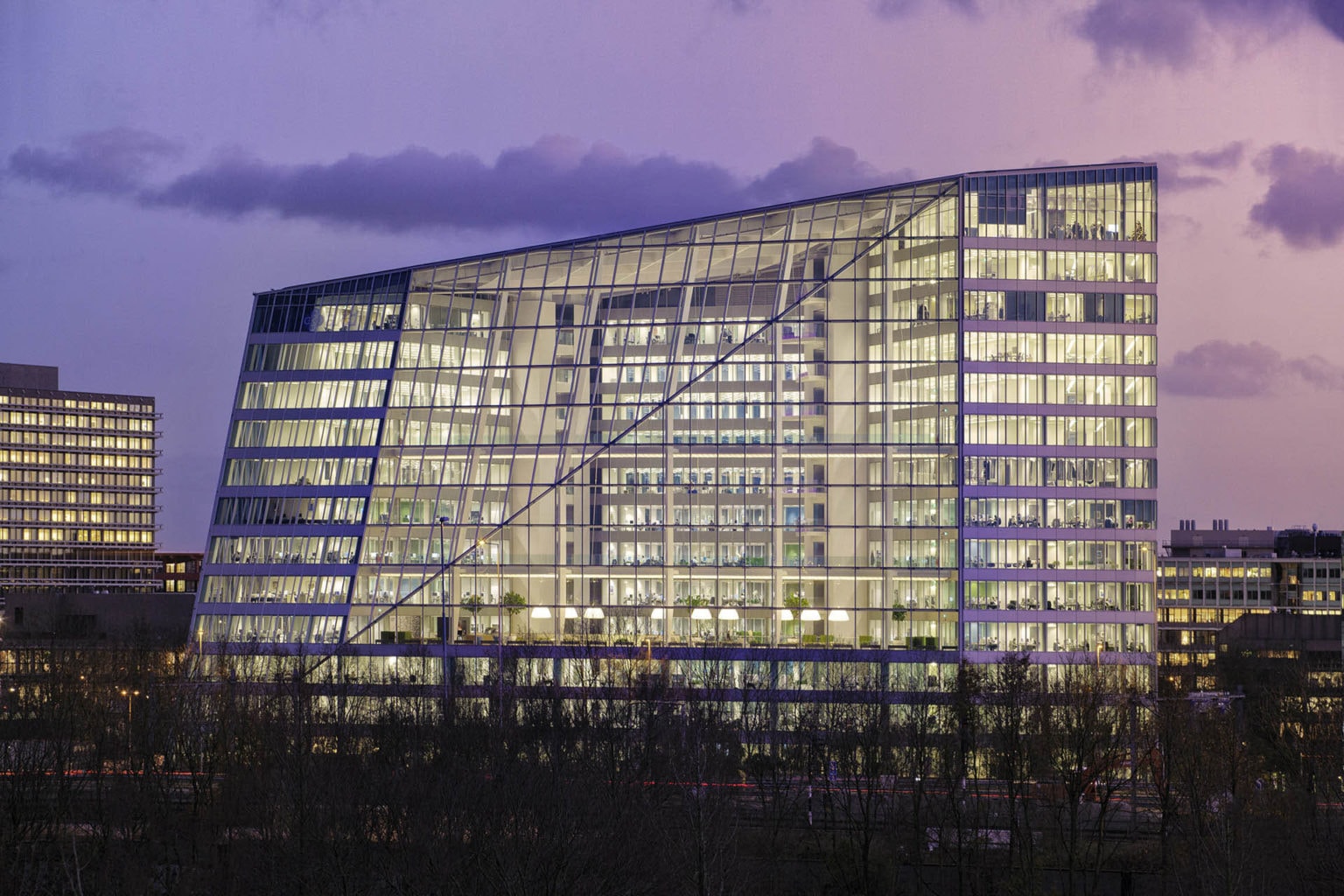
Sustainable Buildings: Pioneering a Green Revolution in Urban Design

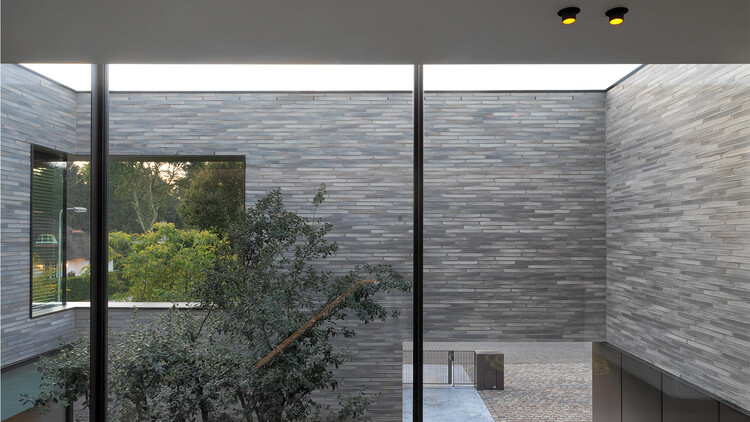
Biophilic-Inspired Design Takes Center Stage: How Bricks Bring Nature In

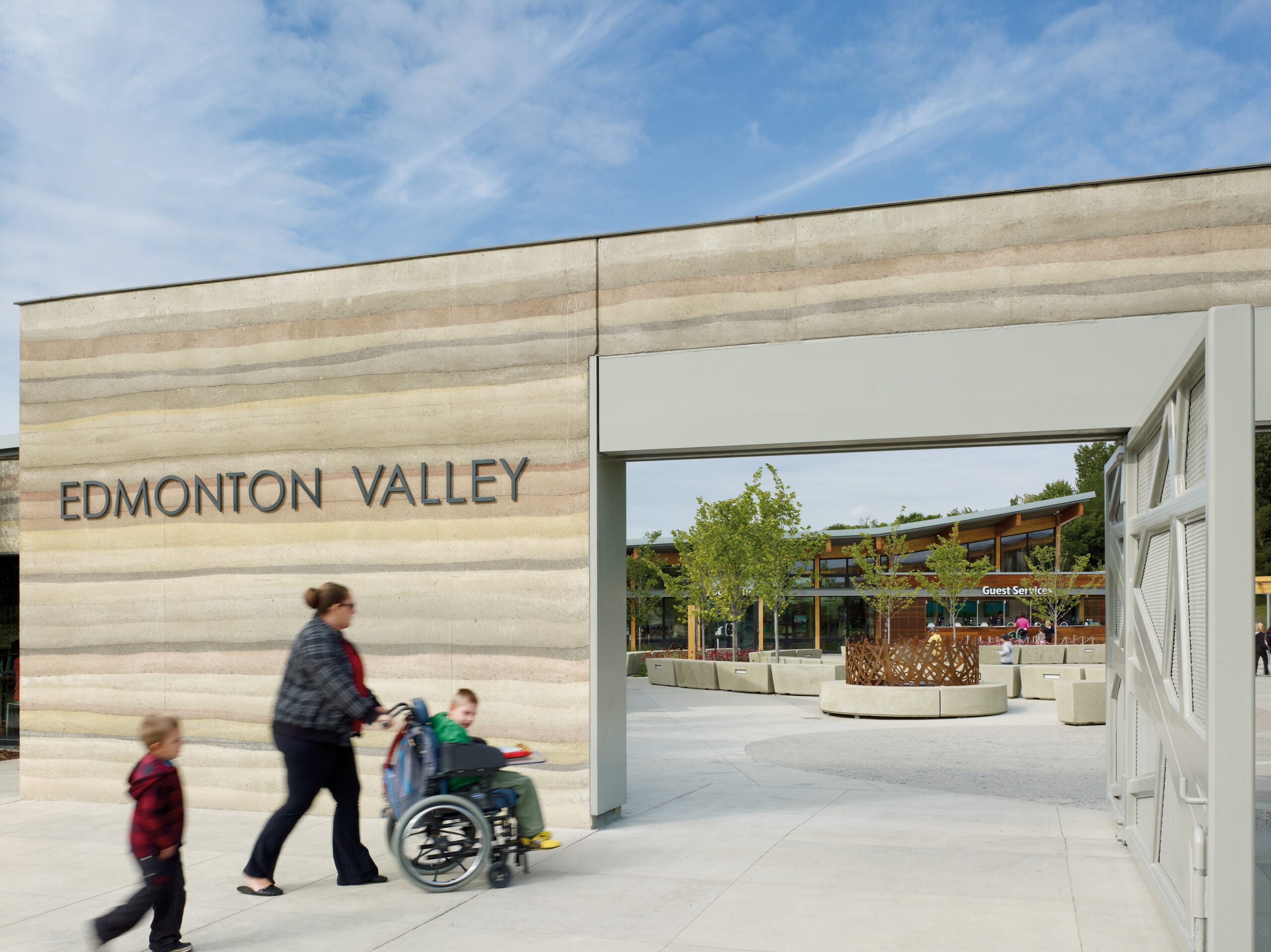
7 Earth-based Solutions For Building Closer to Nature