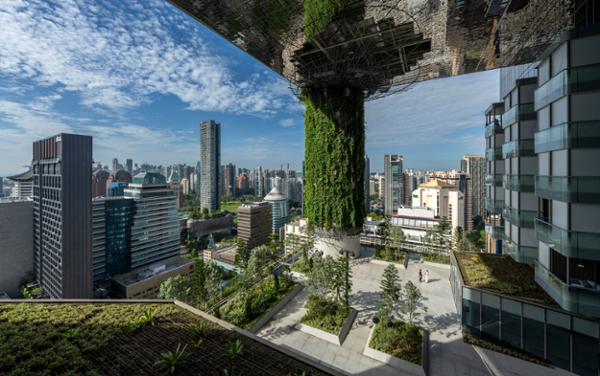
1/12
Architecture and design features and interviews | CLADglobal.com - Embracing nature
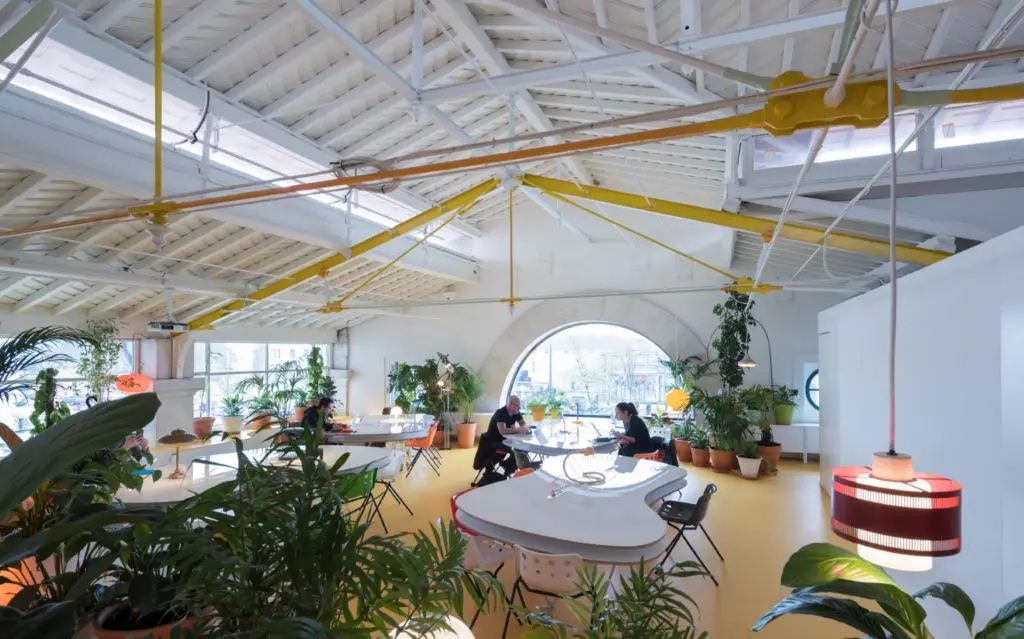
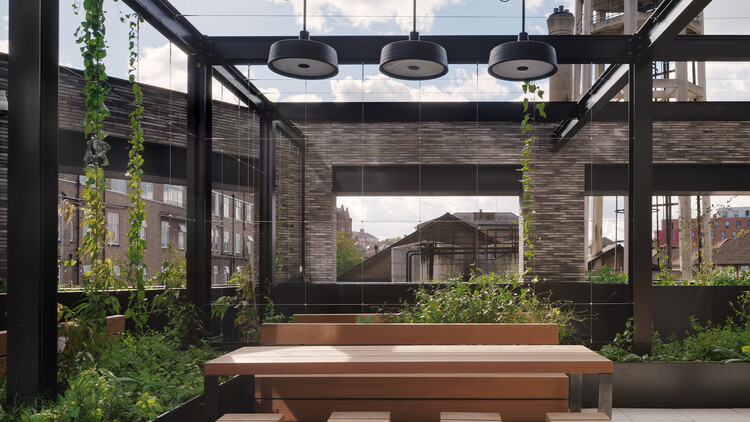
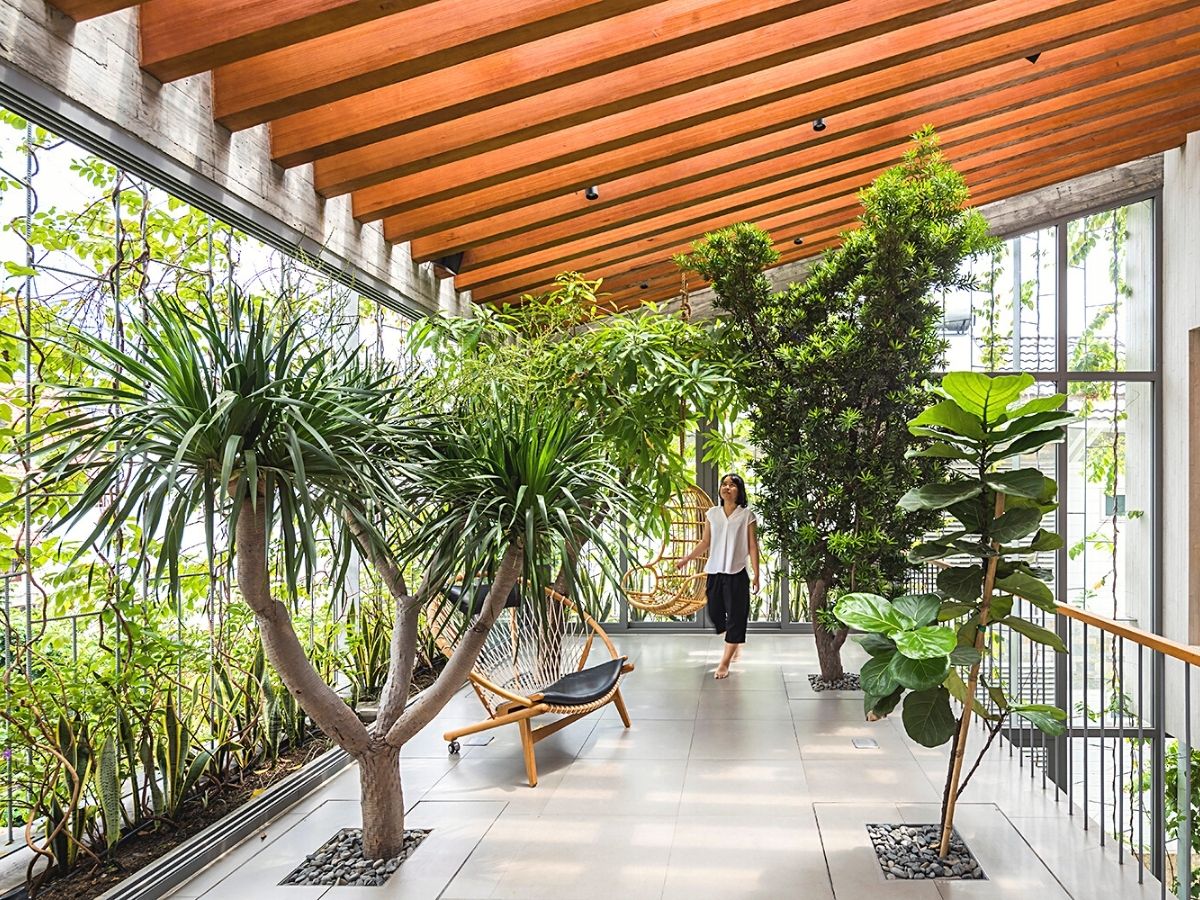
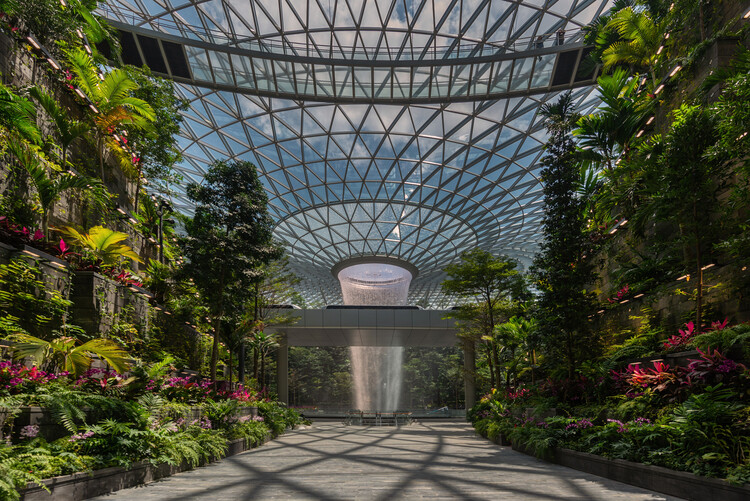
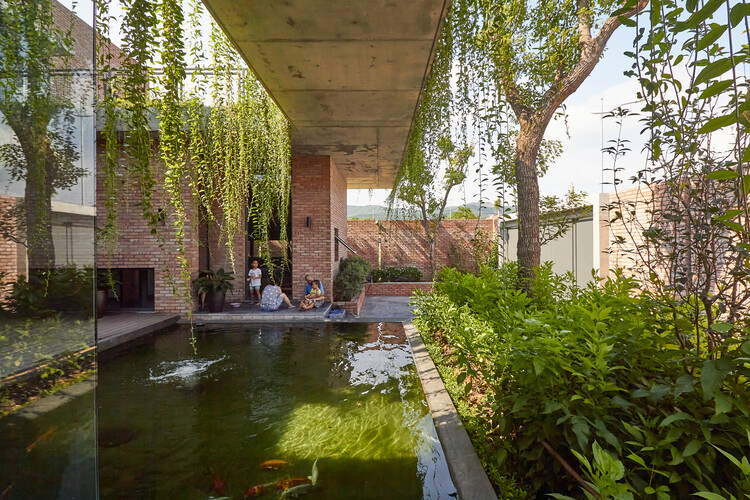
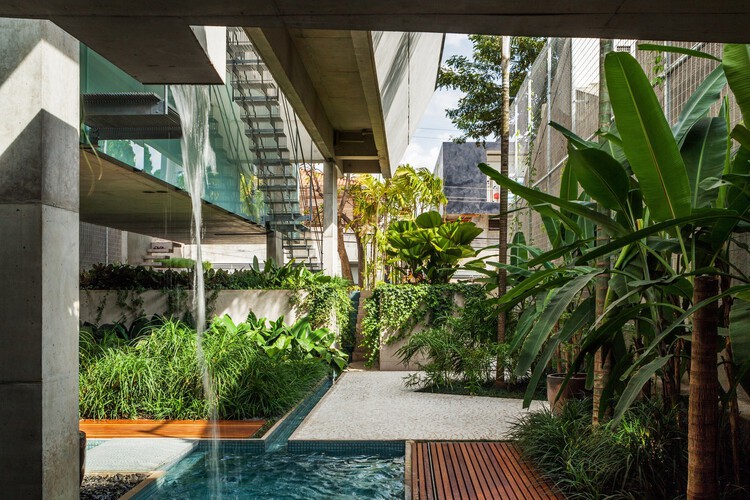
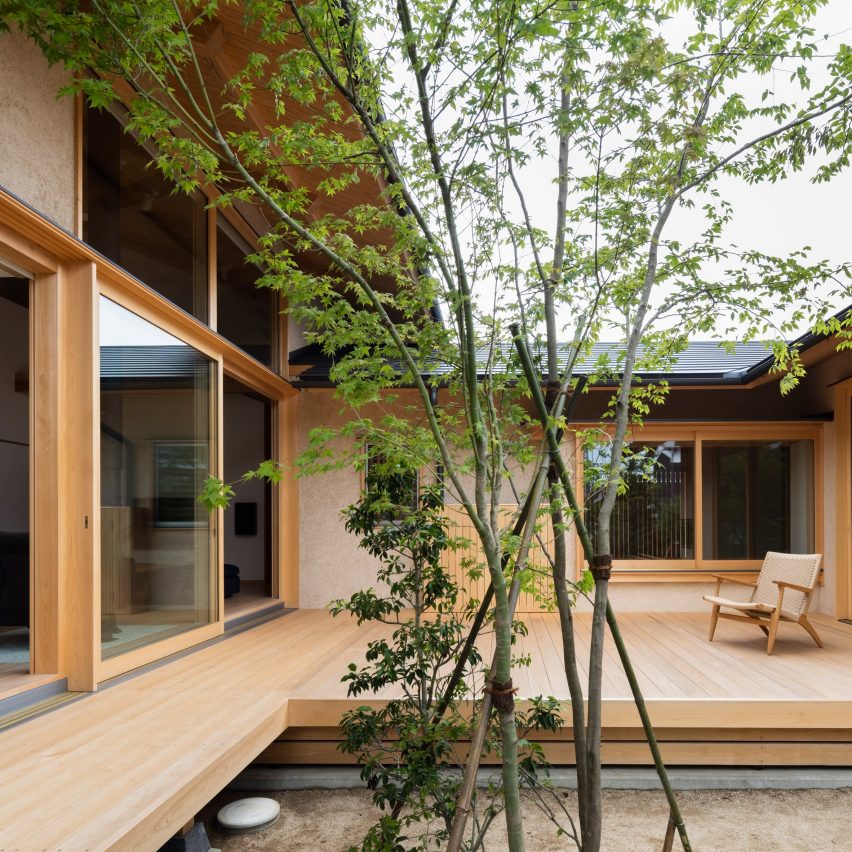
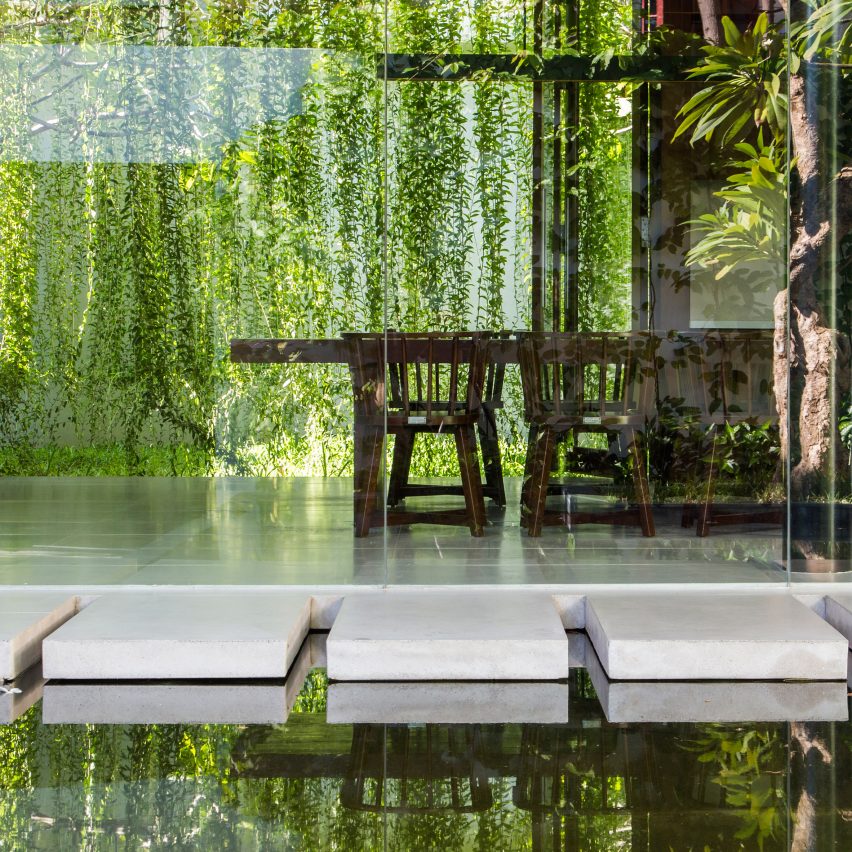
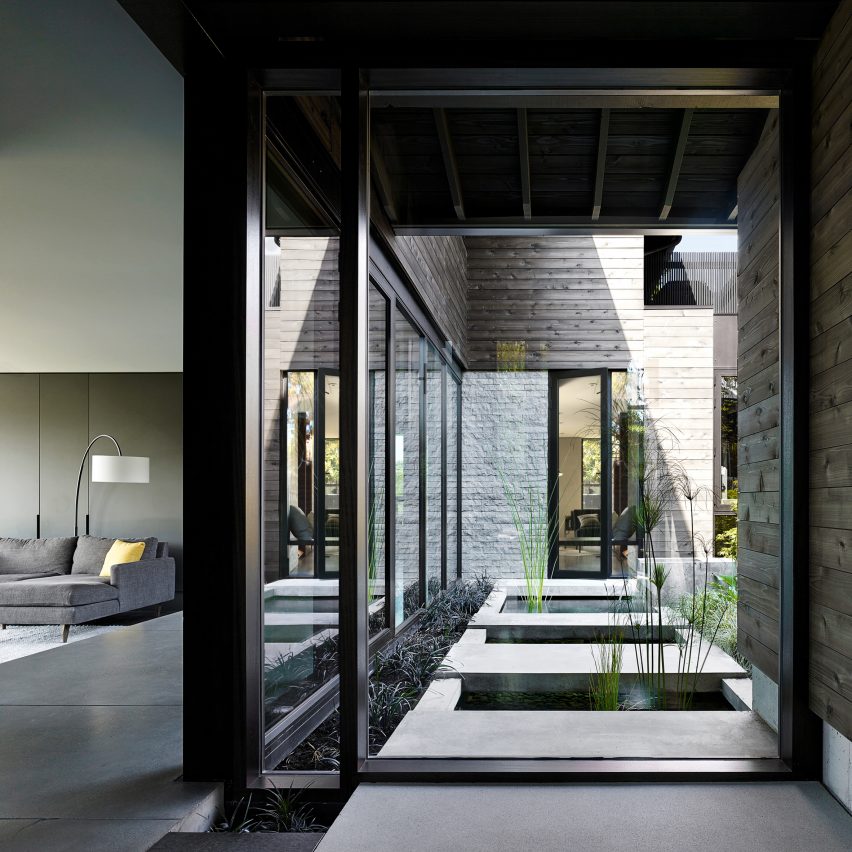
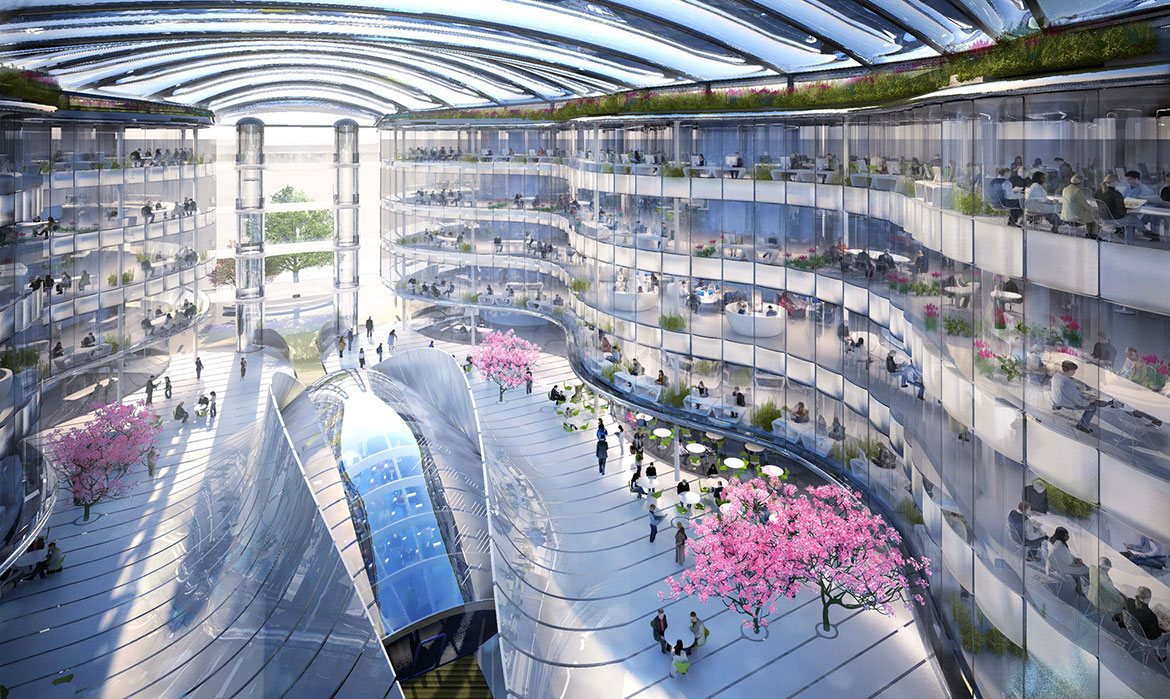
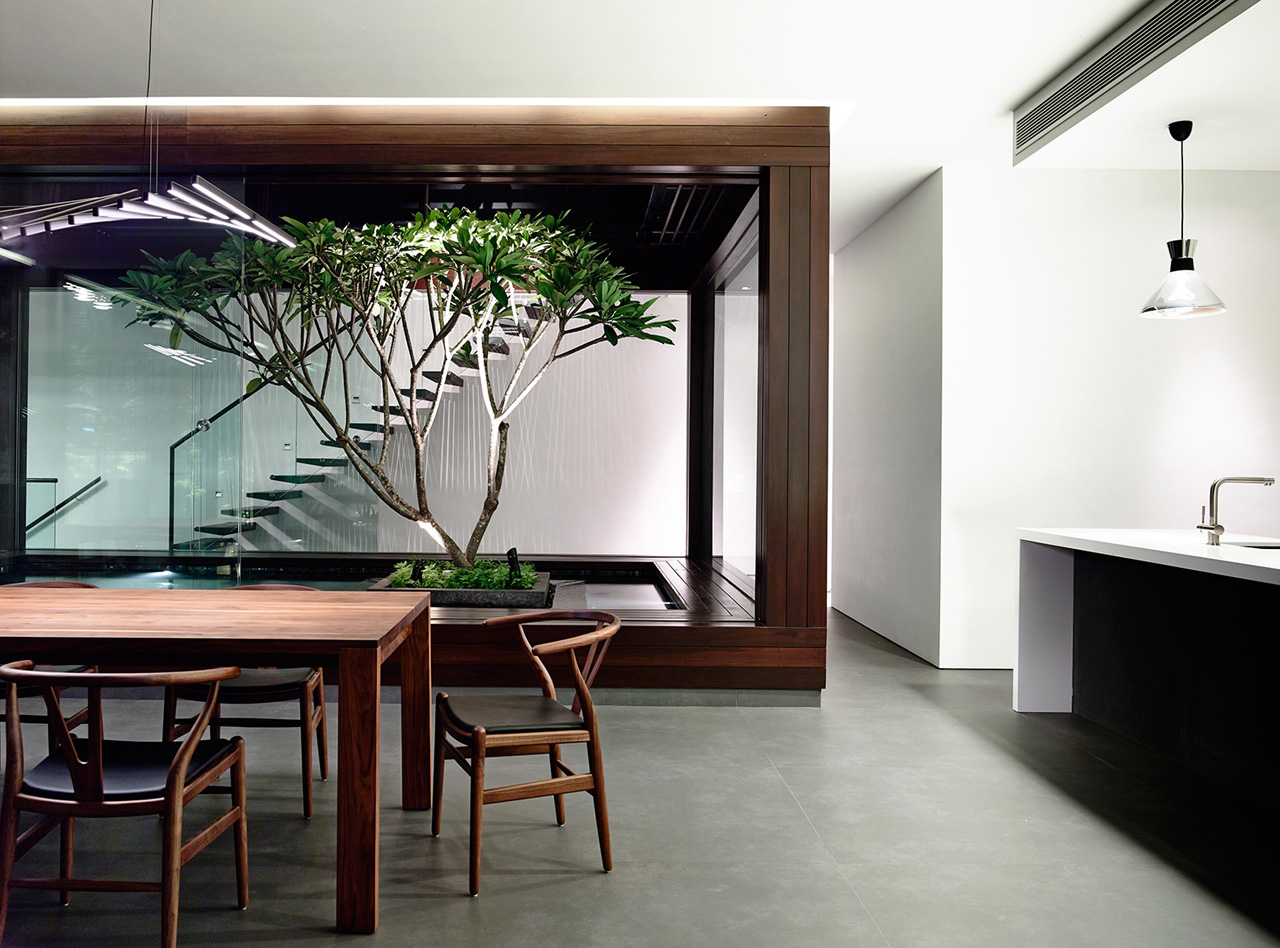
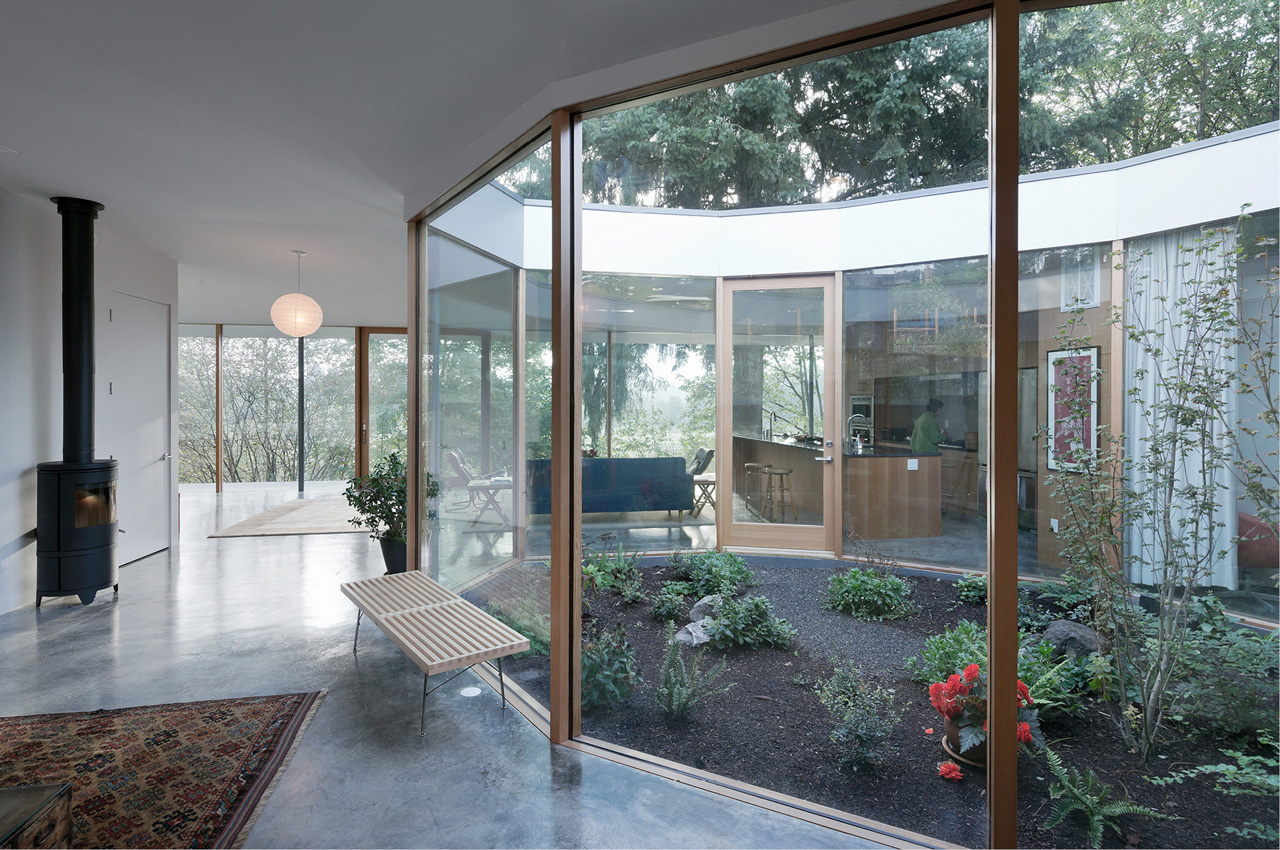
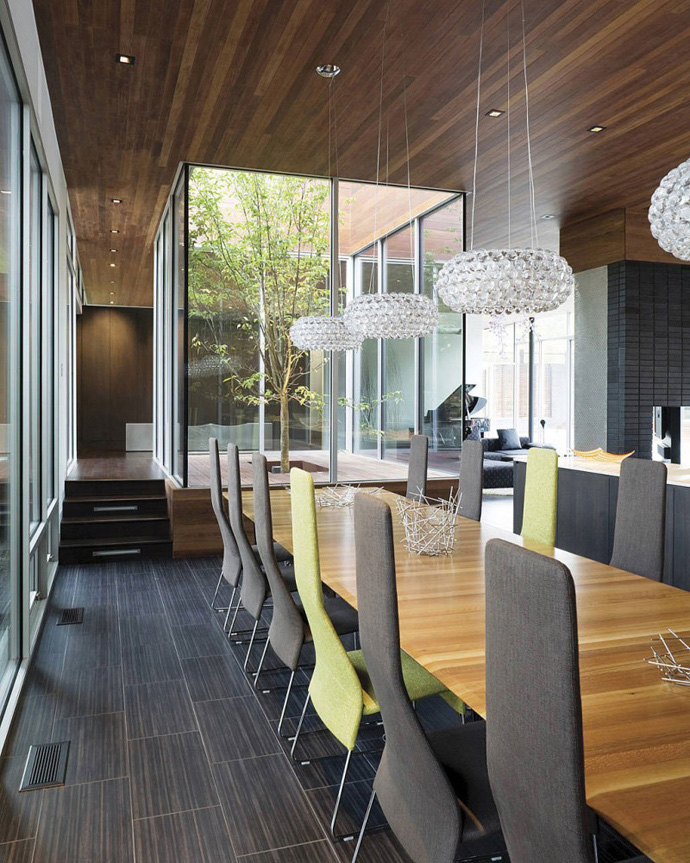
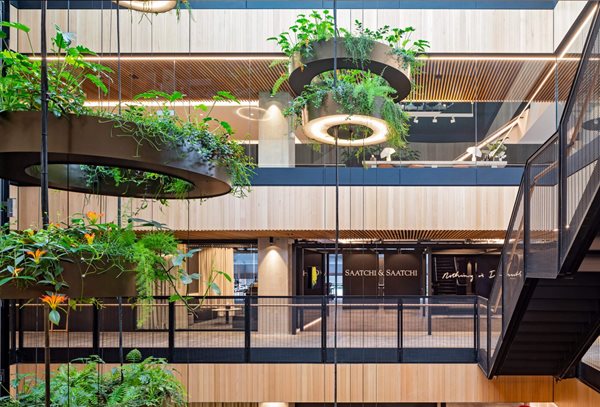
The article discusses the evolution of biophilic architecture from a niche concept to a mainstream design approach, emphasizing its benefits and challenges. Biophilia, defined by Edward O. Wilson in 1984, posits that humans have an innate need to connect with nature. Incorporating natural elements into built environments has been shown to improve human well-being, including lower blood pressure, reduced stress, enhanced attentiveness, and increased happiness and creativity. Beyond human benefits, biophilic design also contributes to environmental health by fostering biodiversity, decreasing energy consumption, reducing carbon emissions, and purifying polluted air.
Richard Hassell, co-founder of WOHA, a Singaporean architectural firm, notes the shift in perception where developers, initially skeptical, now actively embrace biophilic principles. However, he cautions against the reduction of biophilia to a mere marketing buzzword, stressing the importance of thoughtful and effective implementation rather than just adding plants. The success of biophilic design hinges on how deeply it integrates natural elements and functions, moving beyond superficial aesthetics.
MK Leung, director of sustainable design at Ronald Lu & Partners (RLP) in Hong Kong, highlights the need to quantify the quality of biophilic interventions. RLP utilizes a custom script within Rhinoceros with Grasshopper to evaluate projects based on biophilic elements a user would experience, such as views of greenery, natural sounds, scents, and sensations. This ensures that biophilic principles are consistently applied and sustained throughout a project. Examples like RLP's Garden Crescent, a residential tower with vertically linked gardens, and Echo House, a modular residential development integrating biophilic elements to soften its manufactured feel, demonstrate this commitment.
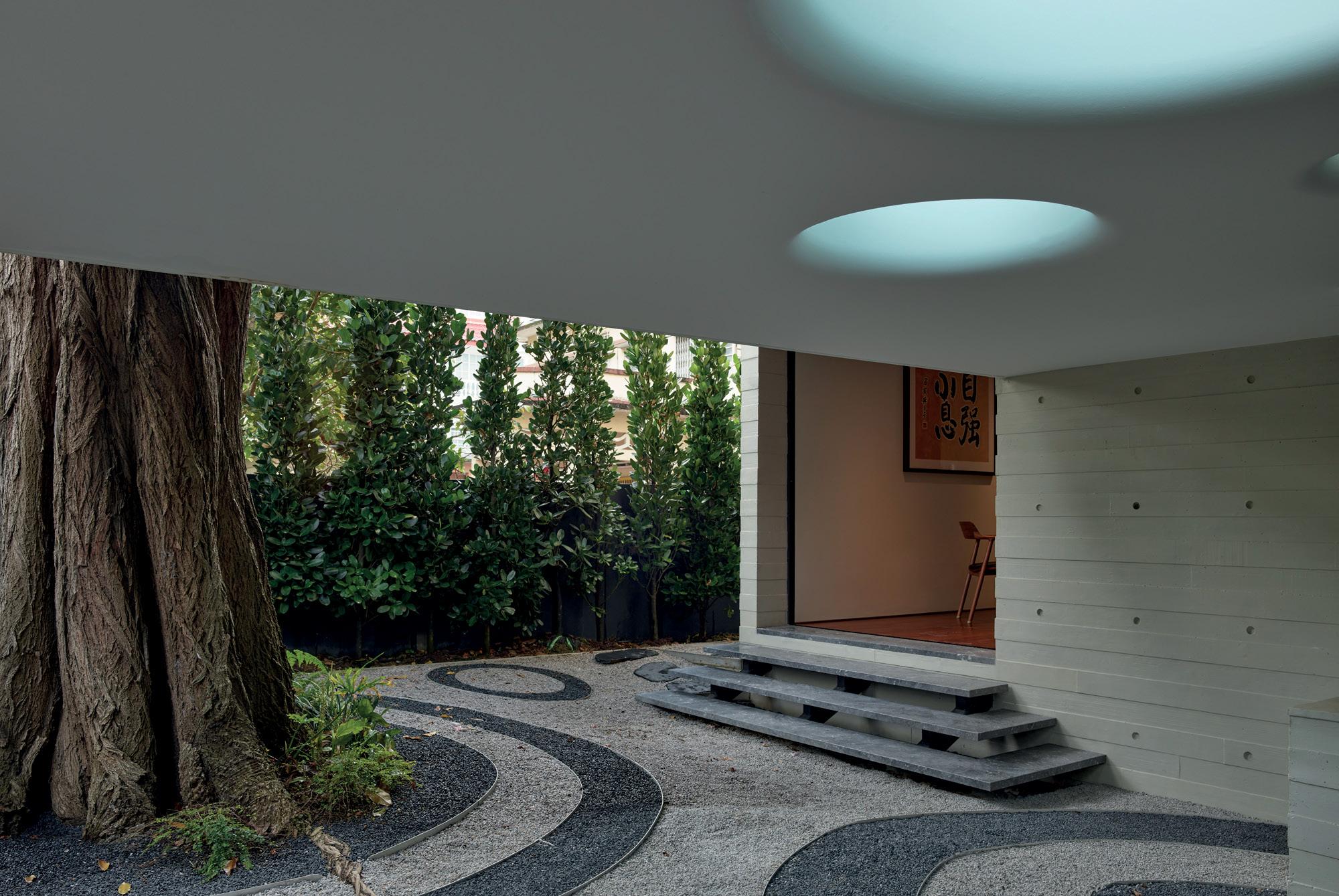
Despite Hong Kong's challenging hyper-dense urban landscape and rigid building codes, biophilic design has found fertile ground. The E-Co Village, a recreational space on a former landfill site designed by AOS Architecture, exemplifies this by offering a natural environment for learning about sustainability, powered by solar energy. Corrin Chan of AOS Architecture drew inspiration from Thich Nhat Hanh's "Zen and the Art of Saving the Planet," emphasizing that humans are integral to the environment. Swire Properties' redevelopment of Taikoo Place further illustrates this trend, incorporating 6,500 square meters of public open space, inspired by traditional feng shui woods, to connect urban areas with natural ecosystems and enhance biodiversity.
Richard Hassell underscores the importance of designing not only for human-centric biophilia but also for biodiversity, suggesting that a garden rich in butterflies and birds offers a more profound biophilic experience. WOHA's upcoming Faber House in Singapore, for instance, features interconnected vertical gardens and a 15-story waterfall, designed to create interconnected ecosystems. The article also addresses the critical question of environmental sustainability in biophilic design. Leung emphasizes that biophilic designs must not consume more energy than conventional designs to be truly beneficial. Hassell acknowledges the complexity of this calculation, noting that while a poorly designed green wall might be unsustainable, the wellness and mental health benefits, along with improved air quality, often justify the investment when executed thoughtfully. Ultimately, biophilic design aims to harmonize environmental support with human wellness, representing a convergence of these critical objectives.
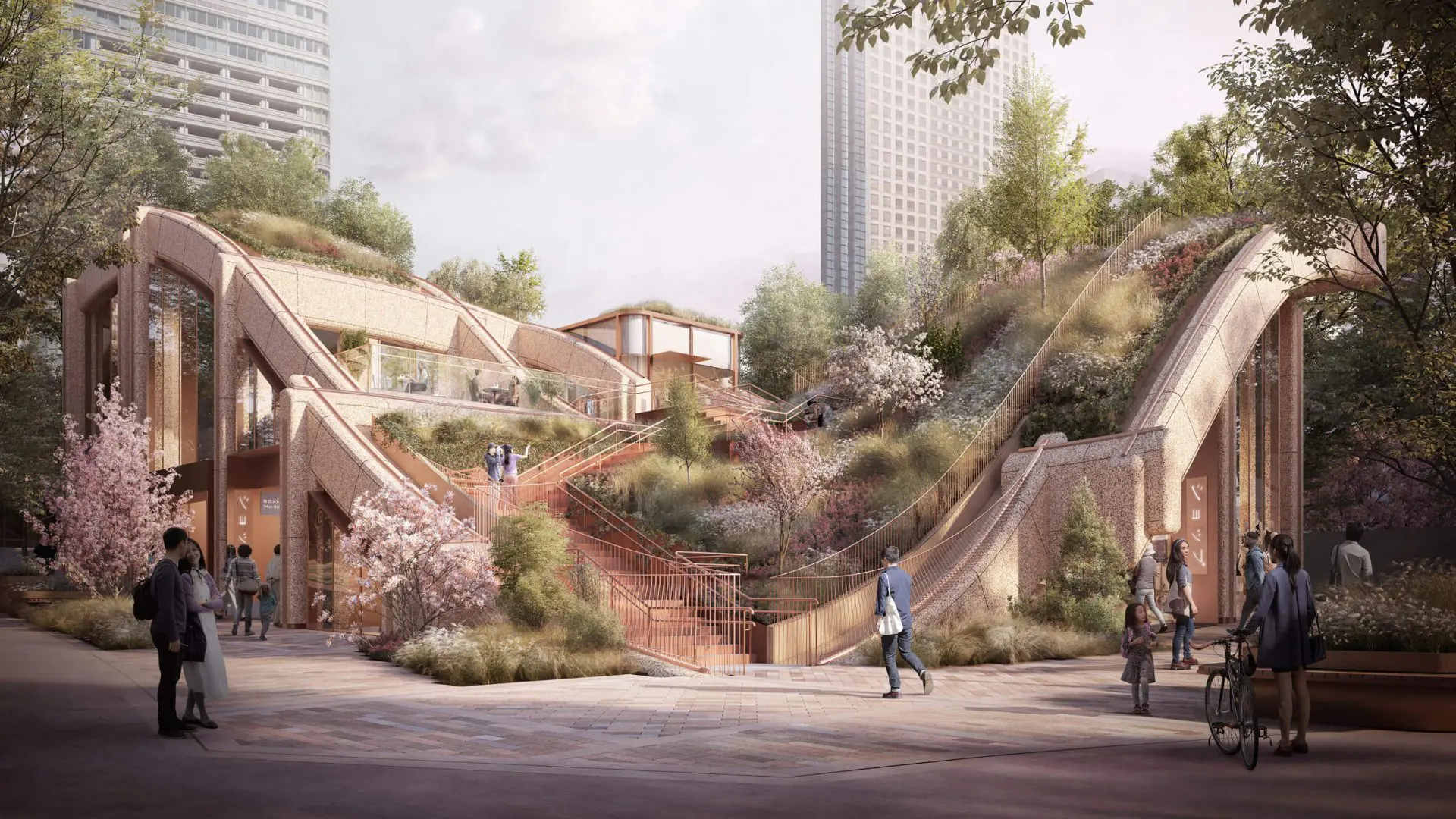
The article also mentions several other biophilic projects in Asia, including Central Park in Vietnam, which integrates engineered 'trees' for rainwater collection and solar power generation; Heatherwick Studio's 1000 Trees in China, resembling a cliffside forest; Kai Yufuin Ryokan in Japan, a hot springs resort designed with terraces inspired by rice fields; and WOHA's Pan Pacific Orchard in Singapore, known for its lush greenery and open-air spaces in a vertical setting. These projects collectively showcase the diverse applications and growing acceptance of biophilic principles in contemporary architecture across the region.
#BiophilicArchitecture #SustainableDesign #UrbanPlanning #EnvironmentalSustainability #HumanWellbeing #ArchitecturalInnovation #HongKongArchitecture #SingaporeArchitecture #GreenBuildings #BiophilicArchitecture #SustainableDesign #UrbanPlanning #EnvironmentalSustainability #HumanWellbeing #ArchitecturalInnovation #HongKongArchitecture #SingaporeArchitecture #GreenBuildings
0 comment in total
 No comments yet
You may also like
Nature-Inspired Design: Biomimicry in Architecture

Ten modern homes with interiors informed by biophilic design

Biophilic Interiors Invade These 10 Contemporary Residences

Deephaven Patio
20 Homes With Striking Indoor-Outdoor Living Spaces

Biophilic-Inspired Design Takes Center Stage: How Bricks Bring Nature In

rammed earth walls build this tropical retreat with waterfalls in india
From Fringe Idea to Mainstream Imperative: The Future of Design Depends on Biomimicry
Biophilic architecture: 11 projects where nature meets concrete

Media Review: The House of Green Brings Biophilic Design Front and Centre
20 Nature-Loving Homes Where Biophilia Thrives

10 Modern Houses with Interior Courtyards & Gardens
tale of a tree | d+a - architecture
How Antony Gibbon is pushing the boundaries of architectural design
Water in Interior Design: 18 Projects that Include Water Fixtures in their Spaces
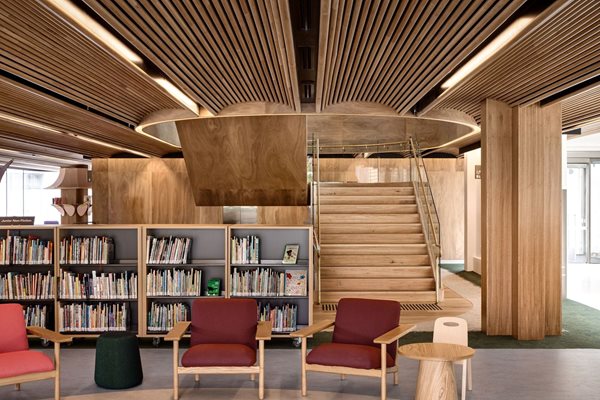
Why biophilic design is more than just a trend
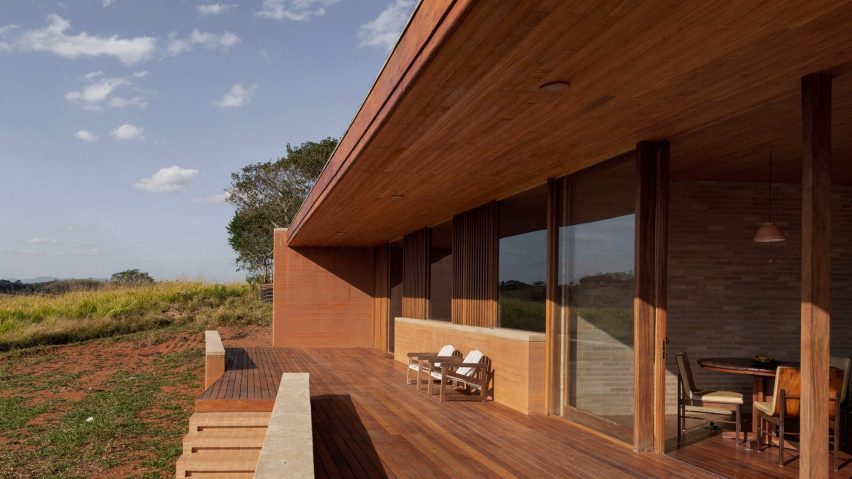
Eleven rammed-earth buildings from around the world
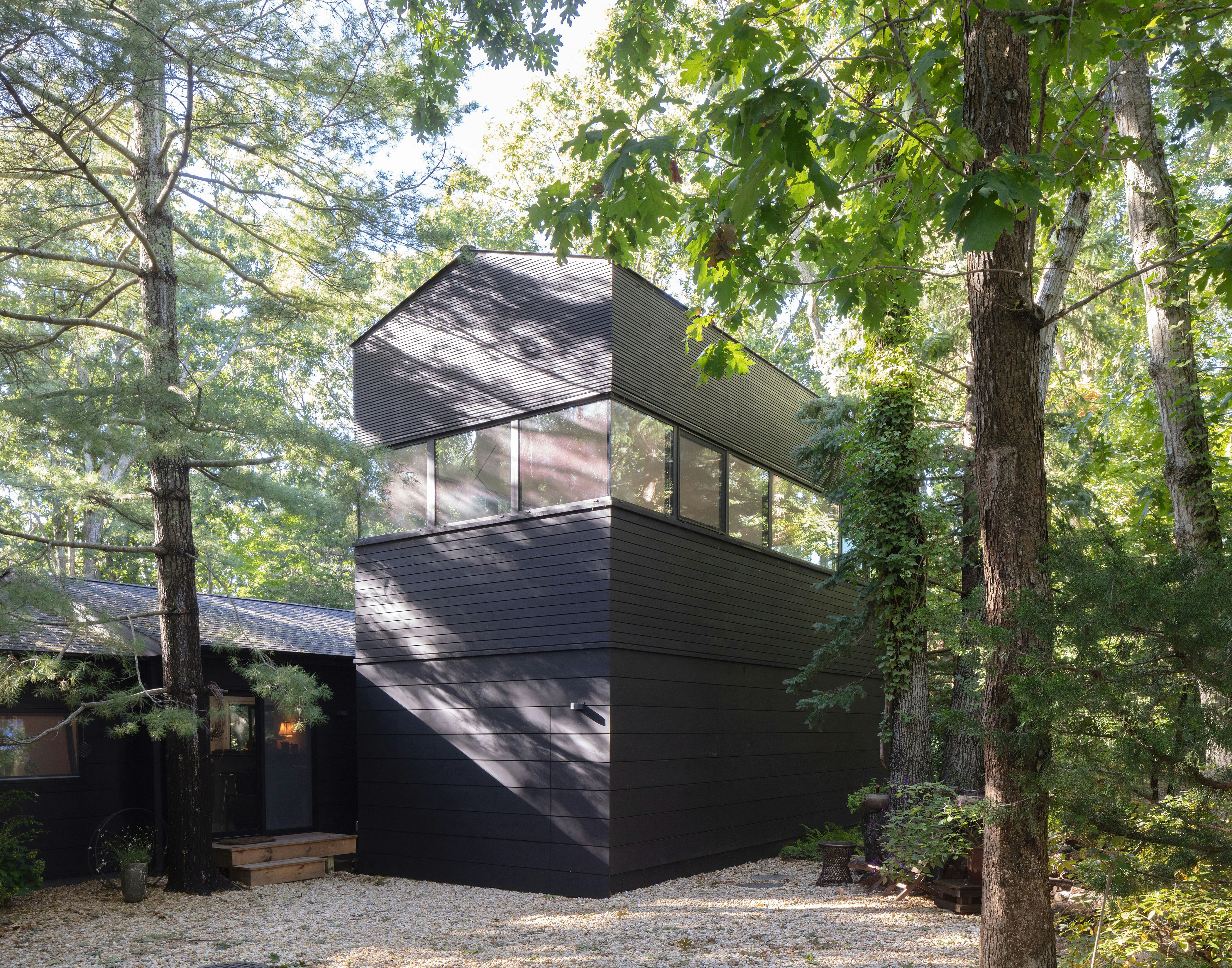
No Trees Were Harmed in the Making of This Art Studio Addition
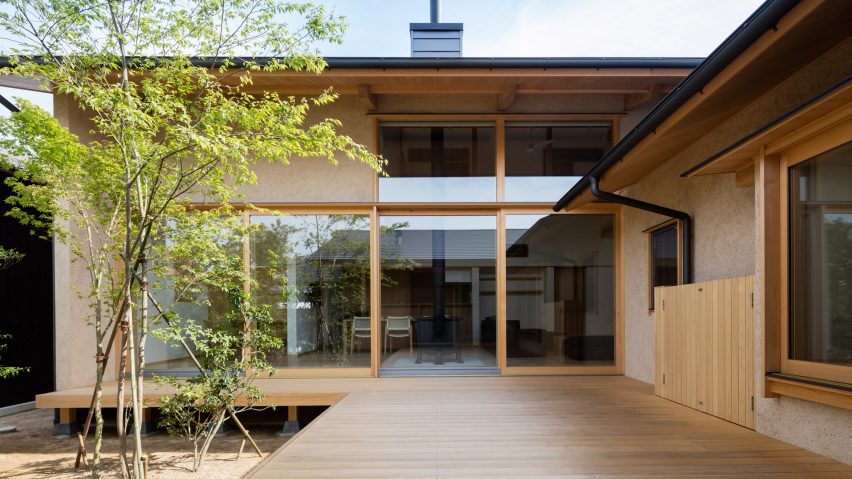
10 buildings with courtyard living spaces
ZEN Associates Designs and Builds Inspired North Shore Landscapes