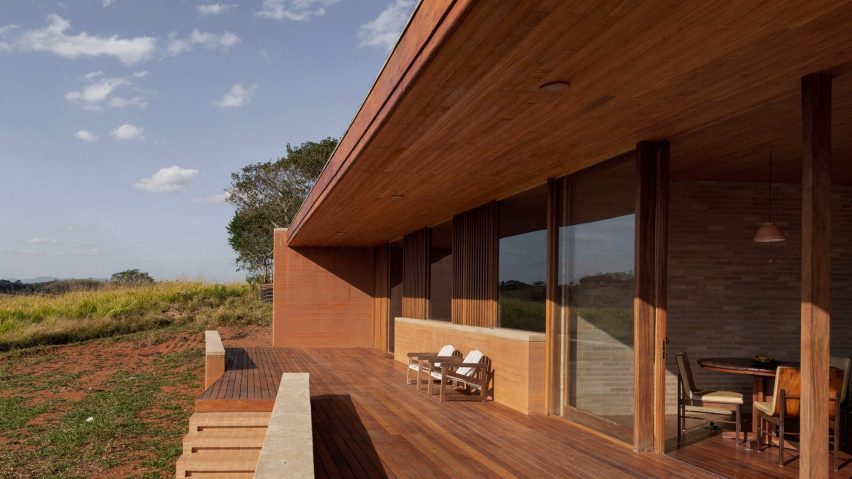
1/11
Eleven rammed-earth buildings from around the world
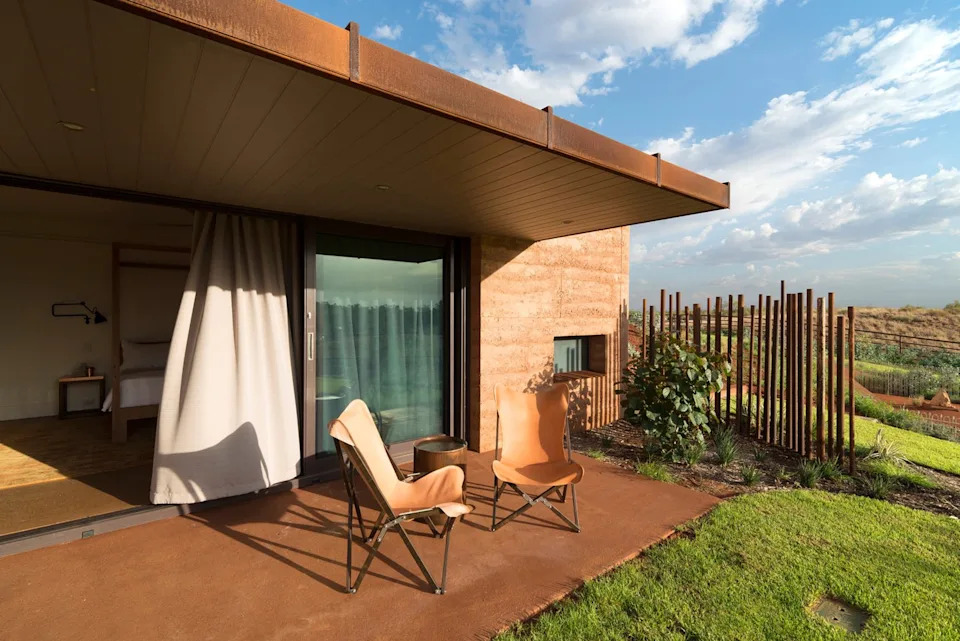
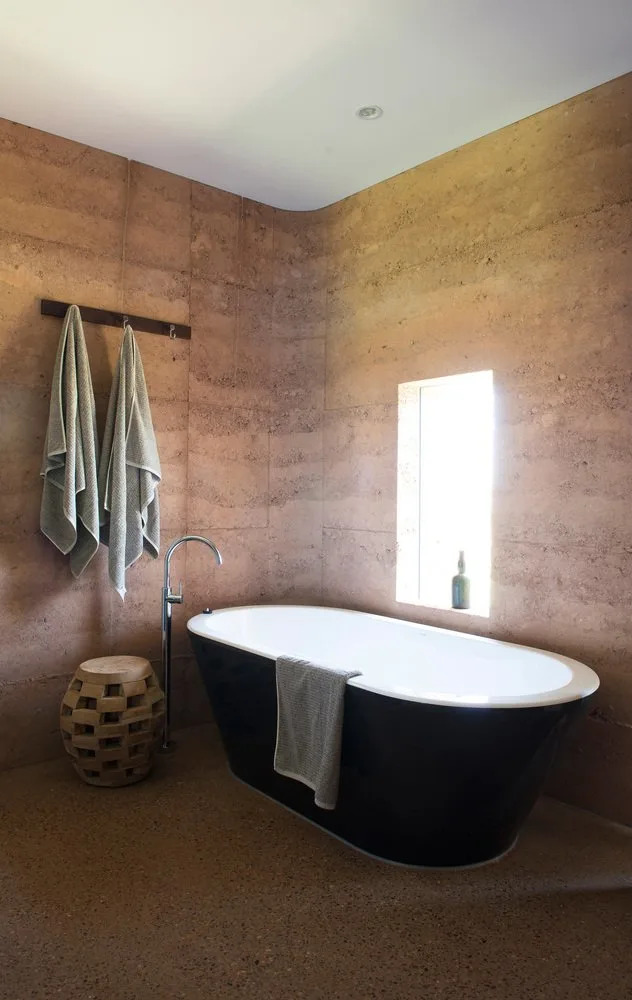
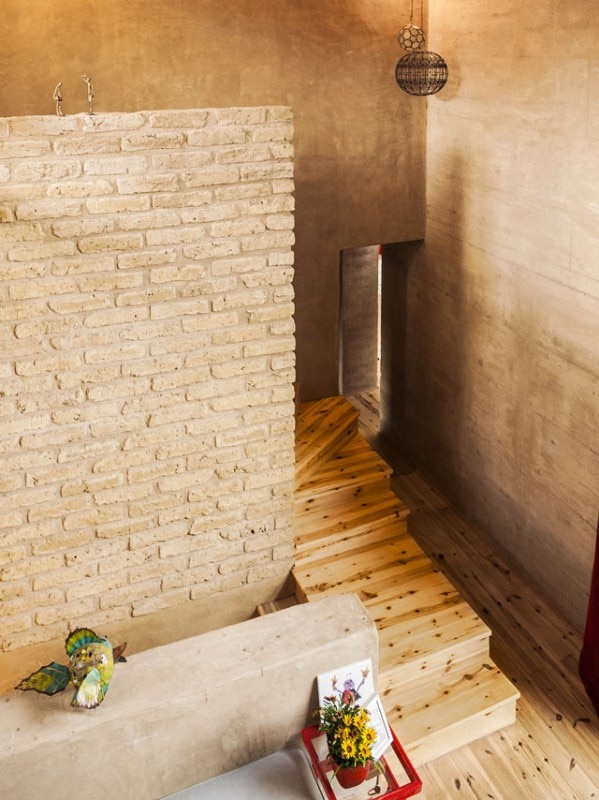
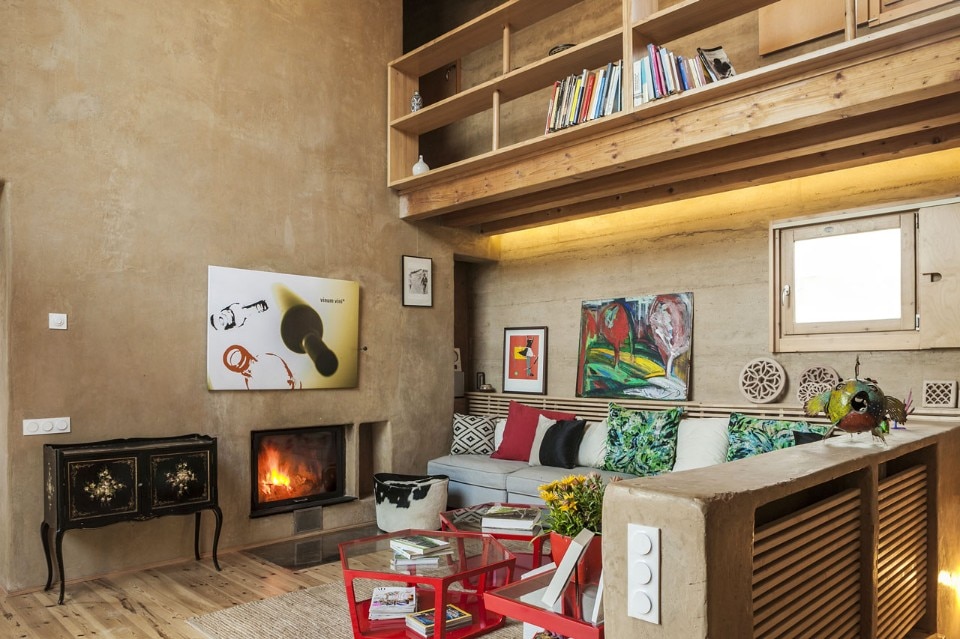
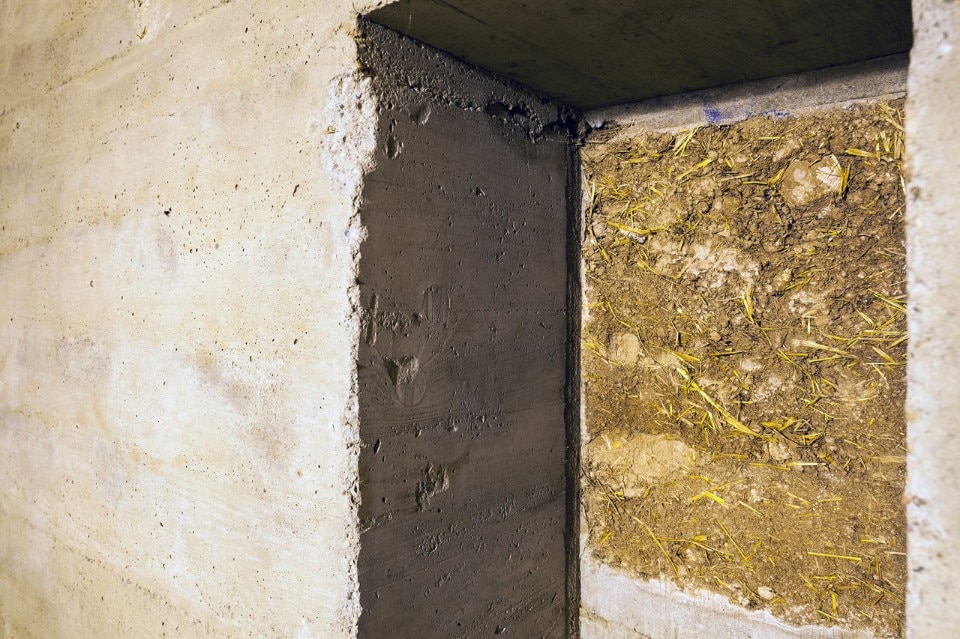
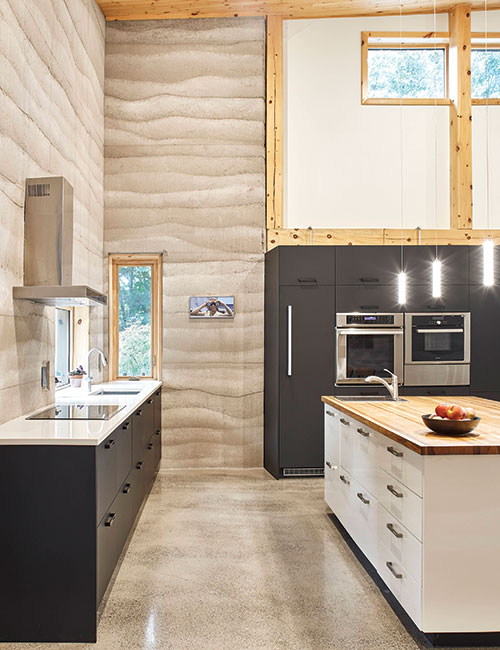
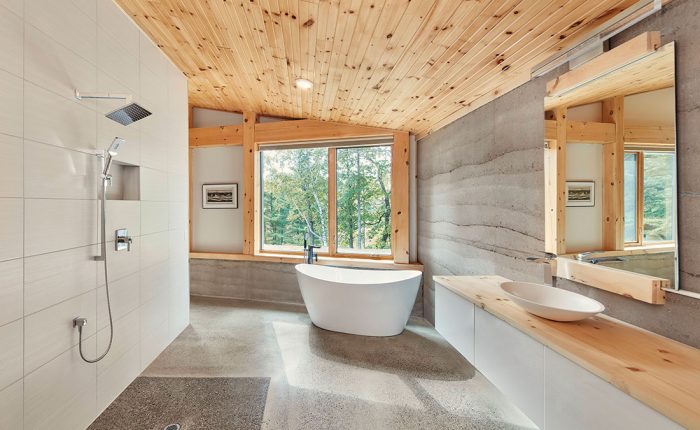
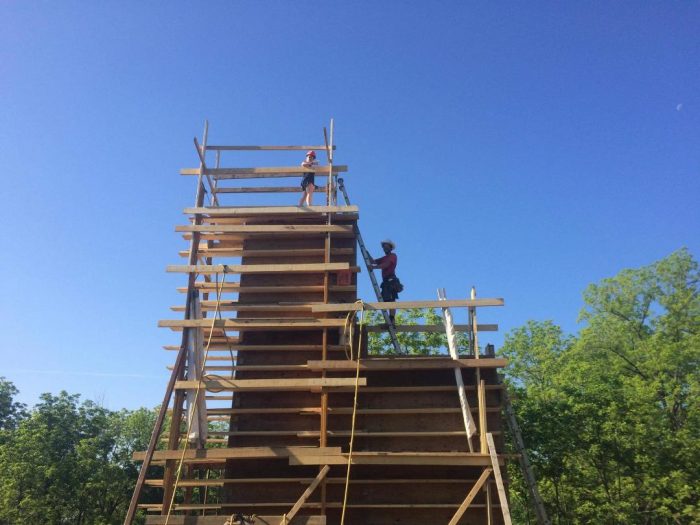
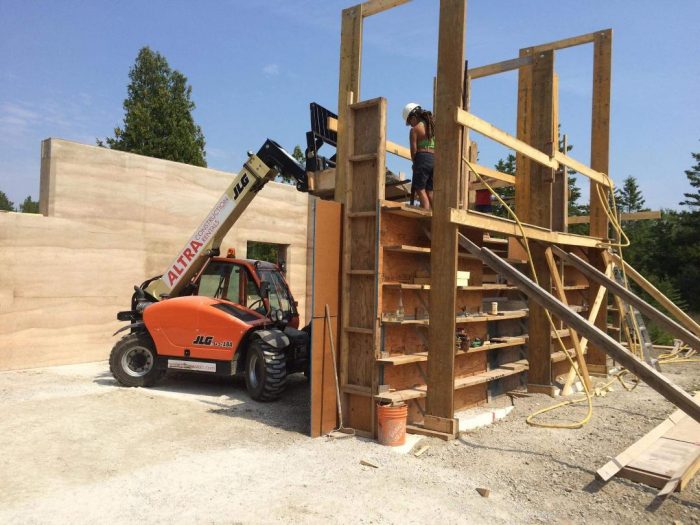
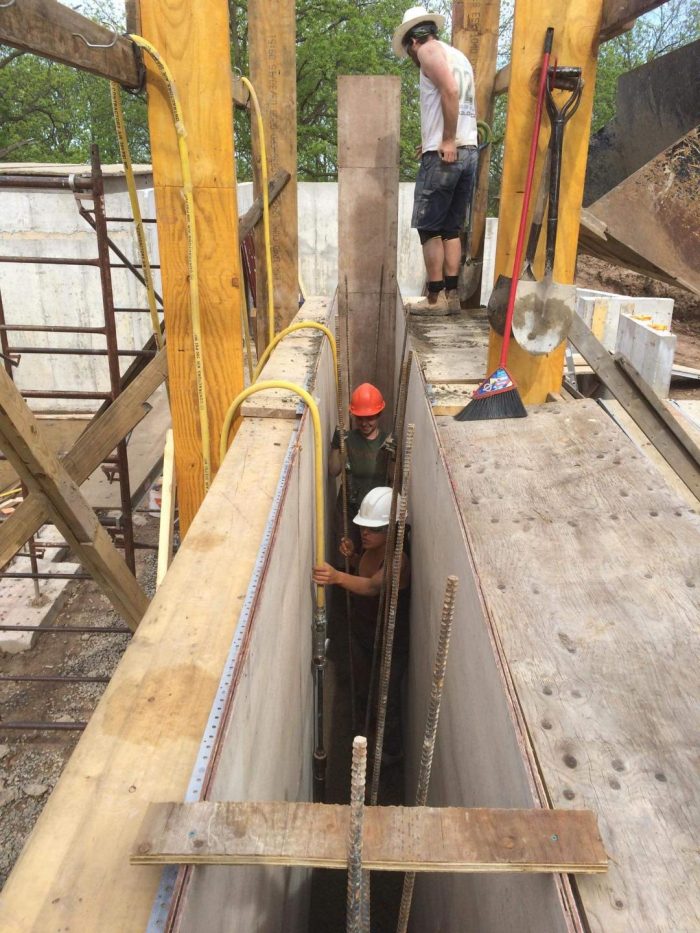
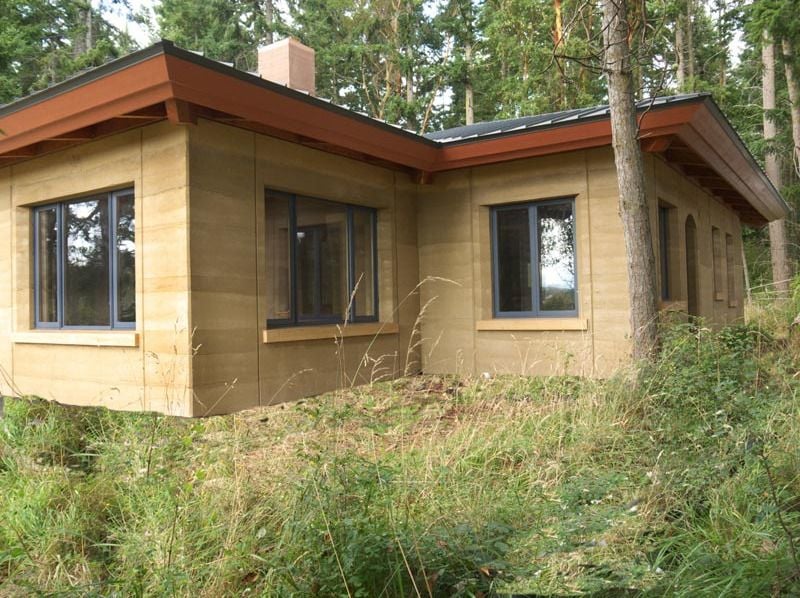
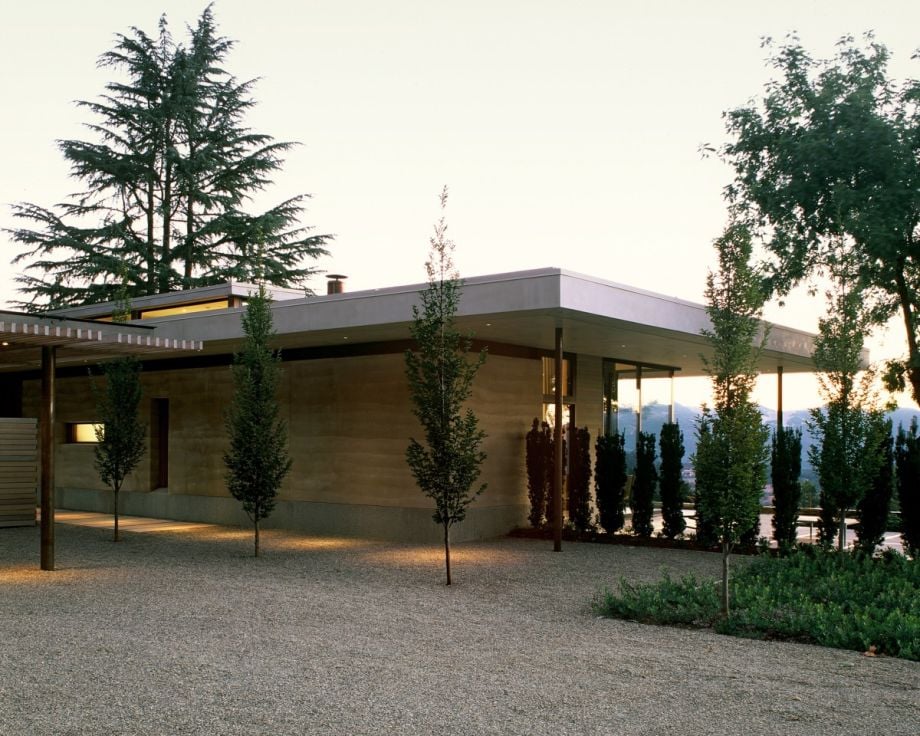
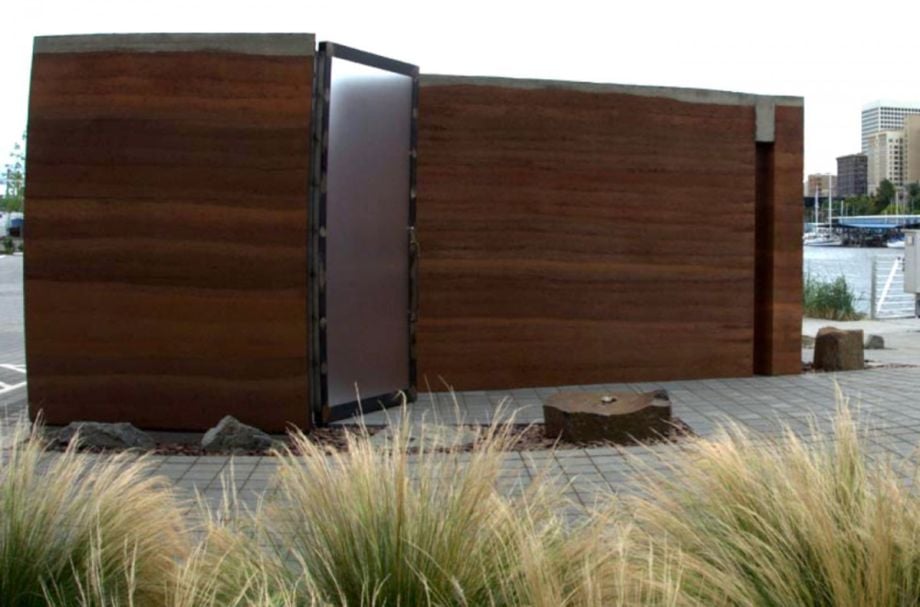
This article highlights eleven distinctive rammed-earth projects sourced from Pinterest, reflecting a growing interest among users in earthy interior designs. Rammed earth, a construction technique utilizing compressed layers of natural raw materials like earth, chalk, lime, or gravel, offers a warm aesthetic and natural hues suitable for both interior and exterior applications. The featured projects showcase the versatility and regional adaptability of this sustainable building method.
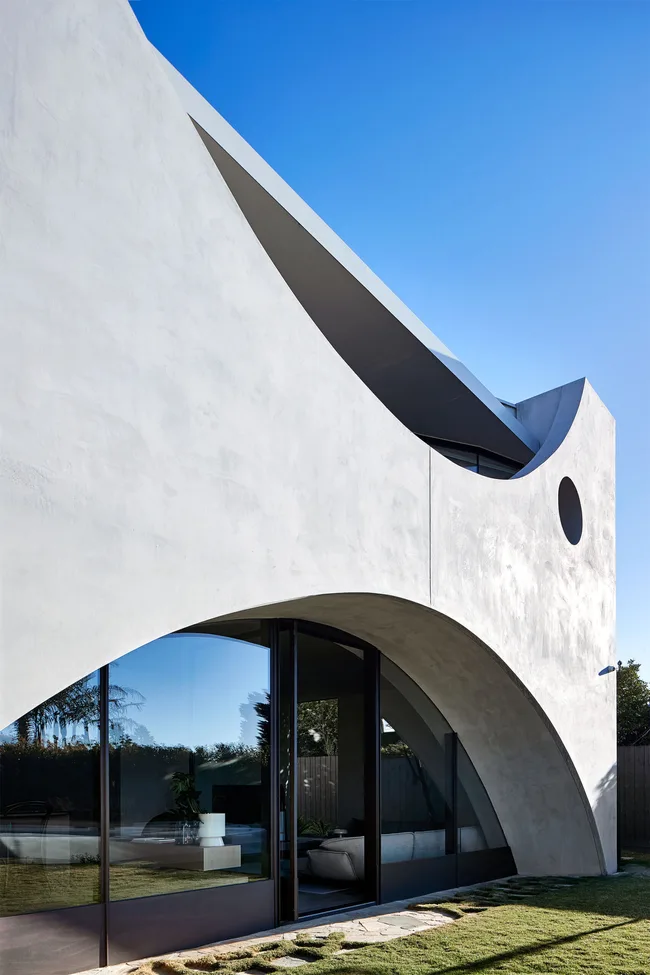
Among the examples is the Cabo Sports Complex in Mexico, designed by Taller Héctor Barroso, which features 5,000 square meters of rammed earth walls that harmonise with the local terrain, complemented by weather-treated pine elements. In Australia, Wood Marsh designed Peninsula House with curving walls of charred timber and rammed earth, specifically crafted to echo the contours of the nearby Bass Strait coastline and its winding paths.
Arquipélago Arquitetos’ House in Cunha, Brazil, demonstrates rammed earth walls made from a blend of earth, sand, and clay, resting on a concrete foundation. Its reddish tone is intentionally chosen to blend with the surrounding lush landscape, beneath a flat roof. Di Frenna Arquitectos’ Espacia Kaab in Mexico integrates natural materials like stone, rammed earth, carrizo weaves, and stucco to create a home that accommodates existing flora through courtyards and openings.
RIMA Design Group's Casa Ballena, an arts center in Los Cabos, Mexico, utilizes rammed earth for its microclimatic benefits and soundproofing qualities, addressing the specific environmental challenges of the region. Sharon Davis Design employed rammed earth for the Bayalpata Hospital in Nepal, chosen for its cost-effectiveness and use of local materials to replace an outdated clinic. More Design Office in China transformed traditional rammed-earth houses into guesthouses at Floating Cloud Township Villa, also adding new concrete structures for a bar and lounge.
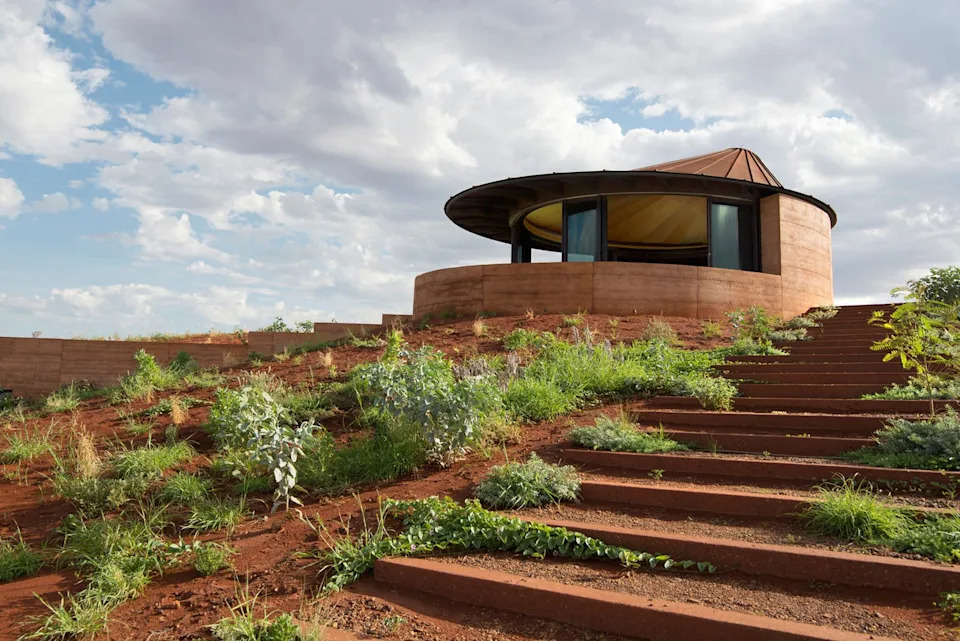
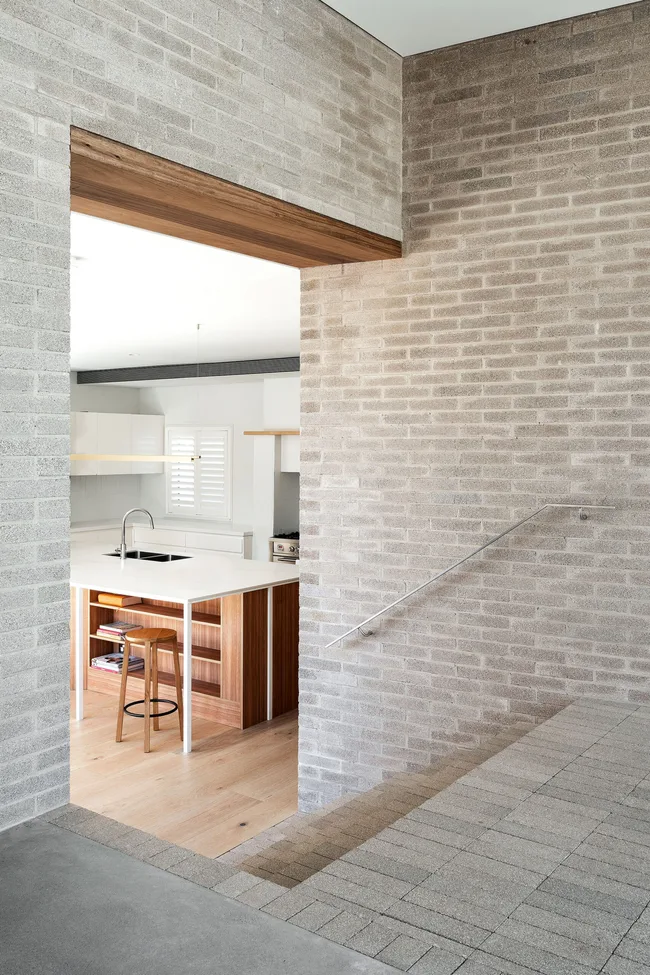
Juan Alberto Andrade’s extension for El Retiro, a multifamily housing complex in Ecuador, features a 30-centimeter-thick rammed earth wall that seamlessly blends with the original structure and the surrounding neighborhood. In China, DL Atelier's Sanbaopeng Art Museum was constructed using locally sourced clay-heavy earth, giving it a textured, poetic appearance that seems to emerge from the ground. Lake Flato designed Marfa Ranch in Texas, using three million pounds of rammed earth to construct walls that complement the desert grasslands. Lastly, Neil Architecture's Casa di Campo in Australia is characterized by a four-meter-high rammed-earth wall, providing a rough, grey exterior that integrates with the extensive farmland while also being exposed internally.
These projects collectively illustrate the enduring appeal and functional benefits of rammed-earth construction, ranging from aesthetic integration with natural environments to sustainable material use and climate control. The applications span various building types, including residential homes, sports facilities, arts centers, and hospitals, demonstrating the material's adaptability and growing relevance in contemporary architecture.
#RammedEarthArchitecture #SustainableDesign #NaturalMaterials #EarthyInteriors #ArchitecturalRoundup #GlobalArchitecture #EcoFriendlyConstruction #ResidentialArchitecture #PublicBuildings #RammedEarthArchitecture #SustainableDesign #NaturalMaterials #EarthyInteriors #ArchitecturalRoundup #GlobalArchitecture #EcoFriendlyConstruction #ResidentialArchitecture #PublicBuildings
0 comment in total
 No comments yet
You may also like
Eight buildings bejewelled with glass bricks and blocks
10 Gravity-Defying Cantilevered Homes

12 brick floors that will take your breath away

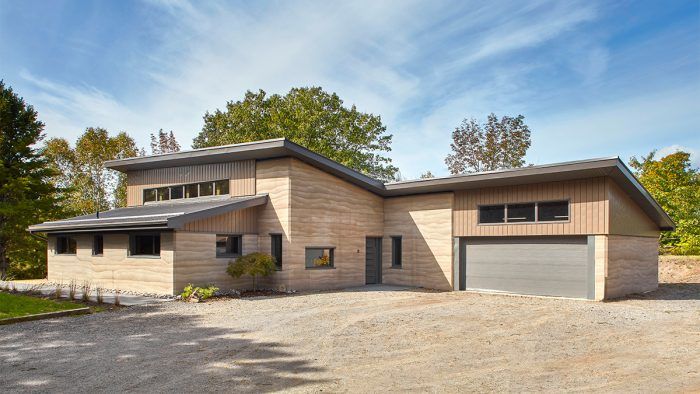
Rammed Earth Construction

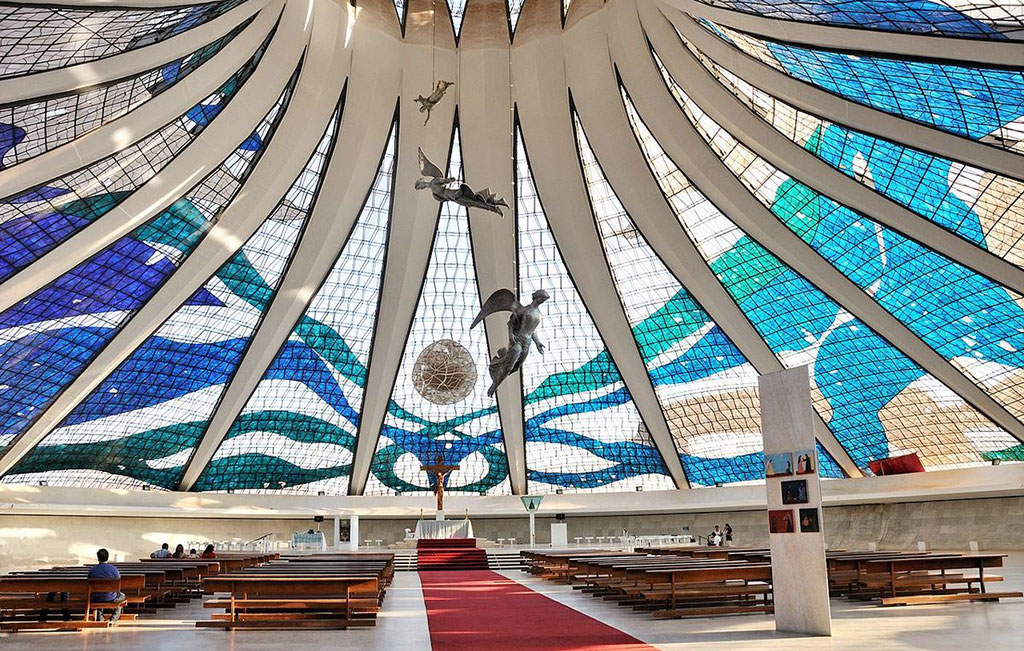
41 famous buildings you should visit before you die

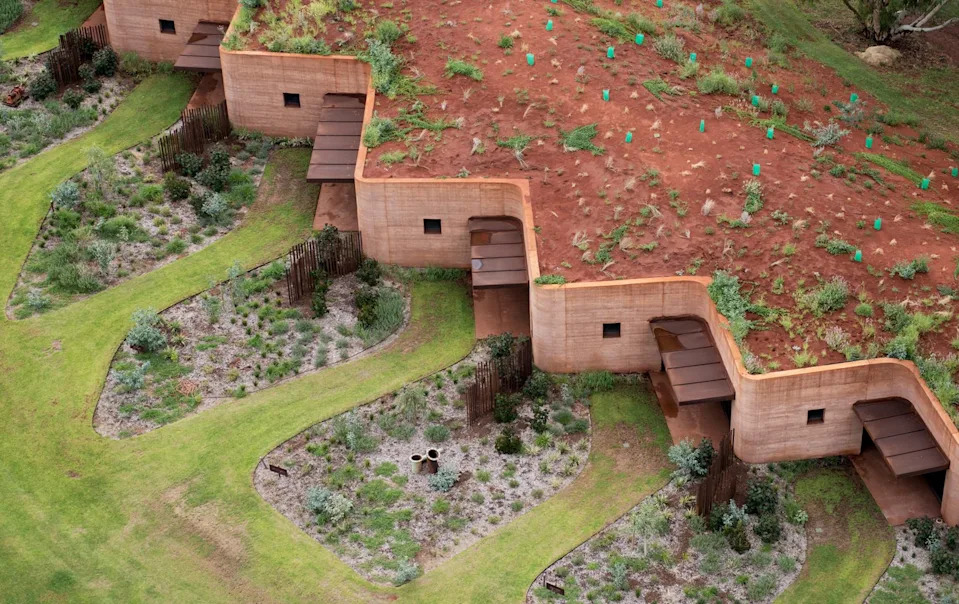
12 Homes Tucked Into “Great Wall” of Rammed Earth in Australia
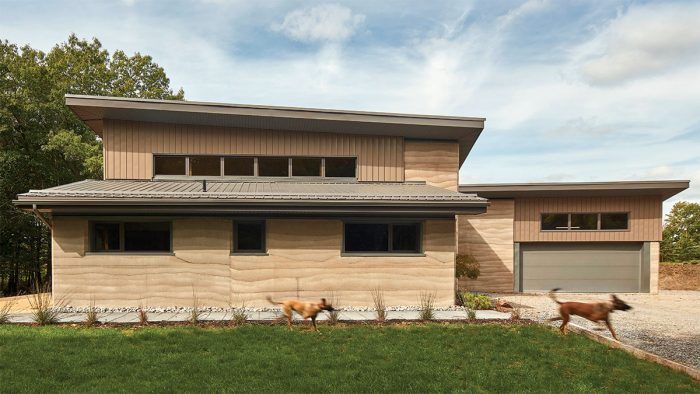
Rammed Earth: Creating a 500-Year House
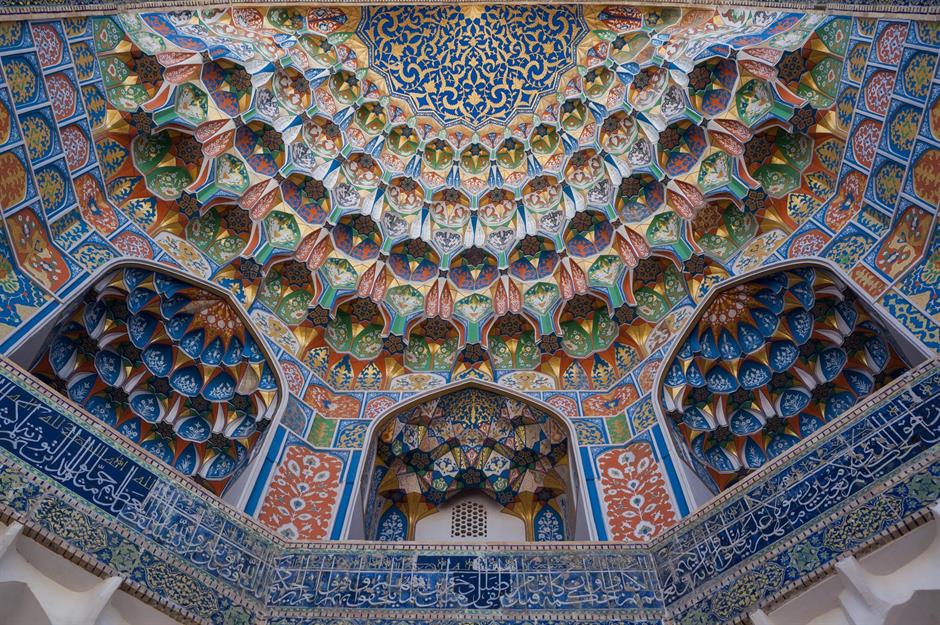
Look up: the world’s most jaw-dropping ceilings | loveexploring.com
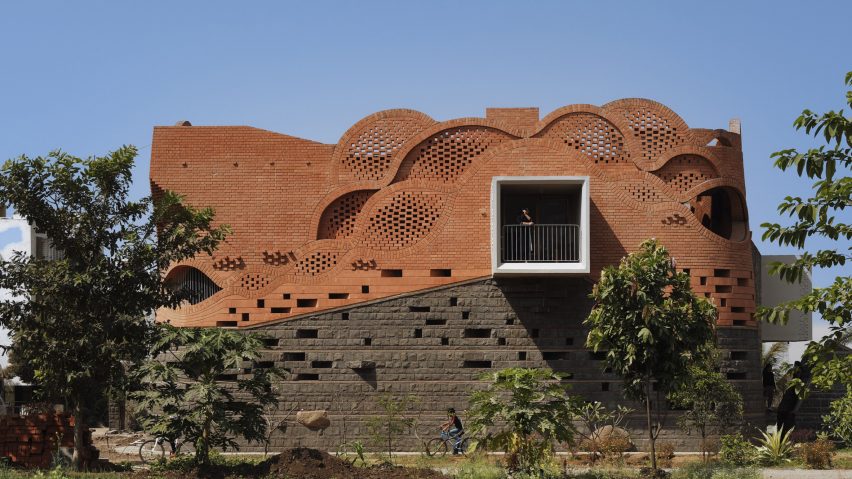
Ten buildings animated by expressive brick facades
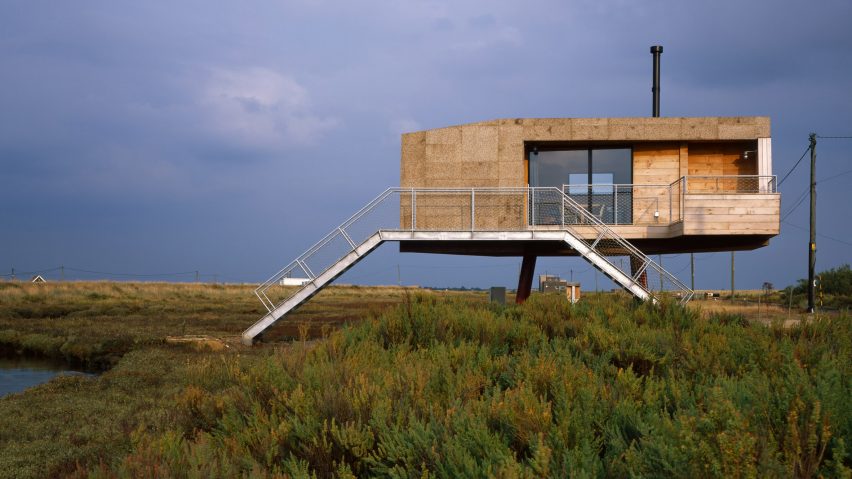
Ten gravity-defying homes that are raised up on stilts
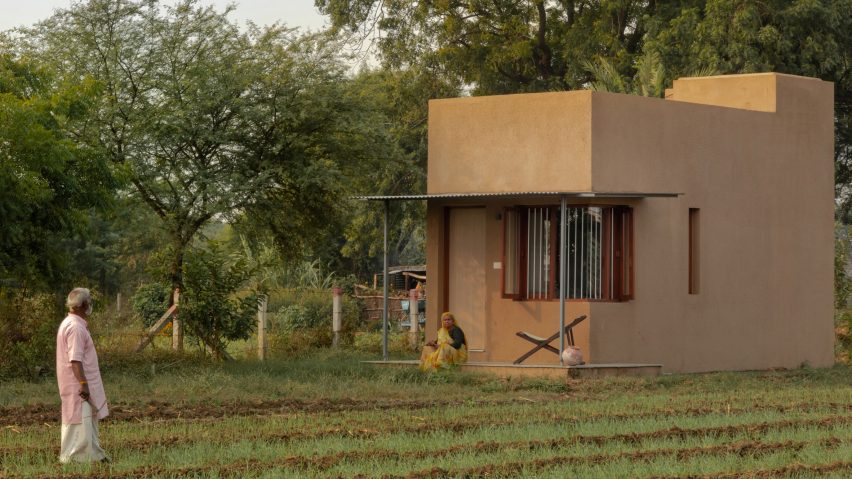
Eight monolithic houses coated in earth-toned plaster and render
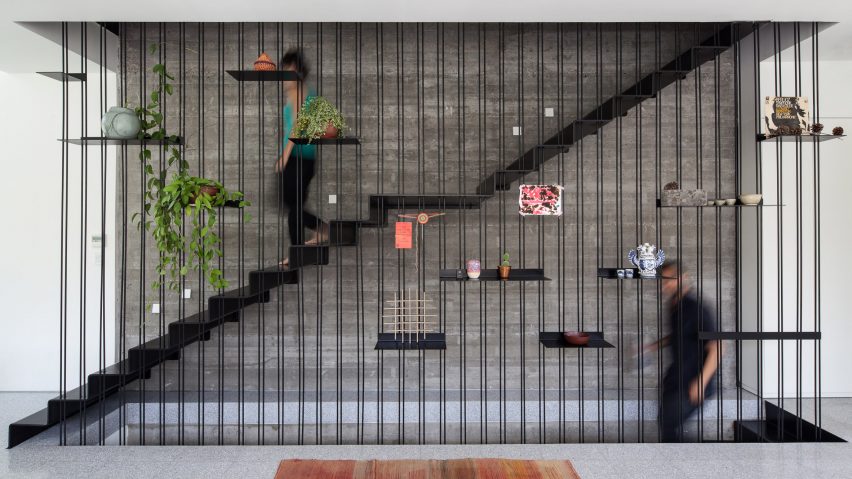
Ten homes with staircases that have statement balustrades
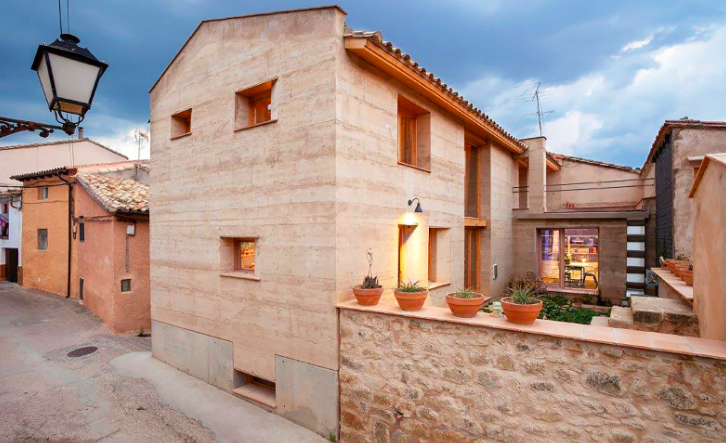
Are rammed earth buildings the new way forward?

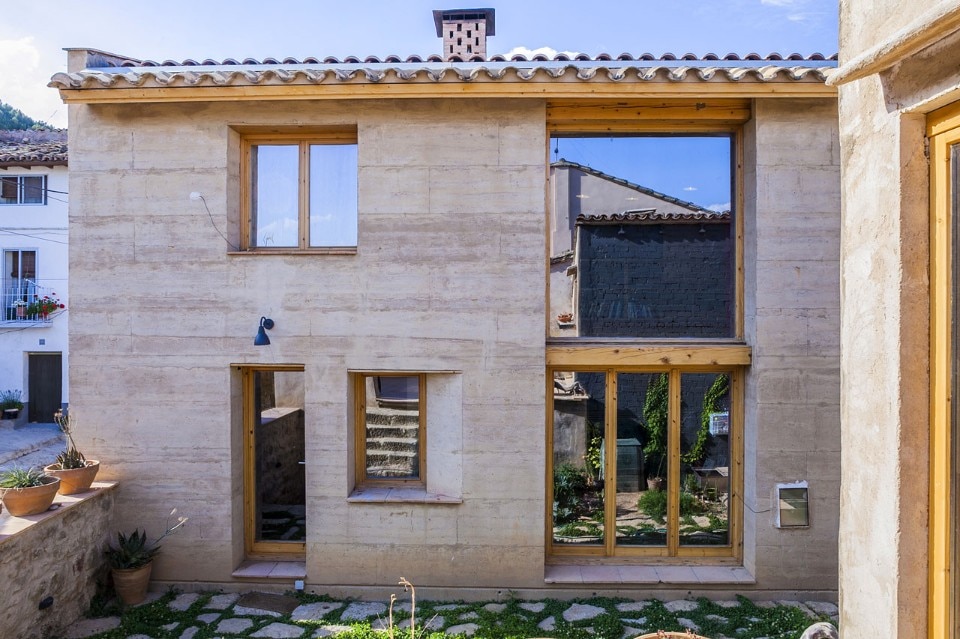
Rammed Earth House

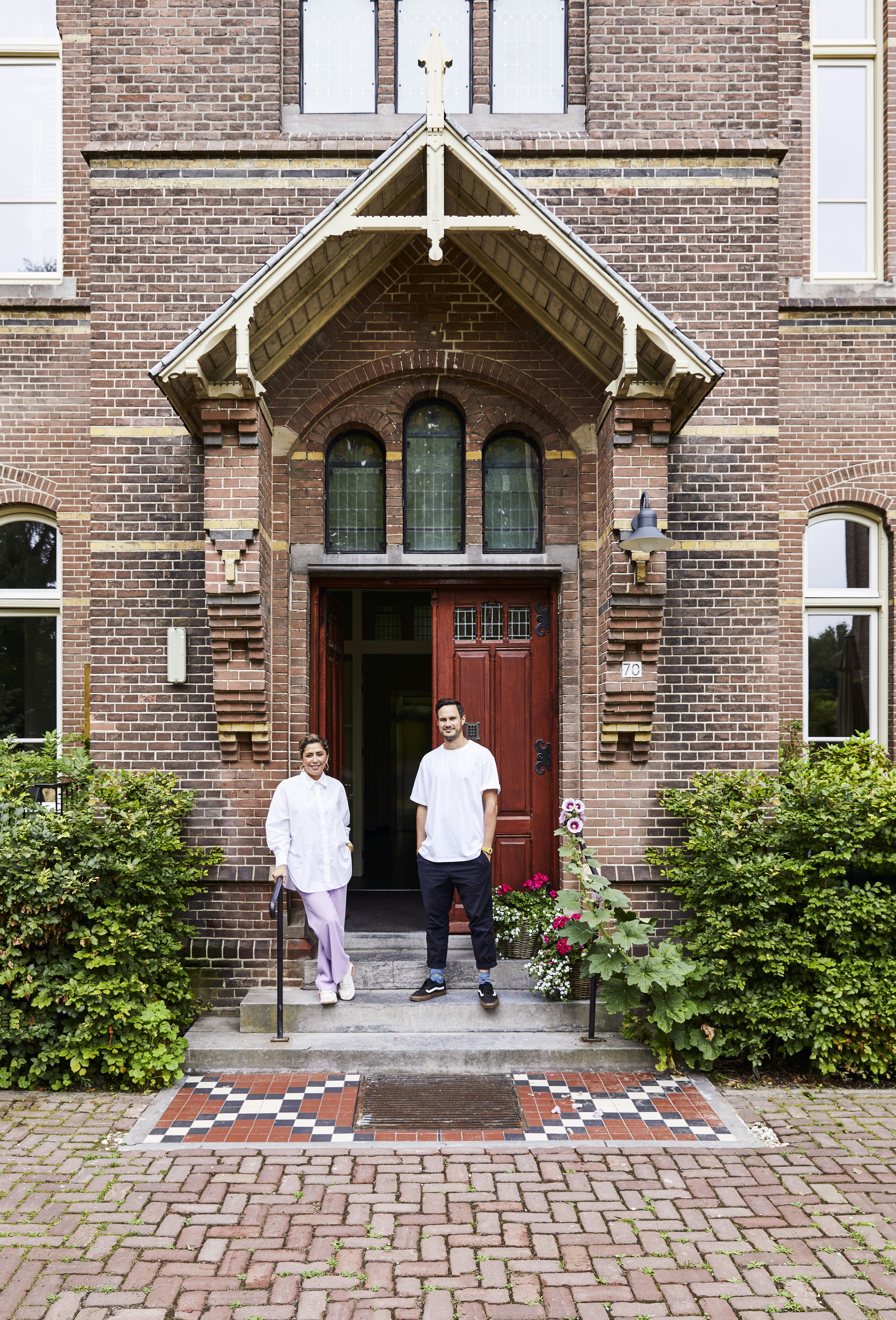
12 Churches That Have Been Turned Into Heavenly Homes
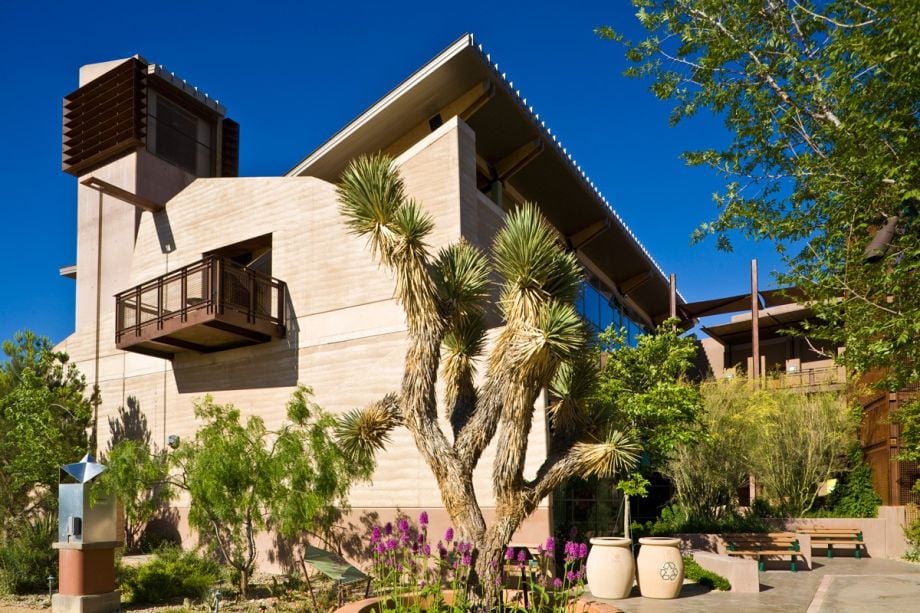
Rammed Earth Fits Into Urban Architecture’s Sustainable Future
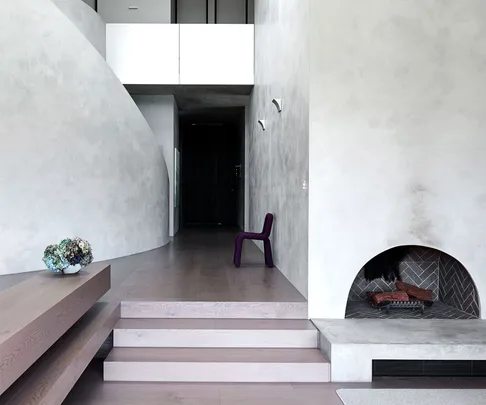
11 homes that embrace concrete

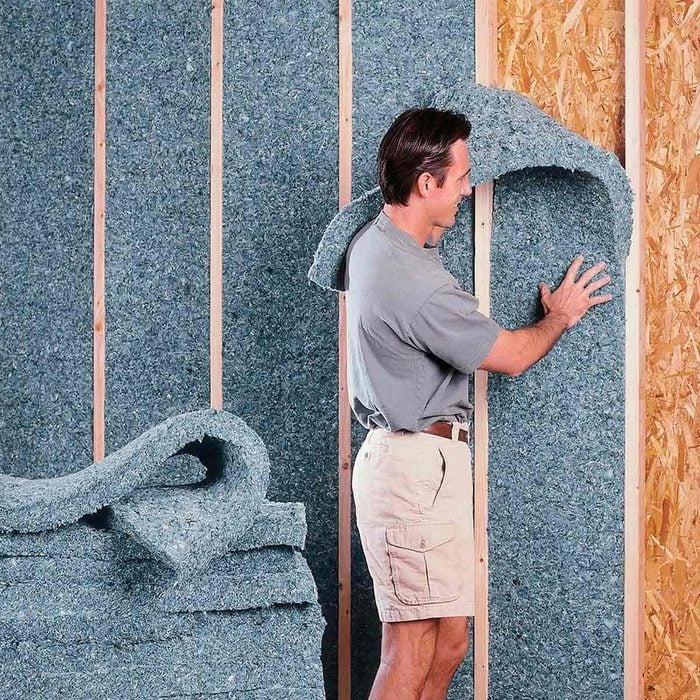
11 Recycled Building Materials Made From Trash


Eight floating homes around the world

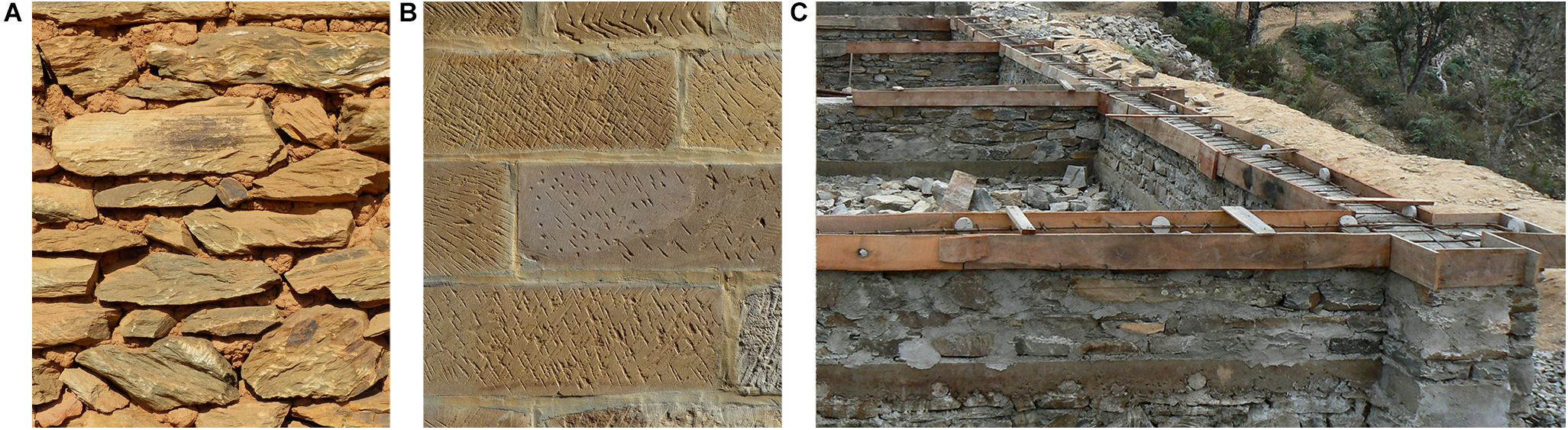
Rubble Stone Masonry Buildings With Cement Mortar: Design Specifications in Seismic and Masonry Codes Worldwide