1/11
11 Recycled Building Materials Made From Trash
The increasing problem of post-consumer waste is being addressed by a growing number of companies that are transforming discarded materials into durable, cost-effective building materials. This approach not only helps in diverting waste from landfills but also offers sustainable alternatives for construction and home improvement.
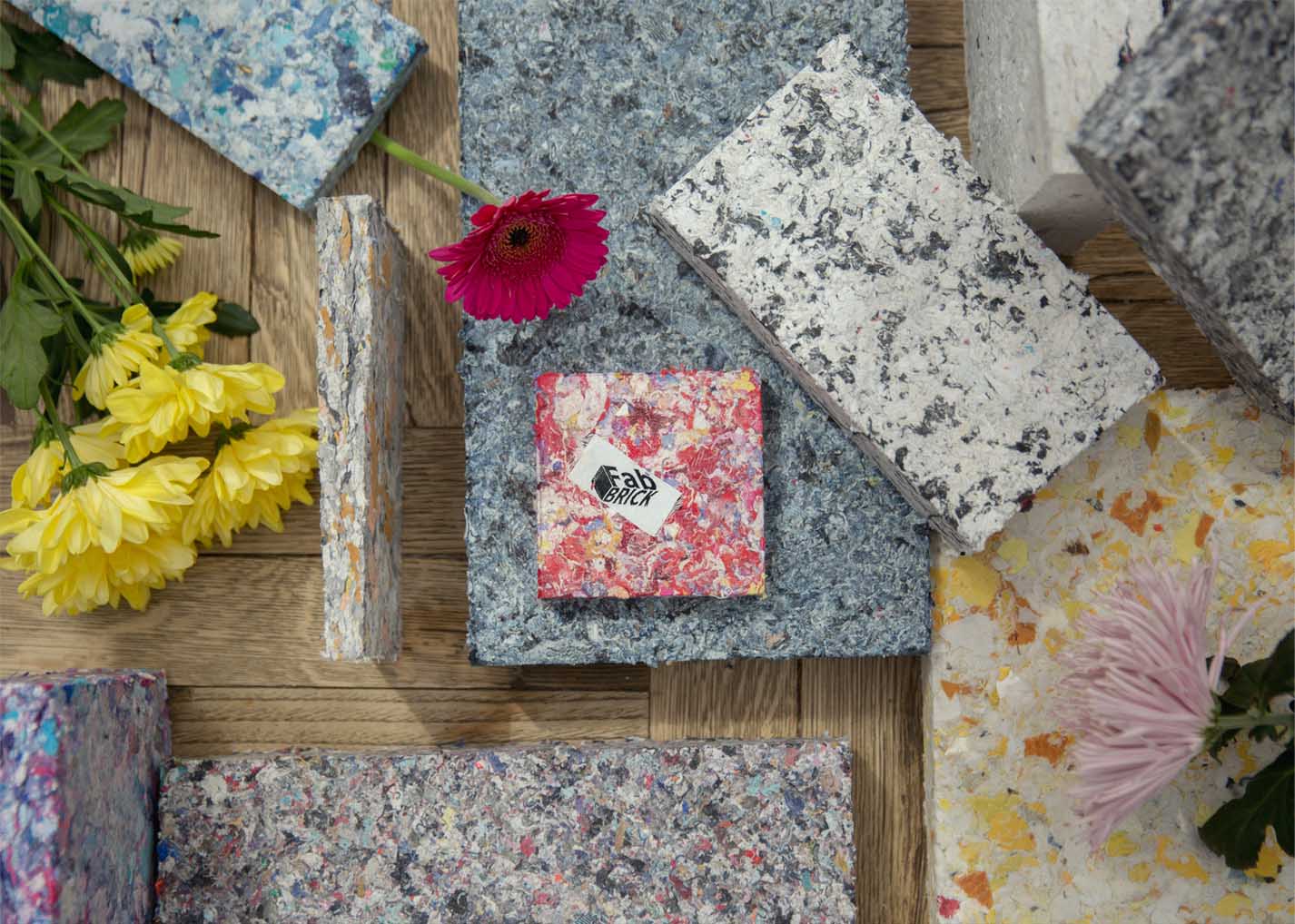
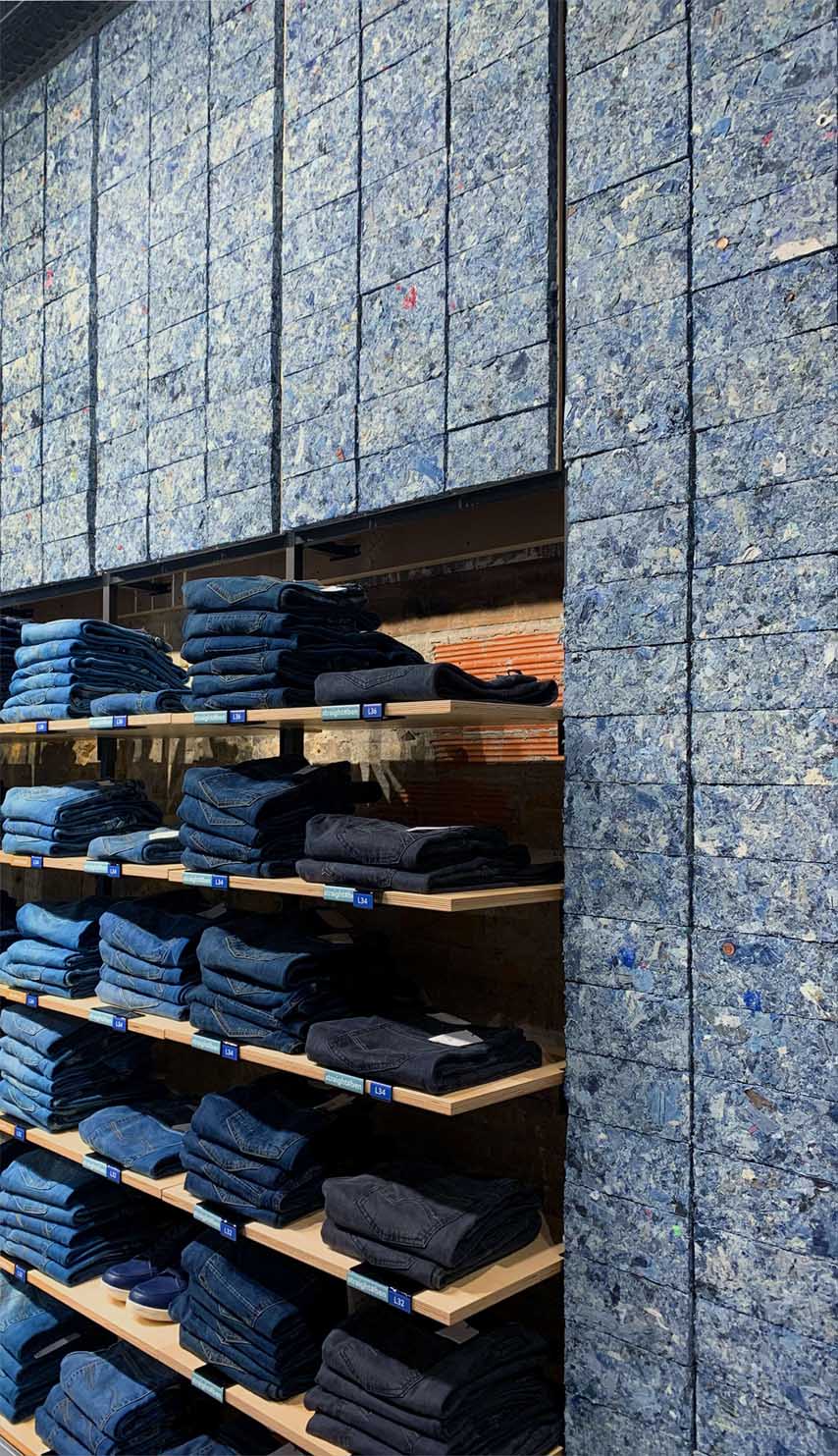
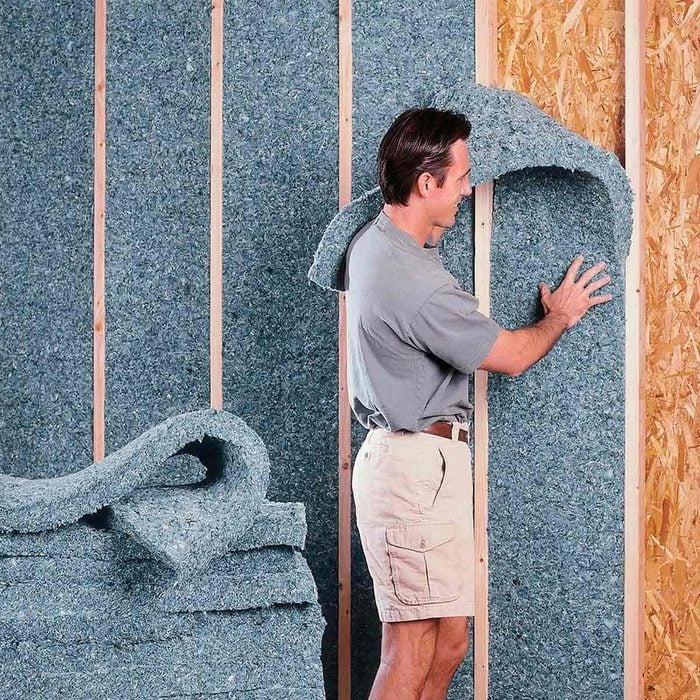
One such innovation is Frost King No-Itch Multi-Purpose Insulation, crafted entirely from recycled denim. This insulation provides cushioning and noise dampening, with an R-value of 4, and is non-irritating, eliminating the need for protective gear during installation. It is also resistant to mold, mildew, and fire, making it a safe and eco-friendly option for various applications.
Econyl, an innovative nylon yarn produced from post-consumer waste like fishing nets and textiles, is gaining traction in the carpet industry. Companies such as Milliken are utilizing Econyl to create carpet tiles. The process, developed by Aquafil, chemically recycles nylon 6 molecules into their monomer state, allowing for infinite reprocessing without quality degradation.
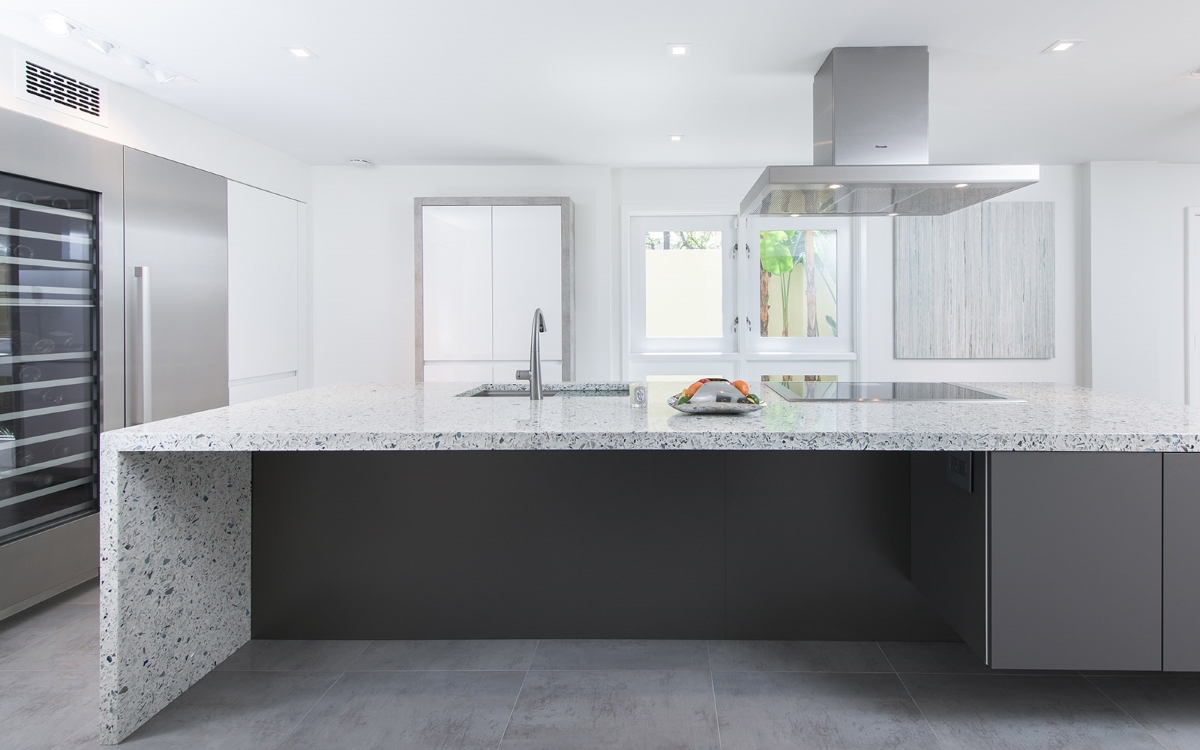
For countertops, IceStone offers a sustainable alternative to traditional terrazzo. Instead of quarried stone, IceStone uses post-consumer glass from industrial recycling facilities, diverting approximately a million pounds of glass from waste streams annually. This glass is ground, combined with Portland cement and non-toxic pigments, to create heat and scratch-resistant surfaces.
Jelinek Cork Mosaic Flooring reuses wine corks that are rejected during quality control. These castoff corks are sliced and arranged into mosaic tiles, which are dense, naturally hypoallergenic, and resistant to surface moisture. This flooring can be installed similarly to ceramic tile.
Ceilume Tiles are another eco-chic option, made from 100 percent recycled plastic manufacturing scrap. The company practices a closed-loop system by recycling its own production waste and taking back scrap from customers. These thermoformed ceiling tiles offer a stylish and sustainable choice for home decor.
DeckTop Rubber Deck Tiles are manufactured from 100 percent post-consumer waste tires by EMC. These lightweight, slip-resistant, and puncture-resistant tiles are available in 17 colors, providing a durable solution for outdoor spaces.
Amazon Environmental Paint addresses paint waste by recycling good-quality surplus paint into recycled-content latex paint for interior and exterior use. Non-reusable paint is further processed into Processed Latex Pigment, which is used in cement manufacturing.
In drainage systems, Advanced Drainage Systems produces Mega Green Drainage Pipe using up to 60 percent post-consumer recycled high-density polyethylene (HDPE). This initiative has diverted over a billion pounds of plastic from landfills.
Ecoasis Nex Roof Shingles from Malarkey Roofing Products incorporate end-of-life tires and 3M Smog-Reducing Granules. This innovation not only reduces landfill waste but also contributes to air quality improvement.
Saturn Materials Masonry uses alkali ash material, a fly ash-based cement, to create bricks, veneers, pavers, and structural blocks. By incorporating fly ash, a problematic combustion waste material, Saturn Materials helps mitigate environmental issues while enhancing the strength and stability of their products.
Lastly, FilterPave Driveways utilize tumbled pebbles of post-consumer recycled glass. This material is highly porous, helping to filter pollutants from stormwater and prevent erosion, while offering a comparable lifespan to asphalt.
#RecycledBuildingMaterials #SustainableConstruction #EcoFriendlyHome #WasteDiversion #Upcycling #GreenBuilding #HomeImprovement #MaterialInnovation #CircularEconomy #RecycledBuildingMaterials #SustainableConstruction #EcoFriendlyHome #WasteDiversion #Upcycling #GreenBuilding #HomeImprovement #MaterialInnovation #CircularEconomy
0 comment in total
 No comments yet
You may also like
For These Designers and Homebuilders, the Best Materials Are Ones That Have Already Been Used


Turning reclaimed timber power poles into architectural products

Building Materials - Building Supplies

Wall cladding made from corn cob waste brings sustainable construction materials


10 Ways to Use Recycled Materials in Your Home Reno


6 clever ways to upcycle leftover decorating materials: to save money and be more eco-friendly

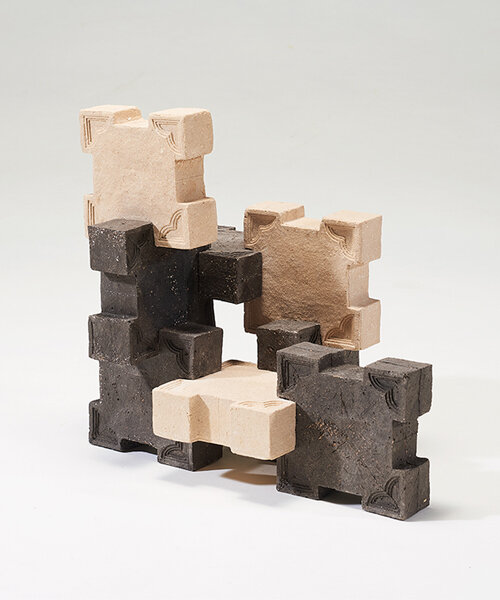
re:shell uses discarded eggshells to create modular, biodegradable building bricks

10 Start-ups Creating Innovative and Sustainable Building Materials, from Mycelium Bricks to Water Purifying Tiles

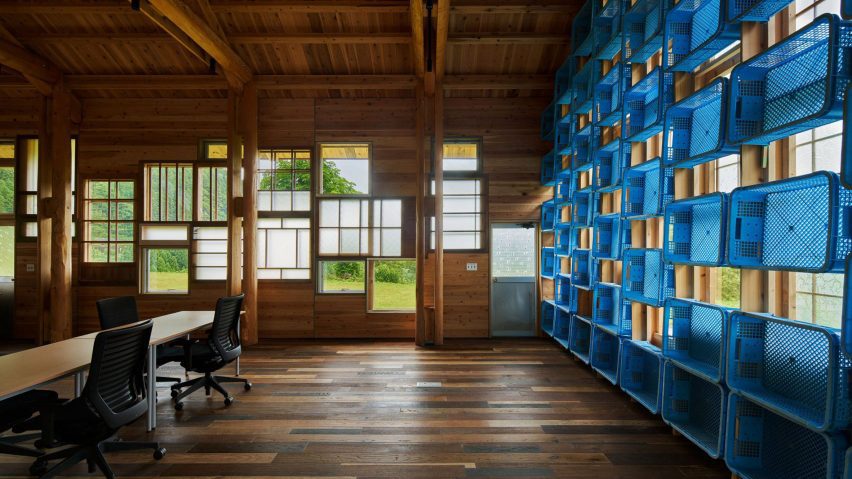
Eight interiors that feature reclaimed and recycled materials
W Tiles: Behind the Great Walls

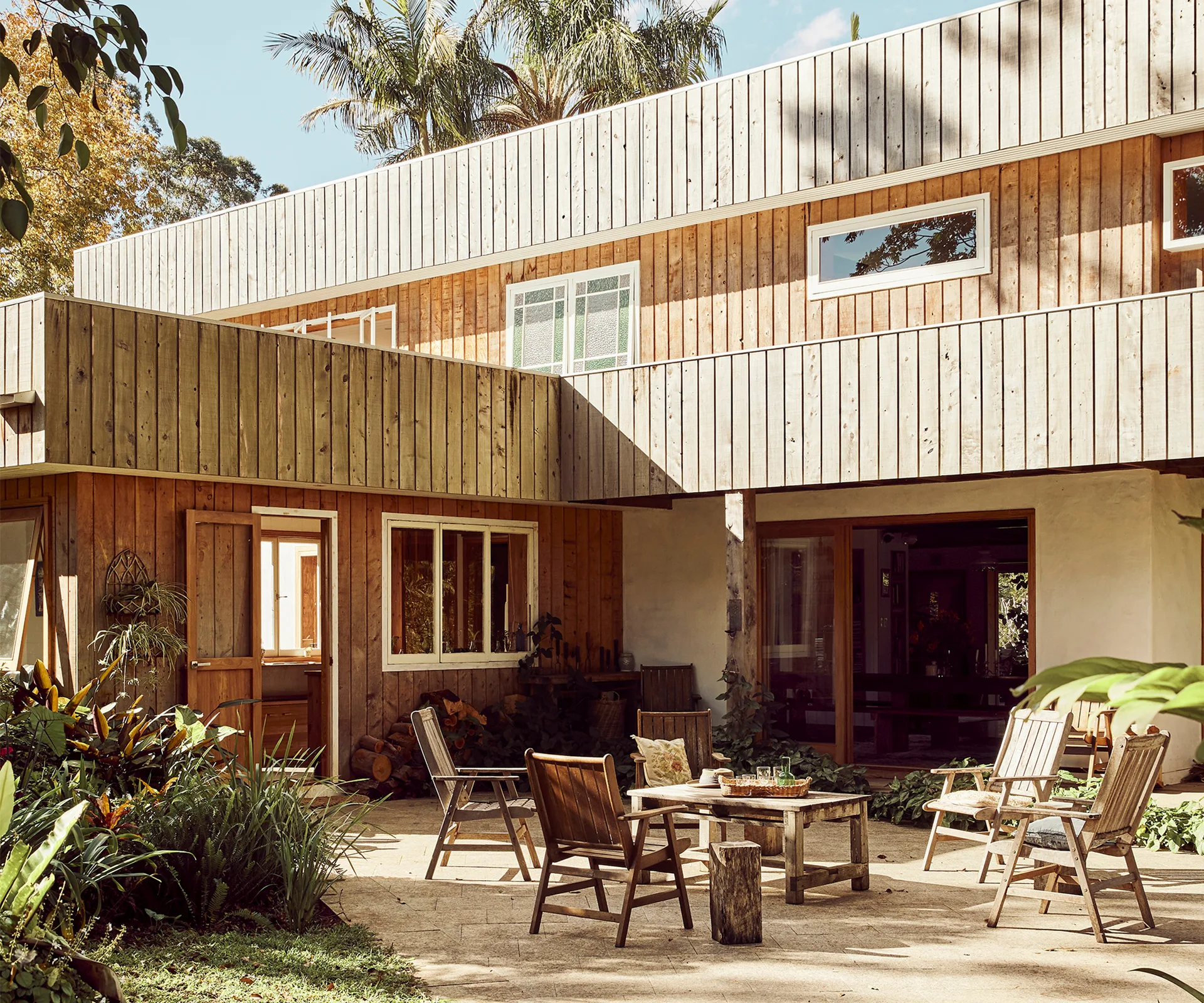
A multi-generational family home built from sustainable and recycled timbers

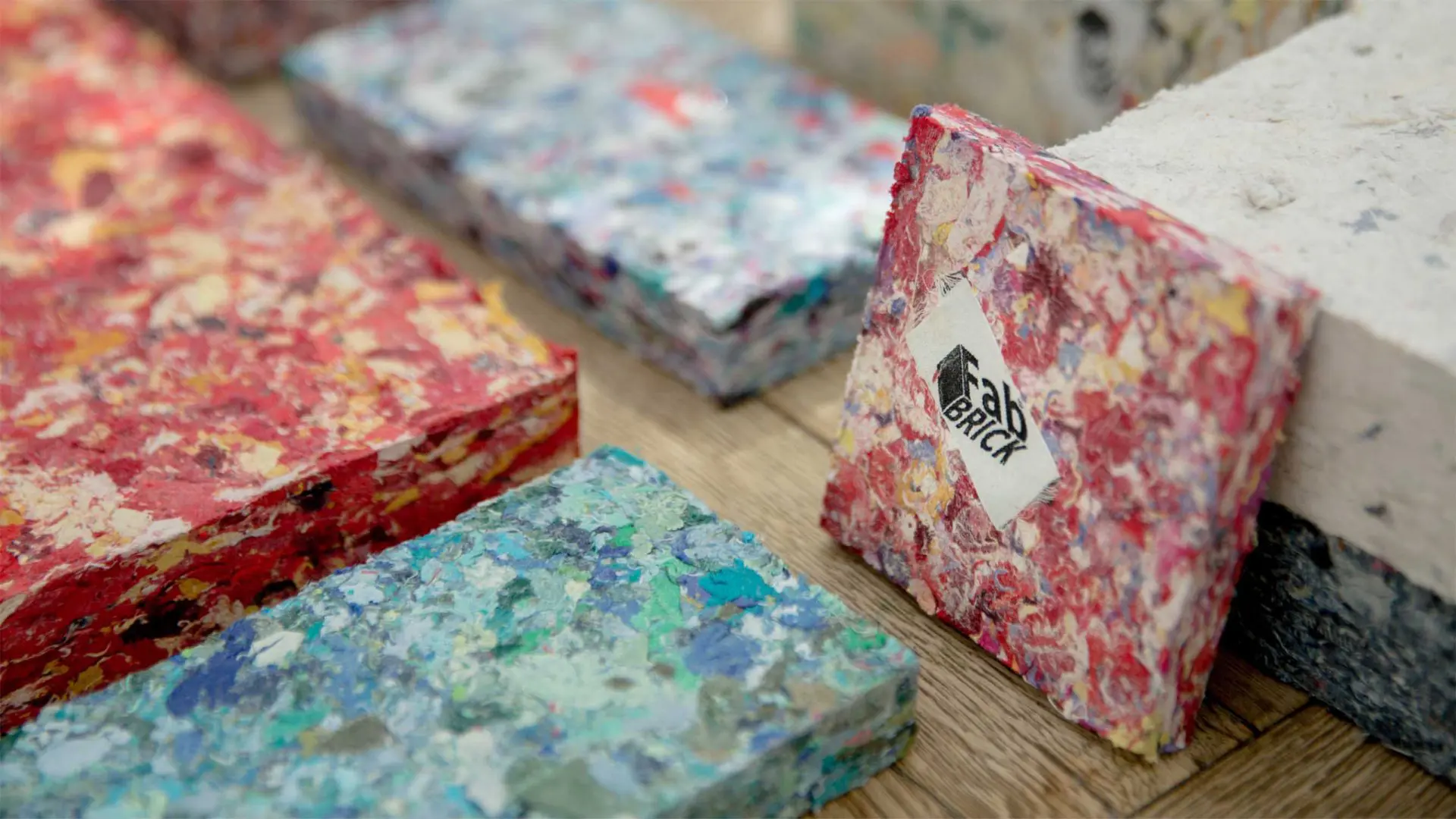
FabBRICK reinvents construction materials with recycled textile waste


Top 10 Things to Recycle at Your Construction Site

How to Make a Facade with Recycled Materials: 21 Notable Examples

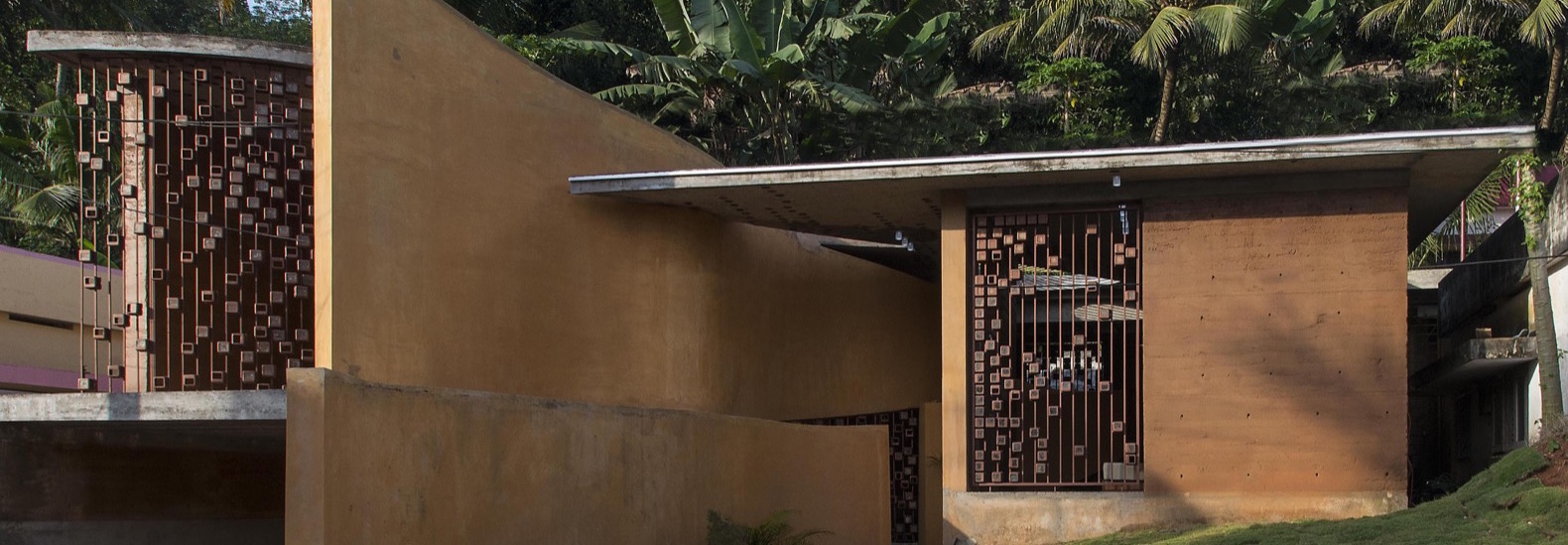
This rammed earth home in India uses recycled materials throughout
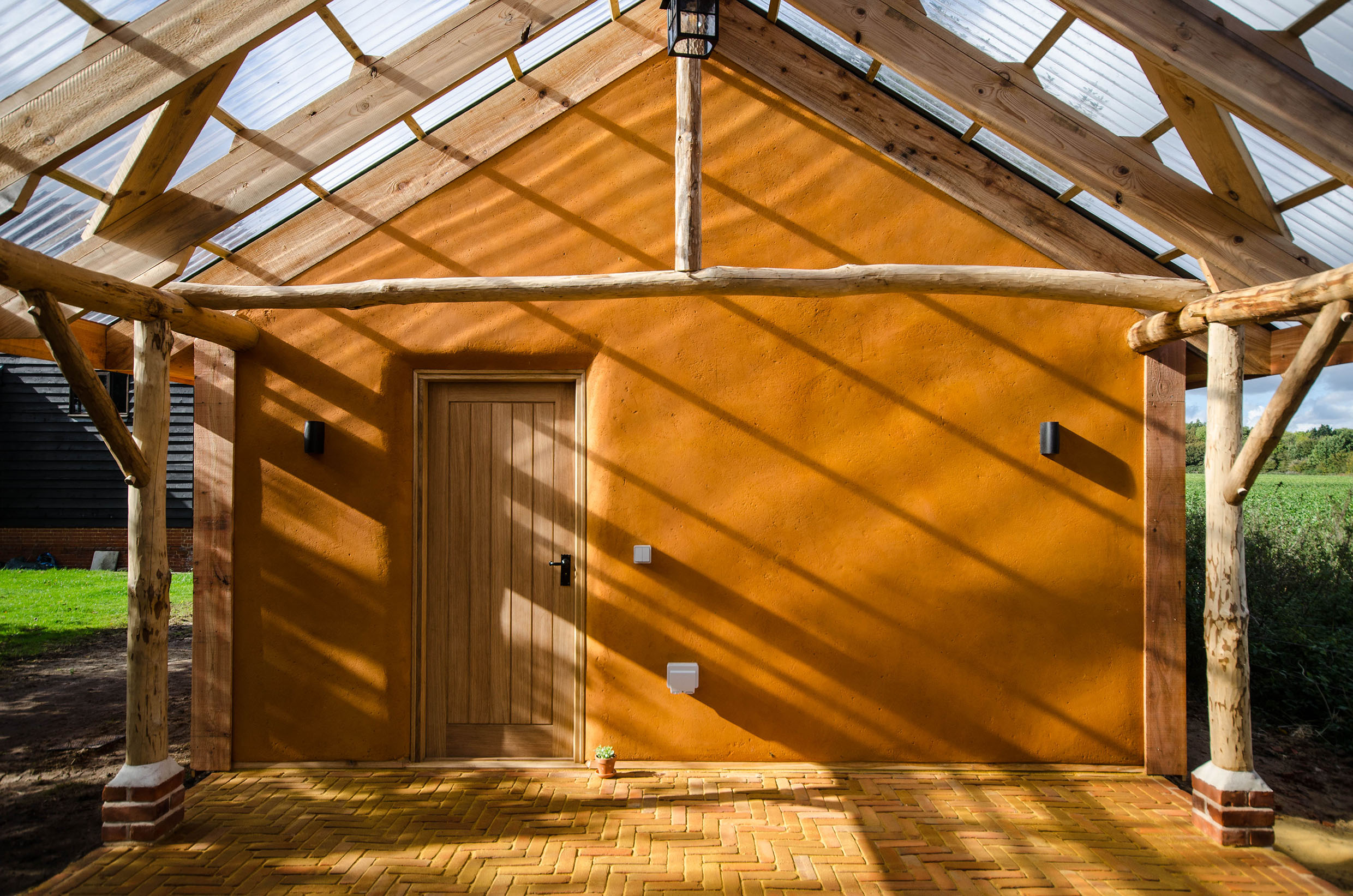
Saving the earth: making the case for rammed earth architecture
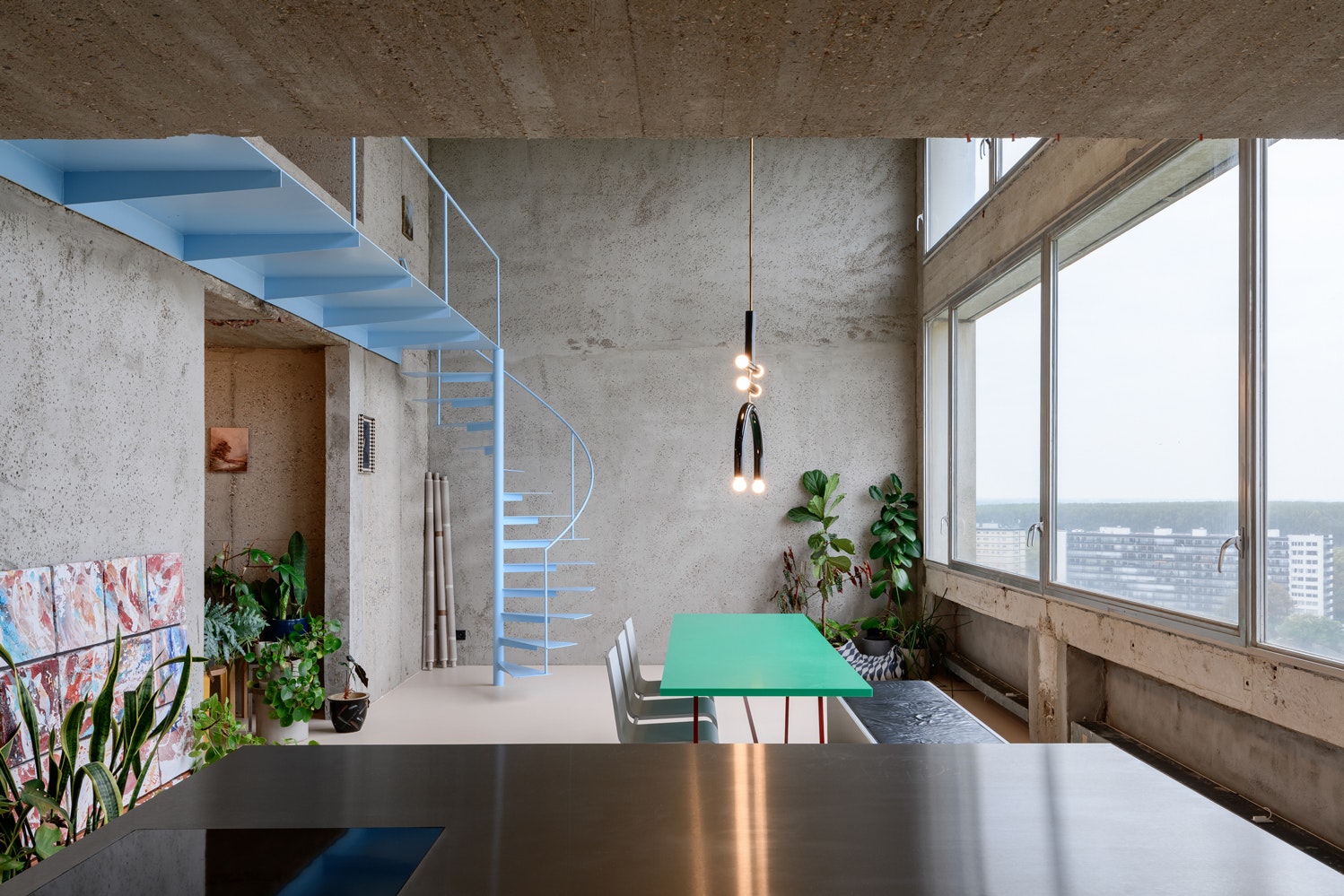
17 Projects That Use “Ugly” Materials in Beautiful Ways

10 Innovative Materials Poised to Make Home Building More Sustainable

As Ocean Waste Piles Up, Coldharbour Tiles Propose a Backsplash


Building with earth could transform sustainable construction – here’s how