1/5
How Architectural Theory Distances People from Design
The article critically examines the role of architectural theory in the design profession and its perceived disconnect from the public. It posits that architects frequently resort to philosophical or quasi-philosophical justifications for design decisions, distinguishing this practice from other societal pillars like law, finance, or medicine. These other disciplines rely on established, objective structures of knowledge (precedent, economics, and science, respectively) to mediate between professional judgment and subjective decisions, offering verifiable evidence. In contrast, architecture often lacks such a common, systematized framework for design, beyond basic building codes and external pro formas, leading to a gap in understanding with the general public.
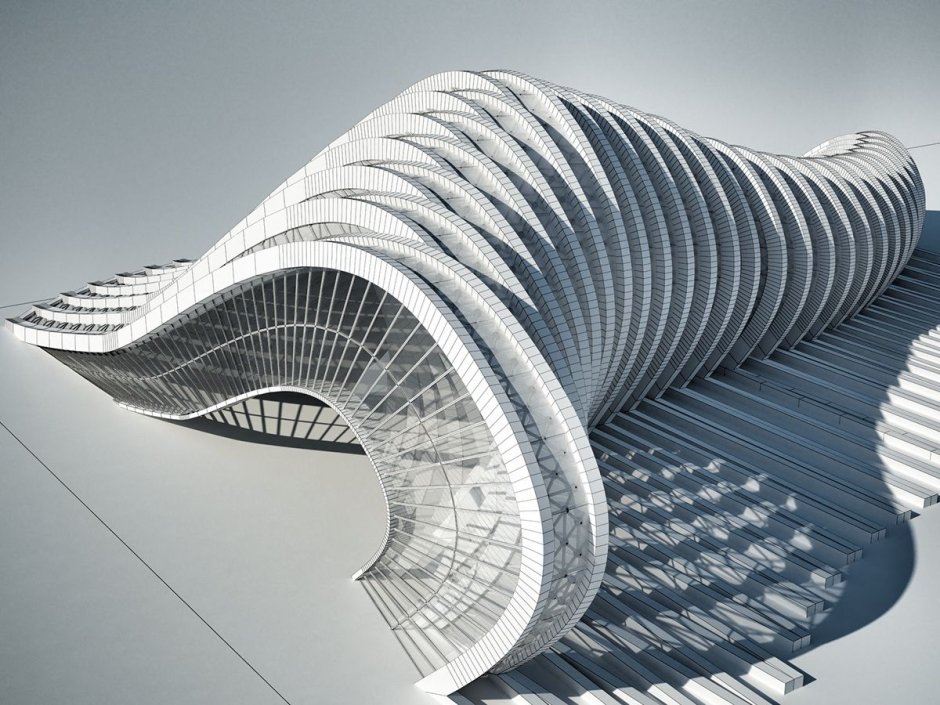
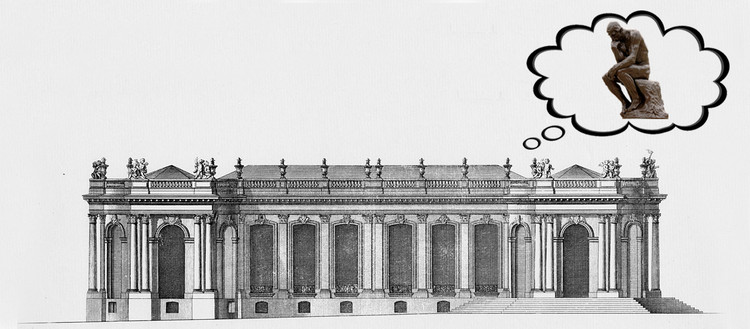
The author argues that architectural theory, historically and currently, is predominantly written by architects for architects. This internal discourse, exemplified by concepts like "Parametricism" and the philosophical dalliances of late 20th-century architects such as Peter Eisenman with thinkers like Jacques Derrida, serves to justify design choices internally or to intellectually deter critics. The article cites Ned Cramer's reflection on this period, noting its potential detriment to practical architectural education, while also observing that a similar tradition persists today, albeit through approaches like Bjarke Ingels's problem-solving philosophy, which is characterized as a form of cultural marketing.
The core issue identified is that architecture, fundamentally, provides shelter—a basic human need akin to those addressed by law or medicine. The expectation from the public is that such a fundamental provision should be grounded in empirically verifiable reasoning. The abstract nature of philosophical thought, while perhaps offering an easy defense for arbitrary decisions and even poetic inspiration, ultimately fails to provide the objective grounding that the public expects from a profession directly impacting their lives. This reliance on subjective justification rather than a common structure of knowledge contributes to the perplexing experience for laypeople when interacting with architectural design.
The article proposes that developing a standardized, verifiable body of knowledge for architectural design could bridge this gap. Such a framework would not only provide a starting point and defense for design decisions but also help the profession resonate more broadly with a public that demands accountable evidence from professions affecting them. While acknowledging that building such systems takes time, the author points to environmental psychology as a promising field where the genesis of such a framework might exist. This field offers empirical insights into how environmental factors influence human behavior and visual reactions within built environments, suggesting a pathway to fashion design principles based on verifiable data.
Examples of emerging tools within environmental psychology include behavior modeling, structured data collection on public space usage, and scientific studies on human perception of buildings. These practices offer potential for widespread application in architecture. However, significant organization is required to integrate them systematically to achieve widespread public acceptance. The article concludes by reframing this organizational challenge as an inherent design problem, suggesting that the architectural profession is uniquely positioned to address it.
#ArchitecturalTheory #DesignPhilosophy #PublicPerception #ProfessionalPractice #EnvironmentalPsychology #ObjectiveReasoning #BuiltEnvironment #KnowledgeStructure #ArchitecturalTheory #DesignPhilosophy #PublicPerception #ProfessionalPractice #EnvironmentalPsychology #ObjectiveReasoning #BuiltEnvironment #KnowledgeStructure
0 comment in total
 No comments yet
You may also like
Why You Hate Contemporary Architecture


Building Knowledge, Not Just Structures: Redefining the Architect’s Role in Times of Uncertainty

5 Ways architectural epidemiology redefines design impact

Designing Beyond Buildings: An Architect’s Strategic Shift


The impact of machine learning on architectural design

How generative design is shaping the future of architecture?
The death of detail and the takeover of modern architecture
10 Questions With… Jobe Corral Architects

Why Bad Design is Good

The subliminal language of architectural design

Generating Bias in Architectural Design with Stanislas Chaillou


Will Artificial Intelligence Replace Designers?

How to Be a Better Architect Than Me

The Transformative Power of AI in Architecture Design

This Controversial Home Layout Has DIVIDED the Design World


Older Adults Are Sharing The Design Trends They Despise For Very Specific Reasons


Designers Notoriously Hate This Feature—Here’s Why I (Respectfully) Disagree

"Frankly, It's Tacky": People Are Revealing Common Interior Design Trends They Can't Stand
Books for Architectural Design Inspirations

Whatever Happened to “The Architects’ Architect”?