1/4
Why Bad Design is Good
The perception of 'bad' design, often seen as a failure, can paradoxically lead to profound insights and greater engagement than 'good' design, which tends to be invisible due to its seamless functionality. Experiences of discomfort or difficulty, such as sitting in an ill-designed chair, compel individuals to pay closer attention and understand the designed world around them. This heightened awareness transforms passive consumption into active introspection.
Historically, figures like Enzo Mari advocated for a 'design-it-yourself' approach, deliberately making processes more challenging to encourage creativity and independent thought, rather than simply providing finished products. Mari believed that by making things harder to use or understand, people would be forced to engage critically with their environment, thereby challenging the norms of passive consumption. This philosophy posits that while good design operates unobtrusively, bad design demands attention, fostering engagement and introspection. Mari’s legacy is rooted in his dissent against the conventional idea of 'good' design, visible only when it rebels against the norm.
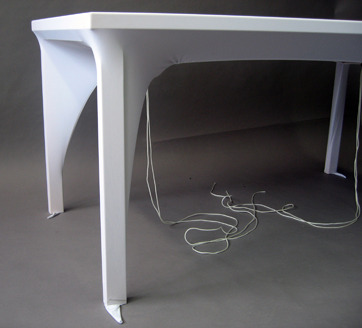
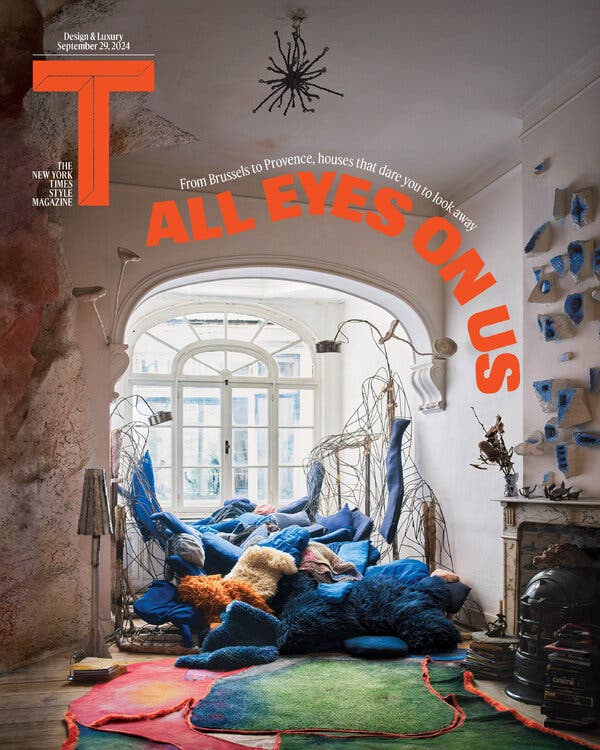
This embrace of 'bad' design is not a new phenomenon. Throughout art and design history, various movements have intentionally rejected prevailing aesthetics to provoke thought and engagement. Dadaists and Brutalists, for instance, embraced ugliness and absurdity to challenge tradition, pushing audiences out of their comfort zones. Similarly, fashion designers like Rei Kawakubo used clothing to distort the human form, interrogating conventional notions of beauty. In cinema, the Dogme 95 movement imposed strict, unconventional rules to deconstruct and rethink mainstream filmmaking. Architects Arakawa and Madeline Gins extended this concept into physical spaces with their Bioscleave House, designed to disorient and provoke occupants, demanding constant conscious navigation and questioning, rather than offering an invisible, comfortable experience. Athens-based architect Katerina Kamprani further explores discomfort-based design through her work.
Contemporary design studios, such as Mother Design, also integrate 'bad' design elements as a strategic tool for disruption and engagement. An example is their brand identity for Eyebeam, an art and technology center, which employs vibrating color combinations, visually challenging graphic patterns, and unconventional typefaces that disrupt the flow of text. This approach forces viewers to engage with the medium itself before fully processing the message, thereby subverting the traditional expectation of design as a transparent vessel for content.
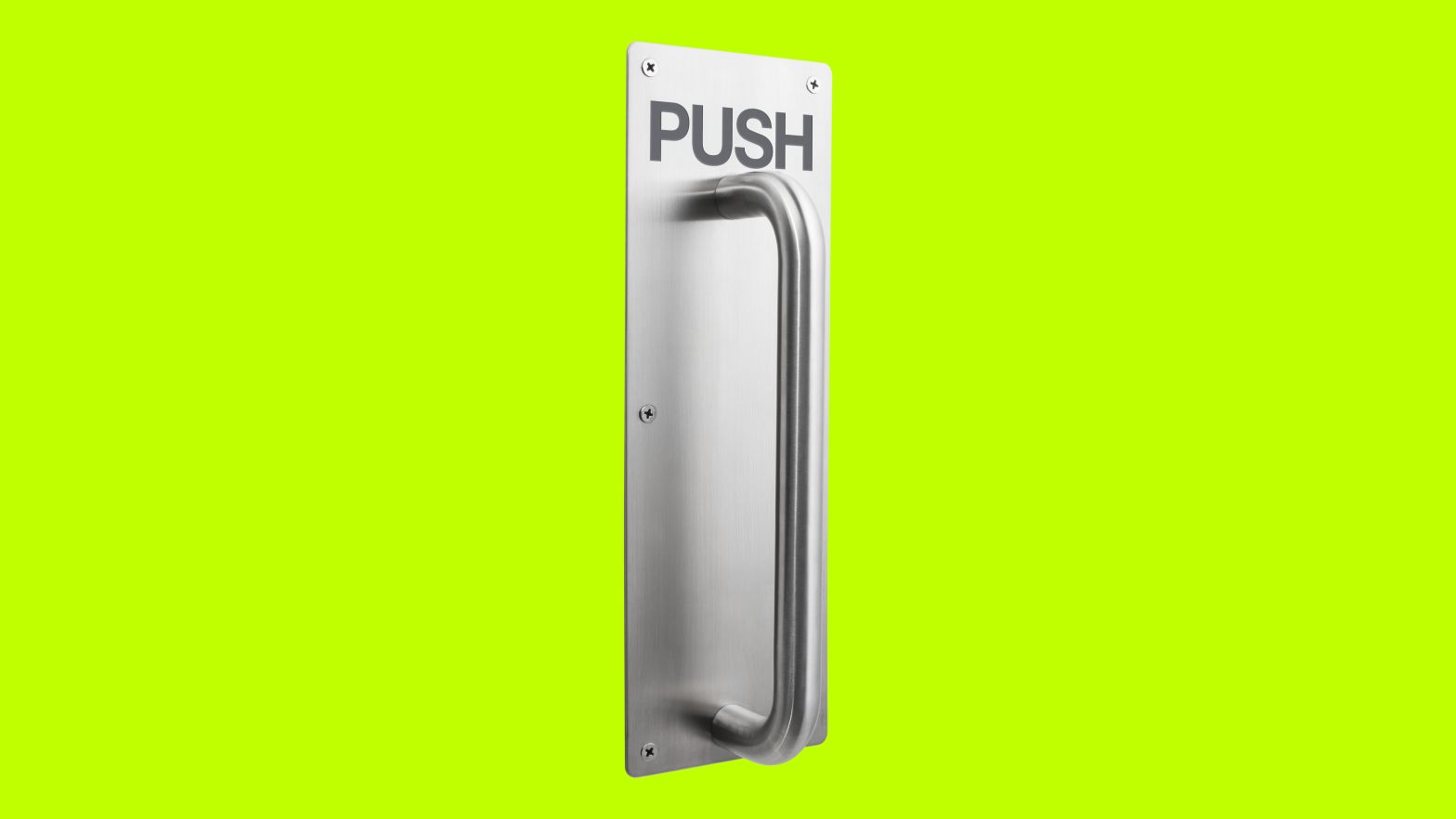
In essence, the 'failure' of design, or its deliberate deviation from convention, can be a catalyst for success by enabling the emergence of new ideas. Embracing 'bad' design is presented as a necessary step to uncover 'good' design. In a world increasingly dominated by frictionless experiences, 'bad' design acts as sandpaper, challenging complacency and forcing individuals to question and think. Movements like the Bauhaus, Marcel Duchamp, Kool Herc, the Sex Pistols, and the Memphis Group initially faced criticism for their unconventional approaches but ultimately reshaped cultural and aesthetic landscapes. Therefore, 'bad' design is not something to be avoided but rather a crucial element of the creative process and personal growth, encouraging learning, purposeful exploration, and self-discovery. It suggests that by celebrating the unignorable—the uncomfortable chairs, frustrating interfaces, and confusing doors—we can learn more about our world and ourselves than through the pursuit of perfection.
#DesignPhilosophy #BadDesign #GoodDesign #DesignEngagement #CreativeProcess #DesignHistory #ArchitecturalDesign #FashionDesign #ArtisticRebellion #DesignPhilosophy #BadDesign #GoodDesign #DesignEngagement #CreativeProcess #DesignHistory #ArchitecturalDesign #FashionDesign #ArtisticRebellion
0 comment in total
 No comments yet
You may also like
Designers Notoriously Hate This Feature—Here’s Why I (Respectfully) Disagree


What is Design Excellence? The Boston Society of Architects Weighs In

Good design deserves time
Designers Explain Why Asymmetry Is the Secret to a Well-Composed Space


Design Ideas: Solving Pet Peeves

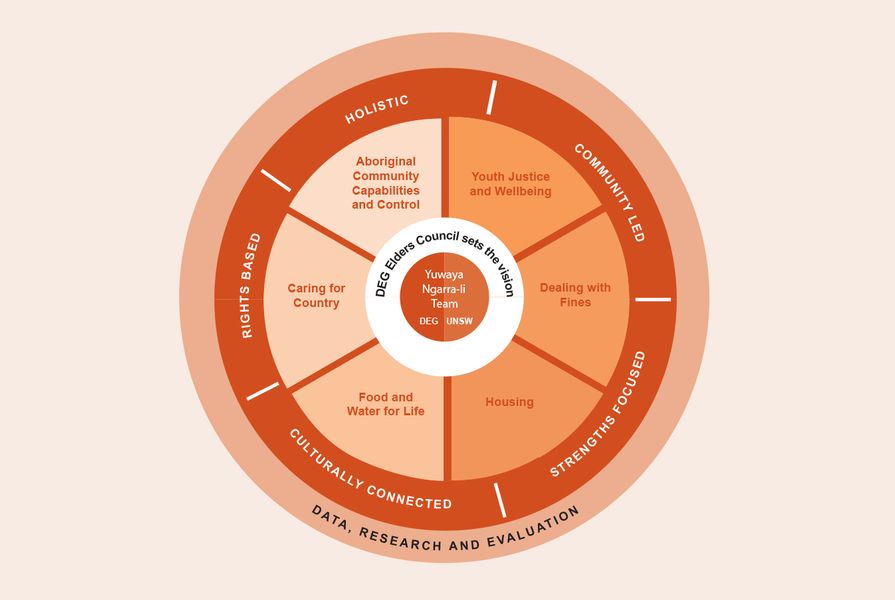
How can we make design decisions meaningful?

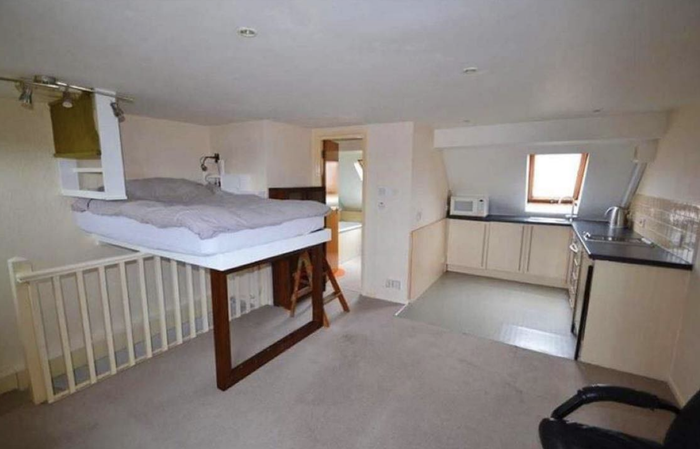
21 Home Design Fails That Are As Upsetting As They Are Impractical

What It Means to Make Good Architecture
5 Things Designers Immediately Notice About a Bad Bathroom Layout

Design Doesn’t Have to Be Polite
6 Ways Molding Is Actually Making Your Home Look Bad, According to Designers
On Design | Those Fabulous Finns
The 5 Design Rules That Are Meant to Be Broken—and What to Do Instead
6 Things Designers Immediately Notice About a Bad Living Room Layout
Design Doesn’t Have to Be Polite (Published 2024)