1/3
6 Things Designers Immediately Notice About a Bad Living Room Layout
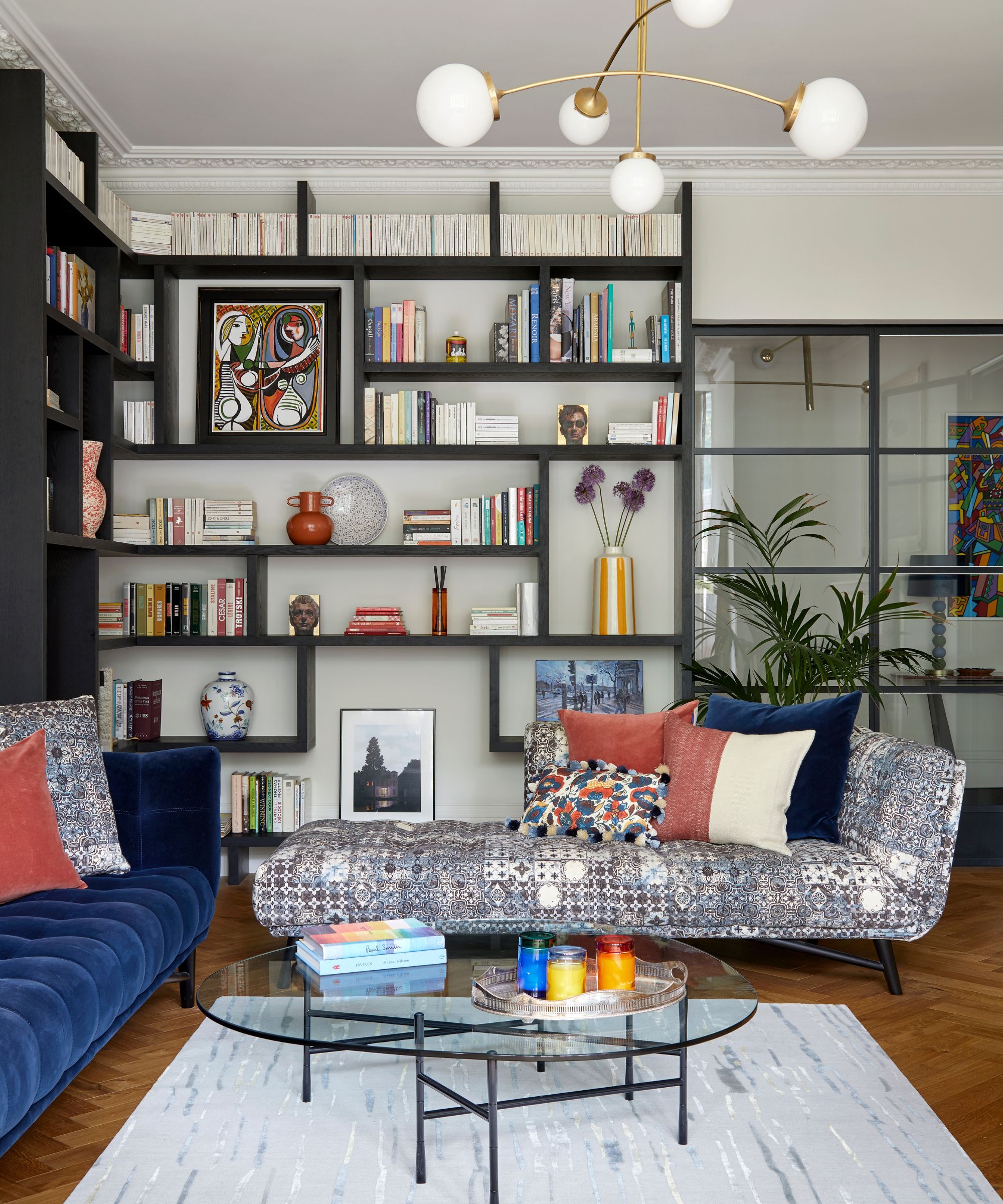
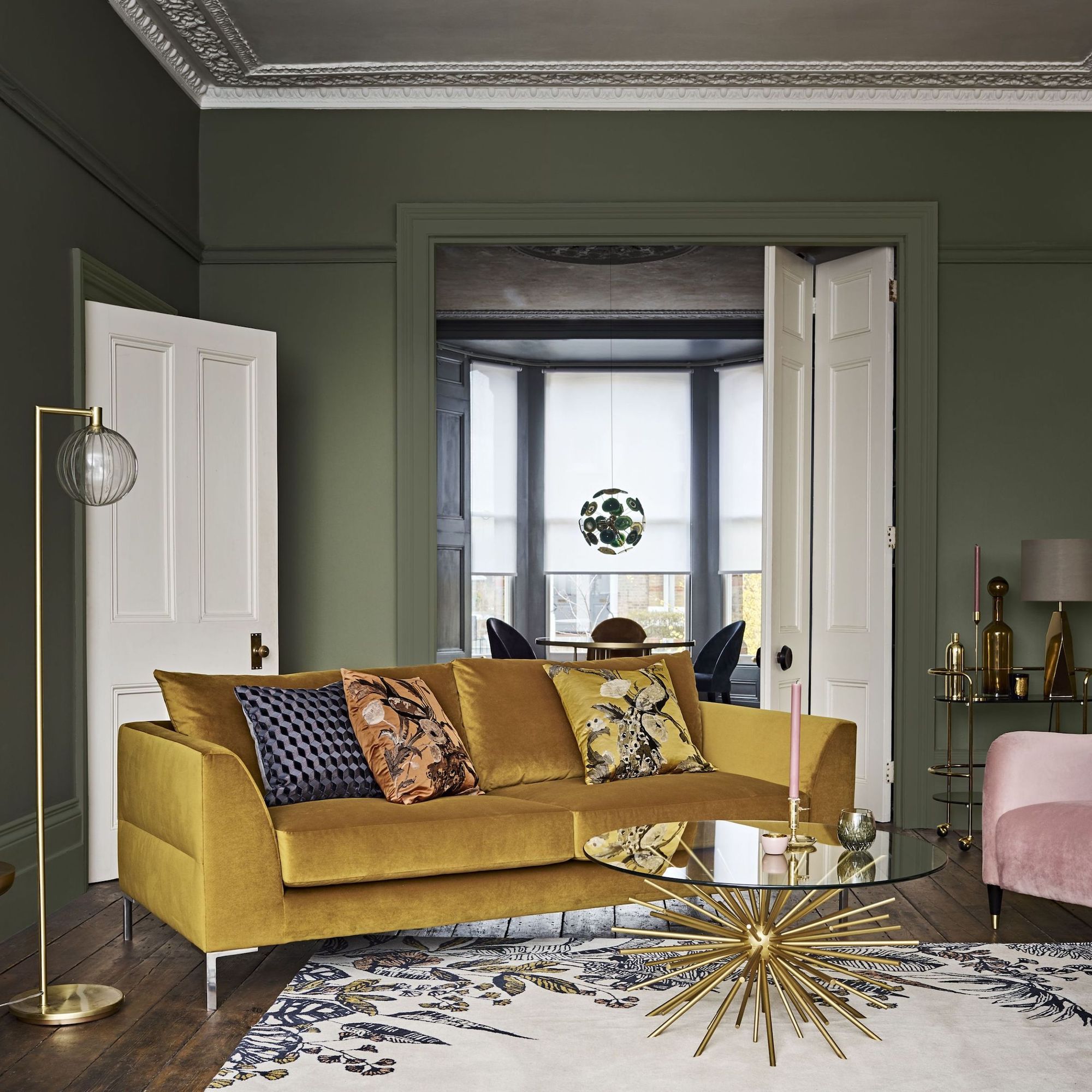
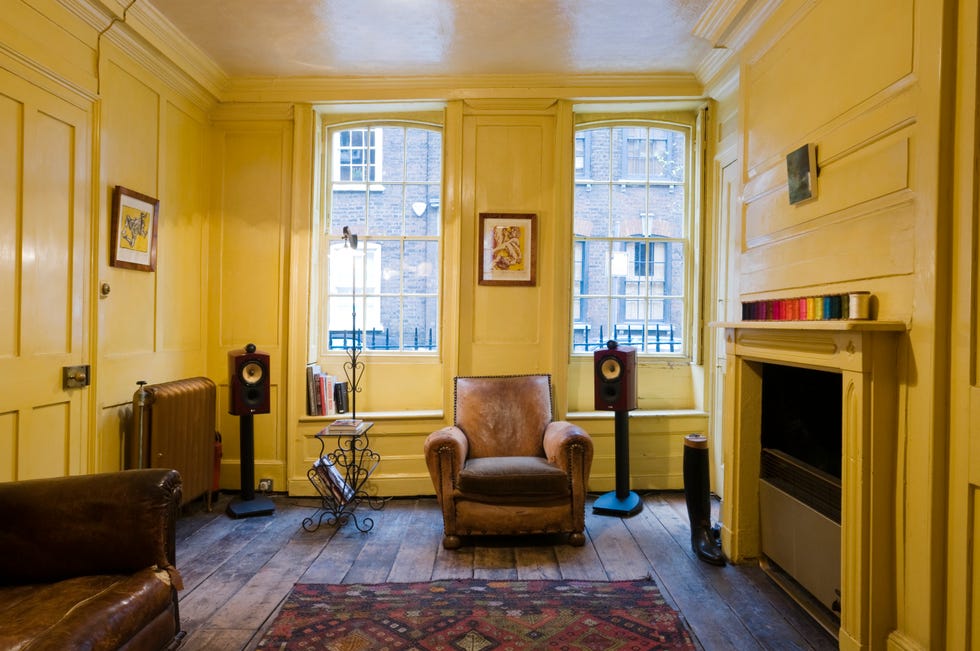
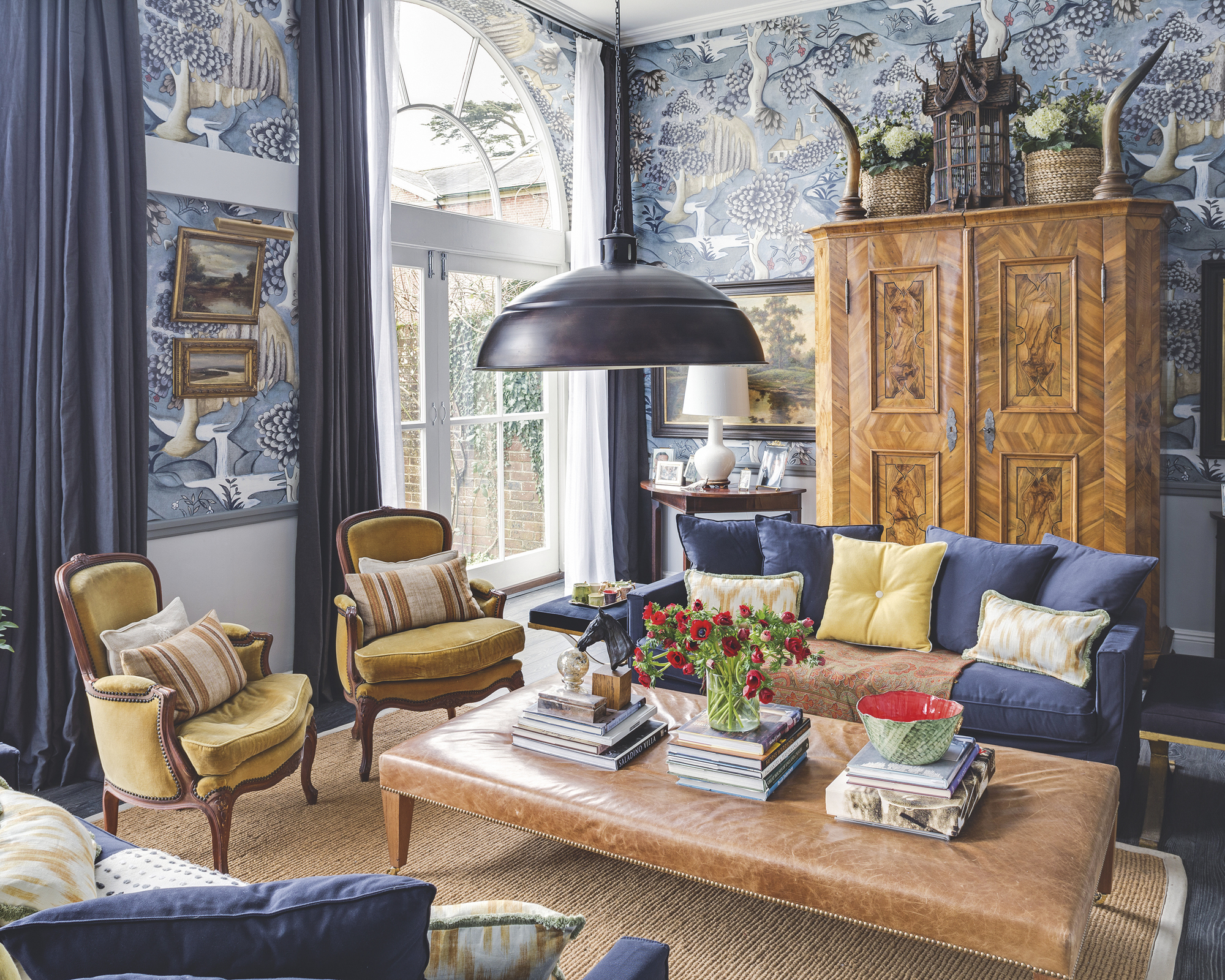
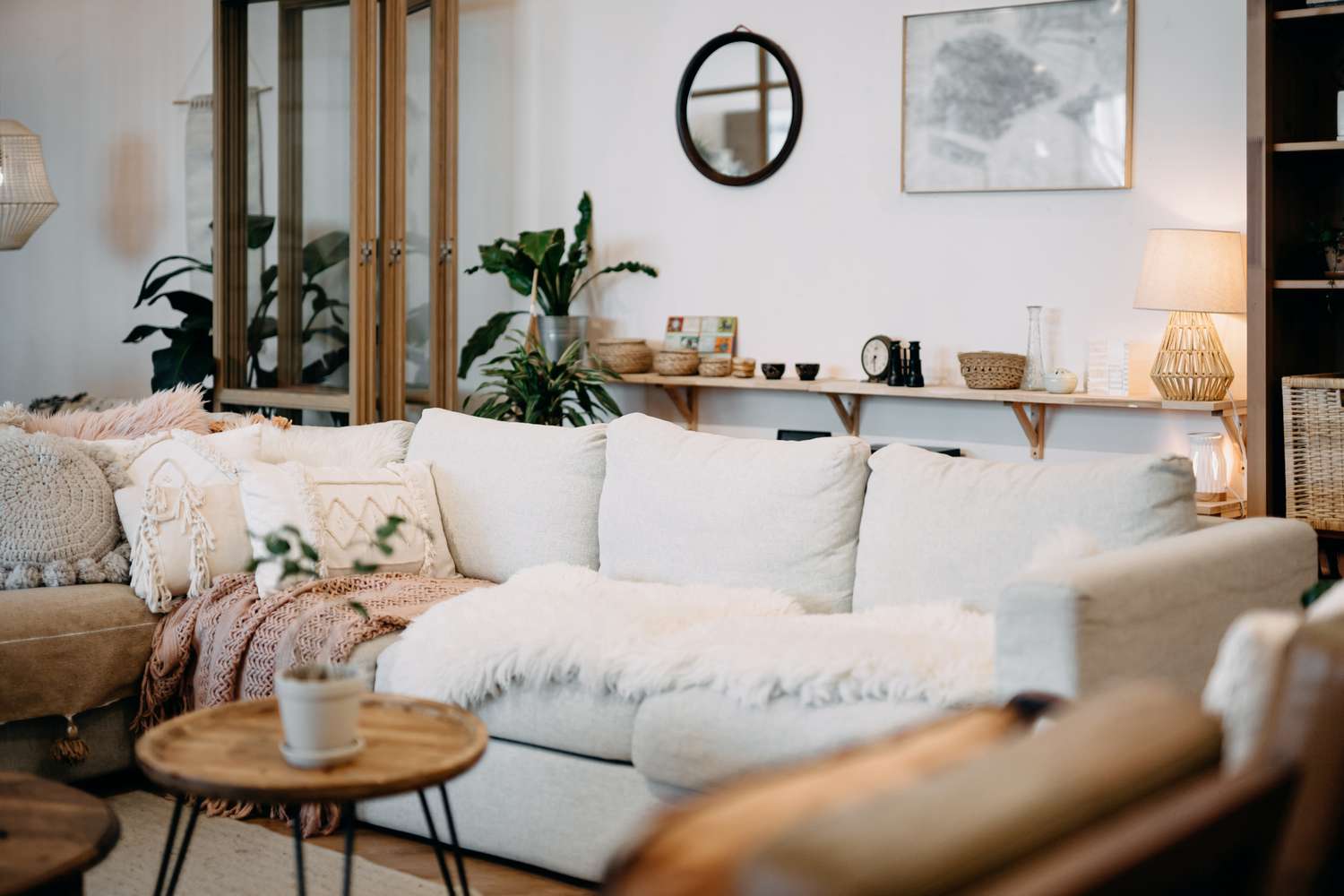
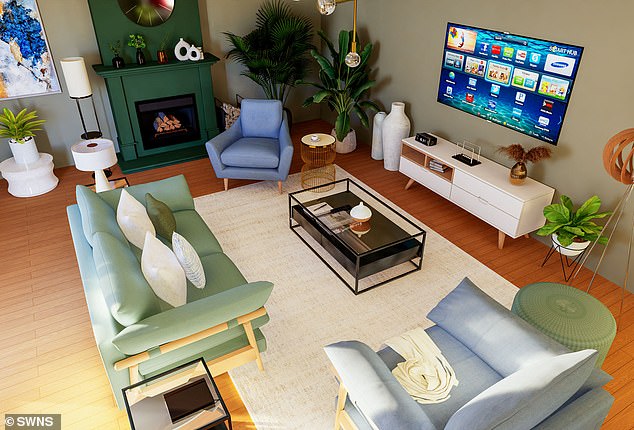
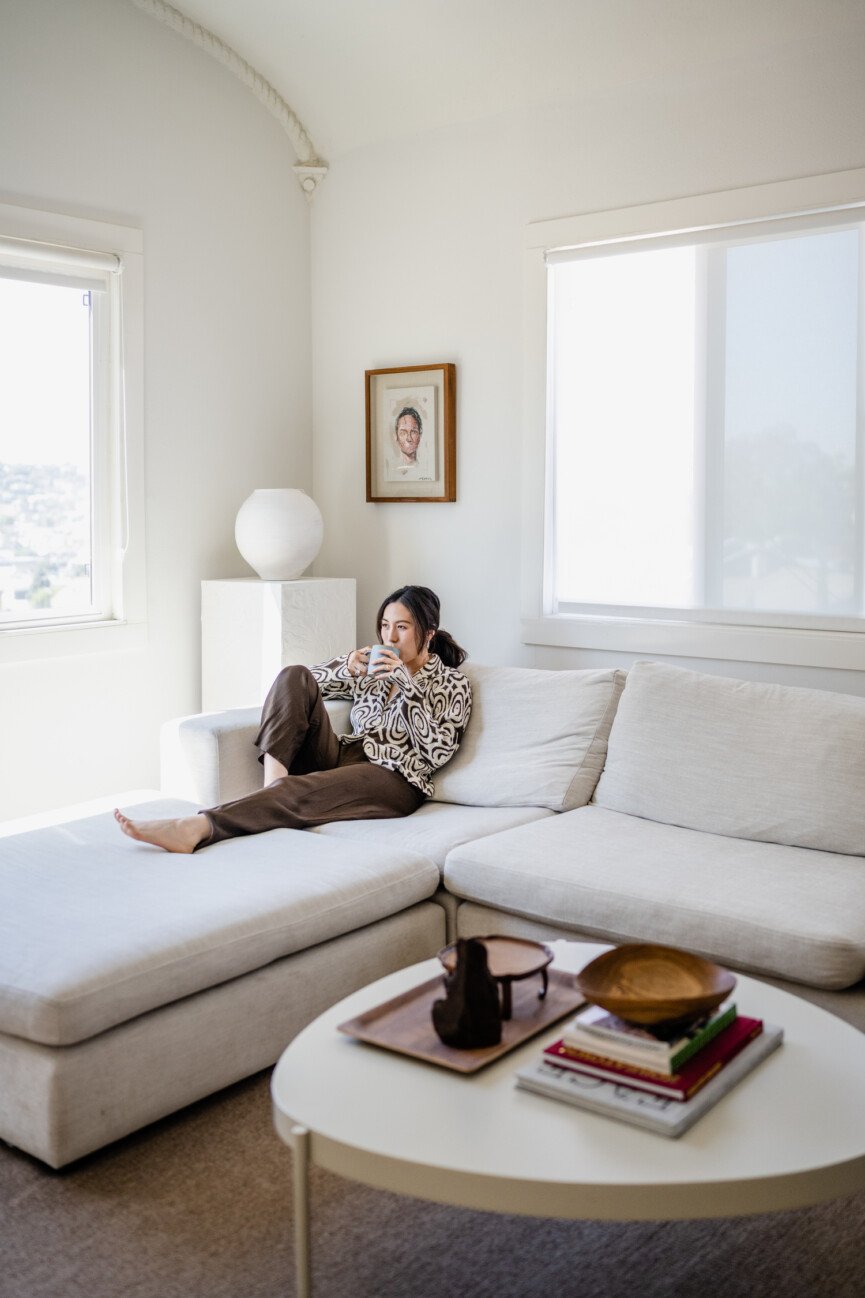
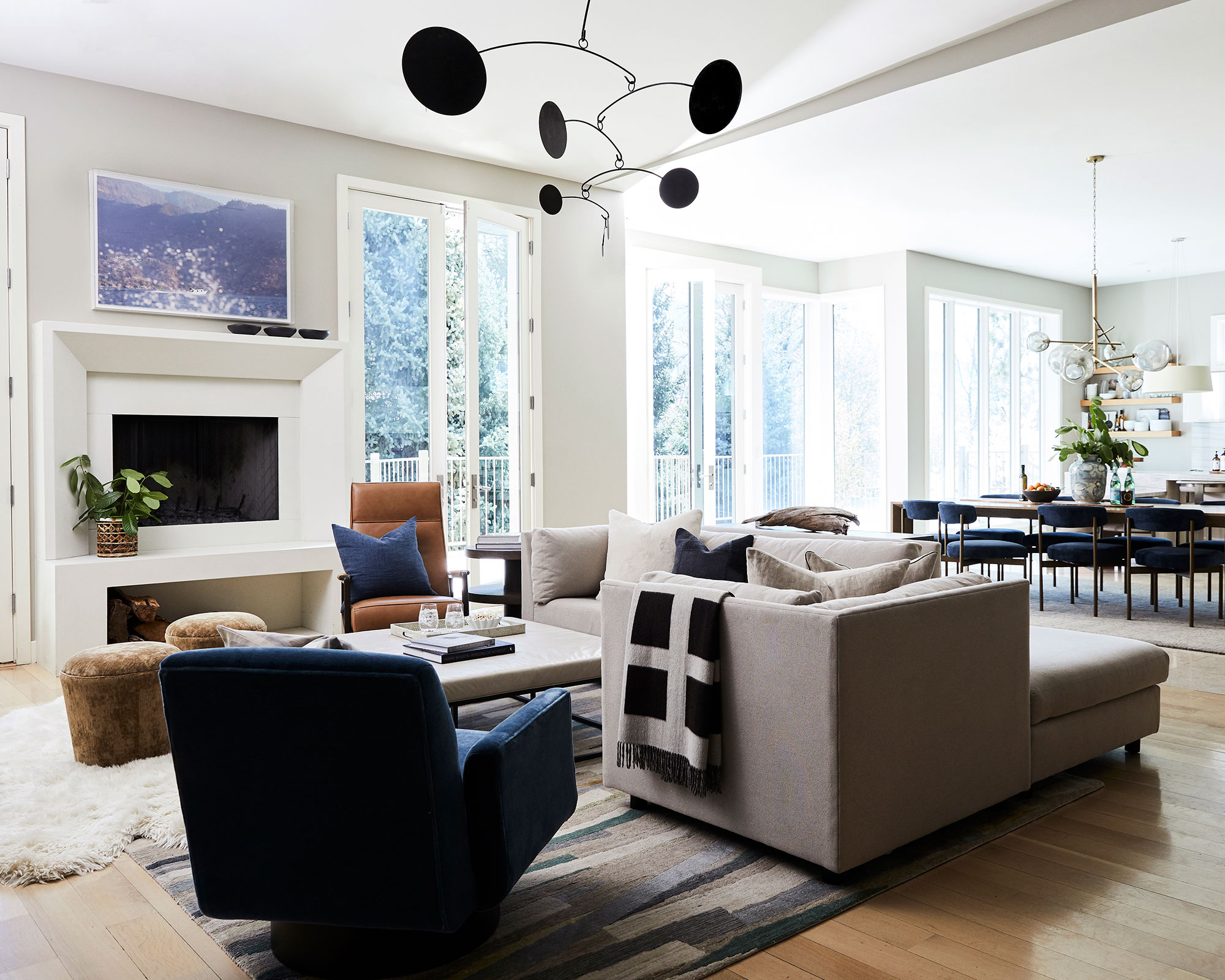
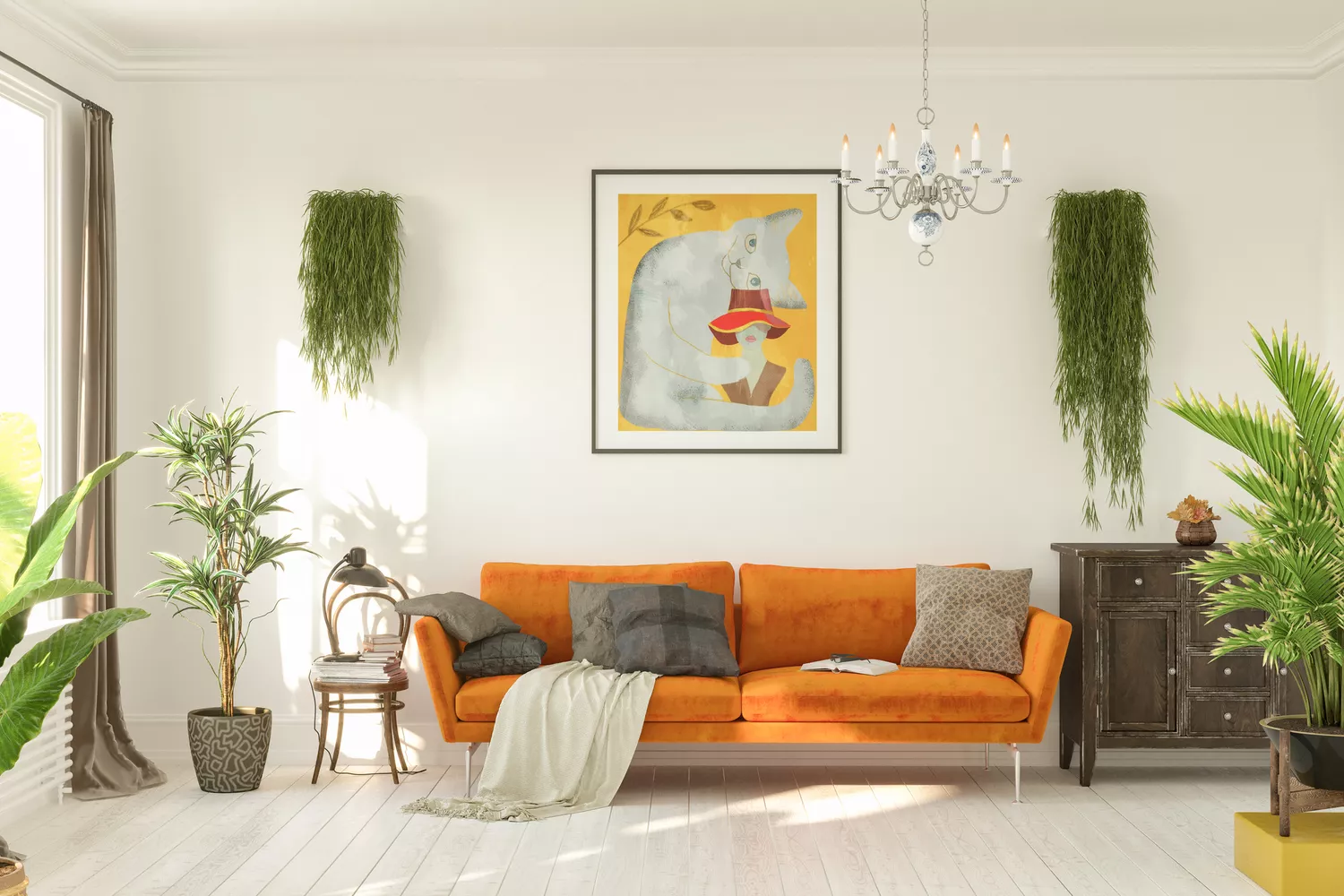
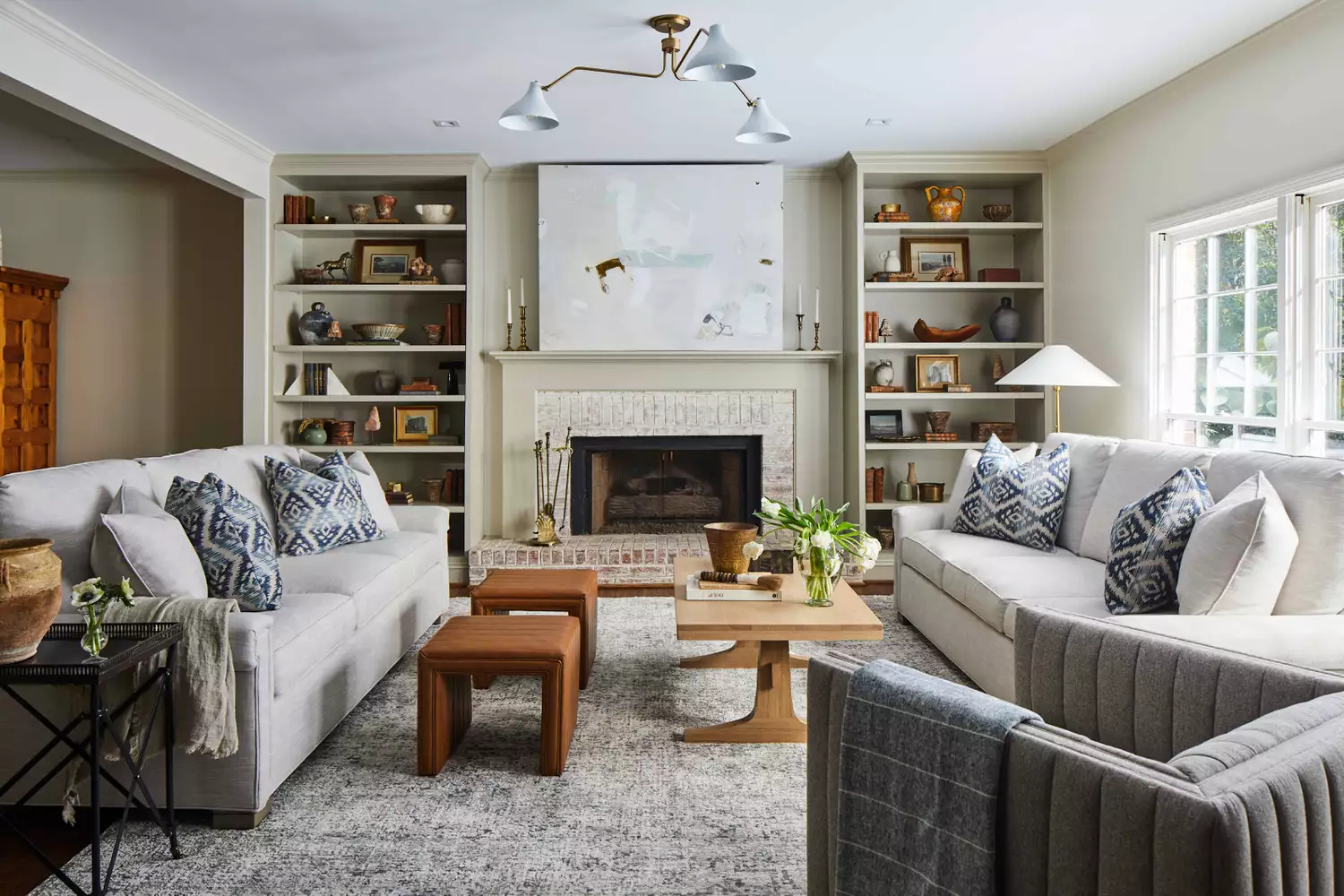
Living room layouts are critical for both aesthetics and functionality, and certain common mistakes can detract from a space's overall appeal and comfort. Designers frequently identify six key issues that can signify a poorly planned living room. One prevalent error is the lack of adequate surfaces. Many people stop at a single coffee table, but every seat in a living room should have an accessible surface for placing drinks or other small items. Incorporating a variety of tables, such as small cocktail tables next to a sofa or larger end tables between accent chairs, can address this. Even a storage ottoman with a removable tray can serve a multifunctional purpose, ensuring practicality and convenience.
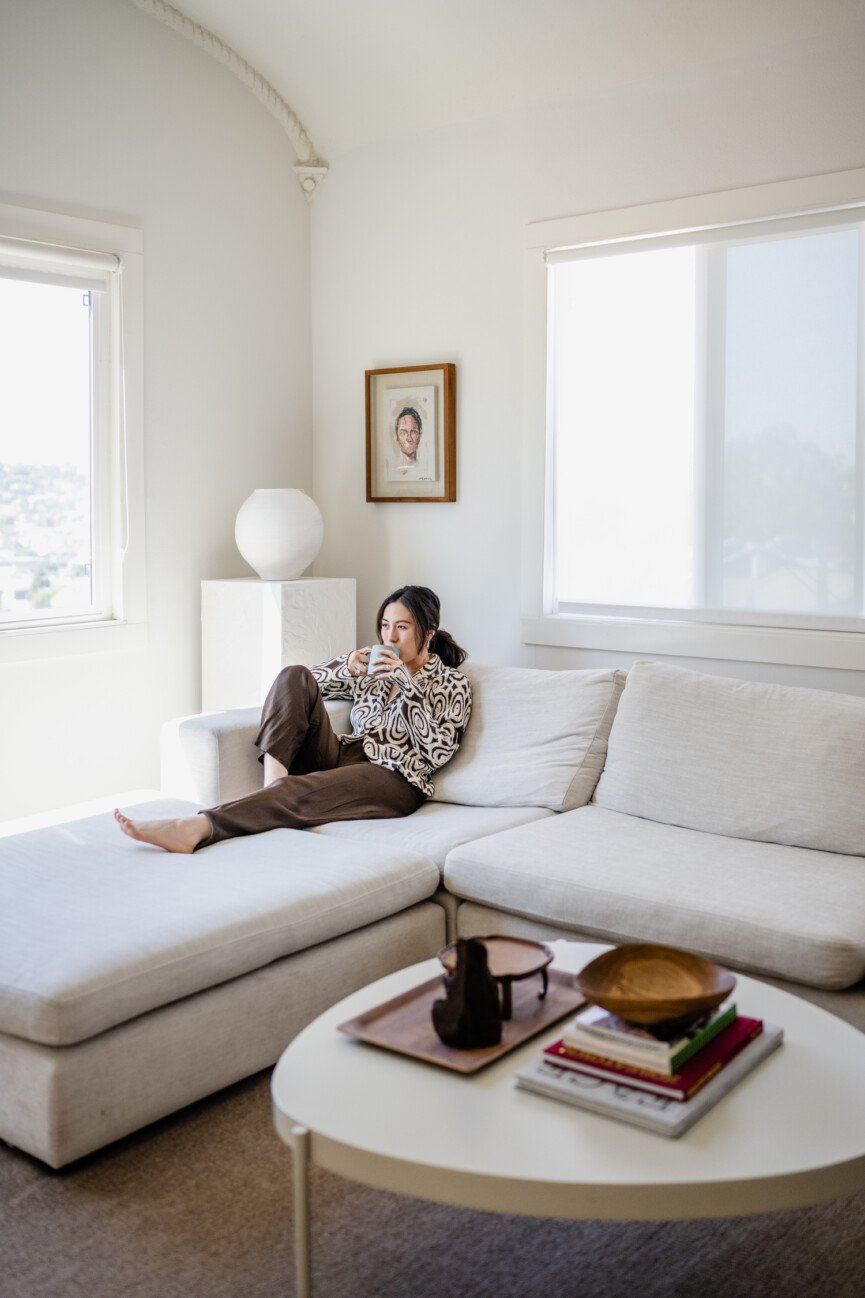
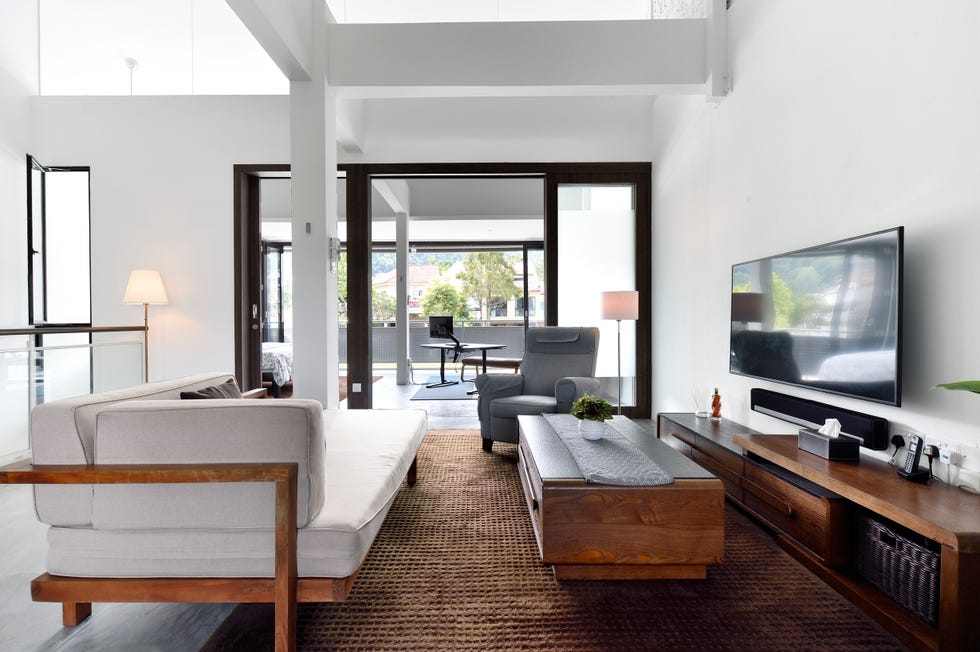
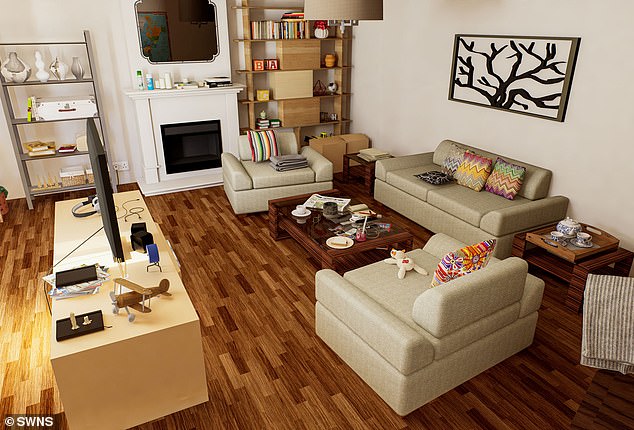
Another significant issue is an imbalance in elemental weight, which refers to the distribution of furniture, sizes, heights, colors, patterns, and textures. A balanced room ensures that no single area feels too heavy or disproportionate. This often ties into selecting appropriately sized furniture. Overly large sofas can overwhelm a small space, while pieces that are too small or too large can disrupt the room's entire appearance. An overcrowded feel, especially in a small living room packed with oversized couches and multiple tables, can restrict movement and create an oppressive atmosphere.
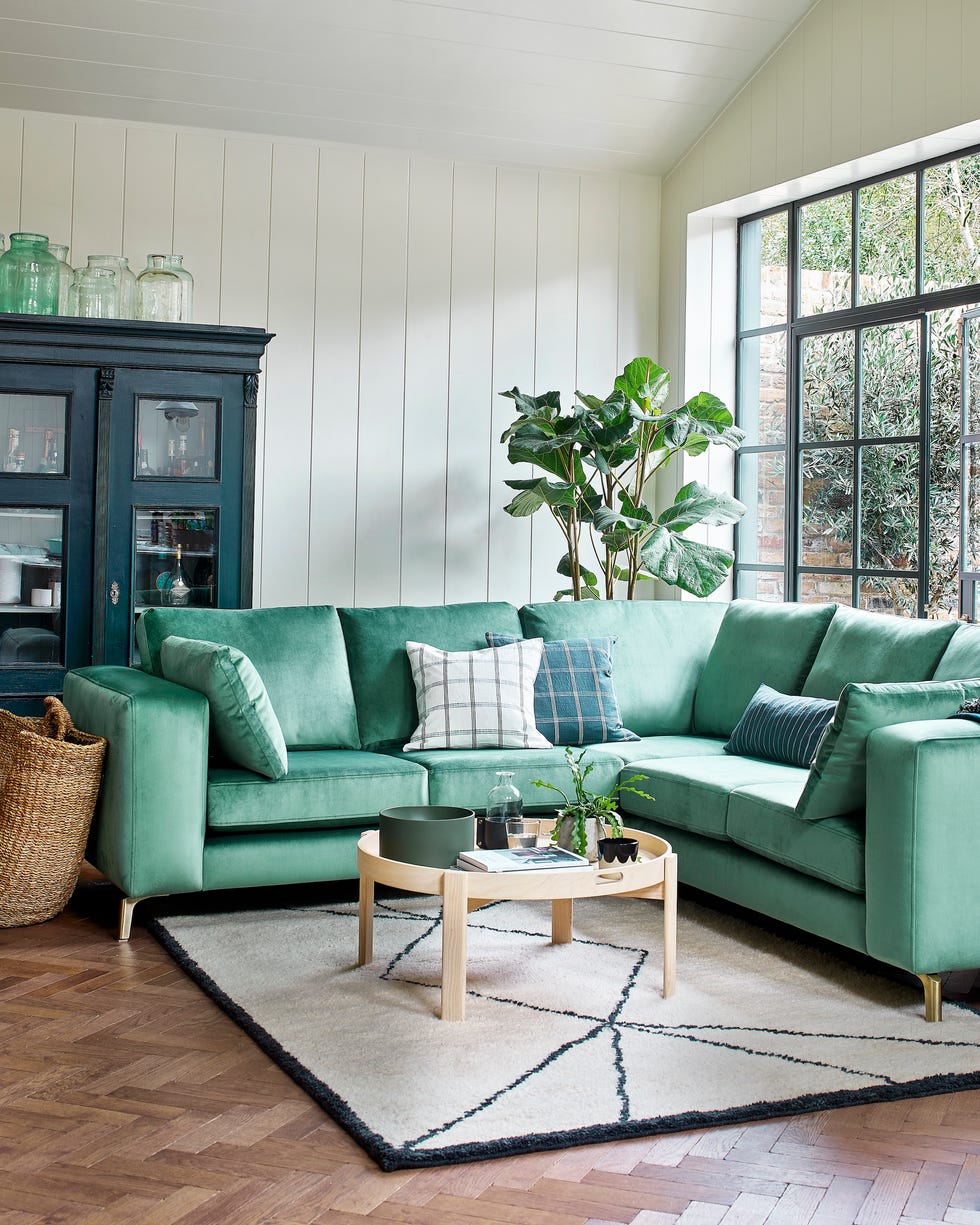
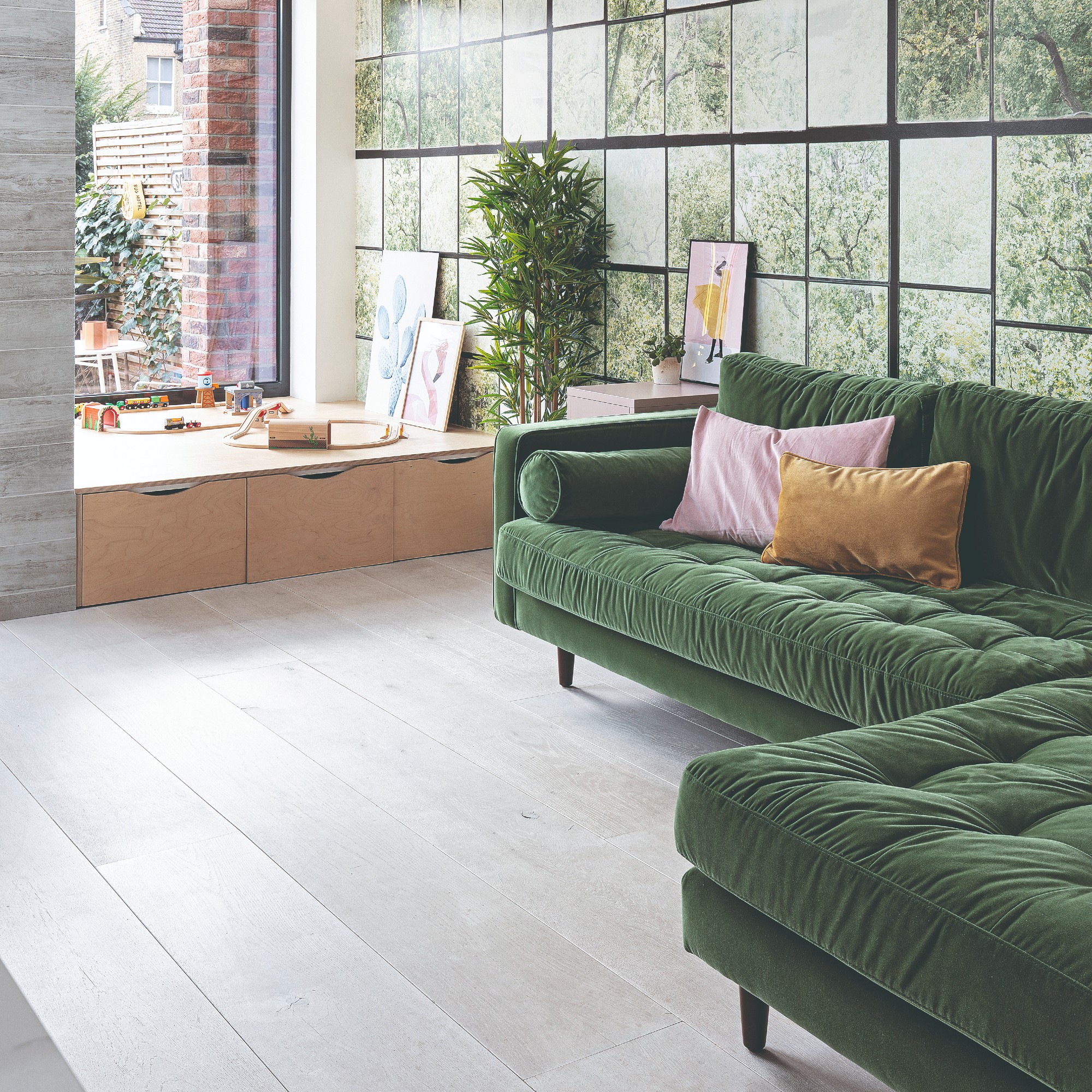
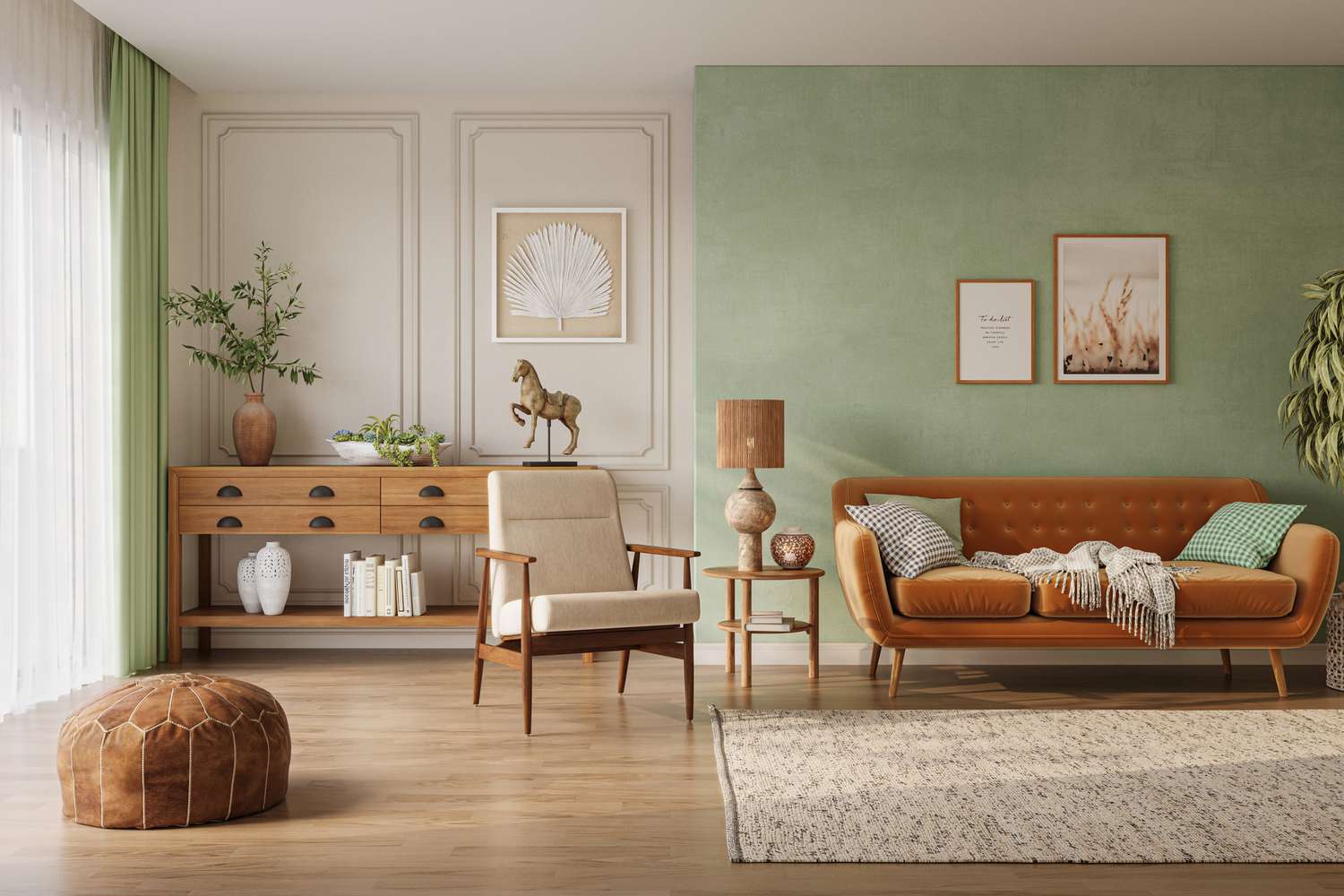
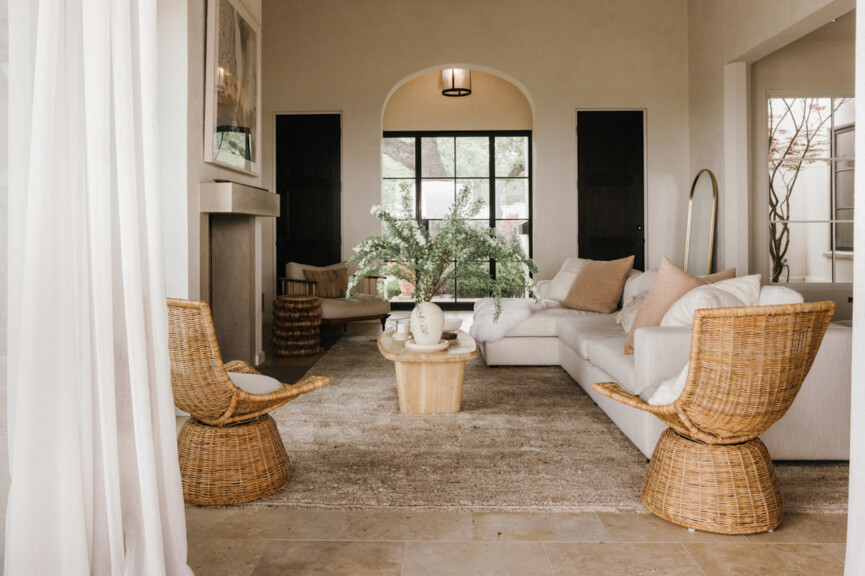
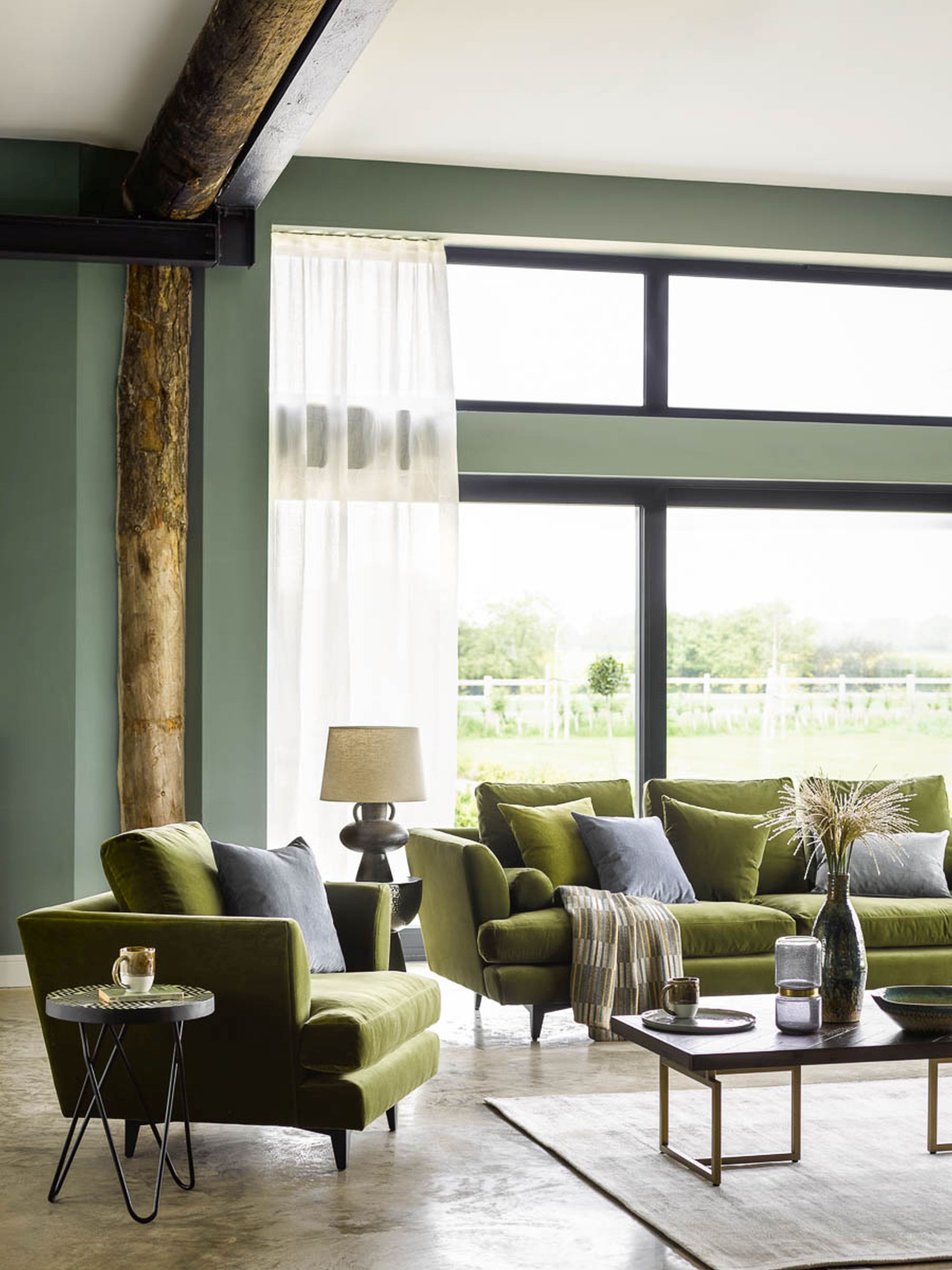
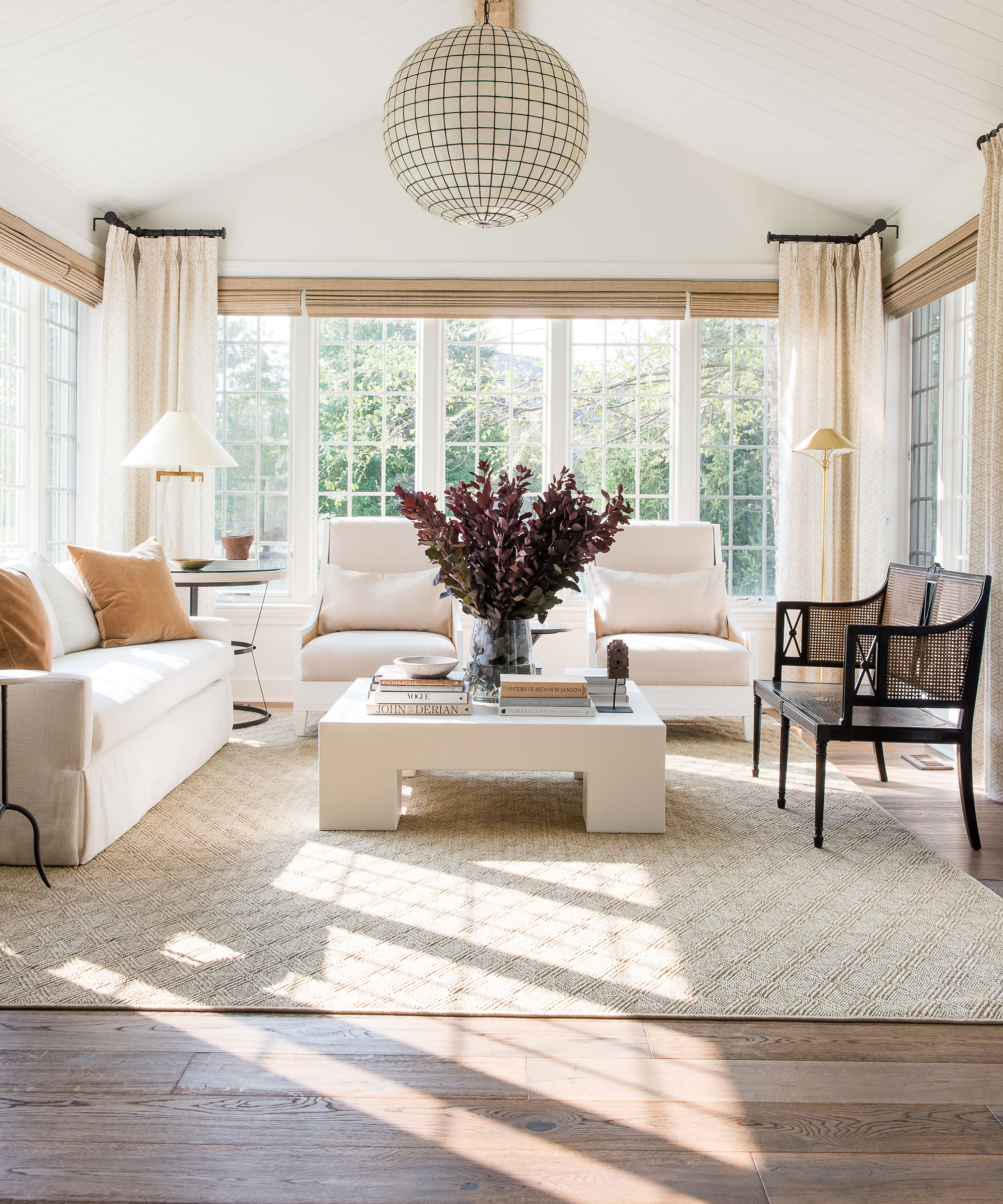
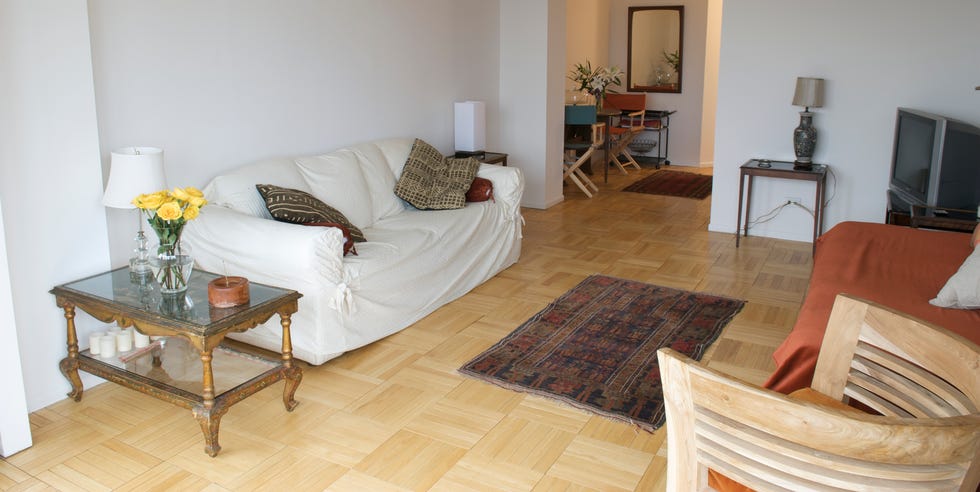
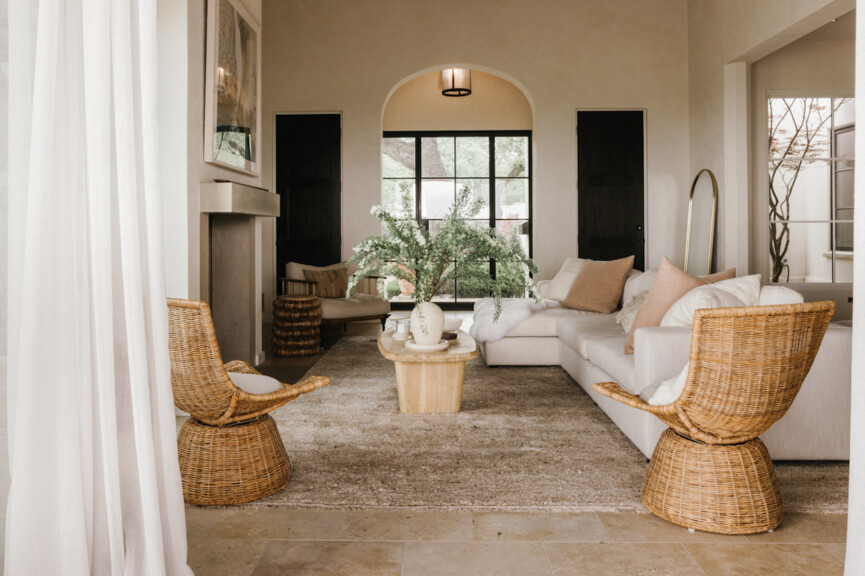
The size of the area rug is also a common pitfall. Designers emphasize the importance of choosing a large rug, as a small one can make a room feel disconnected and fail to anchor the furniture. A generously sized rug allows furniture to breathe and provides flexibility for repositioning, contributing to a cohesive look.
Awkwardly positioned seating is another immediate red flag. Seating arrangements should ideally face the room's entry point, avoiding configurations that cut off the space. A clear flow of traffic is essential; without it, living rooms can either lack sufficient seating options or lead to uncomfortable movements and seating interactions. Placing furniture, particularly sofas, directly against walls can create an empty center, discourage conversation, and force inhabitants to navigate around large pieces to find a seat, which makes the space feel impersonal and less inviting.
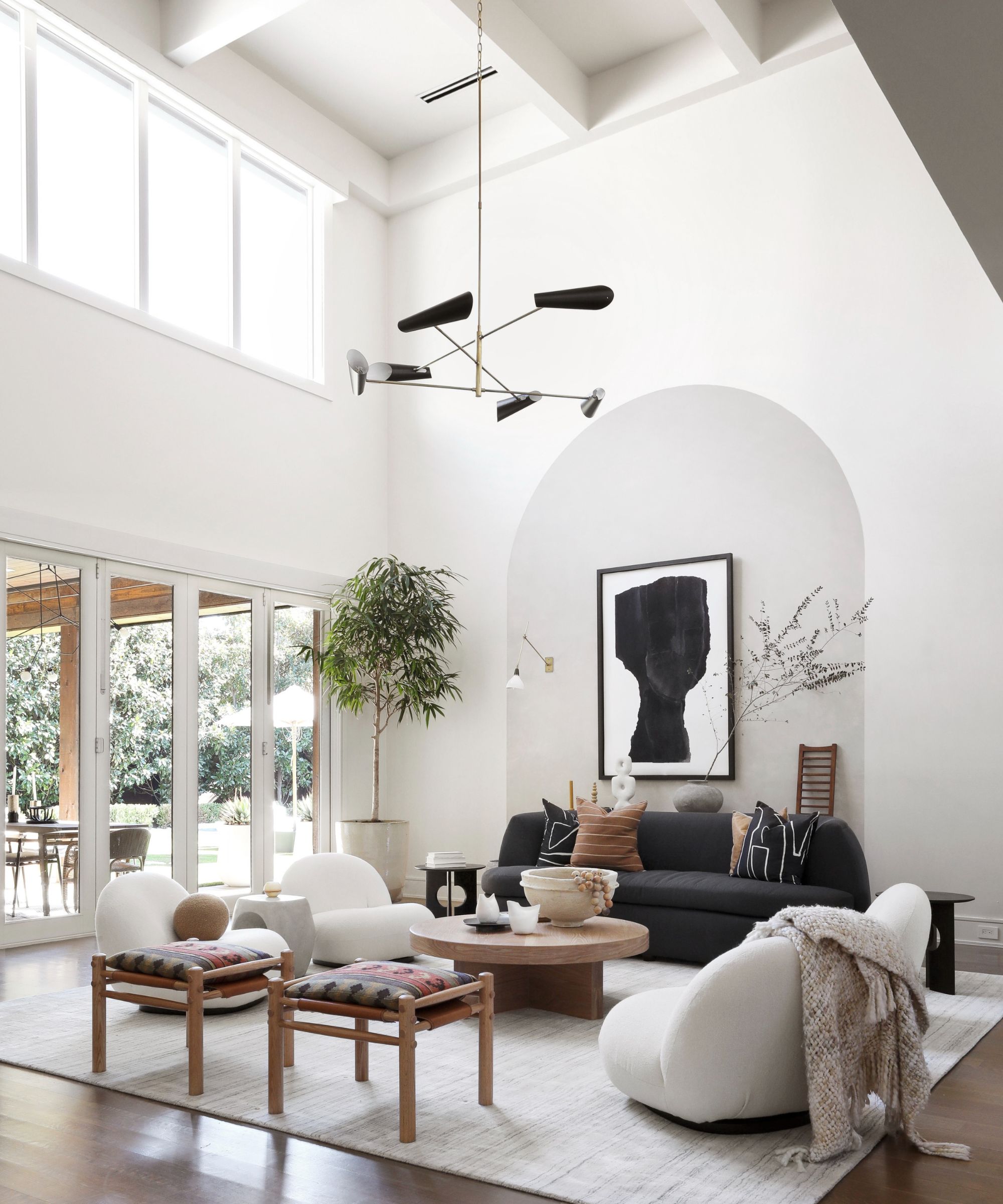
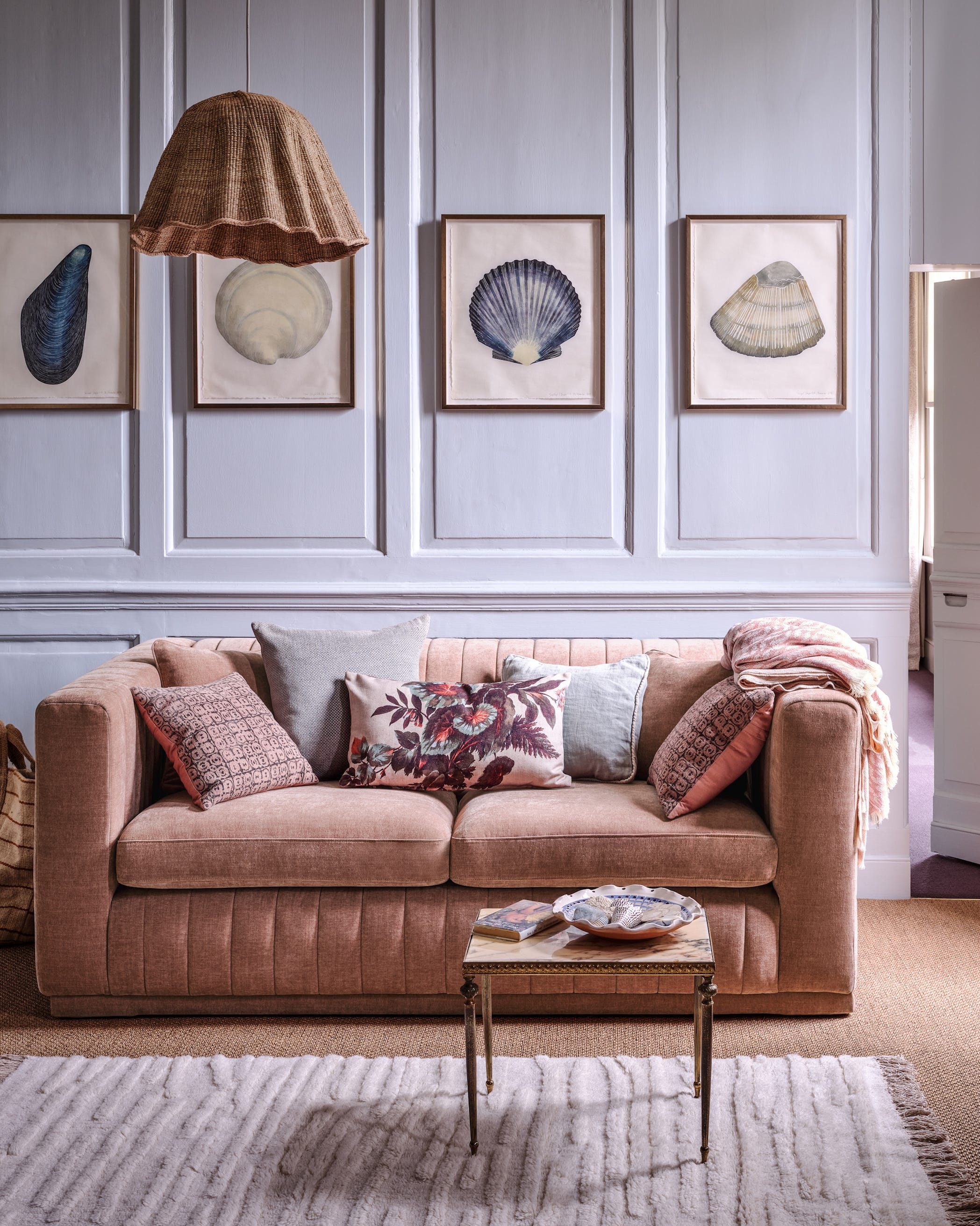
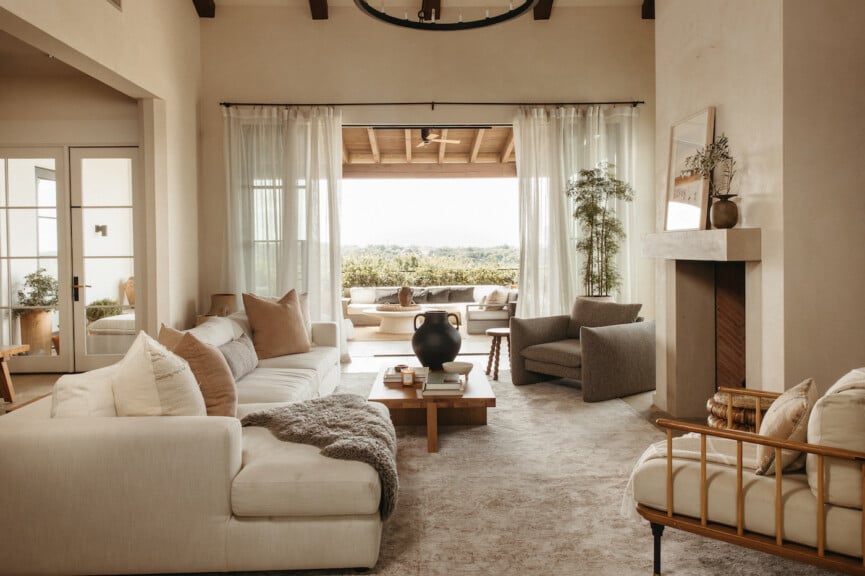
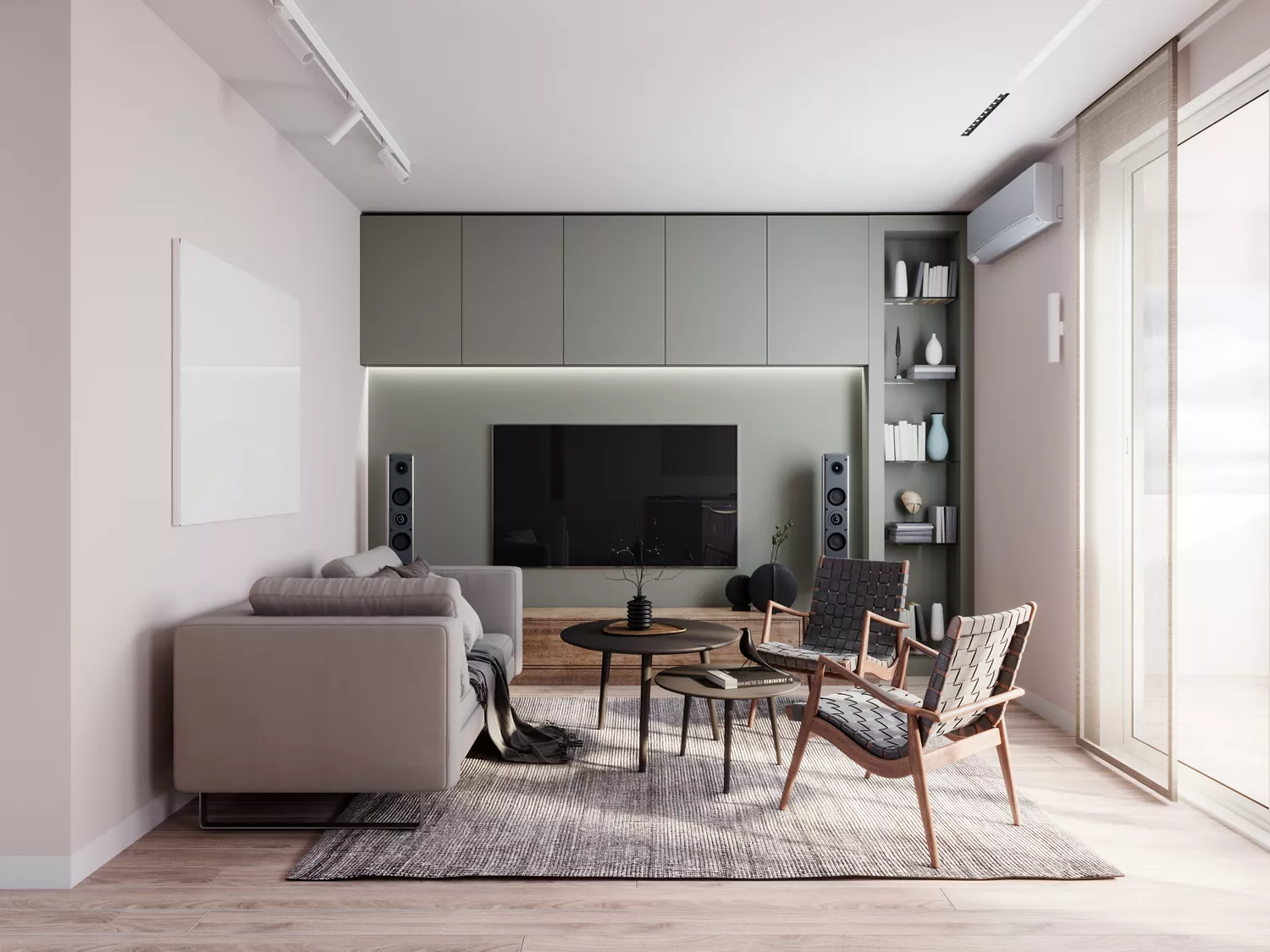
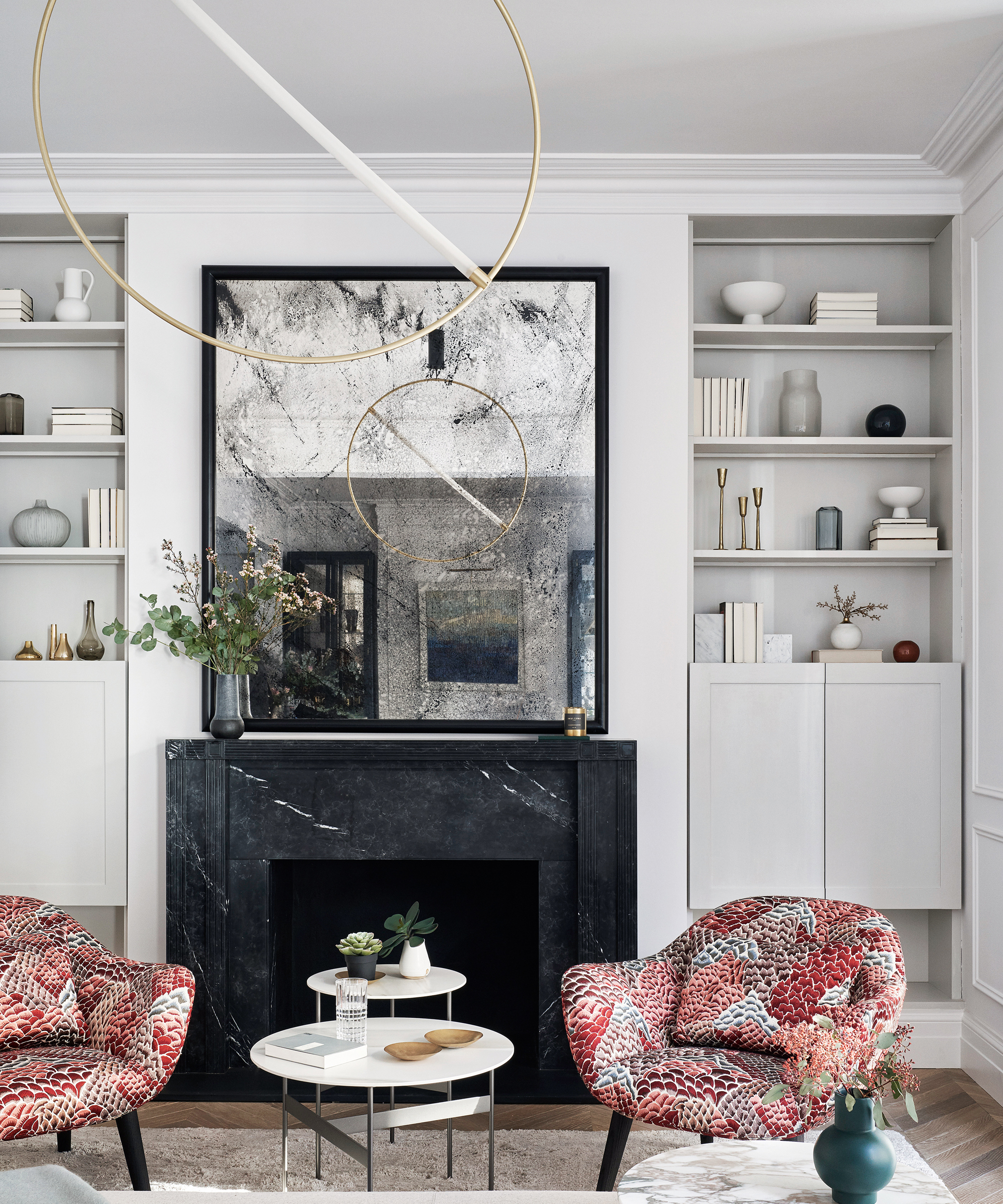
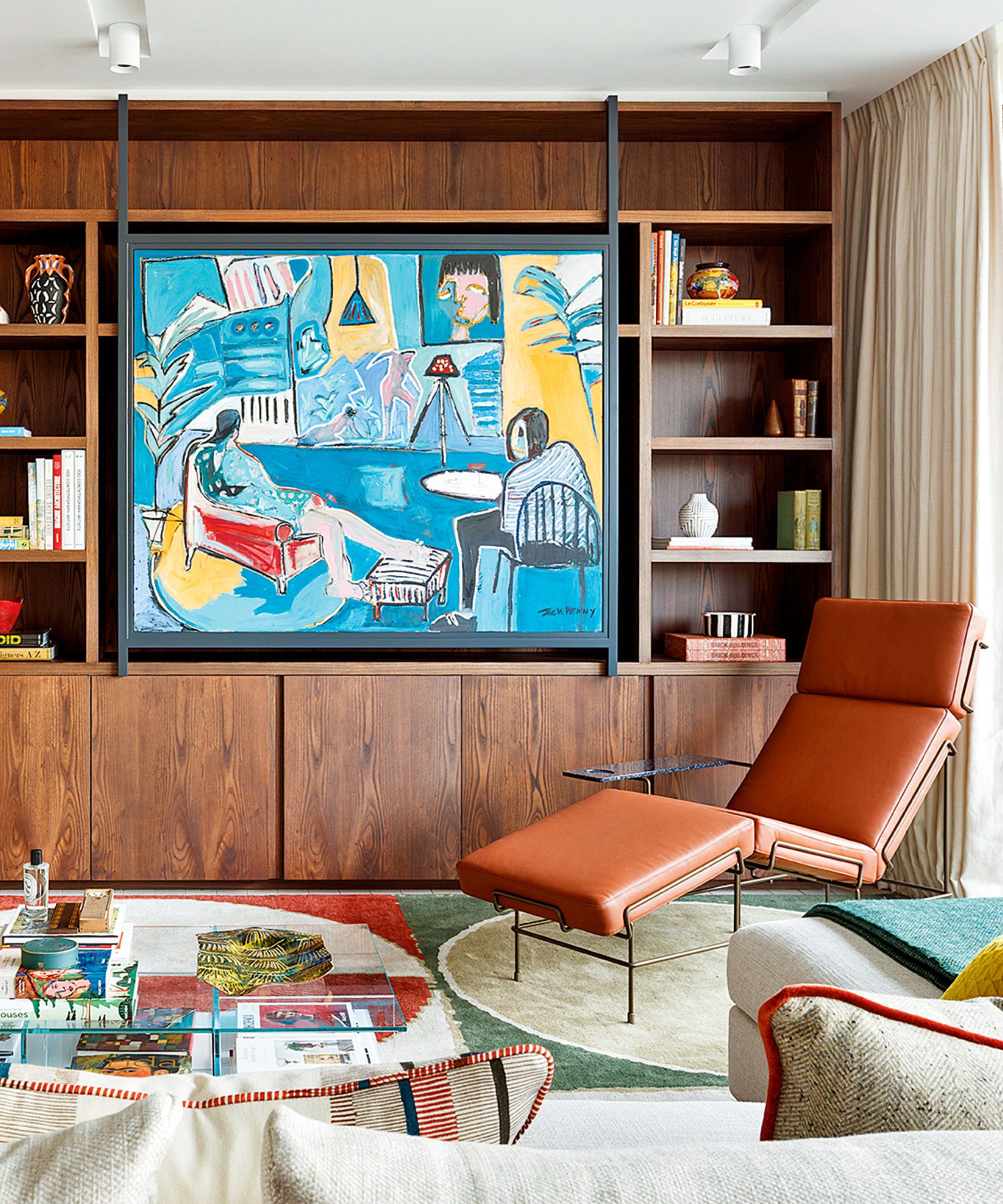
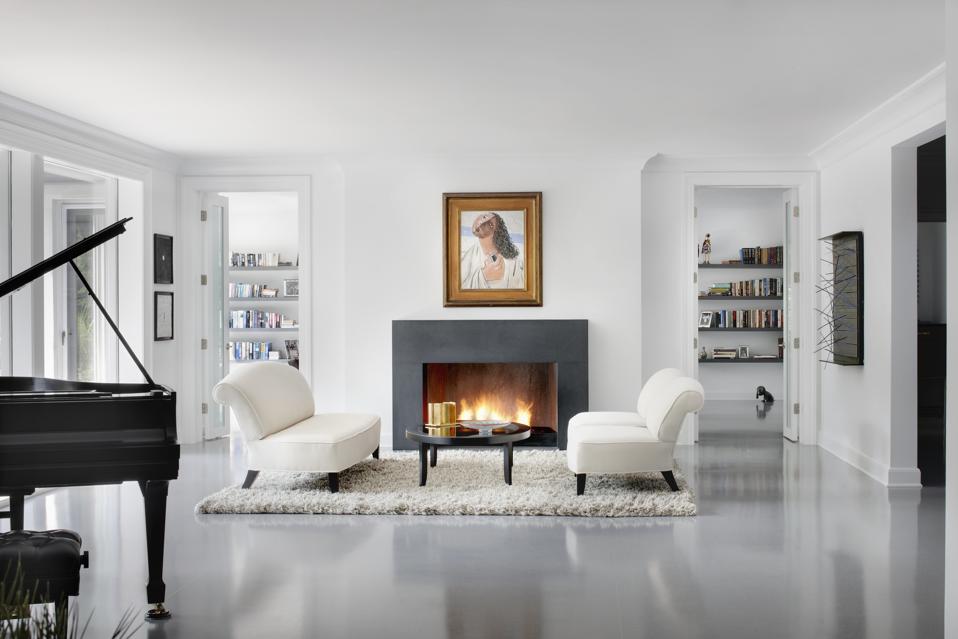
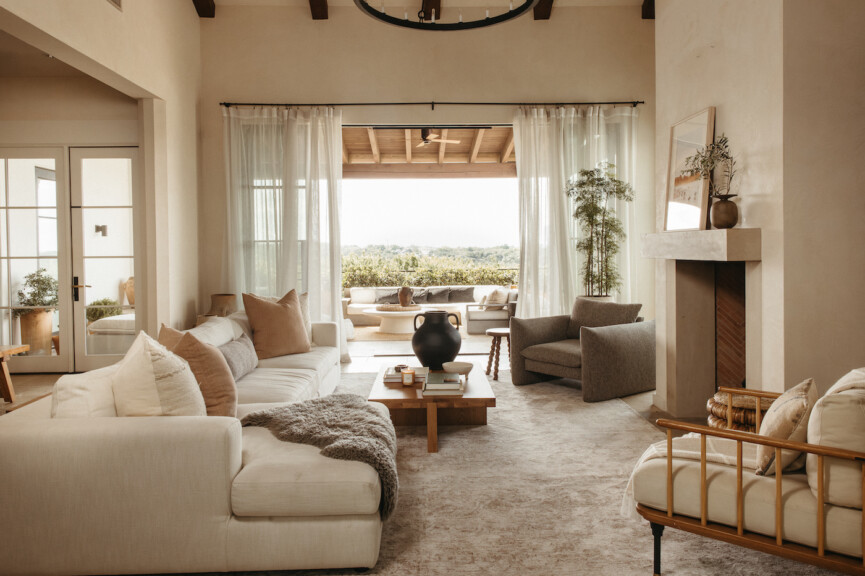
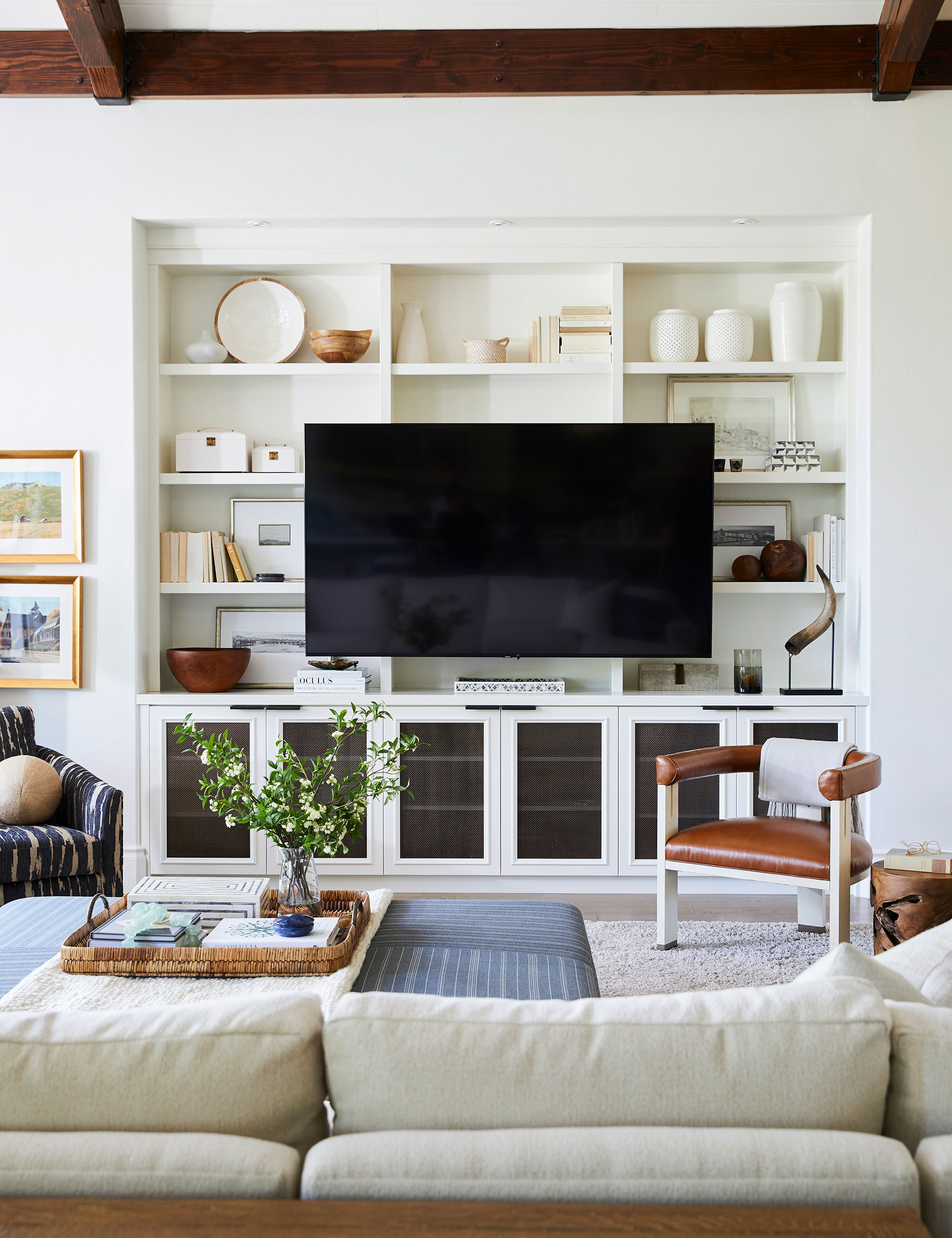
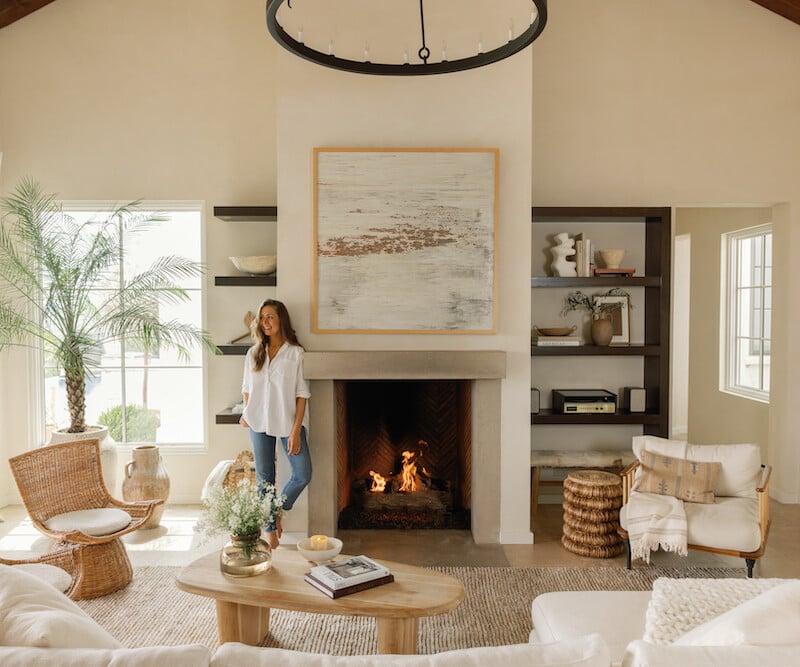
Furthermore, the absence of a clear focal point can make a living room feel chaotic and unfocused. A well-defined focal point, such as a fireplace, a large piece of art, or a television, provides an anchor for the room's design. Without it, the space can appear disorienting. Conversely, too many focal points can make a room cluttered and confusing. Once a focal point is established, furniture should be intentionally arranged to complement and highlight it, ensuring all elements work together harmoniously.
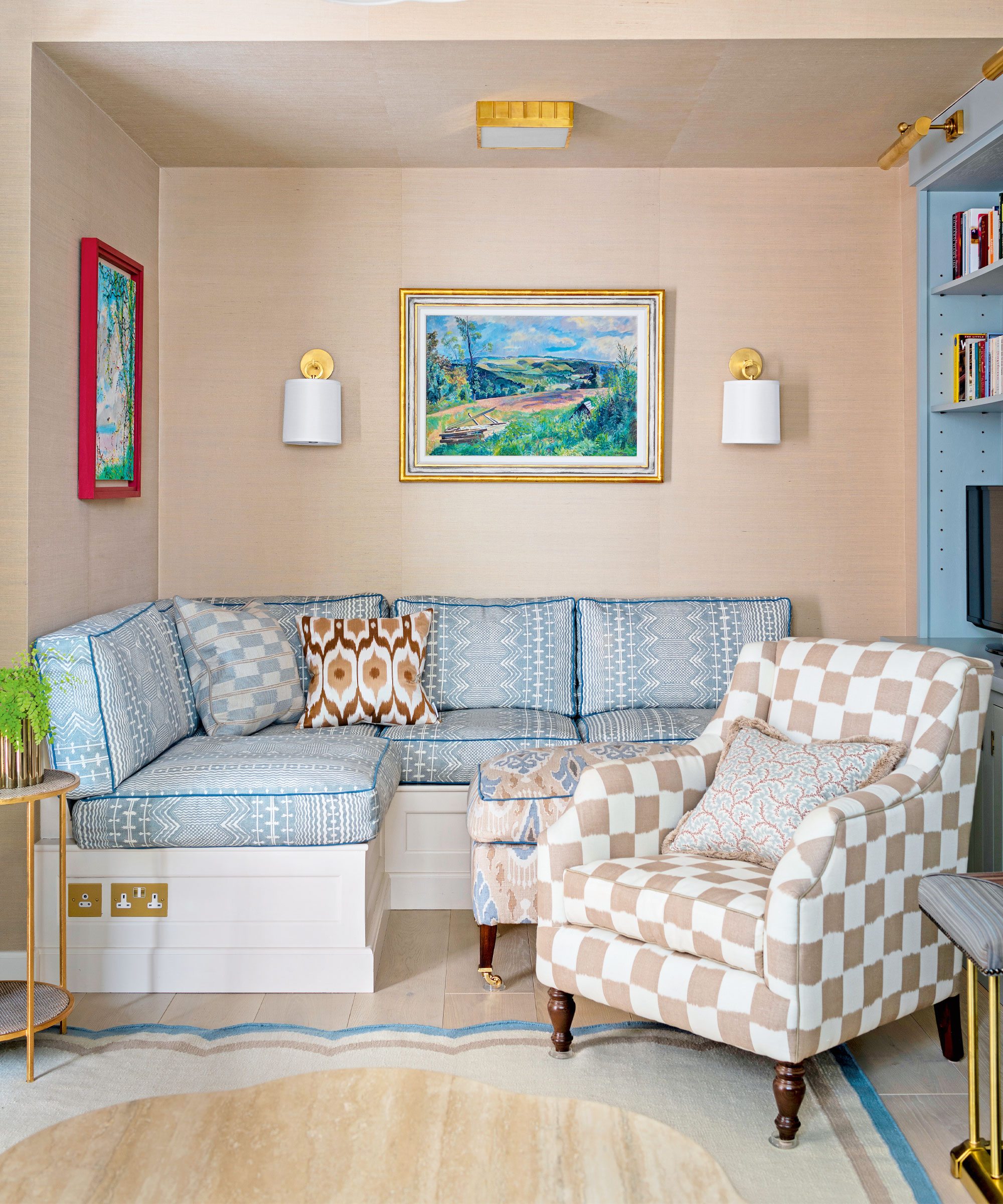
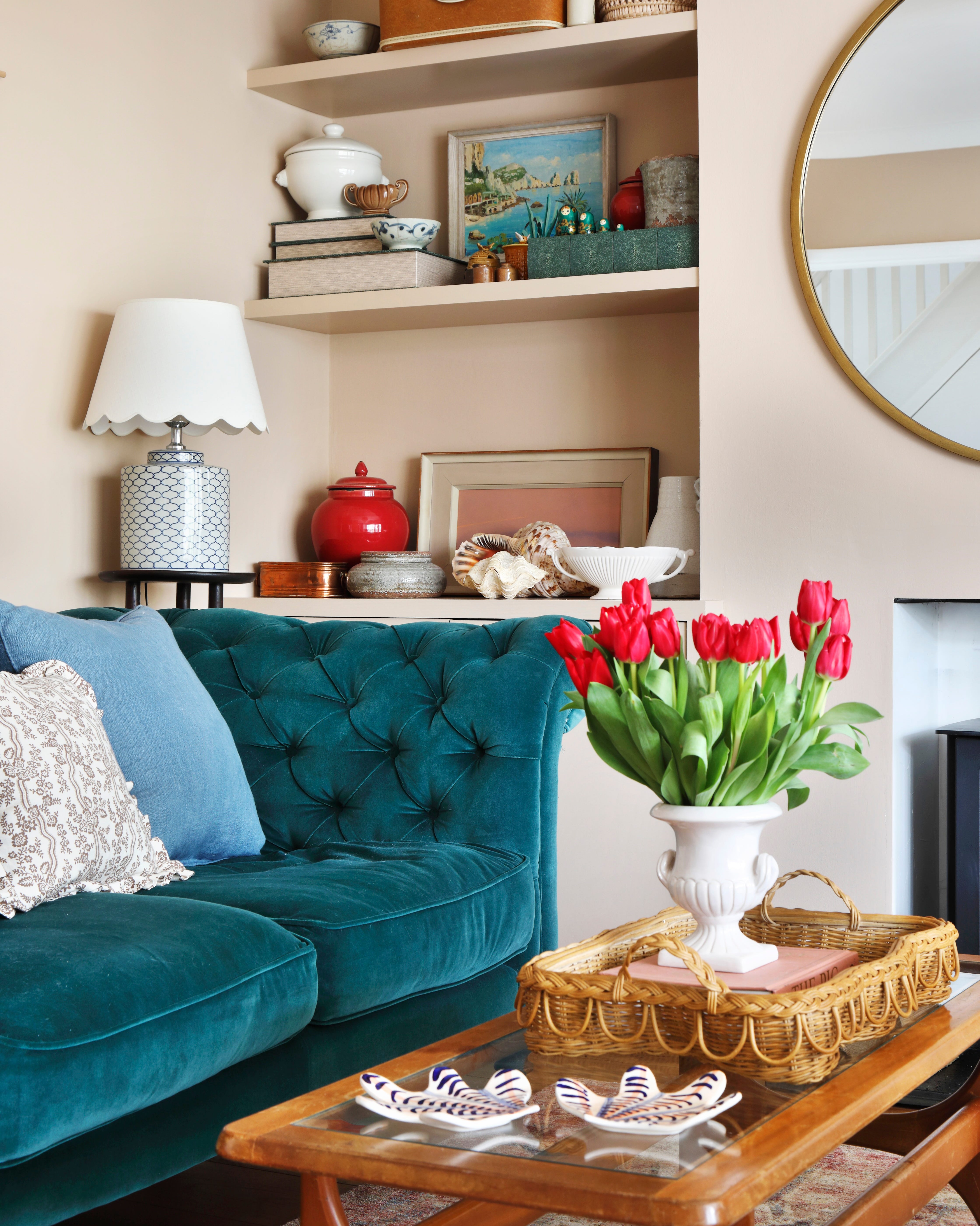
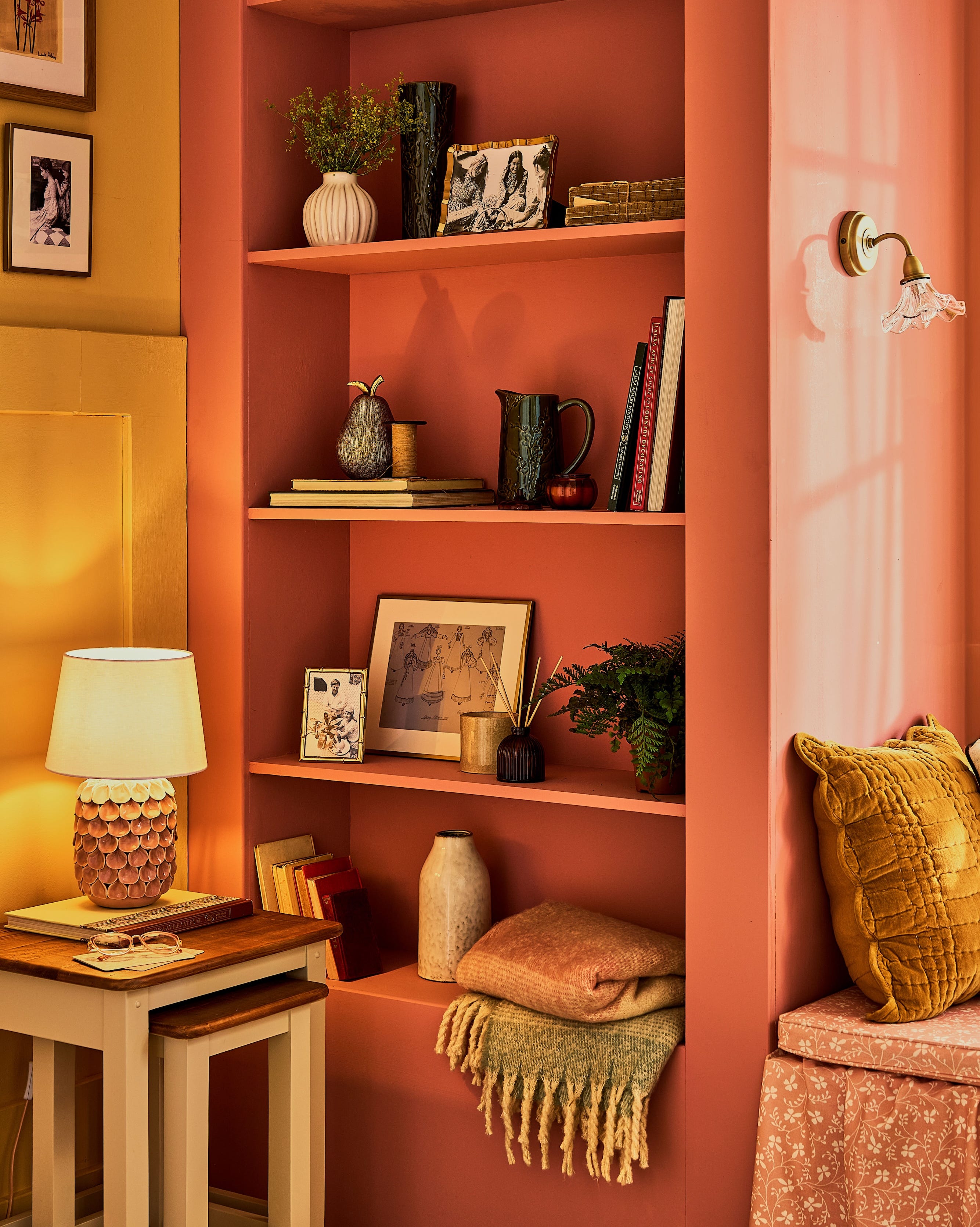
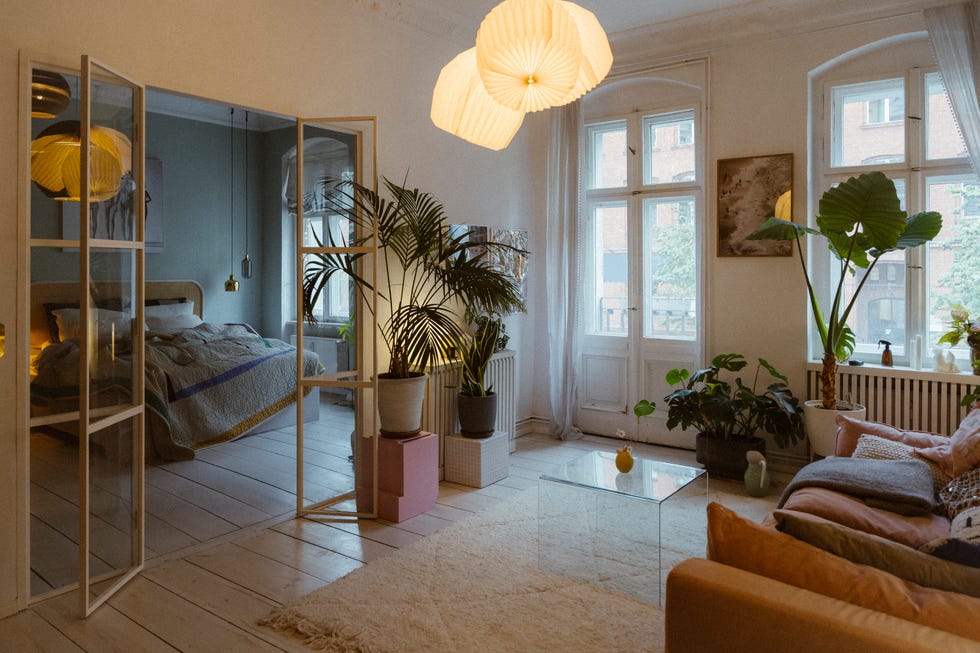
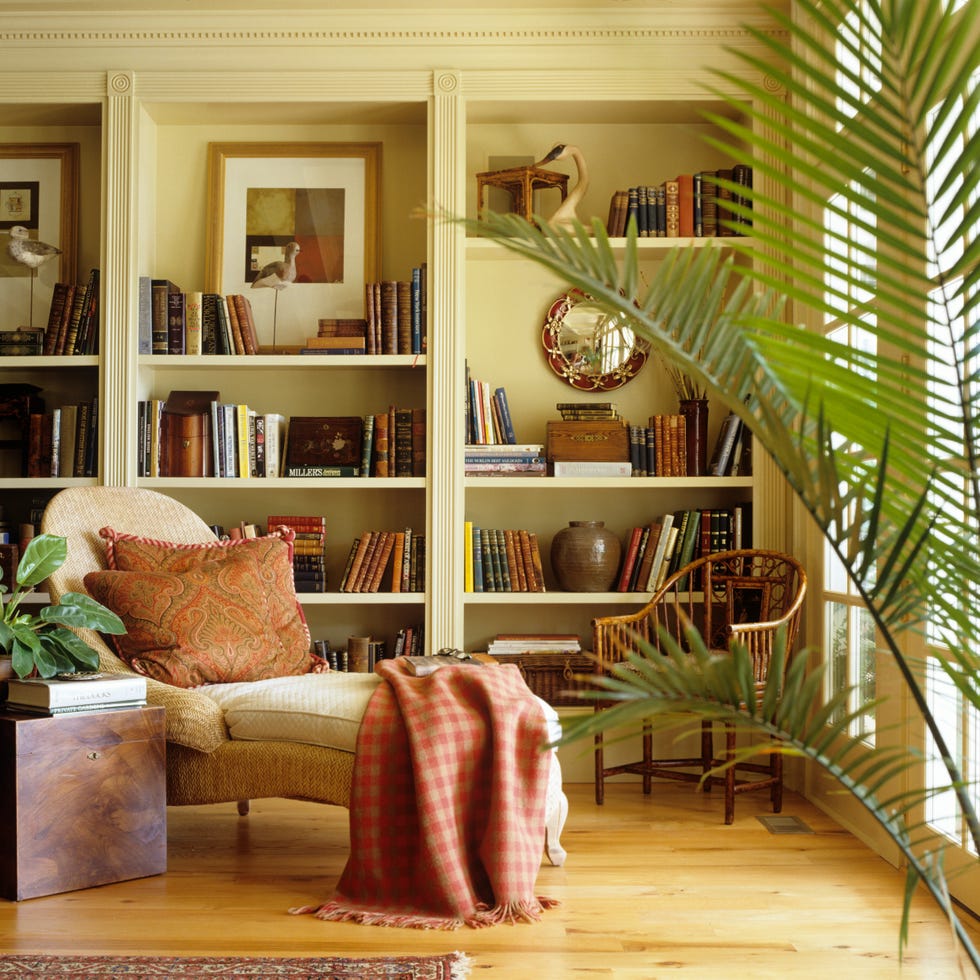
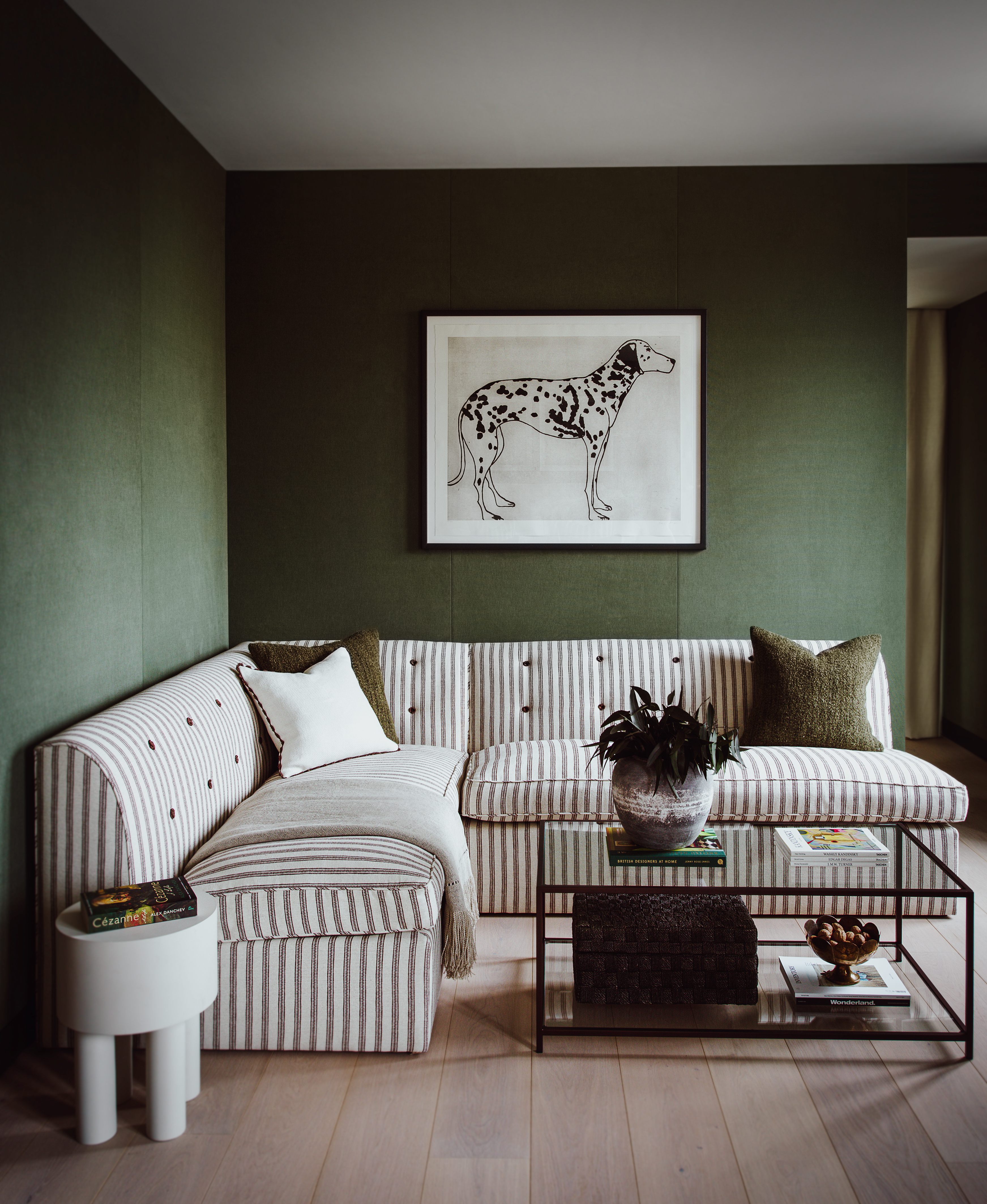
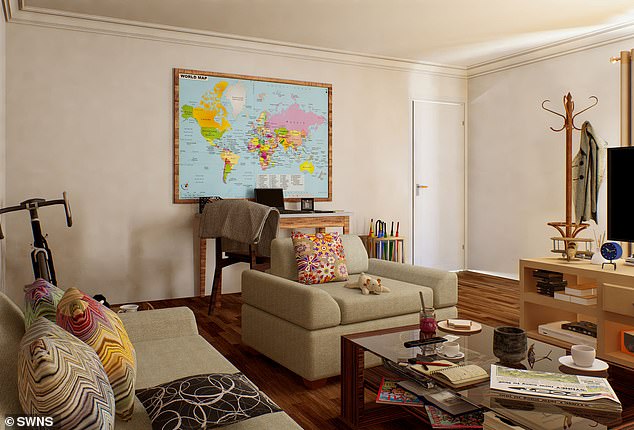
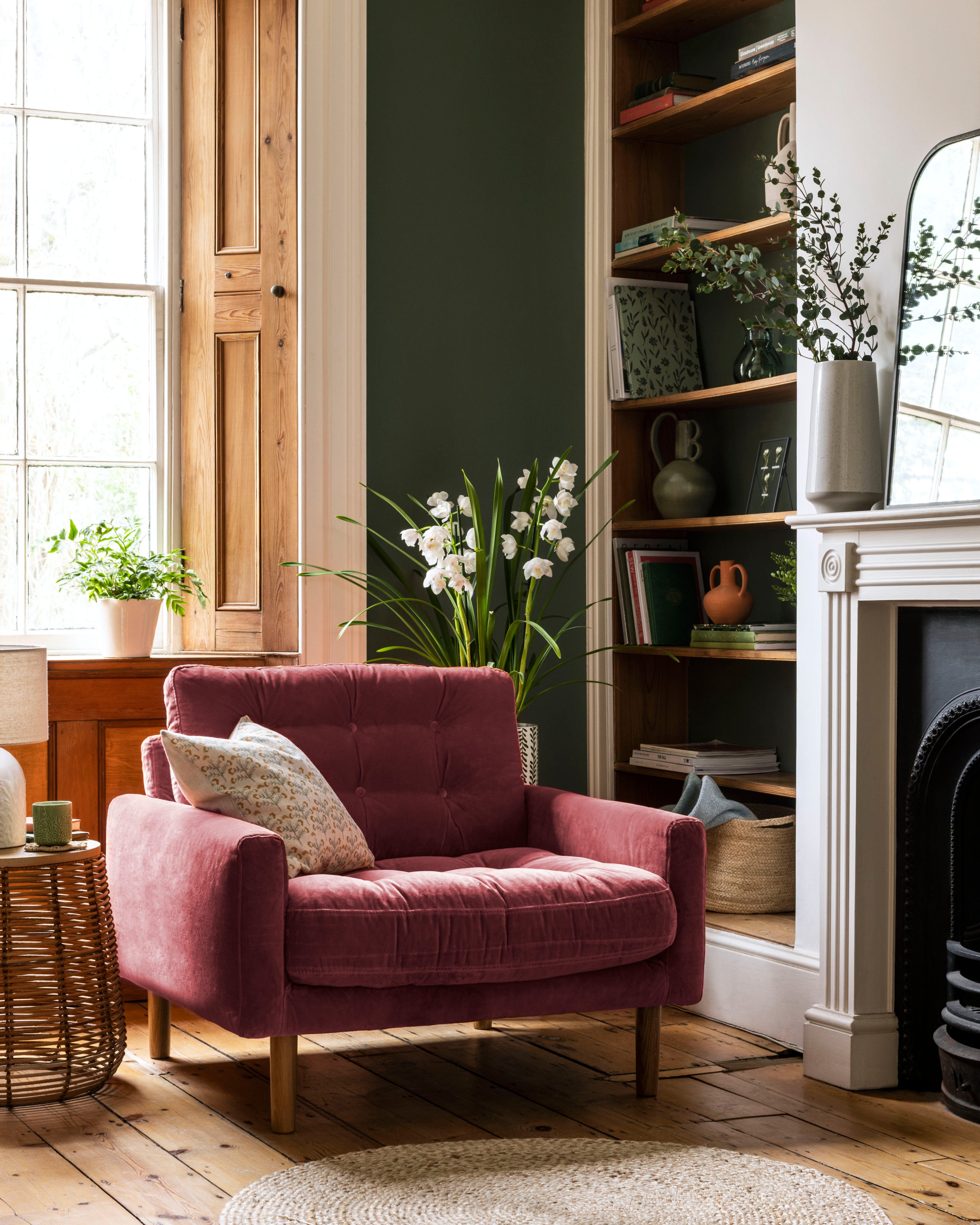
Finally, inefficient use of space, particularly neglecting corners or leaving large areas unused, can result in an incomplete or awkward feeling. Every part of the living room should serve a purpose. Transforming empty corners into functional areas like reading nooks or small desk spaces can maximize utility and enhance the room's overall completeness and warmth. Addressing these six design elements can significantly improve a living room's layout, making it more functional, balanced, and aesthetically pleasing.
#LivingRoomLayout #HomeDesign #InteriorDecorating #FurnitureArrangement #DesignMistakes #SpaceUtilization #FocalPoint #RoomBalance #LivingRoomLayout #HomeDesign #InteriorDecorating #FurnitureArrangement #DesignMistakes #SpaceUtilization #FocalPoint #RoomBalance
0 comment in total
 No comments yet
You may also like
6 failsafe formulas designers always follow when planning a living room

Designers Say This Is the #1 Living Room Mistake Everyone Makes

7 Design Mistakes Interior Designers Always Notice

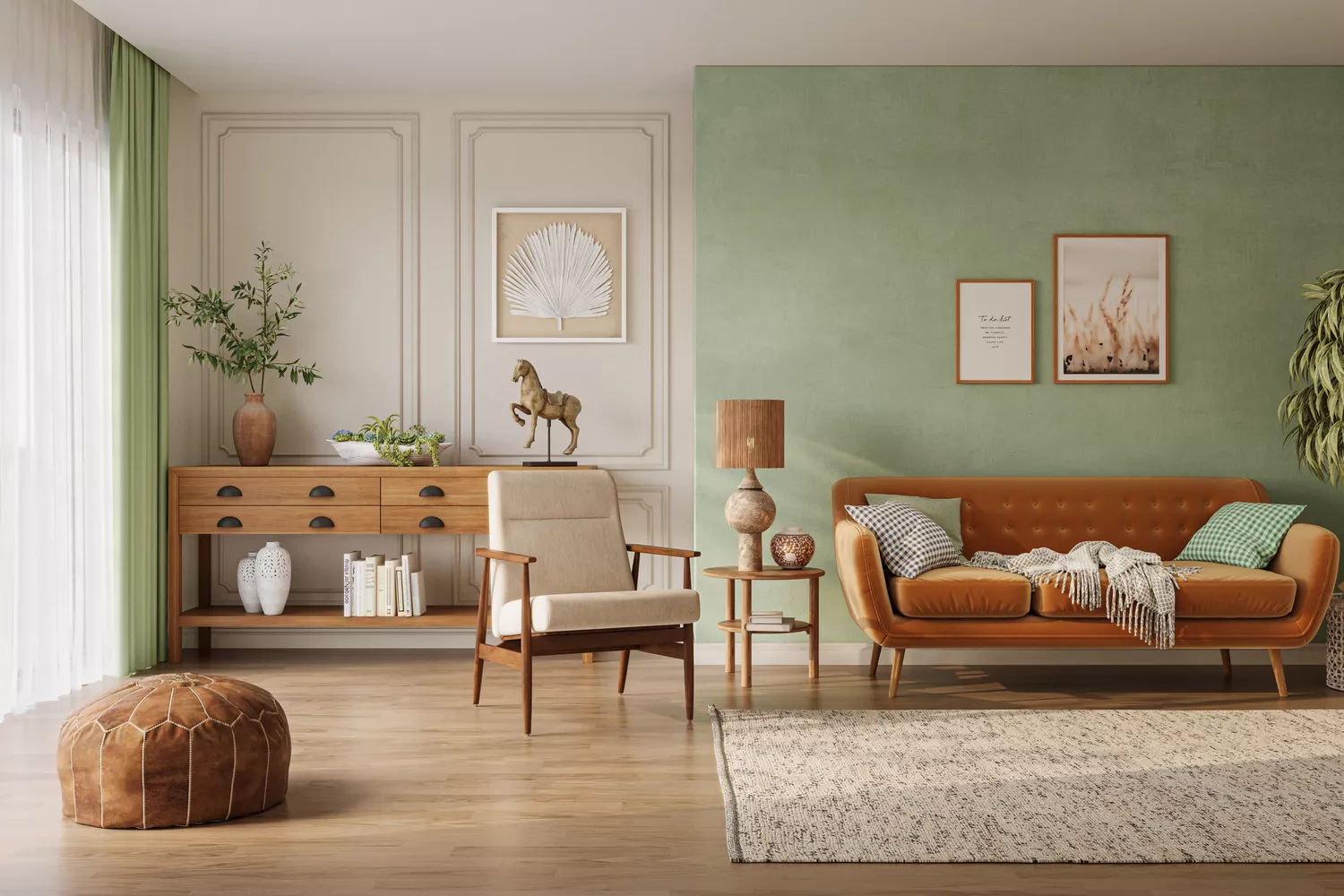
7 Things That Are Making Your Living Room Look Bad, Designers Say—and How to Fix It
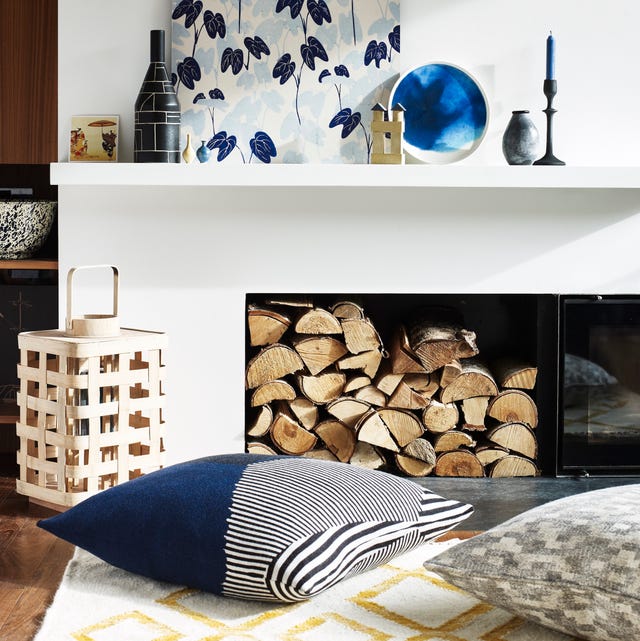
6 mistakes design experts instantly notice in your home – and how to fix them

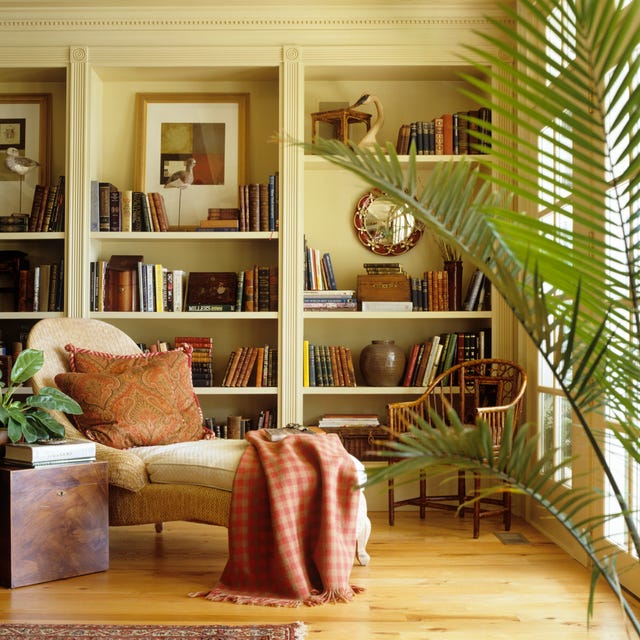
Designers Share 4 Common "Mistakes" You're Making in Your Living Room—and How to Correct Them
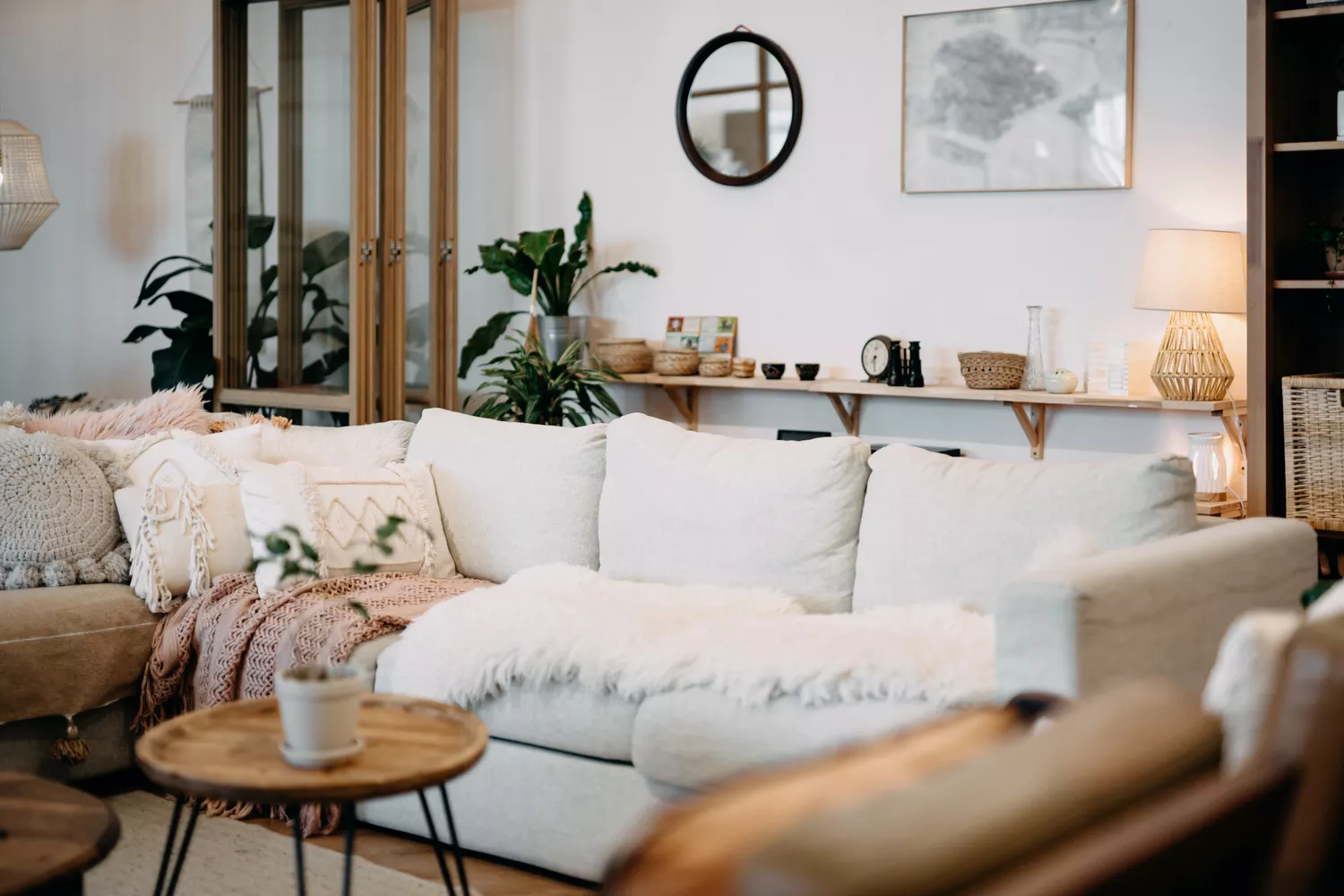
5 Living Room Red Flags That Guests Immediately Notice, According to Designers
An interior expert reveals how to achieve the perfect living room – and the biggest mistakes made
10 common living room design disasters experts warn against falling for
6 Small Living Room Layout Mistakes You Should Never Make, According to Designers
10 Mistakes Designers IMMEDIATELY Notice When They Walk Into Your Home
5 small living room mistakes – designers share the worst decorating disasters that we need to stop doing right now
7 Things That Immediately Make Your Living Room Look Bad, According to Designers
7 small living room layout mistakes design experts want you to avoid – and what to do instead
Are YOU guilty of these living room layout mistakes? Decor expert reveals the 8 sins people make
6 Things That Make Your Entryway Look TACKY, According to Designers
5 Living Room Design Mistakes You Didn't Know You Were Making
6 things making your living room furniture look cheap – explore the key mistakes to avoid and what designers do instead
How to Fix the Most Common Living Room Layout Mistakes
11 Living Room Layout Mistakes Designers Want You To Stop Making