1/2
How can we make design decisions meaningful?
Design processes for community-based projects have historically been one-dimensional, often perceived as tick-box exercises that fail to genuinely incorporate community voices and insights throughout a project's lifecycle. An effective design process, conversely, should be layered, sustained, and multifaceted, with continuous involvement from the individuals who will ultimately inhabit the spaces. This circular approach necessitates ongoing iterations to gather feedback on the design's evolution and the development of relationships with the community.
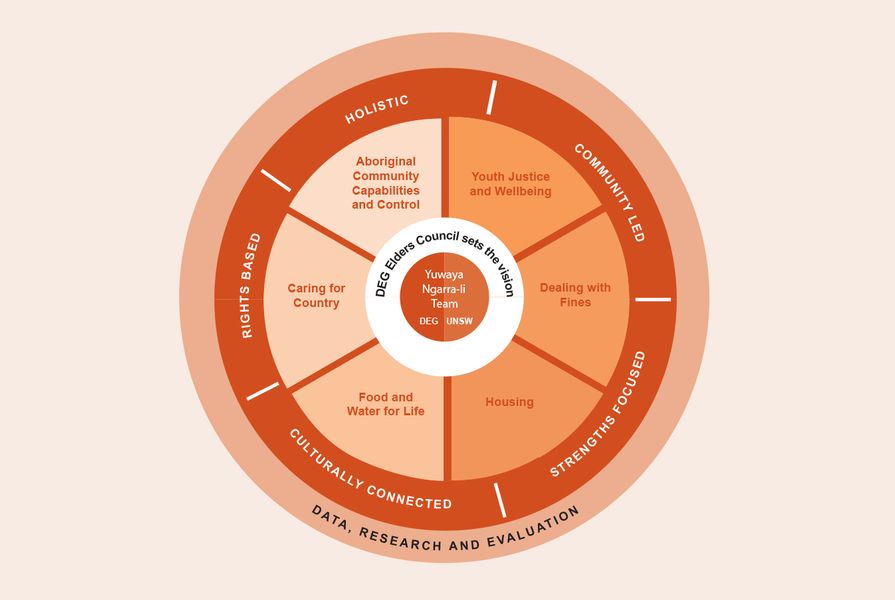
An exemplary model of this approach is the Yuwaya Ngarra-li (meaning "vision") partnership, a long-term collaboration between the Dharriwaa Elders Group (DEG) and UNSW. This partnership aims to enhance the wellbeing, built environments, physical surroundings, and life pathways of the Aboriginal community in Walgett, a remote town in north-west New South Wales. Key long-term objectives include strengthening Aboriginal community control and capabilities, reducing youth contact with the justice system, improving food and water security, fostering care for Country, and enhancing the quantity and quality of housing. The partnership advocates for moving beyond mere co-design towards a truly community-led methodology, rooted in protocols established by the DEG. This community-led approach centers the agency of the people with whom Yuwaya Ngarra-li collaborates, prioritizing community impact and benefit, and empowering residents with decision-making authority over their future homes and spaces.
The NSW government's Social Impact Assessment Guideline outlines eight categories of social value: way of life, community, accessibility, culture, health and well-being, surroundings, livelihoods, and decision-making systems. While this framework provides a foundational understanding, embedding design processes that yield tangible change requires a deeper comprehension of social impact from the community's perspective, as these categories hold distinct meanings across different communities, cultures, and individuals. The Yuwaya Ngarra-li partnership focuses on prioritizing community needs, identifying areas for social impact, and meticulously measuring outcomes. Through its work, five crucial elements have been identified that can assist architects in developing design processes centered on social impact.
First, community leadership is paramount. Designers must listen intently to community needs and respond directly, rather than approaching projects with preconceived notions. The DEG initiates projects by identifying community priorities or problems they wish to address, and they also define the desired outcomes and metrics for success from a community viewpoint. Second, developing partnerships based on trust is essential. The partnership emphasizes "moving at the speed of trust," fostering genuine, equitable, and reciprocal relationships. This allows the DEG to provide candid feedback, ensuring that proposed work is relevant and effective for their community. The DEG, being on the frontline, possesses intimate knowledge of their community's needs and operates with trust and respect, qualities that design processes should emulate to avoid unintentional harm. Third, a holistic approach is critical. Community leadership necessitates working, designing, thinking, and acting in relational ways. To achieve social impact, architecture must serve as a catalyst for improving community members' lives. Understanding broader community priorities through community-controlled organizations enables better integration of these priorities into design outcomes, creating ripple effects over time. Recognizing the circular nature of community engagement is vital; community members need to see that their input is valued and utilized, fostering a shared language and previously unimagined design possibilities. Fourth, making meaningful design decisions involves actively listening to community requirements, implementing them, and then returning to the community for reflection and further direction. This continuous feedback loop ensures that community needs are heard, implemented, and communicated transparently. Finally, working reciprocally means embedding clear communication protocols, ensuring community sign-off on all project communications, and demonstrating direct impact and value in presentations and publications. Reciprocity can also manifest through the delivery of tangible community assets, such as accessible community spaces or homes, and through capacity-building initiatives that strengthen skills, resilience, and knowledge within the community, empowering them to advocate for their needs and recognize the agency of their voices. Good processes inherently require time, which ideally should be factored into project timelines, but even without extended schedules, opportunities exist at the outset to collaboratively define working methods that maximize positive community impact.
#CommunityLedDesign #SocialImpact #IndigenousCommunities #Architecture #CommunityEngagement #TrustBuilding #HolisticDesign #ReciprocalRelationships #Walgett #CommunityLedDesign #SocialImpact #IndigenousCommunities #Architecture #CommunityEngagement #TrustBuilding #HolisticDesign #ReciprocalRelationships #Walgett
0 comment in total
 No comments yet
You may also like
Why Bad Design is Good

The Transformative Power of AI in Architecture Design
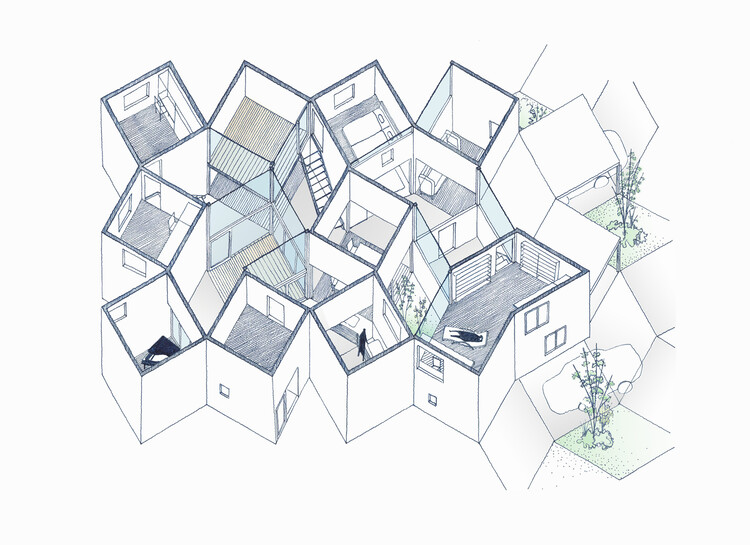
Generative Space Design: Exploring 8 Transformative Tools in Architecture

How to Talk Honestly About Budget with Your Interior Designer

Some home design decisions simply don’t matter – here’s what to stop stressing over and where to focus your energy instead

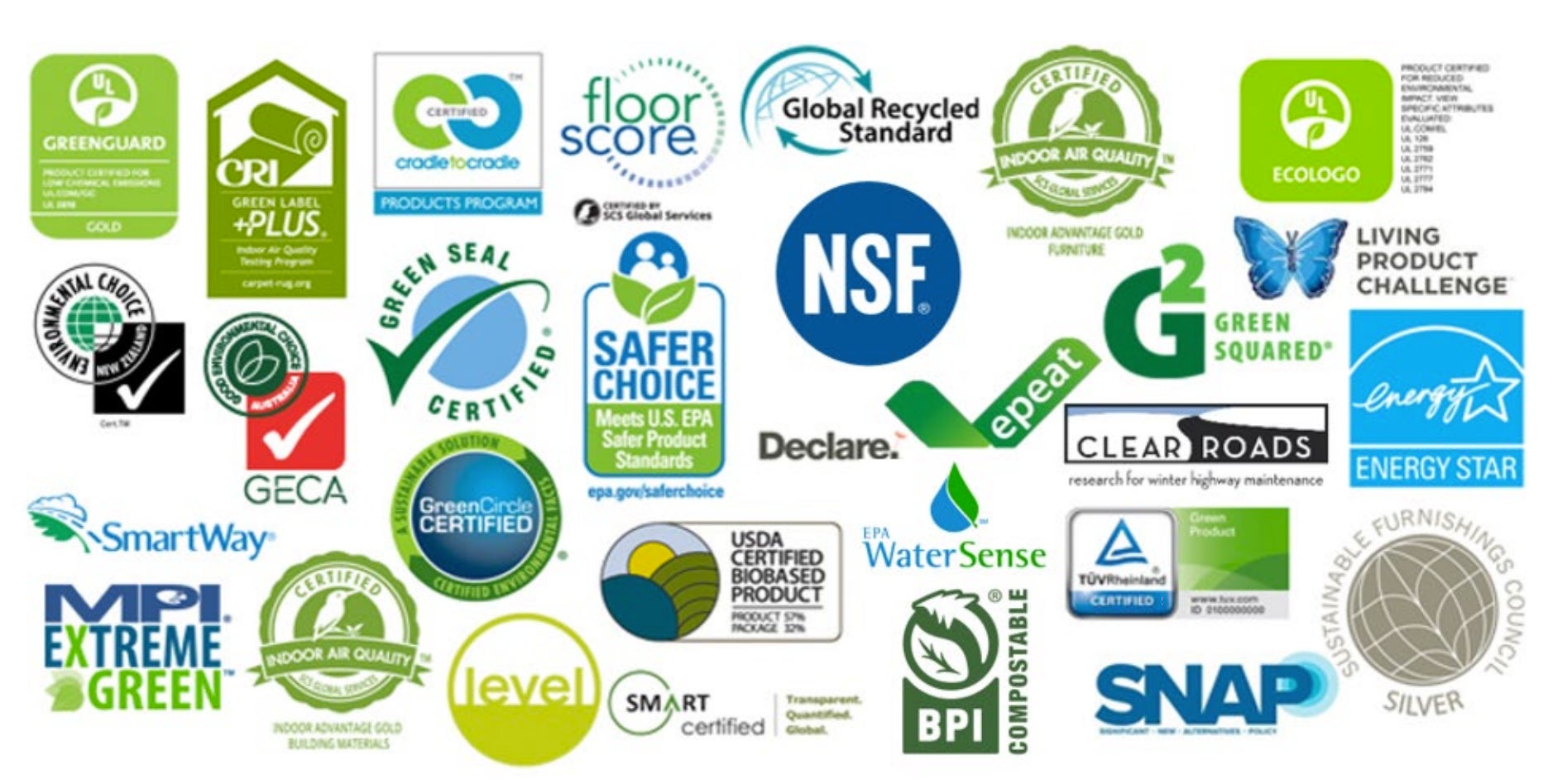
What is sustainable design and how can consumers identify it?
Draw in Order to See: A Cognitive History of Architectural Design
The Soul in the New Machines (Published 2008)

Strategy and design


Good design deserves time
Real Estate Design Solutions - Commercial Space Design
The Quiet Architecture of Purpose: Unpacking the Talent of Sanjana Satya Prakash

How generative design is shaping the future of architecture?
This Rug Style Is the Answer to Design-Decision Fatigue

Explore our visual compendium of timeless design, from classic to contemporary furniture, objects and lighting

How I encourage my clients to make sustainable choices in their interior design
A chance to amplify architectural design wisdom