1/3
A chance to amplify architectural design wisdom
The architectural field is undergoing a significant transformation driven by the increasing adoption of modular principles in design and construction. This shift is fueled by technological advancements, environmental concerns, and evolving societal demands, making modular design more efficient, cost-effective, and adaptable. However, it necessitates a change in how architects approach design, particularly in leveraging knowledge from successful past projects. This article explores the evolving role of architects in facilitating the reuse of design wisdom and examines how thought leaders and technological innovations are guiding this transformation.
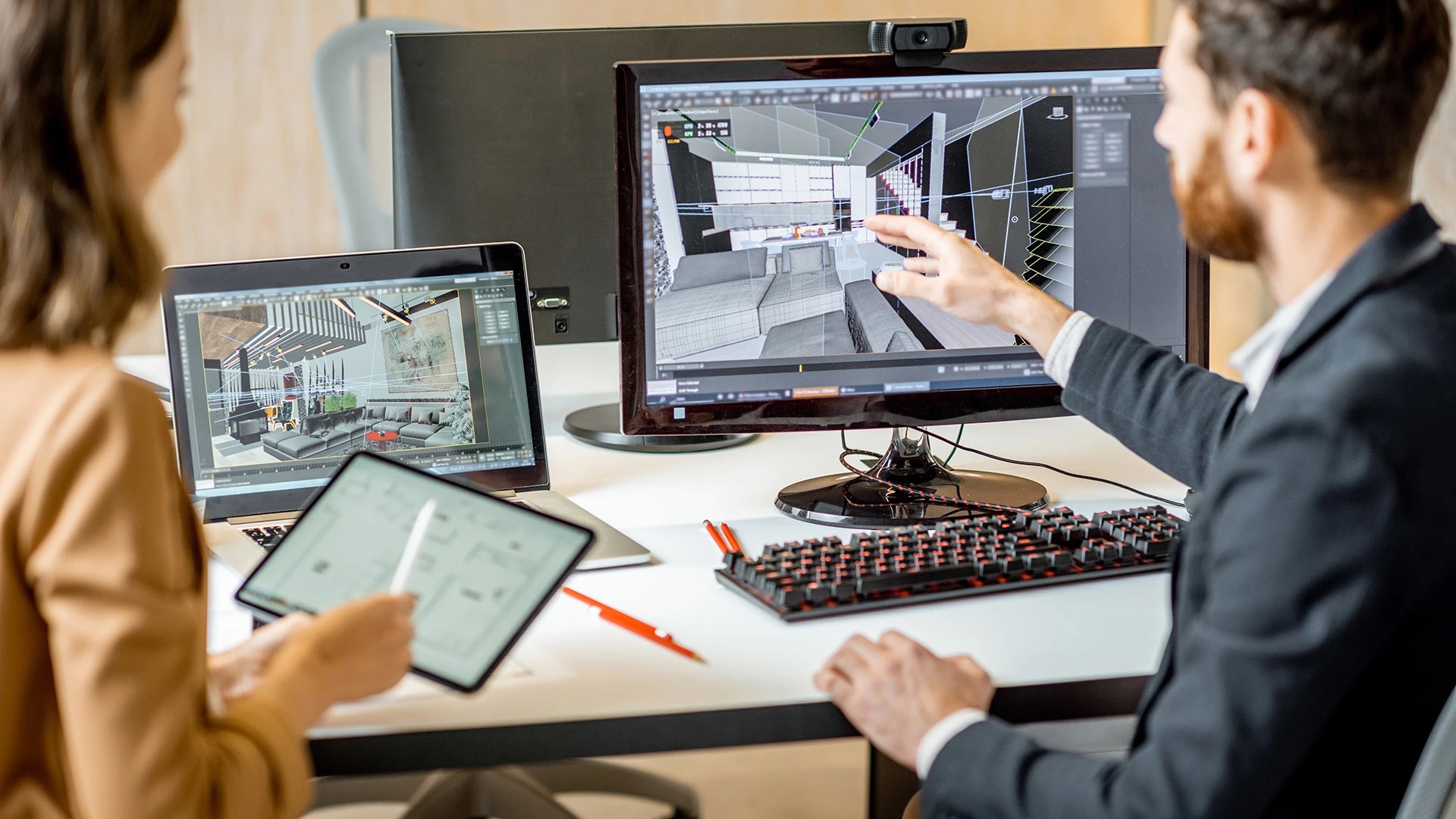
Historically, the architectural and construction industries have struggled to adopt modular trailblazing practices common in more efficient sectors like manufacturing, aviation, and automotive. This resistance stems primarily from two factors: contractual frameworks that demand extensive design documentation over construction methodologies, and design software that largely mimics traditional drawing board approaches, resulting in an inflexible operating system. These legacy processes hinder industry transformation, creating a disconnect with consumer expectations for mass customization, rapid change, and swift results. As early as 20 years ago, Kieran and Timberlake, in their book 'Re-fabricating Architecture,' advocated for a fundamental shift, urging a re-evaluation of traditional architectural approaches and emphasizing the potential of prefabrication to address inefficiencies, particularly concerning physical joints on construction sites. They proposed 'chunking' buildings into prefabricated components to reduce on-site complexities and costs, a concept that extends to the virtual world of design.
Influential figures such as Bjarke Ingels, Neri Oxman, and Patrik Schumacher are further advancing these ideas, fostering innovation through modular principles. Bjarke Ingels, through BIG, integrates sustainability, functionality, and aesthetics, challenging traditional norms by designing adaptable modules for efficient construction. Neri Oxman focuses on biomimicry and digital fabrication, creating intricate and flexible structures that blend art and science. The rise of scripting tools like Grasshopper and Dynamo has revolutionized aspects of architectural design, with leaders like Patrik Schumacher advocating for their integration to achieve modular flexibility and efficiency, a concept known as 'Parametricism.' Despite these advancements, the adoption of generative design methods by general architectural practitioners remains slow, mainly due to the lack of user-friendly software accessible to all designers, not just specialist coders.
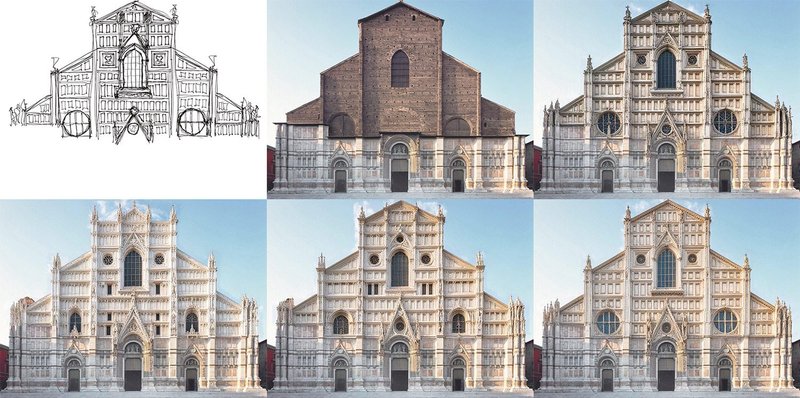
Architects are now re-examining their roles to integrate computed modular principles effectively. This re-examination has led to five key assertions. Firstly, architects must establish digital repositories for knowledge curation and analysis, compiling models and data from successful modular designs to inform future projects. Secondly, the role is shifting from designing standalone structures to developing adaptable design frameworks composed of standardized modular elements. Thirdly, there is a need for innovative adaptation, where architects modify existing modular components to meet unique project requirements while maintaining compatibility and efficiency. Fourthly, architects need to enhance their proficiency in parametric design and digital fabrication, becoming tech-savvy professionals capable of generating complex modular forms optimized for fabrication and assembly. This requires software providers to create intuitive tools for algorithmic and modular design generation. Finally, there is an emphasis on 'Design for Constructability,' fostering early interdisciplinary collaboration and demanding that architects regain 'Master Builder' skills to effectively communicate modular designs to prefabricators, engineers, and contractors.
The current landscape presents an opportune moment for a step change in architectural methods, largely due to emerging technologies that automate the complex process of reusing model and project data. These technologies, exemplified by solutions like Snaptrude and Skema, aim to accelerate early design phases by leveraging embedded knowledge from previous projects, significantly reducing time spent on tasks like module arrangement, door scheduling, and construction documentation. Skema, for instance, promises to deliver reliable LOD350 BIM models in days, easily adaptable to client changes. These solutions are designed to integrate seamlessly with existing software like Revit, enhancing productivity without disrupting current workflows, thereby allowing designers to focus more on the aesthetic and qualitative aspects of building design. This integration of new tools marks a significant step towards a future where procedural and AI solutions capture and reuse design knowledge under the guidance of a new generation of architect-designers.
#ArchitecturalDesign #ModularConstruction #DigitalFabrication #ParametricDesign #GenerativeDesign #BIM #DesignAutomation #AECIndustry #ArchitecturalTechnology #ArchitecturalDesign #ModularConstruction #DigitalFabrication #ParametricDesign #GenerativeDesign #BIM #DesignAutomation #AECIndustry #ArchitecturalTechnology
0 comment in total
 No comments yet
You may also like

Call for Entries


Building Knowledge, Not Just Structures: Redefining the Architect’s Role in Times of Uncertainty

The Transformative Power of AI in Architecture Design
How to make your architectural design dream a reality
A wide variety of award-winning projects ranging from residential to exhibitions


Architectural design to meet the needs of our time
Whatever Happened to “The Architects’ Architect”?
Universal Design Studio: the practice quietly shaping the way we live, work, shop and eat


7 innovative ideas in architectural design

The Quiet Architecture of Purpose: Unpacking the Talent of Sanjana Satya Prakash

branch studio architects extends family home with a pavilion between trees
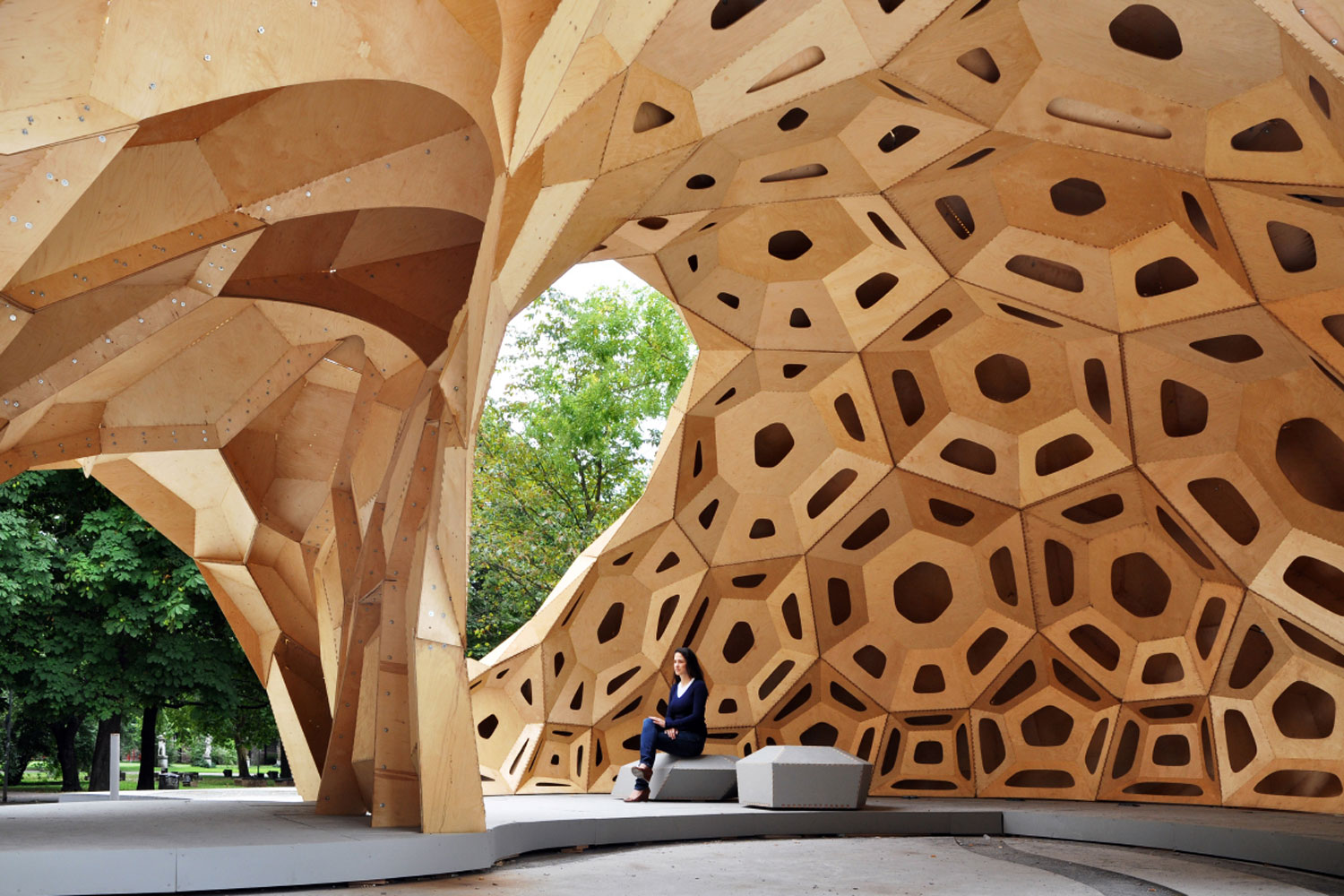
How generative design is shaping the future of architecture?
How to Be a Better Architect Than Me

New Talent: Seven Innovative Design Studios to Watch

The 25 Most Influential Power Duos In the Design World


What is Neuroarchitecture? AB+AC Architects Explain in This Q&A


Designers Talk Client Relationships At Arizona re:Source

Architect Sam Klopper talks accessible design that doesn’t feel “clinical or differentiated”


With bright color palettes, Pita and Bloom's work embraces ornament
Draw in Order to See: A Cognitive History of Architectural Design