1/5
How I encourage my clients to make sustainable choices in their interior design
The author, an interior designer, shares personal insights into incorporating sustainable practices within interior design, emphasizing a shift towards conscious consumerism and environmental responsibility. Drawing from a personal journey rooted in an appreciation for nature, the author highlights the growing importance of sustainability in the design world. The article acknowledges that the term "sustainability" can feel overwhelming and suggests a gradual approach, encouraging individuals to start small and progress towards more impactful choices, referring to this as moving to a "darker shade of green." The author outlines key concepts integrated into their design practice to guide clients in making sustainable choices for their homes.
One core principle presented is "Buy well, buy once." This concept advocates for investing in high-quality furniture that is durable and long-lasting. While initially more expensive, this approach proves cost-effective over time by reducing the need for frequent replacements, thereby minimizing waste and combating the "throw-away" culture. The author stresses the importance of foresight in selecting furniture that will remain functional and aesthetically pleasing for years to come, aligning with a more sustainable lifestyle.
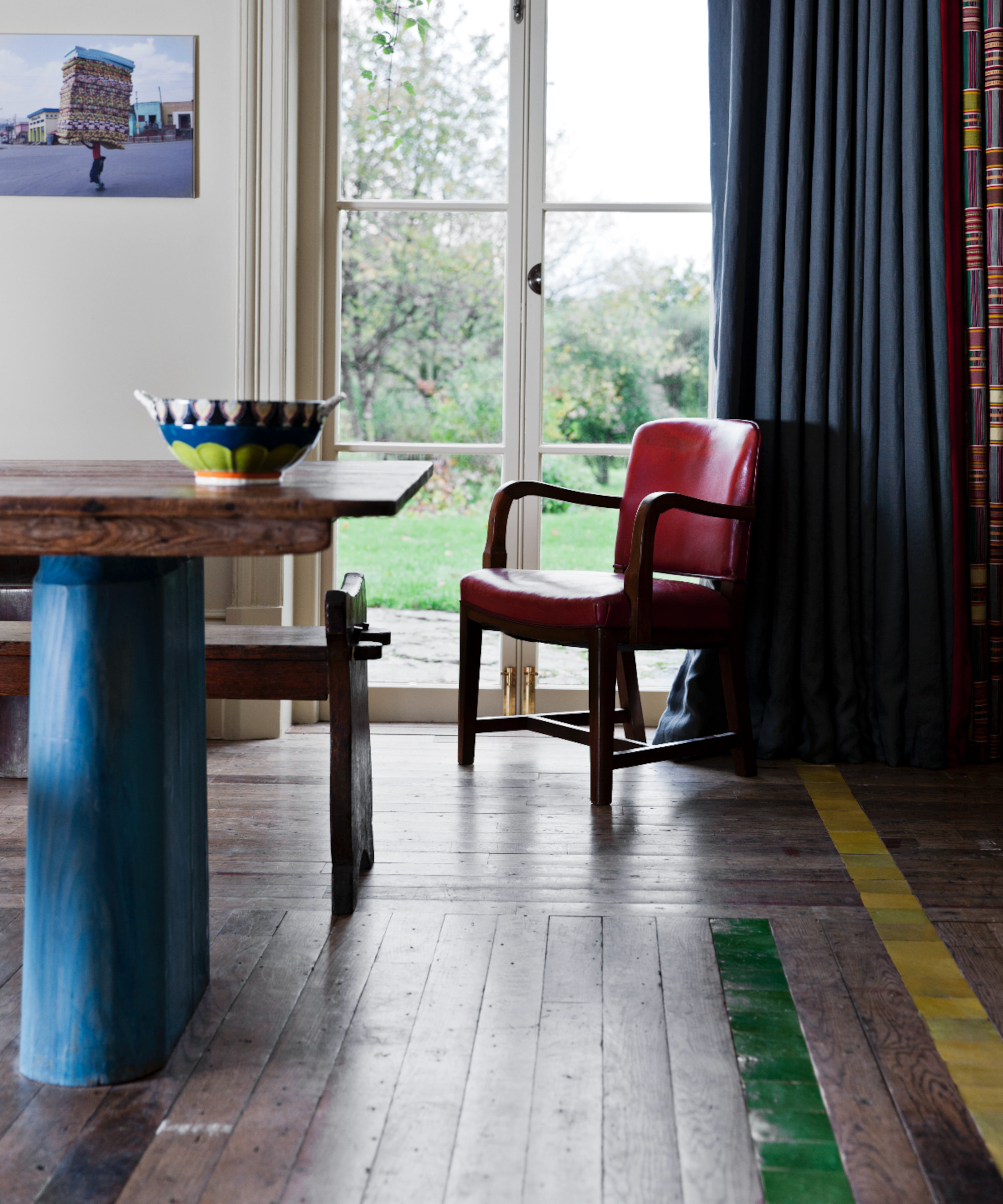
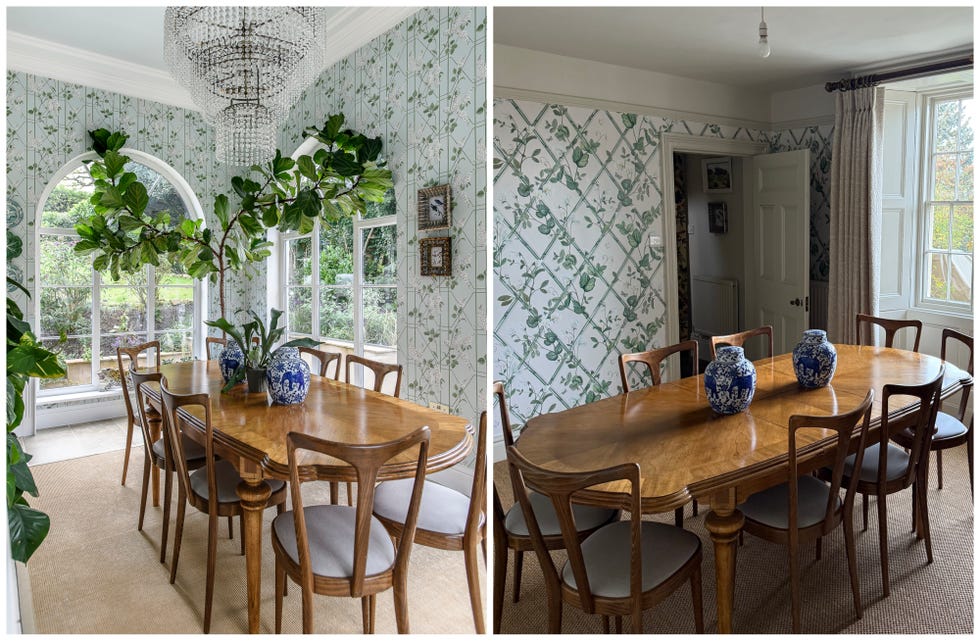
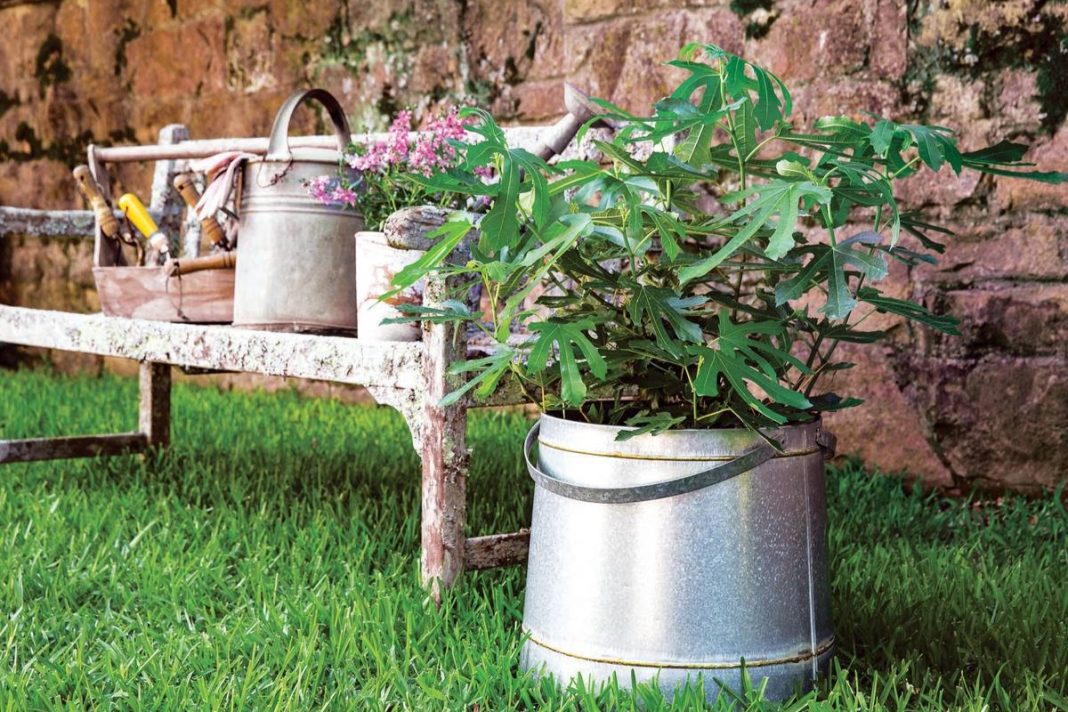
Another significant aspect is the practice of "Repurpose." The article encourages the incorporation of antiques and pre-existing furniture and decor into design schemes. This method not only conserves valuable resources that would otherwise be used to create new items but also allows for the creation of unique and personalized interiors by blending old and new elements. The author suggests exploring local antique shops or online platforms for sourcing such items, highlighting the beauty of giving new life to forgotten pieces.
The importance of "Know your source" is also emphasized. In a consumer landscape filled with choices, the author advises consumers to conduct thorough research into brands and retailers. This involves understanding a company's commitment to ethics, the use of sustainable materials, local manufacturing, efforts to reduce carbon footprint, and various health considerations. The article points to third-party sustainability certifications, such as the Forest Stewardship Council (FSC) and OEKO-TEX®, as valuable tools for identifying responsible sources and making informed purchasing decisions.
Finally, the author discusses the impact of seemingly small changes under the heading "Every little bit counts." This section highlights the collective power of individual actions, such as switching to LED light bulbs, investing in energy-efficient appliances, and adopting eco-friendly cleaning products or reusable cloth napkins. These daily choices, though individual, contribute significantly to environmental conservation when widely adopted, demonstrating that every step towards sustainability, no matter how minor, plays a role in creating a more environmentally conscious home.
#SustainableInteriorDesign #EcoDecor #ConsciousConsumerism #EthicalSourcing #RepurposingFurniture #HighQualityFurniture #GreenLiving #EnvironmentalResponsibility #HomeDesign #SustainableInteriorDesign #EcoDecor #ConsciousConsumerism #EthicalSourcing #RepurposingFurniture #HighQualityFurniture #GreenLiving #EnvironmentalResponsibility #HomeDesign
0 comment in total
 No comments yet
You may also like
How can you be more sustainable in your interior design? 10 things to always consider
Designer Advice for a More Sustainable Kitchen Renovation


What books inspire sustainable interior design?
Delaware Experts Share Advice on Creating a Sustainable Home
What Can Be Done to Make Interiors More Sustainable?

Sustainable Home Décor: Eco-Friendly Interior Design Trends to Watch


Sustainable home decor: Eco-friendly interior design trends to watch

A Digestible Guide to Greenwashing in Interior Design — What It Is, What It's Not, and How to Avoid It


Home Rescue's Dee Coleman on the six R's of sustainable interior design
This Interior Designer-Approved Tip Can Upgrade Your Space In The Most Sustainable Way
I Wrote a Book About Sustainable Homes—These 8 Ideas Are Still Inspiring Me

What Sustainable Interior Design Really Means in 2025 — And Why It’s No Longer Just About the Materials

The best ways to talk about sustainability with your clients


How to talk to architects, builders and general contractors about sustainability
Sustainable Interior Design Trends for 2024: Embracing Eco-Friendly Living

Copy-And-Paste Interiors: Repeating A Look Isn’t Lazy — It’s Clever

How to Make Your Home More Sustainable, According to Design Experts


10 Sustainable Homes That Prove Interior Design Can Be Just as Easy on the Eye as It Is on the Earth

How residential design offers opportunities for sustainability
A Guide to Sustainable Design