1/6
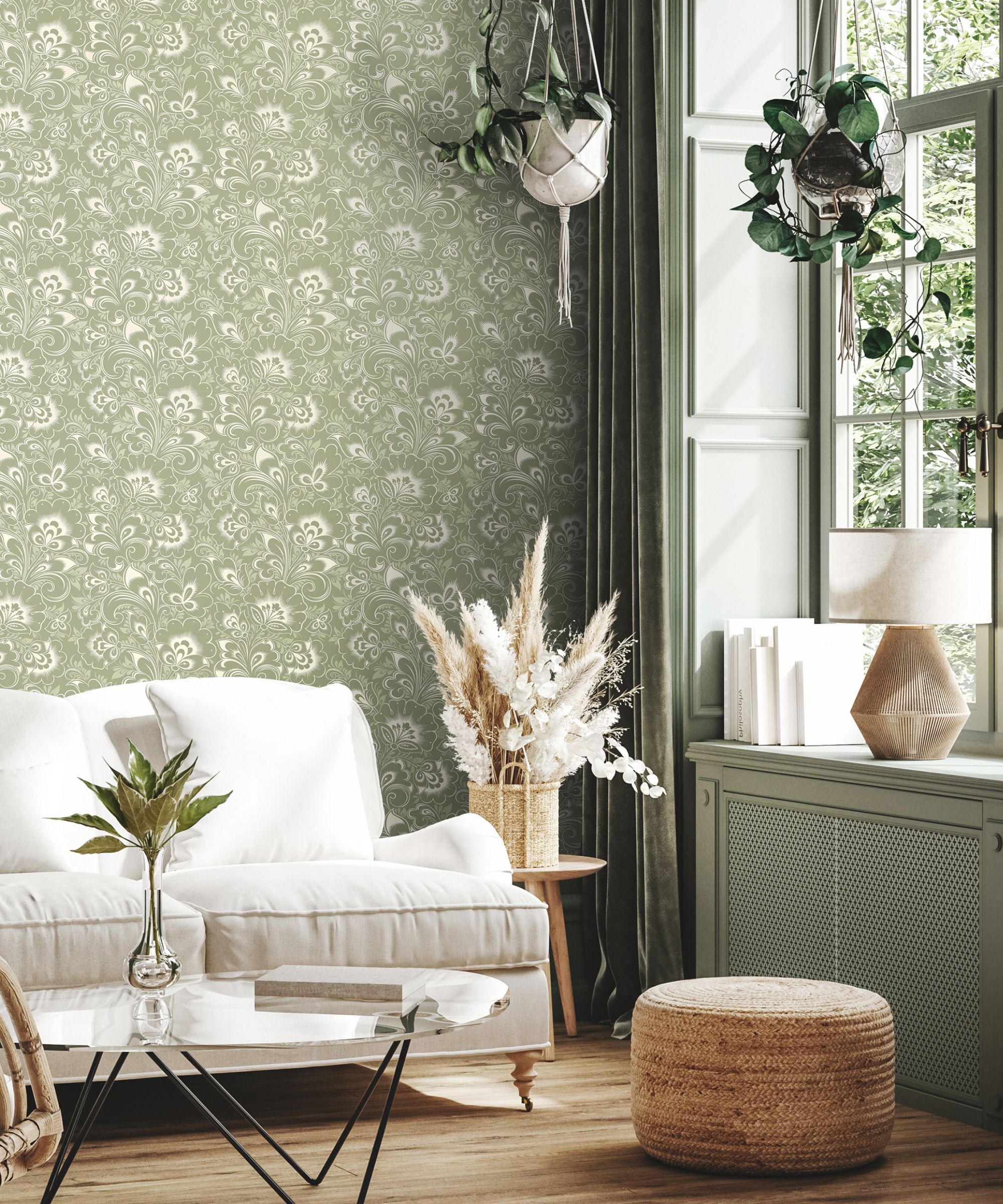
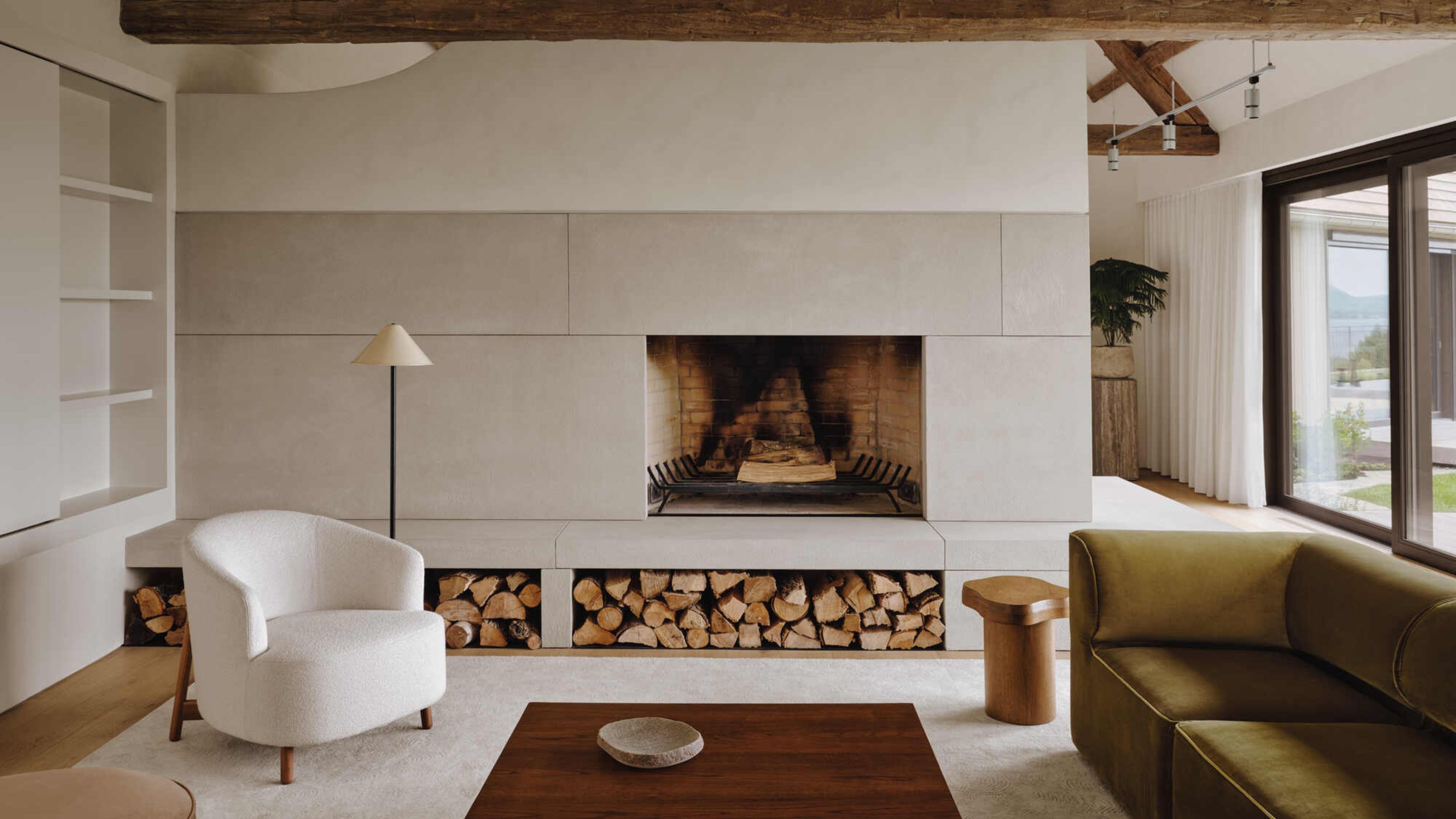
What Sustainable Interior Design Really Means in 2025 — And Why It’s No Longer Just About the Materials
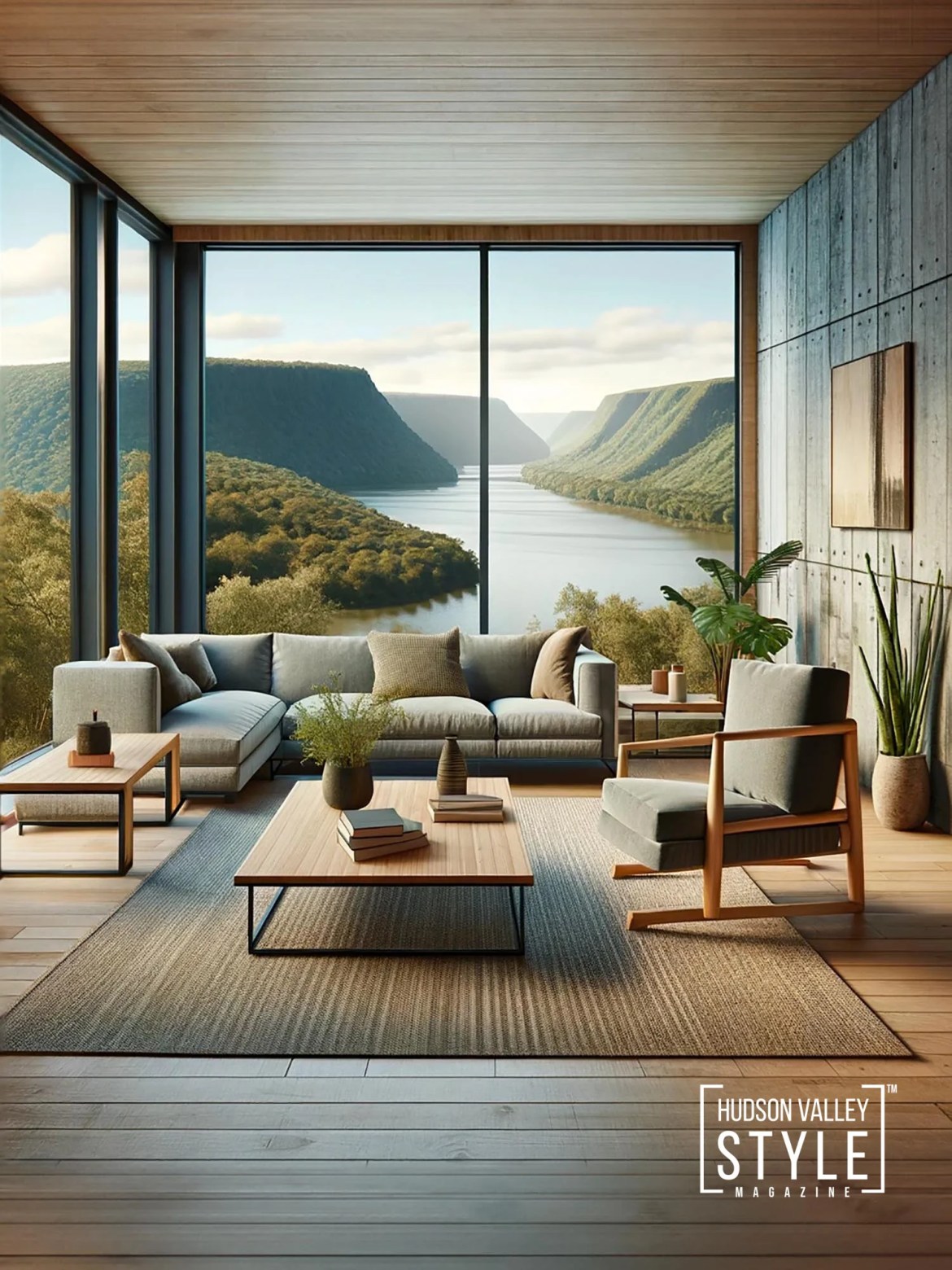
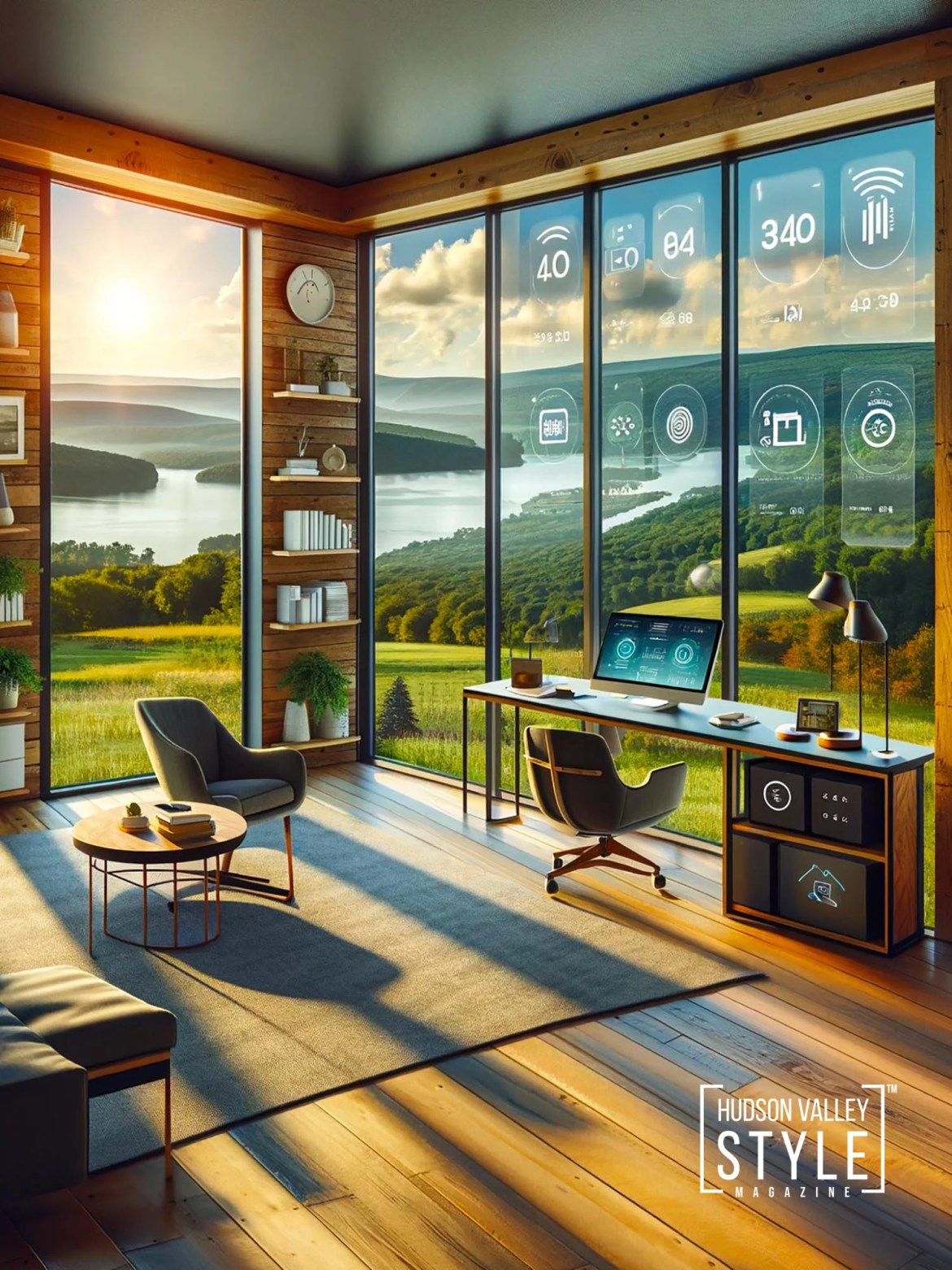
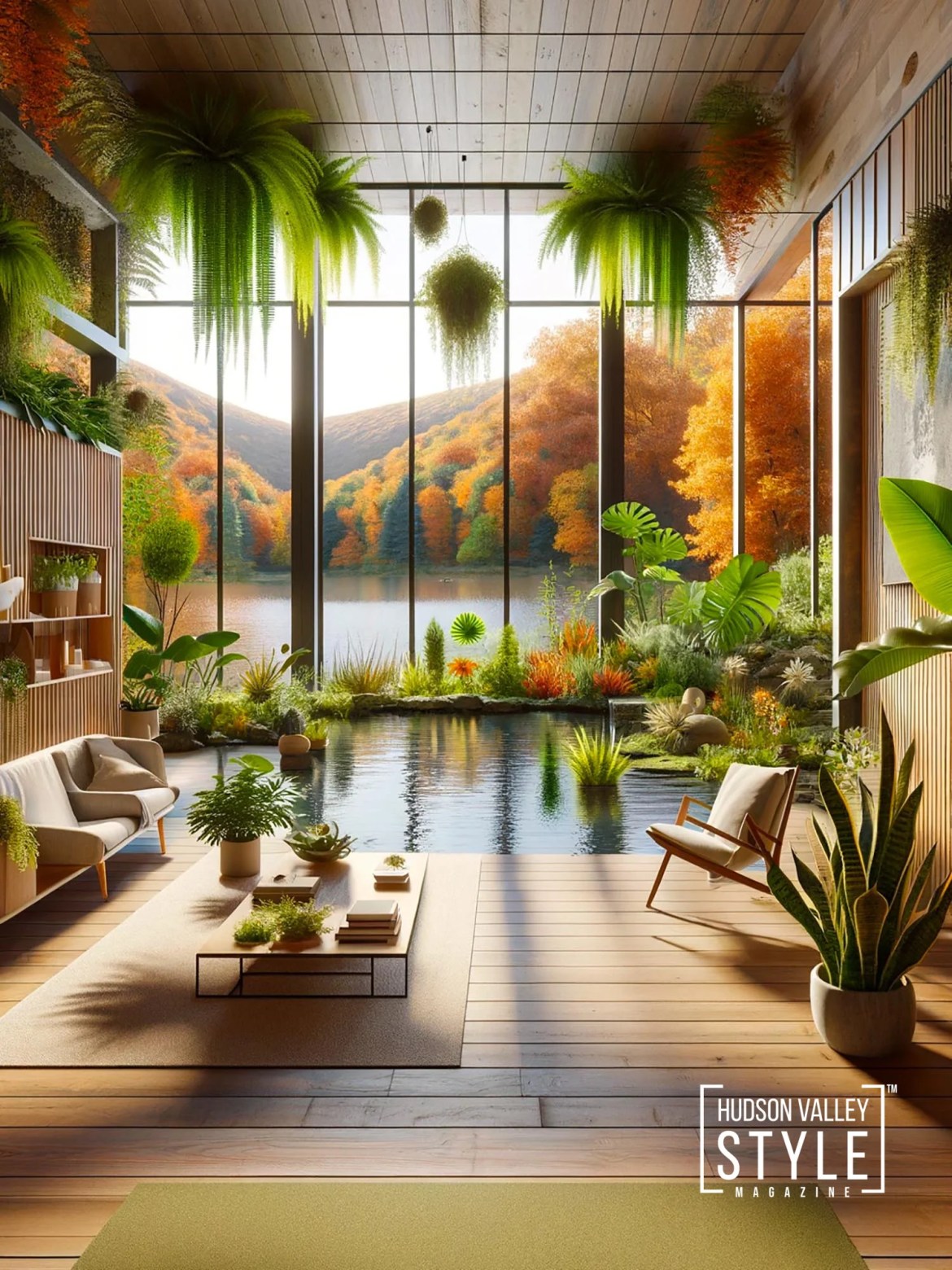
Sustainable interior design has evolved beyond simply selecting eco-friendly materials to encompass a holistic approach focused on adaptability, circular principles, and long-term impact. The American Society of Interior Designers (ASID) 2025 Trends Report highlights a growing homeowner interest in wellness and sustainability, with a significant percentage of global consumers willing to pay more for sustainable products. Younger generations, particularly Gen Z and Millennials, are demonstrably more likely to support sustainable brands, indicating a shift in consumer values.
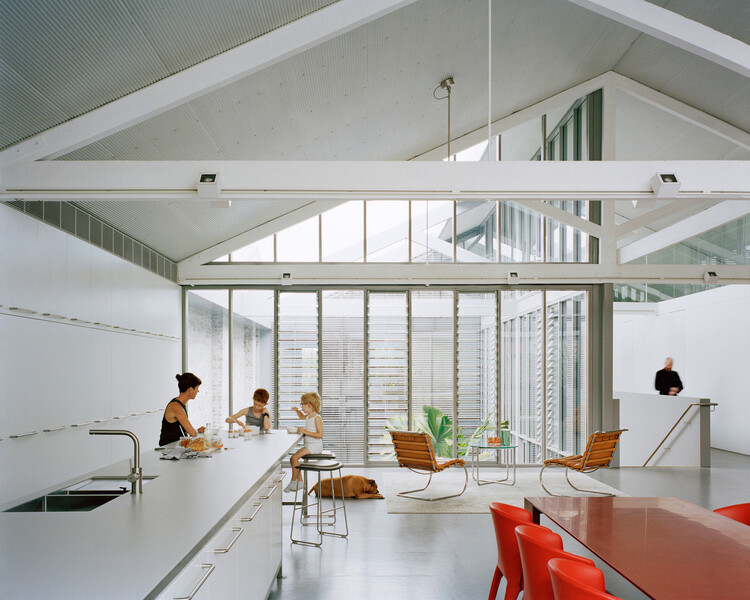
Leading experts in the field emphasize that sustainability is not an afterthought but a foundational element of quality design. Richard Dudzicki, founder of RDA Architects and an expert in Passivhaus design, views sustainable interior design as a comprehensive strategy, considering everything from the building's structure to its livability decades into the future. His approach involves making thoughtful material choices, prioritizing local, low-carbon, and non-toxic products, and ensuring designs support energy efficiency, occupant well-being, and durability. Dudzicki's projects, such as a low-energy retrofit using a modular cross-laminated timber system and a 1960s home transformation featuring highly efficient insulation and airtightness, demonstrate a commitment to both environmental responsibility and architectural design. He champions the idea that energy efficiency and aesthetic appeal are not mutually exclusive.
Designer Rebecca Hughes, whose work spans multiple continents, illustrates how sustainability and luxury can coexist. She focuses on creating beautiful and enduring spaces using materials and processes that minimize environmental impact. Her projects often incorporate features like rainwater harvesting systems, and she adapts her approach based on local climate, considering insulation for colder regions and ventilation for warmer ones. Hughes stresses the importance of local sourcing and draws inspiration from the longevity of antique pieces, advocating for durable, well-made items over disposable trends. She also promotes thrifting as a sustainable practice to reduce the reliance on new purchases.
Nina Woodcroft, principal of Nina + Co, brings a circular thinking and radical materiality to her designs, particularly in commercial spaces. Her personal experience with the industry's disregard for environmental impact led her to establish a practice focused on deeper sustainable issues. Woodcroft is known for her work on projects like Silo, the world's first zero-waste restaurant, and big., a clean beauty store, both of which feature innovative sustainable materials. She is keen to explore emerging sustainable materials like mushroom mycelium, algae, and bioplastics, believing that future interiors will incorporate grown, foraged, and found elements. Woodcroft also envisions a future where waste streams are intelligently repurposed, mirroring natural ecological cycles. These designers collectively illustrate that sustainable interior design in 2025 is a multifaceted discipline that integrates environmental consciousness, material innovation, and long-term planning into every aspect of home and commercial space creation.
#SustainableInteriorDesign #EcoFriendlyMaterials #CircularEconomy #PassivhausDesign #EnergyEfficiency #ArchitecturalTrends #Bioplastics #GreenBuilding #DesignInnovation #SustainableInteriorDesign #EcoFriendlyMaterials #CircularEconomy #PassivhausDesign #EnergyEfficiency #ArchitecturalTrends #Bioplastics #GreenBuilding #DesignInnovation
0 comment in total
 No comments yet
You may also like
Sustainable Interior Design Trends for 2024: Embracing Eco-Friendly Living

10 Interior Design Trends Going Away In 2025

Interior Design Trends of 2025 Include a Refresh on Maximalism
The Stunning Interior Design Trend That's Here To Stay In 2025

Sustainable Home Décor: Eco-Friendly Interior Design Trends to Watch

The Pros Have Spoken: These Interior Design Trends Will Define 2025

Tech-infused trends and how it's shaping interior design in 2024
Interiors: Why home design is getting smart, sustainable and health conscious
2025 Interiors trends according to an expert and the best pieces to shop now
These Will Be the Biggest Design Trends of 2025
Earth Day 2025: Biophilic Design, Modular Multifunctional Furniture And Other Sustainable Home Trends That Are Here to Stay
What to Expect from Interiors of the Future

Sustainable home decor: Eco-friendly interior design trends to watch

The Biggest Interior Design Trends for 2025

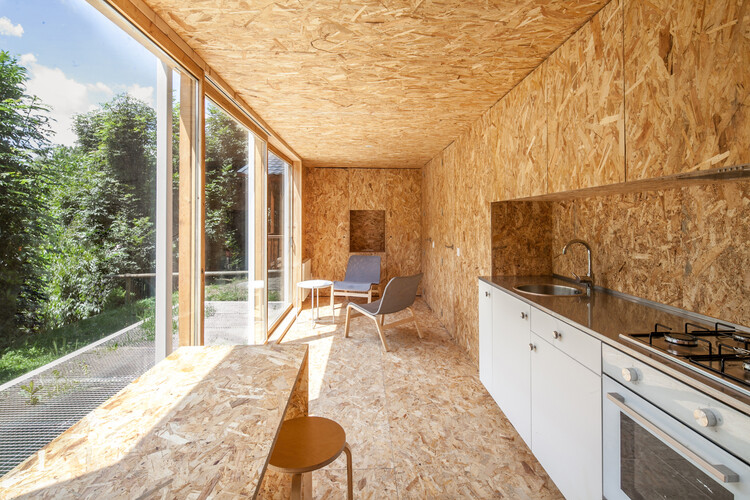
What Can Be Done to Make Interiors More Sustainable?
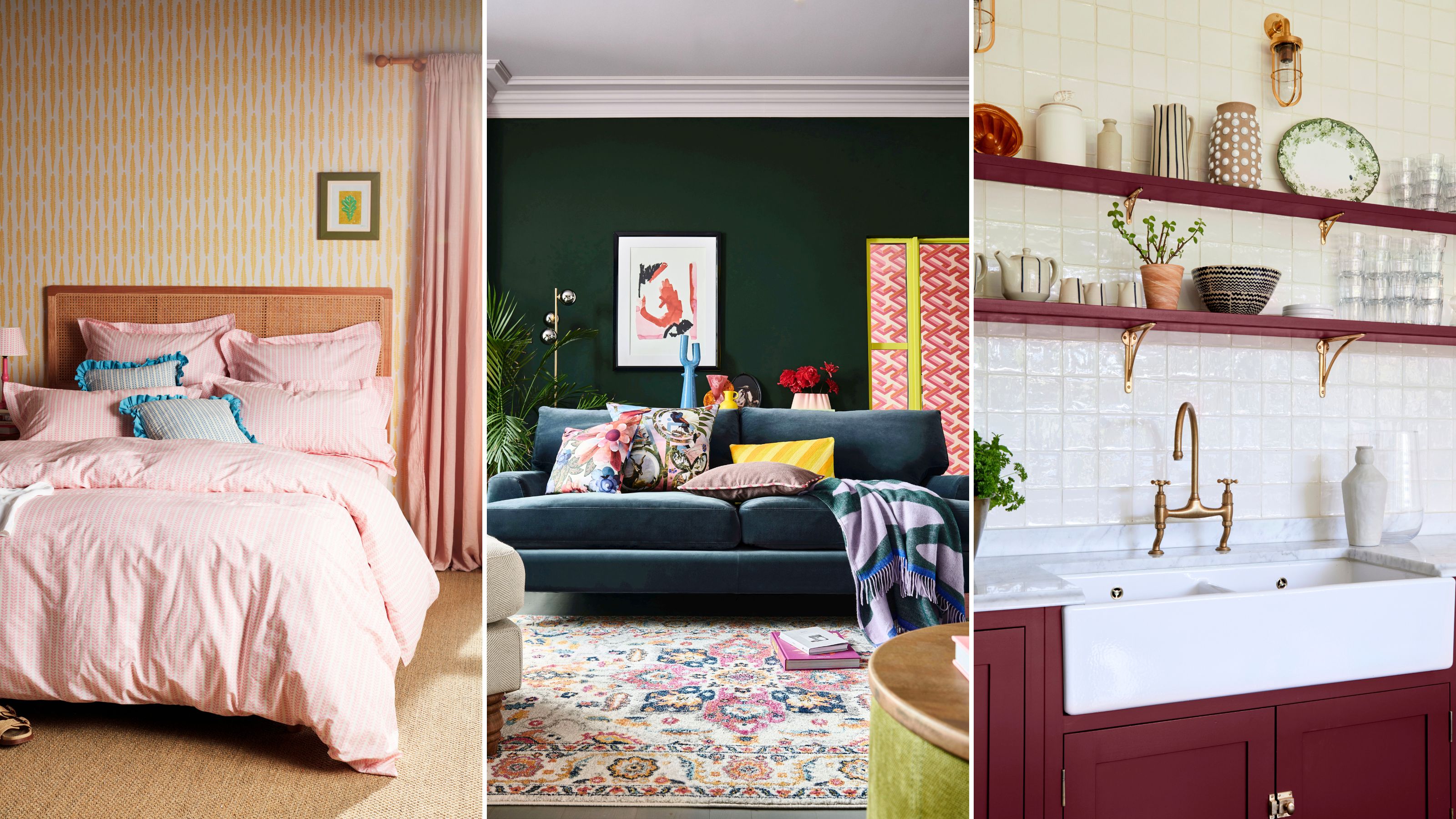
10 interior design trends for 2025 to level up your space

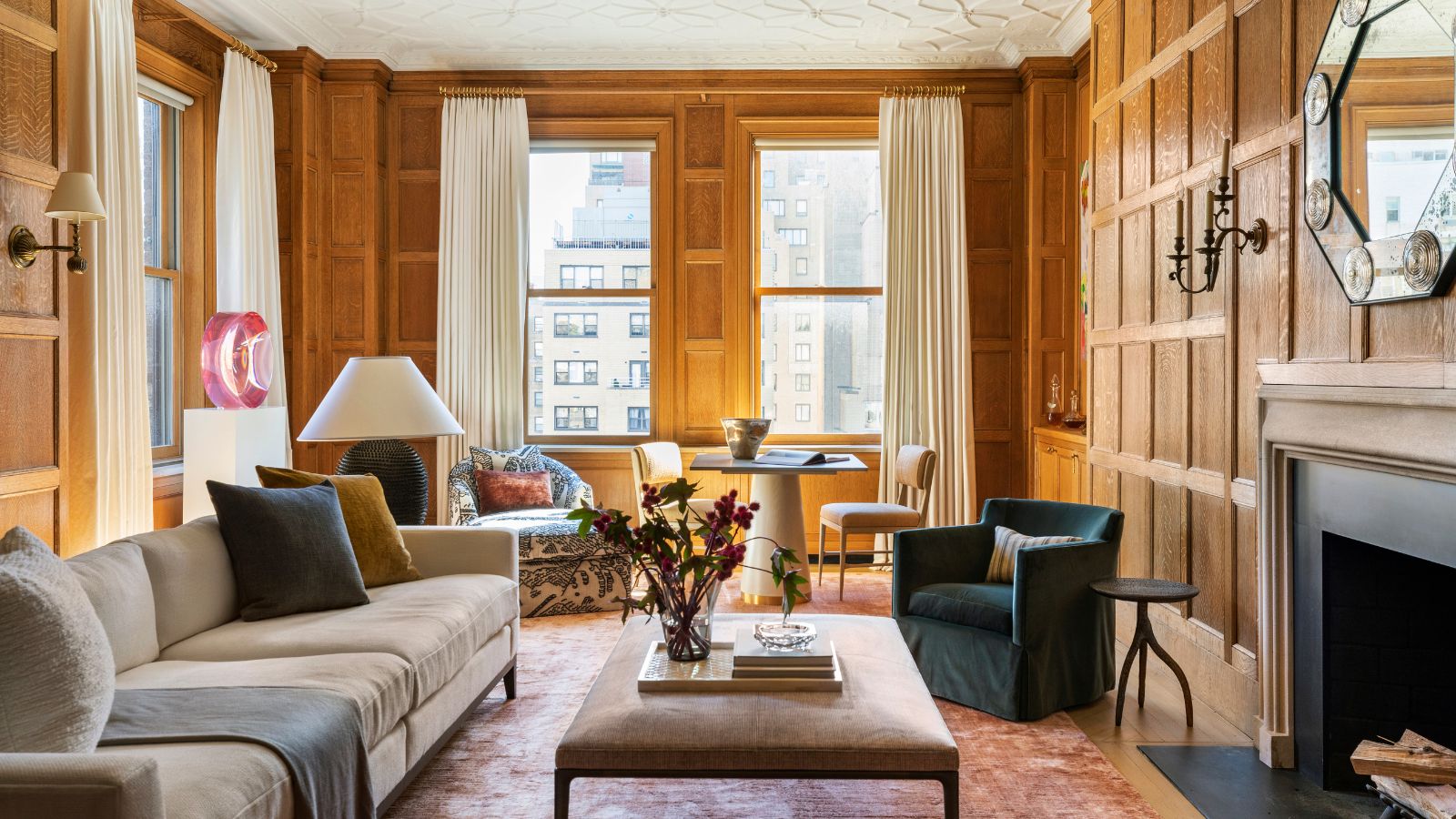
12 Must-Know Interior Design Trends That Have Defined Our Homes in 2025

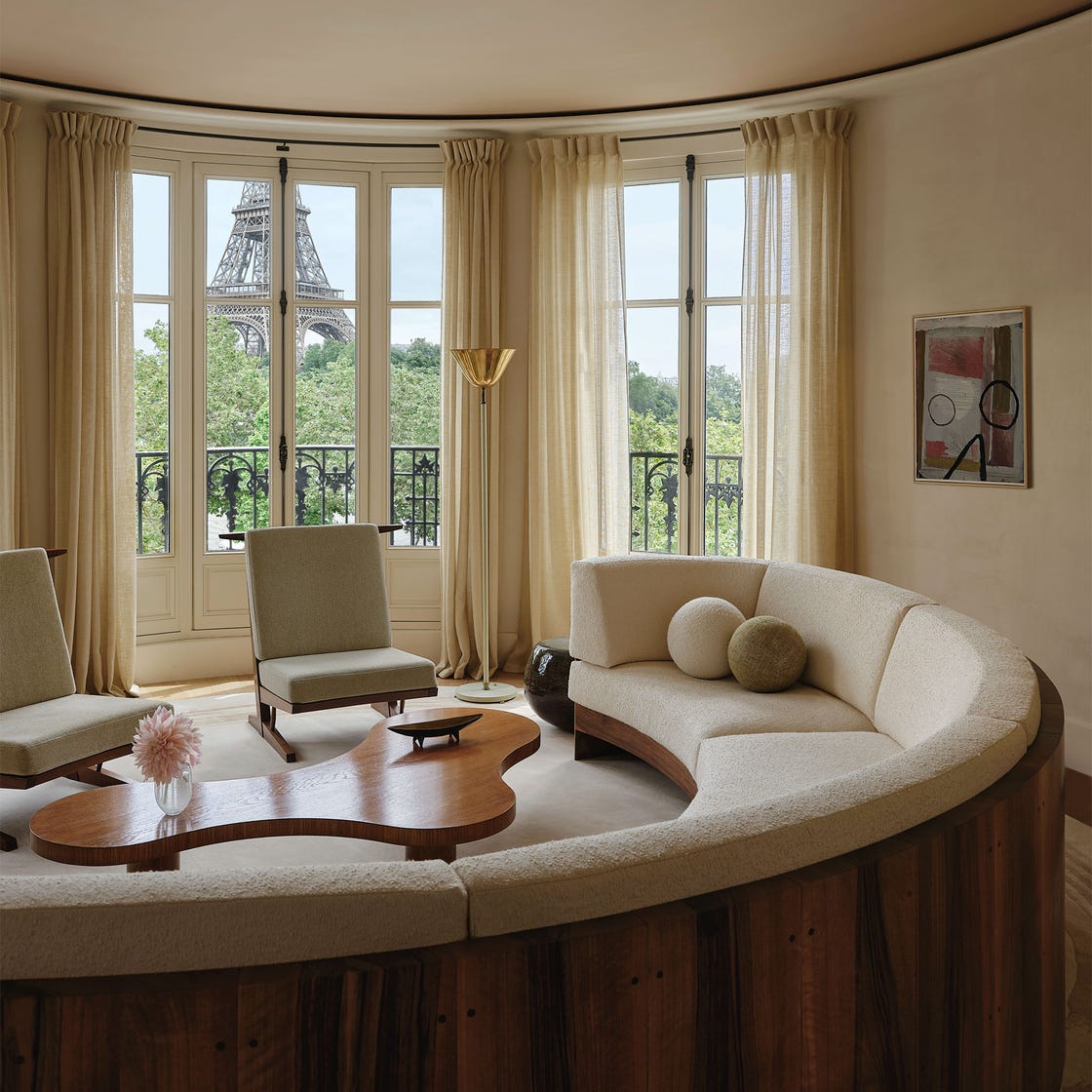
You'll See These 8 Interior Design Trends Everywhere in 2025

Future-Proofing Design: How Interiors Will Evolve in 2023 and Beyond
Top Home Design Trends in 2025 for Modern Living