1/6
Sustainable Interior Design Trends for 2024: Embracing Eco-Friendly Living
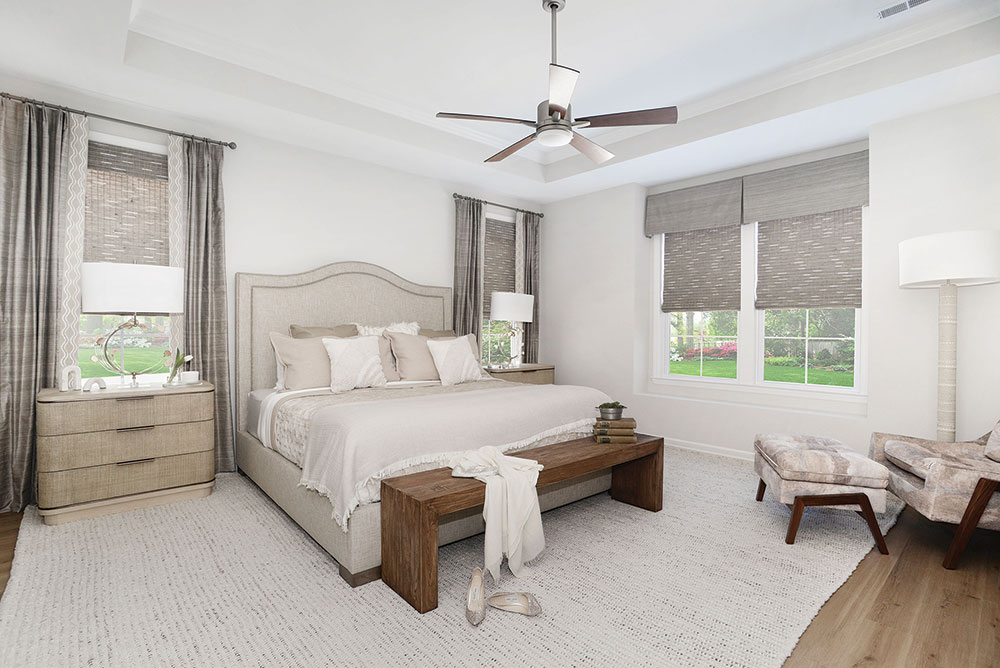
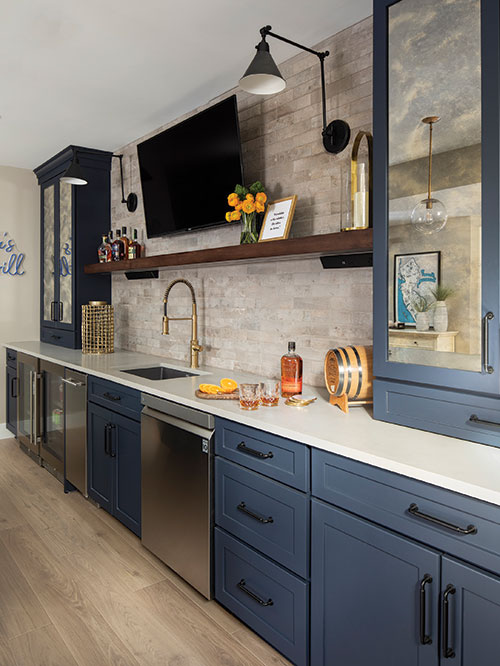
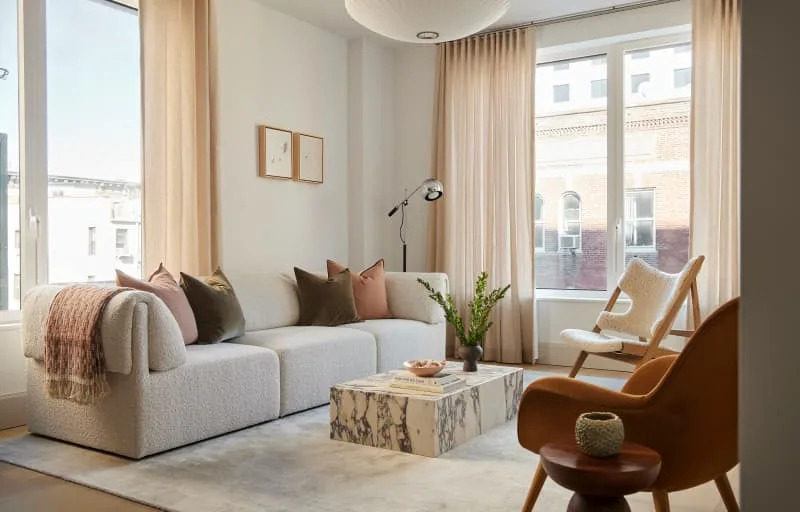
As the year 2024 approaches, a significant shift in the interior design industry emphasizes sustainability, reflecting a heightened global awareness of environmental concerns and a collective desire for more eco-conscious living environments. This movement goes beyond mere aesthetics, aiming to integrate ecological responsibility into the core of home design. The focus is on creating spaces that are not only visually appealing but also contribute positively to environmental health and occupant well-being. This comprehensive overview delves into the leading sustainable interior design trends for 2024, offering practical insights and inspiration for individuals and professionals seeking to incorporate eco-friendly elegance into their homes.
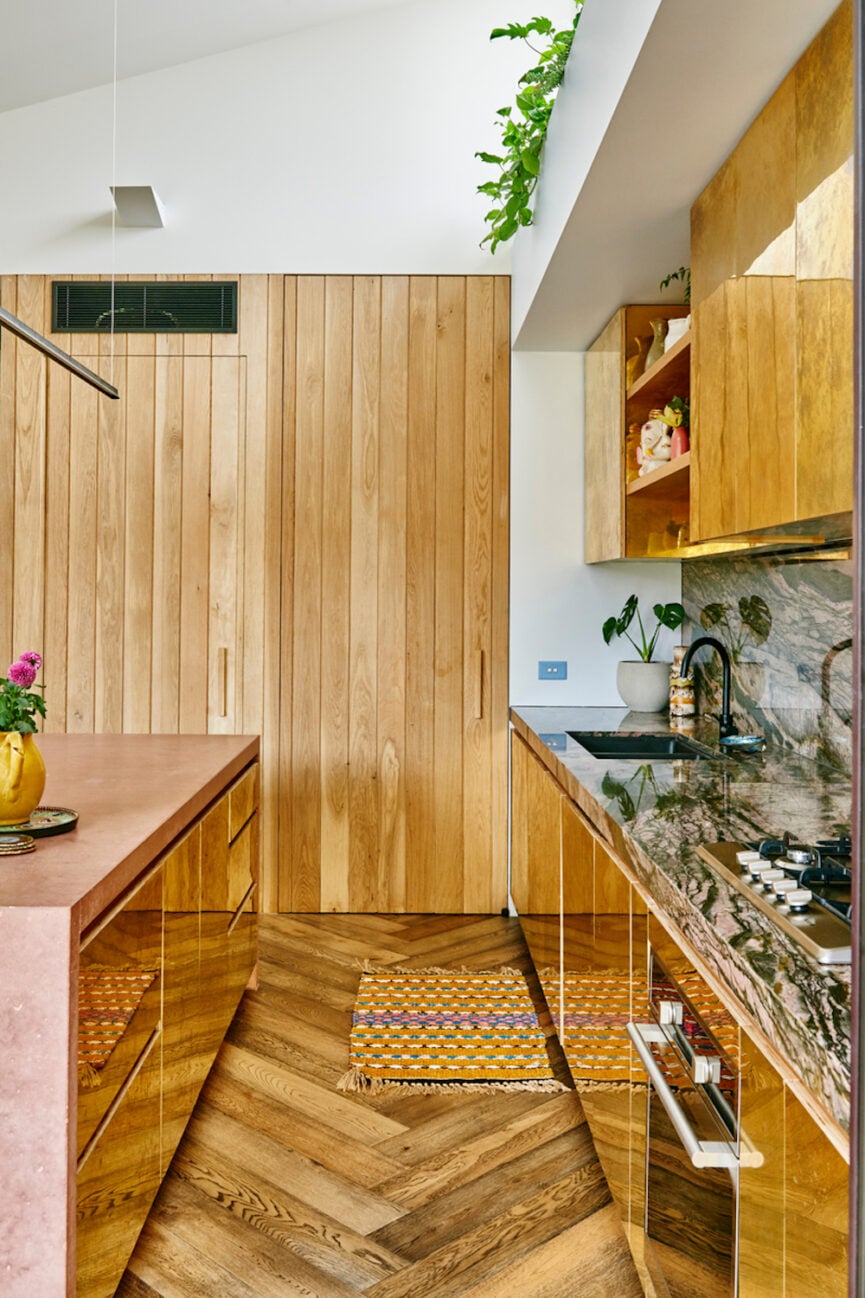
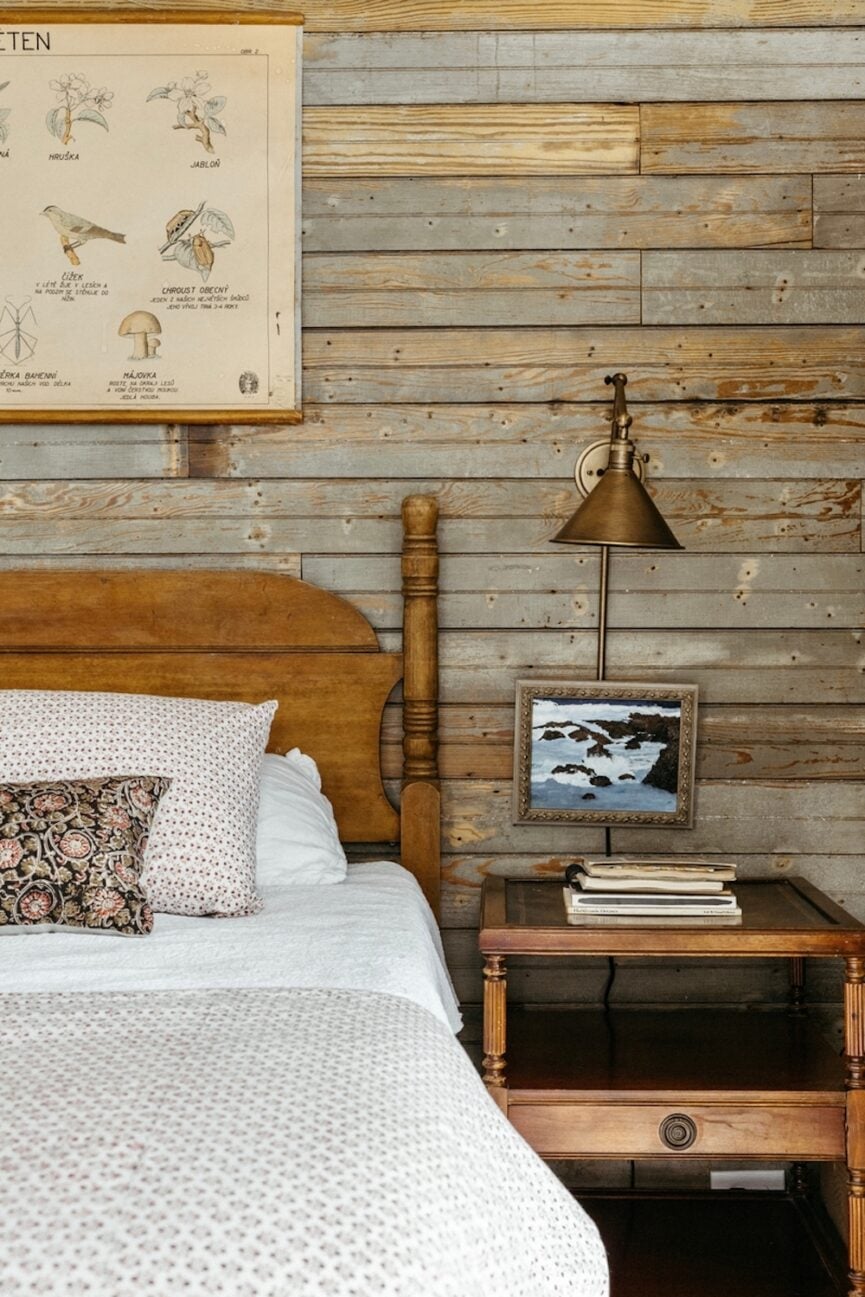
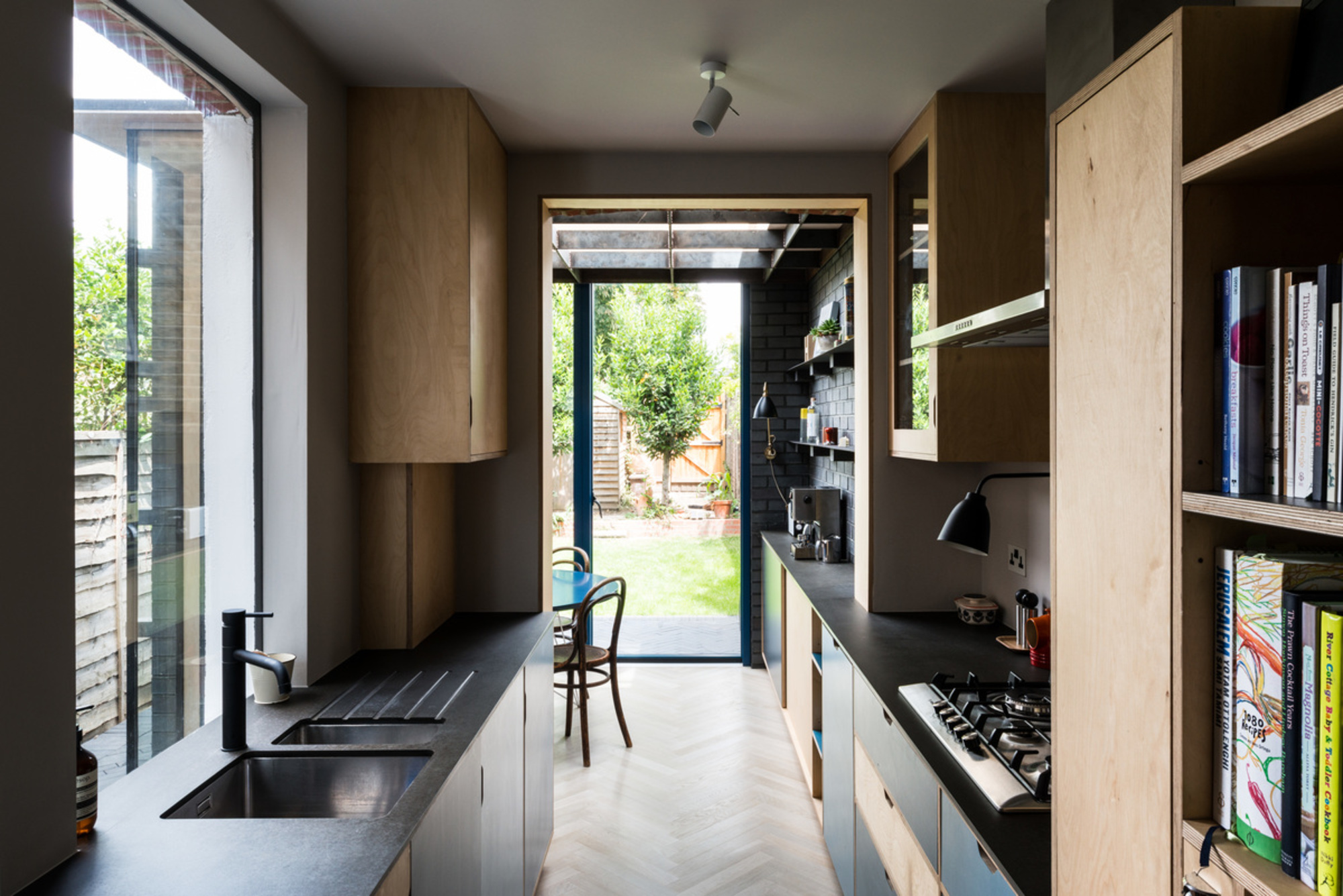
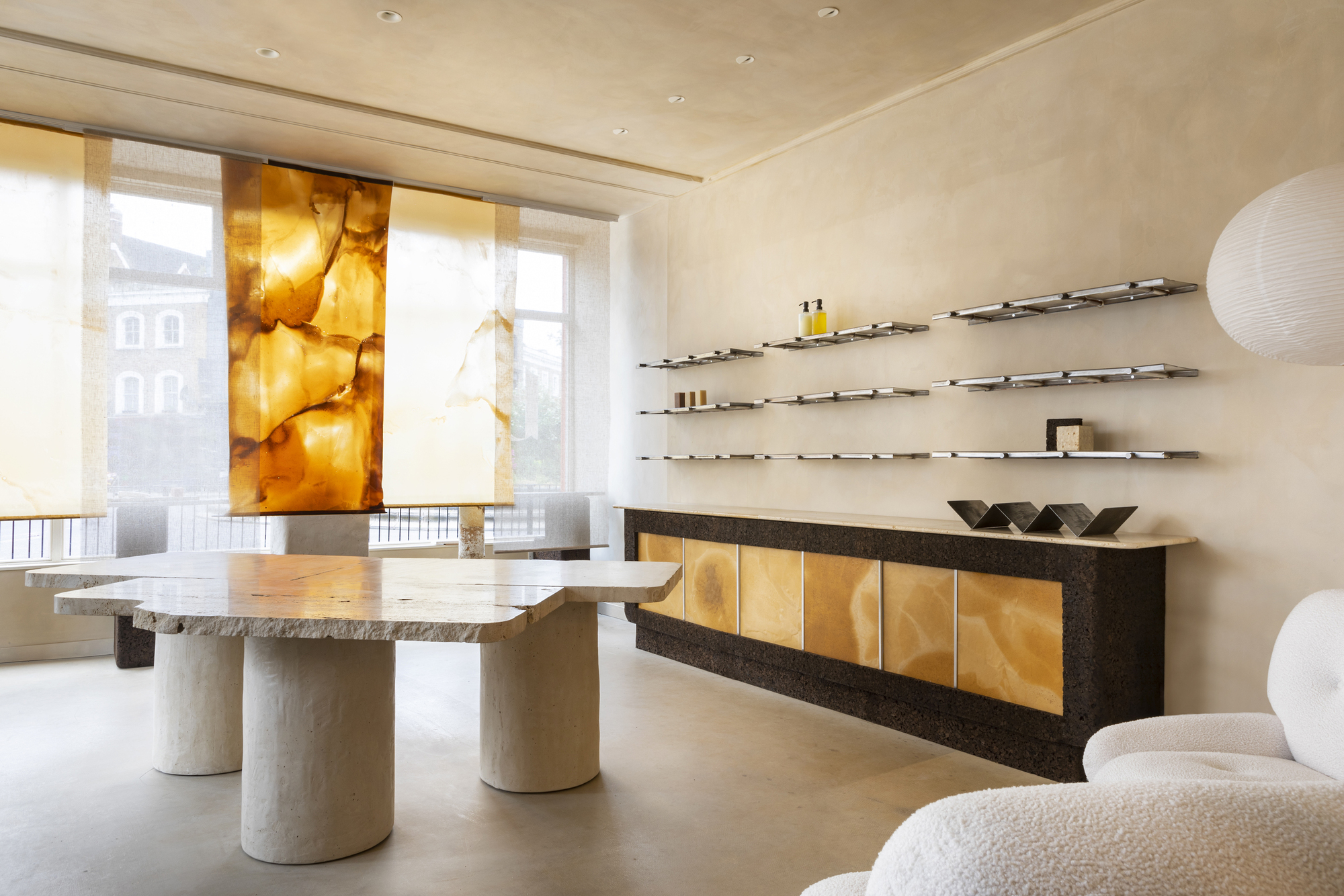
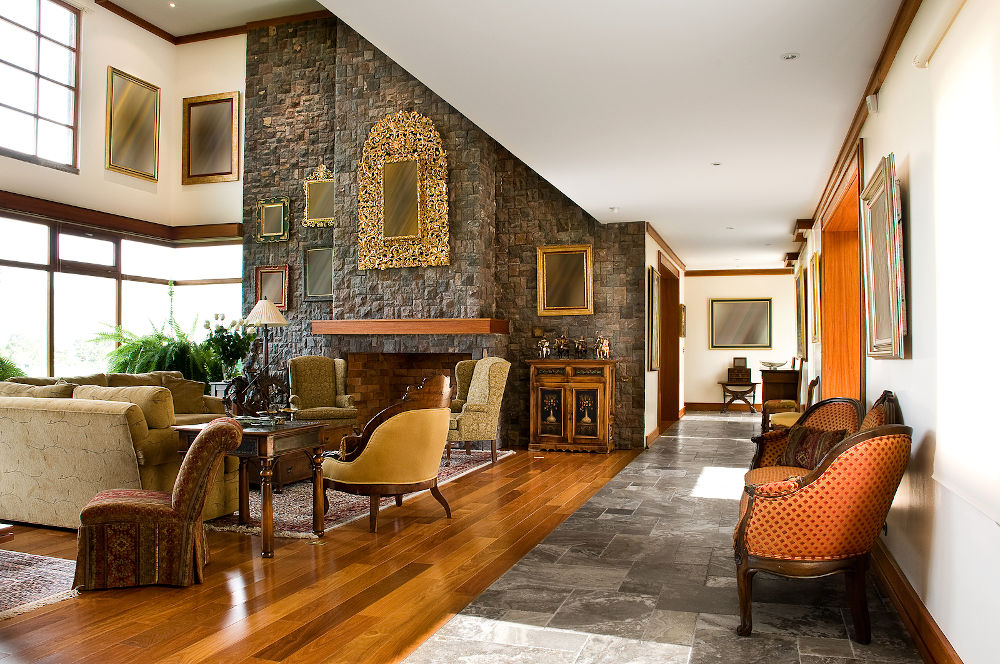
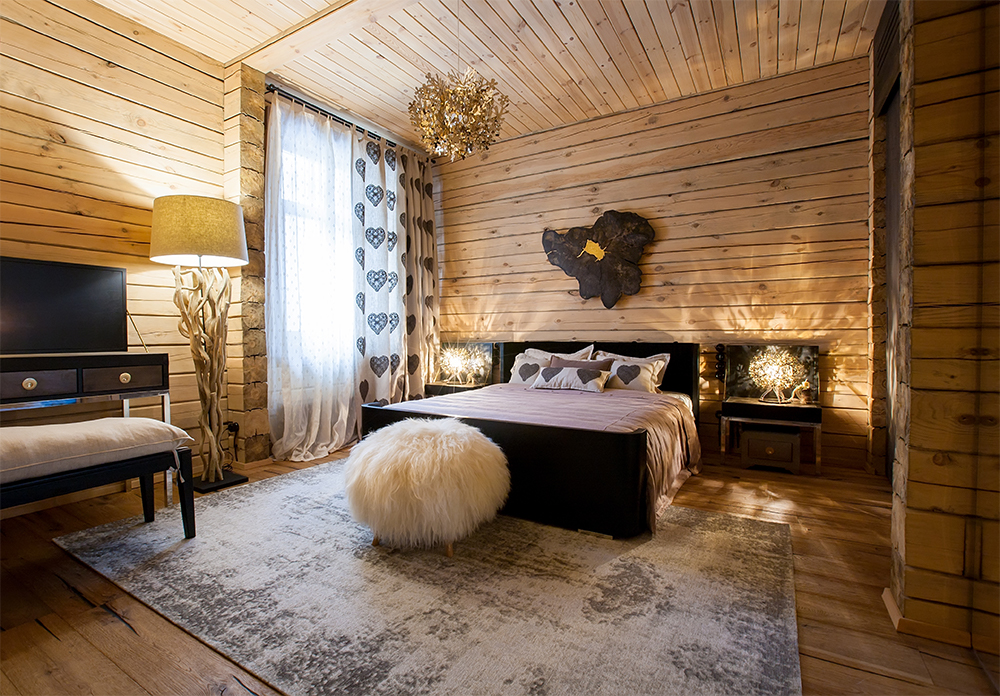
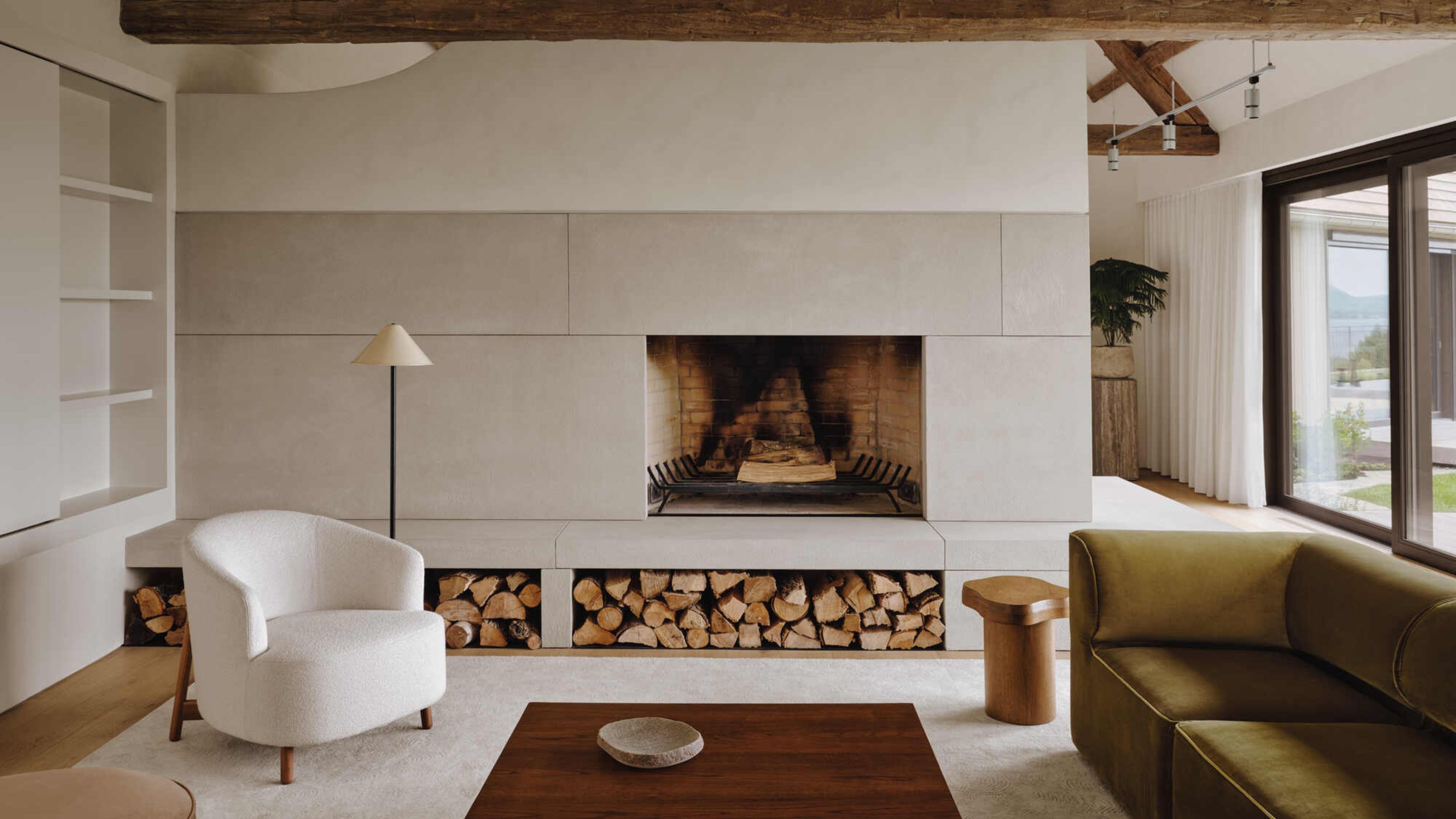
At the forefront of these trends is the increased adoption of eco-friendly materials. Designers and homeowners are increasingly opting for resources such as bamboo, which is known for its rapid growth and renewability; reclaimed wood, which diverts waste from landfills and reduces the demand for new timber; and recycled metals, which minimize the environmental impact associated with mining and processing virgin materials. These selections are valued not only for their reduced ecological footprint but also for their inherent ability to introduce natural beauty, warmth, and a unique character into interior spaces, fostering a deeper connection to nature.
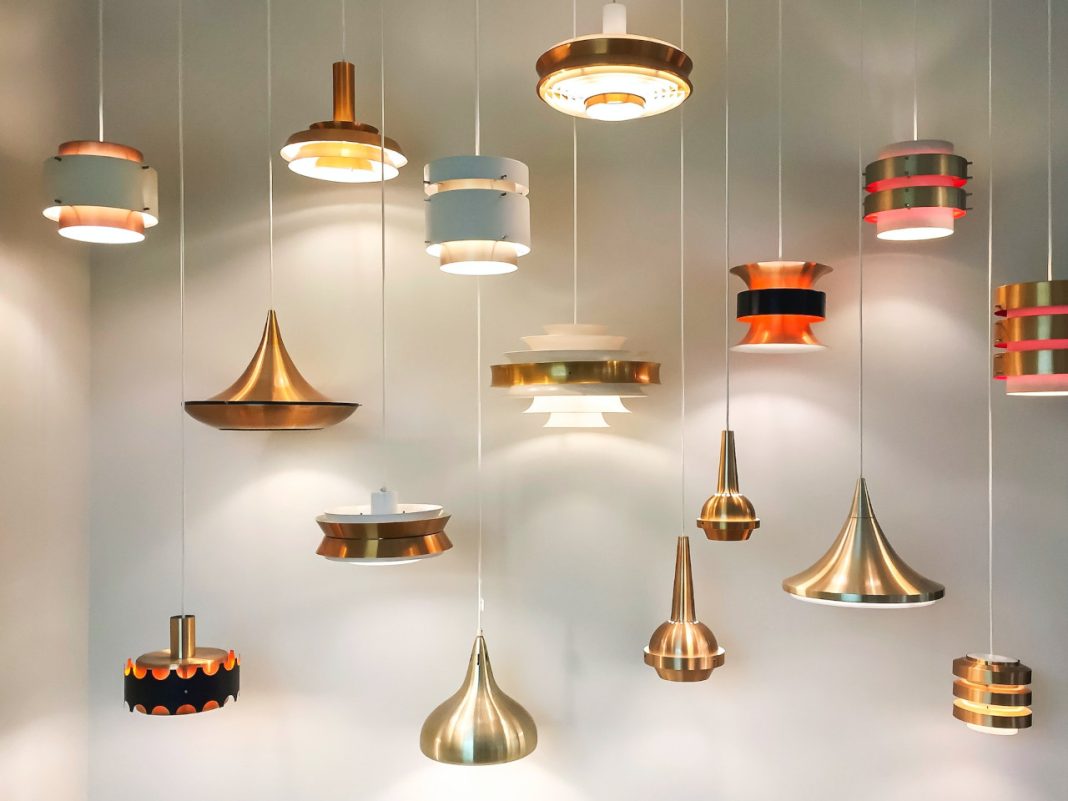
Beyond materials, energy efficiency is a pivotal trend, particularly with the evolution of smart home technology. While smart systems continue to advance in functionality, a growing emphasis is placed on their capacity to conserve energy. Automated lighting, heating, and cooling systems are being designed and implemented to optimize energy consumption, seamlessly integrating with the broader sustainability ethos of modern homes. This technological integration enhances comfort and convenience while actively contributing to a lower carbon footprint.
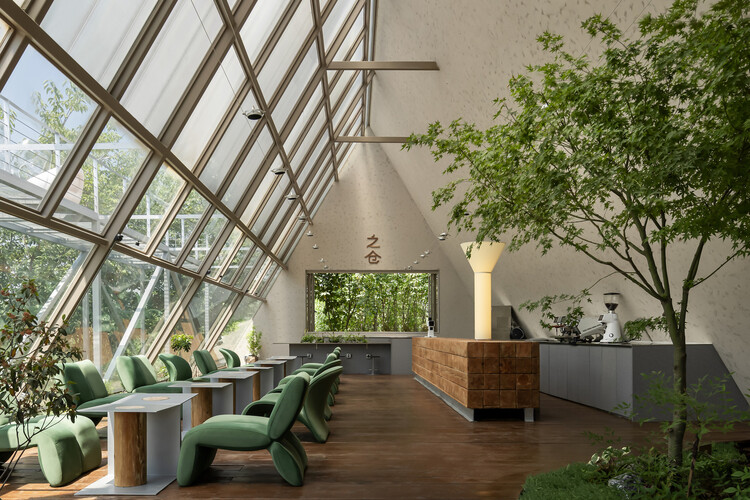
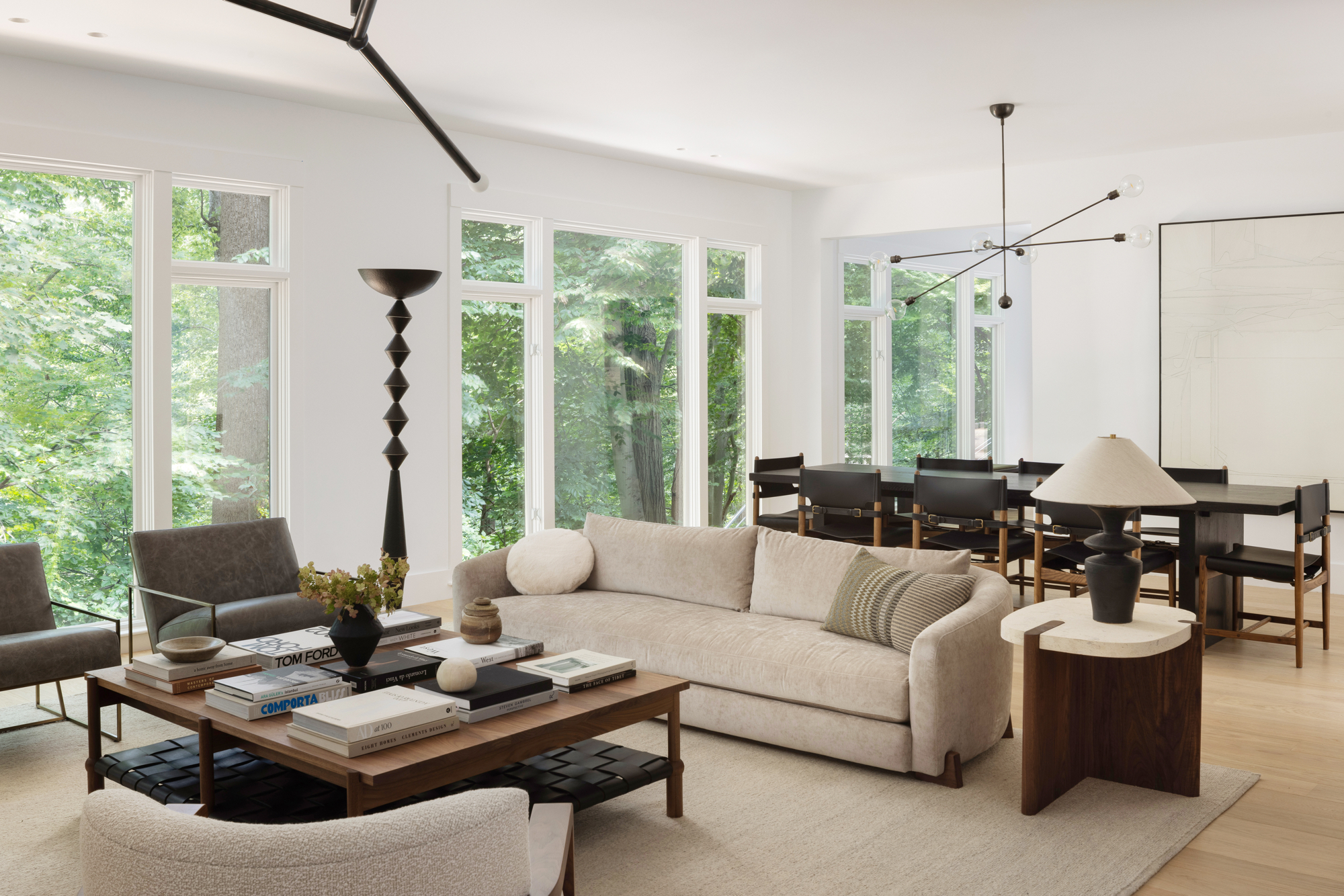
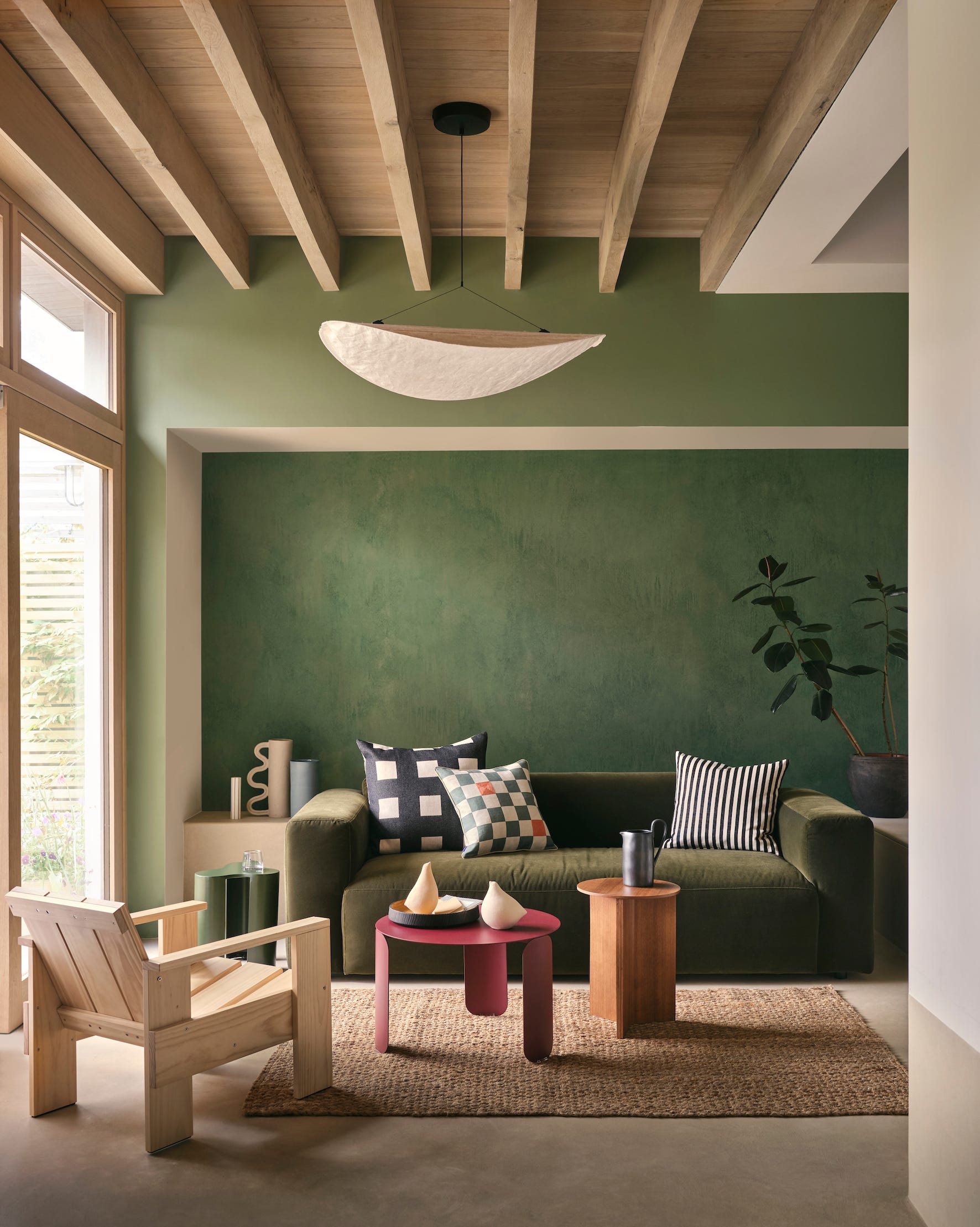
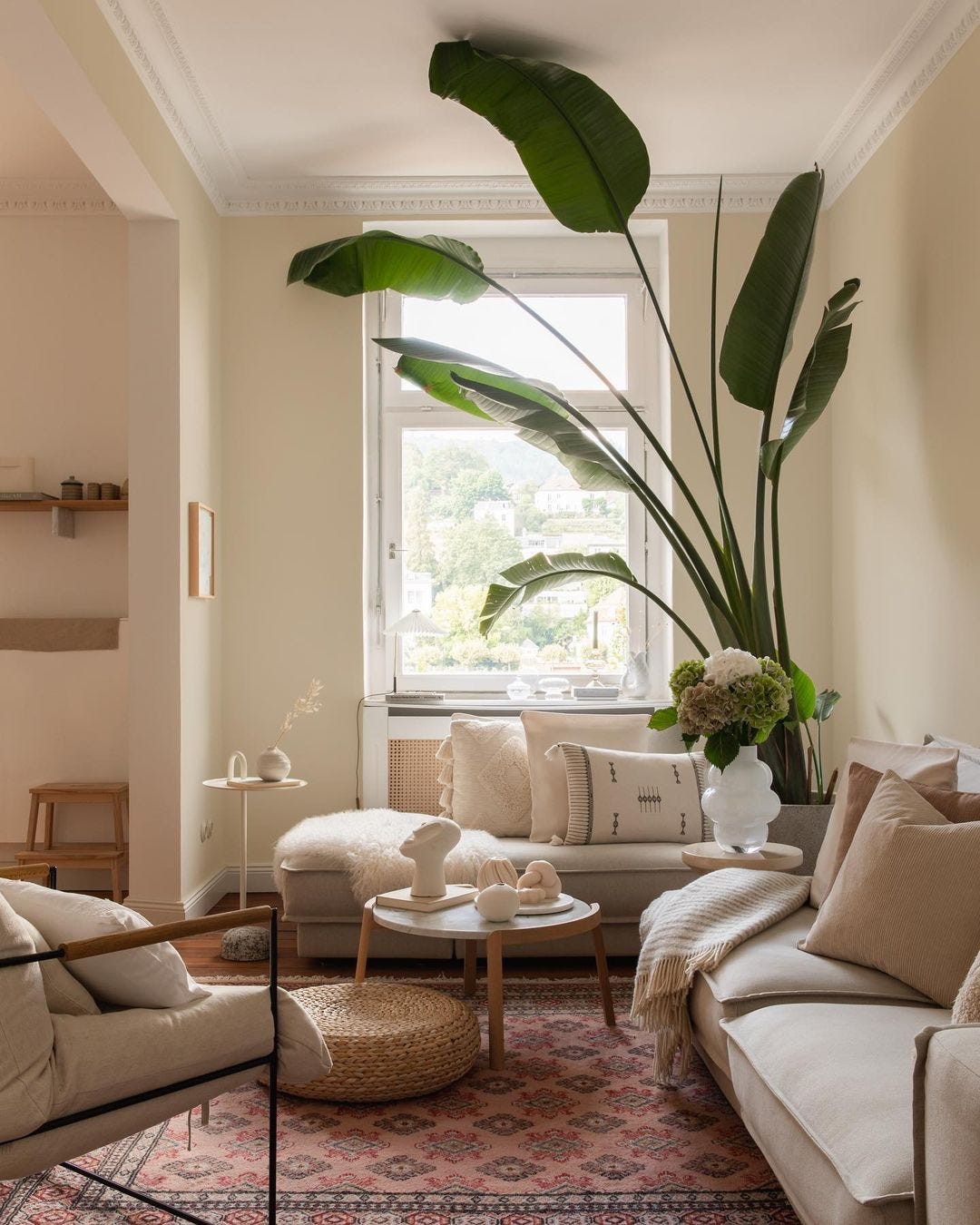
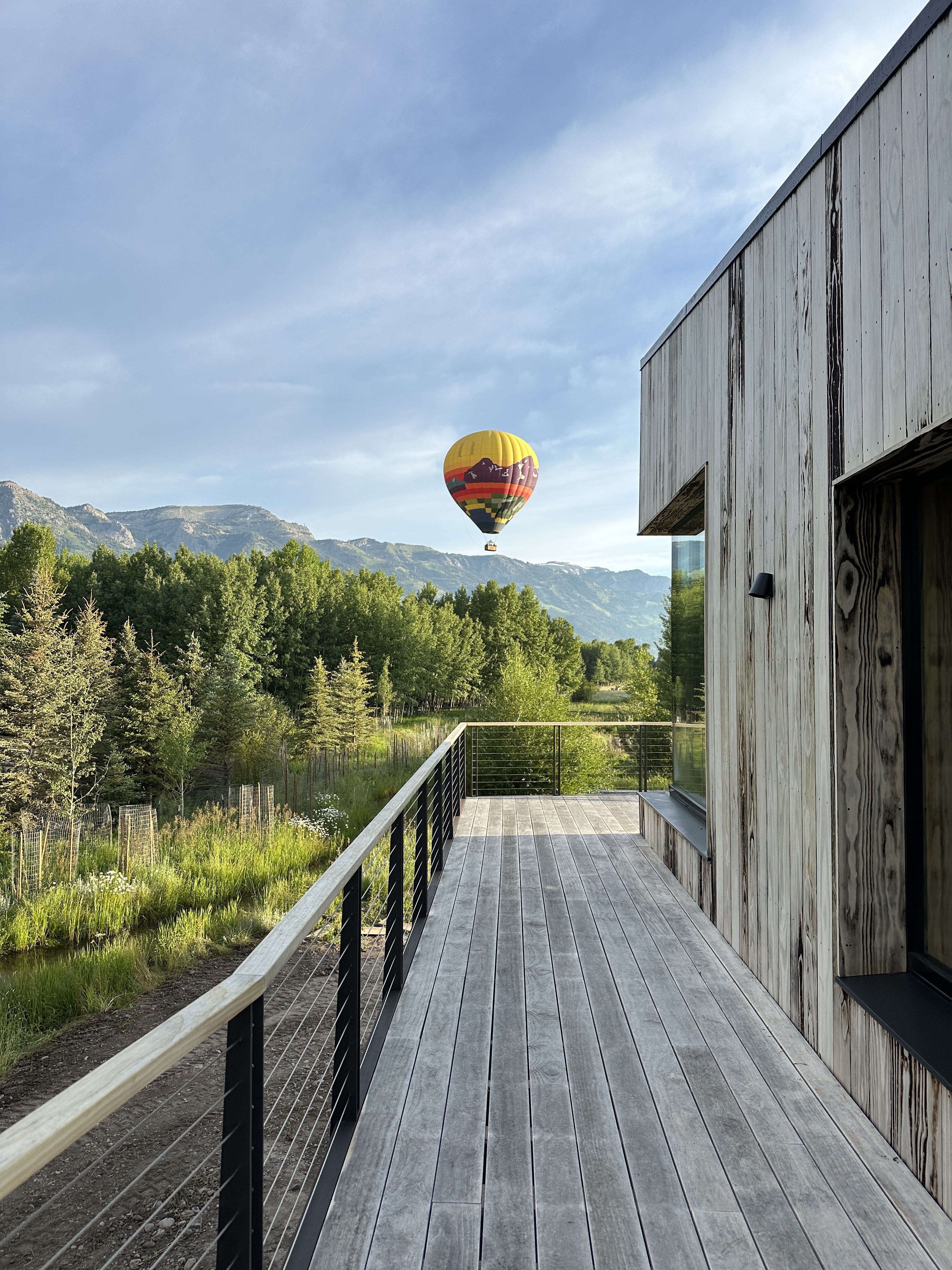
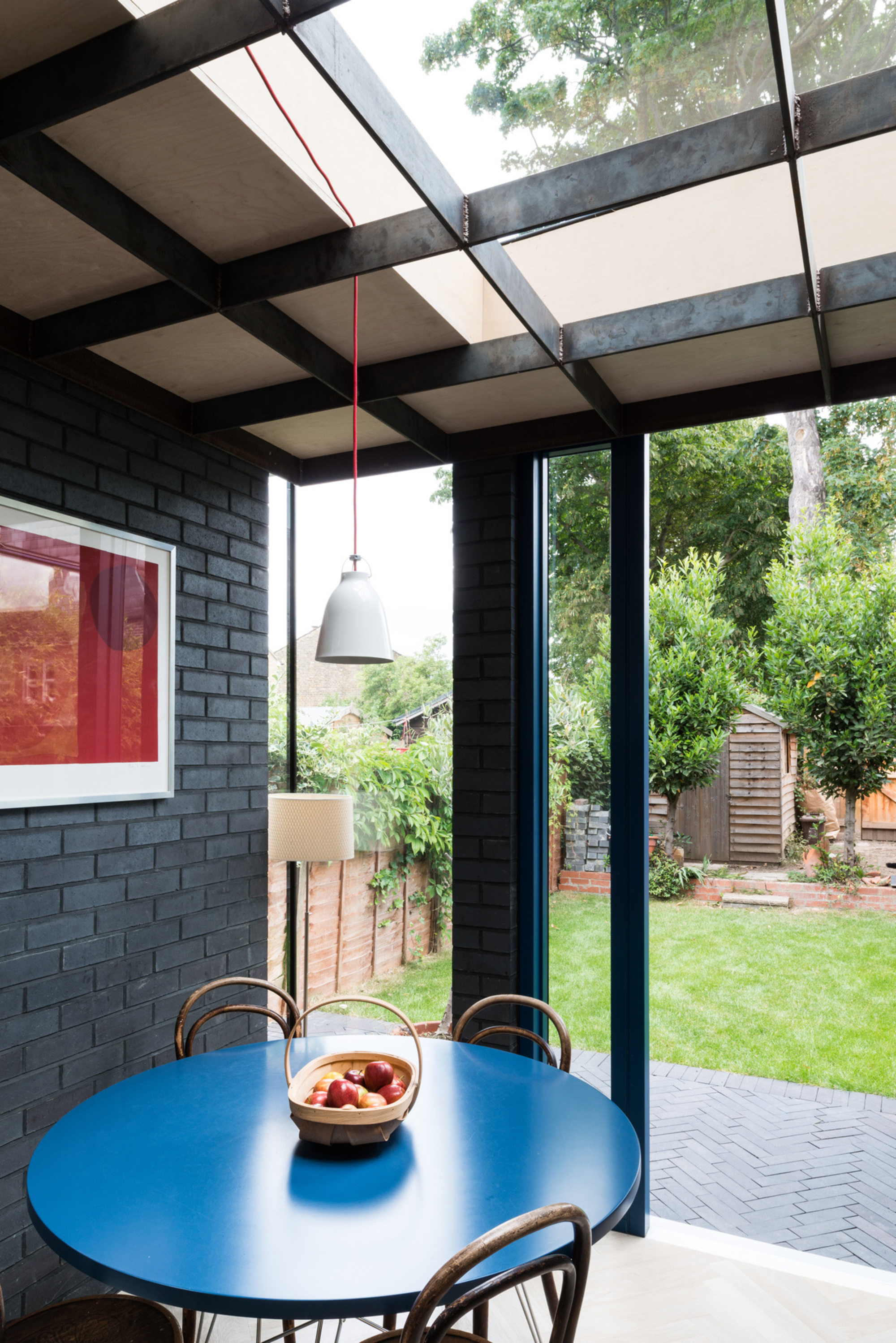
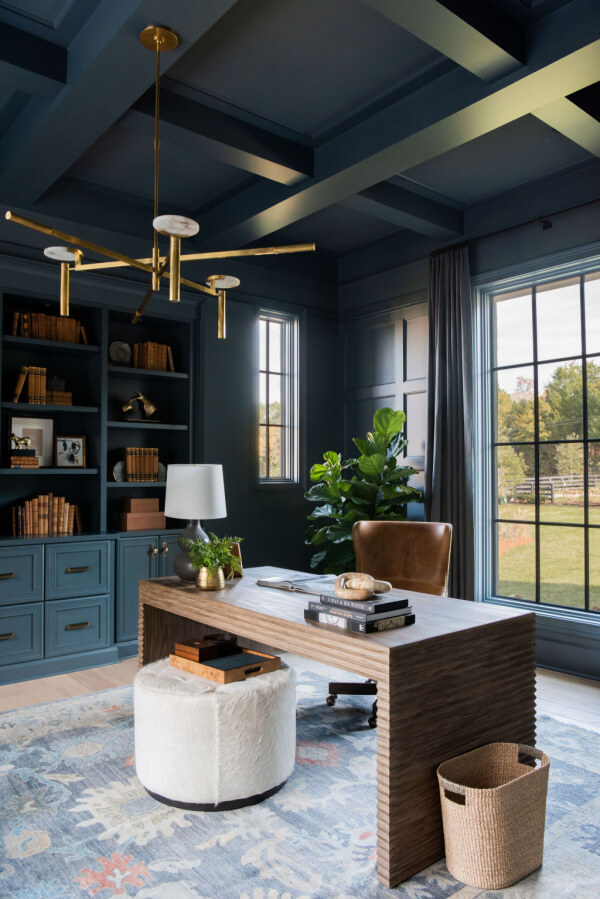
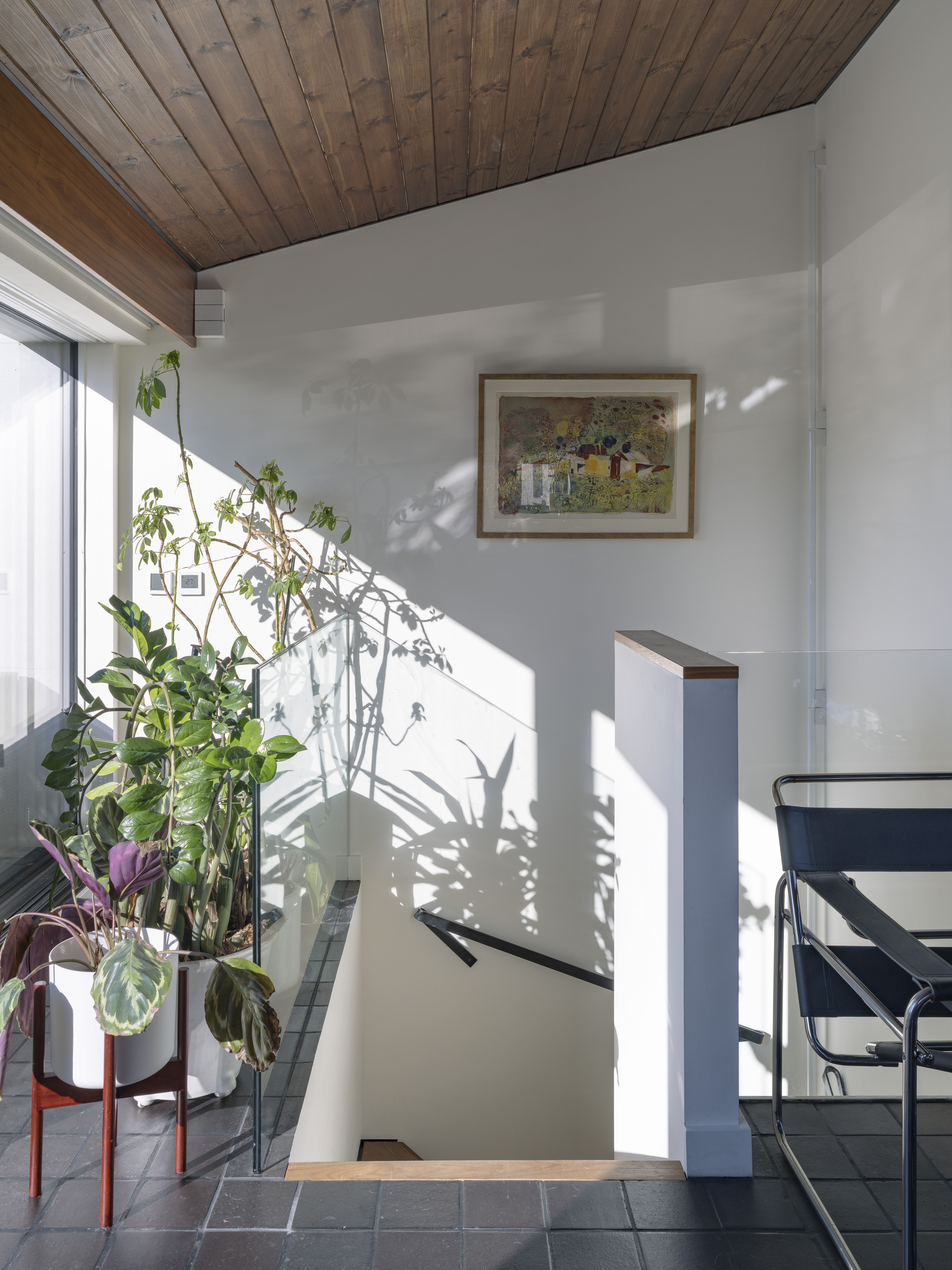
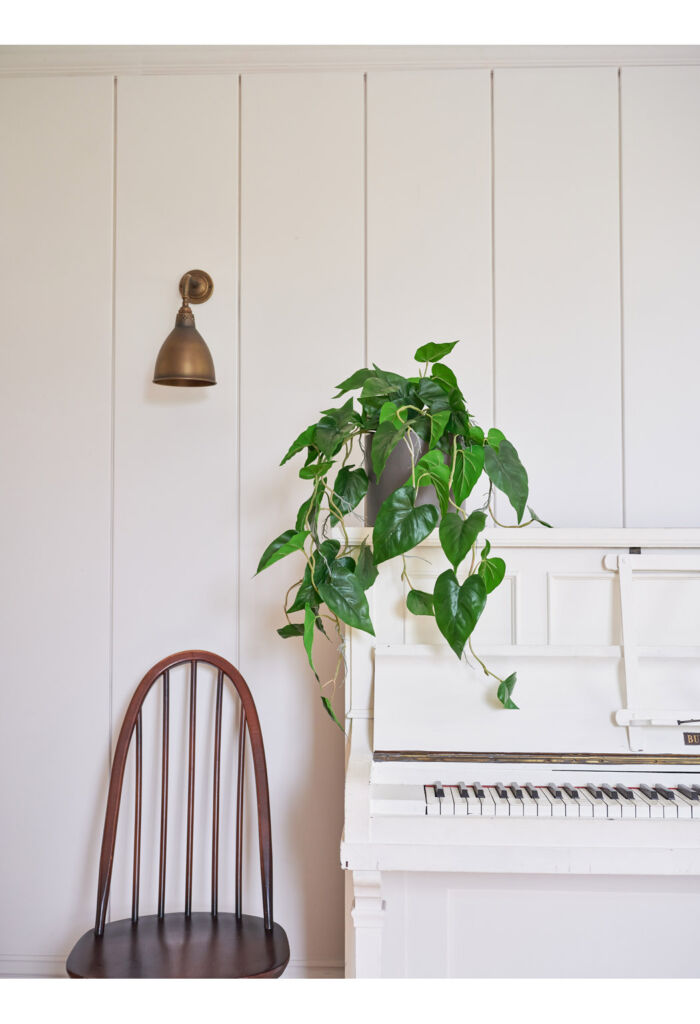
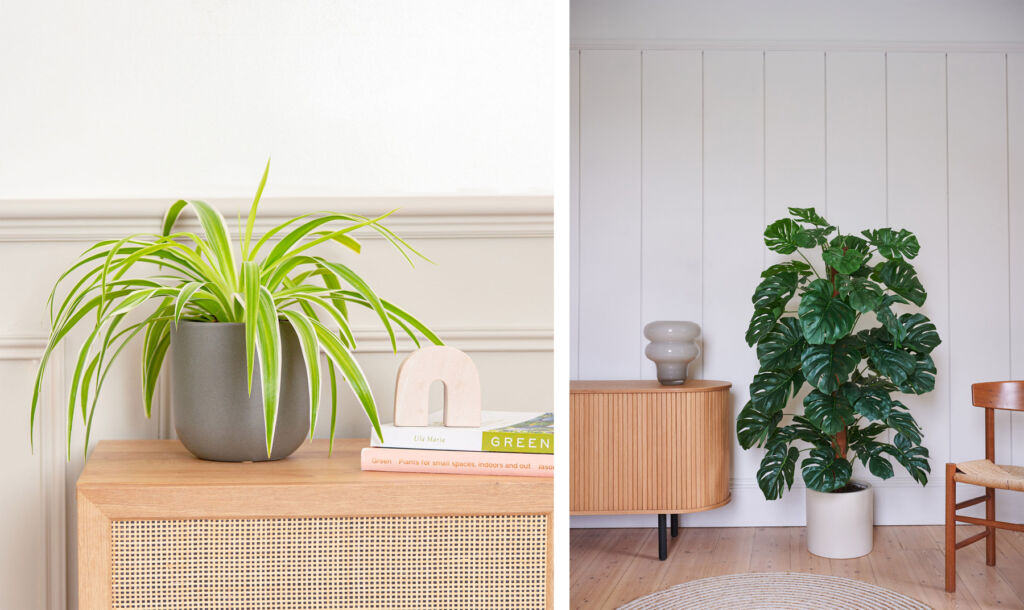
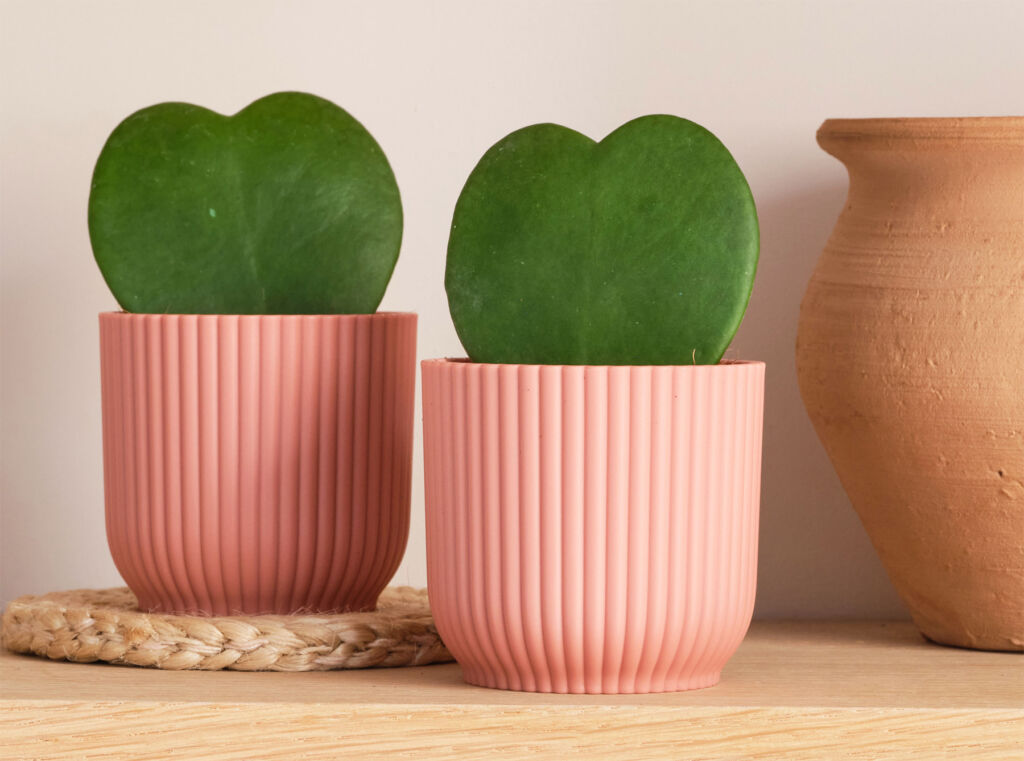
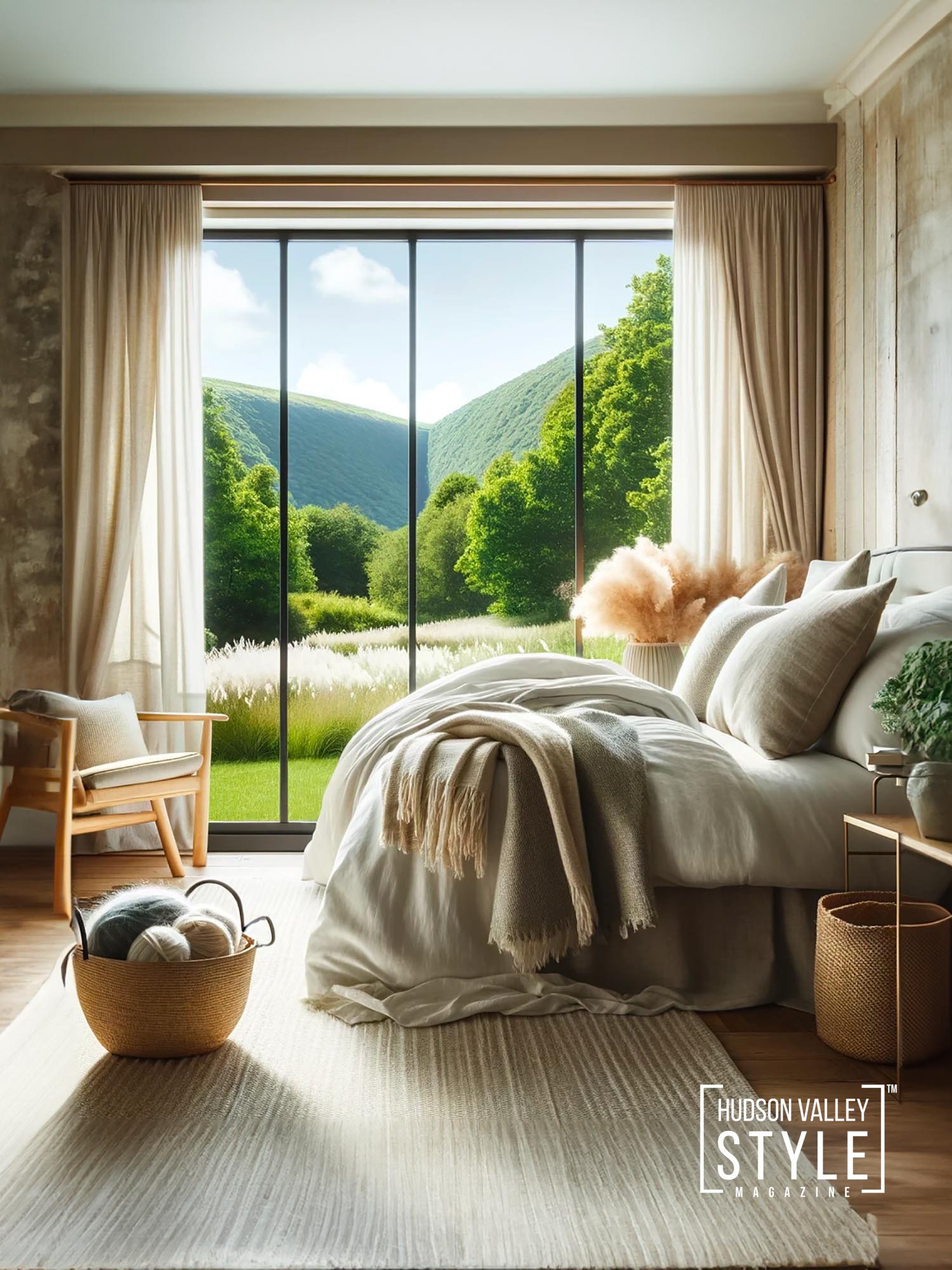
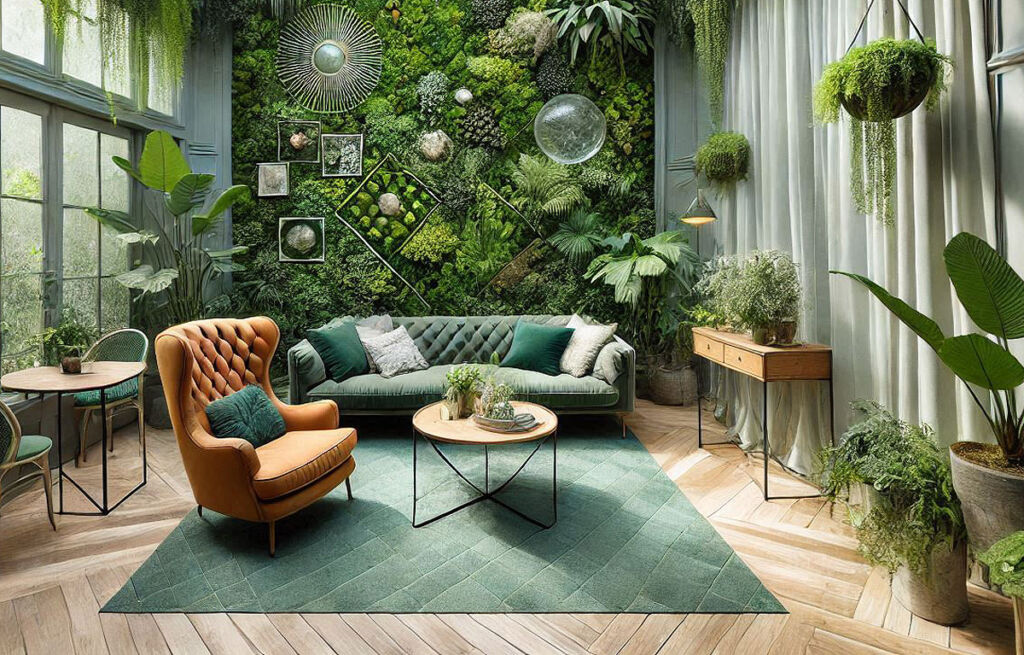
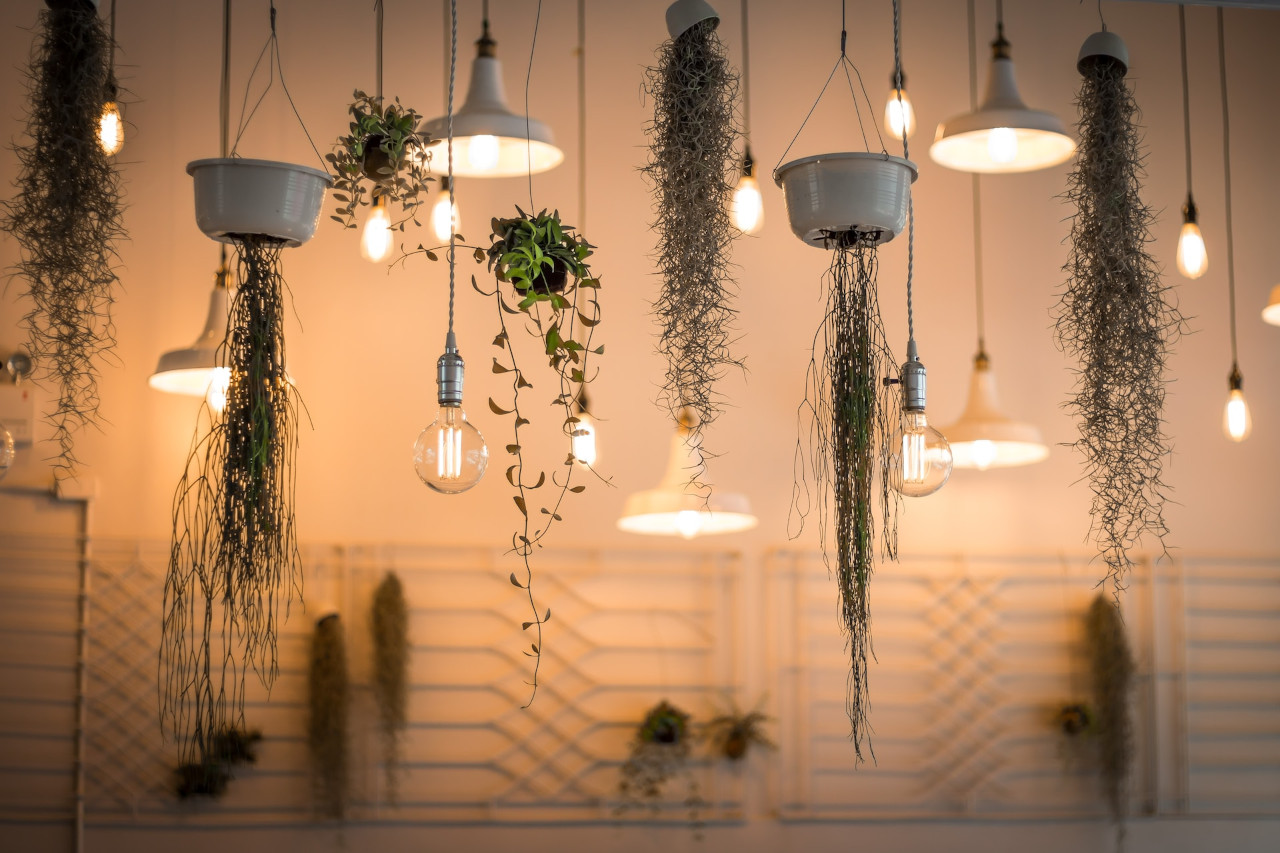
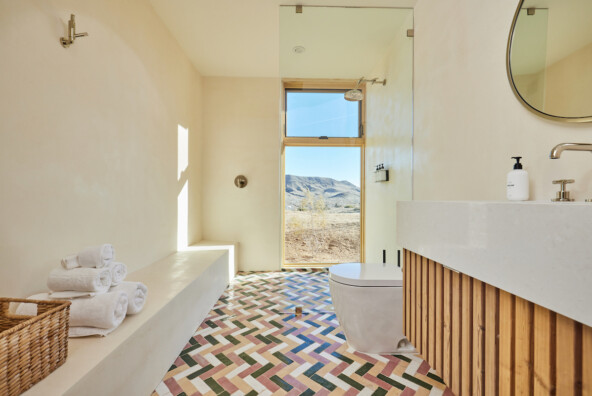
Biophilic design, which seeks to connect occupants with the natural world through direct and indirect nature elements, is gaining unprecedented prominence. This trend incorporates a variety of natural elements into indoor environments, including an abundance of indoor plants that purify the air and enhance aesthetic appeal, maximized natural light to reduce reliance on artificial illumination and improve mood, and the strategic inclusion of water features that add sensory richness and a calming presence. These elements collectively aim to create harmonious and restorative living spaces that mirror the tranquility of the outdoors.
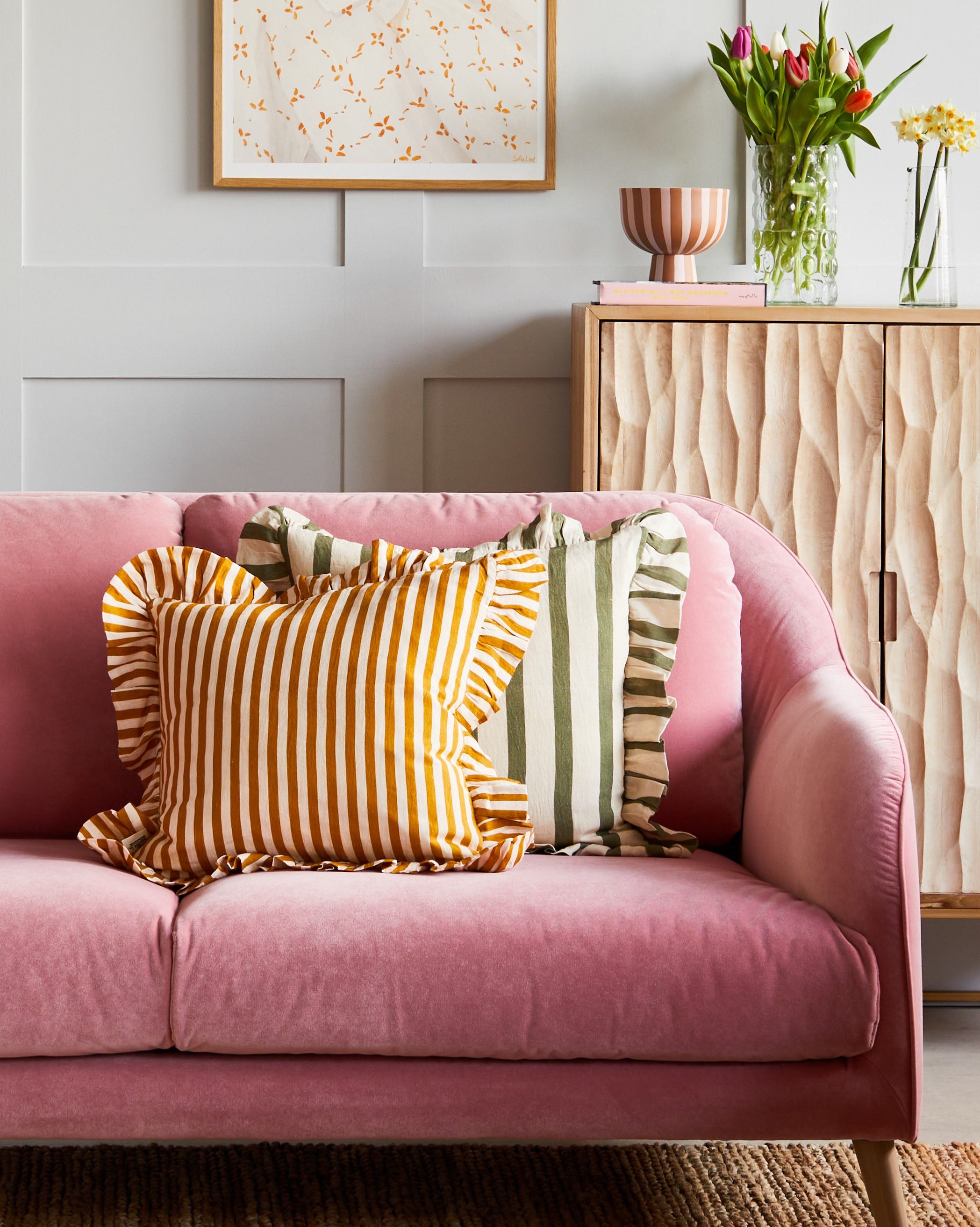
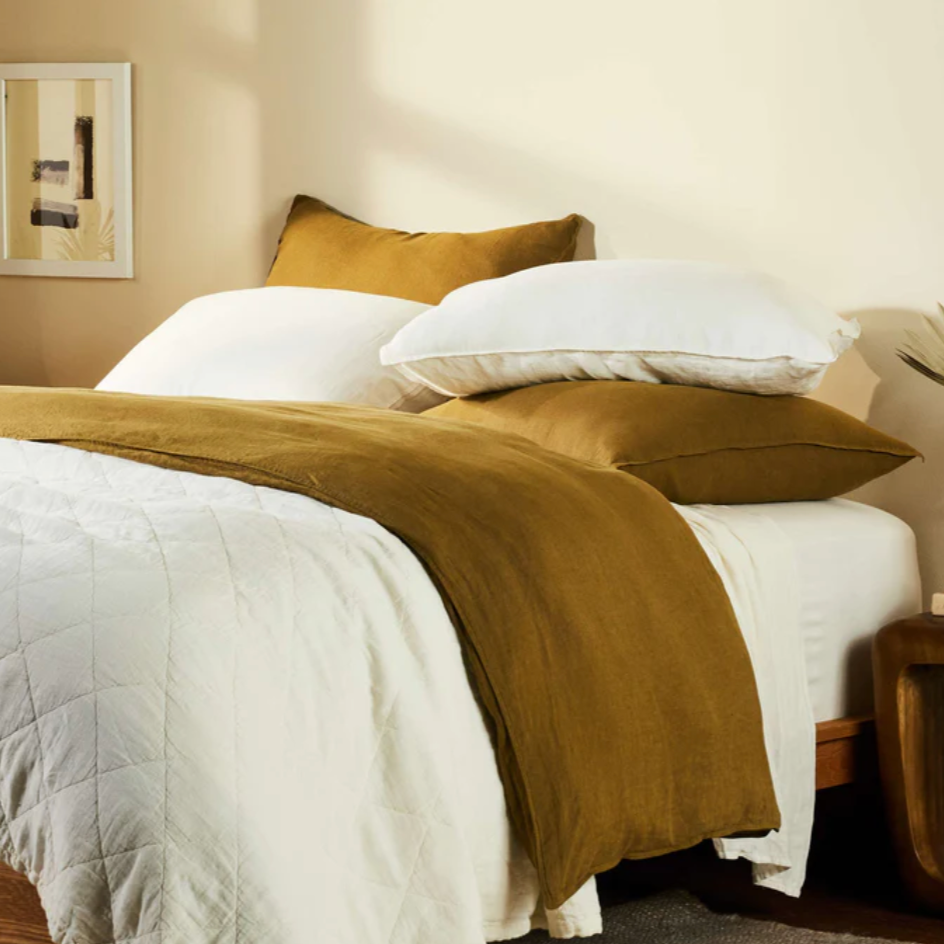
Sustainable textiles are also experiencing a surge in popularity, becoming the preferred choice for upholstery, curtains, and bedding. Materials like organic cotton, wool, and recycled fabrics are favored for their minimal environmental impact, often sourced from ethical suppliers who adhere to fair labor practices and environmentally sound production methods. These textiles offer both comfort and peace of mind, aligning with conscious consumer values.
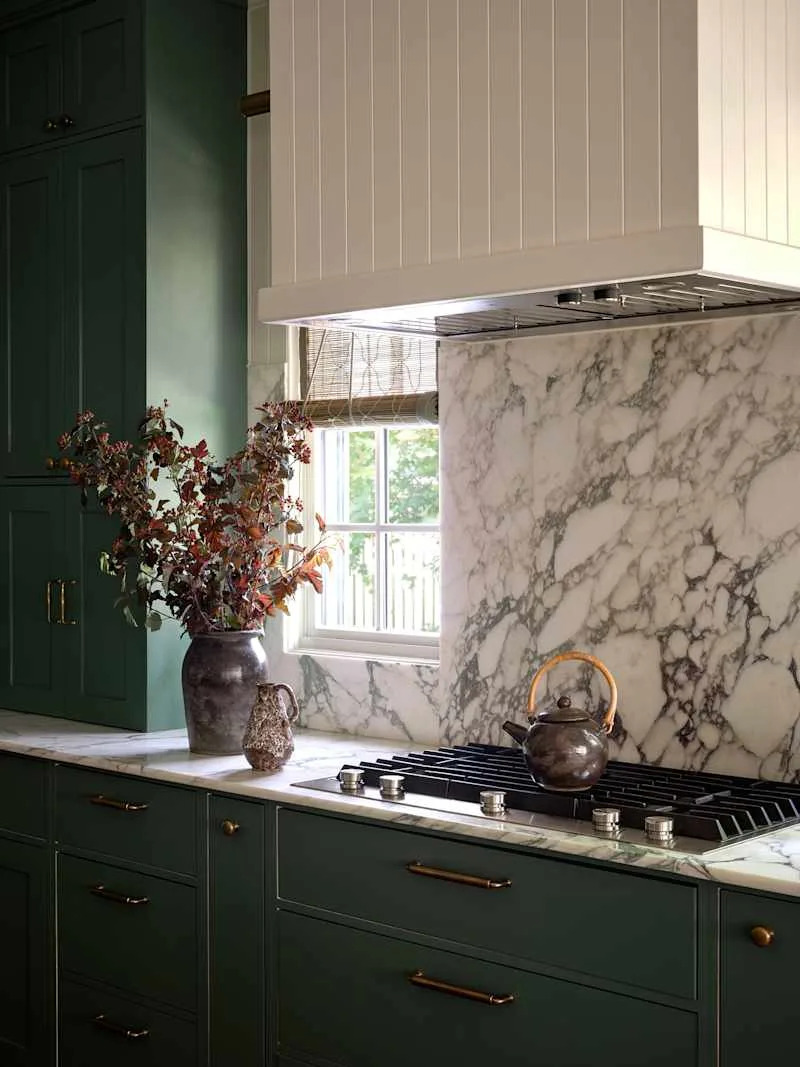
The widespread use of low-VOC (volatile organic compounds) and natural paints marks another significant trend. These paints contain fewer harmful chemicals, thereby improving indoor air quality and reducing negative health impacts for residents. Their production also generally has a lower environmental footprint compared to traditional paints, making them a healthier choice for both homes and the planet.
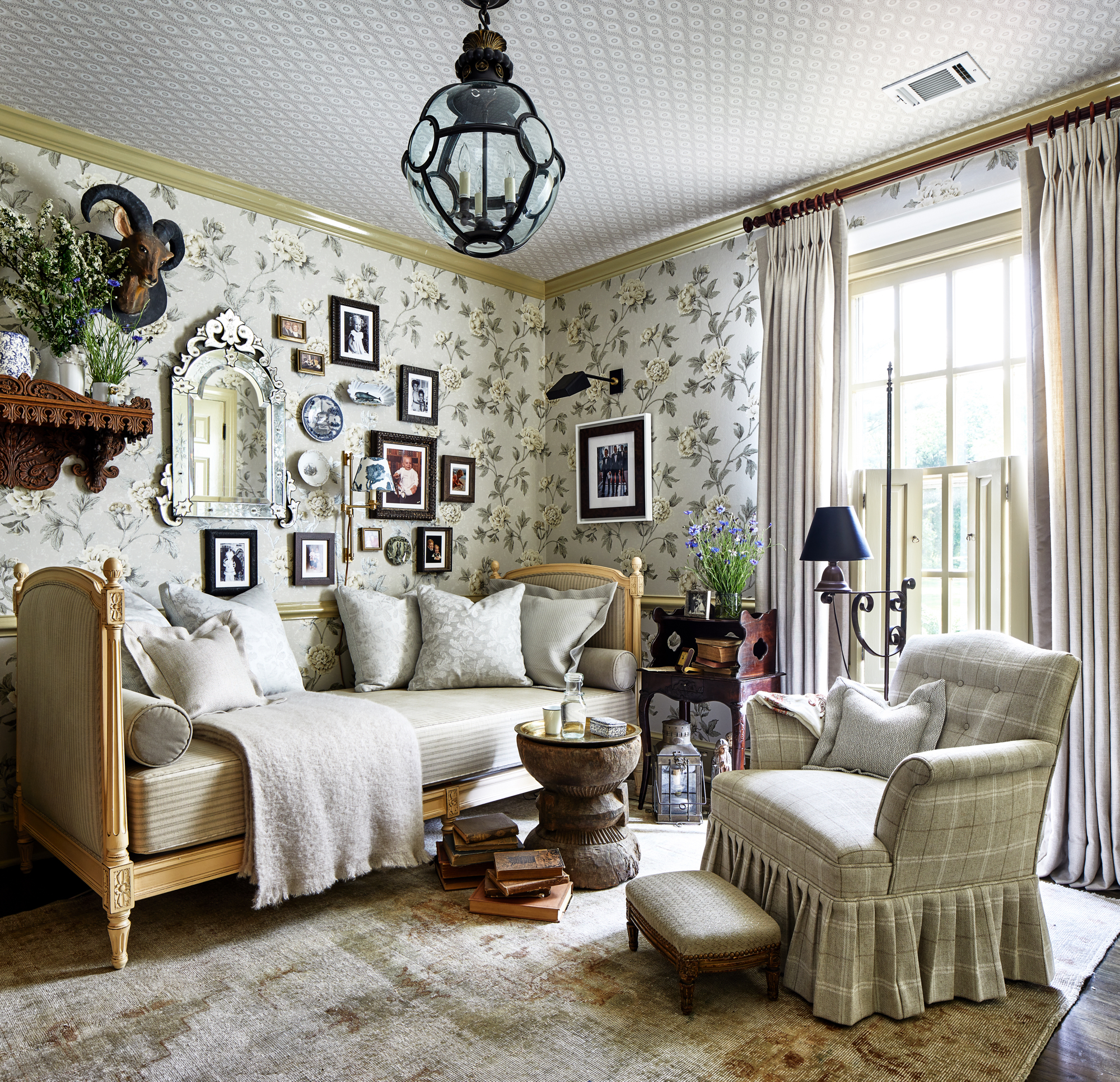
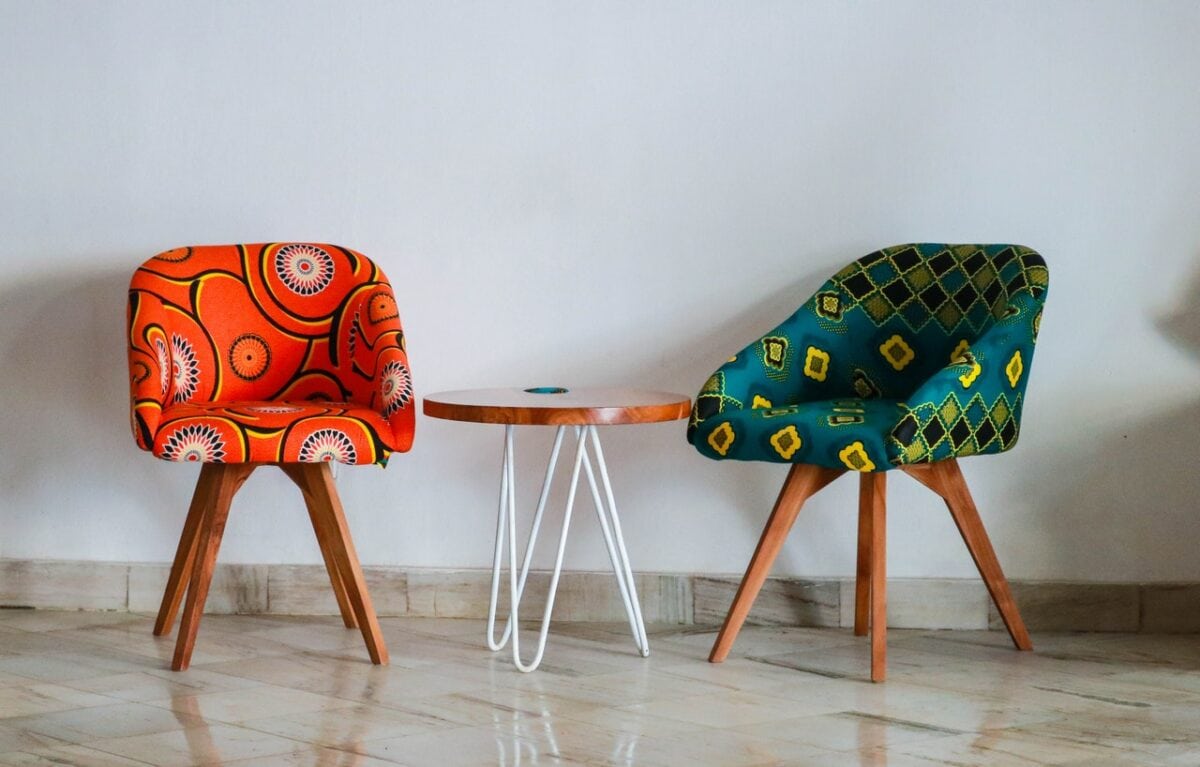
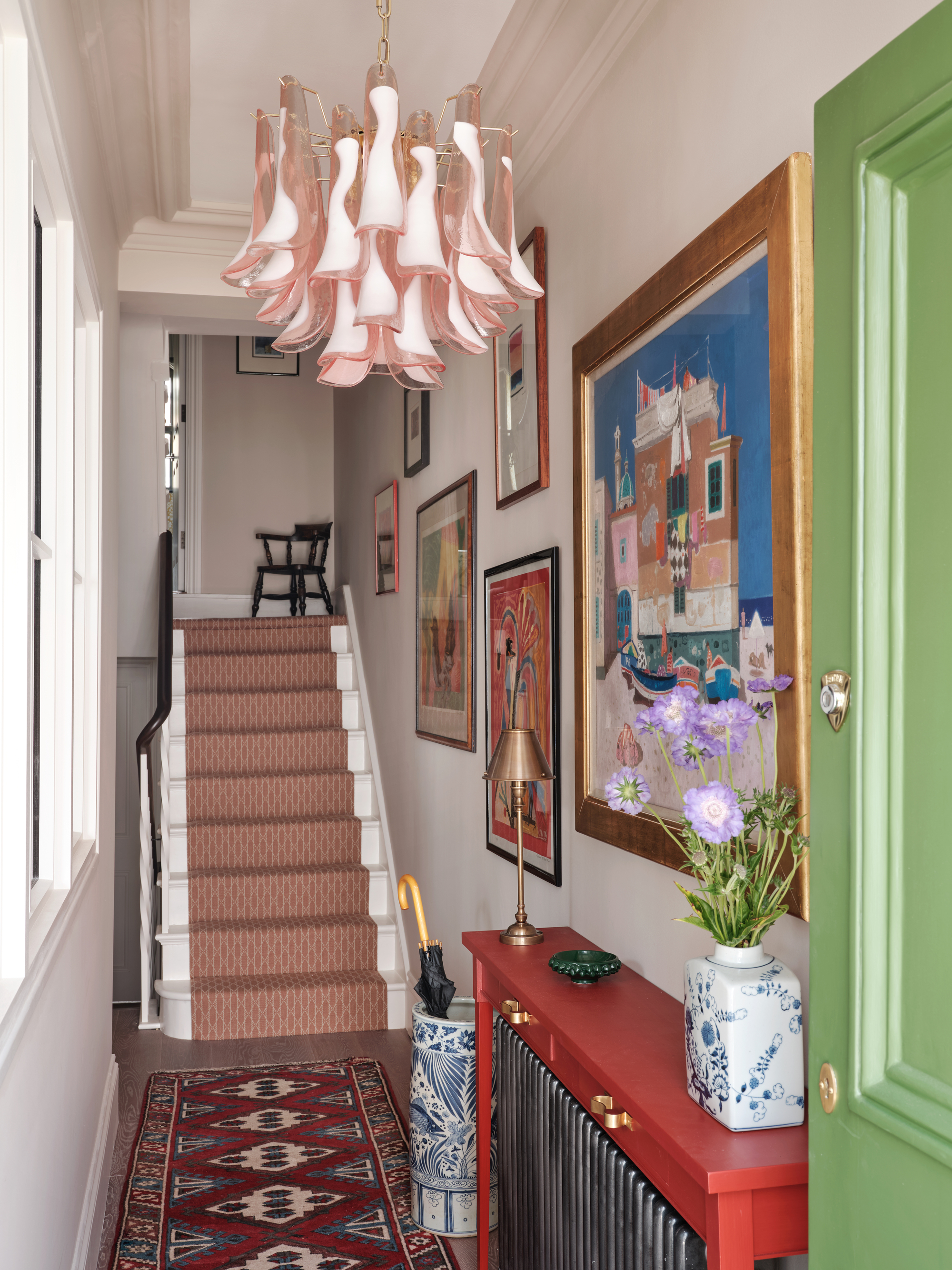
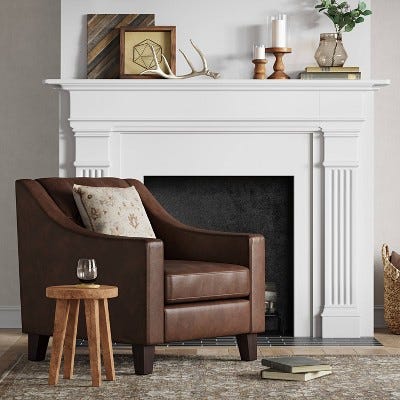
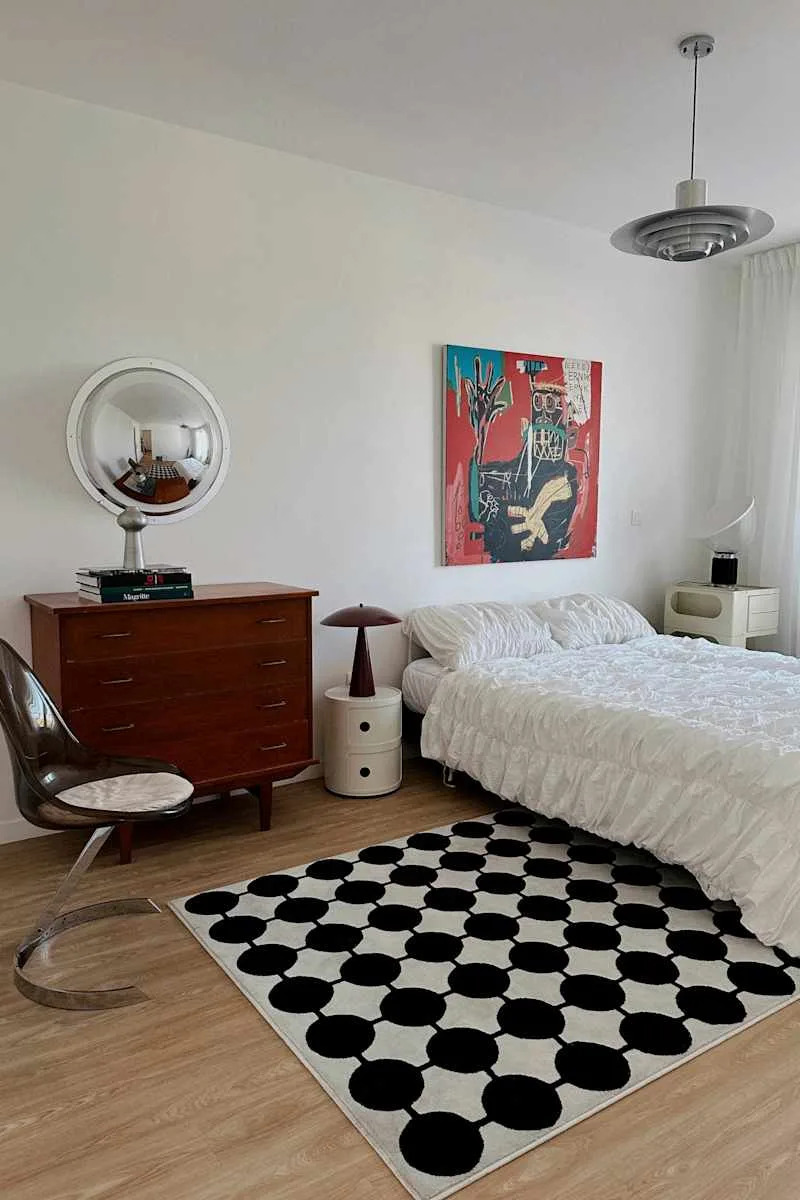
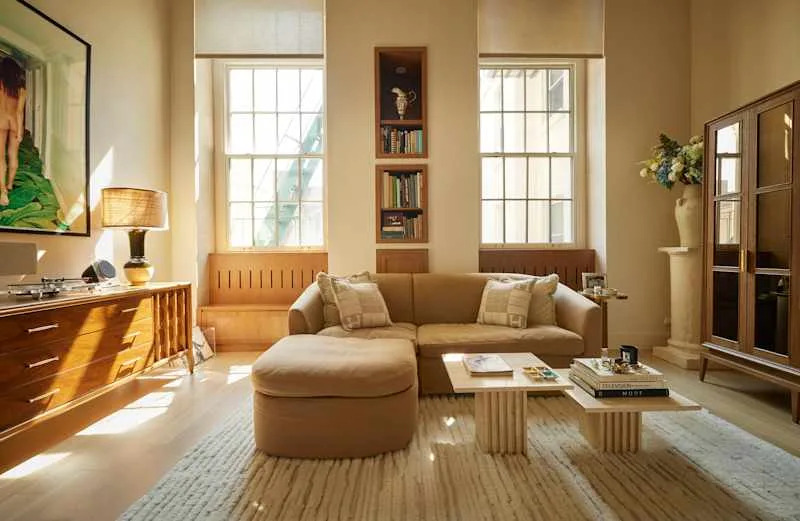
Vintage and upcycled furniture pieces are celebrated not only for their distinctive style but also for their significant contribution to sustainability. The practice of reusing and repurposing existing furniture dramatically reduces waste and the demand for new production, thereby conserving resources and energy. Such pieces often add a unique, historical, and personal dimension to home decor, telling a story that new items cannot.
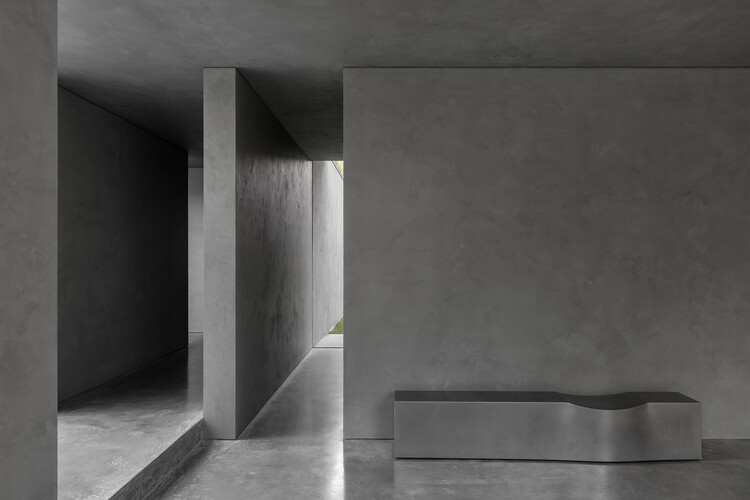
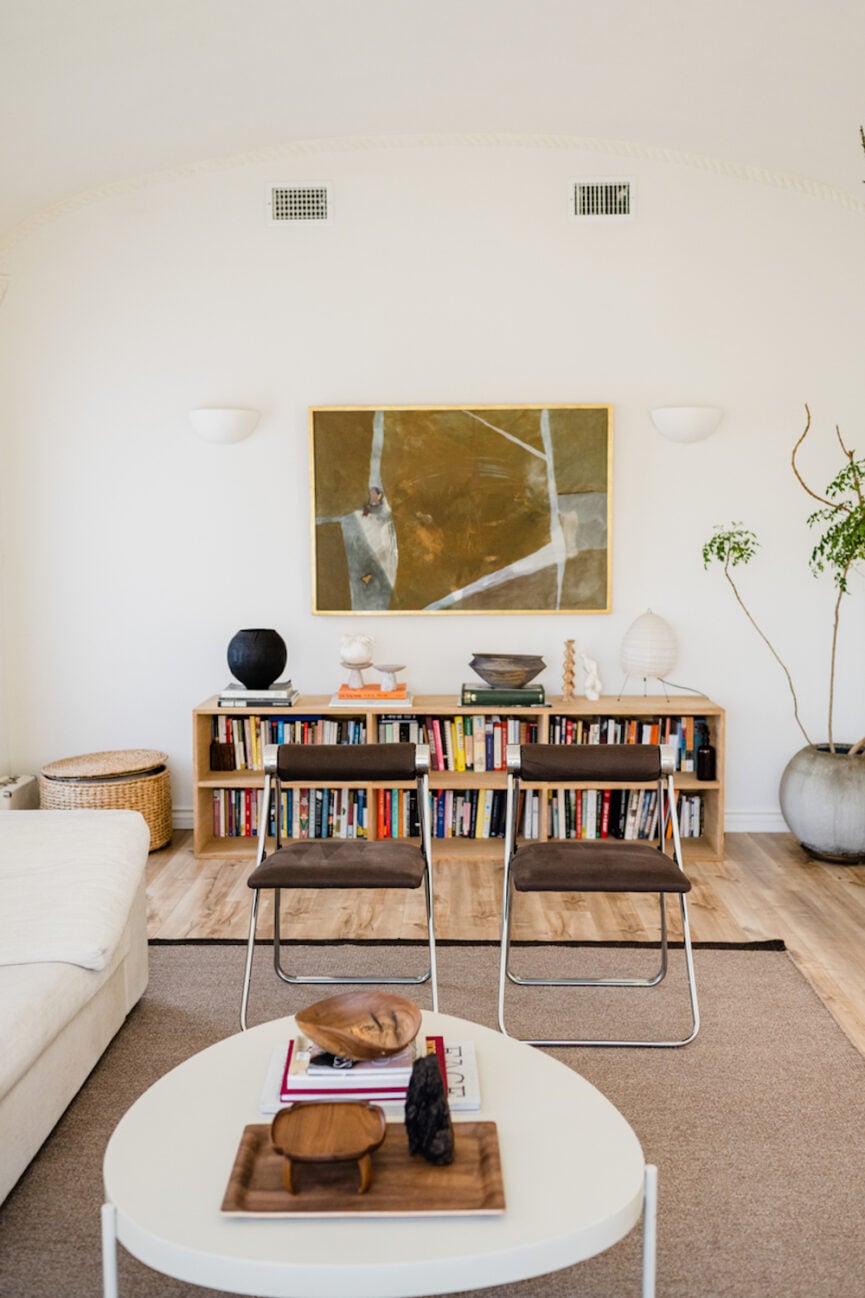
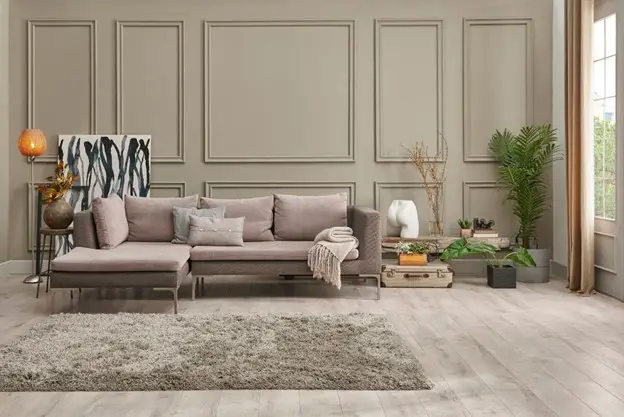
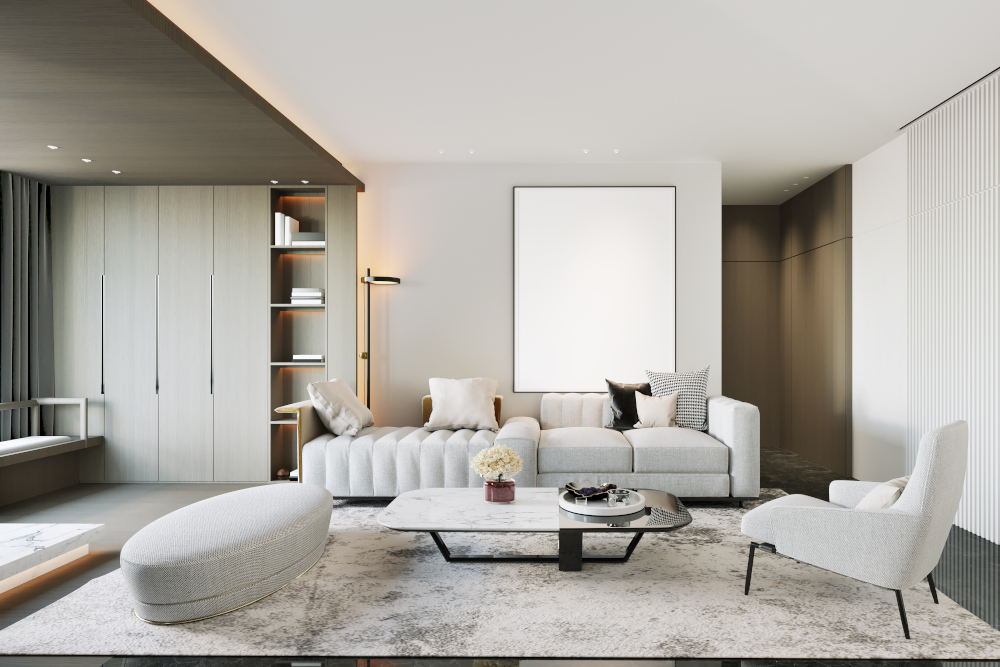
Minimalist design principles, which advocate for simplicity, essentialism, and functionality, naturally complement sustainable living. This approach encourages a reduction in unnecessary consumption and clutter, prioritizing quality over quantity. By embracing minimalism, individuals can create serene and uncluttered spaces that promote mindful living and reduce environmental impact.
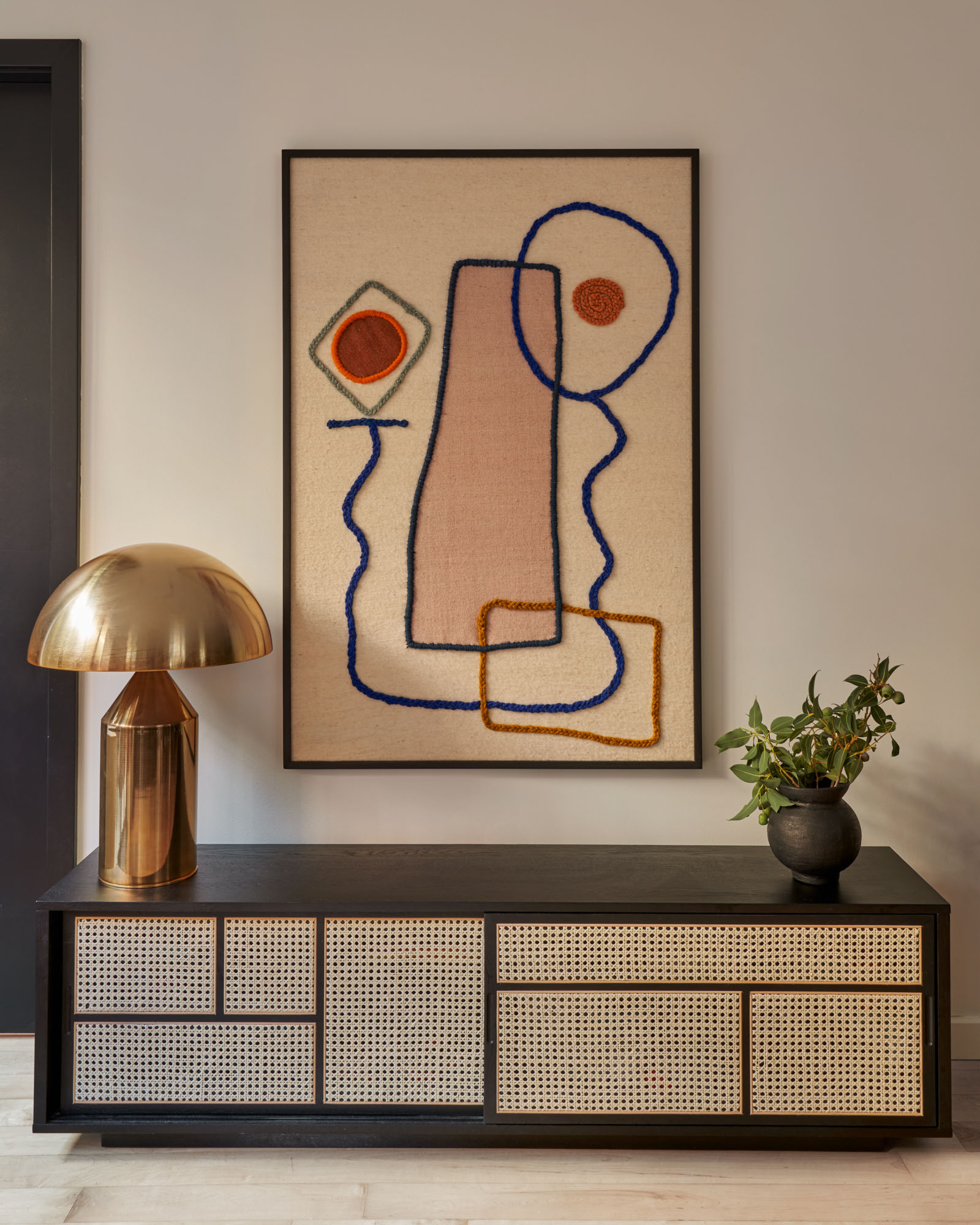
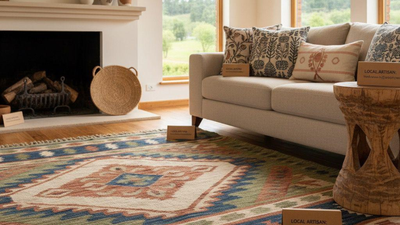
Finally, a strong preference for locally sourced decor and materials is emerging. Supporting local artisans and manufacturers helps to reduce transportation emissions, stimulate the local economy, and foster a sense of community. This trend encourages a deeper appreciation for craftsmanship and the unique cultural identity of a region, promoting a more localized and sustainable consumption model. Collectively, these trends for 2024 underscore a holistic approach to interior design that champions environmental responsibility, aesthetic appeal, and the creation of healthy, mindful living spaces.
#SustainableInteriorDesign #EcoFriendlyMaterials #EnergyEfficientTechnology #BiophilicDesign #SustainableTextiles #LowVOCPaints #VintageUpcycledFurniture #MinimalistDesigns #LocallySourcedDecor #SustainableInteriorDesign #EcoFriendlyMaterials #EnergyEfficientTechnology #BiophilicDesign #SustainableTextiles #LowVOCPaints #VintageUpcycledFurniture #MinimalistDesigns #LocallySourcedDecor
0 comment in total
 No comments yet
You may also like
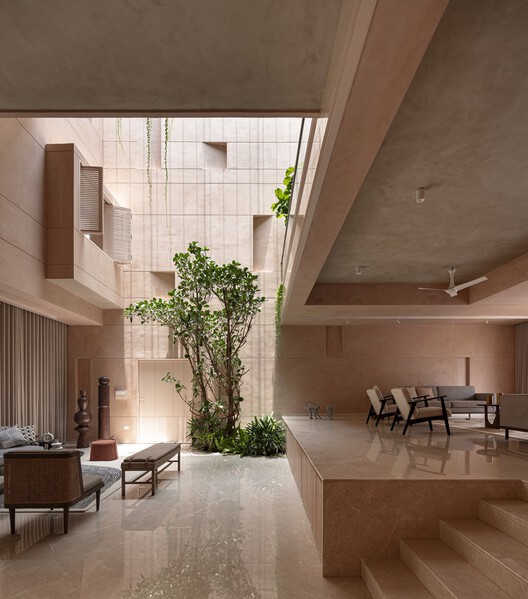
Interior Design Trends of 2024

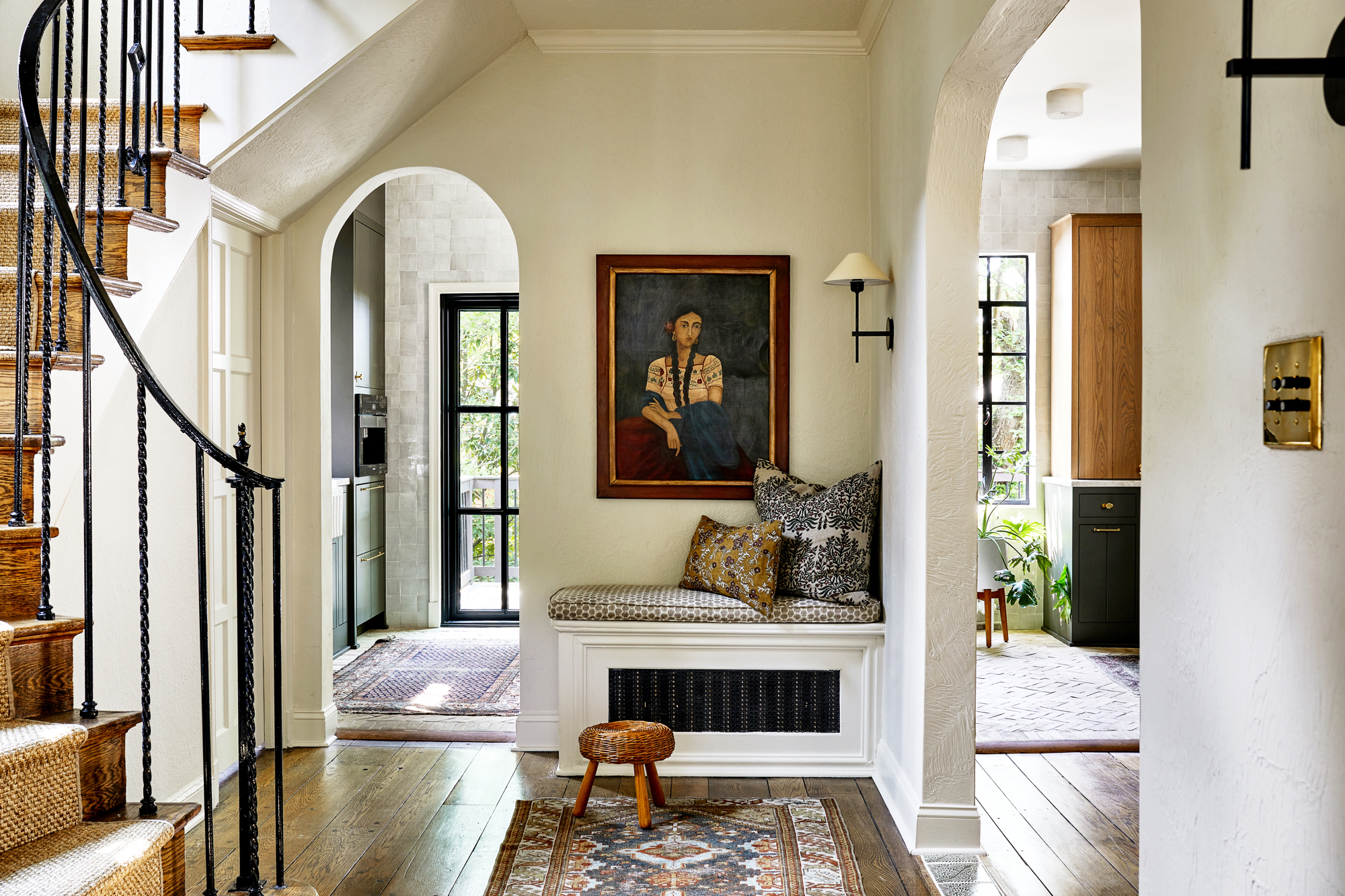
Home-Design Trends You’ll See Everywhere in 2024

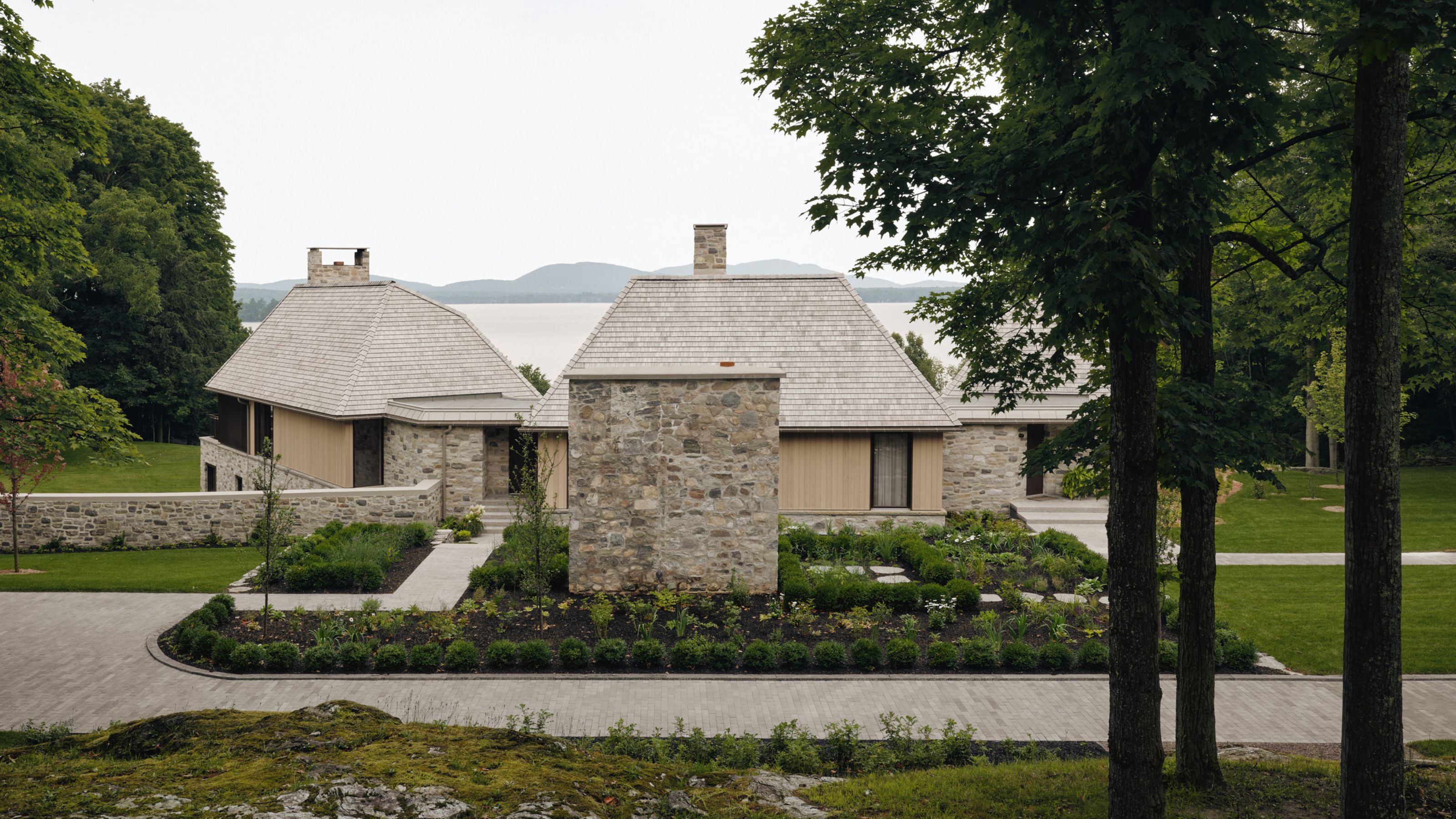
10 Sustainable Homes That Prove Interior Design Can Be Just as Easy on the Eye as It Is on the Earth

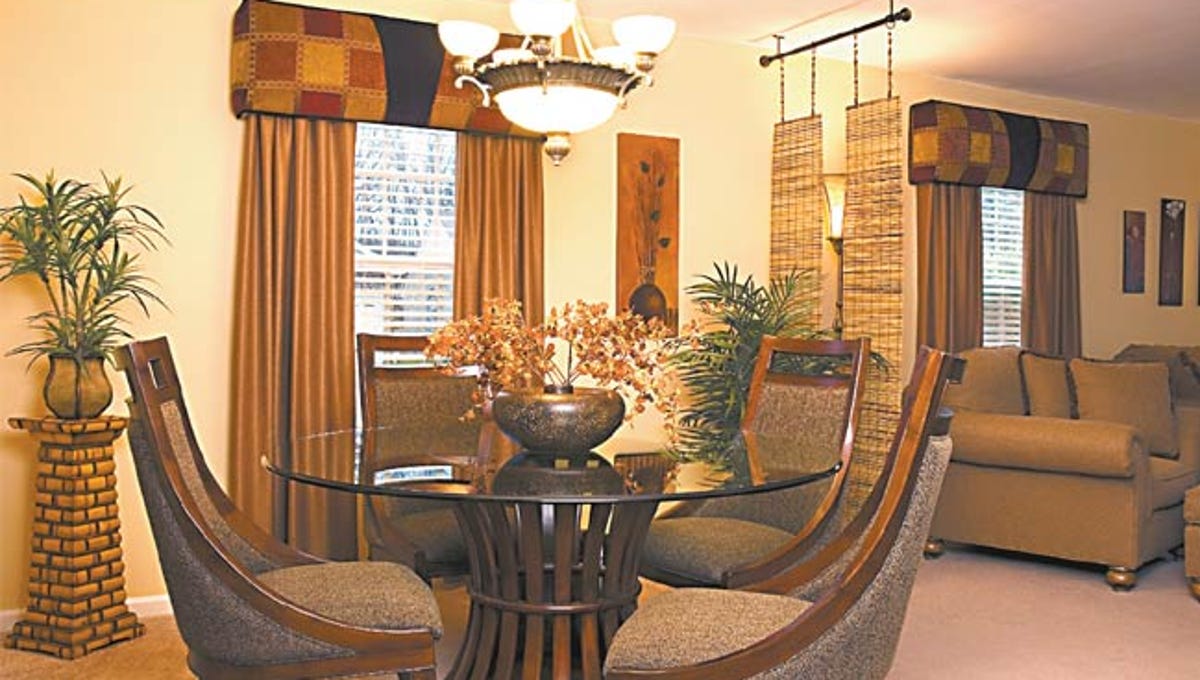
2008 Design Trends

Sustainable Home Décor: Eco-Friendly Interior Design Trends to Watch

2025 Interiors trends according to an expert and the best pieces to shop now
Interior Design Trends in the UK – 2024 Updated
5 of the finest interior design styles that will define 2024

What Are the Hot Home Styles for 2024?


Tech-infused trends and how it's shaping interior design in 2024
8 Interior Design Trends to Watch in 2024

Why Houseplants And Biophilic Design Will Front 2025's Interior Design Trends
Sustainable home decor: Eco-friendly interior design trends to watch

Eco-Friendly Home Decor: Sustainable and Chic Ideas for 2023

What Sustainable Interior Design Really Means in 2025 — And Why It’s No Longer Just About the Materials
5 Styles That Will Dominate Home Decor in 2026, According to Experts
Interior Designers are Ditching These Home Trends in 2024
The new interior design trends: 24 looks for 2024

Interior Designers Say These Decor Trends Will Be Everywhere in 2024
7 interior-design trends you'll see everywhere in 2024, and 5 that'll disappear