1/9
What to Expect from Interiors of the Future
The article discusses the anticipated transformations in interior design by 2050, driven by increasing urbanization and the critical need for sustainability. With 55% of the global population residing in urban areas in 2018, projected to reach 68% by 2050, the focus is on mitigating environmental degradation and social inequality caused by rapid urban growth. Designers are increasingly prioritizing sustainability and efficient space utilization to accommodate more people in smaller footprints with reduced environmental impact.
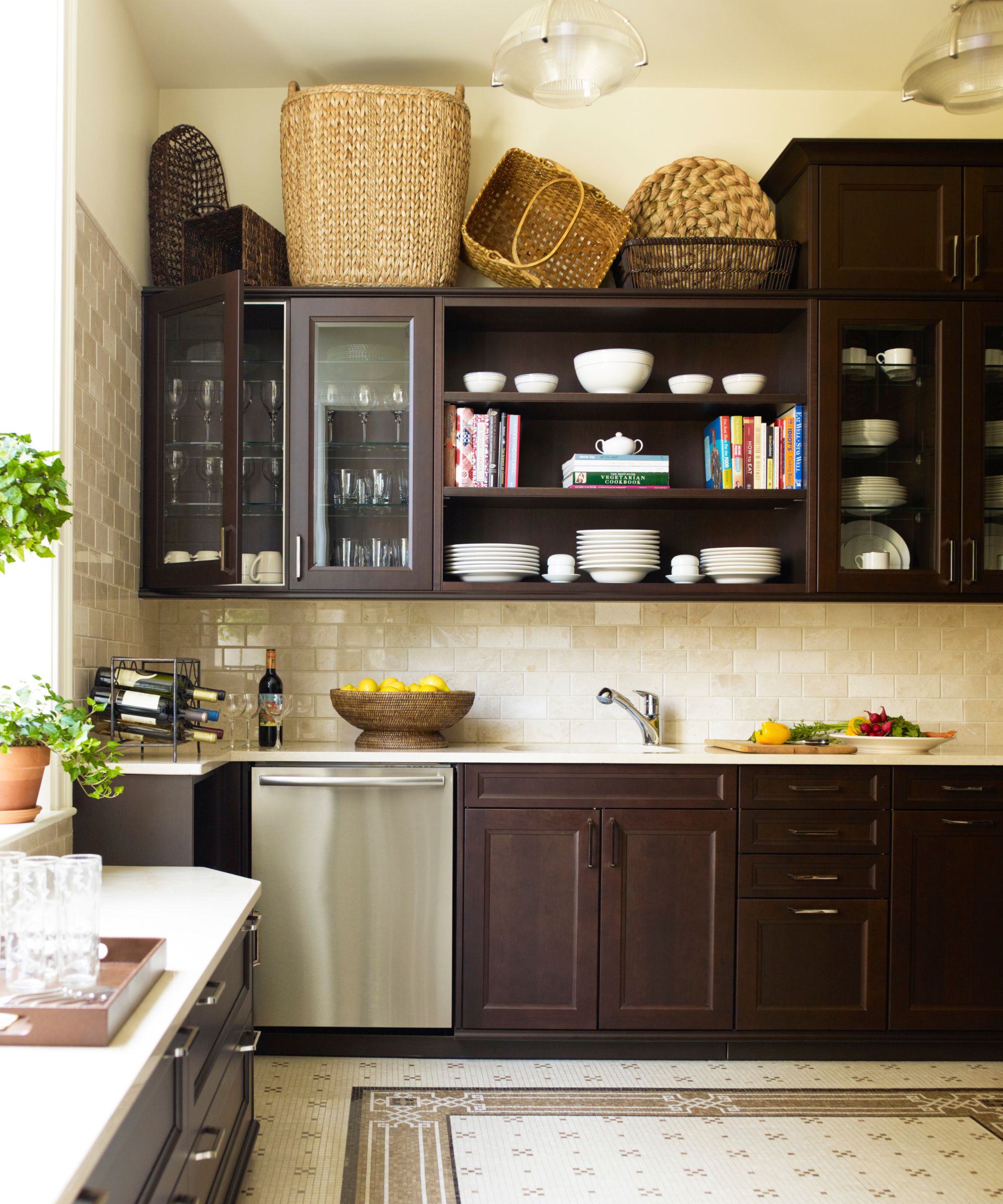
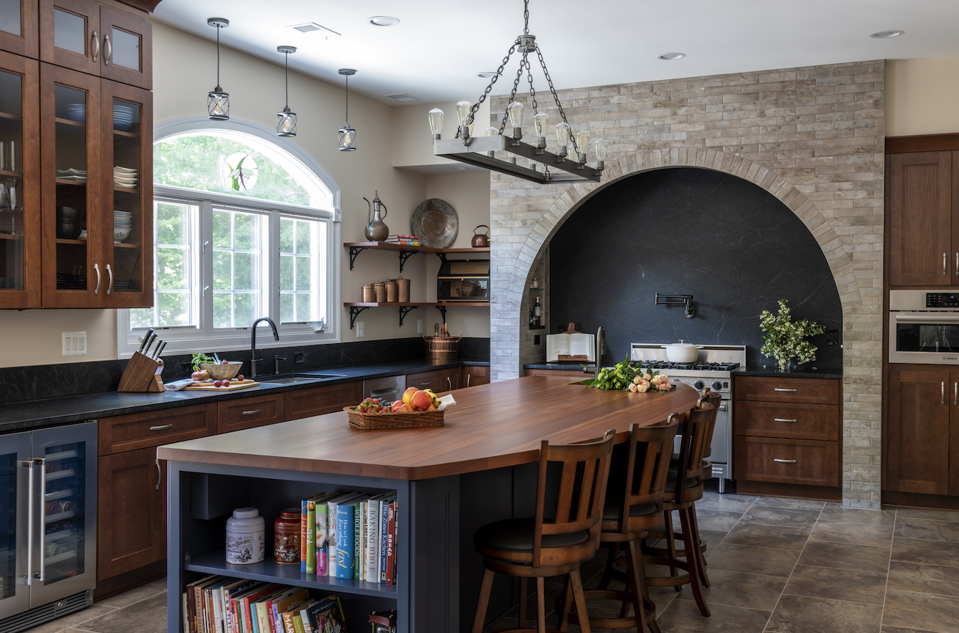
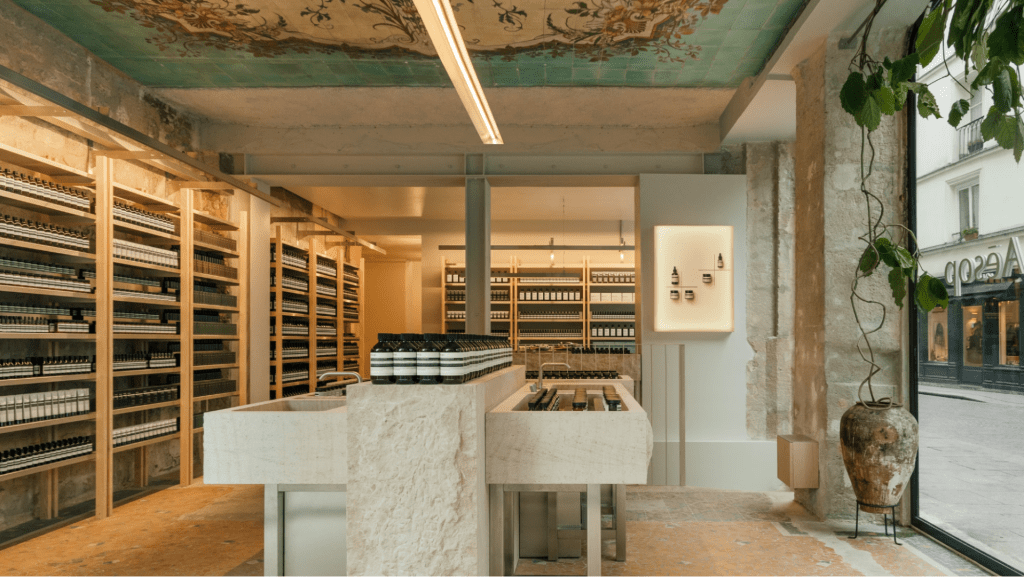
A significant shift is expected in material usage, moving away from energy-intensive options like cement, glass, brick, and steel towards more sustainable alternatives such as stone, rammed earth, hollow concrete, and wood. This change is crucial given that the cement industry is one of the most energy-intensive manufacturing sectors. Future interiors are envisioned to feature more natural materials, aligning with local climates to reduce embodied energy and transportation costs. This localized approach allows for the integration of passive solar design and passive cooling strategies, thereby decreasing reliance on artificial heating and air conditioning.
Technological advancements are central to these future interiors. Building Information Modeling (BIM) is expected to play a critical role in planning and execution, facilitating detailed design, minimizing waste, reducing costs, and enhancing sustainability. Energy modeling software will be used to optimize energy efficiency in buildings. Beyond new constructions, retrofitting existing structures will be a key trend, supported by the integration of smart building technology and the Internet of Things (IoT). These systems will automate energy management, prevent food and water waste, and enhance security, potentially replacing traditional keys with mobile access technologies.
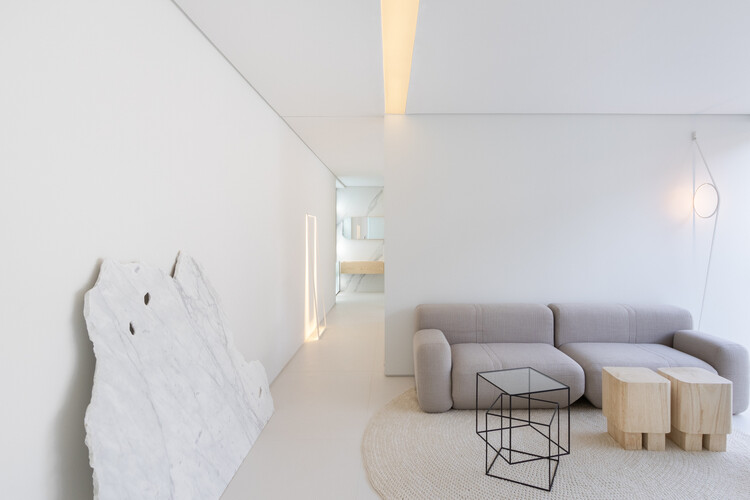
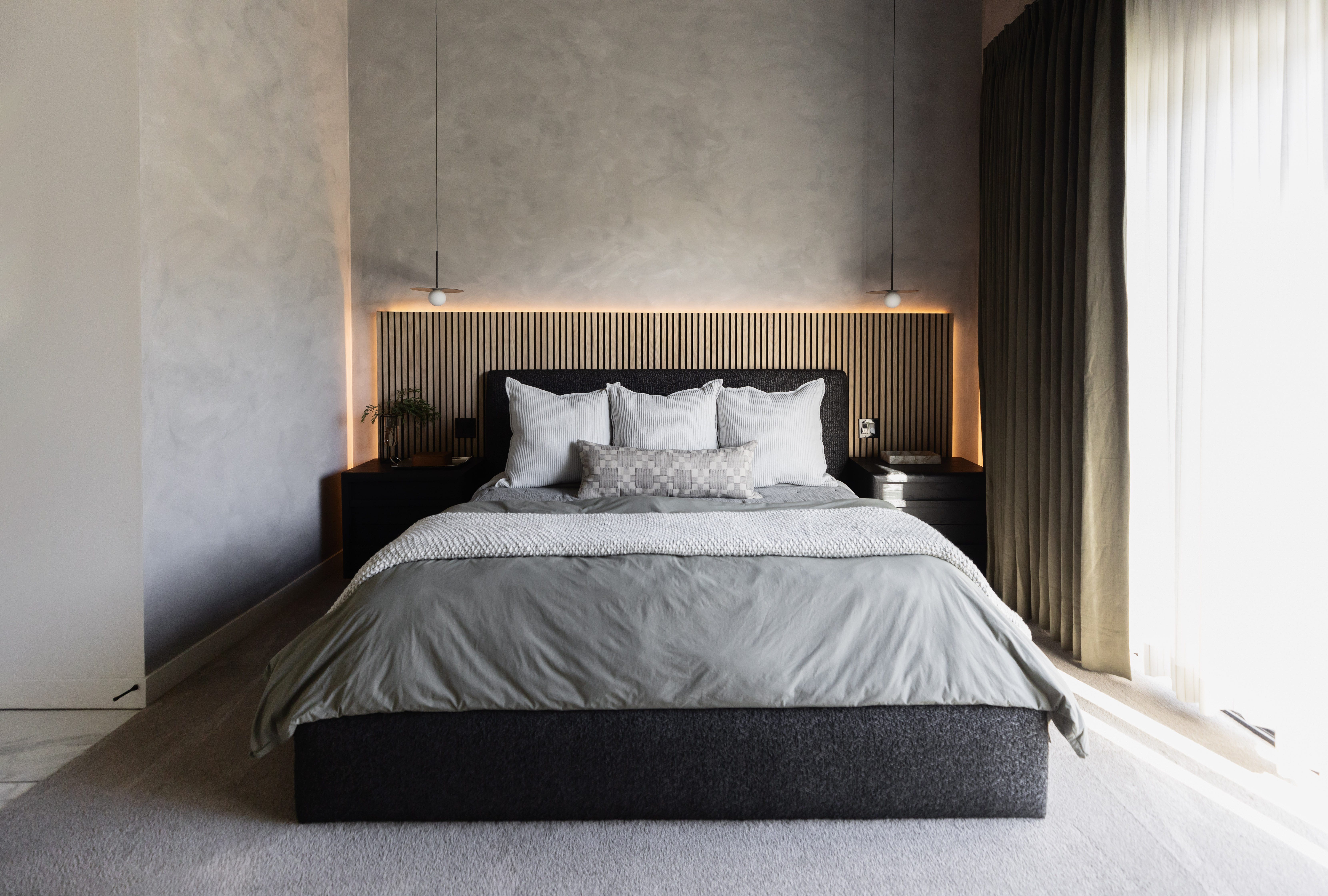
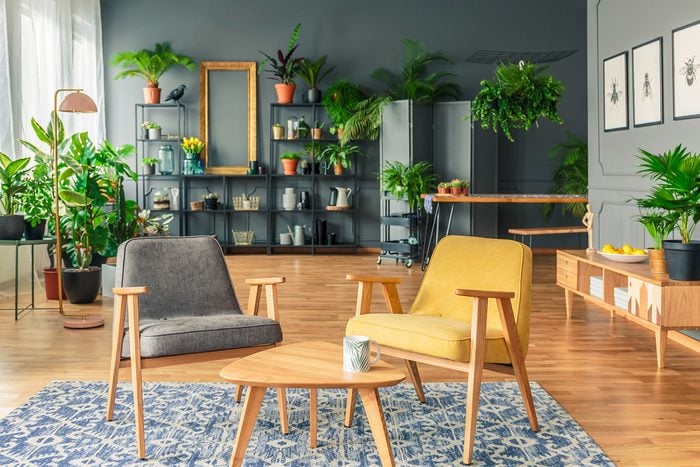
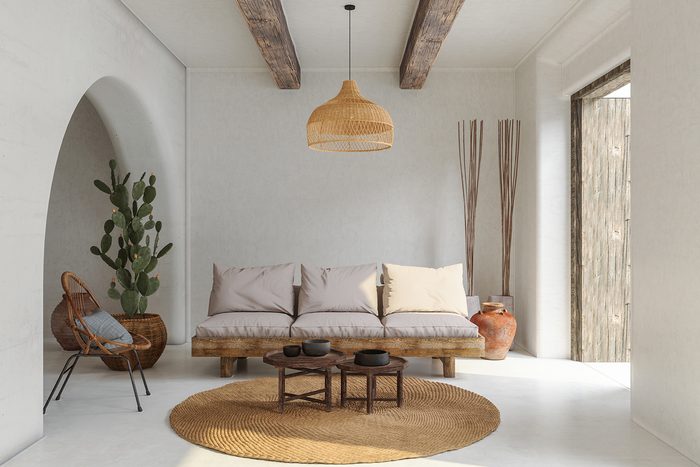
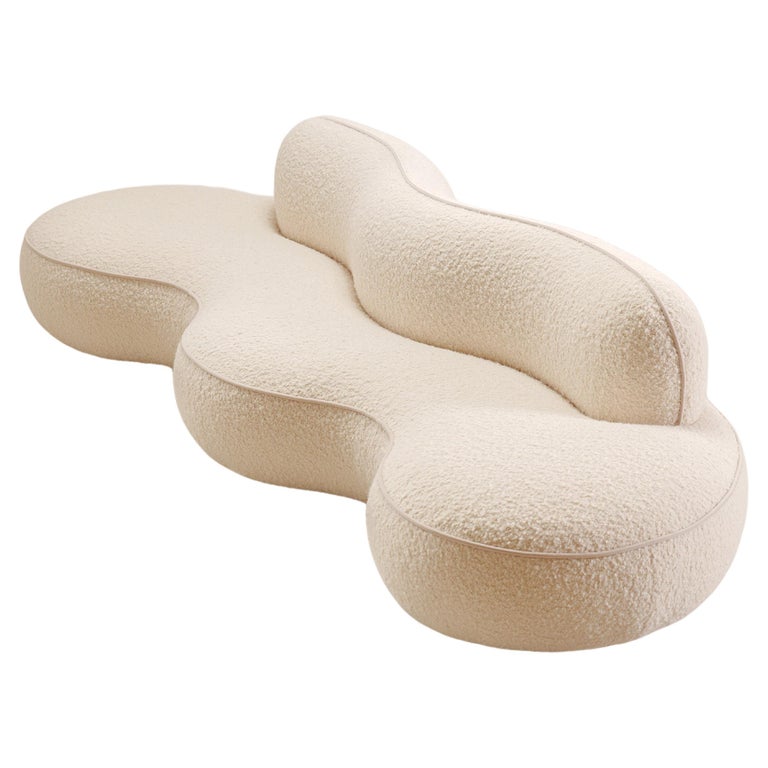
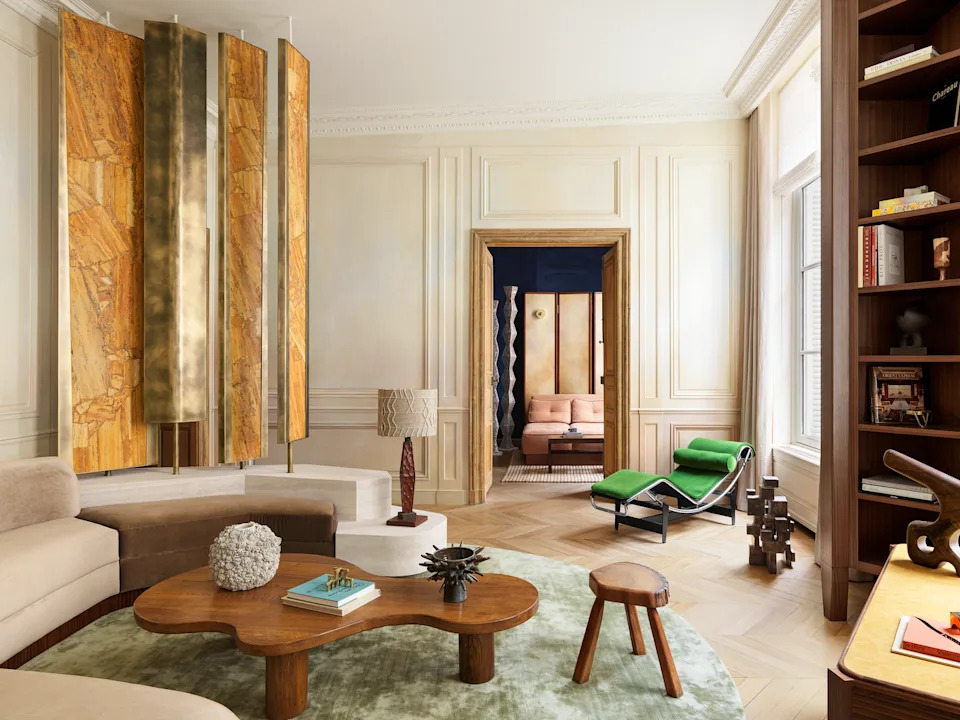
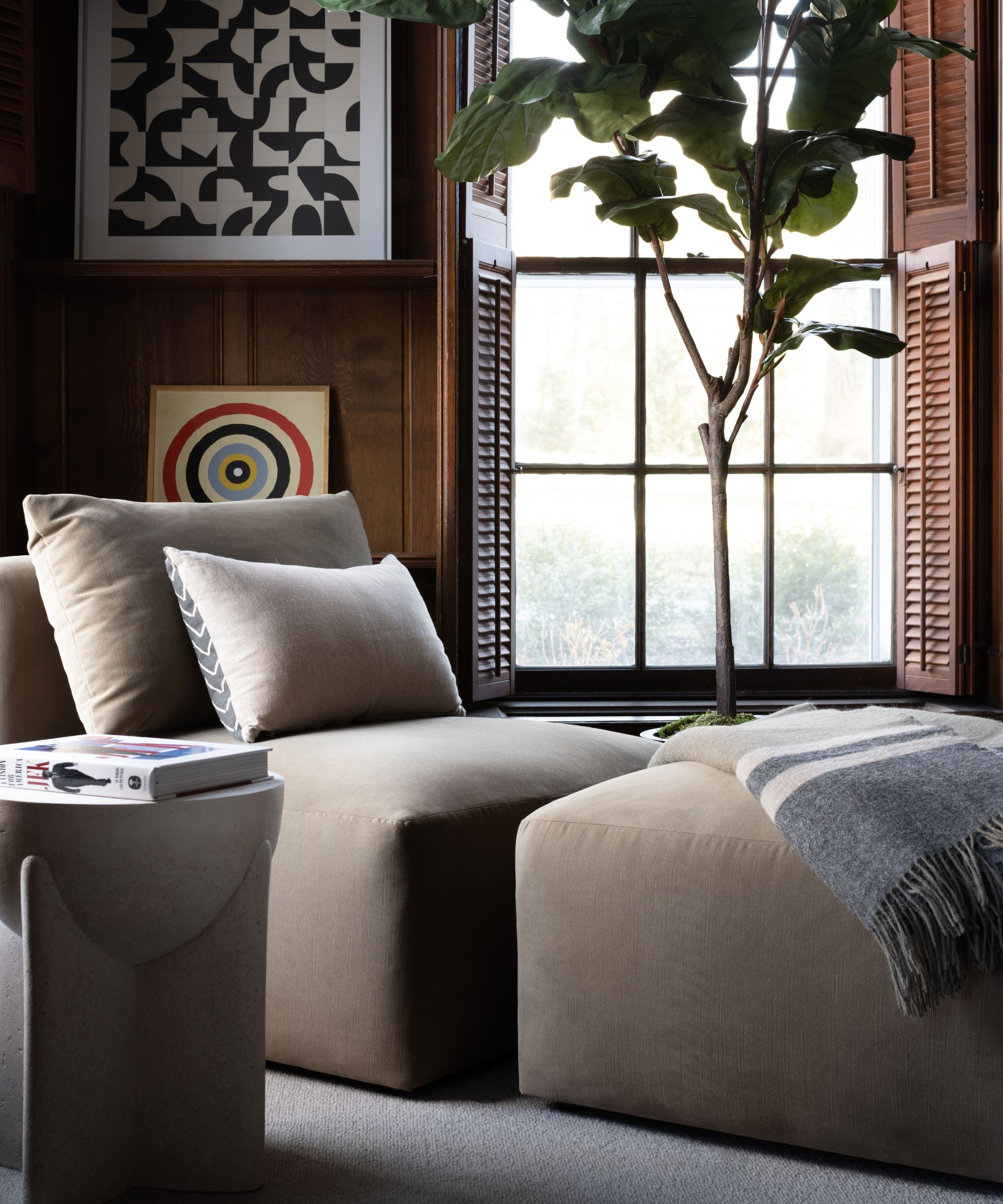
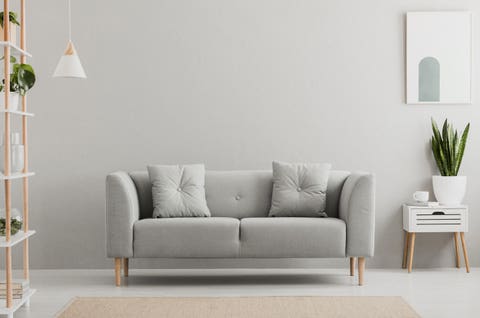
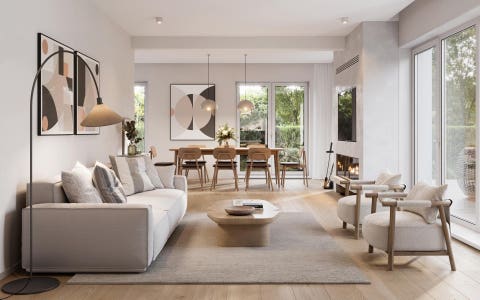
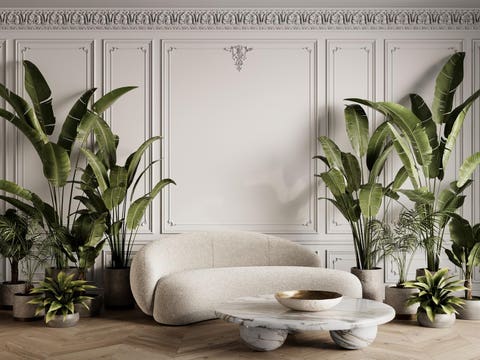
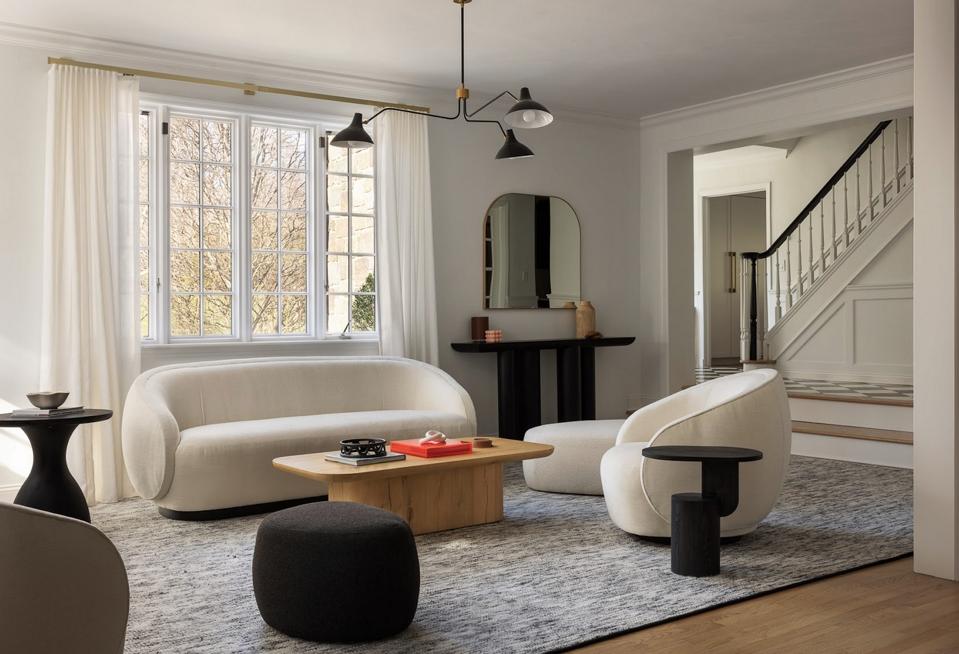
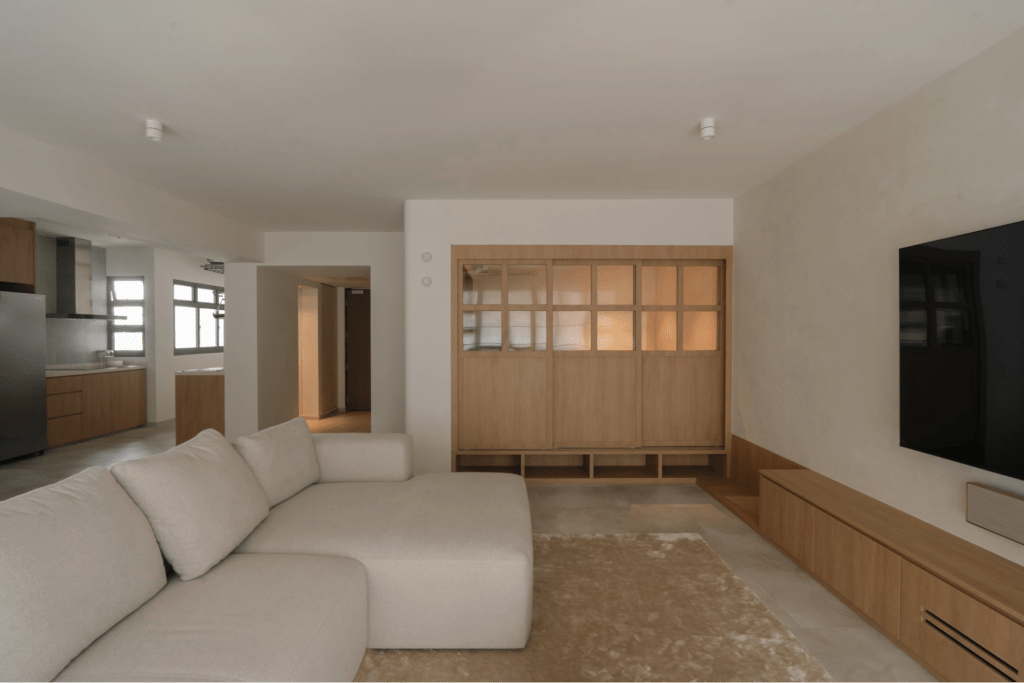
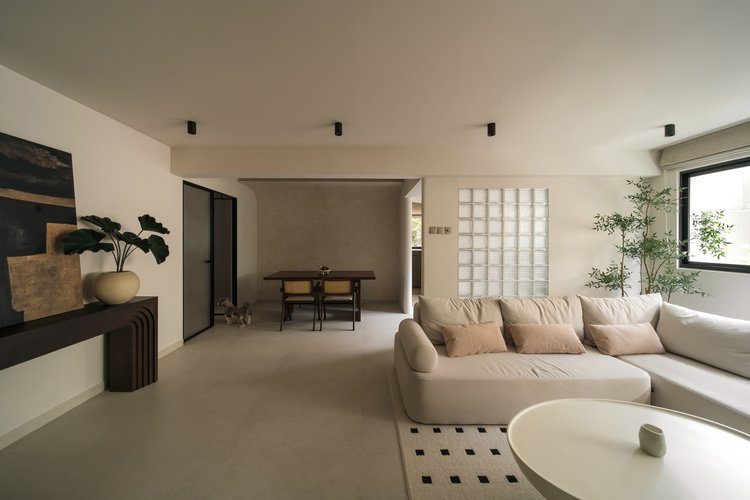
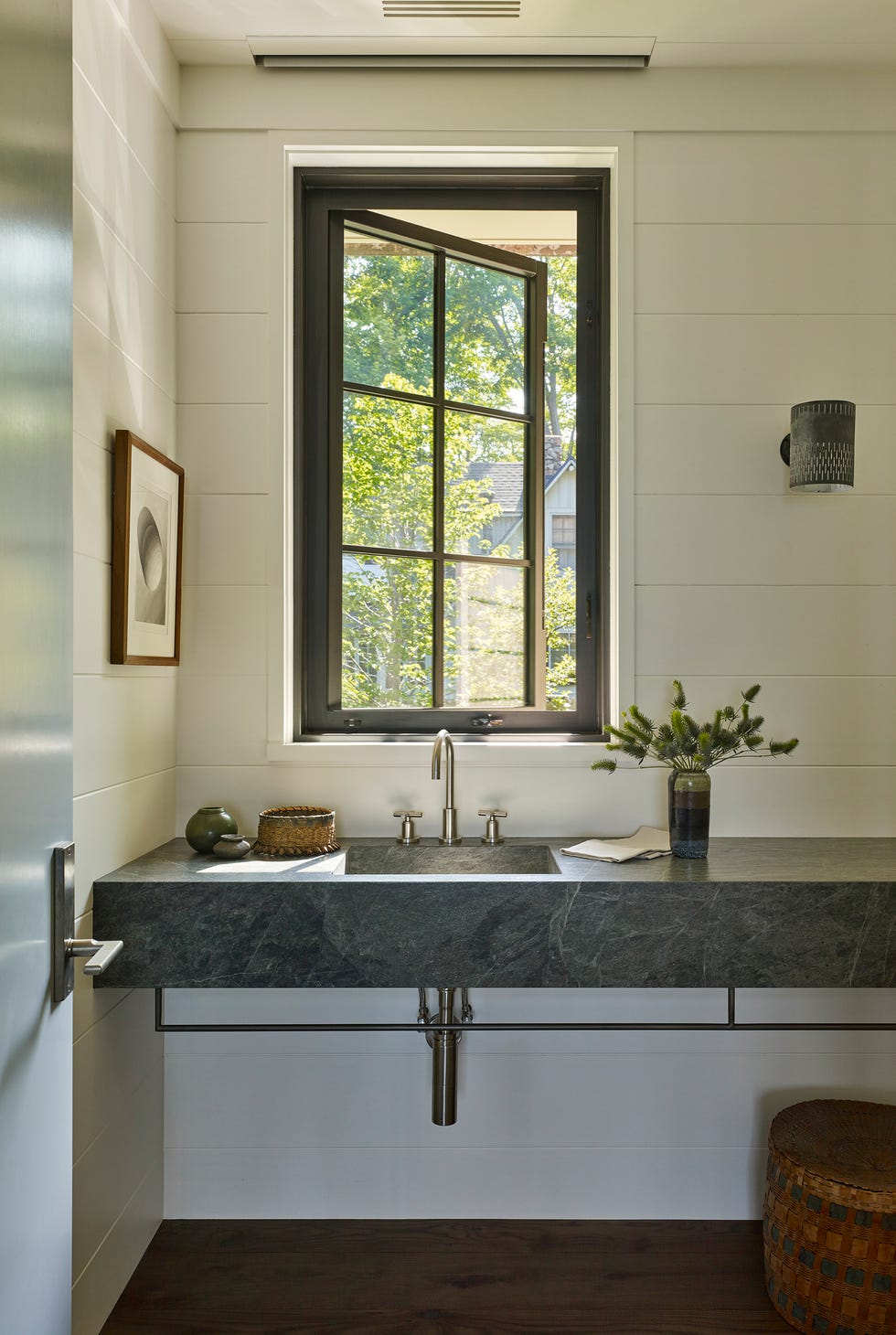
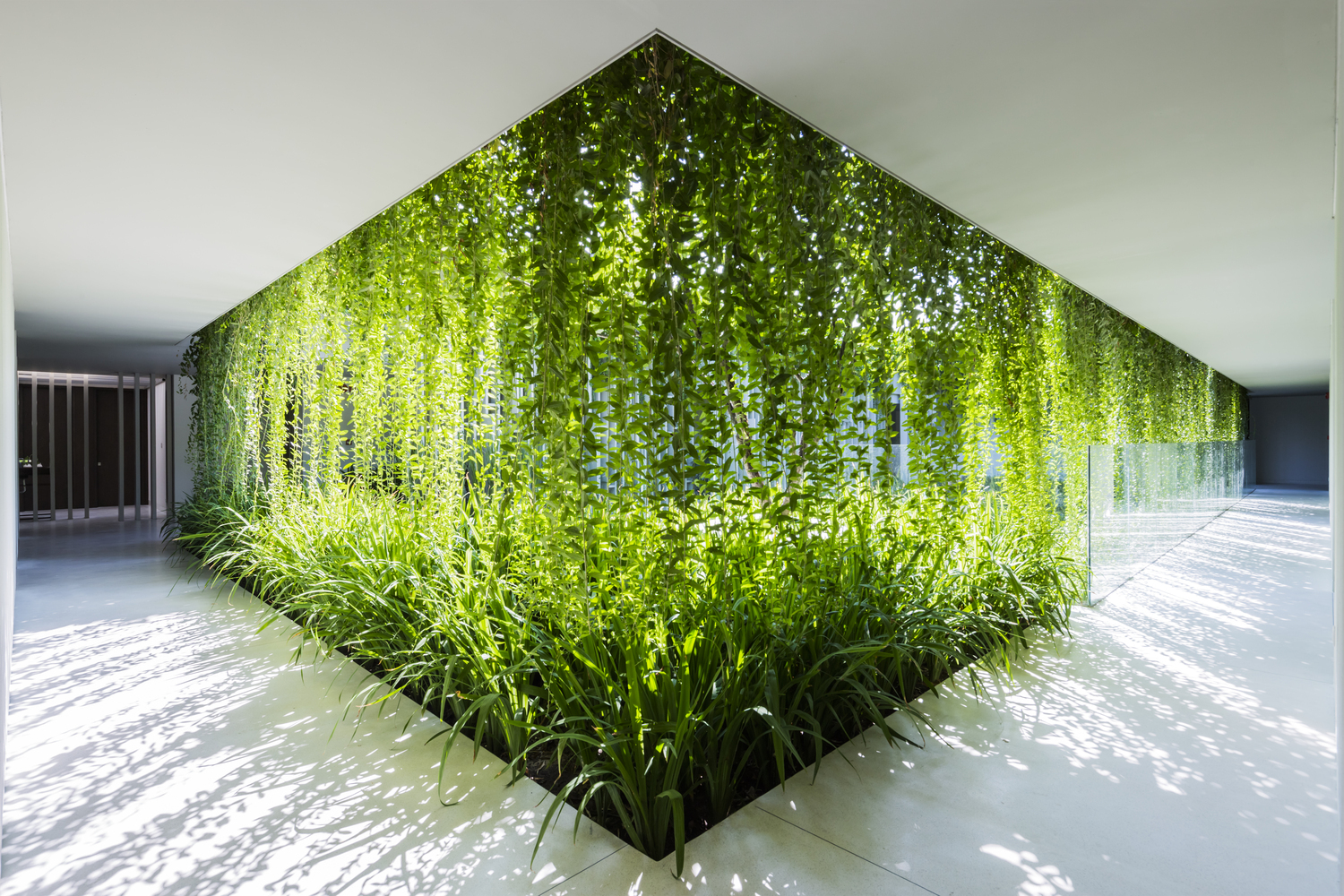
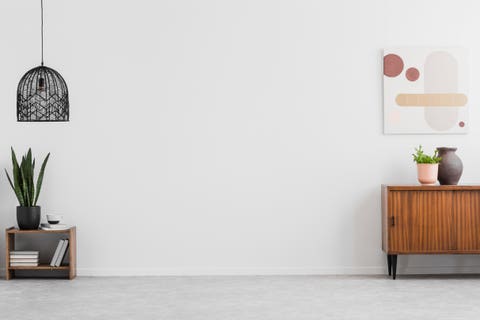
Aesthetically, future interiors will likely embrace minimalism and biophilic design, reflecting the emphasis on sustainable practices and reduced resource consumption. White and beige palettes, clean shapes, and simple forms in furniture are anticipated. The integration of vertical gardens, green roofs, and living plants will further connect indoor spaces with nature, reinforcing the commitment to sustainability.
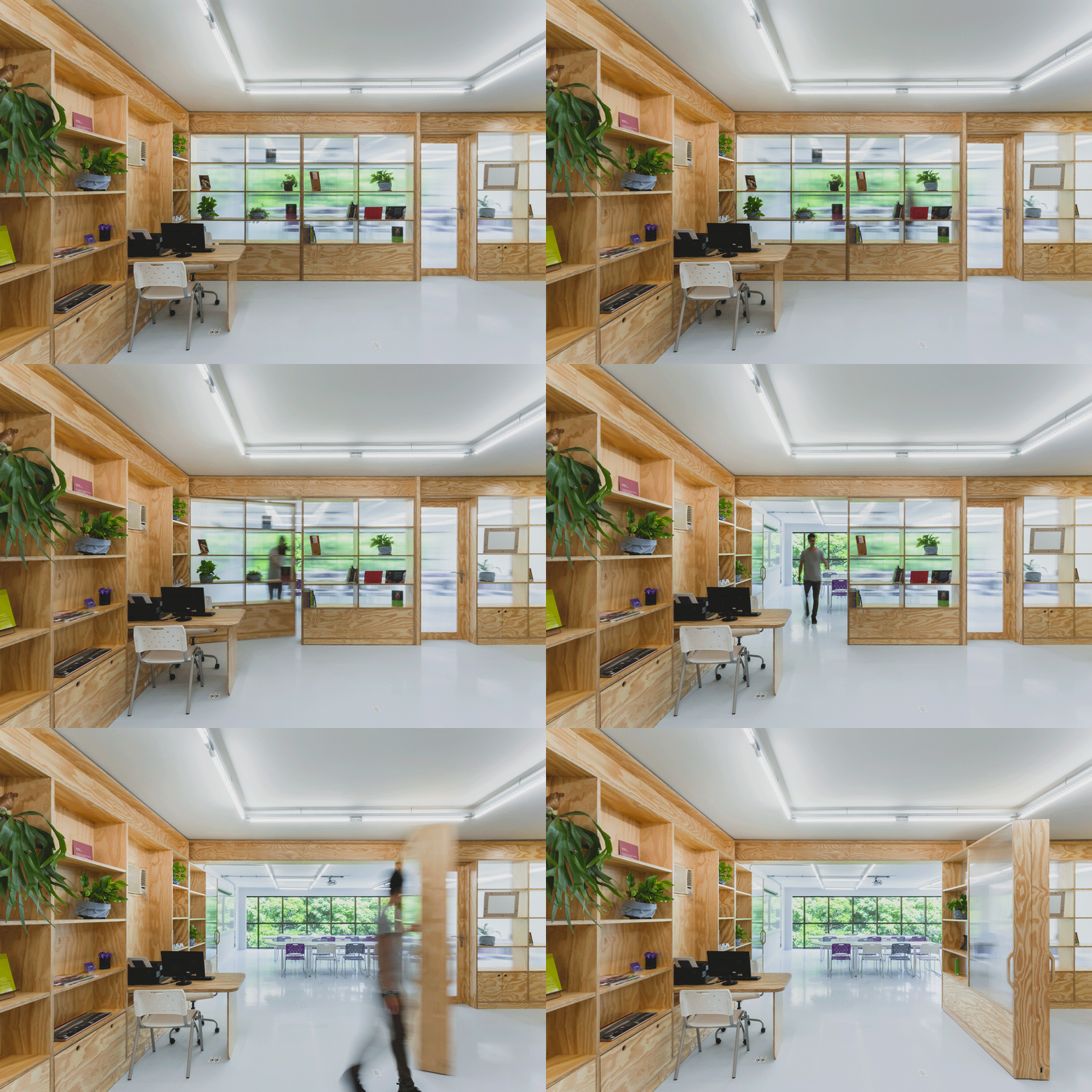
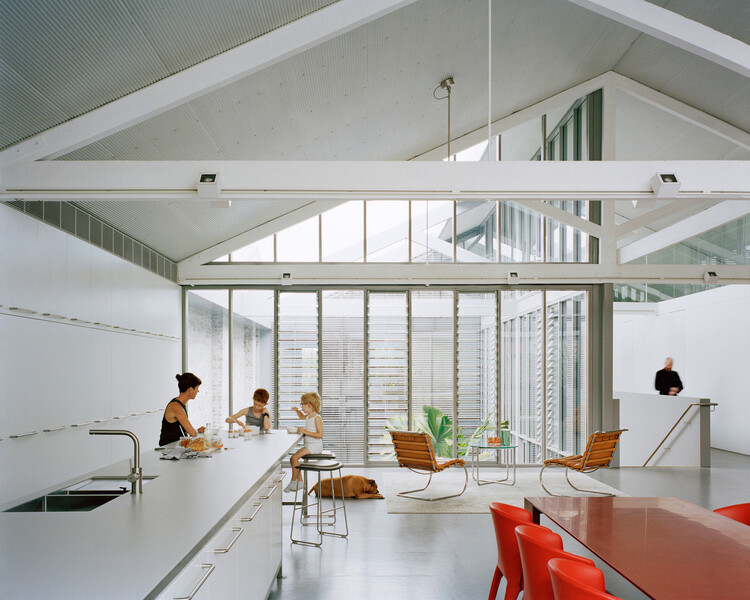
The growing trend of micro-living in urban areas will drive innovation in multi-functional spaces. Designers will employ efficient built-in storage, open-plan layouts with optimized lighting, and transformable elements like retractable walls and multi-purpose furniture to maximize space utility. These adaptable solutions will be seamlessly integrated with smart building technologies, allowing for automated transformations controlled by mobile applications. Overall, future interiors will be characterized by a synergistic integration of sustainability, technology, and efficiency, aiming to create more flexible, inclusive, and environmentally responsible urban environments.
#InteriorDesign #FutureInteriors #Sustainability #Urbanization #GreenBuilding #SmartHome #BuildingInformationModeling #BiophilicDesign #SpaceEfficiency #InteriorDesign #FutureInteriors #Sustainability #Urbanization #GreenBuilding #SmartHome #BuildingInformationModeling #BiophilicDesign #SpaceEfficiency
0 comment in total
 No comments yet
You may also like
Future-Proofing Design: How Interiors Will Evolve in 2023 and Beyond
10 Interior Design Trends to Watch in 2025

12 must-know interior design trends that will be defining our homes in 2025
These Will Be the Biggest Design Trends of 2025
The Pros Have Spoken: These Interior Design Trends Will Define 2025

The Vintage Interior Trends Designers Predict Will Define Homes in 2026

Five Interior Design Trends for 2025
11 Biggest Interior Trends Of 2025, Design Solutions & Reno Tips As Revealed By An Interior Designer

Design Forward: 4 Must-Know Interior Trends for 2025

8 Interior Design Trends for 2025
The 11 Key Interior Design Trends Set to Define 2026
Designers Are Calling It: These Interior Design Trends Will Be Everywhere in 2026

Designers Say These Trends Will Go Out of Style in 2025—Here Are Some to Try Instead

2025 Interiors trends according to an expert and the best pieces to shop now
10 Interior Design Trends Going Away In 2025

The Interior Design Trends Taking Over Fall 2025, According to Designers

The Biggest Interior Design Trends for 2025

Why Formal Living Rooms Will Be Back in 2025, According to Design Experts
2025 Houzz Home Design Trends: These Are The Top 10 Predictions

Rich, warm and charming: Check out these interior design predictions for 2025