1/6
How to talk to architects, builders and general contractors about sustainability
The interior design industry is undergoing a transformation towards more sustainable practices, a shift characterized by gradual, rather than immediate, adoption. A crucial aspect of this transition involves effective communication about sustainability with key collaborators such as contractors and architects. This article gathers insights from three experienced interior designers, Deana Duffek of Pure Design House, Primo Orpilla of Studio O+A, and Megan Thompson of Spark Interiors and GreenList, who have successfully integrated sustainable approaches into their work, to provide strategies for engaging design-build teams on this topic.
One fundamental strategy is to initiate discussions about sustainability goals early in the project lifecycle. Studio O+A, for instance, makes these conversations a priority from the outset. Megan Thompson takes this a step further by assessing a prospective collaborator's receptiveness to sustainability even before formalizing a partnership. If a positive response is observed, she elaborates on her sustainable work methods. Conversely, a negative reaction might lead her to seek other partners. If working with a client who does not prioritize eco-conscious design, Thompson still opts for her preferred climate-conscious brands, albeit with less vocal promotion. When joining a project later, Thompson prompts the build team to consider whether the client values sustainability, using this as an opening to introduce eco-friendly design concepts and vendors.
Identifying and cultivating relationships with like-minded professionals is another key approach. Primo Orpilla seeks contractors and consultants with a proven track record in climate-conscious projects, noting that this might be easier in certain regions like the Bay Area. Thompson continuously seeks out new builders to establish partnerships with those who share her sustainable vision. However, educating existing, trusted collaborators is also viable. Deana Duffek, when transitioning her firm to focus on healthy materials, found success in educating her established network of contractors. She emphasizes reassuring them that sustainable practices do not negatively impact their bottom line and offers assistance with sourcing. This approach often reveals that most builders are willing to adopt healthier construction methods for their clients, especially if these methods can be integrated efficiently.
Practical strategies for implementing sustainability include rethinking demolition practices. Thompson advocates for hiring deconstruction specialists who meticulously dismantle building components for reuse, recycling, or donation, thereby minimizing landfill waste. She creates separate drawing sets for deconstruction contractors and general contractors to facilitate this process. Furthermore, robust construction documents are essential, acting as legal instruments to ensure that specified sustainable materials are used. Thompson also views sourcing as a collaborative team effort, engaging architects in finding resources for sustainable materials and offering to manage procurement herself, which also presents an opportunity to specify more sustainable options and generate additional revenue.
Overcoming potential resistance and sharing successes are vital. Designers, particularly those new to the field, may encounter pushback from builders. Duffek advises designers to assert their design vision and rationale, suggesting that persistent resistance from a builder may indicate an unsuitable partnership. Finally, communicating sustainable values extends beyond direct project collaborations. Orpilla's team utilizes social media, websites, and publications like their 'Eco Playbook' to engage the broader design community. This widespread dissemination of sustainable practices helps raise awareness among contractors and builders, highlighting the growing opportunities within this sector of the industry. The article is authored by Laura Fenton, a writer specializing in the intersection of home design and sustainability, and draws upon her extensive experience in the field.
#Sustainability #InteriorDesign #EcoConsciousDesign #ContractorCommunication #ArchitectCollaboration #HealthyMaterials #GreenBuilding #Deconstruction #Sustainability #InteriorDesign #EcoConsciousDesign #ContractorCommunication #ArchitectCollaboration #HealthyMaterials #GreenBuilding #Deconstruction
0 comment in total
 No comments yet
You may also like
How I encourage my clients to make sustainable choices in their interior design

How residential design offers opportunities for sustainability
Sustainable Buildings: Pioneering a Green Revolution in Urban Design

The future of sustainable building materials

Top 10 Examples of Most Sustainable Architecture in 2025


30 Sustainable Projects Leading the Way for Green Design


Innovations Driving Sustainable Building and Architecture Forward
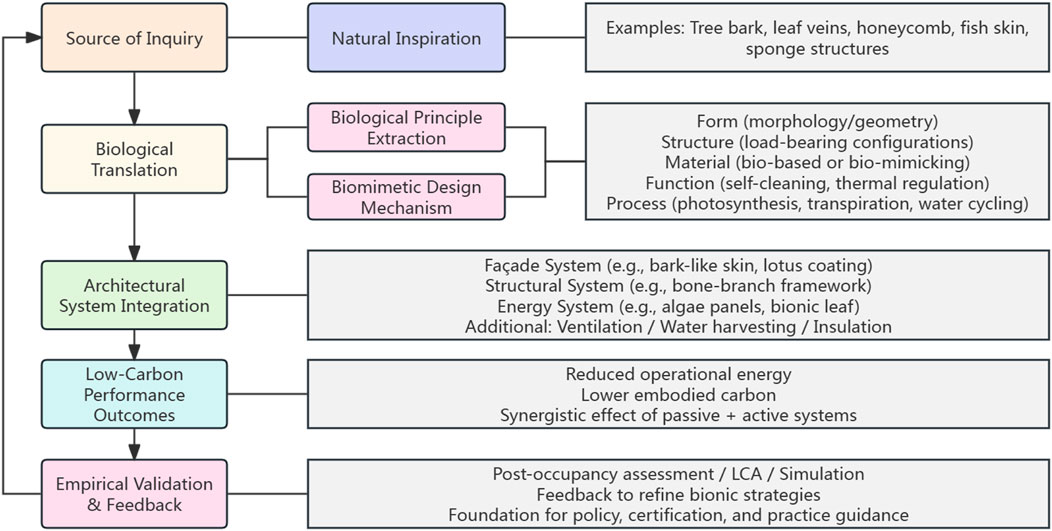
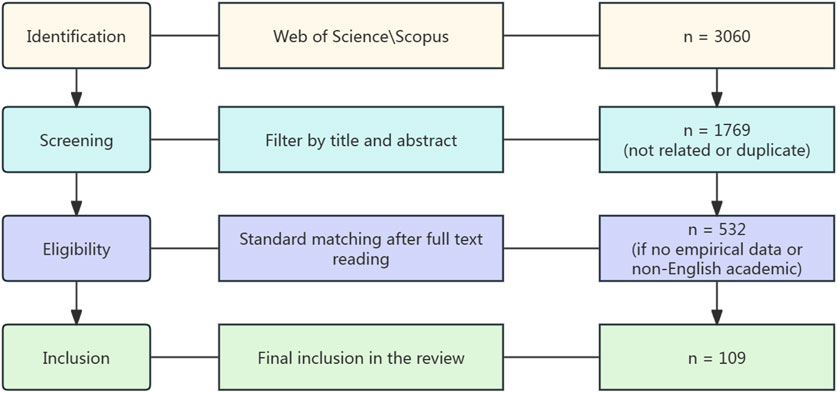
Application of bionic architecture in low-carbon design: a systematic review from nature inspiration to architectural practice
Sustainable architecture: 46 innovative and inspiring building designs

How The Home Improvement Industry Is Approaching Sustainability In An Uncertain Climate

Saving the earth: making the case for rammed earth architecture
7 sustainable homes with style


The best ways to talk about sustainability with your clients


Didi Contractor: The Self-taught Sustainable Architect

From Prototype to Progress: How Small-Scale Sustainable Housing Models Are Shaping Our Future

How to Make Your Home More Sustainable, According to Design Experts


Meet Joseph Ballard | General Contractor / Designer


Rammed Earth Fits Into Urban Architecture’s Sustainable Future

7 breathtaking sustainable homes around the world


Finding Sustainable Alternatives to Traditional Building Materials