1/8
Sustainable Buildings: Pioneering a Green Revolution in Urban Design
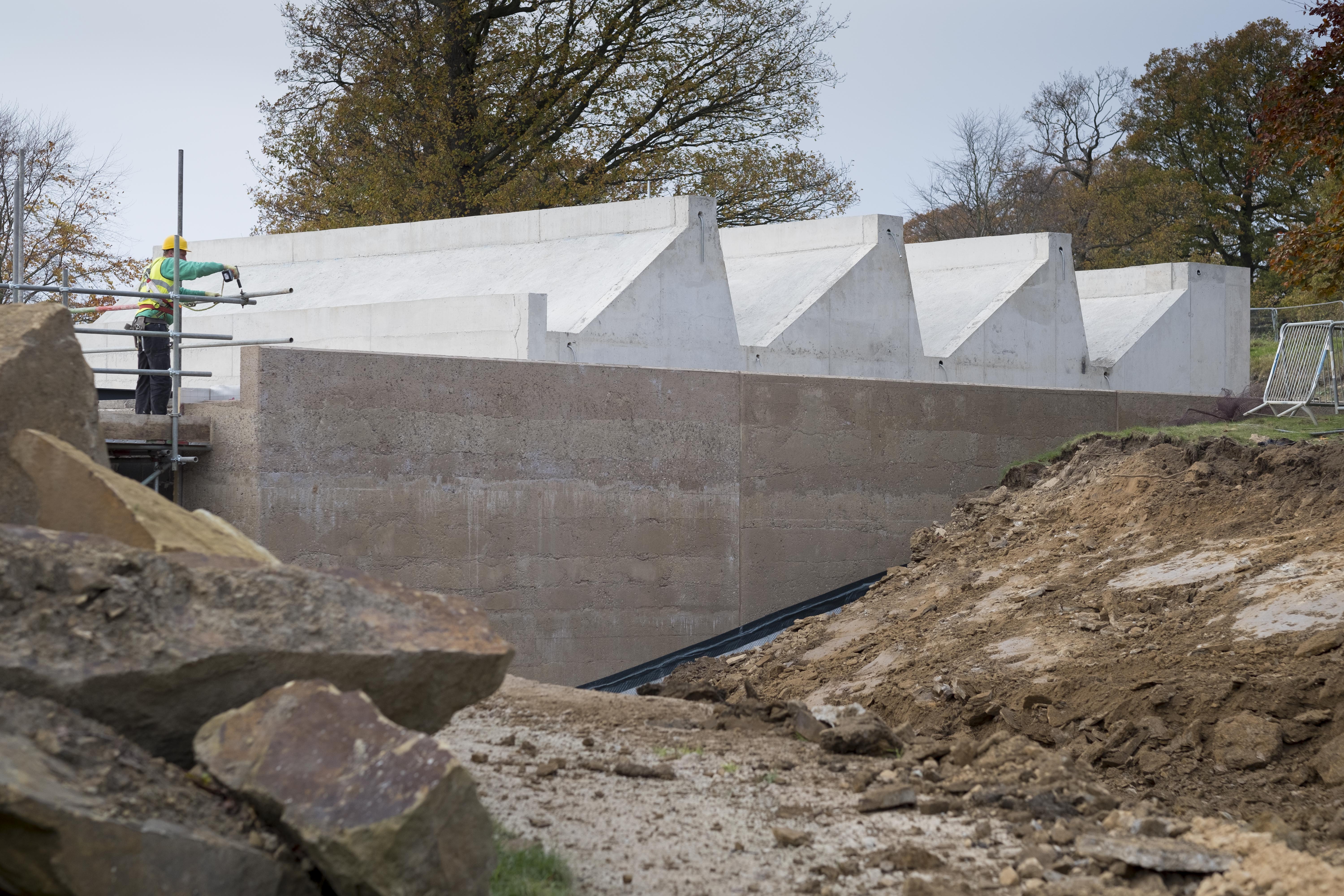
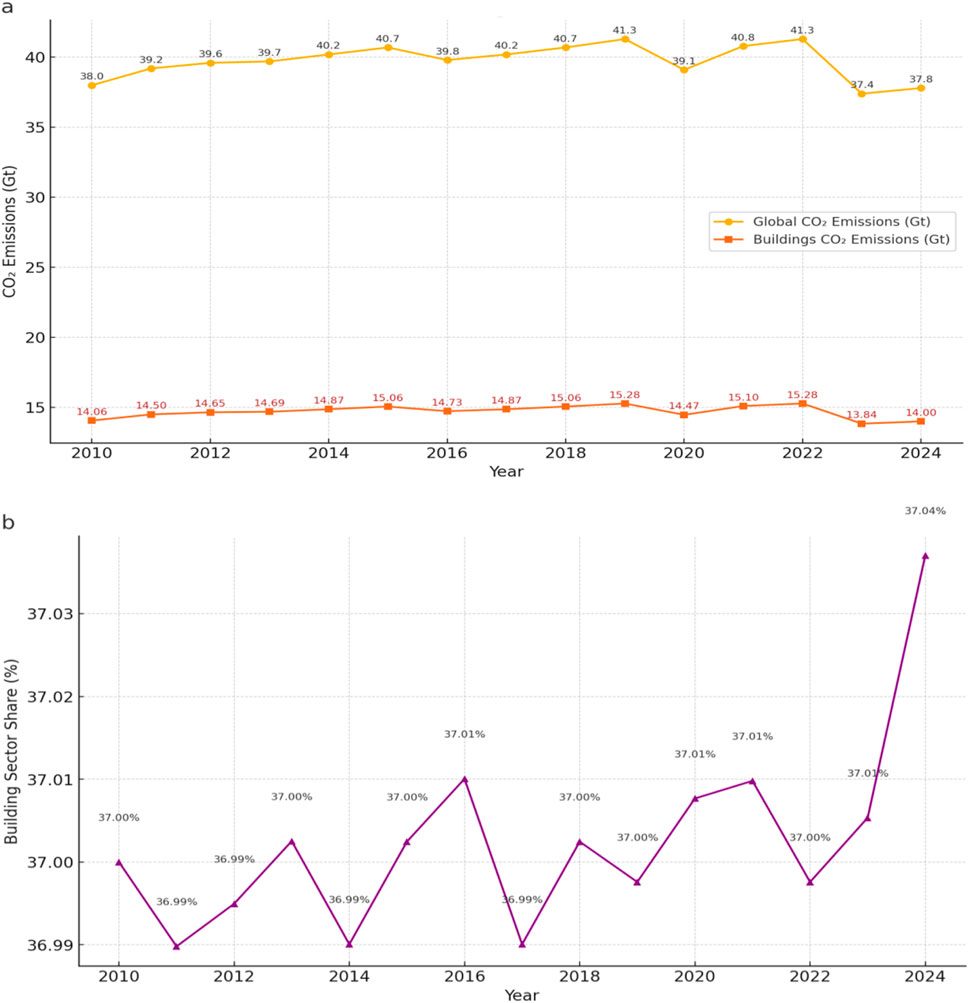
The building and construction sector faces an urgent imperative to decarbonize, with its environmental impact highlighted by recent findings from the 2022 Global Status Report for Buildings and Construction, which noted that CO2 emissions reached an all-time high post-COVID-19. This sector accounts for 40% of all energy-related CO2 emissions, primarily from material extraction, manufacturing, and construction processes, along with significant energy consumption for heating, cooling, lighting, and operations. Traditional building practices exacerbate these issues, intensifying the sector's contribution to climate change.
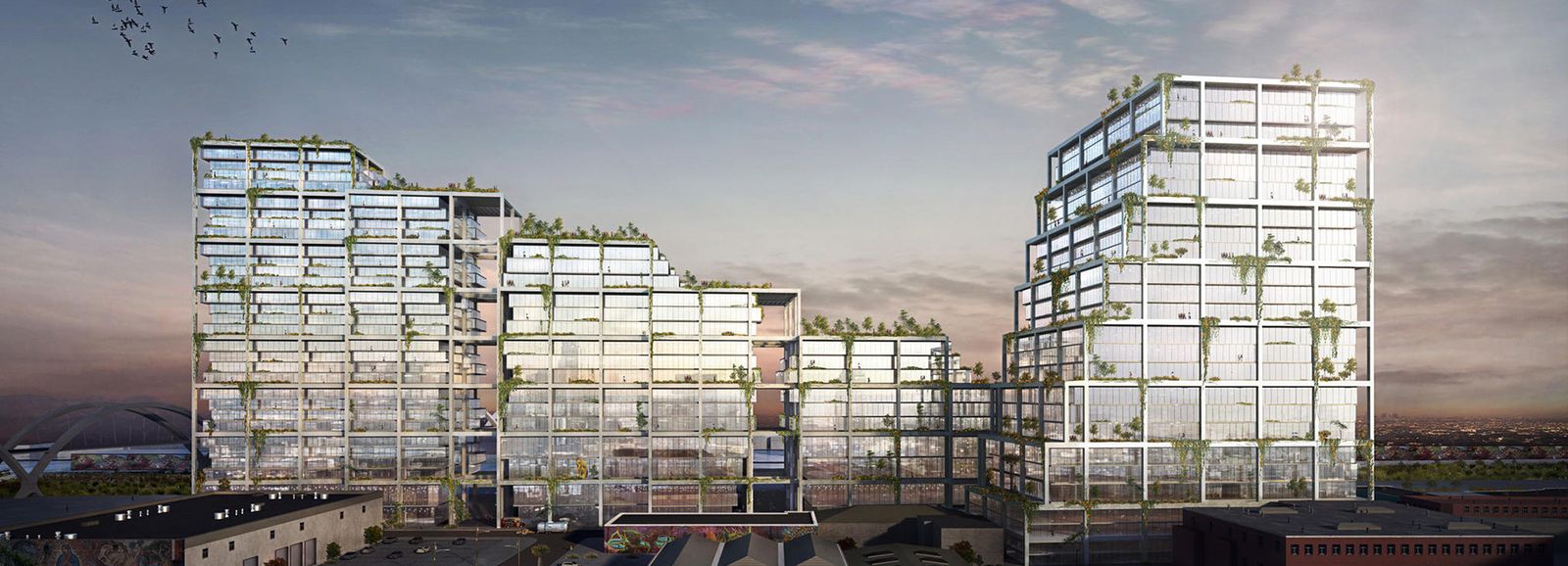
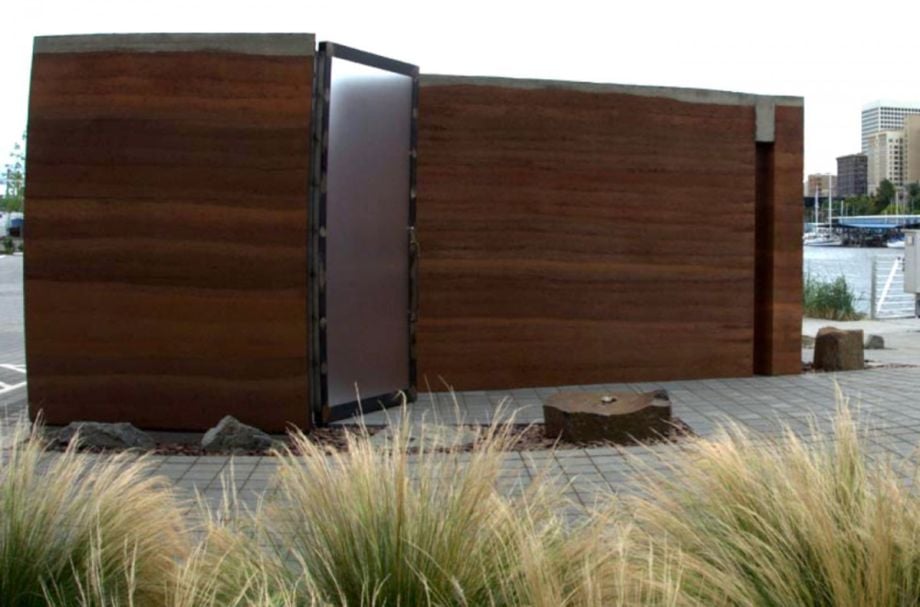
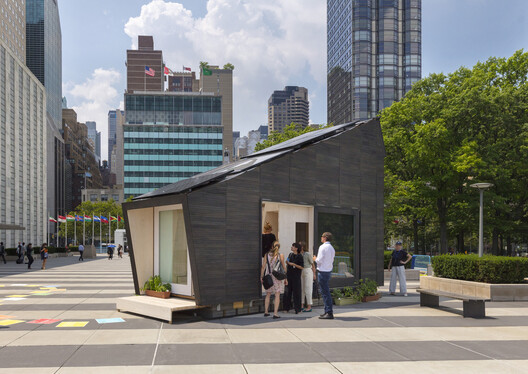
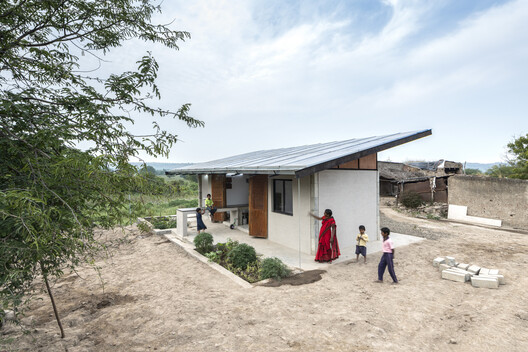
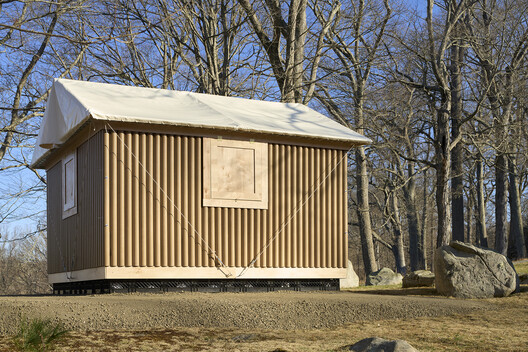
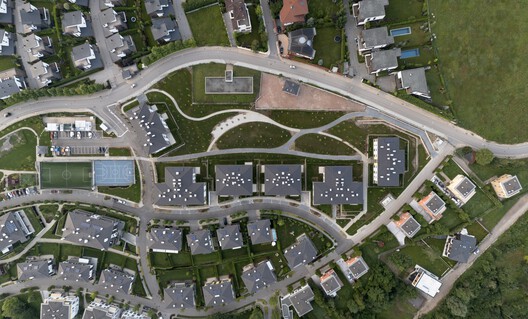
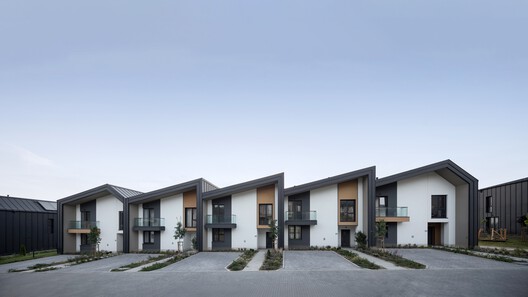
Sustainable building, also known as green building or sustainable design, offers a comprehensive solution by minimizing negative environmental impacts across a building's entire lifecycle, from design and construction to operation and eventual demolition or reuse. This approach integrates various green features, including energy efficiency, water conservation, and waste reduction.
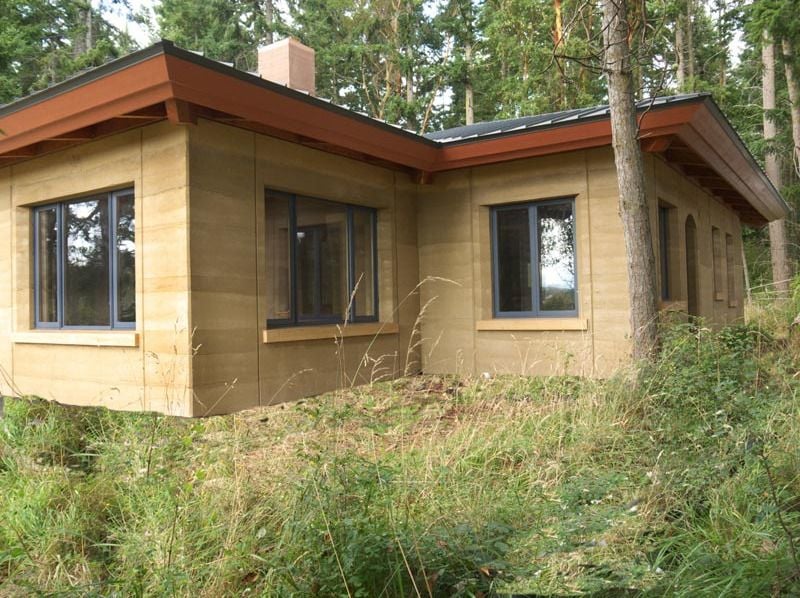
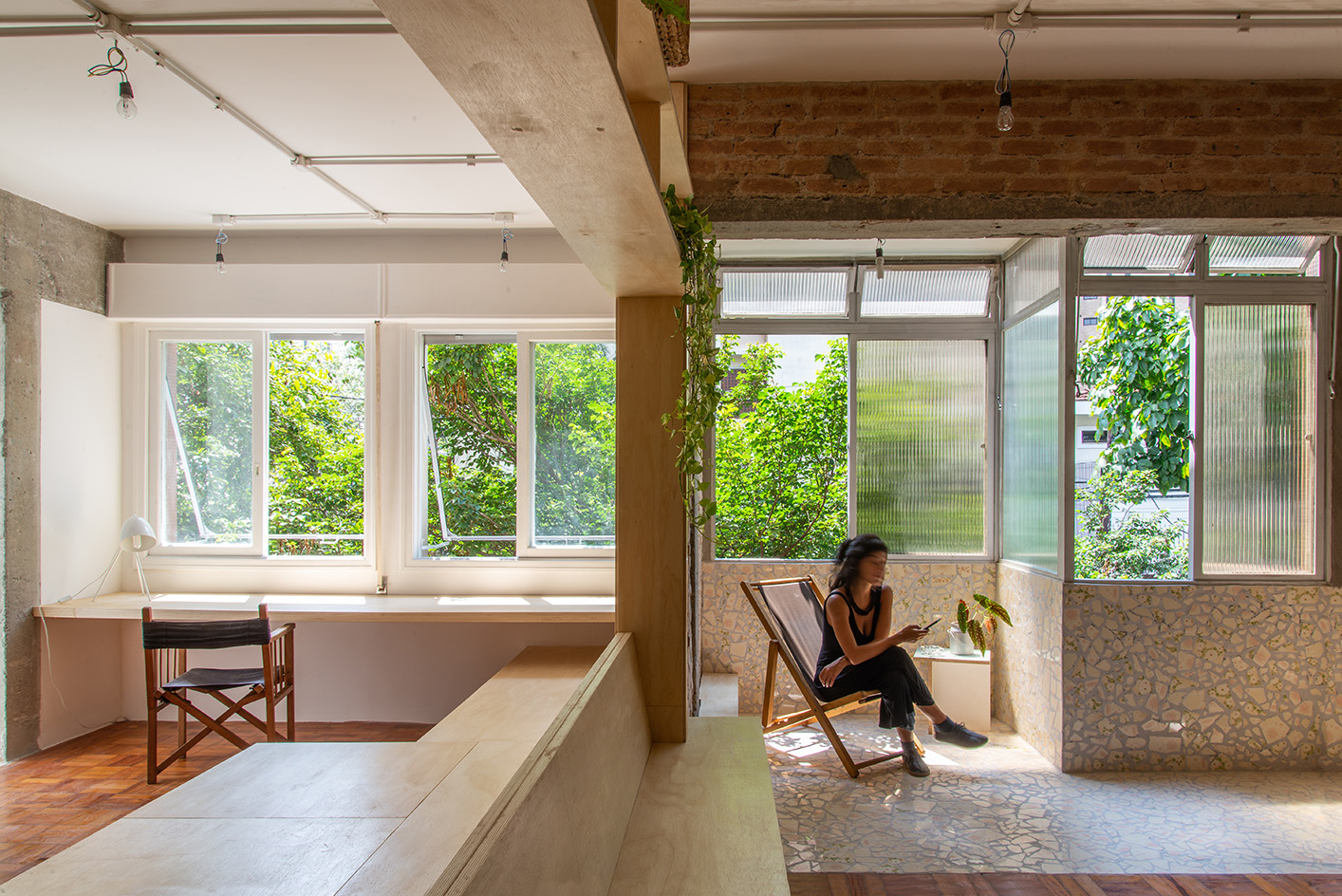
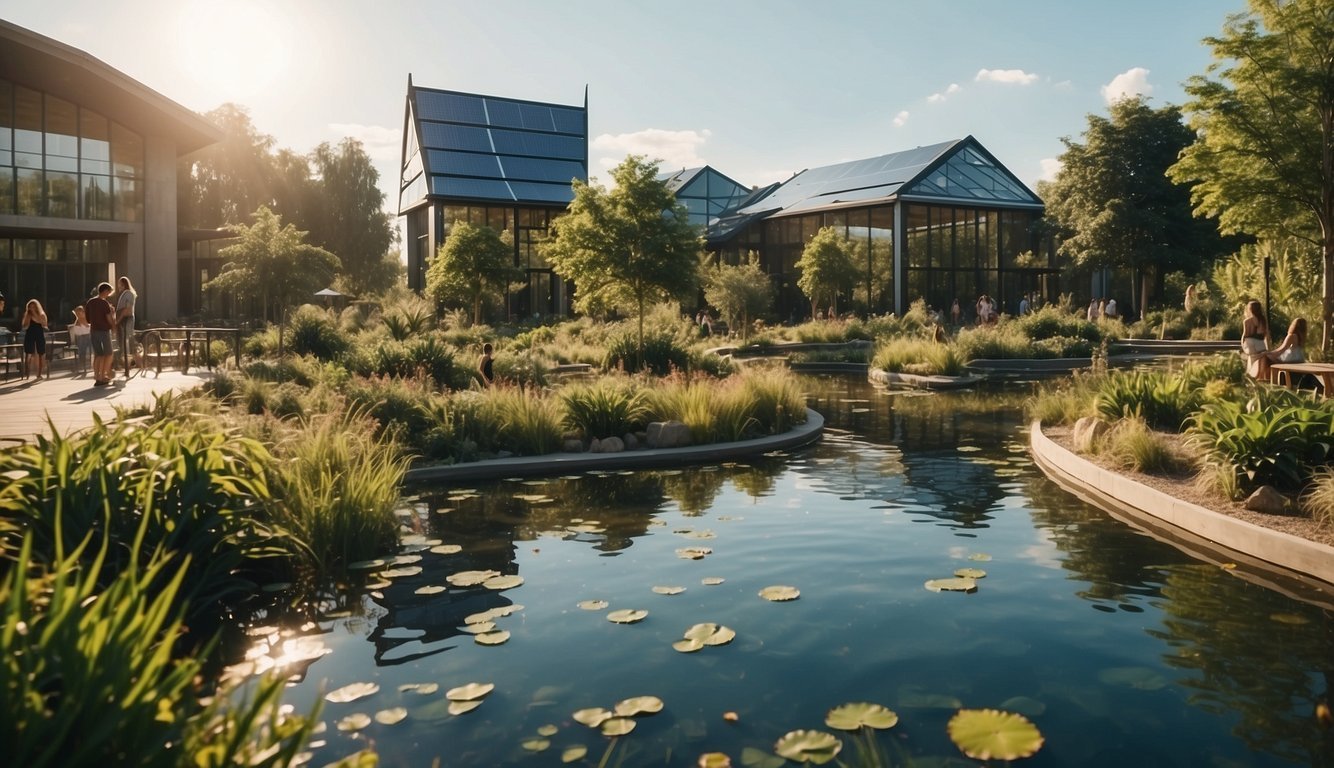
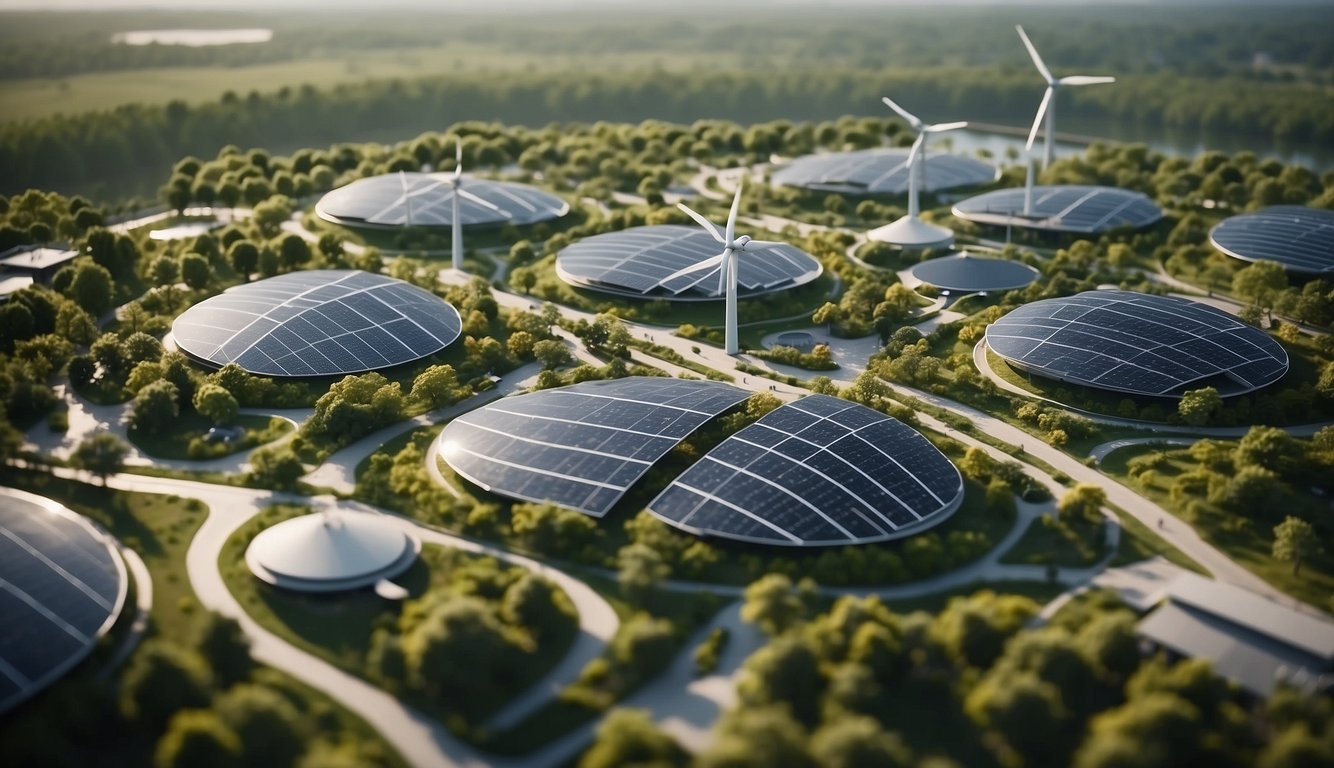
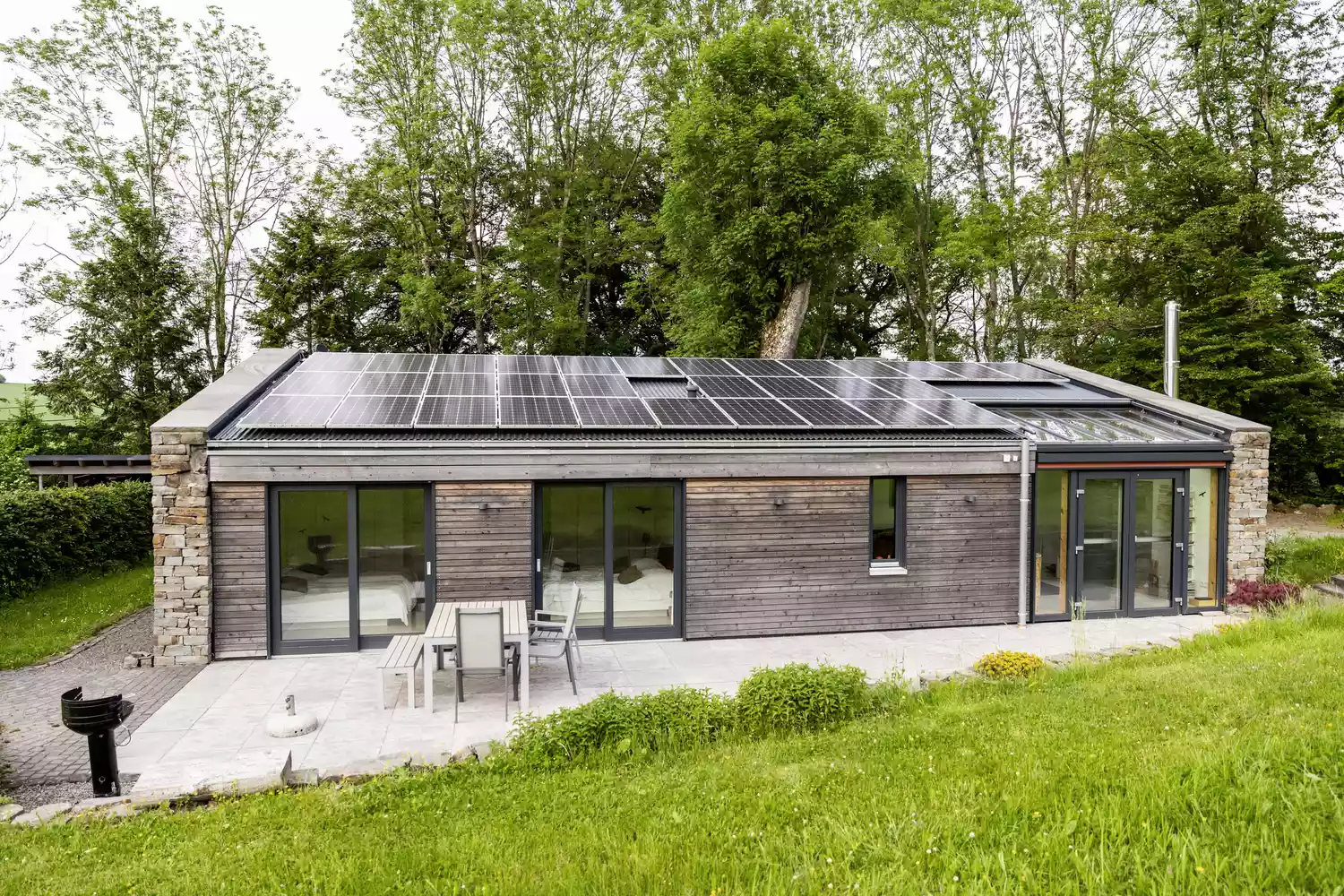
Energy efficiency is paramount in sustainable architecture, focusing on strategies like effective insulation, efficient HVAC systems, and maximized natural lighting to reduce reliance on fossil fuels and decrease greenhouse gas emissions. Many sustainable buildings also incorporate renewable energy systems such as solar panels, wind turbines, and geothermal systems to generate their own power. Water conservation is addressed through rainwater harvesting, low-flow fixtures, and efficient irrigation, preserving water resources and reducing utility costs. Waste reduction is achieved through careful material selection, prioritizing renewable and recyclable materials like reclaimed wood, recycled concrete, and bamboo, along with effective construction waste management.
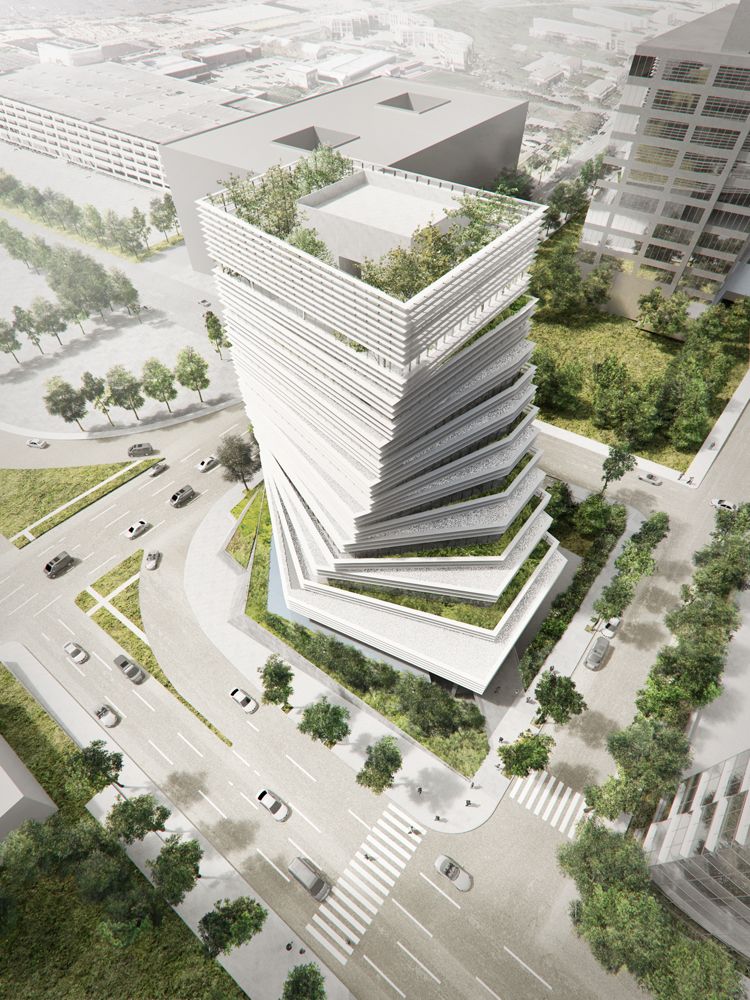
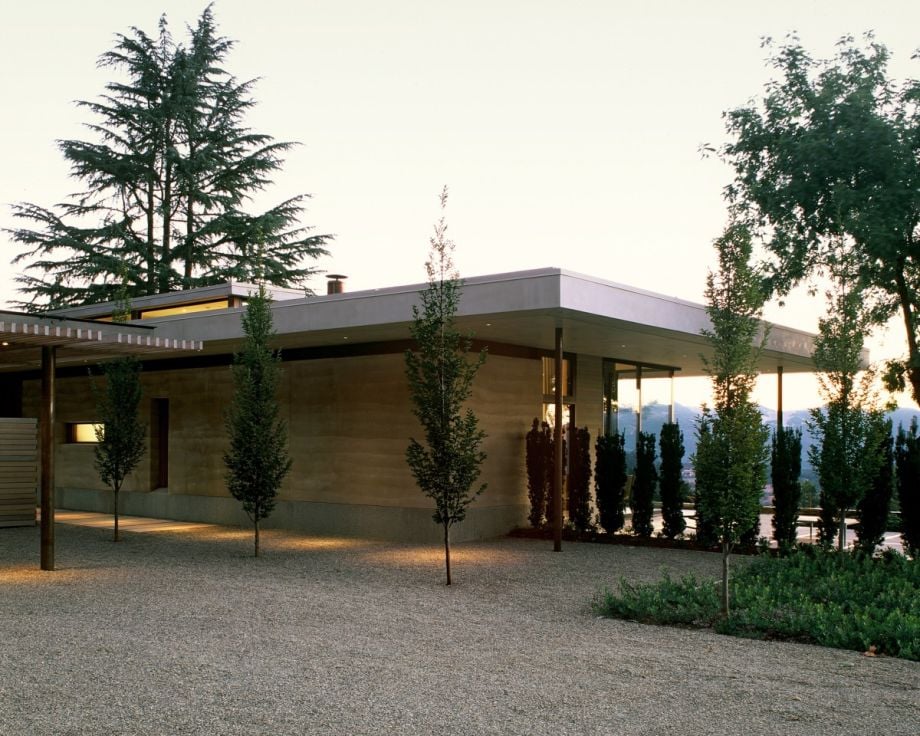
Passive design strategies are crucial for optimizing energy efficiency and occupant comfort by leveraging natural heating and cooling sources through building orientation, thermal mass, insulation, and glazing. This approach maximizes natural light, improves indoor air quality, and lowers utility bills. An integrated design process is essential, fostering collaboration among architects, engineers, and builders to seamlessly embed sustainability goals into every project phase.
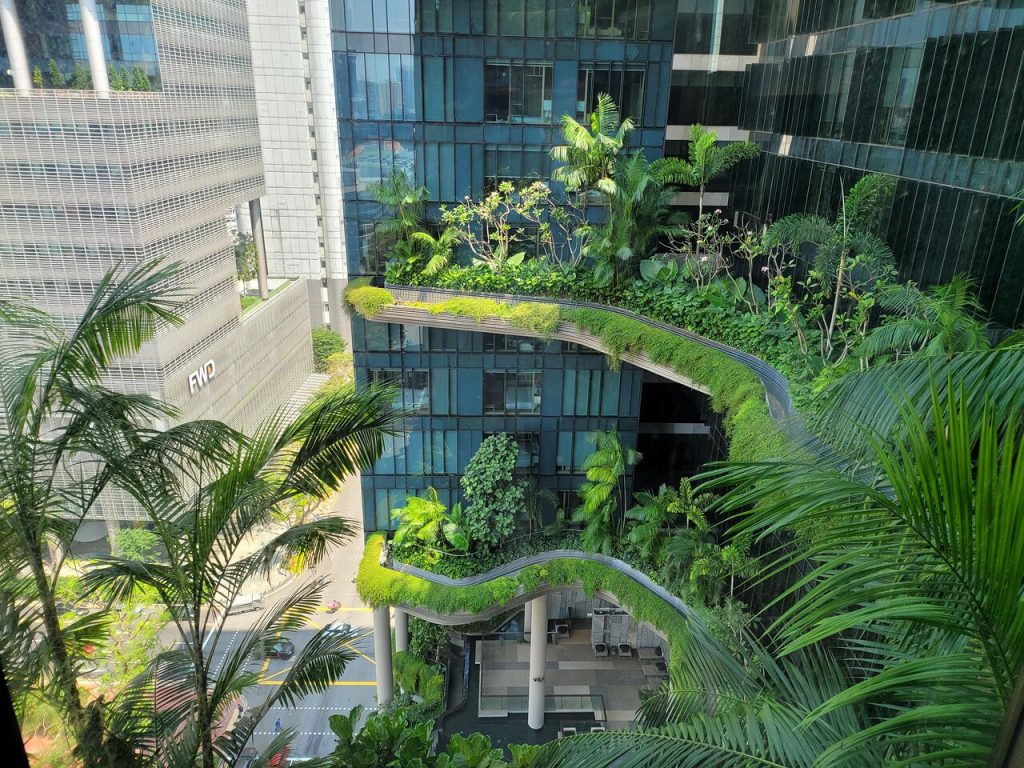
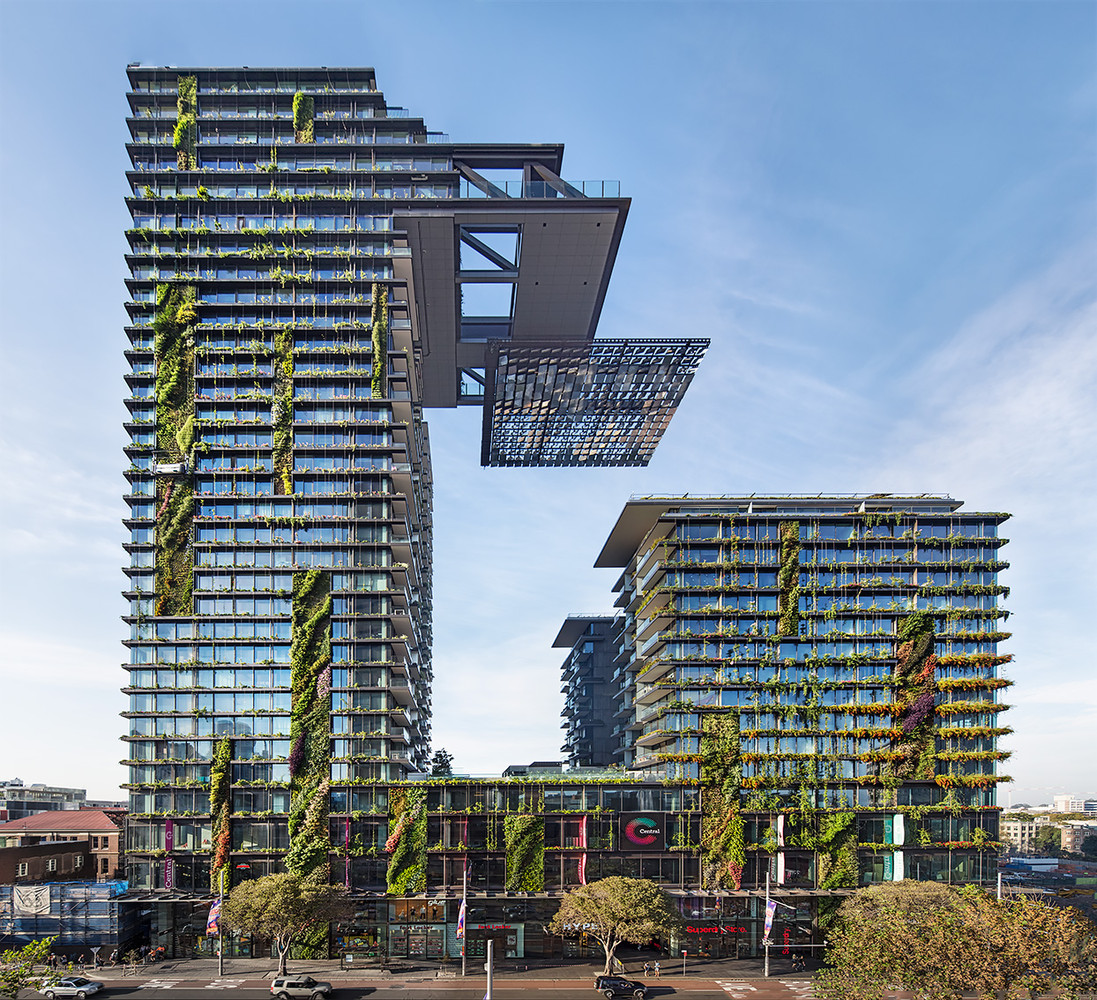
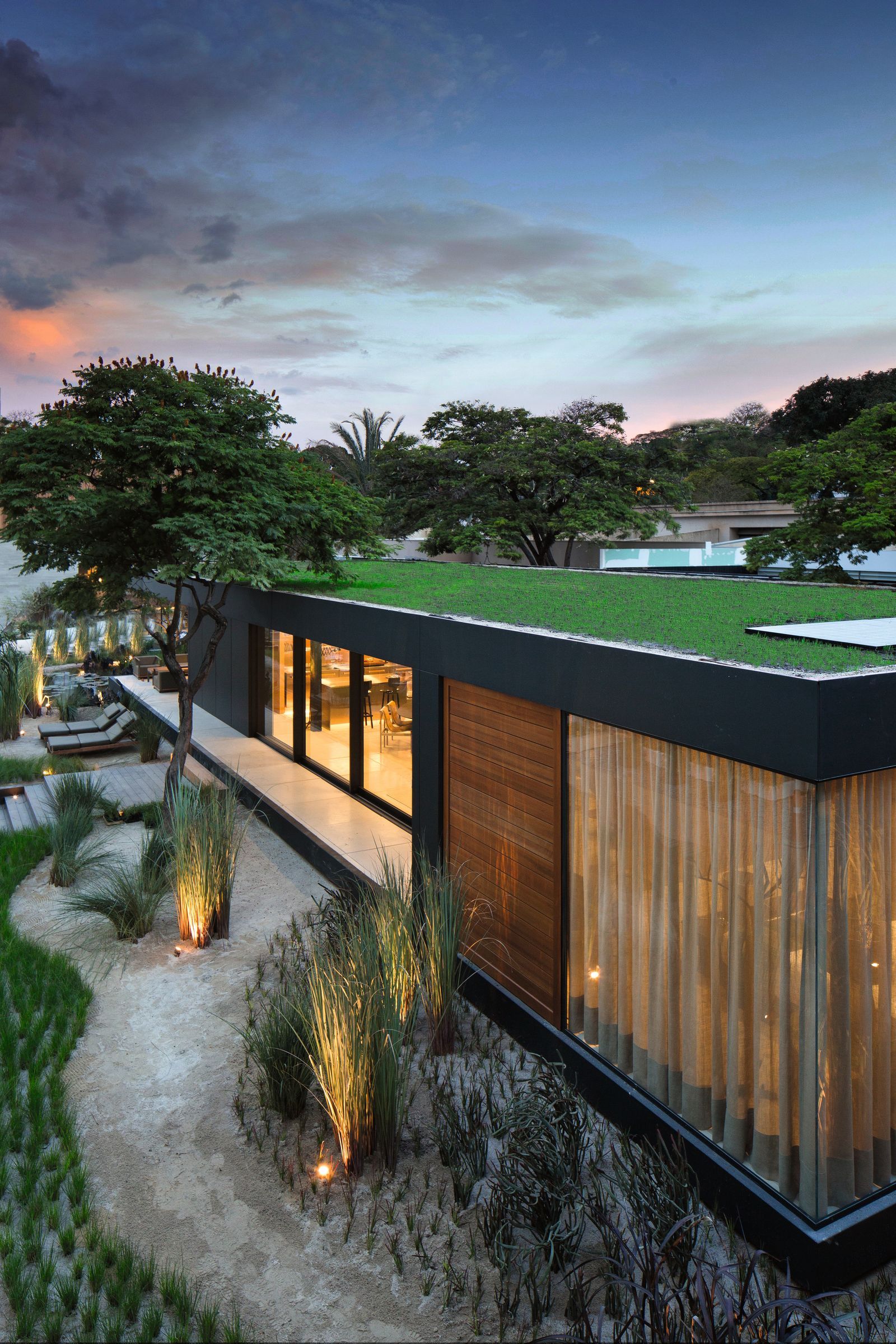
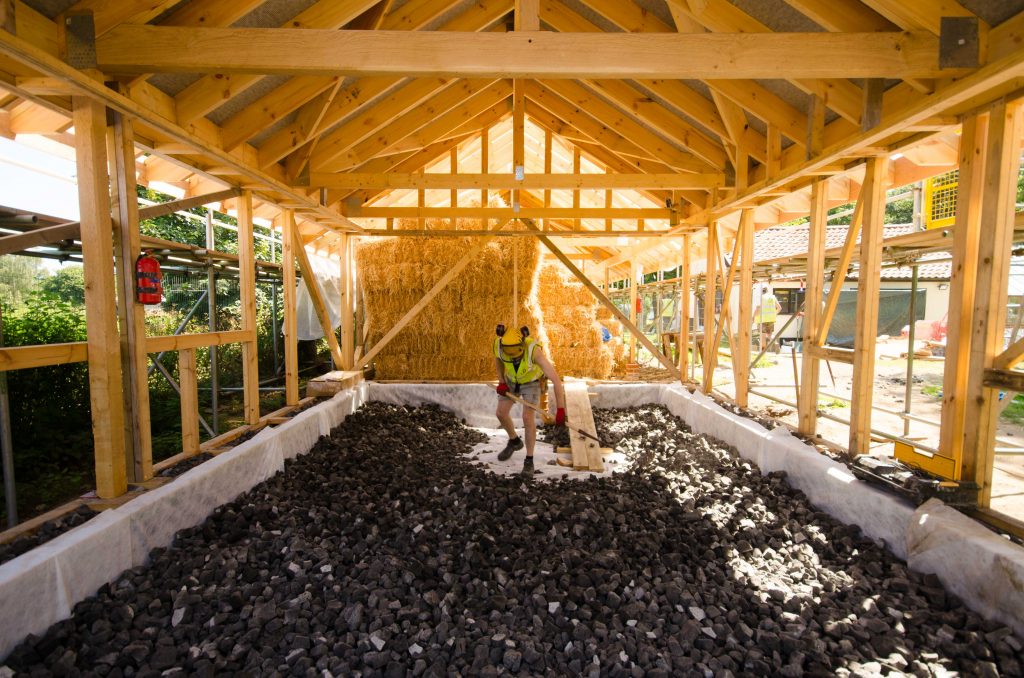
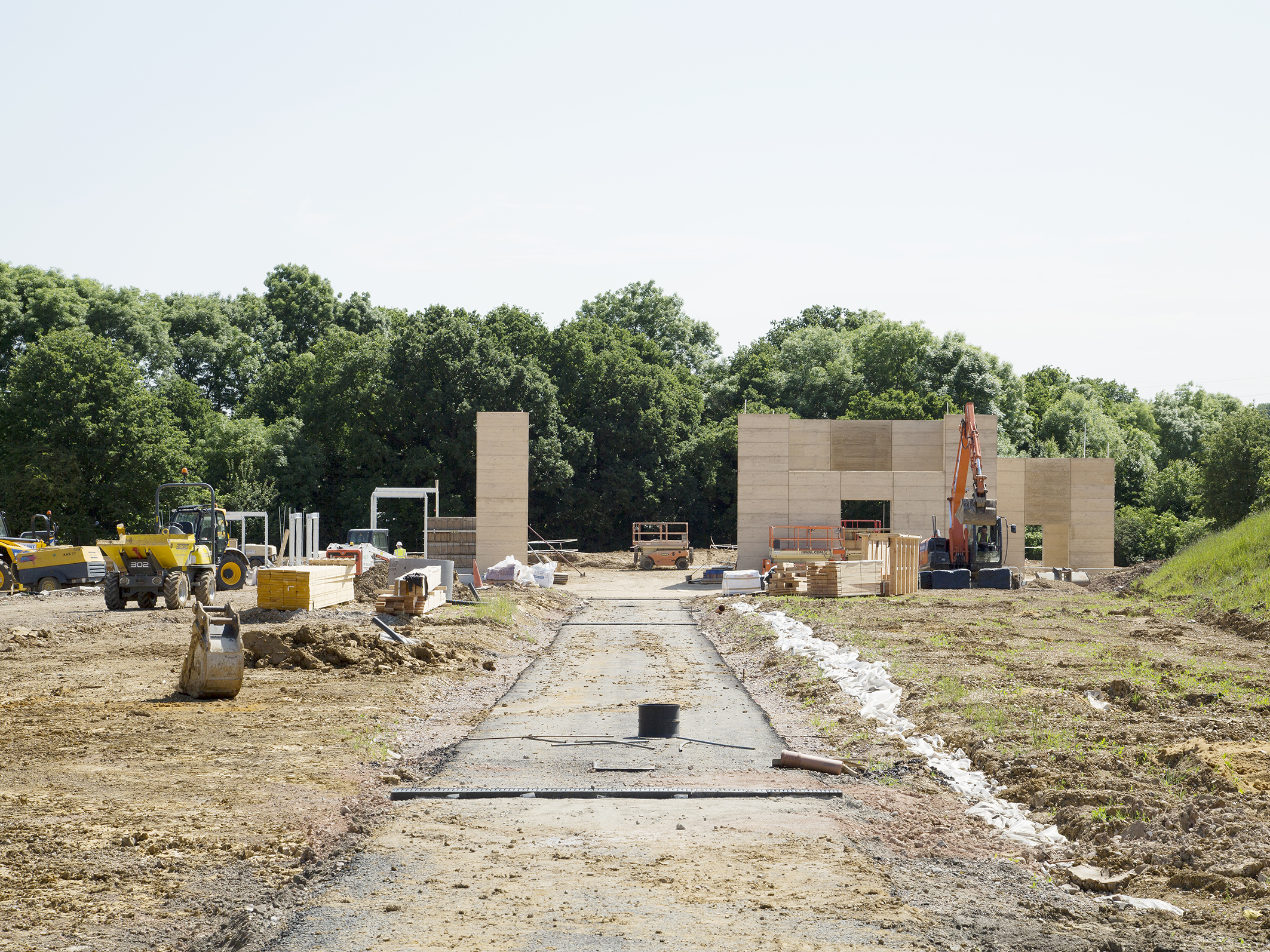
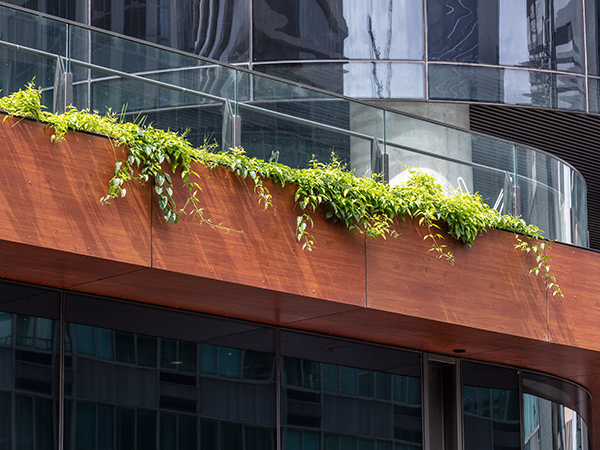
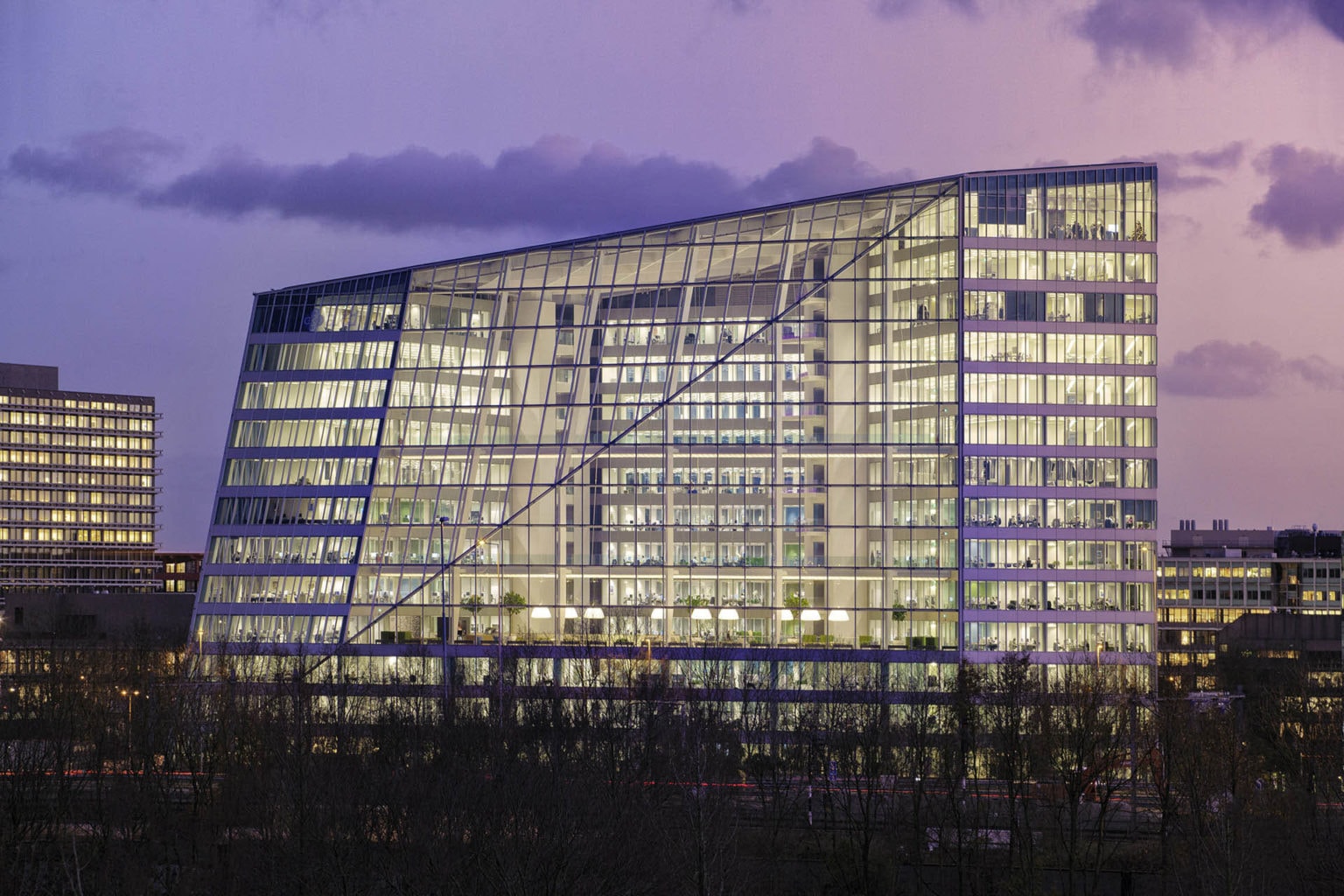
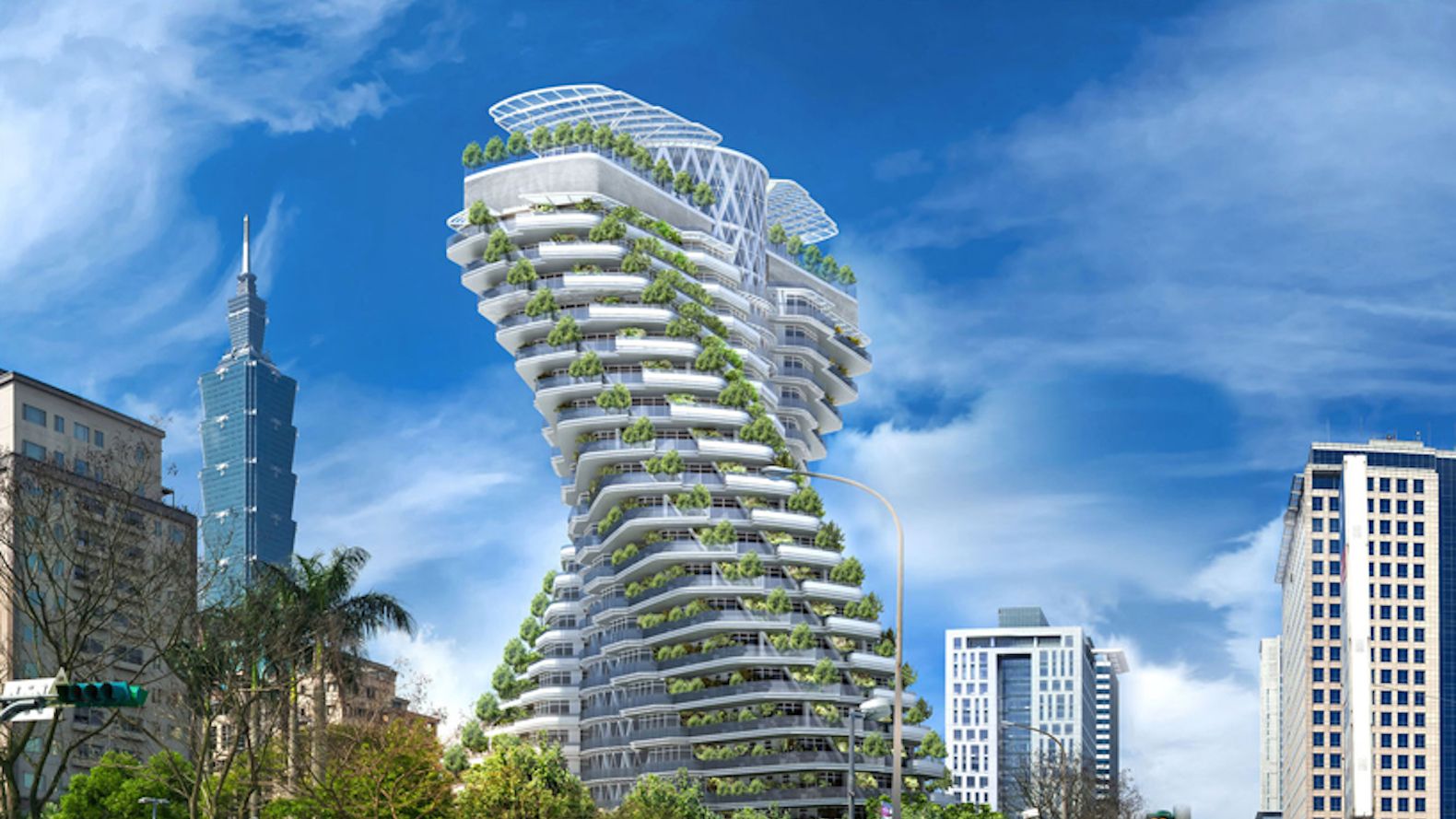
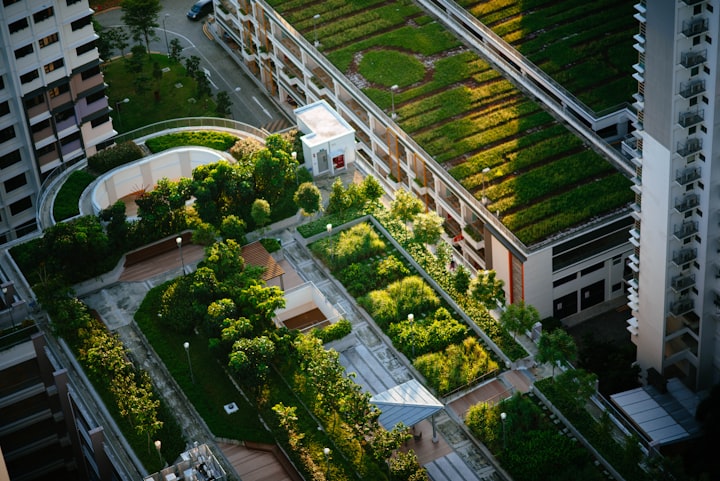
Sustainable construction practices extend beyond design, embracing innovative techniques like prefabricated construction, which reduces waste, energy consumption, and construction time by manufacturing components off-site. The article showcases ten pioneering sustainable buildings globally, including the Bahrain World Trade Center with its wind turbines, the Shanghai Tower with its double-skin facade and wind turbines, and the Bank of America Tower known for its energy-efficient technologies and green roofs. Other notable examples include Brazil's Museum of Tomorrow, Australia's Pixel Building, The Edge in the Netherlands, One Central Park in Australia, the net-zero energy Bullitt Center in the United States, The Crystal in the UK, and China's solar-powered Sun-Moon Mansion.
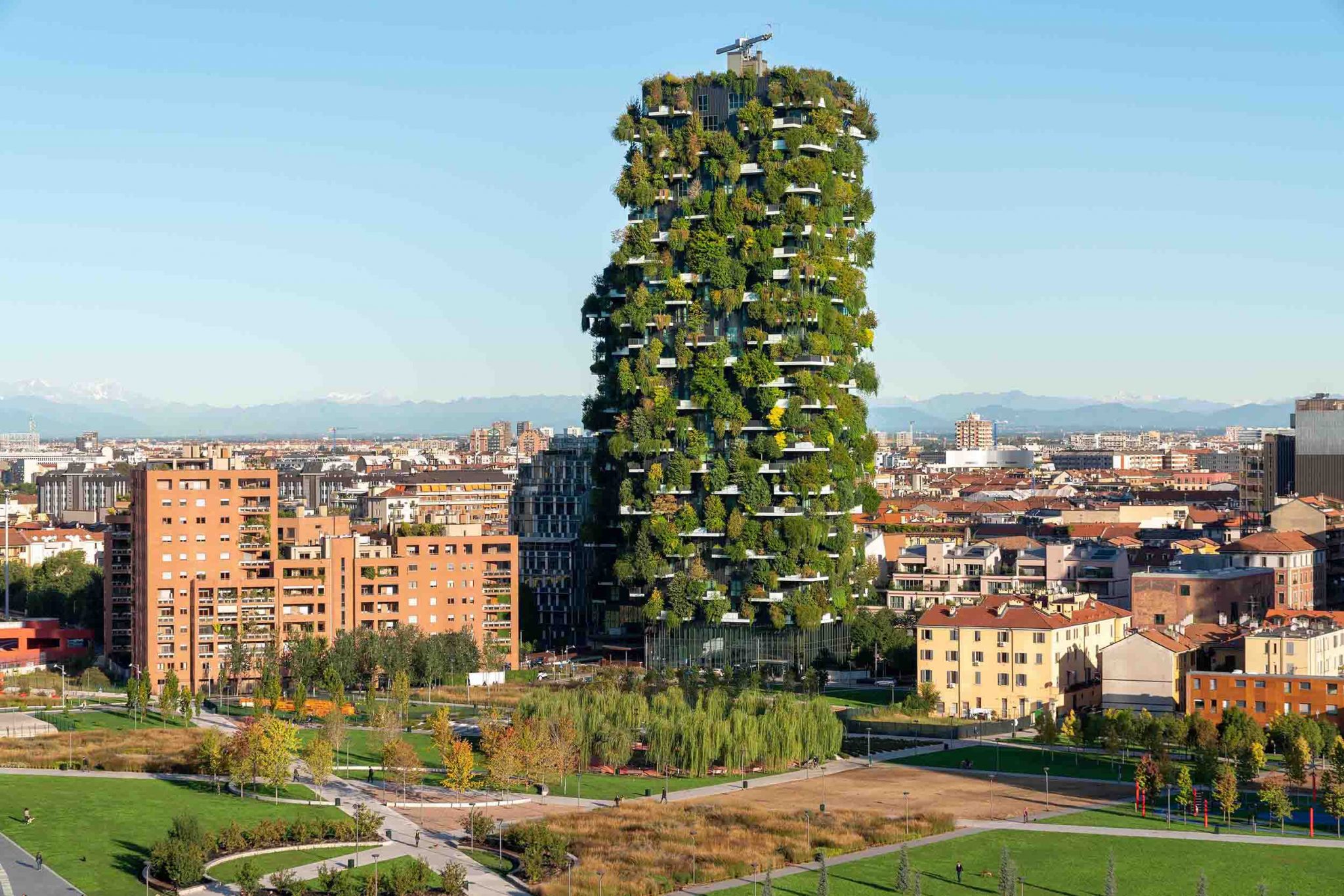
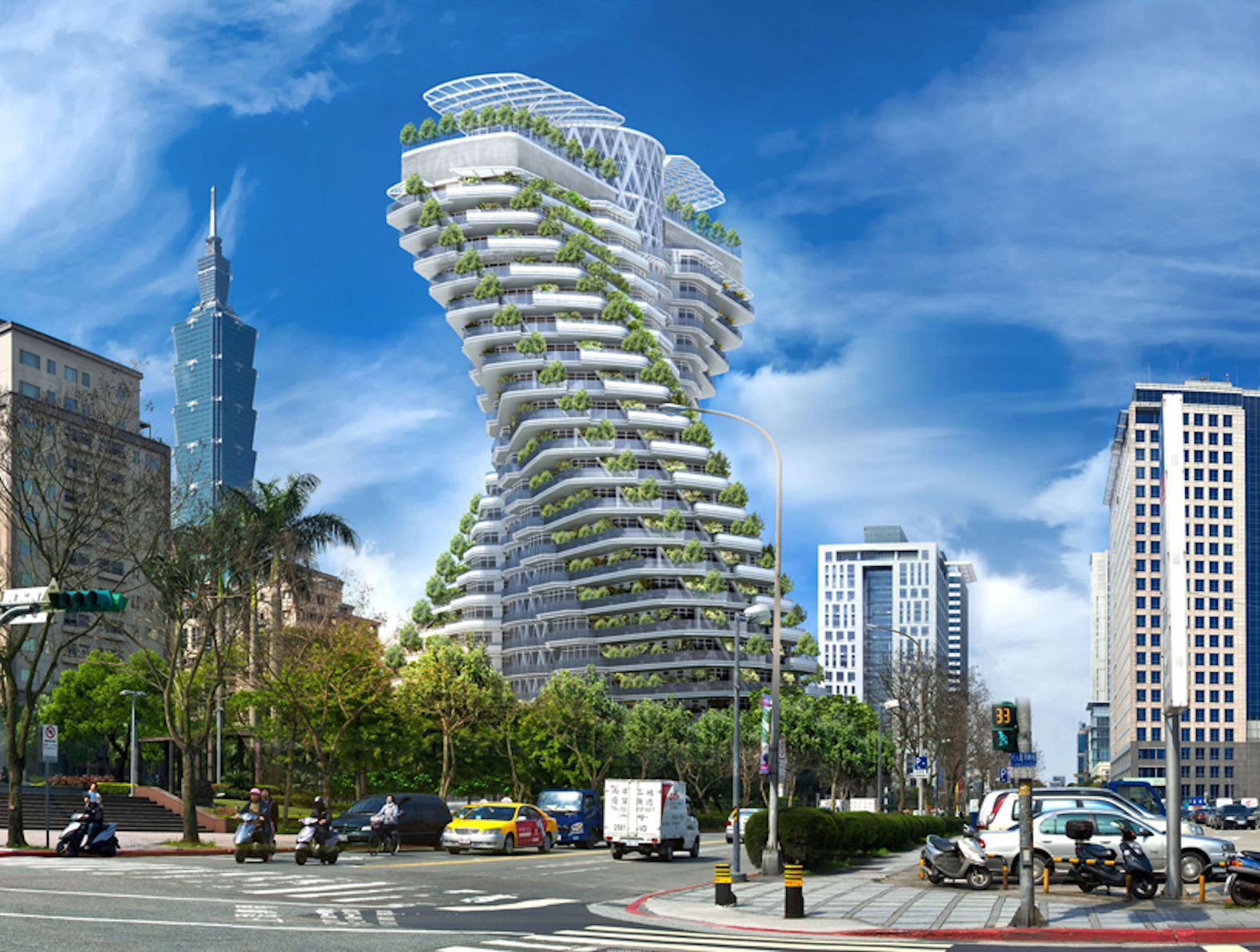
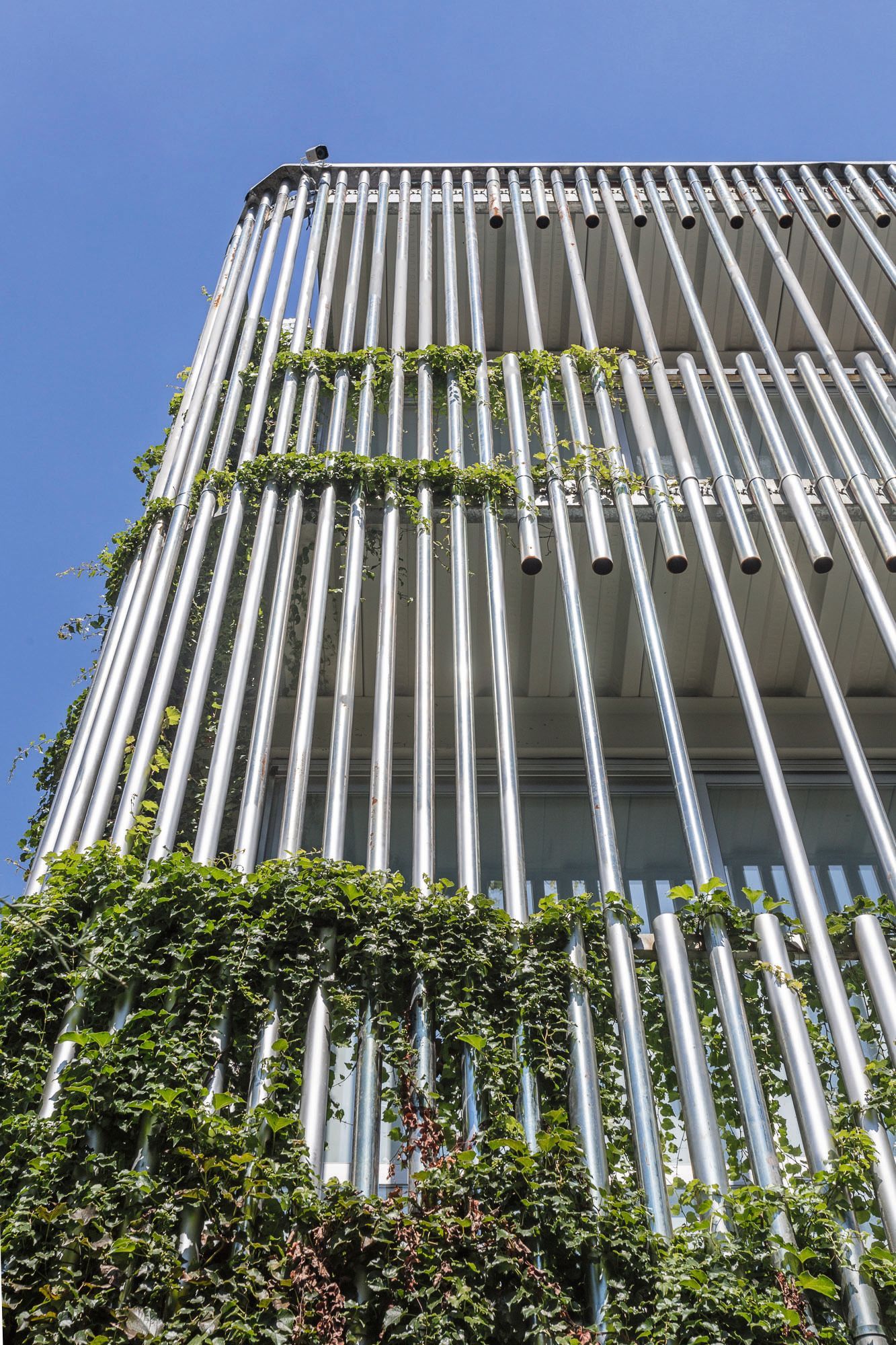
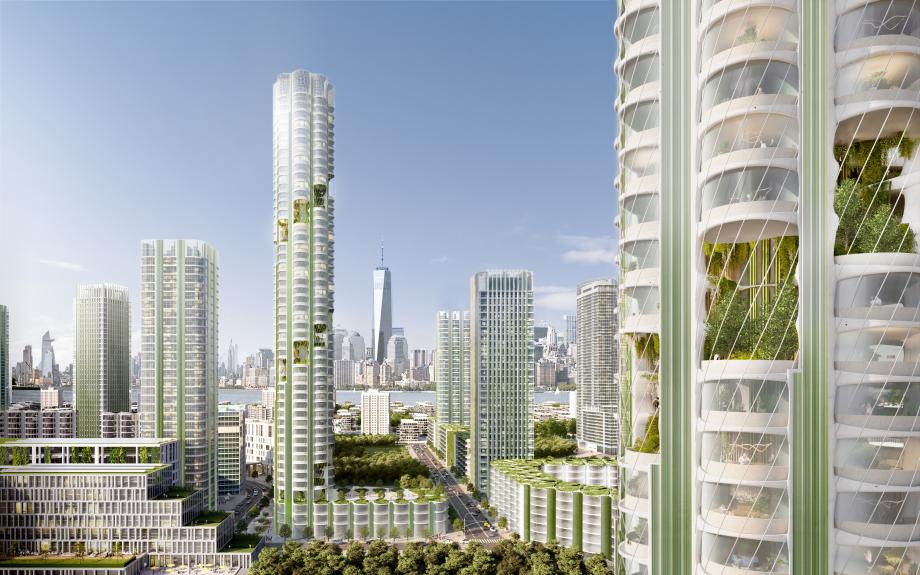
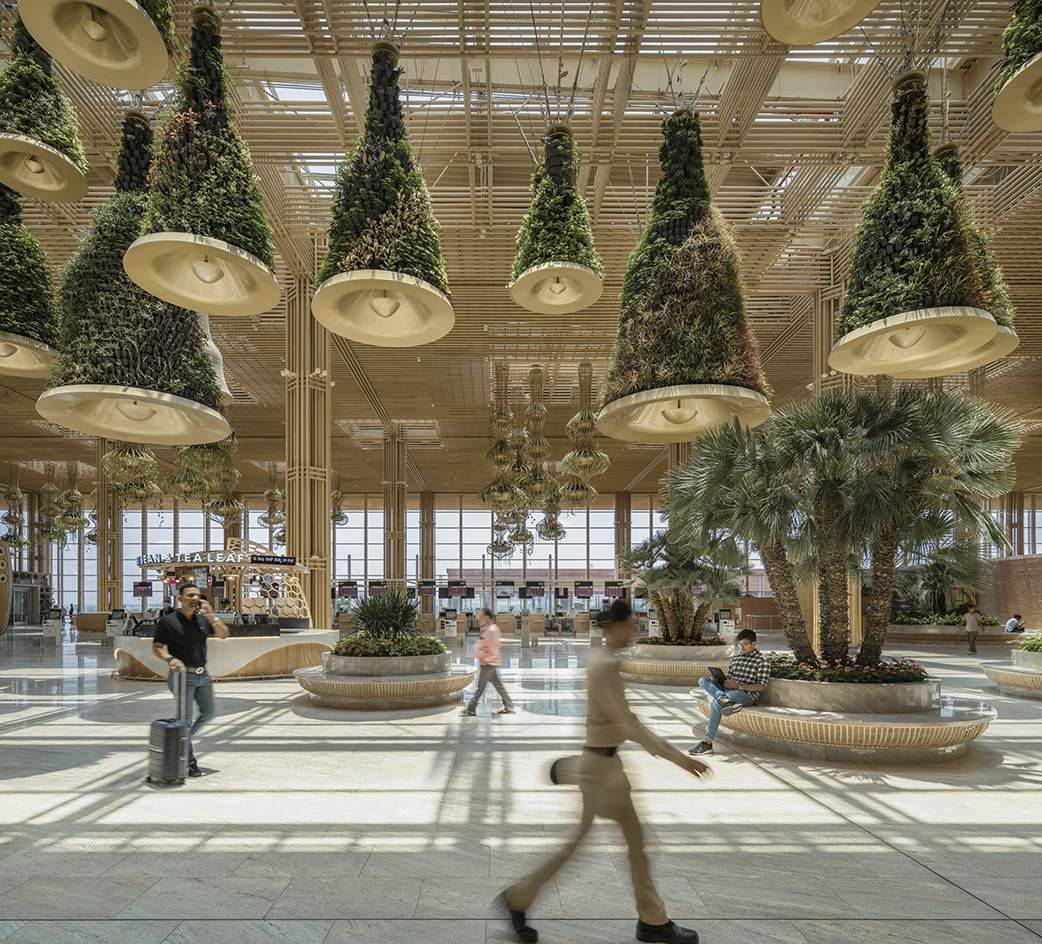
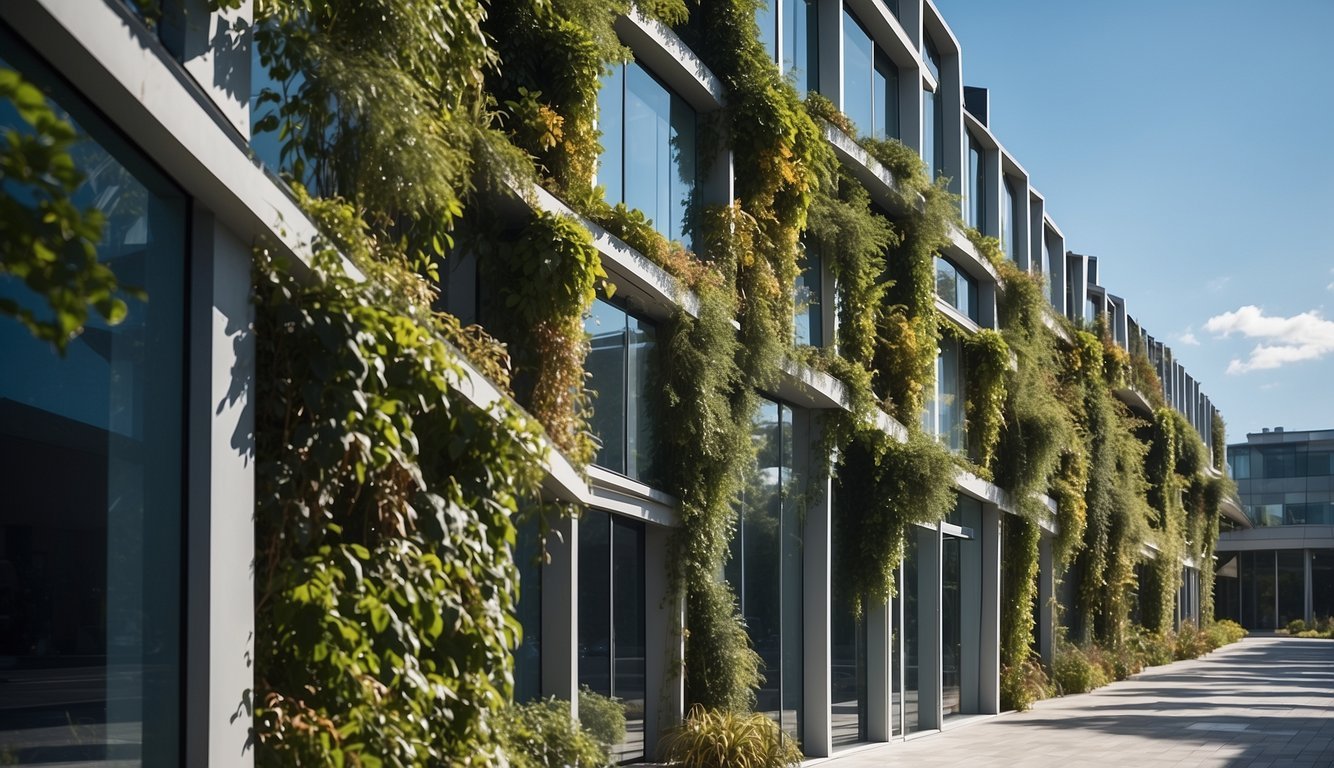
The future of sustainable architecture is promising, with emerging trends like net-zero energy buildings that produce as much energy as they consume, circular economy principles focusing on material reuse and waste minimization, and biophilic design which integrates natural elements to enhance occupant well-being. These advancements underscore a collective commitment to creating environmentally friendly buildings that also offer healthy and comfortable living and working environments.
#SustainableBuildings #GreenArchitecture #UrbanDesign #ClimateChange #EnergyEfficiency #WaterConservation #WasteReduction #NetZeroBuildings #BiophilicDesign #SustainableBuildings #GreenArchitecture #UrbanDesign #ClimateChange #EnergyEfficiency #WaterConservation #WasteReduction #NetZeroBuildings #BiophilicDesign
0 comment in total
 No comments yet
You may also like
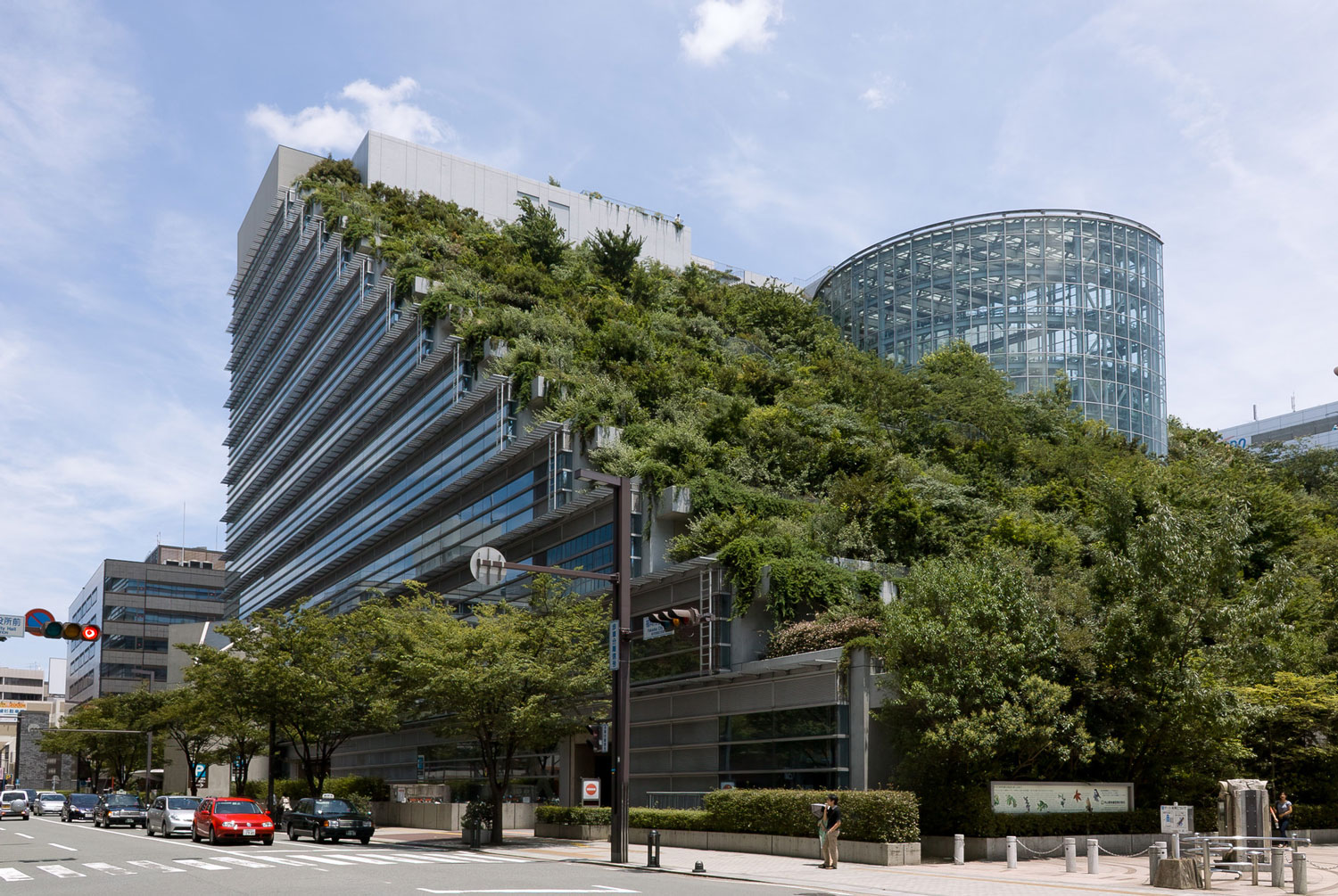
Top 10 Examples of Most Sustainable Architecture in 2025

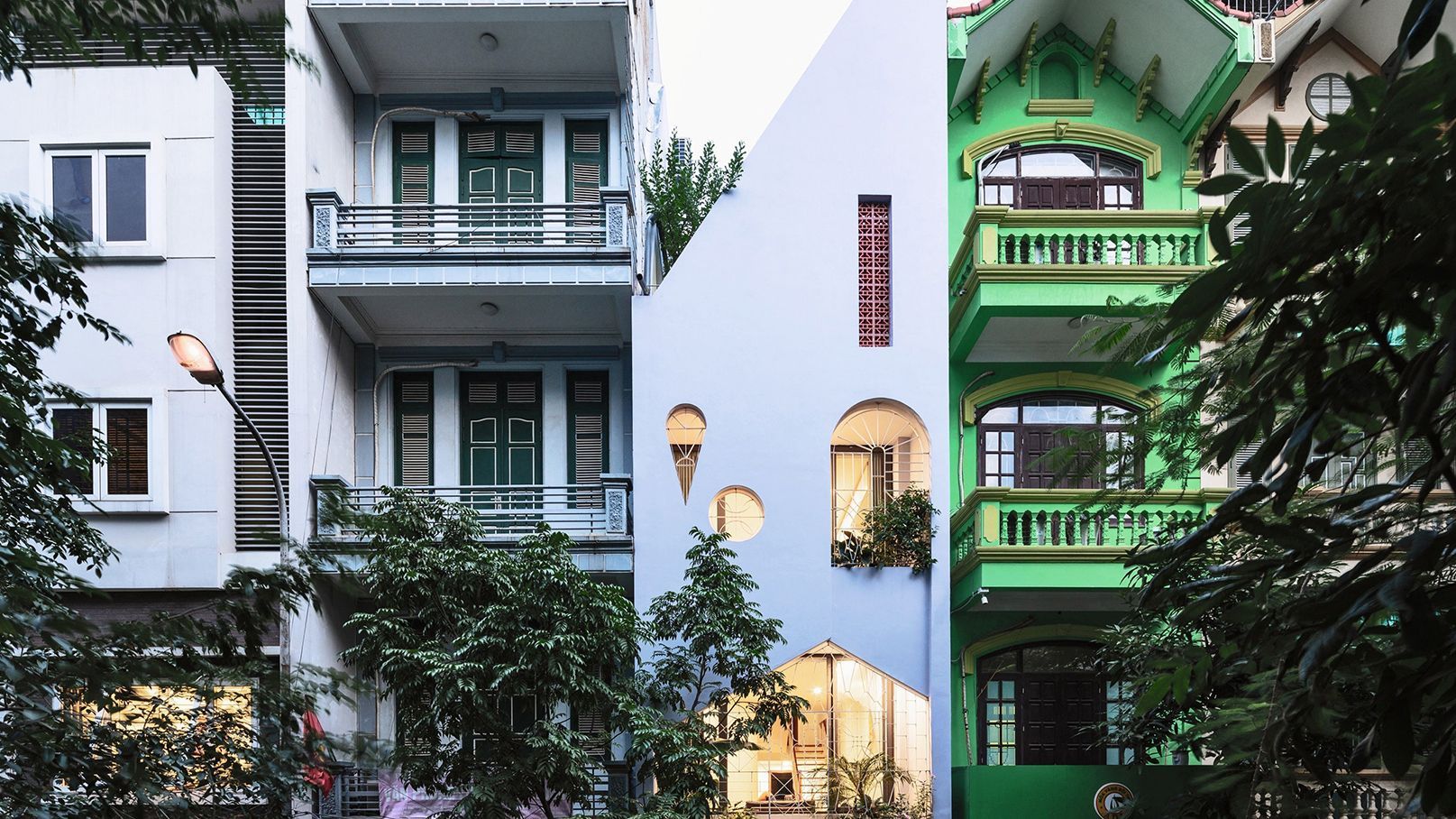
7 breathtaking sustainable homes around the world

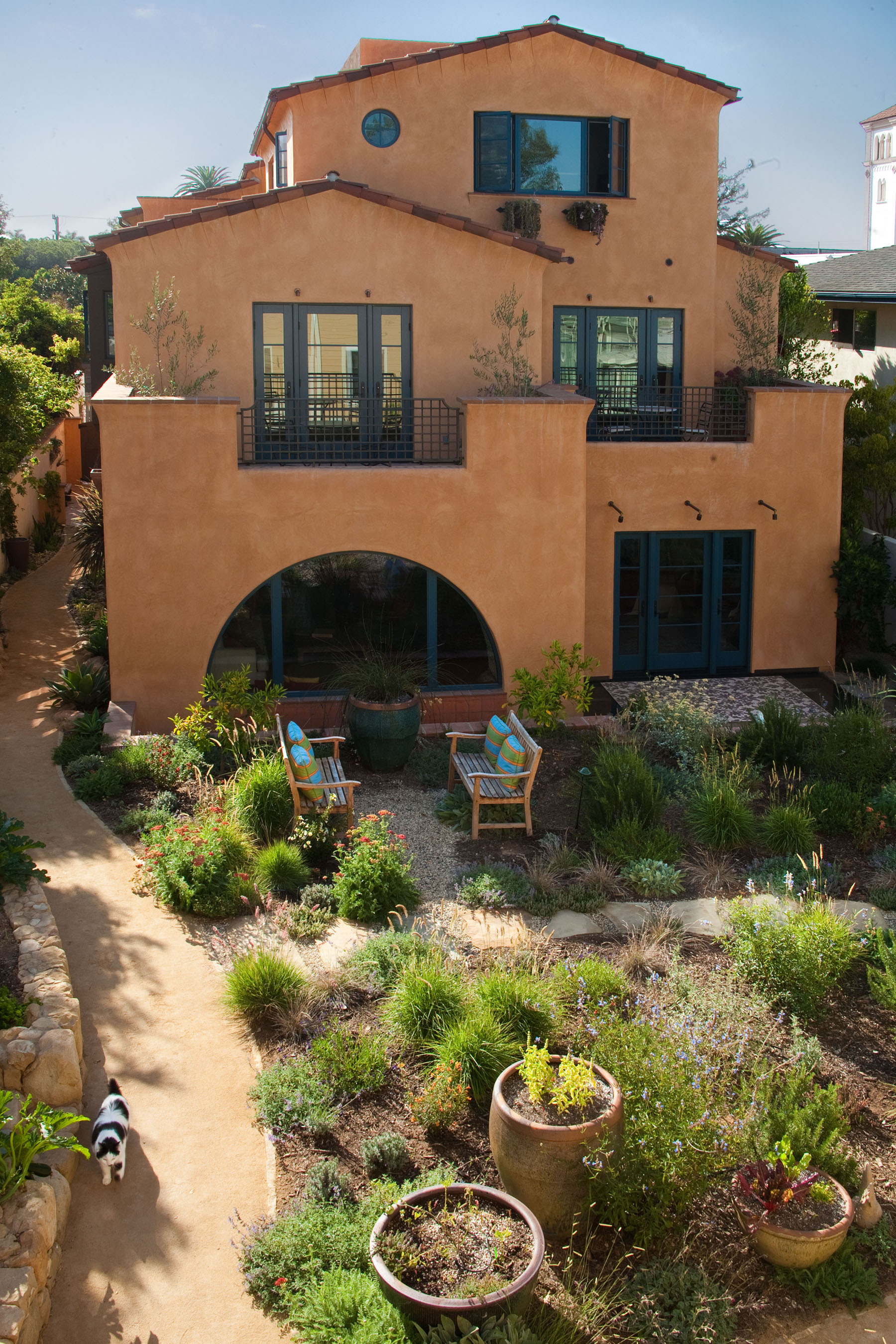
Ten Years of Living in a Green Project
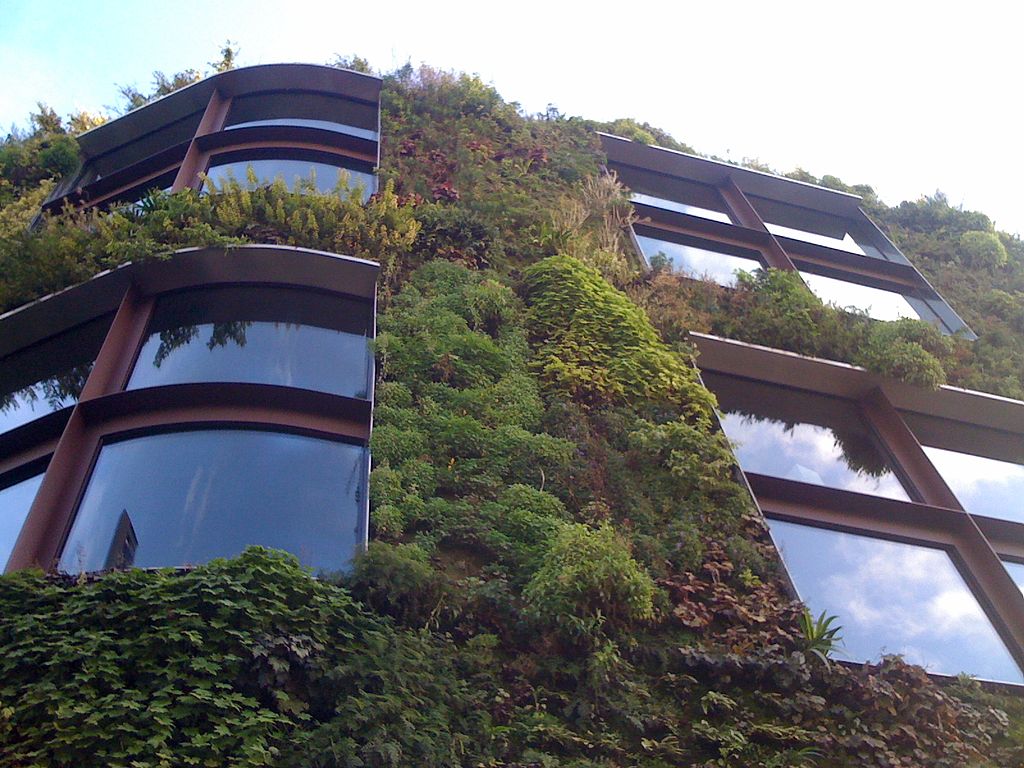
Living green walls are having a moment but face a steep challenge

8 Remarkable Buildings That Use Trees as a Design Element

Sustainable architecture: 46 innovative and inspiring building designs

Innovations Driving Sustainable Building and Architecture Forward
10 Must-Watch Documentaries on Renewable Architecture: Innovations & Insights

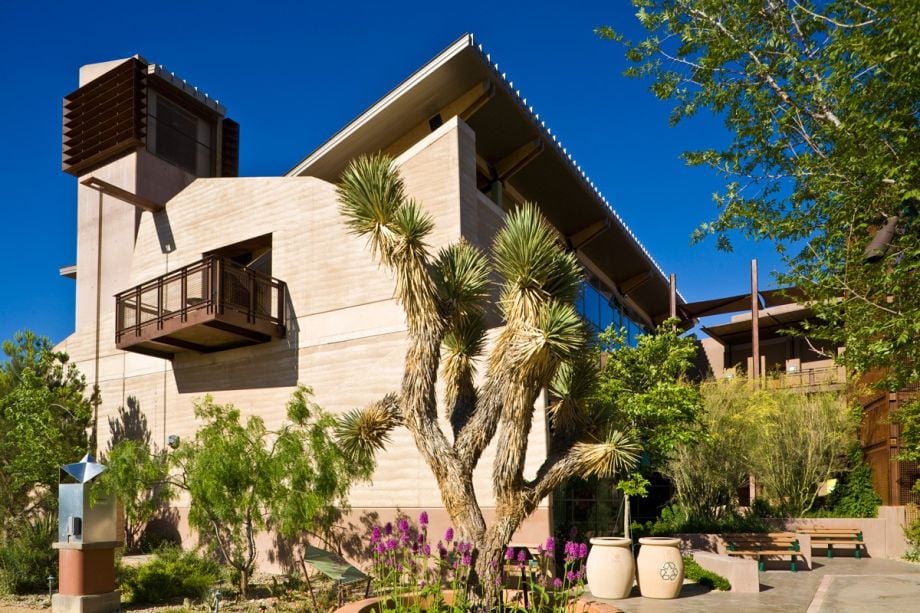
Rammed Earth Fits Into Urban Architecture’s Sustainable Future
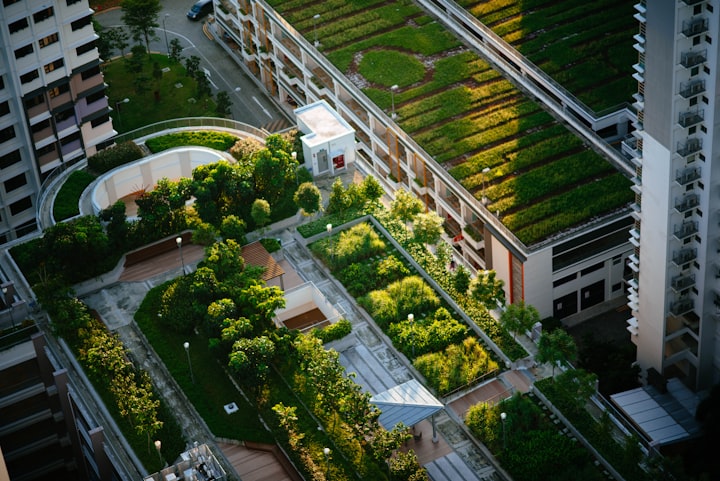
Emerging Trends in Green Building and Sustainable Design

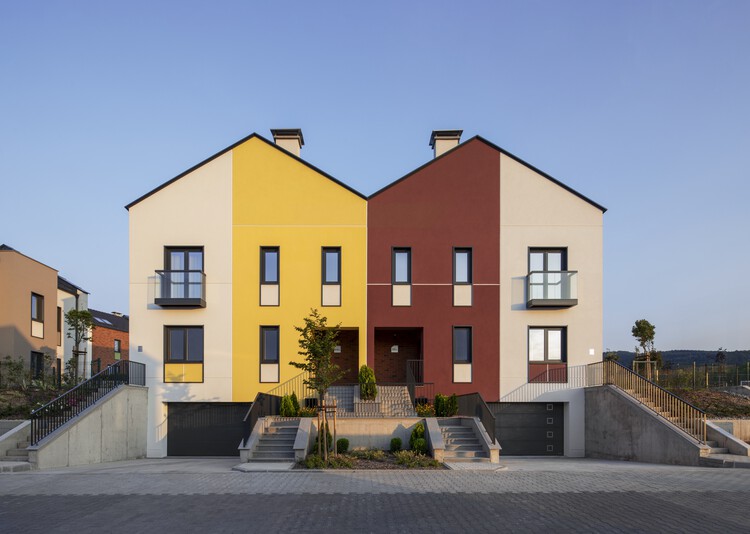
Case Studies in Community-Centered Living: Innovative Residential Design

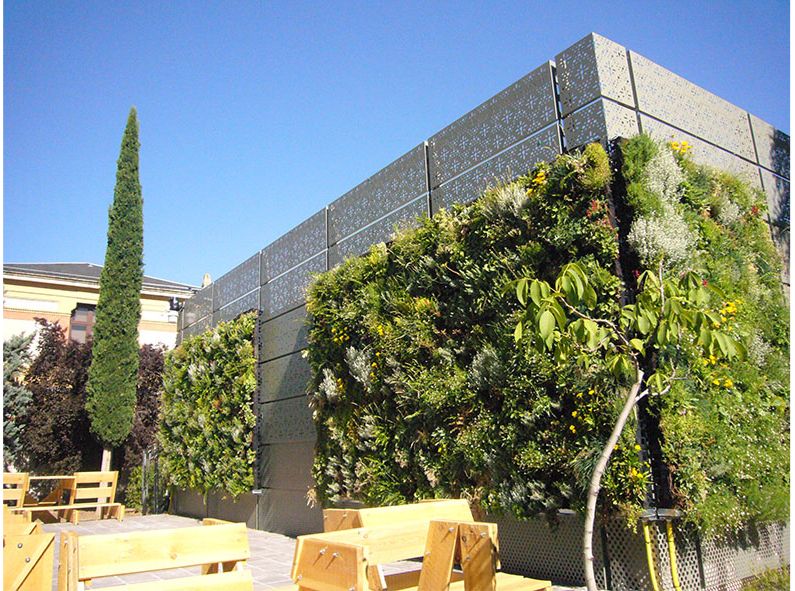
LABAU (Bioclimatic Architecture and Urban Agriculture Laboratory)
Emerging Trends in Green Building and Sustainable Design
Saving the earth: making the case for rammed earth architecture
The latest and greatest innovations in sustainable building materials

What books inspire sustainable interior design?
From Prototype to Progress: How Small-Scale Sustainable Housing Models Are Shaping Our Future

How to talk to architects, builders and general contractors about sustainability
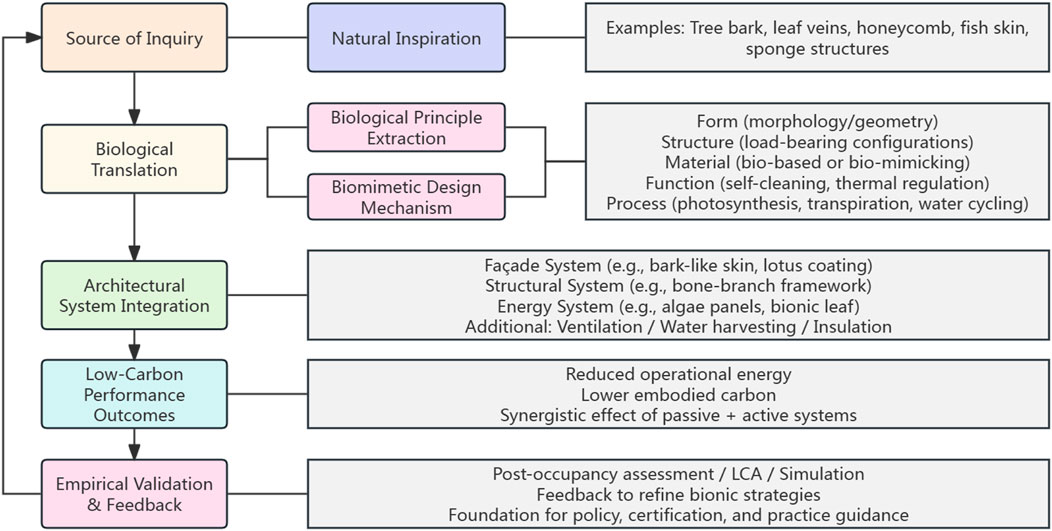
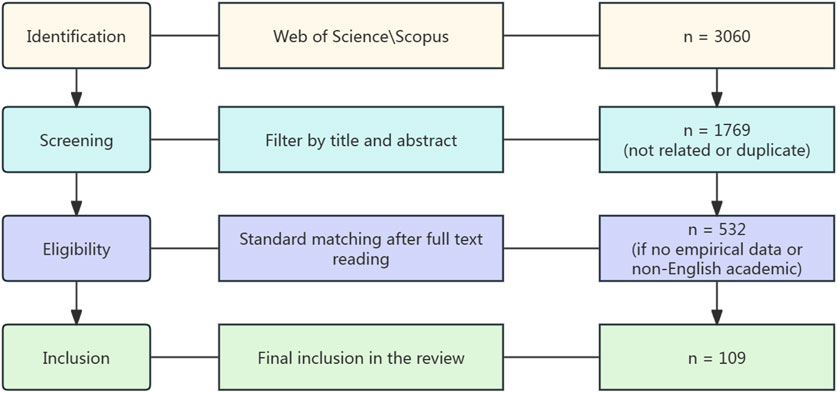
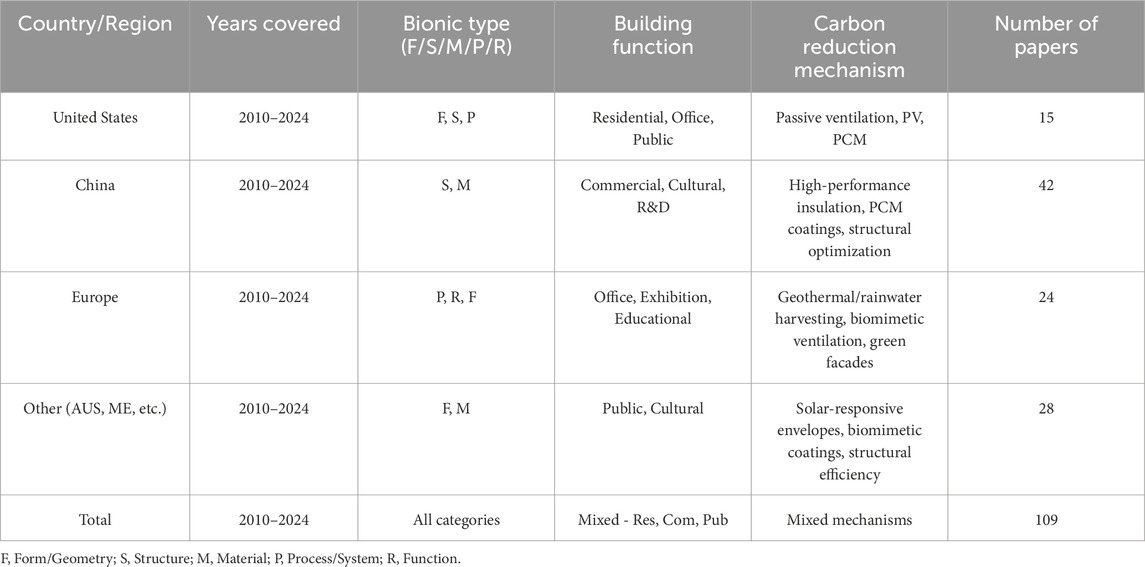
Application of bionic architecture in low-carbon design: a systematic review from nature inspiration to architectural practice
Want an Eco-Friendly Home? Everything You Should Know About Sustainable Architecture